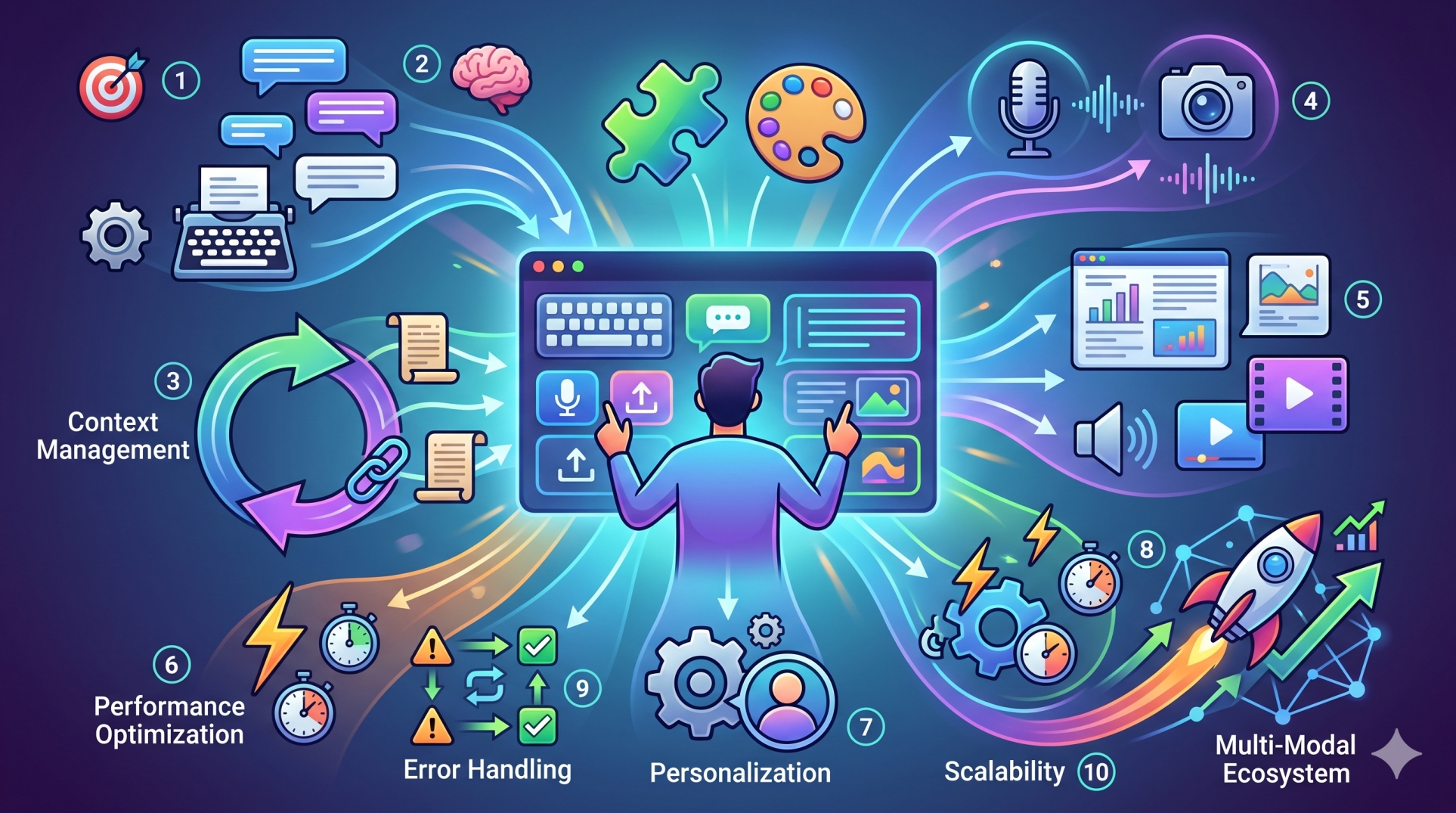
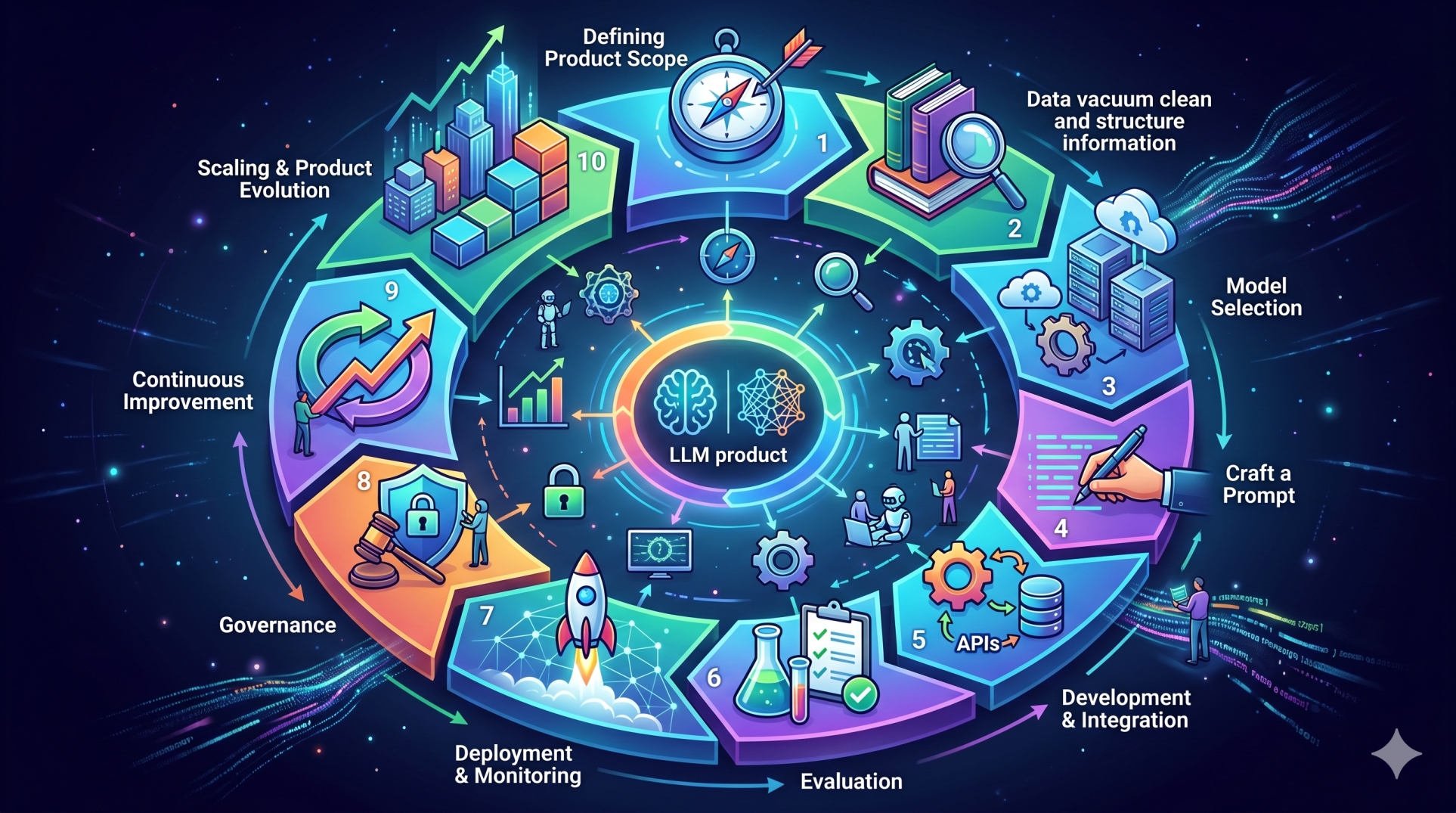
What to Look for When Choosing an LLM Software Platform
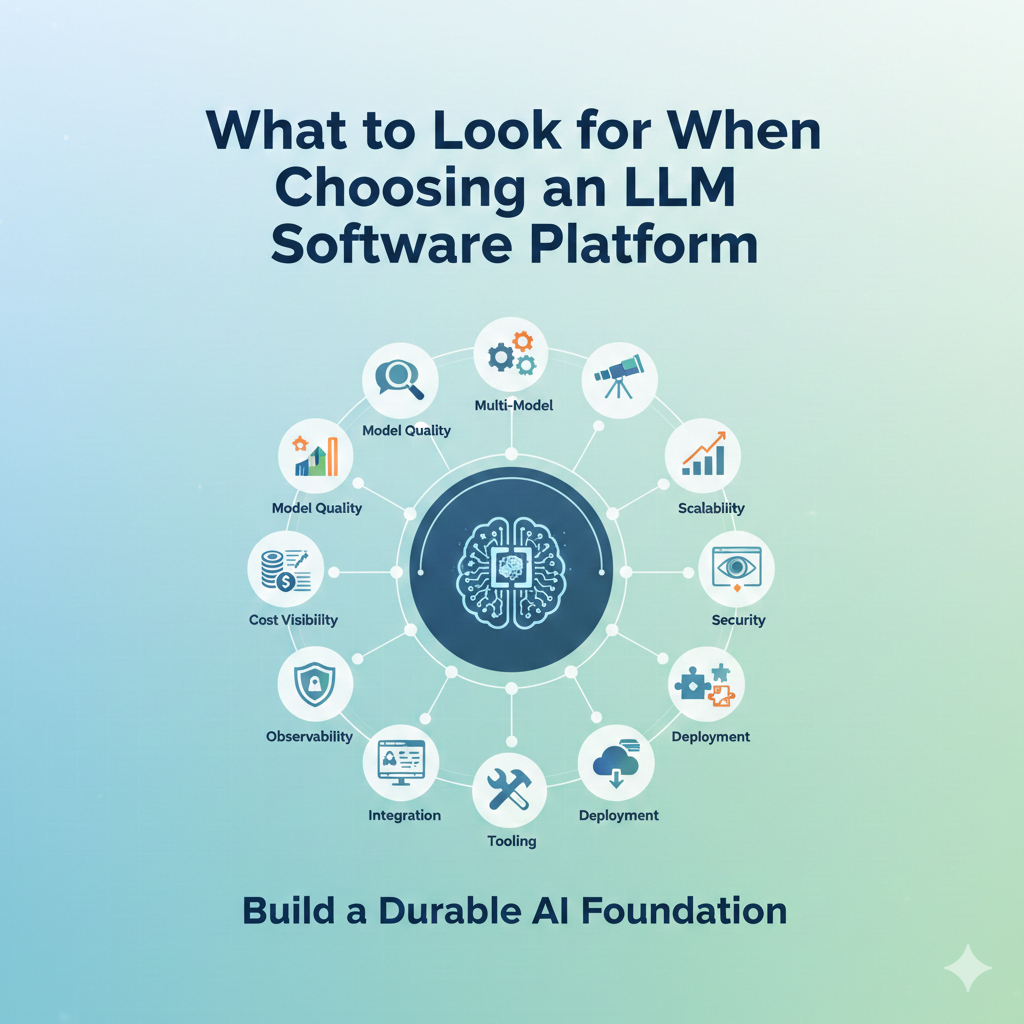
What to Look for When Choosing an LLM Software Platform 🚀
Large Language Models (LLMs) have quickly evolved from experimental technology into foundational infrastructure for modern businesses. From AI agents and customer support automation to internal copilots and intelligent workflows, selecting the right LLM software platform is a business-critical decision, not merely a technical one.
The wrong platform can introduce excessive costs, reliability issues, security concerns, and scalability limits. The right one, however, can dramatically improve speed, intelligence, and long-term competitive advantage.
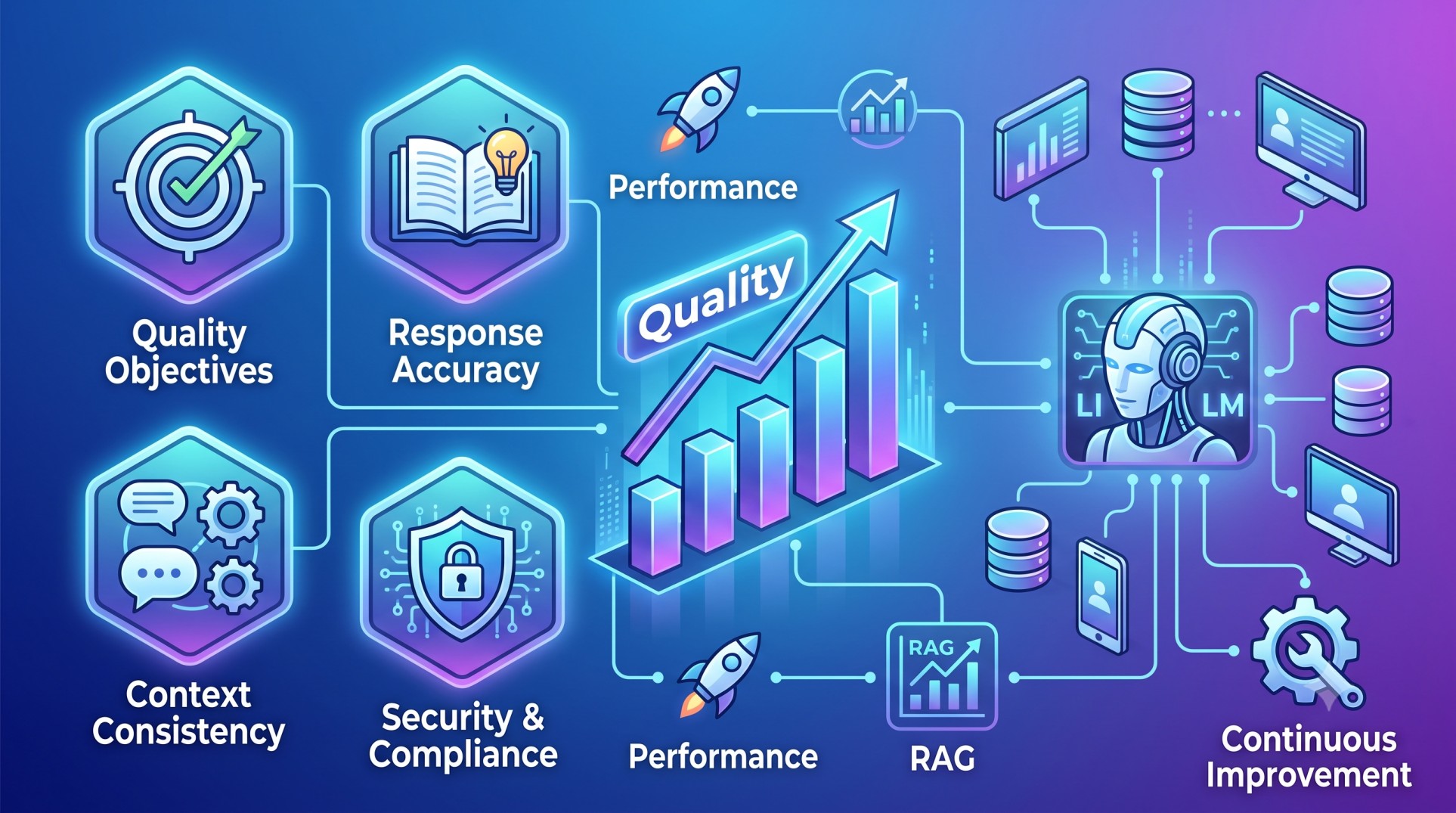
1. Model Quality and Real-World Performance 🧠
Everything starts with the model.
Ask critical questions such as:
• 🤔 How effectively does the model handle reasoning, instructions, and context?
• 📊 Is performance consistent across use cases like customer support, sales, technical queries, or legal content?
• 📄 Can it reliably manage long conversations or large documents?
Benchmarks alone are not enough. What truly matters is production performance—accuracy, consistency, and minimal hallucinations under real workloads.
💡 Pro tip: Look for proven production use cases, not just impressive demos.
2. Multi-Model Support and Vendor Flexibility 🔄
A robust LLM platform should never force you into a single model or provider.
Look for platforms that offer:
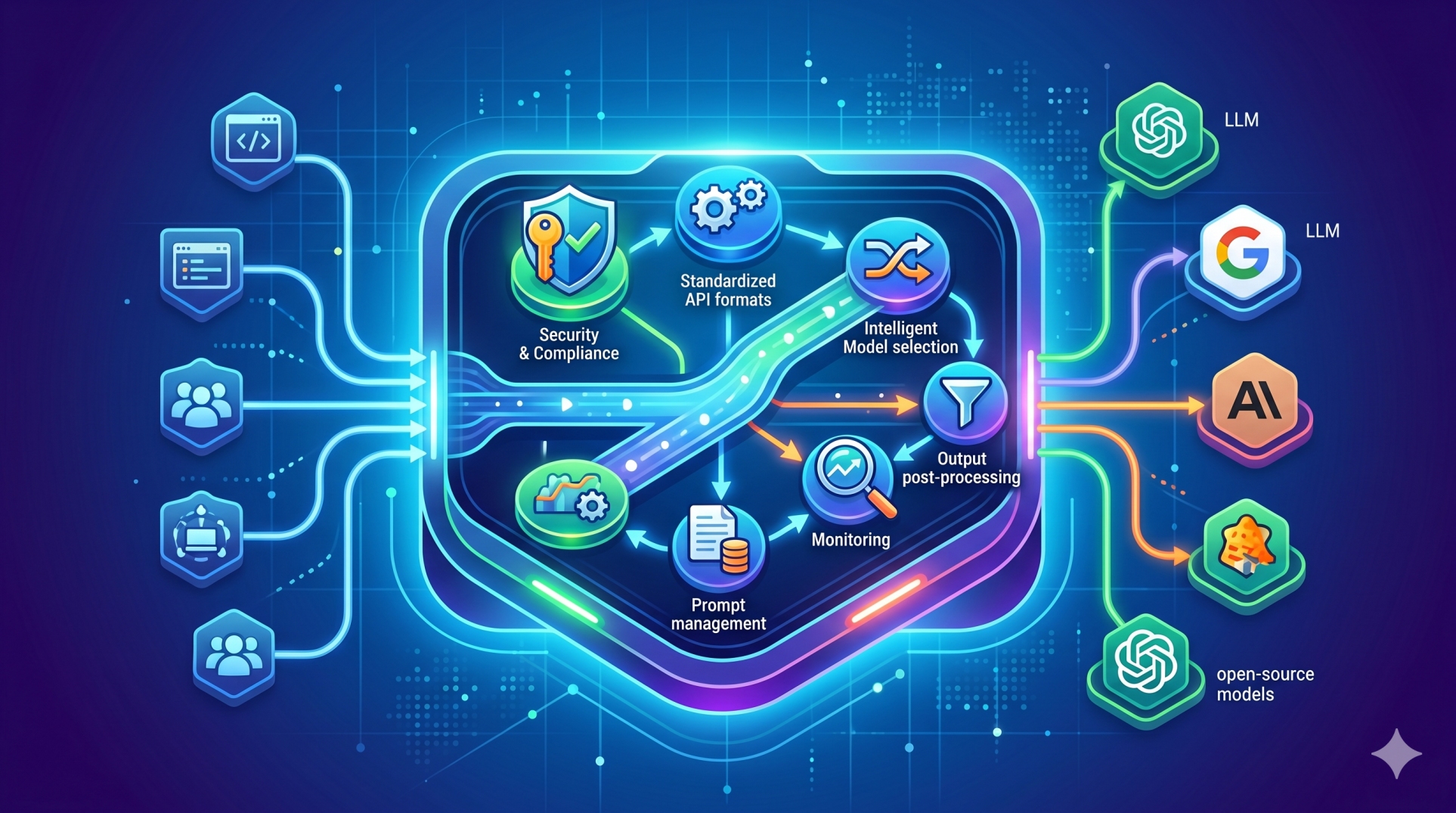
• 🧩 Support for multiple models, including both proprietary and open-source options
• 🔁 Seamless model switching without requiring application rewrites
• ⚡ Intelligent routing of tasks based on cost, latency, or complexity
This flexibility safeguards your system as models, pricing, and capabilities evolve.
3. Scalability and Production Reliability 📈
Many platforms perform well in controlled demos—but struggle at scale.
Evaluate whether the platform can:
• 🚦 Handle high request volumes and traffic spikes
• 🛟 Automatically fail over or fall back when models become unavailable
• 📜 Provide clear uptime commitments and service-level agreements (SLAs)
For customer-facing systems, reliability is non-negotiable.
4. Cost Visibility and Spend Management 💰
LLM usage costs can grow rapidly if left unmanaged.
A strong platform should include:
• 📊 Transparent token usage and cost reporting
• 🚫 Rate limiting and budget enforcement tools
• 🛠️ Optimization features for prompts and model selection
Without cost controls, even successful AI deployments can become financially unsustainable.
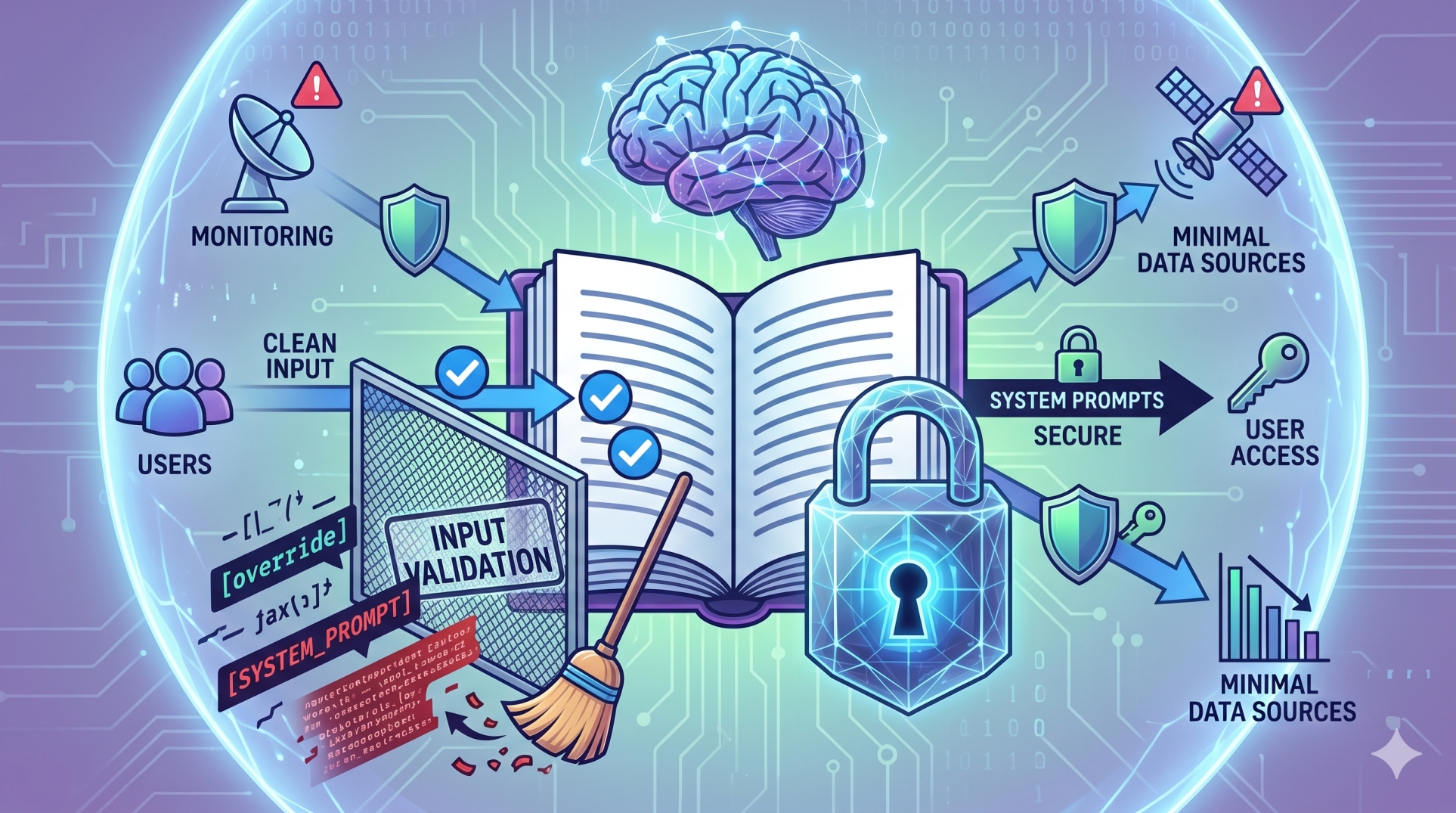
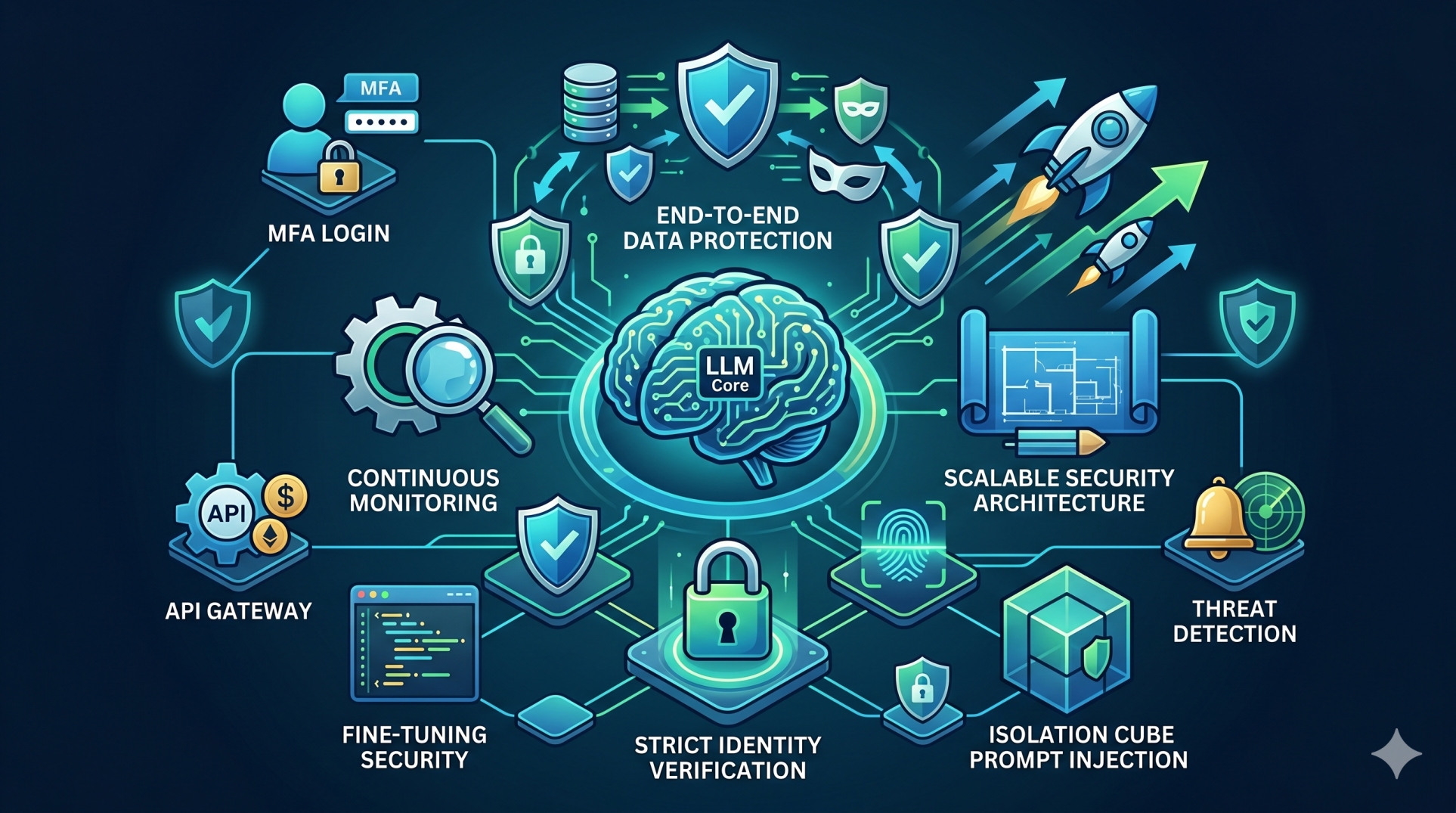
5. Security, Privacy, and Compliance 🔐
LLMs frequently handle sensitive or proprietary data.
Ensure the platform supports:
• 🔒 Encryption of data both in transit and at rest
• 🧾 Clear guarantees that your data will not be used for model training without consent
• 🏛️ Compliance with regulations such as GDPR, SOC 2, or HIPAA where applicable
• 👤 Role-based access control and detailed audit logs
For enterprise use cases, security is a baseline requirement—not an optional feature.
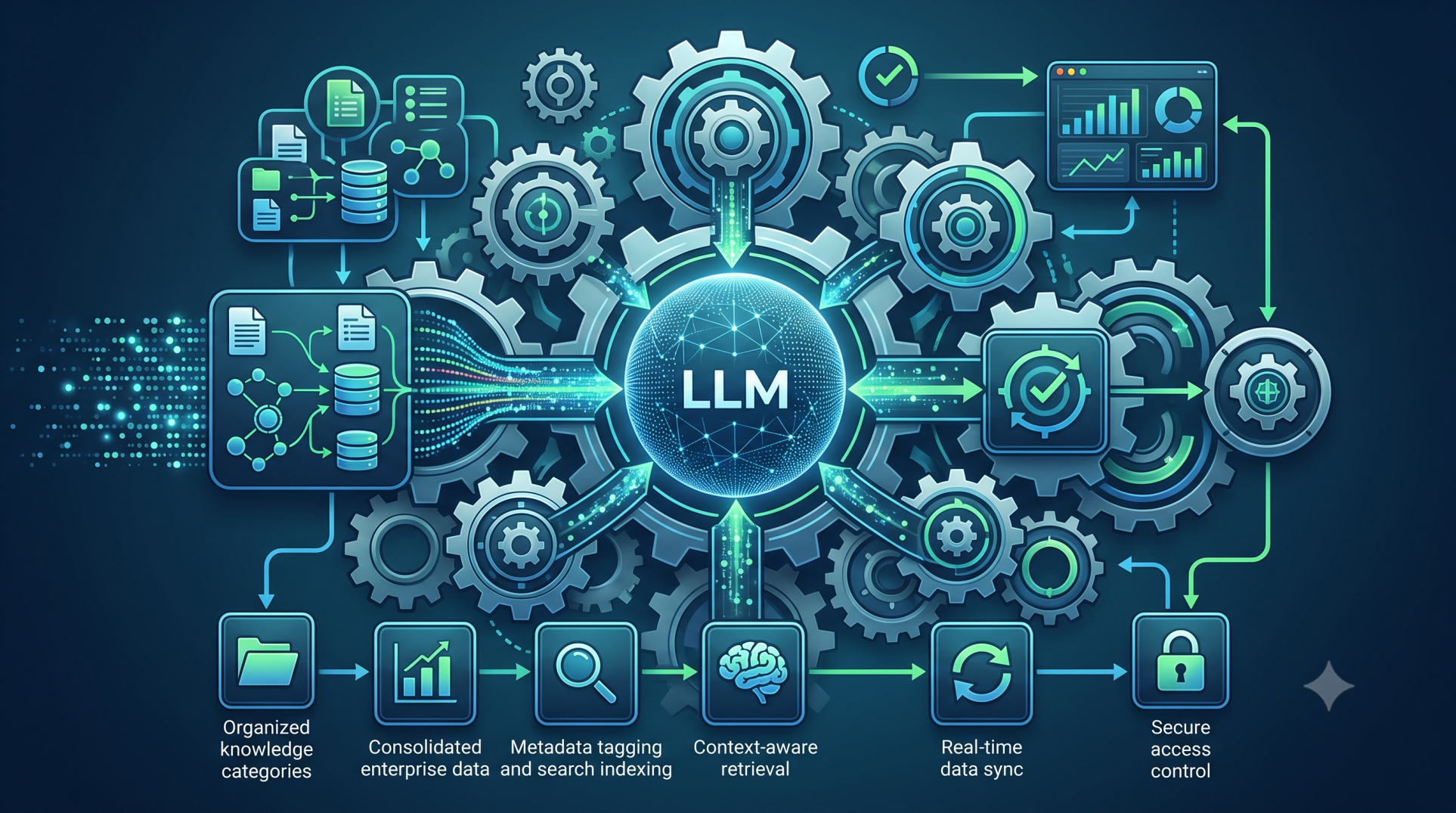
6. Production-Ready Tooling 🧰
Building real applications requires more than text generation.
Look for built-in support for:
• 🔗 Function calling and tool execution
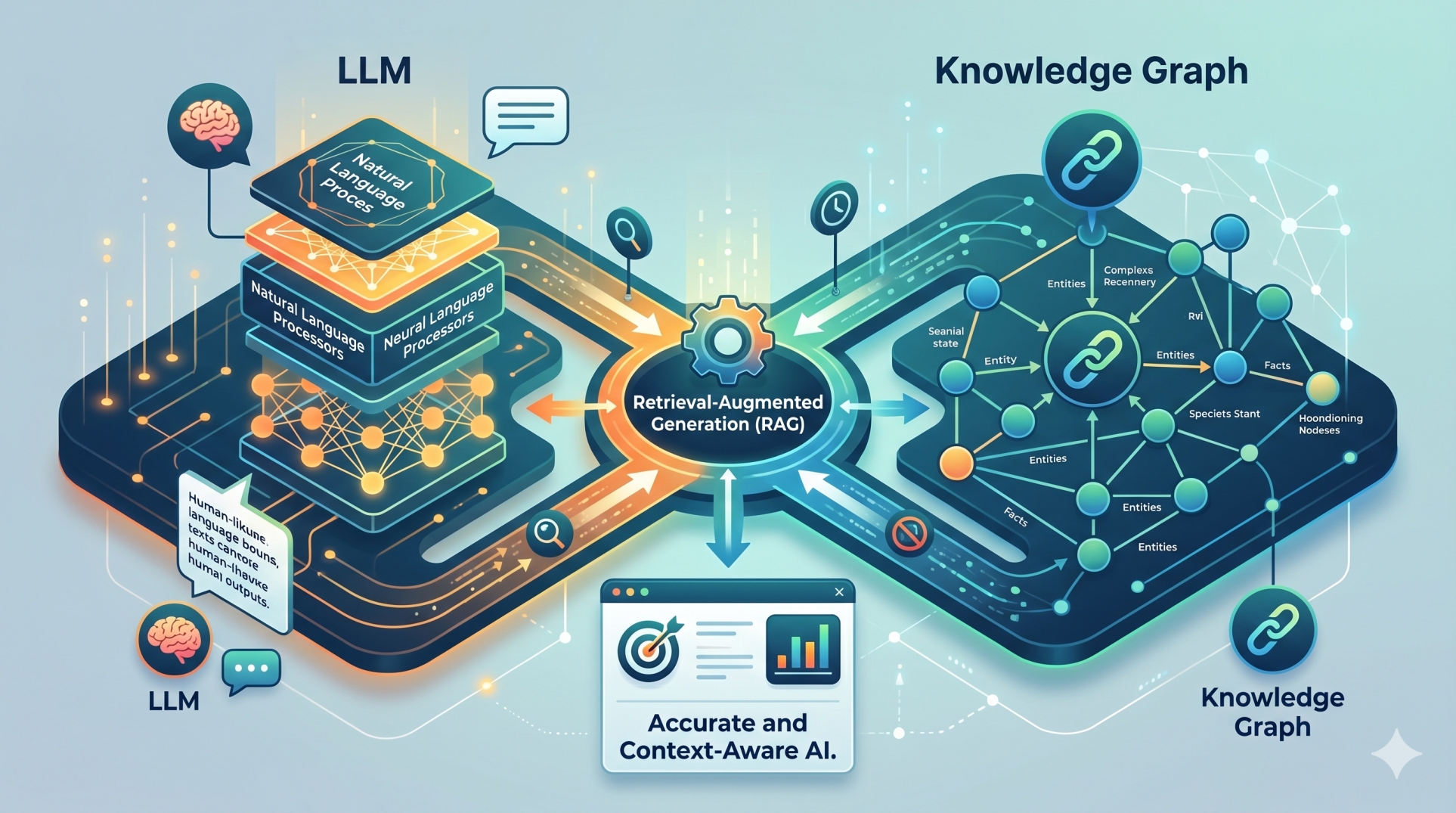
• 📚 Retrieval-Augmented Generation (RAG)
• 🧠 Conversation memory and state management
• 🧾 Structured outputs such as JSON or schema-based responses
These capabilities transform LLMs into operational systems, not just chat interfaces.
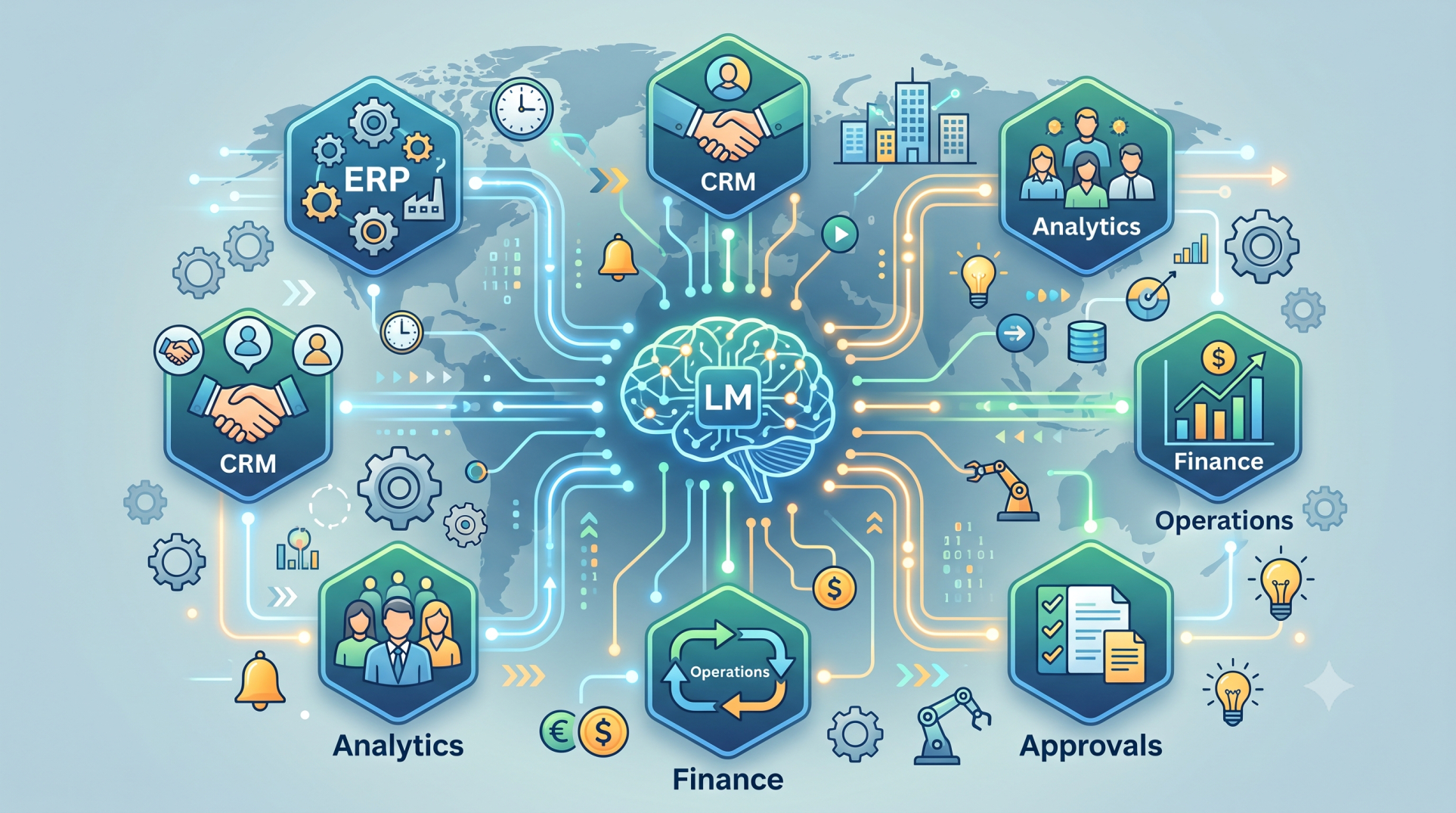
7. Integration with Existing Systems 🔌
Your LLM platform should fit naturally into your current technology stack.
Key integration features include:
• 📘 Well-documented APIs and SDKs
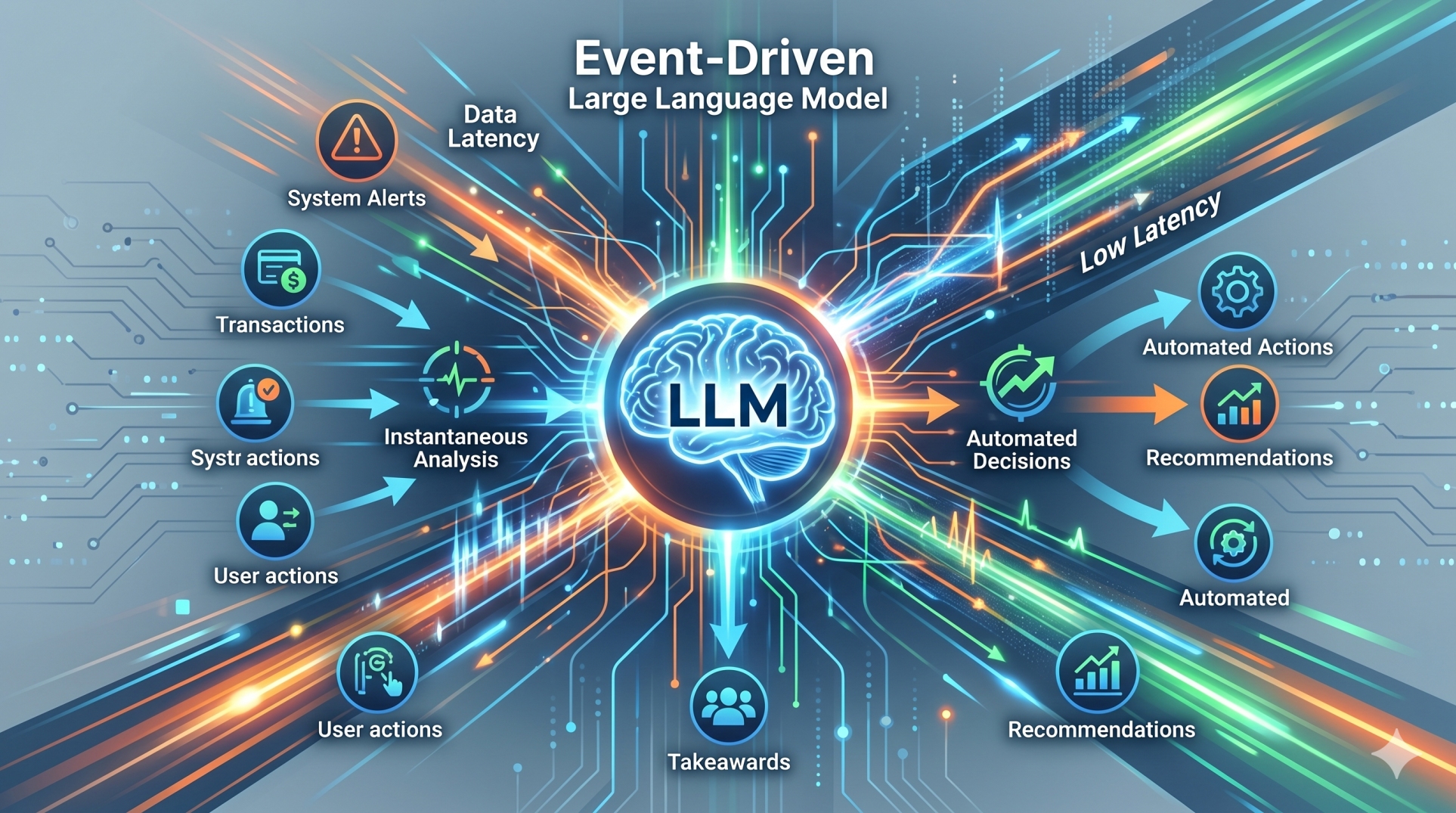
• 🔔 Webhooks and event-driven workflows
• 🗄️ Easy connections to CRMs, databases, and internal tools
• 📞 Support for voice, messaging, or omnichannel applications when required
The easier it is to integrate, the faster you can deploy and iterate.
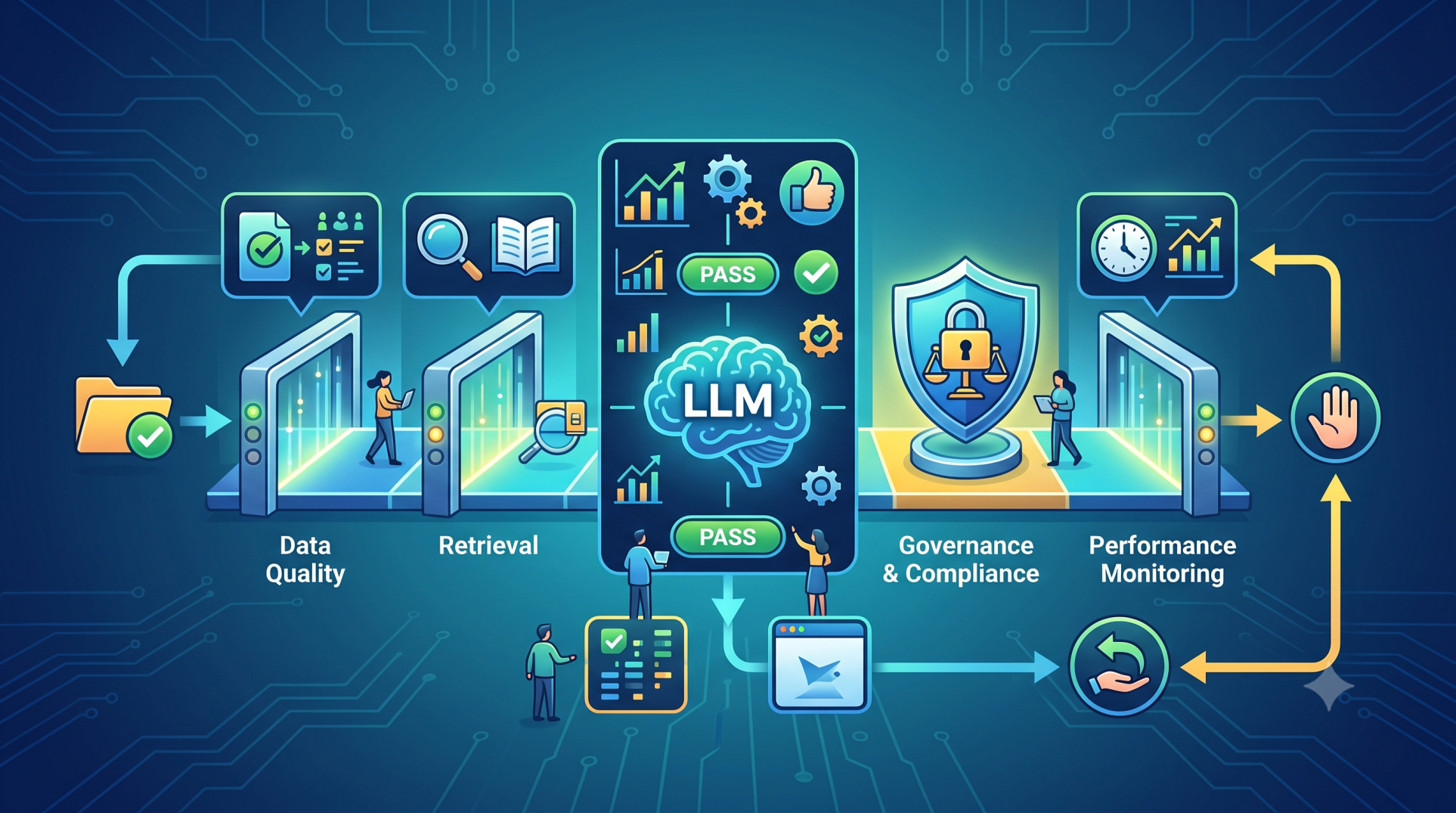
8. Observability and Debugging Capabilities 🔍
When issues arise, visibility is critical.
An enterprise-ready platform provides:
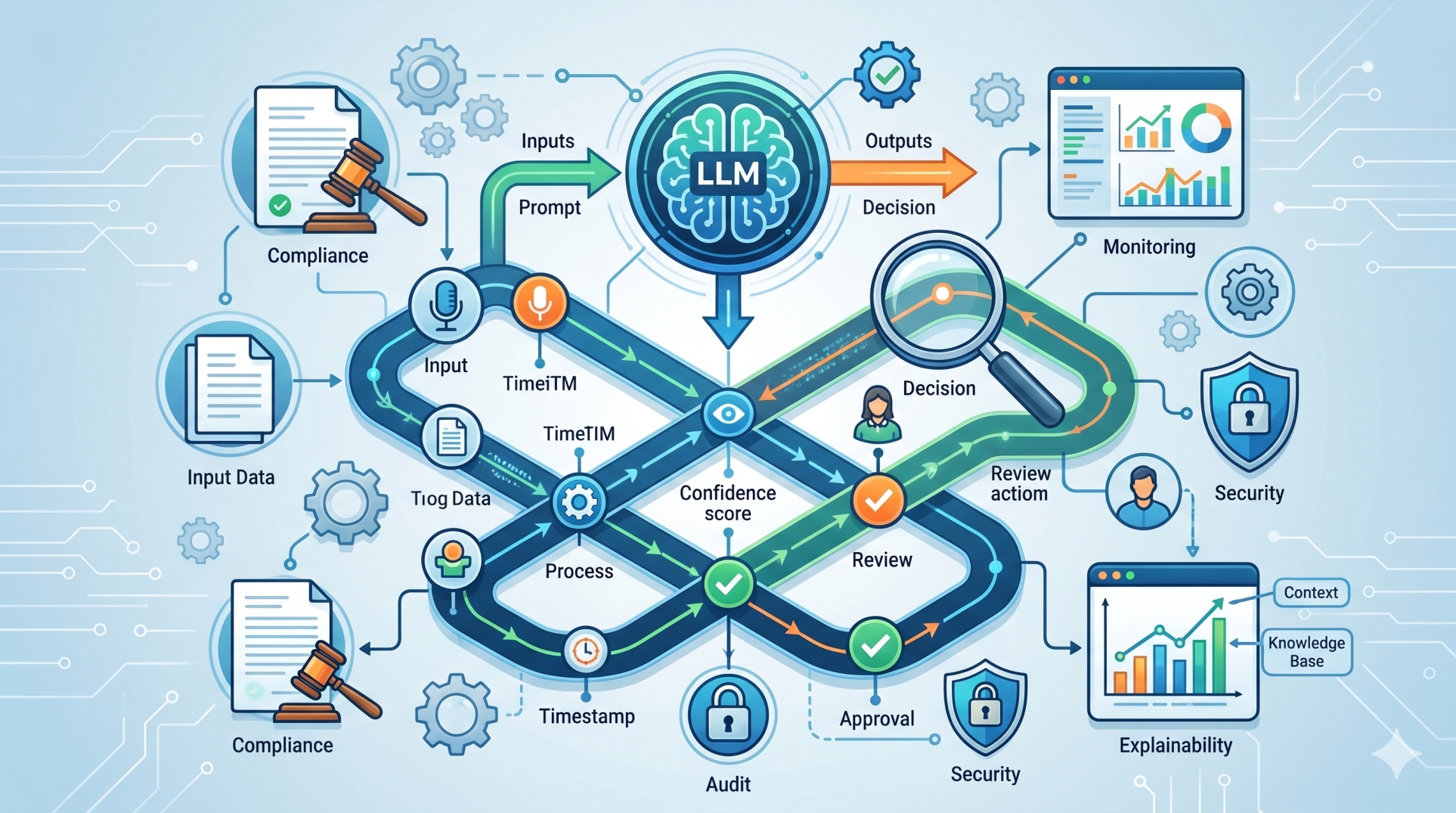
• 📝 Detailed request and response logs
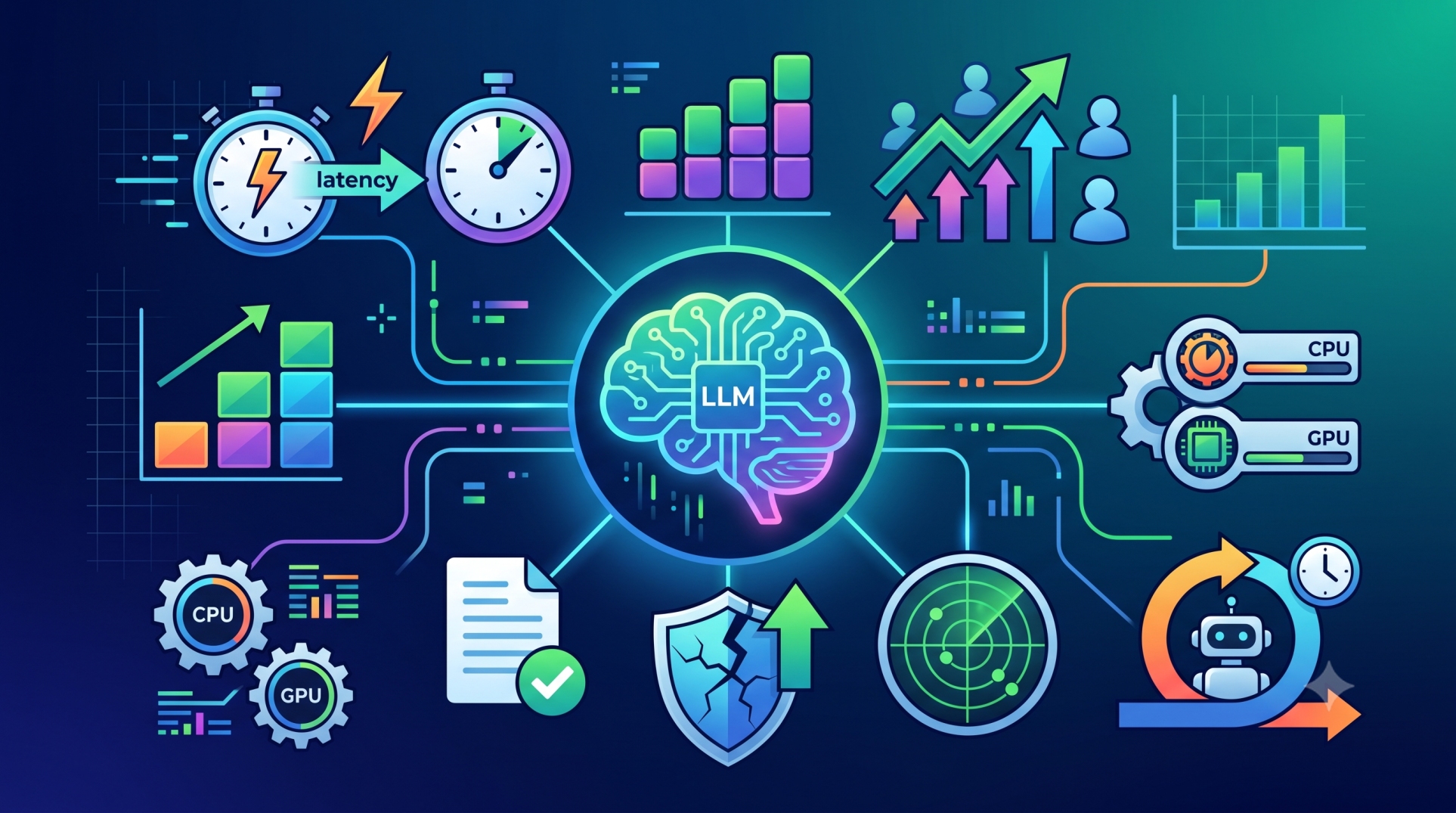
• ⏱️ Latency, error, and performance monitoring
• 🧪 Prompt versioning, testing, and experimentation tools
• 🧑⚖️ Human-in-the-loop review and correction workflows
Strong observability is essential for continuous improvement and long-term trust.
9. Deployment and Environment Management 🚢
Serious teams need control over how systems are deployed and maintained.
Look for support for:
• 🧩 Separate staging and production environments
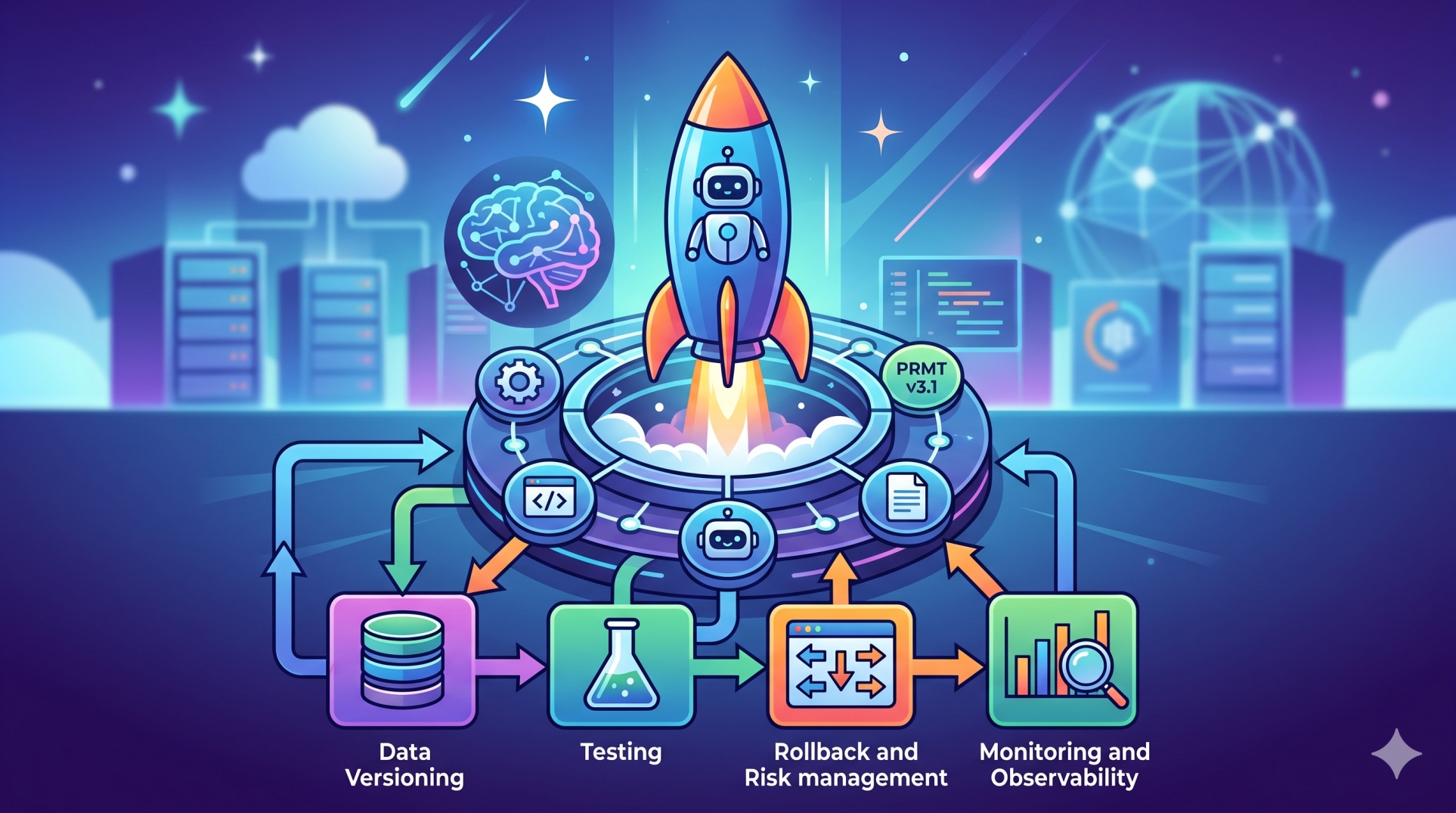
• 🔄 Versioned releases with rollback capabilities
• 🏢 On-premise or VPC deployments if required by compliance or policy
These controls reduce risk and enable safer iteration.
10. Vendor Vision and Long-Term Support 🌱
Finally, evaluate the company behind the platform—not just the features.
Consider:
• 🚀 The pace and quality of product improvements
• 📖 Documentation quality and clarity
• 🧑💼 Availability of professional support beyond community forums
• 🎯 Alignment with enterprise and production-grade use cases
An LLM platform is a long-term investment, not a short-term experiment.
Final Thoughts 🏁
Choosing an LLM software platform is about building a durable AI foundation, not chasing the newest model release.
Focus on:
• 🏗️ Production readiness over flashy demos
• 🔓 Flexibility over vendor lock-in
• 👀 Observability over blind experimentation
• 🛡️ Security over shortcuts
The right platform won’t just help you test AI ideas—it will help you deploy, scale, and succeed with them.
See more blogs
You can all the articles below