Building Intelligent Information Retrieval Platforms

Building Intelligent Information Retrieval Platforms
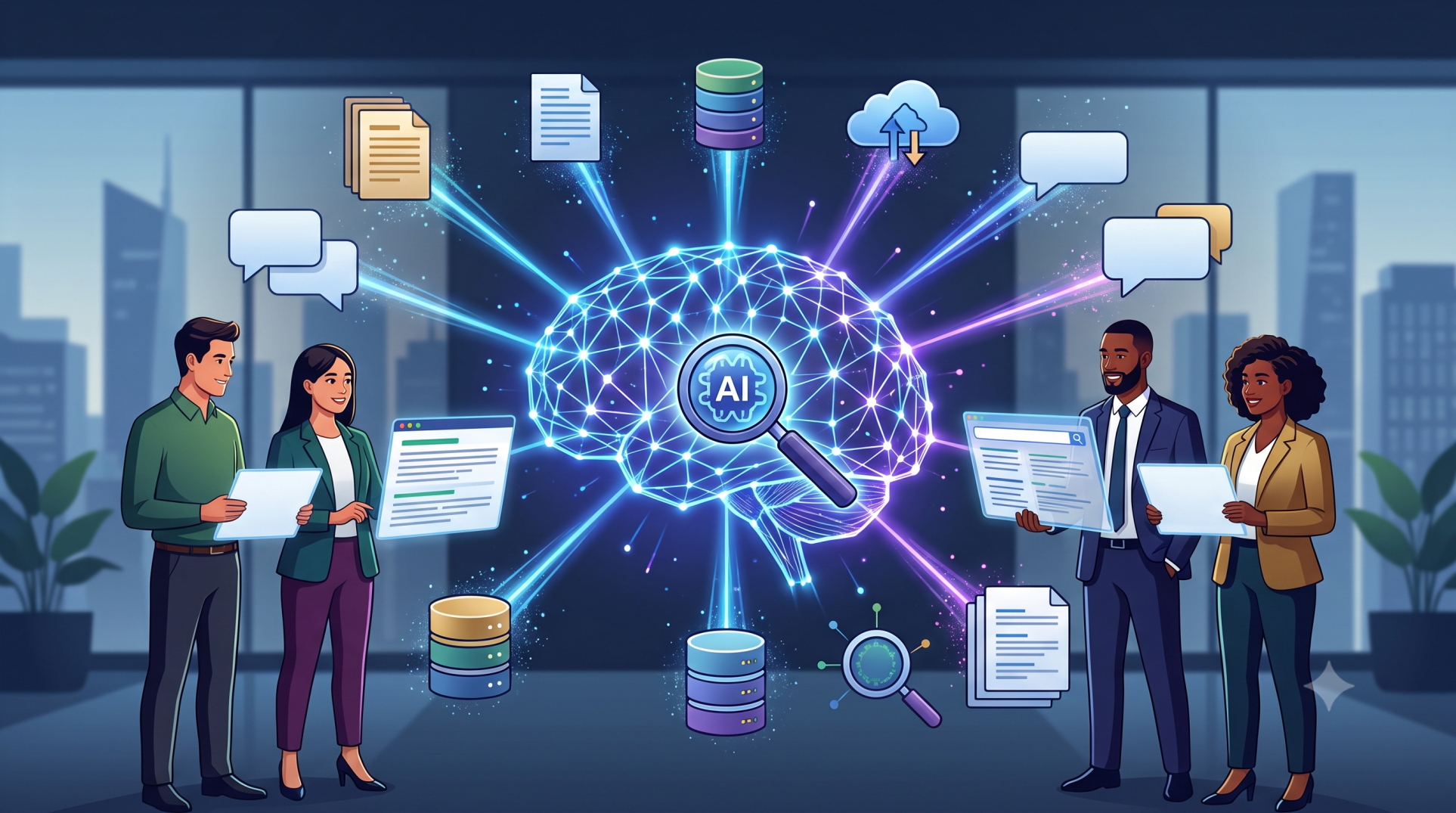
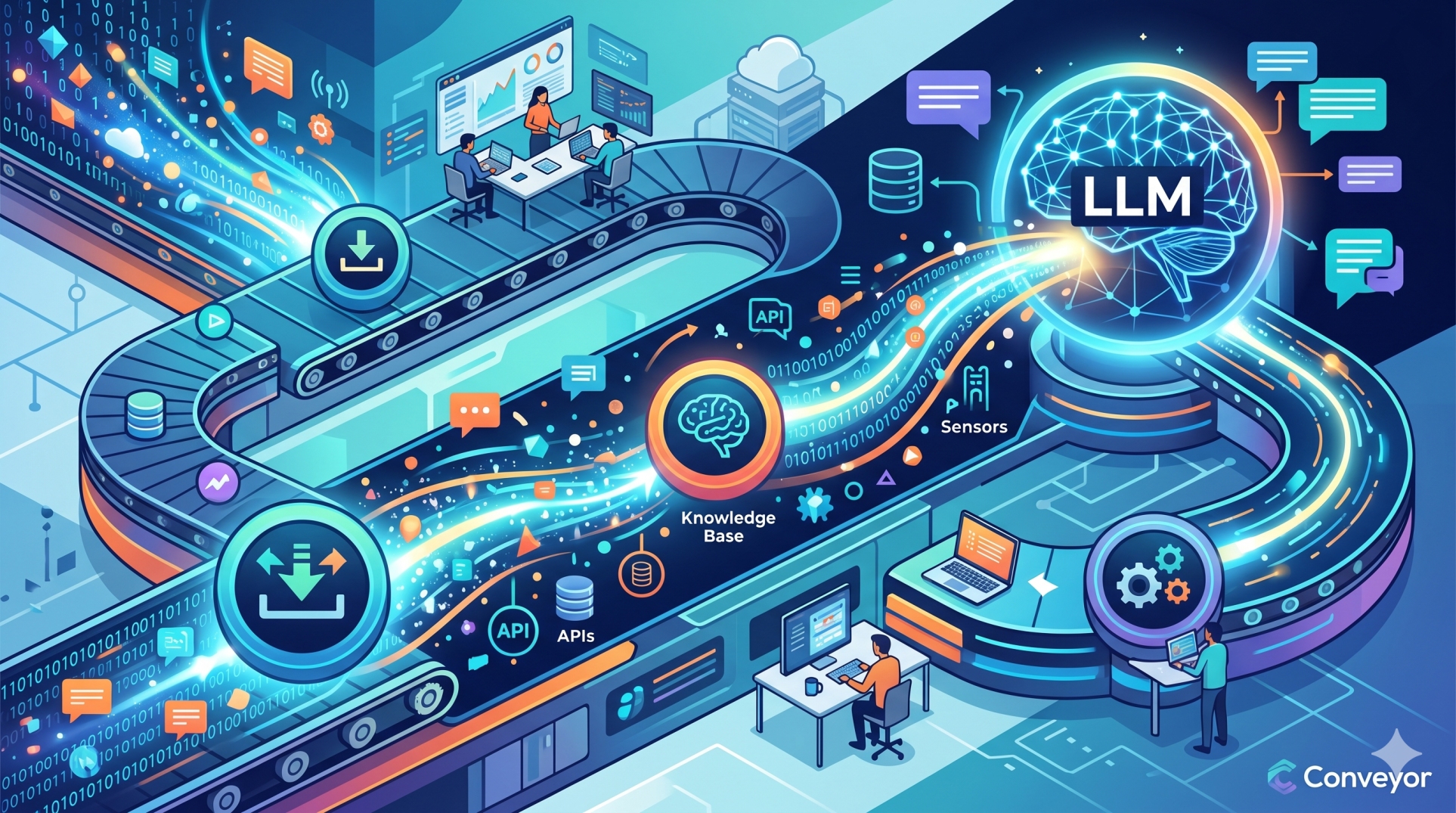
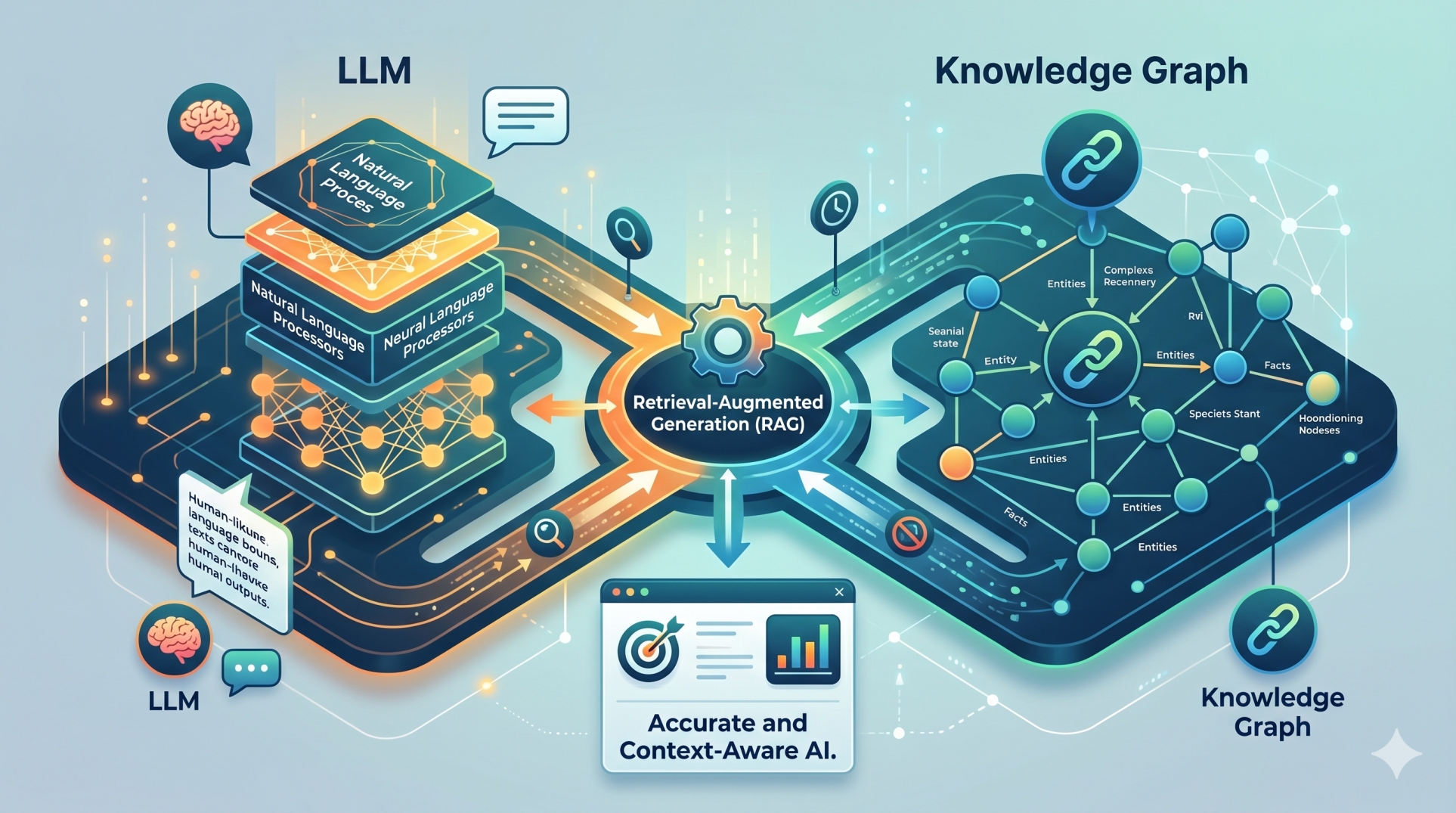
As organizations generate and manage vast amounts of data, finding accurate information quickly has become essential for productivity and informed decision-making. Intelligent Information Retrieval (IIR) platforms combine artificial intelligence, semantic search, machine learning, and natural language processing to deliver precise, context-aware results from structured and unstructured data sources. These platforms transform traditional search into an intelligent knowledge discovery experience that improves efficiency across the enterprise.
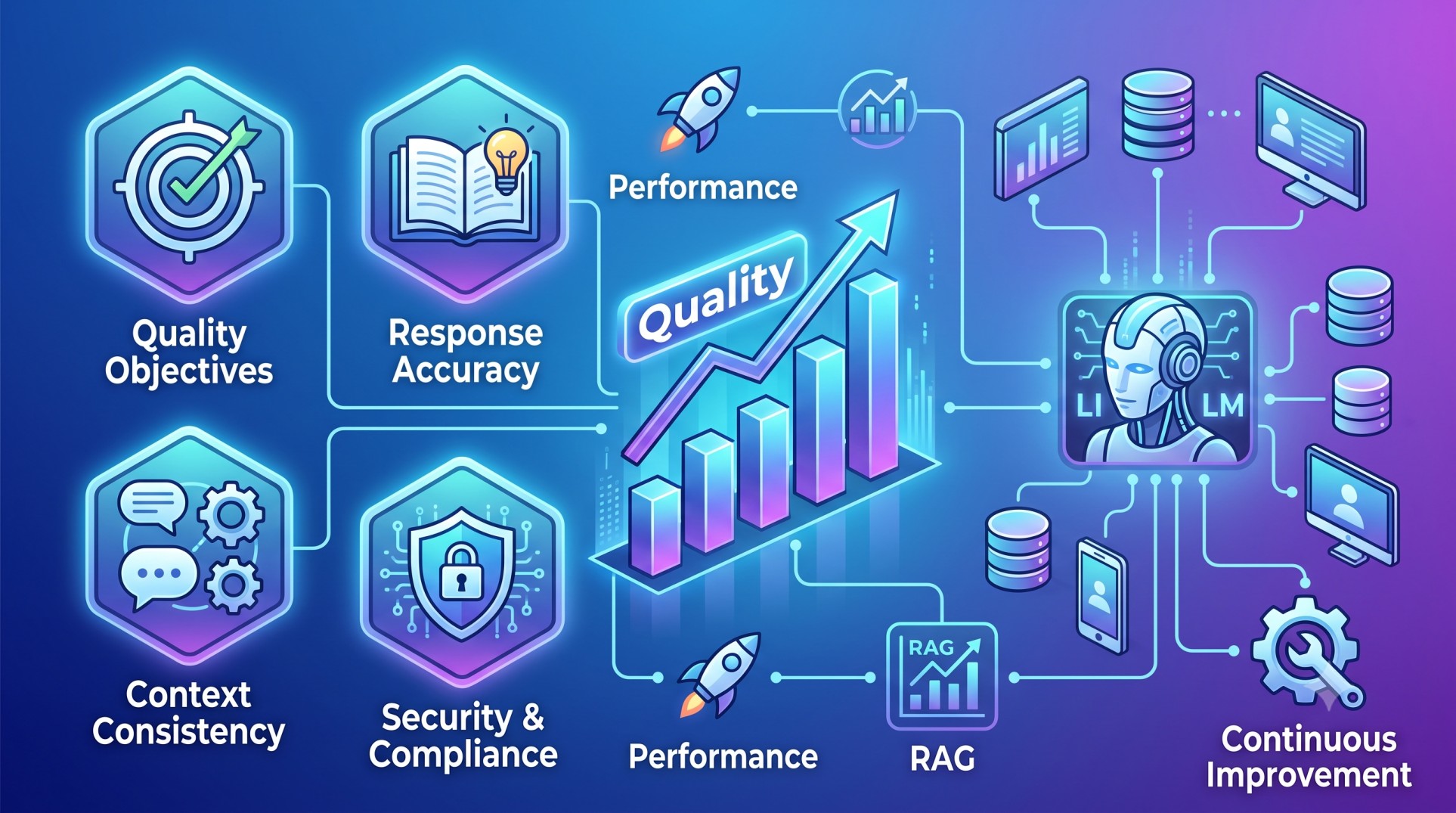
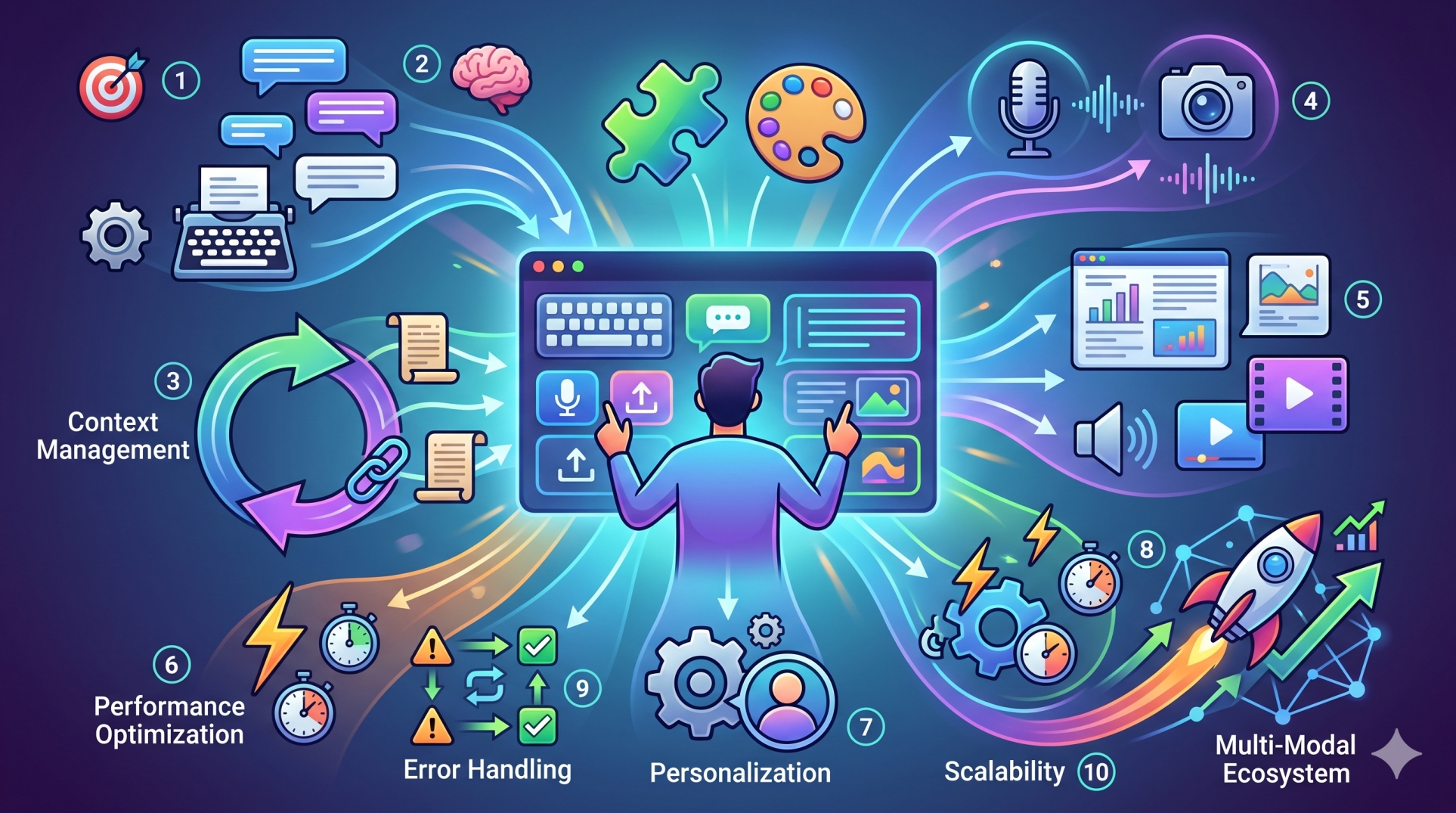
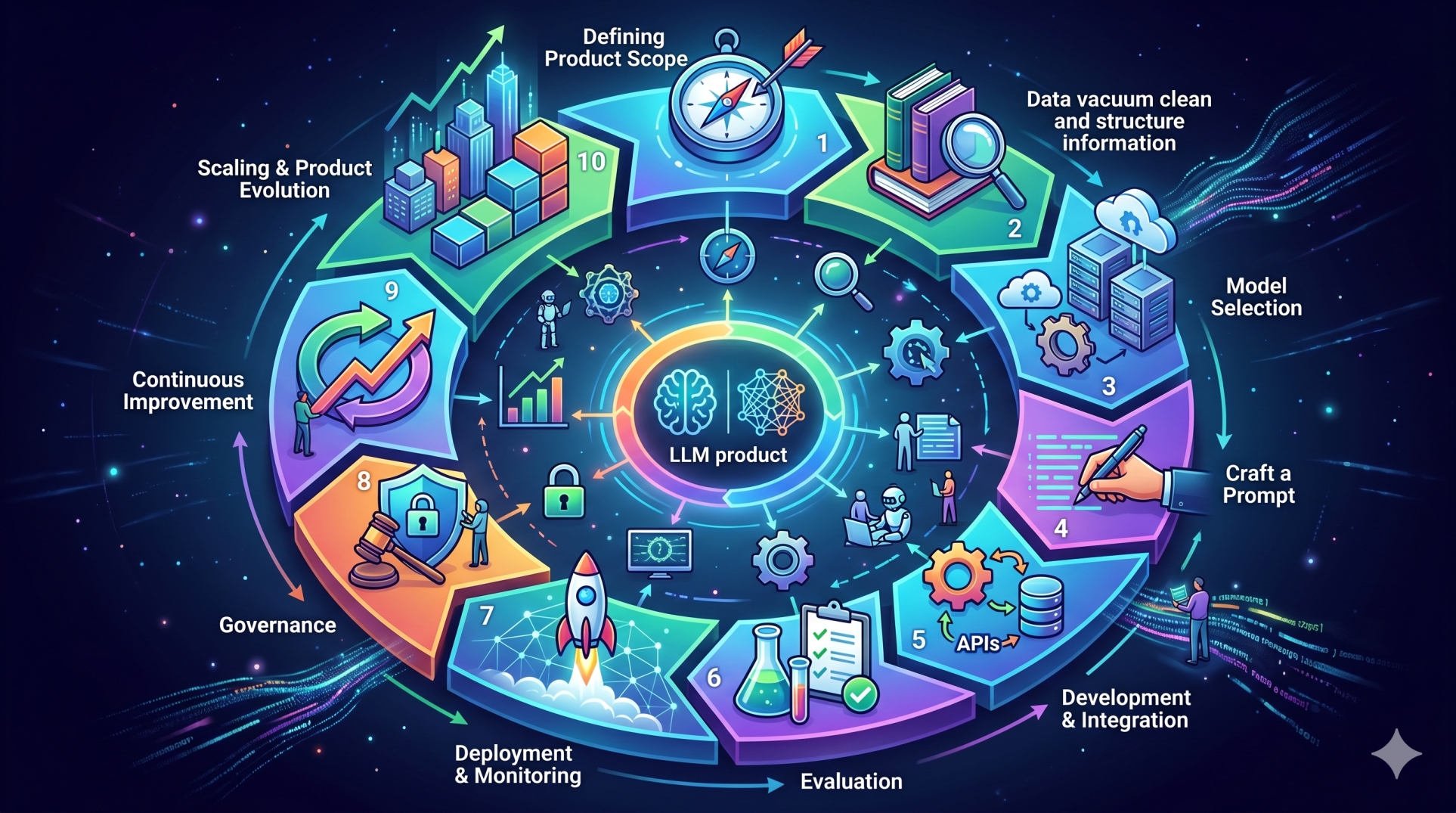
Step 1: Defining Information Retrieval Objectives 🎯
• Identify the business goals and information needs of users 📋
• Determine the types of content the platform will manage 📚
• Define search accuracy and response time expectations ⚡
• Prioritize user experience and accessibility 👥
• Establish measurable success metrics for retrieval performance 📊
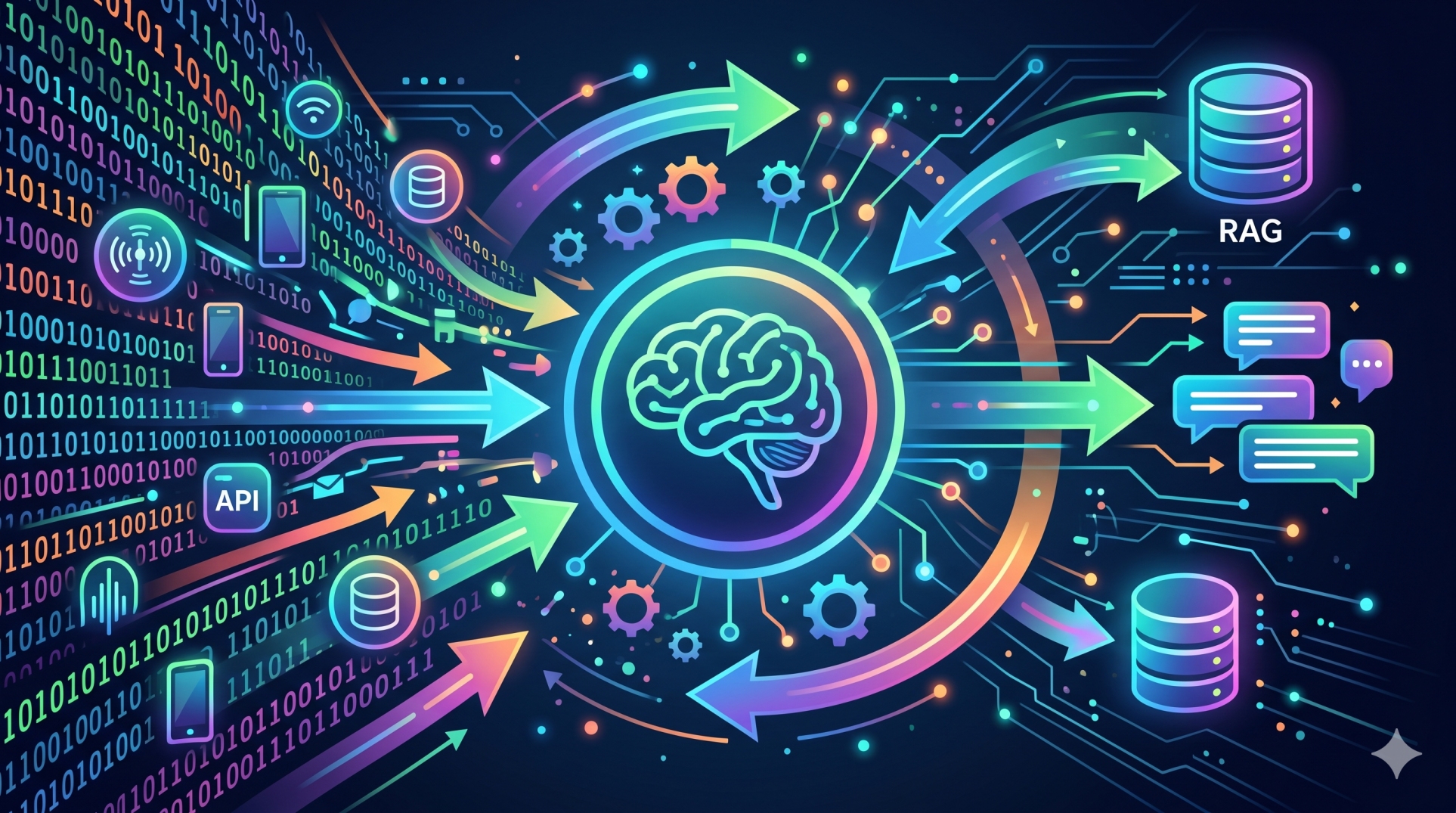
Step 2: Integrating Diverse Data Sources 🌐
• Connect structured databases and enterprise applications 🗄️
• Index documents, emails, reports, and knowledge bases 📄
• Integrate cloud storage and collaboration platforms ☁️
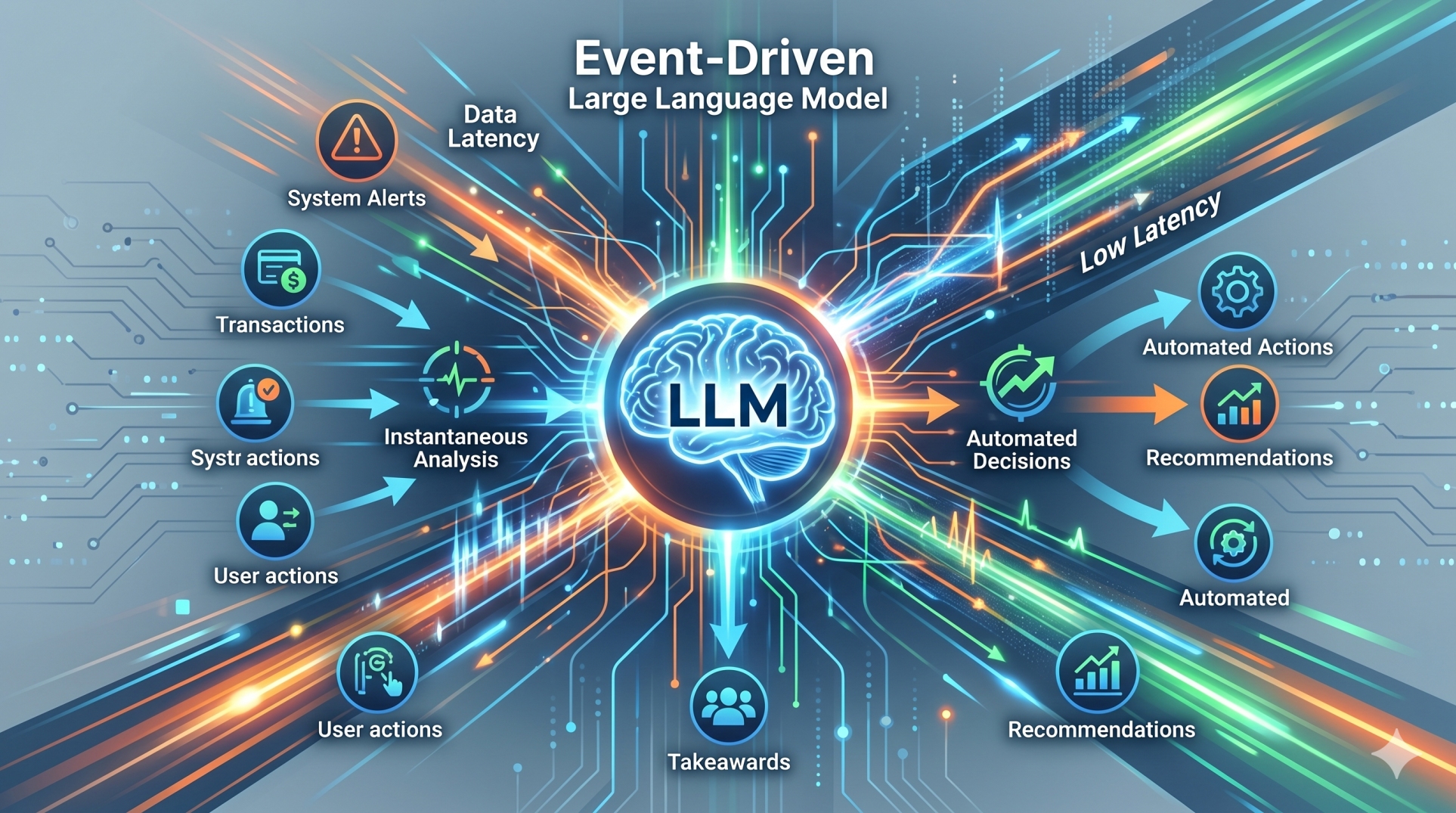
• Support APIs for real-time data access 🔄
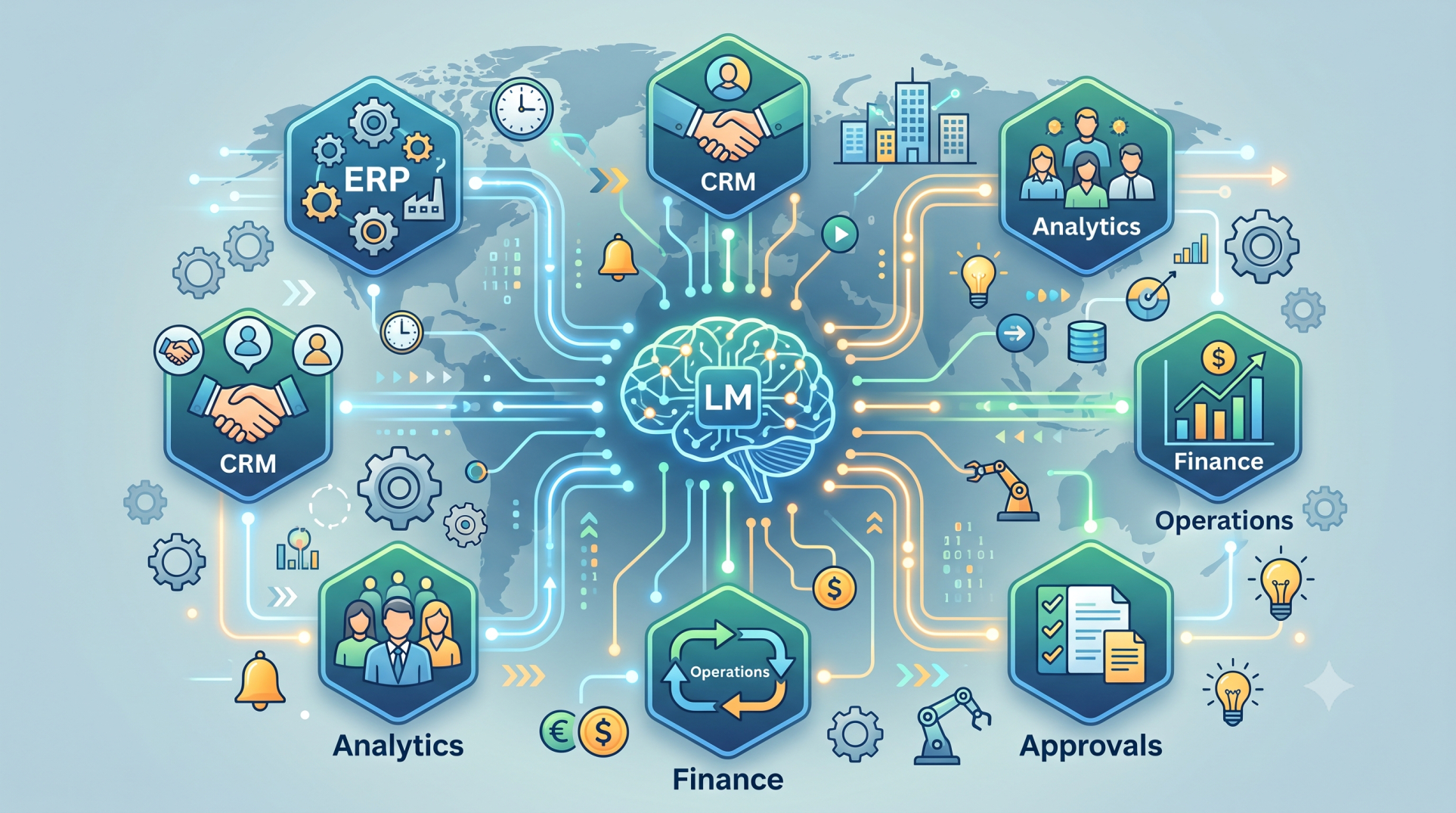
• Create a unified information ecosystem across the organization 🔗
Step 3: Building an Intelligent Search Index 🔍
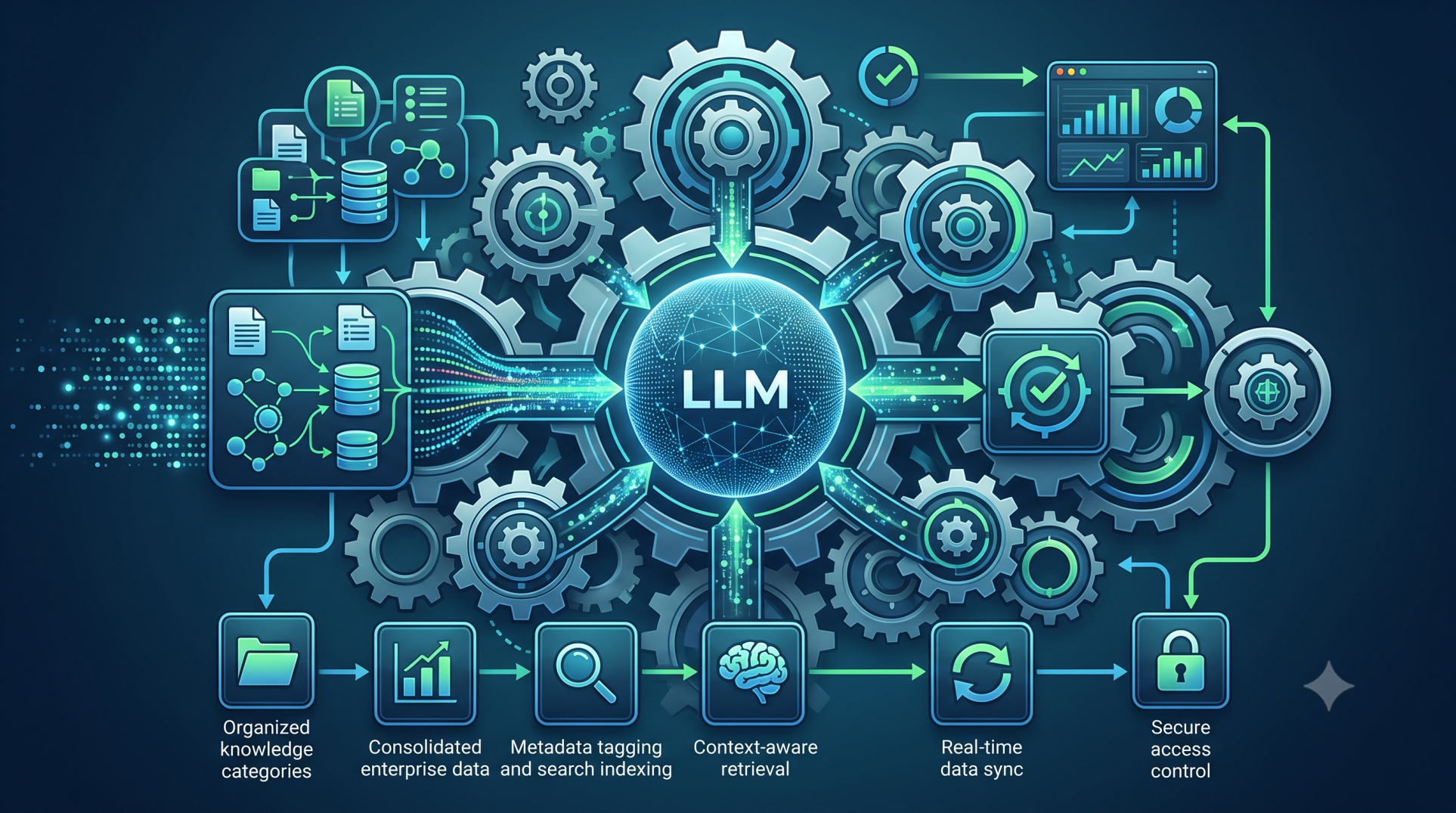
• Organize content using efficient indexing strategies 📑
• Generate semantic embeddings for contextual understanding 🧠
• Support keyword, semantic, and hybrid search capabilities ⚙️
• Continuously update indexes as information changes 🔄
• Optimize search performance for large-scale datasets 🚀
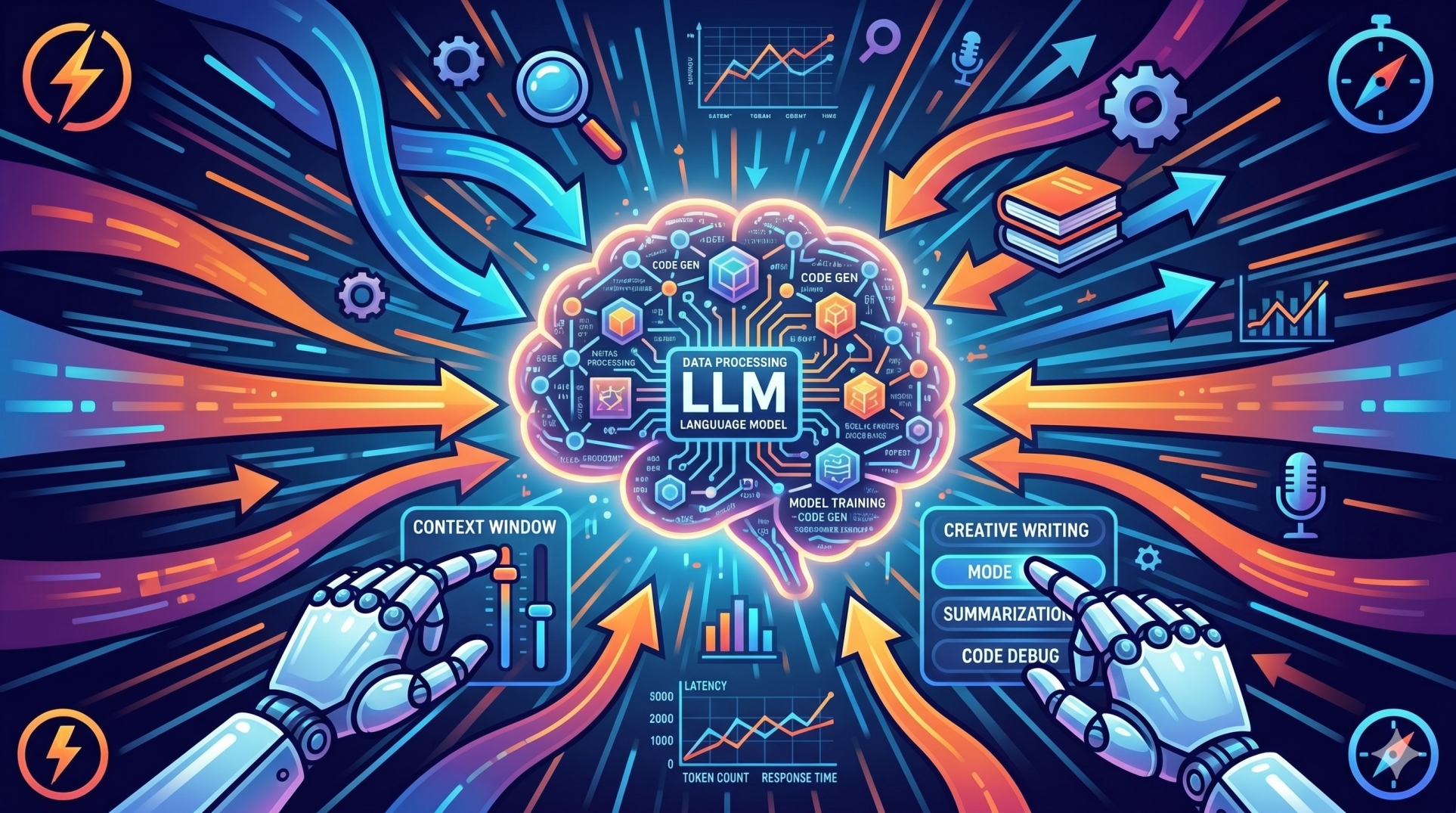
Step 4: Enhancing Search with AI 🤖
• Apply natural language processing to understand user intent 💬
• Use AI models to rank results based on relevance 📈
• Interpret conversational queries accurately 🗣️
• Improve search quality through contextual reasoning 🧩
• Deliver more meaningful and personalized search experiences ✨
Step 5: Managing Knowledge Organization 📚
• Categorize information using intelligent tagging 🏷️
• Maintain relationships between documents and entities 🔗
• Organize content for easier discovery and navigation 🗂️
• Support metadata management across repositories 📋
• Improve consistency through standardized classification ✅
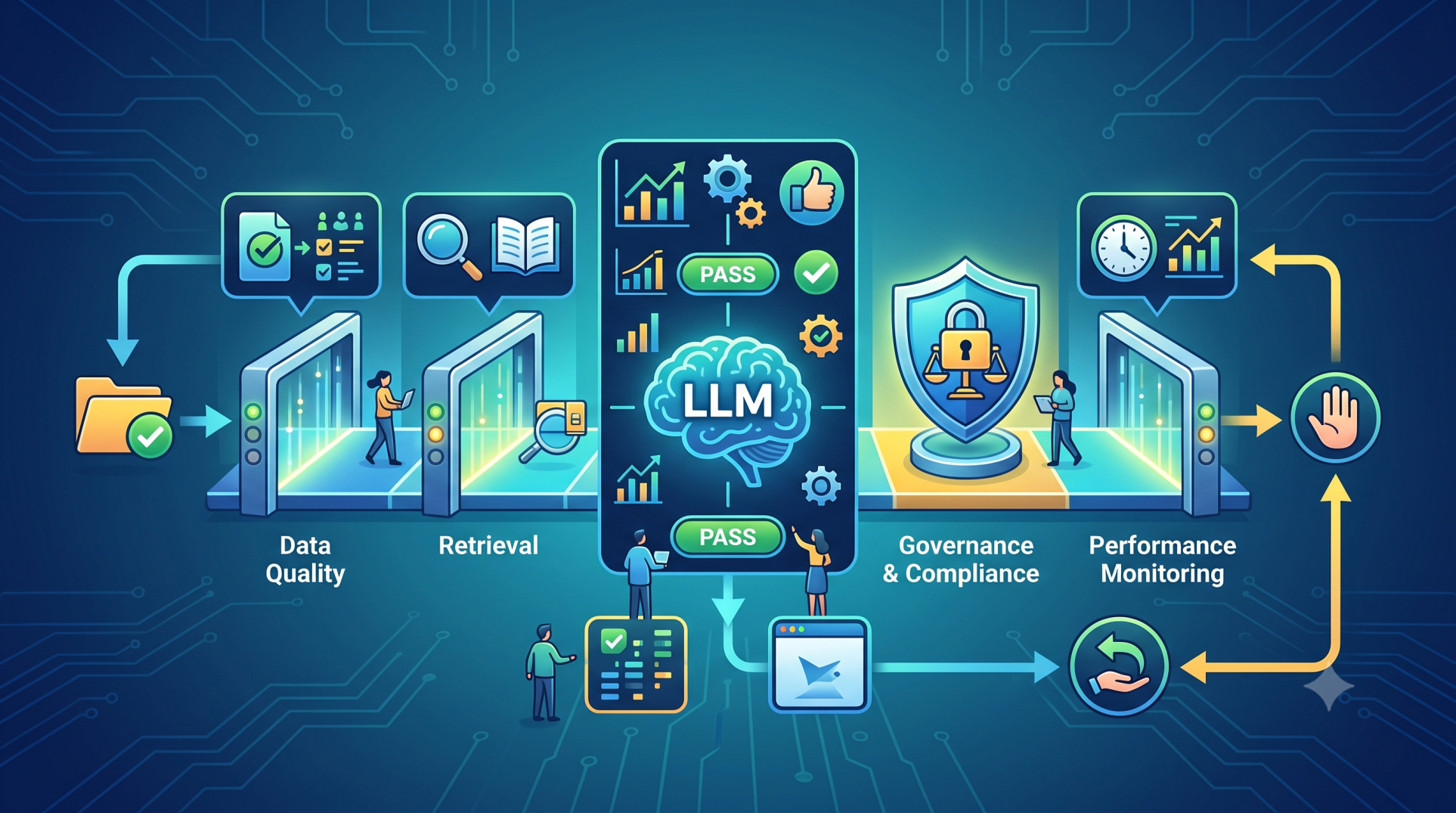
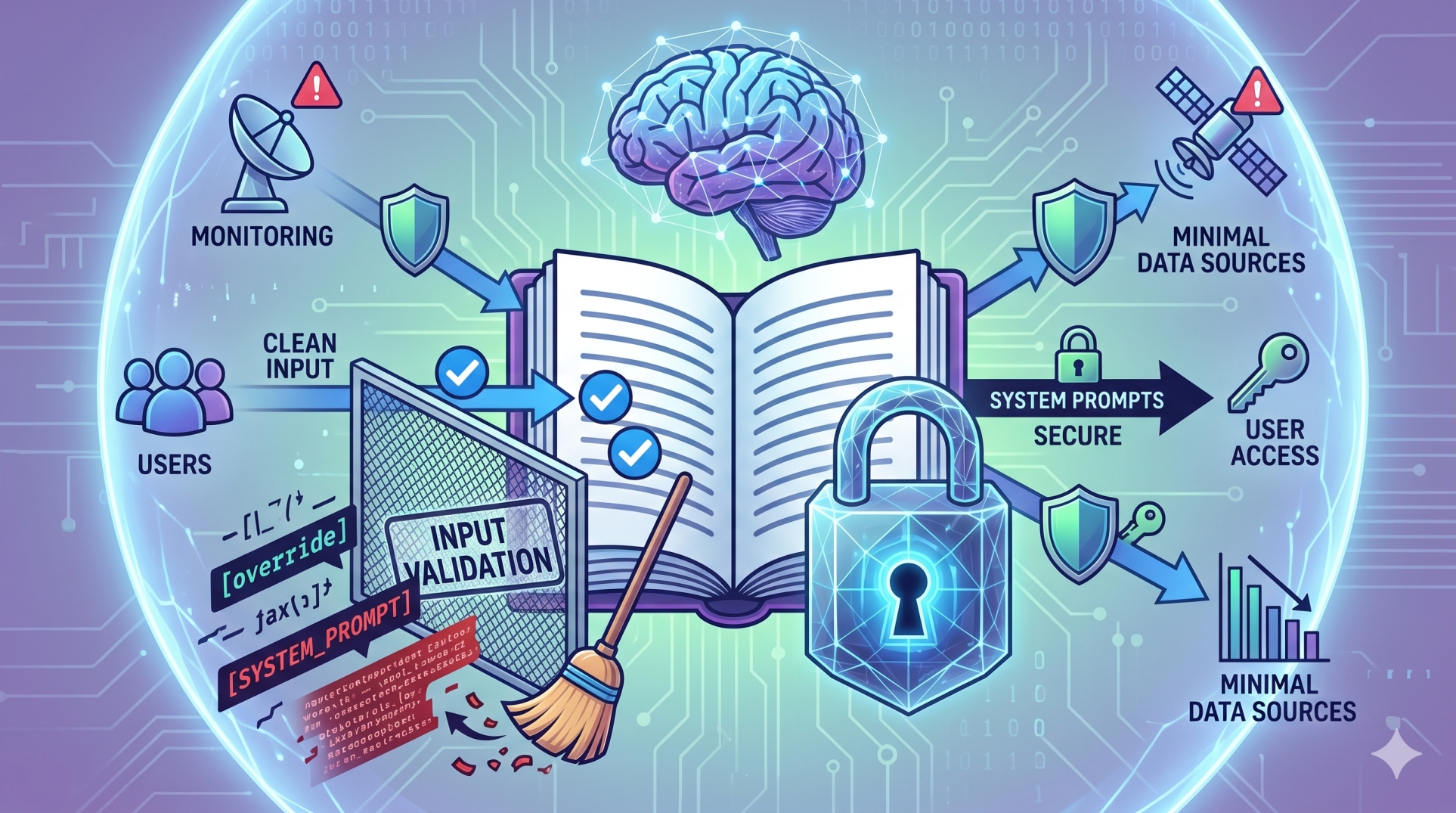
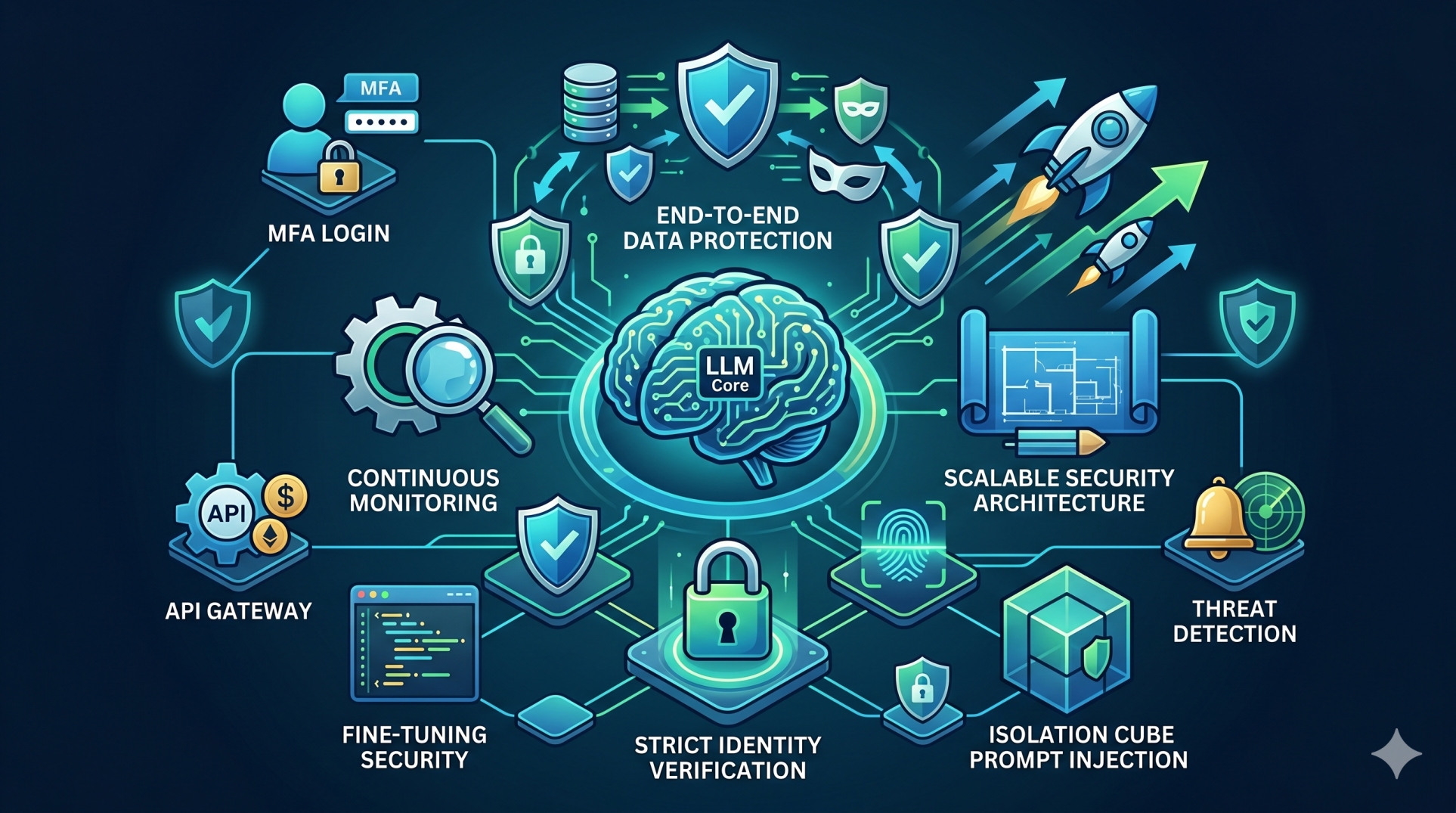
Step 6: Ensuring Data Security and Access Control 🔐
• Implement role-based access to protected information 👥
• Secure sensitive data using encryption and authentication 🛡️
• Apply permission-aware search results 🚫
• Protect confidential enterprise knowledge 📂
• Support compliance with organizational security policies 📜
Step 7: Monitoring Search Performance 📊
• Measure search accuracy and result relevance 📈
• Track user interactions and search behavior 👀
• Identify unsuccessful queries for continuous improvement 🔍
• Analyze response times and platform efficiency ⚙️
• Optimize retrieval strategies using performance insights 💡
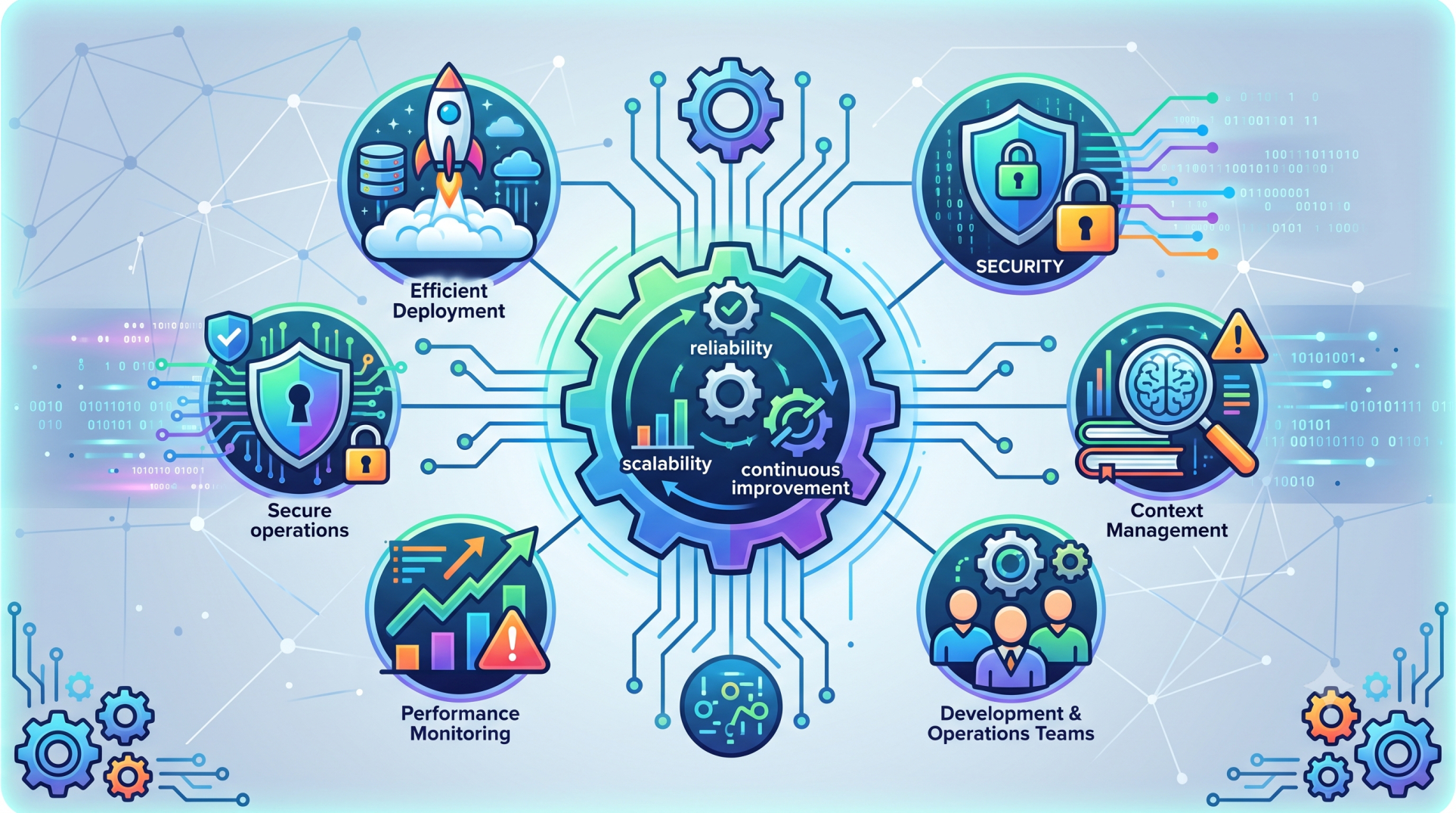
Step 8: Key Platform Priorities ⭐
• Fast and context-aware search experiences ⚡
• Unified access to enterprise knowledge 🌐
• Secure information retrieval with role-based permissions 🔒
• Scalable architecture for growing data volumes 🚀
Step 9: Supporting Continuous Learning 🔄
• Learn from user interactions to improve search quality 📊
• Update ranking models as content evolves 🤖
• Expand knowledge sources without disrupting operations 📚
• Refine retrieval algorithms through ongoing optimization ⚙️
• Adapt to changing business requirements over time 📈
Step 10: Building a Future-Ready Retrieval Platform 🌍
• Design modular architectures for long-term scalability 🏗️
• Integrate AI, automation, and advanced analytics 🤝
• Support multilingual and multi-domain search capabilities 🌎
• Enable real-time knowledge updates across the platform 📡
• Continuously innovate to improve information discovery 🚀
Conclusion
Building intelligent information retrieval platforms enables organizations to unlock the full value of their data by delivering fast, accurate, and context-aware access to information. Through AI-powered search, semantic understanding, secure access controls, and continuous optimization, these platforms improve productivity, enhance decision-making, and simplify enterprise knowledge management. As data volumes continue to grow, intelligent retrieval platforms provide the scalability and intelligence needed to support future business success.
See more blogs
You can all the articles below