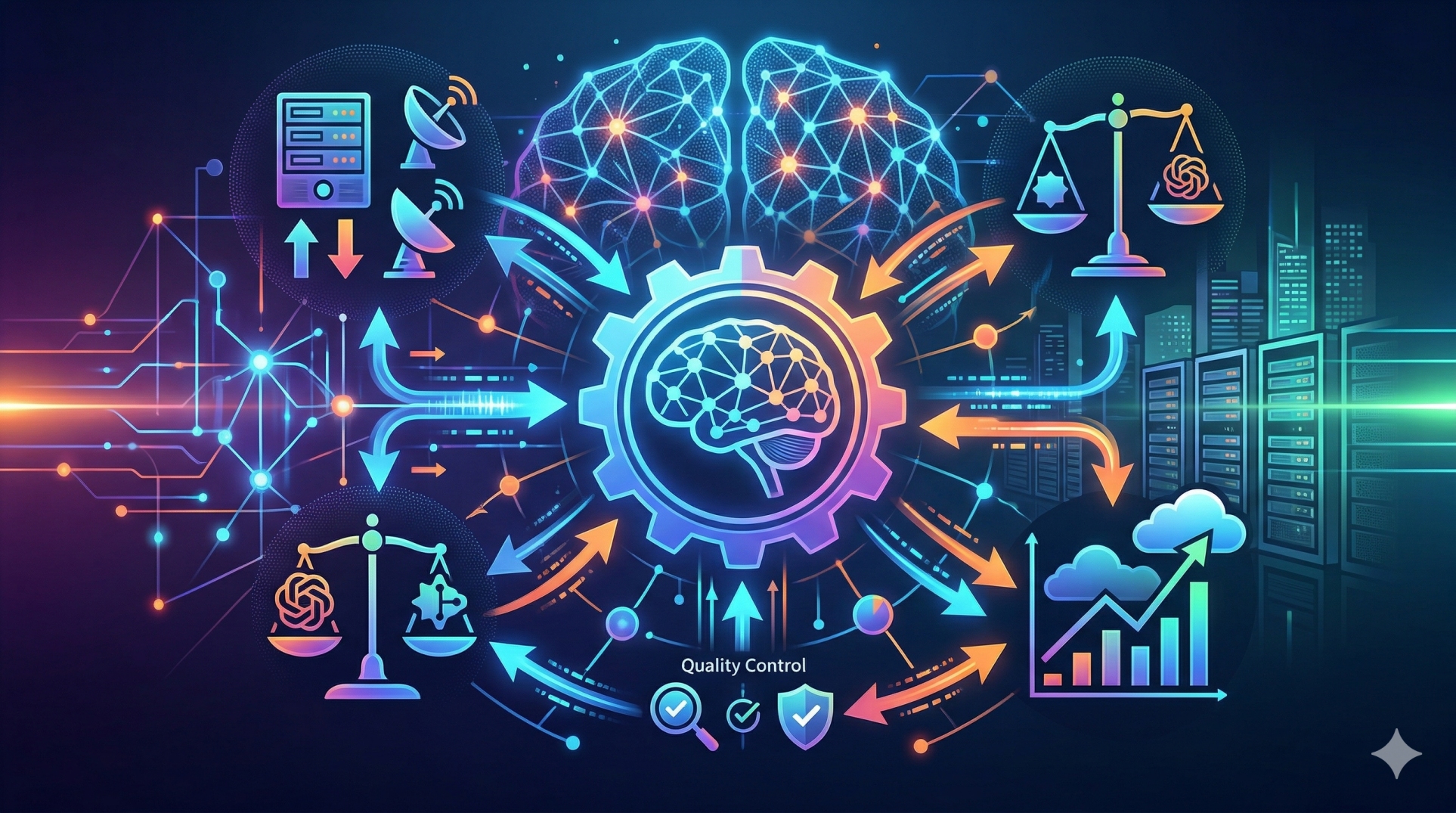
Building Adaptive Workflow Networks with LLM Software

Building Adaptive Workflow Networks with LLM Software
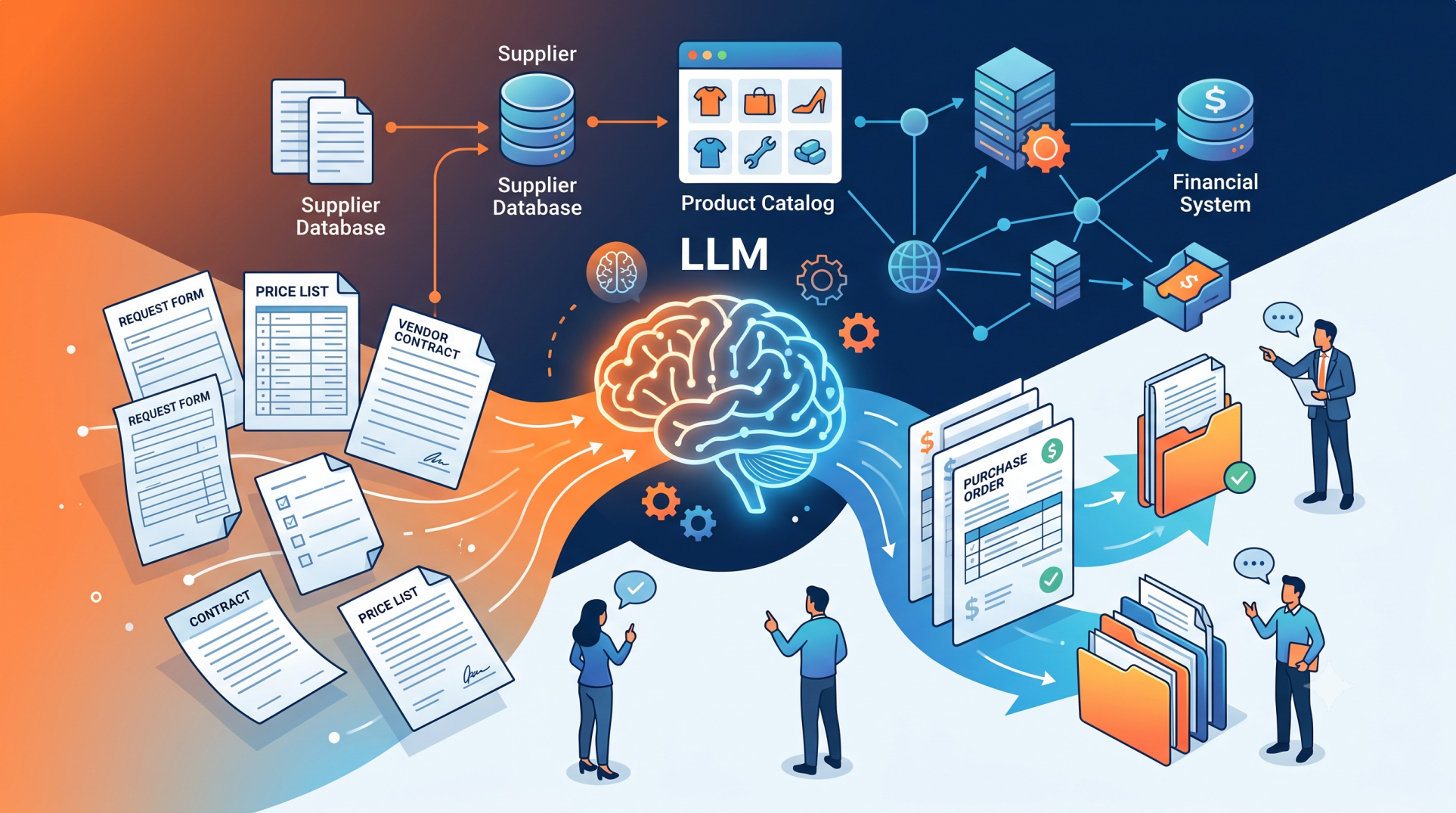
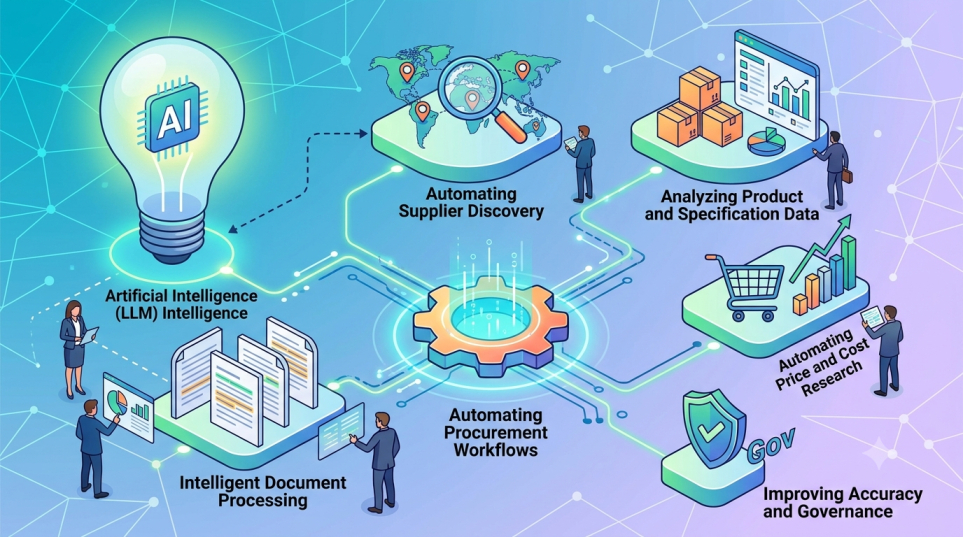
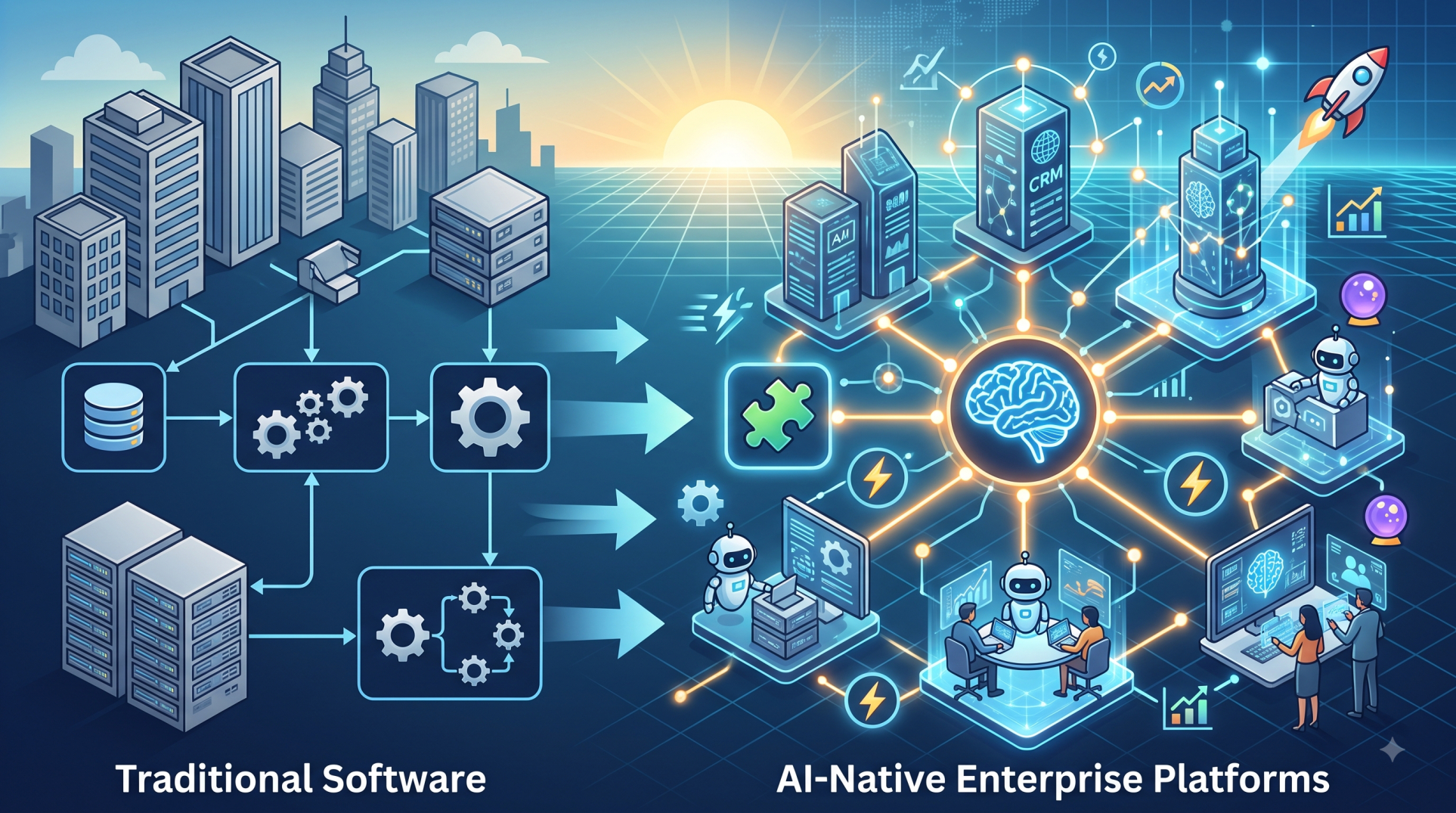
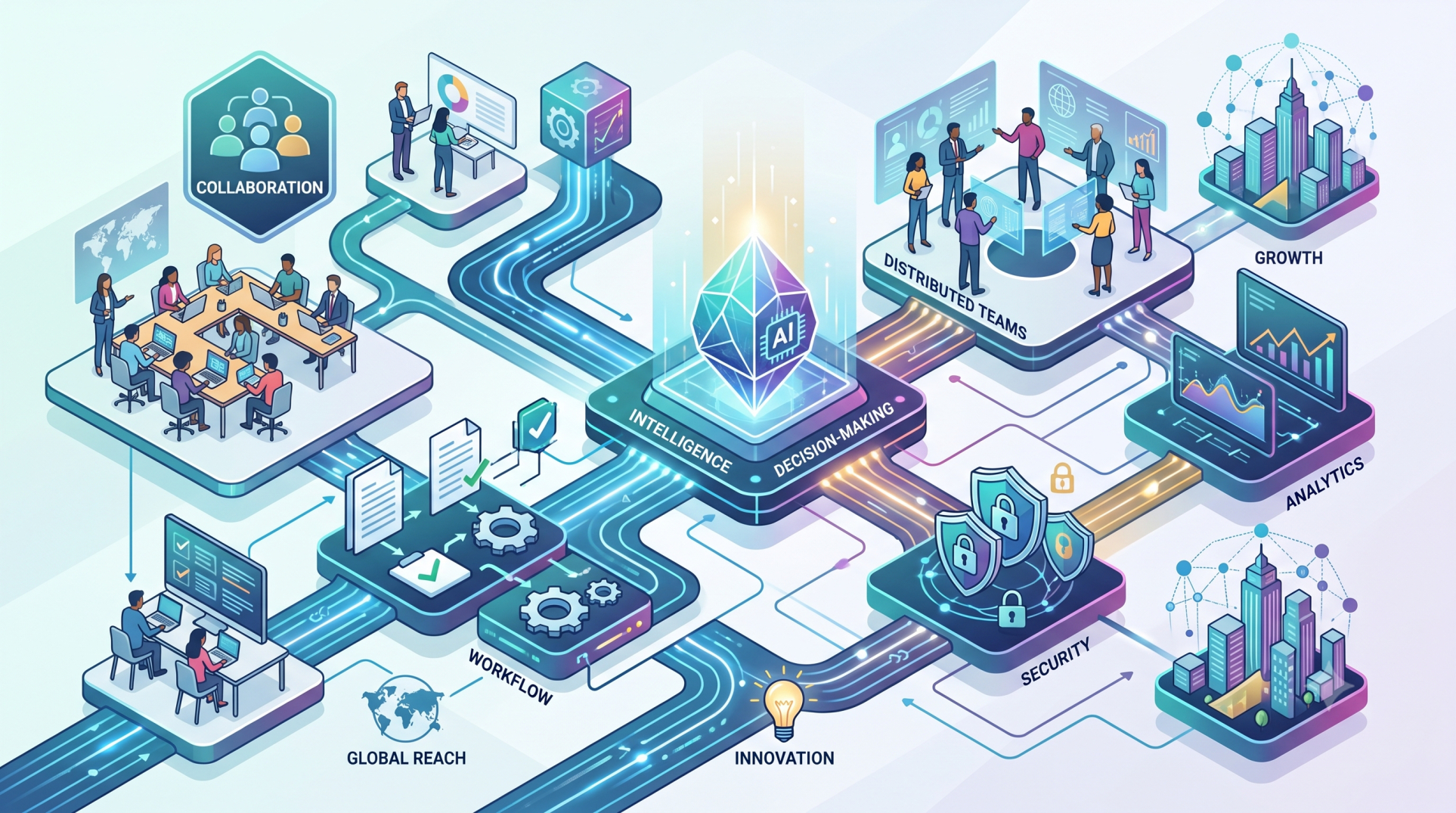
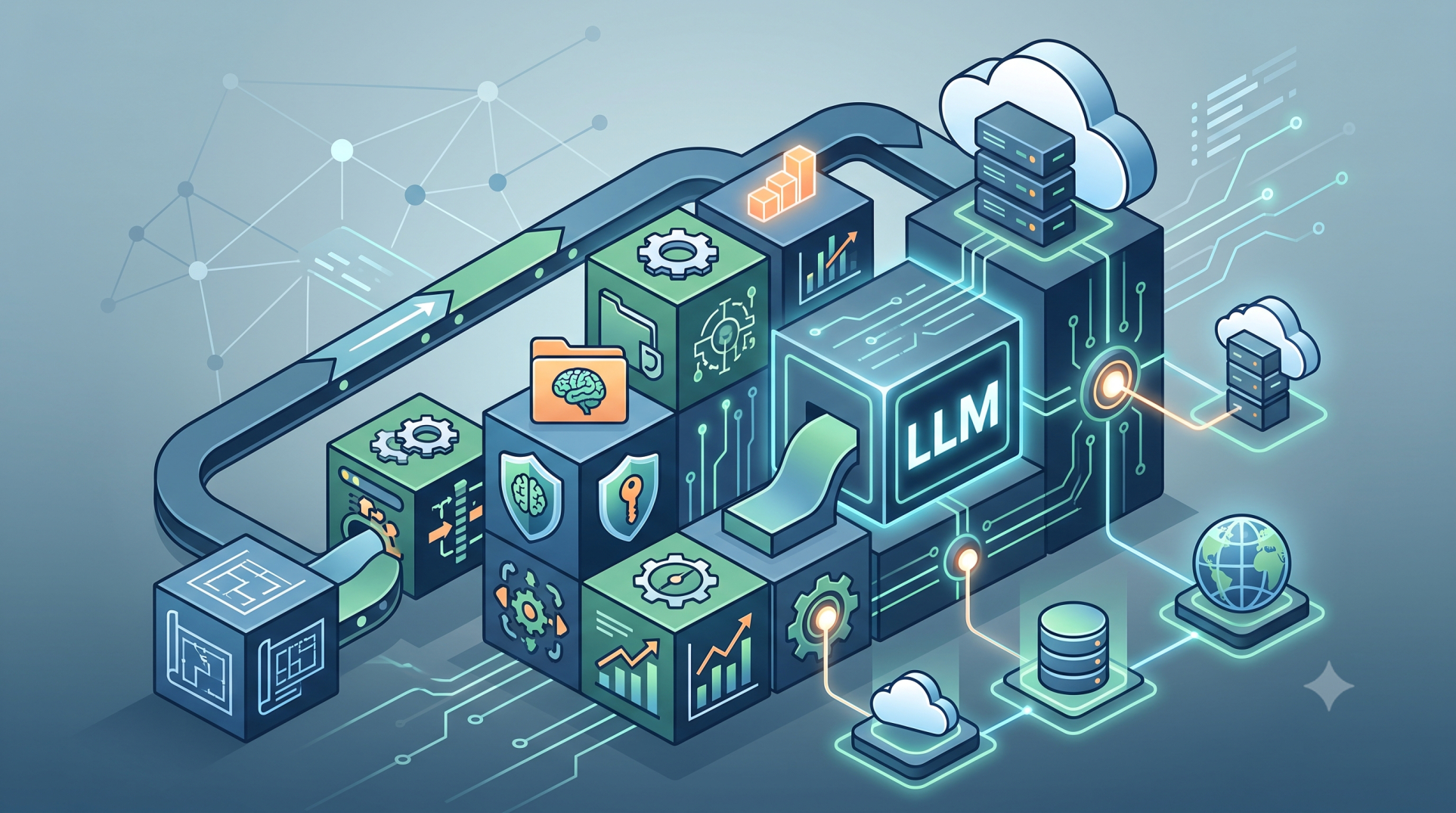
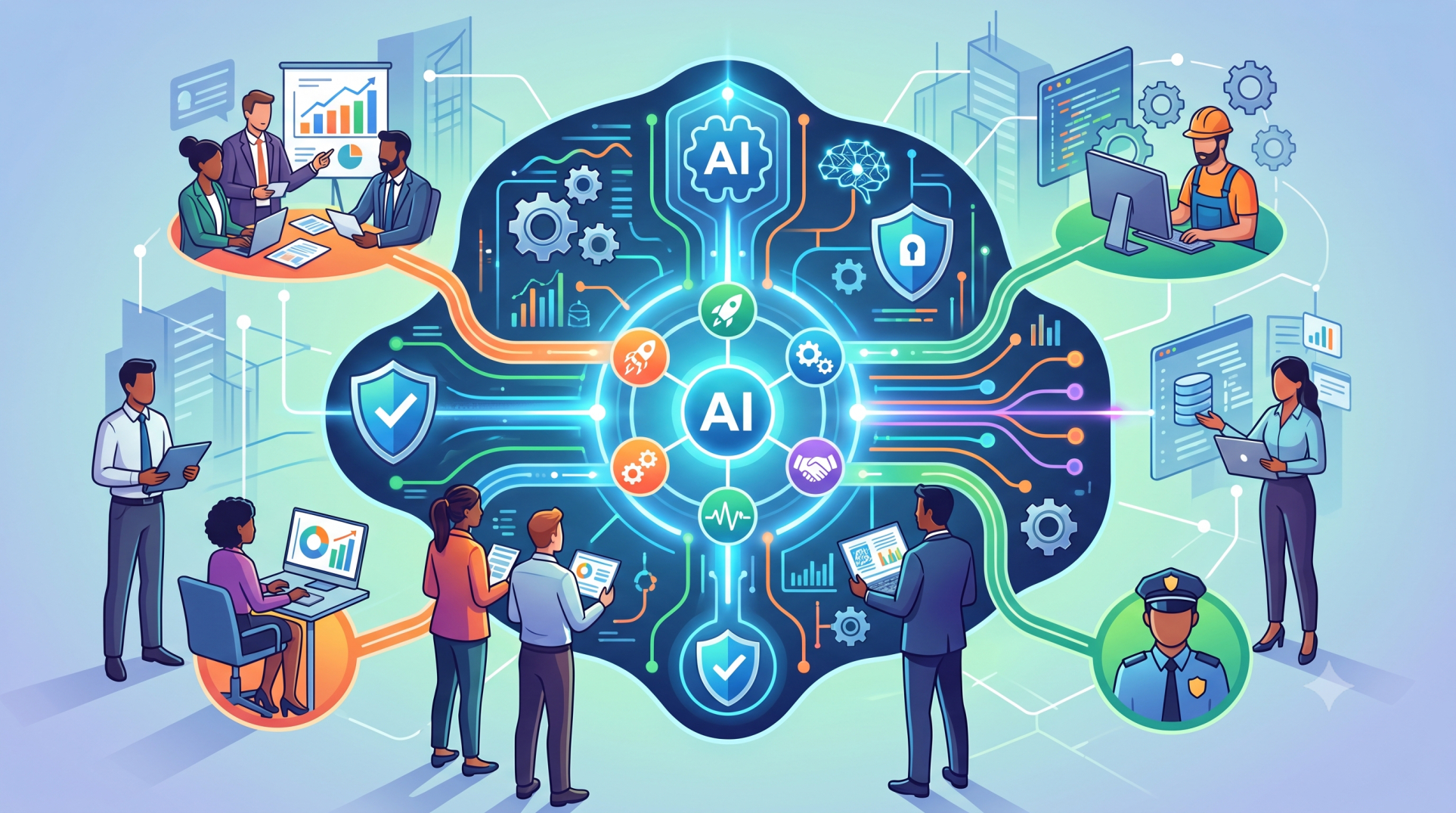
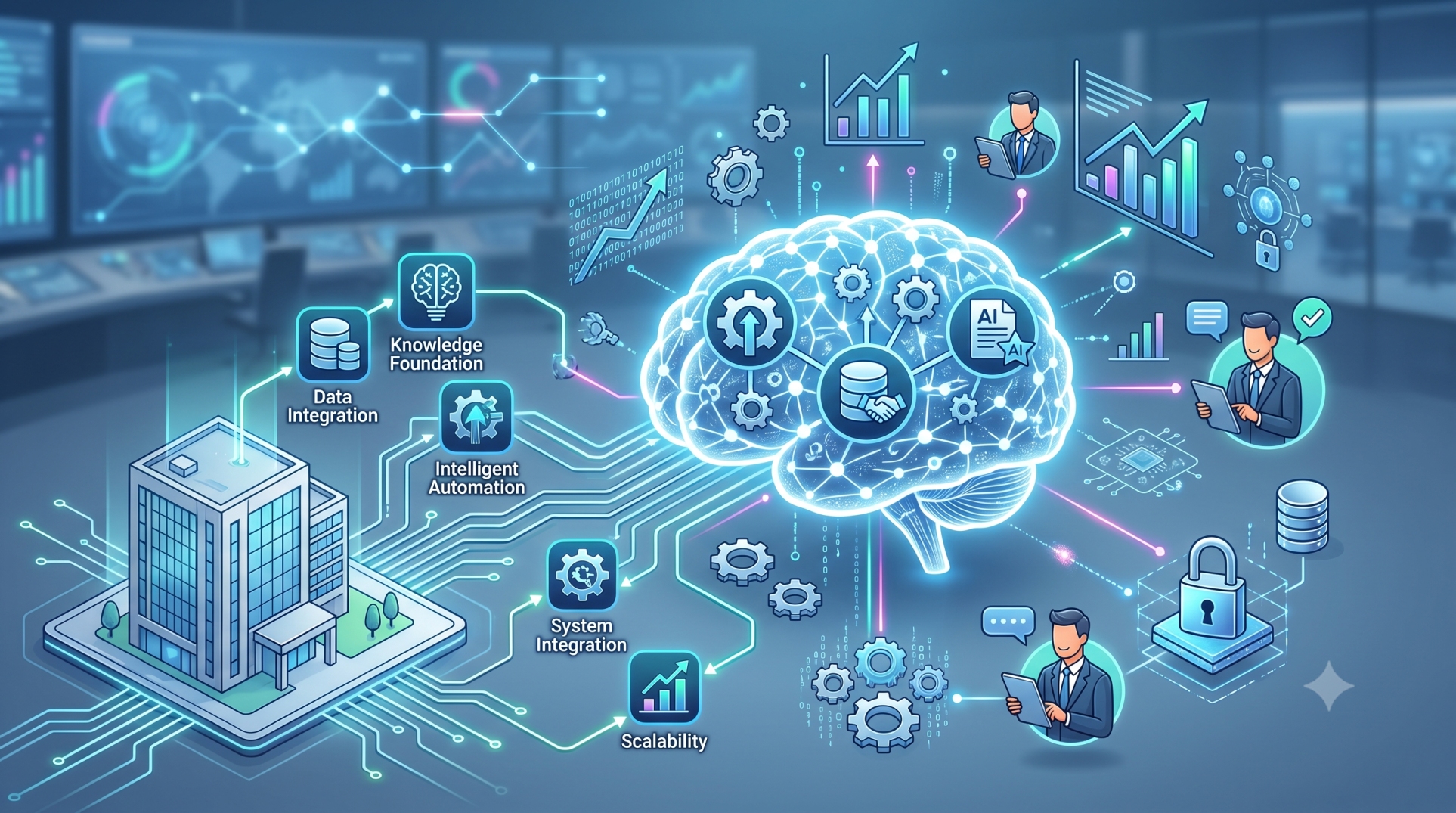
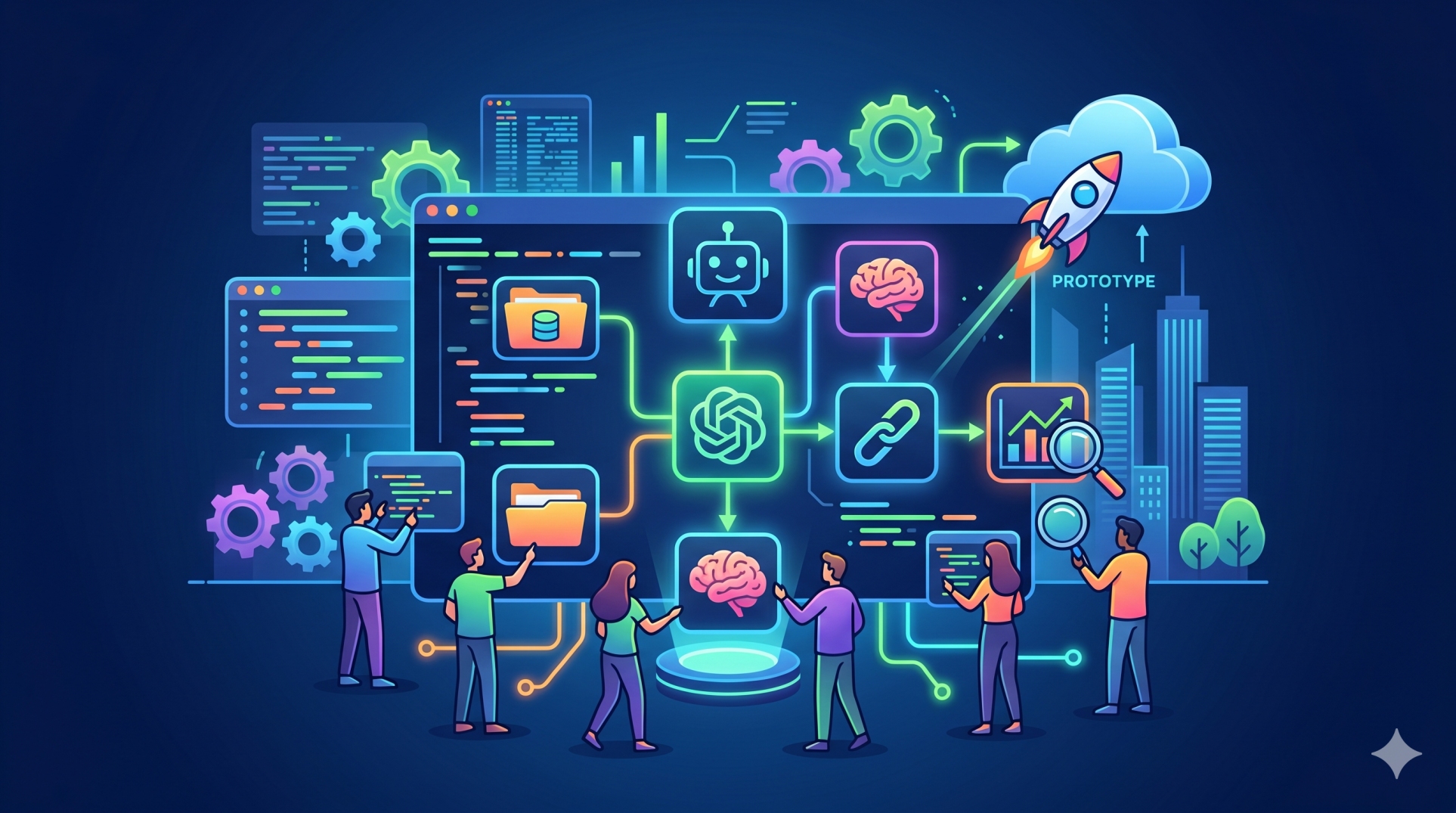
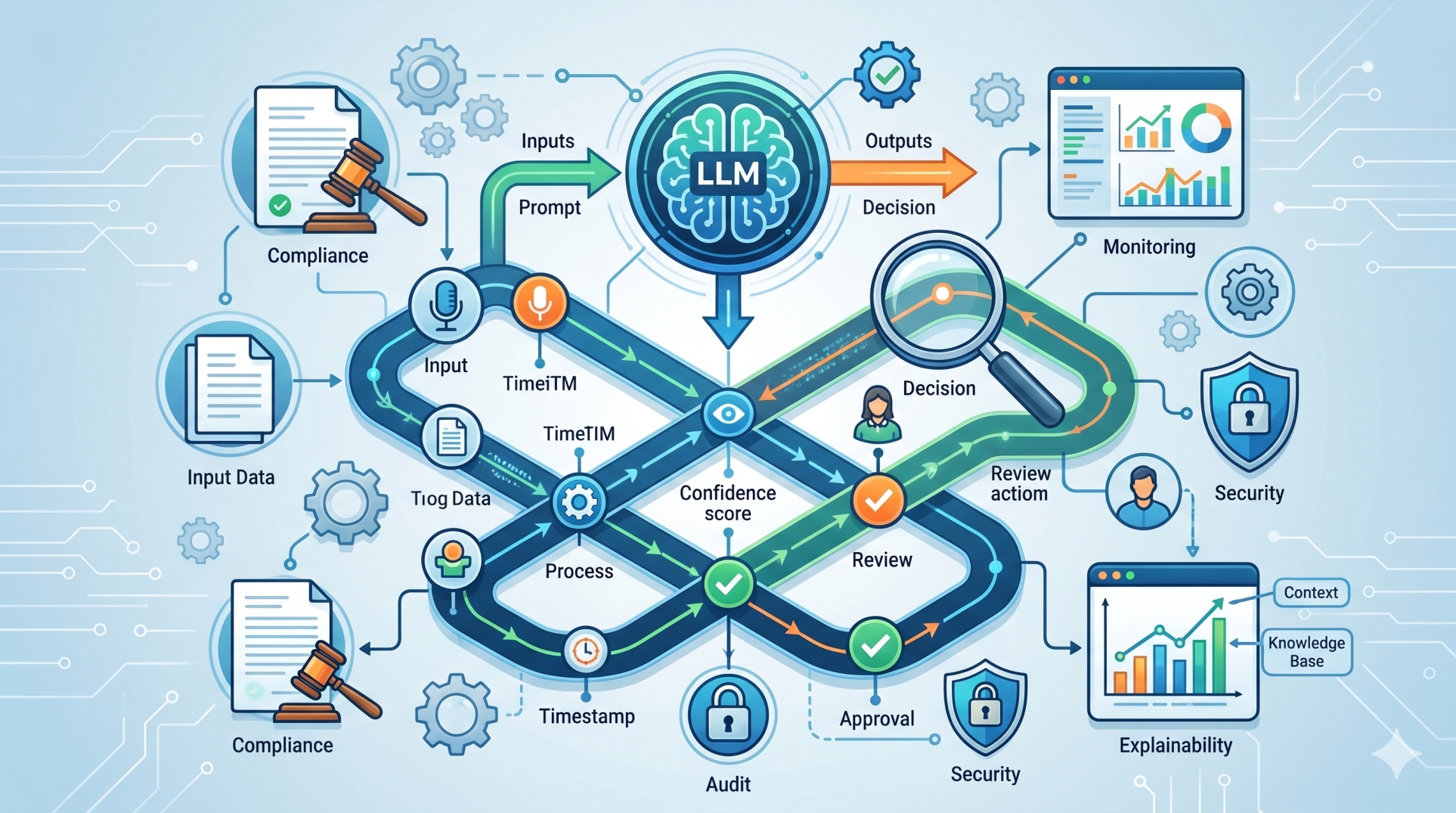
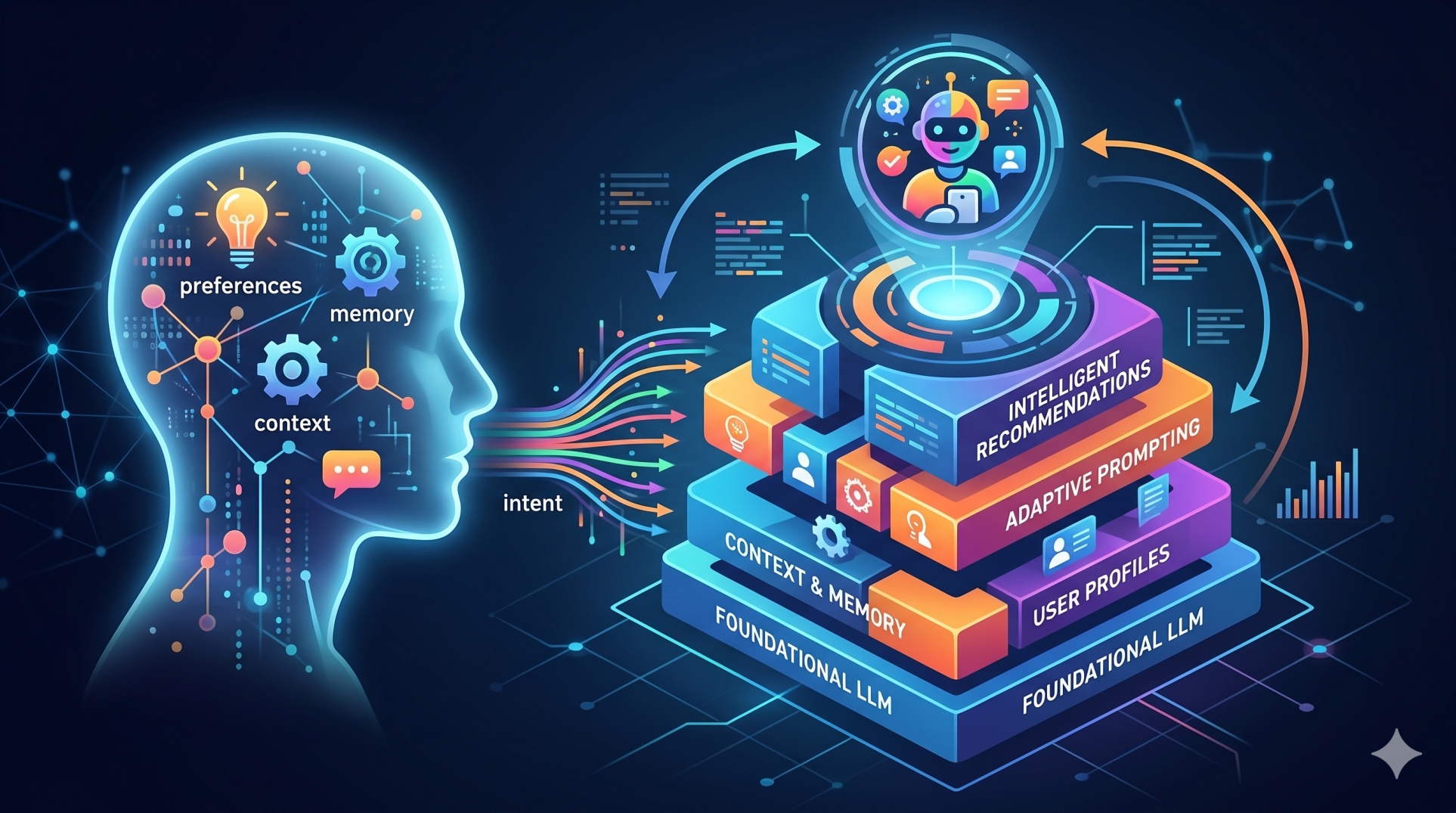
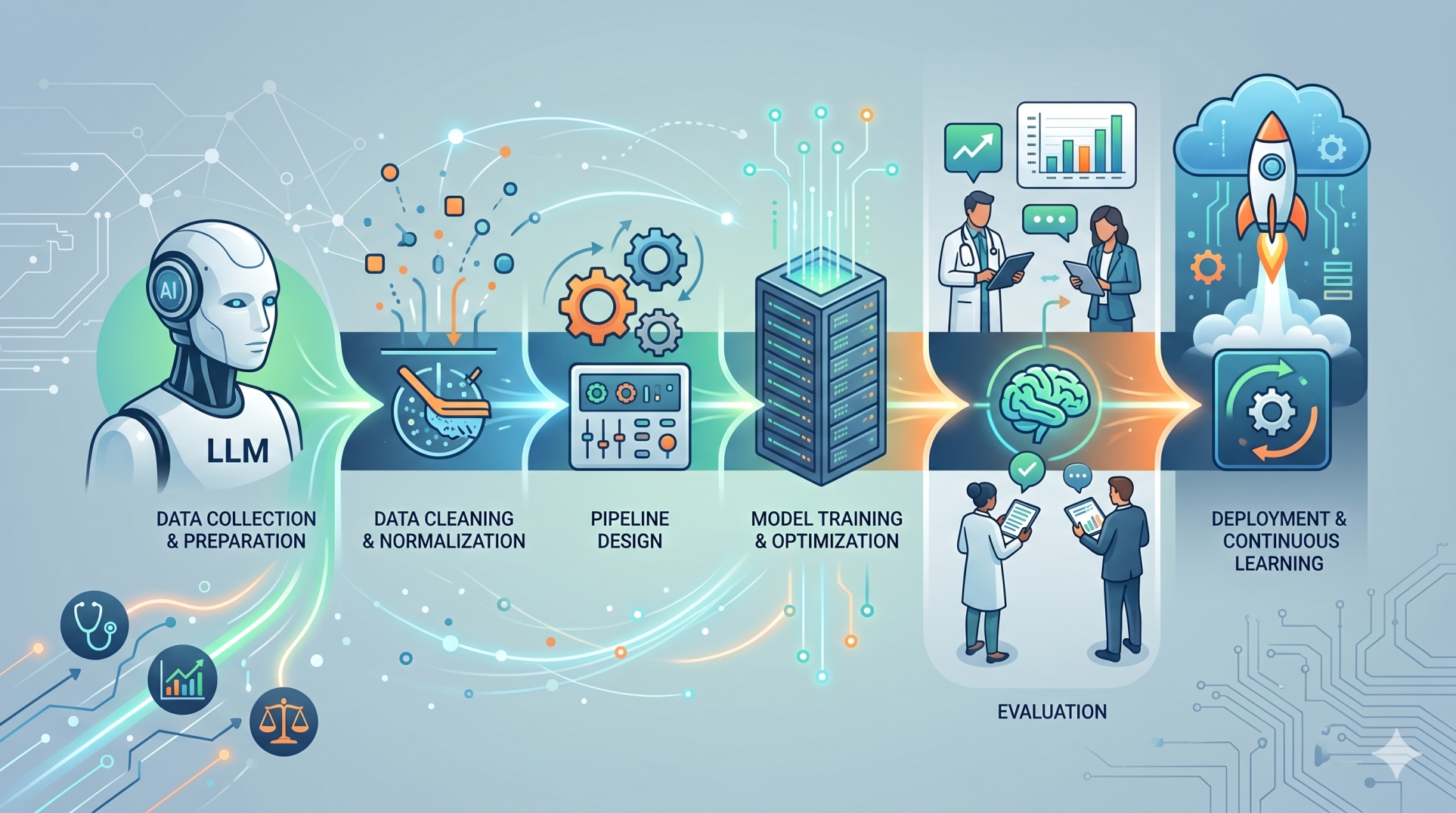
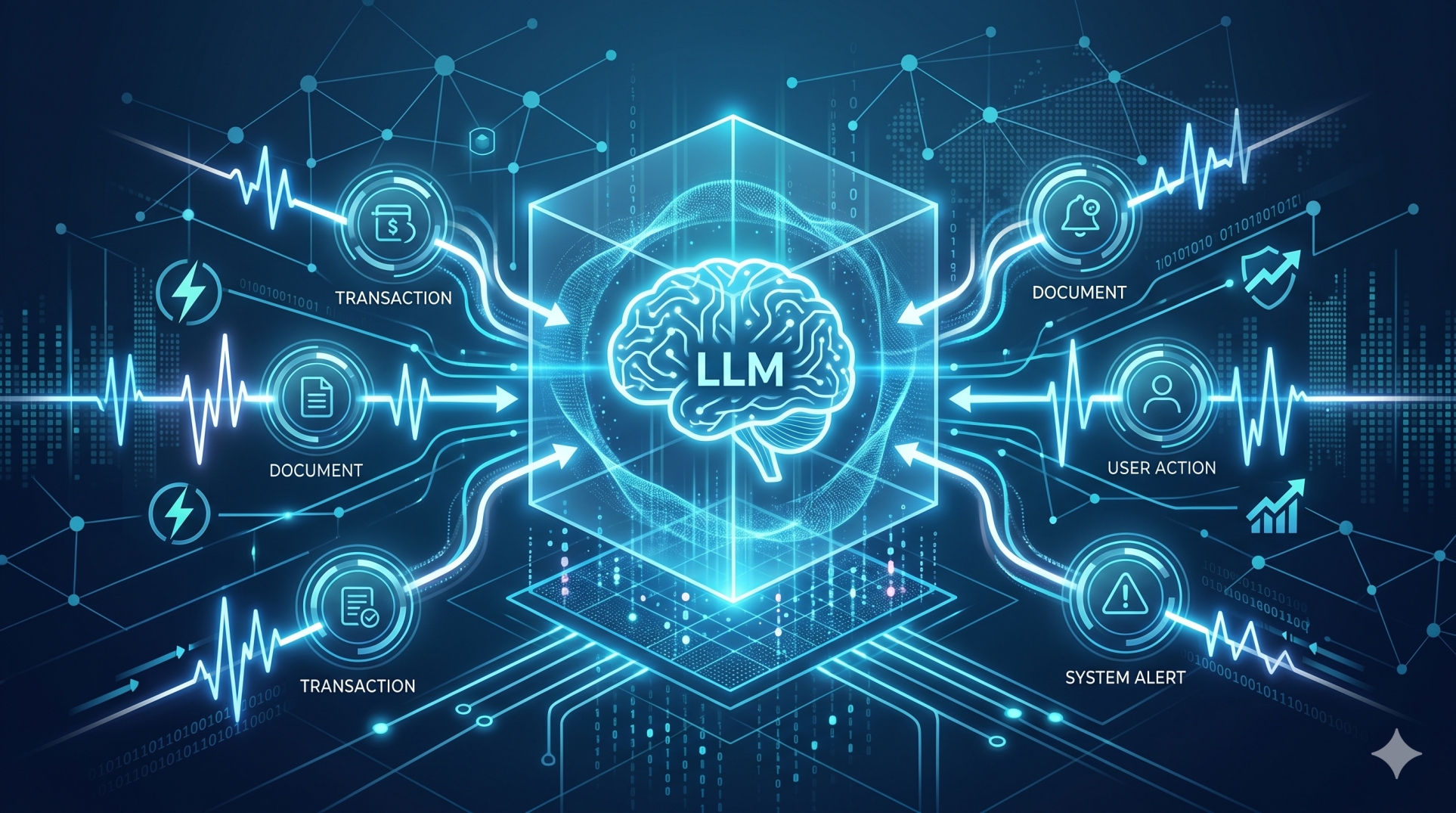
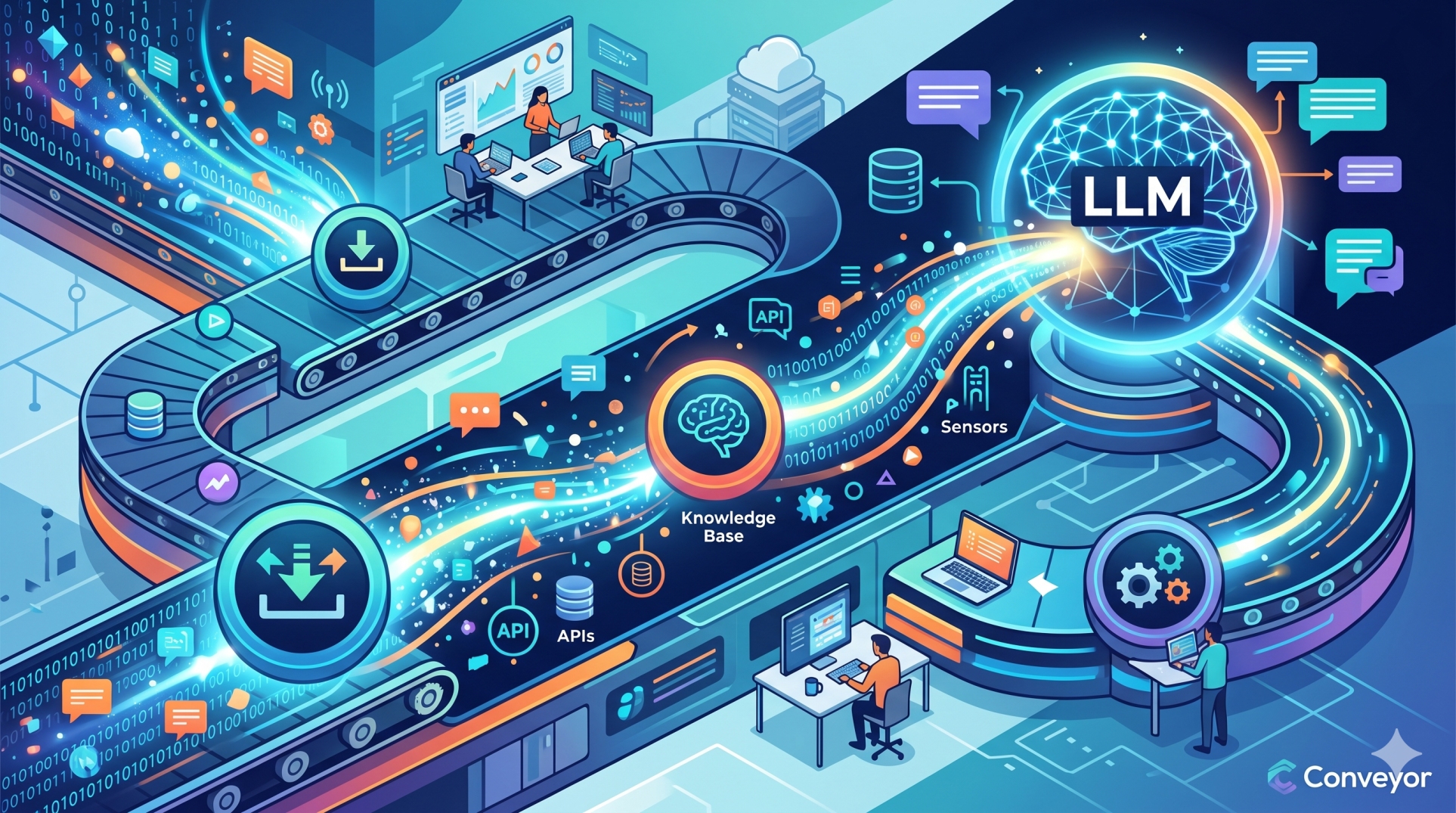
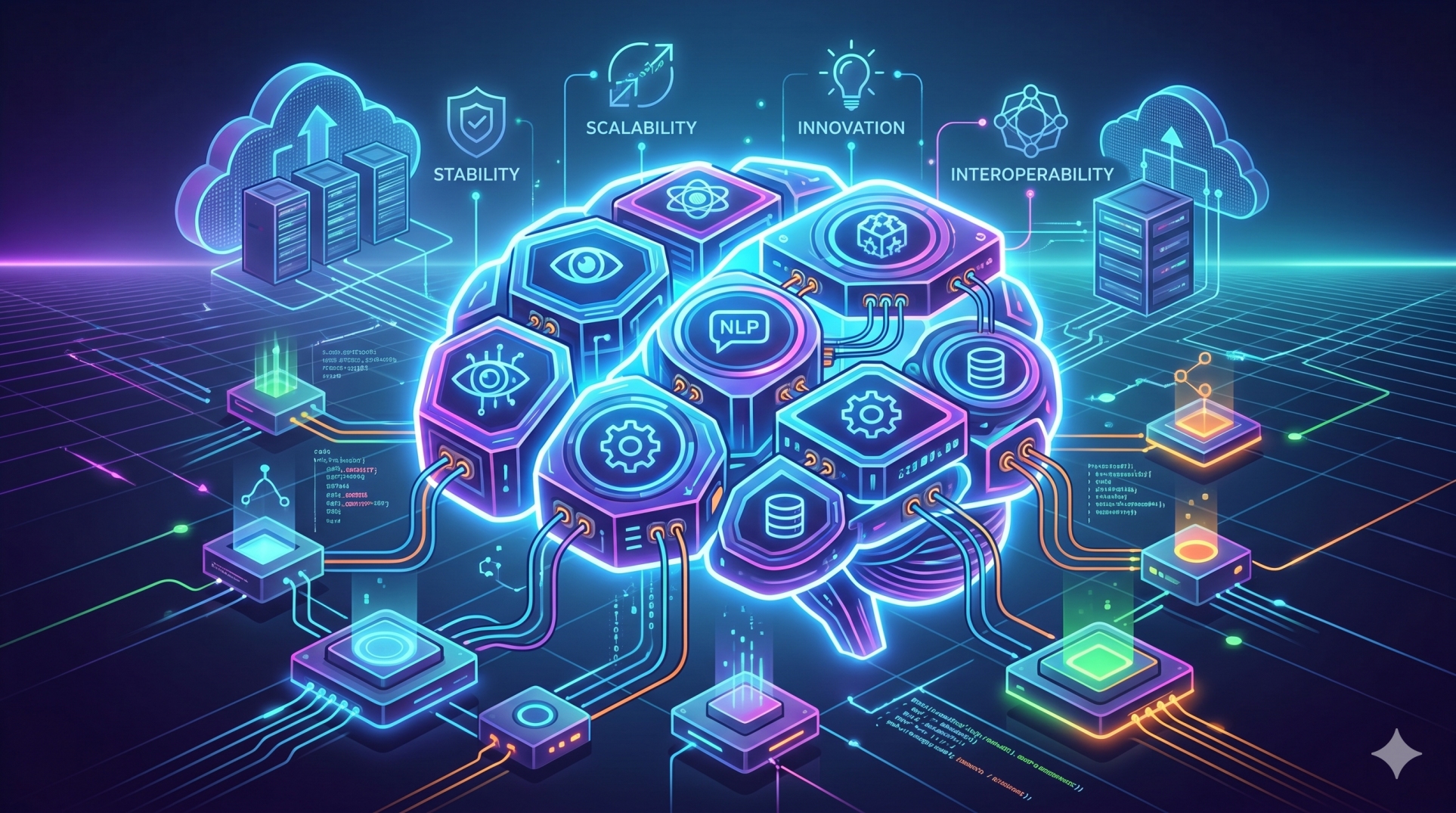
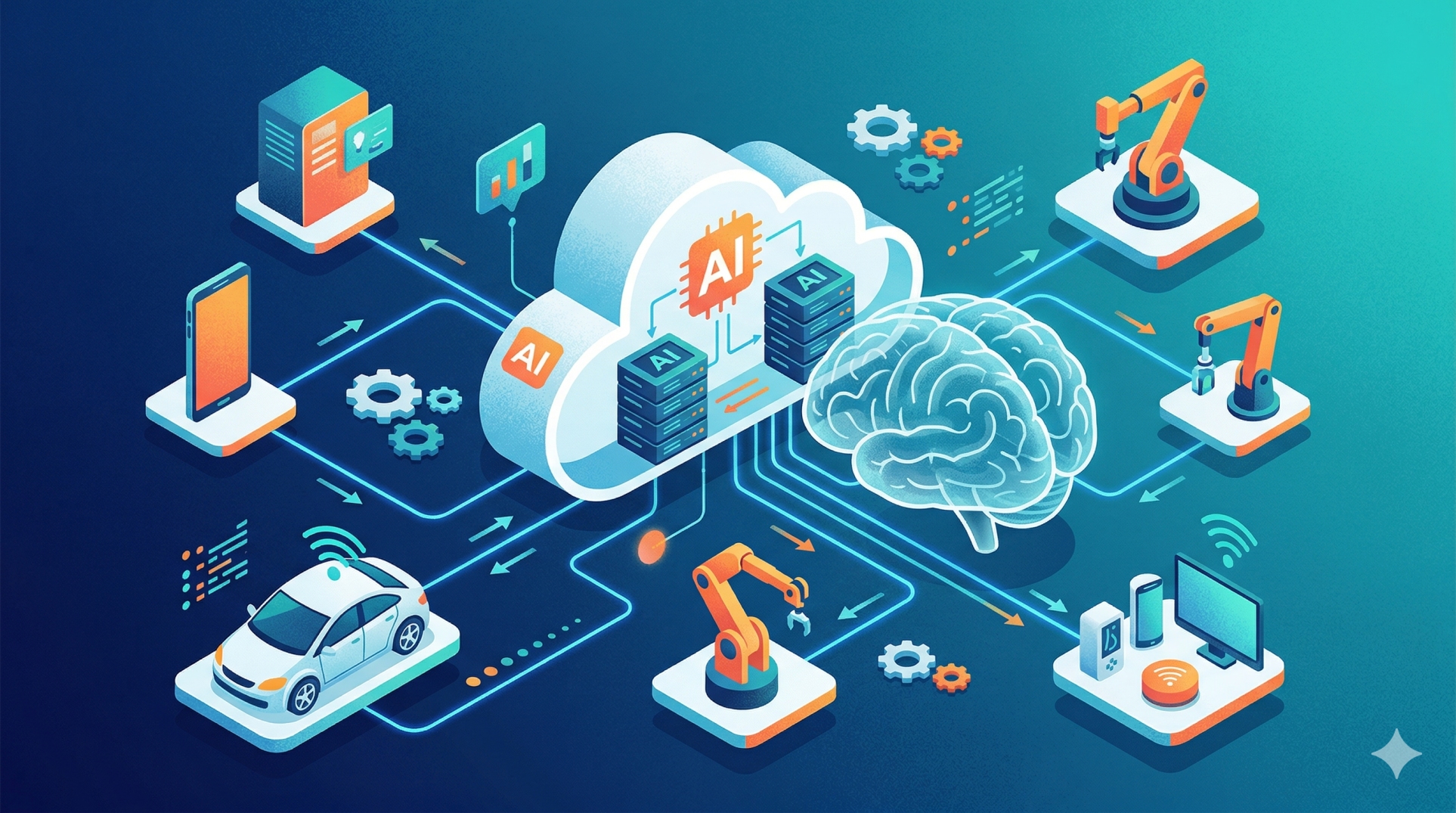
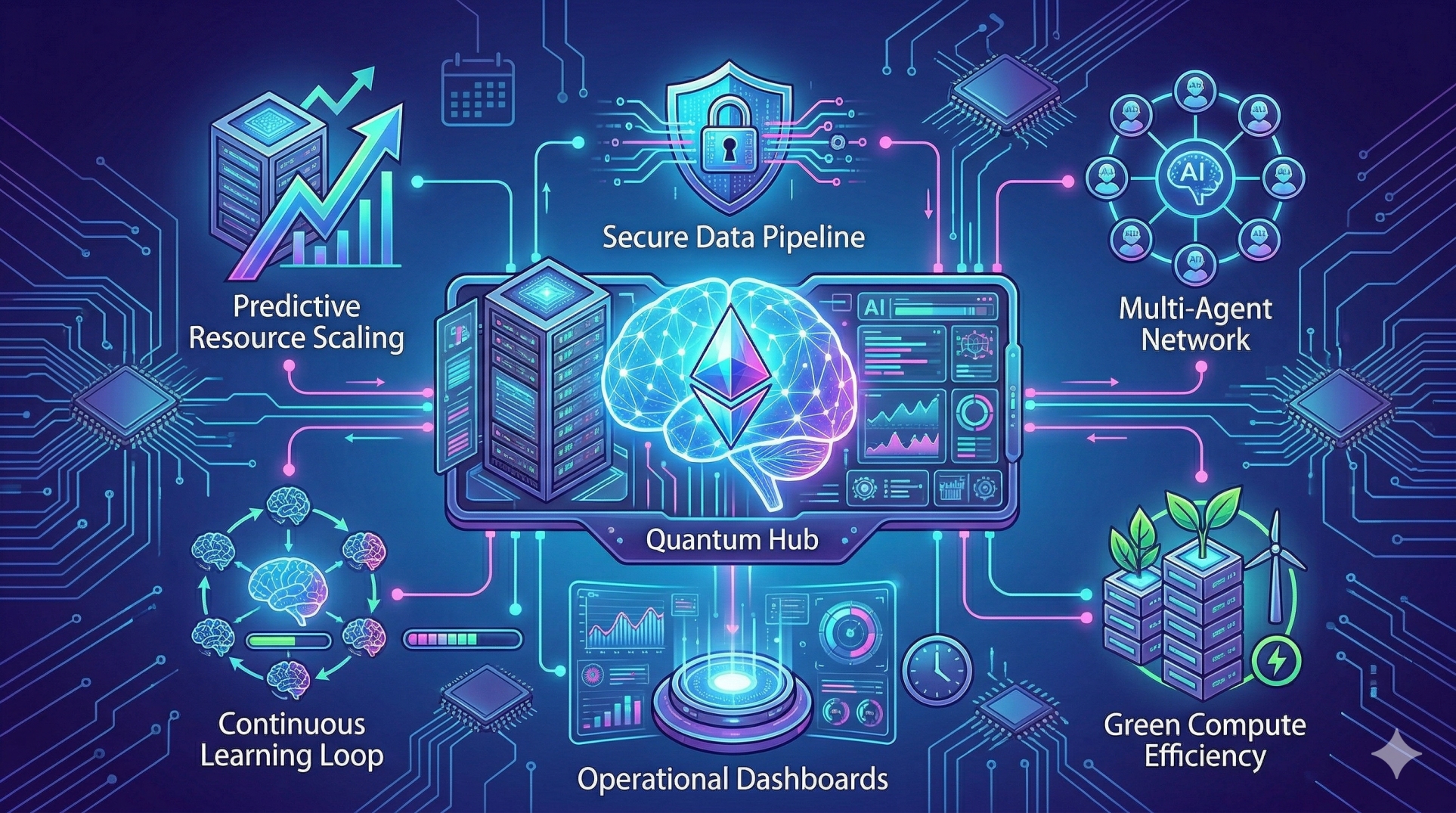
As organizations embrace AI-driven automation, workflows are becoming more dynamic, intelligent, and interconnected. LLM software enables adaptive workflow networks that can analyze context, automate decision-making, coordinate tasks, and respond to changing business conditions in real time. Instead of relying on rigid process automation, adaptive workflow networks continuously optimize operations, improving efficiency, collaboration, and business agility.
Step 1: Understanding Adaptive Workflow Networks 🧠
• Build intelligent workflows that adapt to changing business conditions 🔄
• Connect people, systems, and AI into a unified operational network 🤝
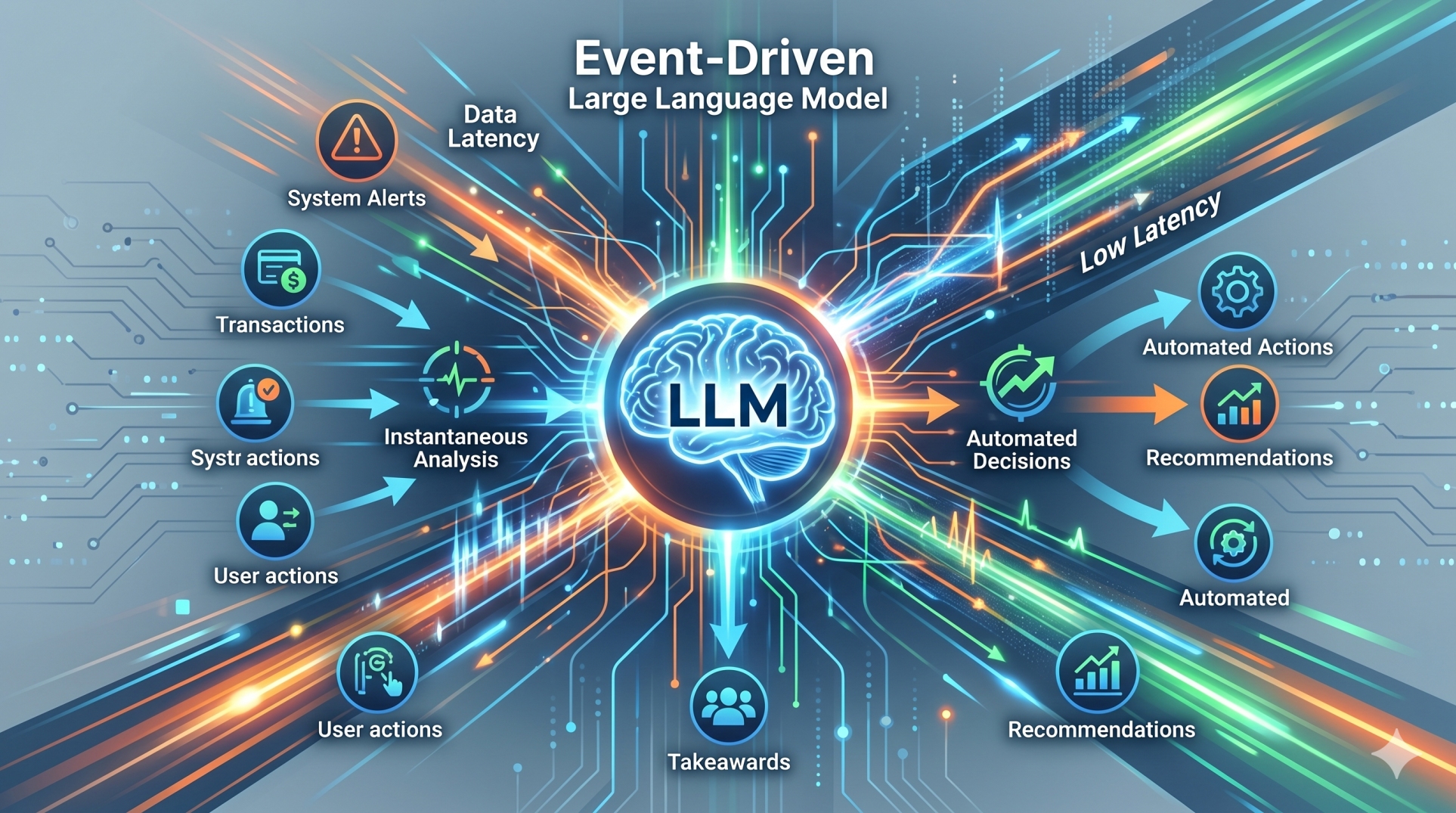
• Automate decision-making based on real-time information ⚡
• Reduce dependency on static workflow rules 📋
• Create flexible business processes that evolve with operational needs 🚀
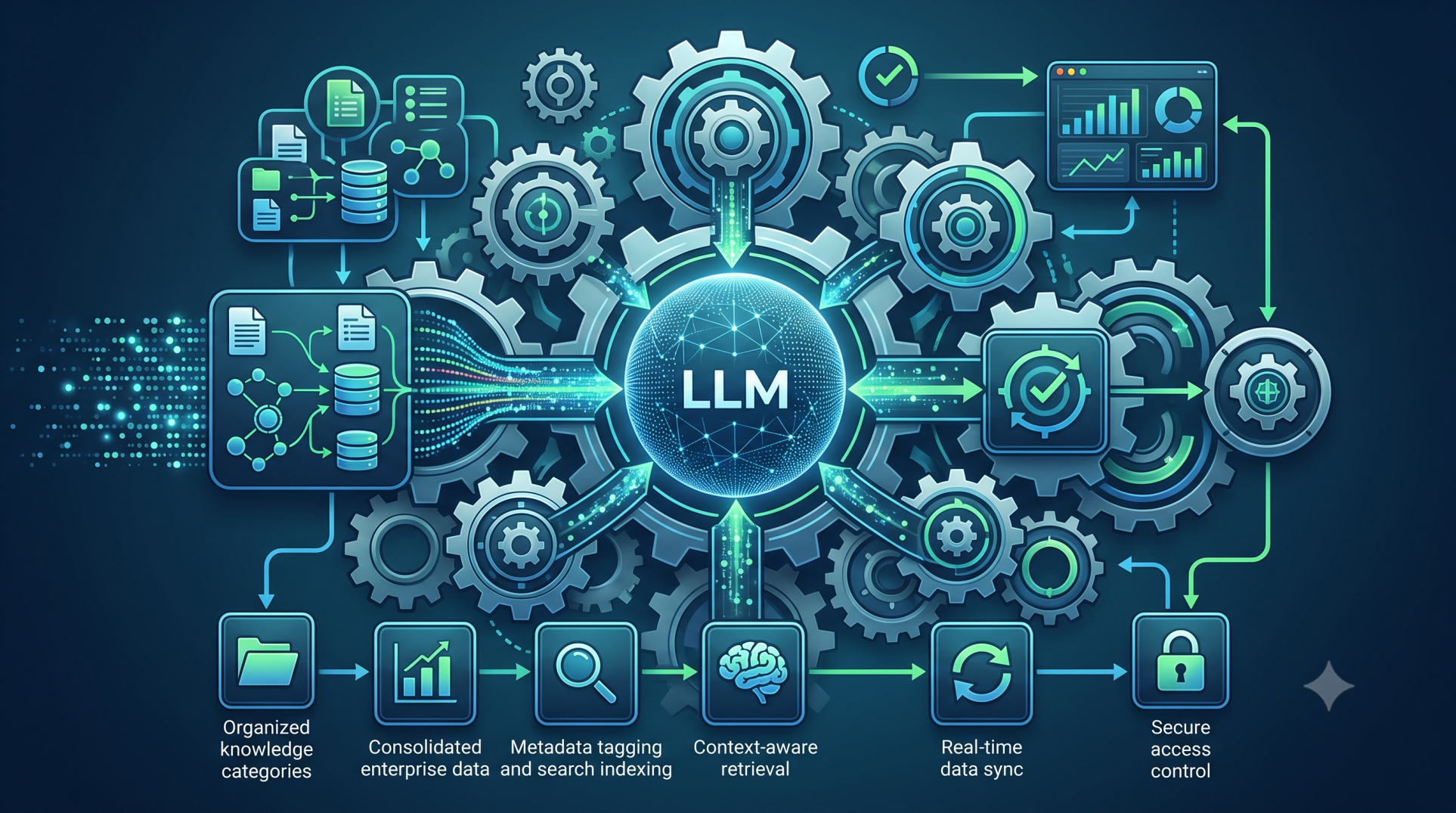
Step 2: Connecting Enterprise Systems 🔗
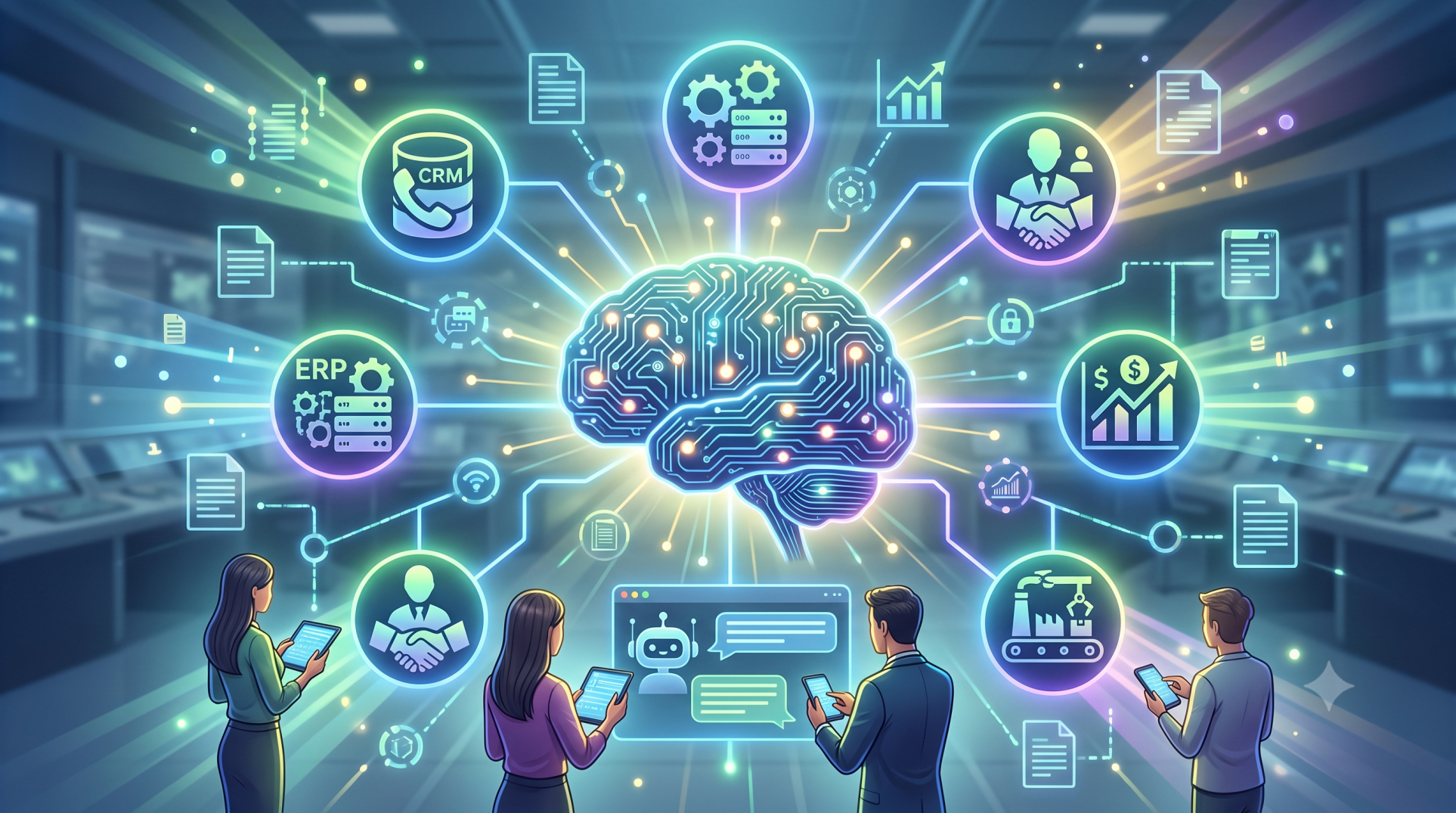
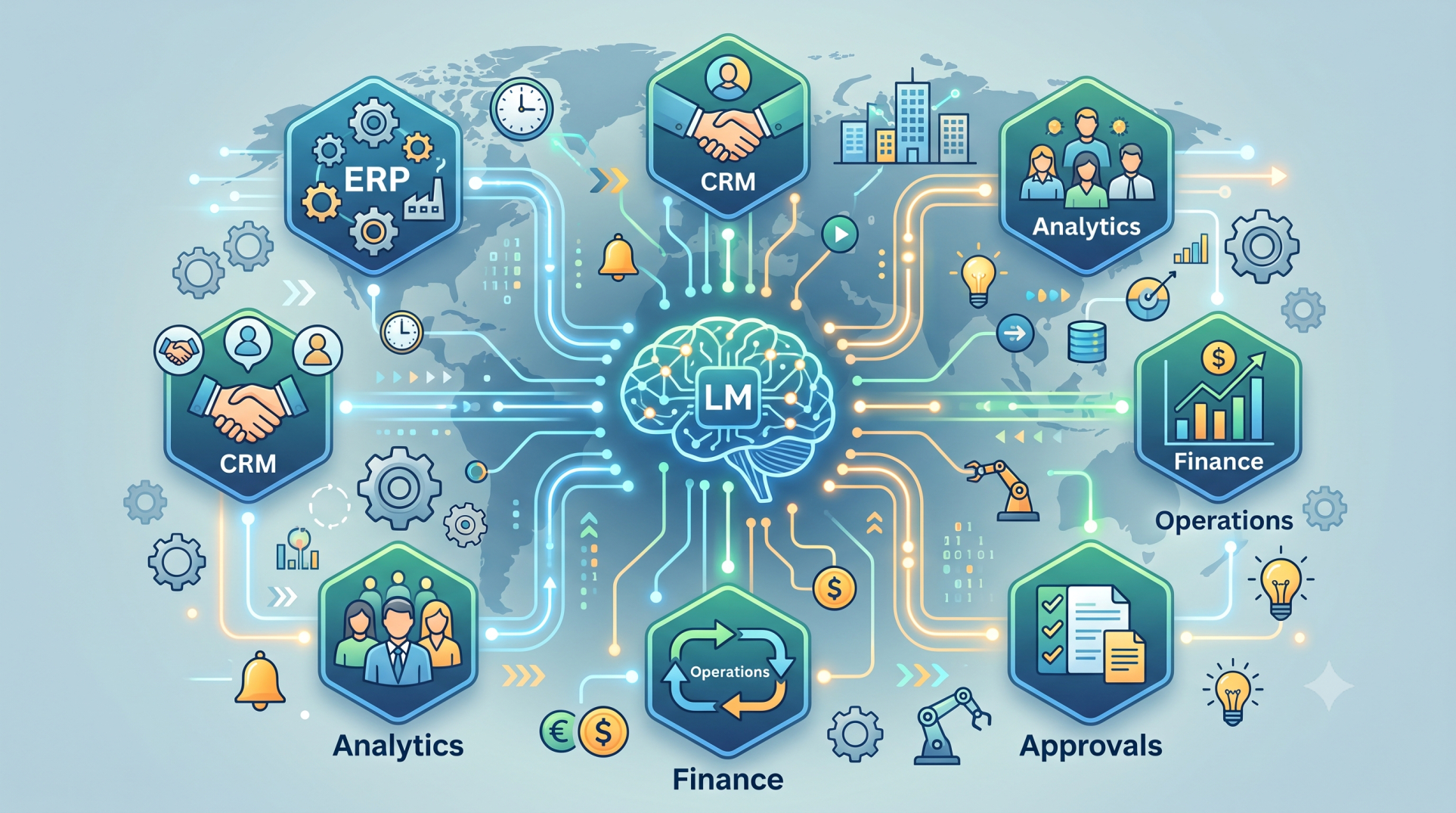
• Integrate CRM, ERP, HR, finance, and operational platforms 🏢
• Enable seamless data exchange across business applications 📡
• Eliminate information silos through connected workflows 📂
• Synchronize activities between multiple enterprise systems ⚙️
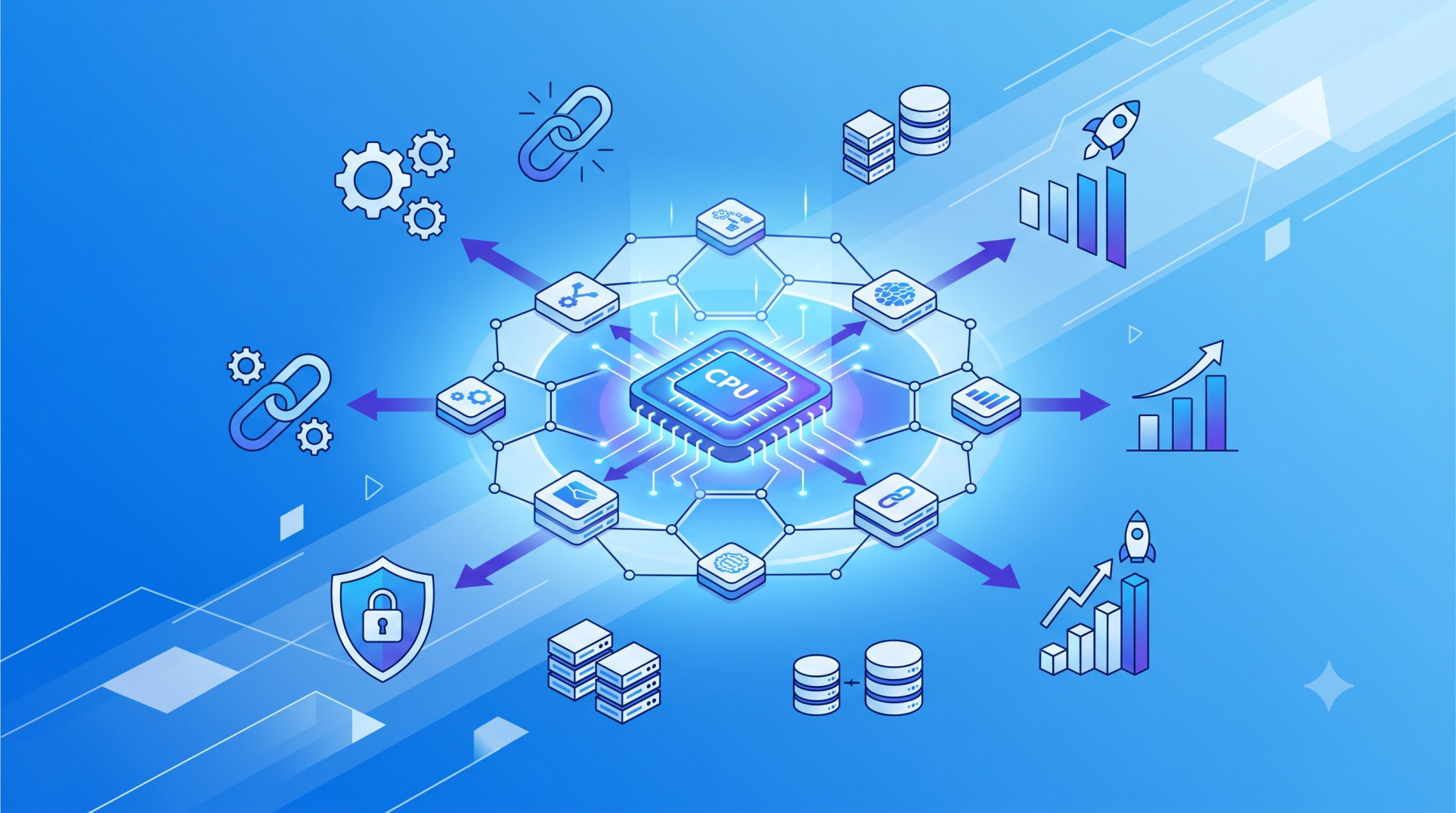
• Build a centralized foundation for intelligent automation 🌐
Step 3: Enabling Context-Aware Decision Making 📊
• Analyze operational context before executing workflow actions 🧩
• Use business data to guide task prioritization and routing 📈
• Adapt workflows based on current conditions and objectives 🎯
• Improve response quality with relevant organizational knowledge 📚
• Support faster and more informed business decisions 💡
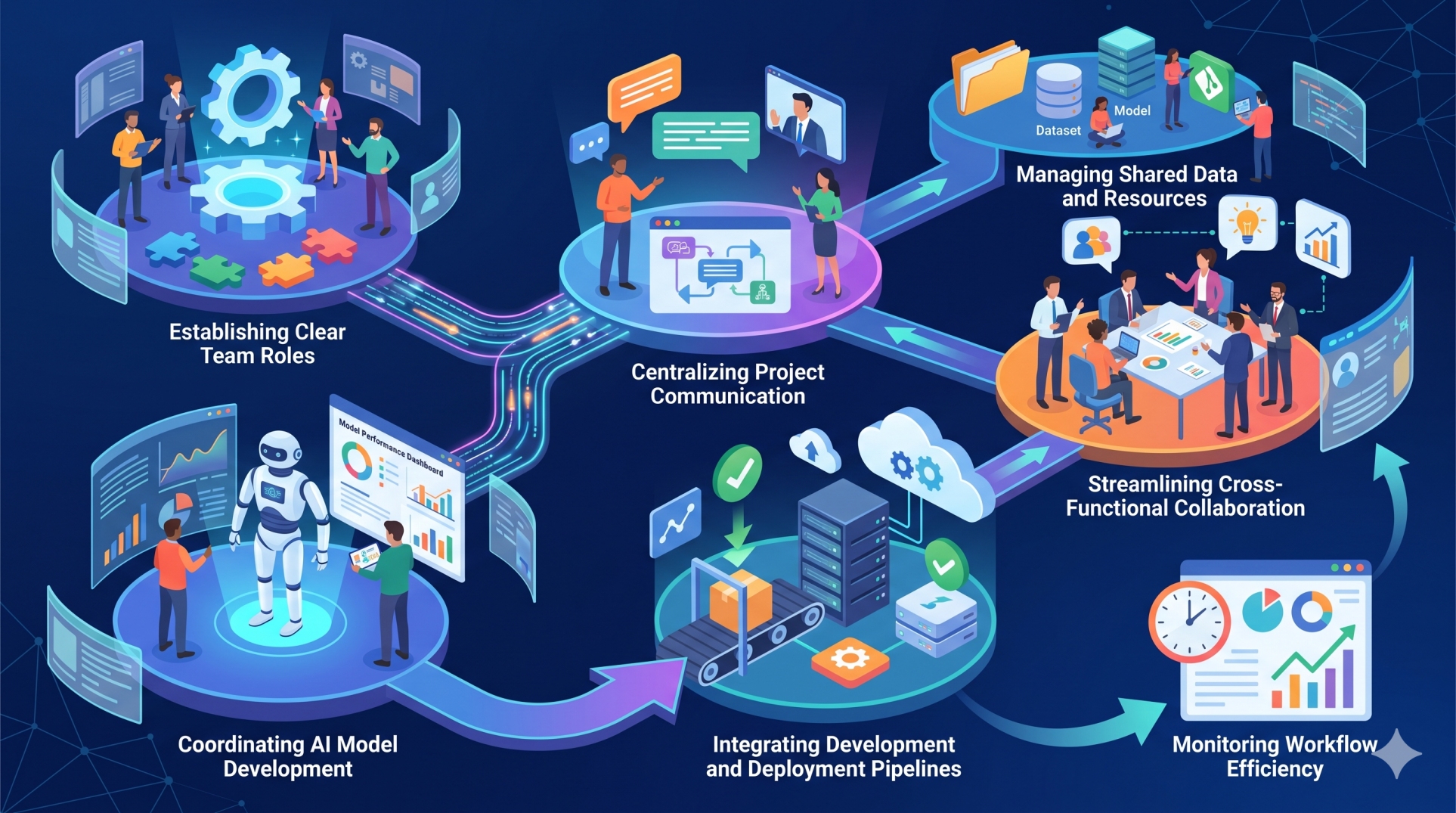
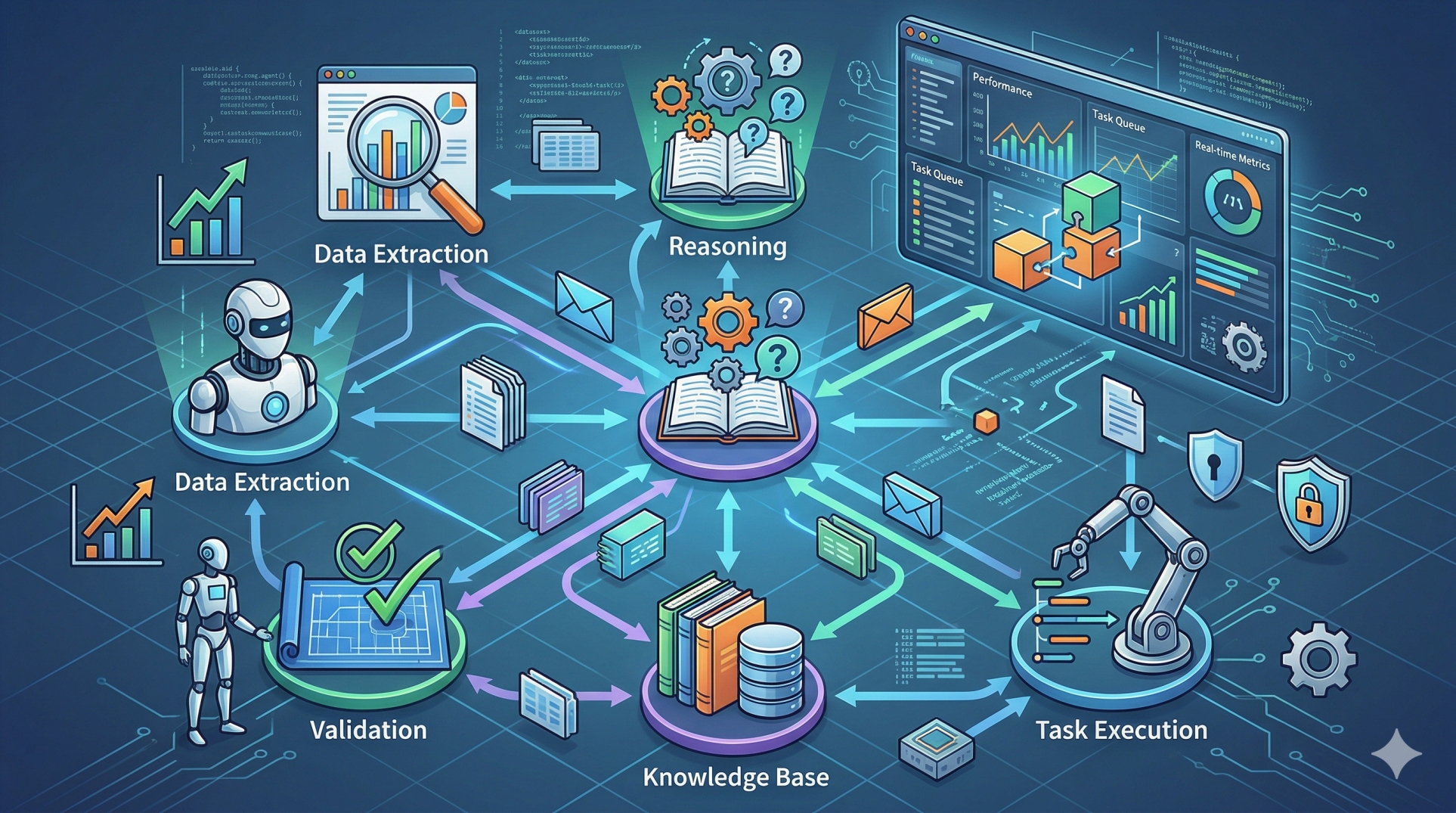
Step 4: Automating Intelligent Task Orchestration 🤖
• Coordinate tasks across departments and business systems 🔄
• Assign work based on availability, priority, and workload 👥
• Trigger automated actions without manual intervention ⚙️
• Manage dependencies across complex business processes 🔗
• Improve workflow efficiency through intelligent orchestration 🚀
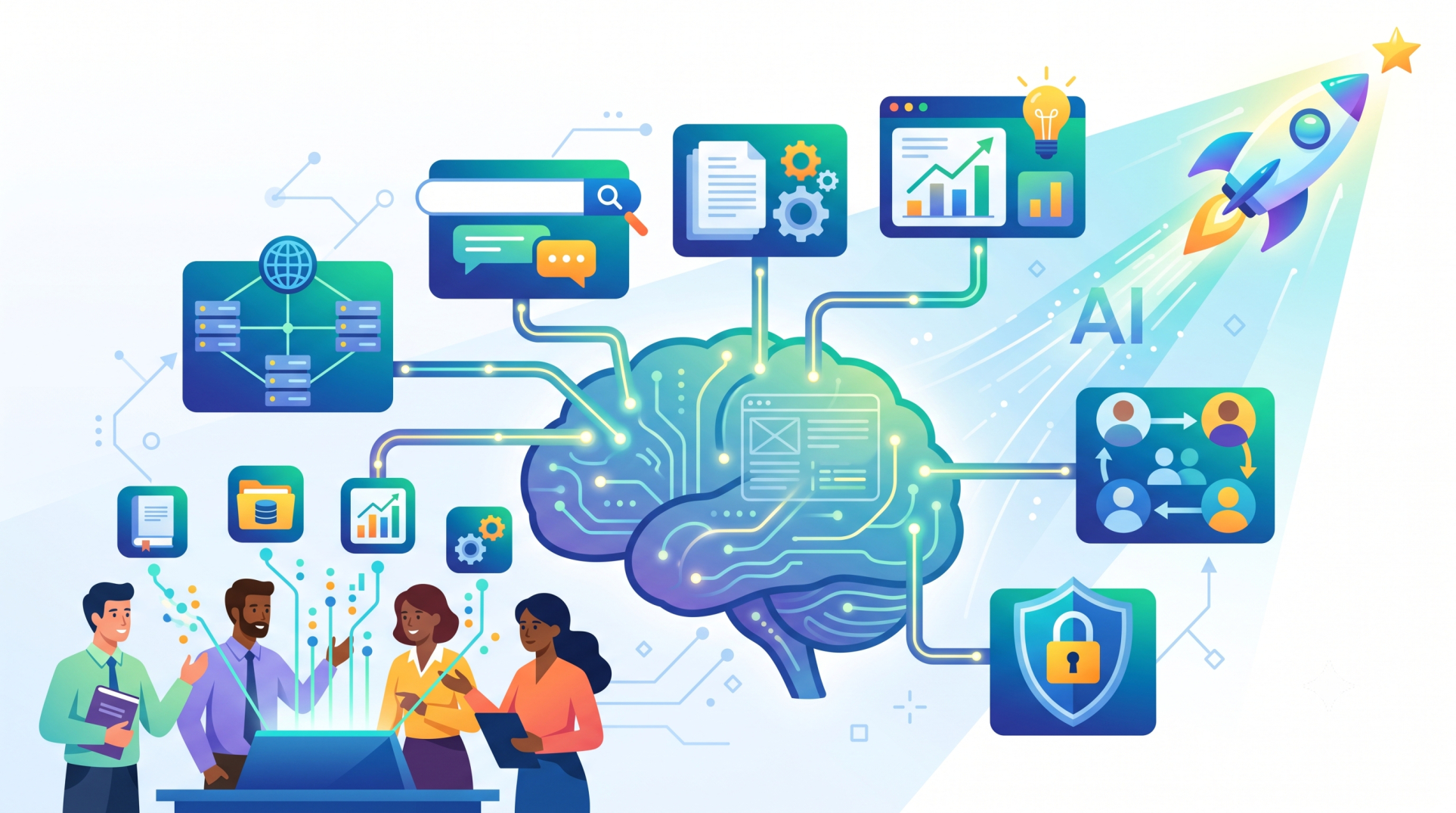
Step 5: Supporting Human-AI Collaboration 🤝
• Assist employees with recommendations and contextual insights 💬
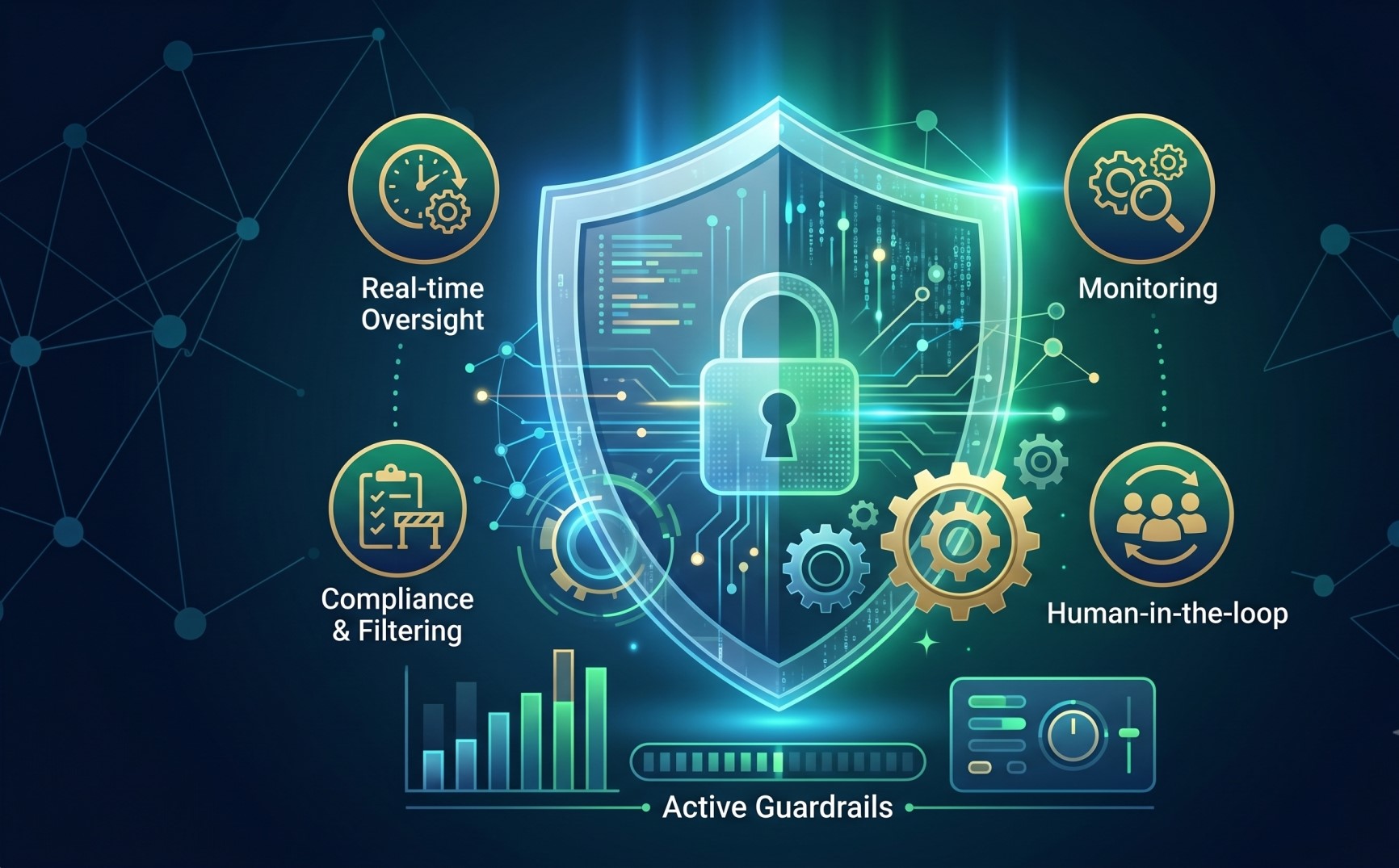
• Automate repetitive activities while keeping humans in control 👨💼
• Provide decision support for complex business scenarios 🧠
• Improve productivity through AI-assisted workflows 📈
• Enable seamless collaboration between users and intelligent systems 🌍
Step 6: Integrating Real-Time Business Intelligence 📡
• Continuously monitor business events and operational metrics 📊
• Trigger workflow adjustments based on live information ⚡
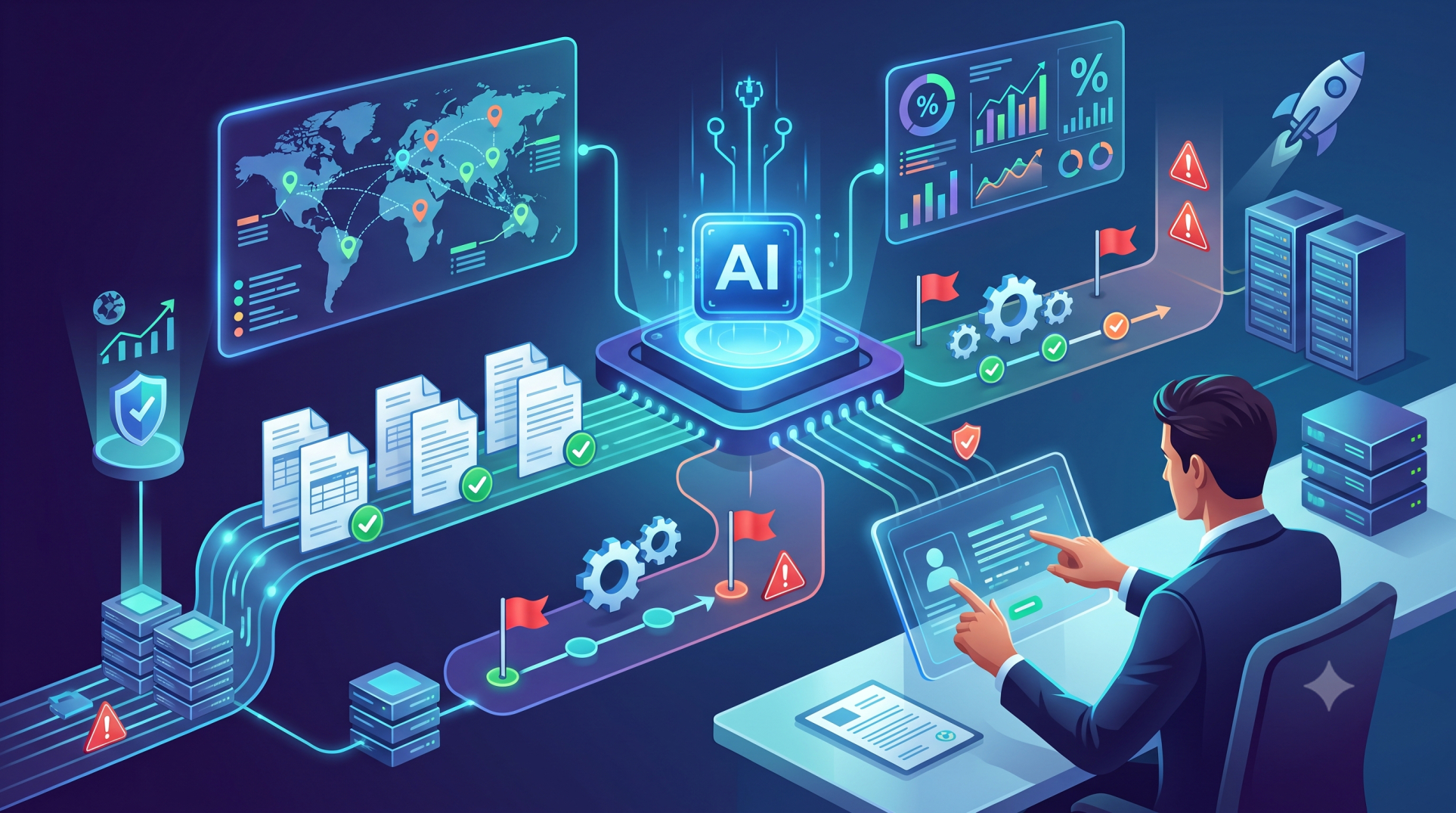
• Detect opportunities and risks as they emerge 🚨
• Synchronize workflow execution with current business activity 🔄
• Improve responsiveness across the organization 📈
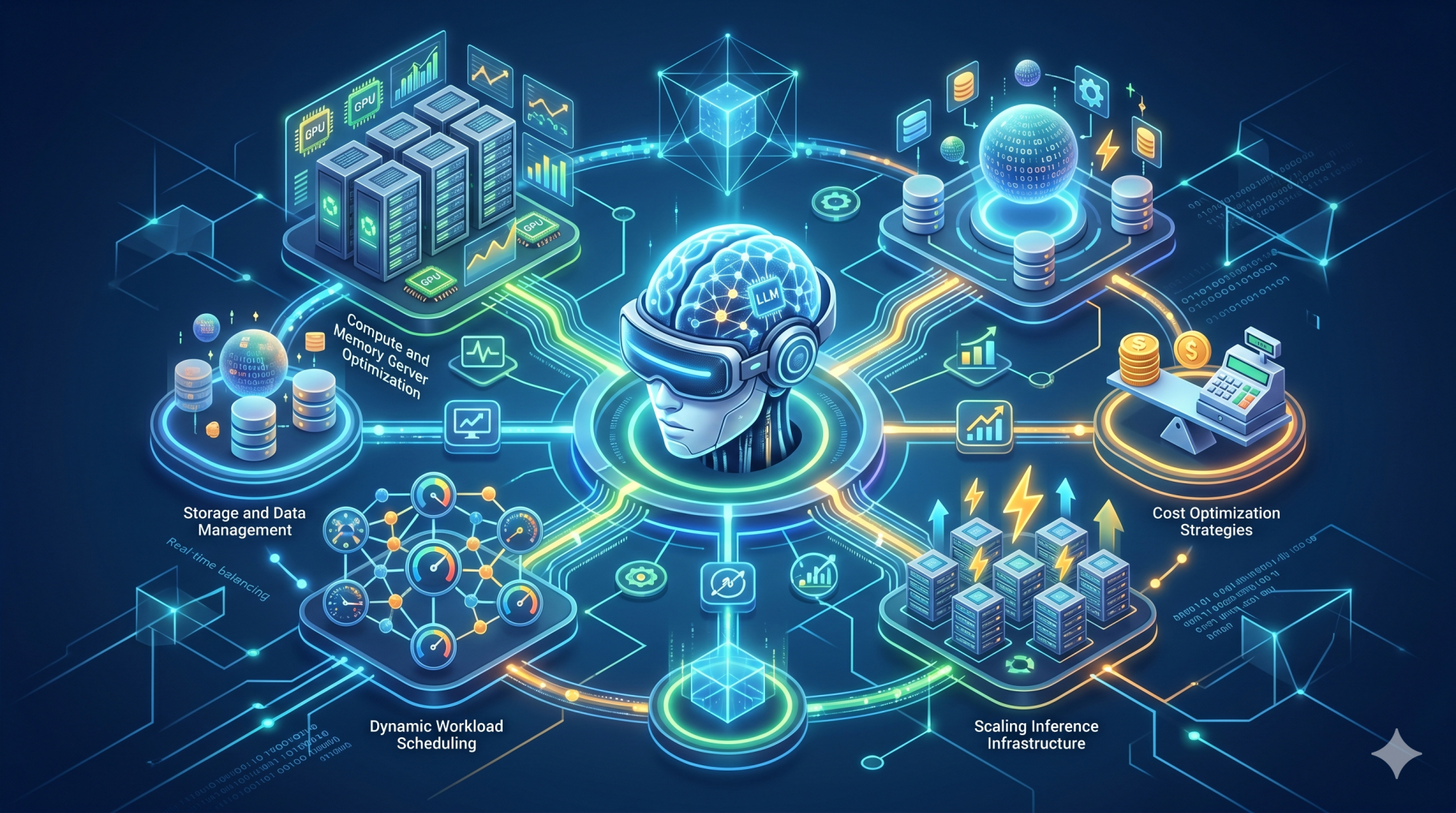
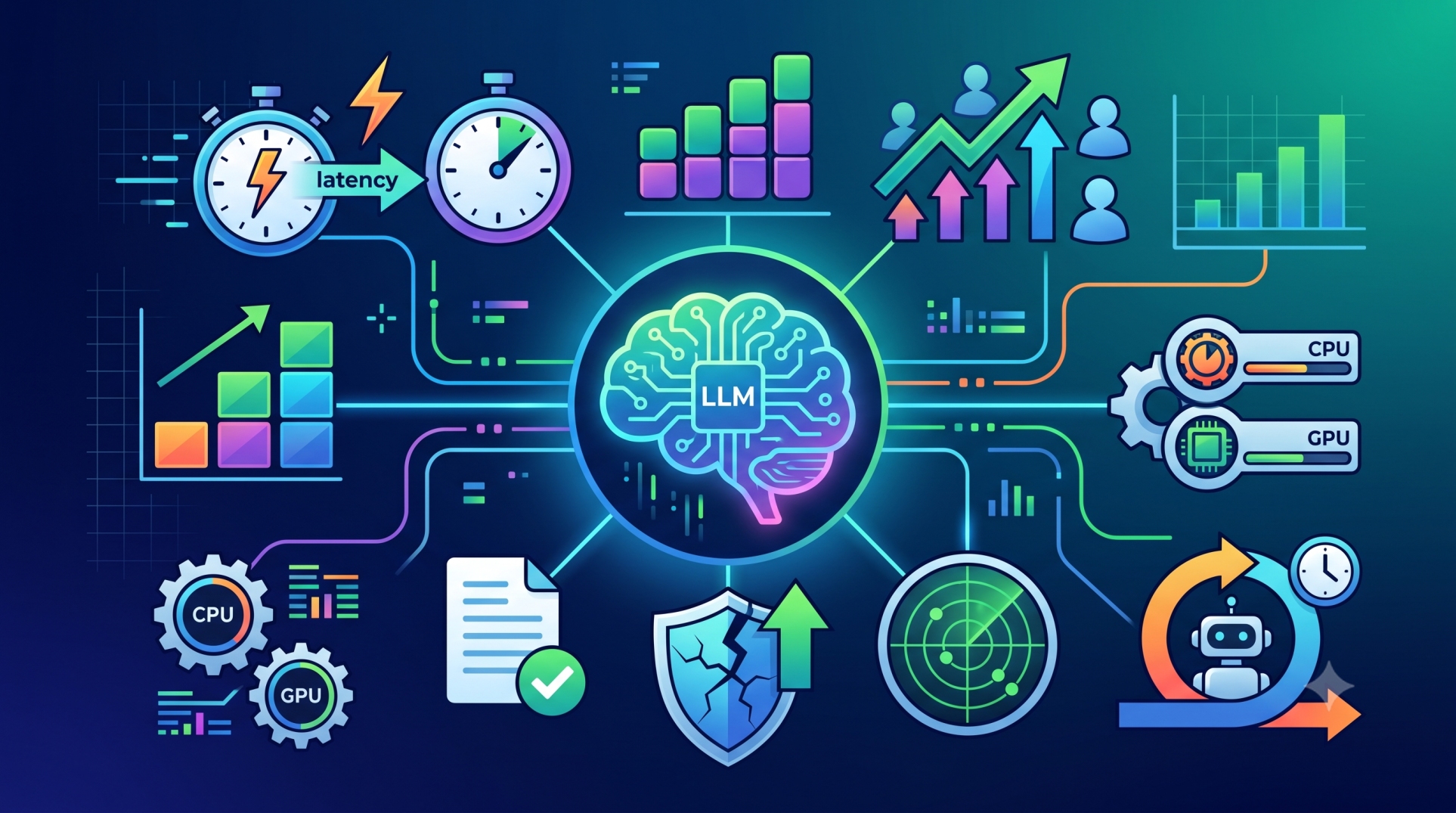
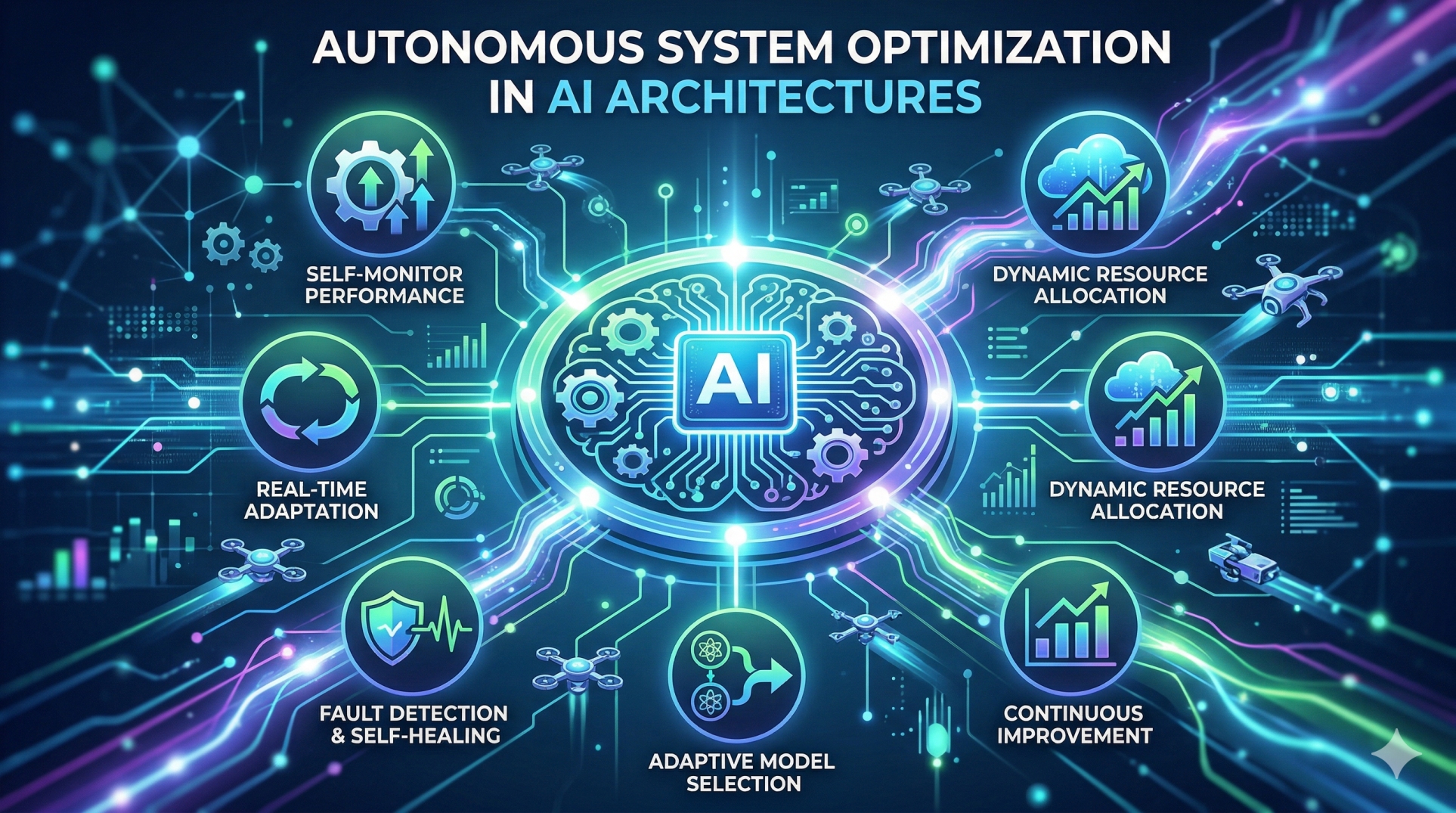
Step 7: Optimizing Workflow Performance 📈
• Measure workflow efficiency and completion times ⏱️
• Identify bottlenecks and process inefficiencies 🔍
• Analyze resource utilization across departments 📋
• Continuously refine workflow execution strategies 💡
• Improve operational outcomes through data-driven optimization 🚀
Step 8: Key Adaptive Workflow Priorities ⭐
• Intelligent automation driven by business context 🧠
• Connected enterprise systems with seamless data flow 🔗
• Real-time visibility into workflow execution 👀
• Scalable architecture supporting organizational growth 📈
Step 9: Managing Exceptions and Dynamic Changes 🔄
• Detect workflow interruptions and resolve them proactively 🚨
• Automatically reroute tasks when conditions change 🔀
• Handle exceptions without disrupting business operations 🛠️
• Support continuity during system updates or operational shifts ⚙️
• Enable rapid recovery from unexpected events ✅
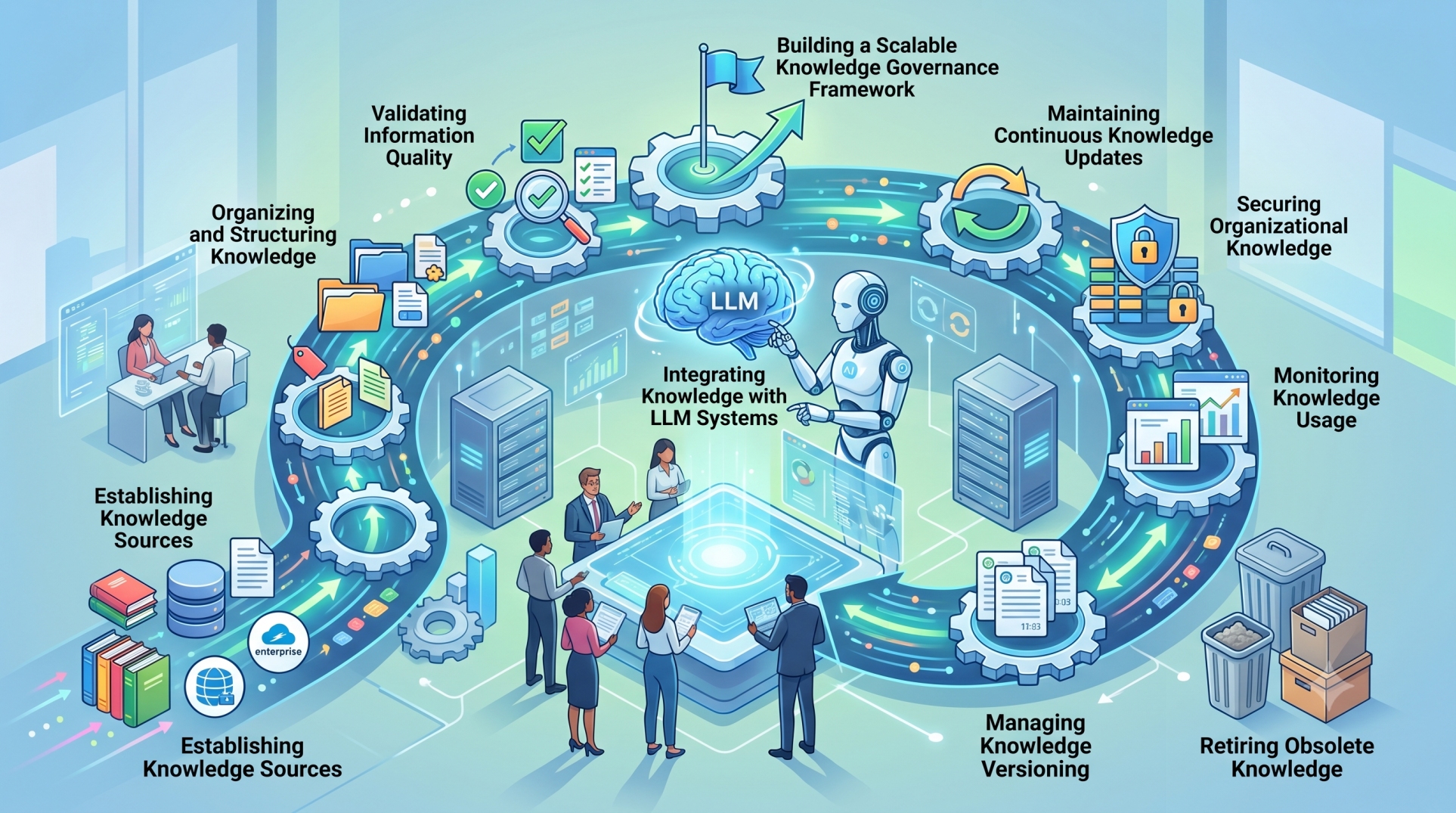
Step 10: Building a Future-Ready Workflow Ecosystem 🌍
• Design modular workflows that evolve with business needs 🏗️
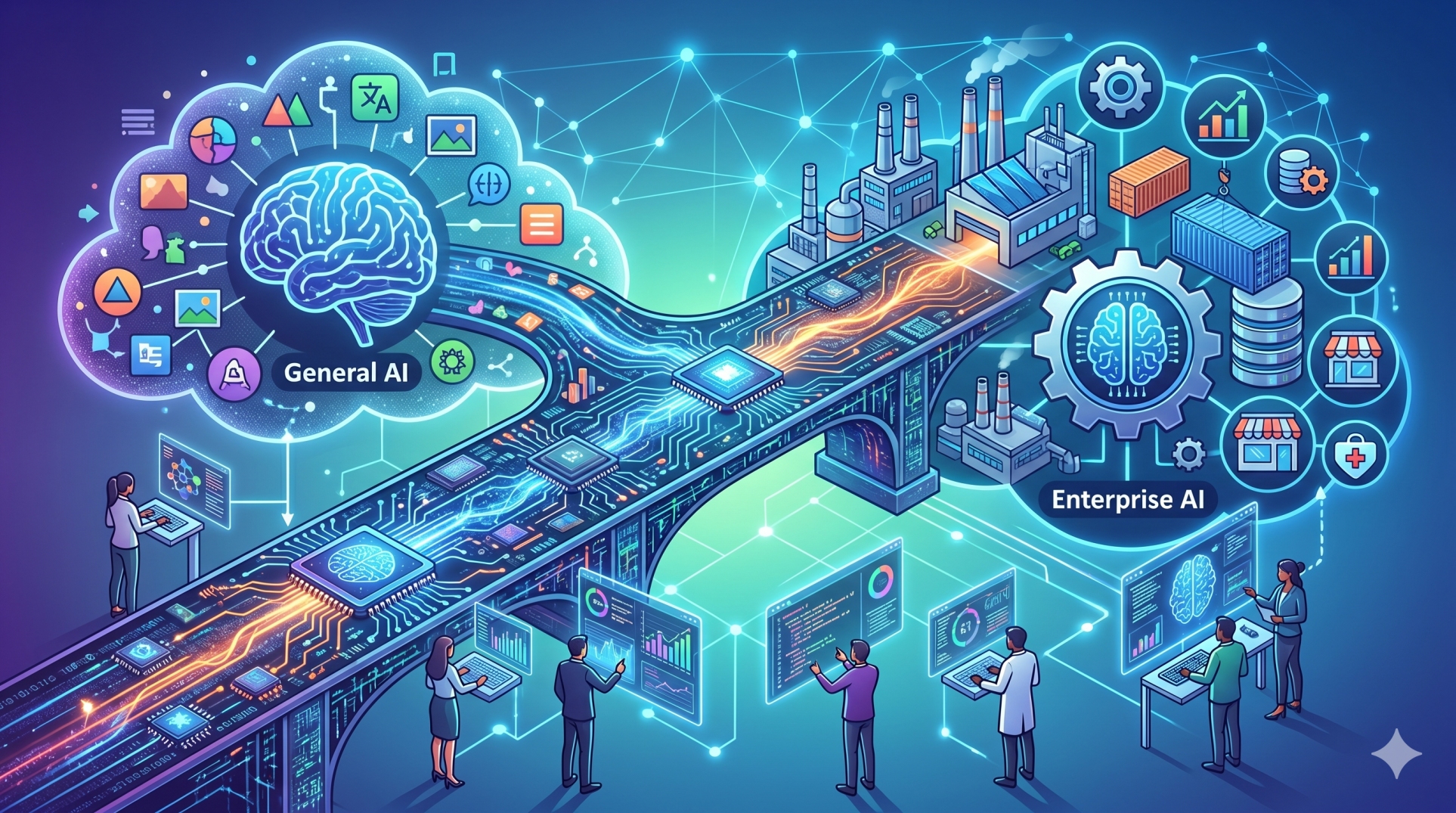
• Integrate emerging AI capabilities with minimal disruption 🤖
• Support multi-department and multi-location operations 🌐
• Scale workflow automation as the organization grows 📊
• Future-proof enterprise processes through adaptive AI-driven architectures 🚀
Conclusion
Building adaptive workflow networks with LLM software empowers organizations to automate complex processes while remaining responsive to changing business conditions. By combining intelligent orchestration, real-time data integration, and context-aware decision-making, businesses can improve collaboration, operational efficiency, and organizational agility. As enterprise operations become increasingly interconnected, adaptive workflow networks provide the flexibility and scalability needed to support continuous innovation and long-term growth.
See more blogs
You can all the articles below