Collaboration Workflows in AI Software Teams
Collaboration Workflows in AI Software Teams
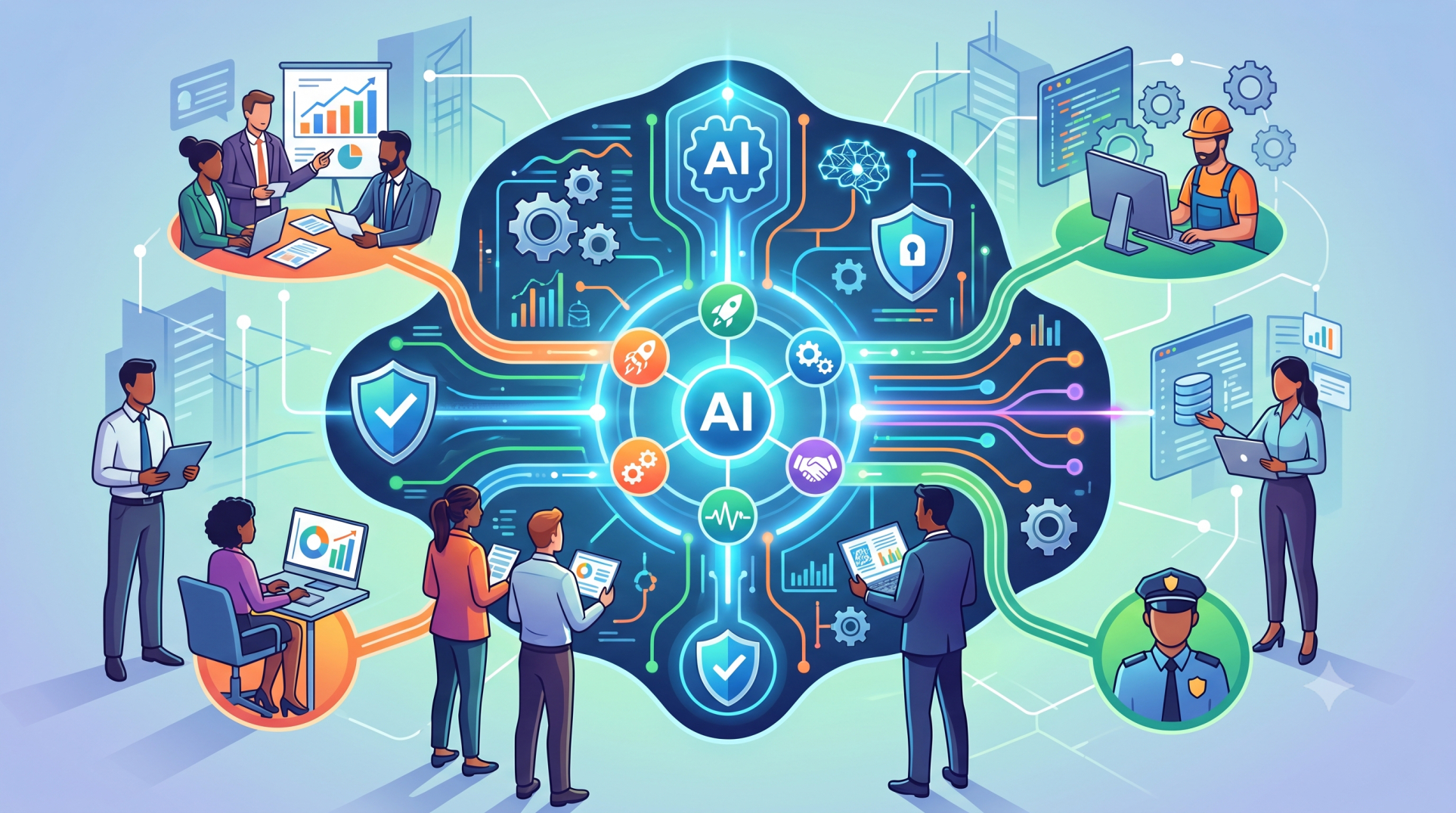
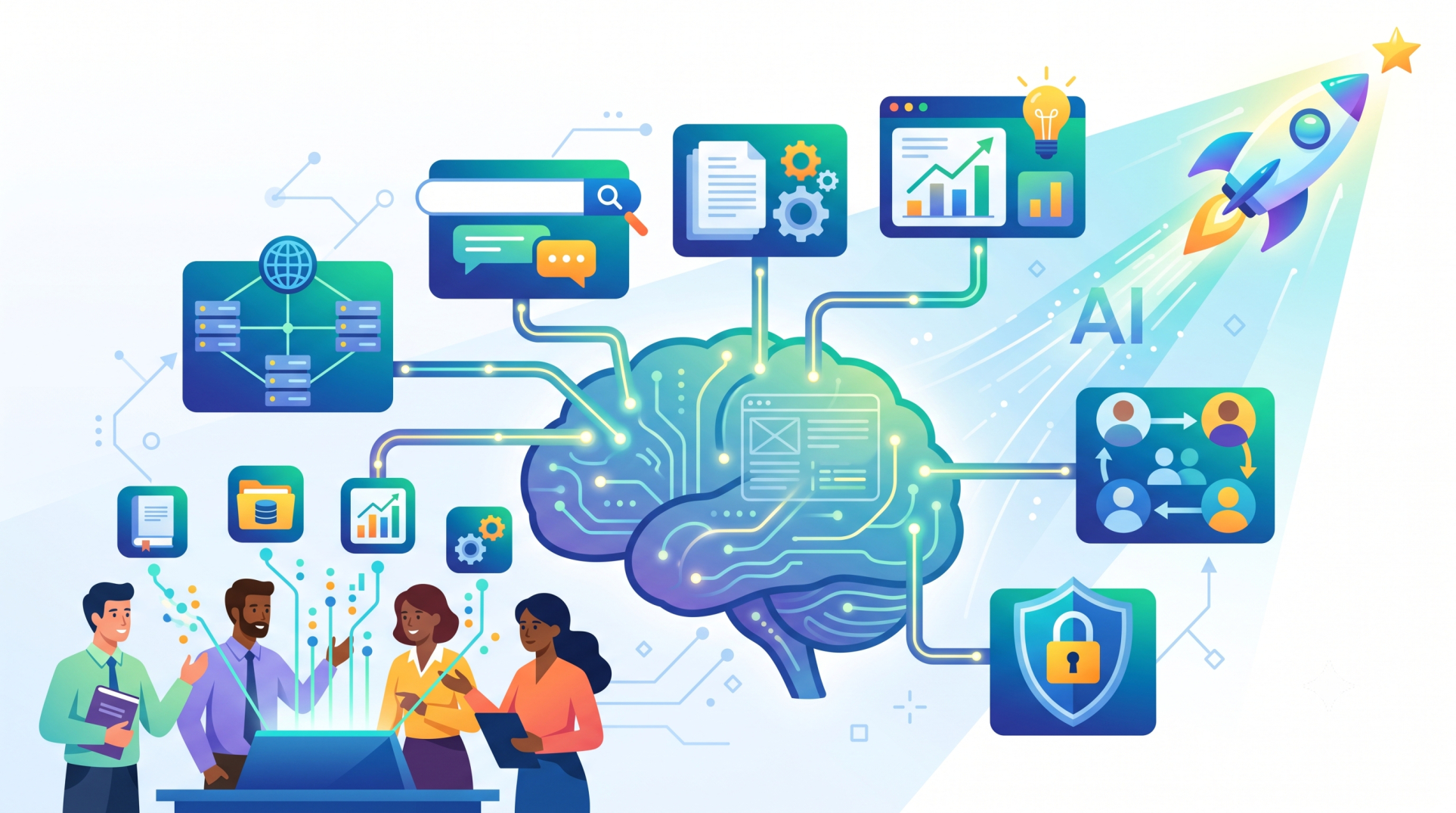
As AI software projects become more complex, effective collaboration workflows are essential for maintaining productivity, alignment, and innovation across teams. AI development involves coordination between engineers, data scientists, designers, operations teams, and business stakeholders. Structured collaboration workflows help streamline communication, accelerate delivery cycles, and ensure successful deployment of intelligent systems.
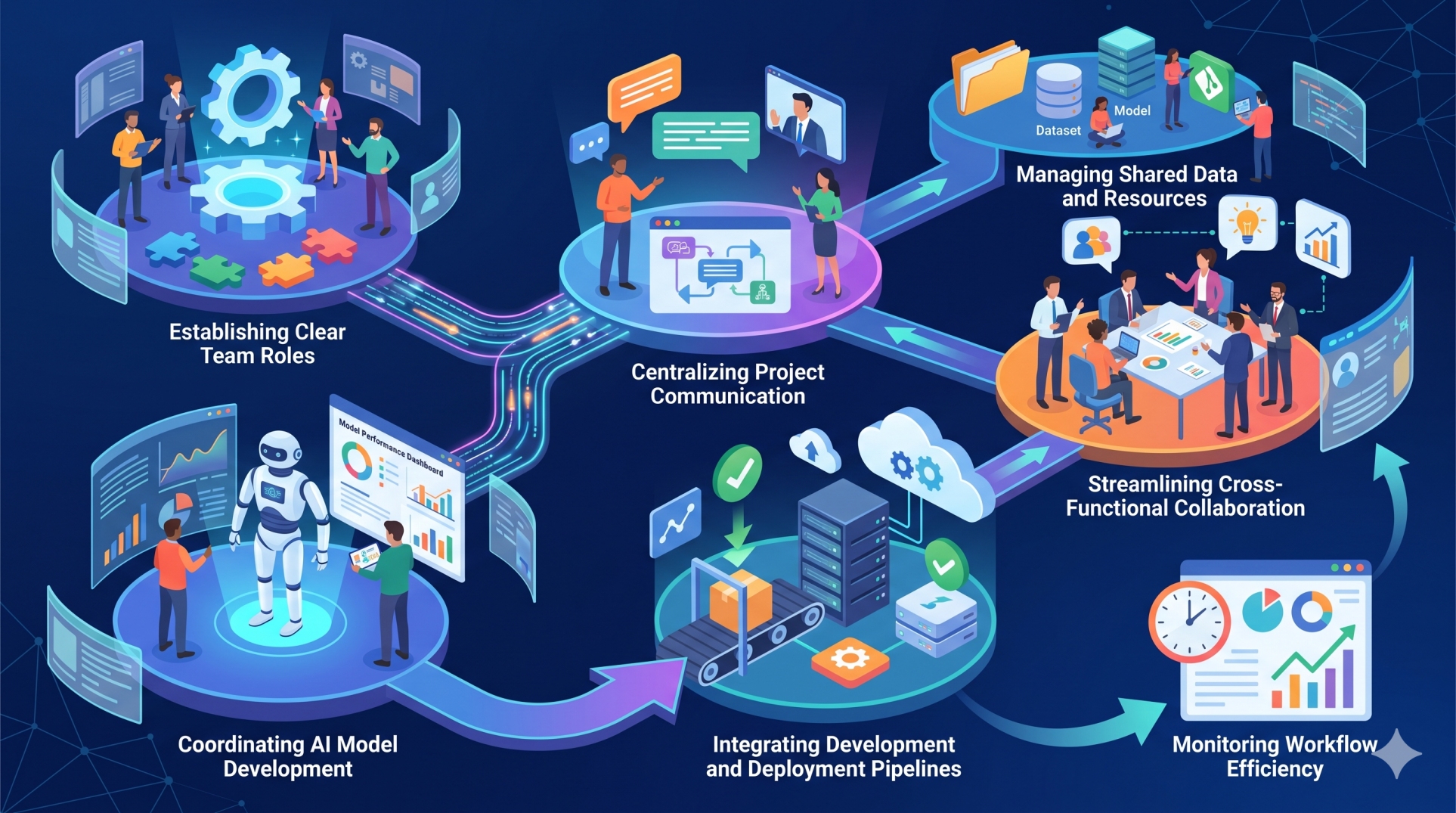
Step 1: Establishing Clear Team Roles 👥
• Define responsibilities across engineering, data science, operations, and product teams 🧩
• Clarify ownership for model development, deployment, and monitoring ⚙️
• Ensure accountability throughout the project lifecycle 📌
• Reduce overlap and communication gaps between departments 🔄
• Align team structures with project objectives 🎯
Step 2: Centralizing Project Communication 💬
• Use unified communication platforms for project discussions 📡
• Maintain transparency across distributed teams 🌐
• Organize conversations by workflows, features, or departments 📂
• Enable faster issue resolution through real-time collaboration ⚡
• Reduce delays caused by fragmented communication 🛠️
Step 3: Managing Shared Data and Resources 📊
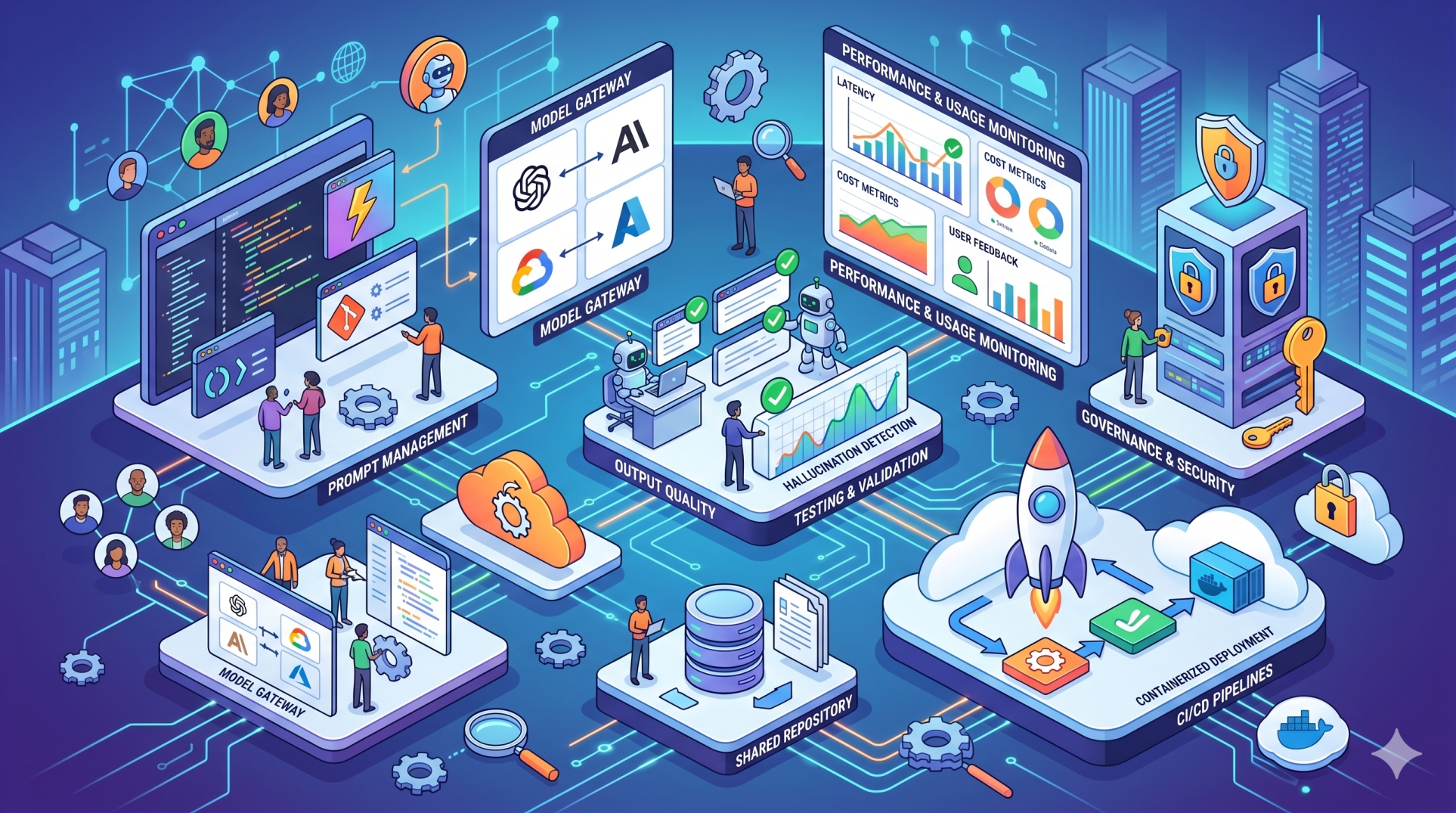
• Create centralized repositories for datasets and documentation 🗂️
• Maintain version control for training data and AI models 🔄
• Ensure secure access to shared resources 🔐
• Standardize naming conventions and data structures 📑
• Improve collaboration through consistent resource management 🤝
Step 4: Coordinating AI Model Development 🤖
• Align model training workflows across technical teams ⚙️
• Track experiments, parameters, and performance metrics 📈
• Enable collaborative testing and validation processes 🧪
• Maintain reproducibility for AI development workflows 🔁
• Reduce duplication of research and experimentation 🚀
Step 5: Integrating Development and Deployment Pipelines 🔗
• Connect AI development workflows with deployment infrastructure 🏗️
• Automate testing and integration processes ⚡
• Maintain continuous delivery pipelines for faster releases 🚀
• Ensure consistency between development and production environments 🖥️
• Improve deployment reliability through workflow automation 🔄
Step 6: Streamlining Cross-Functional Collaboration 🌐
• Encourage collaboration between technical and business teams 🤝
• Align AI initiatives with operational and customer needs 📌
• Share project updates and performance insights regularly 📊
• Improve decision-making through transparent communication 💡
• Foster innovation through collaborative problem-solving 🚀
Step 7: Monitoring Workflow Efficiency 📈
• Track project timelines and team productivity metrics ⏱️
• Identify bottlenecks in collaboration processes 🚧
• Analyze communication patterns and workflow delays 🔍
• Optimize task allocation across teams ⚙️
• Continuously improve operational efficiency 🔄
Step 8: Key Collaboration Priorities 📌
• Transparent communication across departments 💬
• Efficient sharing of data, models, and resources 📂
• Automated and scalable development workflows ⚡
• Strong coordination between technical and business teams 🤝
Step 9: Managing Feedback and Iteration 🔄
• Collect feedback from stakeholders throughout development 📝
• Refine AI models and workflows based on performance insights 📊
• Enable rapid iteration cycles for continuous improvement ⚡
• Maintain flexibility to adapt to changing project requirements 🌍
• Encourage collaborative review and optimization processes 🔍
Step 10: Building a Scalable AI Collaboration Ecosystem 🚀
• Design workflows that support growing AI teams 📈
• Enable seamless onboarding for new team members 👥
• Standardize processes to maintain operational consistency 📑
• Support global collaboration across distributed environments 🌐
• Future-proof workflows with modular and adaptable systems 🔮
Conclusion
Collaboration workflows are fundamental to the success of modern AI software teams. By establishing clear communication channels, centralized resource management, and scalable development processes, organizations can improve efficiency and accelerate innovation. Well-structured collaboration frameworks not only enhance productivity but also support the long-term scalability and success of AI-driven initiatives.
See more blogs
You can all the articles below