Enterprise Process Coordination Through LLM Applications
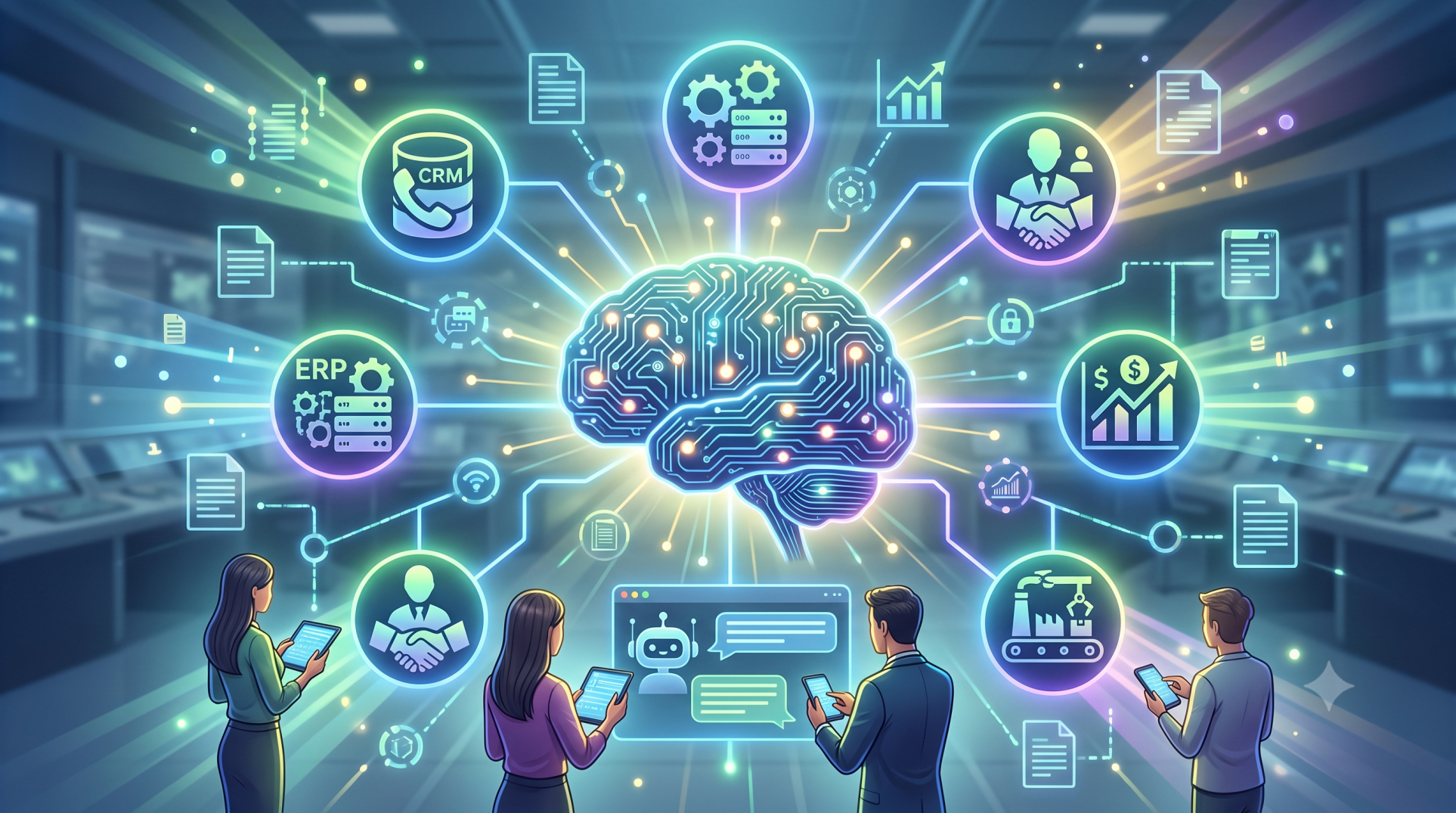
Enterprise Process Coordination Through LLM Applications
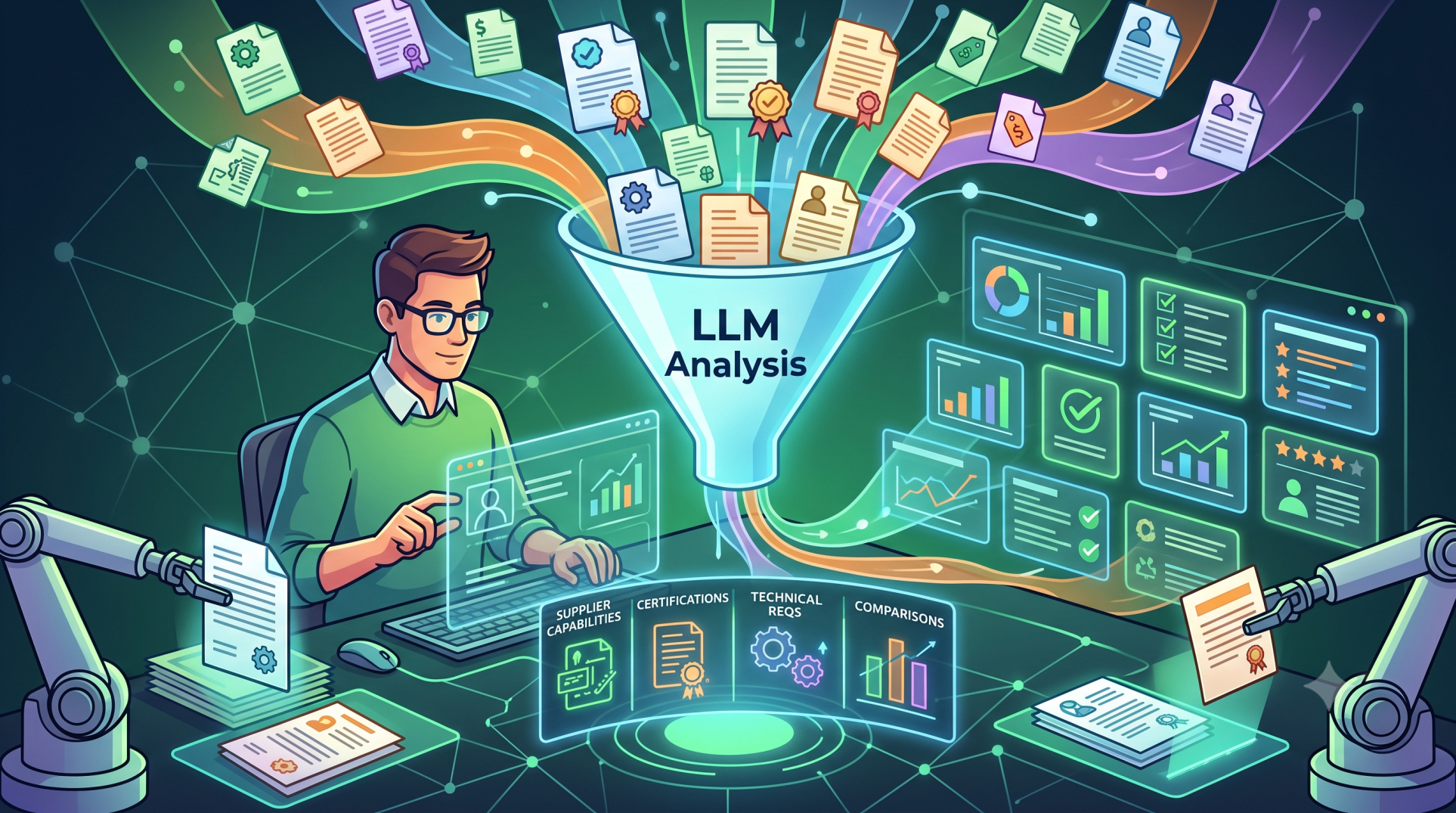
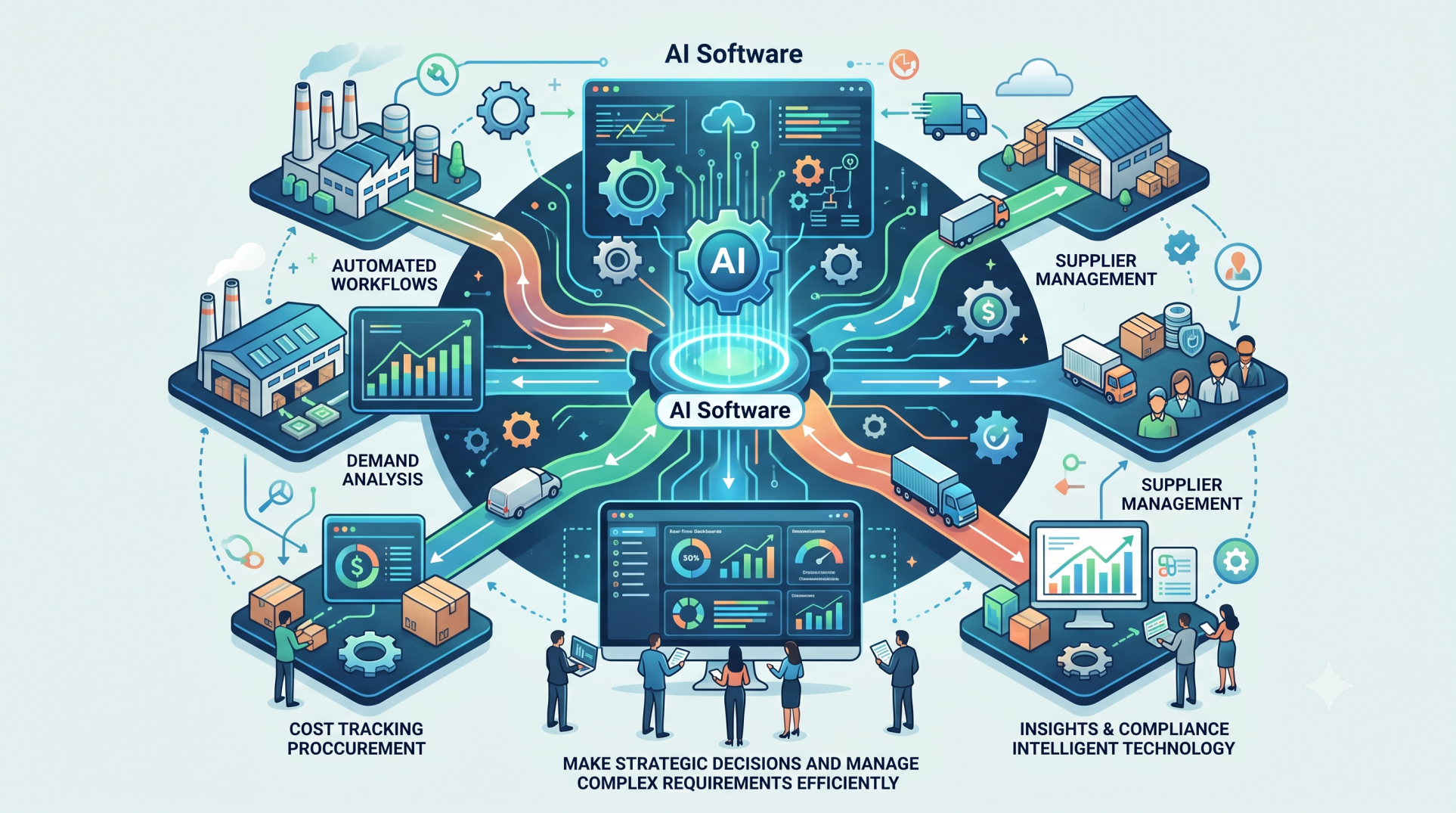
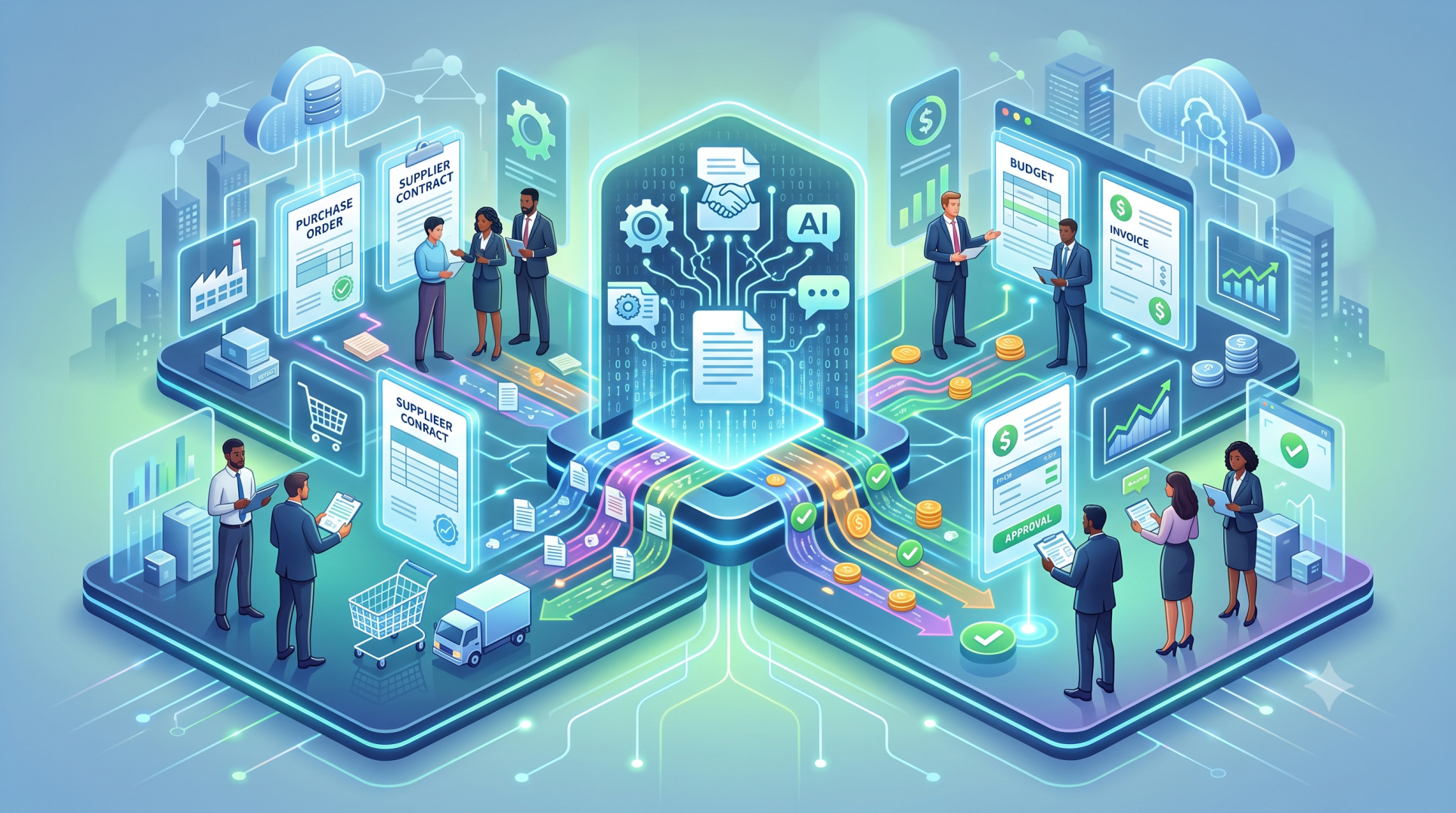
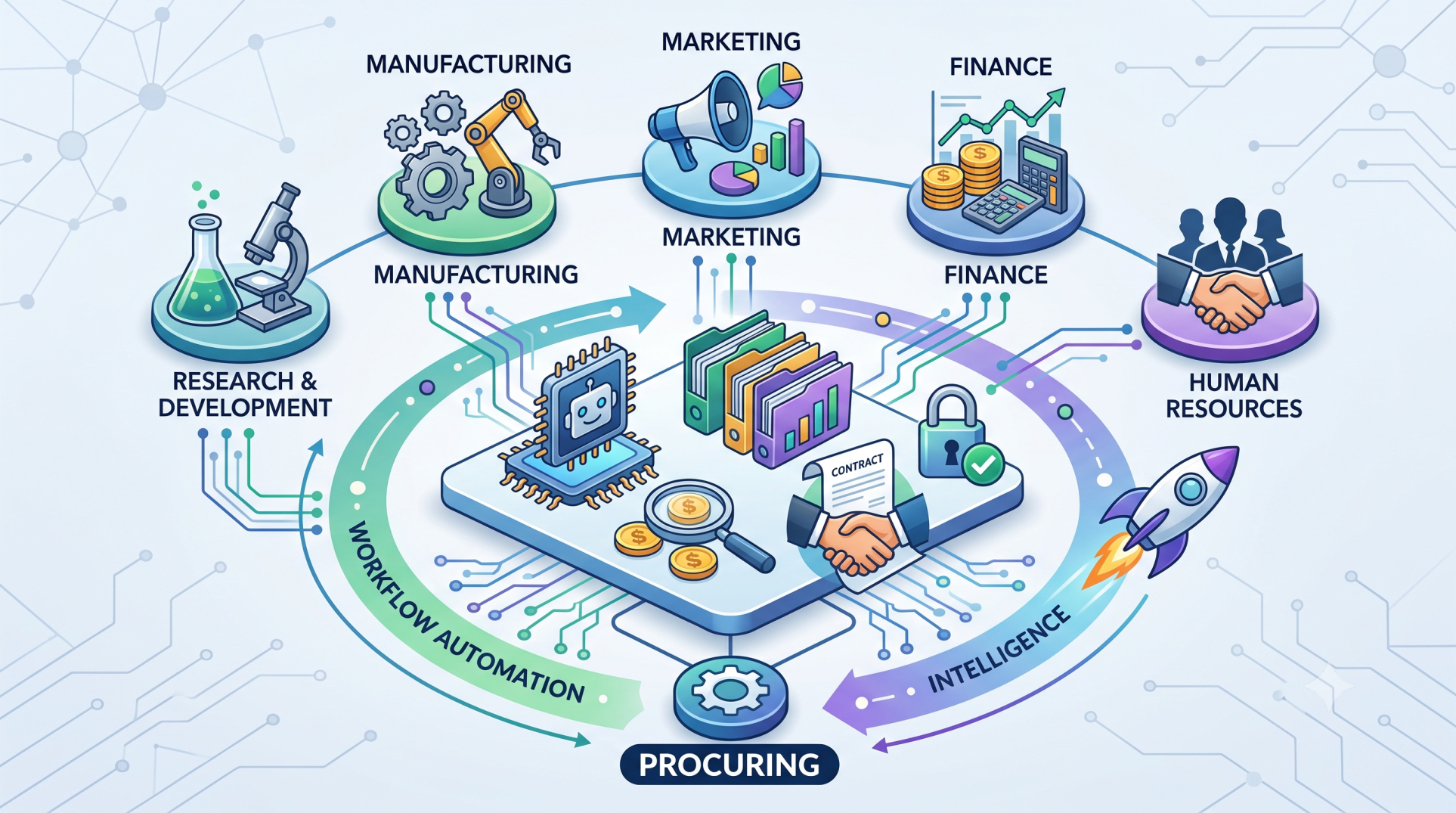
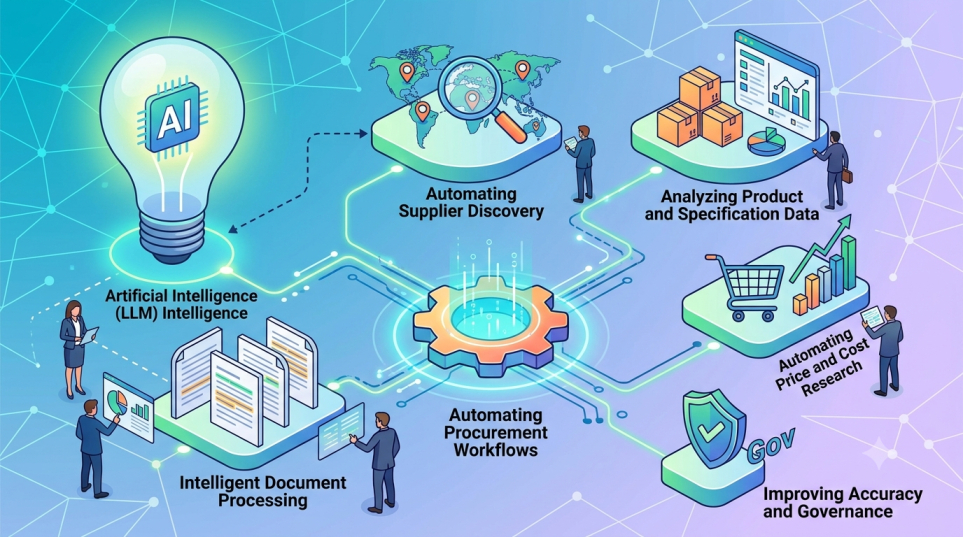
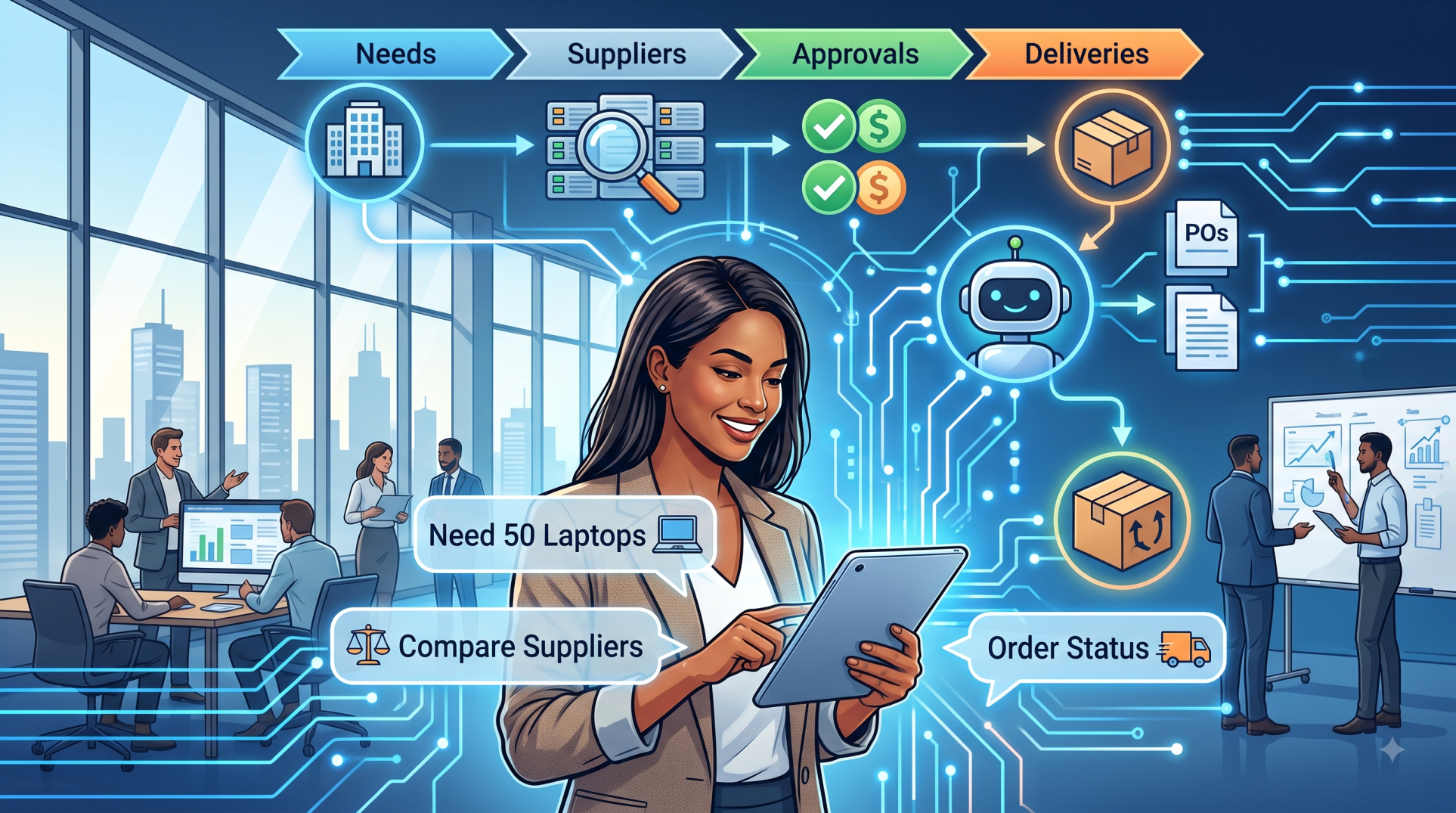
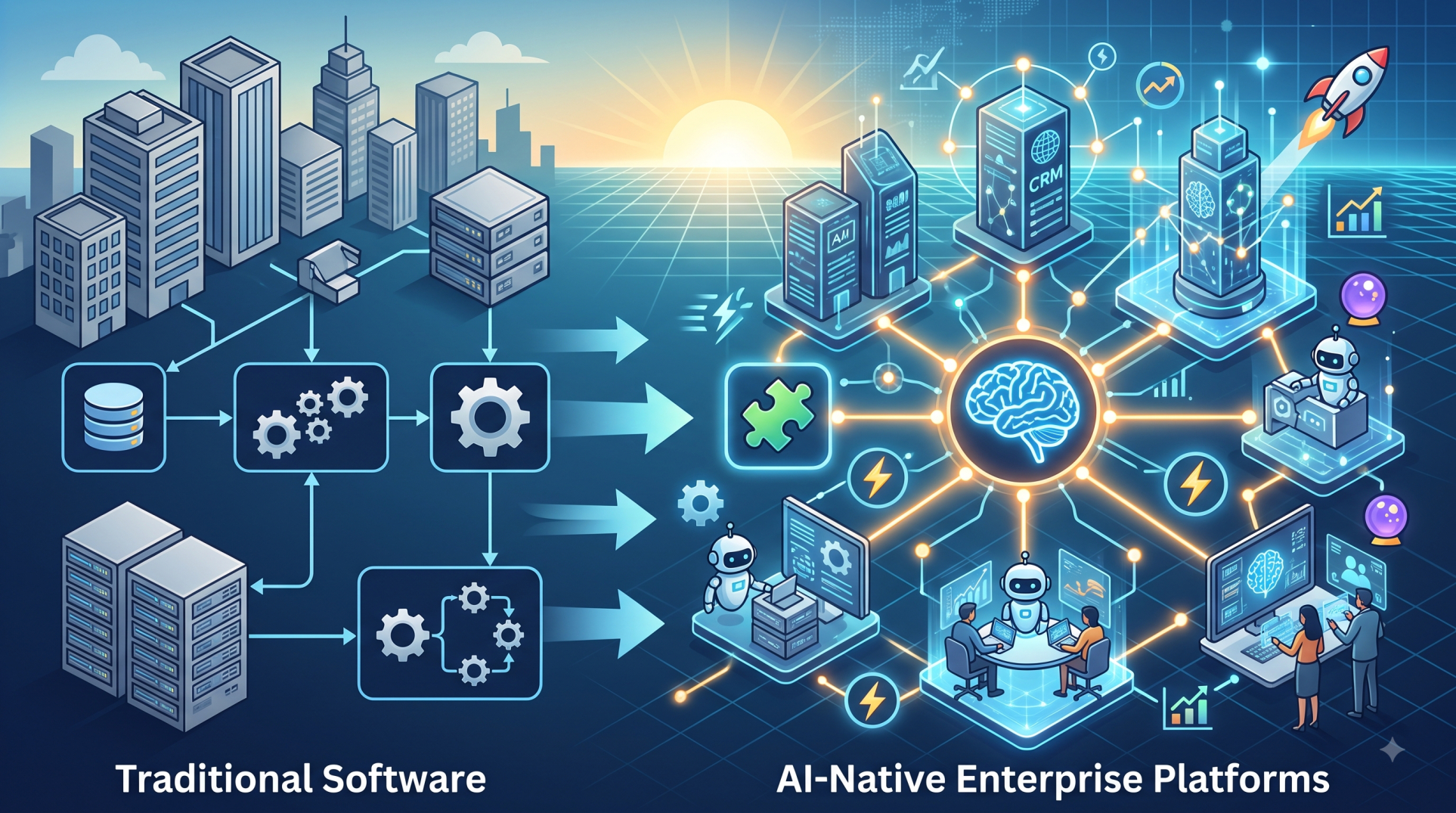
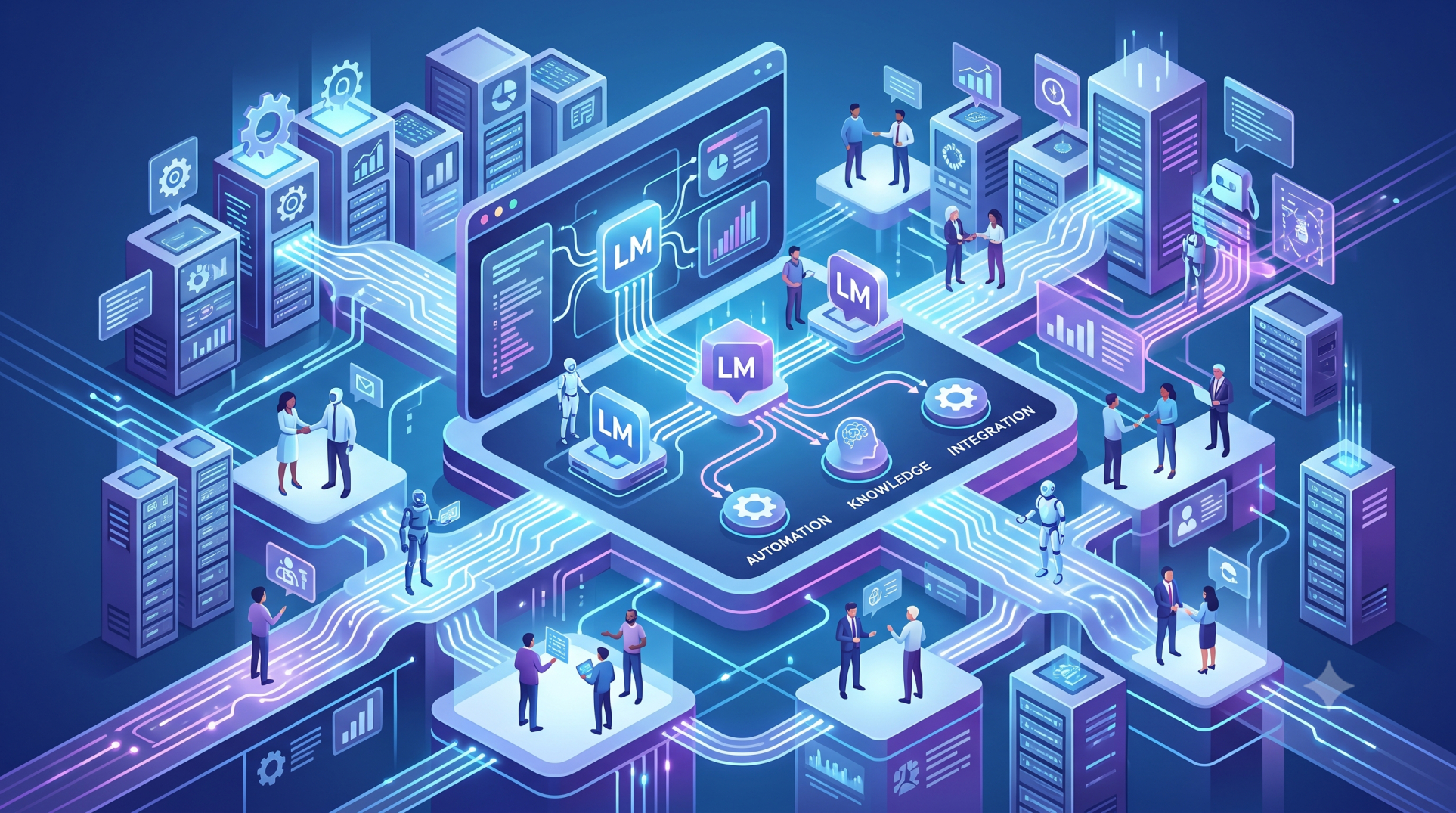
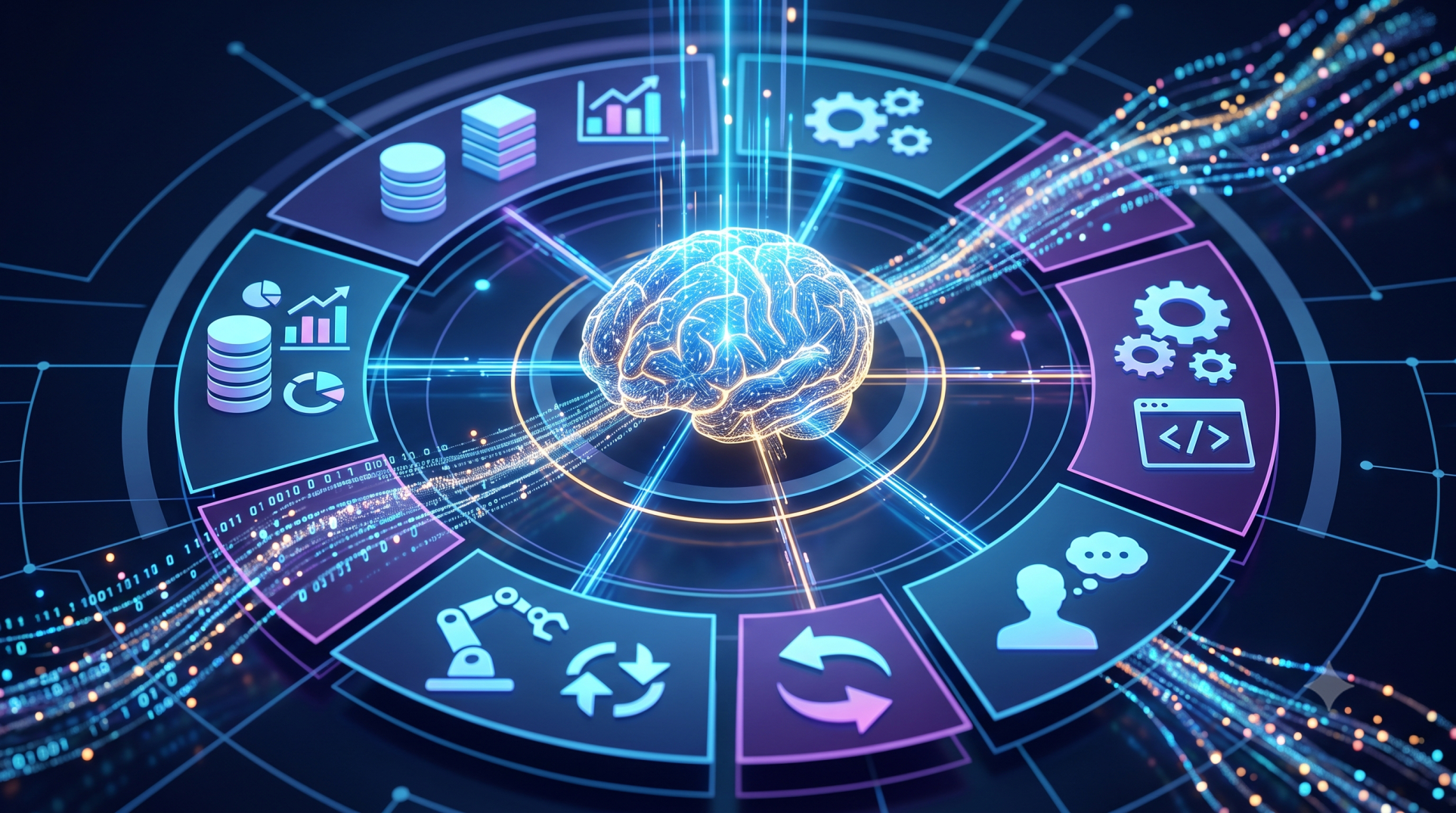
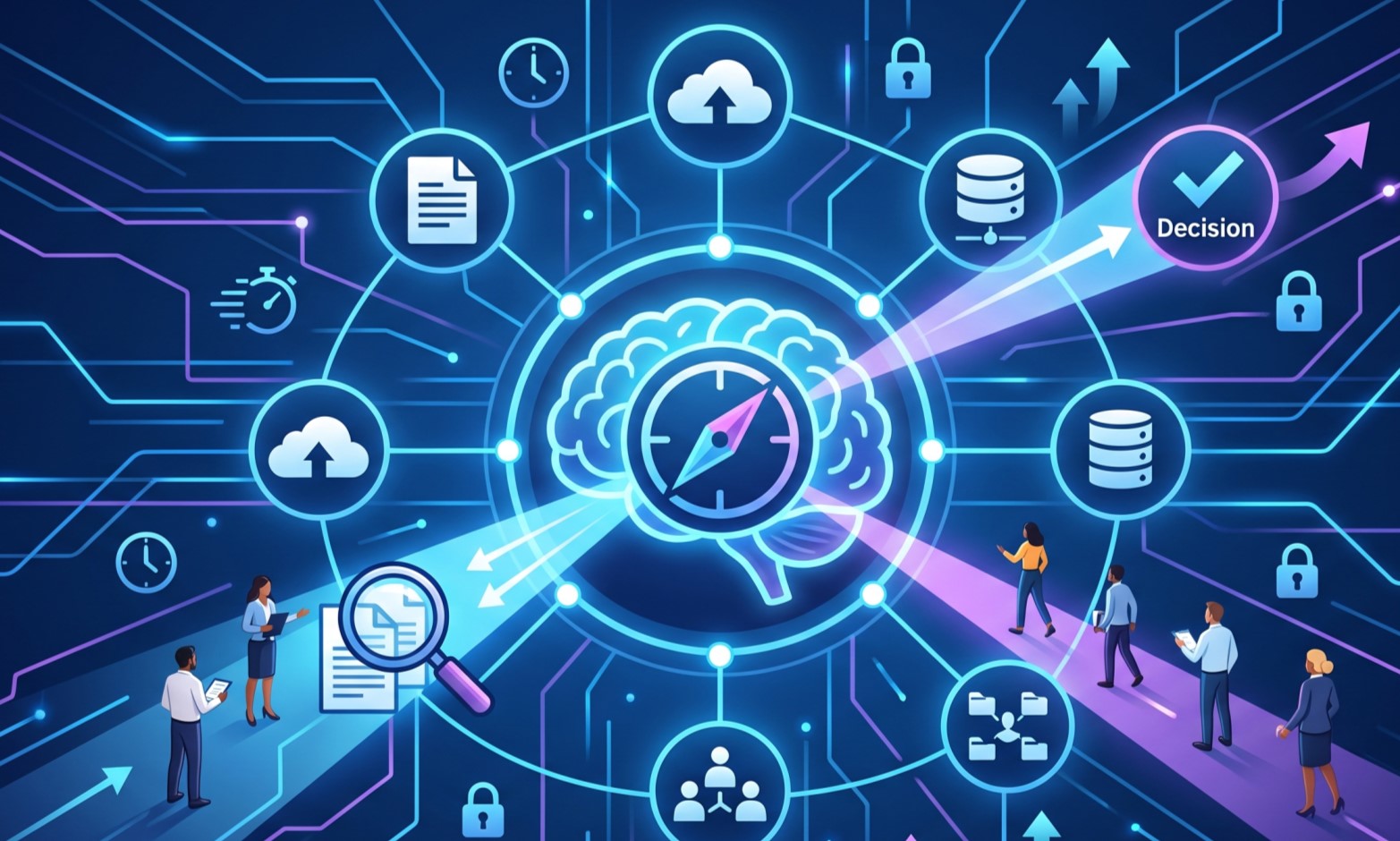
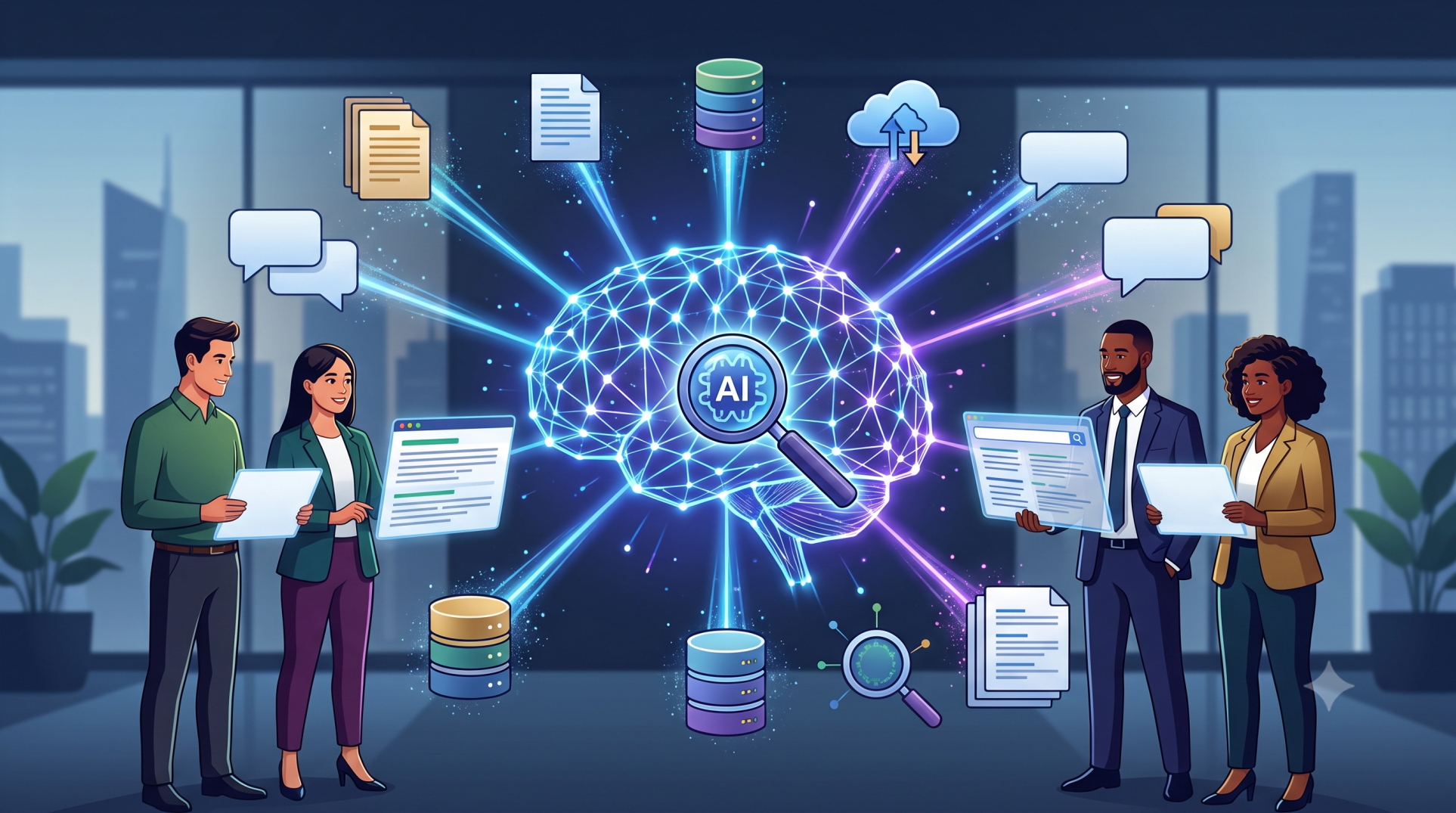
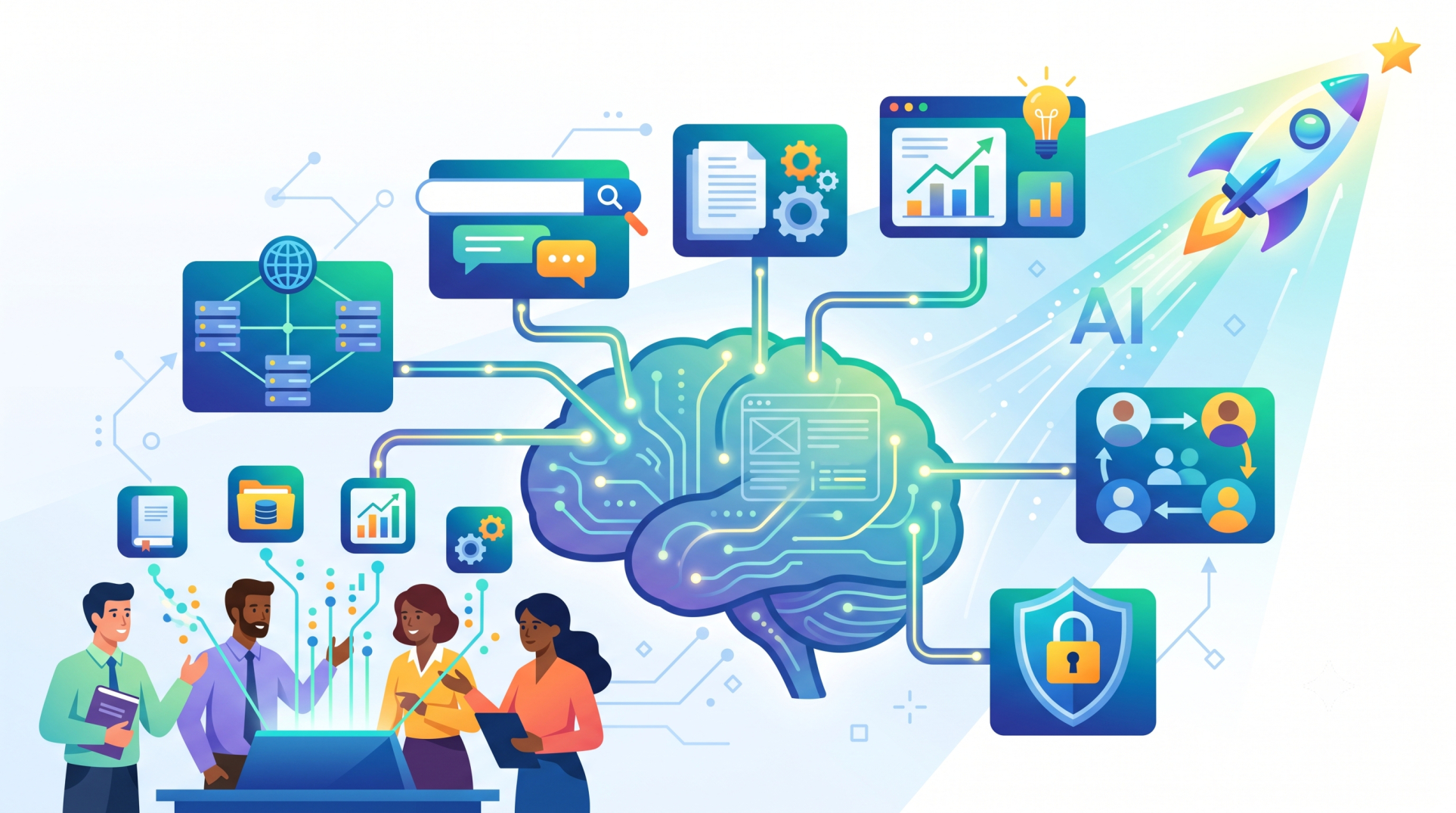
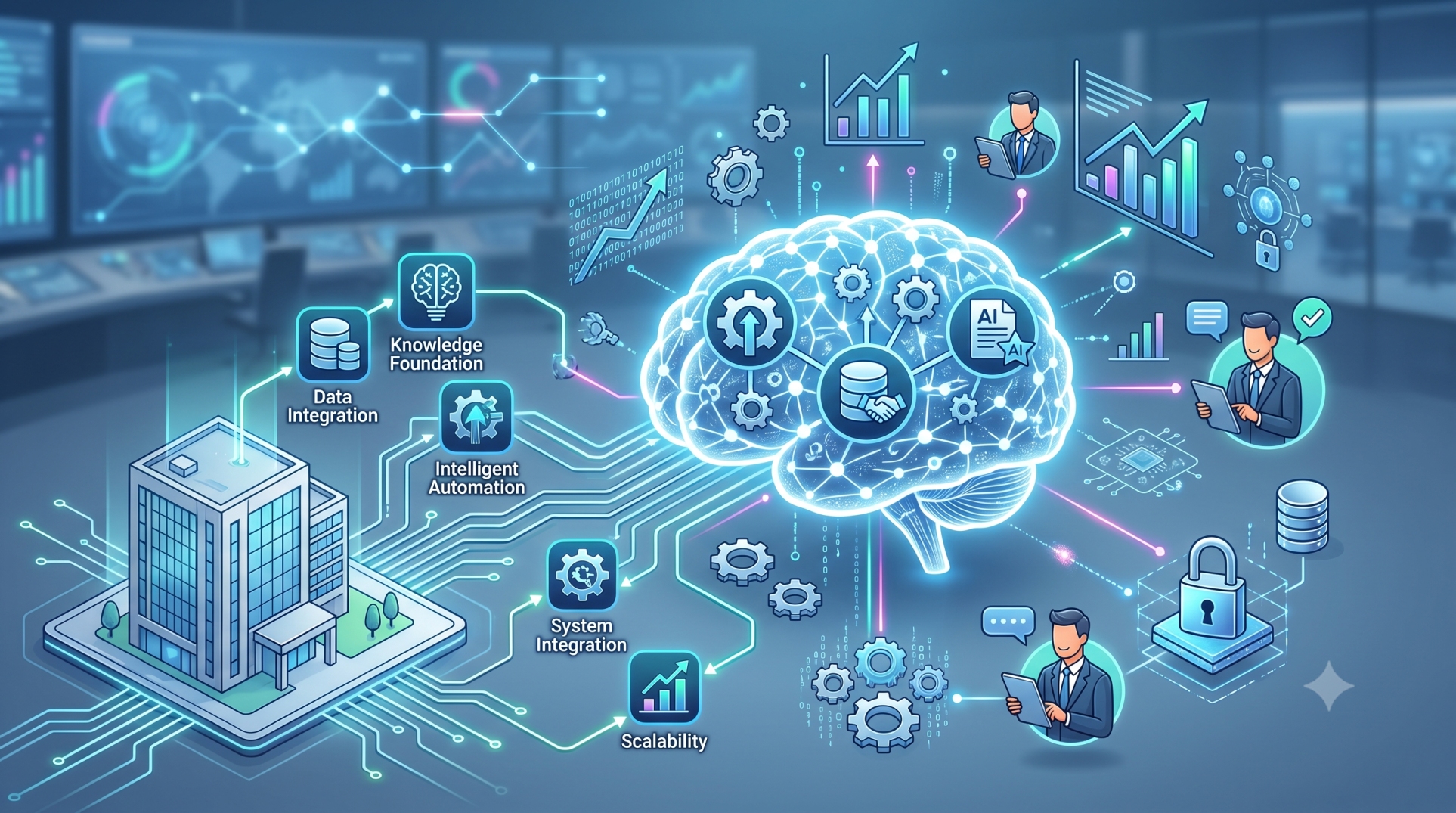
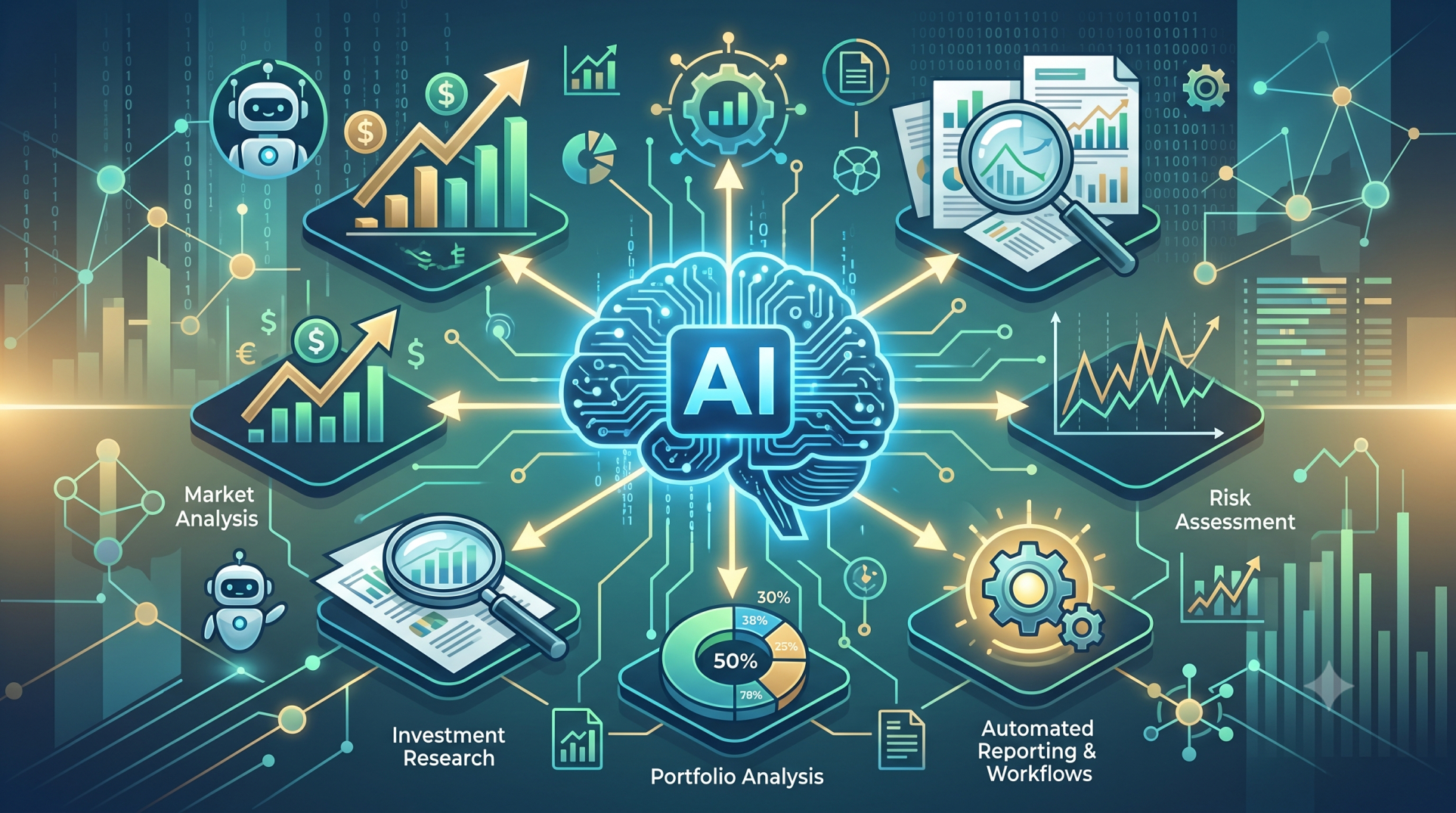
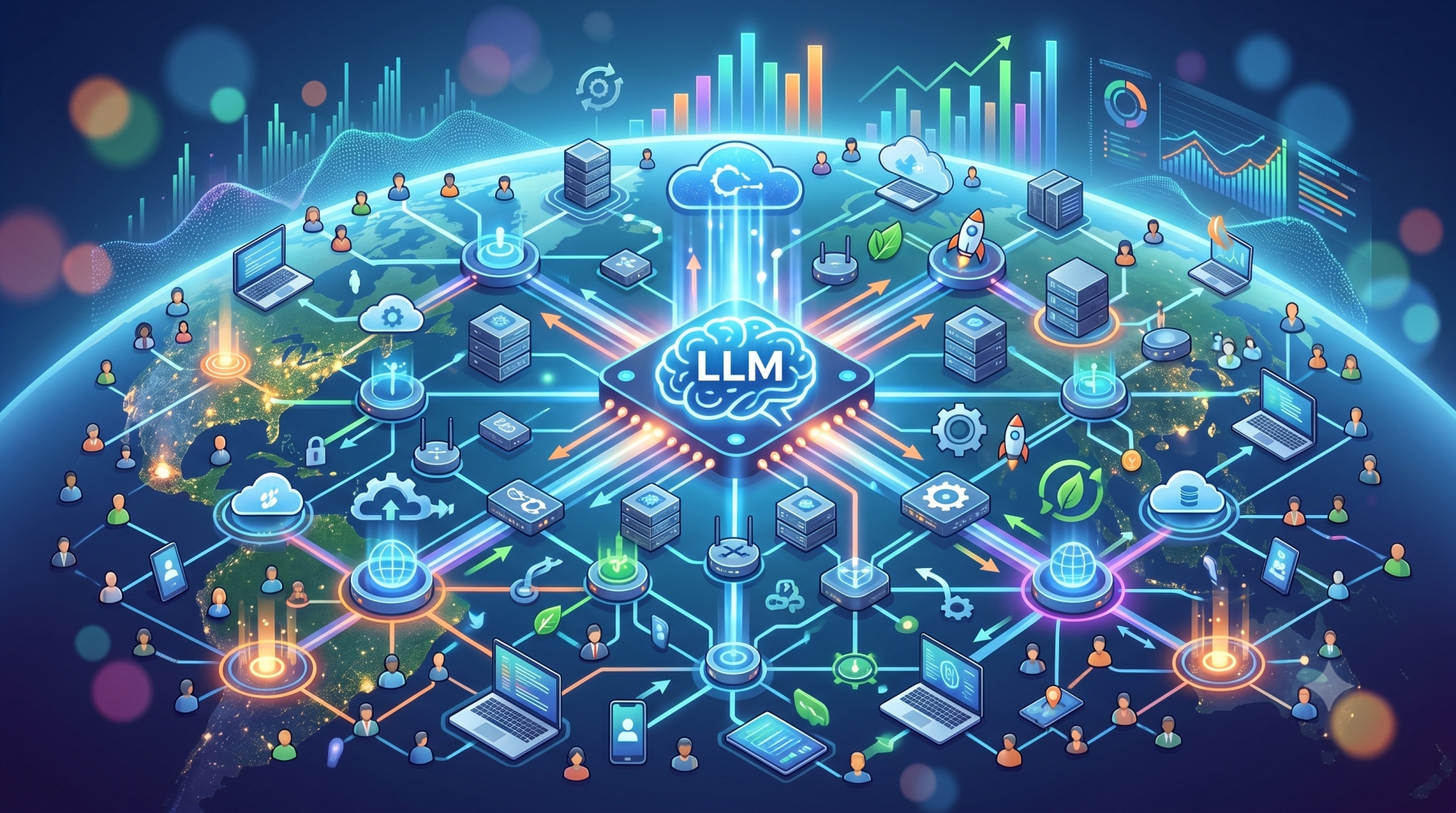
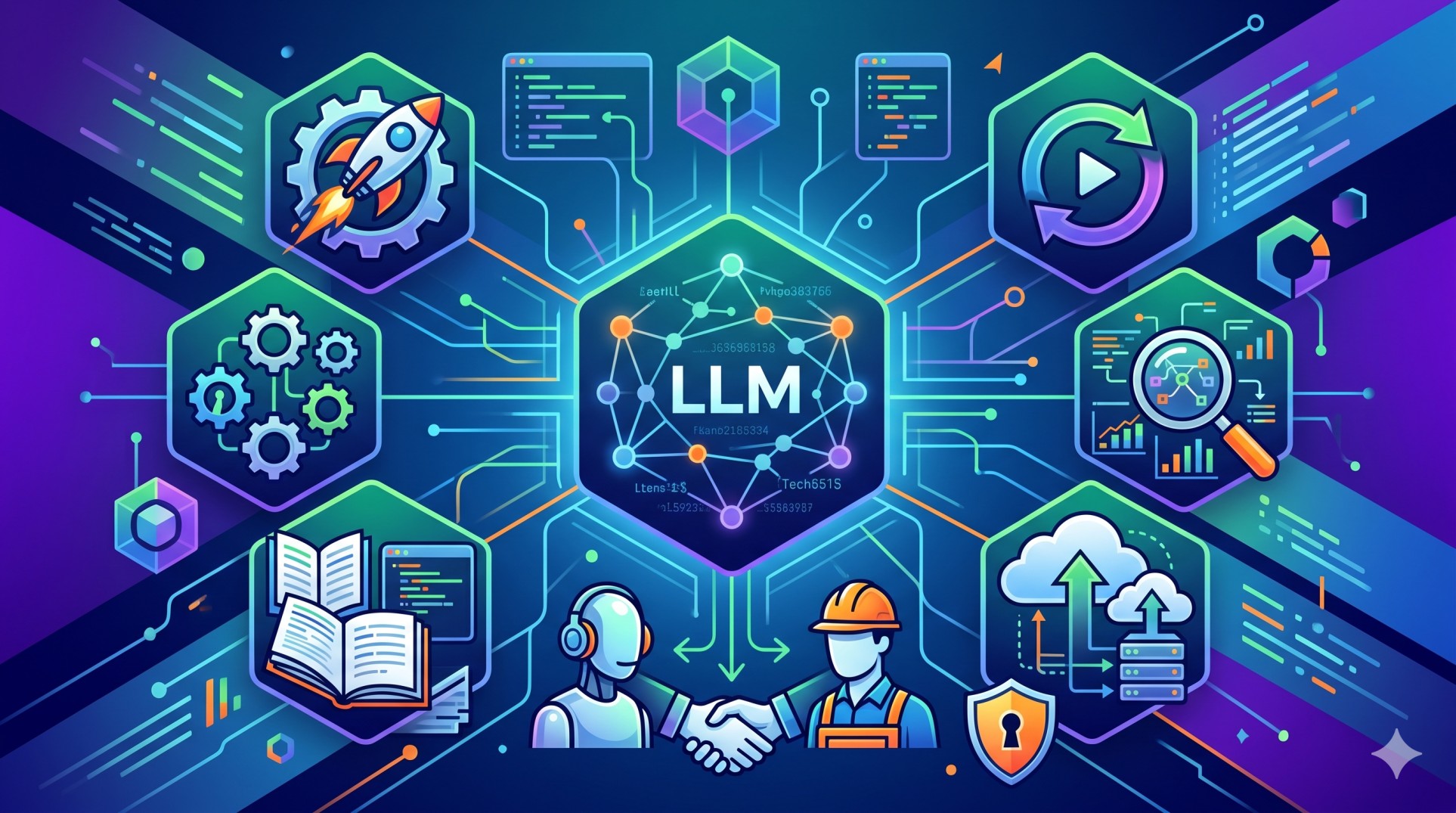
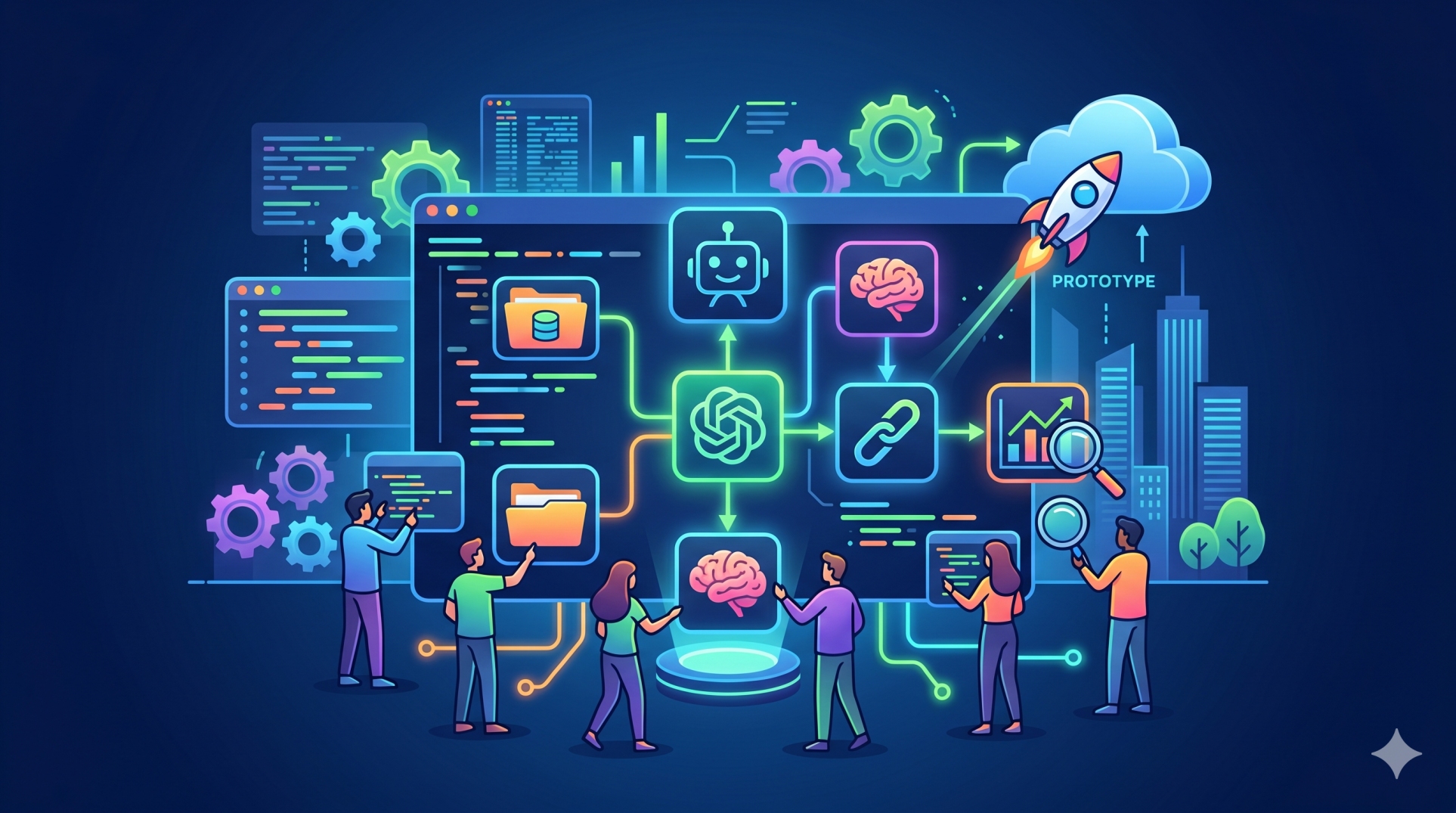
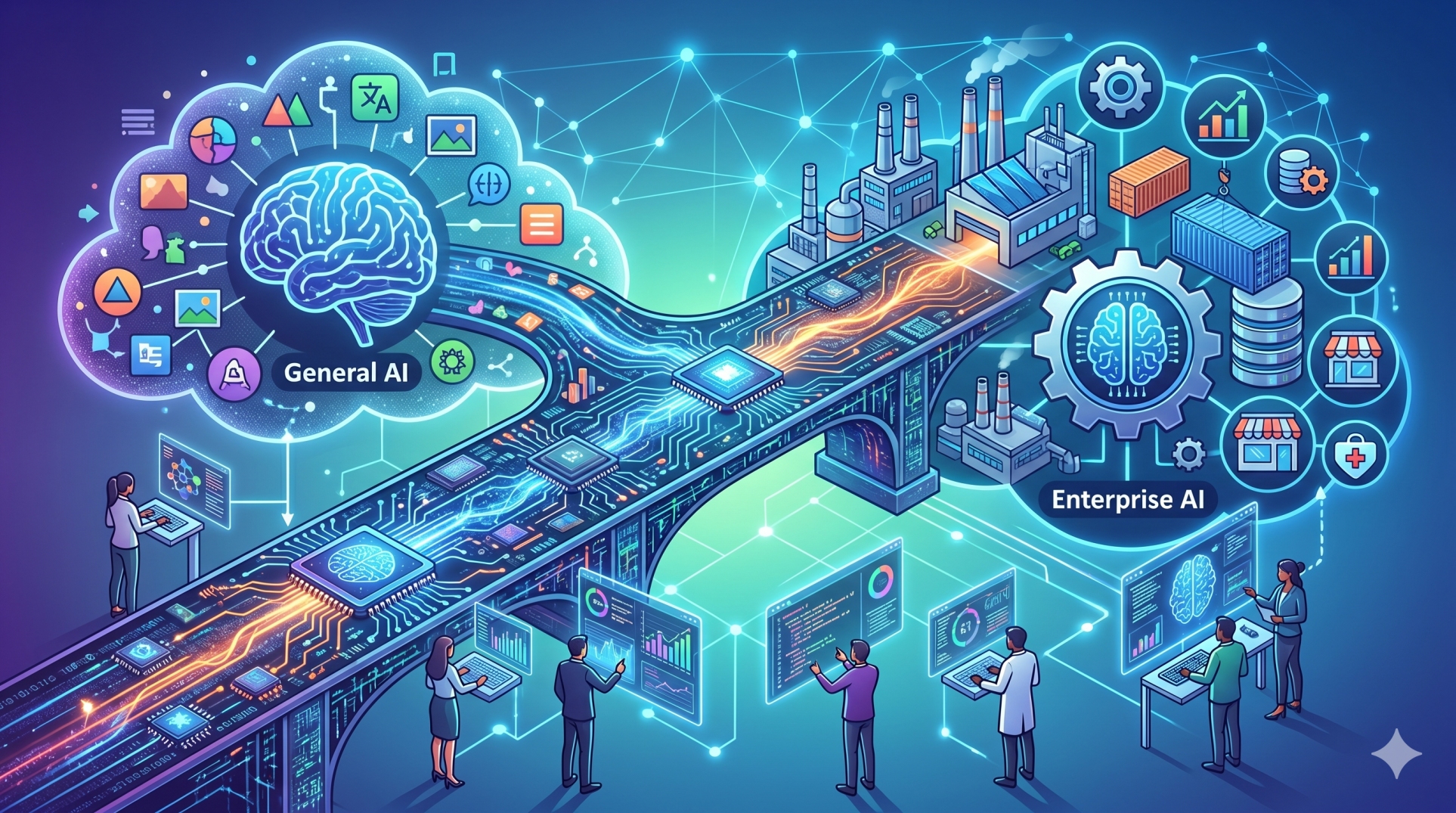
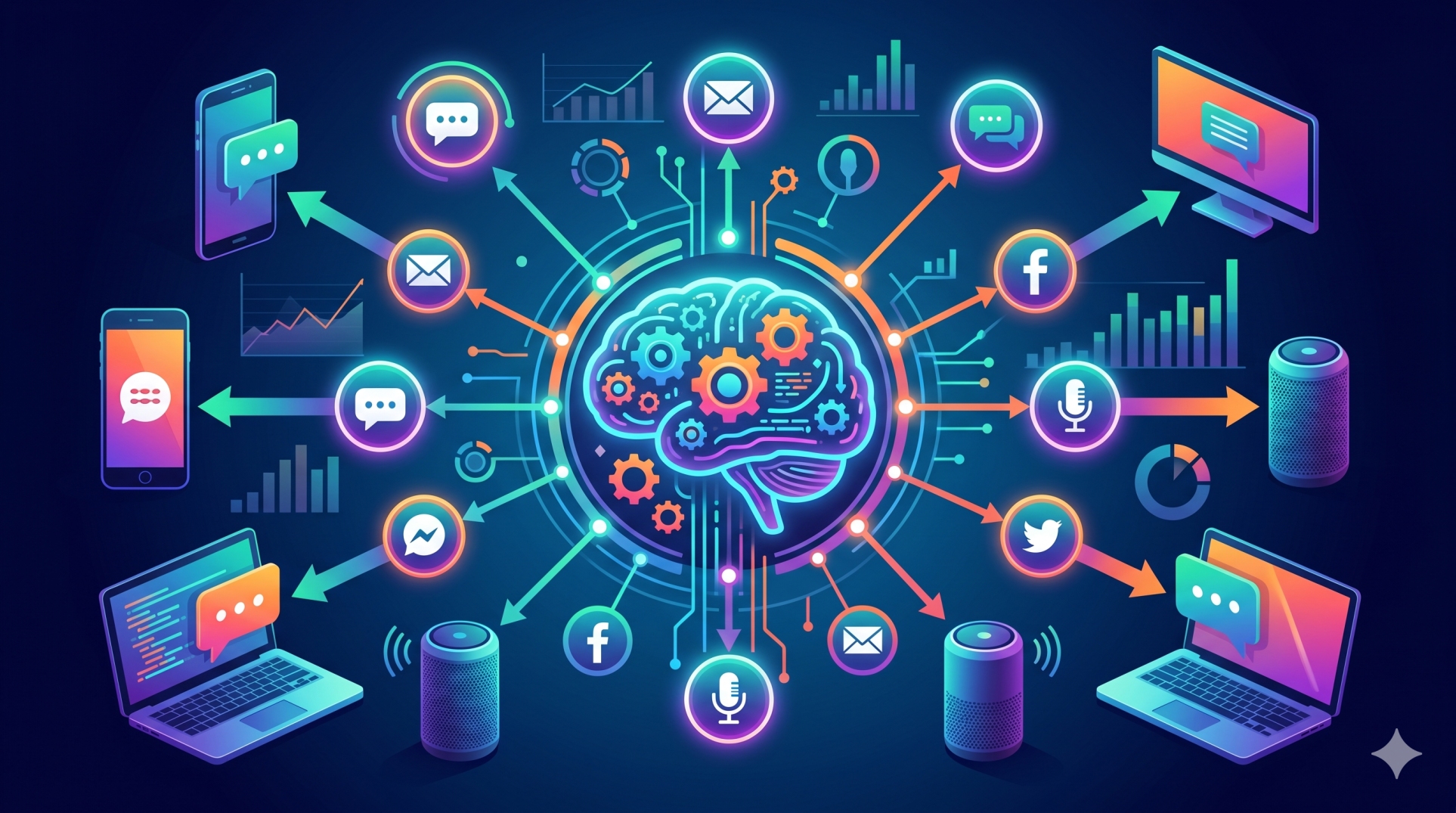
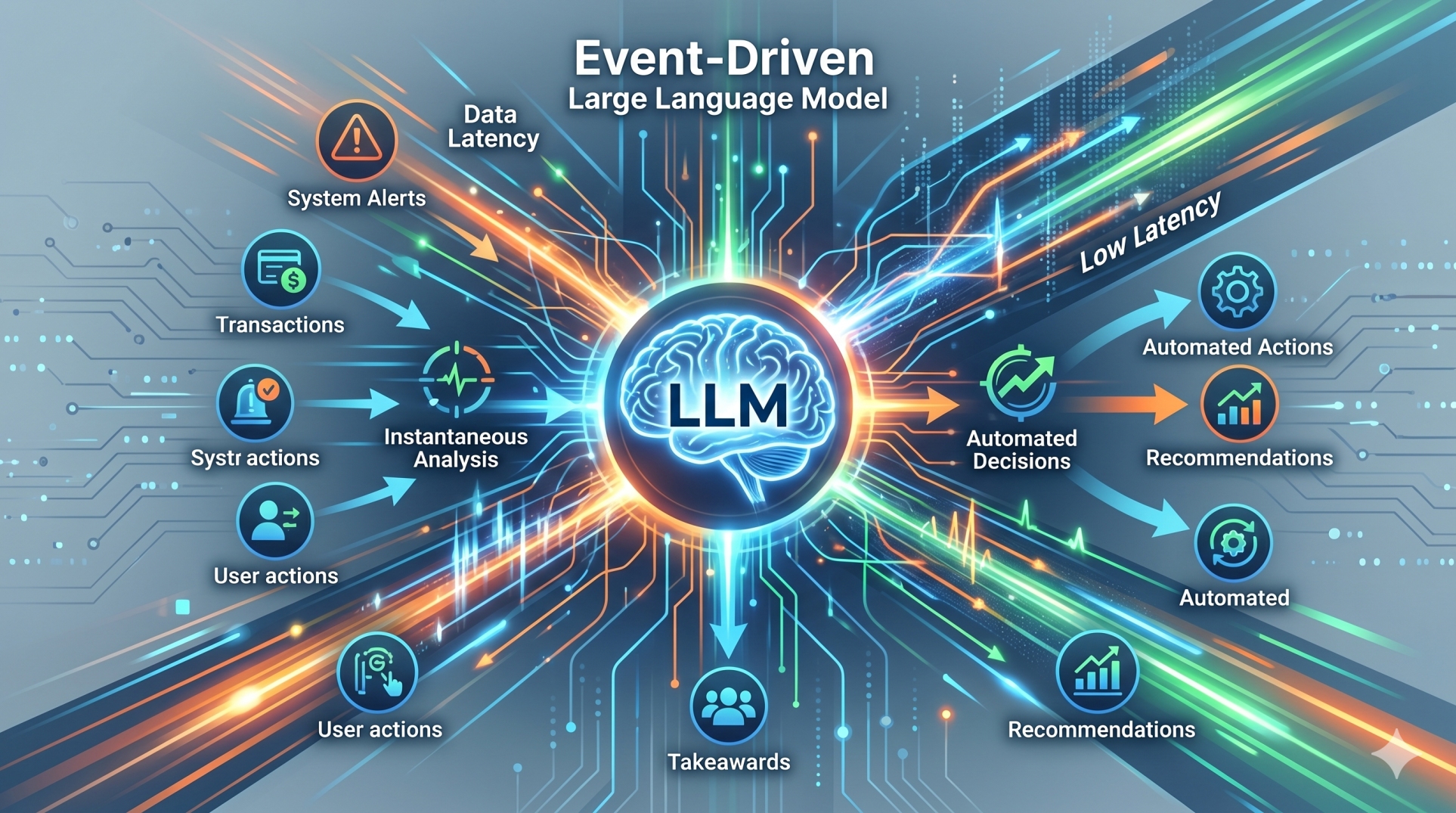
Large Language Models (LLMs) are transforming the way enterprises coordinate business processes by enabling intelligent automation, contextual decision support, and seamless communication across departments. Rather than replacing existing enterprise systems, LLM applications enhance them by interpreting information, automating repetitive tasks, and connecting people, processes, and data. This creates a more agile, efficient, and responsive operational environment capable of adapting to changing business demands.
Step 1: Understanding LLM-Driven Process Coordination 🧠
• Use LLM applications to streamline communication across business functions 🔗
• Interpret business data and generate contextual insights 📊
• Automate repetitive knowledge-based tasks 🤖
• Support employees with intelligent assistance during daily operations 💼
• Improve coordination between people, systems, and workflows ⚙️
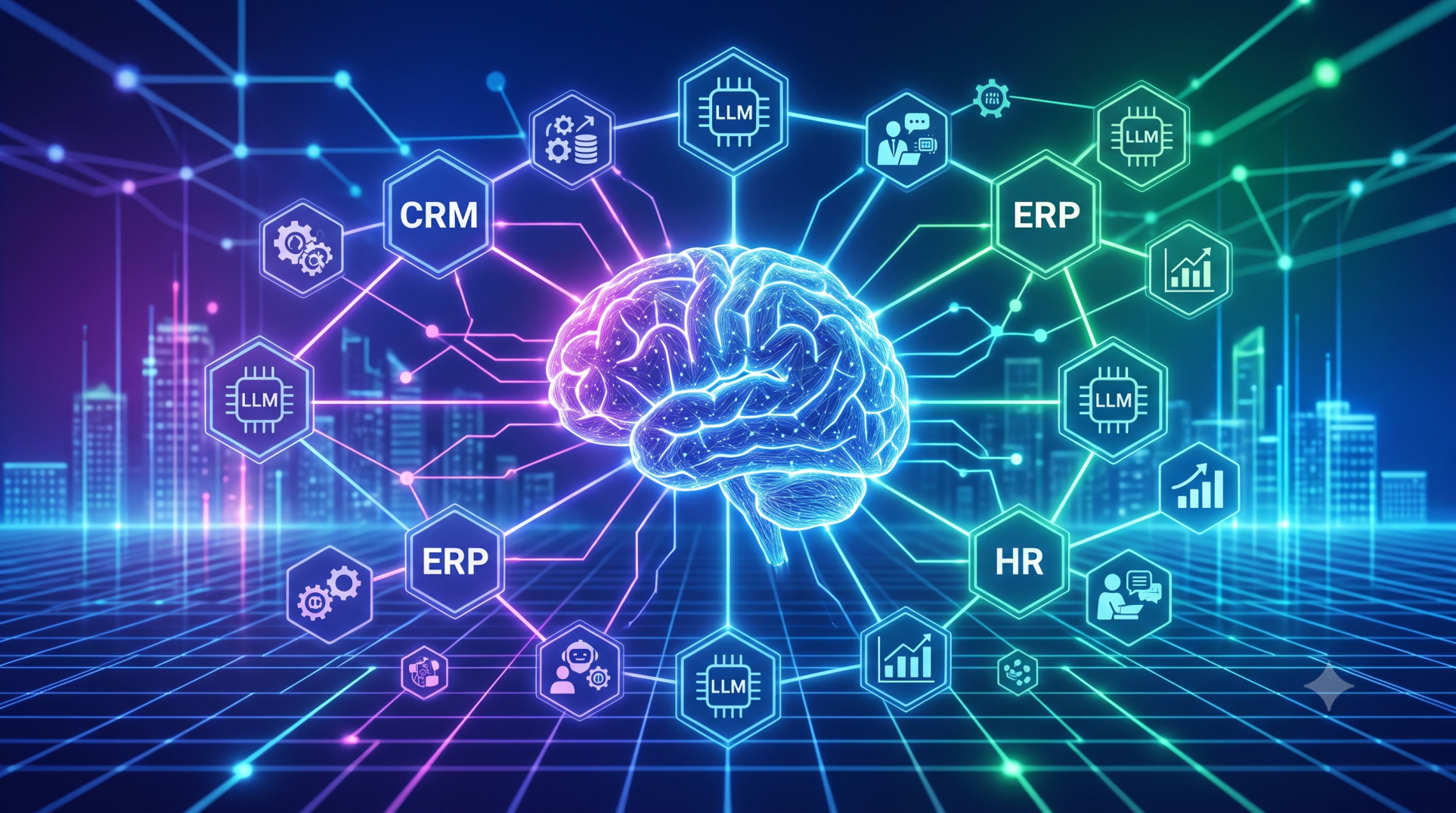
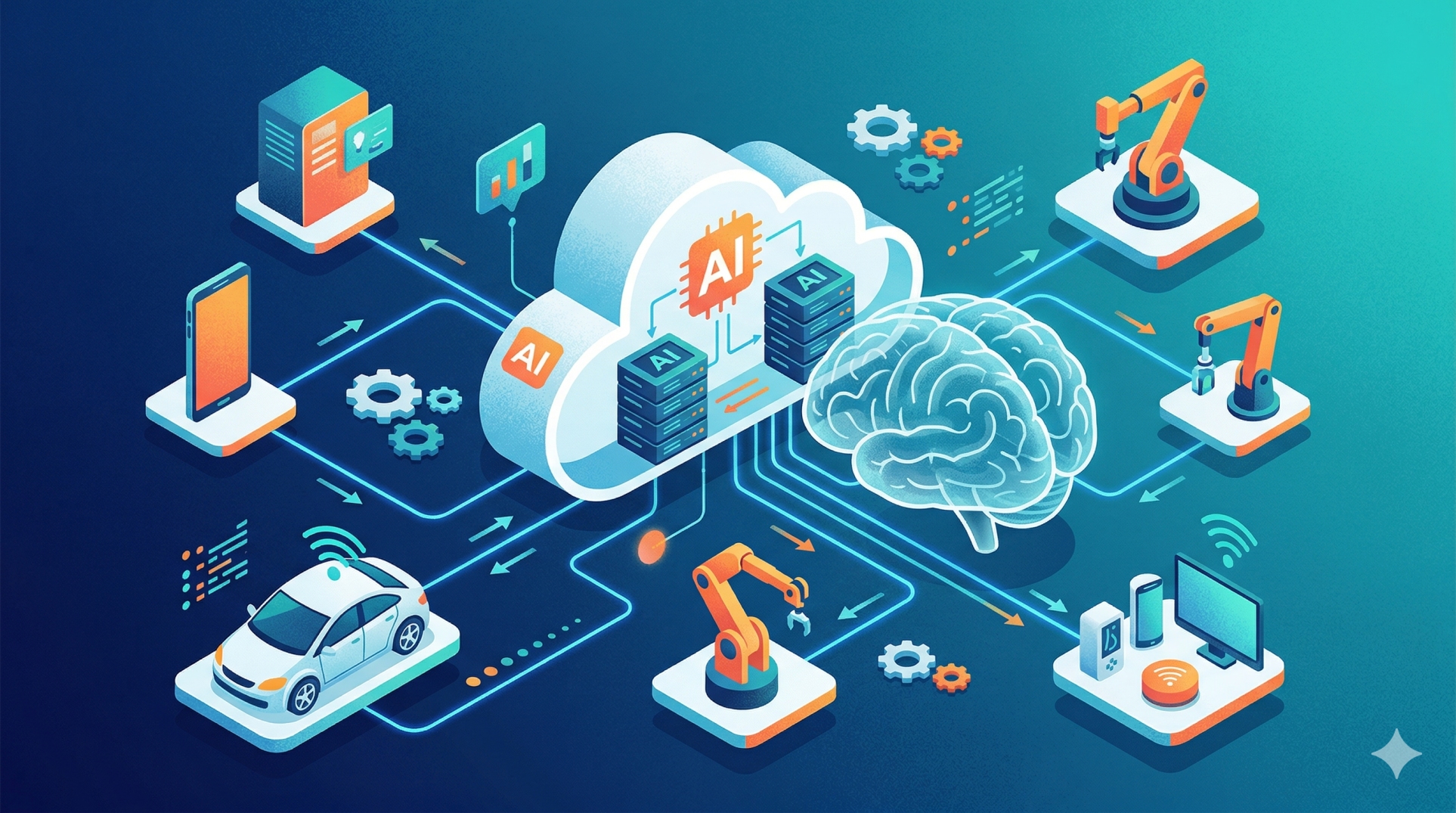
Step 2: Integrating Enterprise Data Sources 🌐
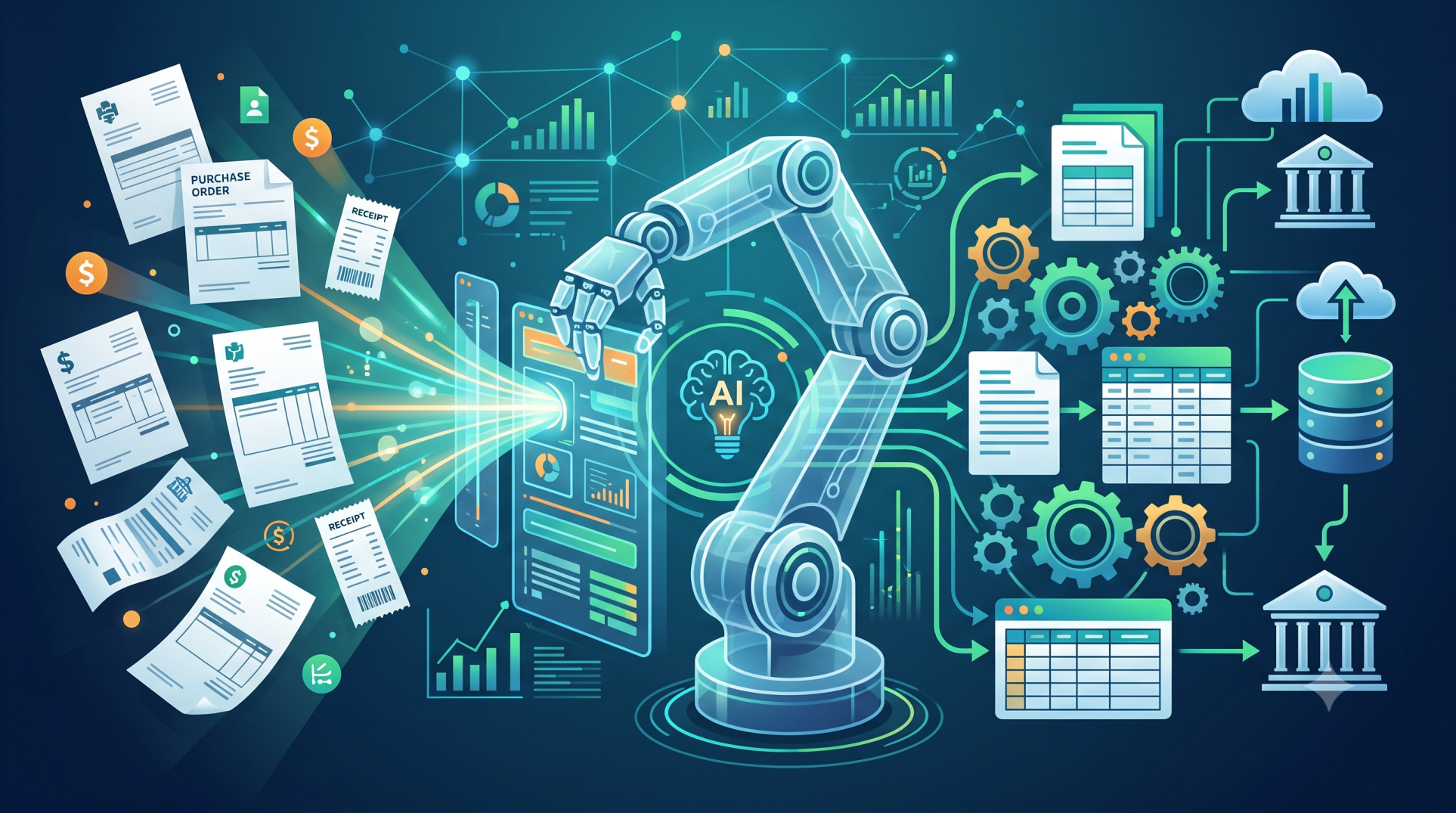
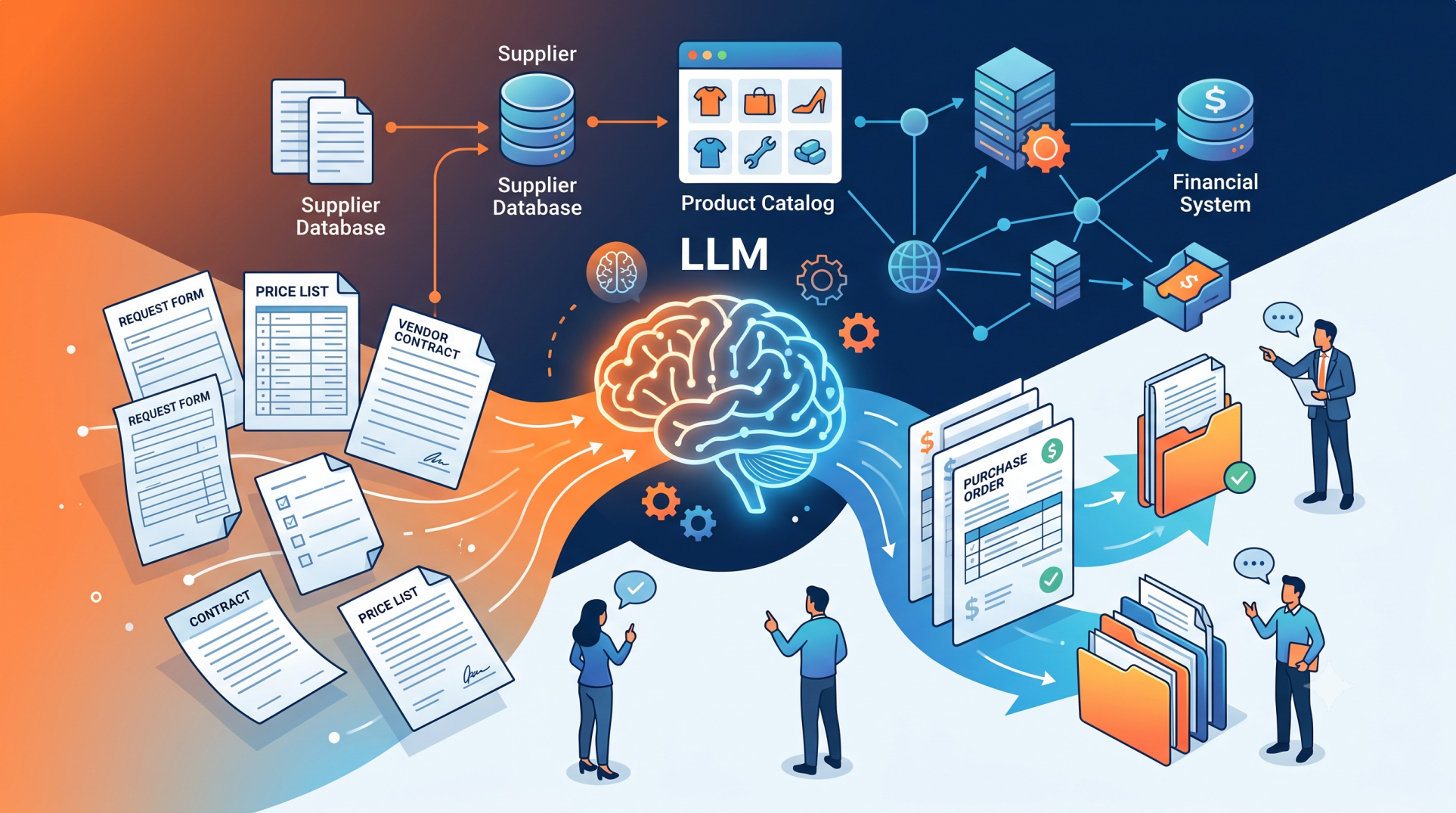
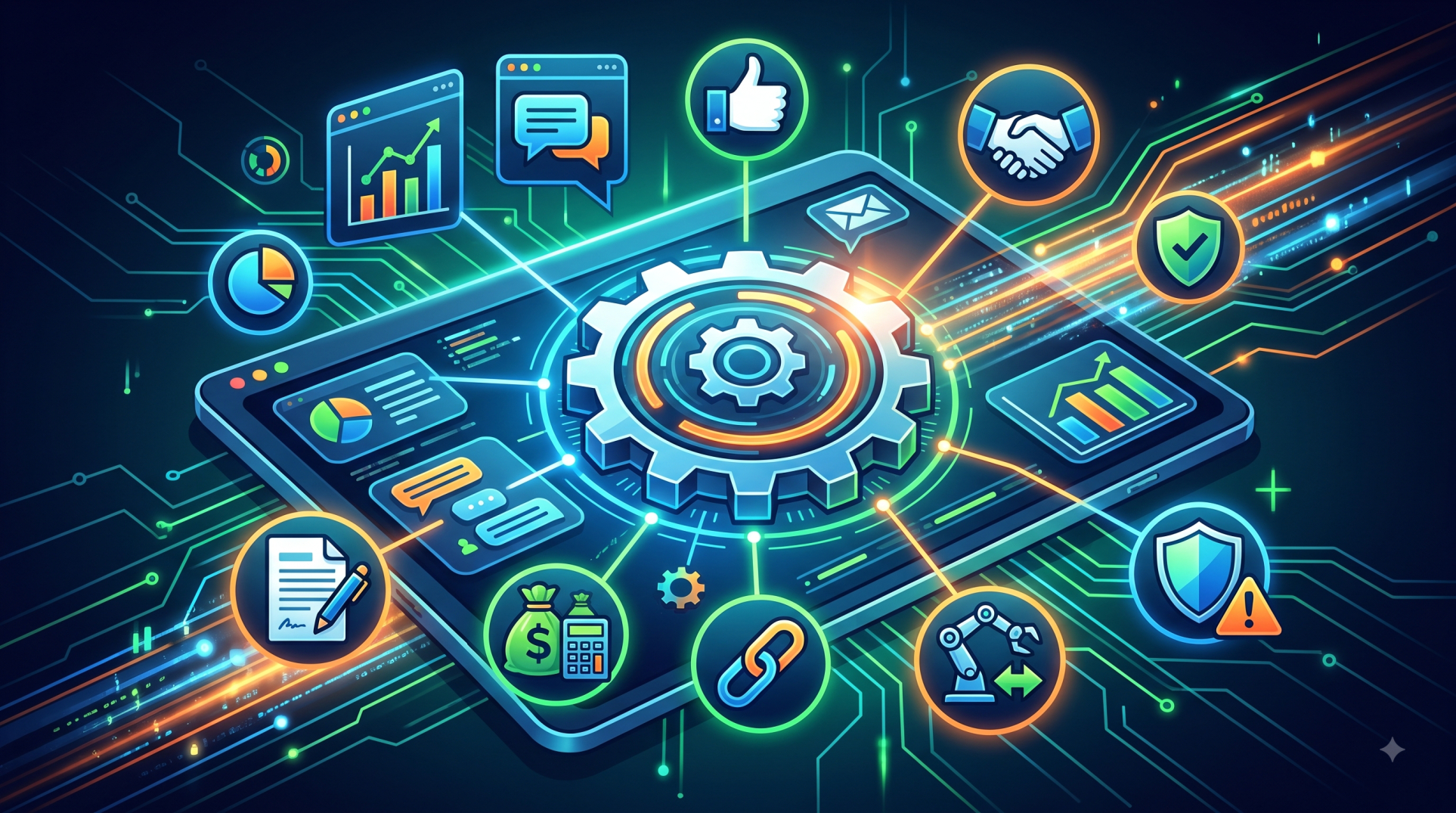
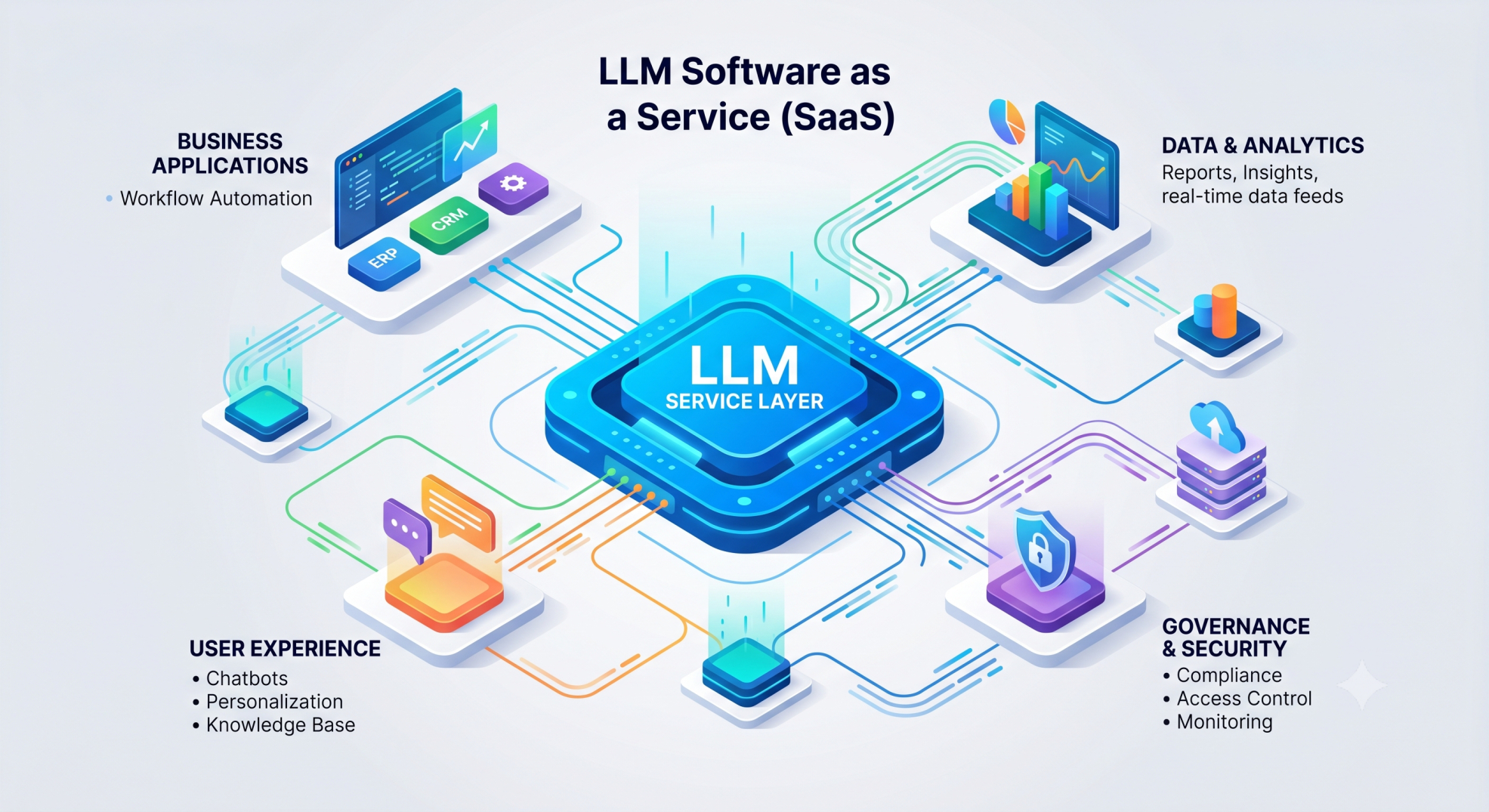
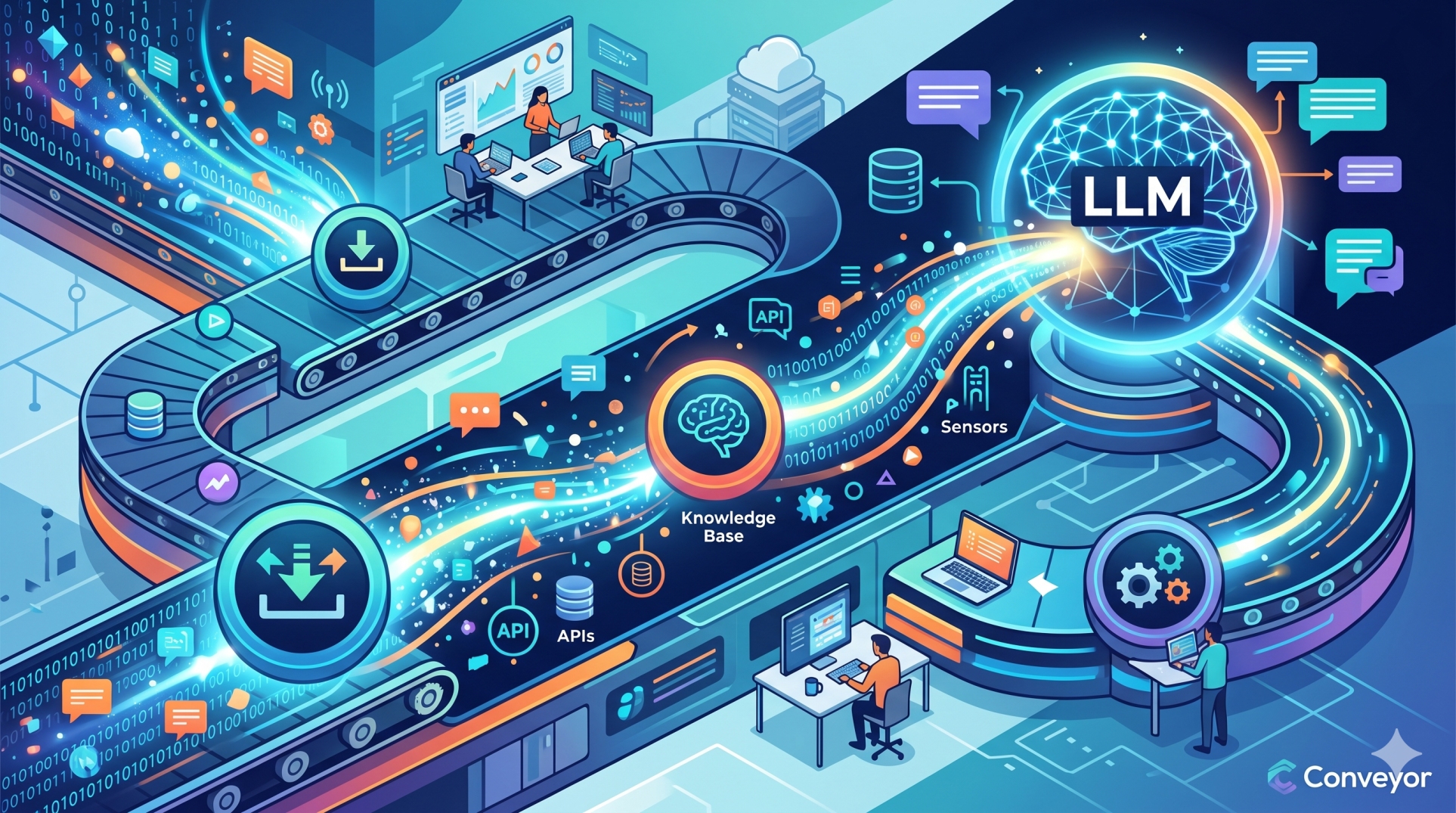
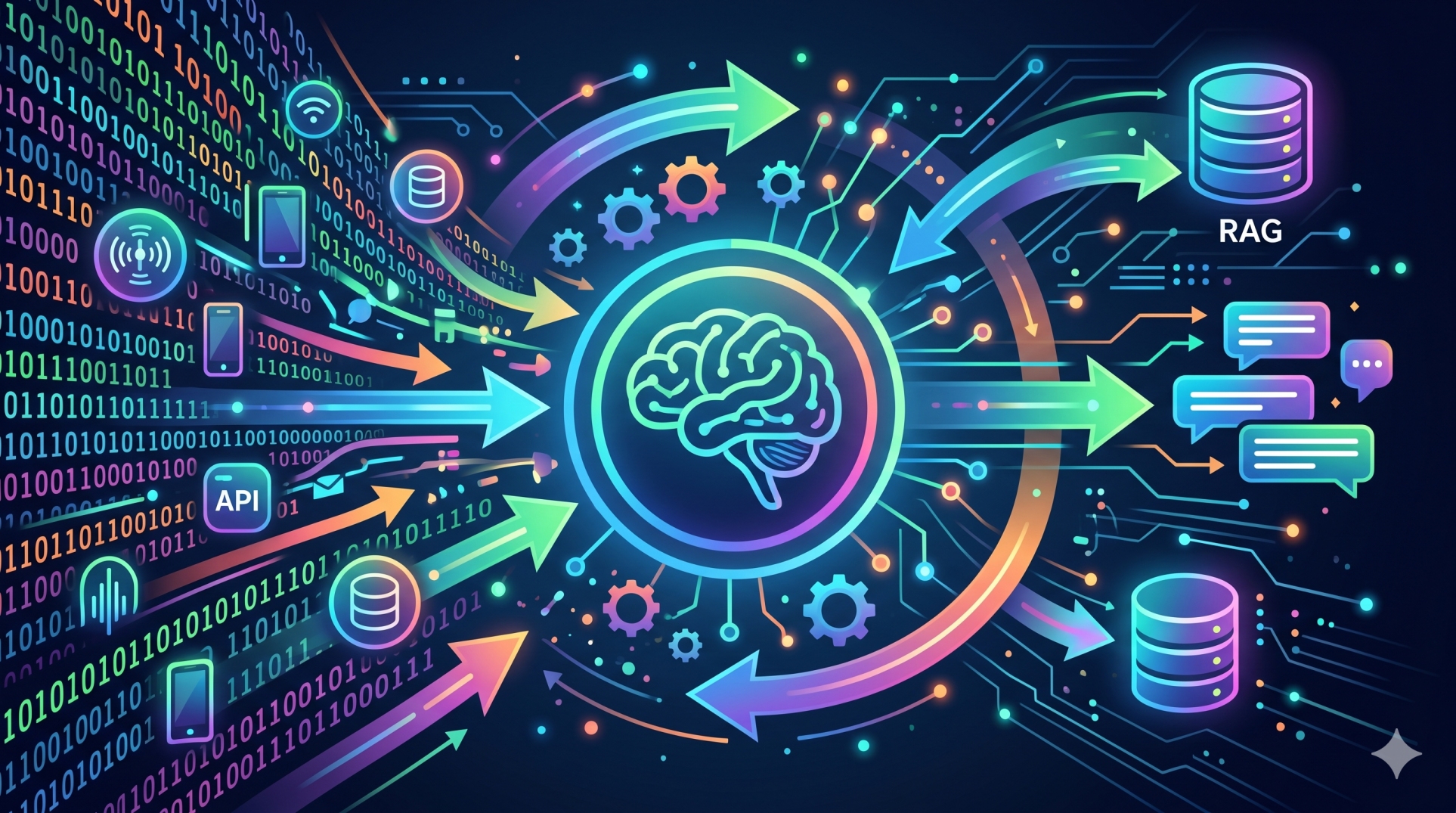
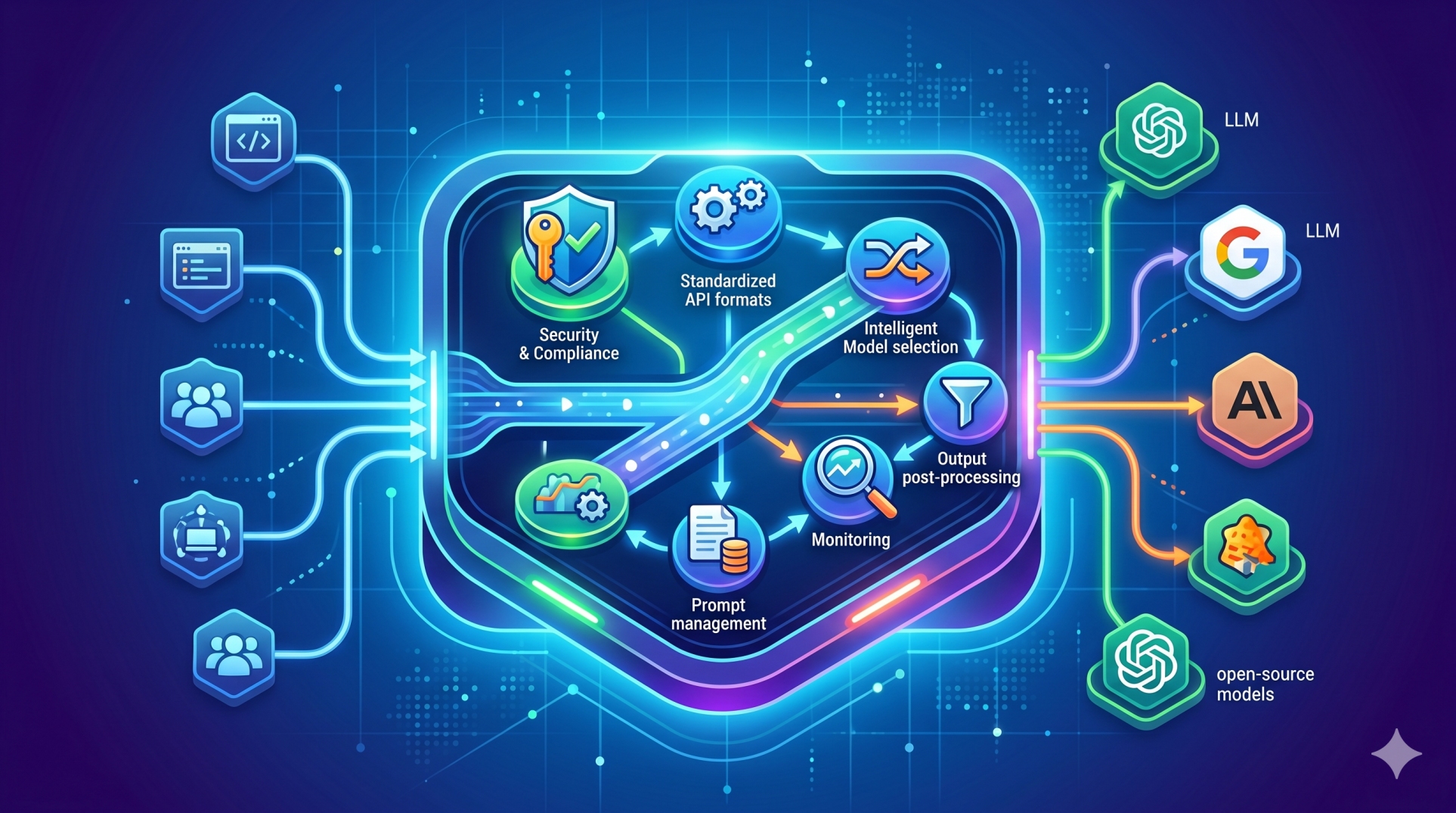
• Connect LLM applications with ERP, CRM, HR, and financial systems 🏢
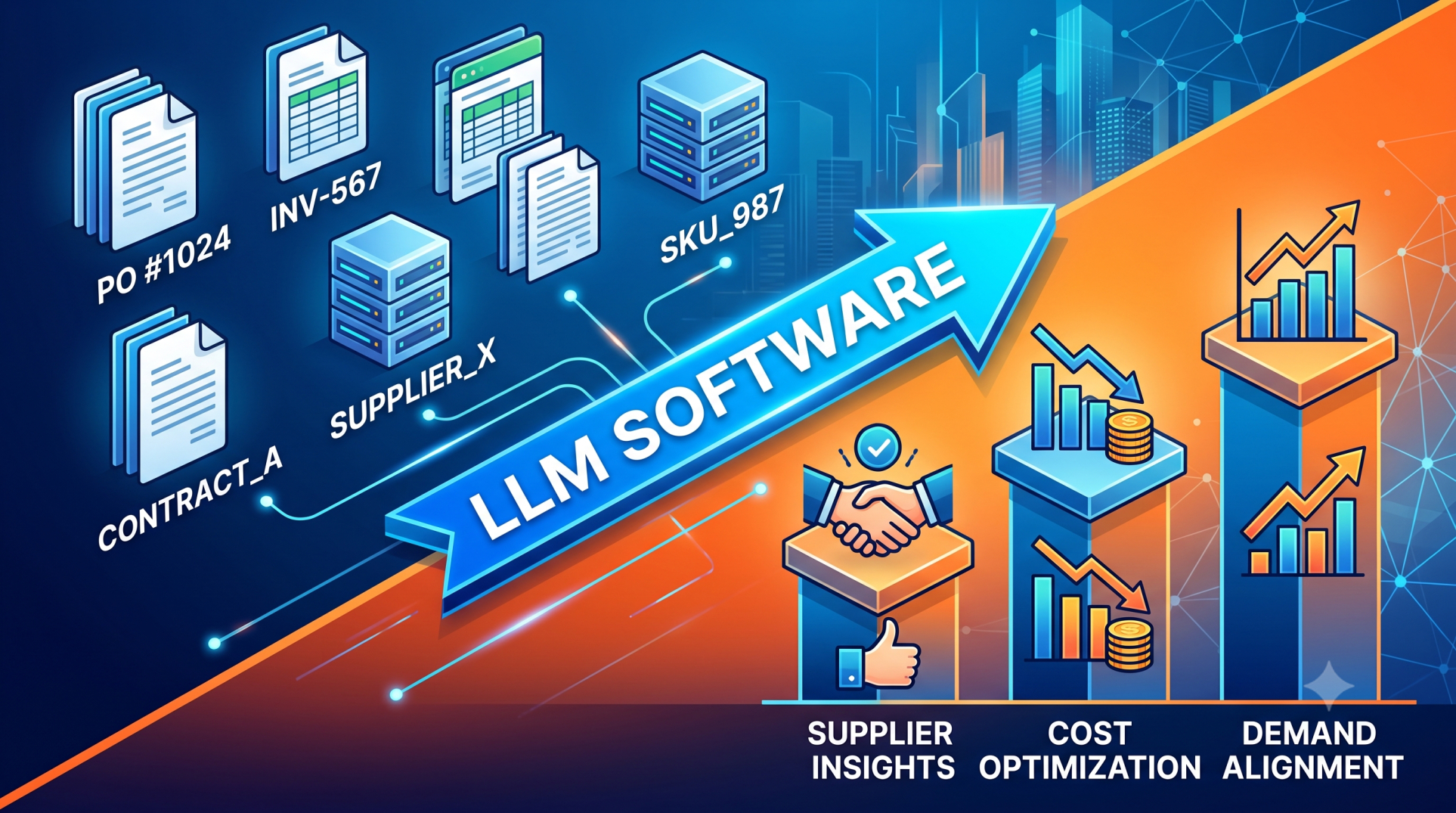
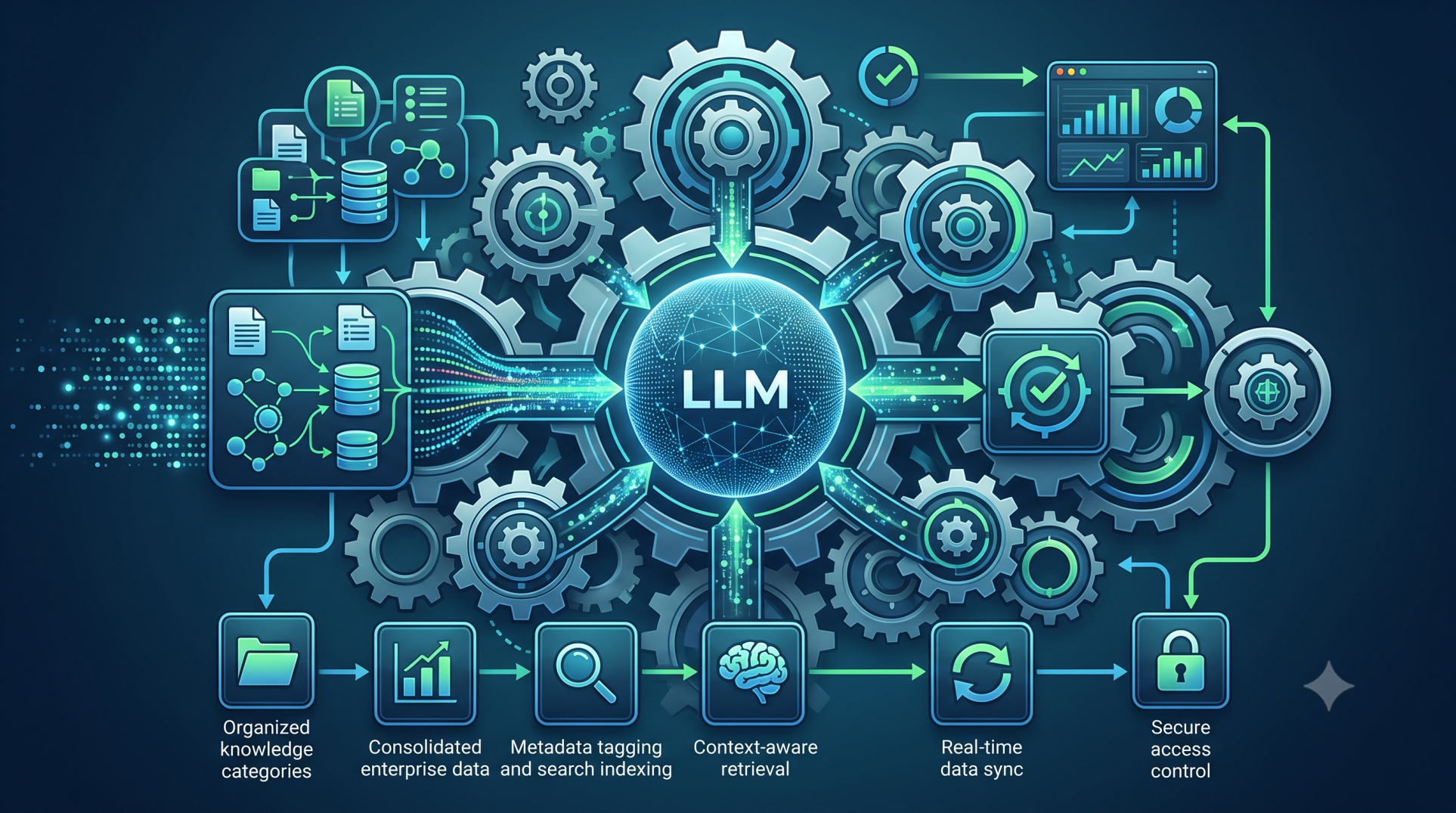
• Access structured and unstructured business information 📂
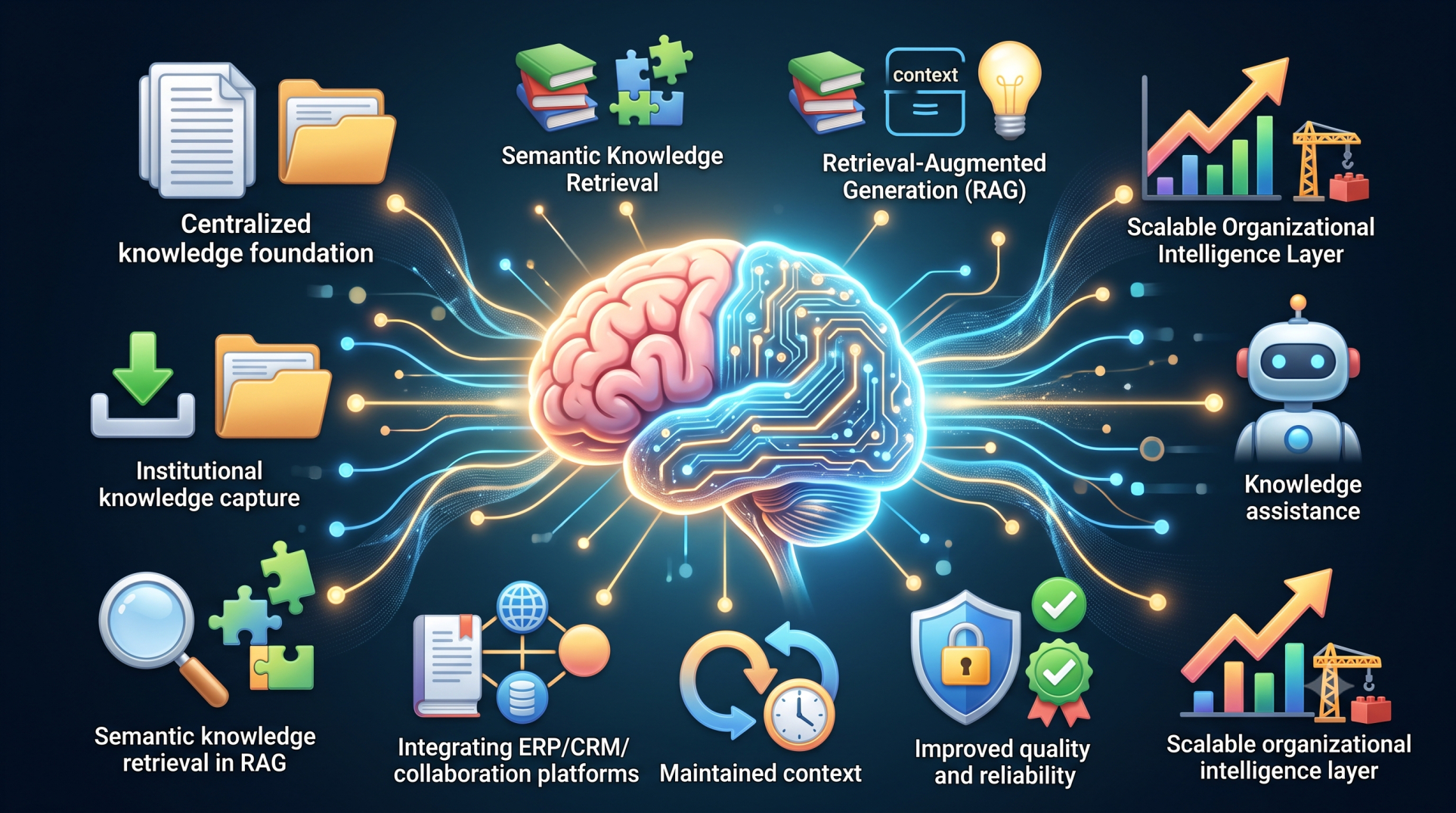
• Retrieve relevant knowledge from internal repositories 📚
• Enable secure interaction with enterprise applications 🔐
• Create a unified information ecosystem for decision-making 🌍
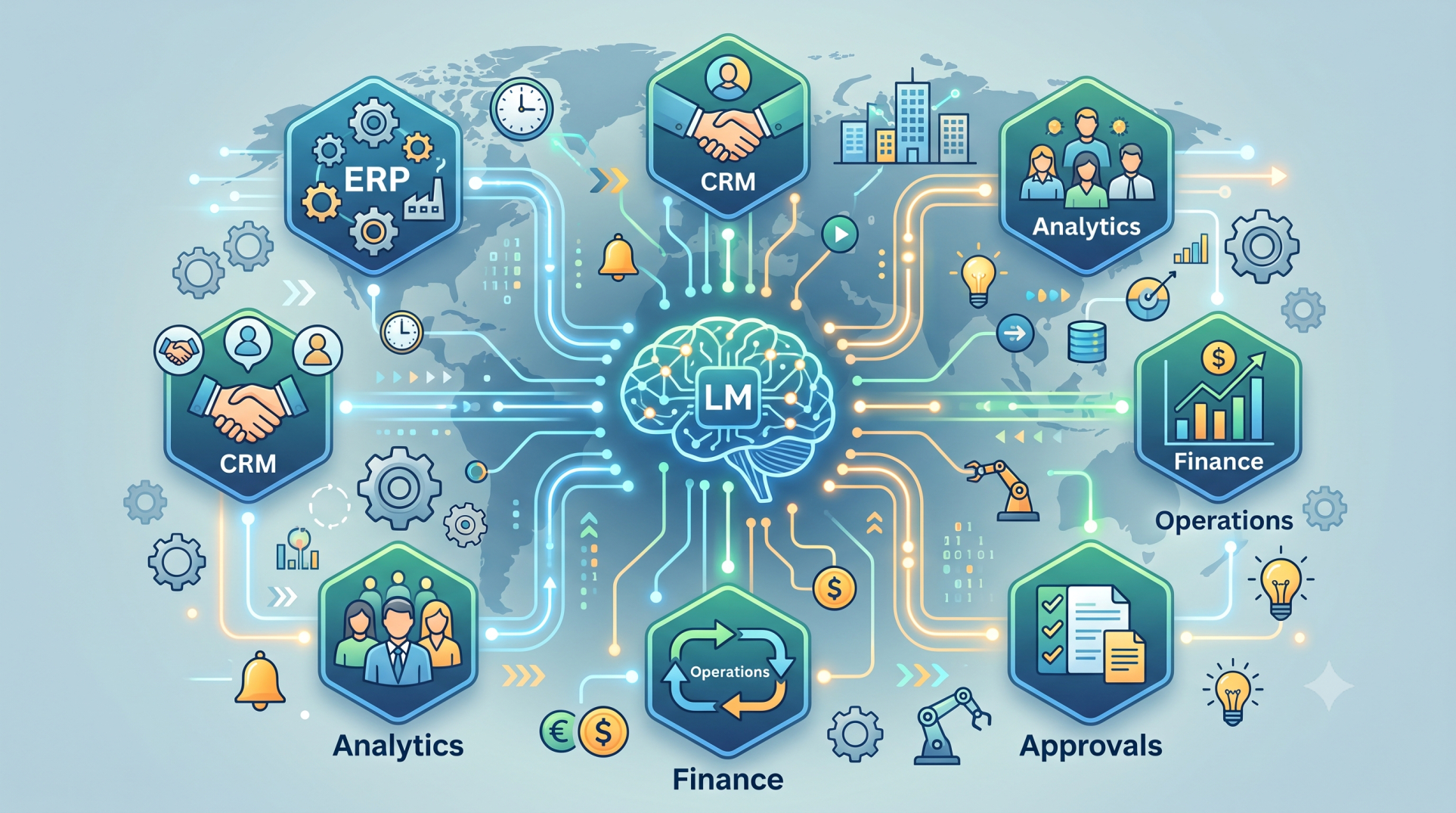
Step 3: Automating Business Workflows ⚡
• Generate reports, summaries, and documentation automatically 📝
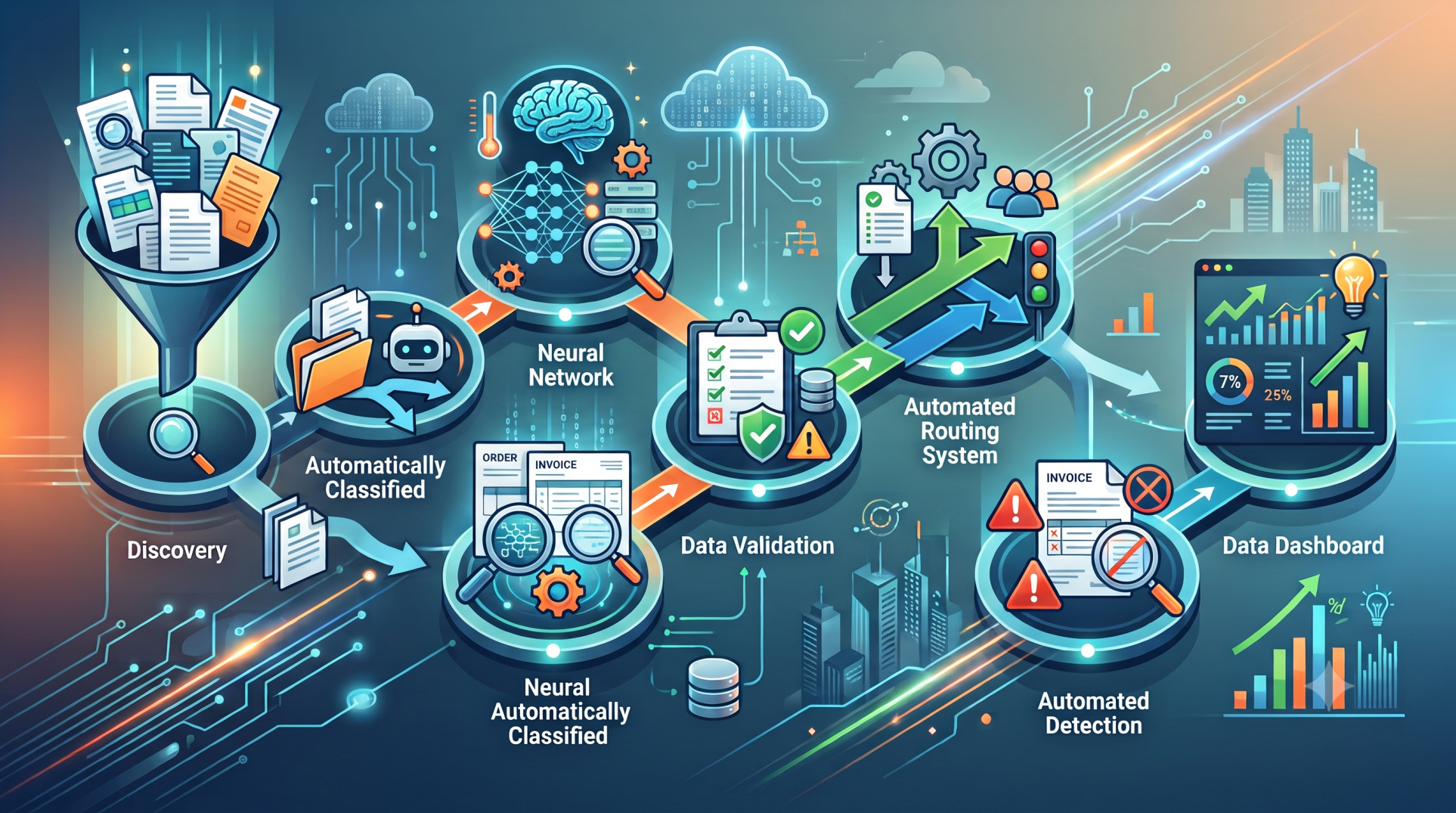
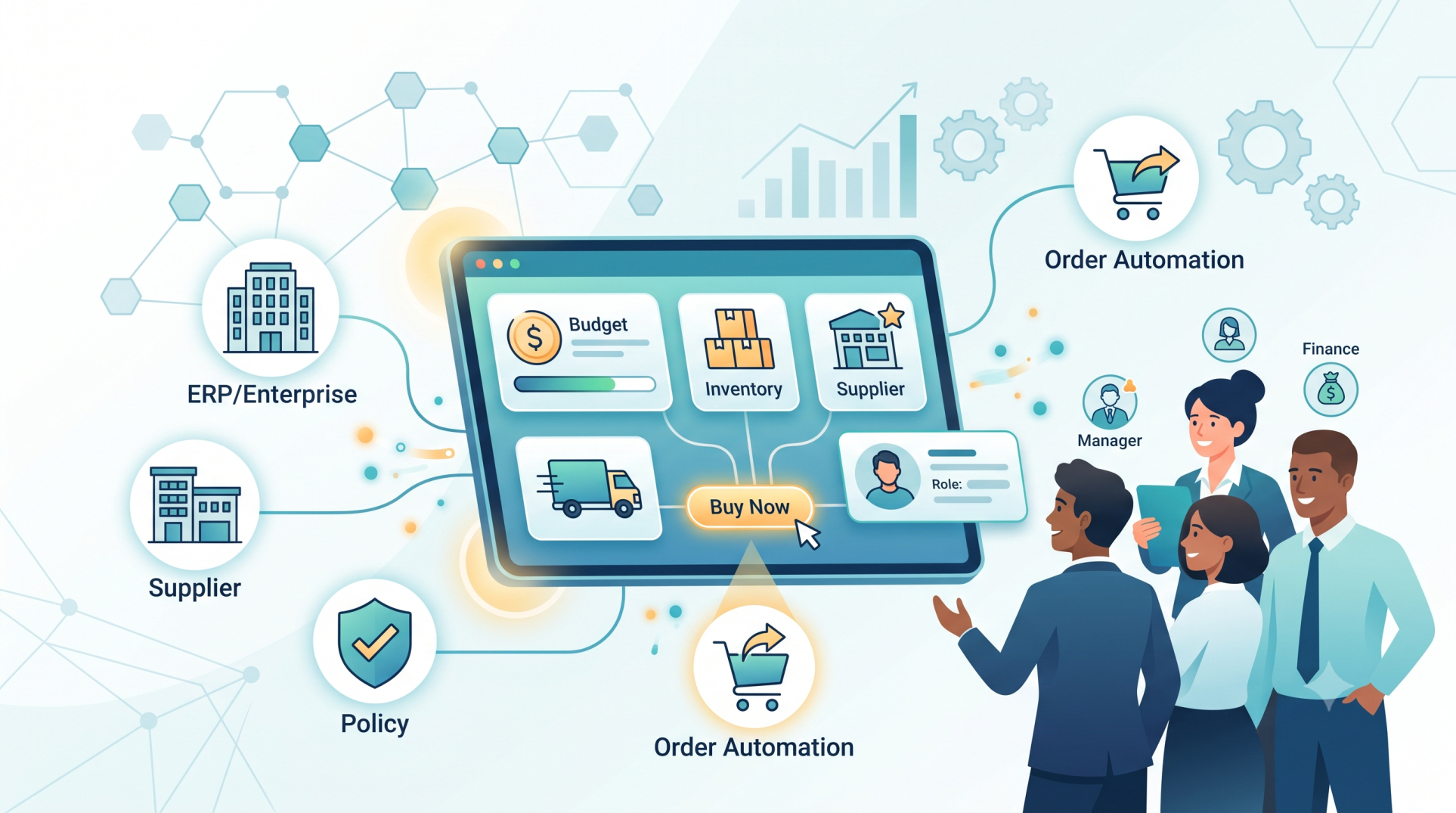
• Assist with approvals and operational requests ✅
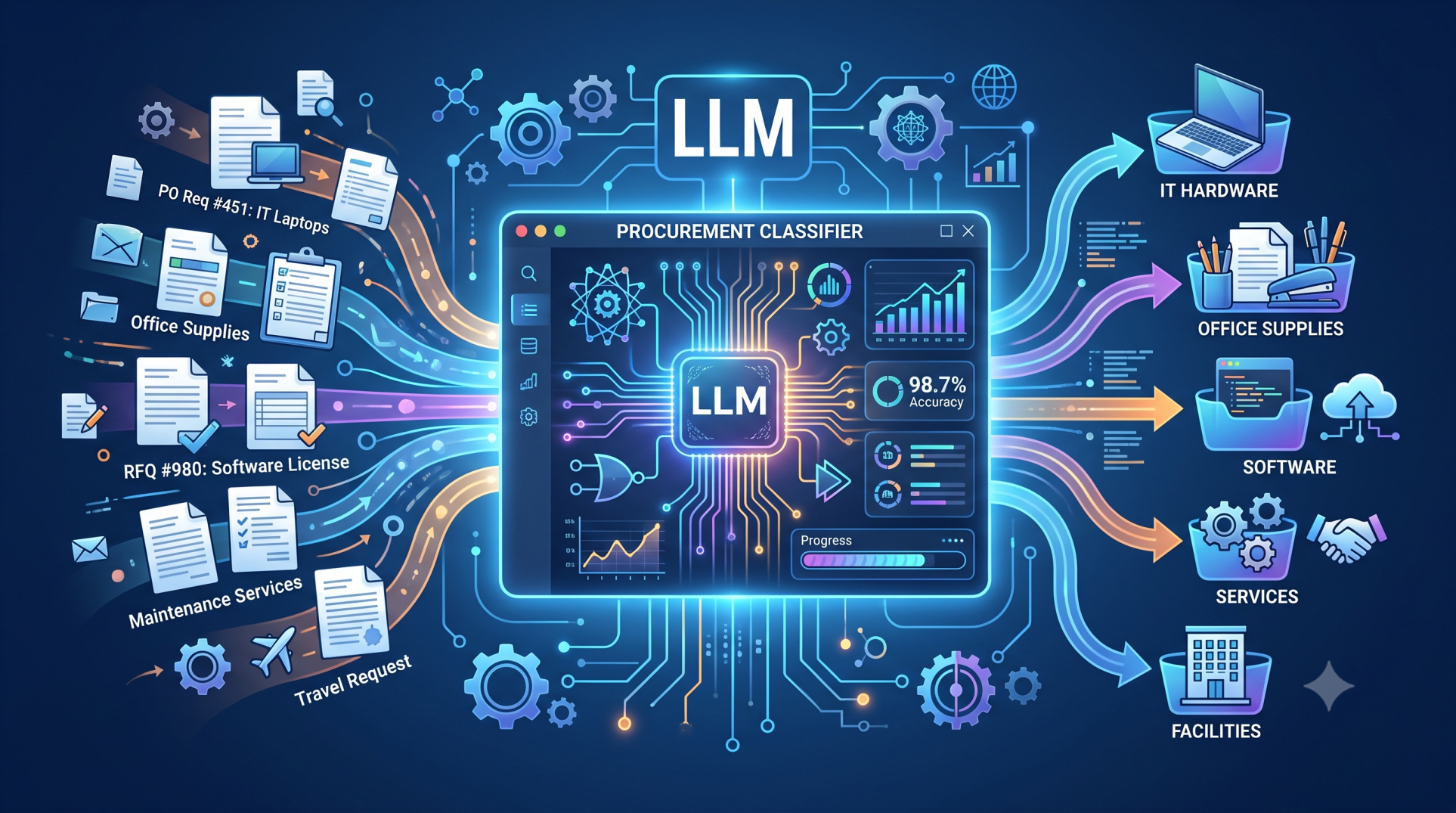
• Route information to the appropriate departments 📤
• Reduce manual effort across repetitive business activities ⏱️
• Accelerate end-to-end process execution 🚀
Step 4: Enhancing Decision Support 📈
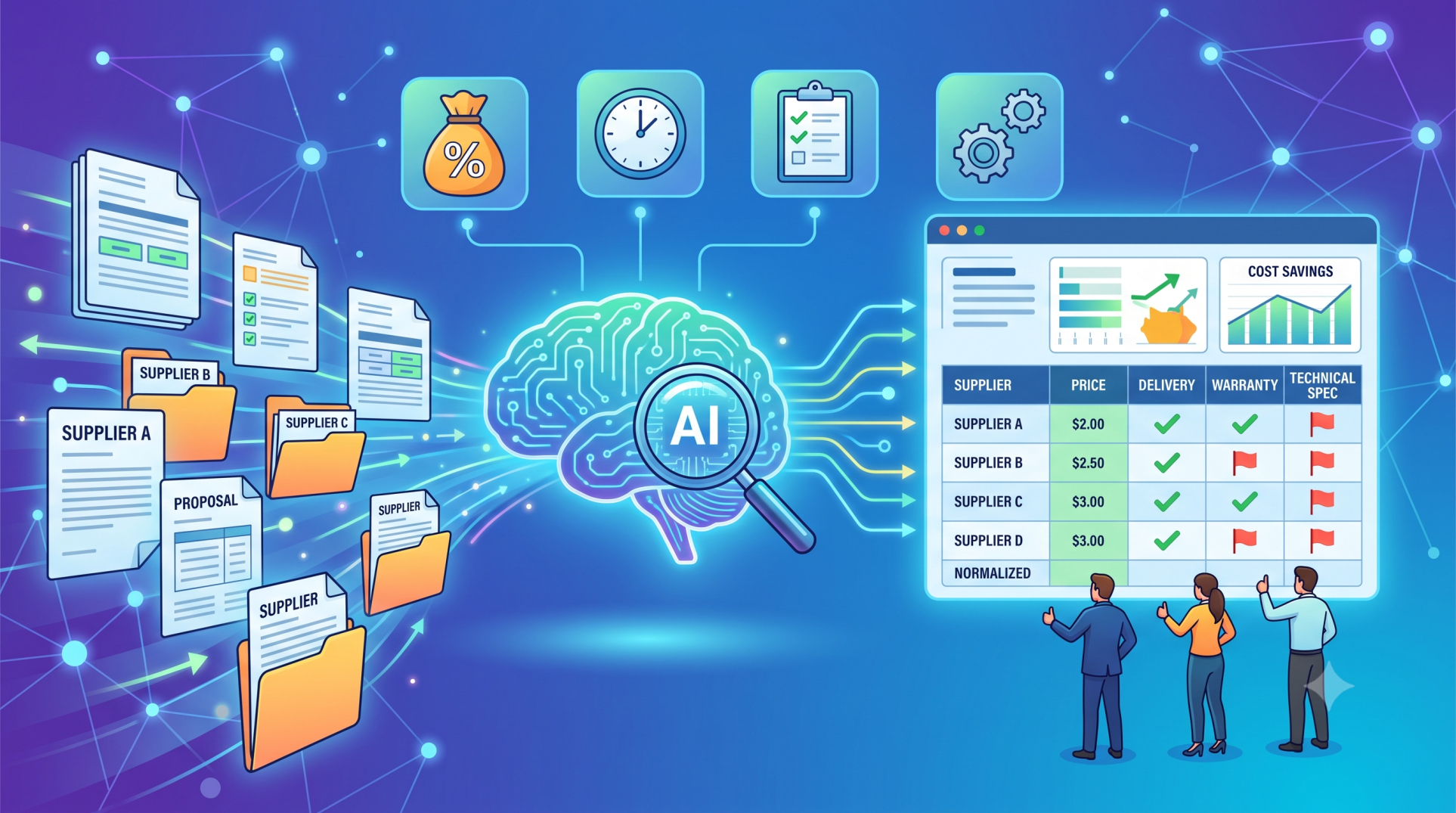
• Analyze operational data to provide contextual recommendations 💡
• Summarize complex information for faster review 📊
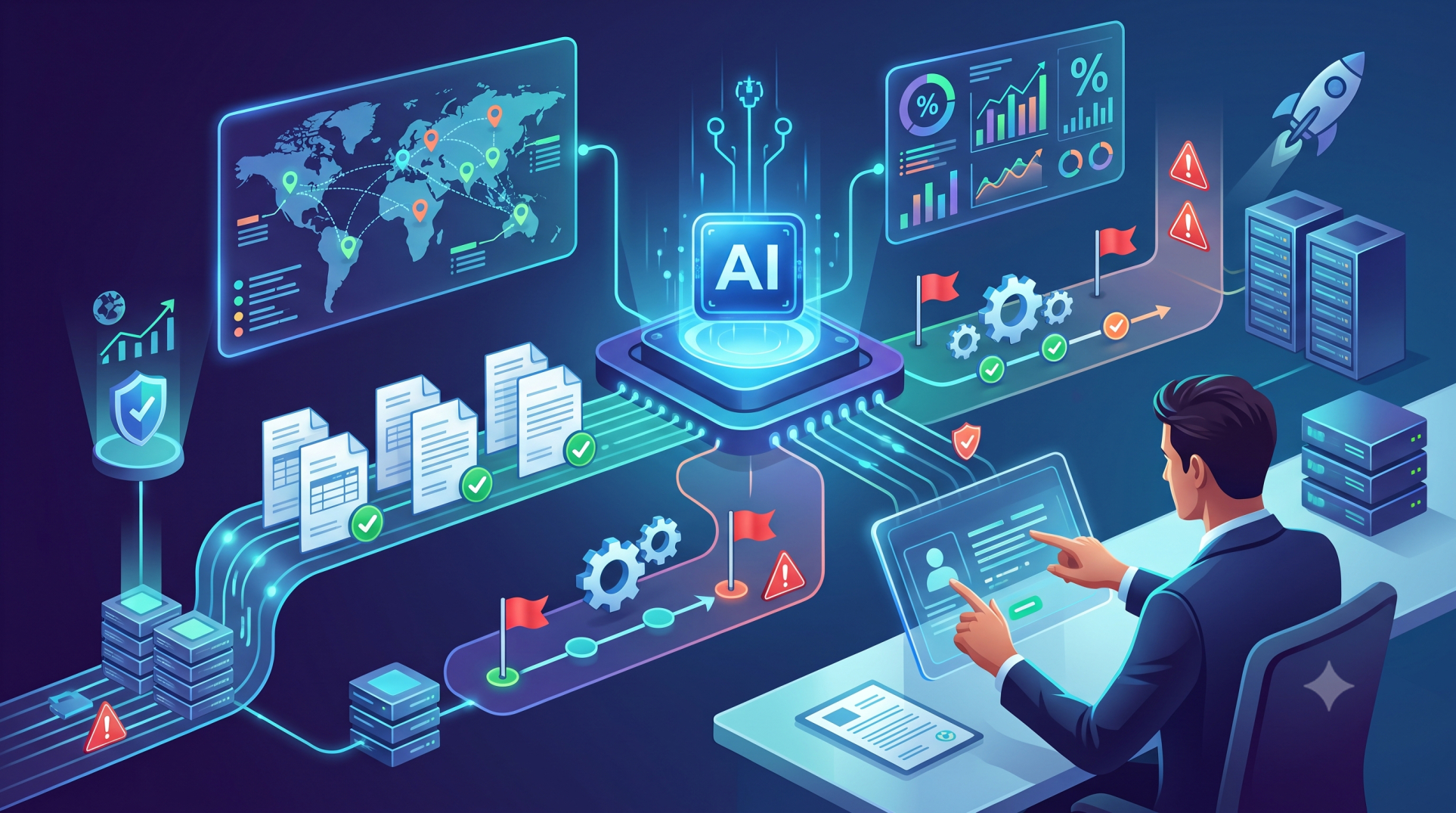
• Highlight potential risks and operational bottlenecks ⚠️
• Support managers with timely business insights 🧠
• Improve consistency in enterprise decision-making 🎯
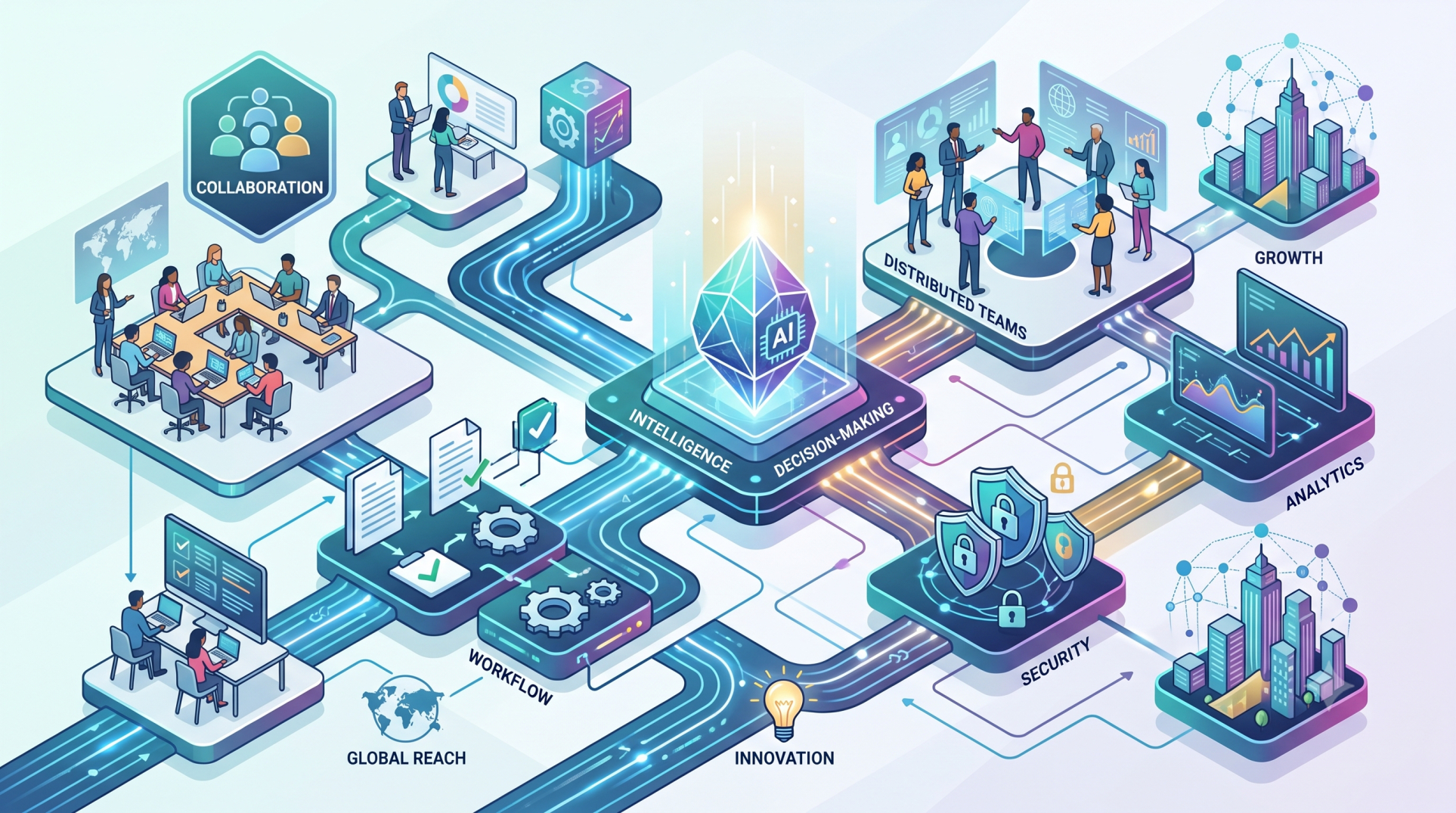
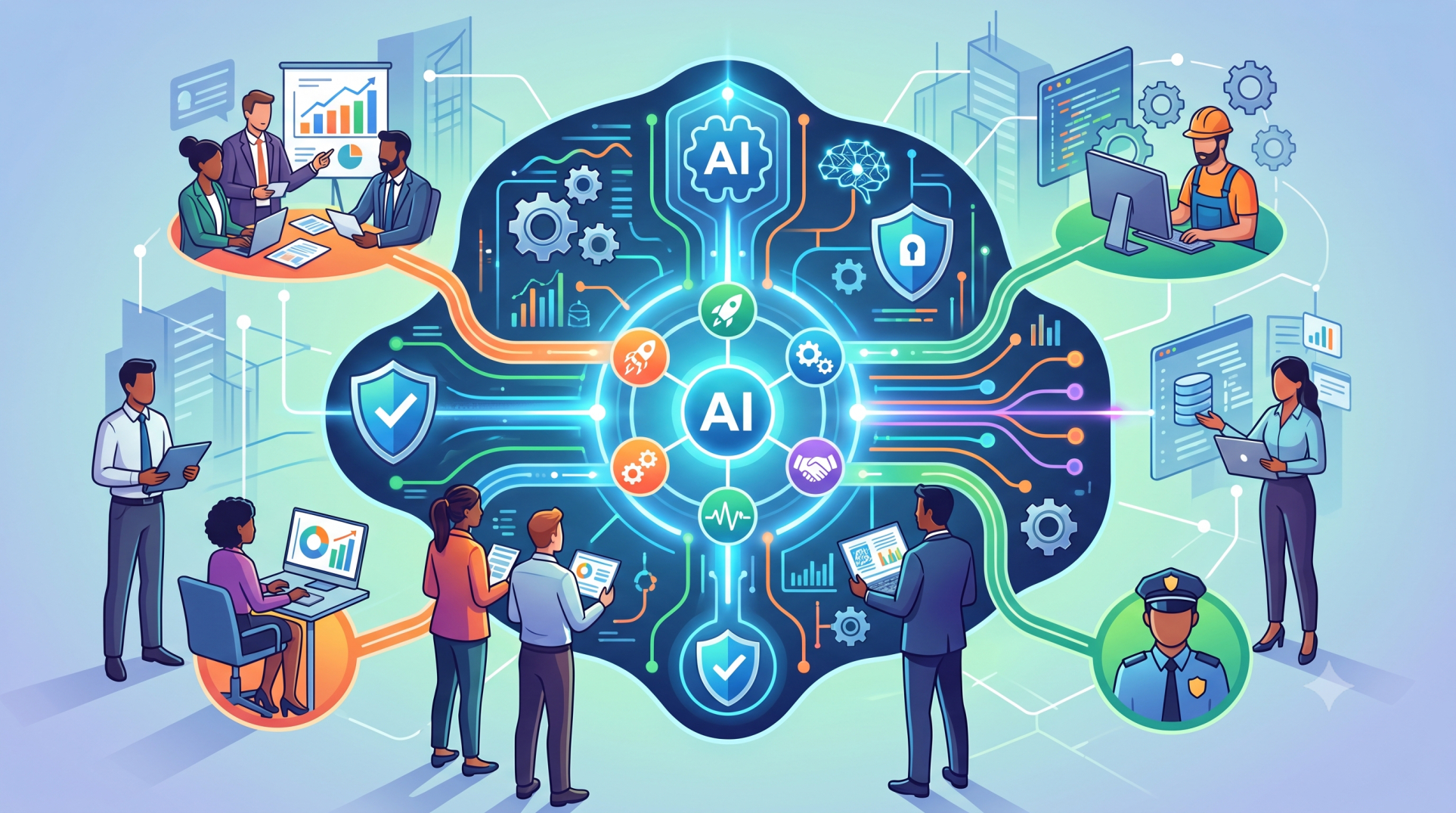
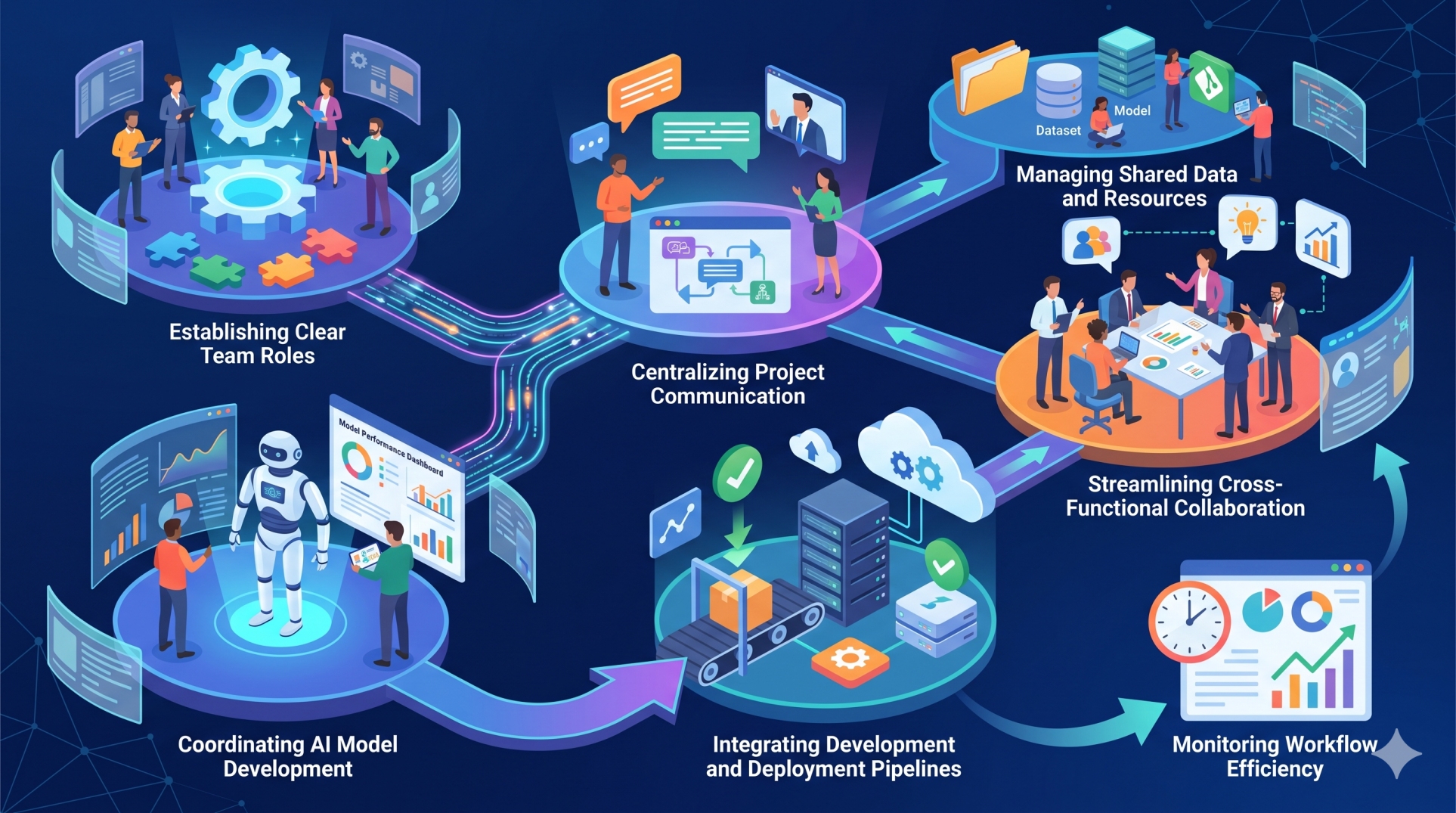
Step 5: Improving Cross-Department Collaboration 🤝
• Enable natural language interaction with enterprise systems 💬
• Simplify knowledge sharing between business units 📖
• Reduce communication delays across departments 📡
• Coordinate tasks using AI-assisted workflows 🔄
• Improve organizational alignment through shared information 🌐
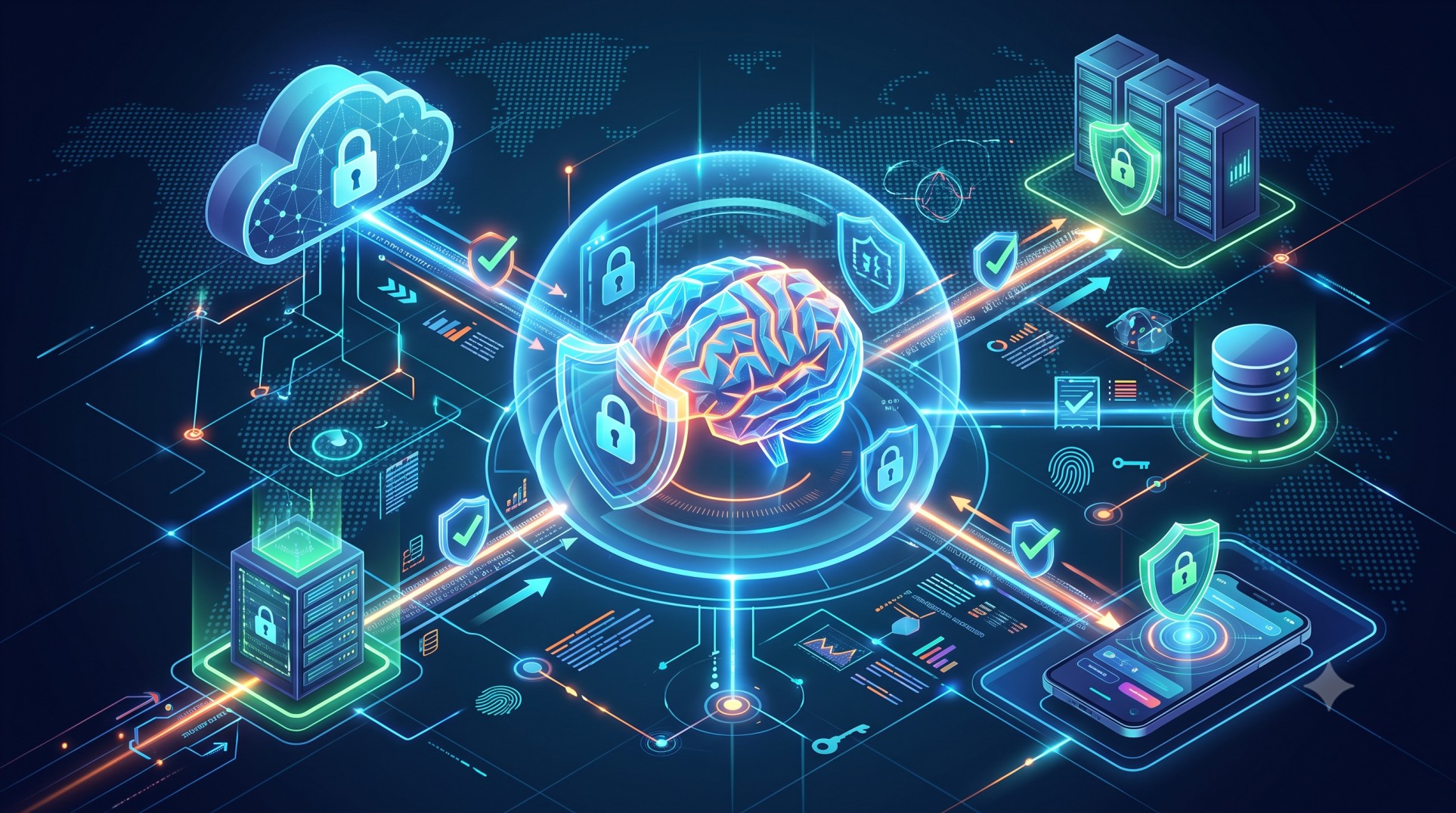
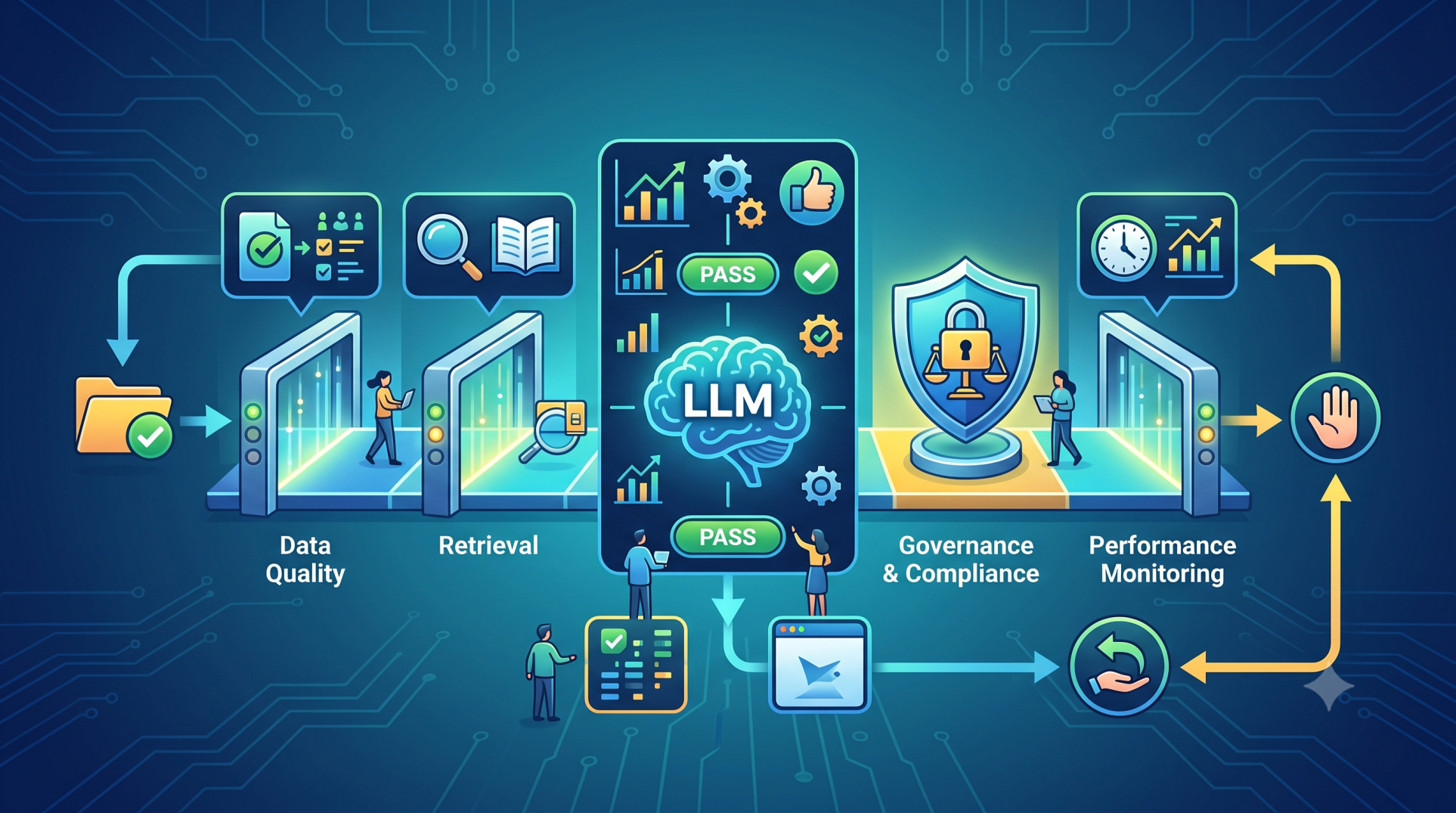
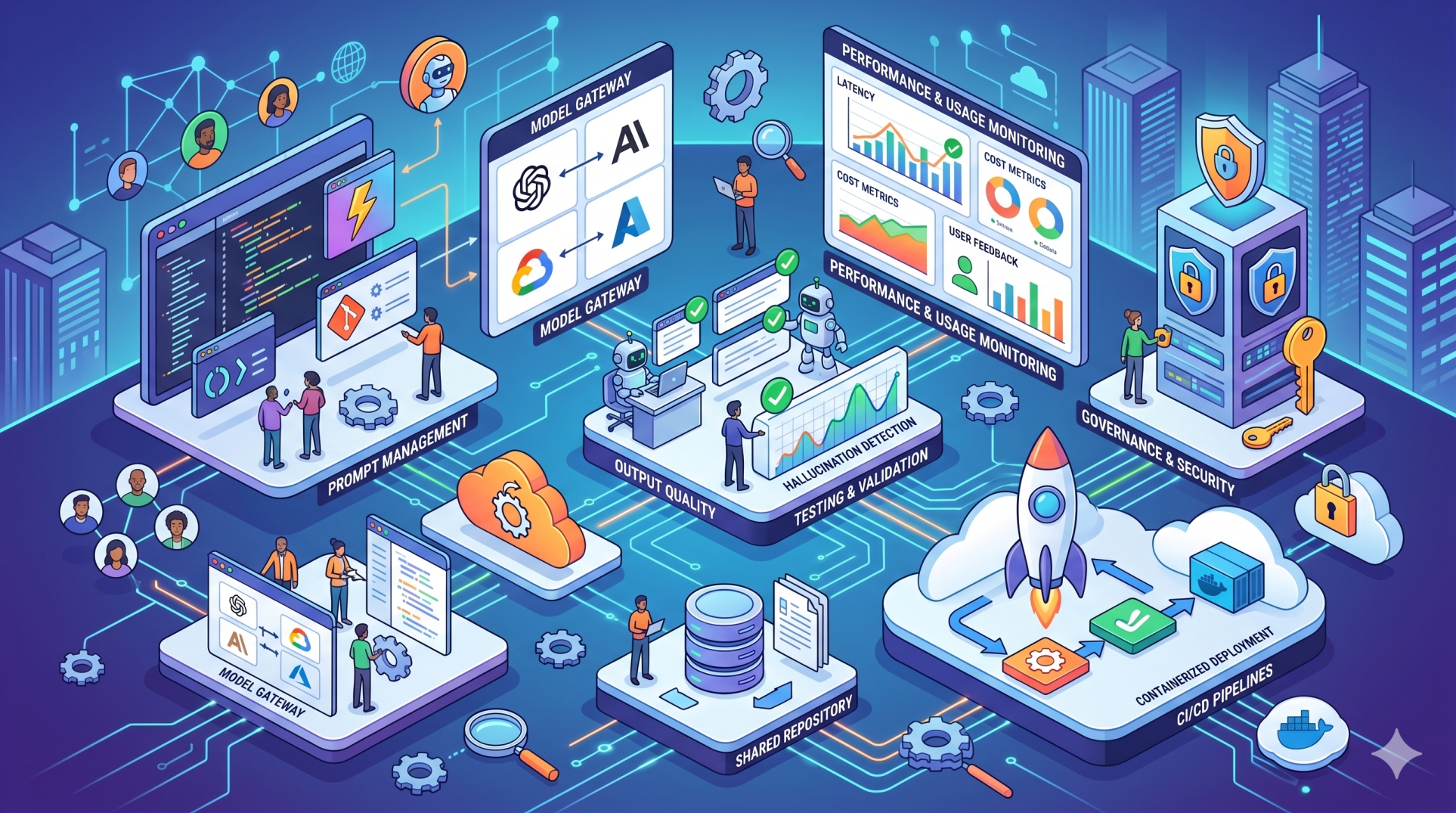
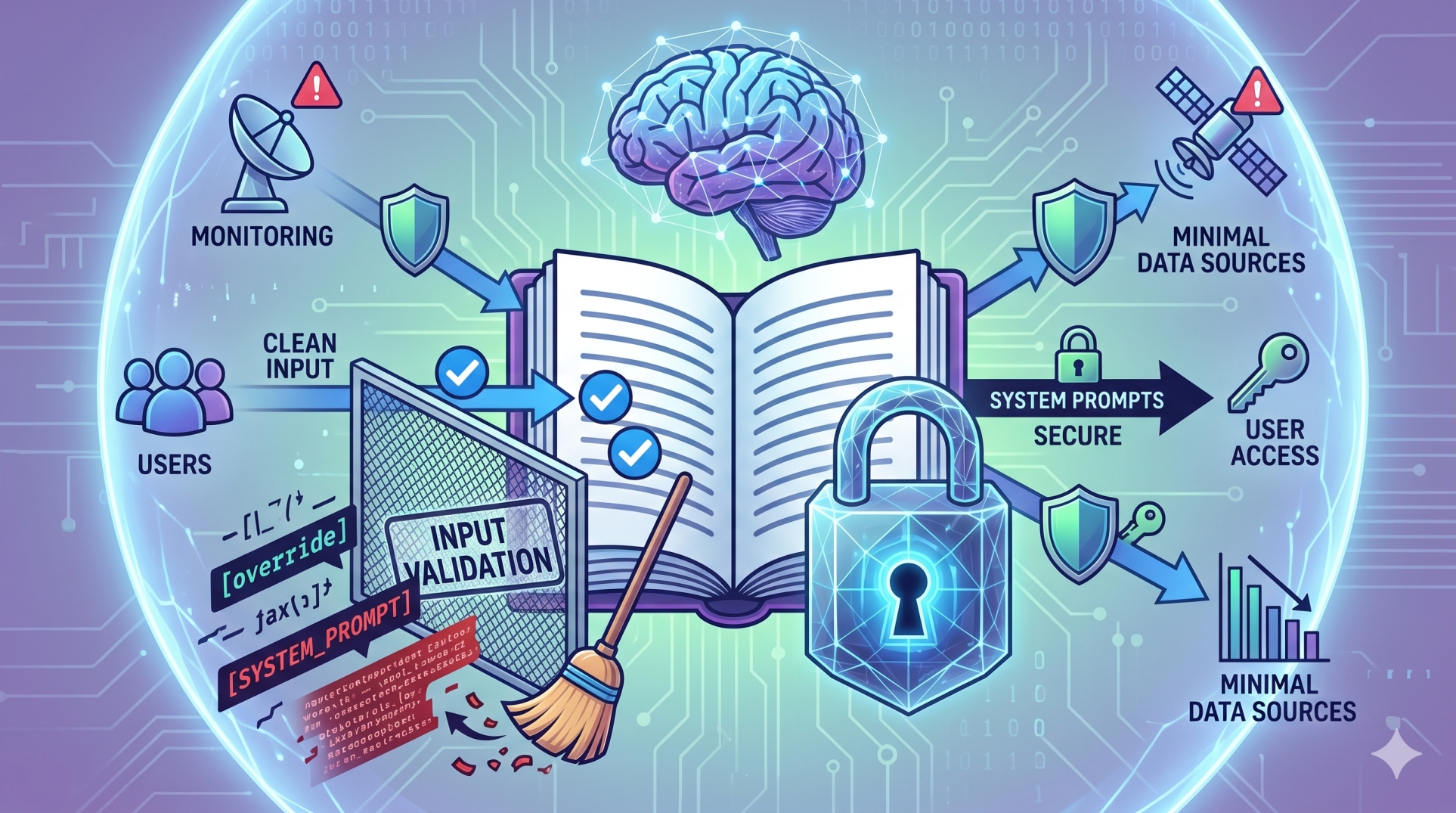
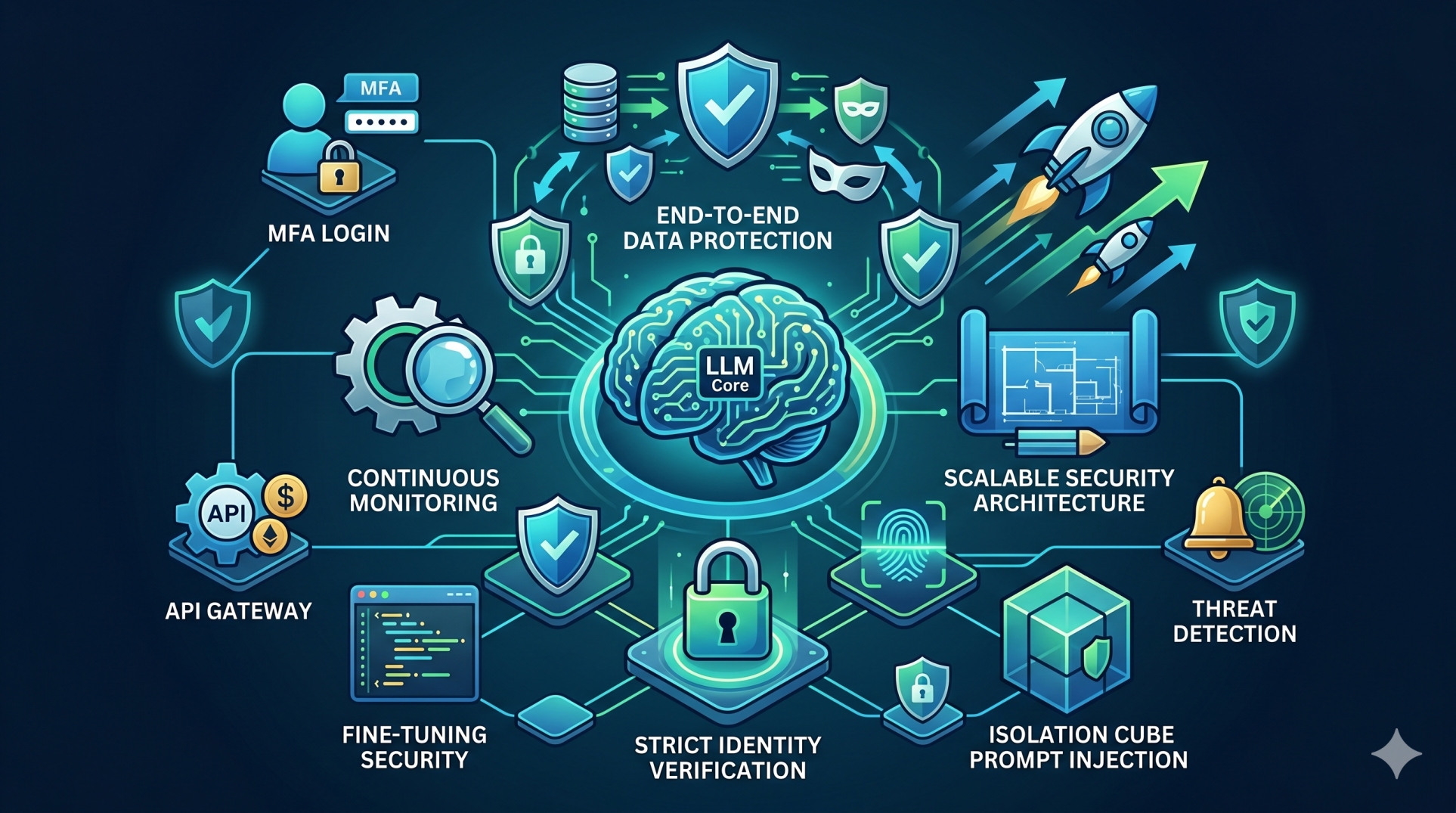
Step 6: Strengthening Data Governance and Security 🔒
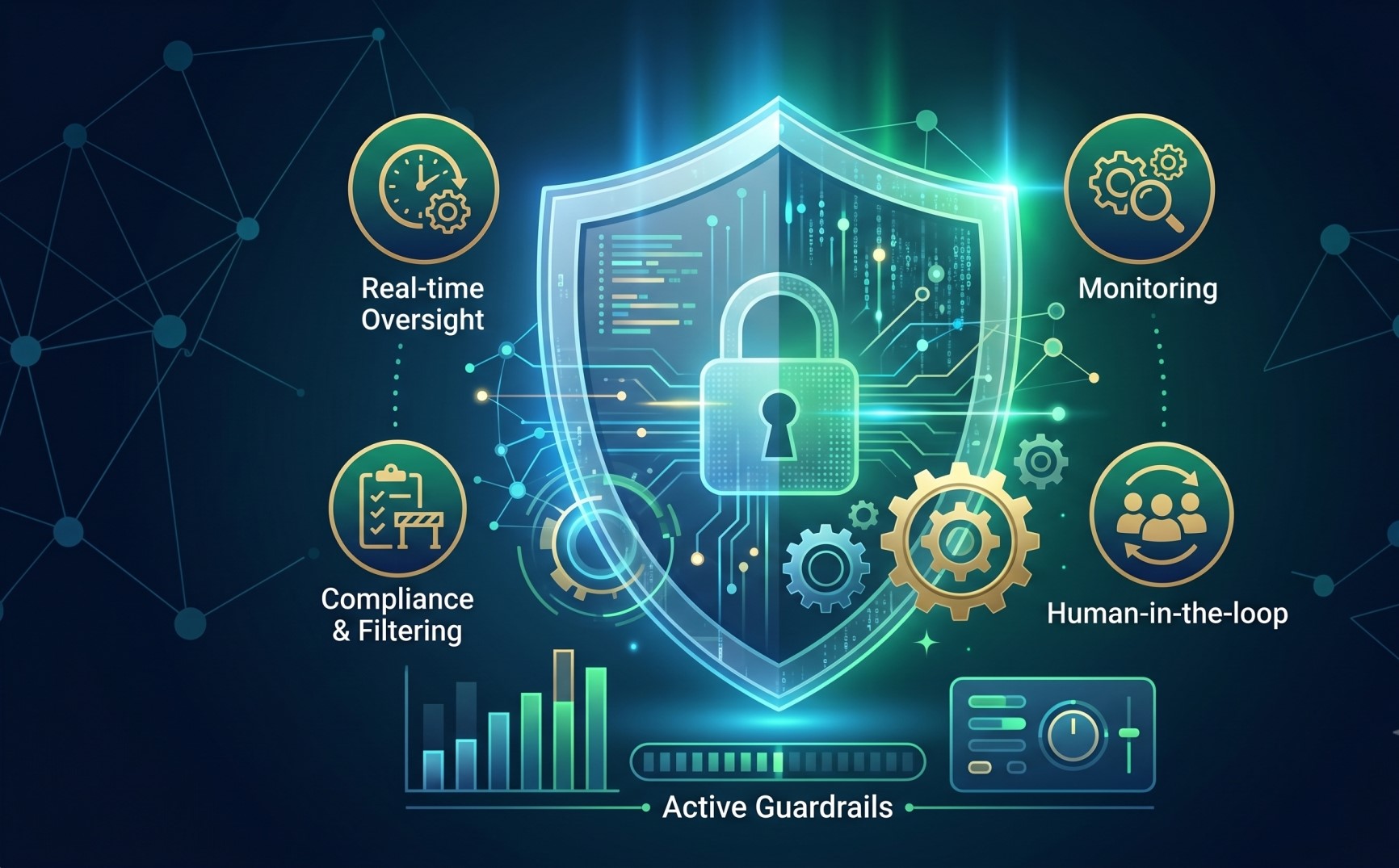
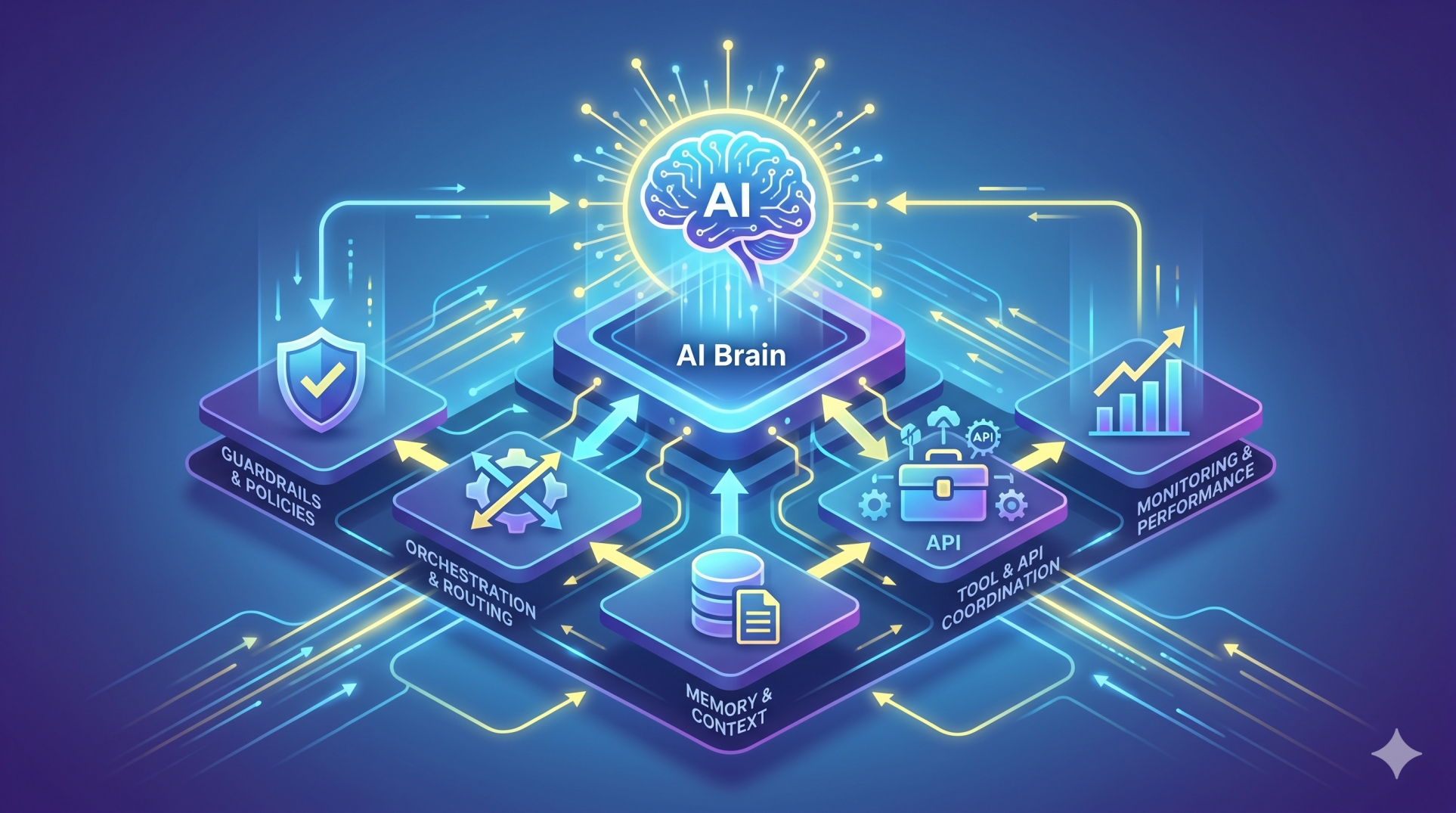
• Enforce role-based access to enterprise information 👥
• Protect confidential business data through secure integrations 🛡️
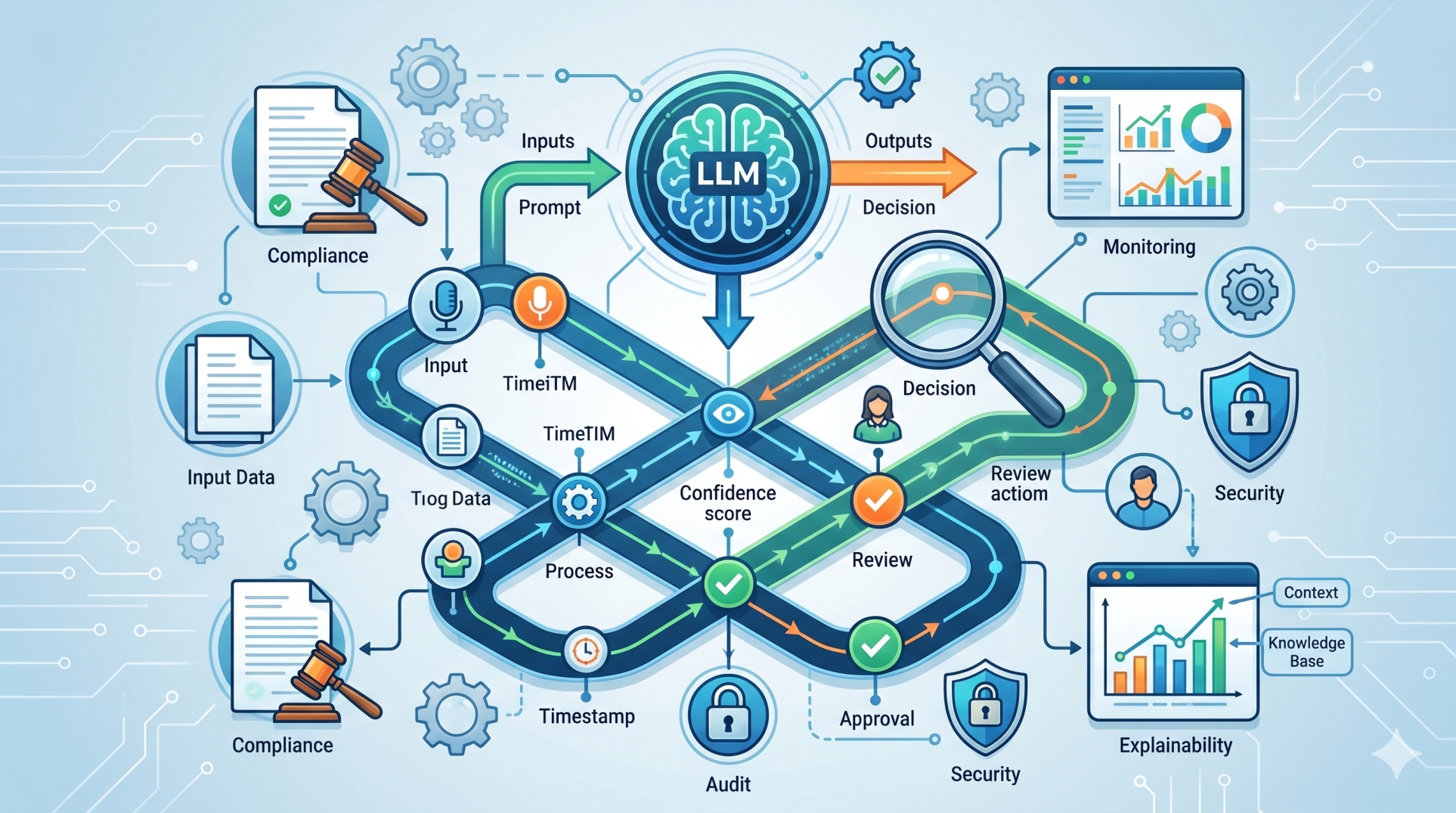
• Maintain audit trails for AI-assisted activities 🧾
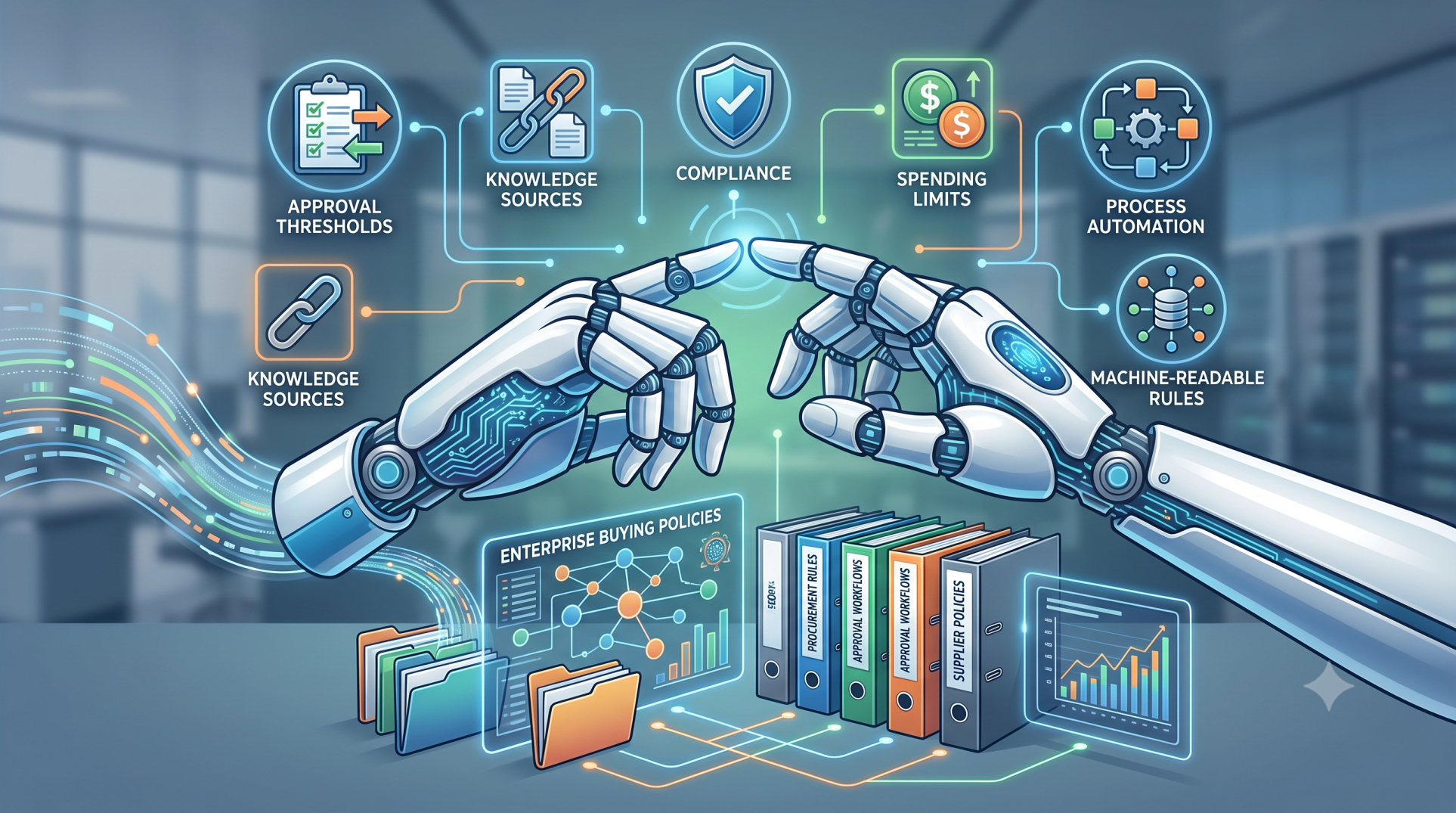
• Apply governance policies to AI-generated outputs 📜
• Support regulatory and organizational compliance ✅
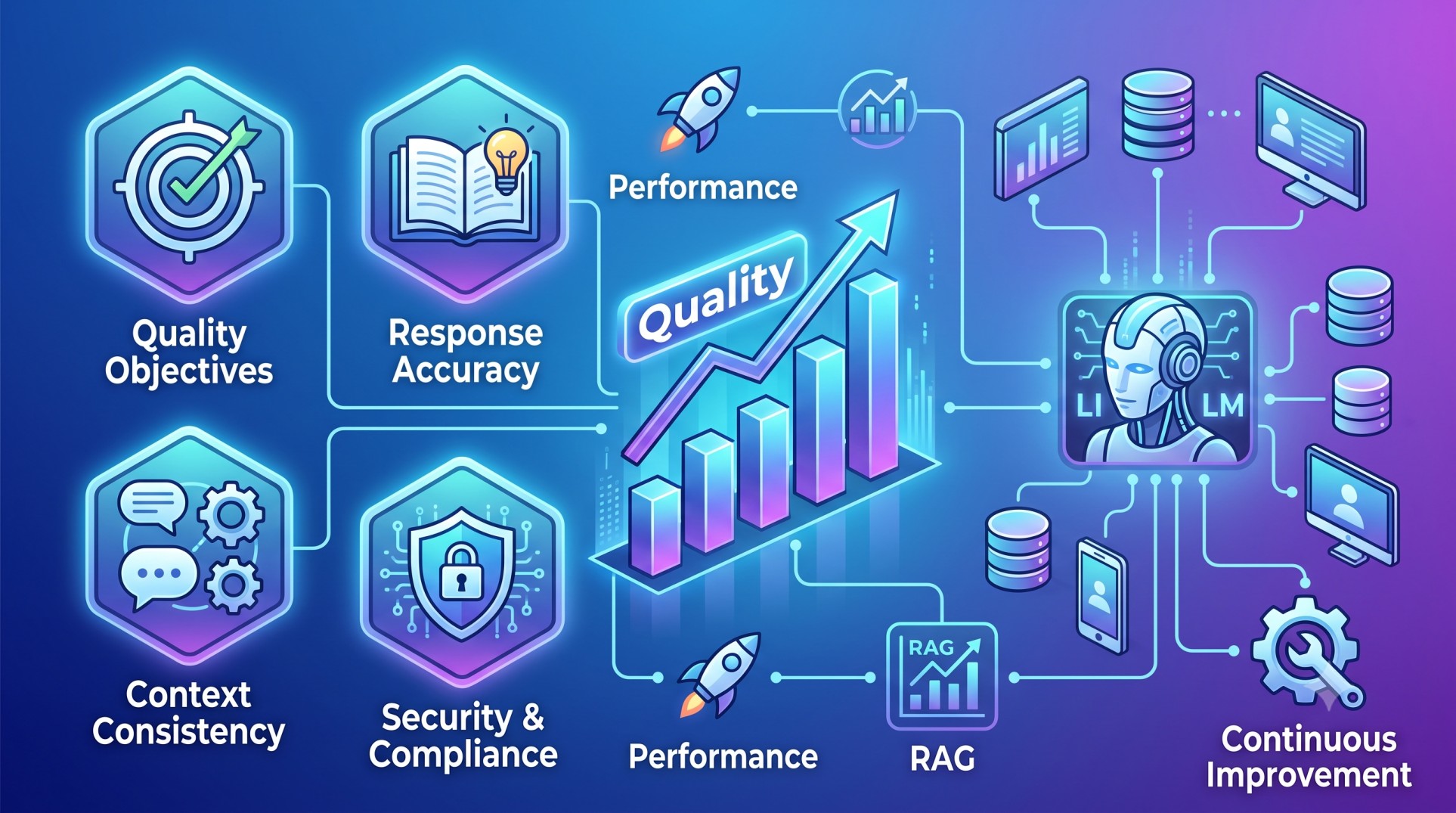
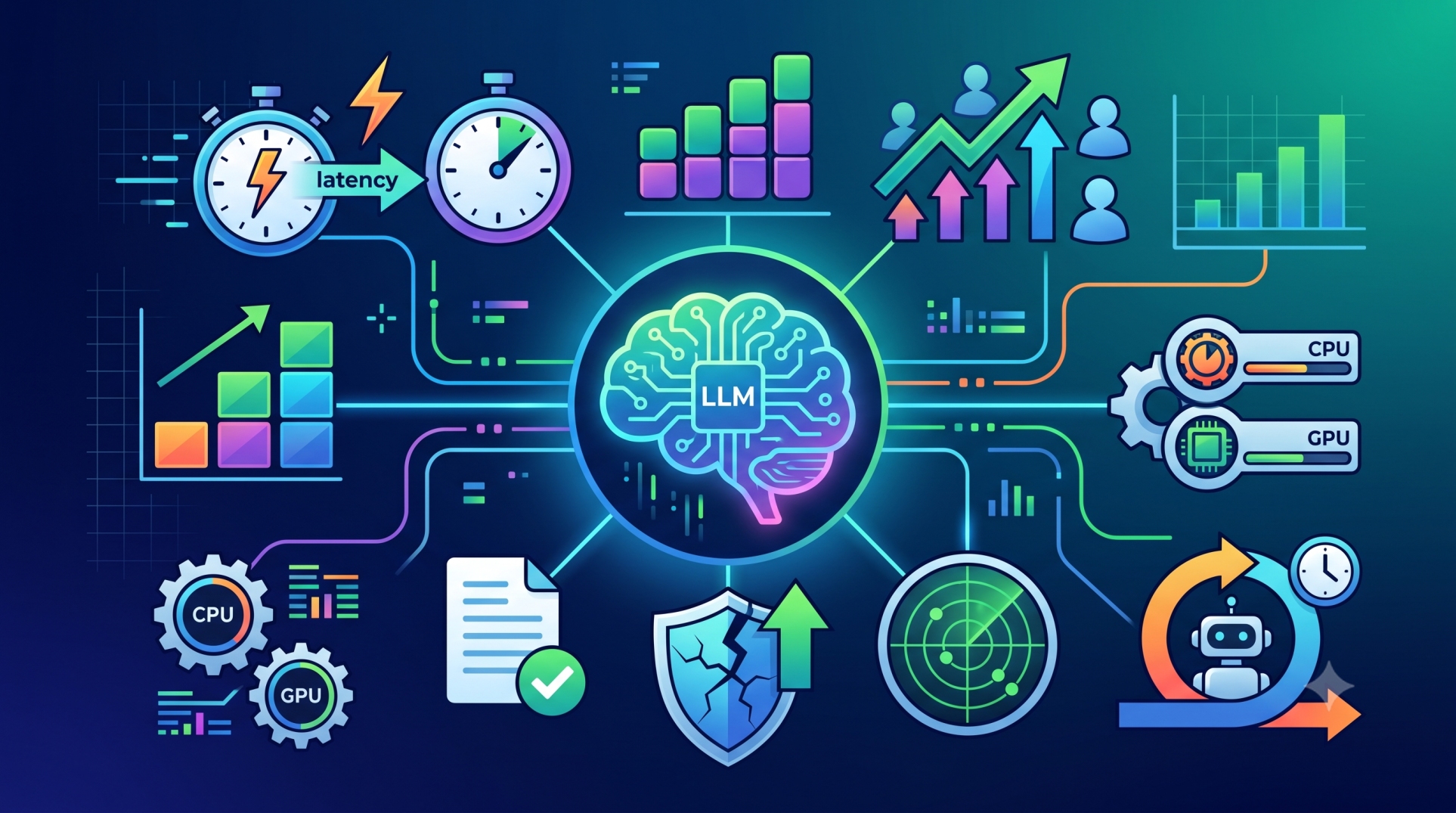
Step 7: Monitoring Performance and Process Efficiency 📊
• Track workflow completion and operational performance 📈
• Measure automation effectiveness across departments ⚙️
• Identify opportunities for continuous improvement 🔍
• Monitor user engagement with AI applications 👀
• Optimize business processes using operational insights 🚀
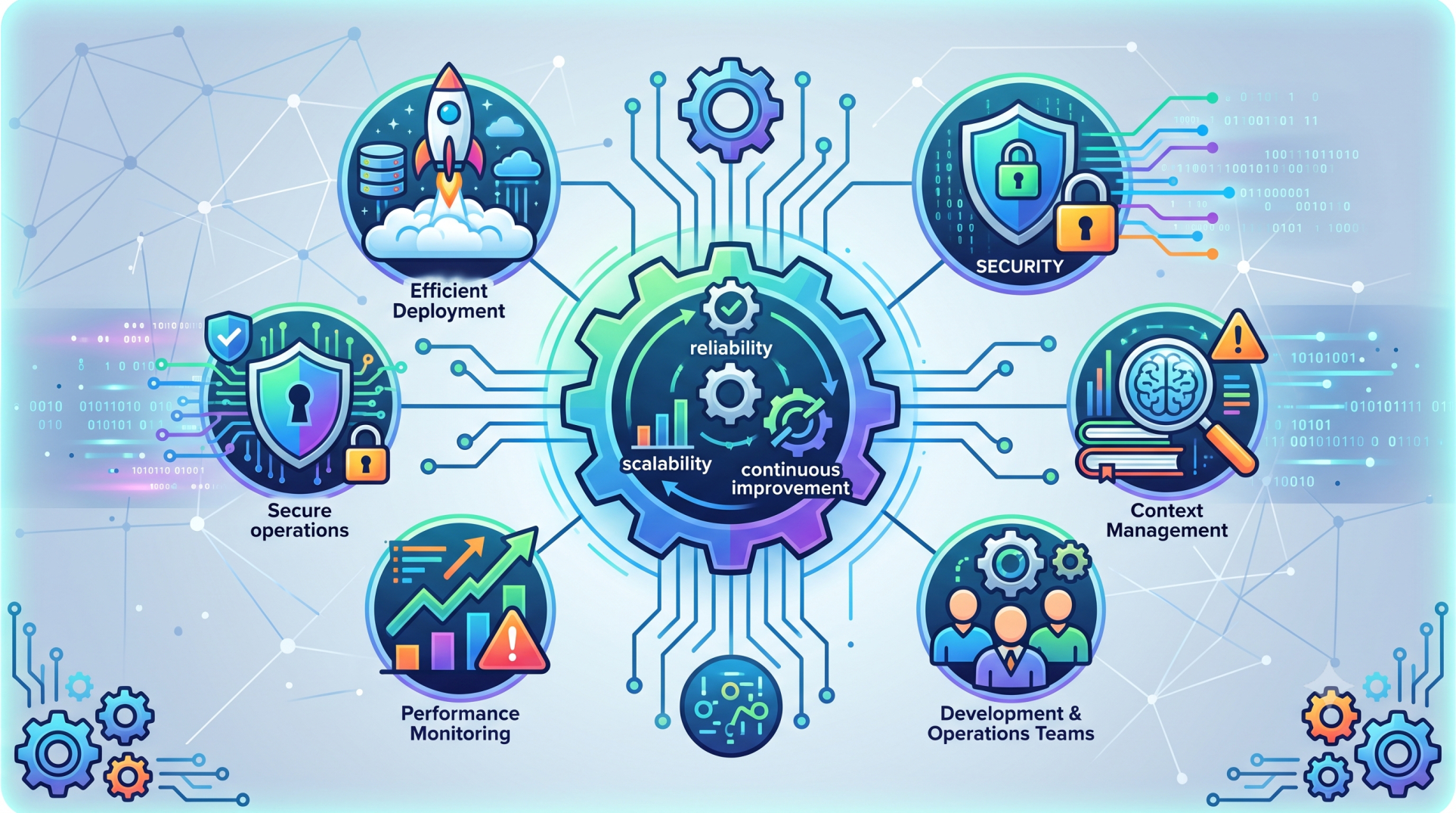
Step 8: Key Coordination Priorities ⭐
• Intelligent automation of enterprise workflows 🤖
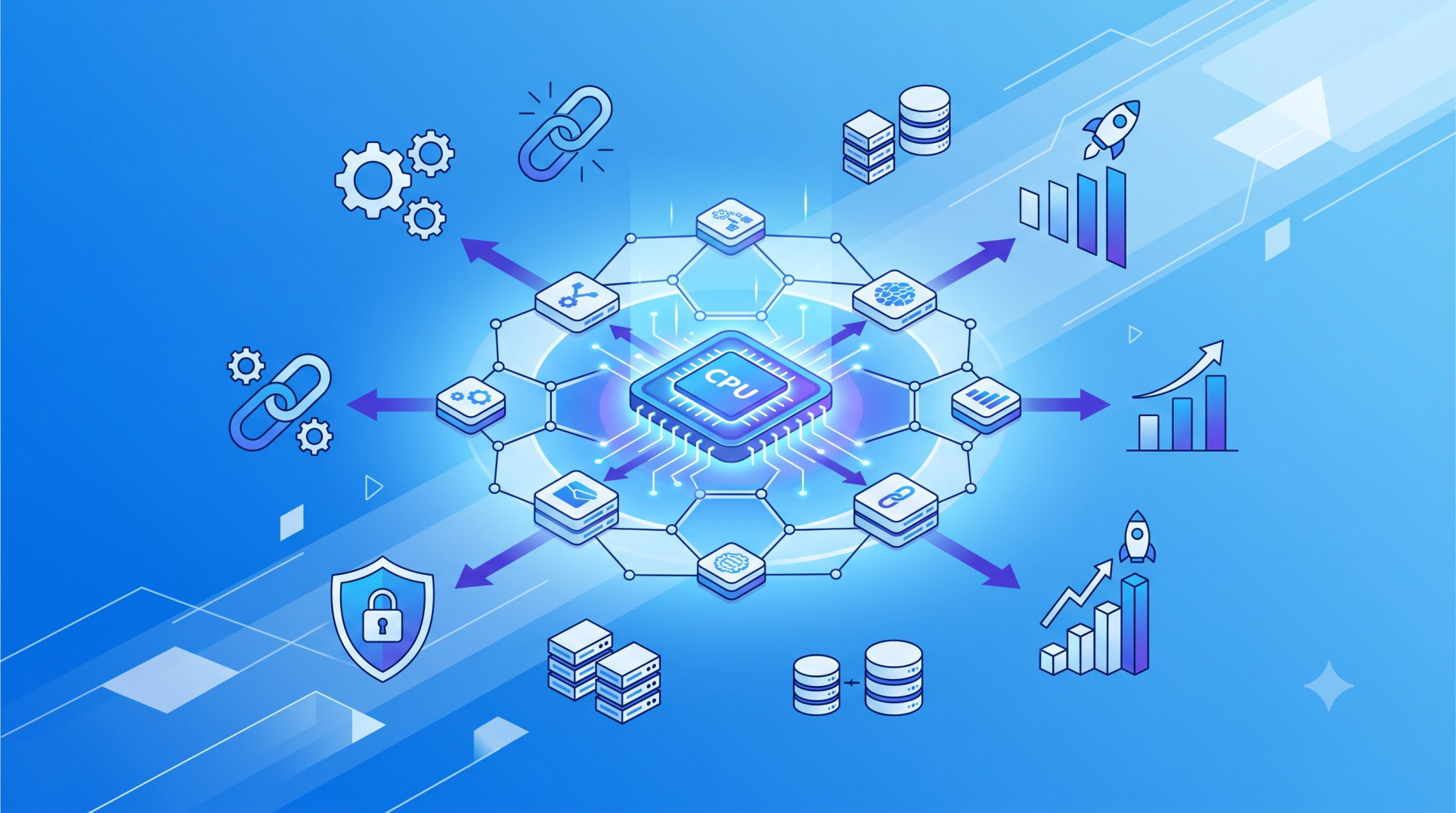
• Secure integration with business systems 🔗
• Real-time access to organizational knowledge 📚
• Scalable AI capabilities that support business growth 📈
Step 9: Managing Process Changes and Exceptions 🔄
• Adapt workflows to changing business requirements 📋
• Handle unexpected operational scenarios intelligently ⚠️
• Route exceptions to the appropriate teams 👨💼
• Maintain business continuity during process changes 🔧
• Continuously refine AI-assisted workflows for better outcomes 💪
Step 10: Building an AI-Enabled Enterprise 🌟
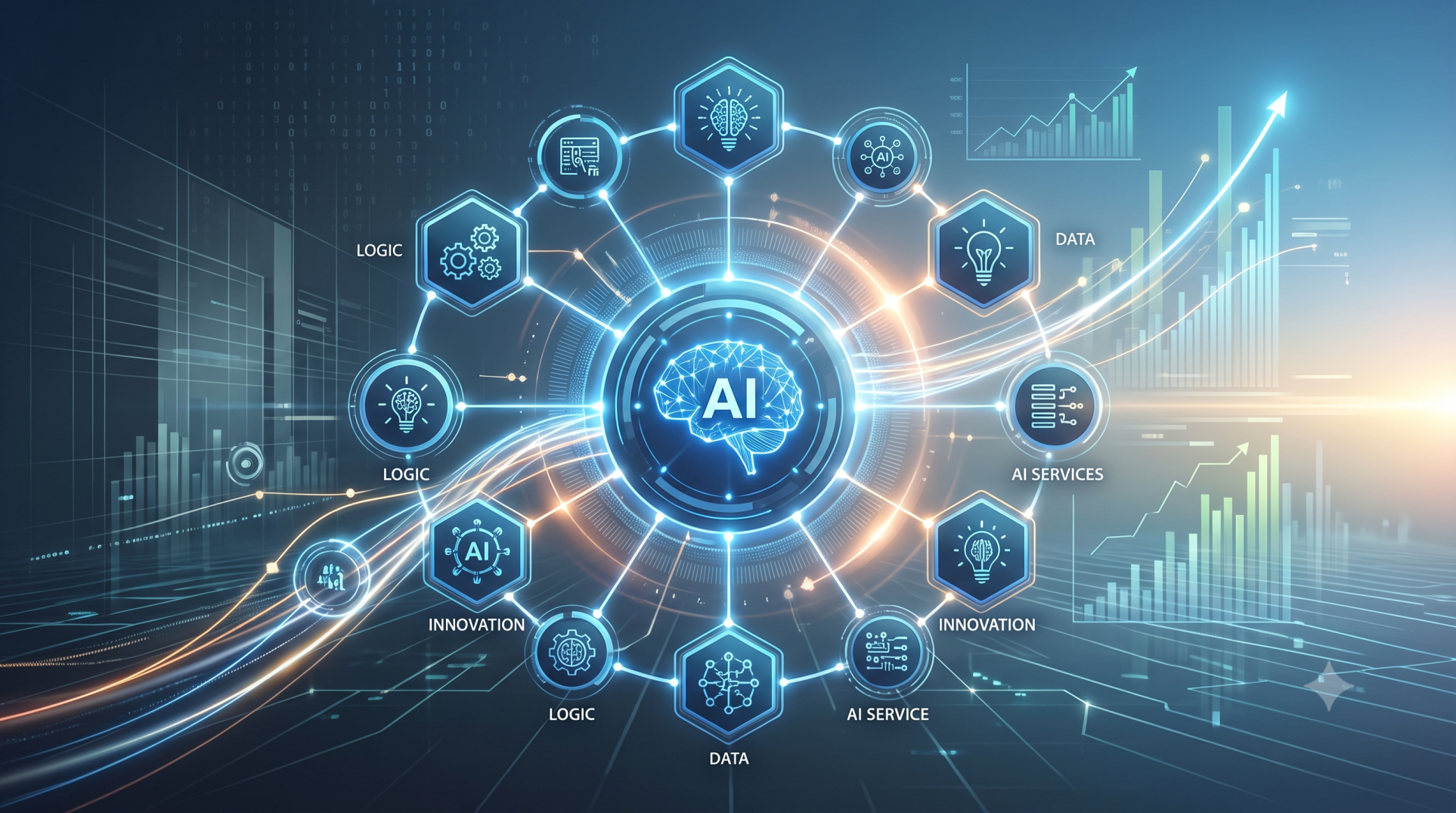
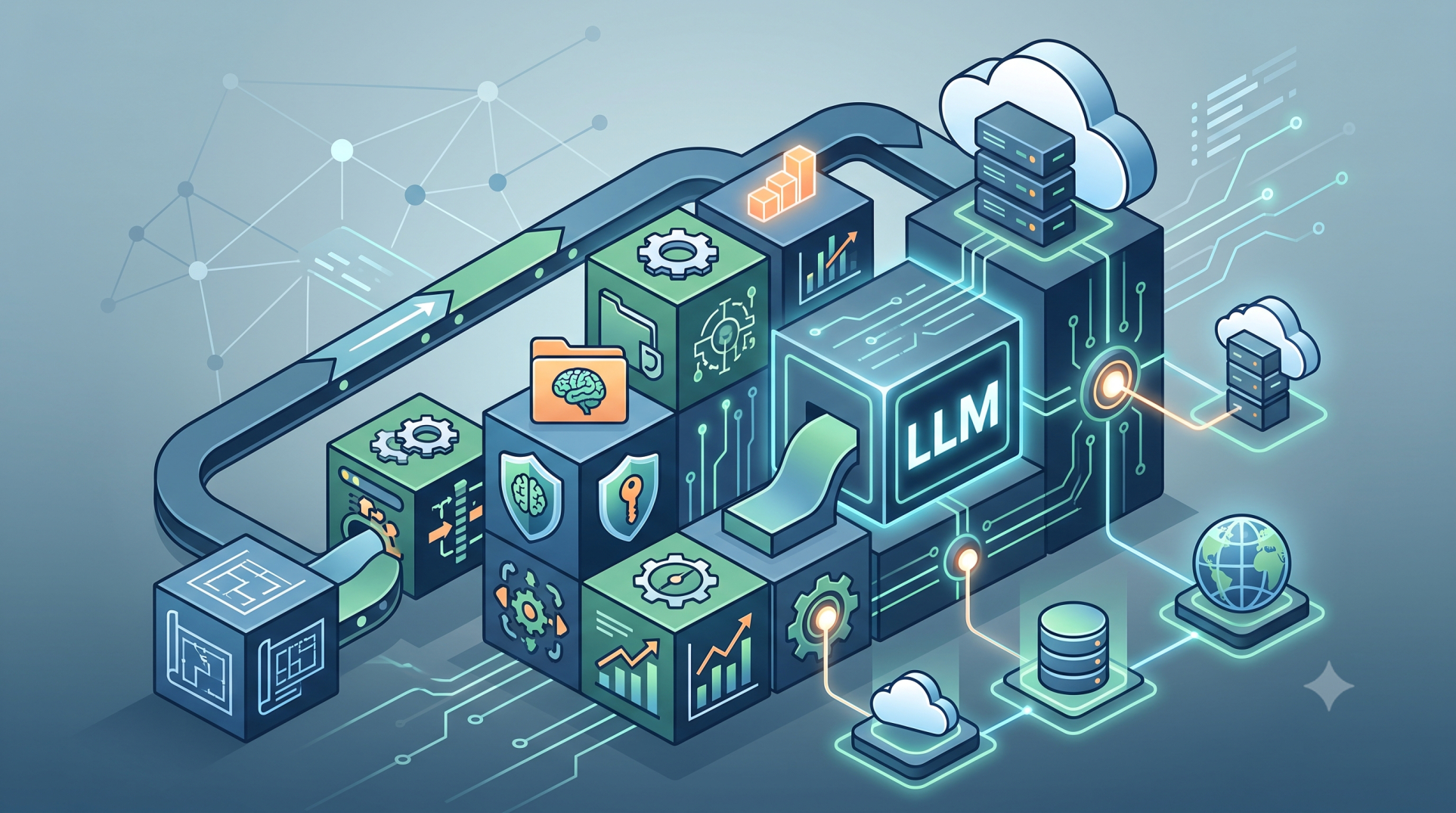
• Develop modular LLM applications for long-term scalability 🏗️
• Expand AI capabilities across multiple business functions 🌍
• Integrate emerging AI technologies with existing platforms 🤝
• Foster continuous innovation through intelligent automation 🚀
• Prepare the organization for future operational transformation 📈
Conclusion
LLM applications are becoming essential tools for enterprise process coordination by connecting business systems, automating knowledge-intensive work, and supporting informed decision-making. Through intelligent workflow automation, secure data integration, and real-time operational insights, organizations can improve collaboration, increase efficiency, and respond more effectively to changing business needs. As AI capabilities continue to advance, LLM-powered coordination will play a central role in building smarter, more connected, and future-ready enterprises.
See more blogs
You can all the articles below