Self-Configuring Modules in Next-Generation LLM Platforms
Self-Configuring Modules in Next-Generation LLM Platforms
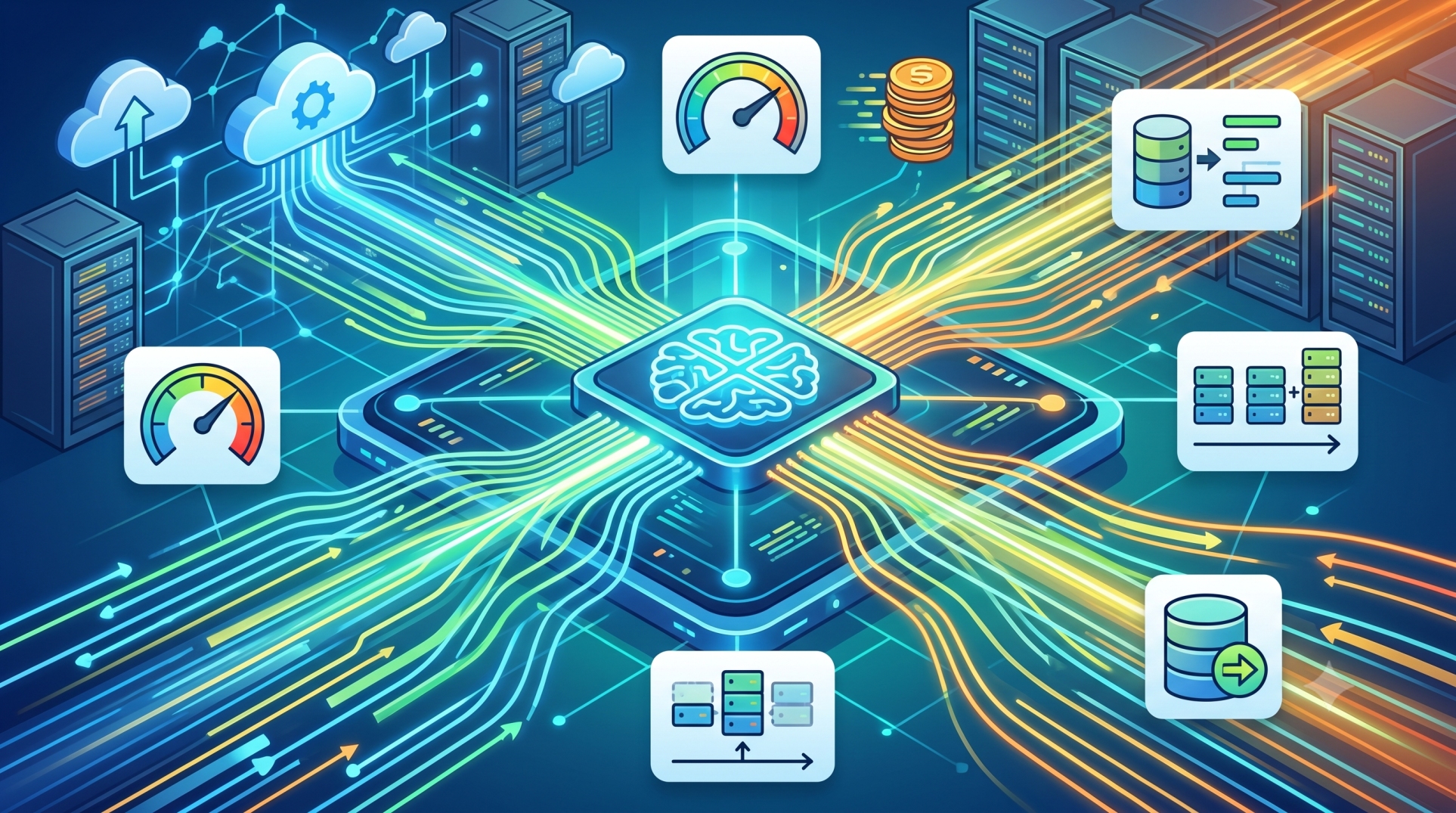
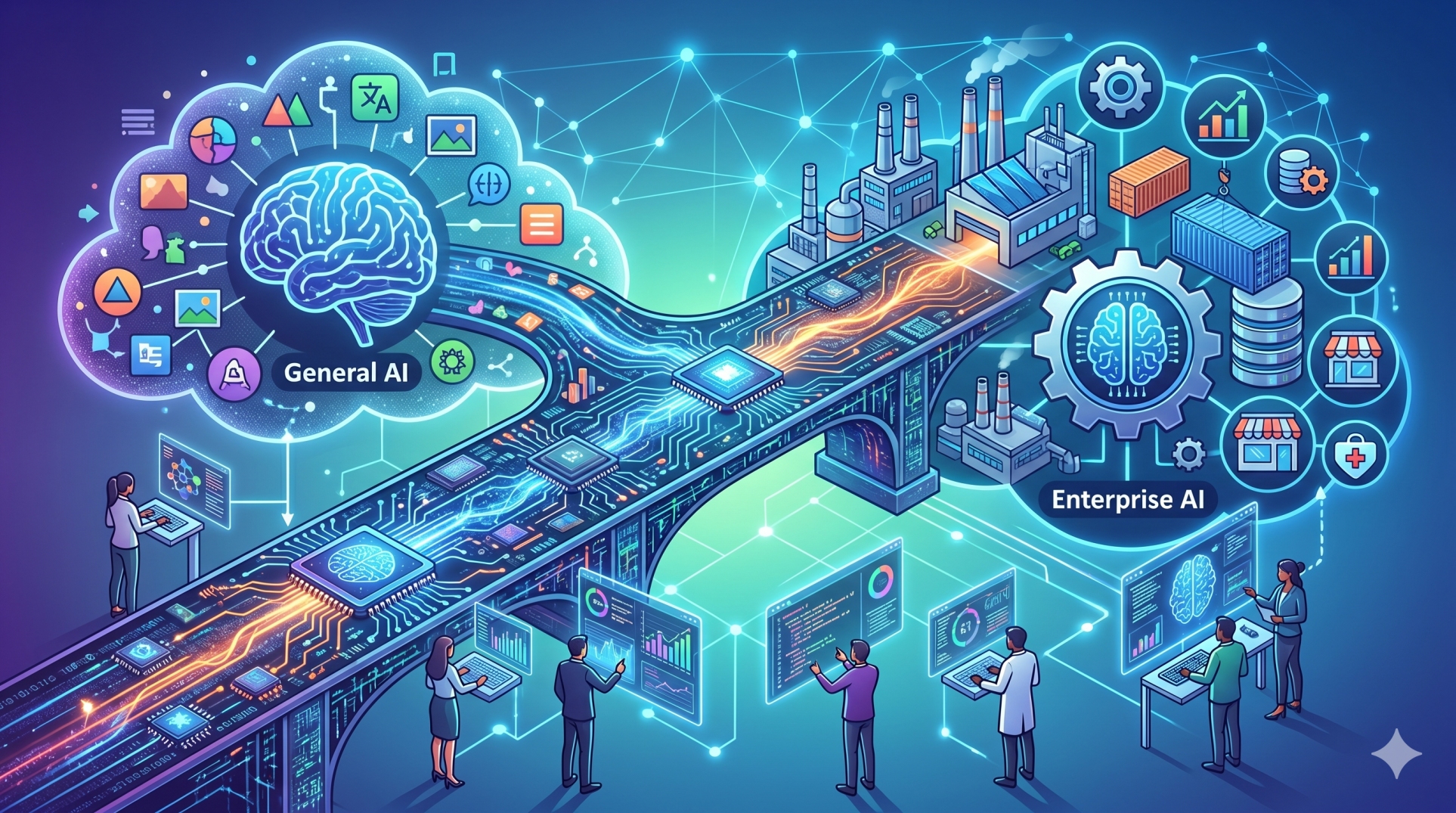
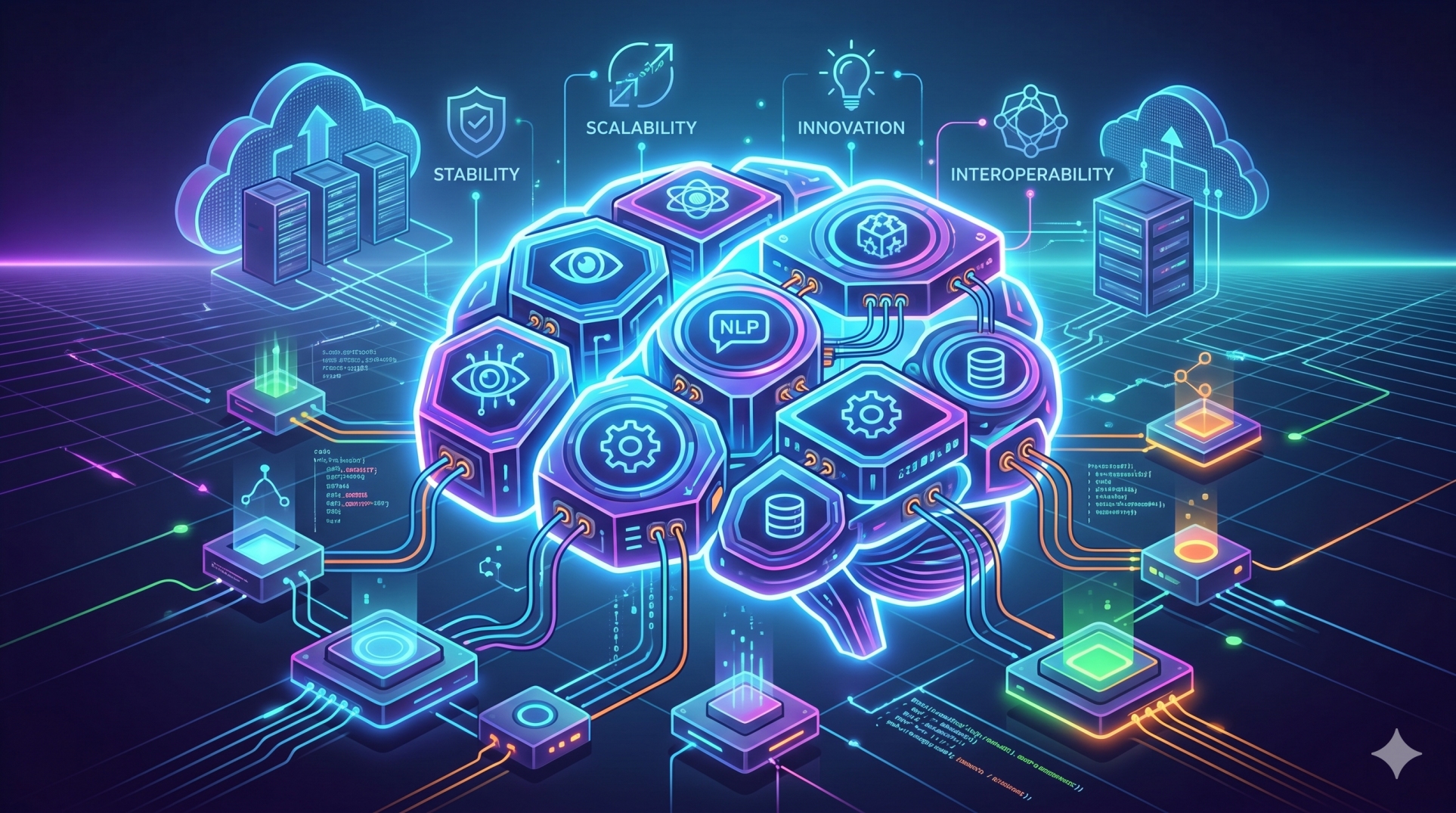
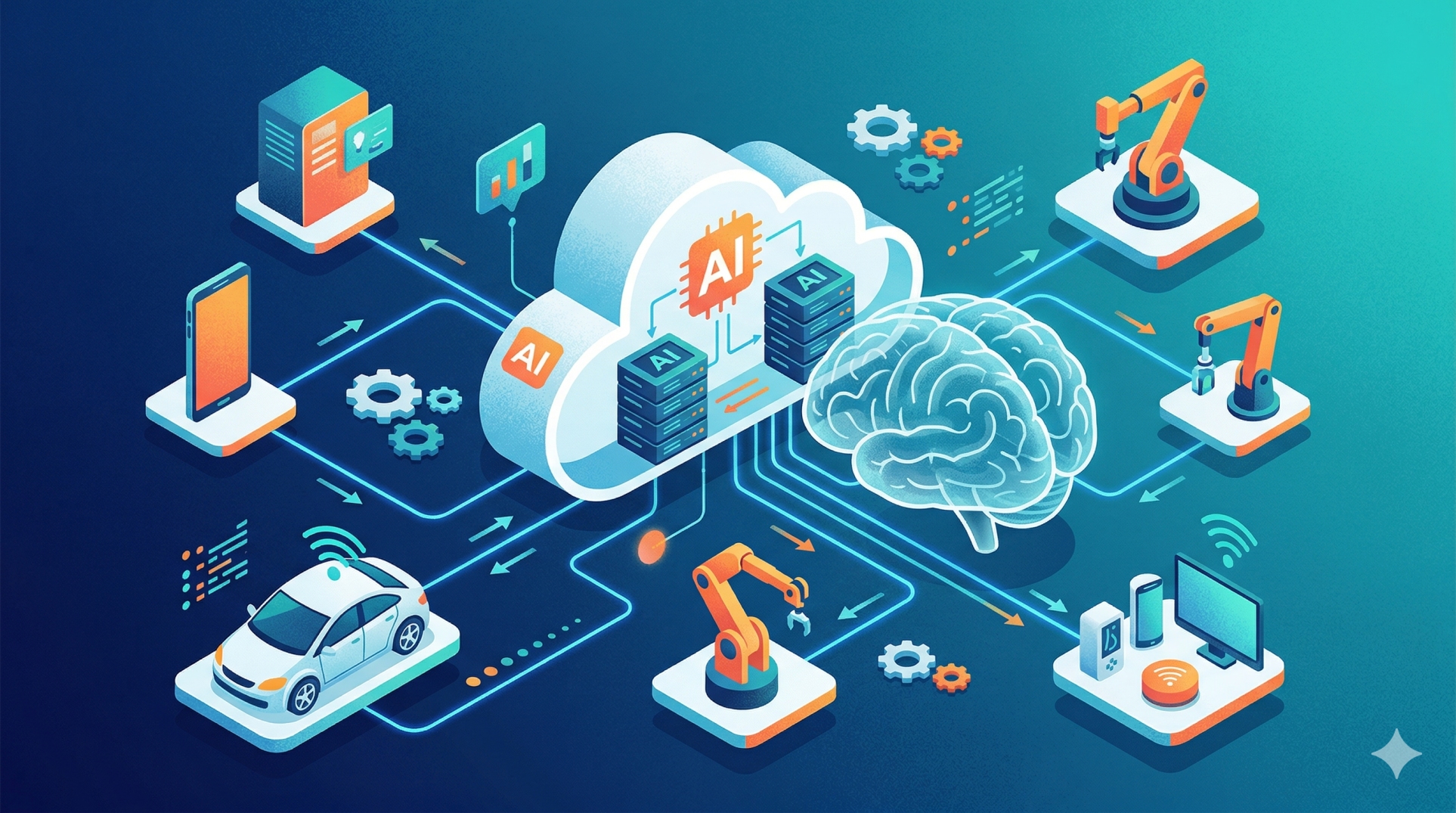
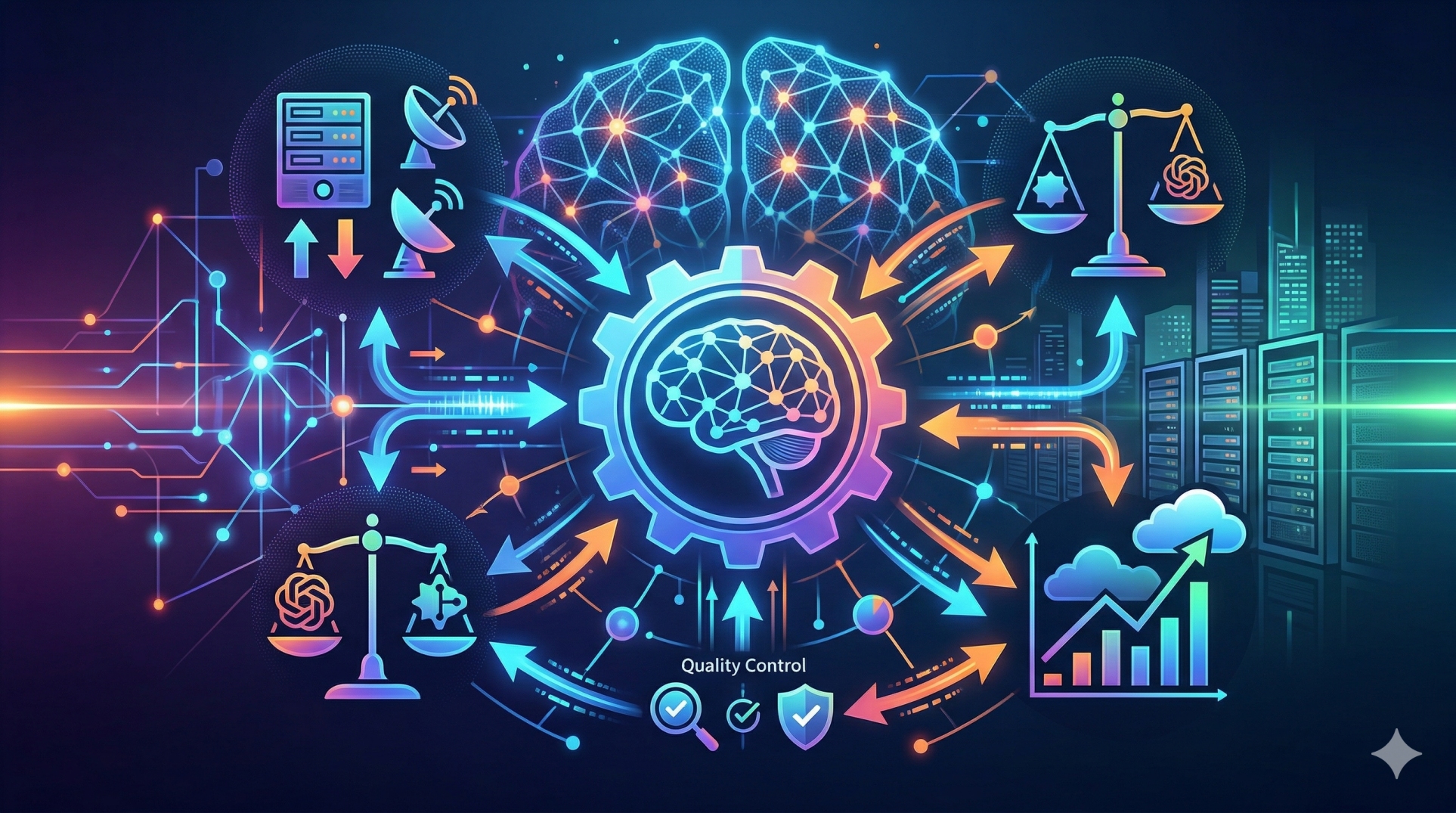
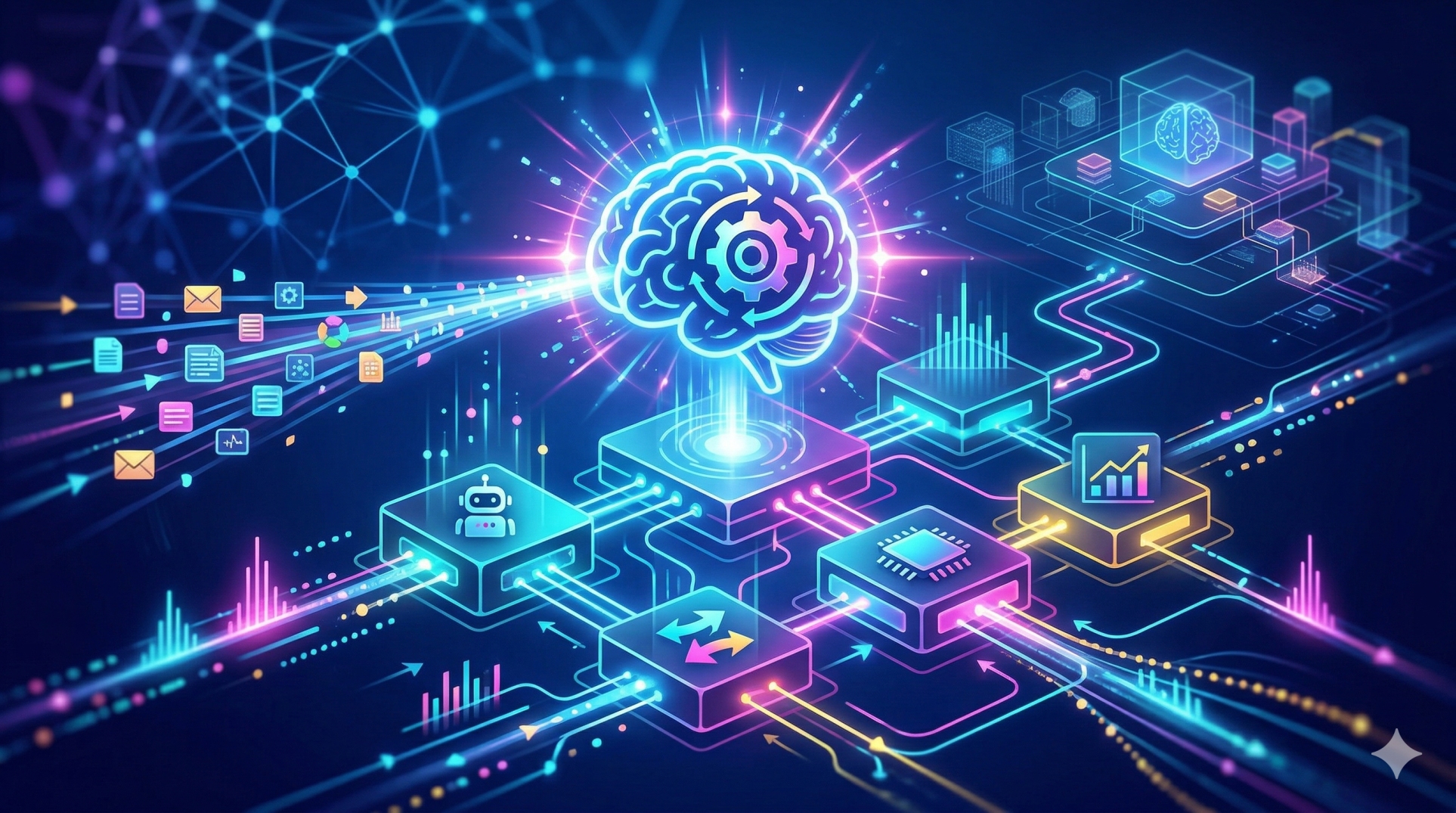
As Large Language Model (LLM) platforms evolve, static architectures are giving way to more adaptive and intelligent systems. One of the most impactful advancements is the emergence of self-configuring modules—components that dynamically adjust their behavior, parameters, and interactions based on context, workload, and user intent. These modules enable LLM platforms to become more scalable, efficient, and resilient in real-world deployments.
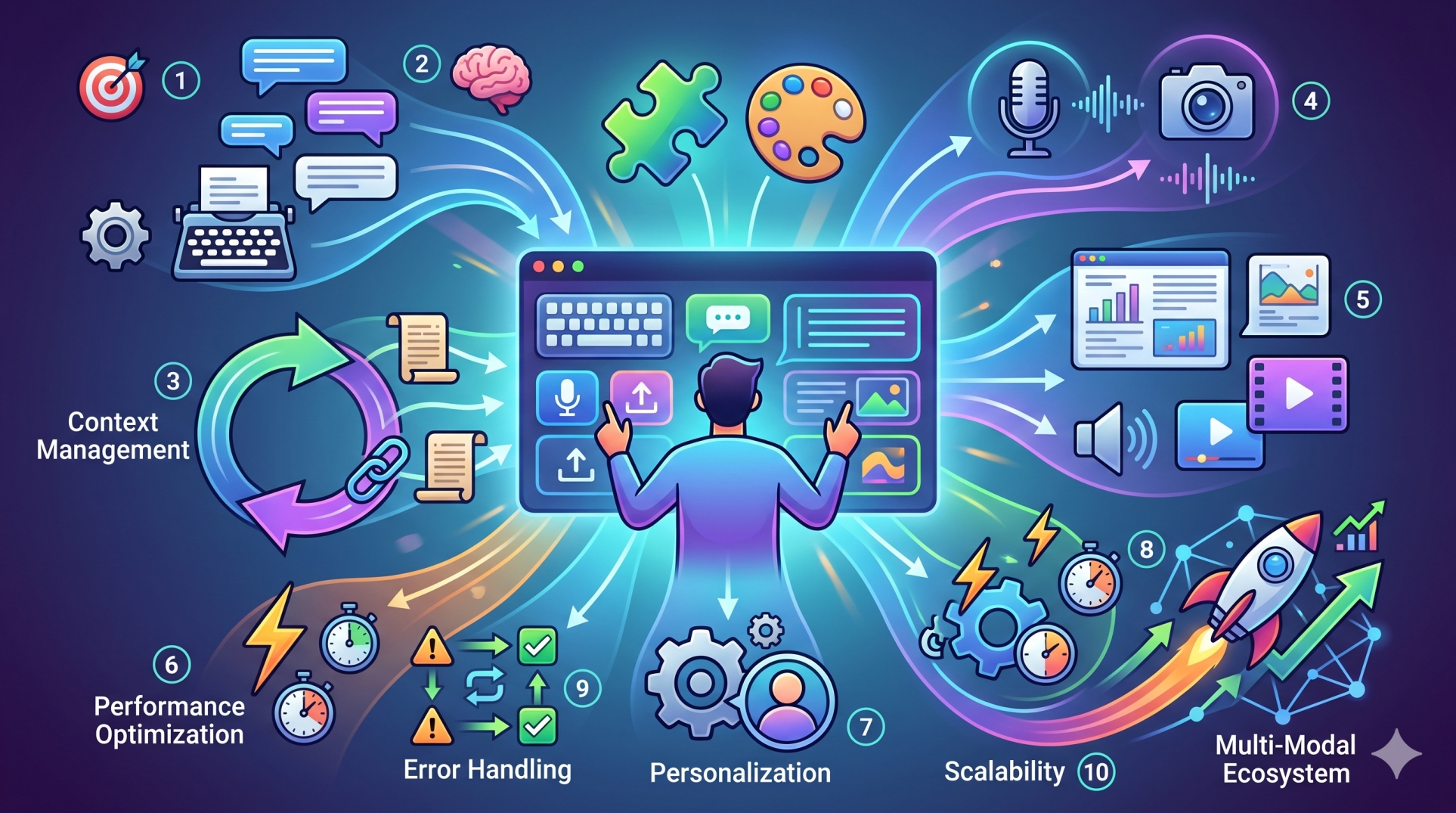
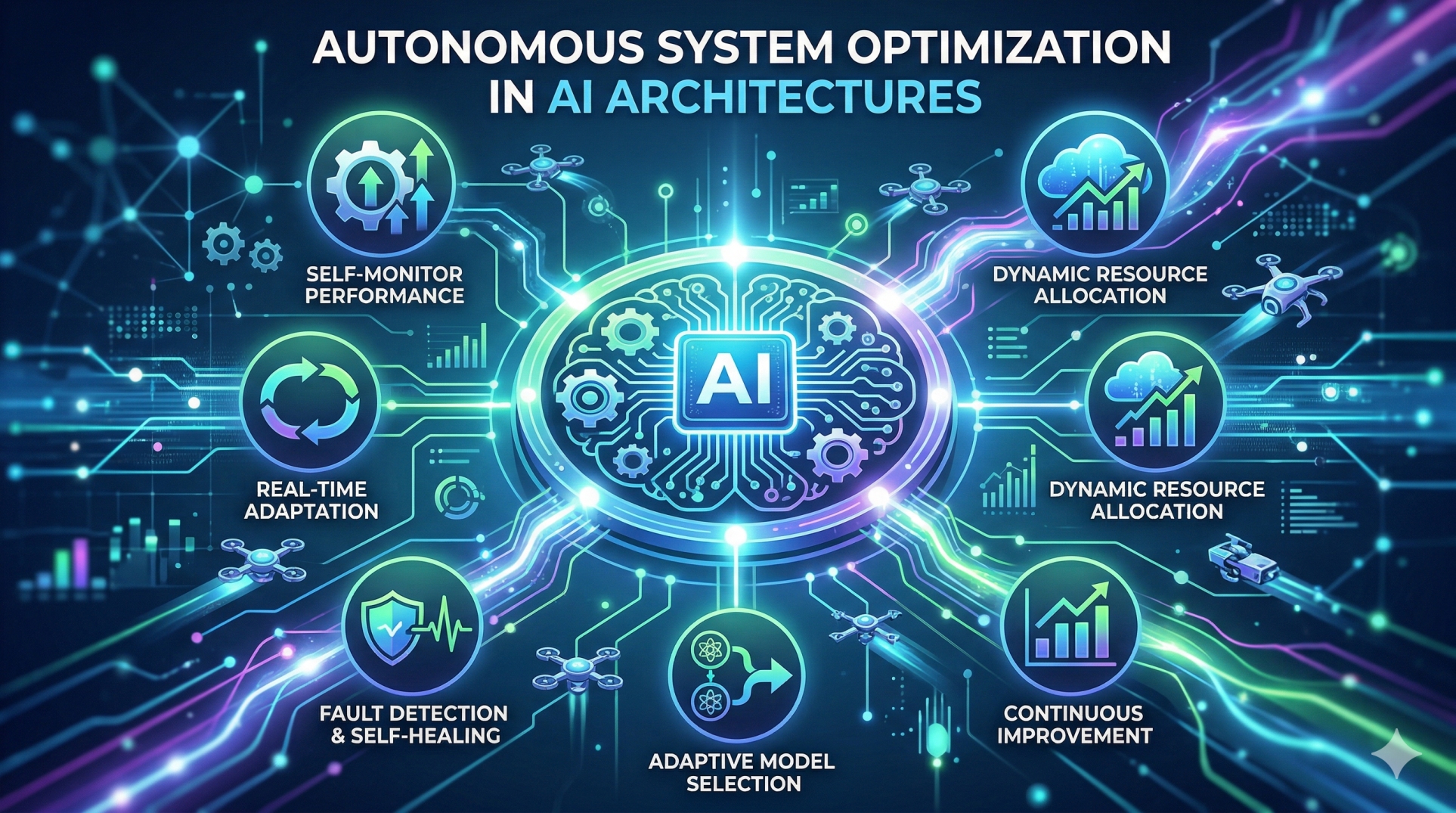
Step 1: Understanding Self-Configuring Modules 🧠
• Modules automatically adjust configurations without manual intervention 🤖
• Adapt behavior based on input type, workload, and context 🔄
• Optimize internal parameters for performance and accuracy ⚙️
• Reduce dependency on static rule-based configurations 📉
• Enable intelligent system-level adaptability across workflows 🌐
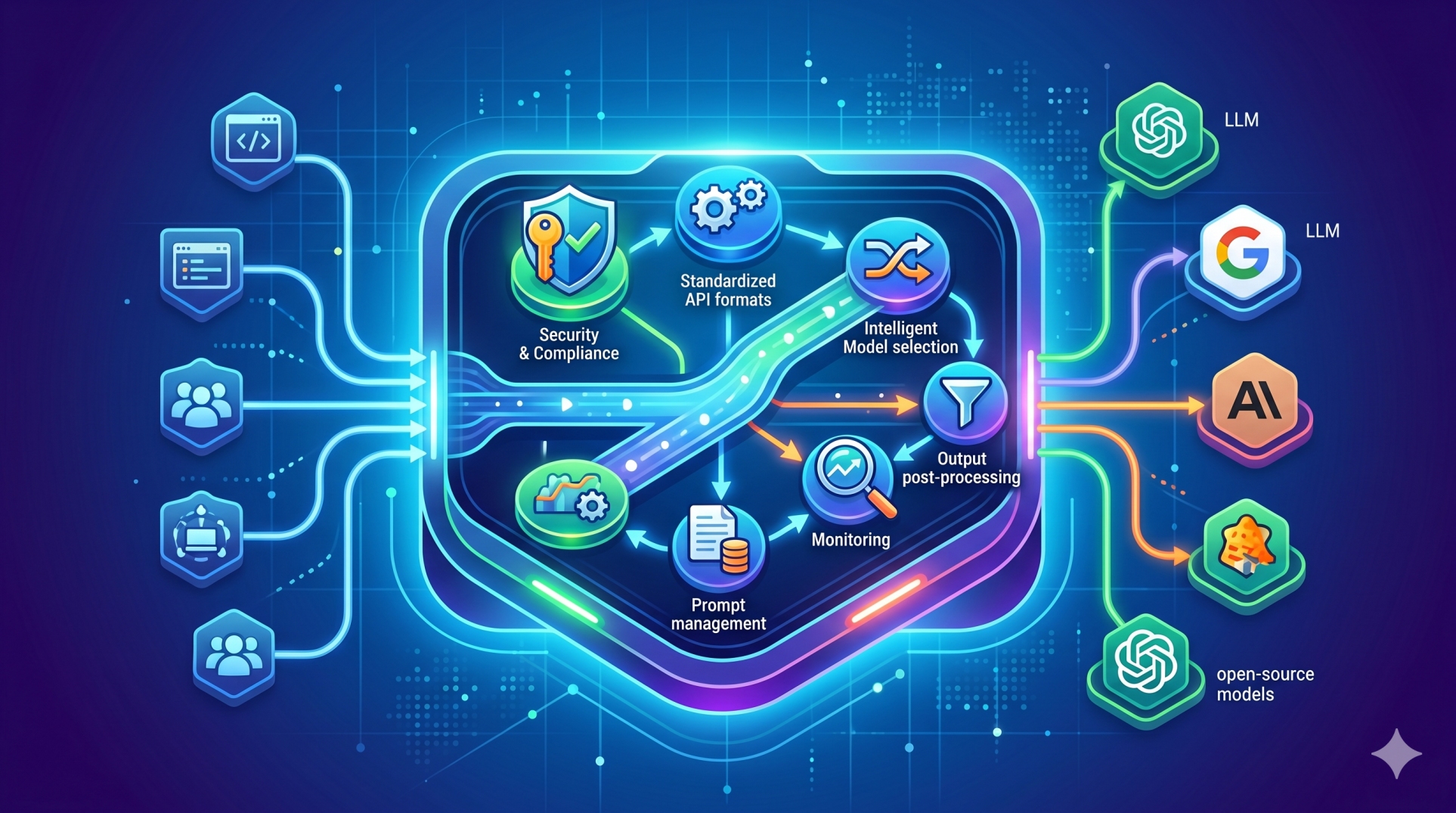
Step 2: Dynamic Model Routing and Selection 🔀
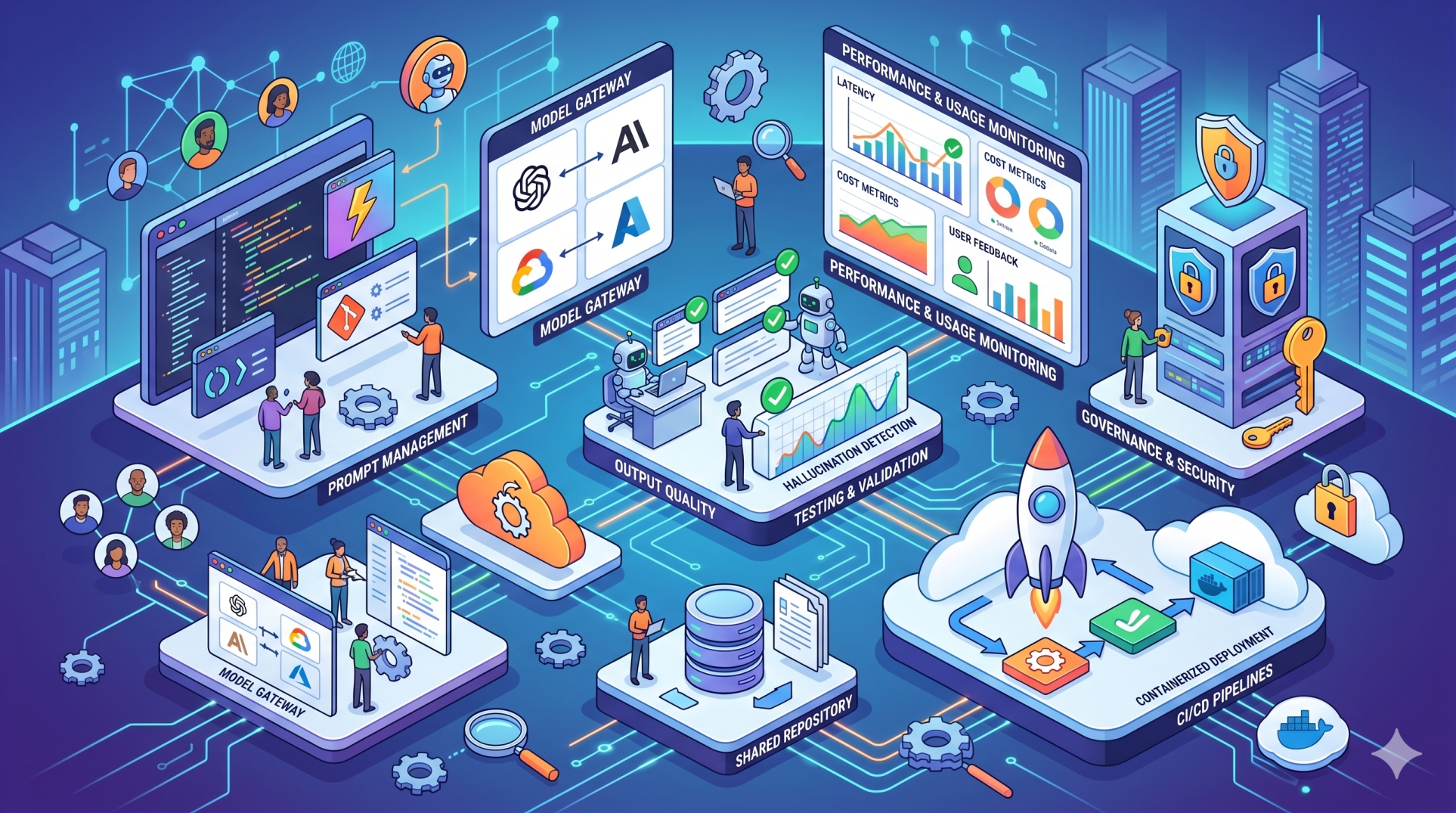
• Route queries to the most suitable model or sub-module dynamically 🎯
• Select models based on complexity, latency, or cost constraints 💡
• Enable fallback mechanisms for error handling or low-confidence outputs 🔁
• Optimize resource utilization across multiple models 📊
• Improve response quality through context-aware routing 🚀
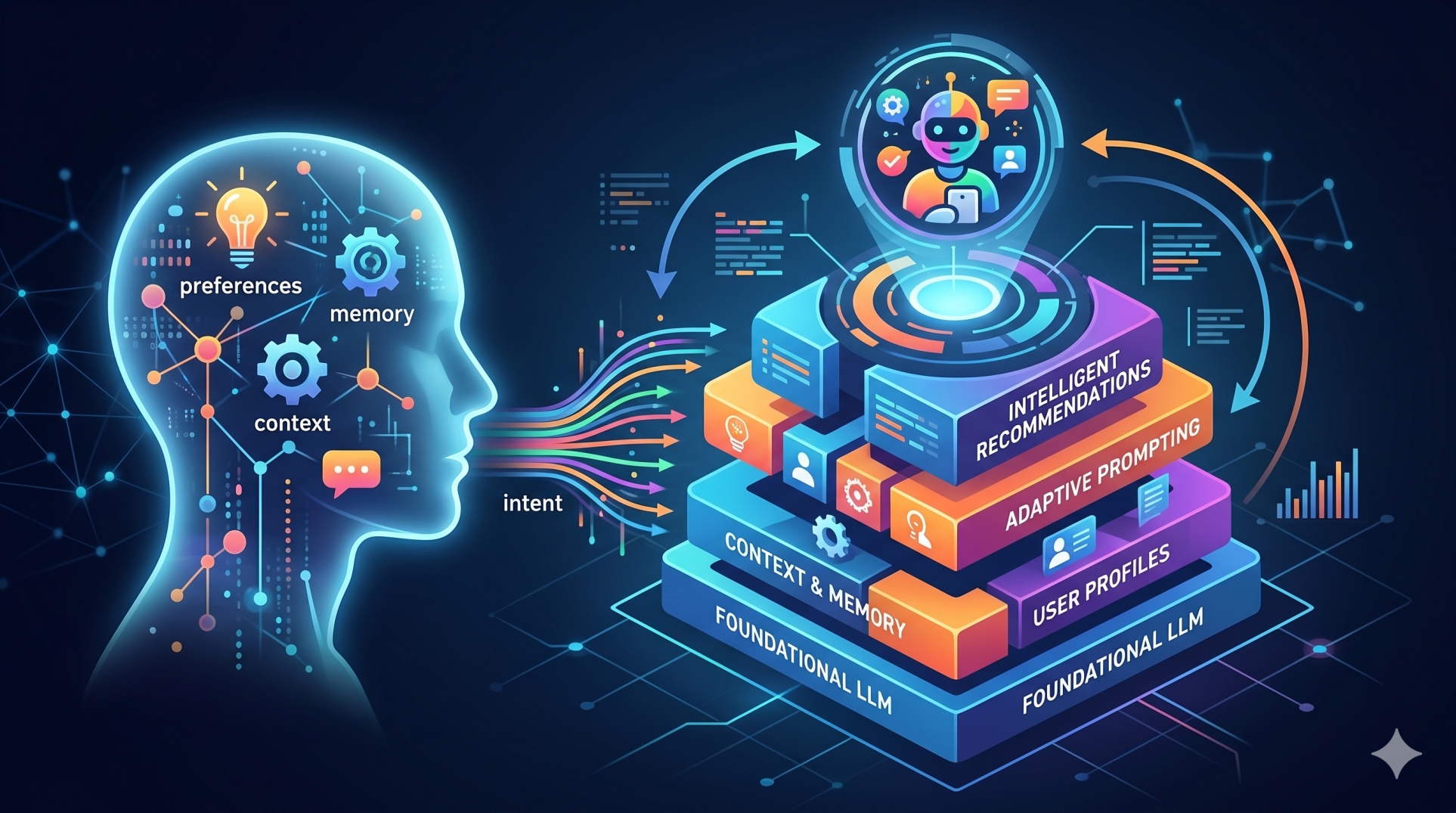
Step 3: Adaptive Prompt Construction ✍️
• Automatically generate and refine prompts based on task requirements 🧩
• Adjust prompt structure depending on domain or user intent 🎯
• Incorporate historical interactions for better personalization 📚
• Optimize prompts for clarity, relevance, and efficiency ⚡
• Reduce manual prompt engineering efforts significantly 🤖
Step 4: Context-Aware Memory Management 🗂️
• Dynamically decide what information to retain or discard 🧠
• Adjust memory scope based on task complexity and duration ⏳
• Prioritize relevant context for improved response accuracy 🎯
• Prevent overload by filtering unnecessary data 🚫
• Balance short-term and long-term memory effectively ⚖️
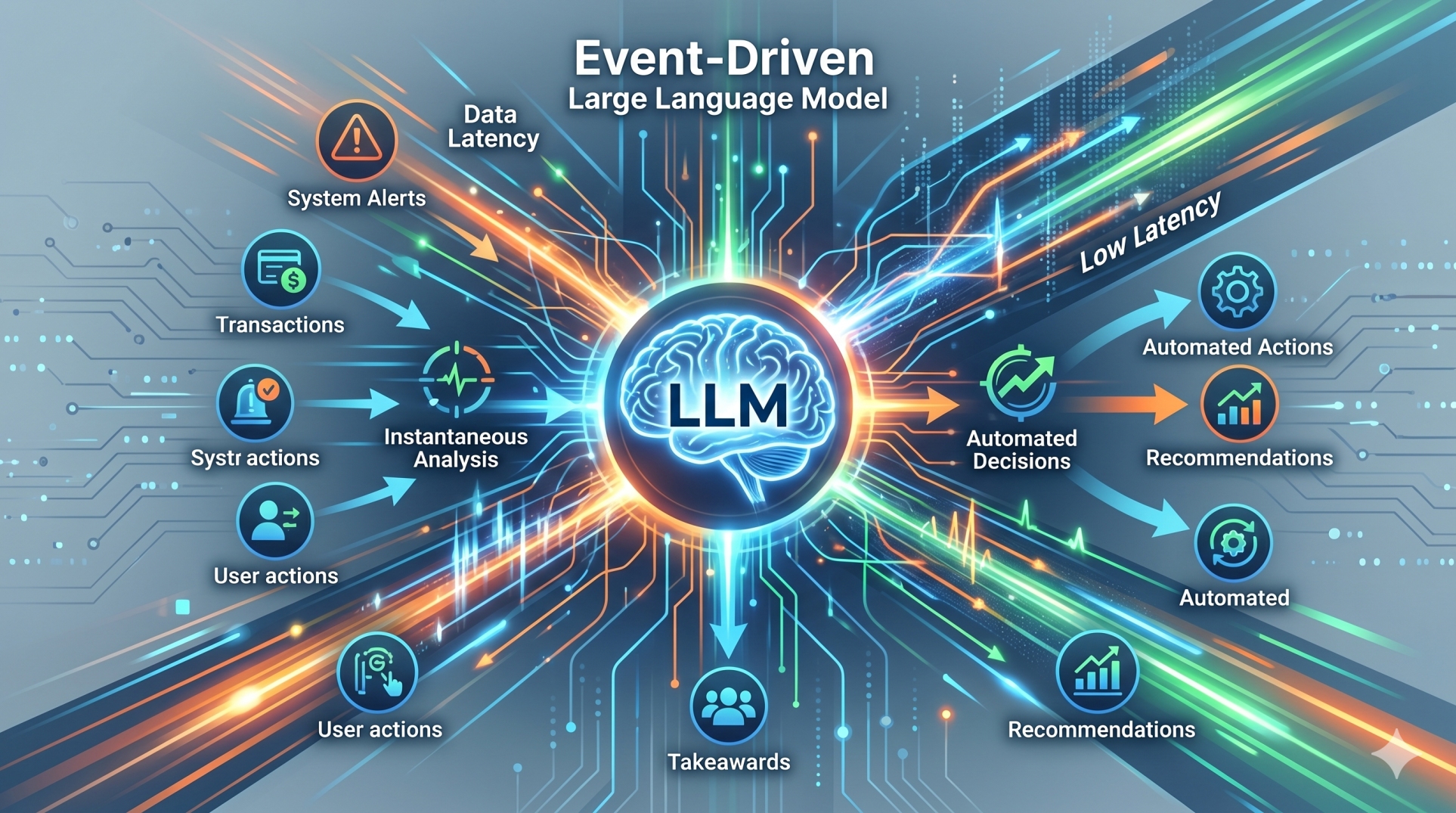
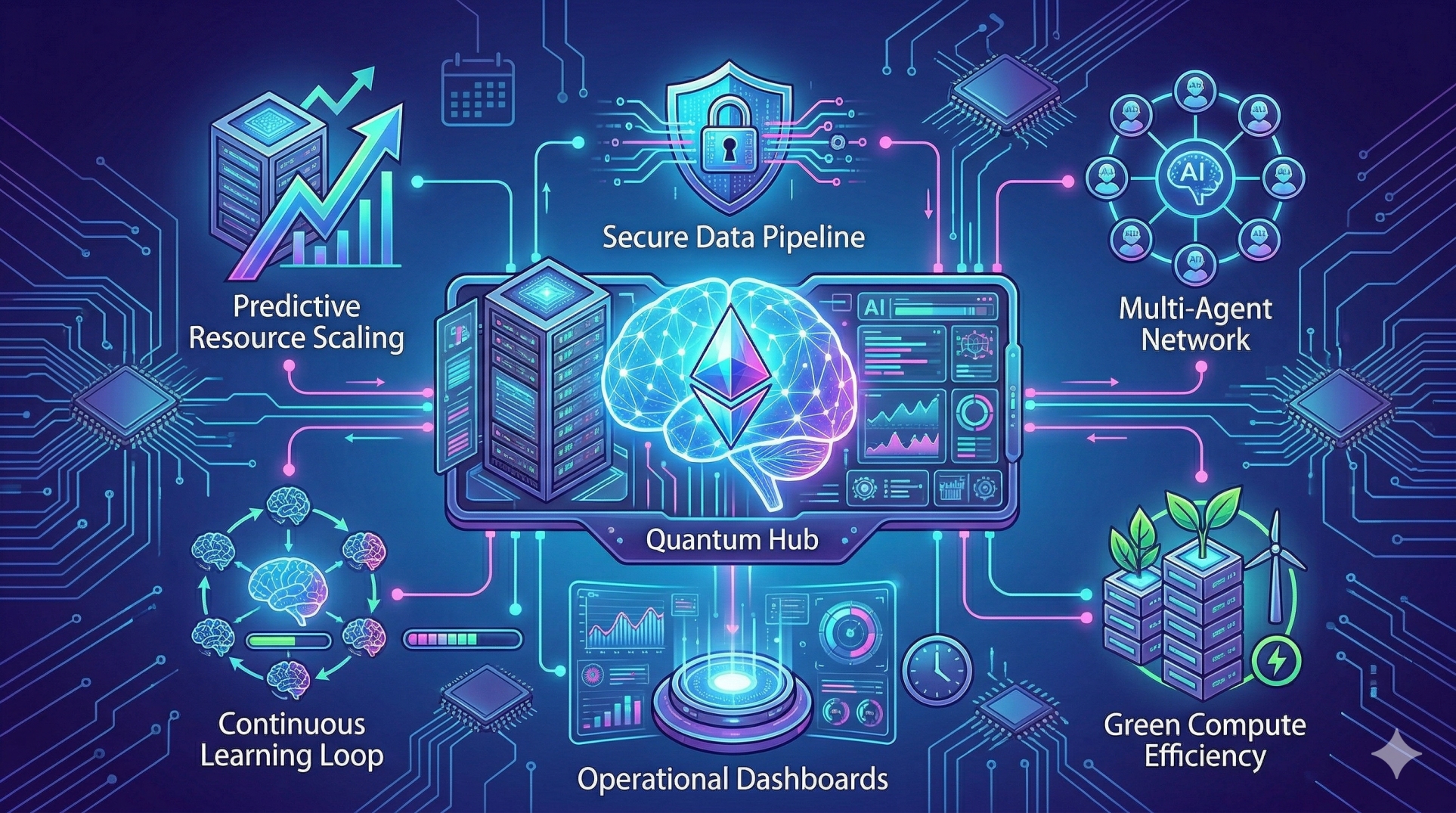
Step 5: Real-Time Performance Optimization 📈
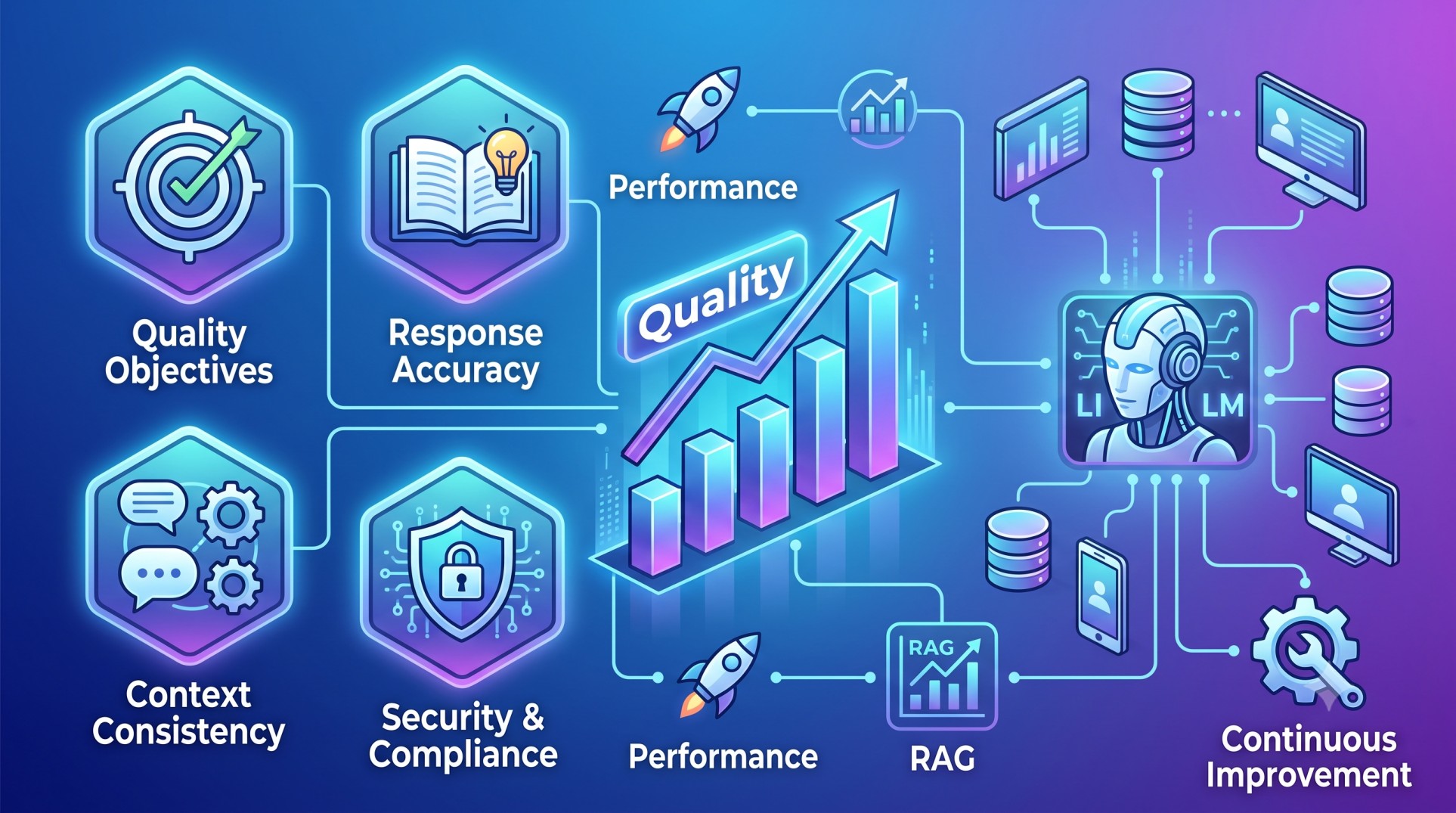
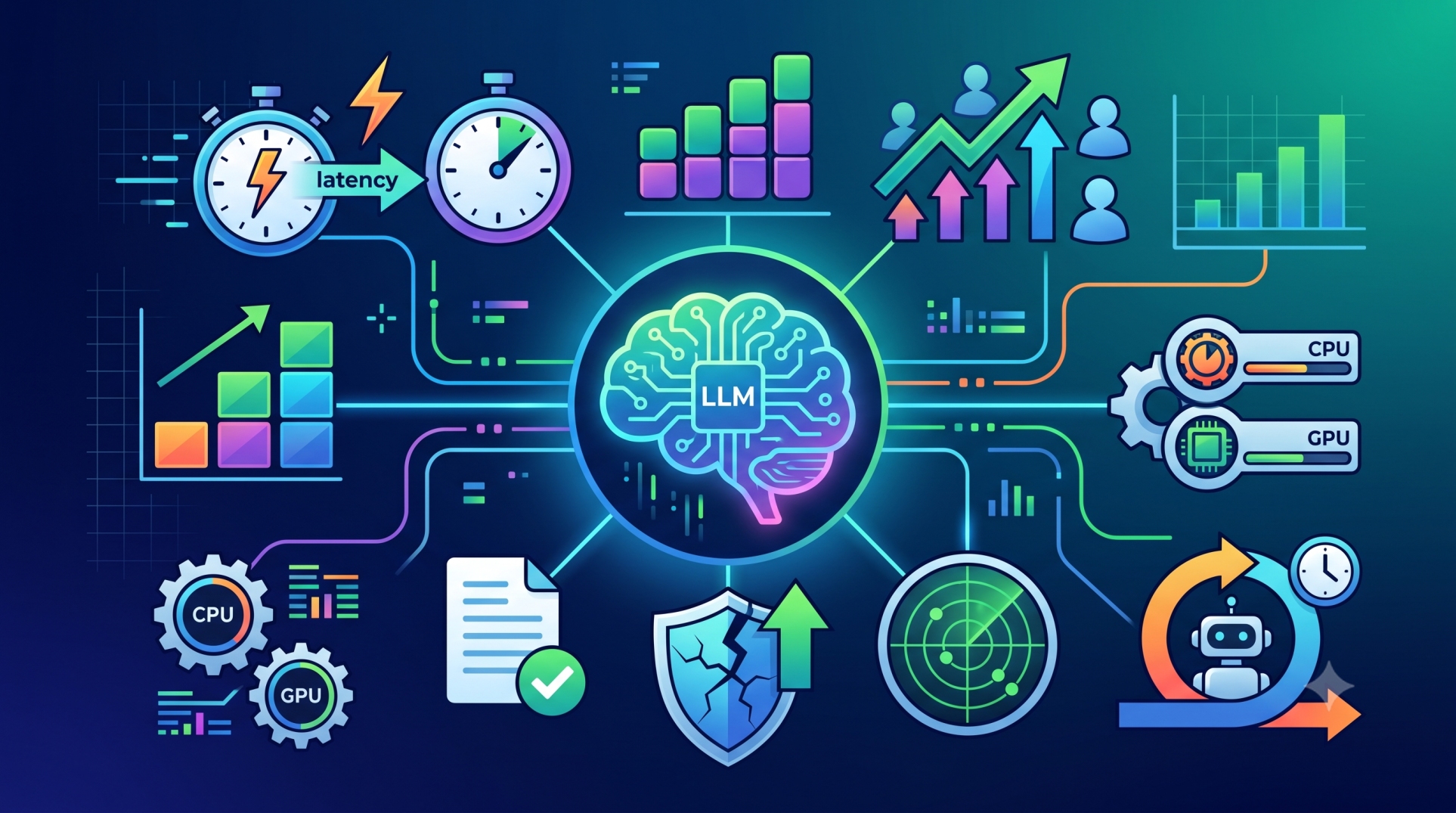
• Continuously monitor latency, accuracy, and resource usage ⏱️
• Adjust module configurations to meet performance targets 🎯
• Scale resources dynamically based on demand 📦
• Optimize inference pipelines for efficiency ⚙️
• Enable self-tuning systems that improve over time 🔄
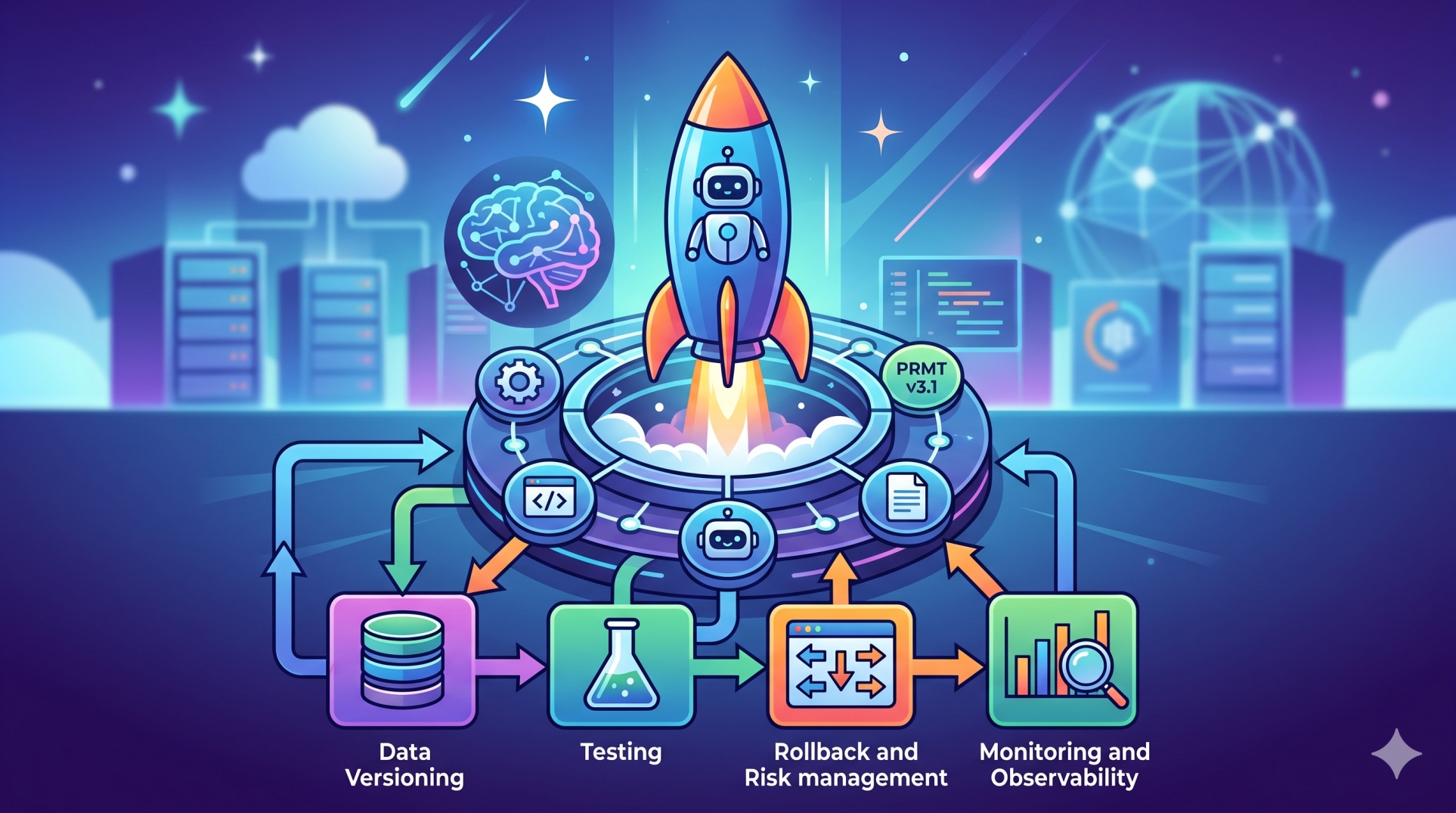
Step 6: Autonomous Error Handling and Recovery 🛠️
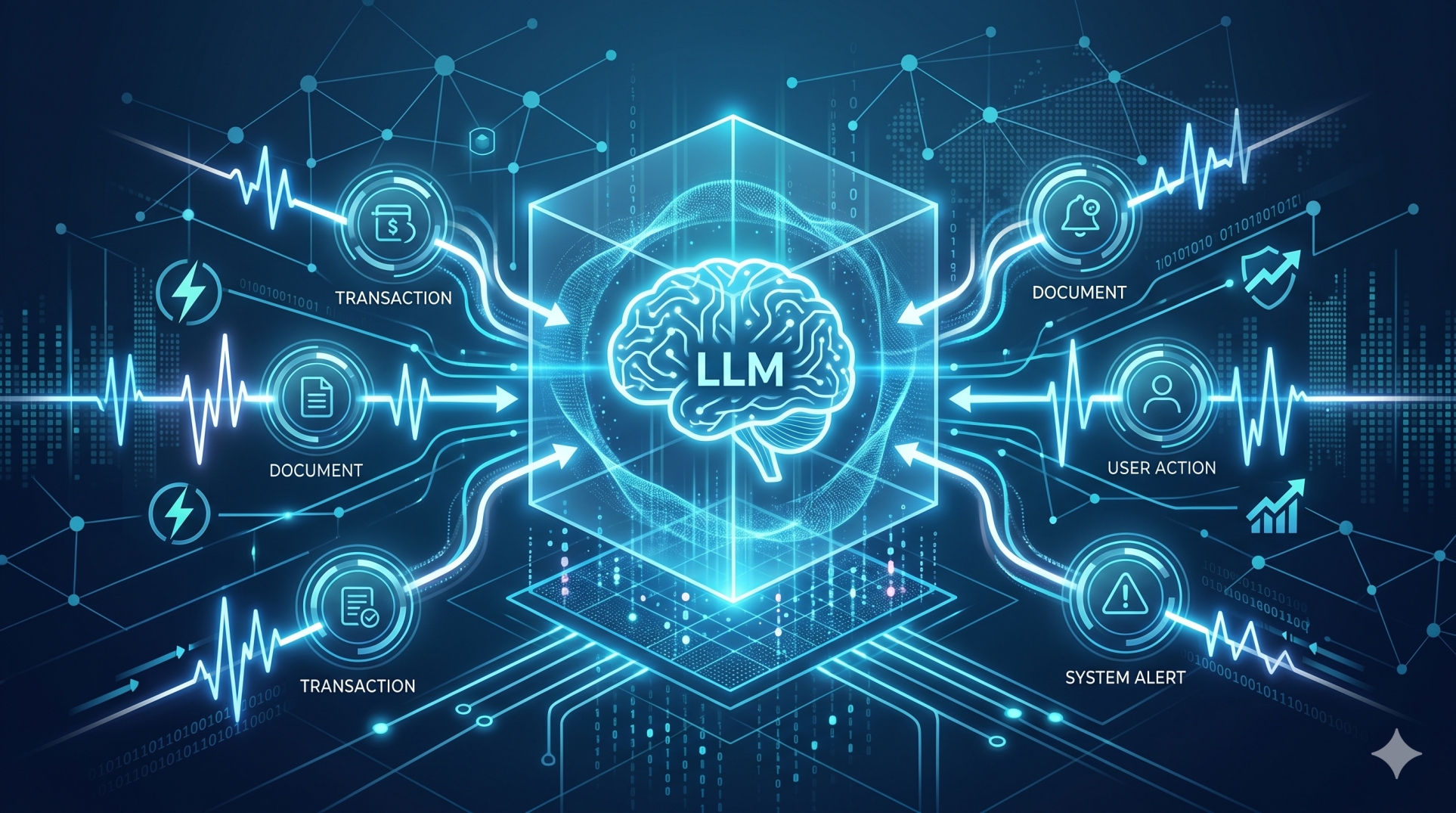
• Detect failures or inconsistencies in real time 🚨
• Automatically trigger fallback strategies or retries 🔁
• Reconfigure modules to bypass faulty components 🧩
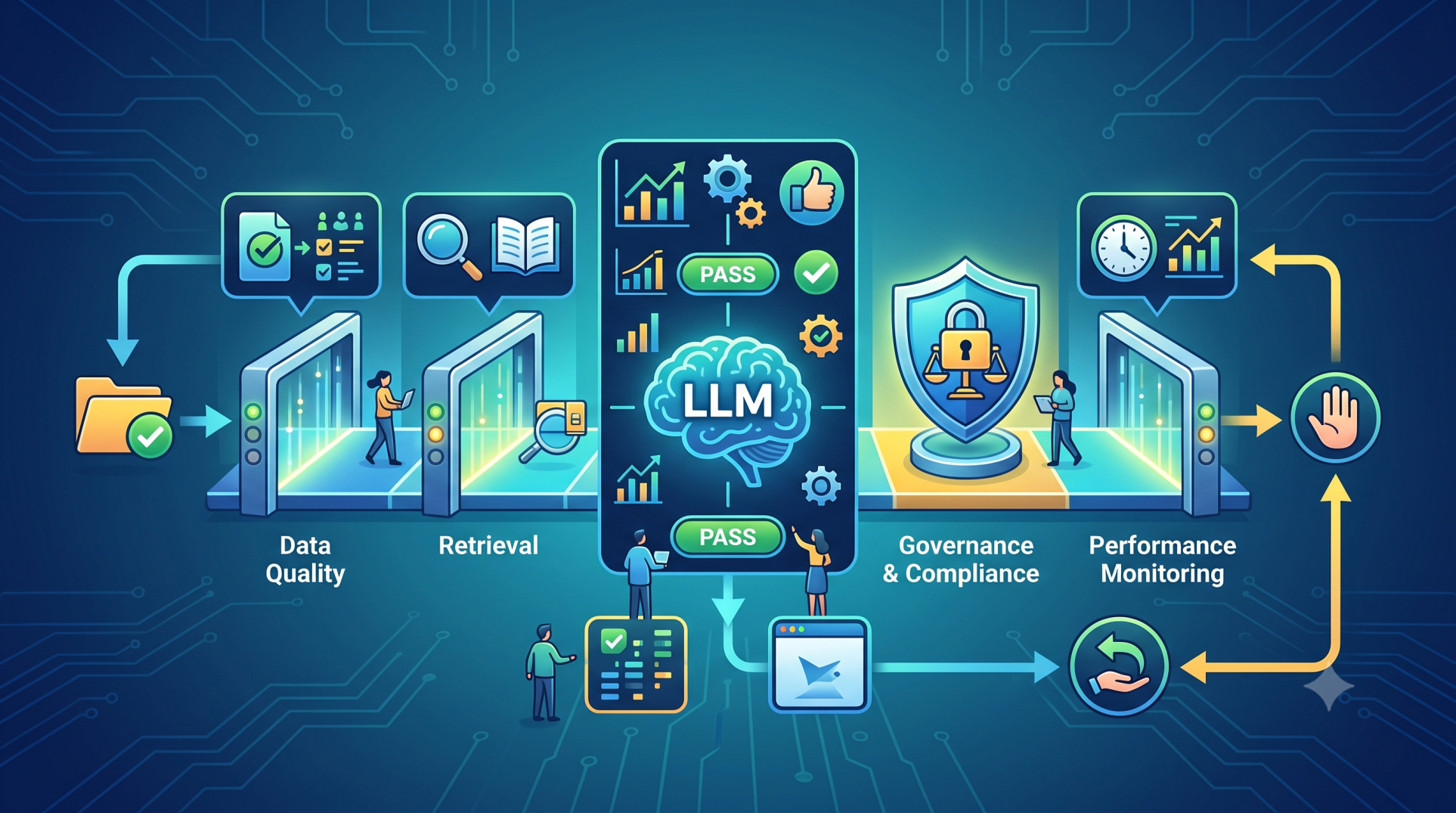
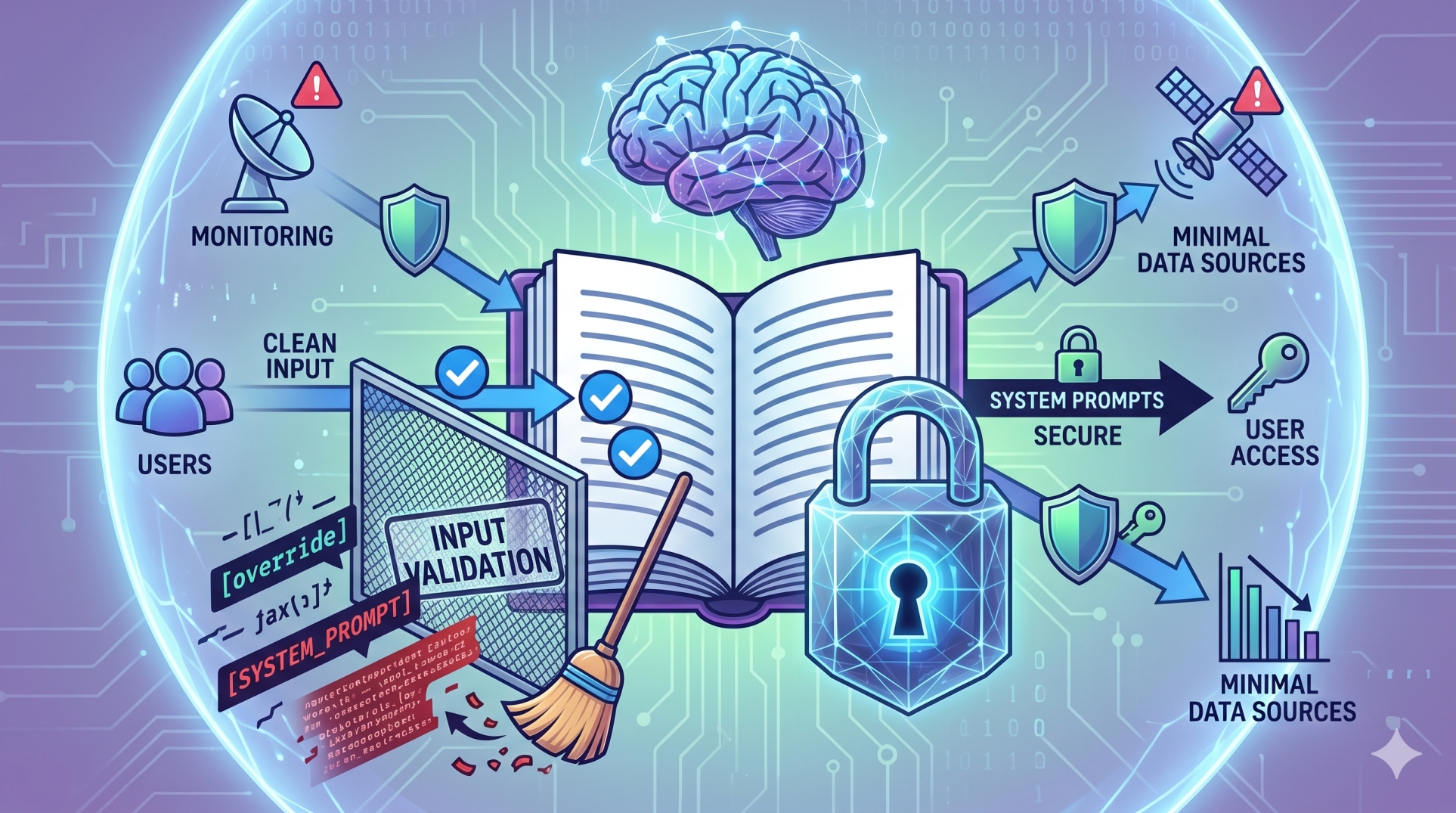
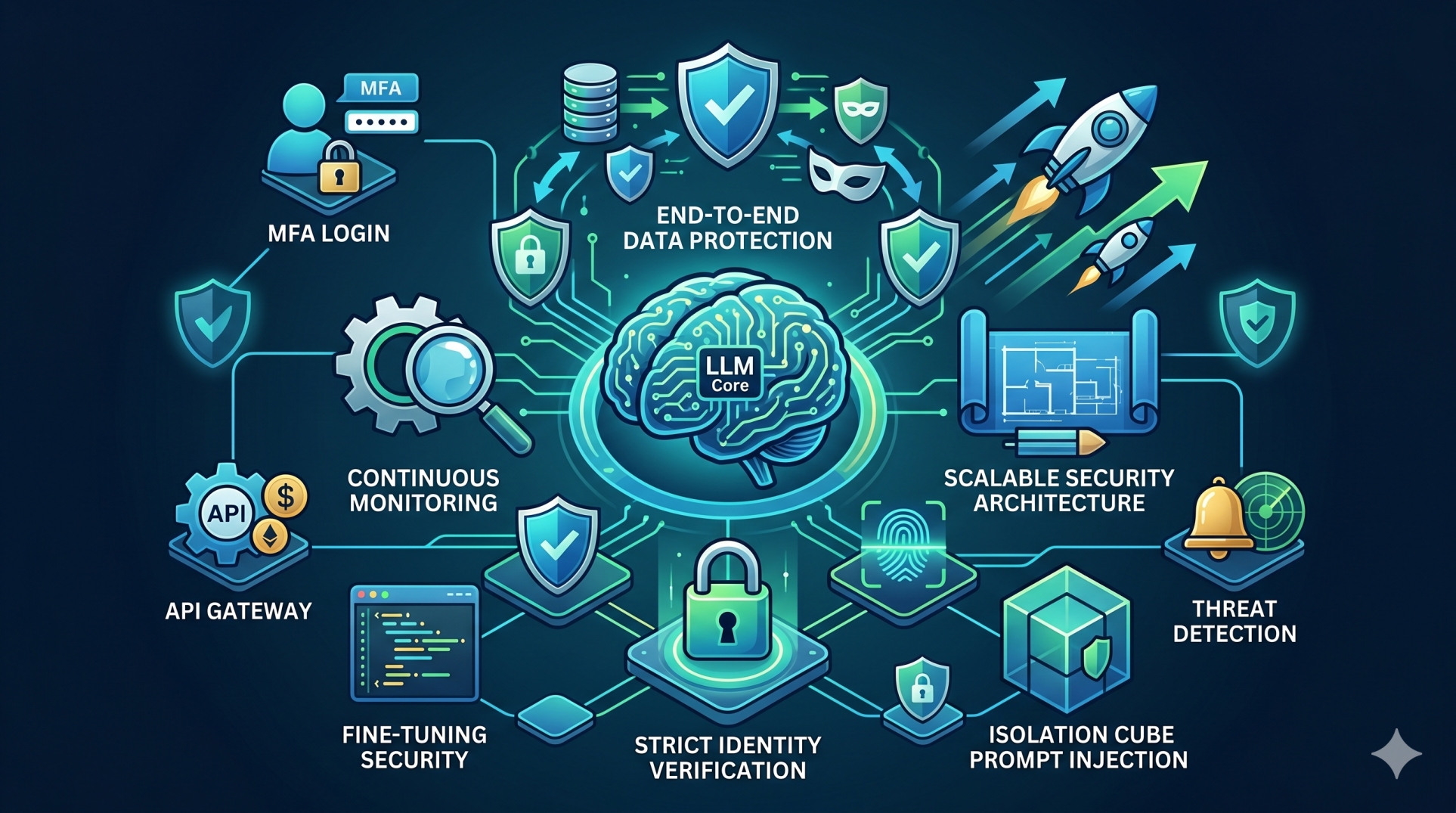
• Maintain system stability during unexpected issues 🛡️
• Reduce downtime through intelligent recovery mechanisms ⏳
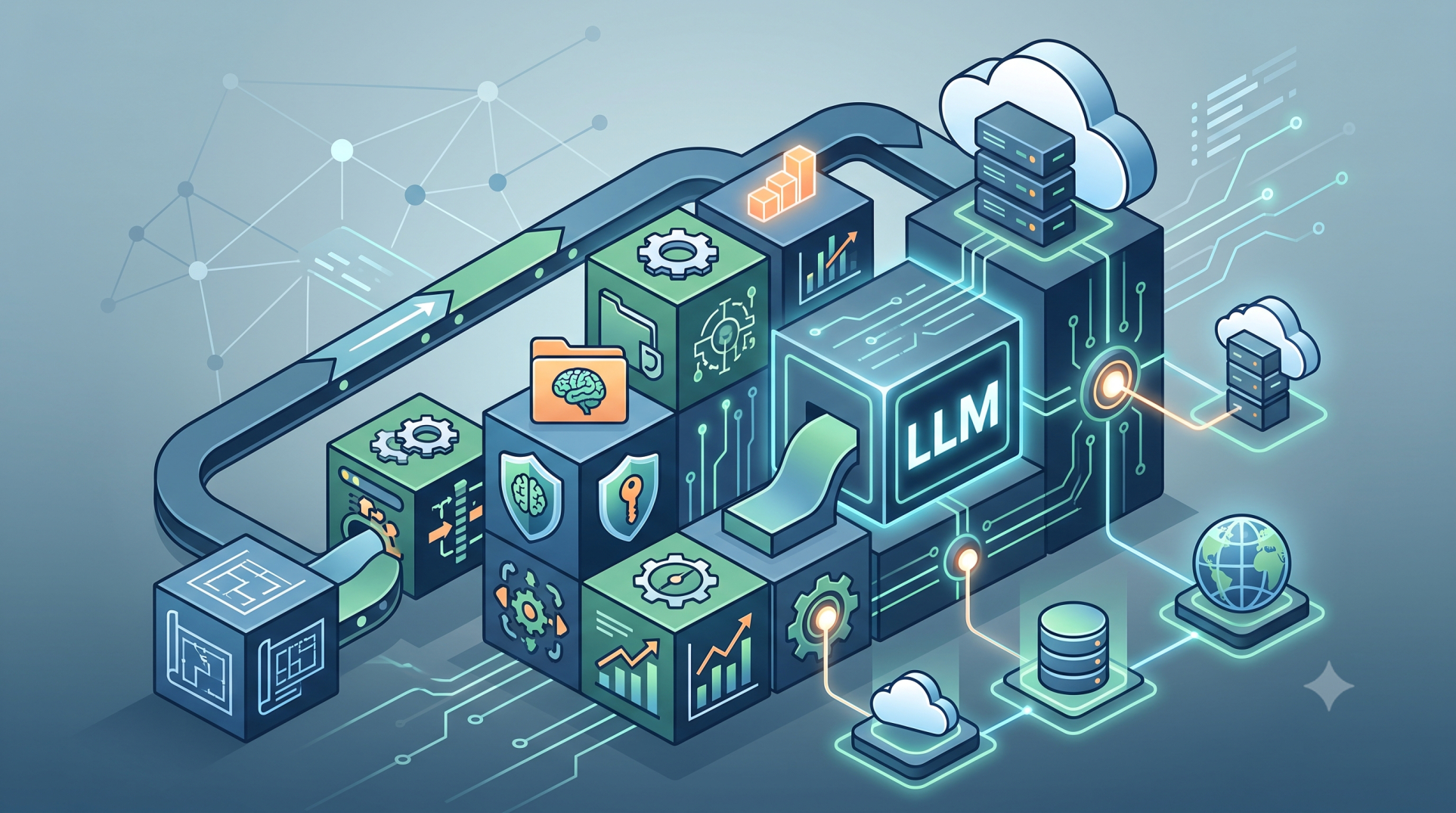
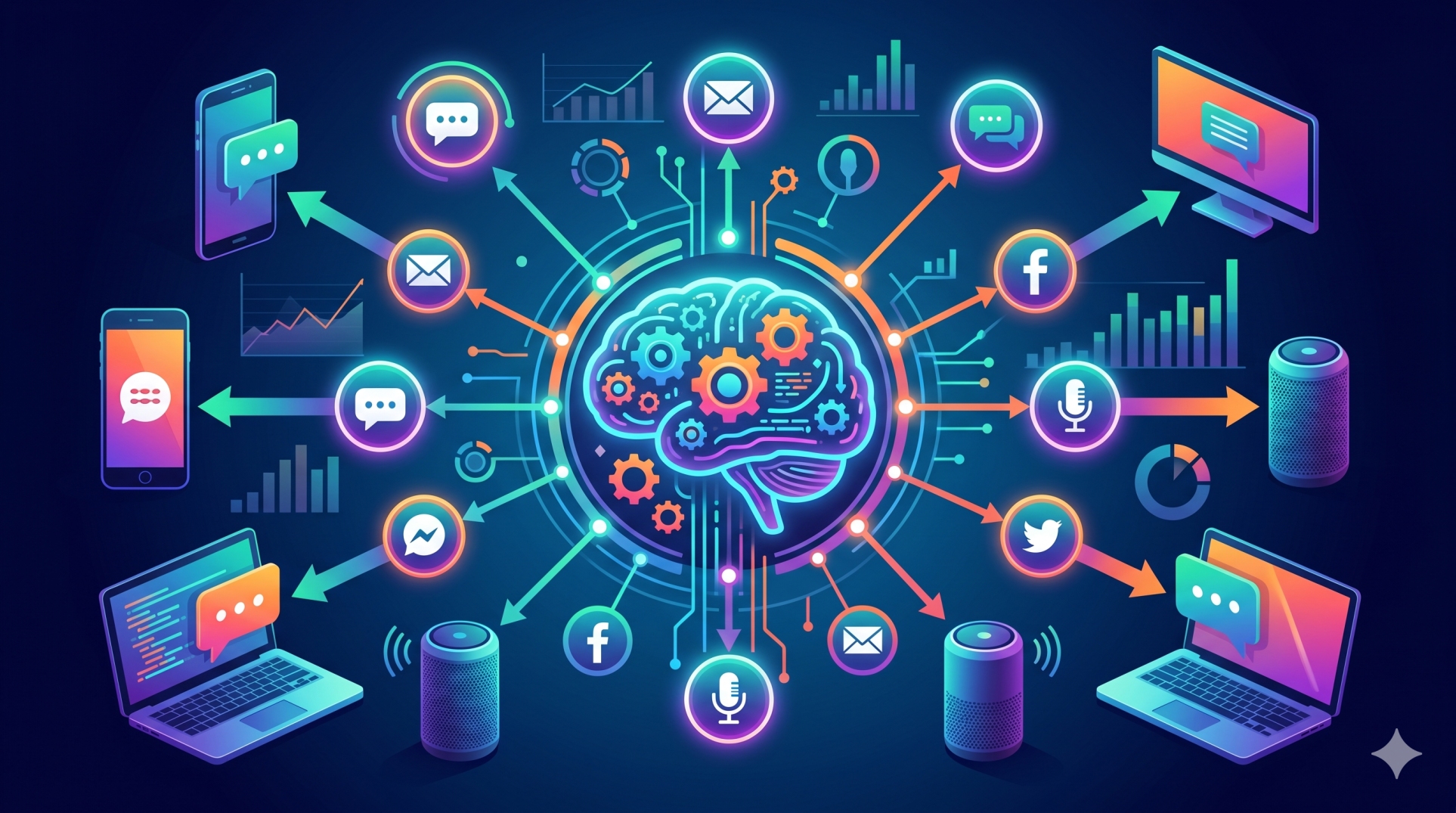
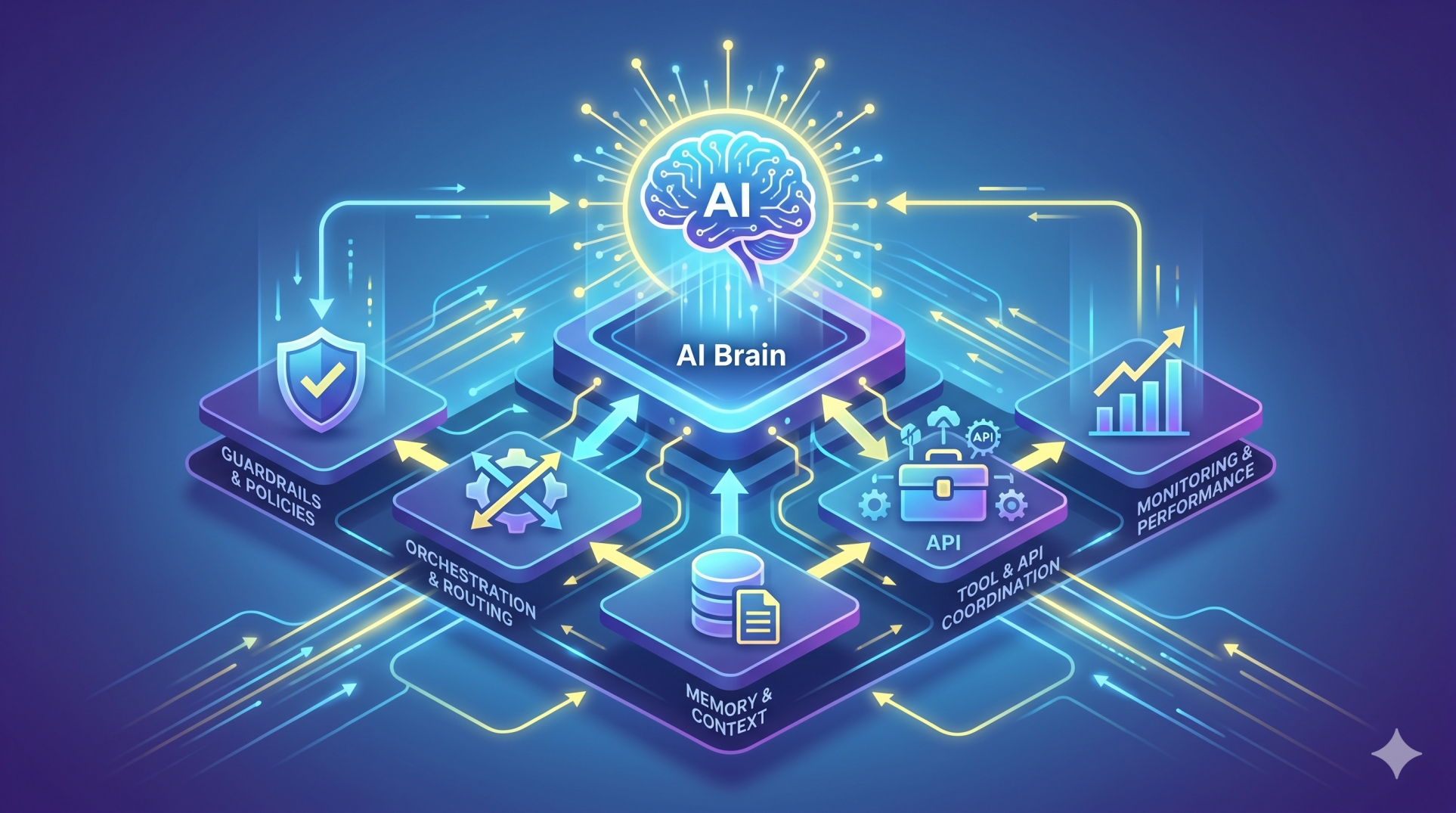
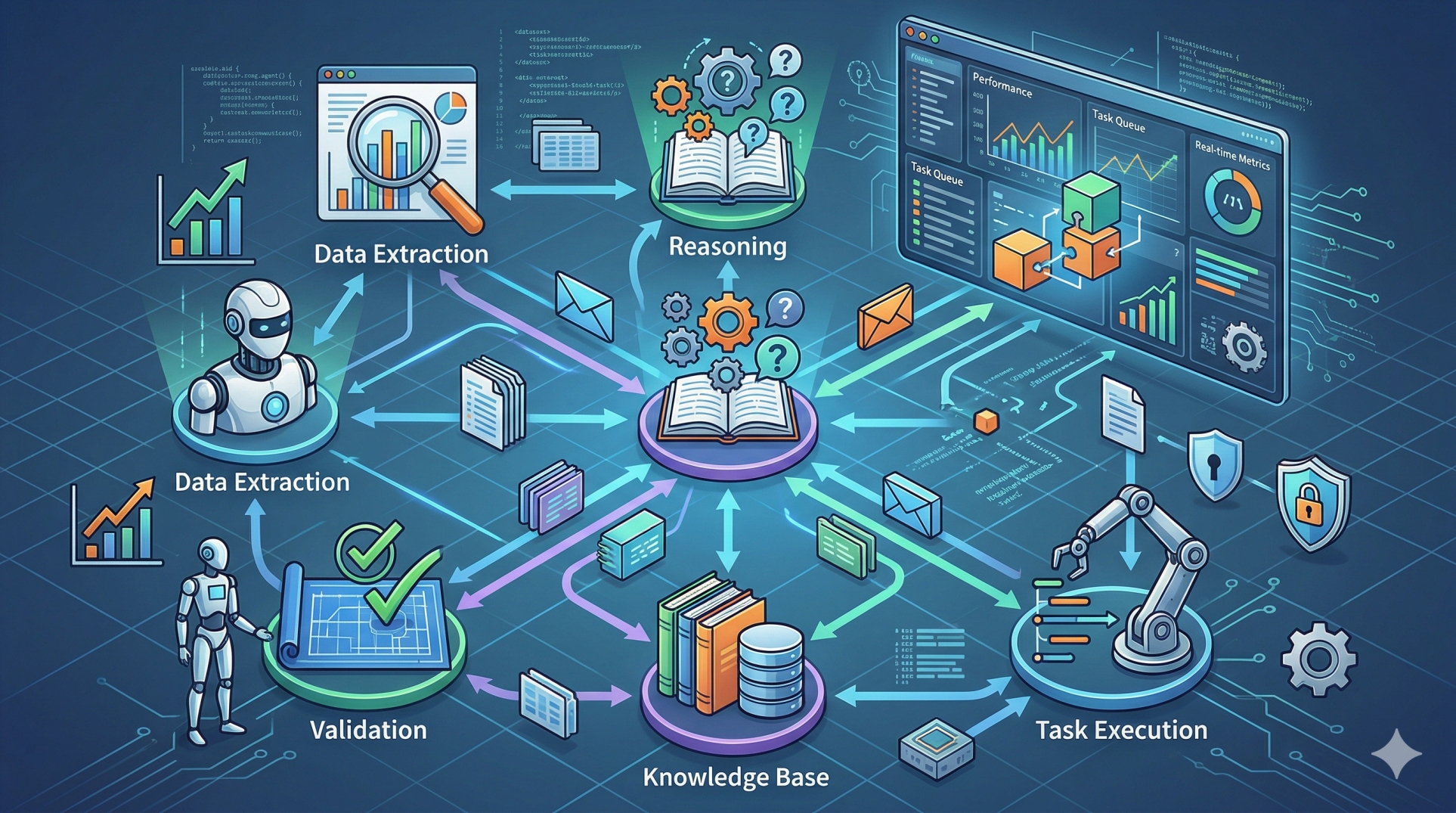
Step 7: Modular Orchestration and Coordination 🔗
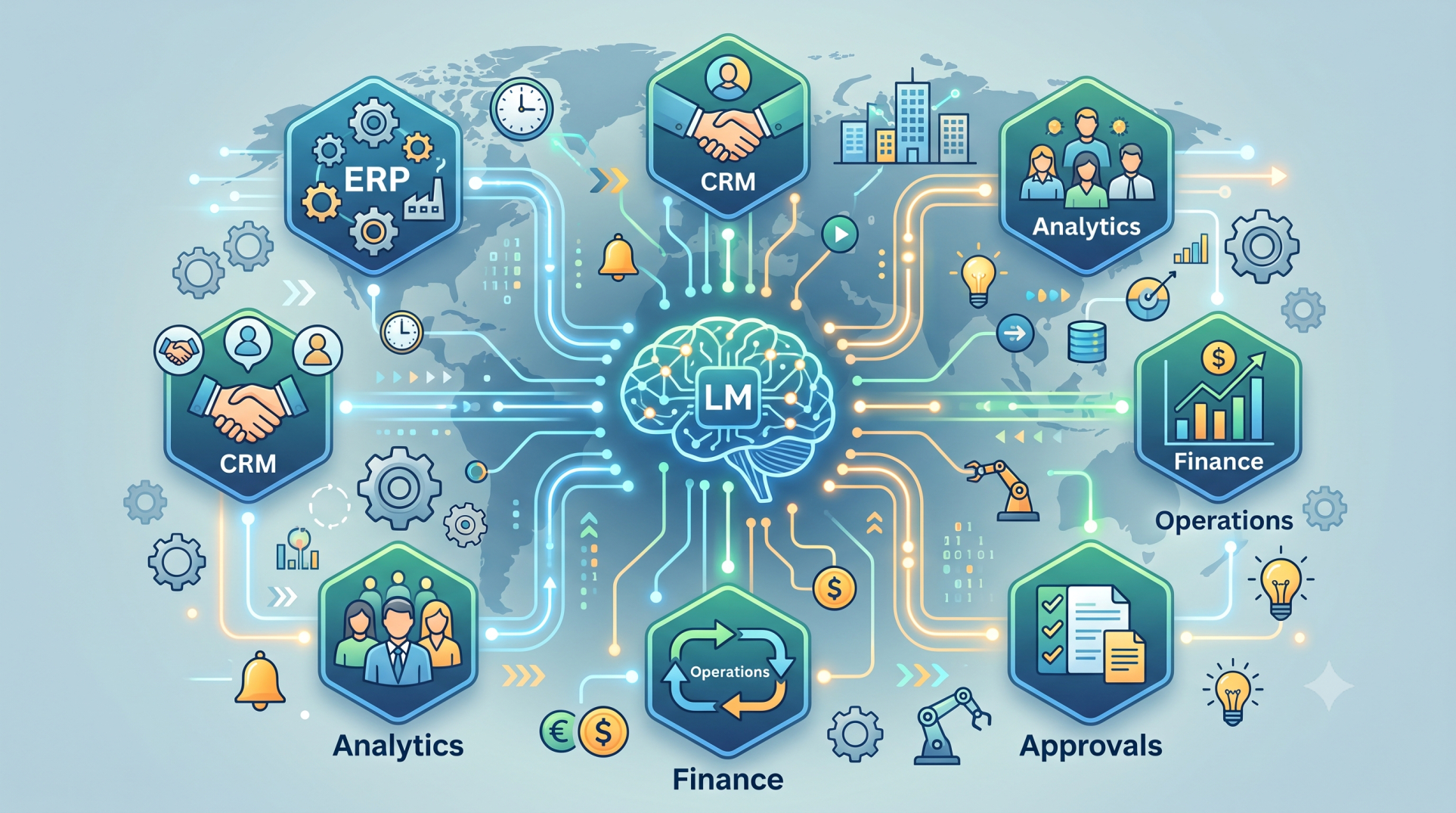
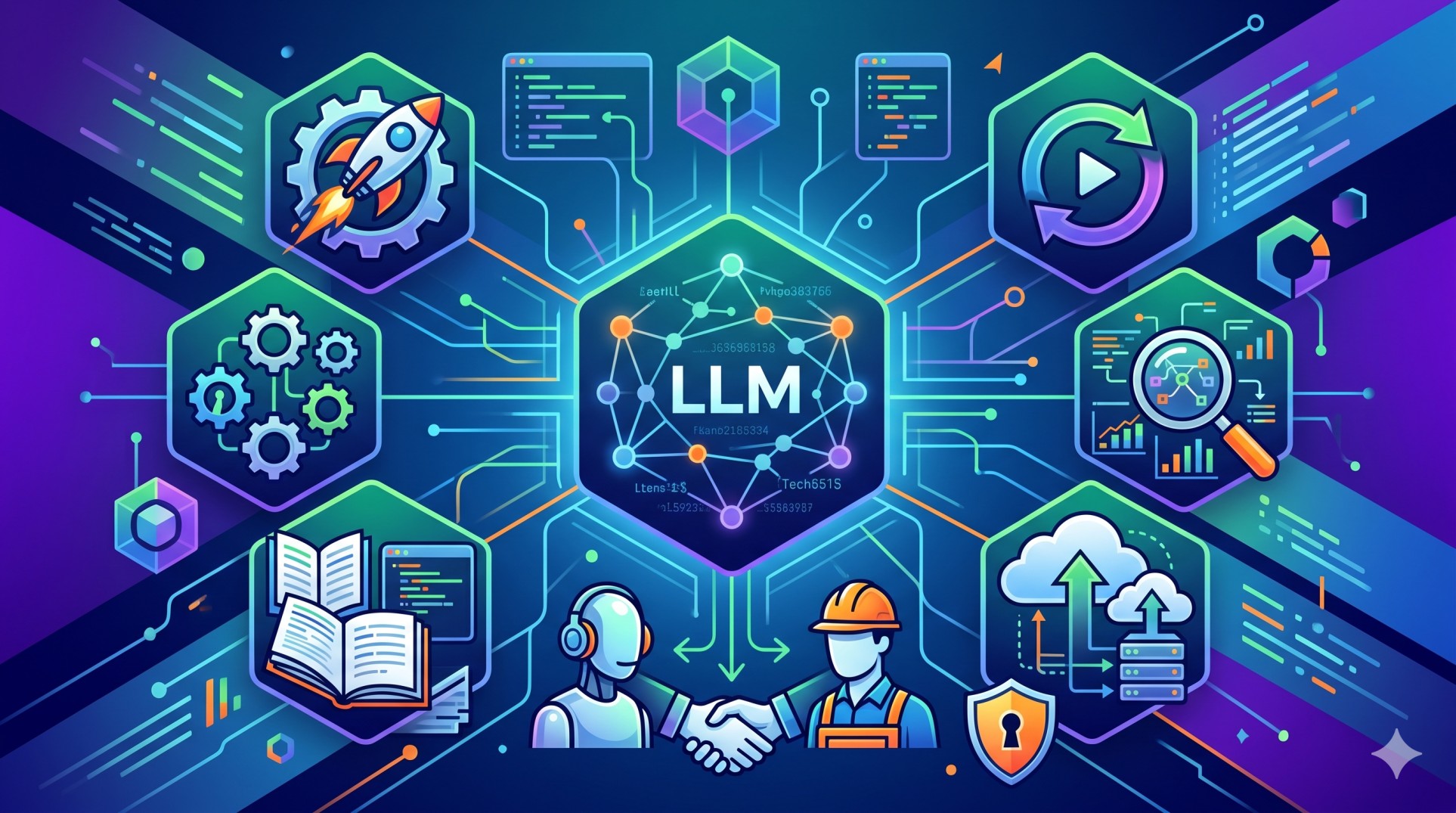
• Coordinate interactions between multiple AI modules seamlessly 🔄
• Enable plug-and-play architecture for adding new capabilities 🧩
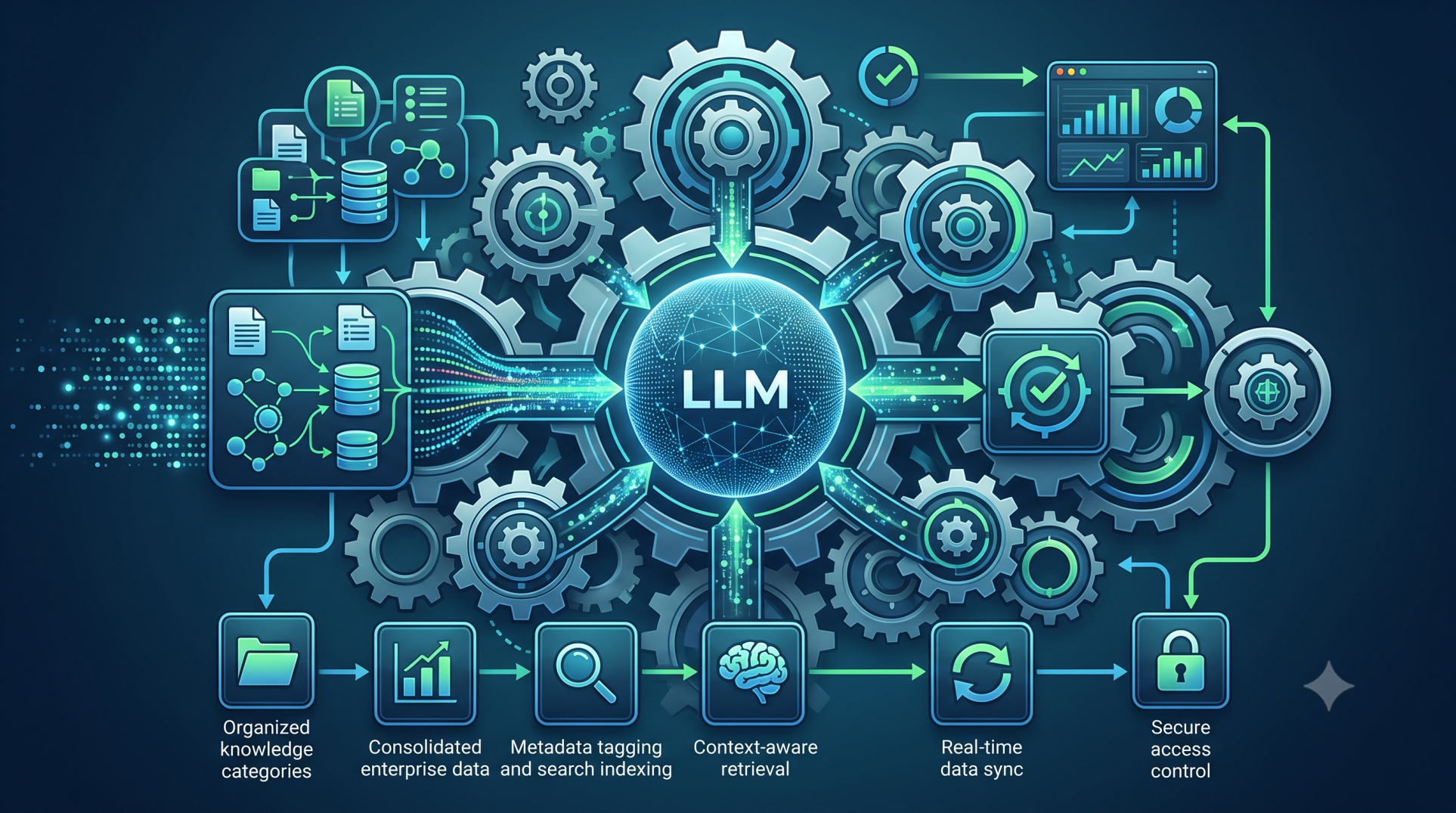
• Manage dependencies and data flow across modules 📊
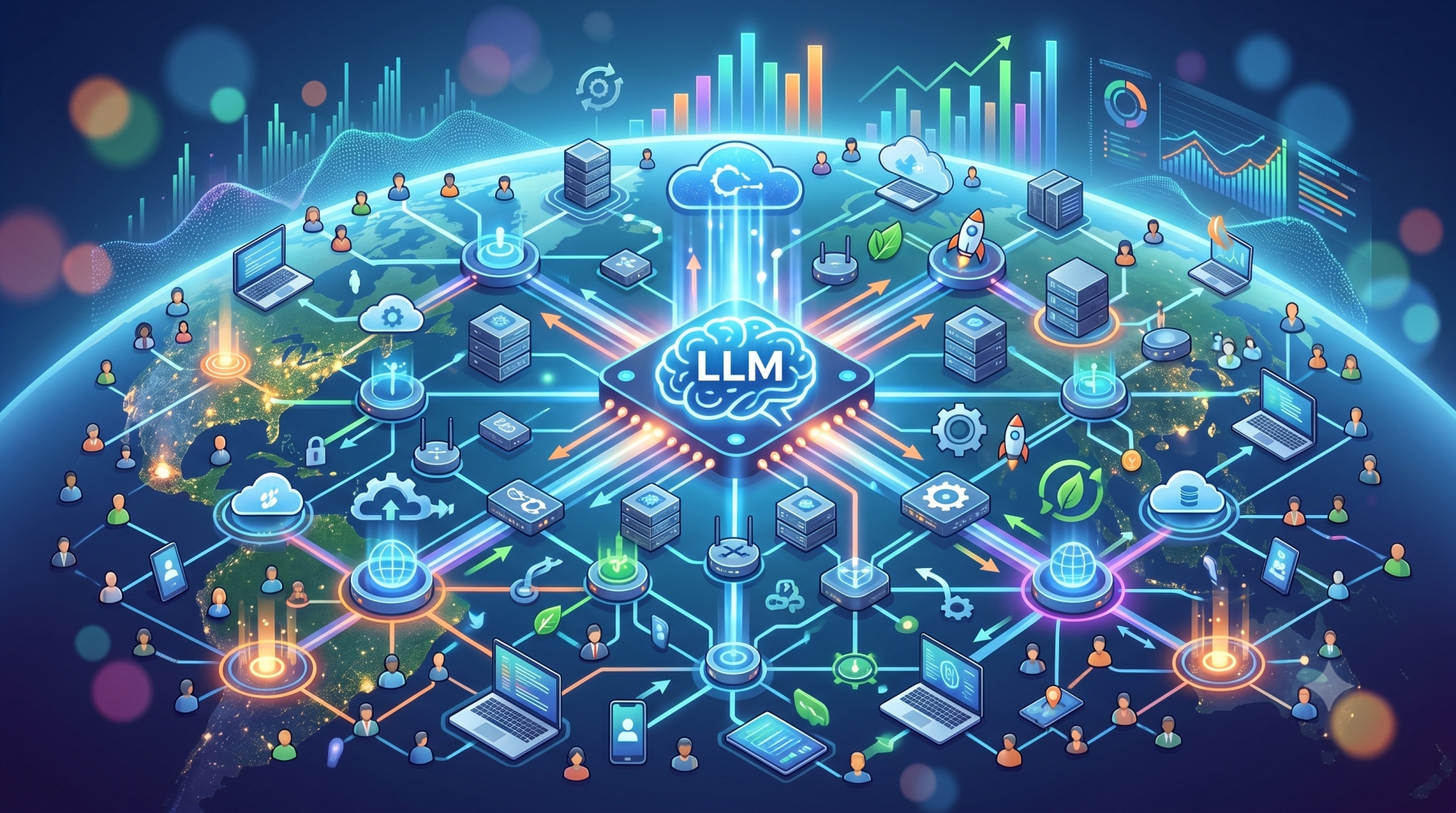
• Support distributed and microservices-based deployments 🌐
• Ensure consistent behavior across interconnected components ⚙️
Step 8: Key Design Priorities 📊
• High adaptability to changing inputs and environments 🔄
• Efficient resource utilization across modules ⚙️
• Real-time decision-making and configuration 🎯
• Scalable and modular architecture for future growth 🚀
Step 9: Handling Variability and Uncertainty 🌪️
• Adjust system behavior based on uncertain or incomplete inputs ❓
• Dynamically switch strategies under different conditions 🔀
• Maintain robustness across diverse use cases 🛡️
• Enable graceful degradation when performance drops 📉
• Improve reliability in unpredictable environments 🌍
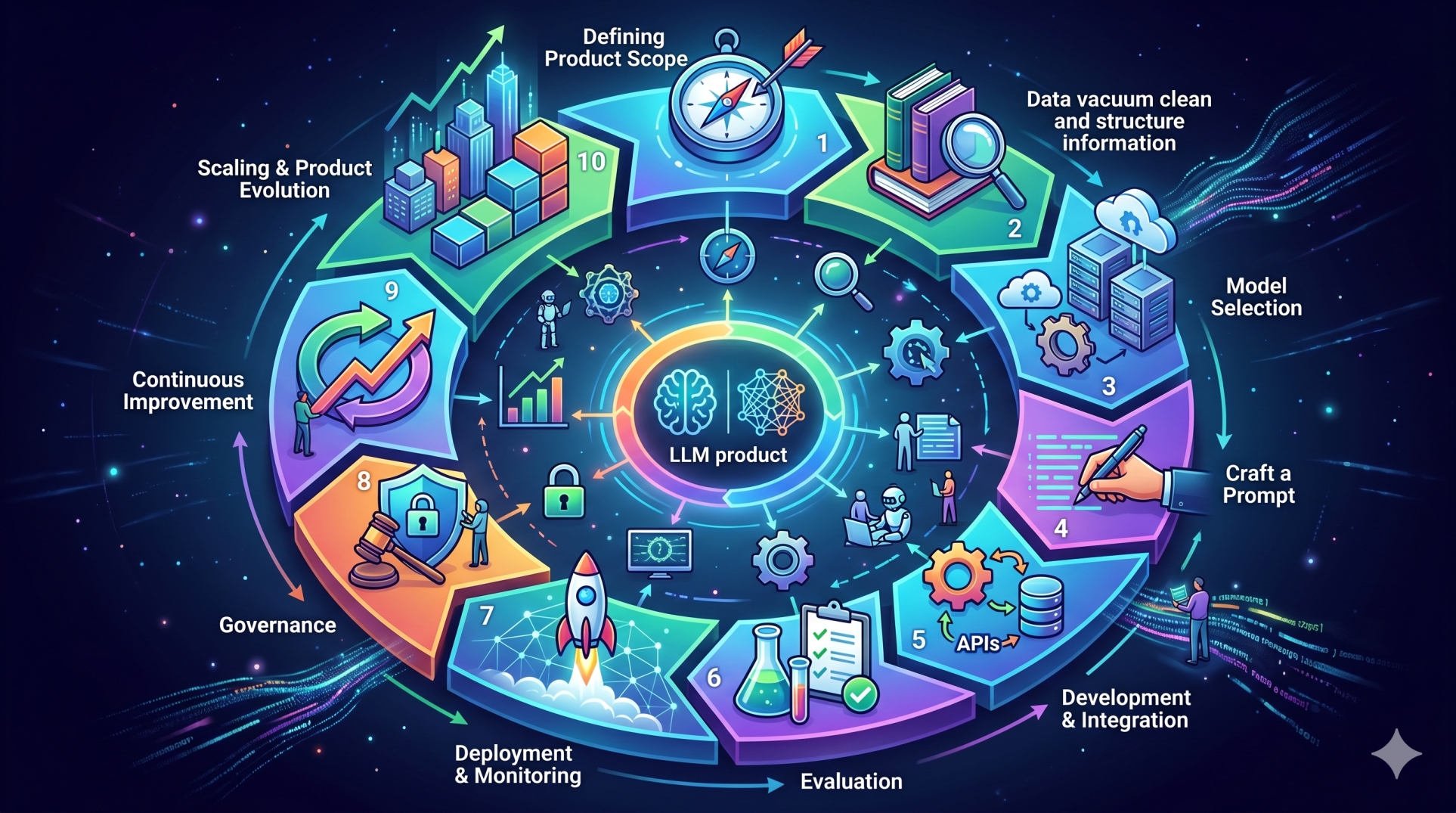
Step 10: Building a Self-Evolving LLM Ecosystem 🚀
• Design systems that continuously learn from interactions 📚
• Enable modules to improve through feedback loops 🔄
• Support integration of new models and technologies seamlessly 🧩
• Maintain flexibility for evolving business and technical needs 🌐
• Future-proof platforms through intelligent automation 🤖
Conclusion
Self-configuring modules represent a major step forward in the evolution of LLM platforms. By enabling systems to dynamically adapt, optimize, and coordinate their internal operations, organizations can build AI platforms that are not only more efficient but also more resilient and scalable. As complexity increases, these intelligent modules will play a critical role in shaping the future of autonomous, high-performance AI systems.
See more blogs
You can all the articles below