Debugging Multi-Layer LLM Systems in Production

Debugging Multi-Layer LLM Systems in Production
As Large Language Model (LLM) systems evolve into multi-layered architectures—combining prompts, retrieval pipelines, tools, and orchestration layers—debugging becomes significantly more complex. Failures are no longer isolated; they can emerge from interactions between components. Effective debugging in production requires structured observability, traceability, and a deep understanding of how each layer contributes to the final output.
Step 1: Understanding the Multi-Layer Architecture 🧩
• Identify all layers: prompt design, retrieval, reasoning, tools, and output formatting 🔍
• Map how data flows across components in the system 🔄
• Recognize interdependencies between layers ⚙️
• Document expected behavior at each stage 📄
• Establish clear boundaries between system components 🧱
Step 2: Establishing End-to-End Observability 👁️
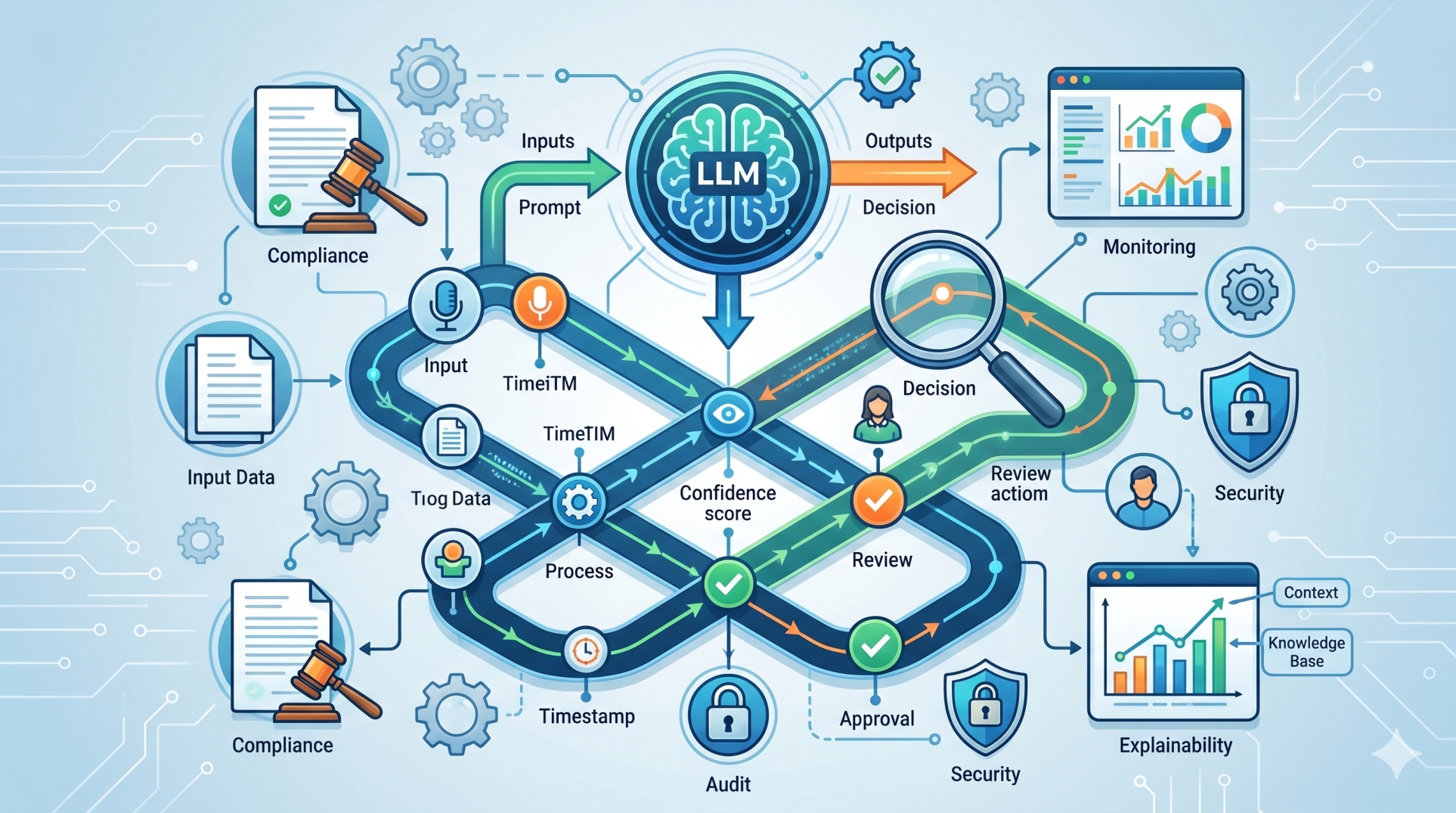
• Capture full request-response traces across all layers 📊
• Log inputs, intermediate states, and final outputs 📝
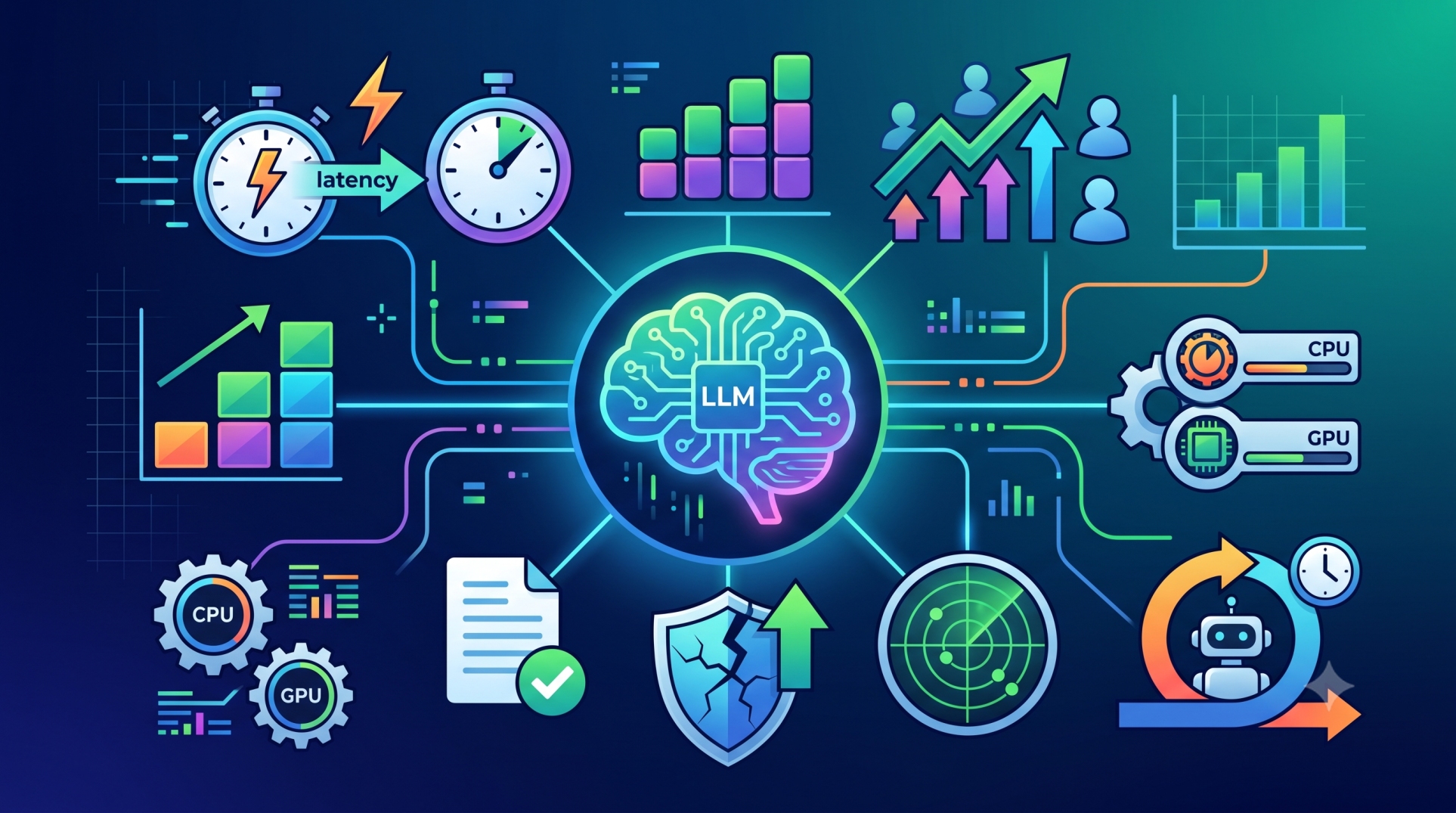
• Monitor latency and performance at each stage ⏱️
• Use tracing tools to visualize execution paths 🧭
• Enable real-time monitoring for production systems 🚨
Step 3: Isolating Failure Points 🎯
• Break down the pipeline to identify where failures occur 🔍
• Test each layer independently for correctness 🧪
• Compare expected vs actual outputs at each stage ⚖️
• Detect whether issues stem from prompts, retrieval, or tools 🧠
• Reduce system complexity during debugging sessions 🧩
Step 4: Debugging Prompt and Reasoning Layers 🧠
• Analyze prompt structure and clarity ✍️
• Check for ambiguity or missing instructions ❗
• Evaluate consistency of model responses 🔄
• Test variations of prompts to identify weaknesses 🧪
• Monitor hallucinations and reasoning errors 🚫
Step 5: Diagnosing Retrieval and Context Issues 📚
• Verify relevance and quality of retrieved data 🔍
• Check for missing or outdated knowledge sources 📂
• Evaluate ranking and filtering mechanisms ⚙️
• Ensure context is correctly injected into prompts 🧠
• Monitor token limits and truncation effects ✂️
Step 6: Validating Tool and API Integrations 🔗
• Confirm correct API inputs and outputs 📥
• Handle tool failures and timeouts gracefully ⏳
• Validate data transformations between systems 🔄
• Ensure consistent schema and formatting 📊
• Test fallback mechanisms for tool unavailability 🛠️
Step 7: Managing State and Memory 🧠
• Track how conversation or session state is stored 📦
• Debug inconsistencies in memory retrieval 🔍
• Ensure correct context is carried across interactions 🔄
• Prevent stale or irrelevant memory usage 🚫
• Validate user-specific personalization logic 👤
Step 8: Key Debugging Priorities 📌
• Full visibility across all system layers 👁️
• Clear isolation of failure sources 🎯
• Reliable logging and tracing infrastructure 📊
• Continuous validation of outputs and workflows 🔄
Step 9: Handling Edge Cases and Production Failures ⚠️
• Identify rare or unexpected input scenarios 🔍
• Implement safeguards for ambiguous queries 🧩
• Detect and mitigate cascading failures across layers 🔄
• Build robust error-handling and retry mechanisms 🔁
• Monitor system behavior under high load 📈
Step 10: Continuous Improvement and Feedback Loops 🔄
• Collect user feedback on incorrect or poor responses 💬
• Use evaluation pipelines to track model performance 📊
• Continuously refine prompts, retrieval, and logic ✍️
• Deploy updates incrementally to reduce risk 🚀
• Build a culture of iterative system improvement 🔁
Conclusion
Debugging multi-layer LLM systems in production requires more than traditional troubleshooting—it demands a structured, system-wide approach. By implementing strong observability, isolating failures effectively, and continuously refining each layer, organizations can maintain reliability and performance. A well-debugged LLM system not only delivers better outputs but also builds trust in AI-driven applications at scale.
See more blogs
You can all the articles below