Enterprise Knowledge Distribution Through AI Platforms
Enterprise Knowledge Distribution Through AI Platforms
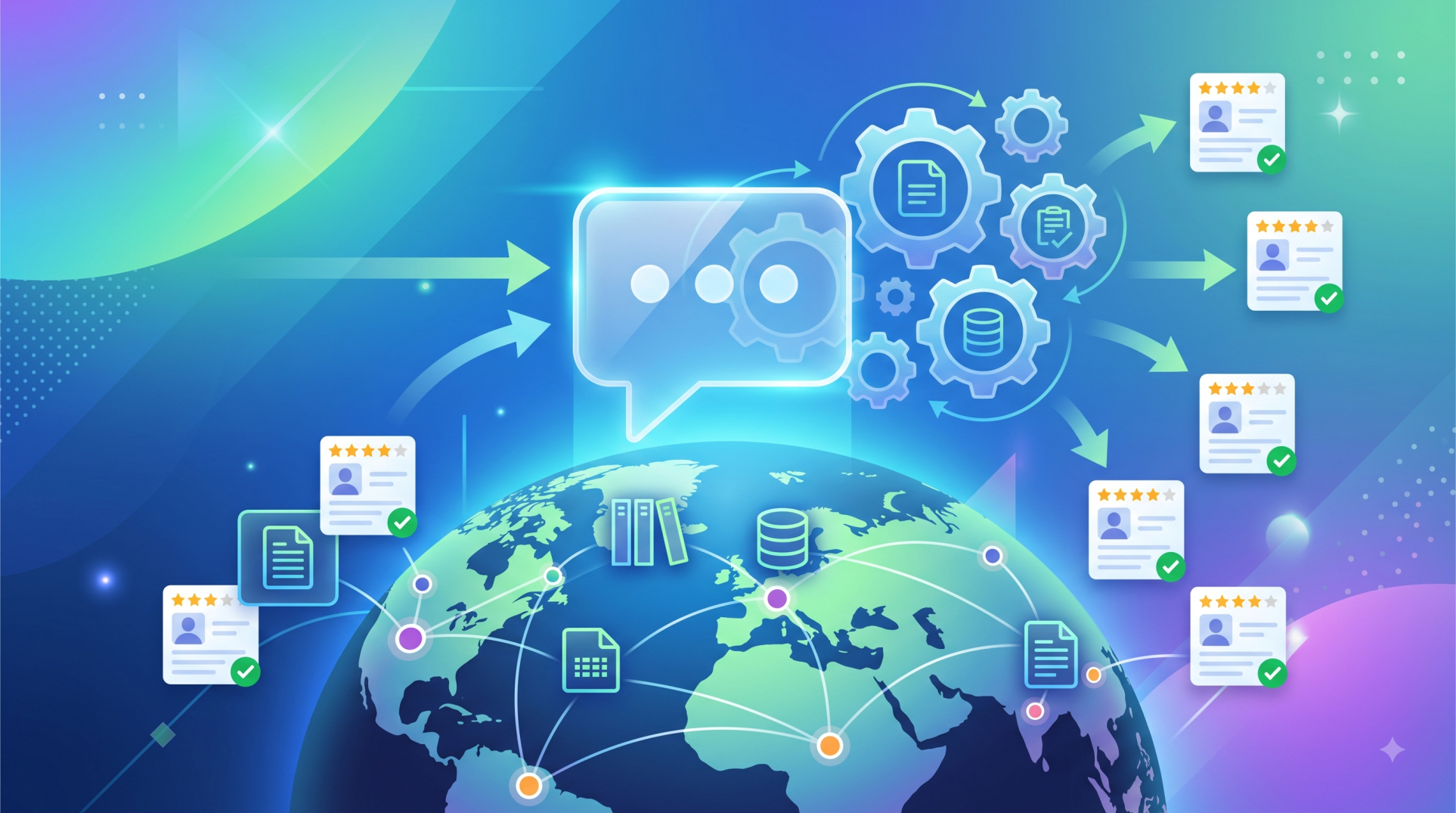
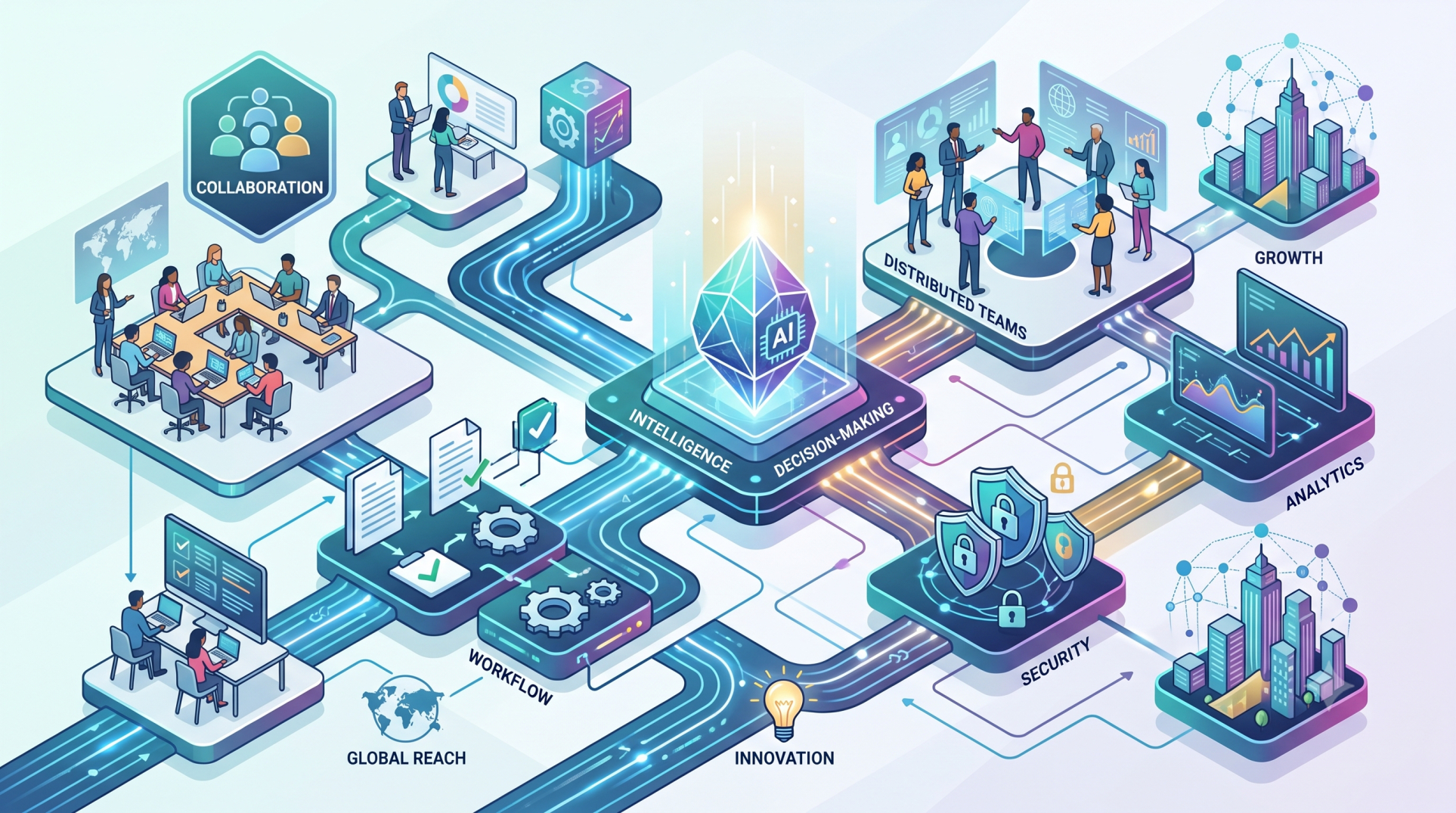
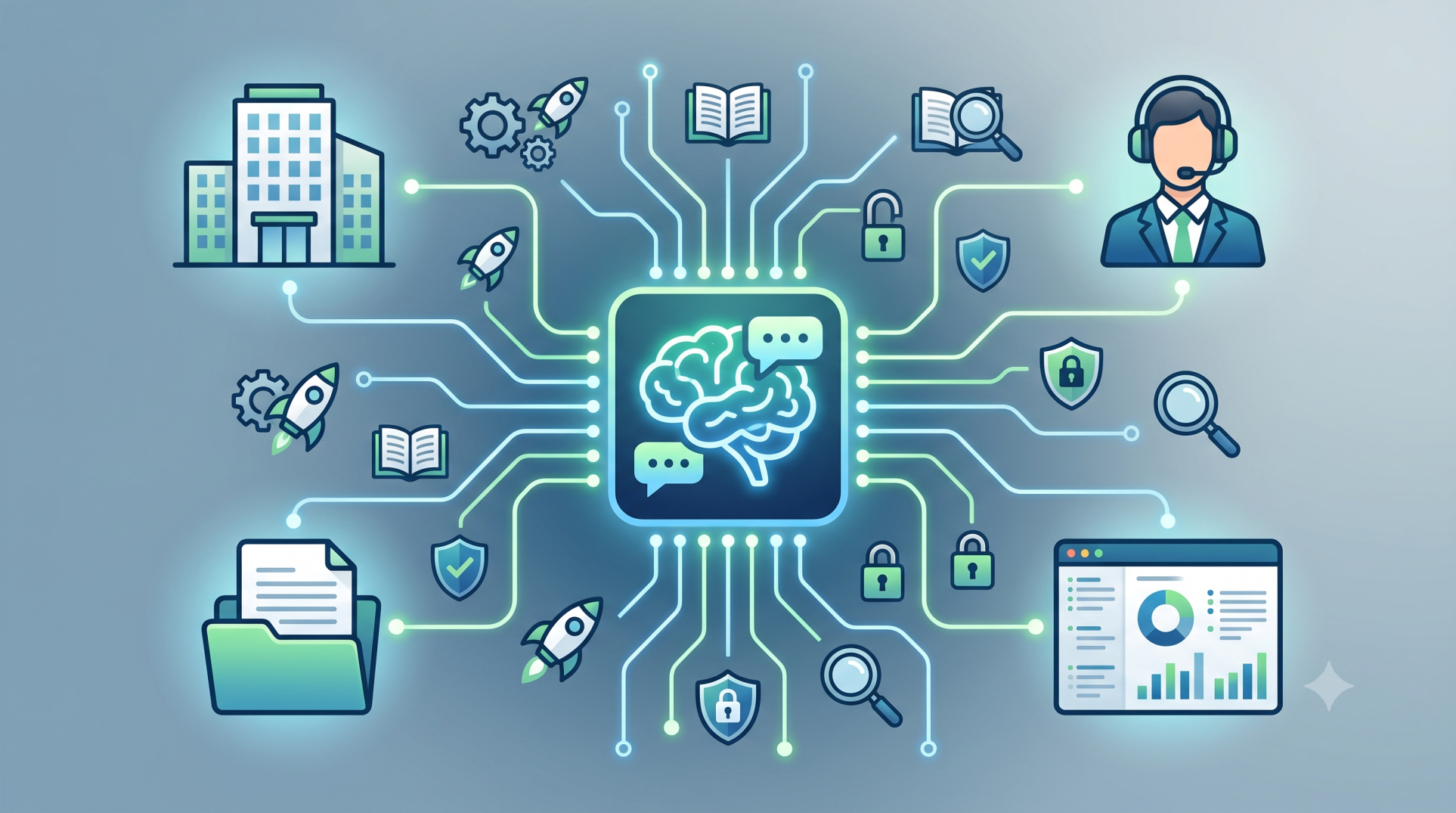
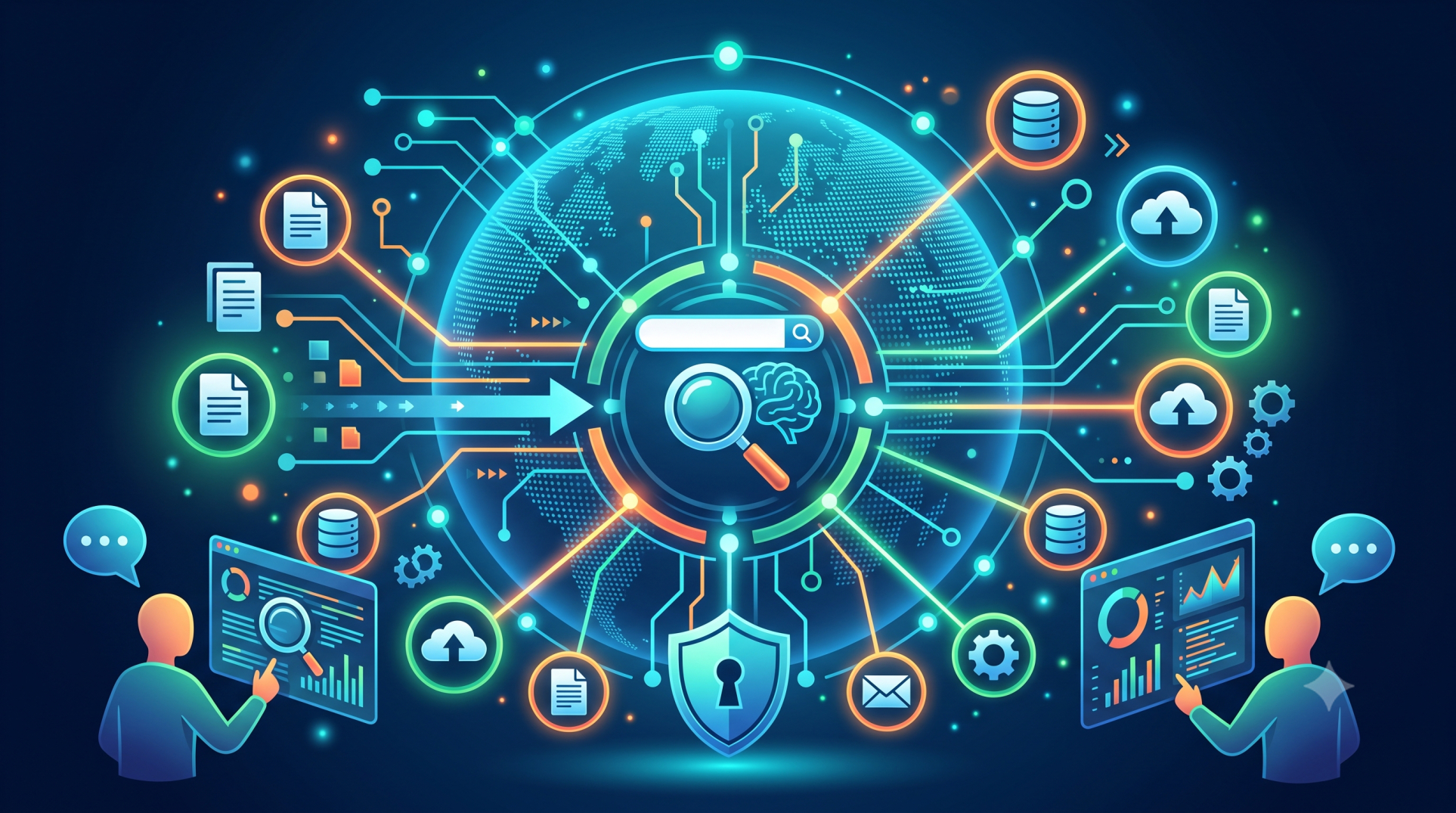
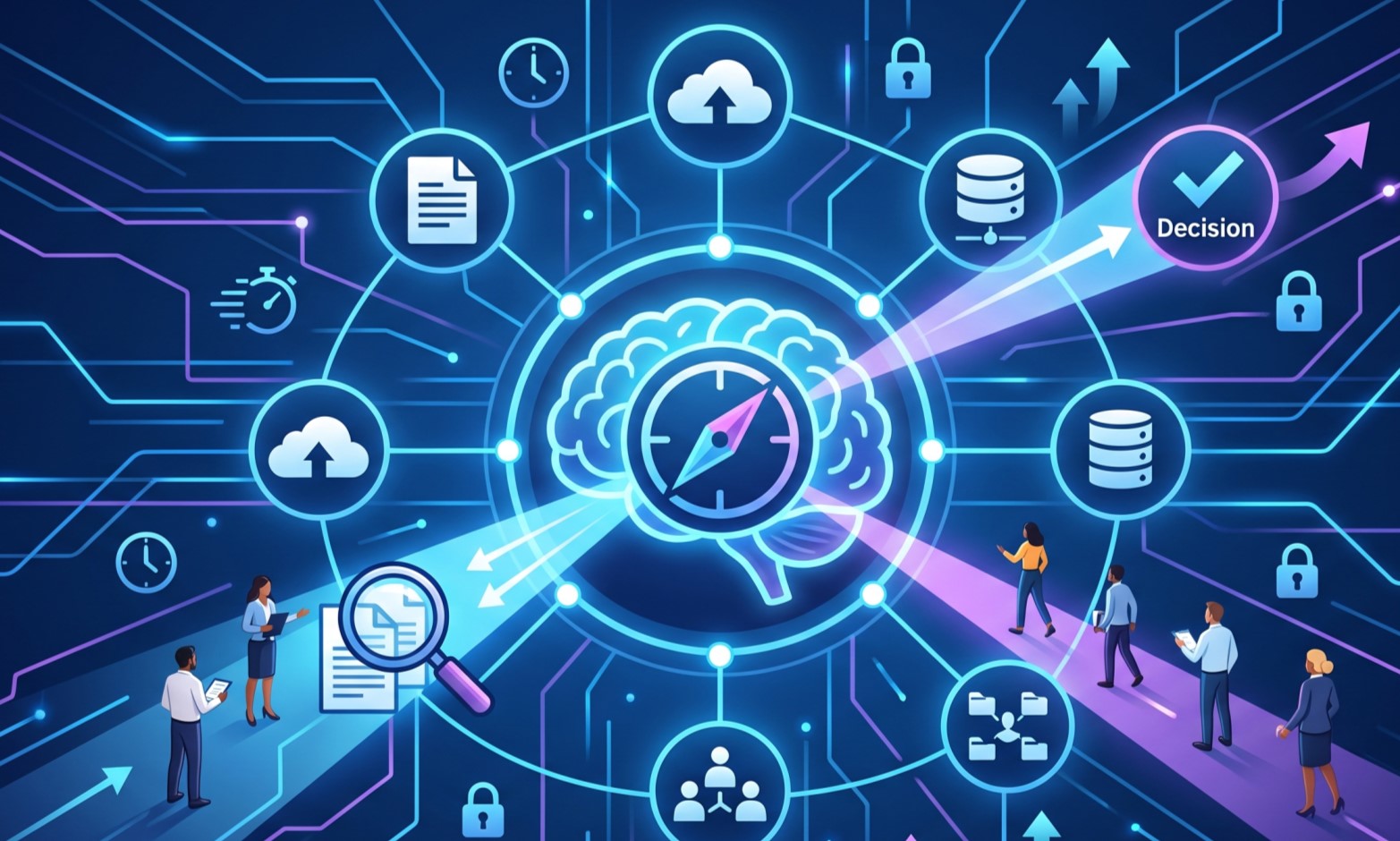
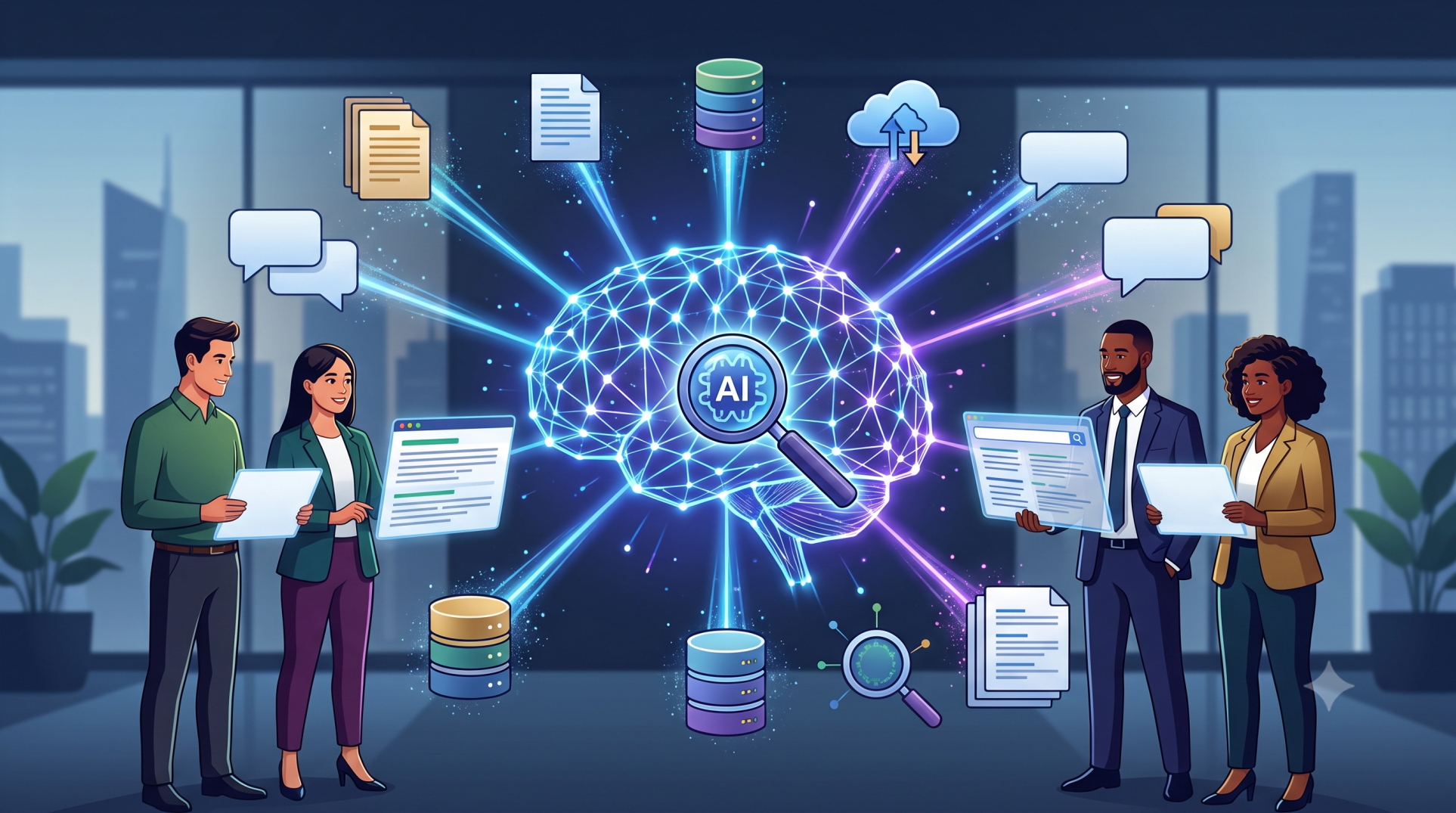
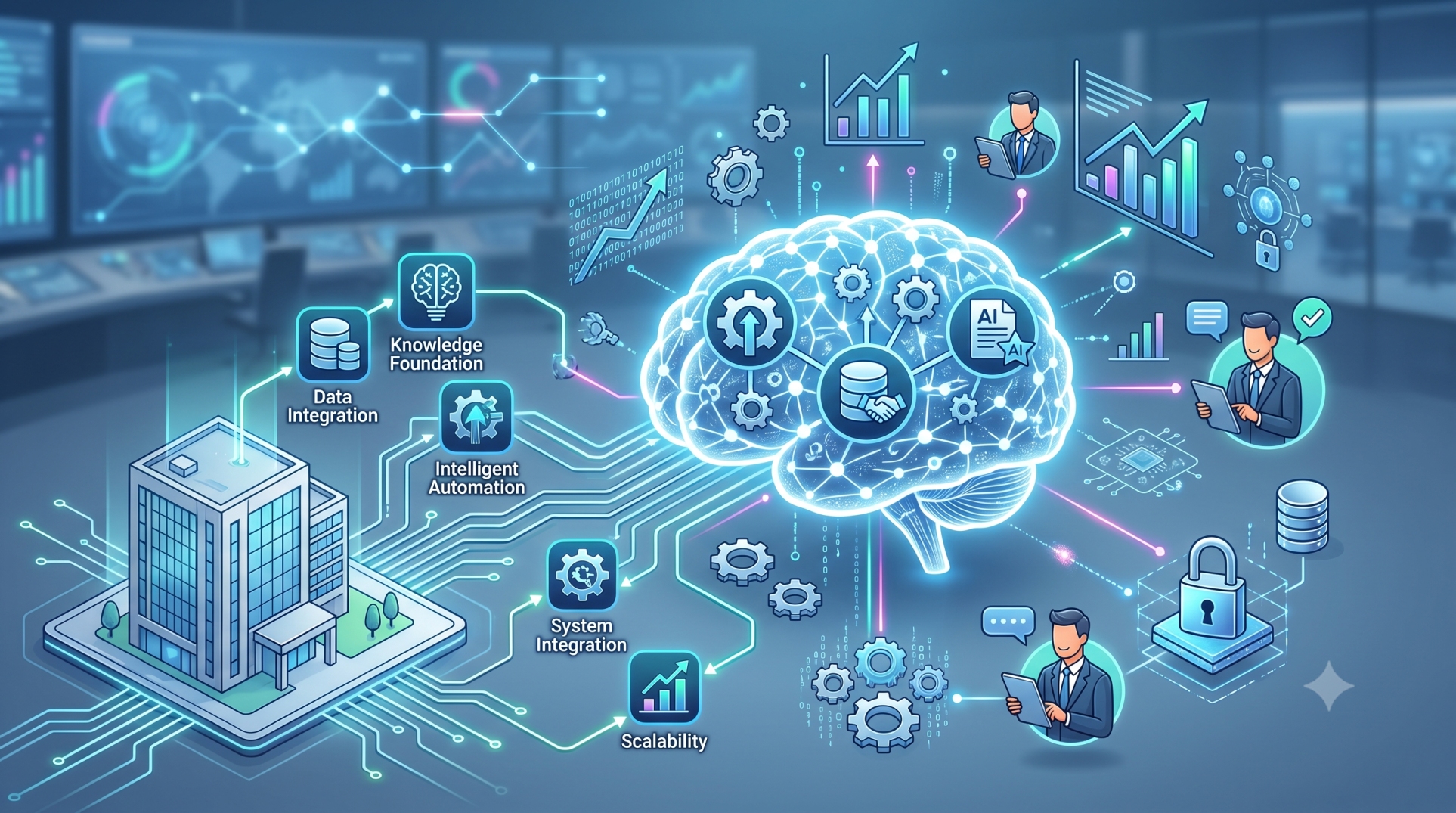
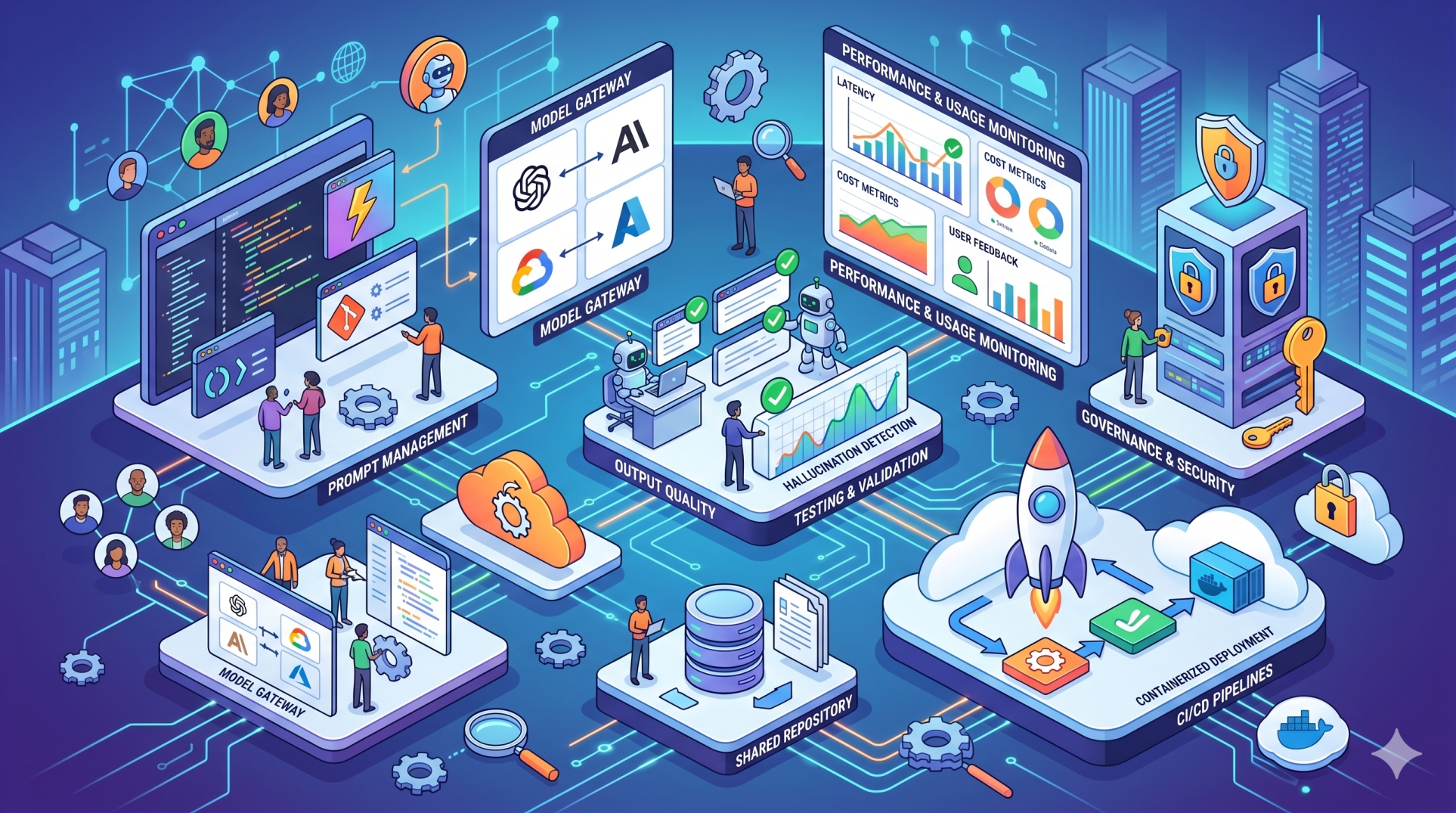
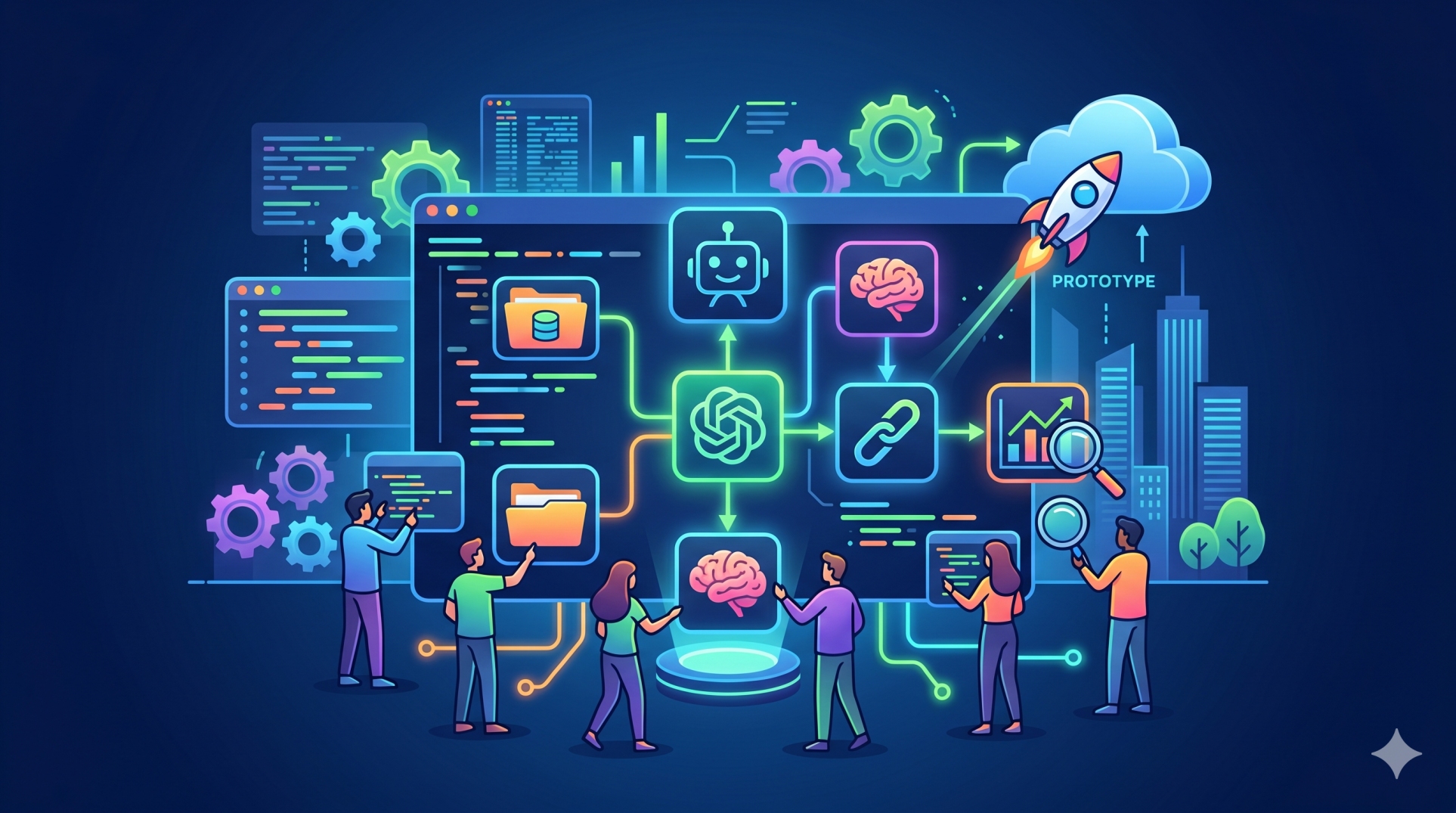
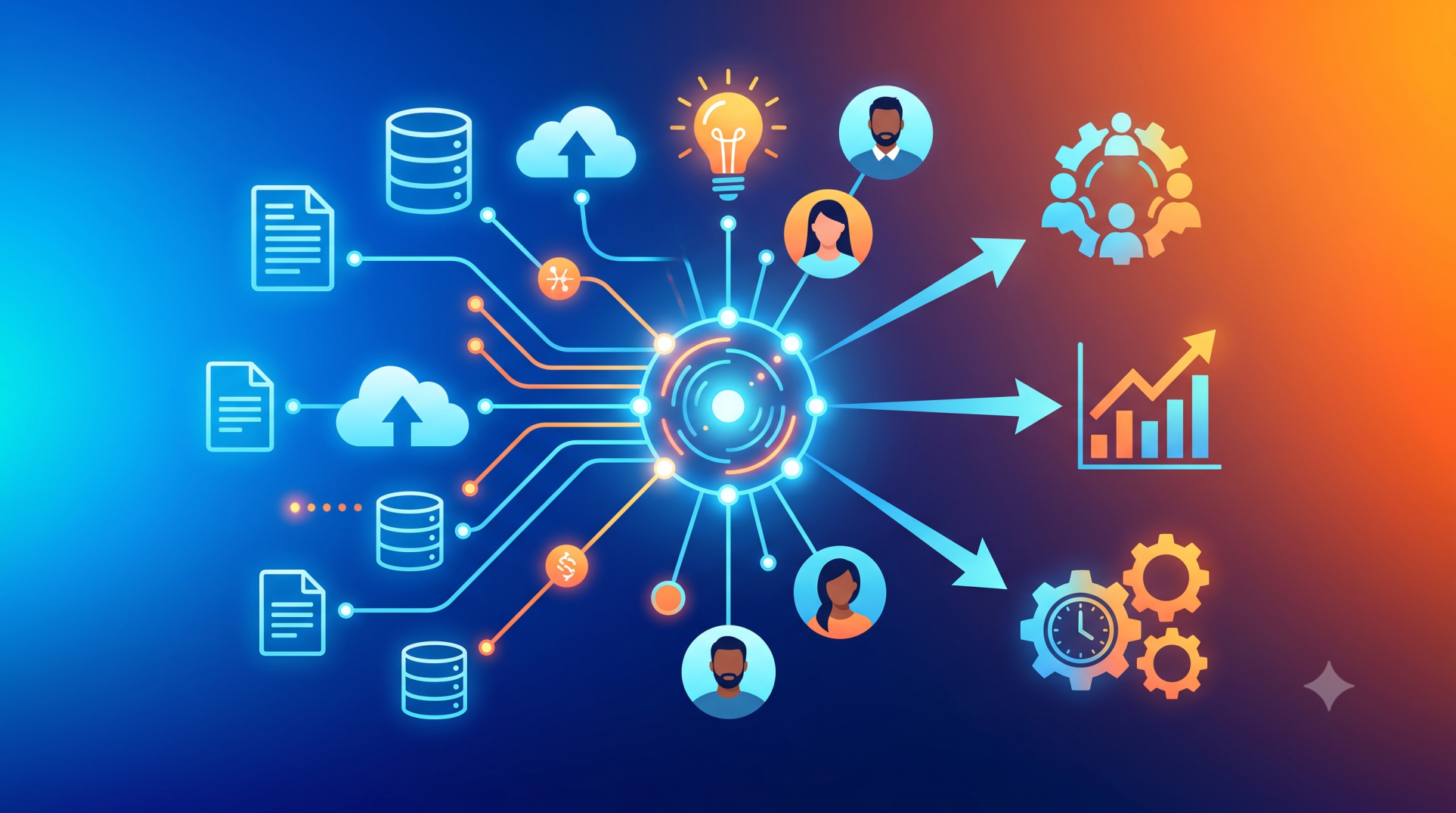
Organizations generate vast amounts of knowledge across departments, projects, and business systems every day. However, valuable information often remains scattered across documents, databases, collaboration tools, and enterprise applications. AI platforms transform knowledge distribution by intelligently organizing, retrieving, and delivering relevant information to the right people at the right time. This improves collaboration, accelerates decision-making, and enhances organizational productivity.
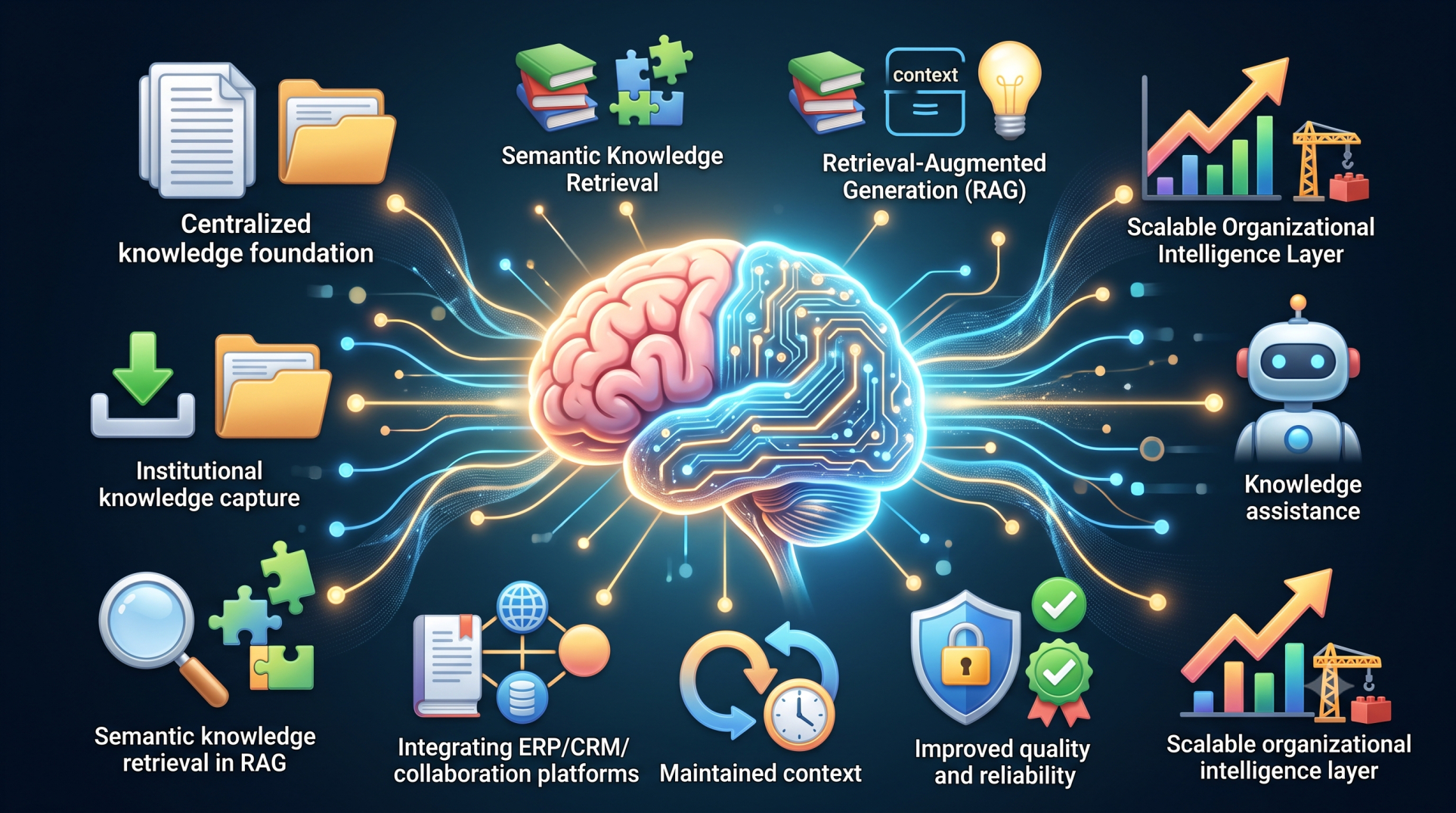
Step 1: Centralizing Enterprise Knowledge 📚
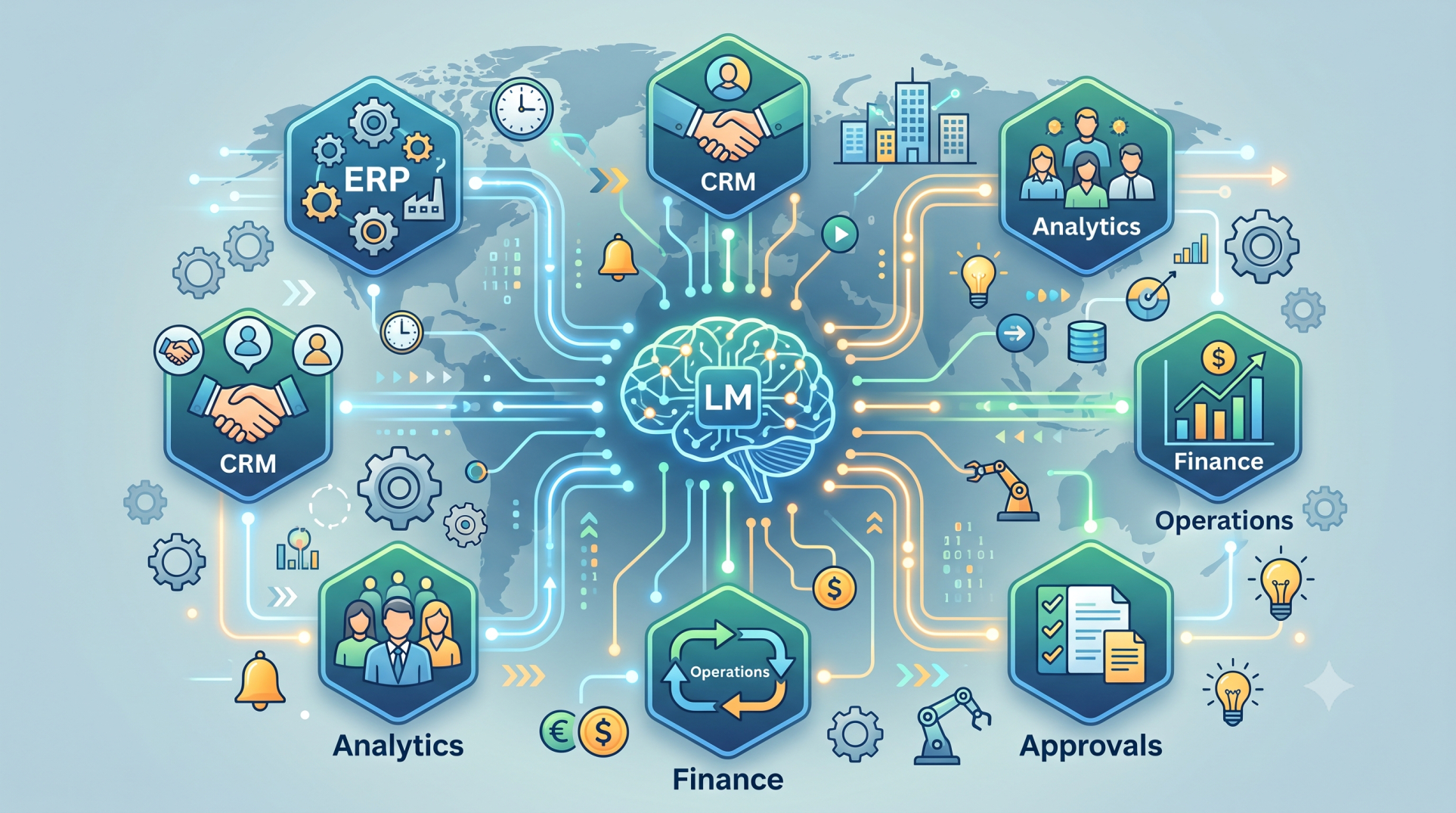
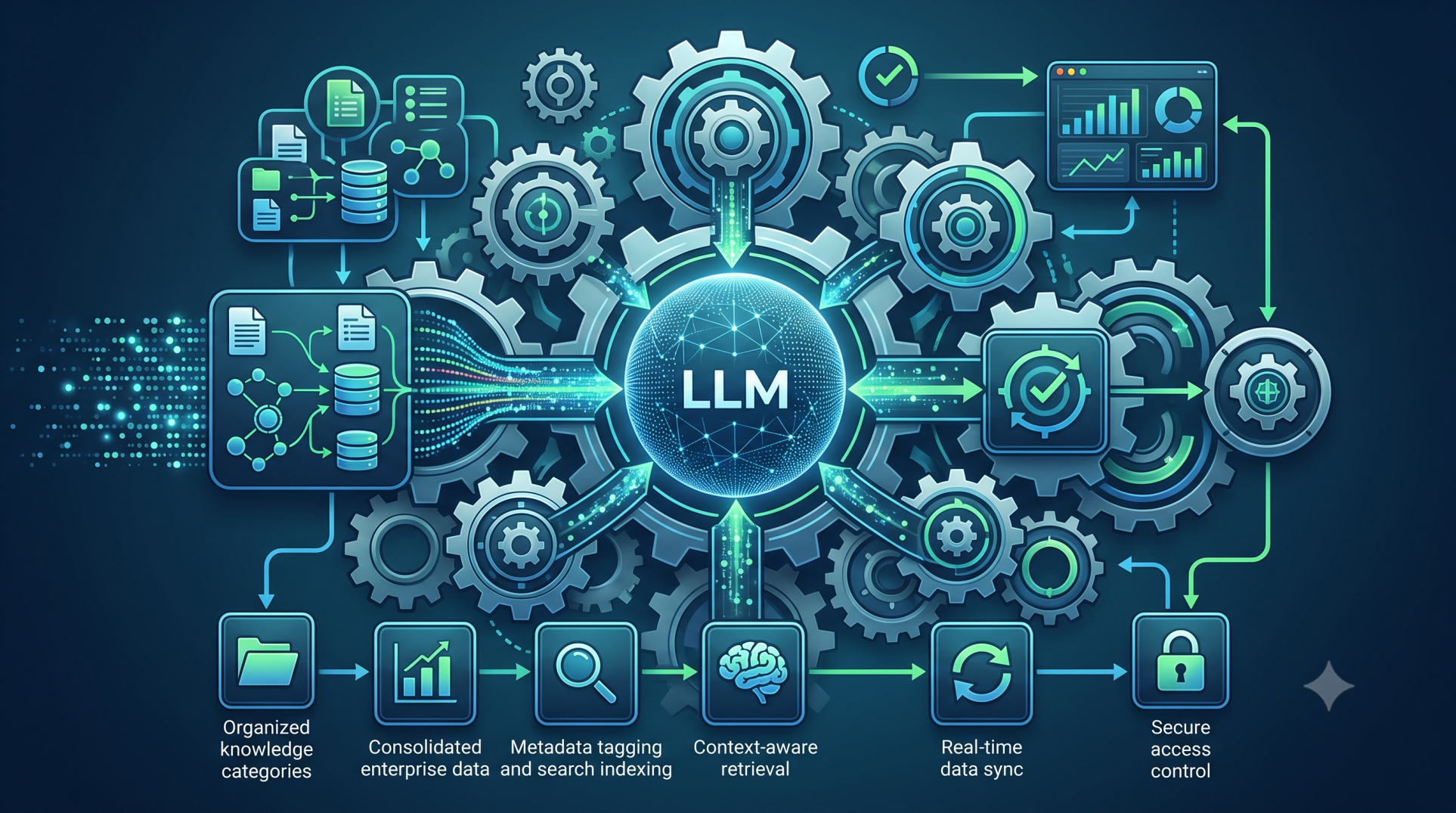
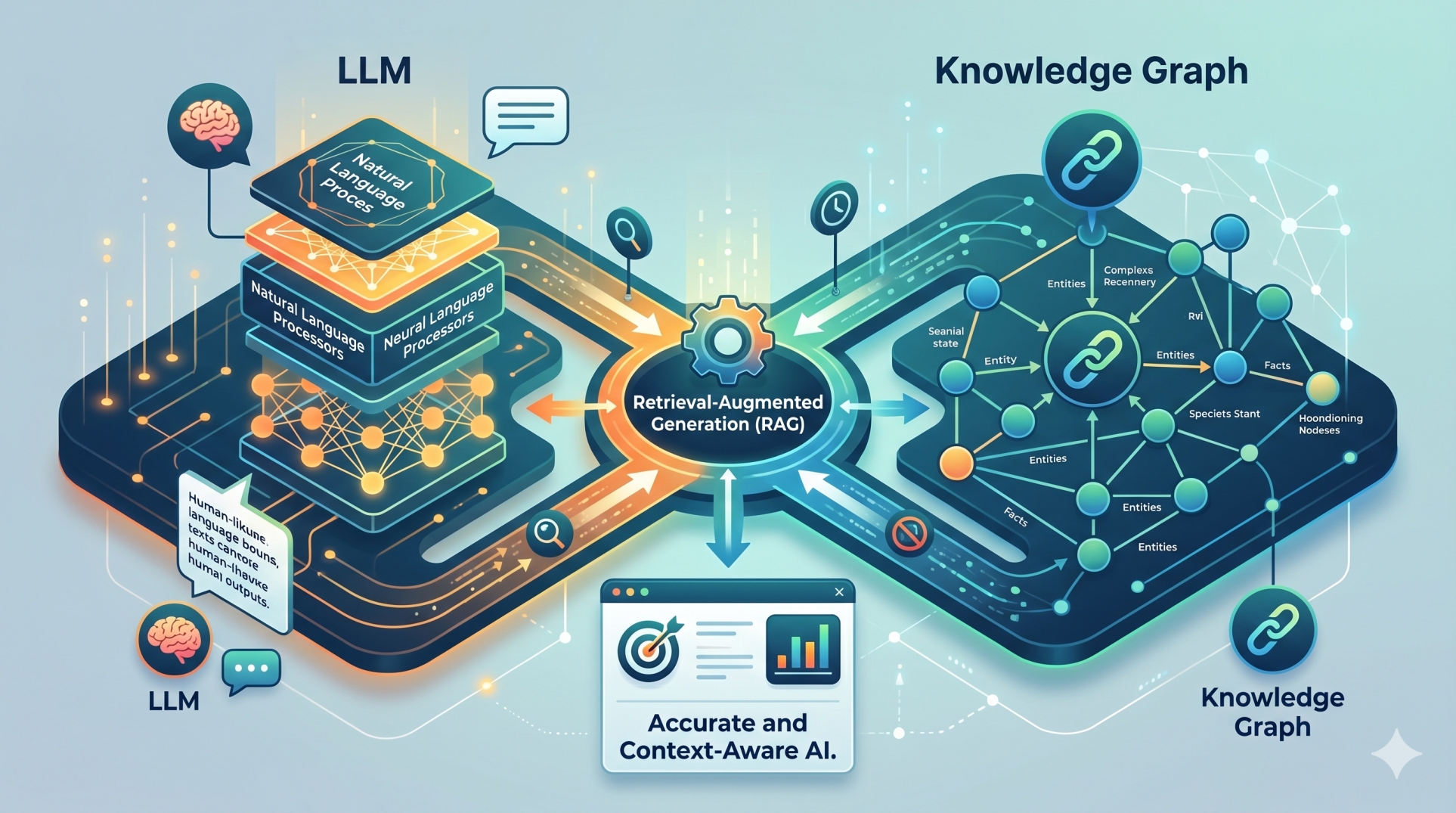
• Consolidate information from multiple business systems into a unified knowledge ecosystem 🗂️
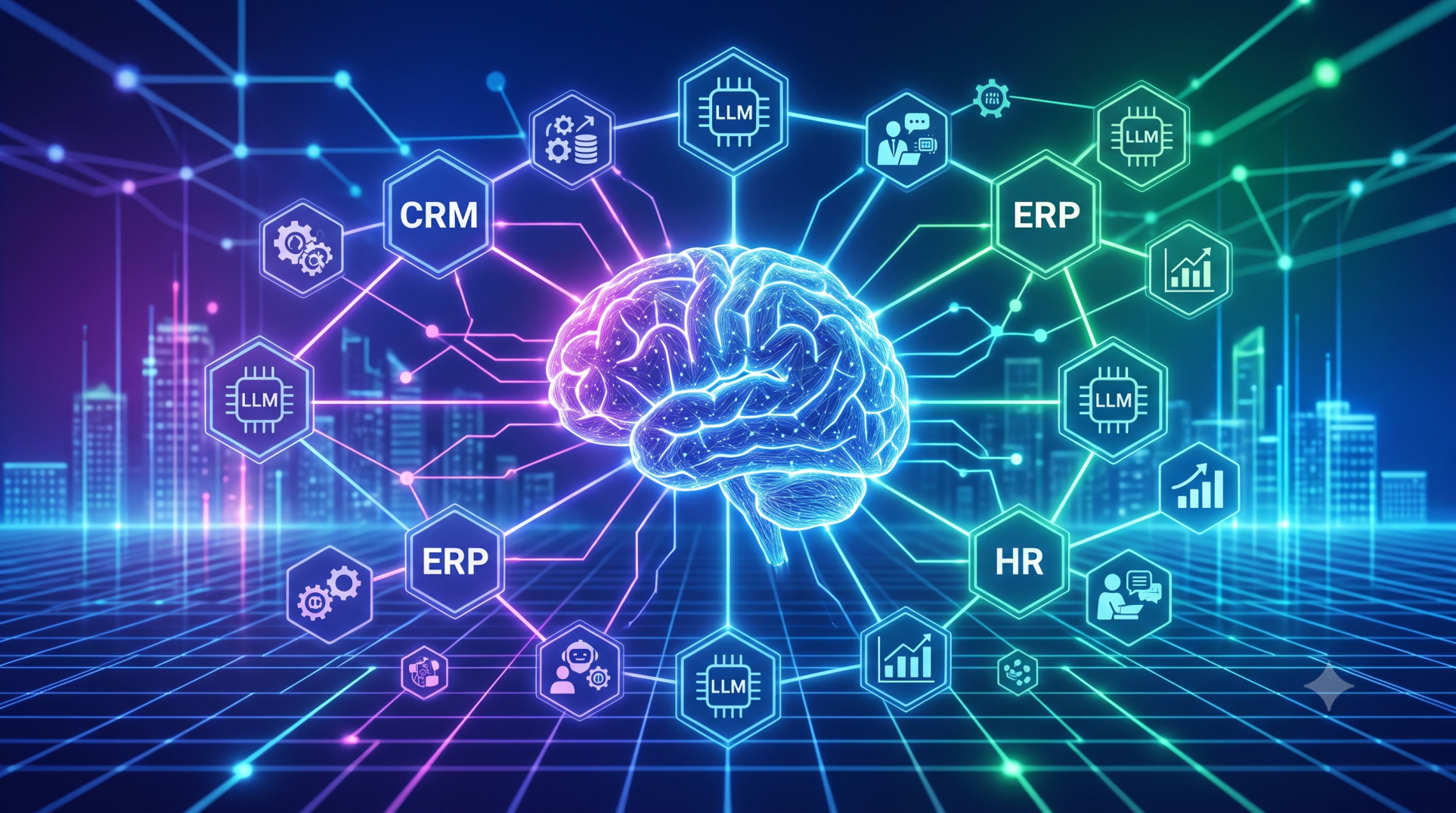
• Connect documents, databases, and collaboration platforms seamlessly 🔗
• Eliminate information silos across departments 🏢
• Create a single, reliable source of organizational knowledge 📖
• Improve accessibility for employees across the enterprise 🌐
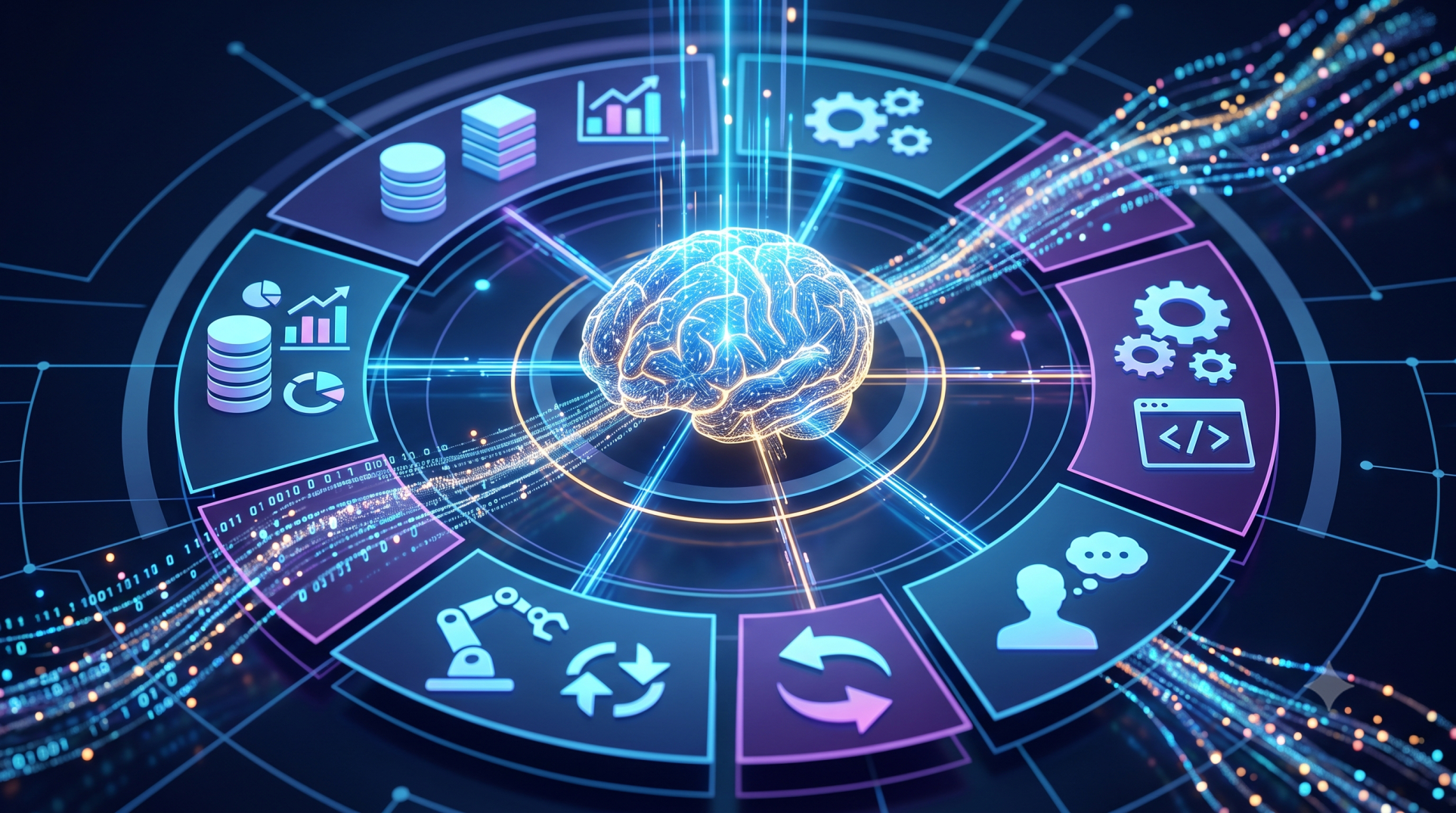
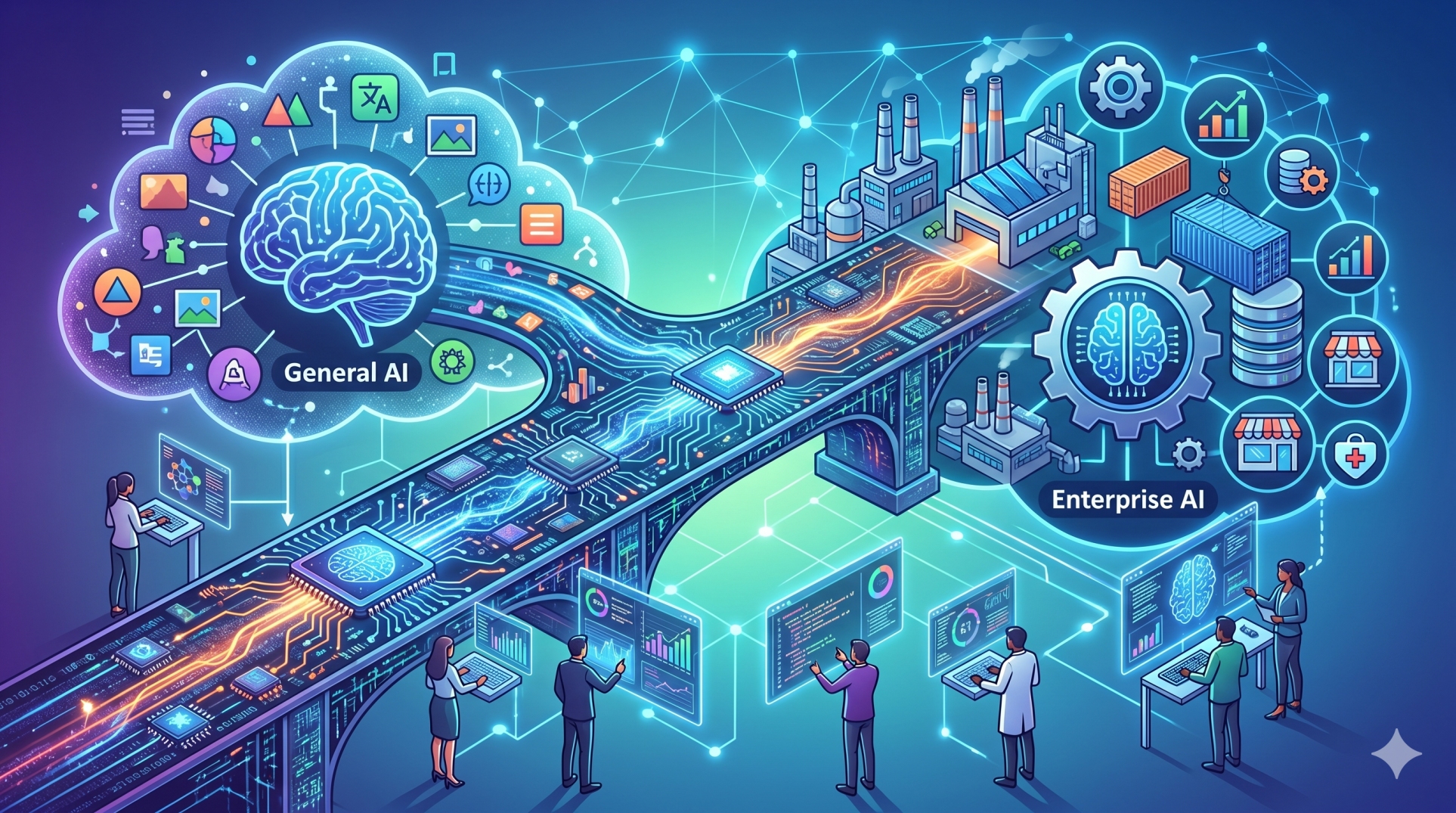
Step 2: Integrating Multiple Knowledge Sources 🔄
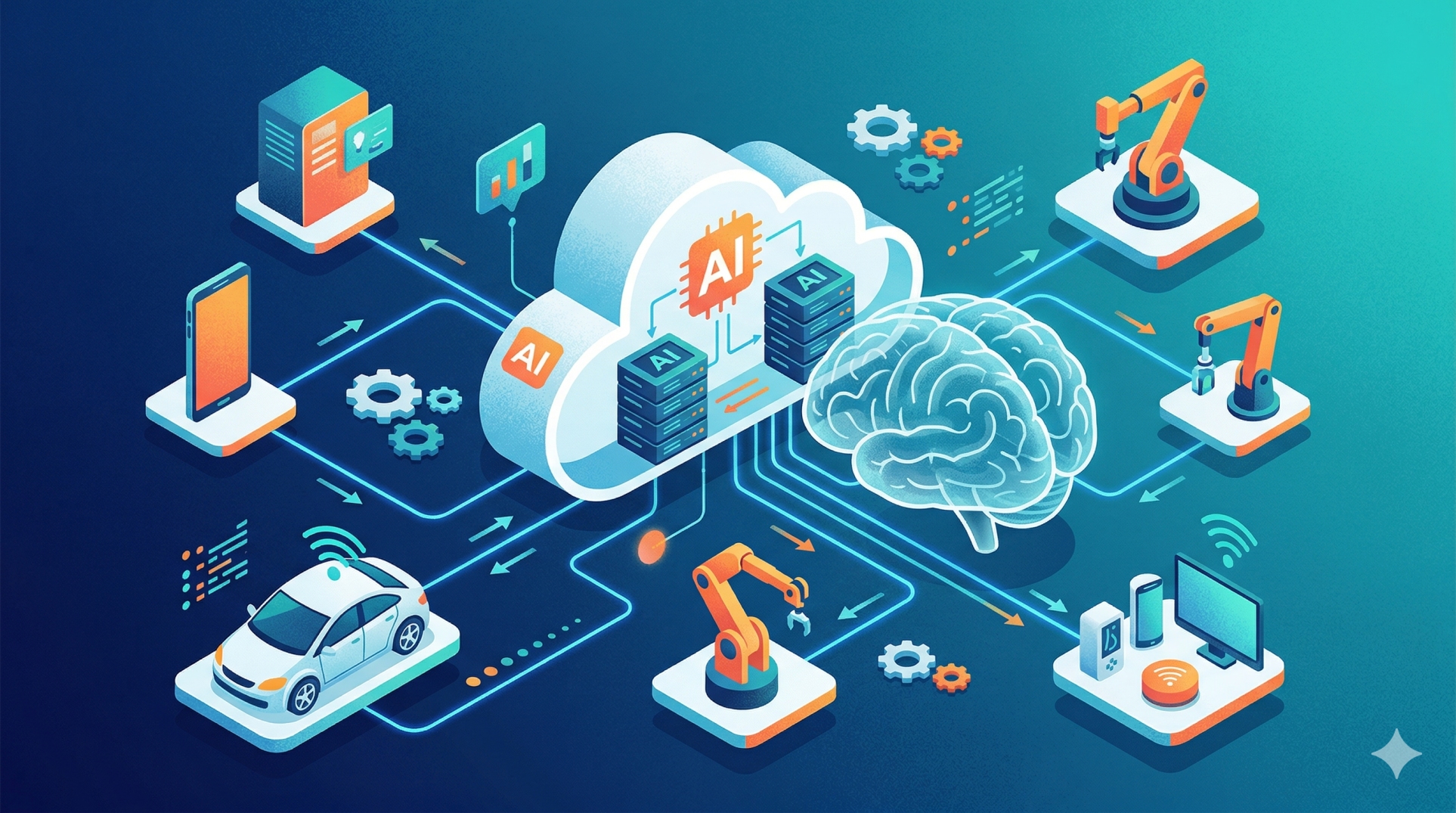
• Connect enterprise applications, document repositories, and cloud platforms ☁️
• Synchronize structured and unstructured business information 📄
• Incorporate historical records alongside current operational data 📊
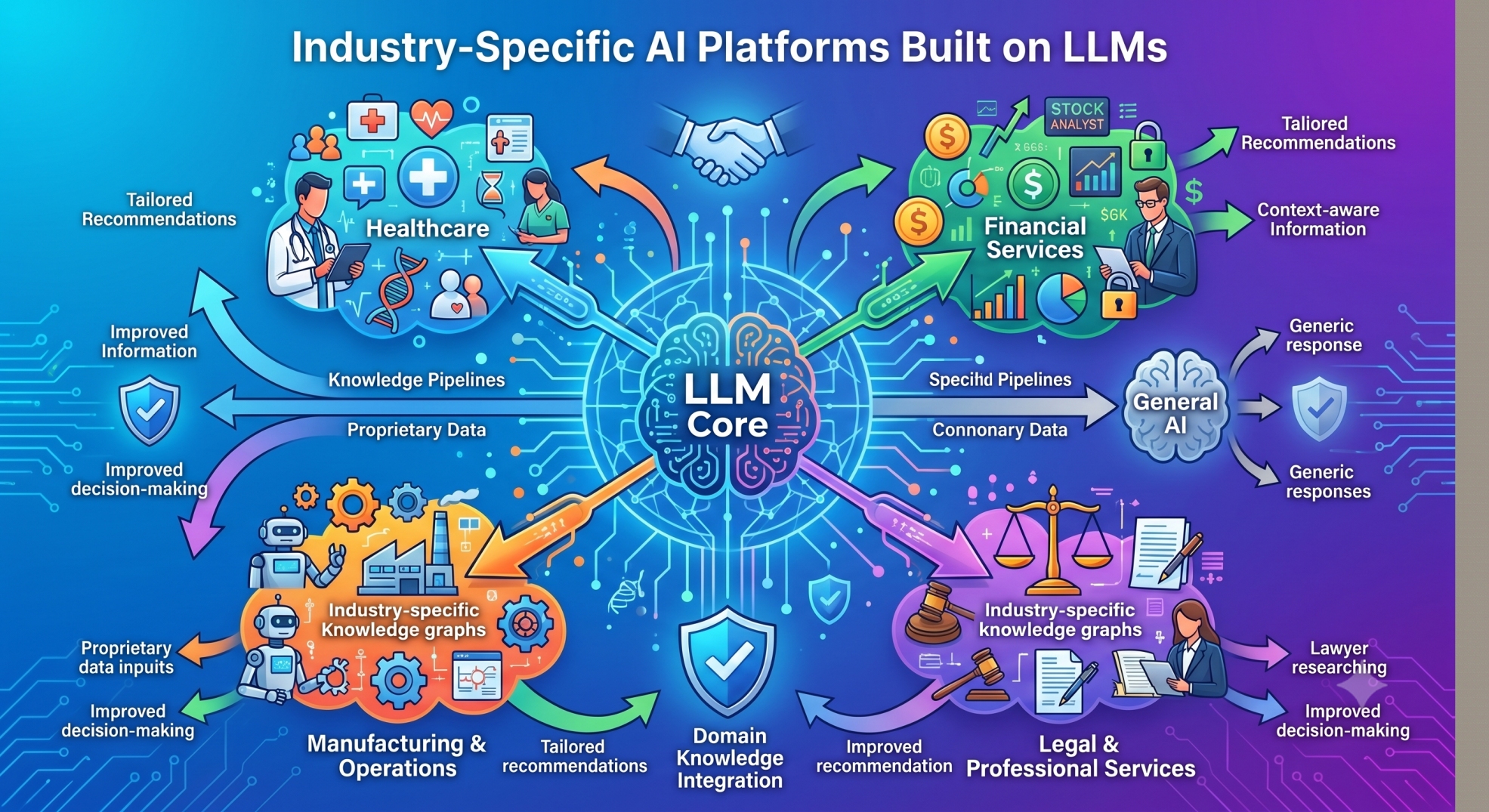
• Support industry-specific knowledge repositories 🏭
• Maintain consistent data across connected systems ✅
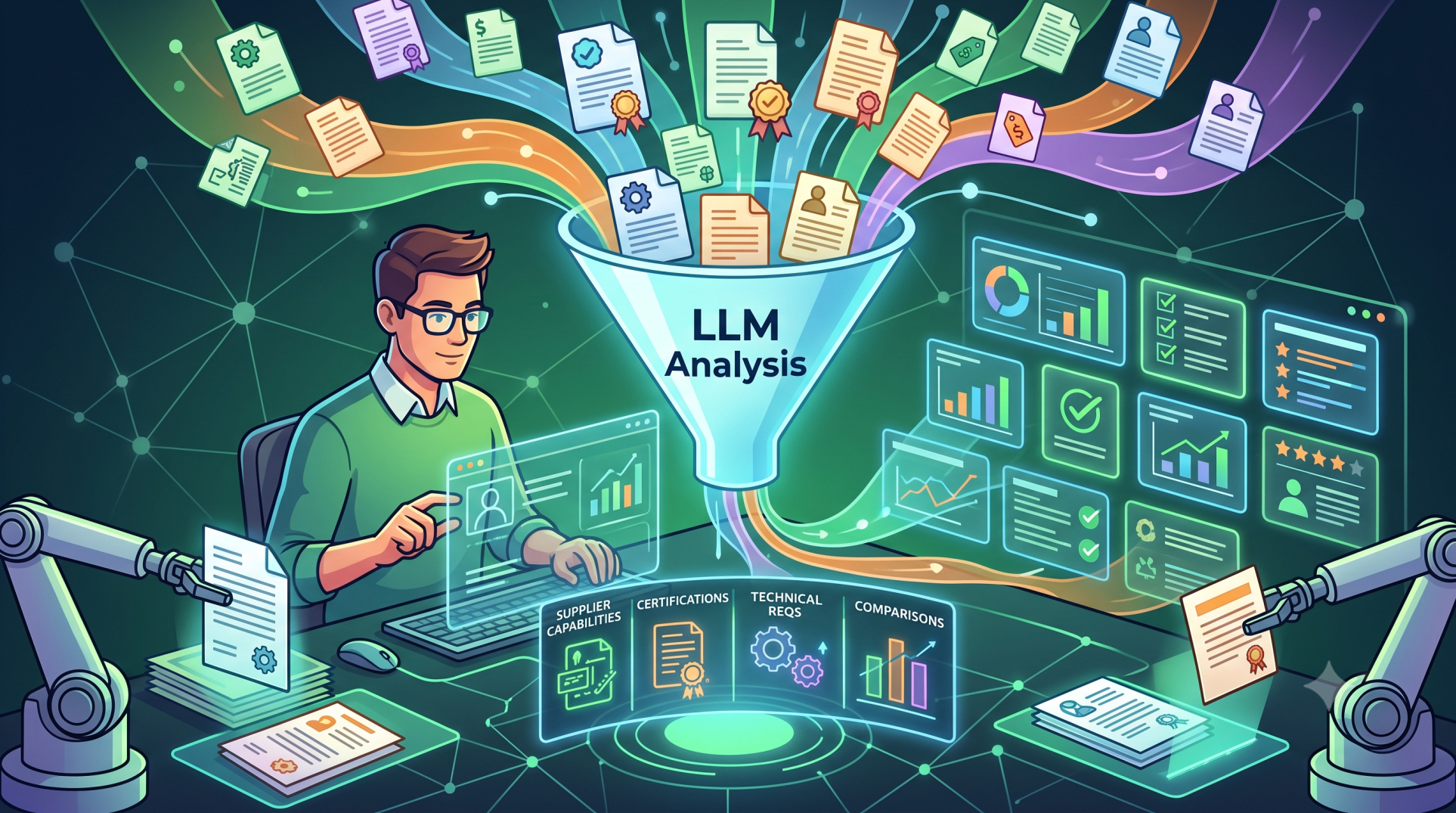
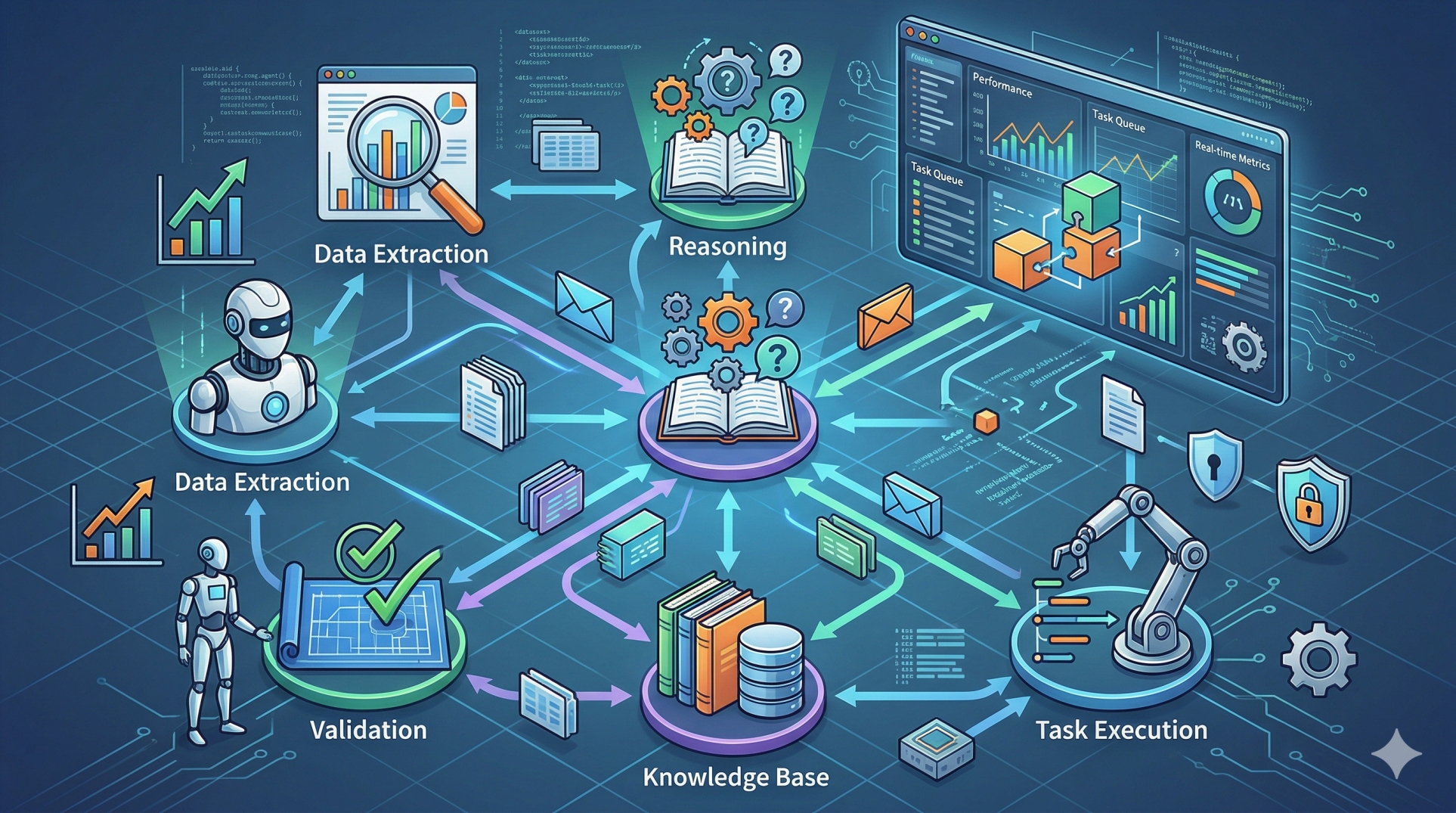
Step 3: Intelligent Knowledge Discovery 🔍
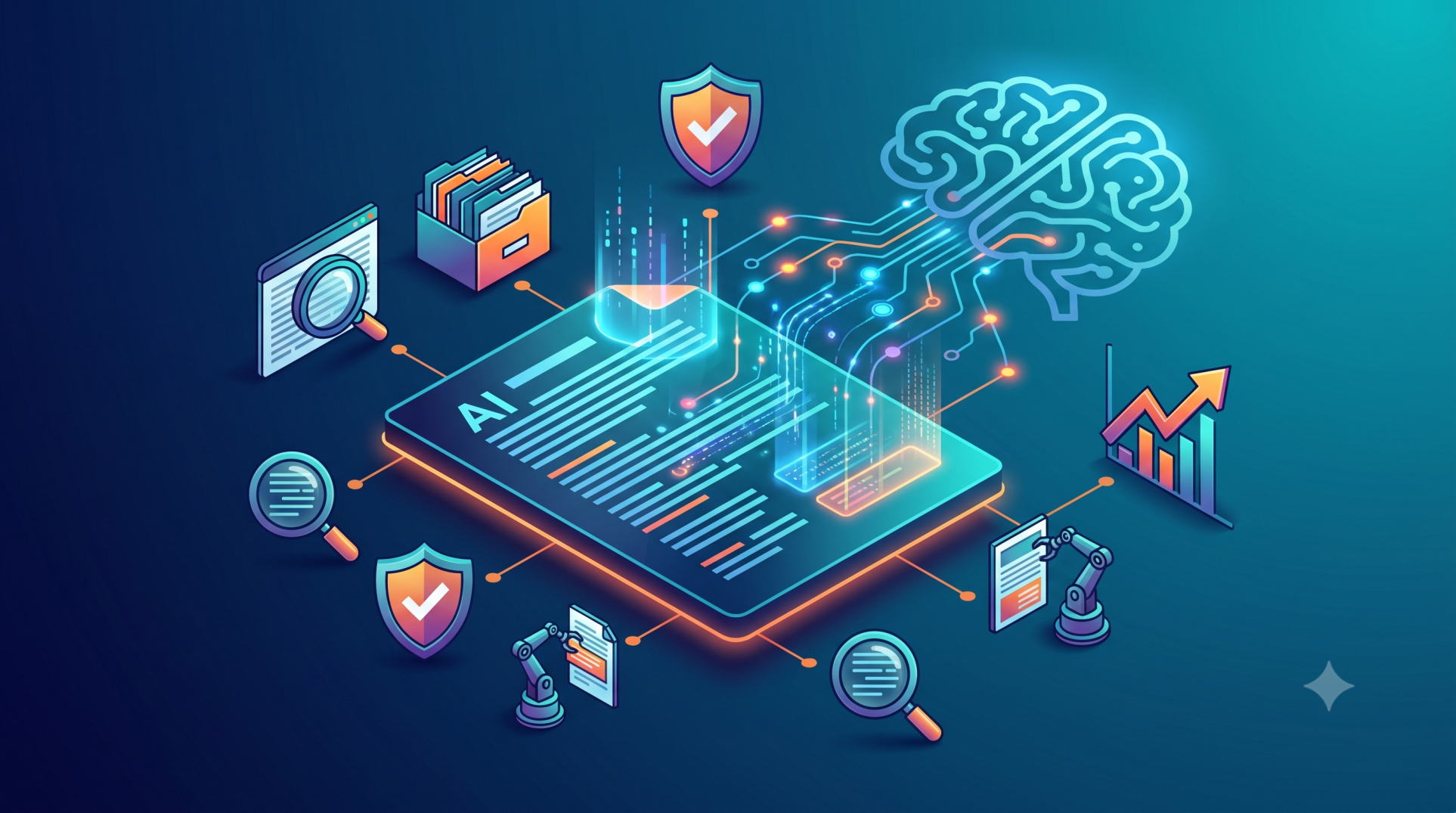
• Enable semantic search for faster information retrieval 🧠
• Understand user intent beyond simple keyword matching 🎯
• Recommend relevant documents, policies, and resources 📑
• Surface related knowledge based on business context 💡
• Improve search accuracy with AI-powered ranking 🚀
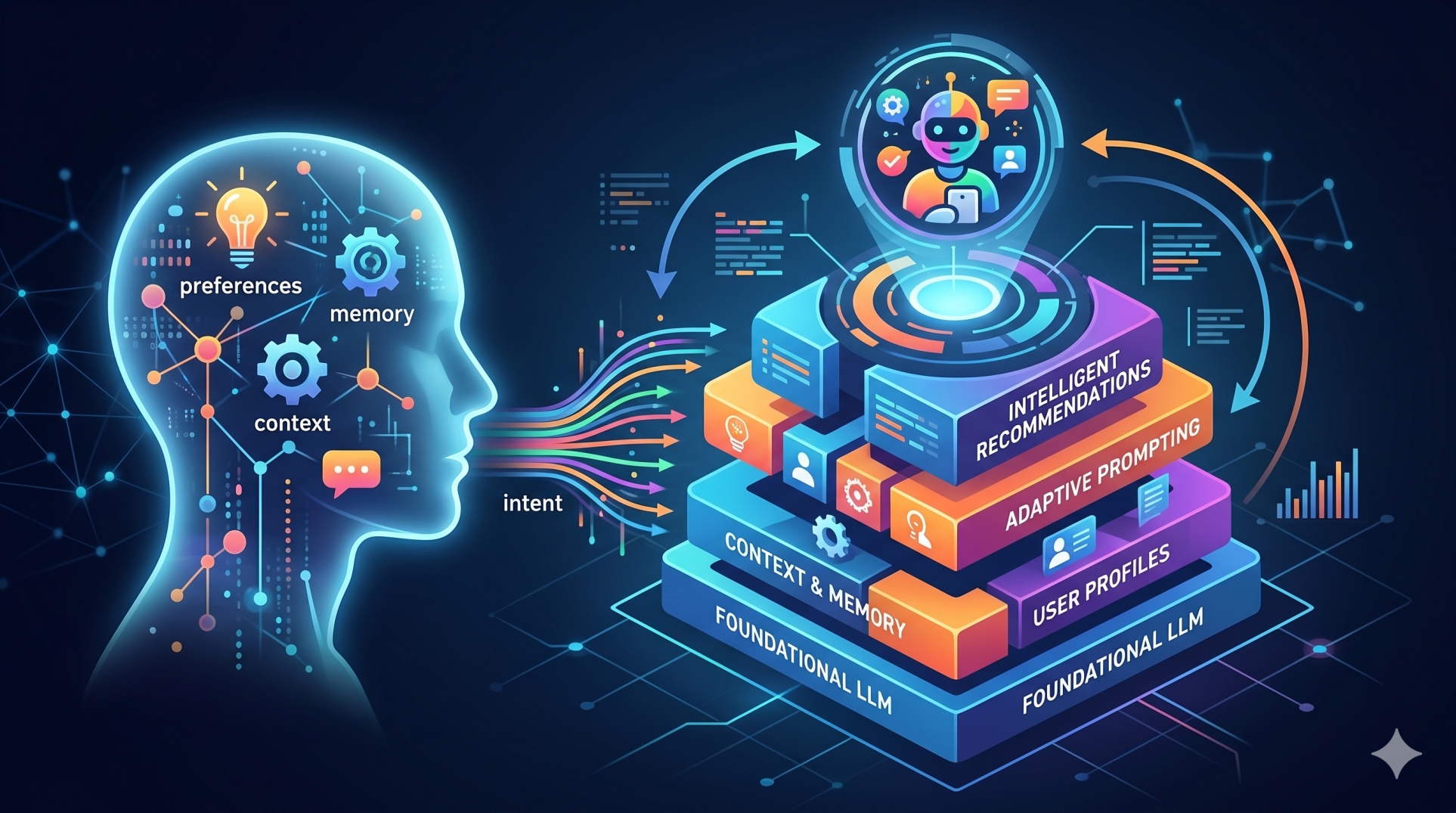
Step 4: Delivering Context-Aware Information 🧩
• Provide relevant knowledge based on user roles and responsibilities 👥
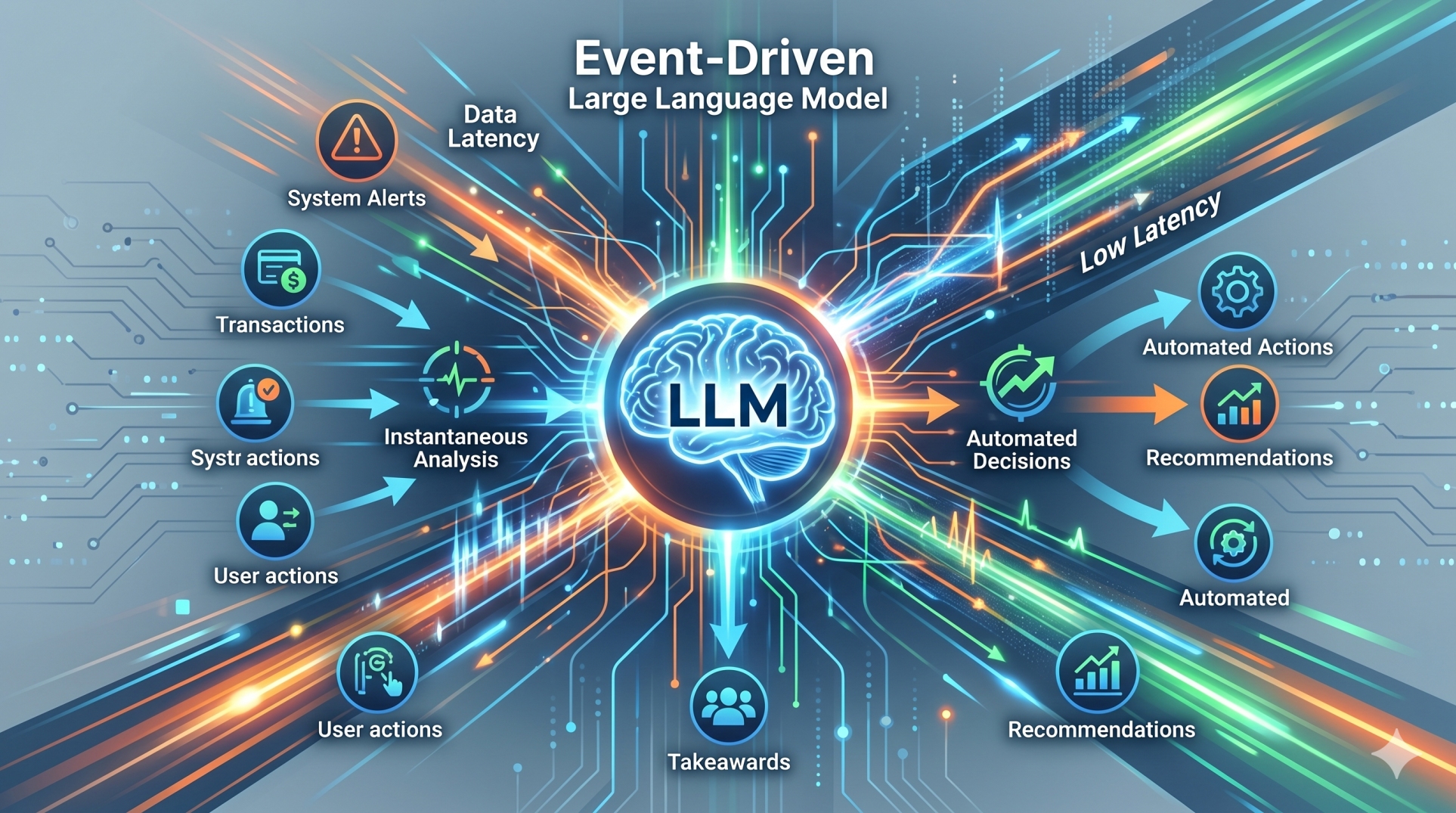
• Deliver information within existing business workflows ⚙️
• Personalize recommendations according to operational context 📈
• Present actionable insights instead of overwhelming data 📋
• Ensure employees receive timely and meaningful information ⏱️
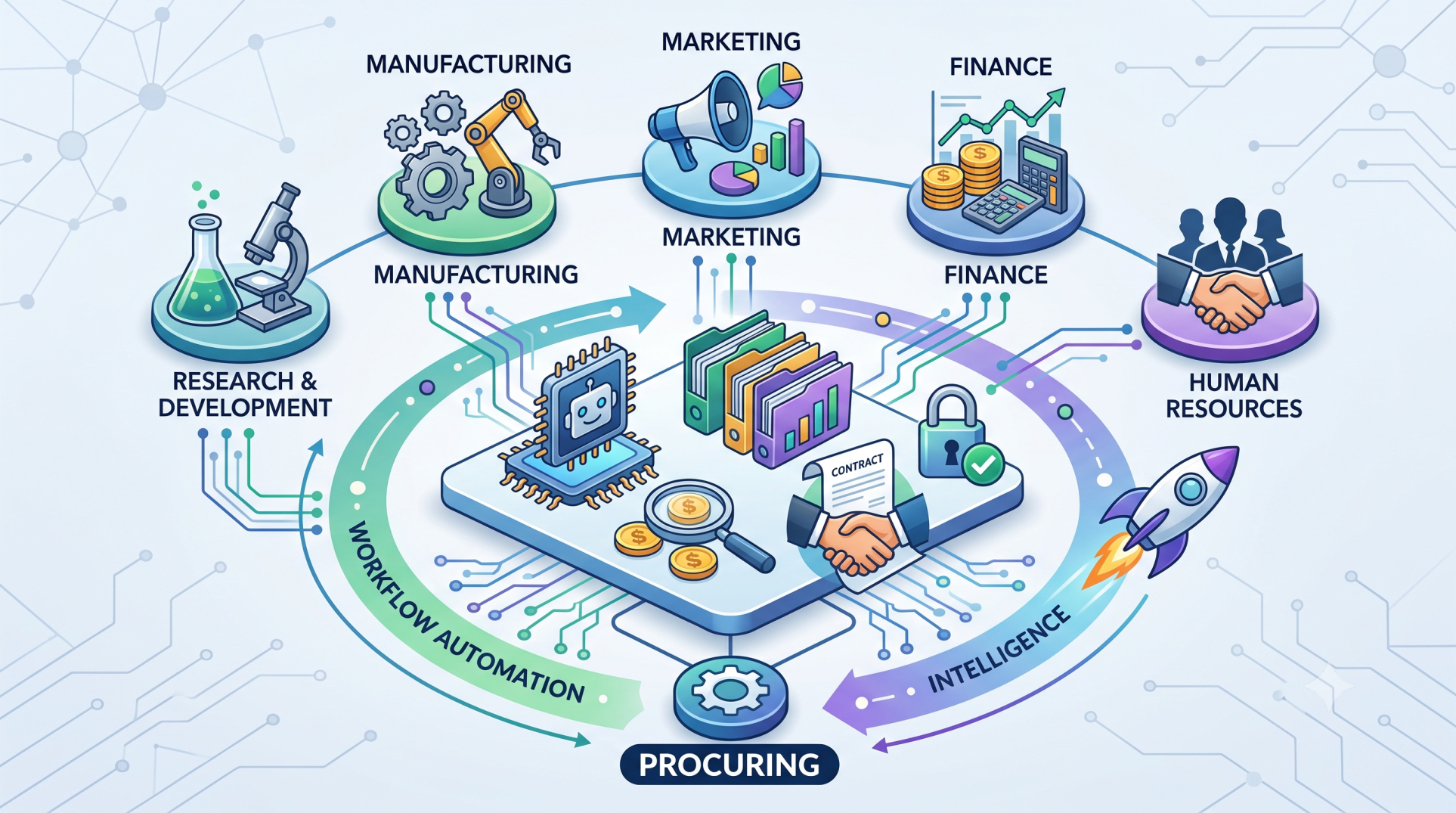
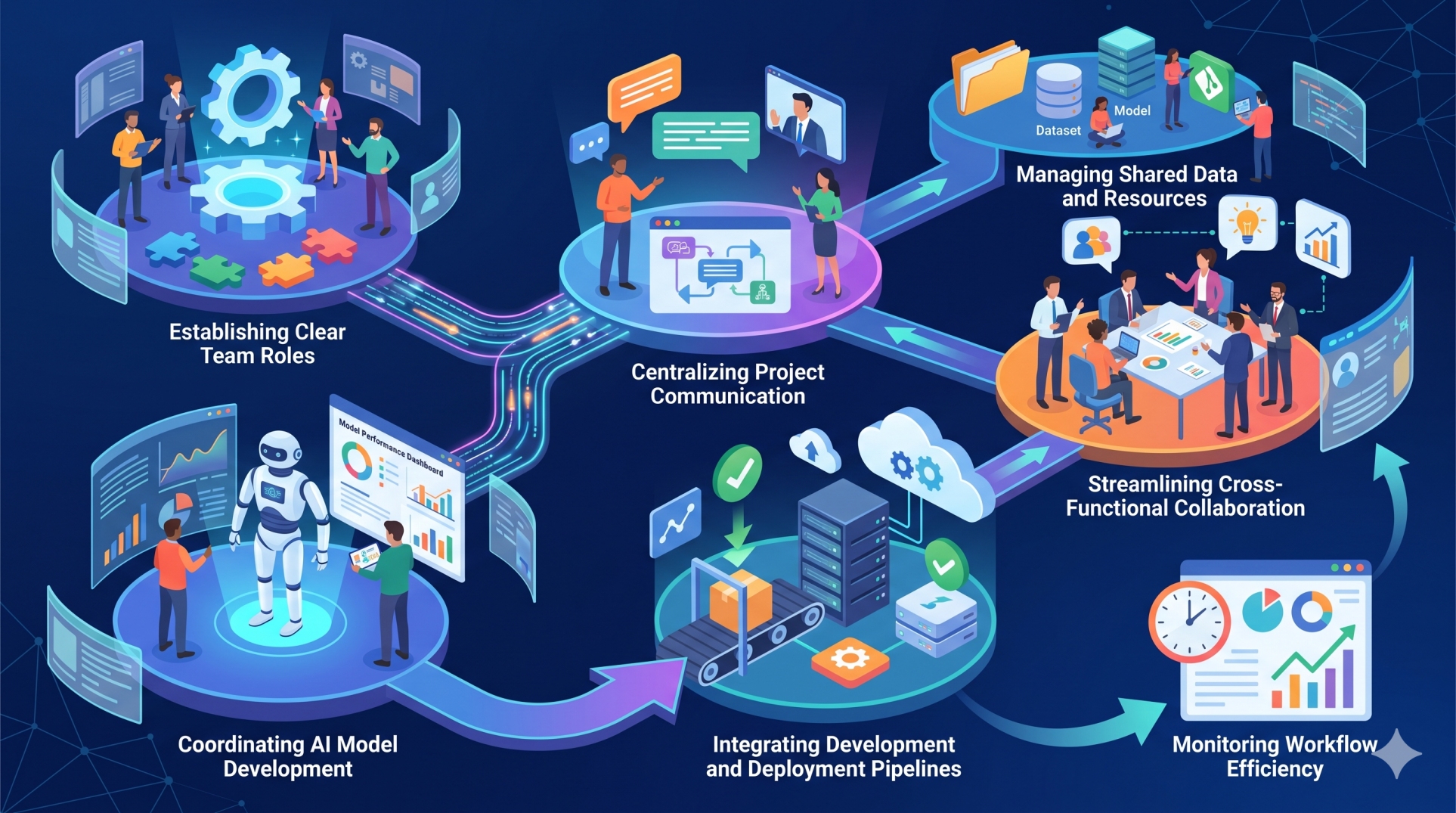
Step 5: Supporting Cross-Department Collaboration 🤝
• Share knowledge across teams and business units 🌍
• Improve collaboration between finance, HR, operations, and sales 📊
• Encourage reuse of organizational expertise 📚
• Reduce duplicated work through shared information 🔄
• Strengthen communication across the enterprise 💬
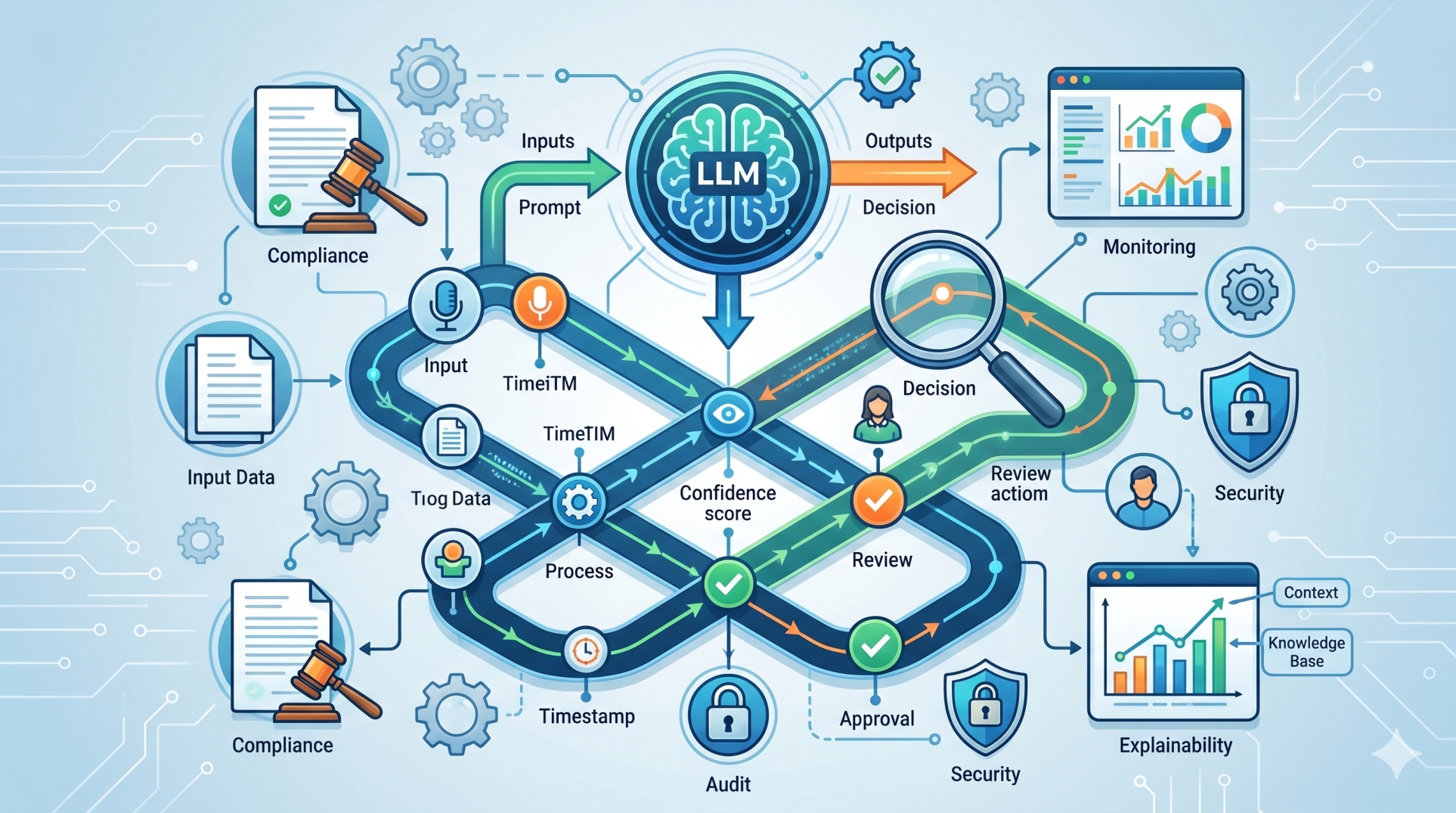
Step 6: Maintaining Knowledge Accuracy ✅
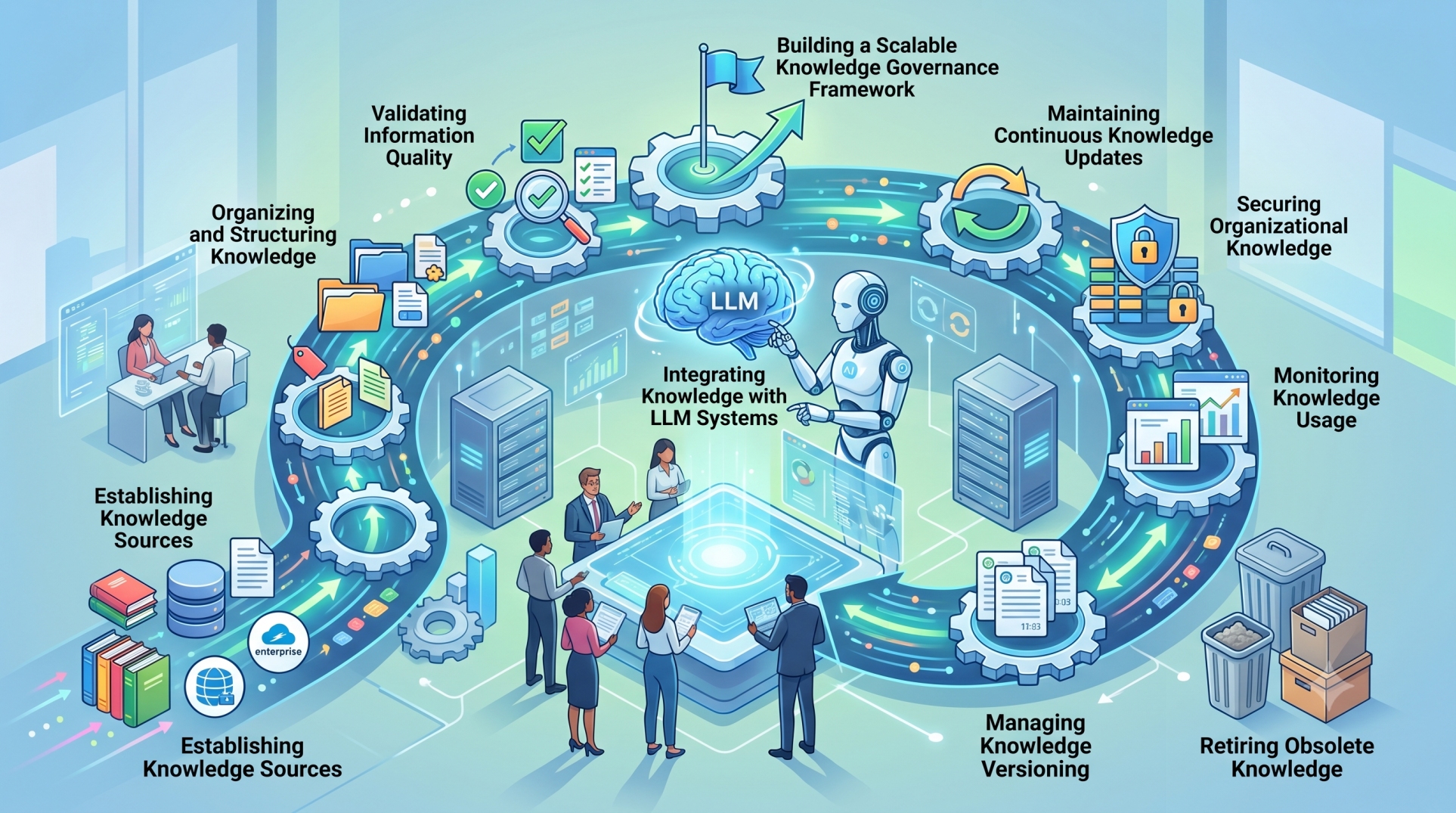
• Validate information before distribution 🛡️
• Remove outdated or redundant content 🗑️
• Track document versions and content updates 📑
• Maintain consistent knowledge across all platforms 🔄
• Improve trust through reliable information management 📈
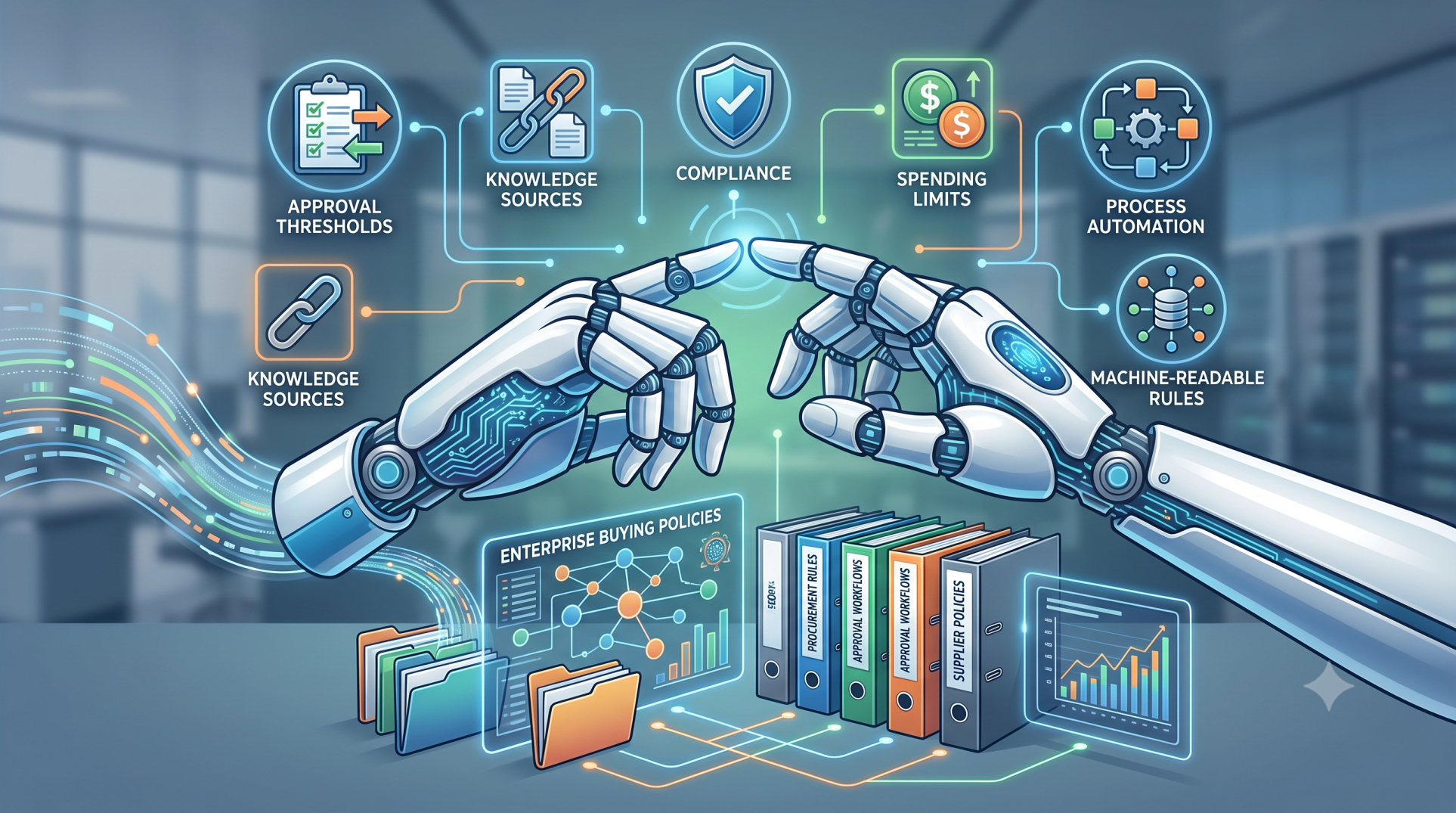
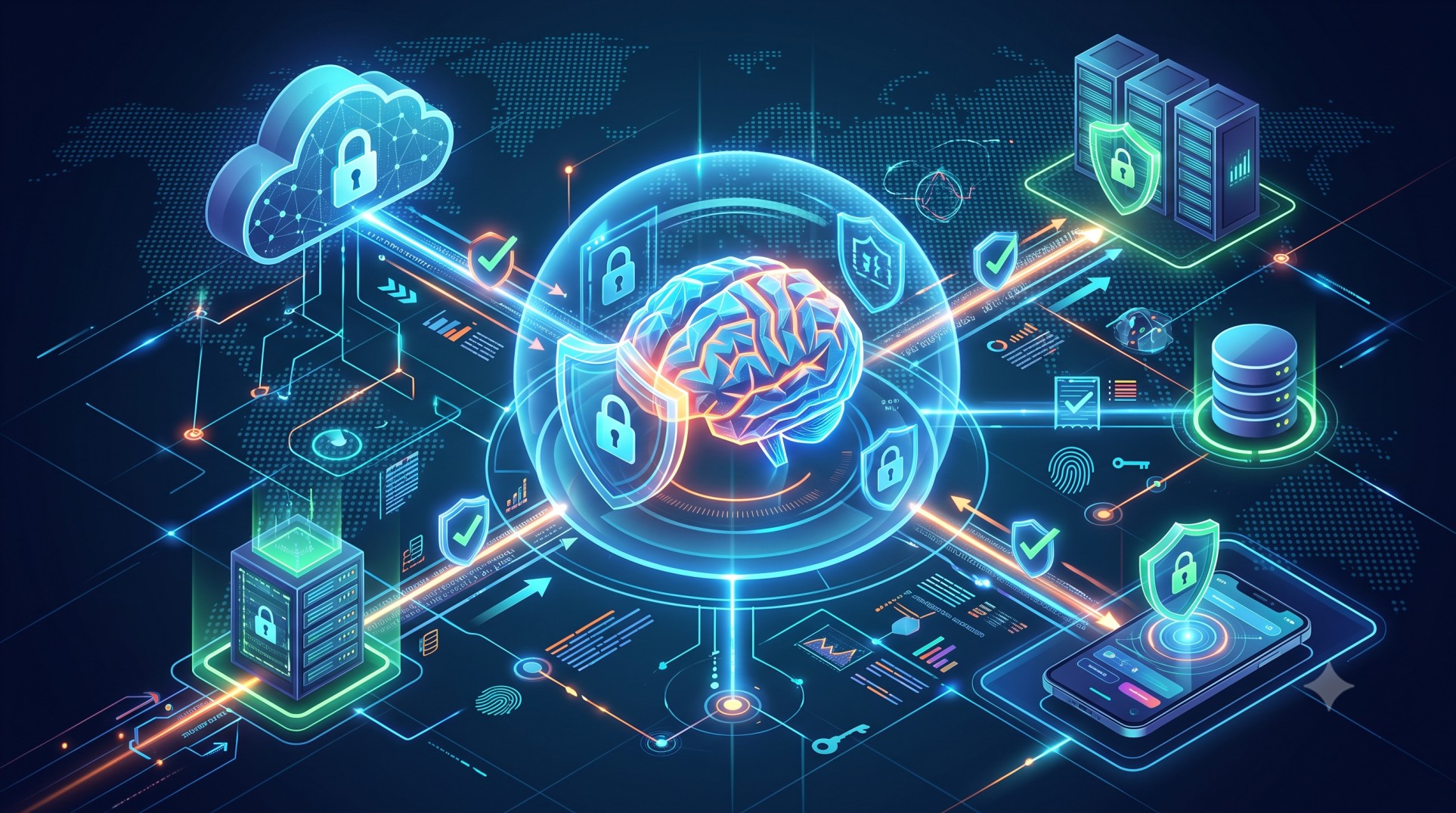
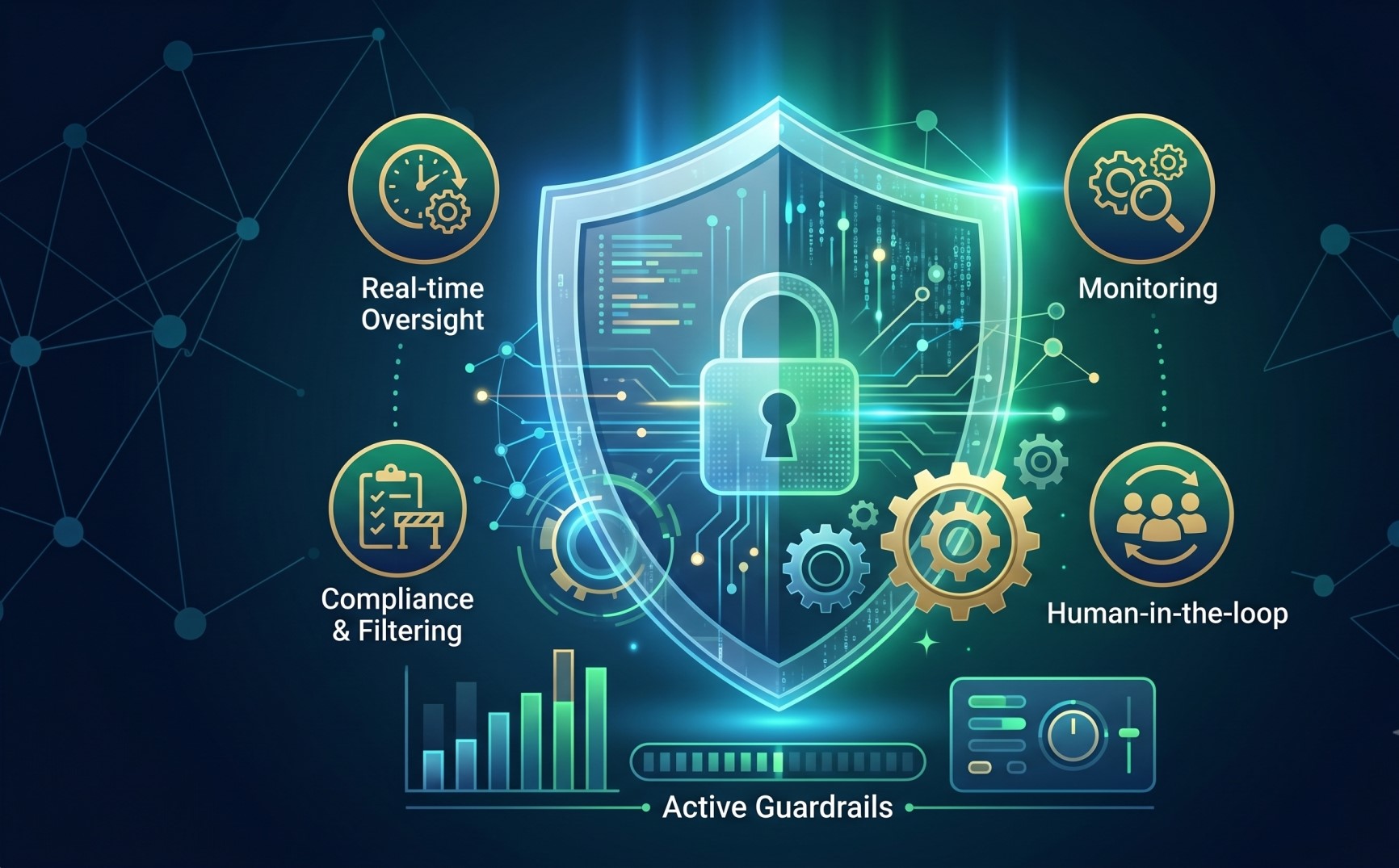
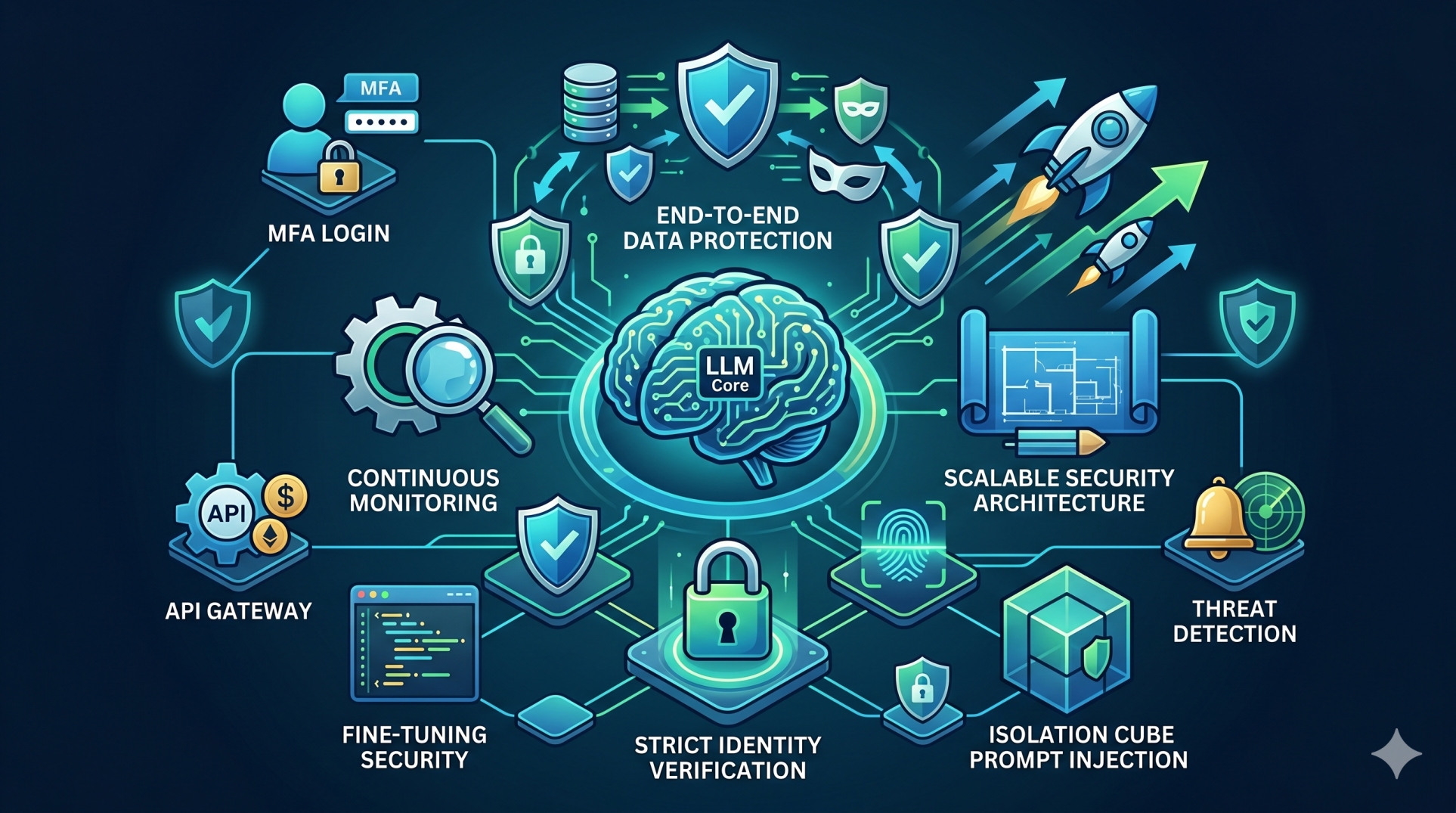
Step 7: Securing Enterprise Knowledge 🔐
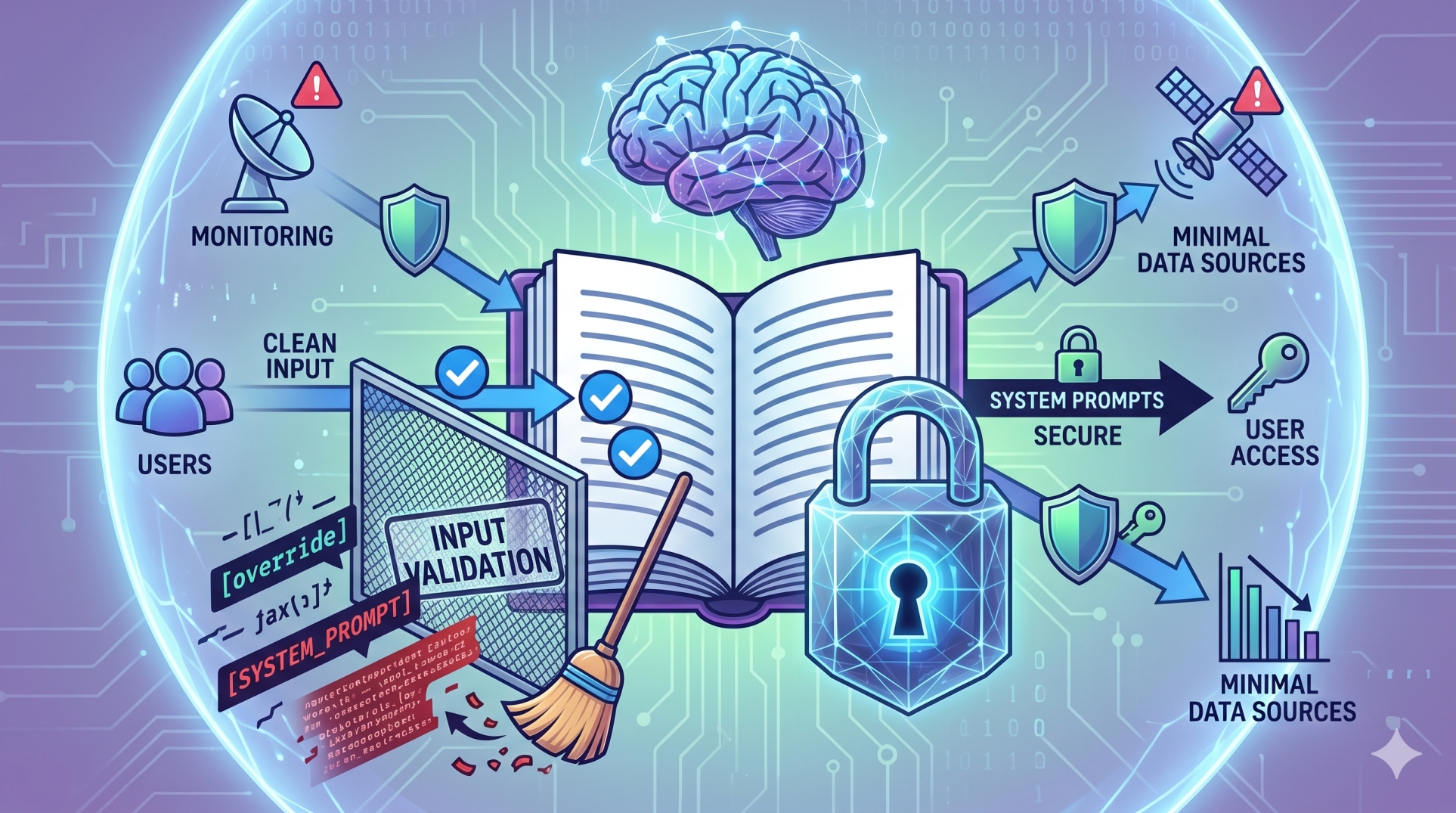
• Apply role-based access controls for sensitive information 👤
• Protect confidential business data through encryption 🛡️
• Monitor knowledge access and usage activities 📊
• Support governance and regulatory compliance 📜
• Prevent unauthorized access across enterprise systems 🚨
Step 8: Key Knowledge Distribution Priorities ⭐
• Centralized and searchable enterprise knowledge 📚
• AI-powered discovery and intelligent recommendations 🤖
• Secure access with governance controls 🔐
• Scalable architecture for organizational growth 🚀
Step 9: Measuring Knowledge Effectiveness 📊
• Track knowledge usage and engagement metrics 📈
• Analyze search success and information accessibility 🔍
• Identify knowledge gaps across departments 🏢
• Measure collaboration and content adoption 🤝
• Continuously improve knowledge delivery strategies 💡
Step 10: Building a Future-Ready Knowledge Ecosystem 🌟
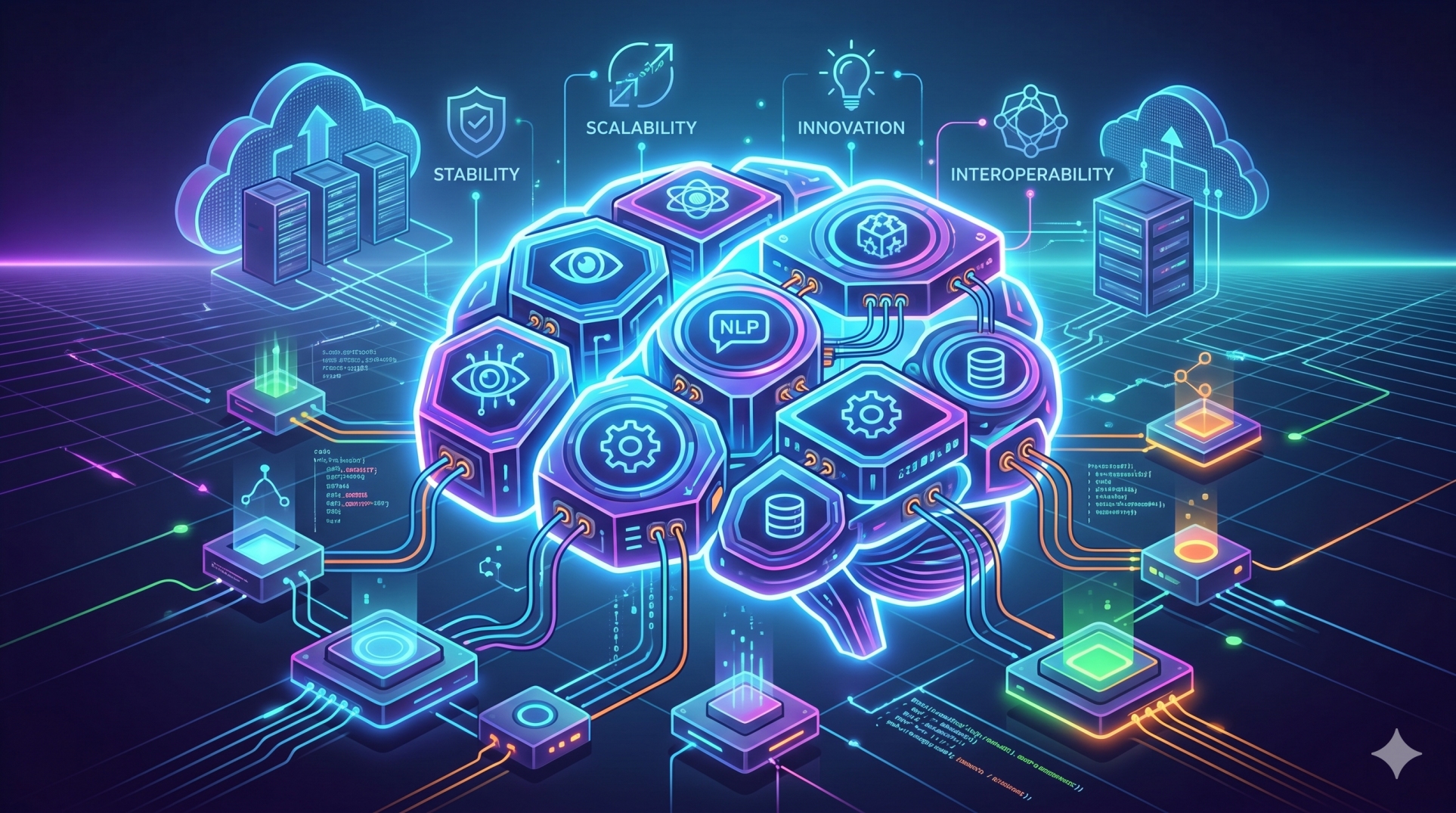
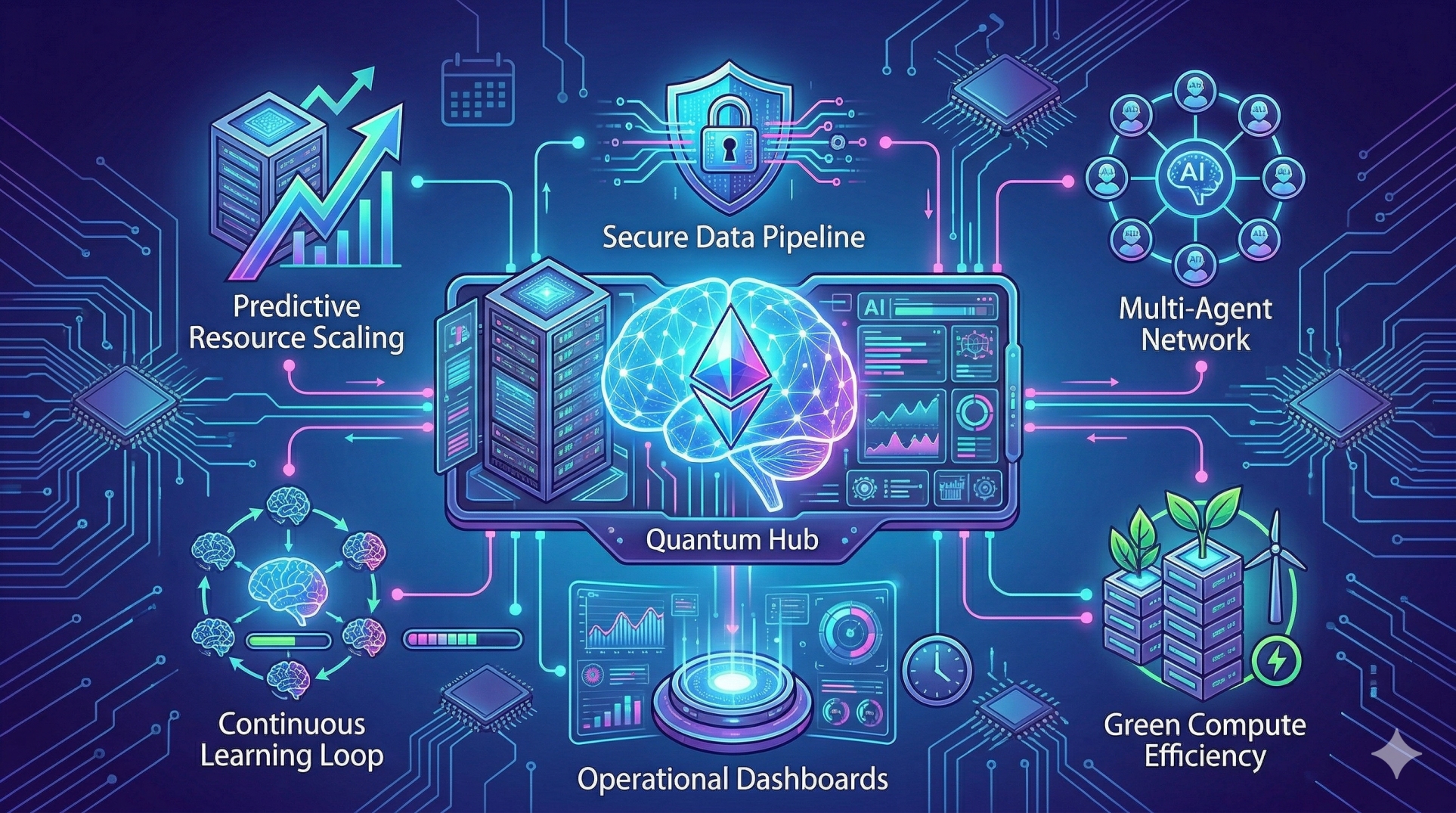
• Design flexible AI platforms that scale with business growth 🏗️
• Integrate emerging technologies with minimal disruption 🔄
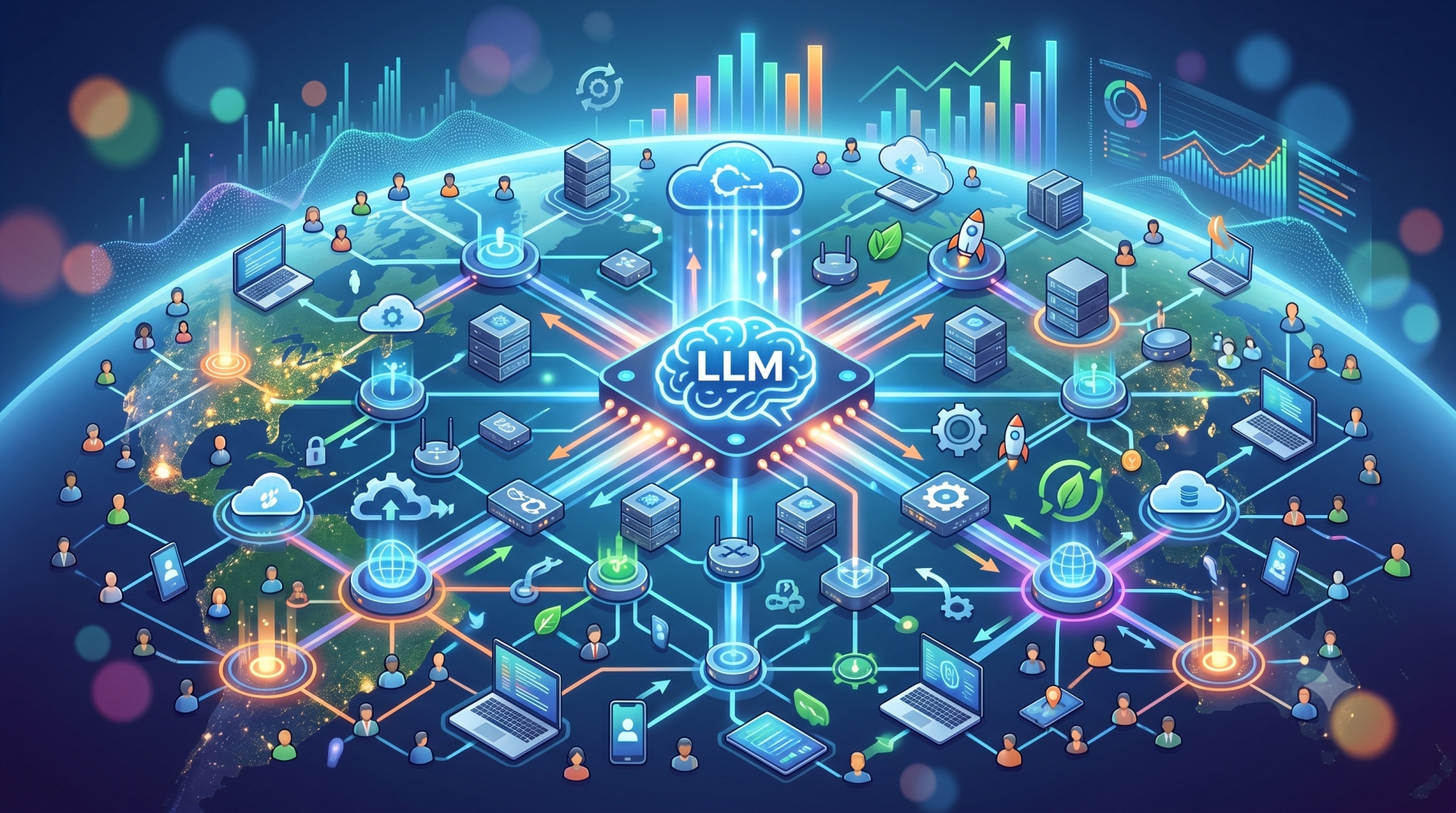
• Support multilingual and multi-location organizations 🌍
• Enable continuous knowledge sharing across evolving teams 📡
• Future-proof enterprise knowledge management through modular architecture 🚀
Conclusion
Enterprise knowledge distribution through AI platforms enables organizations to transform scattered information into accessible, actionable intelligence. By centralizing knowledge, enabling intelligent discovery, strengthening security, and supporting seamless collaboration, AI-powered platforms help employees make faster decisions and work more effectively. A scalable knowledge distribution strategy ensures organizations can adapt, innovate, and maintain a competitive advantage in an increasingly information-driven business environment.
See more blogs
You can all the articles below