LLM Applications in Financial Analysis Systems
LLM Applications in Financial Analysis Systems
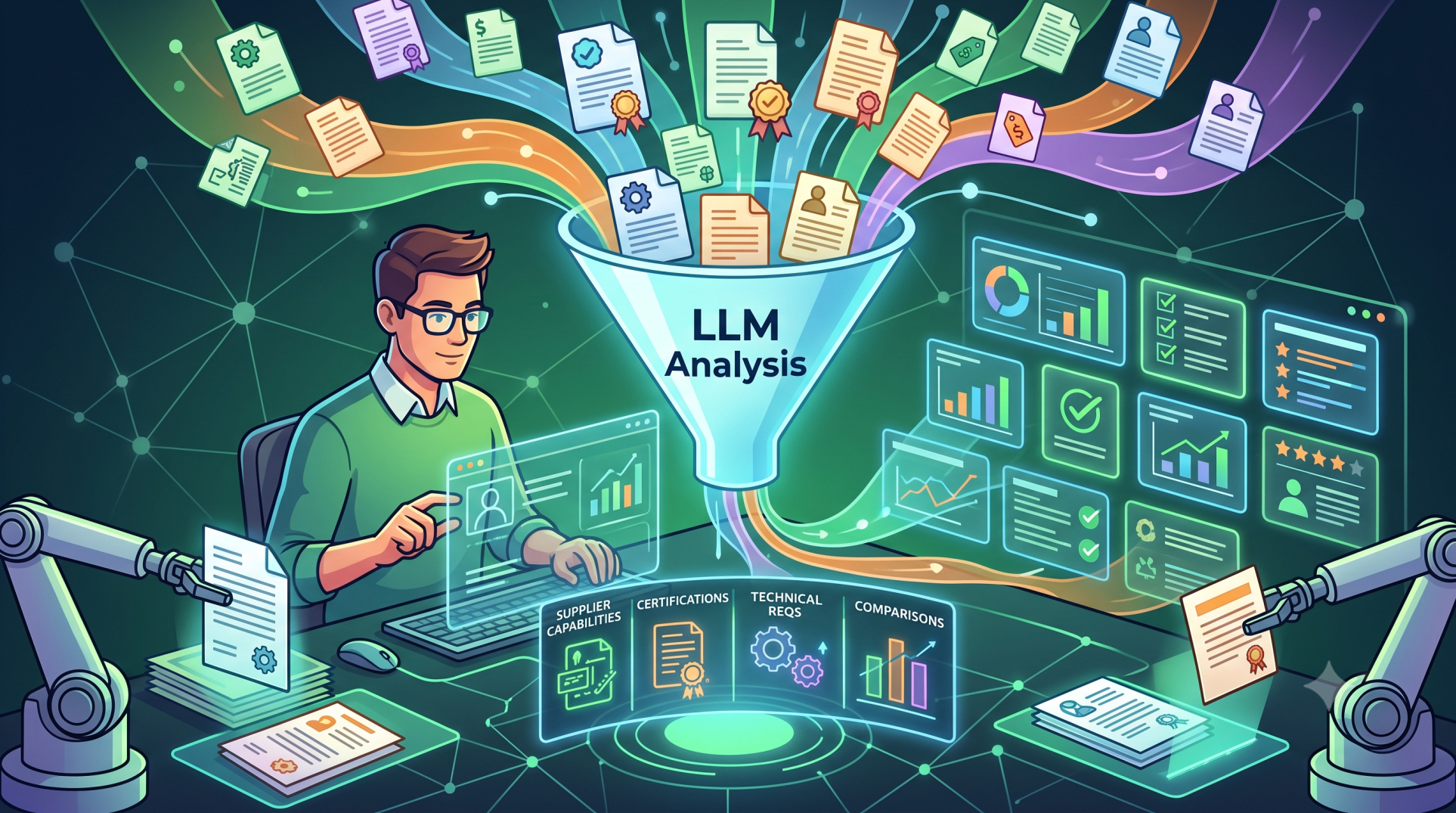
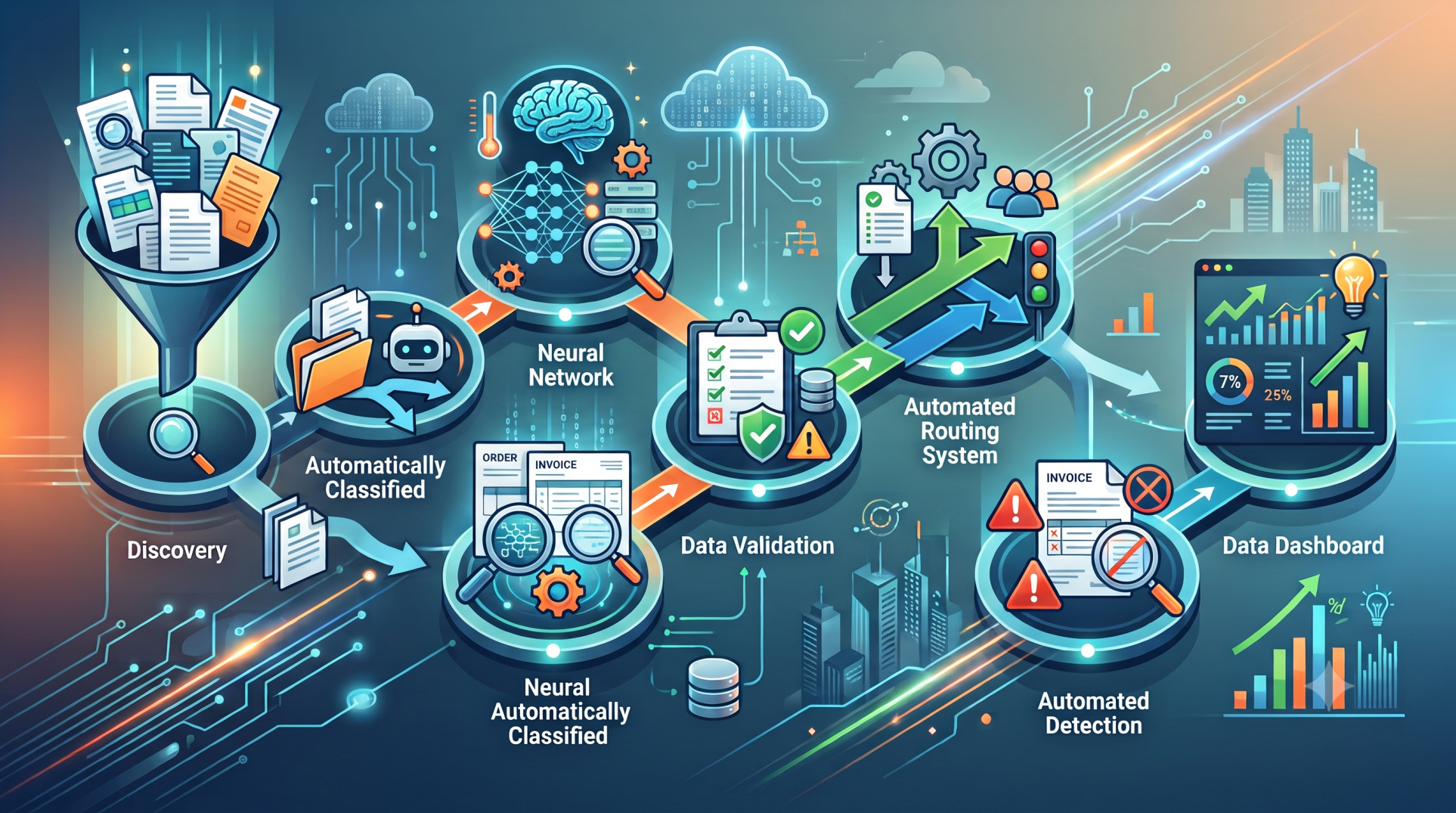
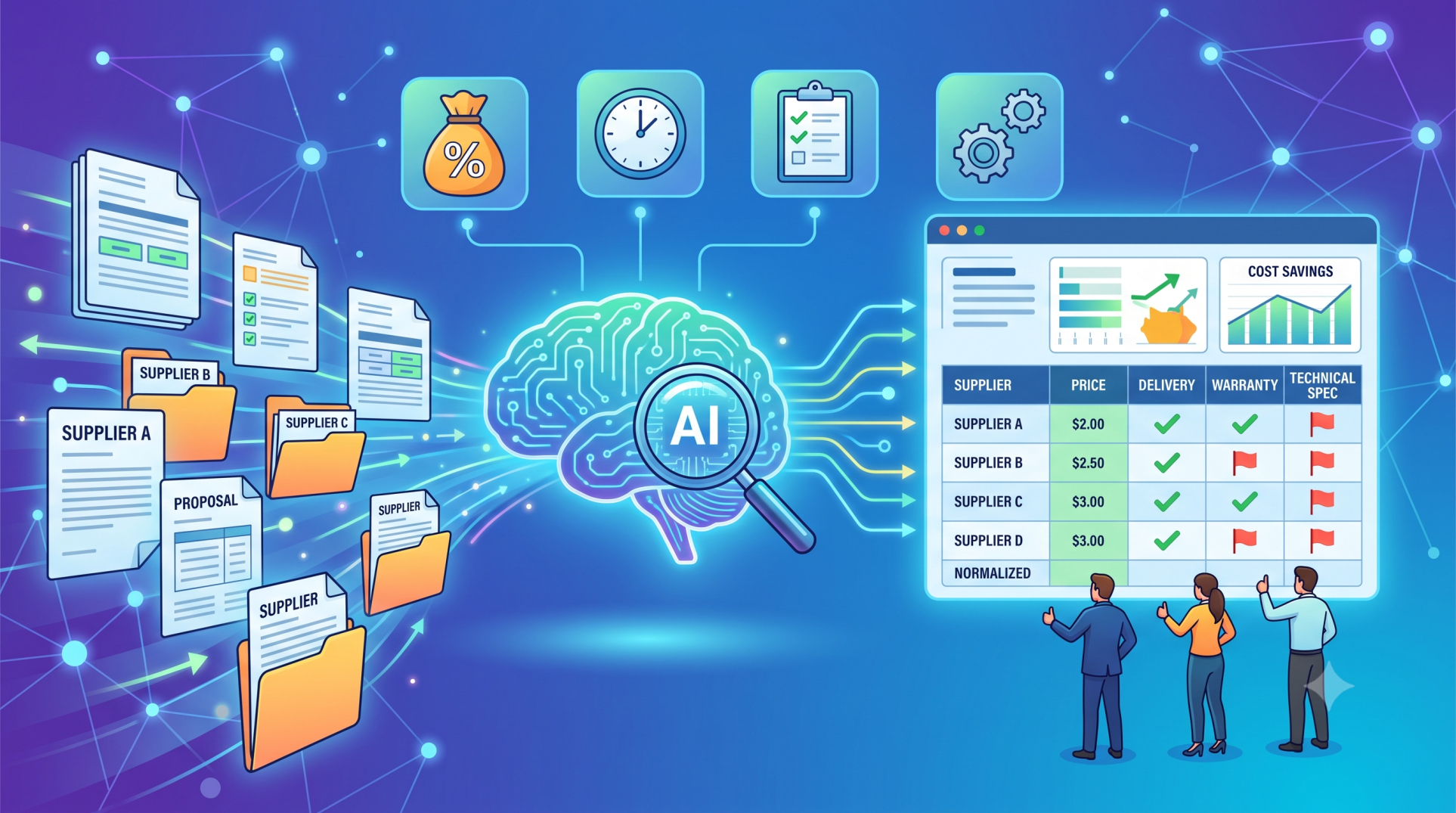
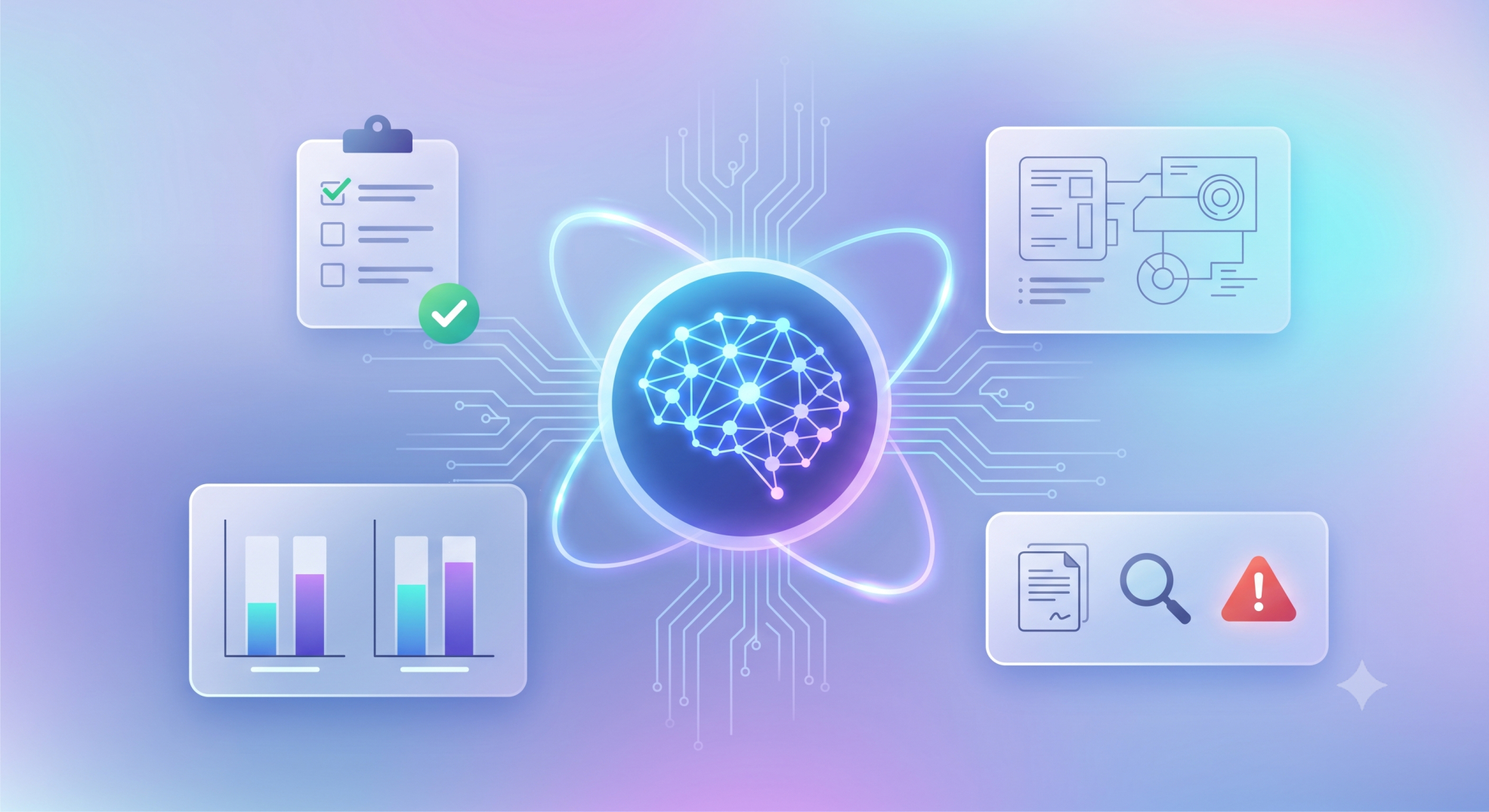
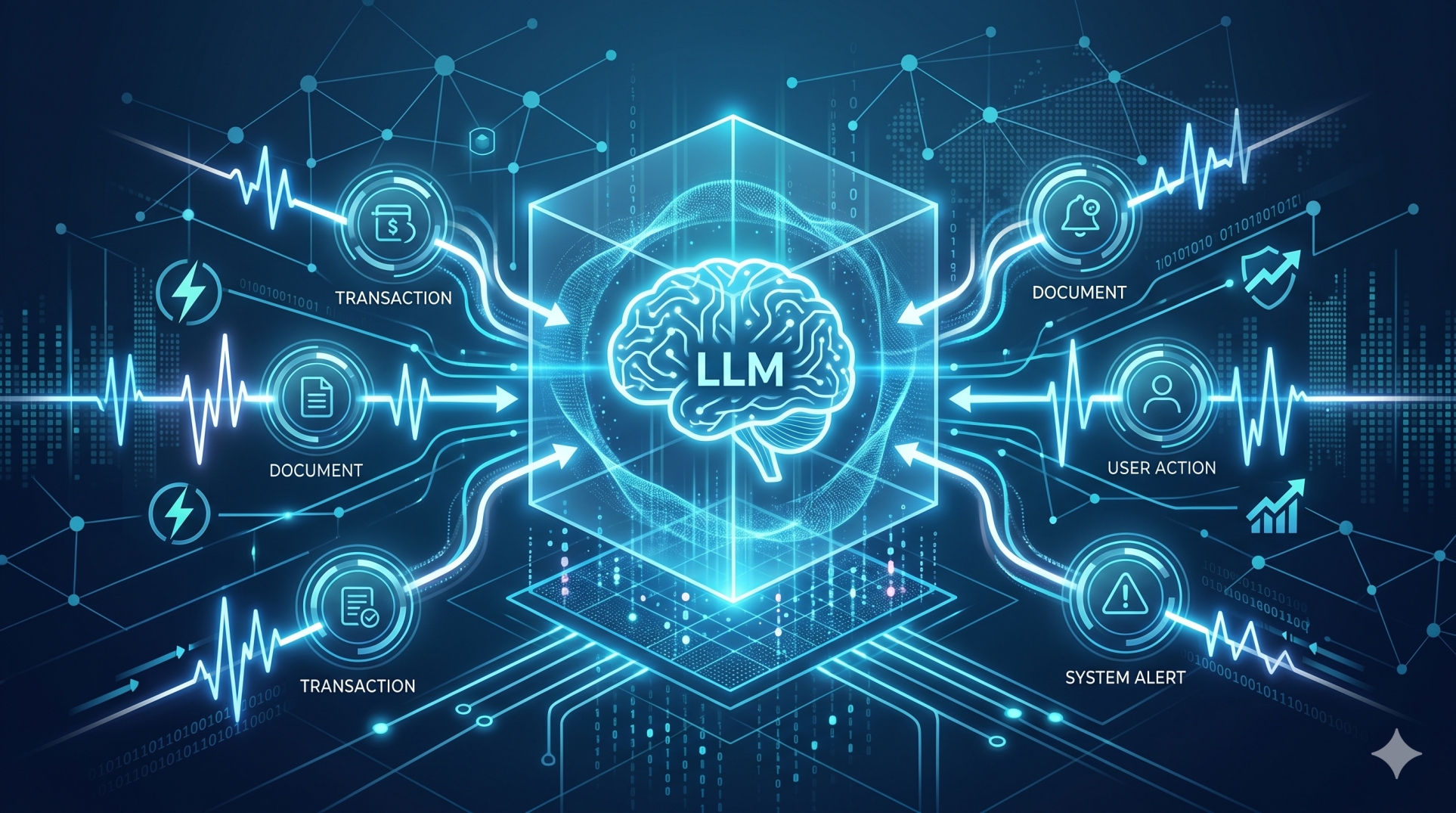
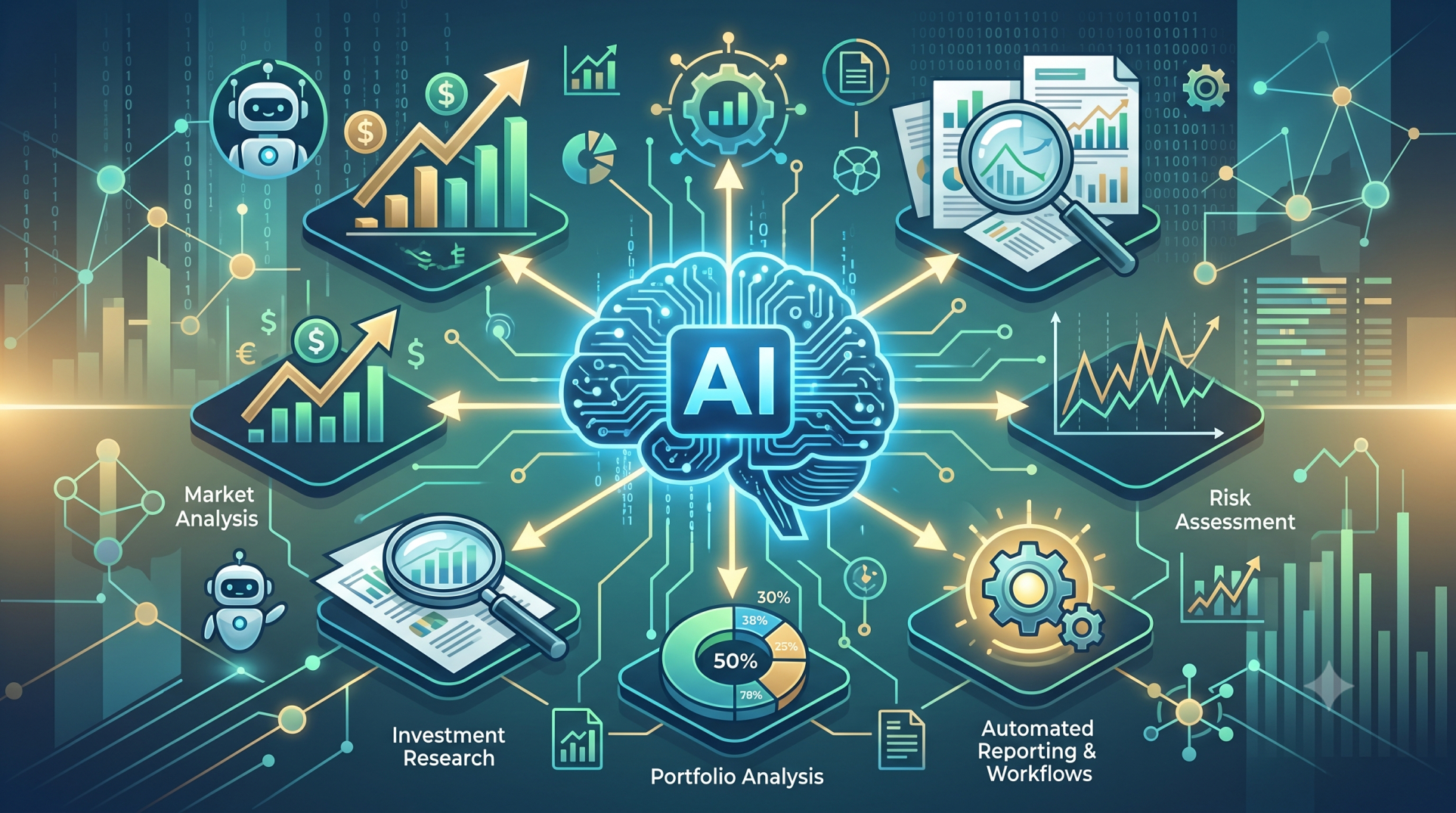
Large Language Models (LLMs) are transforming financial analysis by enabling organizations to process vast amounts of structured and unstructured data with unprecedented speed and accuracy. From market research and risk assessment to financial reporting and investment intelligence, LLM-powered systems help analysts uncover insights, automate repetitive tasks, and support data-driven decision-making. As financial institutions increasingly adopt AI technologies, LLMs are becoming a critical component of modern financial analysis platforms.
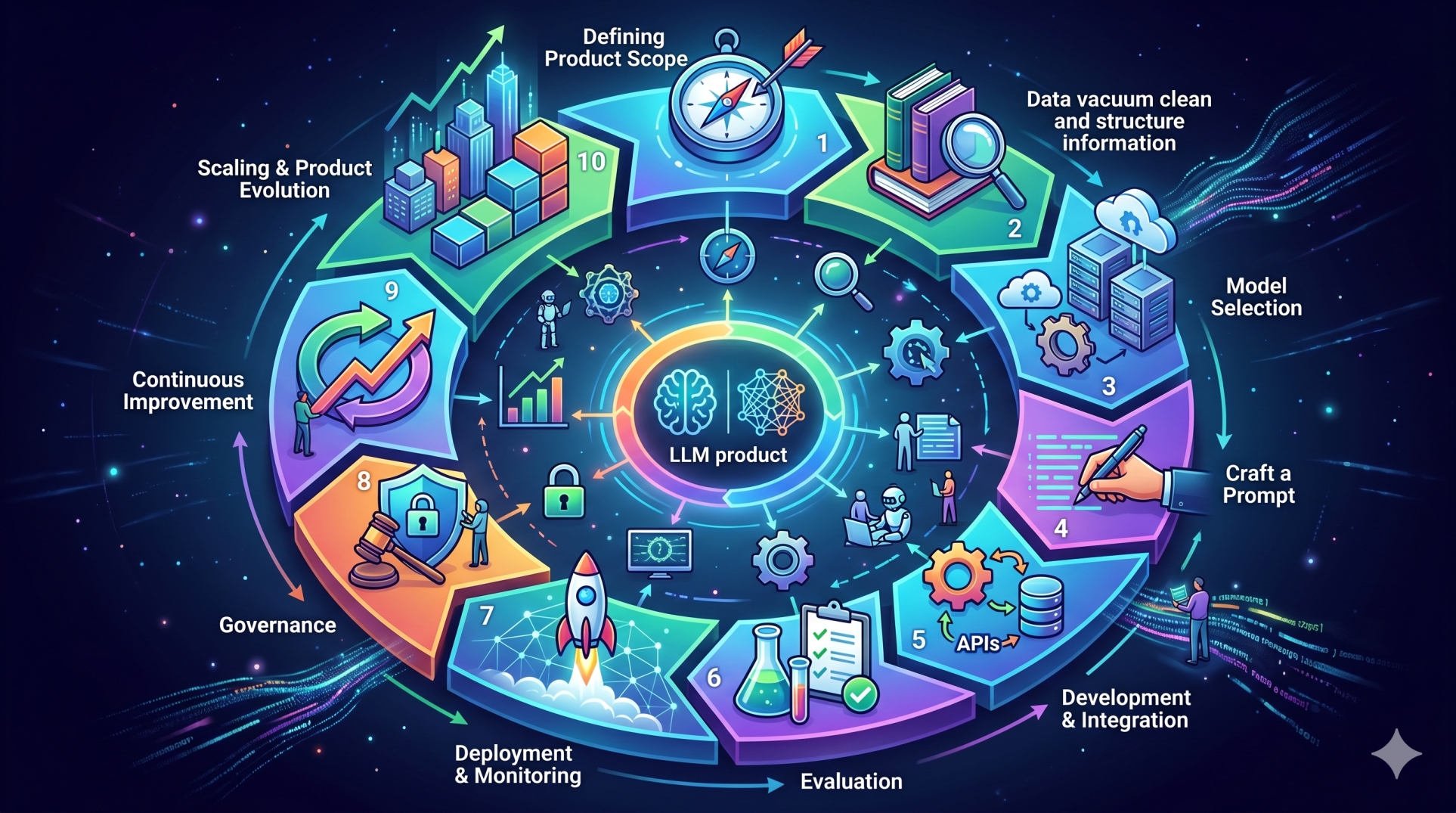
Step 1: Understanding the Role of LLMs in Financial Analysis 💹
• LLMs process and interpret complex financial information efficiently 📊
• They analyze both structured and unstructured financial data 📚
• Support faster decision-making through intelligent insights ⚡
• Automate information gathering and analysis workflows 🤖
• Enhance productivity across financial operations ✅
Step 2: Processing Financial Documents 📄
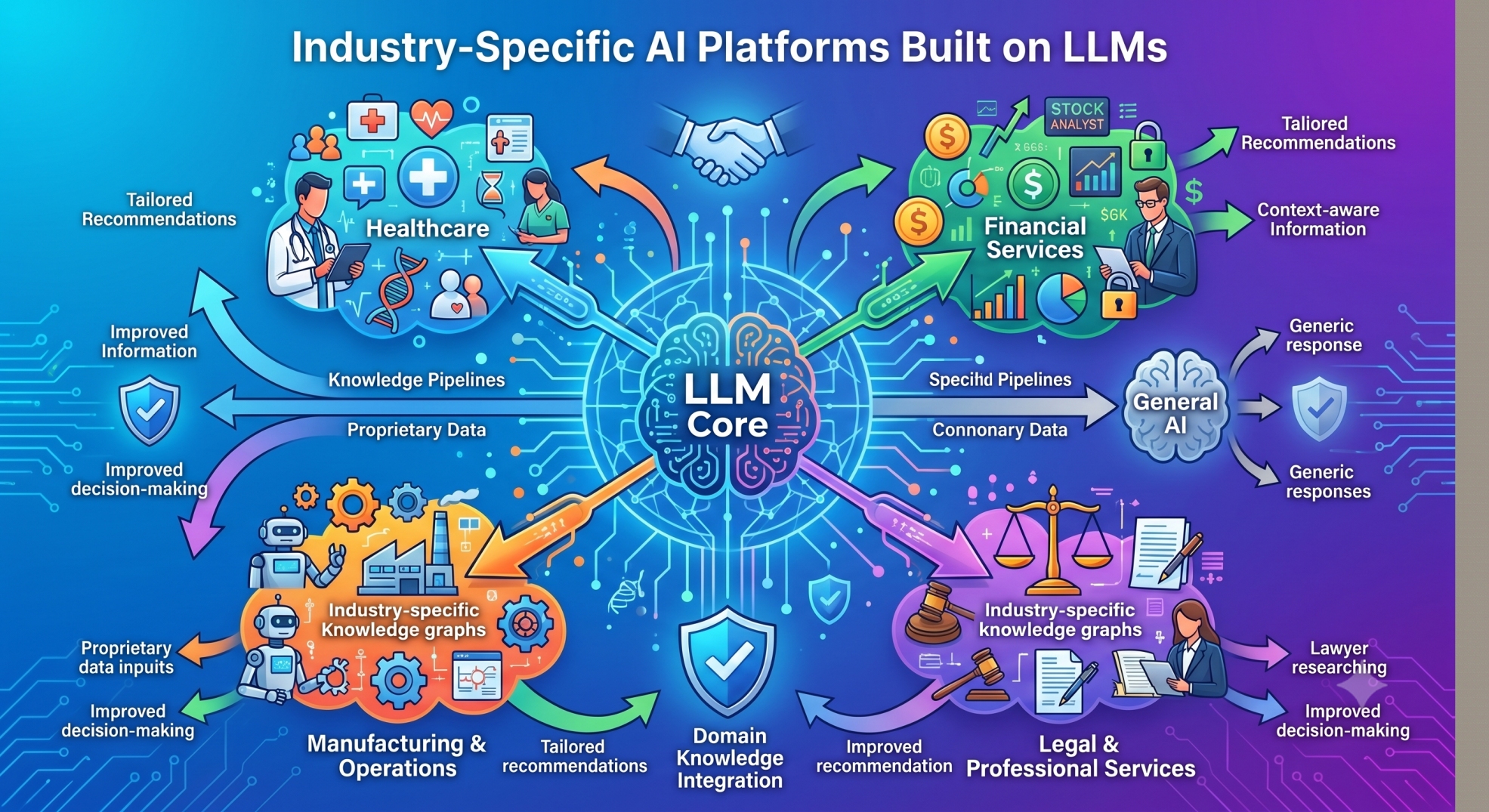
• Analyze annual reports, earnings statements, and regulatory filings 🏢
• Extract key financial metrics and performance indicators 📈
• Summarize lengthy documents into actionable insights ✍️
• Identify trends and significant business developments 🔍
• Reduce manual effort in document review processes ⏳
Step 3: Market Intelligence and Research 🌐
• Monitor market news and economic developments in real time 📰
• Analyze analyst reports and industry publications 📖
• Track competitor activities and market positioning 🎯
• Detect emerging opportunities and potential threats 🚀
• Support informed investment and business decisions 💡
Step 4: Financial Forecasting and Trend Analysis 🔮
• Analyze historical financial data to identify patterns 📊
• Support forecasting models with contextual information 🧠
• Evaluate revenue, expense, and growth projections 📈
• Detect anomalies and deviations from expected trends ⚠️
• Improve planning through predictive insights 📅
Step 5: Risk Assessment and Management 🛡️
• Evaluate financial risks across portfolios and operations ⚖️
• Identify potential compliance and regulatory concerns 📜
• Monitor exposure to market volatility and uncertainty 📉
• Support scenario analysis and stress testing 🔍
• Enhance risk mitigation strategies through AI-driven insights ✅
Step 6: Investment Research and Portfolio Analysis 💼
• Analyze company fundamentals and financial performance 🏦
• Compare investment opportunities across sectors 🌍
• Summarize earnings calls and management commentary 🎤
• Support portfolio diversification decisions 📊
• Provide data-backed investment recommendations 💡
Step 7: Automating Financial Reporting 📑
• Generate financial summaries and executive reports 📝
• Automate recurring reporting workflows 🔄
• Ensure consistency in financial communications 📢
• Reduce reporting preparation time significantly ⏱️
• Improve accessibility of financial information 📚
Step 8: Regulatory Compliance and Governance ⚖️
• Monitor compliance with financial regulations 📋
• Analyze policy changes and regulatory updates 🔄
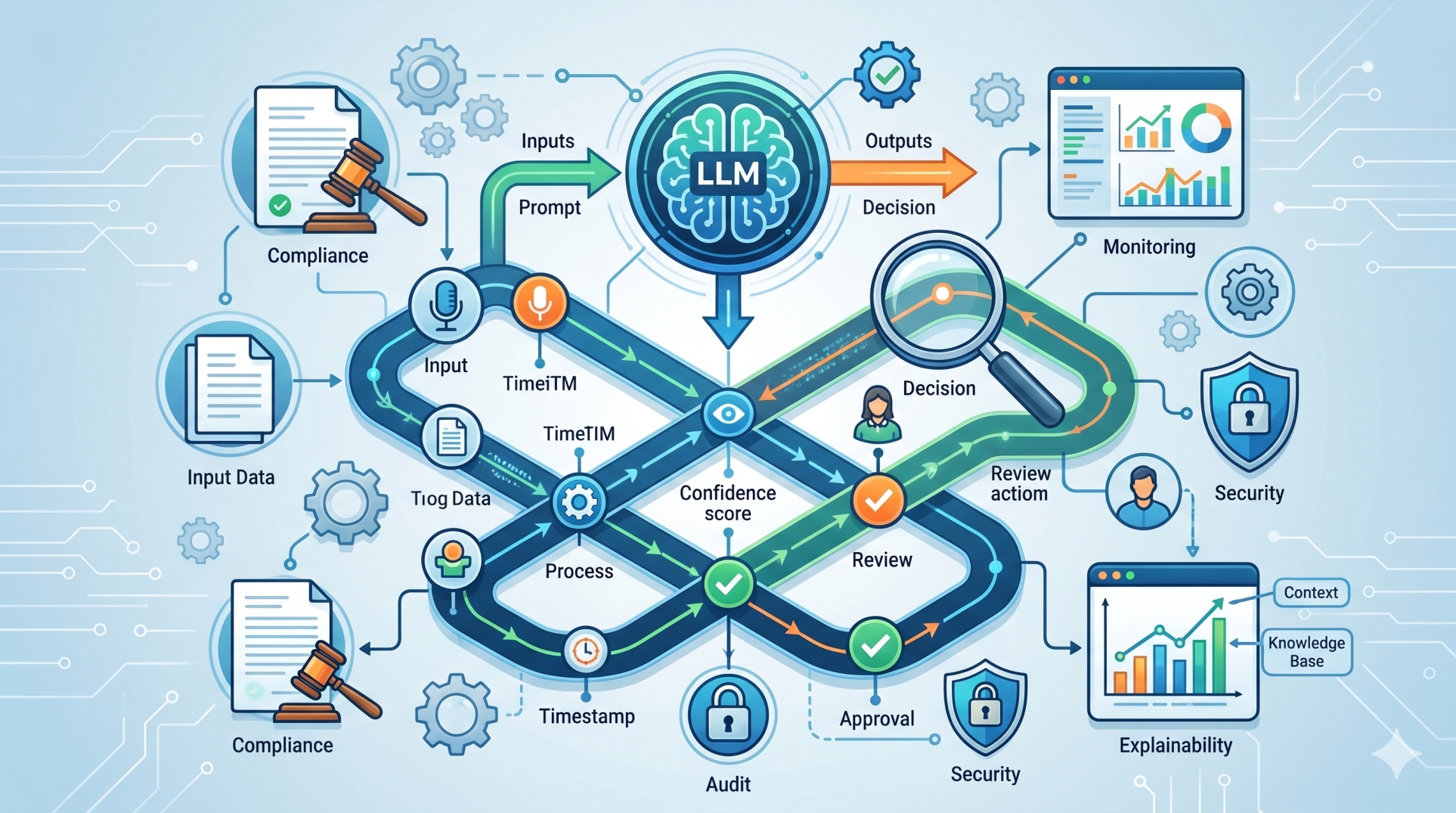
• Assist with audit preparation and documentation 🧾
• Maintain transparency in financial processes 🔍
• Support governance and risk management initiatives 🏛️
Step 9: Enhancing Decision Support Systems 🎯
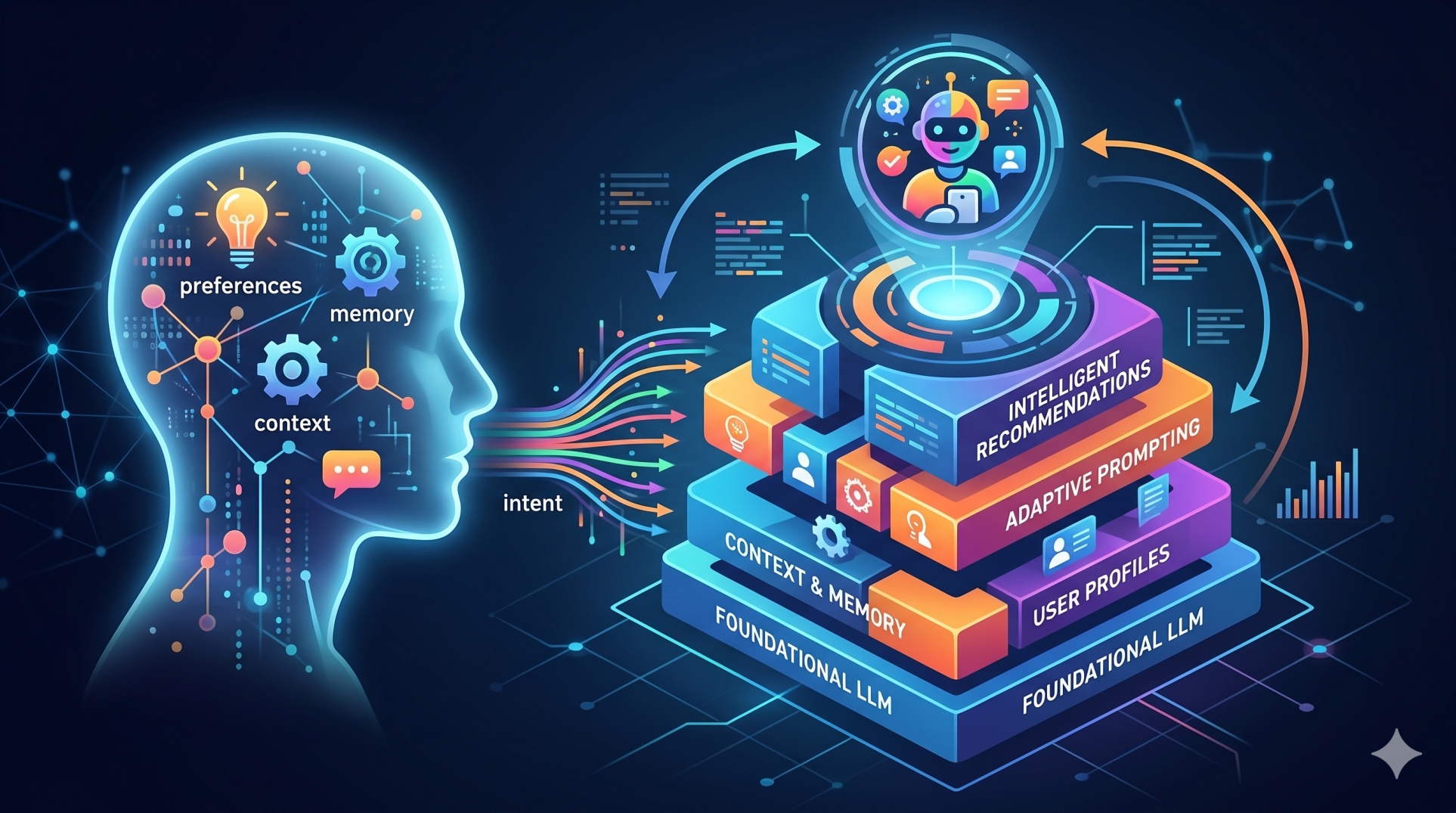
• Provide contextual insights for strategic planning 🧠
• Combine financial data with external market intelligence 🌐
• Deliver natural-language explanations of complex metrics 📖
• Enable executives to access information more efficiently ⚡
• Improve confidence in decision-making processes ✅
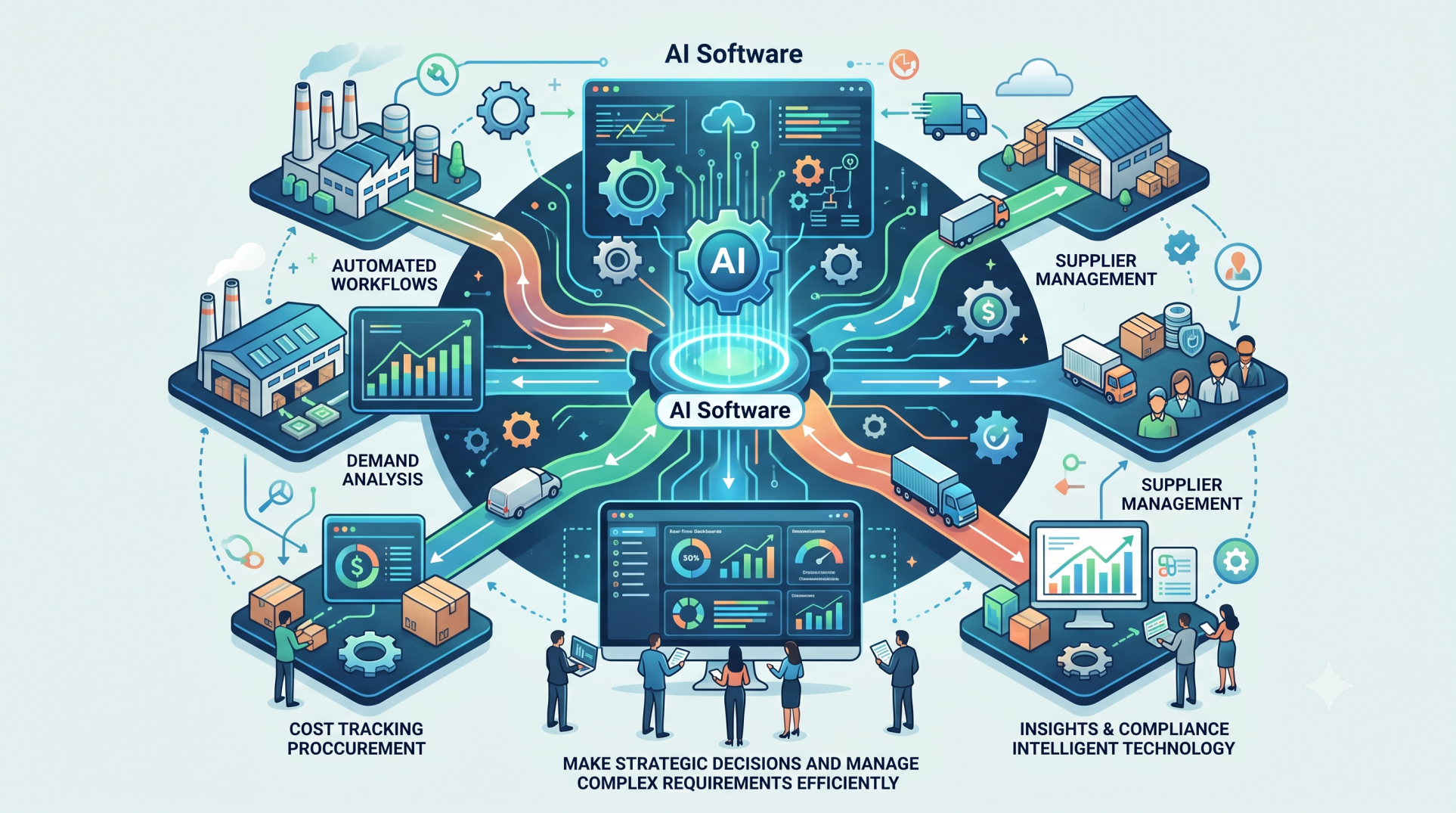
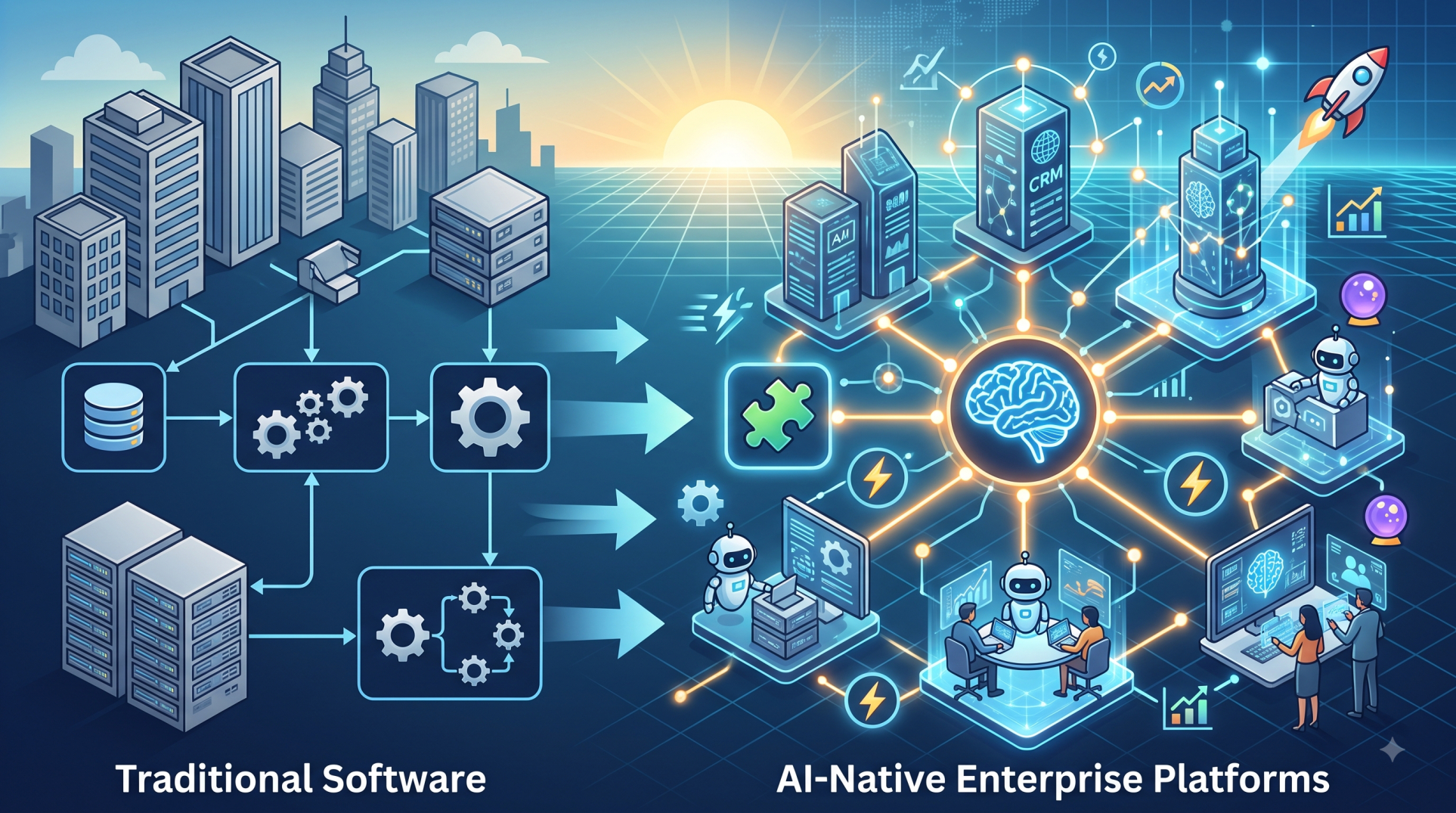
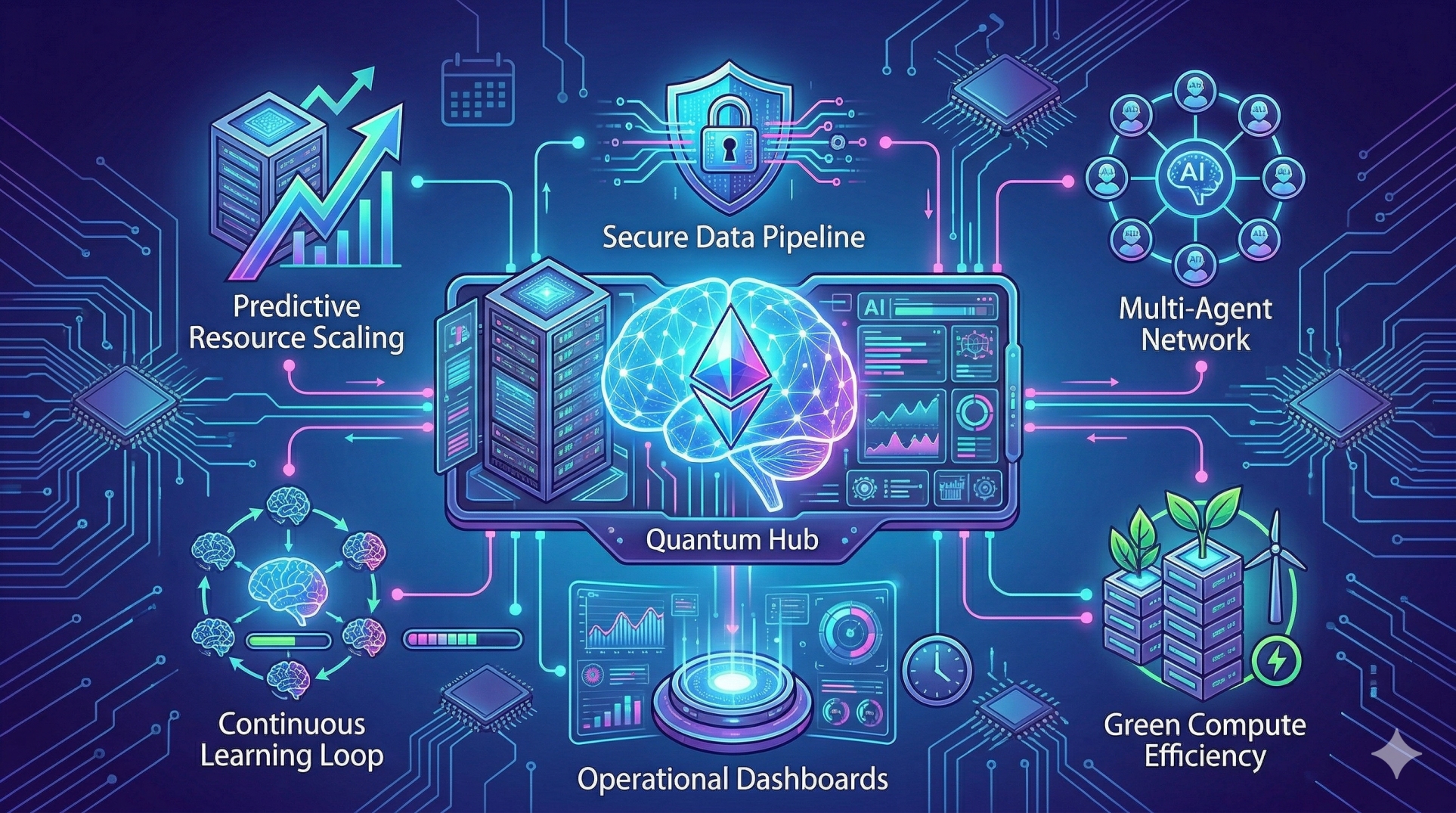
Step 10: Building Scalable AI-Powered Financial Platforms 🚀
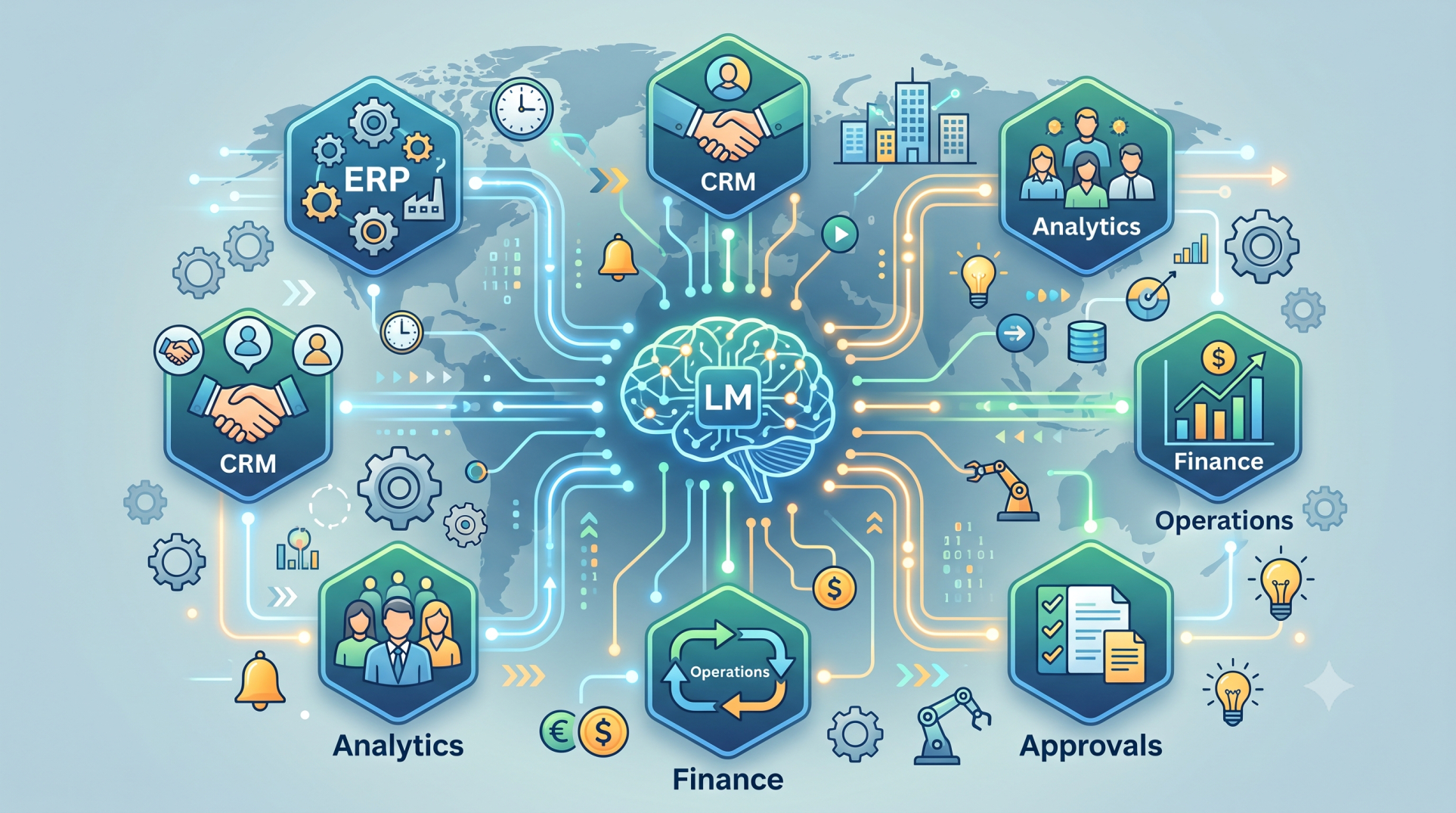
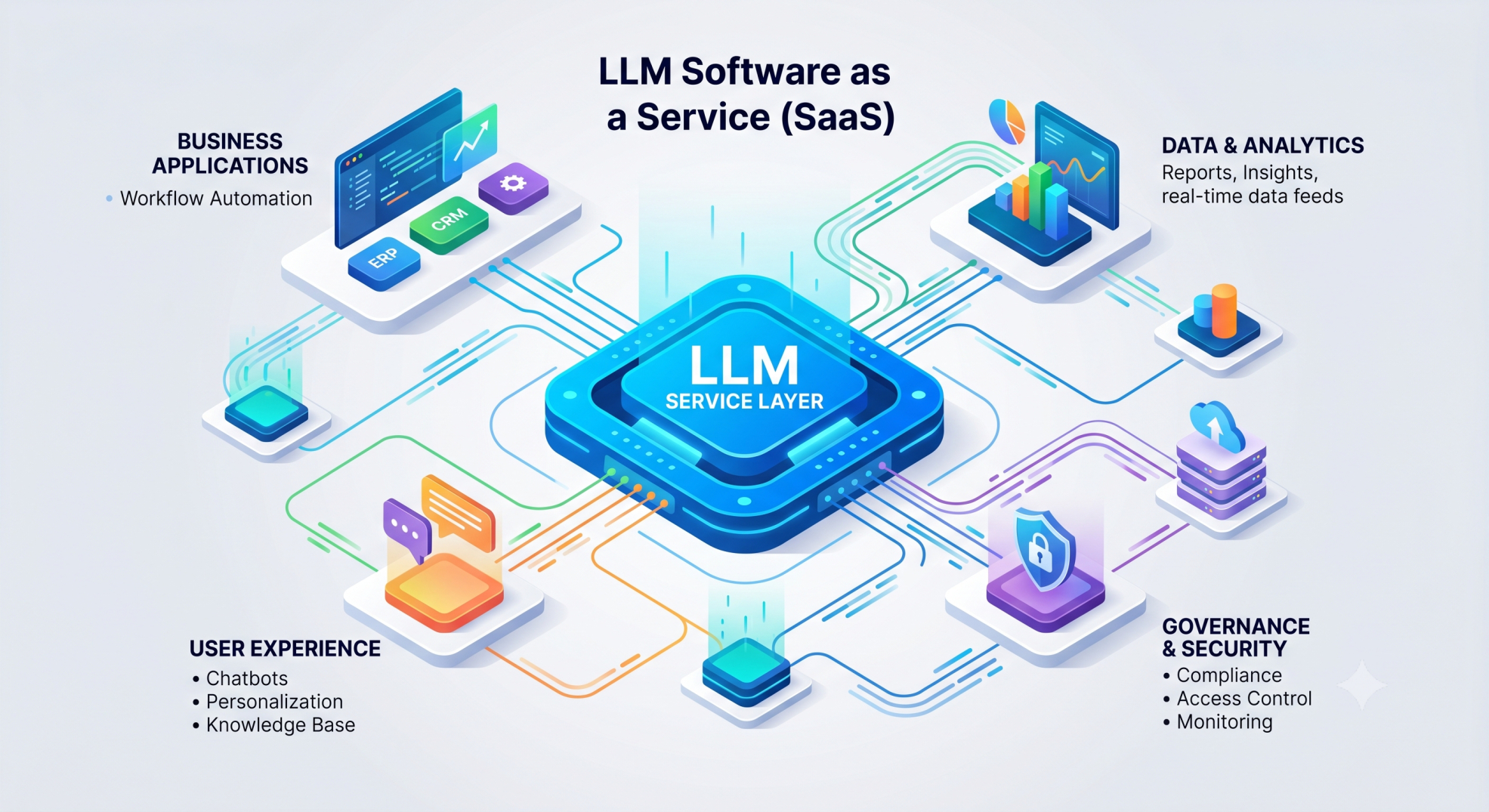
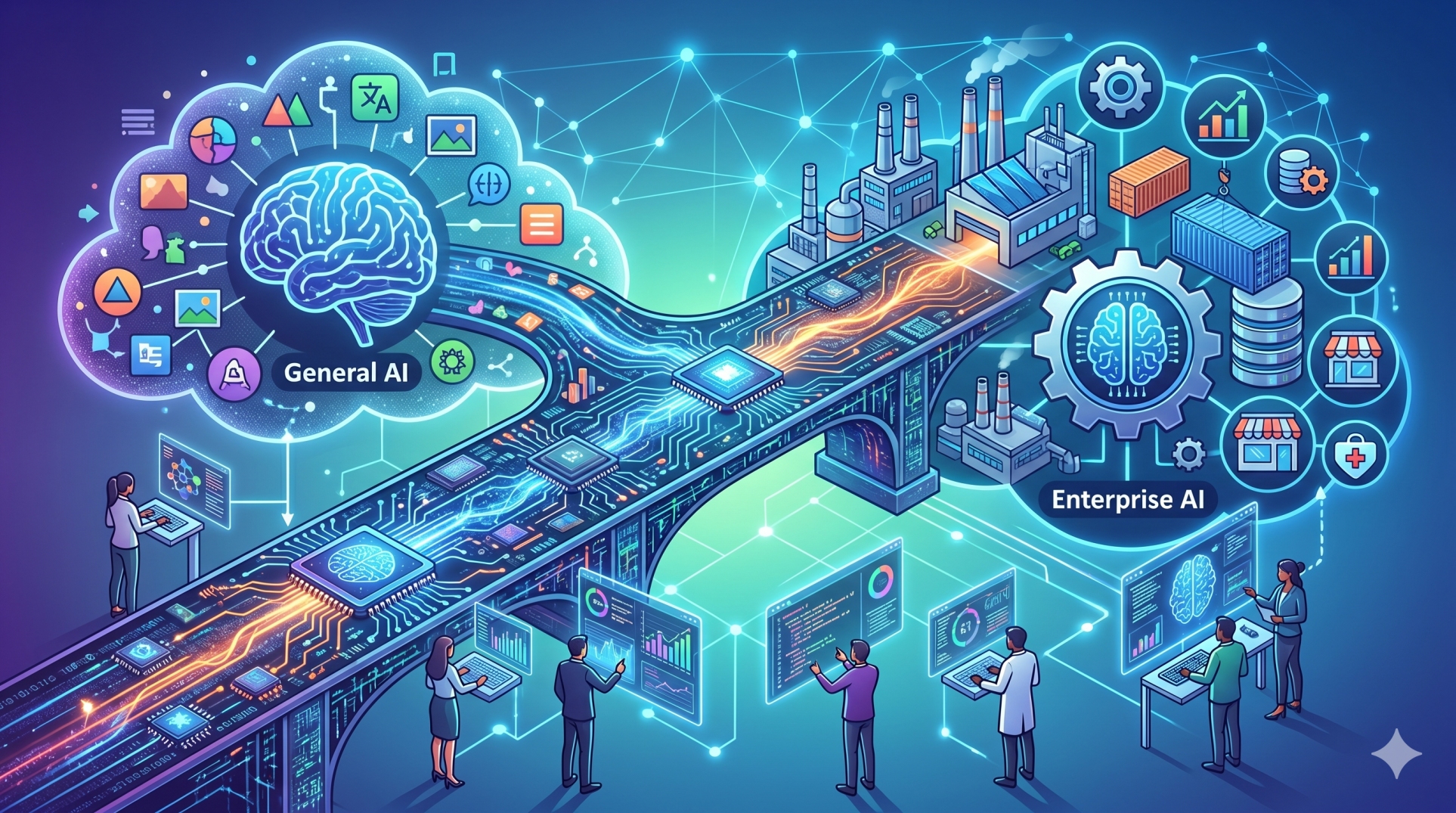
• Integrate LLMs with ERP, CRM, and financial systems 🔗
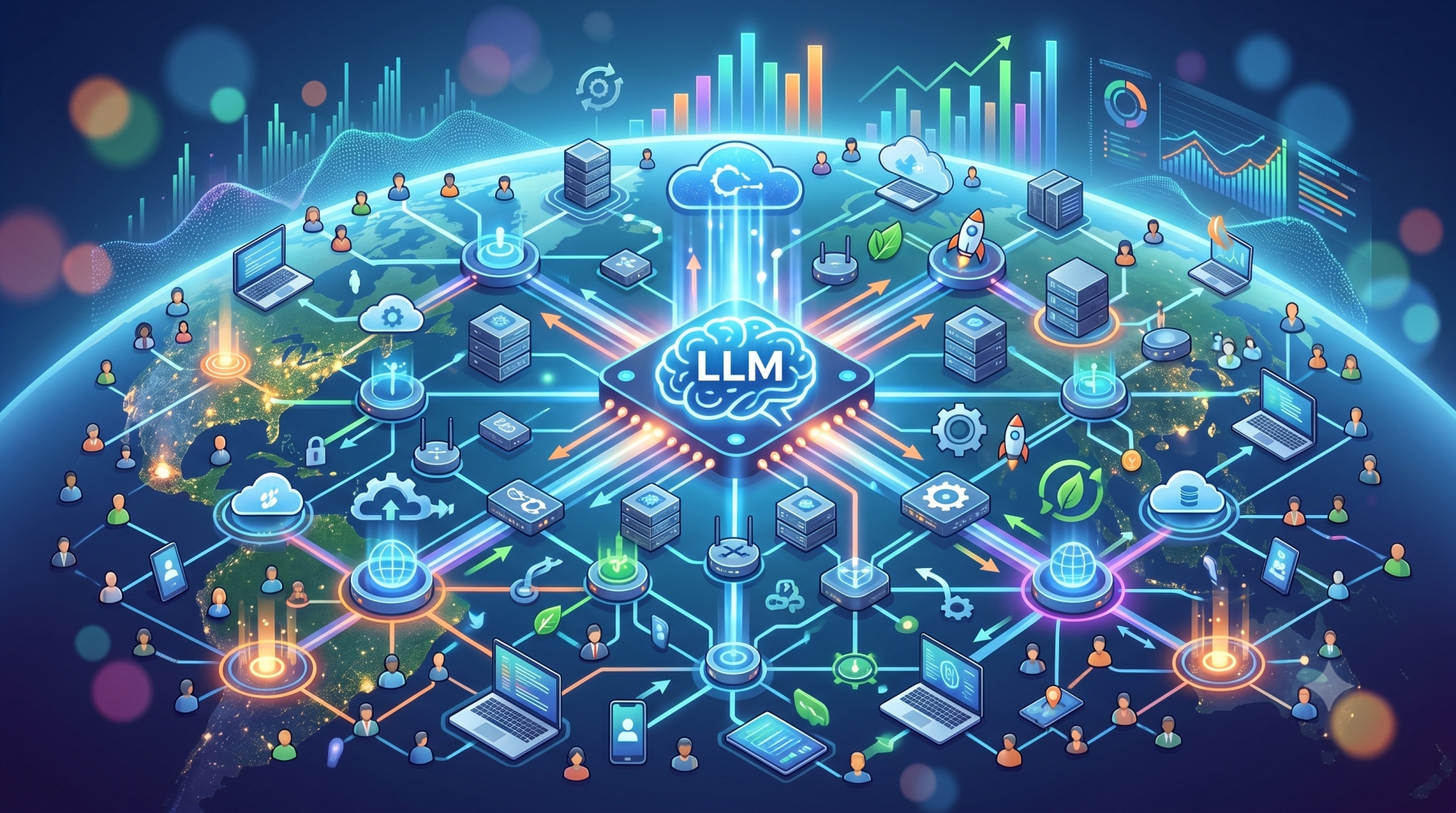
• Support growing volumes of financial data 📊
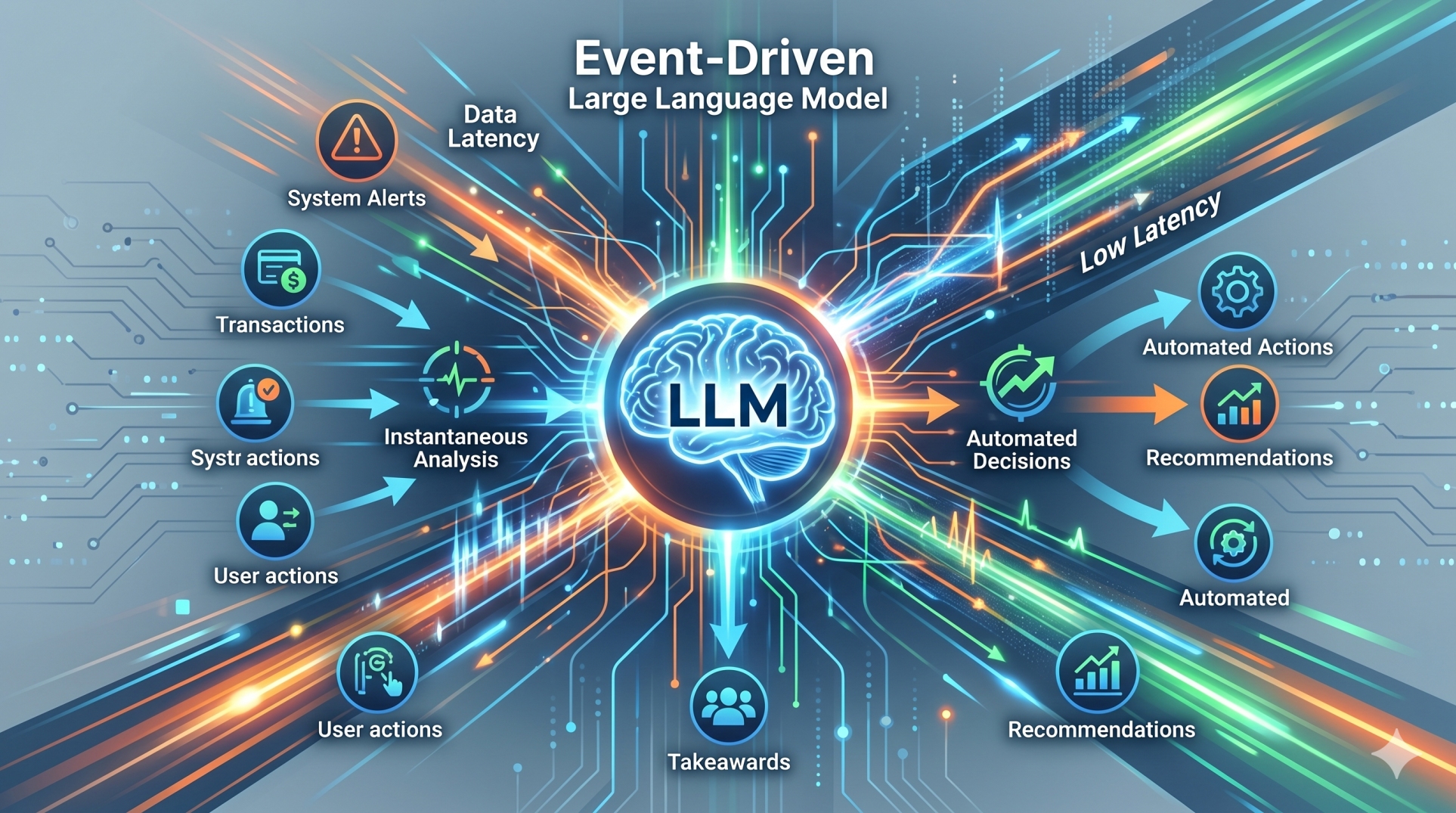
• Enable real-time analysis and reporting capabilities ⏱️
• Adapt to evolving market and business requirements 🌍
• Future-proof financial operations with intelligent automation 🏗️
Conclusion
LLM applications are reshaping financial analysis systems by enabling faster data processing, deeper insights, and more efficient decision-making. By automating research, reporting, forecasting, and risk assessment, organizations can improve accuracy while reducing operational complexity. As AI capabilities continue to advance, LLM-powered financial analysis platforms will play an increasingly important role in helping businesses navigate complex financial environments and achieve sustainable growth.
See more blogs
You can all the articles below