Optimizing Throughput in LLM-Based Platforms

Optimizing Throughput in LLM-Based Platforms
As Large Language Model (LLM) platforms expand across enterprise environments, maintaining high throughput becomes essential for delivering responsive, scalable, and cost-effective AI services. Throughput optimization focuses on maximizing the number of requests processed efficiently while maintaining accuracy, reliability, and user experience. Organizations that optimize throughput can support growing workloads, reduce latency, and improve overall platform performance.
Step 1: Understanding Throughput in LLM Platforms 📊
• Throughput measures the volume of requests processed within a specific timeframe ⏱️
• Higher throughput enables AI systems to serve more users simultaneously 👥
• Performance depends on infrastructure, model size, and workload patterns ⚙️
• Throughput directly impacts scalability and operational efficiency 🚀
• Optimization helps balance speed, quality, and resource utilization ⚖️
Step 2: Analyzing Workload Characteristics 🔍
• Identify peak usage periods and traffic patterns 📈
• Categorize requests based on complexity and processing requirements 🧩
• Measure token consumption across different workloads 📝
• Understand user interaction trends and demand fluctuations 🌐
• Use analytics to guide optimization strategies 📊
Step 3: Implementing Efficient Request Routing 🔀
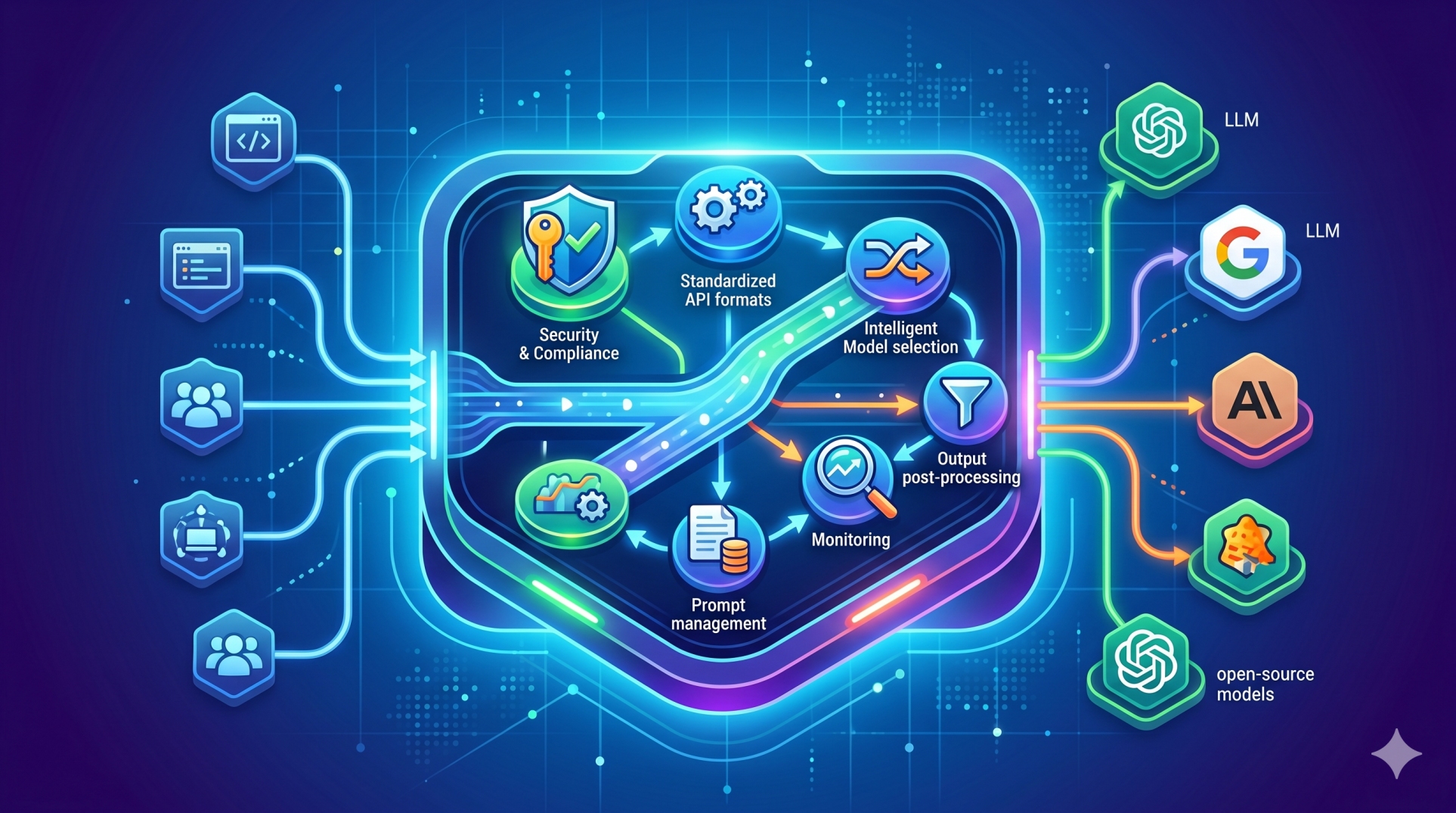
• Direct requests to the most appropriate model or service layer 🎯
• Distribute workloads across available computing resources ⚡
• Balance traffic to prevent resource bottlenecks 🚧
• Use intelligent routing based on request complexity 🧠
• Optimize resource allocation dynamically 🔄
Step 4: Leveraging Model Optimization Techniques ⚙️
• Utilize model compression and optimization methods 📦
• Reduce unnecessary computational overhead 🚀
• Deploy specialized models for targeted use cases 🎯
• Optimize inference pipelines for faster processing ⚡
• Continuously evaluate performance improvements 📈
Step 5: Managing Token Efficiency ✍️
• Minimize excessive prompt length without sacrificing context 📄
• Structure inputs to maximize information density 🧩
• Eliminate redundant instructions and repetitive content 🚫
• Optimize output generation limits when appropriate 📉
• Improve overall request-processing efficiency 🔥
Step 6: Scaling Infrastructure Strategically ☁️
• Expand compute resources based on demand patterns 📡
• Use horizontal scaling to distribute workloads effectively 🌍
• Monitor infrastructure utilization continuously 📊
• Implement auto-scaling mechanisms for dynamic environments 🔄
• Ensure sufficient capacity during peak traffic periods 🚀
Step 7: Caching and Response Reuse 💾
• Cache frequently requested outputs for faster delivery ⚡
• Reduce repeated processing of identical requests 🔁
• Implement intelligent cache invalidation policies 🧹
• Store reusable knowledge and common responses 📚
• Improve efficiency while lowering infrastructure costs 💰
Step 8: Monitoring Performance Metrics 📈
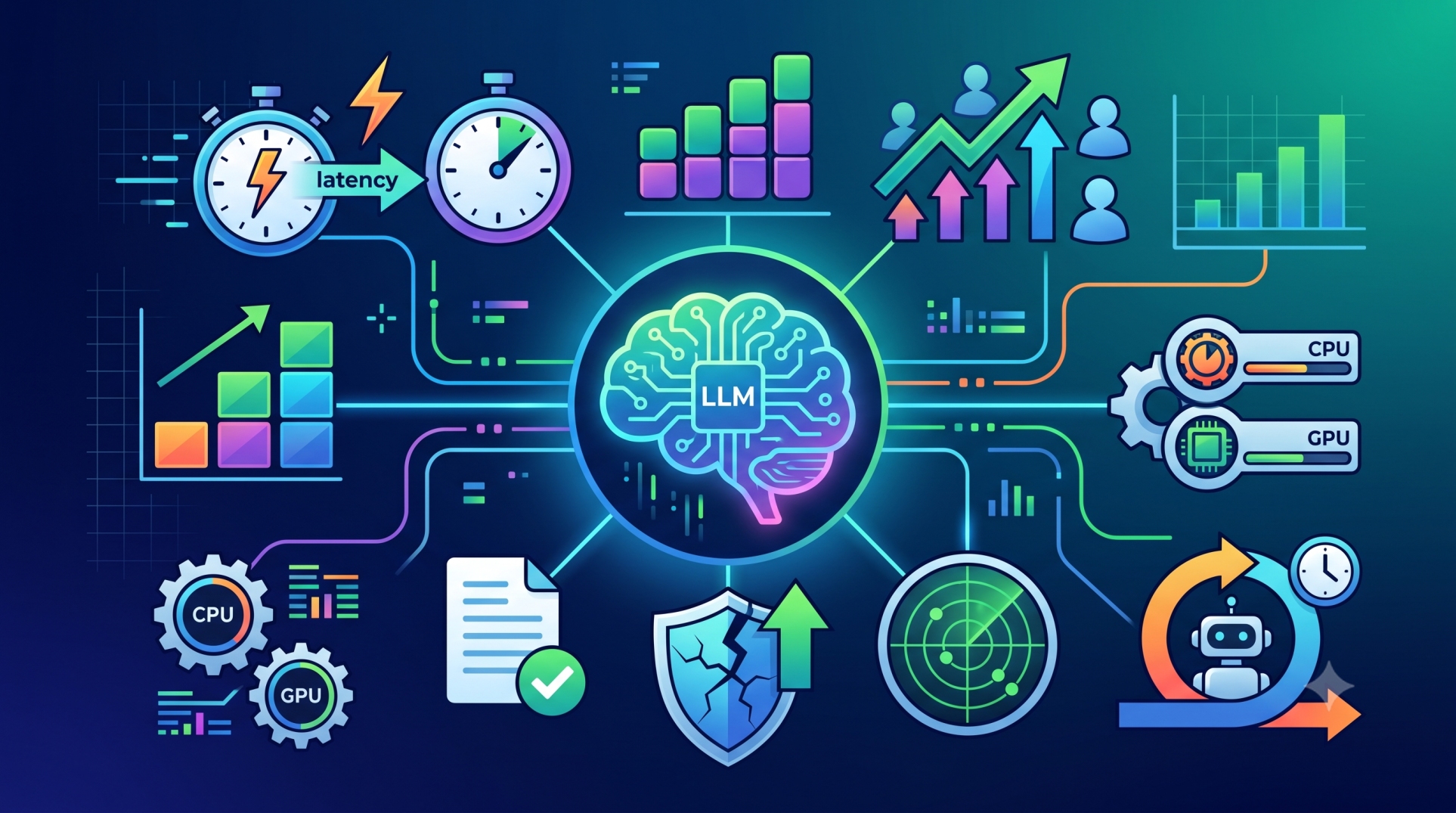
• Track throughput, latency, and resource utilization continuously 📊
• Measure request completion rates and error frequencies 🔍
• Identify bottlenecks affecting system performance 🚧
• Establish benchmarks for optimization initiatives 🎯
• Use real-time dashboards for operational visibility 👀
Step 9: Managing Concurrency and Resource Allocation 🖥️
• Support multiple simultaneous requests efficiently 👥
• Prevent resource contention across workloads ⚖️
• Allocate compute resources based on priority levels 🎯
• Optimize queue management and scheduling strategies 📋
• Maintain consistent performance under heavy demand 🚀
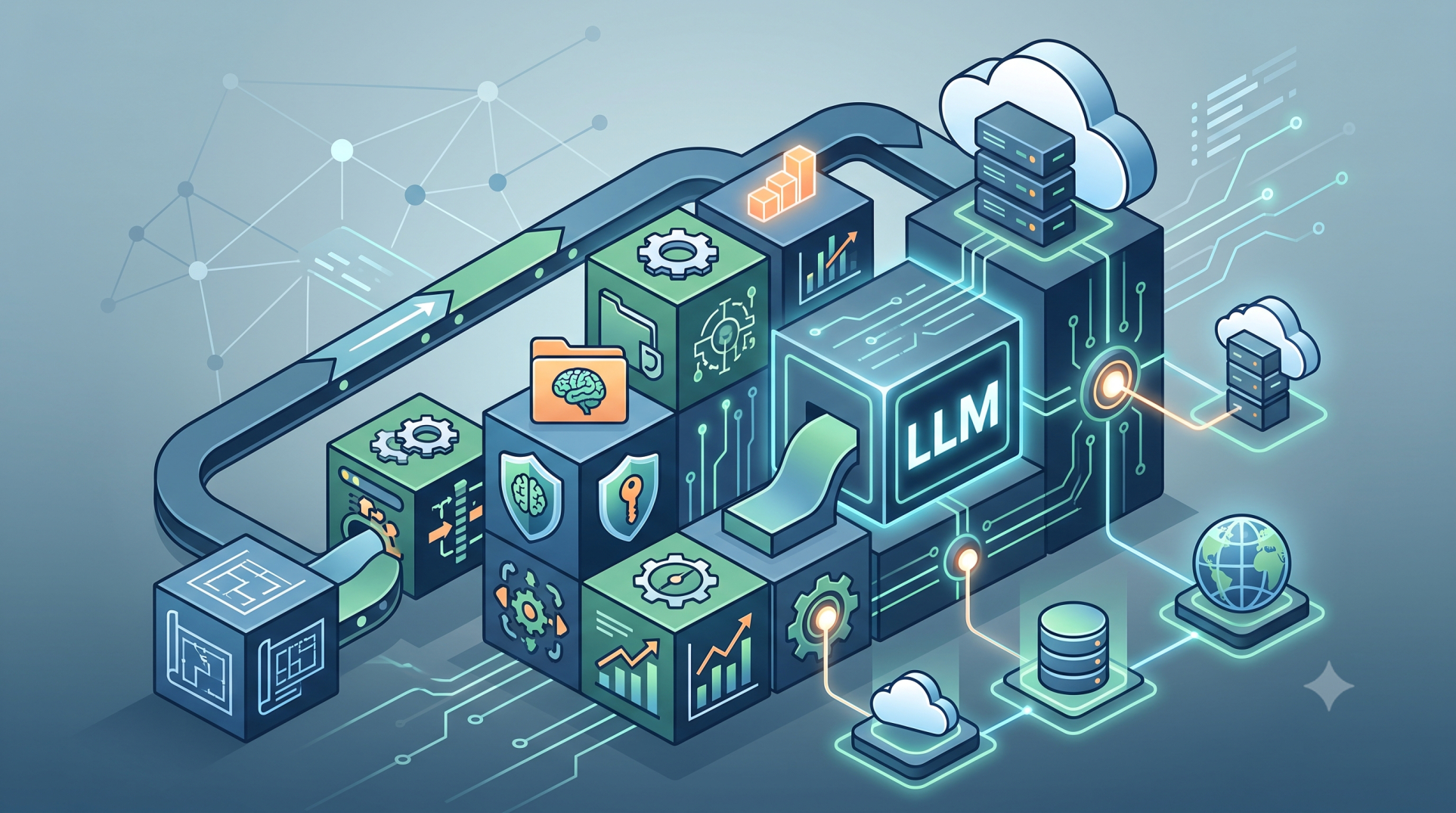
Step 10: Building a Scalable High-Throughput Architecture 🏗️
• Design systems with modular and distributed architectures 🧩
• Integrate load balancing across services and resources ⚡
• Support future growth without major redesign efforts 📈
• Maintain flexibility for evolving AI workloads 🔄
• Create resilient platforms capable of handling enterprise-scale demand 🌟
Conclusion
Optimizing throughput in LLM-based platforms is essential for delivering scalable, reliable, and efficient AI services. By improving request routing, infrastructure utilization, token efficiency, and performance monitoring, organizations can maximize system capacity while maintaining a high-quality user experience. A well-optimized throughput strategy enables AI platforms to support increasing demand and drive long-term operational success.
See more blogs
You can all the articles below