Developer Platforms for Building LLM-Based Applications
Developer Platforms for Building LLM-Based Applications
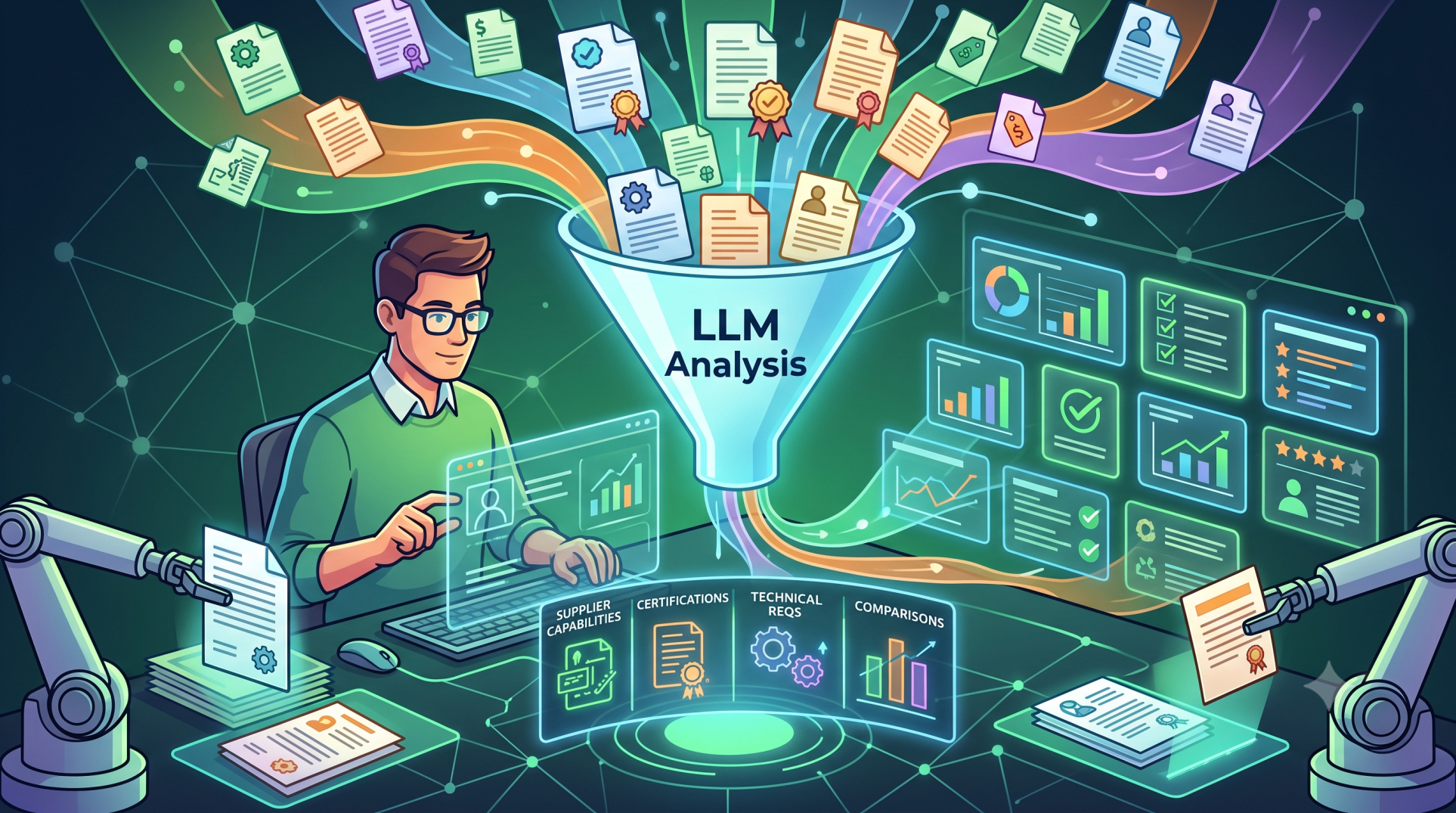
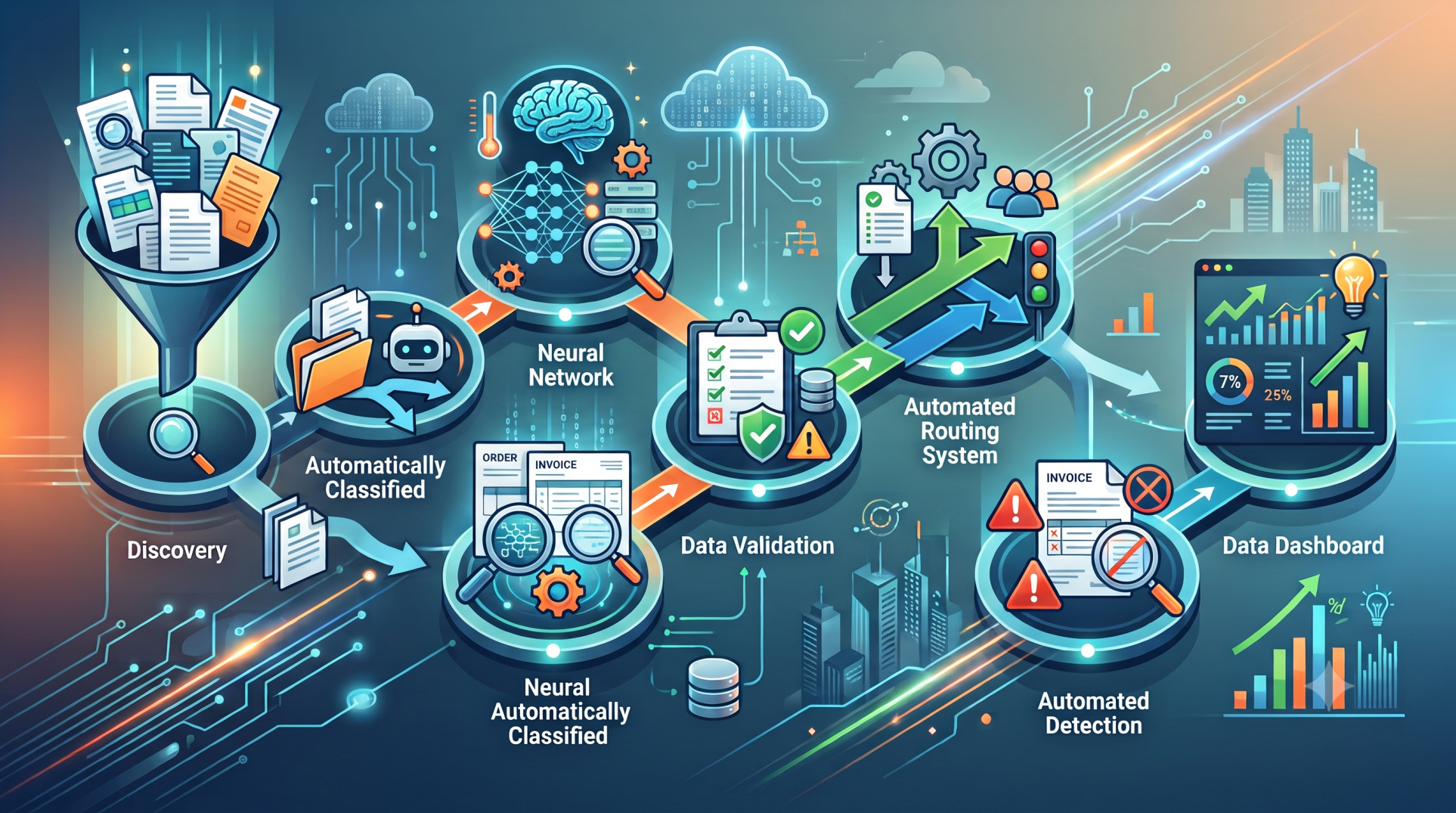
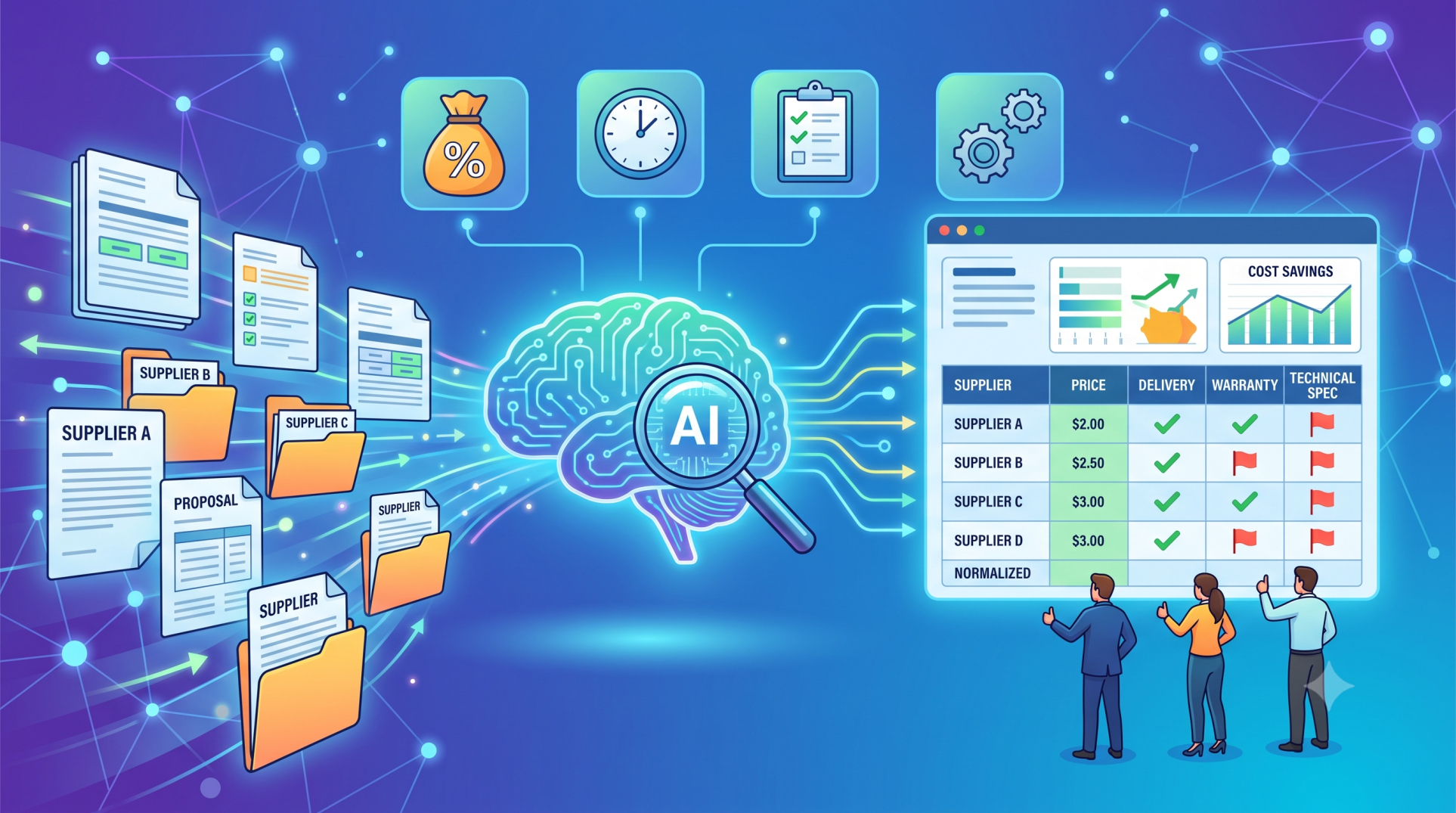
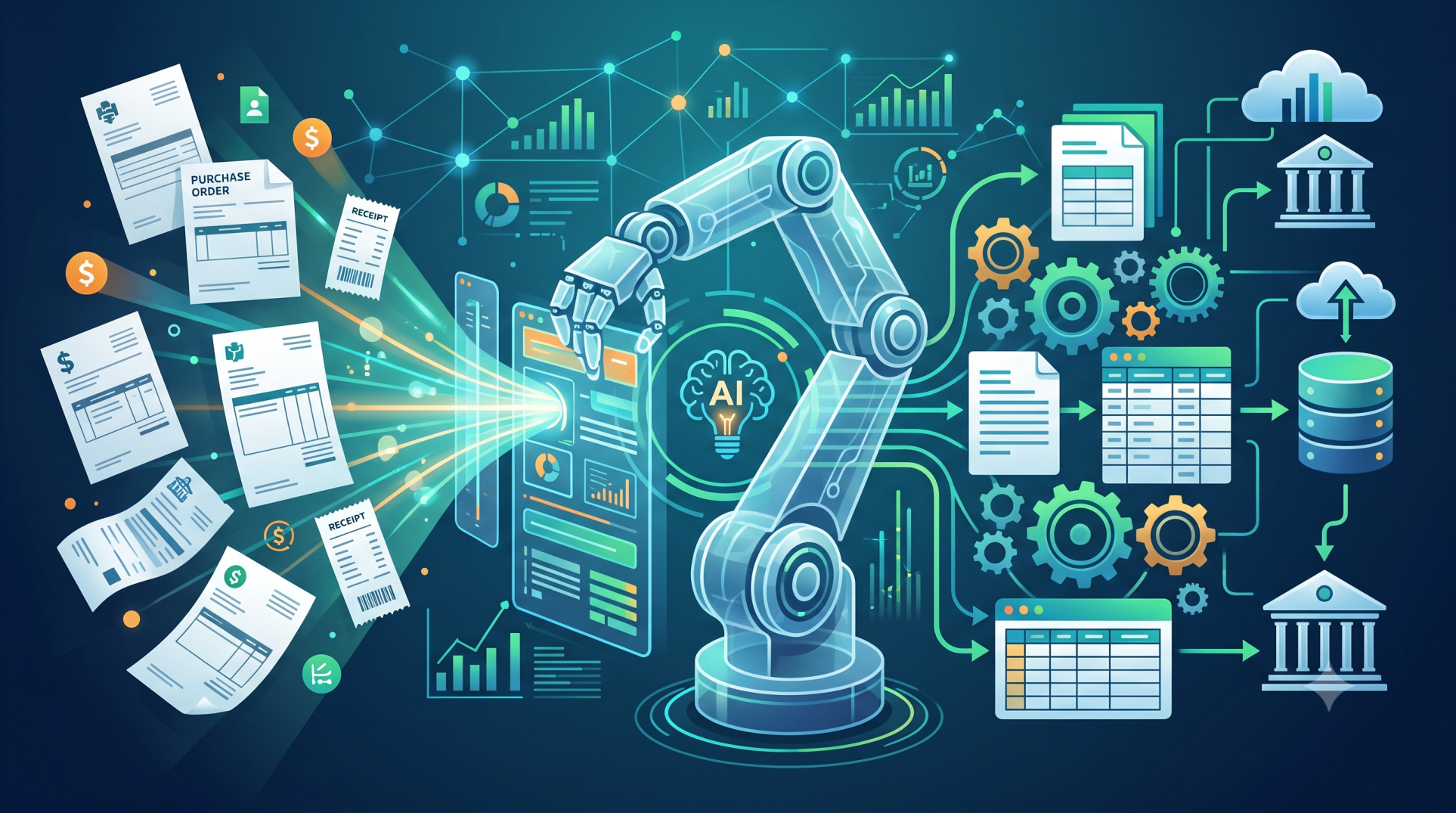
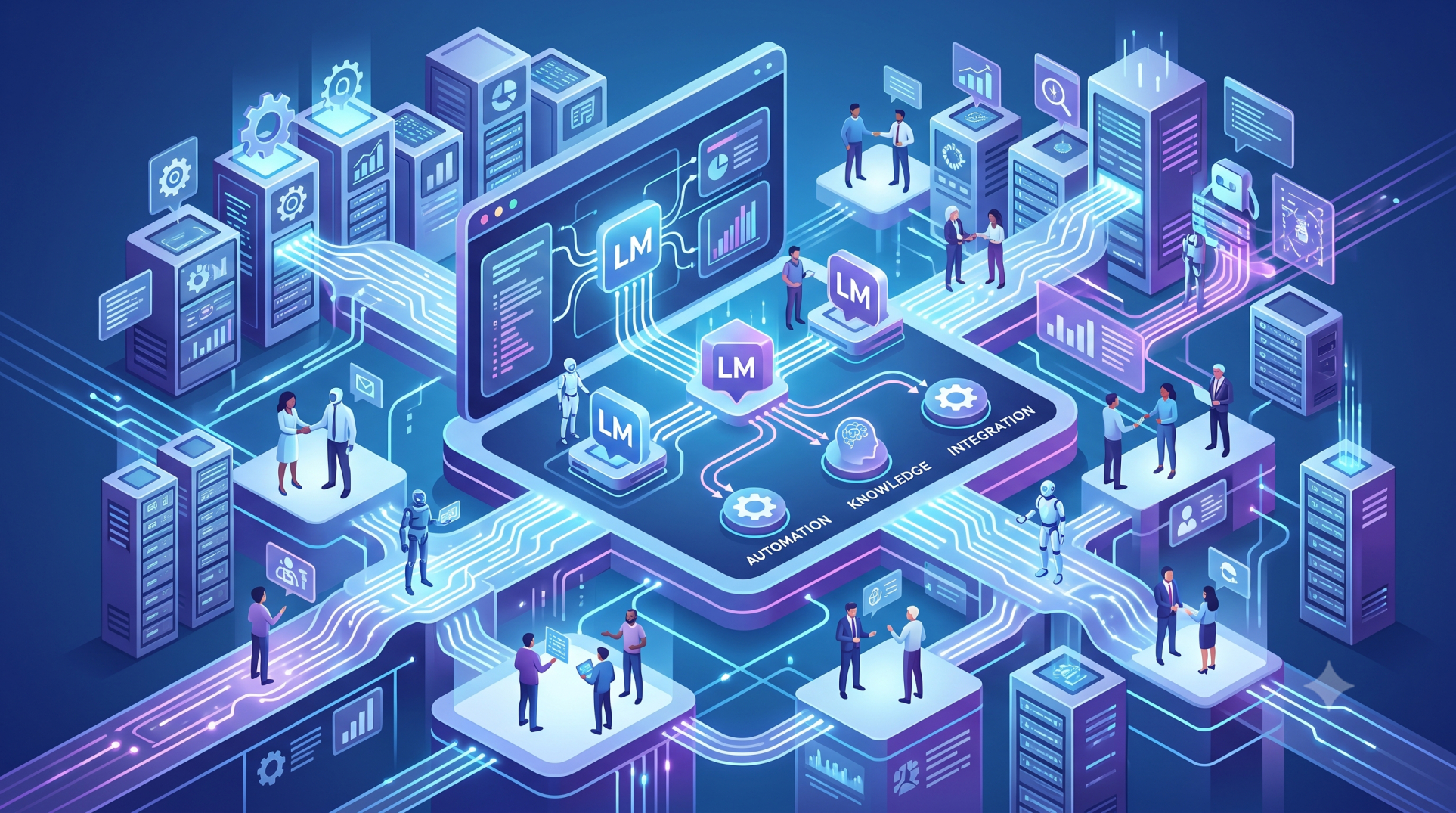
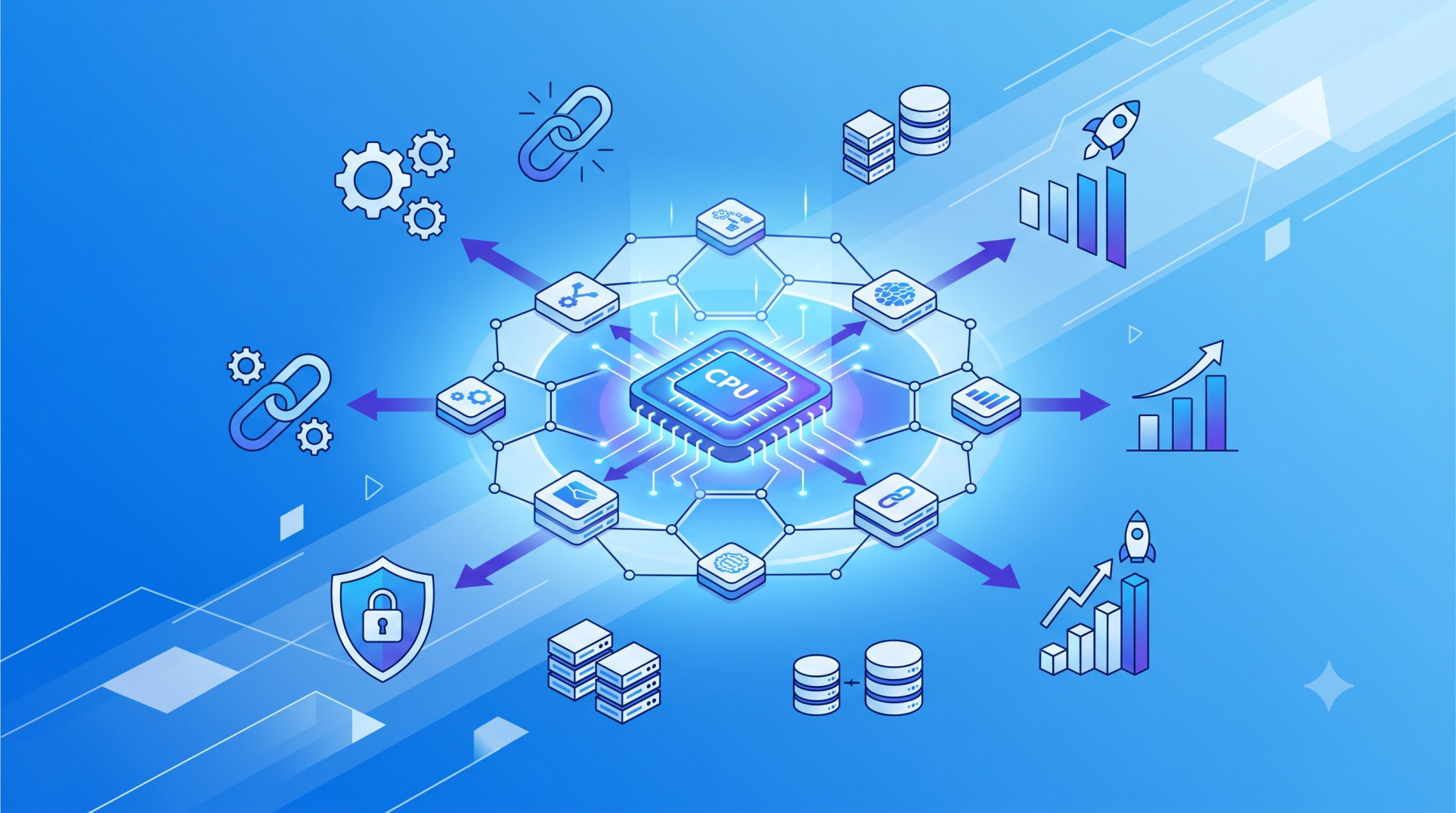
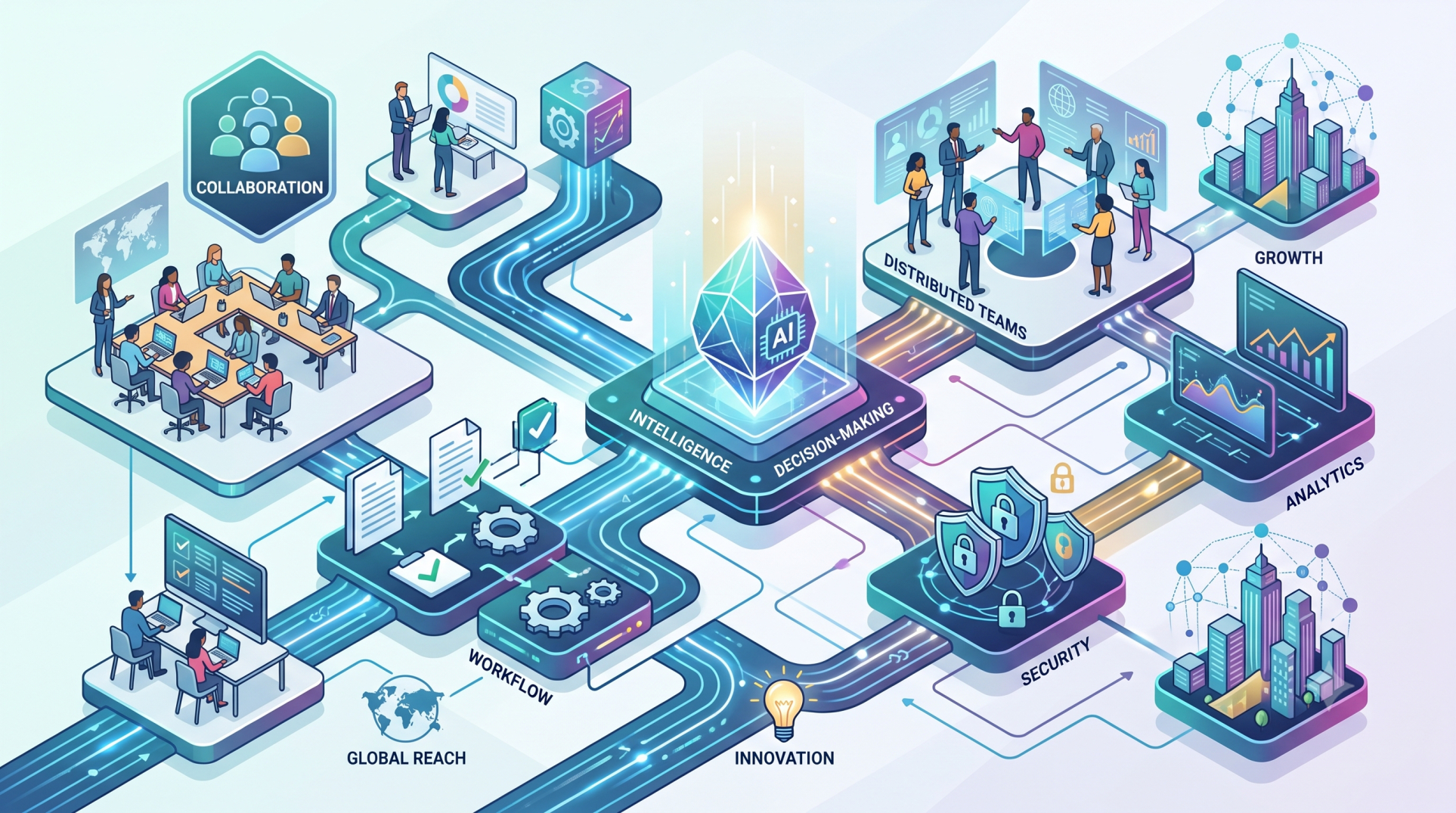
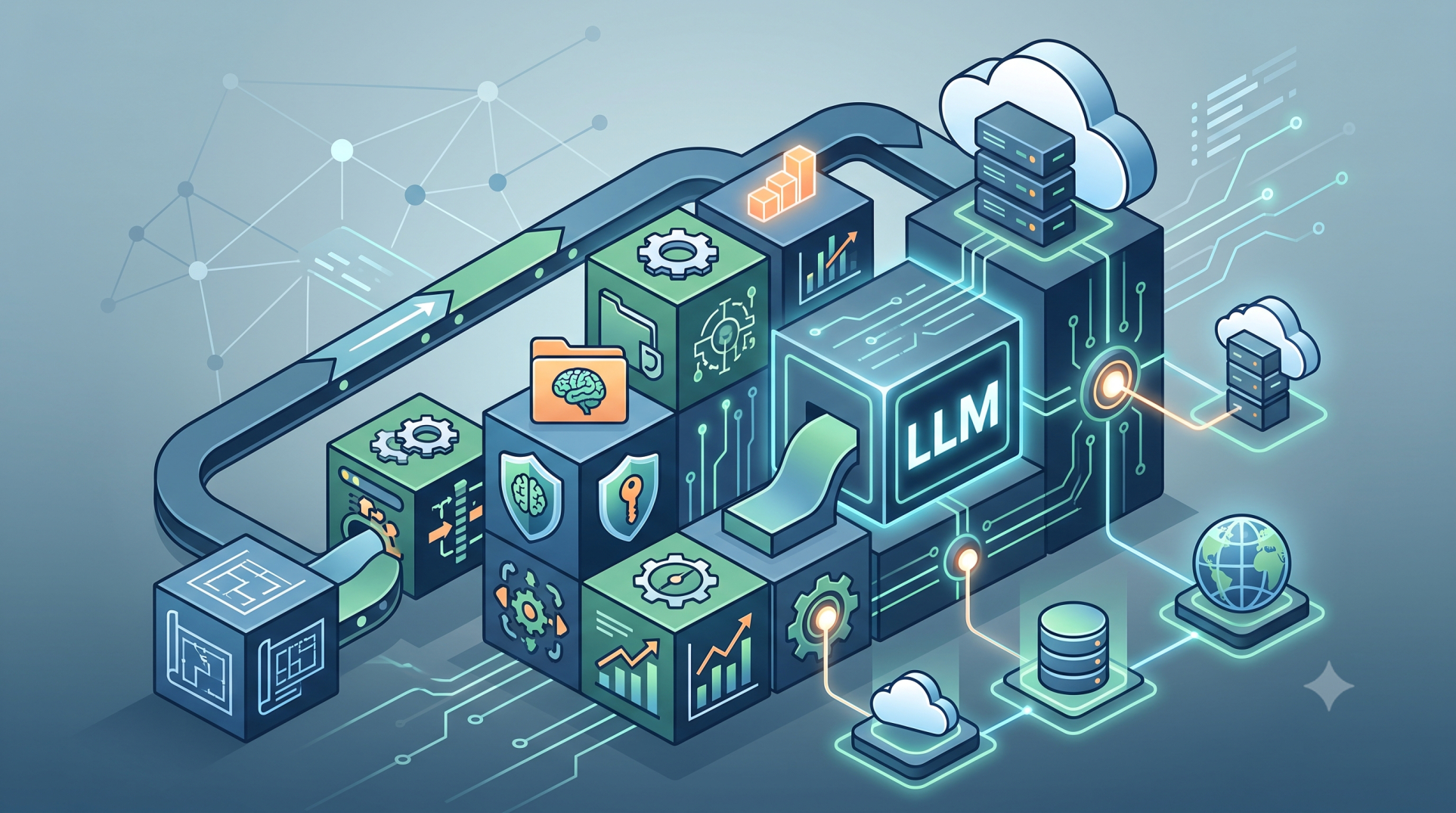
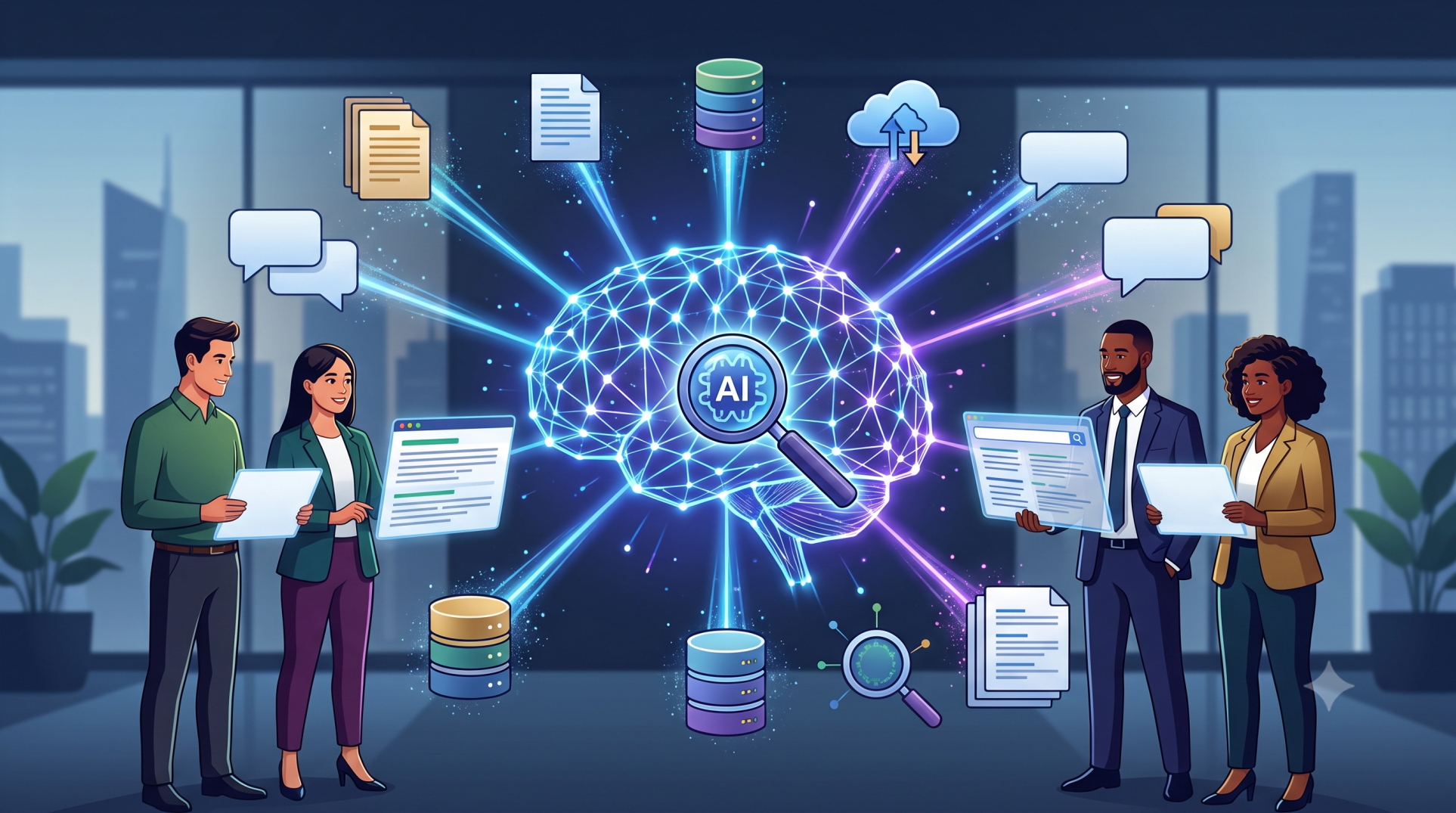
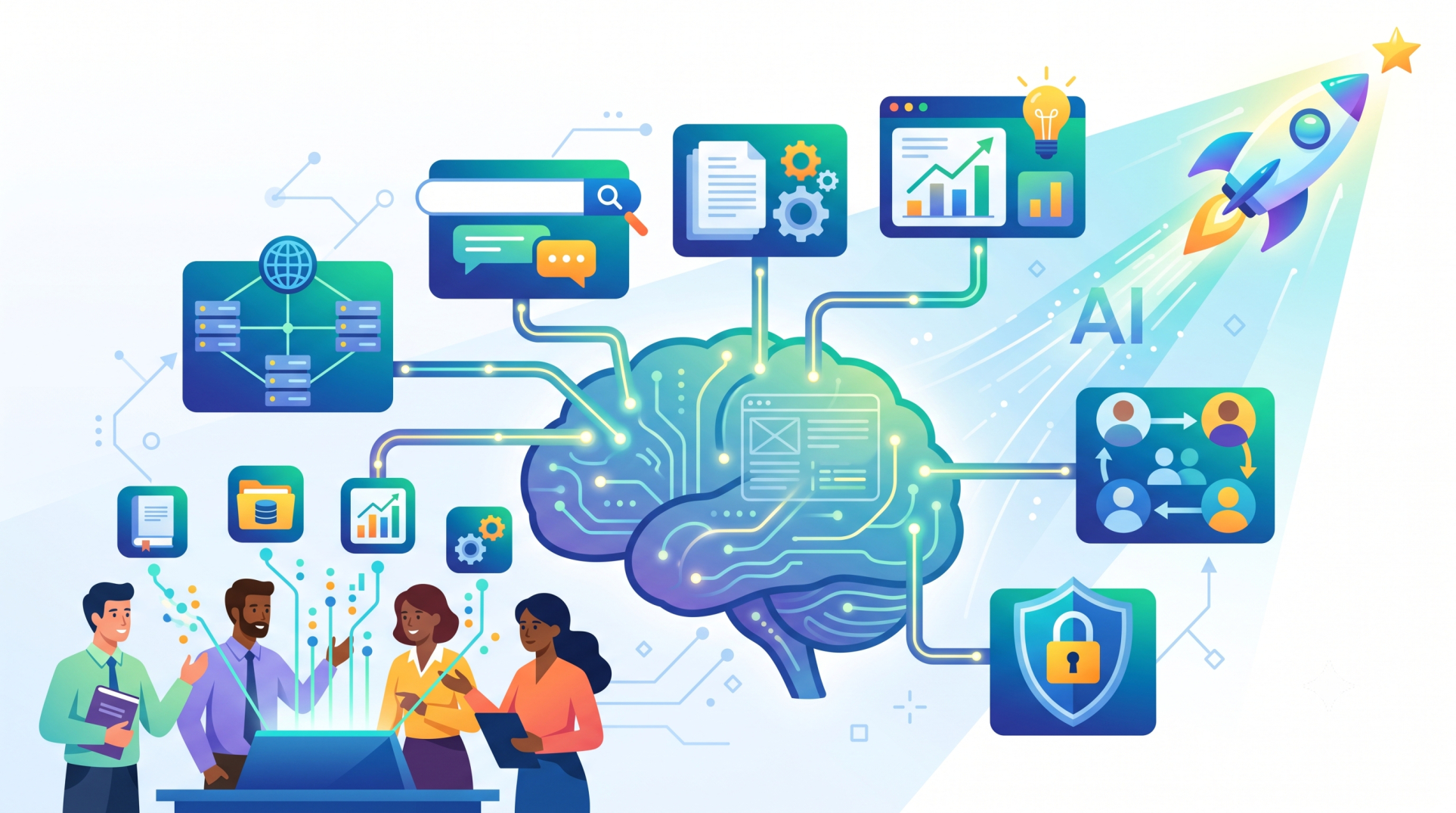
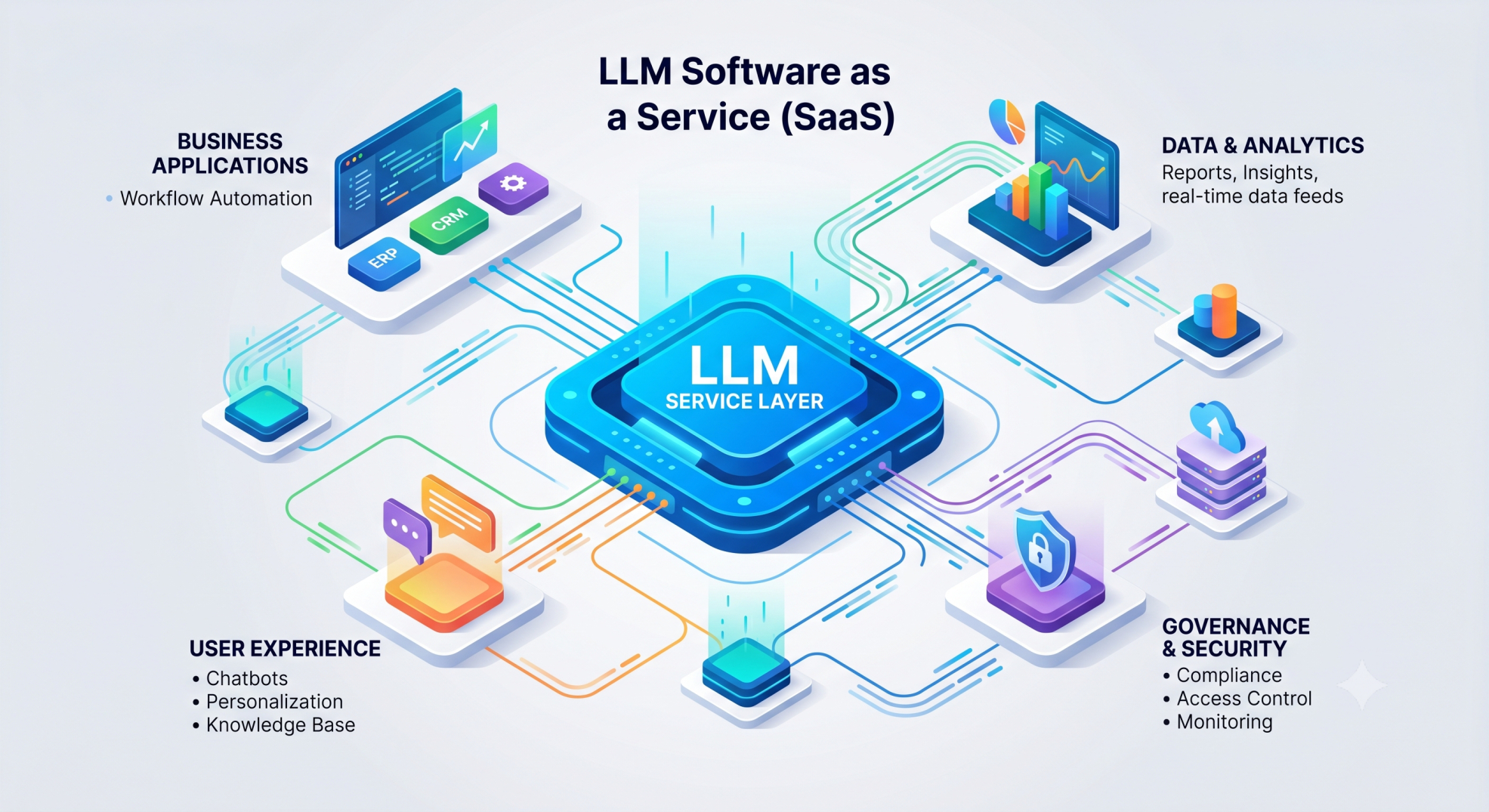
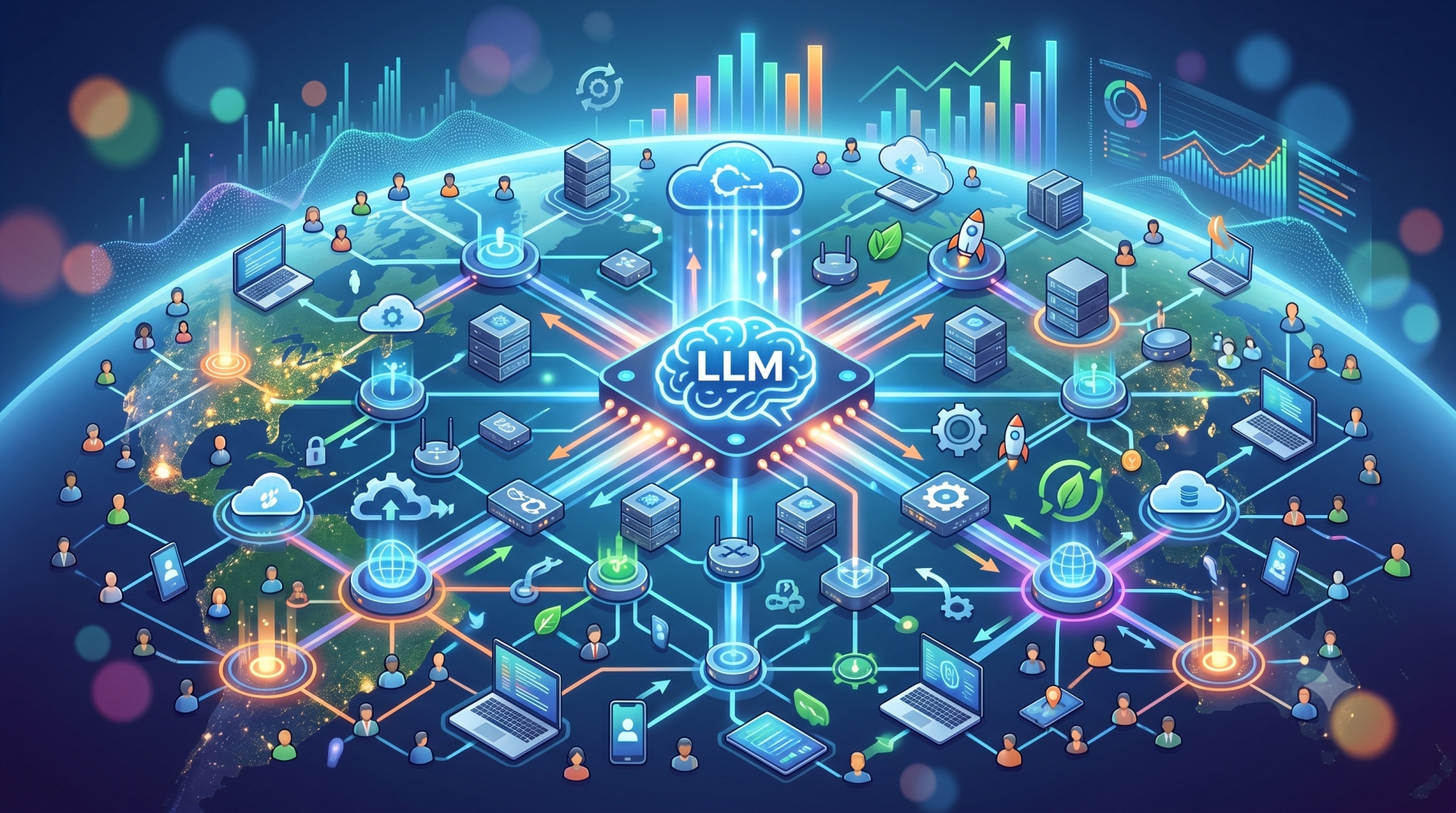
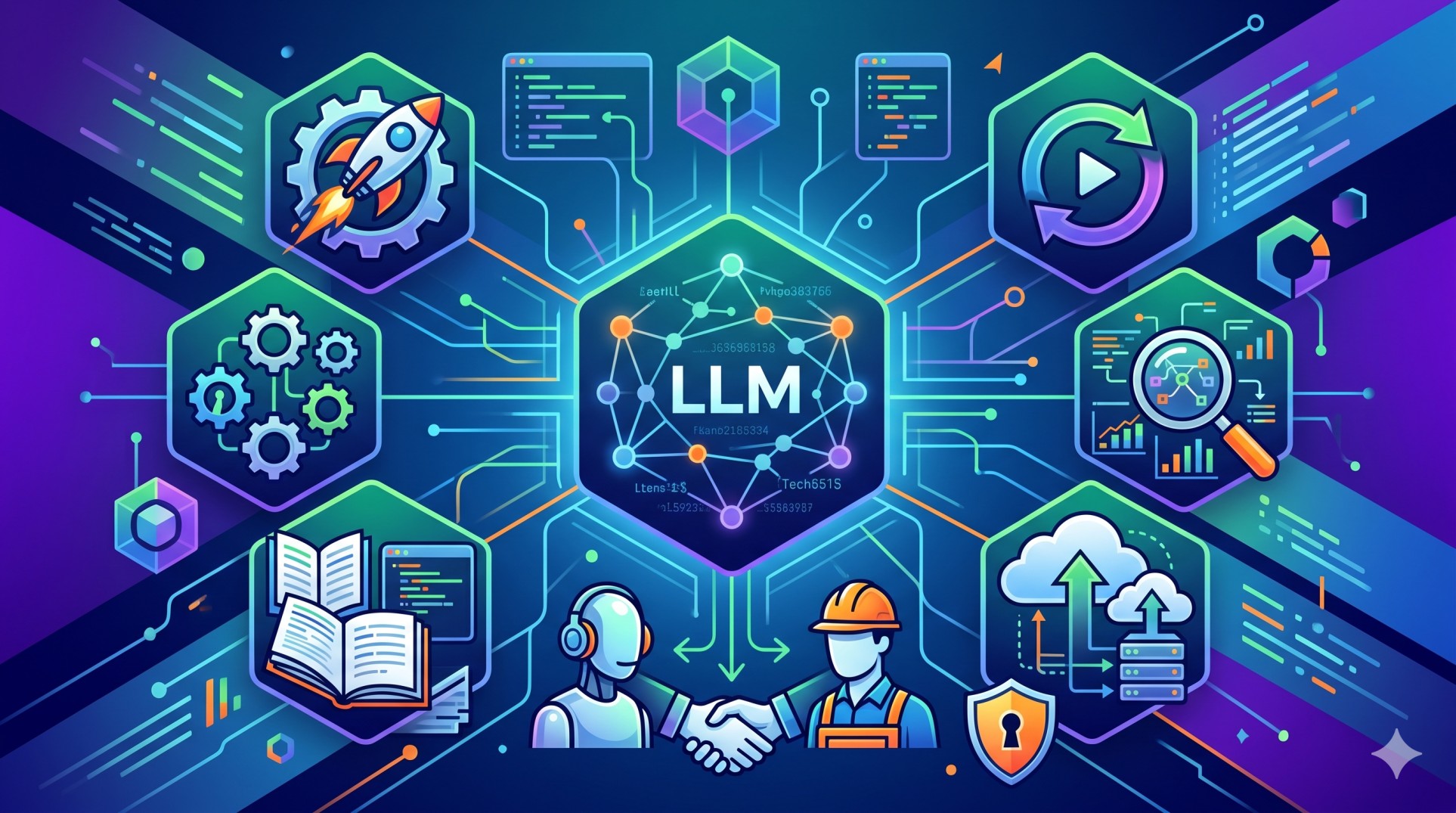
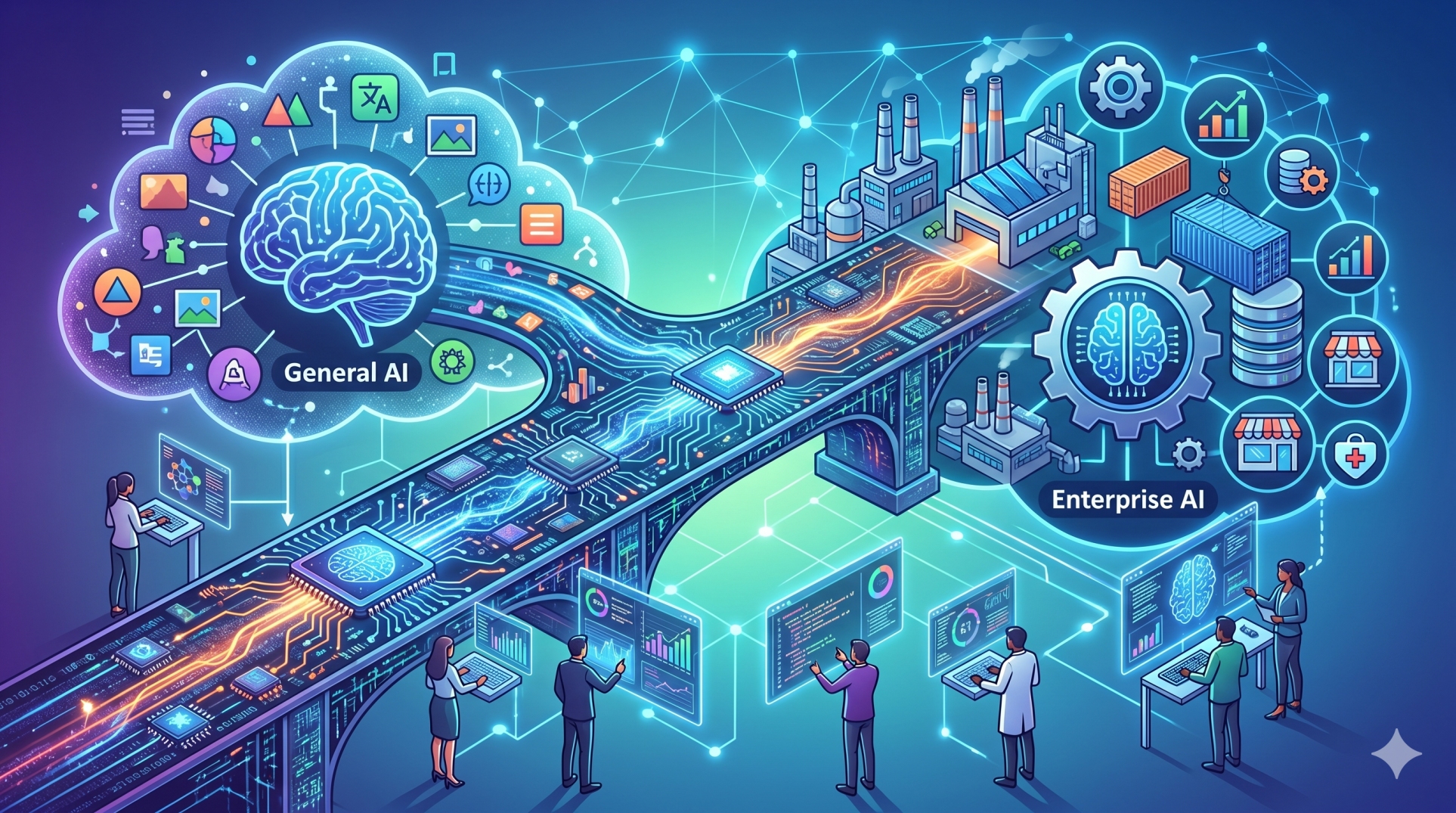
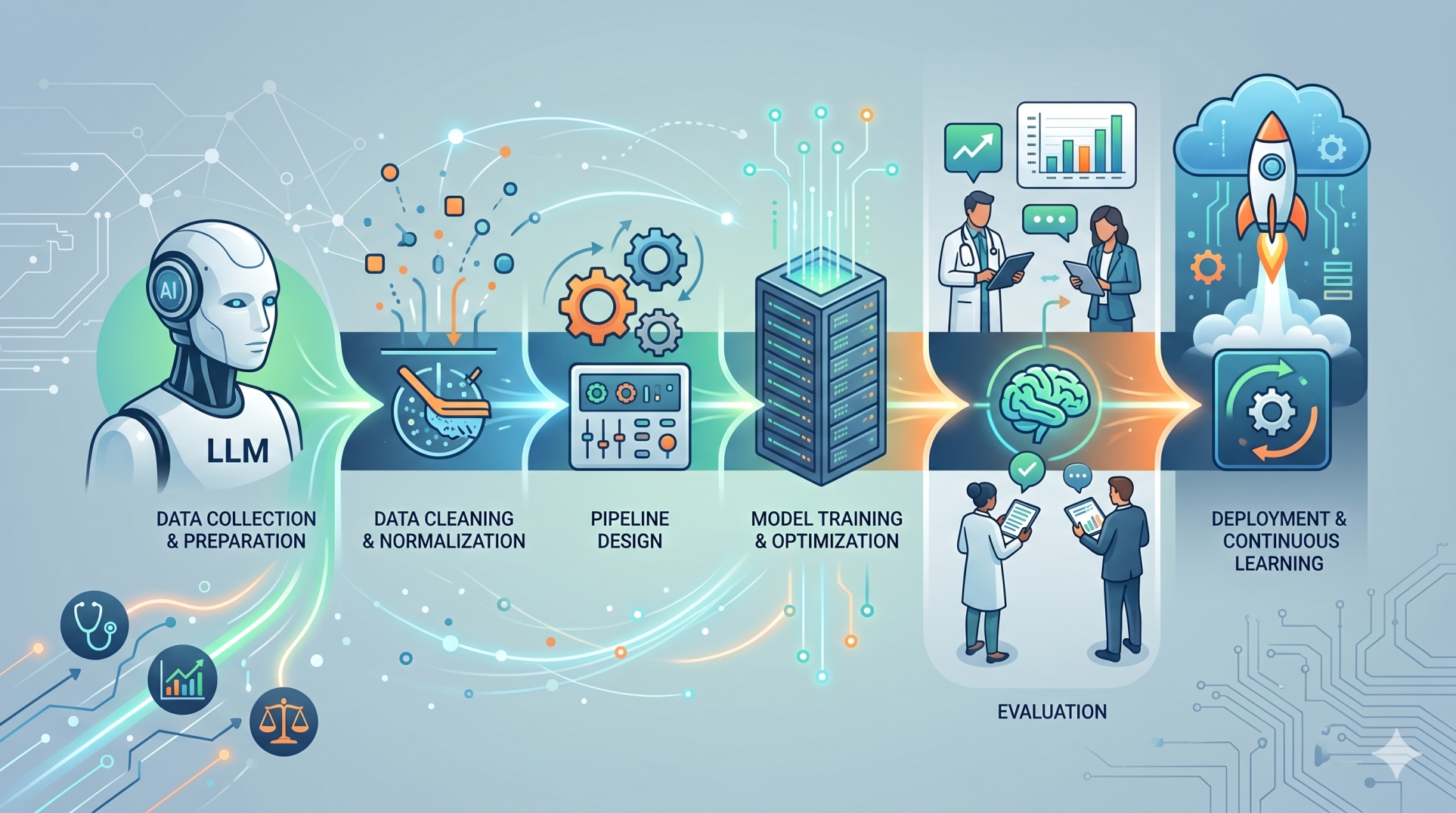
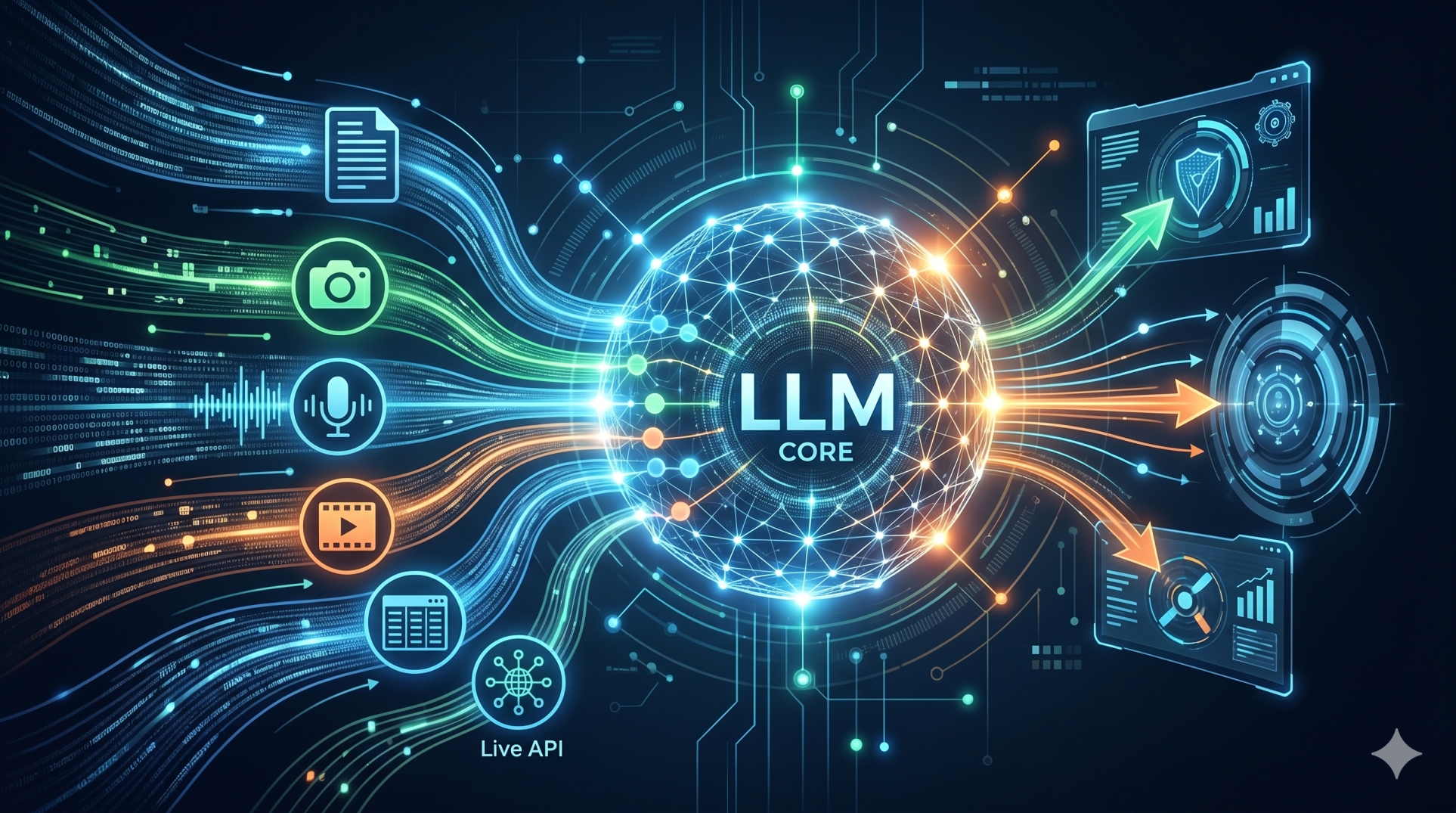
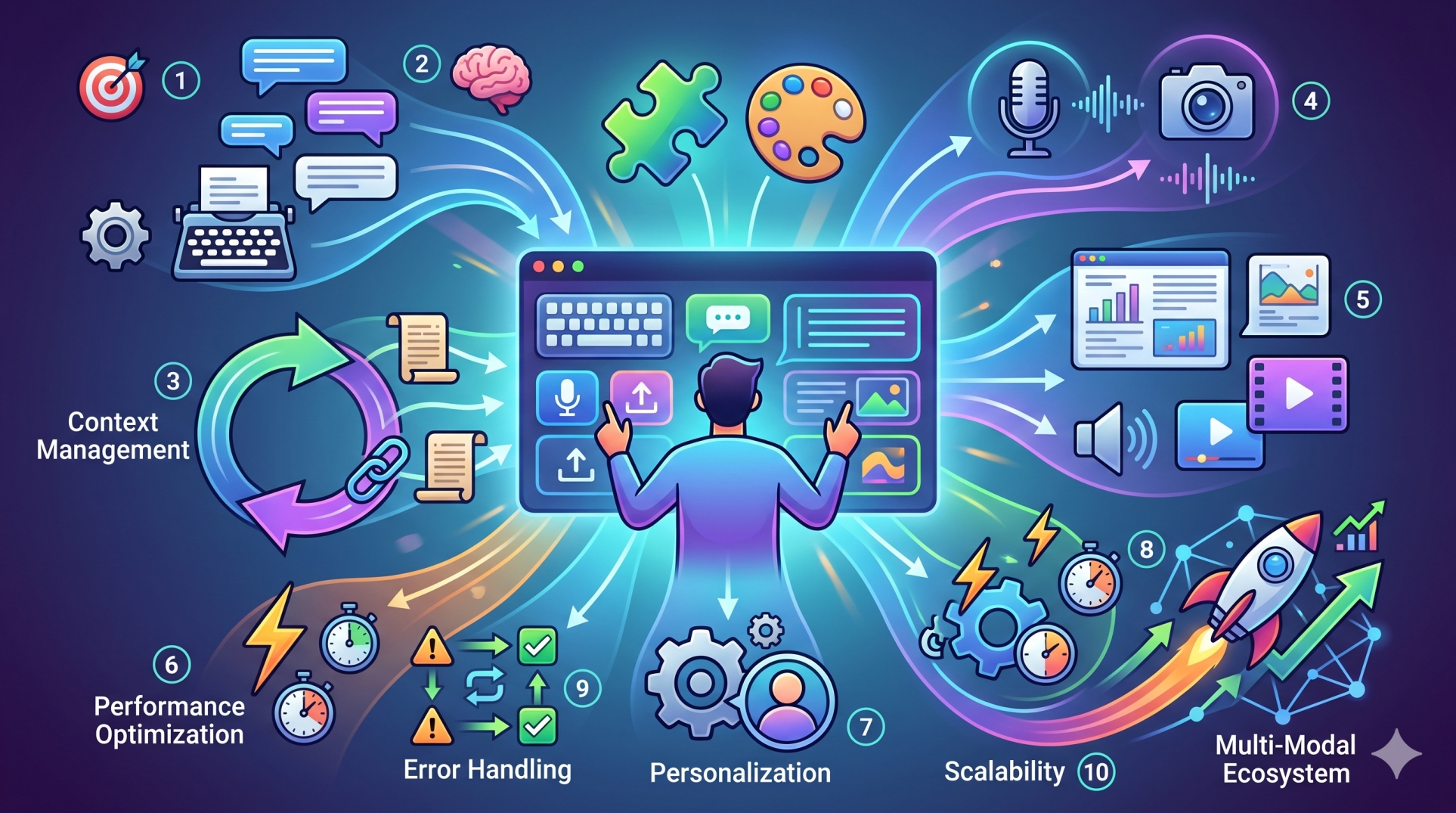
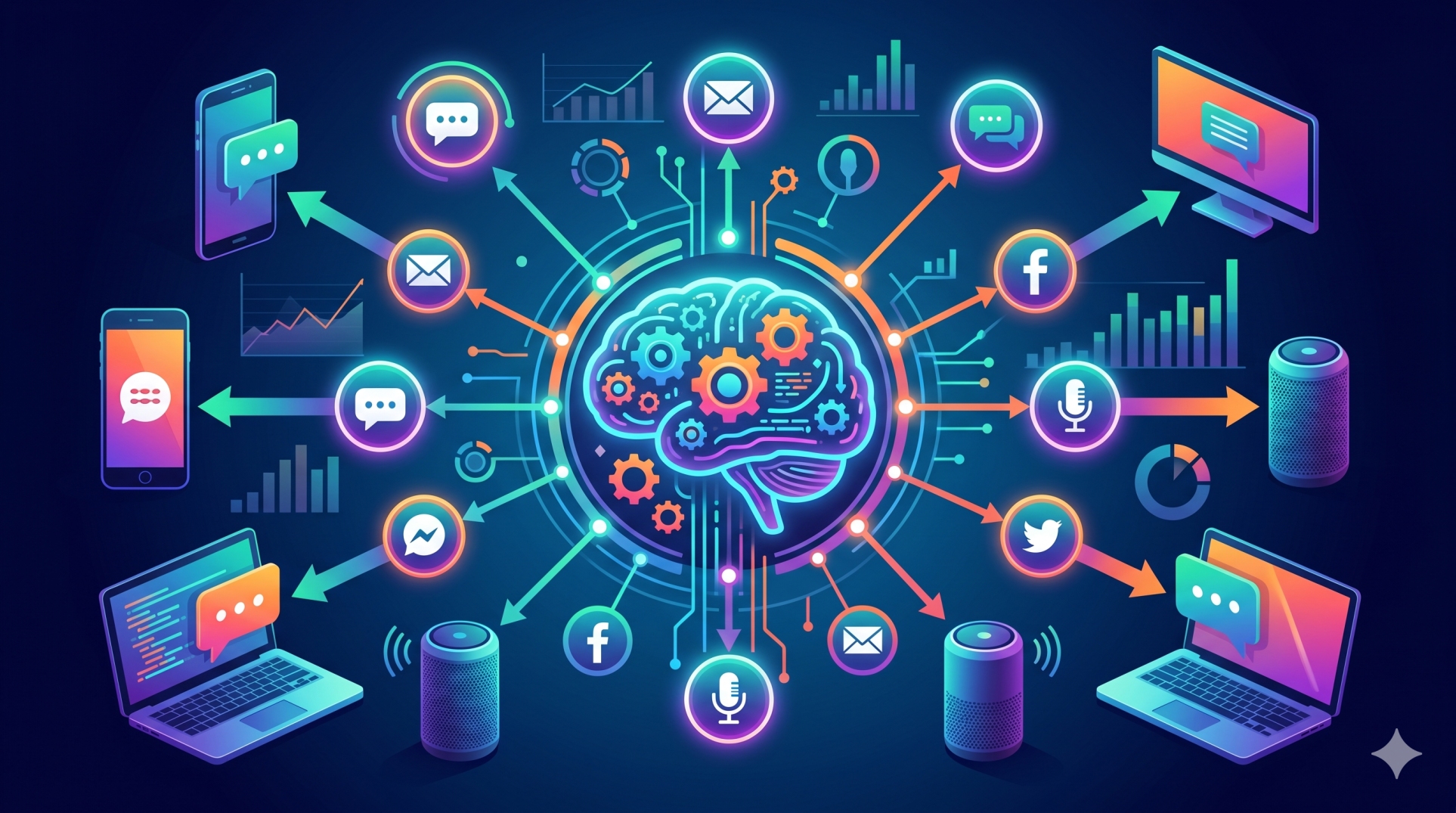
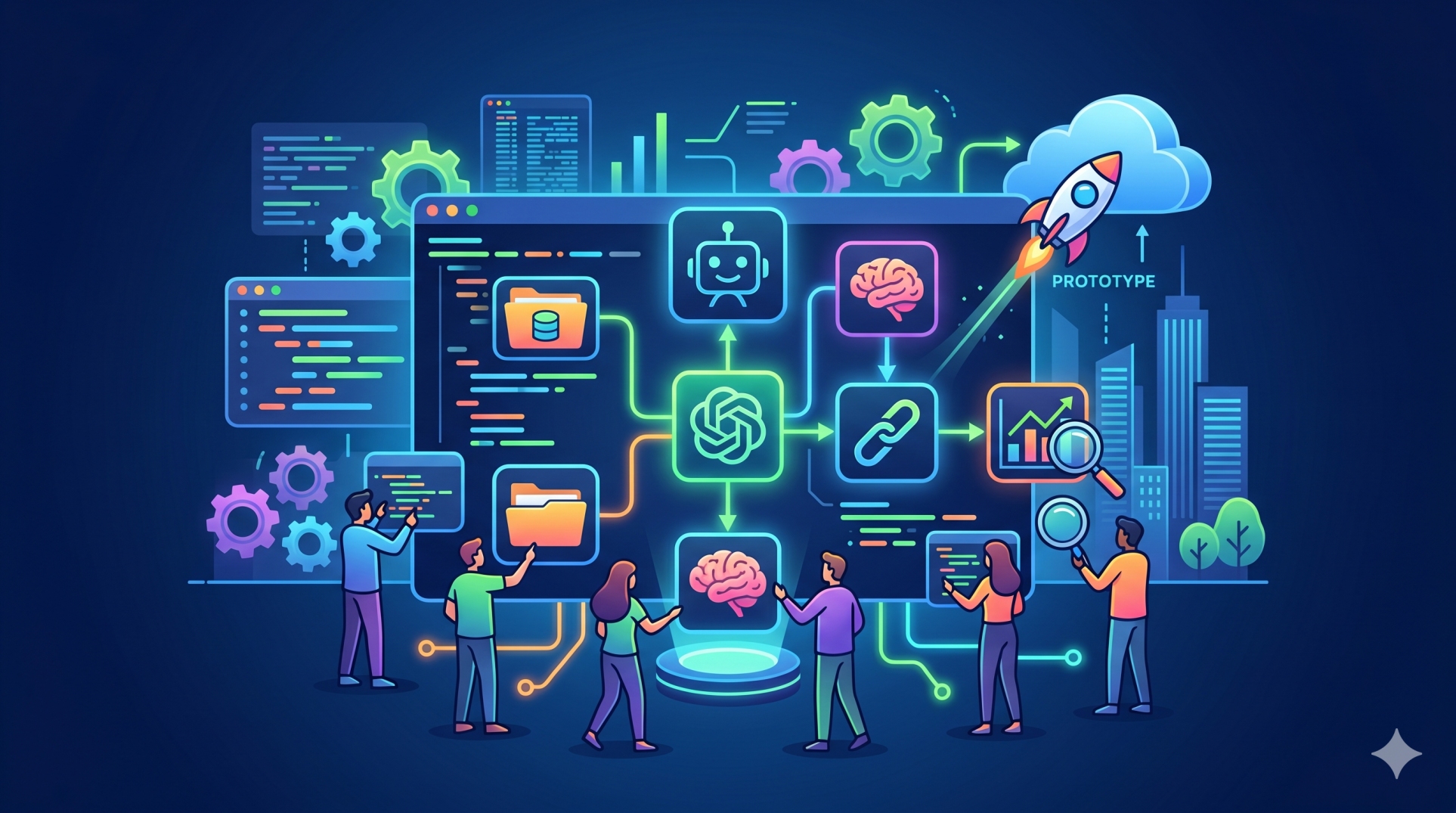
As Large Language Models (LLMs) continue transforming modern software development, organizations are increasingly relying on specialized developer platforms to build, deploy, and manage AI-powered applications. These platforms simplify model integration, orchestration, scalability, and monitoring, enabling developers to accelerate innovation while reducing infrastructure complexity. A strong LLM development platform provides the foundation for building intelligent, scalable, and production-ready AI applications.
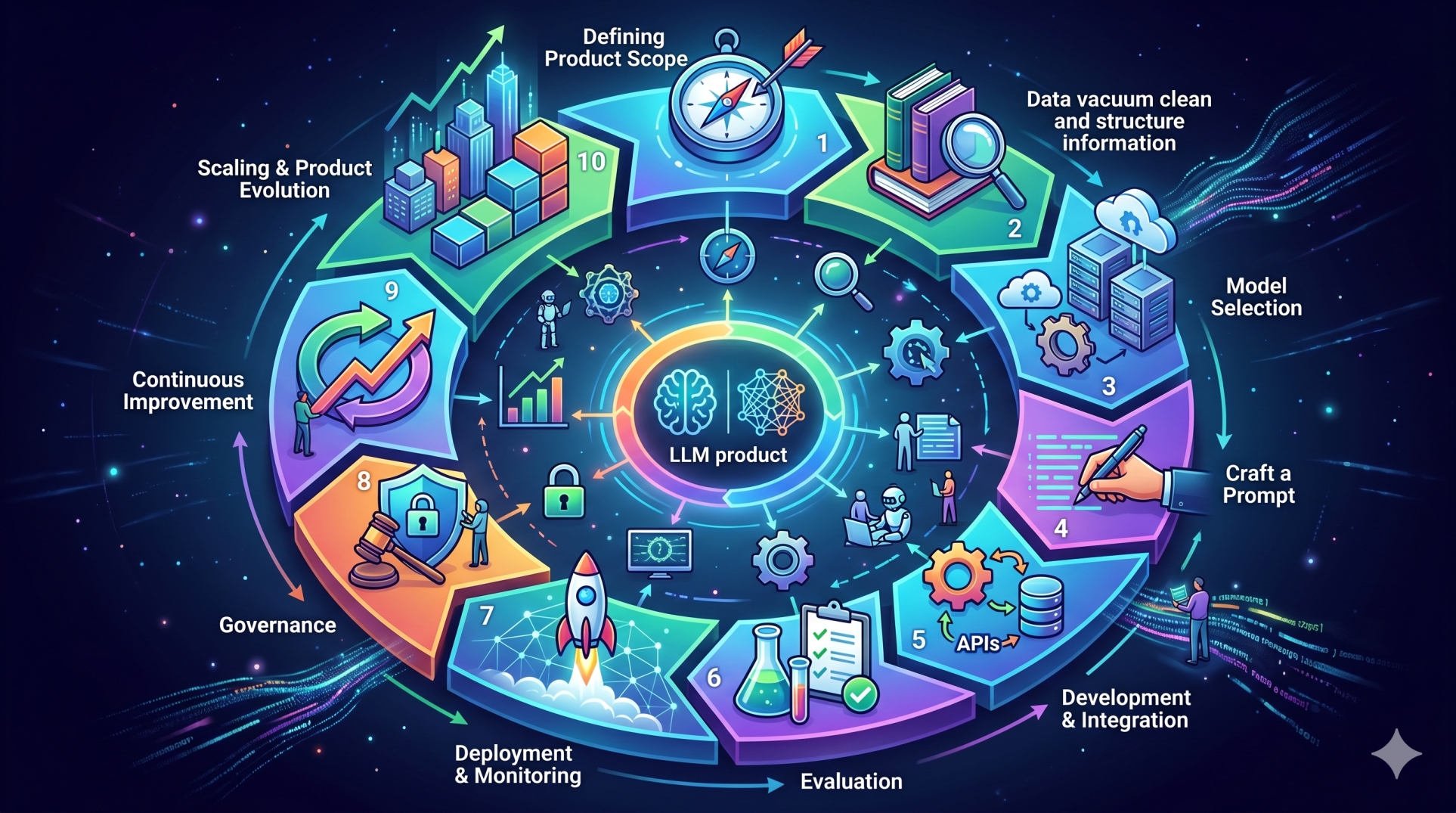
Step 1: Understanding the Role of LLM Developer Platforms 🧠
• Provide tools and infrastructure for building AI-powered applications ⚙️
• Simplify integration with large language models and APIs 🔗
• Support rapid prototyping and deployment workflows 🚀
• Enable scalable and production-ready AI environments 📈
• Reduce development complexity for AI application teams 🛠️
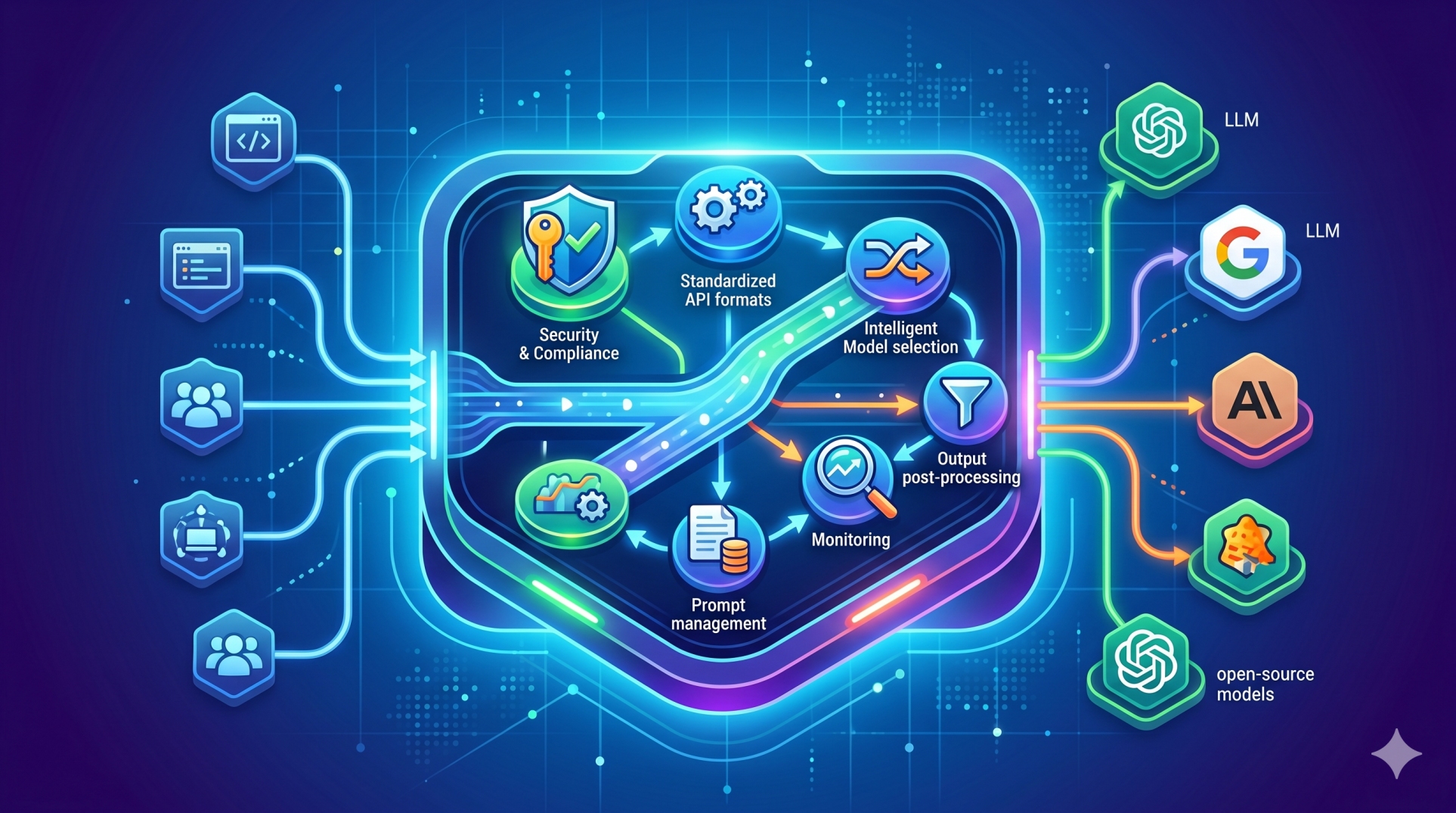
Step 2: Supporting Model Integration and Access 🔌
• Connect with proprietary and open-source LLM providers 🤖
• Enable API-based interaction with language models 🌐
• Support multiple model configurations and deployment options ⚡
• Simplify authentication and model management 🔐
• Provide flexibility for selecting the right model per use case 🎯
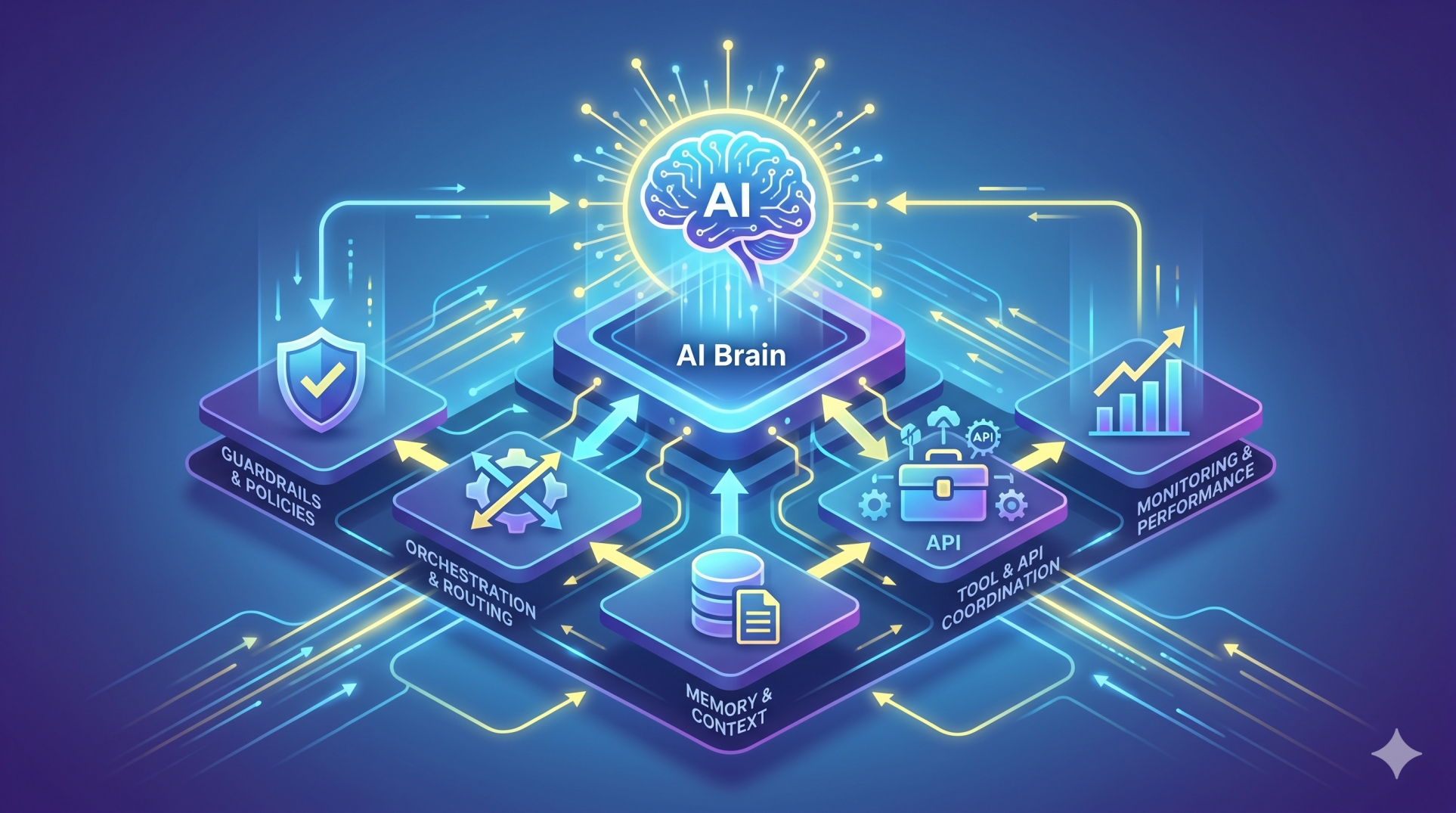
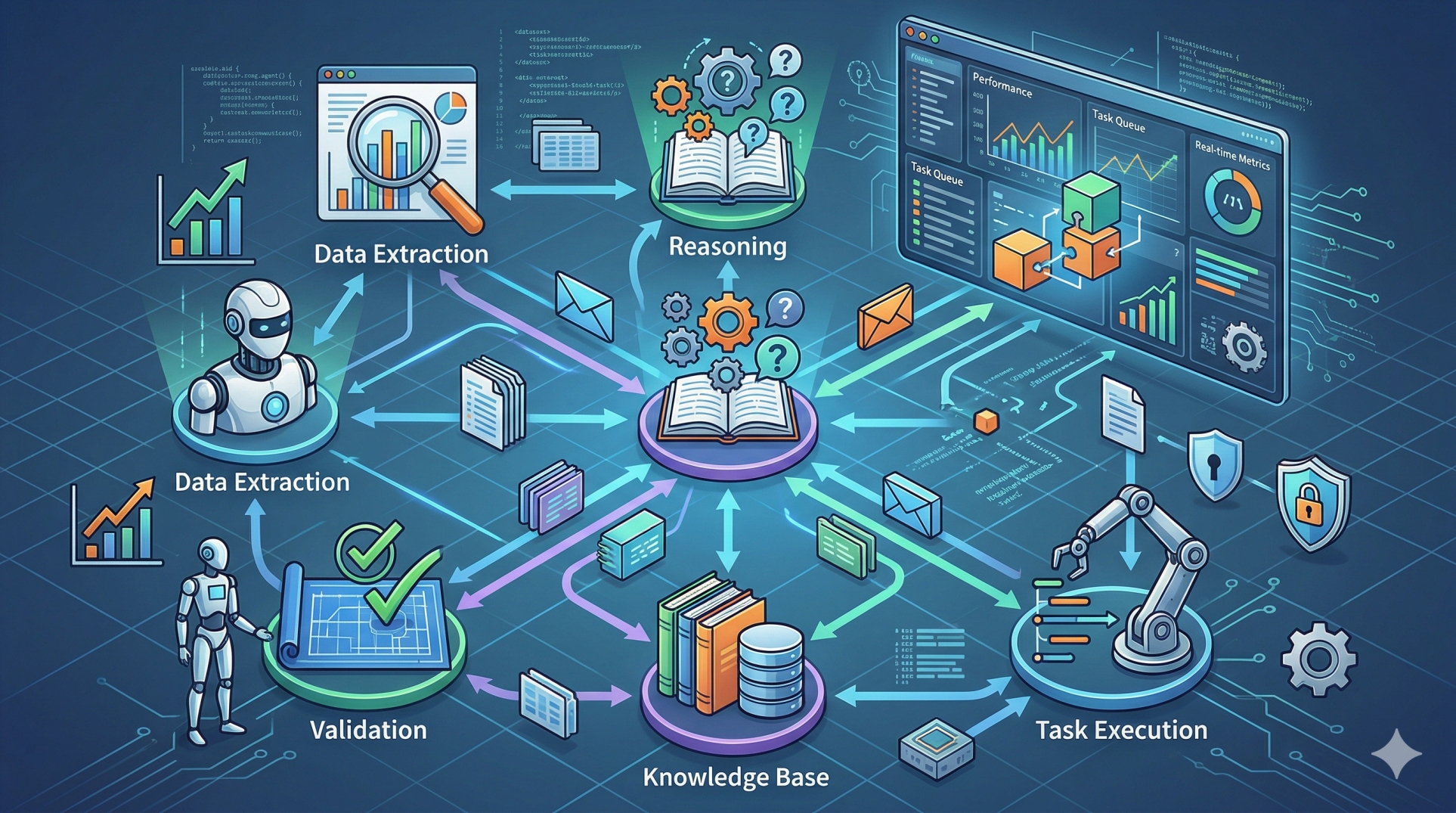
Step 3: Orchestrating AI Workflows 🔄
• Coordinate prompts, agents, and multi-step reasoning pipelines 🧩
• Manage task execution across AI services efficiently ⚡
• Enable chaining of models and external tools 🔗
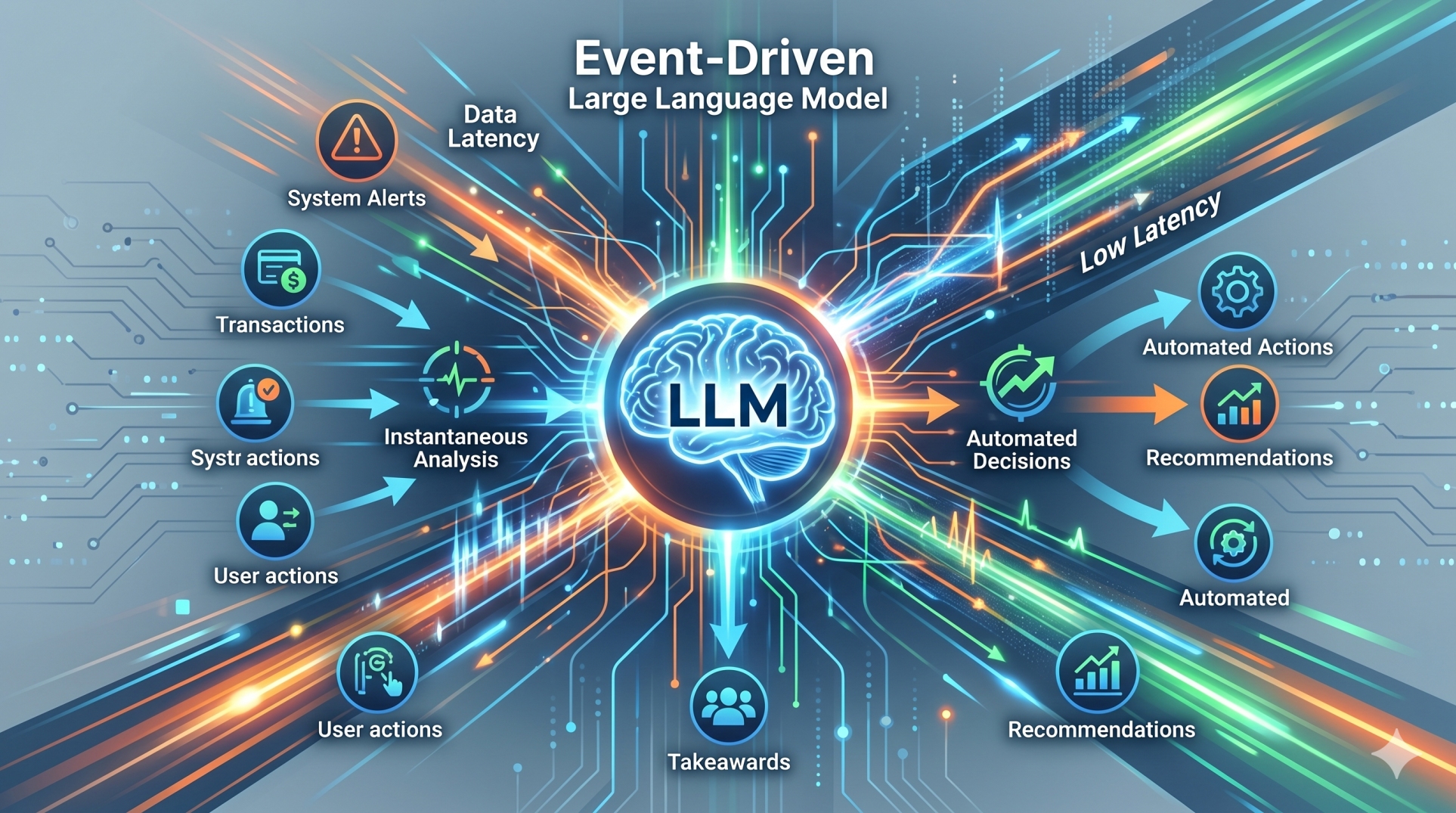
• Support event-driven and automated workflows 📊
• Improve consistency across complex AI operations 🤝
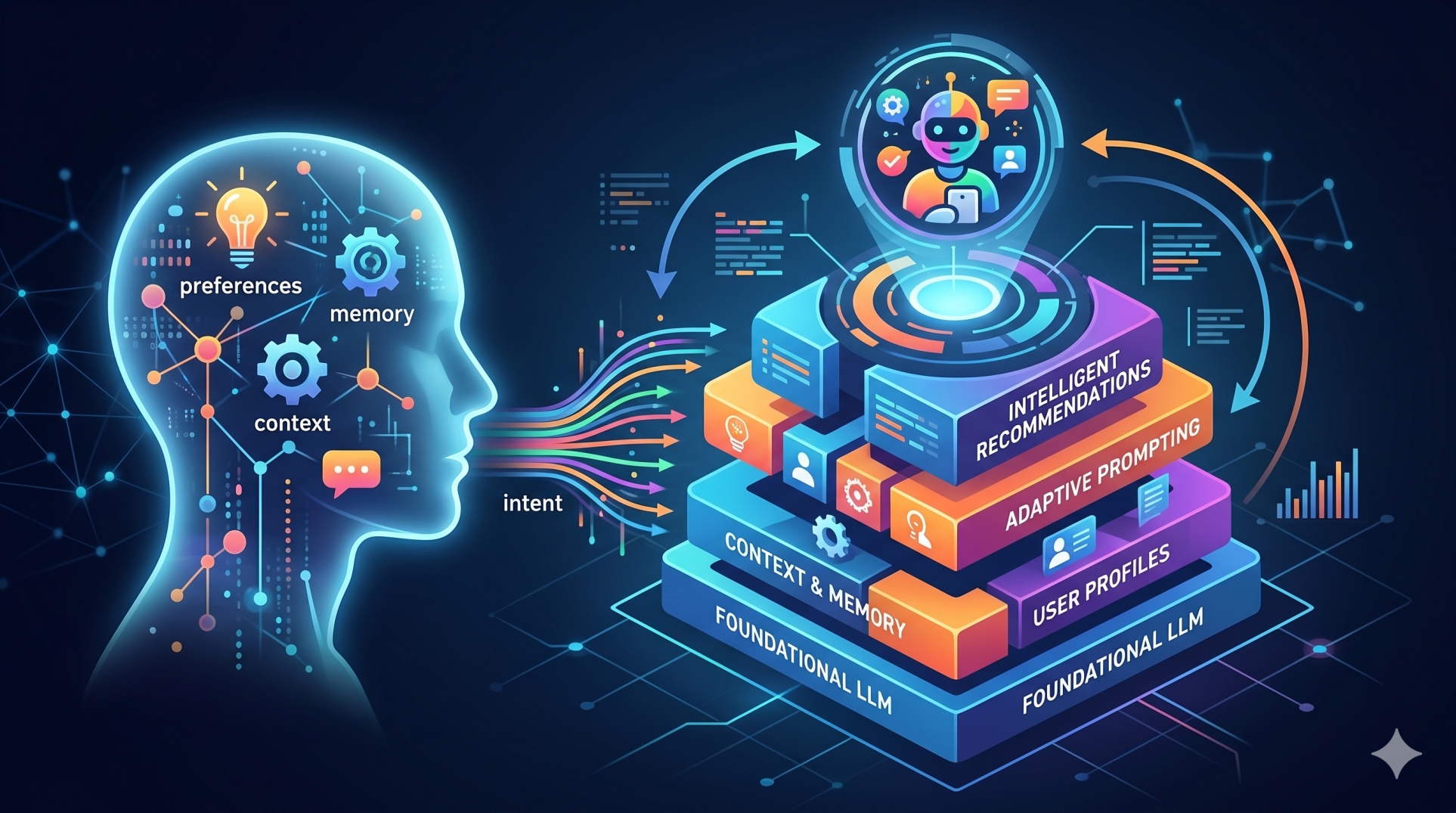
Step 4: Managing Prompt Engineering and Templates ✍️
• Create reusable prompt templates for different workflows 📄
• Standardize prompt structures for reliability and consistency ✅
• Test and optimize prompts for better output quality 🔍
• Version prompts to track improvements over time 🗂️
• Simplify collaboration between developers and AI teams 👥
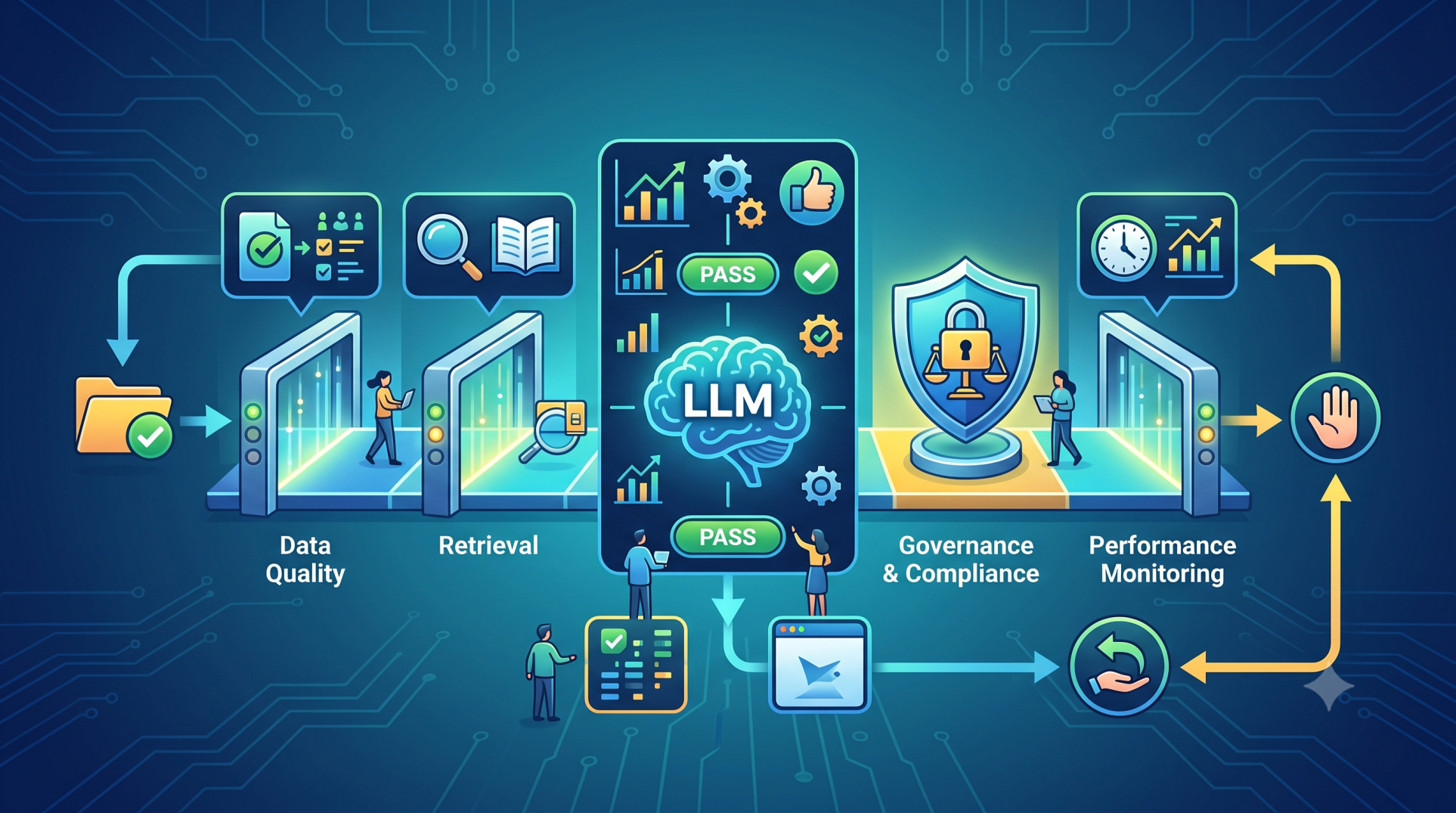
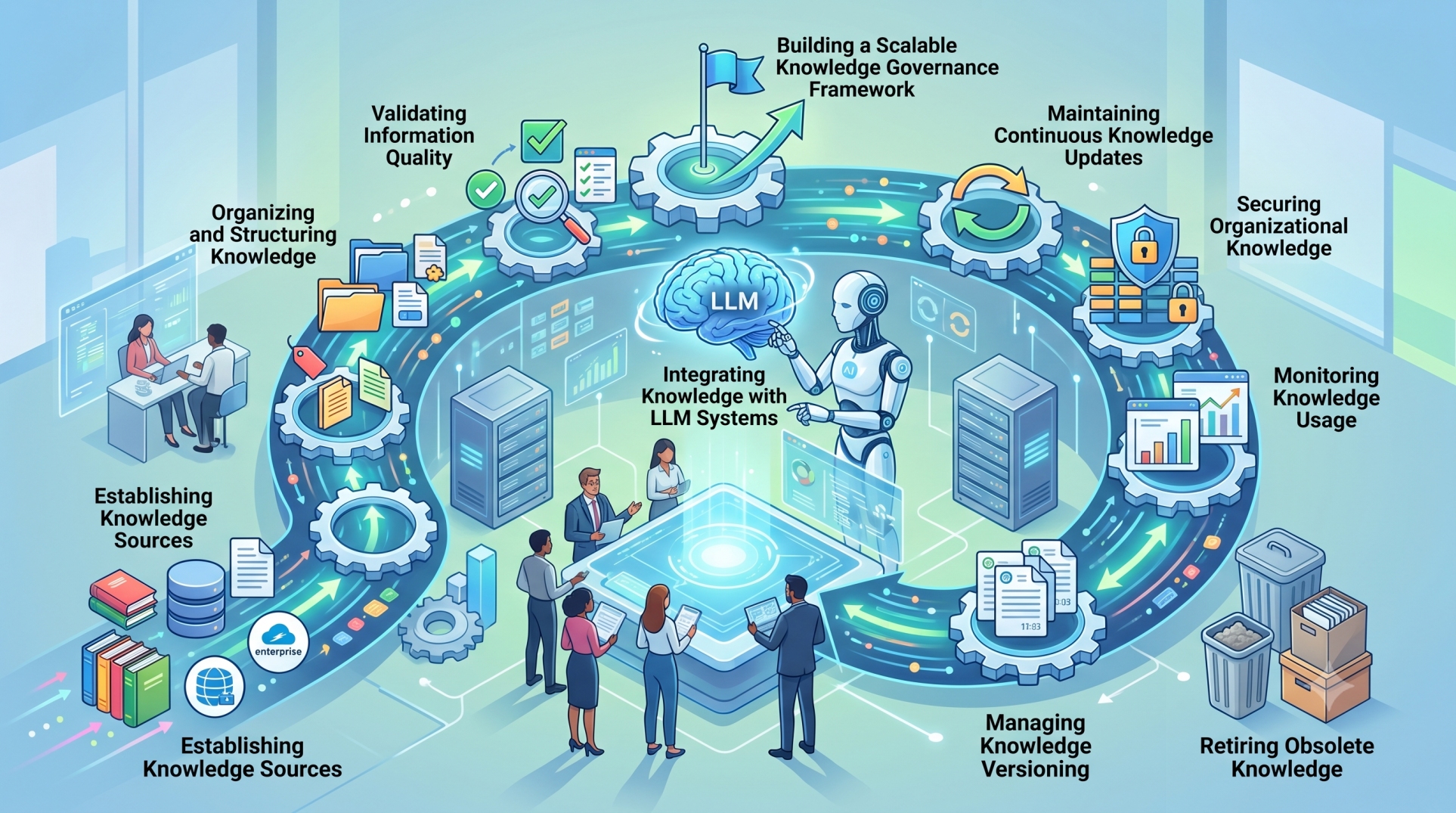
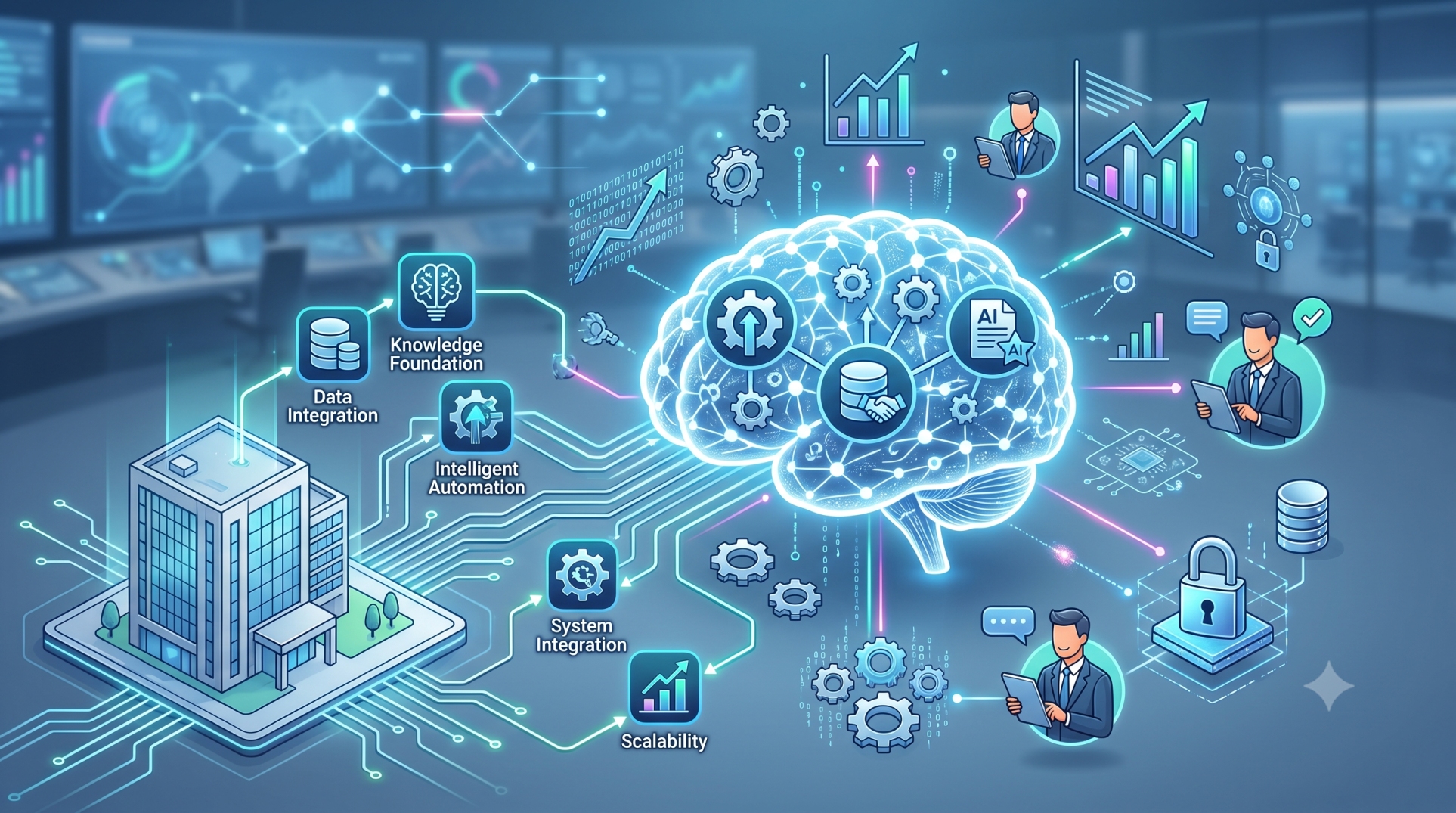
Step 5: Enabling Data Integration and Retrieval 📂
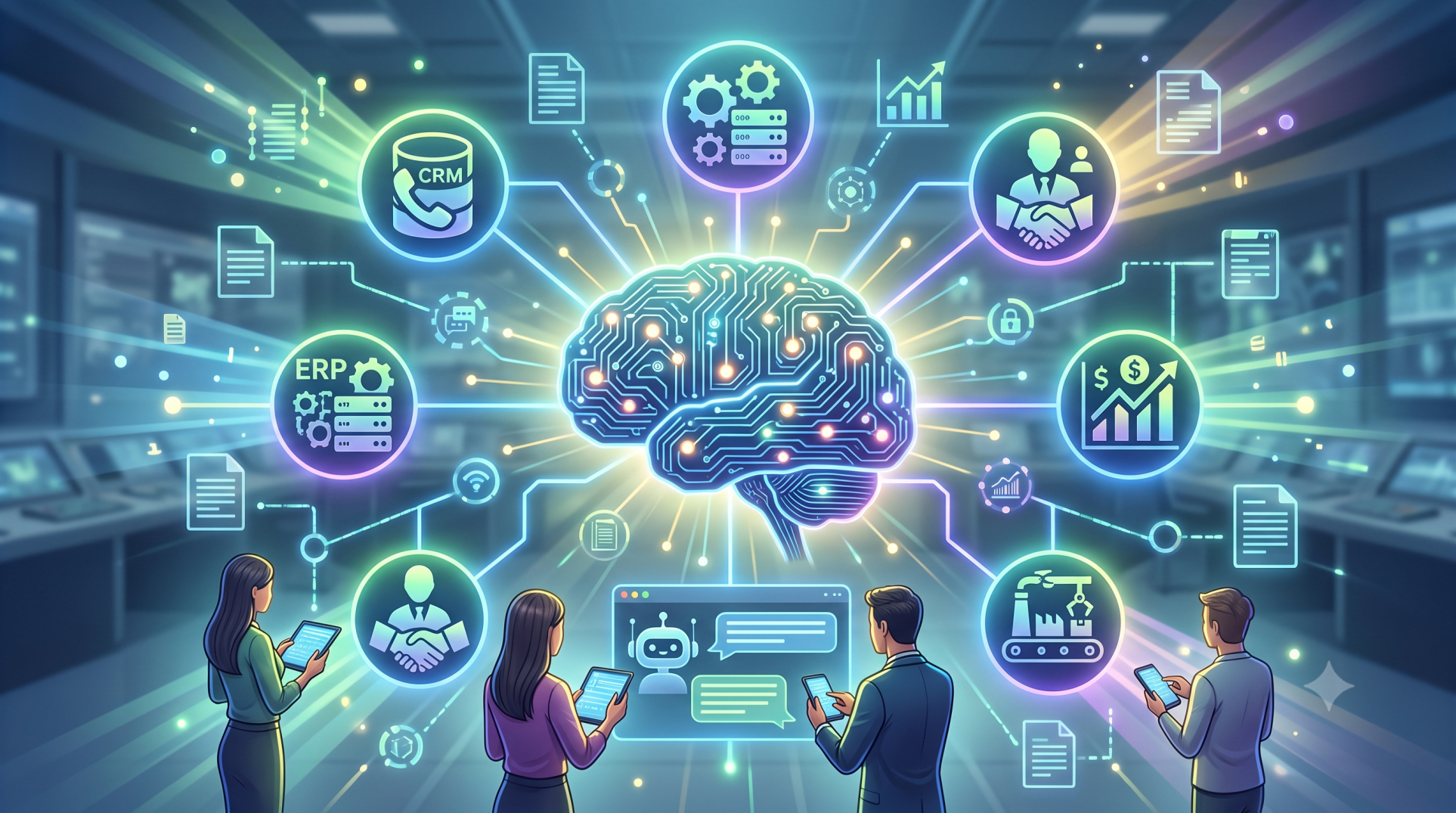
• Connect AI systems with enterprise data sources 🔗
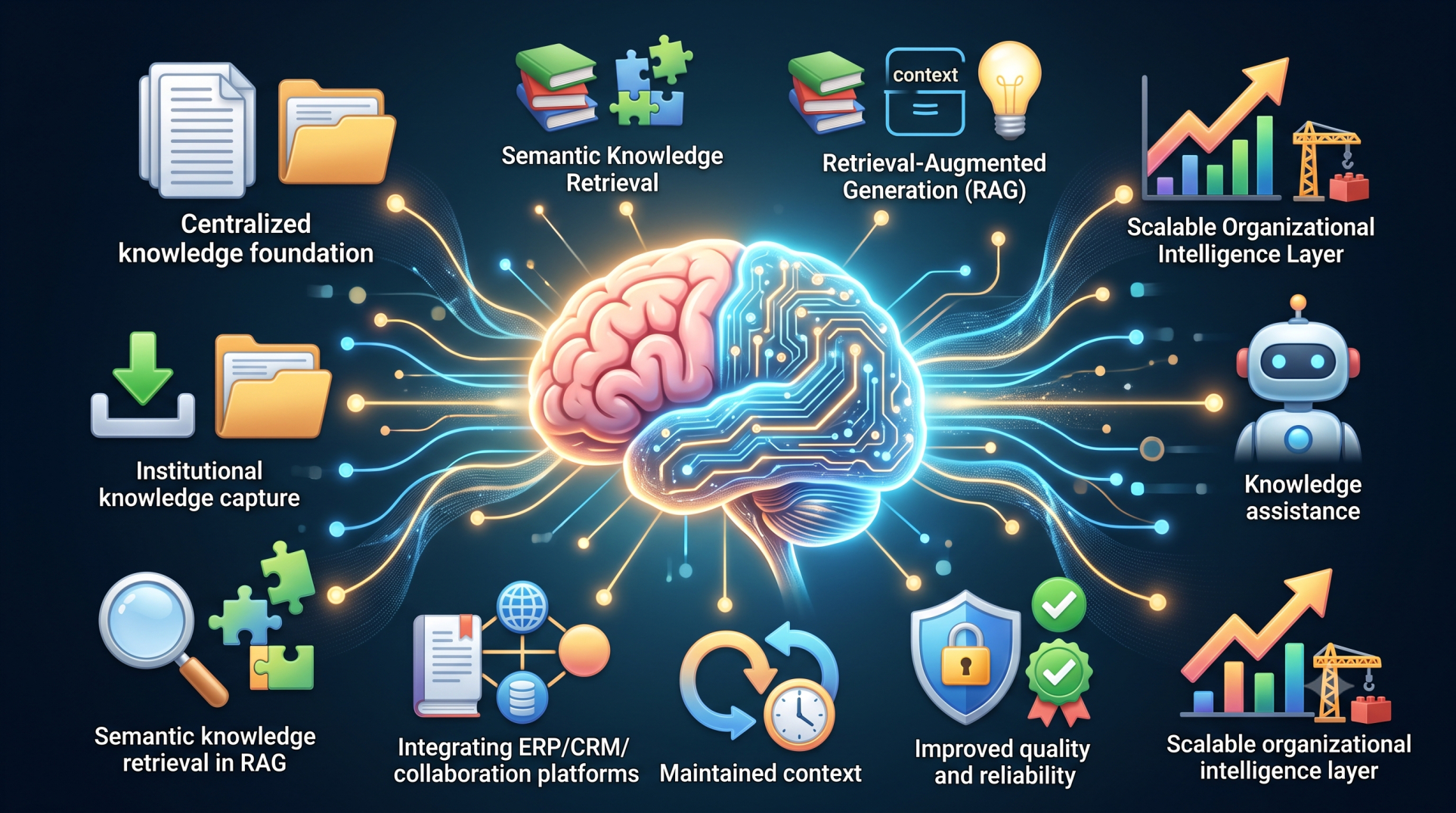
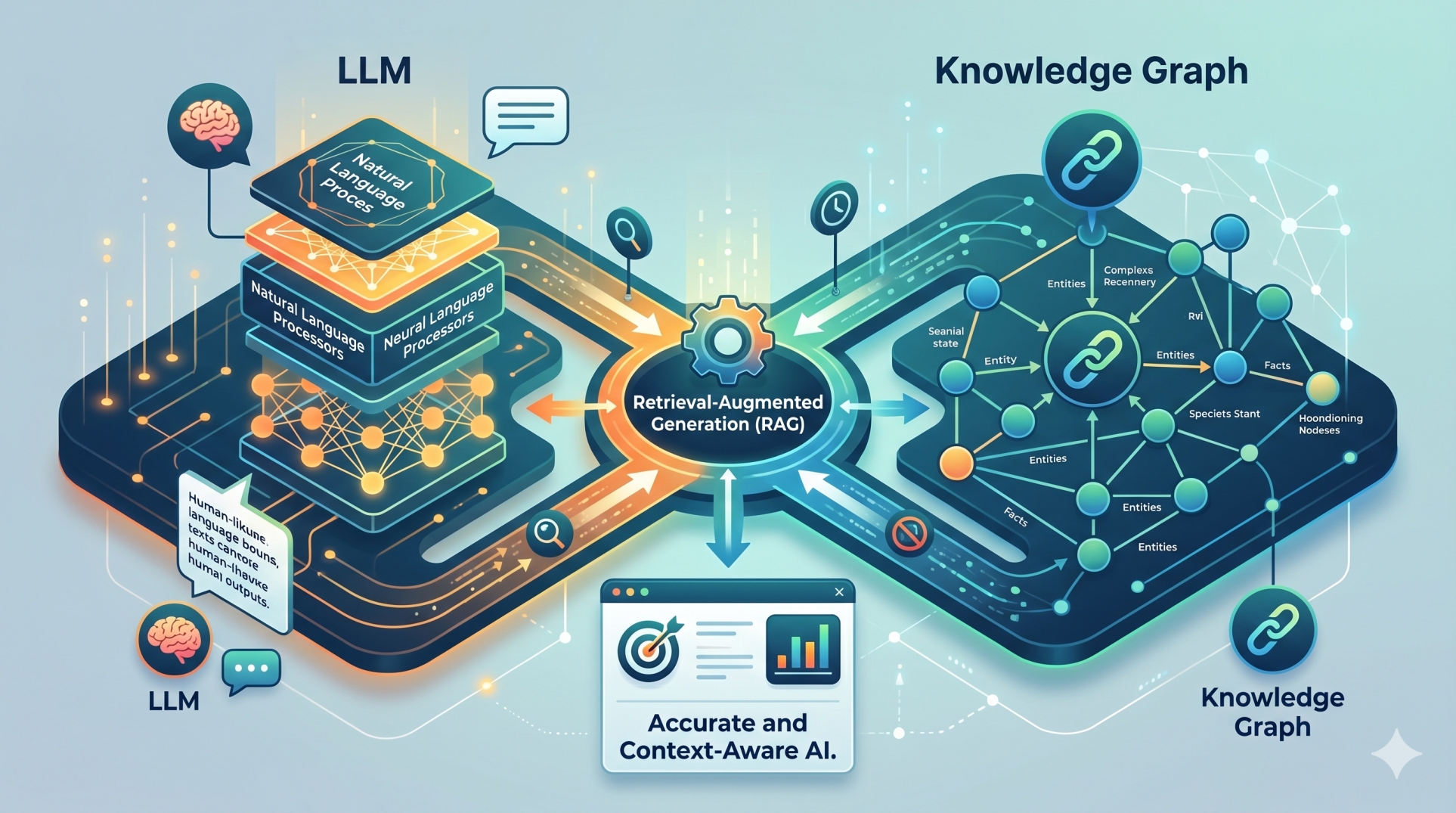
• Support Retrieval-Augmented Generation (RAG) architectures 📚
• Enable vector databases for semantic search 🧠
• Improve contextual accuracy with real-time data access ⏱️
• Maintain secure and controlled data connectivity 🔐
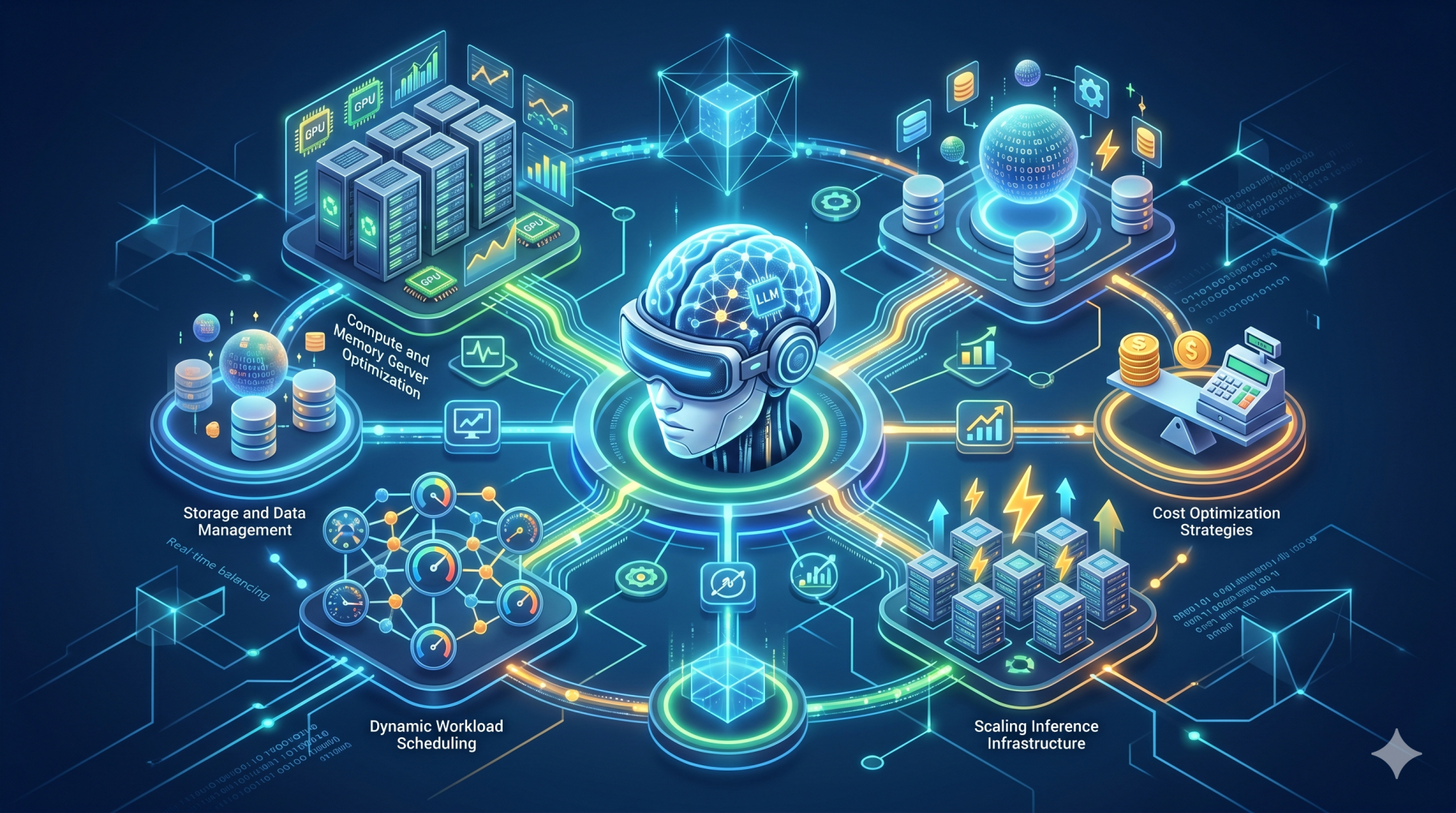
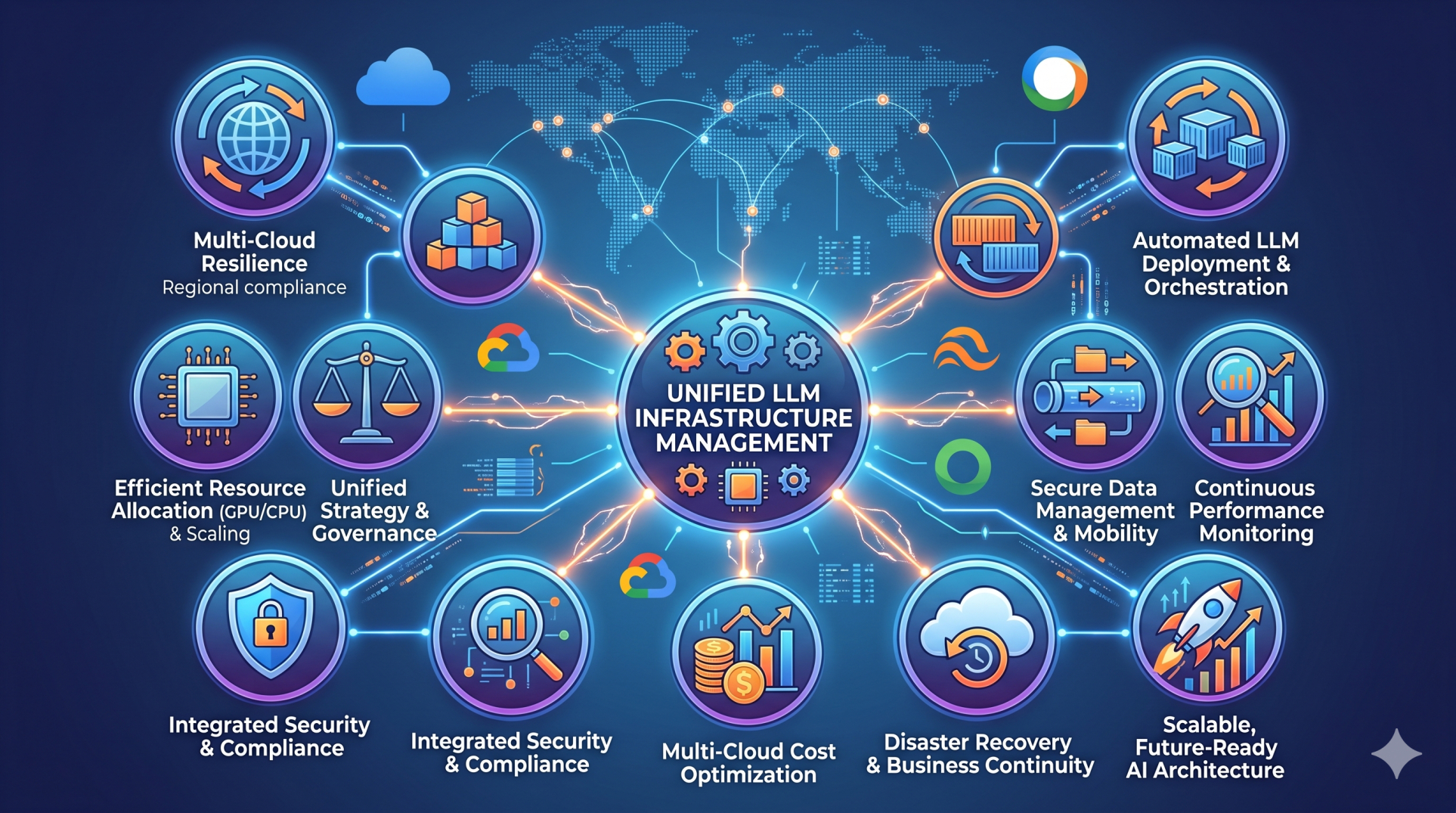
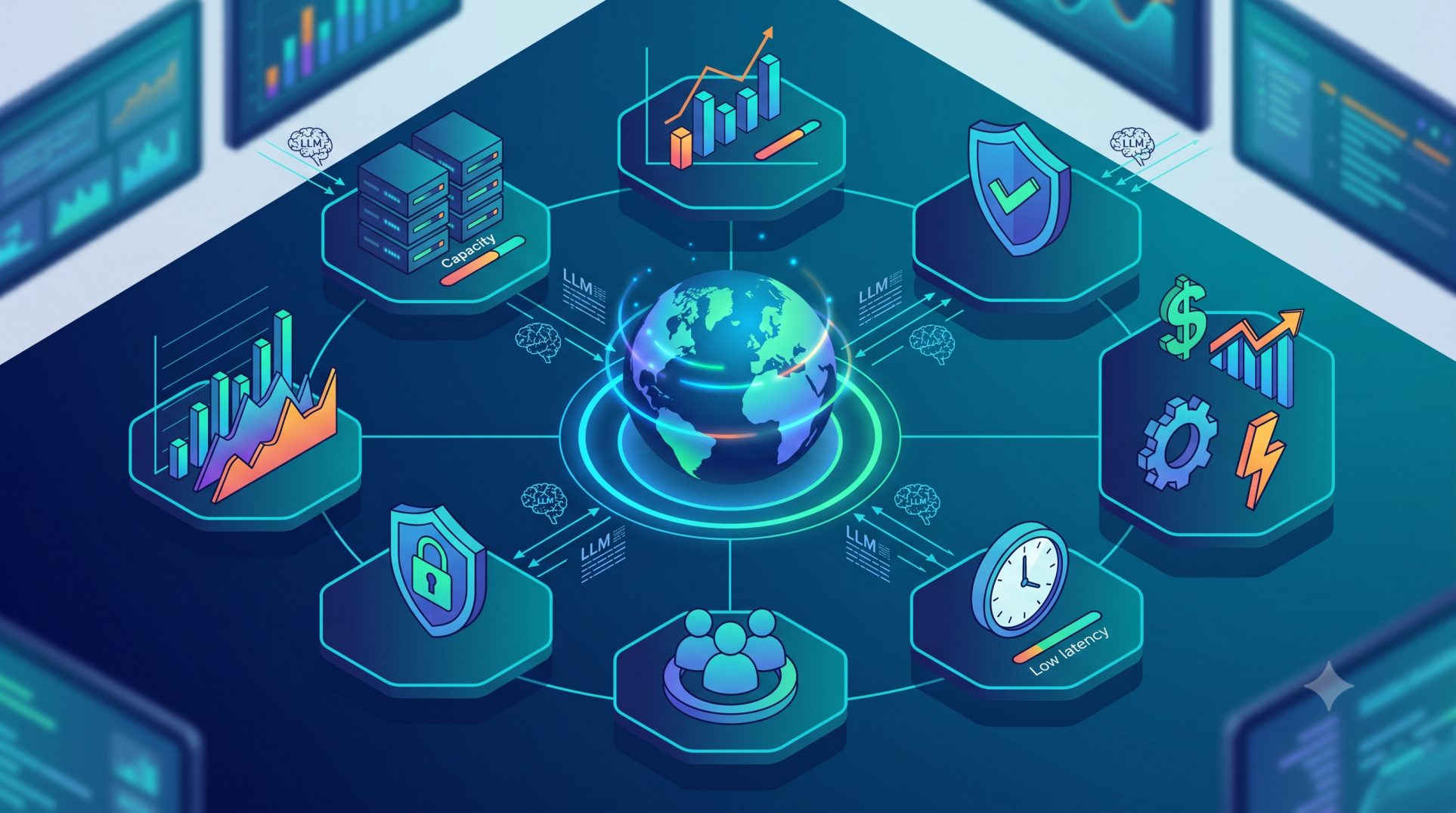
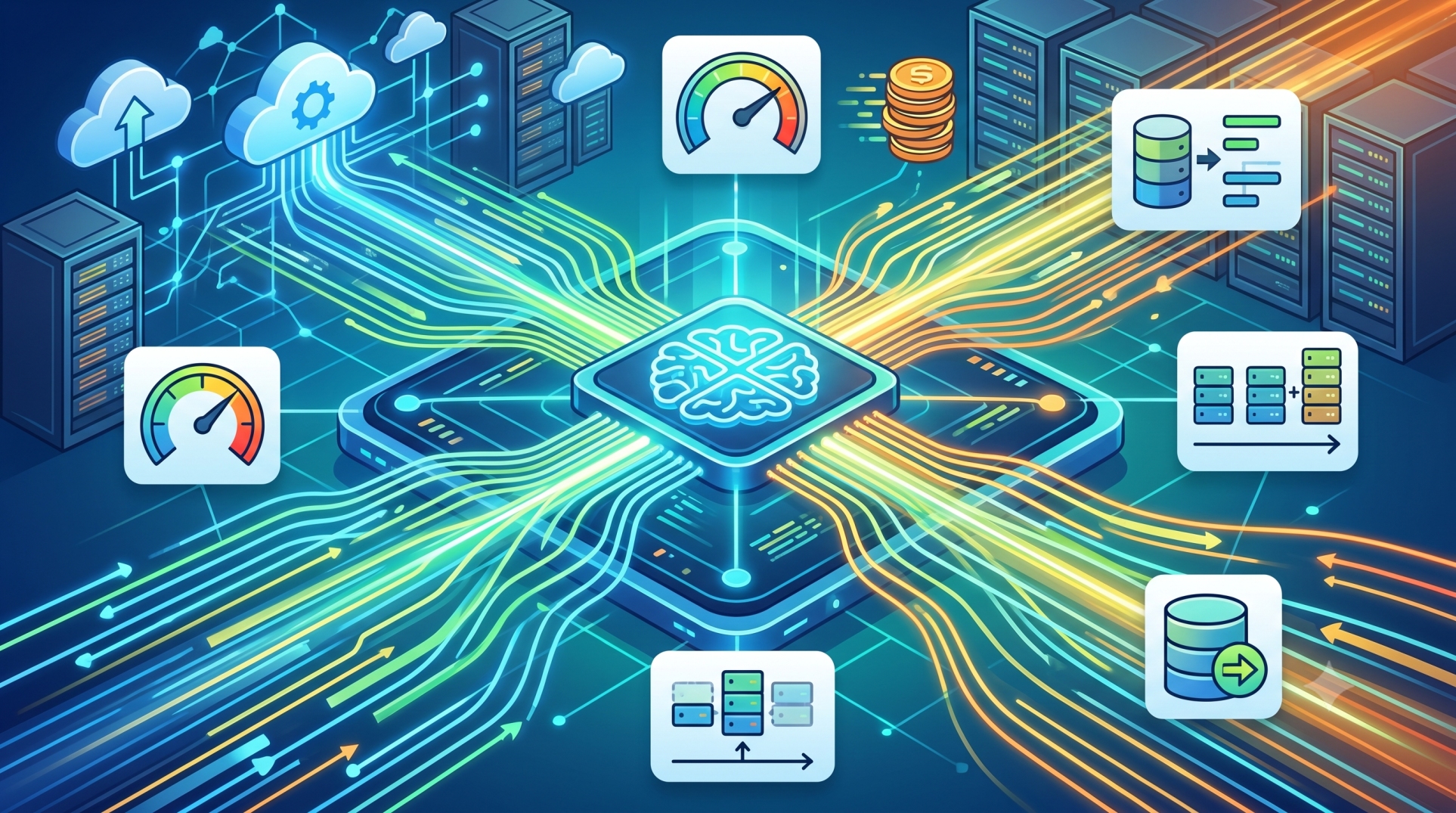
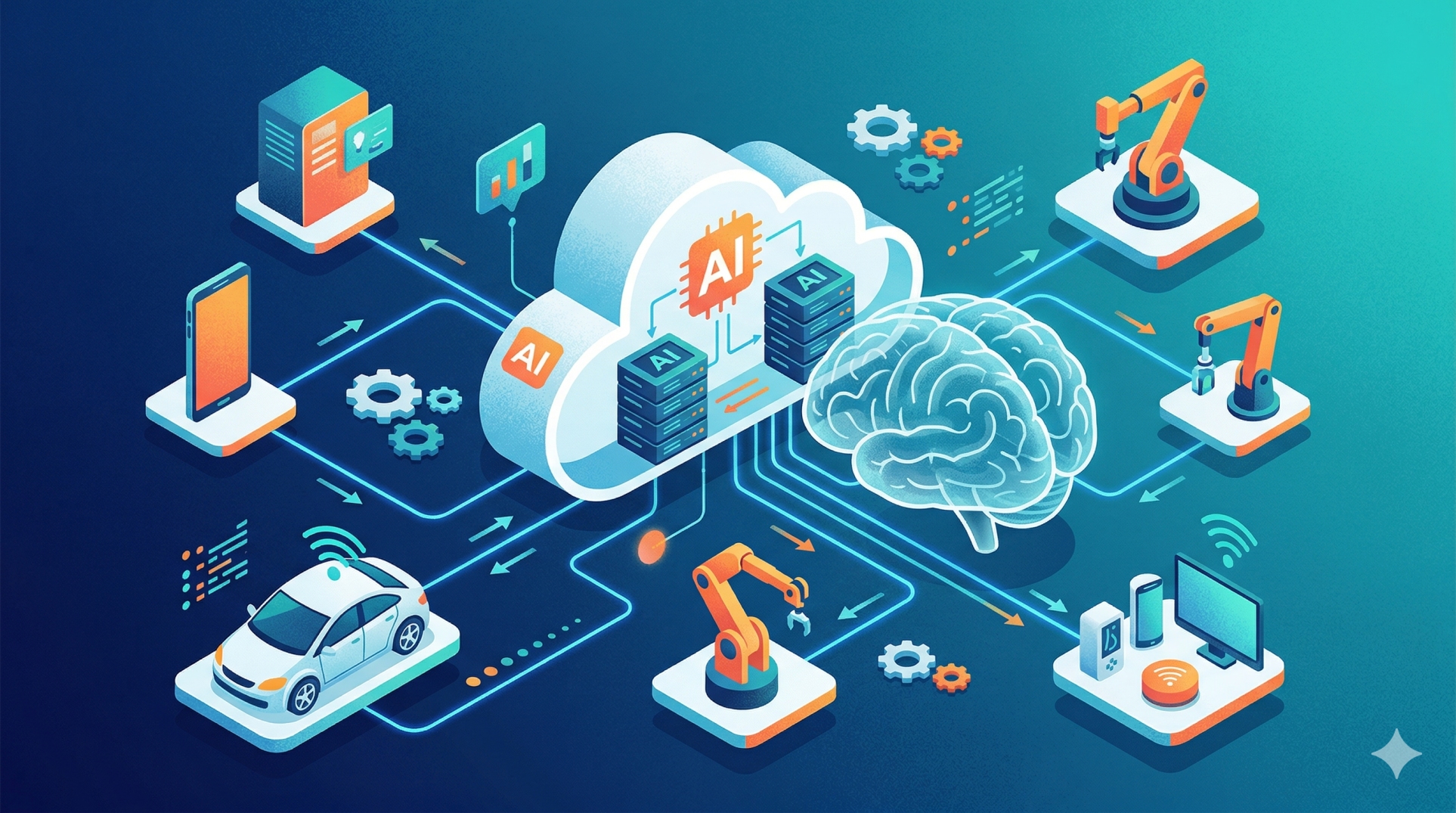
Step 6: Scalability and Infrastructure Management ☁️
• Support scalable deployment across cloud and hybrid environments 🌐
• Automatically manage compute resources and workloads ⚡
• Ensure high availability for AI-powered applications 🔄
• Optimize performance during peak usage periods 📈
• Simplify infrastructure operations for development teams 🏗️
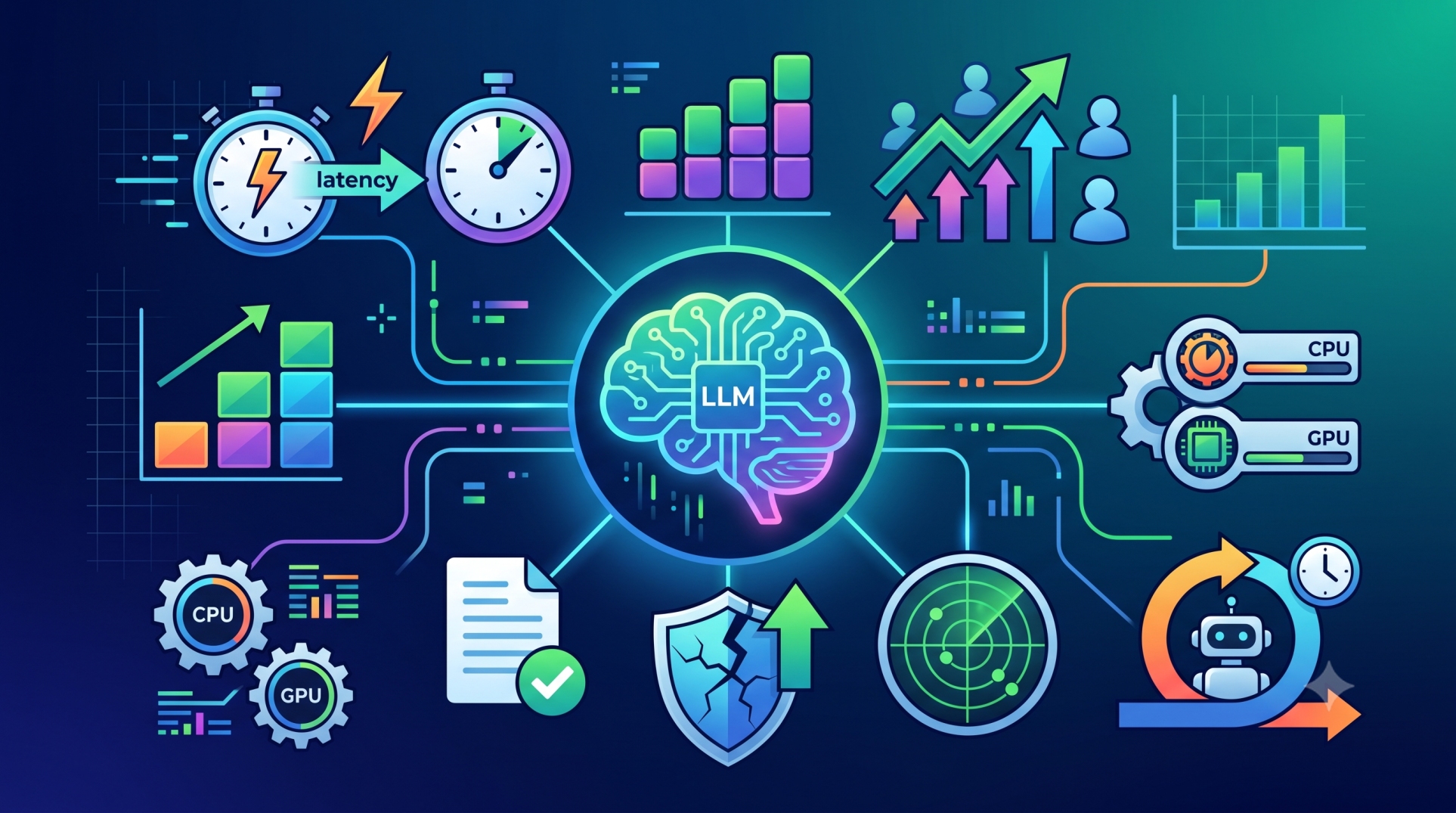
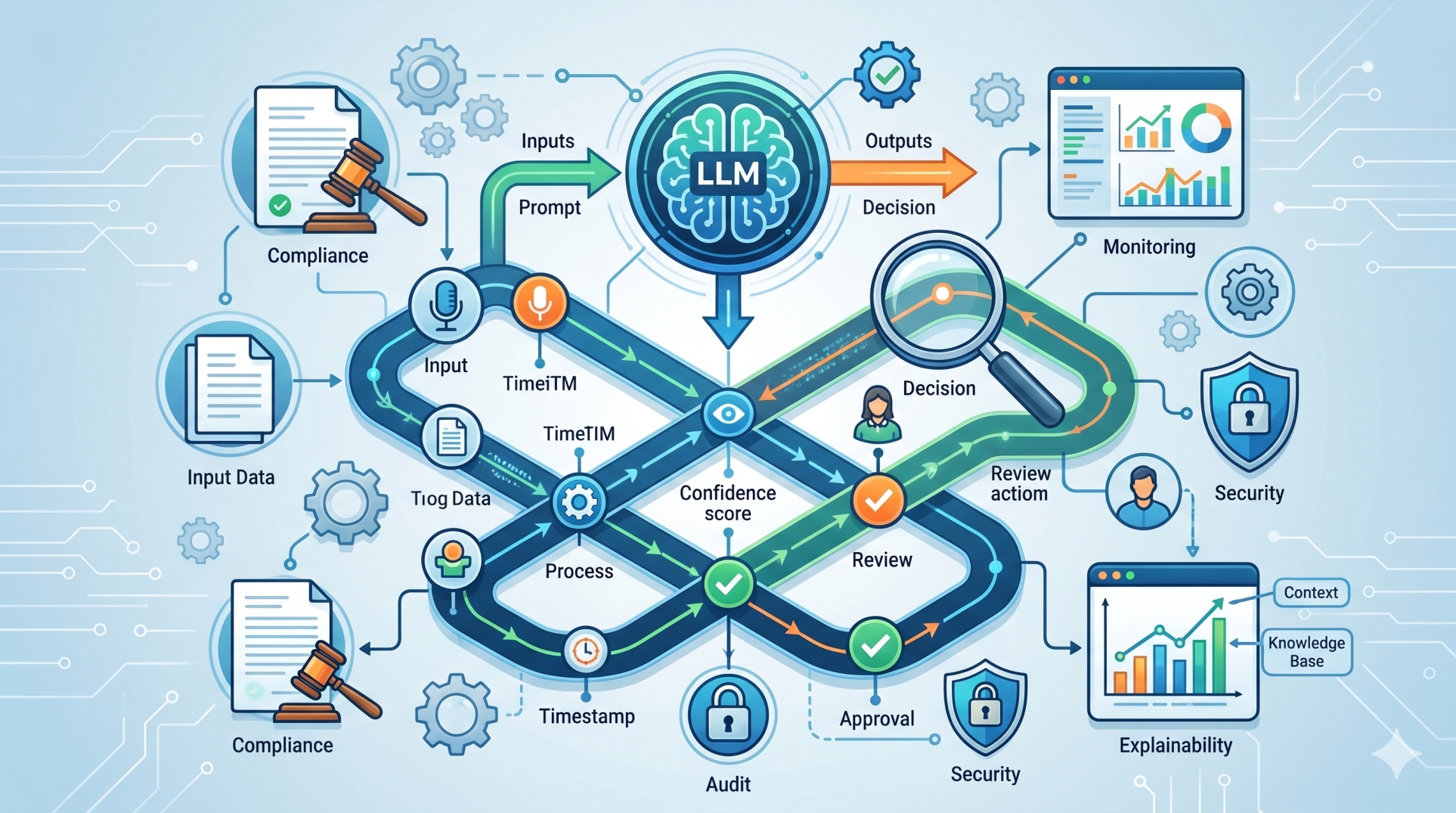
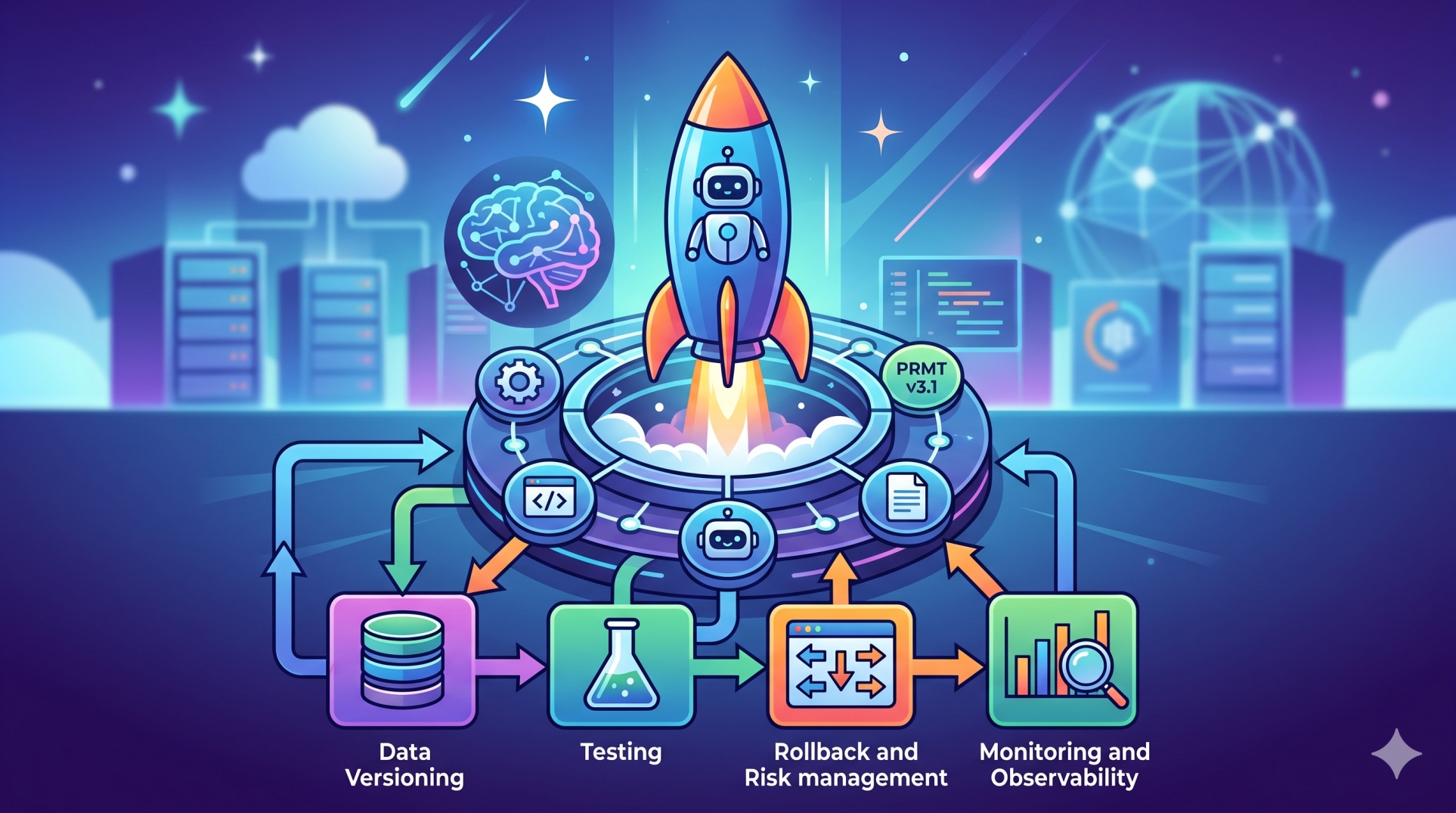
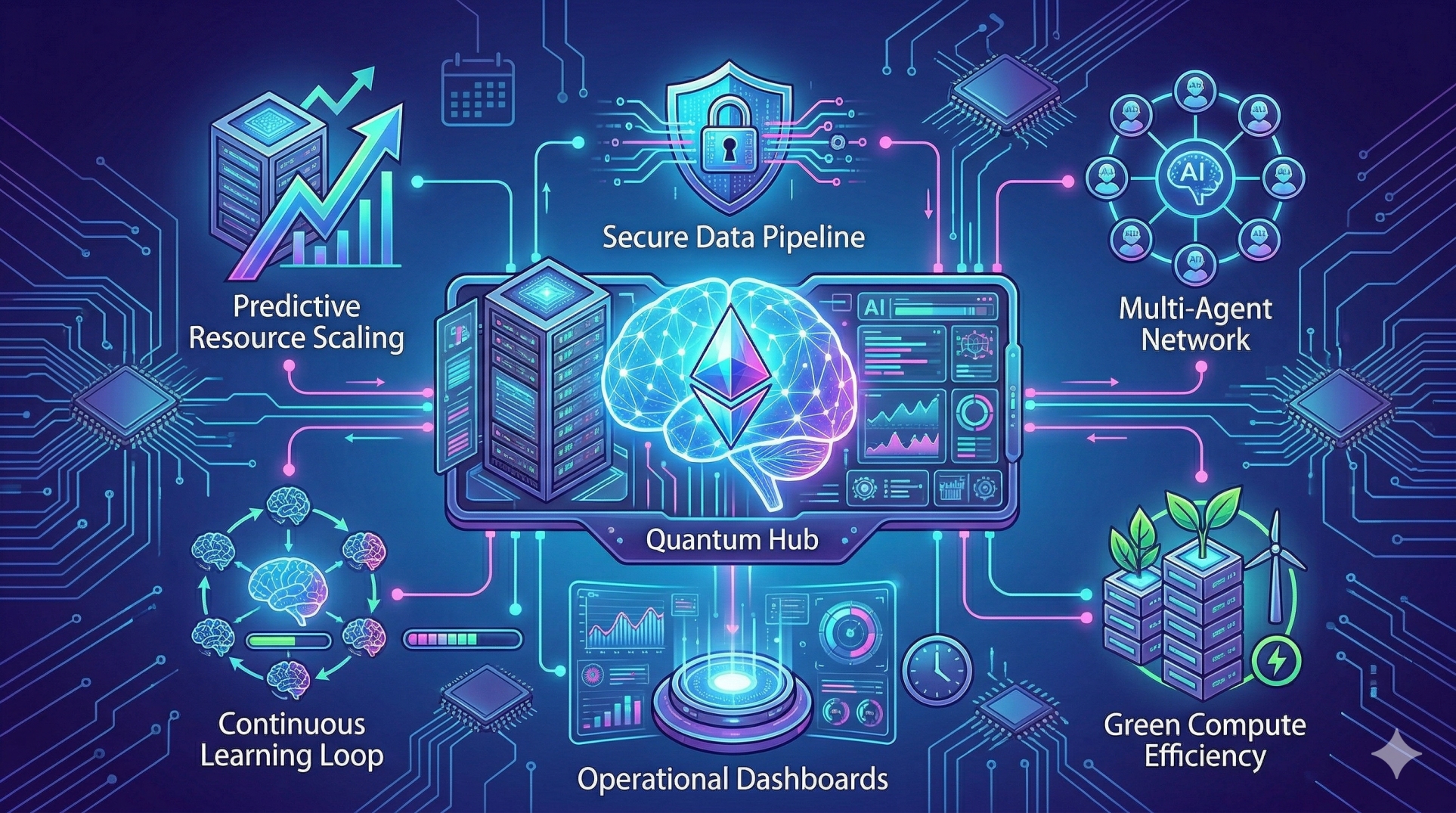
Step 7: Monitoring and Observability 📊
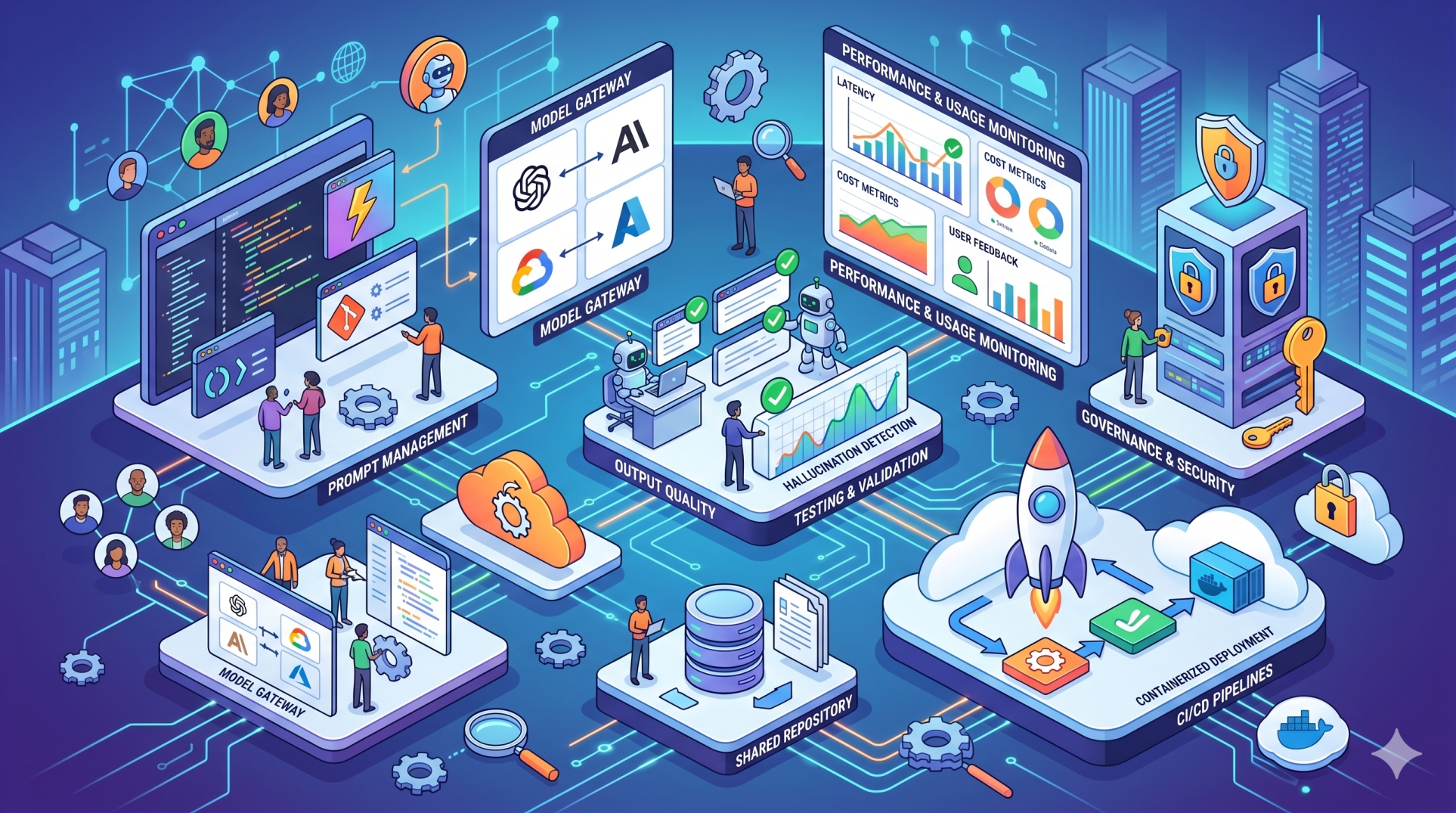
• Track model performance, latency, and reliability ⏱️
• Monitor token usage and operational costs 💰
• Detect failures, hallucinations, and abnormal outputs 🚨
• Provide logging and debugging tools for AI workflows 🛠️
• Continuously optimize system efficiency and accuracy 🔍
Step 8: Key Platform Priorities 🎯
• Flexible integration with multiple LLM providers 🤖
• Reliable orchestration and workflow automation 🔄
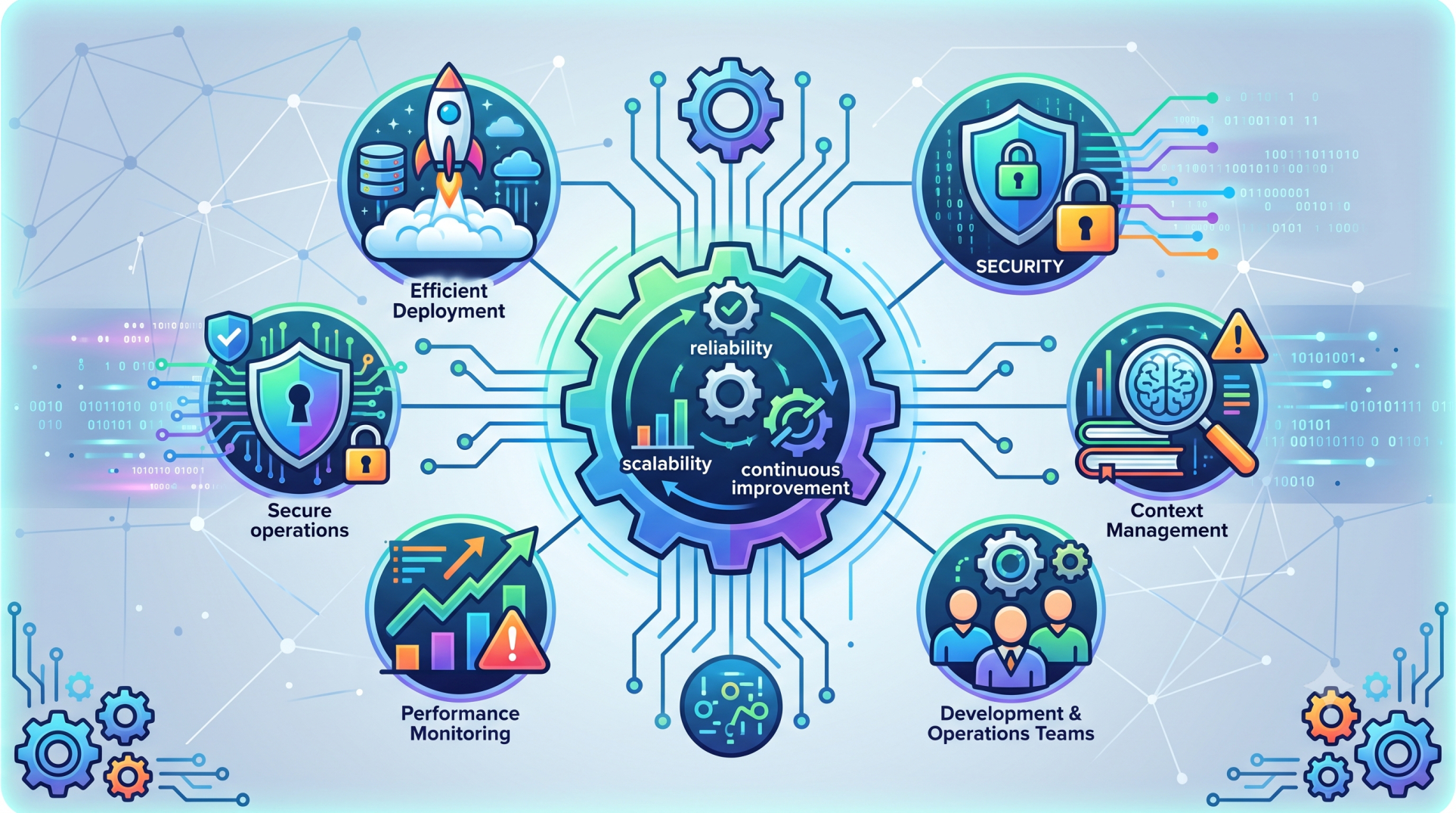
• Secure and scalable AI infrastructure 🔐
• Real-time monitoring and operational visibility 👁️
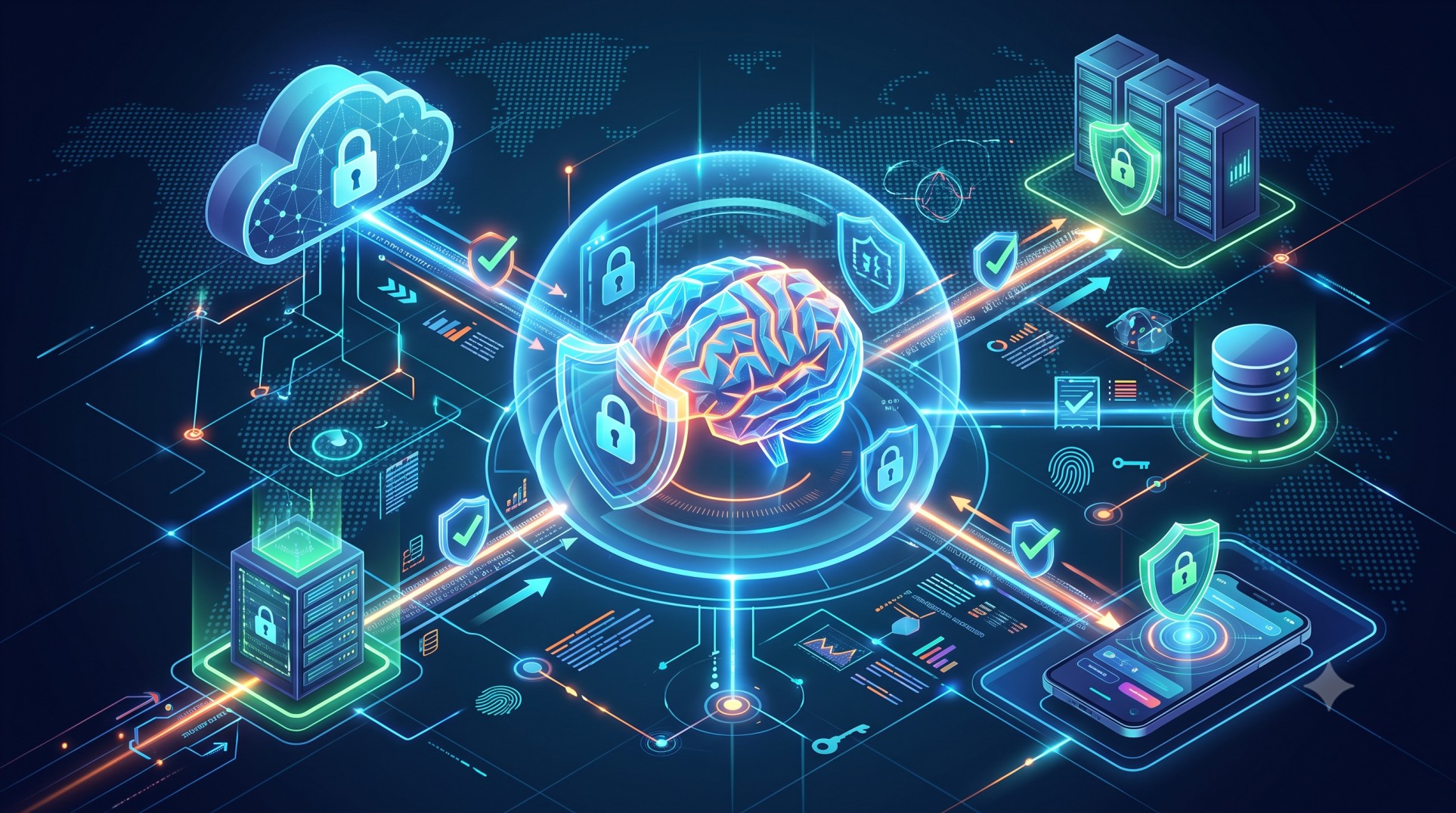
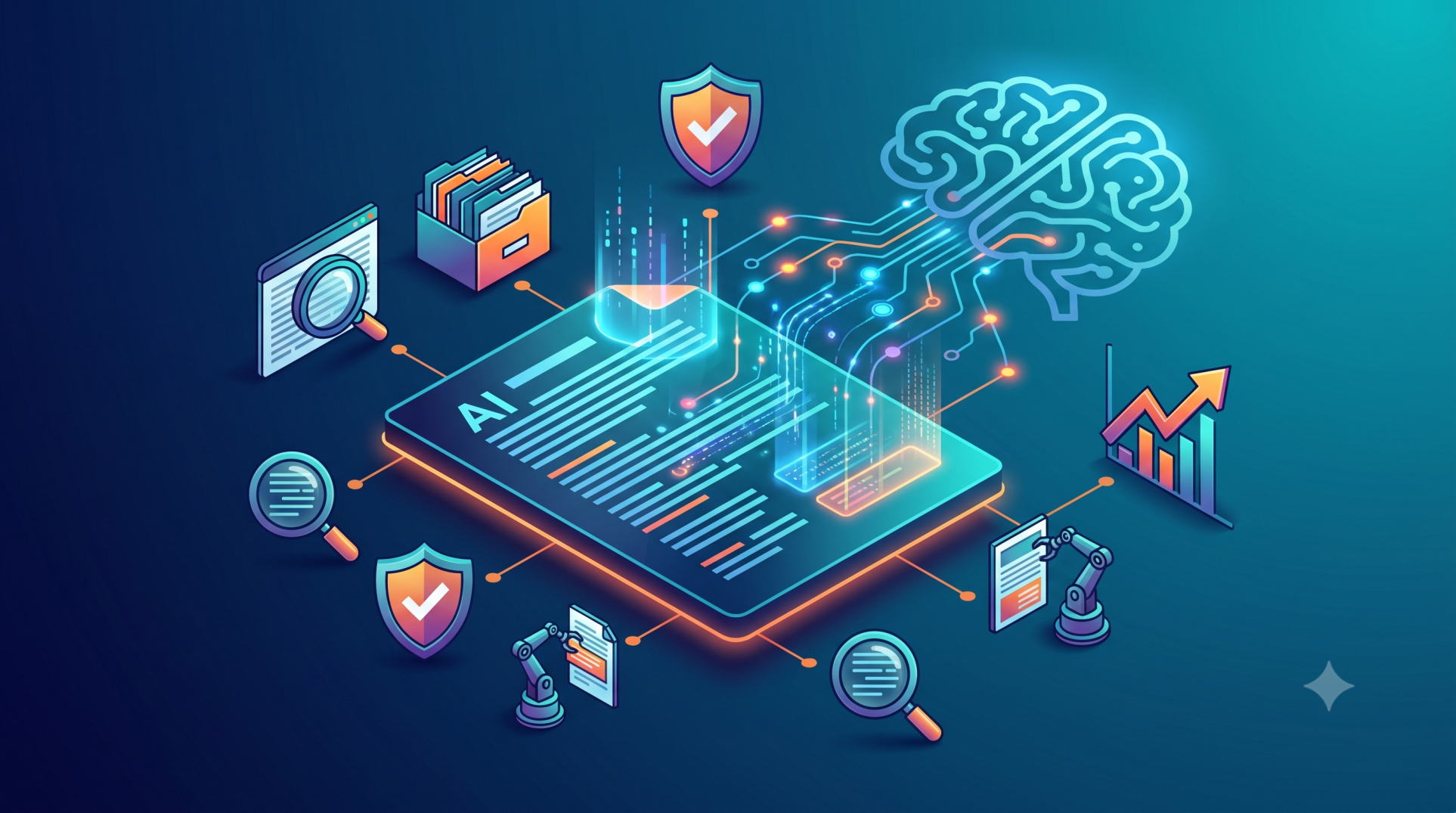
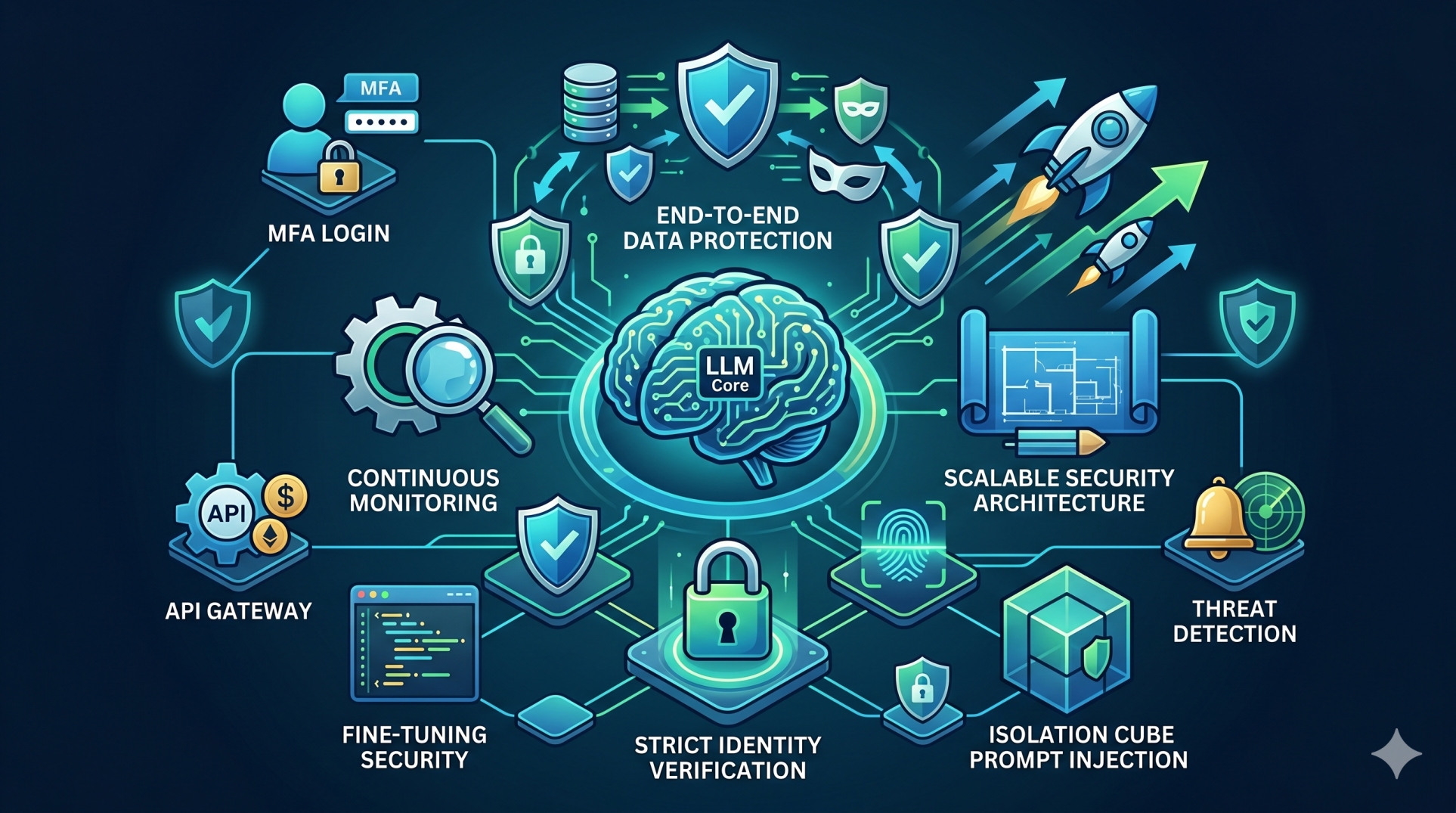
Step 9: Security and Governance 🛡️
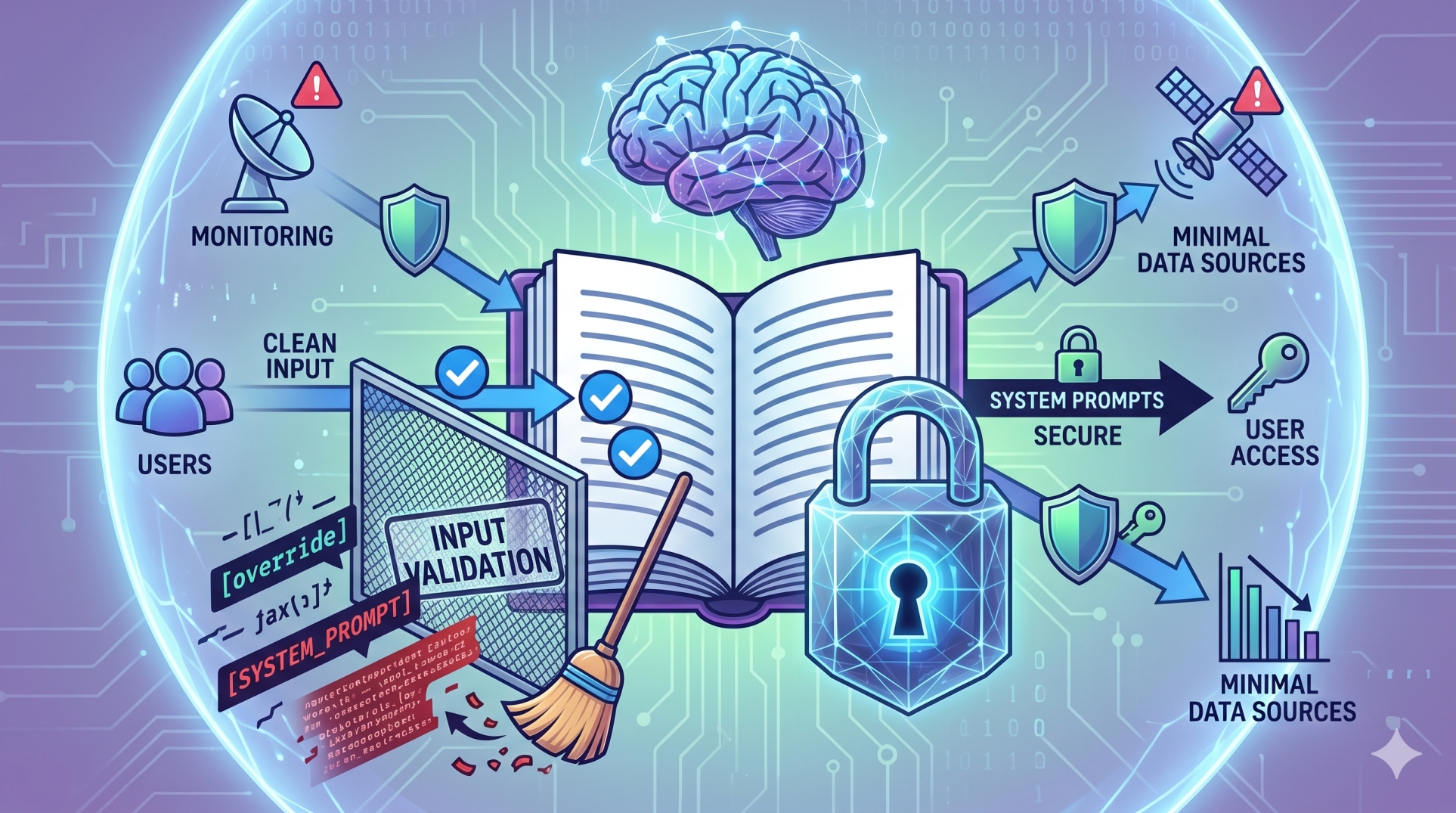
• Protect sensitive enterprise and user data 🔐
• Implement role-based access and permissions 👥
• Ensure compliance with industry regulations 📜
• Monitor AI usage and enforce governance policies ⚖️
• Maintain transparency and accountability across AI systems 🔍
Step 10: Building Future-Ready AI Development Ecosystems 🚀
• Design platforms that support evolving AI technologies 🌍
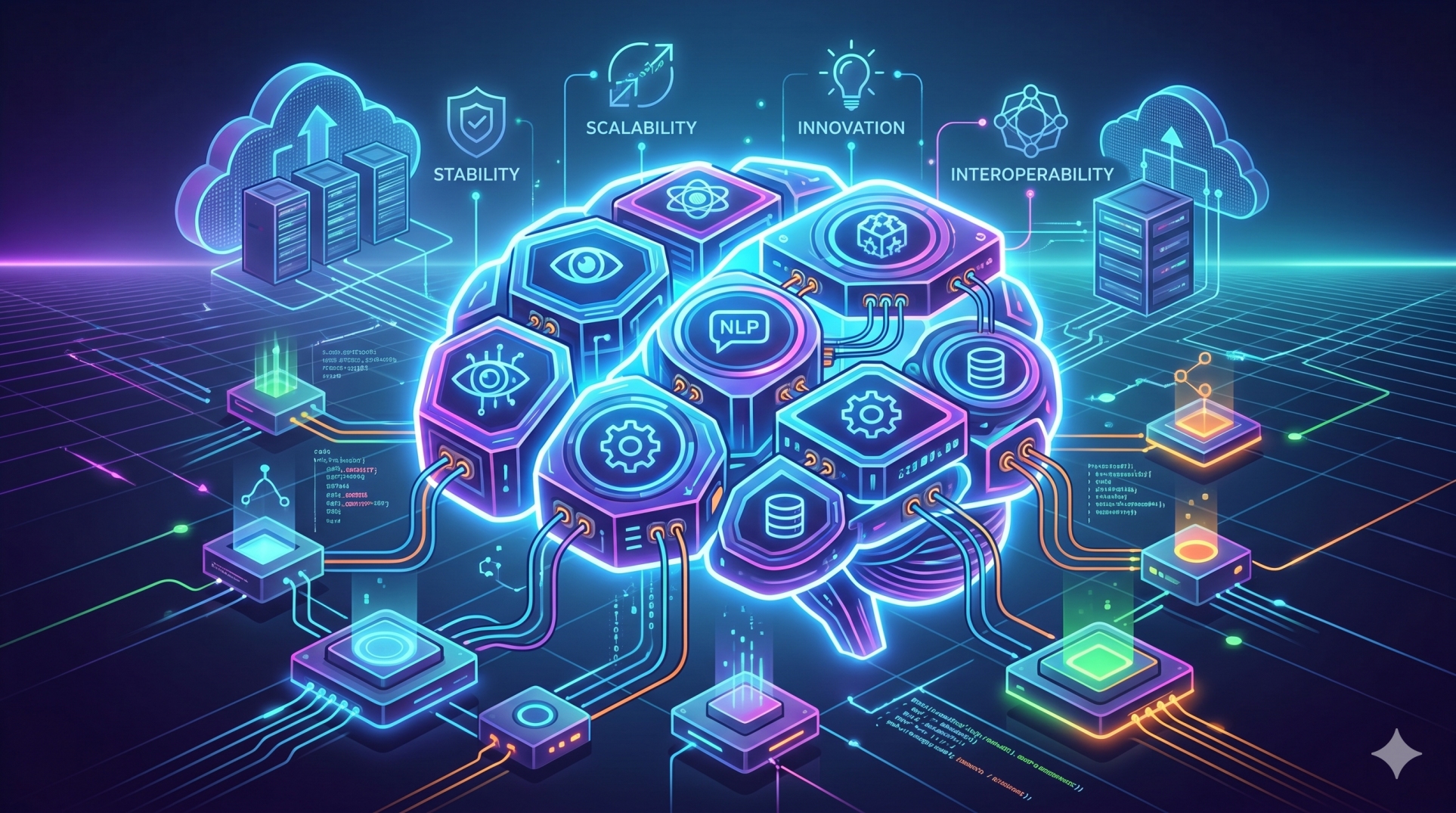
• Enable modular integration of new tools and models 🧩
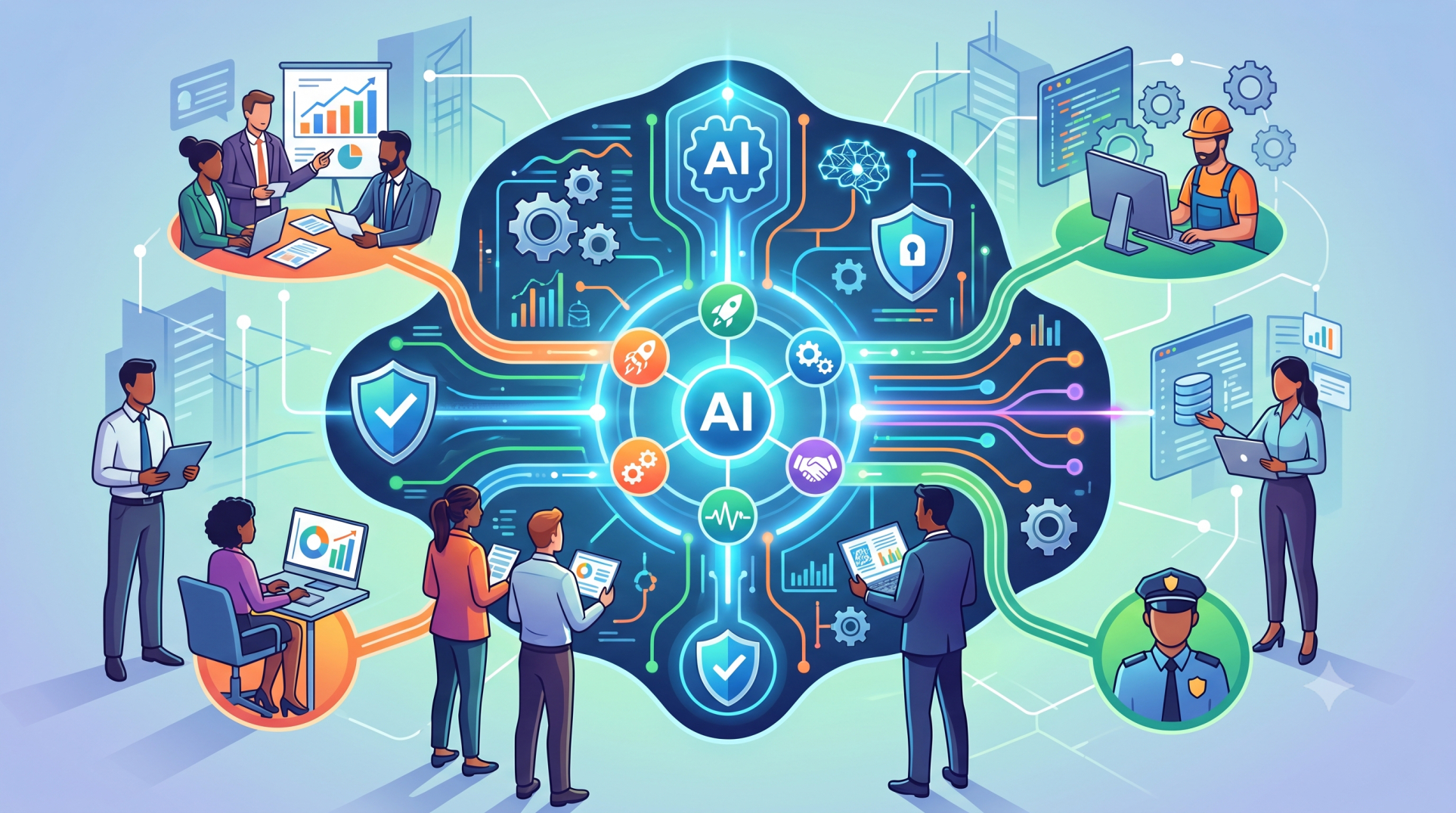
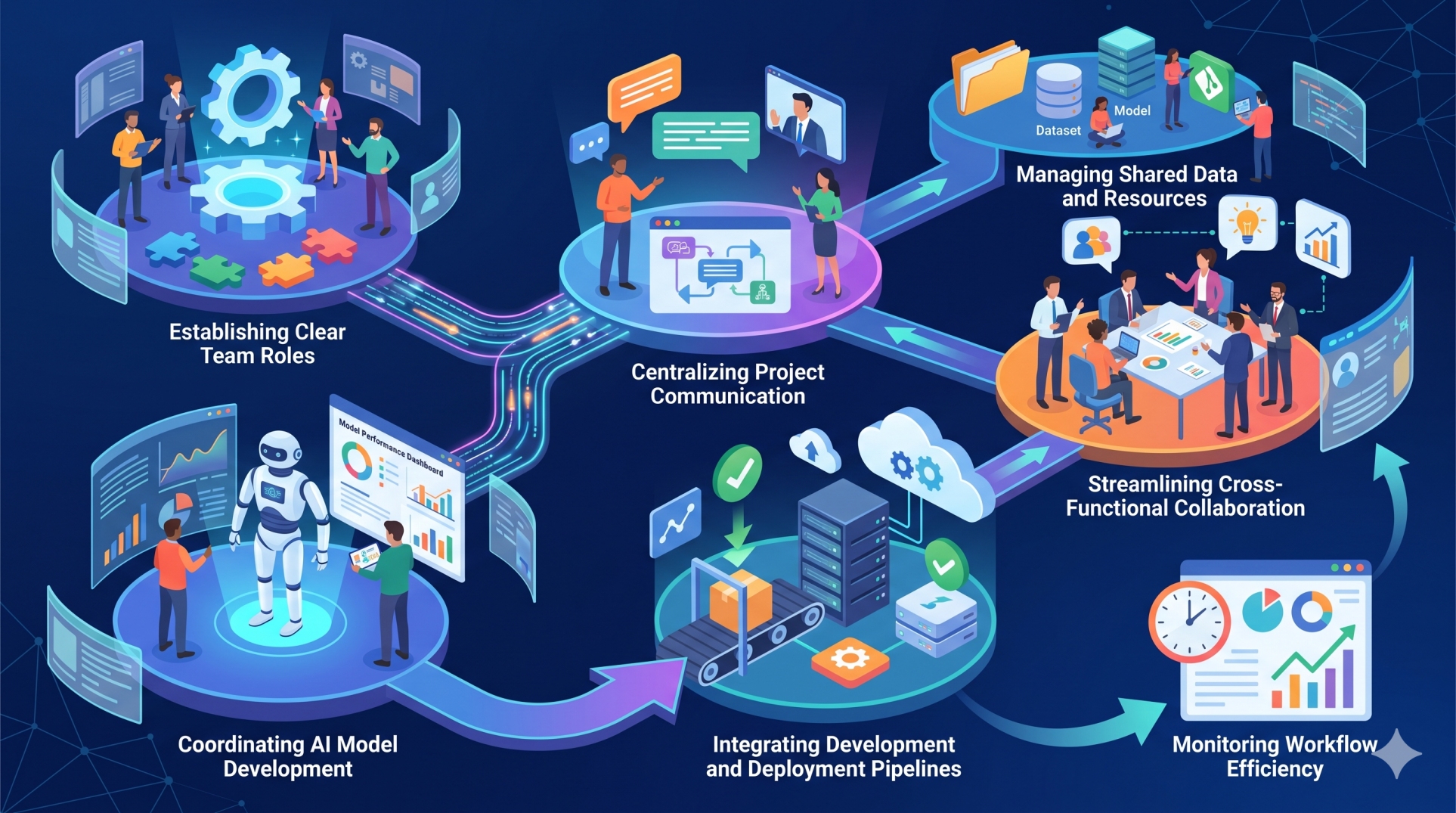
• Support collaborative AI development workflows 🤝
• Adapt quickly to changing business and operational needs 🔄
• Future-proof AI applications through scalable architecture 📈
Conclusion
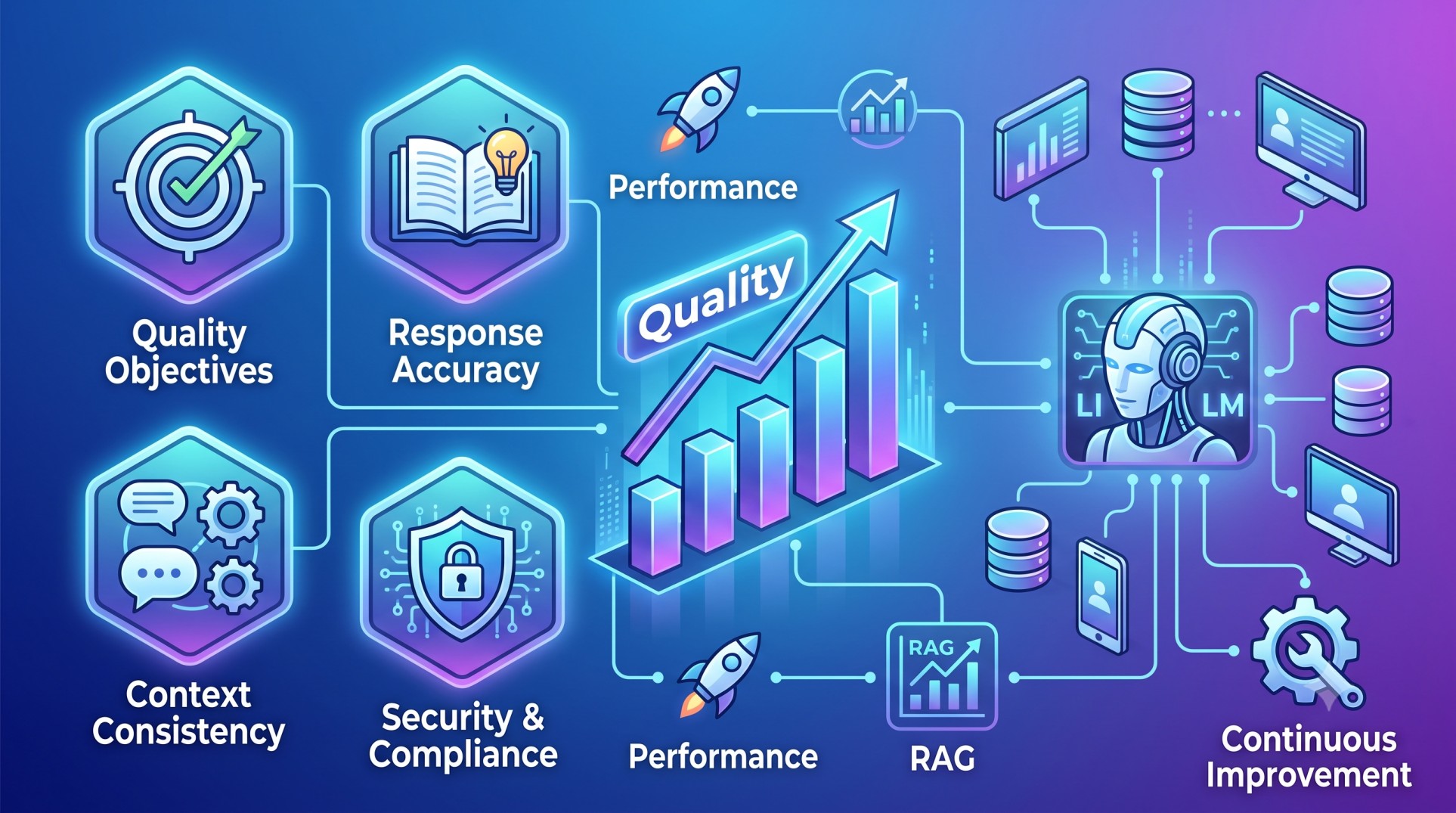
Developer platforms for building LLM-based applications play a critical role in accelerating AI innovation and deployment. By combining model integration, orchestration, scalability, monitoring, and governance capabilities, these platforms enable organizations to create intelligent and reliable AI-powered solutions. A well-designed LLM development ecosystem not only improves development efficiency but also provides the flexibility needed to support future advancements in artificial intelligence.
See more blogs
You can all the articles below