Designing Middleware Layers for LLM Abstraction
Designing Middleware Layers for LLM Abstraction
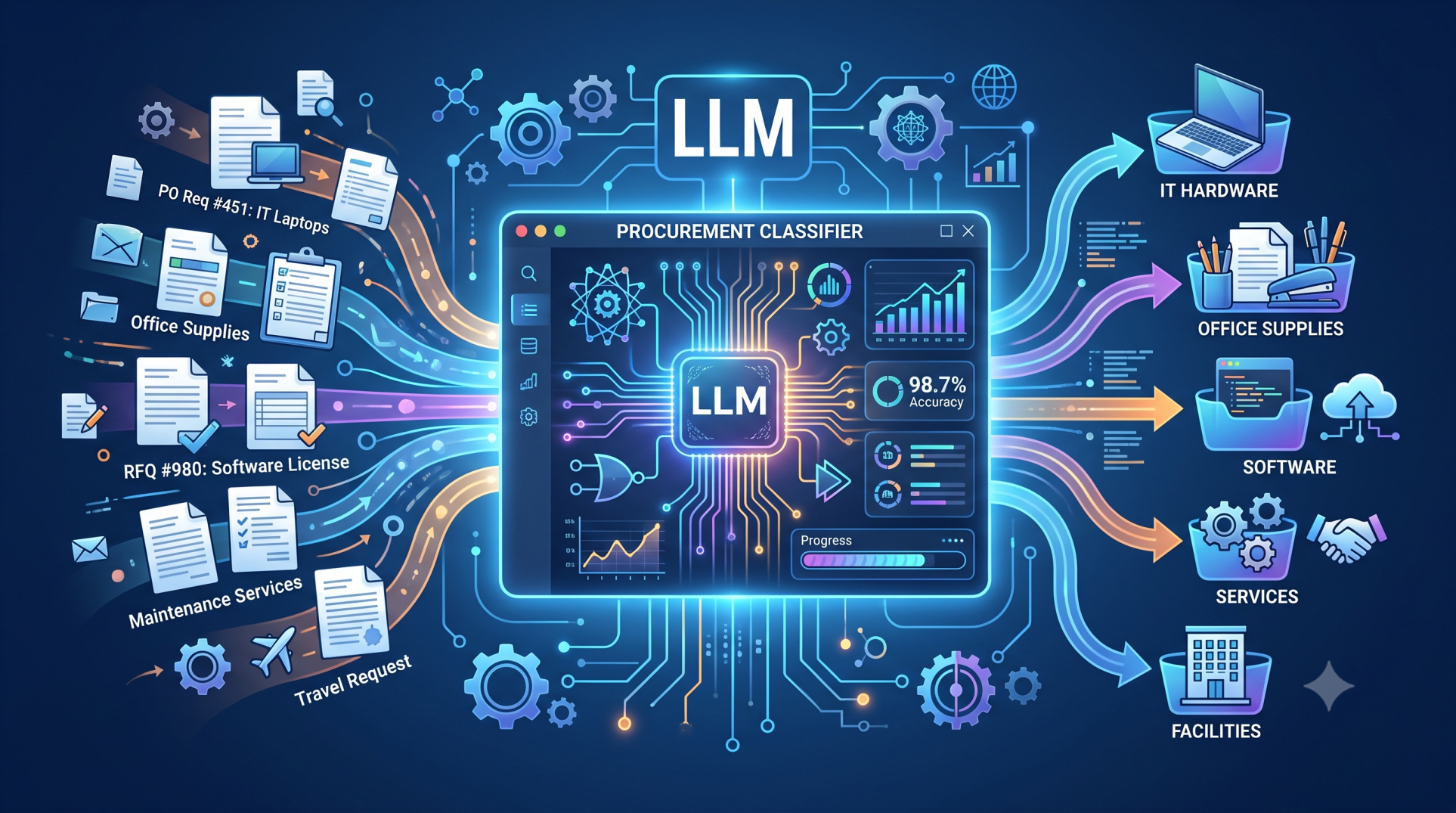
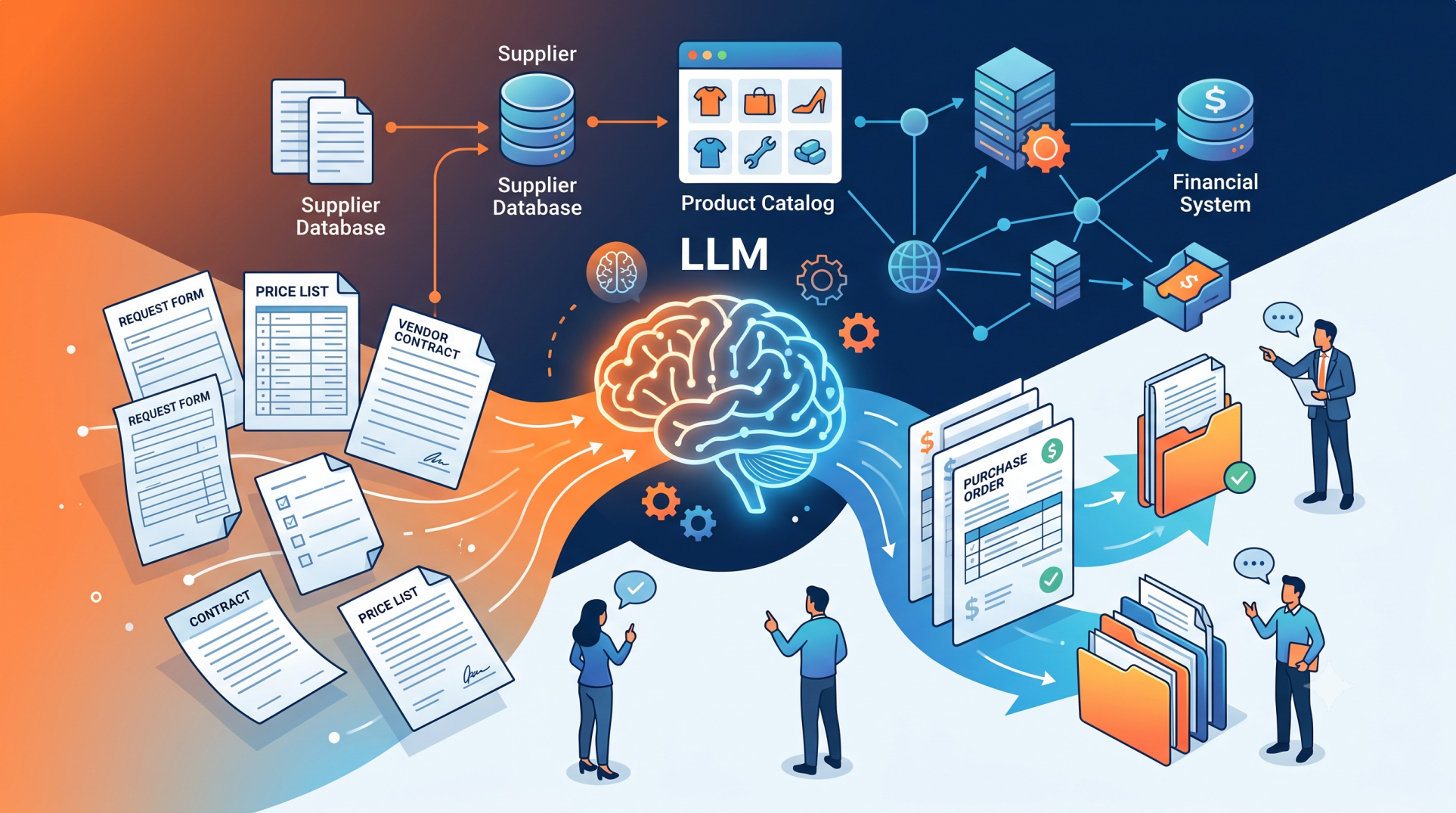
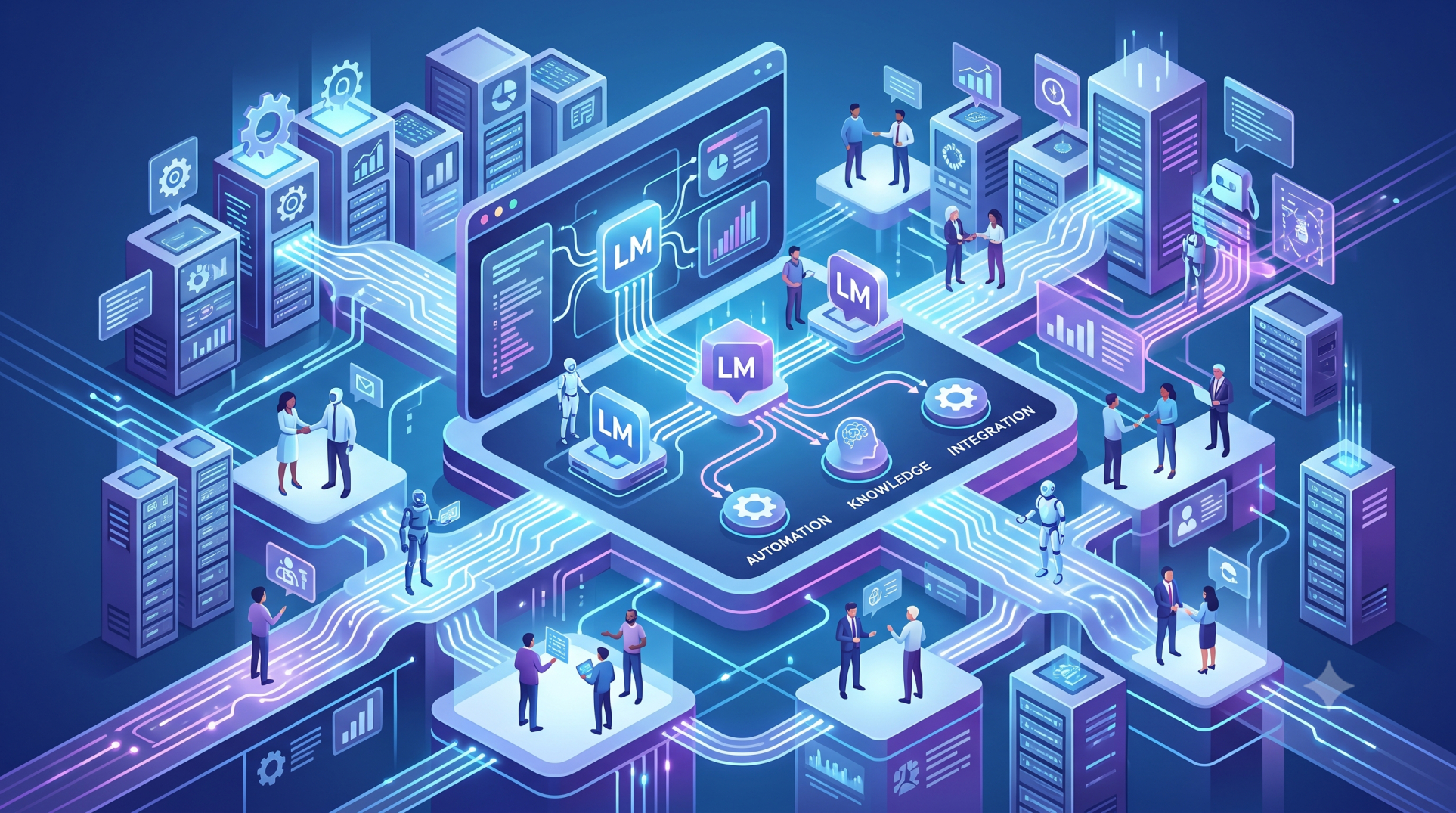
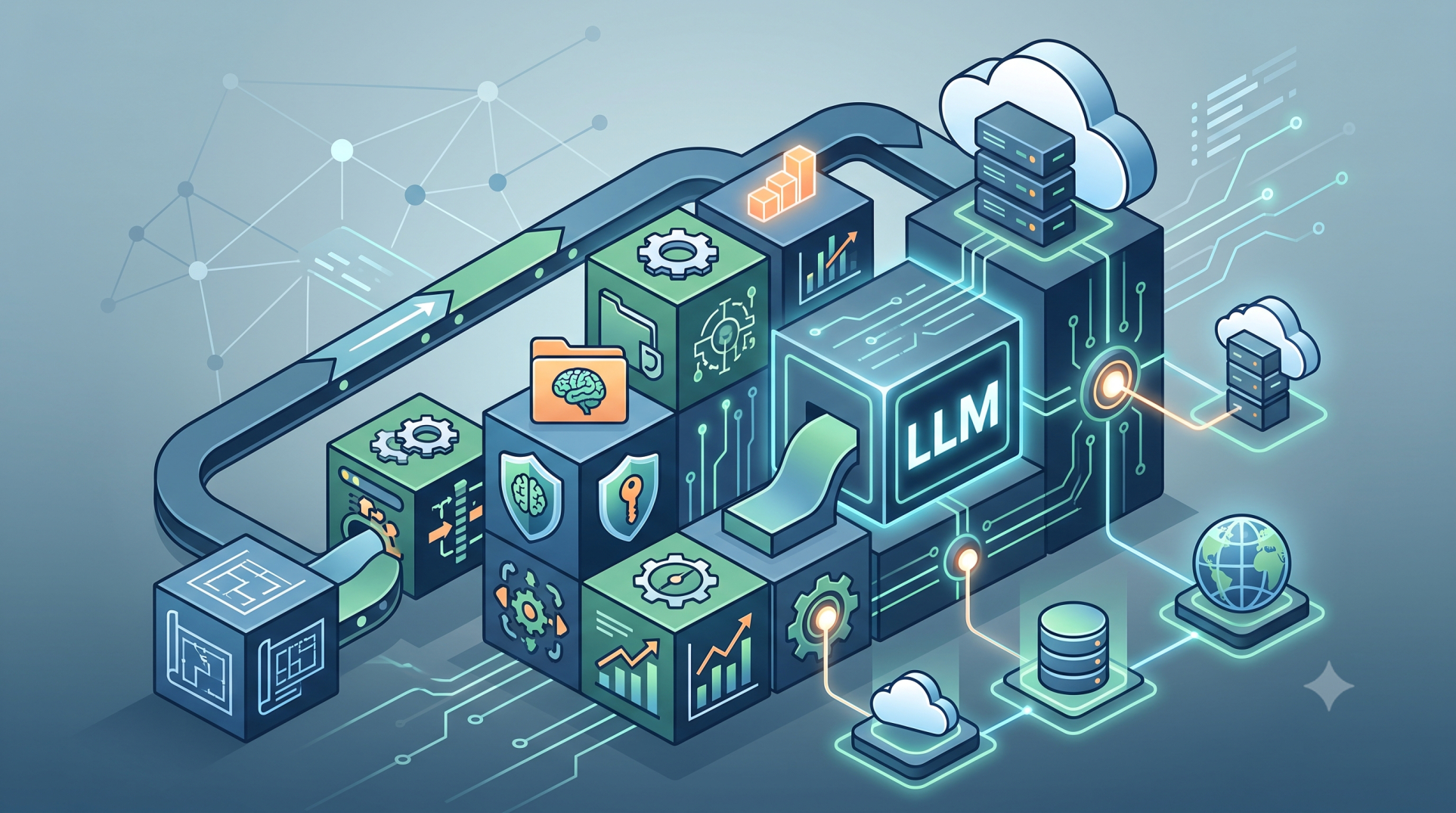
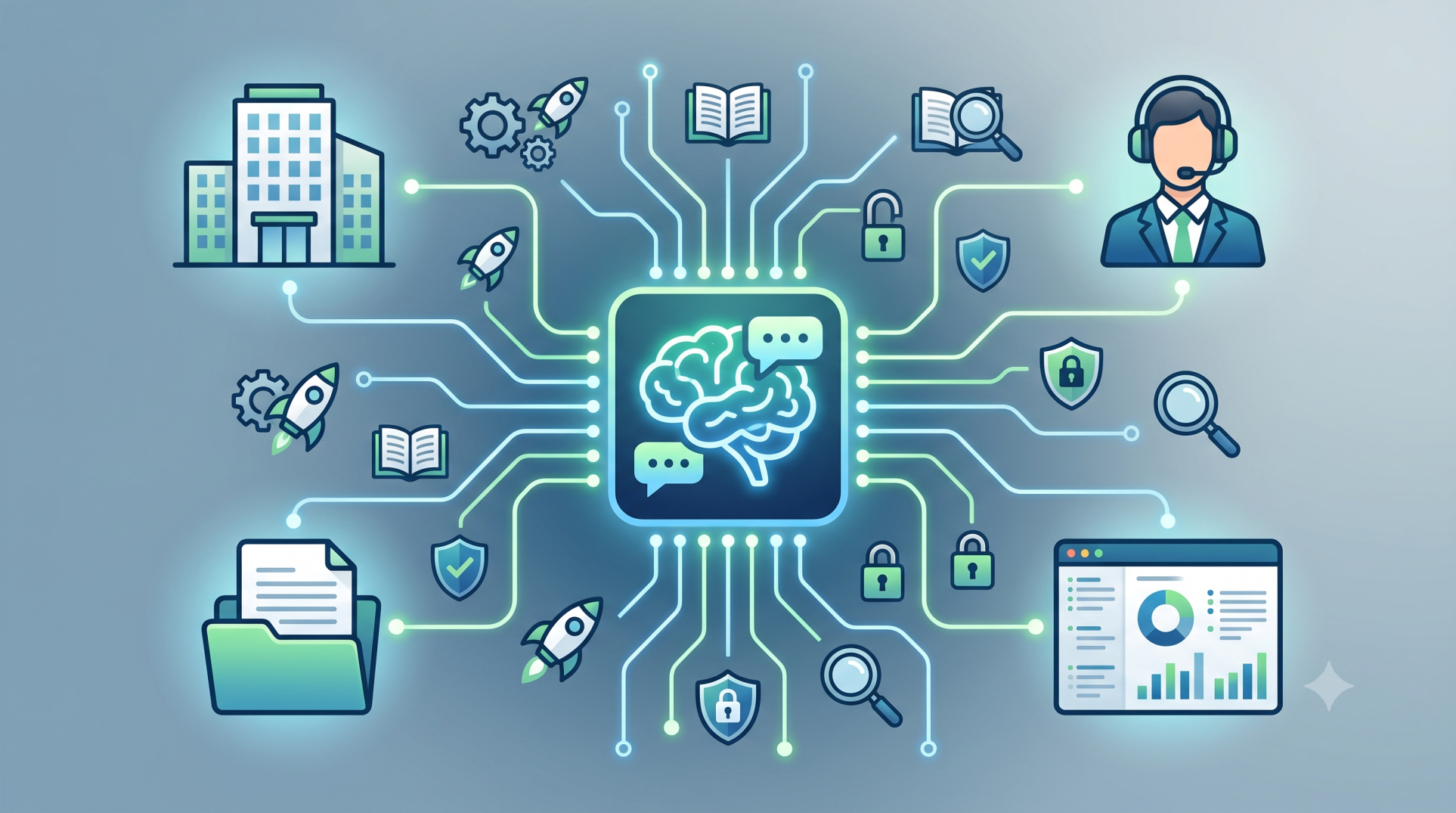
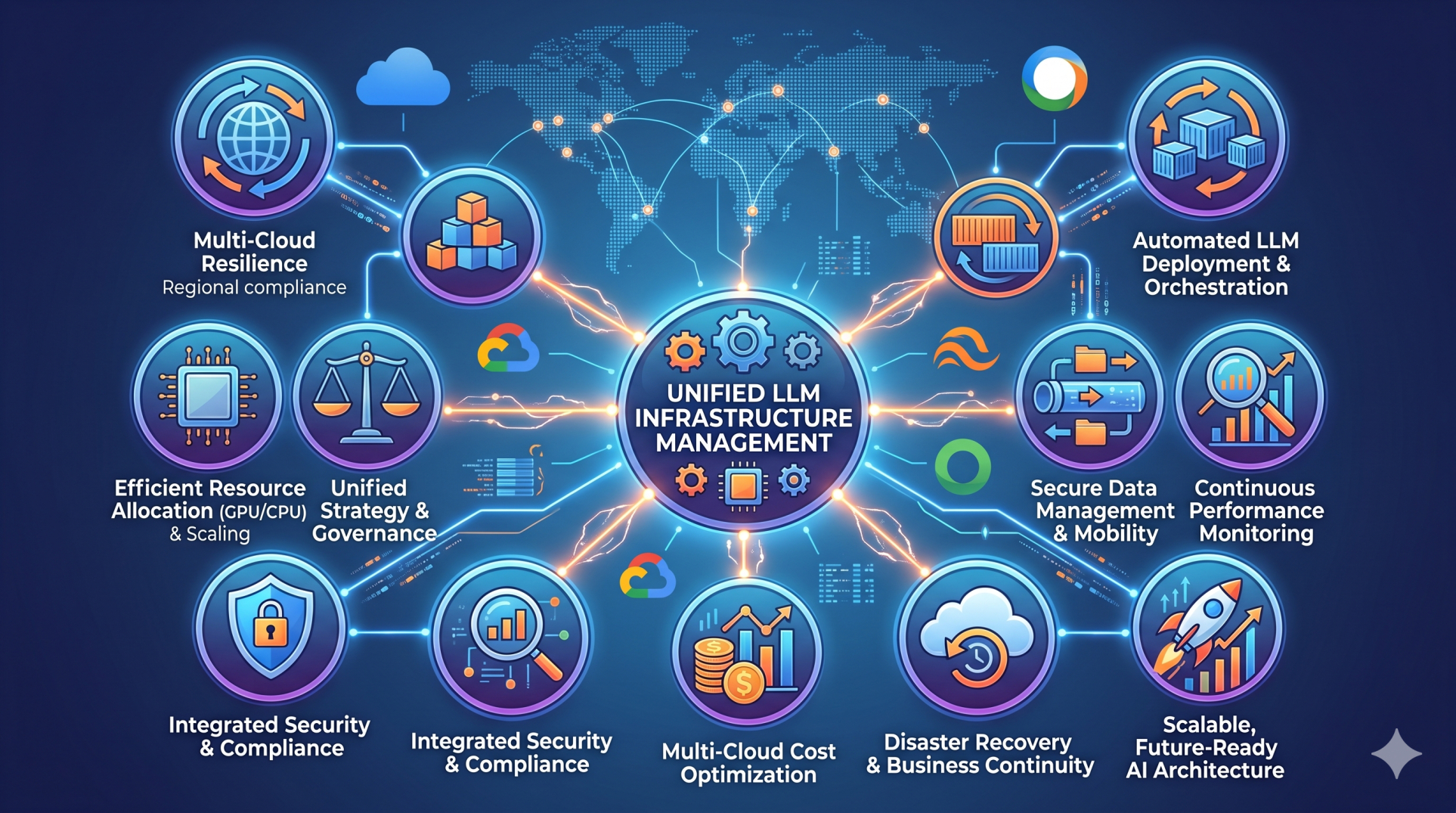
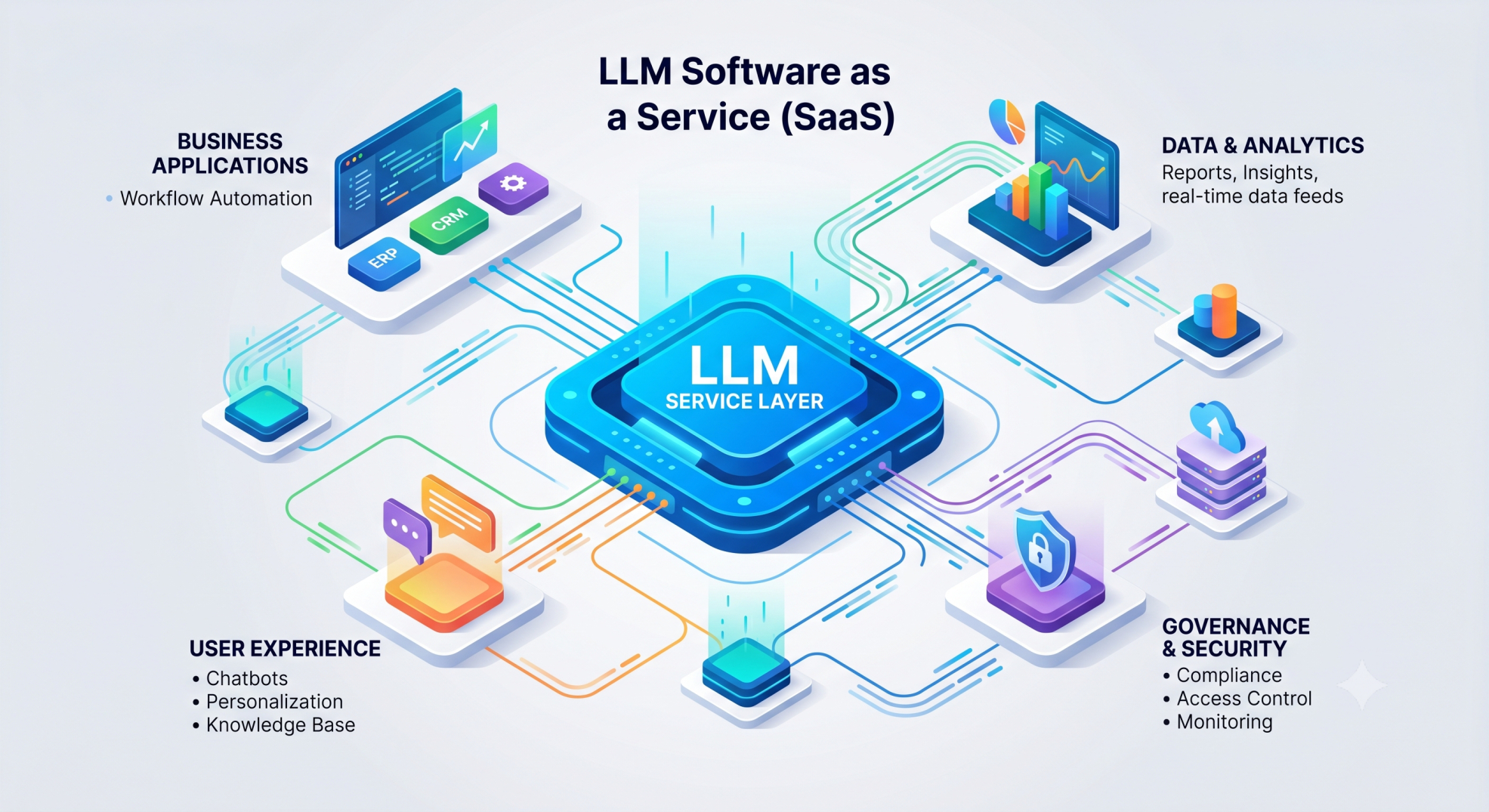
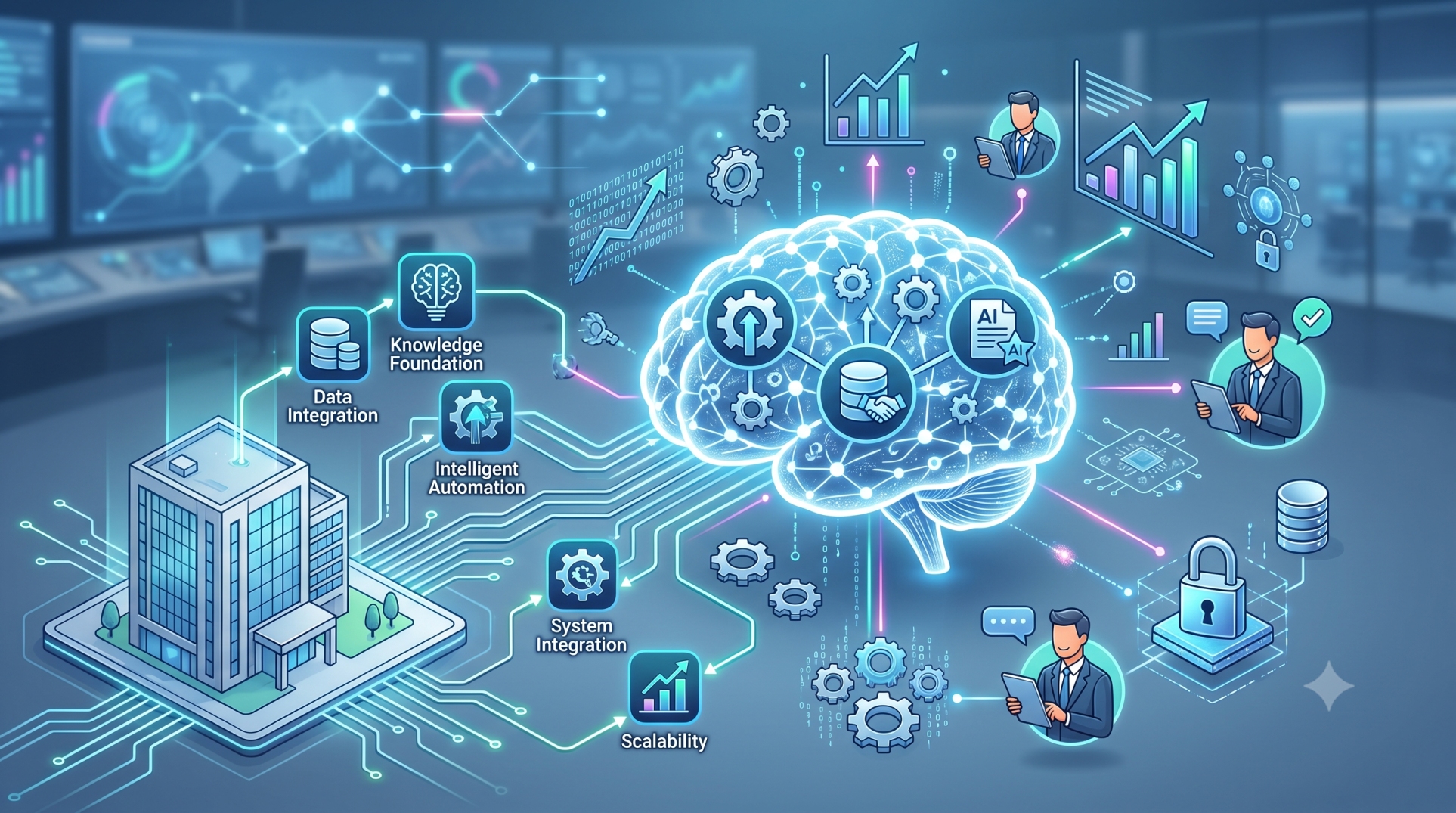
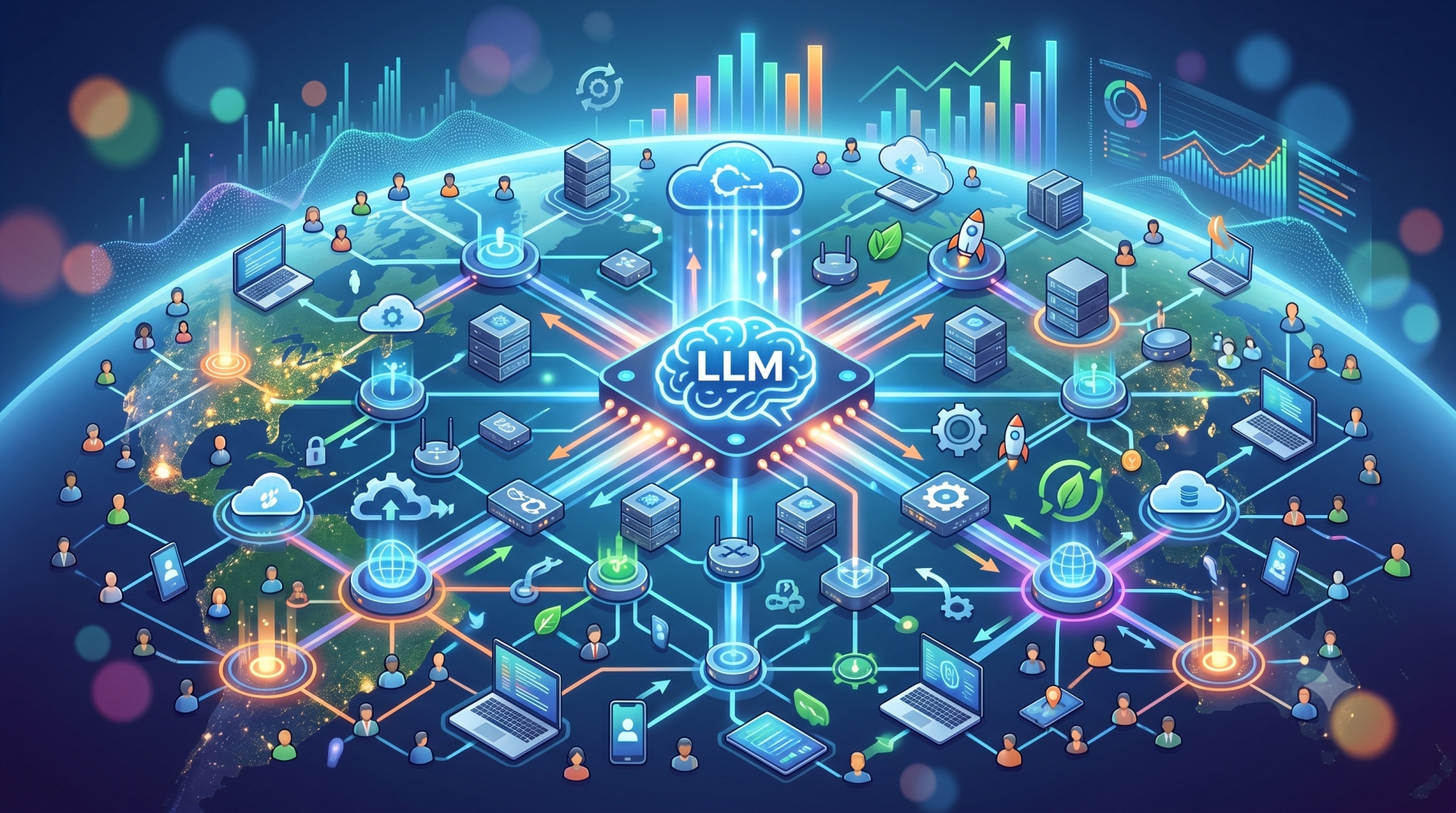
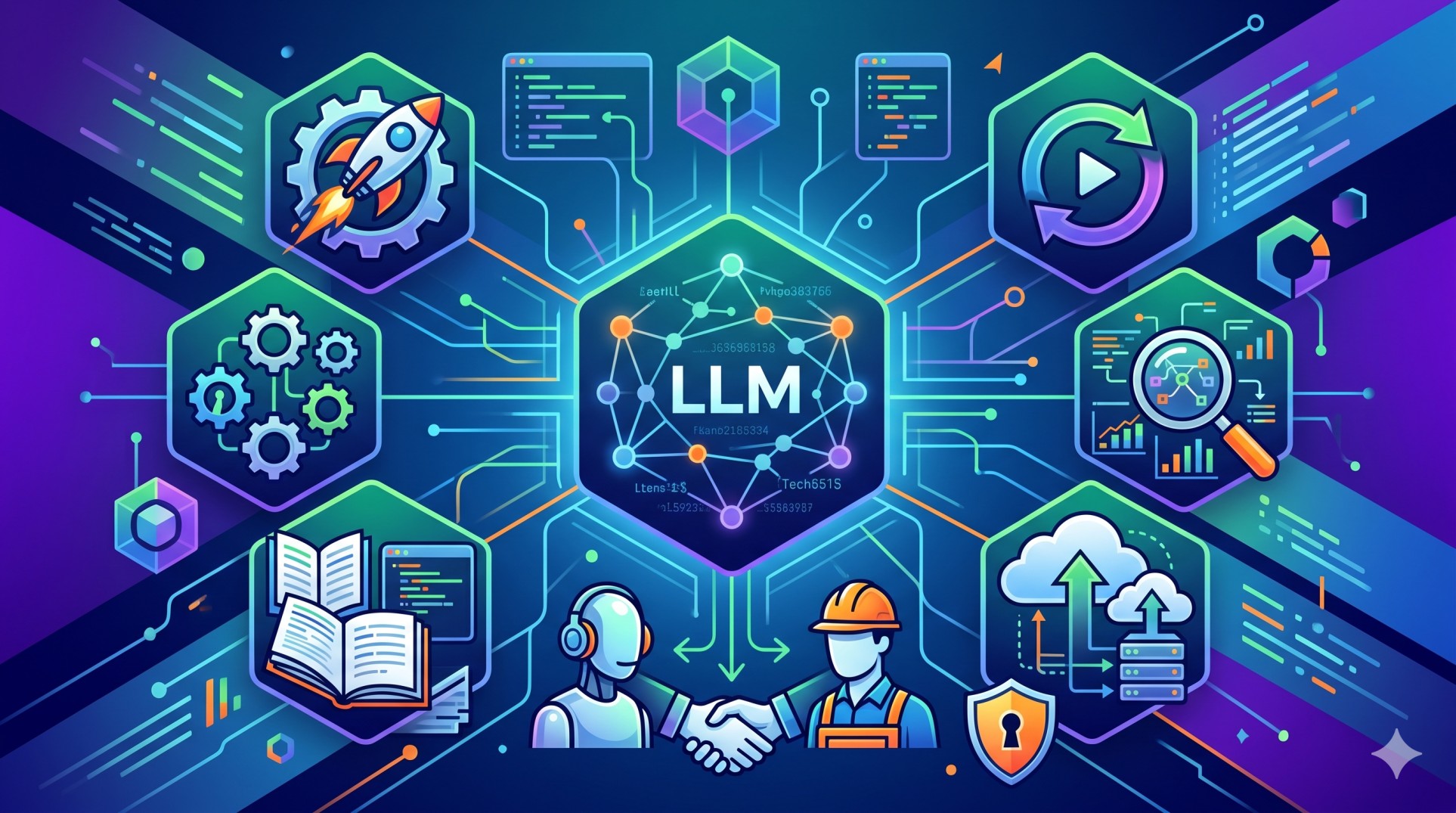
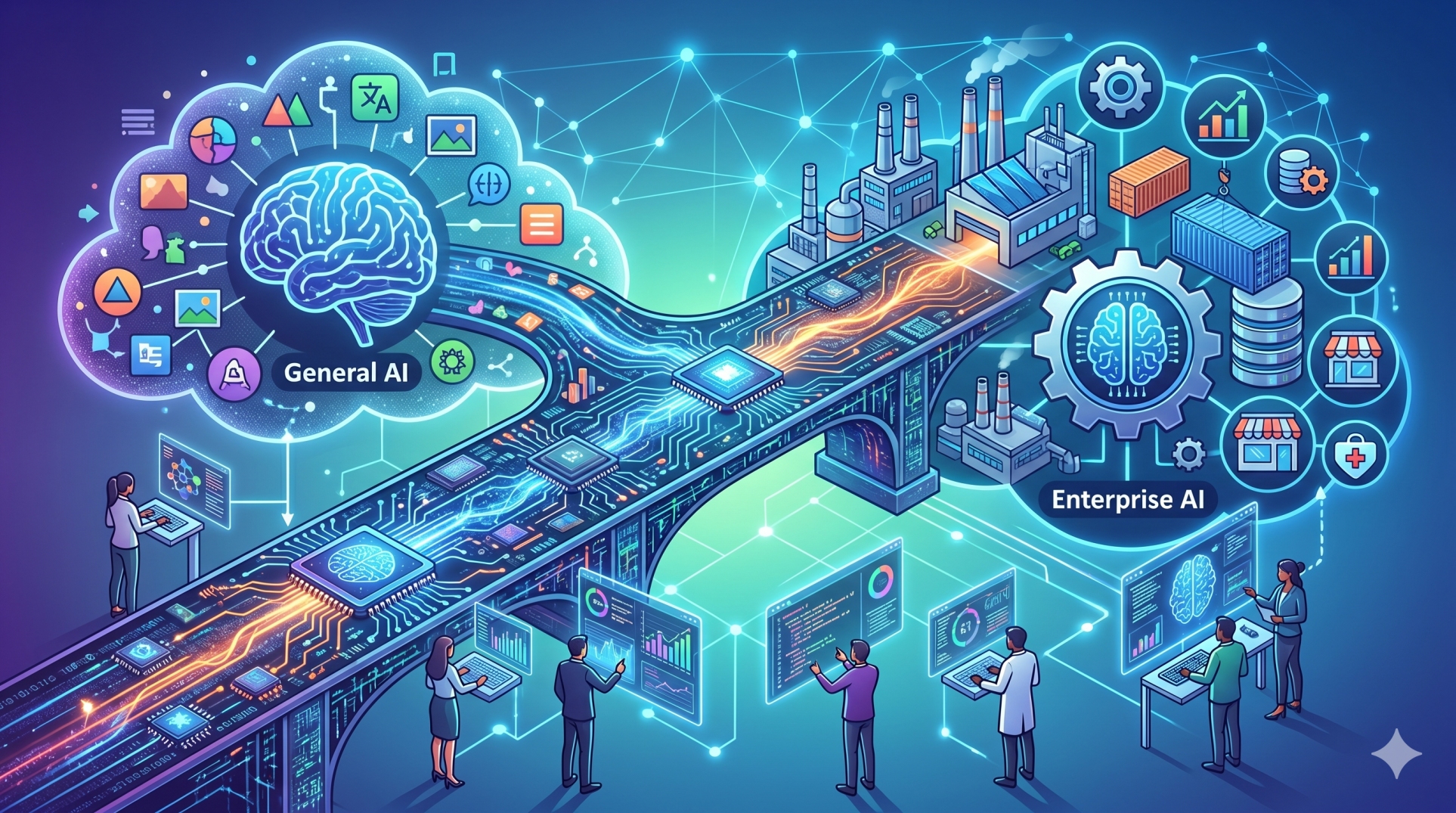
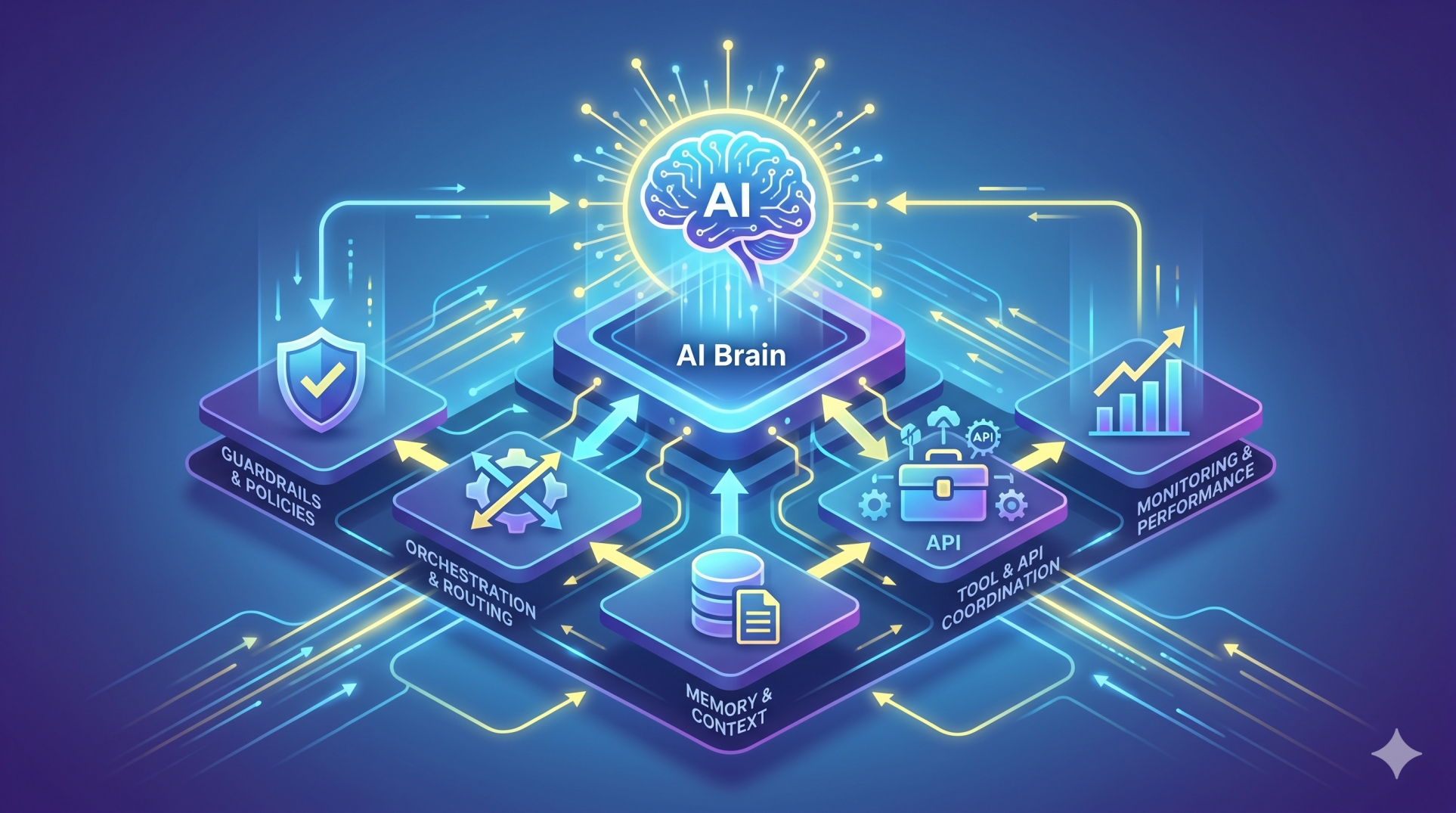
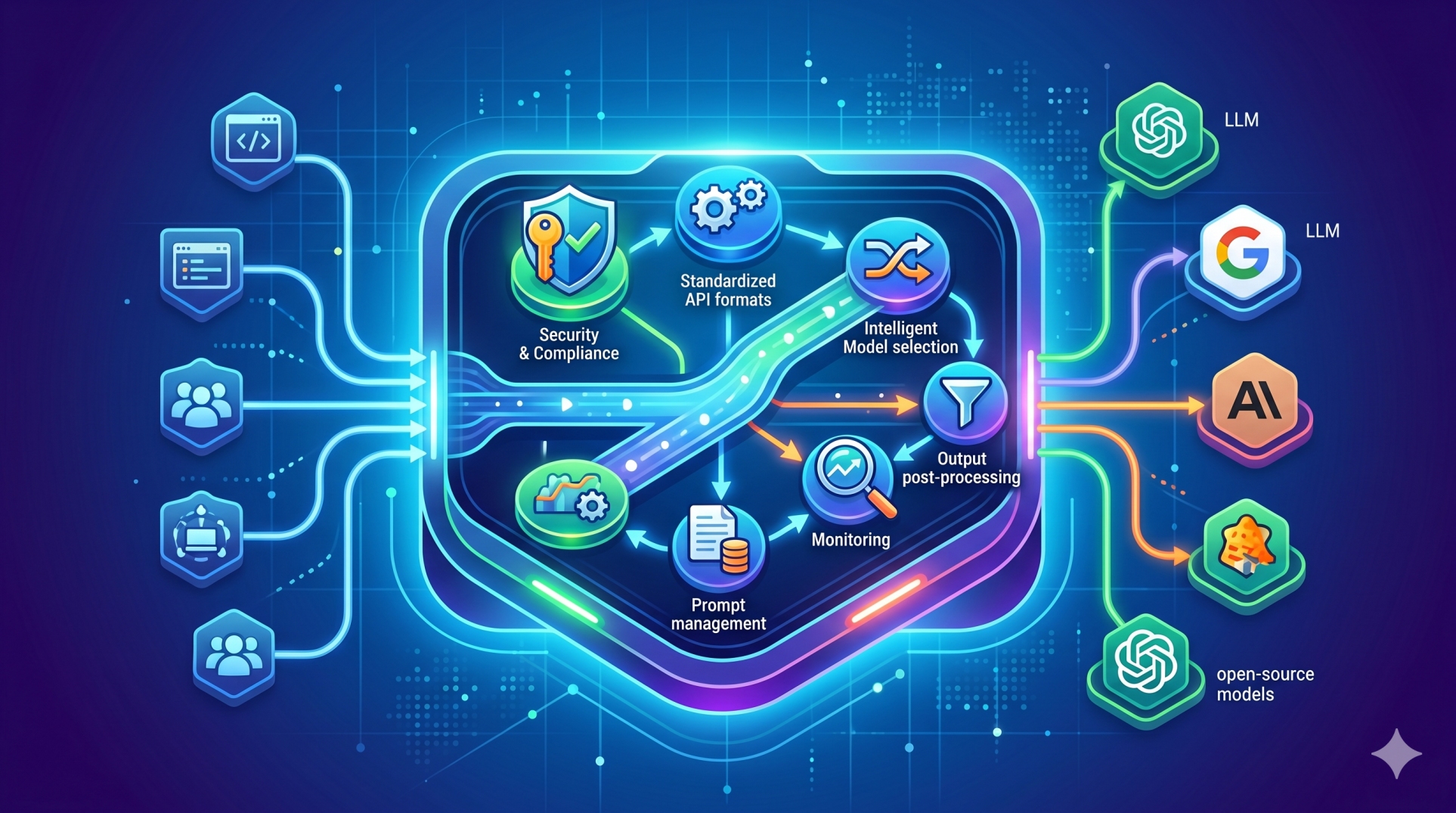
As organizations adopt Large Language Models (LLMs) across multiple products and workflows, direct integration with individual models can create complexity, vendor dependency, and operational inefficiencies. Designing middleware layers for LLM abstraction enables businesses to standardize access, simplify orchestration, and maintain flexibility as AI ecosystems evolve. A strong middleware architecture creates a scalable foundation for reliable and future-ready AI deployment.
Step 1: Defining the Purpose of LLM Middleware 🧠
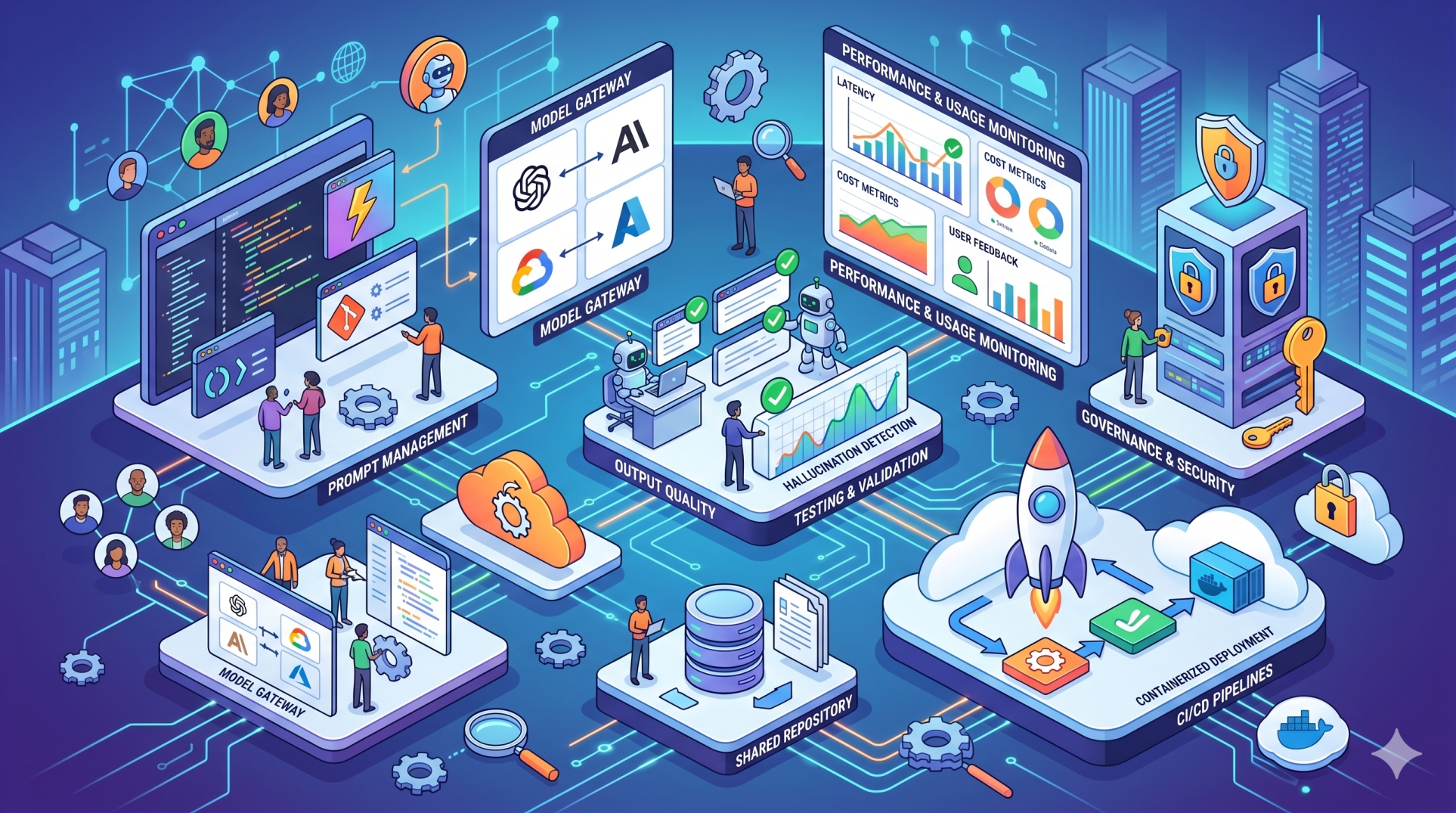
• Create a unified interface for interacting with multiple LLM providers 🔗
• Reduce direct dependency on individual model APIs ⚙️
• Simplify integration for internal applications and teams 🏢
• Centralize governance, security, and usage controls 🔐
• Enable long-term flexibility as models change over time 🔄
Step 2: Standardizing API Access Layers 🌐
• Build common request and response formats across providers 📡
• Normalize prompts, parameters, and output structures 📄
• Reduce engineering effort when switching or adding models 🛠️
• Provide consistent developer experiences across systems 👨💻
• Improve maintainability through reusable interfaces 📦
Step 3: Managing Multi-Model Routing 🔀
• Route requests to the most suitable model based on task type 🎯
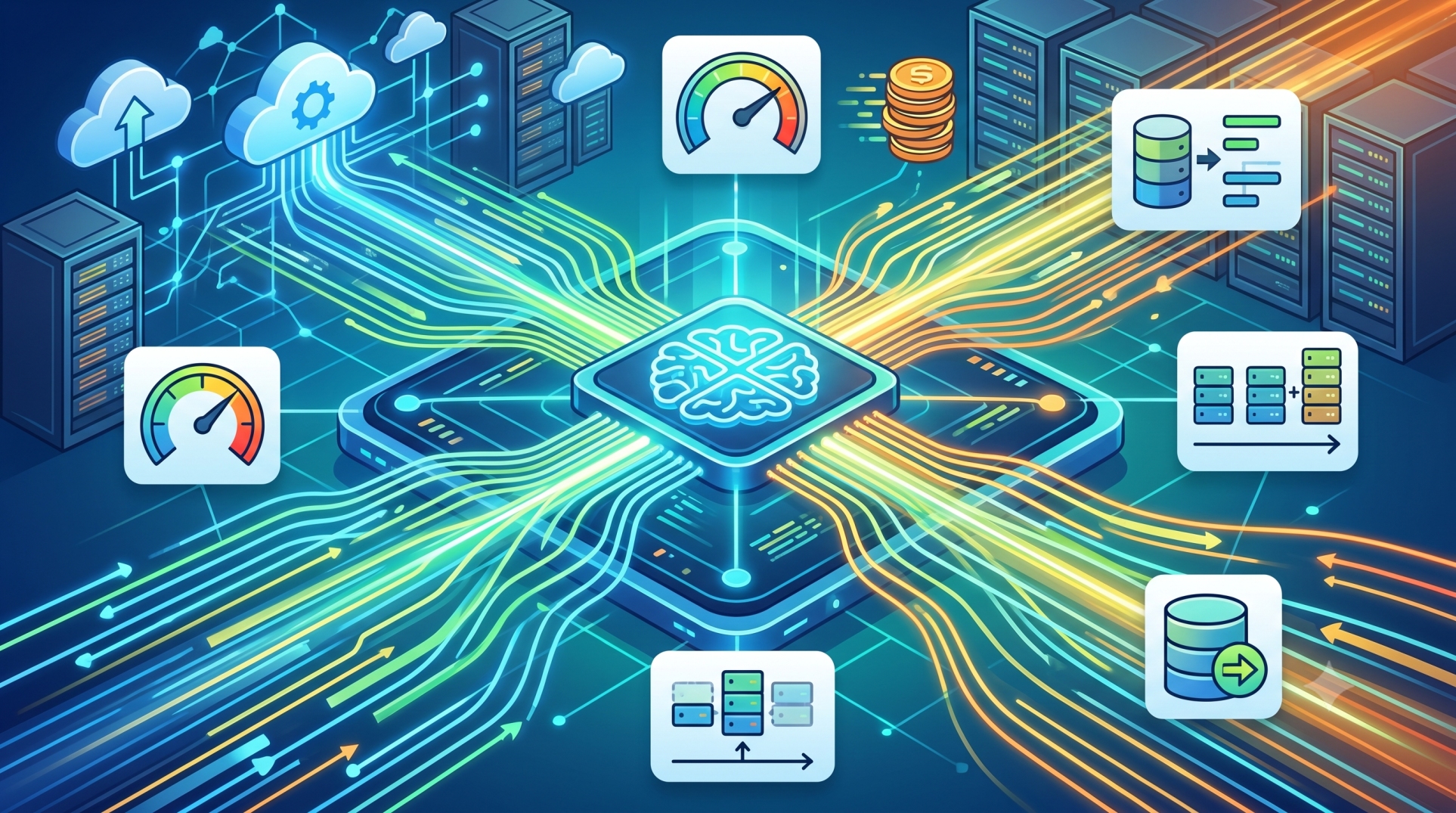
• Balance cost, speed, and quality across available providers 💰
• Support fallback routing when a model becomes unavailable 🚨
• Assign lightweight tasks to smaller models for efficiency ⚡
• Optimize workloads dynamically using policy rules 📊
Step 4: Implementing Prompt Management ✍️
• Centralize prompt templates for different use cases 📝
• Version prompts to track improvements and changes 📚
• Reuse tested prompts across teams and applications 🔁
• Apply guardrails before prompts reach models 🛡️
• Maintain consistency in outputs and tone 🎯
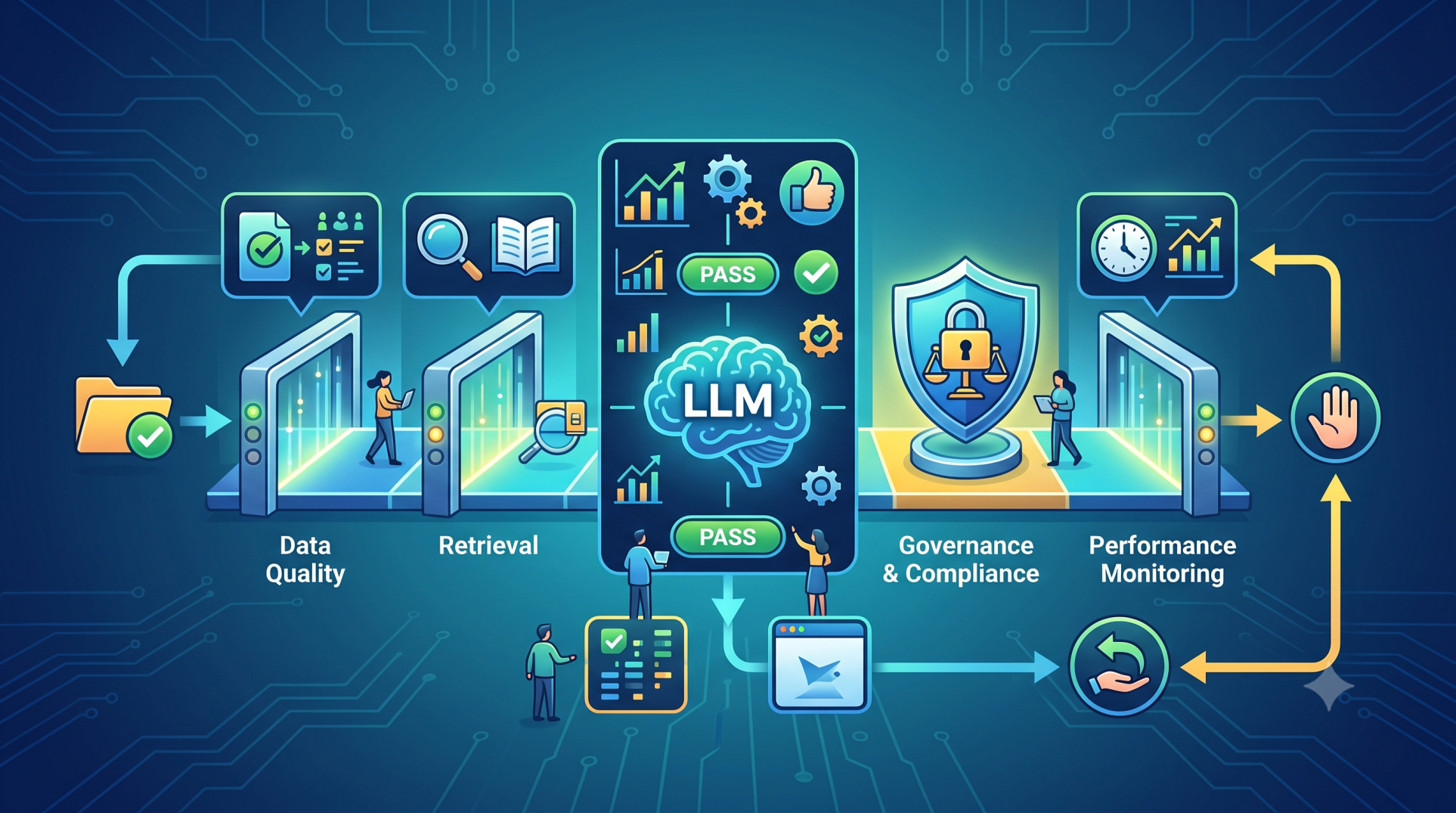
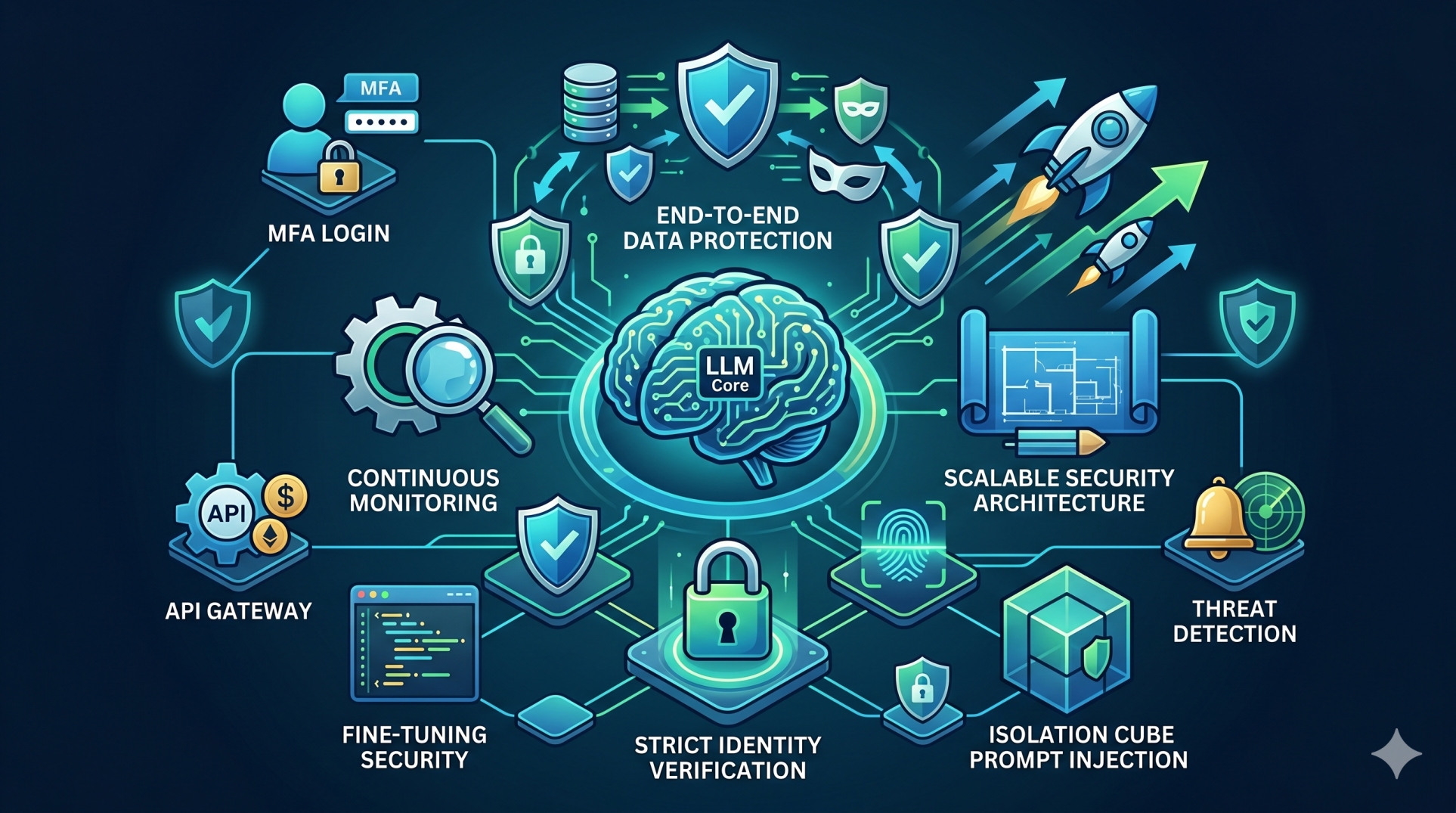
Step 5: Handling Security and Compliance 🔐
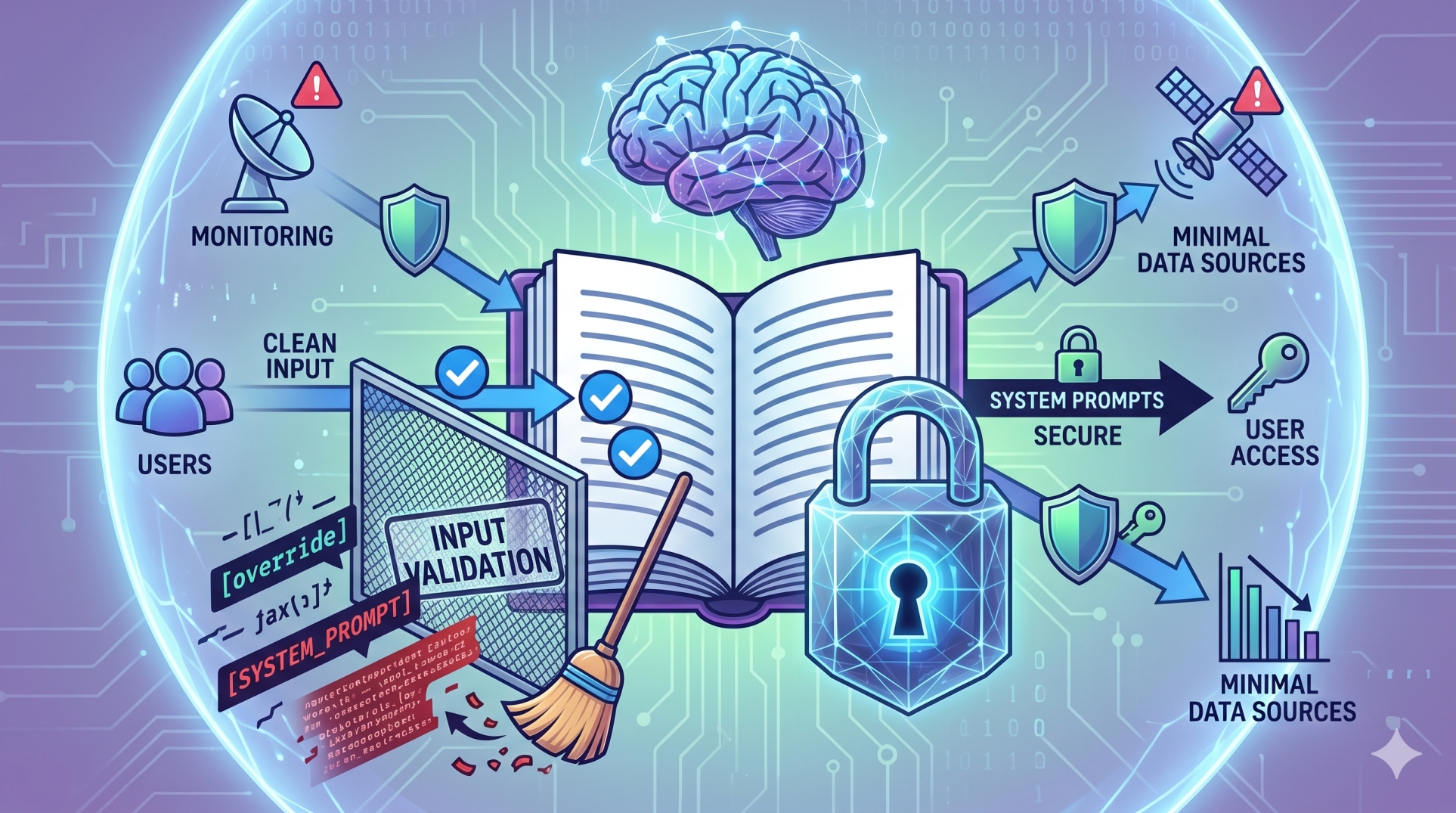
• Mask sensitive data before sending requests to models 🛡️
• Enforce role-based access controls for AI services 👥
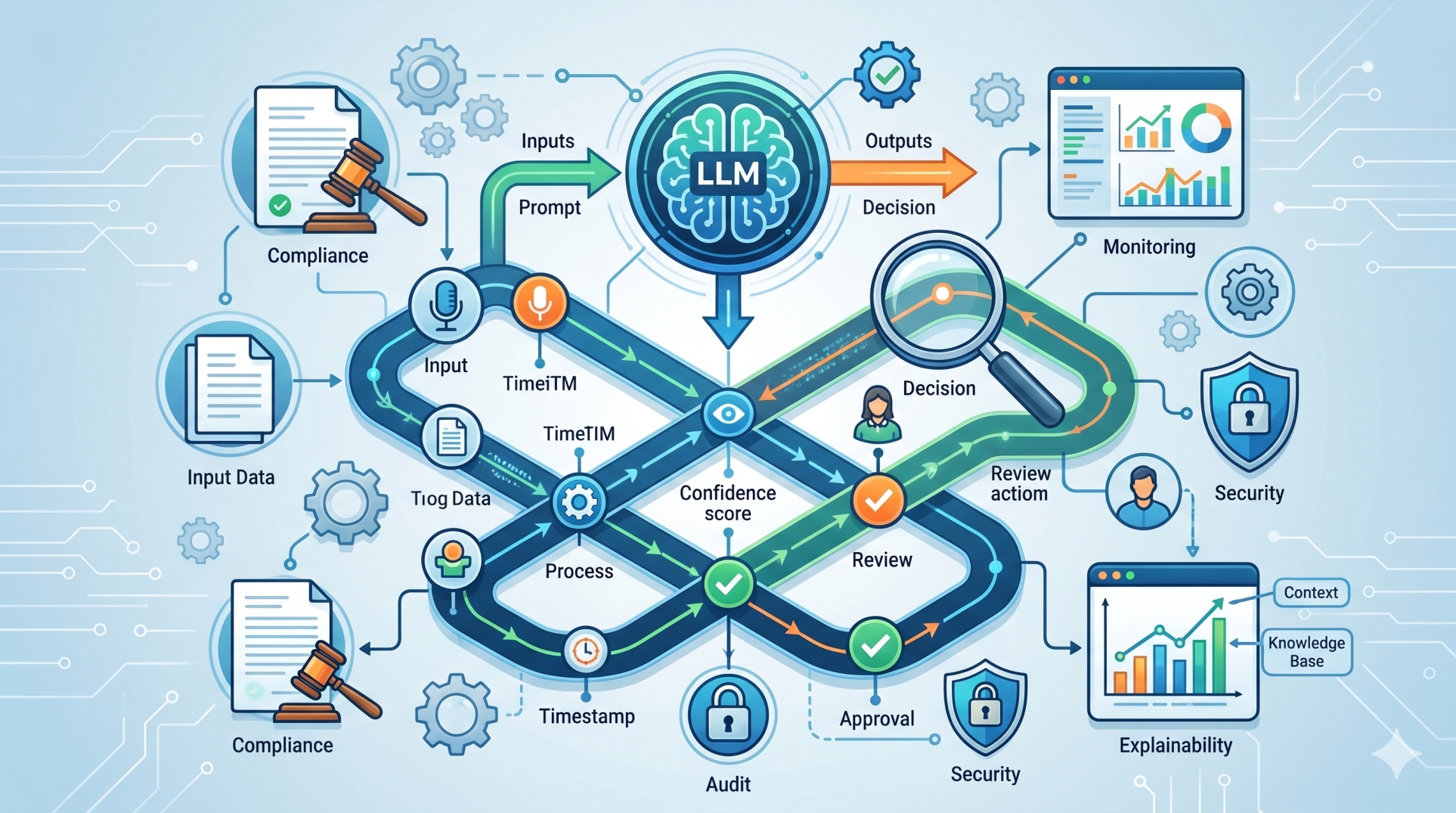
• Maintain audit logs for prompts and responses 📜
• Support regional compliance and data governance needs 🌍
• Apply policy checks for safe AI usage ✅
Step 6: Monitoring Performance and Reliability 📈
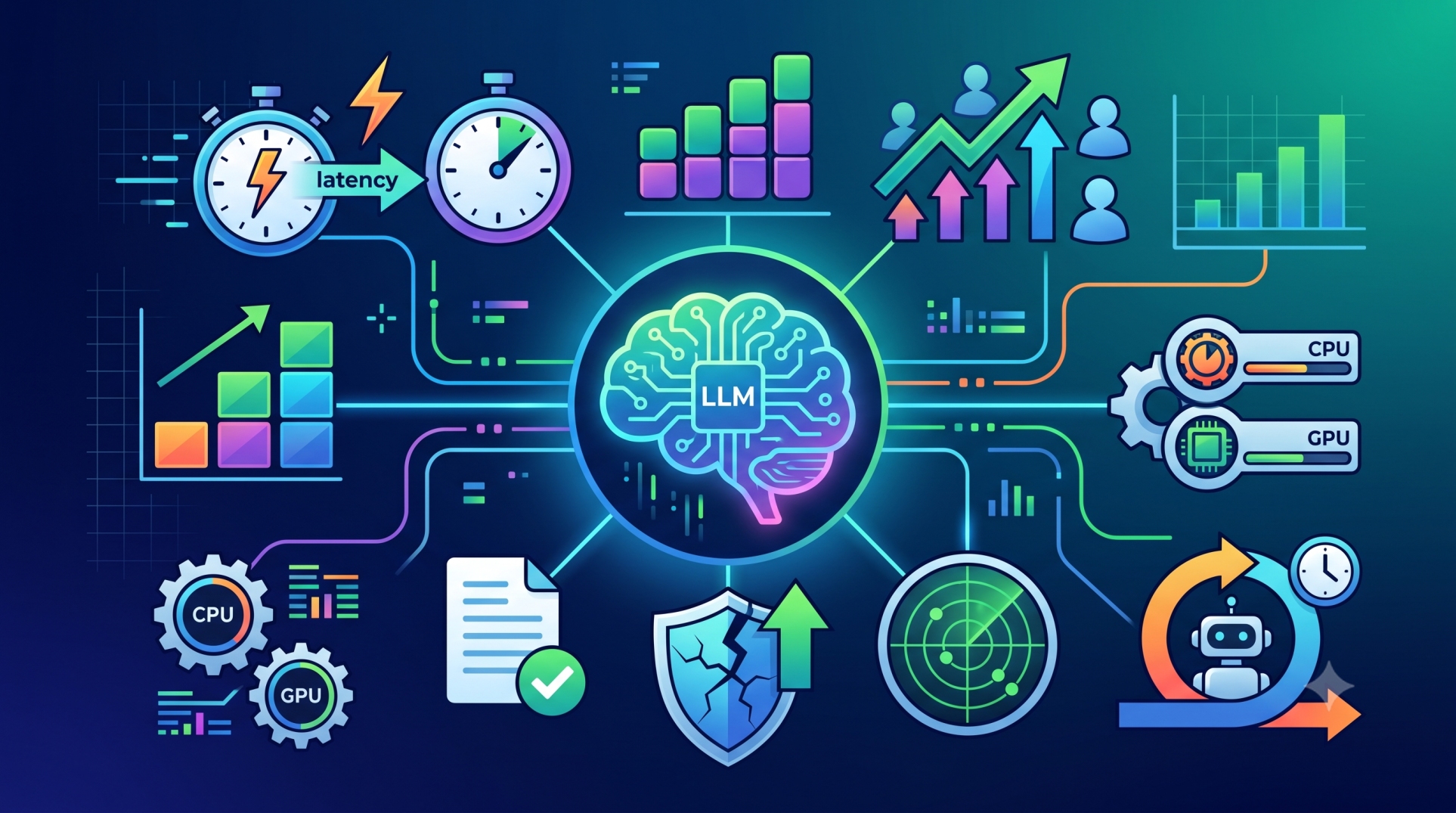
• Track latency, uptime, and model response quality ⏱️
• Detect failures or degraded provider performance 🚨
• Measure token usage and operational costs 💳
• Create alerts for abnormal behavior or outages 🔔
• Continuously optimize service reliability 🔄
Step 7: Enabling Output Post-Processing 🧩
• Validate responses before returning them to applications ✅
• Apply formatting rules for structured outputs 📄
• Filter unsafe or irrelevant content 🚫
• Convert outputs into JSON or workflow-ready formats 🔄
• Improve consistency across downstream systems 🎯
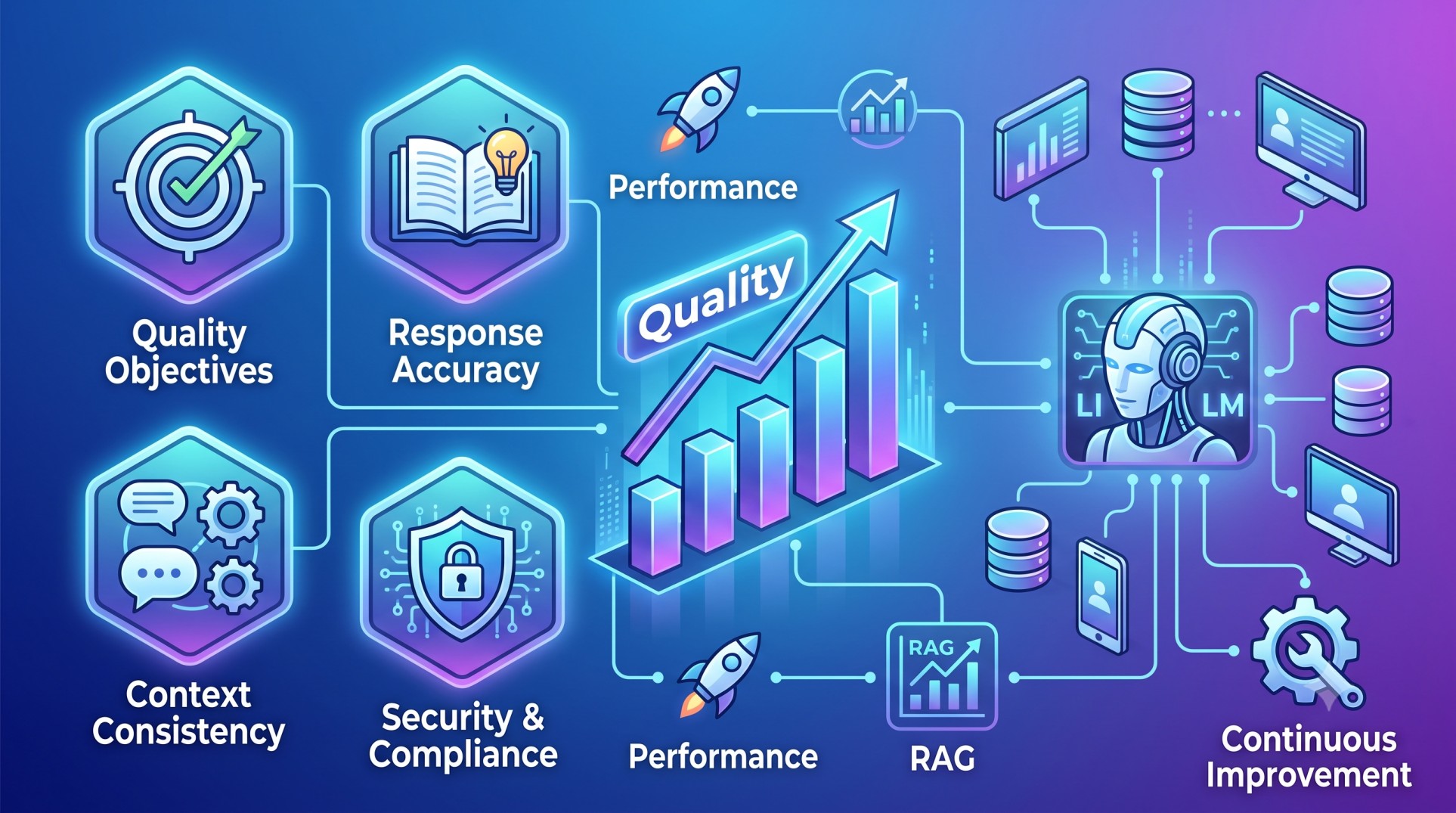
Step 8: Key Middleware Priorities 📊
• Provider independence with centralized control 🔗
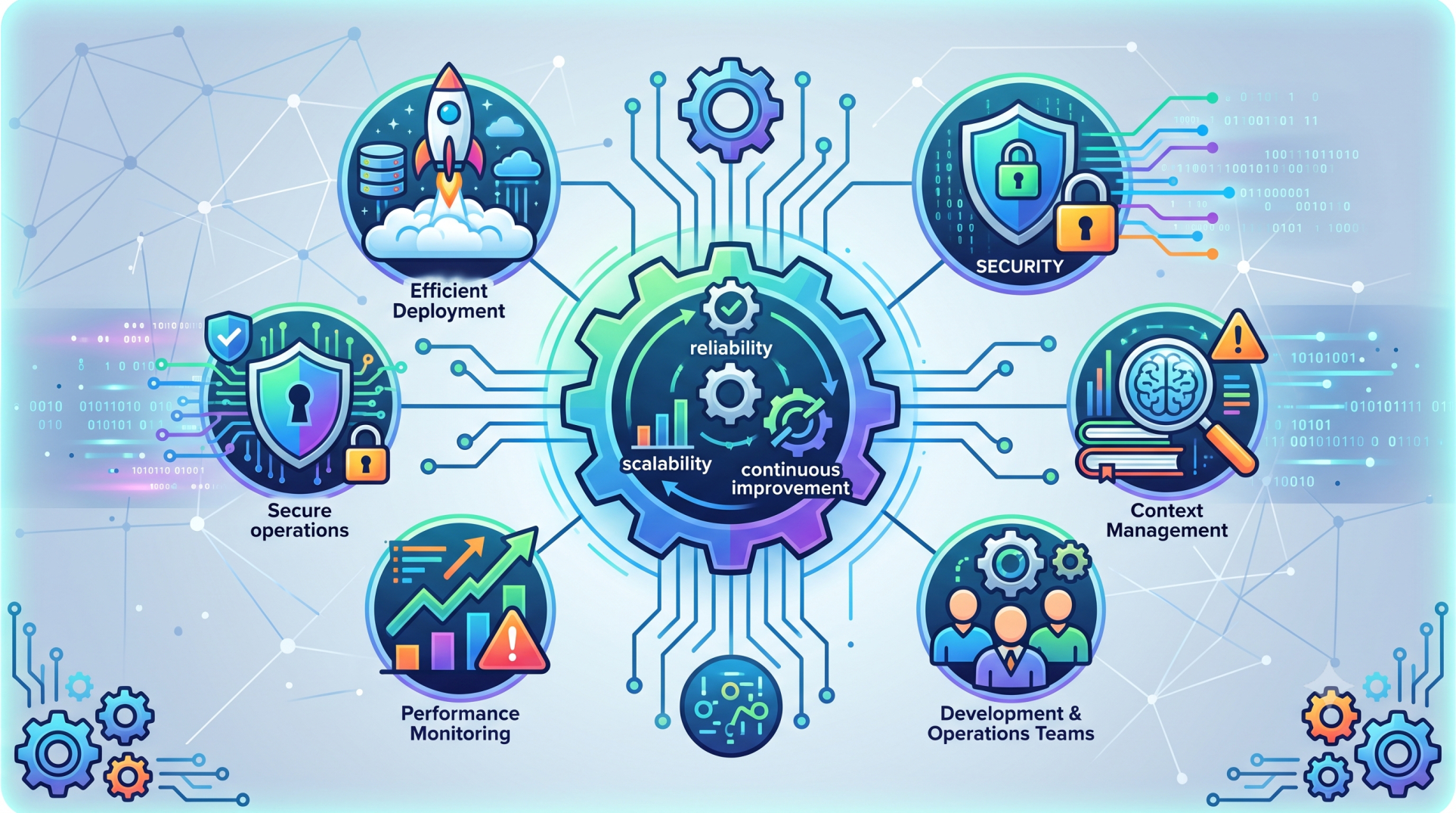
• Secure and compliant AI operations 🔐
• Cost-efficient multi-model orchestration 💰
• Scalable architecture for enterprise growth 🚀
Step 9: Supporting Developer Productivity 👨💻
• Offer simple SDKs and internal APIs for teams 🧰
• Reduce repeated integration work across projects 🔁
• Accelerate deployment of new AI features ⚡
• Provide testing tools and sandbox environments 🧪
• Improve collaboration between engineering teams 🤝
Step 10: Building a Future-Ready LLM Stack 🚀
• Prepare for rapid changes in model capabilities 🌐
• Integrate new providers with minimal disruption 🔌
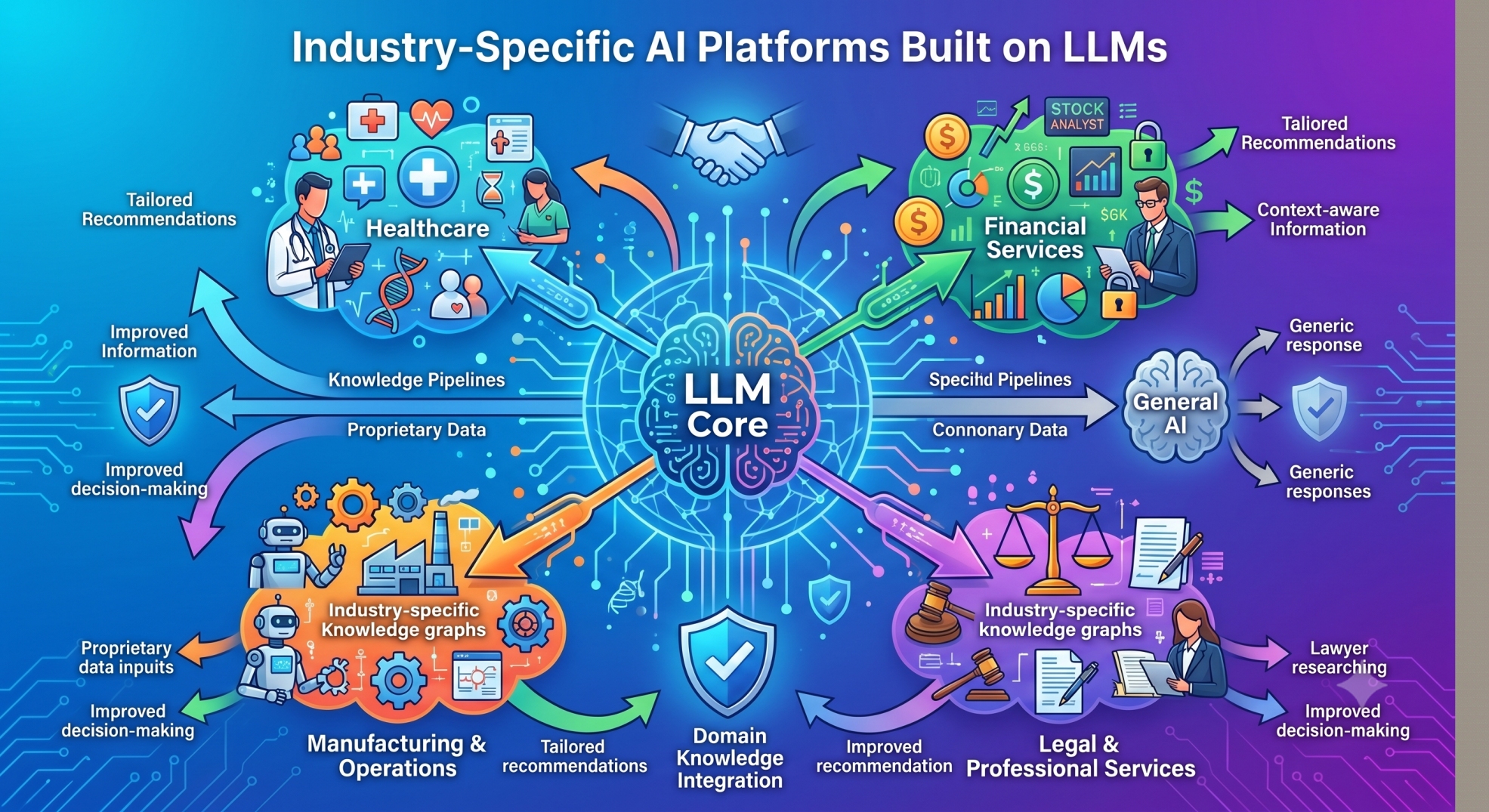
• Support multimodal and agent-based AI systems 🤖
• Expand orchestration as business needs evolve 📈
• Future-proof enterprise AI investments 🏗️
Conclusion
Designing middleware layers for LLM abstraction is essential for organizations seeking scalable and resilient AI adoption. By separating applications from direct model dependencies, businesses gain flexibility, stronger governance, and better operational control. A well-built middleware layer not only simplifies today’s AI deployments but also creates the foundation for adapting to tomorrow’s rapidly evolving LLM landscape.
See more blogs
You can all the articles below