LLM Deployment Patterns Across Edge, Cloud, and Hybrid Environments
LLM Deployment Patterns Across Edge, Cloud, and Hybrid Environments
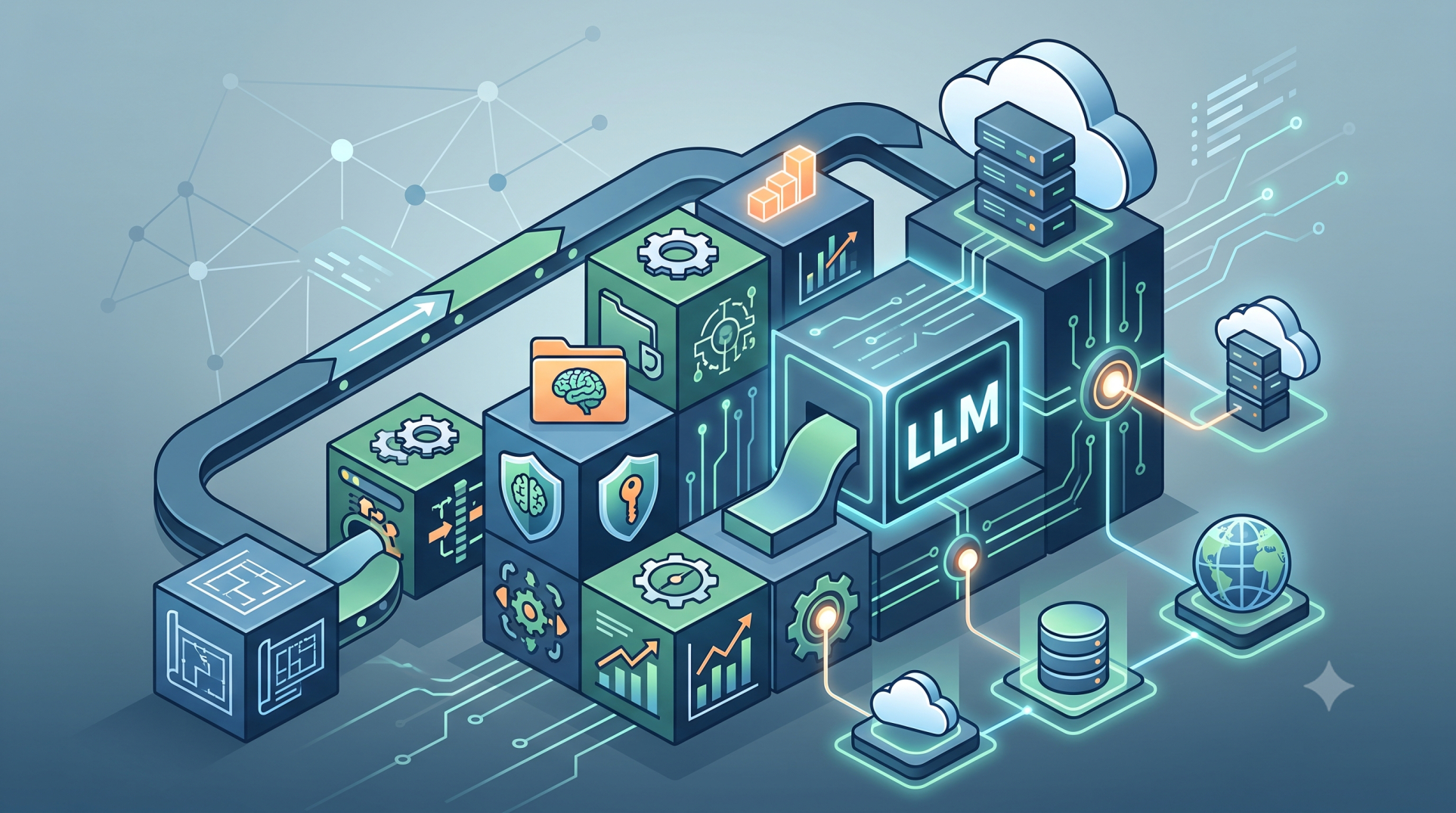
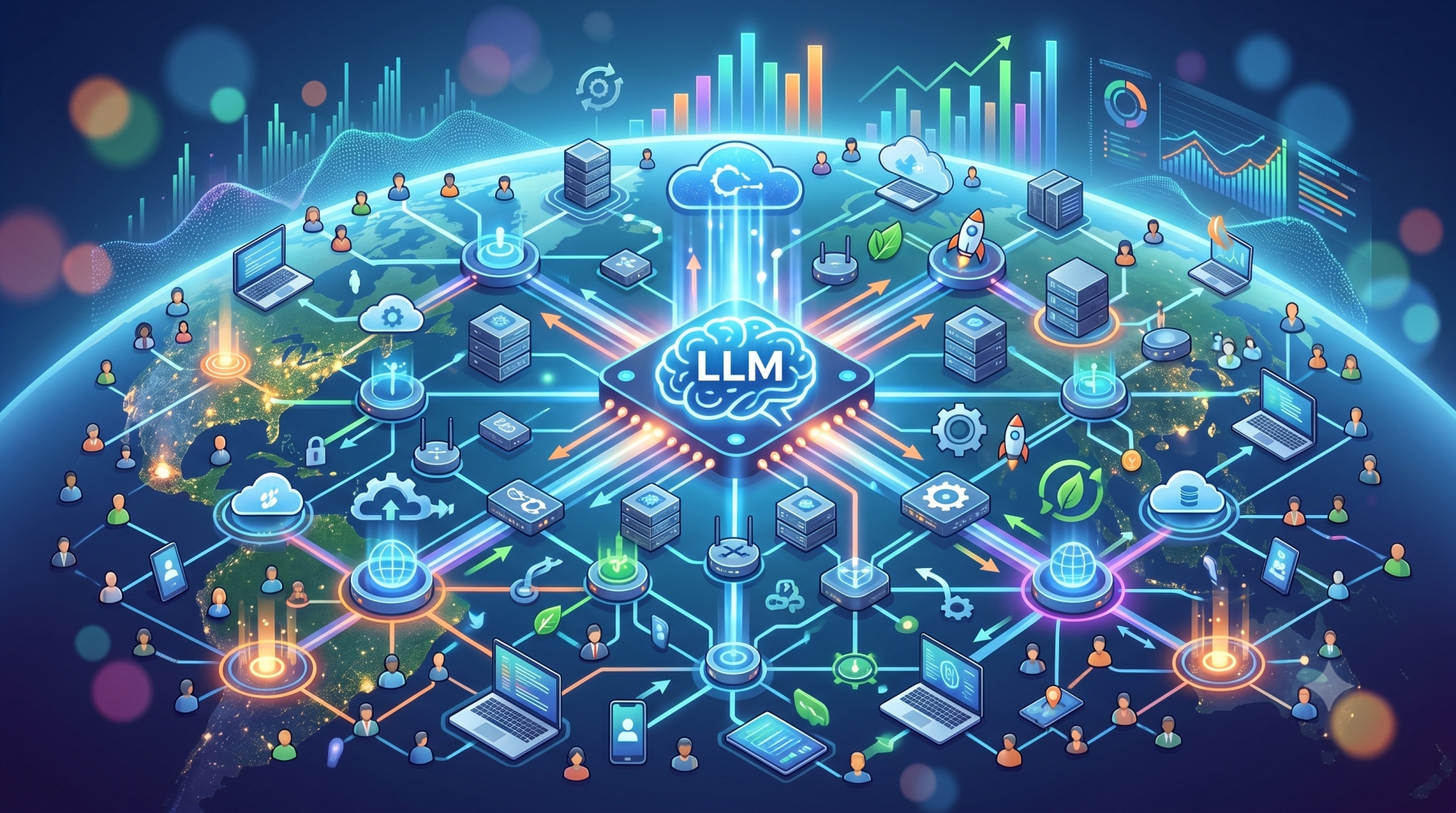
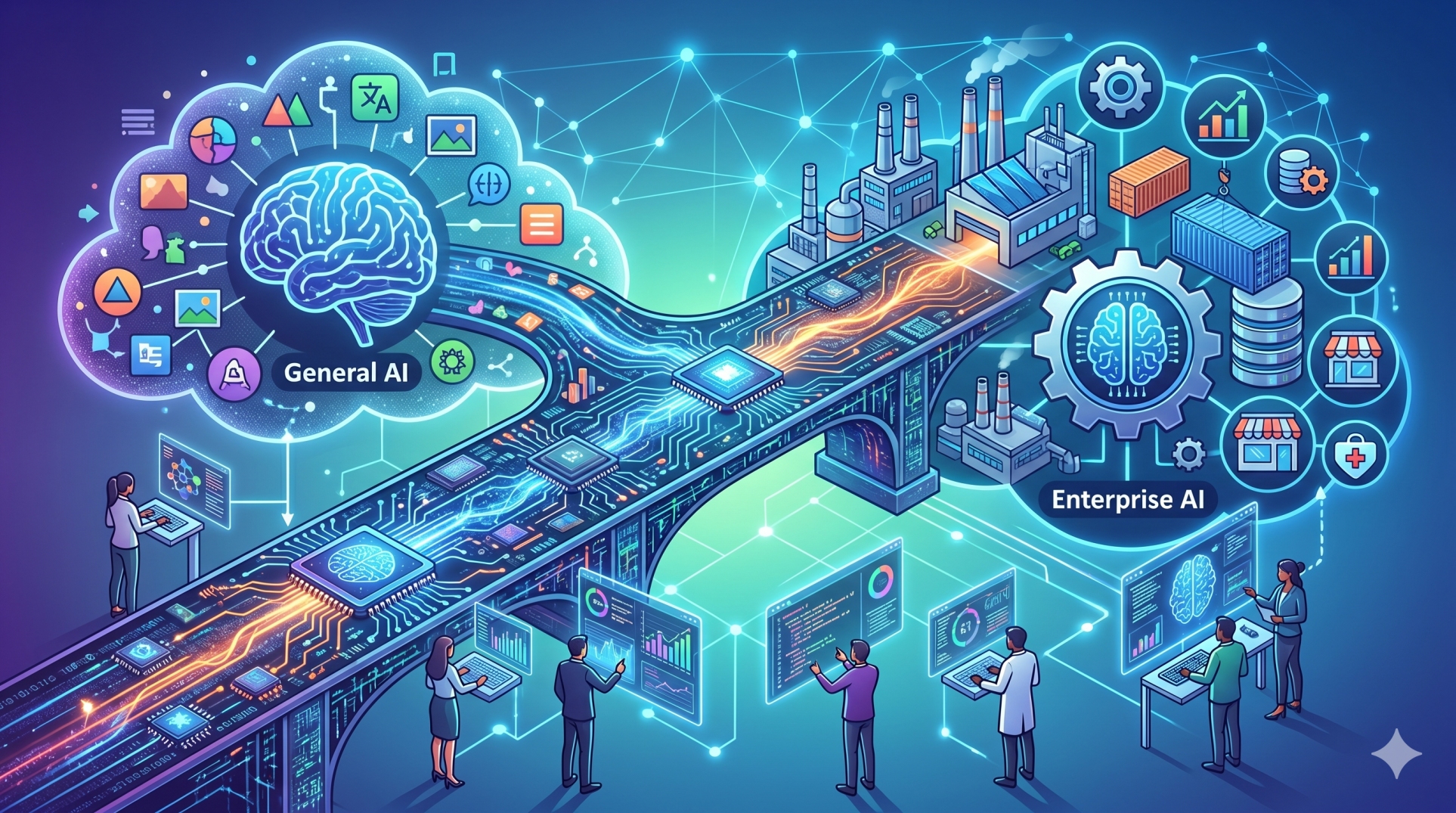
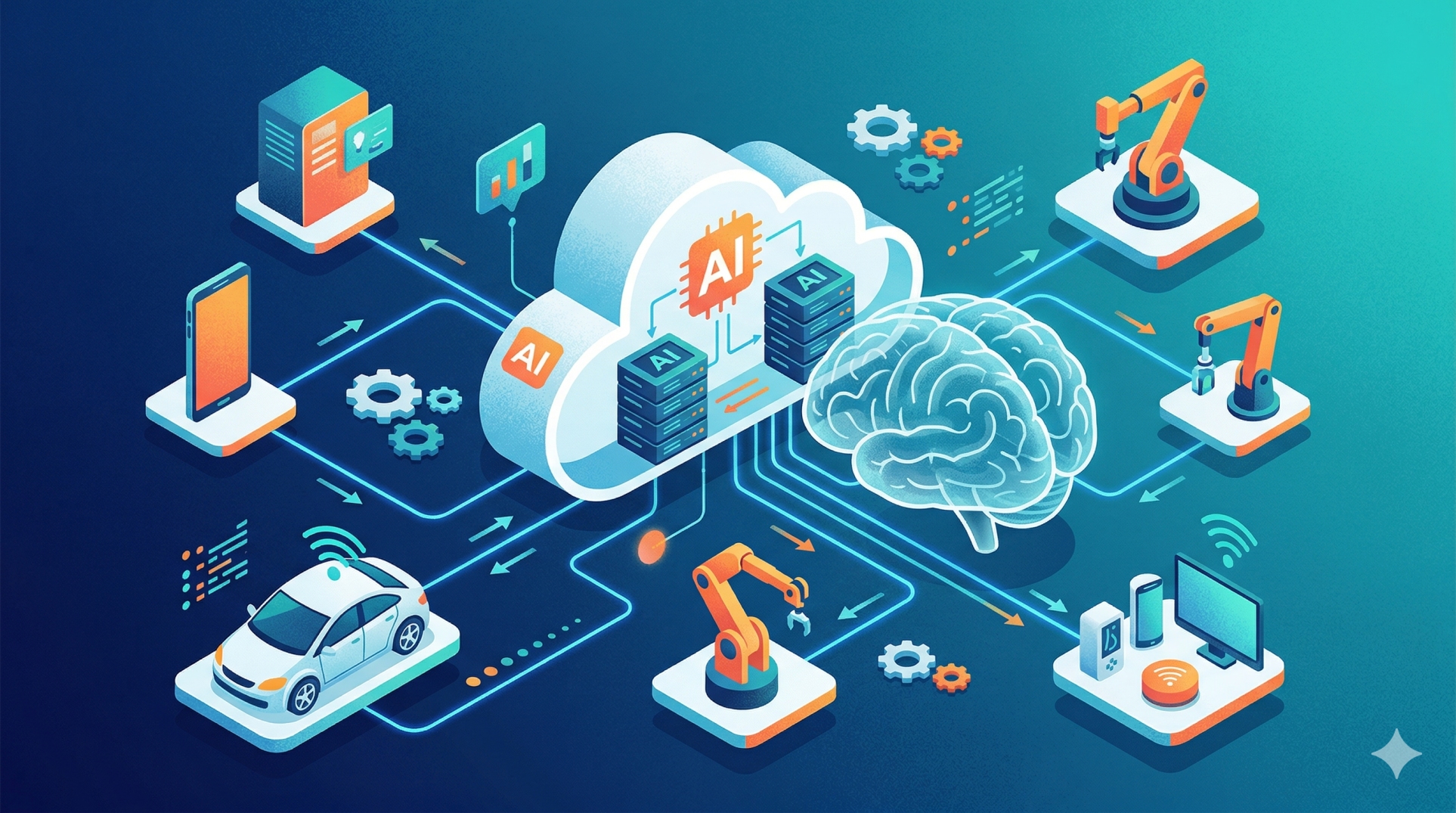
As Large Language Models (LLMs) move from experimentation to real-world deployment, choosing the right infrastructure strategy becomes critical. Organizations must balance latency, cost, data privacy, and scalability when deciding where and how to deploy LLMs. Edge, cloud, and hybrid environments each offer unique advantages, and understanding their deployment patterns enables businesses to build efficient, resilient, and high-performing AI systems.
Step 1: Understanding Deployment Environments 🌐
• Edge environments run LLMs closer to data sources and end users 📍
• Cloud environments provide scalable, centralized computing power ☁️
• Hybrid models combine edge responsiveness with cloud scalability 🔄
• Each environment serves different operational and performance needs ⚙️
• Selecting the right mix depends on use case and constraints 🎯
Step 2: Cloud-Based LLM Deployment ☁️
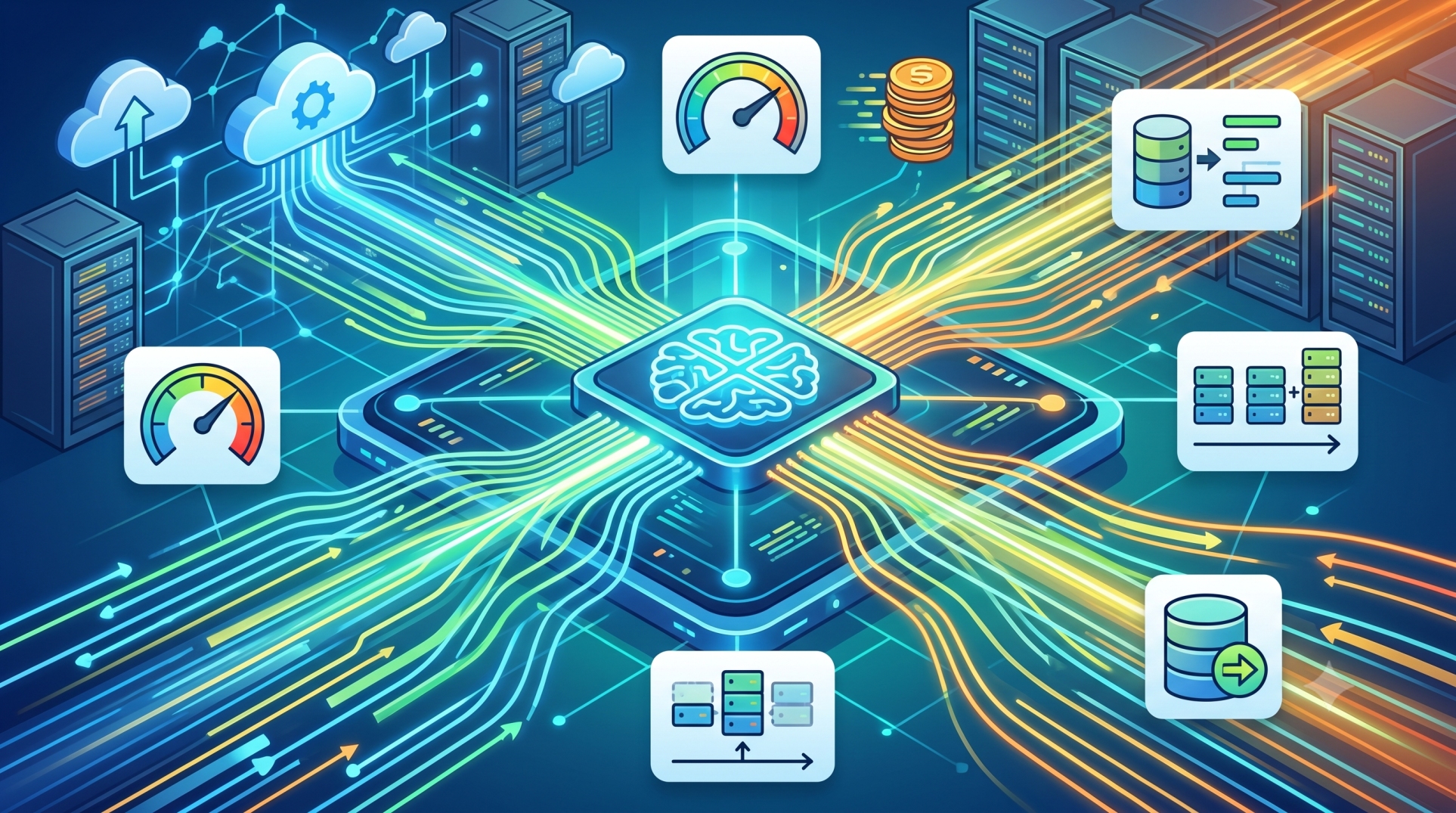
• Leverage cloud infrastructure for large-scale model training and inference 🚀
• Access high-performance GPUs and distributed computing resources ⚡
• Scale workloads dynamically based on demand 📈
• Enable centralized model management and updates 🔄
• Support global access and multi-region deployments 🌍
Step 3: Edge Deployment for Low Latency ⚡
• Deploy smaller or optimized LLMs directly on edge devices 📱
• Reduce latency by processing data locally ⏱️
• Minimize dependency on network connectivity 📡
• Enhance privacy by keeping sensitive data on-device 🔐
• Enable real-time decision-making in critical applications 🚦
Step 4: Hybrid Deployment Strategies 🔗
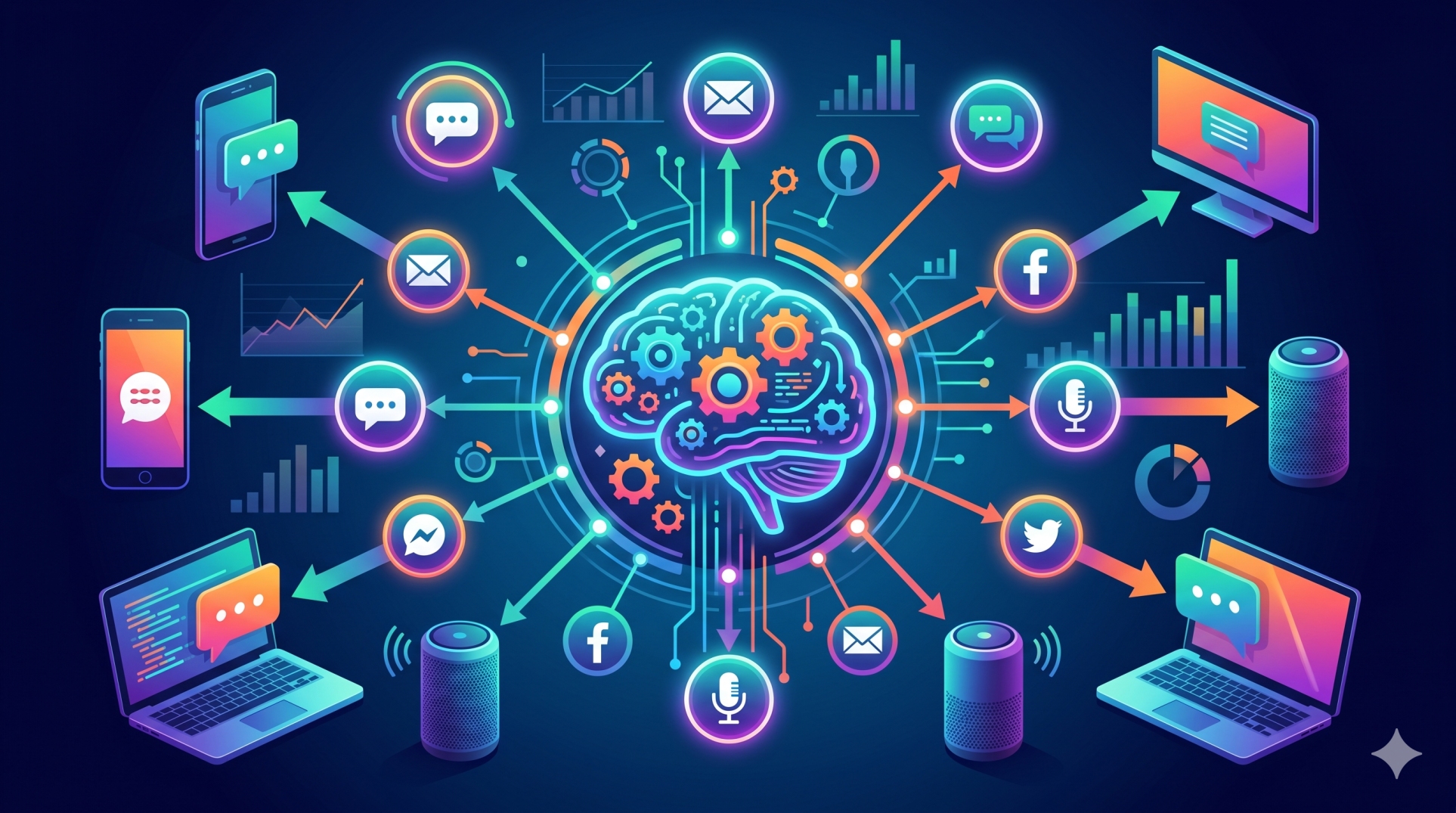
• Split workloads between edge and cloud environments ⚖️
• Run lightweight inference on edge, heavy processing in the cloud ☁️
• Synchronize models and data across environments 🔄
• Optimize cost and performance through workload distribution 💰
• Ensure seamless user experience across systems 🎯
Step 5: Model Optimization for Different Environments 🧠
• Use model compression and quantization for edge deployment 📦
• Optimize inference pipelines for cloud scalability ⚙️
• Select model sizes based on hardware capabilities 💻
• Balance accuracy with performance constraints ⚖️
• Continuously refine models for efficiency and speed 🚀
Step 6: Data Privacy and Security Considerations 🔐
• Keep sensitive data localized in edge environments 📍
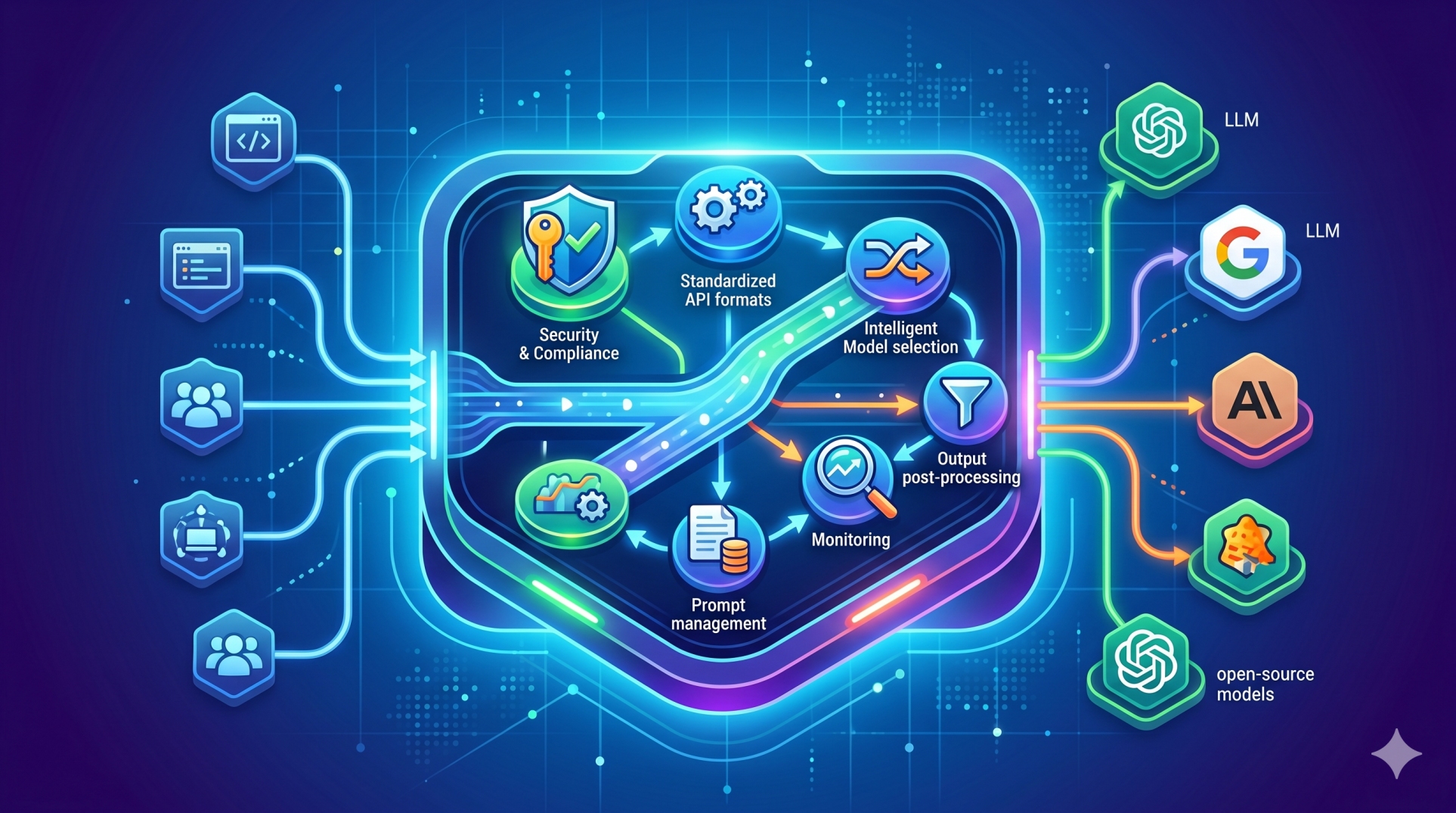
• Implement encryption for data in transit and at rest 🛡️
• Ensure compliance with regional data protection regulations 📜
• Control access to models and APIs securely 🔑
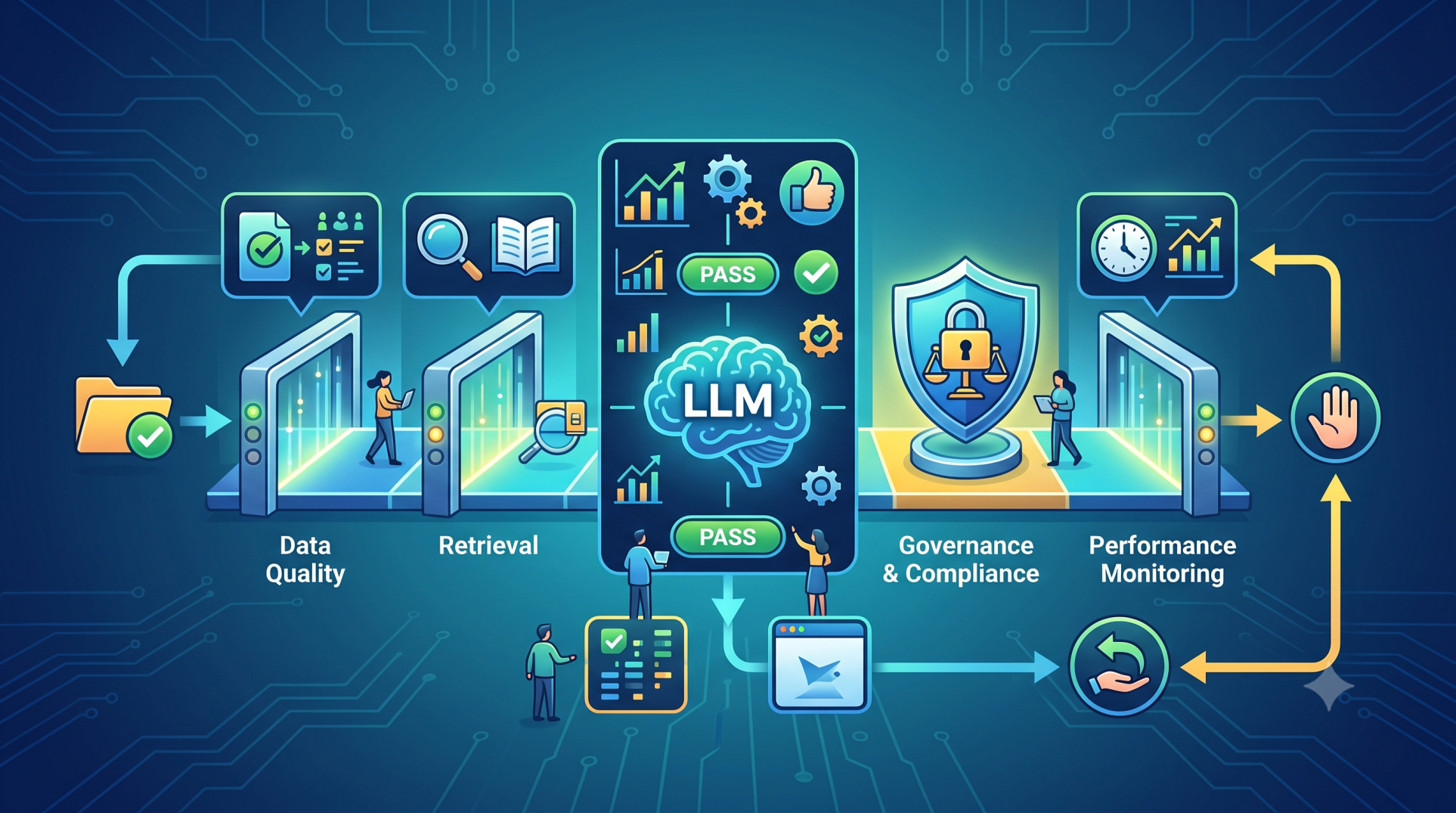
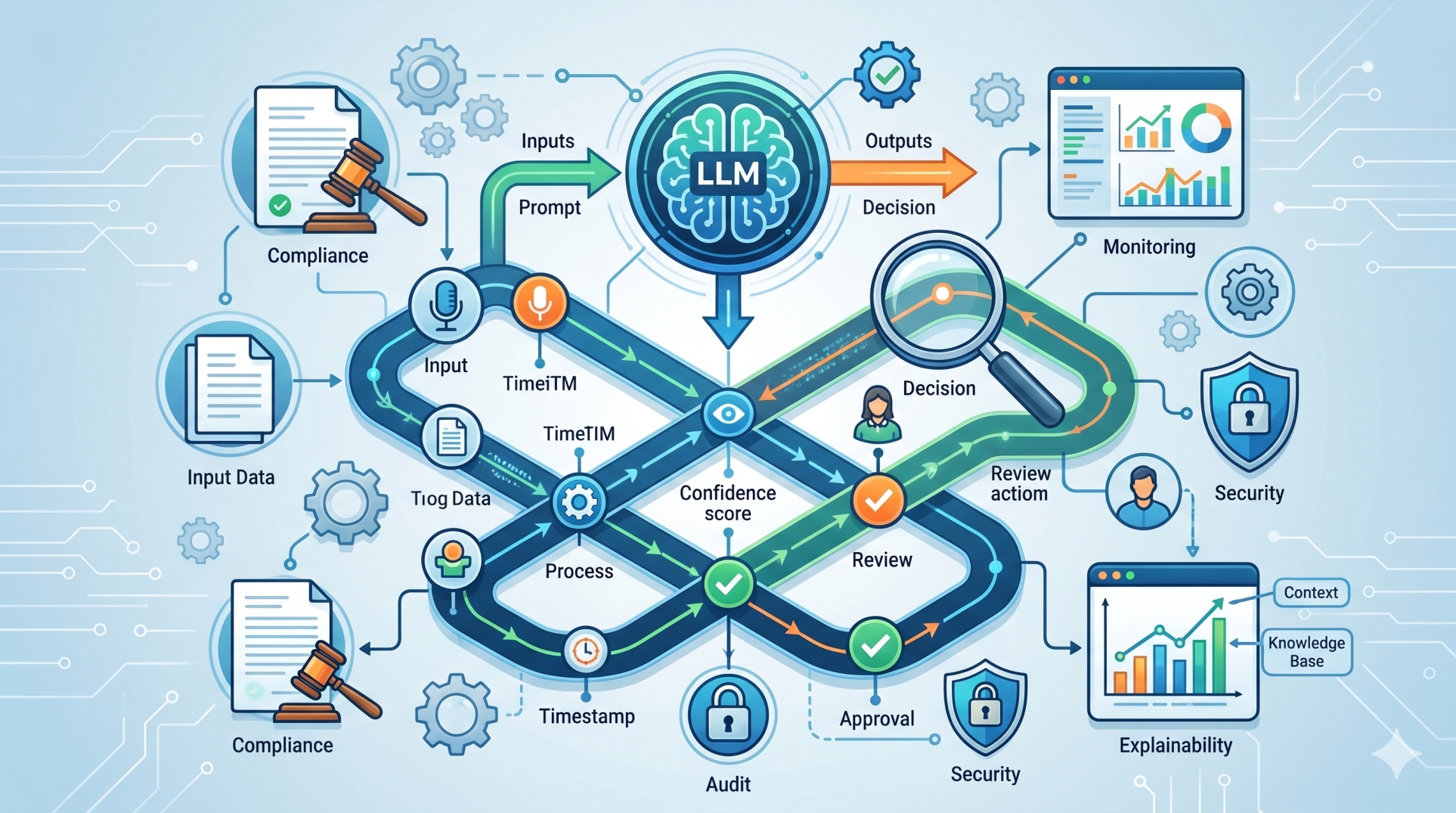
• Monitor and audit data usage across environments 🔍
Step 7: Orchestration and Workflow Management 🔄
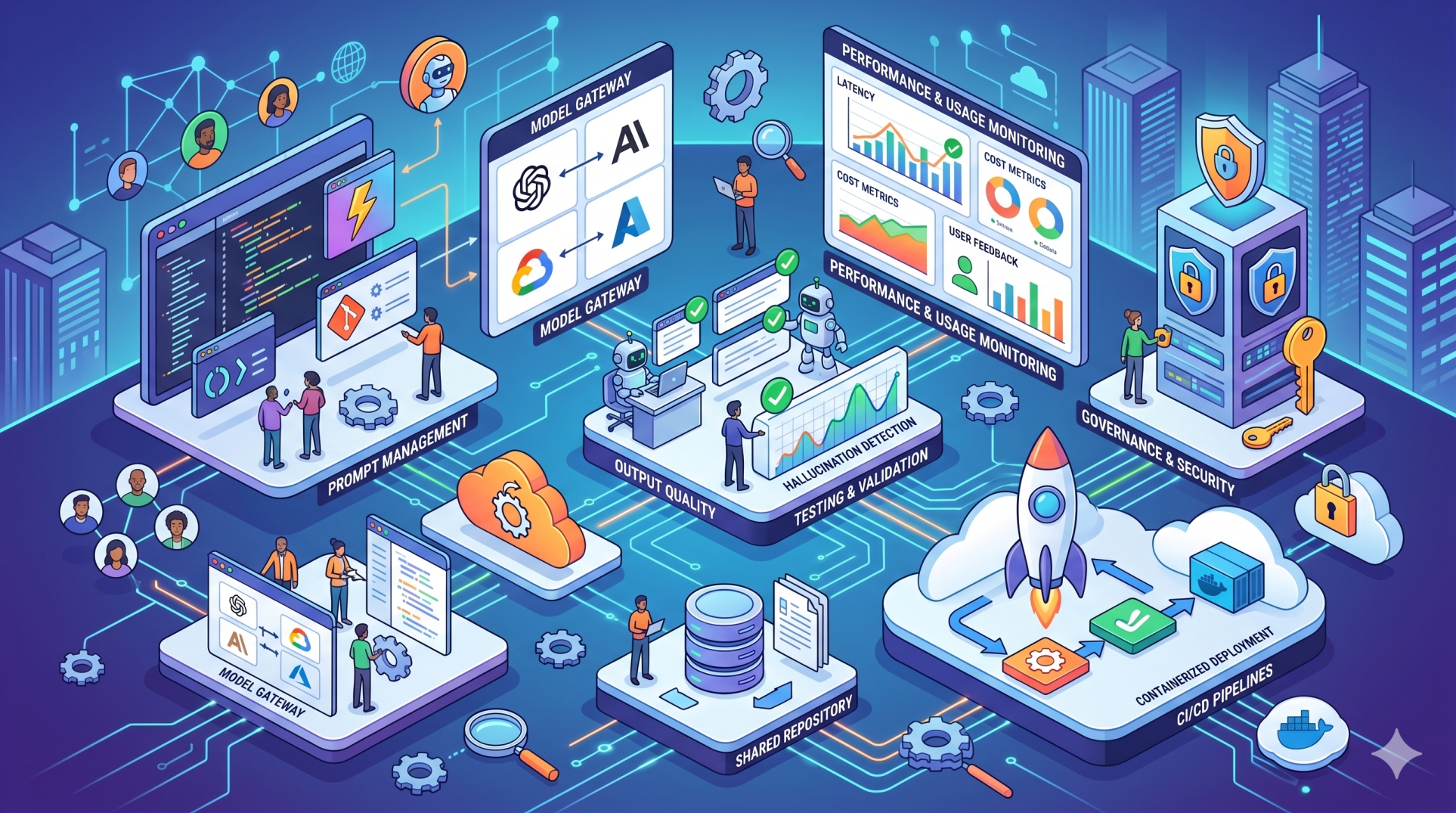
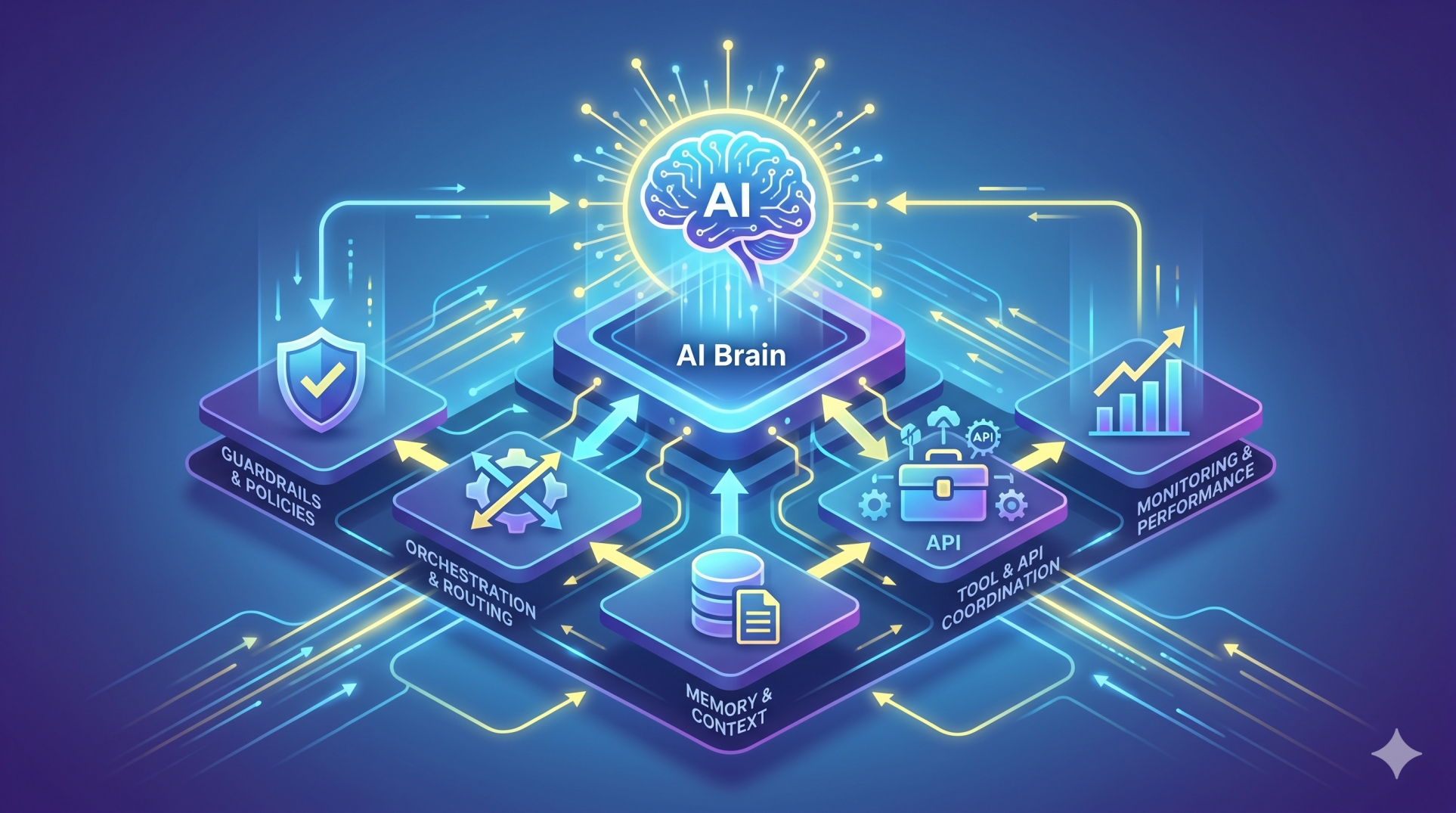
• Use orchestration platforms to manage distributed deployments 🧠
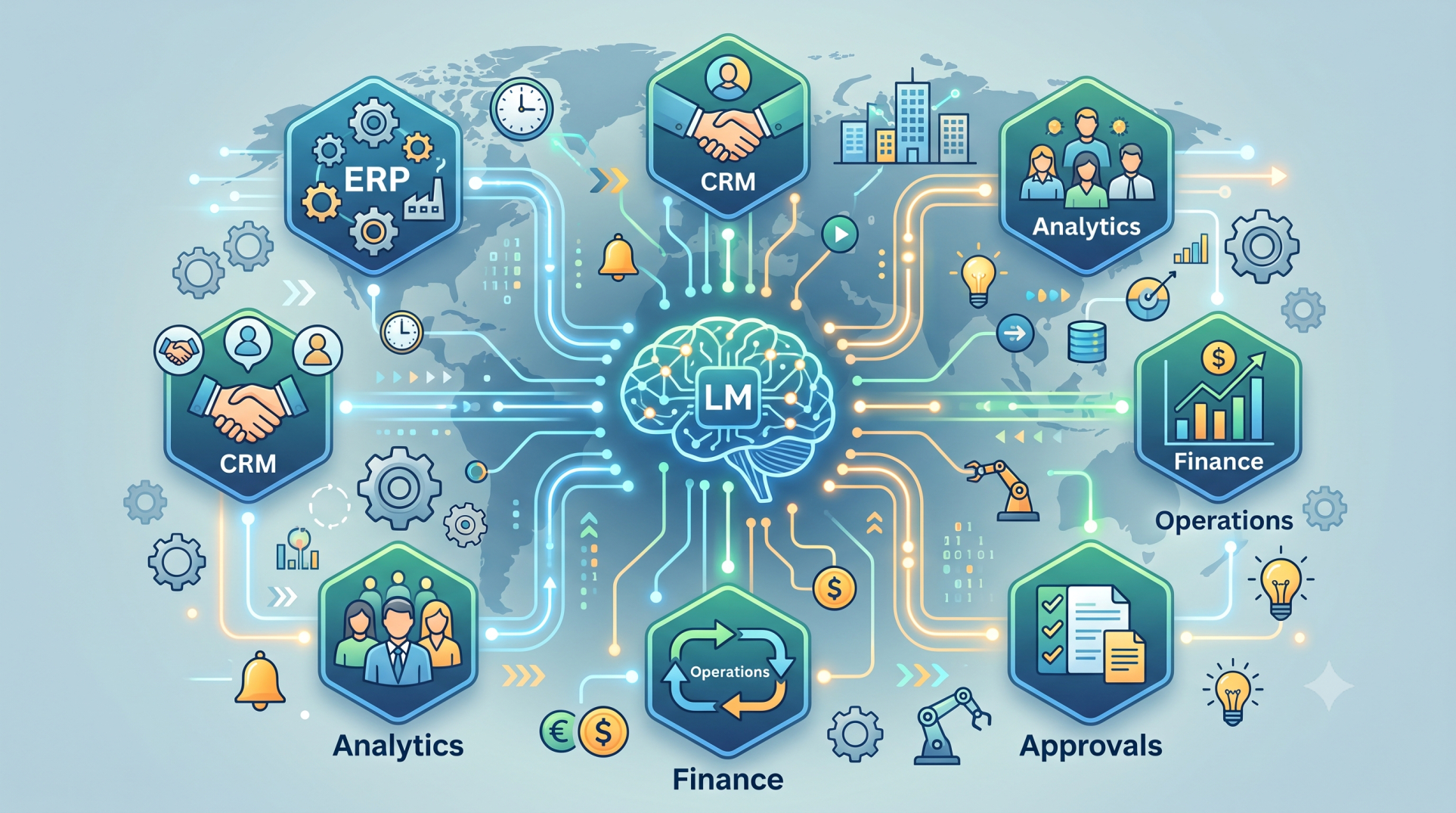
• Coordinate tasks between edge devices and cloud systems 🔗
• Automate scaling, updates, and failover processes ⚙️
• Maintain consistency across multiple deployment environments 📊
• Enable real-time monitoring and control 🖥️
Step 8: Key Deployment Priorities 📊
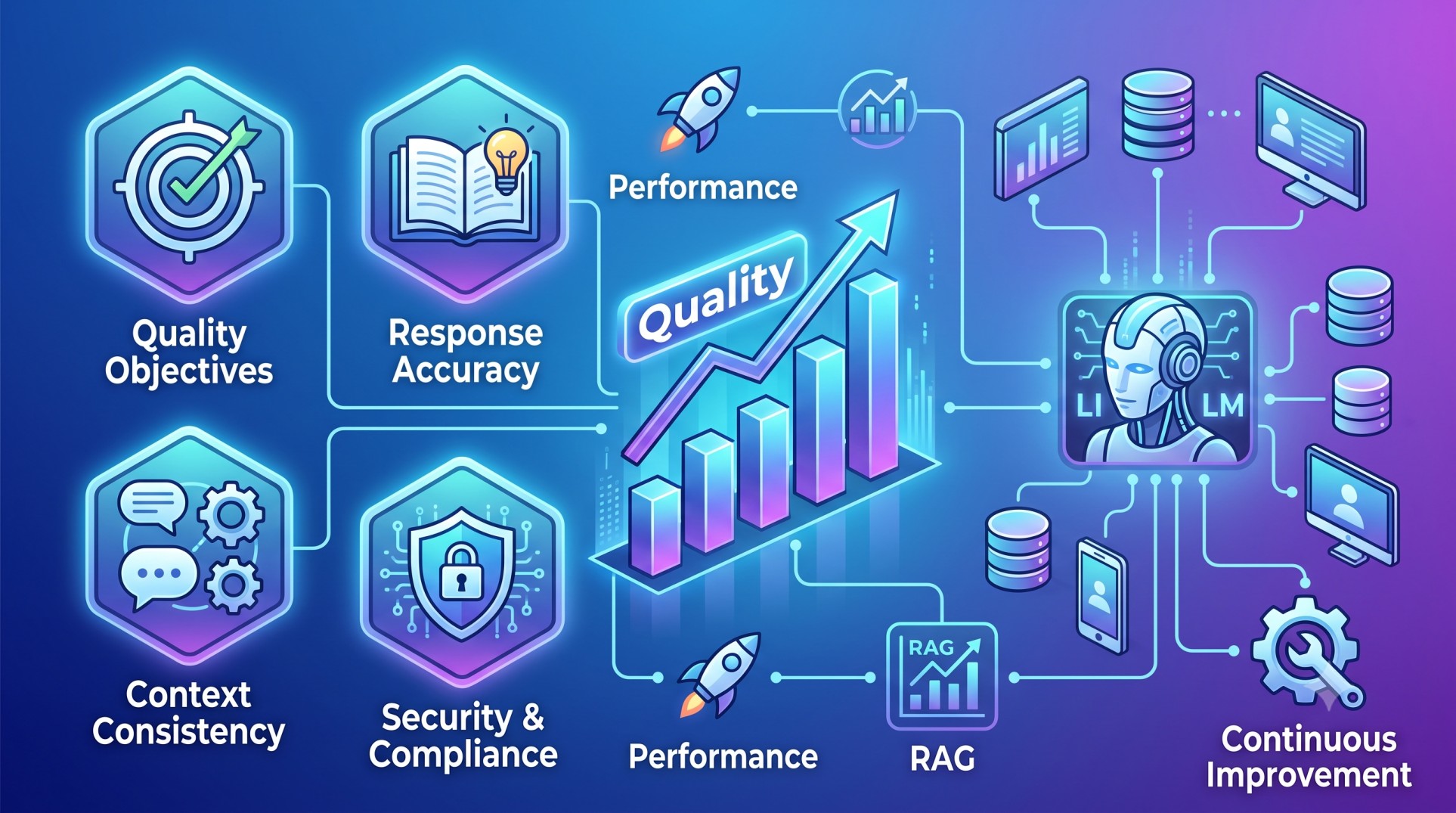
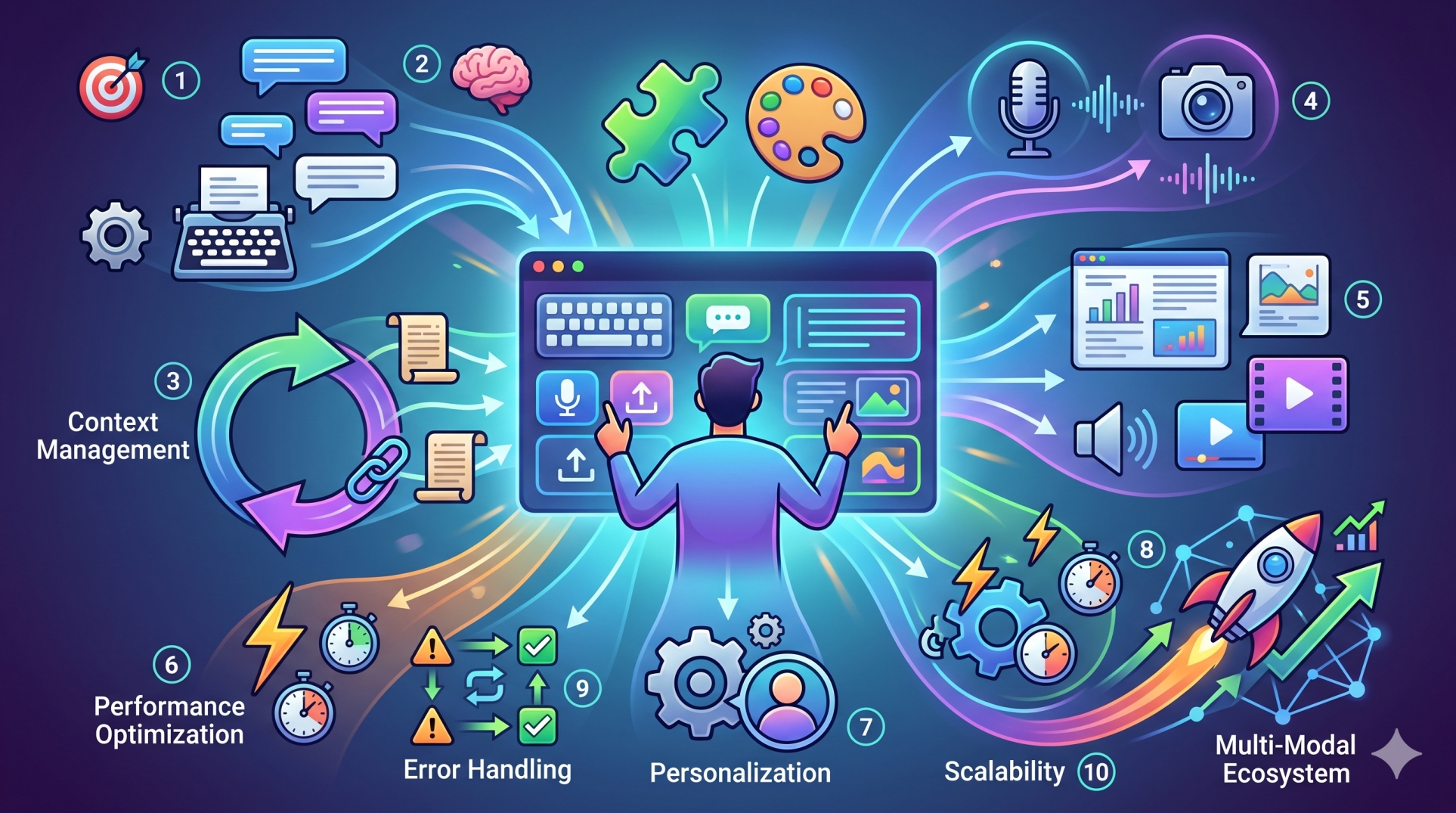
• Balance latency, cost, and performance ⚖️
• Ensure scalability across different workloads 📈
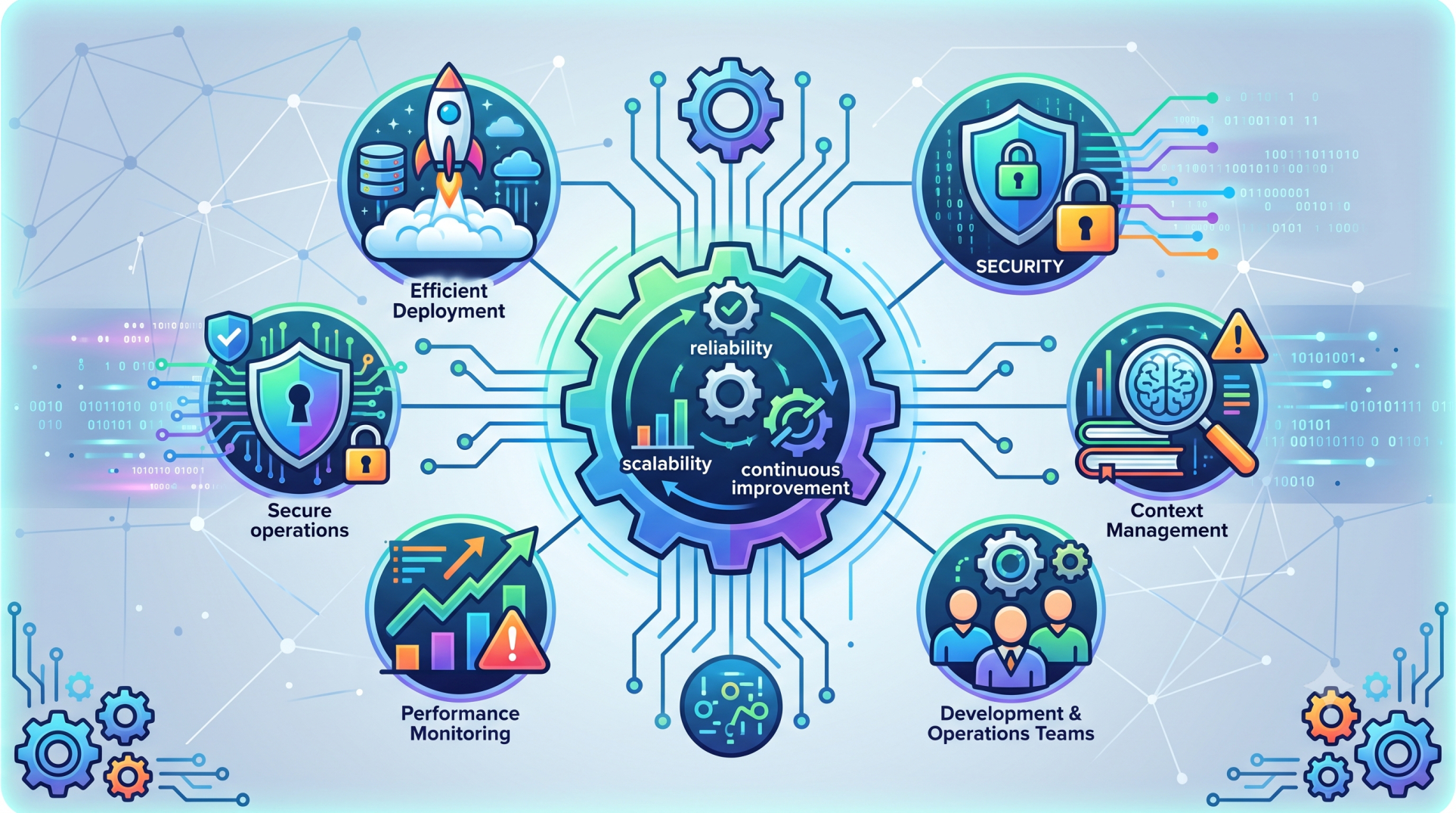
• Maintain reliability and system availability 🛡️
• Provide seamless user experience across environments 🎯
Step 9: Handling Failures and Network Variability ⚠️
• Design fallback mechanisms for connectivity issues 📡
• Enable offline capabilities in edge deployments 📱
• Reroute workloads during cloud outages 🔄
• Maintain system resilience under variable conditions 🛠️
• Ensure graceful degradation of services 📉
Step 10: Building a Future-Ready LLM Infrastructure 🚀
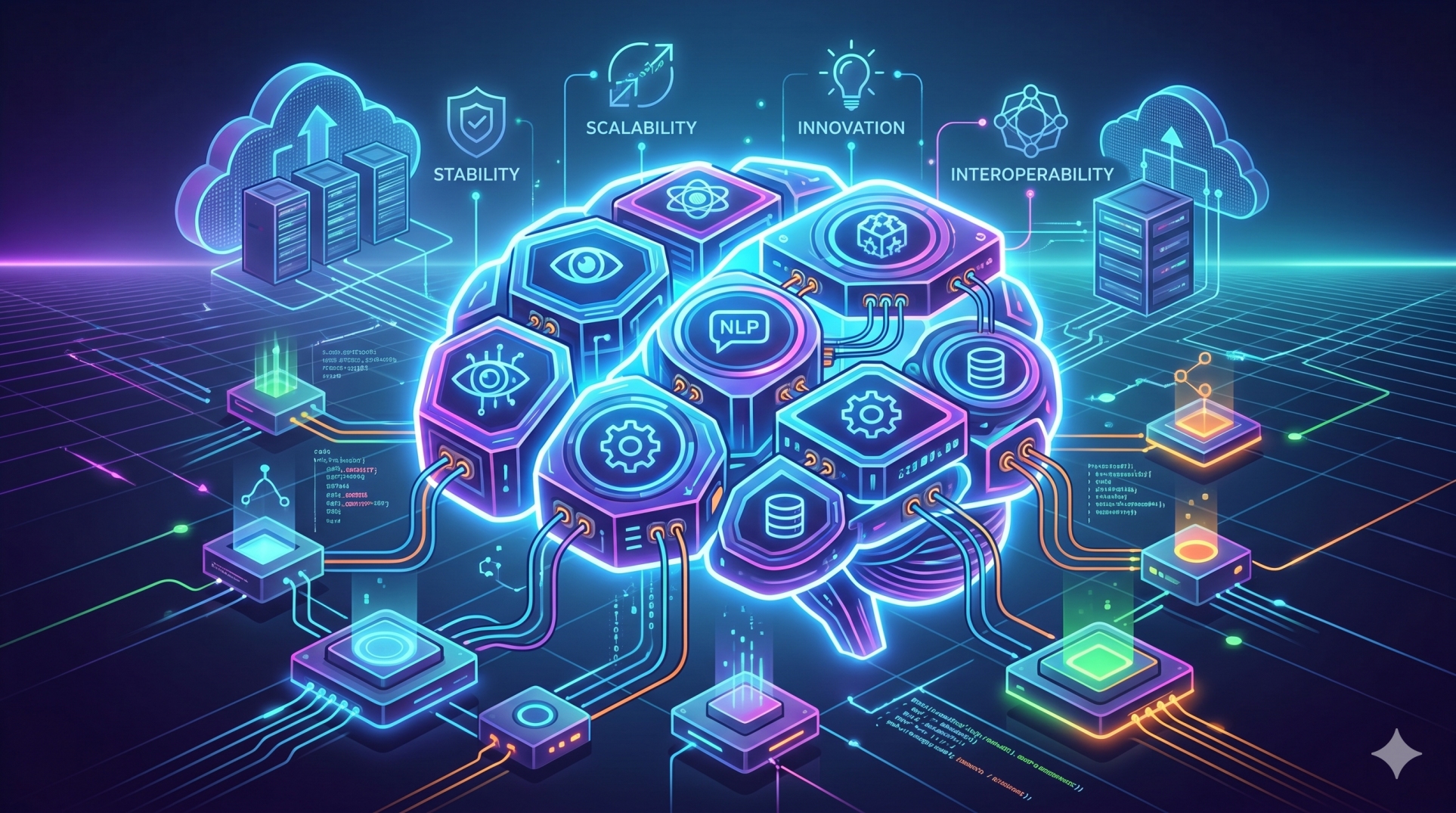
• Design flexible architectures that support evolving AI models 🔄
• Integrate emerging hardware accelerators and edge devices ⚡
• Enable continuous deployment and model updates 🔁
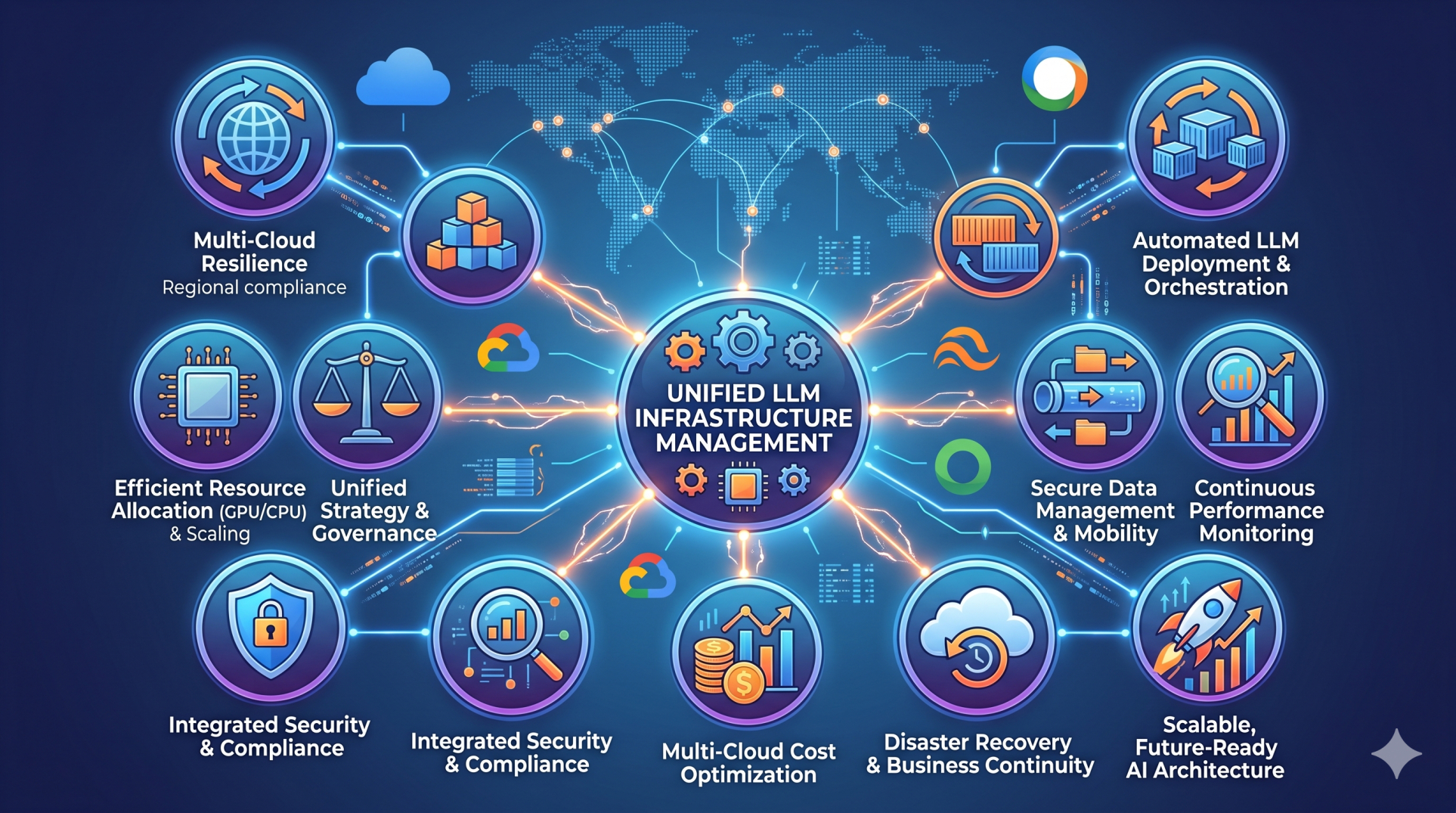
• Support multi-cloud and distributed environments ☁️
• Future-proof systems for scalability and innovation 📈
Conclusion
Deploying LLMs across edge, cloud, and hybrid environments requires a strategic approach that balances performance, cost, and security. By leveraging the strengths of each deployment model, organizations can build intelligent systems that are both responsive and scalable. A well-designed deployment strategy not only enhances current capabilities but also prepares businesses for the next generation of AI-driven applications.
See more blogs
You can all the articles below