Organizational Memory Systems Powered by LLM Software
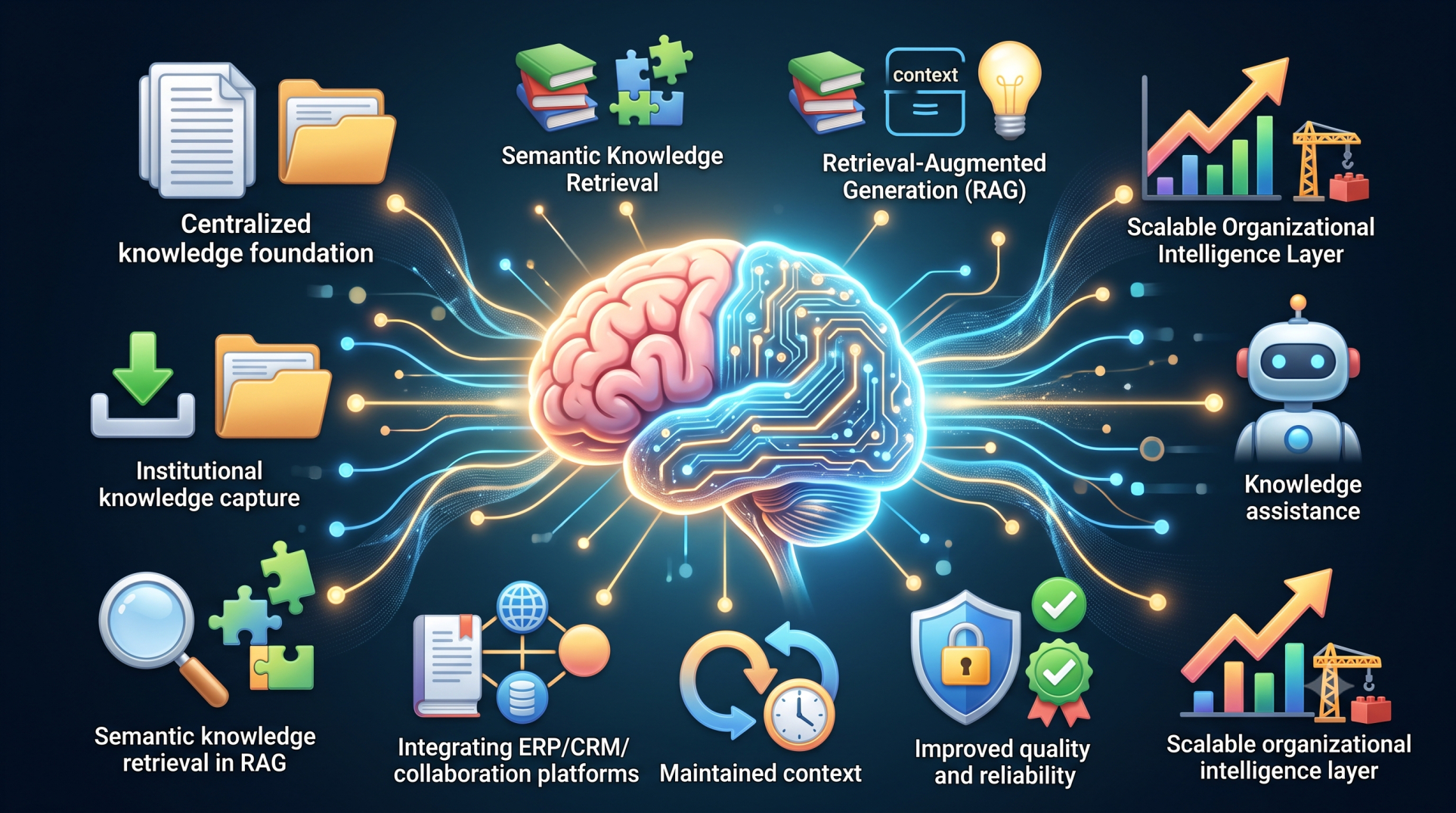
Organizational Memory Systems Powered by LLM Software
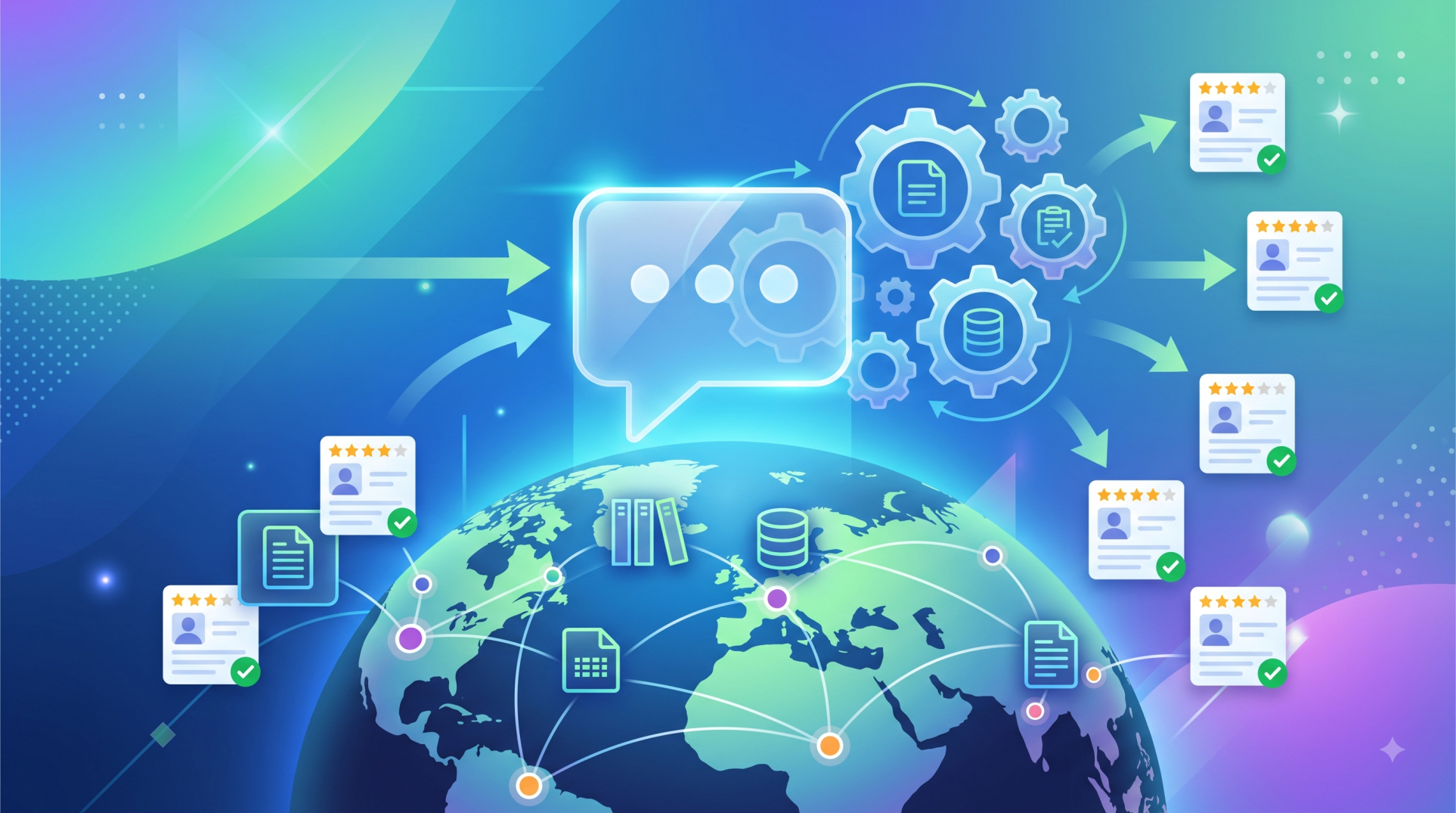
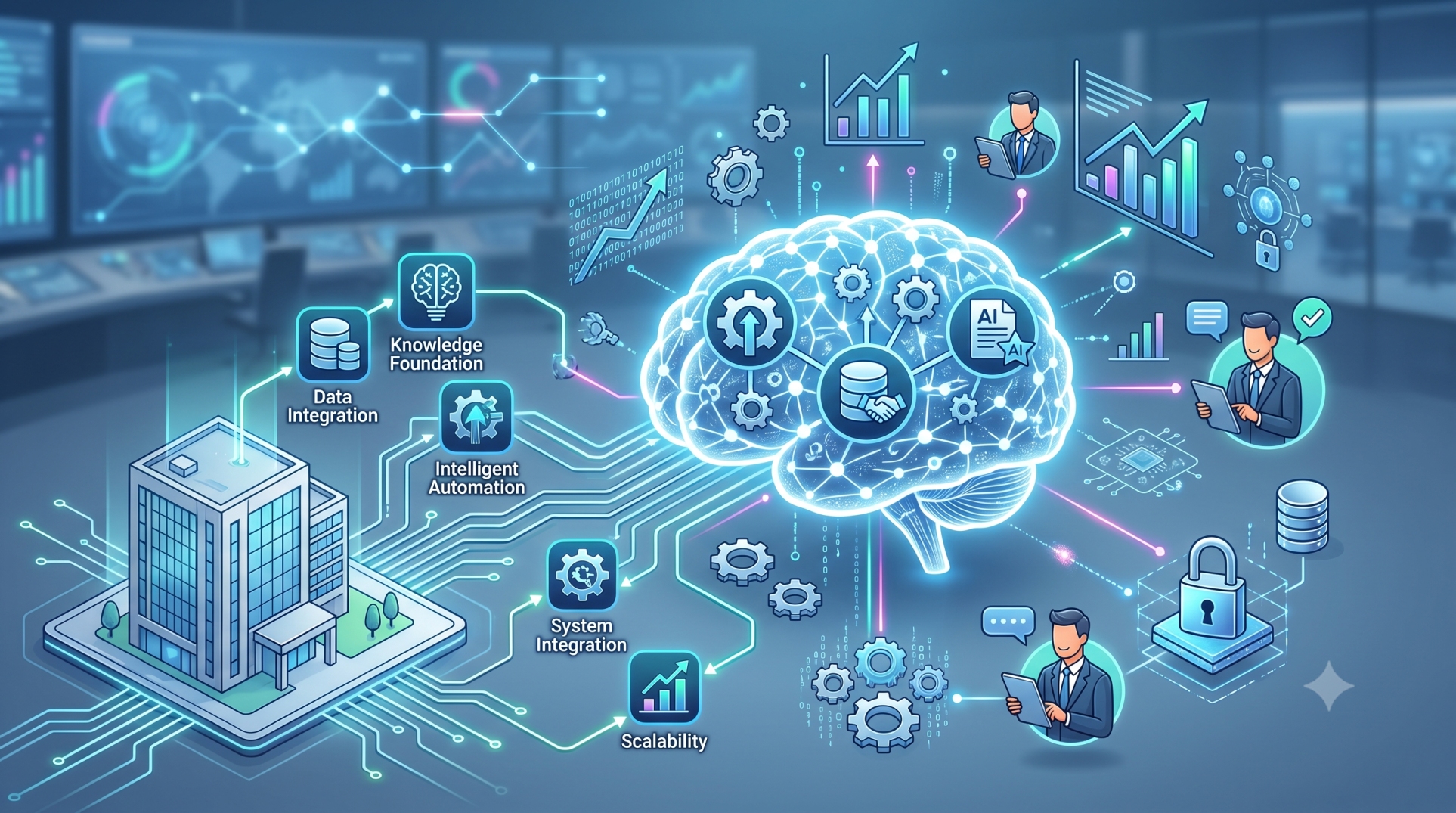
Organizations generate valuable knowledge every day through documents, conversations, projects, customer interactions, operational records, and employee expertise. However, this information often becomes scattered across disconnected systems or difficult to retrieve when needed. Organizational Memory Systems powered by Large Language Model (LLM) software can transform distributed business knowledge into an accessible intelligence layer, helping teams preserve context, discover information, and make better-informed decisions.
Step 1: Creating a Centralized Knowledge Foundation 🧠
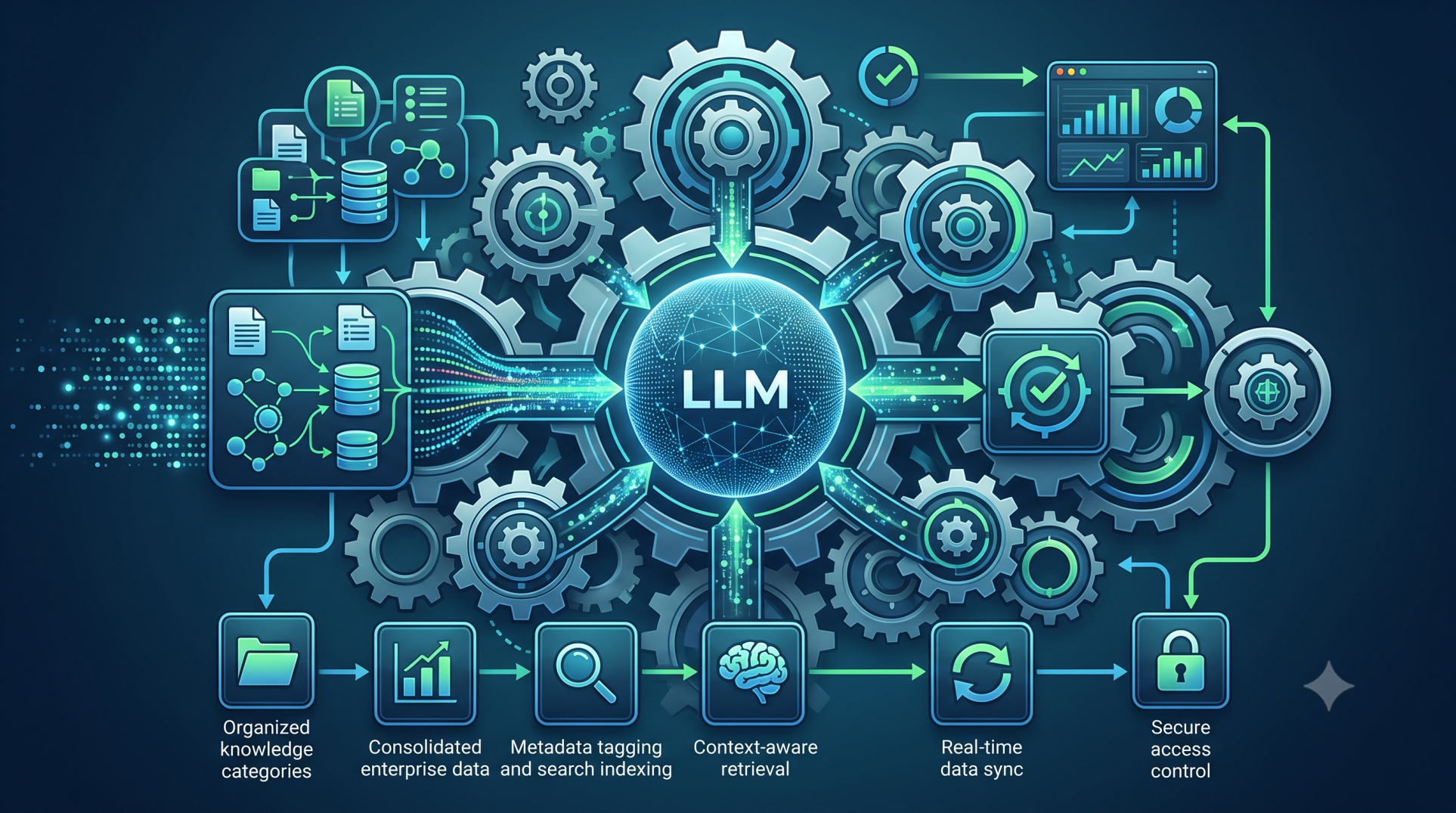
• Connect information from documents, databases, applications, and internal platforms 🔗
• Organize fragmented business knowledge into accessible repositories 📚
• Reduce information silos across departments and teams 🏢
• Preserve important organizational context over time 🗂️
• Establish a reliable foundation for AI-assisted knowledge access 🤖
Step 2: Capturing Institutional Knowledge 📥
• Preserve insights from projects, processes, and operational activities 💼
• Capture important decisions and their supporting context 📝
• Retain knowledge that might otherwise disappear when roles or teams change 🔄
• Document recurring solutions, procedures, and lessons learned 📘
• Build a continuously expanding record of organizational experience 🌱
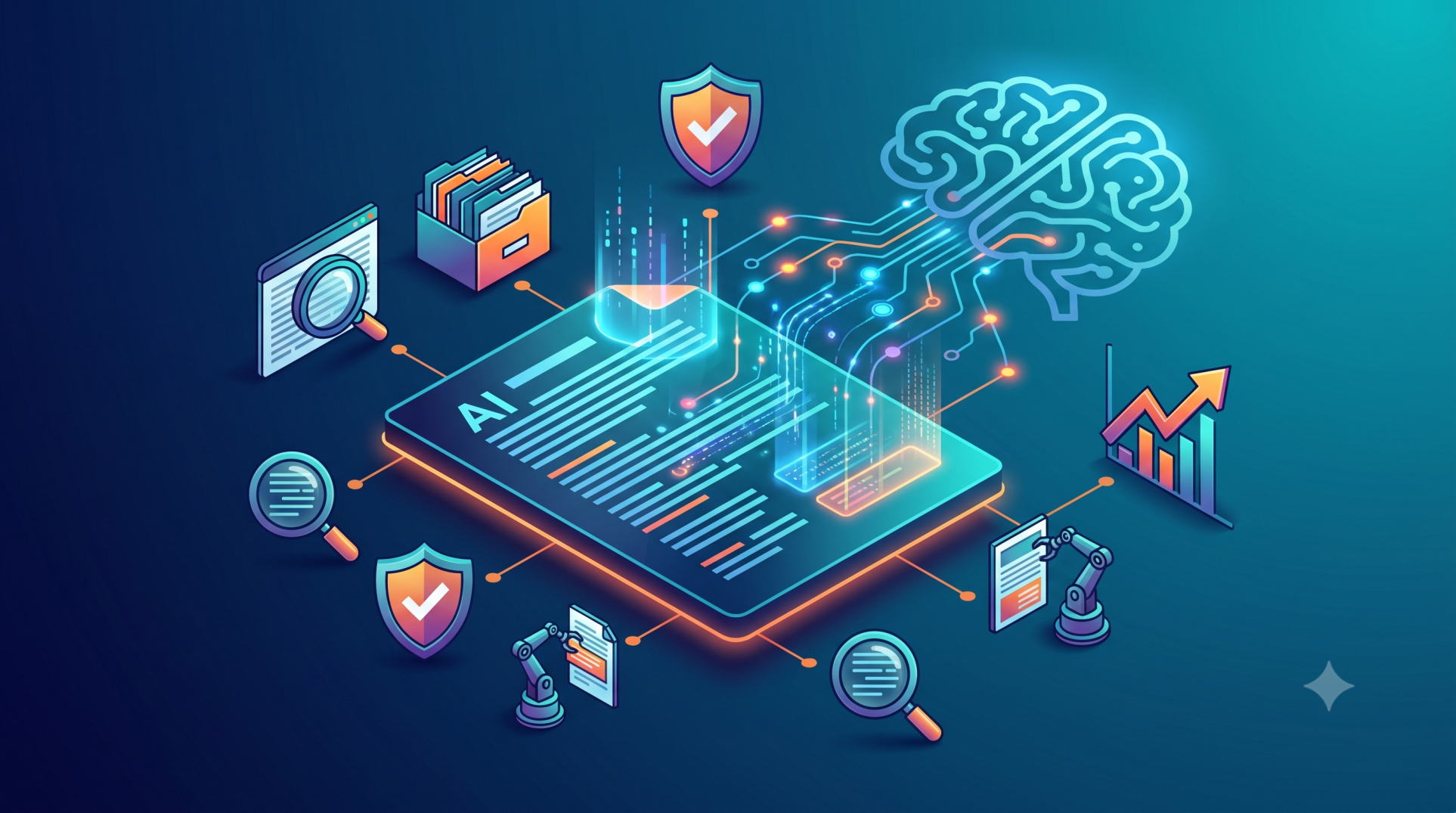
Step 3: Enabling Semantic Knowledge Retrieval 🔍
• Use embeddings and semantic search to locate relevant information 🧩
• Retrieve content based on meaning rather than exact keywords 🎯
• Connect related information stored across different sources 🔗
• Improve discovery within large collections of enterprise content 📂
• Help employees access useful knowledge with natural-language questions 💬
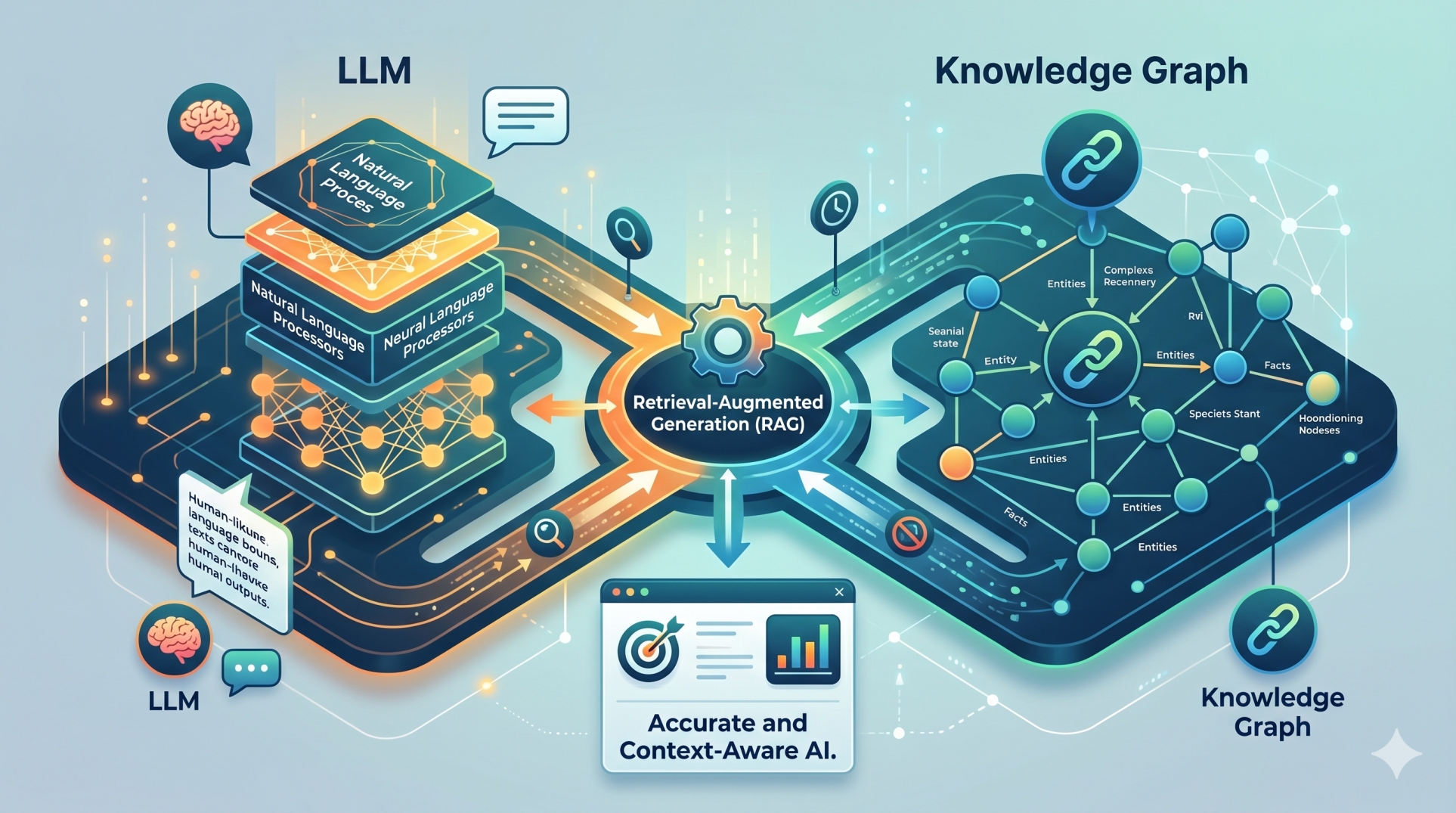
Step 4: Adding Context with Retrieval-Augmented Generation 📚
• Retrieve relevant enterprise information before generating responses 🔎
• Provide LLMs with business-specific context for more grounded outputs 🧠
• Combine internal knowledge with natural-language interaction 💬
• Prioritize relevant sources based on the user's request 🎯
• Improve the usefulness of AI assistants for enterprise workflows ⚙️
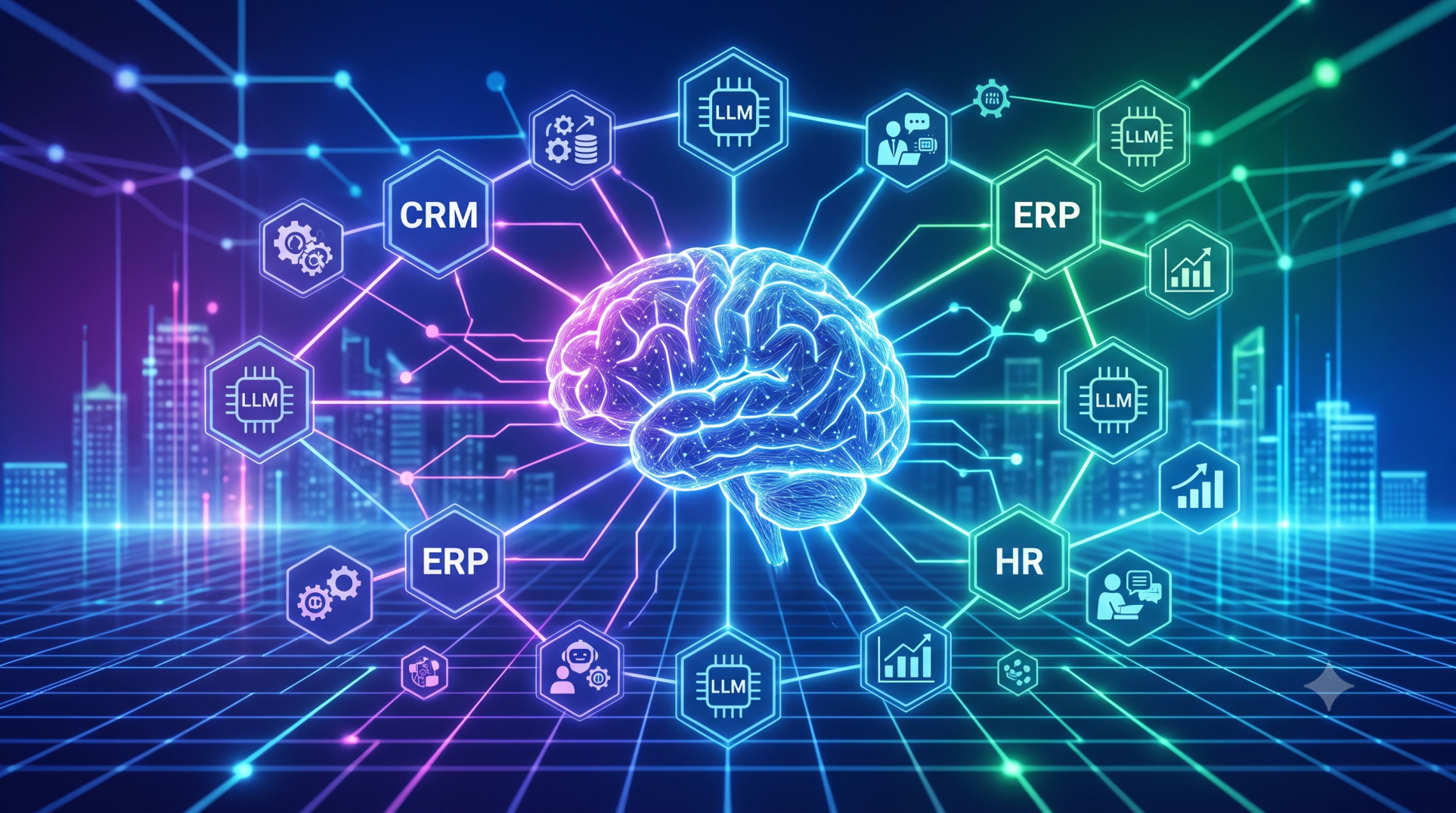
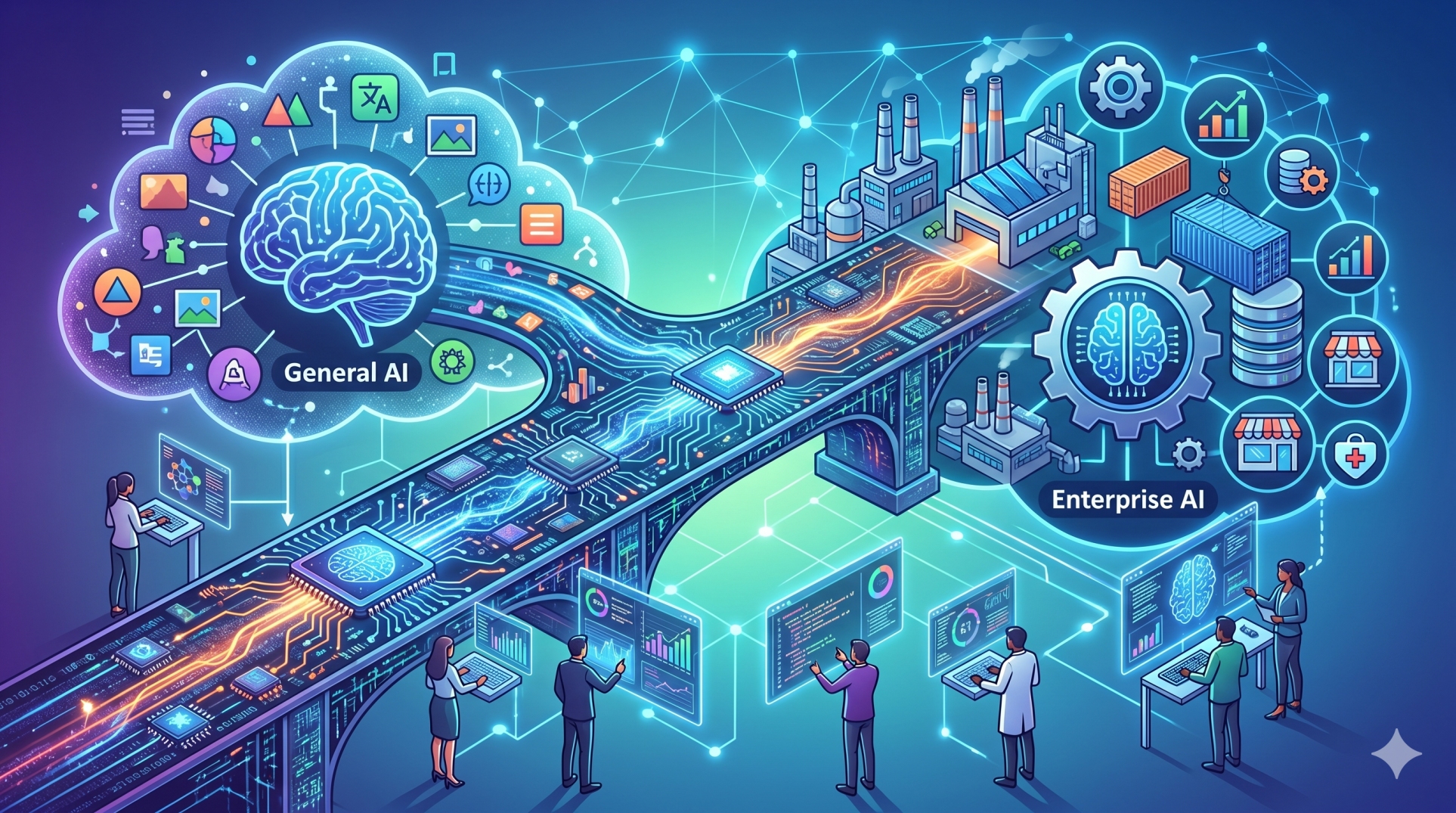
Step 5: Connecting Knowledge Across Business Systems 🌐
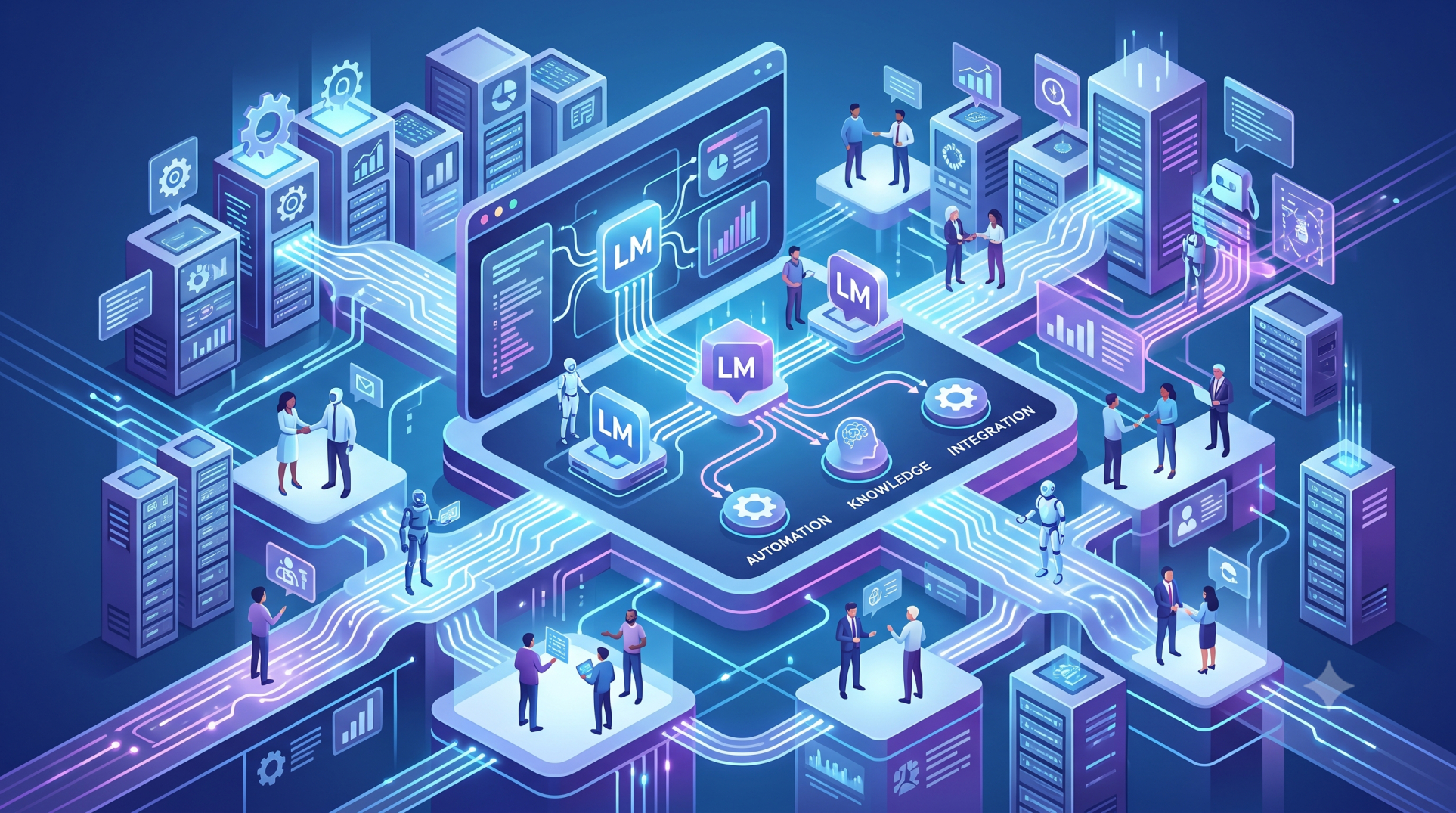
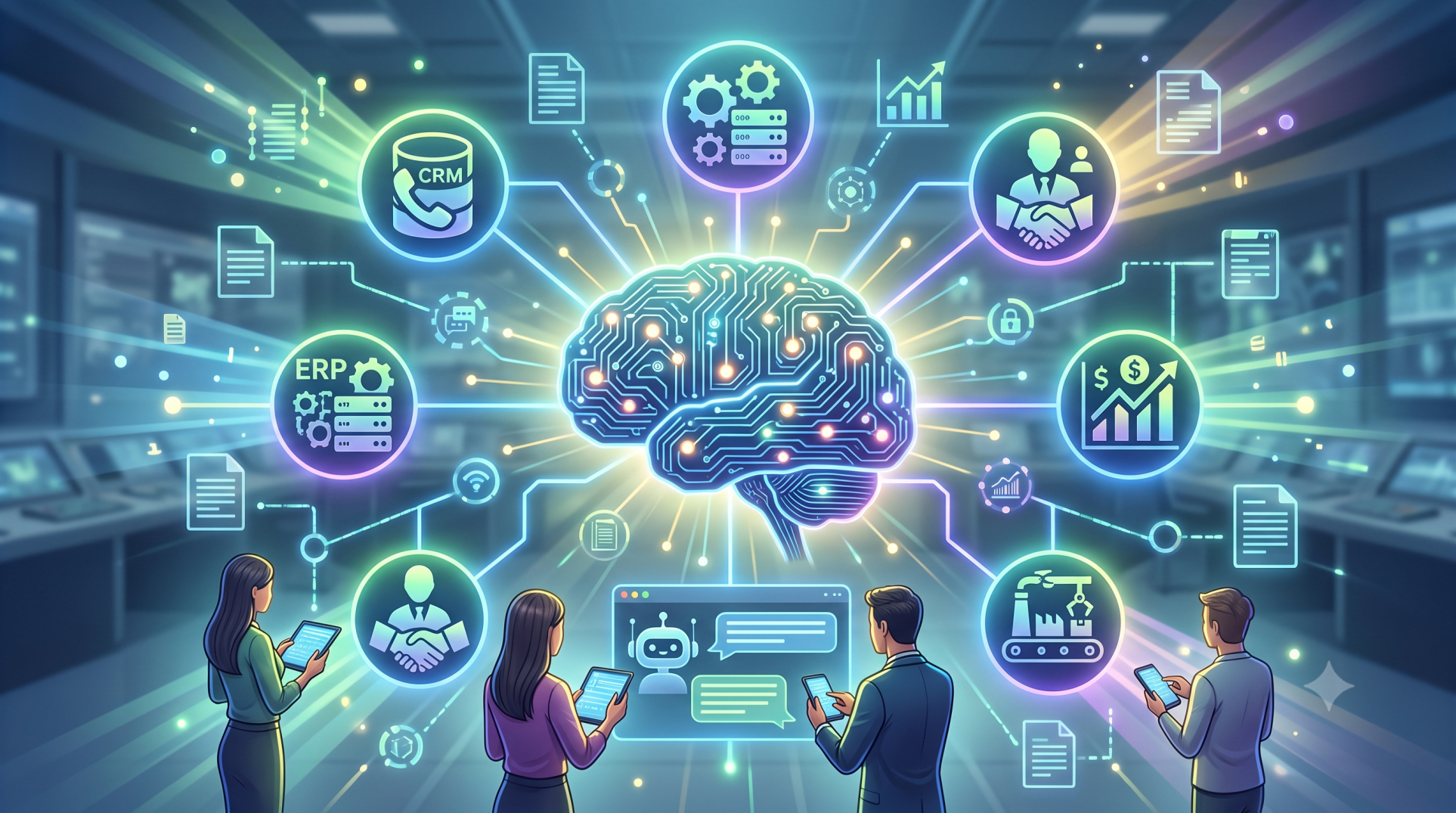
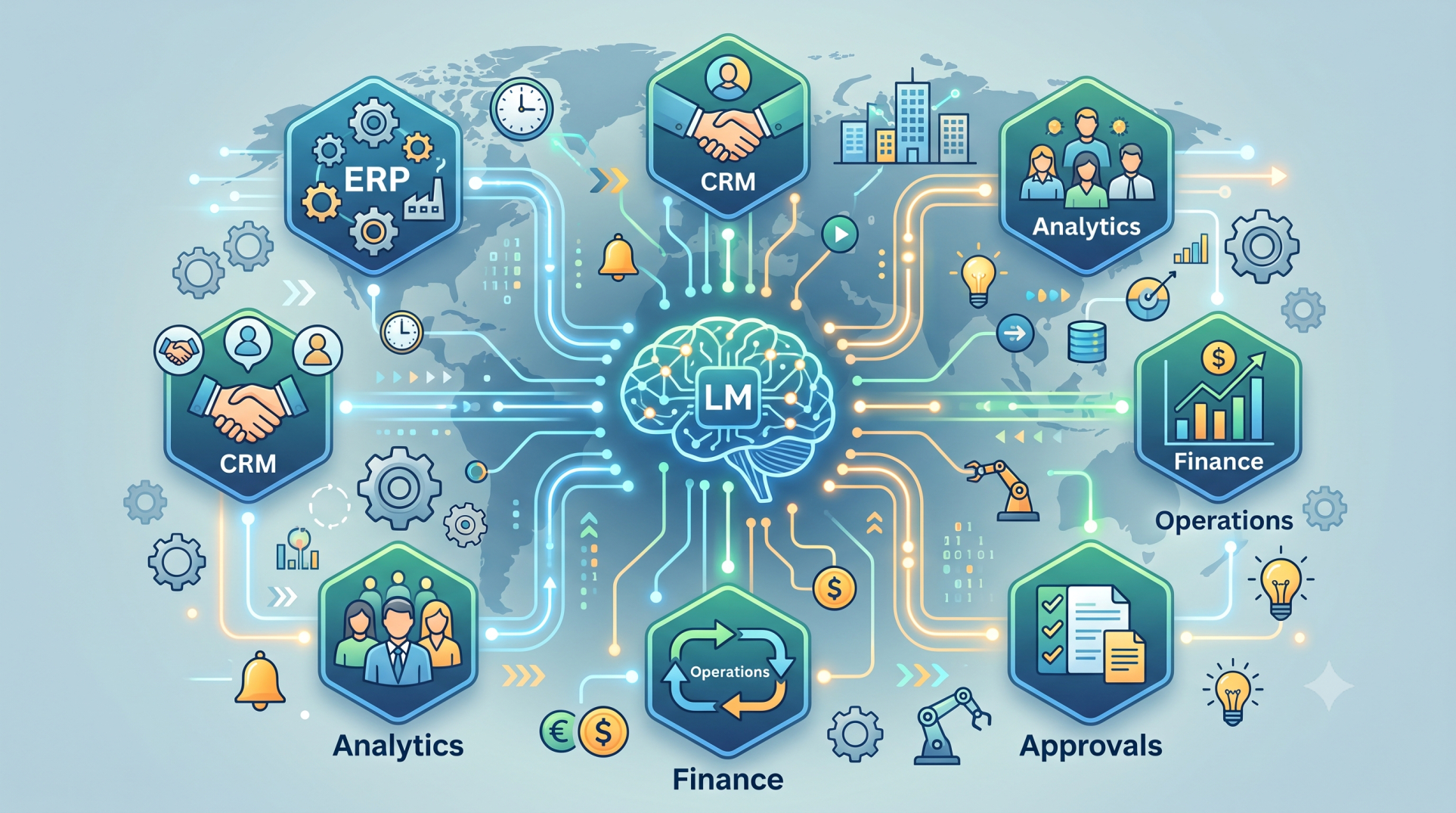
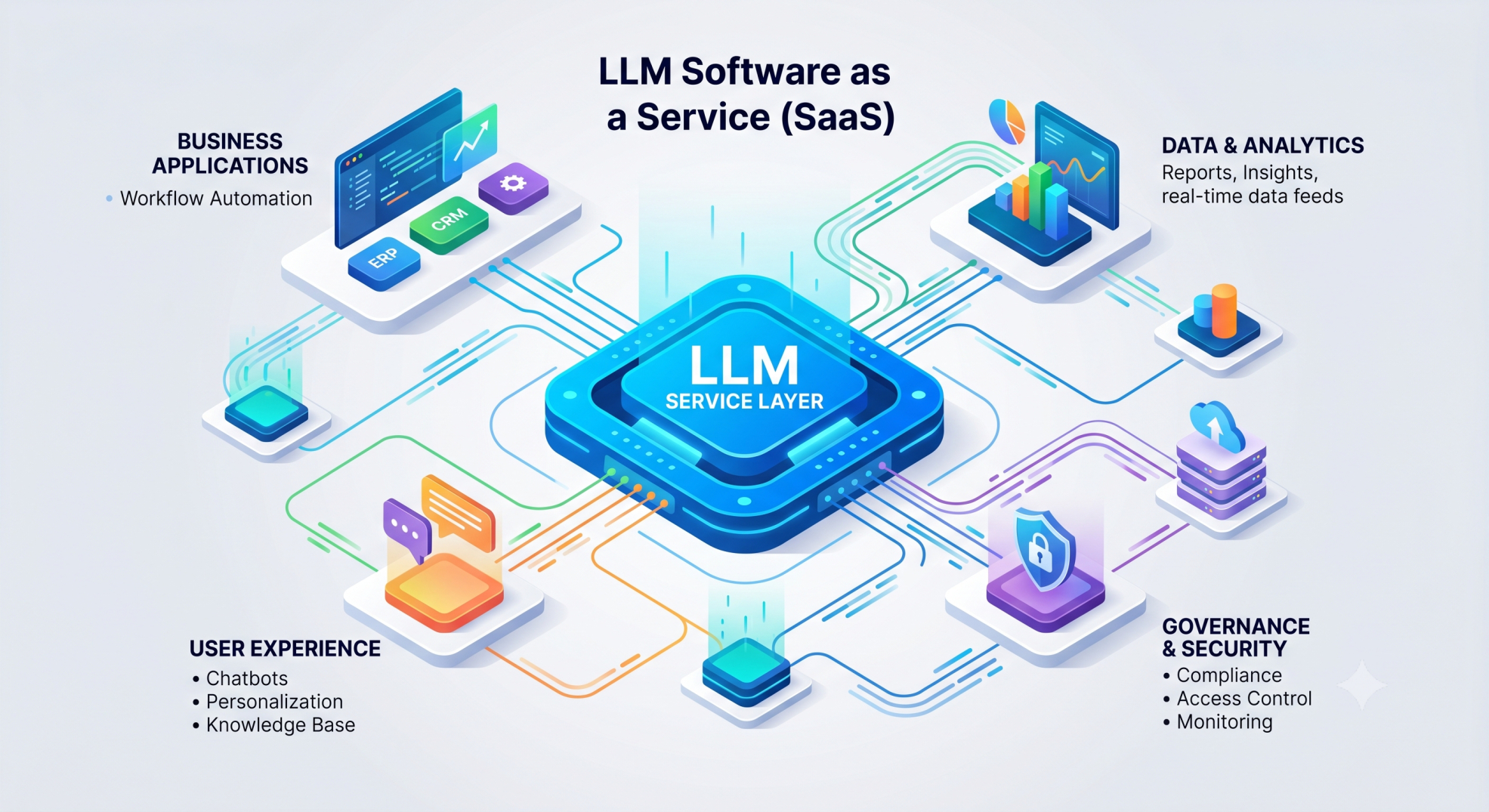
• Integrate information from ERP, CRM, document, and collaboration platforms 🔗
• Connect structured records with unstructured business content 🗃️
• Create relationships between customers, projects, products, and processes 🧩
• Reduce the need to manually search multiple applications 🔍
• Provide a more unified view of organizational information 👀
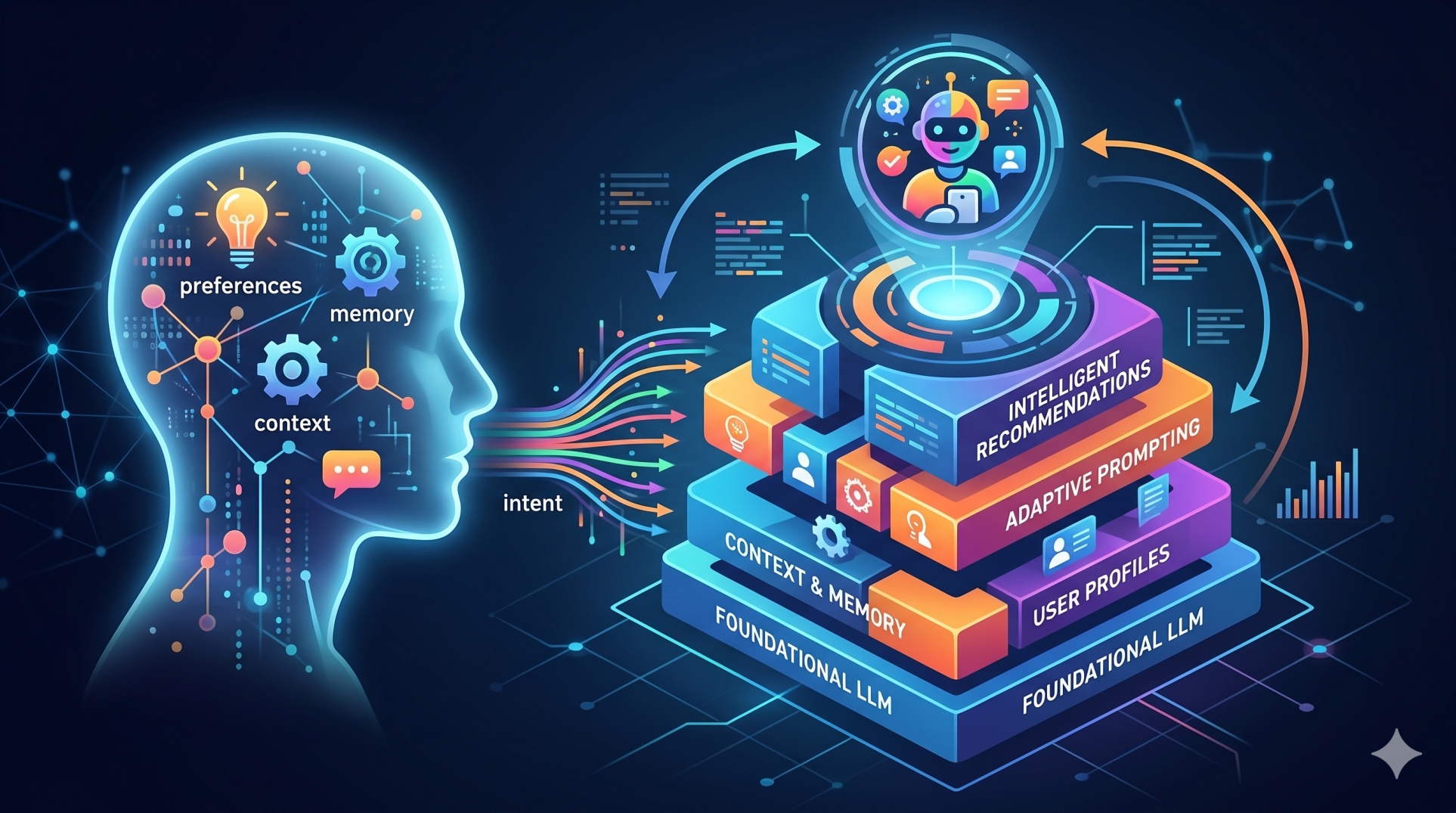
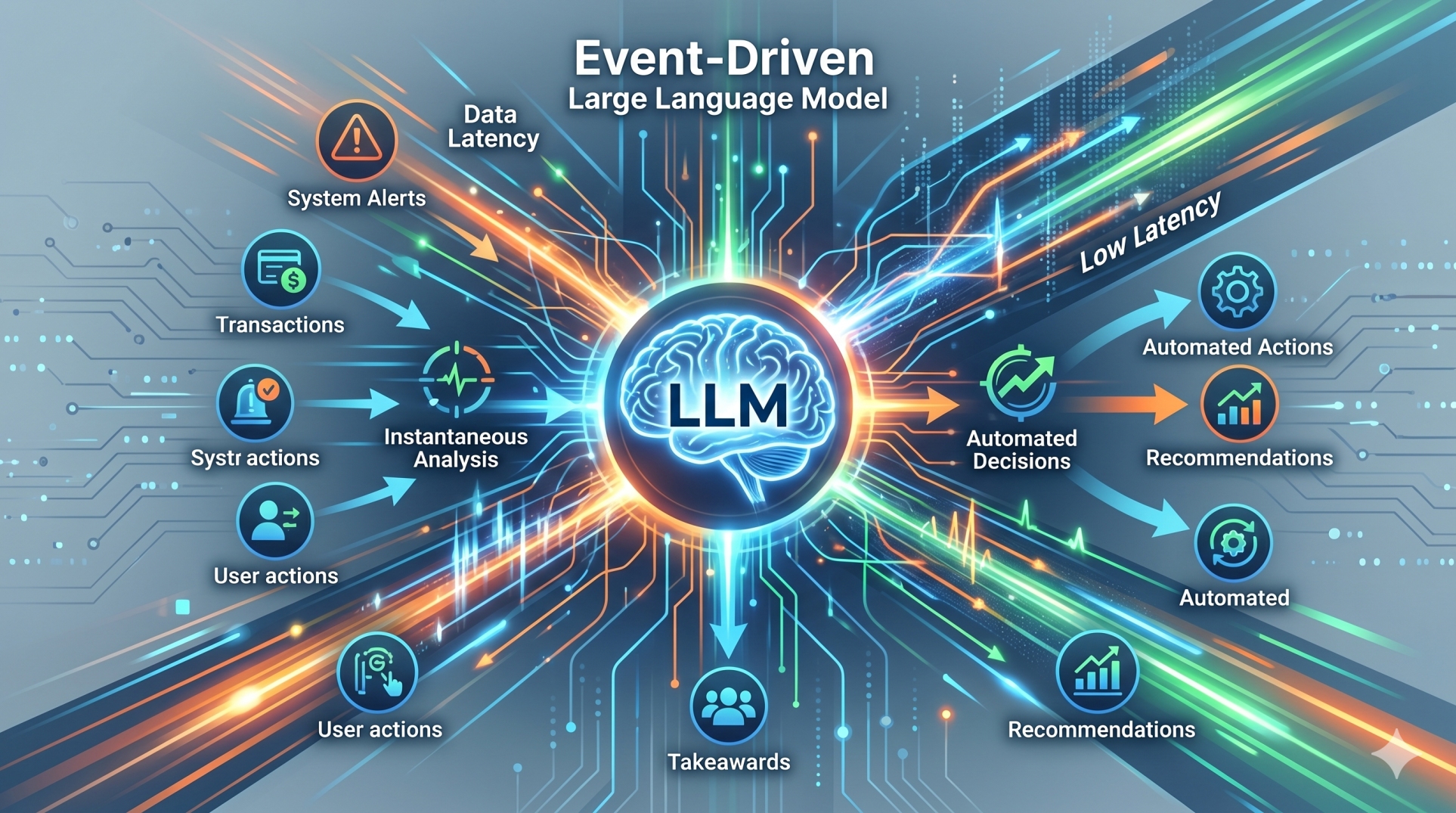
Step 6: Maintaining Context Across Interactions 🔄
• Preserve relevant conversation and workflow context where appropriate 💬
• Allow AI assistants to reference authorized historical information 🕒
• Support continuity across longer business processes 📈
• Reduce repetitive information gathering during recurring tasks ⏱️
• Apply clear retention policies to stored organizational memory 🛡️
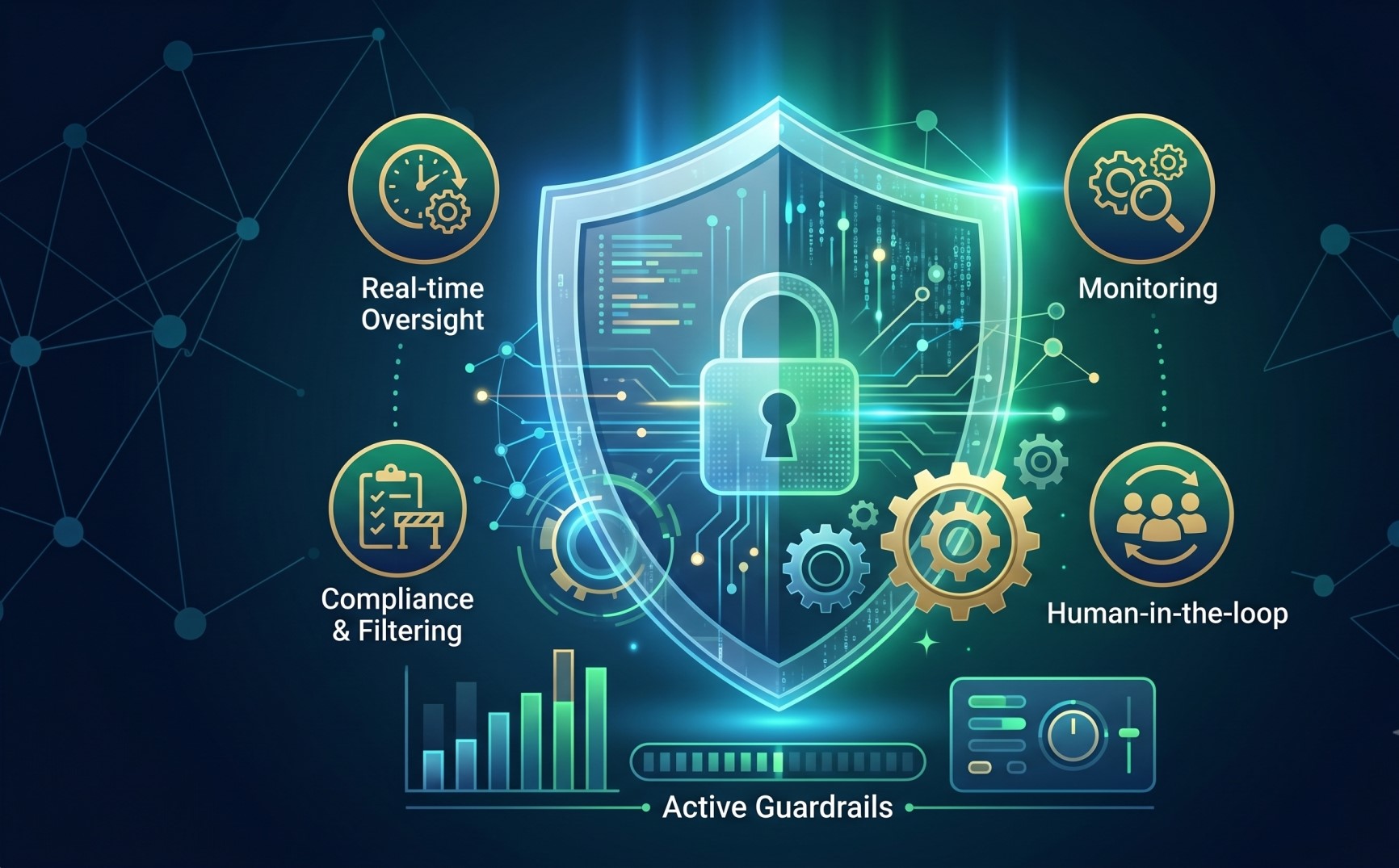
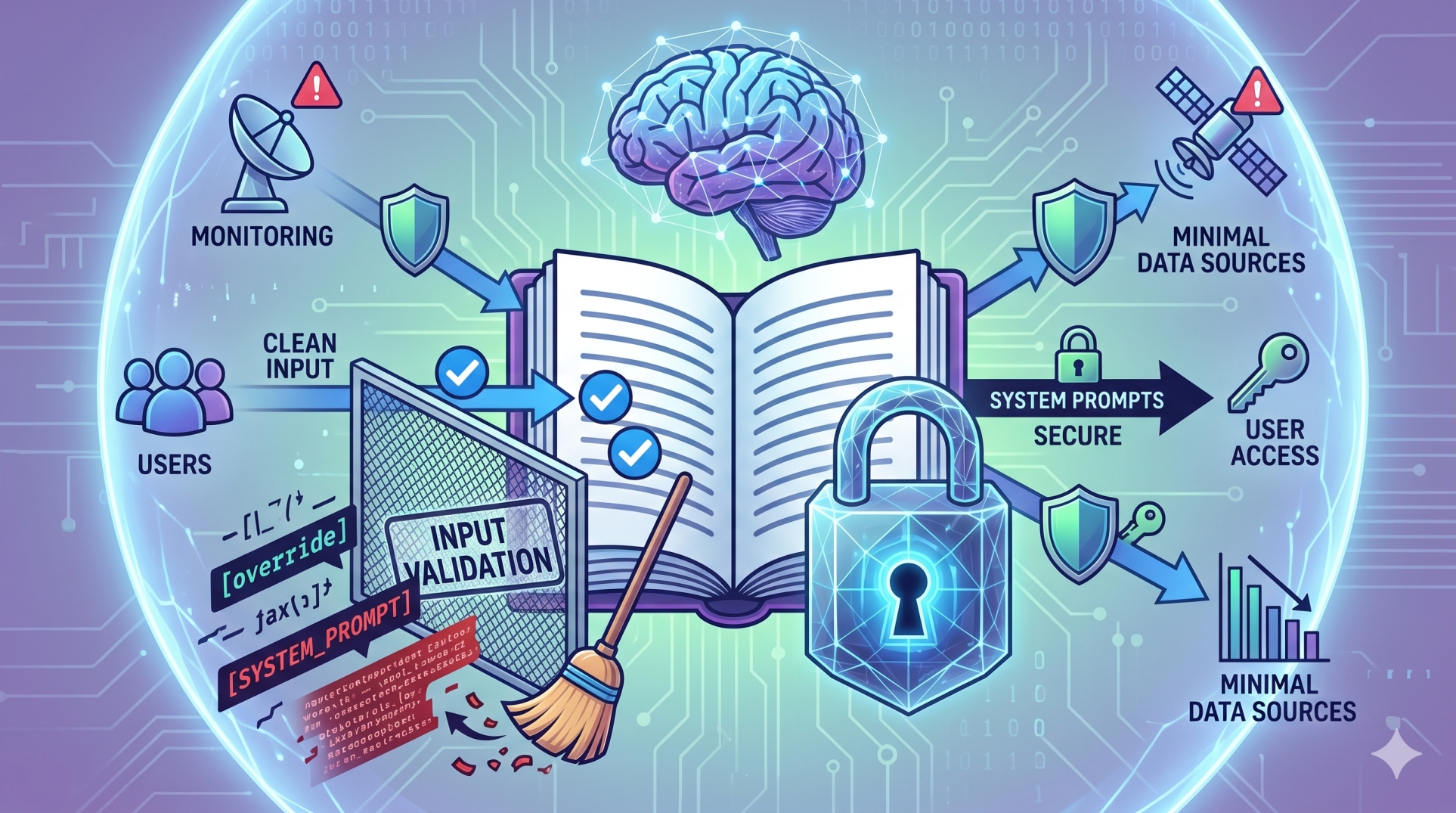
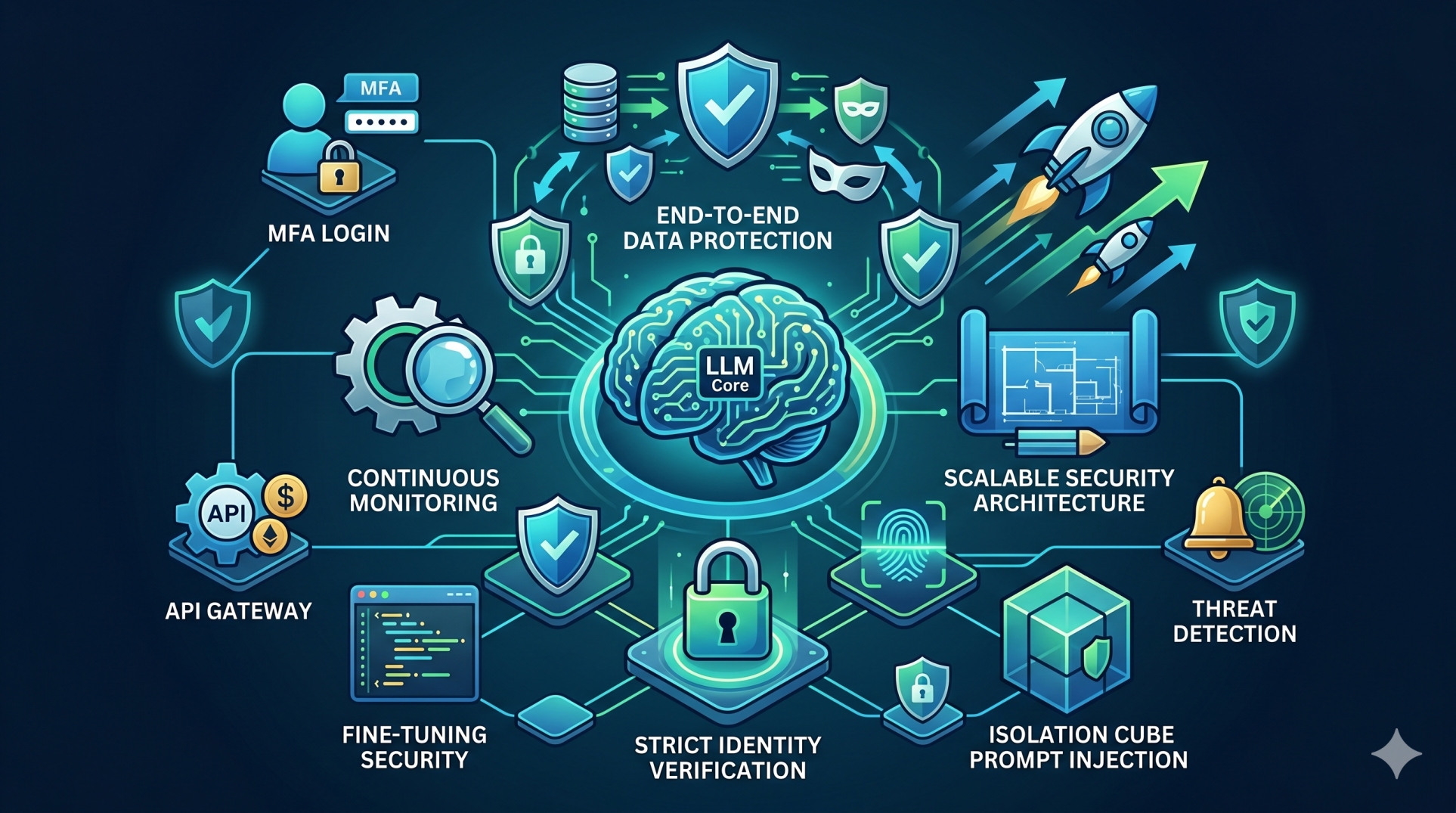
Step 7: Protecting Enterprise Knowledge 🔐
• Apply role-based permissions to sensitive information 👥
• Respect existing access controls when retrieving enterprise content 🛡️
• Encrypt stored and transmitted business data 🔒
• Maintain traceability for important knowledge interactions 🧾
• Establish governance policies for responsible AI knowledge usage ⚖️
Step 8: Improving Knowledge Quality and Reliability ✅
• Identify outdated or duplicated information 🗂️
• Track source metadata and document versions 📋
• Prioritize authoritative business sources ⭐
• Introduce review processes for critical organizational knowledge 👀
• Continuously refine retrieval quality as information changes 🔄
Step 9: Supporting Employees with AI-Powered Knowledge Assistance 🤖
• Provide natural-language access to internal information 💬
• Help employees locate procedures, policies, and historical context 📖
• Accelerate onboarding by making institutional knowledge easier to discover 🎓
• Assist teams with research and information synthesis 🔍
• Reduce time spent searching through disconnected repositories ⏳
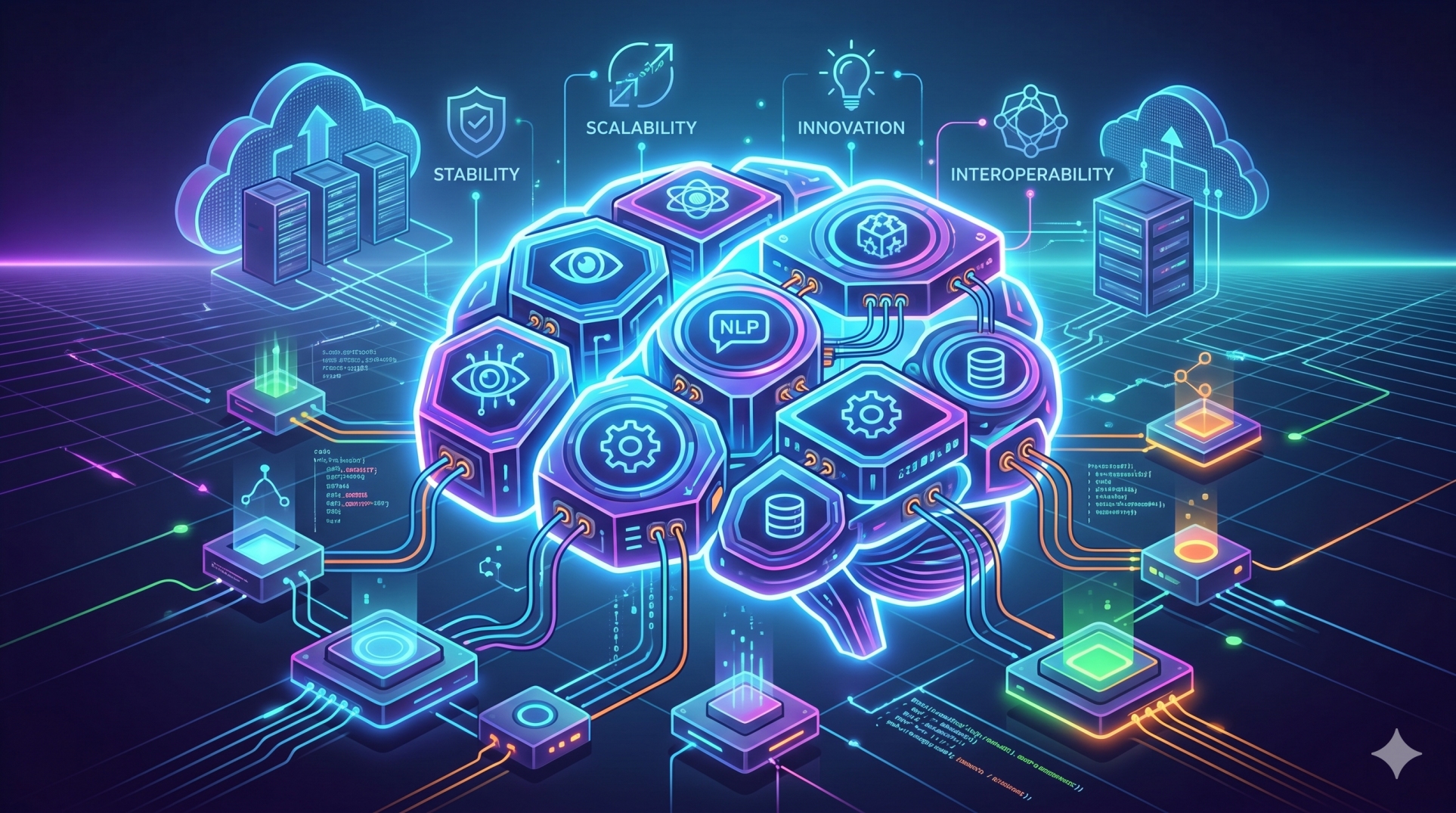
Step 10: Building a Scalable Organizational Intelligence Layer 🚀
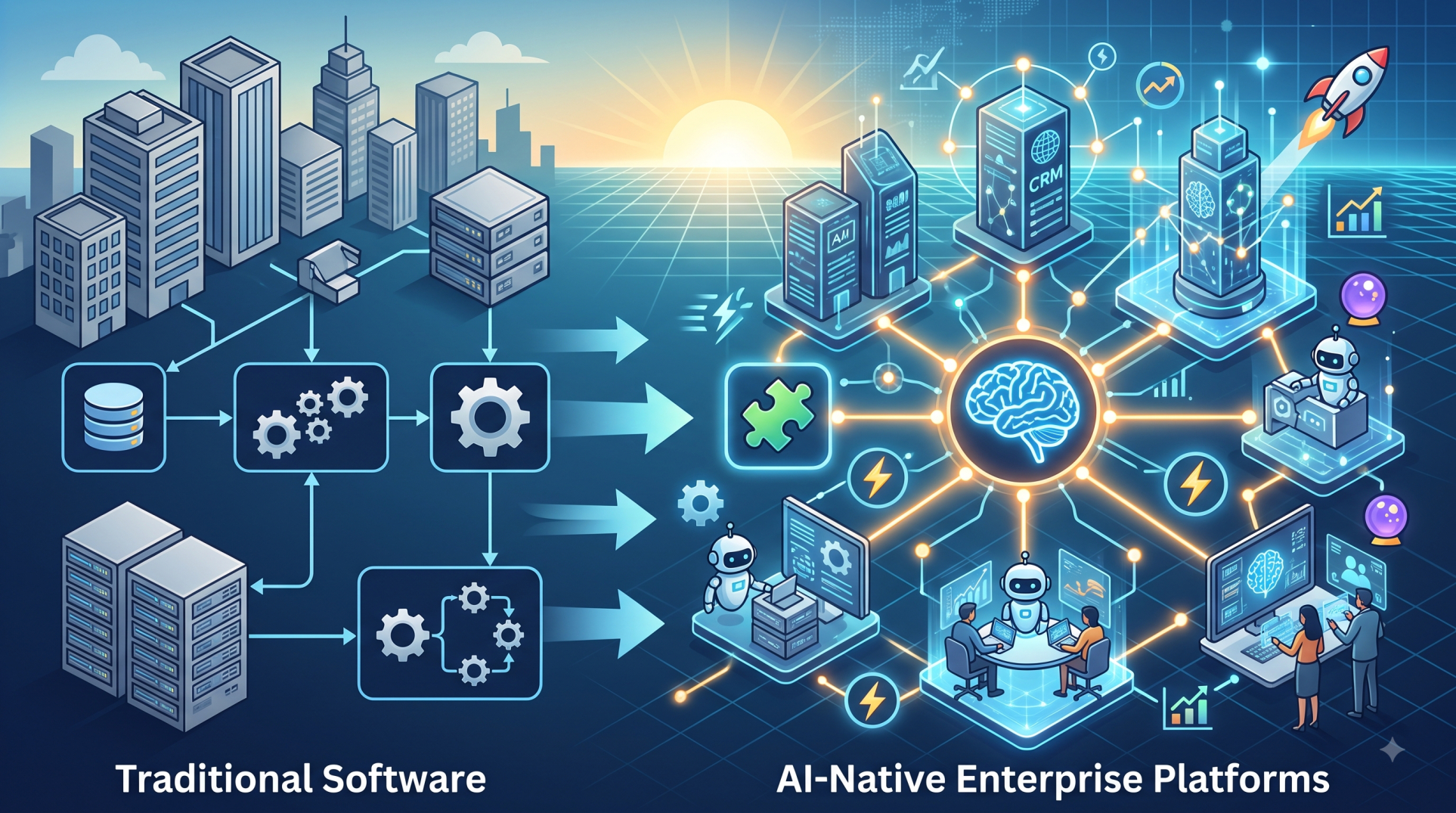
• Design modular architectures that support new knowledge sources 🏗️
• Expand memory capabilities as organizational information grows 📈
• Integrate emerging AI models and retrieval technologies 🧠
• Support evolving workflows without rebuilding the entire knowledge system 🔧
• Create a long-term foundation for enterprise knowledge intelligence 🌟
Conclusion
Organizational Memory Systems powered by LLM software can help businesses preserve valuable knowledge and make it easier to access across teams, applications, and workflows. By combining semantic retrieval, contextual AI, enterprise integrations, and appropriate governance, organizations can turn fragmented information into a more connected and useful knowledge environment.
As these systems mature, organizational memory can become an important intelligence layer—helping employees find relevant information faster, retain institutional knowledge, and make decisions with greater context while keeping enterprise data appropriately controlled.
See more blogs
You can all the articles below