Keeping LLM Applications Updated with Real-Time Data Streams
Keeping LLM Applications Updated with Real-Time Data Streams
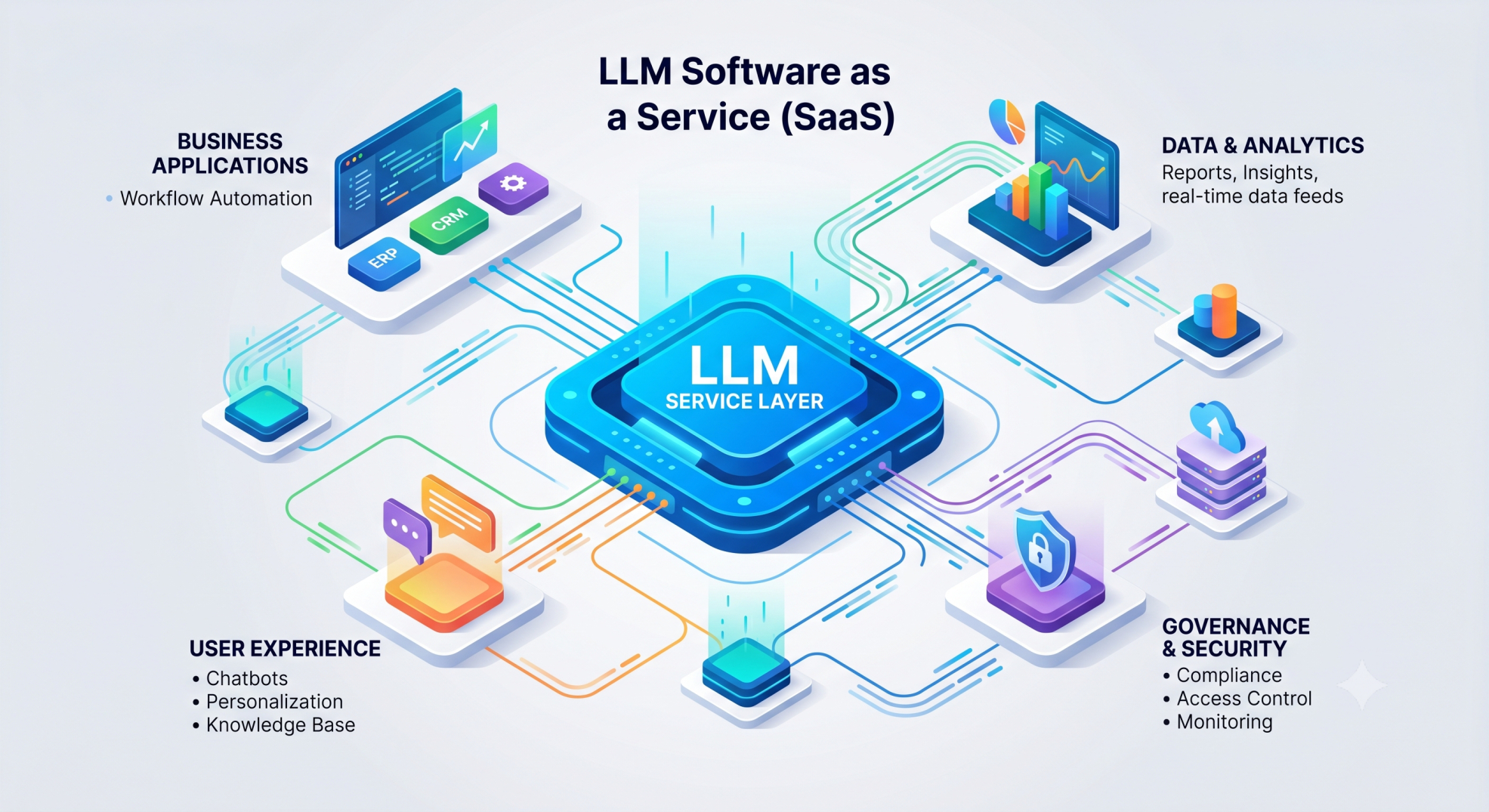
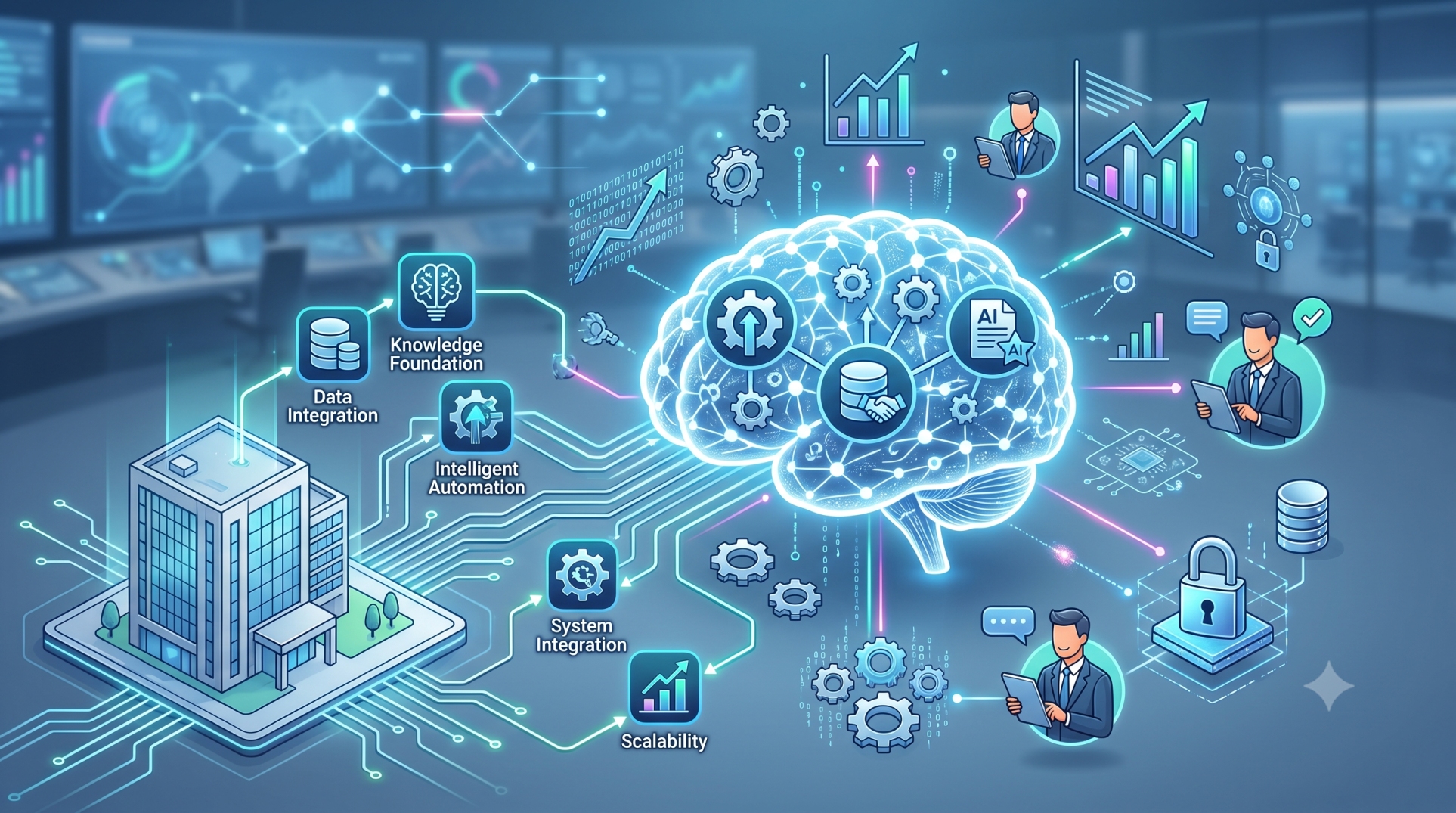
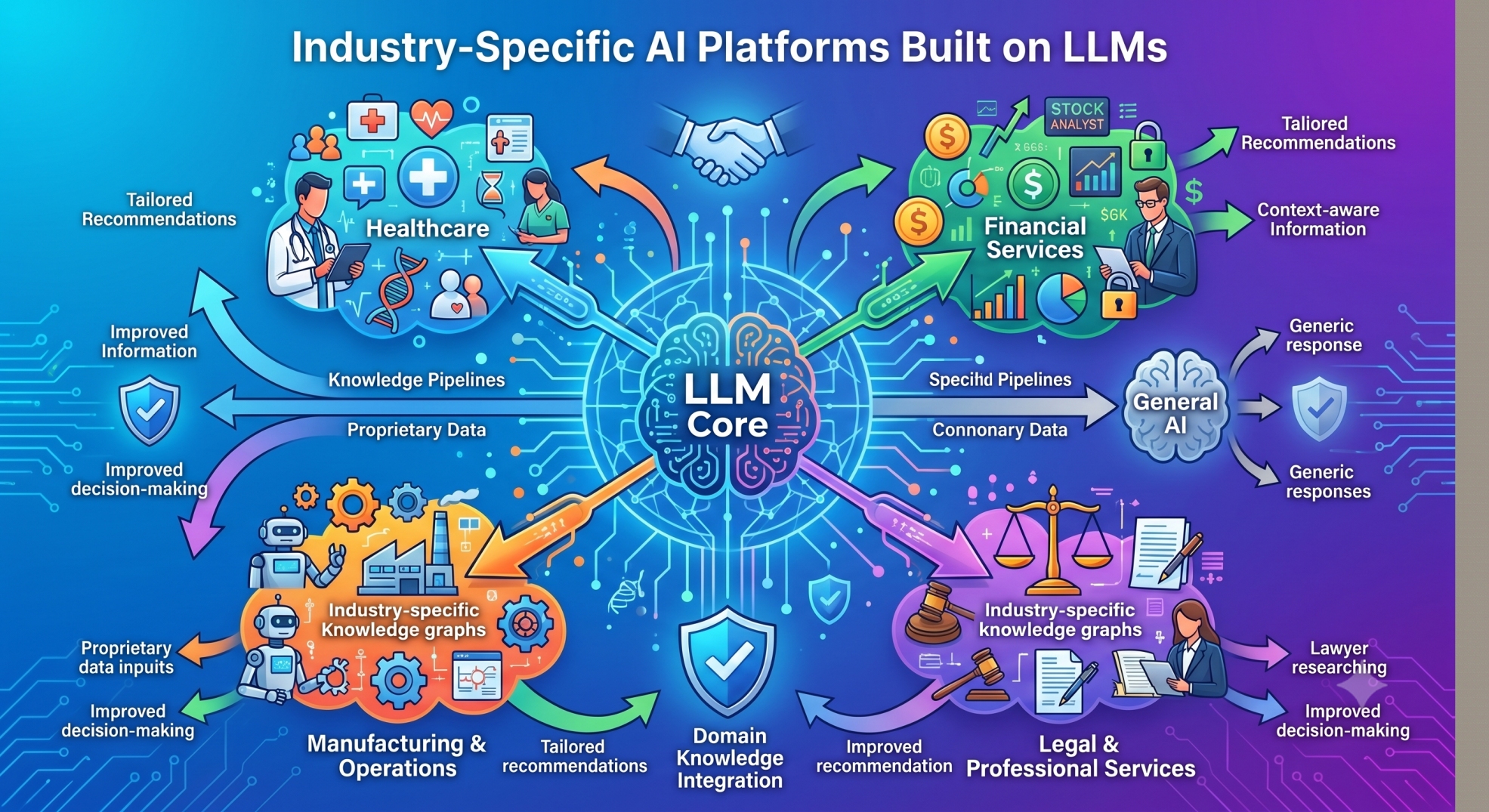
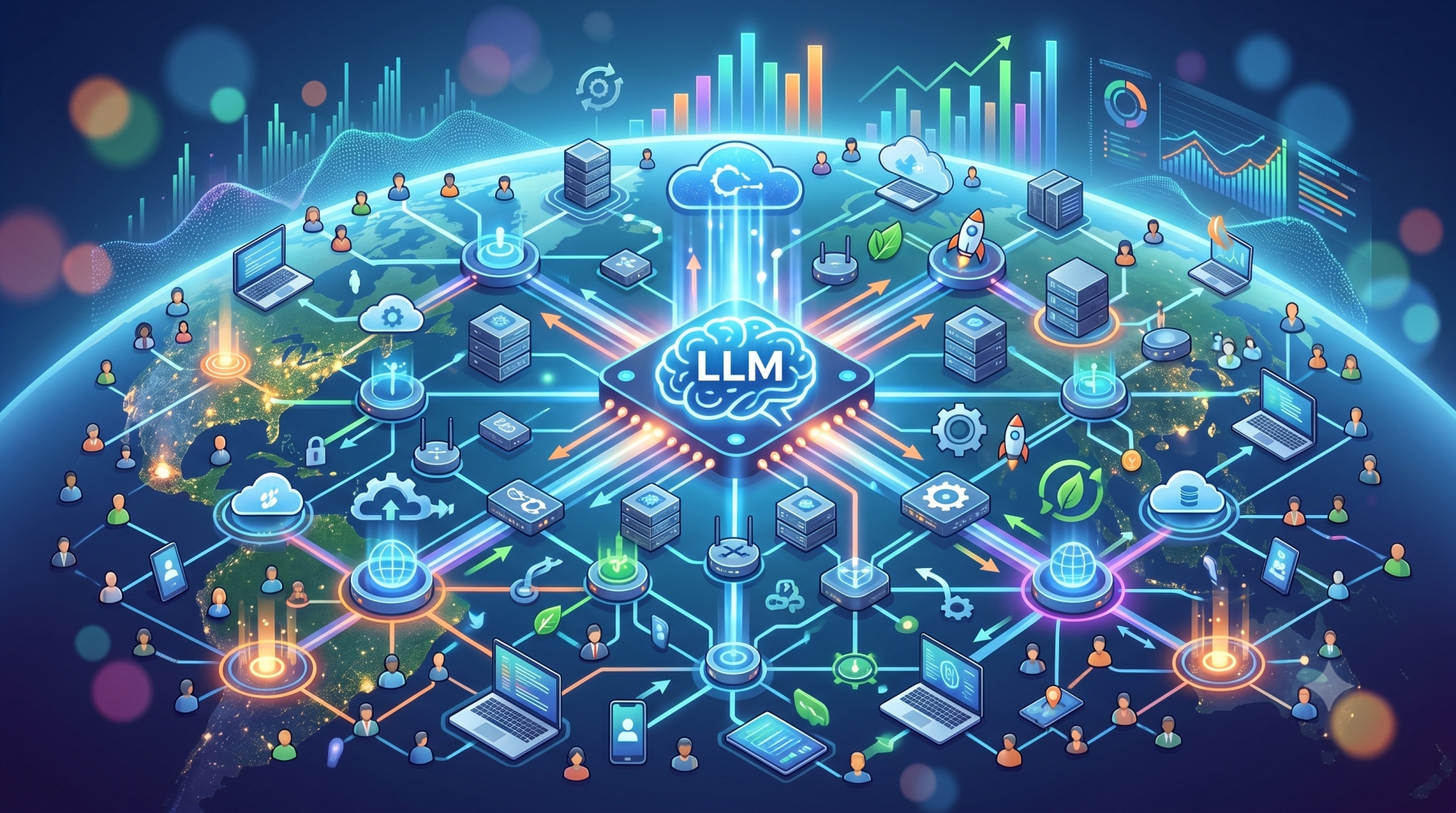
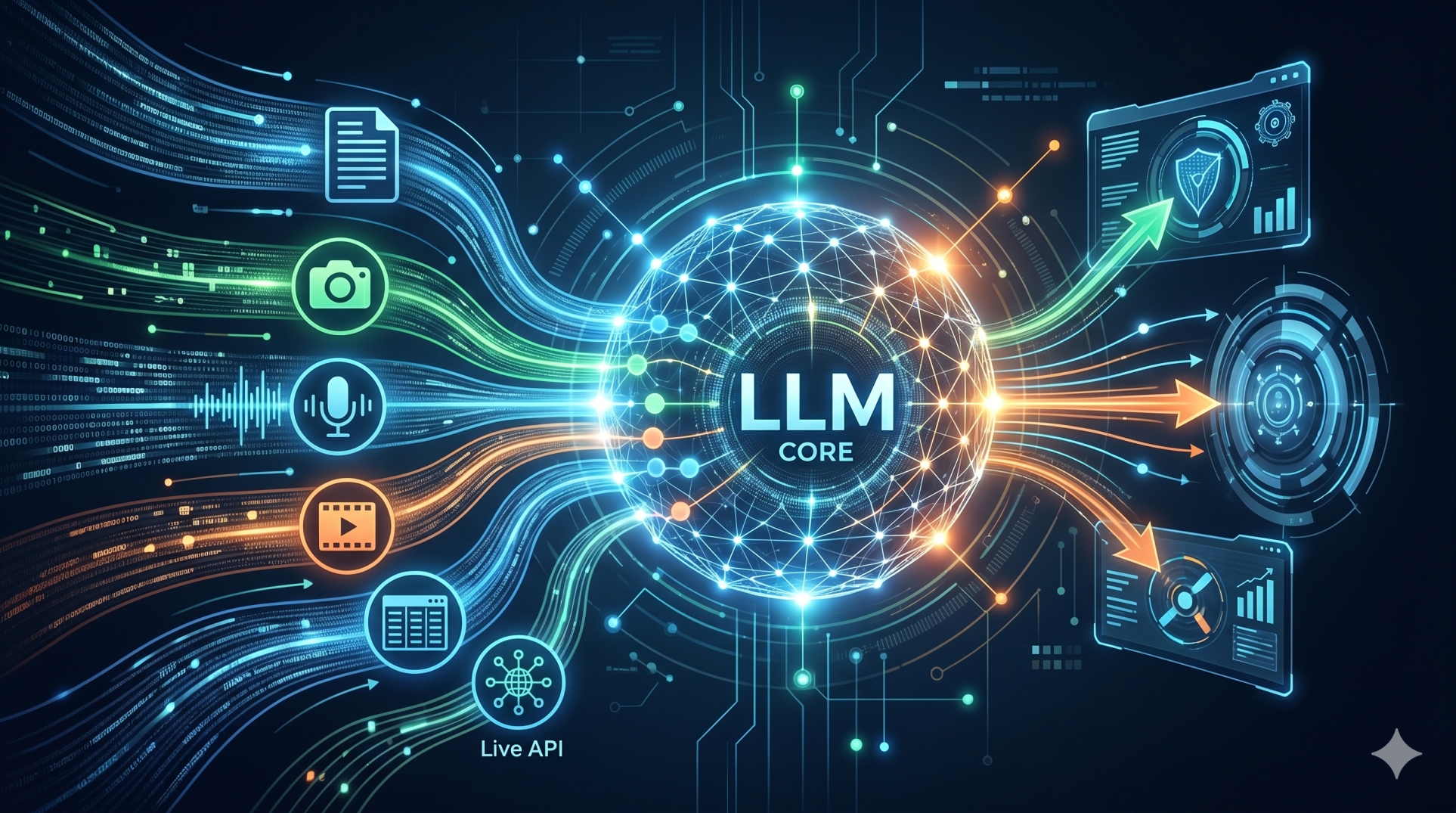
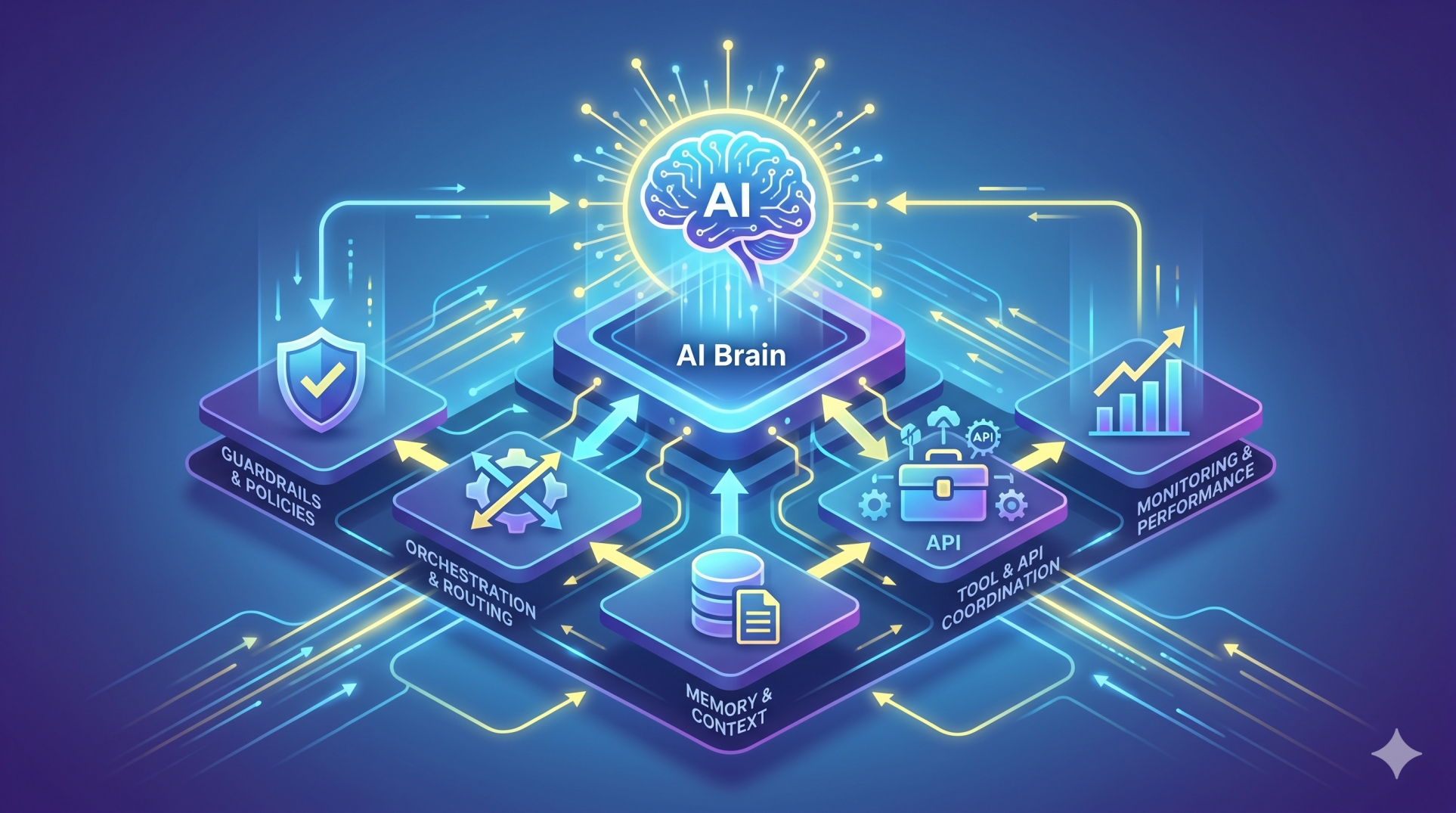
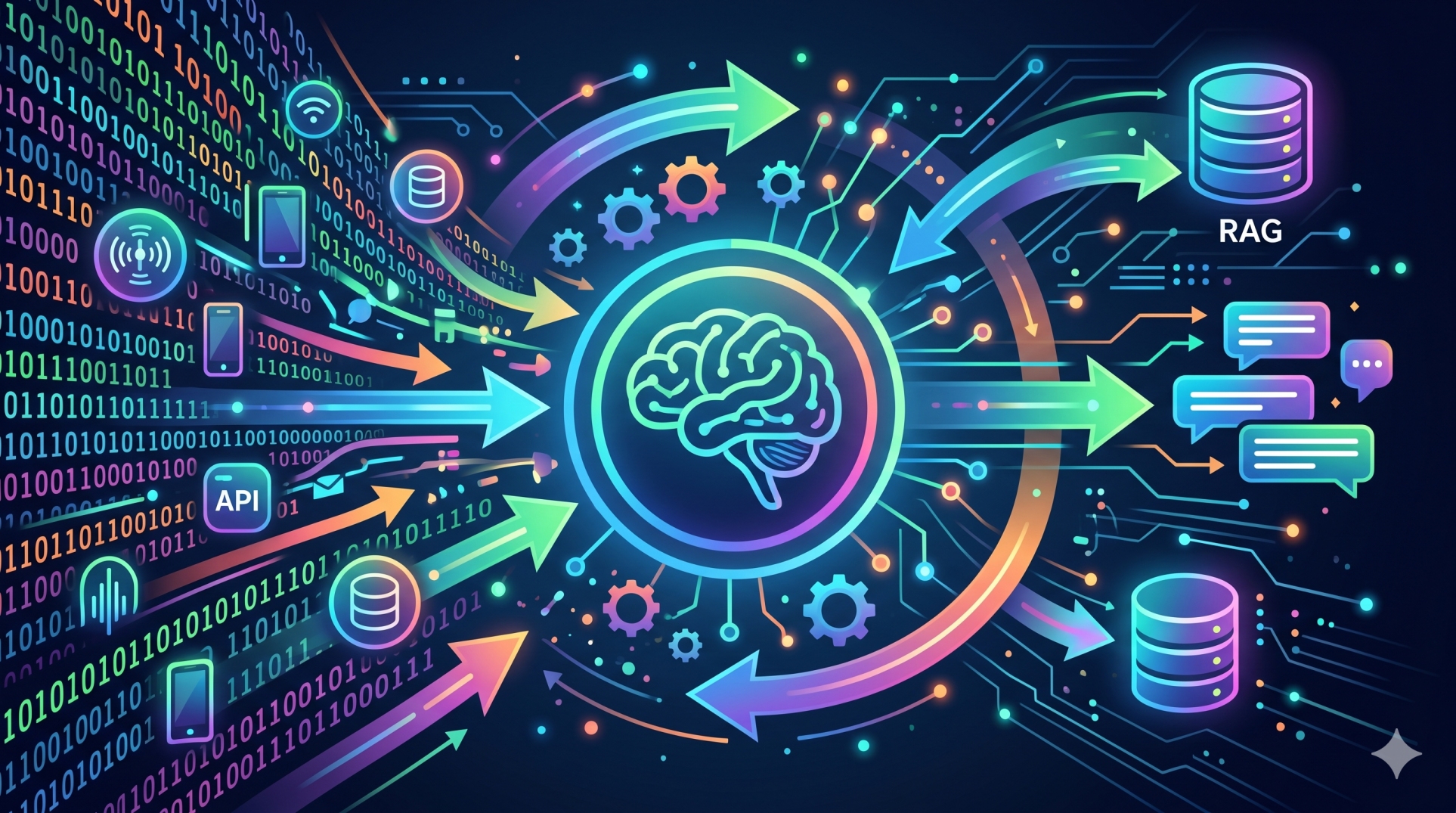
Large Language Model (LLM) applications are becoming increasingly powerful across enterprise operations, customer engagement, analytics, and automation. However, static knowledge alone is not enough for modern AI systems. To deliver accurate, context-aware, and timely responses, LLM applications must continuously integrate with real-time data streams. Connecting live operational data with AI systems enables organizations to improve responsiveness, decision-making, and overall intelligence across dynamic environments.
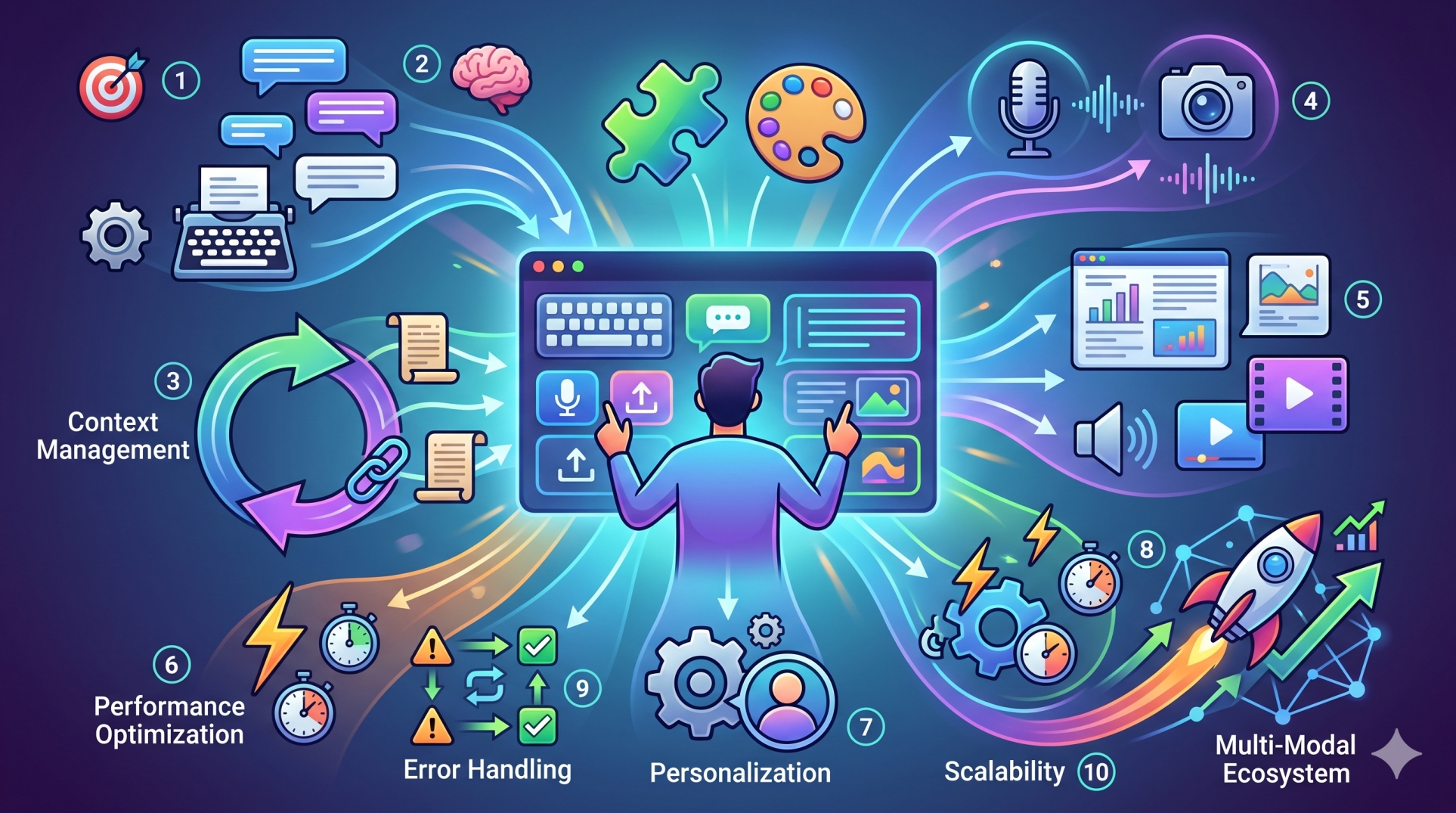
Step 1: Understanding the Importance of Real-Time Data 🔄
• Real-time data keeps LLM applications contextually accurate and relevant 📡
• Static training data alone cannot reflect continuously changing environments ⏱️
• Live updates improve responsiveness and operational awareness 🚀
• Dynamic information enhances decision-making and automation quality 🧠
• Real-time integration enables adaptive AI-driven workflows ⚙️
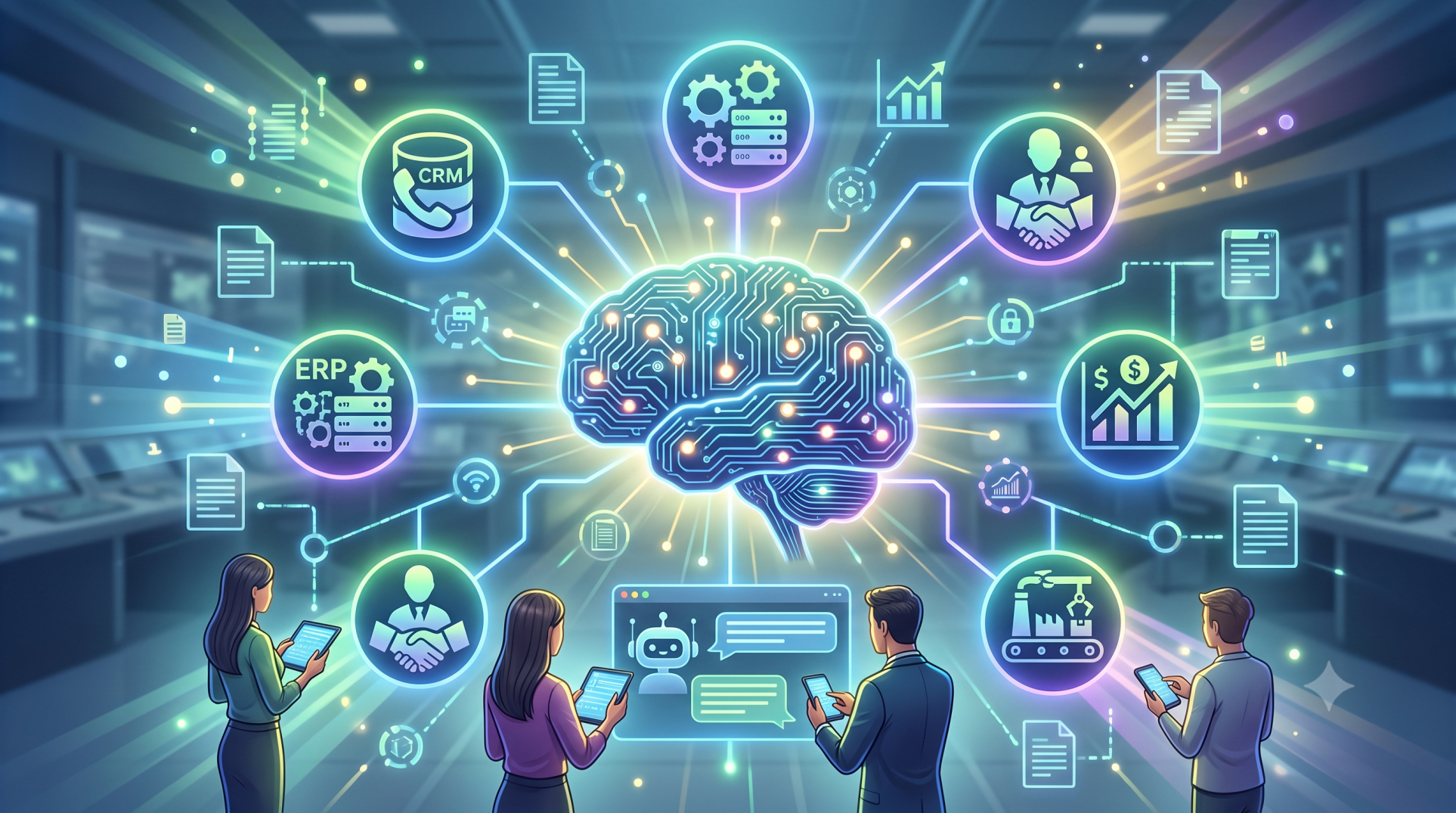
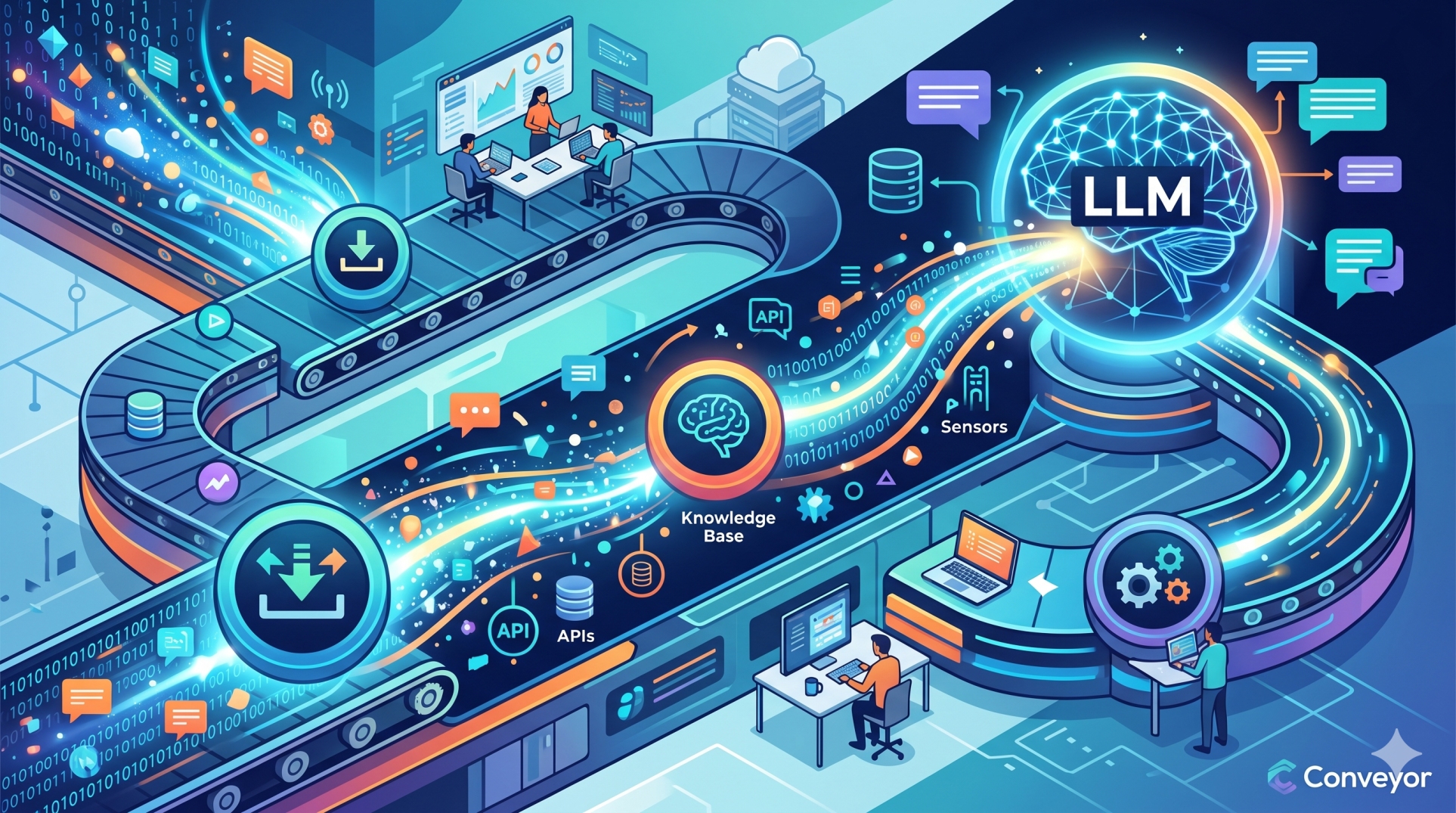
Step 2: Identifying Critical Data Sources 📊
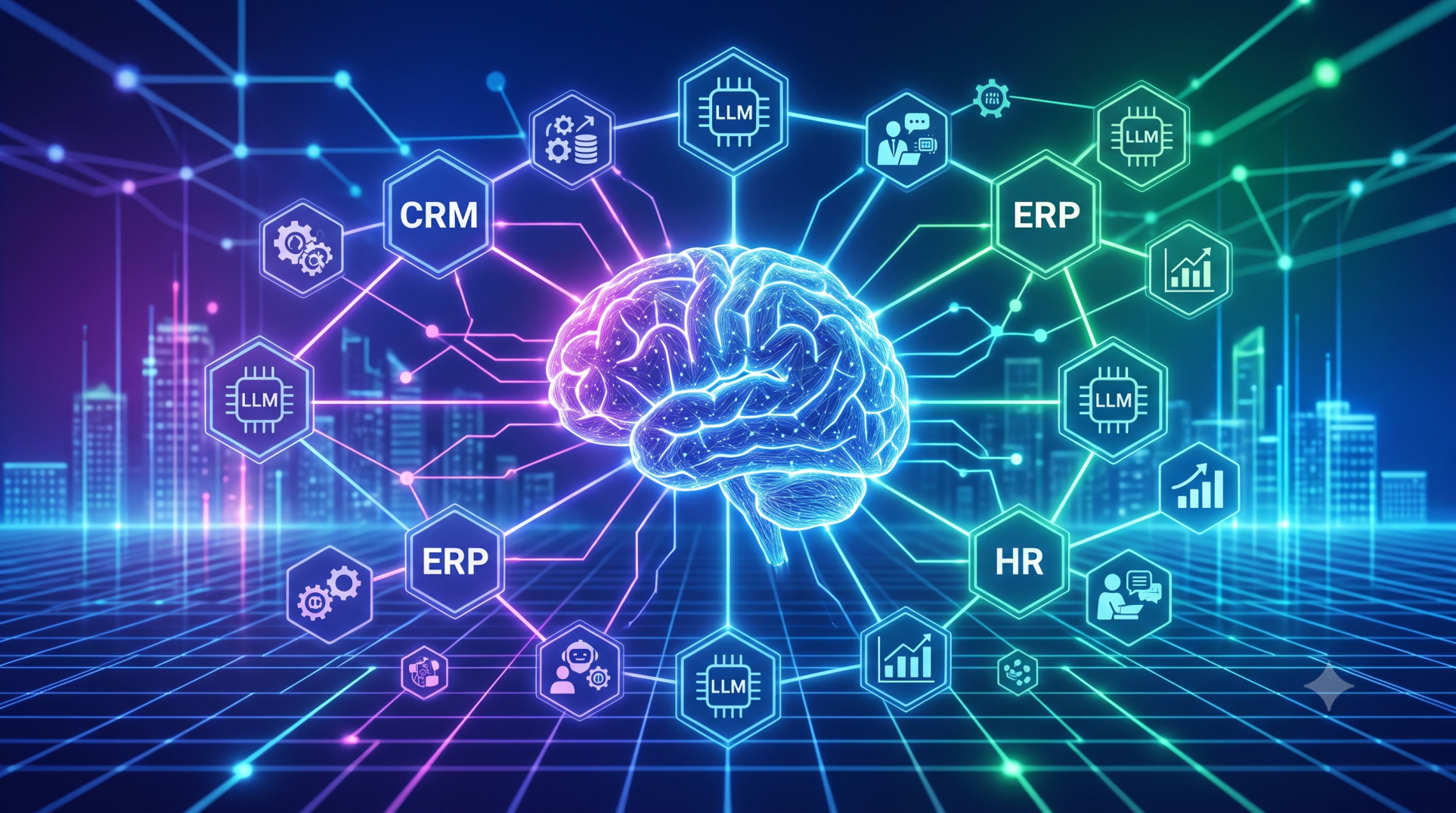
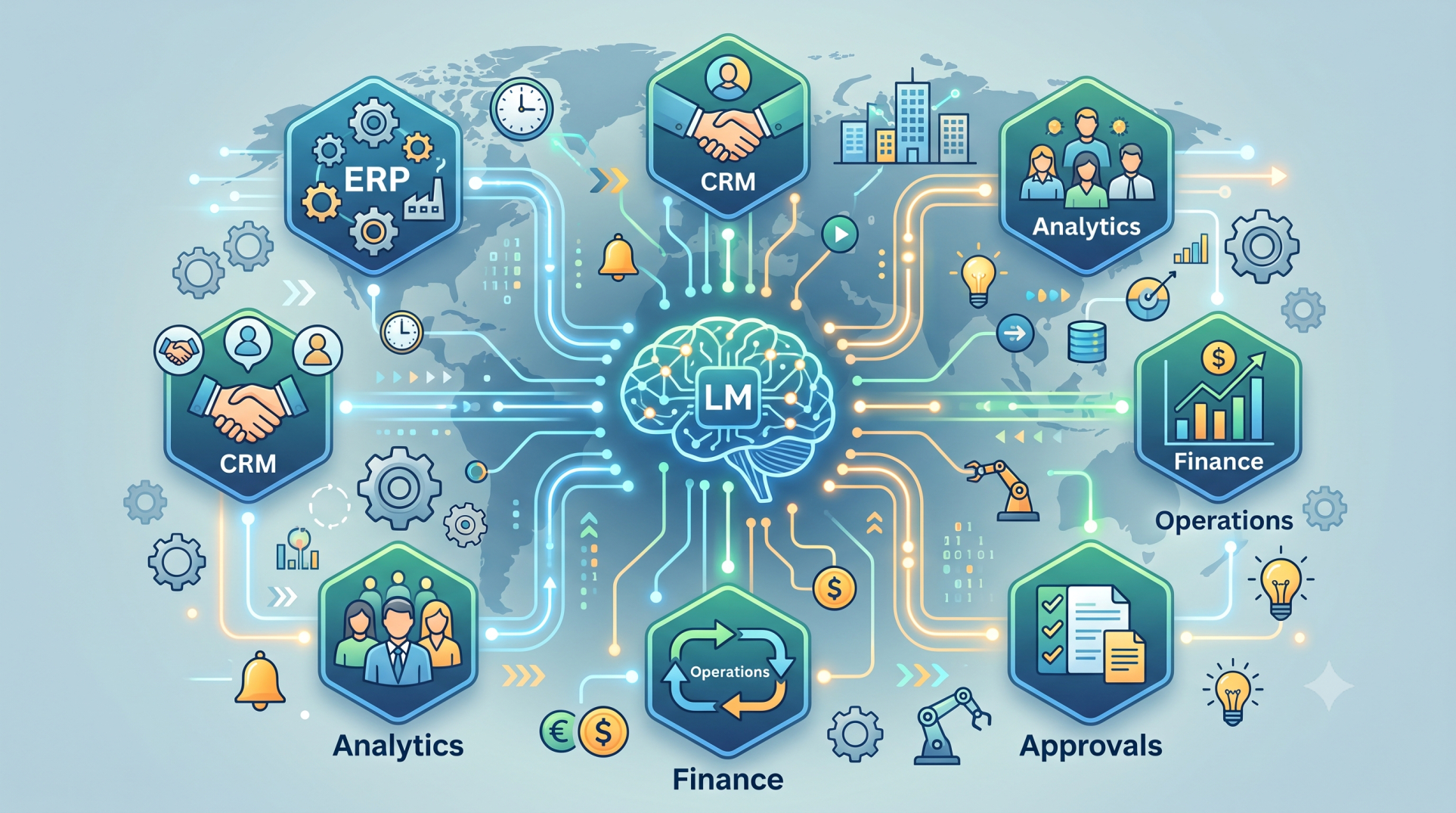
• Connect LLMs with operational databases and enterprise systems 🗄️
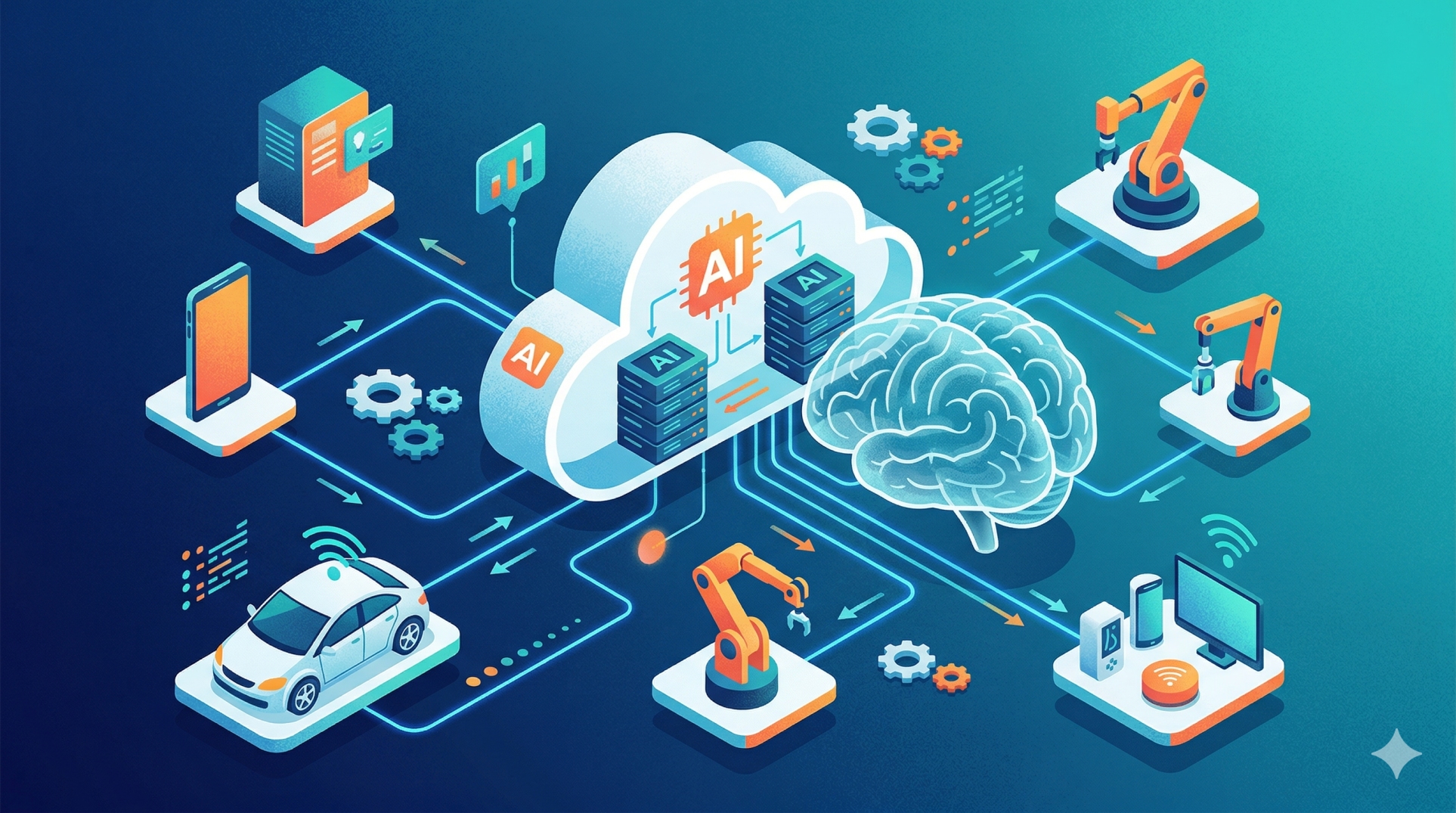
• Integrate IoT devices, sensors, and monitoring platforms 📶
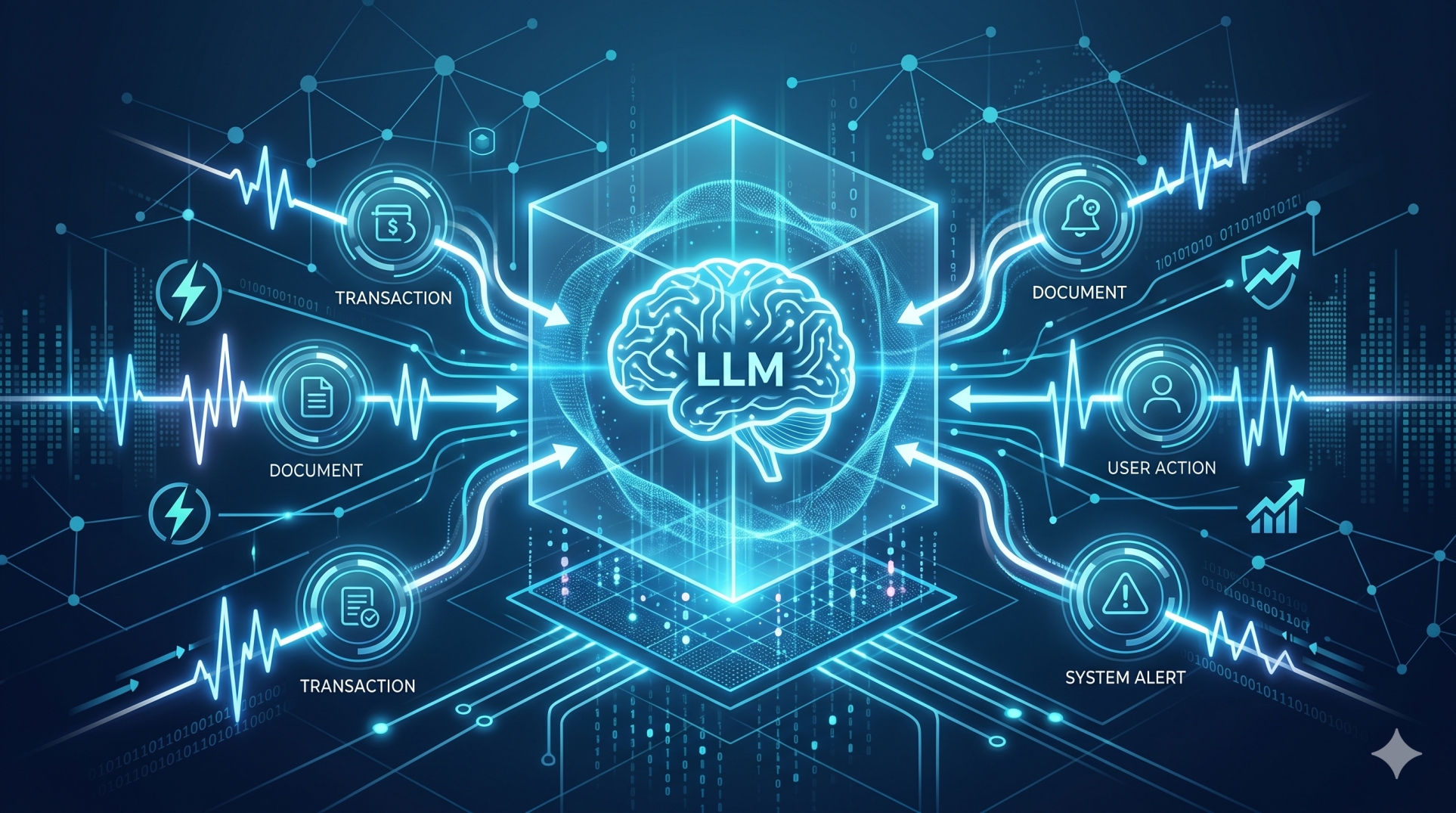
• Stream customer interactions and transactional data in real time 💬
• Access external APIs, market feeds, and live analytics 🌐
• Prioritize high-value data sources for AI-driven insights 🎯
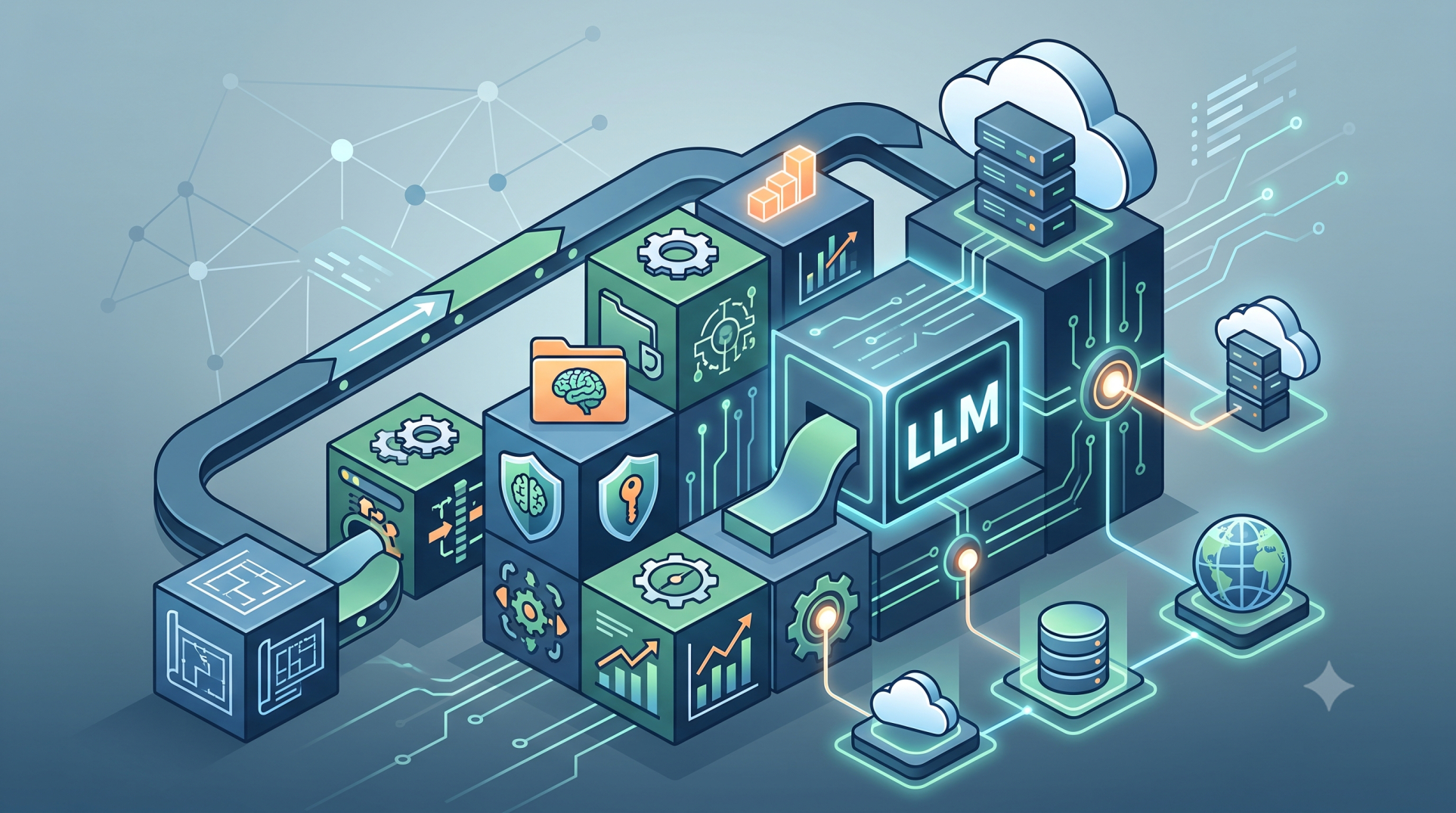
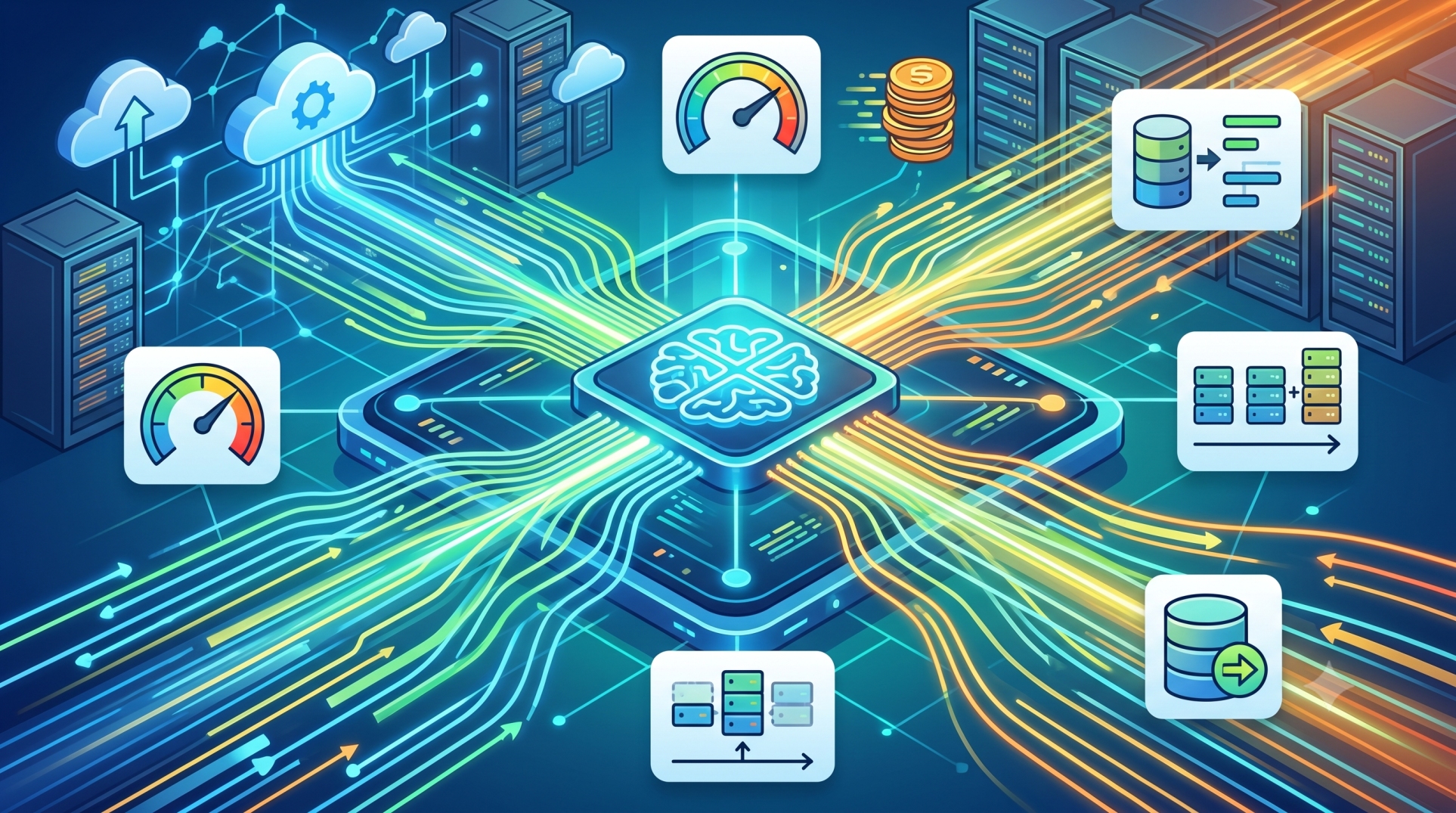
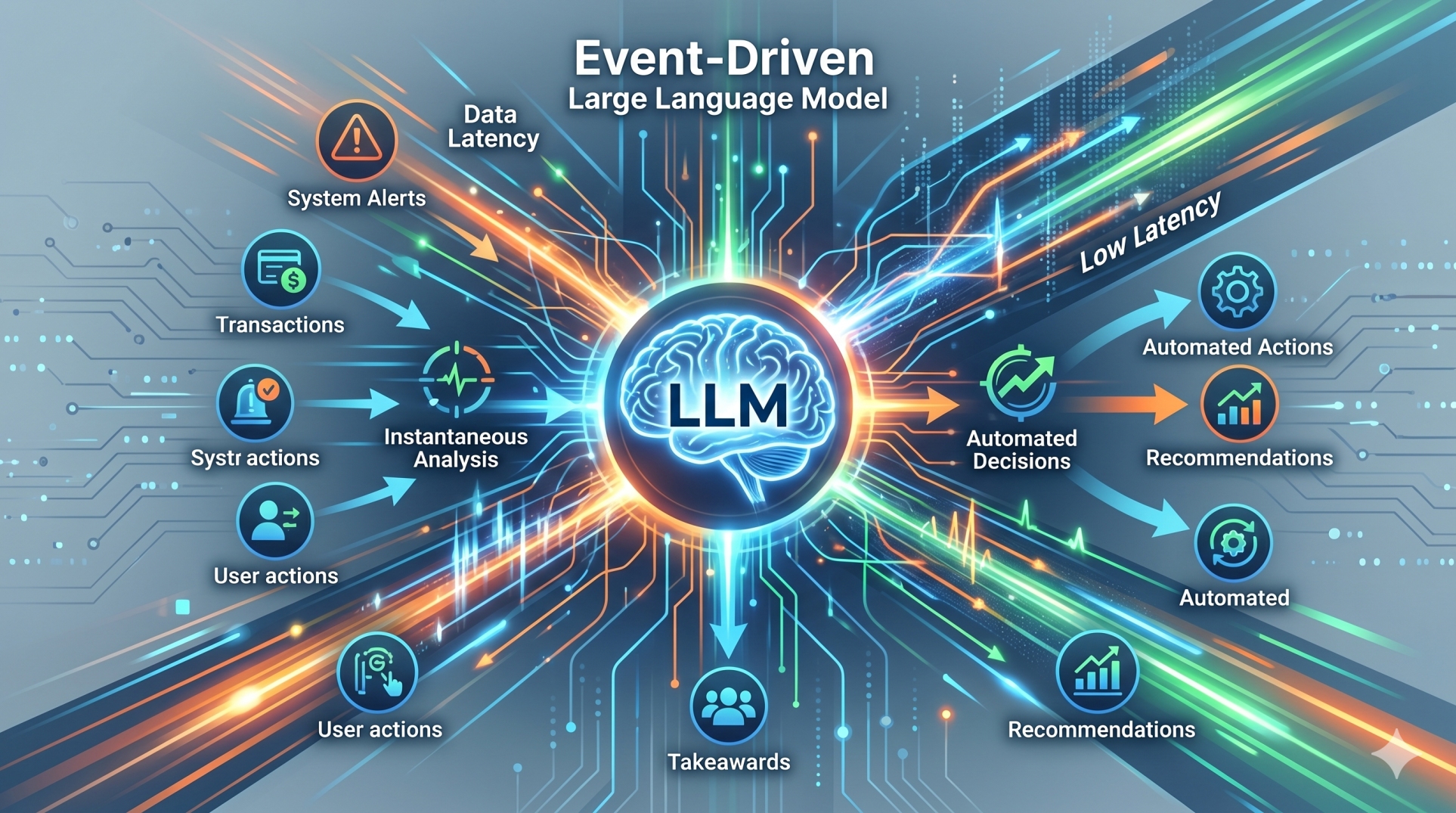
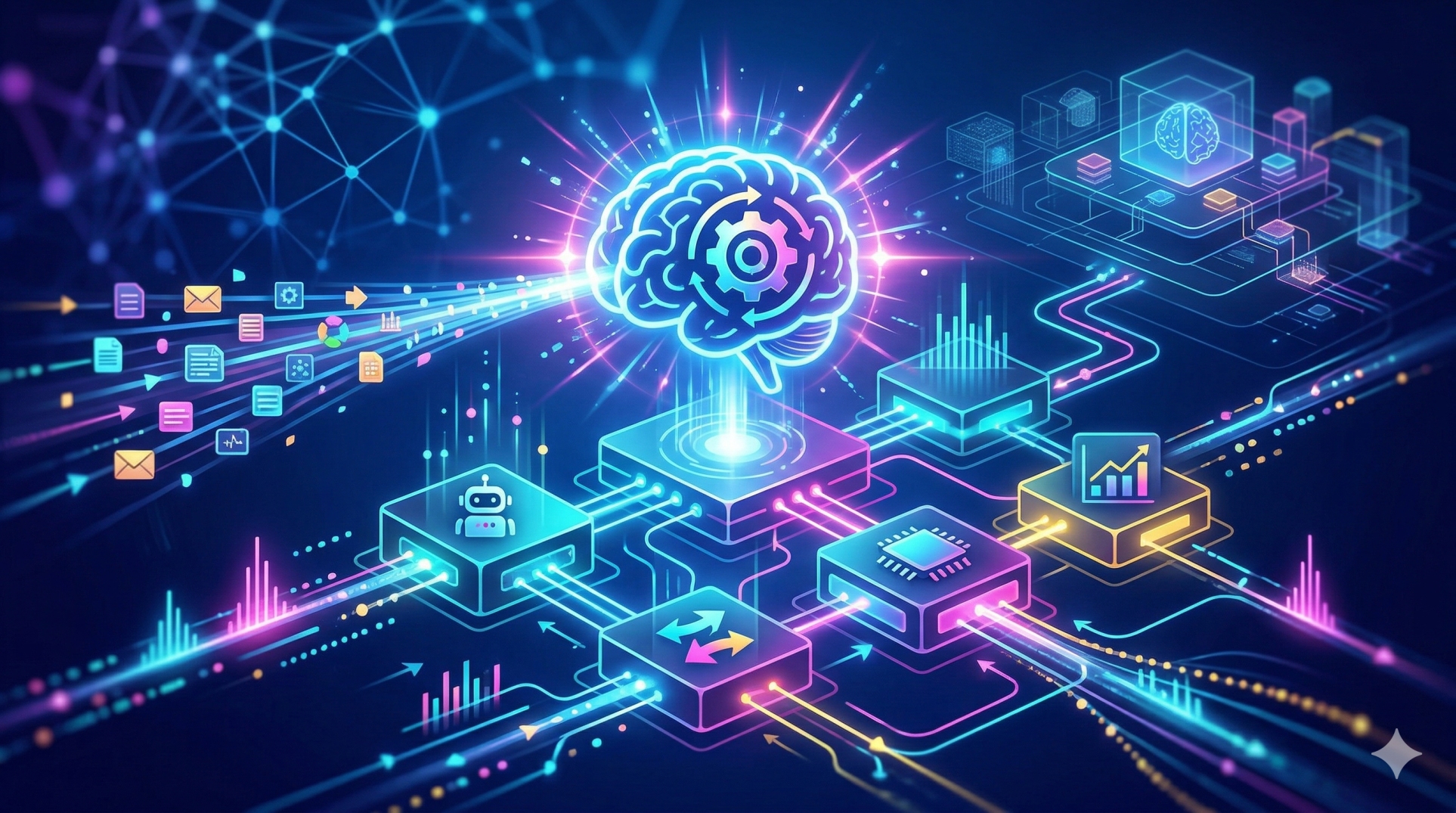
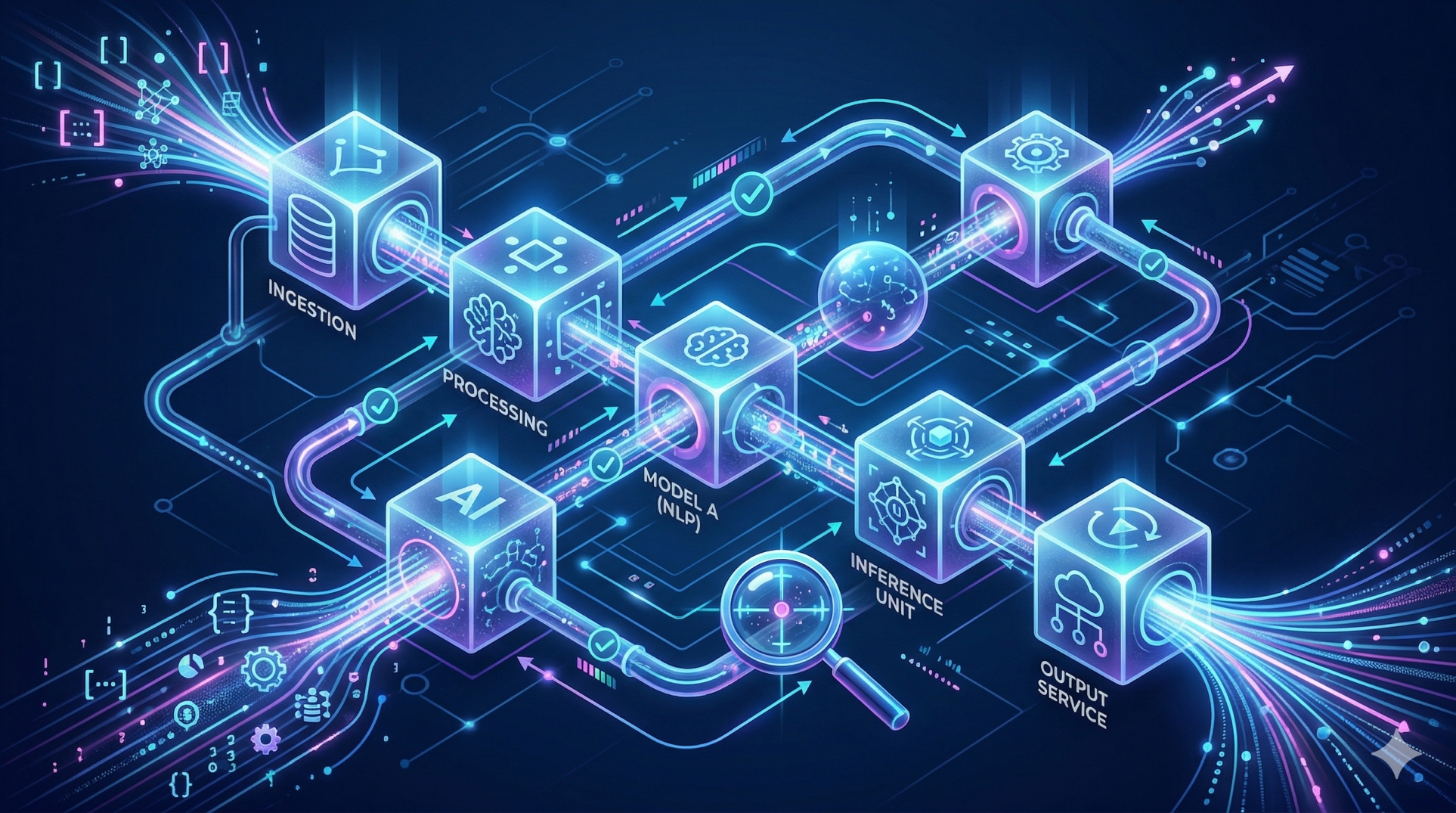
Step 3: Building a Streaming Data Architecture 🔗
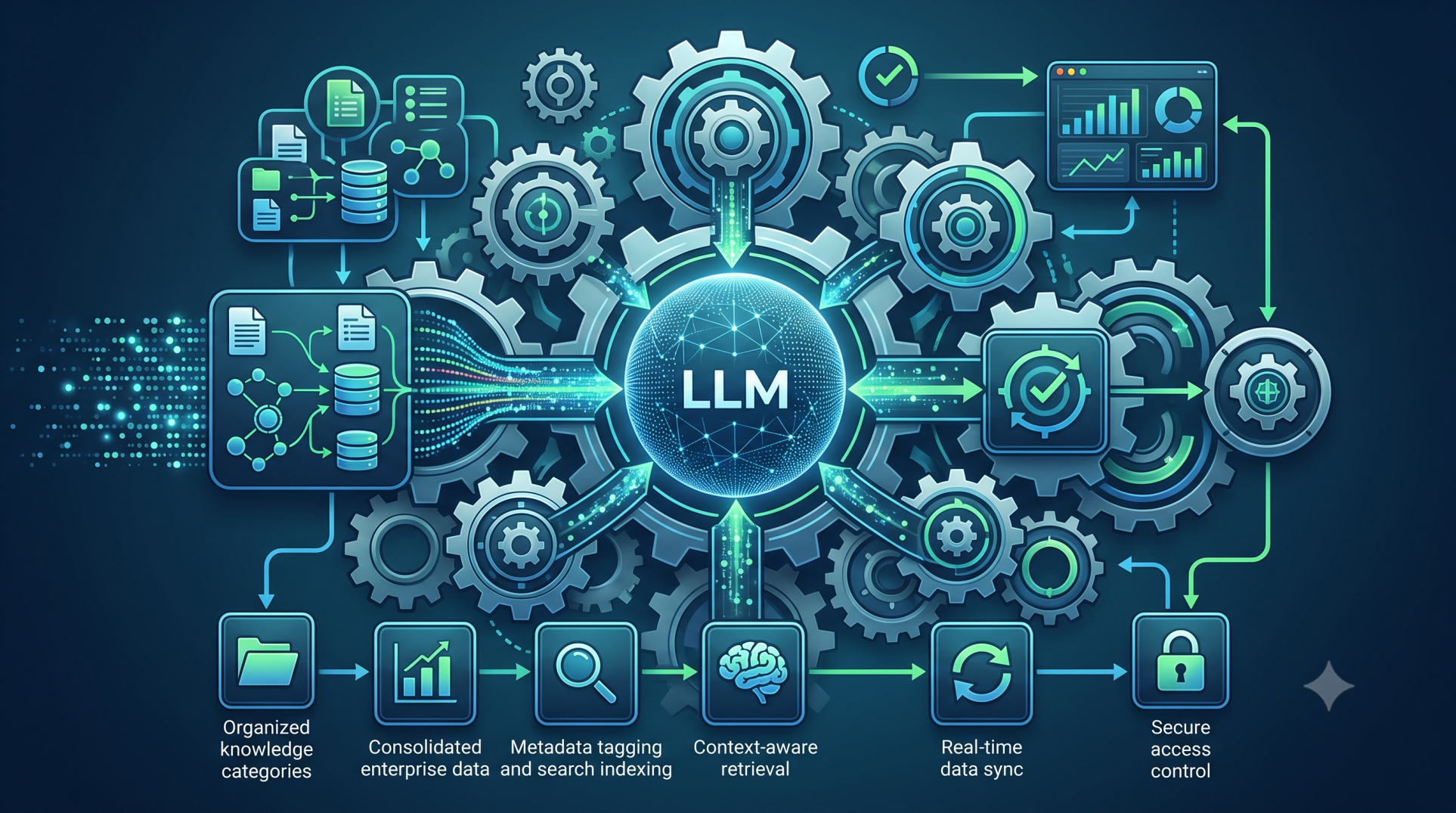
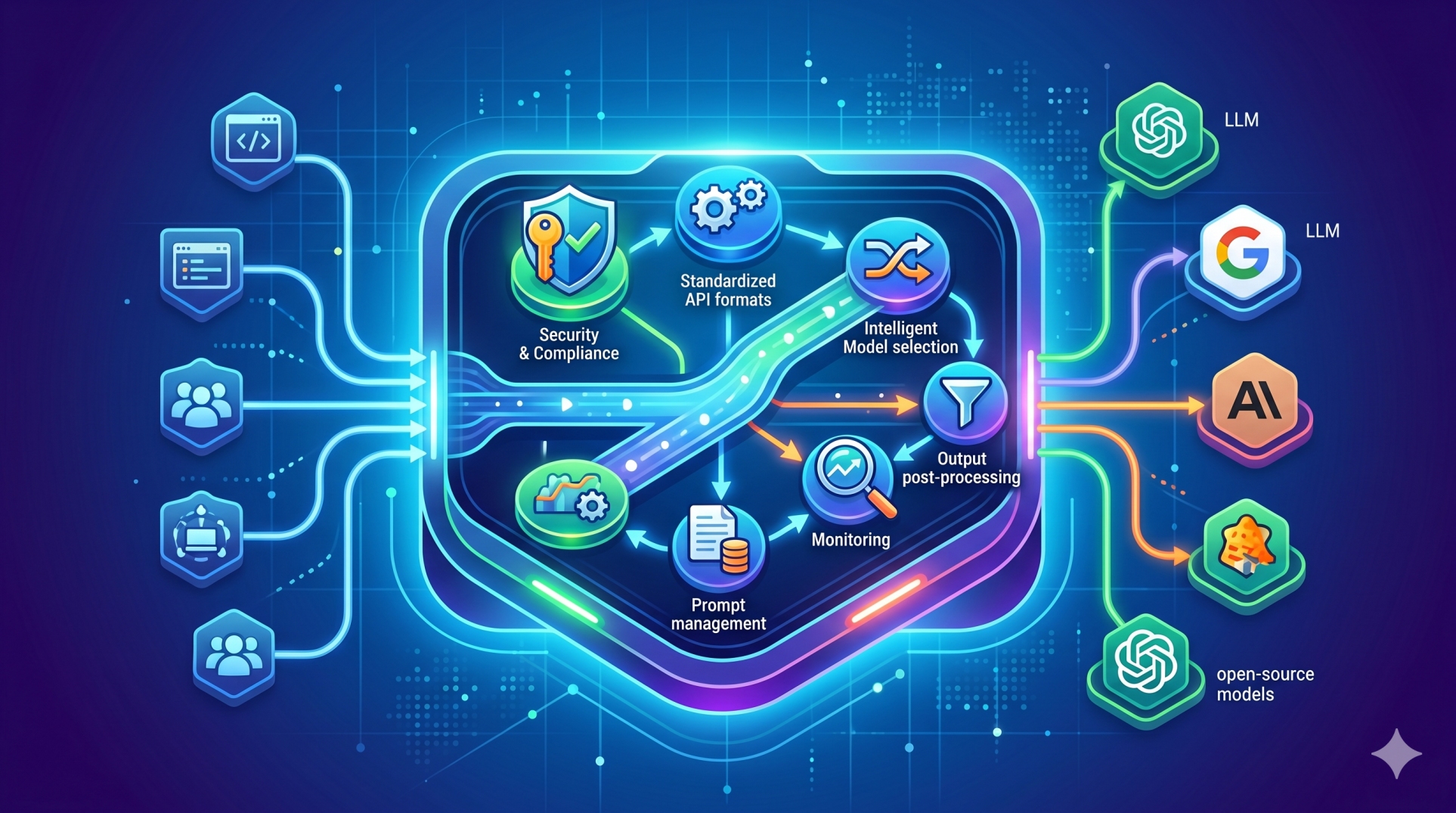
• Implement scalable event-driven data pipelines ⚡
• Use streaming platforms to handle continuous data ingestion 📥
• Enable low-latency communication between systems ⏱️
• Maintain reliable synchronization across distributed environments 🌍
• Design architecture that supports high-volume real-time workloads 📈
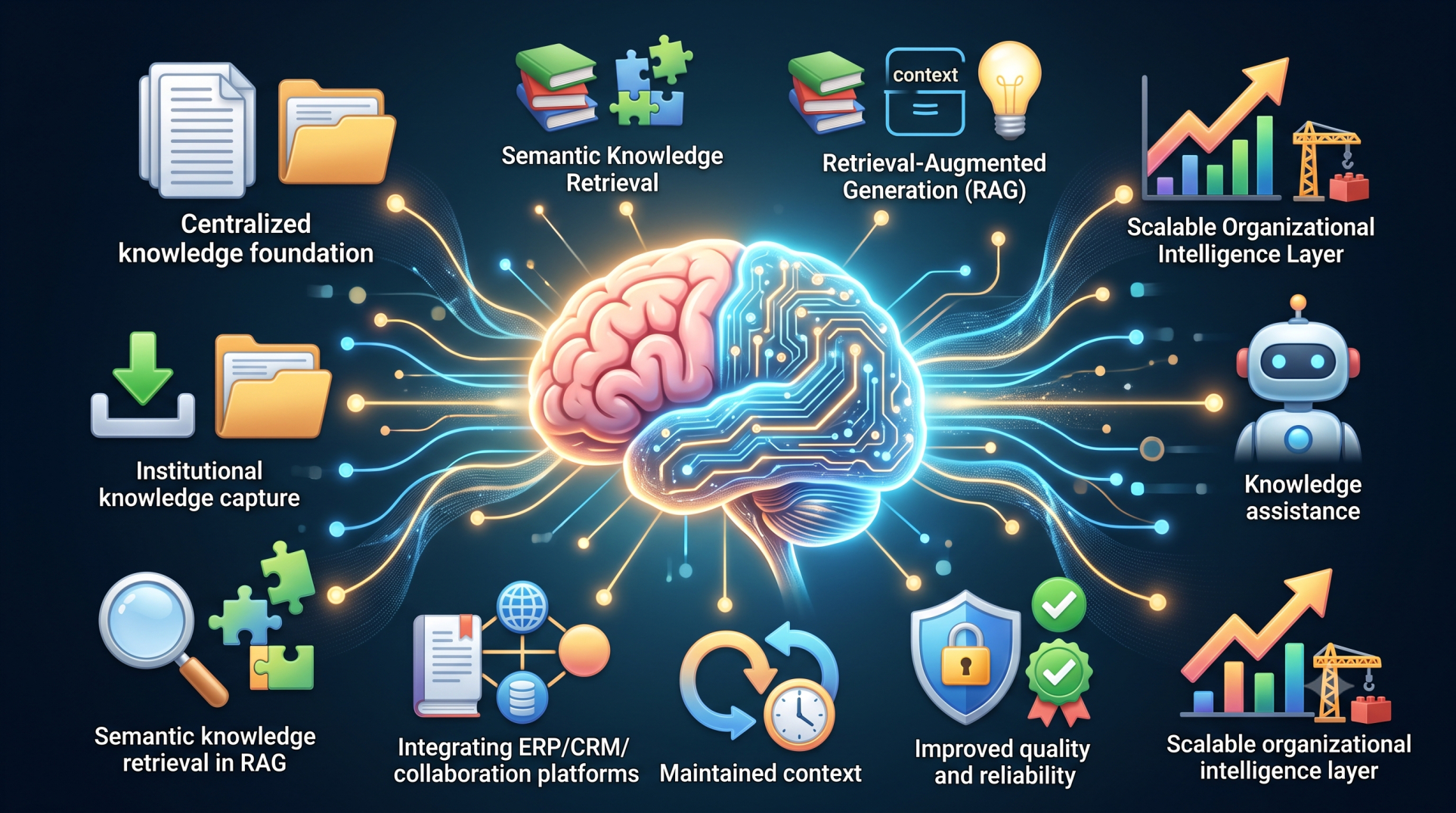
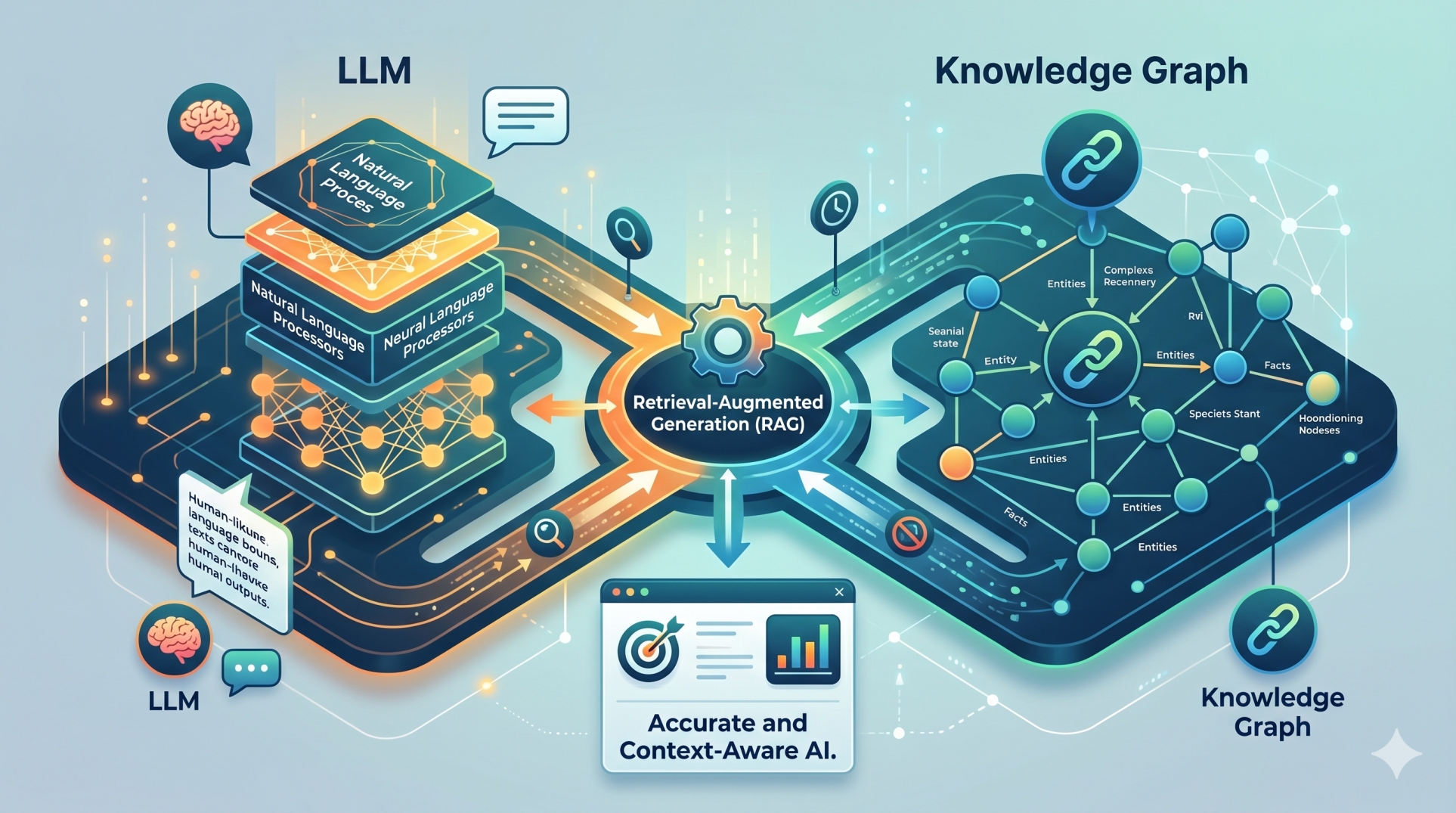
Step 4: Integrating Retrieval-Augmented Generation (RAG) 🤖
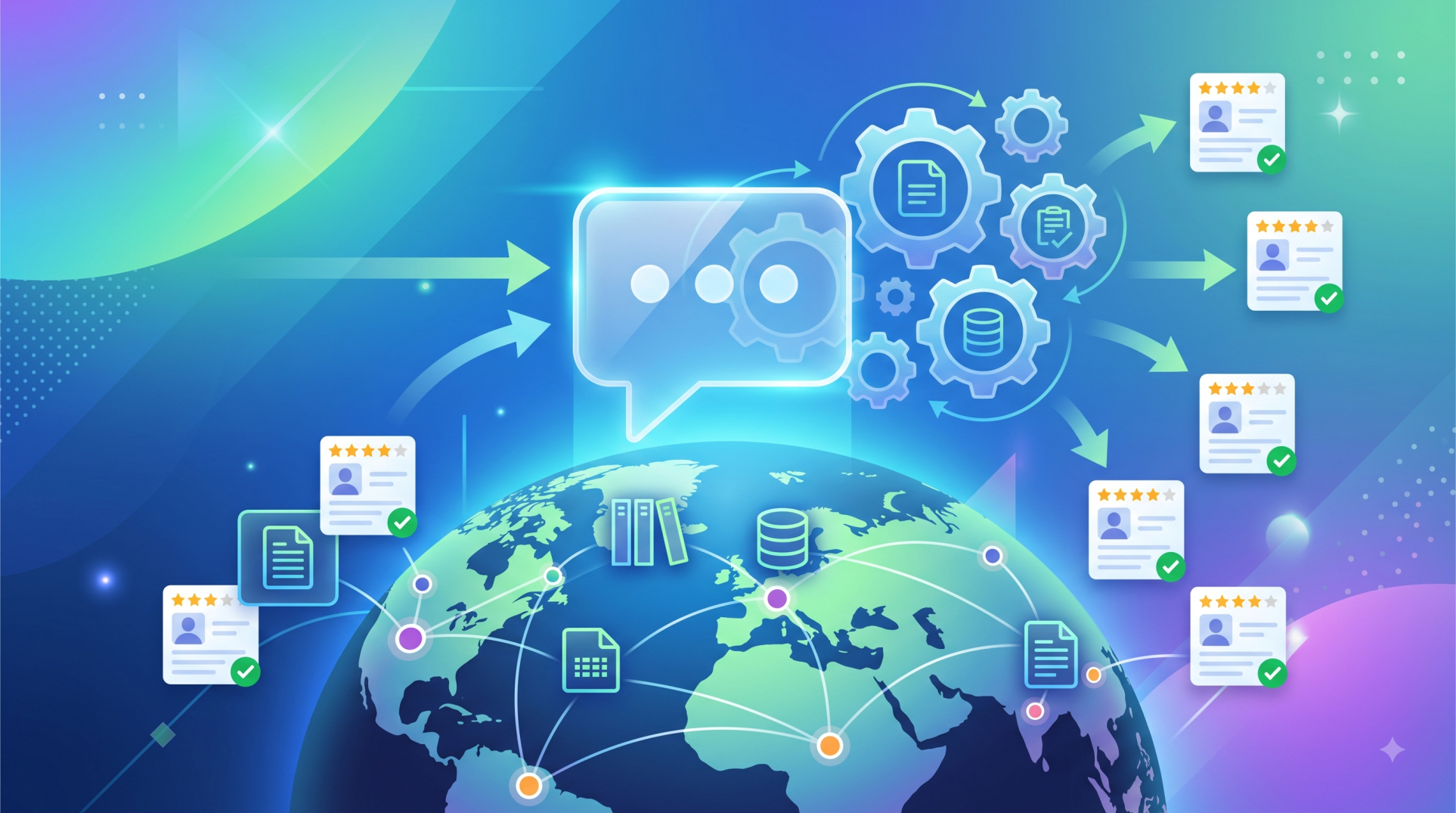
• Combine LLMs with live retrieval systems for updated responses 🔎
• Retrieve relevant information dynamically before generating outputs 📚
• Reduce hallucinations through access to current operational data ✅
• Improve contextual understanding with continuously refreshed knowledge 🔄
• Enable more accurate and trustworthy AI interactions 🧠
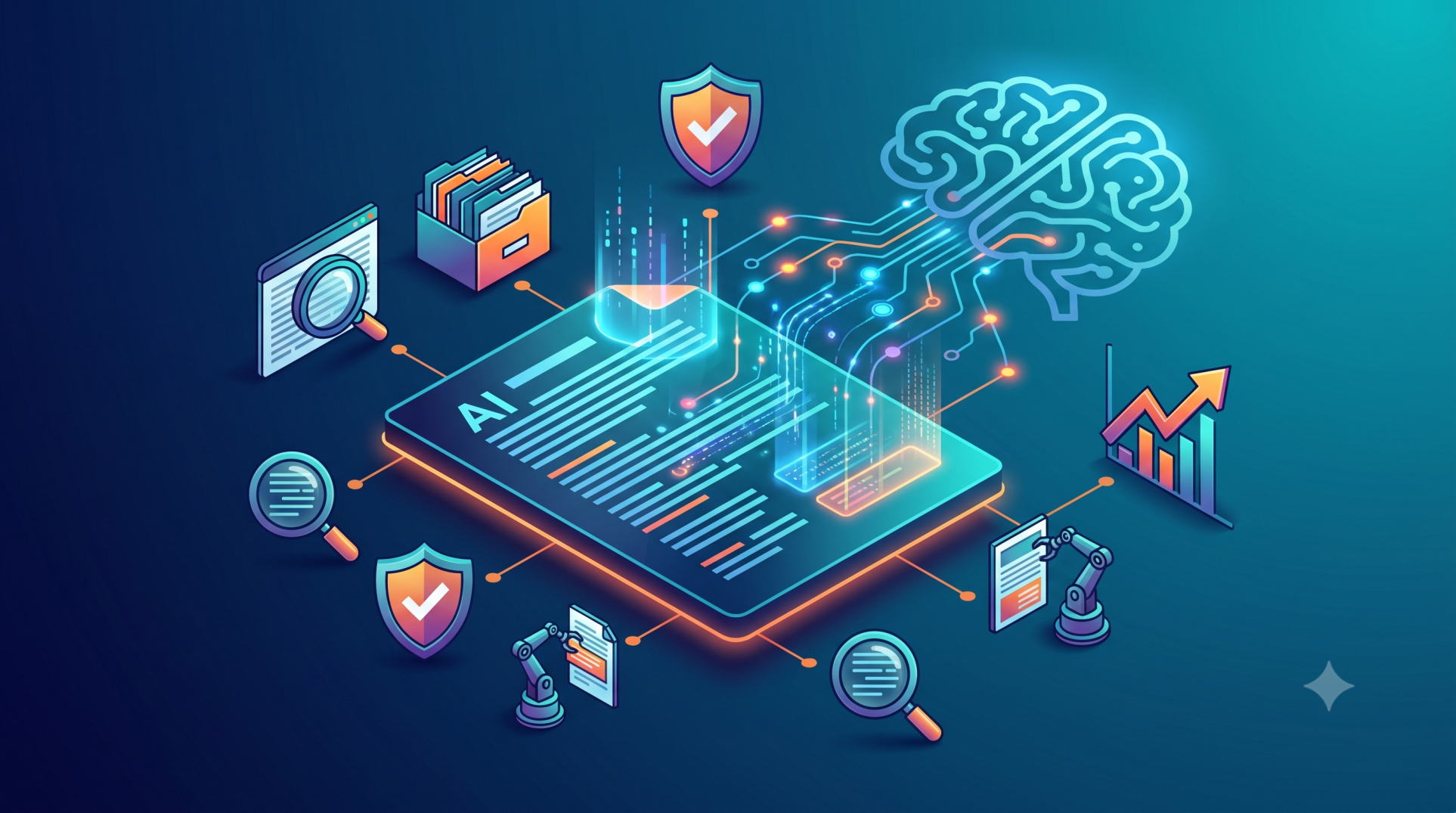
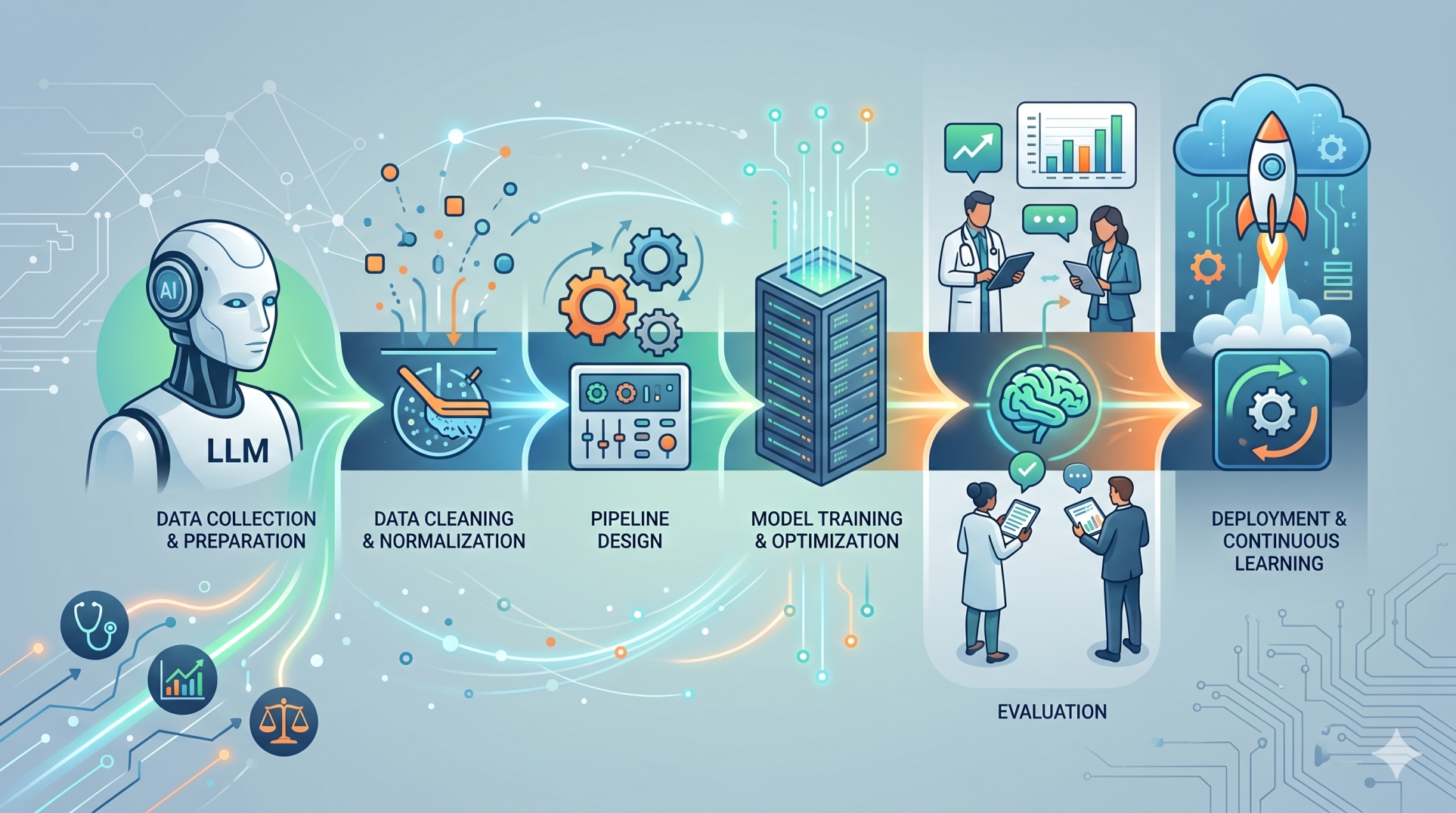
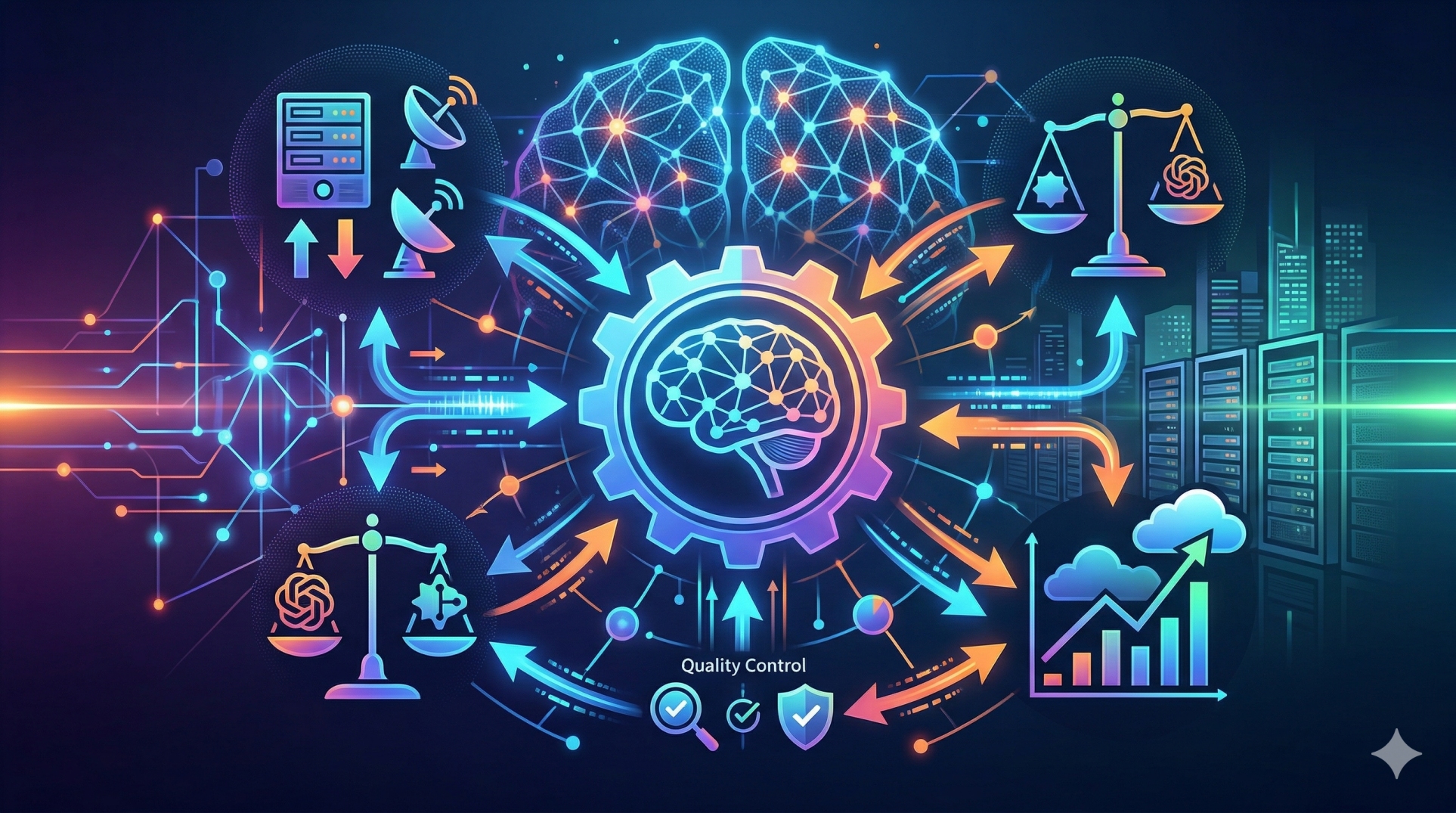
Step 5: Managing Data Quality and Consistency 🛡️
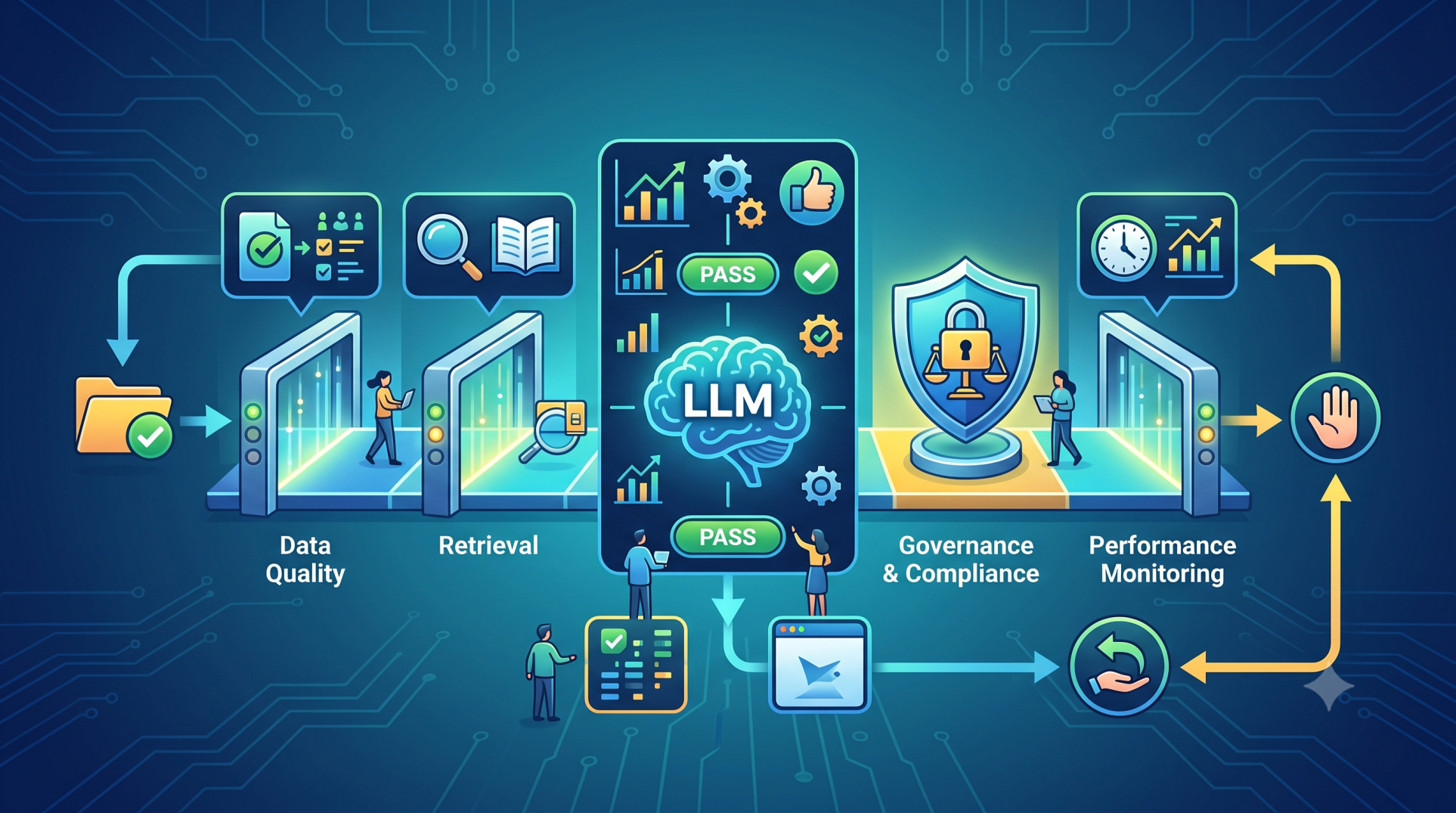
• Validate incoming data before feeding it into AI systems ✔️
• Remove duplicate, incomplete, or corrupted data entries 🧹
• Maintain consistent formatting across streaming sources 📂
• Monitor data integrity throughout the pipeline 🔍
• Ensure reliable outputs through high-quality data management 📊
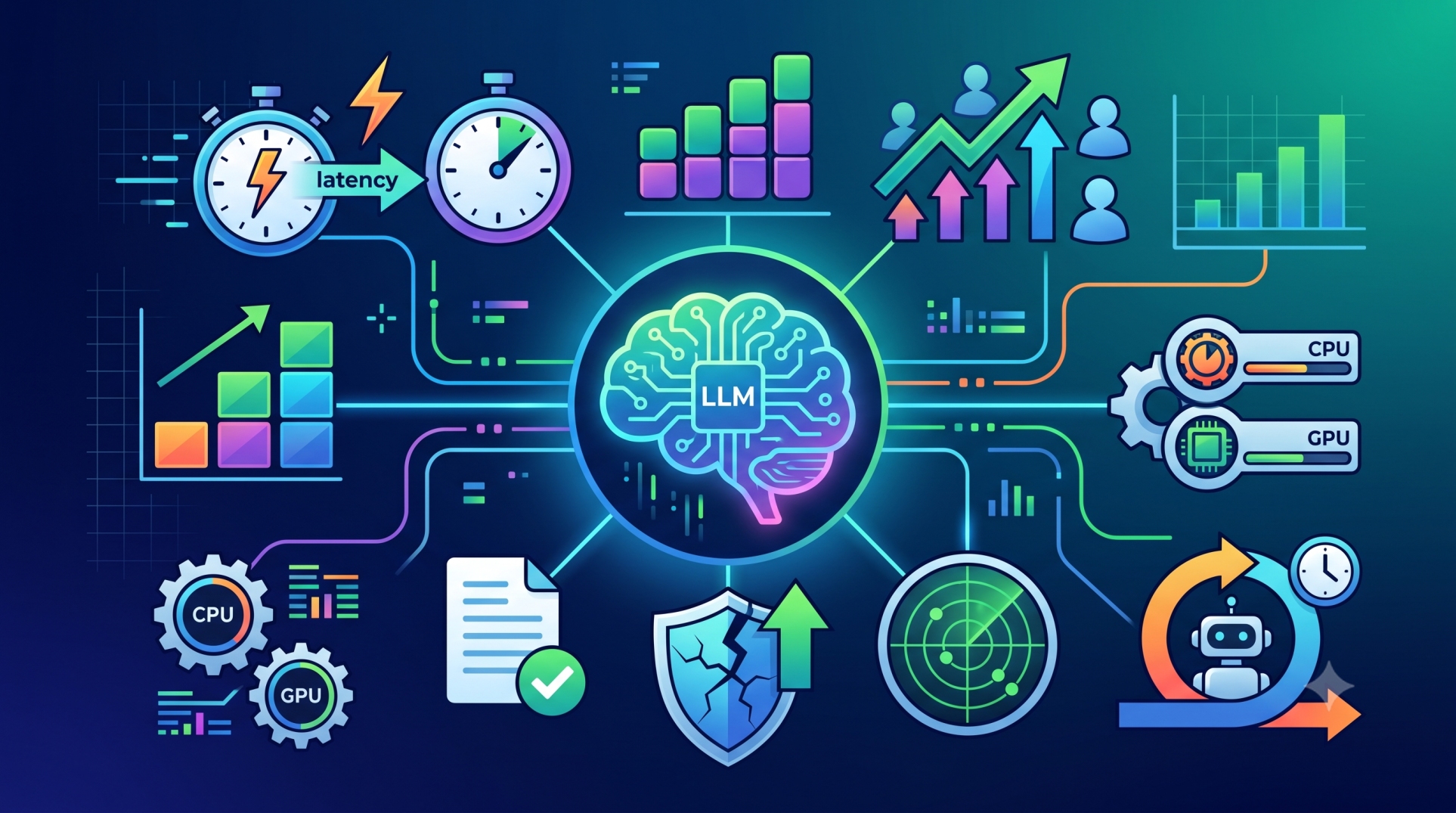
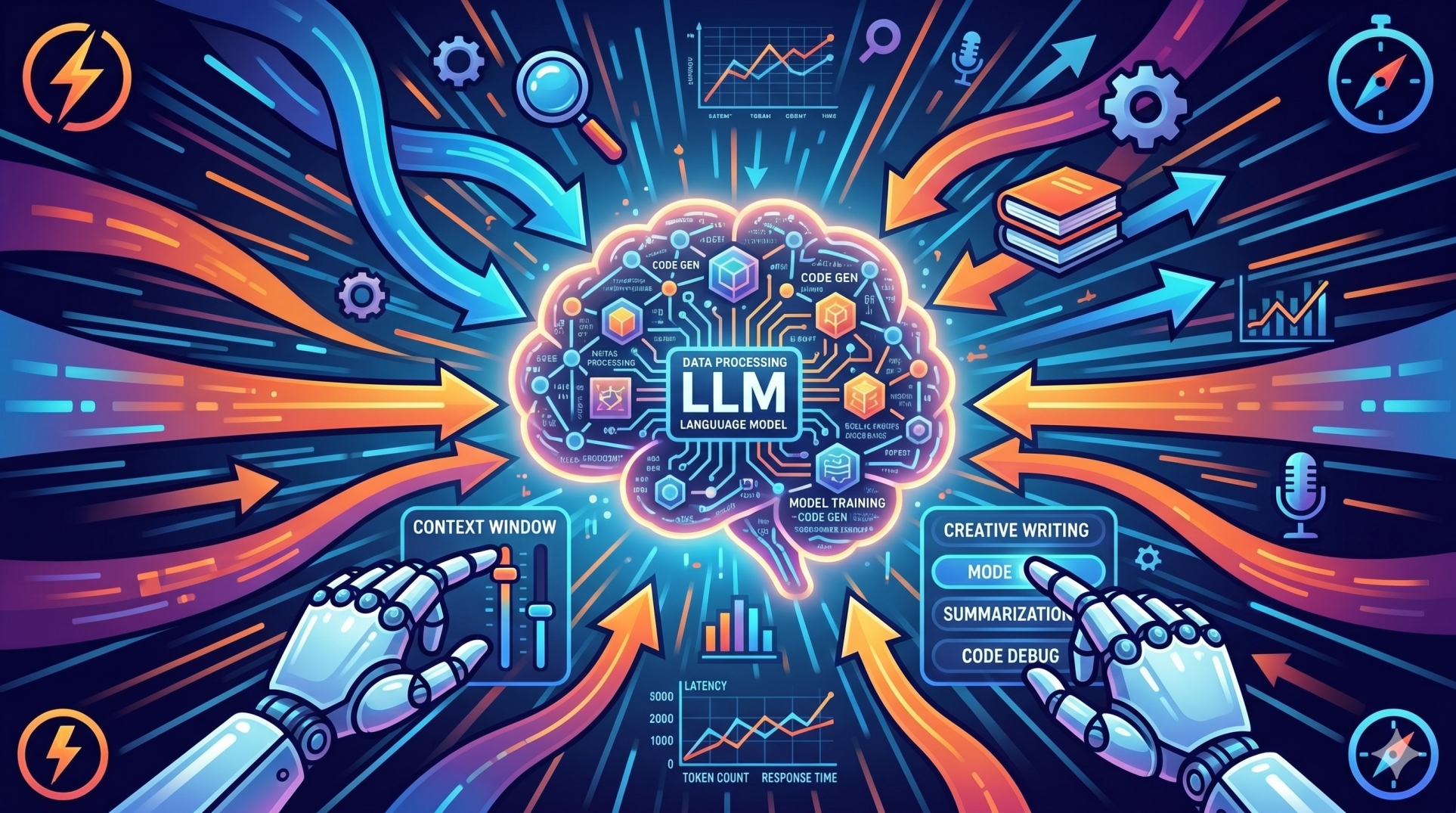
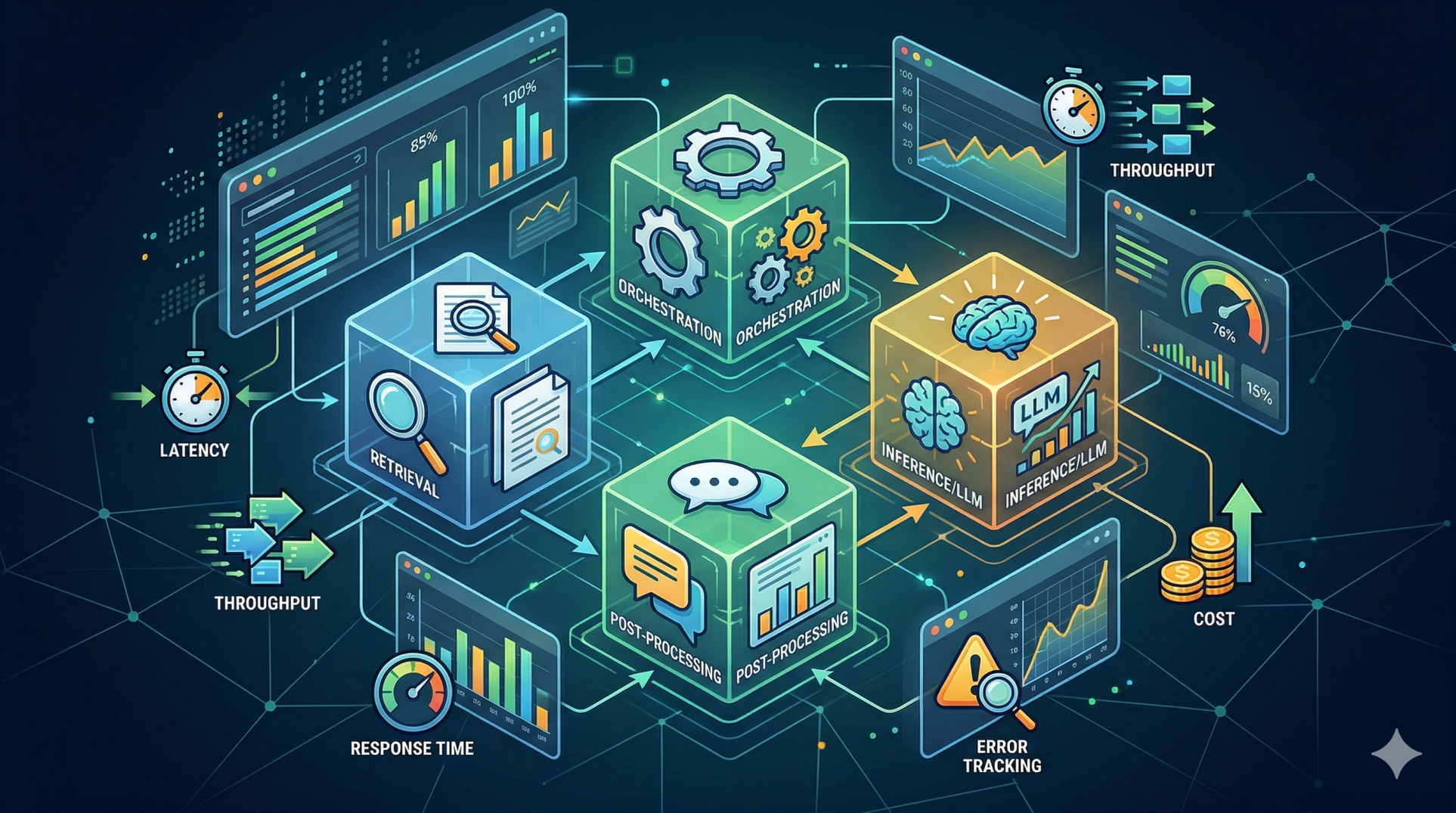
Step 6: Optimizing Latency and Performance ⚡
• Minimize delays between data generation and AI response times ⏱️
• Use caching and efficient processing techniques for scalability 🚀
• Optimize model inference for real-time applications 🧠
• Balance throughput and response speed effectively ⚖️
• Maintain system stability during peak workloads 📈
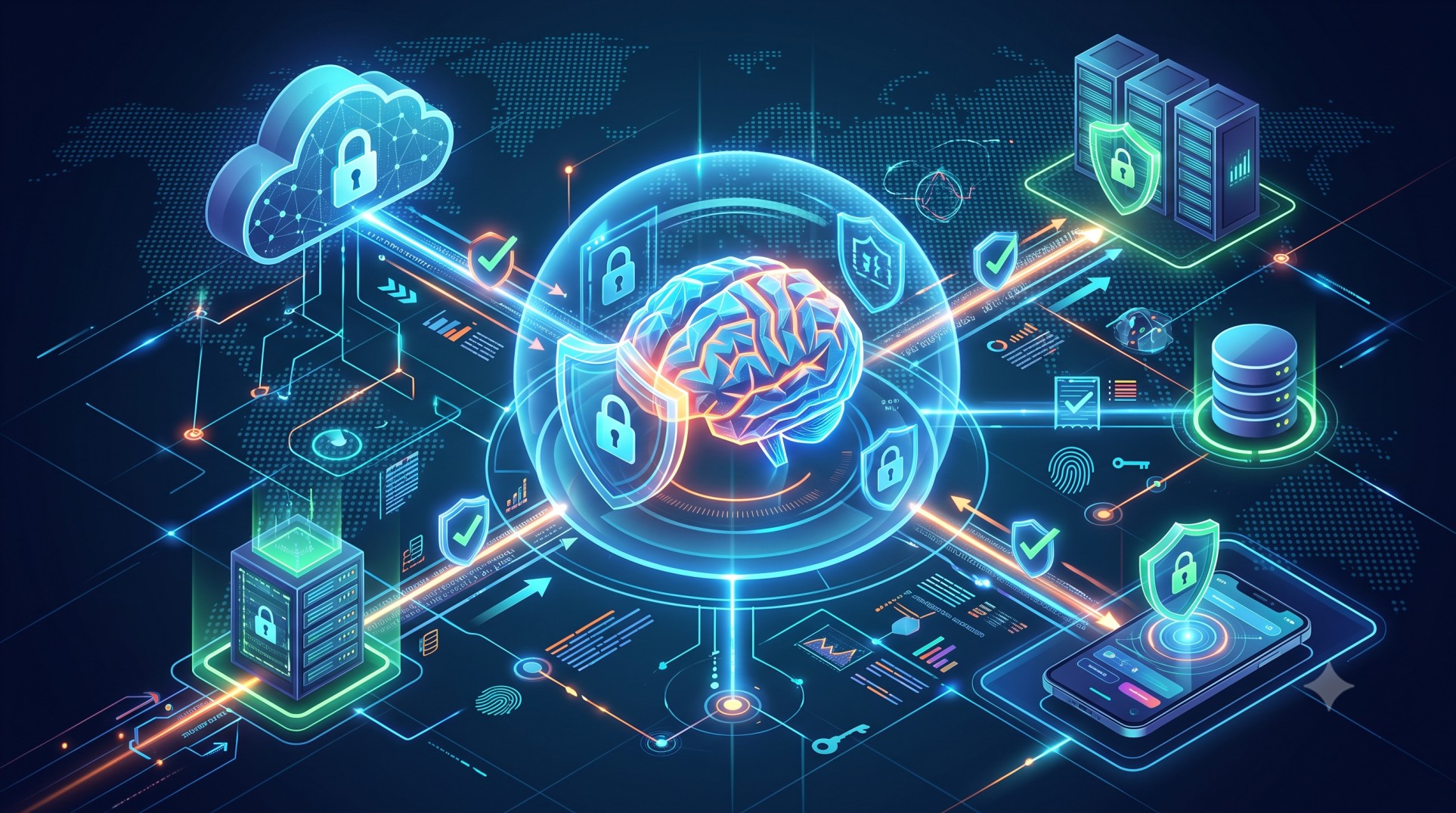
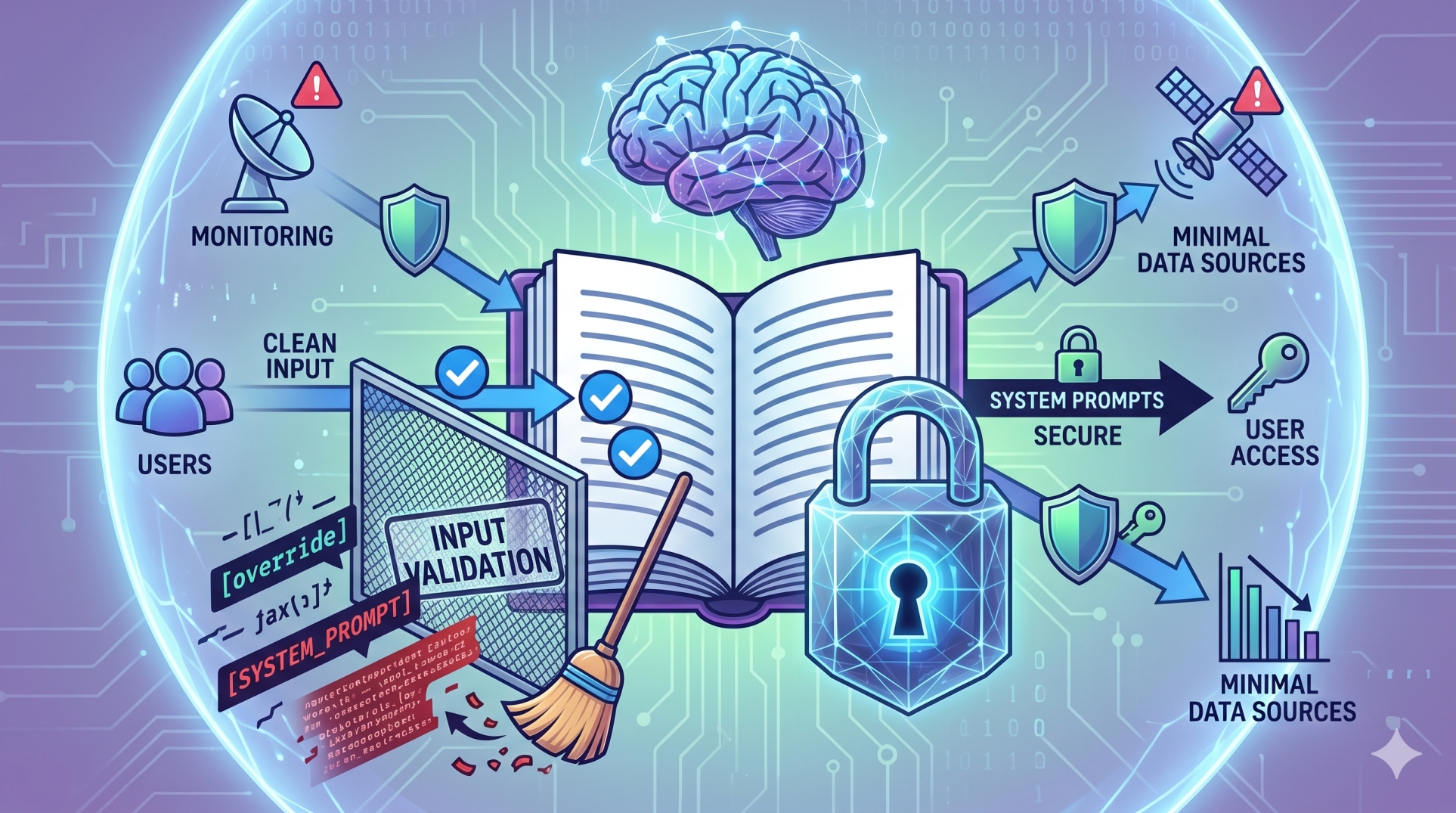
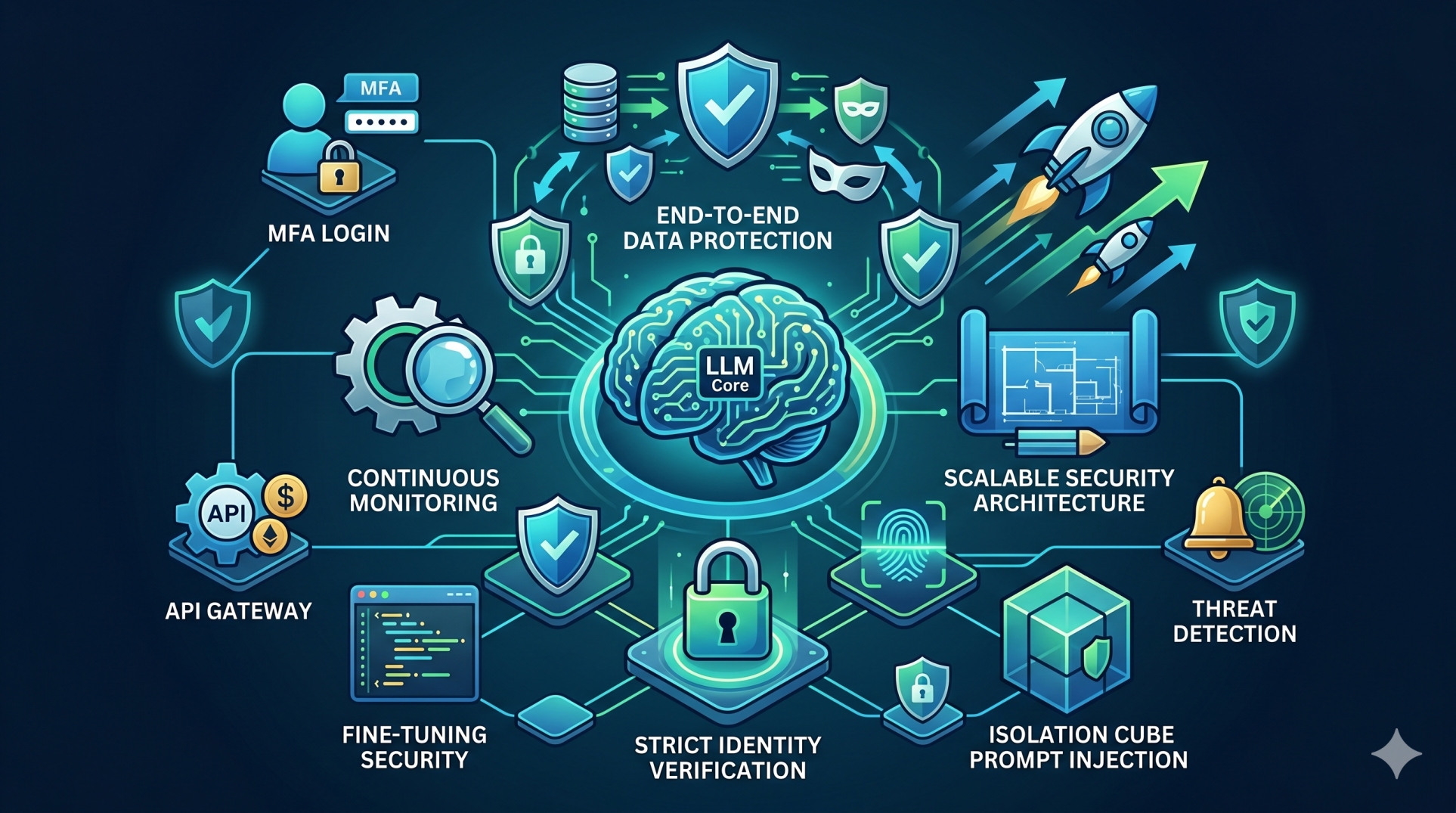
Step 7: Ensuring Security and Access Control 🔐
• Protect sensitive data flowing through AI pipelines 🛡️
• Implement authentication and authorization mechanisms 🔑
• Encrypt data during transmission and storage 🔒
• Maintain compliance with industry regulations and policies 📜
• Monitor access activity and detect anomalies proactively 👁️
Step 8: Key Real-Time Integration Priorities 📌
• Continuous synchronization between data streams and AI systems 🔄
• Reliable low-latency infrastructure for fast response times ⚡
• Accurate contextual retrieval for intelligent outputs 🧠
• Scalable architecture for future growth and complexity 🚀
Step 9: Handling Data Variability and Exceptions ⚠️
• Detect disruptions or missing data within streaming pipelines 🚨
• Implement fallback mechanisms during service interruptions 🔄
• Handle spikes in incoming data volumes efficiently 📊
• Maintain operational continuity during unexpected failures 🏗️
• Enable rapid recovery and adaptive rerouting strategies 🔧
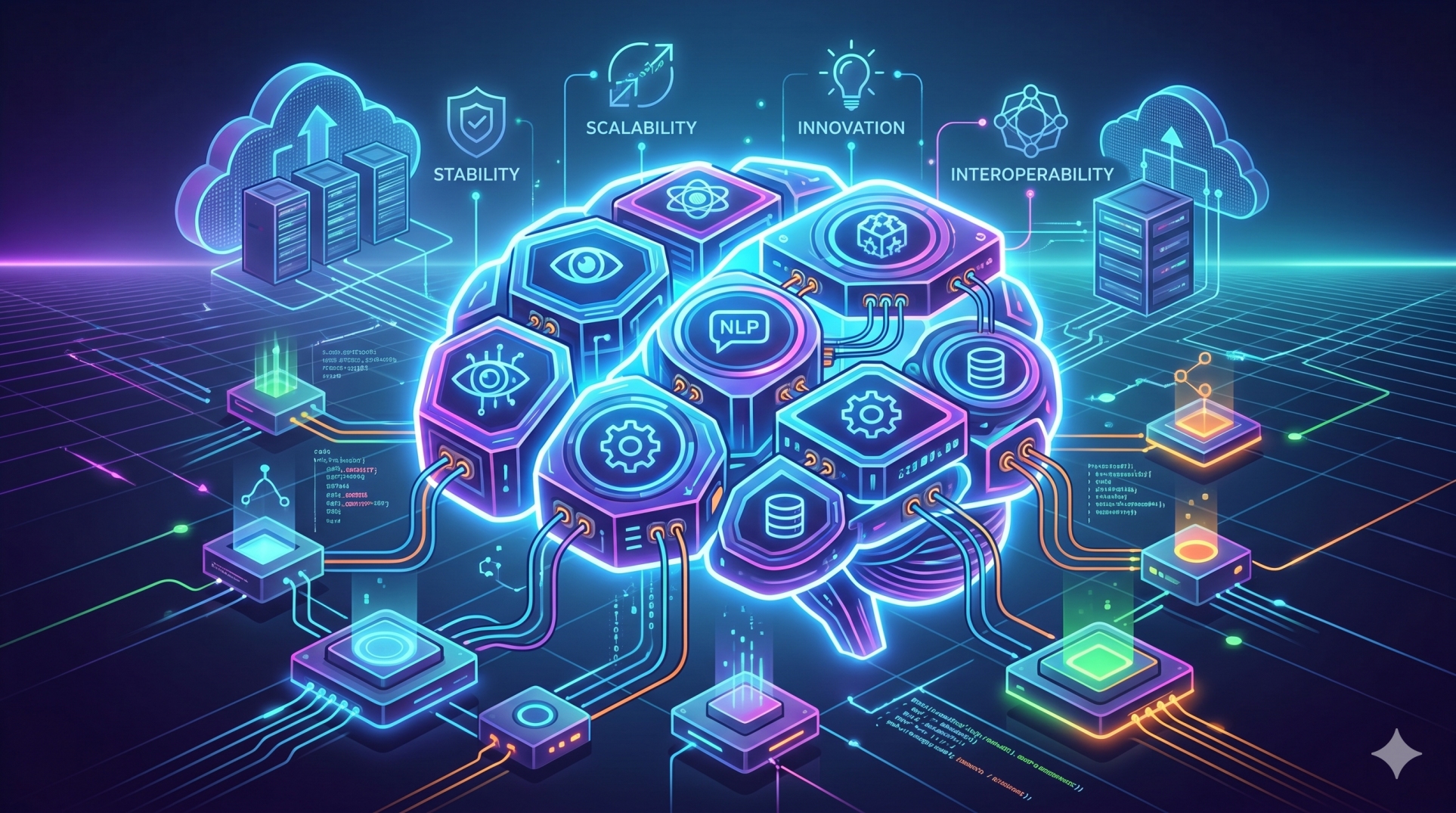
Step 10: Building a Future-Ready AI Ecosystem 🌐
• Design modular systems that support evolving AI capabilities 🧩
• Integrate emerging technologies and advanced analytics 🤖
• Continuously improve data orchestration strategies 📈
• Support expanding enterprise and operational requirements 🌍
• Future-proof infrastructure for long-term AI scalability 🚀
Conclusion
Keeping LLM applications updated with real-time data streams is essential for building intelligent, responsive, and scalable AI systems. By integrating live operational data, organizations can improve accuracy, reduce latency, and enable more adaptive decision-making. A well-designed real-time AI ecosystem not only enhances current performance but also creates a strong foundation for future innovation and enterprise growth.
See more blogs
You can all the articles below