Building Procurement Systems That Understand Business Buying Intent

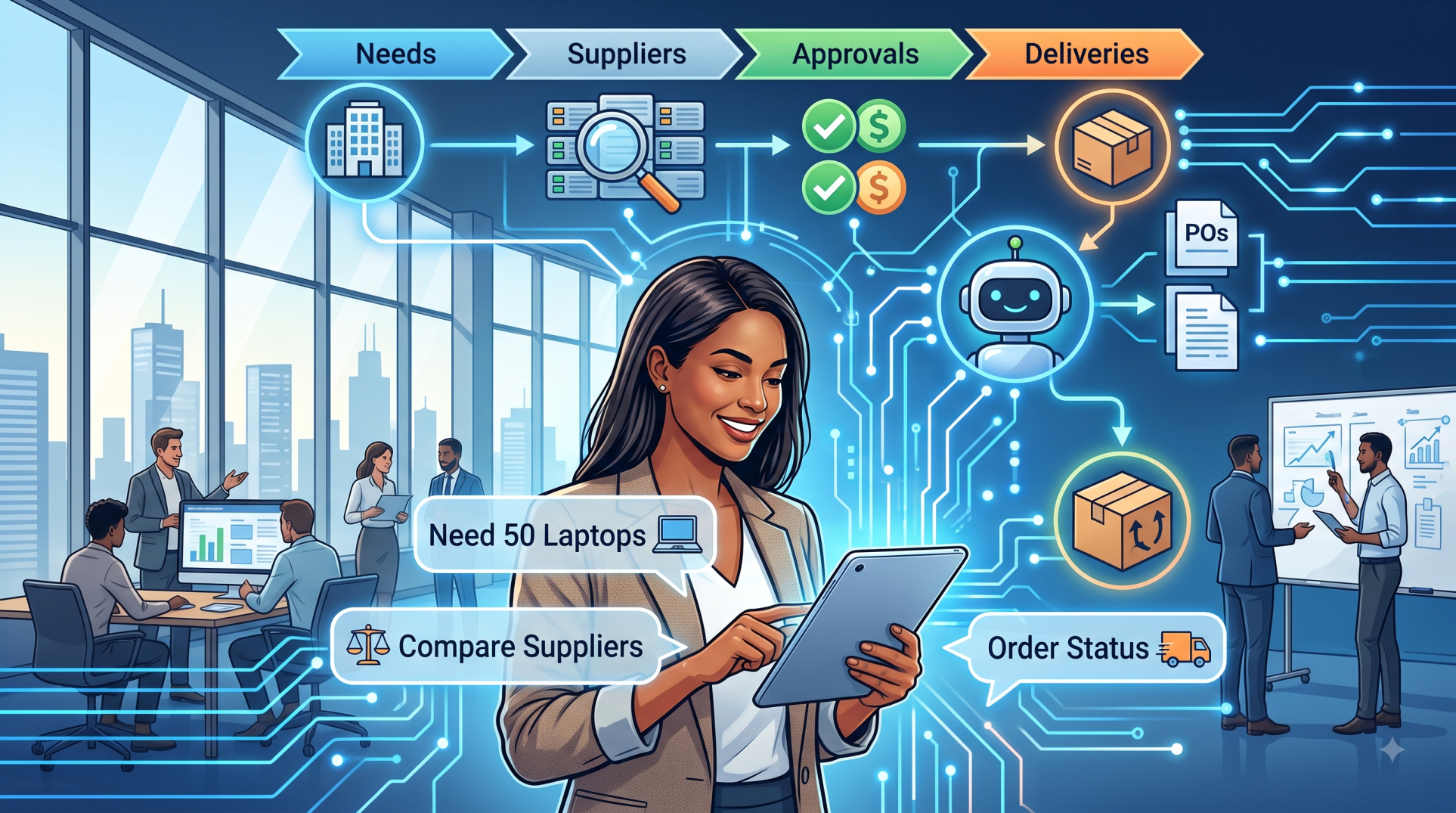
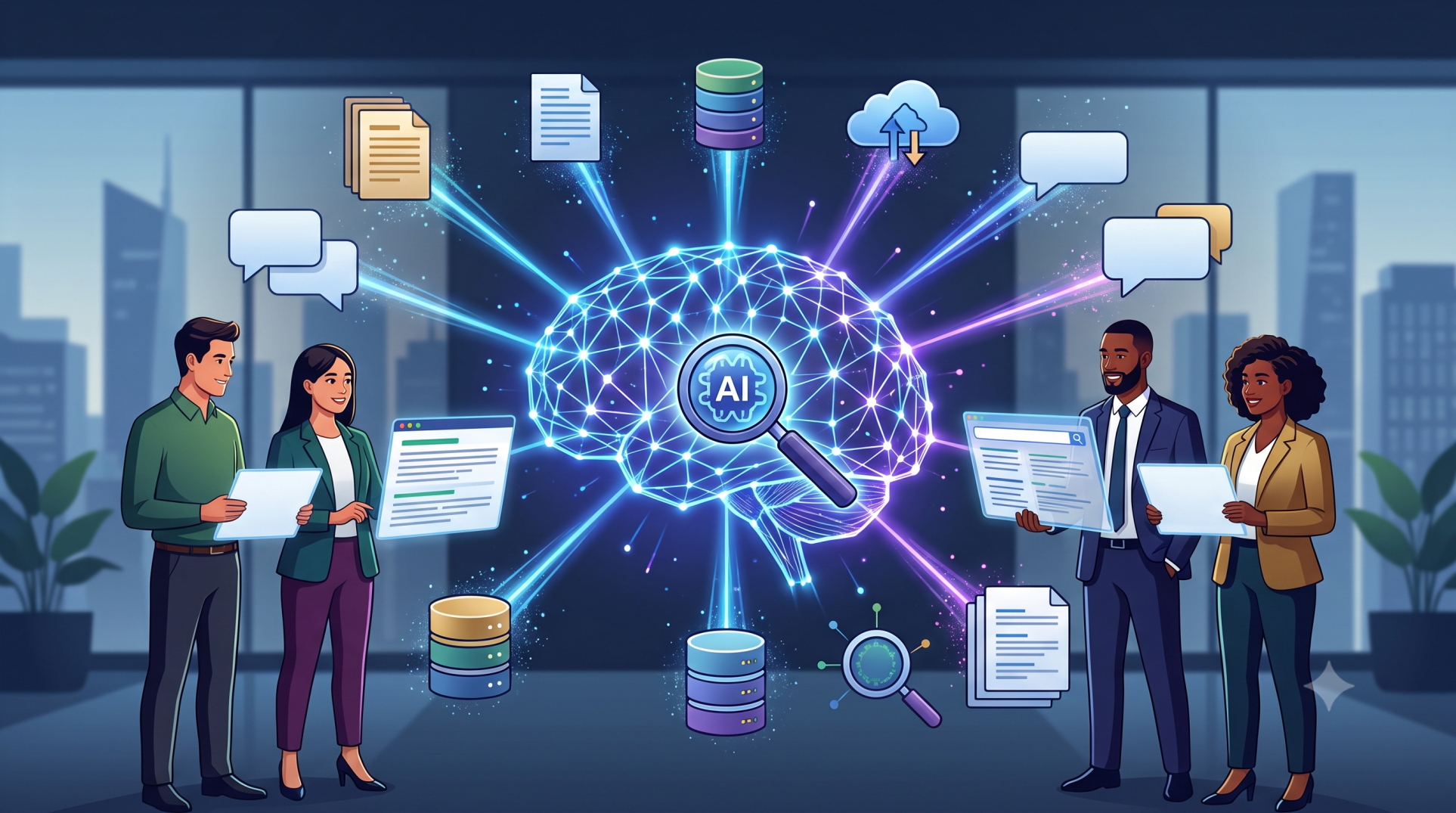
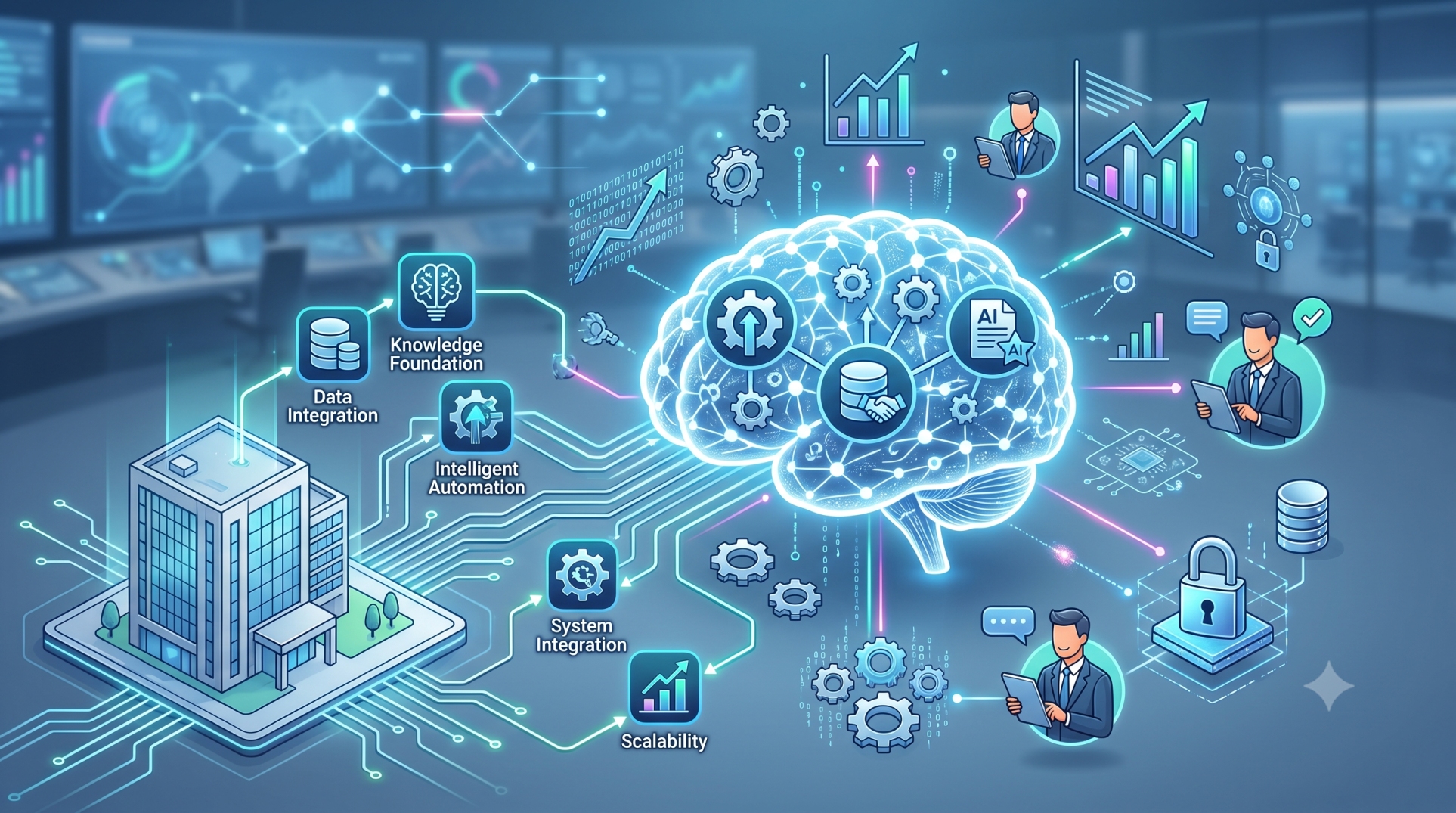
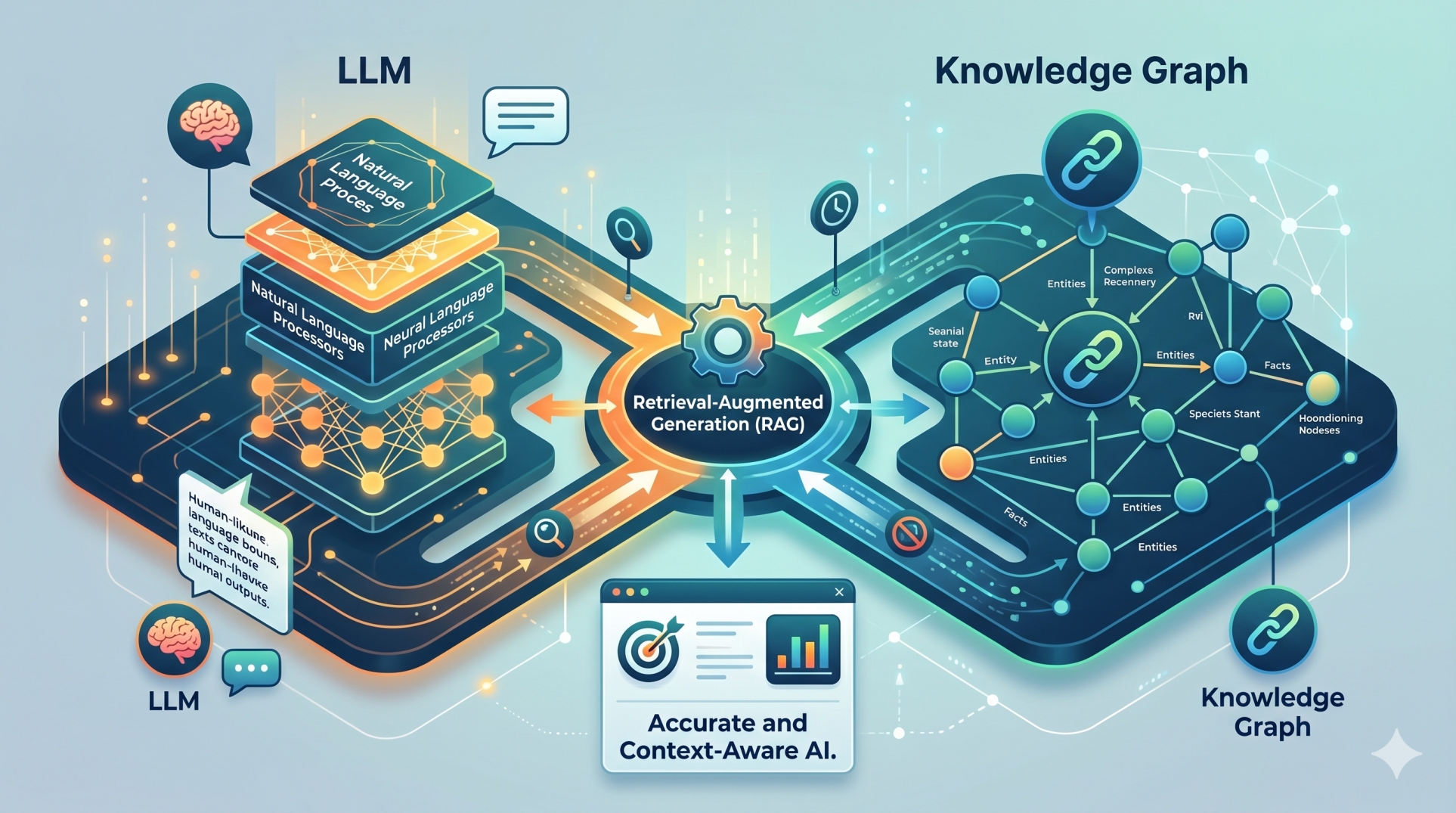
Modern procurement involves more than processing purchase requests and comparing supplier prices. Organizations need procurement systems that can understand why a purchase is required, what business objective it supports, and how the decision affects budgets, inventory, suppliers, and operations. By combining intelligent automation, business context, and real-time data, procurement platforms can move from transaction processing to intent-driven purchasing.
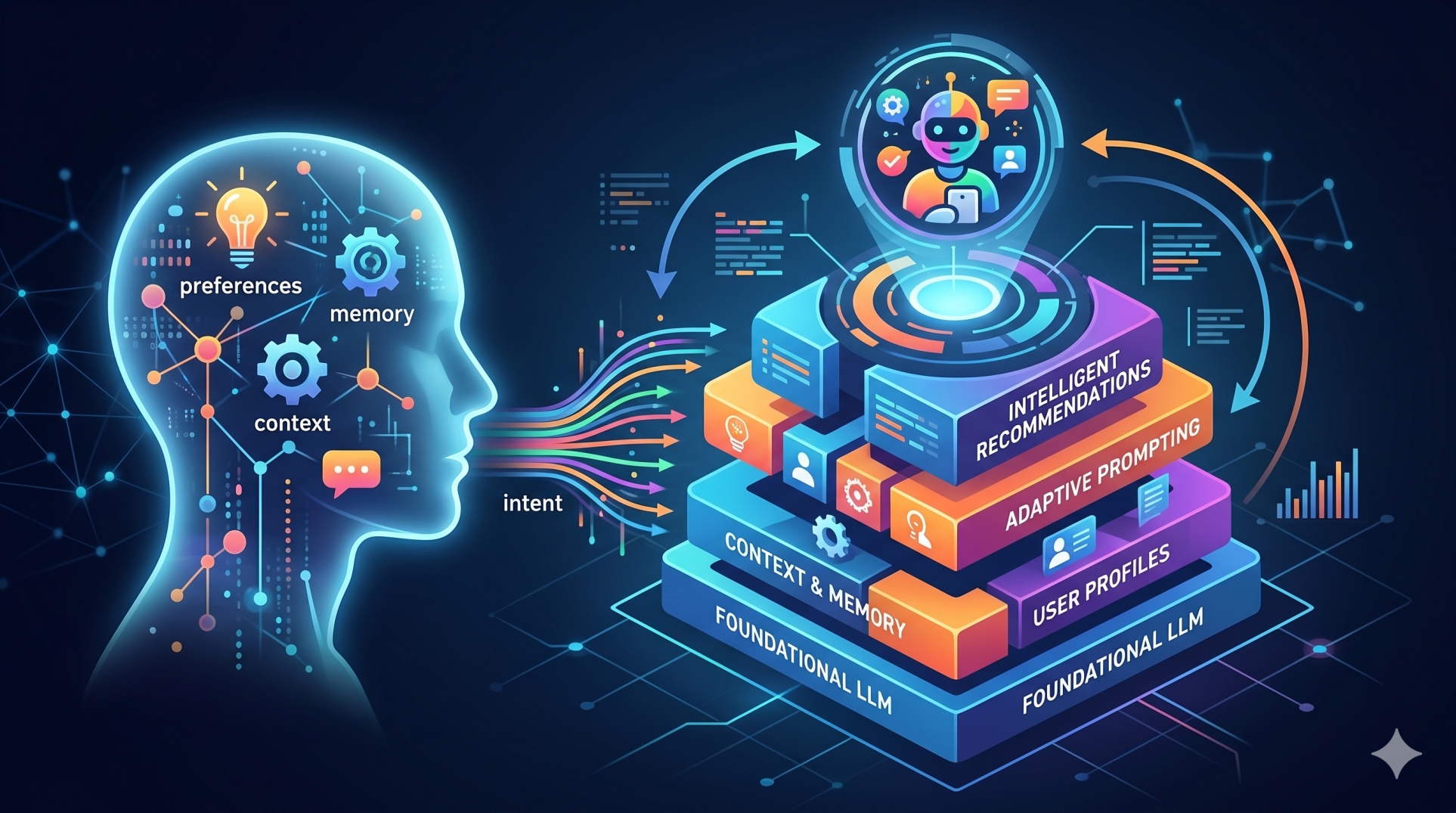
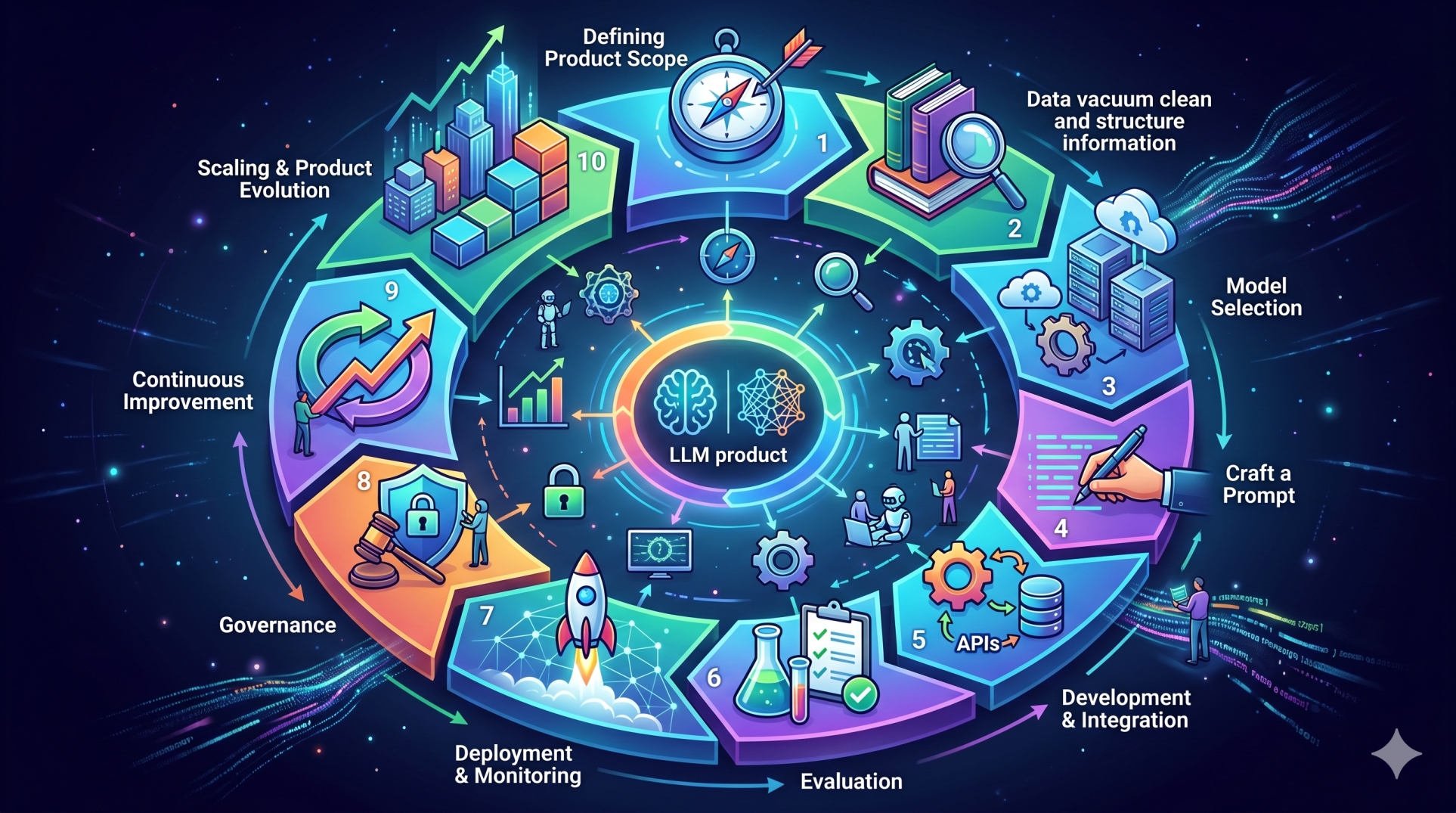
Step 1: Understanding Business Buying Intent 🧠
• Identify the business purpose behind every purchase request 🎯
• Understand whether a request supports production, operations, maintenance, or growth 🏭
• Analyze purchasing patterns to identify recurring business needs 📊
• Connect purchase requirements with relevant departments and workflows 🔗
• Use business context to improve purchasing decisions 💡
Step 2: Connecting Procurement with Business Operations 🔄
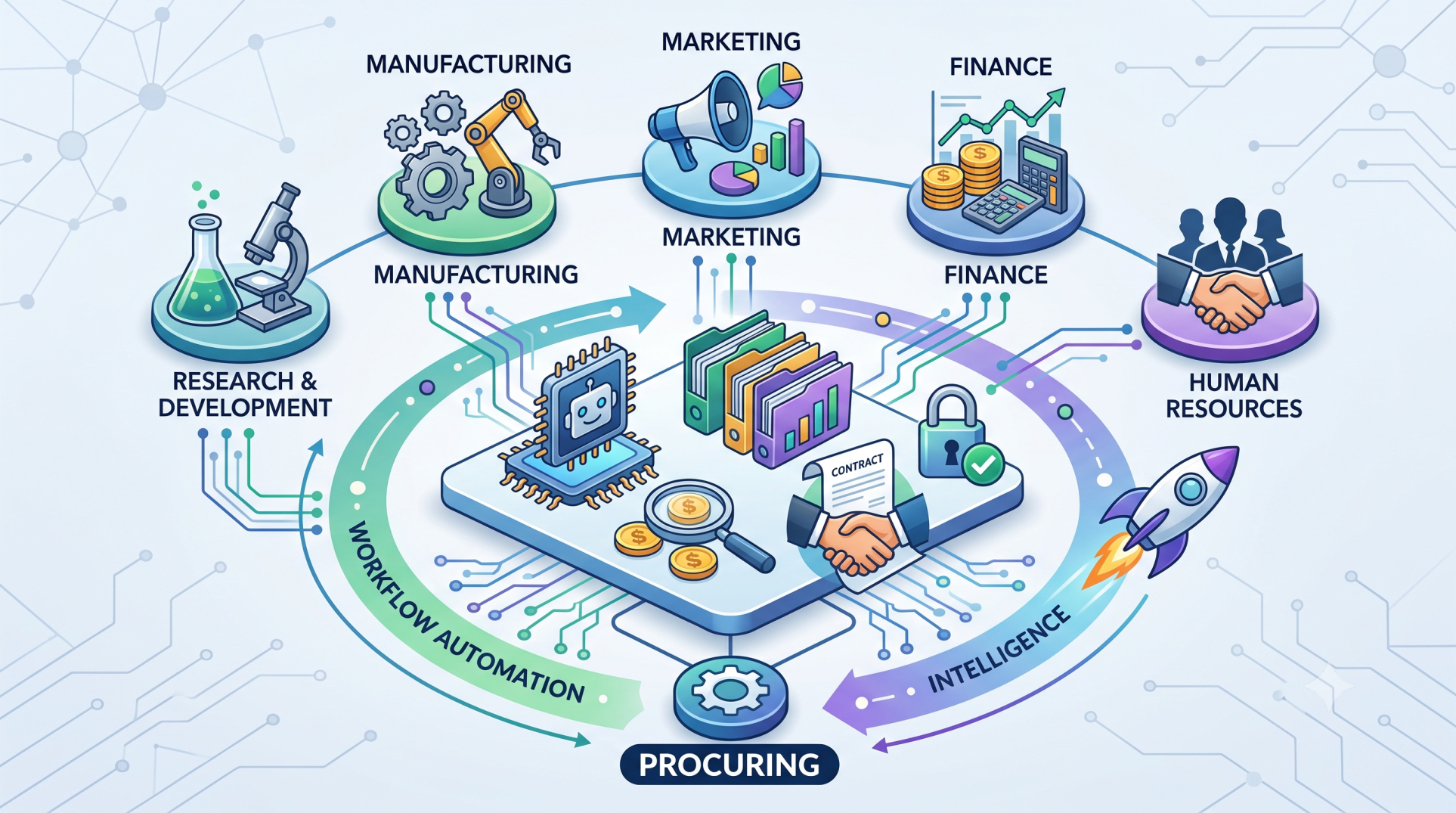
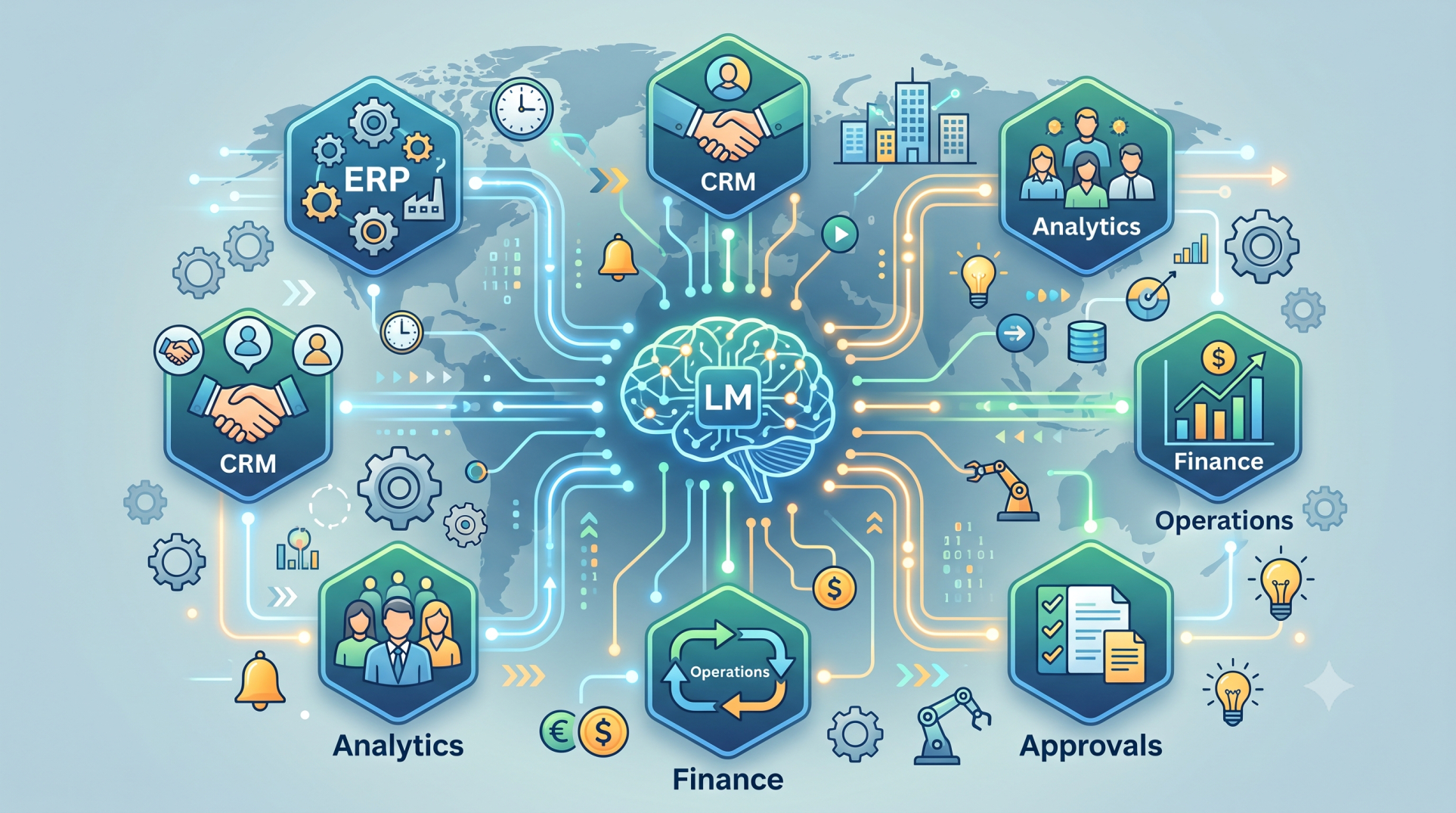
• Integrate procurement with ERP, inventory, finance, and production systems 🏢
• Connect purchase requests with current stock levels 📦
• Consider production schedules when evaluating material requirements ⚙️
• Align purchasing activity with operational priorities 🎯
• Create a unified flow of information across business functions 🌐
Step 3: Capturing the Context Behind Purchase Requests 📝
• Allow employees to provide clear reasons for requested purchases ✍️
• Capture quantities, required dates, specifications, and business priorities 📋
• Use historical purchasing data to enrich request context 📚
• Identify urgent and routine requirements automatically ⚡
• Reduce ambiguity before requests reach procurement teams 🔍
Step 4: Applying Intelligent Supplier Matching 🤝
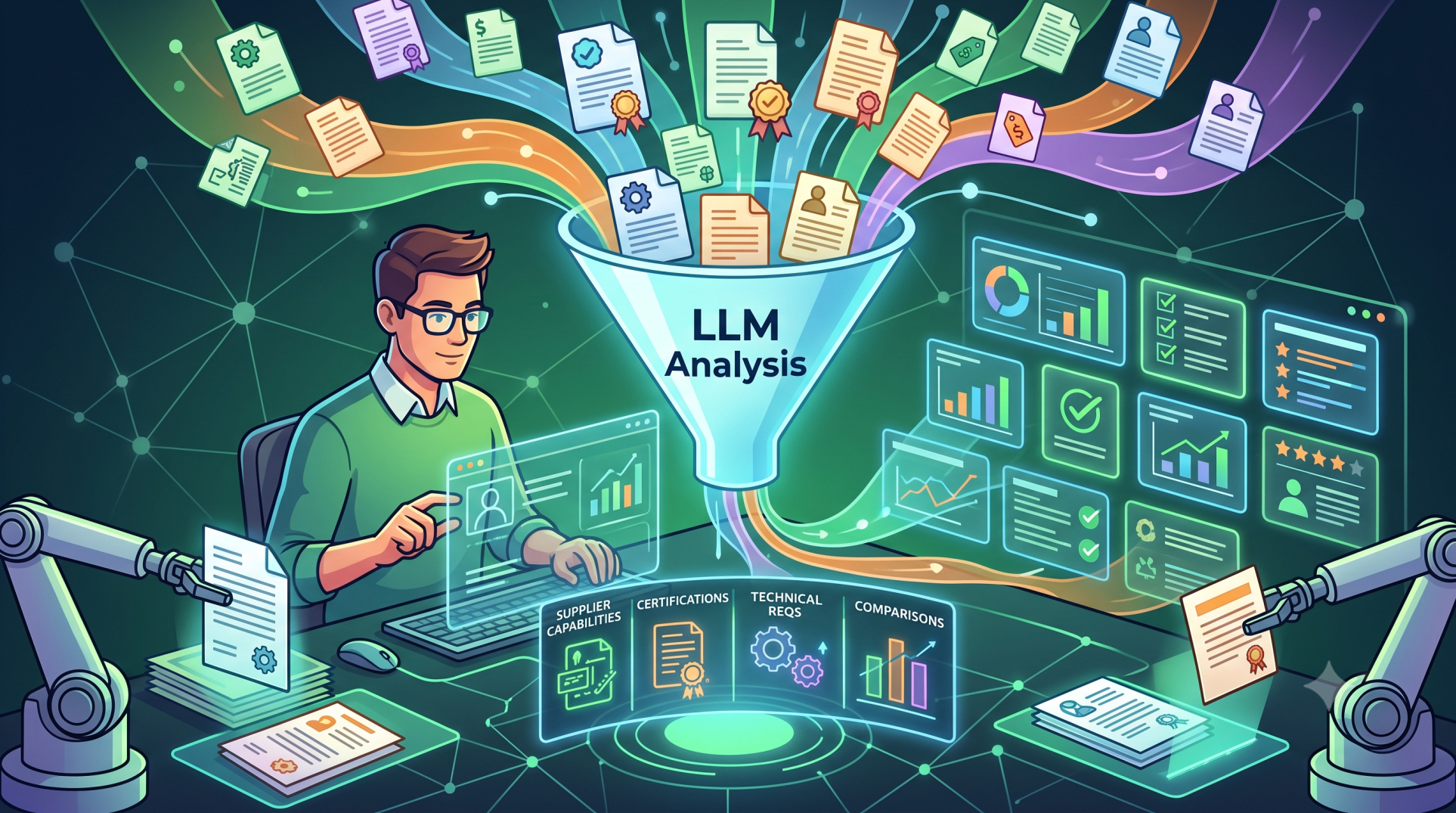
• Match purchasing requirements with suitable suppliers 🏪
• Consider pricing, quality, delivery performance, and availability 📊
• Evaluate supplier history alongside current requirements 📈
• Identify alternative suppliers when preferred options are unavailable 🔄
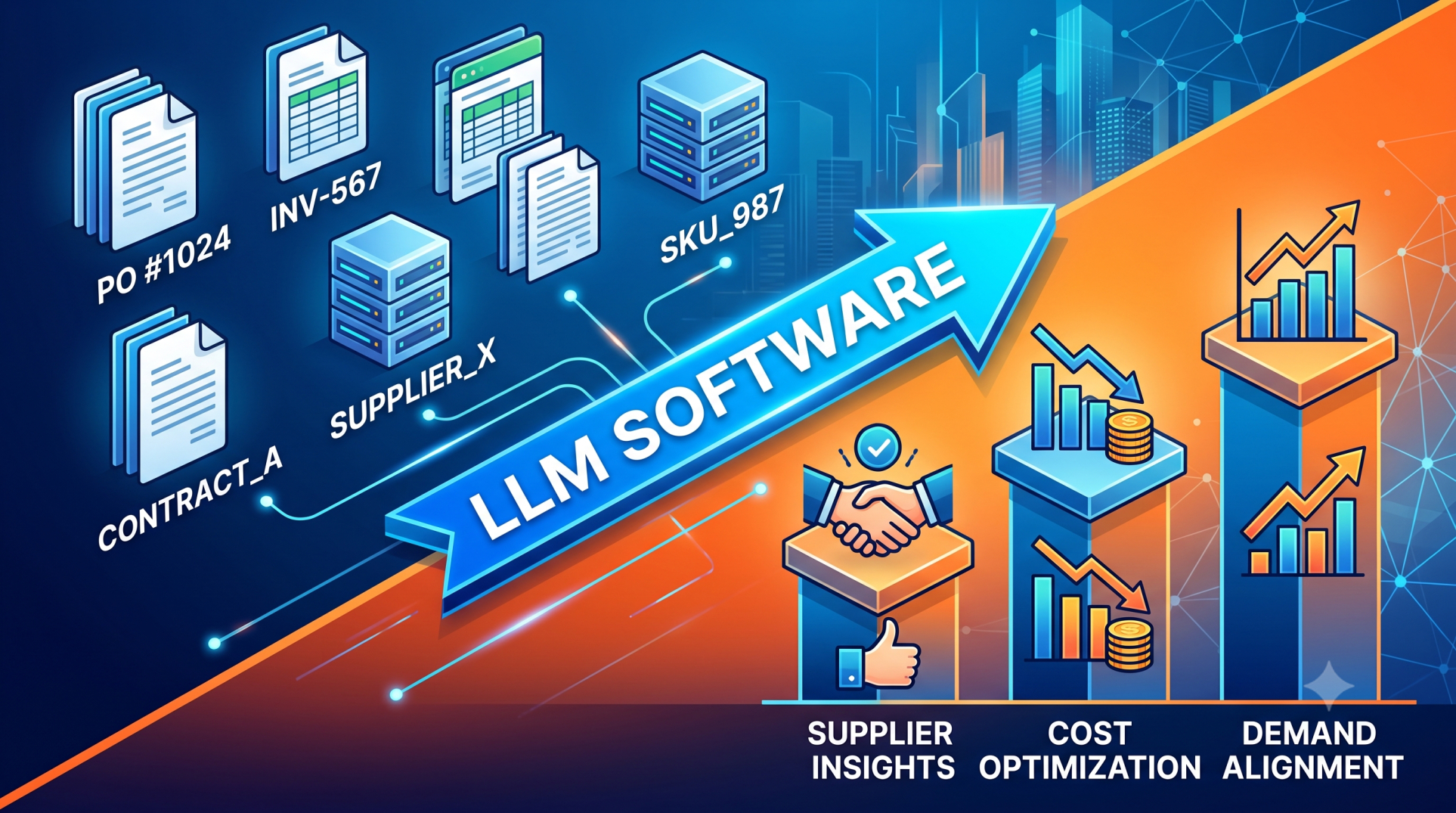
• Improve sourcing decisions through data-driven recommendations 💡
Step 5: Automating Procurement Workflows ⚙️
• Route purchase requests to the appropriate approvers automatically 🔀
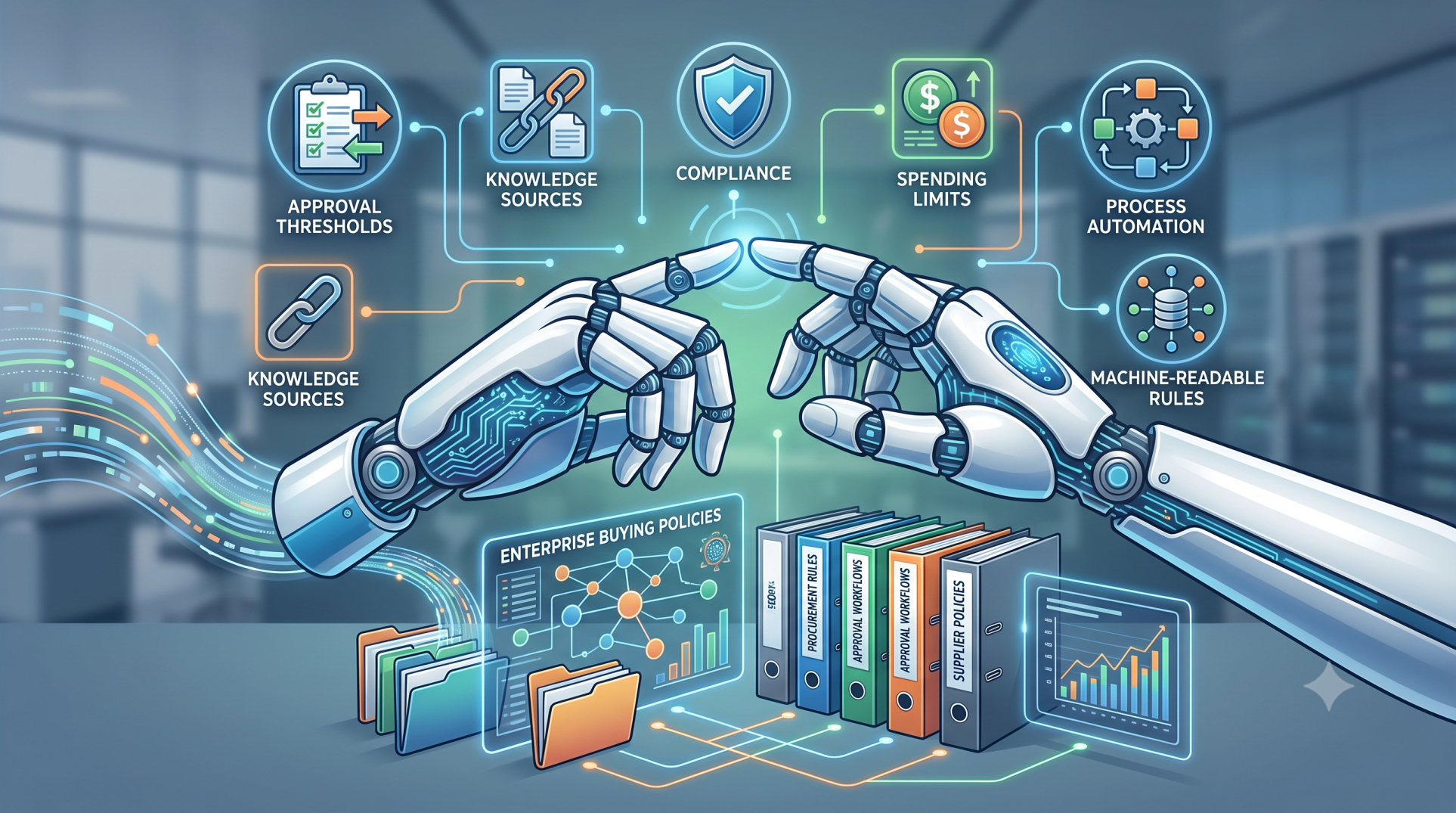
• Apply approval rules based on budgets, departments, and purchase categories 💰
• Generate alerts for unusual or high-value requests 🚨
• Reduce manual coordination between procurement stakeholders ⏱️
• Maintain consistent purchasing processes across the organization ✅
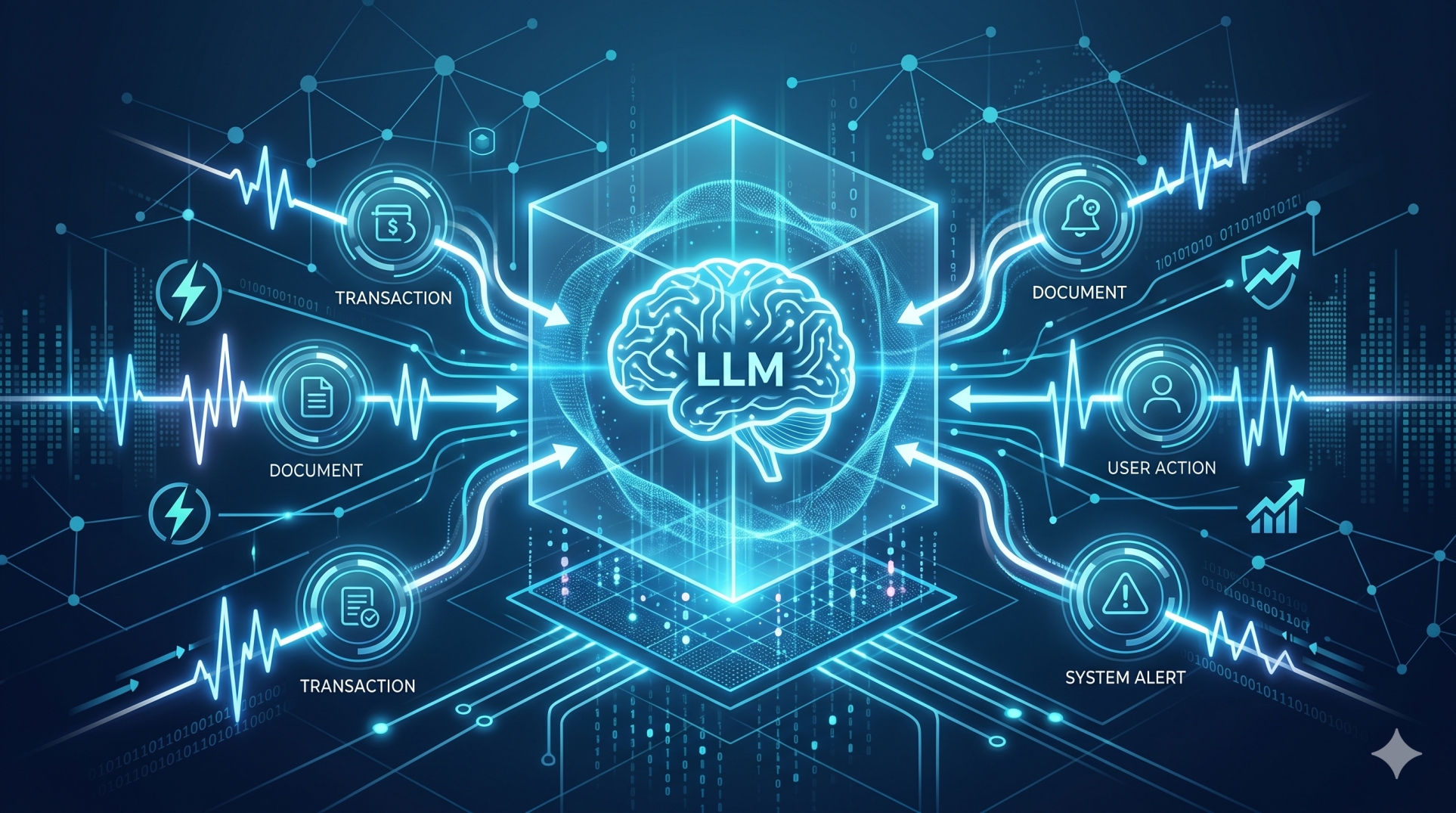
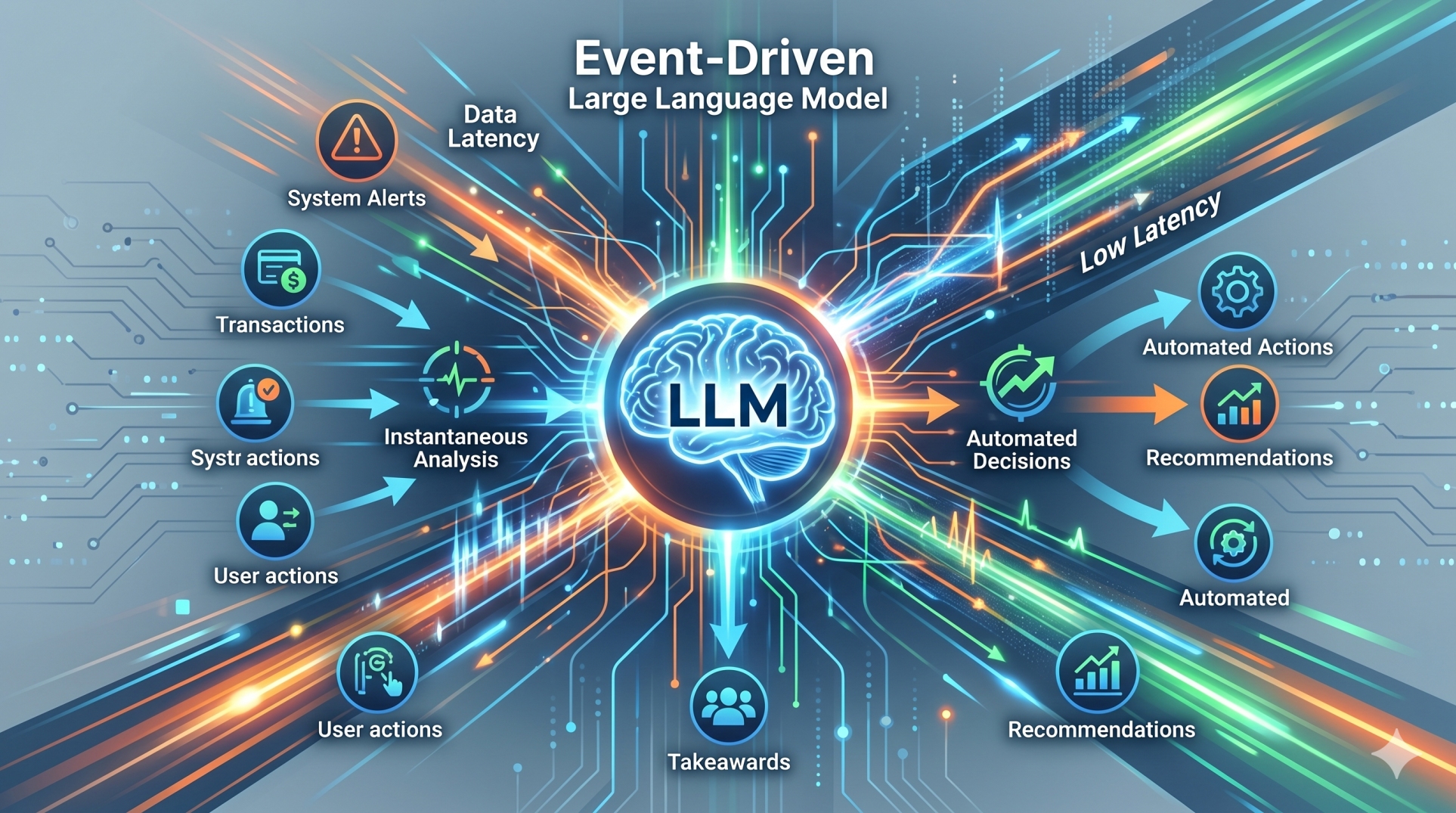
Step 6: Using Real-Time Business Data 📡
• Consider current inventory before creating new purchase orders 📦
• Monitor supplier availability and delivery timelines 🚚
• Track budget utilization in real time 💵
• Incorporate changing operational requirements into purchasing decisions 🔄
• Provide procurement teams with up-to-date business intelligence 📊
Step 7: Detecting Purchasing Patterns and Opportunities 🔍
• Identify recurring purchases across departments 📈
• Detect duplicate or overlapping procurement requests 🔄
• Highlight opportunities for bulk purchasing and consolidation 📦
• Recognize unusual spending patterns for further review ⚠️
• Use historical data to improve future procurement planning 🧠
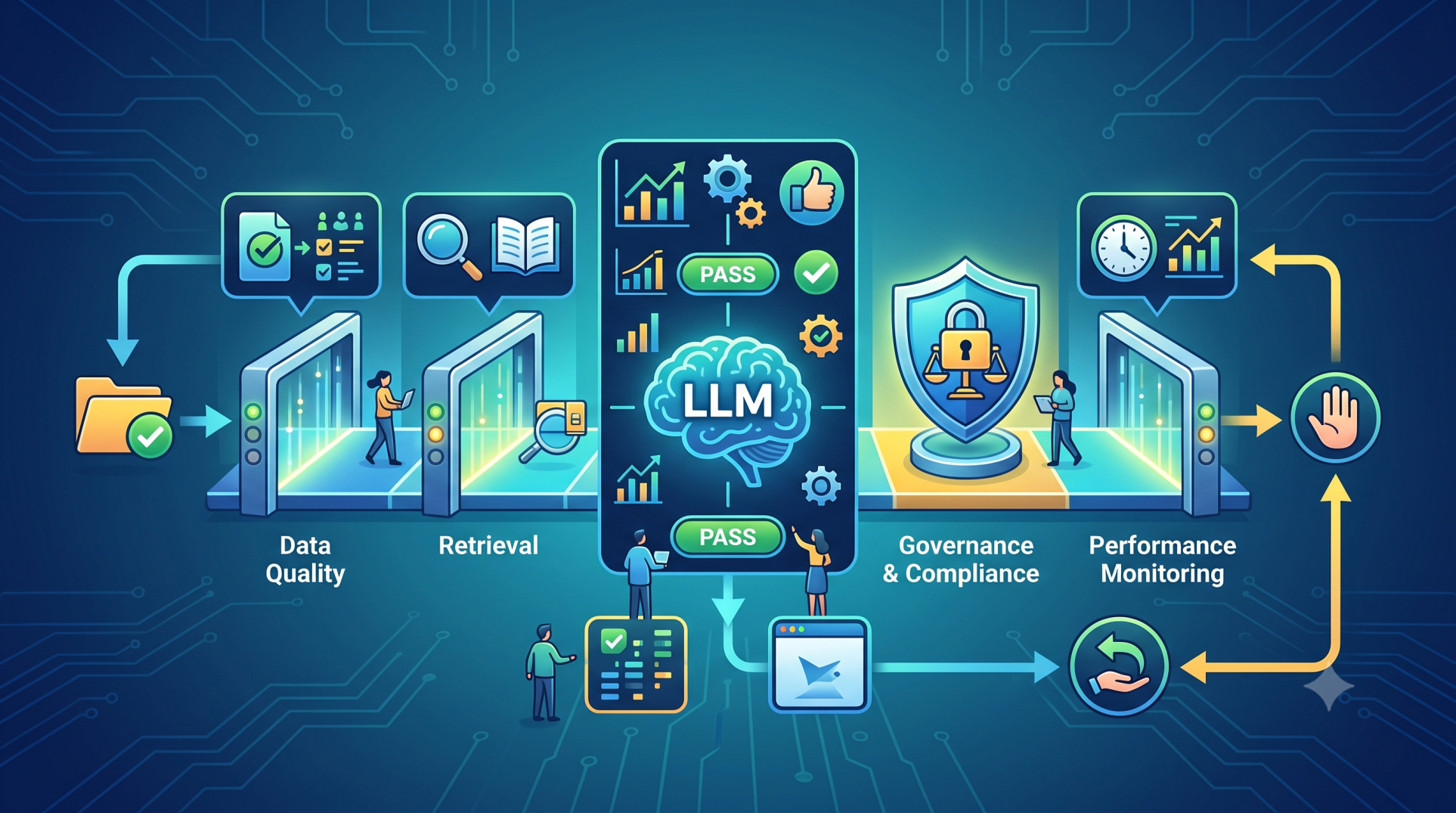
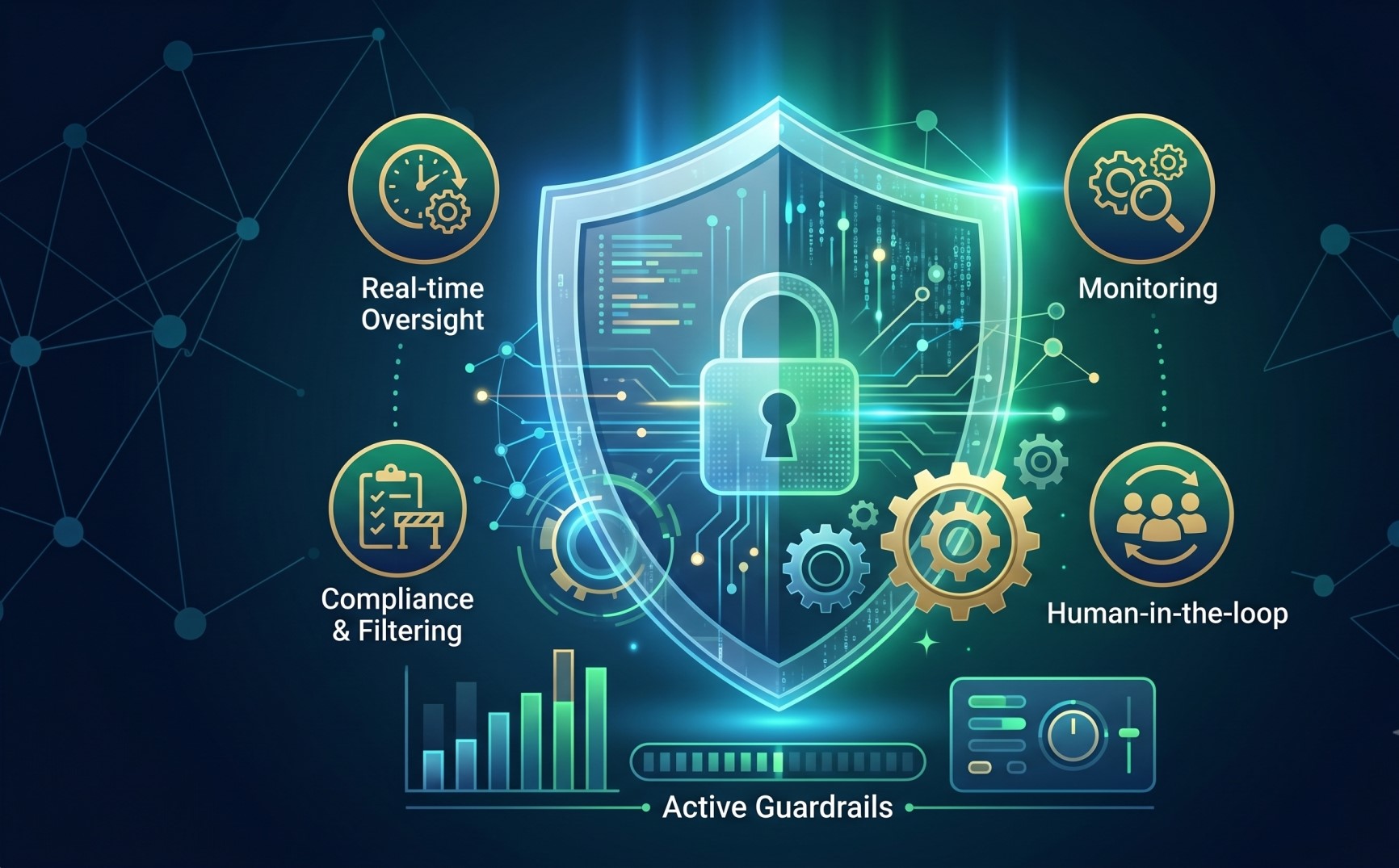
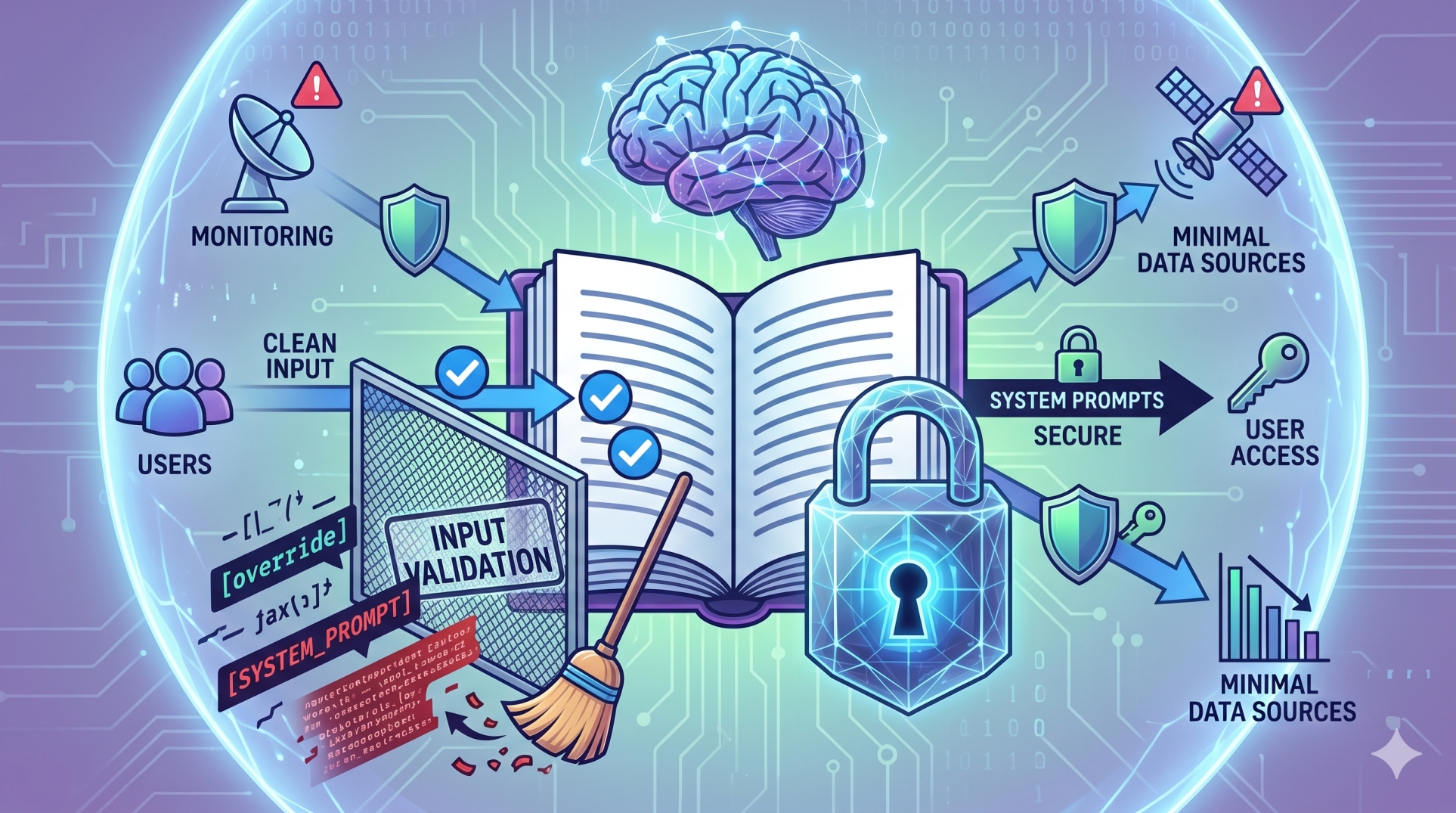
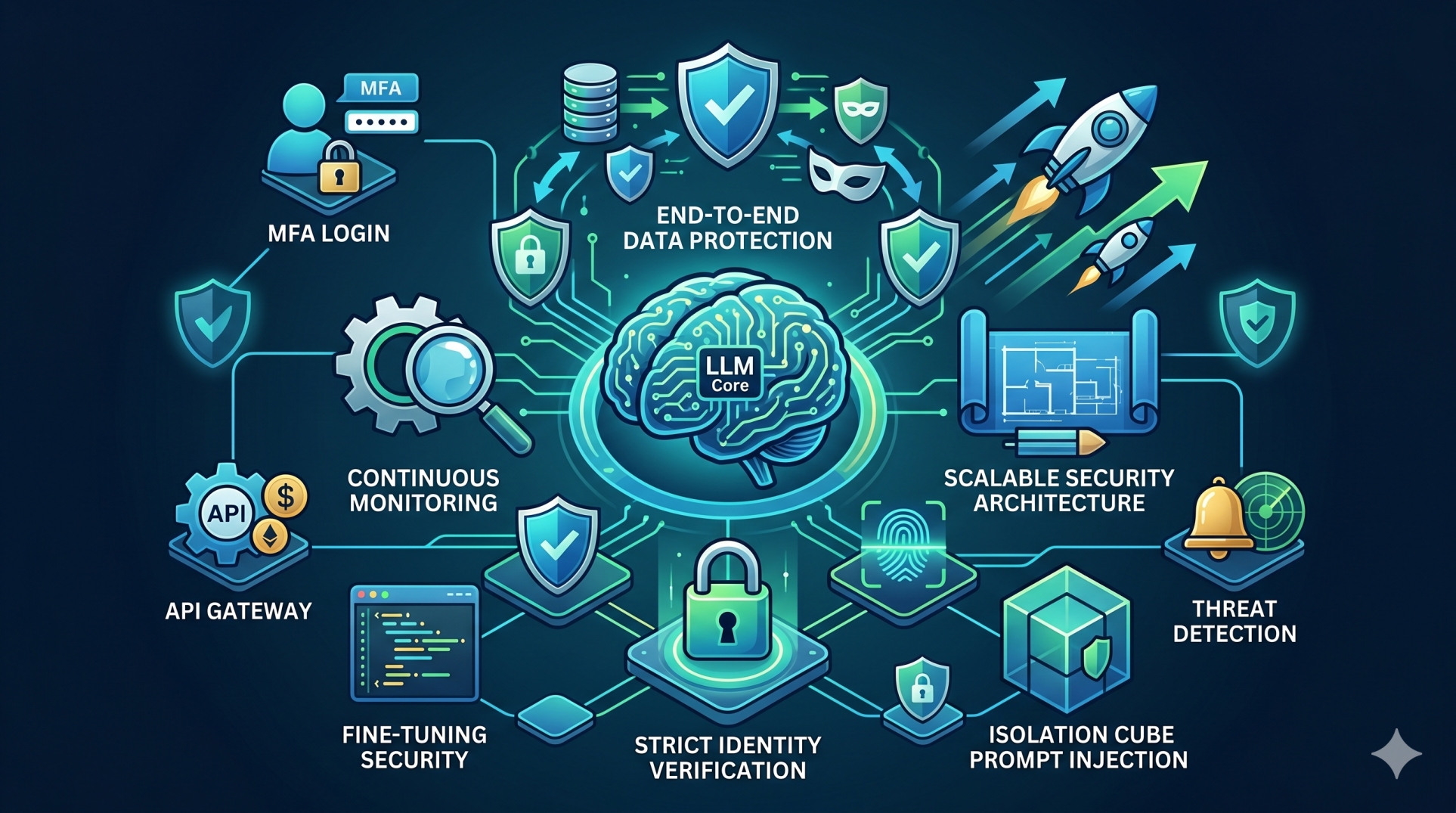
Step 8: Strengthening Procurement Governance 🔐
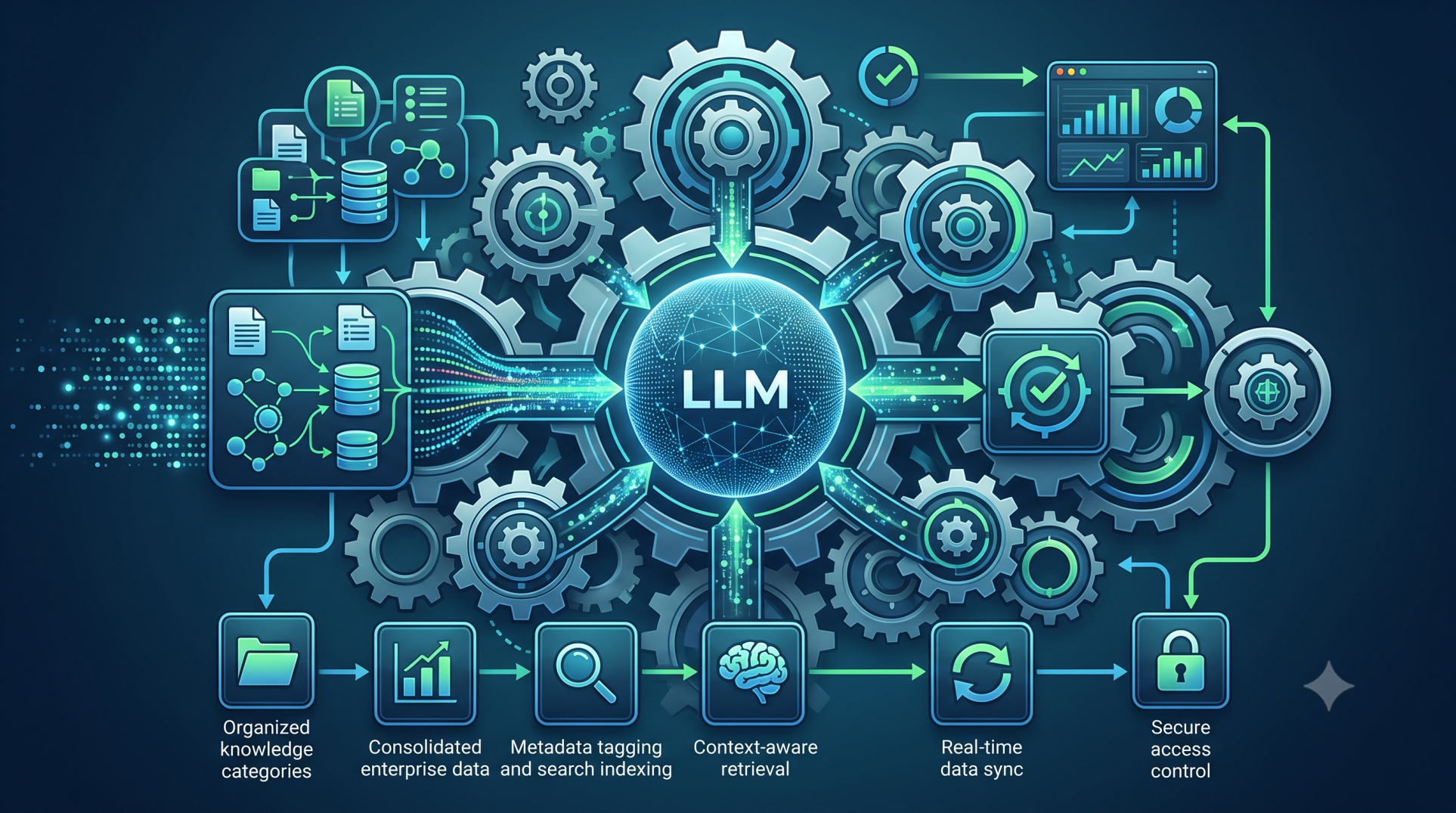
• Apply role-based access to procurement information 👥
• Maintain complete records of requests, approvals, and purchasing decisions 🧾
• Enforce organizational purchasing policies automatically 📜
• Monitor transactions for compliance and potential anomalies 🛡️
• Improve accountability throughout the procurement lifecycle ✅
Step 9: Supporting Adaptive Purchasing Decisions 🚀
• Adjust purchasing recommendations as business conditions change 🔄
• Reprioritize requests based on operational urgency 🎯
• Recommend alternatives when costs, availability, or delivery conditions shift 💡
• Help procurement teams respond to changing demand patterns 📊
• Support faster and more informed purchasing decisions ⚡
Step 10: Building Future-Ready Intelligent Procurement Systems 🌟
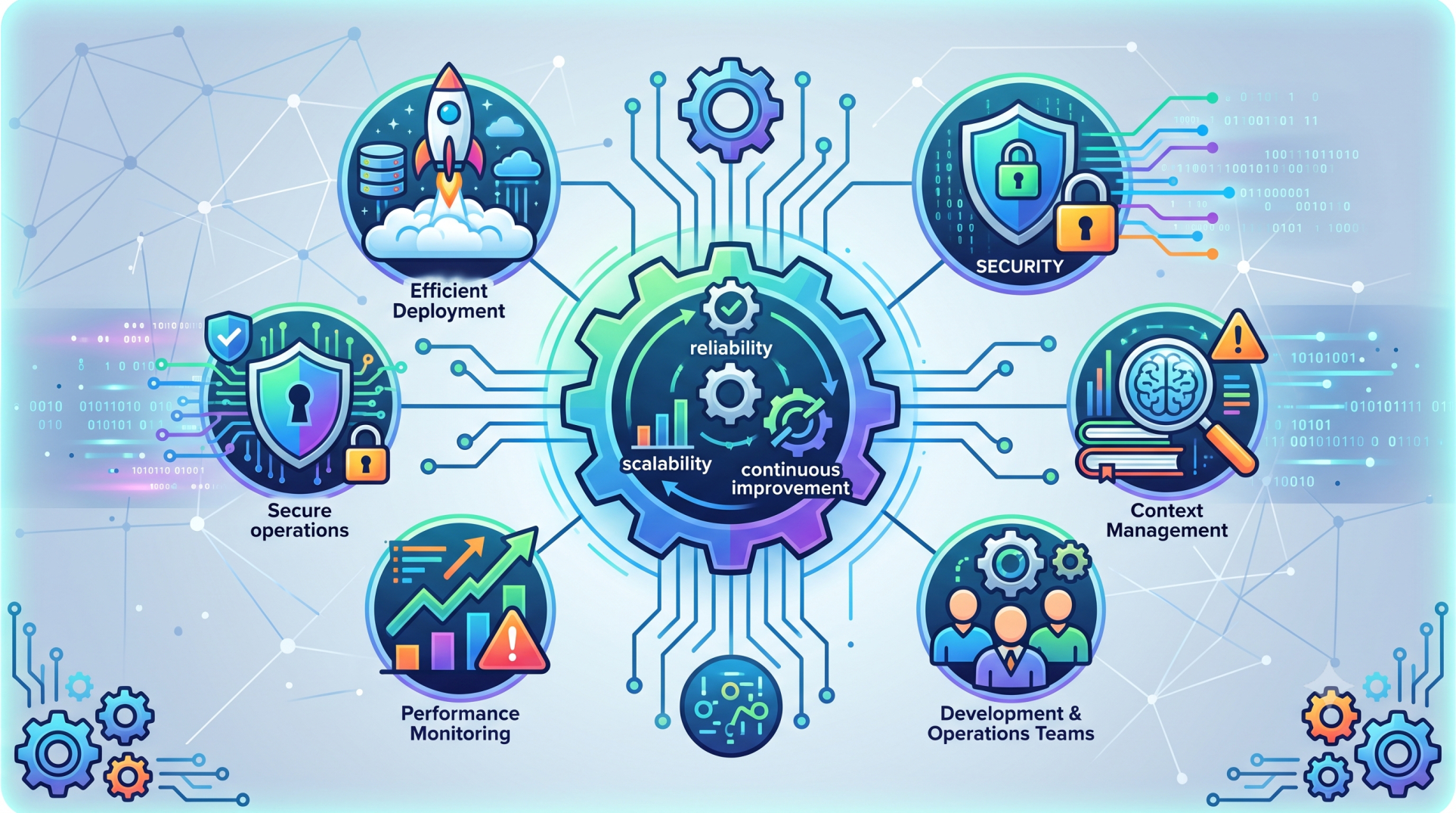
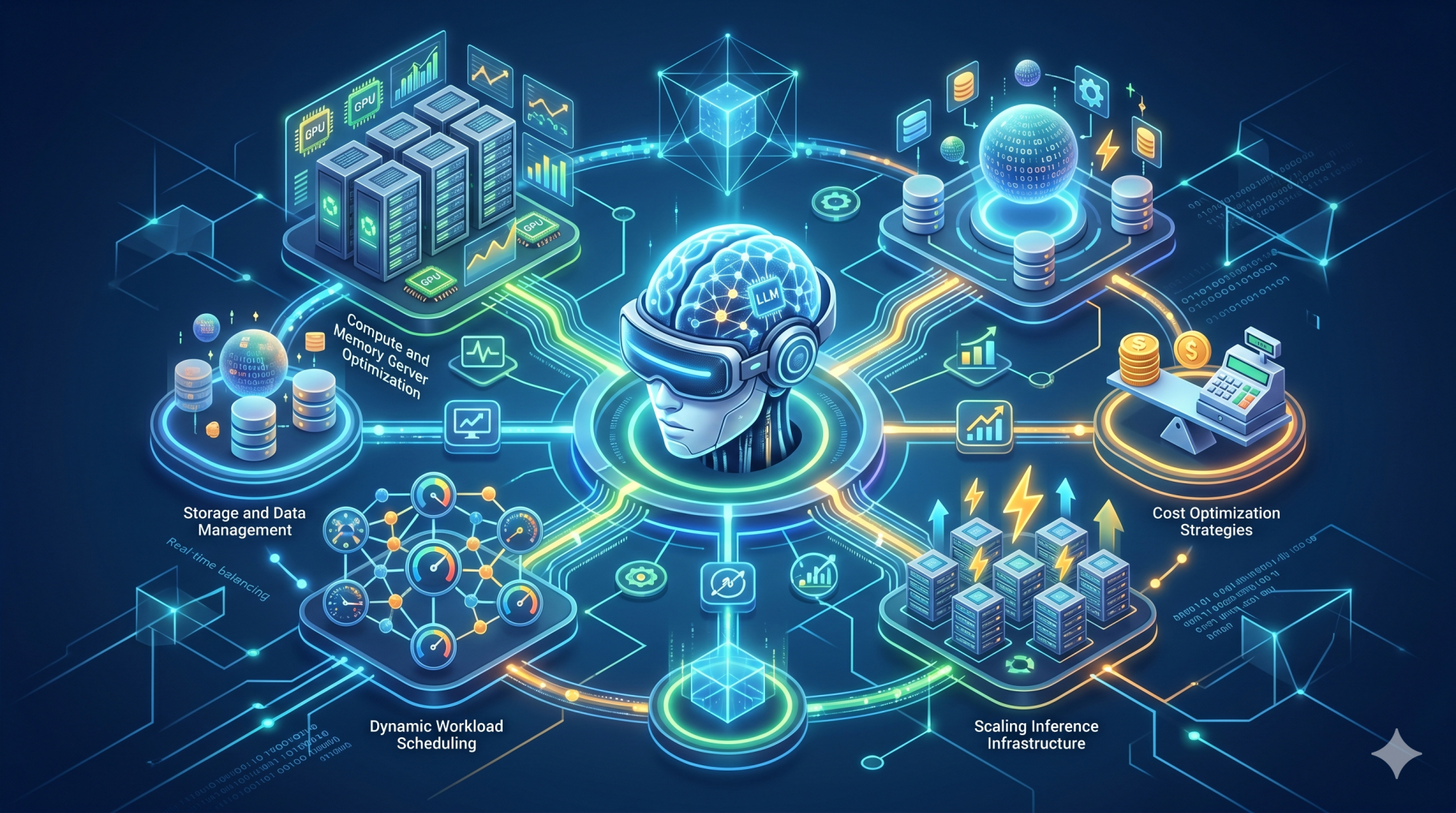
• Design modular architectures that can evolve with business requirements 🏗️
• Integrate AI-driven recommendations and predictive analytics 🤖
• Connect procurement with broader enterprise automation initiatives 🔗
• Support multi-location and multi-department purchasing operations 🌍
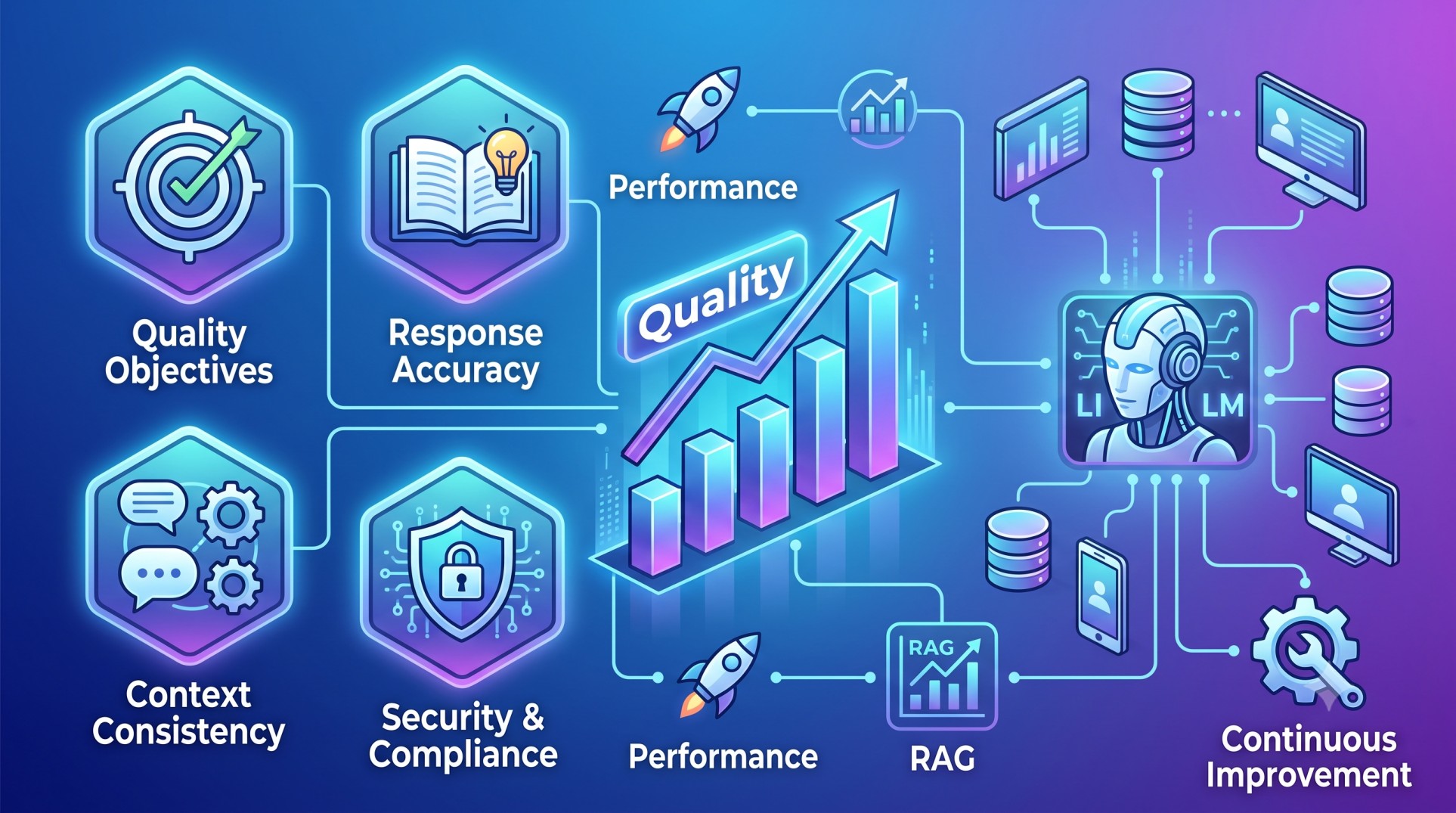
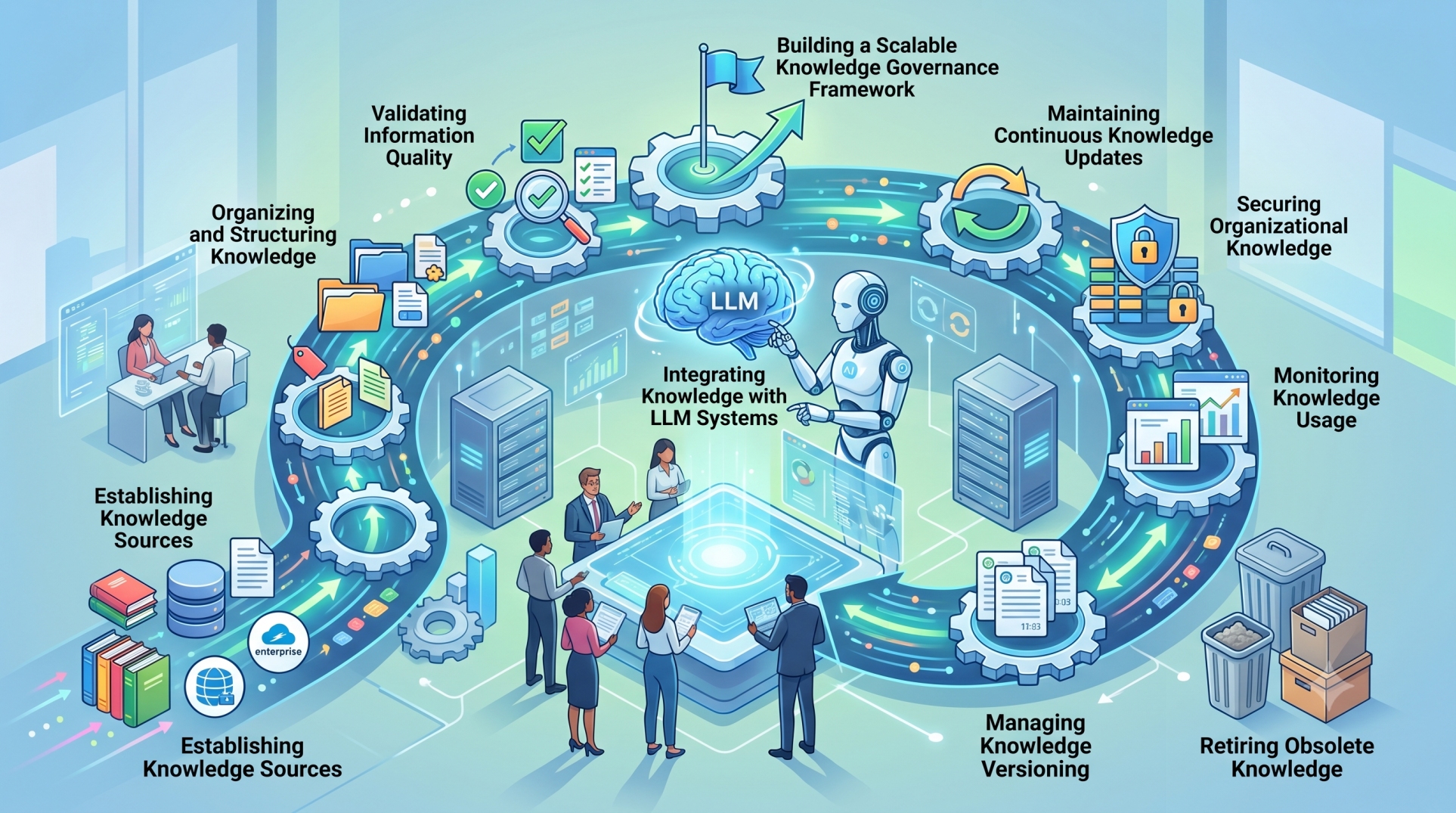
• Continuously improve procurement intelligence through organizational data 📈
Conclusion
Building procurement systems that understand business buying intent enables organizations to move beyond simple purchase processing toward context-aware procurement management. By connecting purchasing requests with operational requirements, financial constraints, supplier intelligence, and real-time business data, organizations can make faster and more informed decisions. An intent-driven procurement system can reduce unnecessary spending, improve supplier coordination, strengthen governance, and create a more responsive purchasing environment for modern enterprises.
See more blogs
You can all the articles below