Event-Driven LLM Systems for Real-Time Decision Making
Event-Driven LLM Systems for Real-Time Decision Making
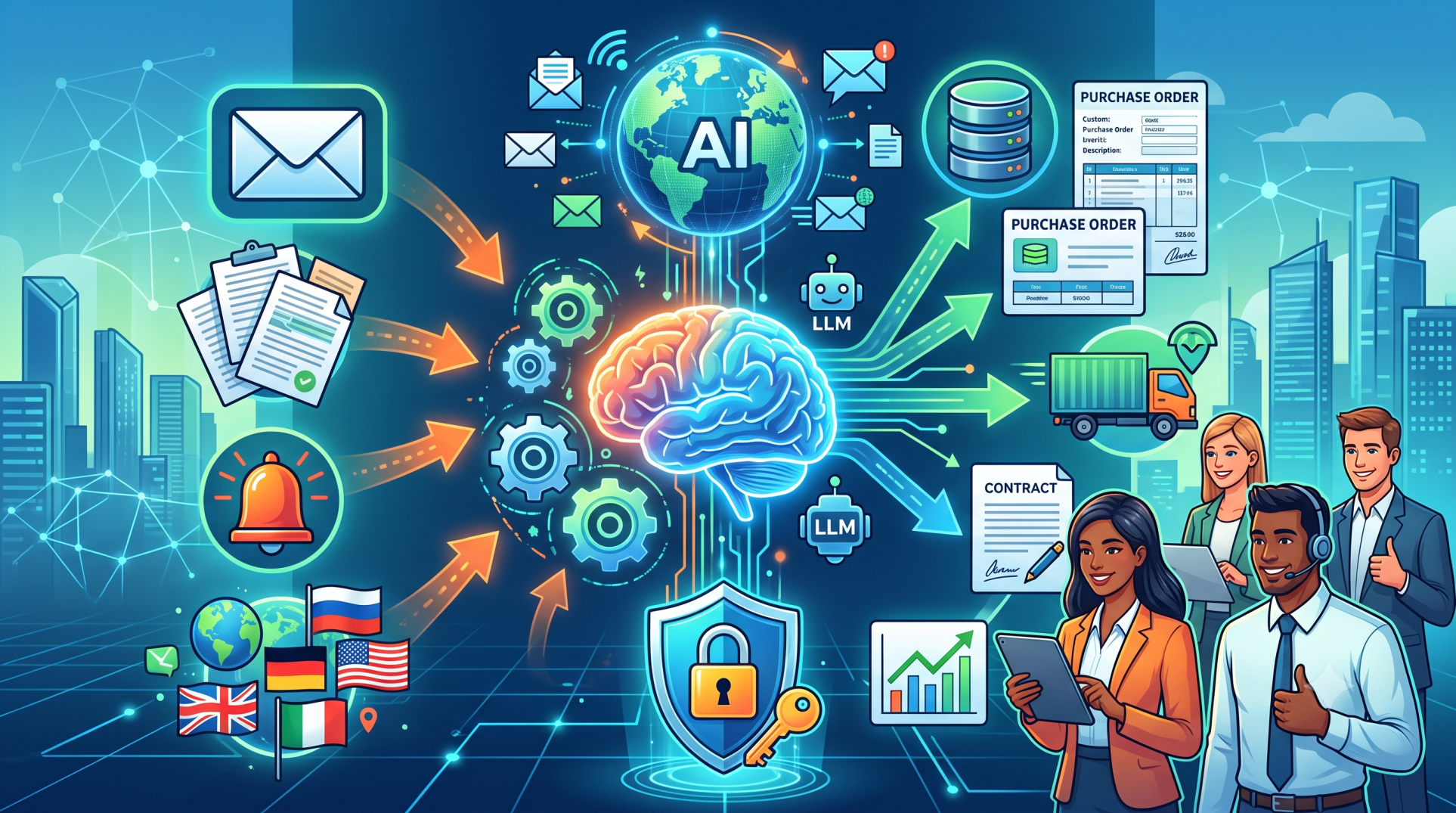
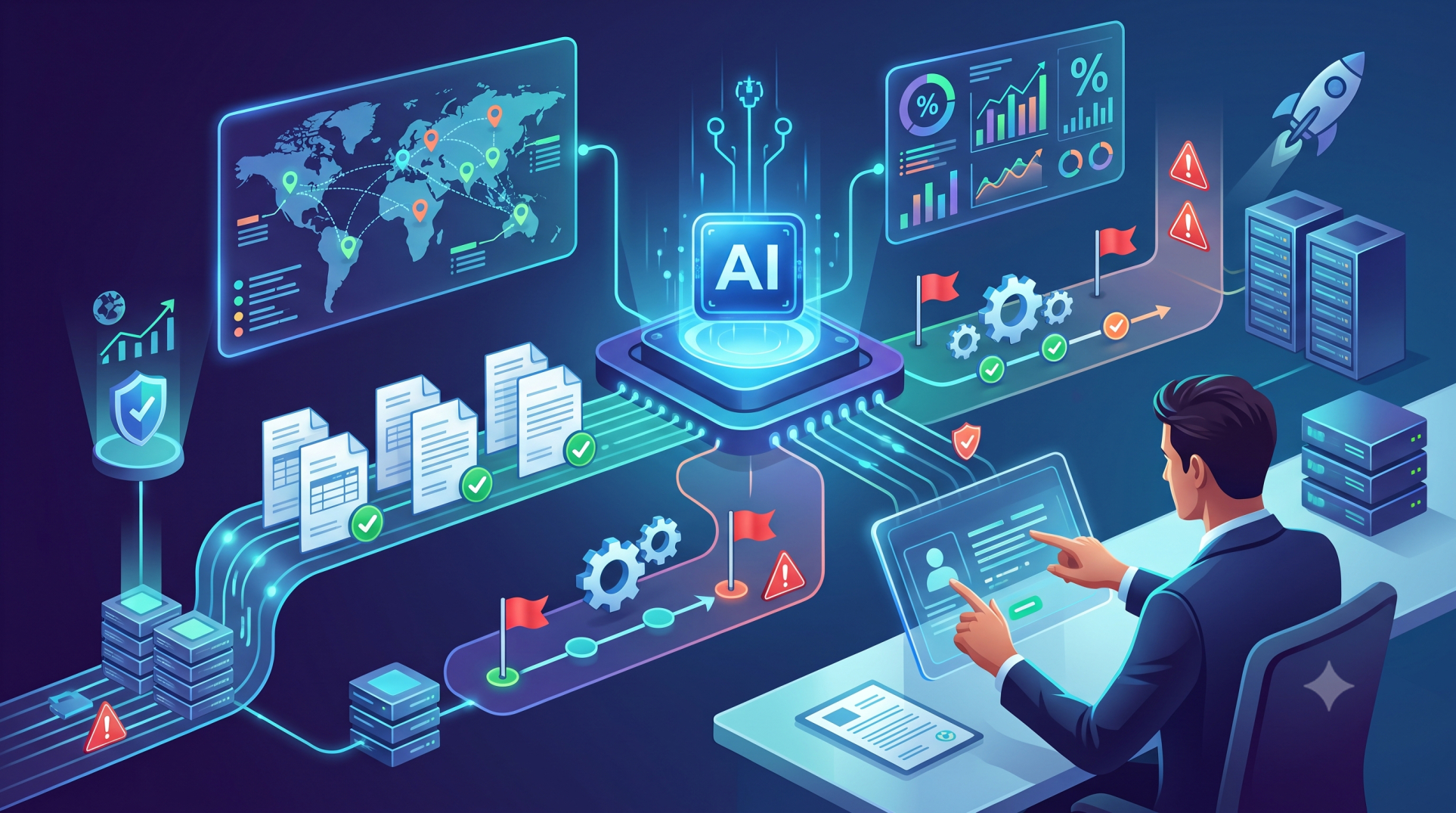
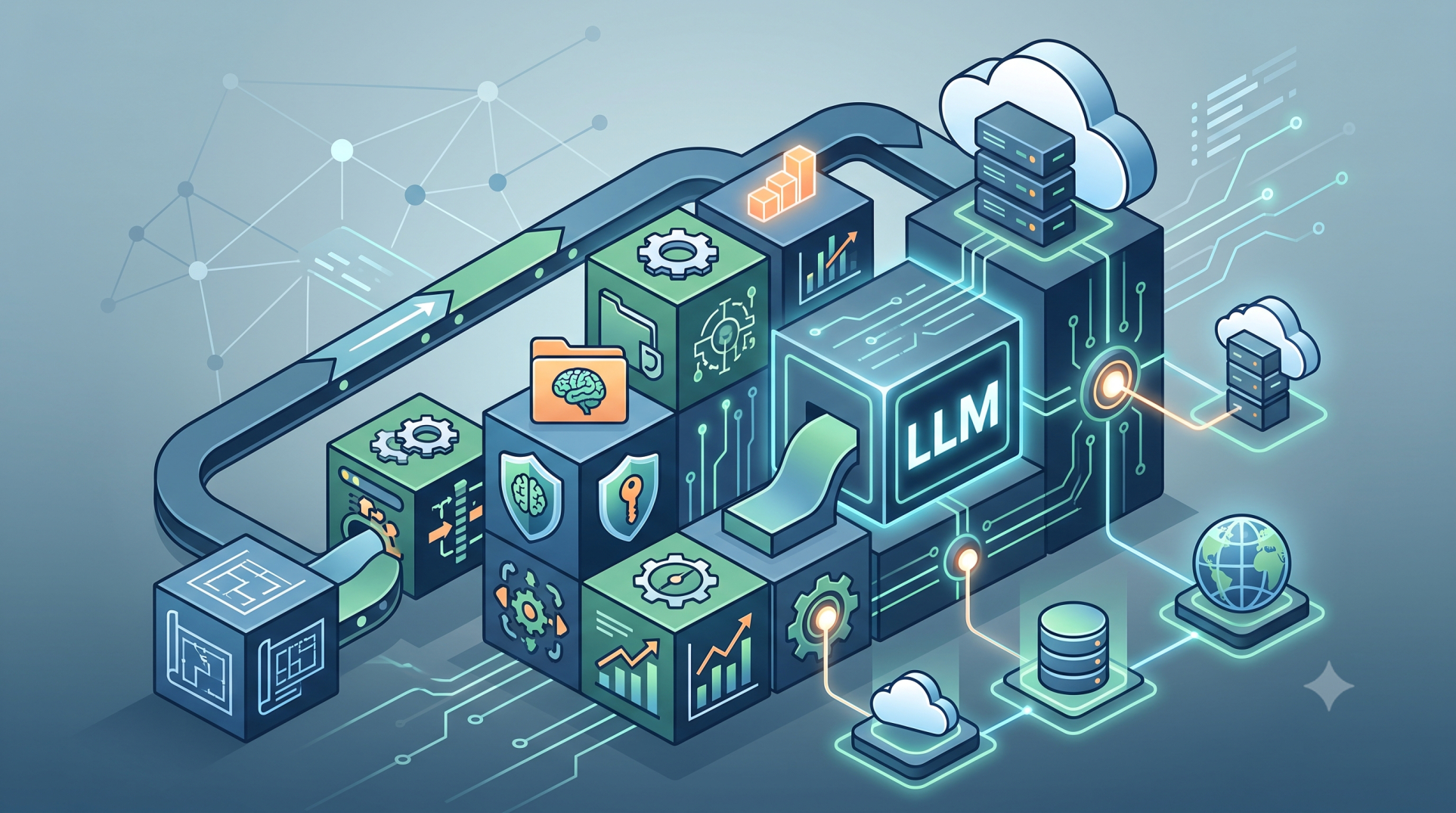
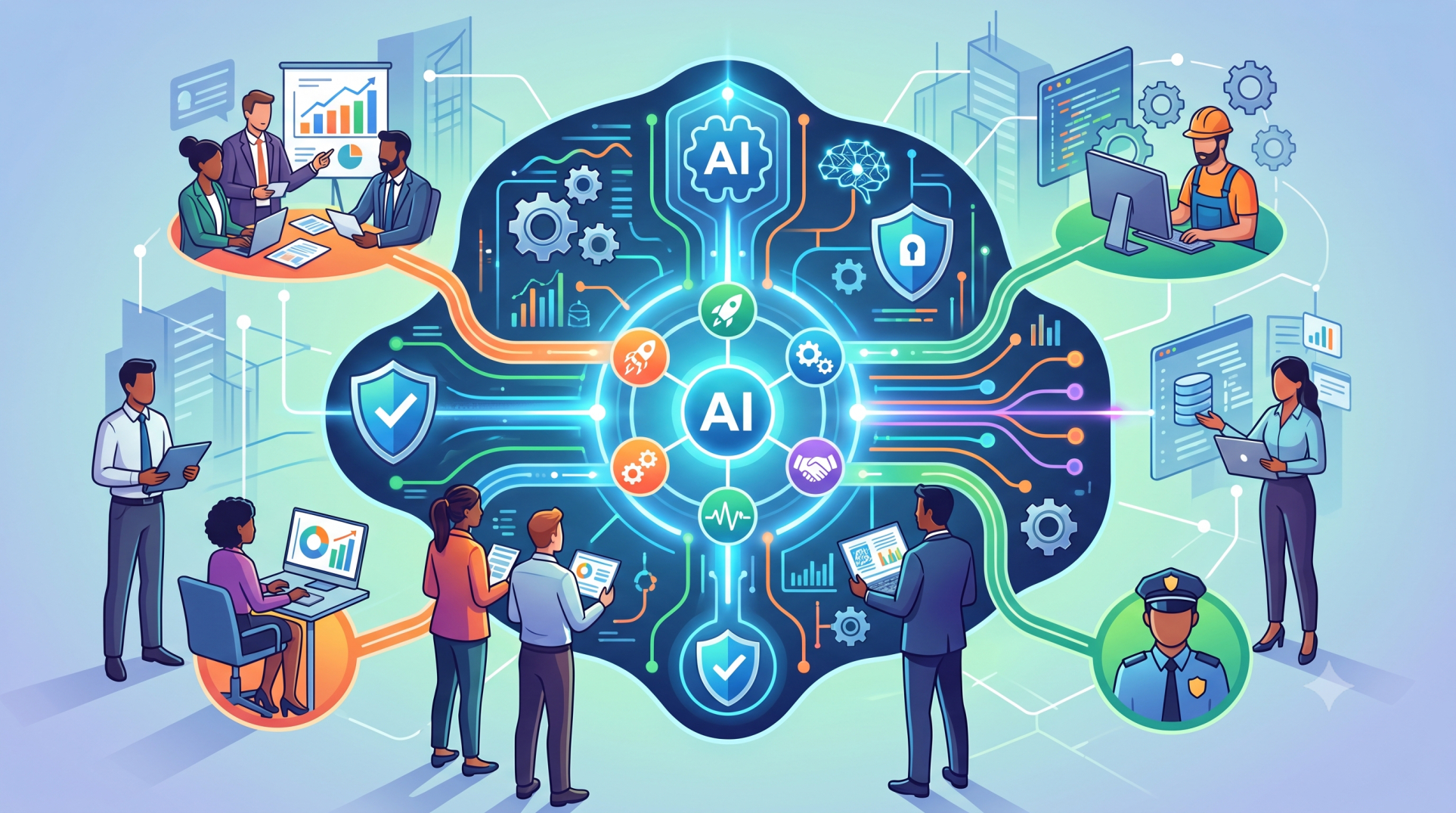
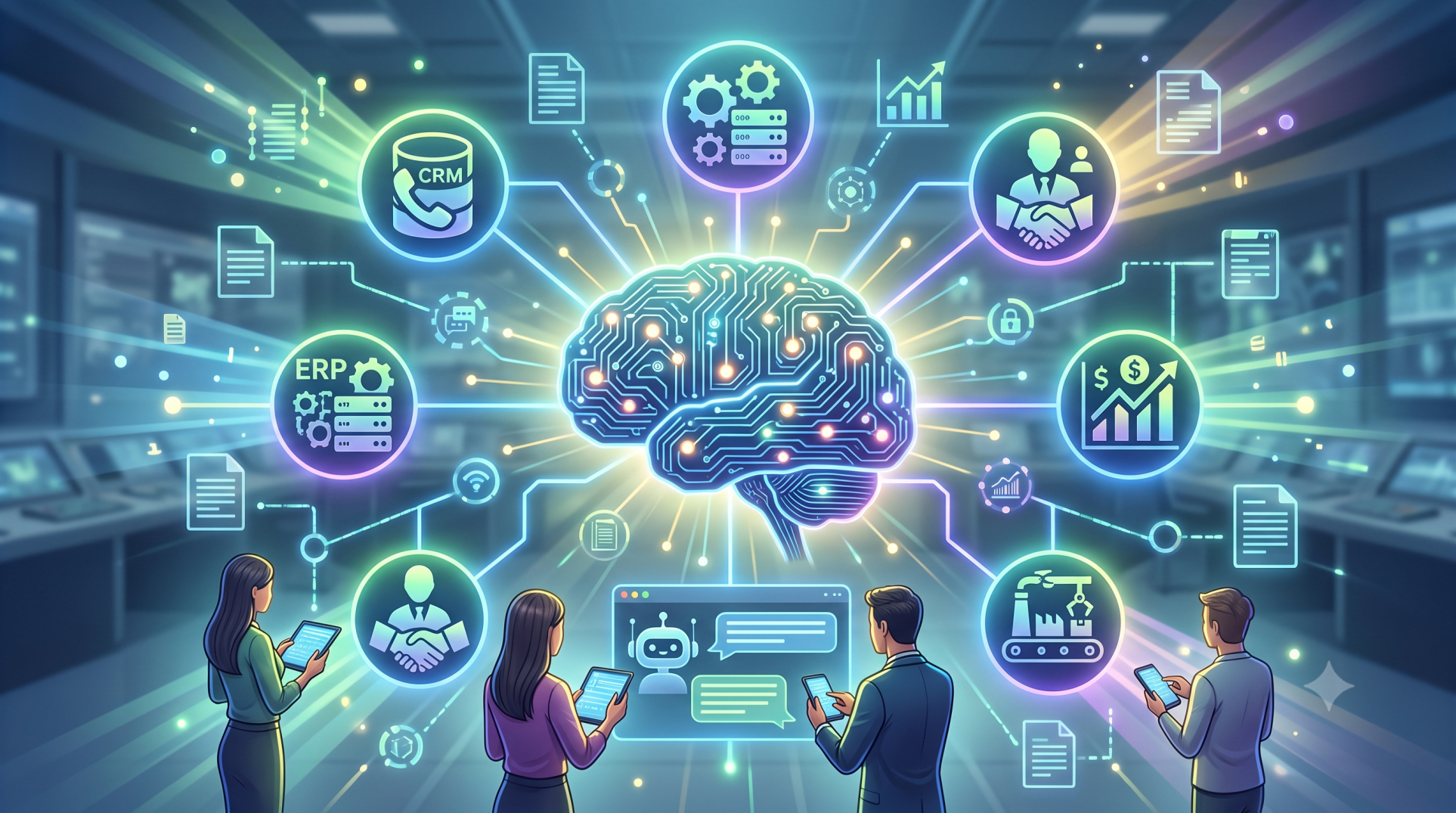
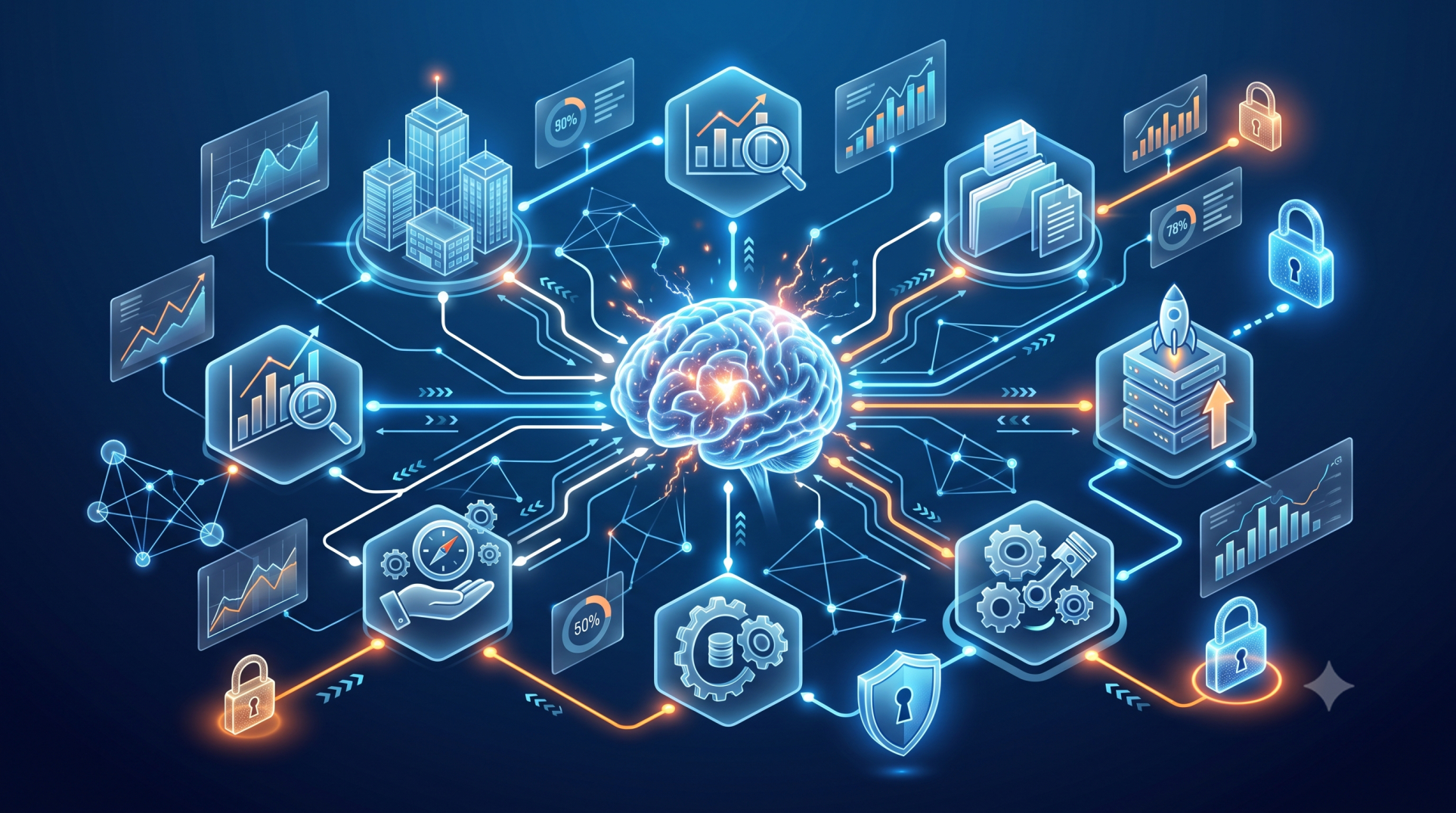
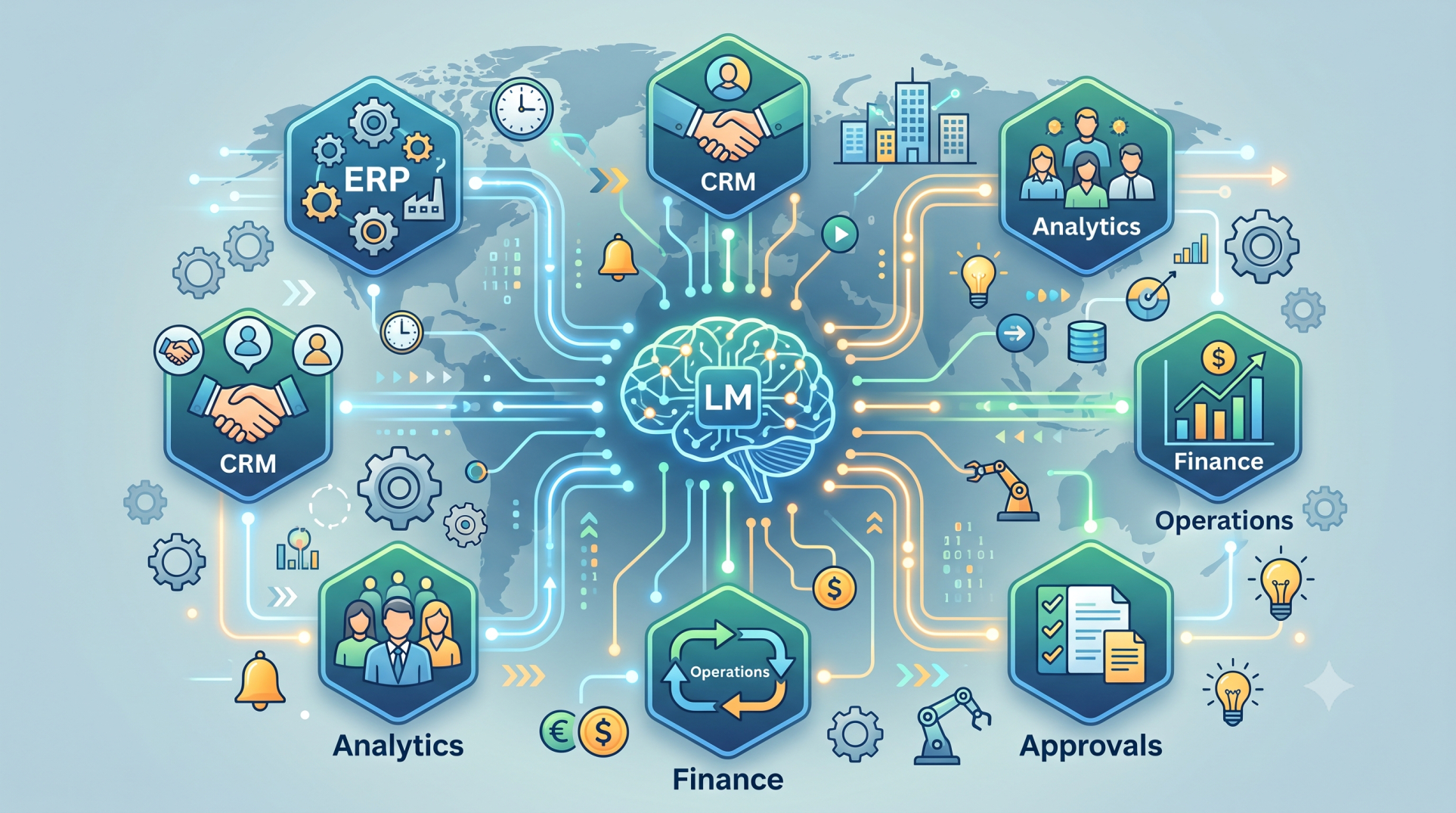
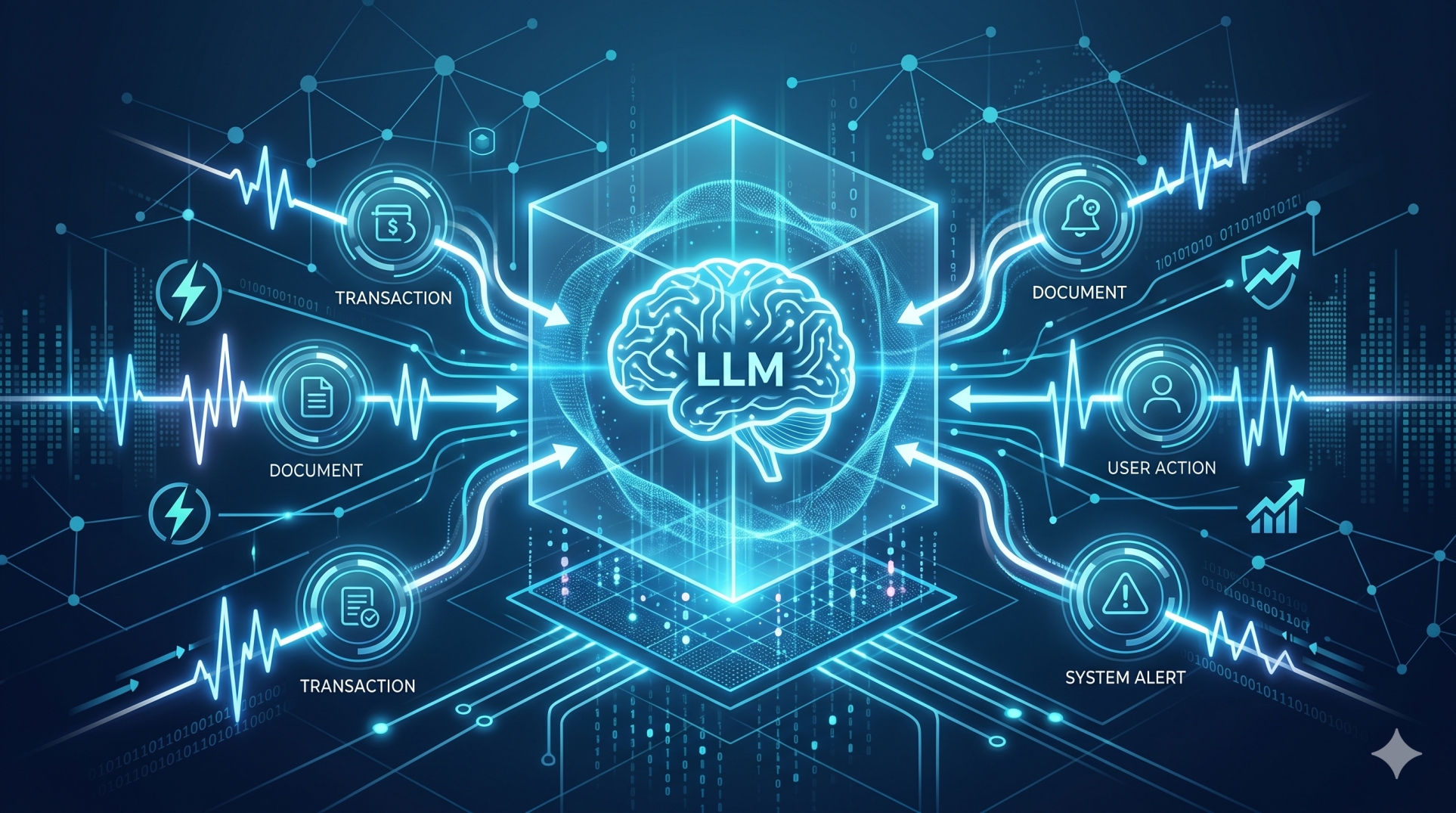
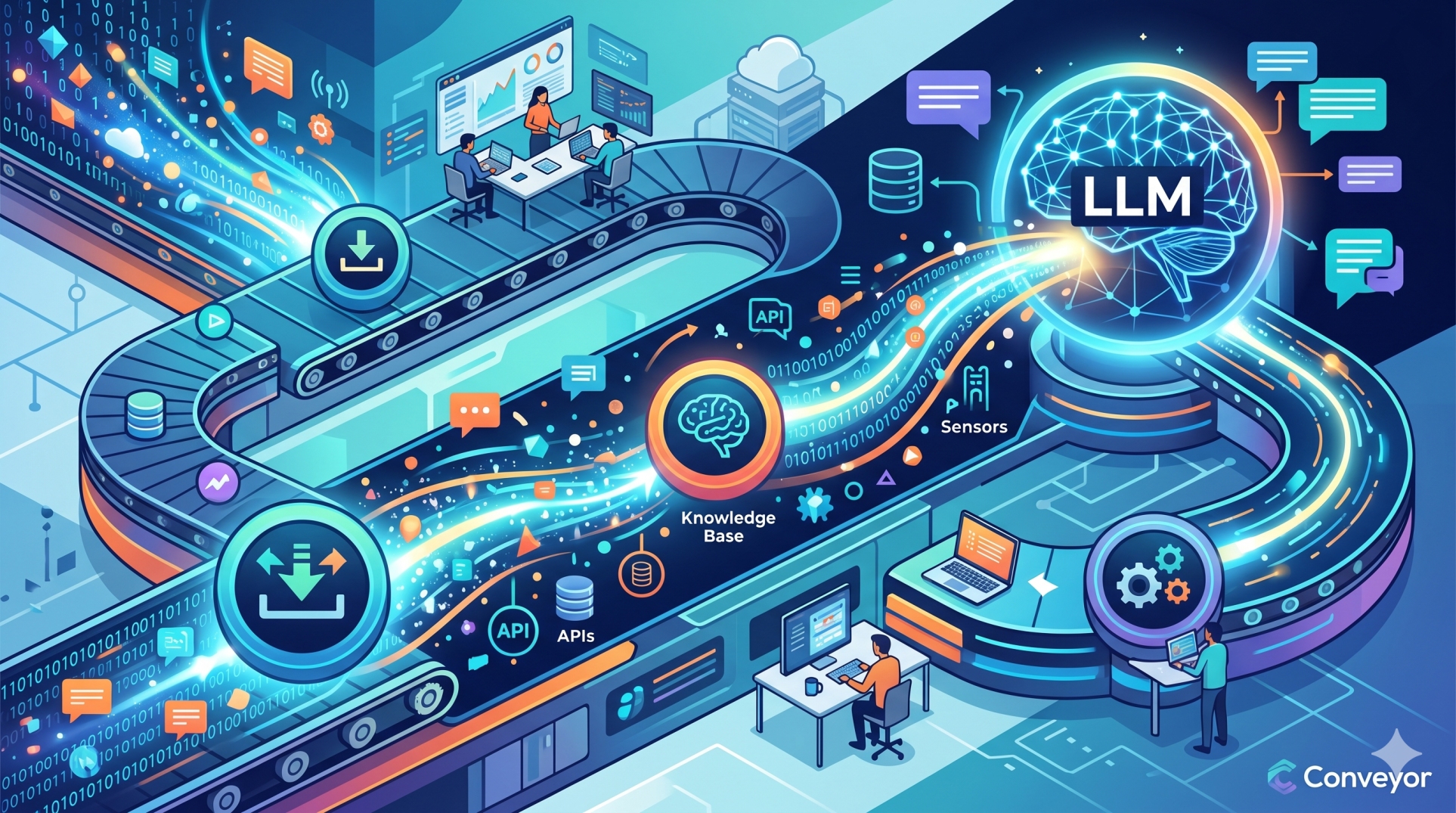
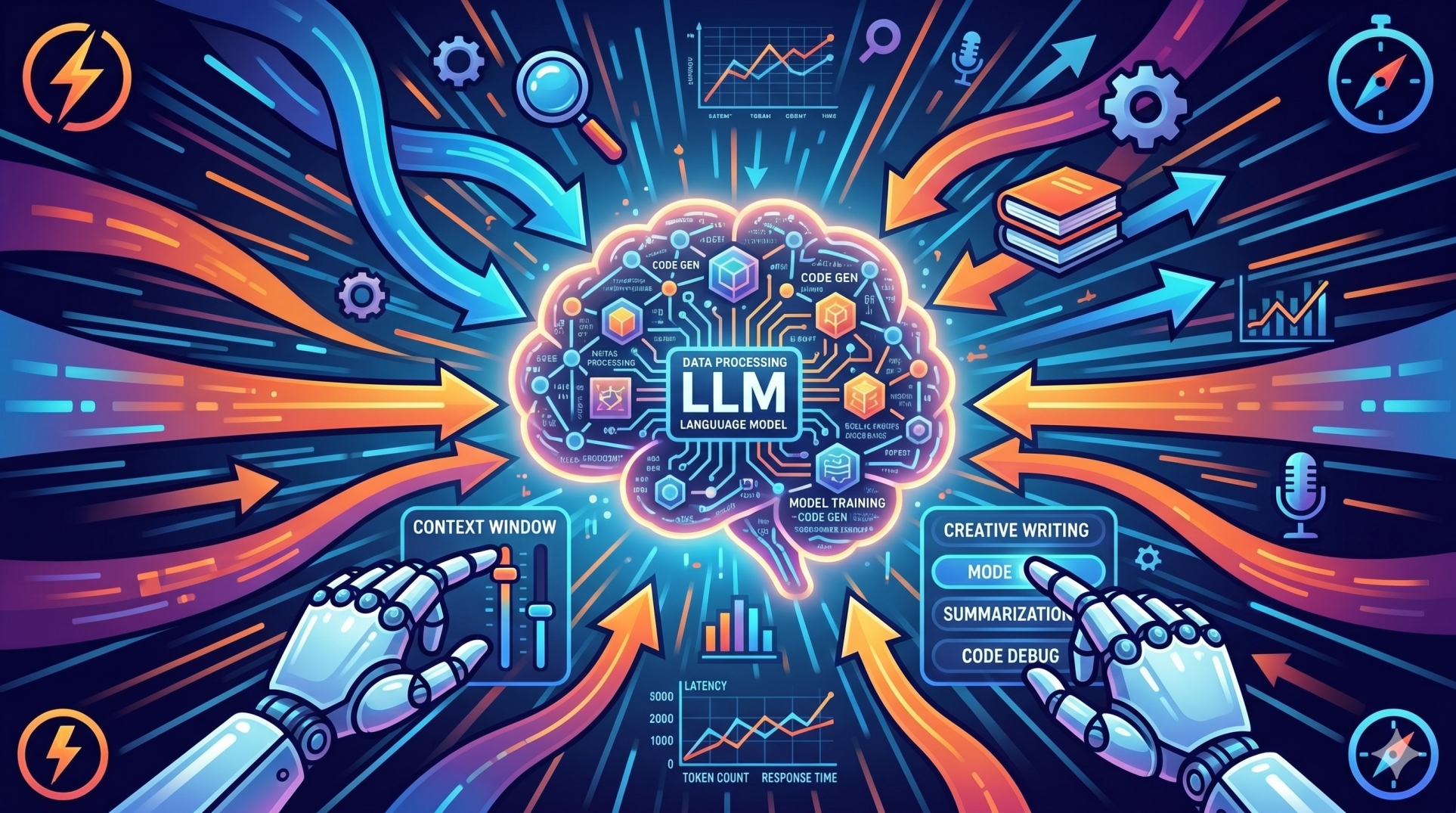
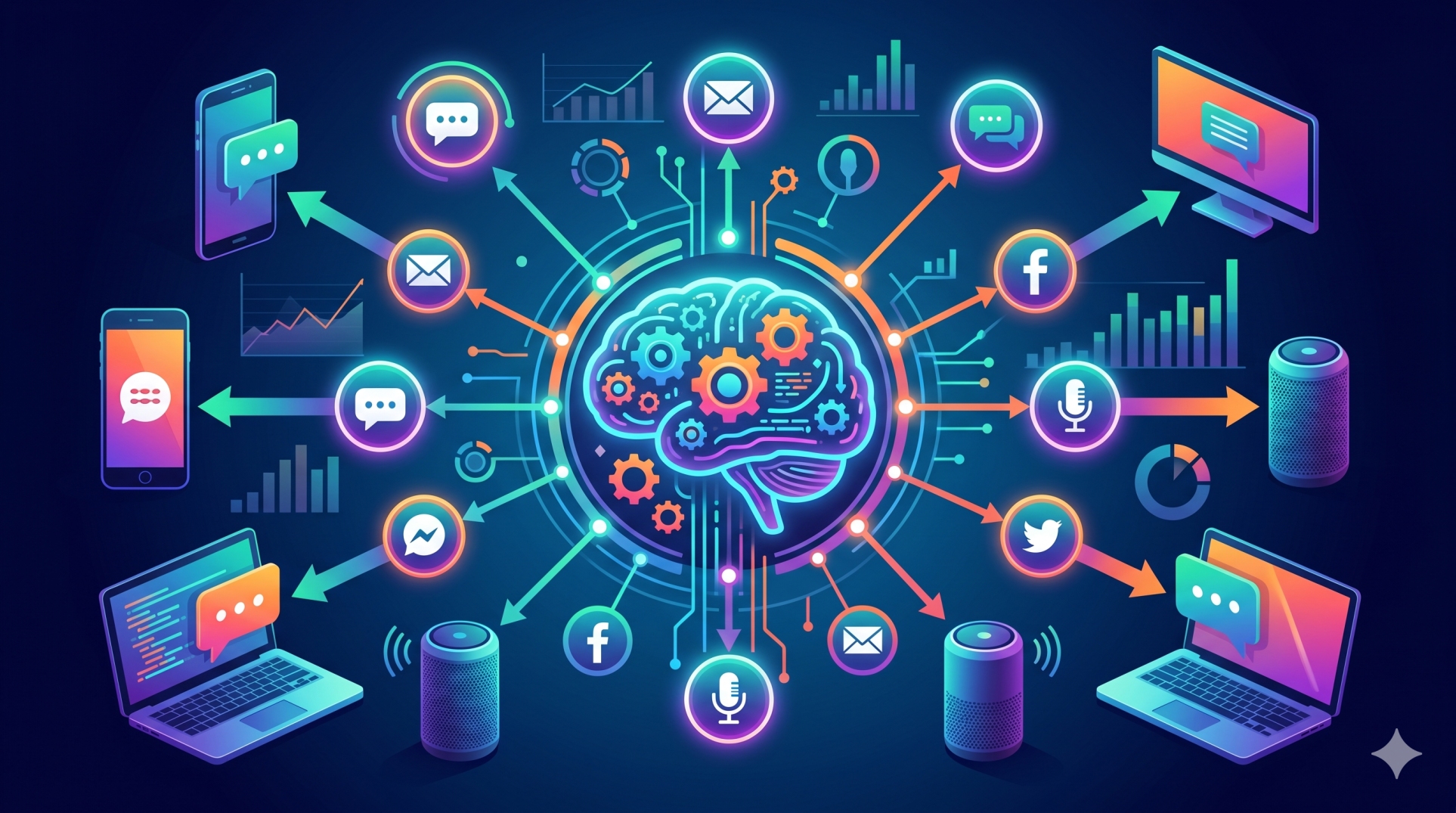
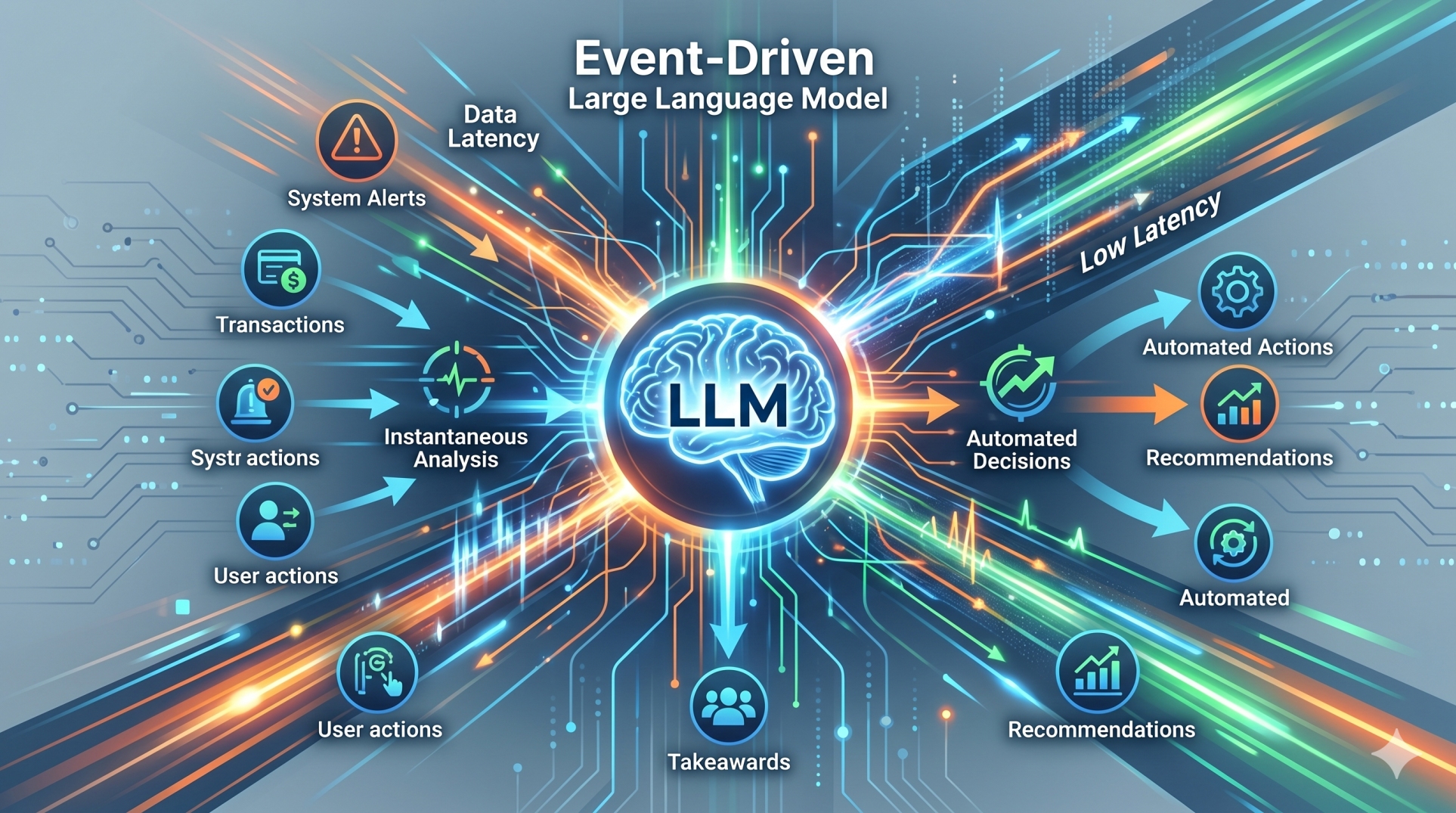
As organizations increasingly rely on real-time data to drive operations, Large Language Models (LLMs) are evolving from static, request-based tools into dynamic, event-driven systems. Instead of waiting for user prompts, event-driven LLM architectures respond instantly to triggers such as system updates, user actions, or external data streams. This approach enables faster decision-making, proactive automation, and intelligent system orchestration across modern digital ecosystems.
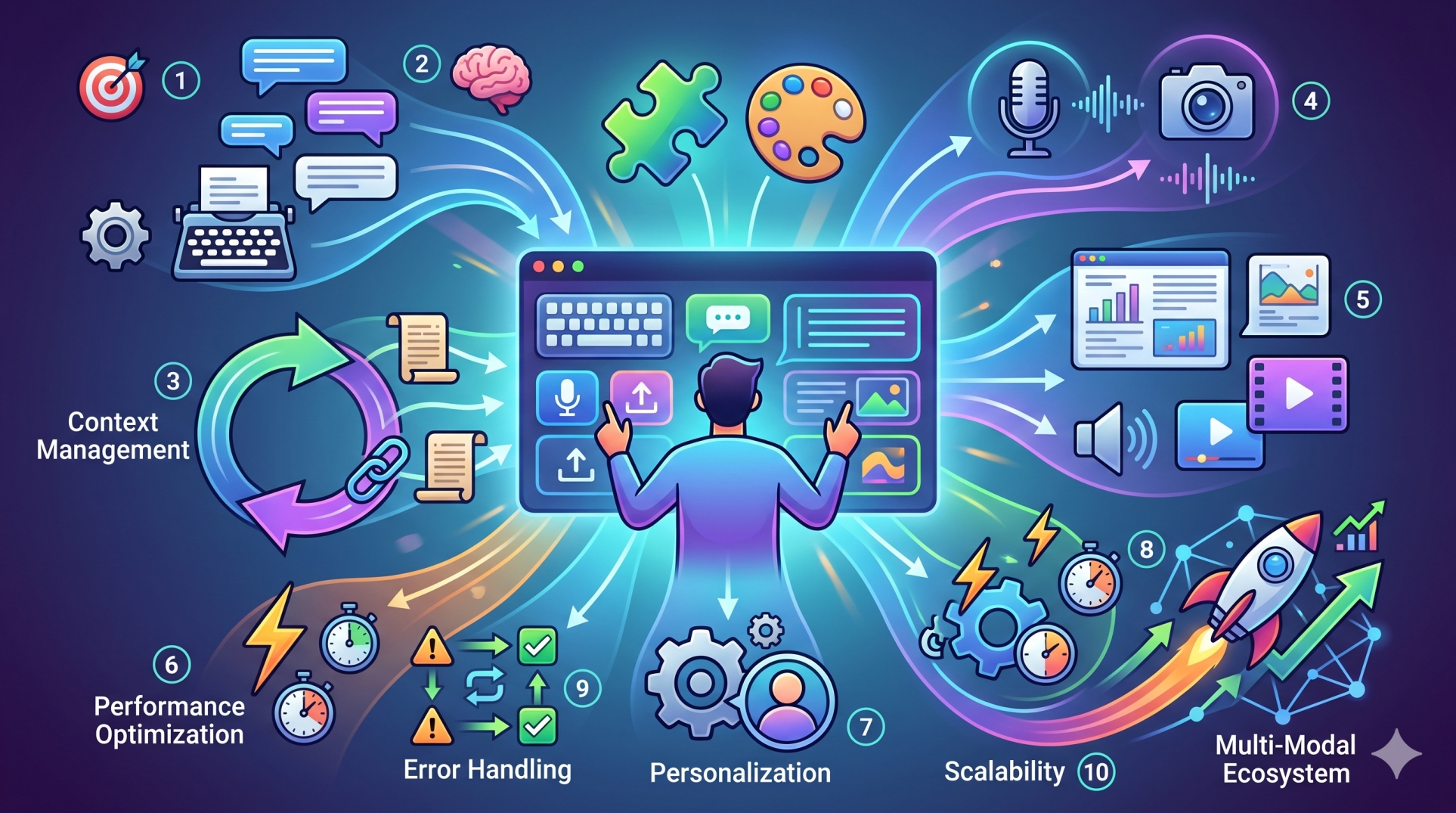
Step 1: Understanding Event-Driven Architecture in LLMs ⚡
• Event-driven systems react to triggers rather than manual inputs ⚡
• LLMs process incoming events such as transactions, alerts, or user actions 📡
• Enables continuous, real-time decision-making workflows ⏱️
• Reduces latency between data generation and response 🚀
• Shifts LLMs from passive tools to active system participants 🧠
Step 2: Integrating LLMs with Event Streams 🌐
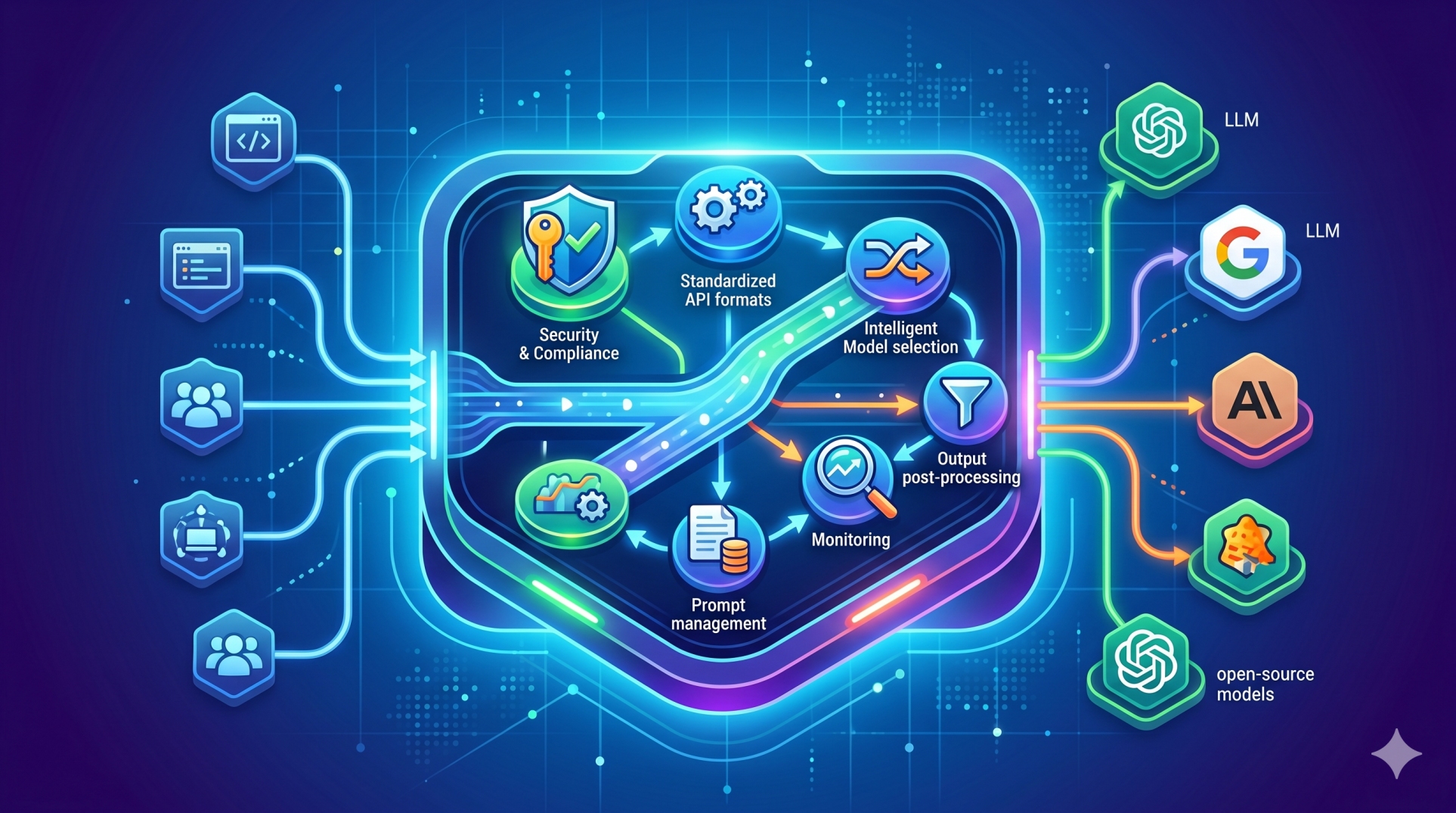
• Connect LLMs to event brokers and streaming platforms 🔗
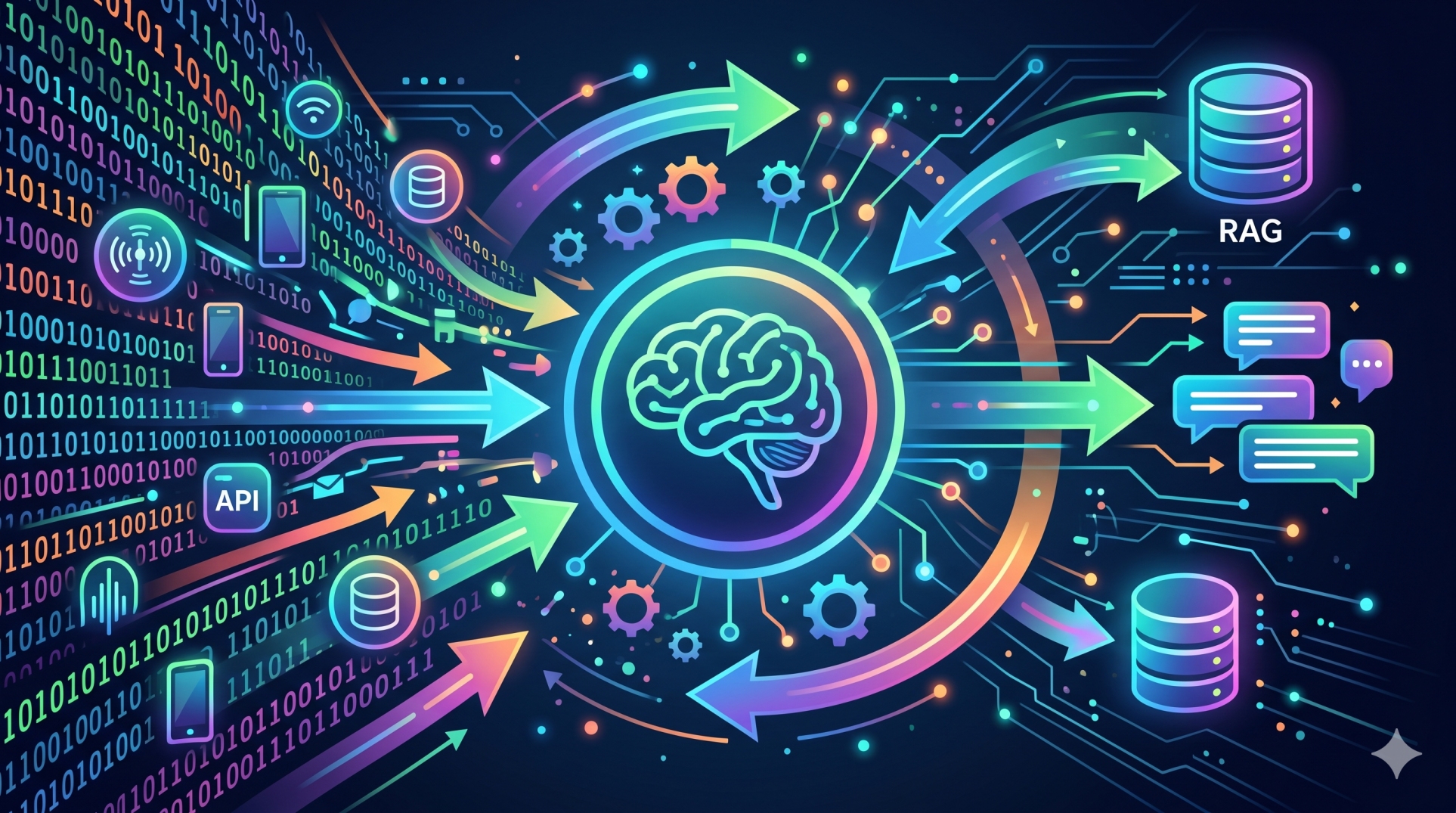
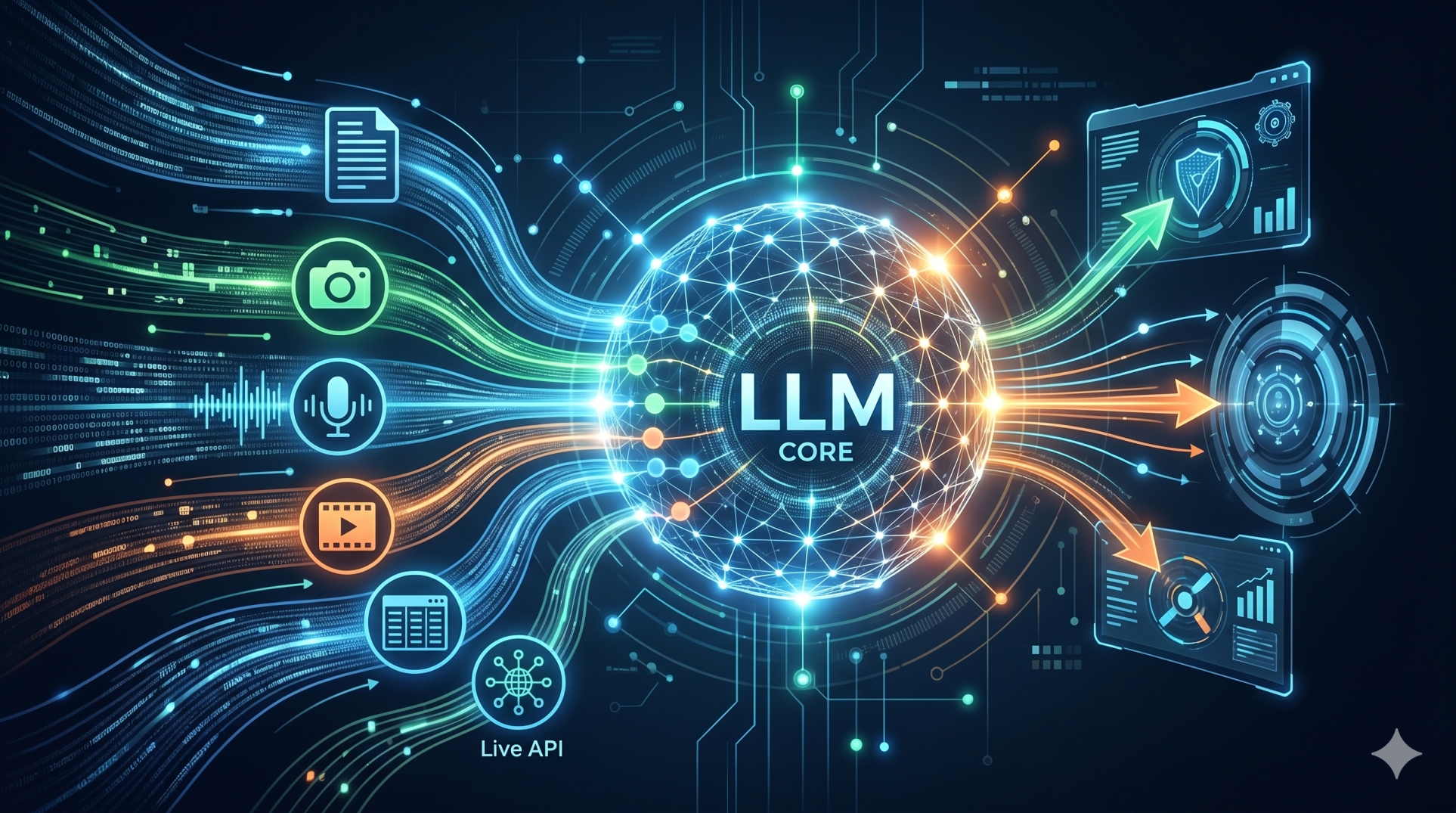
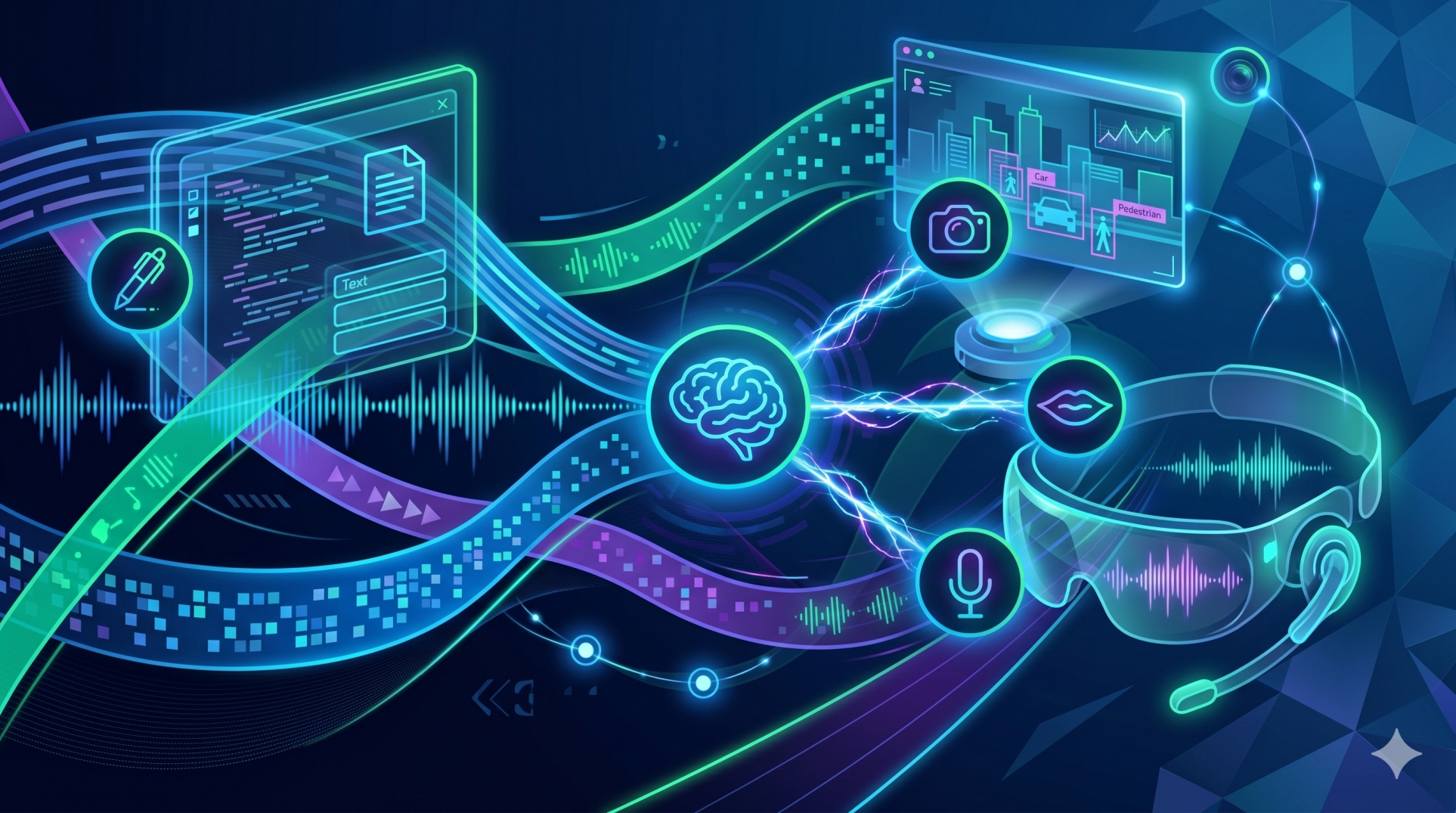
• Process data from sources like IoT devices, applications, and APIs 📊
• Enable real-time ingestion of structured and unstructured data 📥
• Trigger LLM actions based on predefined event conditions 🎯
• Maintain scalability for high-frequency event processing 📦
Step 3: Designing Event Triggers and Workflows 🎯
• Define rules that determine when LLMs should be activated ⚙️
• Trigger actions based on thresholds, anomalies, or state changes 🚨
• Support multi-step workflows driven by sequential events 🔄
• Enable conditional logic for dynamic decision paths 🧩
• Align triggers with business-critical processes 📈
Step 4: Real-Time Contextual Awareness 🧠
• Provide LLMs with up-to-date context from live data streams ⏱️
• Combine historical data with real-time inputs for better decisions 📊
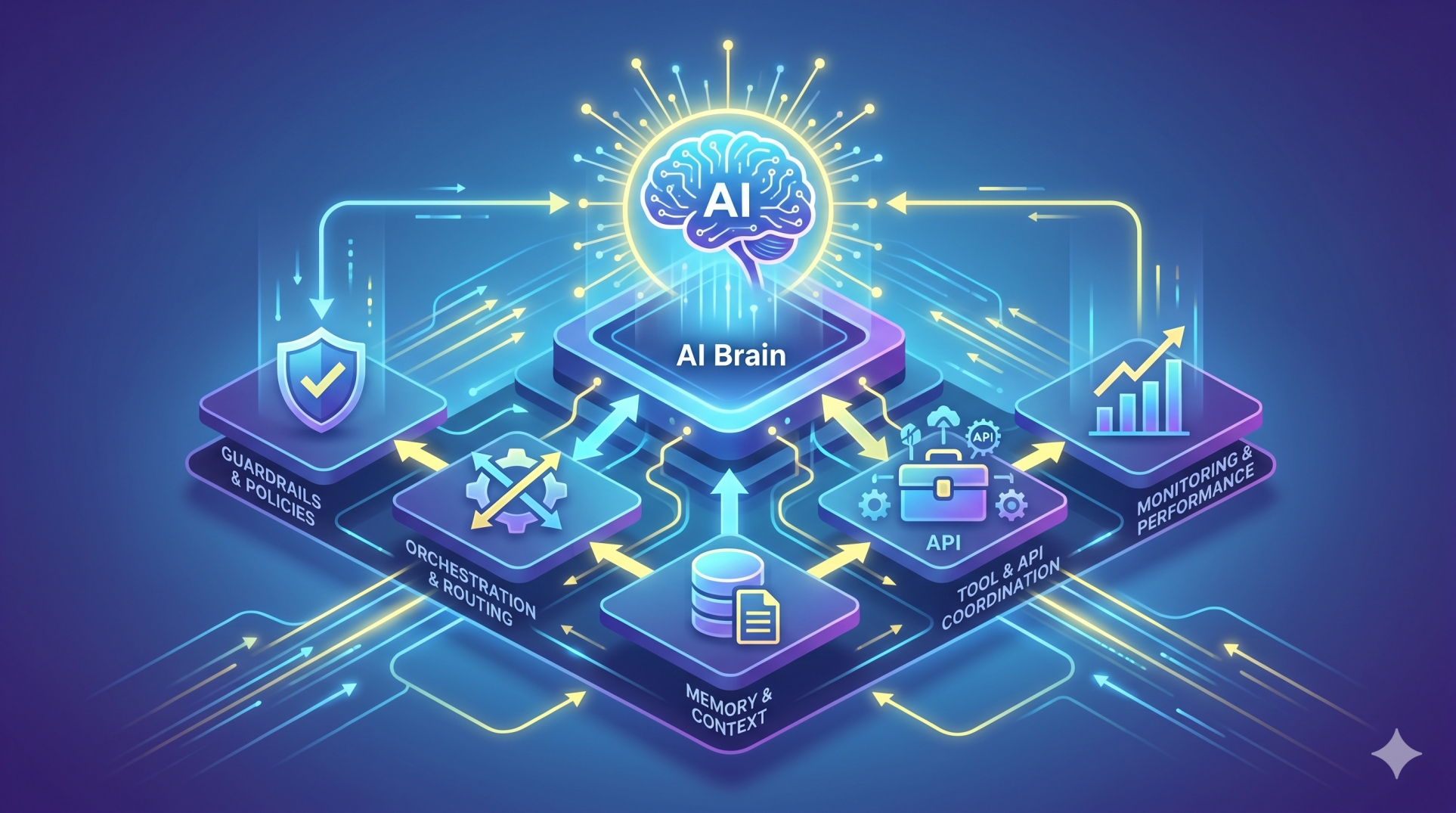
• Use memory systems to retain relevant state information 🧾
• Enhance response accuracy through contextual grounding 🎯
• Avoid outdated or static responses in dynamic environments 🚫
Step 5: Automating Decision Execution 🤖
• Enable LLMs to initiate actions based on event analysis ⚡
• Integrate with downstream systems for automated execution 🔗
• Support use cases like fraud detection, alerts, and recommendations 🚨
• Reduce human intervention in repetitive decision processes 🧠
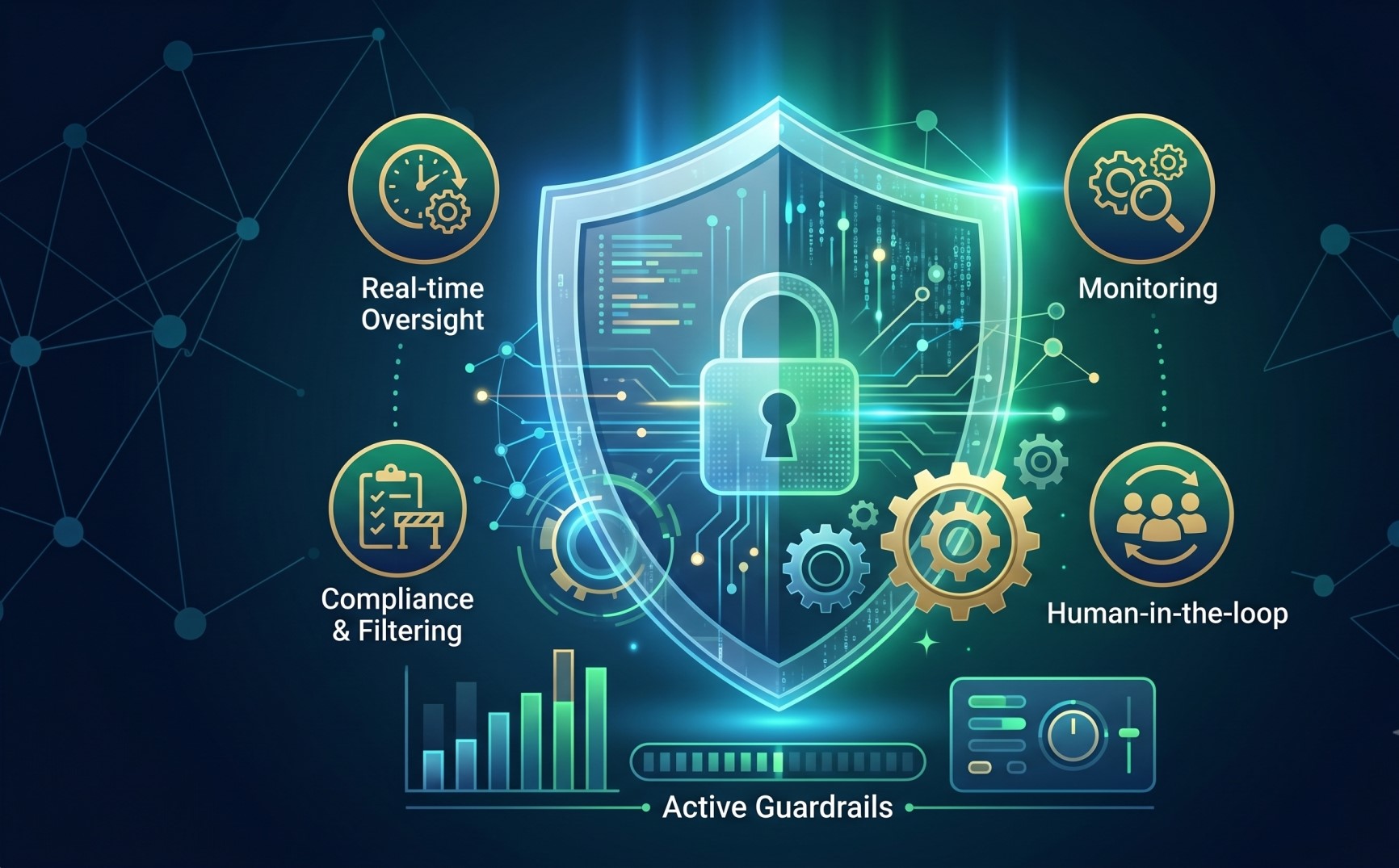
• Ensure controlled automation with approval mechanisms ✅
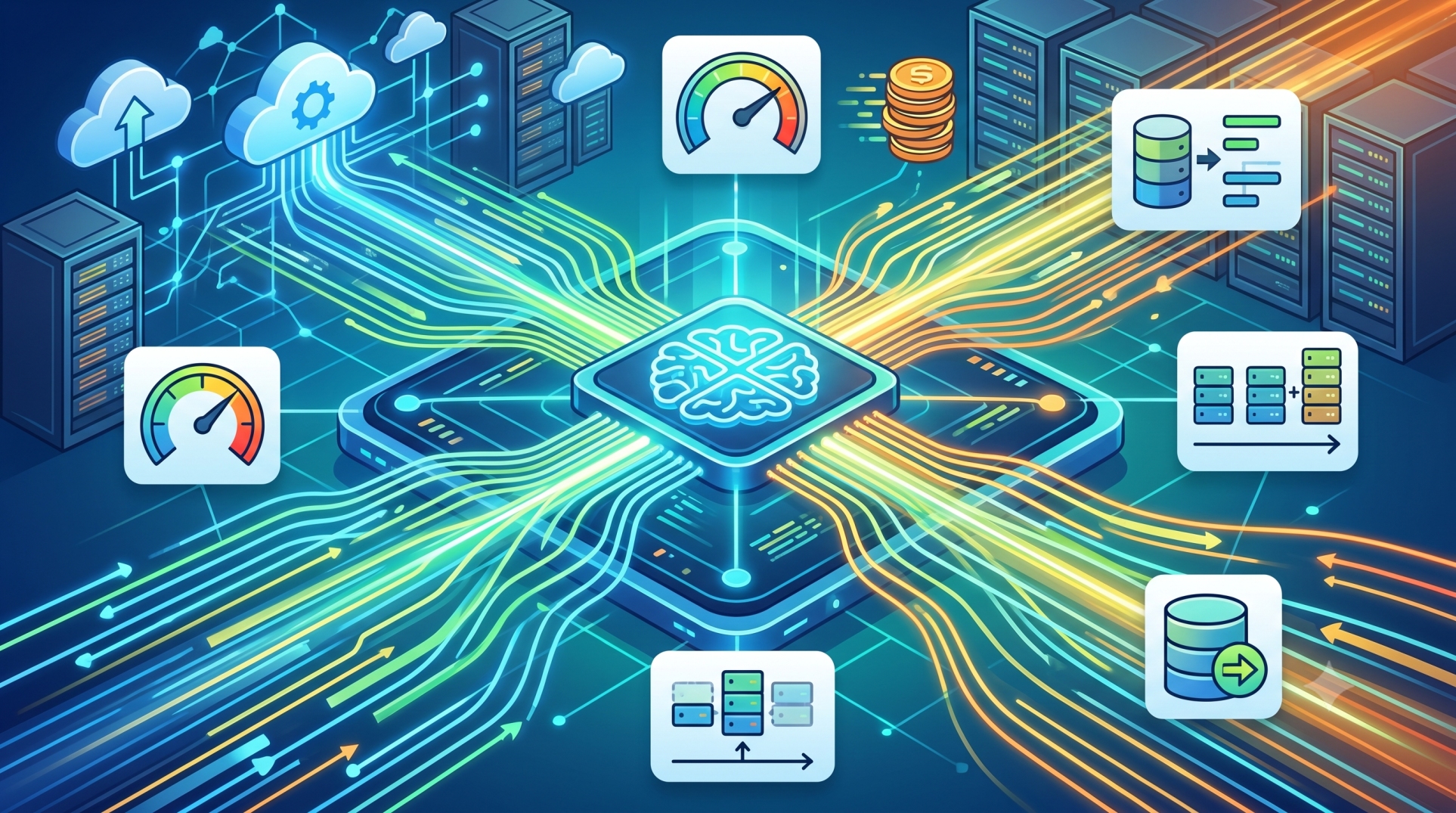
Step 6: Ensuring Low-Latency and High Performance 🚀
• Optimize infrastructure for real-time responsiveness ⚡
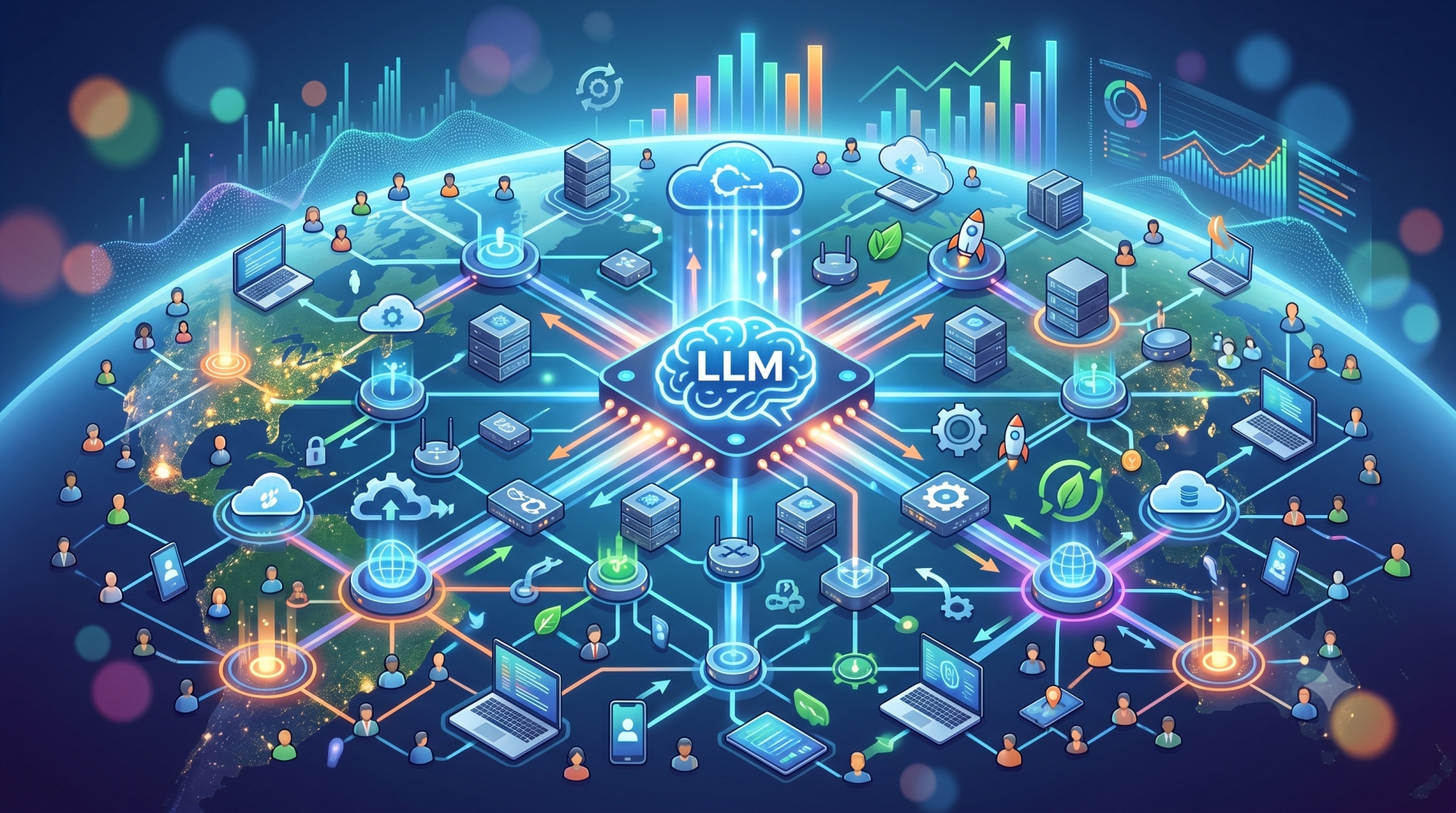
• Use streaming architectures and edge processing where needed 🌐
• Minimize processing delays in event-to-decision pipelines ⏱️
• Scale horizontally to handle increasing event volumes 📈
• Maintain consistent performance under peak loads 🔄
Step 7: Monitoring and Observability 🔍
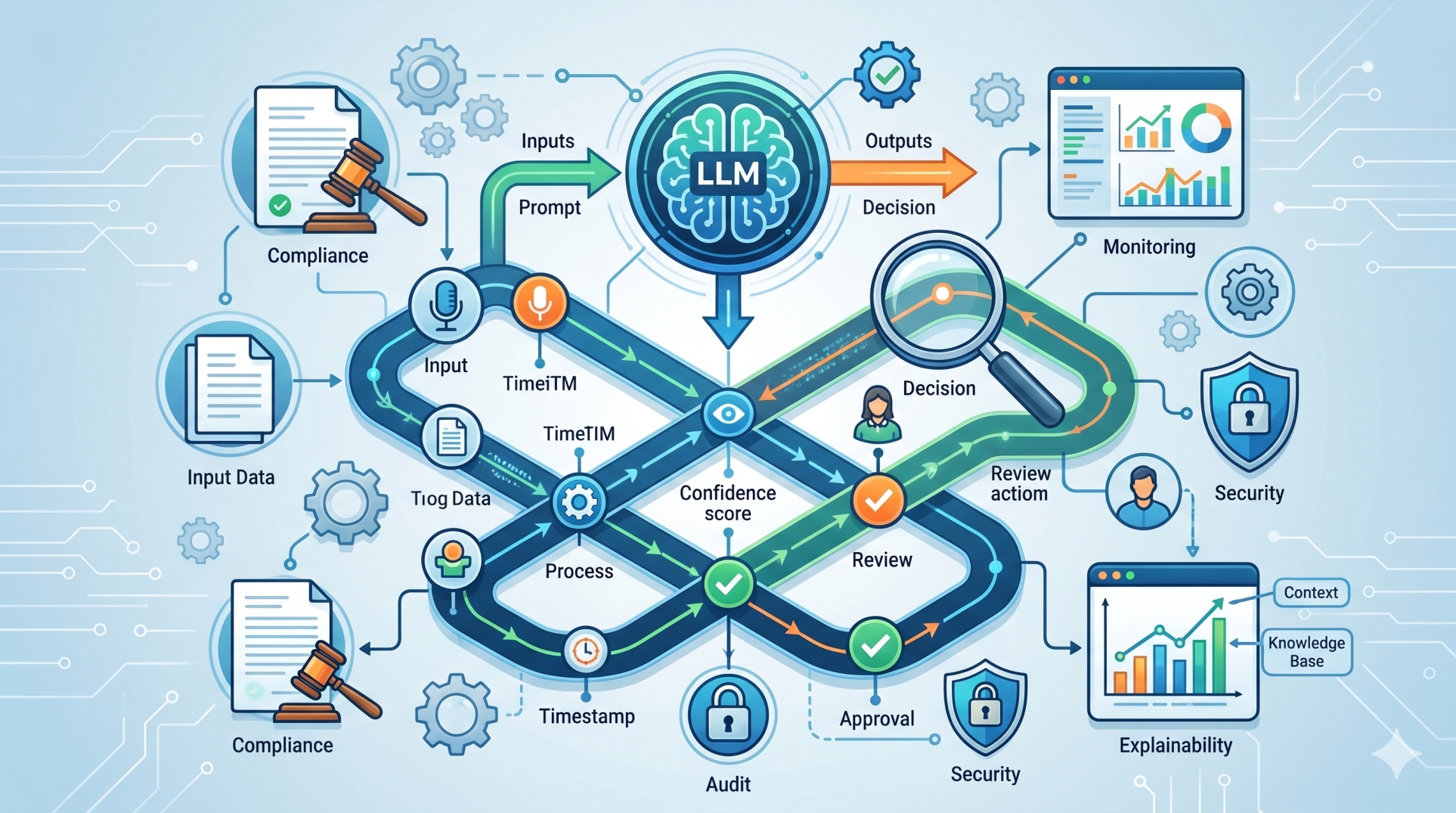
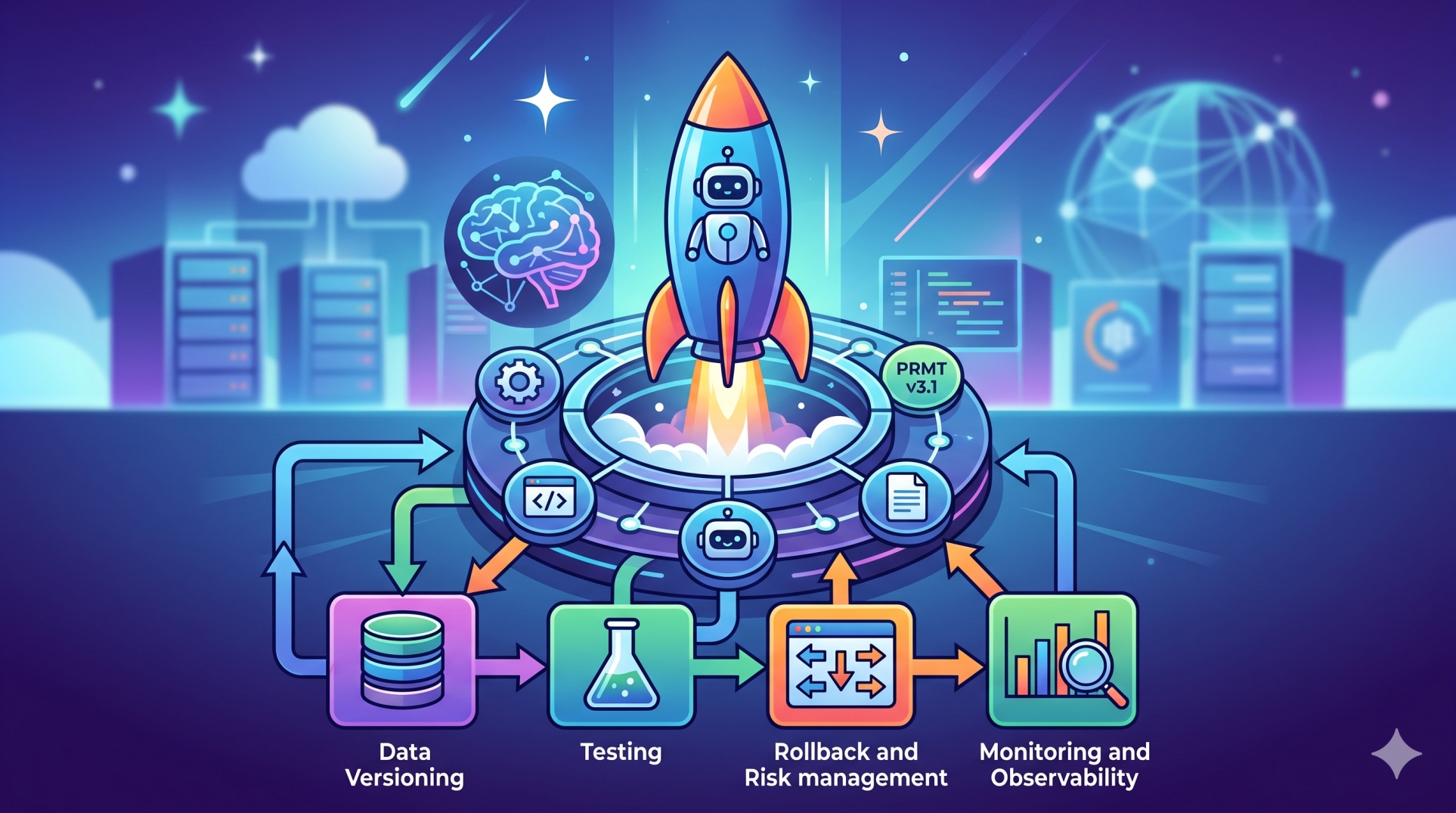
• Track event flows and LLM response performance 📊
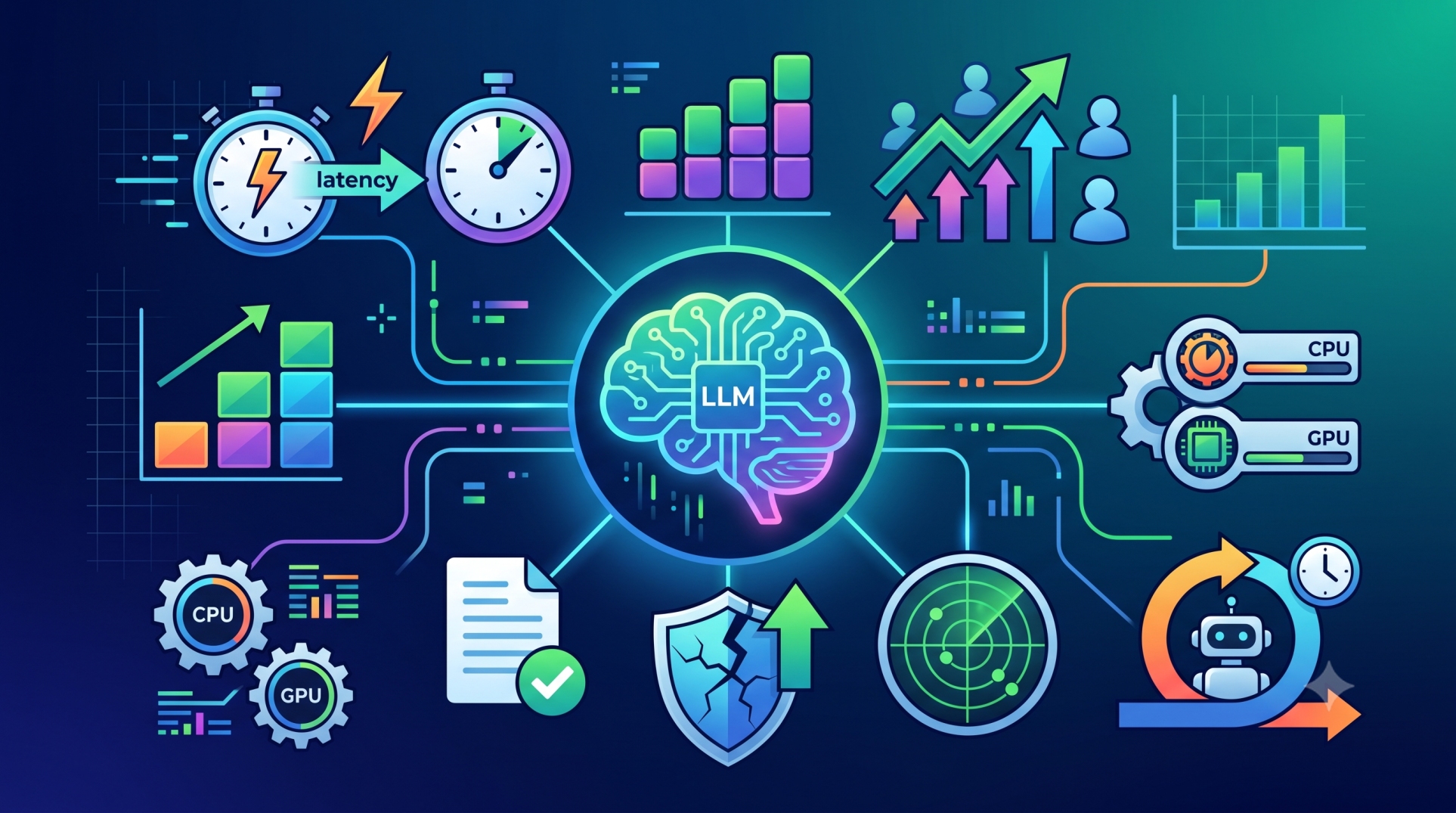
• Monitor latency, throughput, and error rates ⚙️
• Analyze decision outcomes for accuracy and impact 📈
• Implement logging and tracing for system transparency 🧾
• Continuously improve models based on real-world feedback 🔄
Step 8: Key System Priorities 📌
• Real-time responsiveness to incoming events ⚡
• Accurate, context-aware decision-making 🧠
• Scalable event processing infrastructure 📦
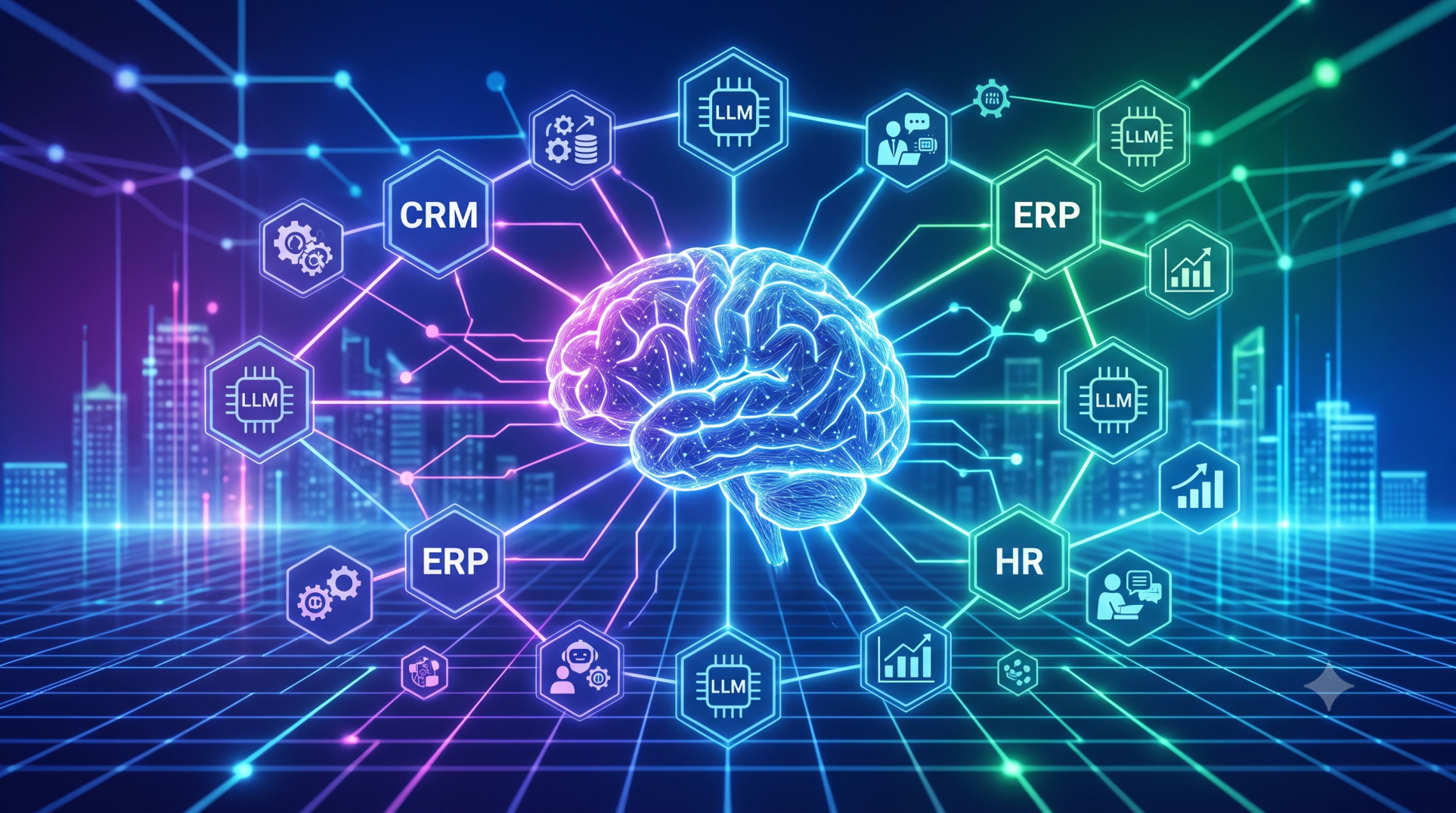
• Reliable integration with enterprise systems 🔗
Step 9: Handling Failures and Edge Cases ⚠️
• Implement fallback mechanisms for missed or delayed events 🔄
• Ensure graceful degradation during system failures 🛠️
• Handle incomplete or noisy data inputs effectively 📉
• Prevent cascading failures in event-driven workflows 🚫
• Maintain system resilience under unpredictable conditions 🧩
Step 10: Building a Future-Ready Event-Driven LLM Ecosystem 🌍
• Design modular architectures for continuous evolution 🧩
• Integrate with AI pipelines, analytics, and automation tools 🤖
• Support cross-system orchestration and decision intelligence 🔗
• Enable adaptive learning from real-time interactions 📚
• Future-proof systems for increasing data velocity and complexity 🚀
Conclusion
Event-driven LLM systems represent a significant shift toward real-time, intelligent decision-making in modern enterprises. By integrating LLMs with streaming data, automated workflows, and responsive architectures, organizations can move from reactive operations to proactive, insight-driven execution. This approach not only enhances efficiency but also enables businesses to respond instantly to changing conditions, unlocking new levels of agility and innovation.
See more blogs
You can all the articles below