Managing the Full Lifecycle of LLM-Based Software Products
Managing the Full Lifecycle of LLM-Based Software Products
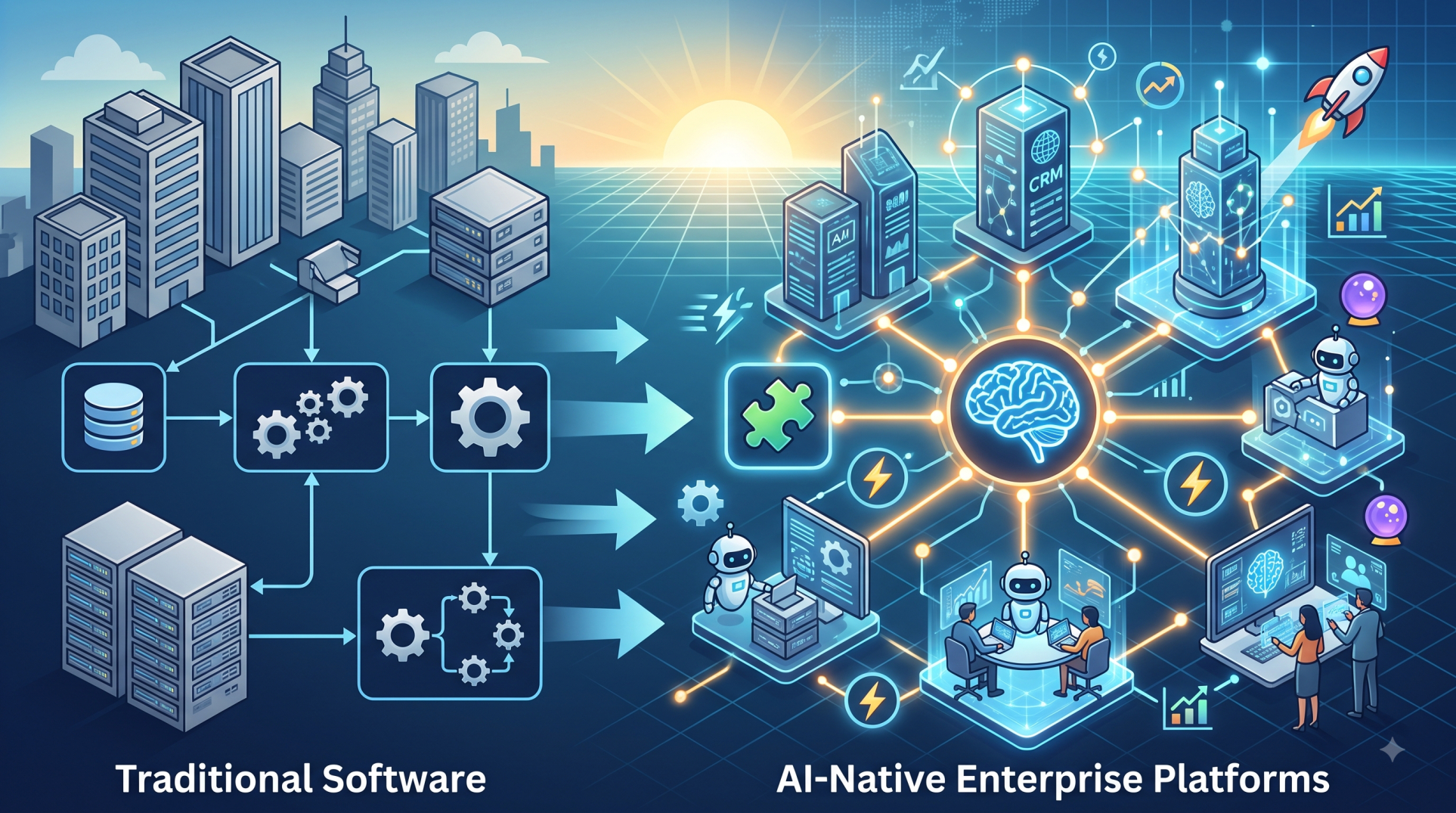
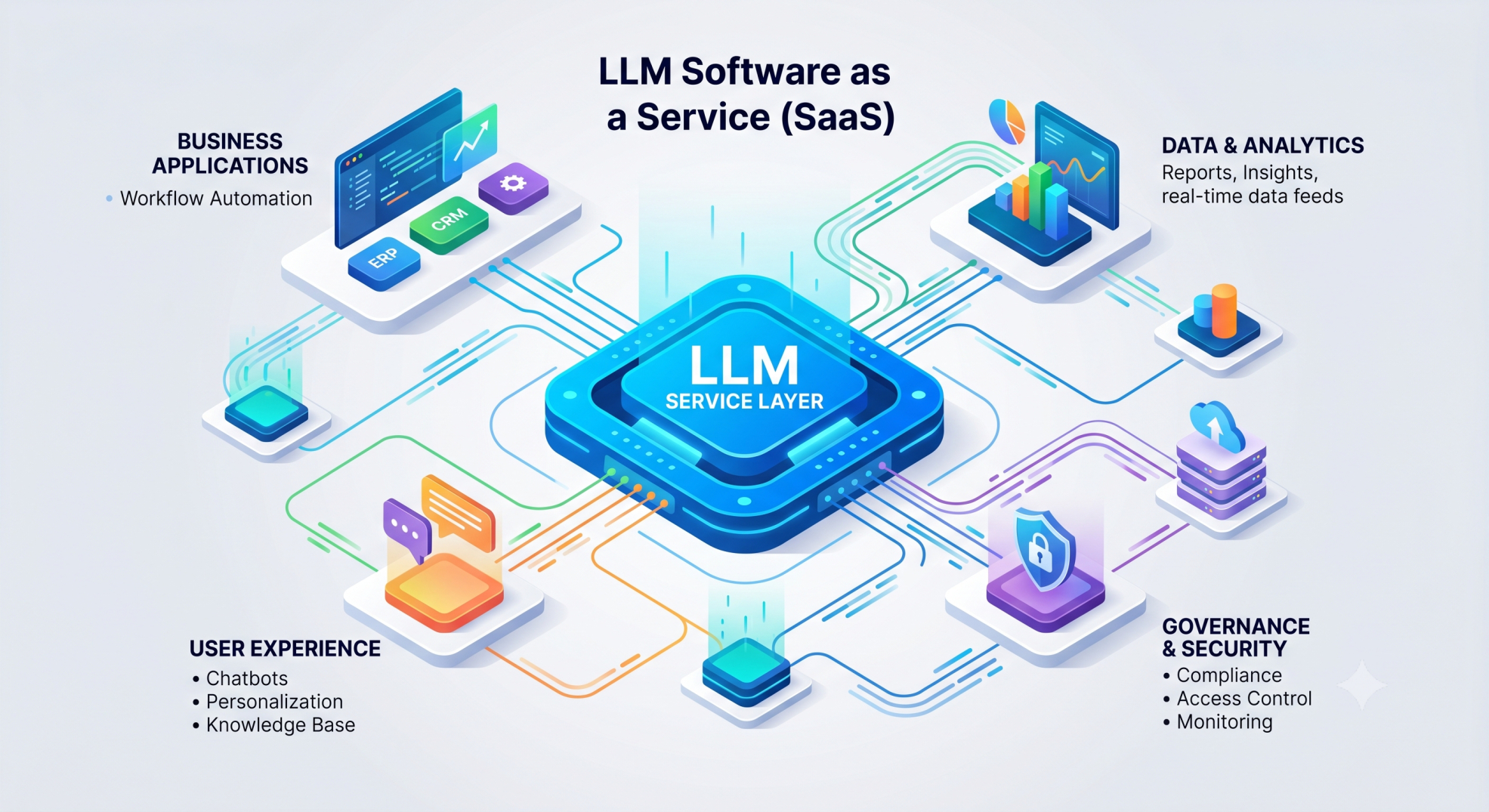
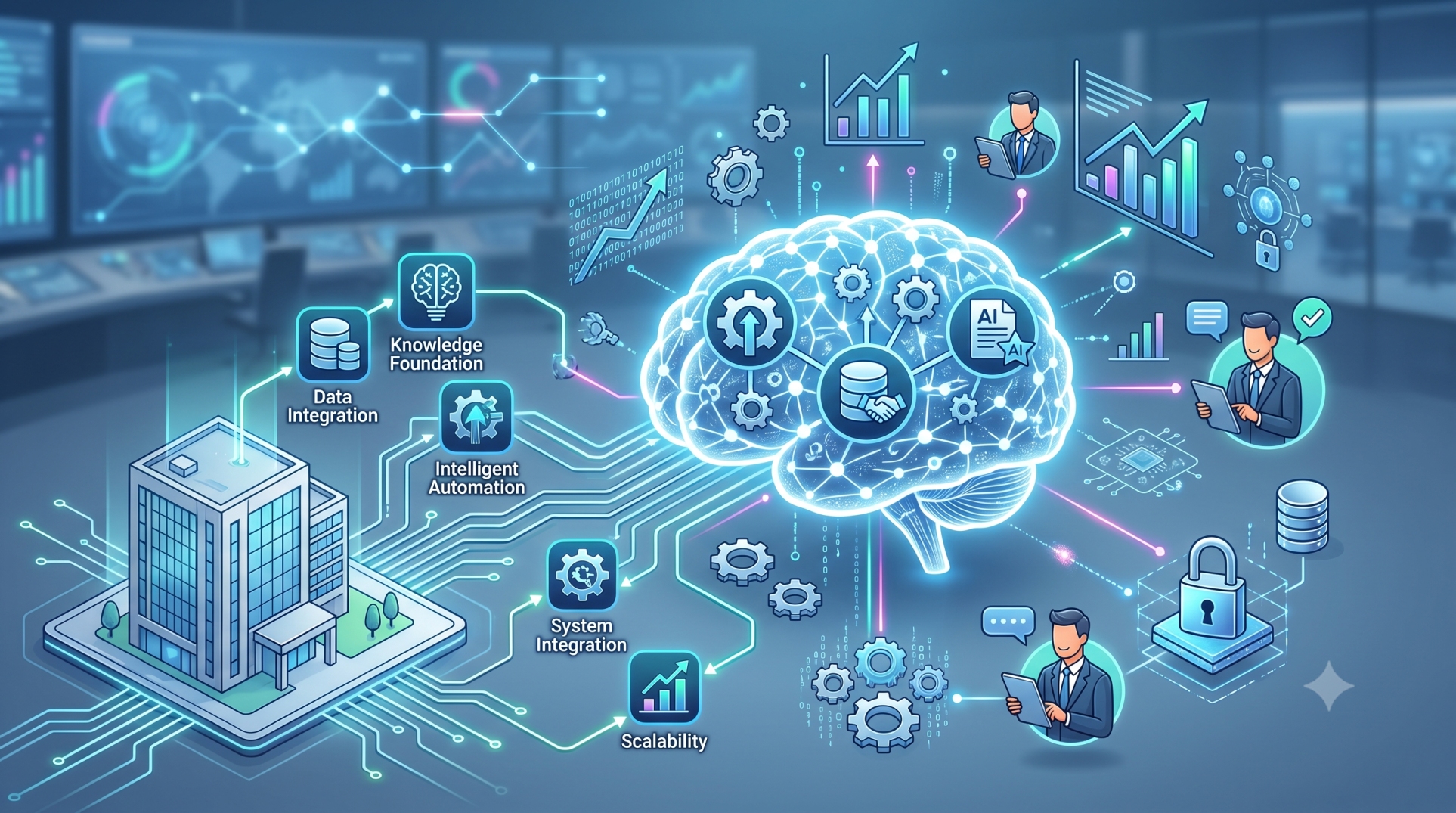
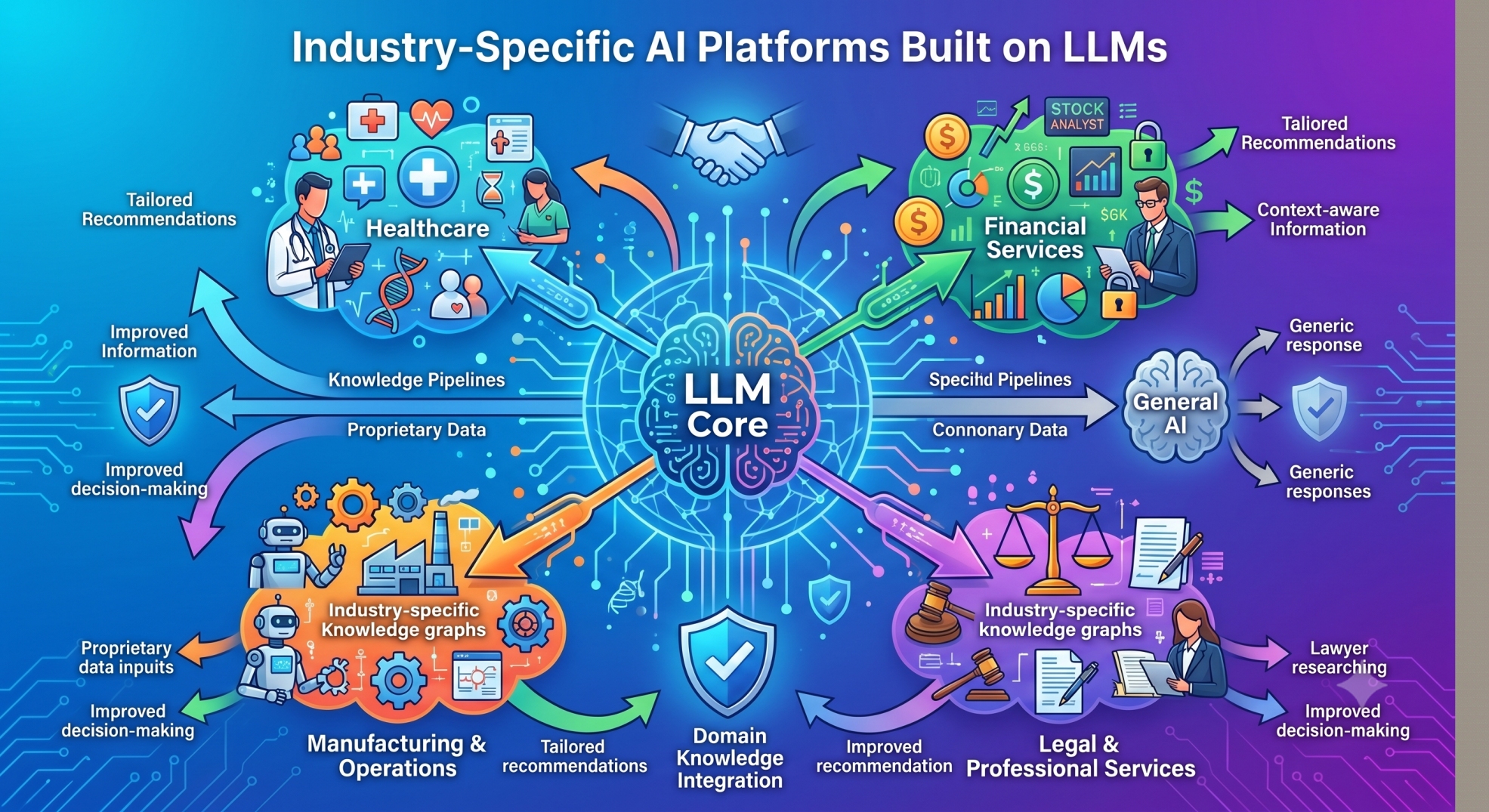
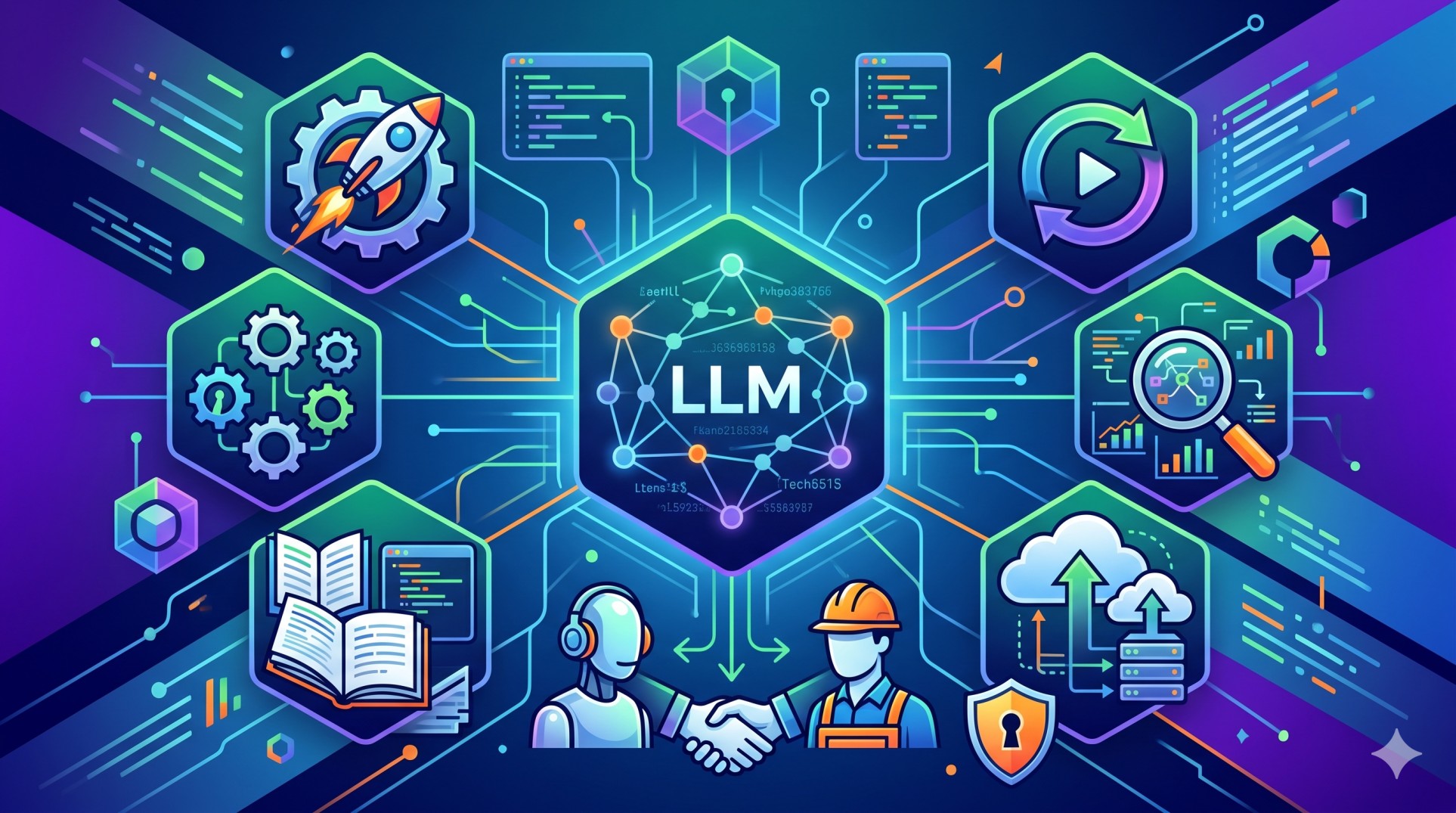
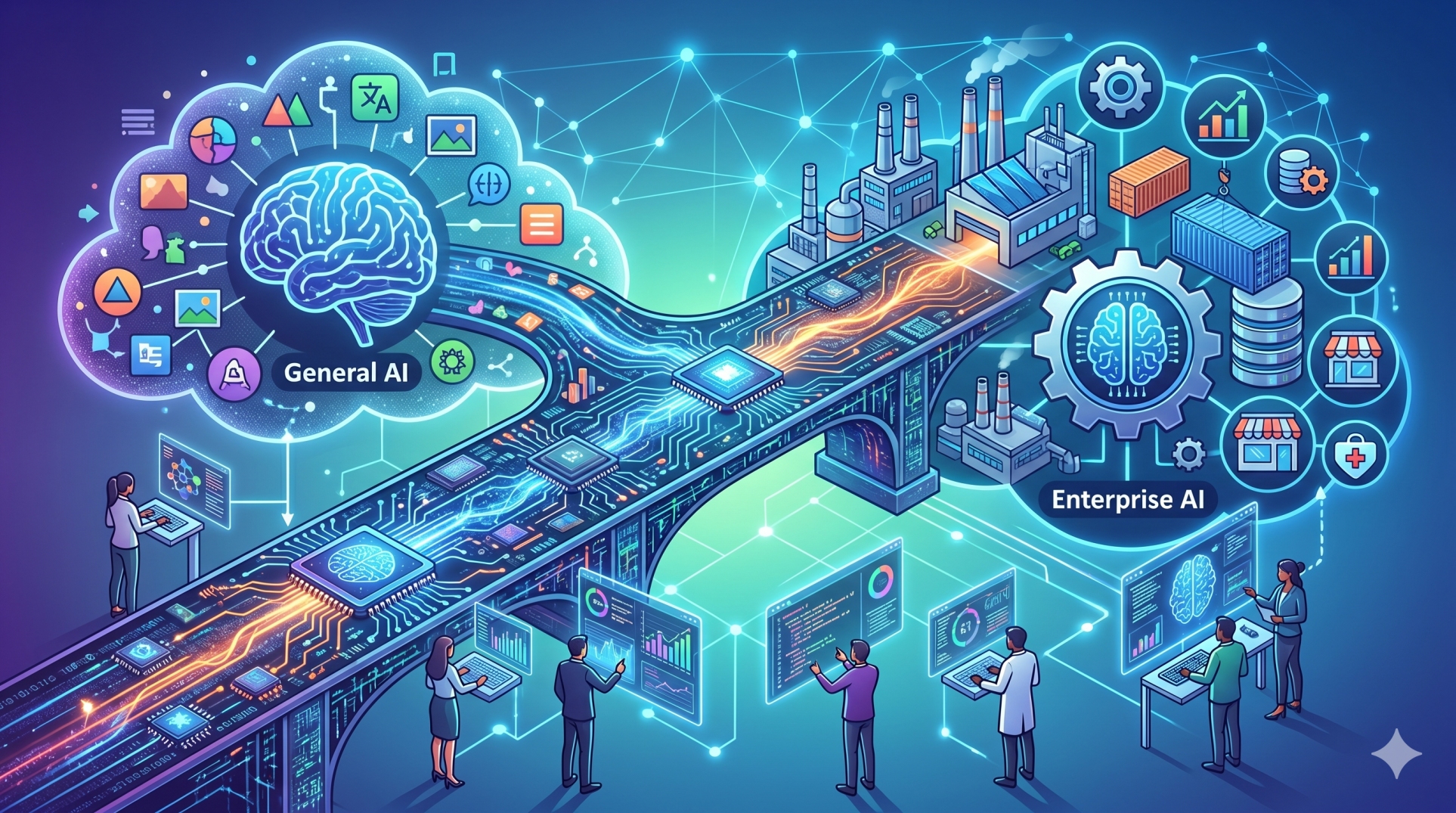
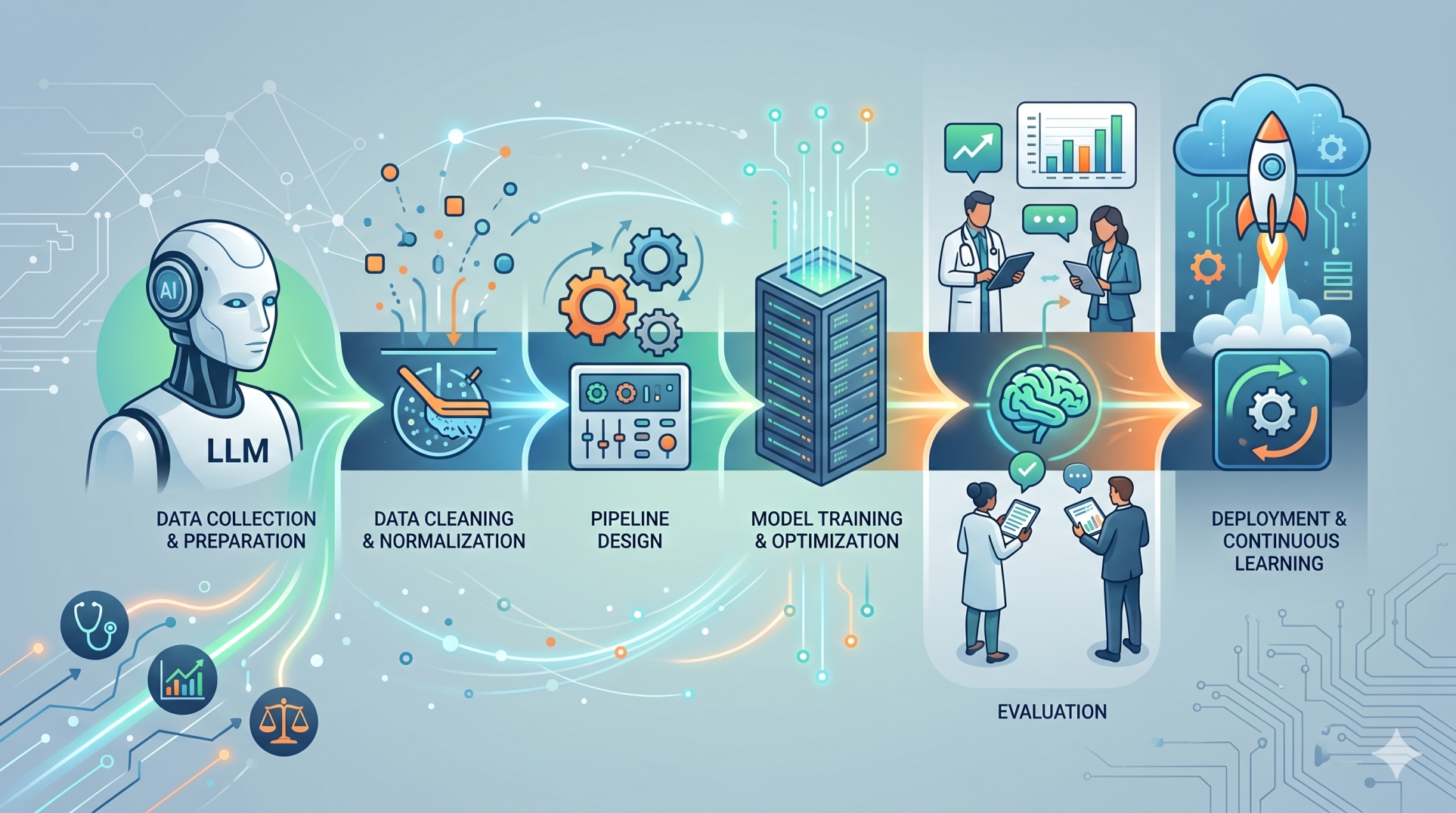
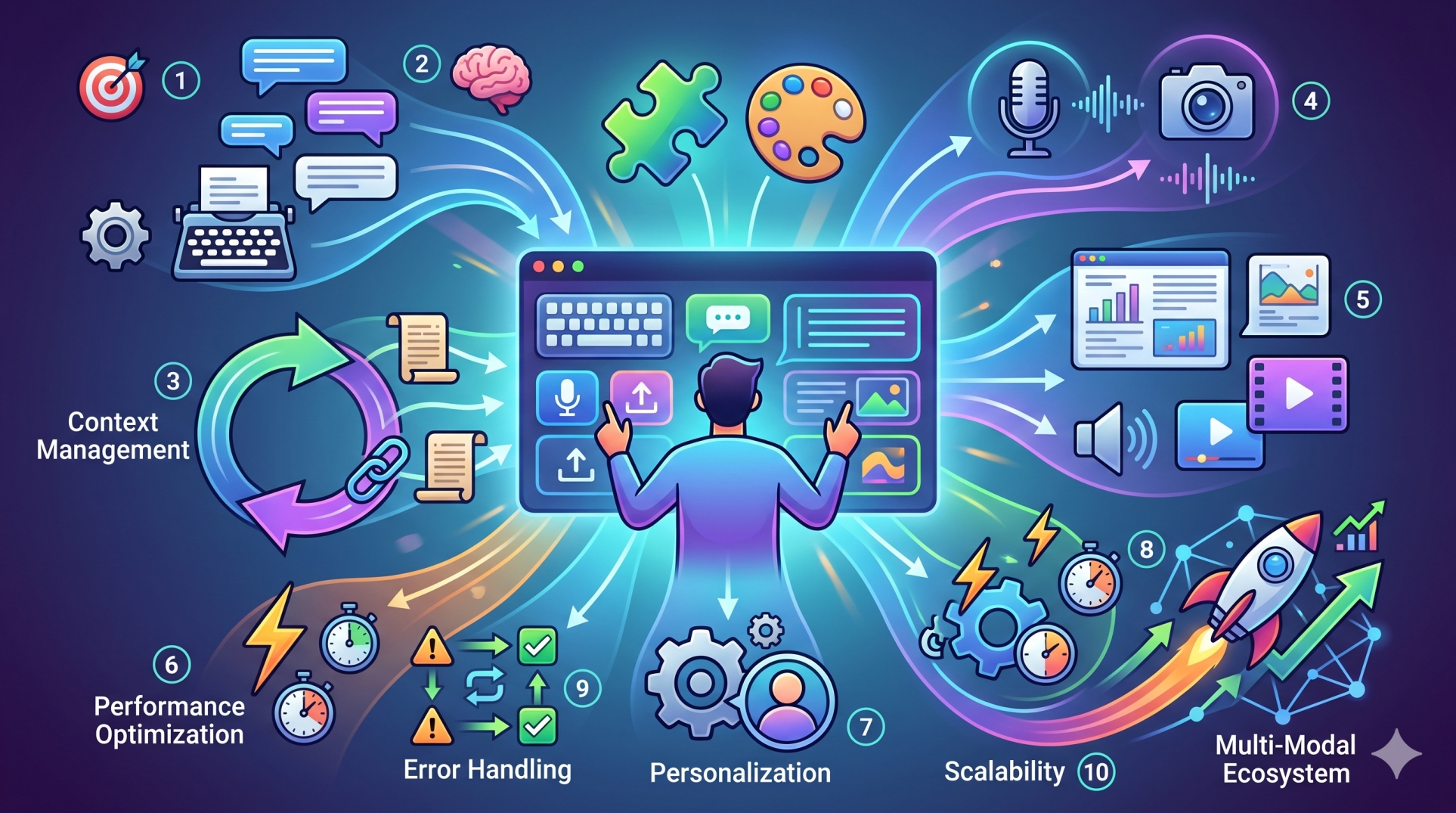
As organizations increasingly adopt Large Language Models (LLMs) in production environments, managing their full lifecycle becomes critical to ensuring reliability, scalability, and long-term value. Unlike traditional software, LLM-based systems require continuous iteration, data management, evaluation, and governance. A structured lifecycle approach helps teams move from experimentation to stable, high-performing AI products.
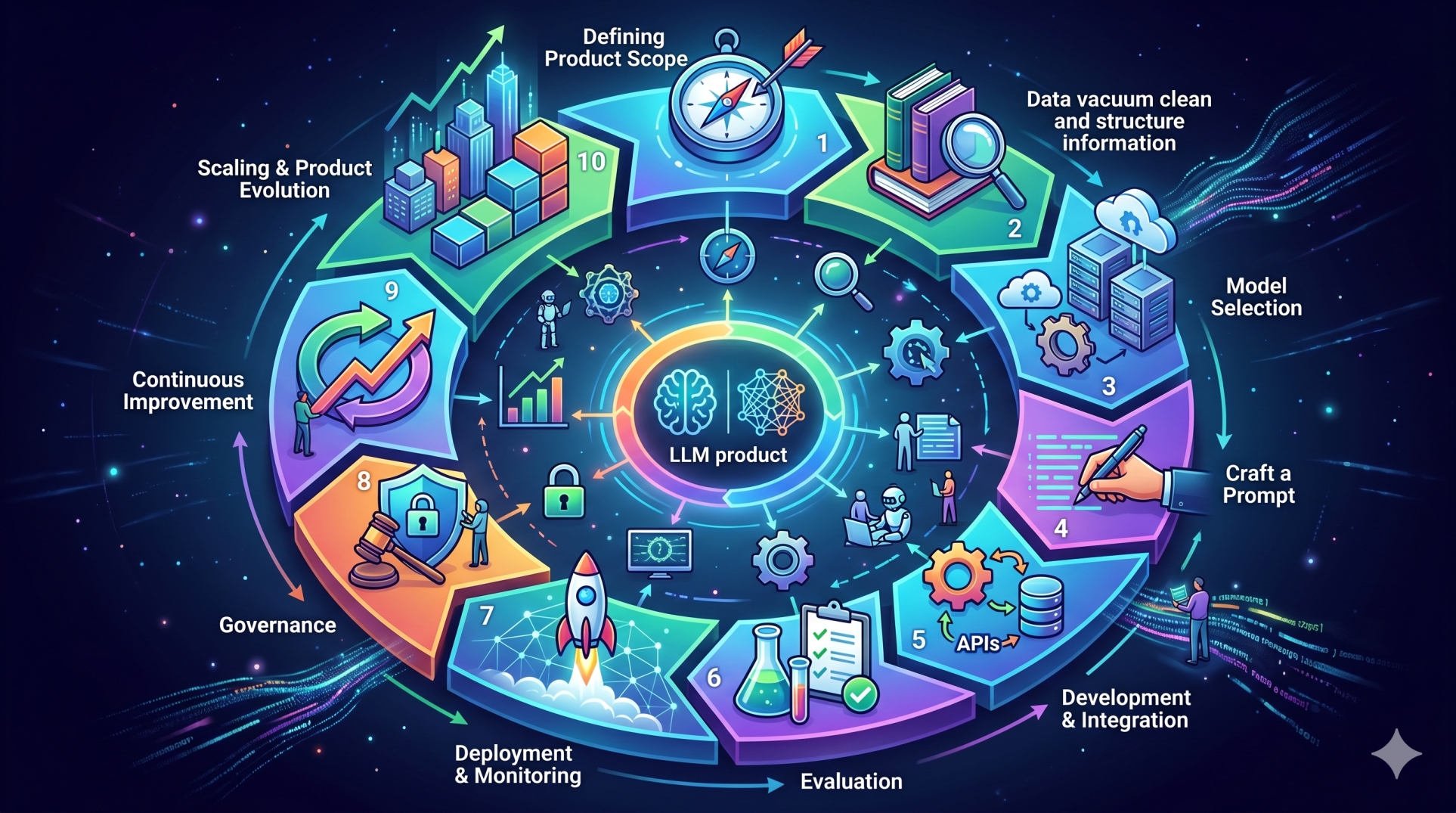
Step 1: Defining Product Scope and Use Cases 🧭
• Identify clear business problems that LLMs are best suited to solve 🎯
• Define target users, workflows, and expected outcomes 👥
• Establish success metrics for performance and usability 📊
• Evaluate feasibility based on available data and infrastructure 🧠
• Align LLM capabilities with product goals and constraints ⚖️
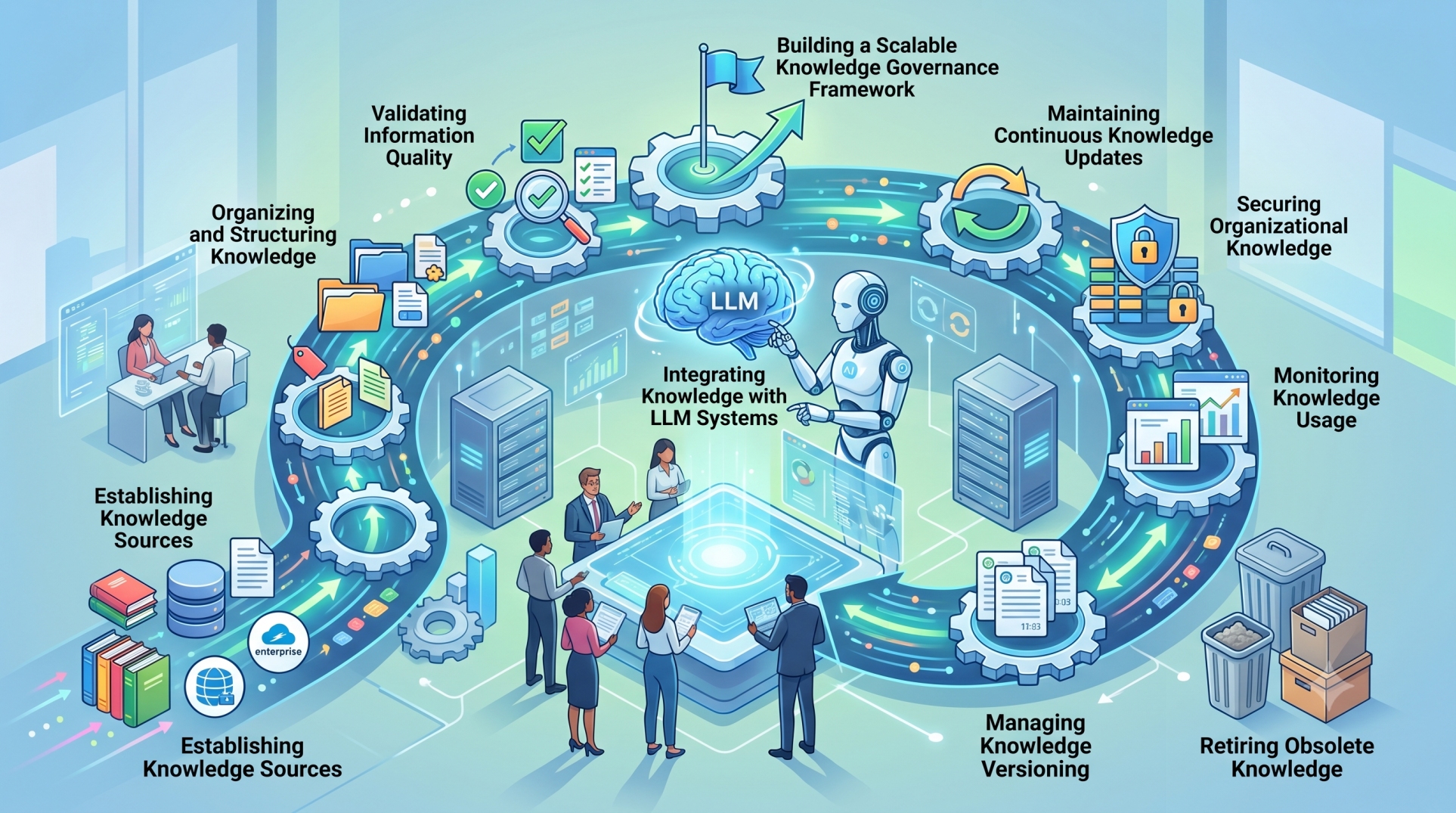
Step 2: Data Strategy and Knowledge Preparation 📚
• Collect, clean, and structure domain-specific data for model use 🧹
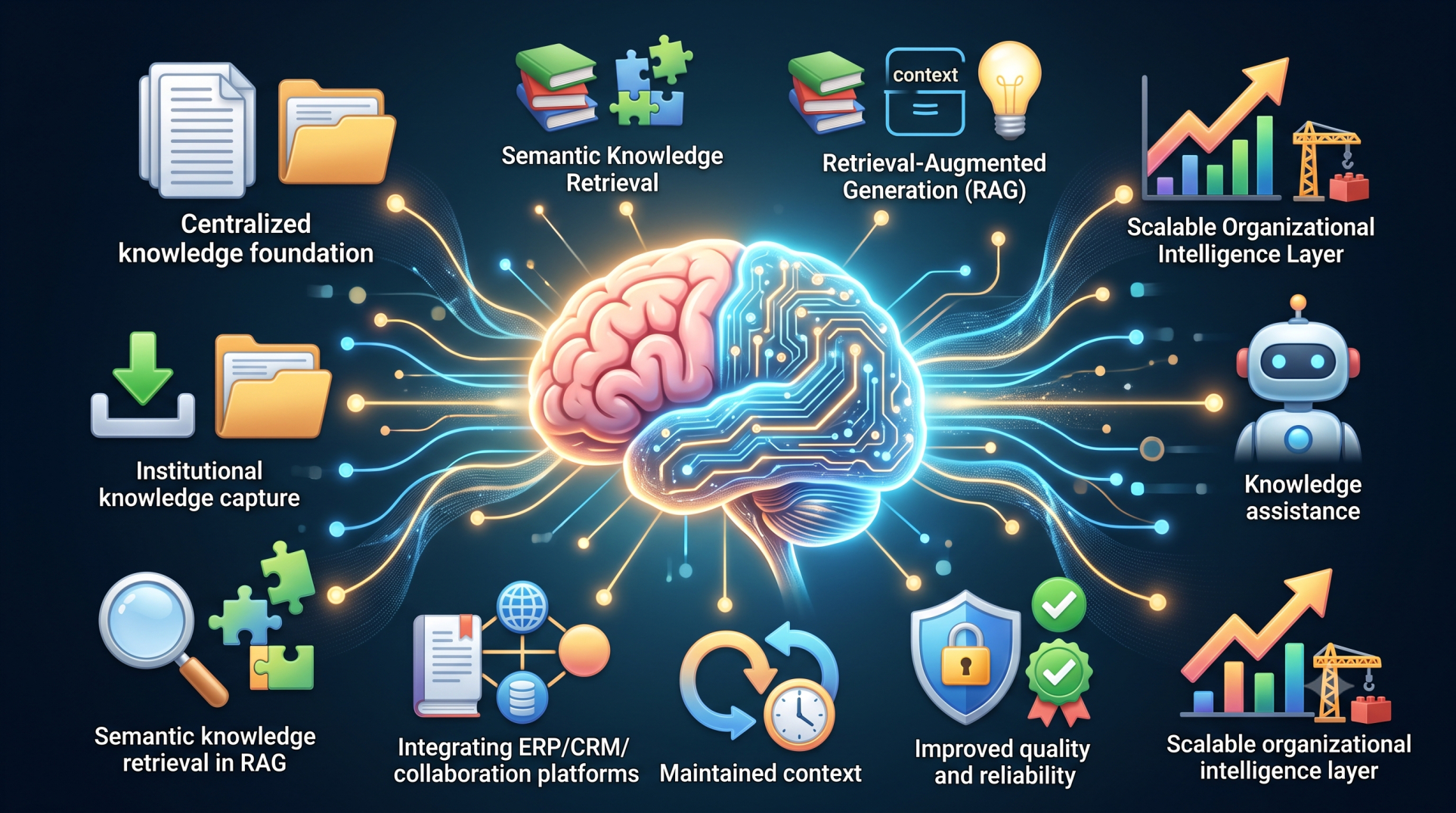
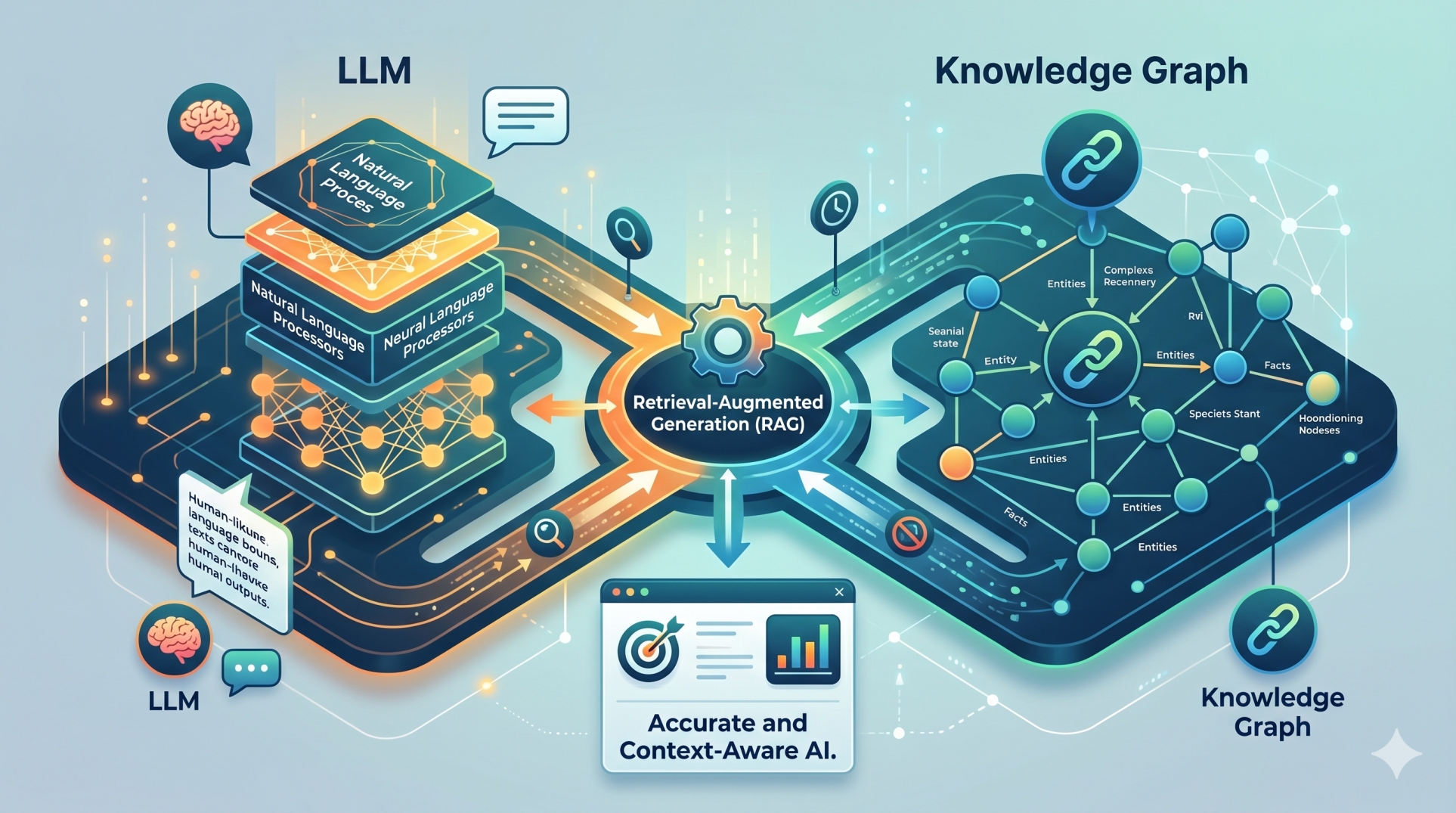
• Build knowledge bases for Retrieval-Augmented Generation (RAG) 🔍
• Ensure data quality, relevance, and consistency 📌
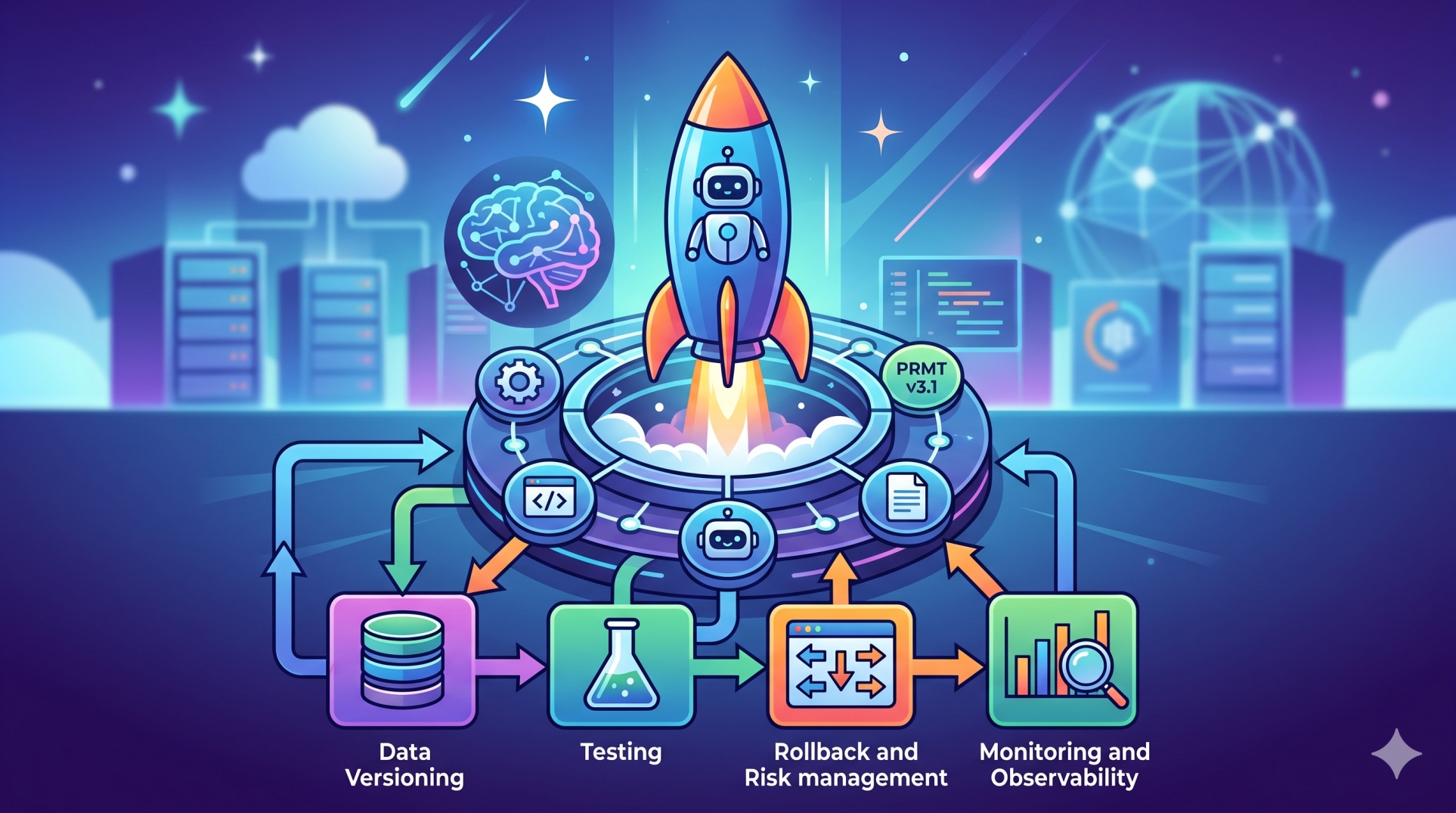
• Implement data versioning for traceability 🔄
• Maintain secure handling of sensitive information 🔐
Step 3: Model Selection and Architecture Design 🧠
• Choose appropriate LLMs based on performance, cost, and latency ⚡
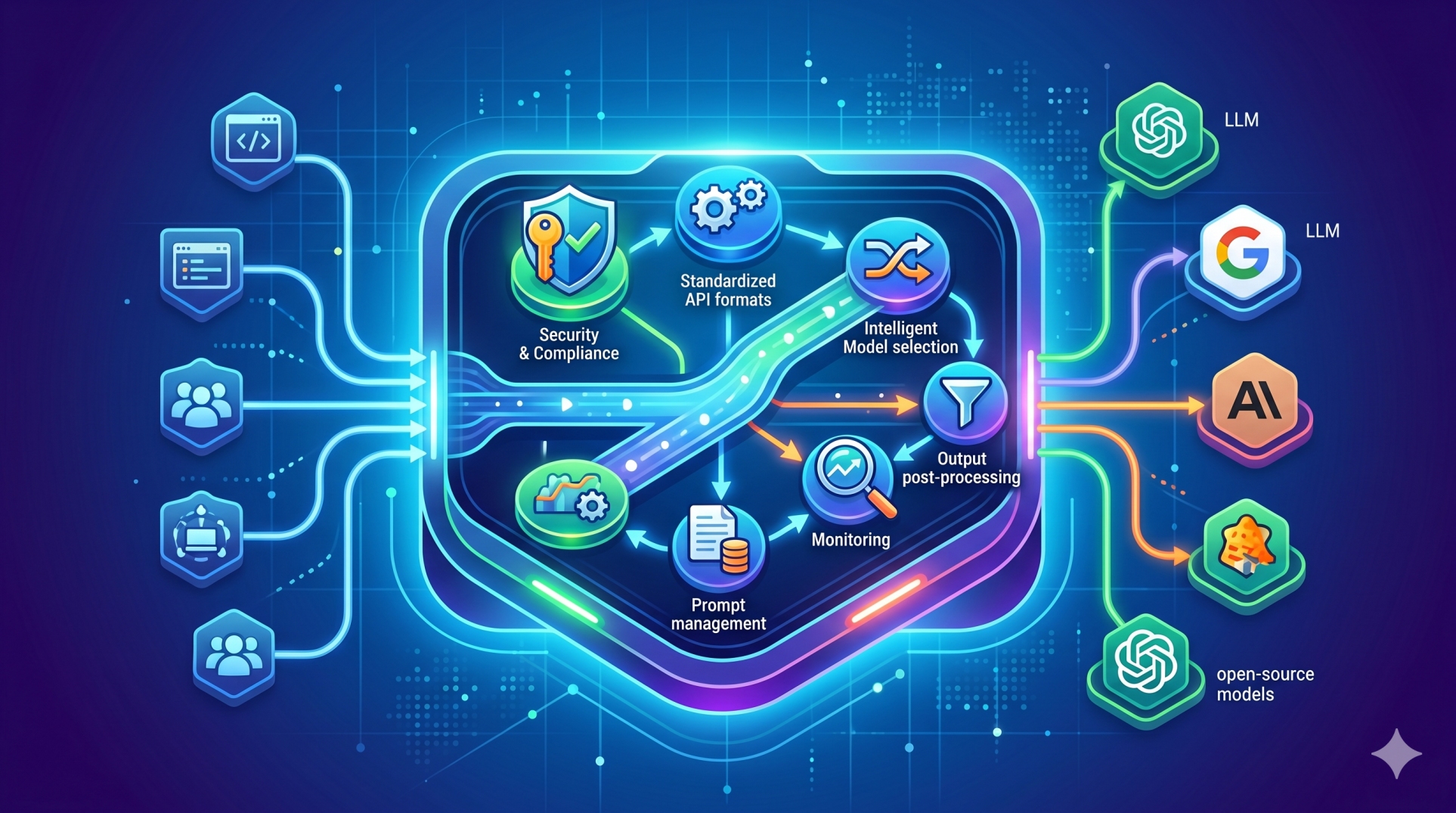
• Decide between hosted APIs or self-hosted models ☁️
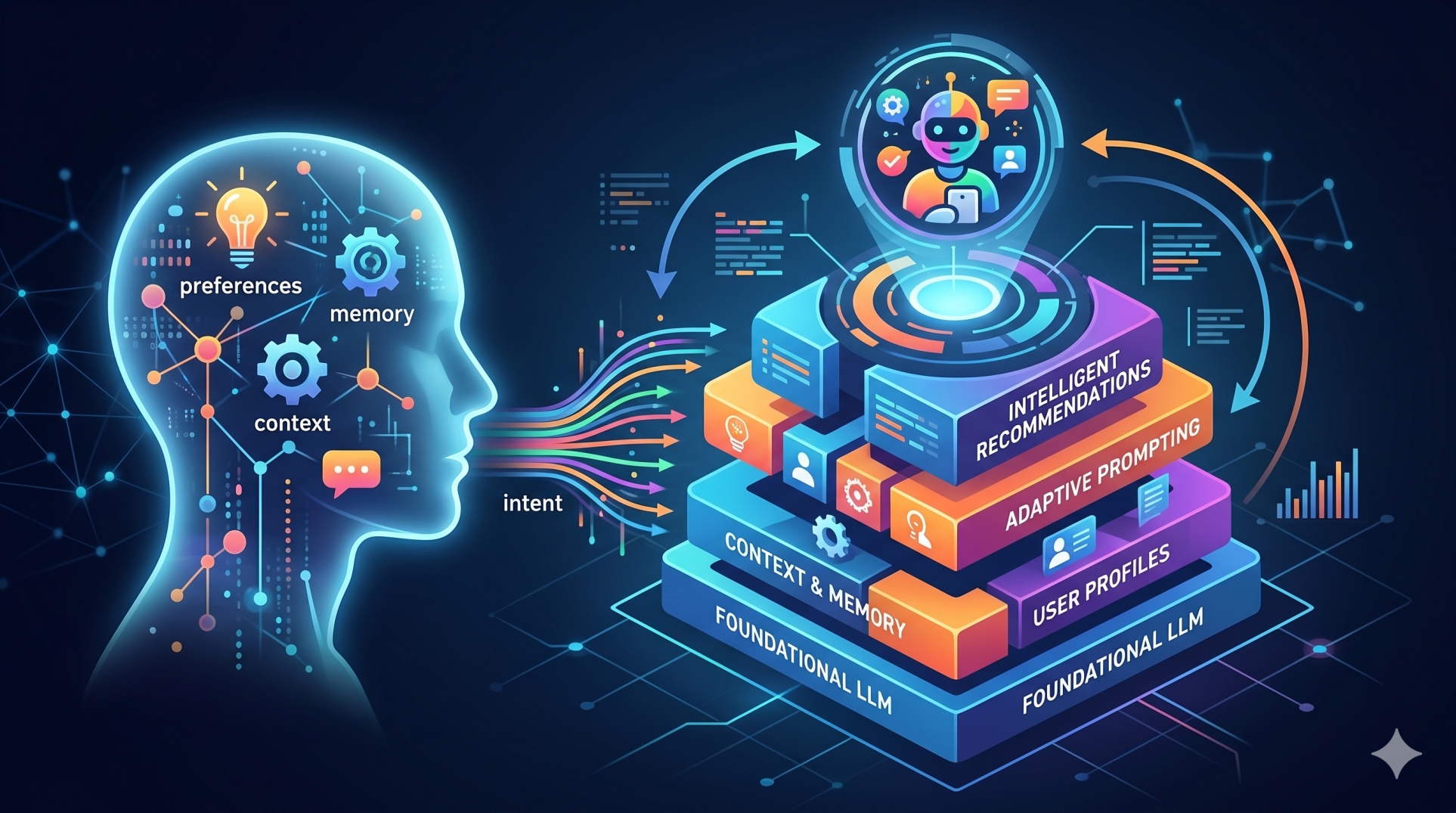
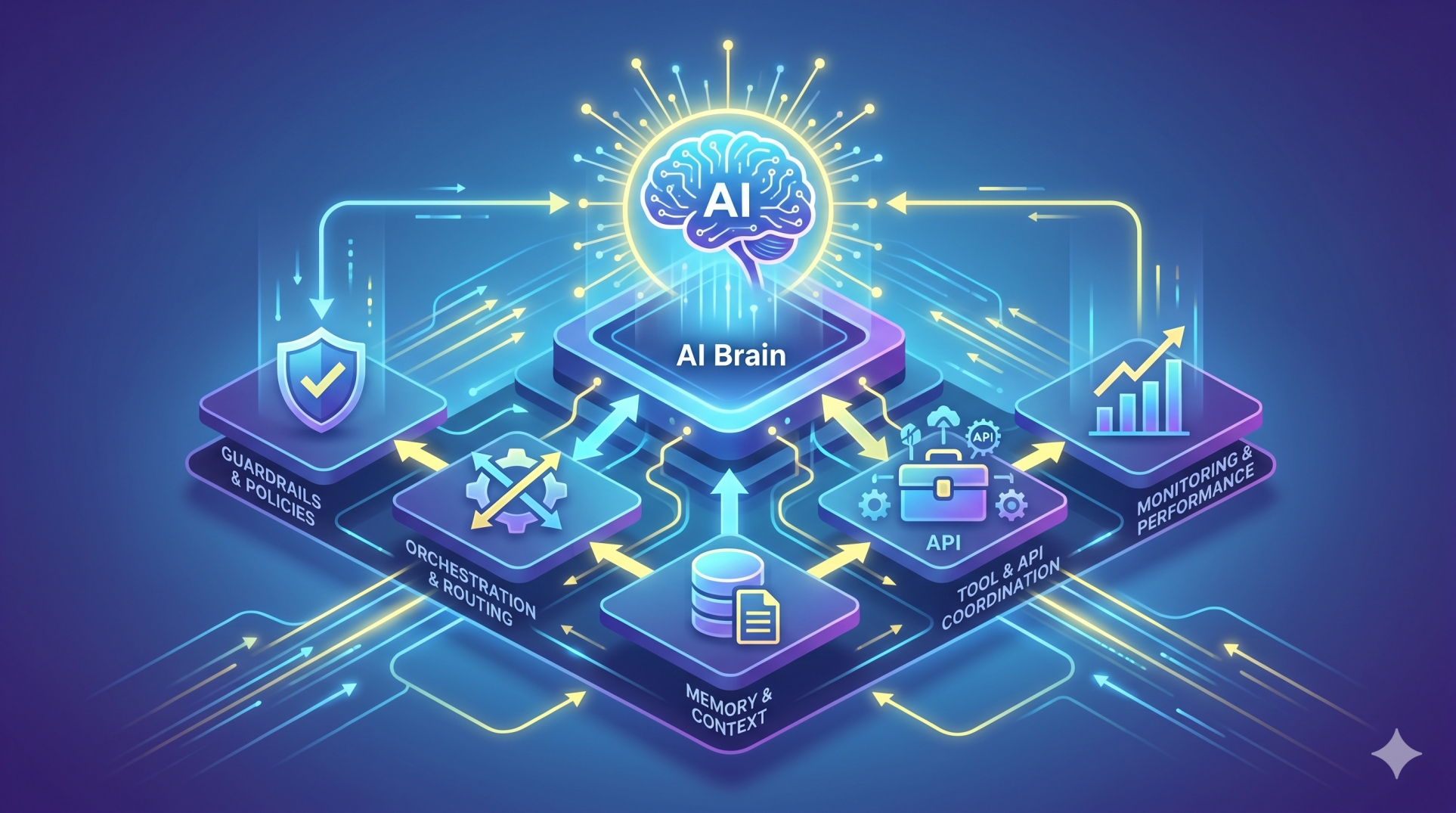
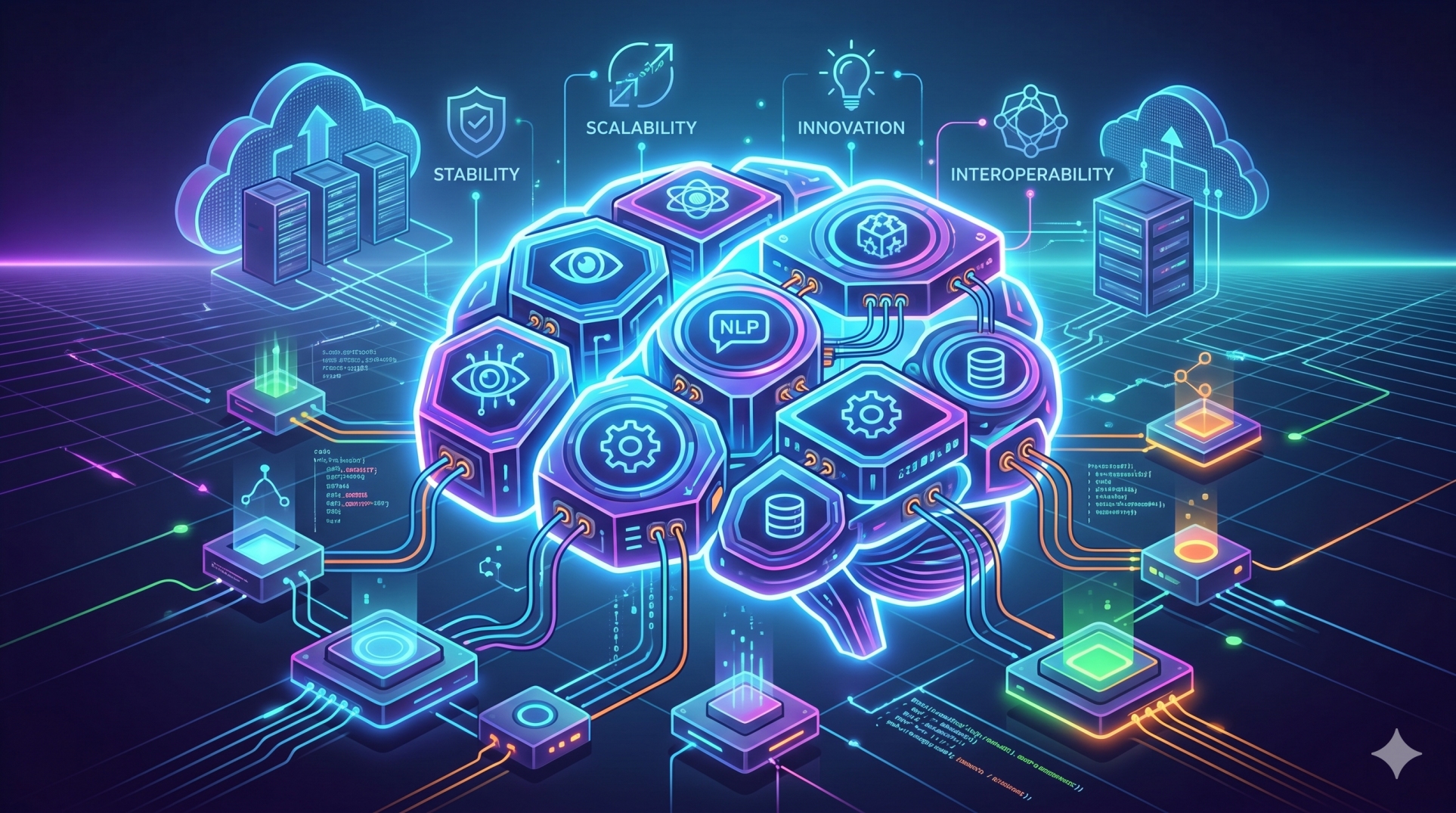
• Design system architecture including prompts, tools, and memory 🏗️
• Optimize for scalability and response time ⏱️
• Plan fallback mechanisms and hybrid model strategies 🔁
Step 4: Prompt Engineering and Interaction Design ✍️
• Design effective prompts to guide model behavior 🎯
• Create structured input-output formats for consistency 📄
• Handle edge cases and ambiguous queries ⚠️
• Optimize prompts through testing and iteration 🔄
• Align responses with user expectations and product goals 🤝
Step 5: Development and System Integration 🔗
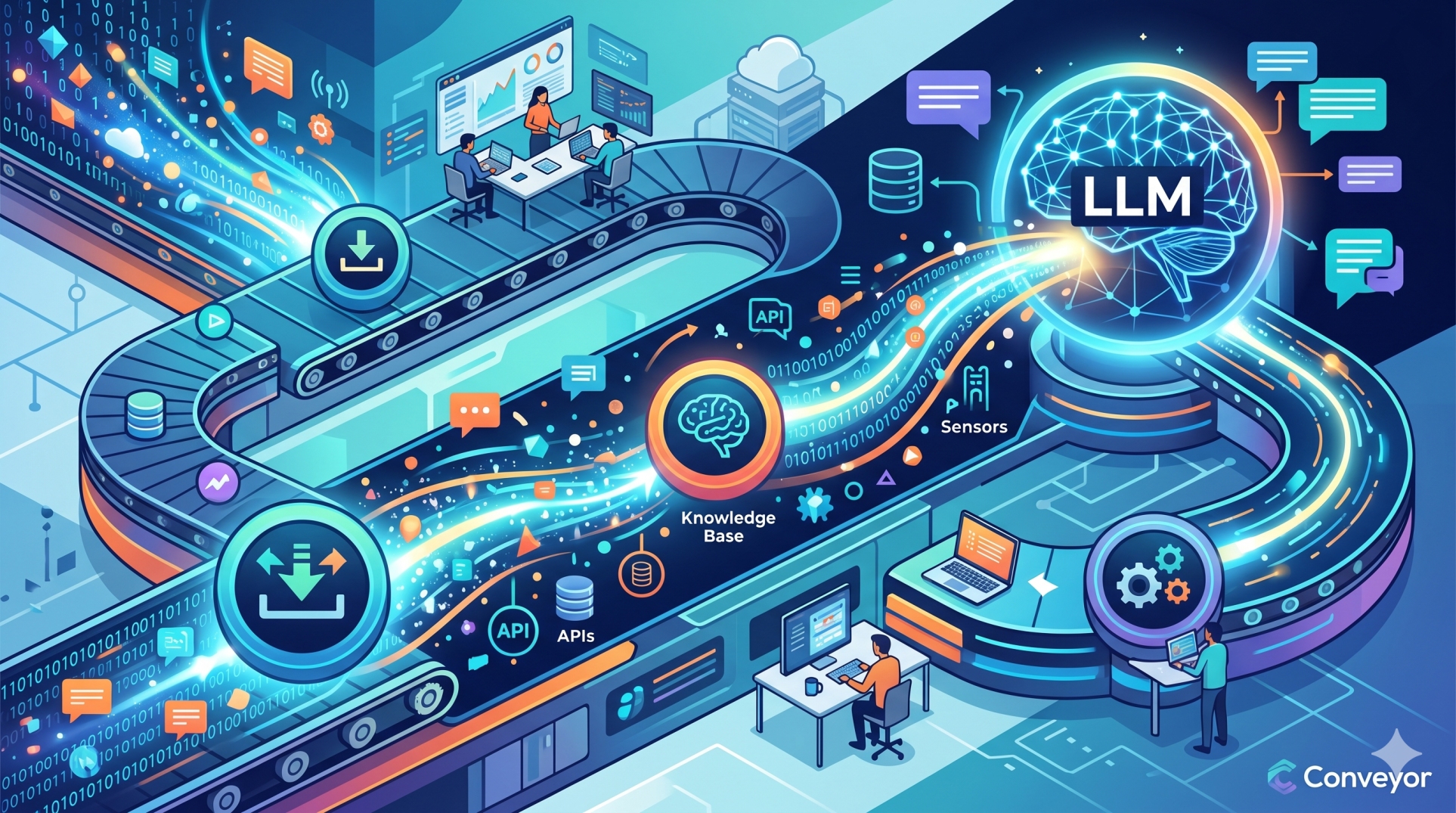
• Integrate LLMs into applications via APIs and services 🔌
• Connect with external tools, databases, and workflows 🧩
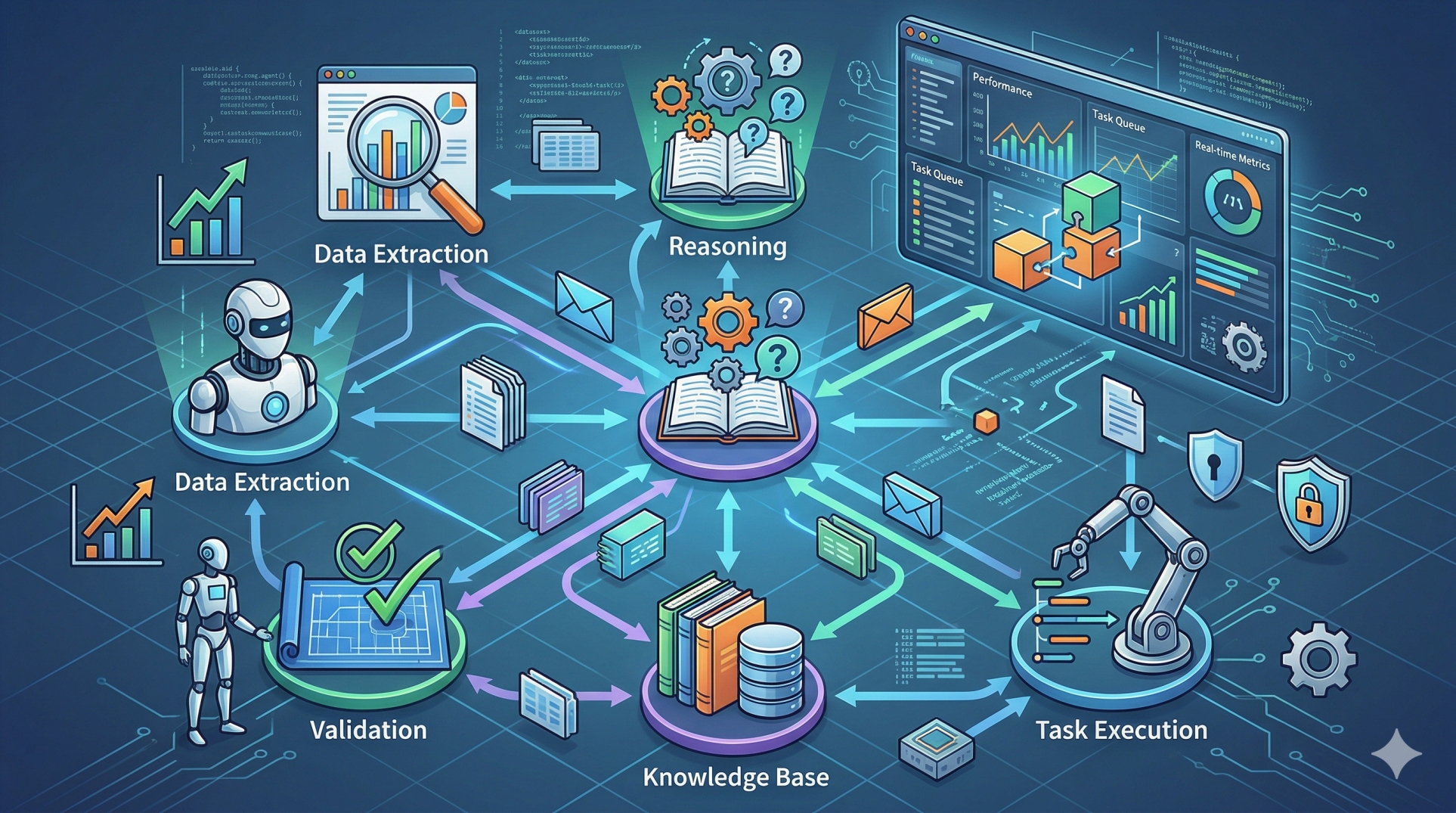
• Implement orchestration layers for task management 🧠
• Ensure seamless interaction between components 🔄
• Build scalable backend systems for production use 🚀
Step 6: Evaluation and Testing Frameworks 🧪
• Define evaluation metrics for accuracy, relevance, and safety 📊
• Test outputs using automated and human review methods 👀
• Simulate real-world scenarios and edge cases ⚙️
• Continuously benchmark model performance 📈
• Refine based on feedback and observed behavior 🔄
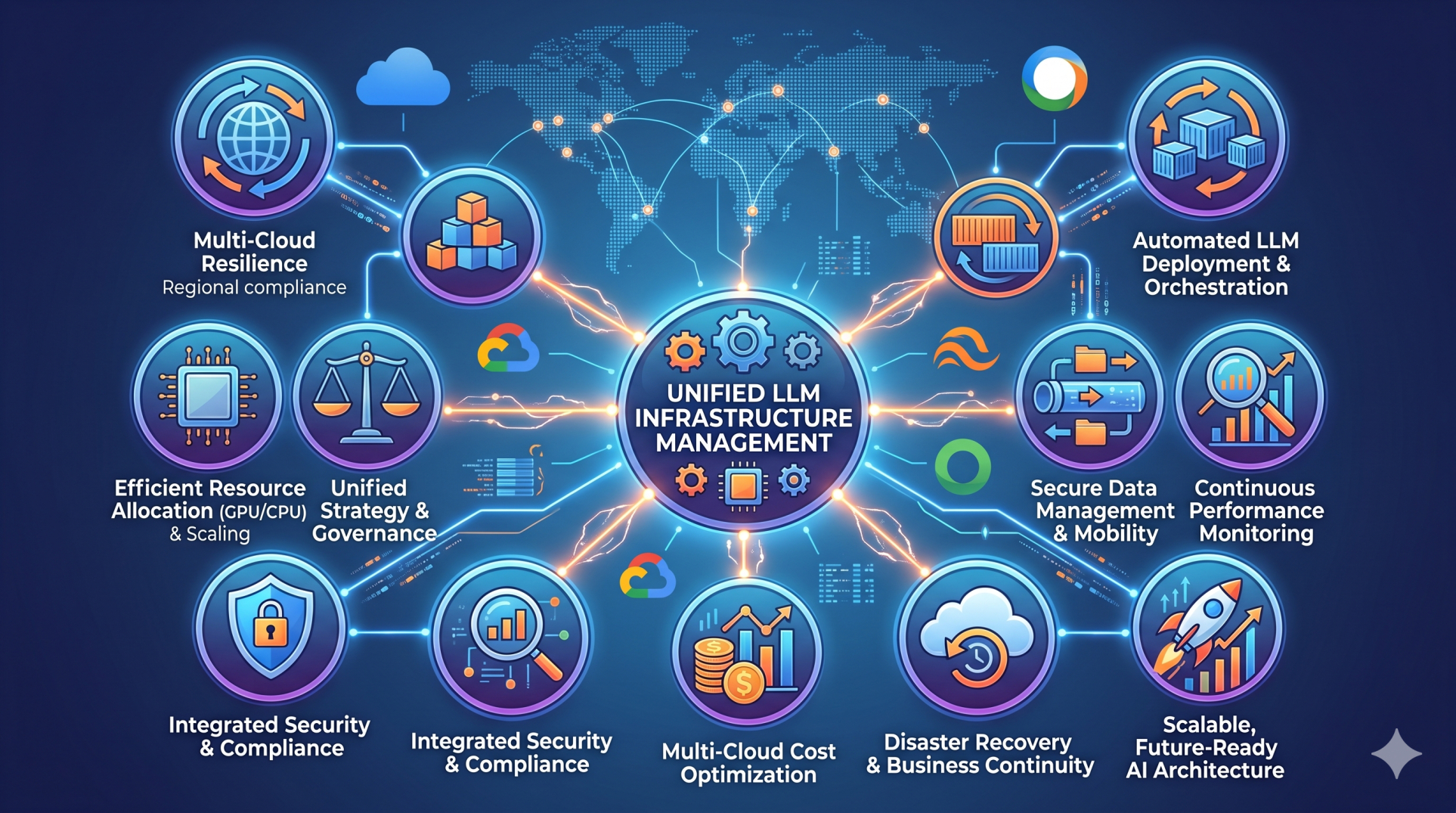
Step 7: Deployment and Monitoring 🚀
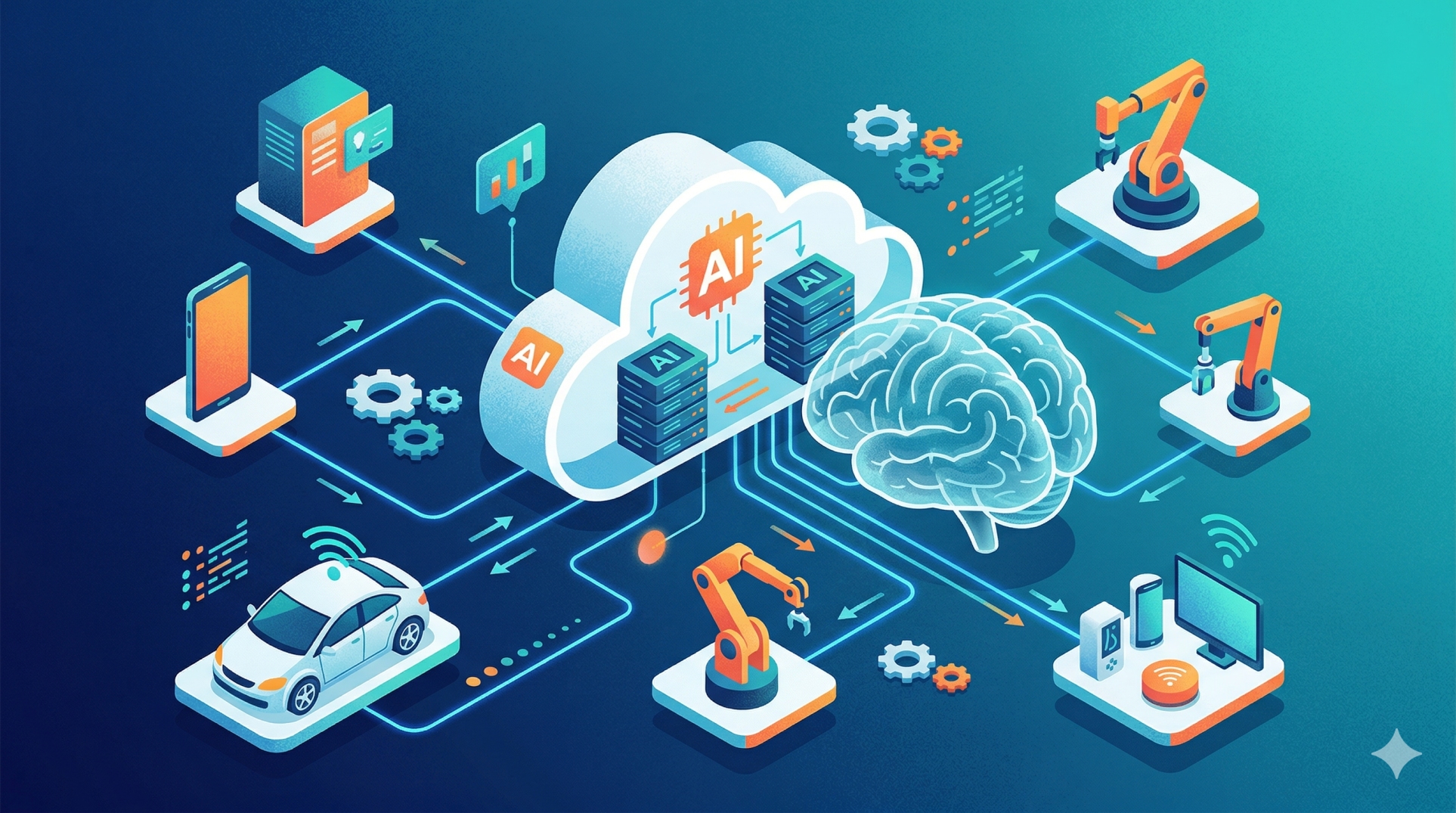
• Deploy LLM systems in production environments ☁️
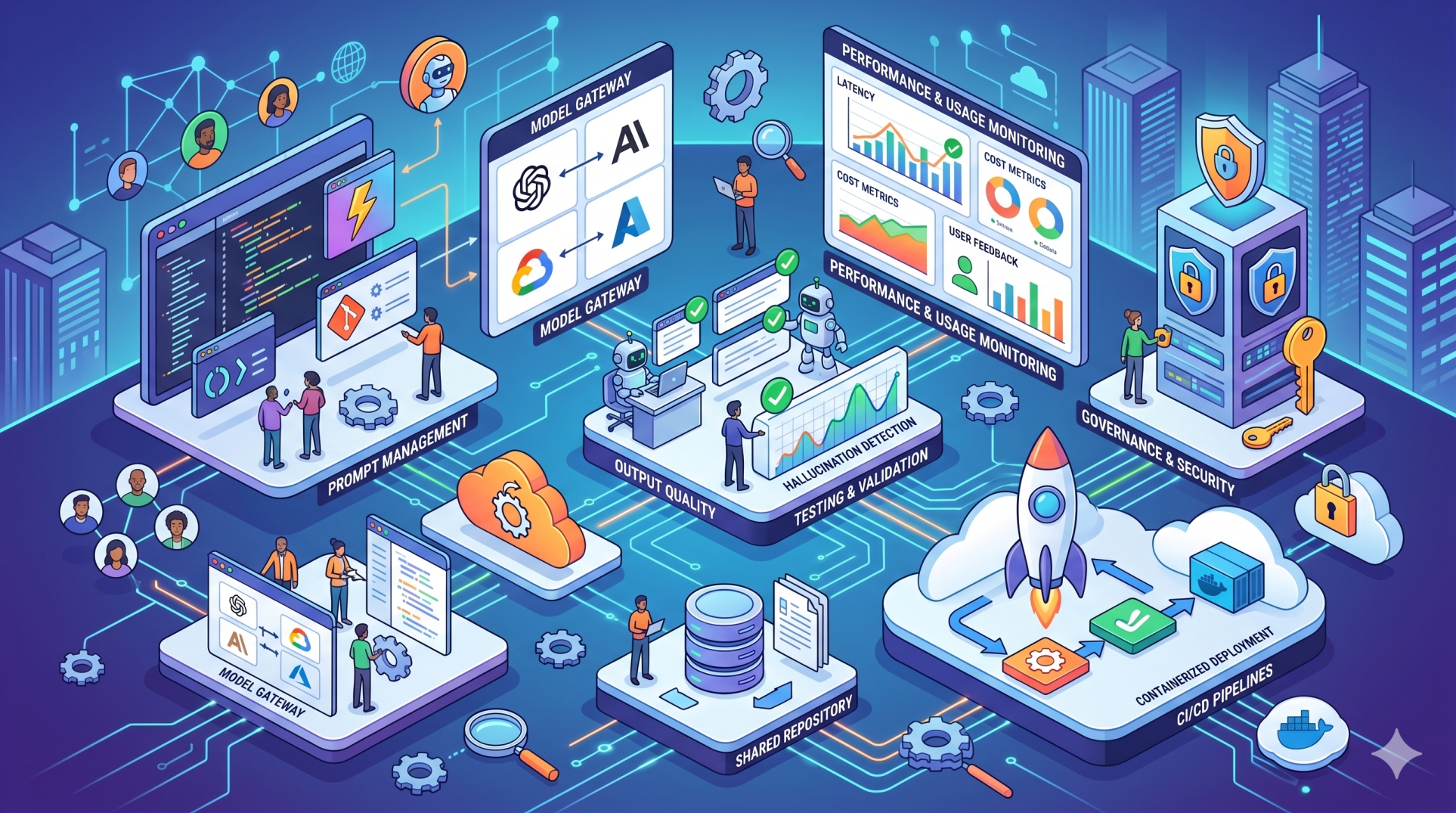
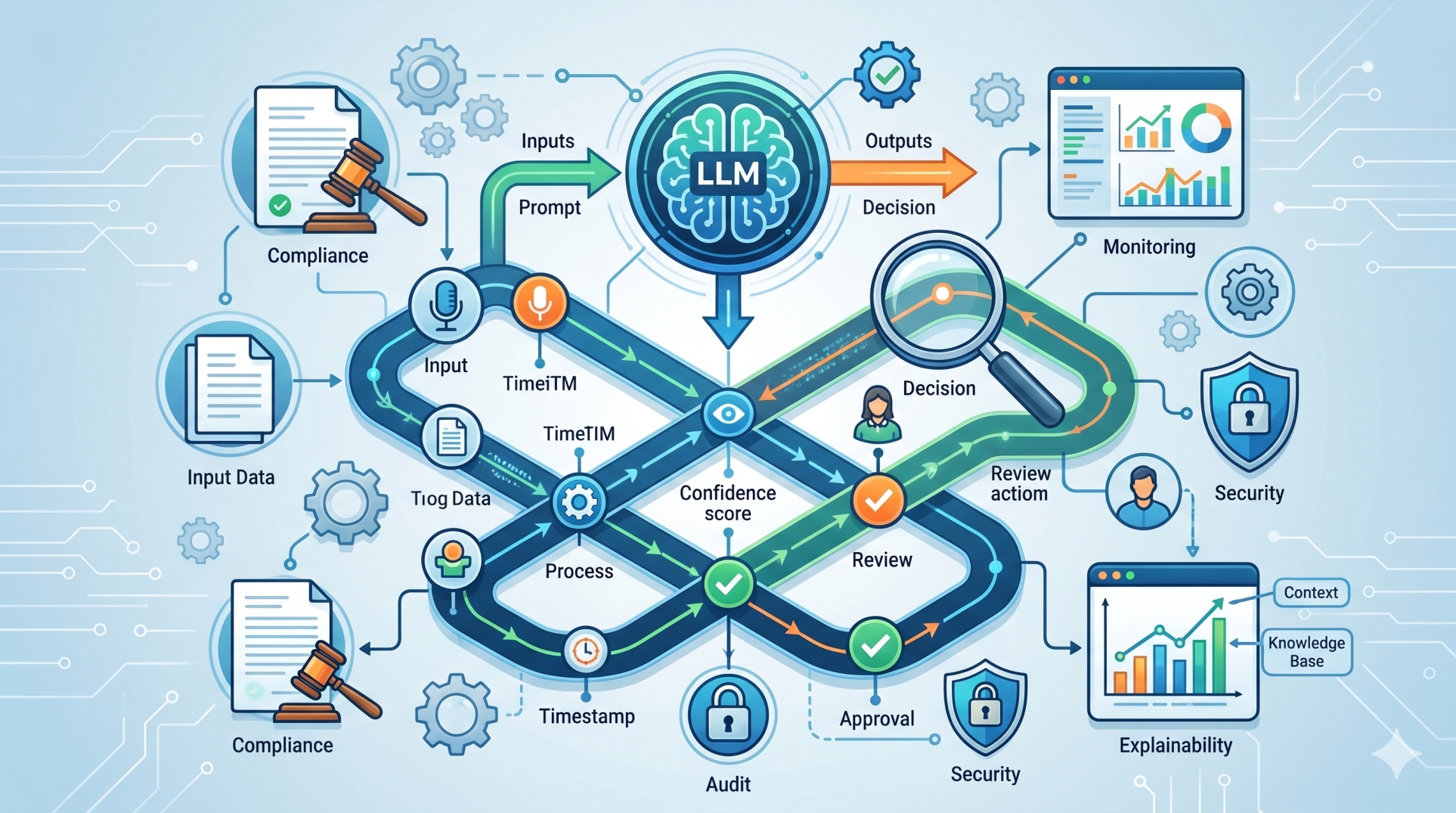
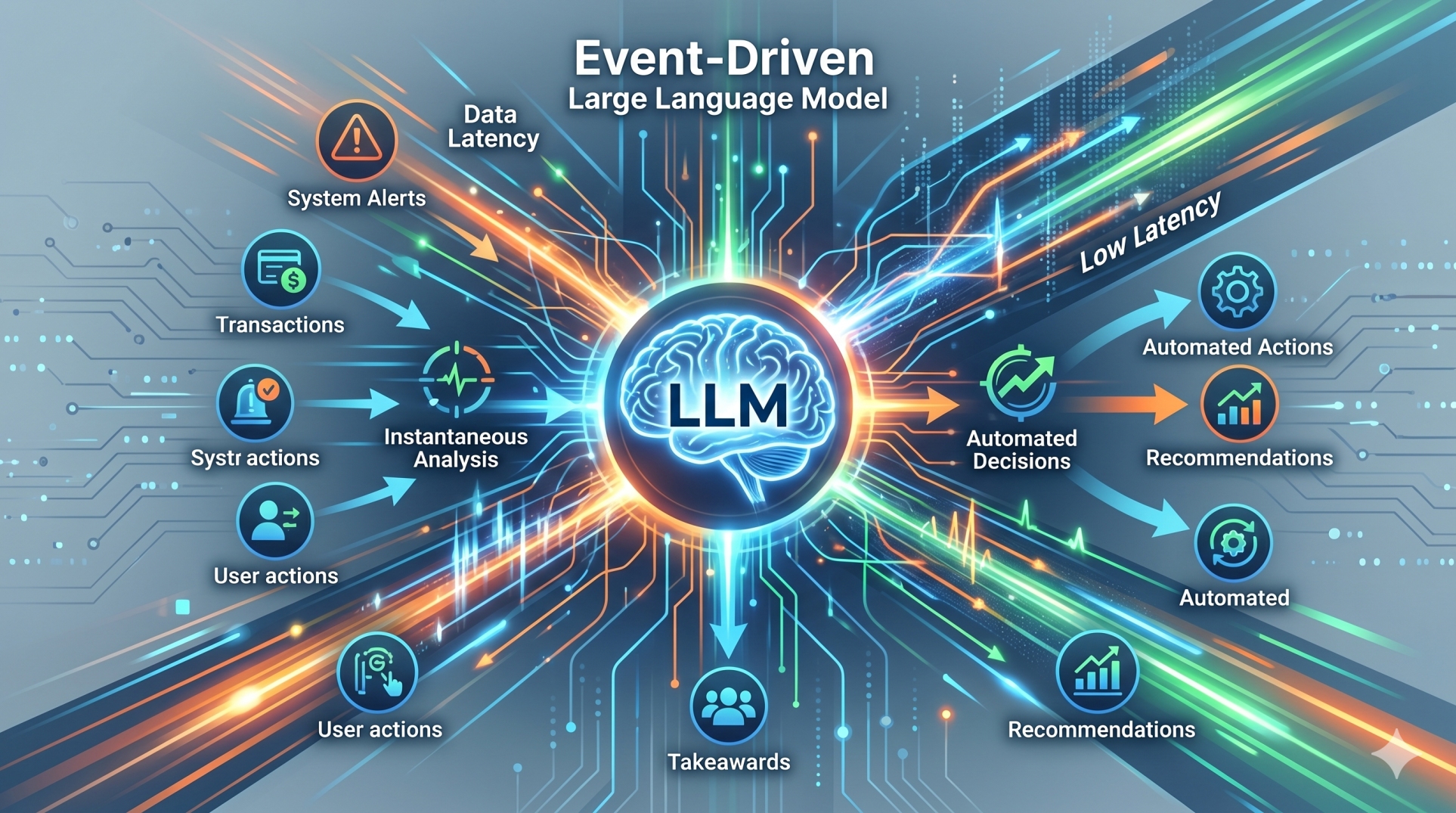
• Monitor performance, latency, and usage in real time ⏱️
• Track user interactions and system outputs 📊
• Detect anomalies or performance degradation ⚠️
• Ensure system reliability and uptime 🛠️
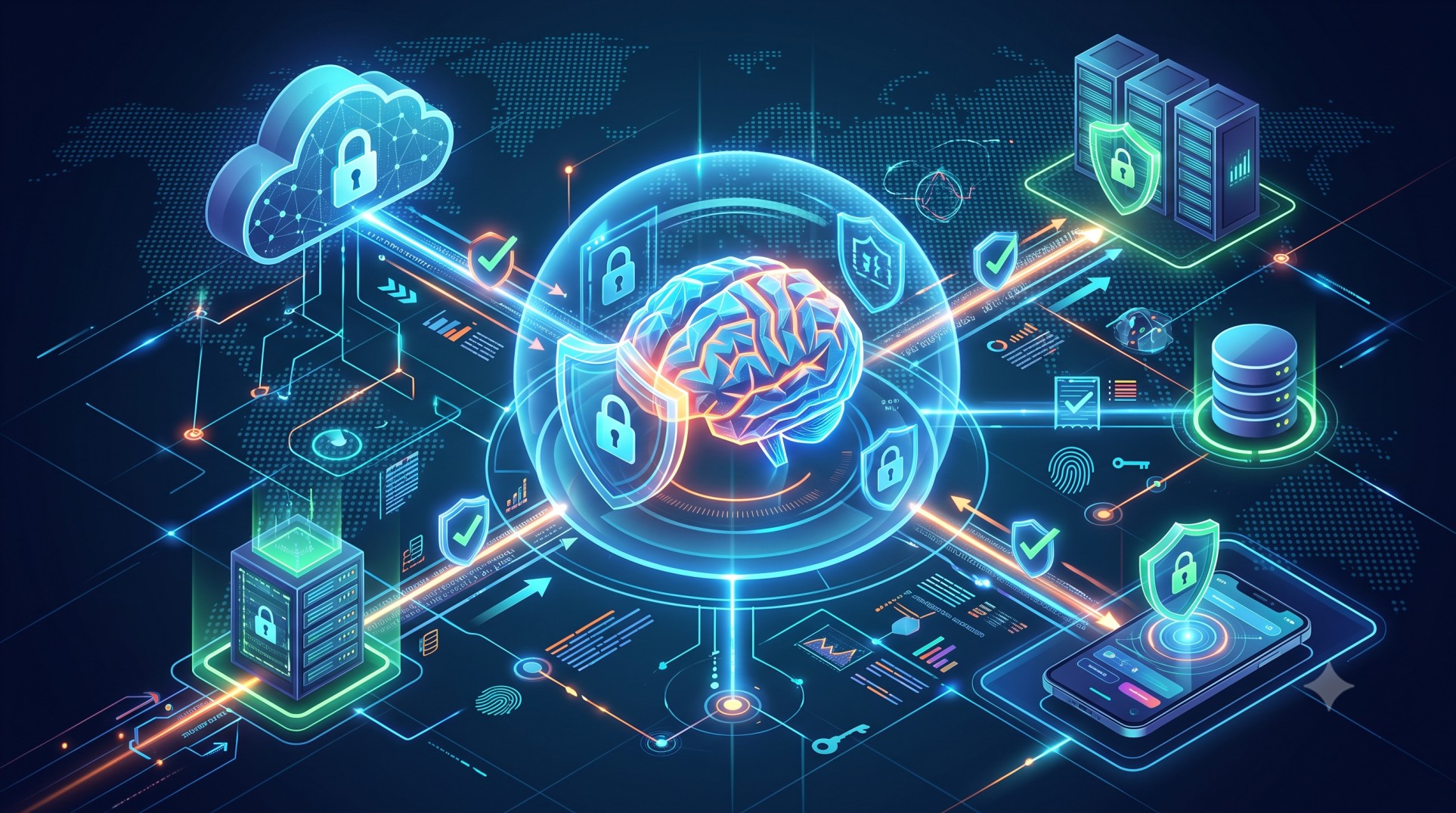
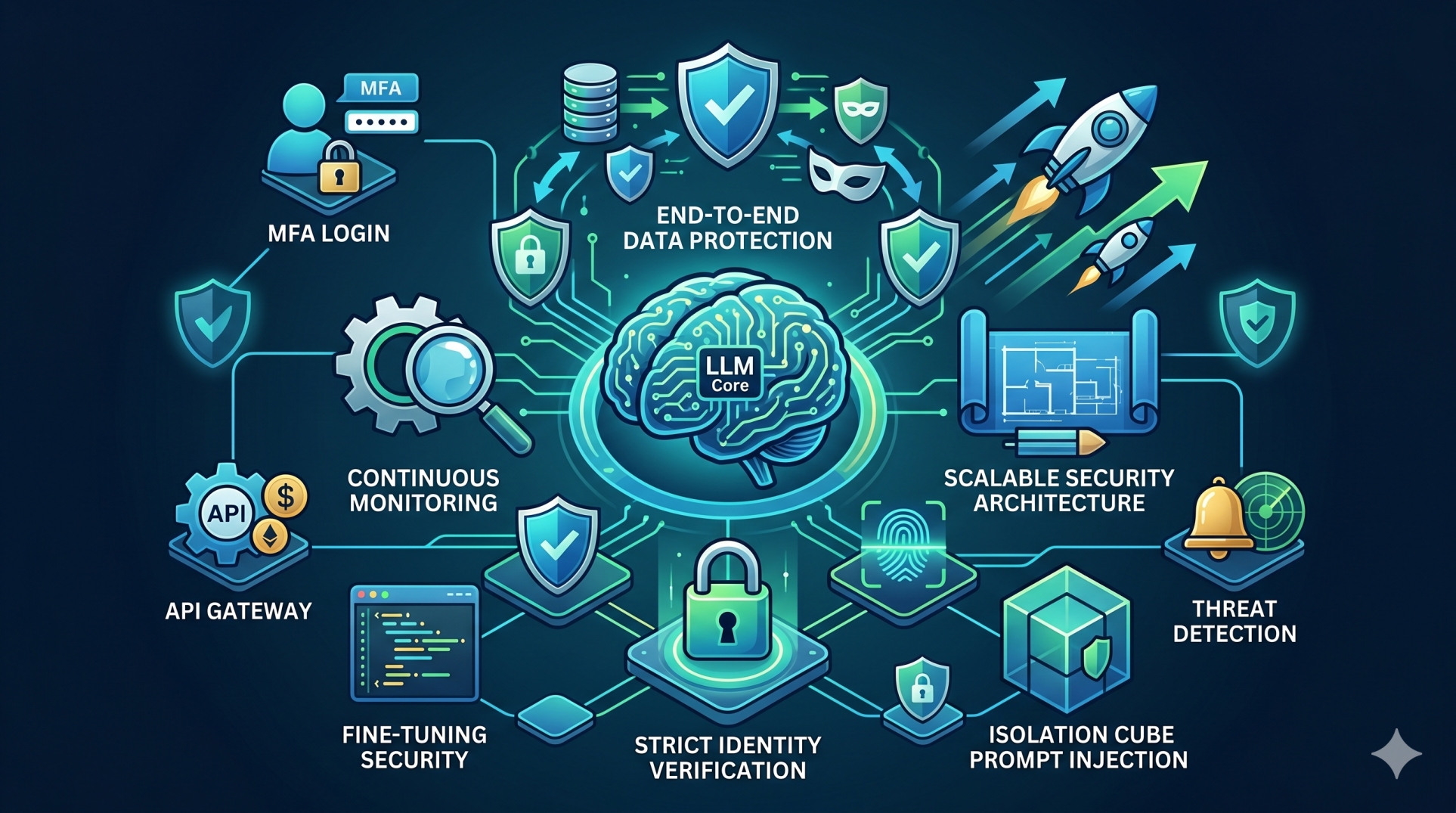
Step 8: Governance and Compliance 🛡️
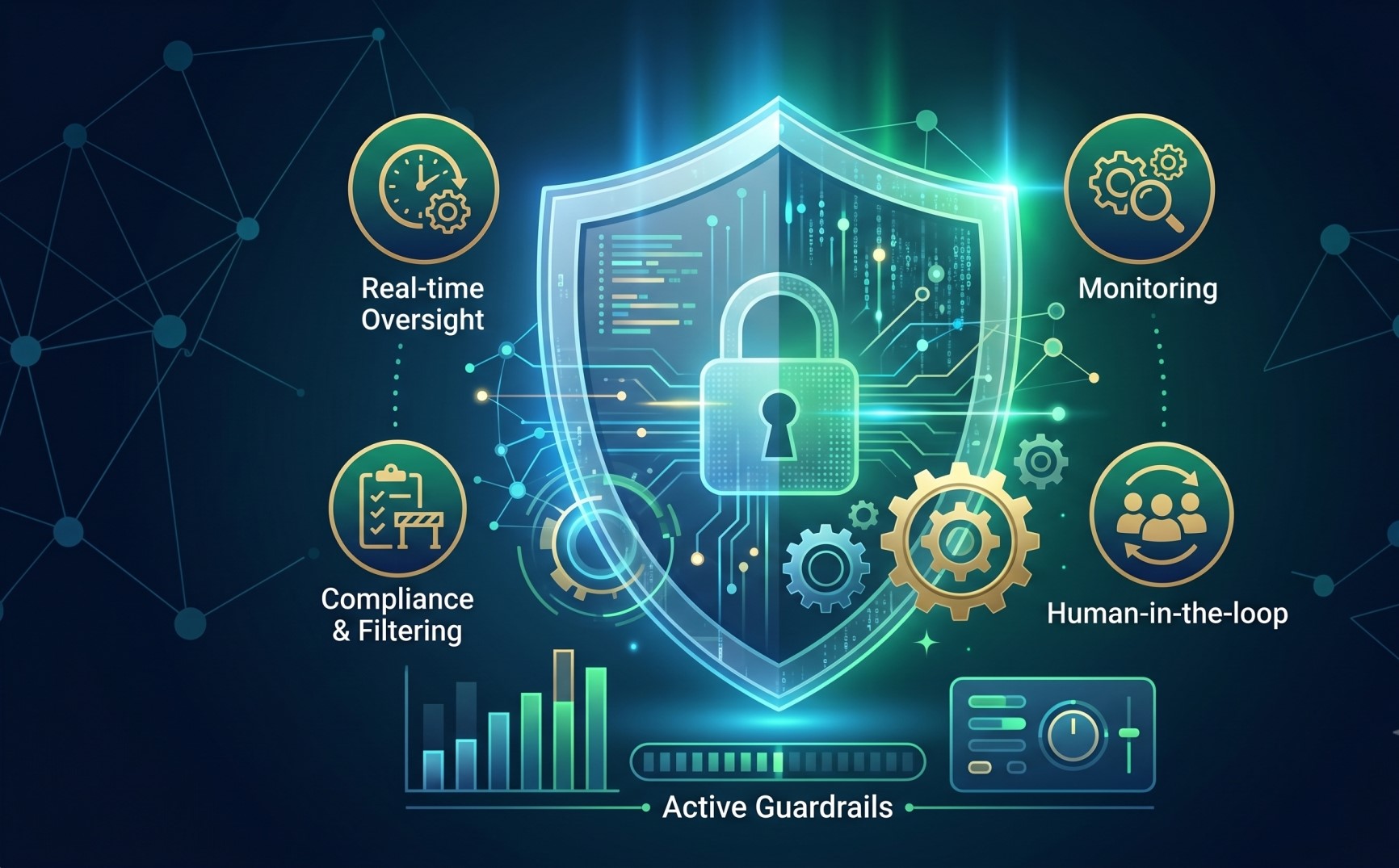
• Implement policies for responsible AI usage ⚖️
• Ensure compliance with data privacy and regulatory standards 📜
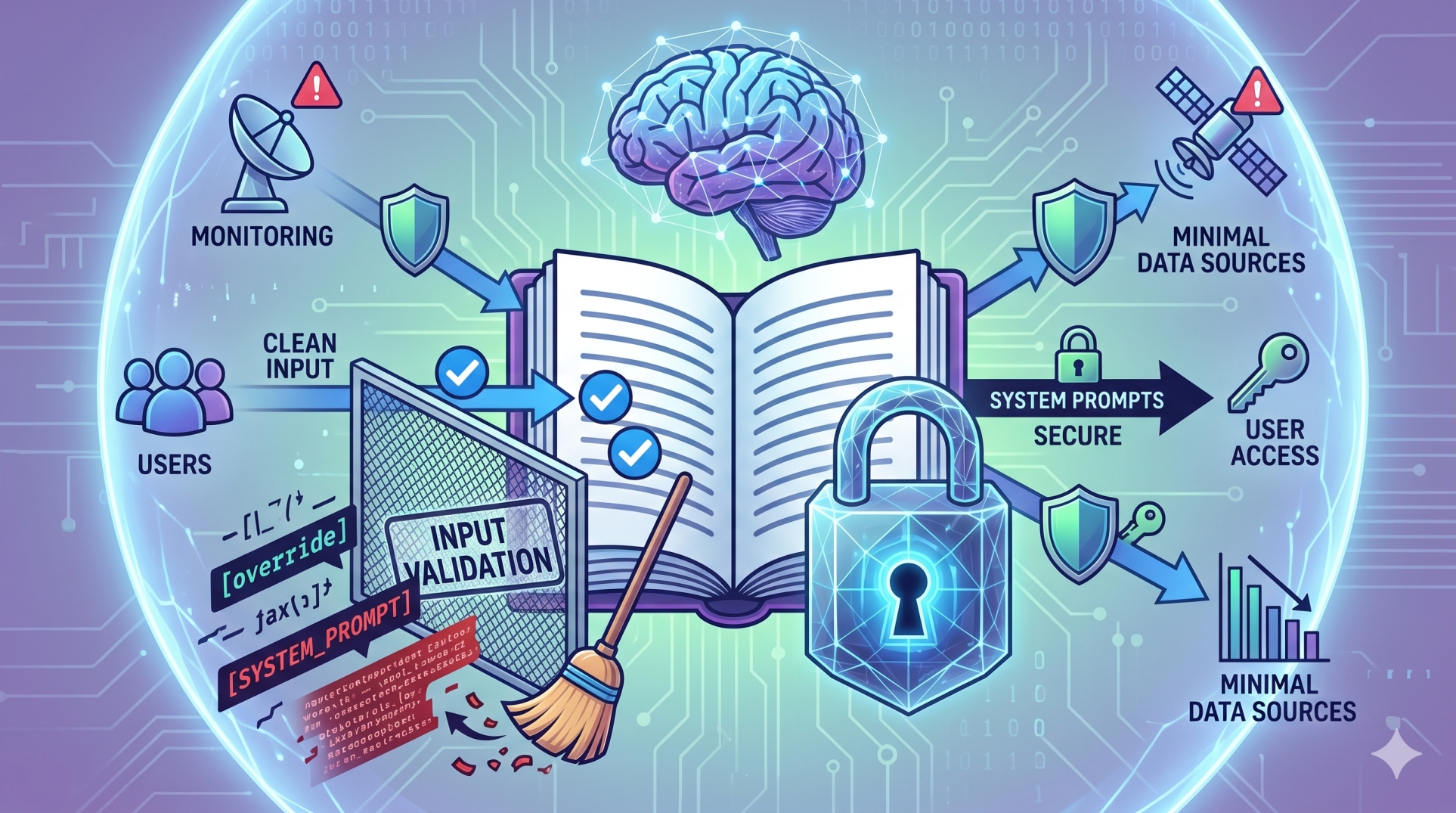
• Manage access control and user permissions 🔐
• Monitor for bias, harmful outputs, or misuse 🚨
• Maintain transparency and auditability in system decisions 🔍
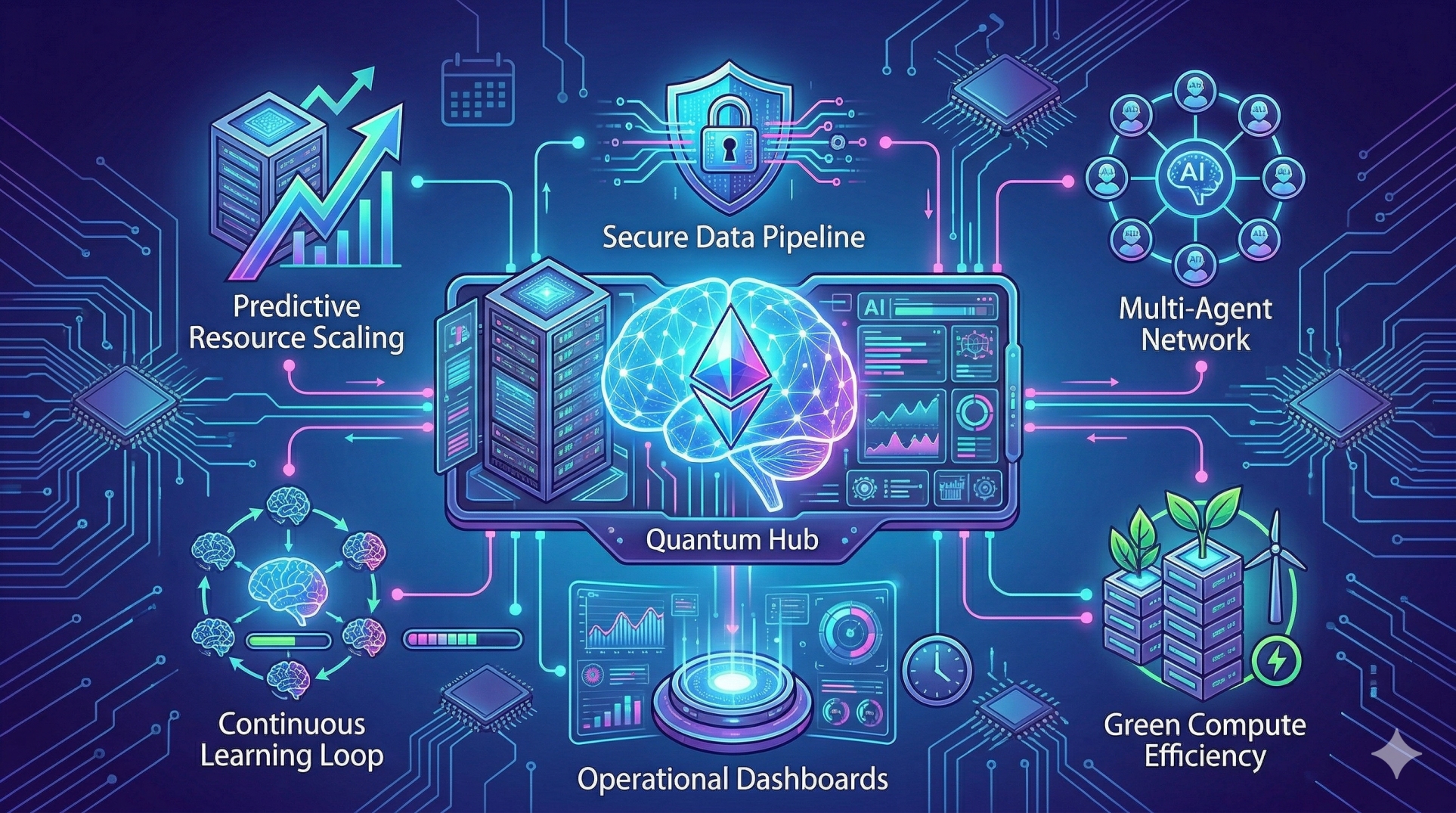
Step 9: Continuous Improvement and Iteration 🔄
• Update prompts, models, and workflows based on feedback 🔁
• Retrain or fine-tune models when necessary 🧠
• Improve system performance through iterative optimization 📈
• Adapt to evolving user needs and business goals 🎯
• Maintain a continuous feedback loop for enhancements 🔄
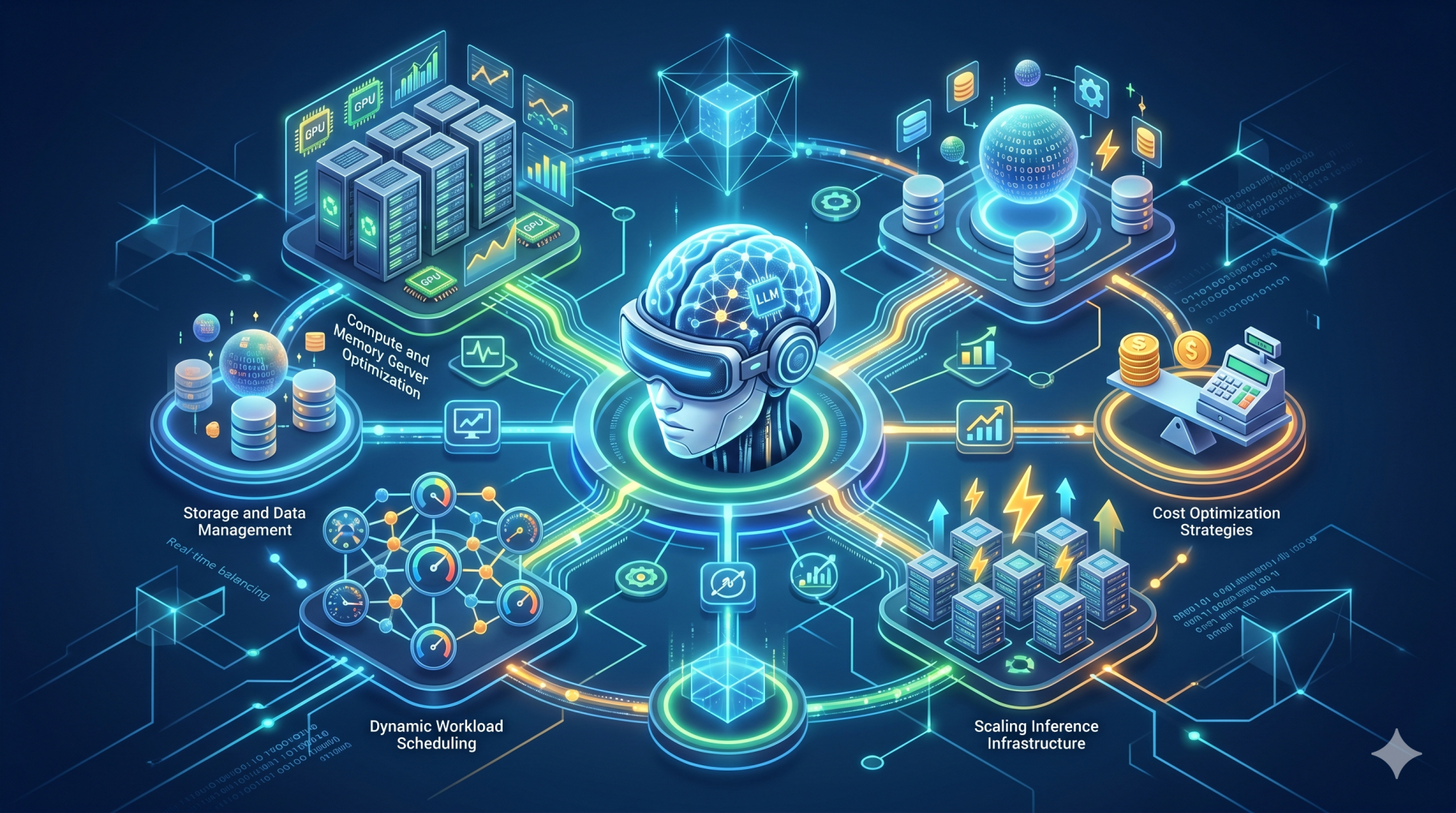
Step 10: Scaling and Product Evolution 📦
• Expand capabilities to support additional use cases 🌐
• Optimize infrastructure for higher demand and usage 🚀
• Integrate new AI technologies and features 🤖
• Ensure modular design for easy upgrades 🧩
• Plan long-term roadmap for product growth 📍
Conclusion
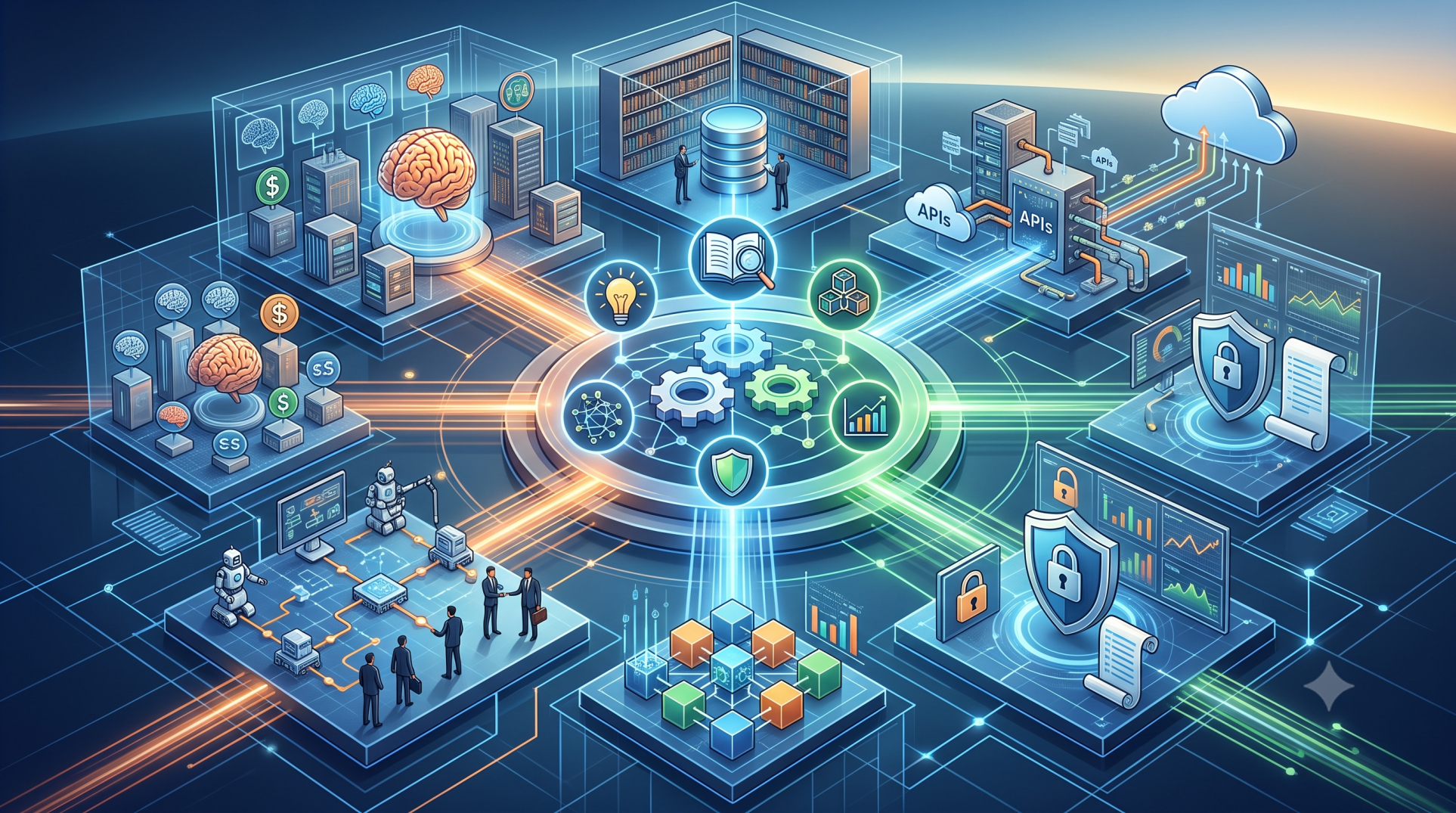
Managing the full lifecycle of LLM-based software products requires more than just model deployment. It involves a continuous cycle of data management, evaluation, optimization, and governance. By adopting a structured lifecycle approach, organizations can build reliable, scalable, and high-performing AI products that deliver sustained value and adapt to changing demands.
See more blogs
You can all the articles below