Scaling LLM Applications for Millions of Users
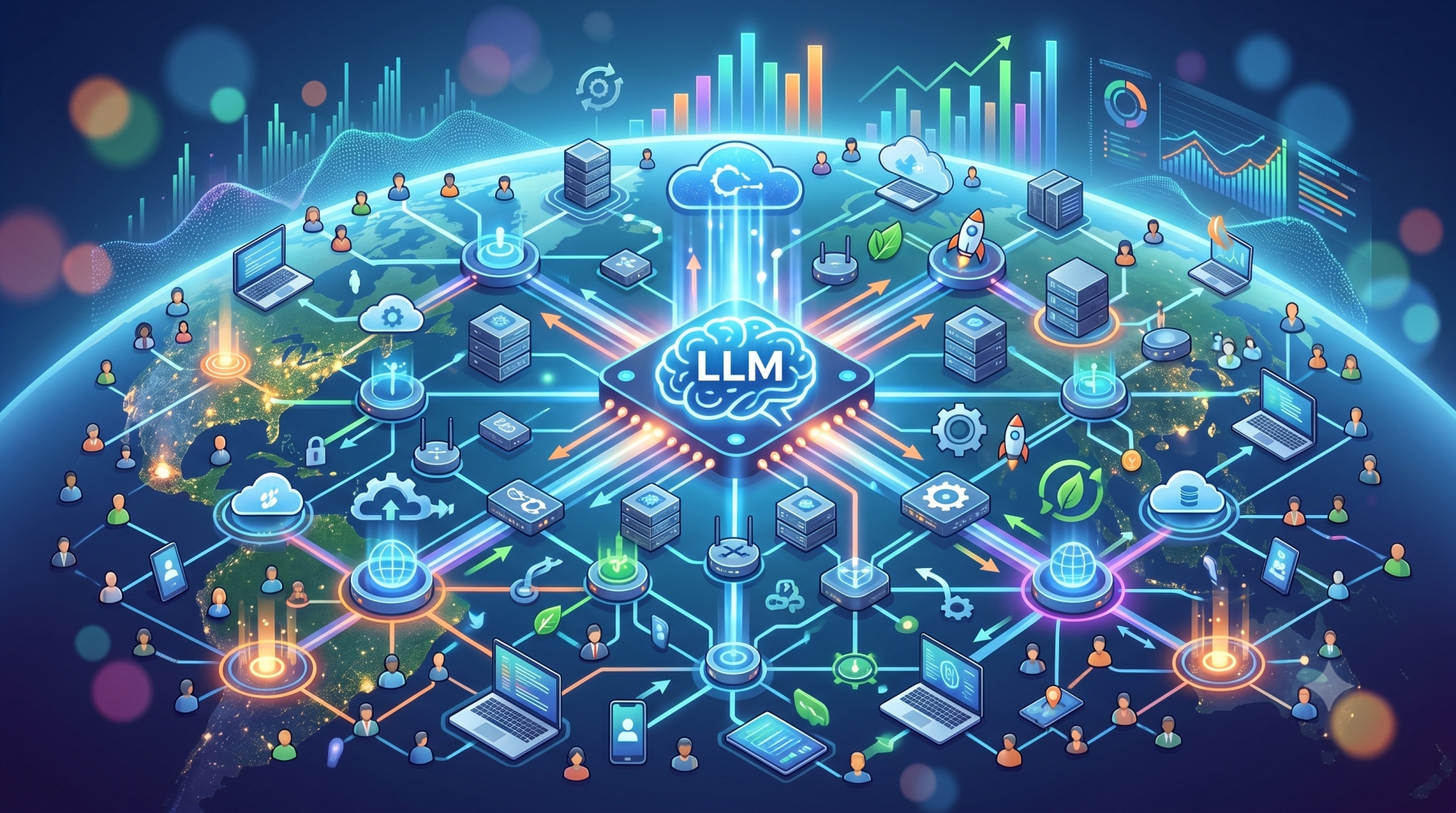
Scaling LLM Applications for Millions of Users
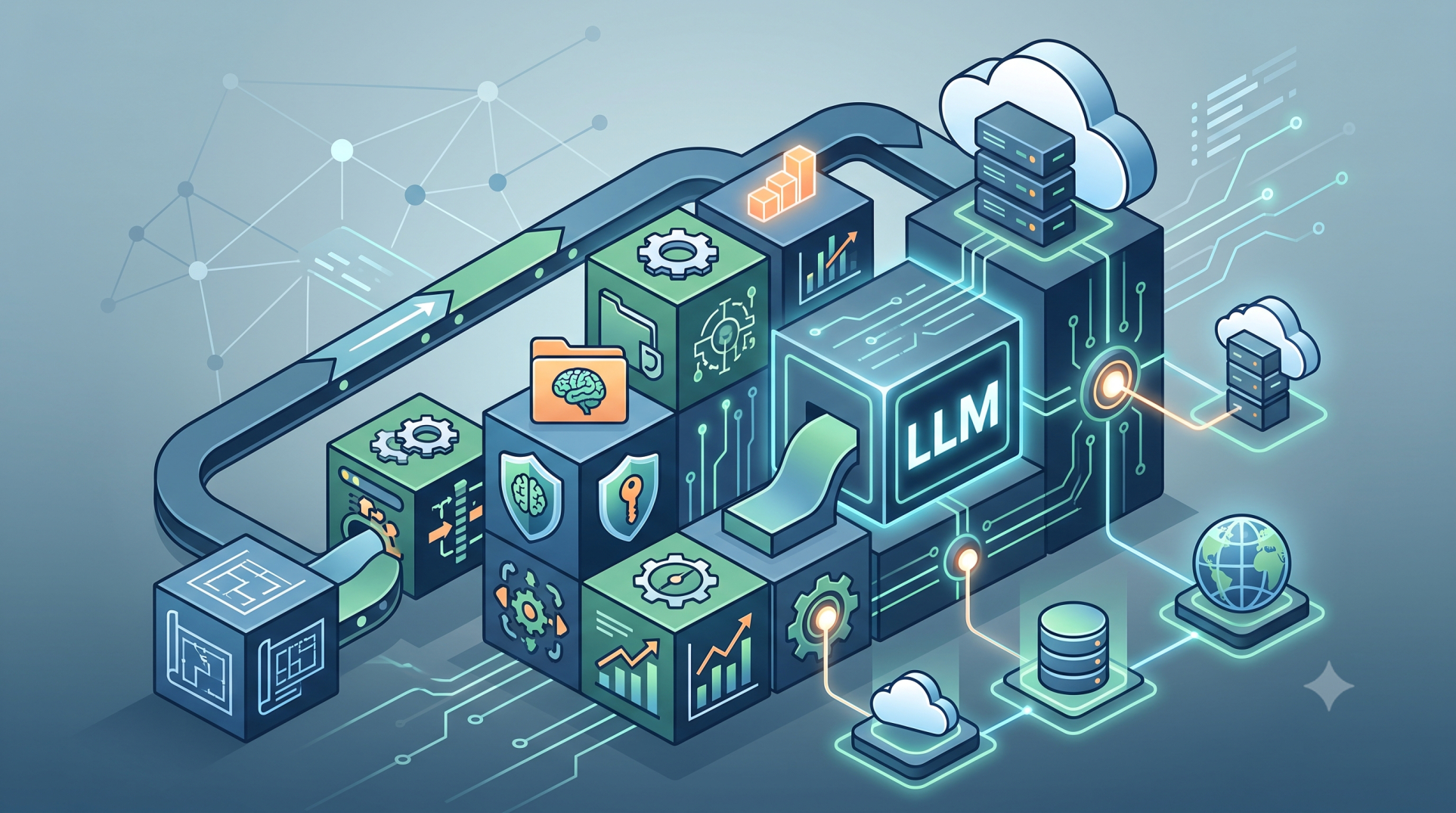
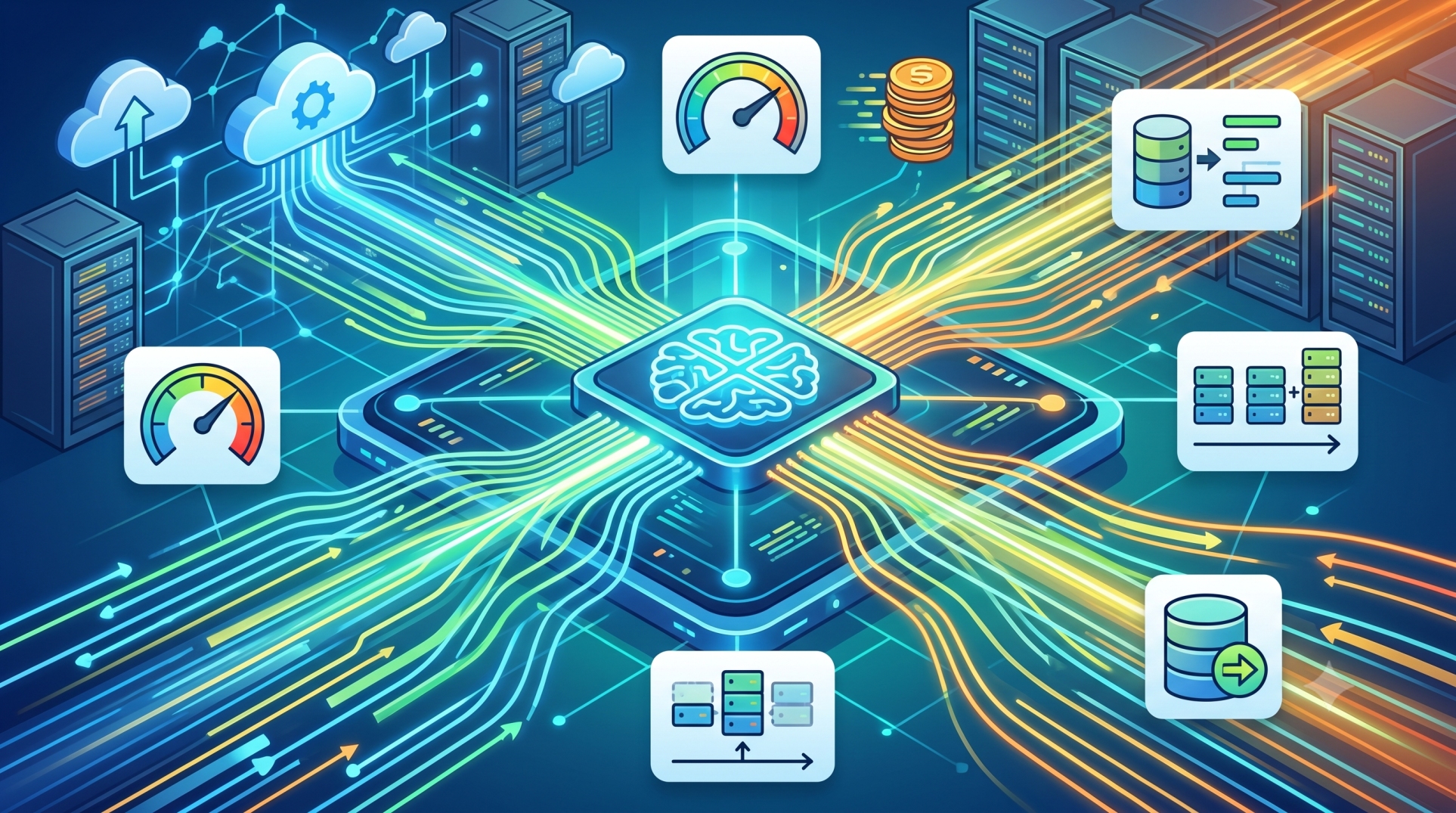
As Large Language Model (LLM) applications move into mainstream enterprise and consumer environments, scalability has become one of the most critical engineering challenges. Supporting millions of users requires more than powerful models—it demands resilient infrastructure, intelligent orchestration, efficient resource management, and optimized response delivery. Organizations that successfully scale LLM applications can deliver reliable, low-latency AI experiences while maintaining cost efficiency and operational stability.
Step 1: Building a Scalable Infrastructure Foundation 🏗️
• Deploy distributed infrastructure capable of handling high request volumes 🌐
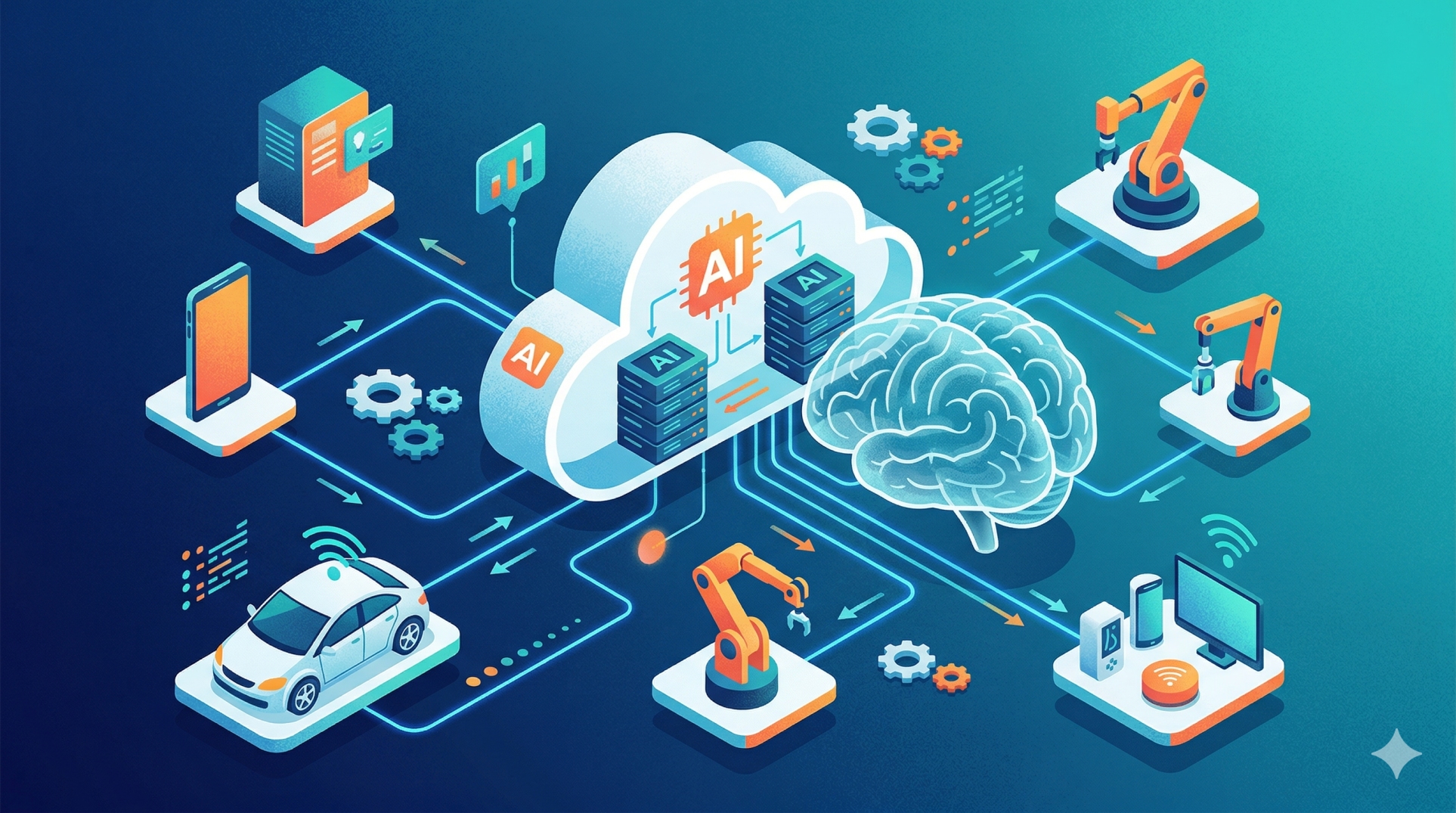
• Use cloud-native architectures for flexibility and rapid scaling ☁️
• Implement load balancing to distribute traffic efficiently ⚖️
• Design fault-tolerant systems to minimize service disruptions 🛡️
• Support horizontal scaling across compute environments 🚀
Step 2: Optimizing Model Serving Architecture ⚙️
• Use high-performance inference servers for faster response delivery ⚡
• Deploy model sharding and parallel processing techniques 🔄
• Optimize GPU and accelerator utilization for maximum efficiency 🖥️
• Reduce inference bottlenecks through intelligent request handling 📦
• Enable dynamic scaling based on real-time traffic demands 📈
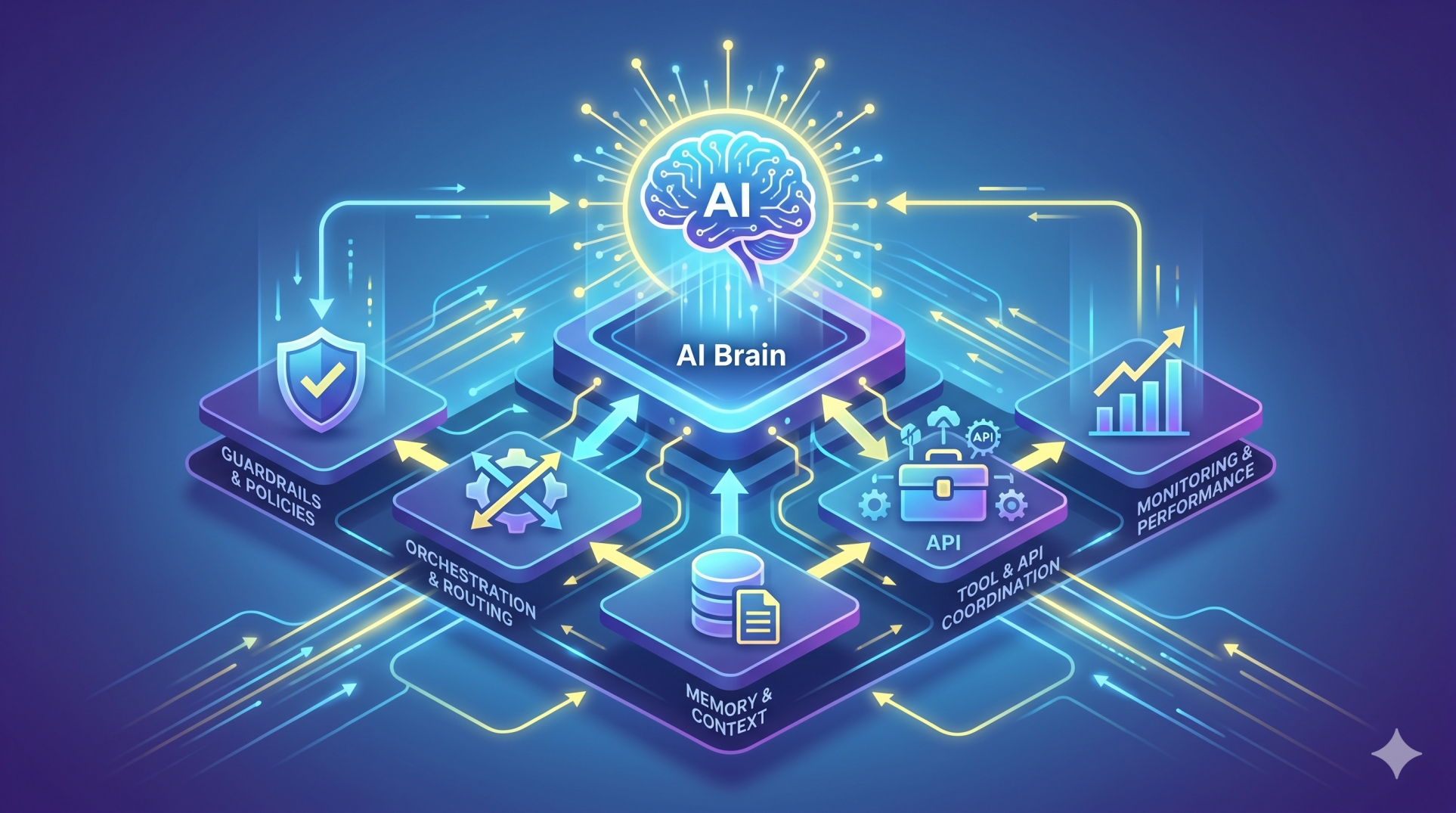
Step 3: Efficient Request Routing and Orchestration 🔀
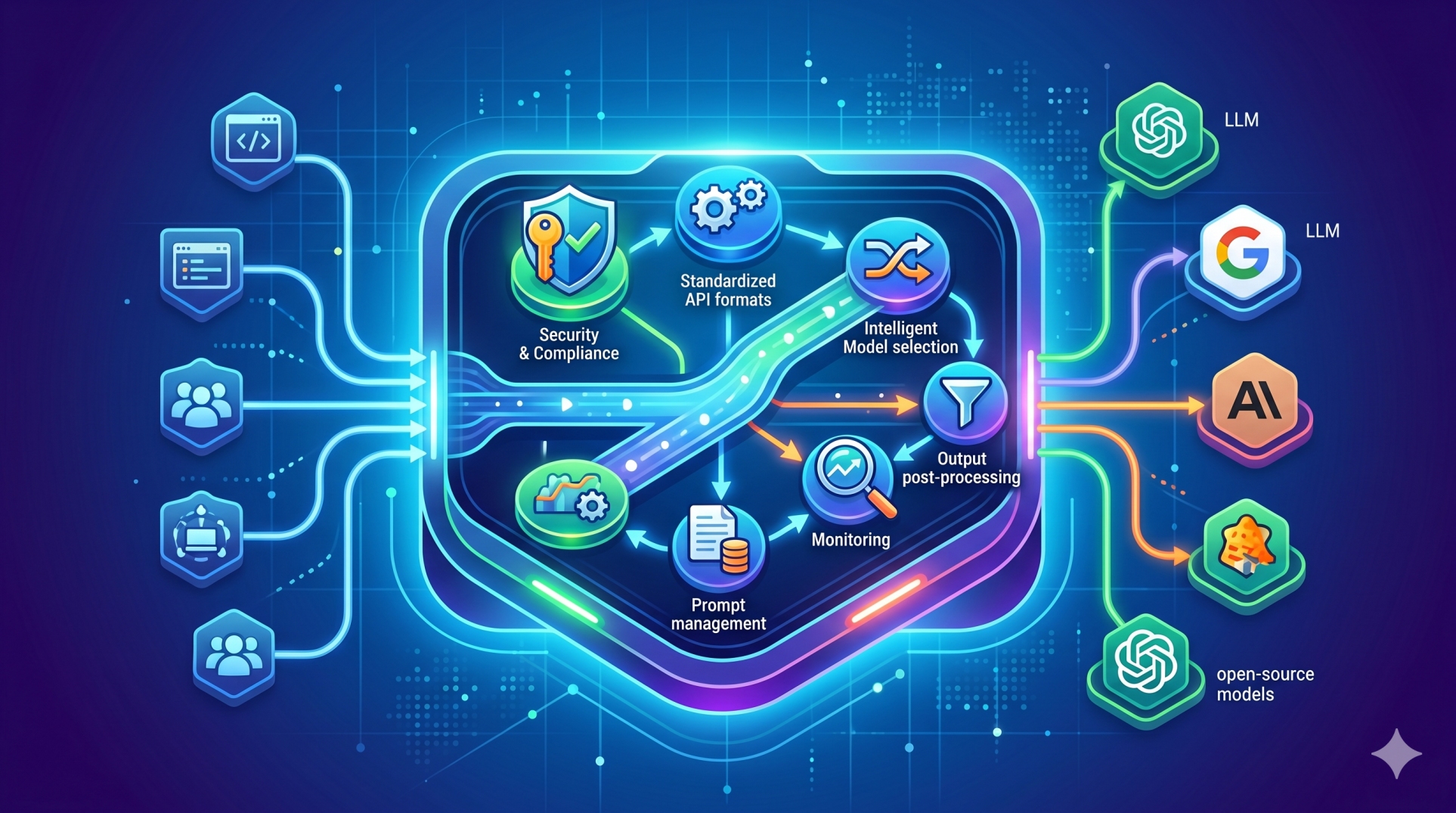
• Route user requests to the most appropriate model endpoints 🎯
• Implement orchestration layers for multi-model coordination 🤖
• Balance workloads across regions and infrastructure clusters 🌍
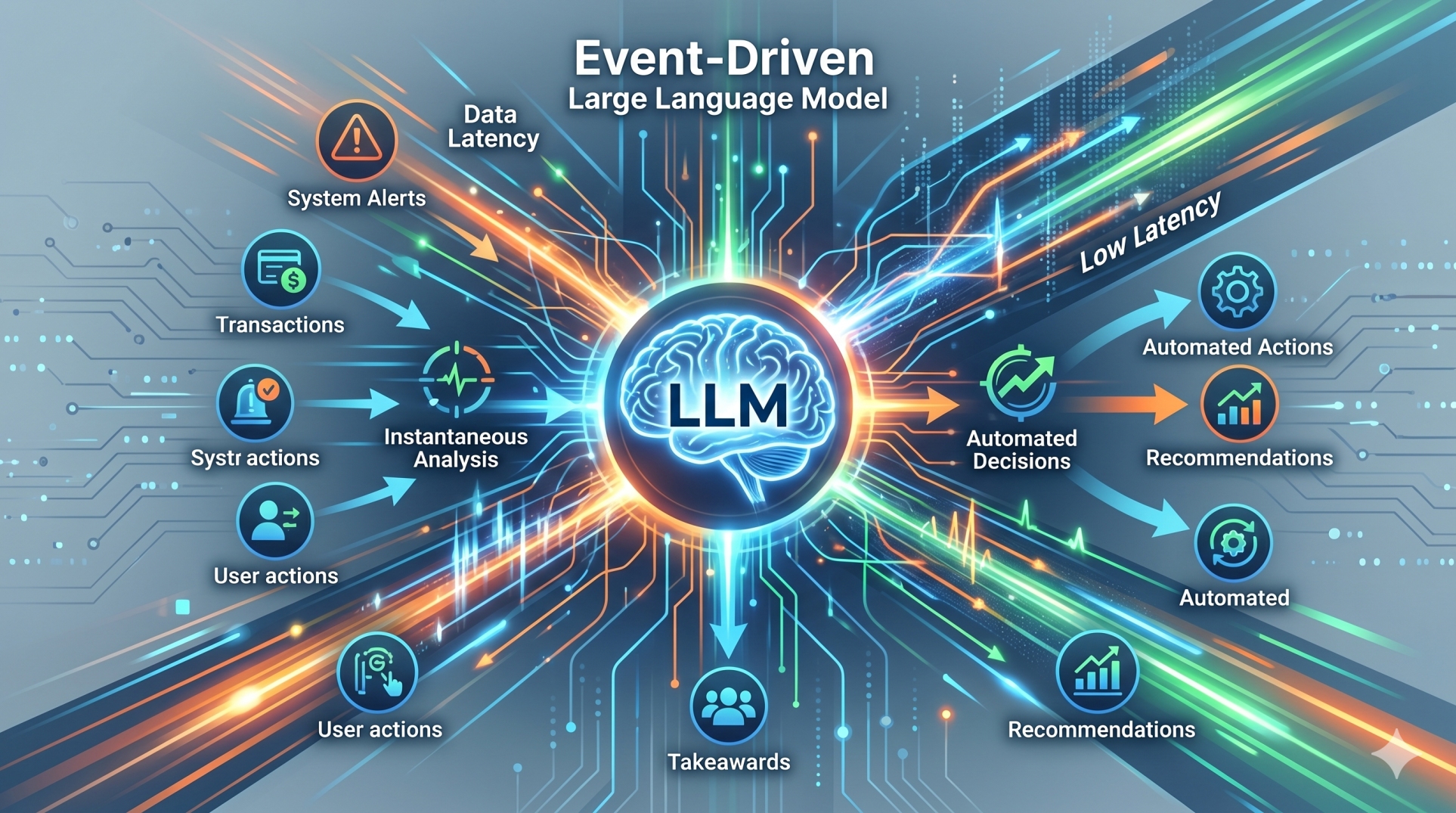
• Prioritize latency-sensitive requests intelligently ⏱️
• Ensure seamless failover during service interruptions 🔁
Step 4: Reducing Latency for Real-Time Experiences ⚡
• Cache frequently requested responses and embeddings 💾
• Use edge computing for geographically distributed users 🌎
• Minimize network overhead through optimized APIs 📡
• Stream responses incrementally for faster perceived performance 📨
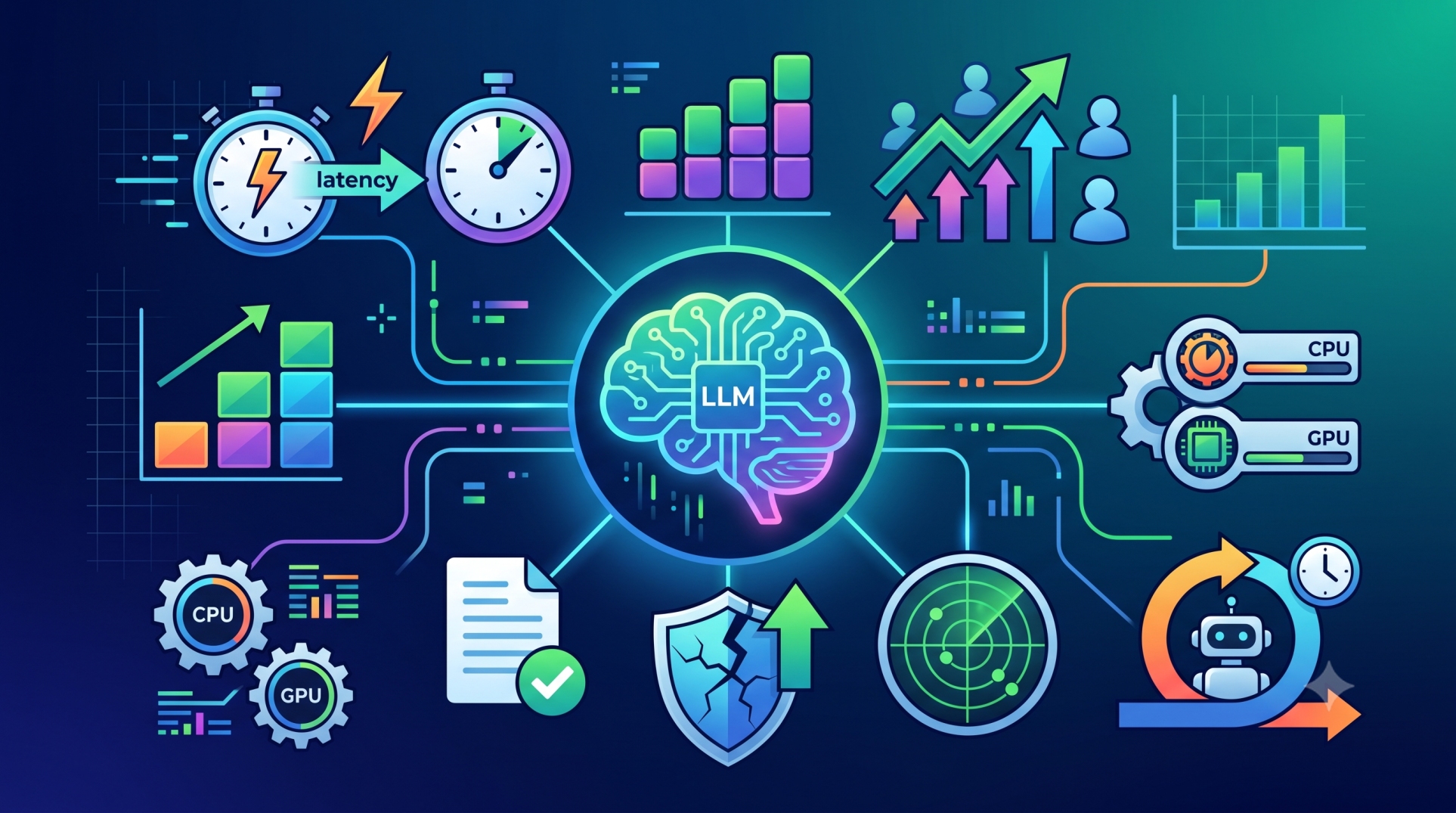
• Continuously monitor latency across all service layers 📊
Step 5: Managing Multi-Tenant Workloads 👥
• Isolate workloads across enterprise and consumer environments 🏢
• Enforce fair resource allocation among users ⚖️
• Prevent noisy-neighbor performance issues 🚧
• Maintain tenant-specific security and configuration policies 🔐
• Scale resources dynamically based on tenant activity 📈
Step 6: Cost Optimization Strategies 💰
• Use model quantization and compression techniques 📉
• Route simple tasks to smaller, lower-cost models 🤏
• Optimize token usage and context management ✍️
• Schedule workloads efficiently to reduce idle compute time ⏳
• Continuously analyze infrastructure spending and utilization 📊
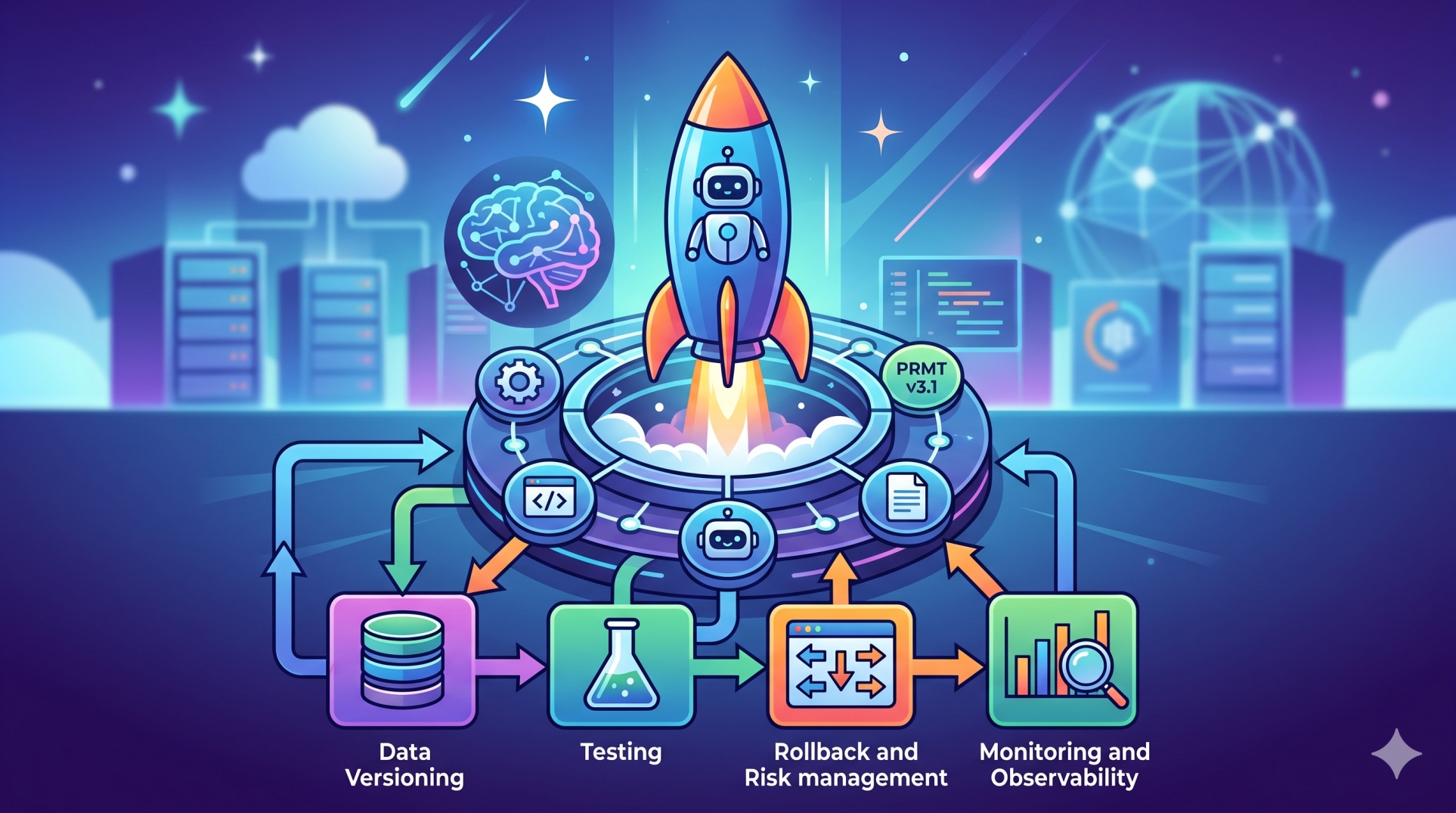
Step 7: Monitoring and Observability 🔍
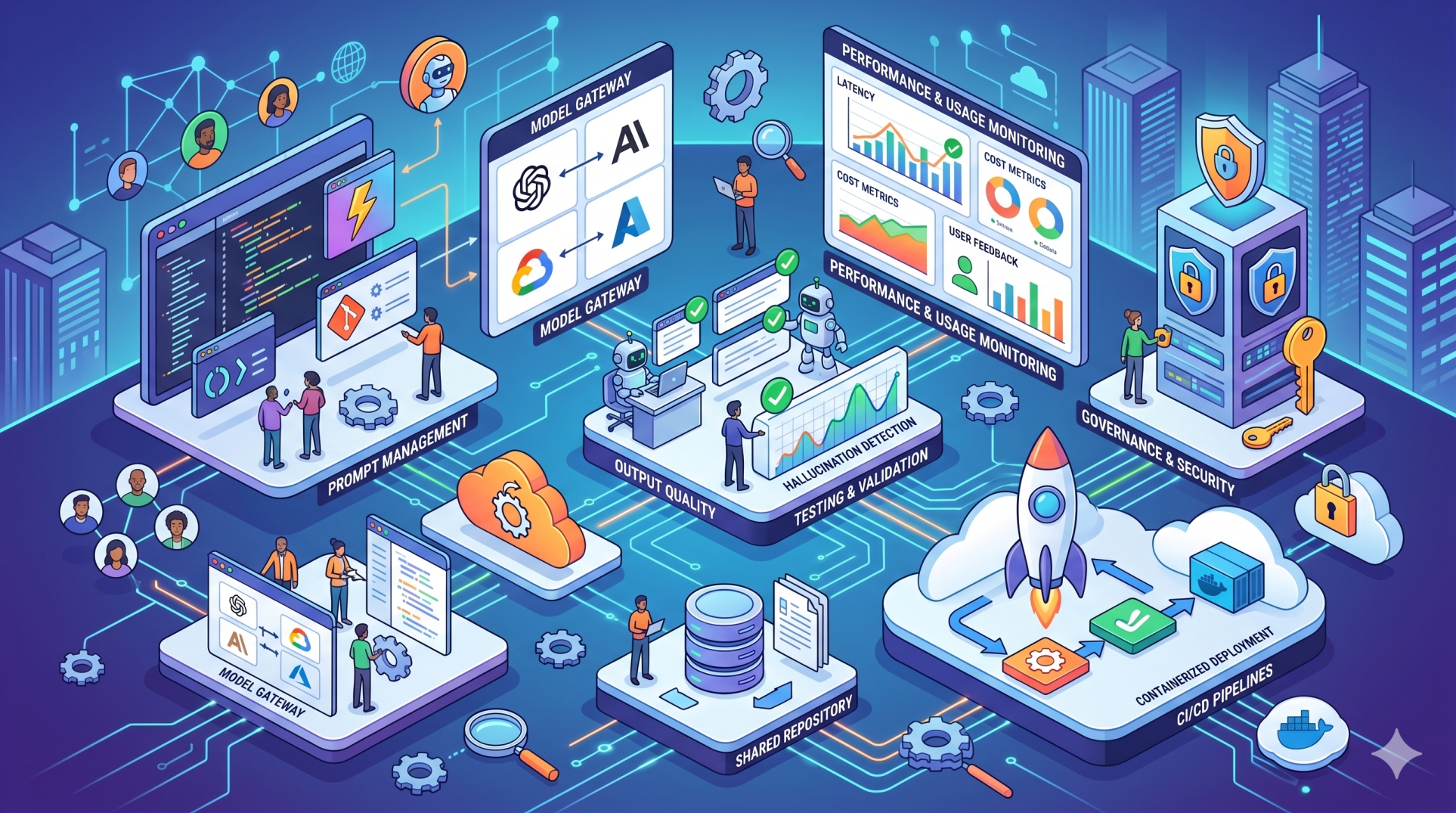
• Track application health, throughput, and response quality 📈
• Monitor GPU utilization and infrastructure performance 🖥️
• Detect anomalies and failures in real time 🚨
• Implement centralized logging and analytics systems 📑
• Use observability tools for proactive issue resolution 🛠️
Step 8: Ensuring Reliability and Availability 🛡️
• Build redundancy across infrastructure regions 🌍
• Implement automatic recovery and failover systems 🔄
• Protect services against sudden traffic spikes 📈
• Maintain uptime through continuous infrastructure testing ✅
• Design disaster recovery strategies for critical operations 🚑
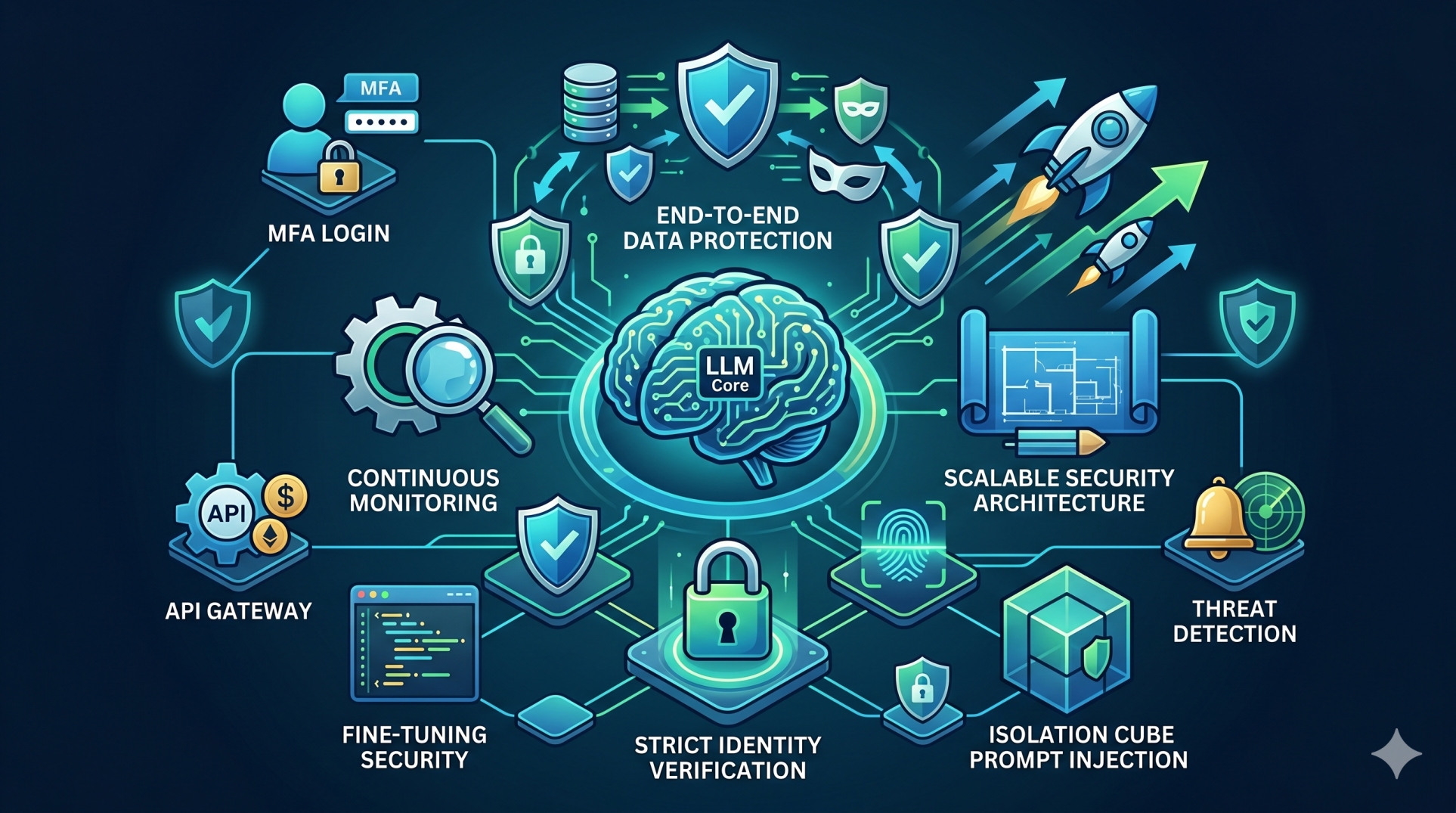
Step 9: Security and Compliance at Scale 🔐
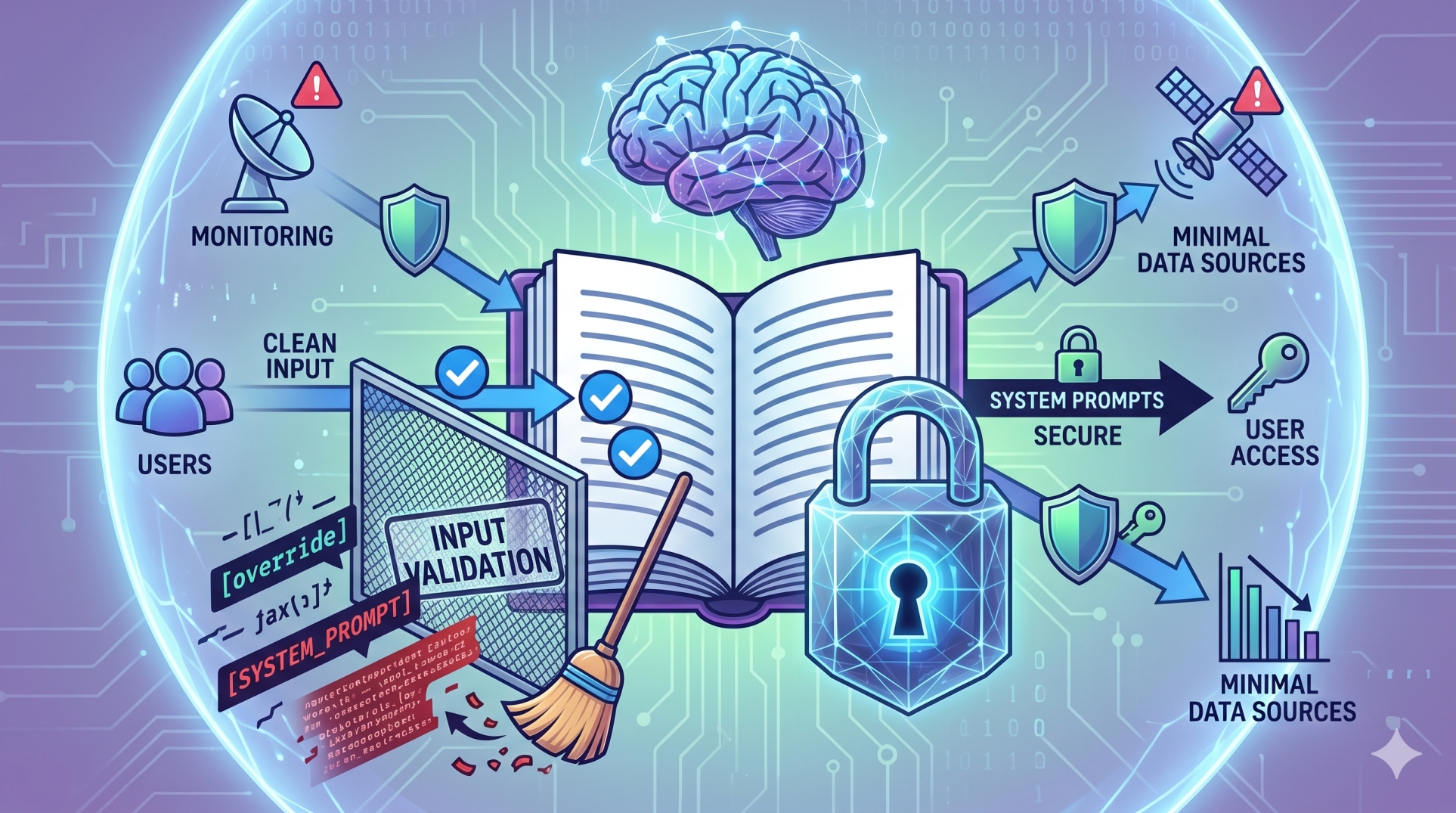
• Secure APIs, user data, and inference pipelines 🧱
• Implement authentication and role-based access controls 👤
• Encrypt sensitive enterprise and customer information 🔒
• Maintain compliance with industry regulations and standards ⚖️
• Continuously monitor for threats and vulnerabilities 🚨
Step 10: Future-Proofing Large-Scale LLM Platforms 🌟
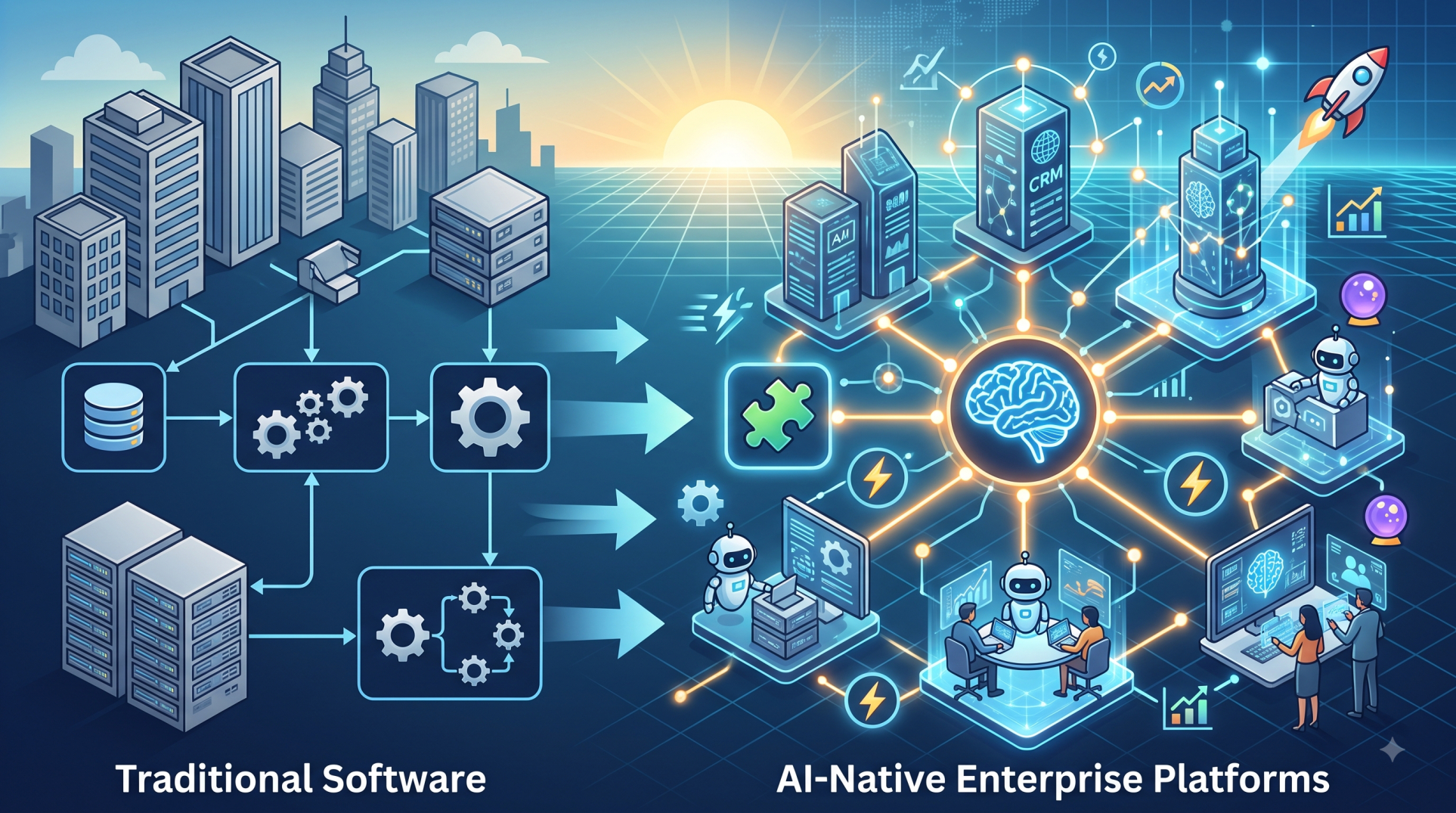
• Design modular systems that support evolving AI models 🧩
• Enable integration with future tools and enterprise platforms 🔗
• Support hybrid deployment models across cloud and on-premise systems ☁️
• Prepare infrastructure for increasing multimodal workloads 🎥
• Continuously adapt architectures to changing AI demands 🚀
Conclusion
Scaling LLM applications for millions of users requires a combination of robust infrastructure, intelligent orchestration, performance optimization, and operational resilience. Organizations that invest in scalable AI architectures can deliver reliable, high-performance experiences while controlling costs and maintaining security. As adoption grows, scalable LLM systems will become the foundation for next-generation enterprise and consumer AI platforms.
See more blogs
You can all the articles below