Building Self-Organizing AI Software Ecosystems
Building Self-Organizing AI Software Ecosystems
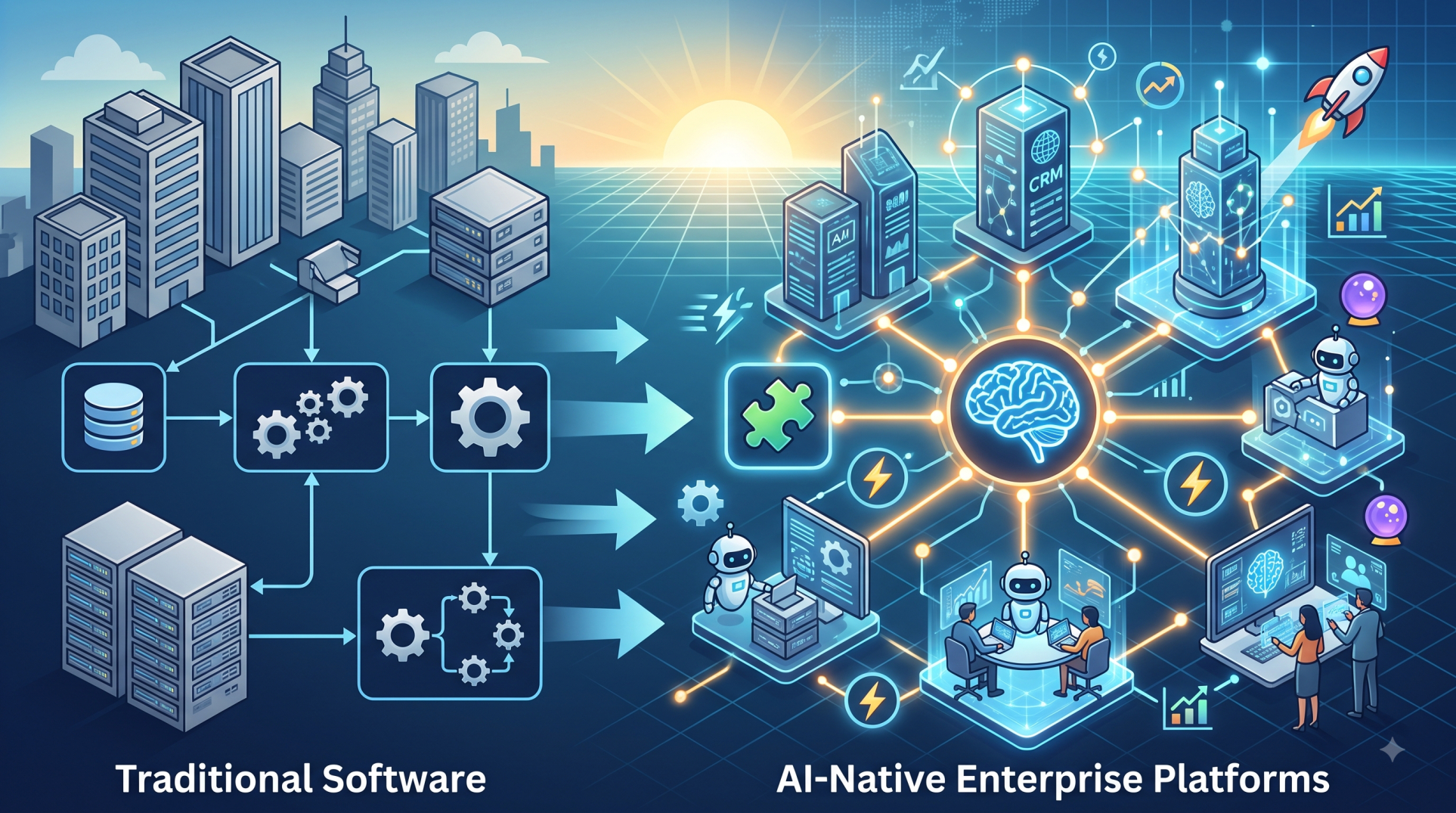
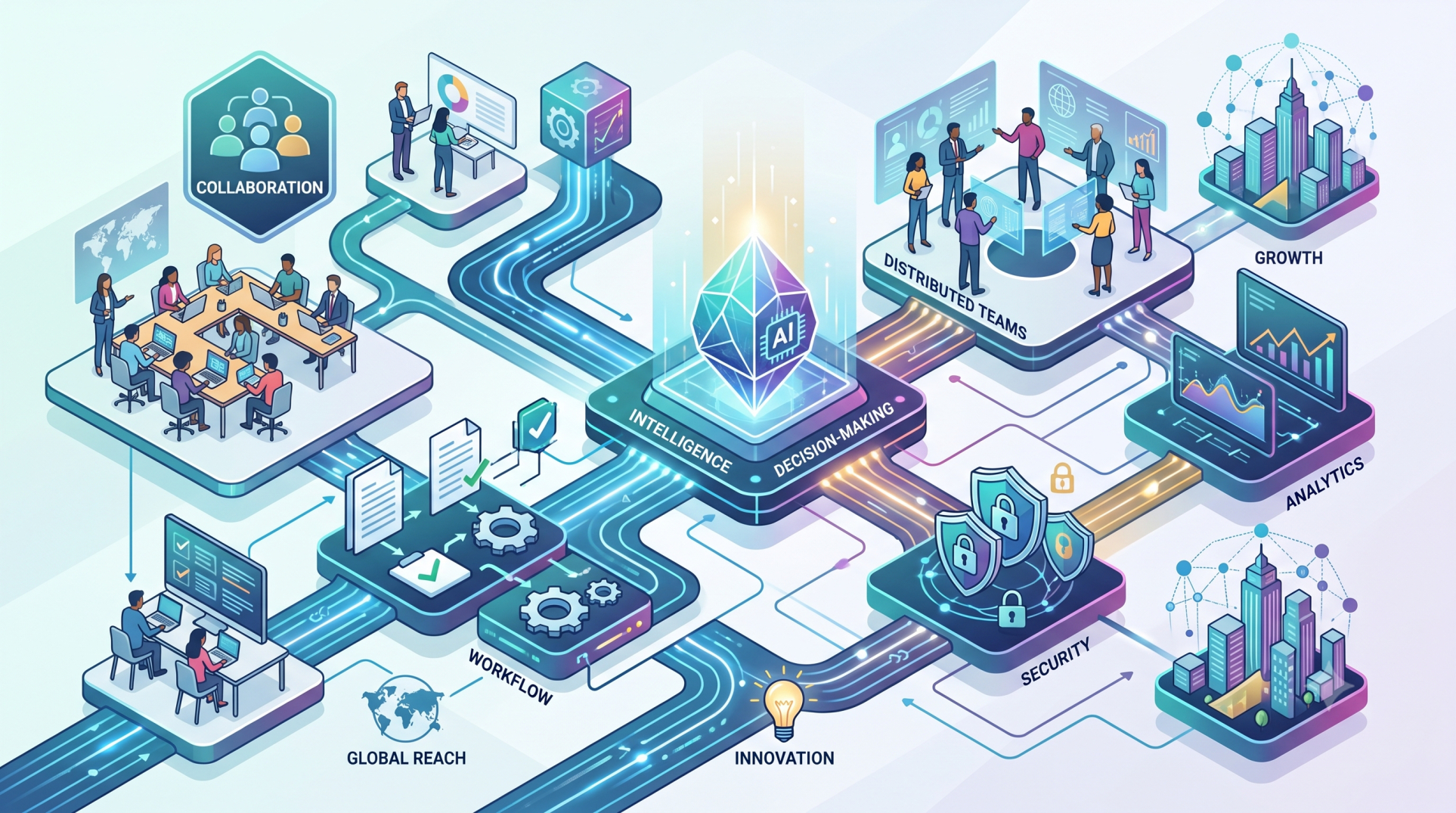
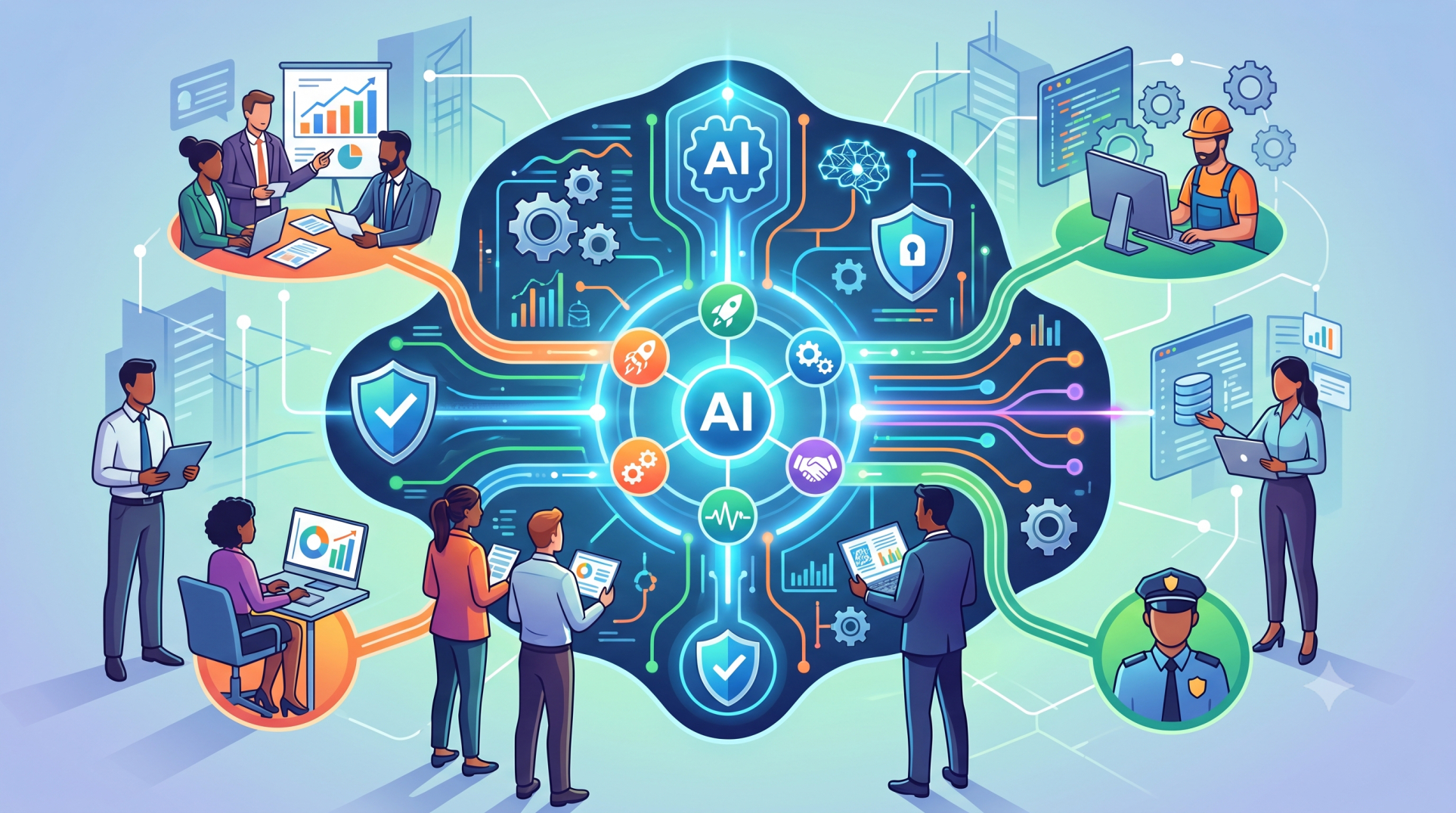
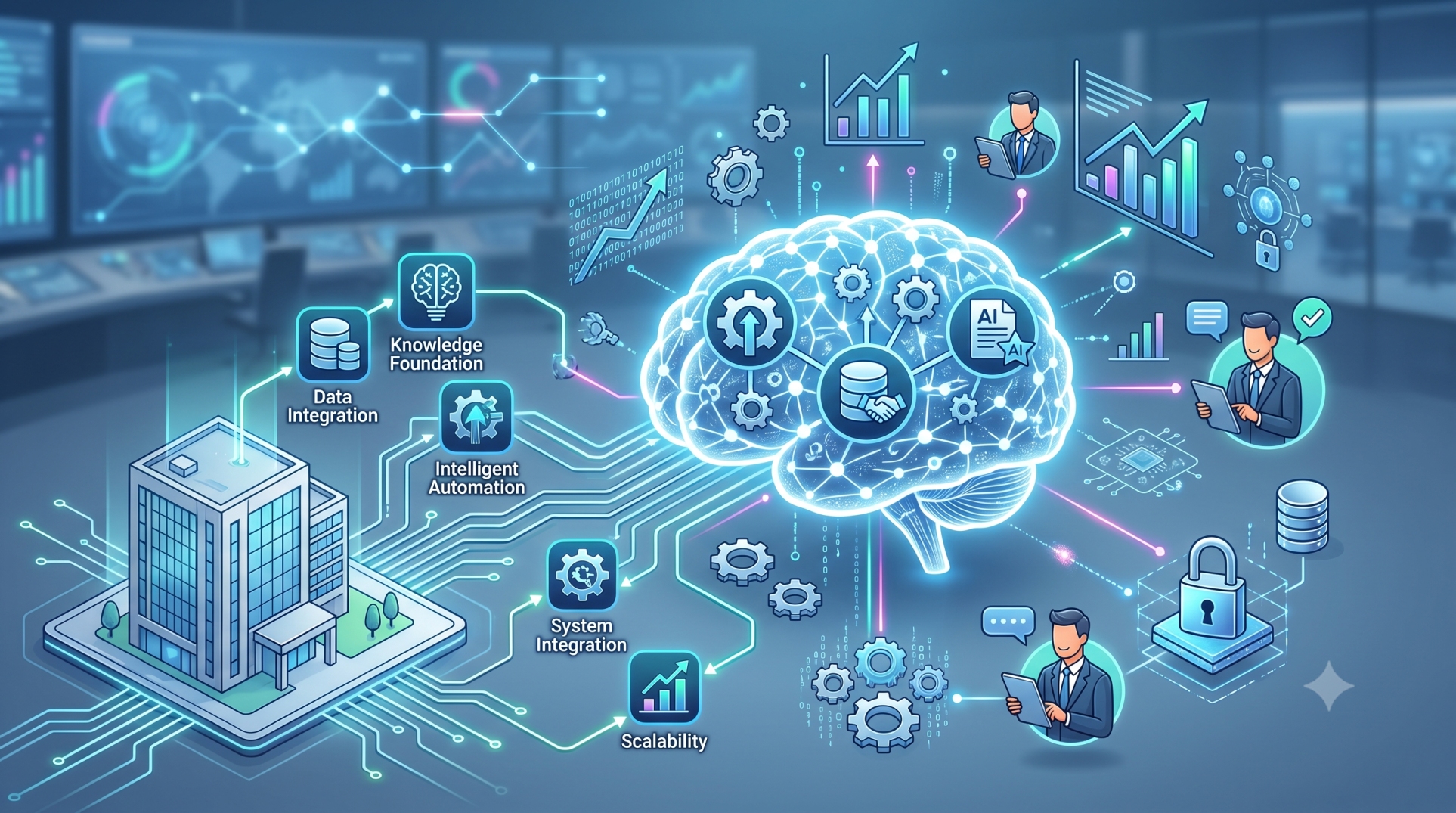
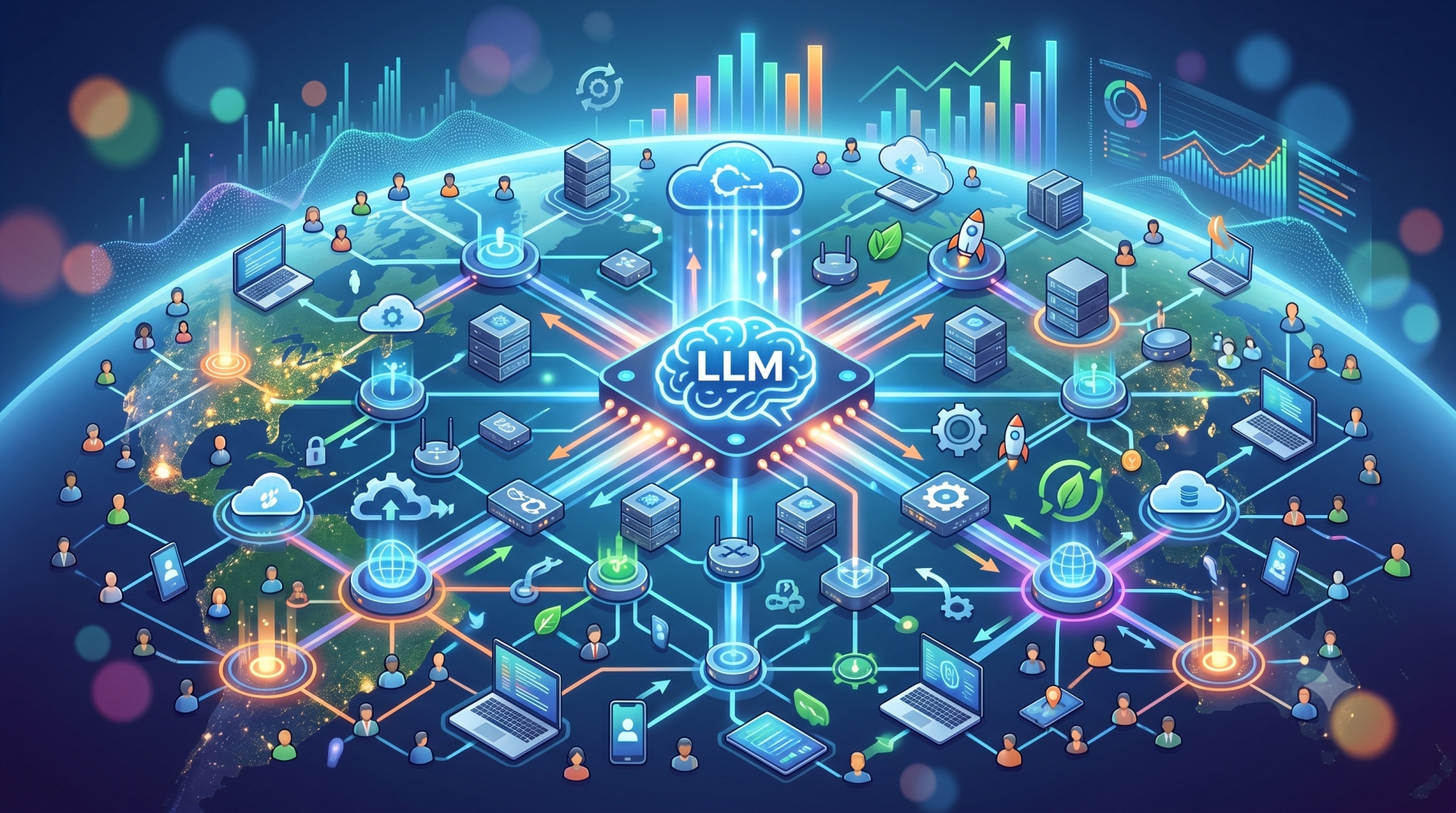
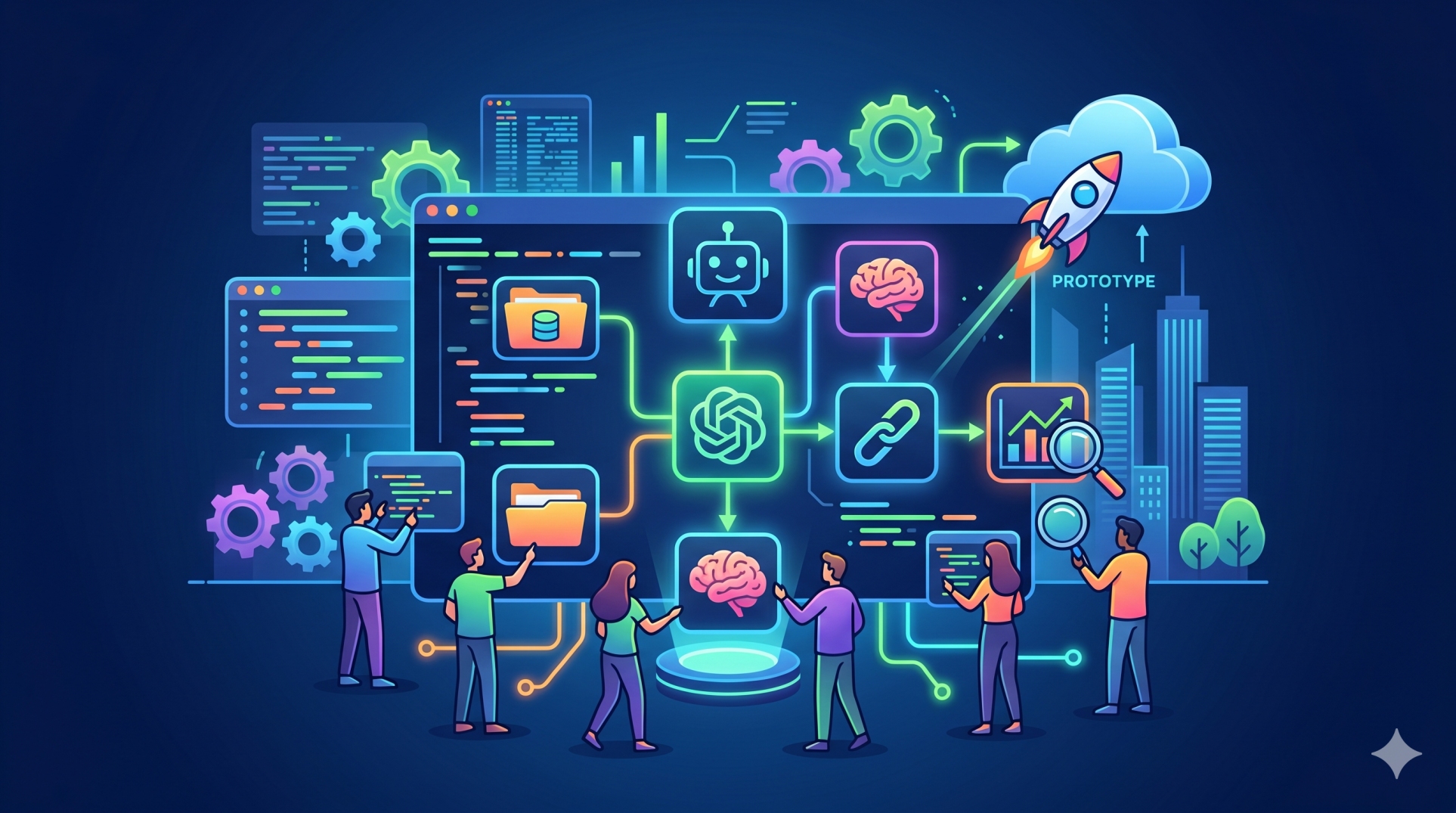
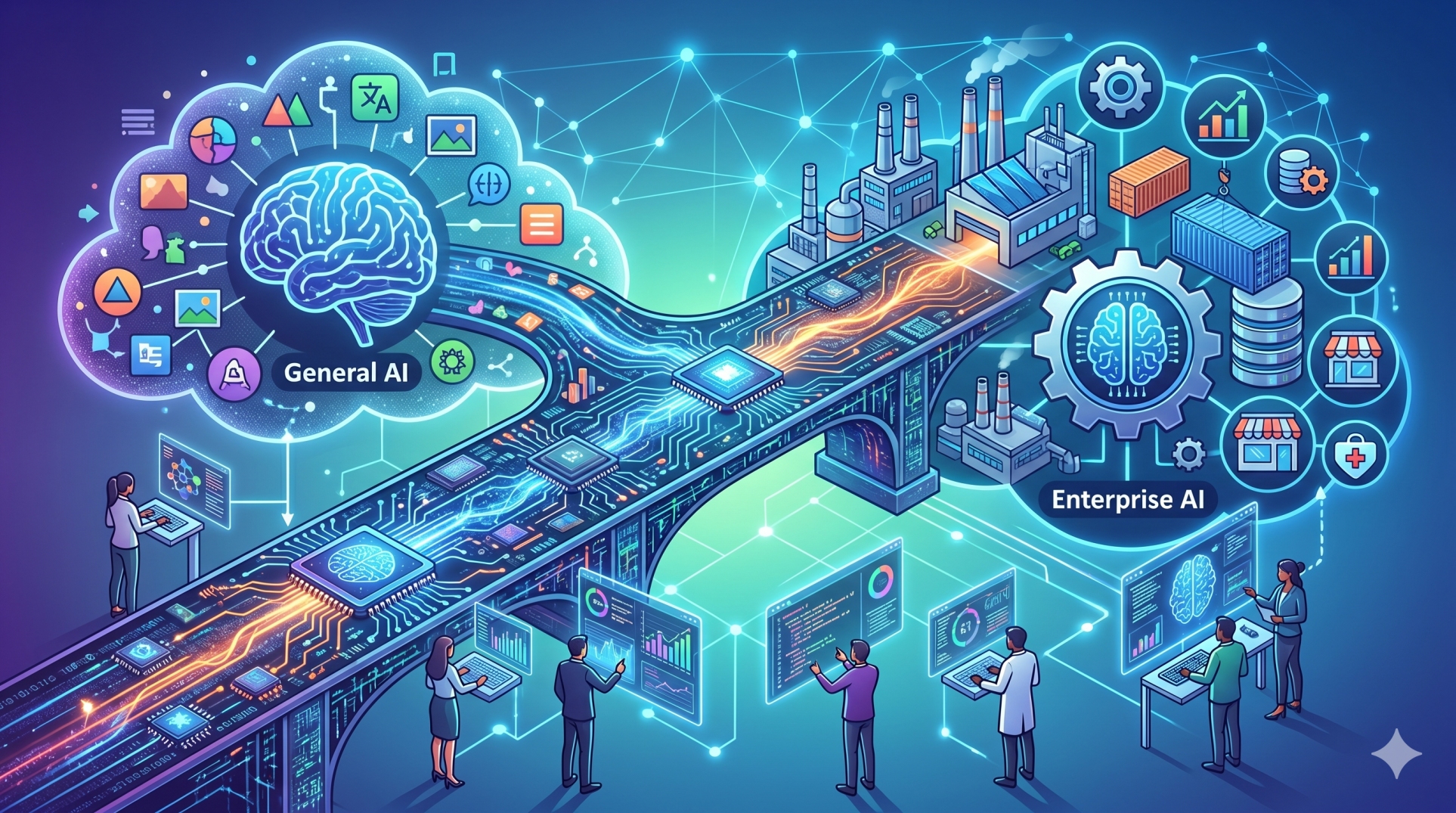
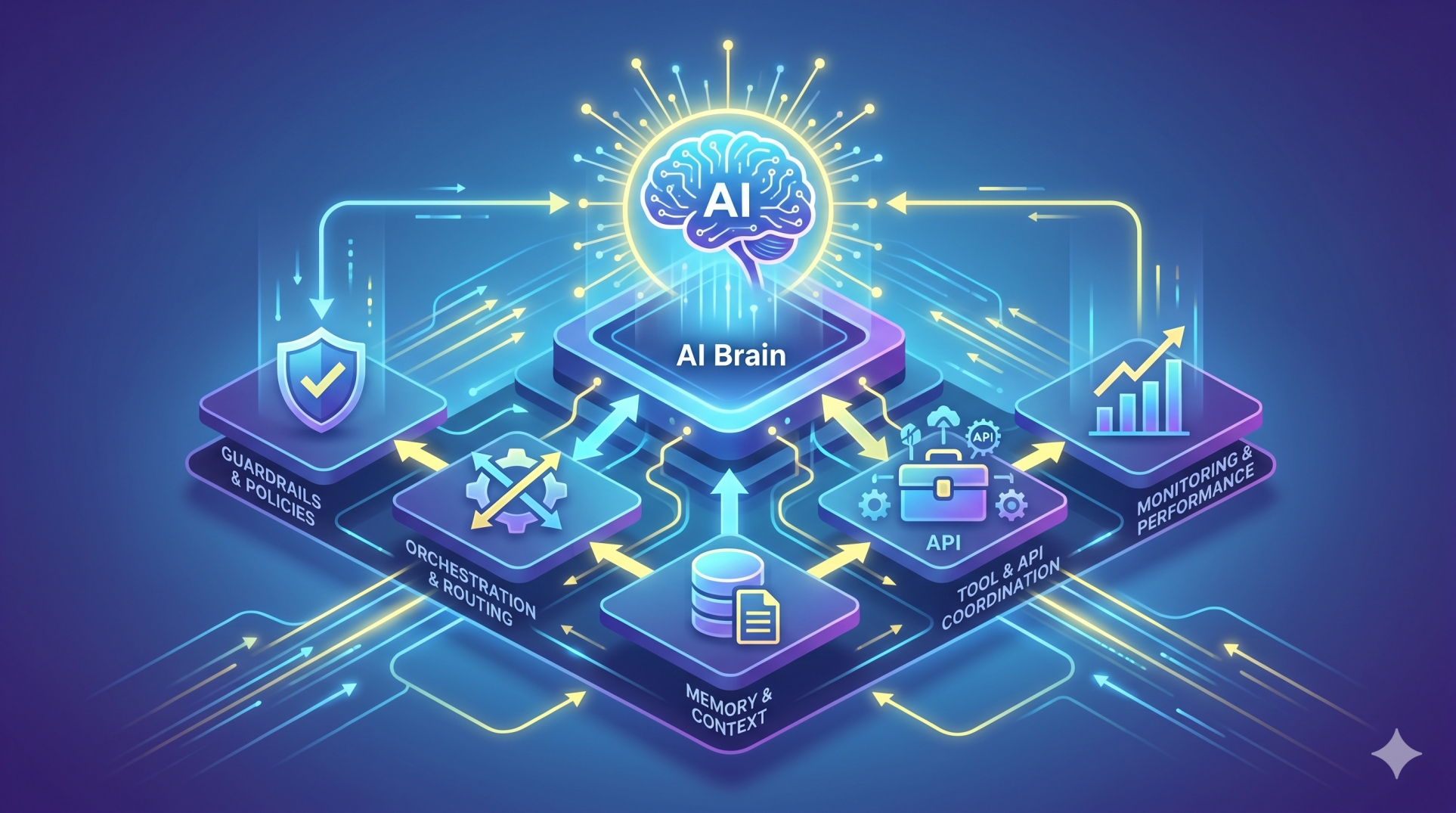
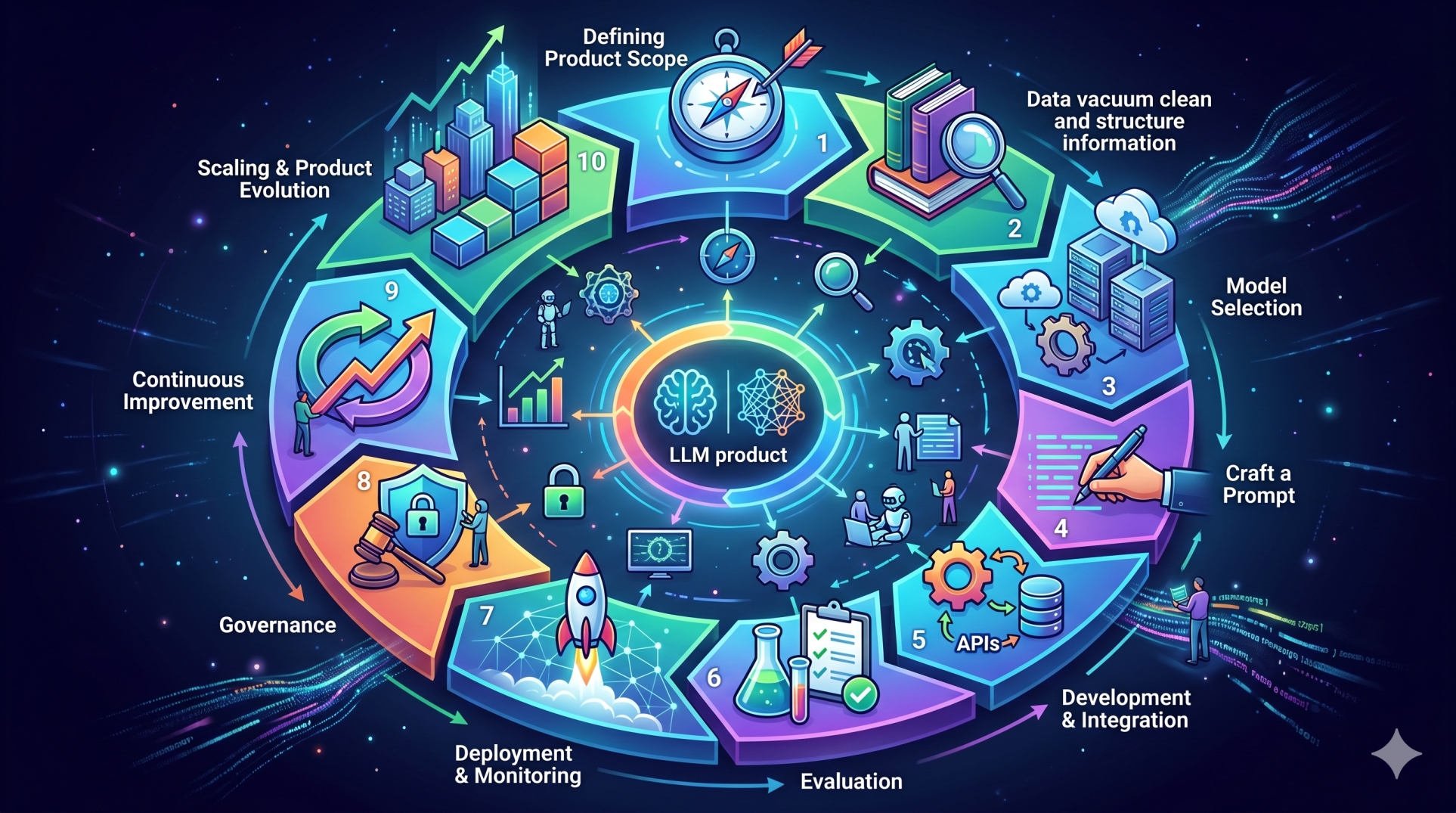
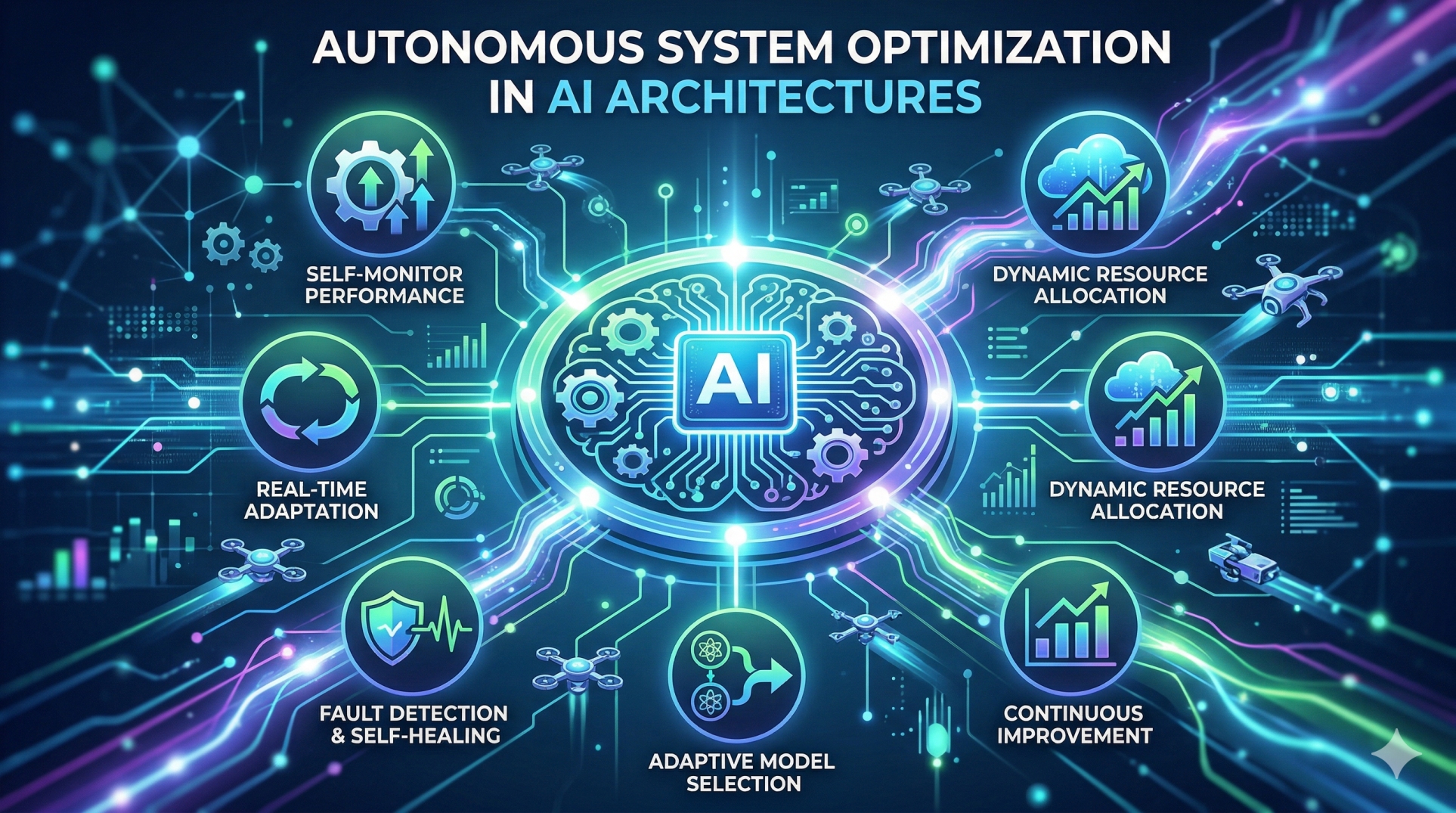
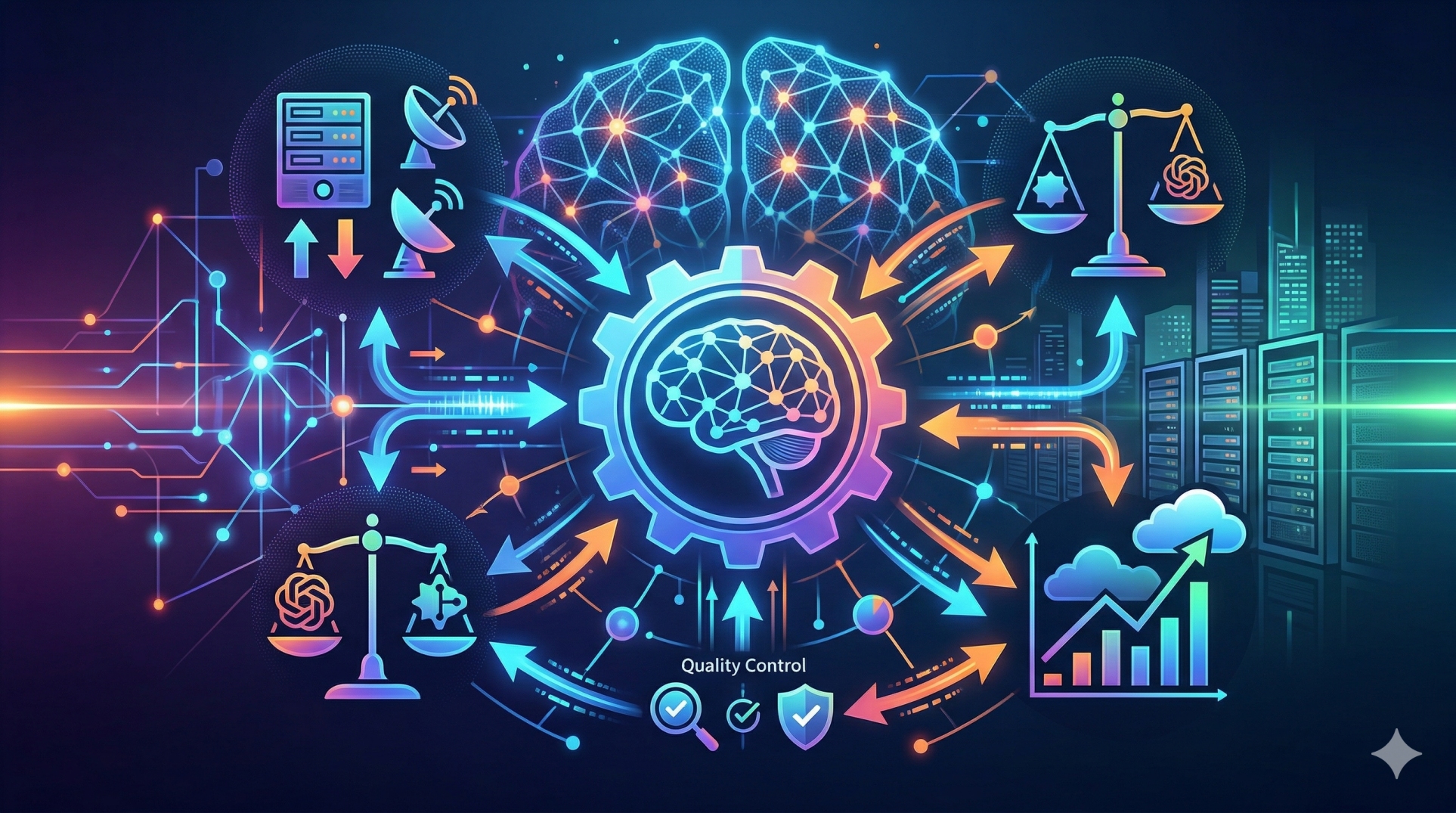
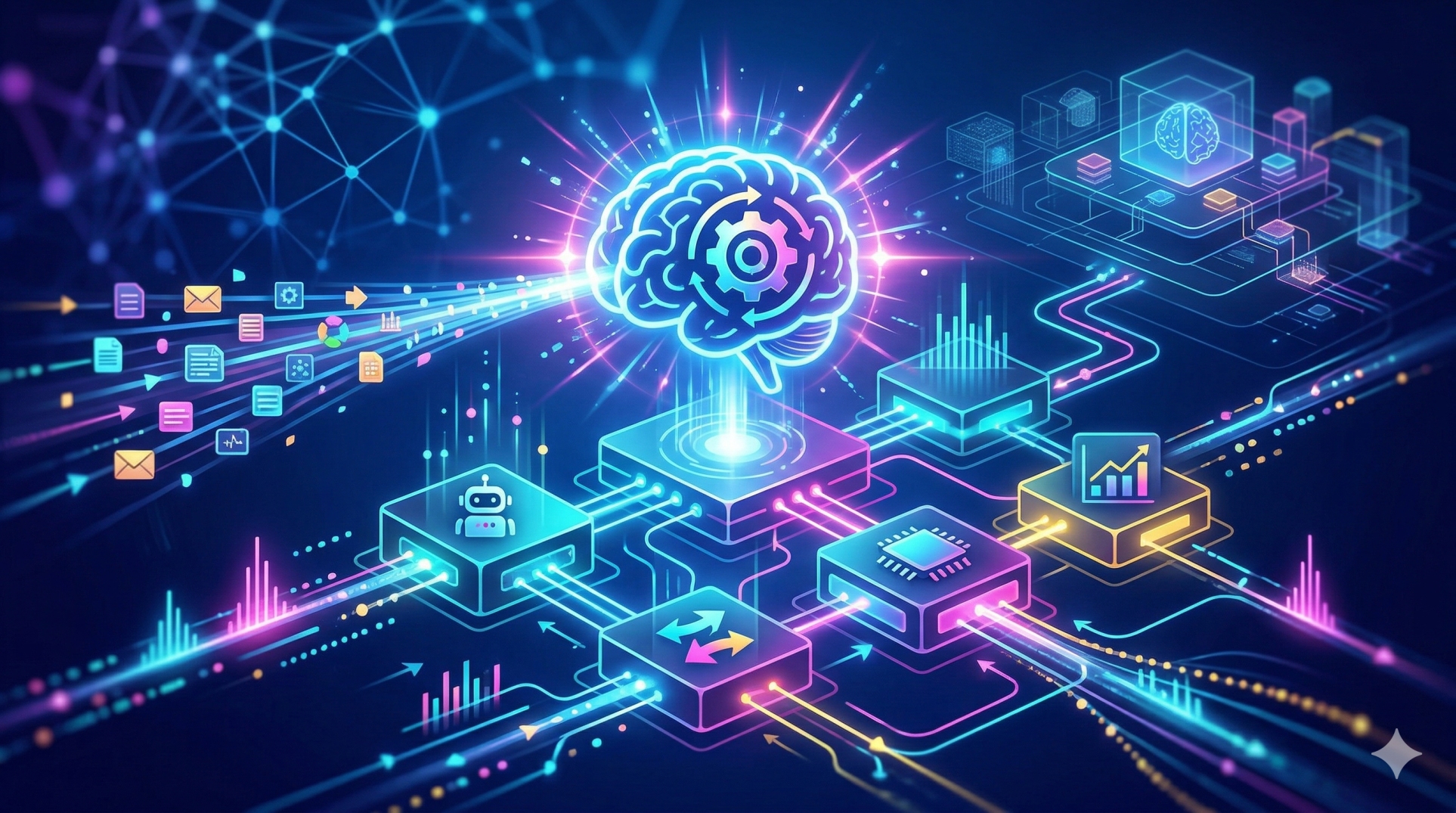
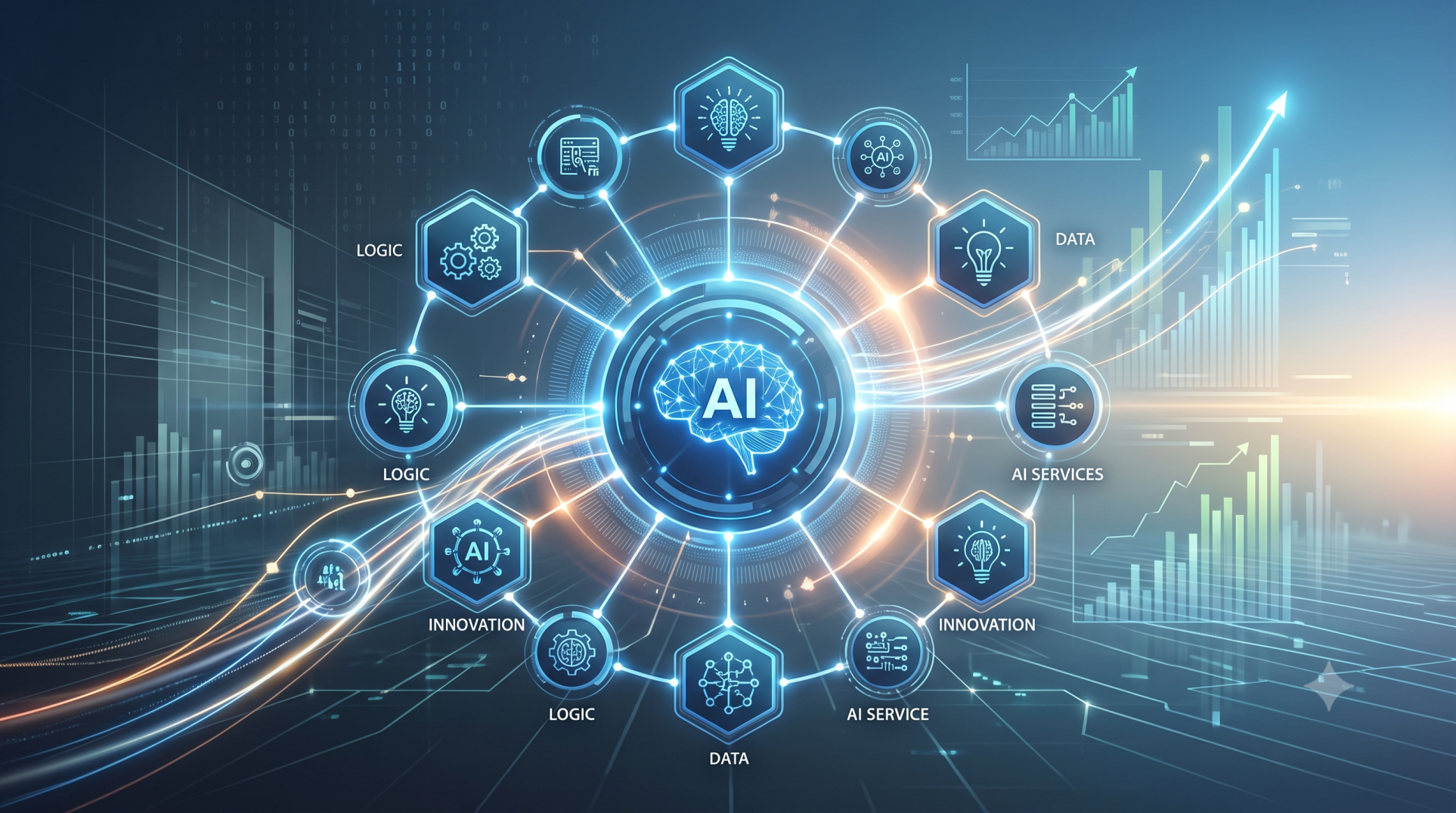
As artificial intelligence becomes more autonomous, software ecosystems are shifting from static, rule-based applications to intelligent environments capable of coordinating, adapting, and optimizing themselves. Self-organizing AI software ecosystems enable multiple AI services, applications, and business systems to collaborate dynamically, respond to changing conditions, and continuously improve performance. This approach creates resilient, scalable, and efficient digital infrastructures that evolve alongside organizational needs.
Step 1: Defining the AI Ecosystem Architecture 🏗️
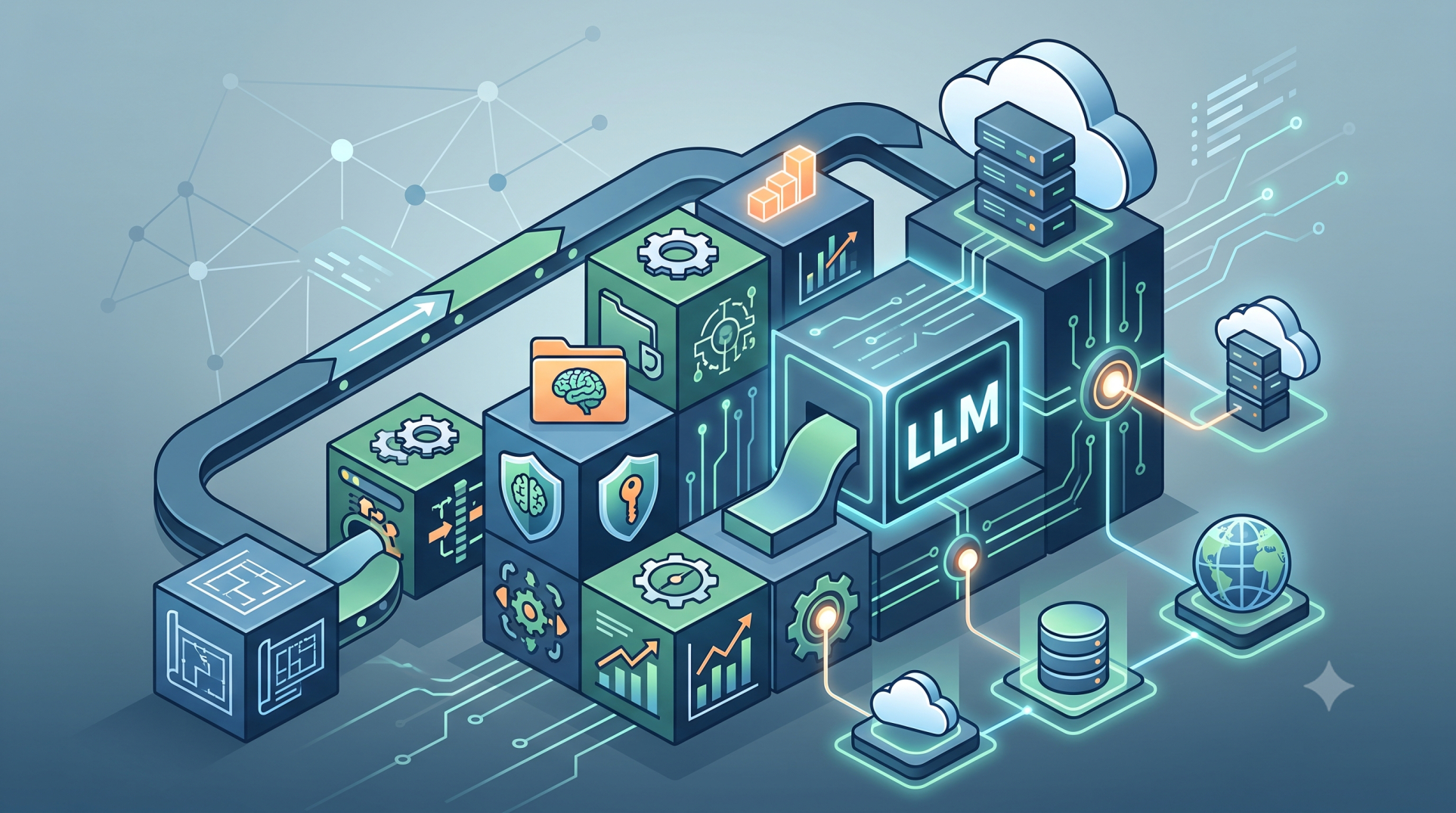
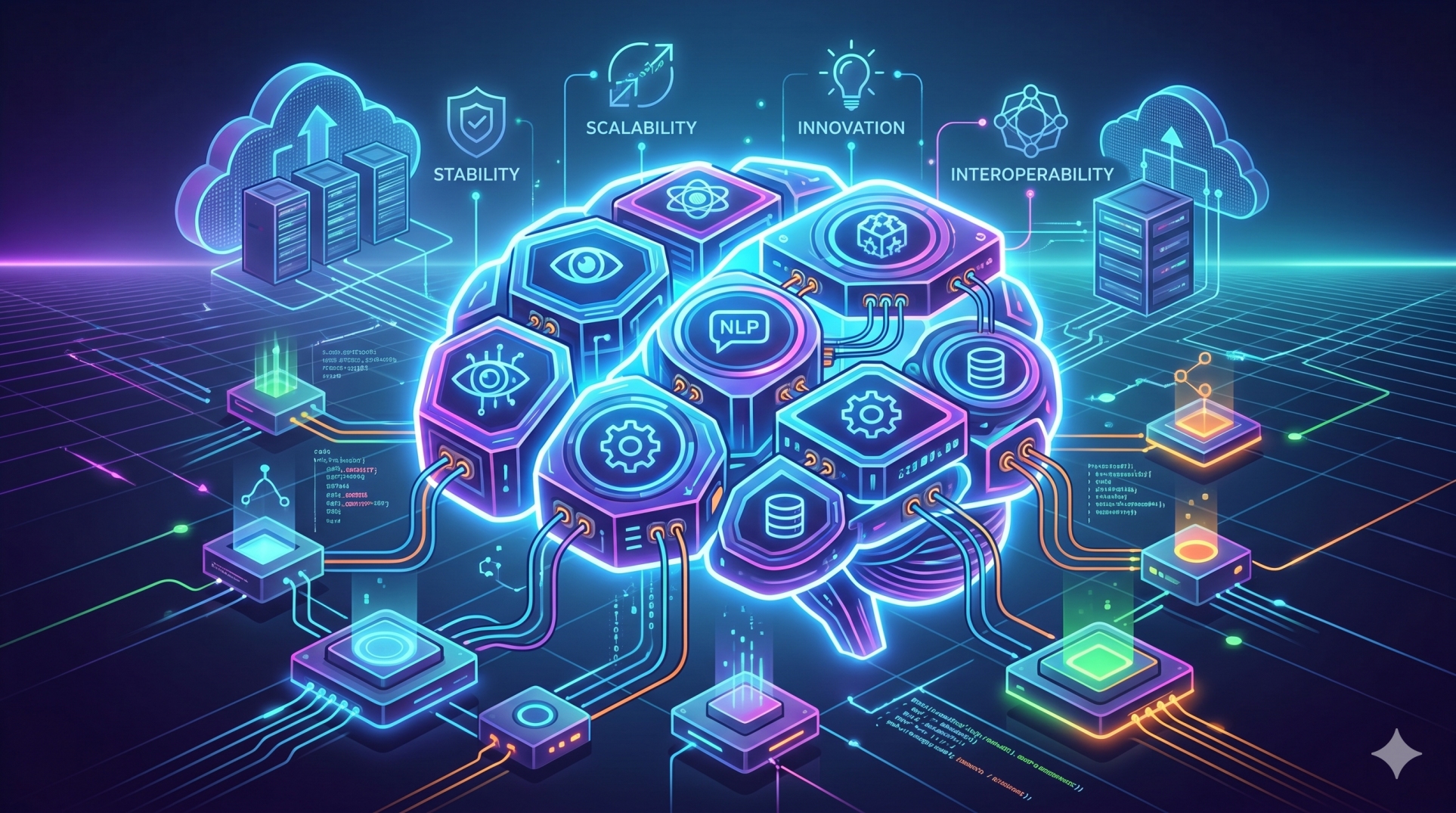
• Establish a modular architecture with interoperable AI components 🧩
• Define clear responsibilities for each service and application 📋
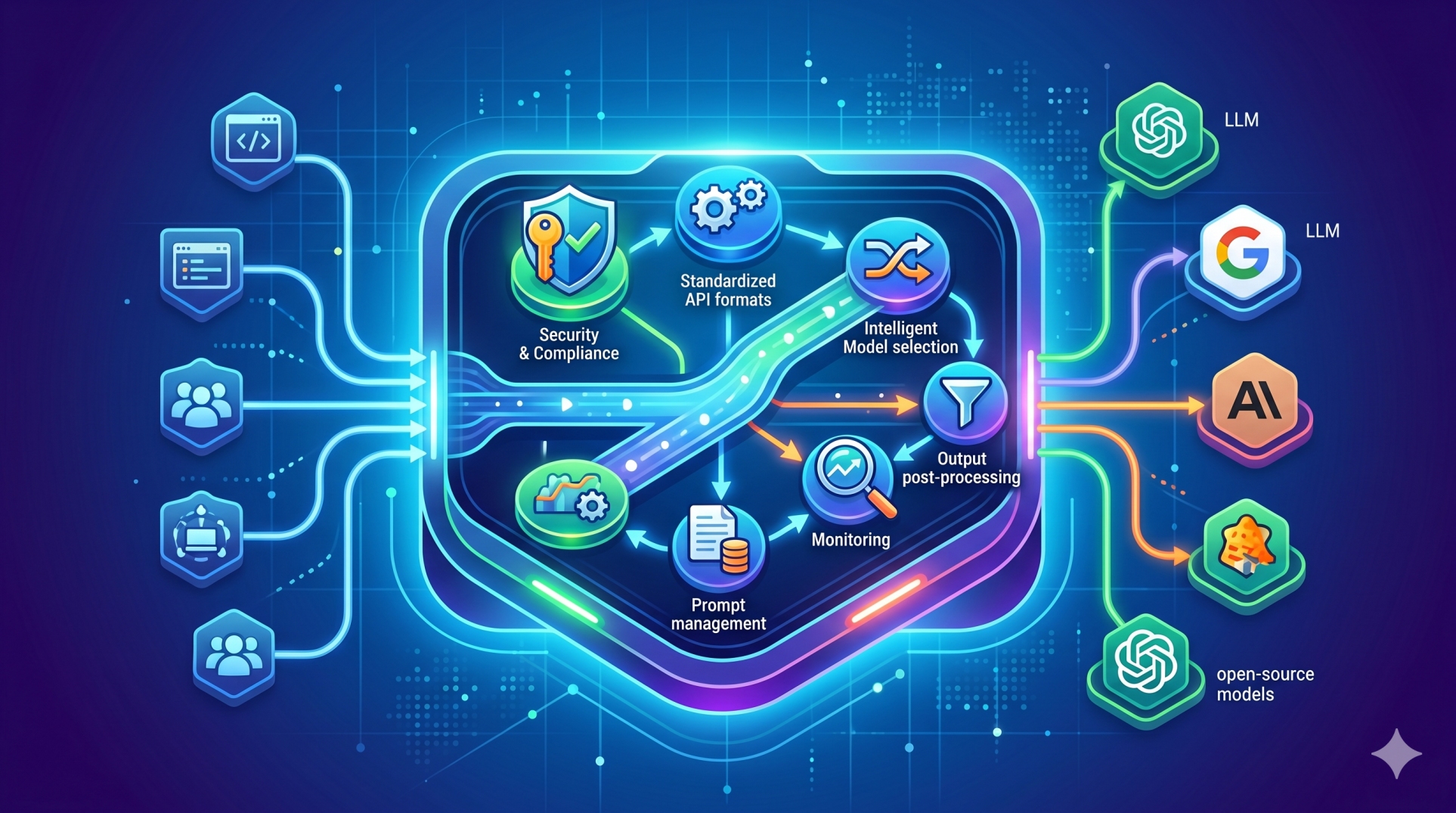
• Enable seamless communication between ecosystem components 🔗
• Design flexible infrastructure for future expansion 🚀
• Build a strong foundation for continuous evolution 🌐
Step 2: Enabling Intelligent Service Coordination 🤝
• Allow AI services to collaborate on shared business objectives 🎯
• Coordinate workflows across multiple applications automatically ⚙️
• Exchange contextual information in real time 📡
• Optimize task distribution between intelligent services 🔄
• Improve operational efficiency through coordinated decision-making 📈
Step 3: Creating Adaptive Decision Frameworks 🧠
• Enable AI systems to respond dynamically to changing conditions ⚡
• Continuously evaluate operational priorities 📊
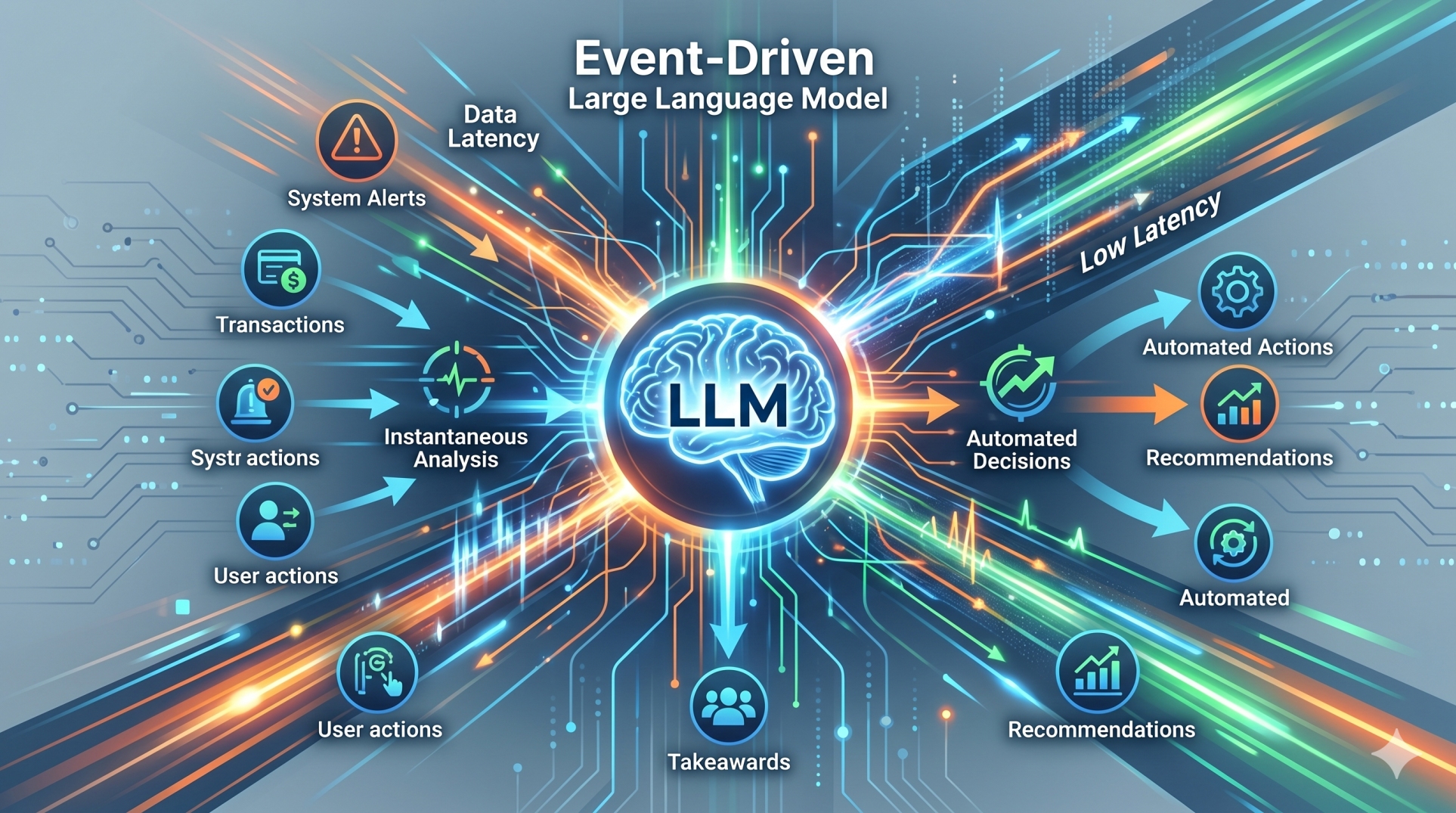
• Adjust workflows based on real-time business events 🔄
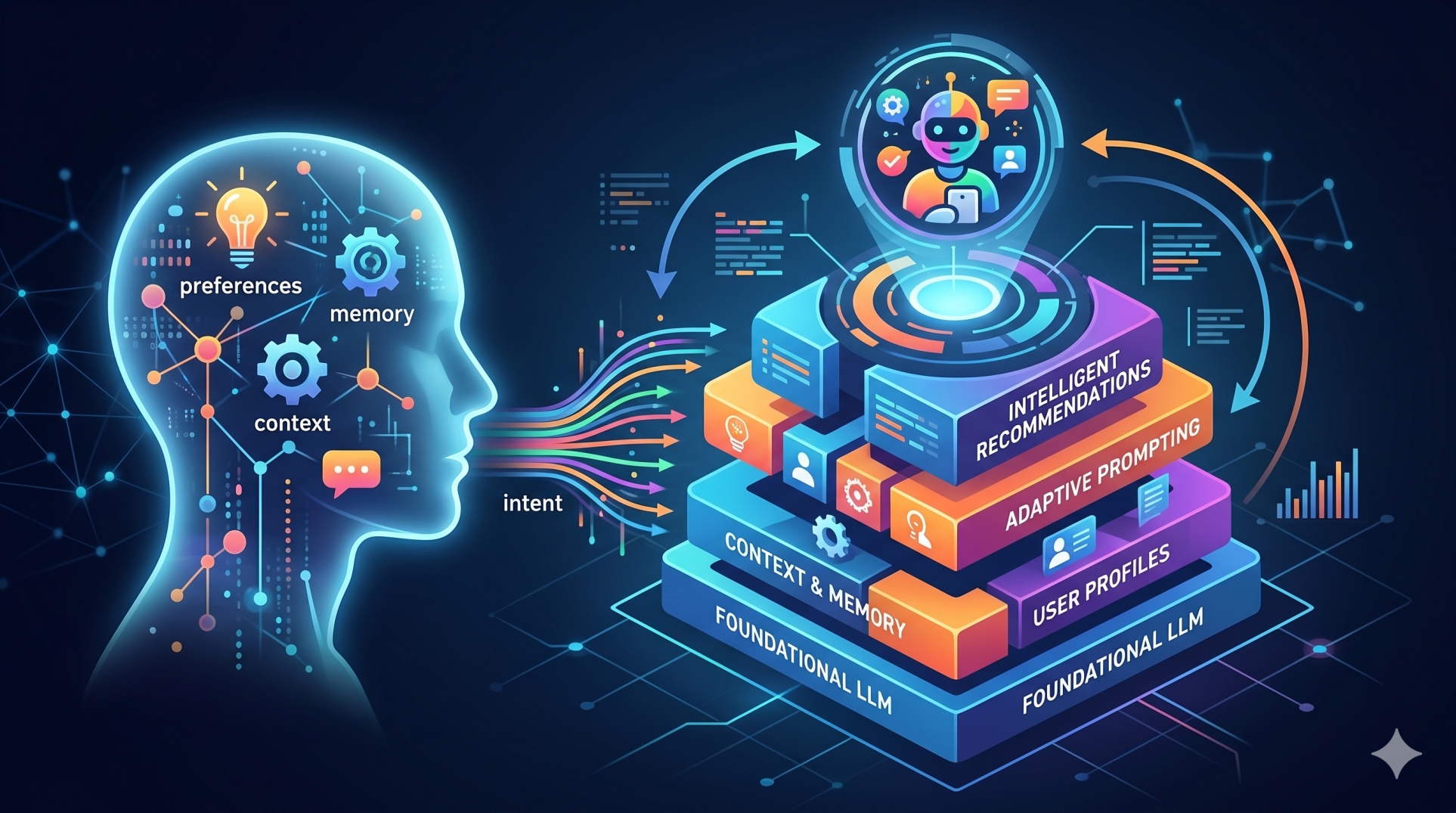
• Support context-aware decision processes 🎯
• Improve responsiveness without manual intervention 🚀
Step 4: Building Continuous Learning Mechanisms 📚
• Capture operational feedback from business processes 📝
• Refine AI behavior using performance insights 📈
• Identify recurring patterns for workflow optimization 🔍
• Encourage continuous improvement across the ecosystem 🌱
• Adapt to evolving organizational requirements 🔄
Step 5: Integrating Enterprise Data Sources 🌐
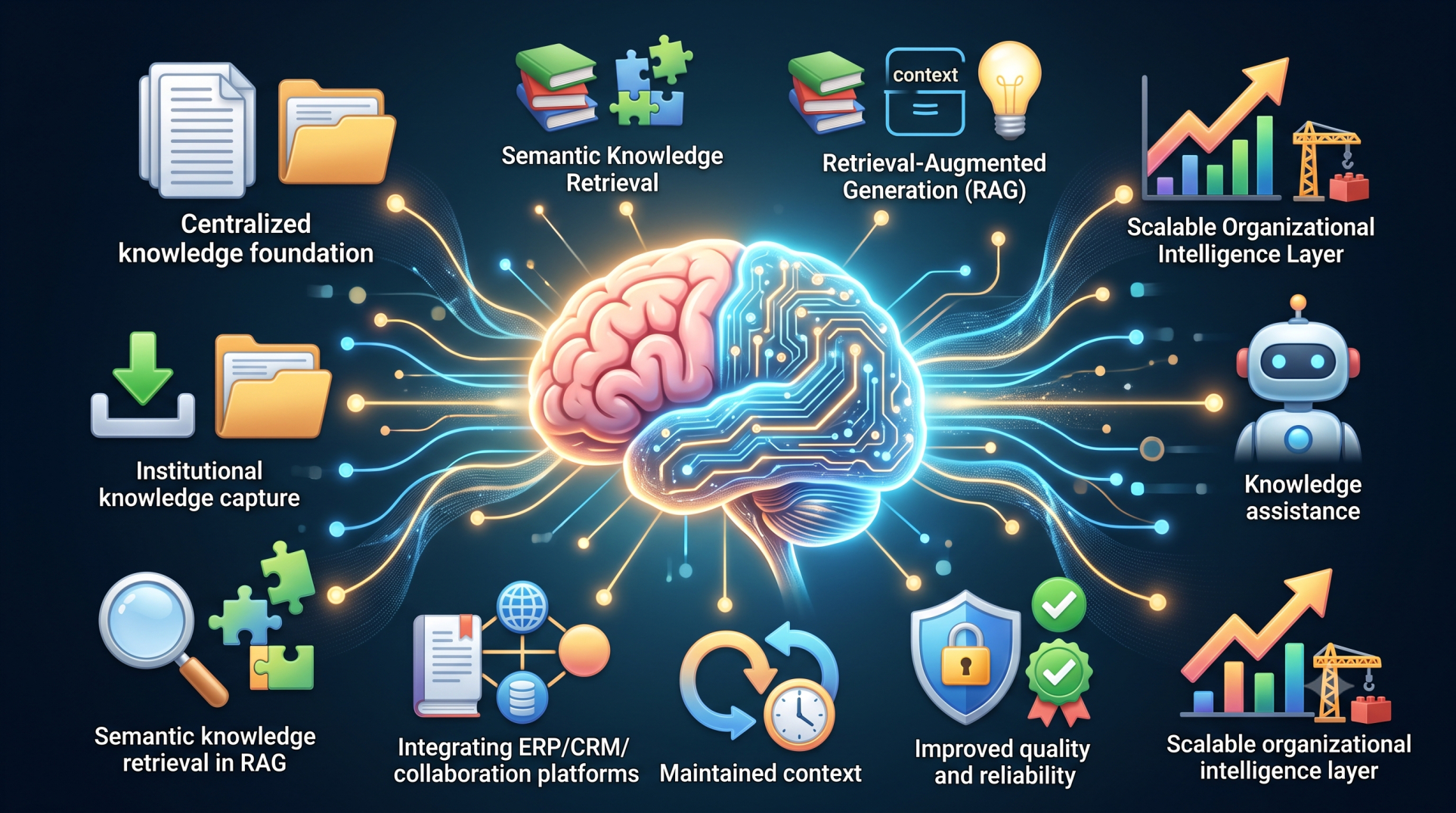
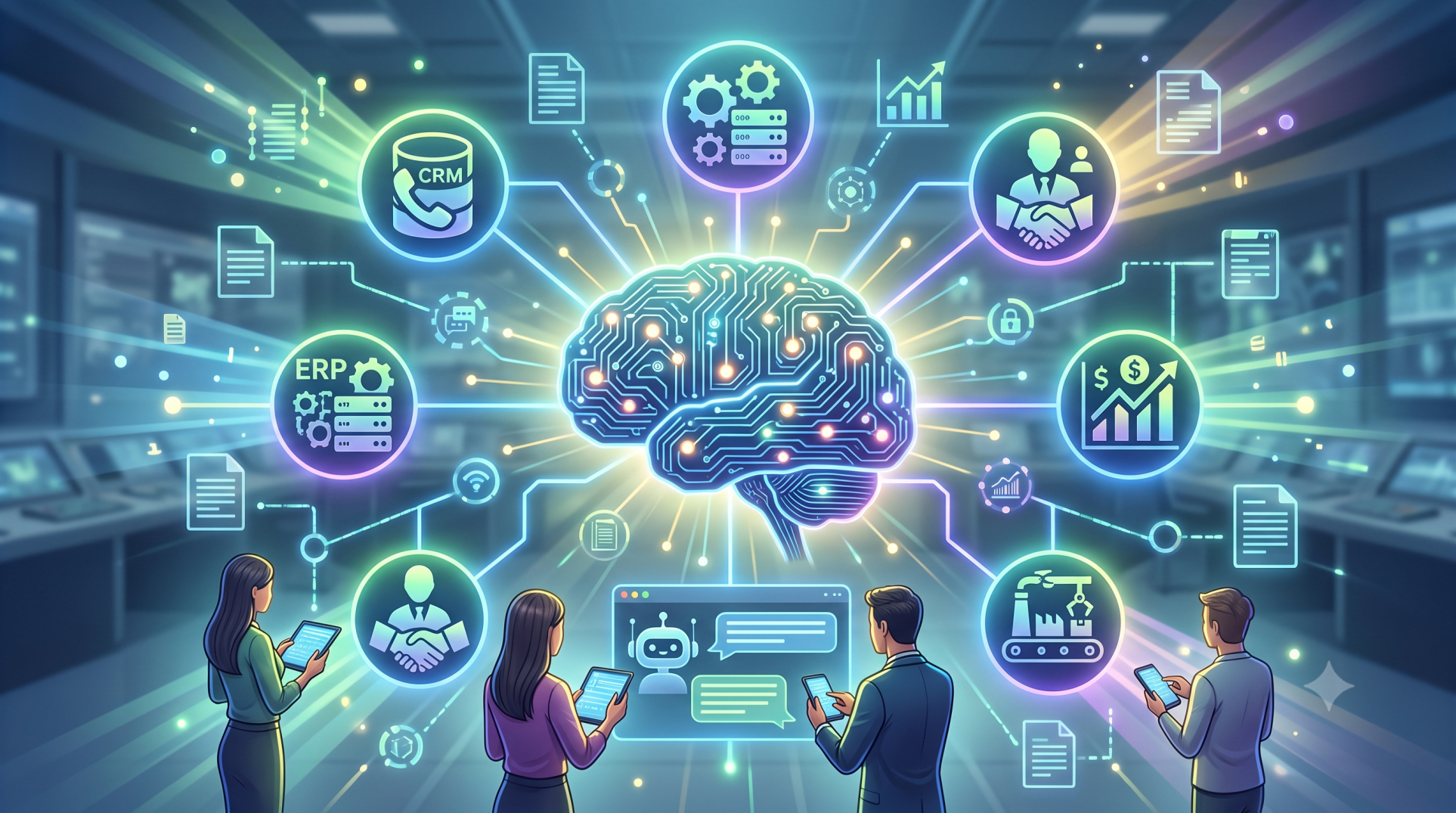
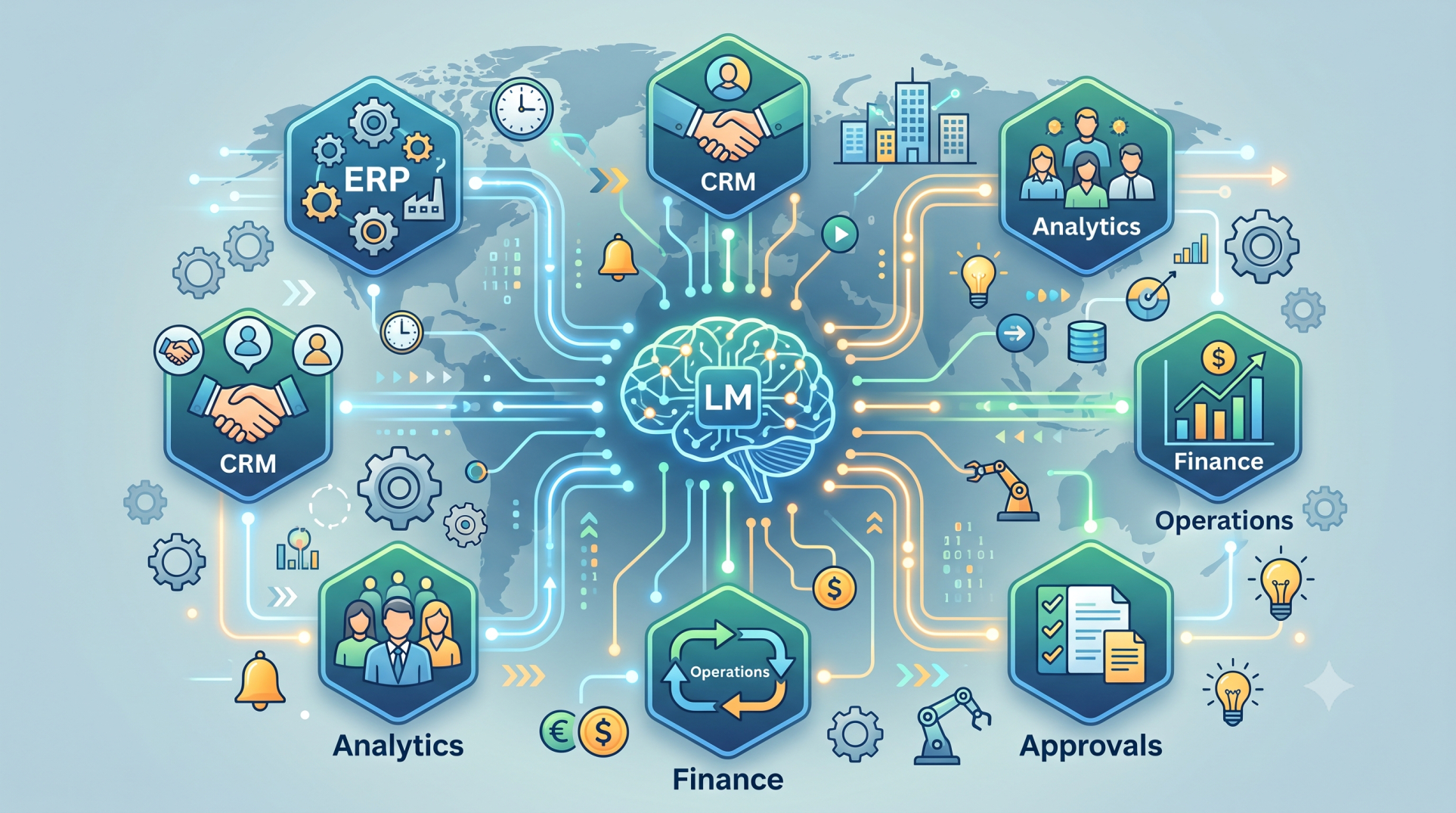
• Connect ERP, CRM, HR, finance, and operational systems 🏢
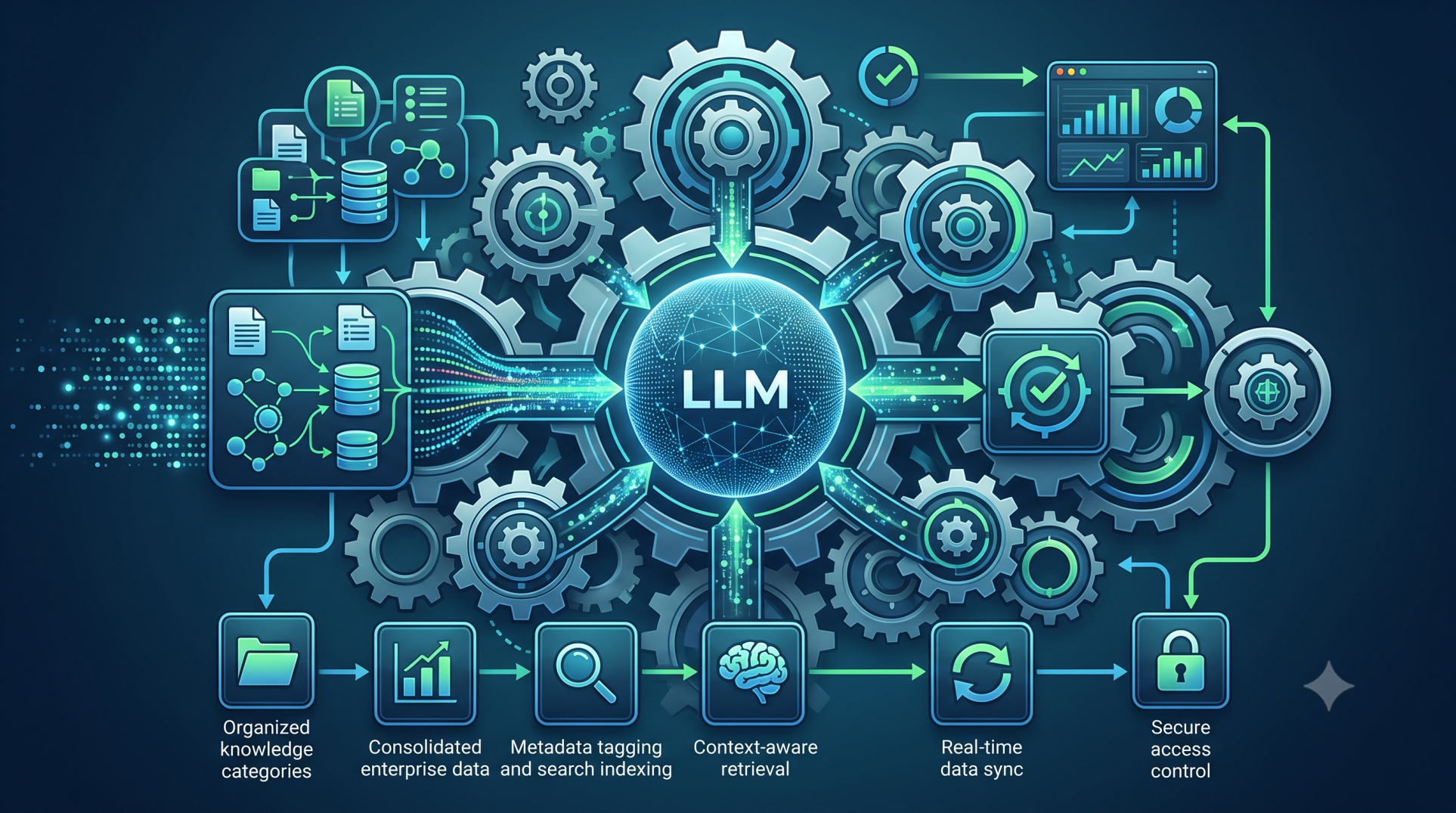
• Synchronize structured and unstructured business information 📂
• Maintain consistent data across connected platforms 🔄
• Enable secure information sharing between services 🔐
• Improve decision quality through comprehensive data access 📊
Step 6: Automating Workflow Orchestration ⚙️
• Coordinate multi-step business processes intelligently 🤖
• Trigger actions based on events and operational conditions 📡
• Reduce manual intervention across departments ⏱️
• Optimize task sequencing for maximum efficiency 📈
• Support end-to-end business process automation 🔗
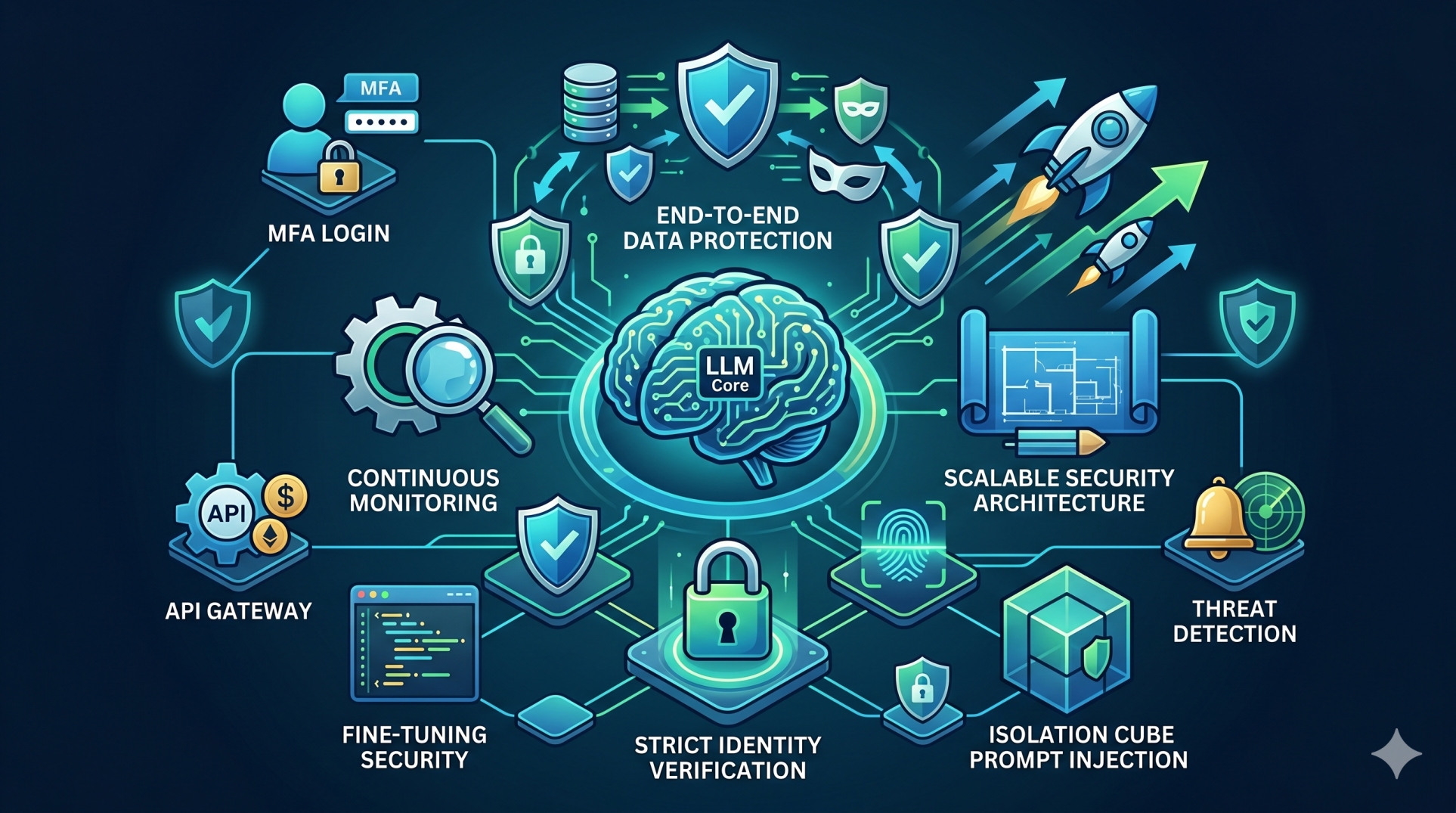
Step 7: Ensuring Governance and Trust 🛡️
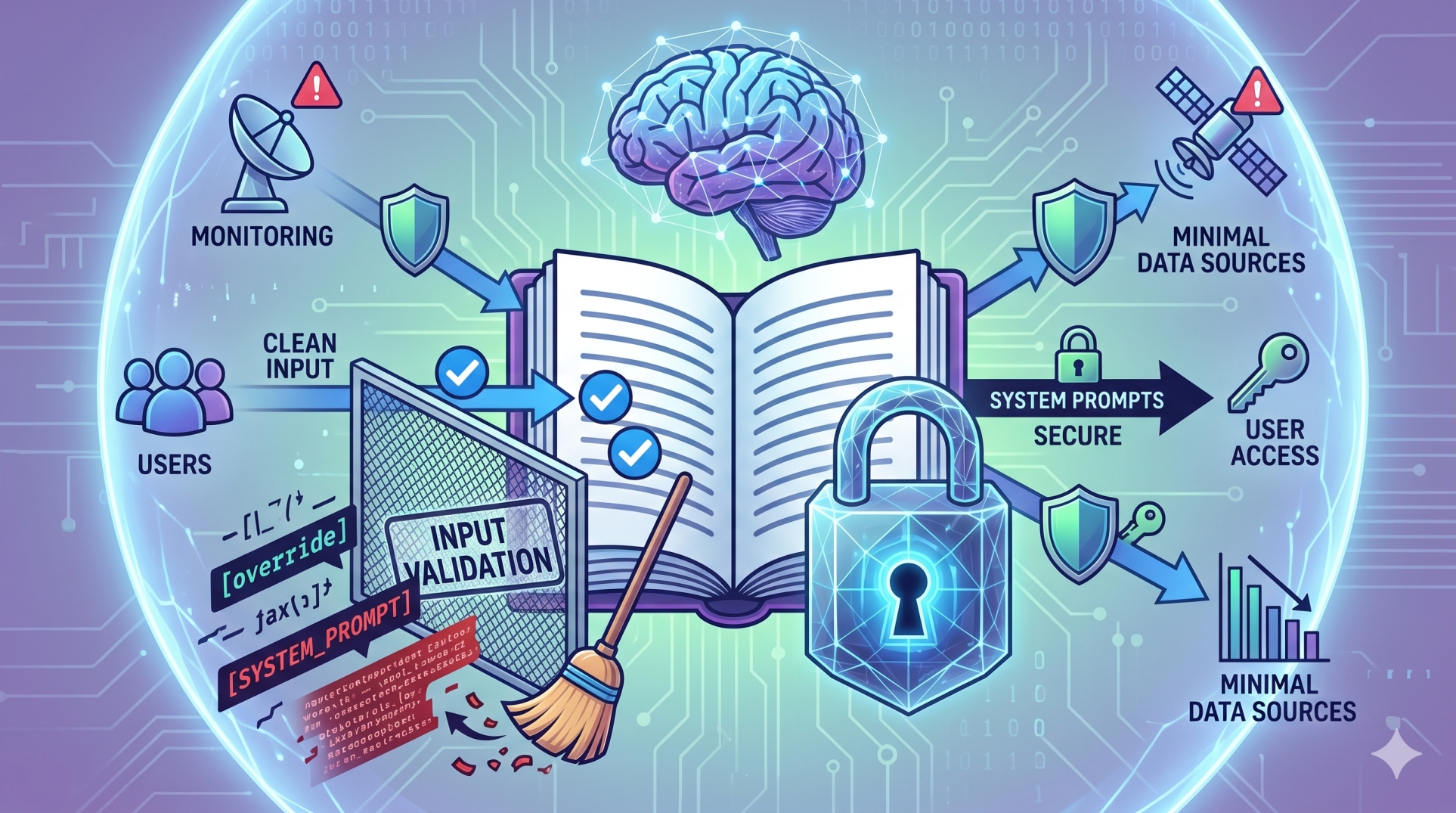
• Implement policy-based decision controls 📜
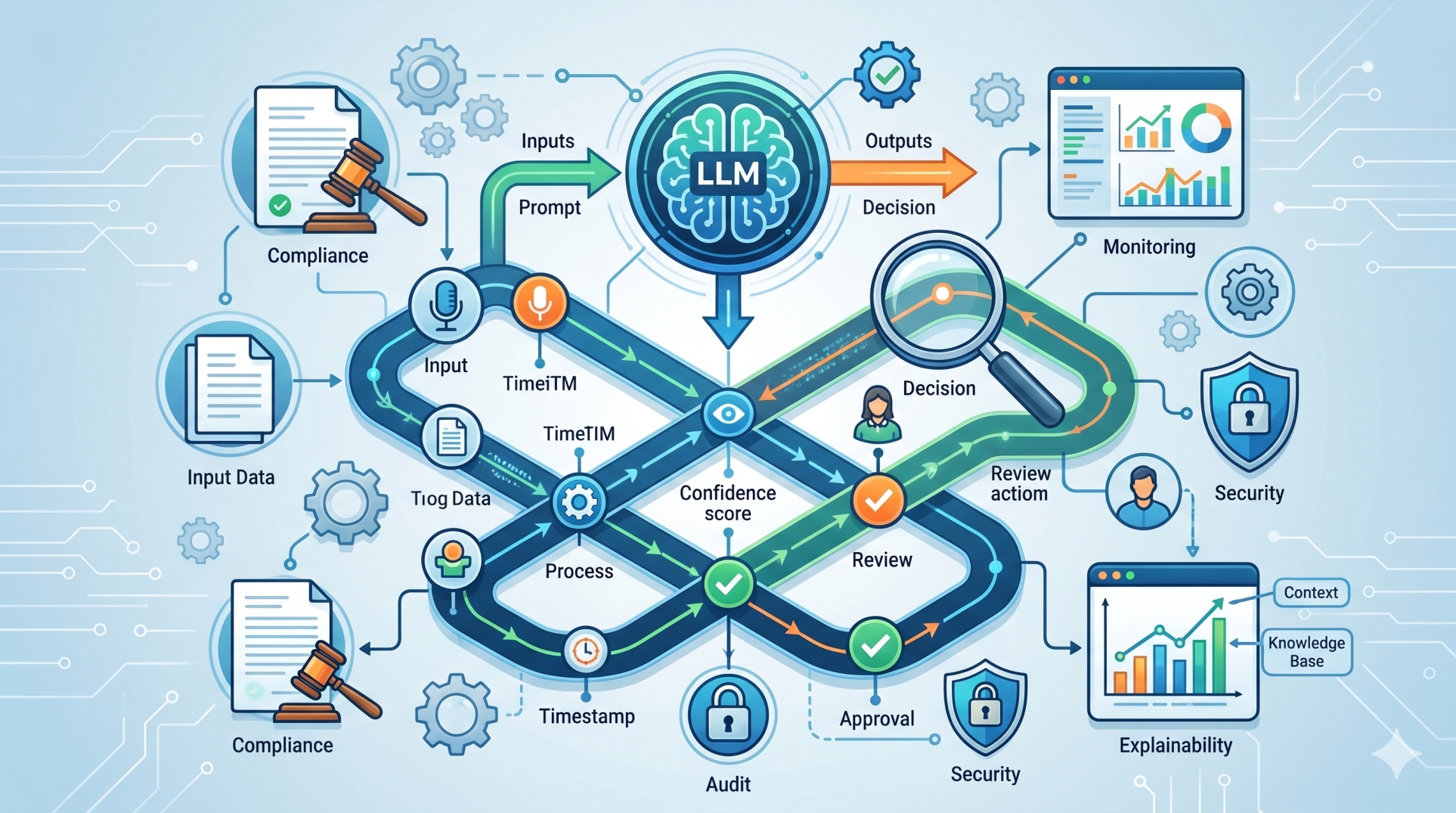
• Maintain transparent operational logs and audit trails 🧾
• Secure communication between AI services 🔒
• Protect sensitive enterprise information through access controls 👥
• Promote responsible and reliable AI operations ✅
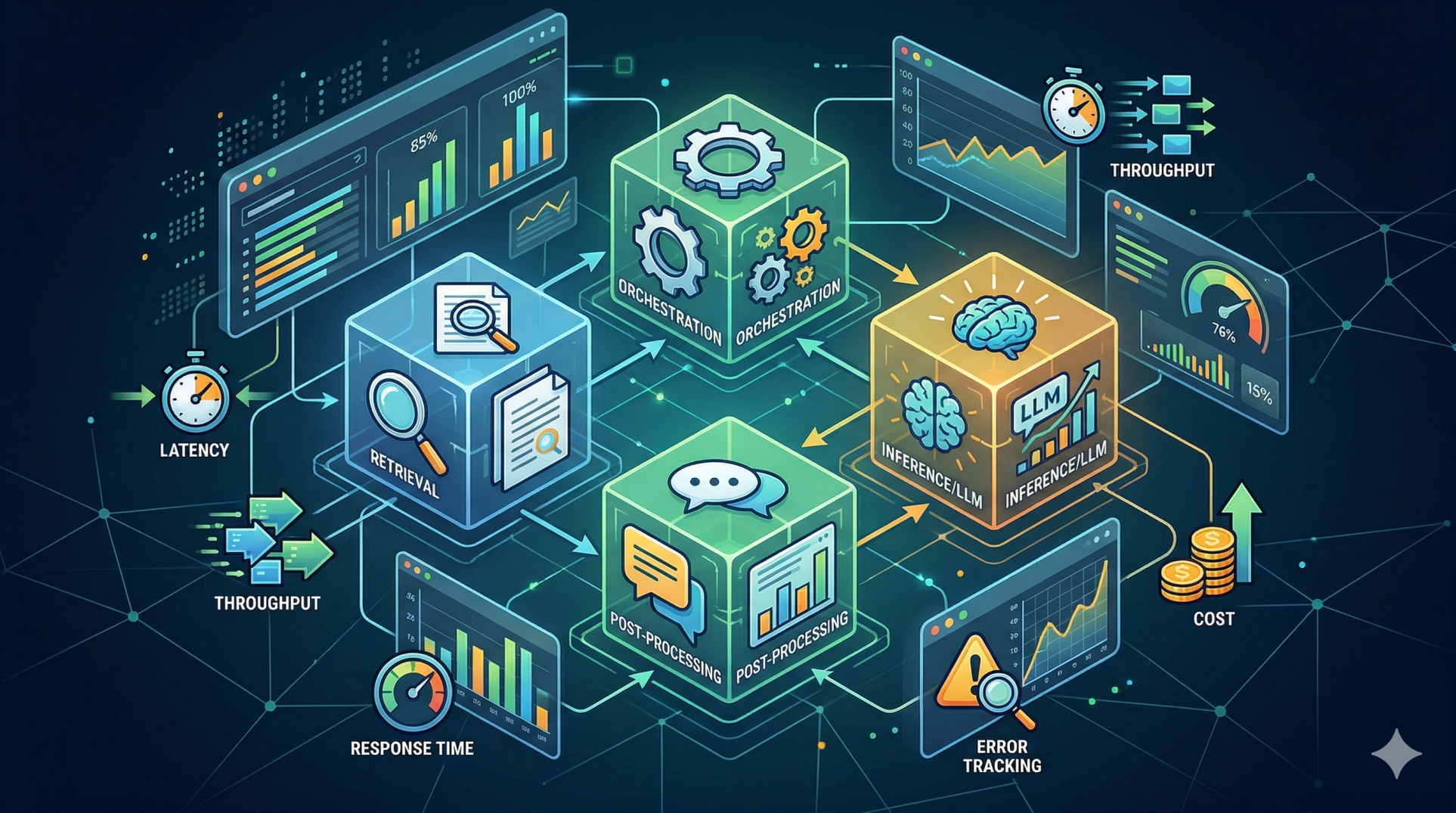
Step 8: Optimizing Ecosystem Performance 📊
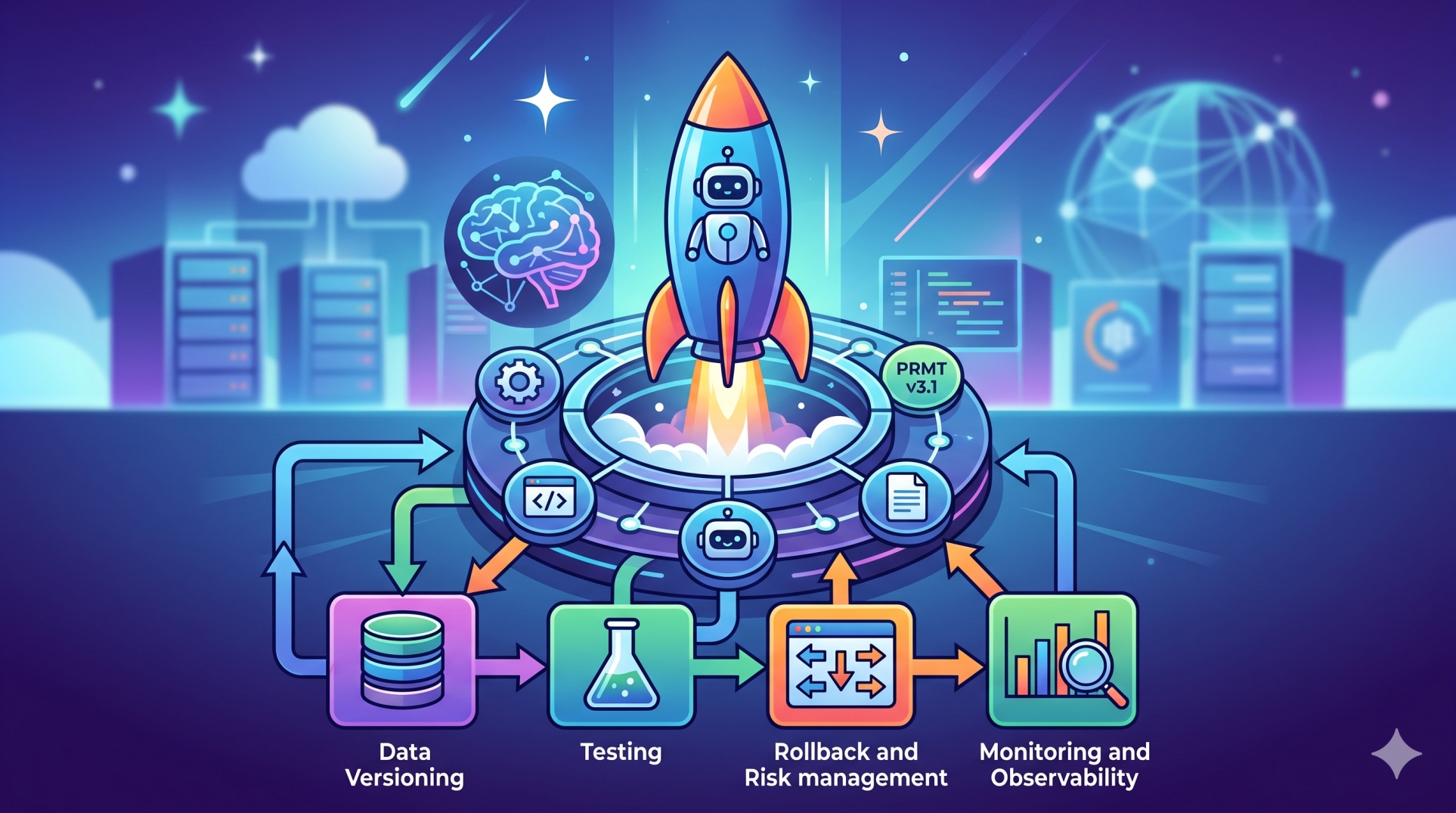
• Monitor system health and operational efficiency continuously 👀
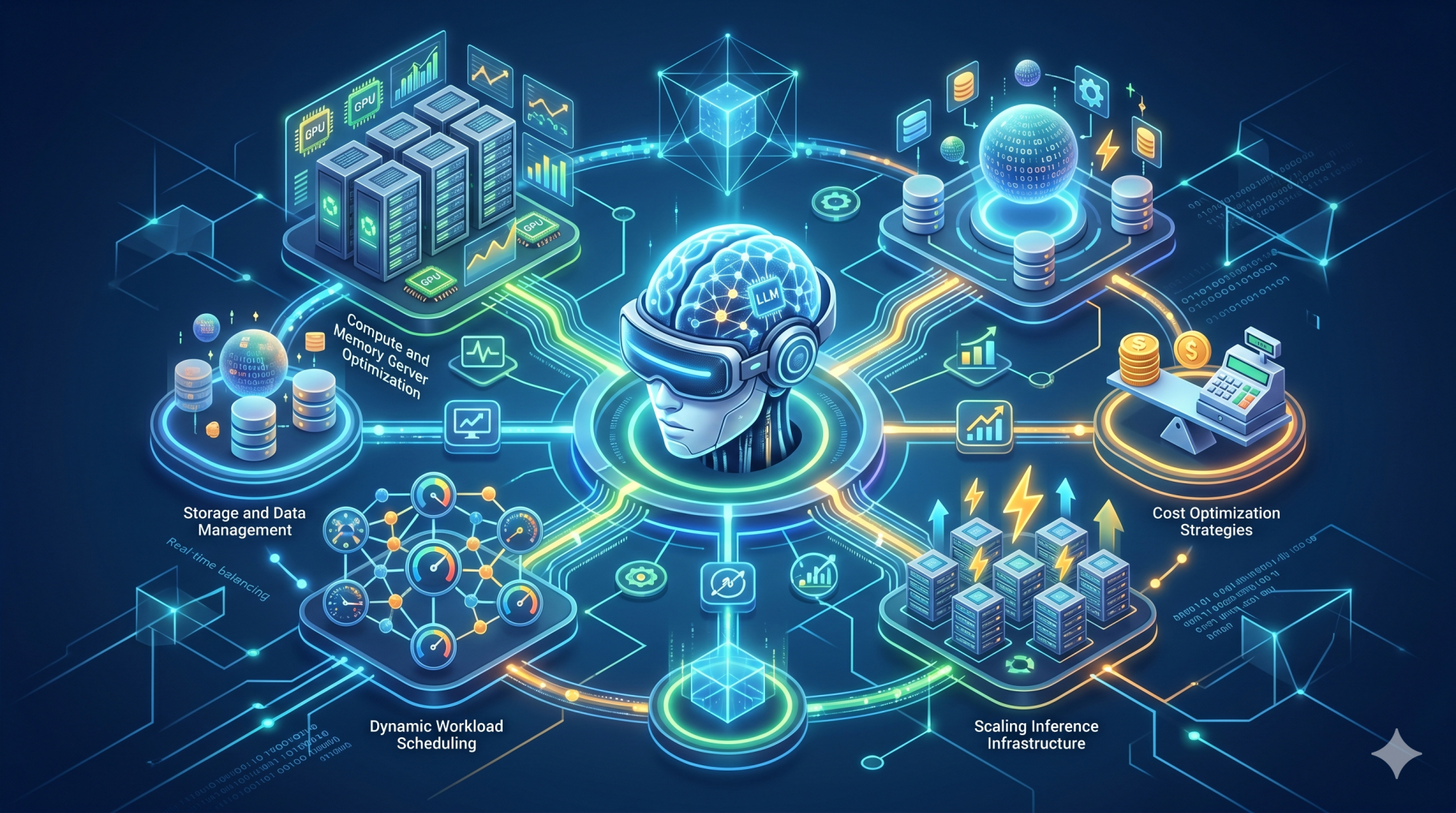
• Balance workloads across distributed AI services ⚖️
• Detect bottlenecks before they impact performance 🚨
• Improve resource utilization through intelligent optimization 📈
• Support high availability and resilience 🌟
Step 9: Managing Change and Scalability 🚀
• Add new AI capabilities without disrupting existing operations 🔄
• Scale services based on business demand 📈
• Support hybrid, cloud, and on-premises deployments ☁️
• Maintain interoperability across expanding environments 🌍
• Enable continuous innovation with modular design 🏗️
Step 10: Building a Future-Ready AI Ecosystem 🌟
• Design systems that evolve alongside business growth 📊
• Encourage collaboration between intelligent applications 🤝
• Integrate emerging AI technologies seamlessly 🧠
• Maintain flexibility for future operational requirements 🔧
• Create a resilient digital ecosystem prepared for long-term innovation 🚀
Conclusion
Building self-organizing AI software ecosystems enables organizations to create intelligent digital environments that coordinate, adapt, and improve continuously. By combining modular architecture, automated orchestration, adaptive decision-making, and secure governance, businesses can develop AI ecosystems that are resilient, scalable, and future-ready. As enterprise operations become increasingly interconnected, self-organizing AI ecosystems will play a central role in driving efficiency, innovation, and sustainable business growth.
See more blogs
You can all the articles below