Adaptive Control Systems for Language Model Infrastructure
Adaptive Control Systems for Language Model Infrastructure
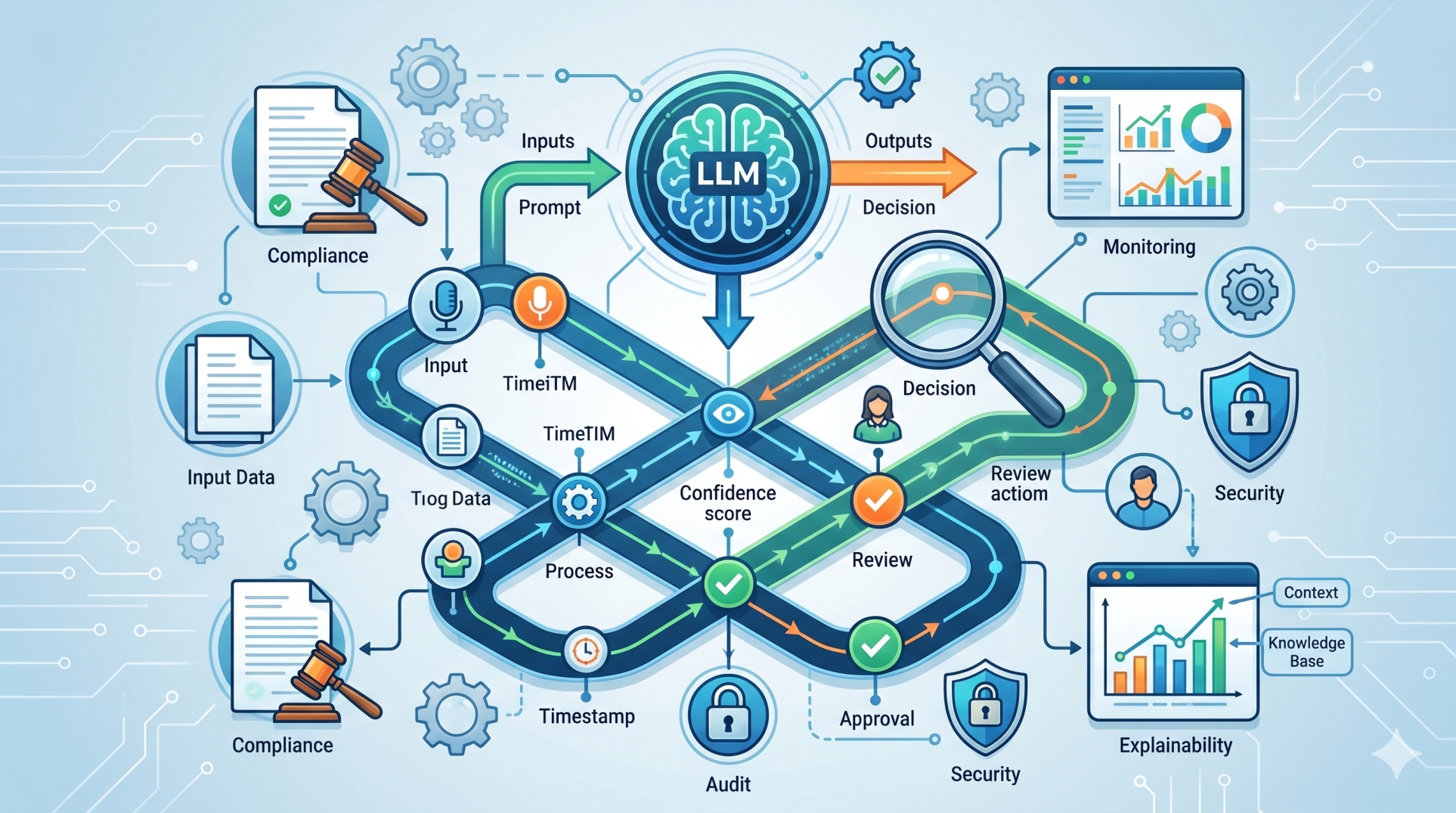
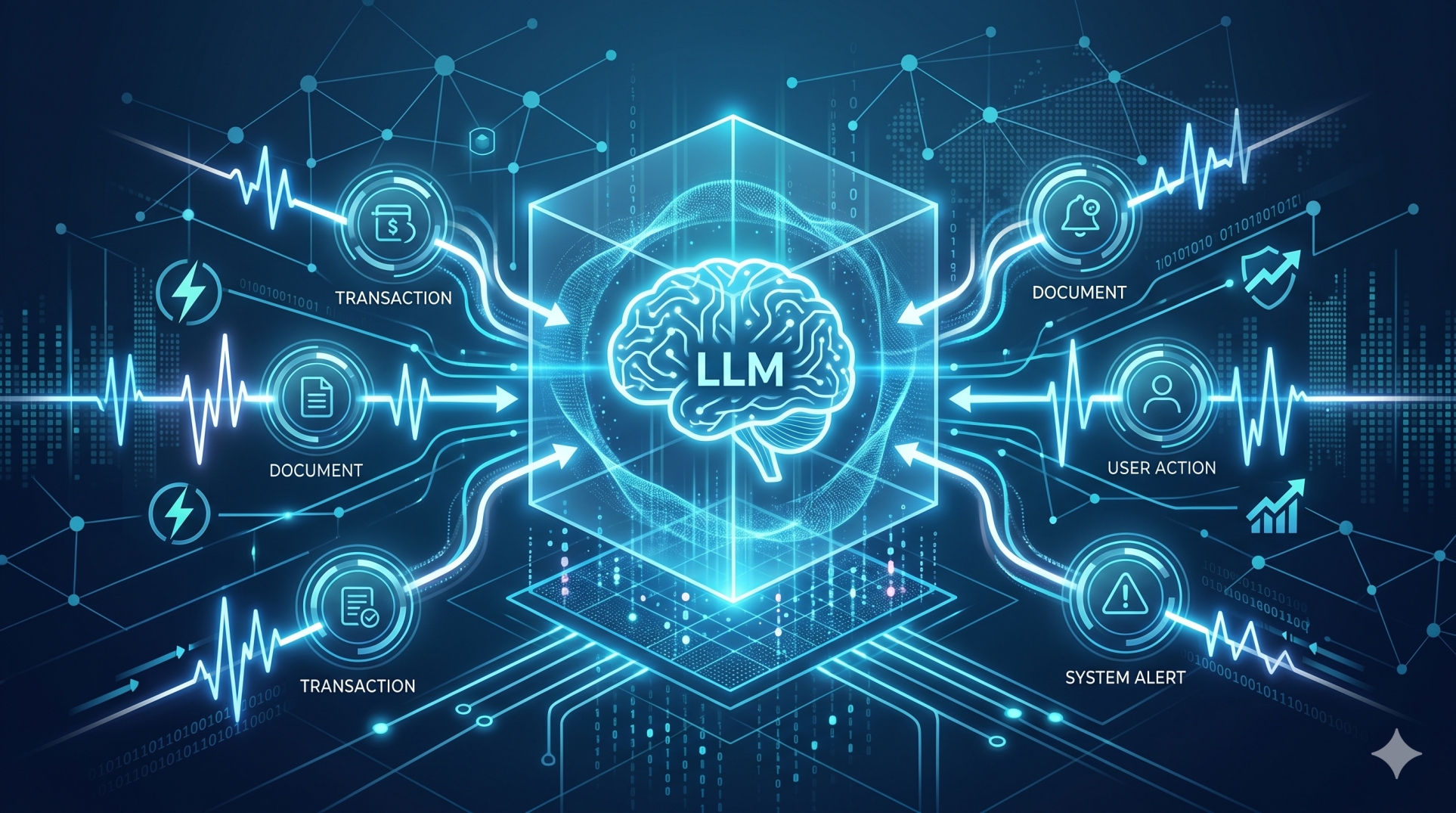
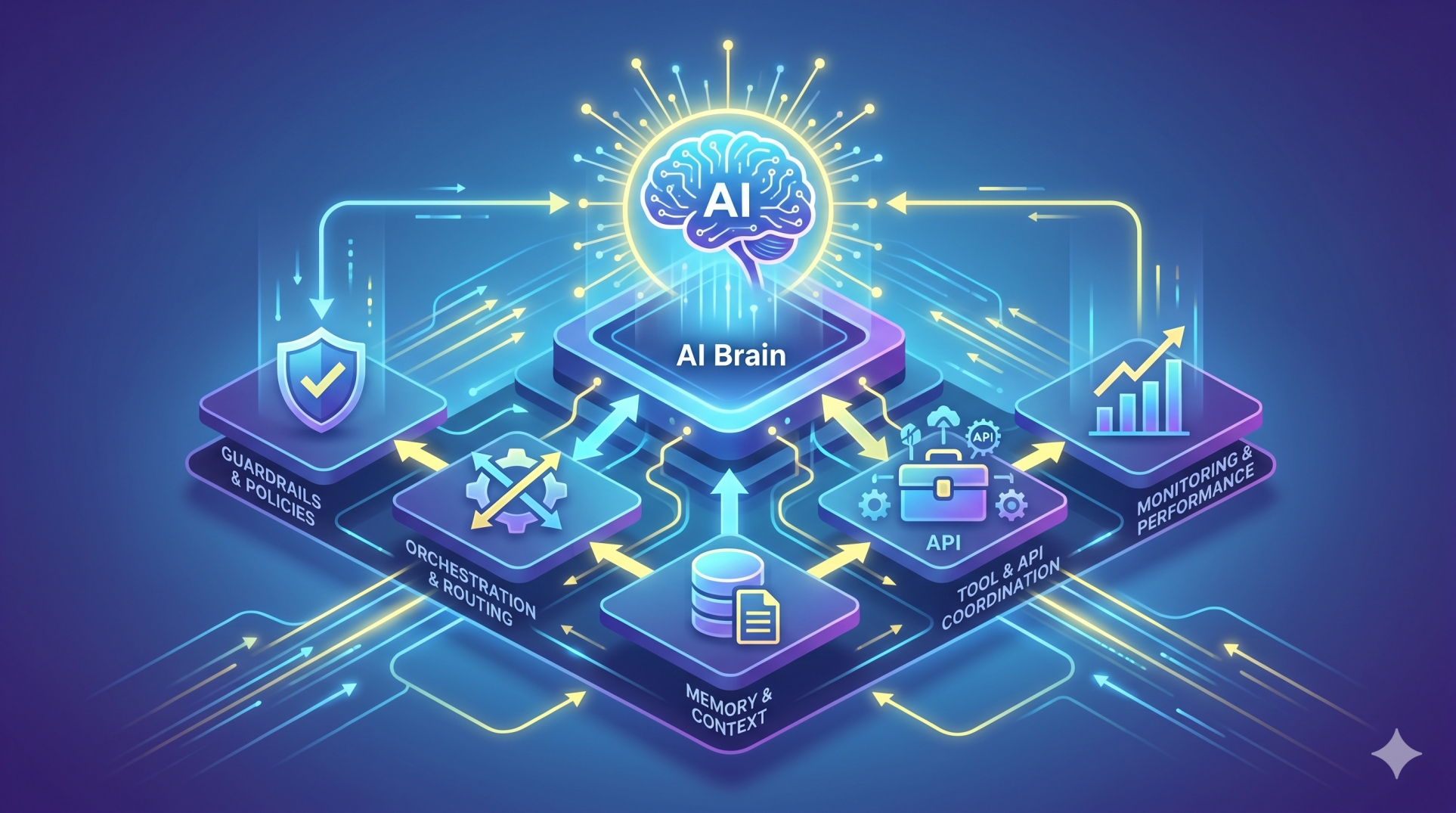
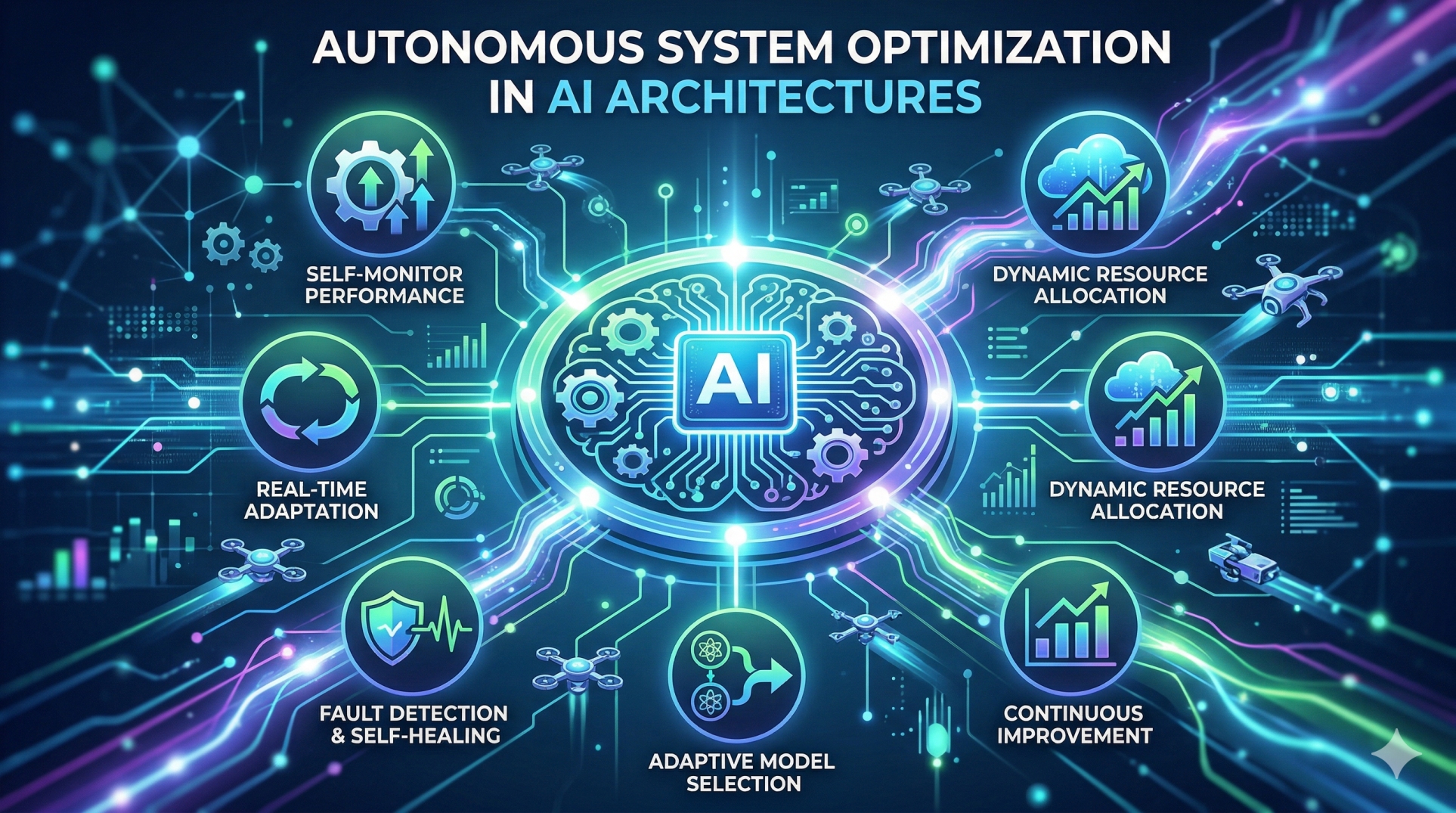
As Large Language Models (LLMs) move from experimental deployments to critical production systems, managing their behavior becomes increasingly complex. Static configurations are no longer sufficient to handle fluctuating workloads, dynamic user interactions, and evolving performance requirements. Adaptive control systems introduce real-time monitoring, feedback loops, and intelligent adjustments that allow LLM infrastructure to remain efficient, reliable, and responsive under varying conditions.
Step 1: Understanding Adaptive Control in LLM Systems 🎛️
• Adaptive control systems continuously adjust model behavior based on real-time inputs 🔄
• Move beyond static configurations to dynamic system tuning ⚙️
• Respond to changing workloads, latency, and user demand 📊
• Improve overall system stability and responsiveness ⚡
• Enable intelligent decision-making within infrastructure 🧠
Step 2: Real-Time Monitoring and Telemetry 📡
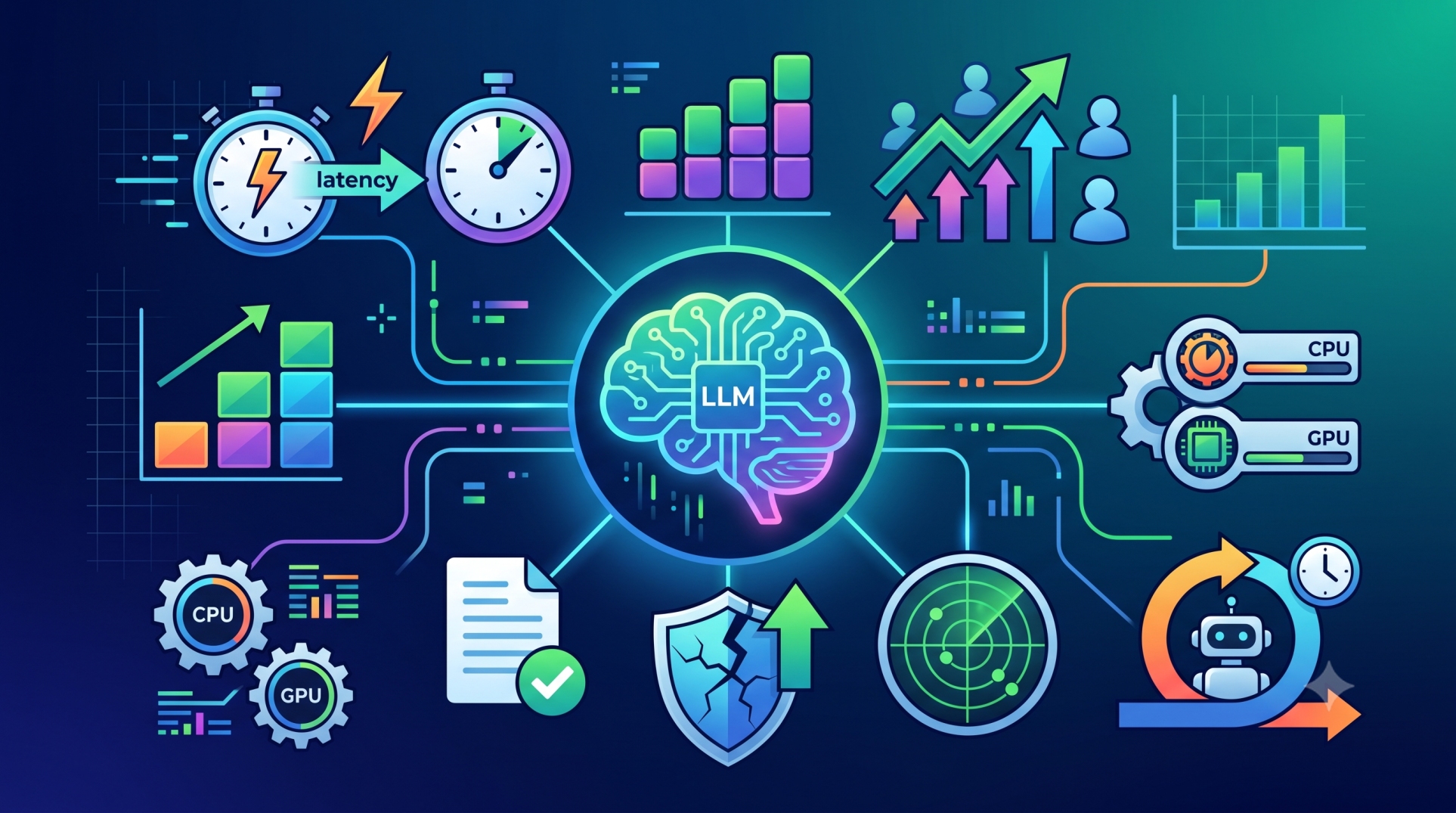
• Collect metrics such as latency, throughput, and error rates ⏱️
• Track token usage, response quality, and system load 📊
• Monitor infrastructure health across distributed environments 🏗️
• Enable real-time visibility into system performance 👁️
• Use telemetry data as the foundation for adaptive decisions 🔍
Step 3: Feedback Loops and Dynamic Optimization 🔄
• Implement closed-loop systems that adjust based on performance signals 🔁
• Optimize model parameters such as temperature and response length ⚙️
• Adapt routing strategies based on request complexity 🧩
• Continuously refine outputs using feedback signals 📈
• Ensure consistent performance under changing conditions ⚡
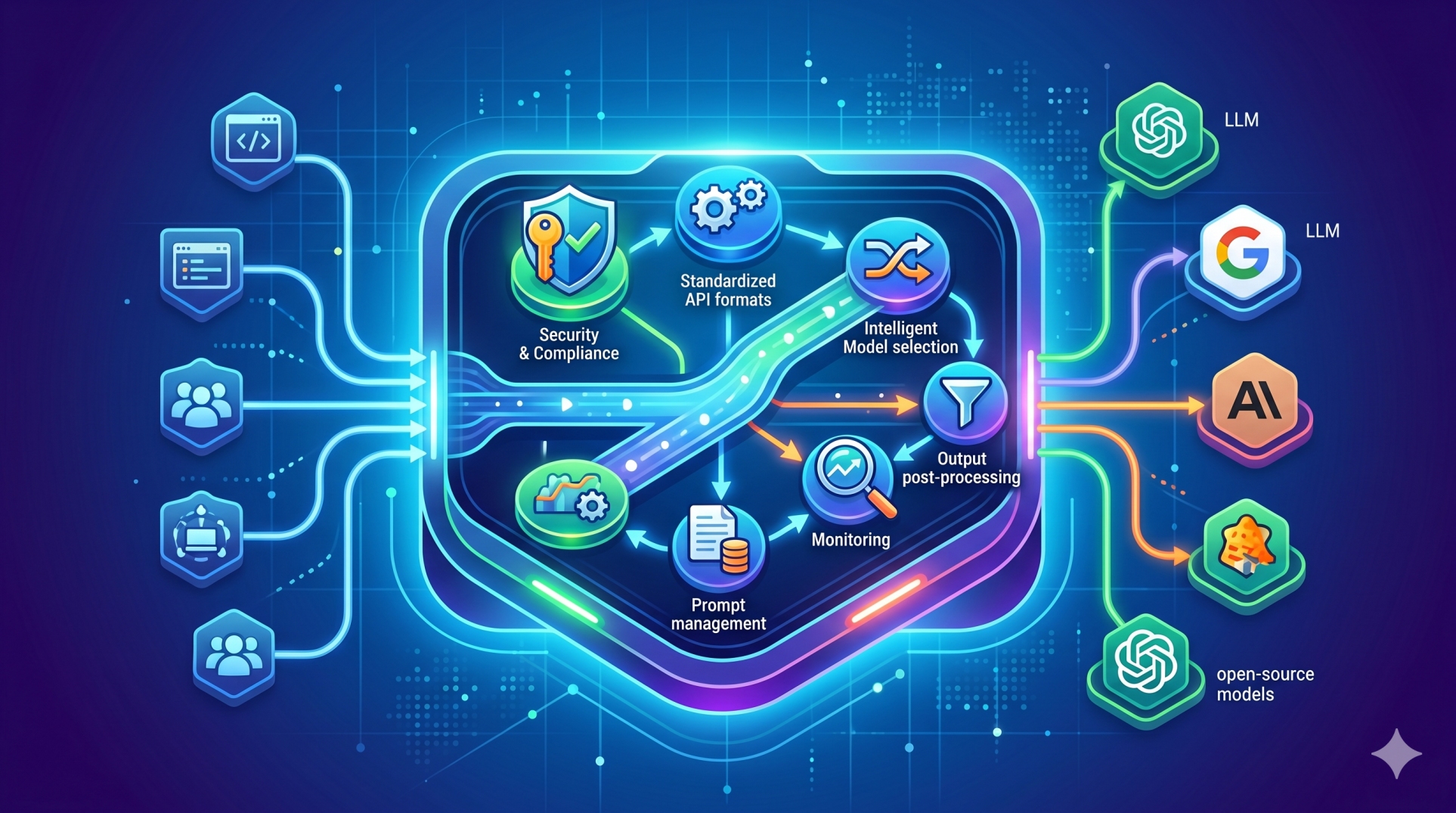
Step 4: Intelligent Load Balancing and Routing 🌐
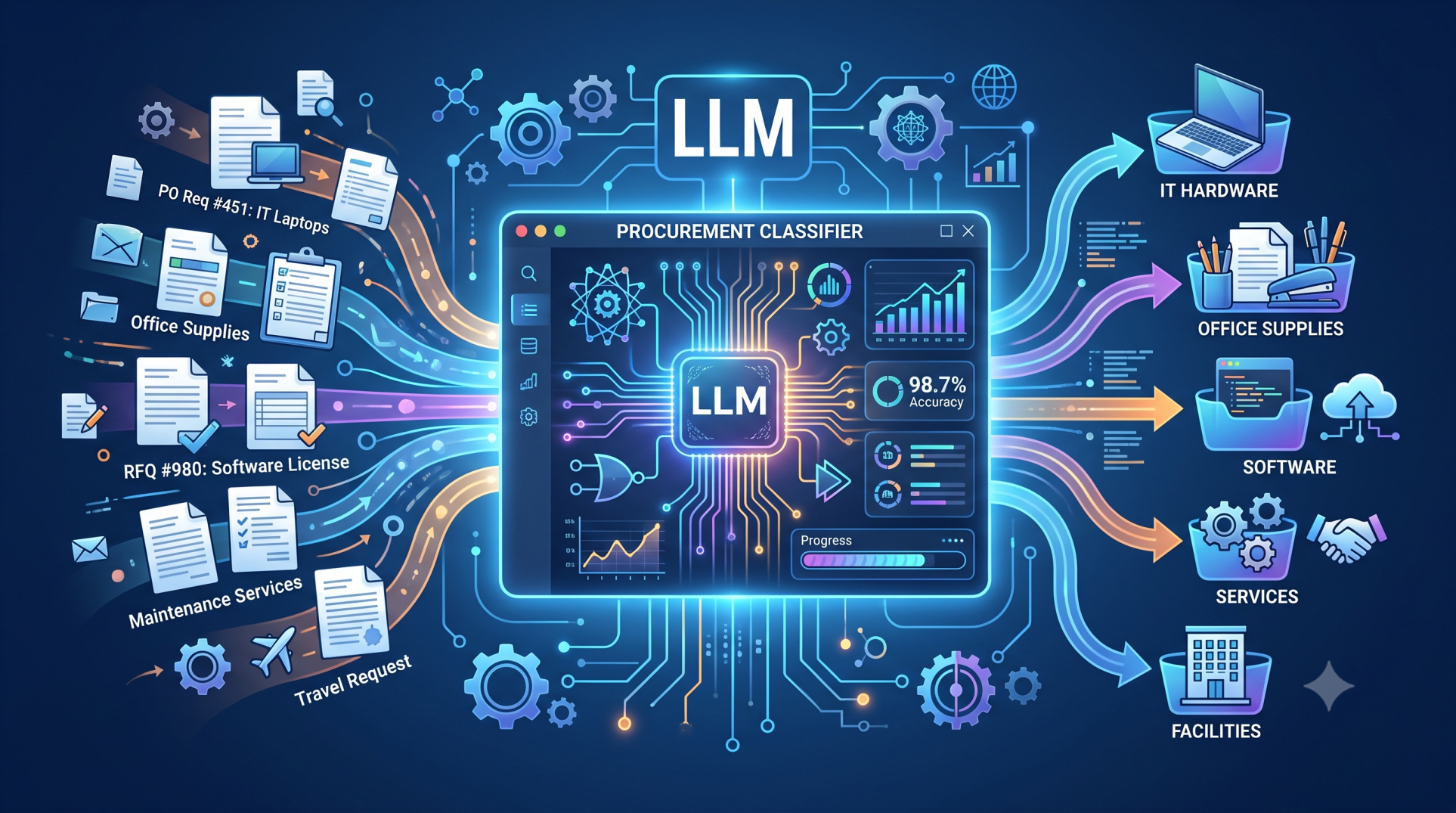
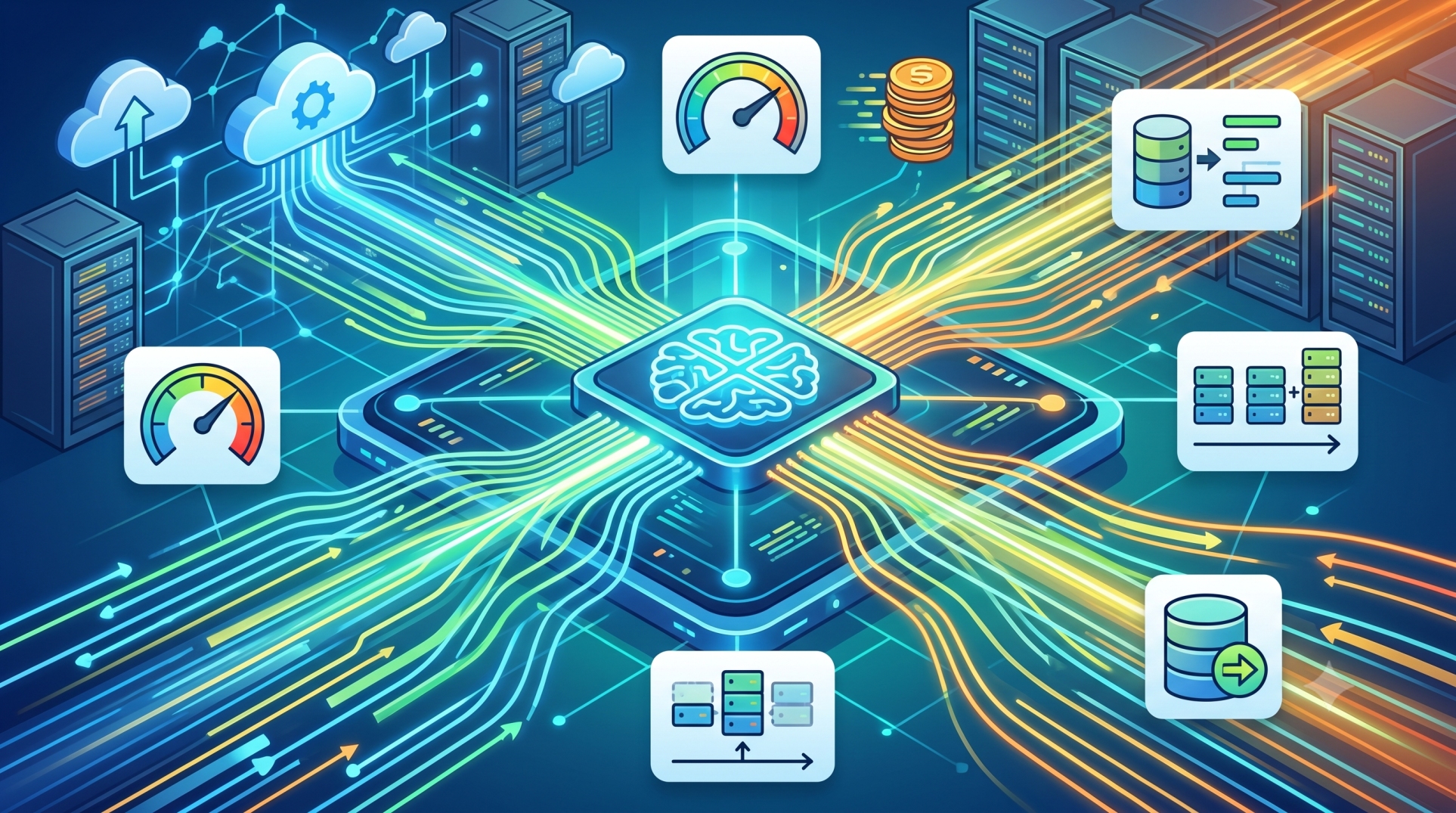
• Distribute requests across models and infrastructure nodes ⚖️
• Route tasks based on latency, cost, and availability 📡
• Balance workloads to prevent bottlenecks and overload 🚧
• Enable multi-model orchestration for different use cases 🧠
• Improve system efficiency and resource utilization 📦
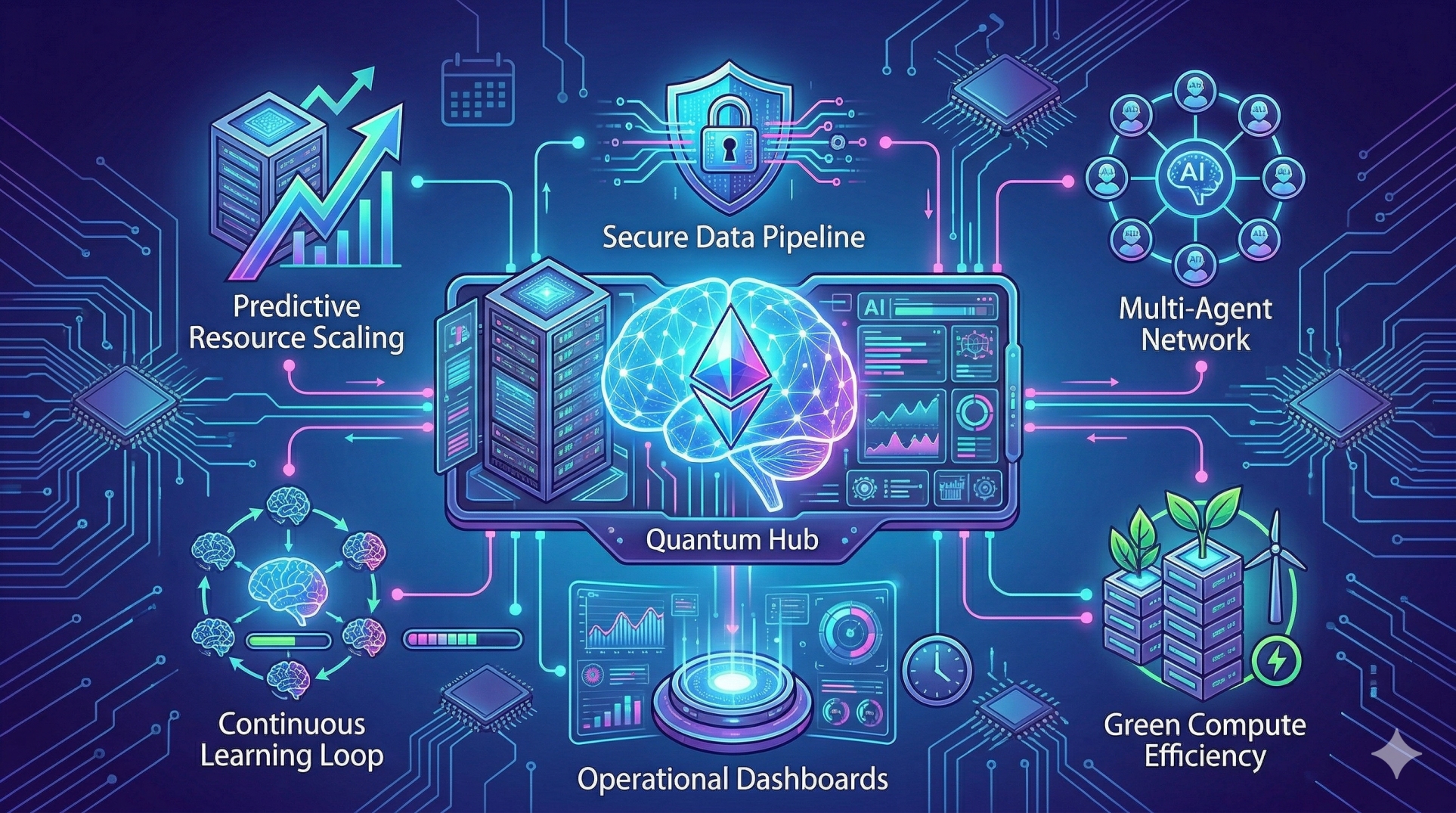
Step 5: Resource Allocation and Scaling ☁️
• Dynamically scale compute resources based on demand 📈
• Allocate GPU/CPU resources efficiently across workloads ⚙️
• Optimize cost-performance trade-offs in real time 💰
• Support auto-scaling in cloud and hybrid environments ☁️
• Ensure consistent performance during traffic spikes 🚀
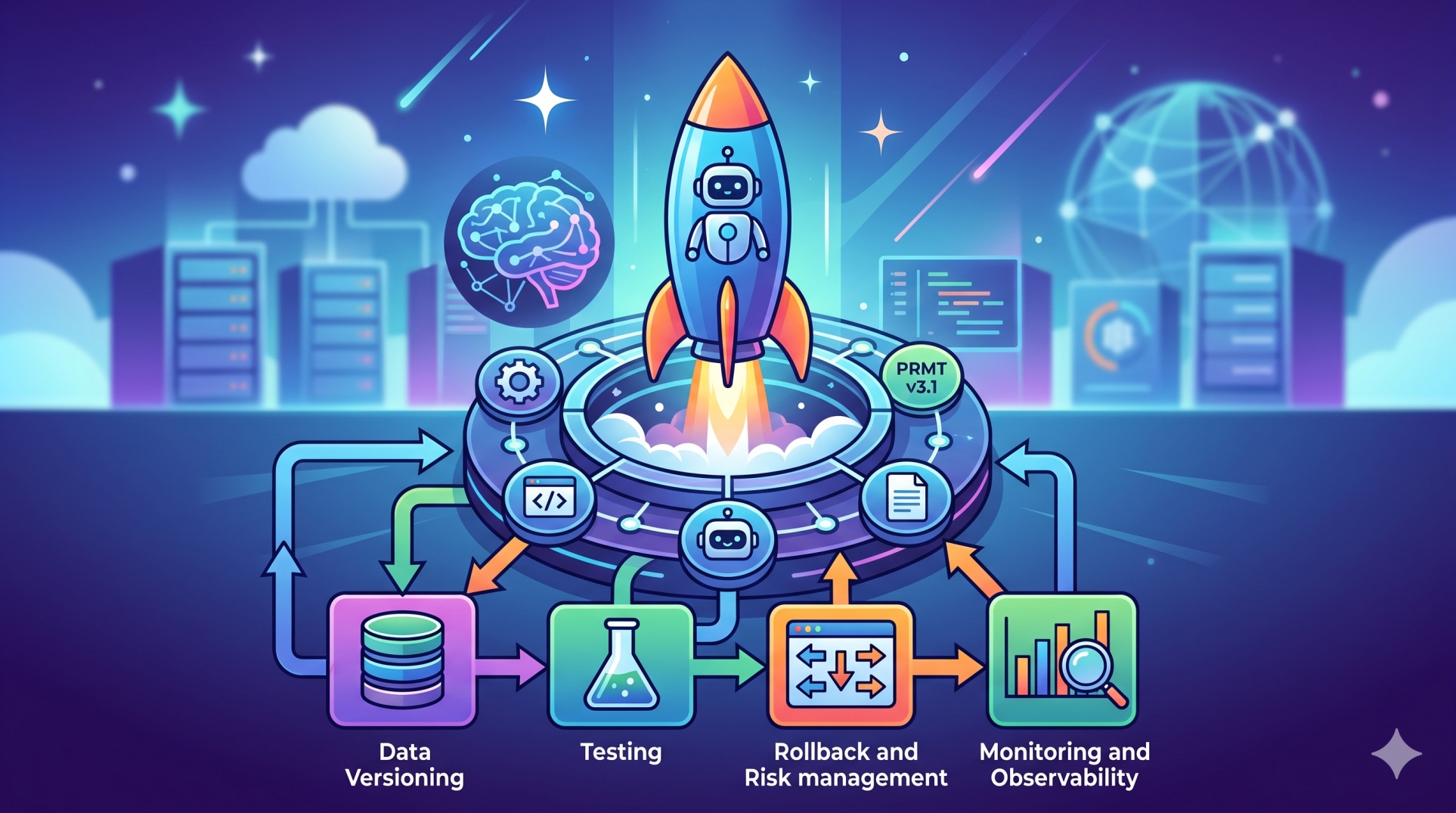
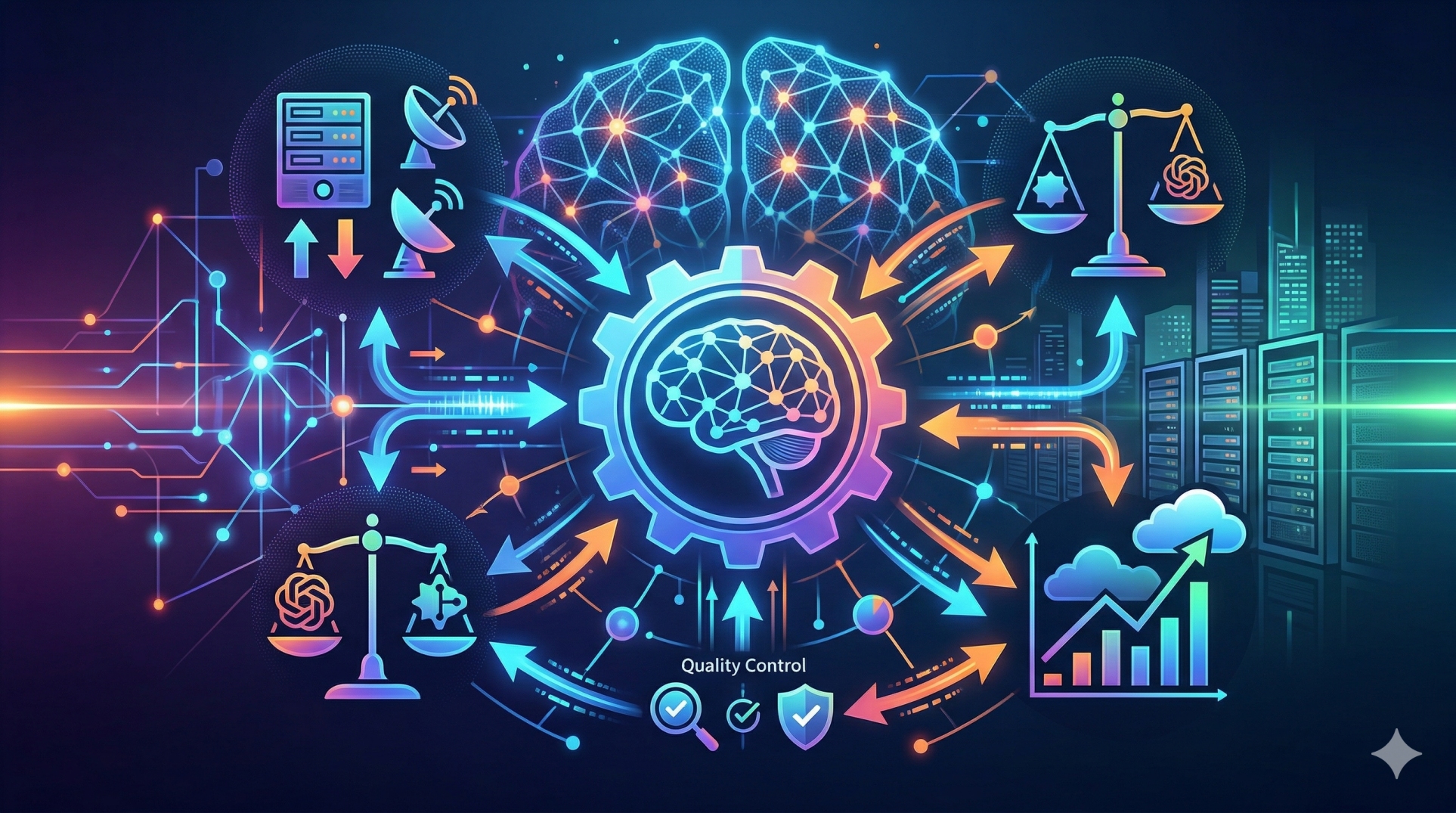
Step 6: Quality Control and Output Evaluation 🧪
• Continuously evaluate model outputs for accuracy and relevance 🔍
• Detect anomalies or degraded response quality ⚠️
• Implement guardrails to maintain output standards 🛡️
• Use automated evaluation pipelines for validation 📊
• Improve trust and reliability of LLM responses 🤝
Step 7: Policy Enforcement and Governance 🔐
• Apply usage policies and compliance rules dynamically 📜
• Enforce safety, privacy, and ethical guidelines 🛡️
• Monitor access control and data handling practices 🔍
• Ensure adherence to regulatory and organizational standards 🏛️
• Balance flexibility with strict governance controls ⚖️
Step 8: Key System Priorities 📌
• Real-time adaptability and responsiveness ⚡
• Continuous performance optimization 📈
• Scalable and resilient infrastructure 🏗️
• Strong governance and control mechanisms 🔐
Step 9: Handling Variability and Failure Scenarios ⚠️
• Detect and respond to latency spikes or system failures ⏳
• Reroute requests when nodes become unavailable 🔄
• Implement fallback strategies for degraded performance 🛠️
• Maintain service continuity during unexpected disruptions 🔧
• Enable rapid recovery and system stabilization 🚀
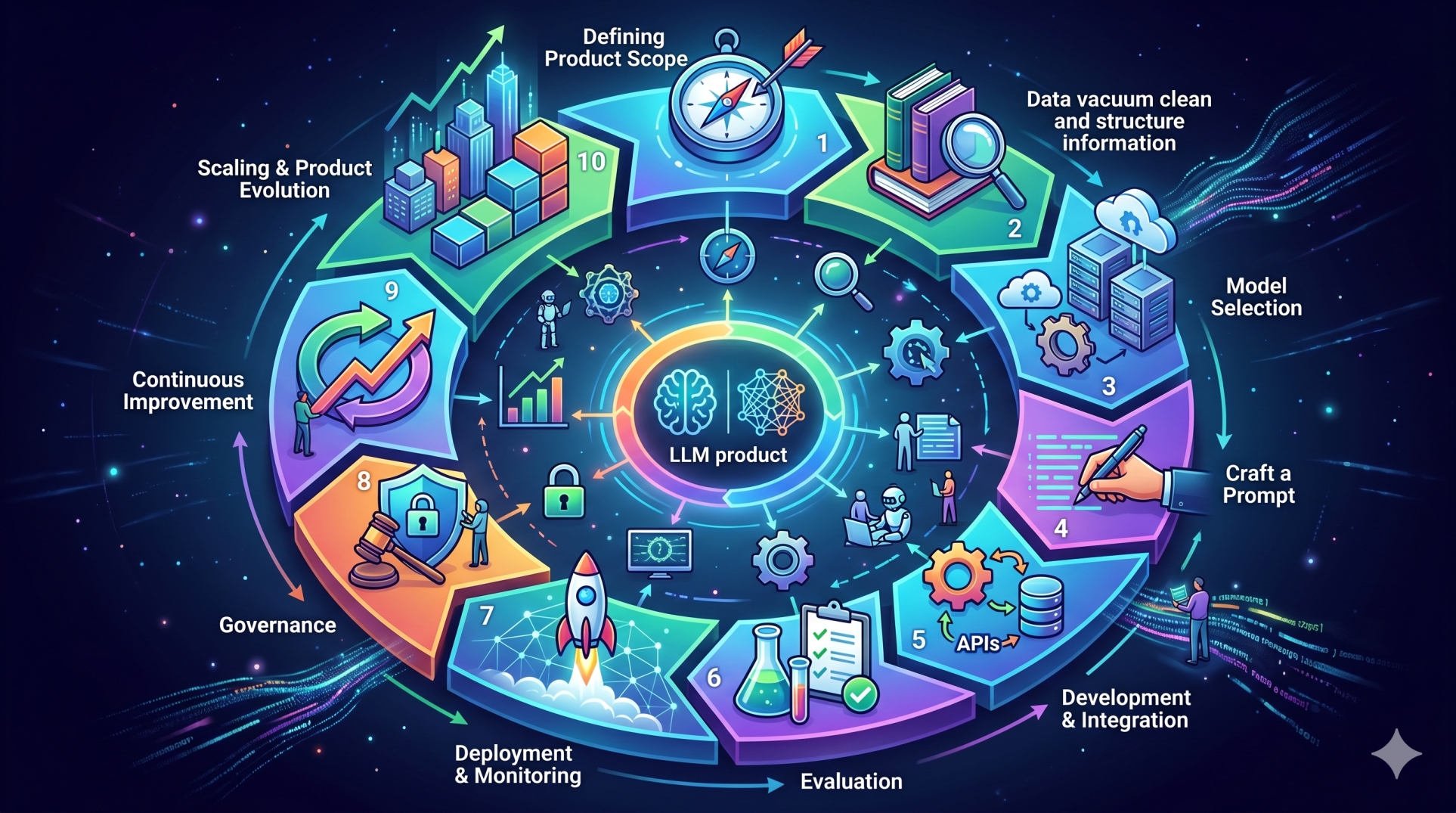
Step 10: Building Self-Optimizing LLM Infrastructure 🤖
• Design systems that learn and improve over time 📚
• Incorporate reinforcement learning for adaptive tuning 🧠
• Enable predictive scaling based on usage patterns 📊
• Integrate AI-driven orchestration and automation 🤖
• Continuously evolve infrastructure for future demands 🔄
Conclusion
Adaptive control systems are essential for managing the growing complexity of language model infrastructure. By combining real-time monitoring, feedback-driven optimization, and intelligent resource management, organizations can ensure that their LLM systems remain efficient, reliable, and scalable. As AI adoption continues to accelerate, adaptive control will play a central role in enabling robust, high-performance language model platforms.
See more blogs
You can all the articles below