Distributed Multi-Agent LLM Systems for Enterprise Workflows
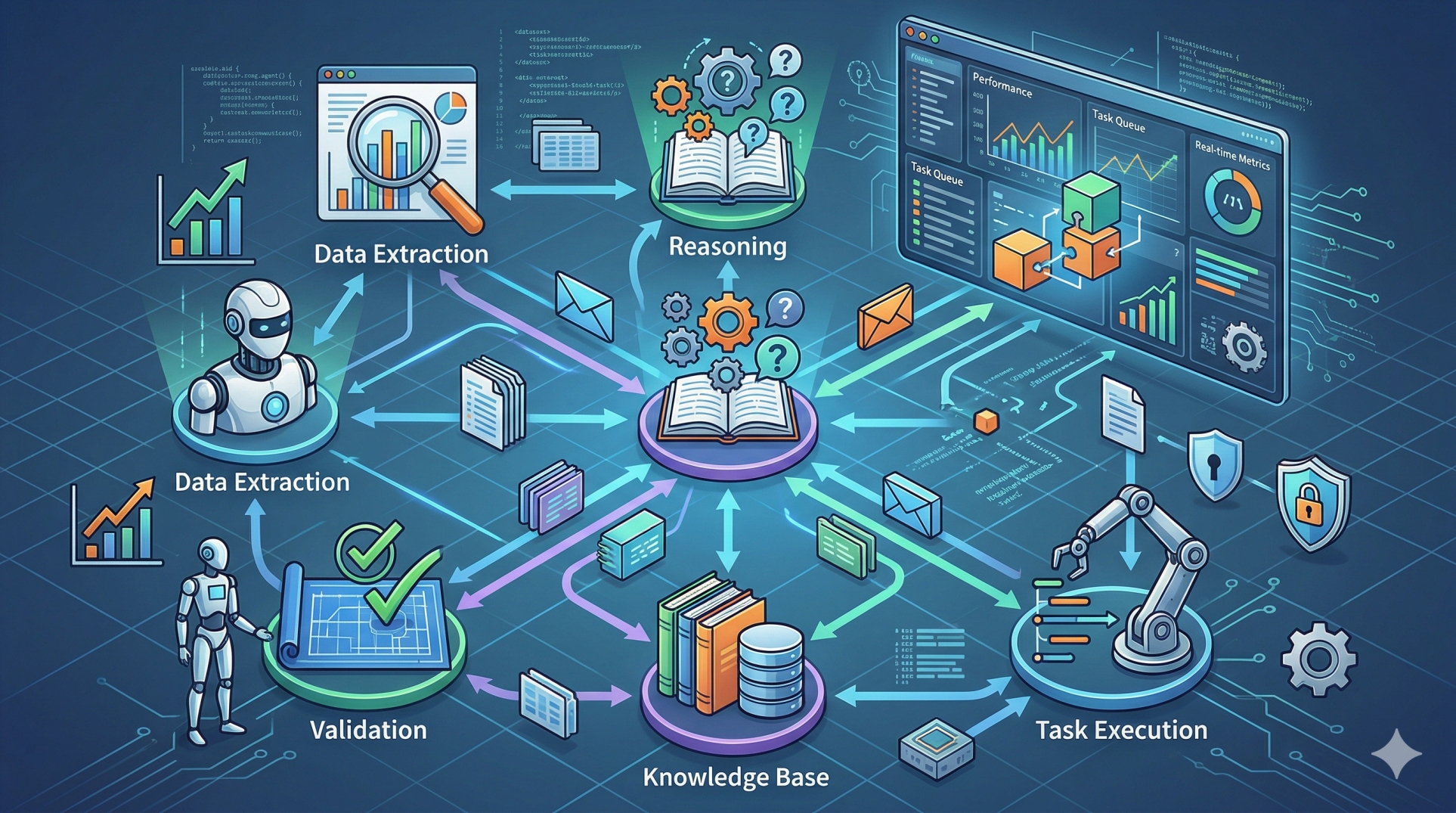
Distributed Multi-Agent LLM Systems for Enterprise Workflows
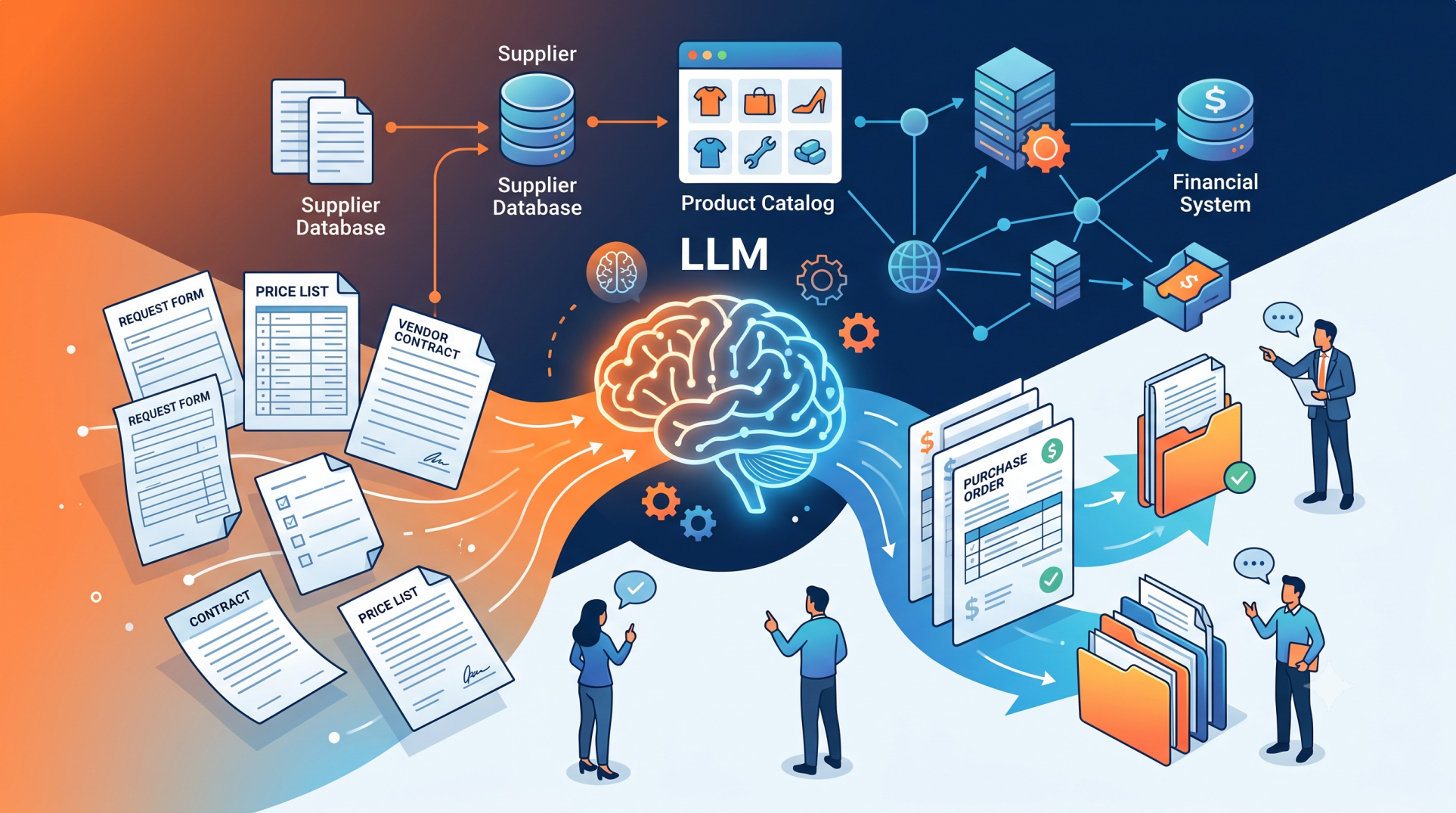
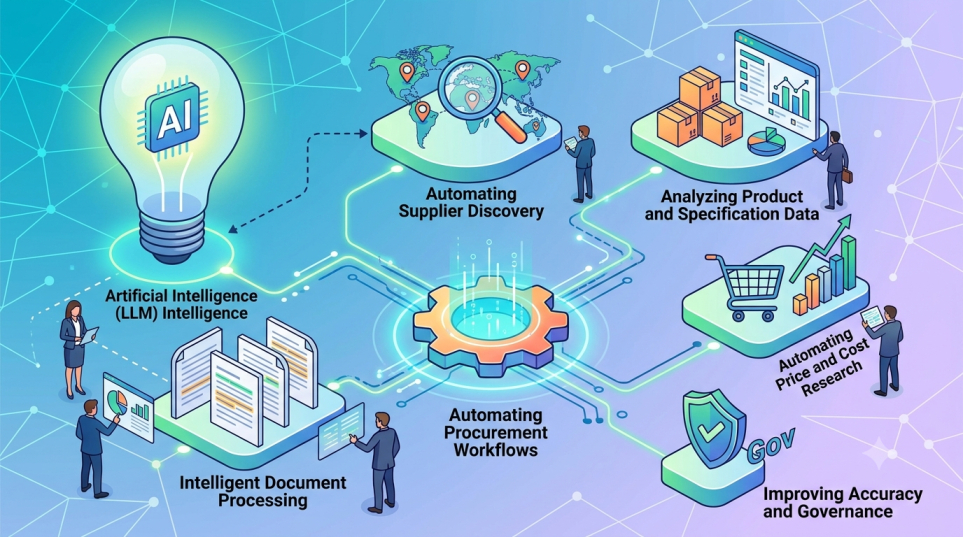
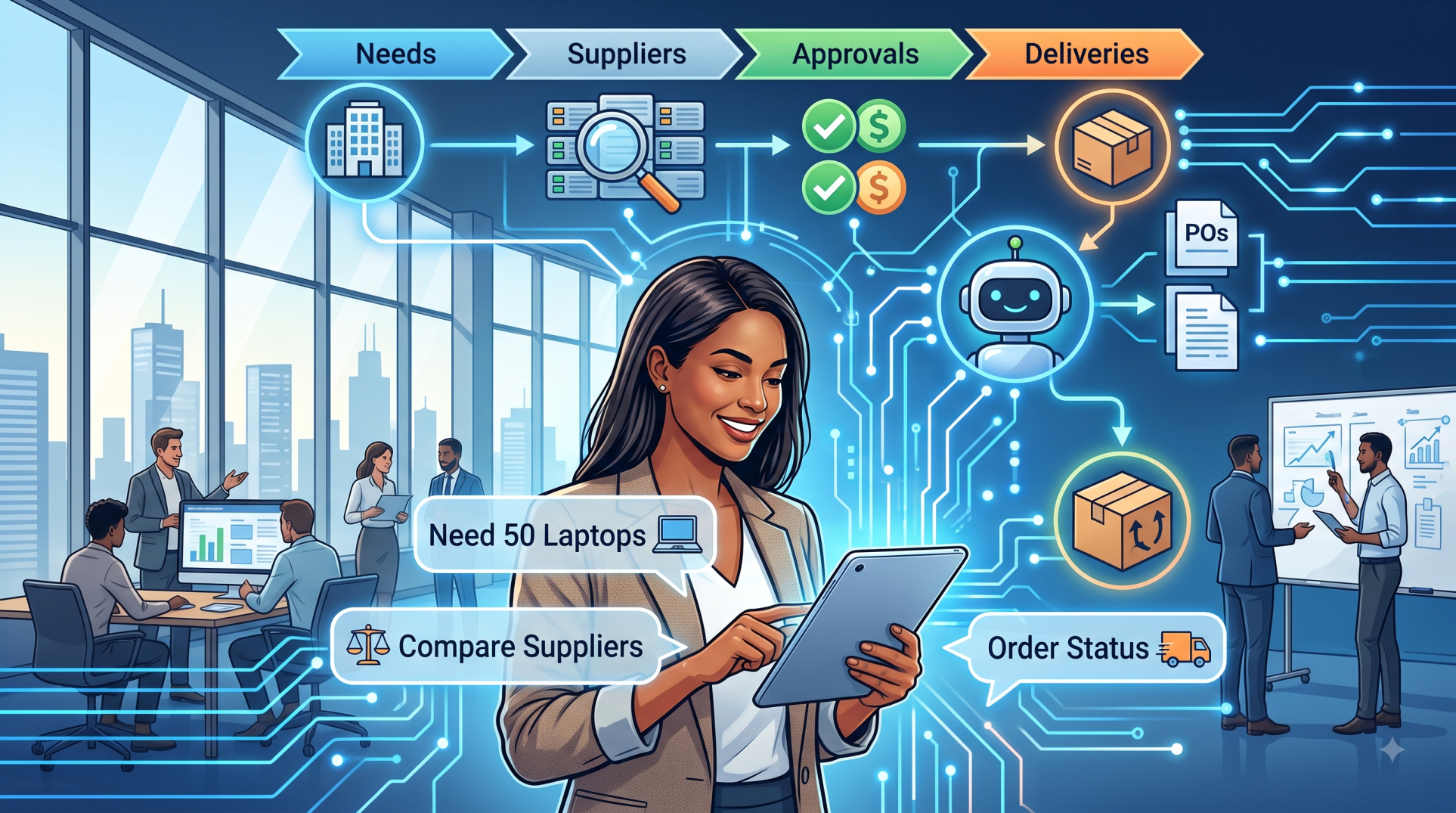
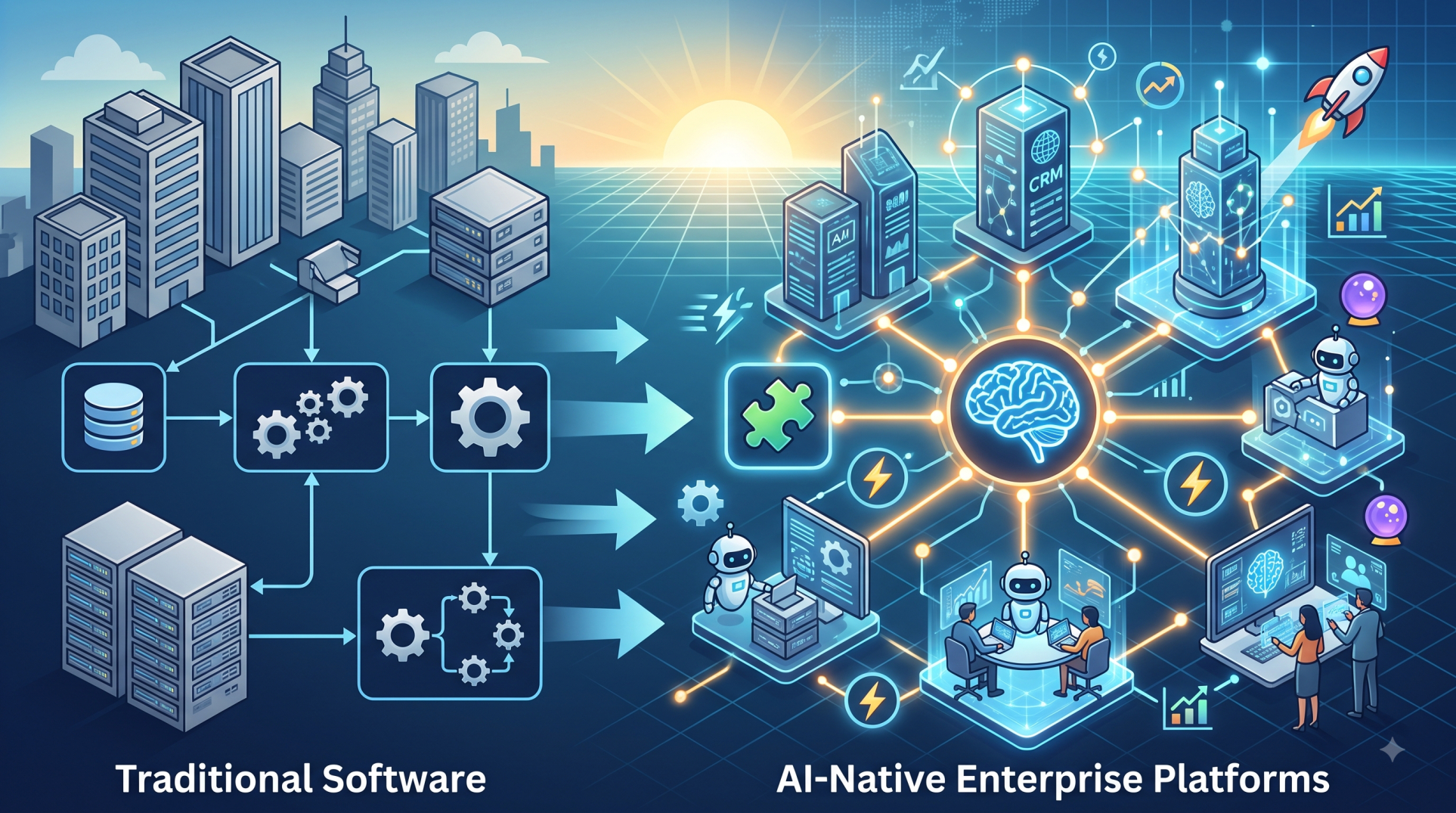
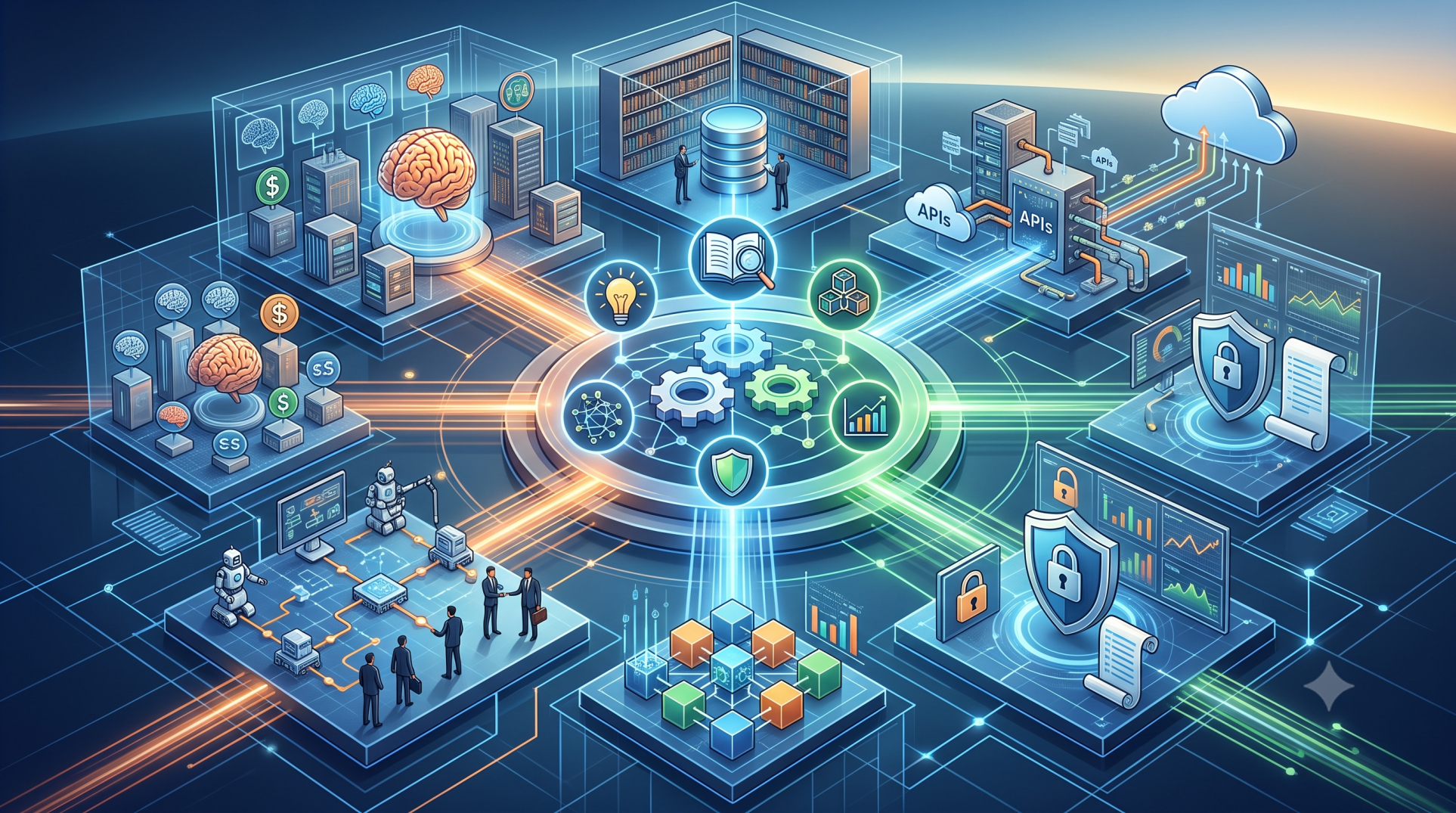
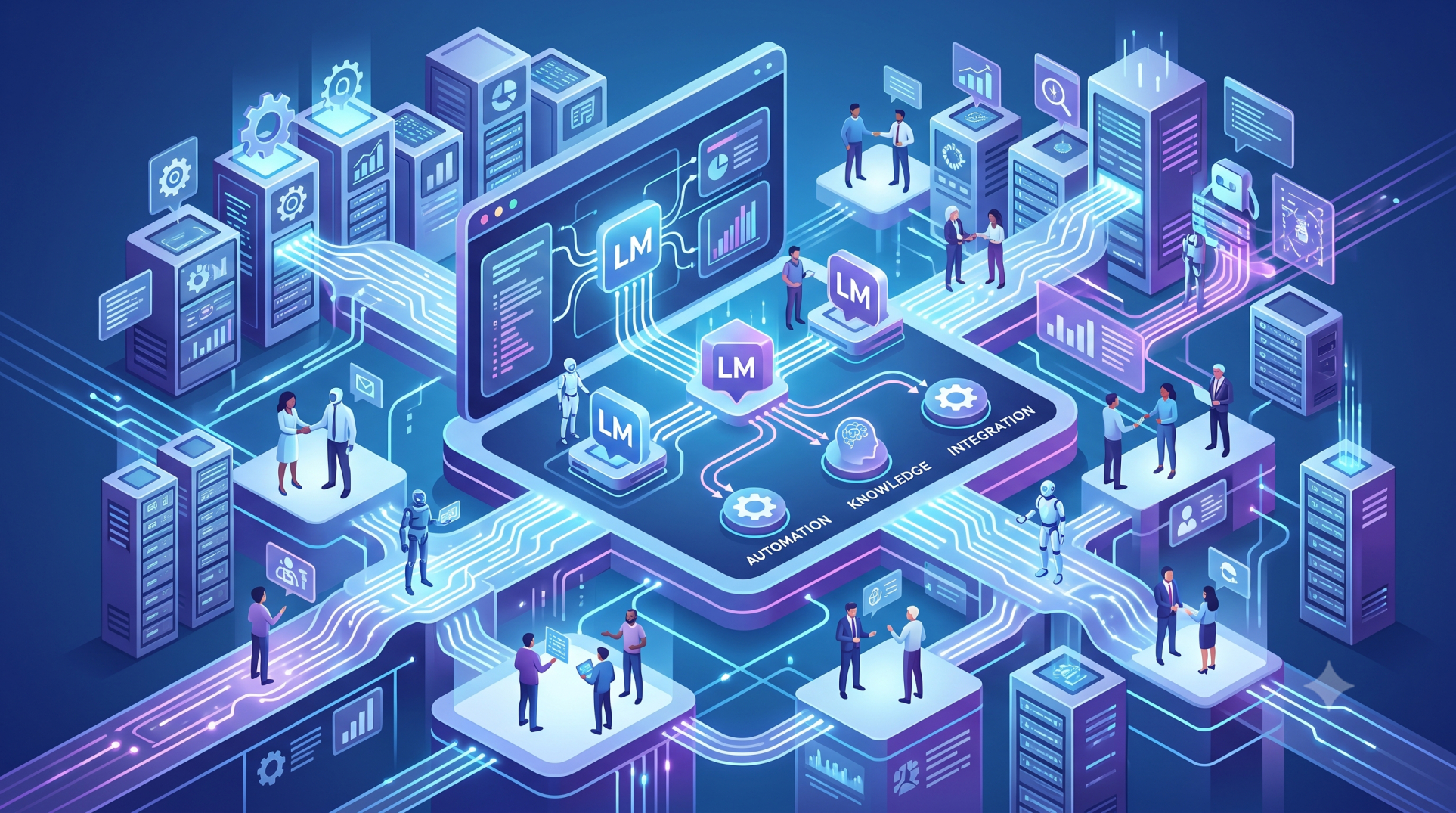
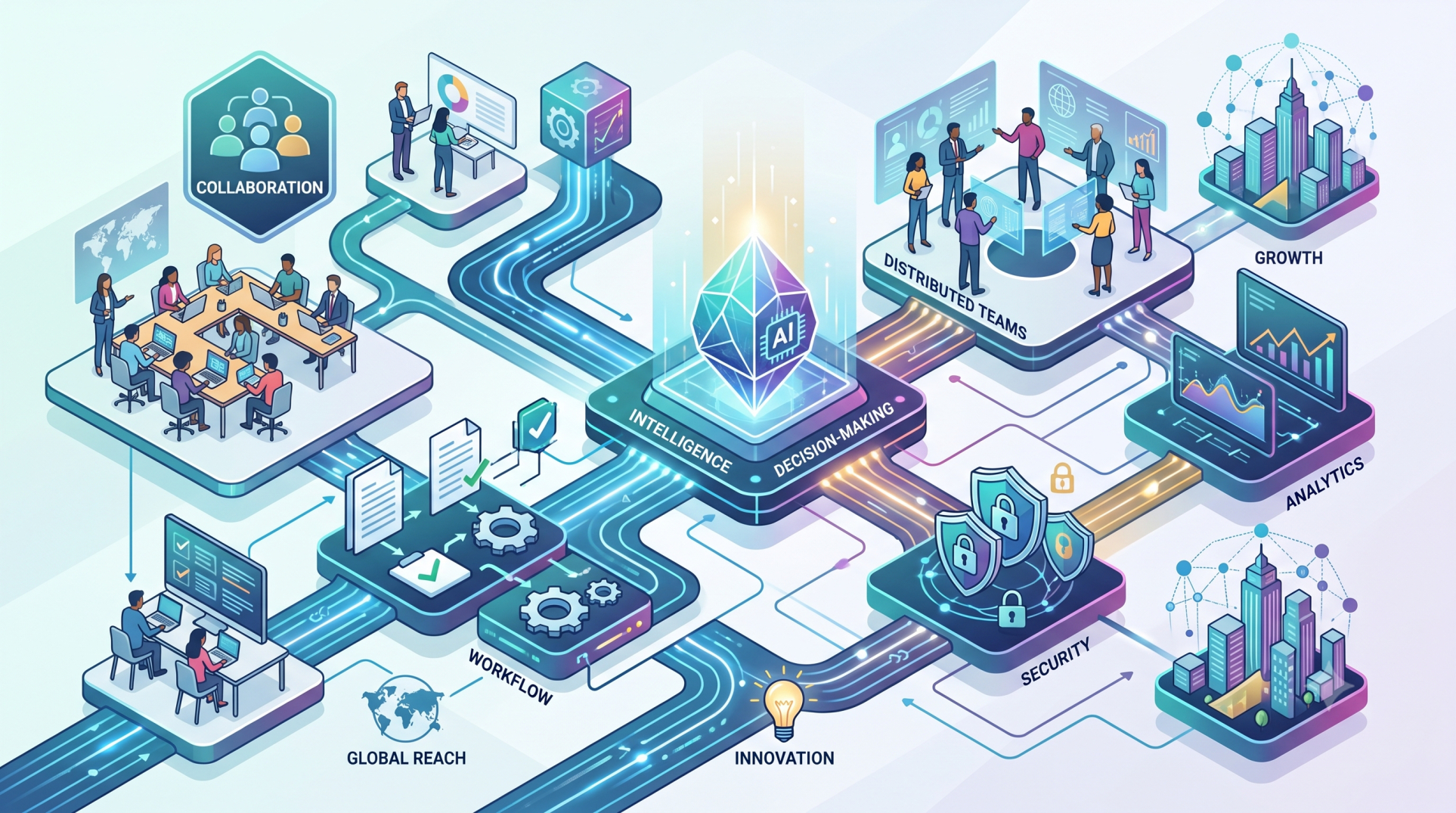
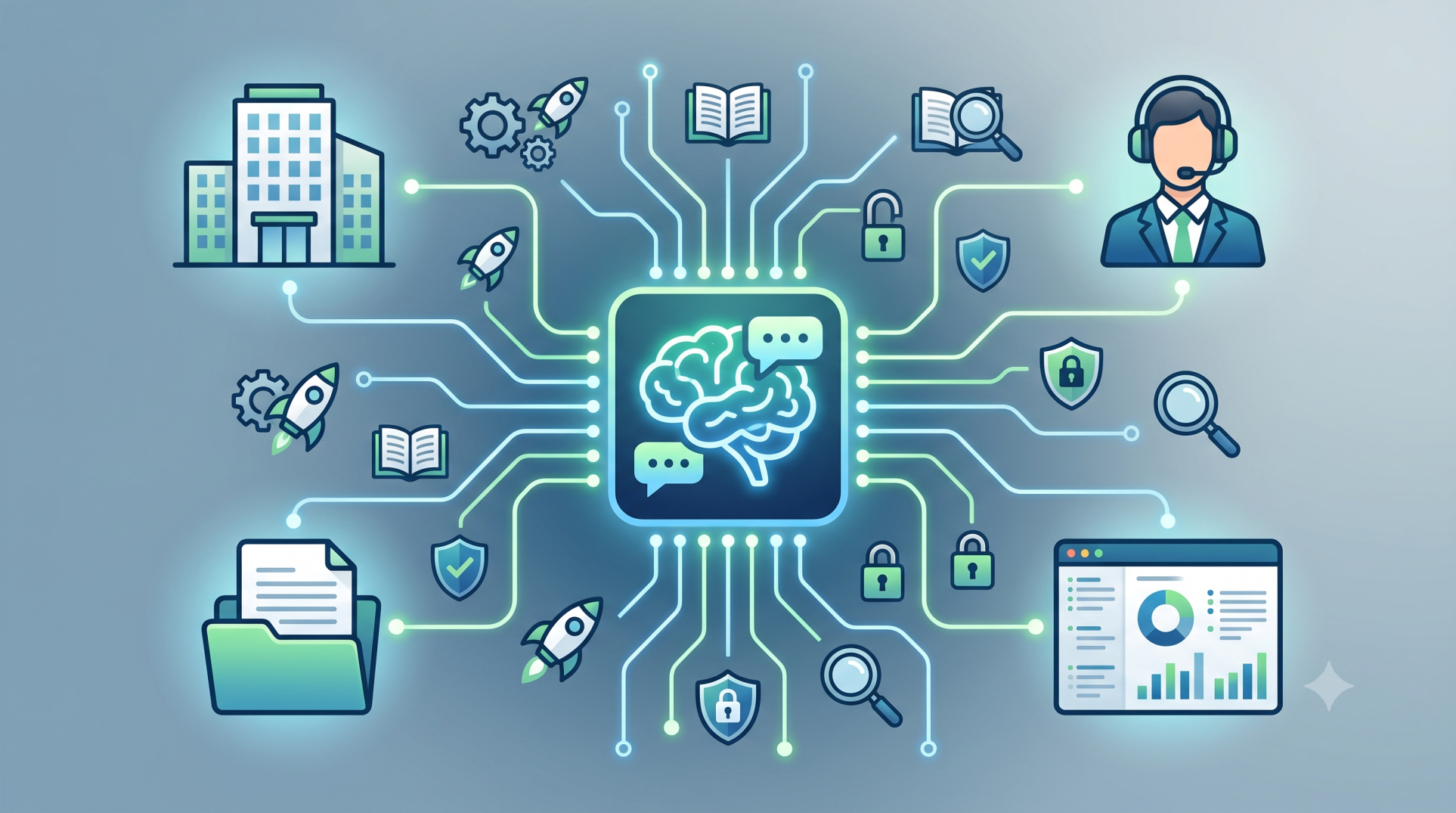
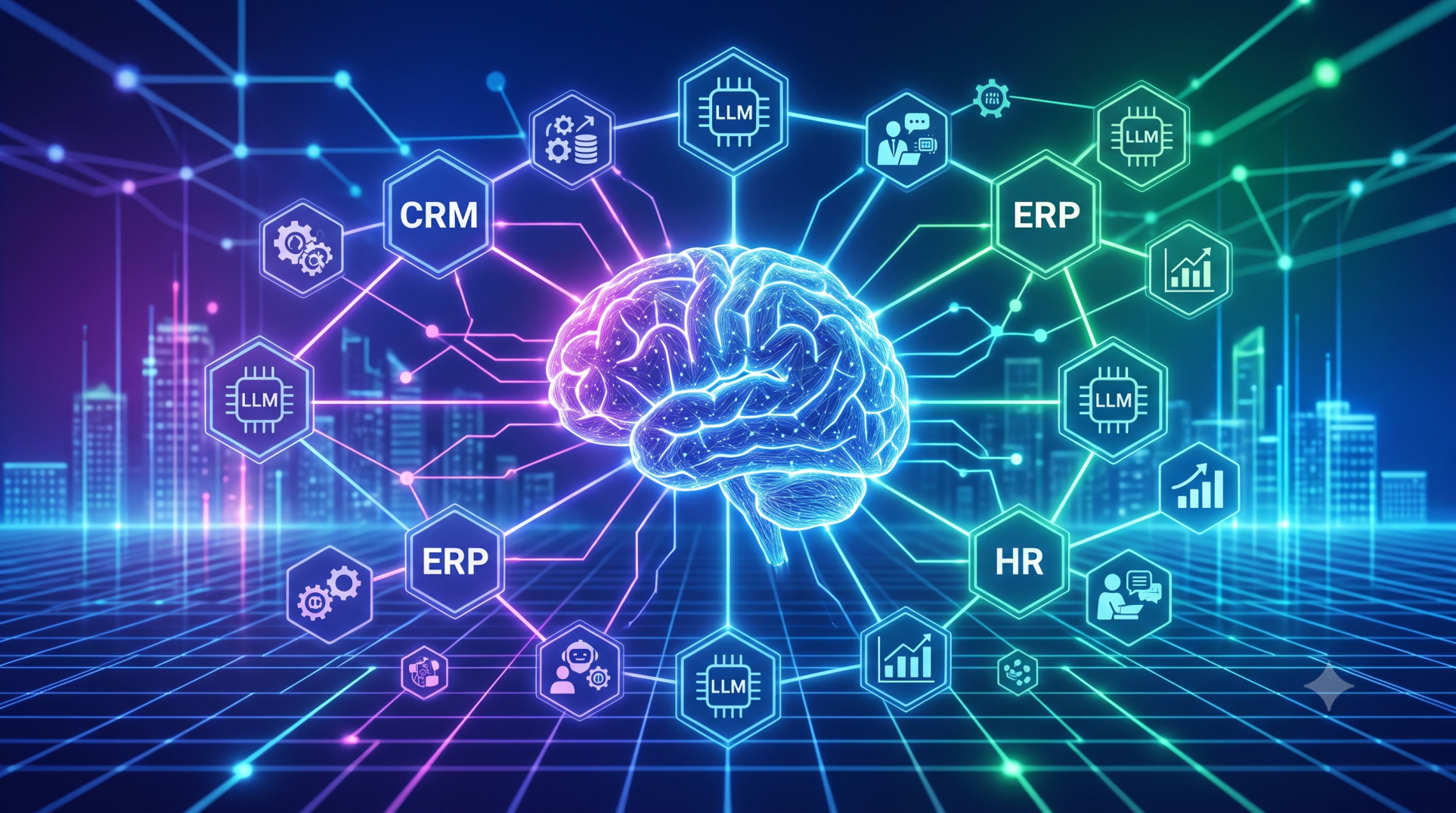
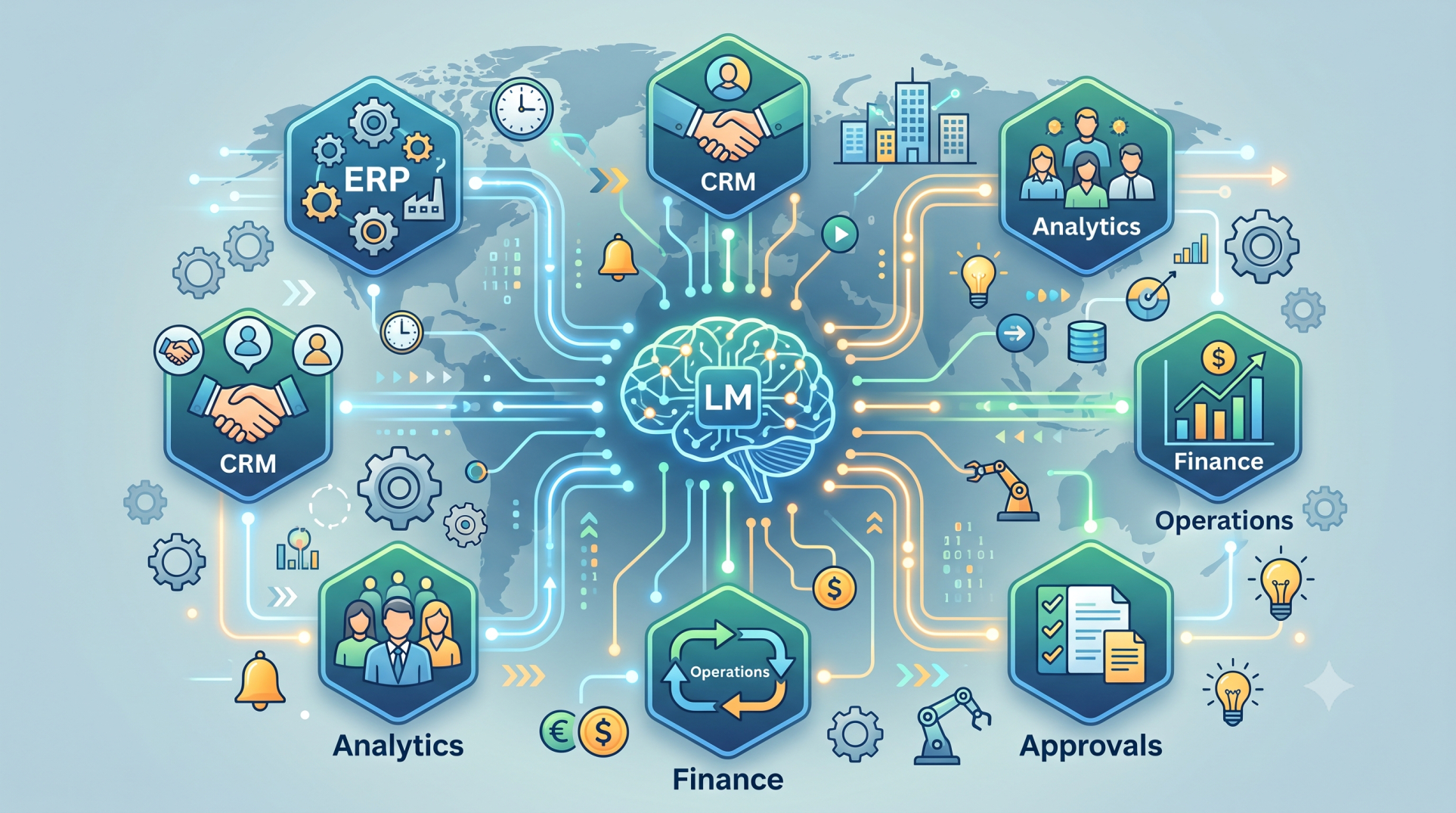
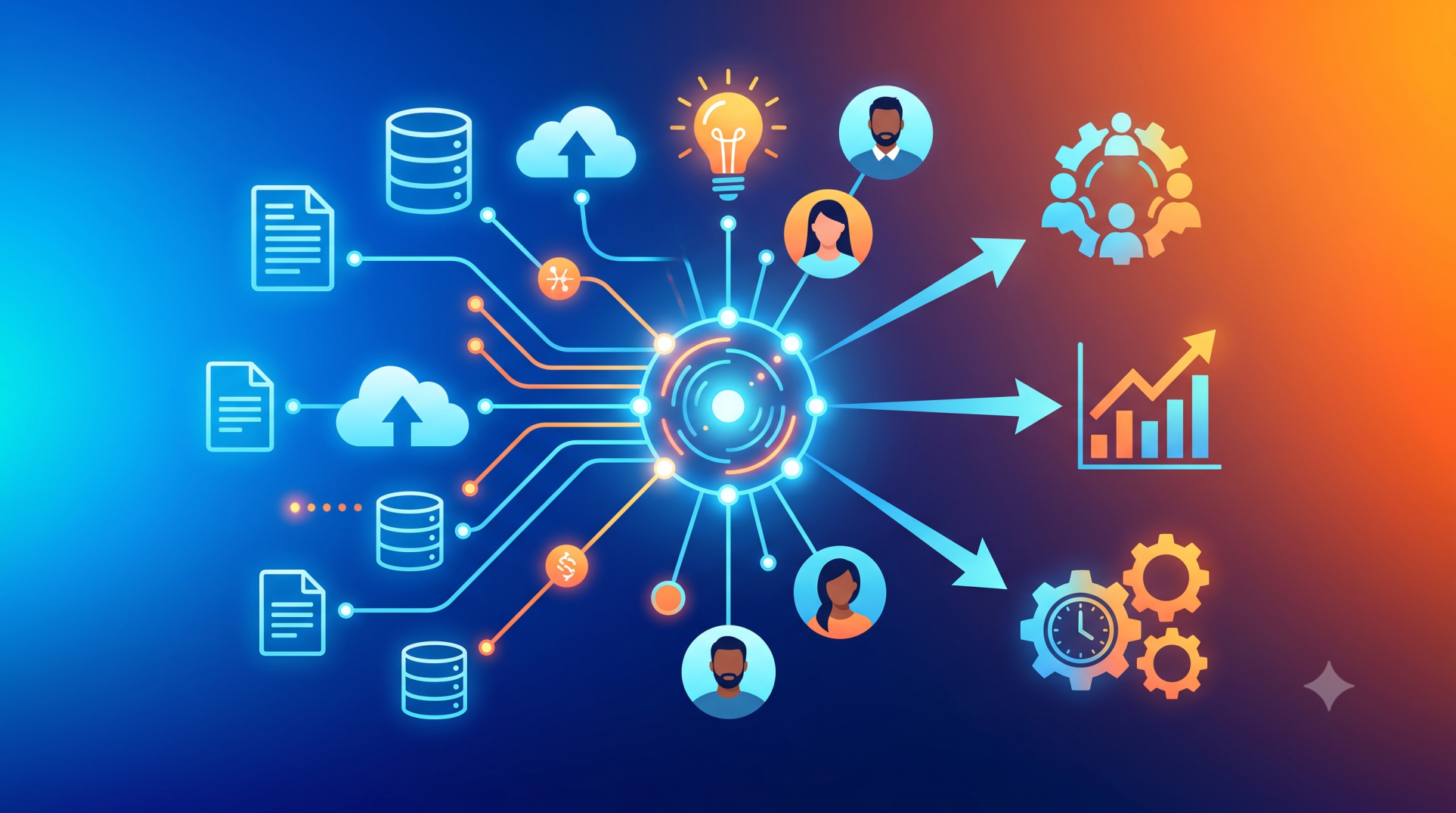
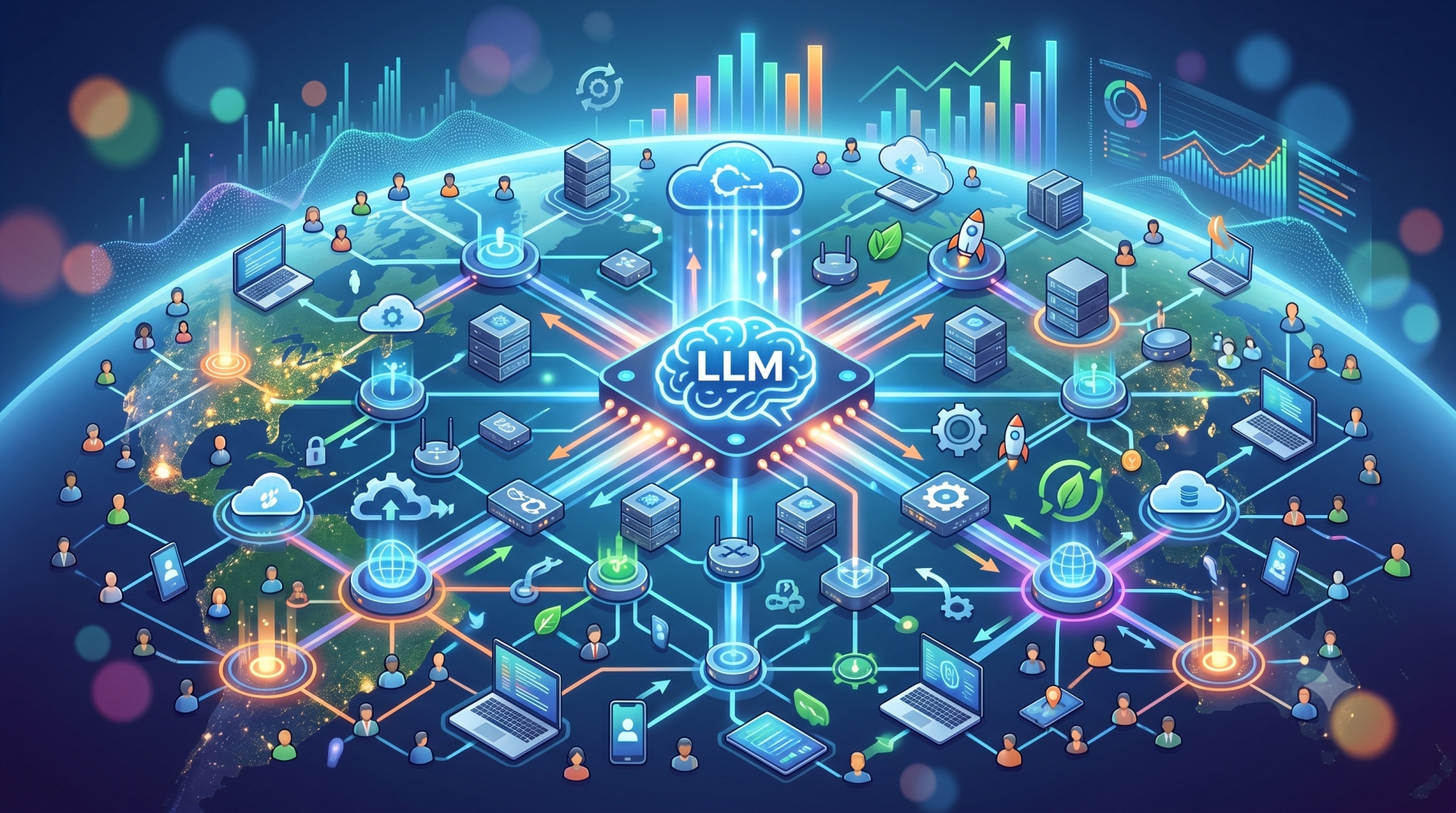
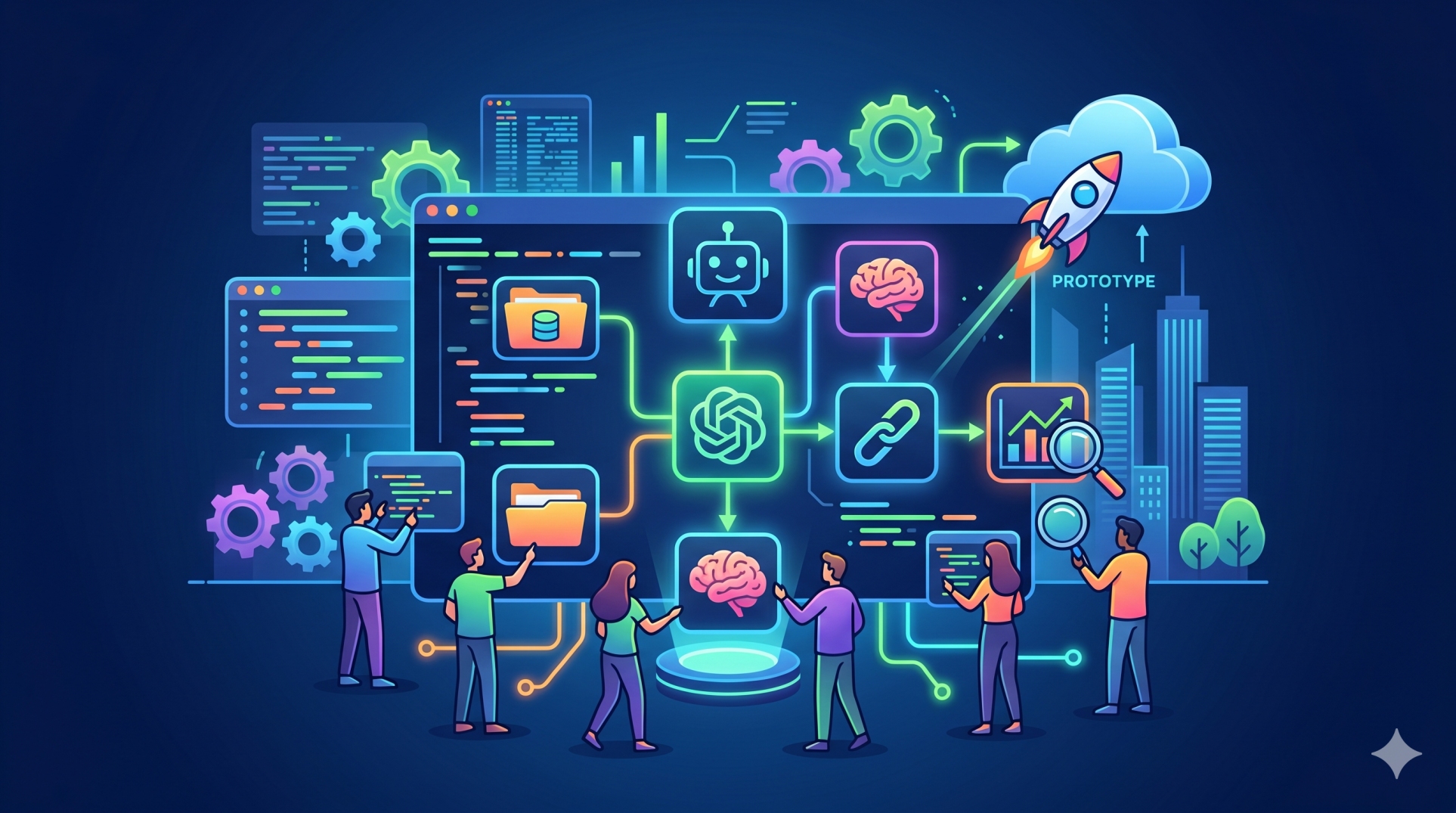
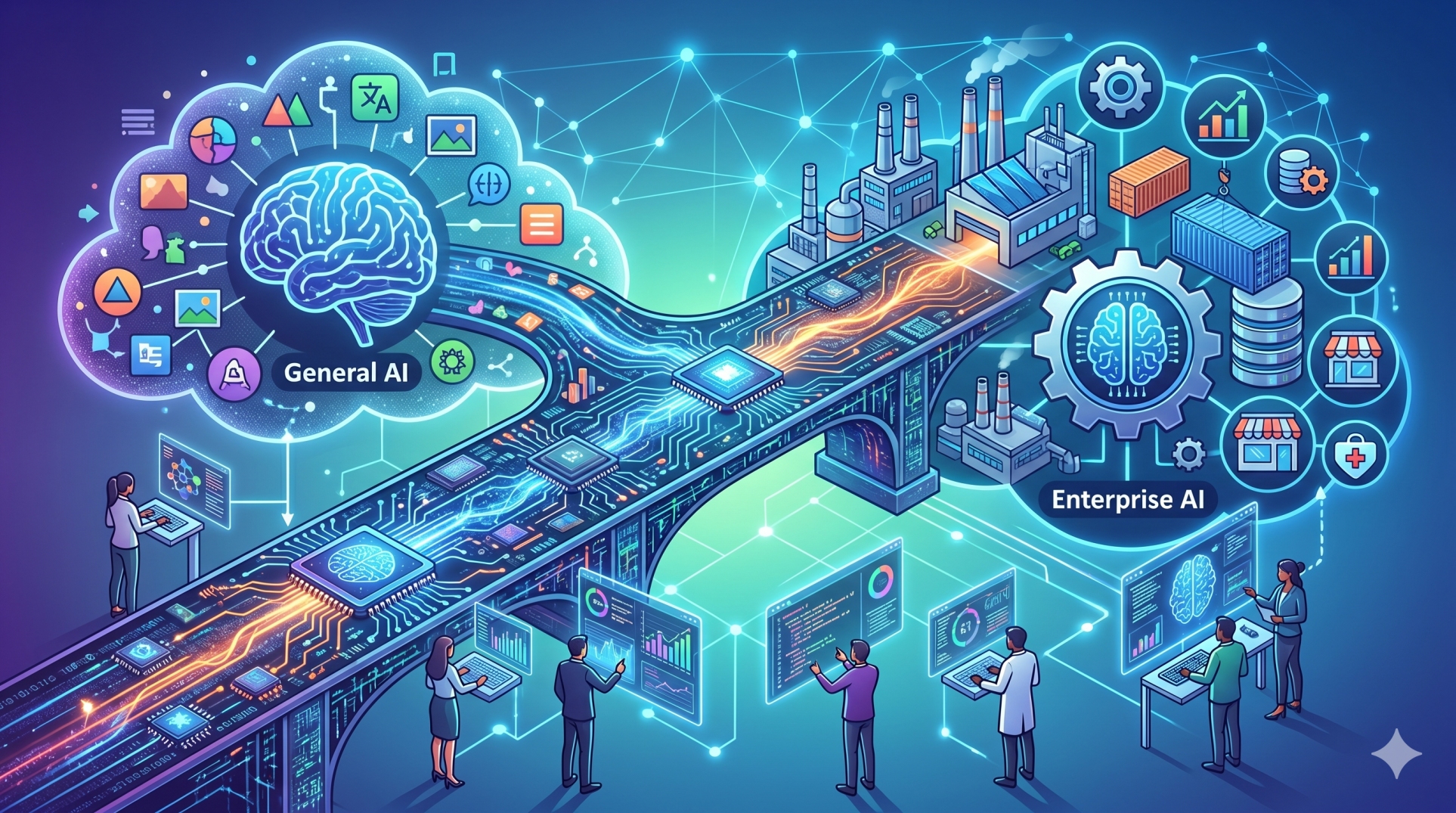
As enterprises increasingly adopt Large Language Models (LLMs), the limitations of single-model systems are becoming more apparent. Complex business operations require coordination, specialization, and scalability—capabilities that are better achieved through distributed multi-agent architectures. In this approach, multiple AI agents collaborate, each handling specific tasks, to execute end-to-end enterprise workflows more efficiently and intelligently.
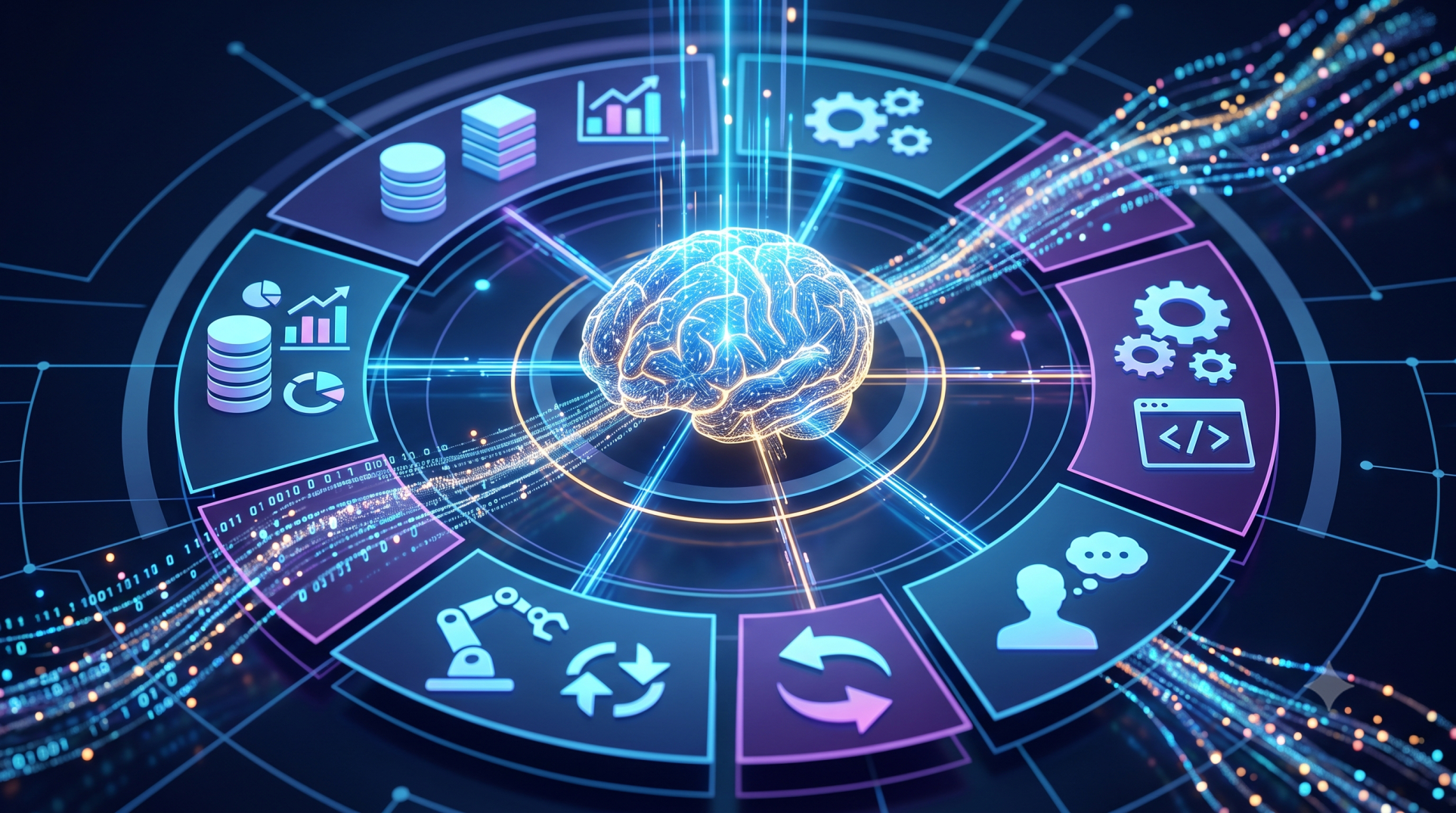
Step 1: Understanding Multi-Agent LLM Architecture 🤖
• Break down complex workflows into smaller, manageable tasks 🧩
• Assign specialized LLM agents to specific roles or functions 🎯
• Enable collaboration between agents to complete workflows 🔄
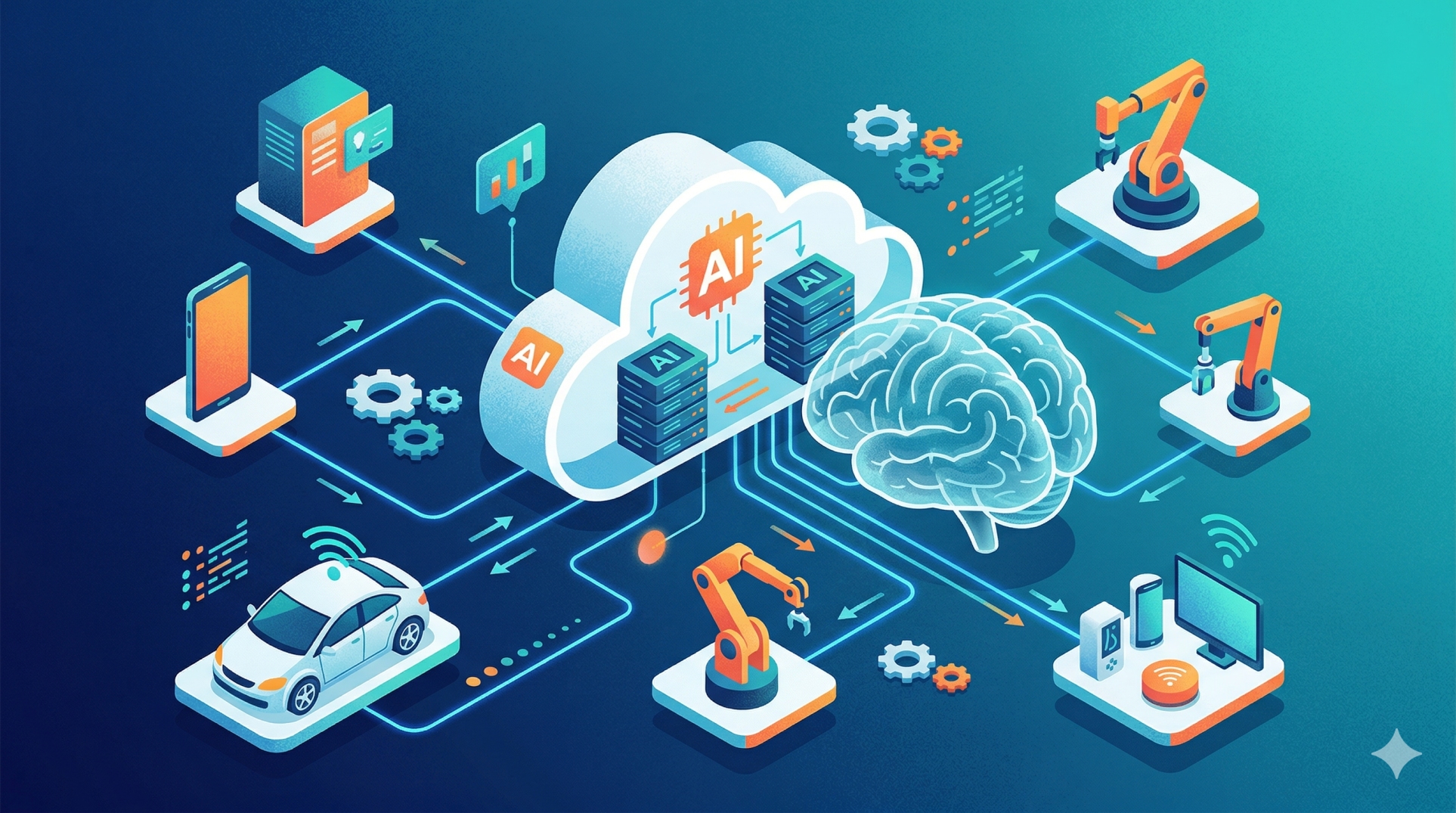
• Distribute workloads across multiple models or services ⚙️
• Improve scalability and efficiency through parallel execution 🚀
Step 2: Defining Agent Roles and Responsibilities 🧠
• Create agents for tasks such as data extraction, reasoning, and validation 📊
• Assign domain-specific knowledge to different agents 📚
• Define clear input-output responsibilities for each agent 🔁
• Avoid overlap and redundancy between agent functions 🚫
• Enable modular design for easy expansion and updates 🧩
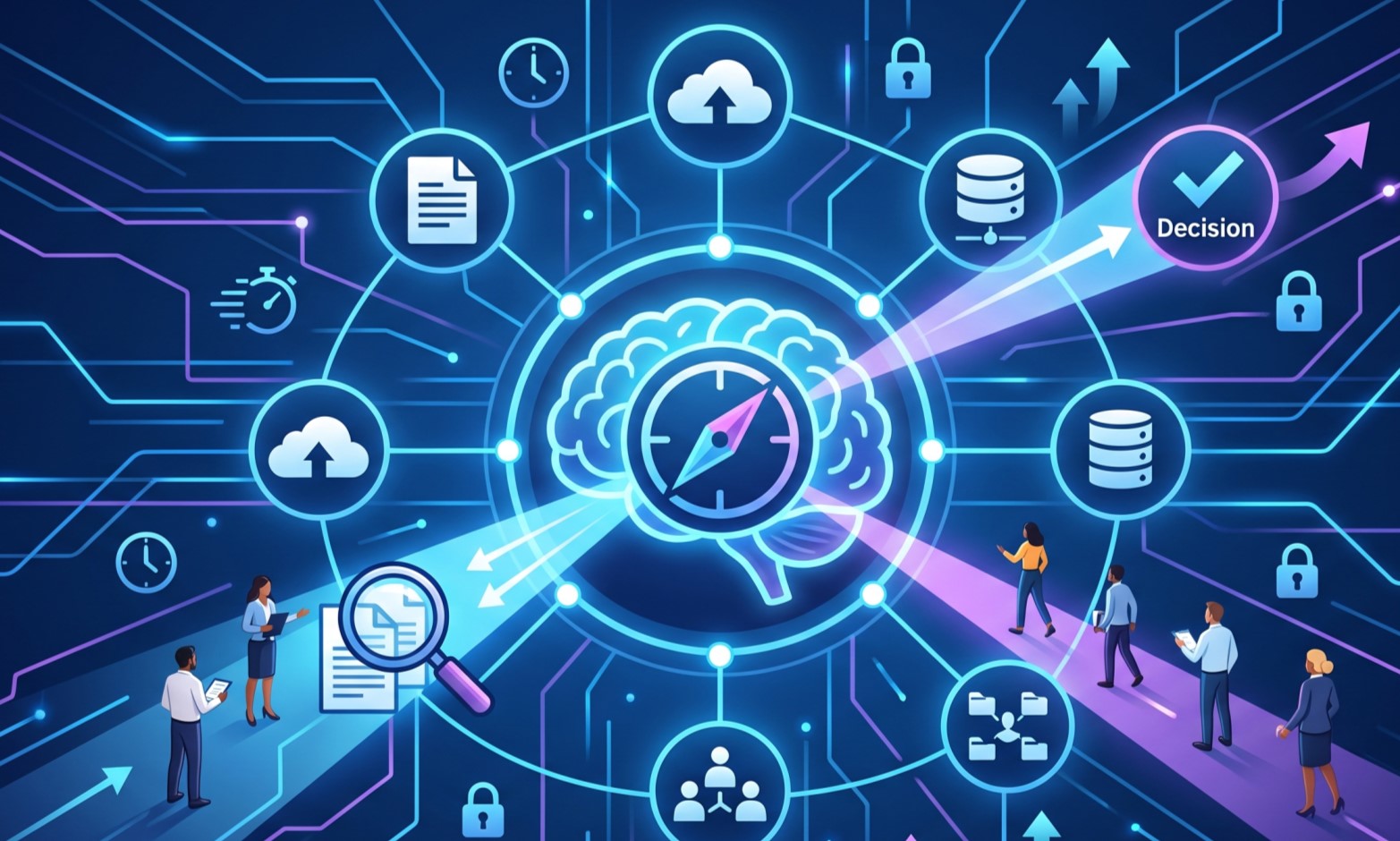
Step 3: Orchestrating Agent Collaboration 🔗
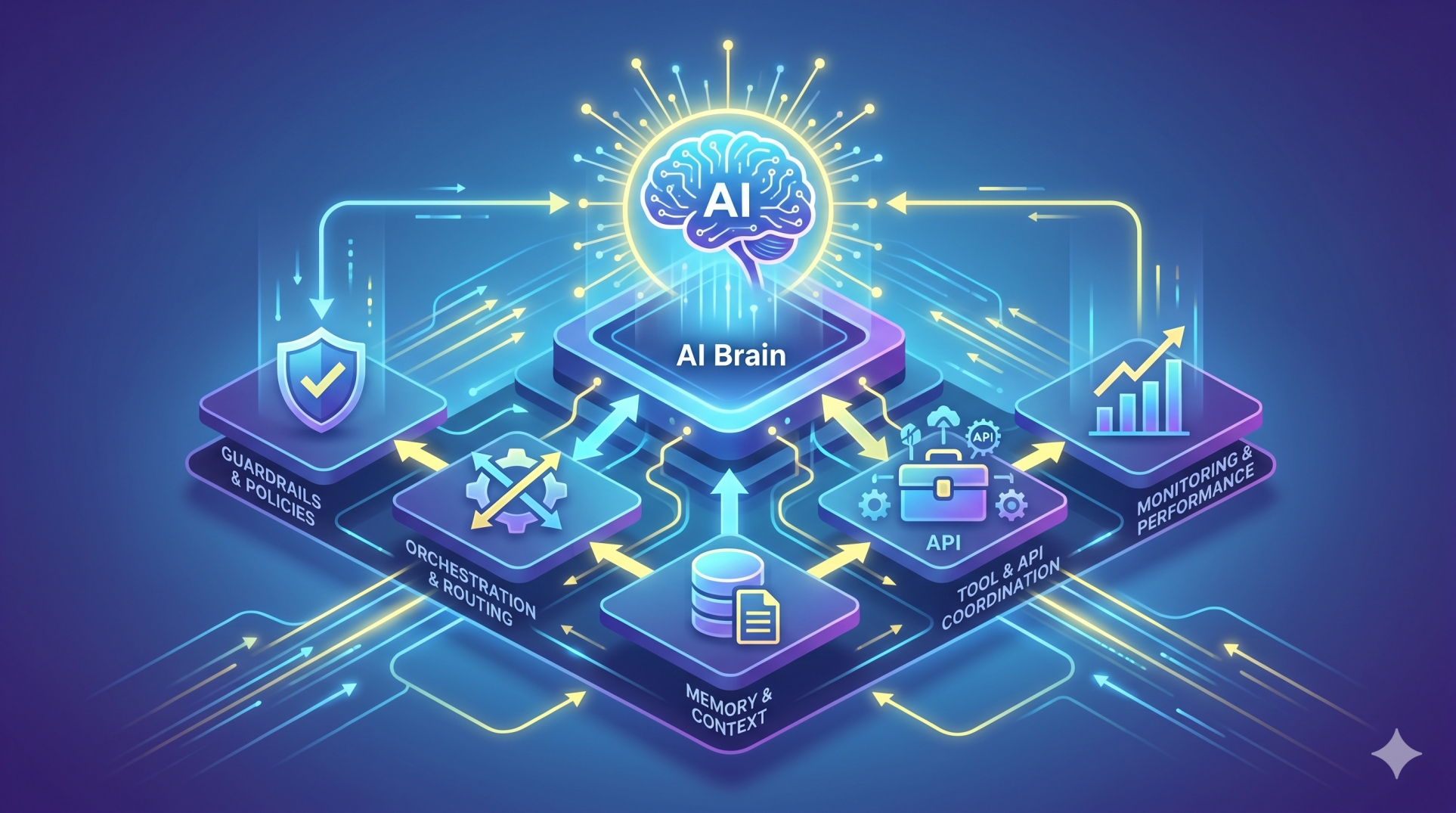
• Use orchestration layers to manage agent interactions 🧠
• Define workflows that guide how agents communicate and collaborate 🔄
• Enable task delegation and result aggregation across agents 📦
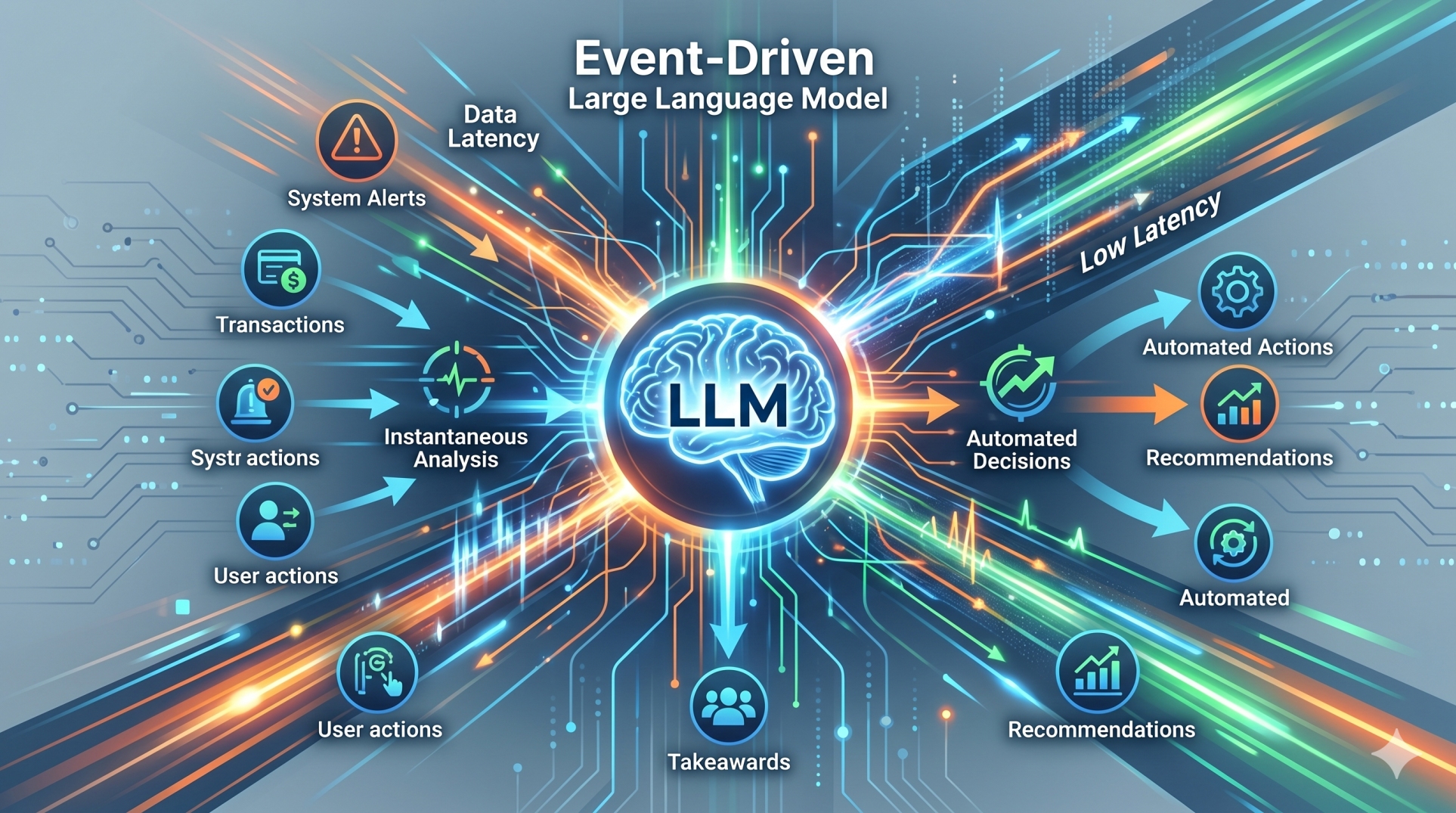
• Implement event-driven coordination for dynamic workflows ⚡
• Ensure efficient sequencing and parallelization of tasks ⏱️
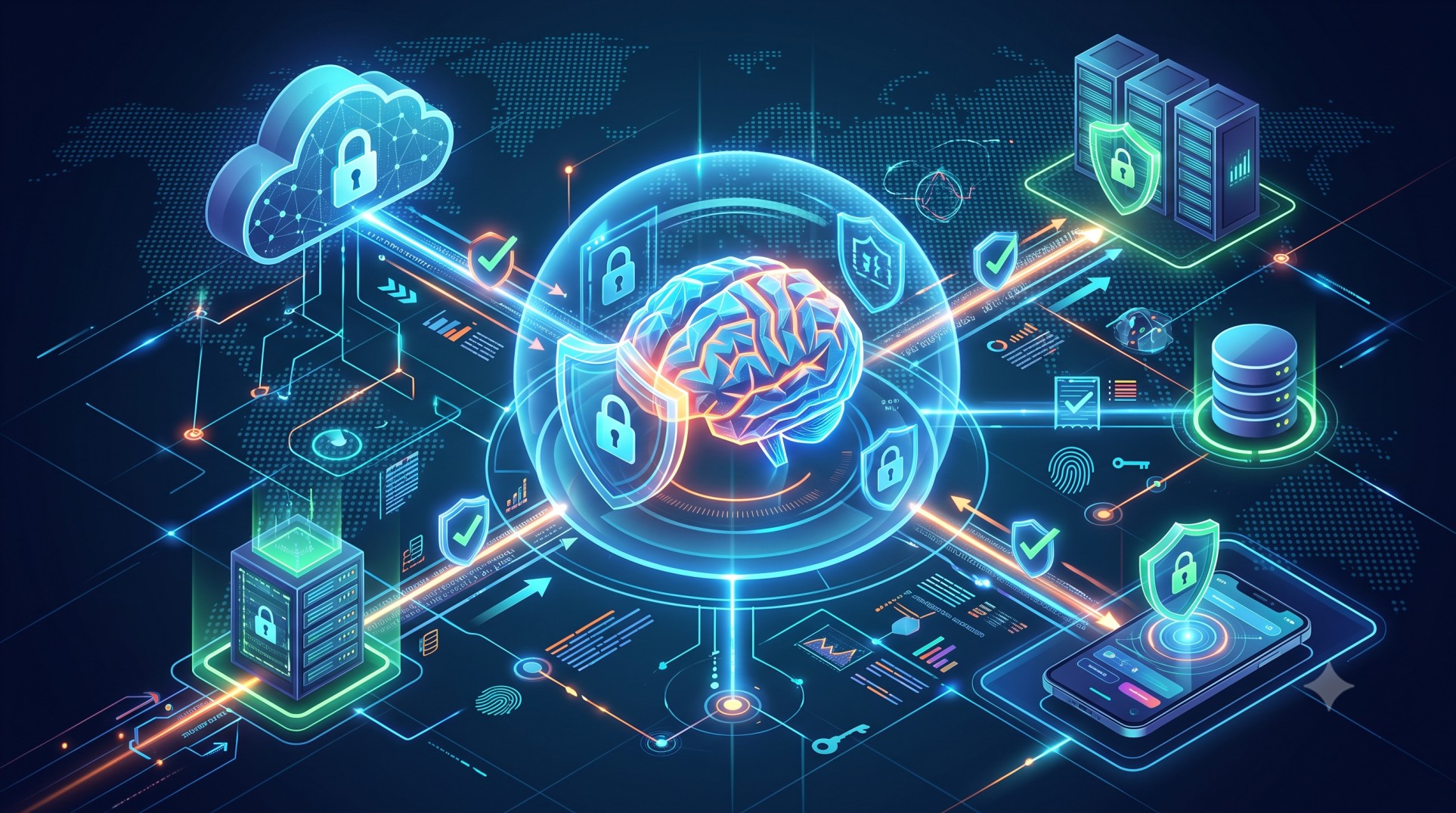
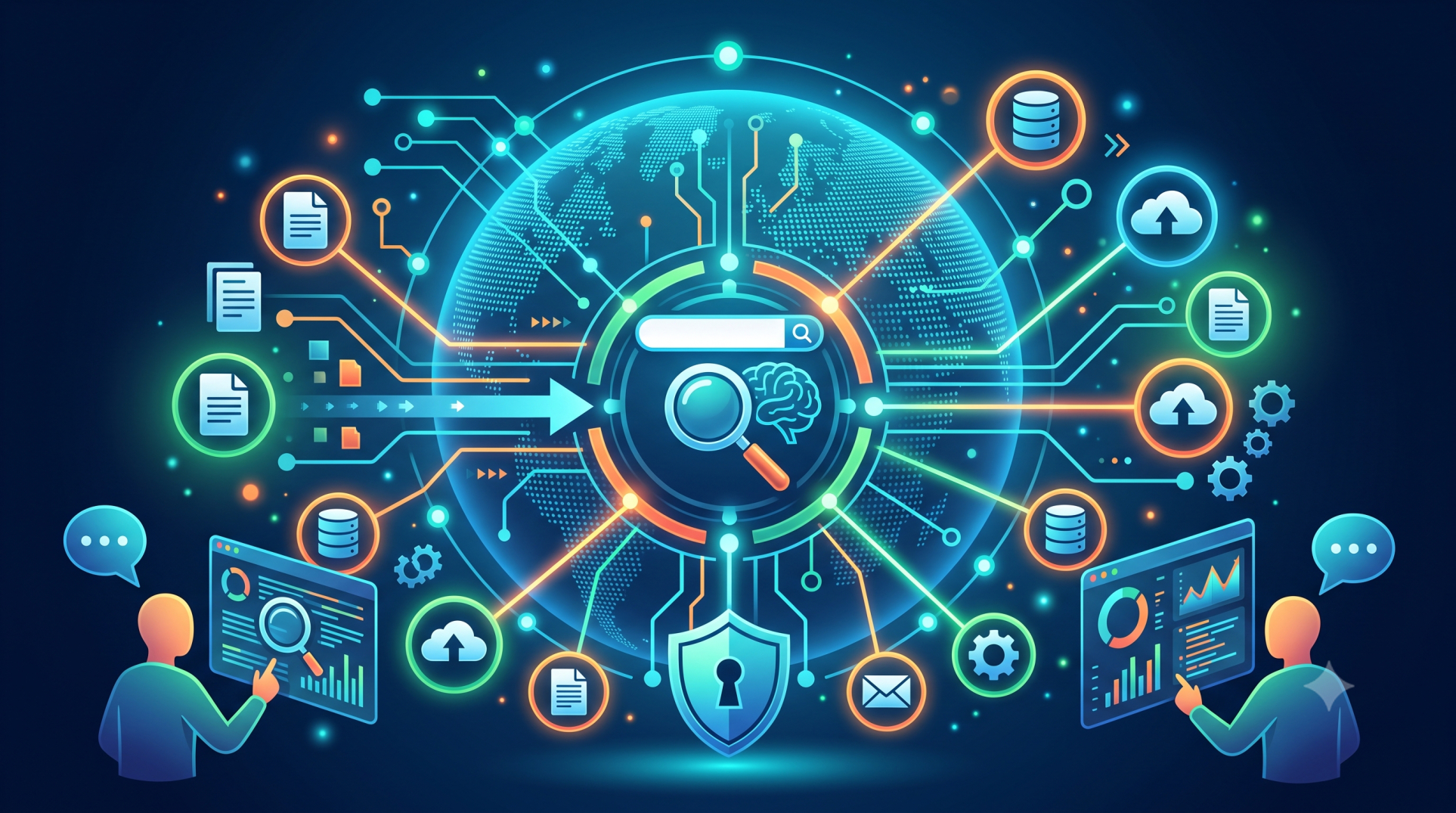
Step 4: Communication Protocols and Data Exchange 📡
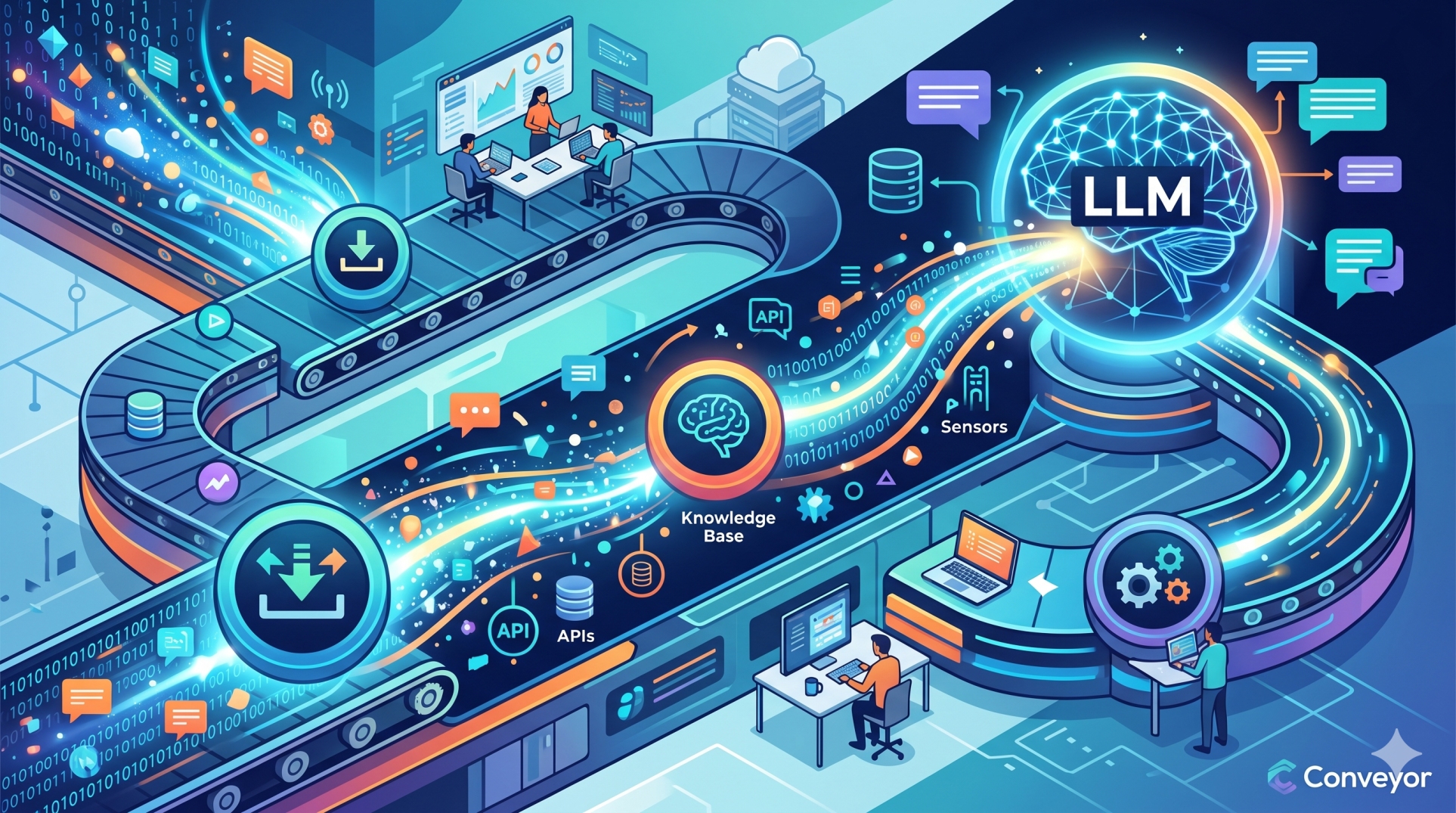
• Establish structured communication between agents 📡
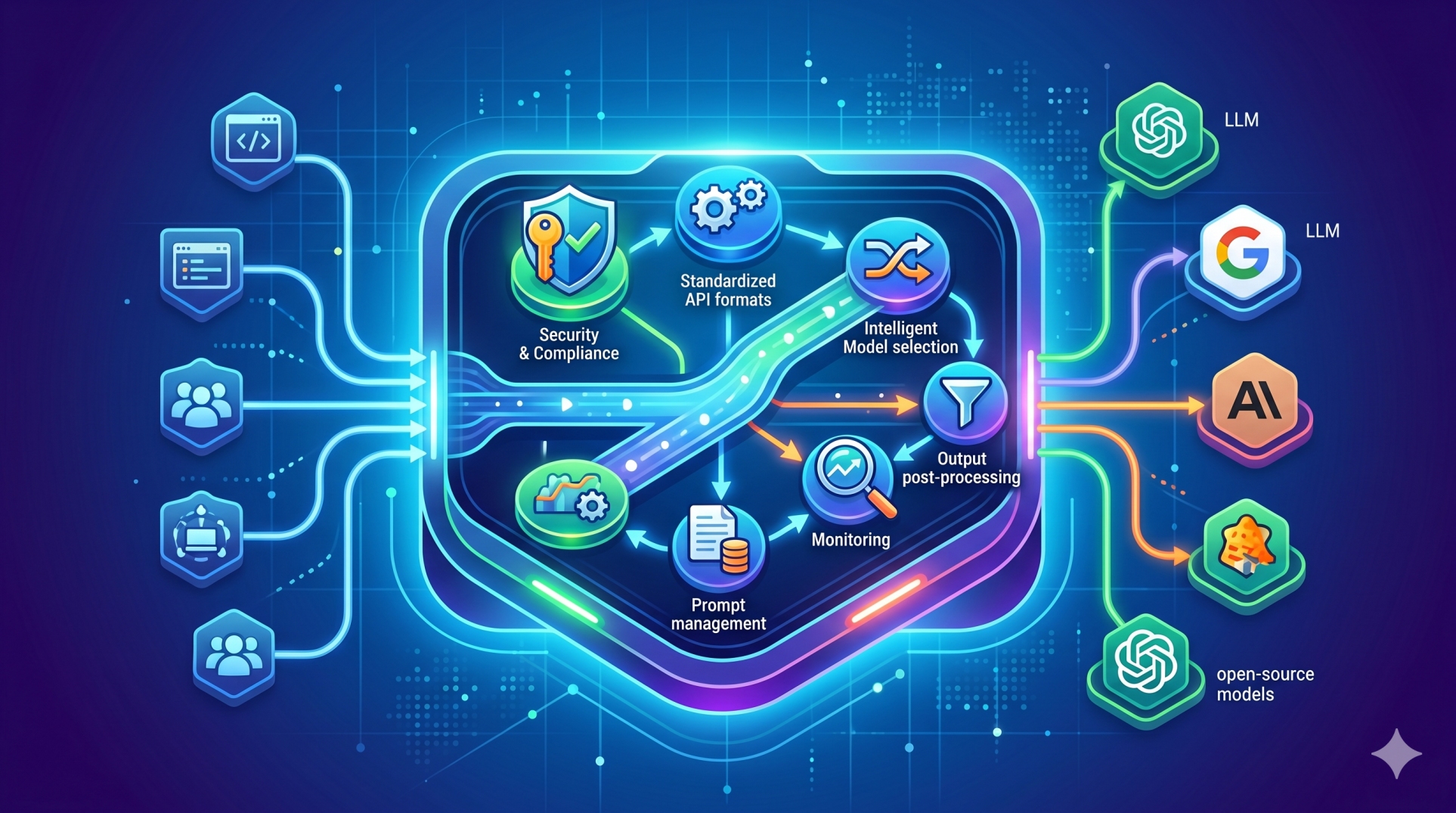
• Use standardized data formats for interoperability 📂
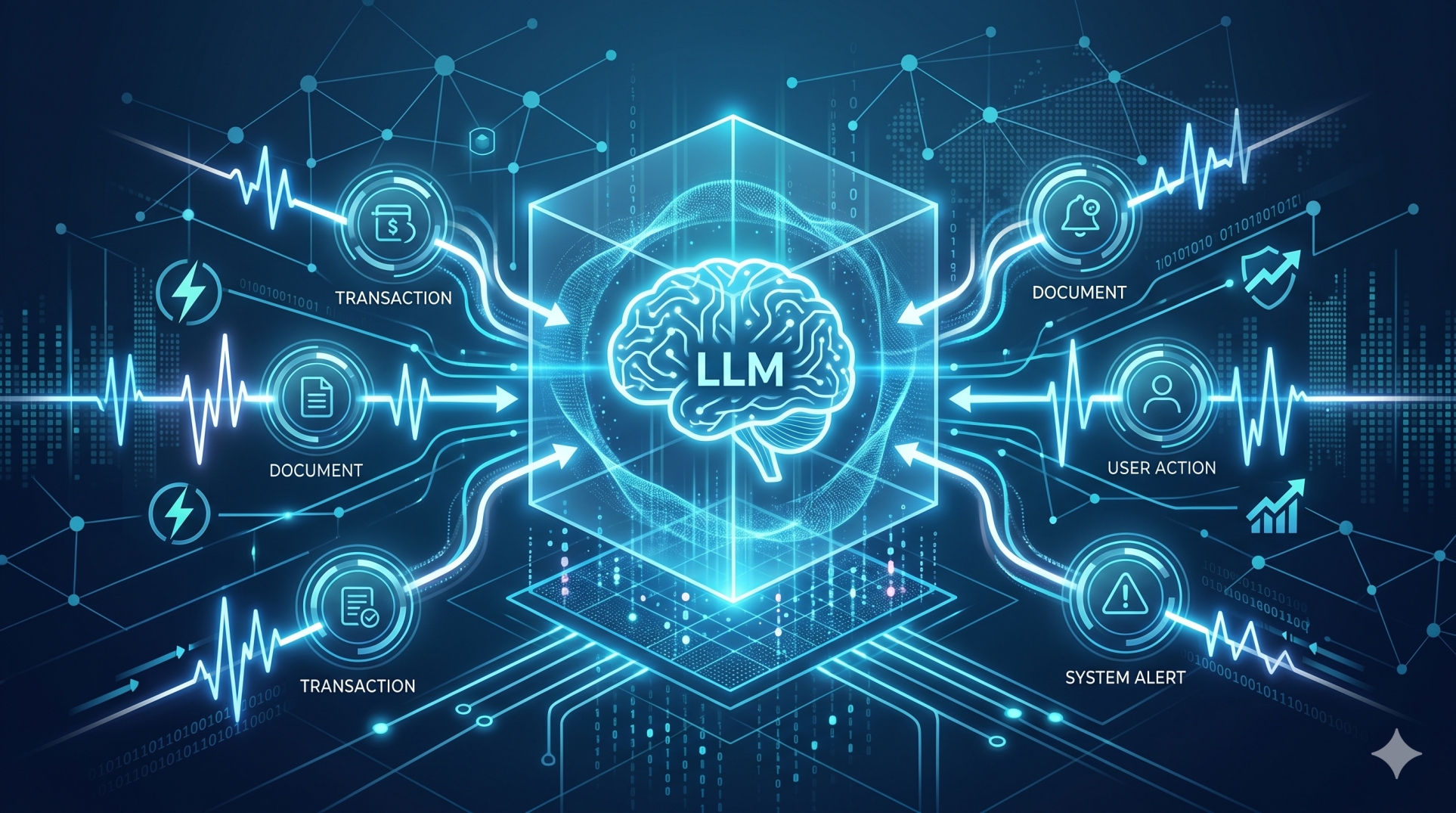
• Enable real-time information sharing across distributed systems ⏱️
• Maintain context continuity across multi-step workflows 🔄
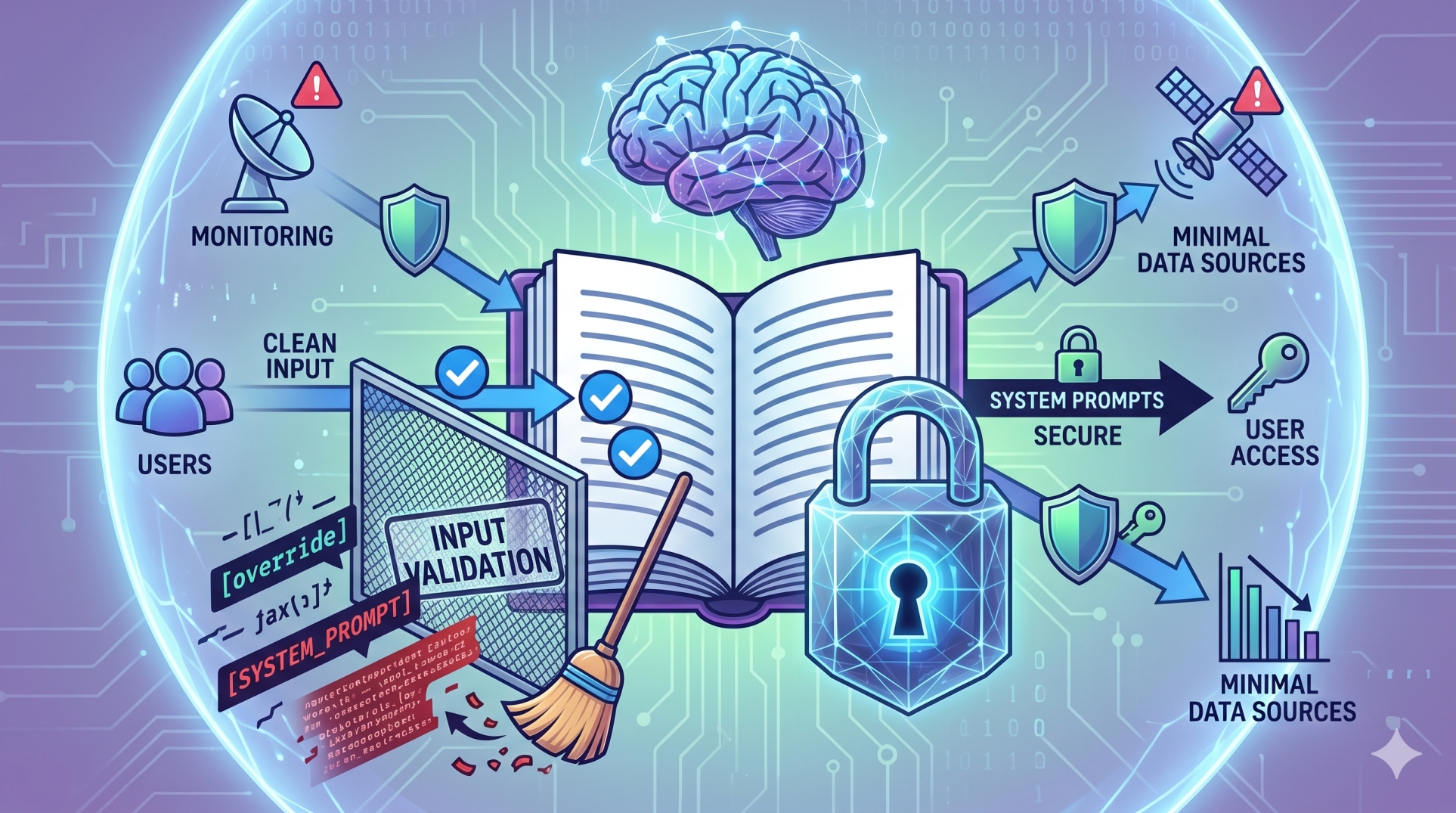
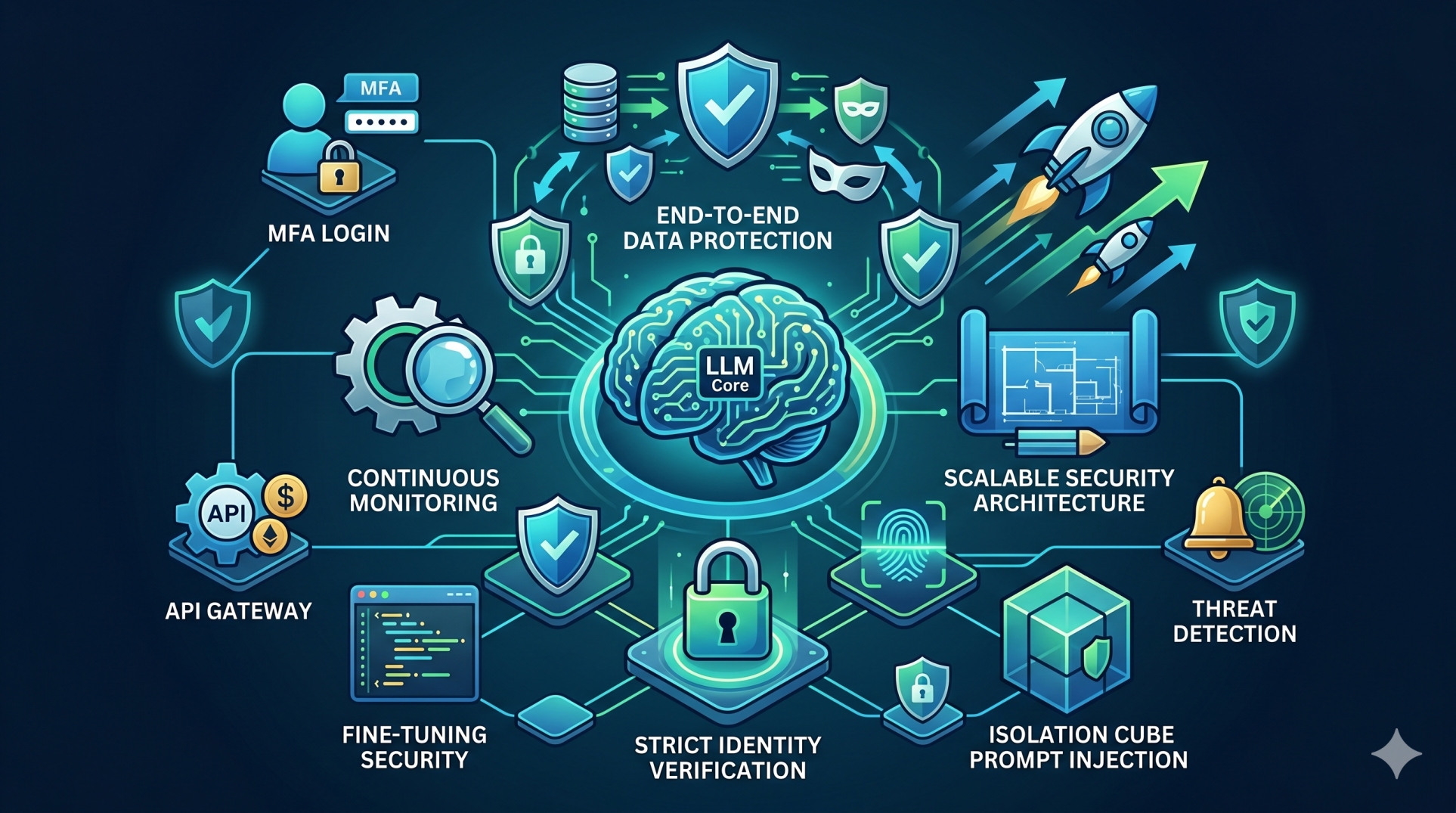
• Ensure reliable and secure data transmission 🔐
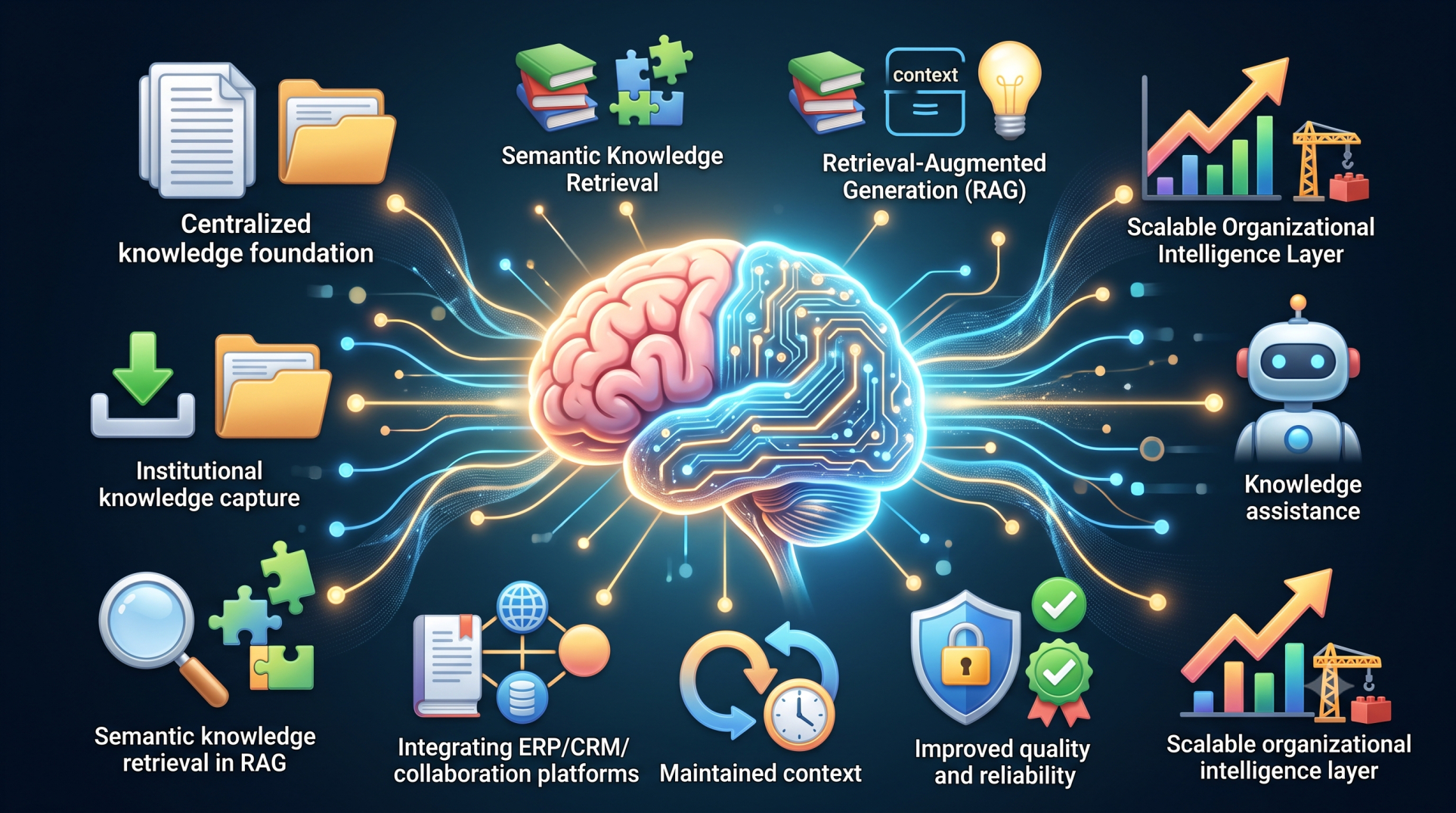
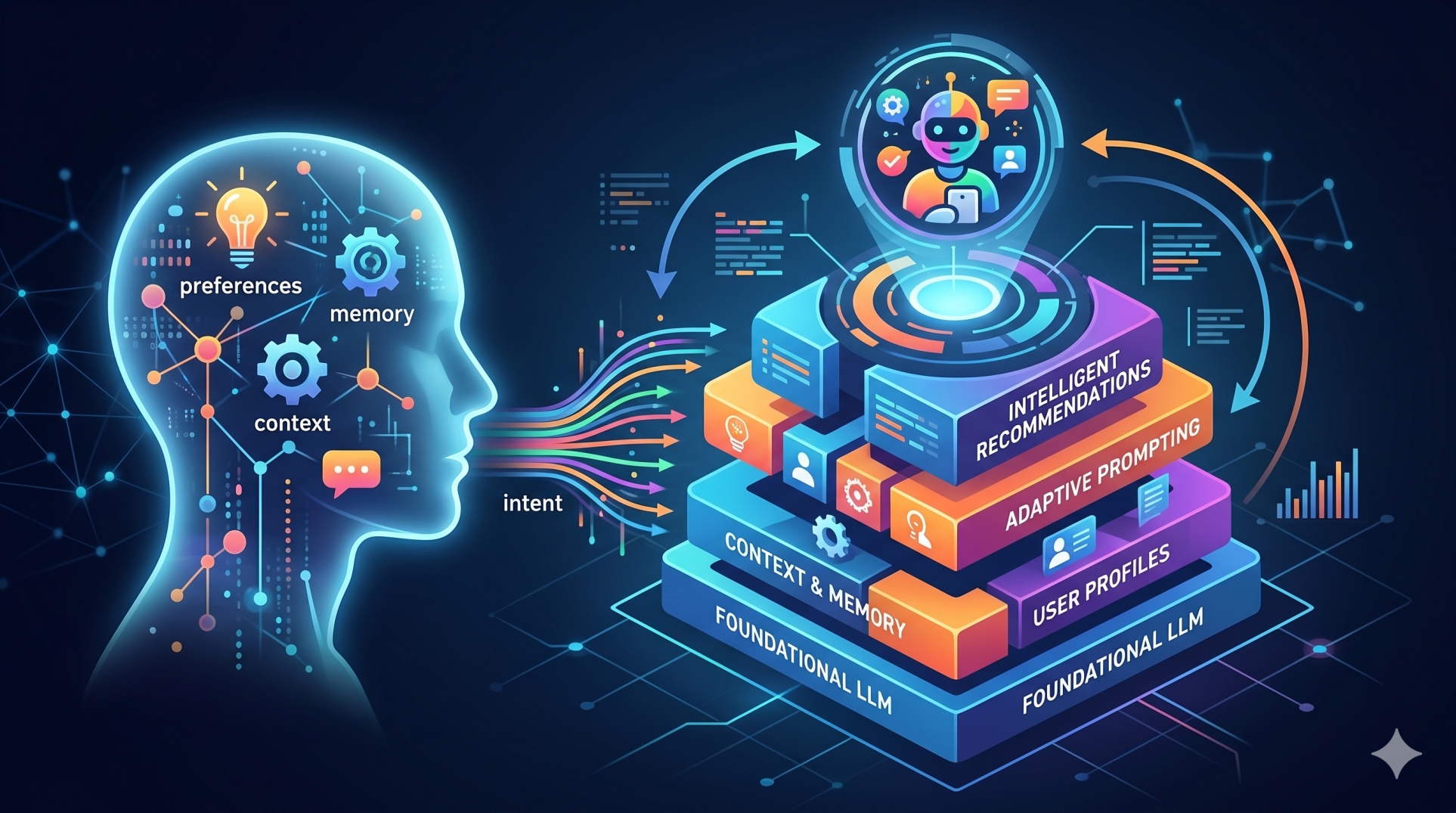
Step 5: Memory and Context Management 🧾
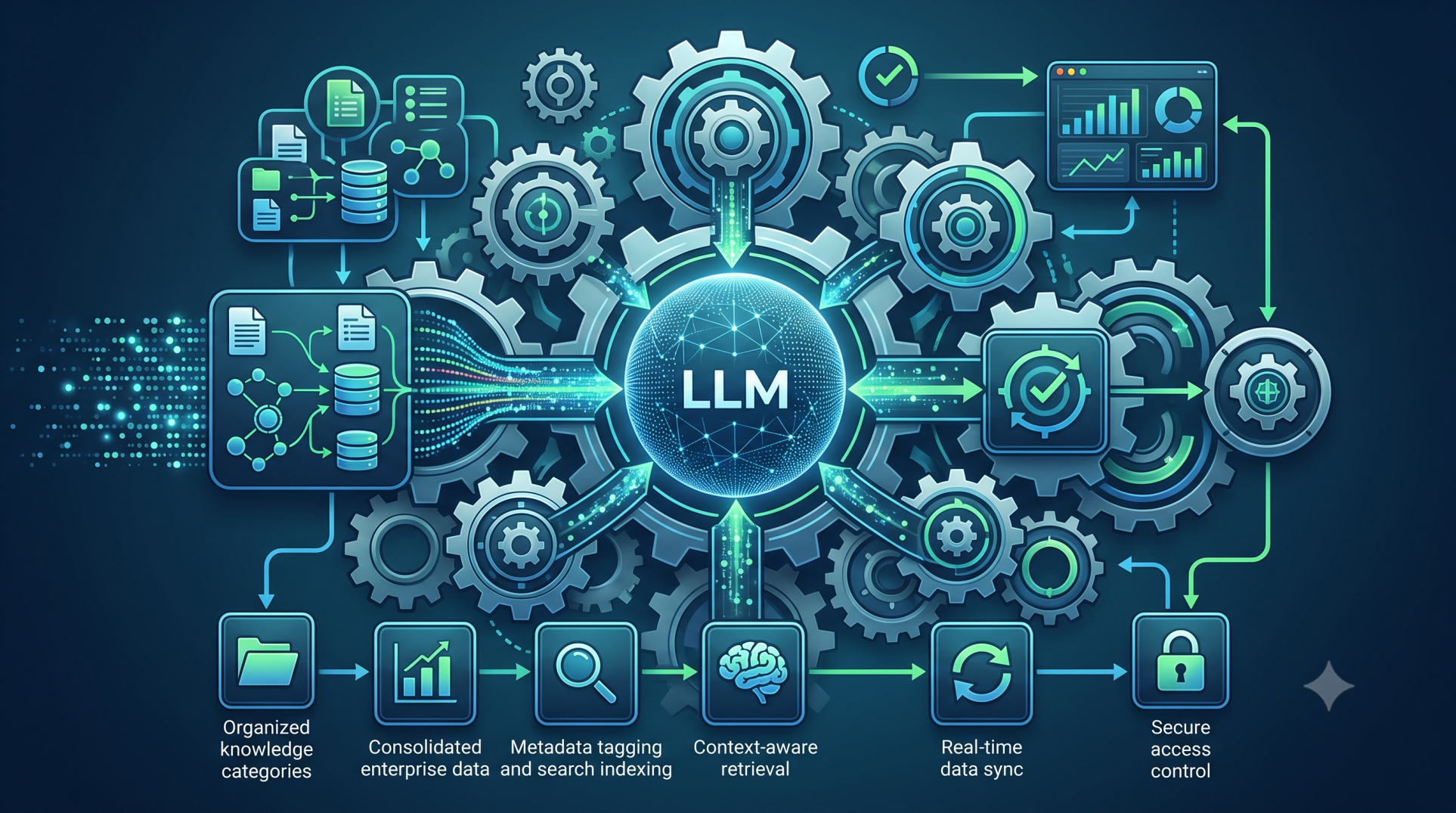
• Implement shared memory systems for cross-agent context 🧠
• Store intermediate results for reuse and traceability 📂
• Enable long-term memory for learning and optimization 🔄
• Maintain consistency of context across distributed agents 📊
• Support stateful workflows for complex enterprise processes 🏗️
Step 6: Task Decomposition and Parallel Execution ⚙️
• Break workflows into parallelizable components 🧩
• Execute multiple tasks simultaneously across agents ⚡
• Reduce latency and improve processing speed ⏱️
• Optimize resource utilization across systems 📈
• Enable dynamic task allocation based on system load 🔄
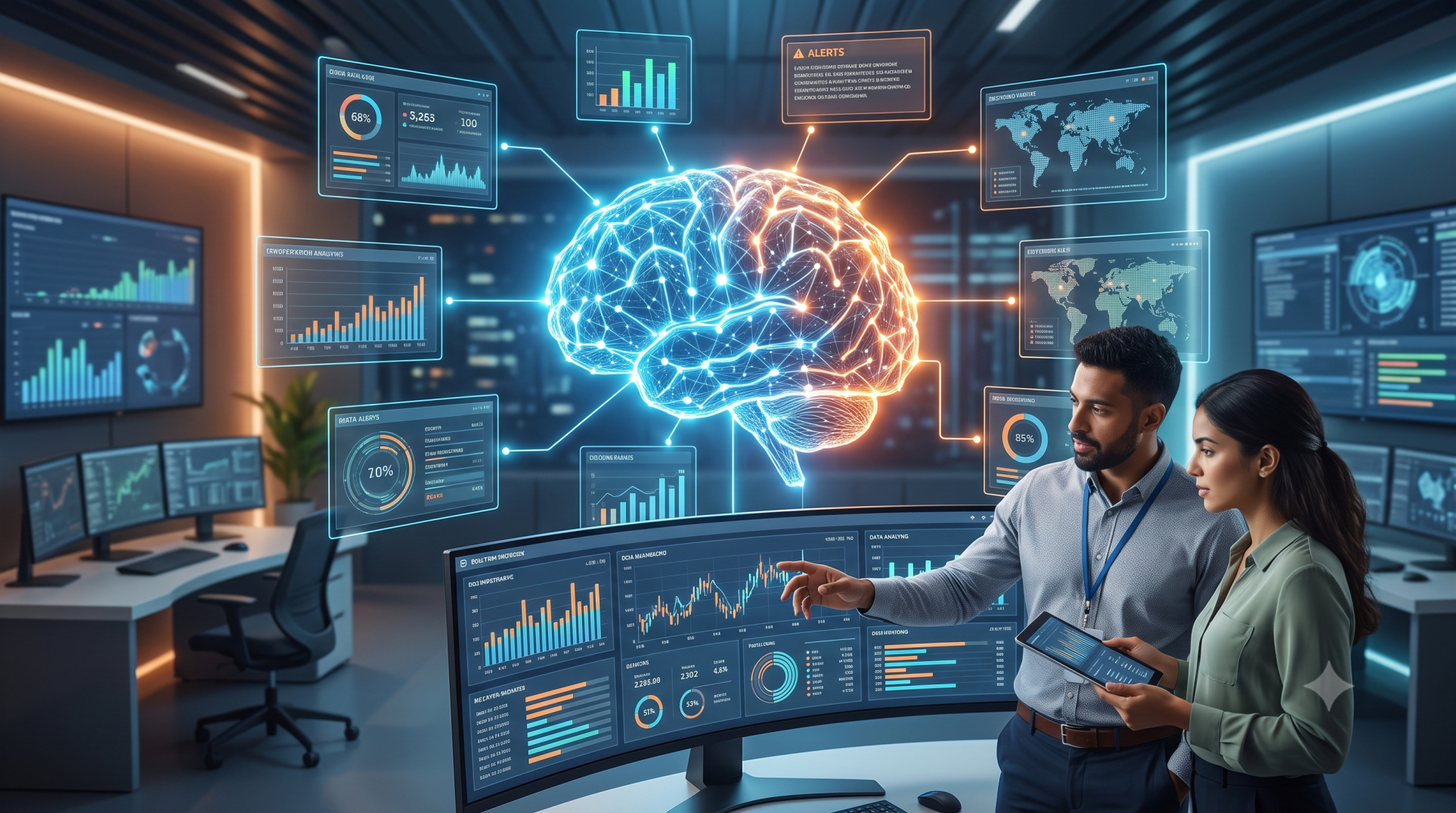
Step 7: Monitoring, Evaluation, and Feedback Loops 📊
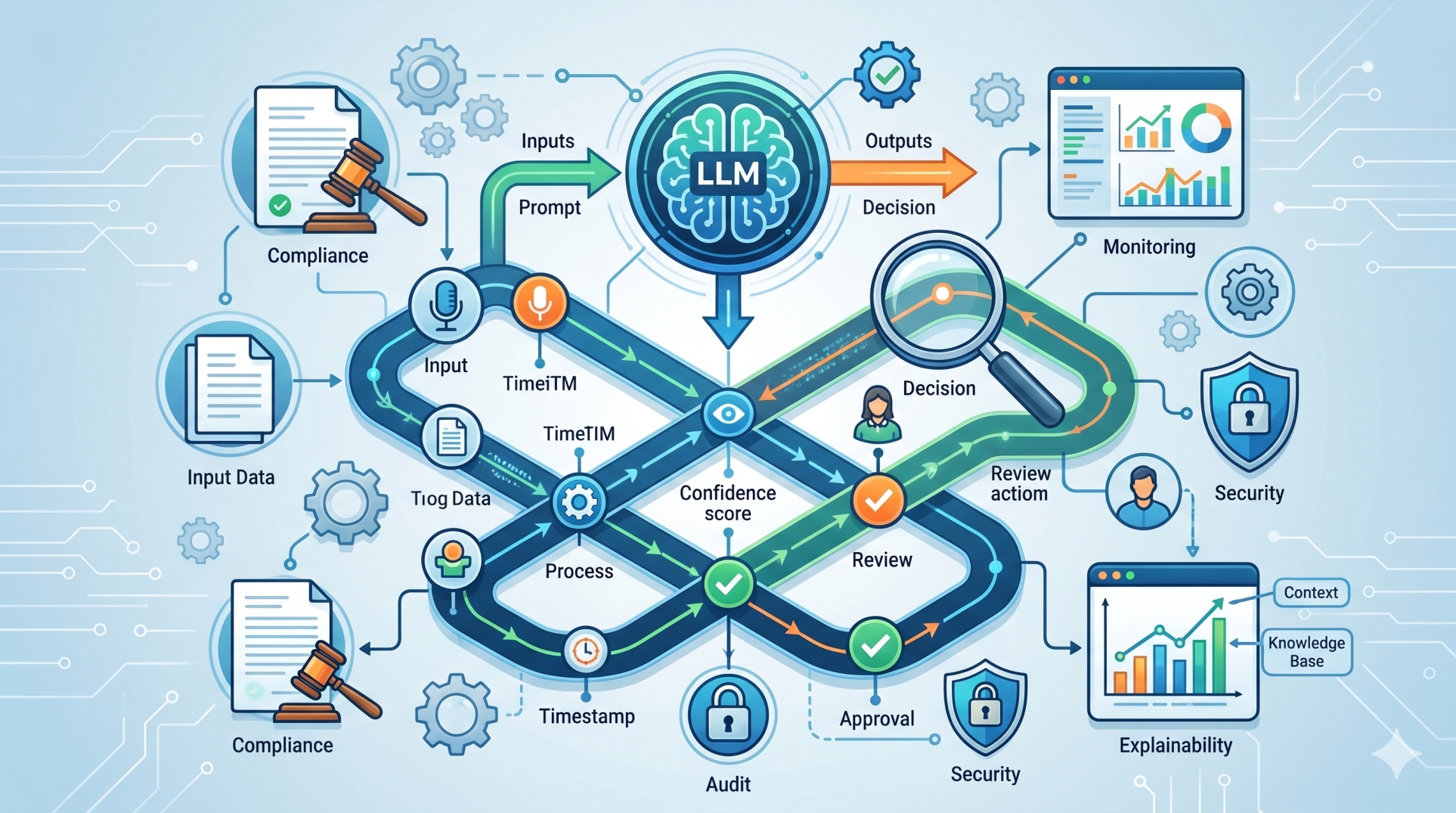
• Track performance of individual agents and overall workflows 📈
• Evaluate output quality and consistency 🔍
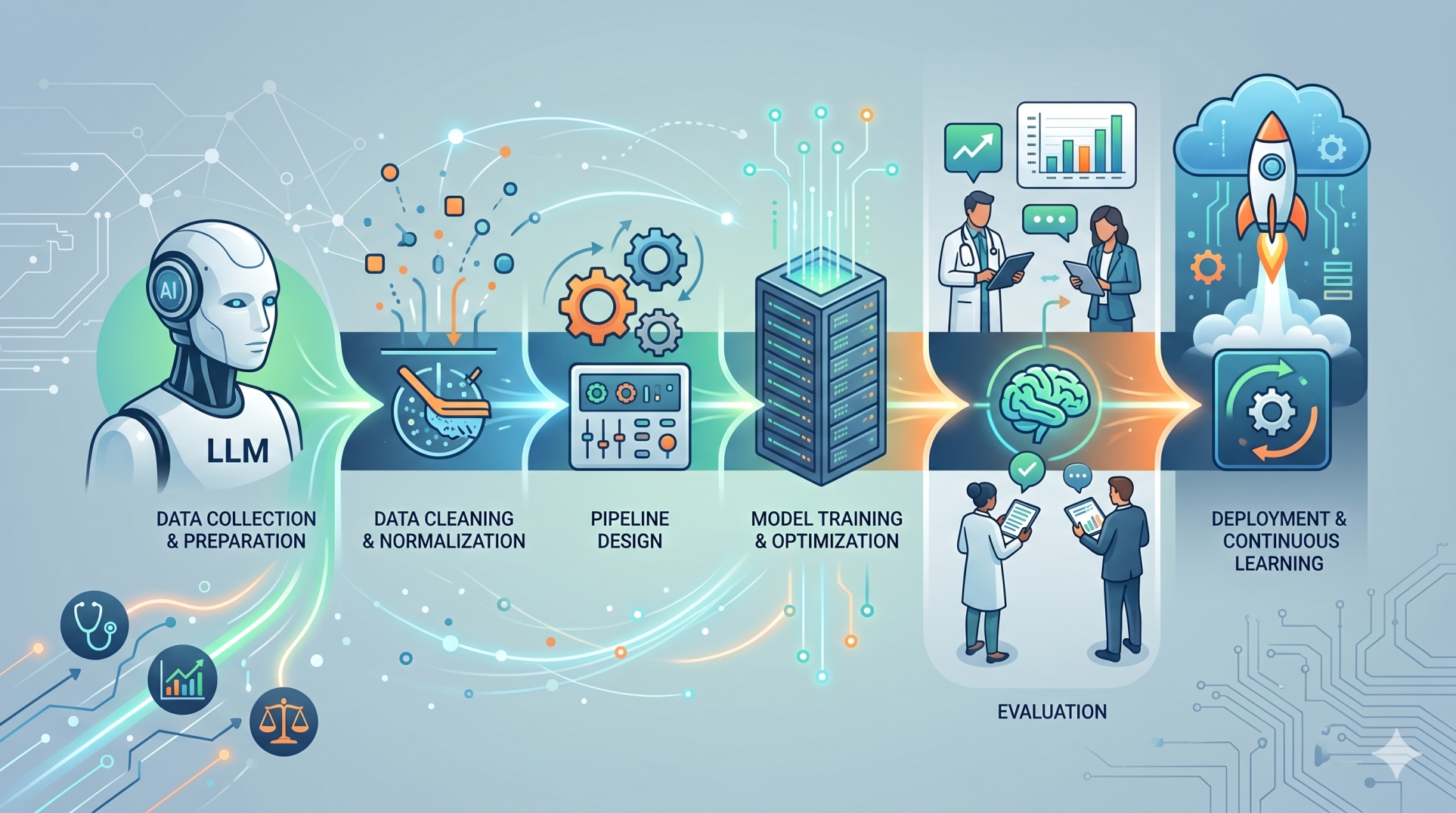
• Implement feedback loops for continuous improvement 🔄
• Detect and resolve errors or inconsistencies ⚠️
• Use analytics to optimize agent coordination strategies 🧠
Step 8: Key System Priorities 📌
• Scalable and distributed architecture for enterprise workloads 📦
• Reliable communication and coordination between agents 🔗
• Real-time visibility into workflow execution 👁️
• High accuracy and consistency in outputs 🎯
Step 9: Handling Failures and Exceptions ⚠️
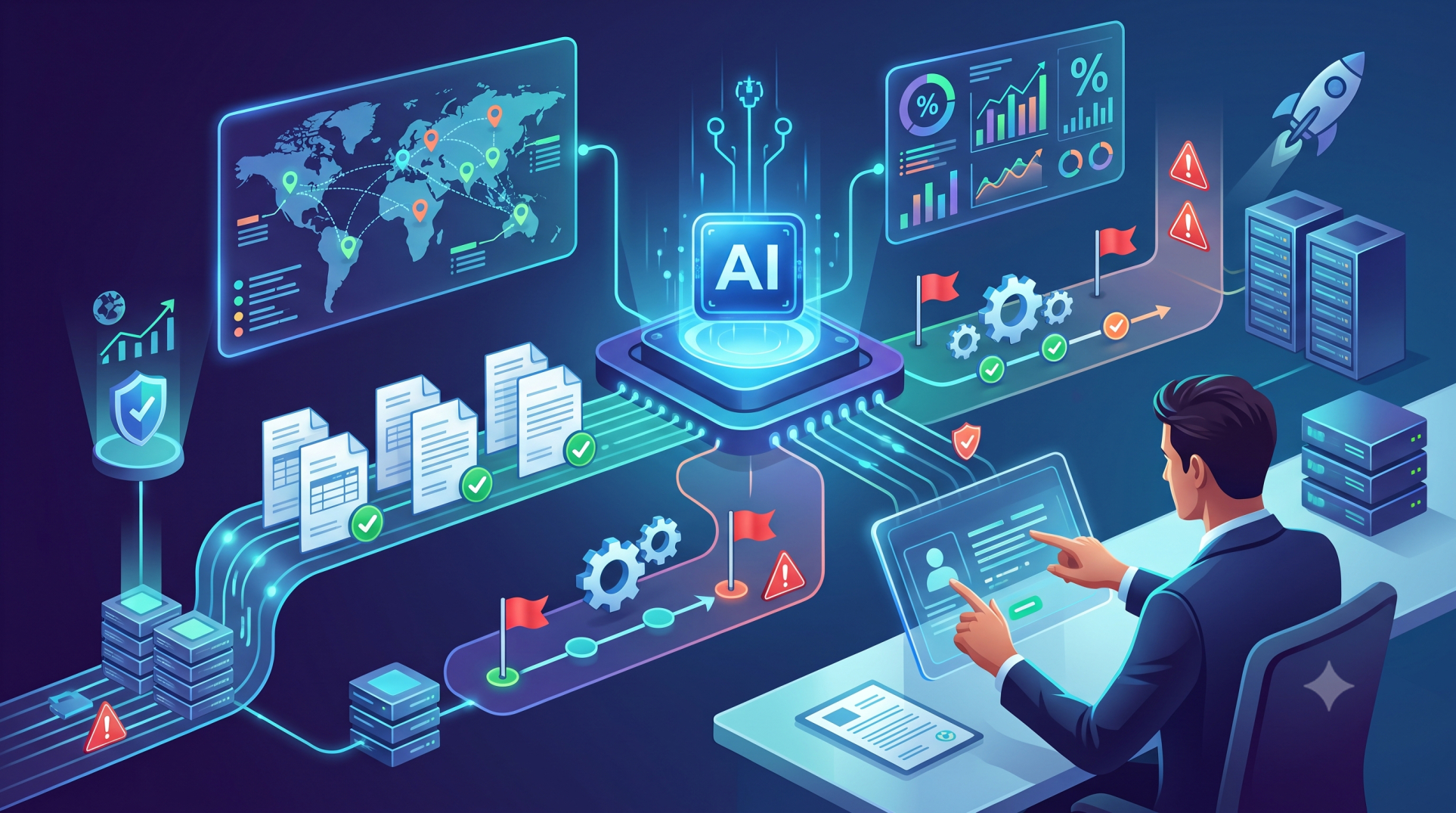
• Detect agent failures and trigger fallback mechanisms 🚨
• Reassign tasks dynamically when issues occur 🔄
• Maintain workflow continuity despite disruptions 🛠️
• Implement redundancy for critical processes 🧩
• Ensure robust error handling and recovery strategies 🔧
Step 10: Building a Future-Ready AI Workflow Ecosystem 🚀
• Design systems that evolve with enterprise needs 🔄
• Integrate with existing enterprise tools and platforms 🔗
• Support continuous learning and model updates 🤖
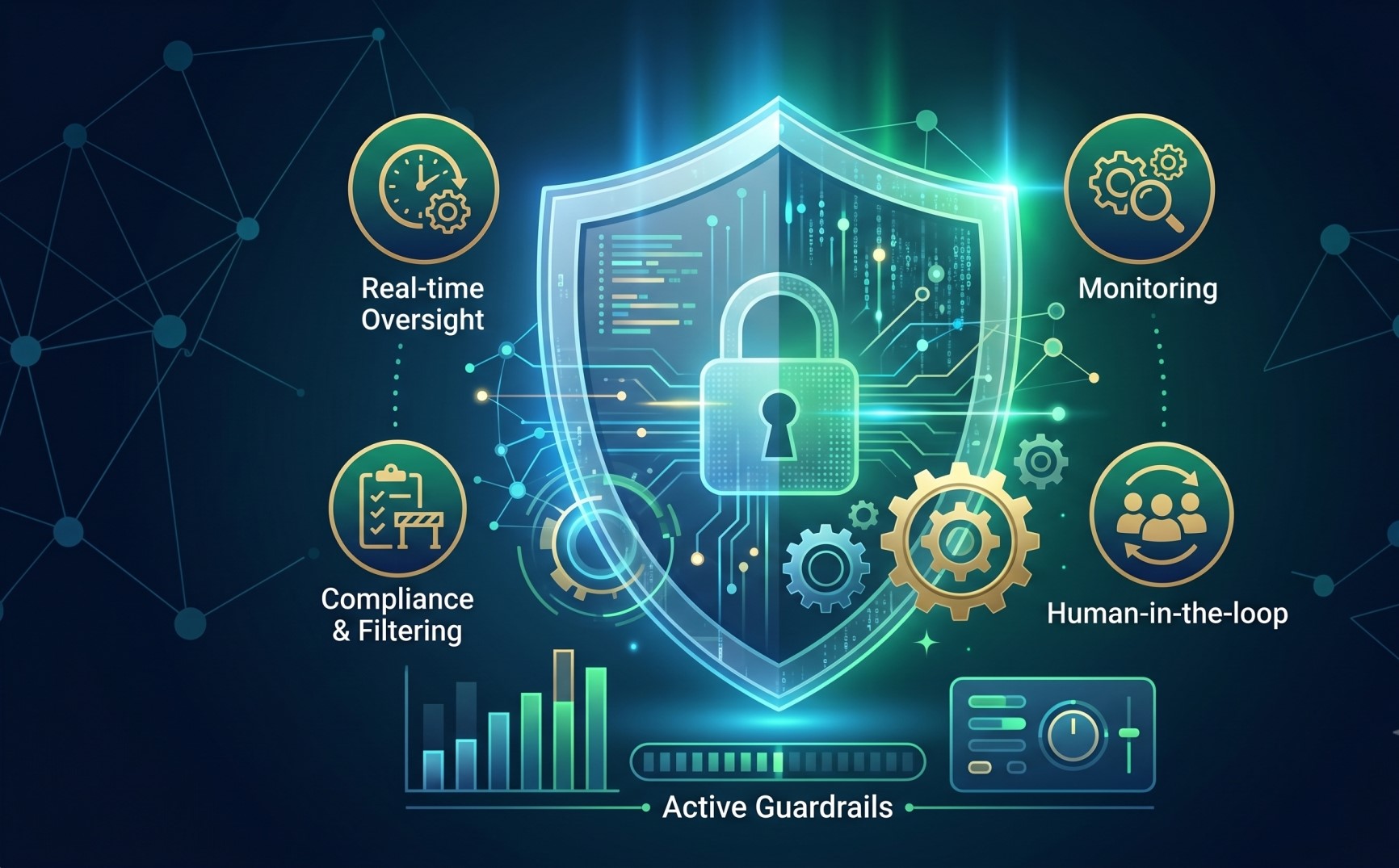
• Enable human-in-the-loop for critical decision points 👥
• Future-proof workflows through modular and adaptive design 📈
Conclusion
Distributed multi-agent LLM systems represent a powerful paradigm for managing complex enterprise workflows. By combining specialization, orchestration, and scalability, organizations can build intelligent systems capable of handling dynamic and high-volume operations. This approach not only improves efficiency and accuracy but also lays the foundation for more autonomous, adaptive, and resilient enterprise AI ecosystems.
See more blogs
You can all the articles below