Cost-Aware LLM Orchestration Strategies for Scalable Systems
Cost-Aware LLM Orchestration Strategies for Scalable Systems
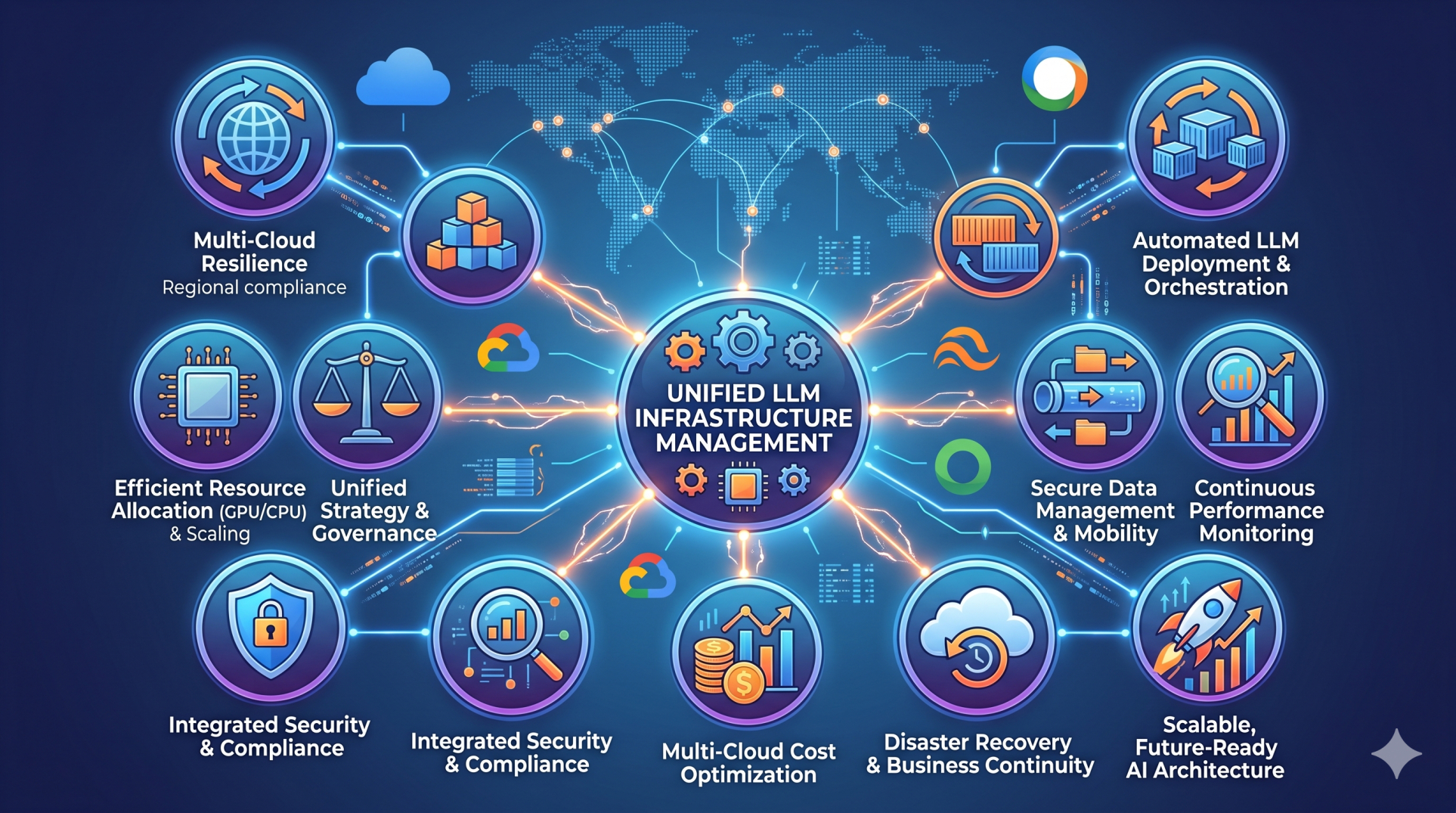
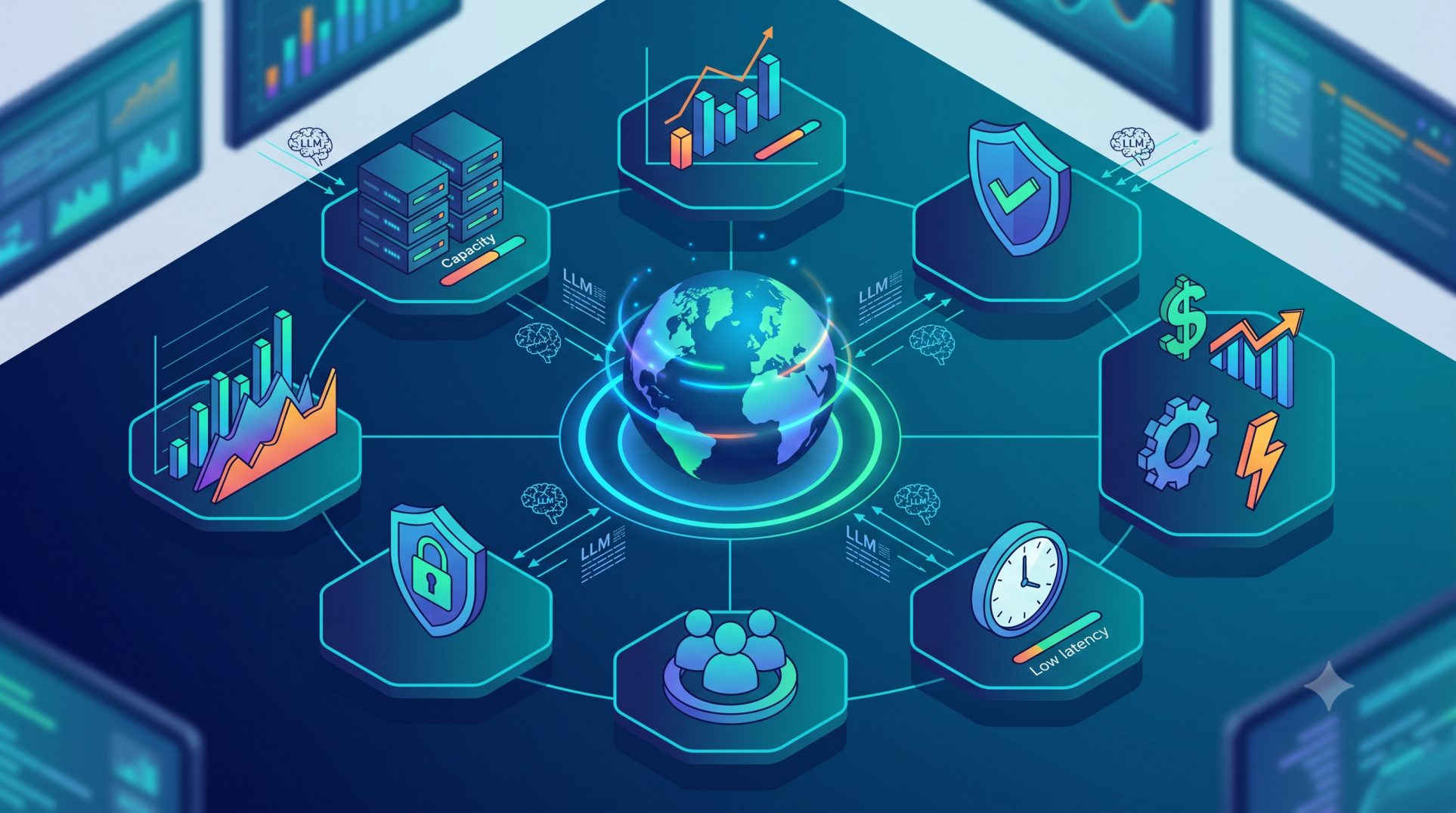
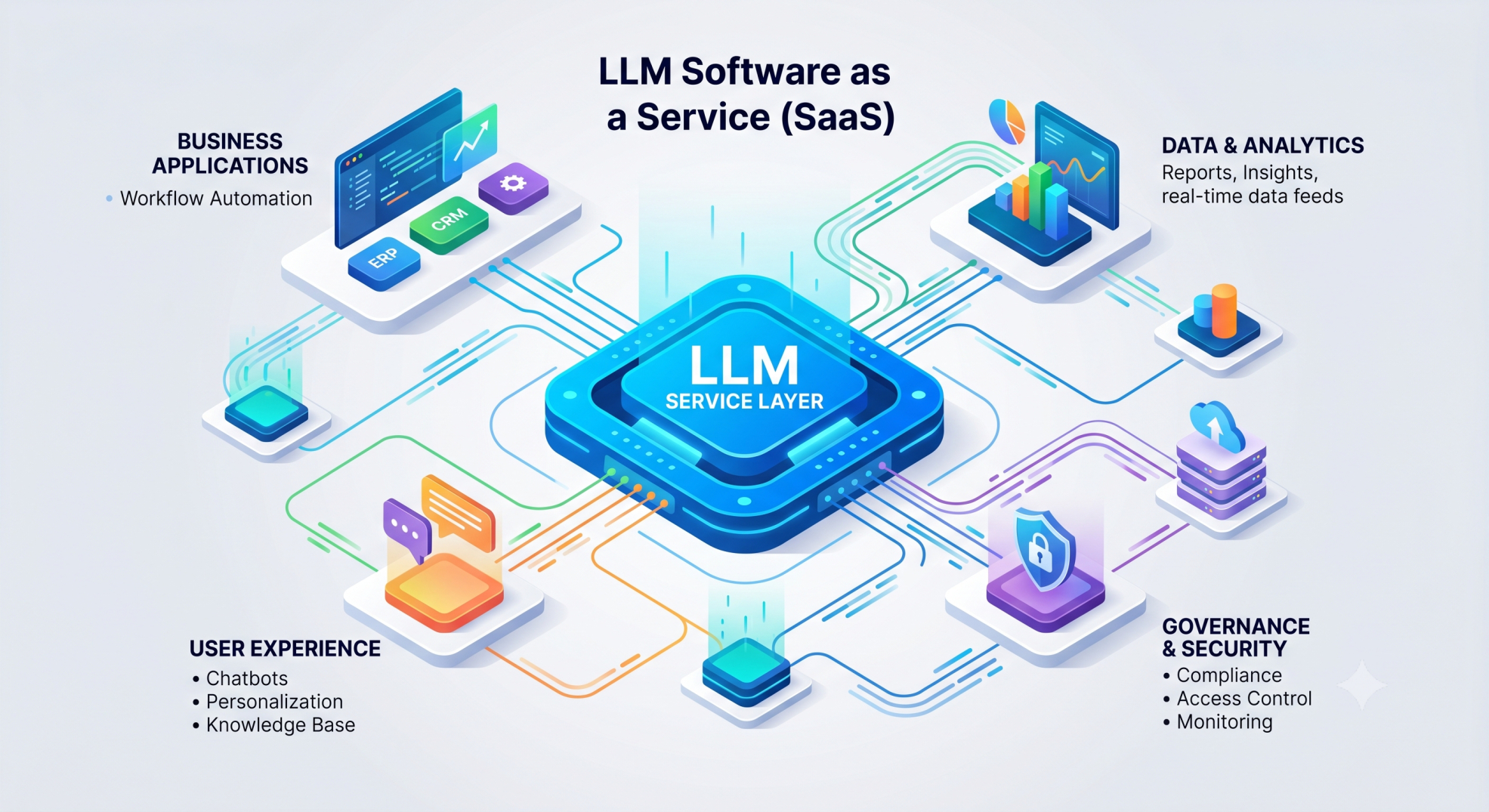
As Large Language Models (LLMs) move into production at scale, cost management becomes a critical factor alongside performance and accuracy. Unoptimized orchestration can quickly lead to escalating expenses due to excessive token usage, redundant calls, and inefficient model selection. Cost-aware LLM orchestration focuses on balancing quality, latency, and cost through intelligent system design, enabling sustainable and scalable AI deployments.
Step 1: Understanding Cost Drivers in LLM Systems 💰
• Token usage (input/output length) directly impacts cost 📊
• Model size and capability influence pricing tiers 🤖
• Frequency of API calls increases operational expenses 🔁
• Latency requirements may require higher-cost models ⚡
• Redundant or unnecessary prompts add hidden costs 🚫
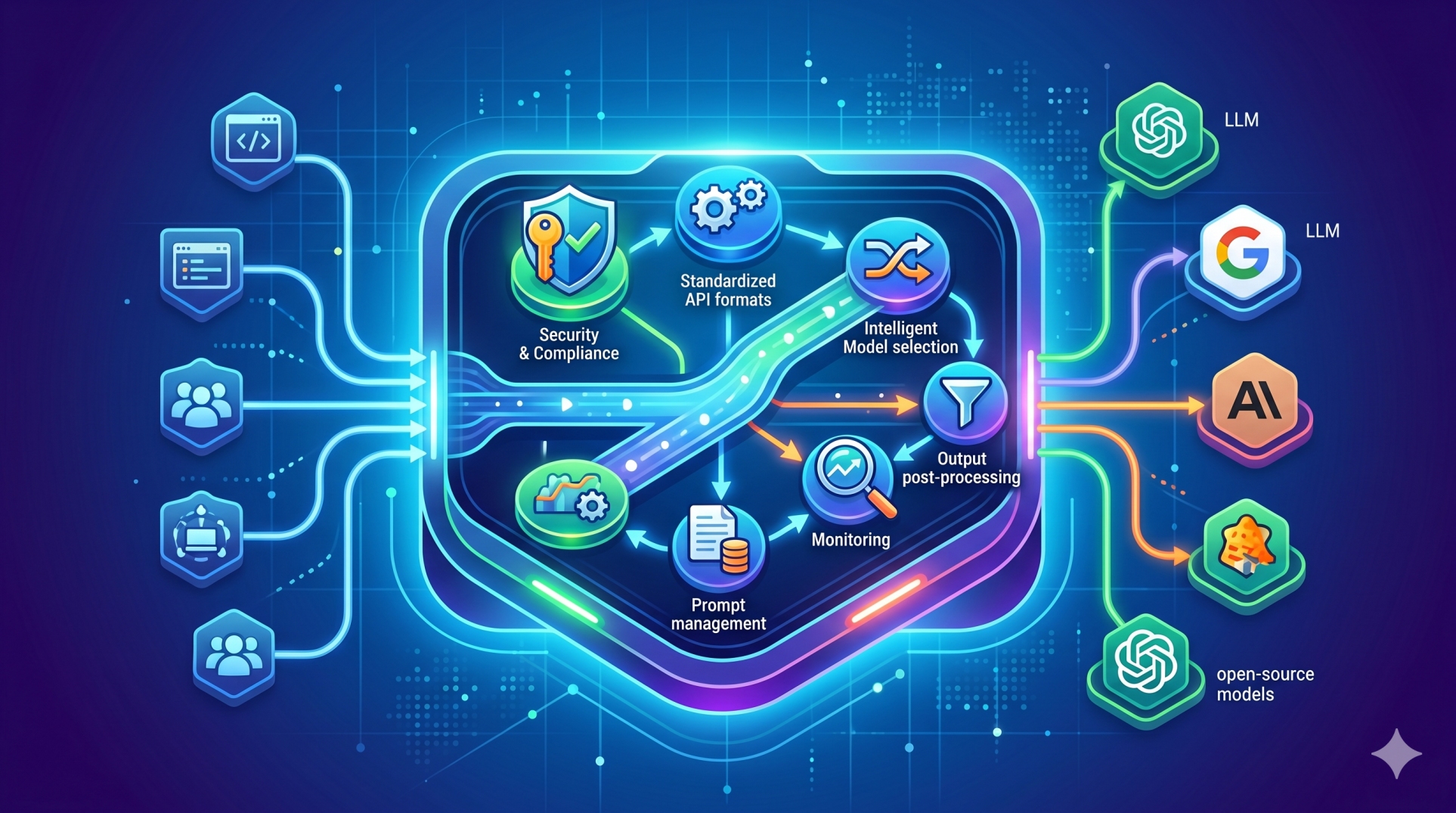
Step 2: Intelligent Model Selection 🎯
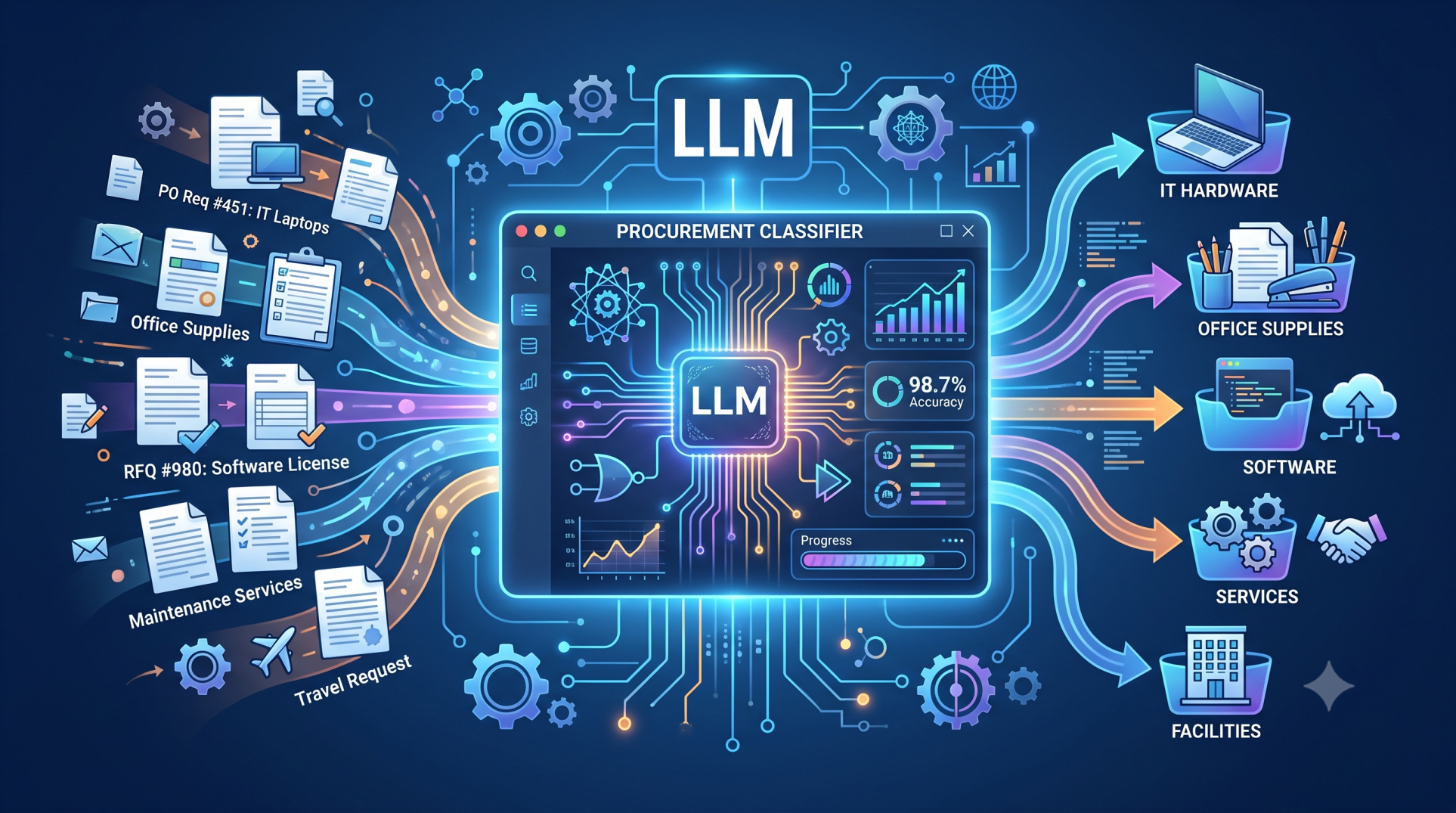
• Route simple tasks to smaller, lower-cost models 🤖
• Reserve advanced models for complex reasoning tasks 🧠
• Implement model fallback strategies for efficiency 🔄
• Use dynamic routing based on task complexity 📊
• Balance cost vs performance for each use case ⚖️
Step 3: Prompt Optimization and Token Efficiency ✍️
• Design concise and effective prompts to reduce token usage ✂️
• Avoid unnecessary context or repeated instructions 🔁
• Use structured prompts for predictable outputs 📐
• Implement prompt templates for reuse 🧩
• Continuously refine prompts based on performance insights 📈
Step 4: Caching and Response Reuse 🗂️
• Cache frequently requested responses to reduce repeat calls 💾
• Use semantic caching for similar queries 🔍
• Store embeddings to avoid recomputation 📦
• Reuse outputs where consistency is acceptable 🔄
• Reduce latency while lowering operational costs ⚡
Step 5: Batching and Request Aggregation 📦
• Combine multiple requests into a single API call where possible 📊
• Process batch inputs to reduce overhead 🔁
• Optimize throughput for high-volume workloads 🚀
• Minimize redundant processing across similar tasks 🧠
• Improve system efficiency at scale 📈
Step 6: Multi-Agent and Task Decomposition 🧩
• Break complex workflows into smaller, manageable tasks 🧩
• Assign tasks to specialized agents or models 🤖
• Reduce reliance on expensive, large models ⚖️
• Enable parallel processing for efficiency ⚡
• Improve overall system scalability and control 📊
Step 7: Monitoring Usage and Cost Metrics 📊
• Track token consumption across workflows 📈
• Monitor cost per request and per user 💰
• Identify high-cost operations and optimize them 🔍
• Set budgets and usage thresholds 🚫
• Use dashboards for real-time visibility 👁️
Step 8: Key Cost Optimization Priorities 📌
• Efficient model routing and selection 🎯
• Minimized token usage through prompt design ✂️
• Reuse of responses and cached outputs 💾
• Scalable orchestration with controlled costs 📈
Step 9: Handling Spikes and Demand Variability ⚠️
• Implement rate limiting to control usage 📉
• Scale resources dynamically based on demand 🔄
• Prioritize critical workloads during peak times 🚀
• Degrade gracefully with lower-cost models when needed ⚖️
• Maintain system stability under fluctuating loads 🛡️
Step 10: Building a Sustainable LLM Infrastructure 🏗️
• Design systems with cost efficiency as a core principle 💡
• Use hybrid architectures combining local and cloud models ☁️
• Continuously optimize workflows and orchestration strategies 🔄
• Incorporate feedback loops for cost-performance tuning 📊
• Future-proof systems for growing AI adoption 🚀
Conclusion
Cost-aware LLM orchestration is essential for scaling AI systems without compromising financial sustainability. By optimizing model selection, reducing token usage, and implementing efficient orchestration strategies, organizations can achieve a balance between performance and cost. A well-designed approach ensures that LLM-powered systems remain scalable, efficient, and economically viable in the long run.
See more blogs
You can all the articles below