Distributed Intelligence in Modular AI Systems

Distributed Intelligence in Modular AI Systems
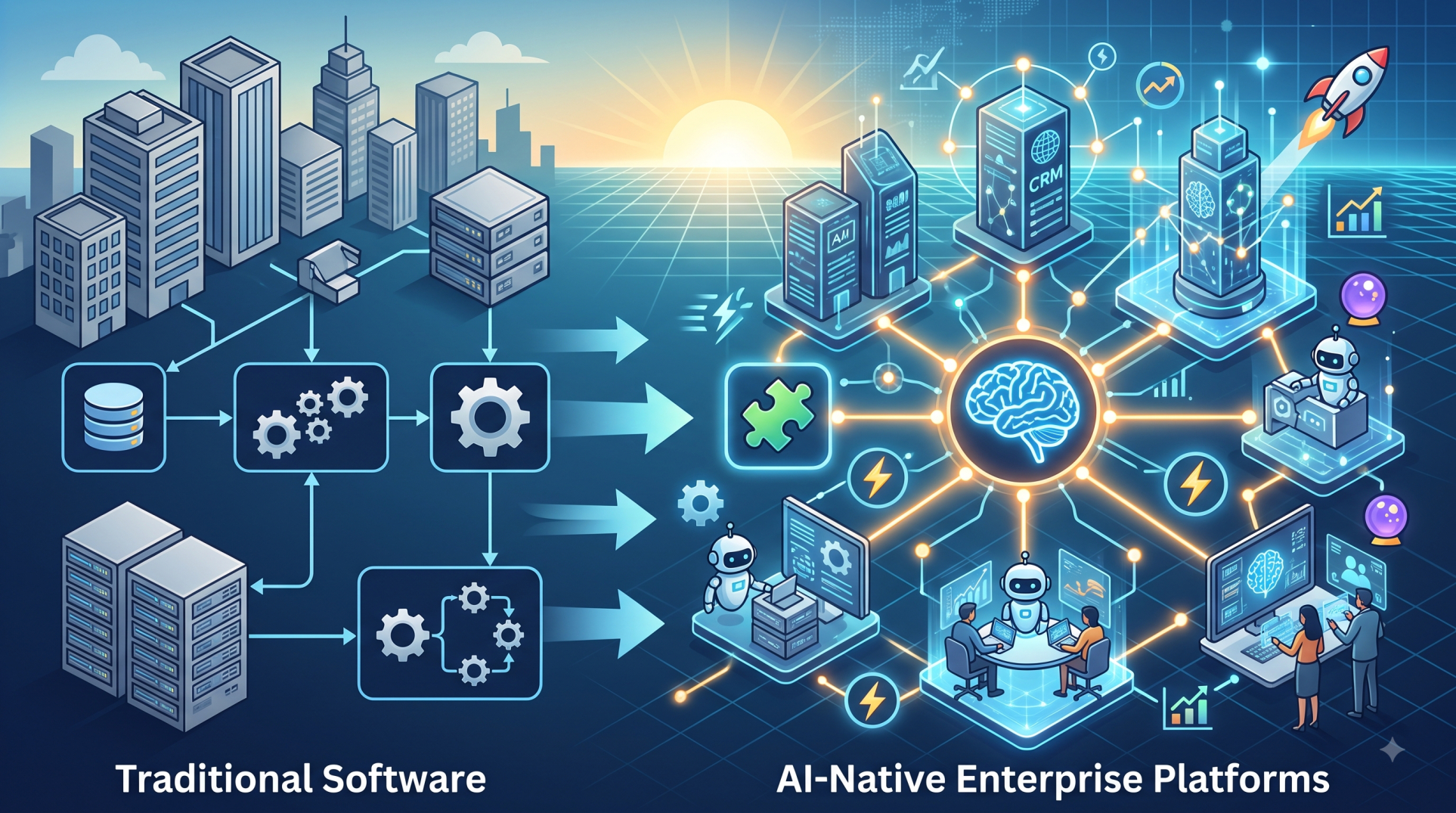
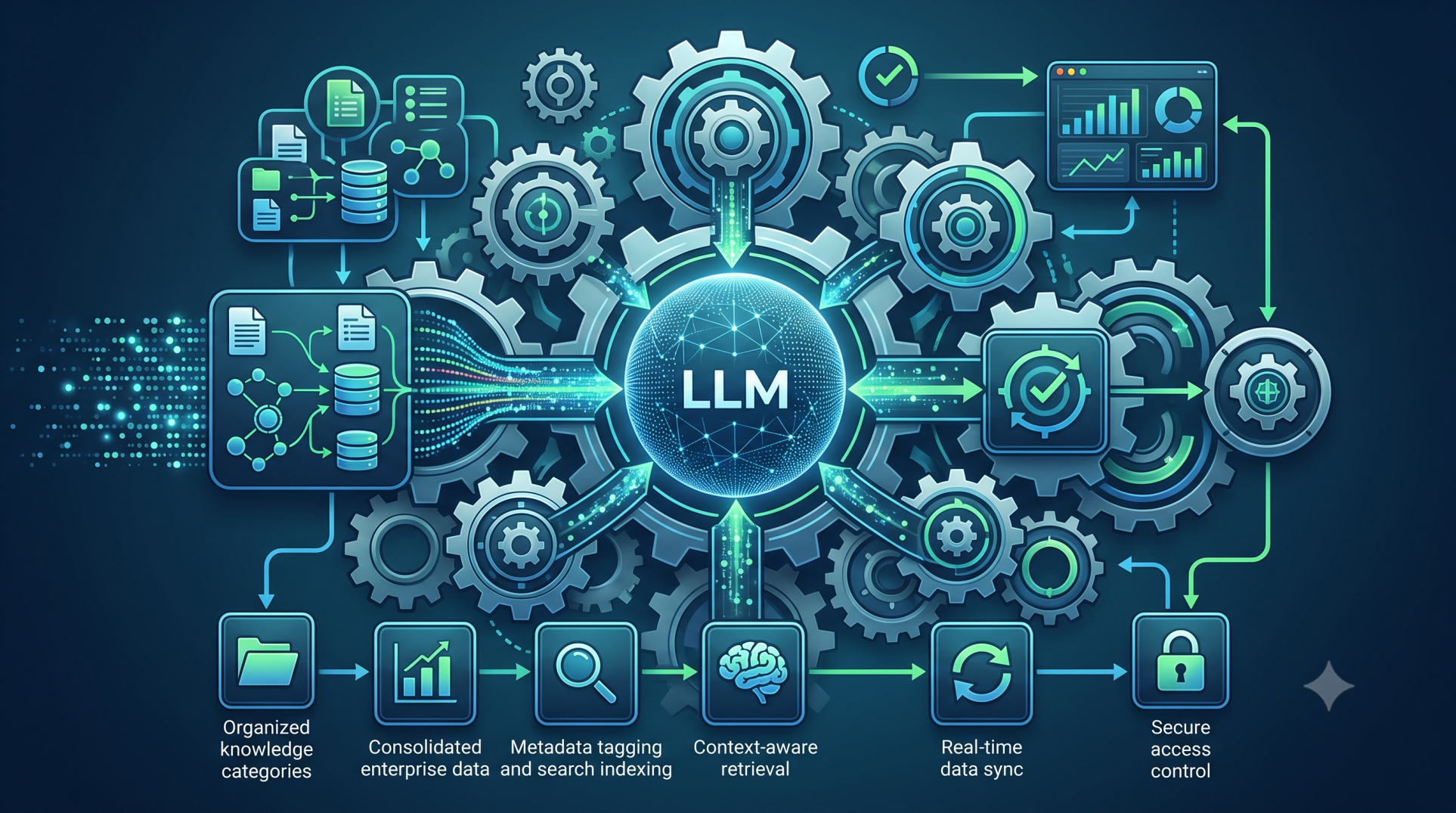
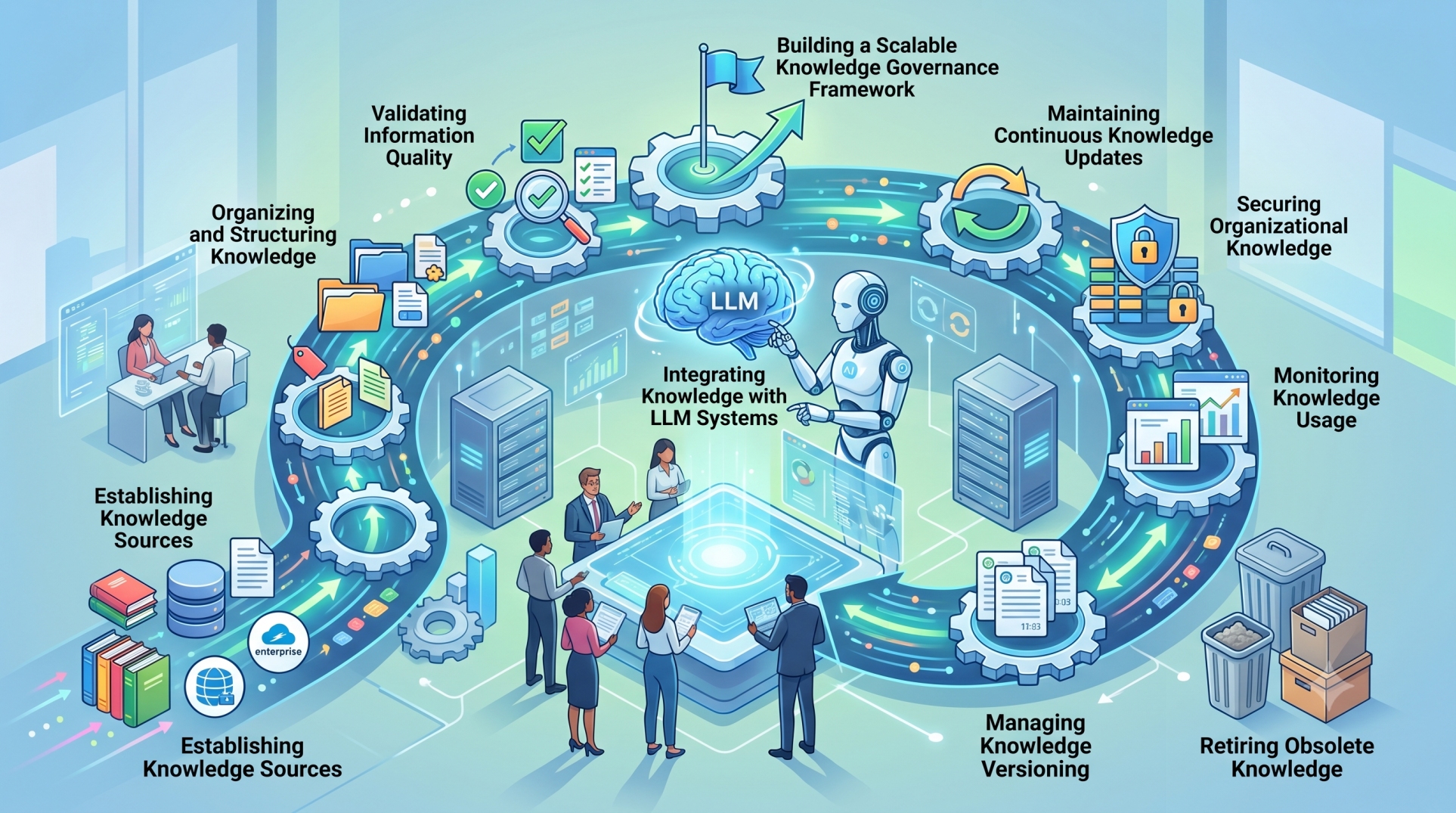
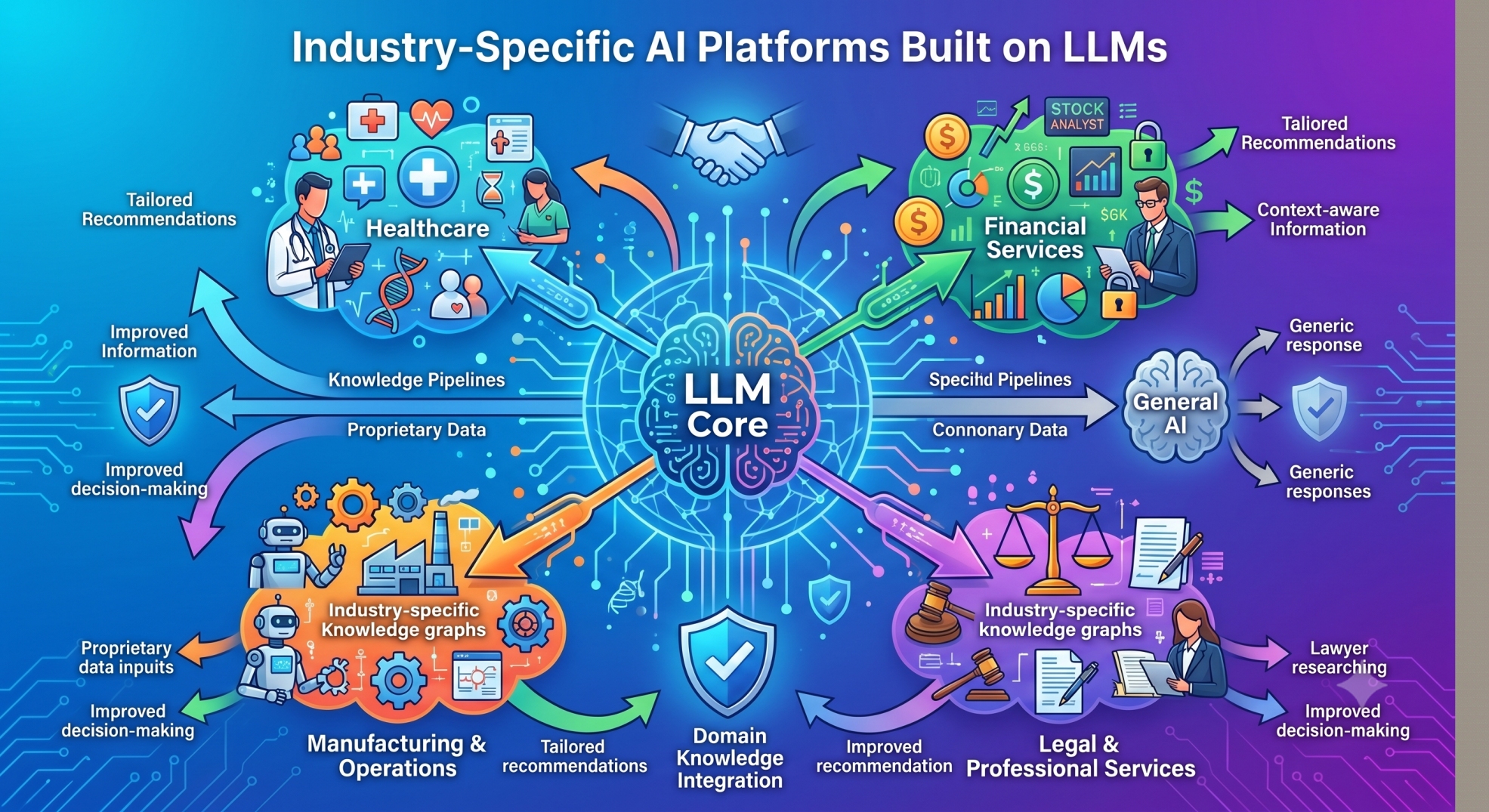
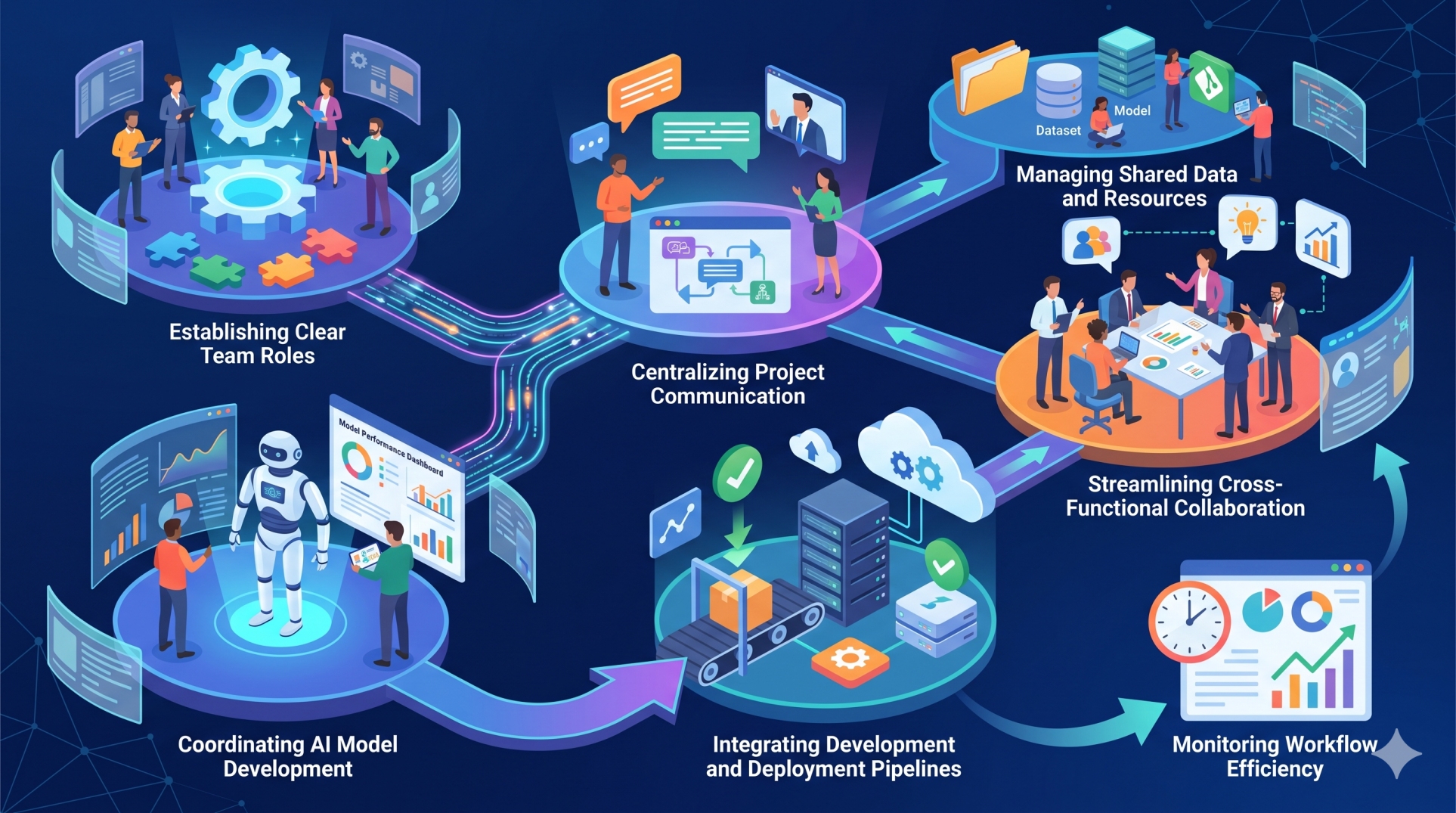
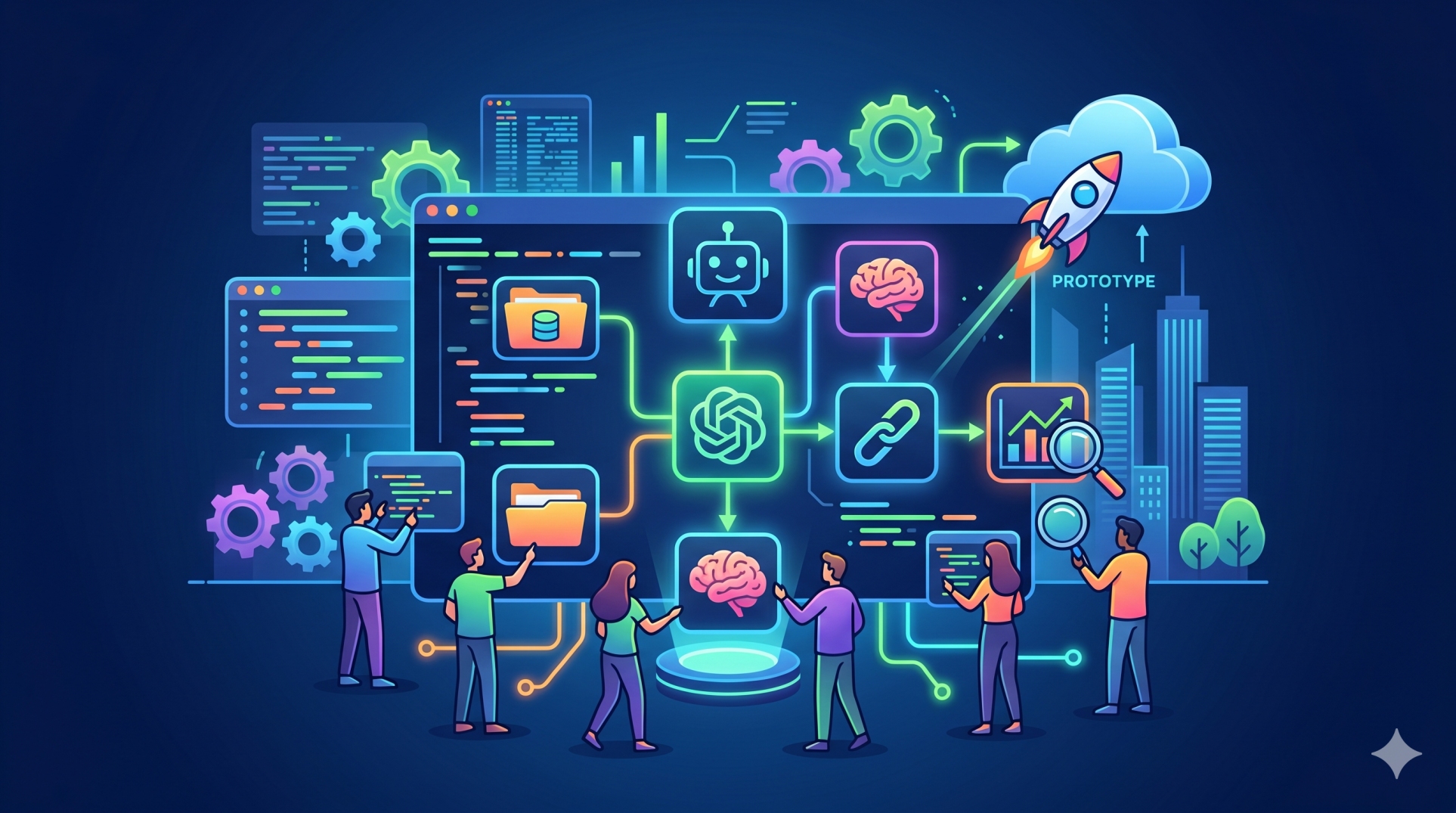
As AI systems grow in complexity and scale, centralized architectures are increasingly being replaced by modular, distributed intelligence models. Instead of relying on a single monolithic system, modern AI platforms distribute intelligence across specialized components that collaborate to solve complex problems. This approach improves scalability, resilience, and adaptability while enabling more efficient and explainable AI operations.
Step 1: Understanding Distributed Intelligence 🧠
• Distributed intelligence separates AI capabilities across multiple modules 🧩
• Each module specializes in a specific function or domain 🎯
• Systems collaborate to produce cohesive outputs 🤝
• Reduces dependency on a single centralized model ⚙️
• Enhances flexibility and system robustness 🛡️
Step 2: Designing Modular AI Architectures 🏗️
• Break down AI systems into independent, reusable components 🧱
• Define clear interfaces between modules 🔗
• Enable plug-and-play architecture for rapid updates 🔄
• Support independent scaling of system components 📈
• Simplify development and maintenance processes 🛠️
Step 3: Enabling Inter-Module Communication 🔄
• Establish communication protocols between modules 📡
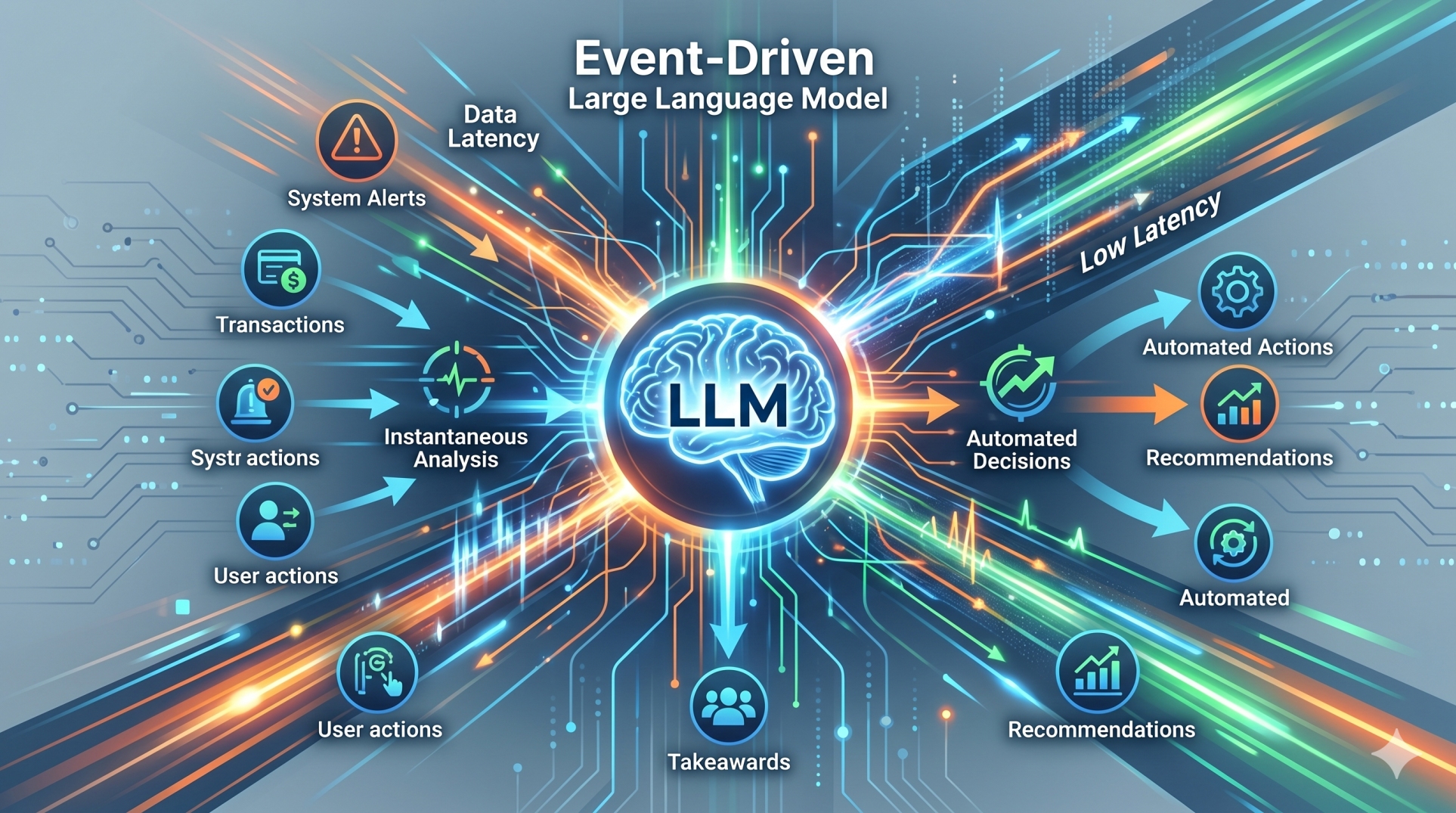
• Use APIs, message queues, or event-driven systems ⚡
• Ensure seamless data exchange across components 🔁
• Maintain consistency in data formats and structures 📊
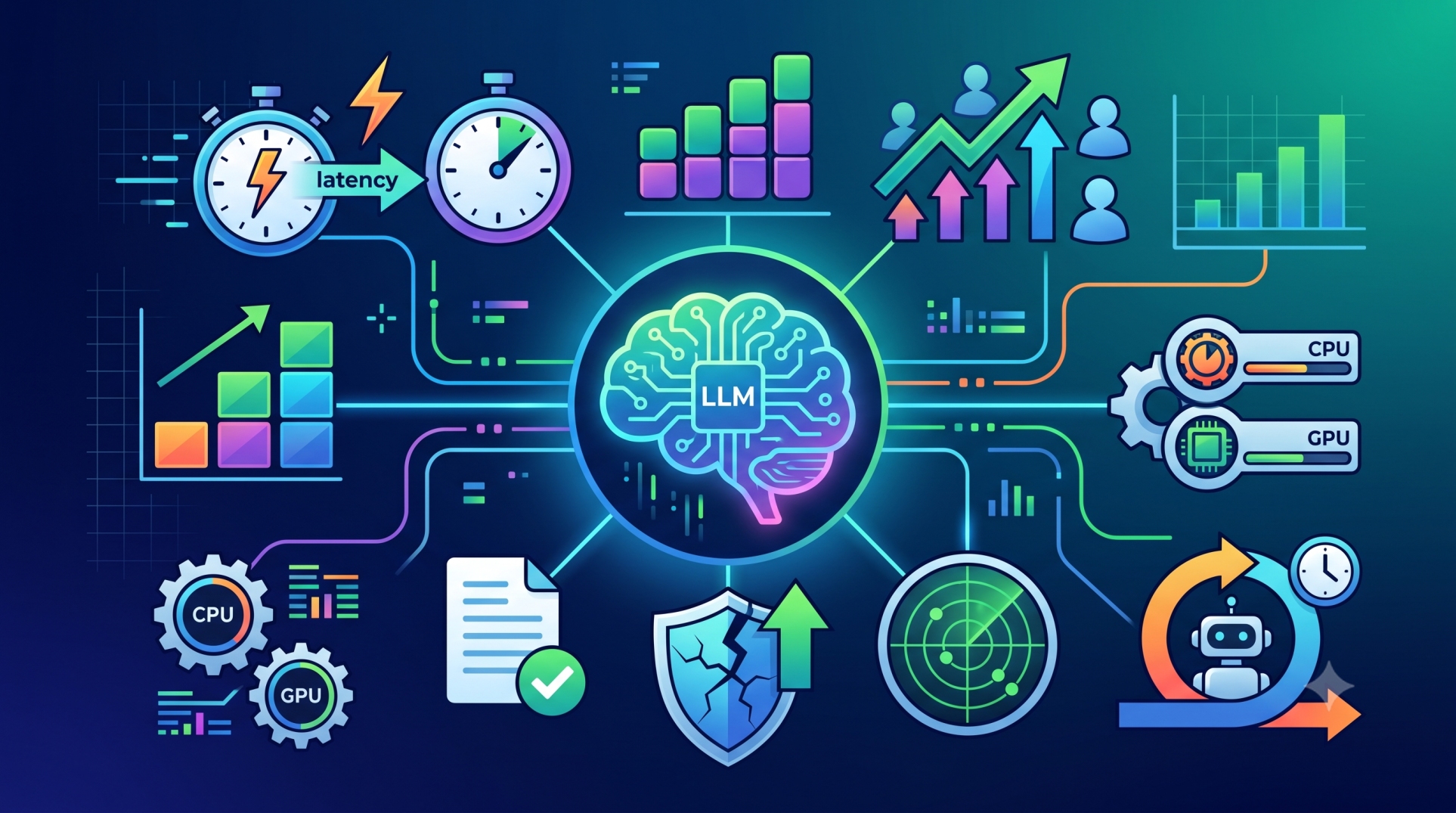
• Minimize latency for real-time responsiveness ⏱️
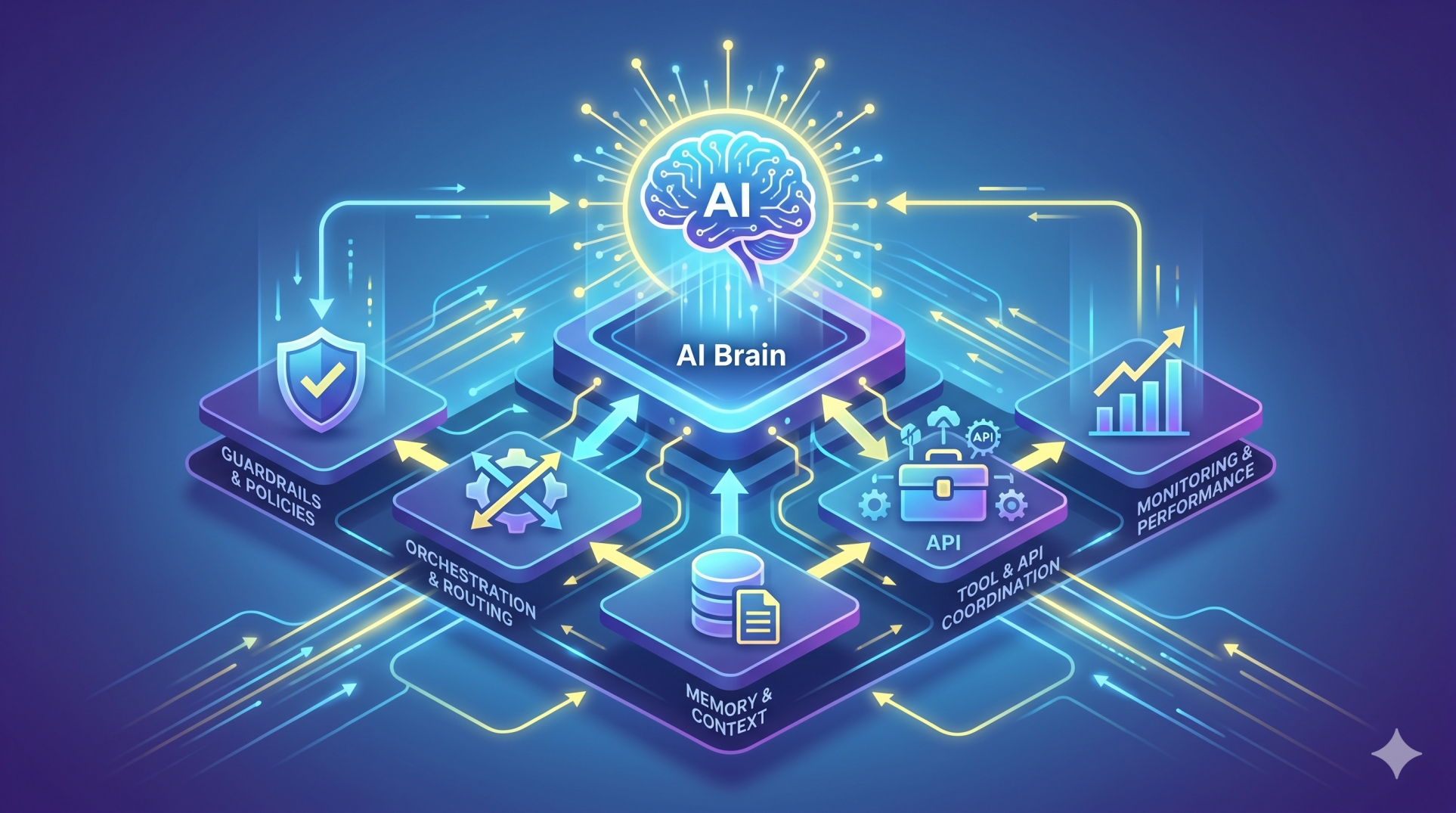
Step 4: Orchestrating Distributed Decision-Making 🎯
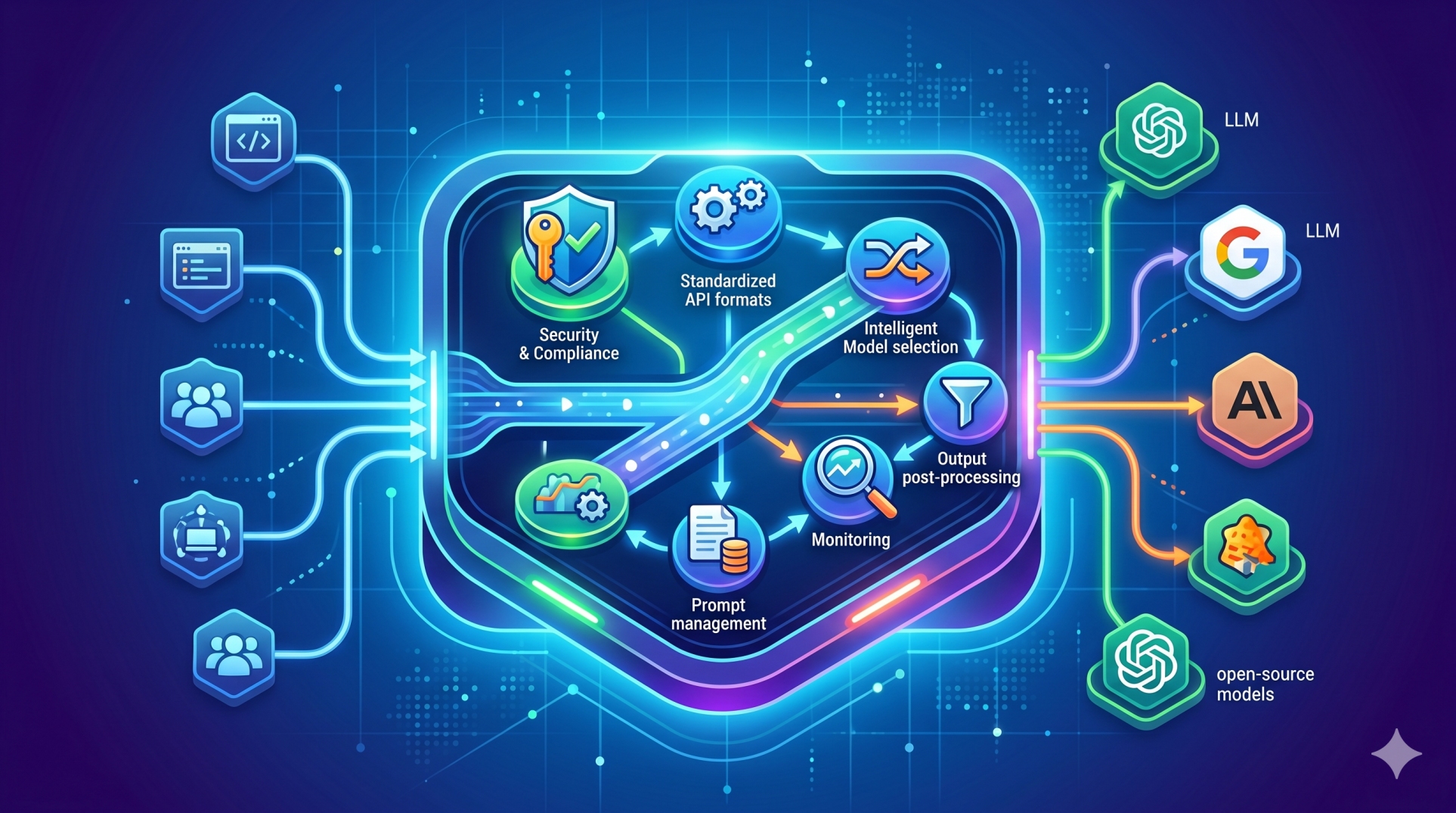
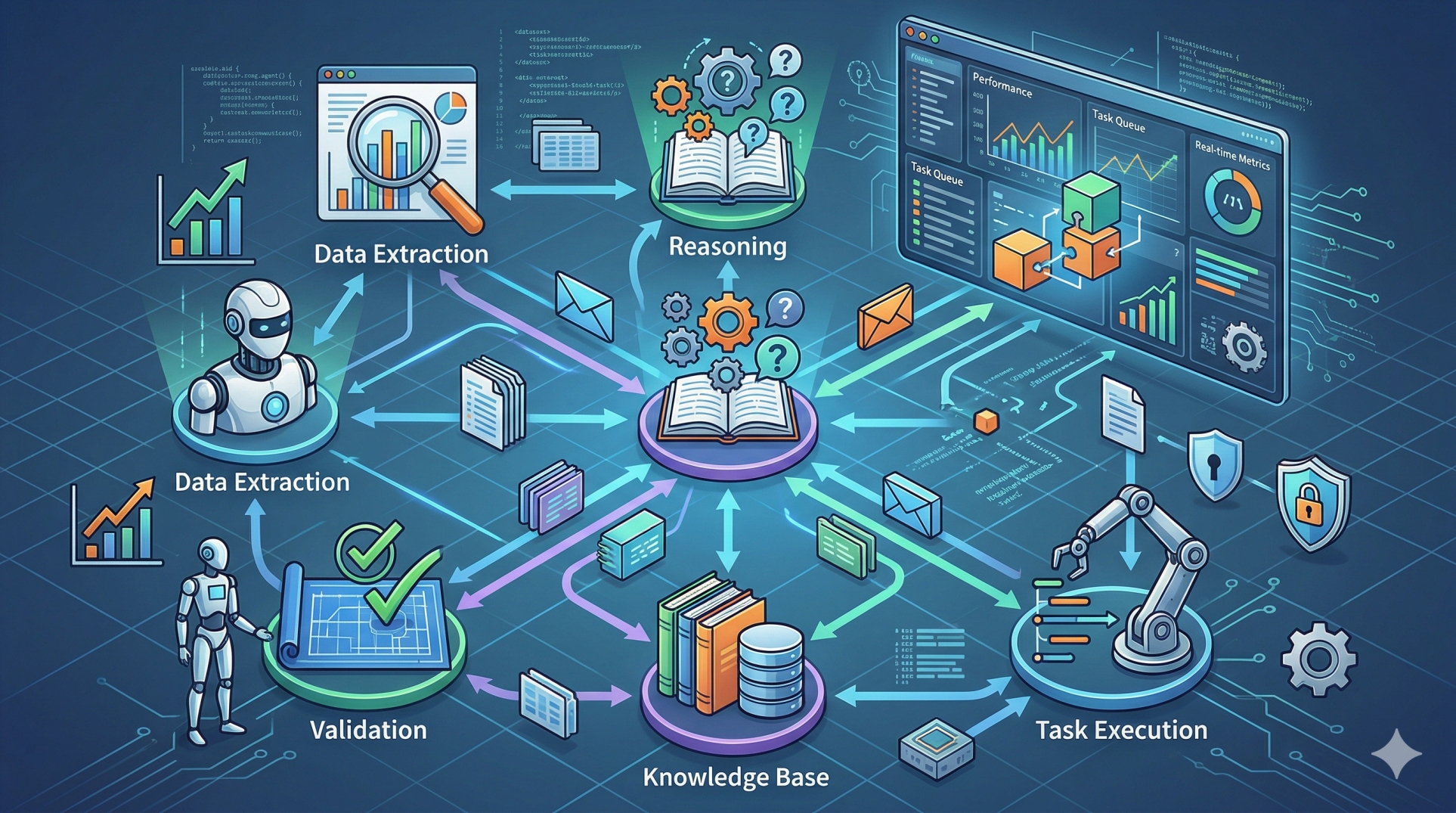
• Coordinate outputs from multiple AI modules 🧠
• Use orchestration layers or controllers to manage workflows 🎛️
• Aggregate insights from different components 📊
• Resolve conflicts between module outputs ⚖️
• Ensure coherent and reliable final decisions ✅
Step 5: Scaling AI Systems Efficiently 📈
• Scale individual modules based on workload demands ⚙️
• Distribute processing across multiple nodes or environments 🌐
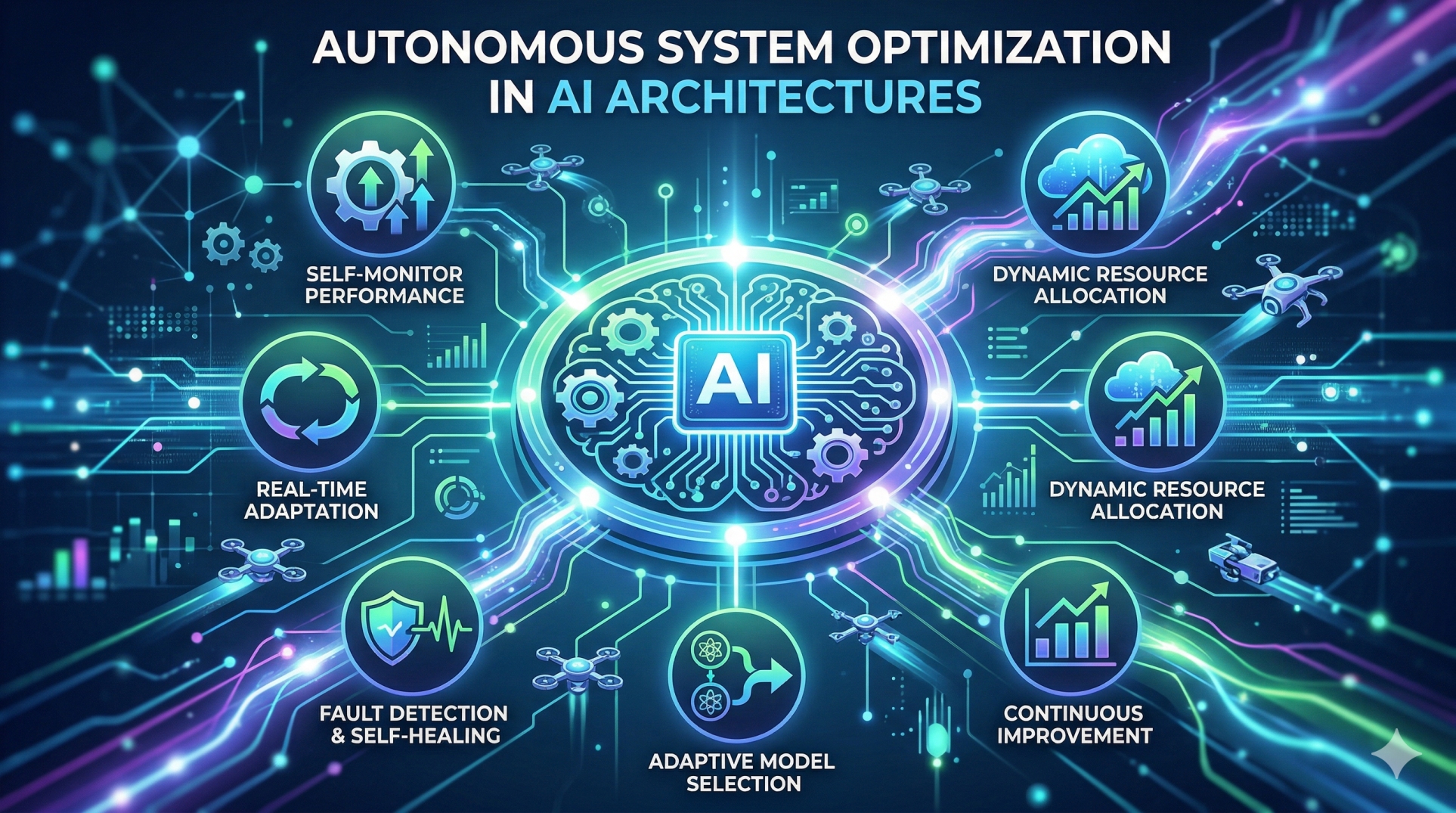
• Optimize resource allocation dynamically 🔄
• Prevent bottlenecks by balancing system load ⚖️
• Support high-performance computing at scale 🚀
Step 6: Enhancing Fault Tolerance and Resilience 🛡️
• Isolate failures to specific modules without affecting the entire system 🔍
• Implement redundancy for critical components 🔁
• Enable graceful degradation during partial failures ⚠️
• Maintain system availability under varying conditions 🌍
• Improve overall system reliability and uptime ⏳
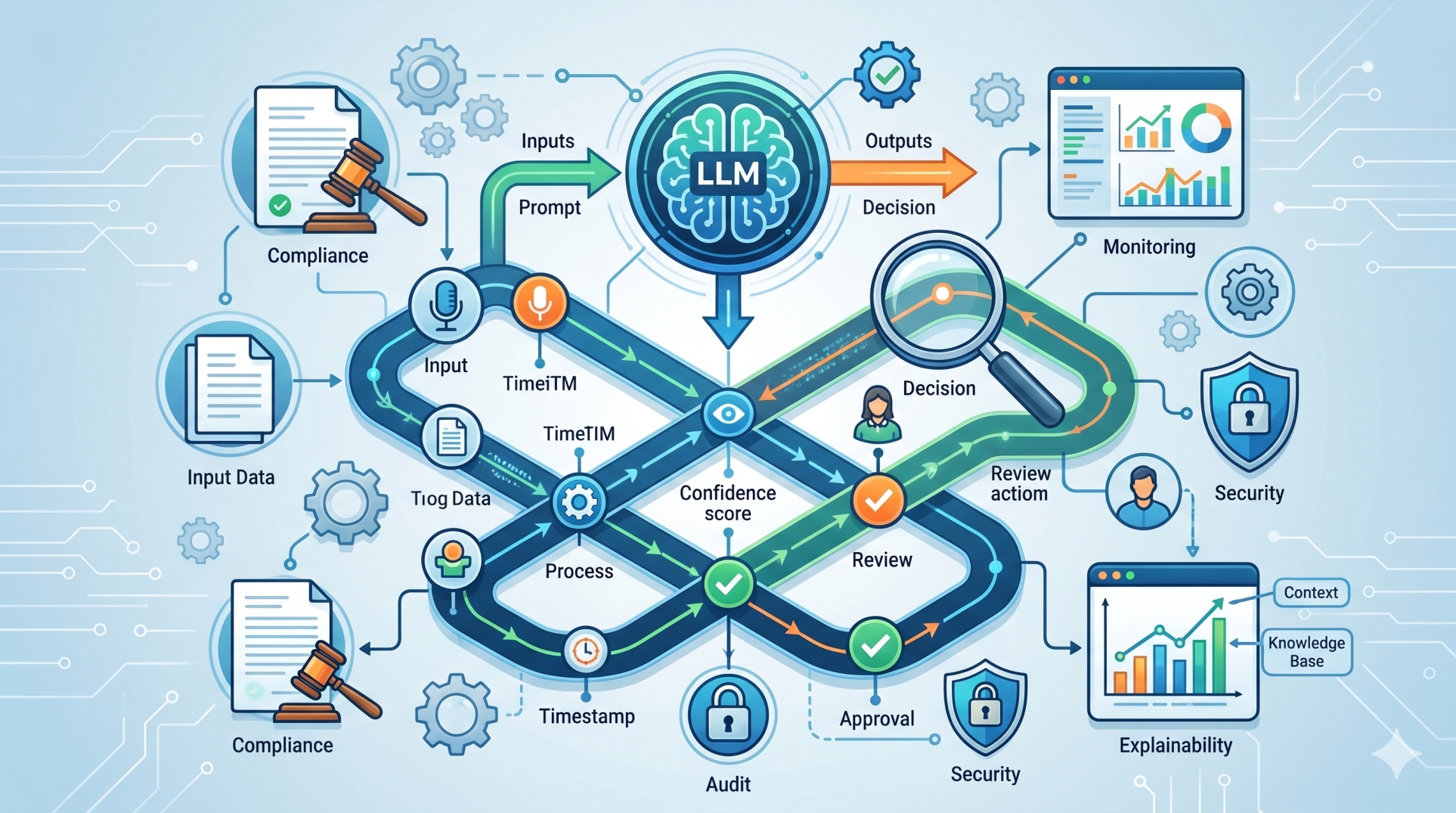
Step 7: Improving Explainability and Transparency 🔍
• Trace decisions back to individual modules 🧠
• Provide visibility into how outputs are generated 📊
• Simplify debugging and performance analysis 🛠️
• Enhance trust in AI systems through transparency 🤝
• Support regulatory and compliance requirements 📜
Step 8: Key Design Priorities ⚙️
• Clear modular boundaries and responsibilities 🧩
• Efficient communication and orchestration 🔗
• Scalability and performance optimization 📈
• Robust monitoring and system visibility 👁️
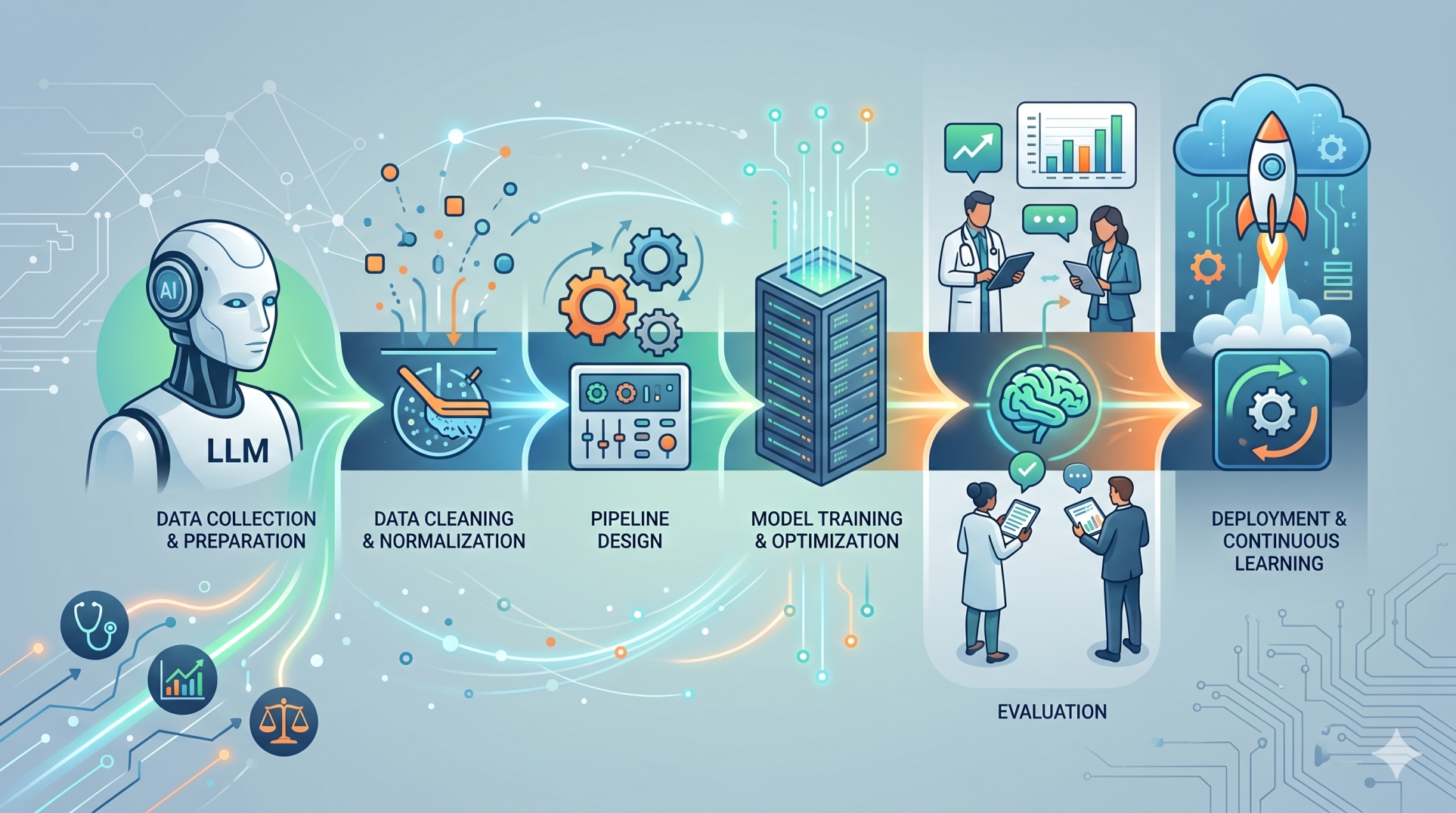
Step 9: Managing Data Flow Across Modules 🔄
• Ensure consistent data pipelines between components 📊
• Handle data transformations and normalization 🔧
• Maintain data quality and integrity ✅
• Optimize data movement to reduce latency ⏱️
• Enable real-time and batch processing capabilities ⚡
Step 10: Building Future-Ready AI Ecosystems 🚀
• Design systems that evolve with emerging technologies 🤖
• Integrate new modules without disrupting existing workflows 🧩
• Support continuous innovation and experimentation 💡
• Adapt to changing business and technical requirements 🔄
• Future-proof AI infrastructure through modular design 🌐
Conclusion
Distributed intelligence in modular AI systems represents a powerful shift toward more scalable, resilient, and adaptable AI architectures. By distributing capabilities across specialized components and enabling seamless collaboration between them, organizations can build systems that are easier to maintain, expand, and trust. This approach not only improves performance but also lays the foundation for next-generation AI innovation.
See more blogs
You can all the articles below