Knowledge Integration Modules in AI Language Systems
Knowledge Integration Modules in AI Language Systems
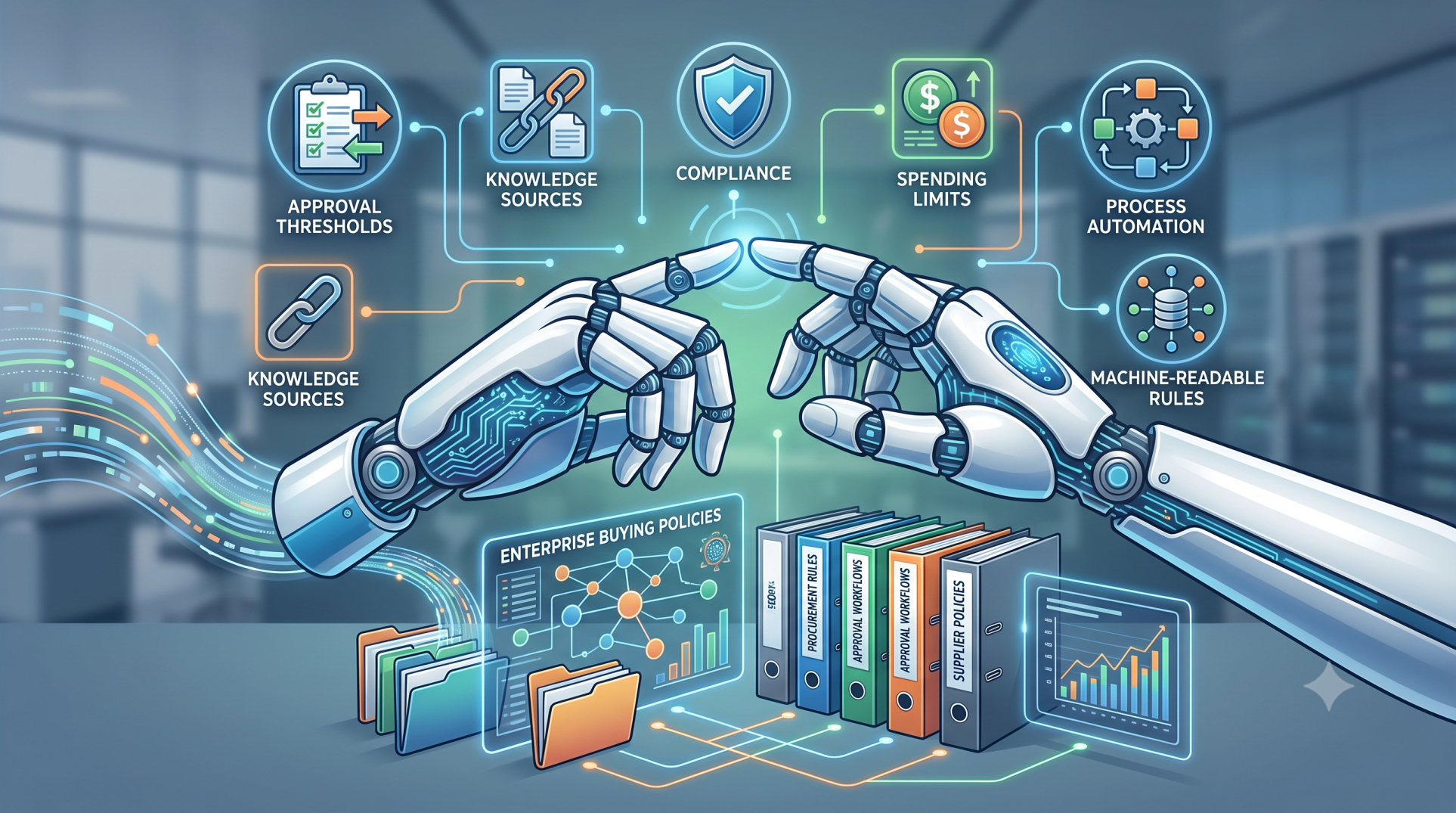
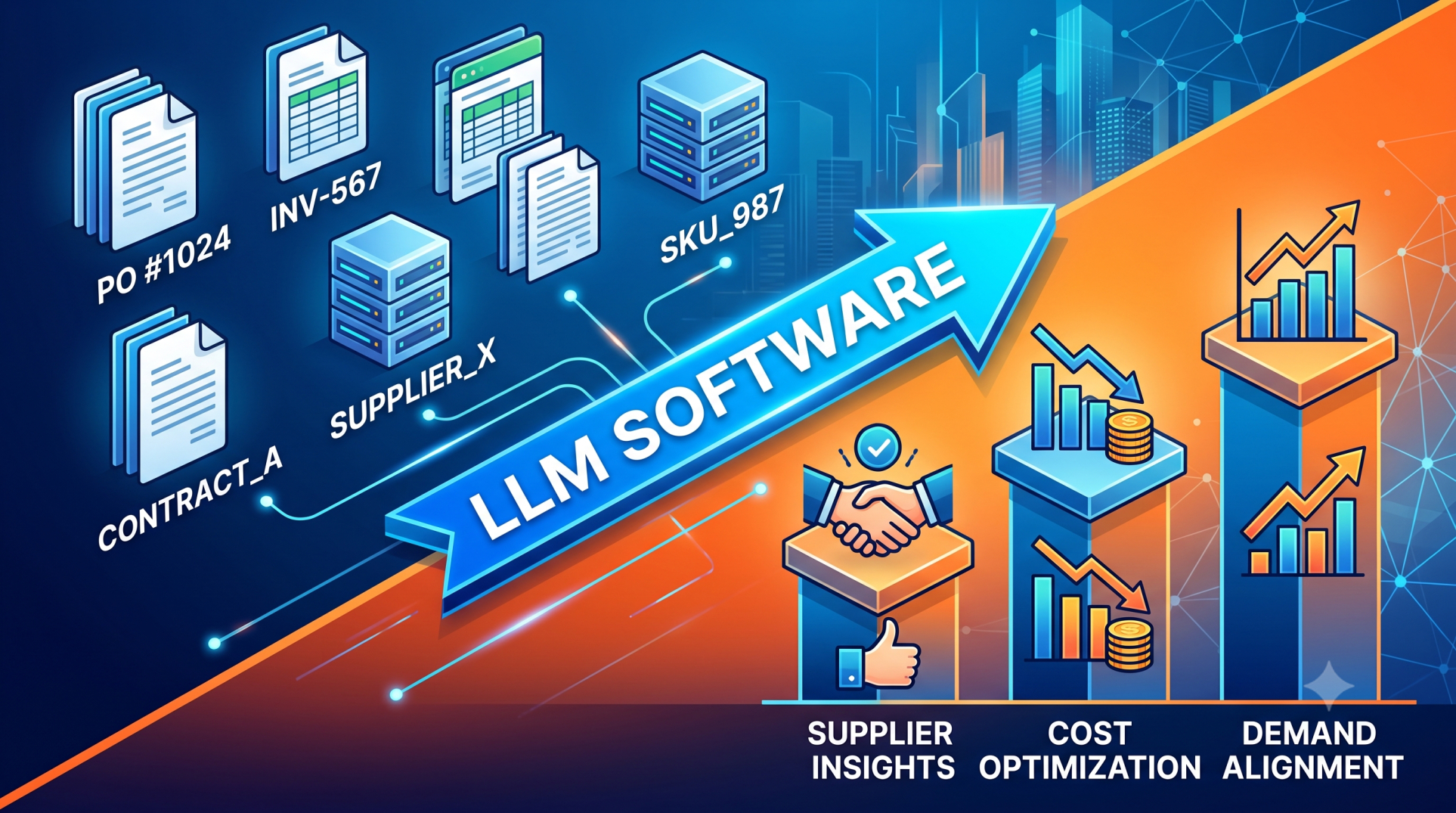
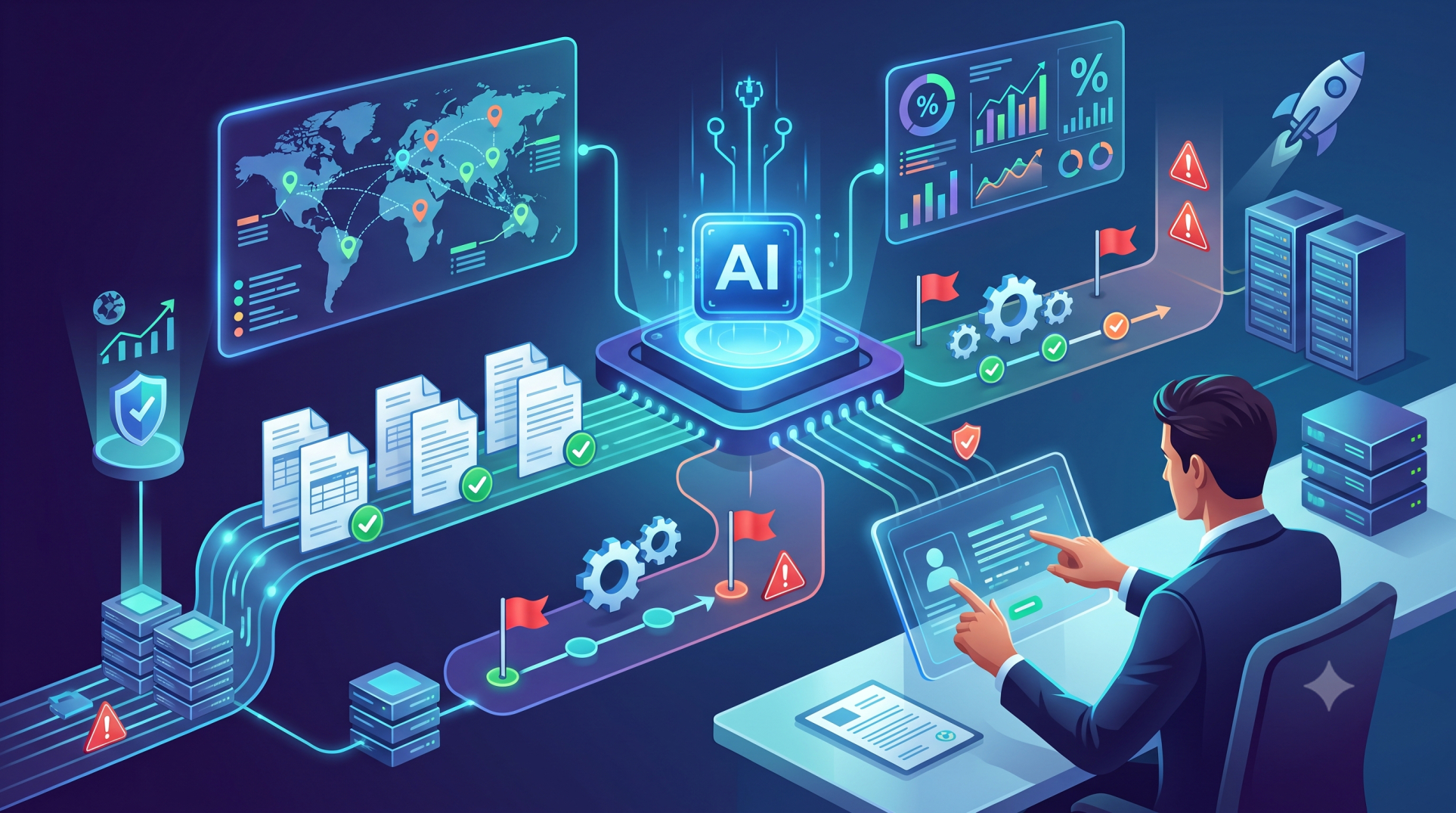
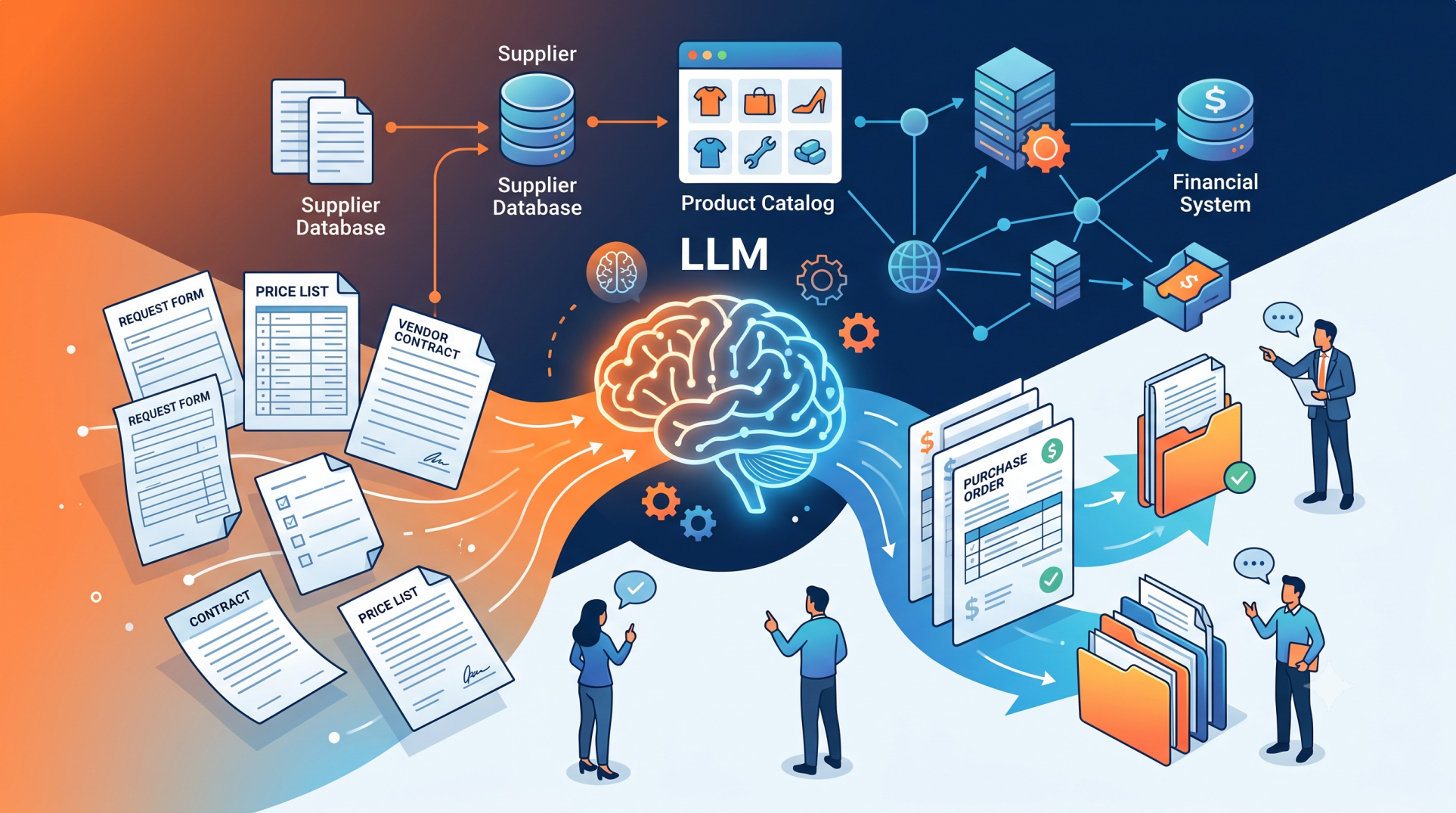
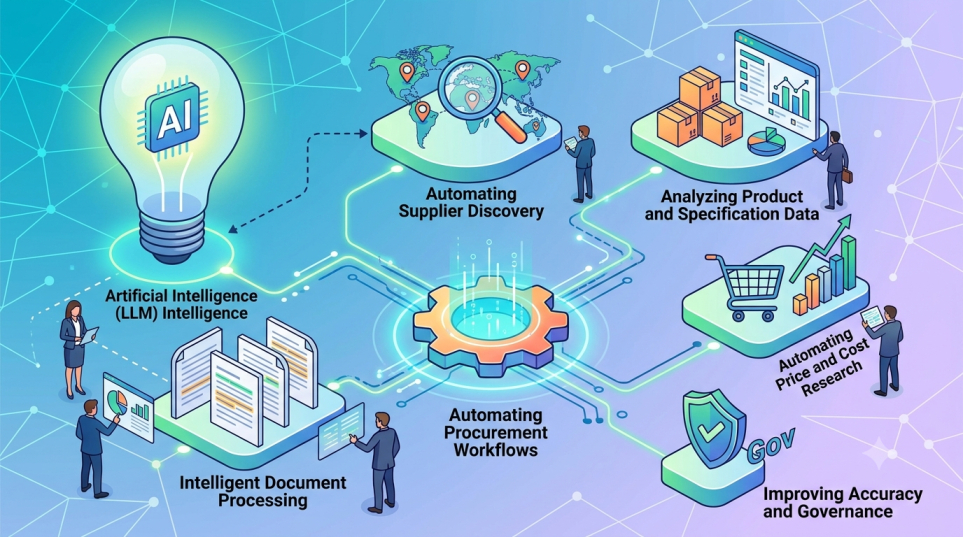
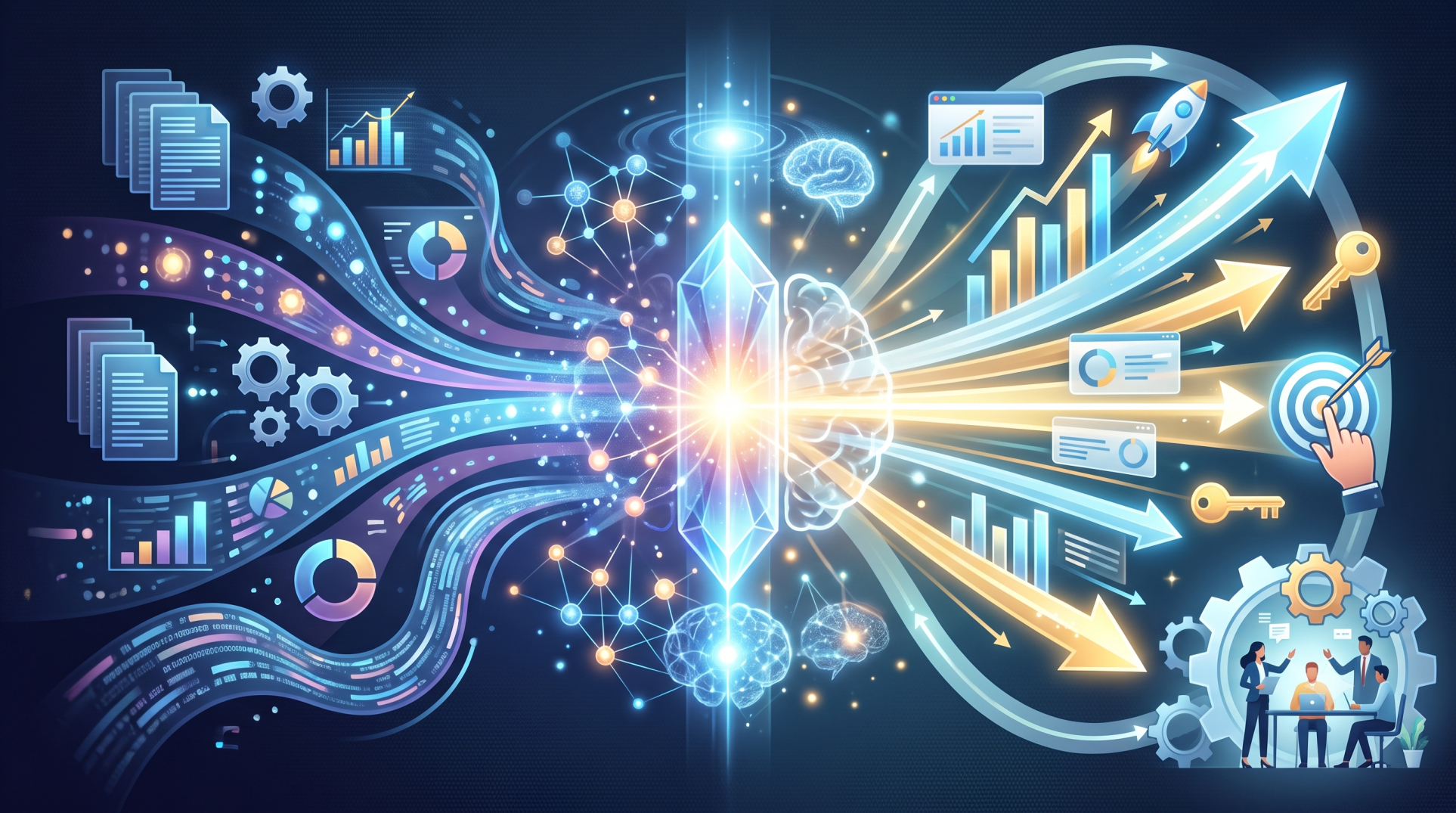
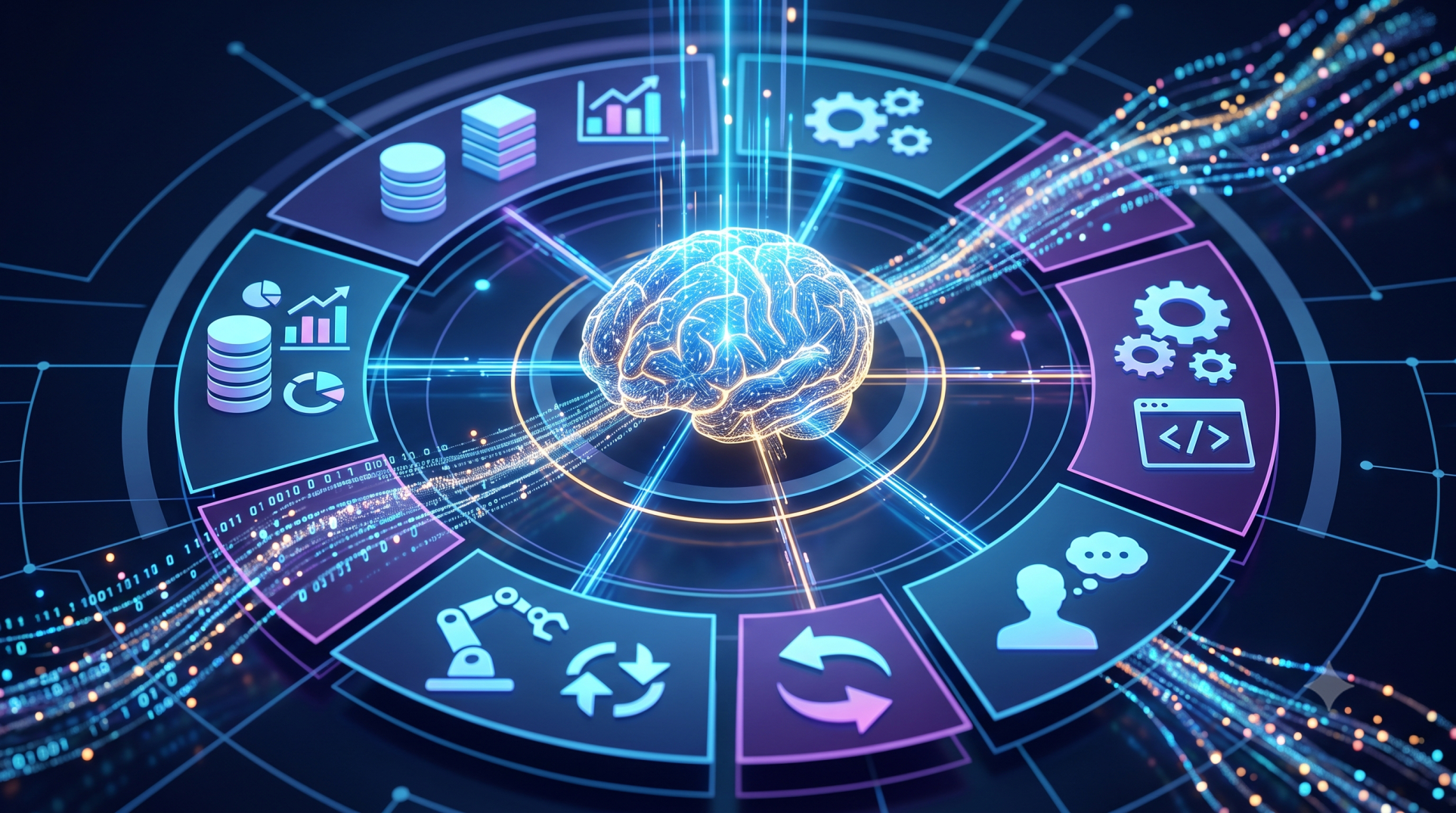
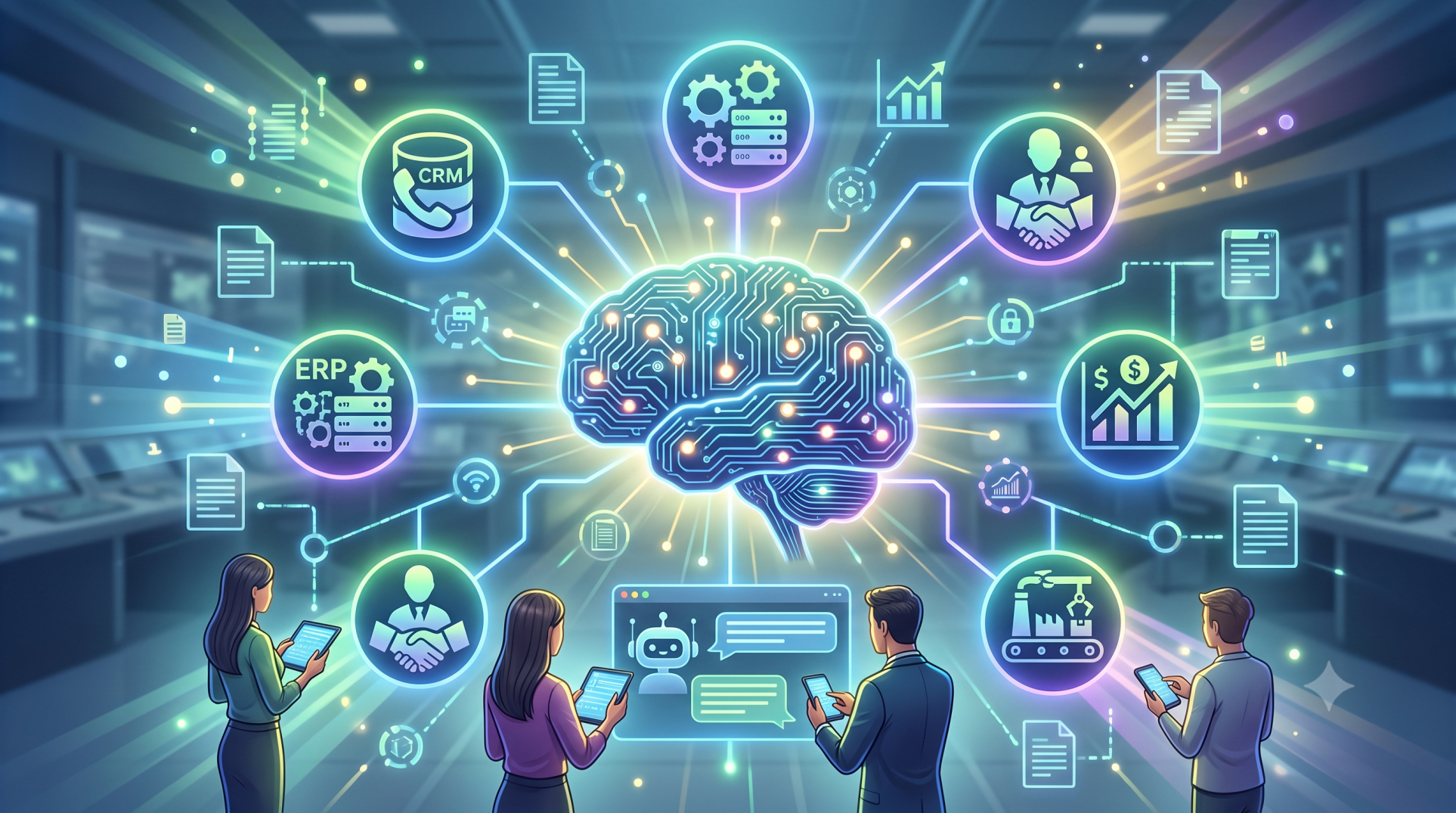
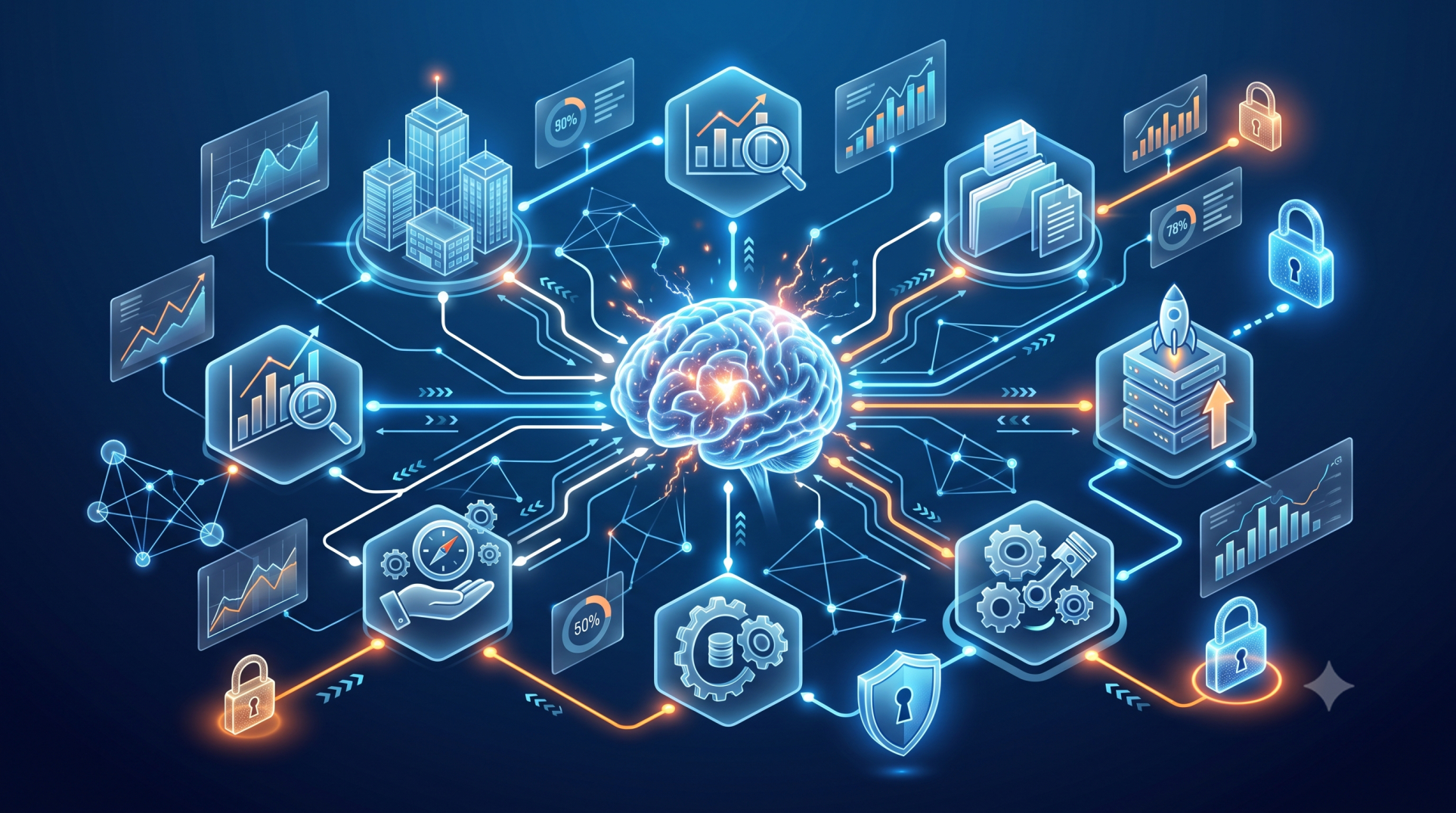
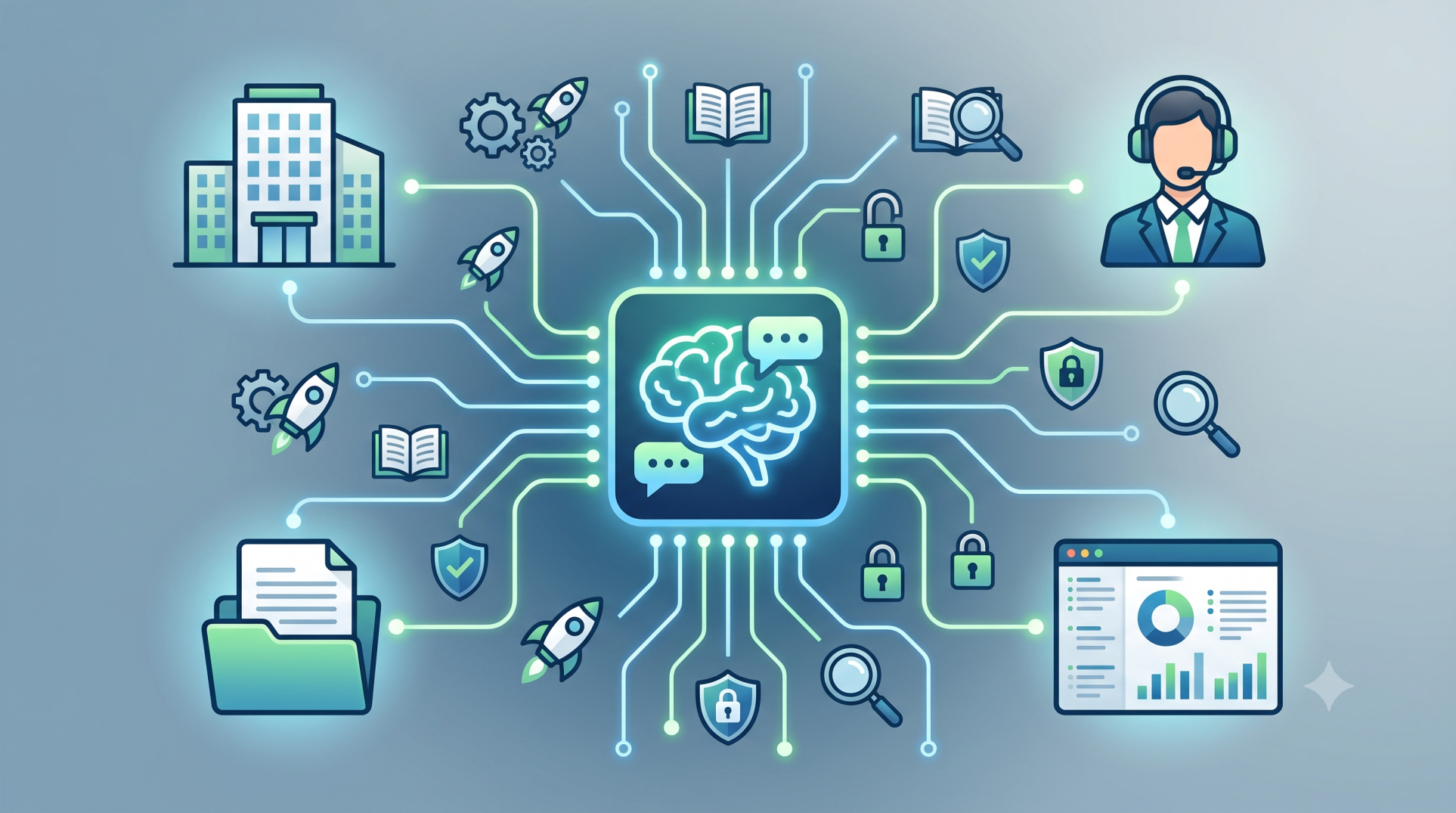
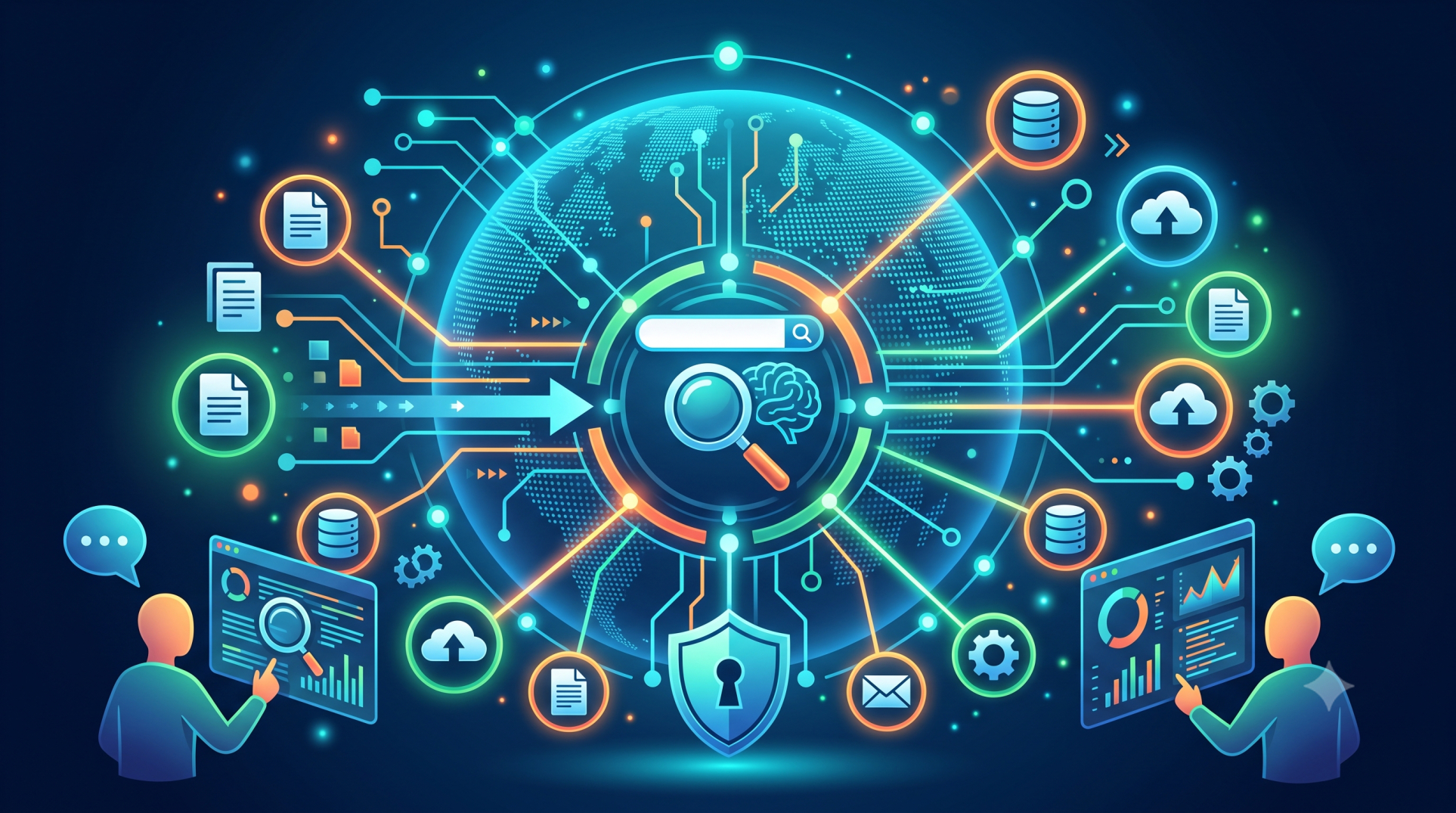
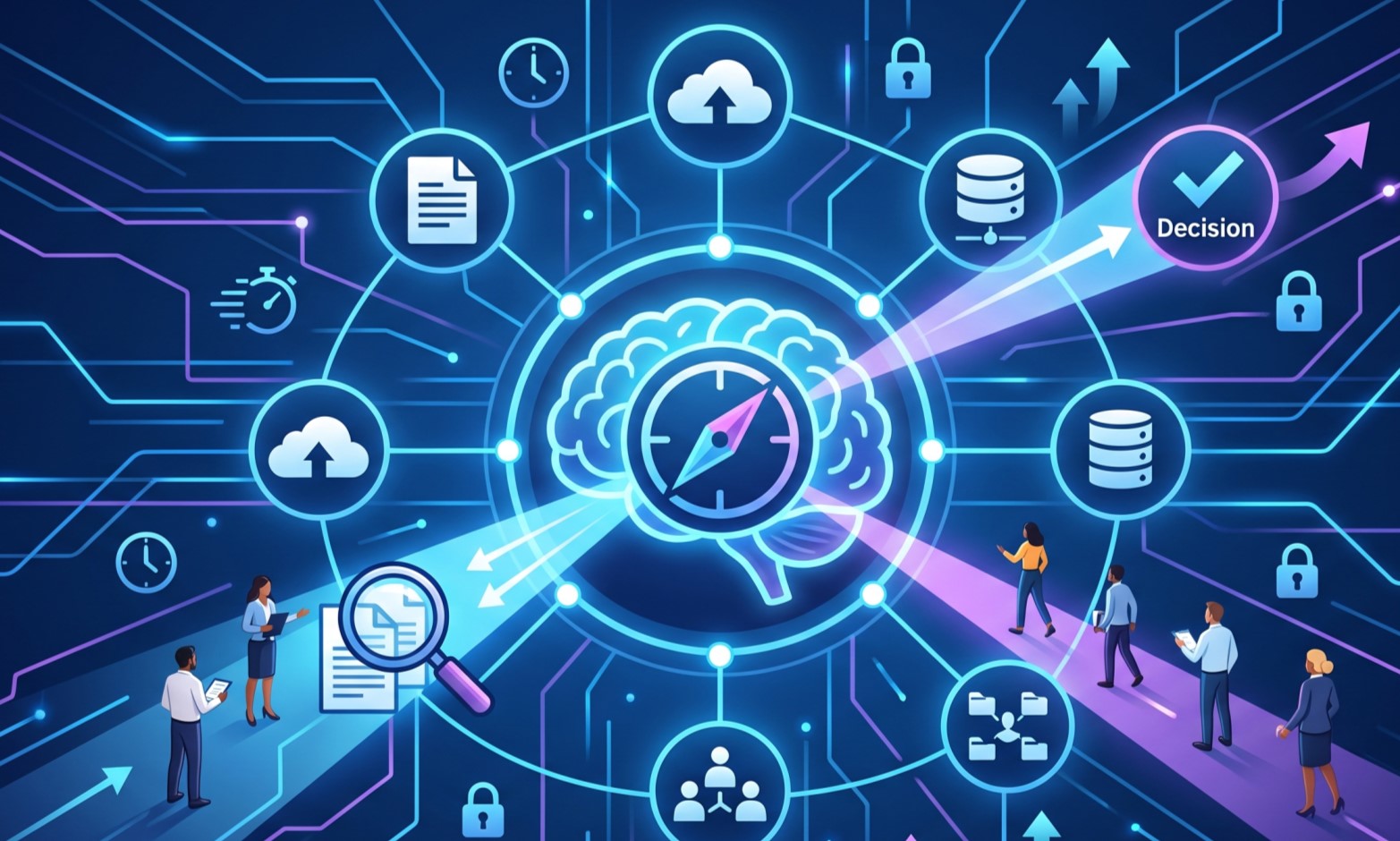
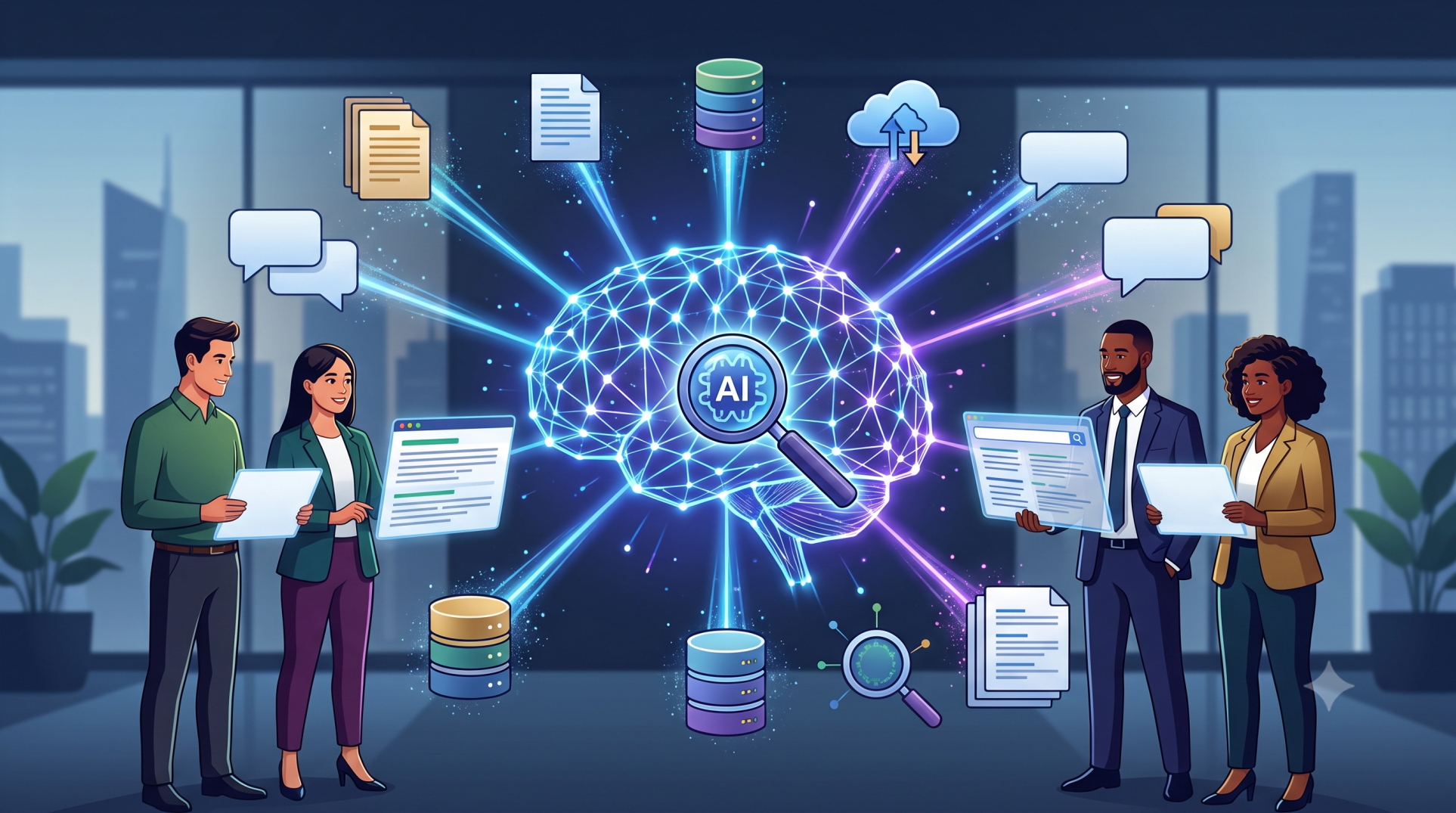
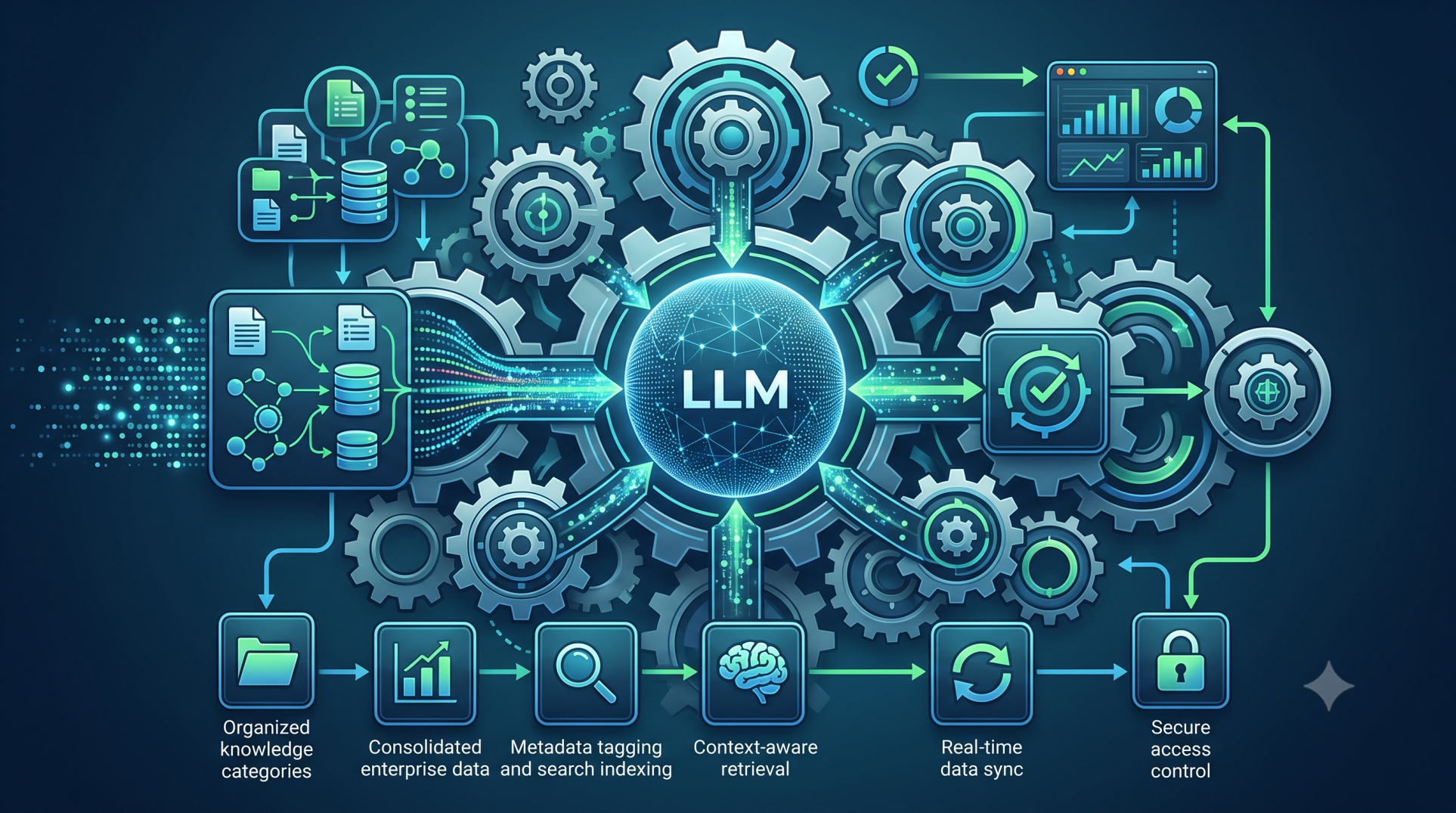
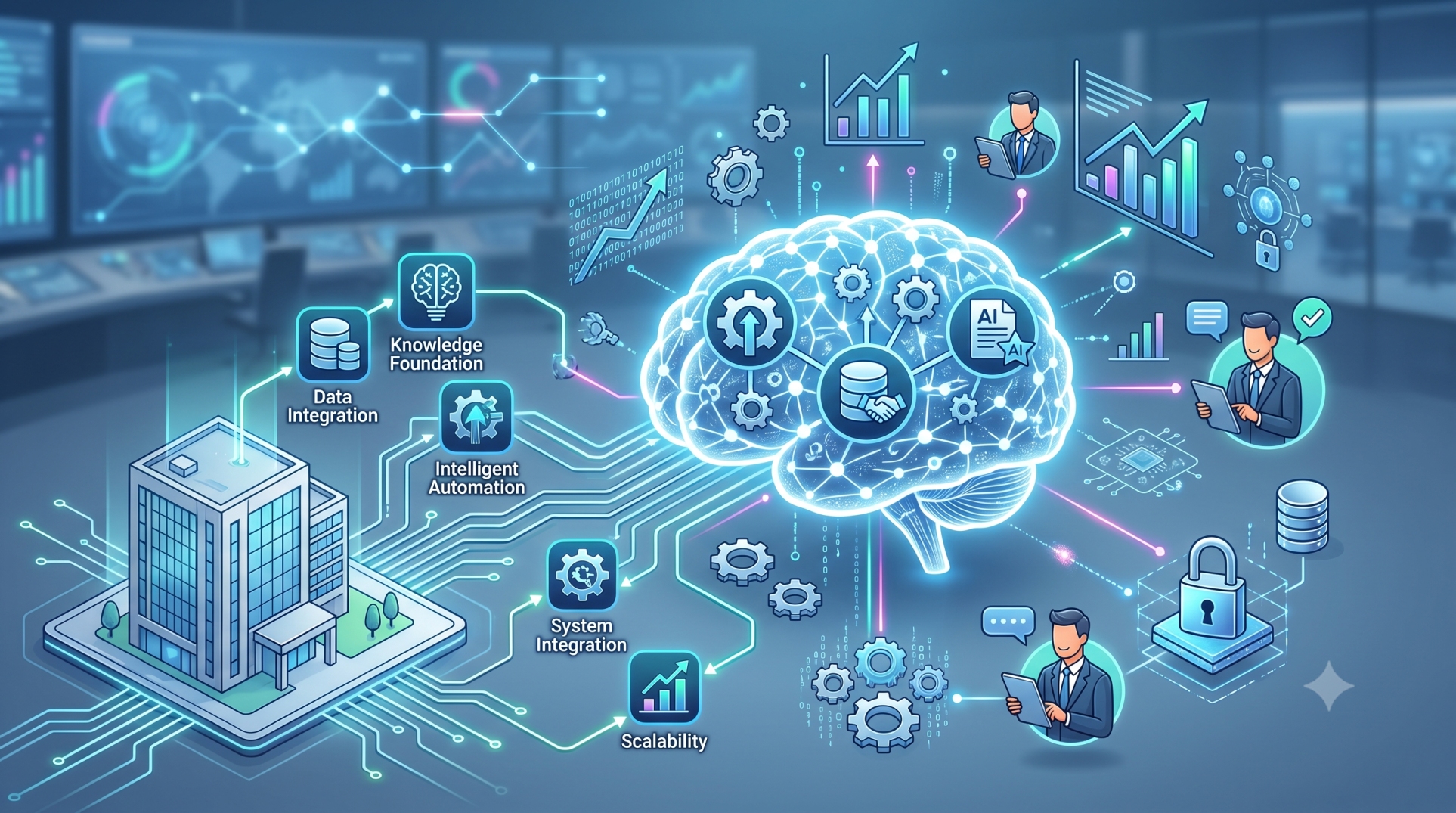
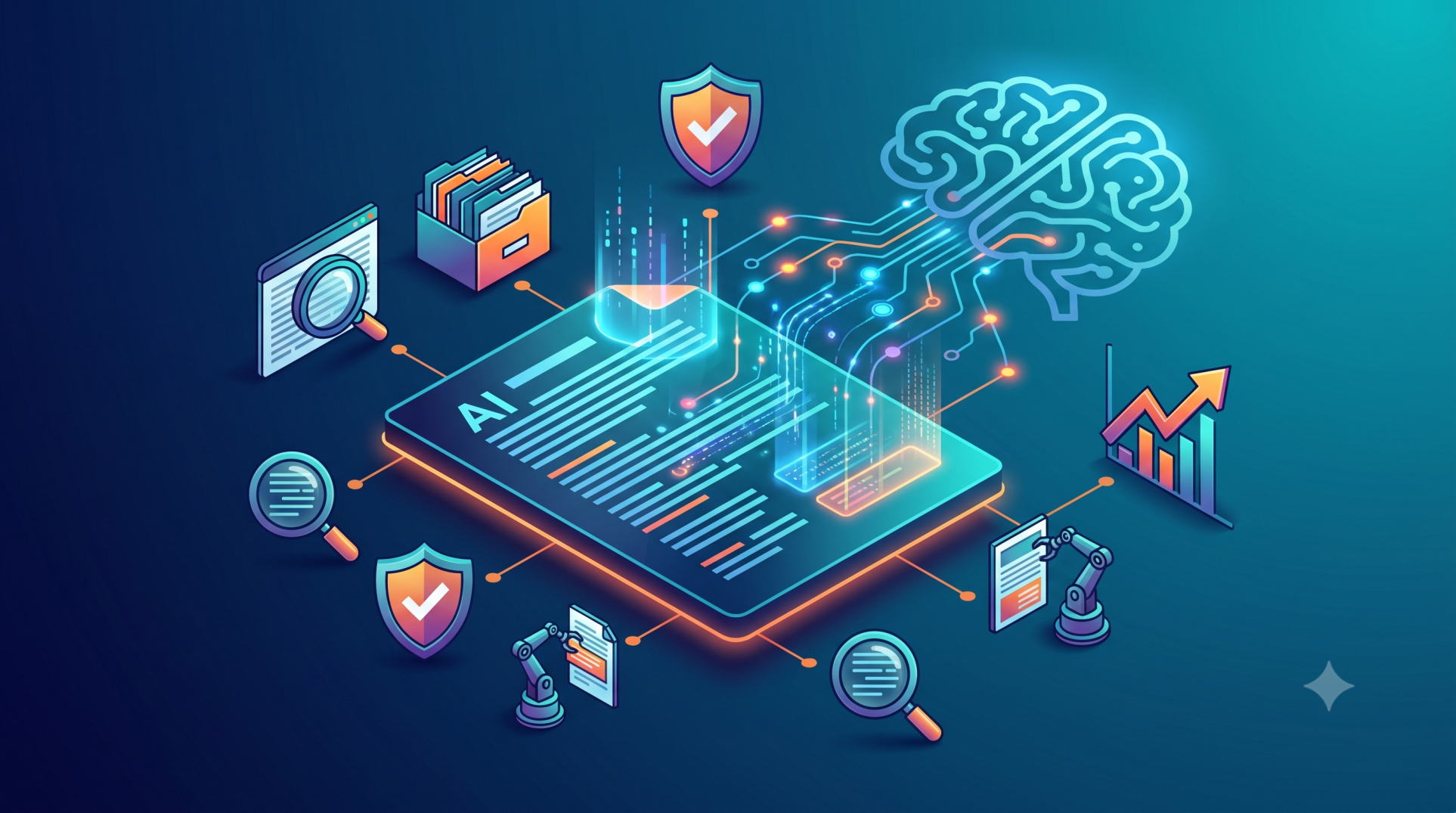
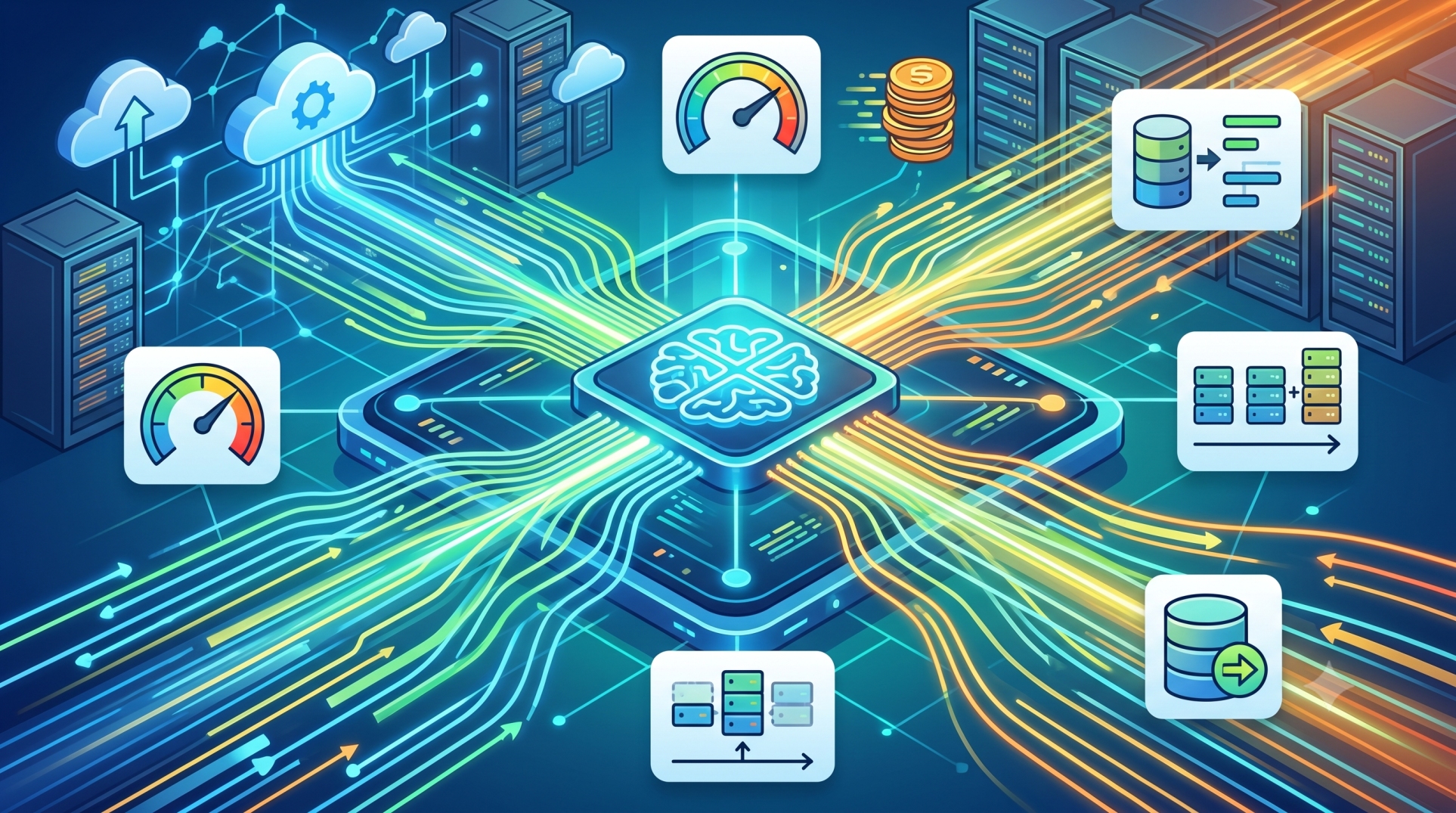
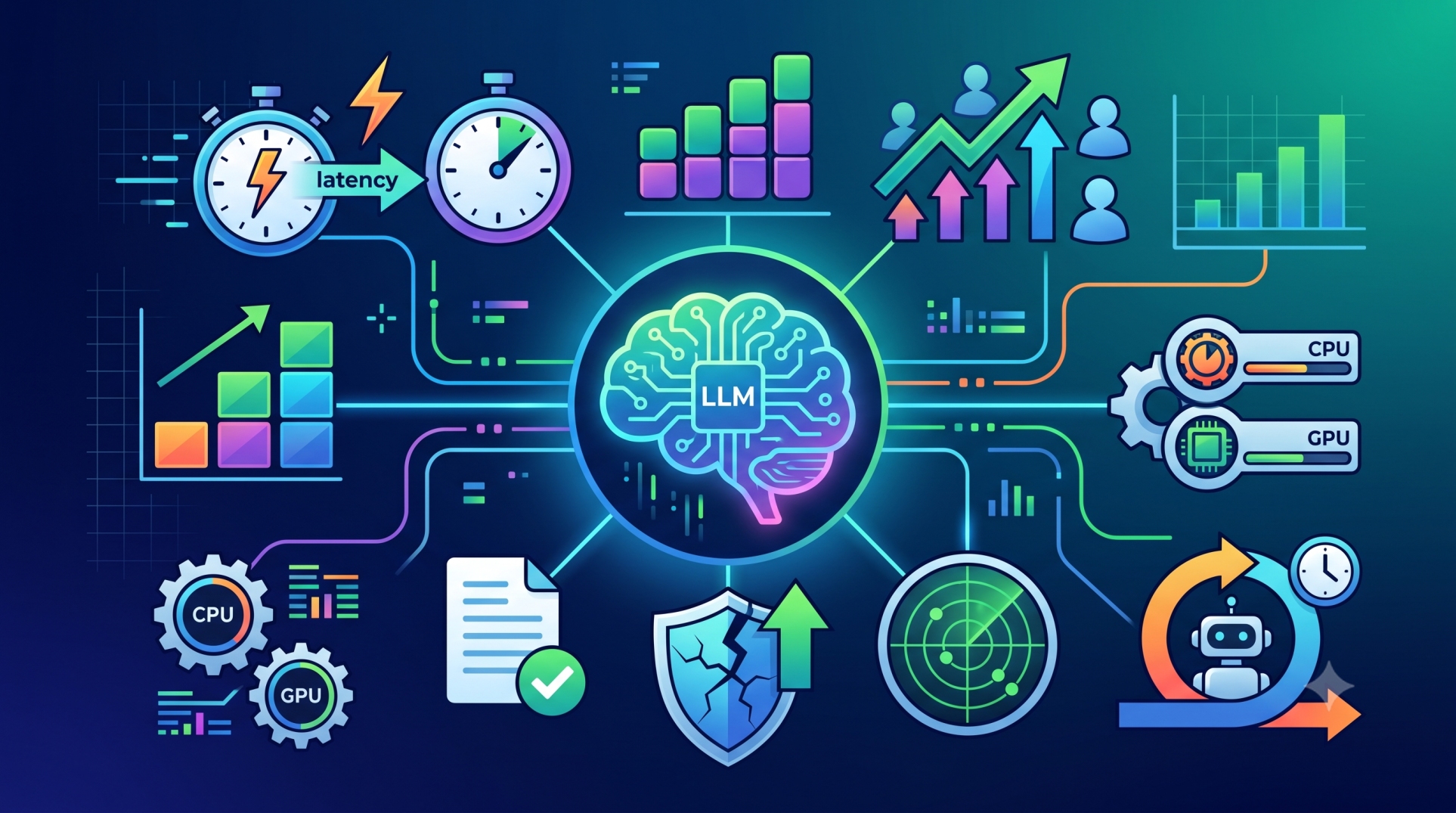
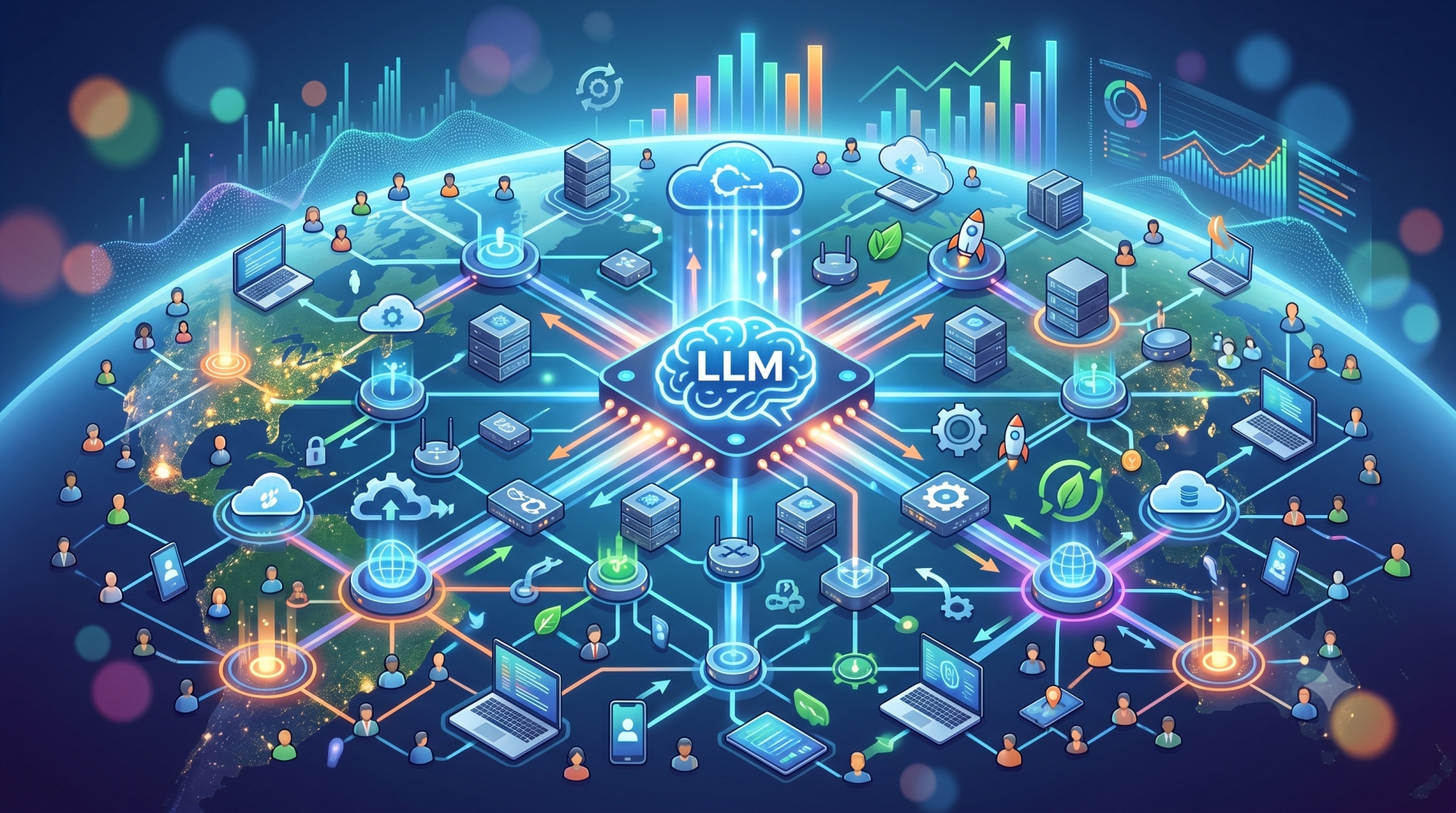
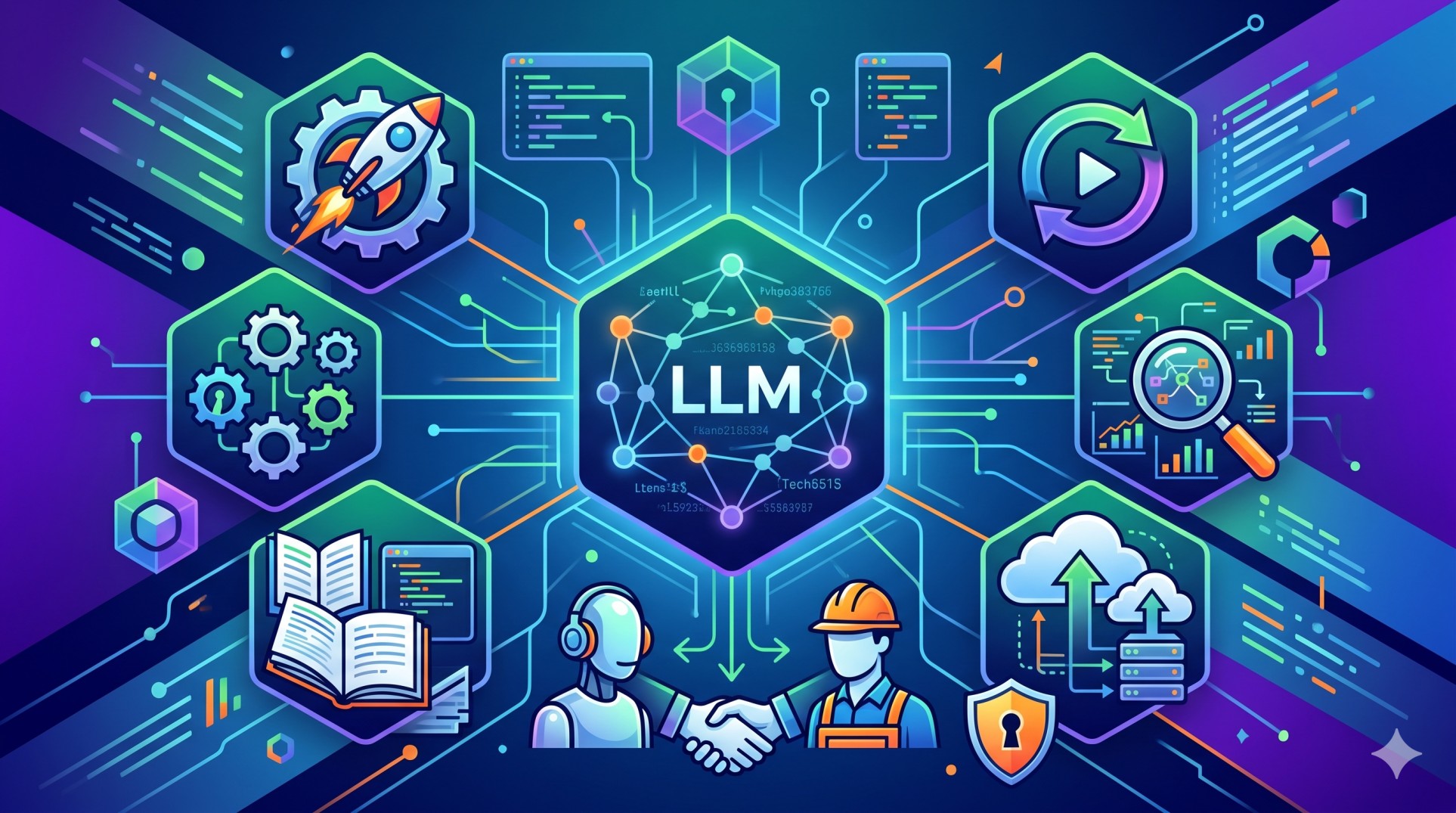
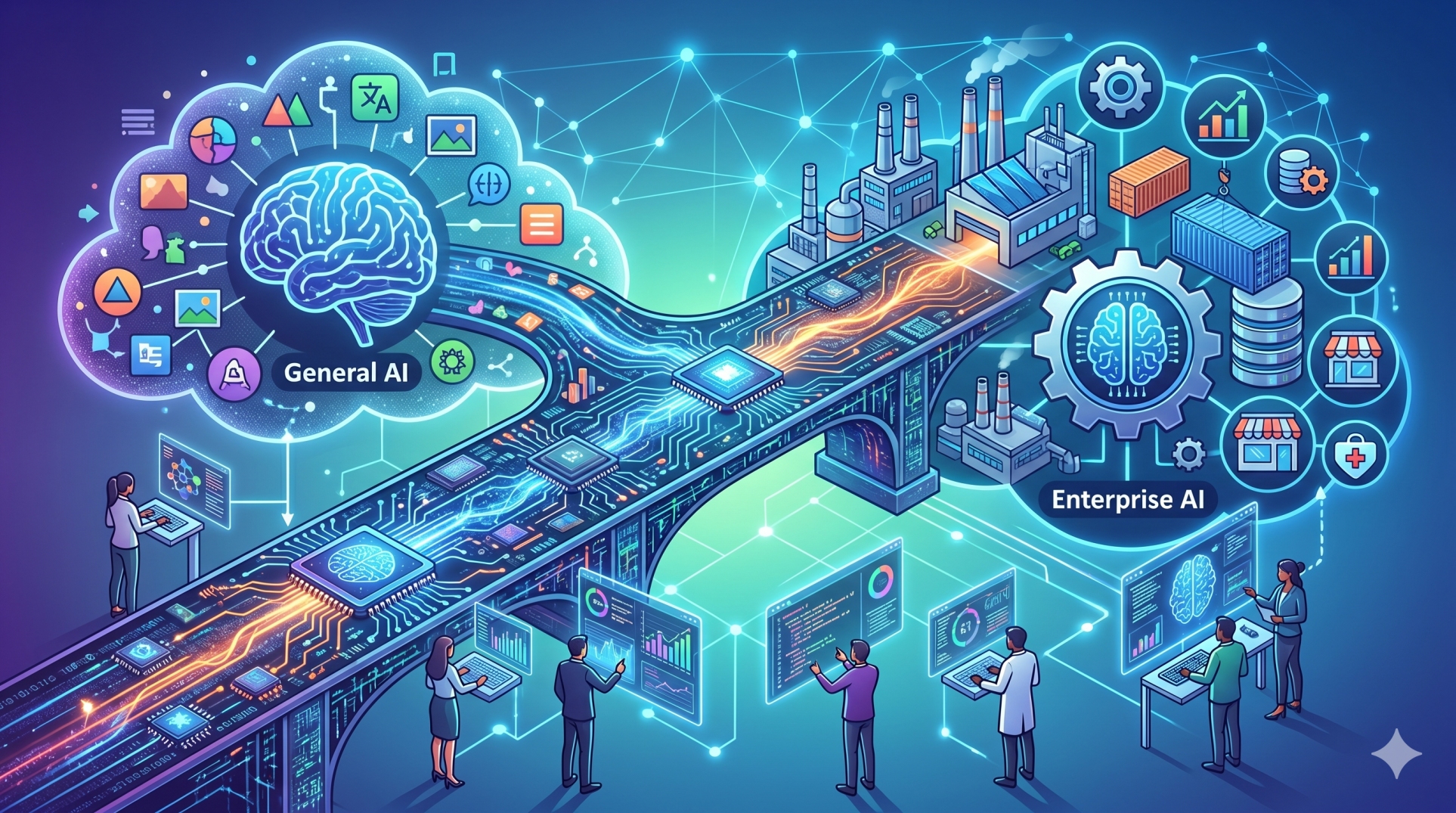
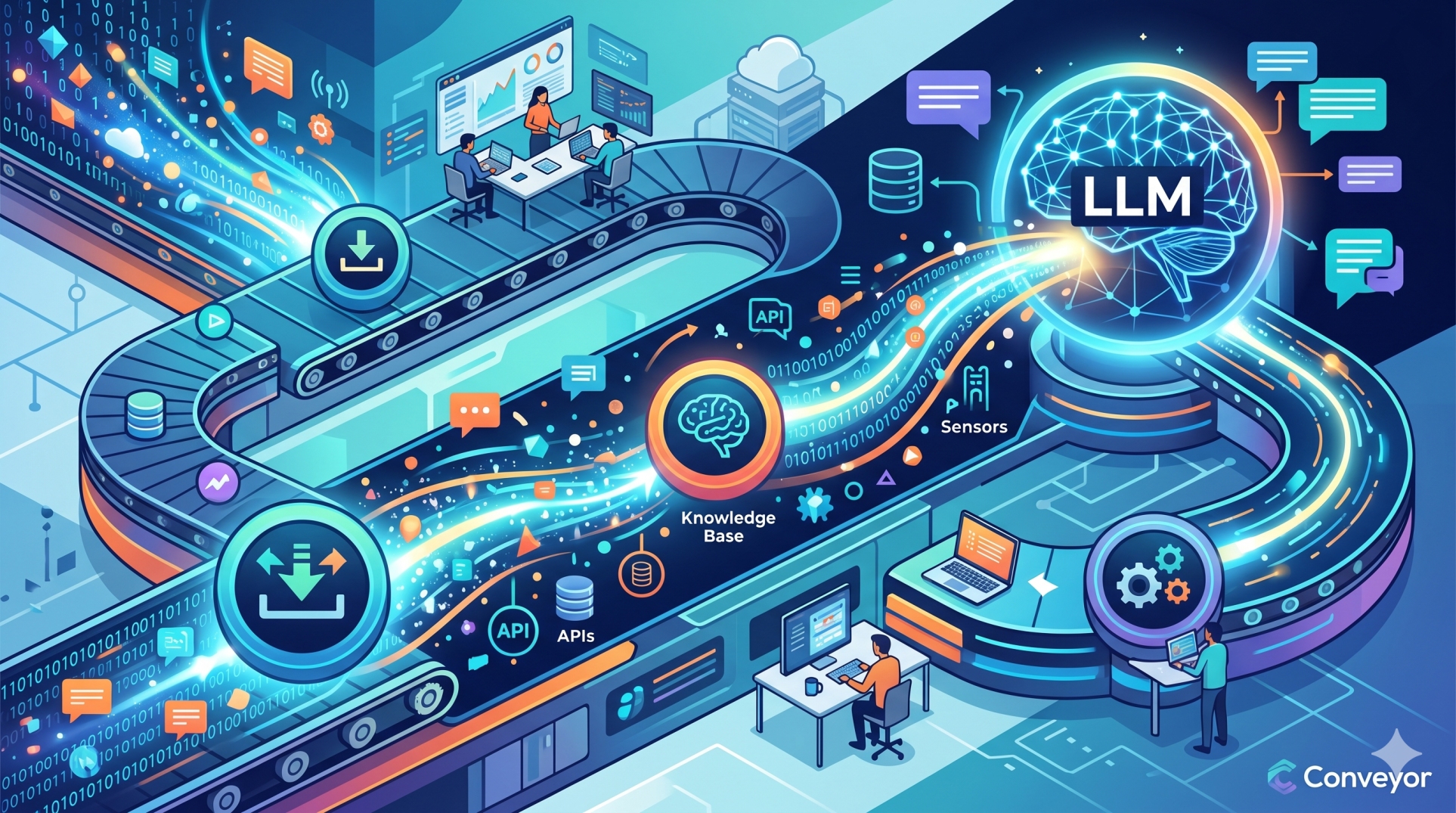
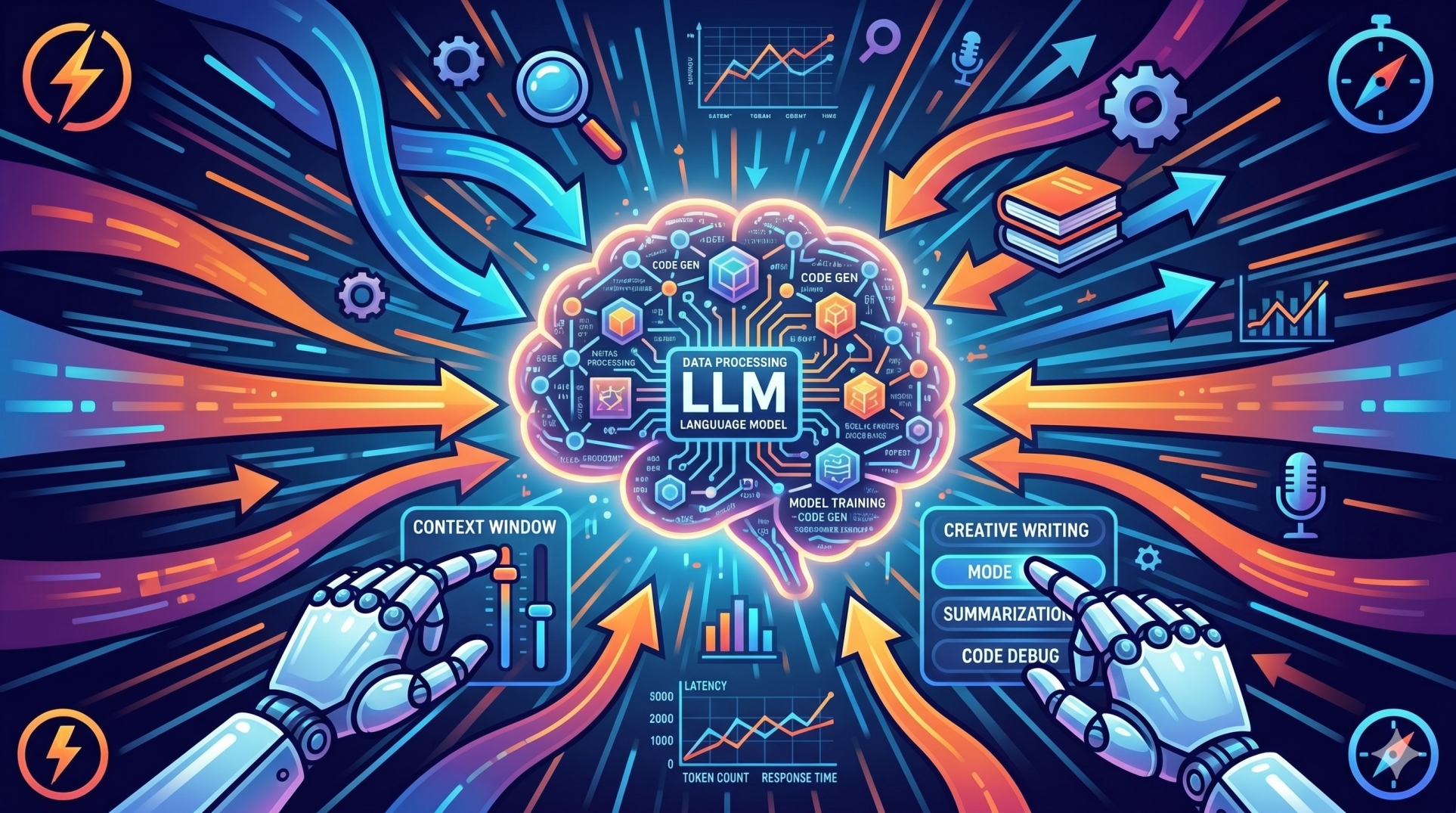
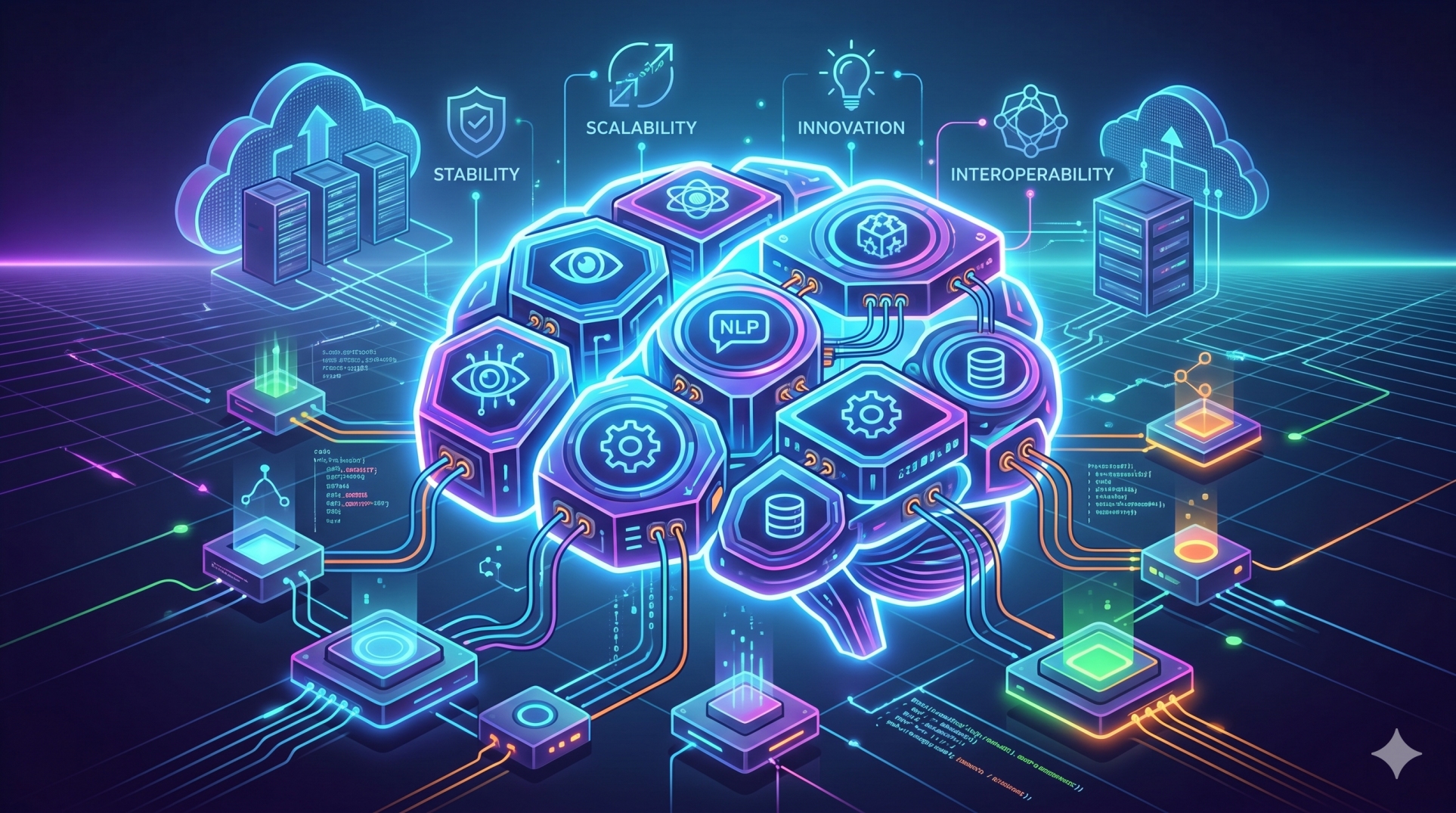
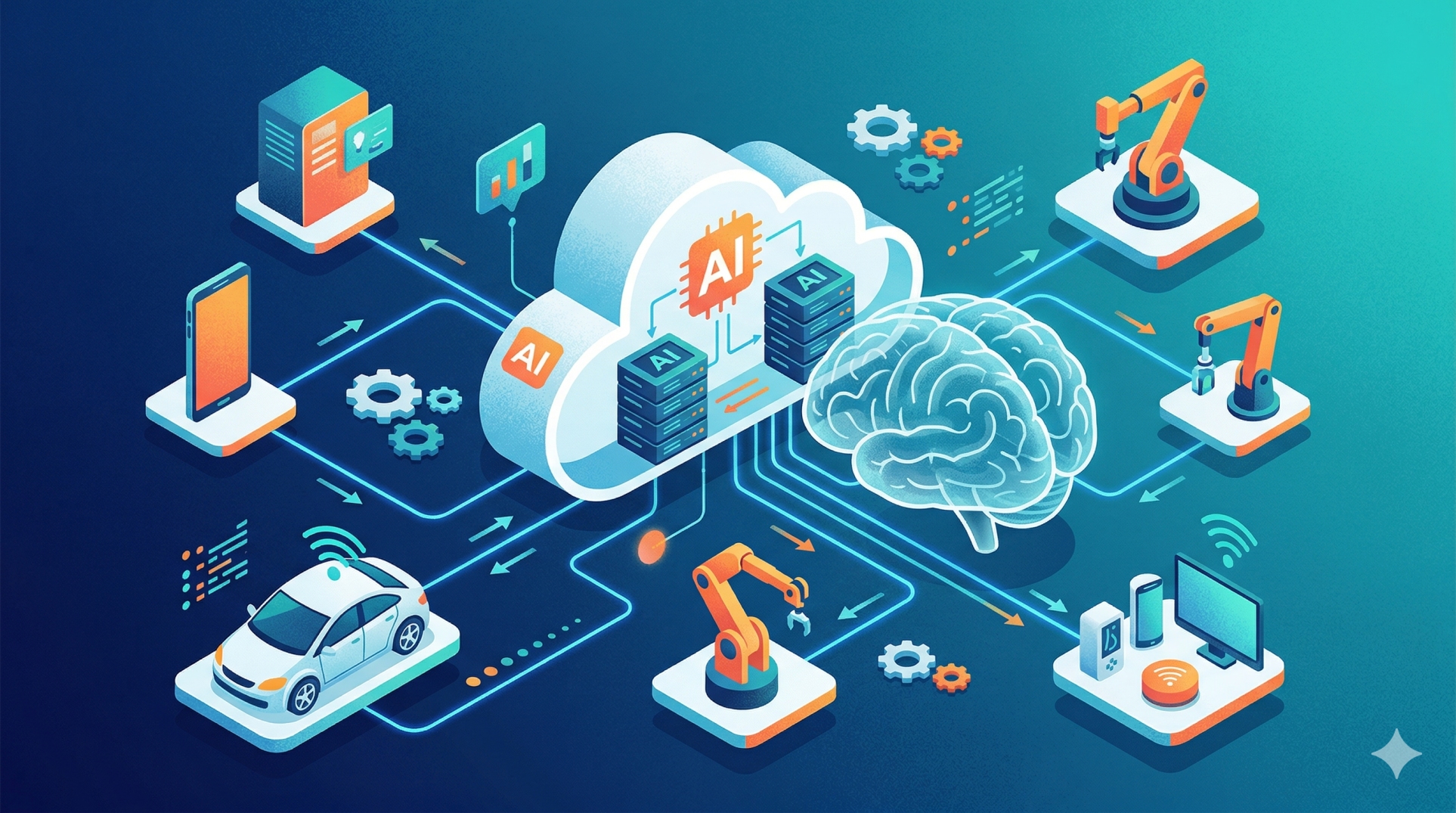
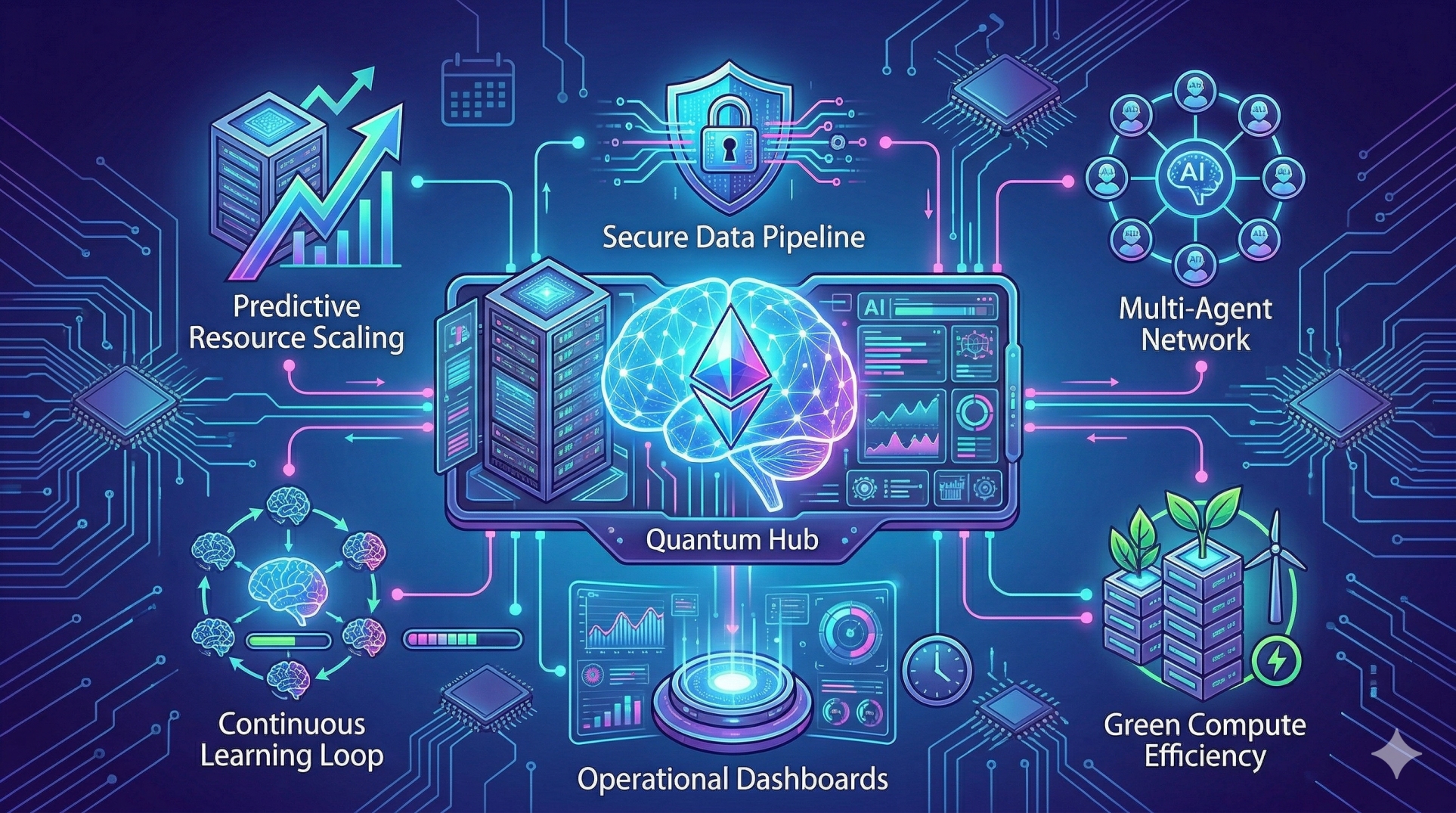
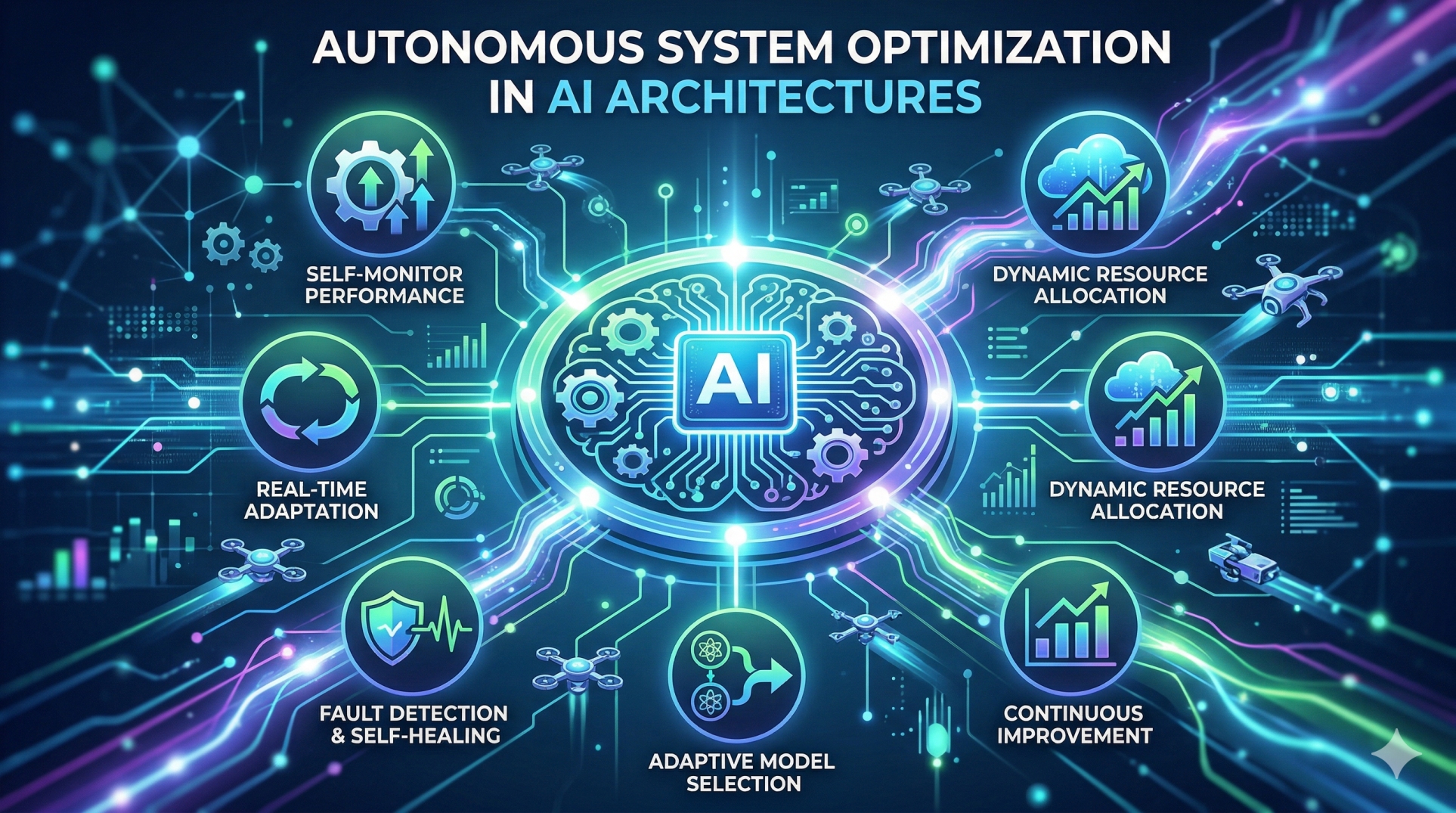
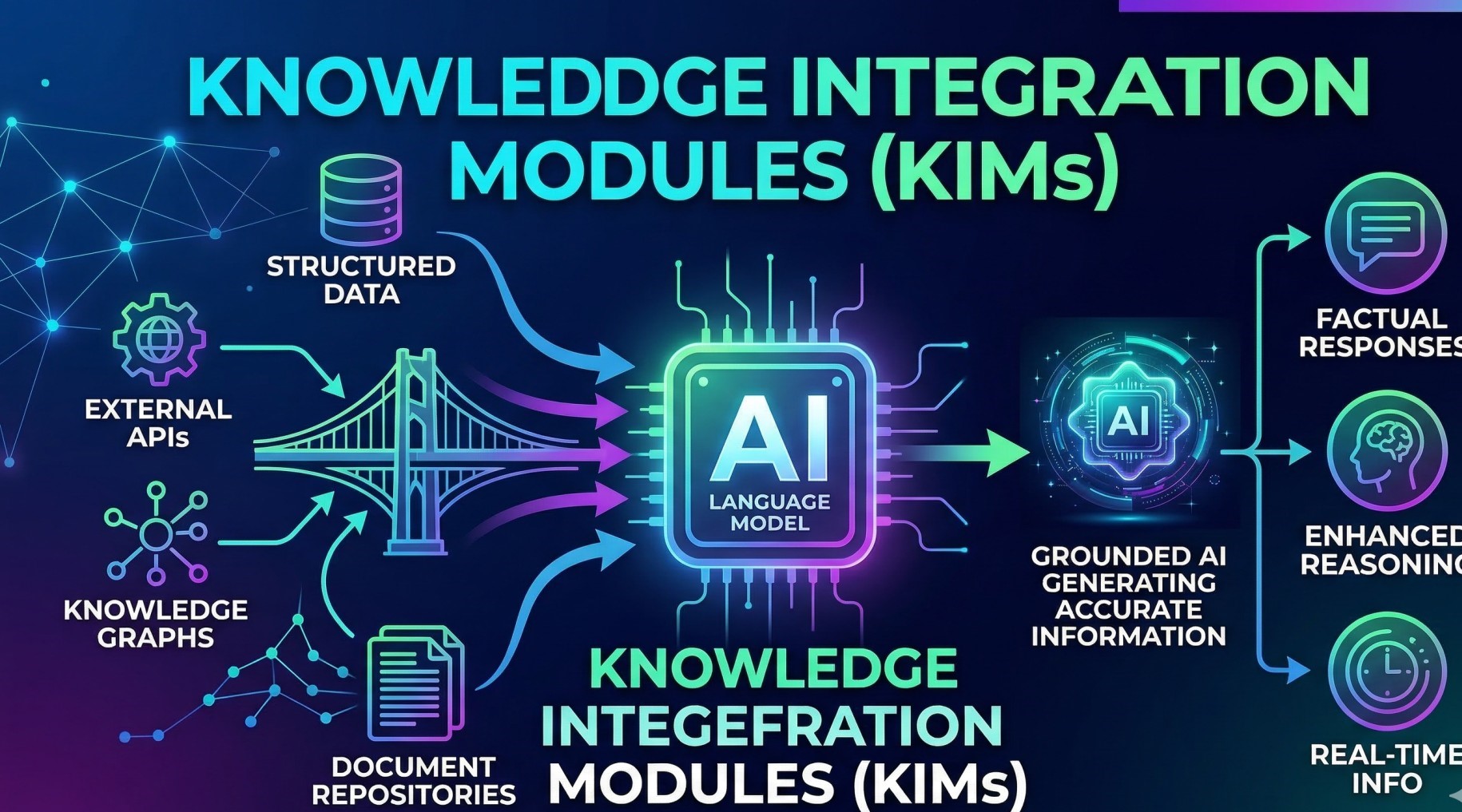
As AI language systems evolve beyond basic text generation, integrating structured and external knowledge has become essential. Knowledge Integration Modules (KIMs) act as the bridge between language models and reliable data sources, enabling more accurate, context-aware, and explainable outputs. By grounding responses in verified information, these modules improve reliability while preserving the flexibility of generative AI.
Step 1: Understanding Knowledge Integration Modules 🧠🔗
• Knowledge Integration Modules connect AI models with both structured and unstructured data 📊📄
• They enhance responses using real-time and domain-specific information ⏱️📚
• KIMs reduce hallucinations by grounding outputs in factual sources 🚫🌀
• They expand model capabilities beyond original training data 🚀📈
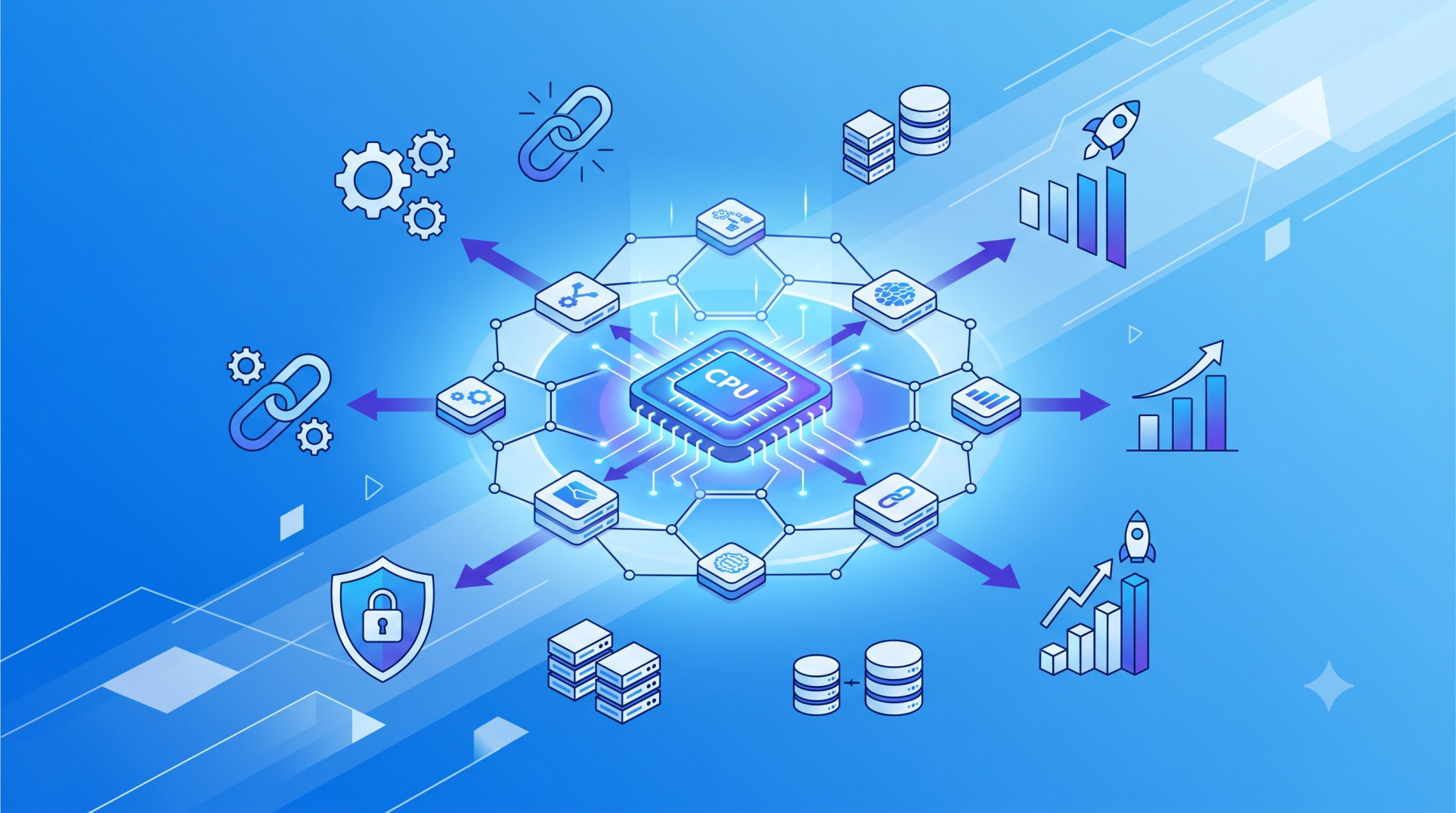
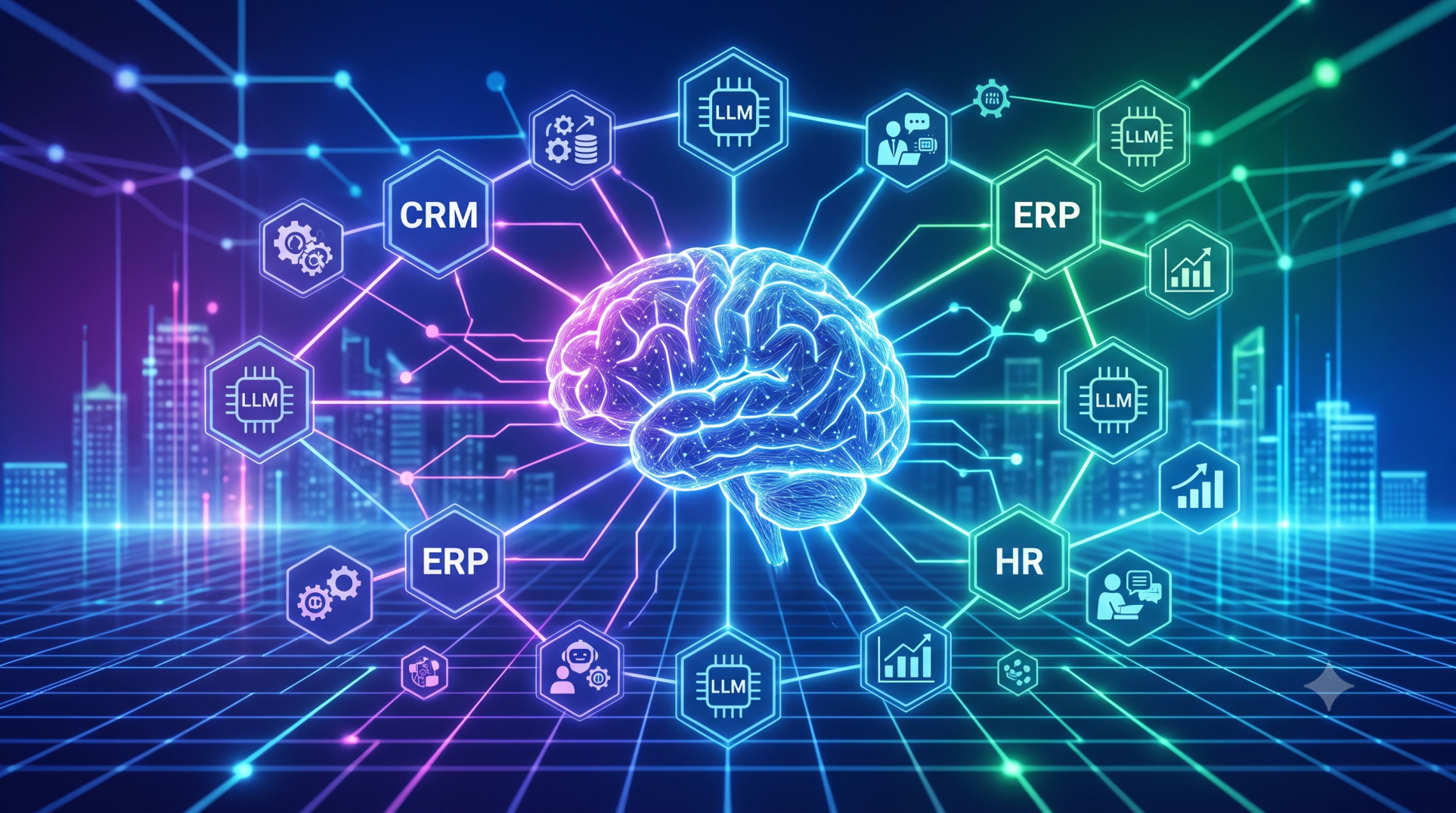
• Serve as a core layer in enterprise AI architecture 🏢⚙️
Step 2: Types of Knowledge Sources 🗂️🌐
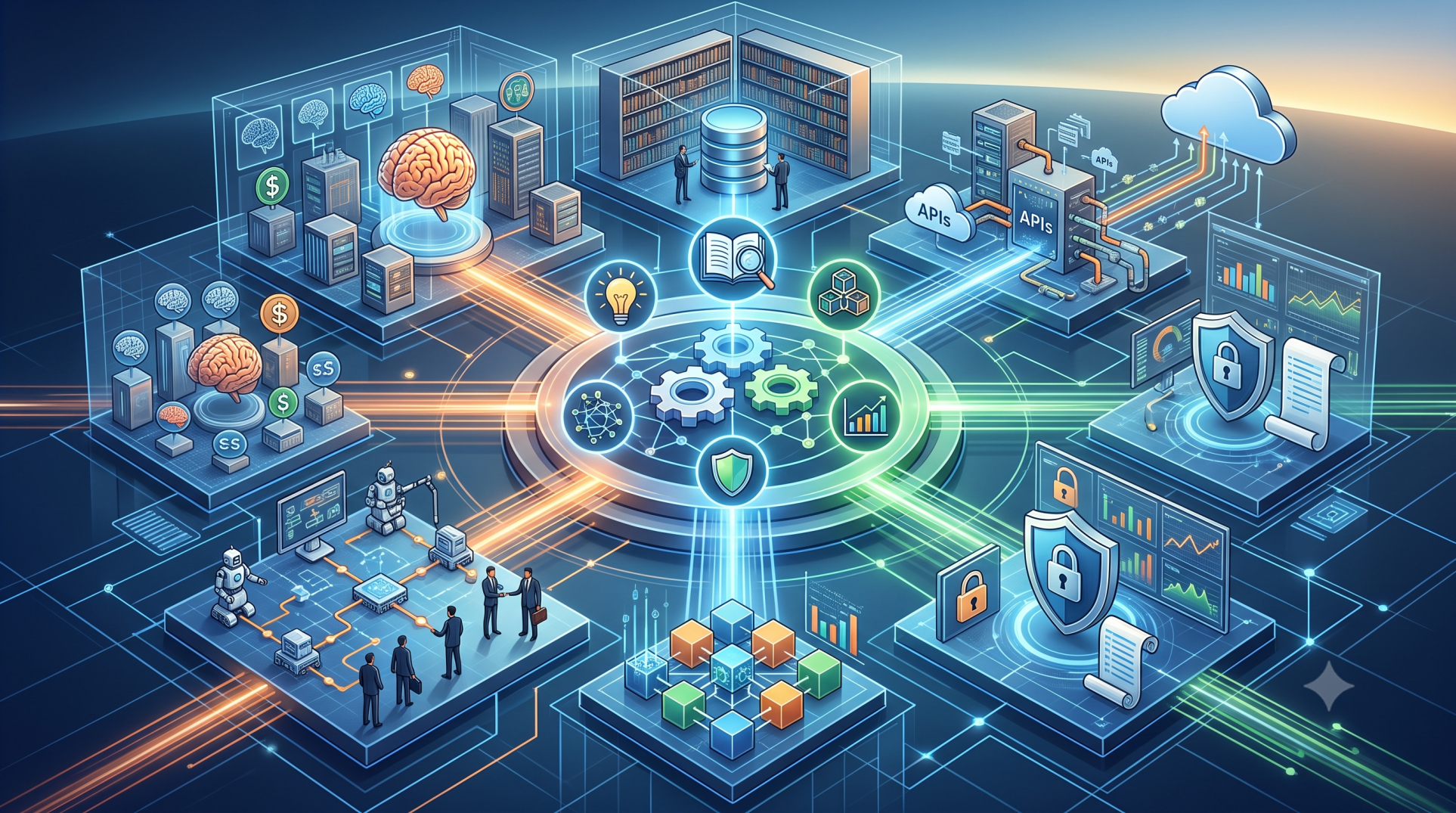
• Structured systems such as relational databases and data warehouses 🗄️📊
• Knowledge graphs that represent relationships between entities 🔗🧠
• Document repositories including manuals, reports, and internal files 📄📚
• External APIs providing live or third-party data 🌐⚡
• Vector databases enabling semantic retrieval and search 🔍📦
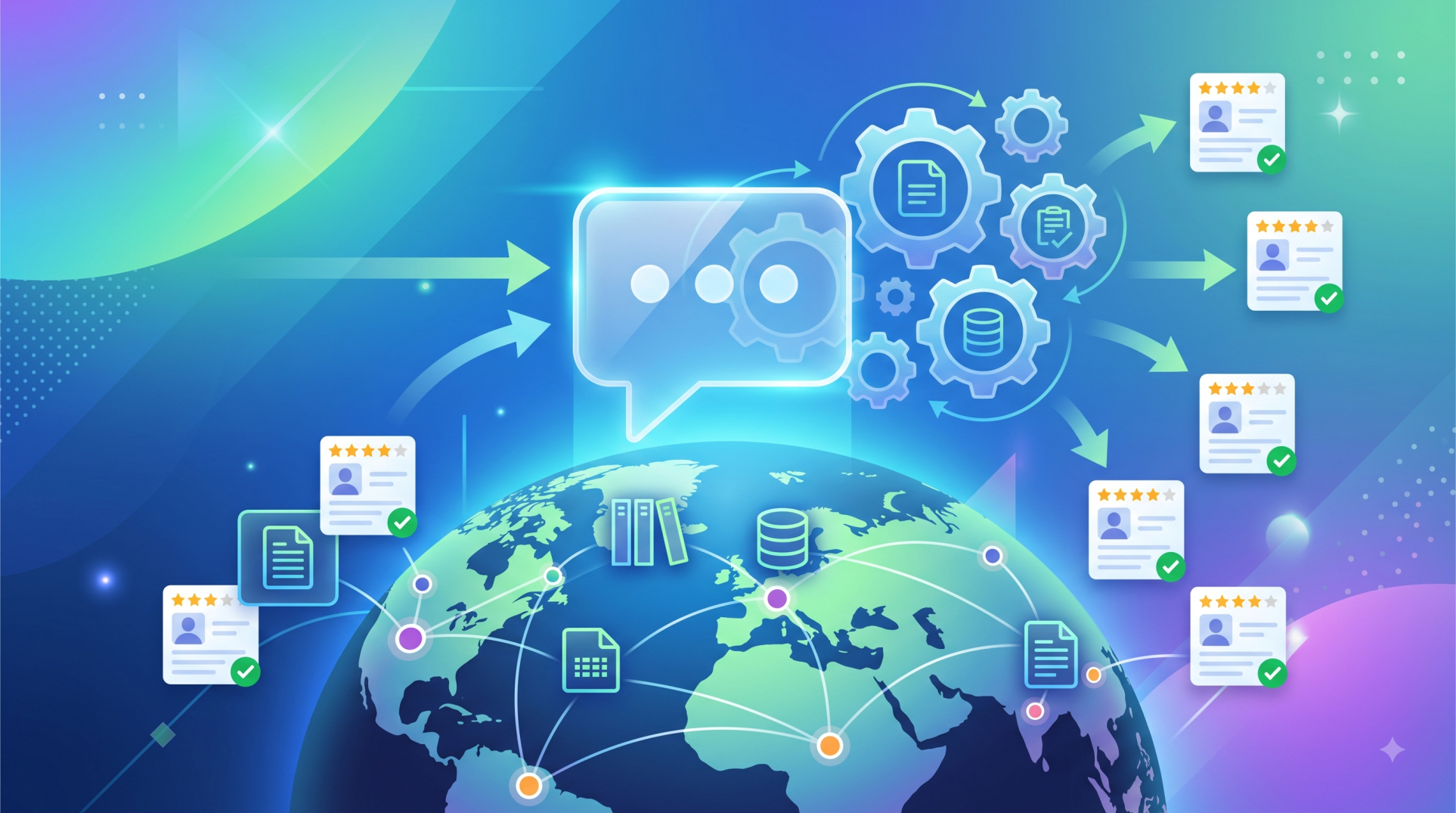
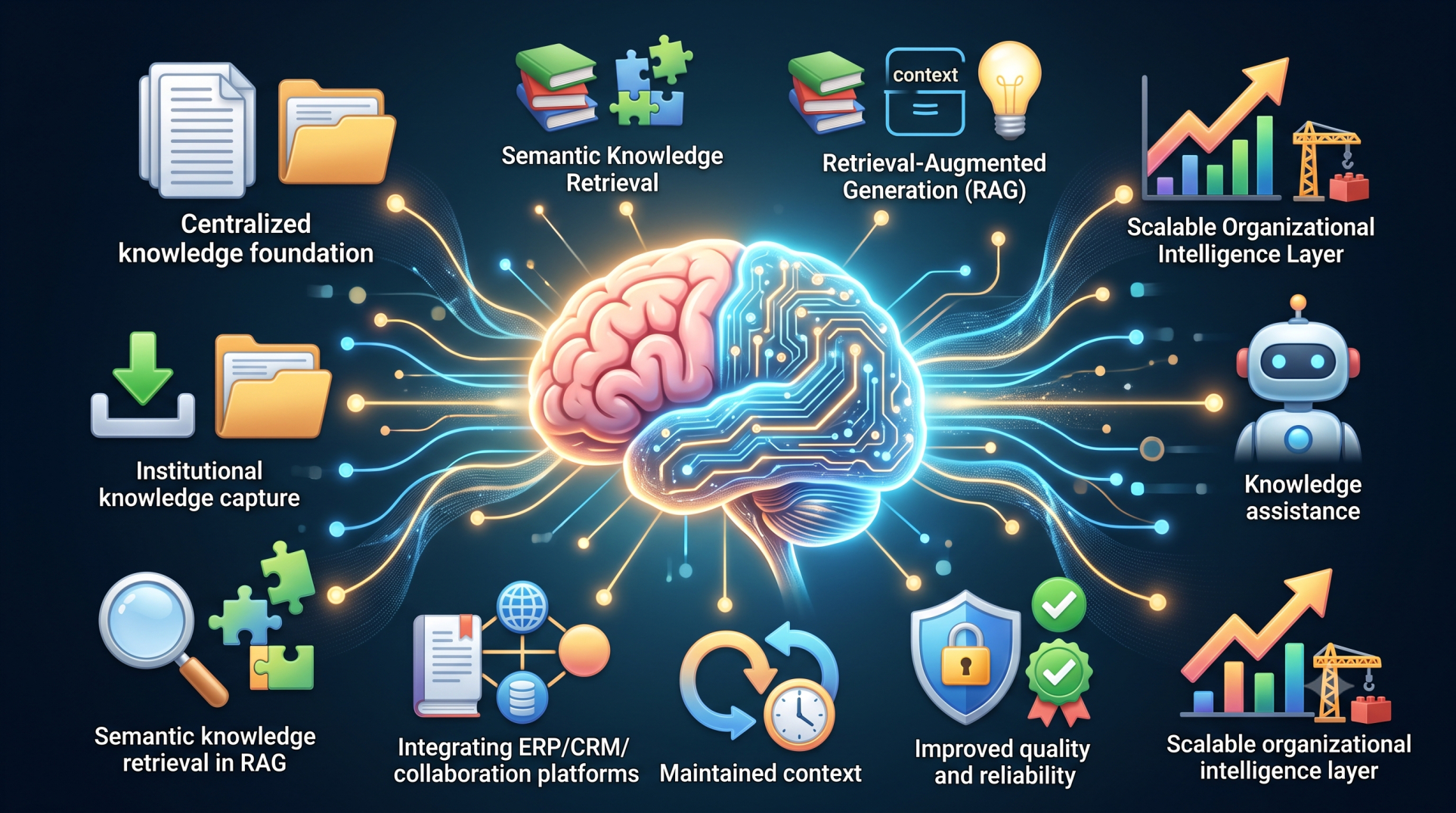
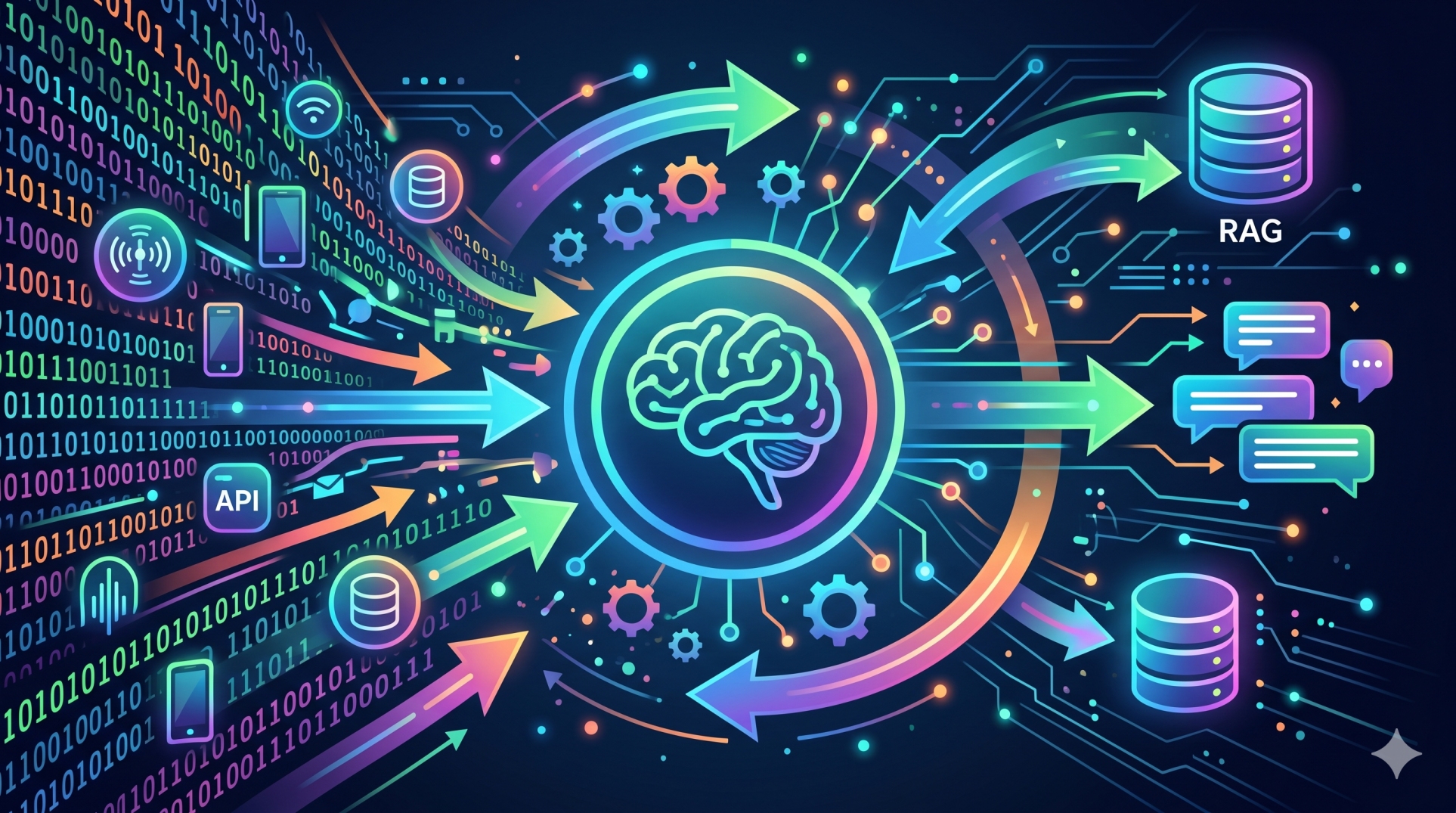
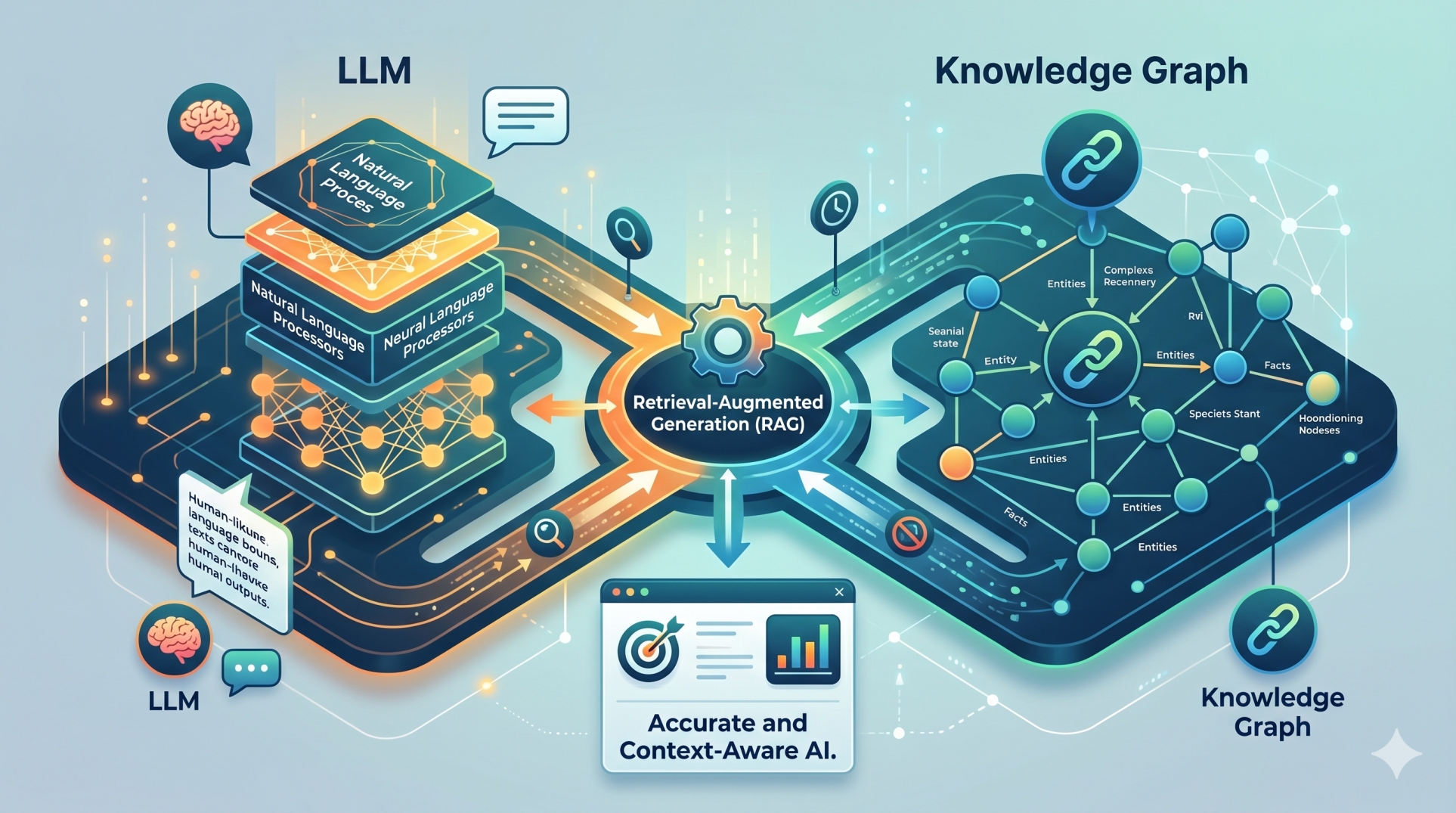
Step 3: Retrieval-Augmented Generation (RAG) 🔎🤖
• Combines retrieval mechanisms with generative models 🔗🧠
• Fetches relevant context before generating responses 📥📄
• Improves factual accuracy and reduces outdated outputs ✔️📉
• Enables domain adaptation without retraining base models 🔄⚙️
• Supports continuous and scalable knowledge updates 📈🔁
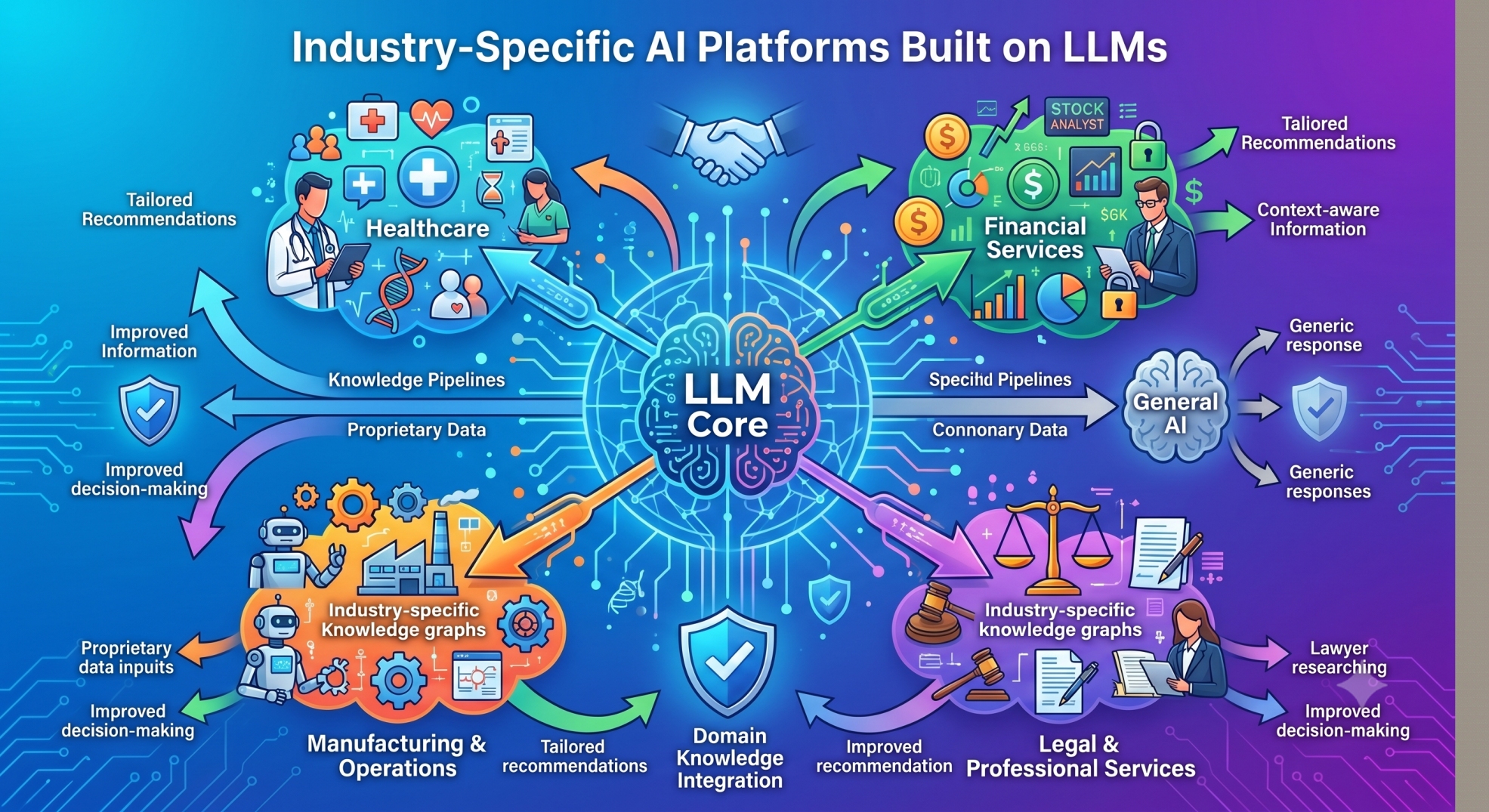
Step 4: Knowledge Graph Integration 🌐🧩
• Represents data through connected entities and relationships 🔗📊
• Enhances reasoning across linked information 🧠➡️
• Supports more advanced and context-rich queries 🎯📚
• Improves explainability and transparency of outputs 🔍✔️
• Moves beyond keyword matching to semantic understanding 🧩🔎
Step 5: Embedding and Vector Search 📐🔍
• Converts text into vector representations for computation 🔢📄
• Enables similarity-based retrieval across large datasets 🔍📦
• Forms the foundation of semantic search in RAG systems 🧠🔗
• Improves relevance and precision of retrieved content 🎯📊
• Supports contextual and multilingual search capabilities 🌍🗣️
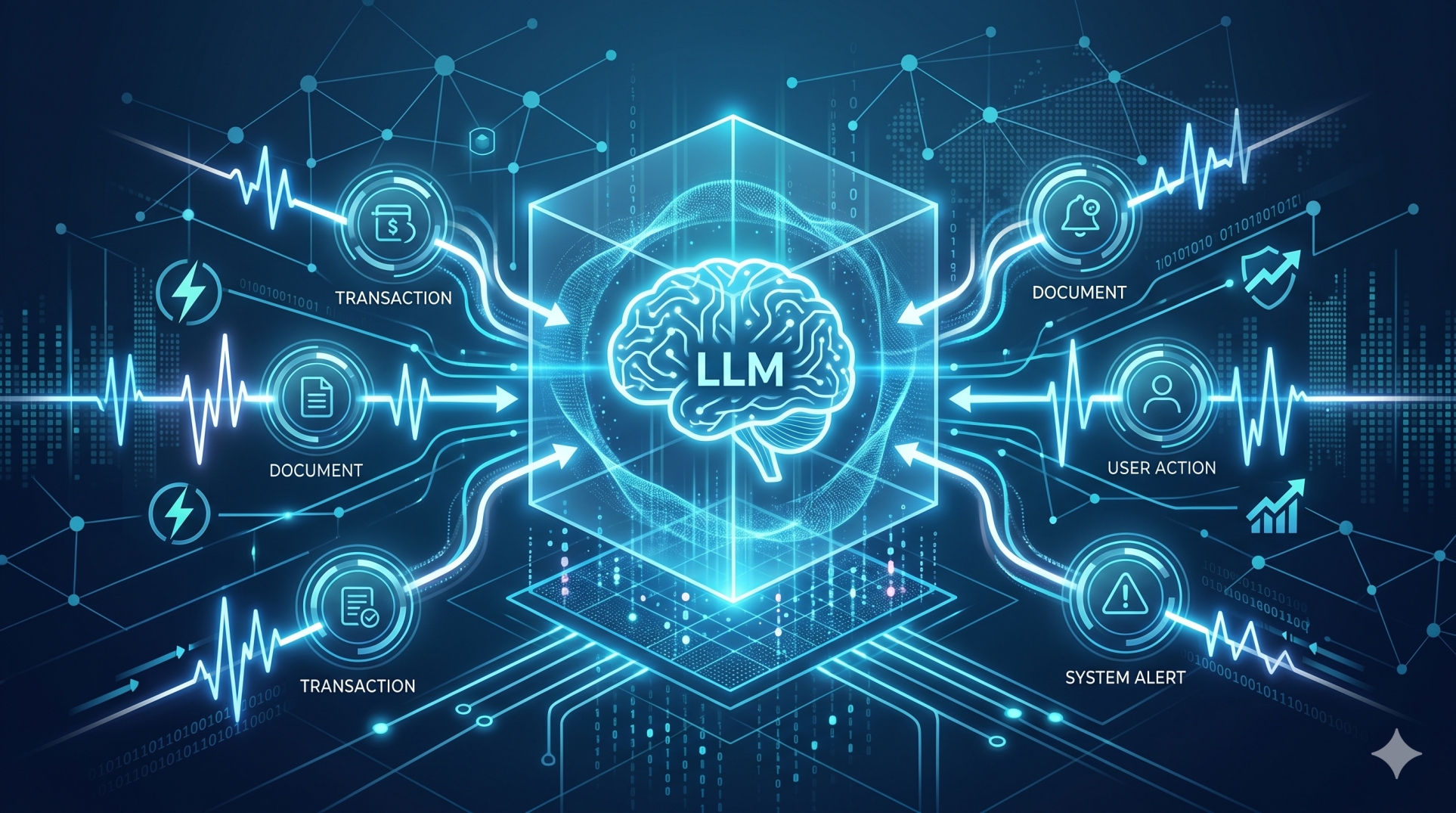
Step 6: Real-Time Data Integration ⏱️🌐
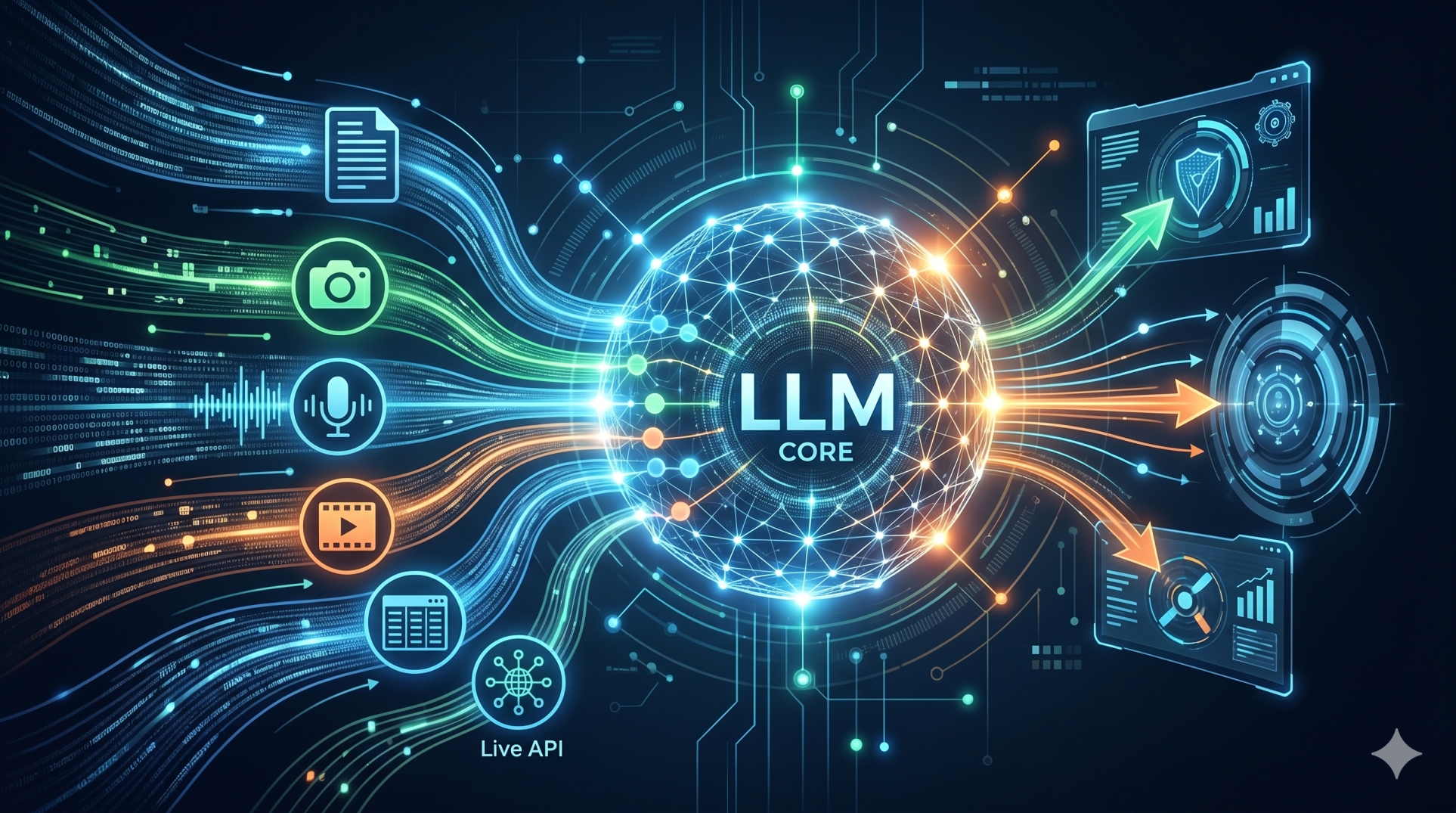
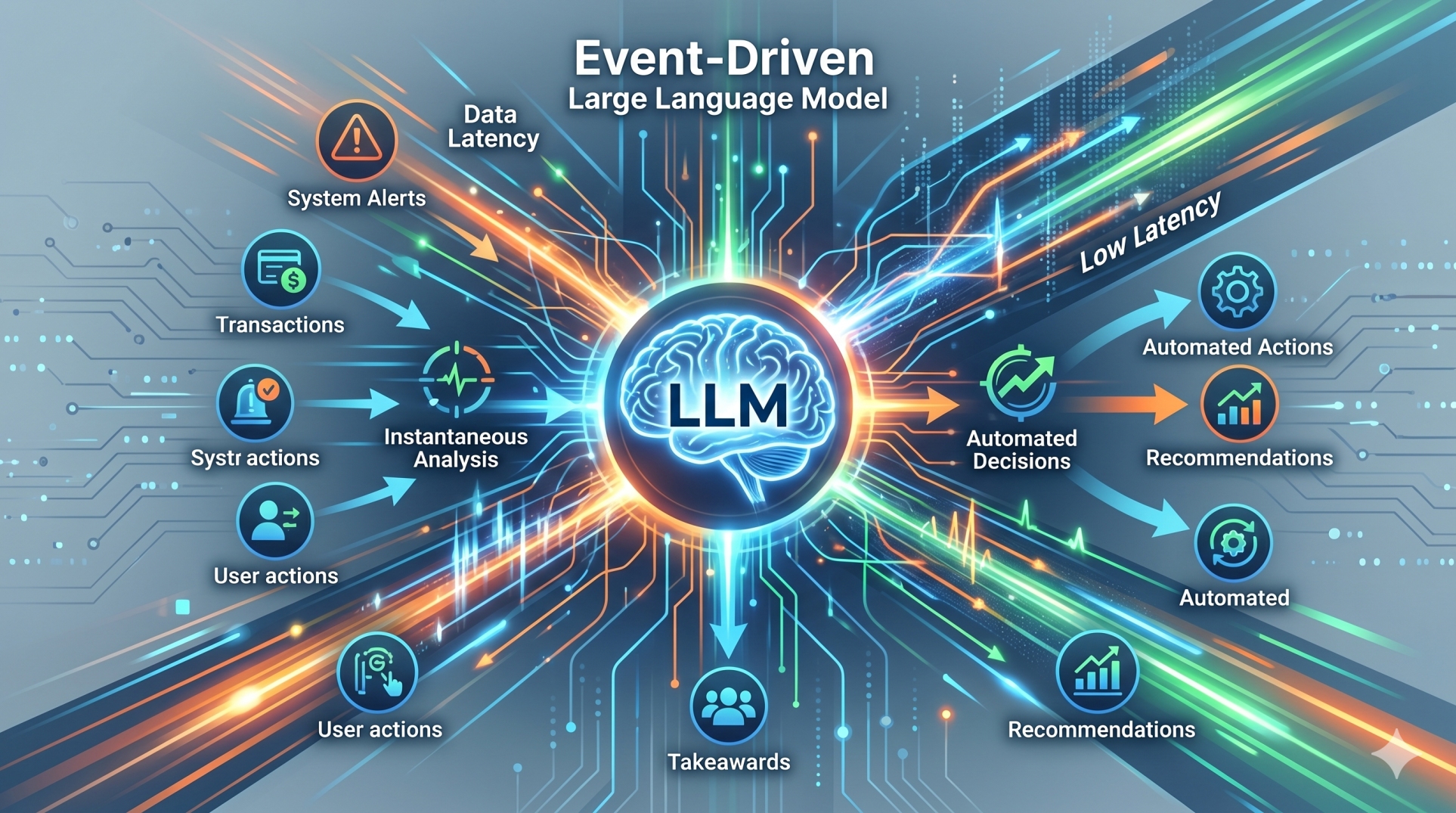
• Connects AI systems with live data streams and APIs 🔗⚡
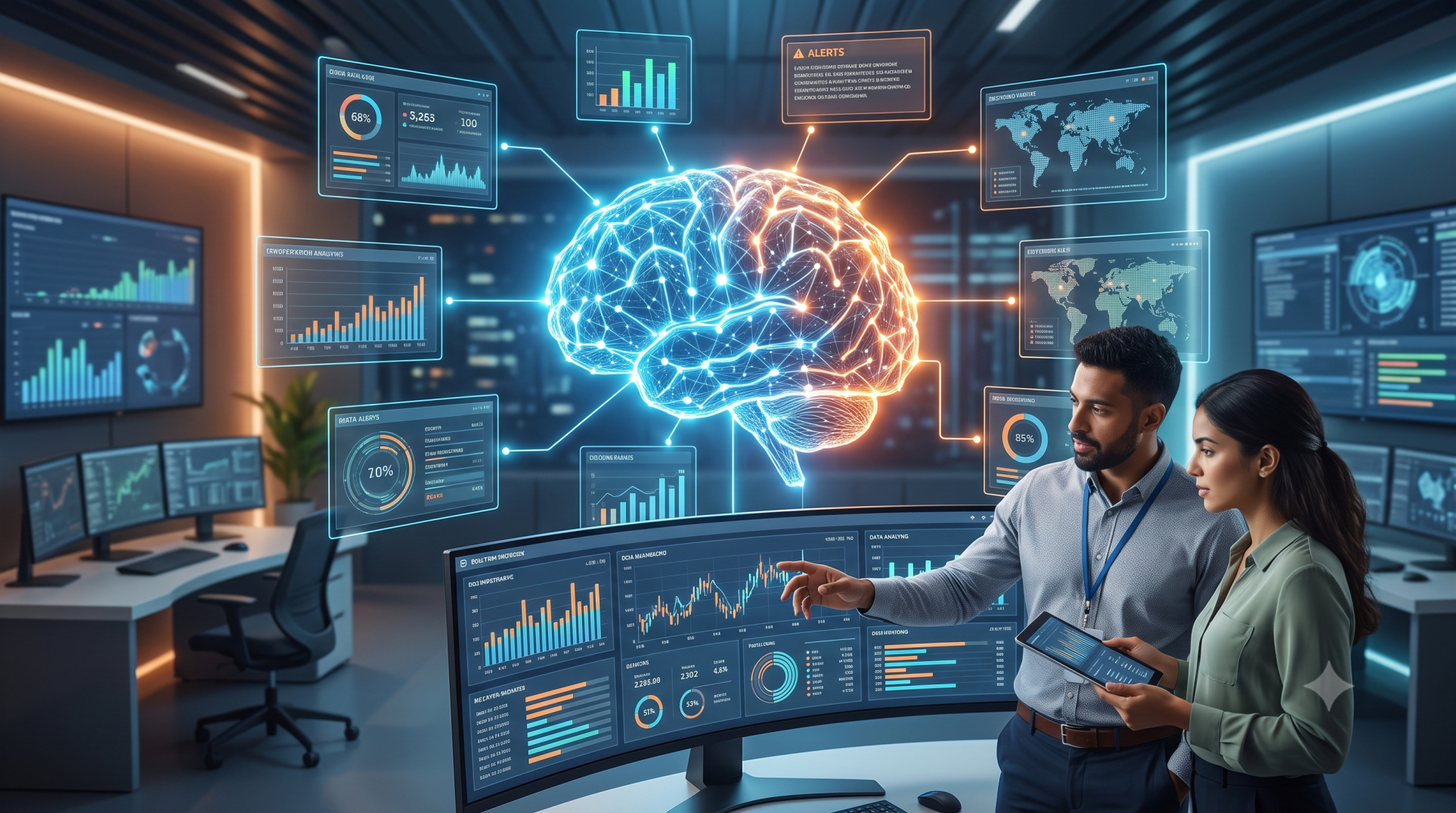
• Ensures responses reflect the most current information 📊🕒
• Supports dynamic use cases like pricing, inventory, and analytics 💰📦
• Reduces reliance on static or outdated datasets 🚫📉
• Enables adaptive and responsive AI behavior 🤖🔄
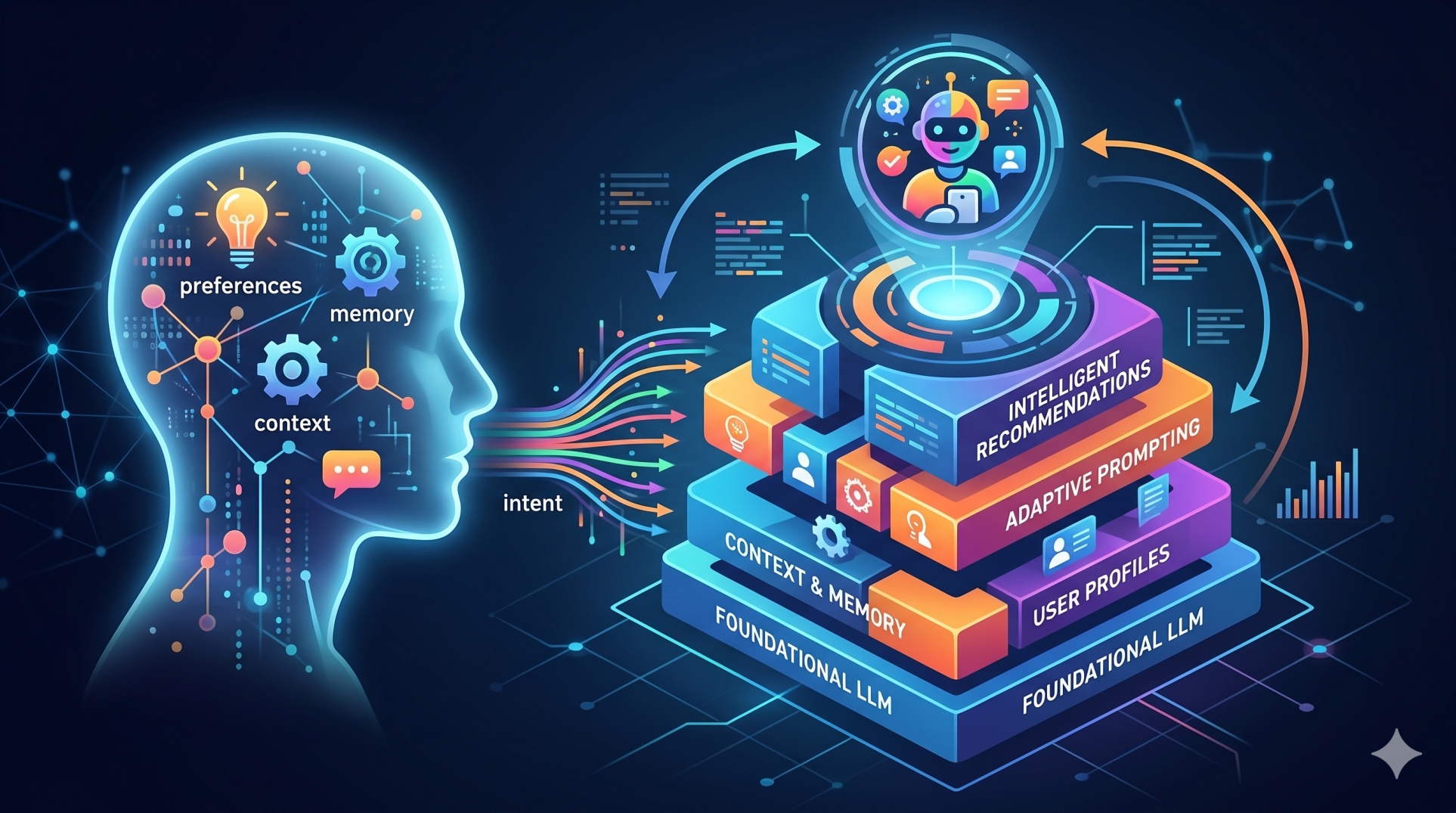
Step 7: Context Management and Memory 🧠💾
• Maintains both session-level context and long-term memory 🔄📚
• Incorporates past interactions into ongoing responses 💬🔗
• Enables personalization and tailored experiences 🎯👤
• Improves conversational flow and coherence 🧩🗣️
• Balances memory usage with privacy and system efficiency 🔐⚙️
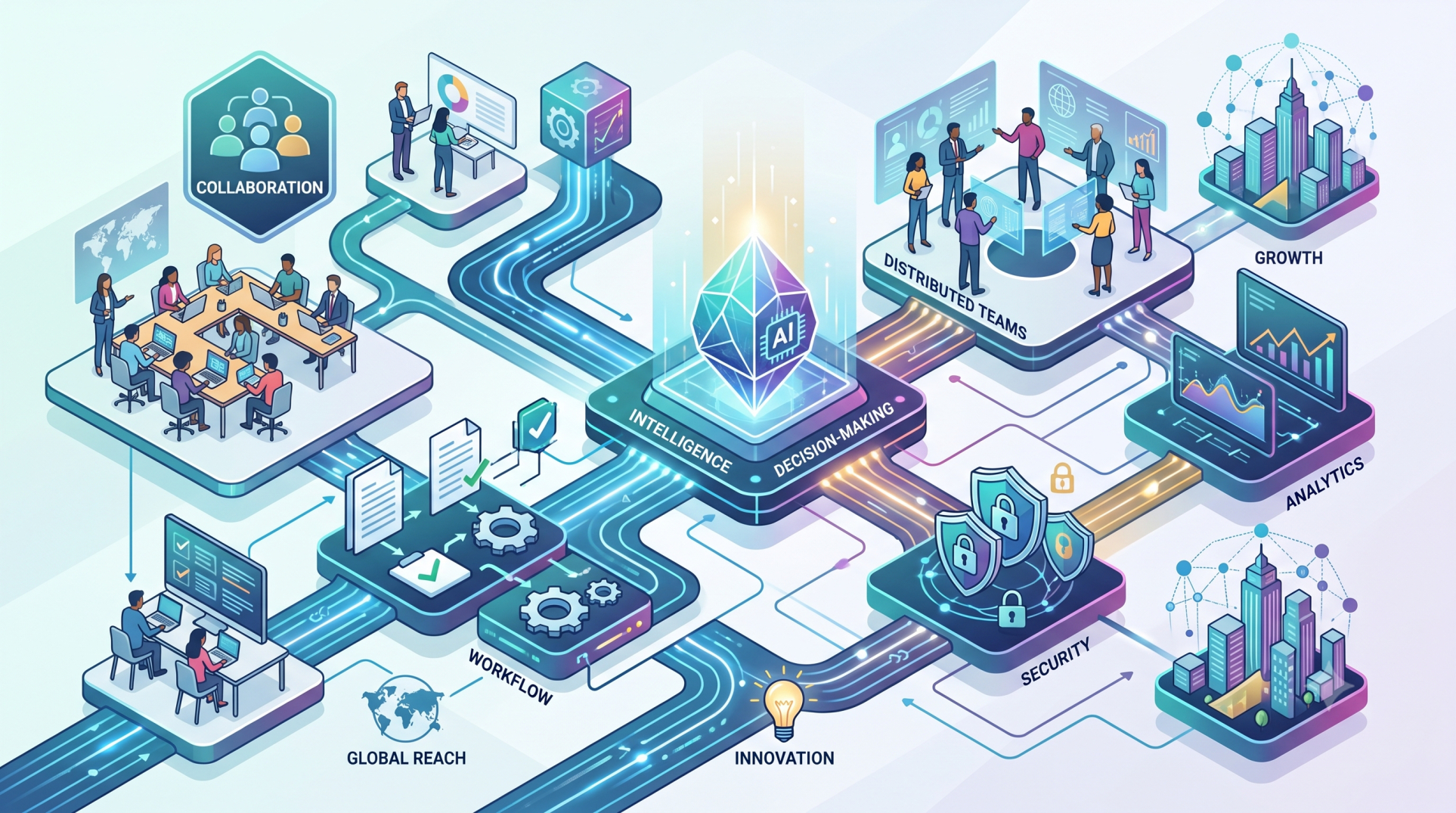
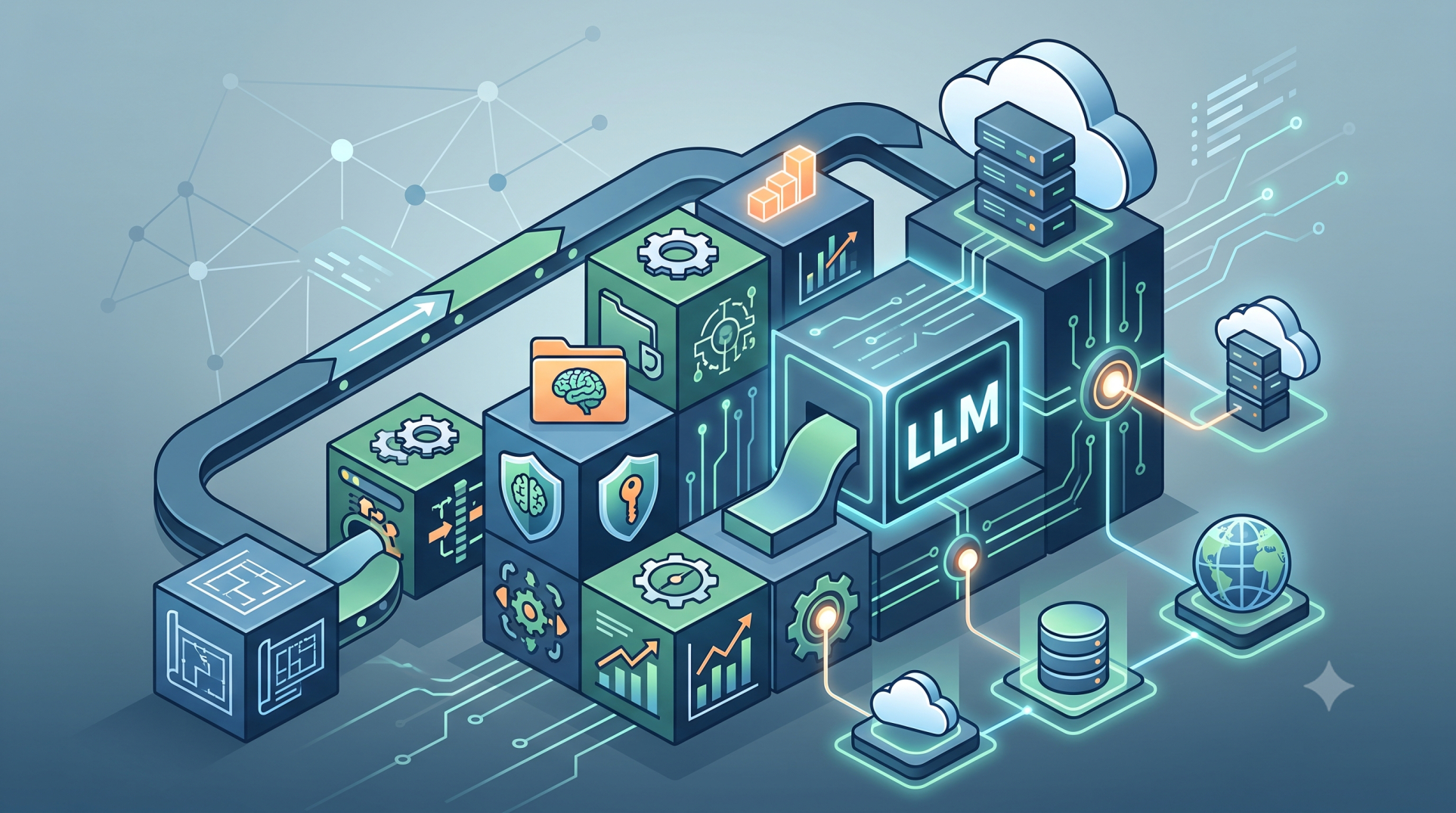
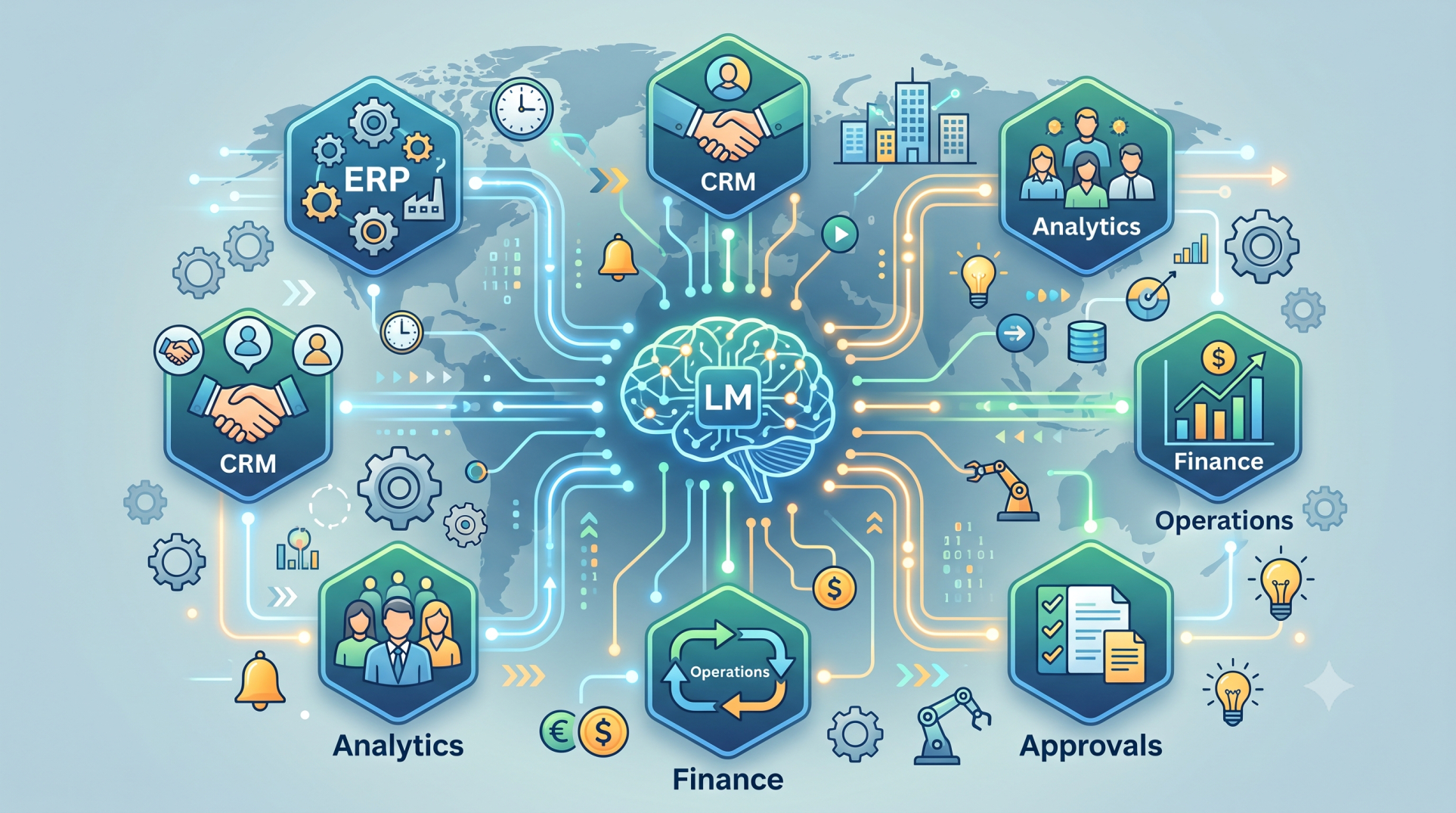
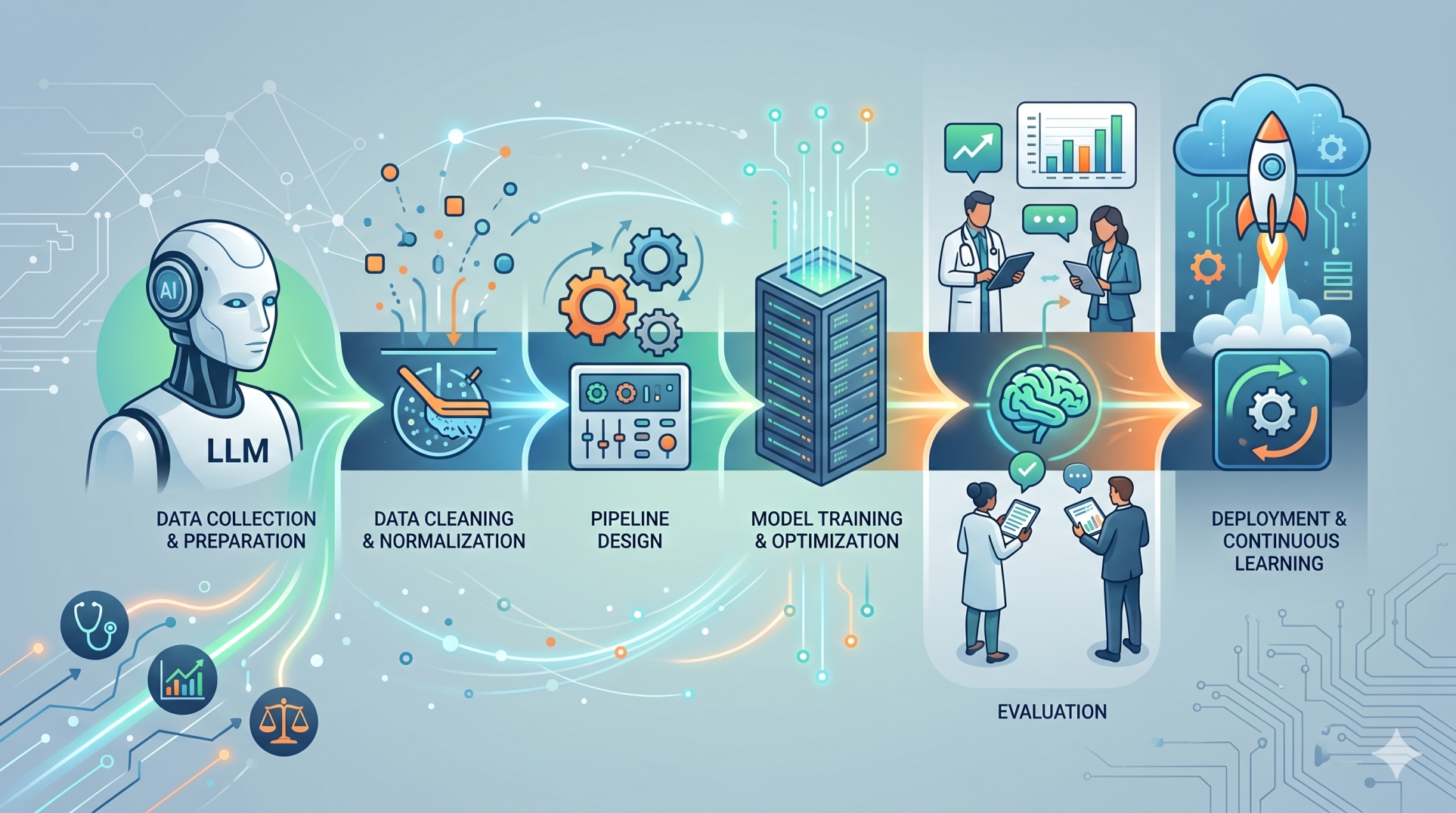
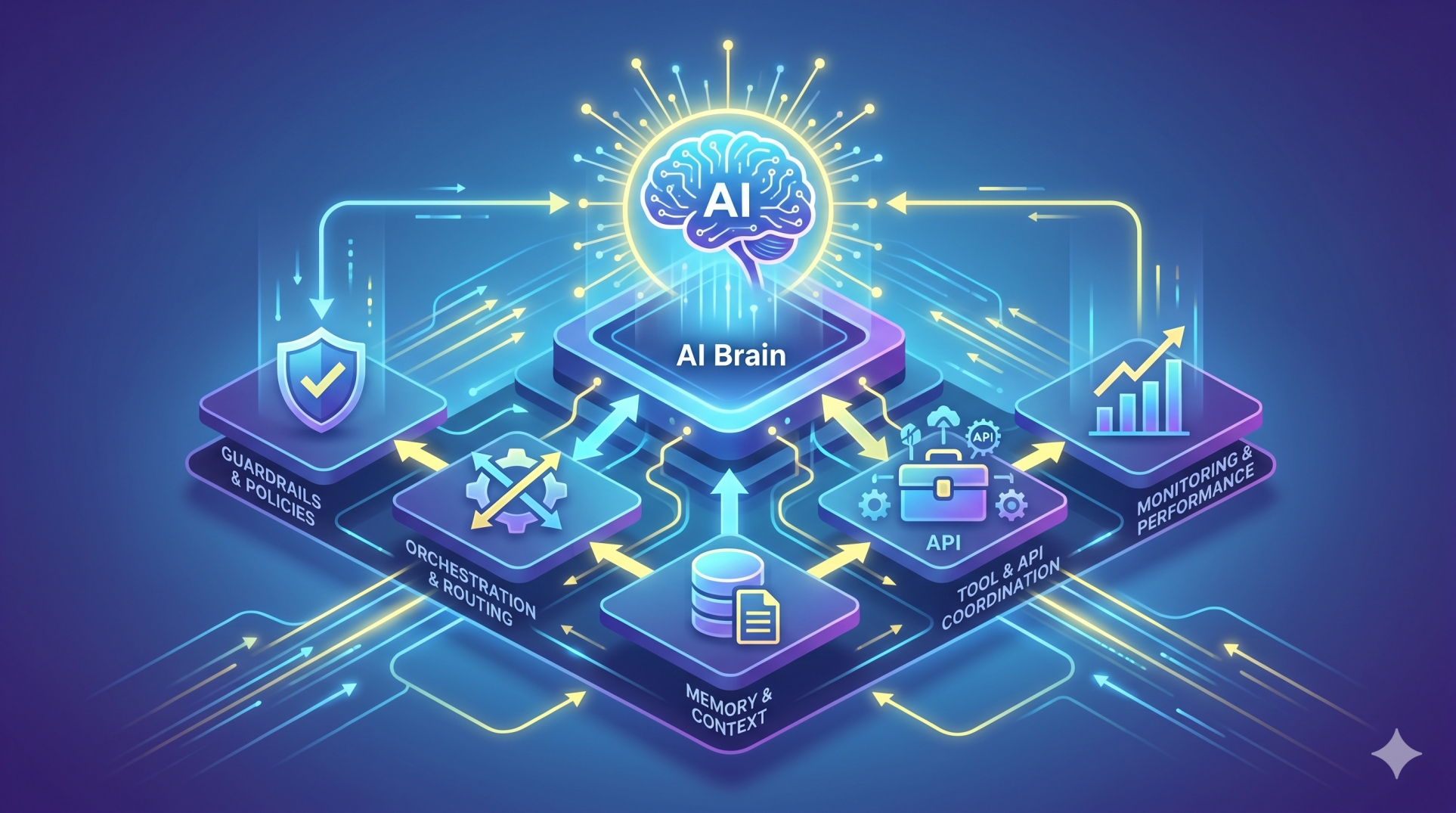
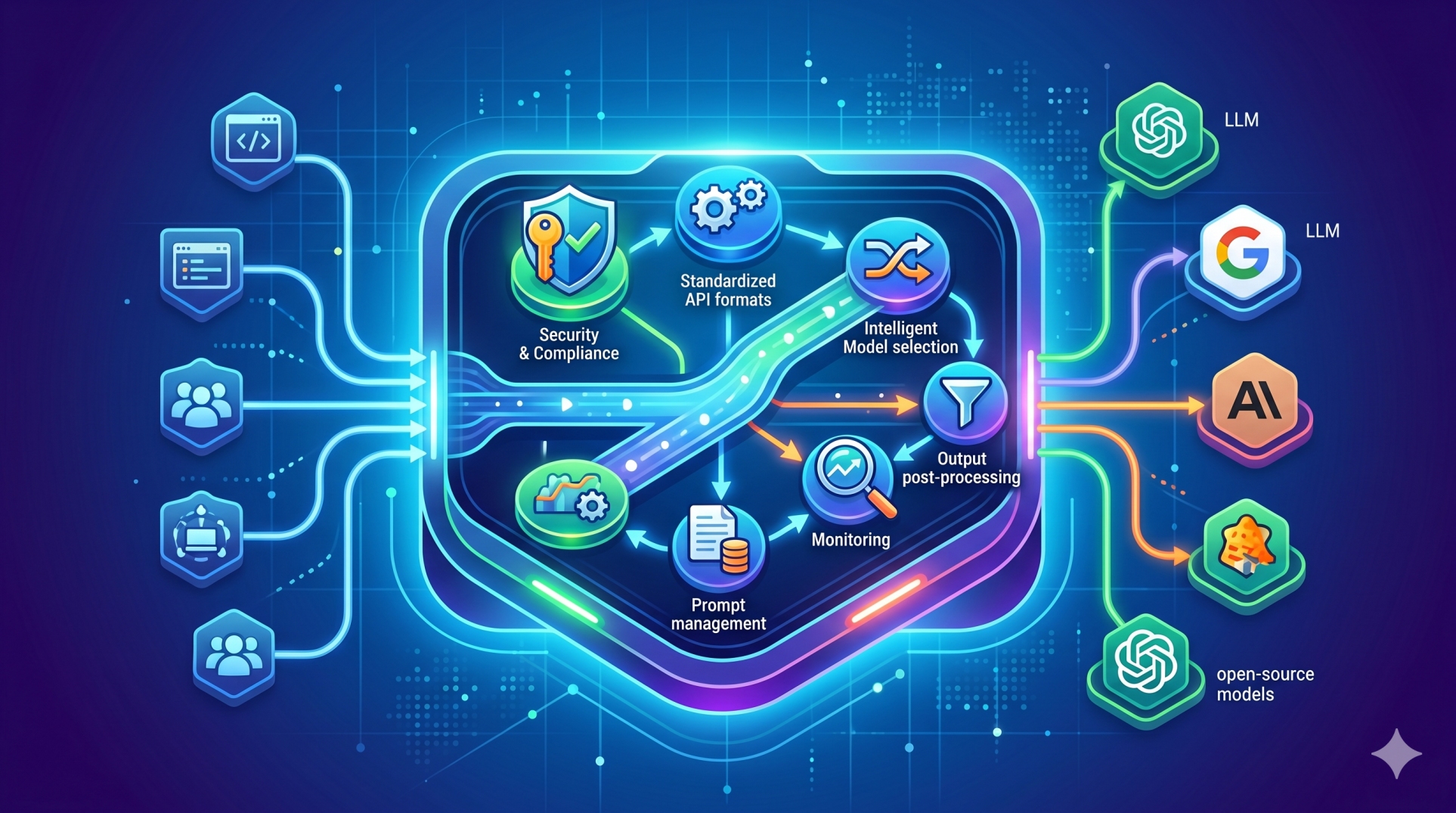
Step 8: Orchestration and Middleware Layers ⚙️🔗
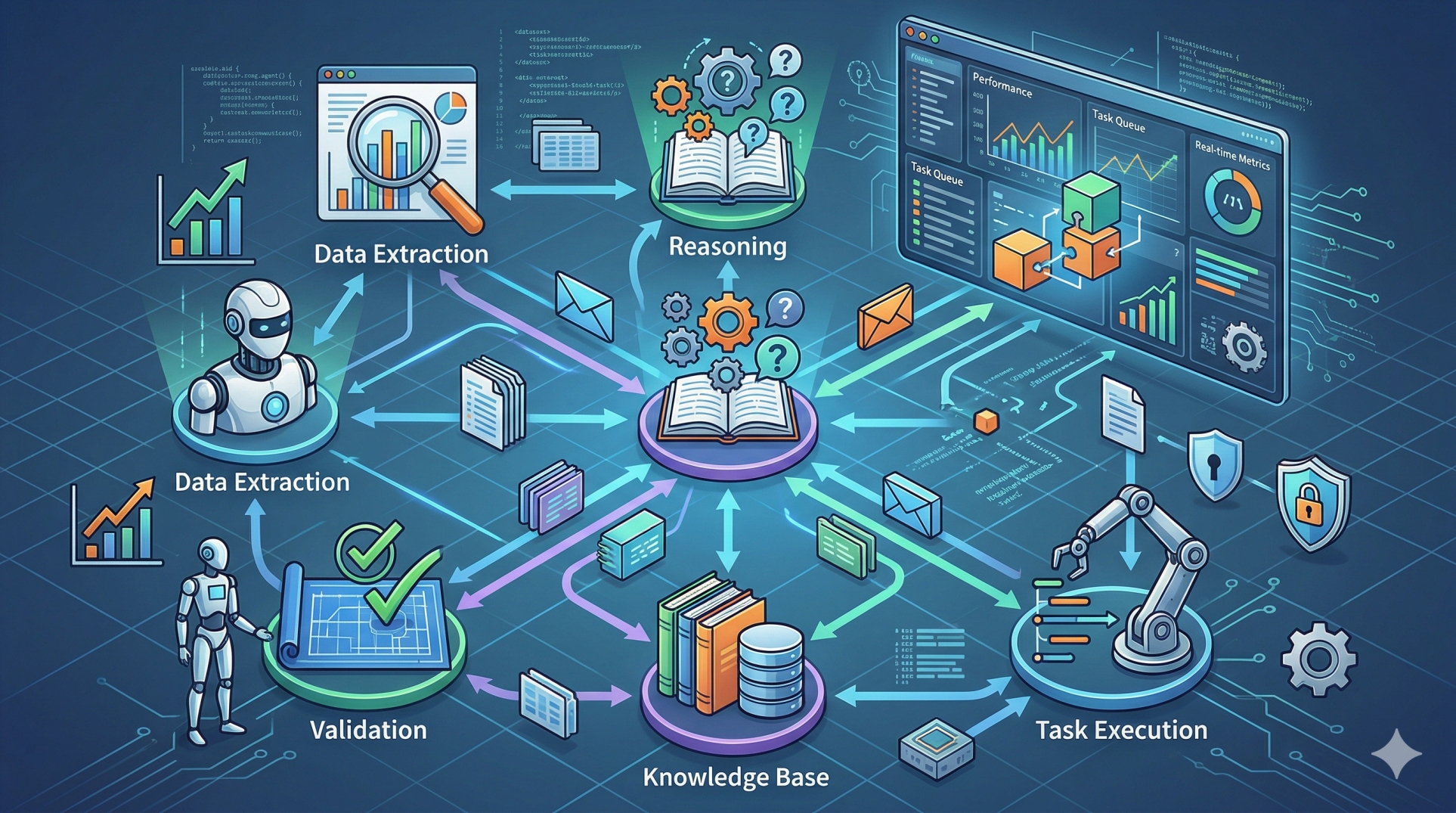
• Coordinates interactions between models and knowledge systems 🔄🧠
• Manages query routing and response composition 📥📤
• Ensures efficient data flow across components ⚡📊
• Supports modular and scalable system architecture 🏗️📈
• Simplifies integration of additional data sources ➕📚
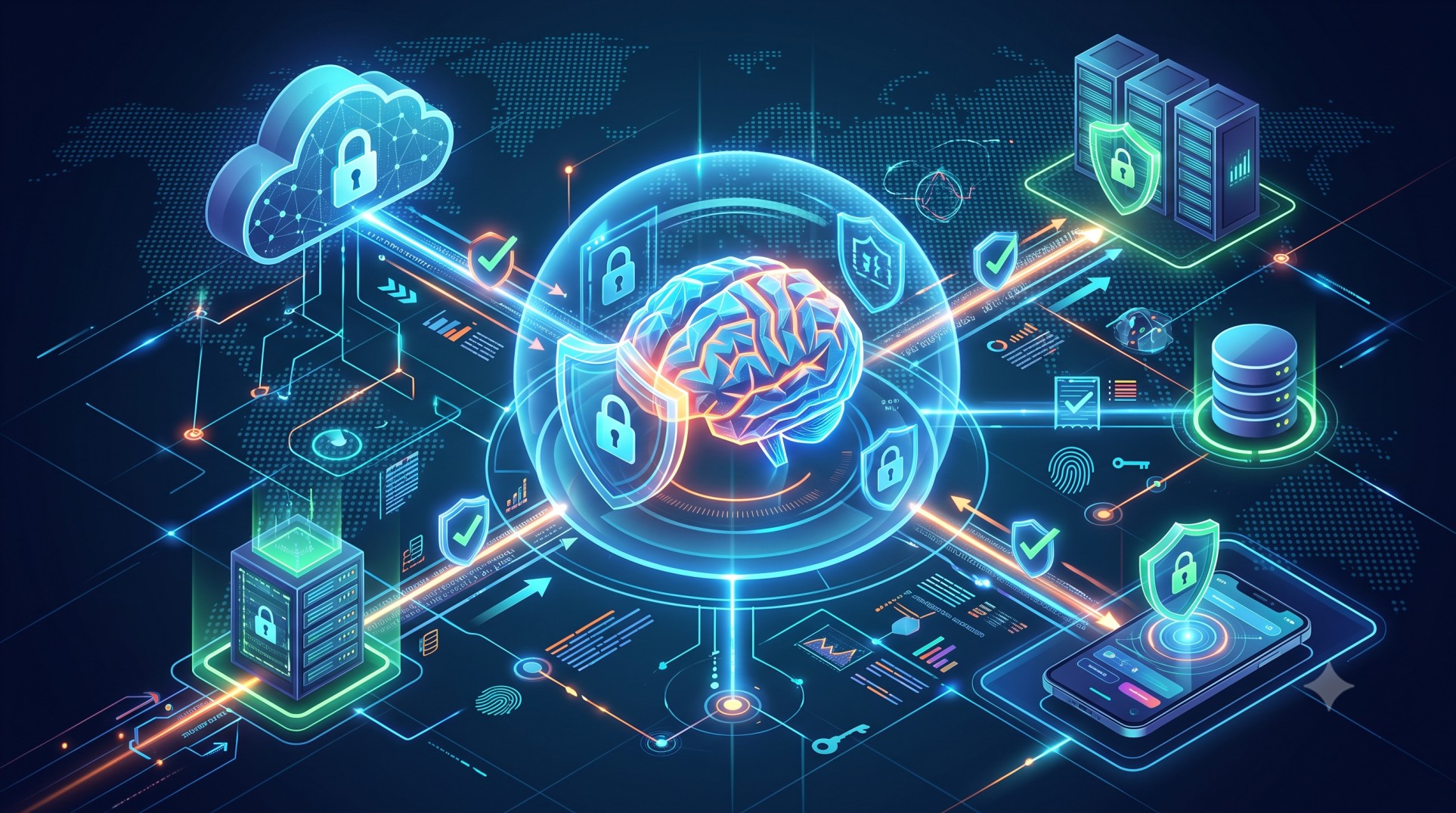
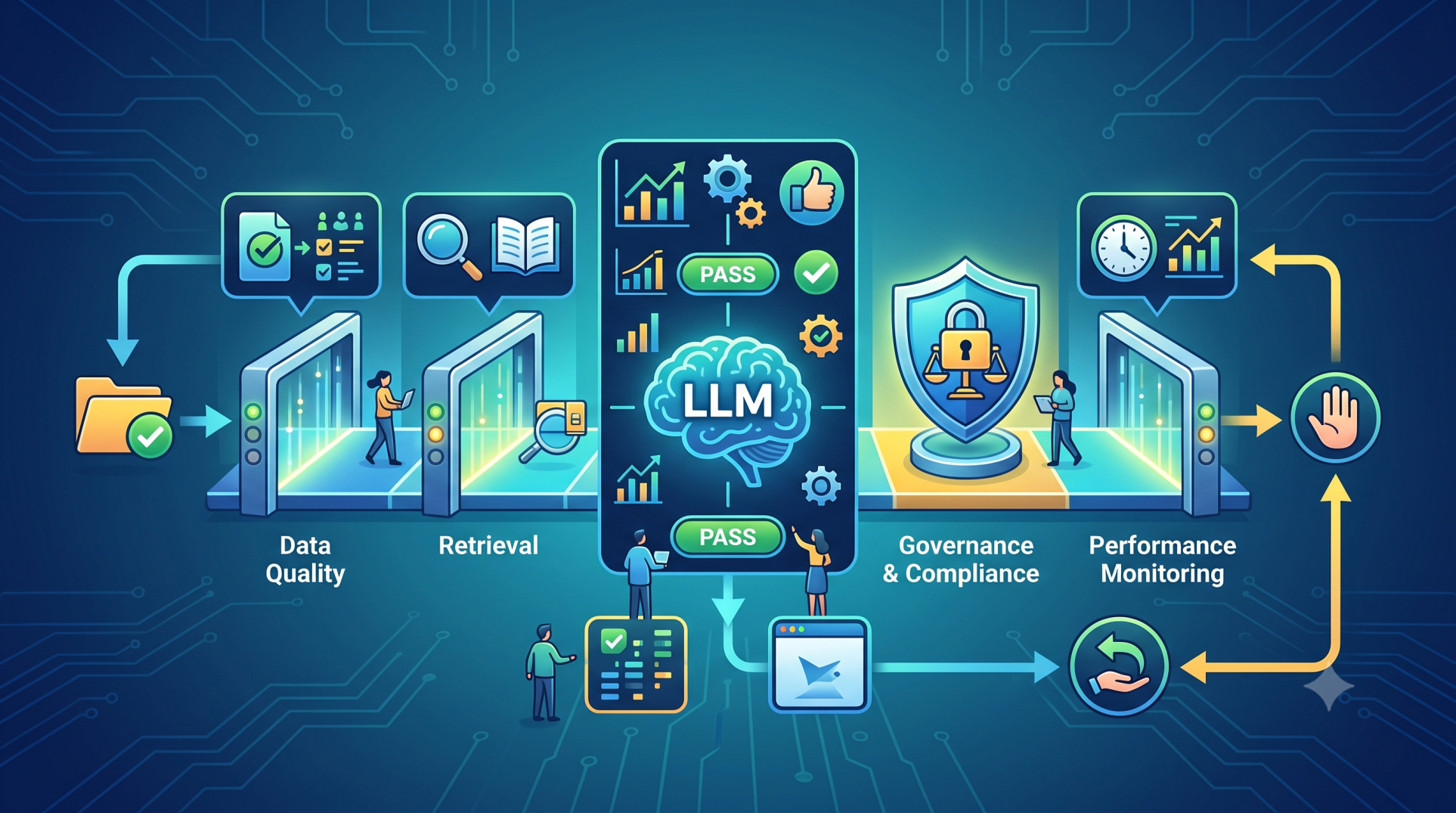
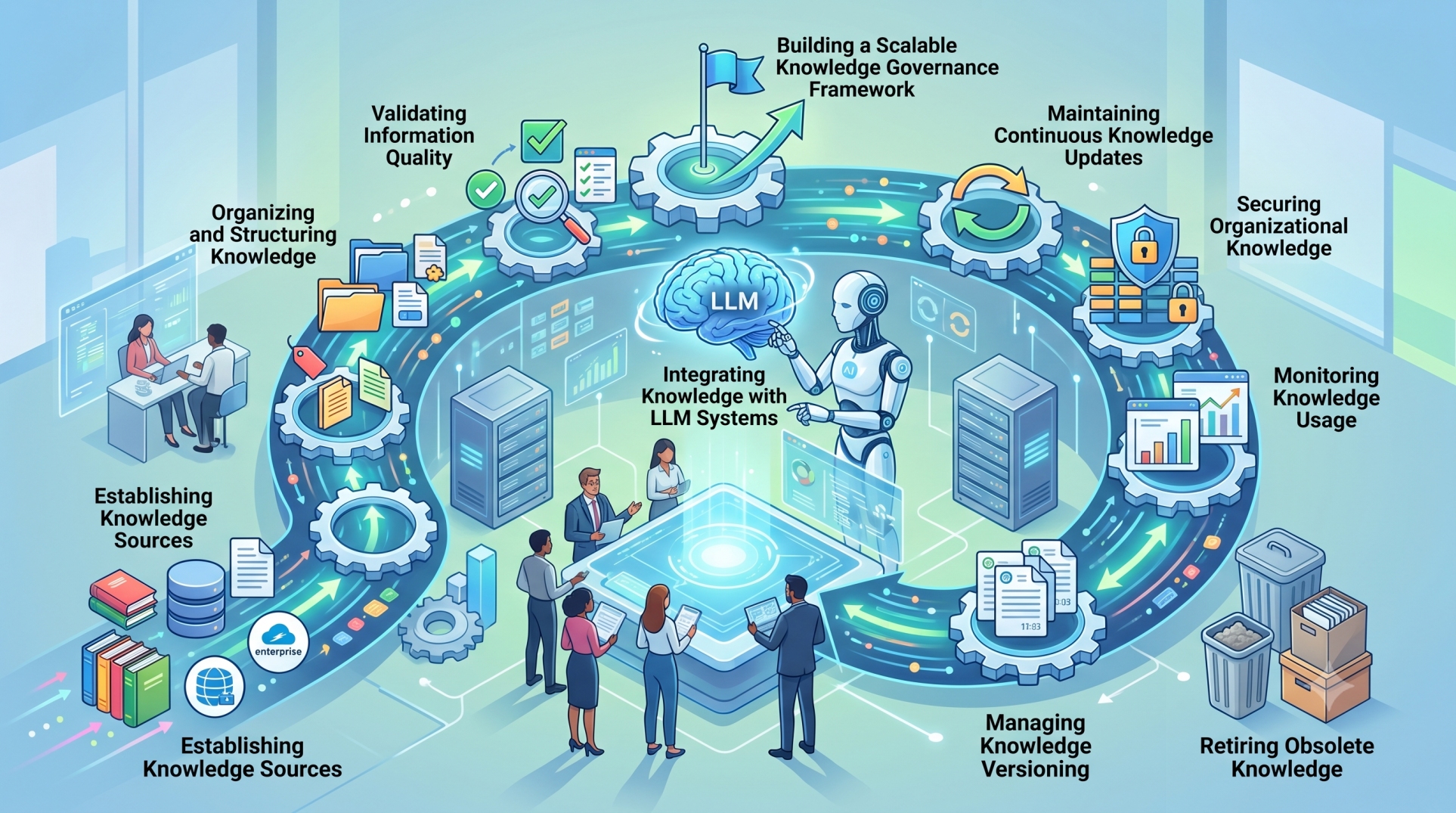
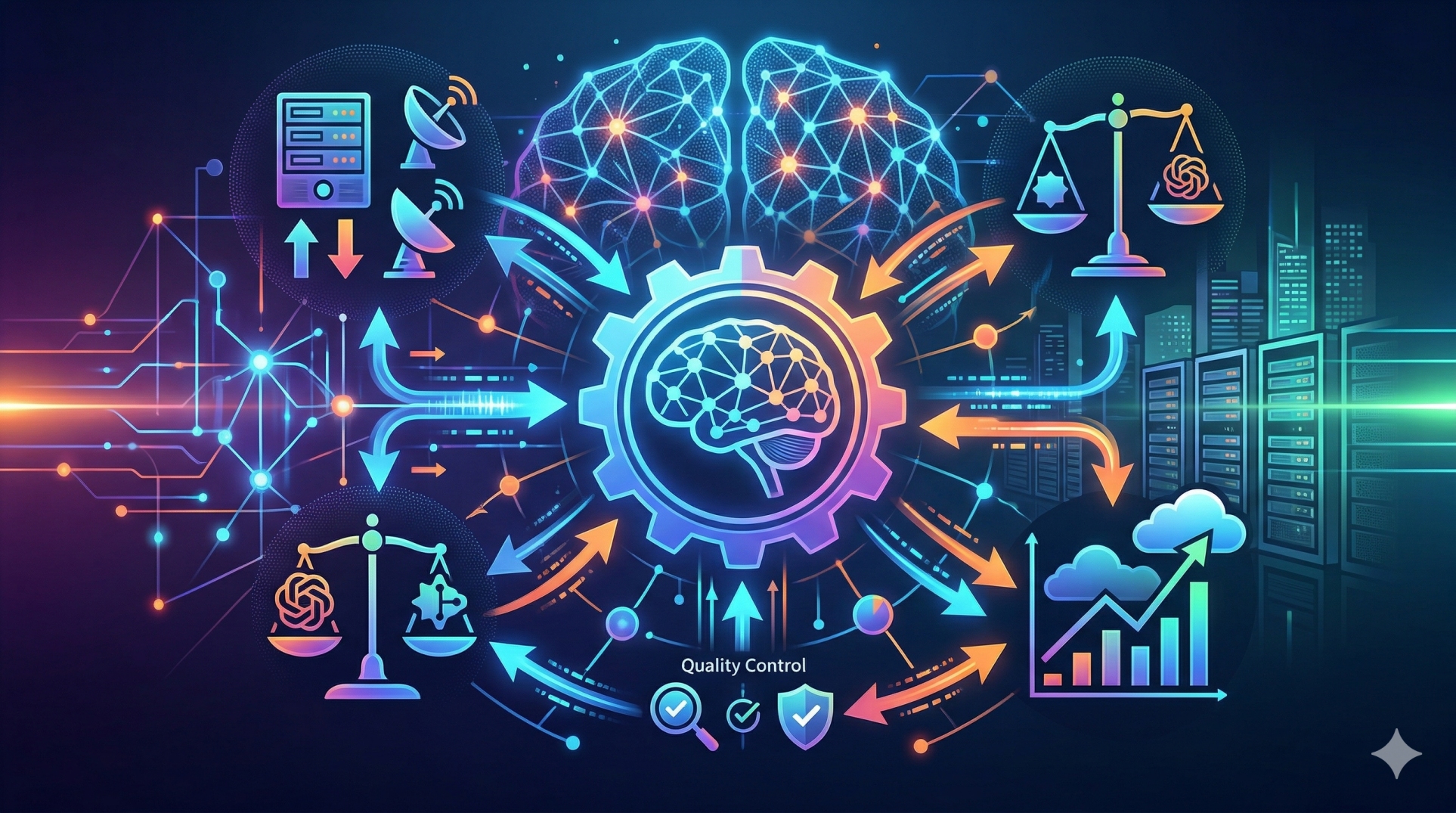
Step 9: Ensuring Data Quality and Governance 🛡️📋
• Validates accuracy and reliability of data sources ✔️📊
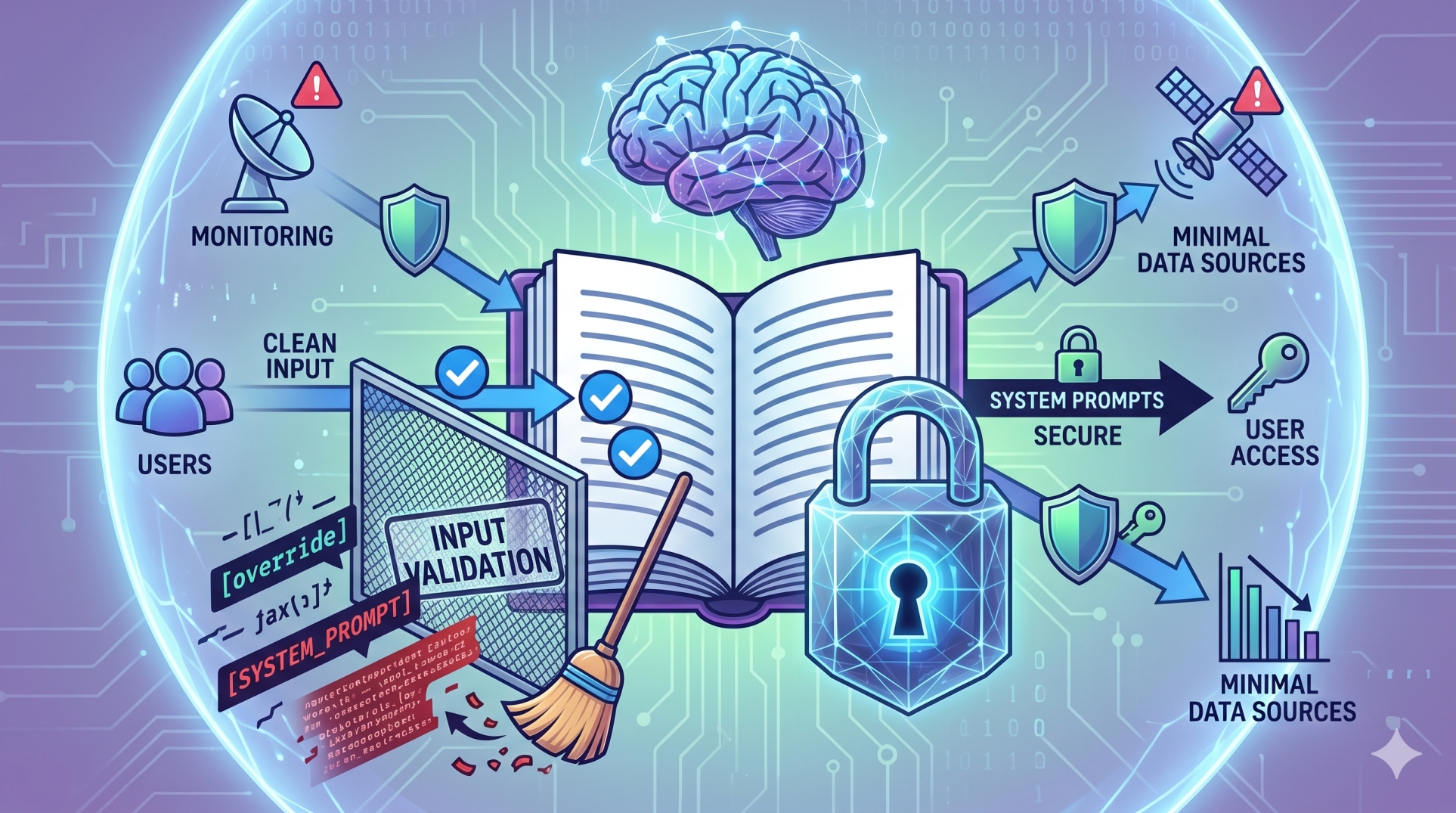
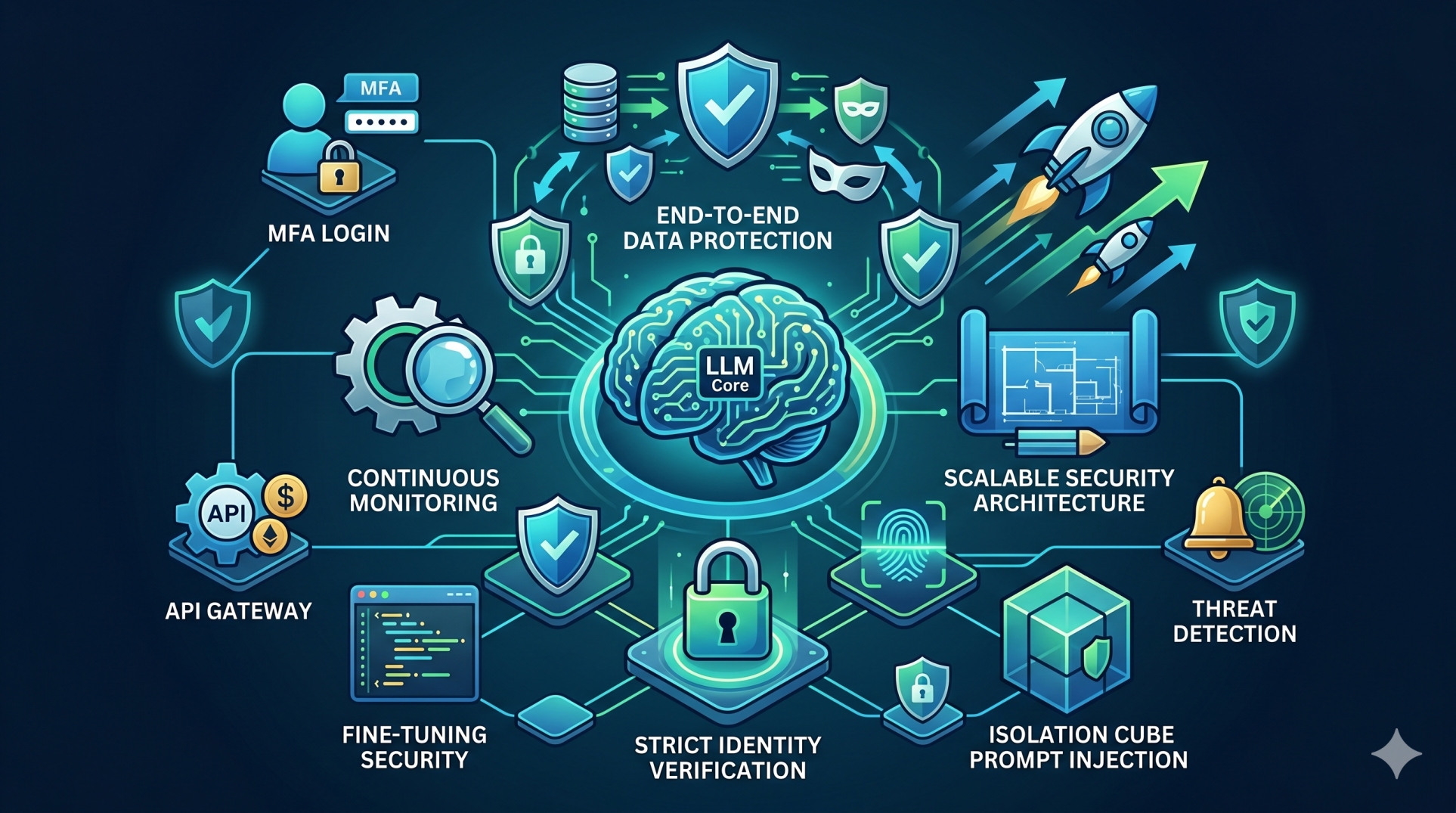
• Enforces security, access control, and governance policies 🔐⚖️
• Maintains consistency across integrated datasets 🔄📚
• Identifies outdated, duplicate, or conflicting information 🚨📉
• Aligns with compliance and regulatory standards 🏛️✔️
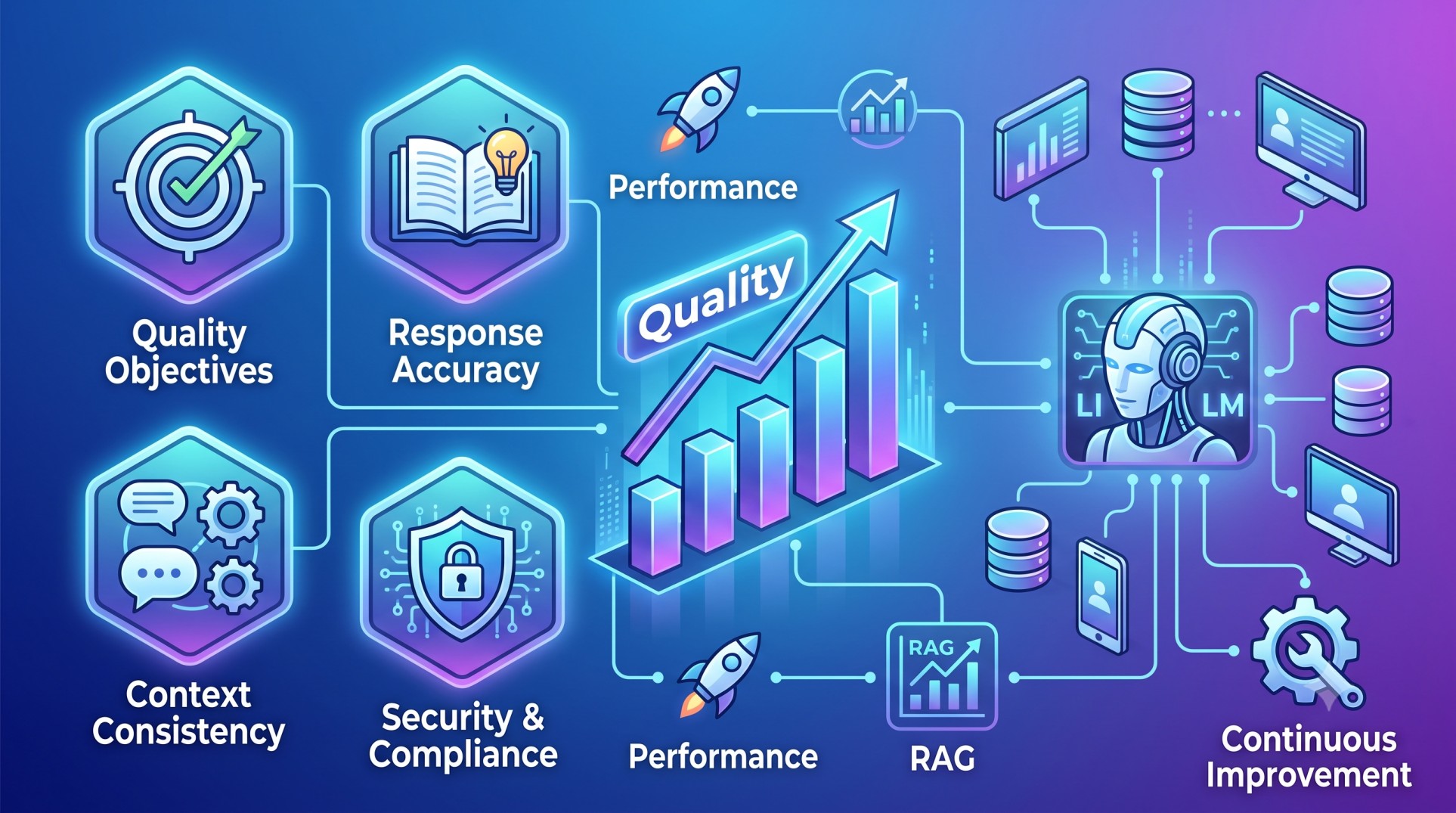
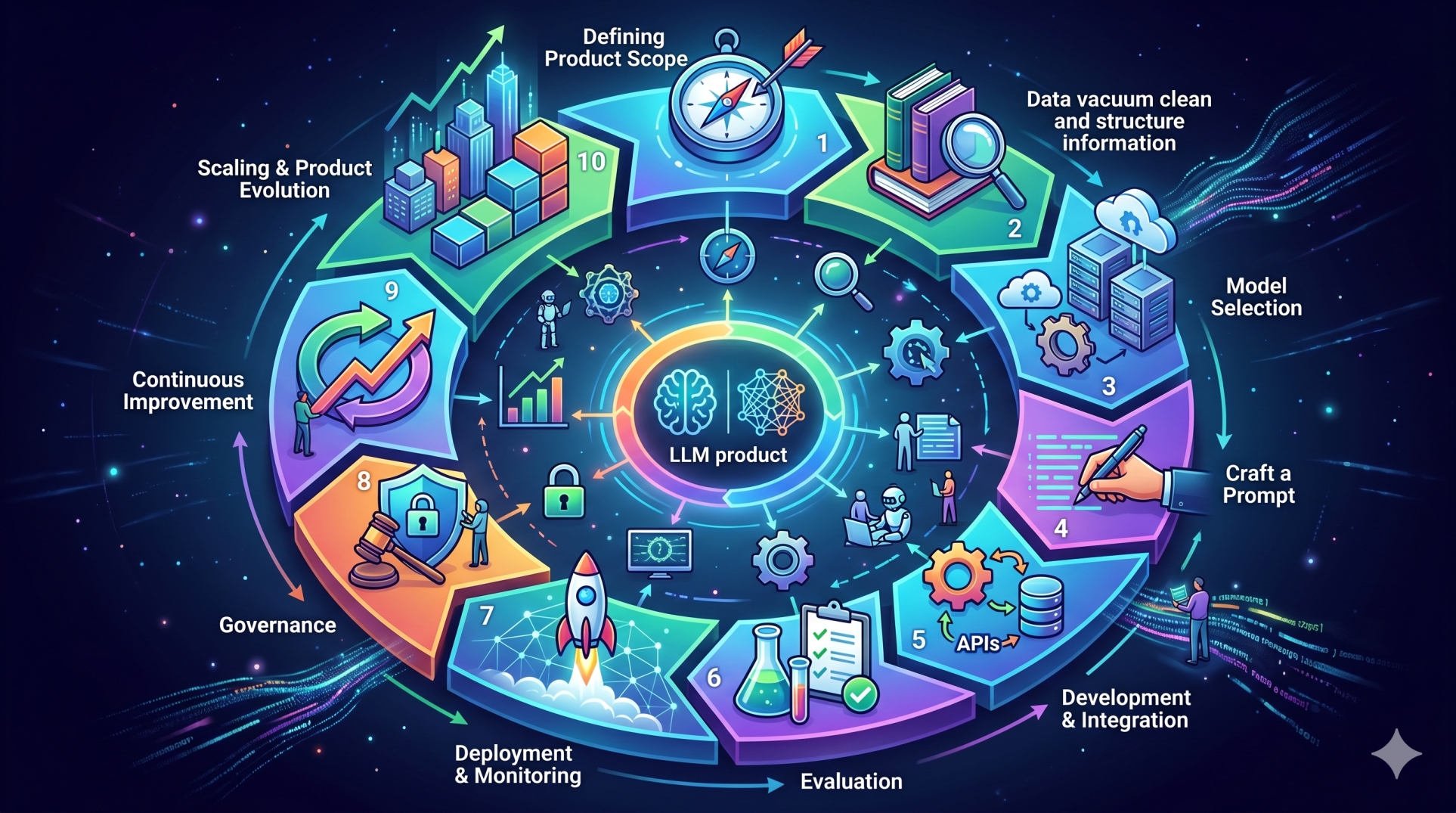
Step 10: Building Scalable Knowledge-Driven AI Systems 🚀🏗️
• Design modular systems that scale with evolving business needs 📈🏢
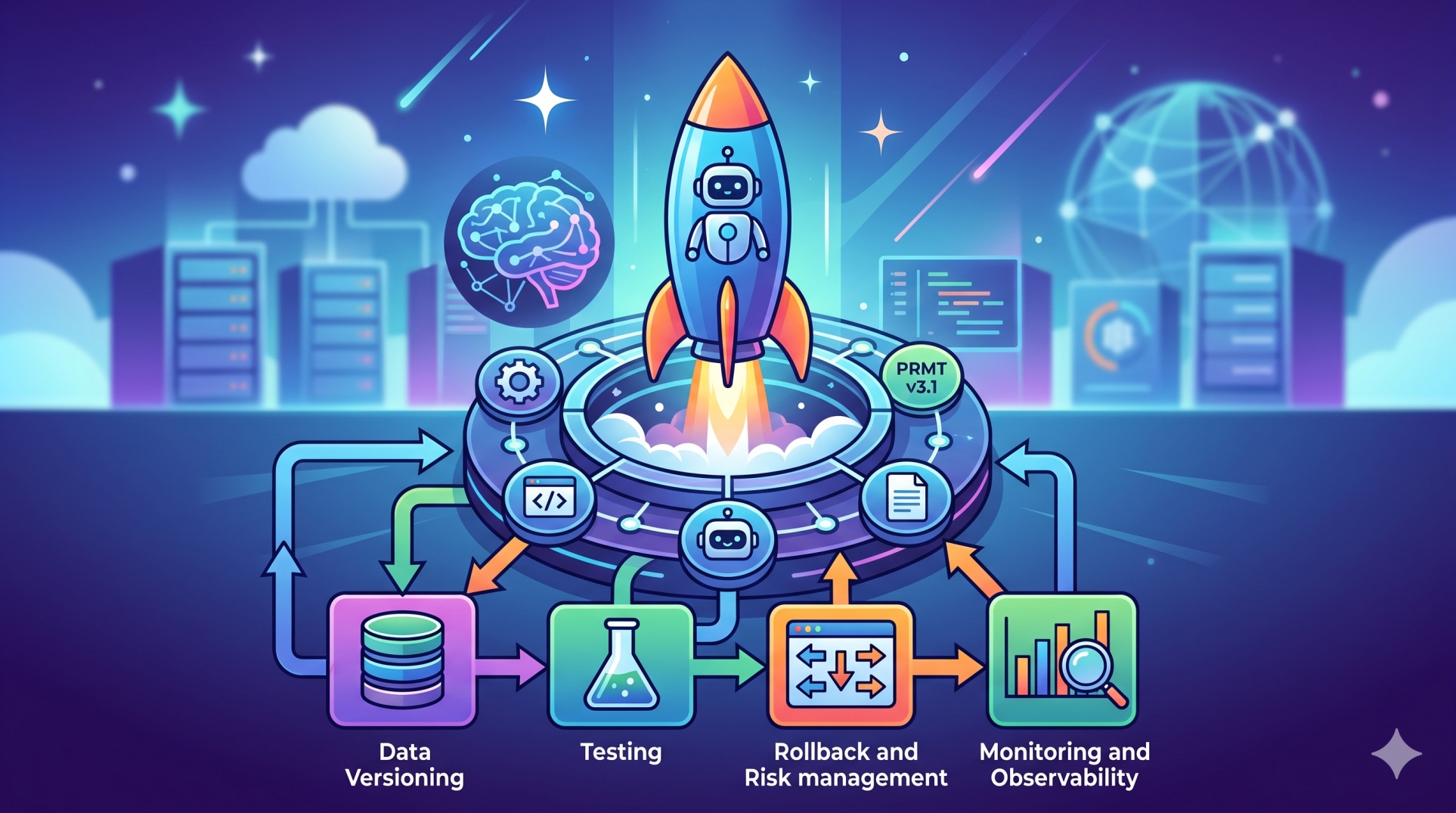
• Enable continuous updates without retraining core models 🔄🤖
• Optimize performance for speed and low latency ⚡⏱️
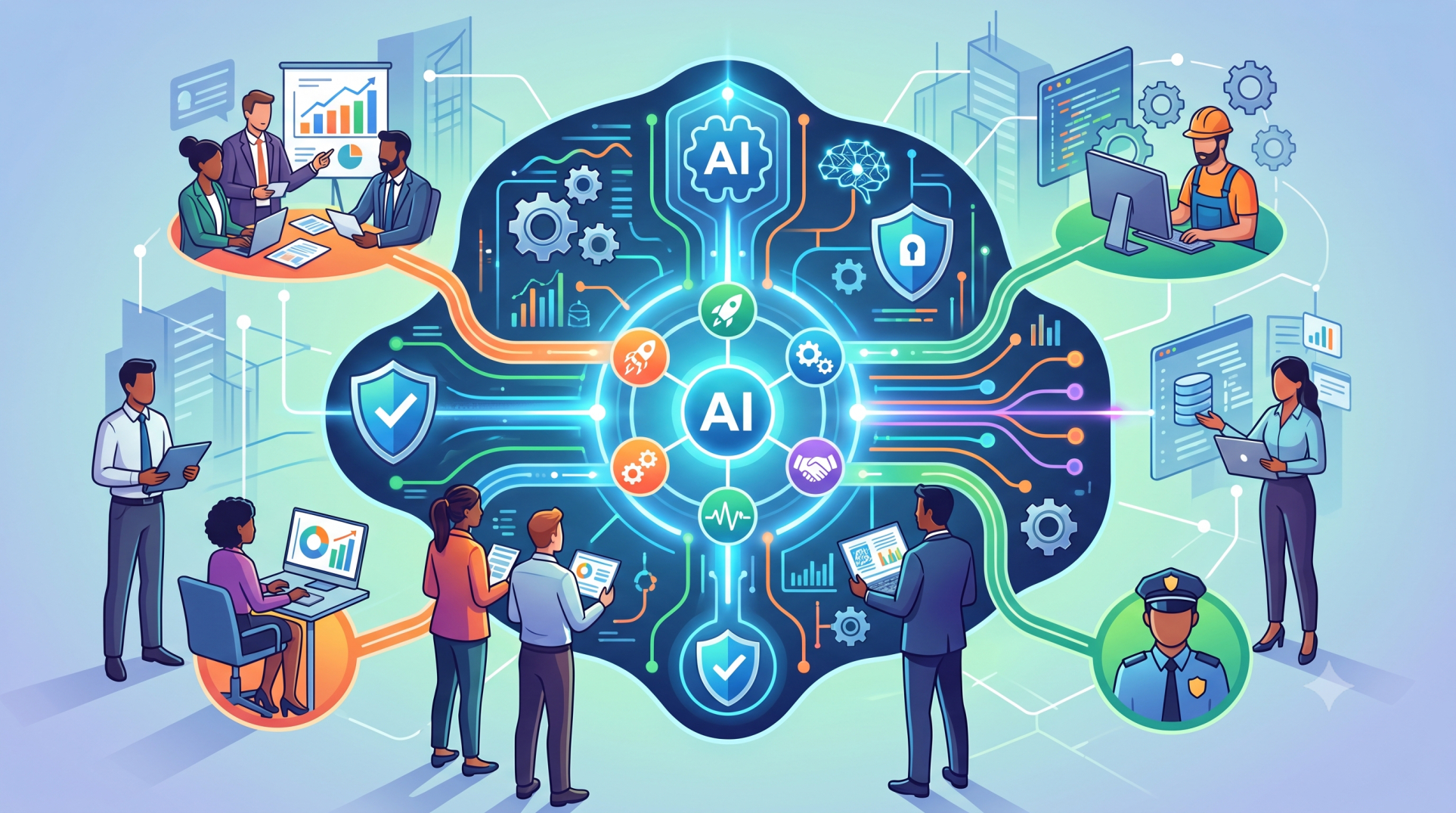
• Support enterprise-wide and cross-domain applications 🌐📊
• Build flexible architectures adaptable to future demands 🔧🔮
Conclusion
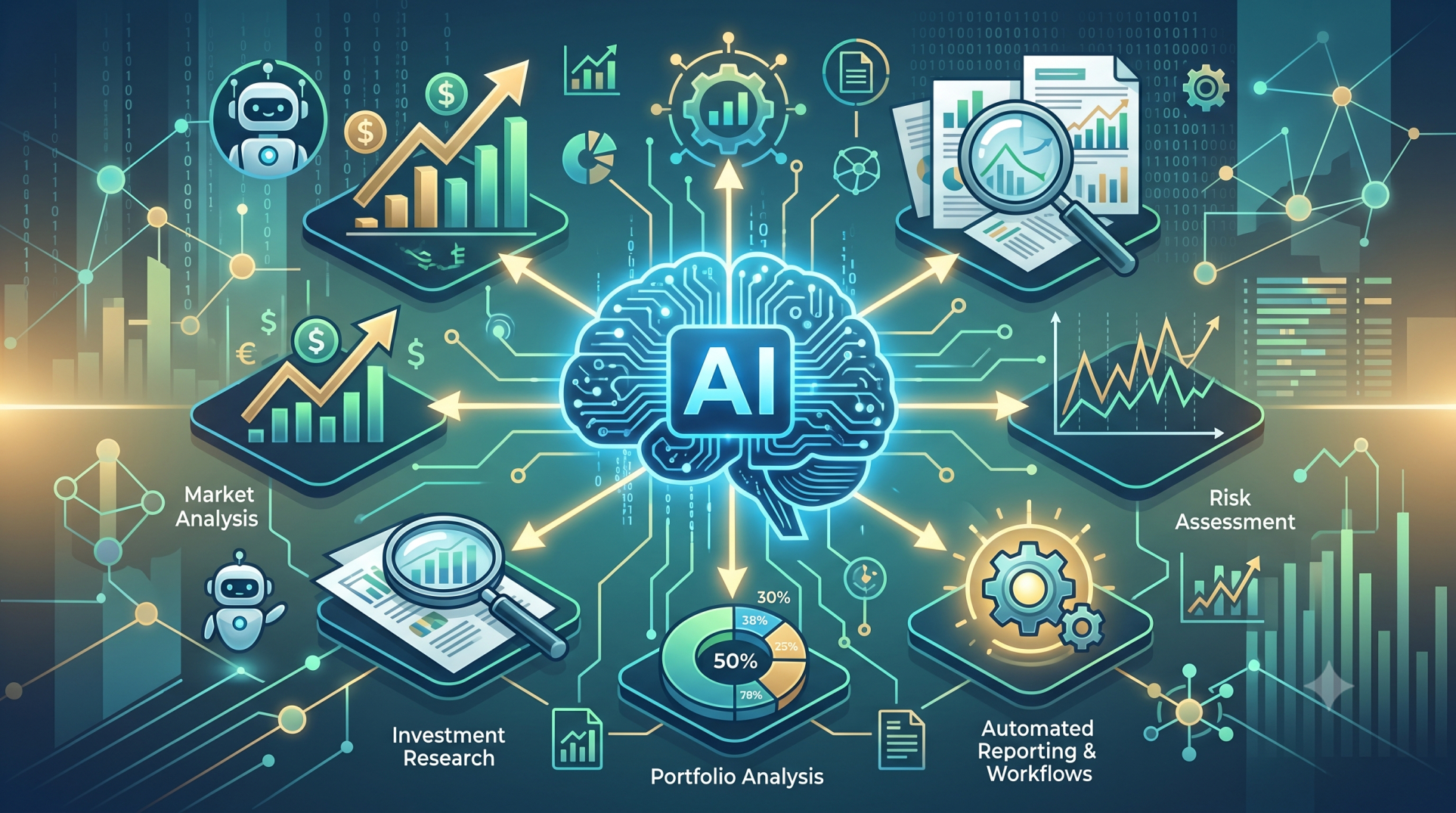
Knowledge Integration Modules are transforming AI language systems into intelligent, knowledge-aware platforms. By combining generative models with structured data, real-time inputs, and advanced retrieval methods, organizations can deliver more accurate, reliable, and scalable AI solutions. As adoption continues to grow, strong knowledge integration will be critical for building trustworthy and high-performing AI systems.
See more blogs
You can all the articles below