Language Models as Digital Workforce Infrastructure
Language Models as Digital Workforce Infrastructure
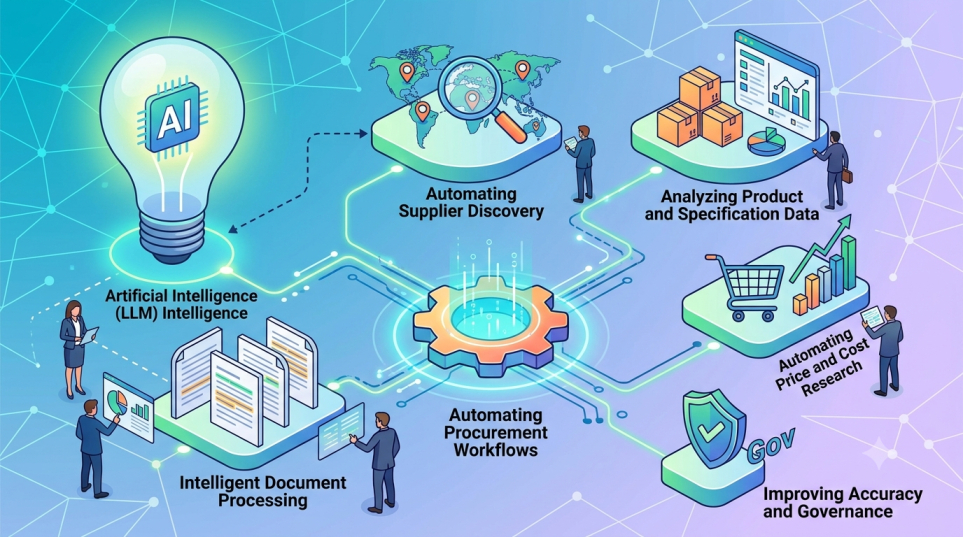
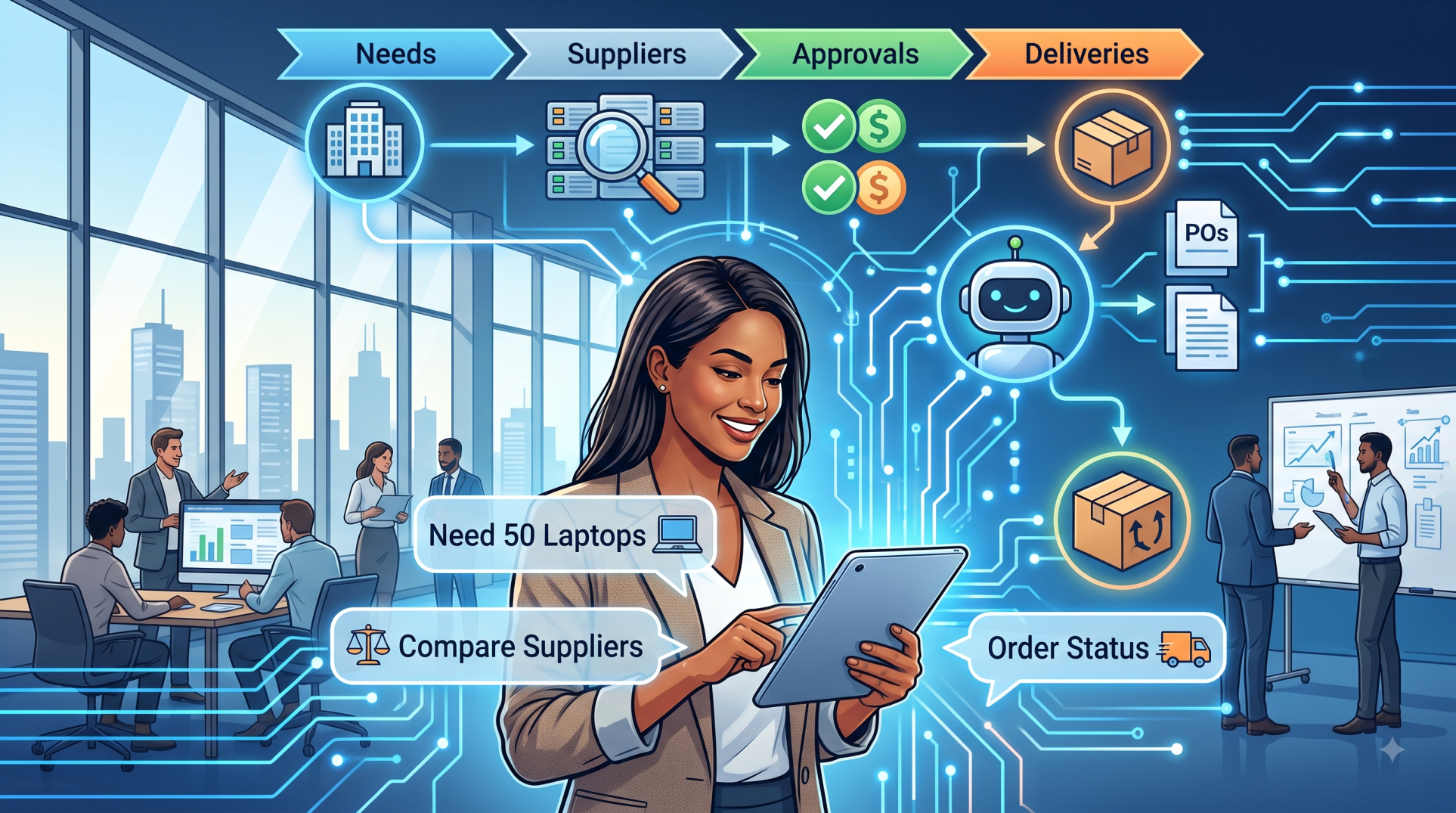
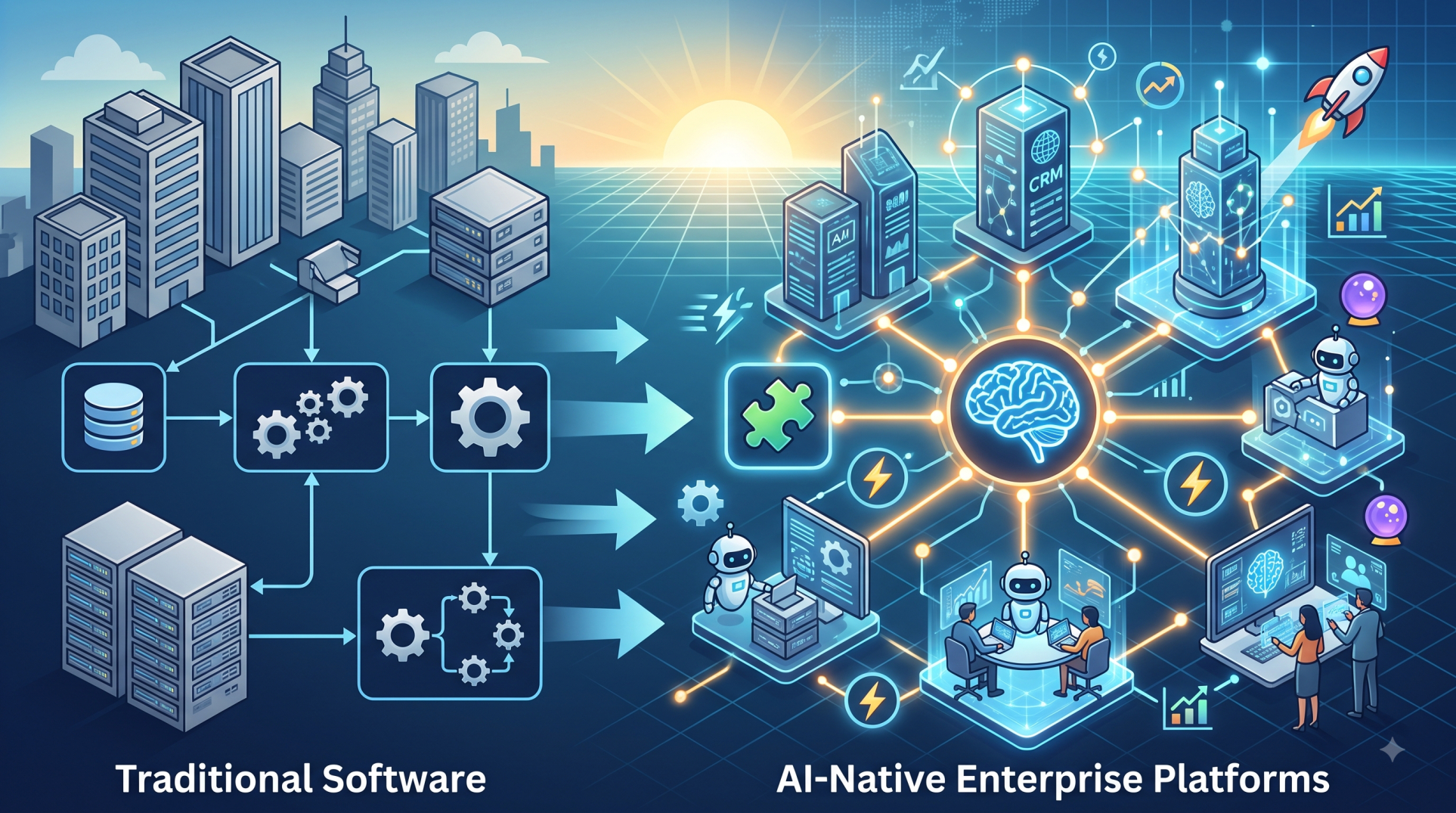
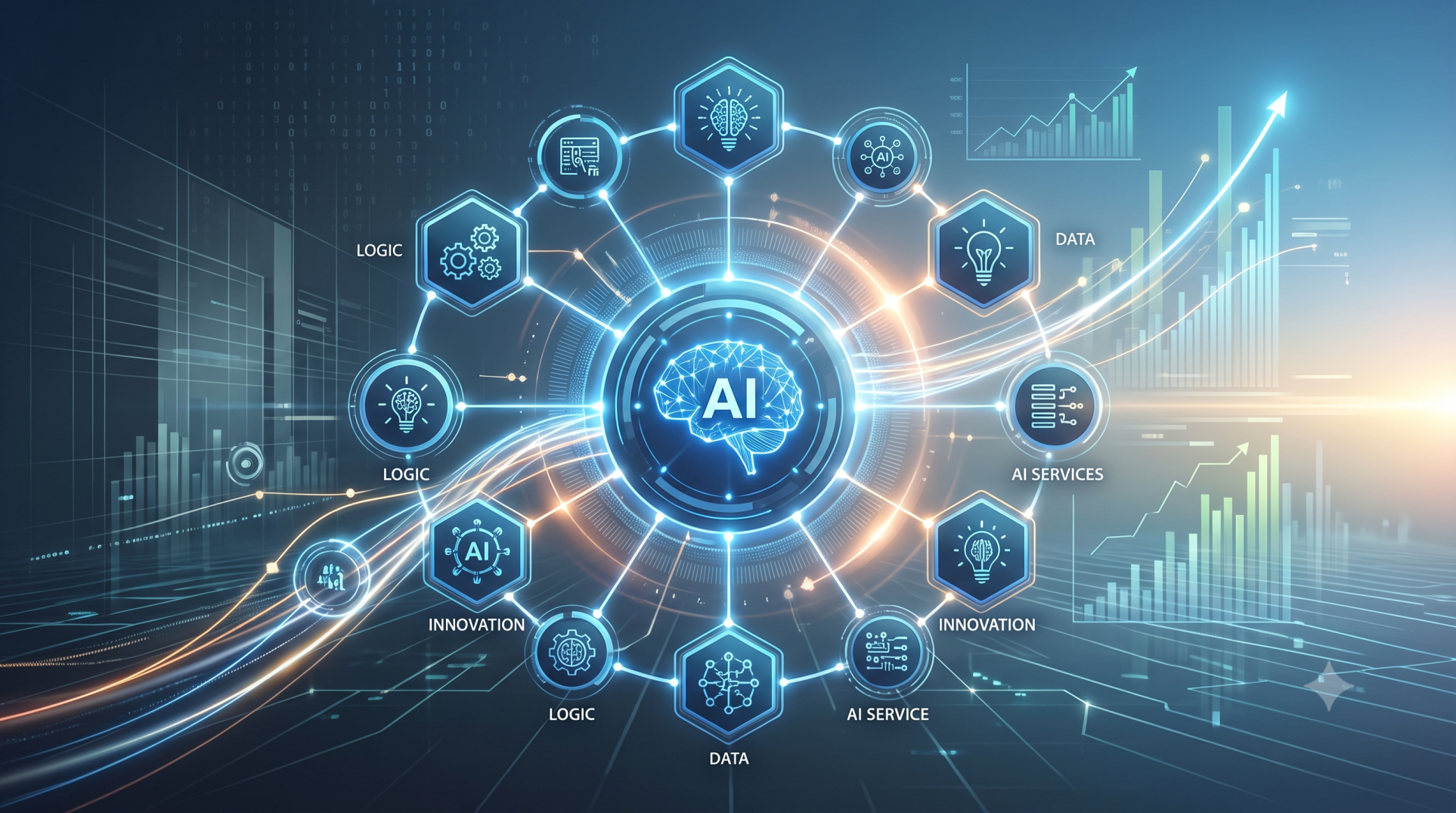
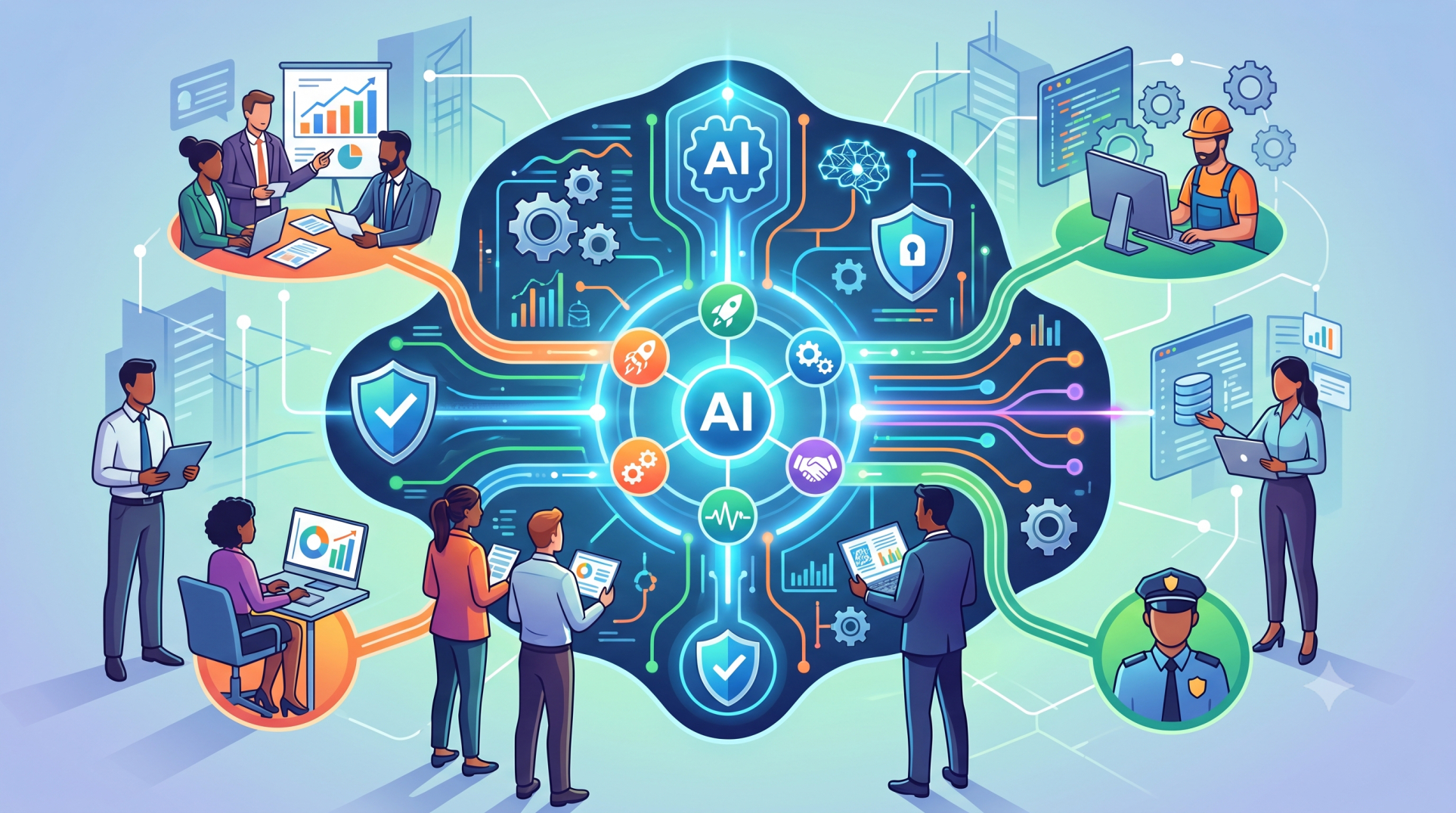
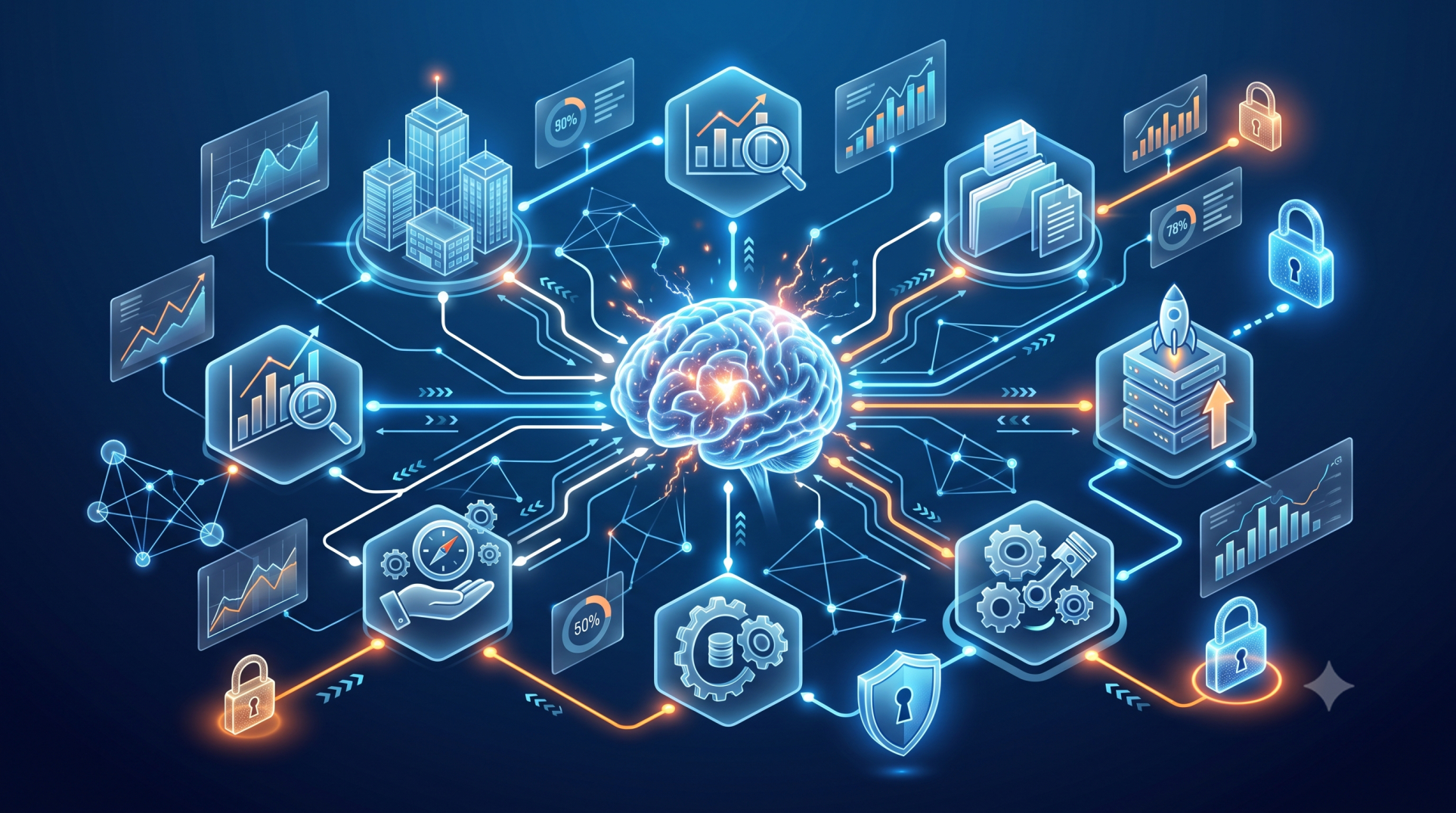
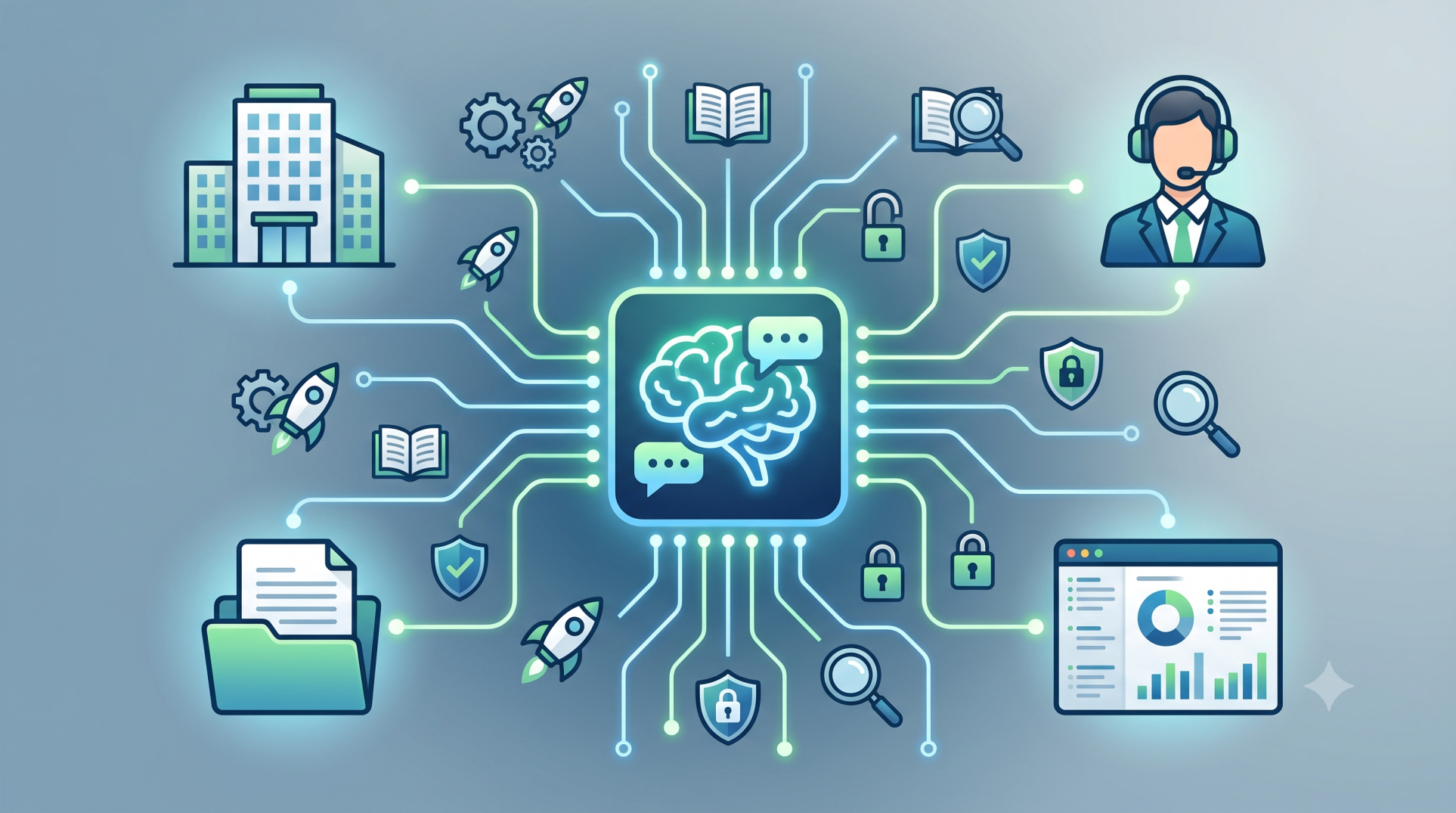
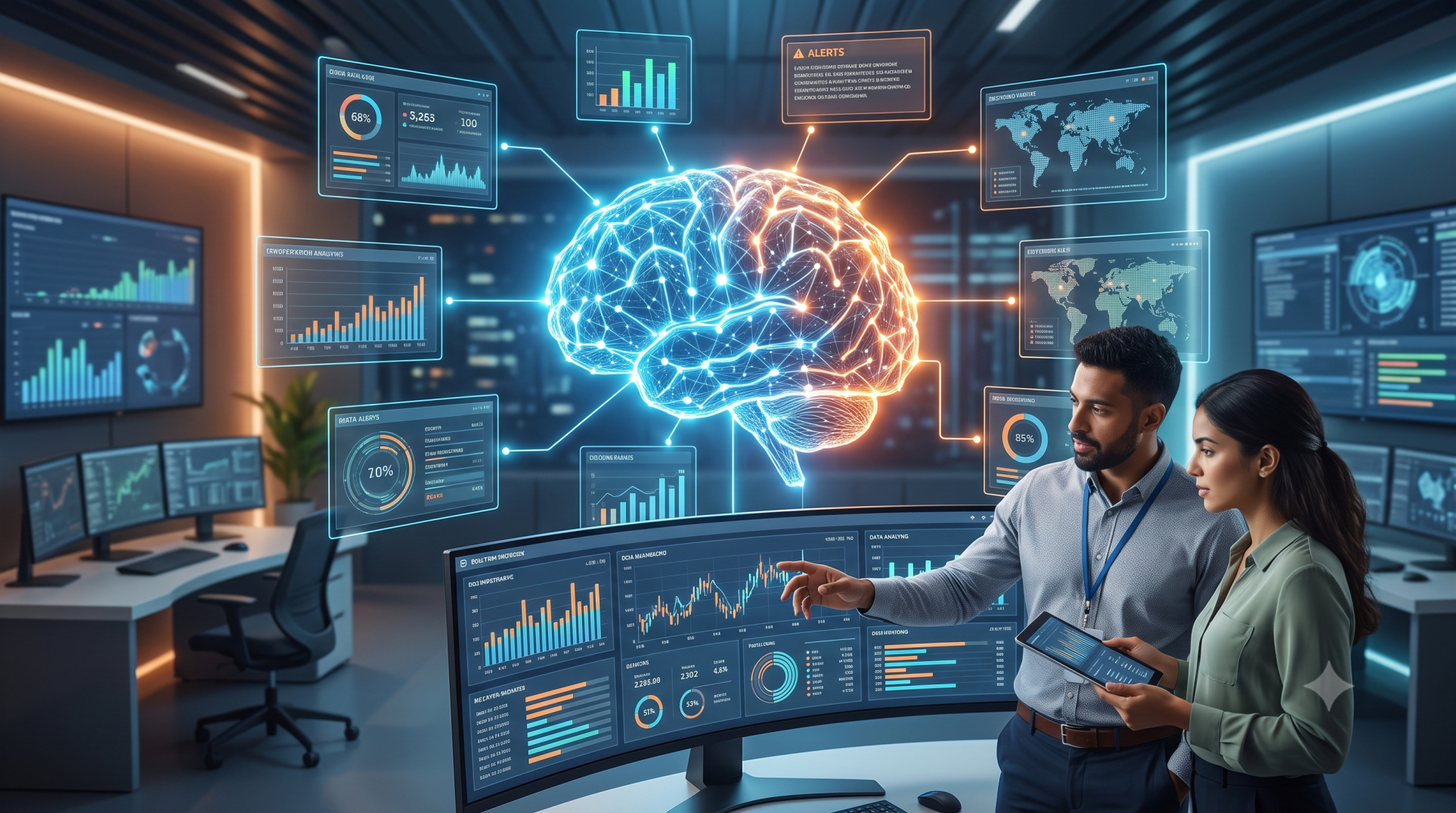
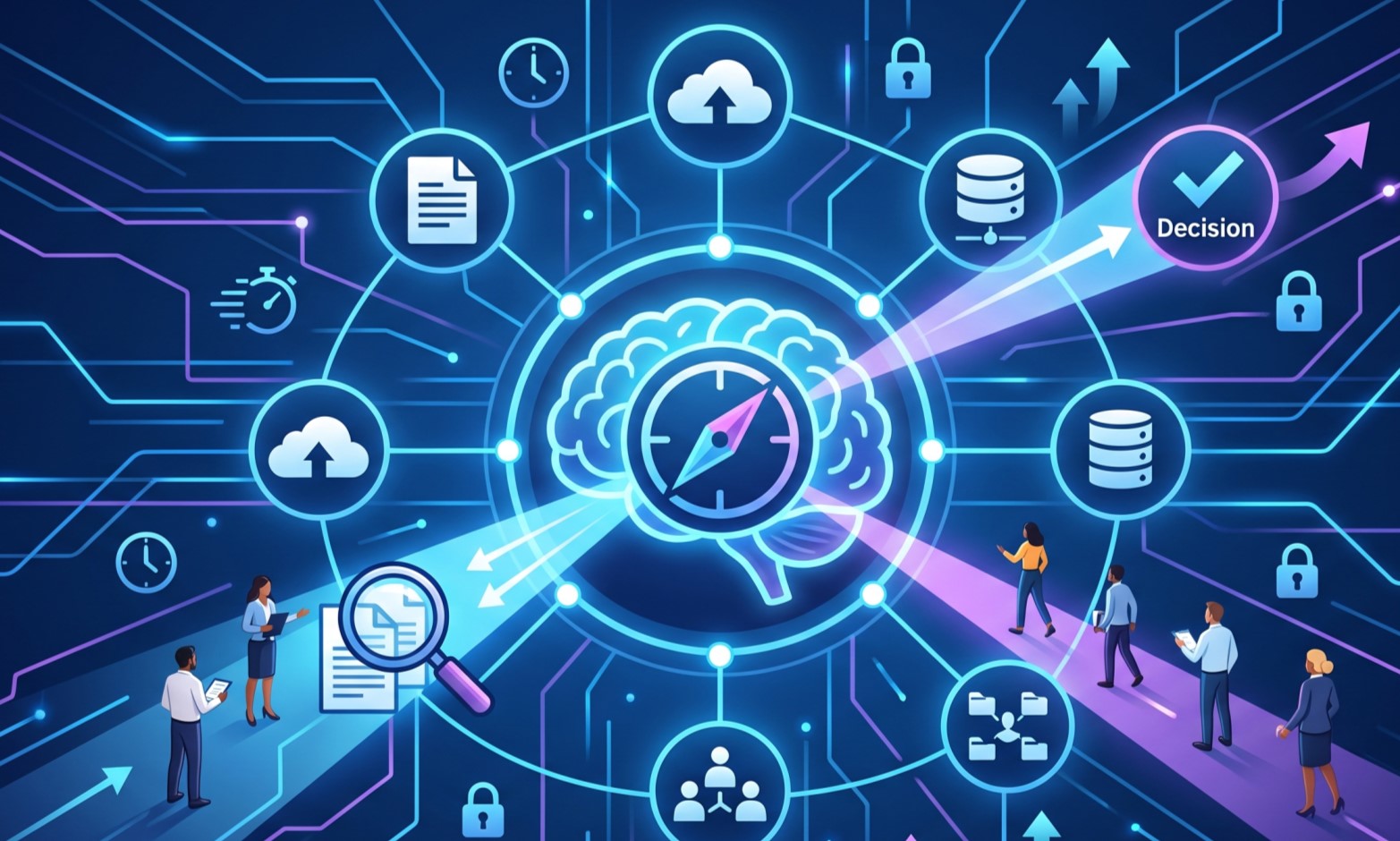
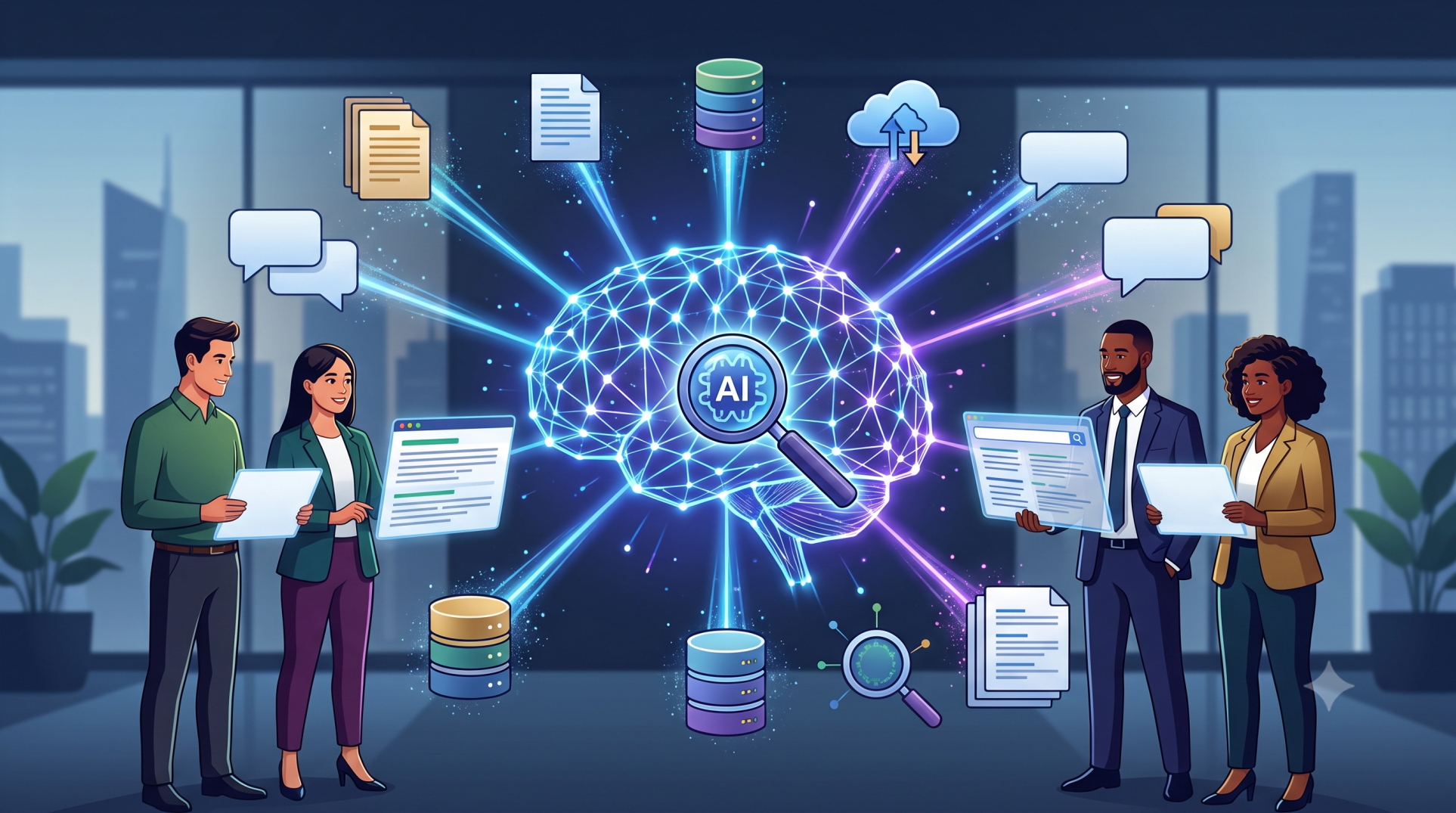
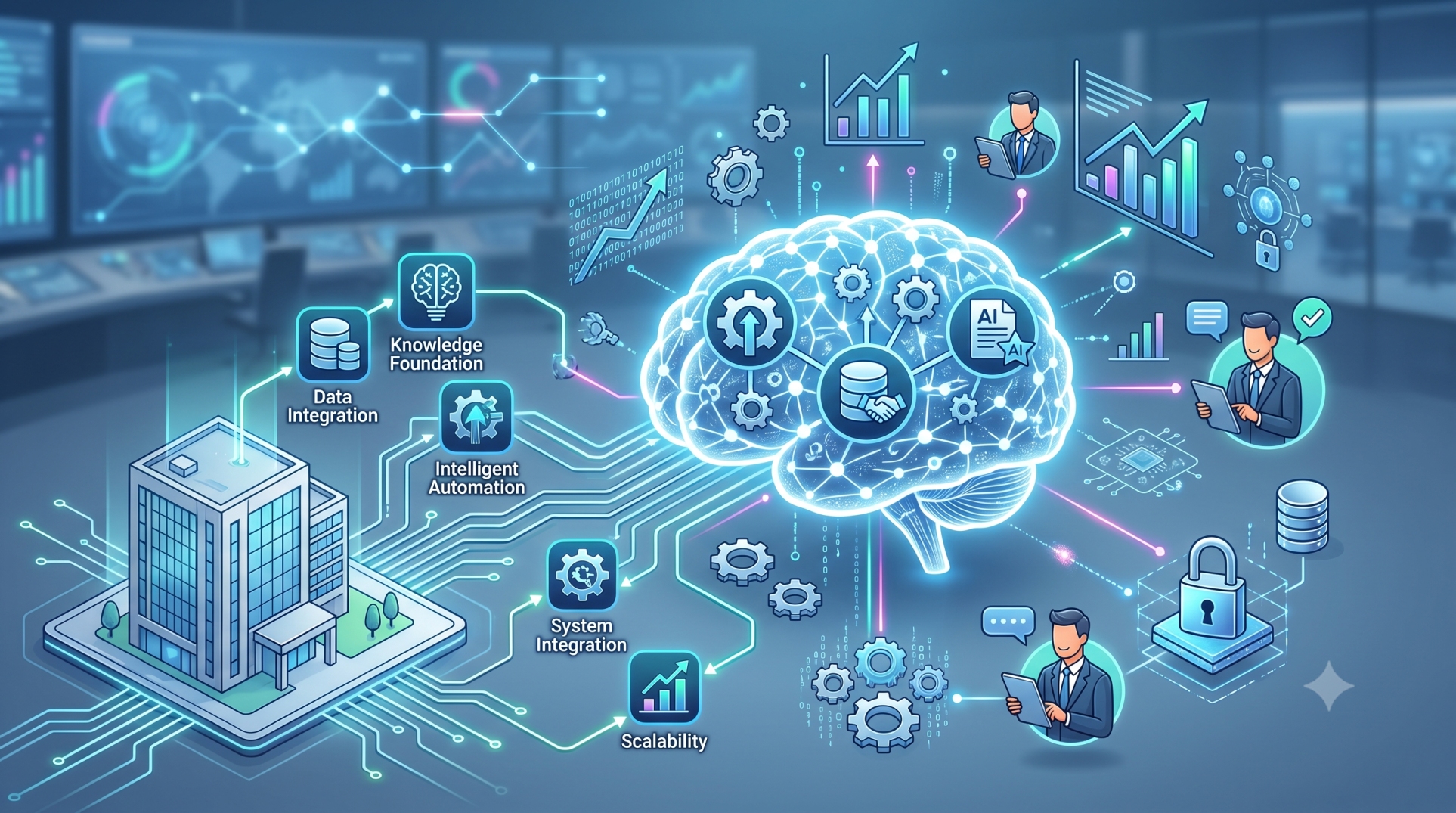
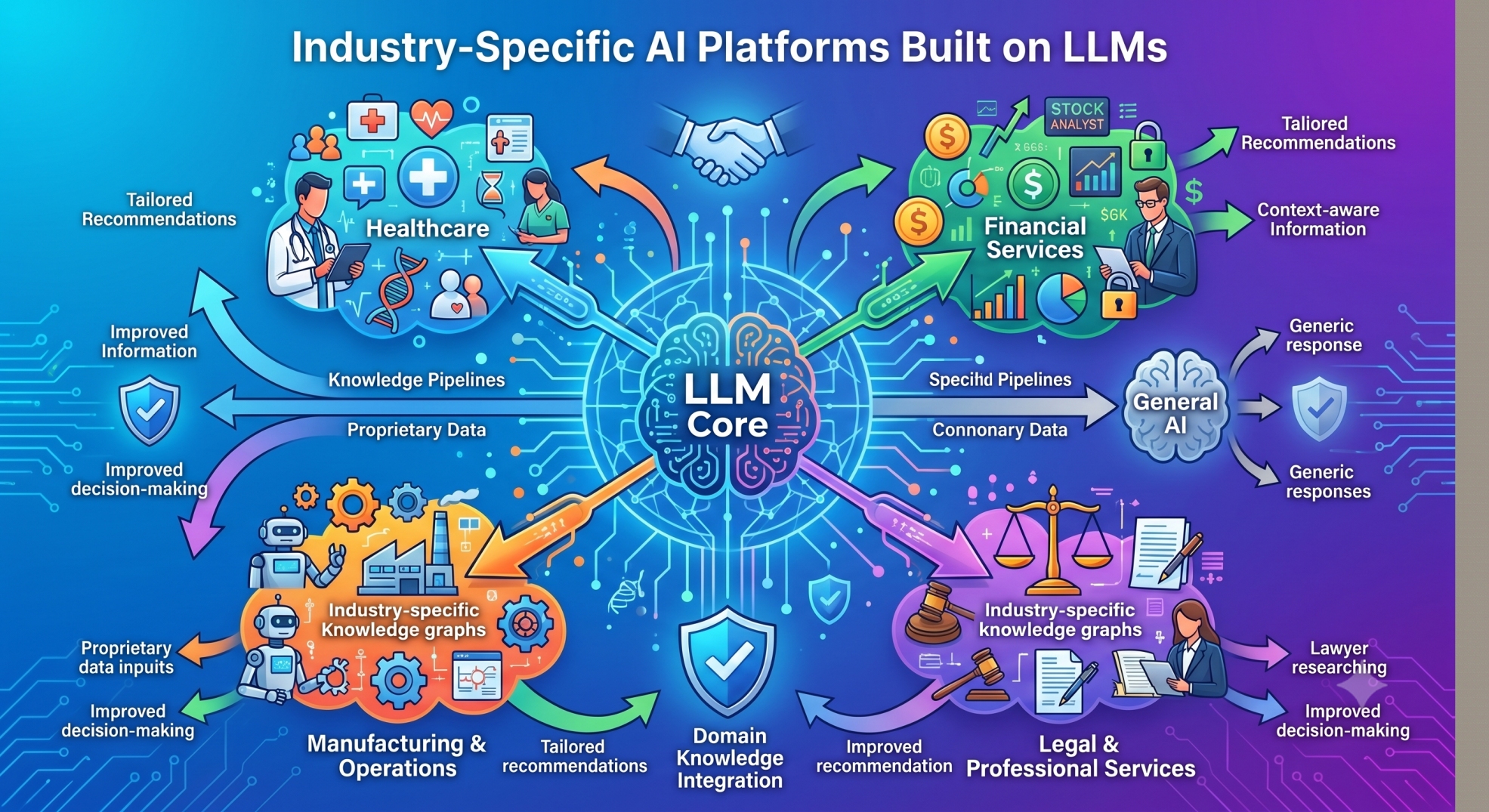
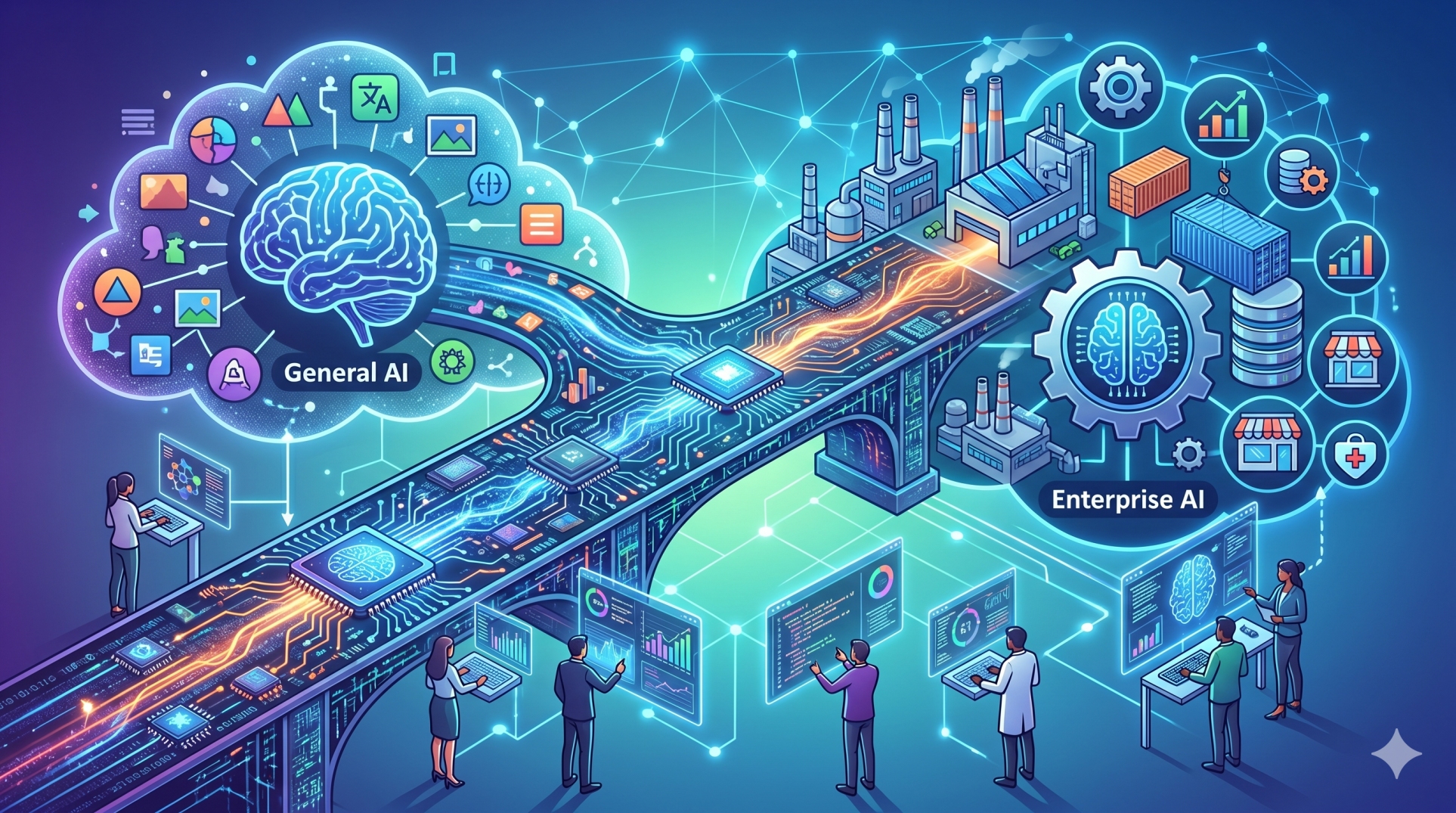
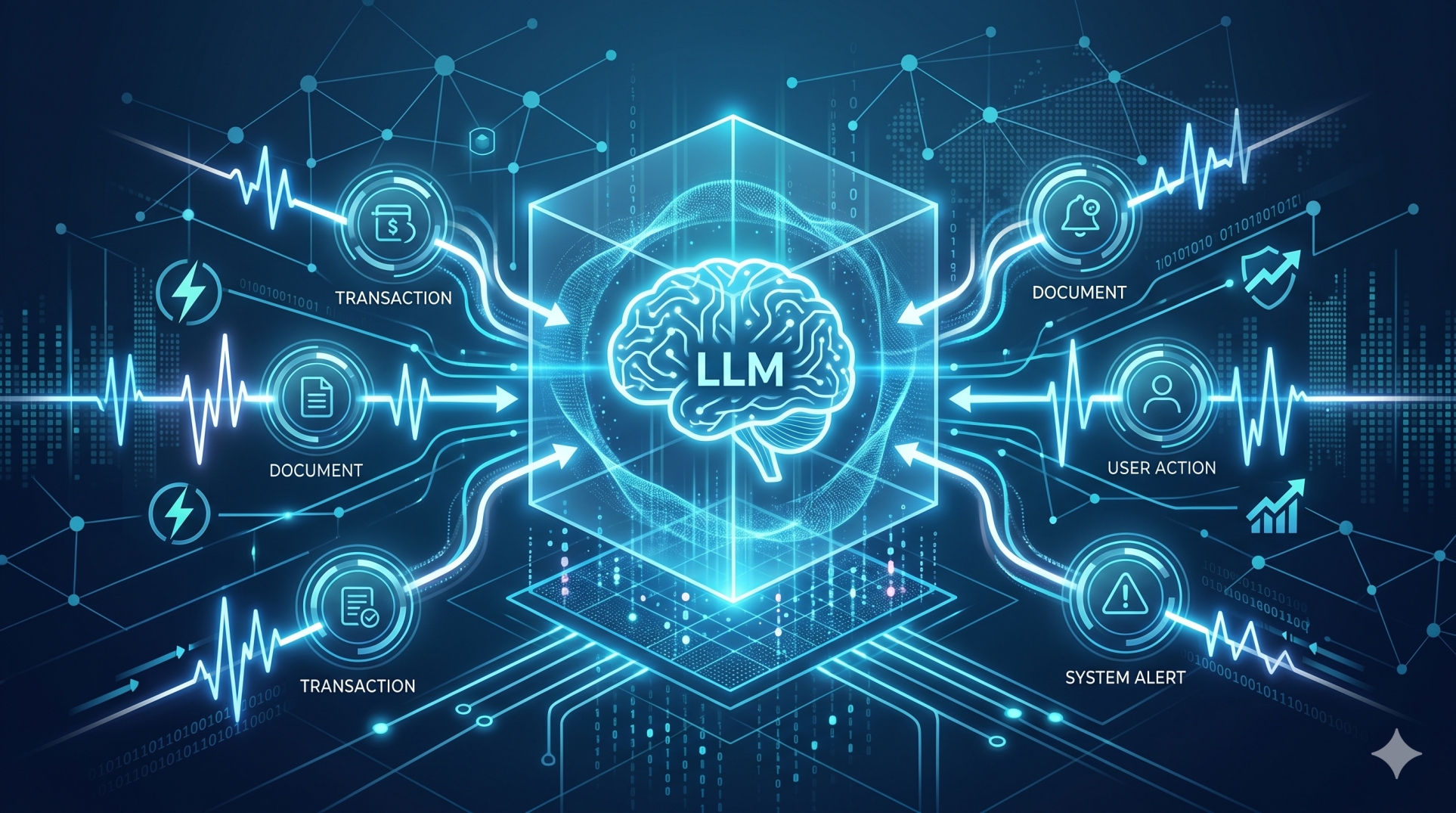
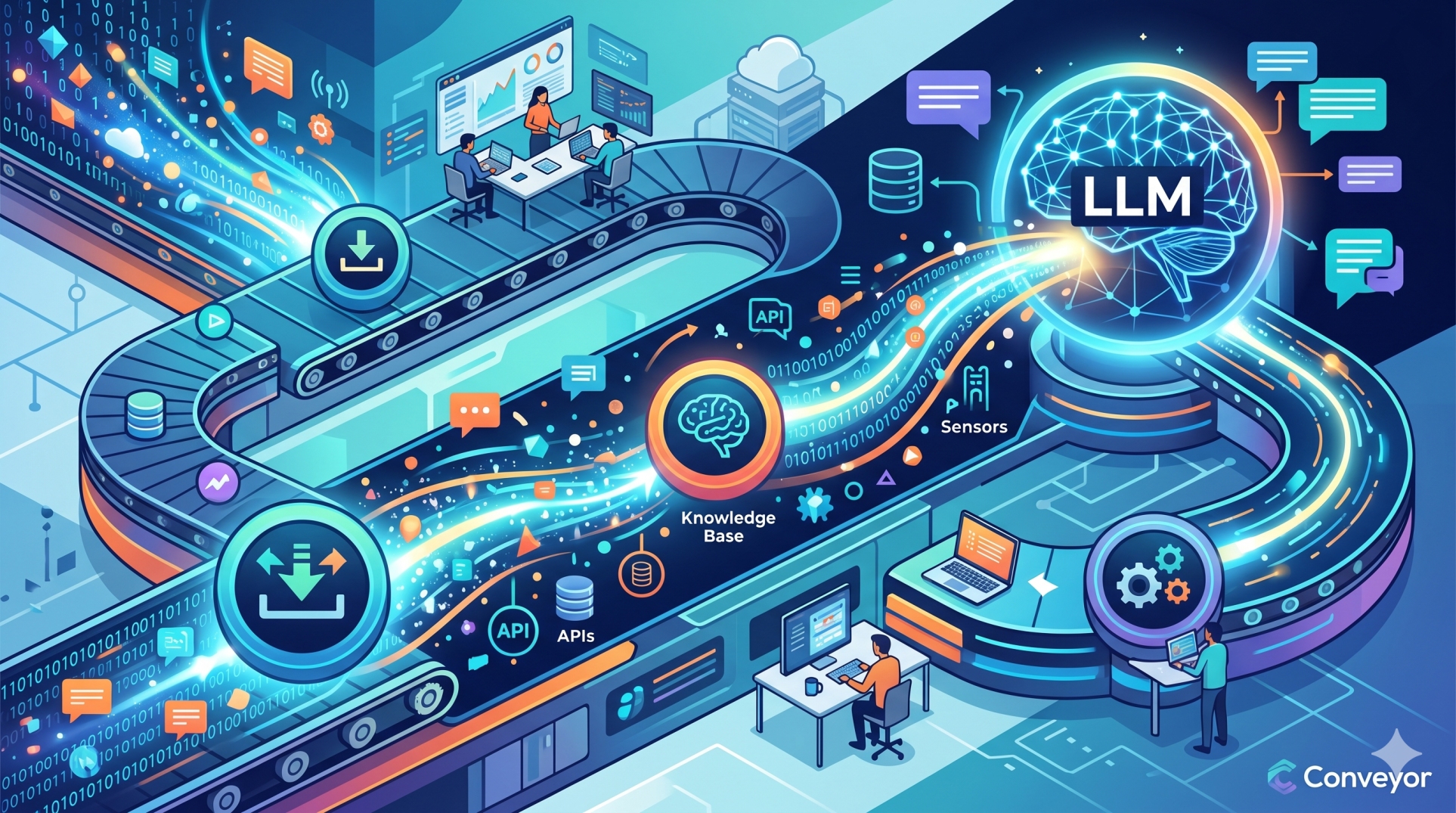
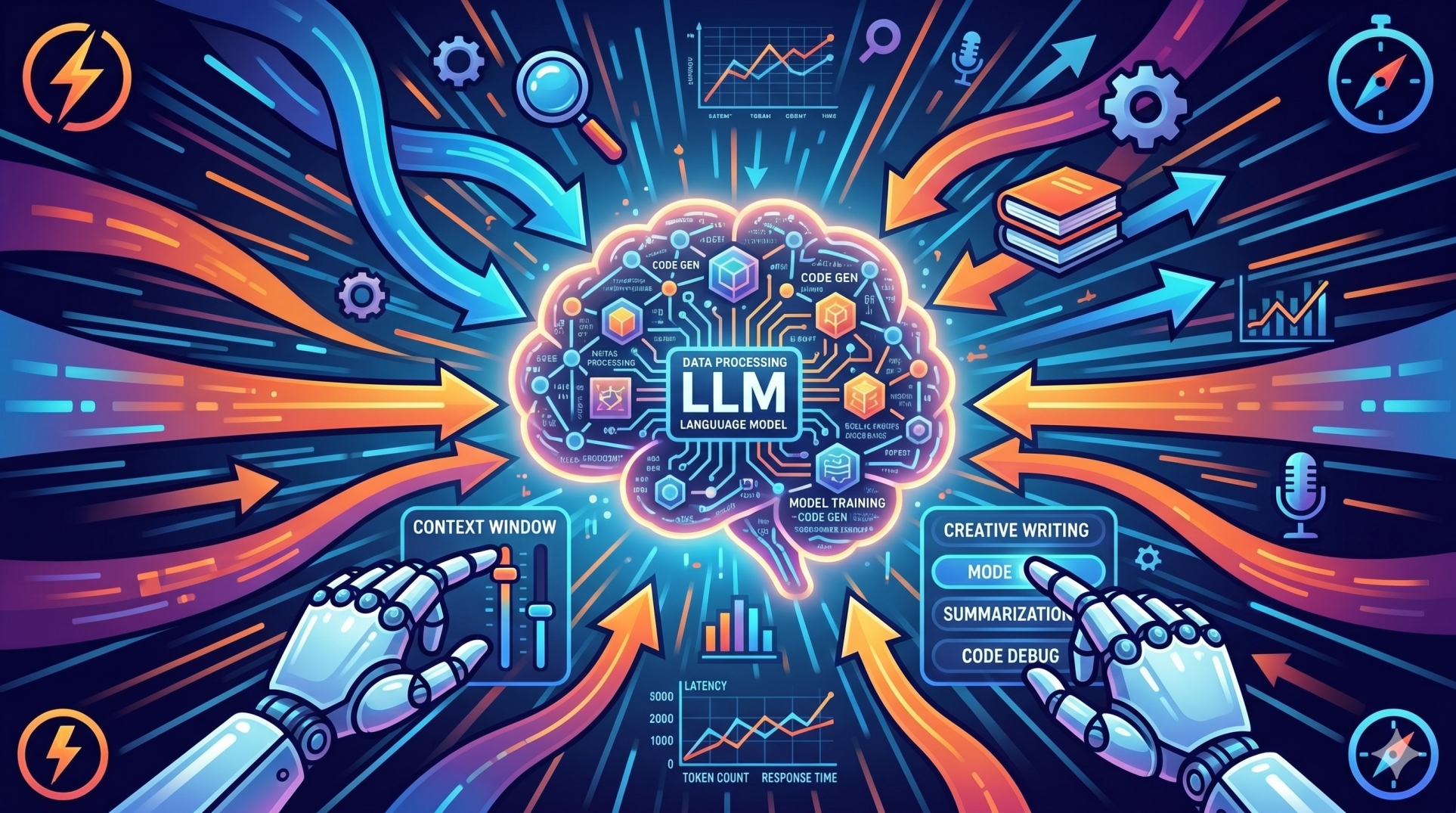
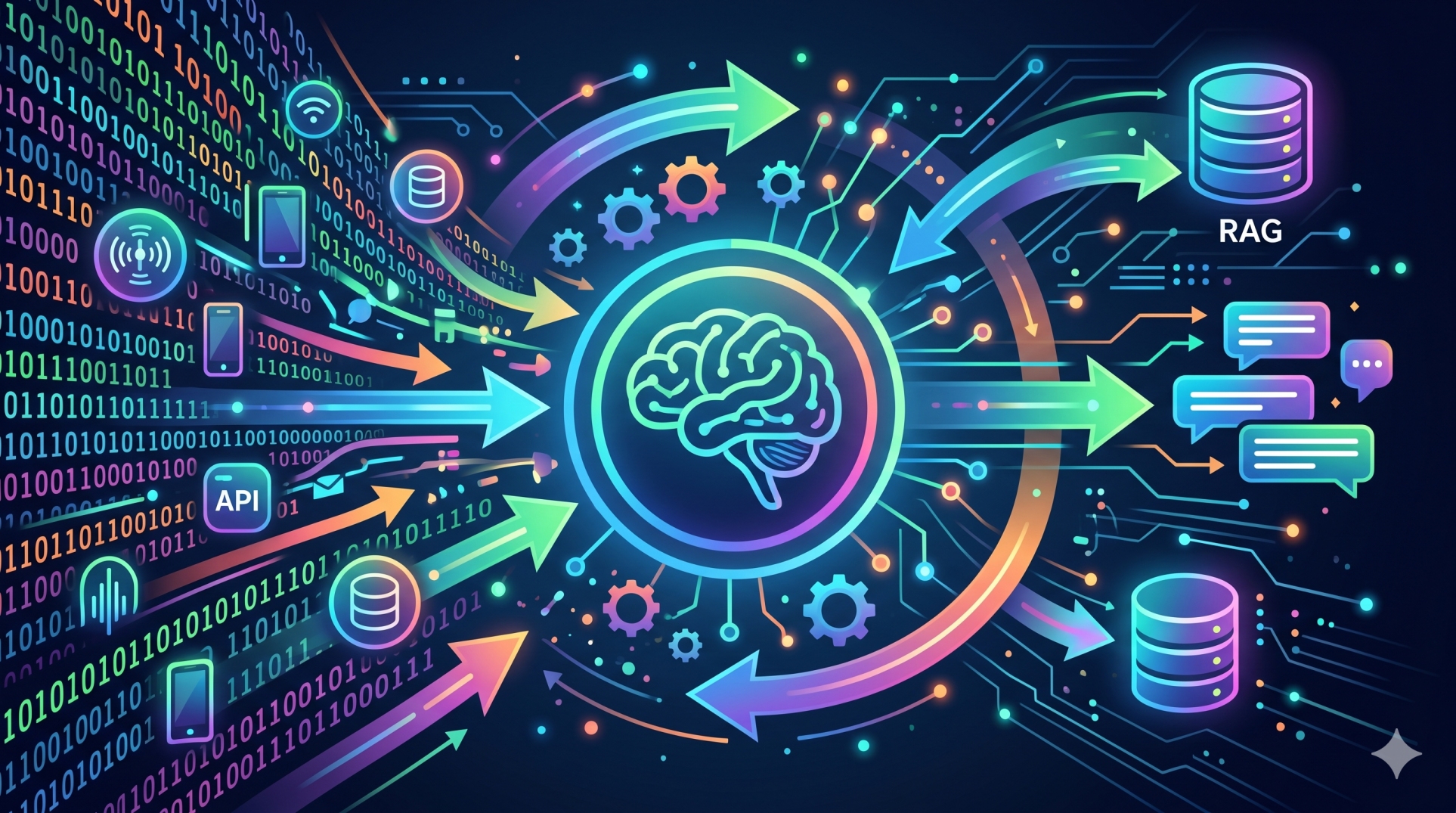
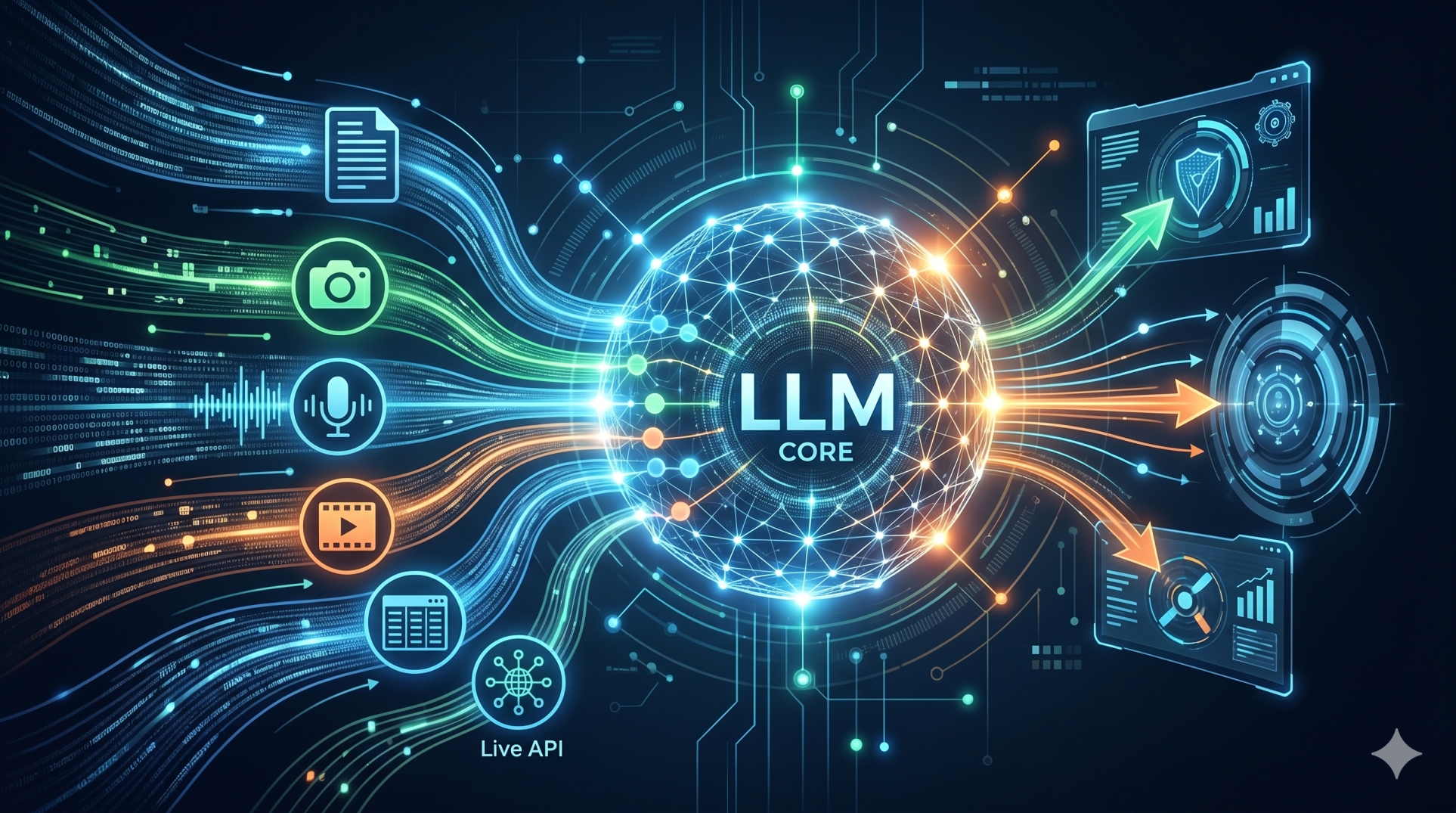
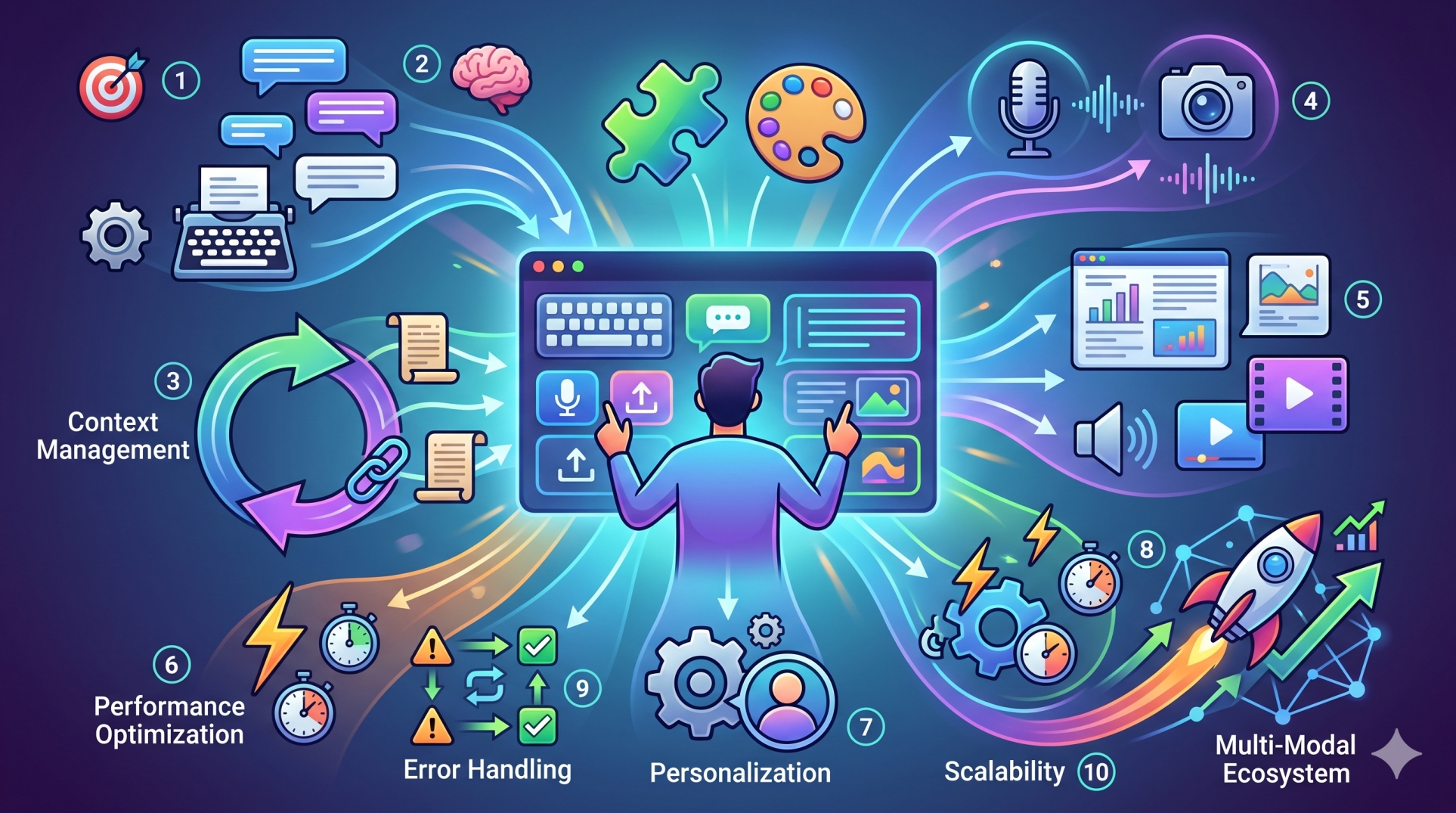
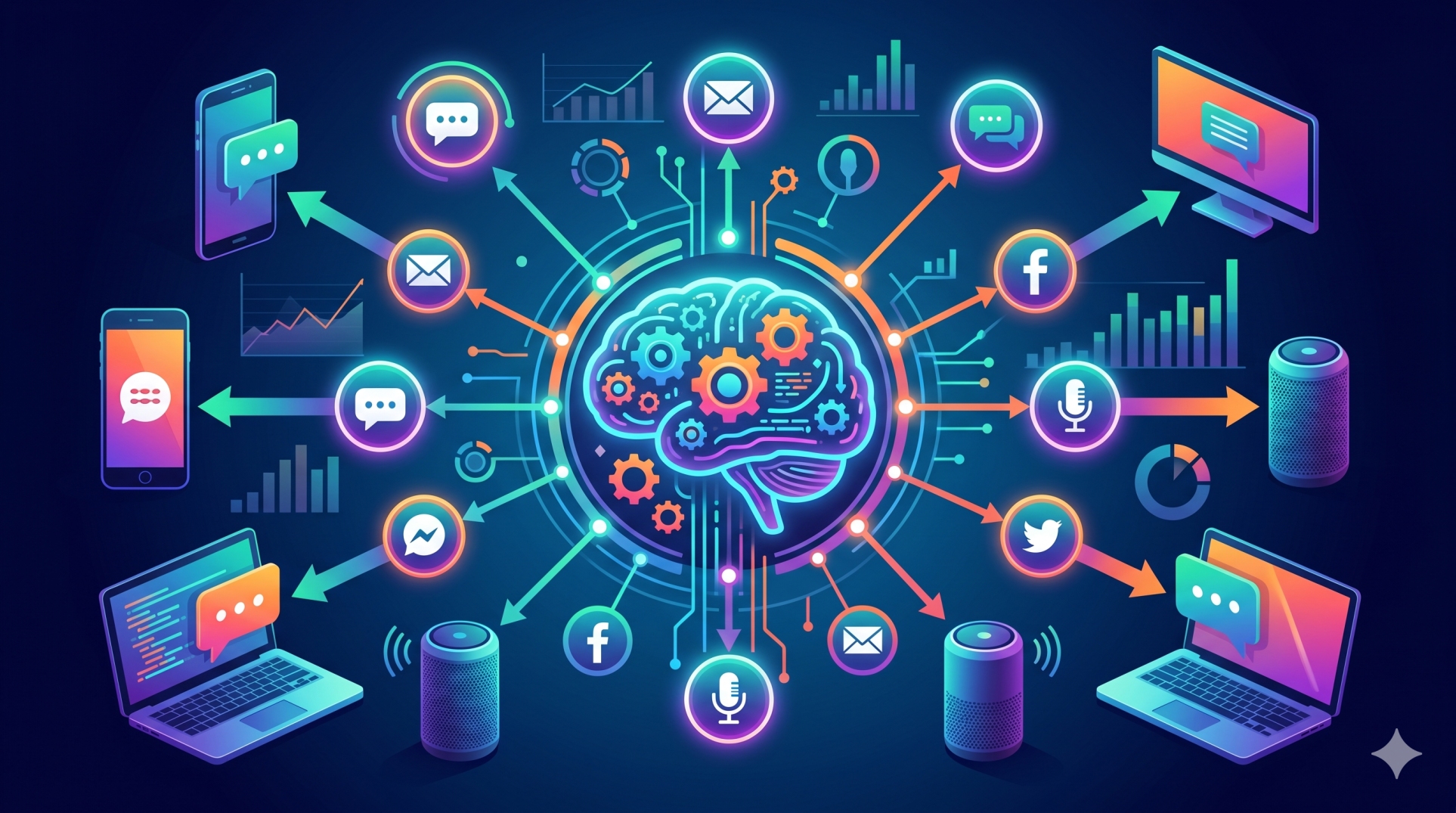
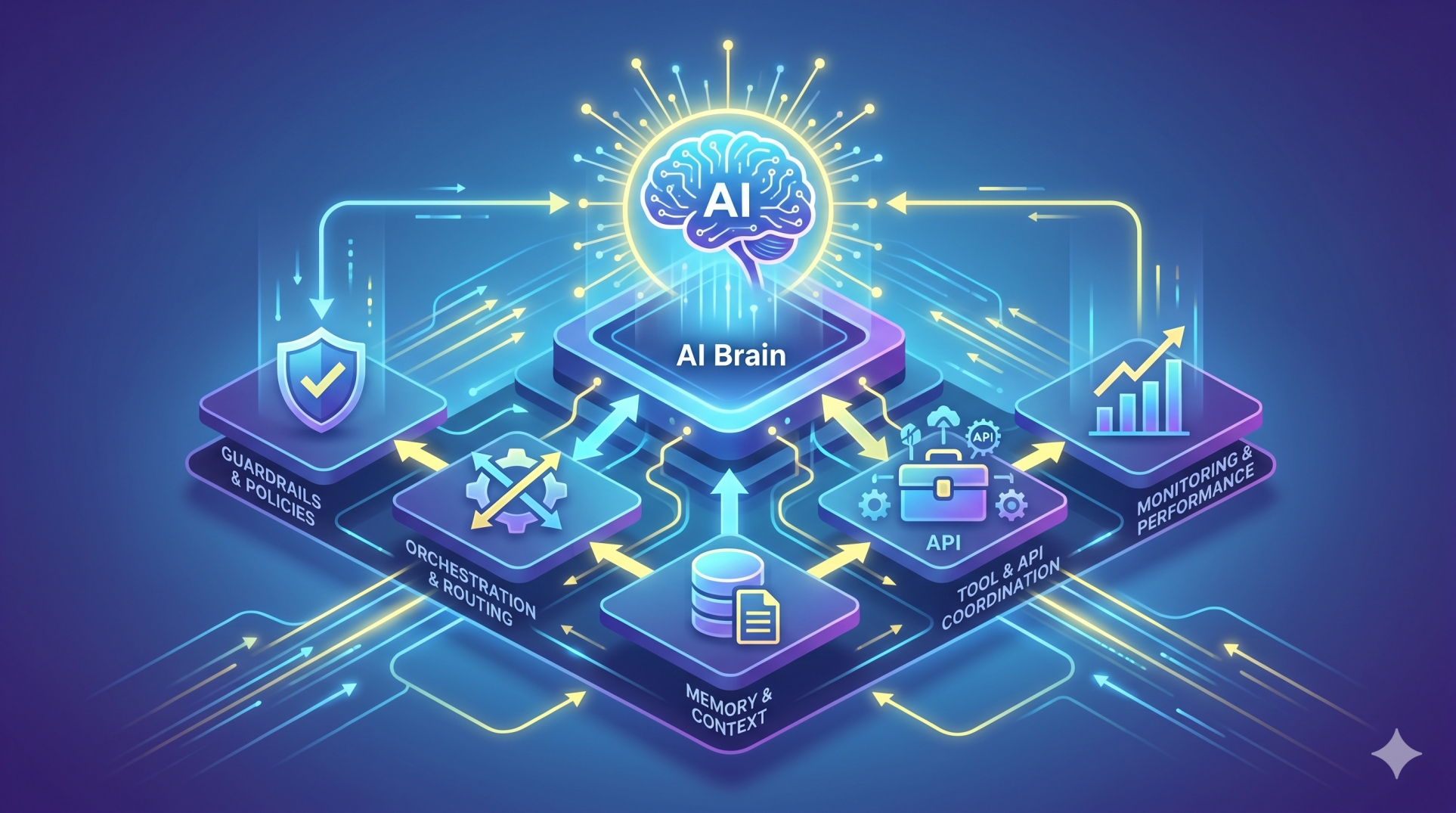
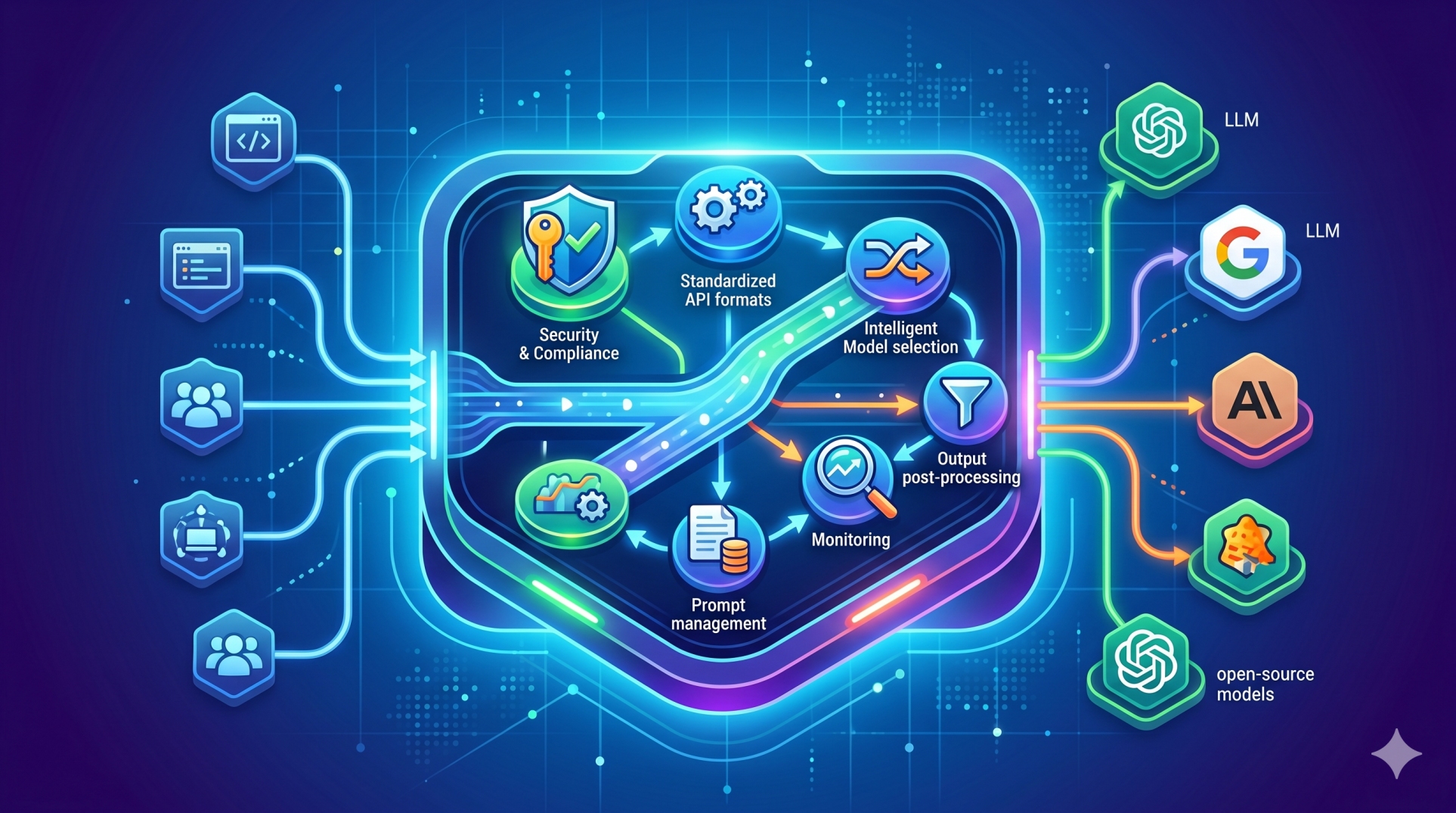
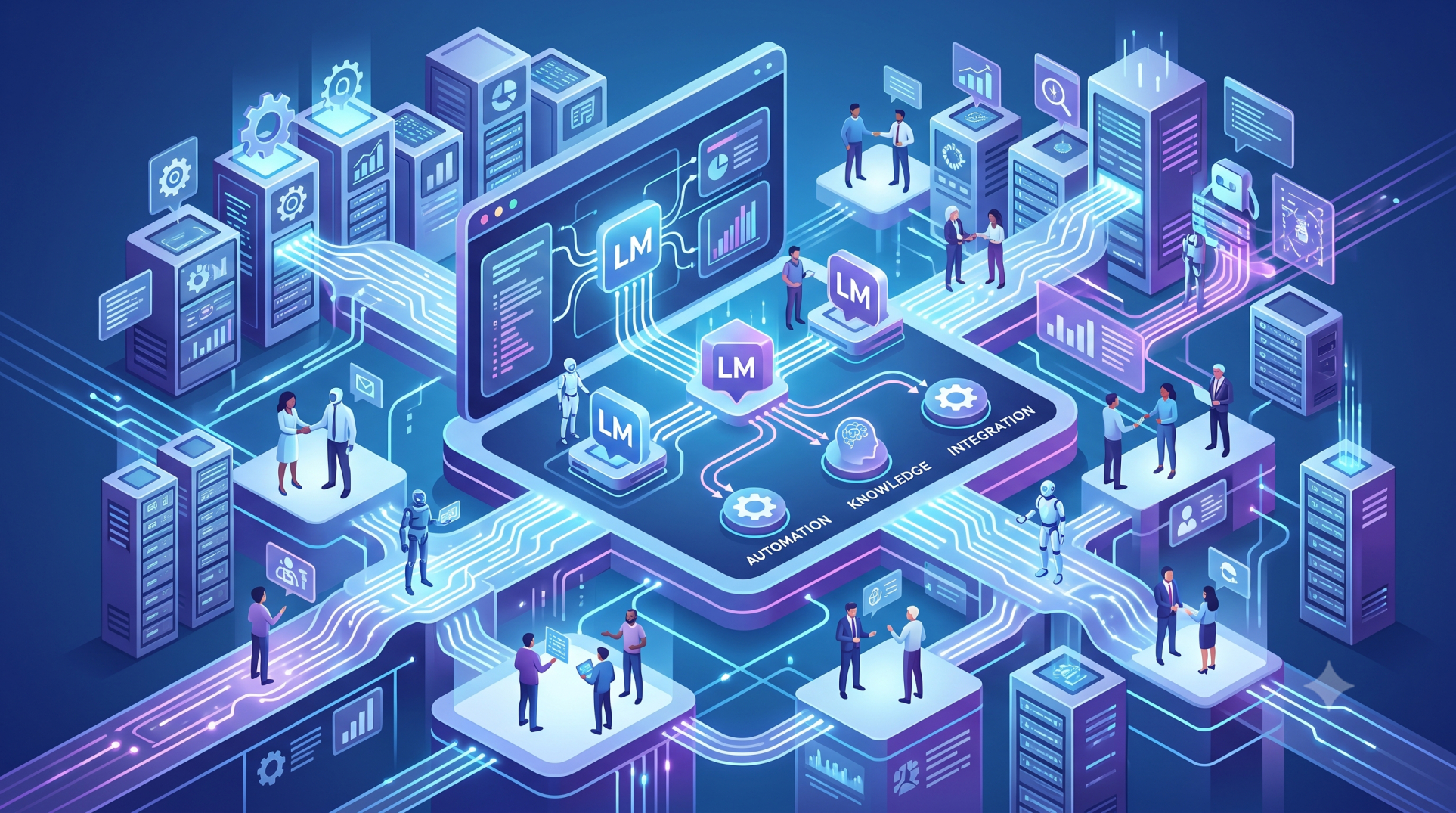
As organizations embrace AI-driven transformation, language models are becoming foundational components of the digital workforce. Rather than serving solely as conversational tools, modern language models support business operations by automating knowledge work, streamlining workflows, assisting employees, and enabling intelligent decision-making across departments. Acting as digital workforce infrastructure, they enhance productivity, scalability, and operational agility throughout the enterprise.
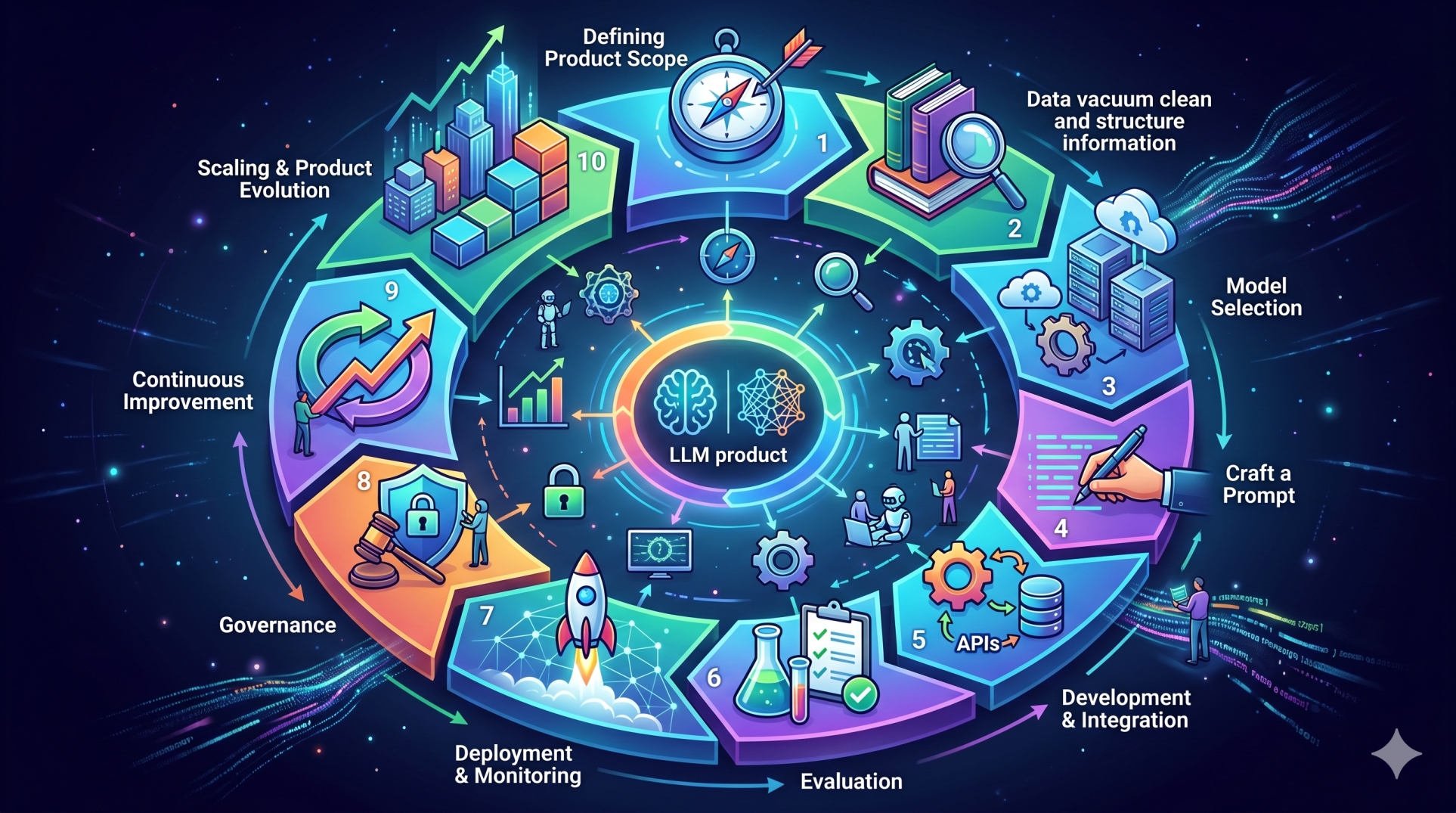
Step 1: Establishing the Digital Workforce Foundation 🏗️
• Deploy language models as shared enterprise intelligence services 🤖
• Support employees across multiple business functions 🏢
• Centralize AI capabilities within existing business systems 🔗
• Enable consistent assistance across organizational workflows 📋
• Create a scalable foundation for intelligent automation 🚀
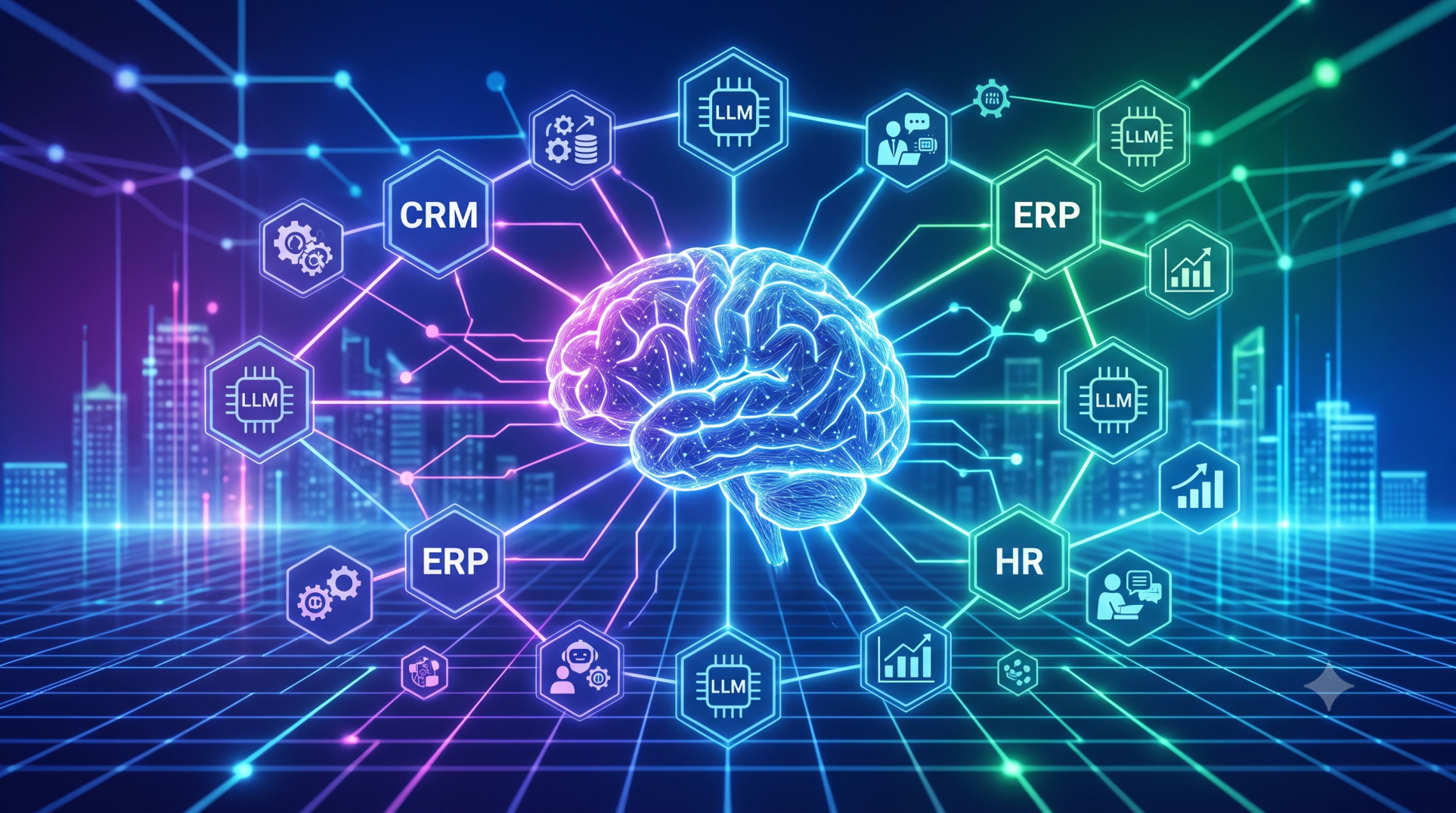
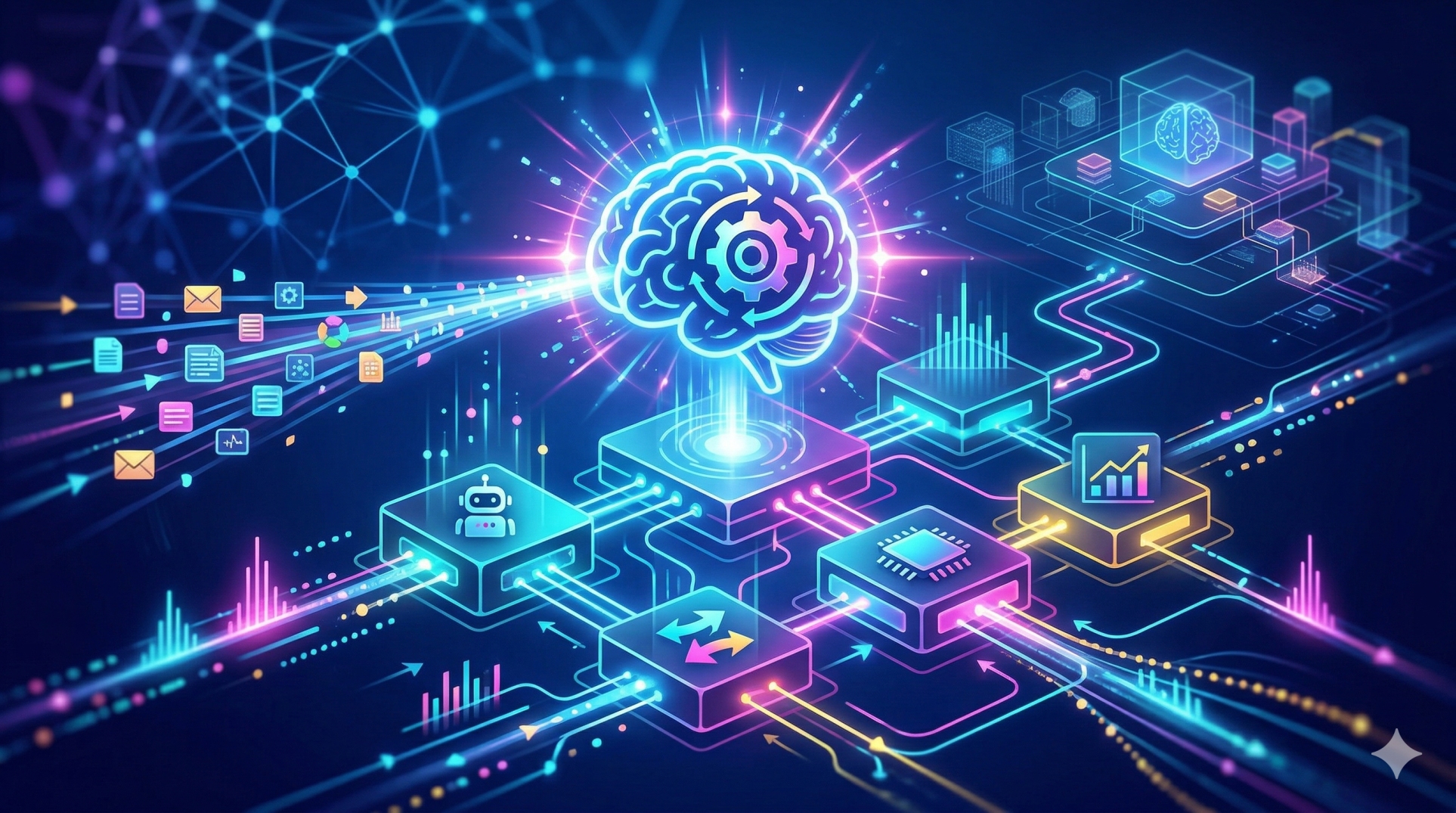
Step 2: Integrating AI Across Business Operations 🔄
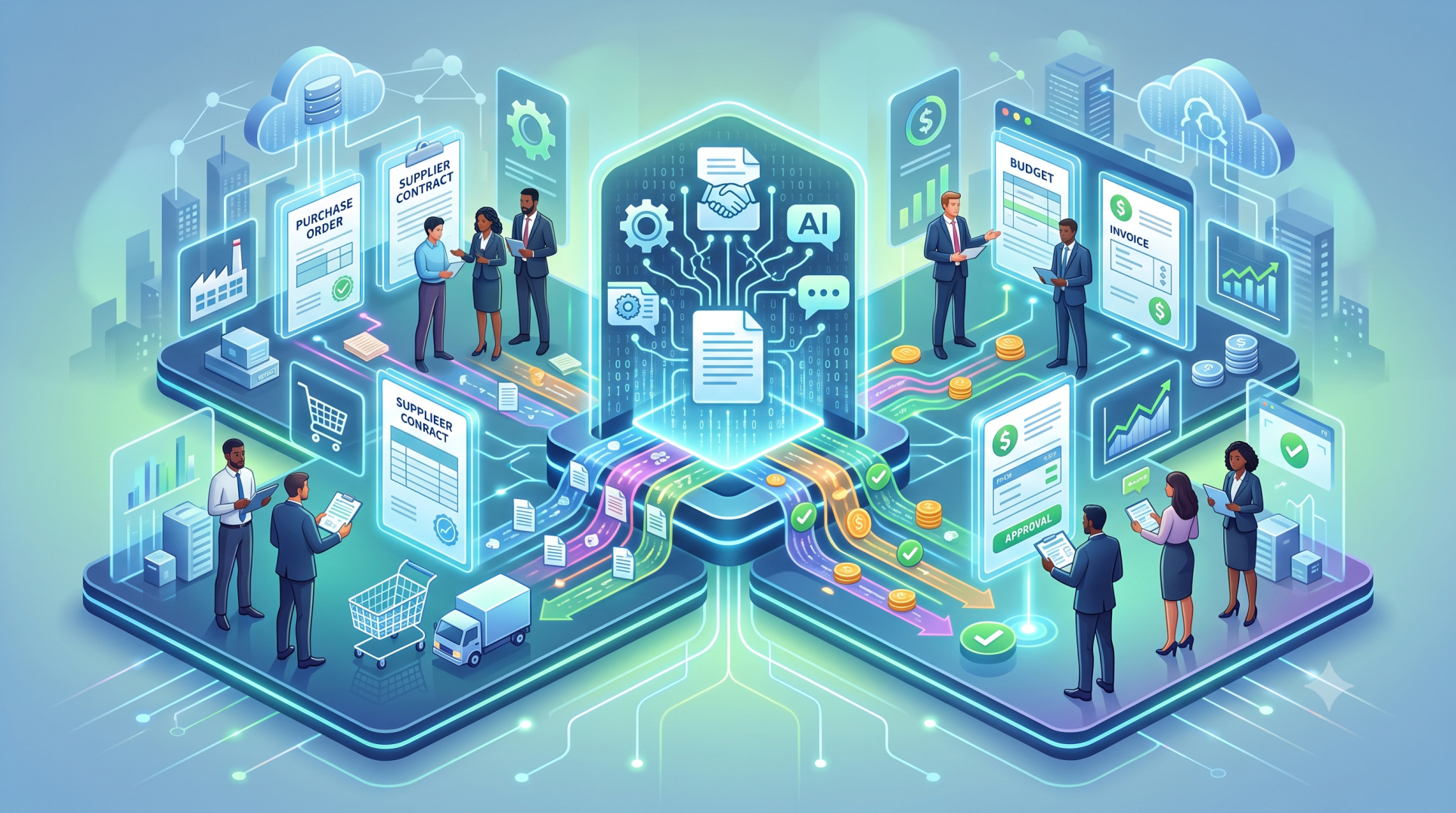
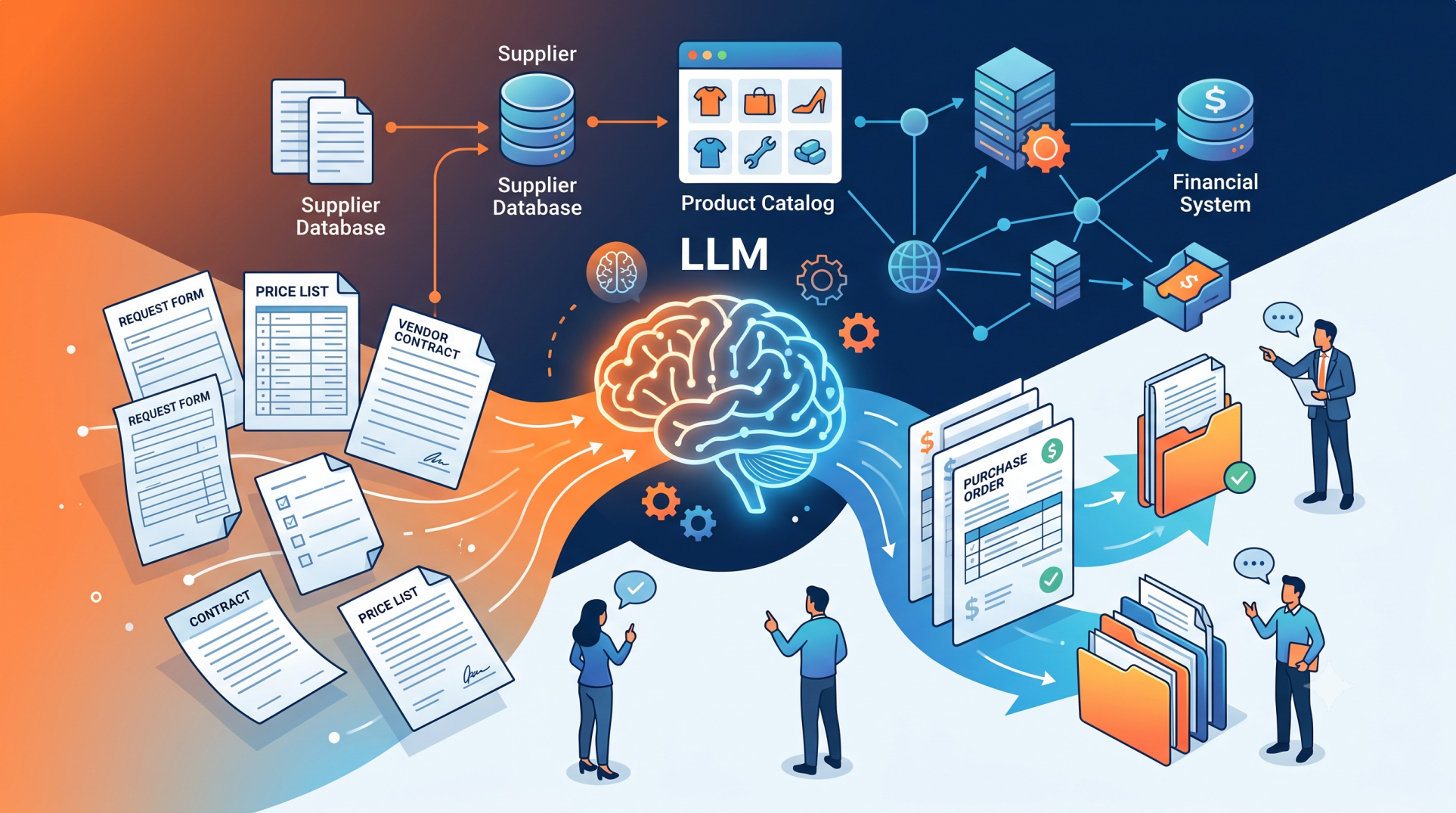
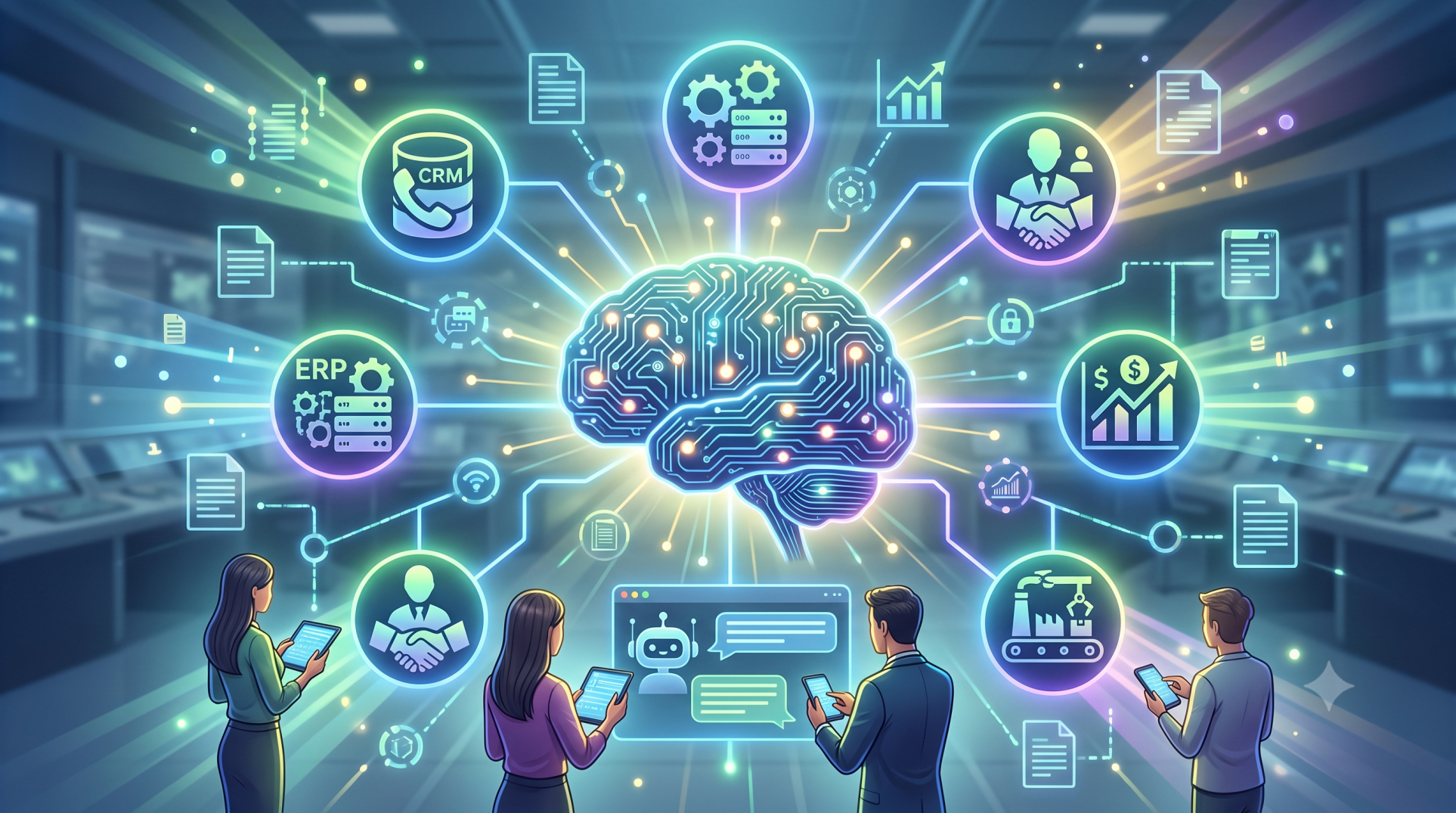
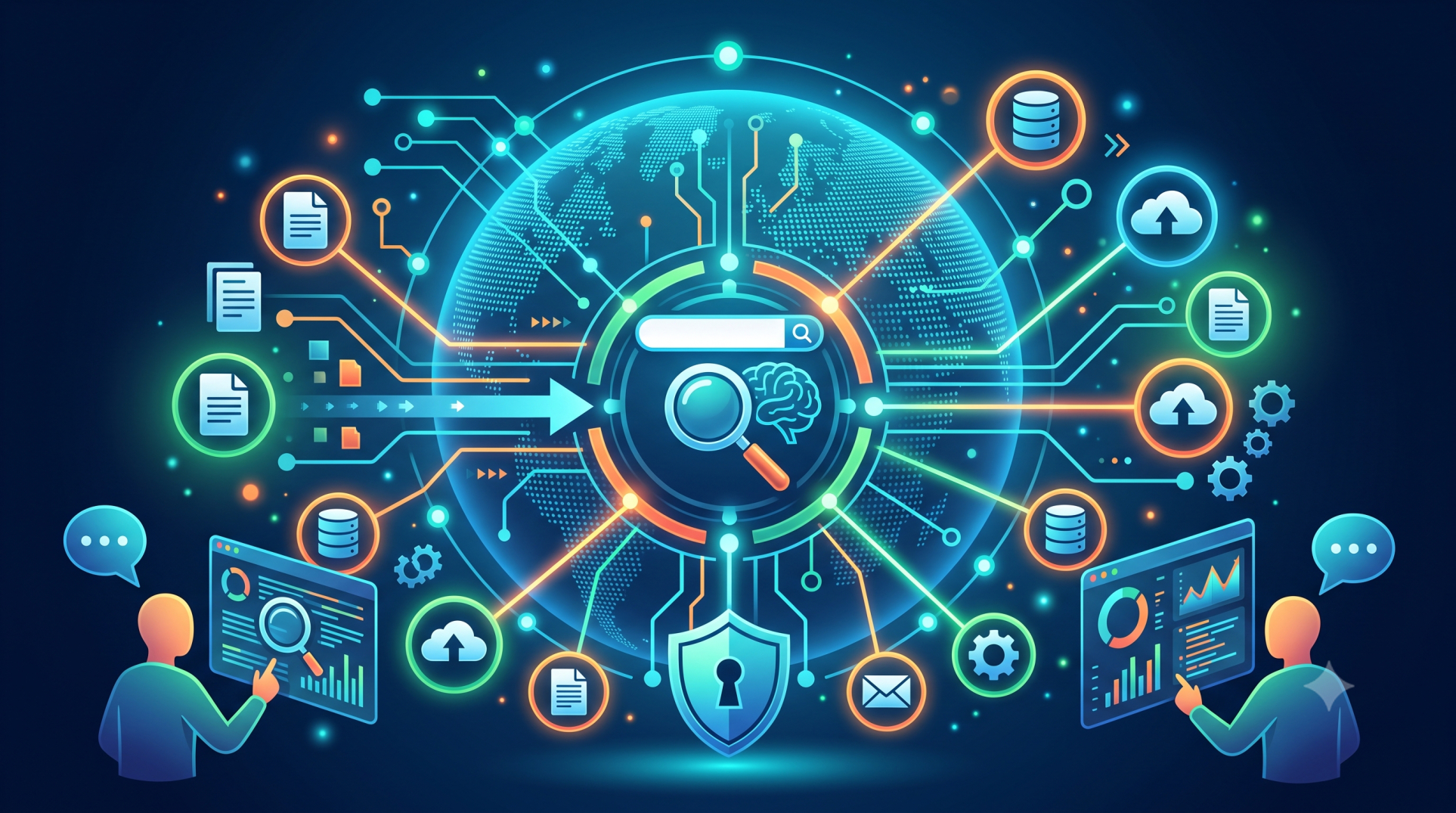
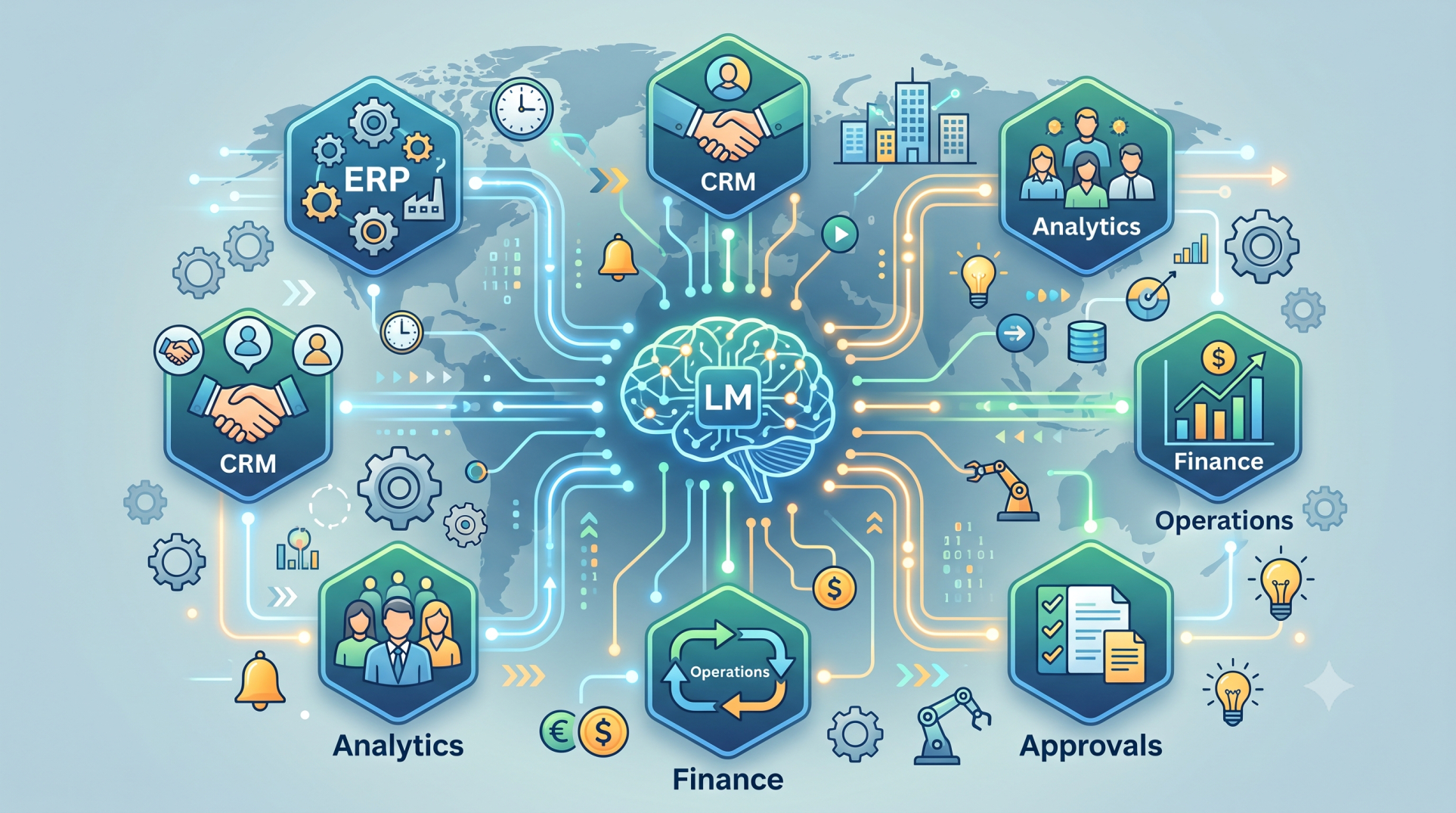
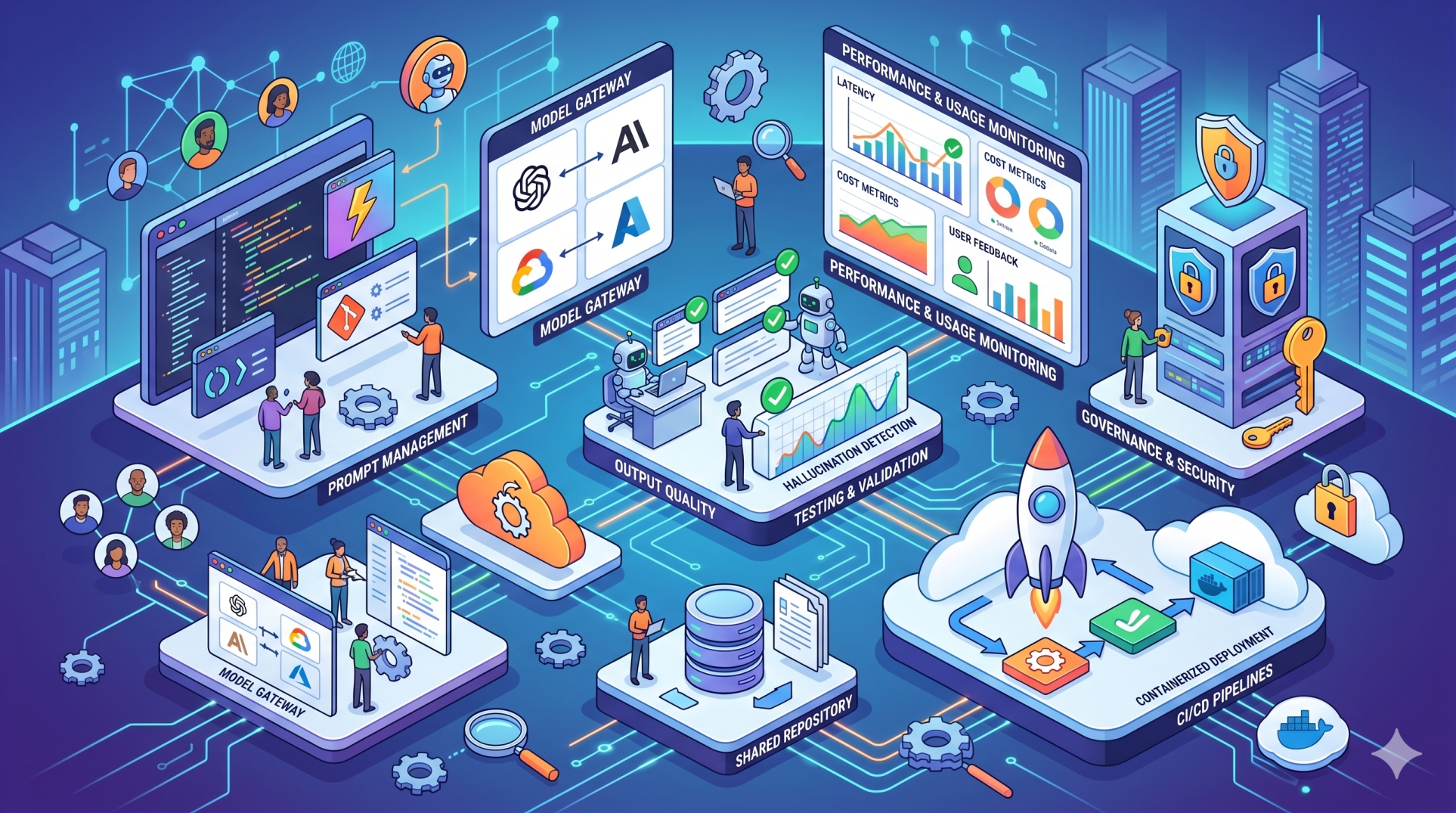
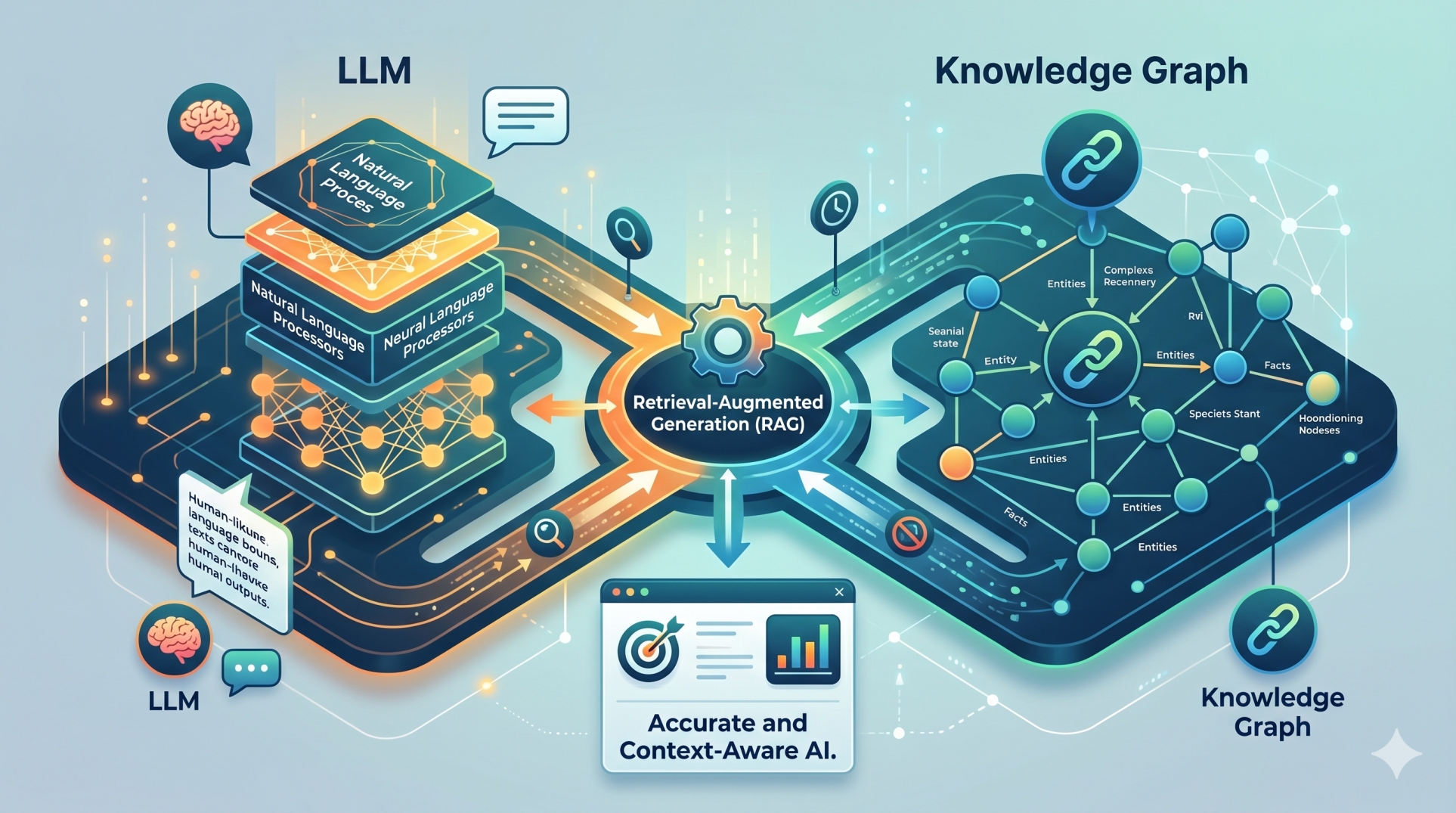
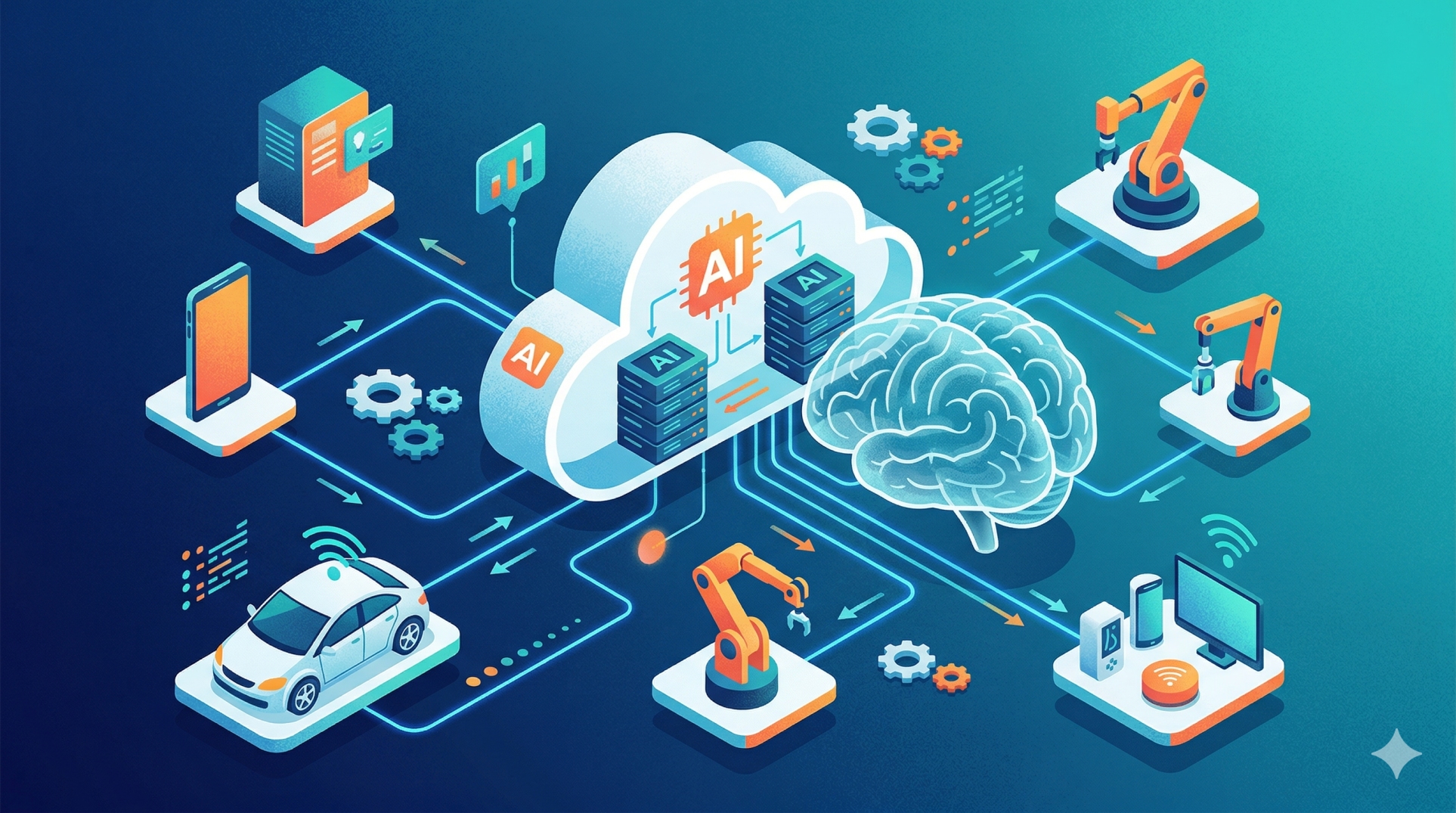
• Connect language models with enterprise applications and databases 🗄️
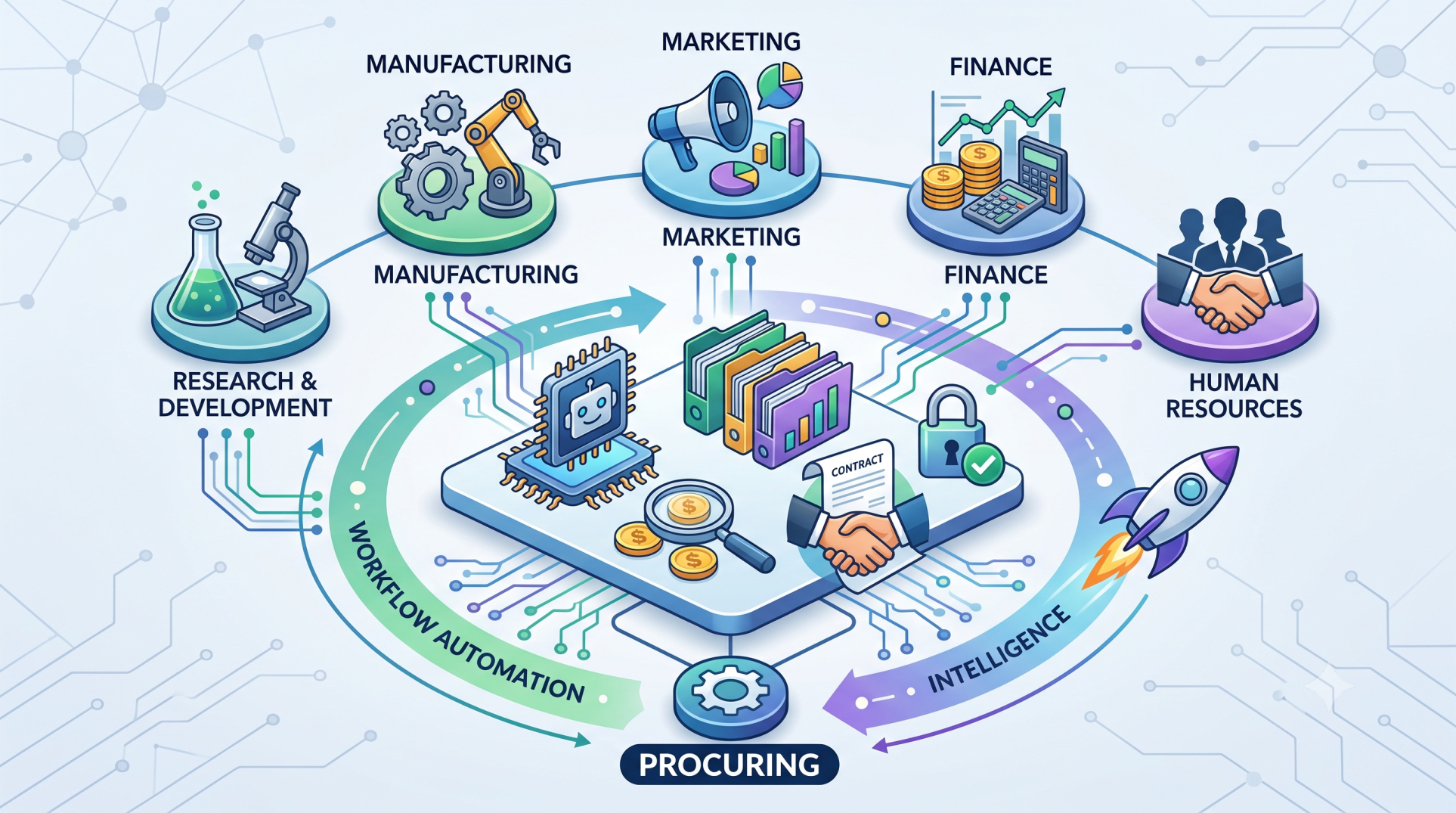
• Support finance, HR, sales, customer service, and operations 💼
• Enable seamless information exchange across departments 📡
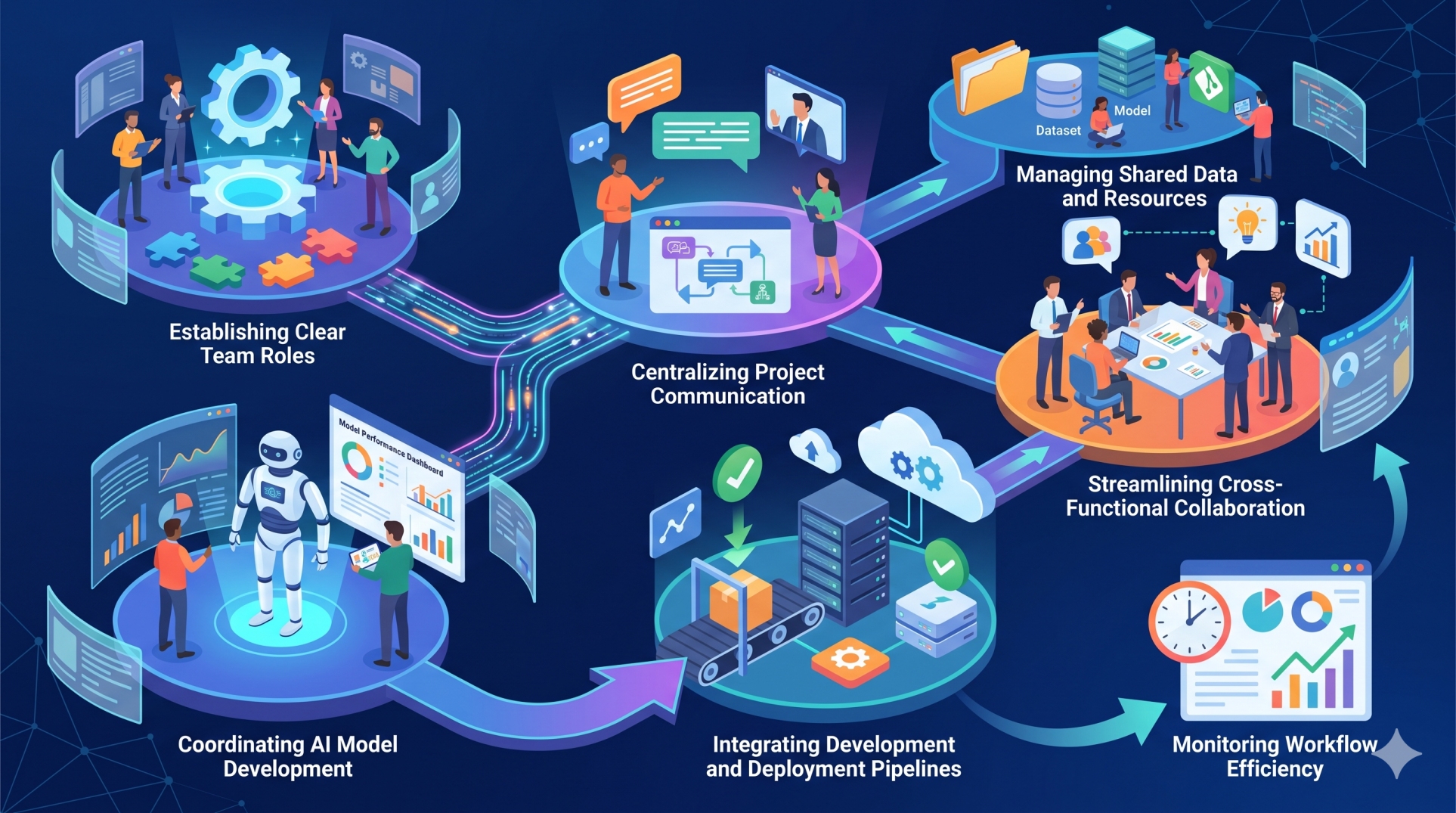
• Improve collaboration through unified AI capabilities 🤝
• Enhance operational efficiency with connected workflows ⚙️
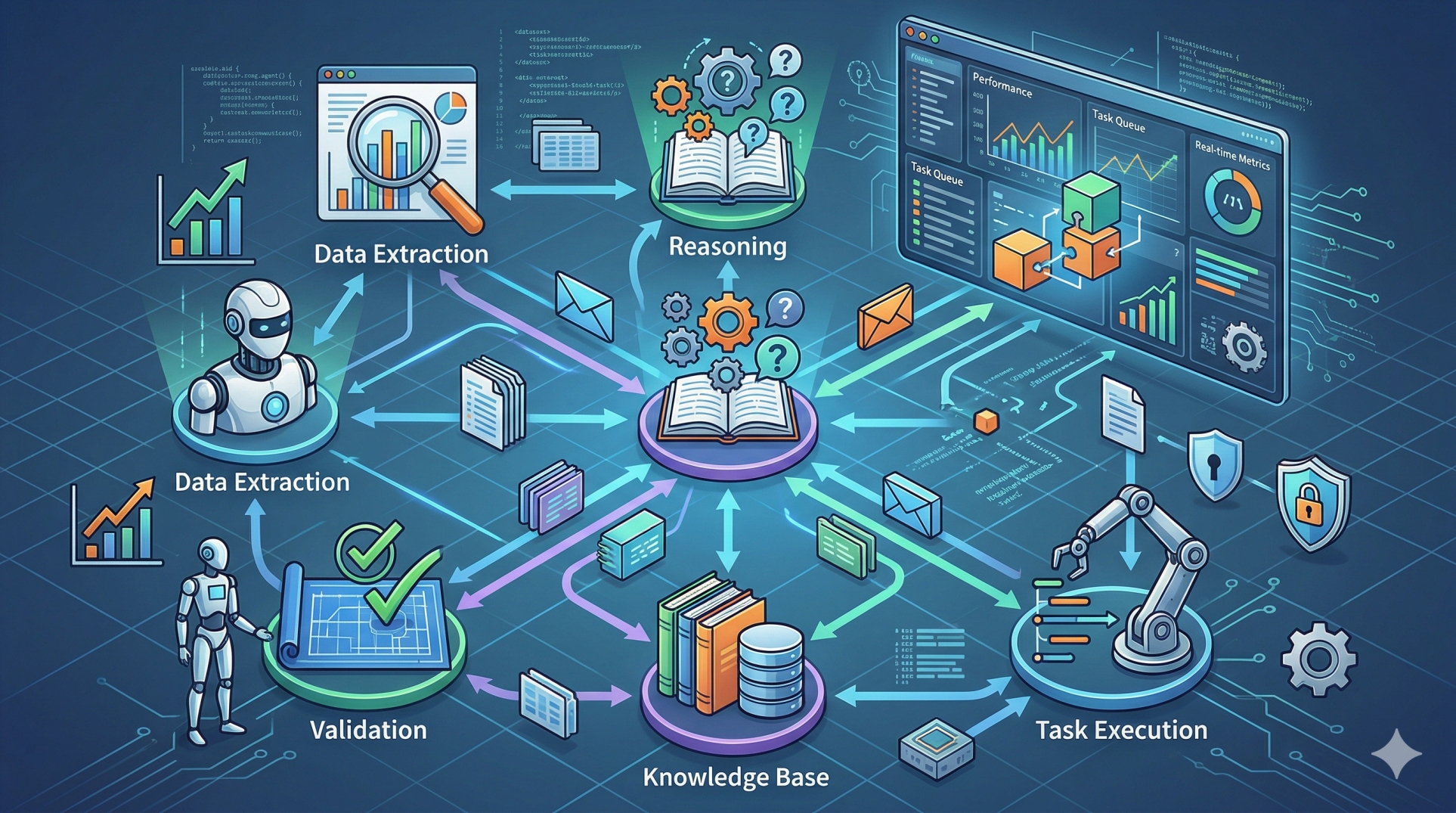
Step 3: Automating Knowledge-Driven Tasks 🧠
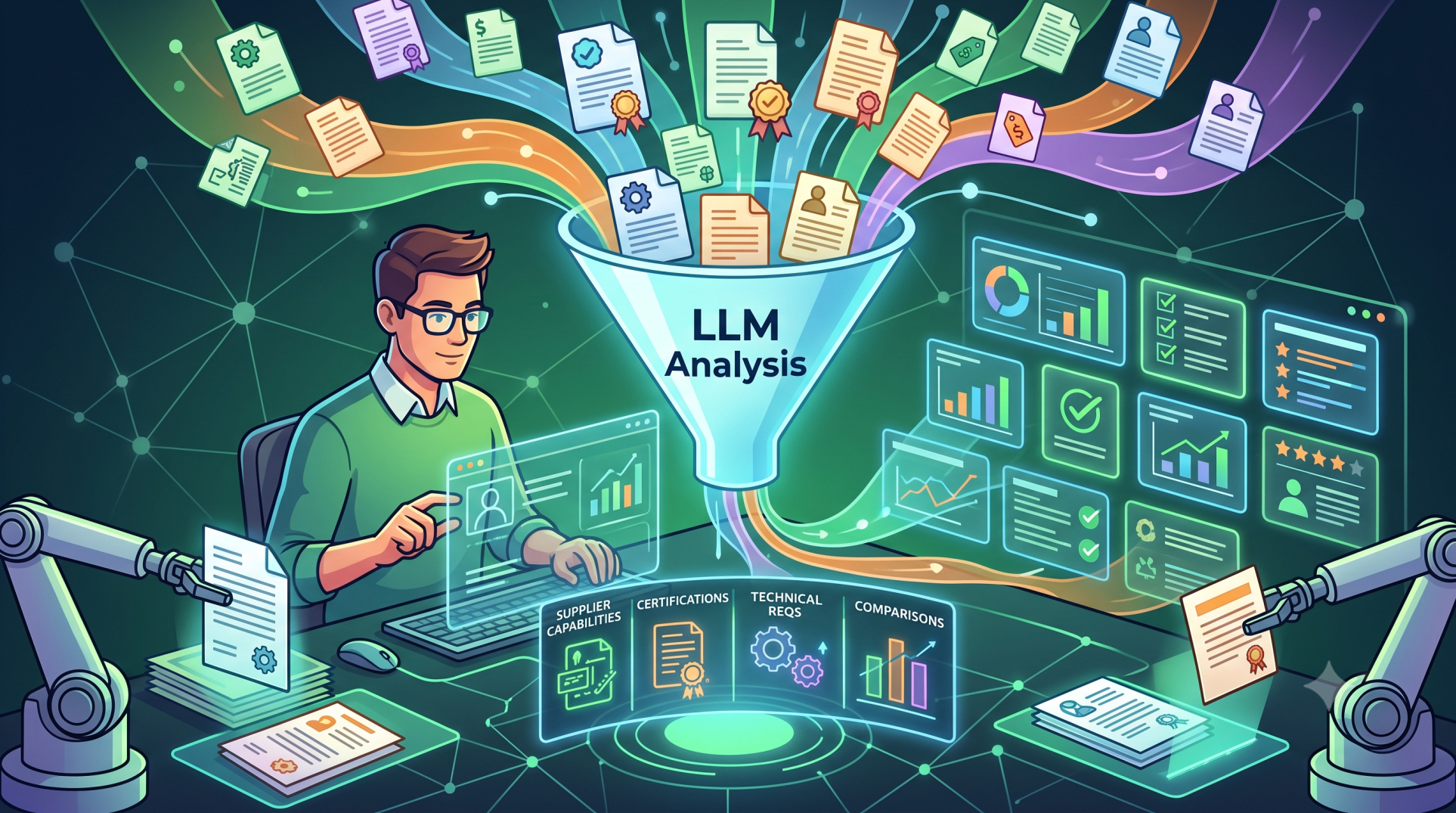
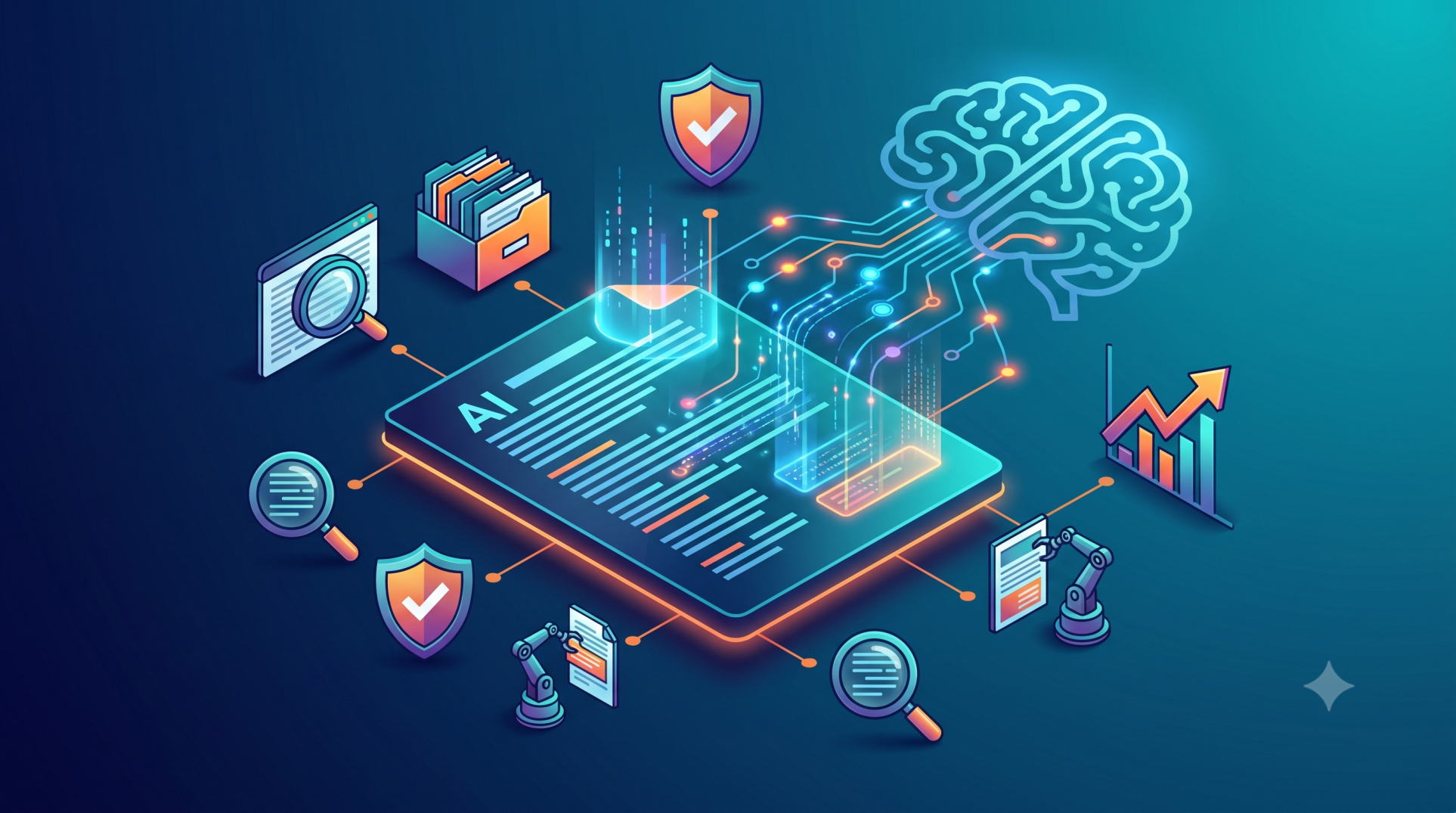
• Generate reports, summaries, and business documentation 📄
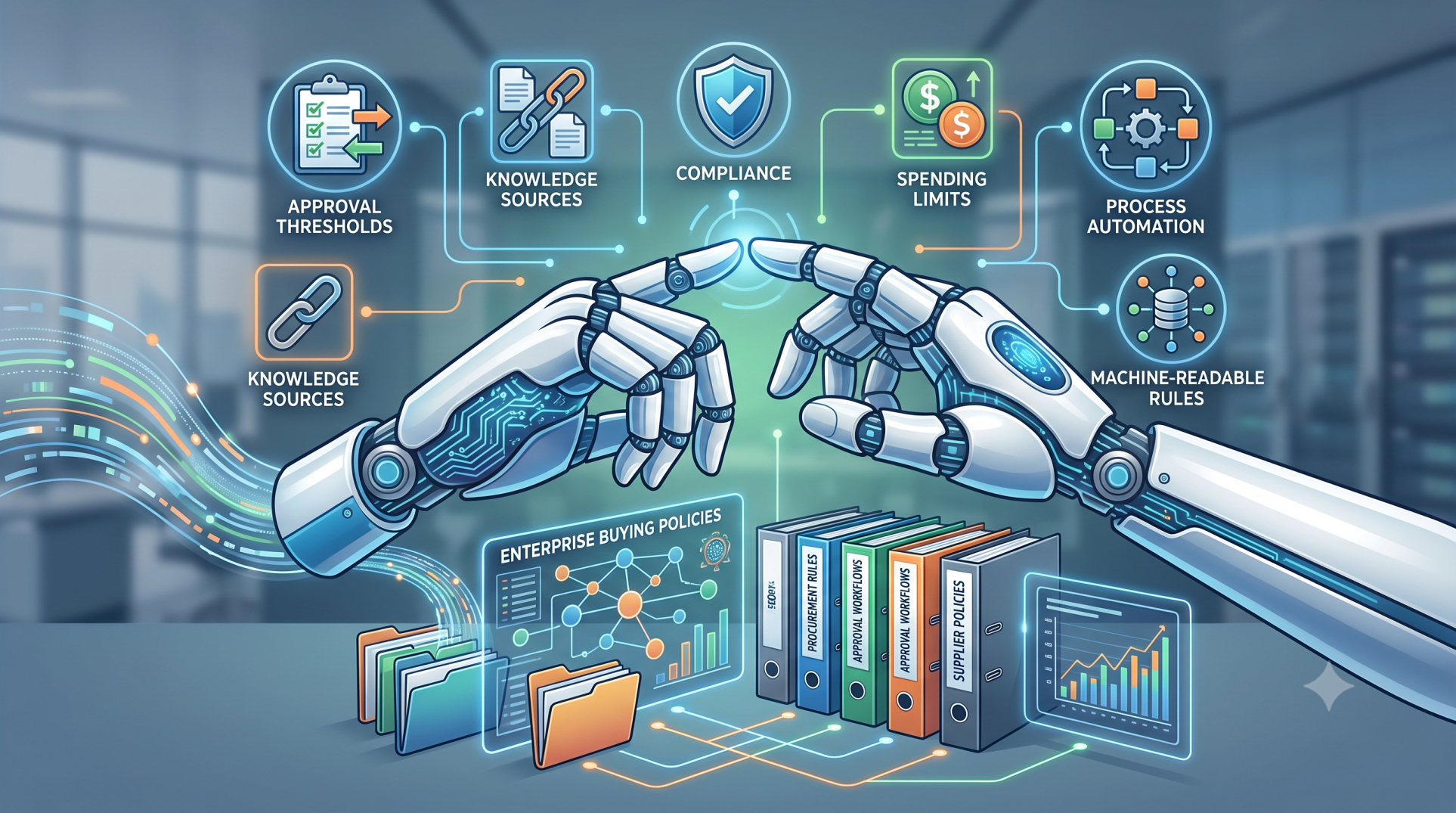
• Assist with policy interpretation and internal guidance 📘
• Analyze business information for faster decision support 📊
• Reduce repetitive administrative work through automation ⏱️
• Improve consistency in knowledge-intensive processes ✅
Step 4: Enhancing Employee Productivity 👨💻
• Provide instant access to organizational knowledge 🔍
• Assist employees with daily operational tasks 📑
• Simplify information retrieval across enterprise systems 📚
• Reduce time spent searching for business data ⚡
• Enable teams to focus on strategic initiatives 🎯
Step 5: Supporting Intelligent Decision-Making 💡
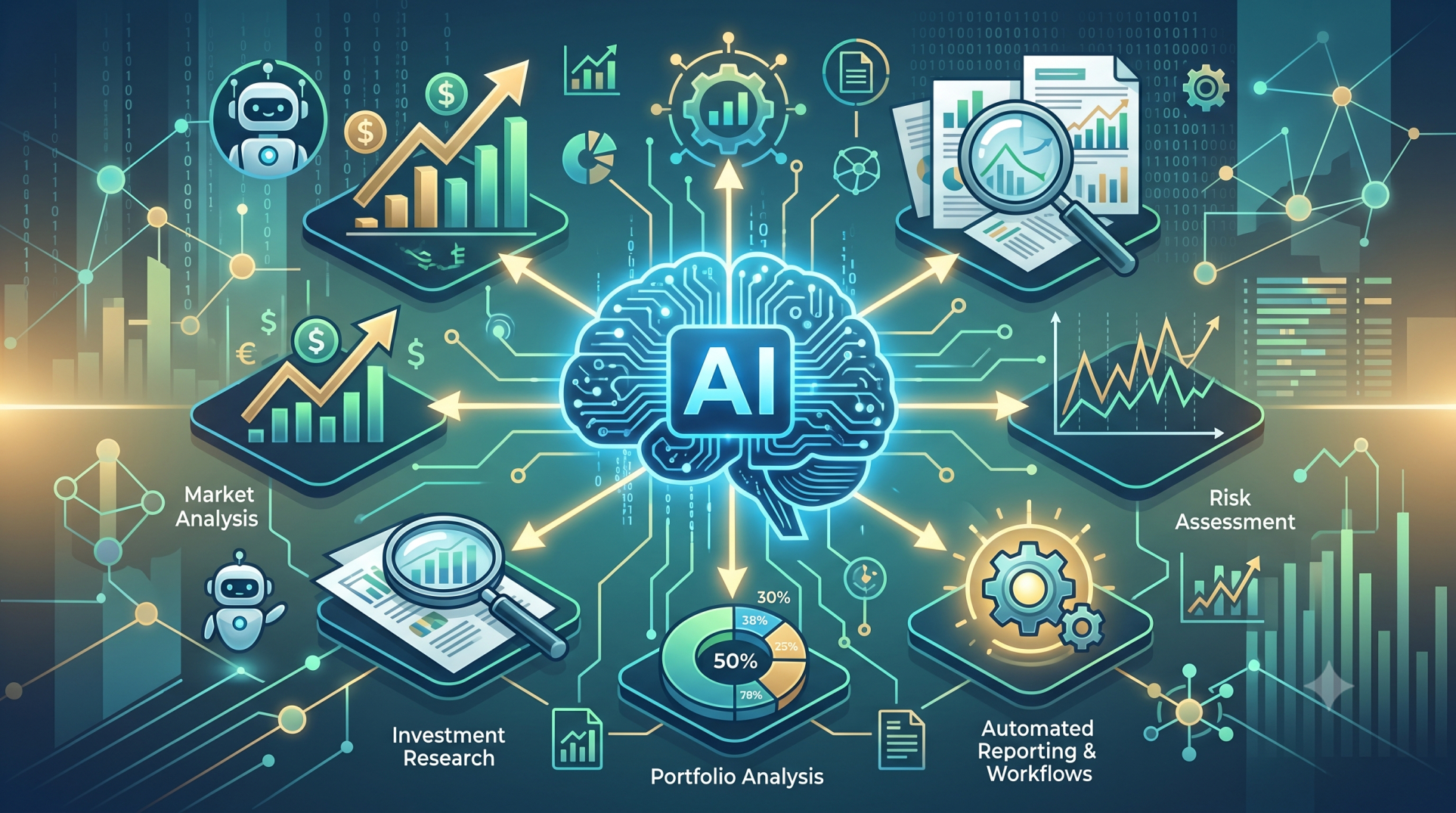
• Deliver contextual insights from enterprise information 📈
• Identify trends and operational patterns 📊
• Assist leaders with data-driven recommendations 🧠
• Improve planning through intelligent analysis 📅
• Enable faster and more informed business decisions 🚀
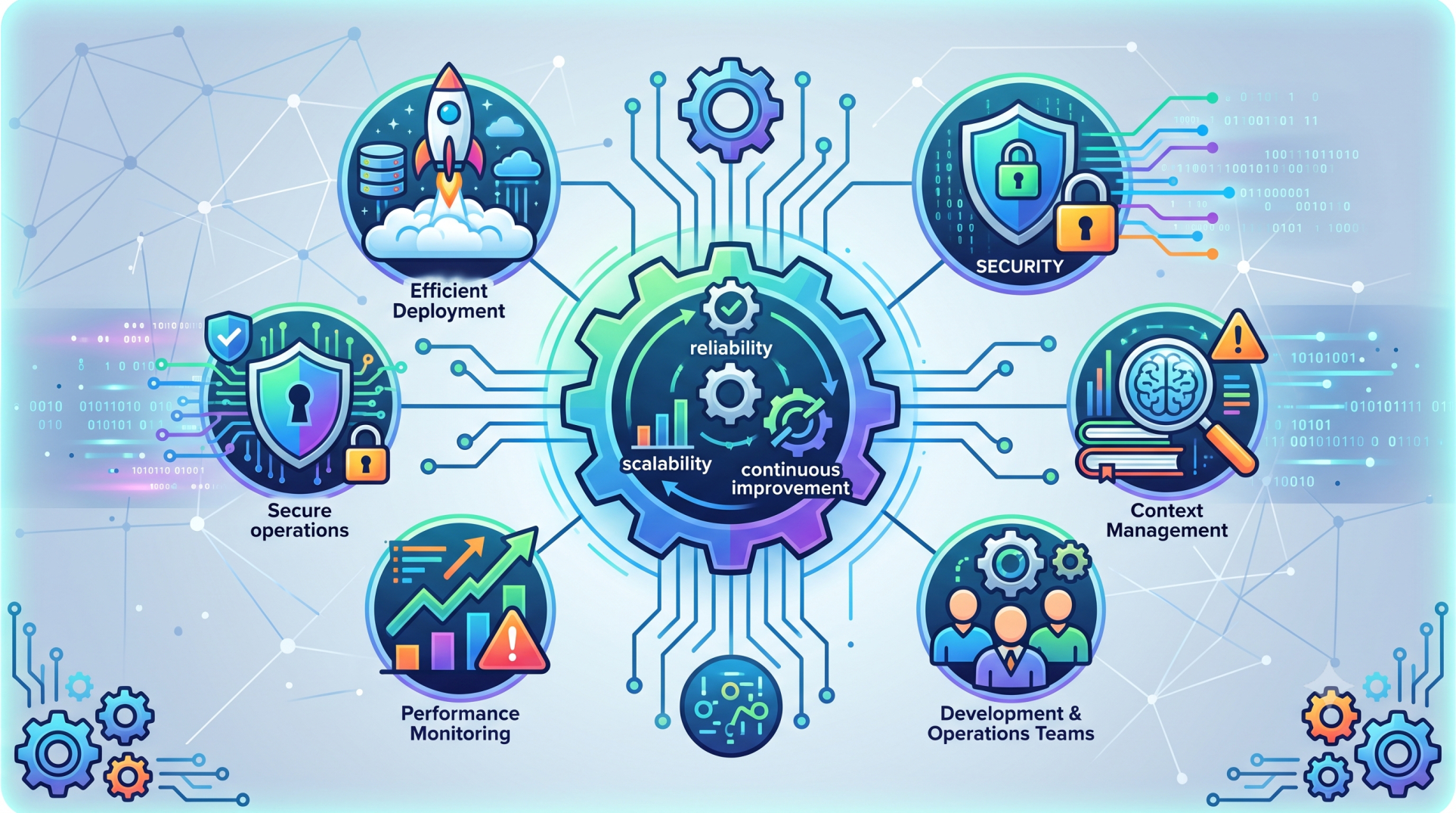
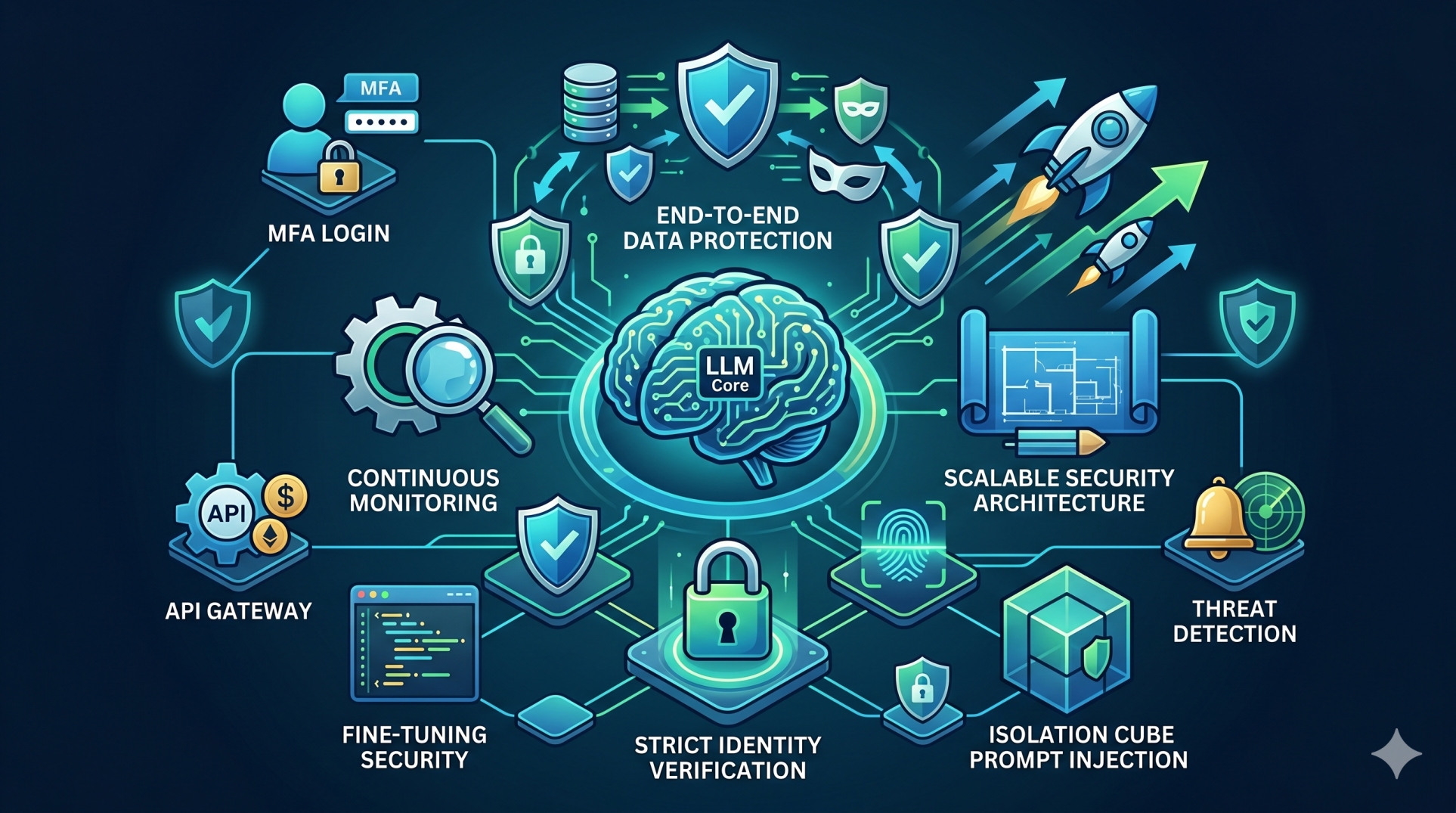
Step 6: Ensuring Secure AI Operations 🔐
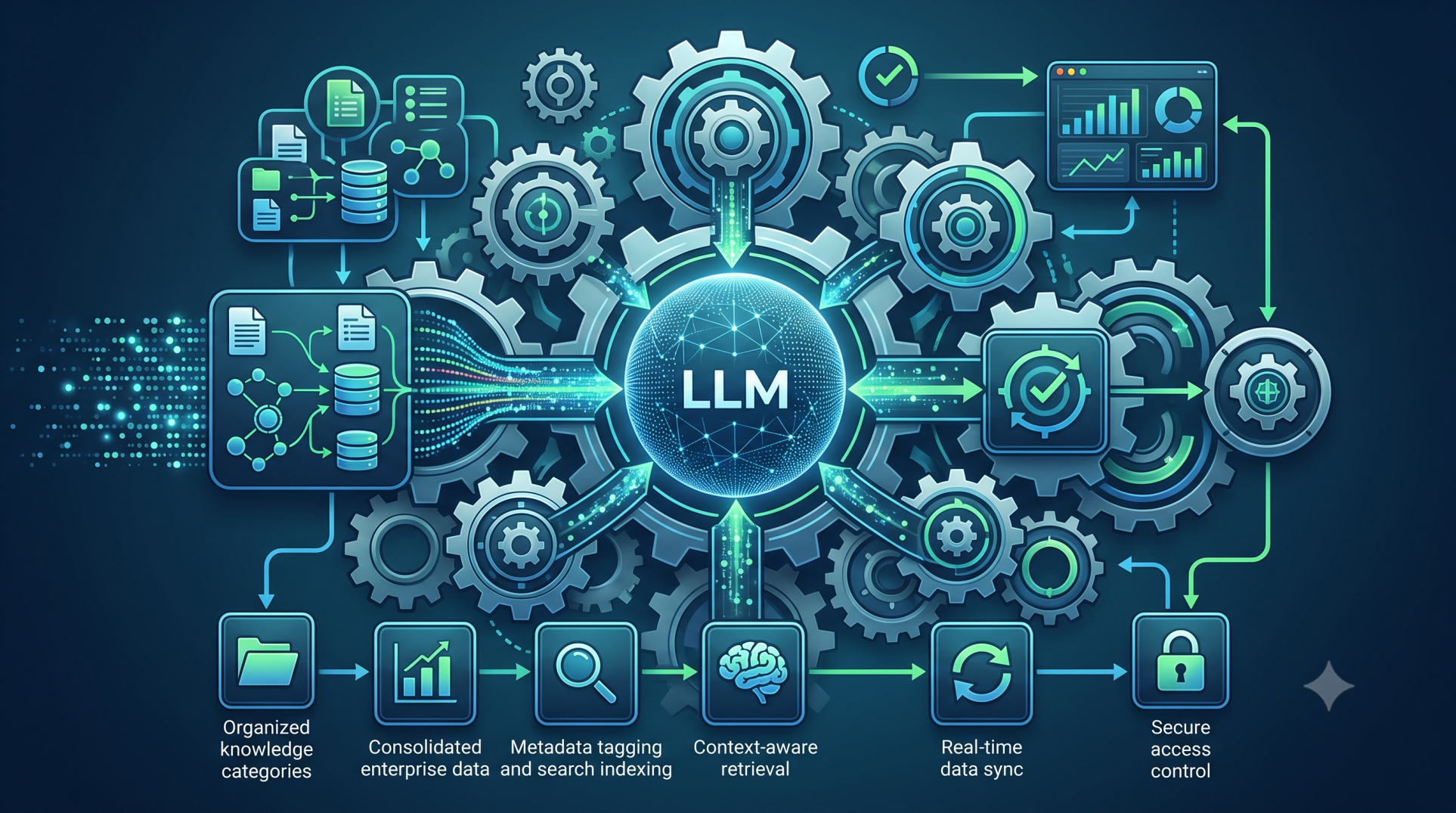
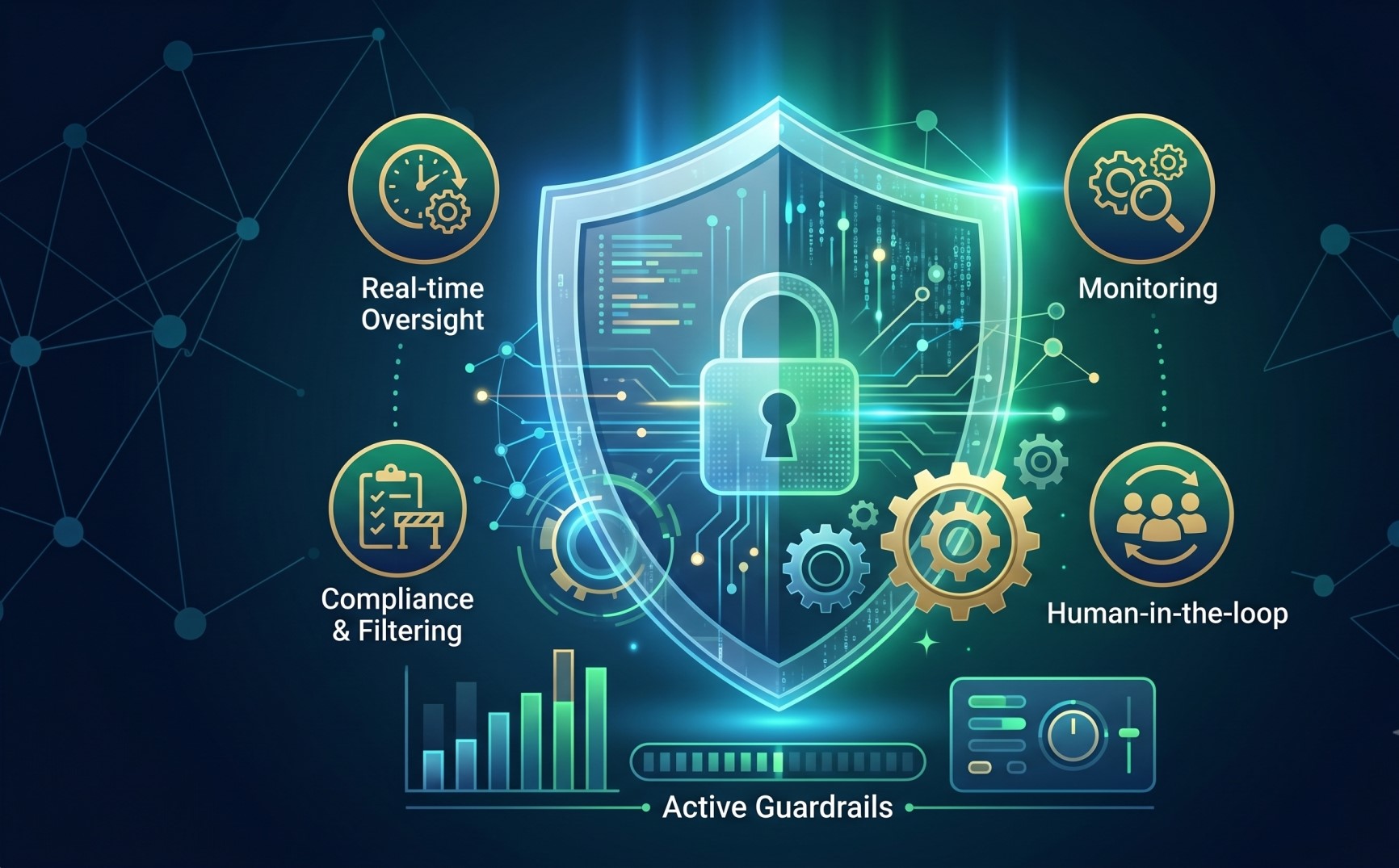
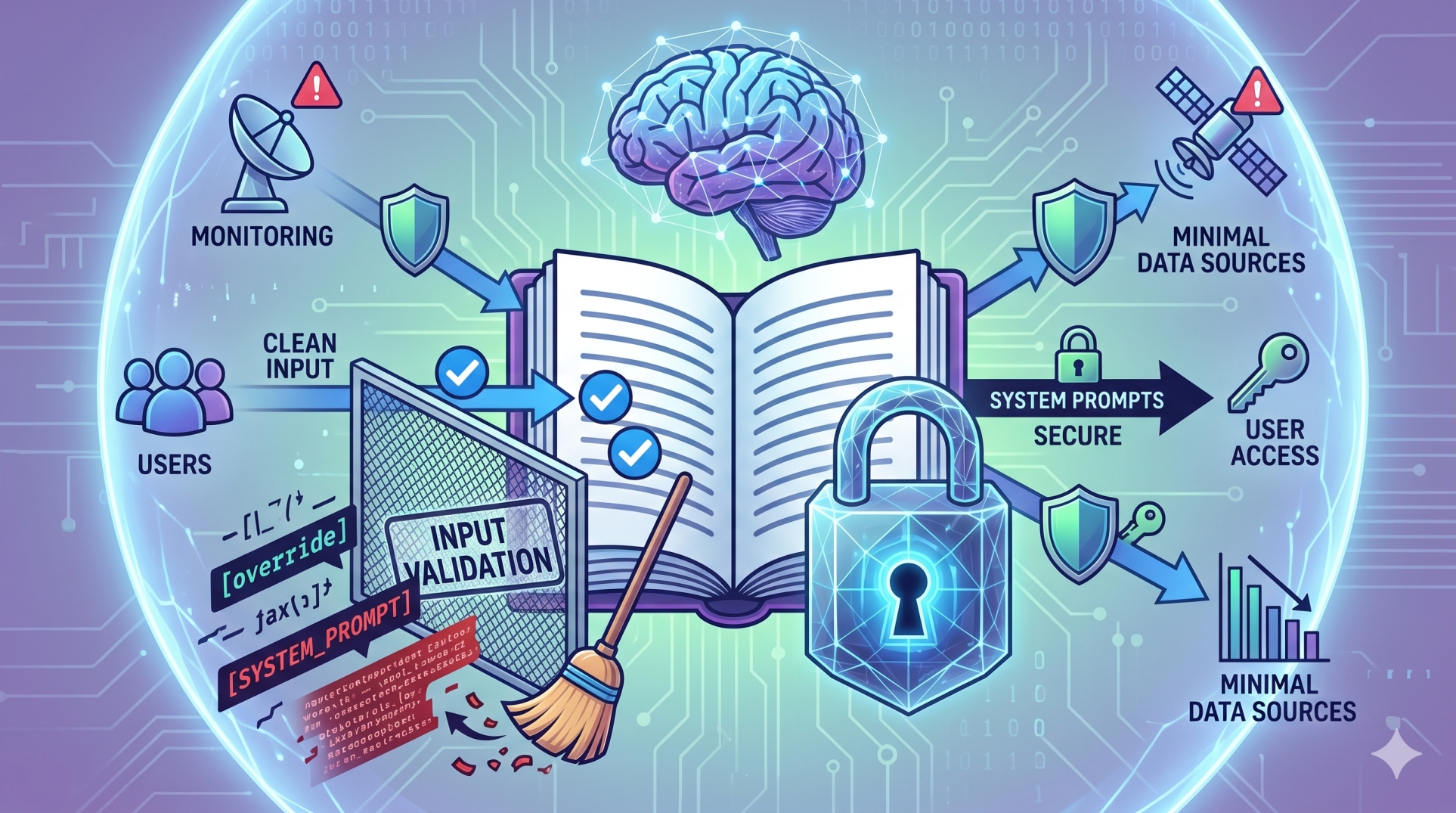
• Protect sensitive business information with secure access controls 🛡️
• Apply role-based permissions across enterprise environments 👥
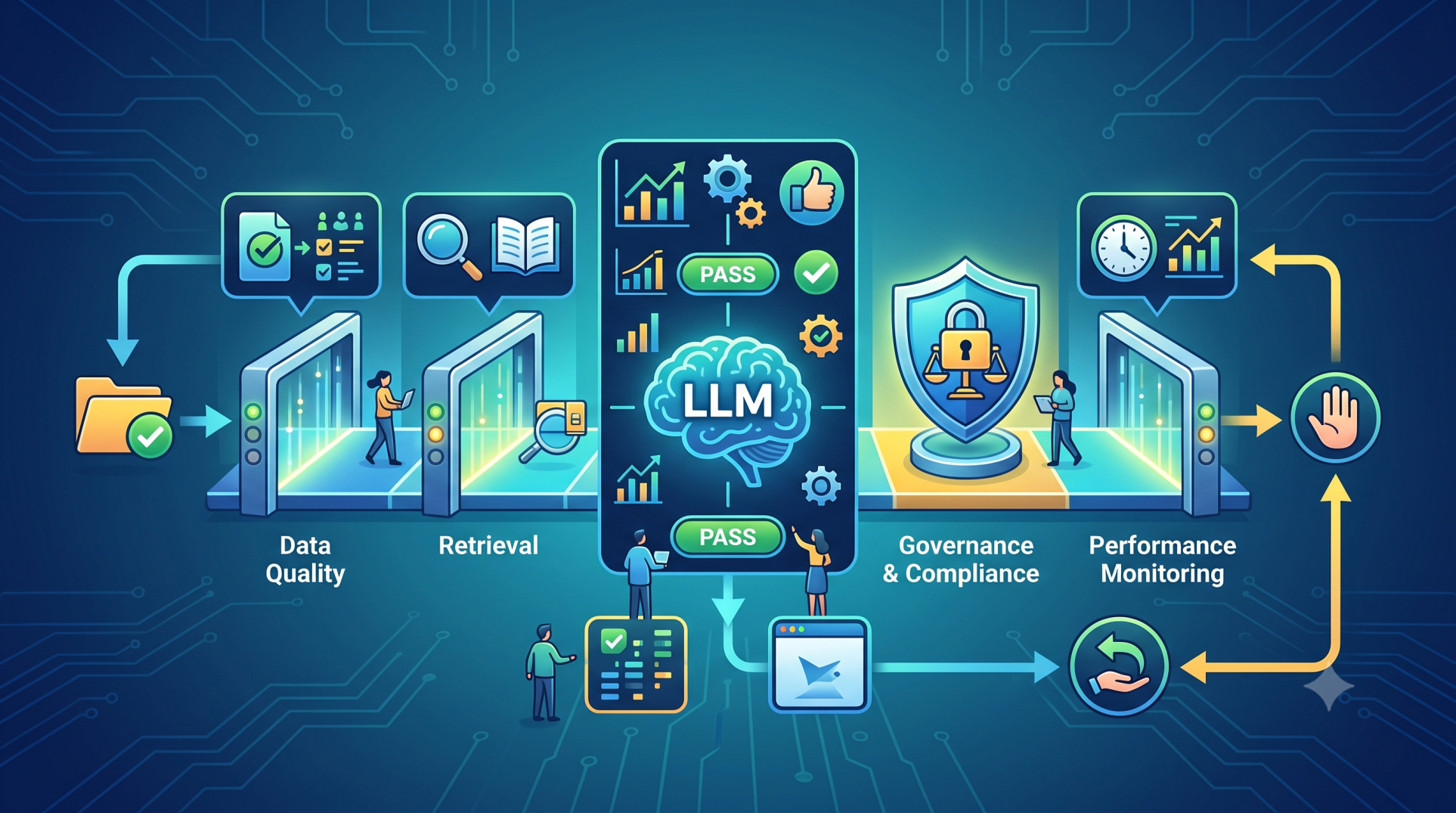
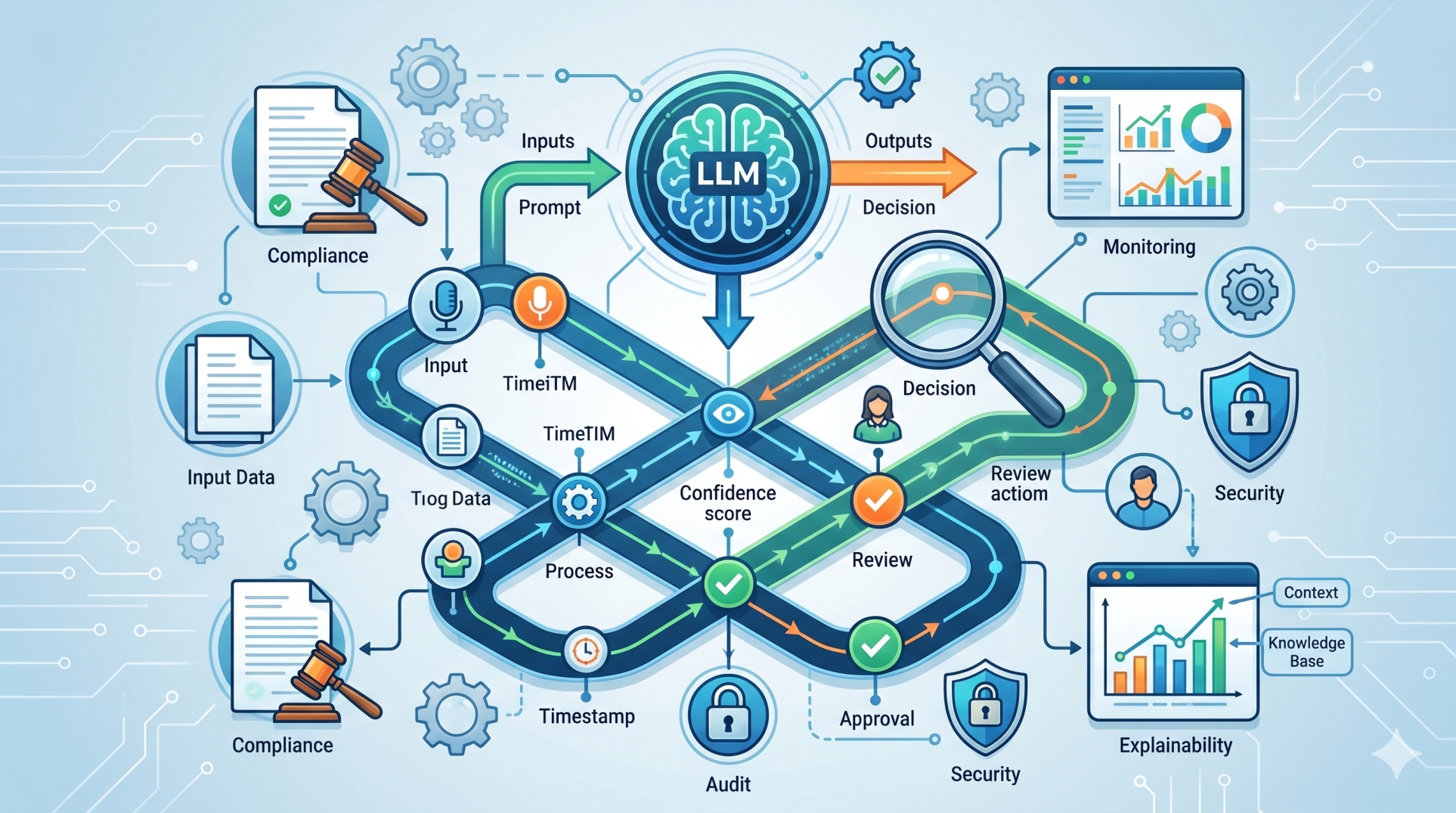
• Monitor AI interactions for governance and compliance 📜
• Secure integrations with internal systems and applications 🔒
• Support responsible and trustworthy AI deployment ✅
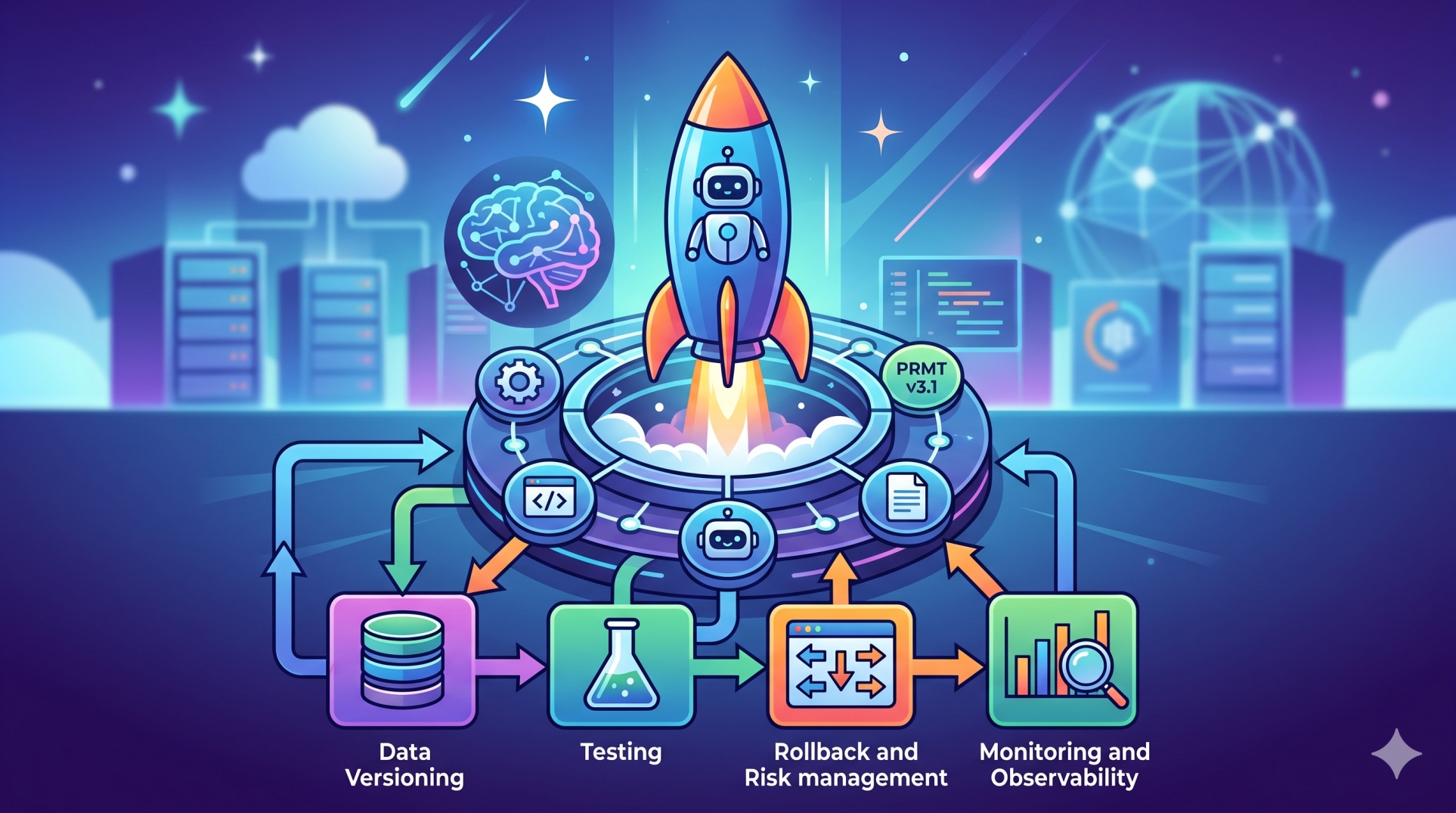
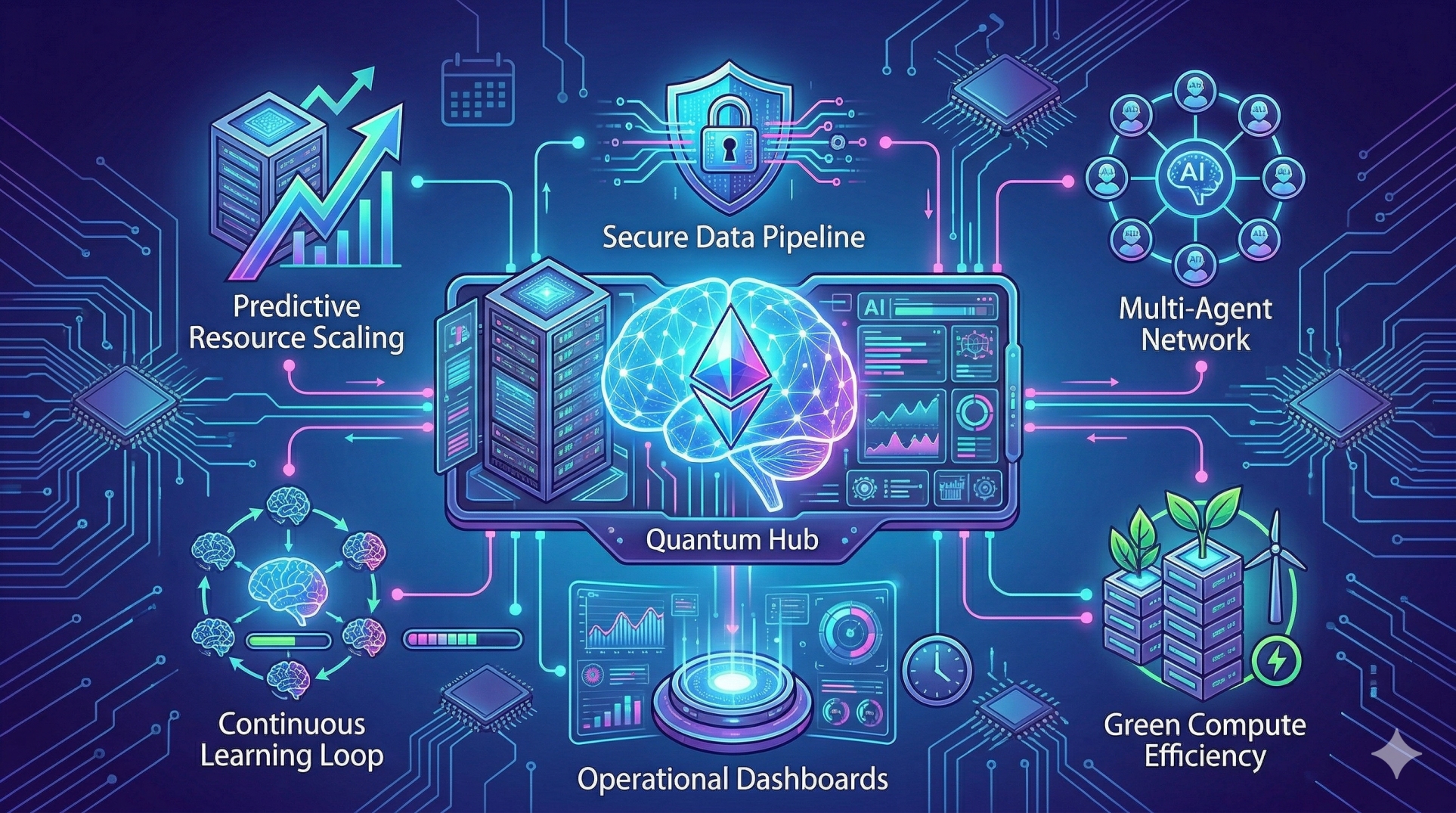
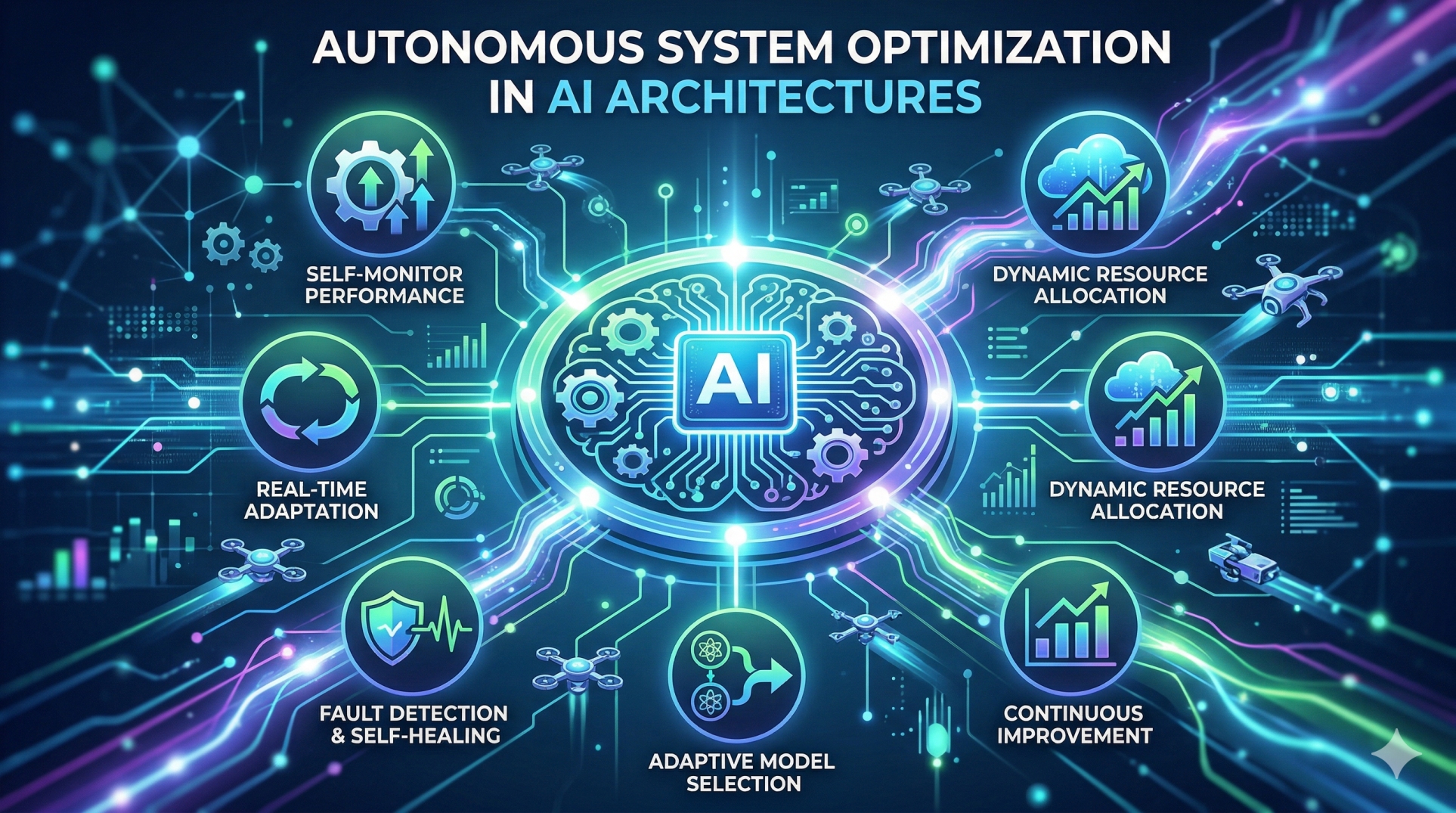
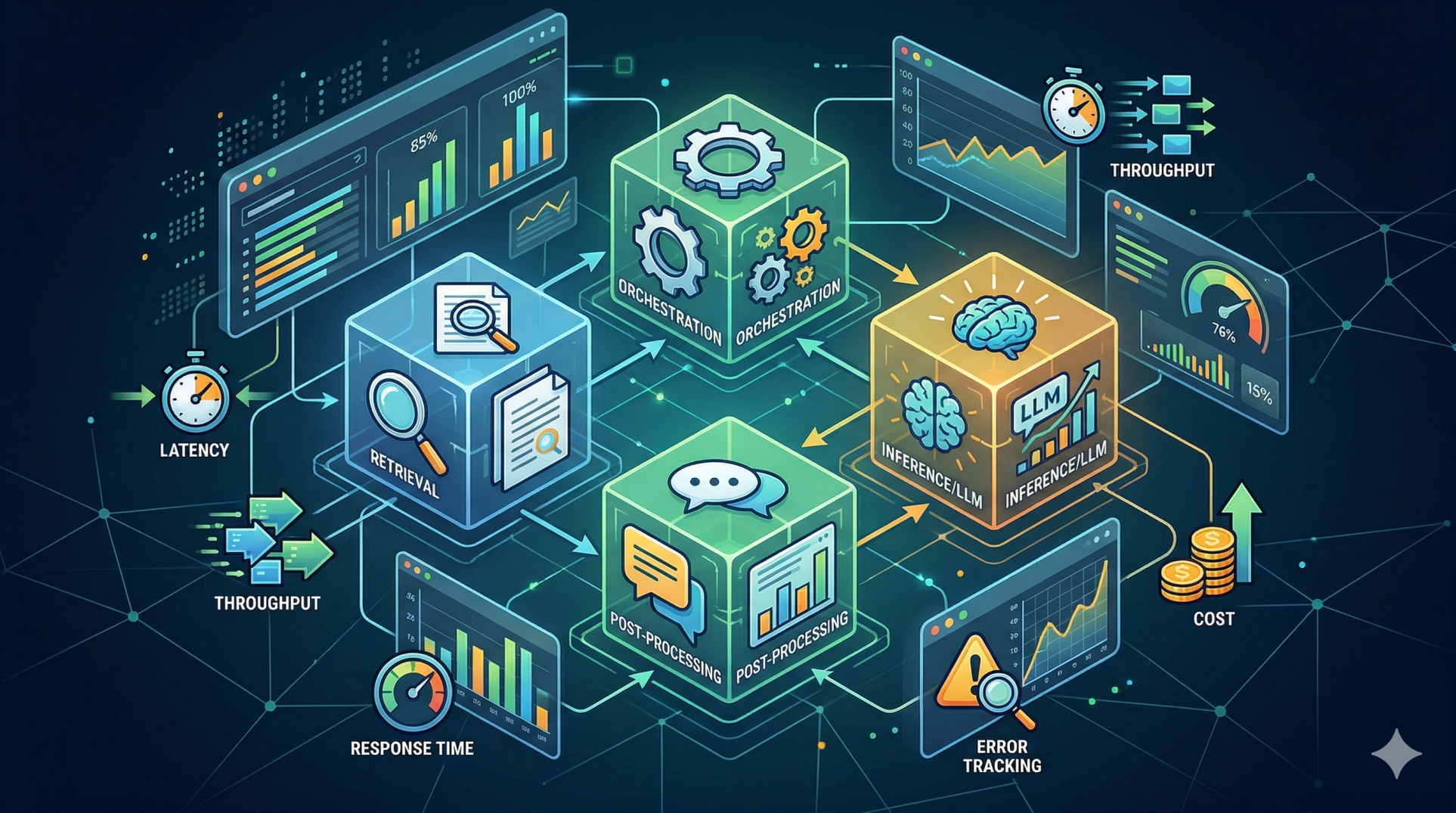
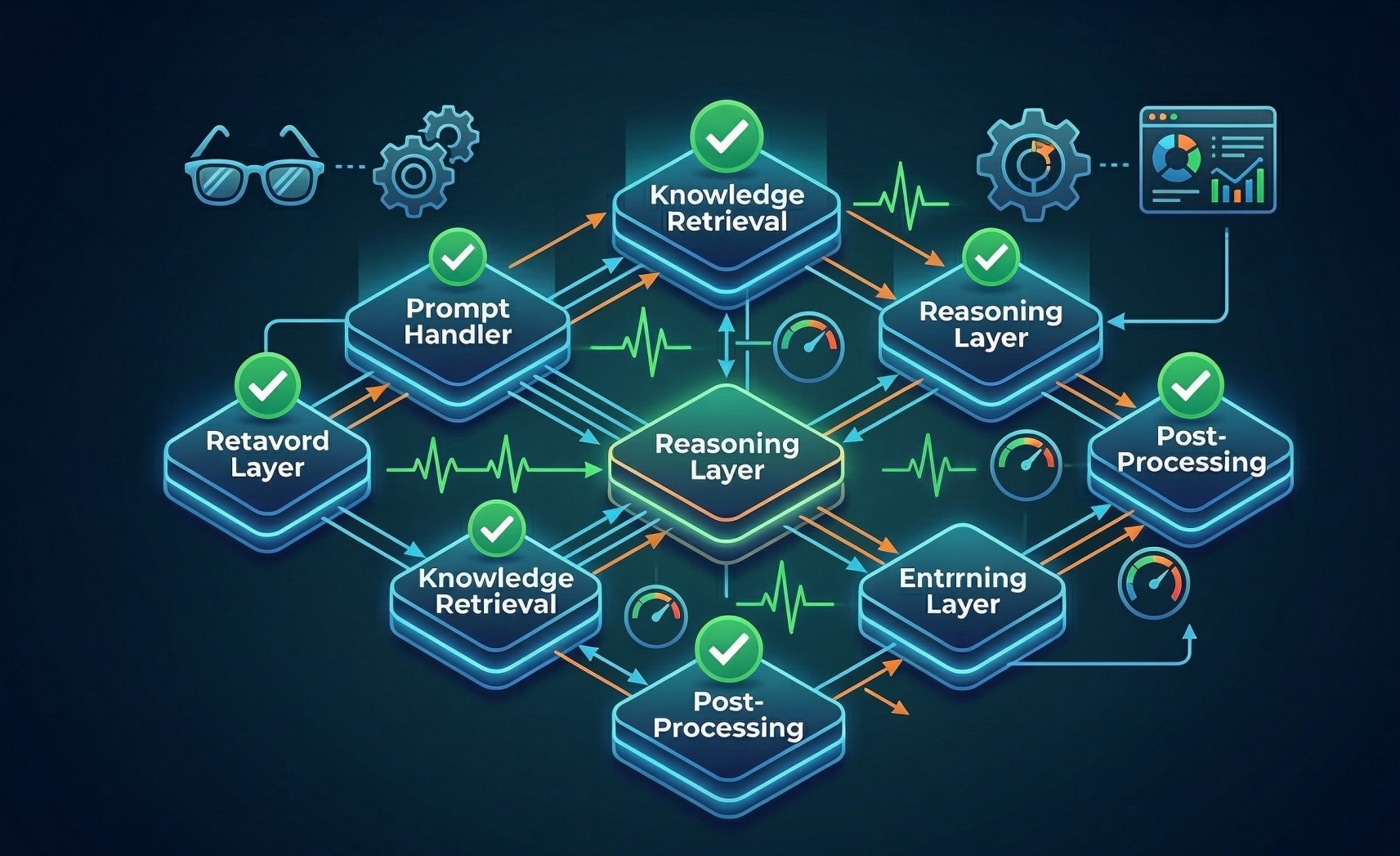
Step 7: Optimizing Performance and Scalability 📊
• Monitor AI utilization across departments 📈
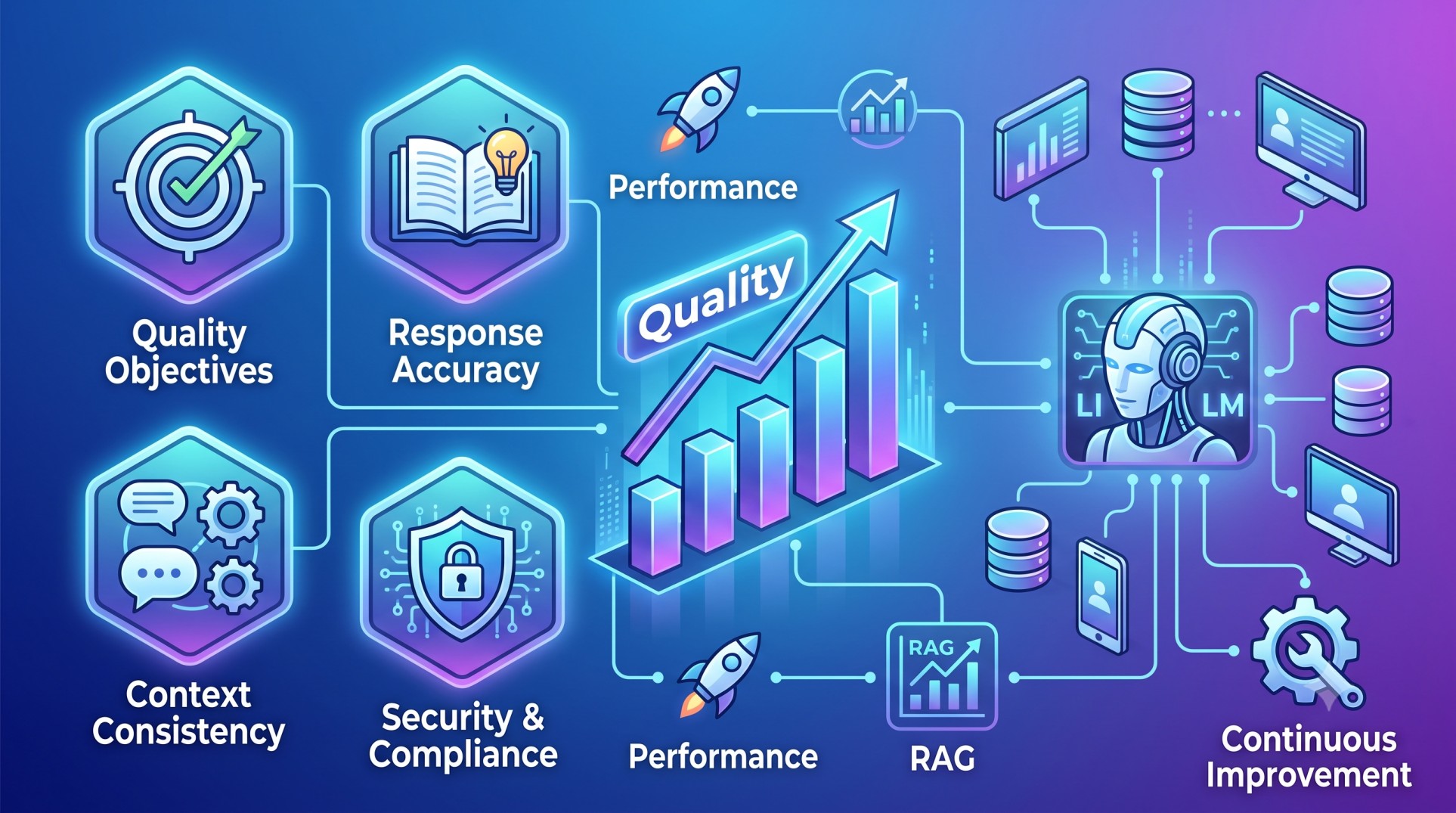
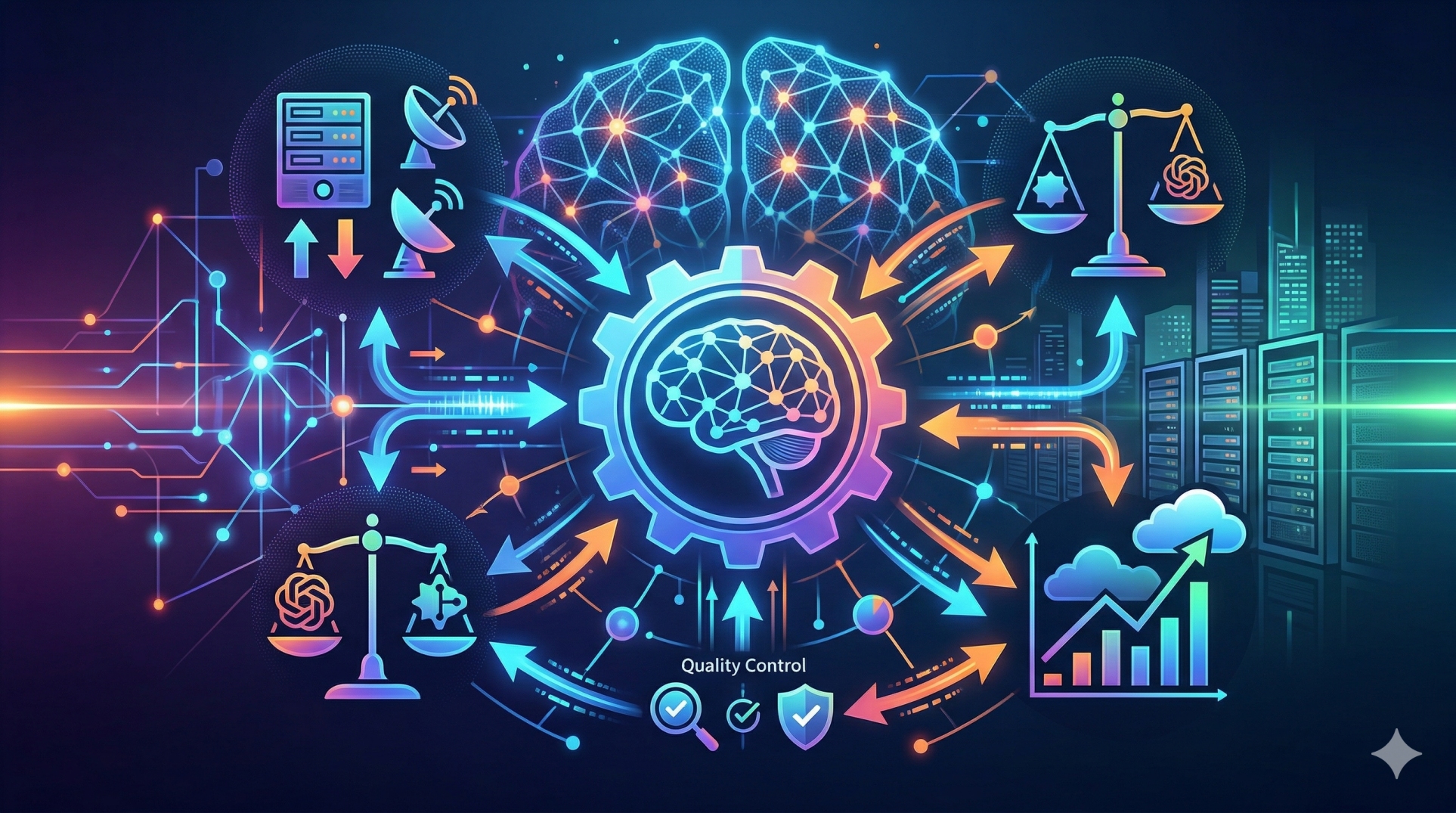
• Optimize response quality and operational efficiency ⚙️
• Scale infrastructure to meet growing business demands 🌐
• Balance workload across AI-powered services 🤖
• Continuously improve performance through operational insights 📉
Step 8: Key Infrastructure Priorities ⭐
• Unified AI capabilities across the enterprise 🌍
• Reliable integration with business applications 🔗
• Secure and governed AI operations 🛡️
• Scalable architecture that supports organizational growth 📈
Step 9: Adapting to Evolving Business Needs 🔄
• Expand AI support as organizational requirements change 📋
• Integrate new business systems with minimal disruption 🔧
• Enable continuous workflow optimization ⚡
• Support emerging operational models and processes 🌐
• Maintain flexibility for future business transformation 🚀
Step 10: Building an Intelligent Enterprise Ecosystem 🌟
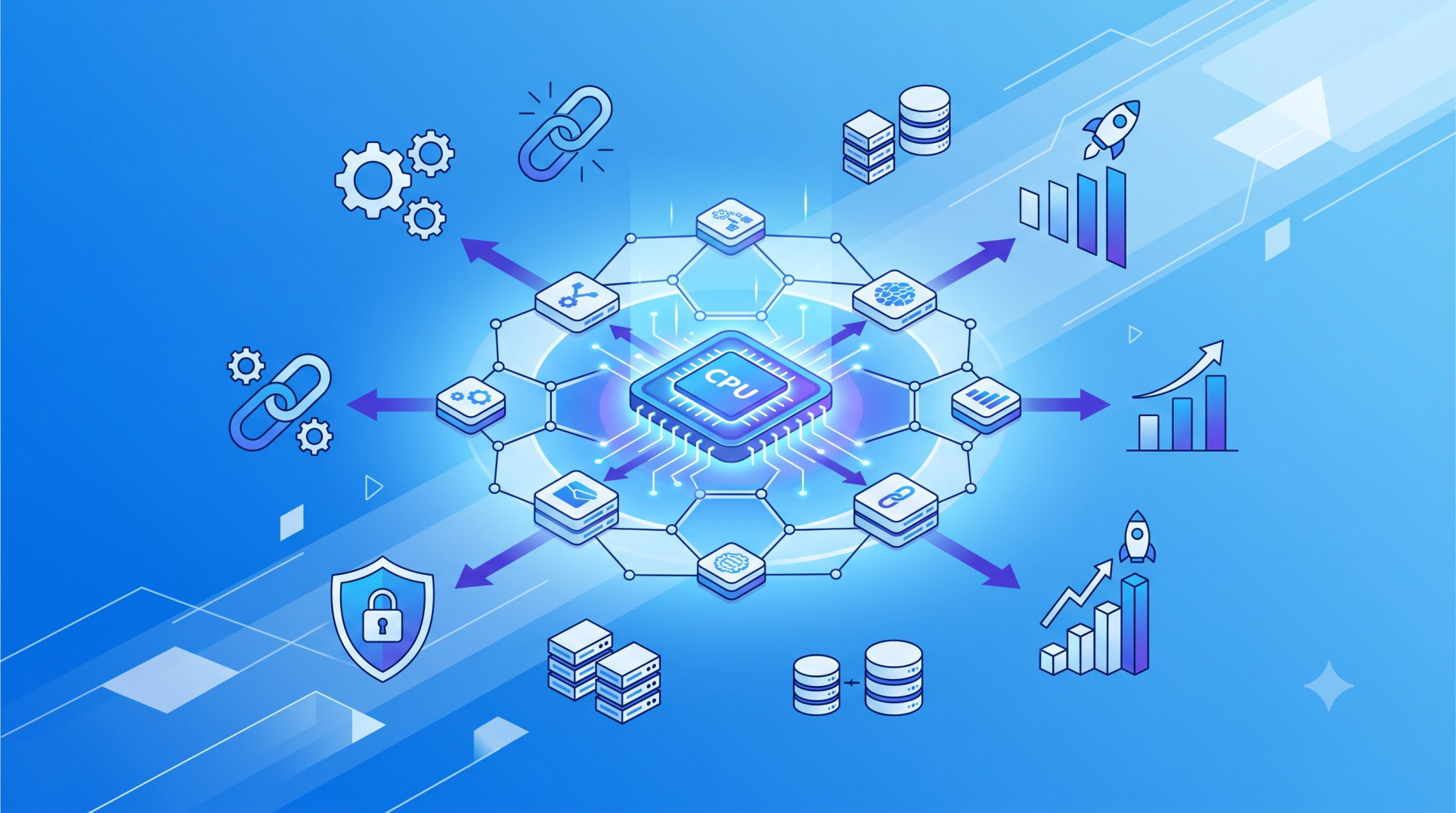
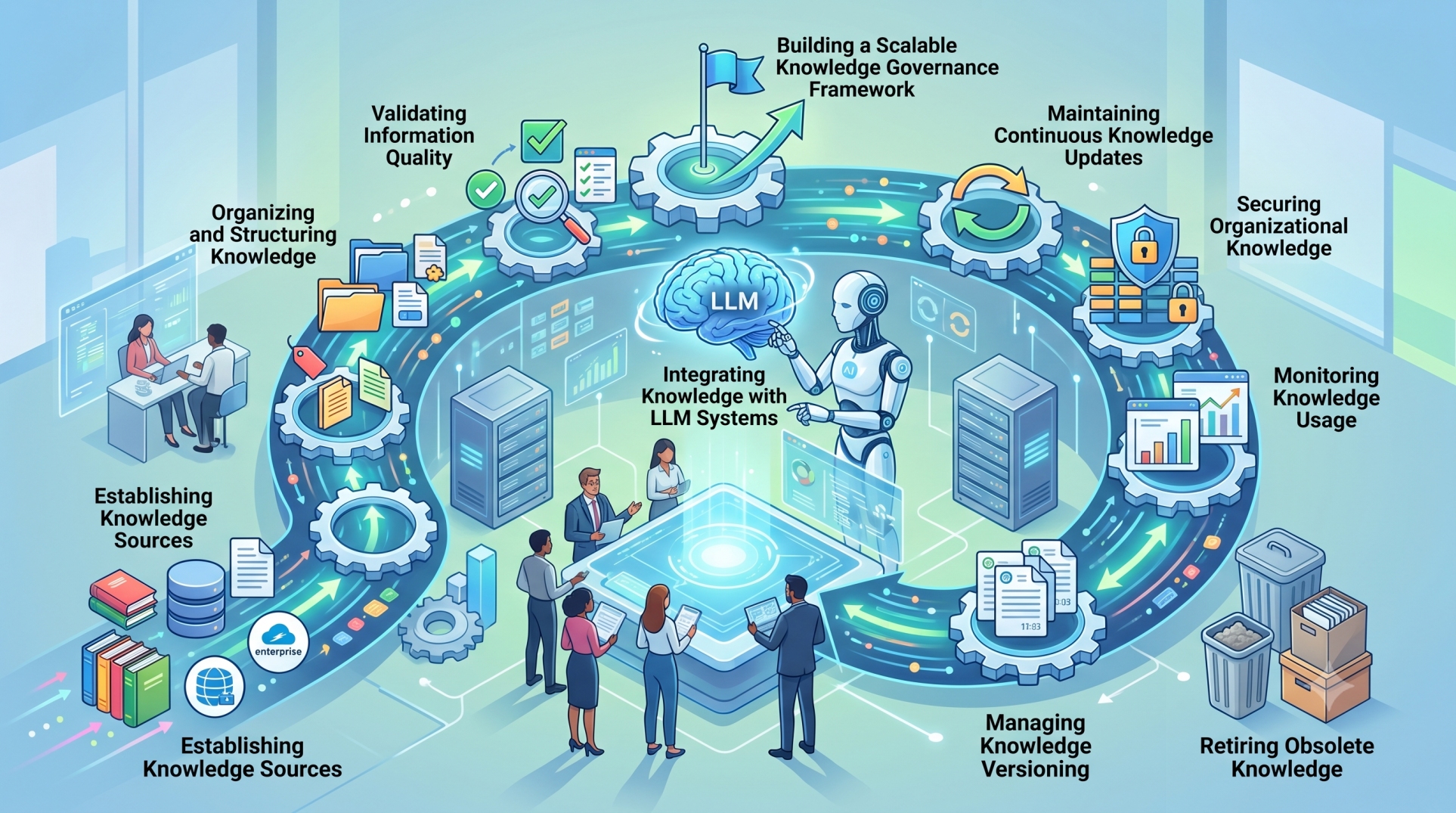
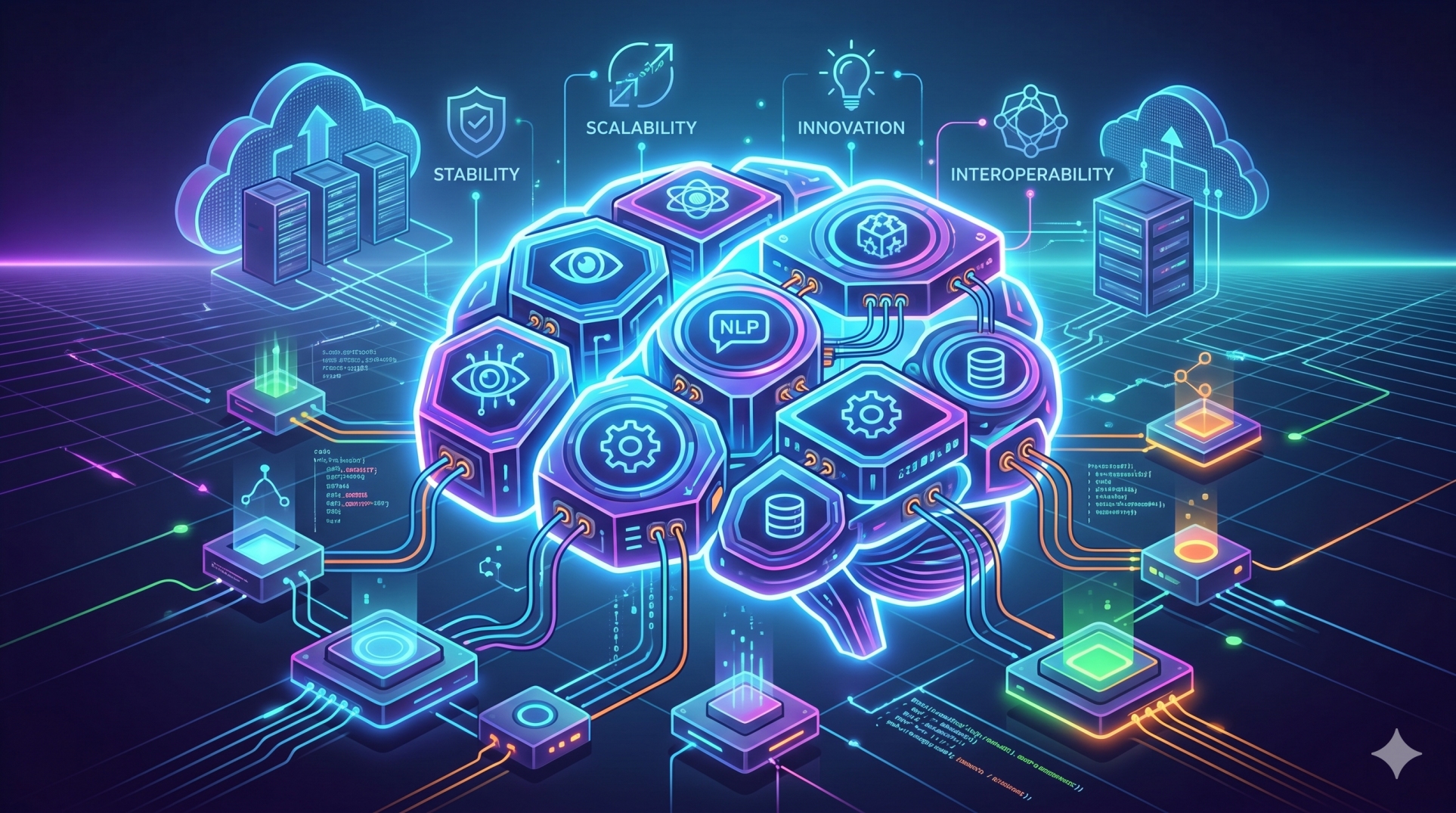
• Design modular AI infrastructure for long-term scalability 🏗️
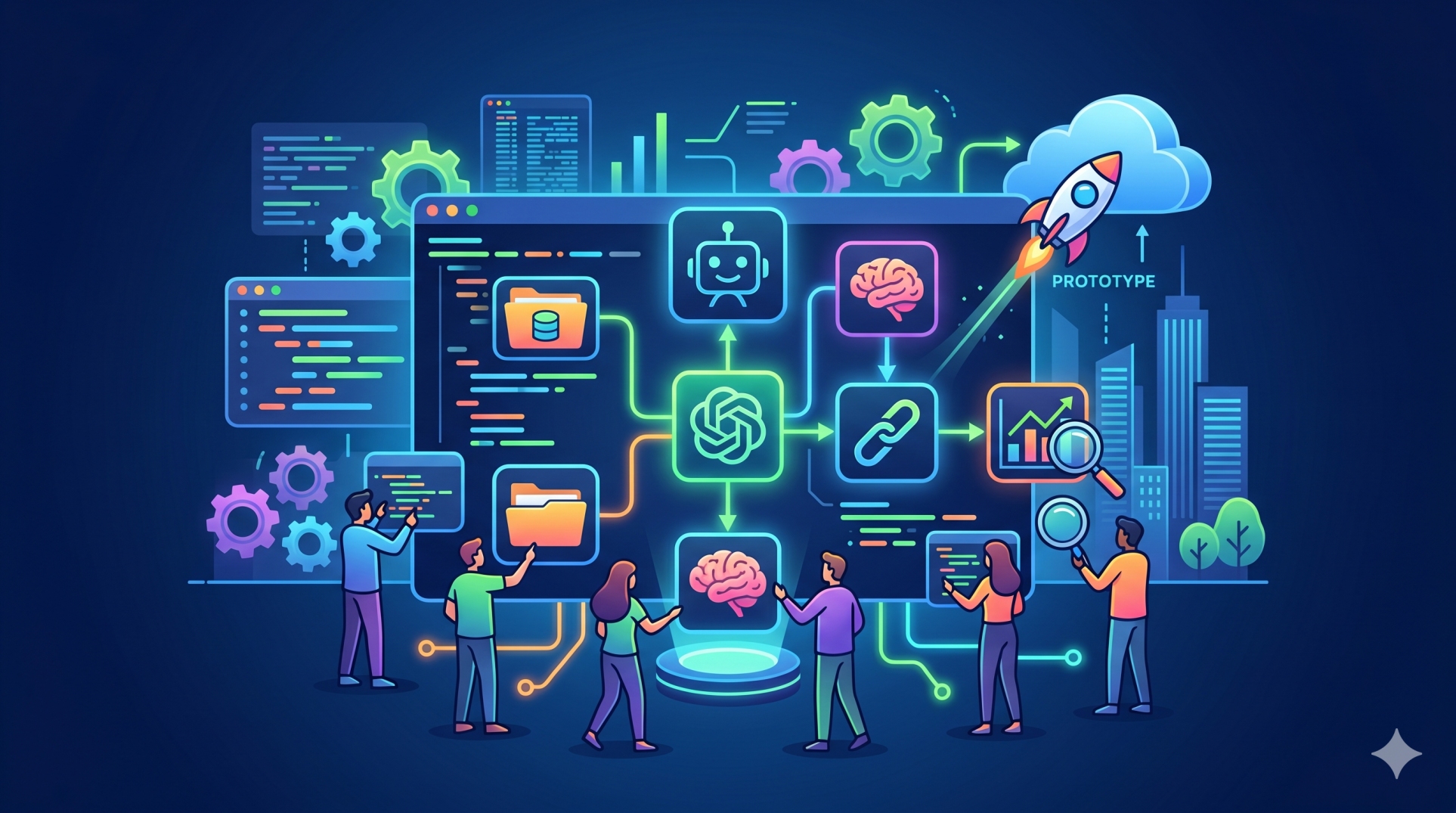
• Connect language models with automation, analytics, and enterprise platforms 🤝
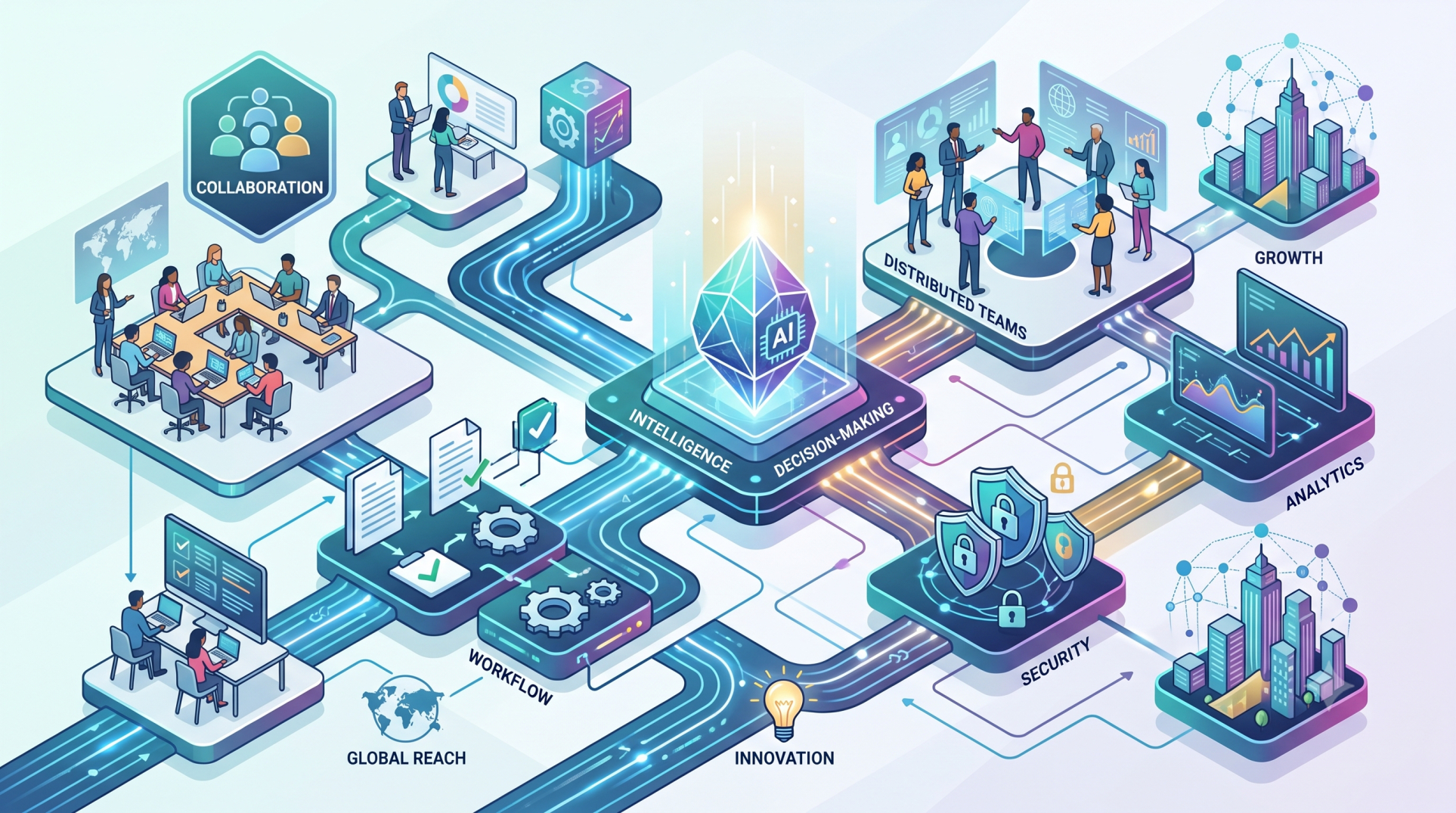
• Enable collaboration between employees and AI assistants 👨💼🤖
• Foster innovation through intelligent business operations 💡
• Future-proof enterprise infrastructure with adaptable AI technologies 🚀
Conclusion
Language models are rapidly evolving into essential digital workforce infrastructure, empowering organizations to automate knowledge work, enhance employee productivity, and streamline enterprise operations. By integrating AI across business systems, strengthening governance, and building scalable architectures, organizations can create intelligent workplaces that improve efficiency, support better decision-making, and adapt to future business challenges with confidence.
See more blogs
You can all the articles below