Designing AI Control Centers for Enterprise LLM Operations
Designing AI Control Centers for Enterprise LLM Operations
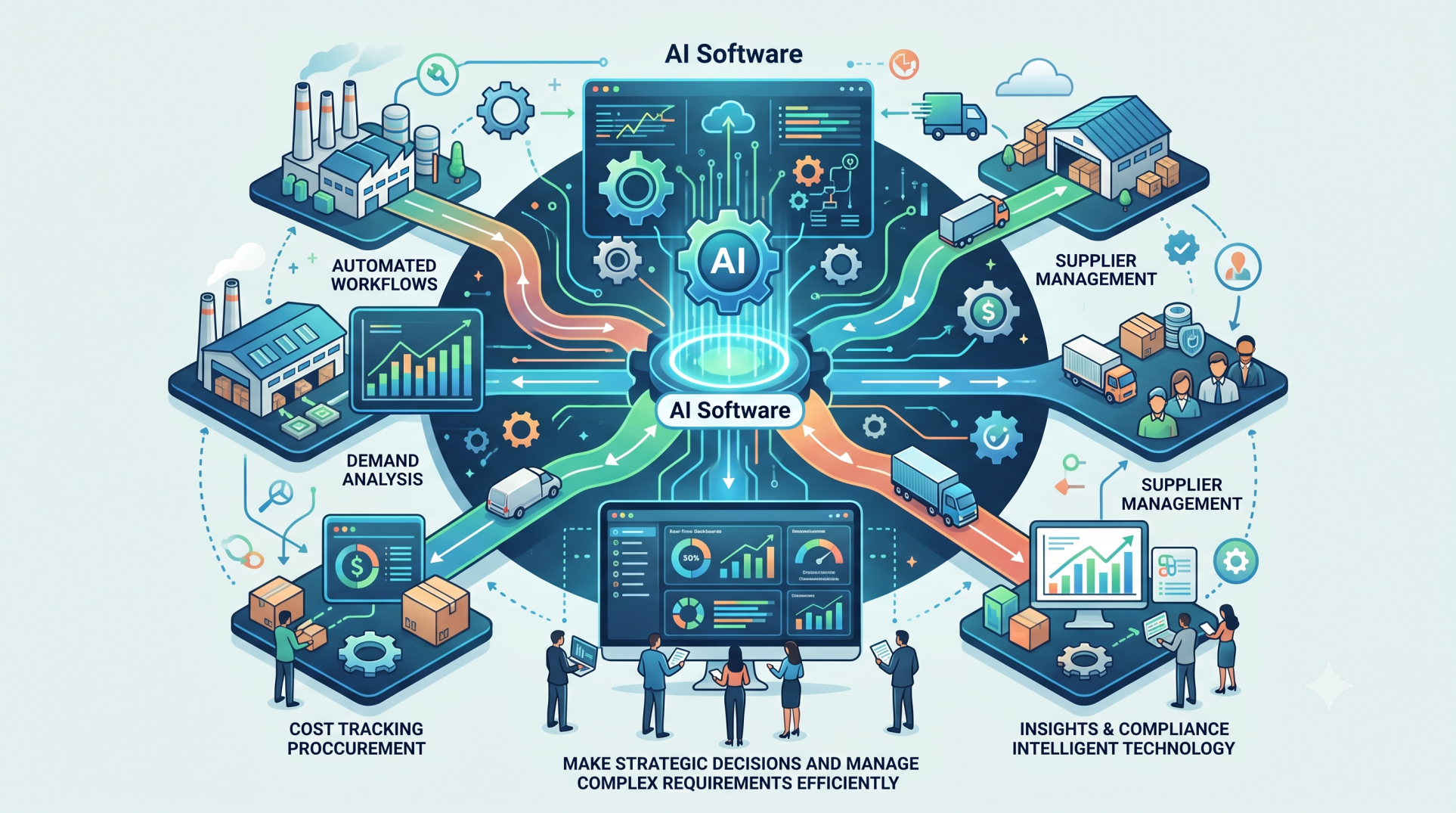
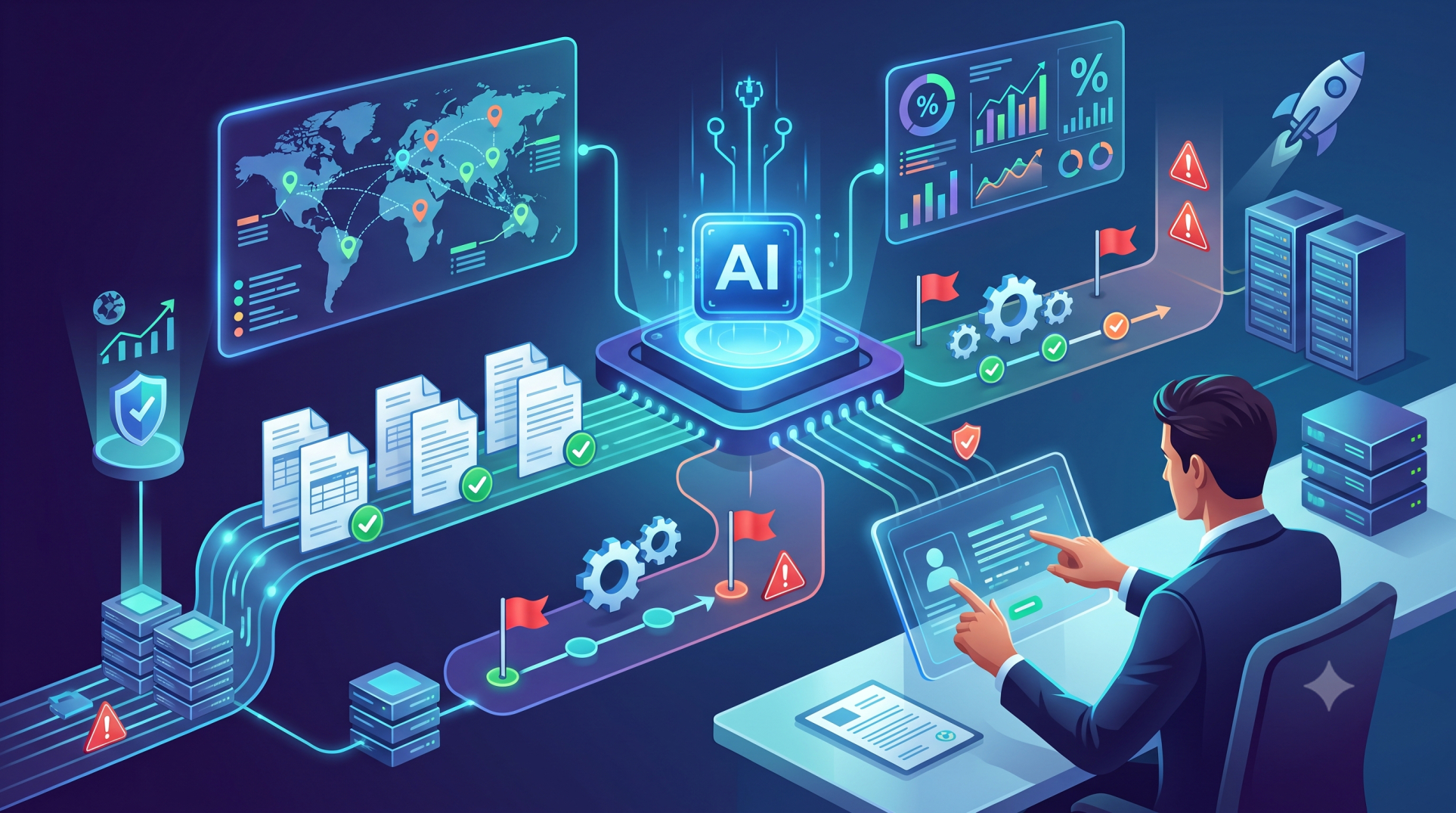
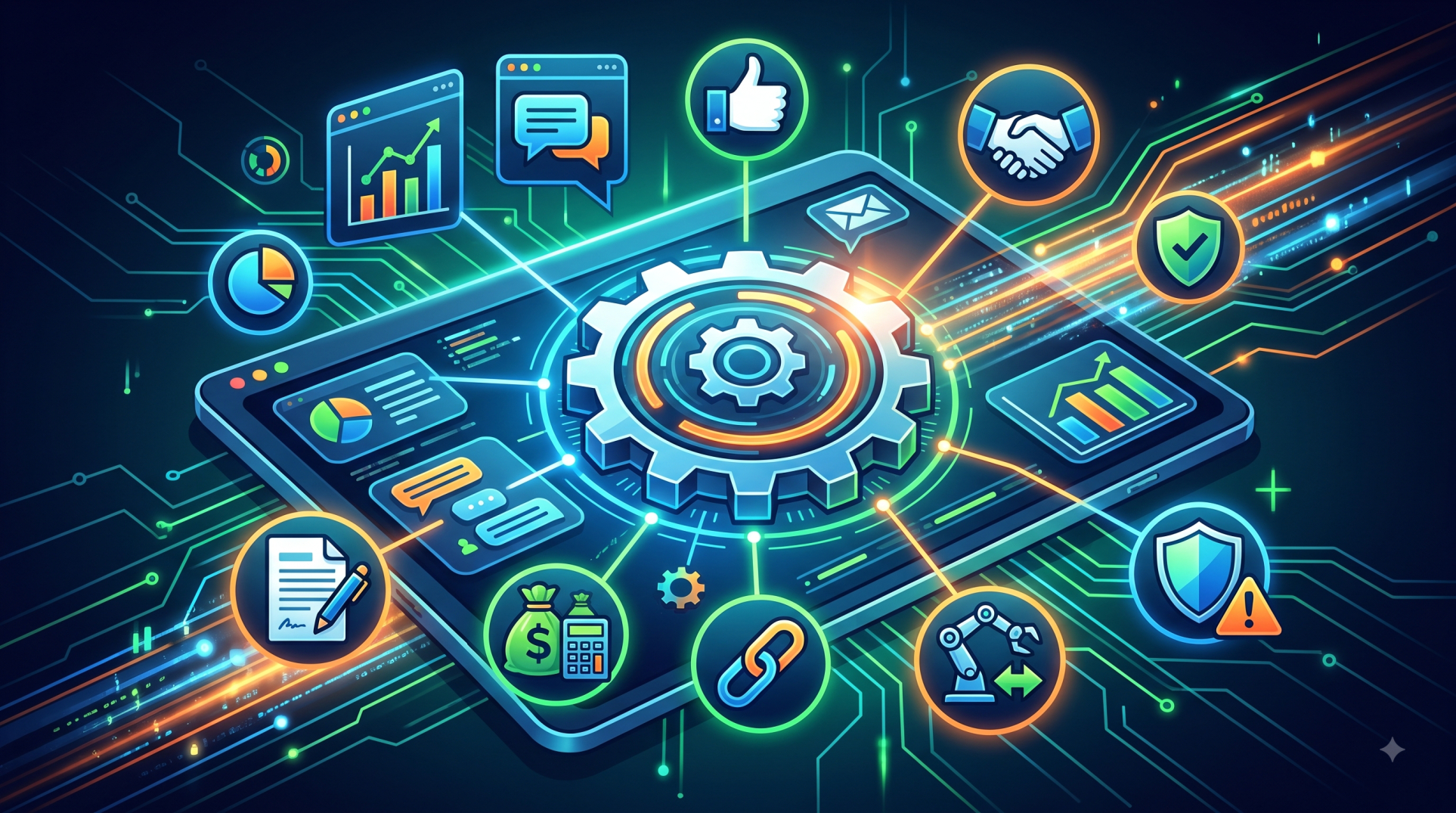
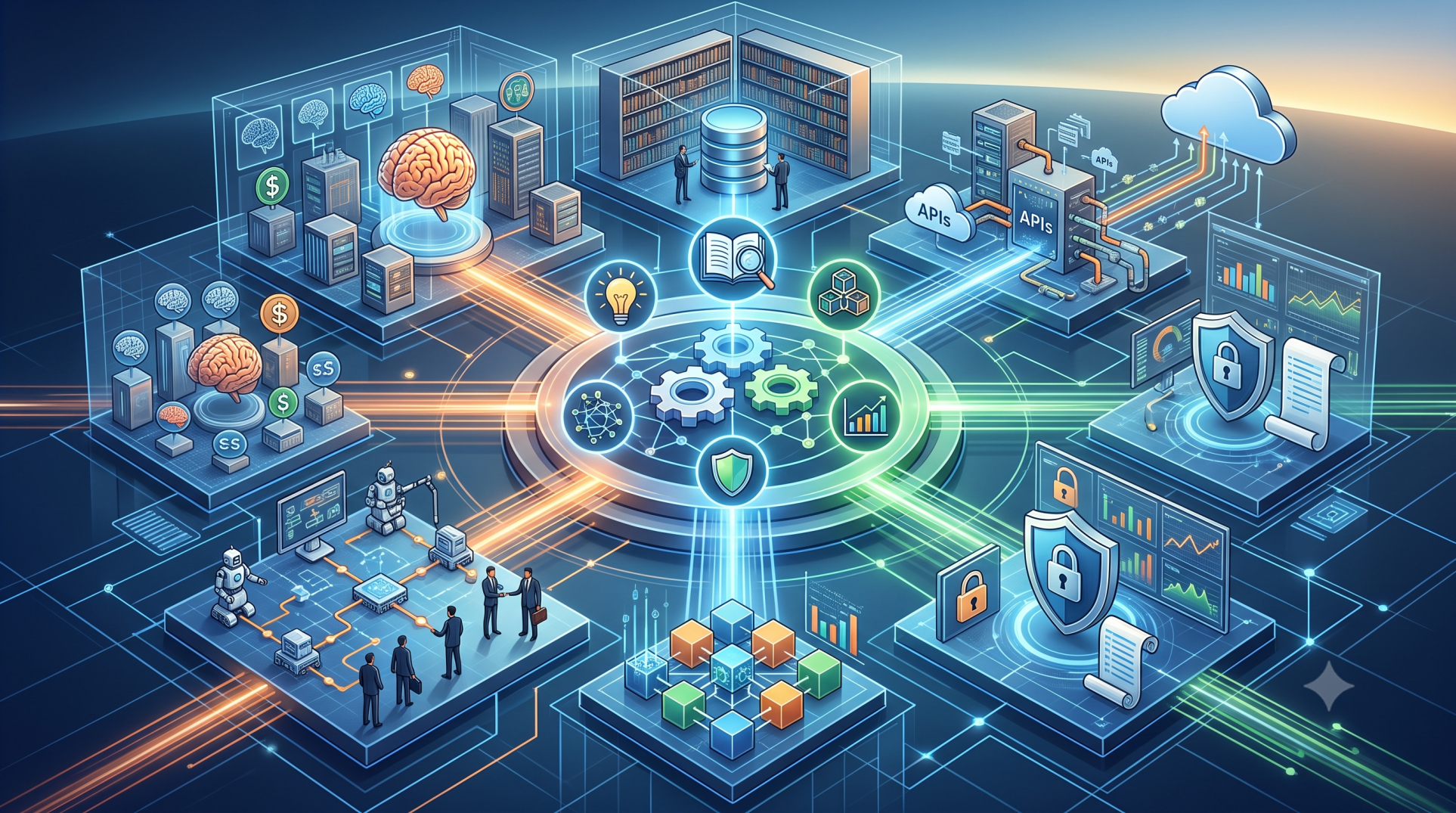
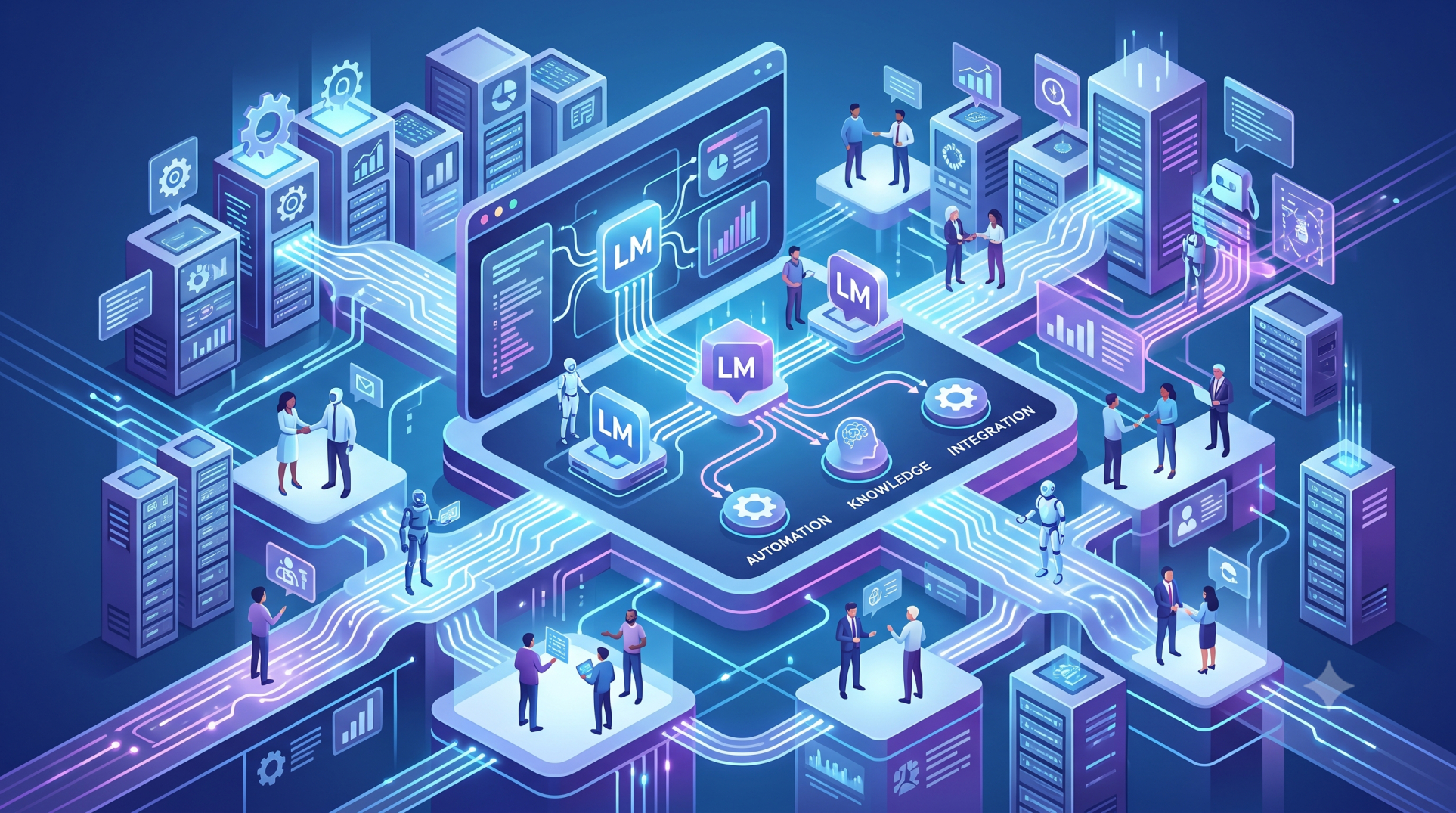
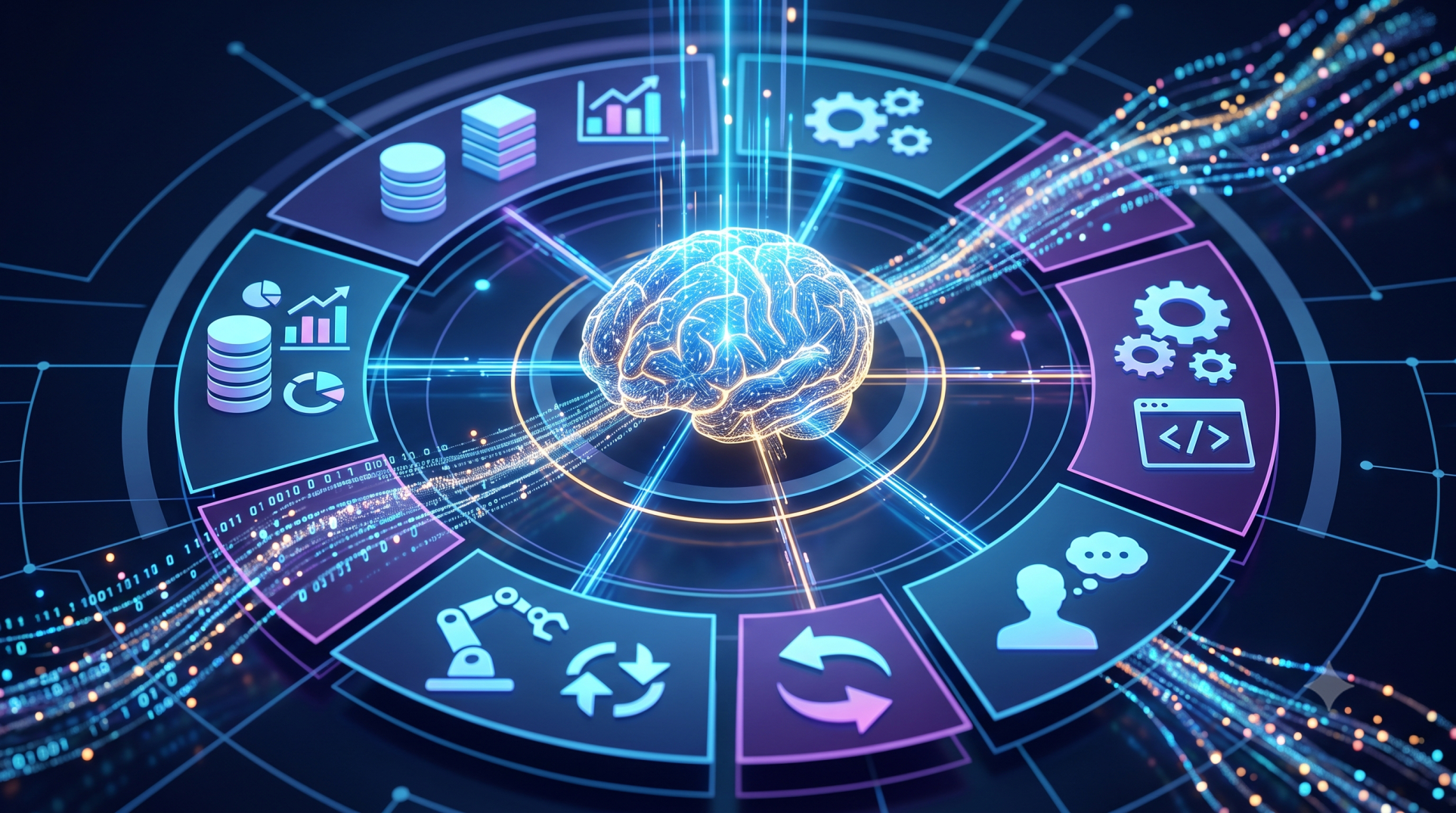
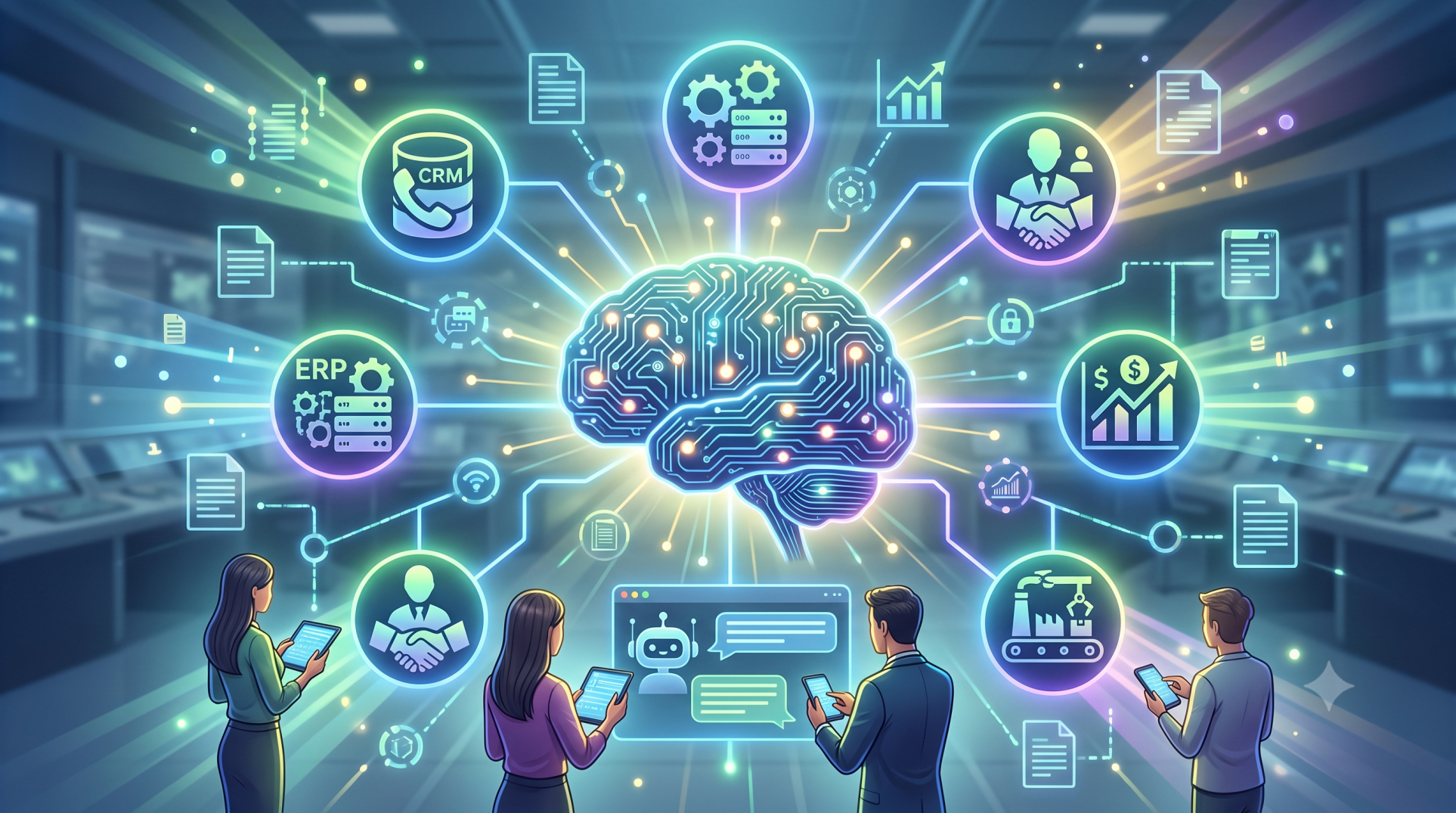
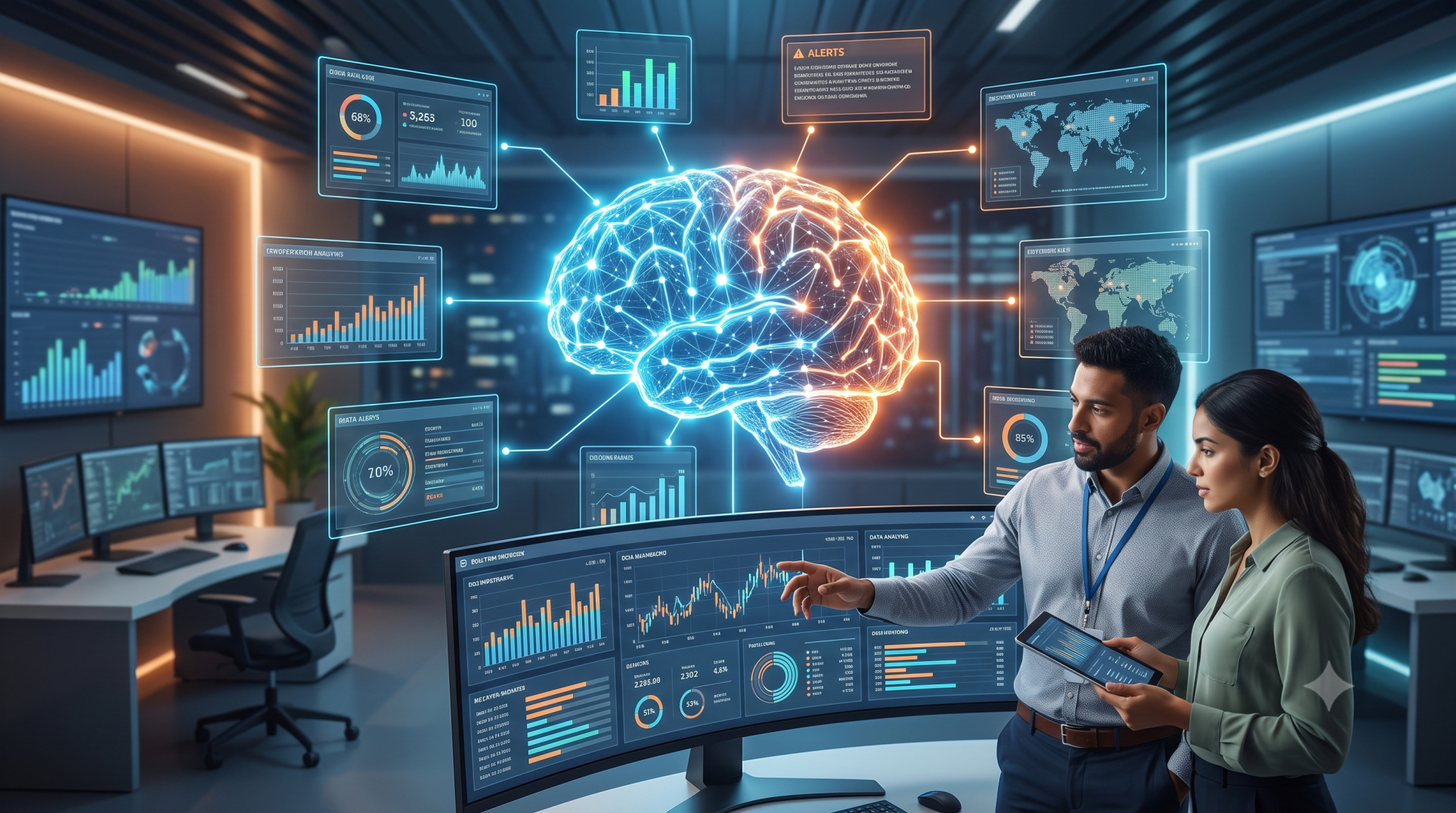
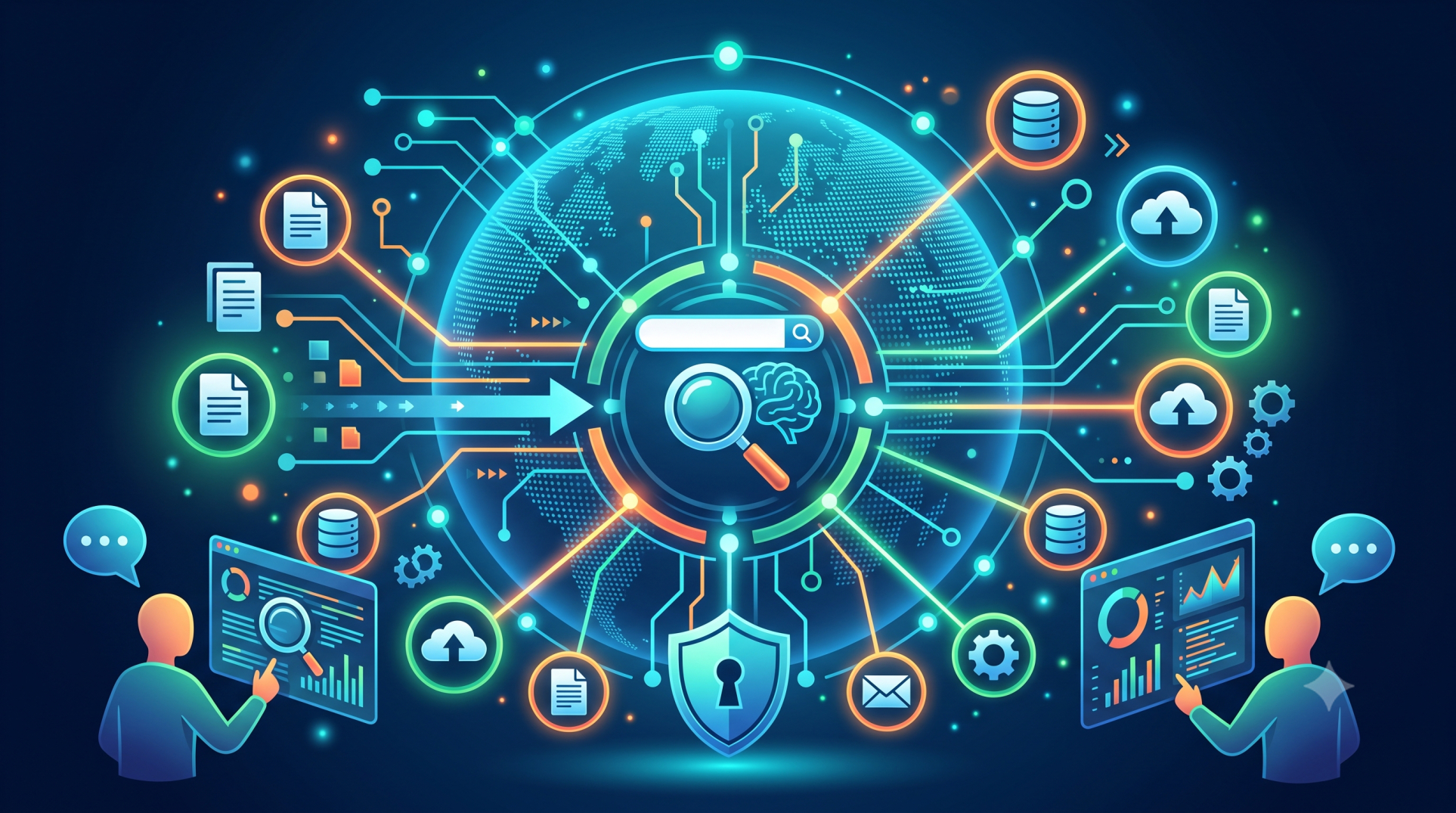
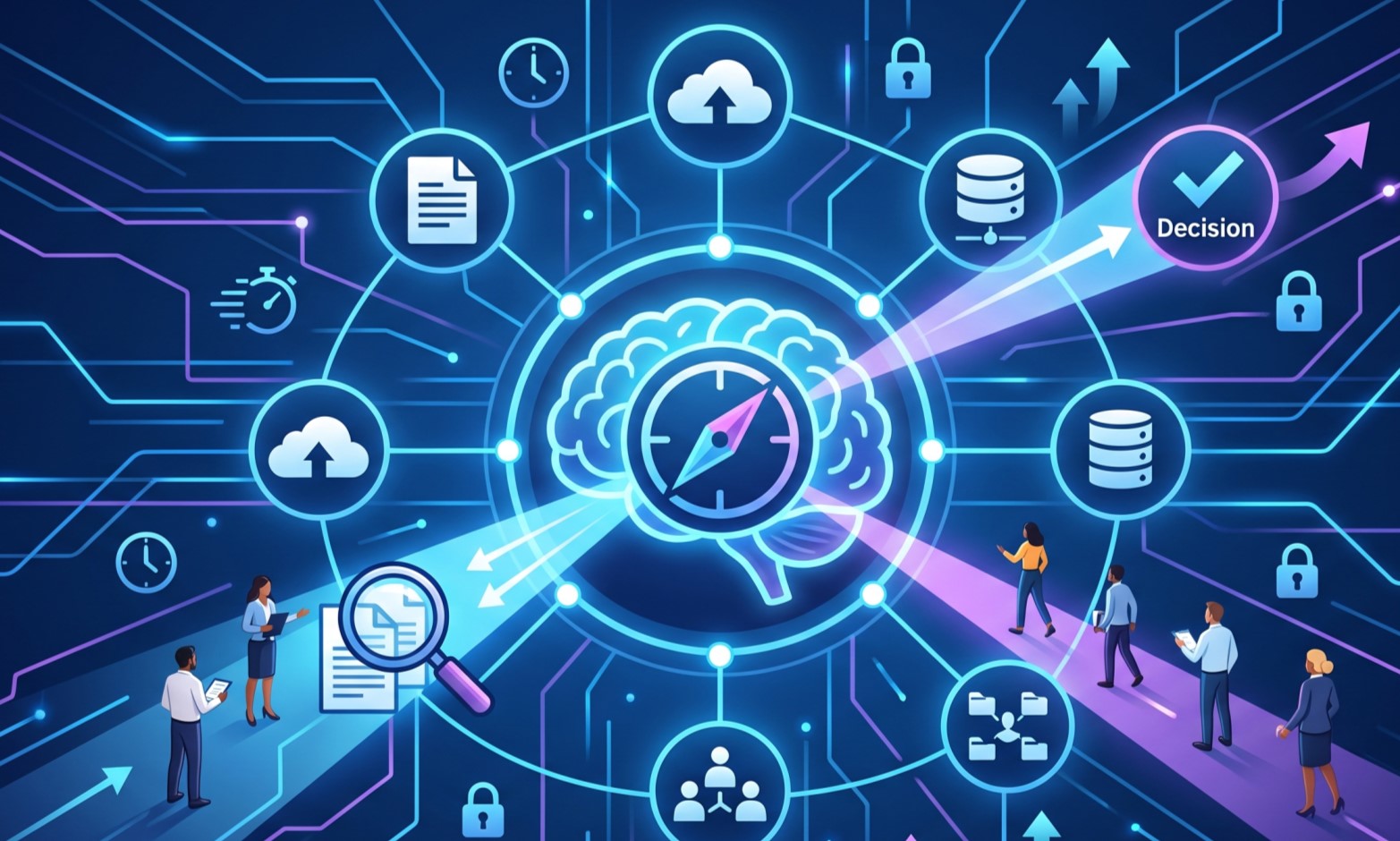
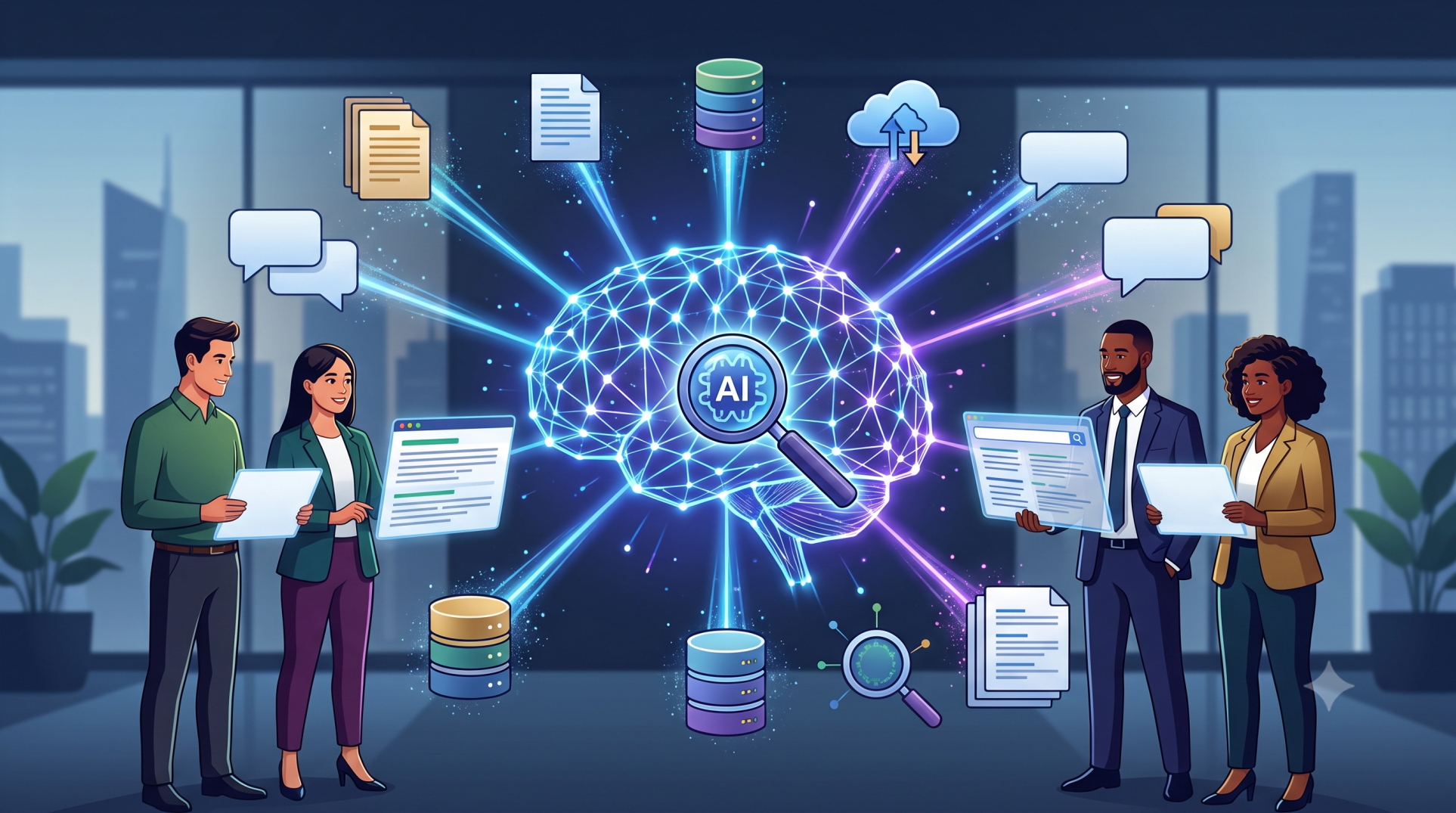
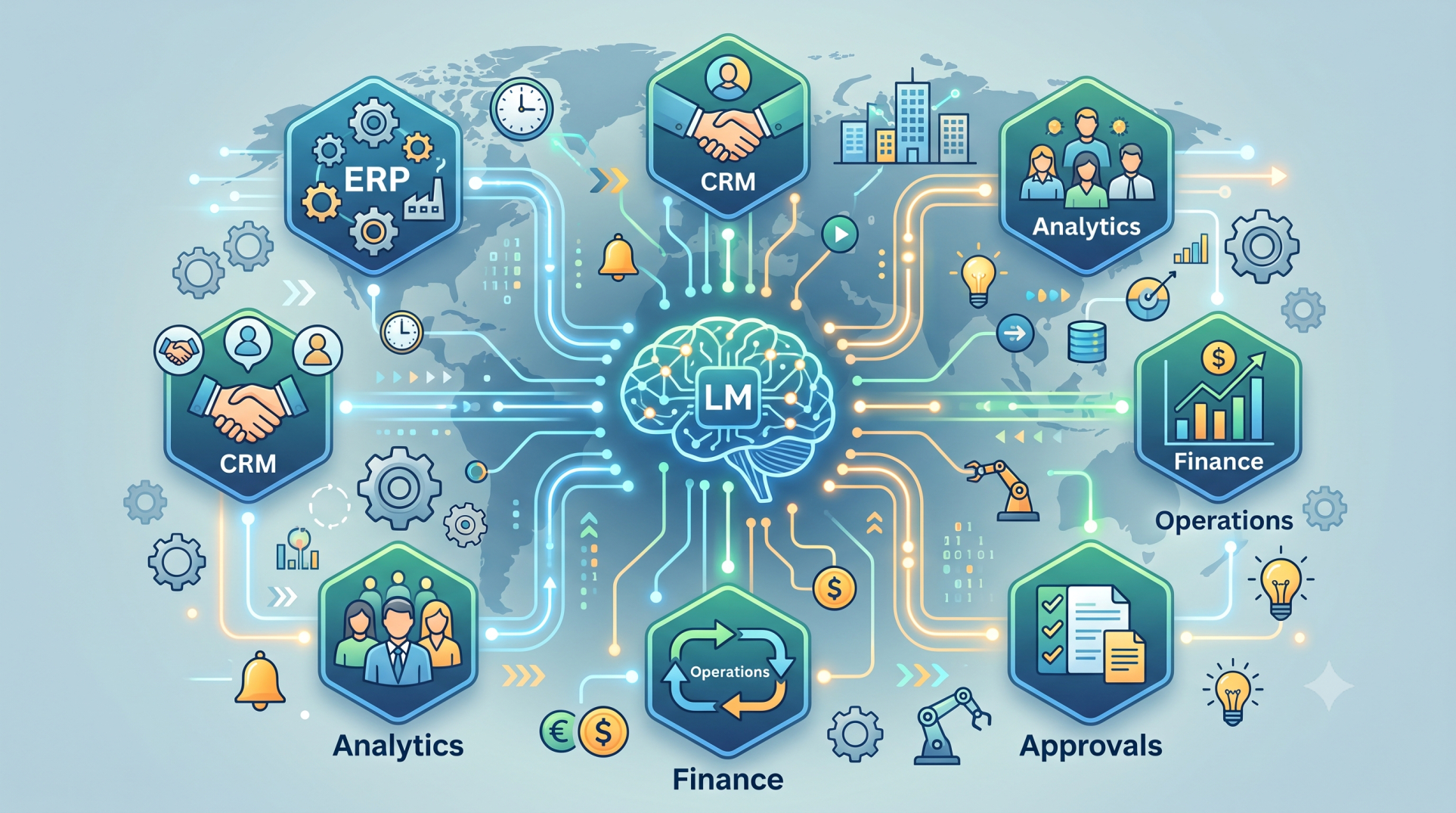
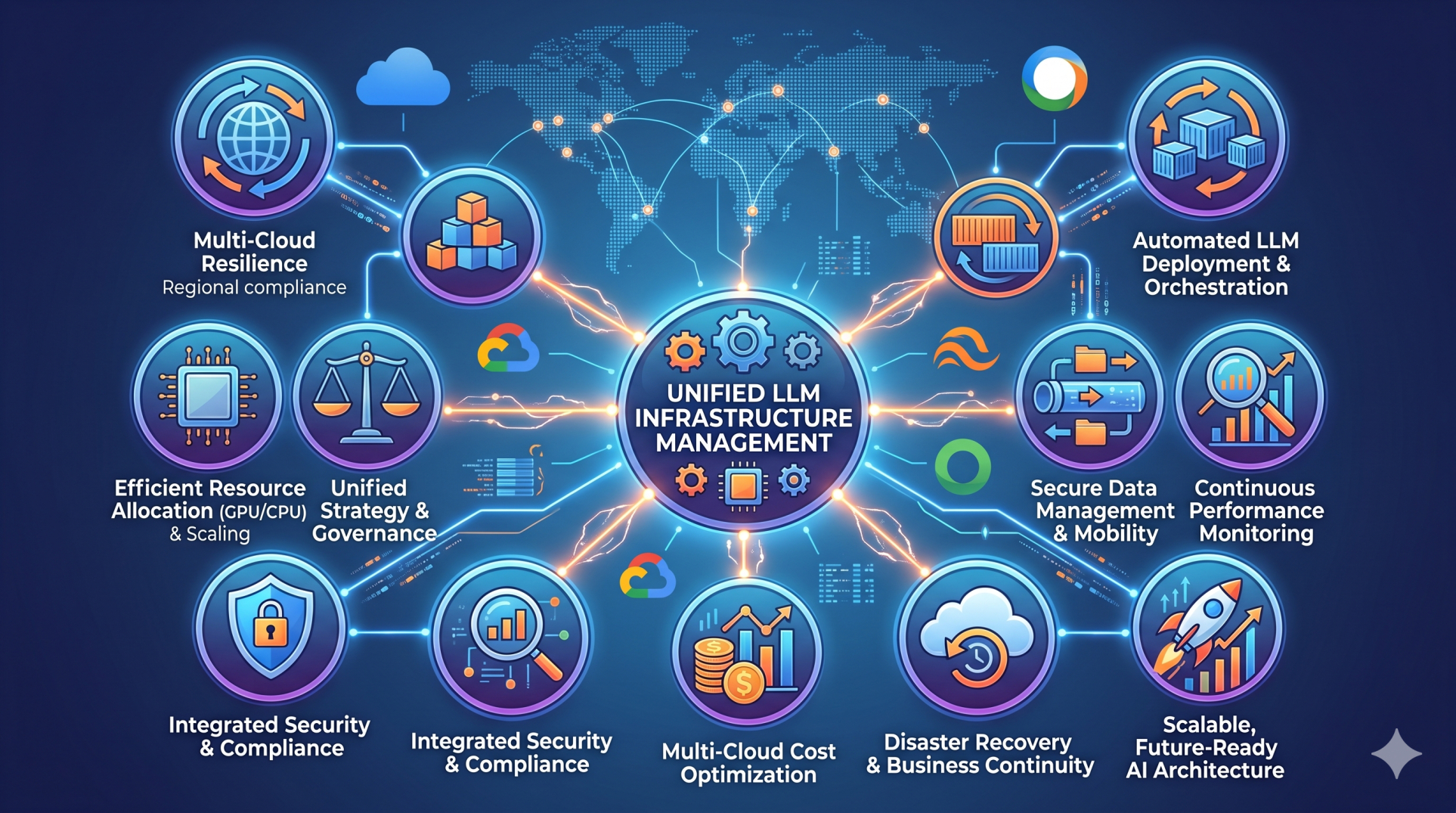
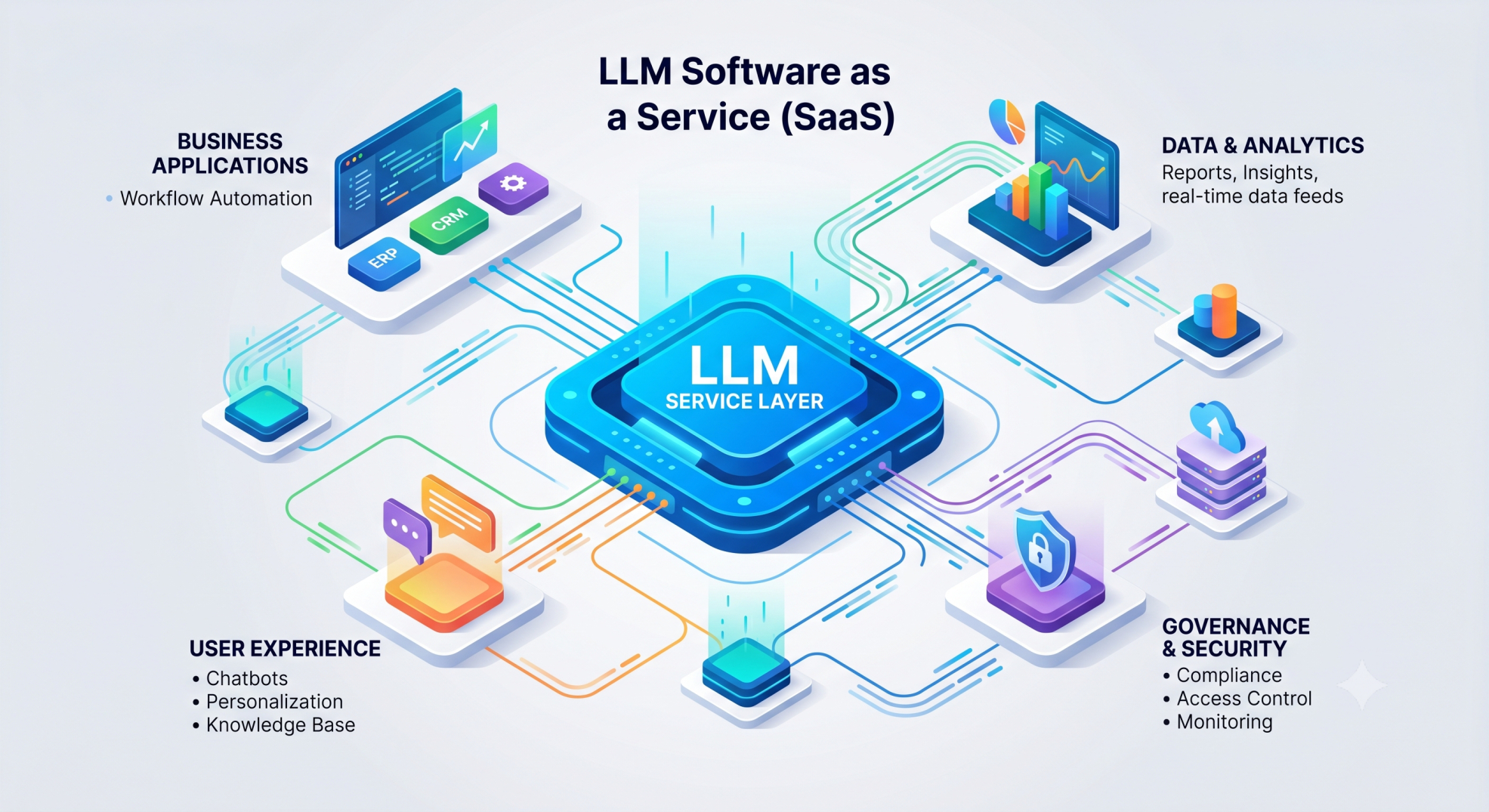
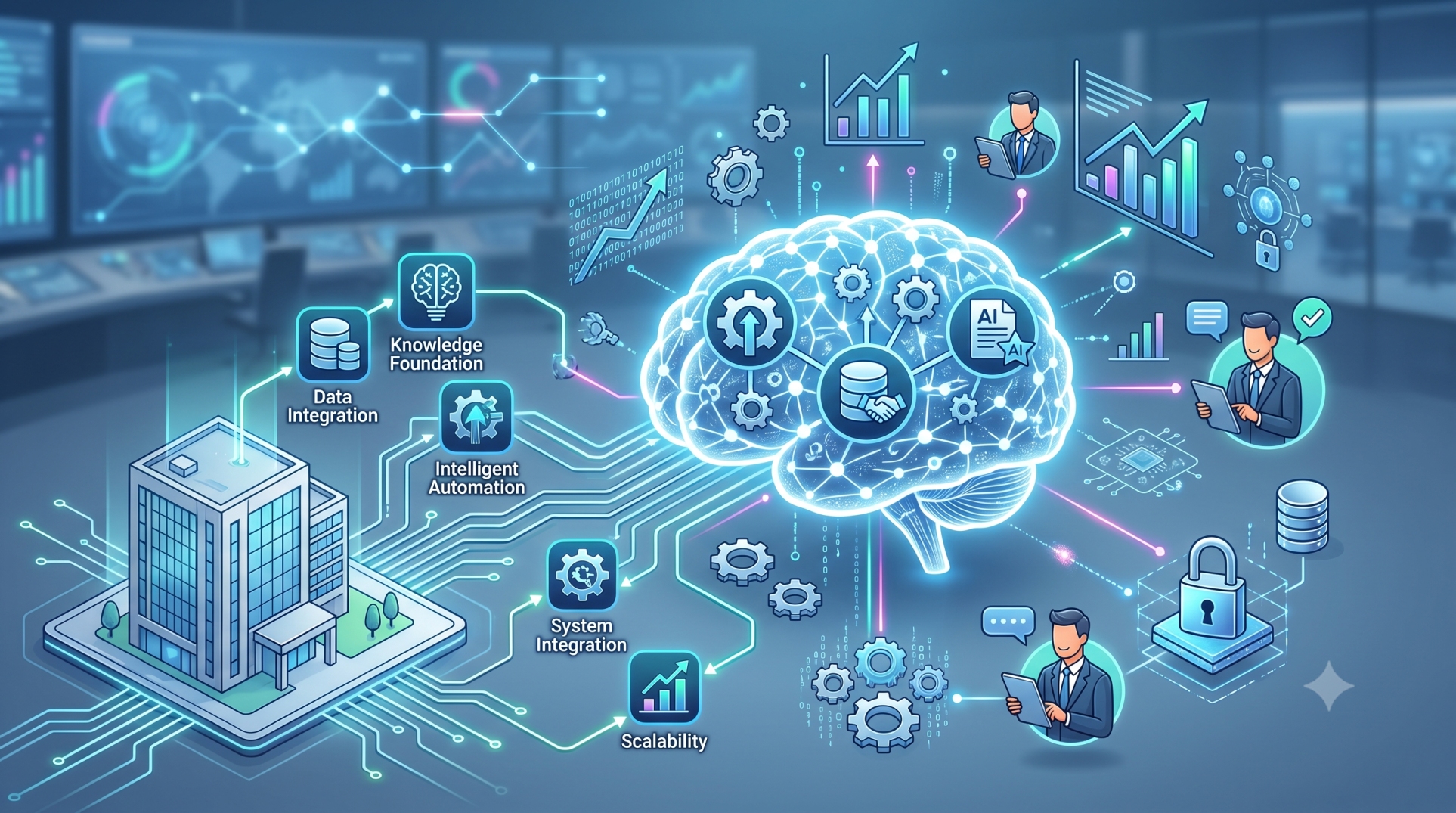
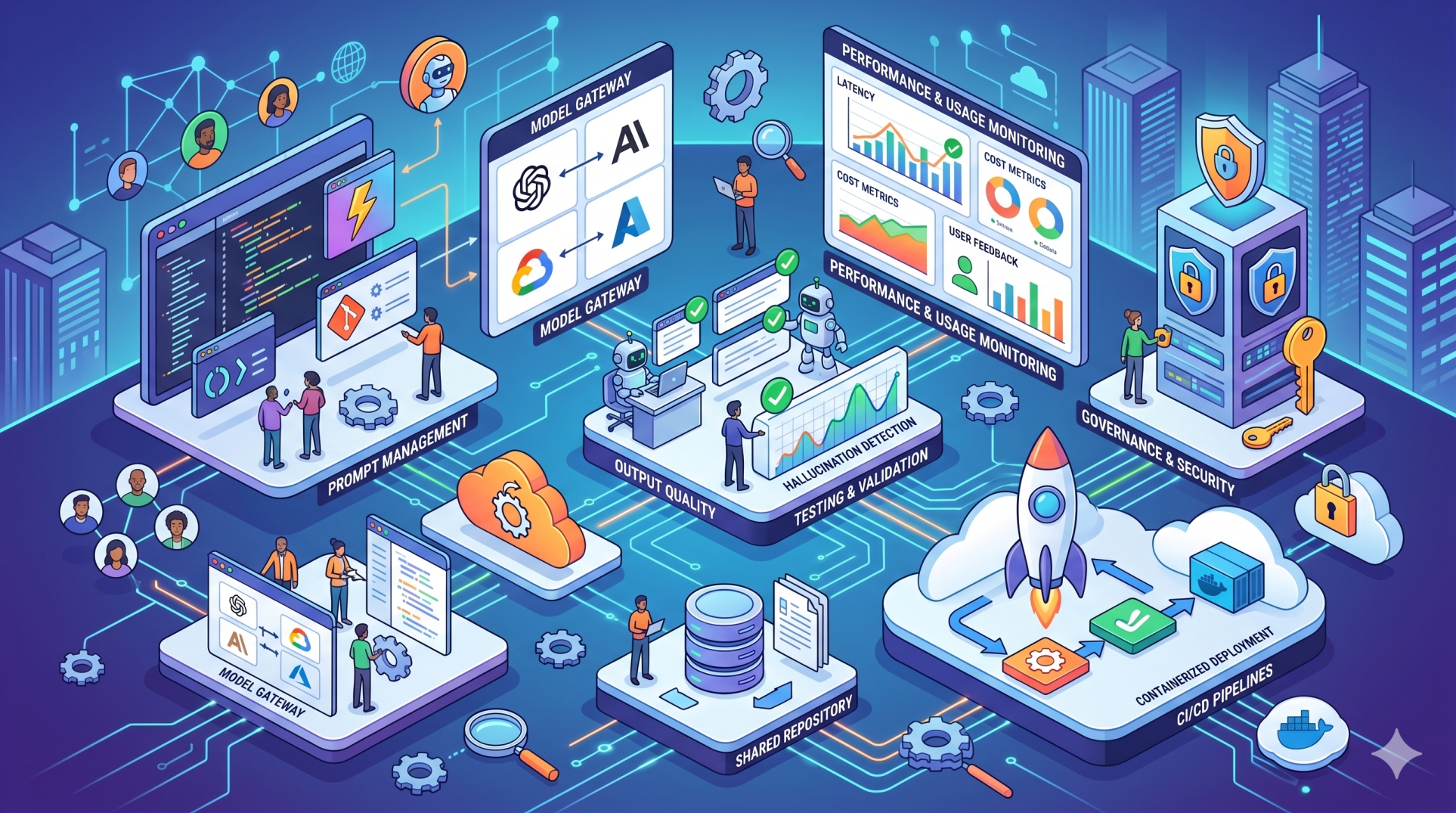
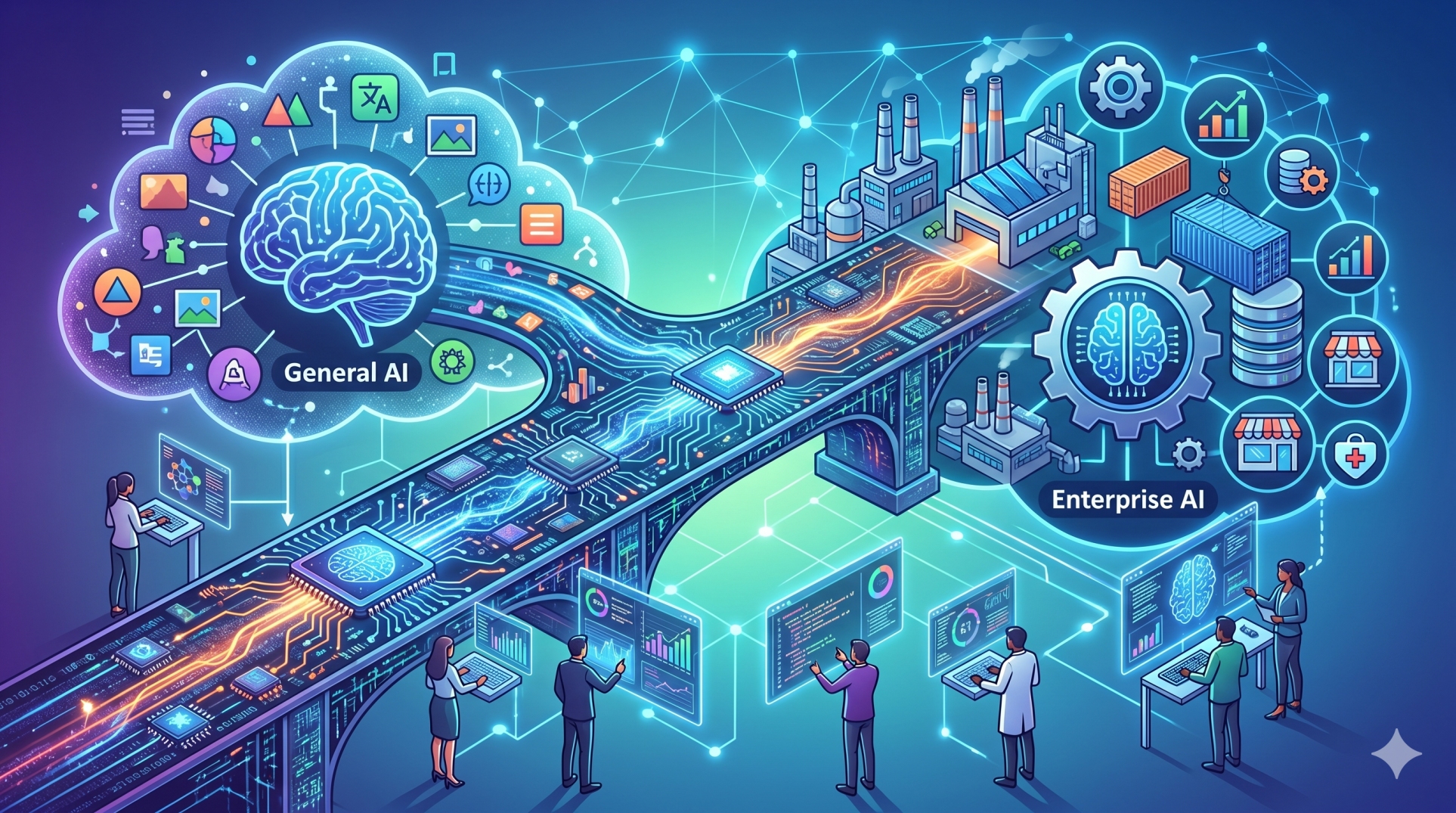
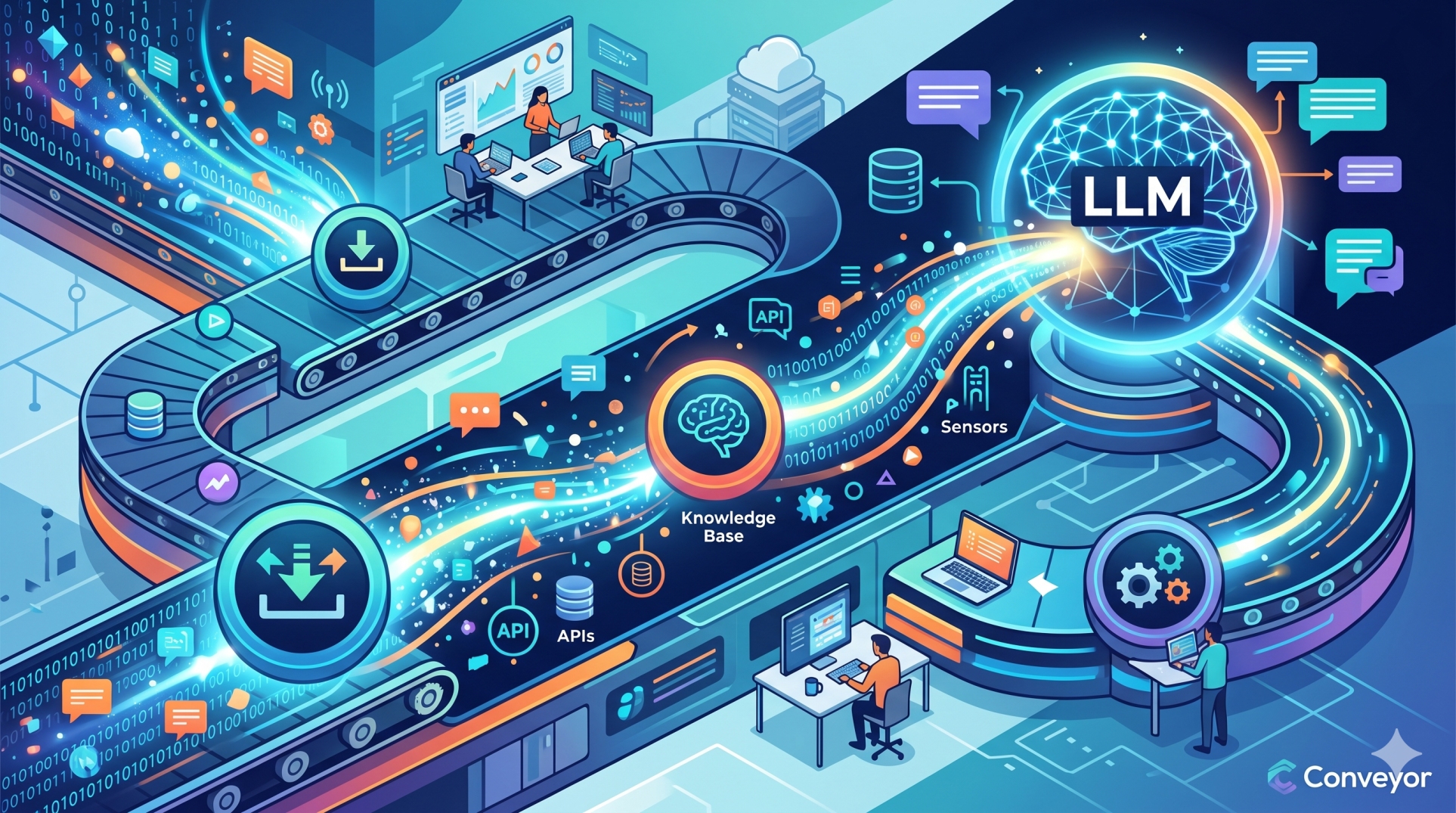
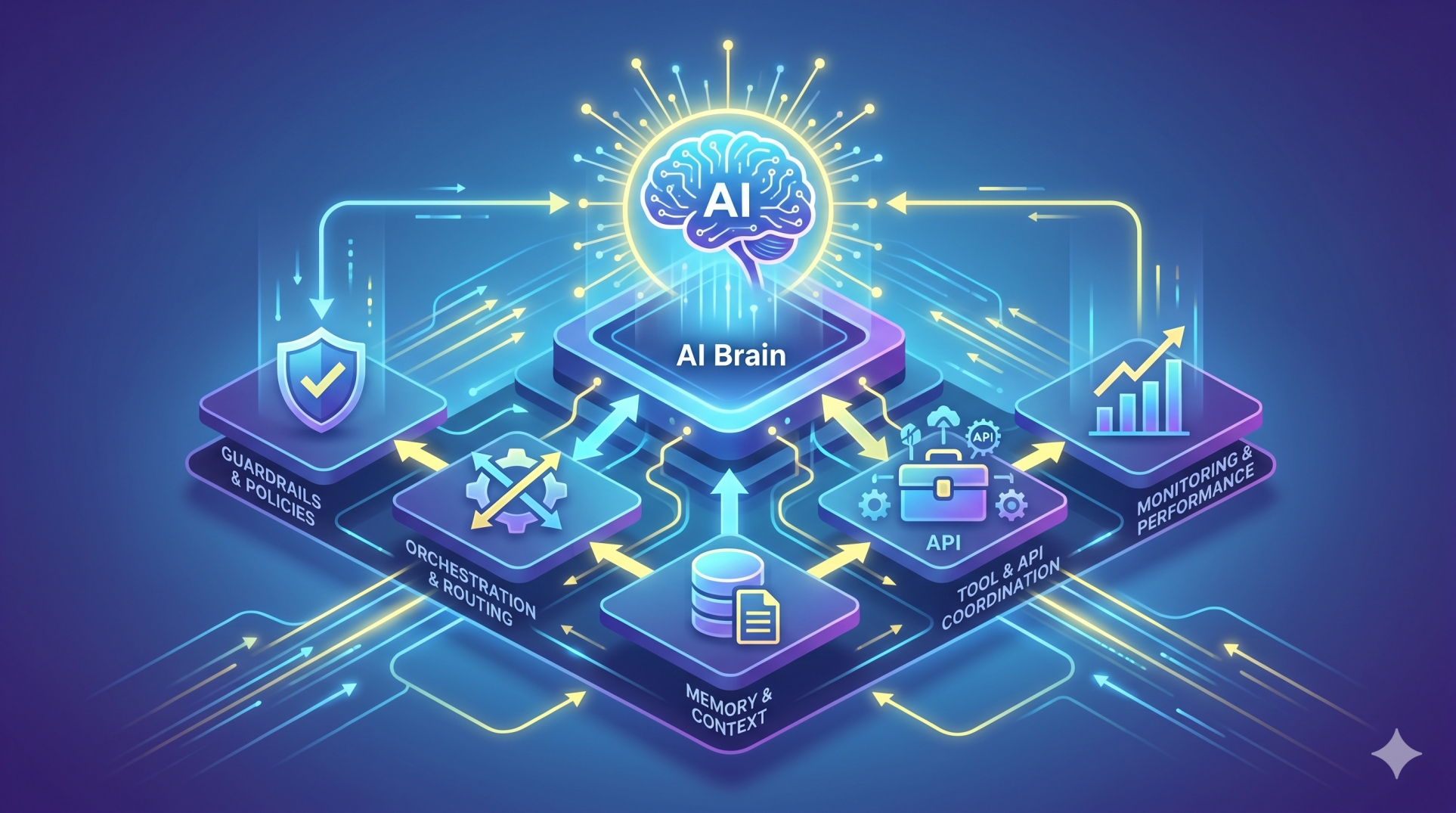
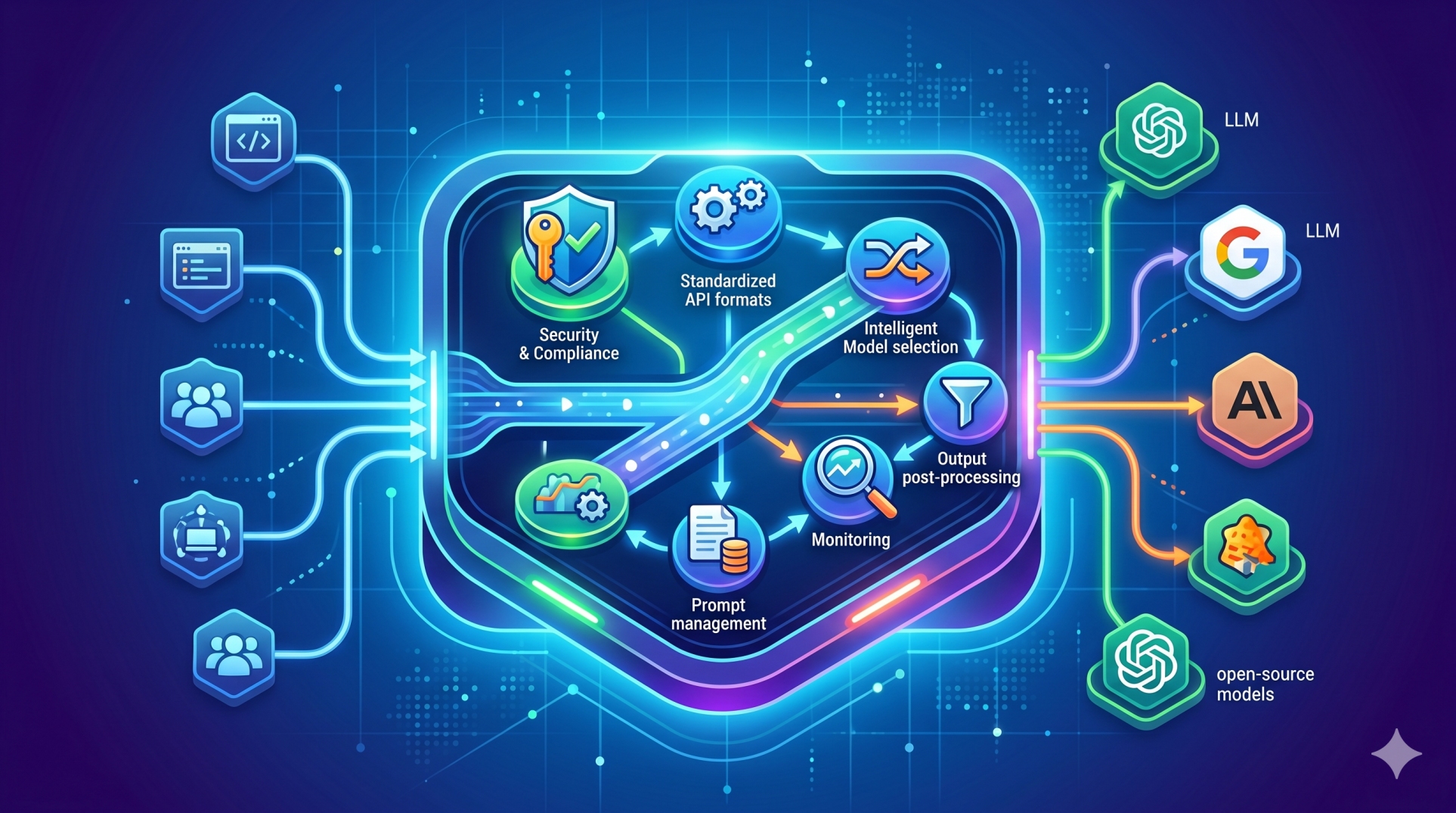
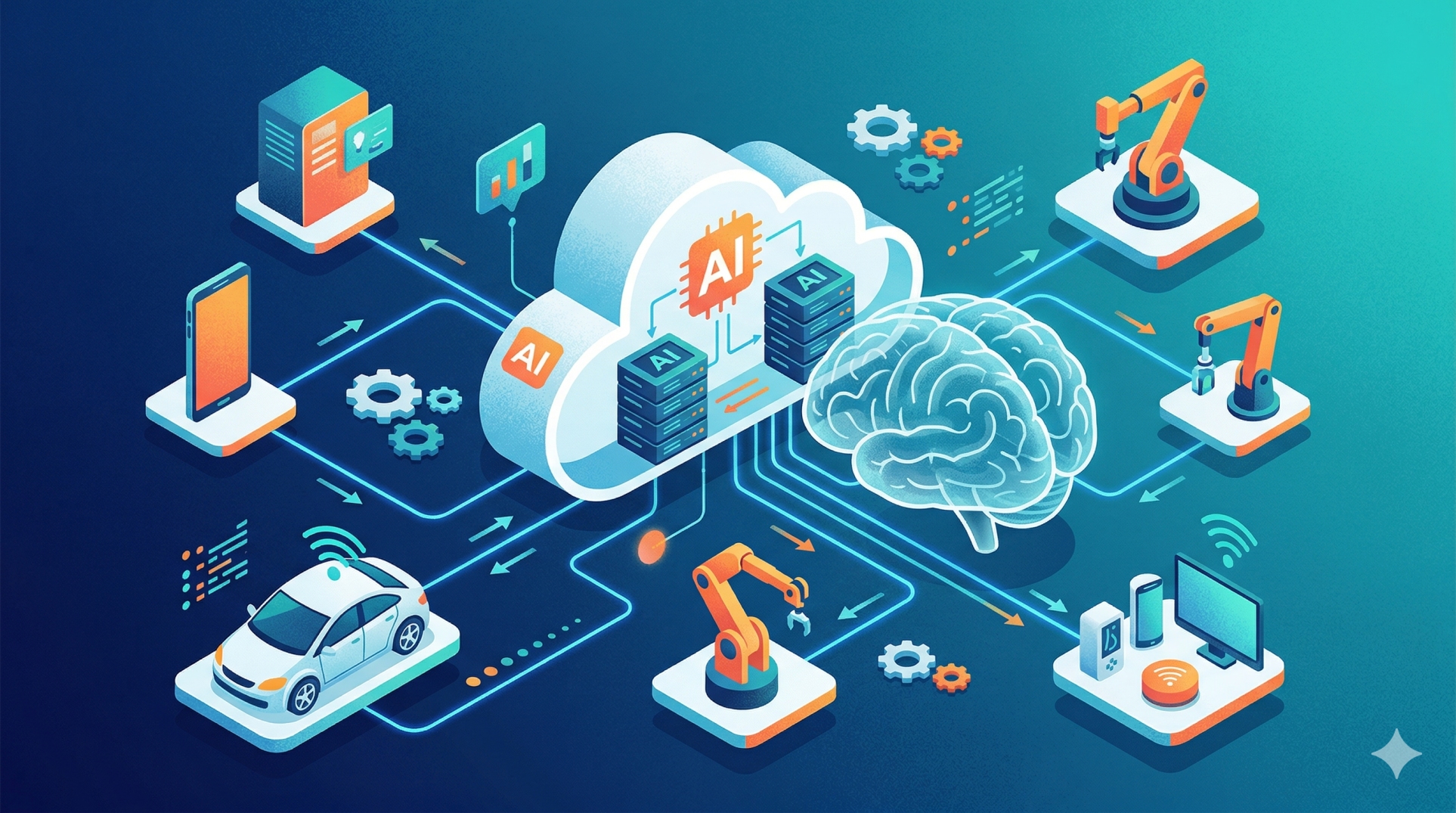
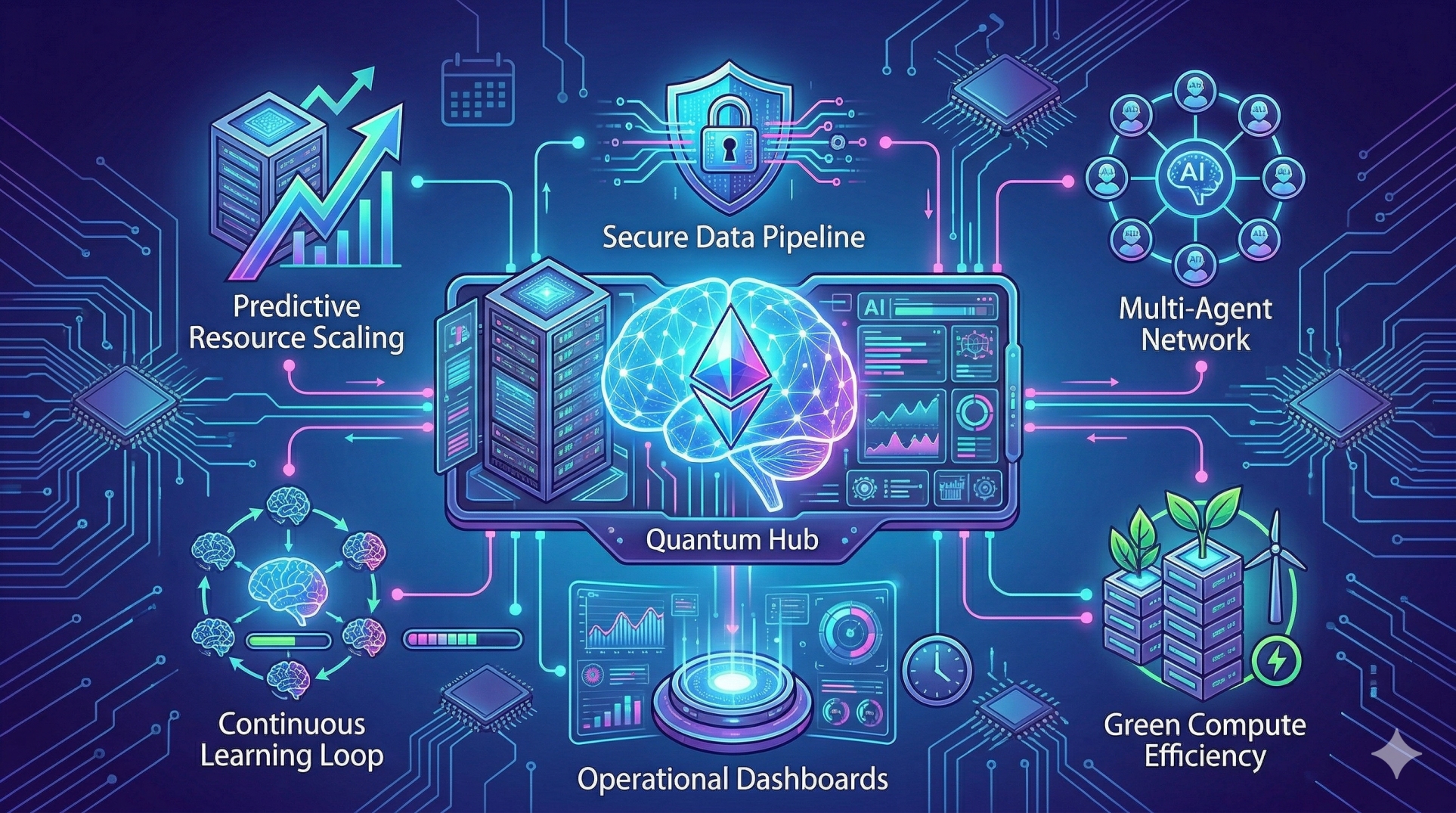
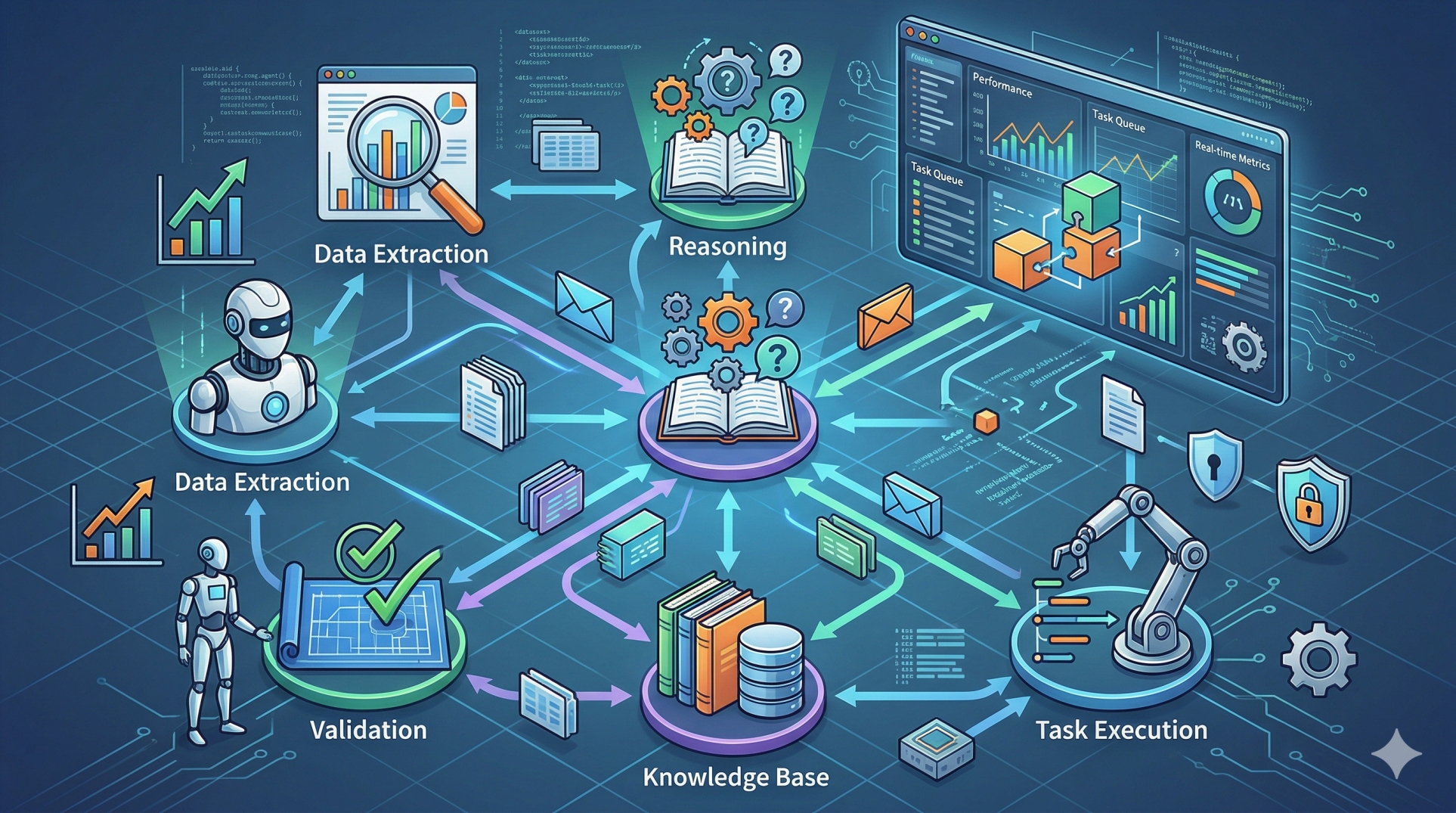
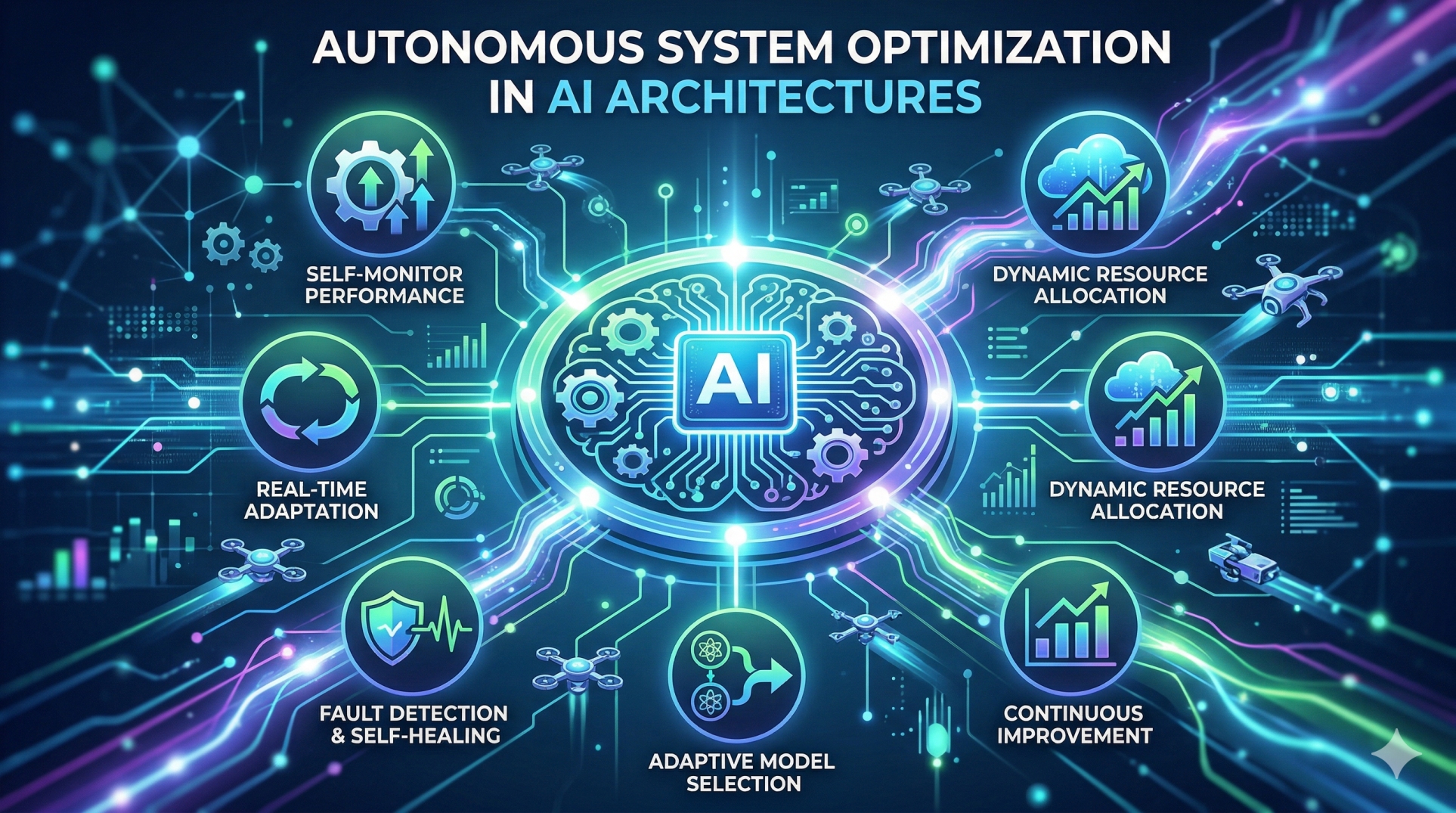
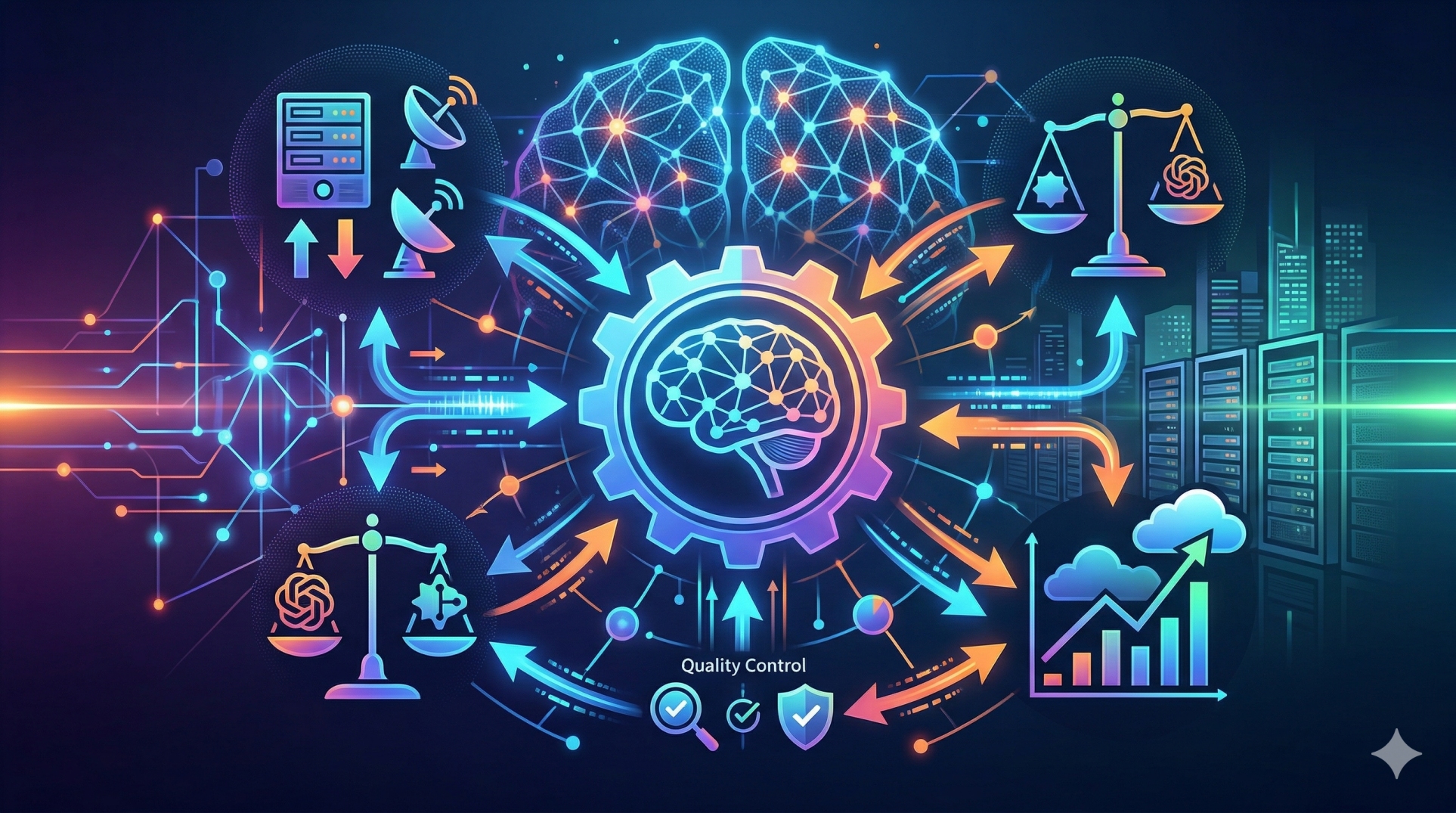
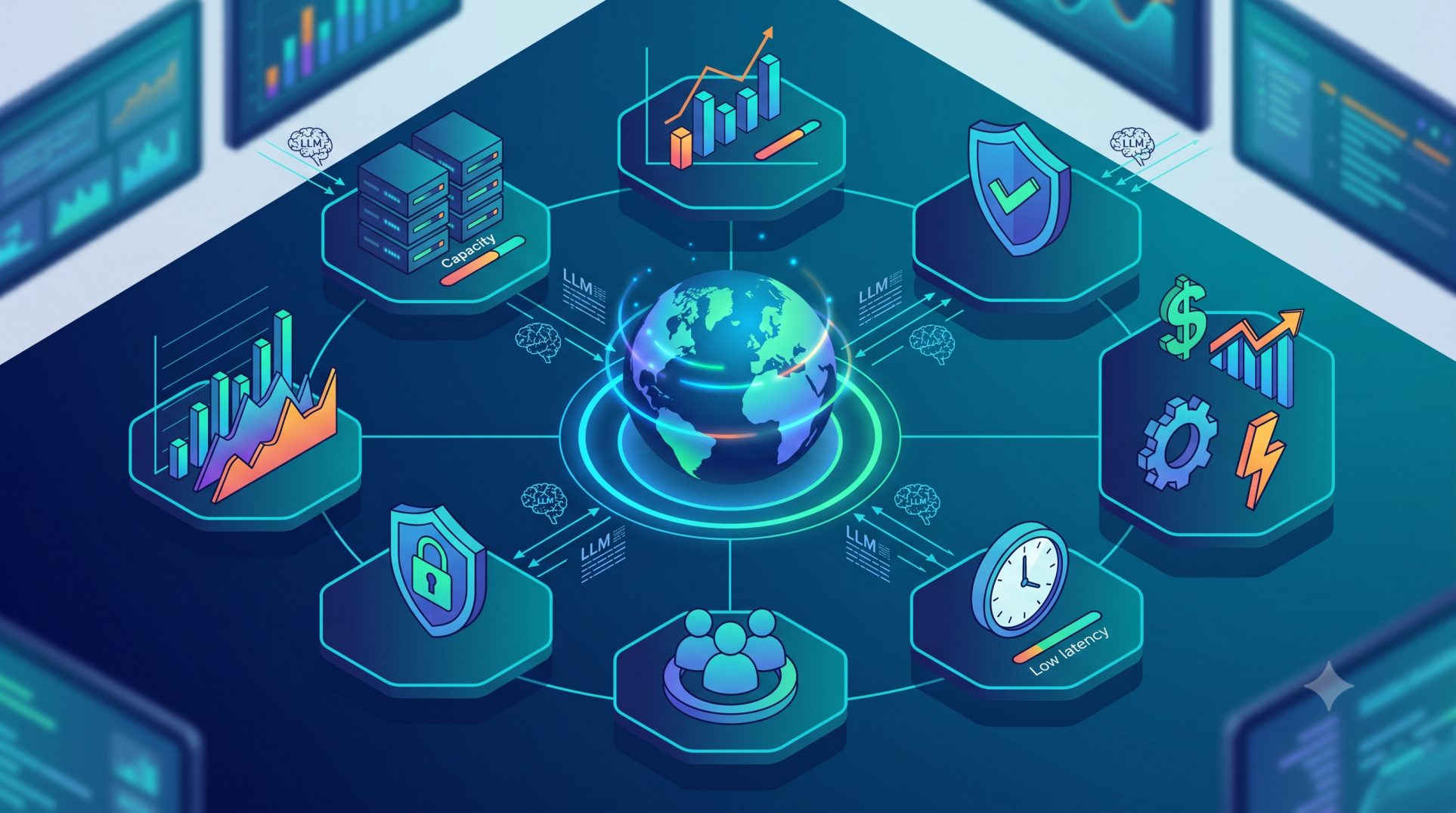
As Large Language Models become deeply embedded within enterprise workflows, organizations require centralized platforms to manage, monitor, and optimize AI operations at scale. AI Control Centers serve as command hubs that provide visibility into model performance, governance, security, usage, and business impact. By consolidating oversight into a unified environment, enterprises can ensure reliable, compliant, and efficient LLM deployments across departments and applications.
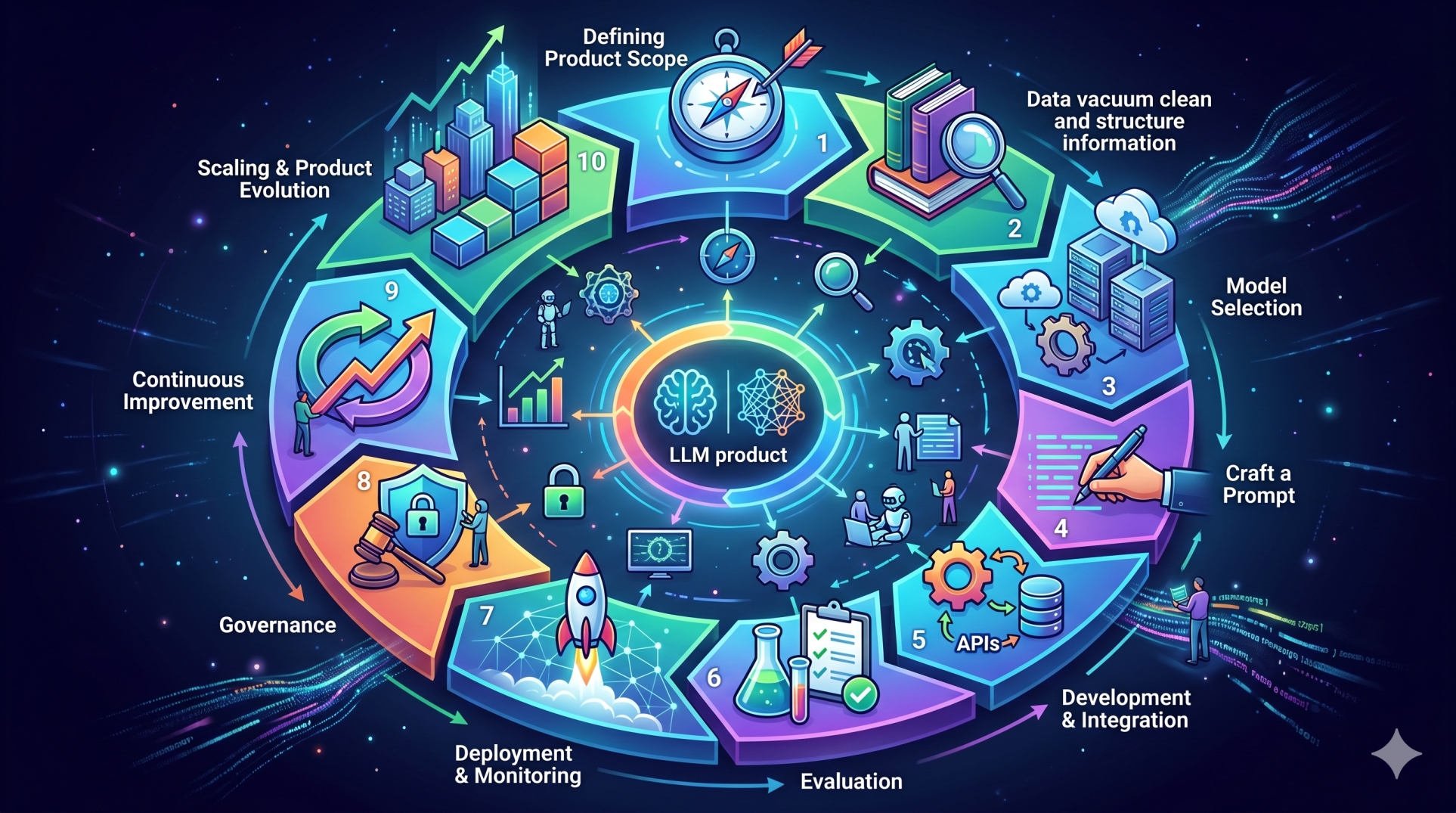
Step 1: Understanding the Purpose of AI Control Centers 🎯
• Centralize management of enterprise AI and LLM systems 🏢
• Provide visibility into model usage, performance, and costs 📊
• Enable governance across multiple AI applications 🔐
• Support operational consistency throughout the organization ⚙️
• Create a foundation for scalable AI adoption 🚀
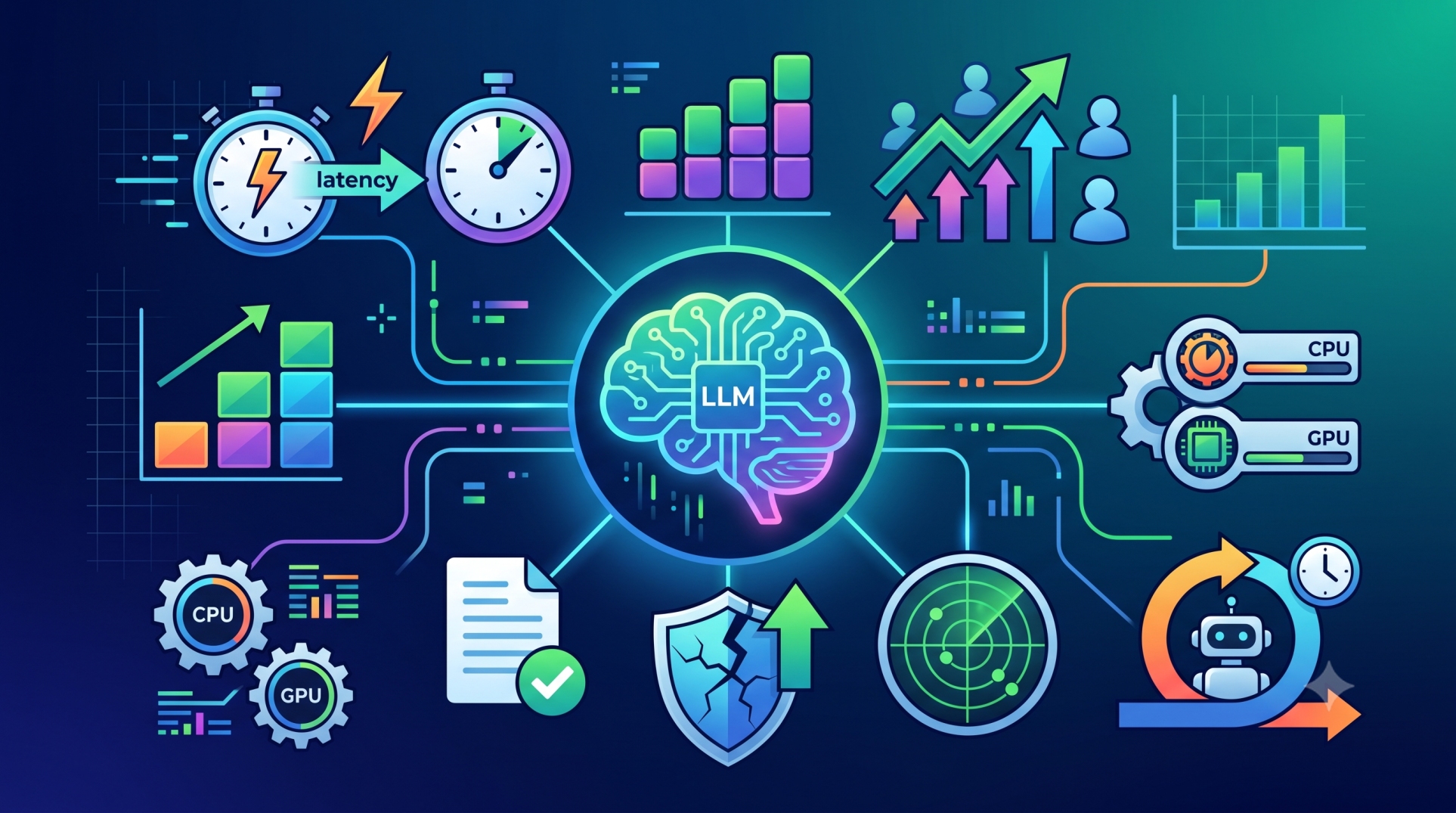
Step 2: Establishing a Unified Monitoring Framework 👀
• Track model performance across all deployments 📈
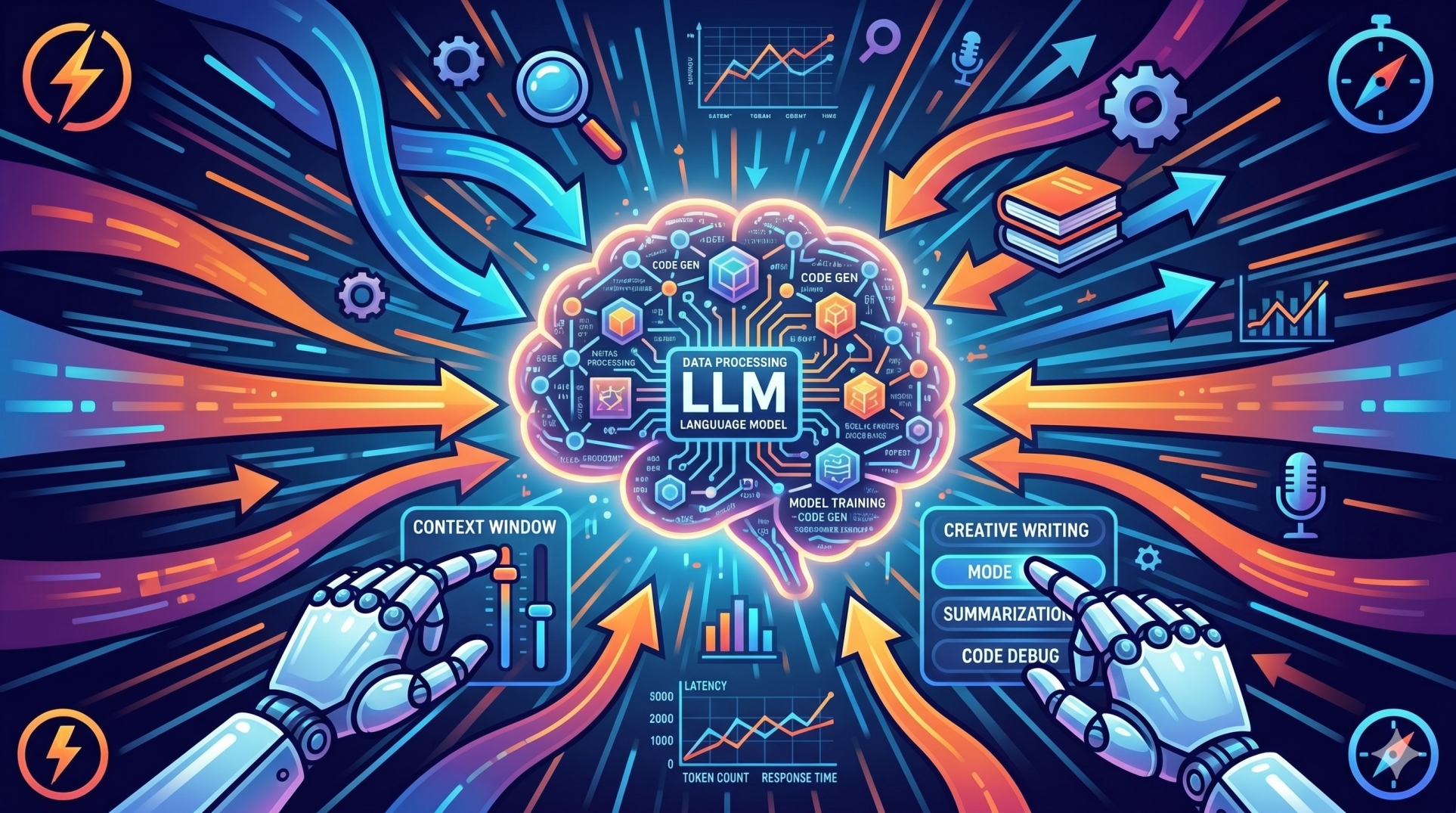
• Monitor response quality, latency, and availability ⏱️
• Detect anomalies and operational issues early 🚨
• Consolidate metrics into centralized dashboards 📋
• Enable proactive system management and optimization 🔄
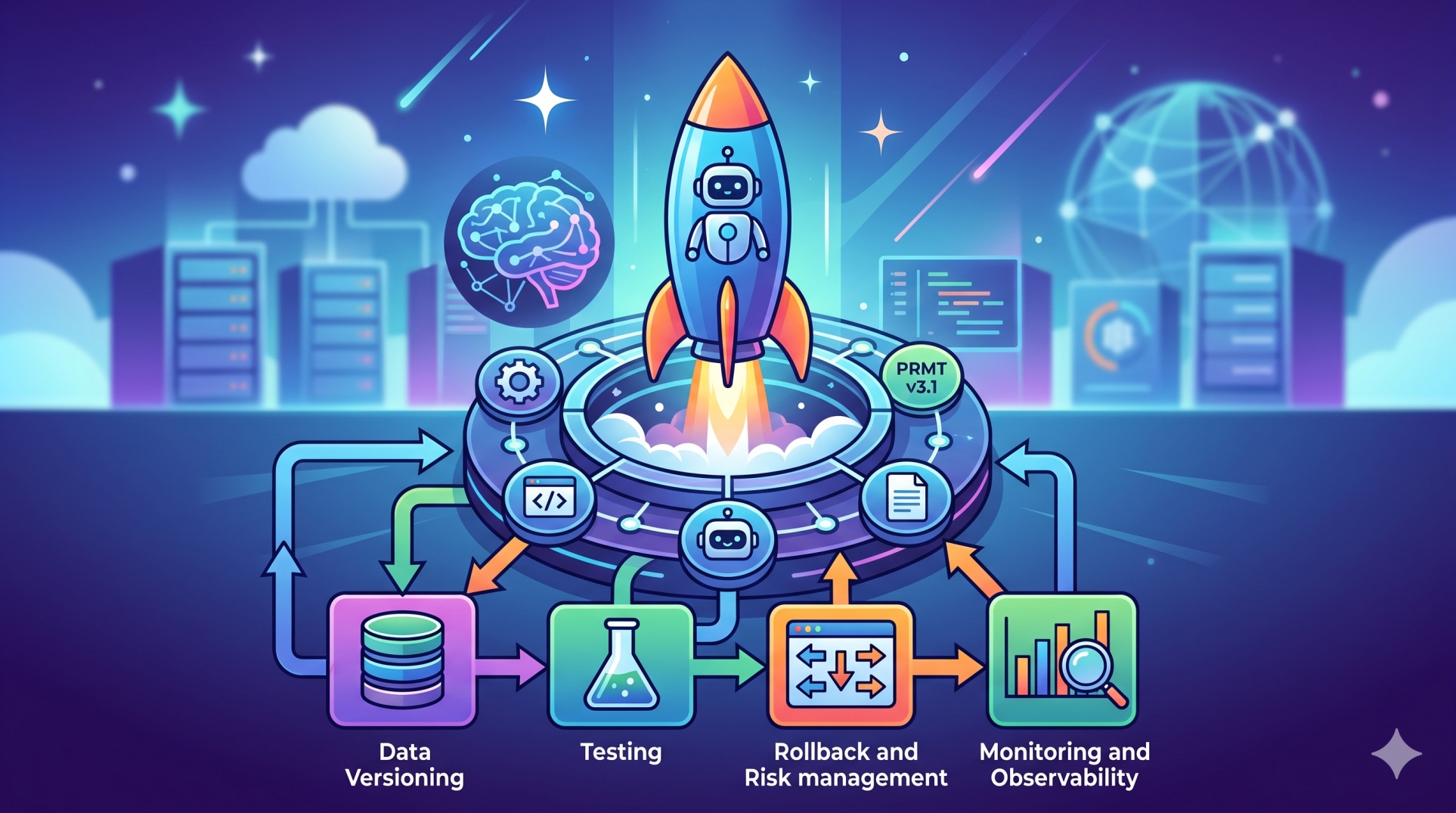
Step 3: Managing Model Lifecycle Operations 🔄
• Oversee deployment, updates, and retirement of models 🤖
• Track model versions and configuration changes 📝
• Validate performance before production rollout ✔️
• Maintain rollback capabilities for rapid recovery ⚡
• Ensure consistency across environments 🌐
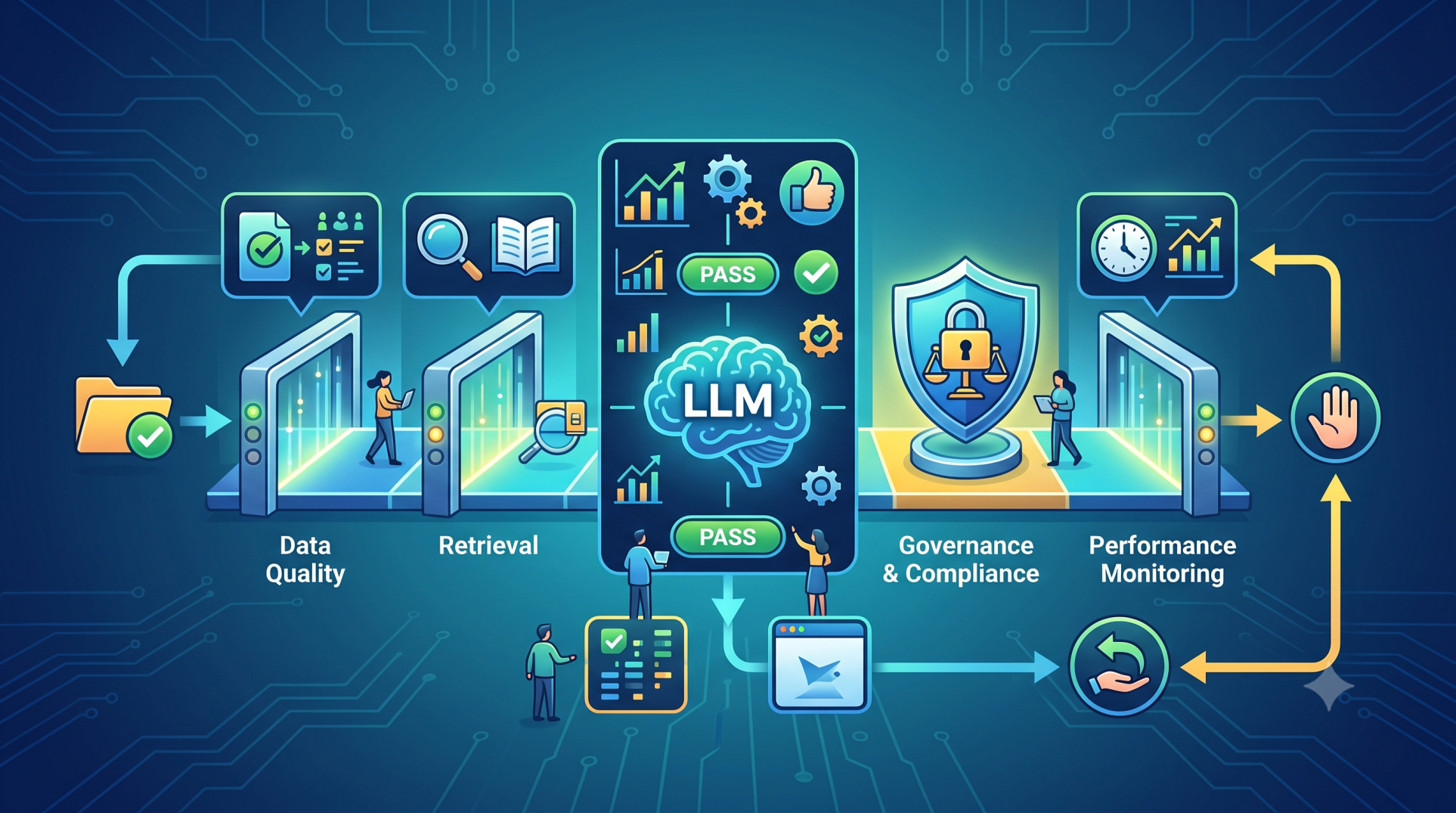
Step 4: Implementing Governance and Compliance 🛡️
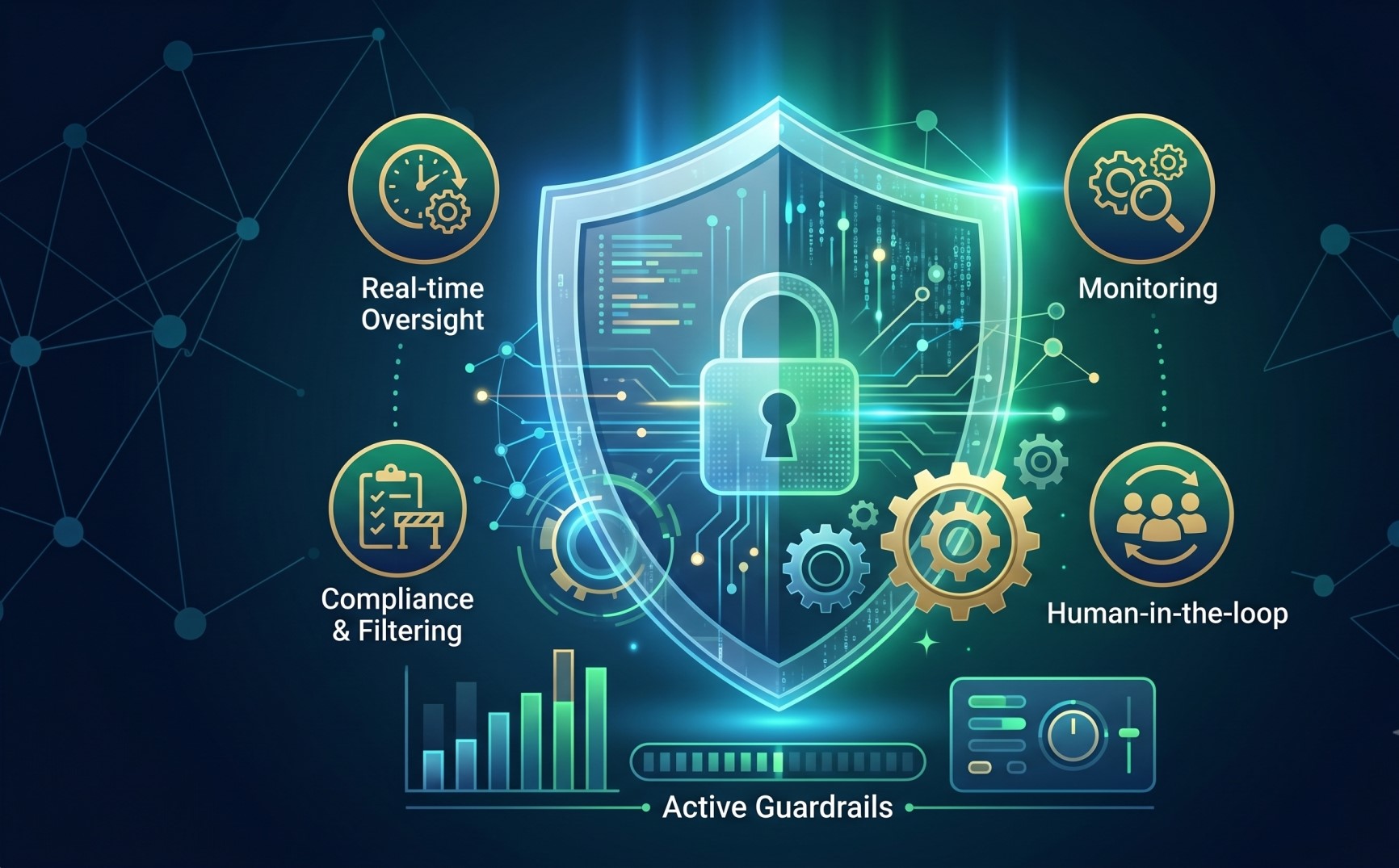
• Establish policies for AI usage and deployment 📜
• Monitor adherence to organizational guidelines ✔️
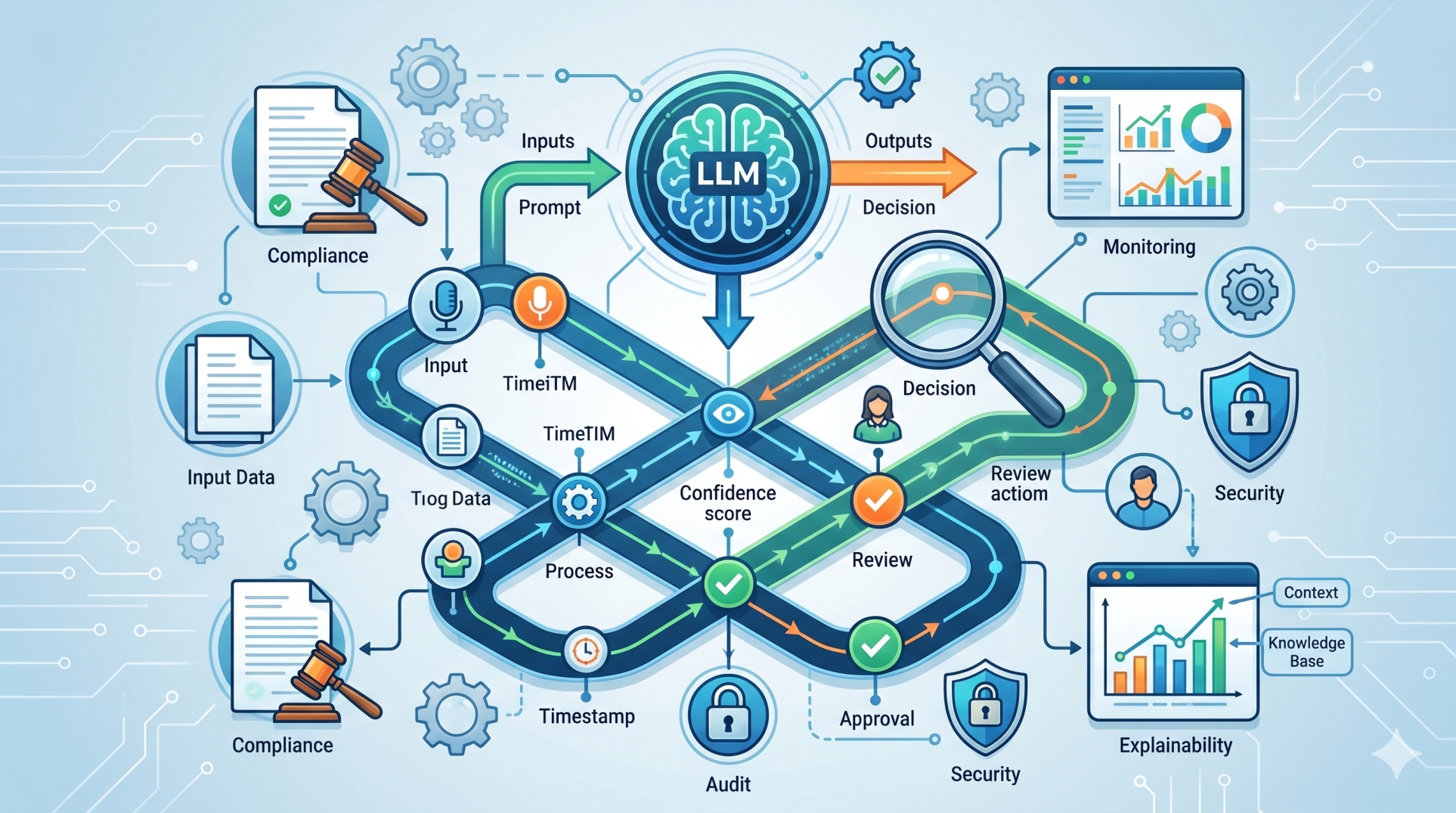
• Maintain audit logs for accountability 🧾
• Enforce regulatory and industry compliance requirements ⚖️
• Support transparent AI operations across teams 🔍
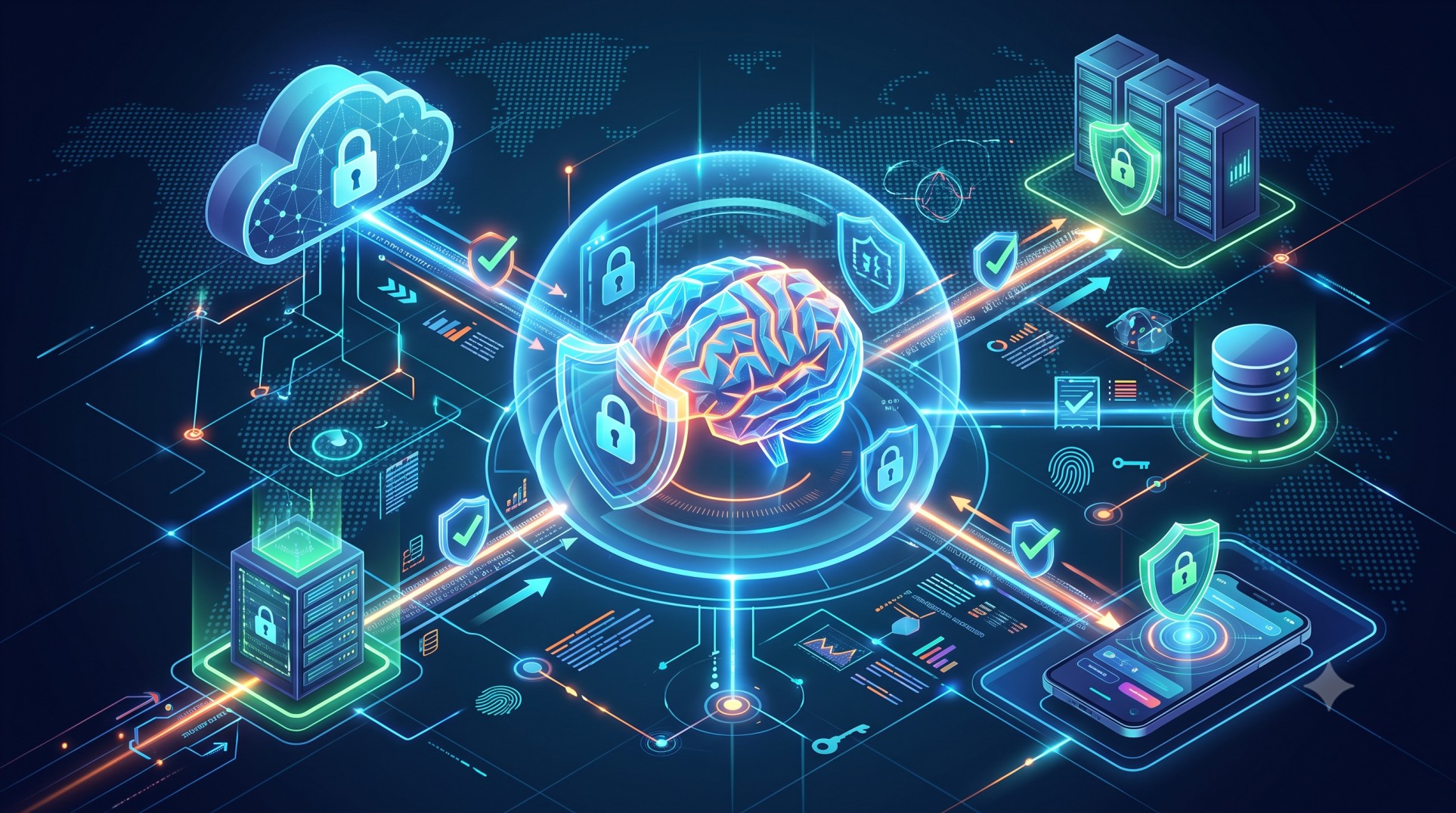
Step 5: Controlling Access and Security 🔐
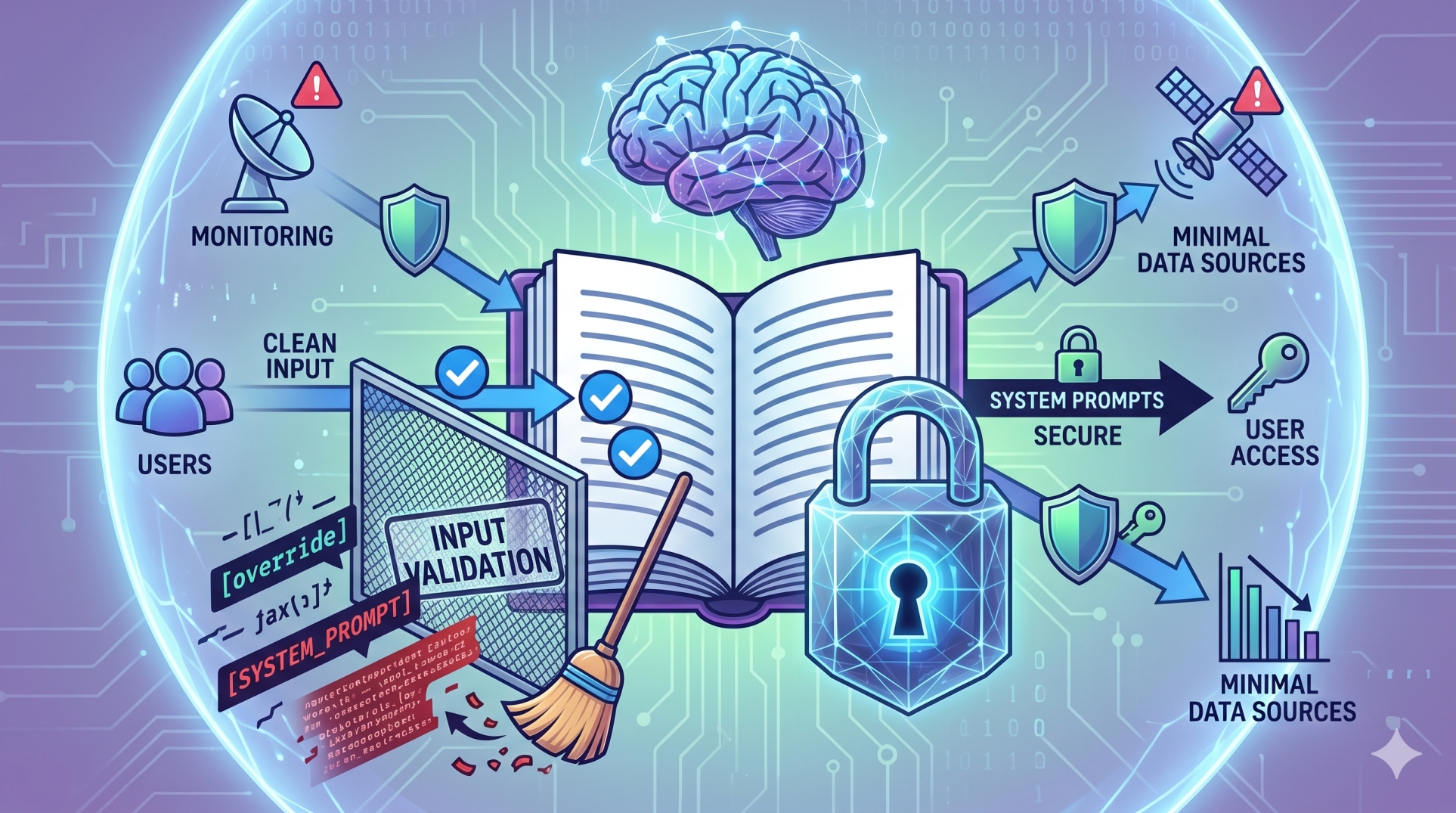
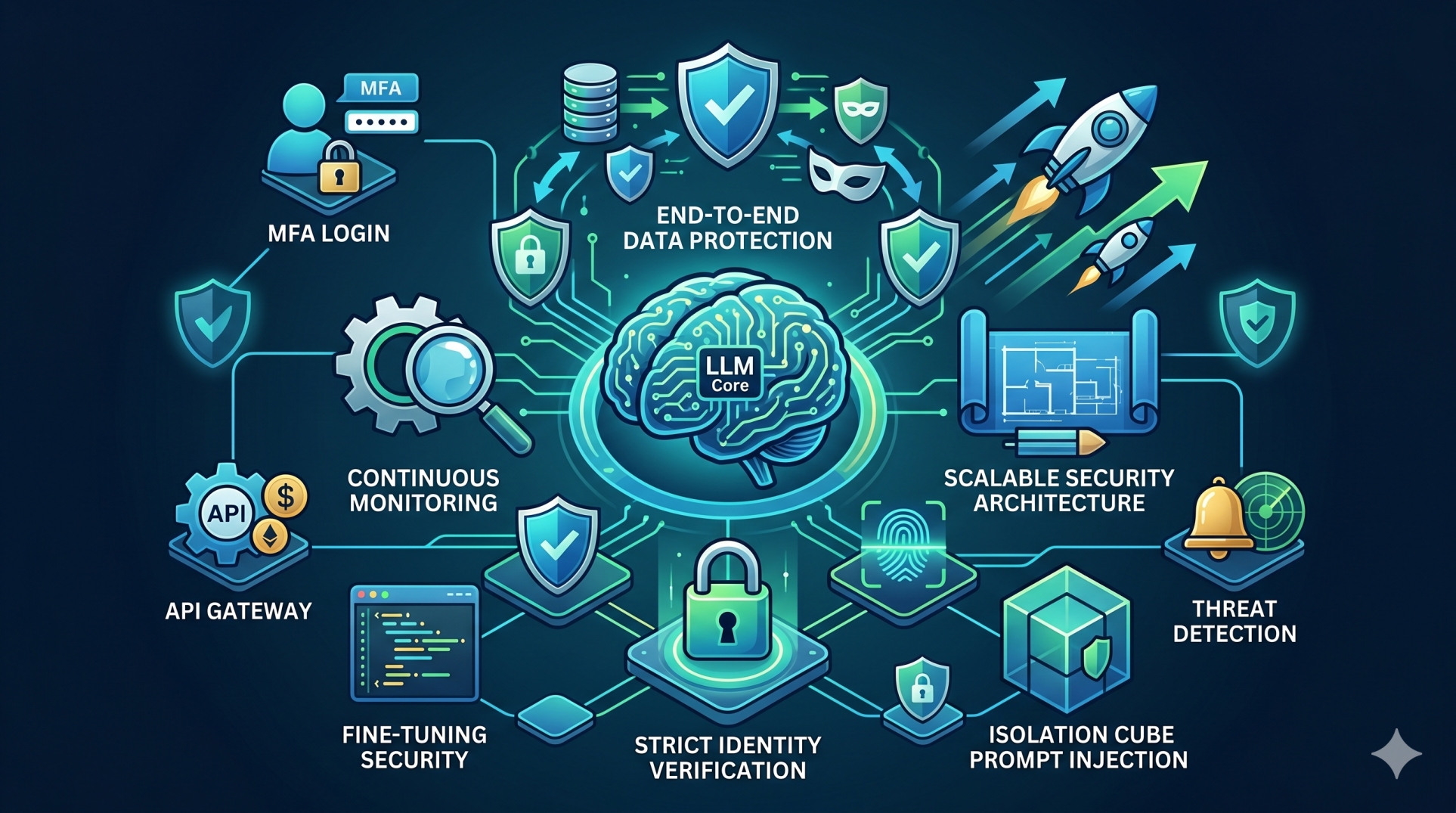
• Apply role-based access controls for users and administrators 👥
• Protect sensitive enterprise information 🏗️
• Monitor authentication and authorization activities 🔑
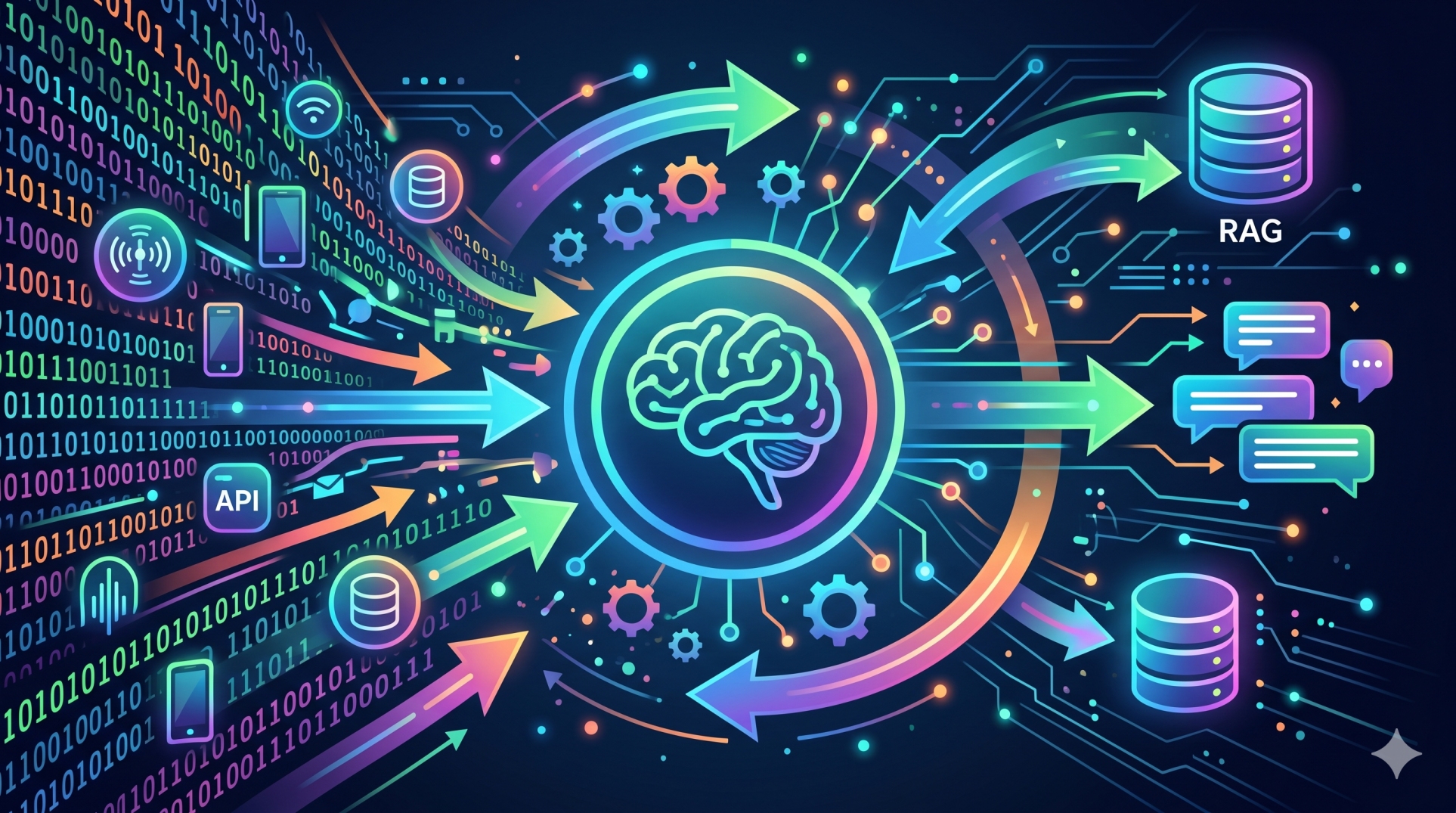
• Secure integrations with internal systems and APIs 🌐
• Reduce risks associated with unauthorized access 🚫
Step 6: Optimizing Resource Utilization ⚡
• Monitor infrastructure consumption and capacity 📡
• Balance workloads across AI resources ⚖️
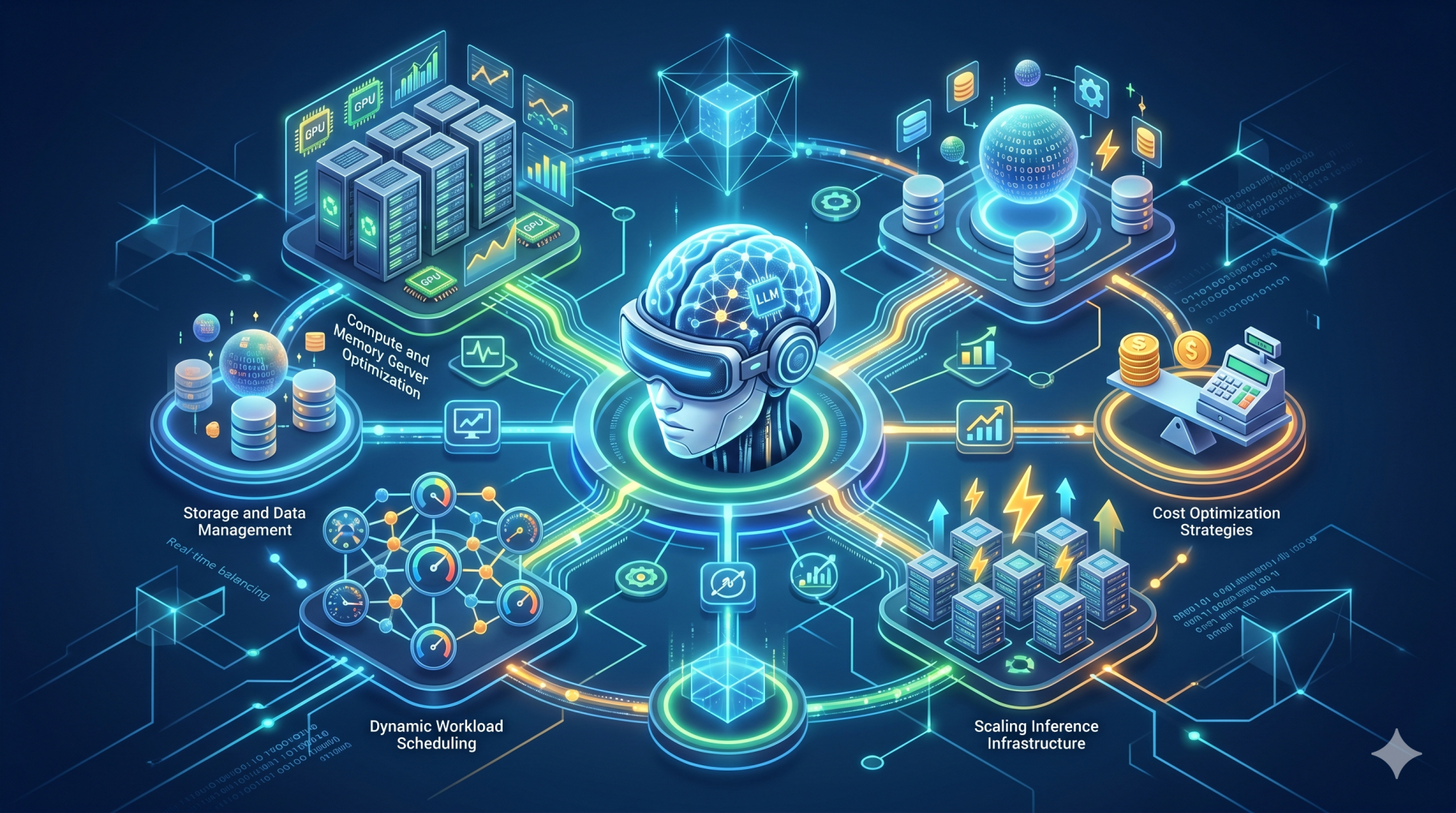
• Track compute, storage, and inference demands 💻
• Identify opportunities to improve efficiency 📈
• Support cost-effective AI operations 💰
Step 7: Managing Costs and Budget Visibility 💵
• Track AI spending across departments and applications 📊
• Monitor token usage and inference costs 📉
• Allocate expenses to business units accurately 🏢
• Forecast future resource requirements 🔮
• Optimize spending without sacrificing performance ⚙️
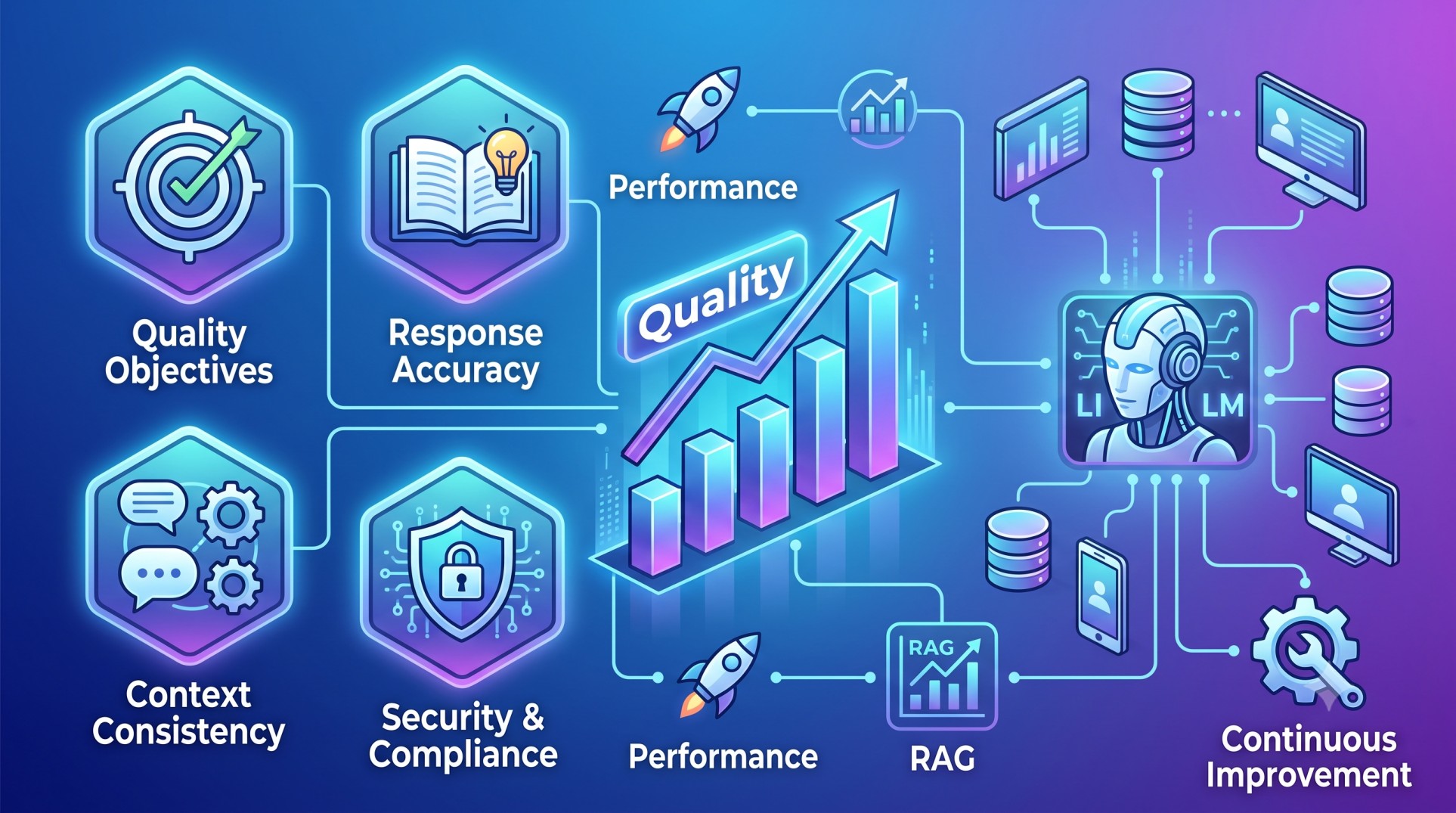
Step 8: Ensuring Quality and Reliability ✅
• Monitor output consistency and response quality 📋
• Identify performance degradation early 🚨
• Validate AI-generated content against quality standards 🎯
• Measure system uptime and reliability metrics ⏱️
• Continuously improve operational performance 🔄
Step 9: Supporting Incident Management 🚑
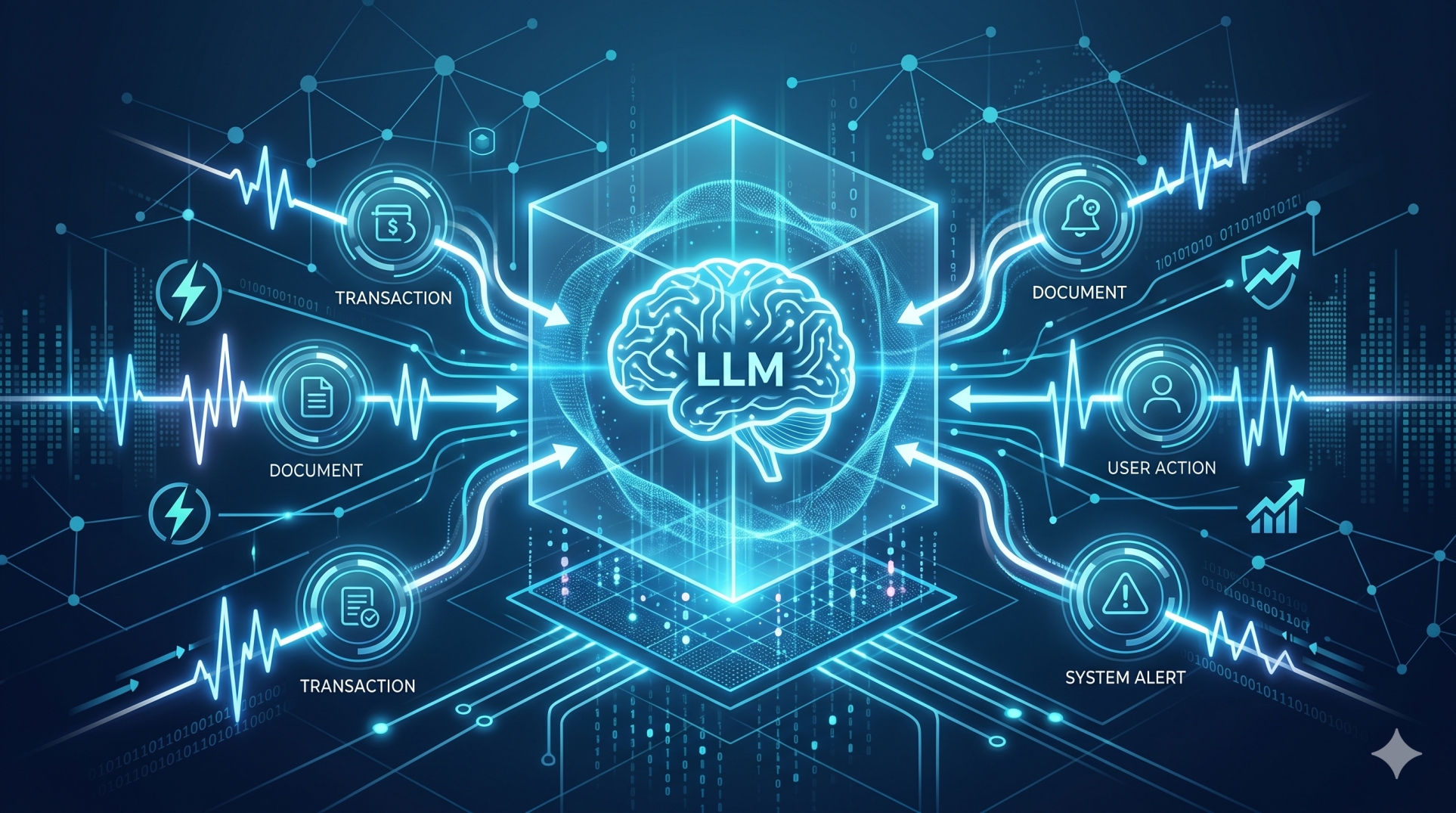
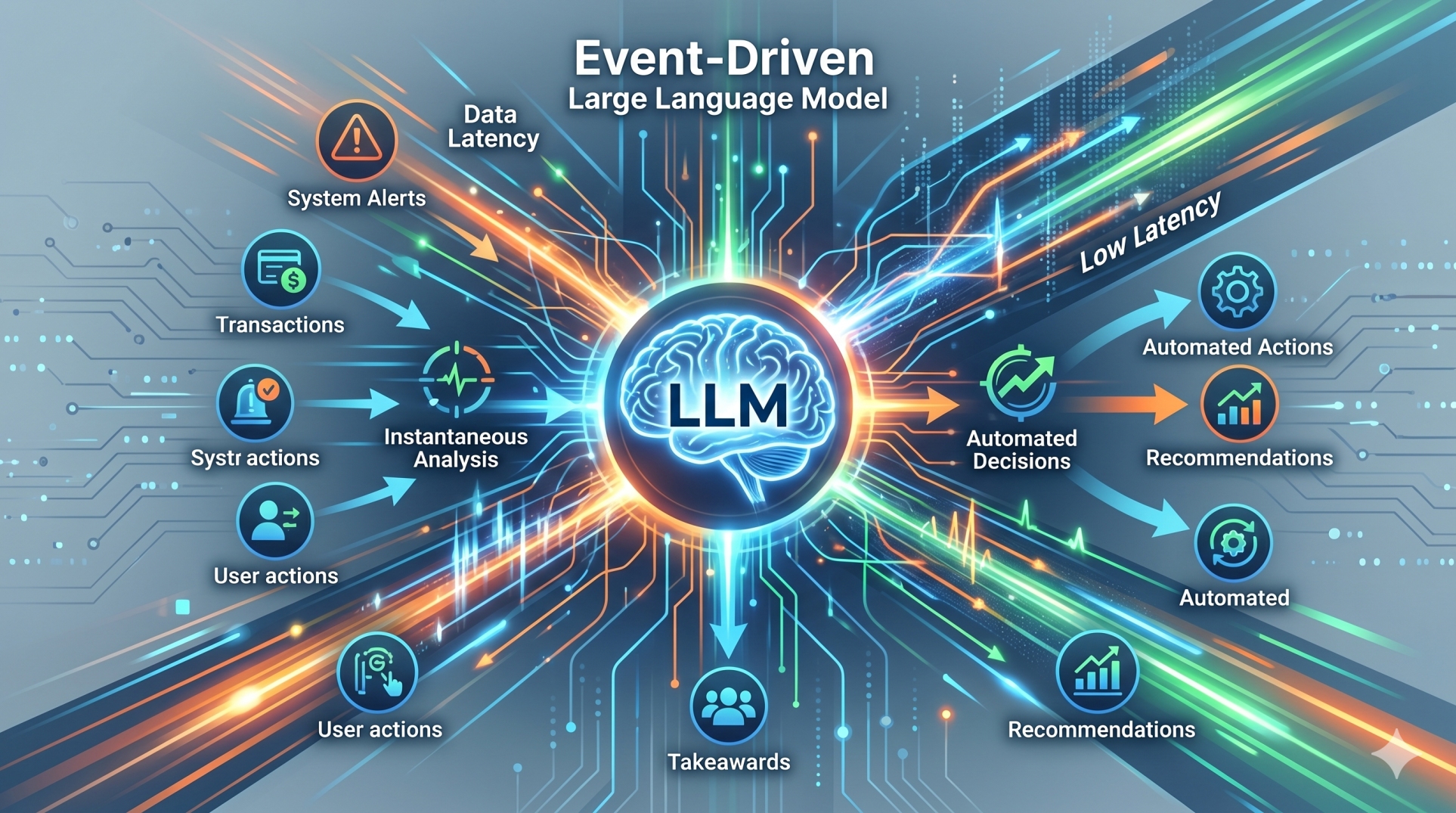
• Detect operational issues in real time 📡
• Generate alerts for critical events 🚨
• Provide diagnostic insights for rapid troubleshooting 🔍
• Coordinate response workflows across teams 🤝
• Minimize downtime and business disruption ⚡
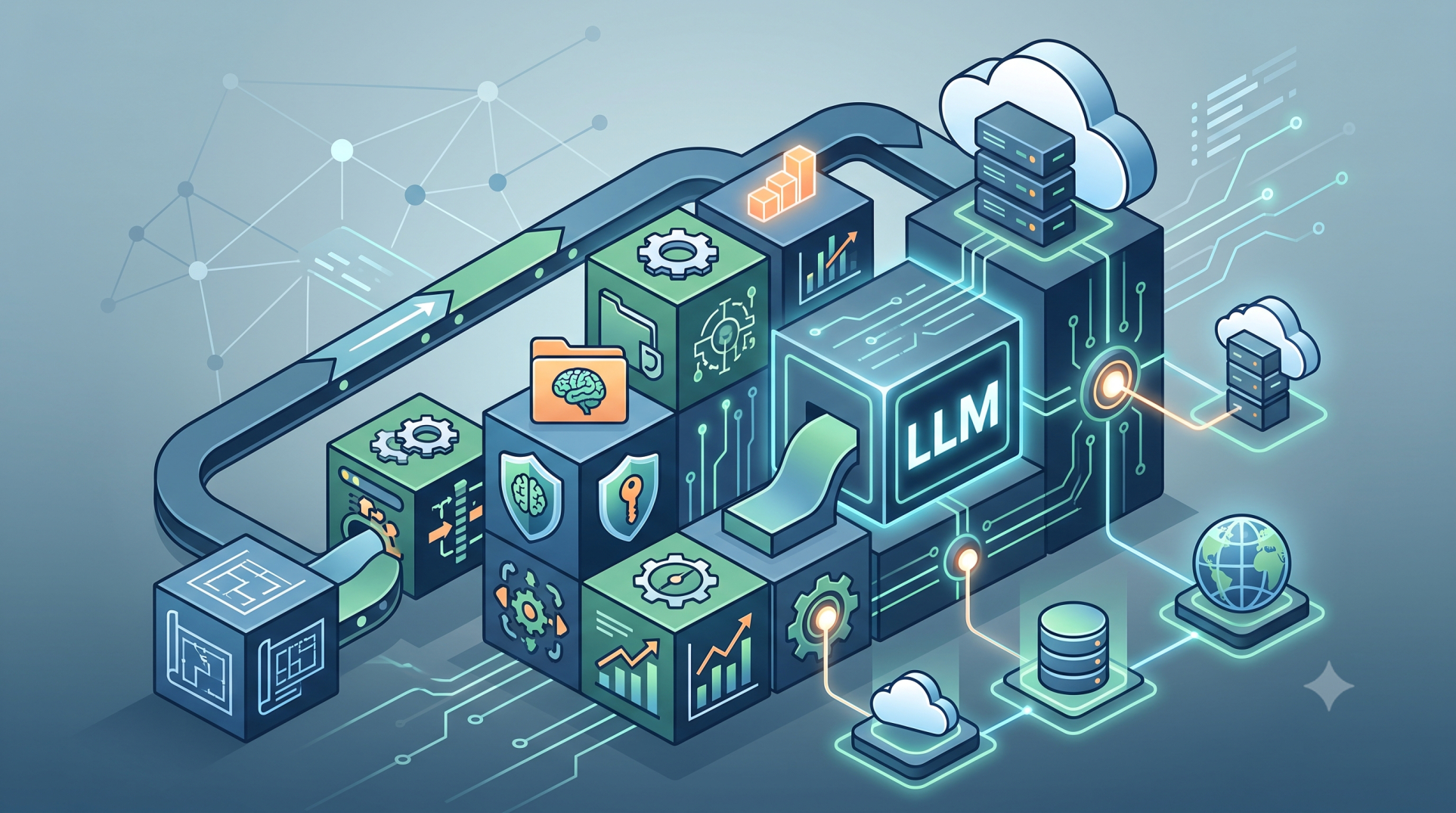
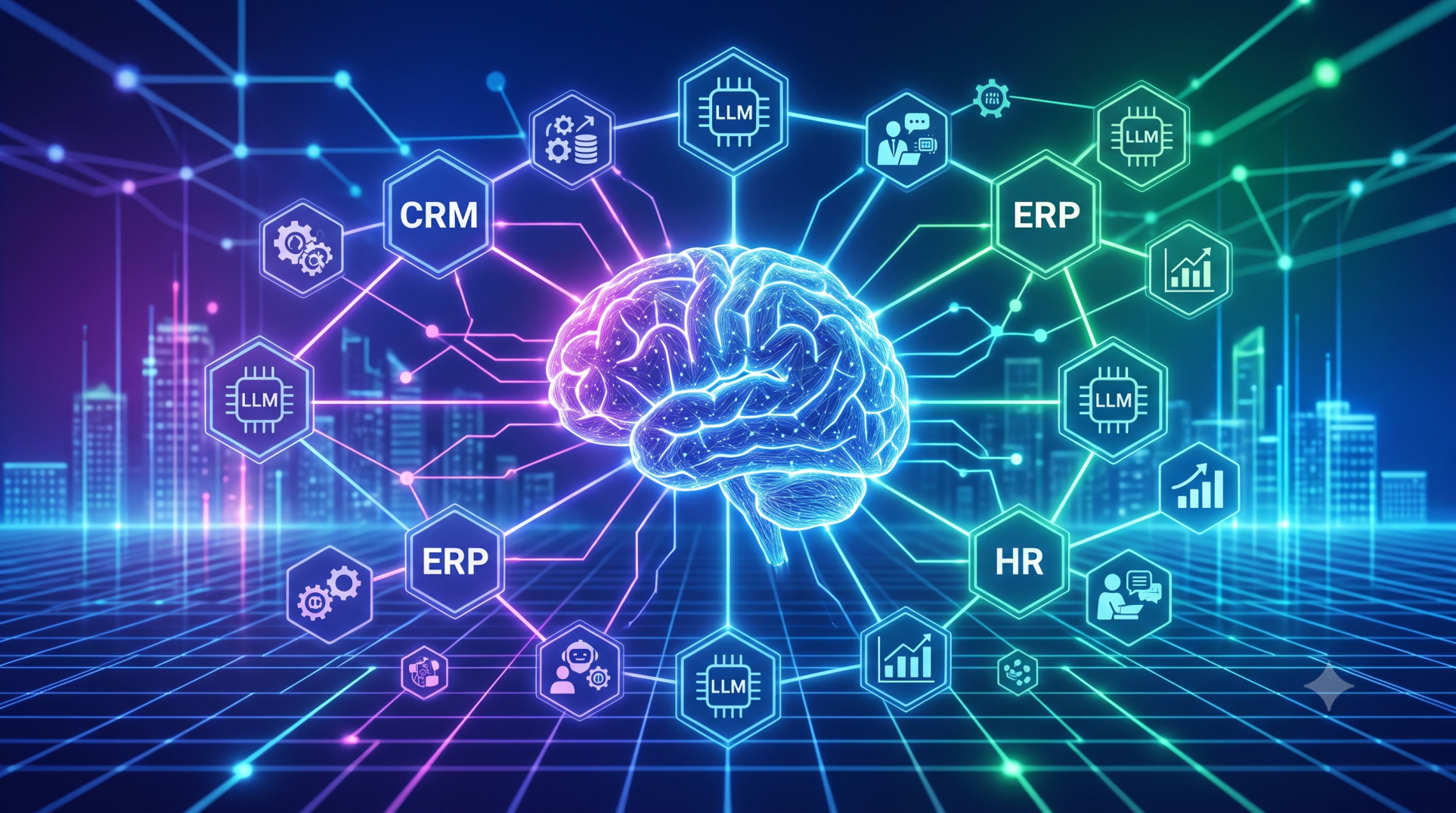
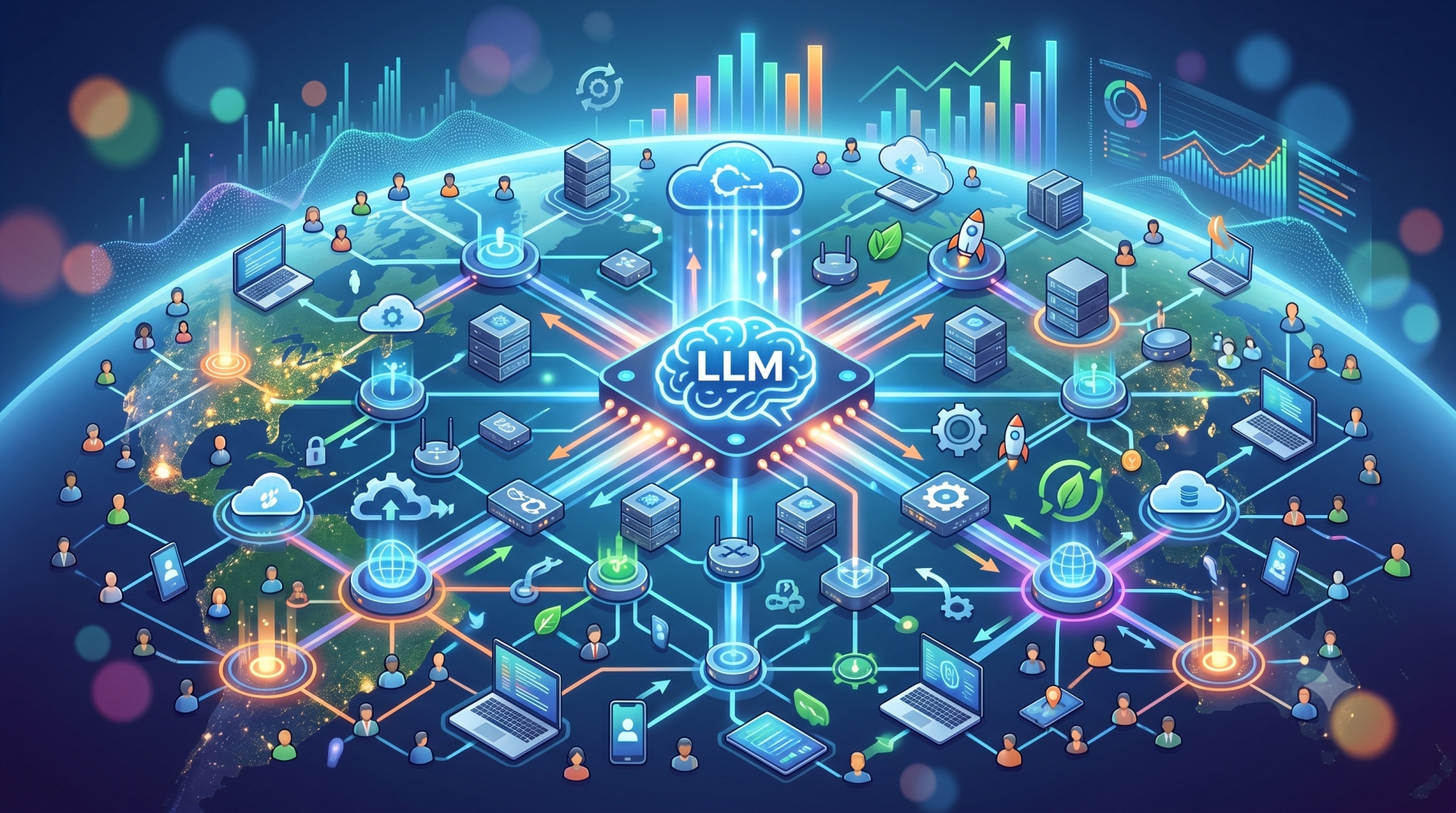
Step 10: Building a Scalable AI Operations Ecosystem 🌟
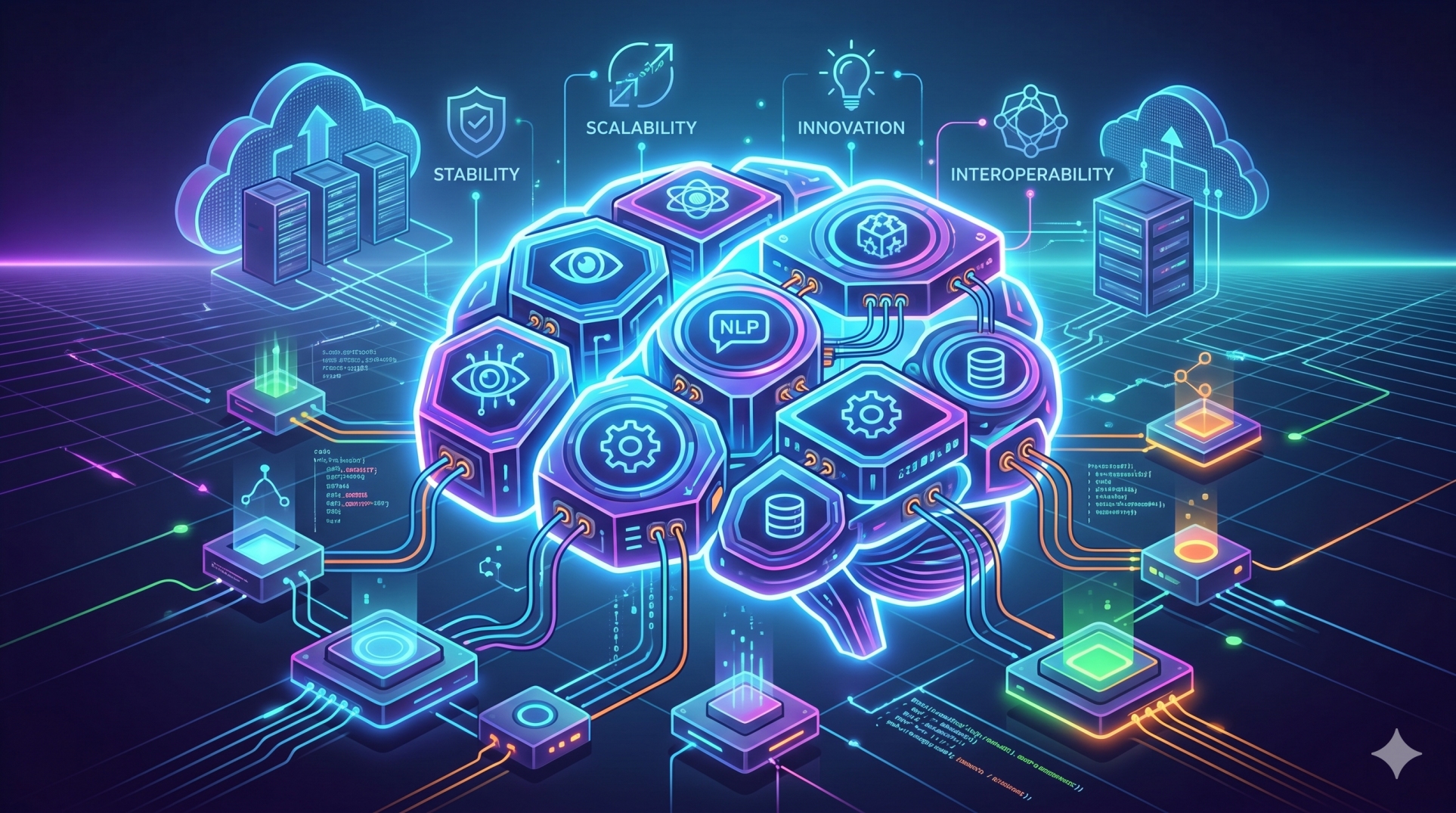
• Design modular architectures that support growth 🏗️
• Integrate new models and AI services seamlessly 🔗
• Support multiple business units and use cases 🌍
• Adapt to evolving enterprise requirements 📈
• Future-proof AI operations through flexible infrastructure 🚀
Conclusion
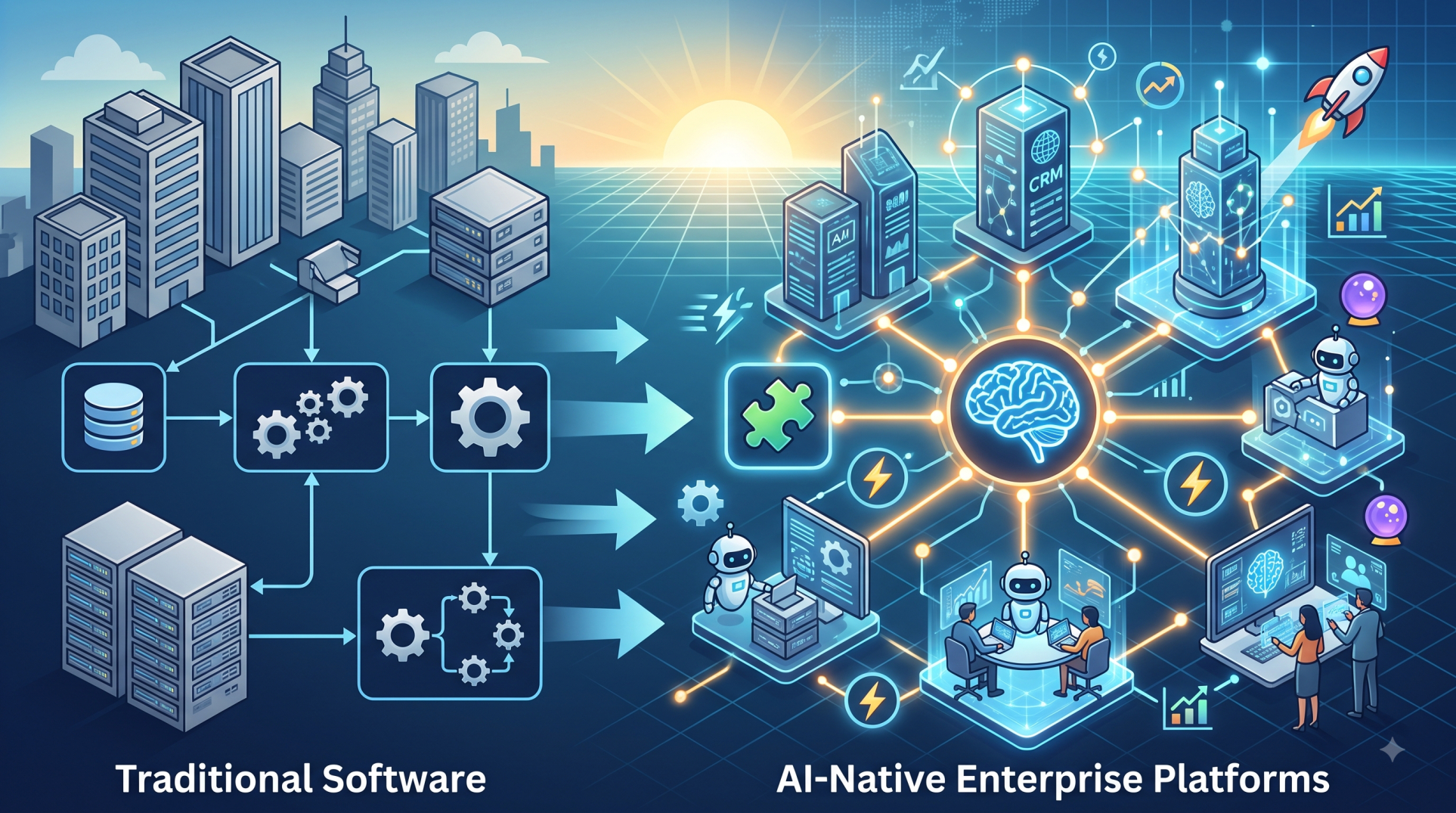
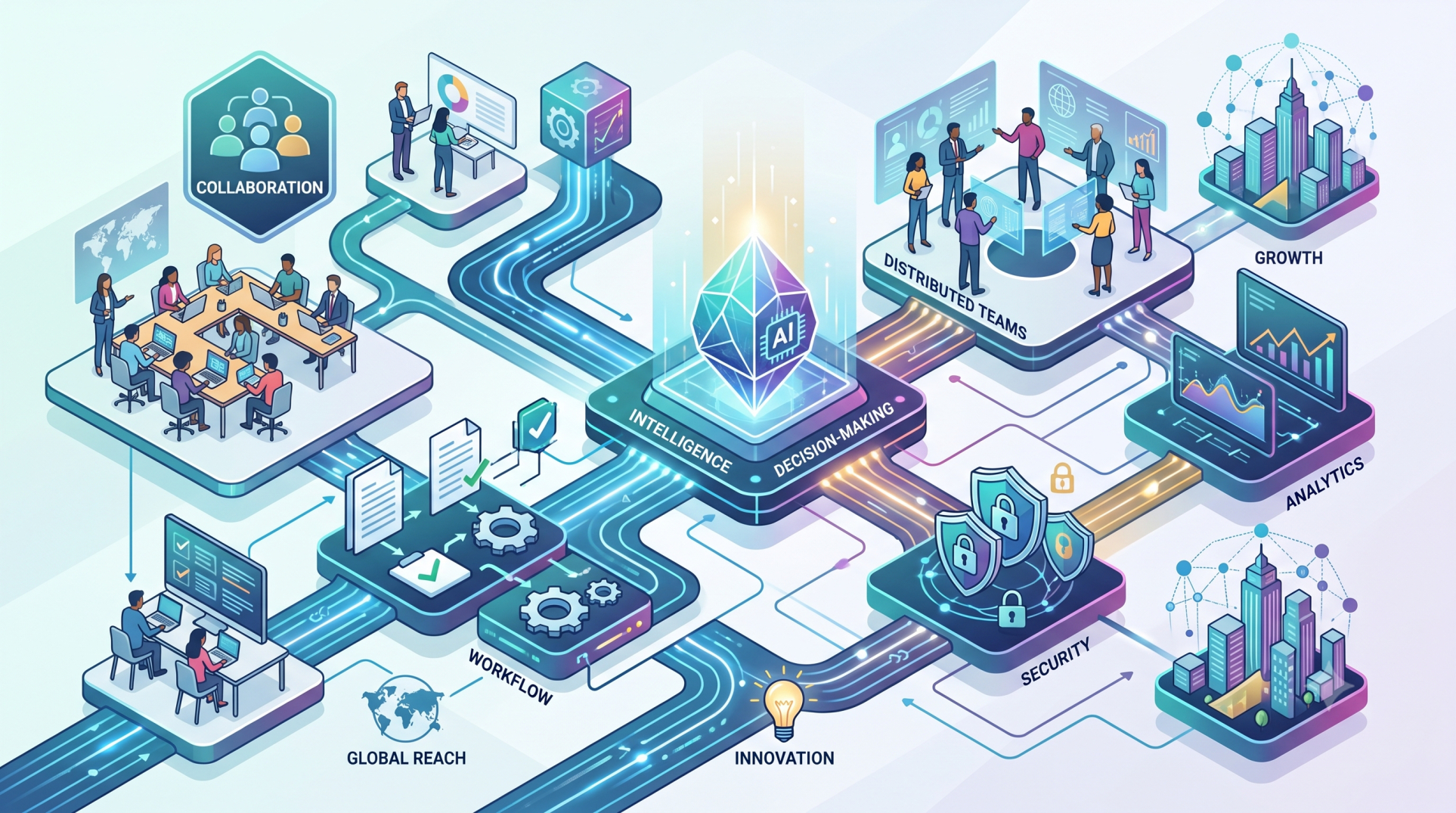
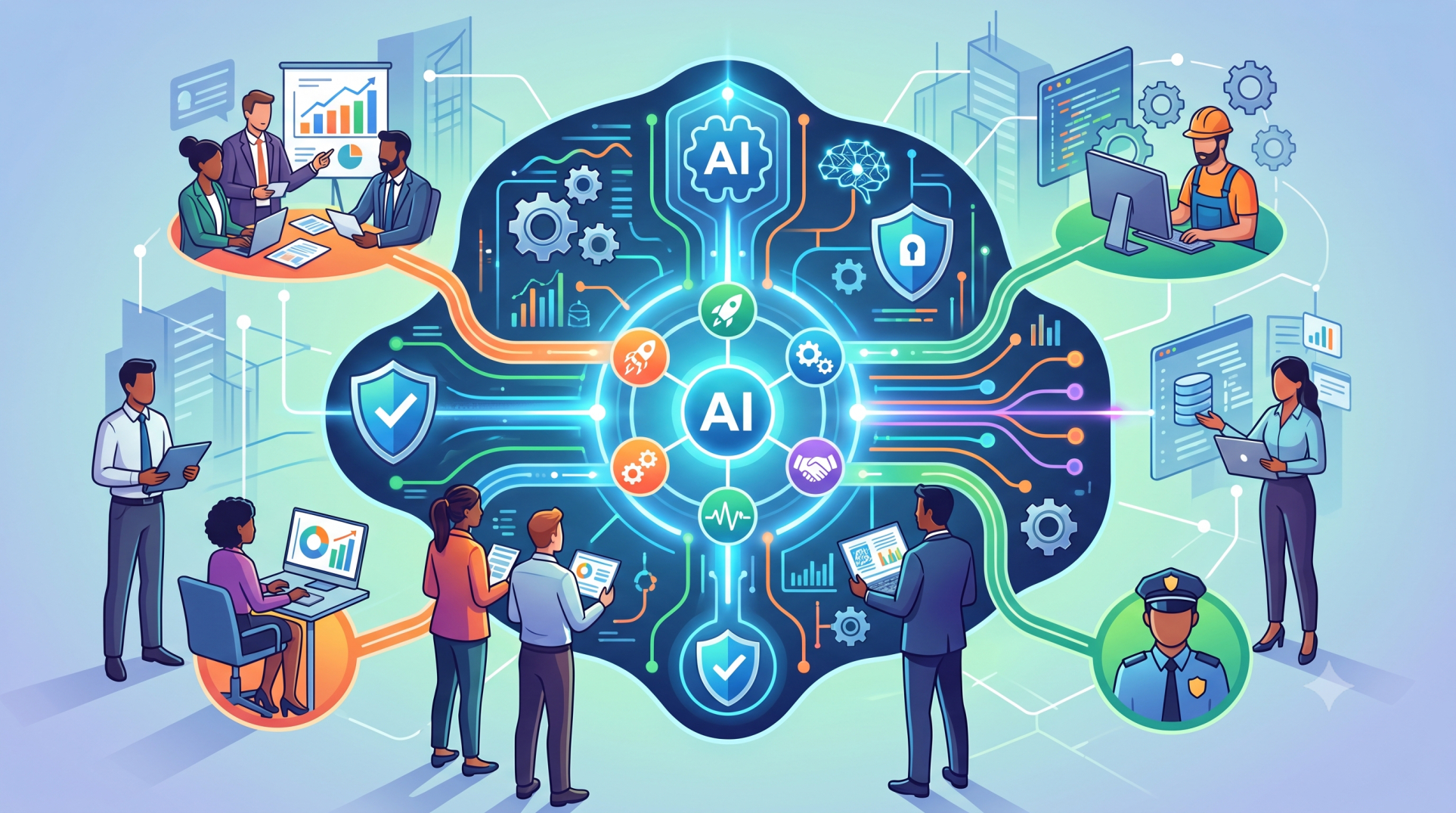
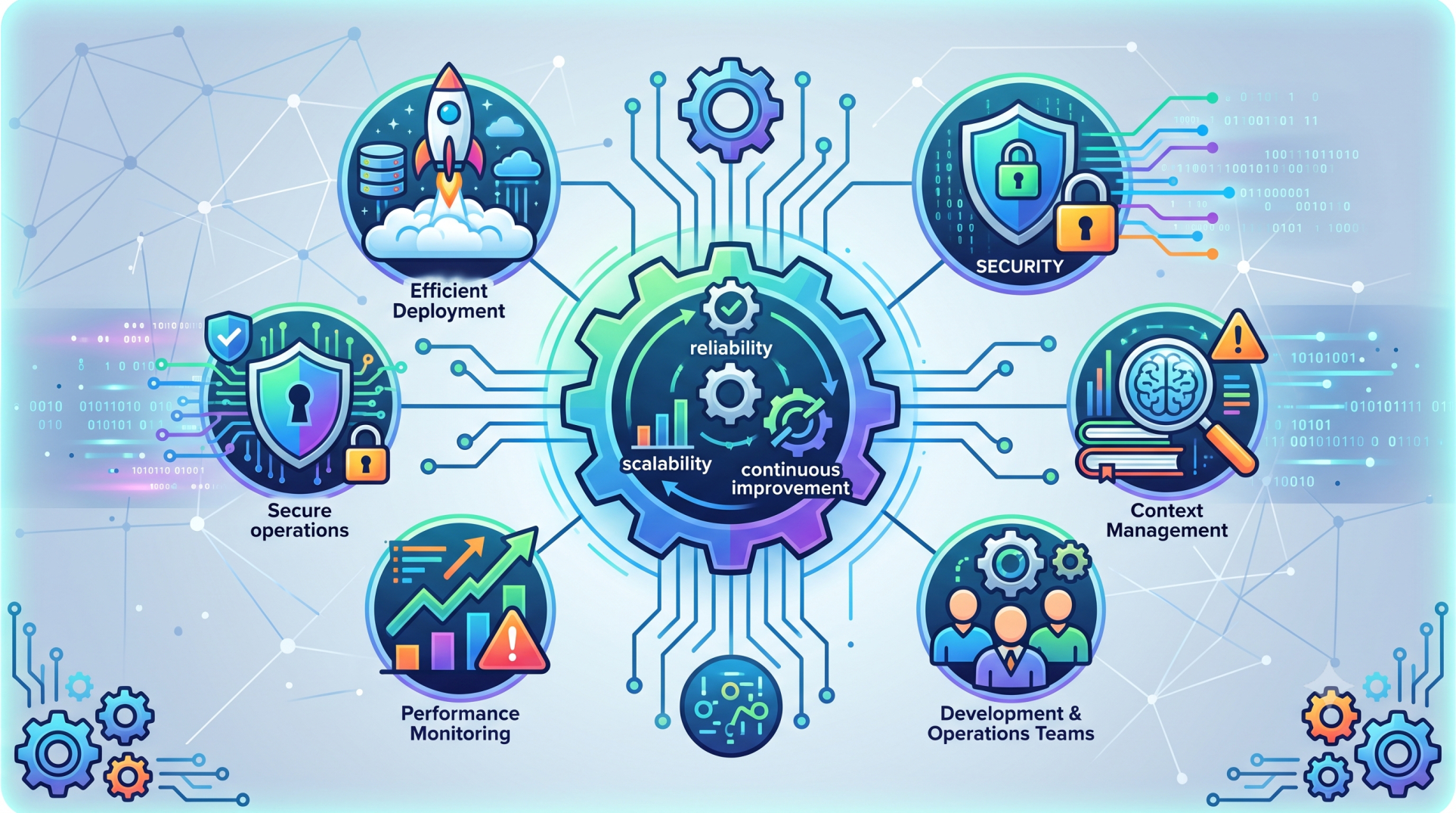
AI Control Centers play a critical role in managing enterprise LLM operations by providing centralized visibility, governance, security, and performance management. By consolidating oversight into a unified platform, organizations can deploy AI systems more confidently, maintain compliance, optimize costs, and ensure reliable performance. A well-designed control center transforms AI from a collection of isolated tools into a coordinated, enterprise-wide capability that supports long-term innovation and growth.
See more blogs
You can all the articles below