Designing Compliant LLM Architectures for Regulated Industries
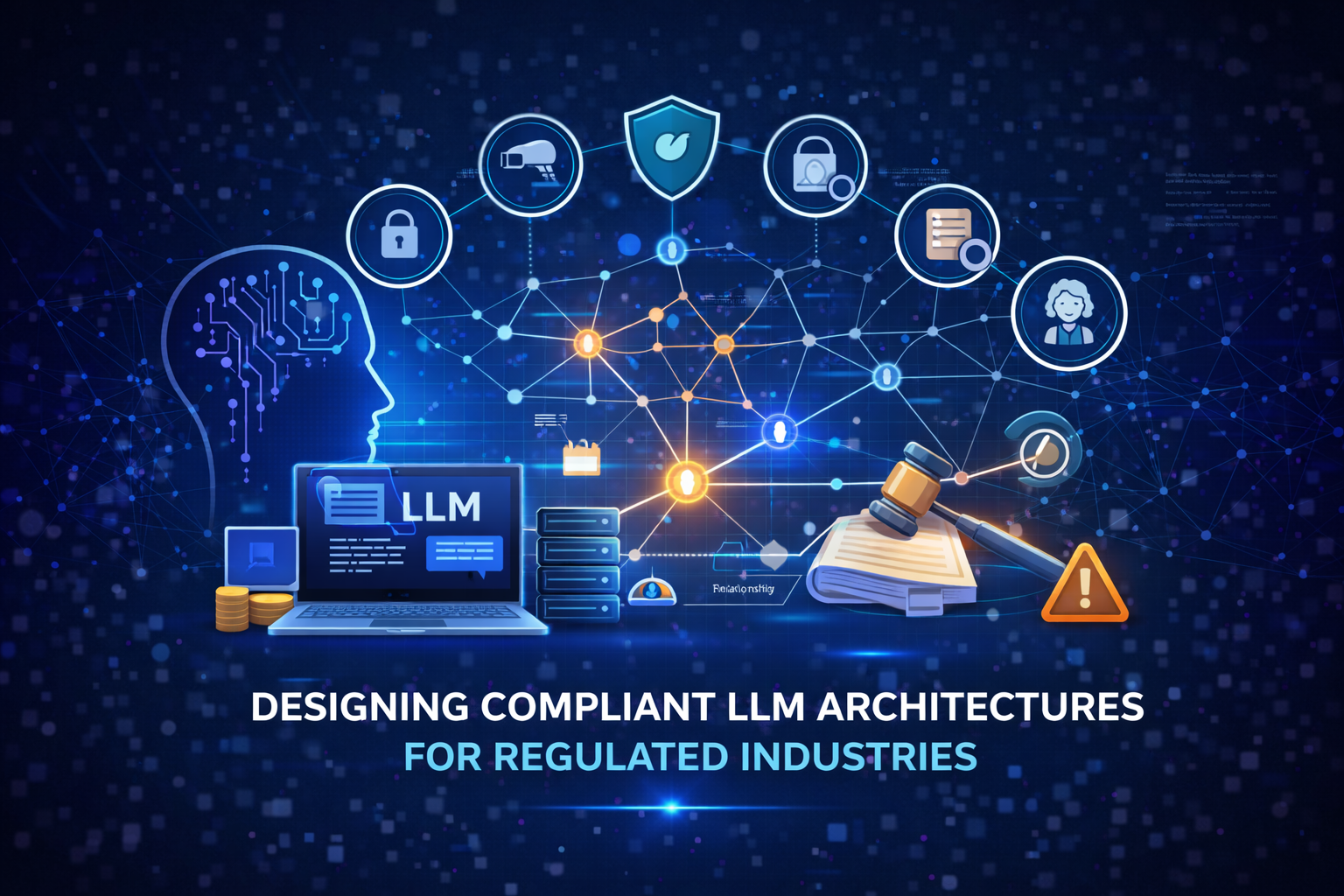
Designing Compliant LLM Architectures for Regulated Industries
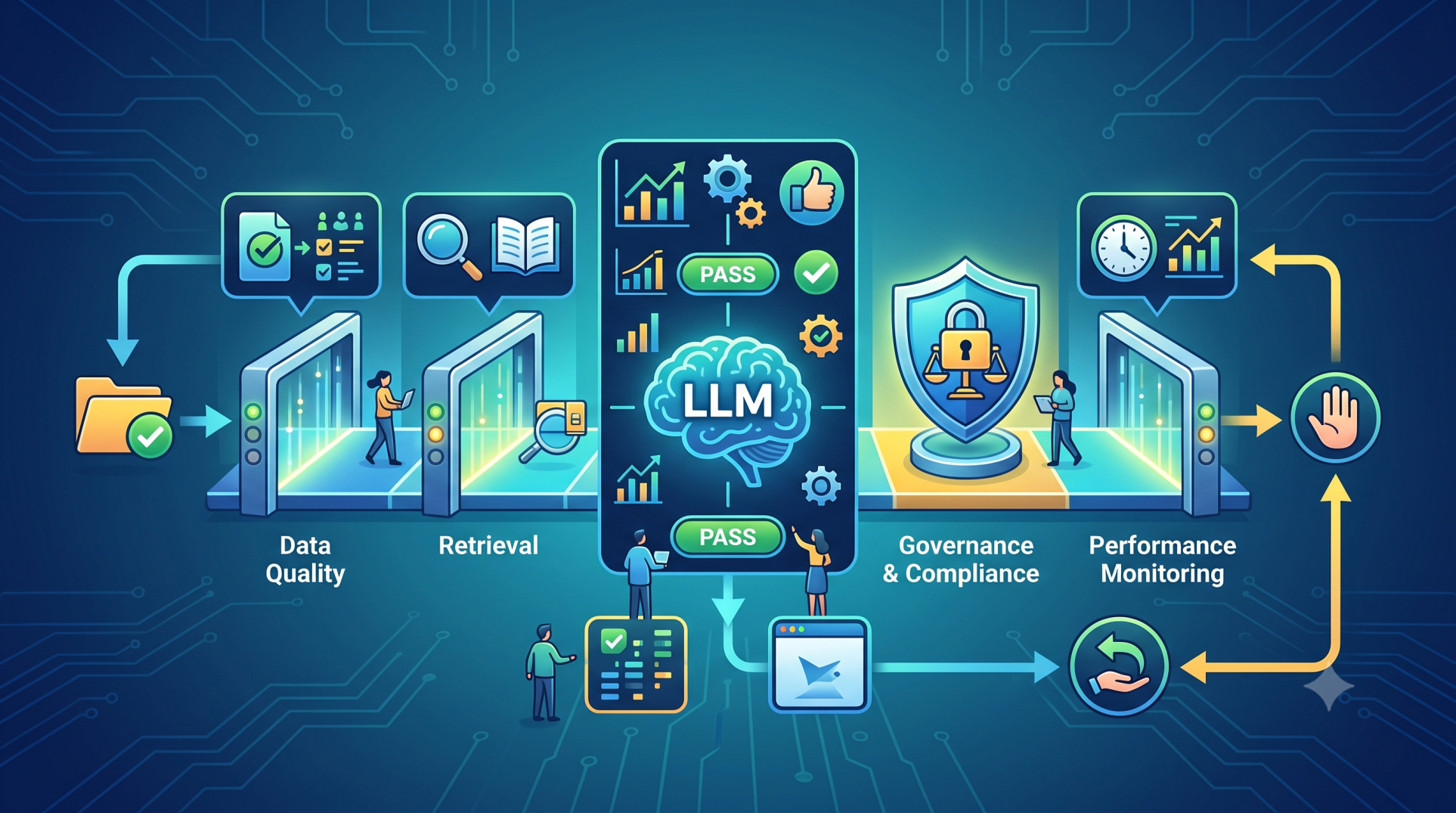
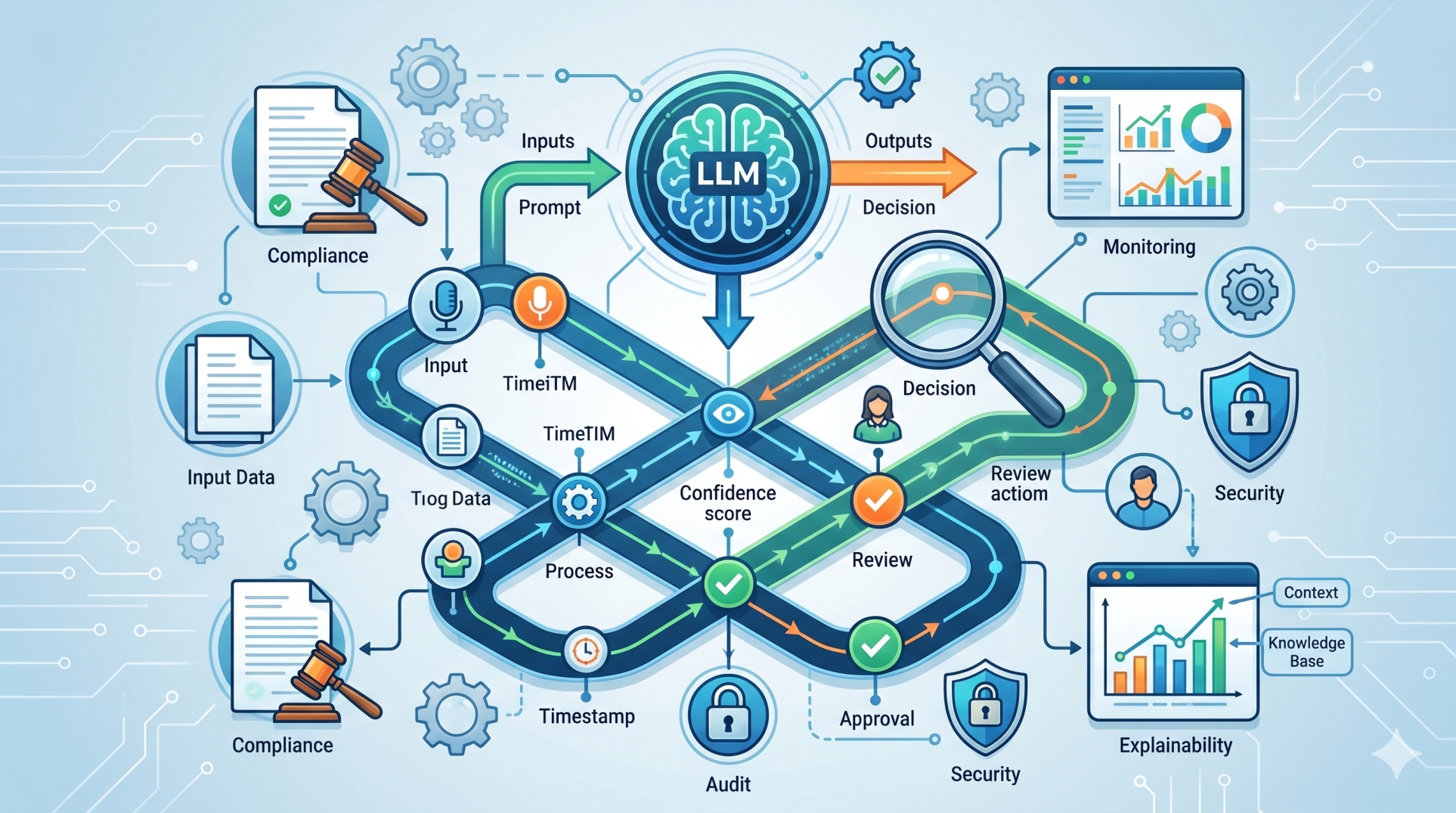
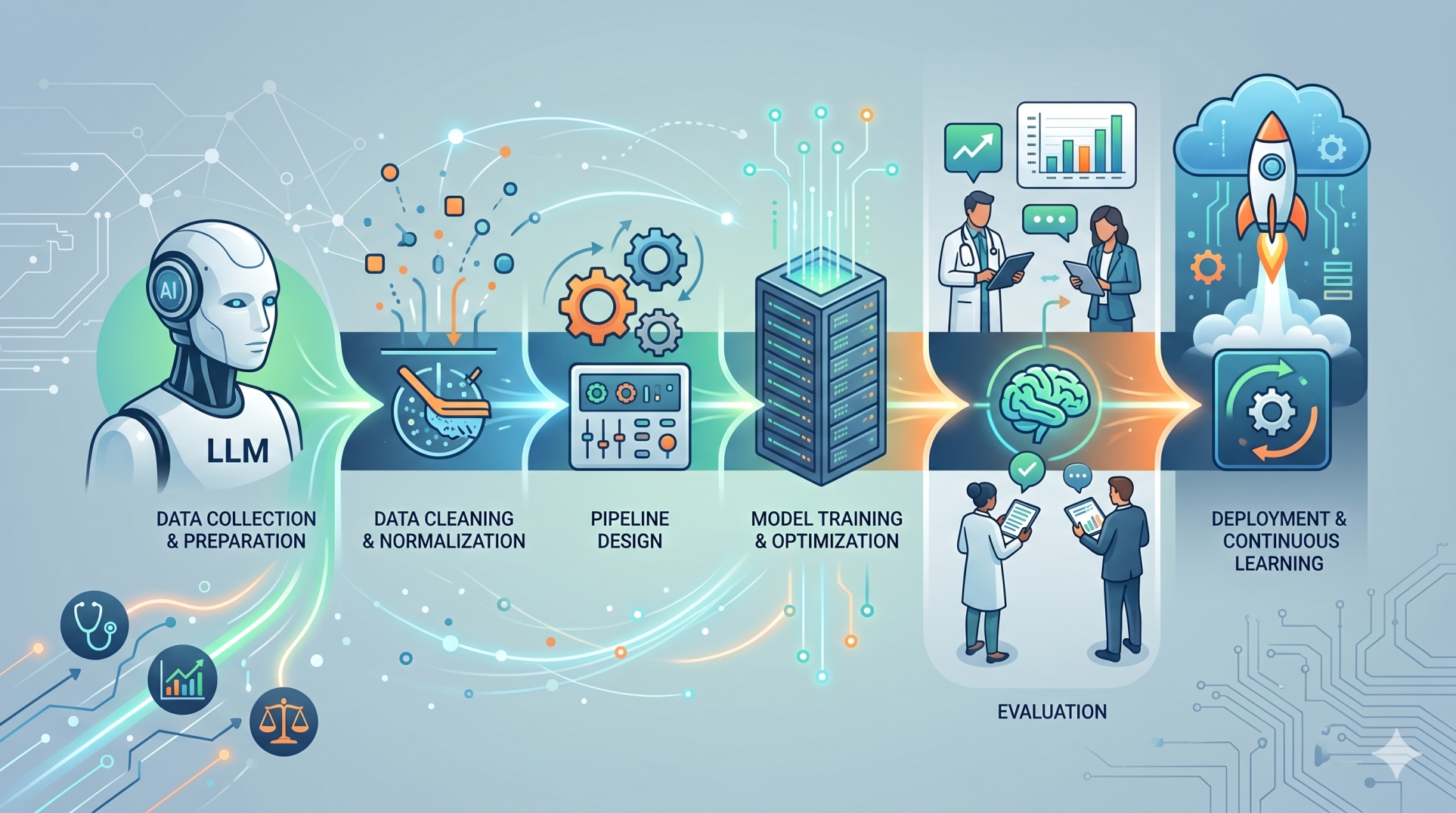
Large Language Model systems are increasingly being adopted in industries such as finance, healthcare, insurance, and government where strict regulatory frameworks dictate how data must be handled, protected, and audited. Deploying LLM solutions in these environments requires architectural approaches that prioritize compliance, transparency, and risk management. A well-designed compliant LLM architecture ensures that organizations can leverage AI capabilities while maintaining regulatory alignment, operational accountability, and strong data governance.
Step 1: Understanding Regulatory Requirements 📜
• Identify relevant regulatory frameworks across operating jurisdictions 🌍
• Translate legal obligations into technical system controls ⚙️
• Document compliance expectations related to data processing and retention 🗂️
• Align AI usage with industry-specific standards and governance models 🏢
• Establish internal policies guiding responsible AI deployment 🧭
Step 2: Data Governance and Privacy Protection 🔐
• Categorize sensitive and regulated data types clearly 🗃️
• Enforce strict identity, access, and authentication controls 👤
• Apply encryption for both stored data and data in transit 🔒
• Use anonymization or tokenization for protected information 🧩
• Maintain clear policies for data retention and secure deletion 📑
Step 3: Controlled Data Ingestion and Processing 📥
• Validate and filter incoming data before it reaches models ✔️
• Prevent exposure of unauthorized or confidential information 🚫
• Apply preprocessing rules aligned with regulatory requirements ⚖️
• Continuously monitor data pipelines for anomalies or violations 👀
• Maintain documented workflows for compliant data handling 📋
Step 4: Model Transparency and Explainability 🔍
• Provide interpretable outputs where regulations require explainability 🧠
• Document model behavior, assumptions, and operational logic 📘
• Maintain traceability from input prompts to generated outputs 🔗
• Allow inspection of reasoning steps in sensitive decision contexts 🧩
• Ensure explanations support regulatory review and oversight 🏛️
Step 5: Risk Management and Safety Guardrails 🛡️
• Define policies outlining acceptable and restricted model behavior 📏
• Deploy safety filters and response moderation mechanisms 🚧
• Detect and reduce hallucinations or misleading outputs ⚠️
• Monitor interactions to identify potential compliance breaches 👁️
• Establish escalation paths for high-risk or sensitive responses 🚨
Step 6: Human Oversight and Review Mechanisms 👥
• Implement human-in-the-loop oversight for critical workflows 🤝
• Require domain experts to review sensitive or regulated outputs 🎓
• Provide manual override capabilities for automated decisions 🔄
• Document responsibilities and review processes clearly 📋
• Ensure AI systems support—not replace—professional judgment ⚖️
Step 7: Auditability and Traceable System Logs 🗂️
• Record detailed logs of prompts, responses, and system events 📊
• Maintain audit trails accessible for regulatory inspection 🔍
• Track model versions and configuration changes over time 🧠
• Store logs securely in tamper-resistant infrastructure 🔒
• Enable reconstruction of decisions during compliance reviews 📑
Step 8: Core Compliance Architecture Priorities 🏗️
• Design systems with privacy, security, and traceability as foundational principles 🔐
• Align AI workflows with enterprise governance frameworks 🏢
• Integrate compliance monitoring into operational processes 📈
• Maintain accountability through documentation and oversight 📋
Conclusion
Designing LLM architectures for regulated industries requires more than technical capability. Compliance, transparency, and governance must be embedded across every layer of the system—from data ingestion and model operations to monitoring and auditing. When these principles are built directly into architectural design, organizations can responsibly deploy LLM technologies while meeting regulatory expectations and sustaining public trust.
See more blogs
You can all the articles below