LLM Infrastructure Management Across Multi-Cloud Environments
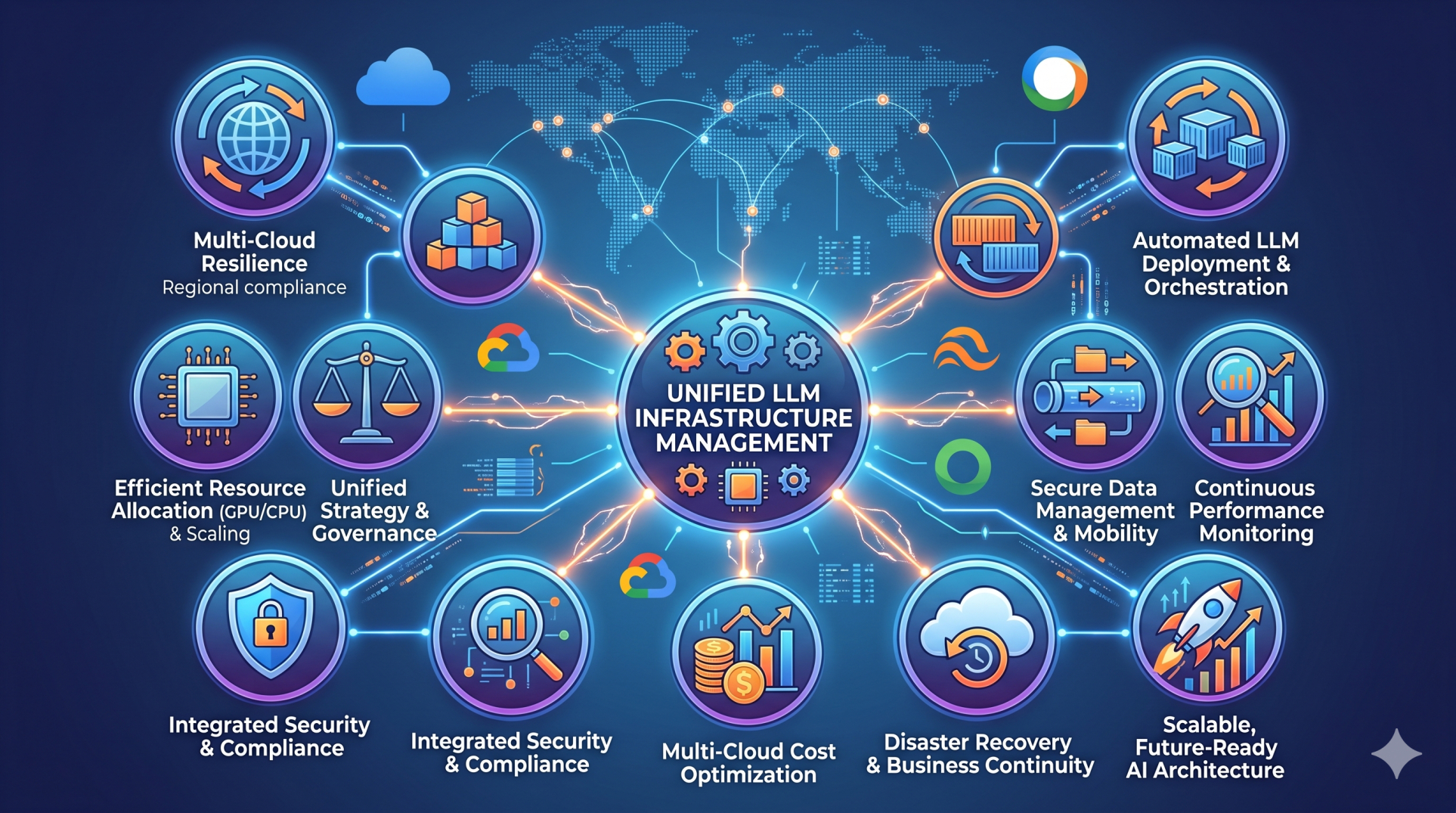
LLM Infrastructure Management Across Multi-Cloud Environments
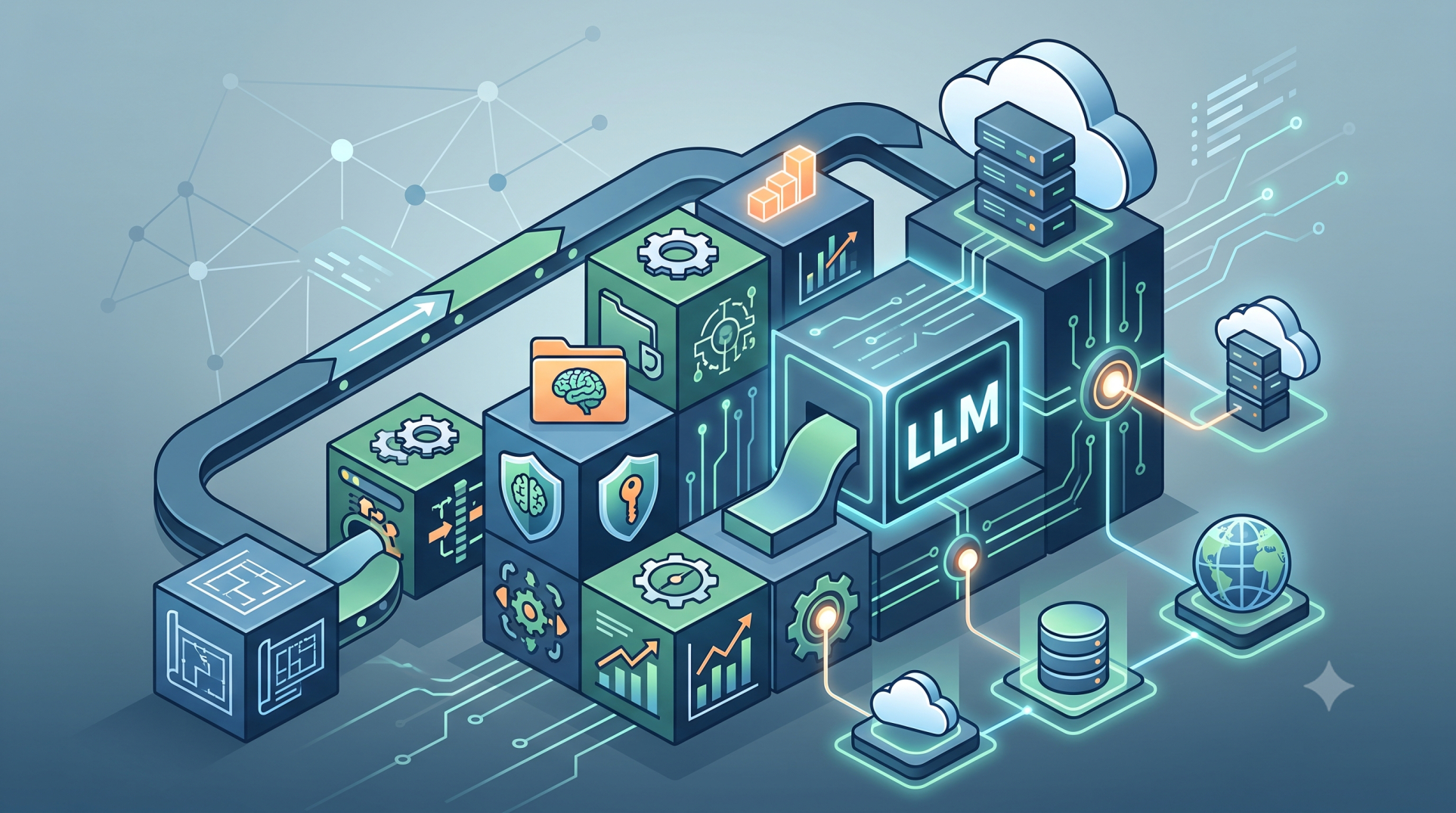
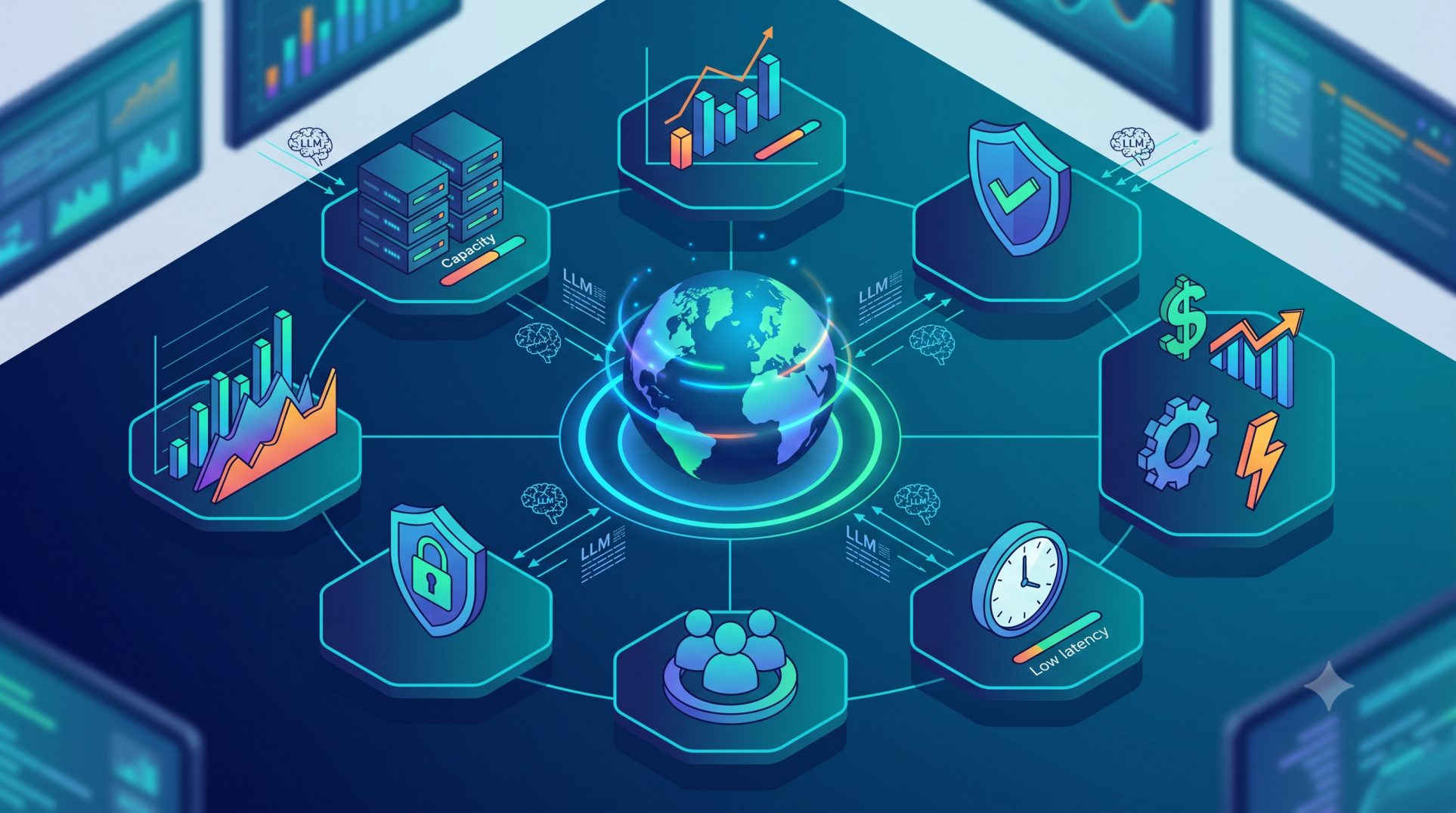
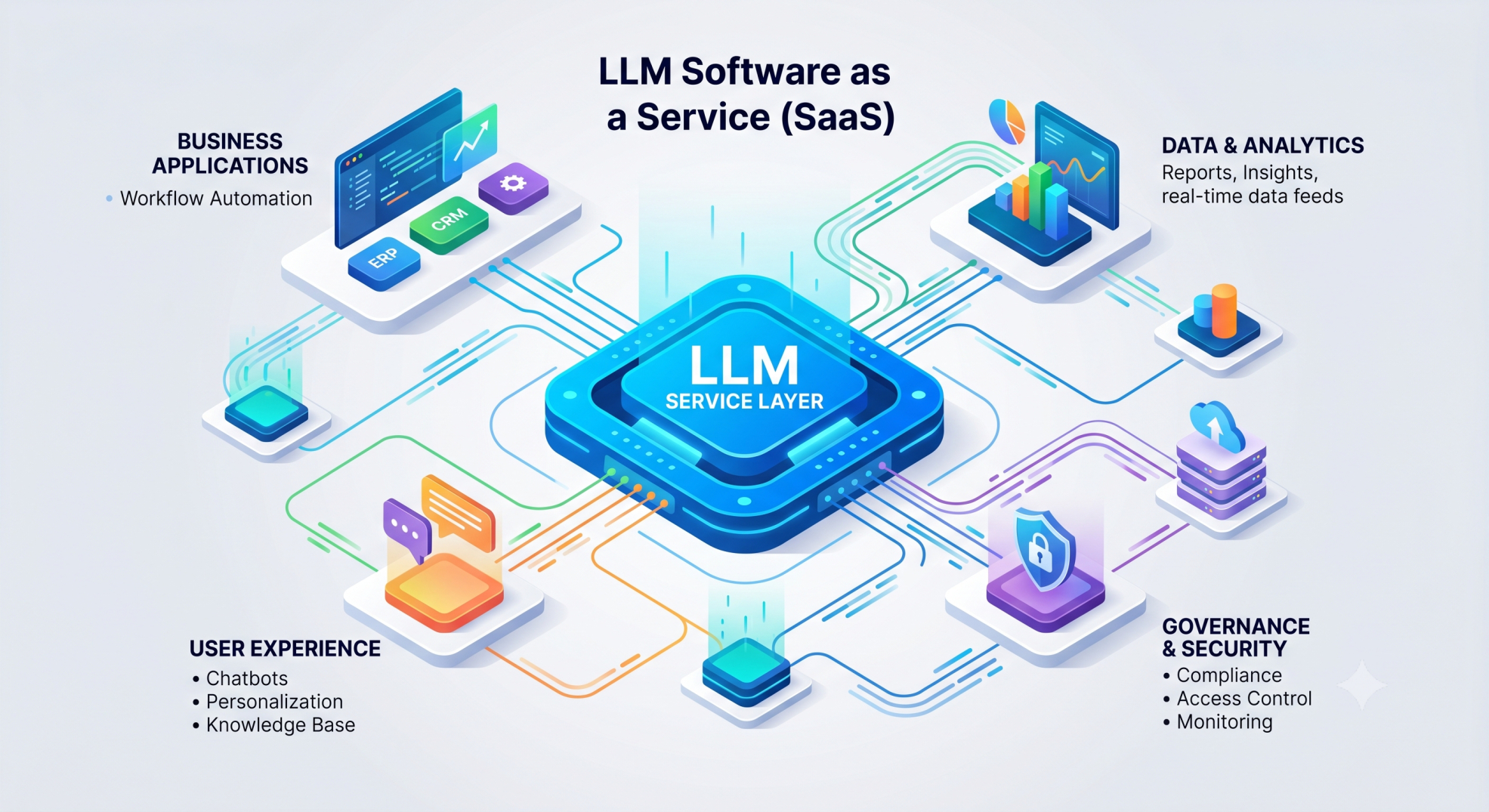
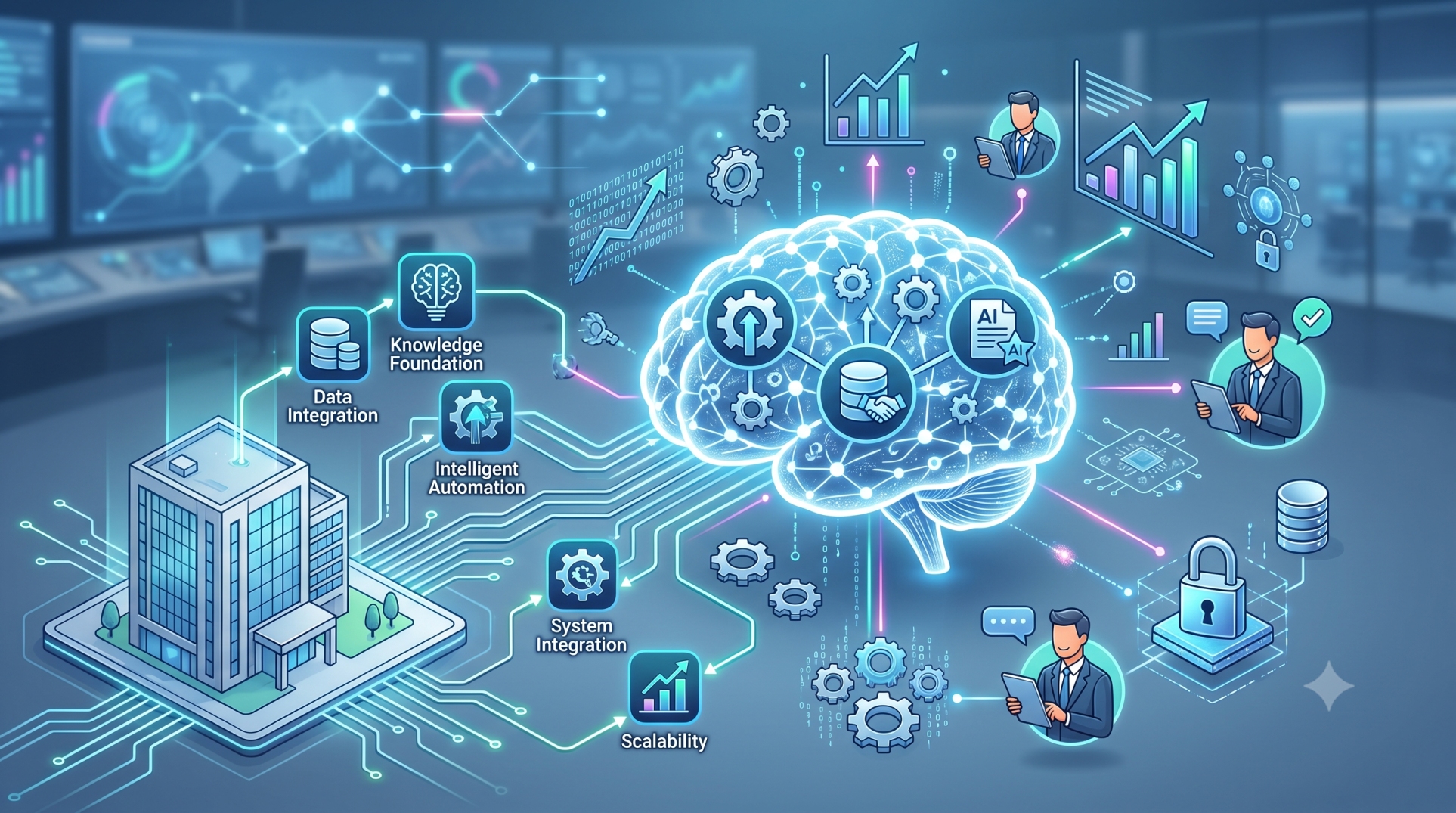
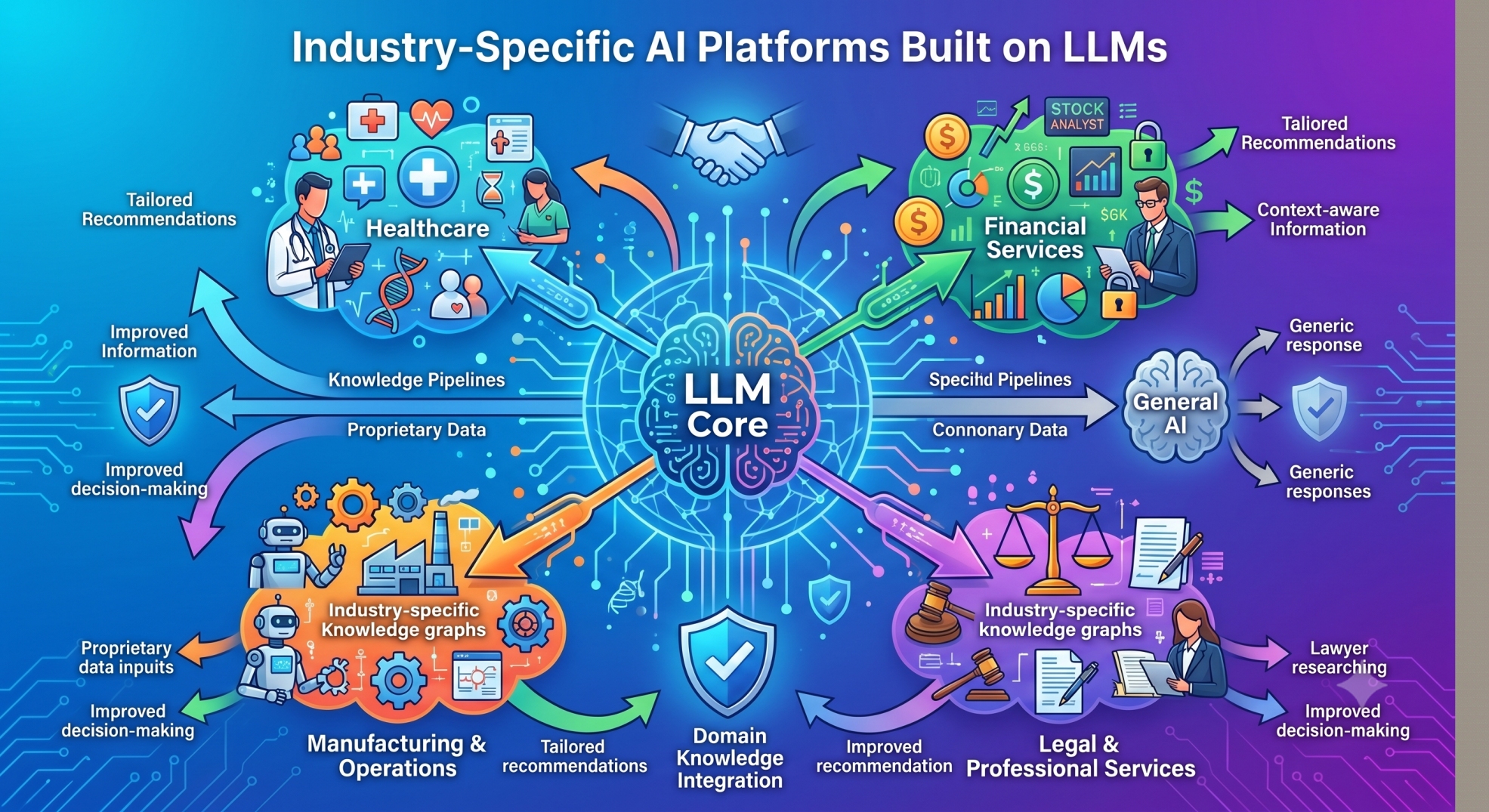
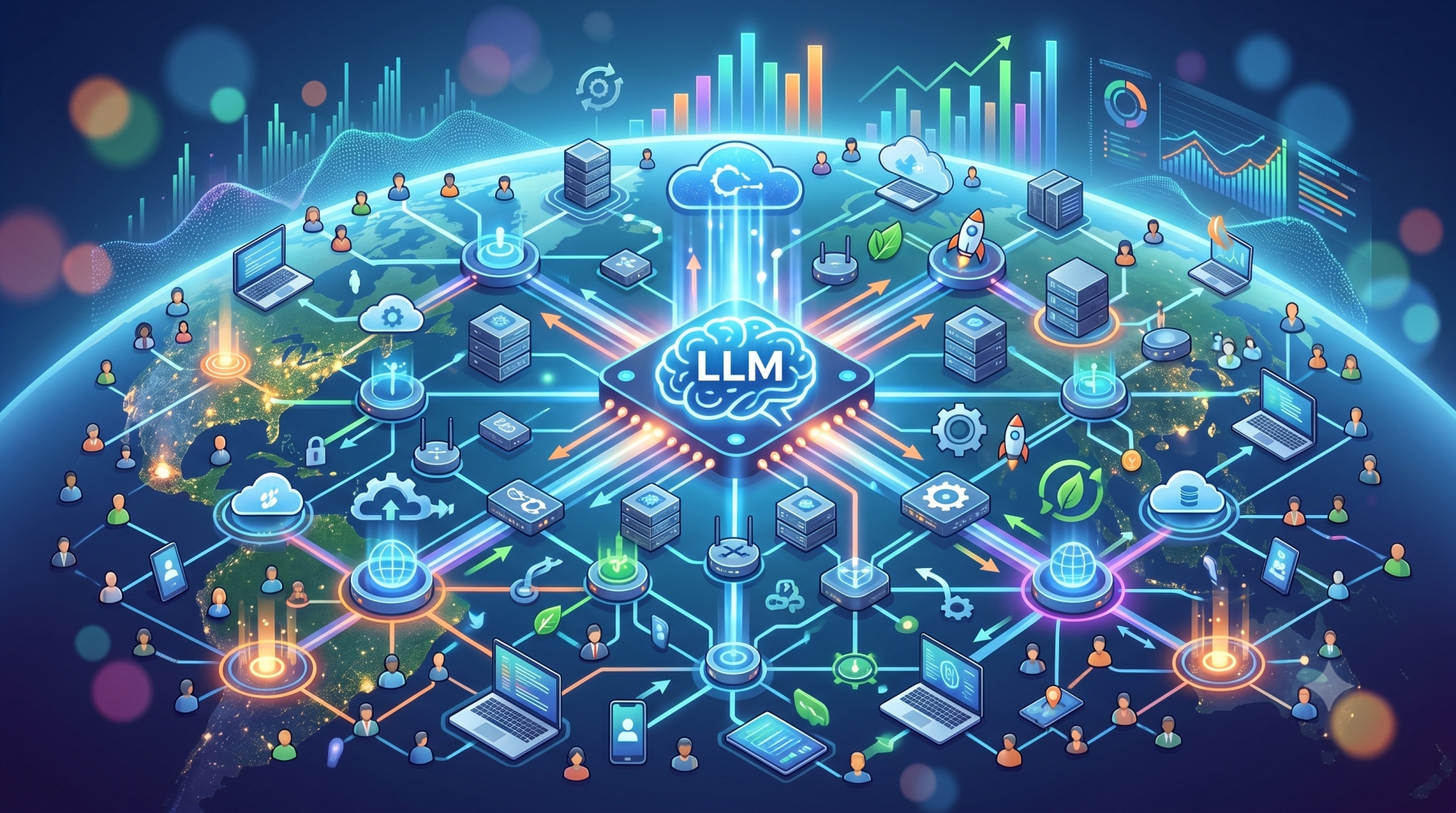
As organizations deploy Large Language Model (LLM) applications at scale, managing infrastructure across multiple cloud providers has become increasingly important. Multi-cloud strategies help businesses improve resilience, optimize costs, reduce vendor dependency, and meet regional compliance requirements. Effective LLM infrastructure management ensures that AI workloads remain scalable, secure, and performant regardless of where they are deployed.
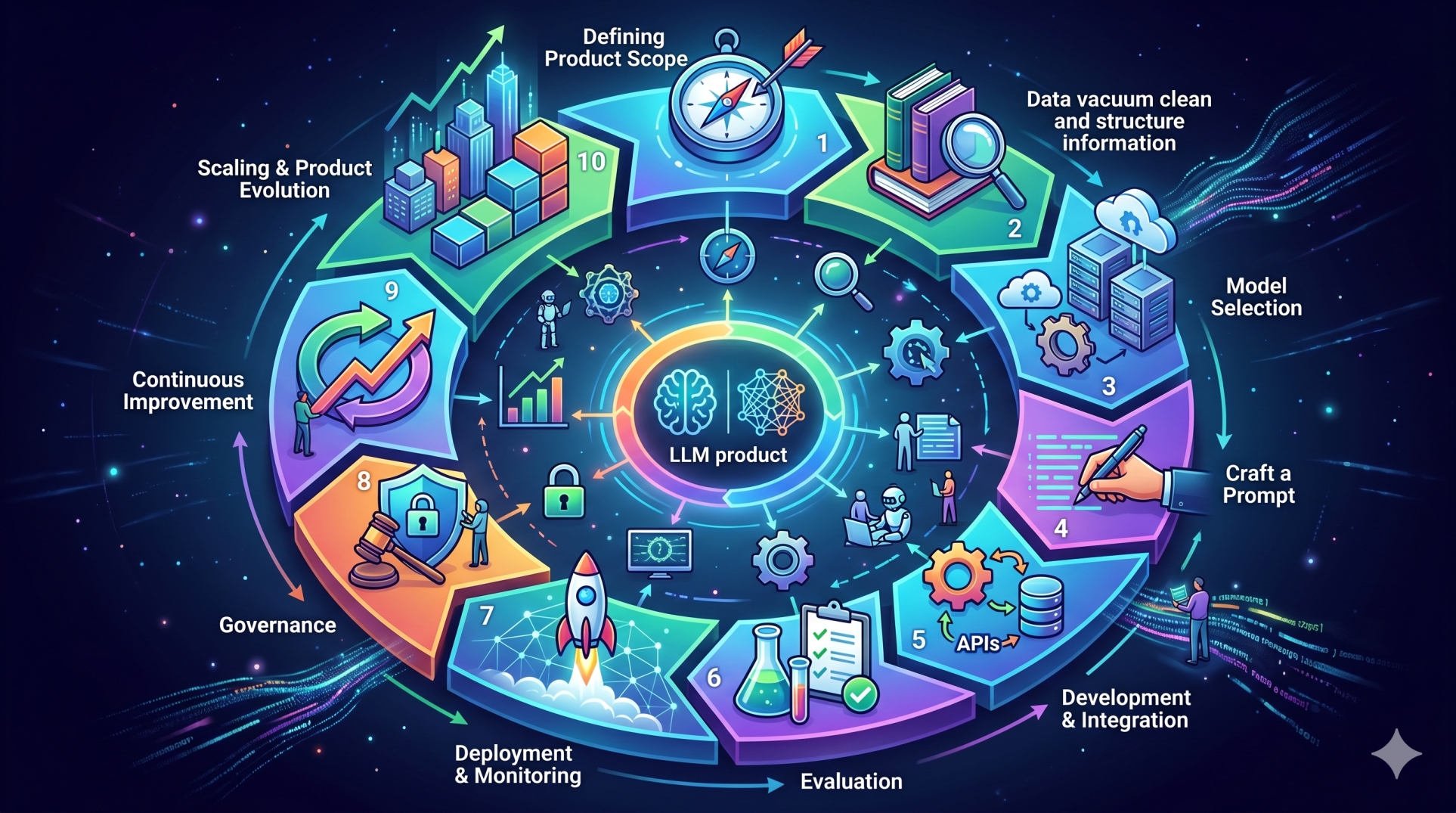
Step 1: Understanding Multi-Cloud LLM Infrastructure 🌐
• Multi-cloud environments distribute AI workloads across multiple cloud platforms ☁️
• Reduce reliance on a single provider and improve operational flexibility 🔄
• Enhance business continuity through infrastructure redundancy 🛡️
• Support global deployment requirements and regional compliance 🌍
• Enable organizations to select the best services for specific AI workloads 🎯
Step 2: Designing a Unified Infrastructure Strategy 🏗️
• Establish consistent deployment standards across cloud environments 📋
• Define workload placement based on performance and business requirements ⚙️
• Standardize infrastructure components where possible 🔧
• Create governance policies for resource management 📜
• Plan for future growth and evolving AI demands 📈
Step 3: Managing Compute Resources Efficiently ⚡
• Allocate GPU and CPU resources based on workload requirements 🖥️
• Scale inference and training environments dynamically 📊
• Balance workloads across cloud providers for optimal utilization 🔄
• Monitor resource consumption continuously 📈
• Prevent infrastructure bottlenecks through proactive capacity planning 🚀
Step 4: Orchestrating LLM Deployments 🤖
• Use containerization for consistent deployment environments 📦
• Implement orchestration platforms for workload management ⚙️
• Automate deployment pipelines across multiple clouds 🔄
• Maintain version control for models and infrastructure 🗂️
• Enable seamless updates and rollbacks when necessary 🔁
Step 5: Managing Data Across Cloud Environments 📂
• Ensure secure and reliable data movement between providers 🔐
• Maintain data consistency across distributed systems ⚖️
• Optimize storage strategies for training and inference workloads 💾
• Implement data lifecycle management policies 📋
• Minimize latency for data-intensive AI operations ⚡
Step 6: Monitoring Performance and Availability 📊
• Track infrastructure health across all cloud environments 🔍
• Monitor model response times and throughput metrics 📈
• Detect performance degradation before it impacts users 🚨
• Maintain visibility into resource utilization 🖥️
• Enable rapid incident response and troubleshooting 🛠️
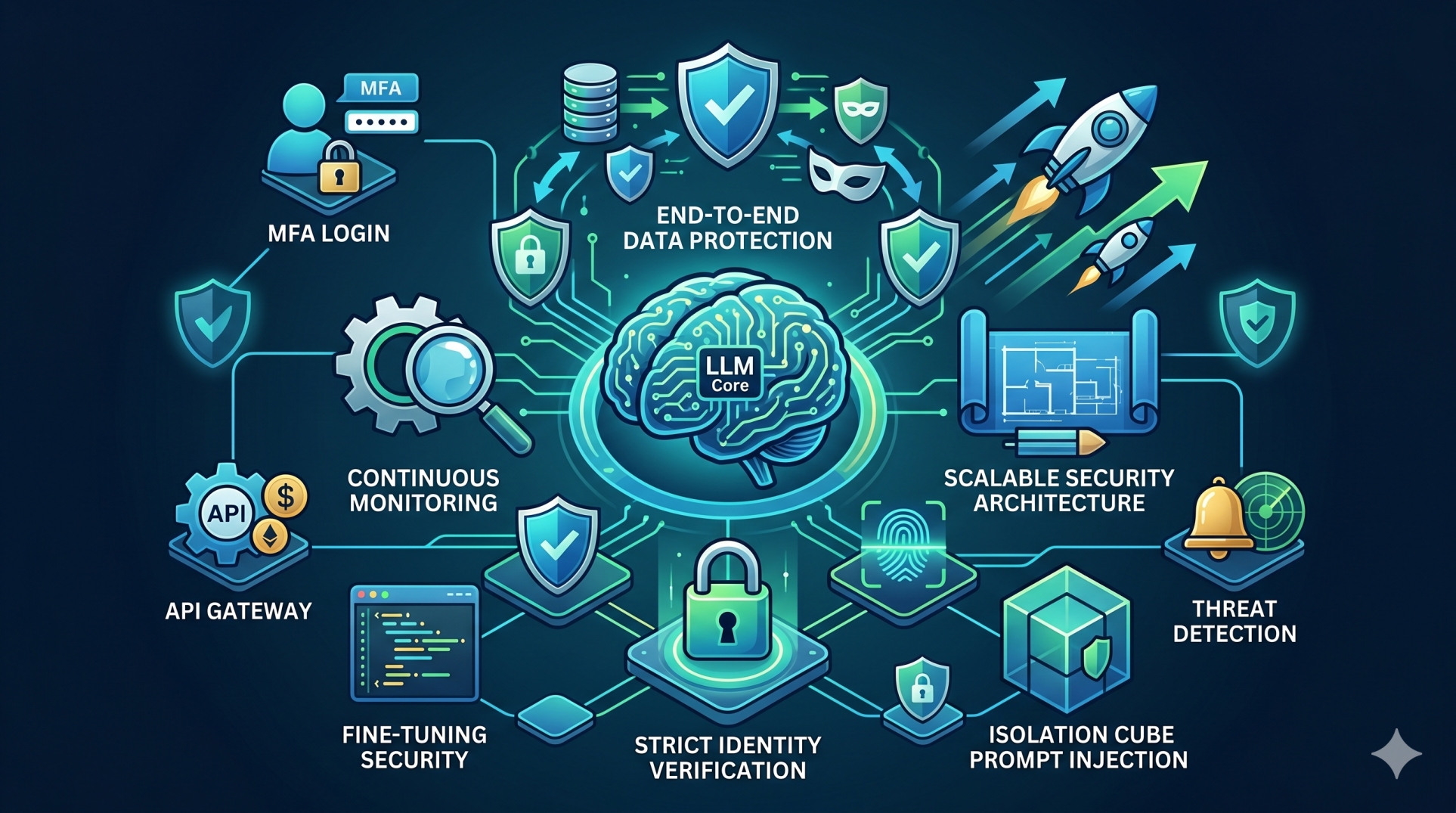
Step 7: Strengthening Security and Compliance 🔒
• Apply consistent security controls across cloud providers 🛡️
• Secure APIs, models, and infrastructure components 🔐
• Enforce identity and access management policies 👥
• Monitor for threats and unauthorized activities 🚨
• Maintain compliance with industry and regional regulations ⚖️
Step 8: Optimizing Operational Costs 💰
• Analyze cloud spending across all environments 📉
• Allocate workloads to the most cost-effective resources 🎯
• Scale resources automatically based on demand 📊
• Reduce idle infrastructure and unused capacity 🔄
• Continuously evaluate cost-performance tradeoffs ⚡
Step 9: Building Resilience and Disaster Recovery 🏥
• Distribute critical workloads across multiple cloud providers 🌍
• Establish failover mechanisms for service continuity 🔄
• Maintain backup and recovery strategies 💾
• Test disaster recovery plans regularly 🧪
• Minimize downtime during infrastructure disruptions ⏱️
Step 10: Creating a Future-Ready AI Infrastructure 🚀
• Design modular and scalable cloud architectures 🏗️
• Support emerging AI models and technologies 🤖
• Integrate new cloud services without major disruptions 🔗
• Enable global expansion and workload portability 🌎
• Build infrastructure that evolves with business needs 📈
🎯 Key Infrastructure Priorities
• Unified management across multiple cloud providers ☁️
• High availability and operational resilience 🛡️
• Secure and compliant AI operations 🔒
• Efficient resource utilization and cost optimization 💰
• Scalable architecture for future AI growth 🚀
Conclusion
Managing LLM infrastructure across multi-cloud environments is essential for organizations seeking flexibility, scalability, and operational resilience. By implementing unified management practices, optimizing resource allocation, and maintaining strong security controls, businesses can successfully deploy AI workloads across diverse cloud platforms. A well-designed multi-cloud strategy ensures that LLM applications remain reliable, efficient, and ready to support future innovation. ✨
See more blogs
You can all the articles below