Orchestrating Enterprise Workflows with Language Models
Orchestrating Enterprise Workflows with Language Models
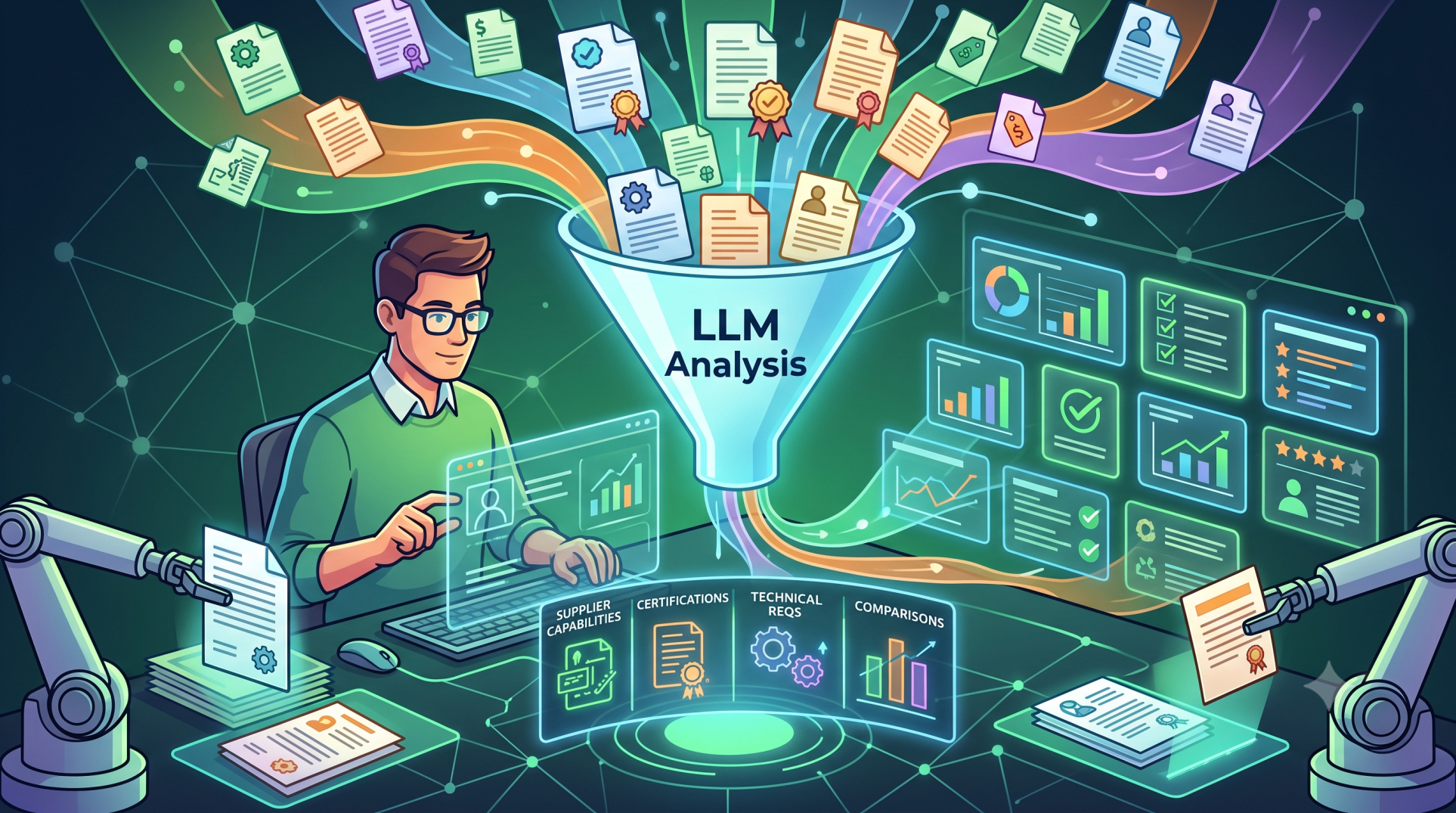
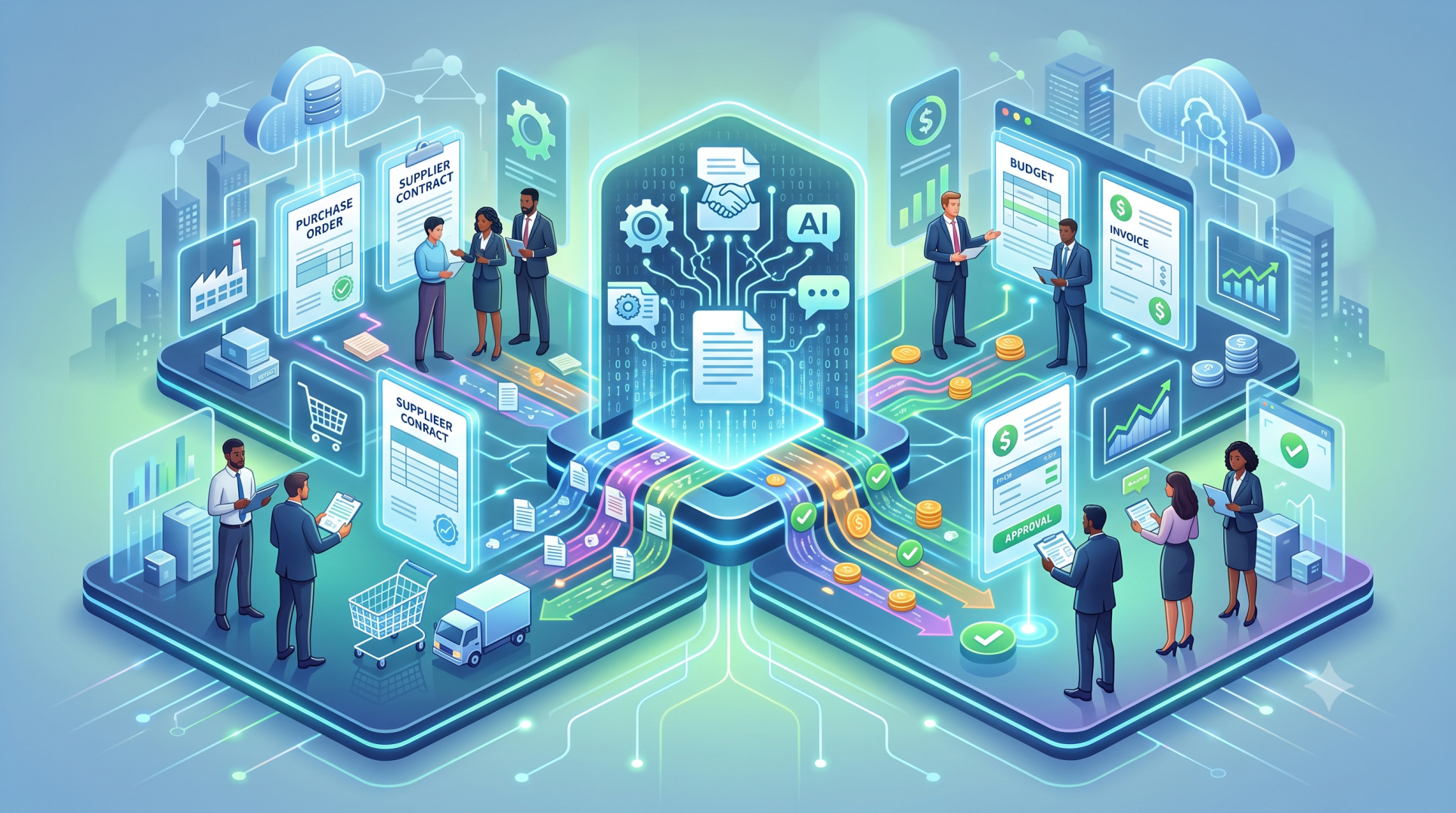
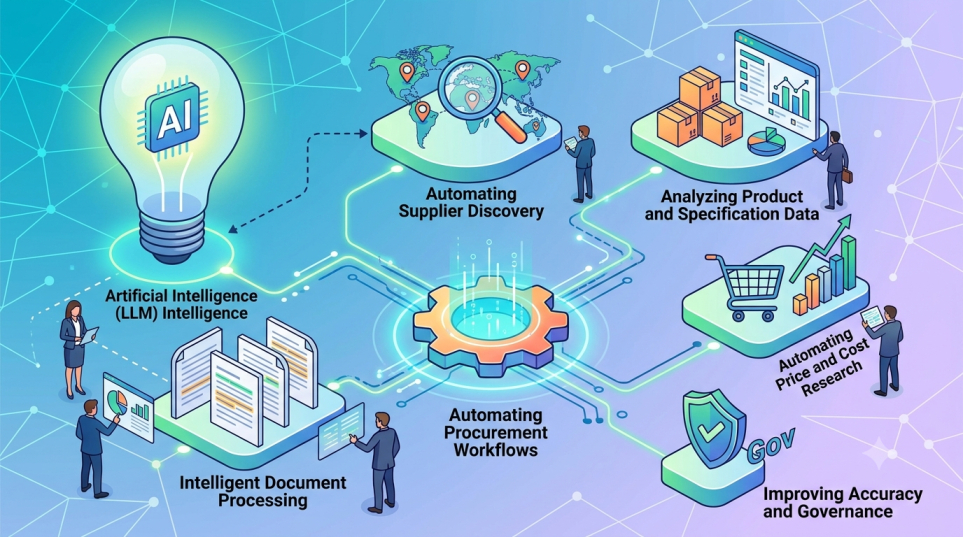
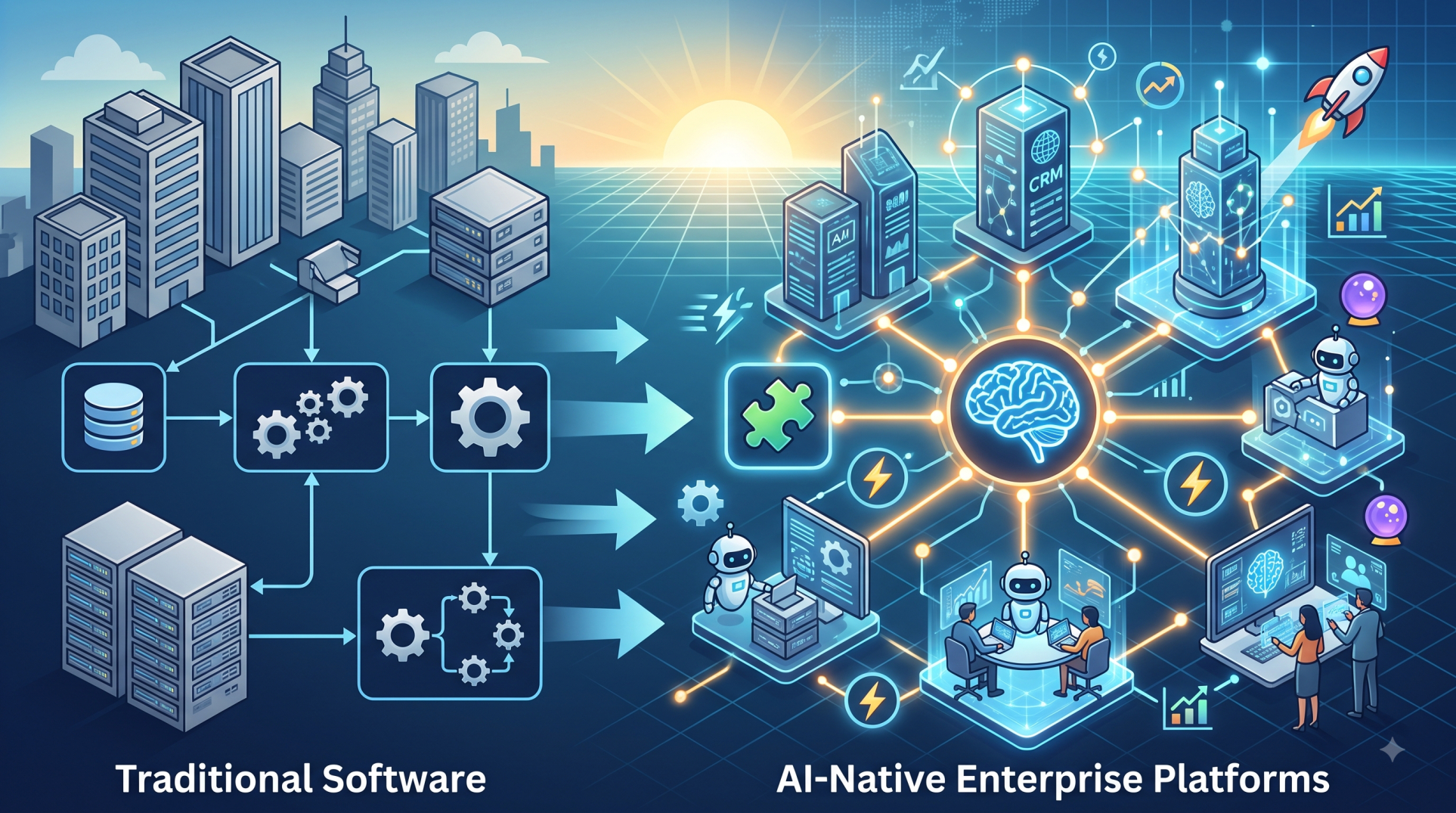
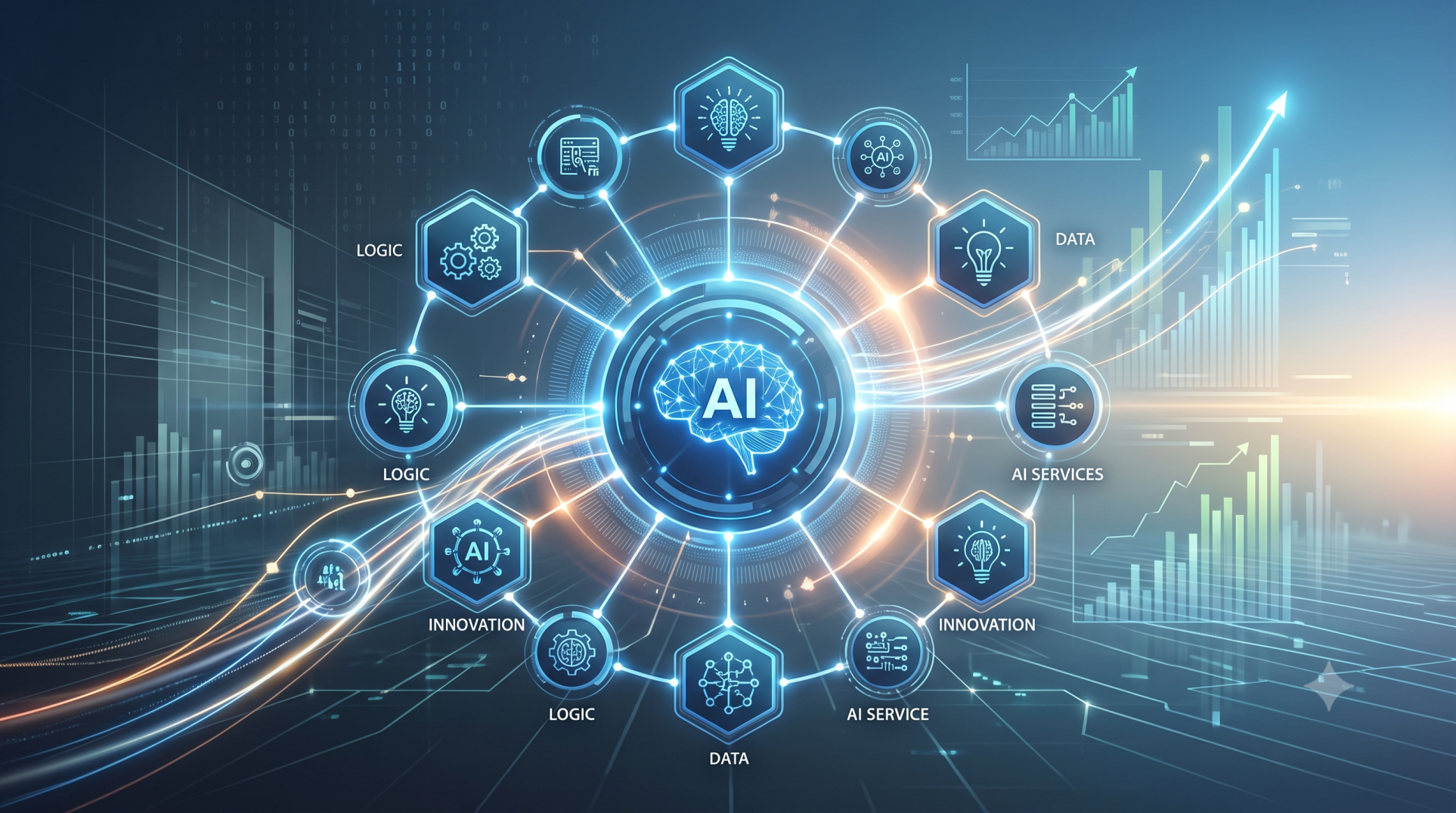
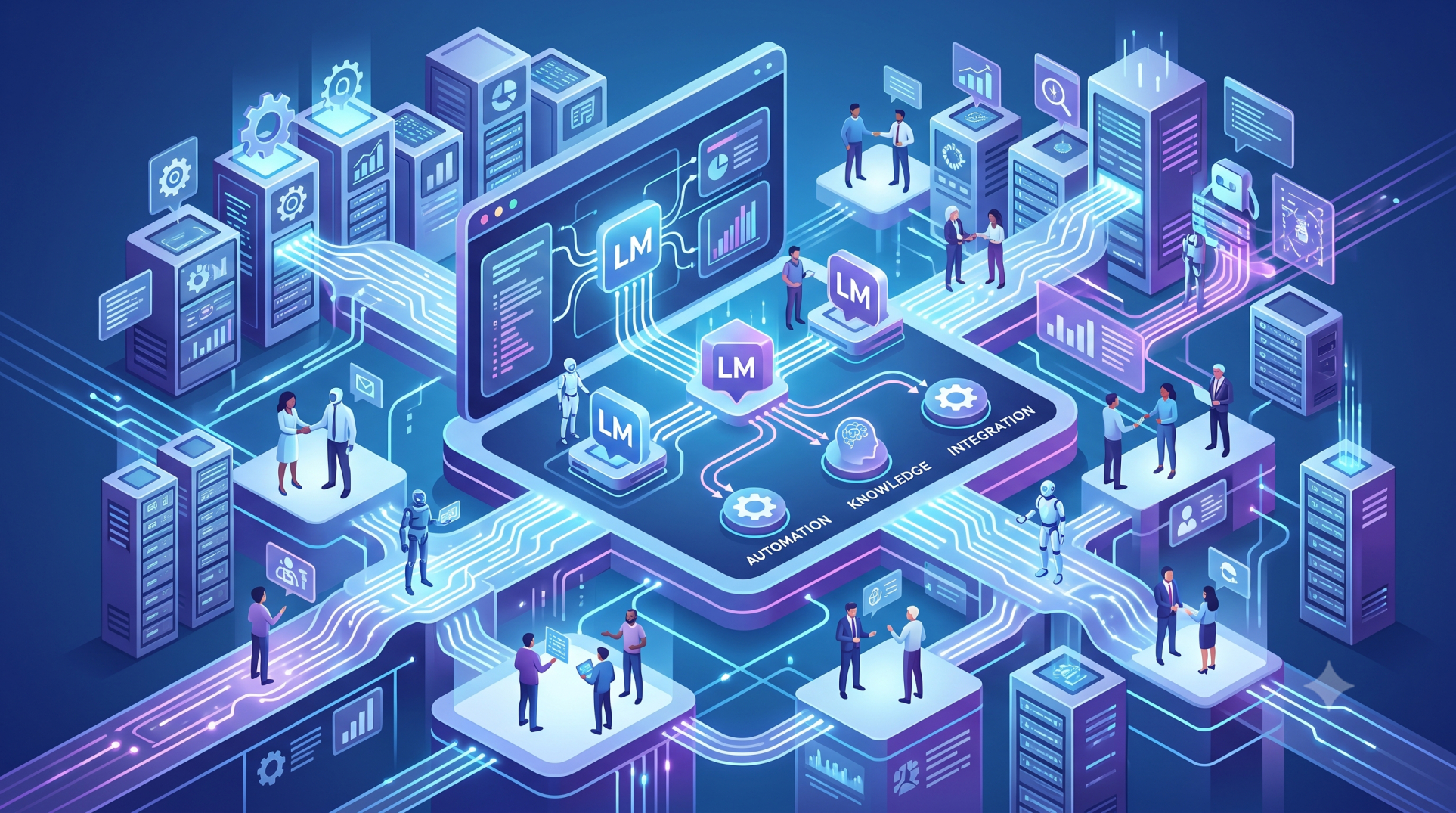
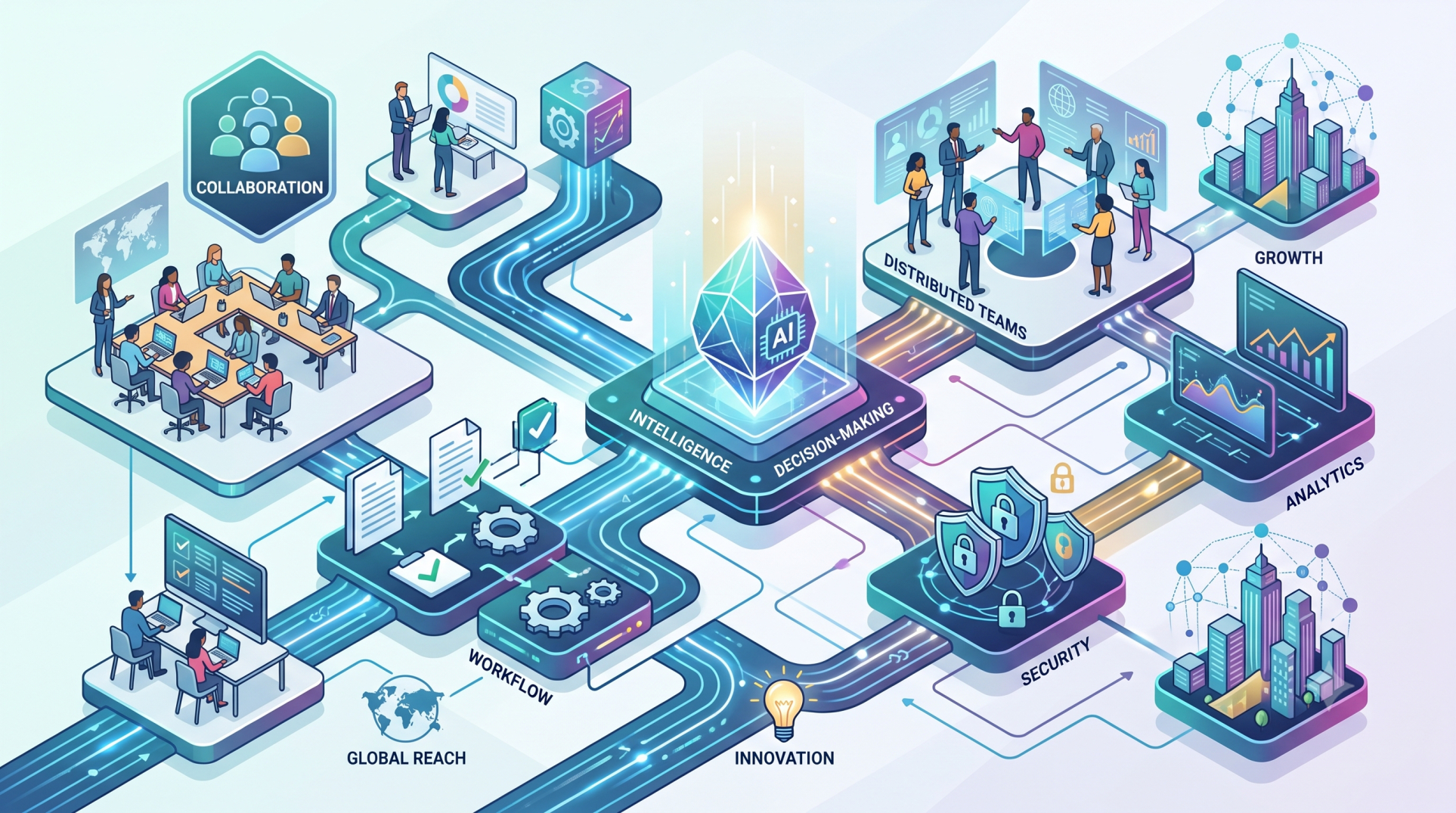
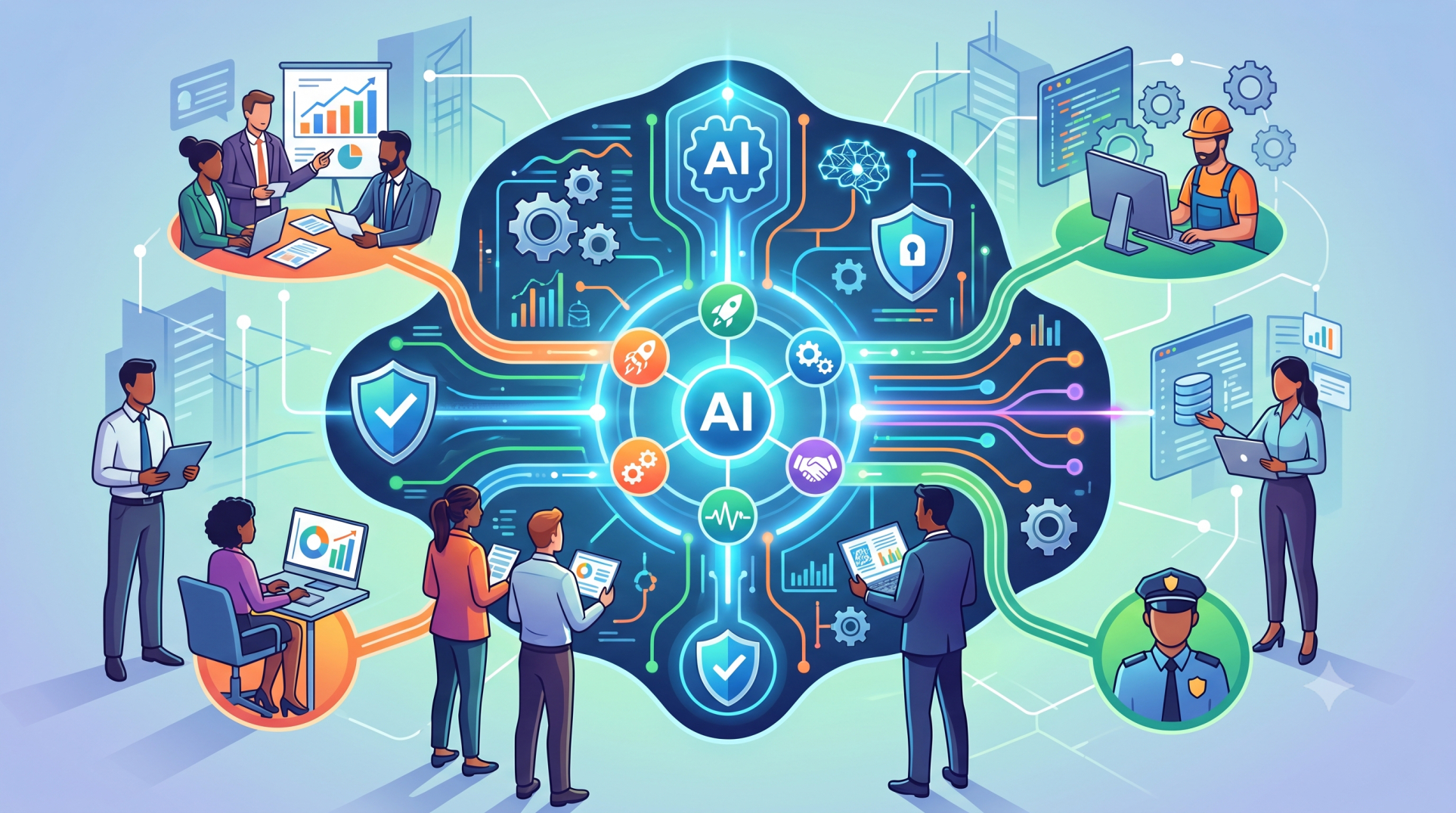
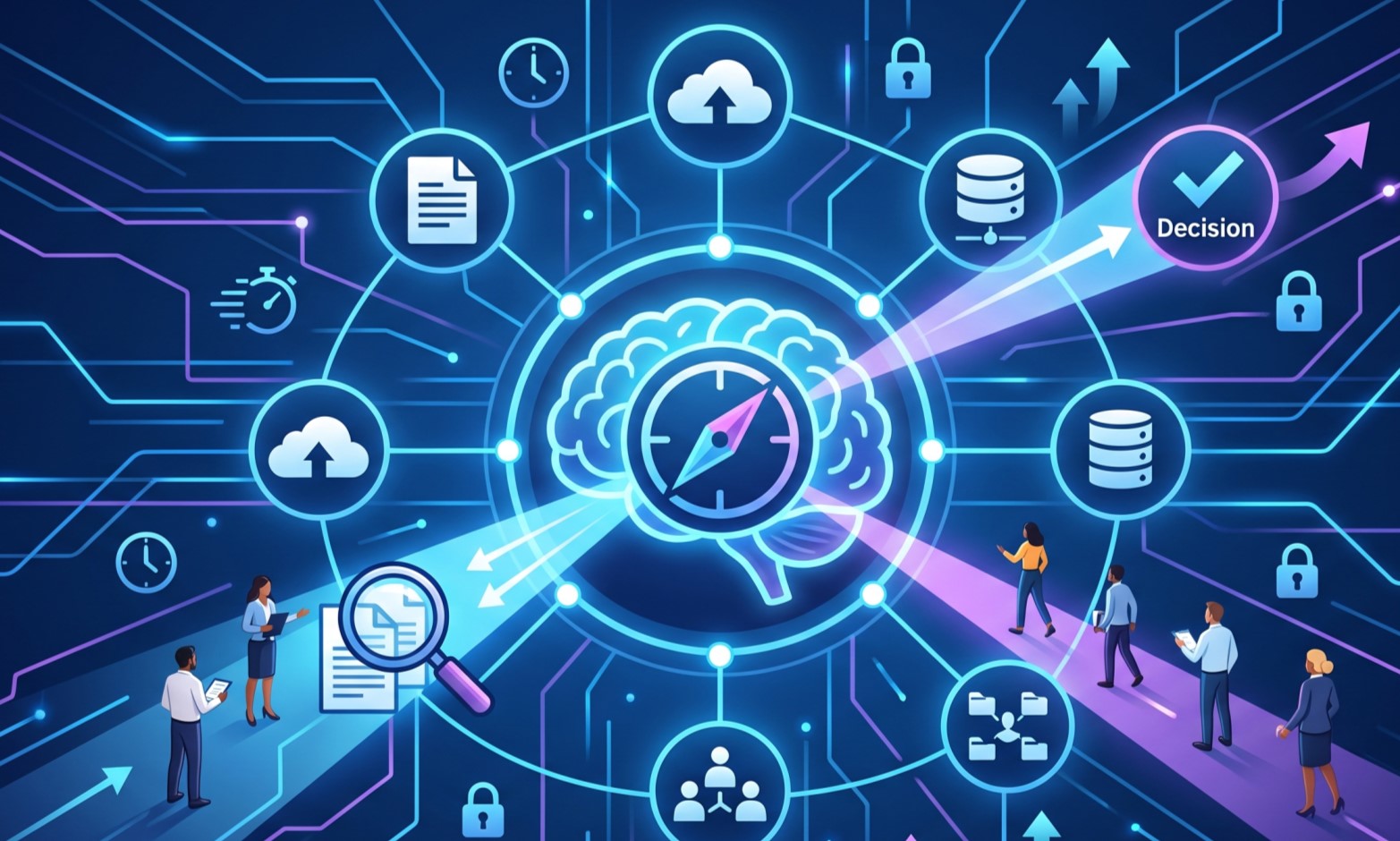
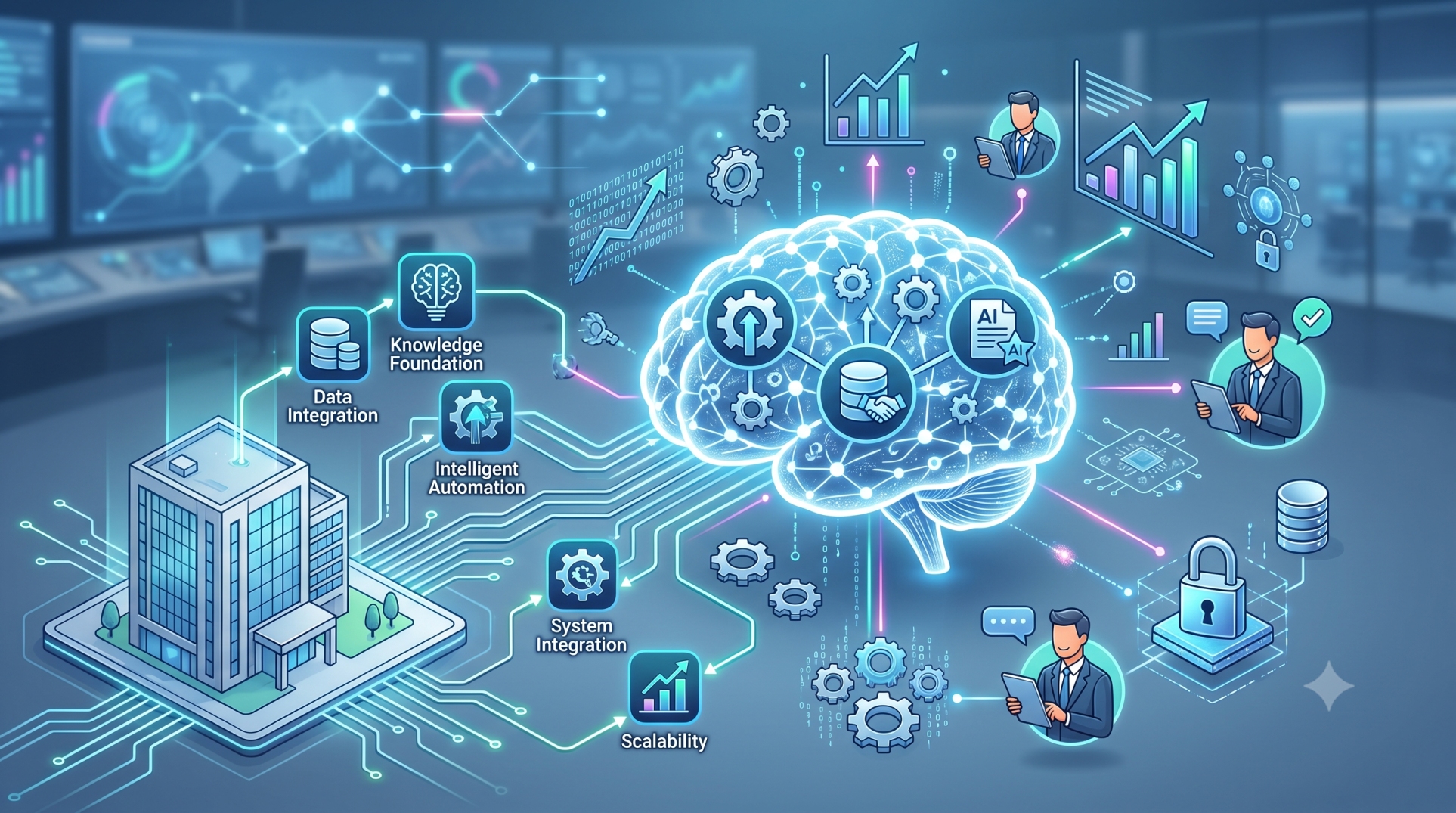
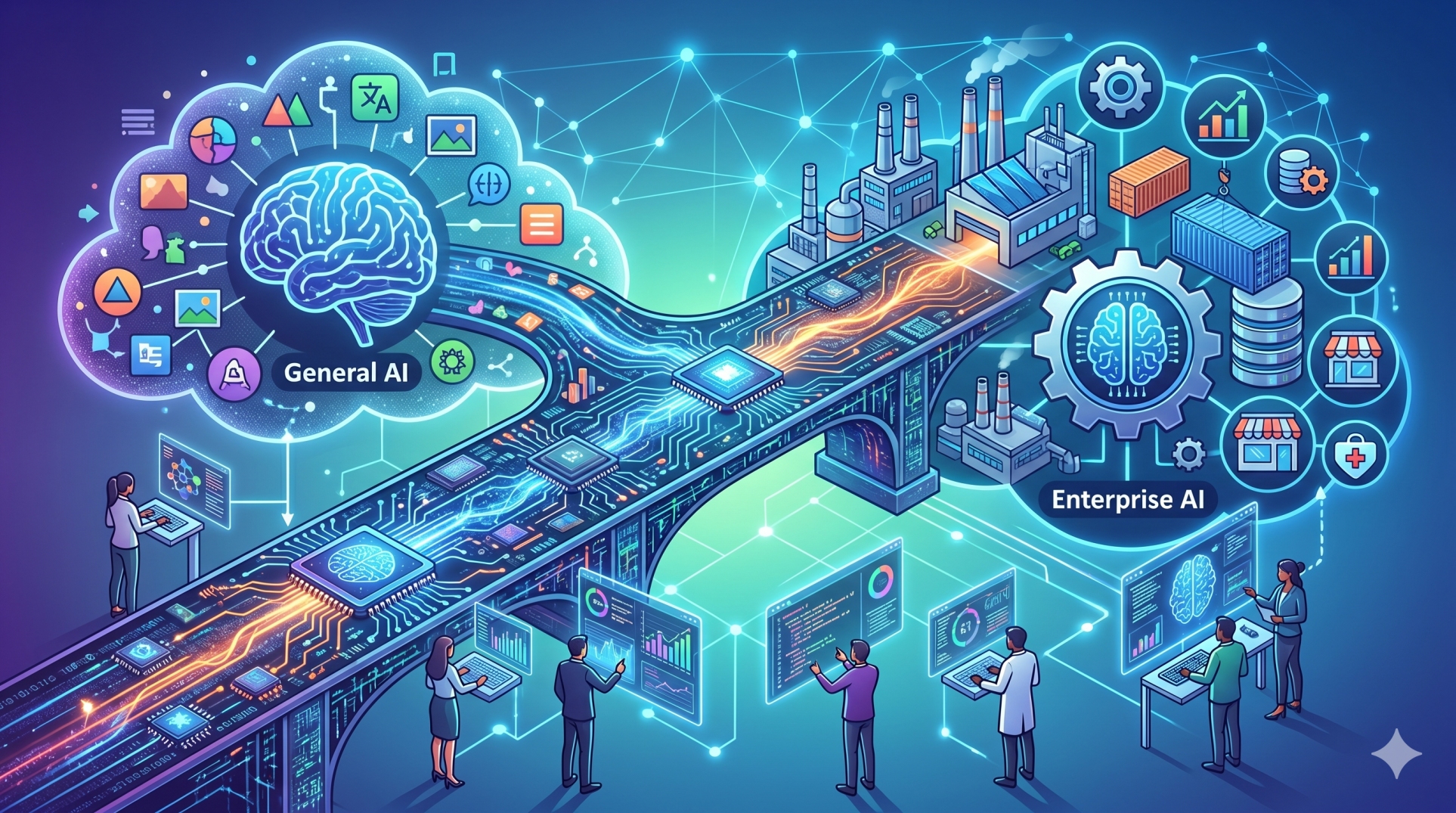
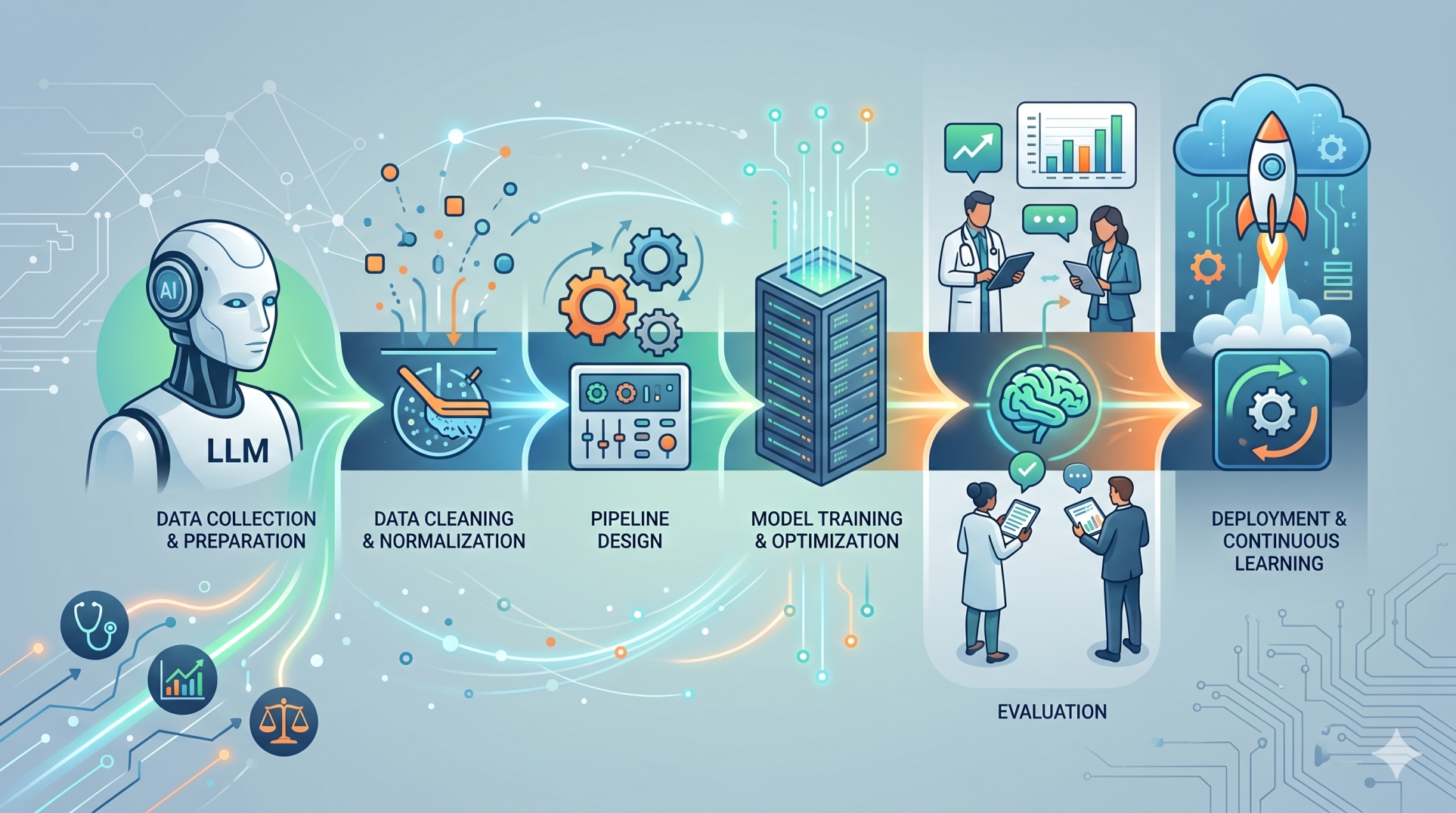
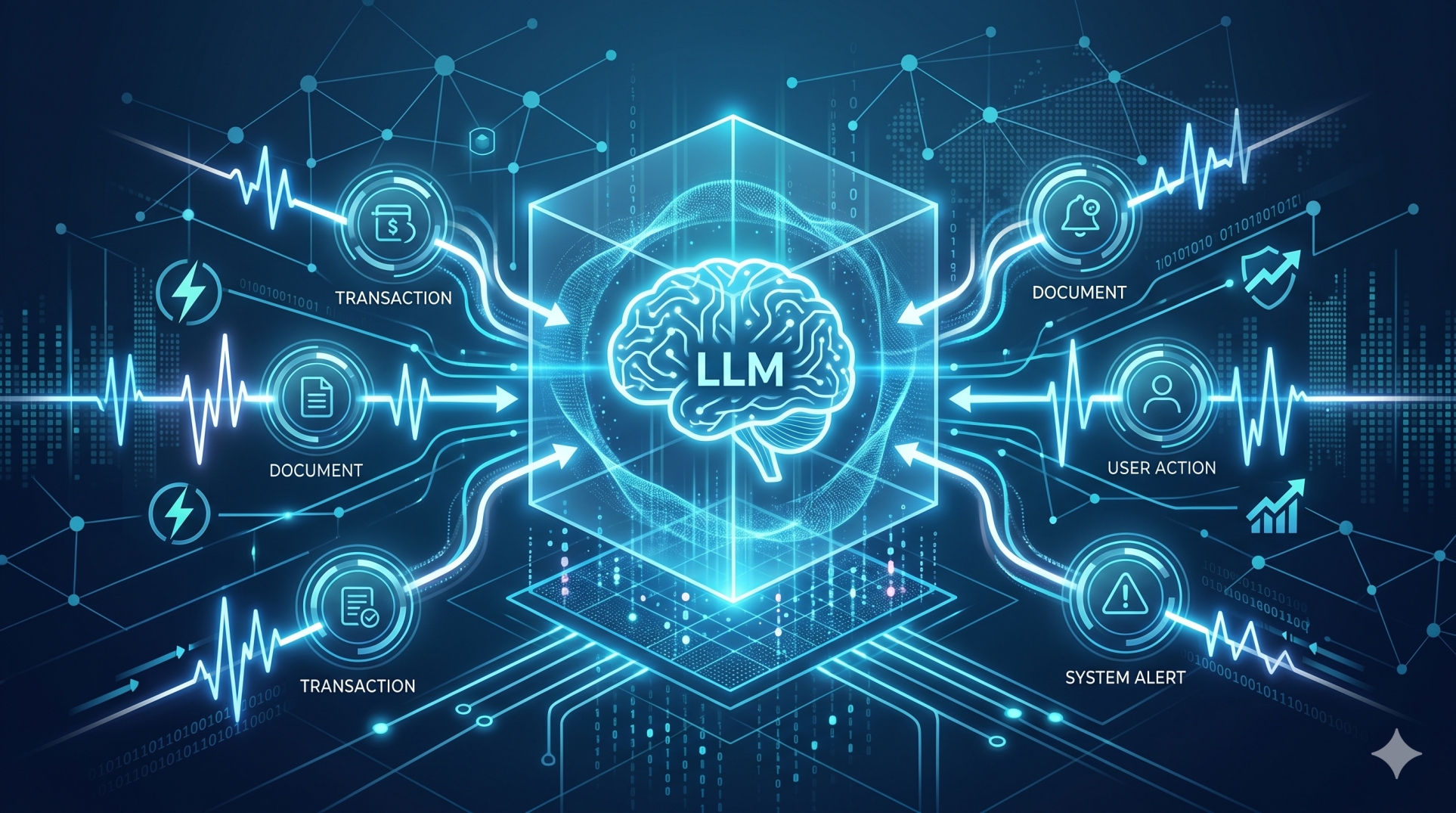
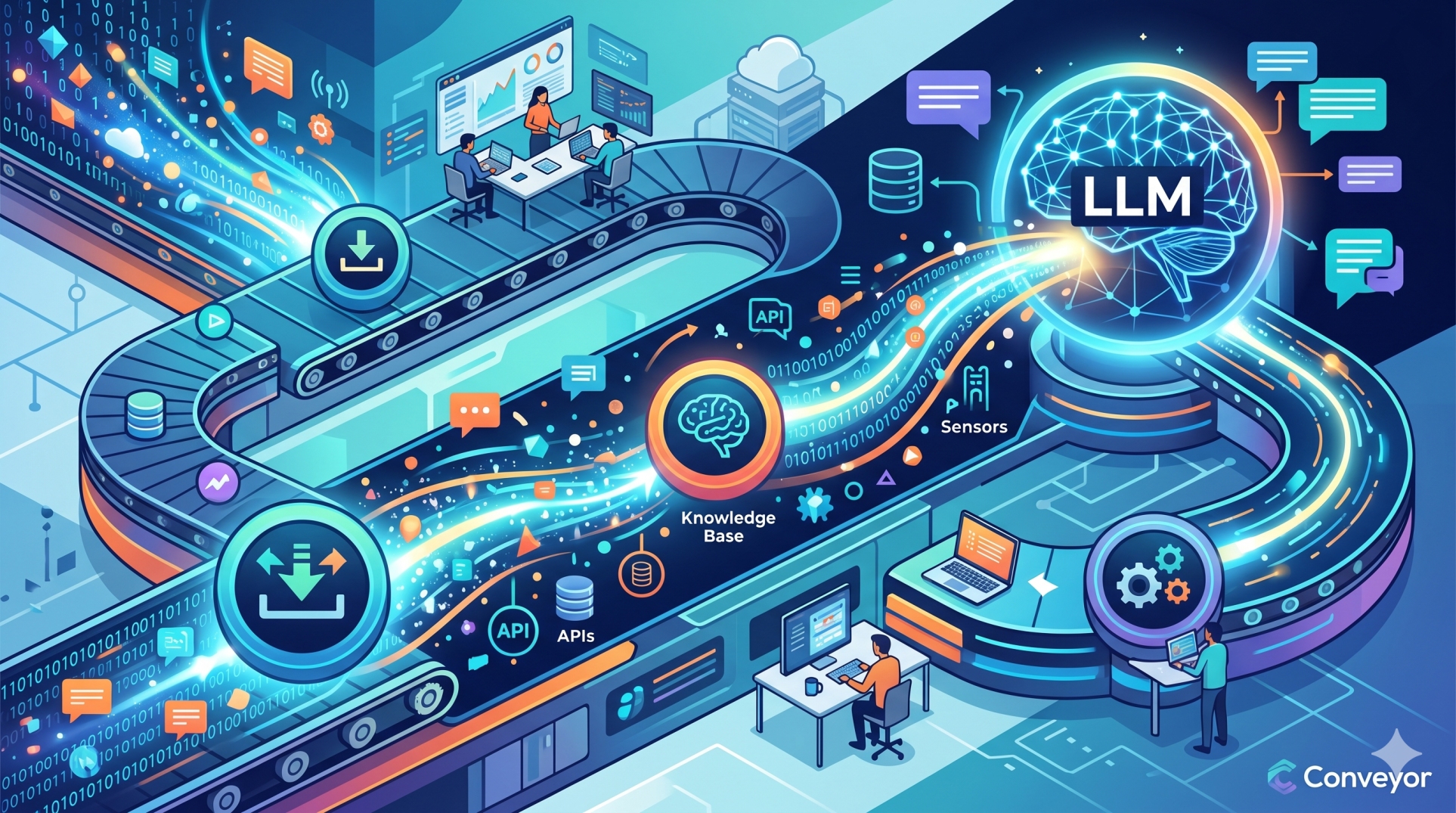
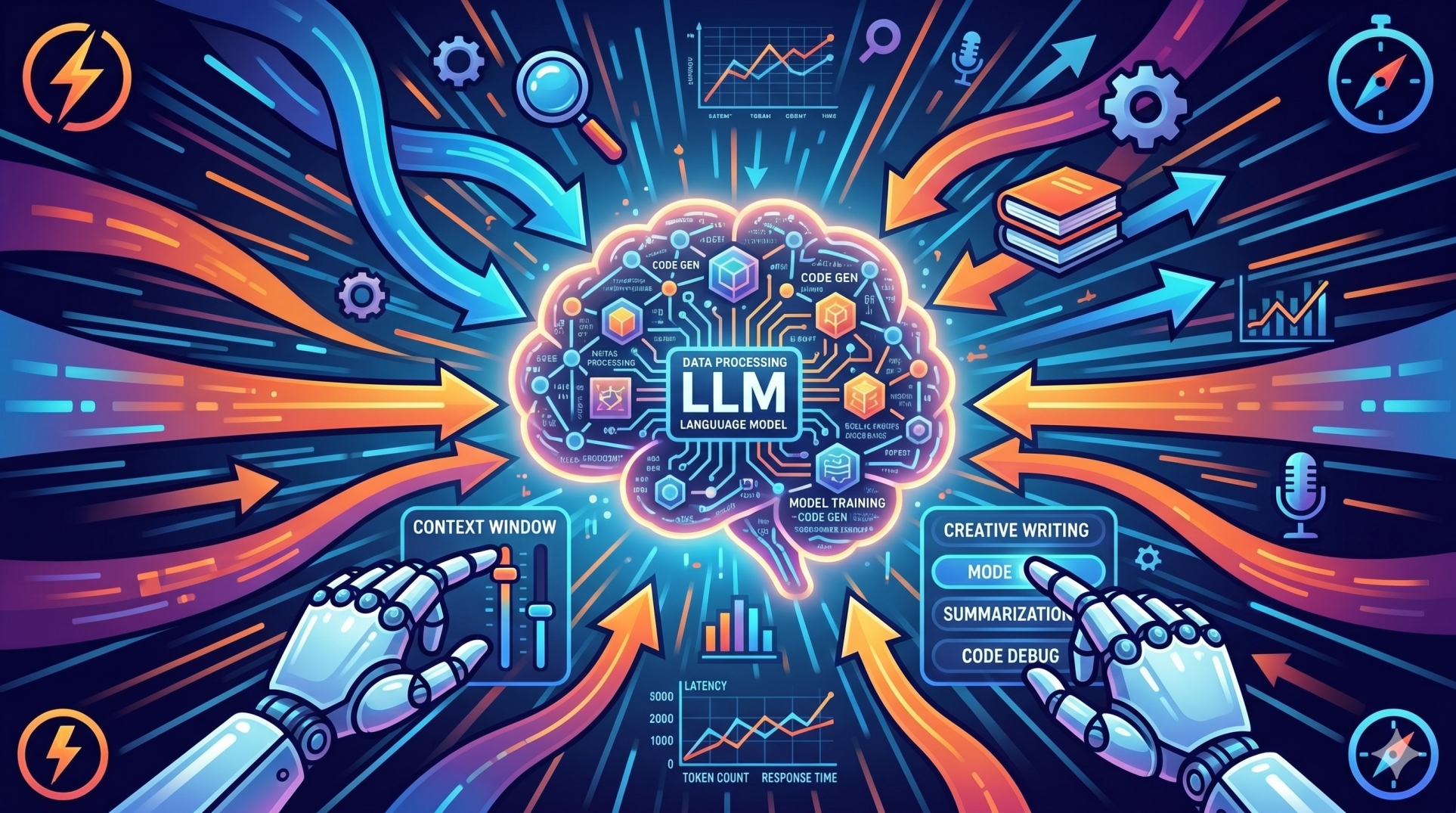
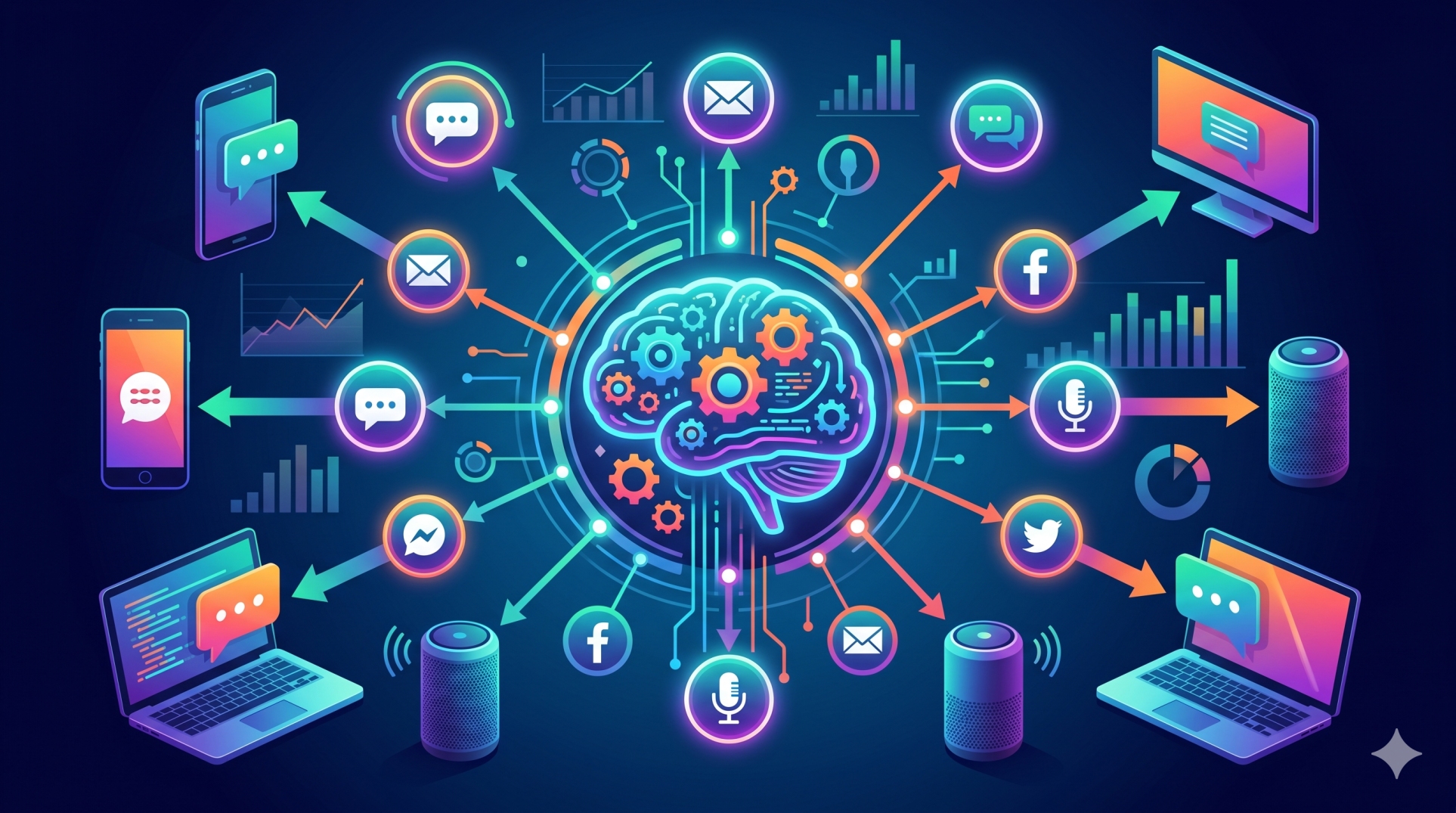
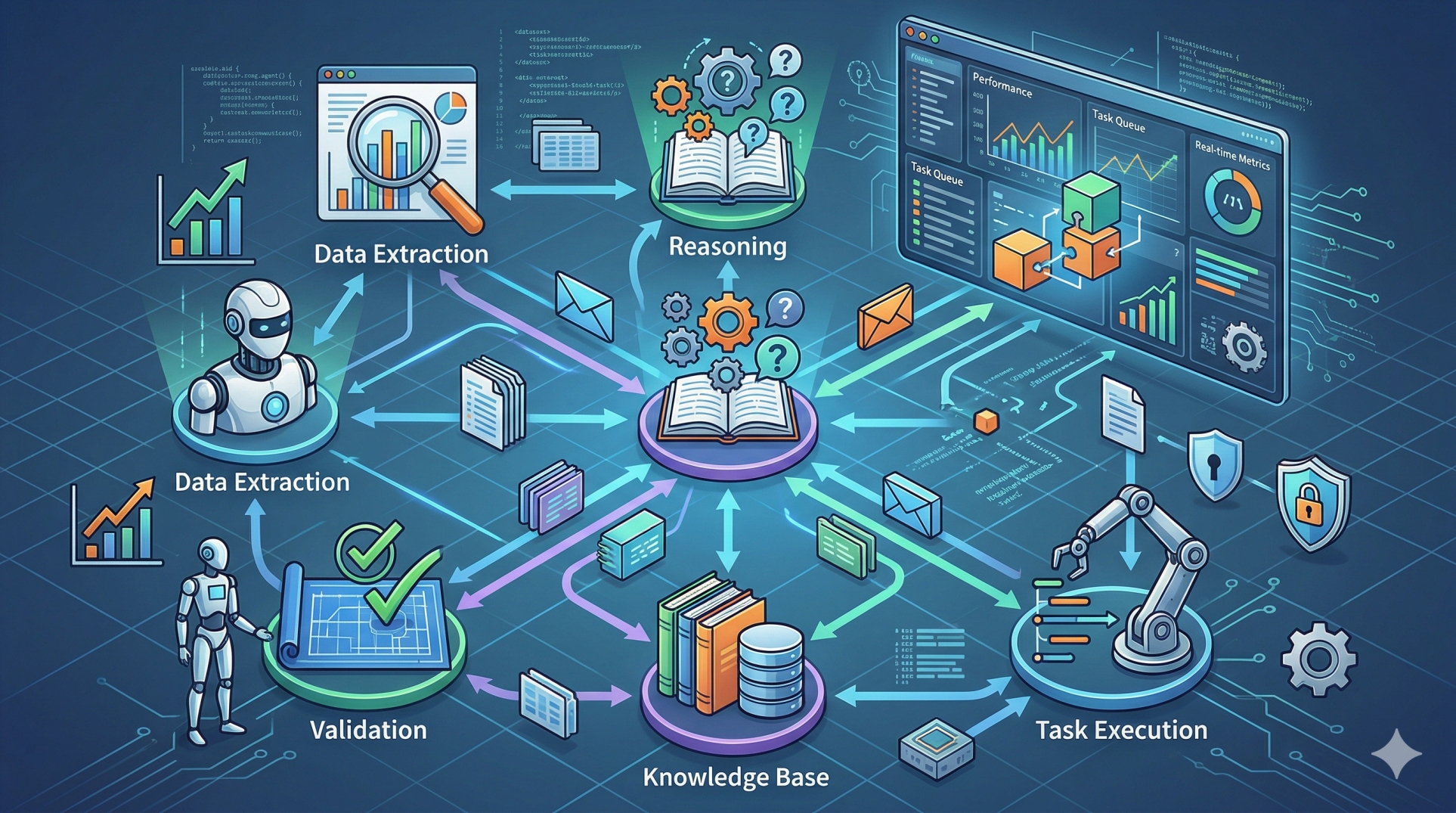
Language models are transforming enterprise operations by enabling intelligent workflow orchestration across business functions. Rather than serving solely as conversational interfaces, modern language models can interpret requests, coordinate tasks, automate decisions, and connect with enterprise applications. By integrating language models into organizational workflows, businesses can streamline operations, improve productivity, and deliver faster, more consistent outcomes.
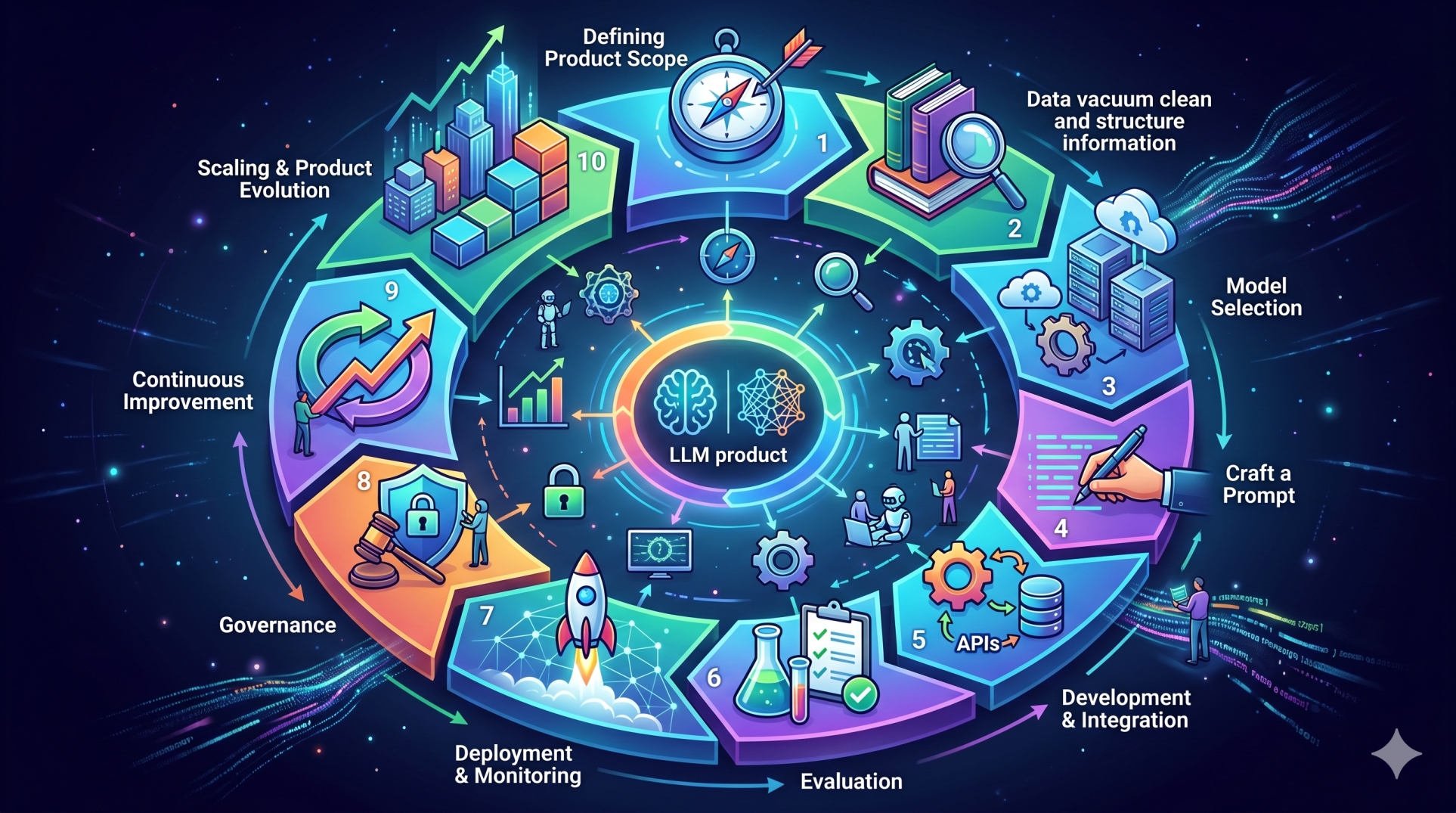
Step 1: Understanding Workflow Orchestration 🧠
• Use language models to coordinate business processes across departments 🔗
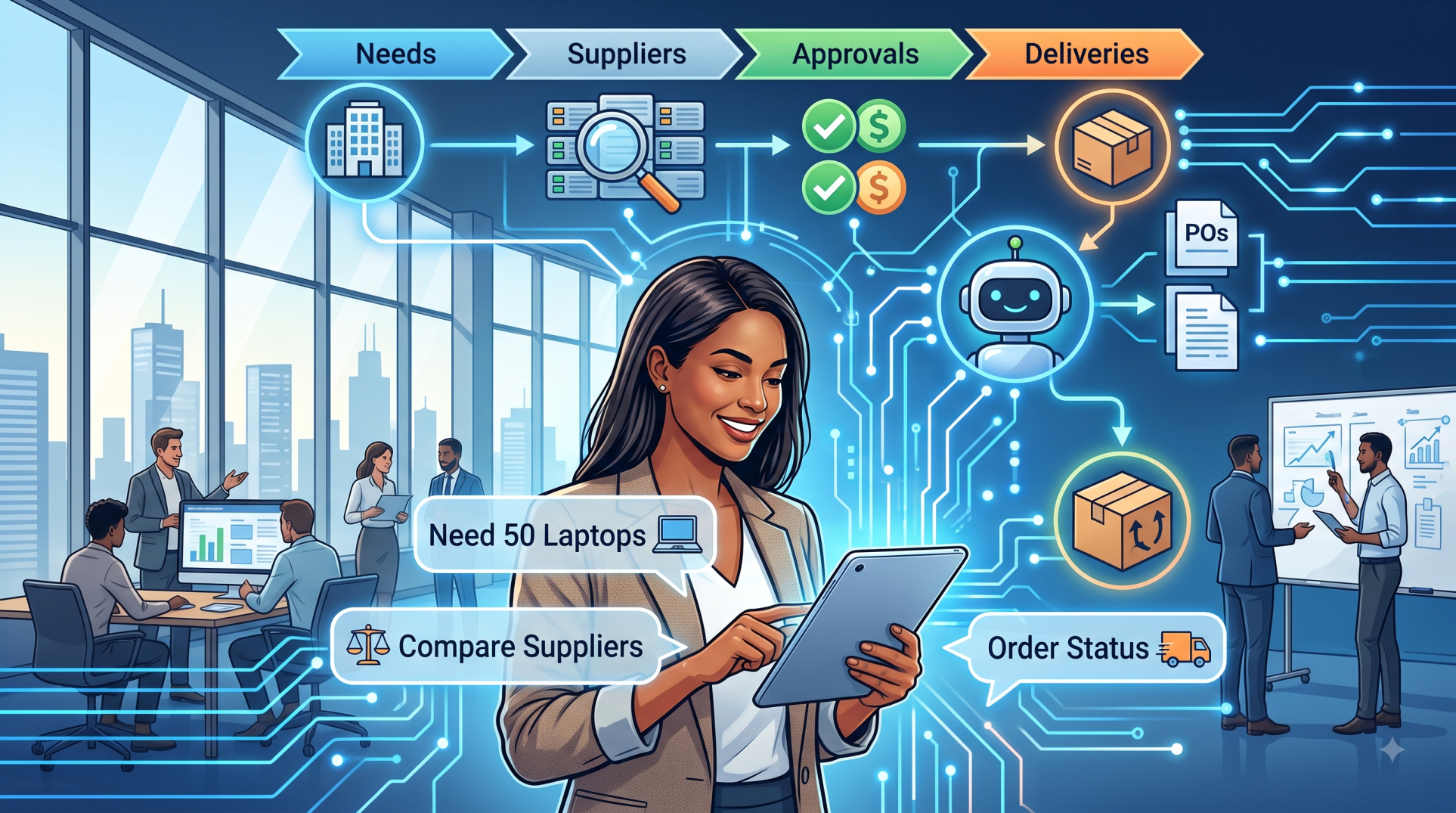
• Interpret user requests and translate them into actionable workflows 📄
• Connect people, systems, and business data through intelligent automation 🤝
• Reduce manual coordination between operational teams ⚙️
• Enable consistent execution of enterprise processes 🚀
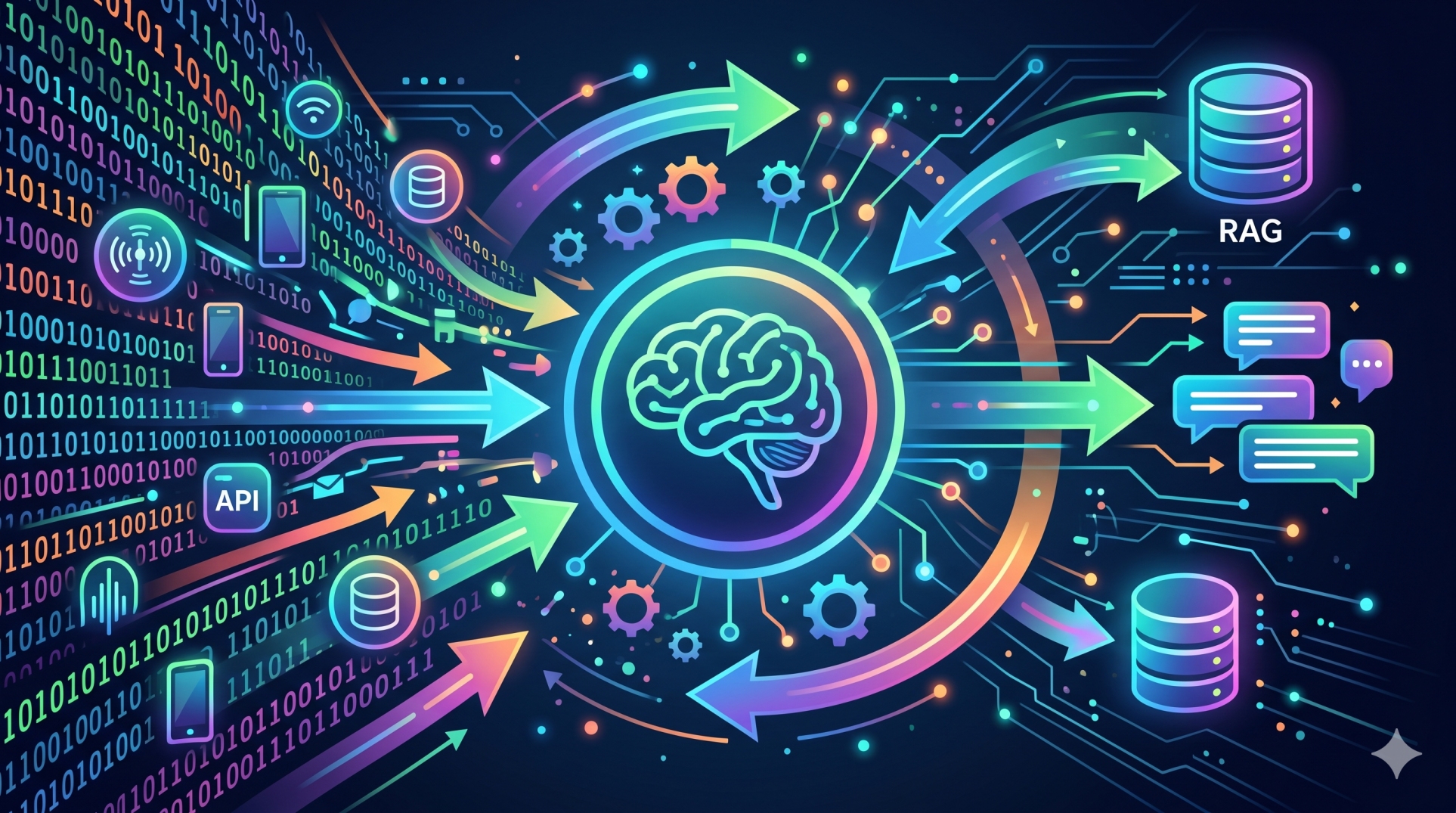
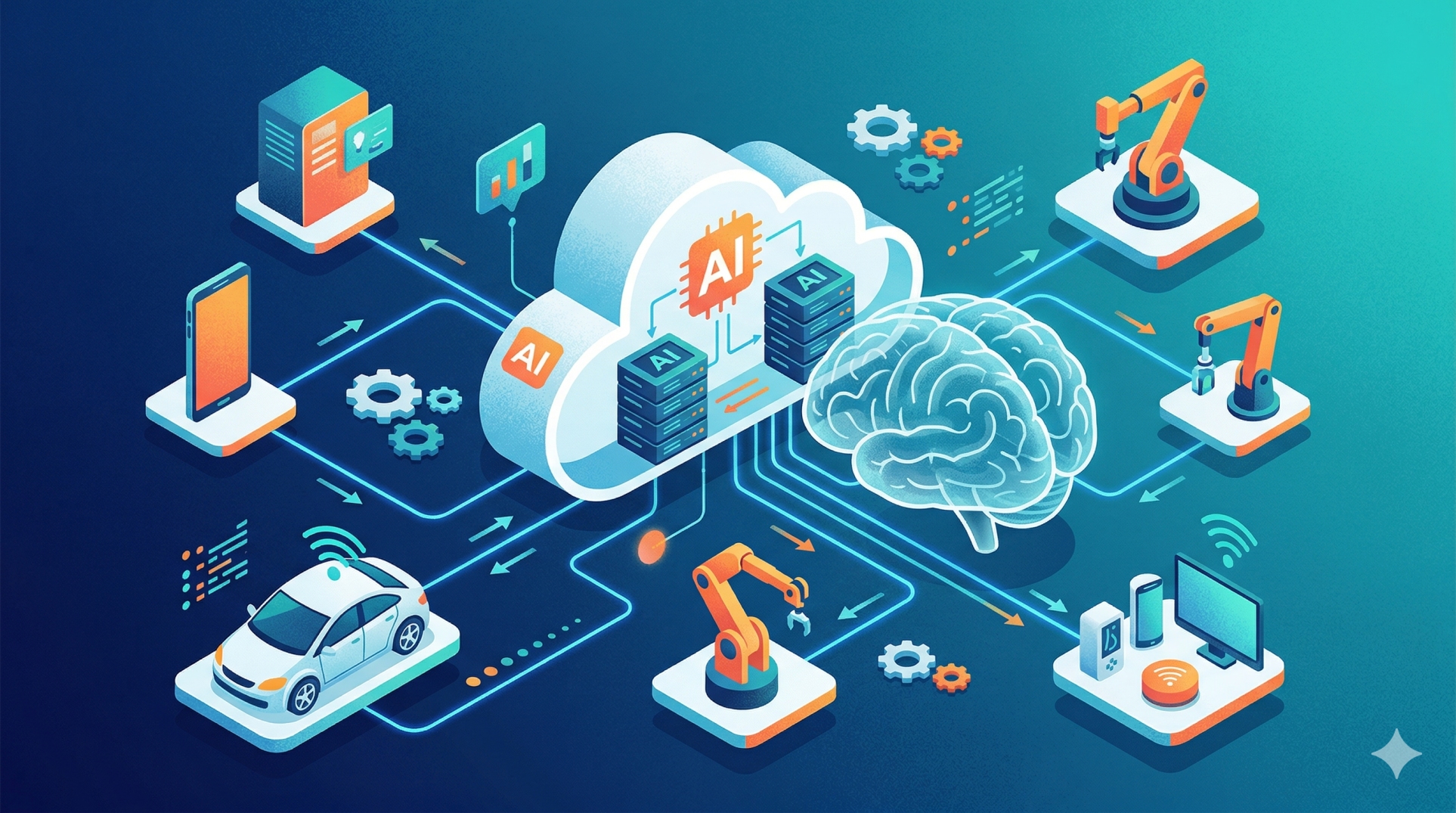
Step 2: Connecting Enterprise Systems 🌐
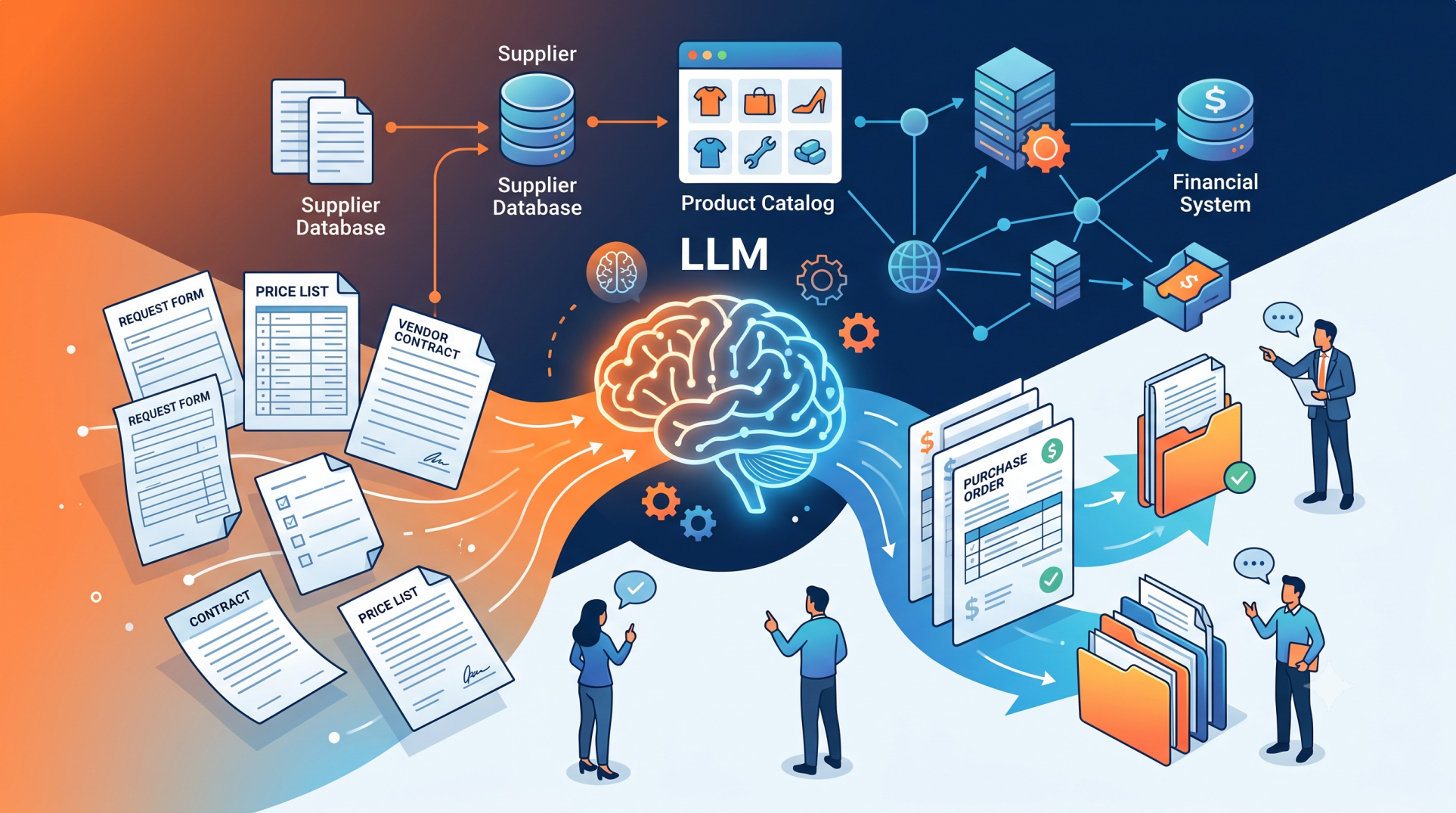
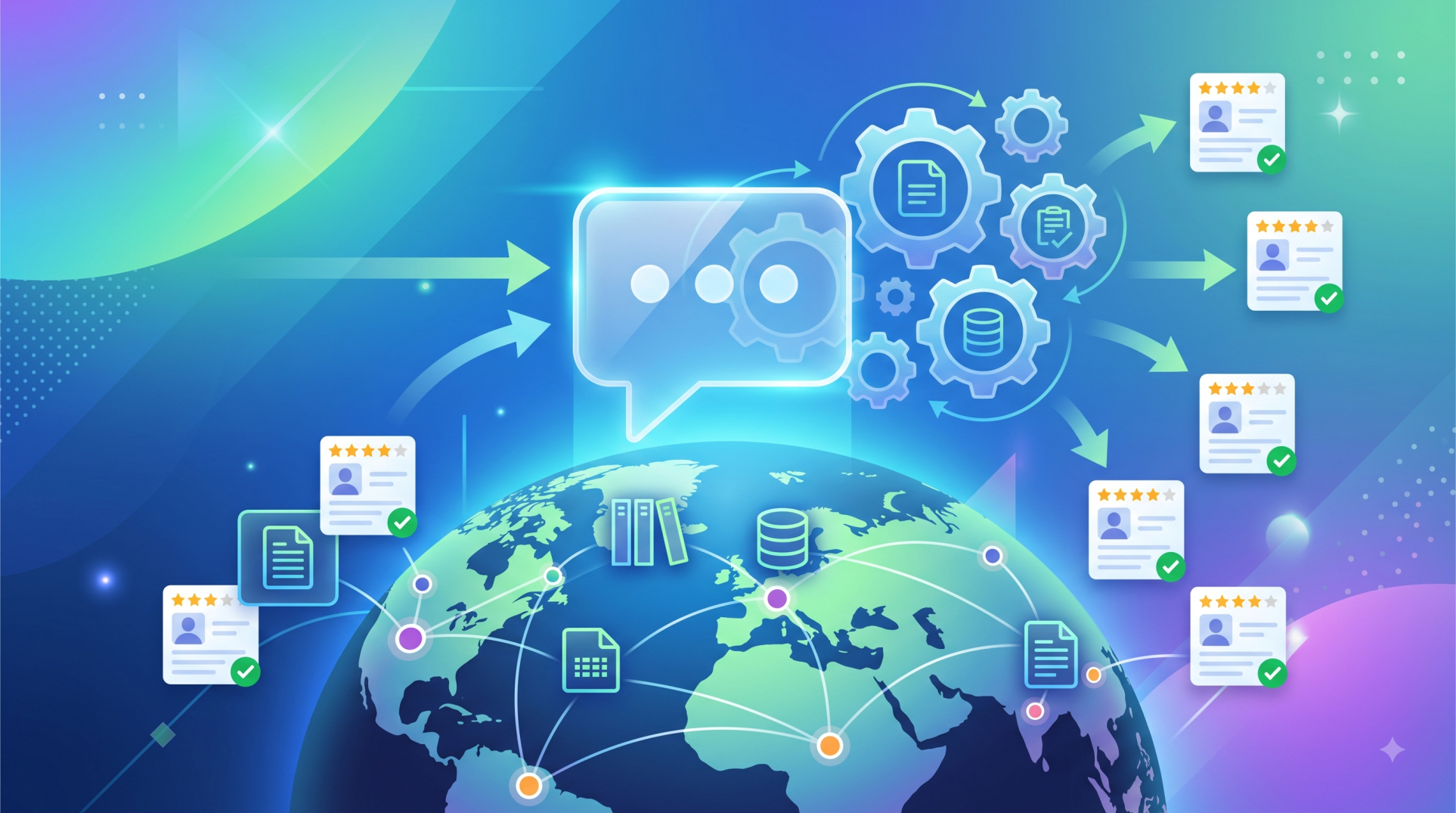
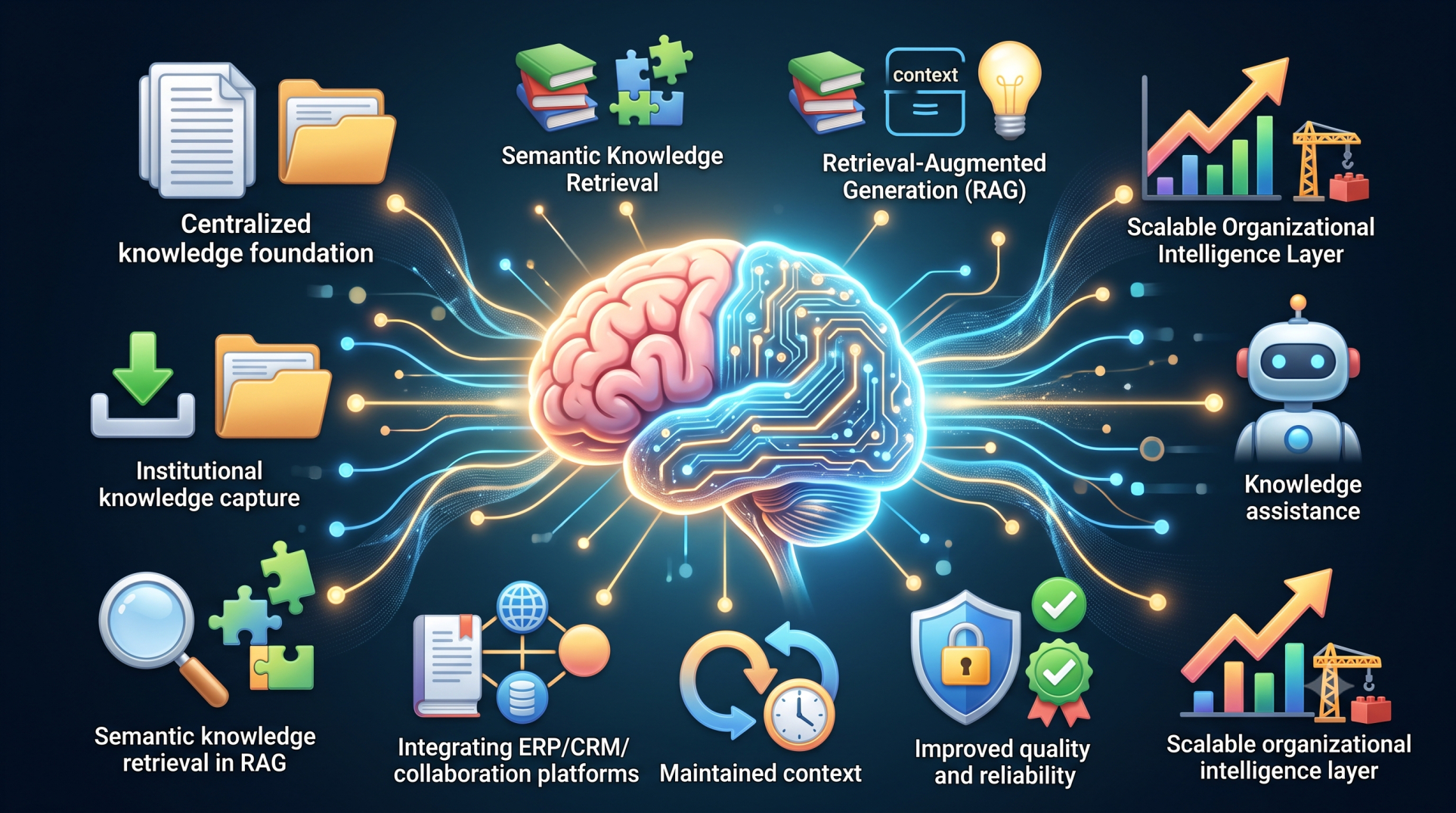
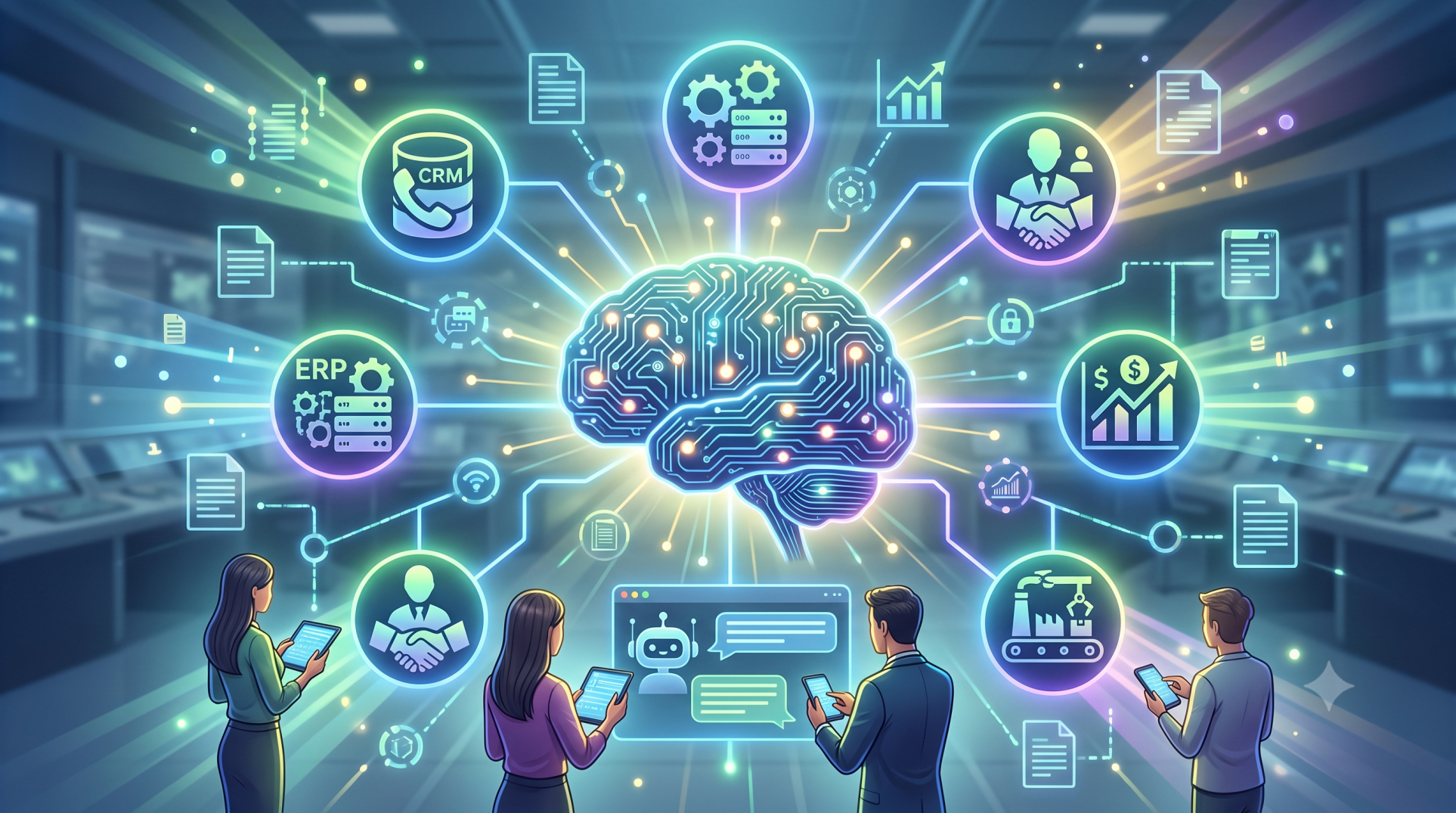
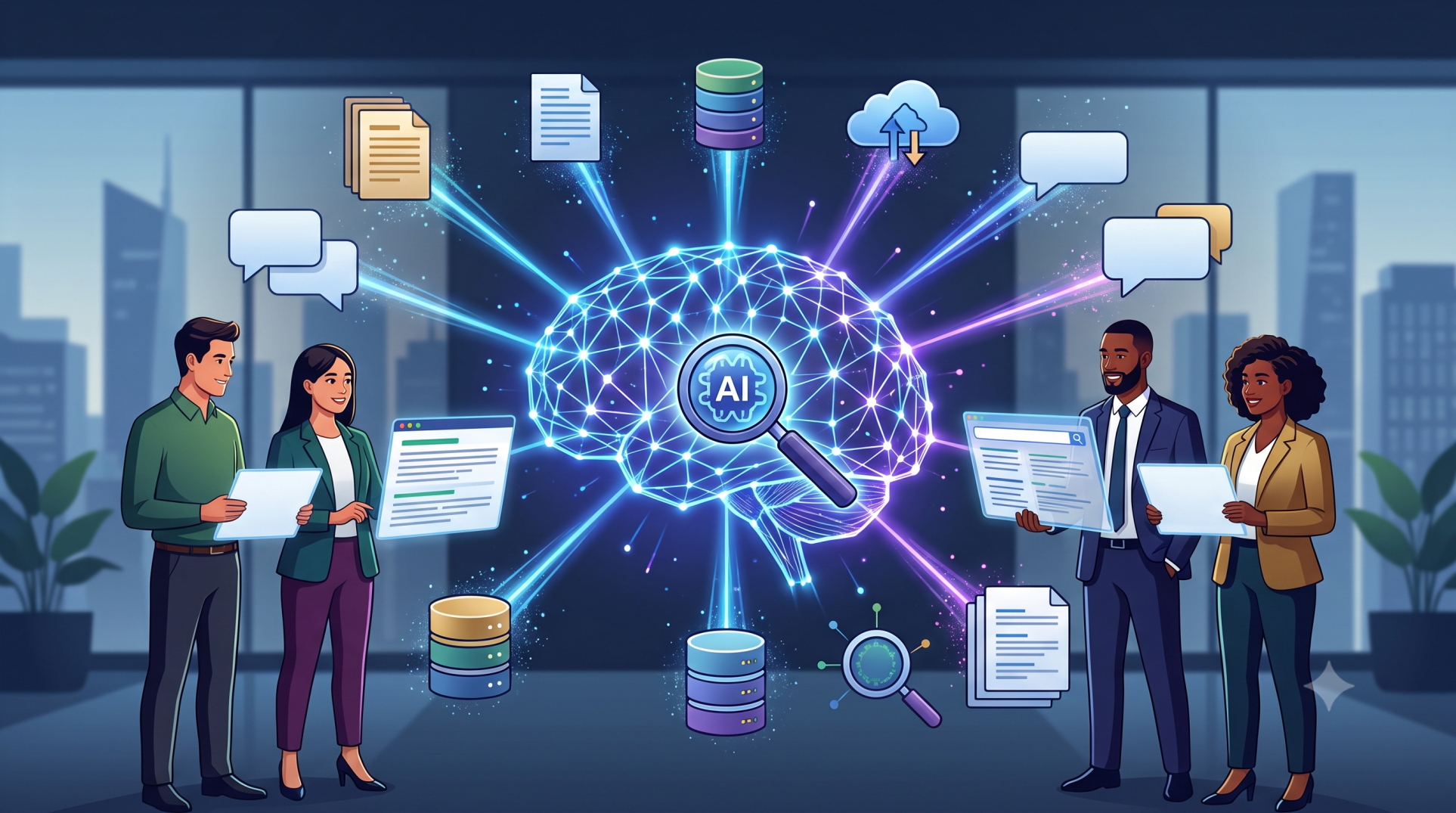
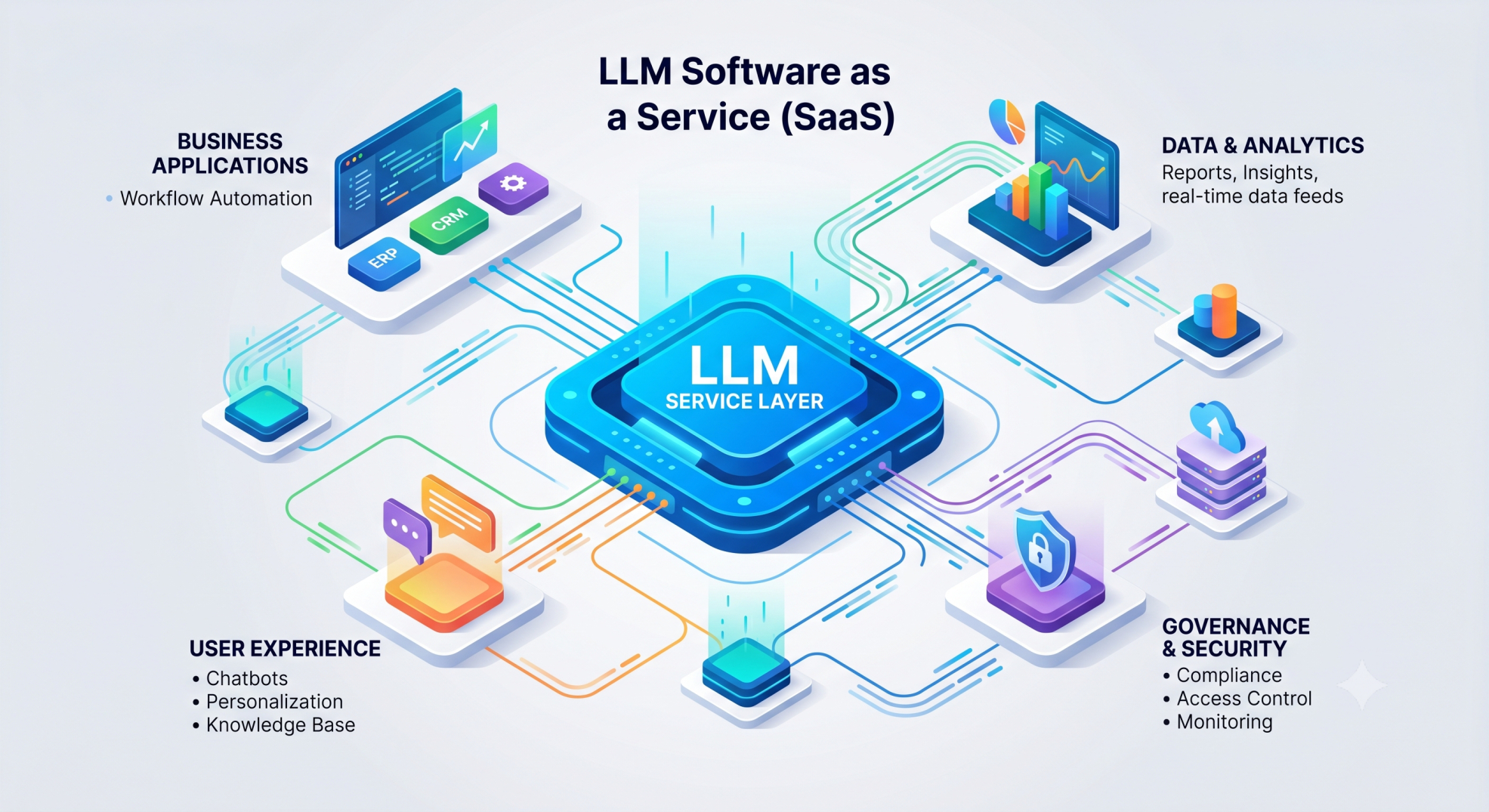
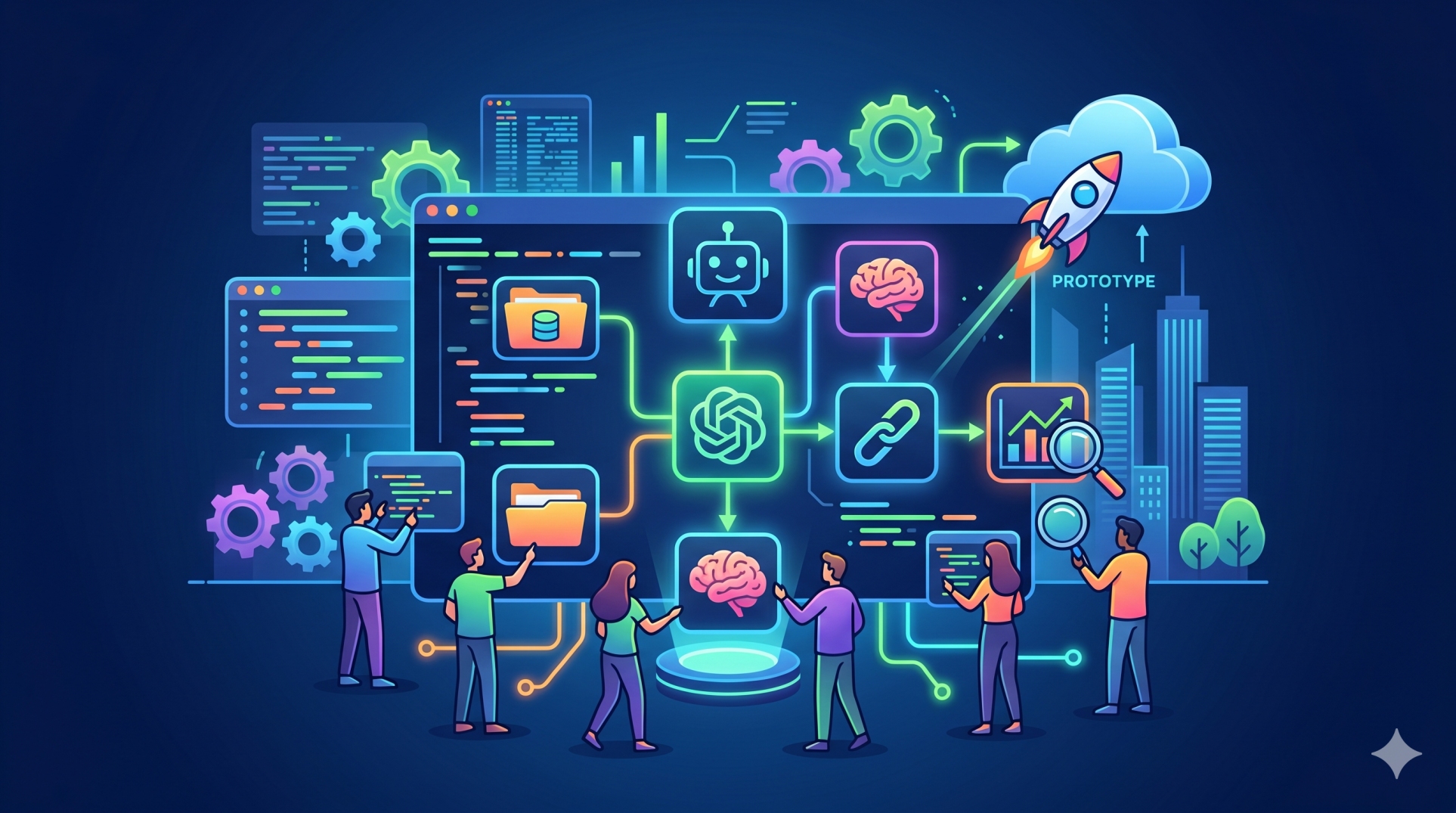
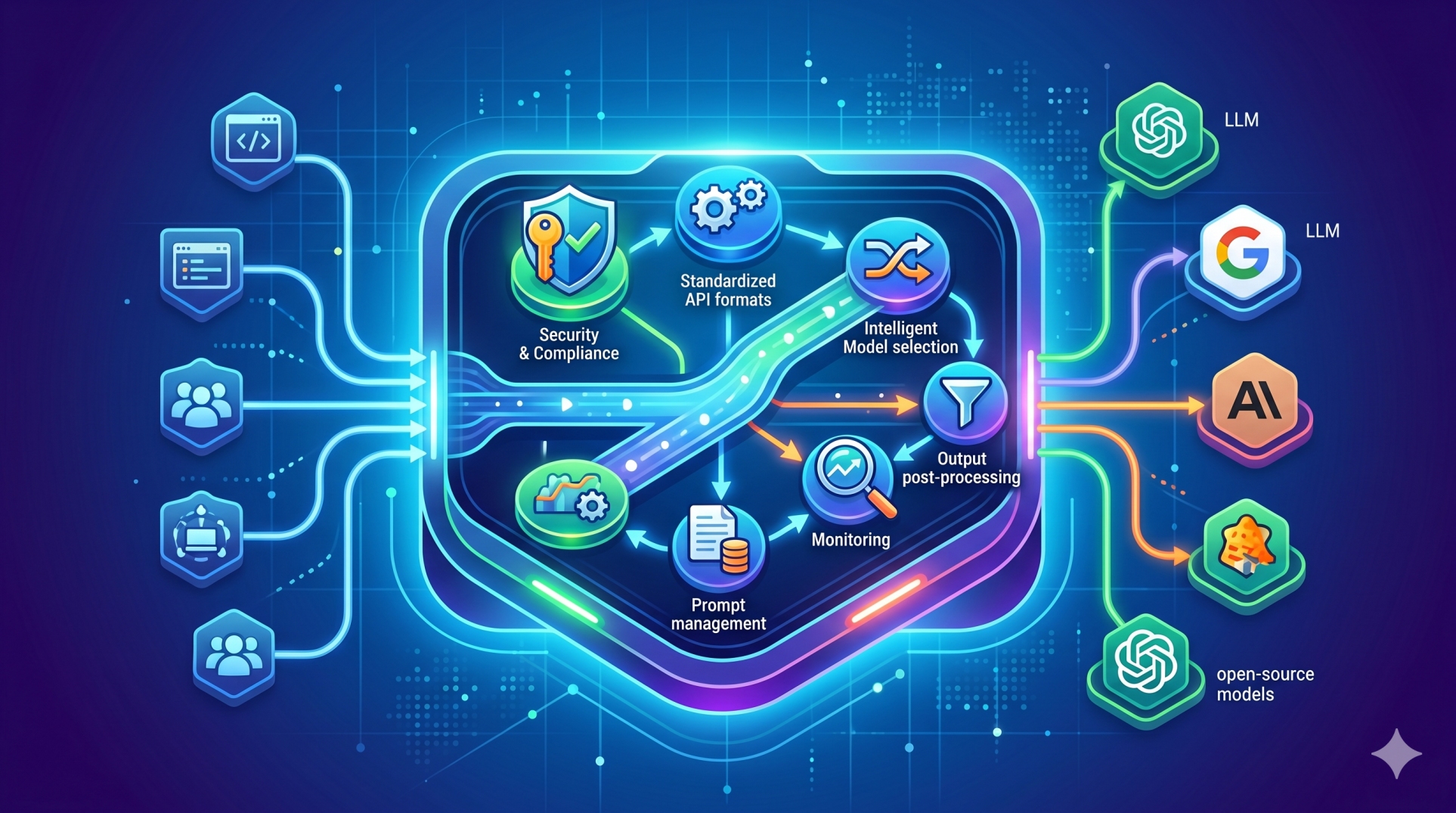
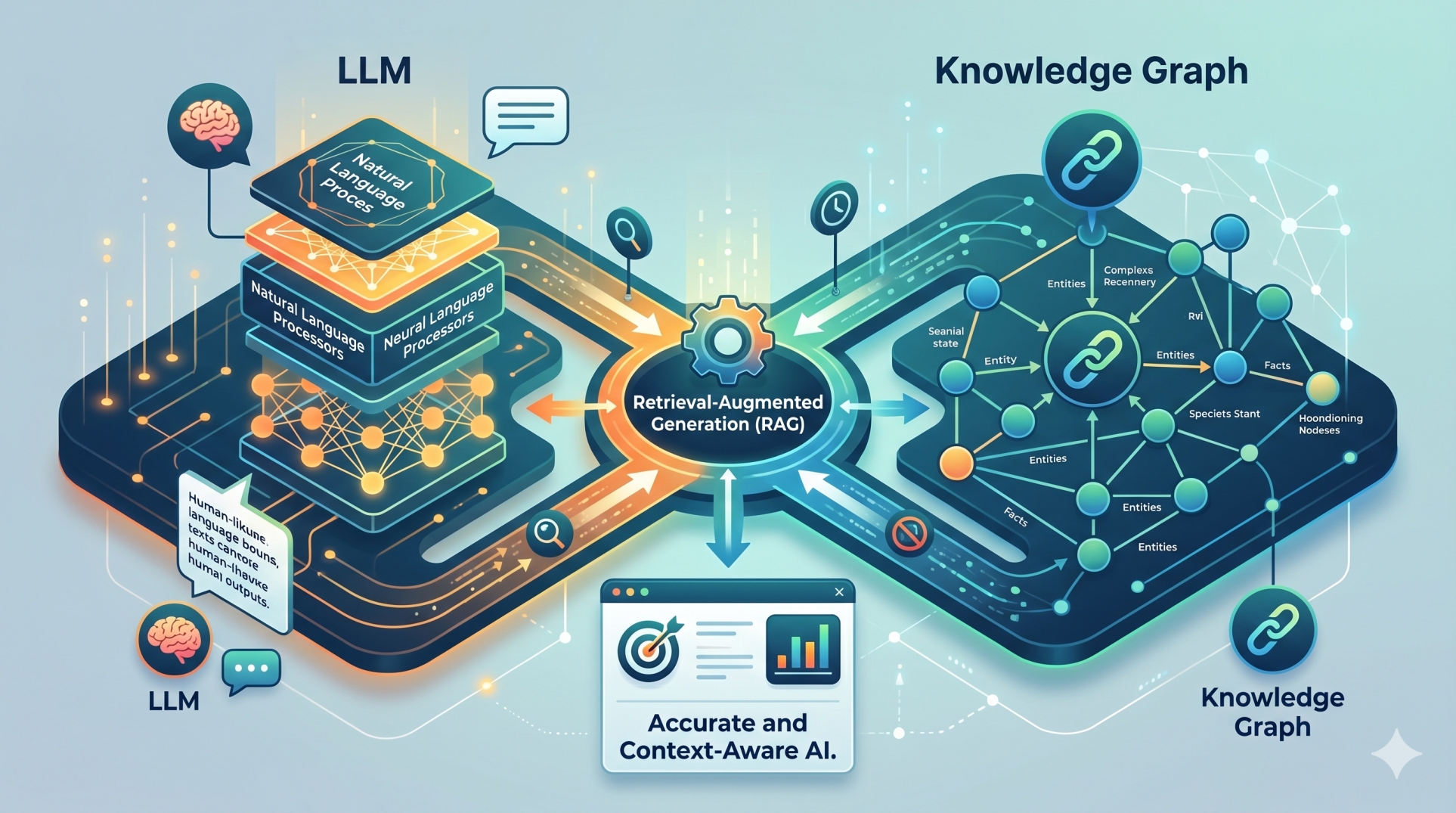
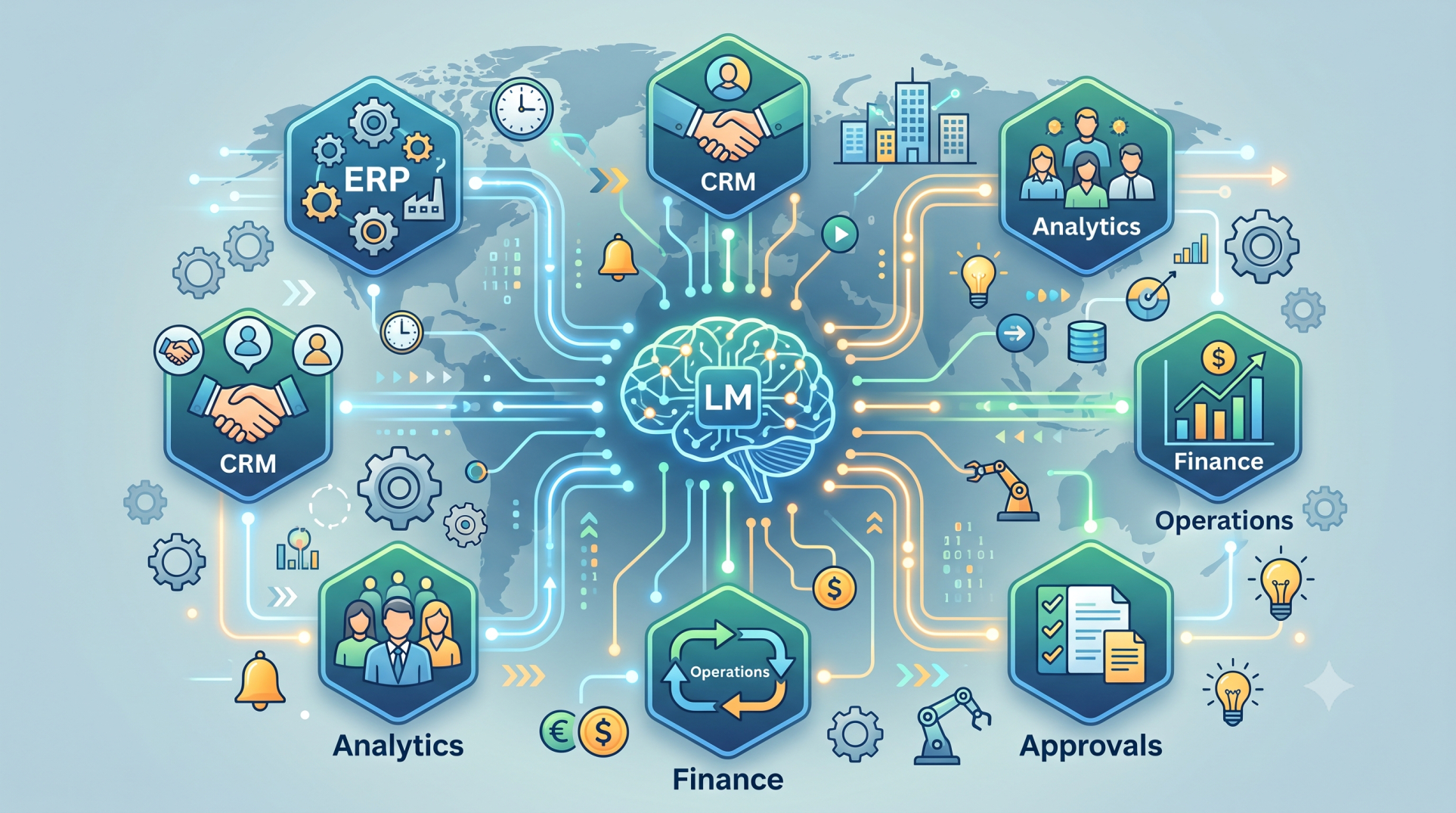
• Integrate language models with ERP, CRM, HR, and productivity platforms 🏢
• Exchange information securely across business applications 🔄
• Synchronize workflows using enterprise APIs and services 📡
• Maintain consistent data across connected systems 📊
• Build a unified operational ecosystem 🔗
Step 3: Automating Business Processes 🤖
• Automate routine tasks such as approvals and notifications ✅
• Generate reports, summaries, and operational updates 📋
• Route requests to appropriate departments automatically 📬
• Reduce repetitive manual work across teams ⏱️
• Improve process speed and operational consistency 📈
Step 4: Managing Context Across Workflows 🧩
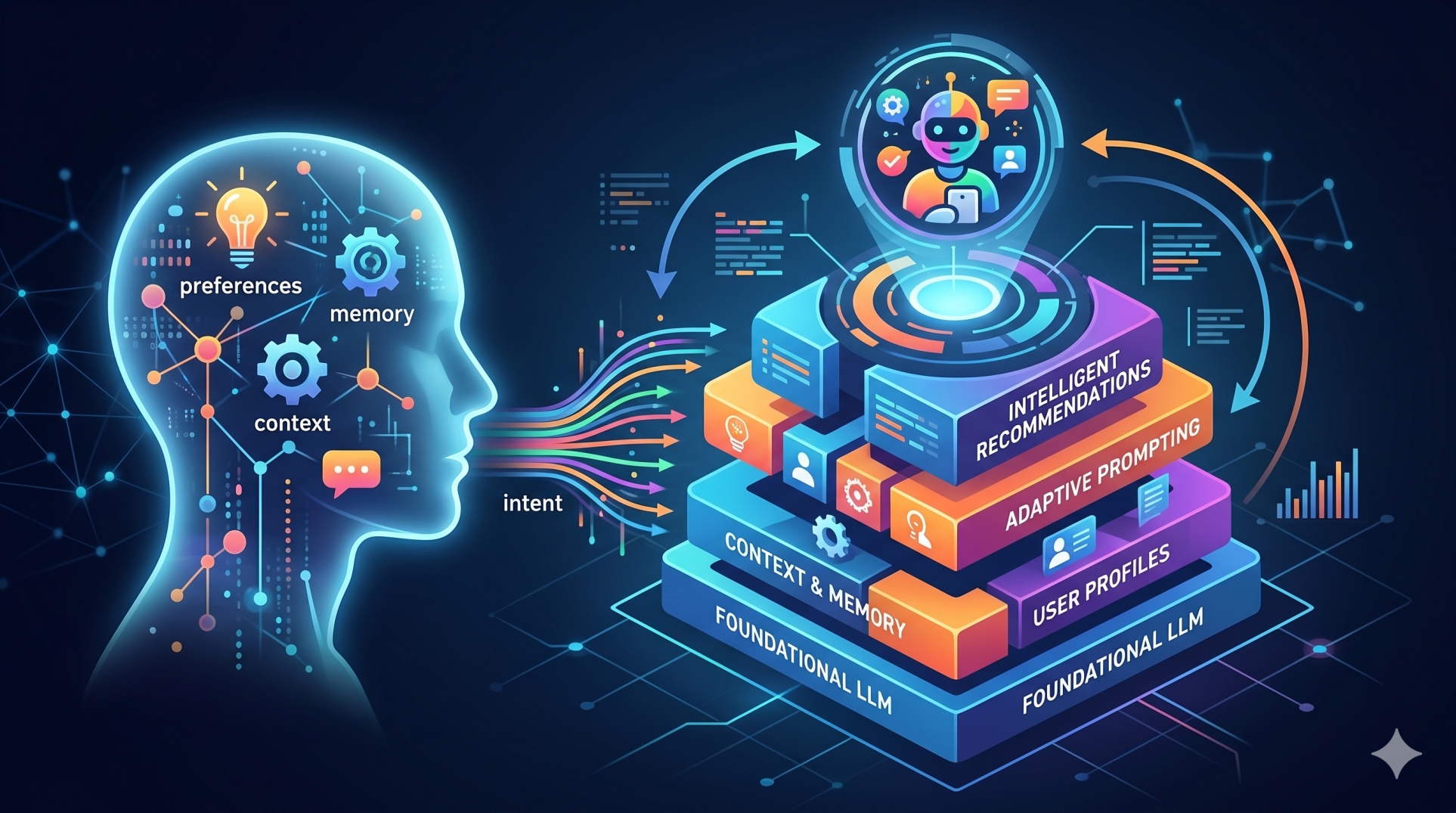
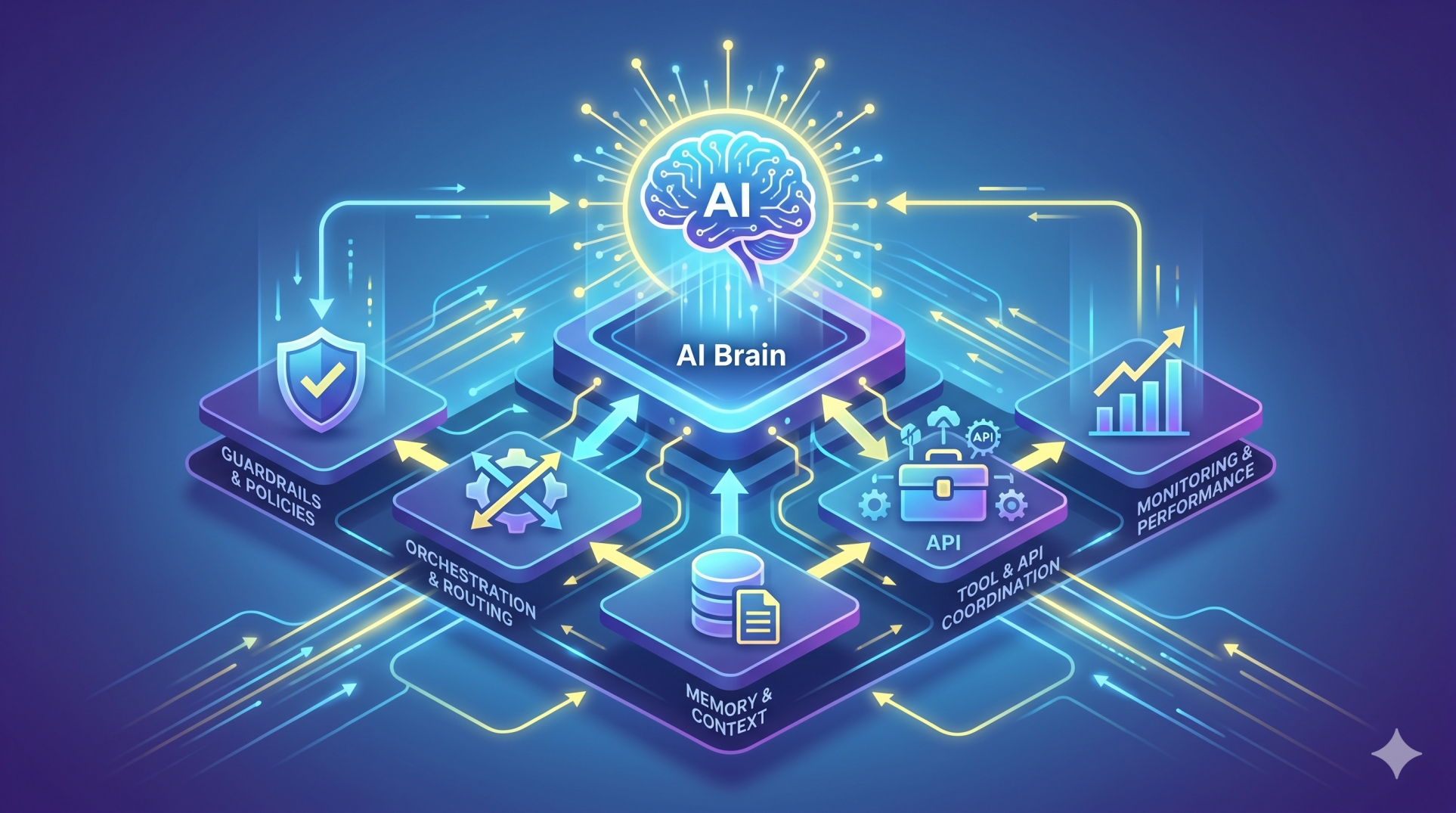
• Maintain workflow context throughout multi-step processes 📚
• Use business data to support informed task execution 📊
• Preserve continuity across user interactions 🔄
• Adapt responses based on operational requirements ⚡
• Improve decision quality through contextual understanding 🎯
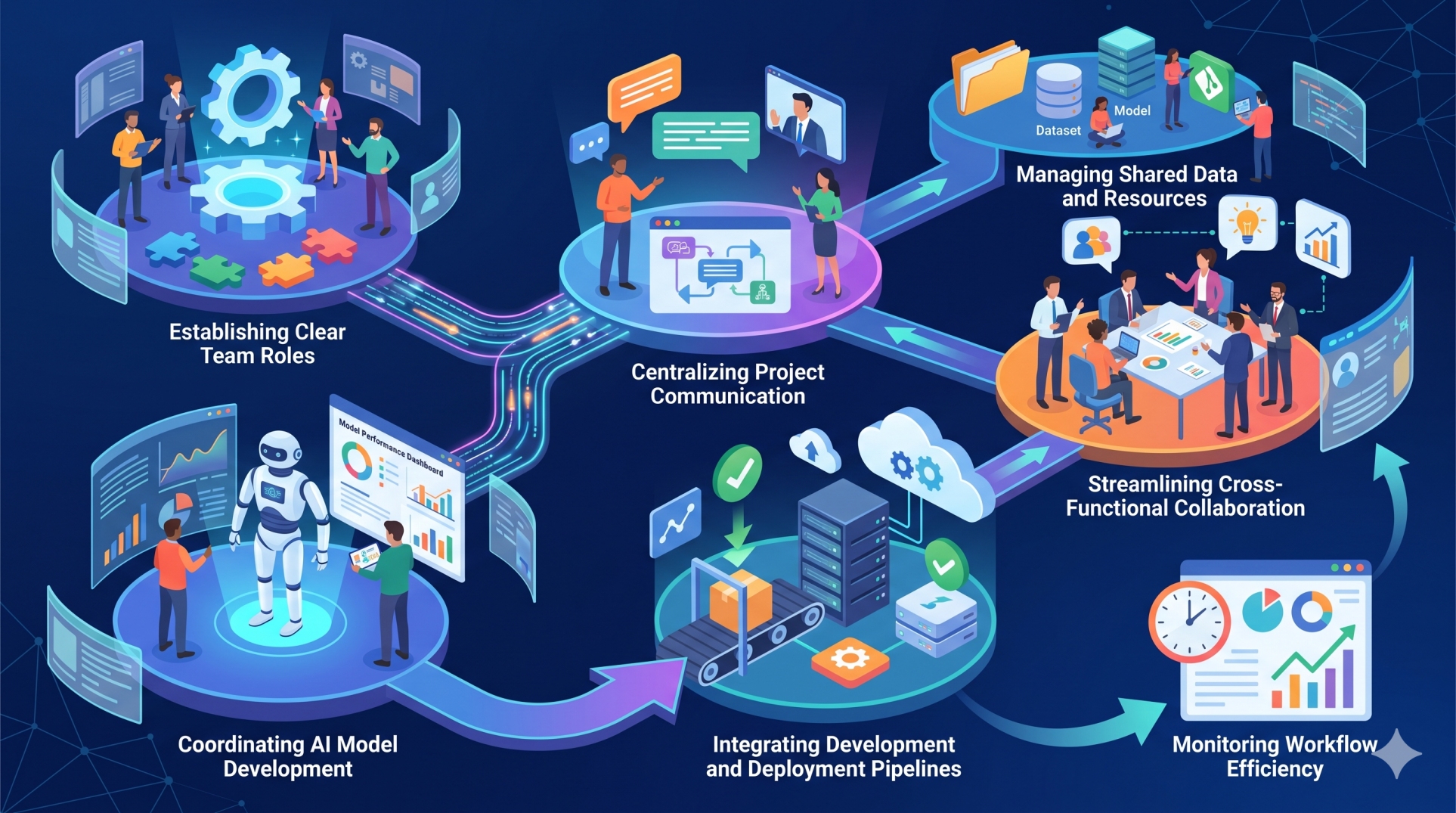
Step 5: Coordinating Cross-Functional Operations 🤝
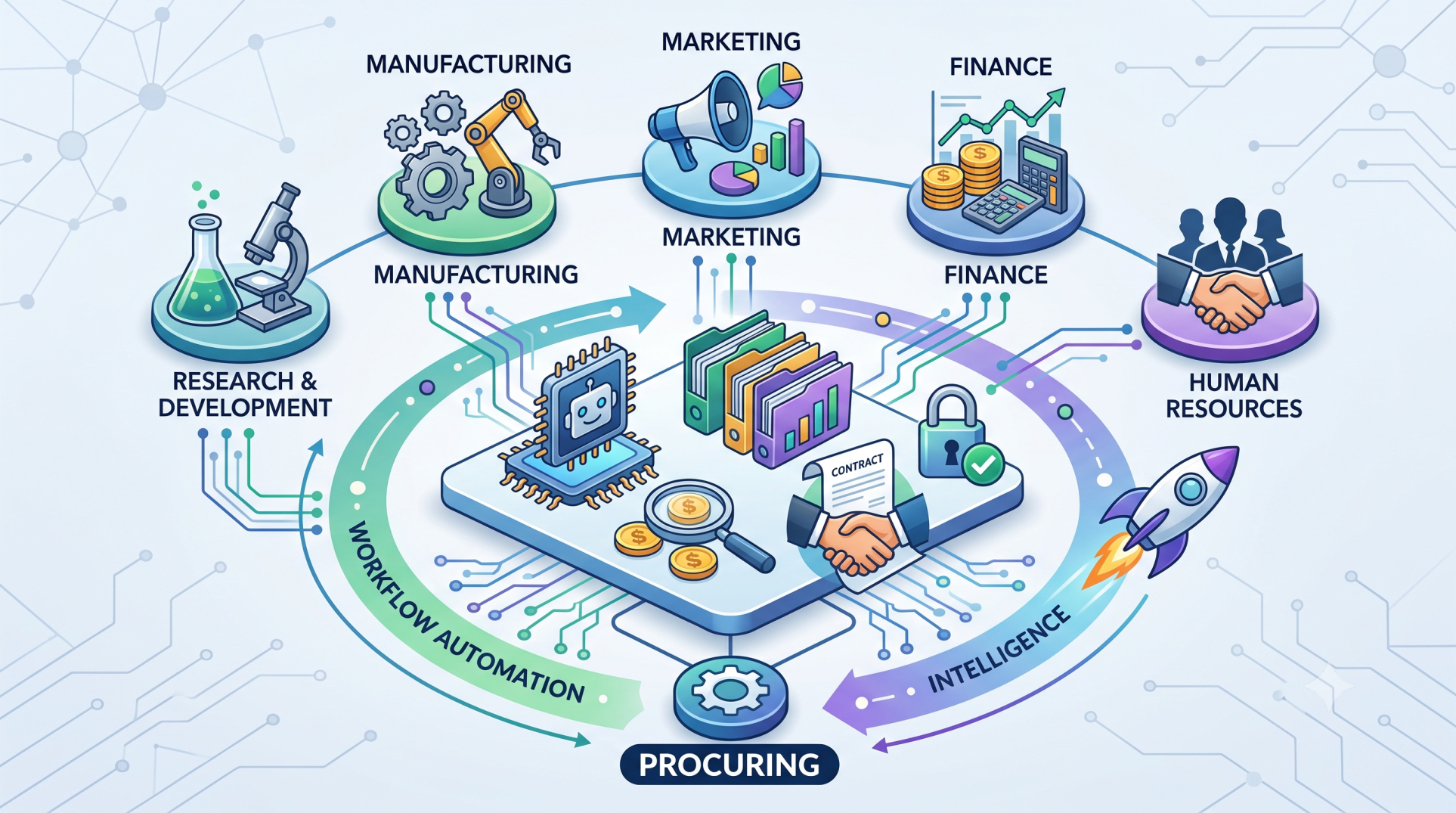
• Connect finance, sales, HR, operations, and customer service 🏢
• Facilitate seamless communication between departments 💬
• Eliminate workflow silos through centralized coordination 🔗
• Improve collaboration across enterprise teams 👥
• Support organization-wide operational alignment 🌍
Step 6: Enabling Intelligent Decision Support 📊
• Analyze operational information to assist business decisions 📈
• Identify workflow bottlenecks and optimization opportunities 🔍
• Recommend next actions based on available business context 💡
• Prioritize tasks according to organizational objectives 🎯
• Support faster and more informed decision-making ⚙️
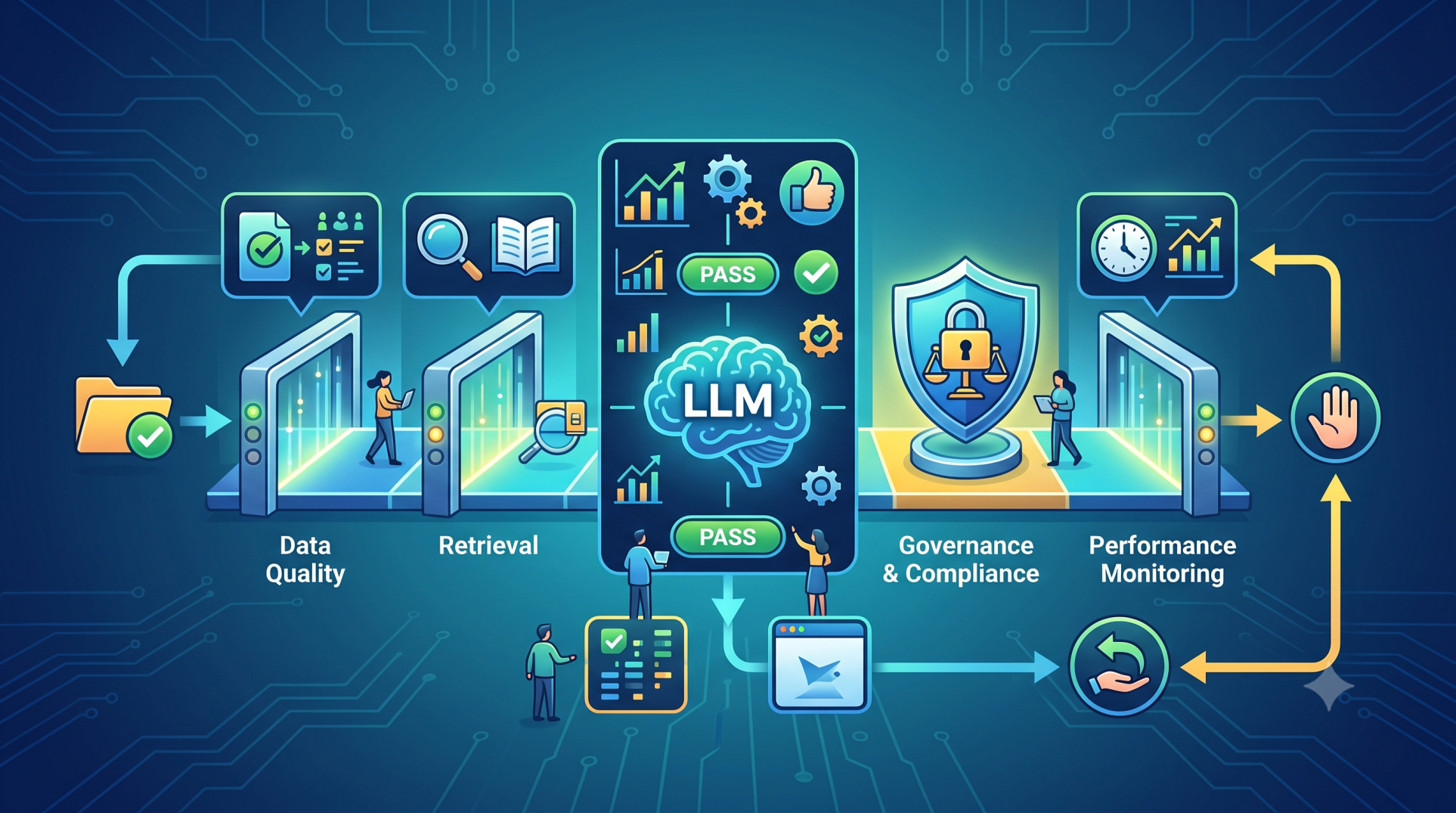
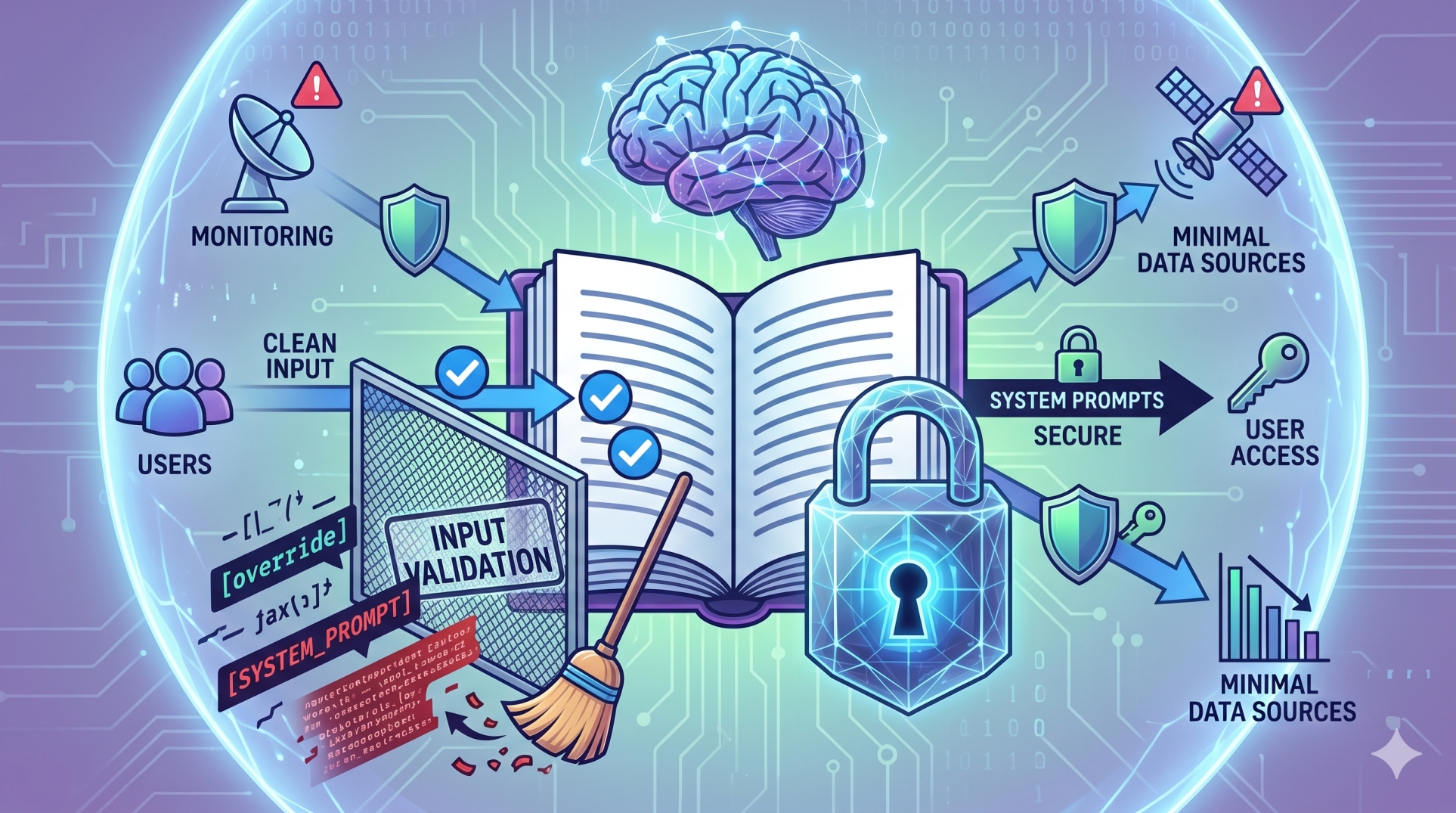
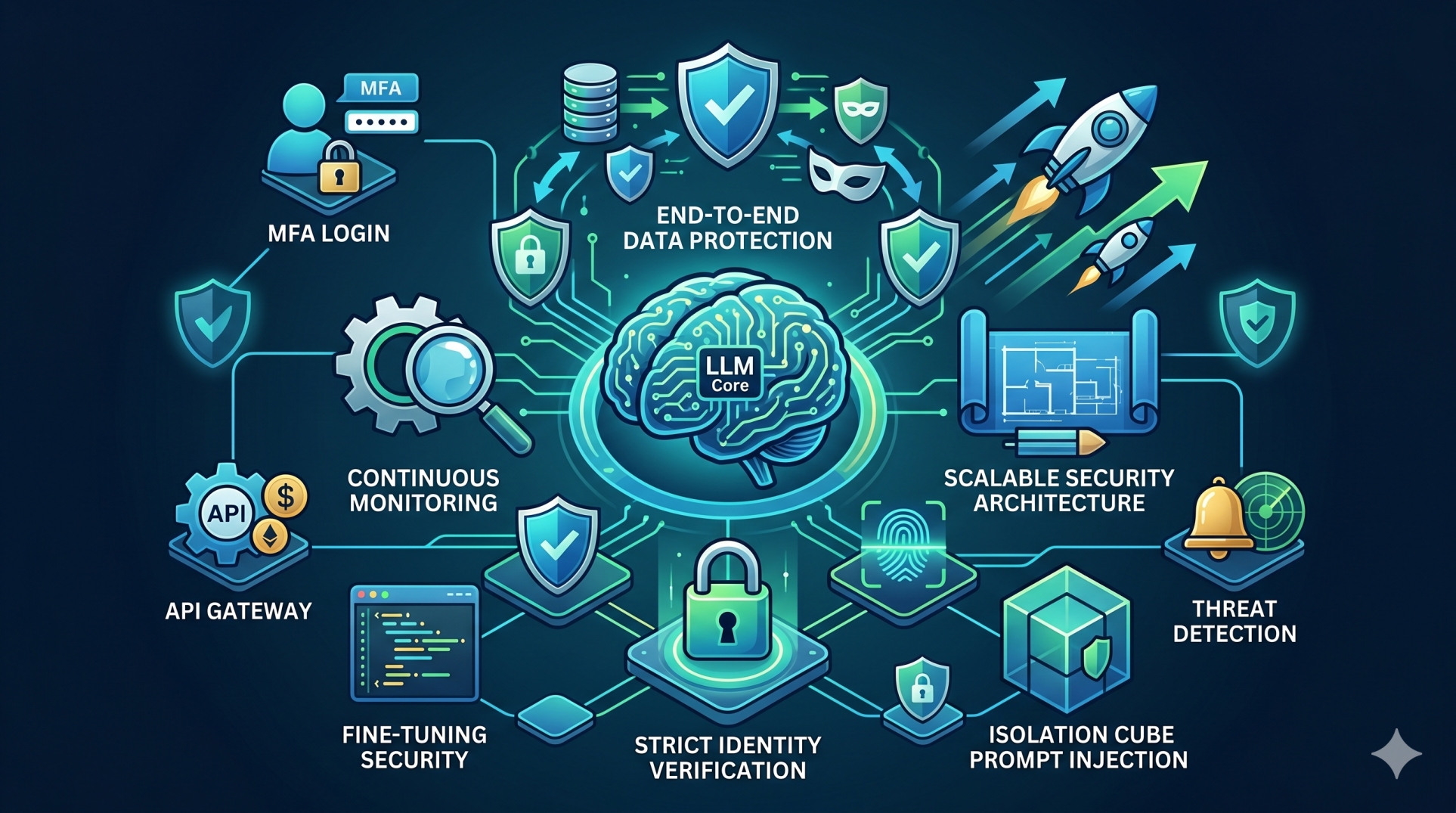
Step 7: Ensuring Security and Governance 🔐
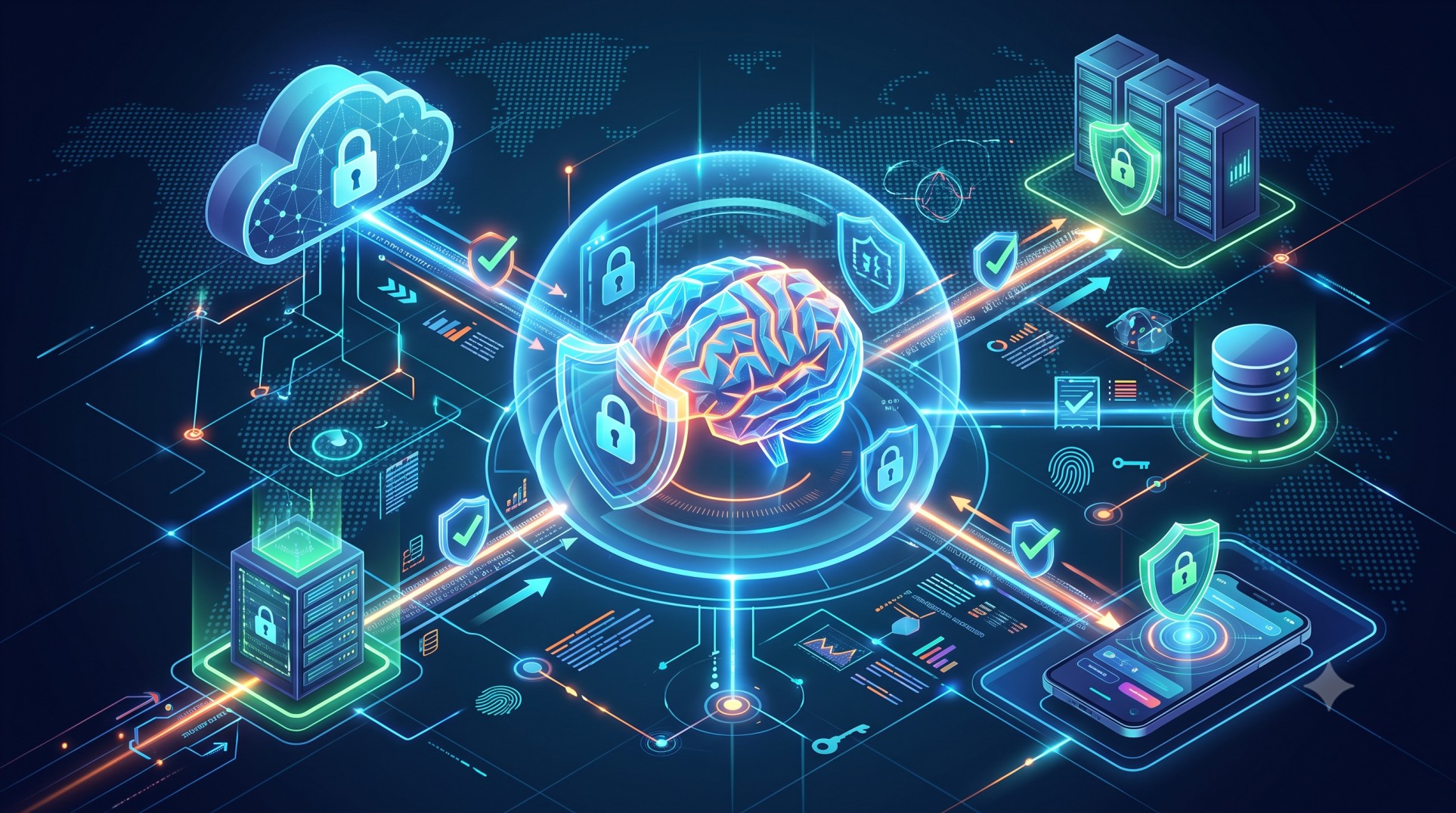
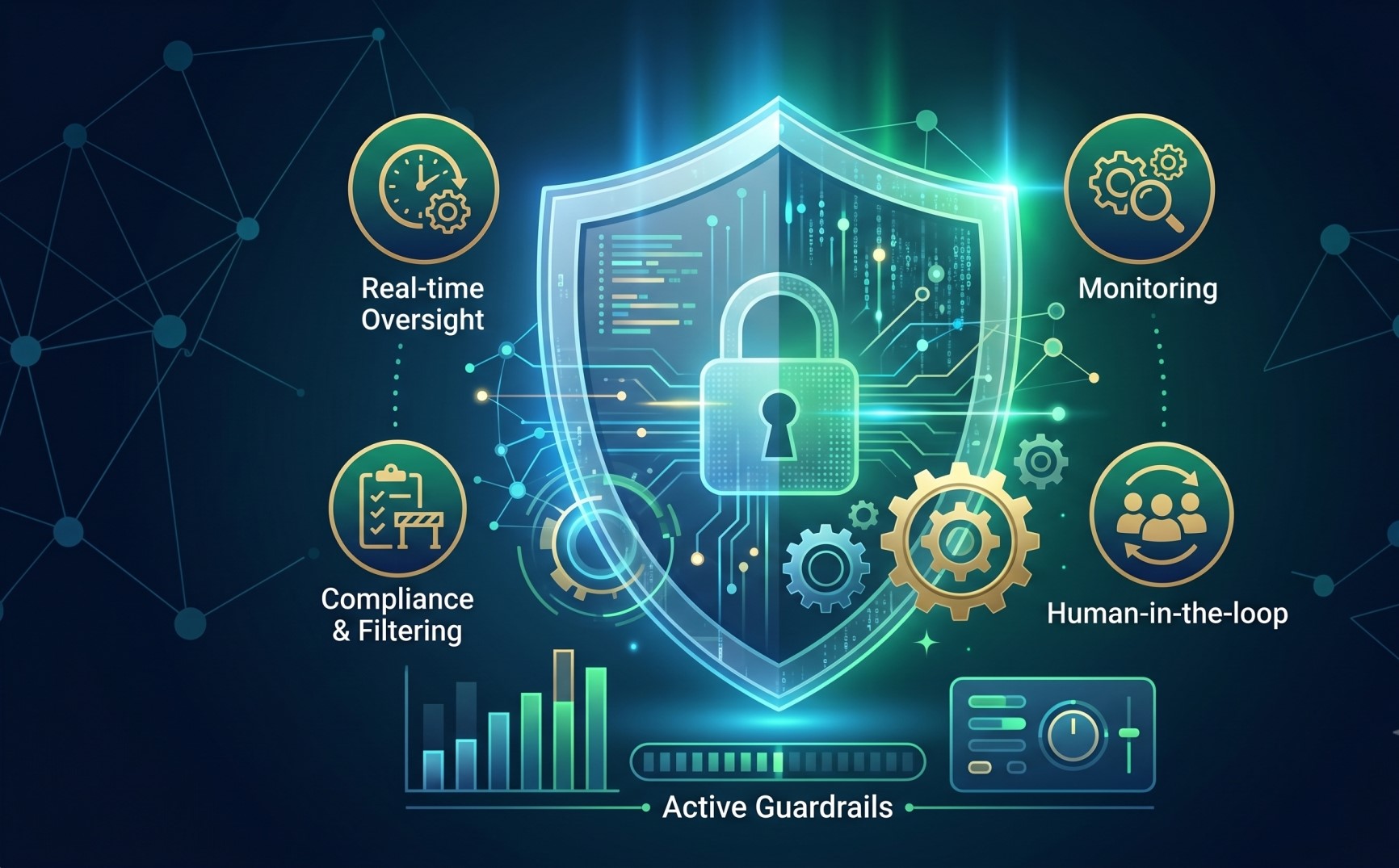
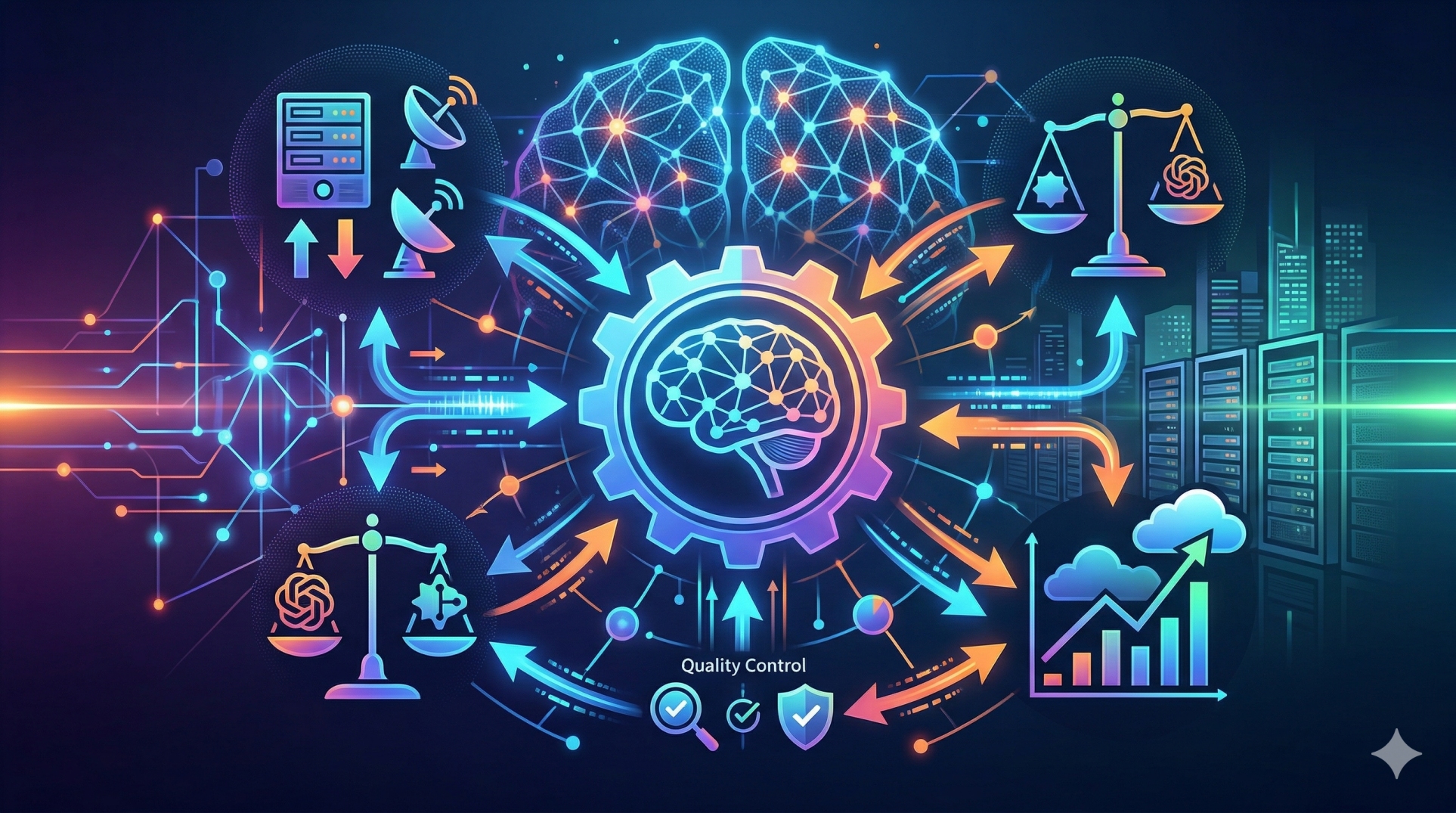
• Protect enterprise data with secure access controls 🛡️
• Apply role-based permissions across workflows 👤
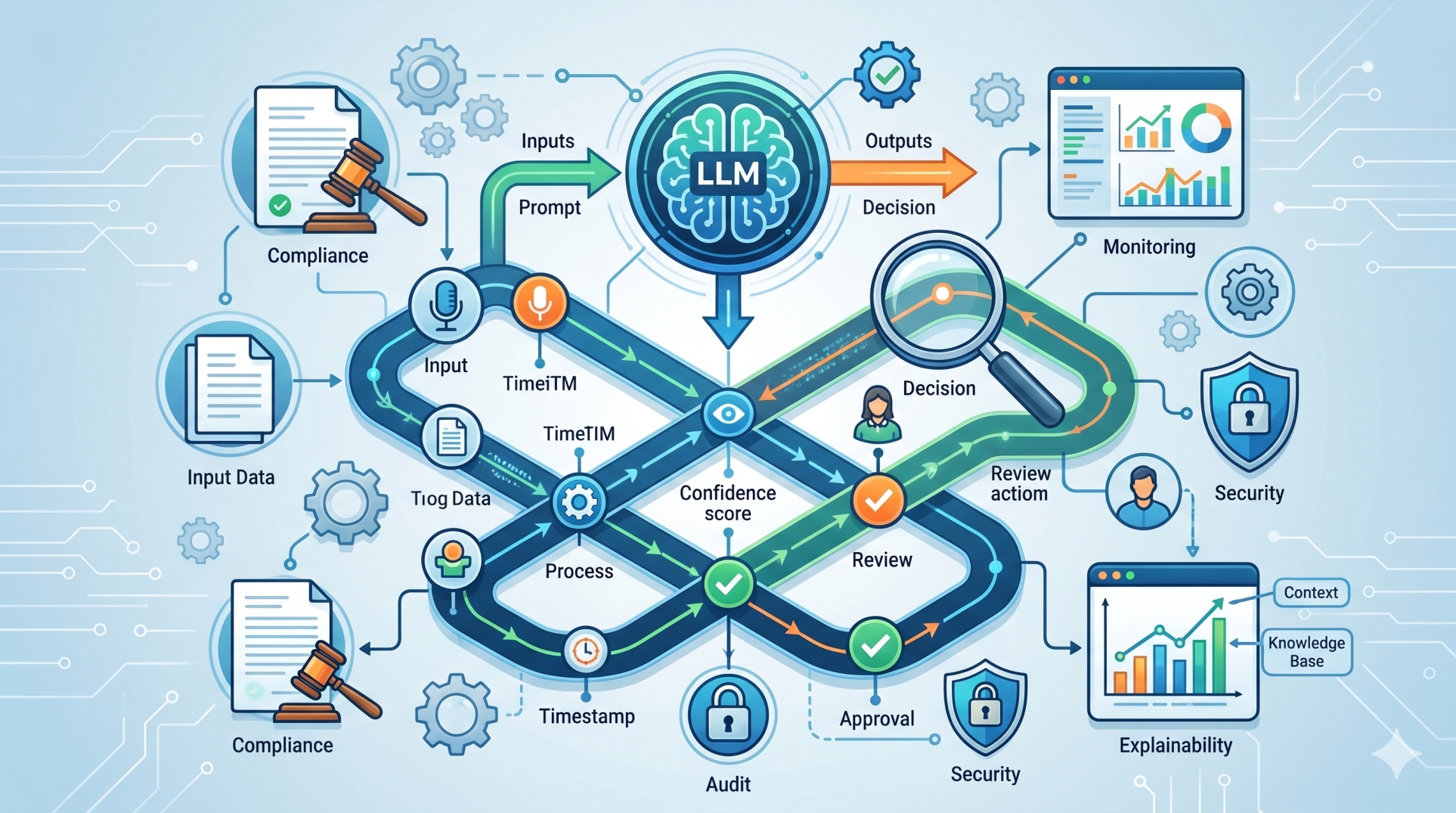
• Maintain audit trails for automated activities 🧾
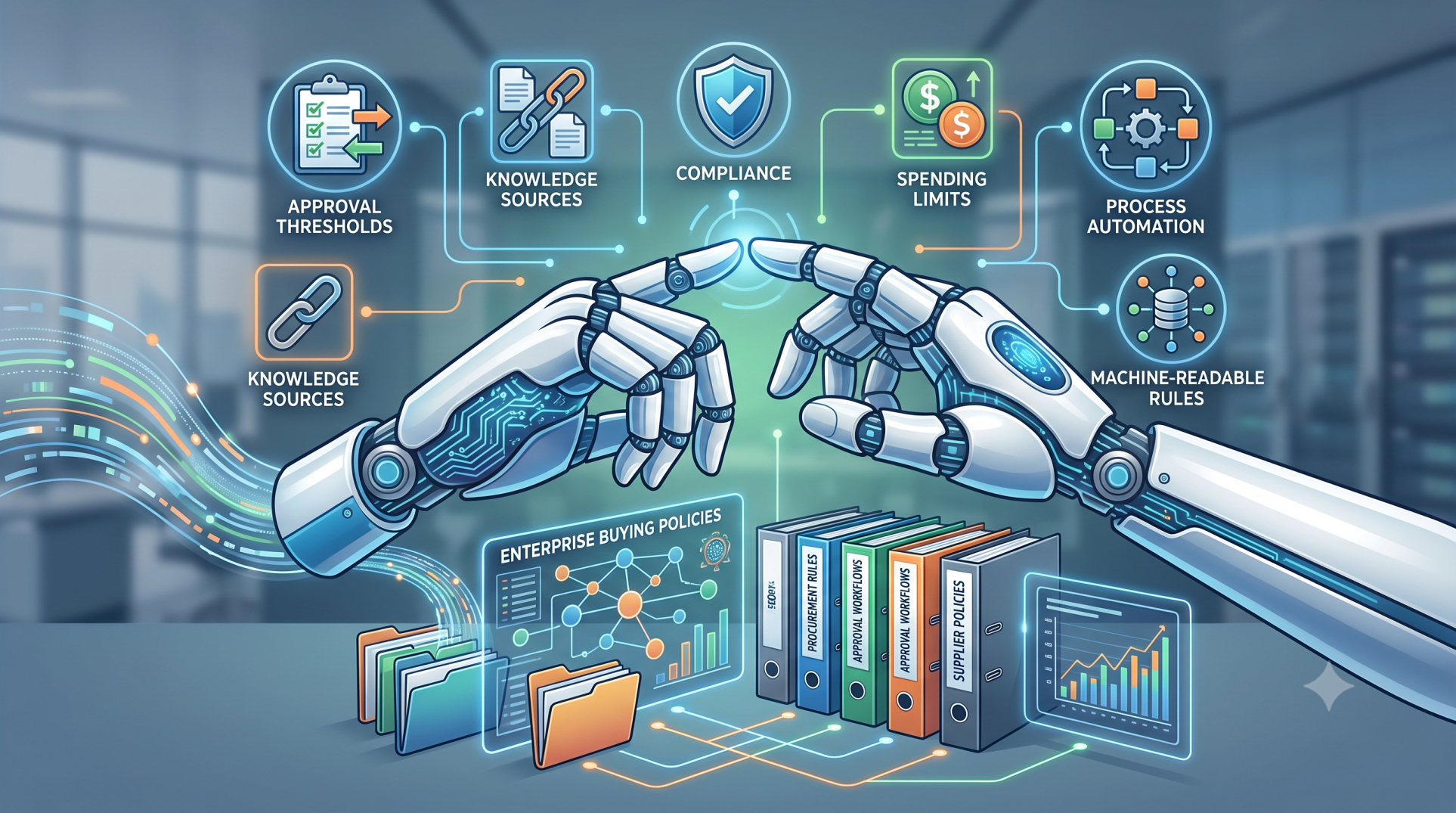
• Support compliance with organizational policies 📜
• Ensure responsible and transparent AI usage ✅
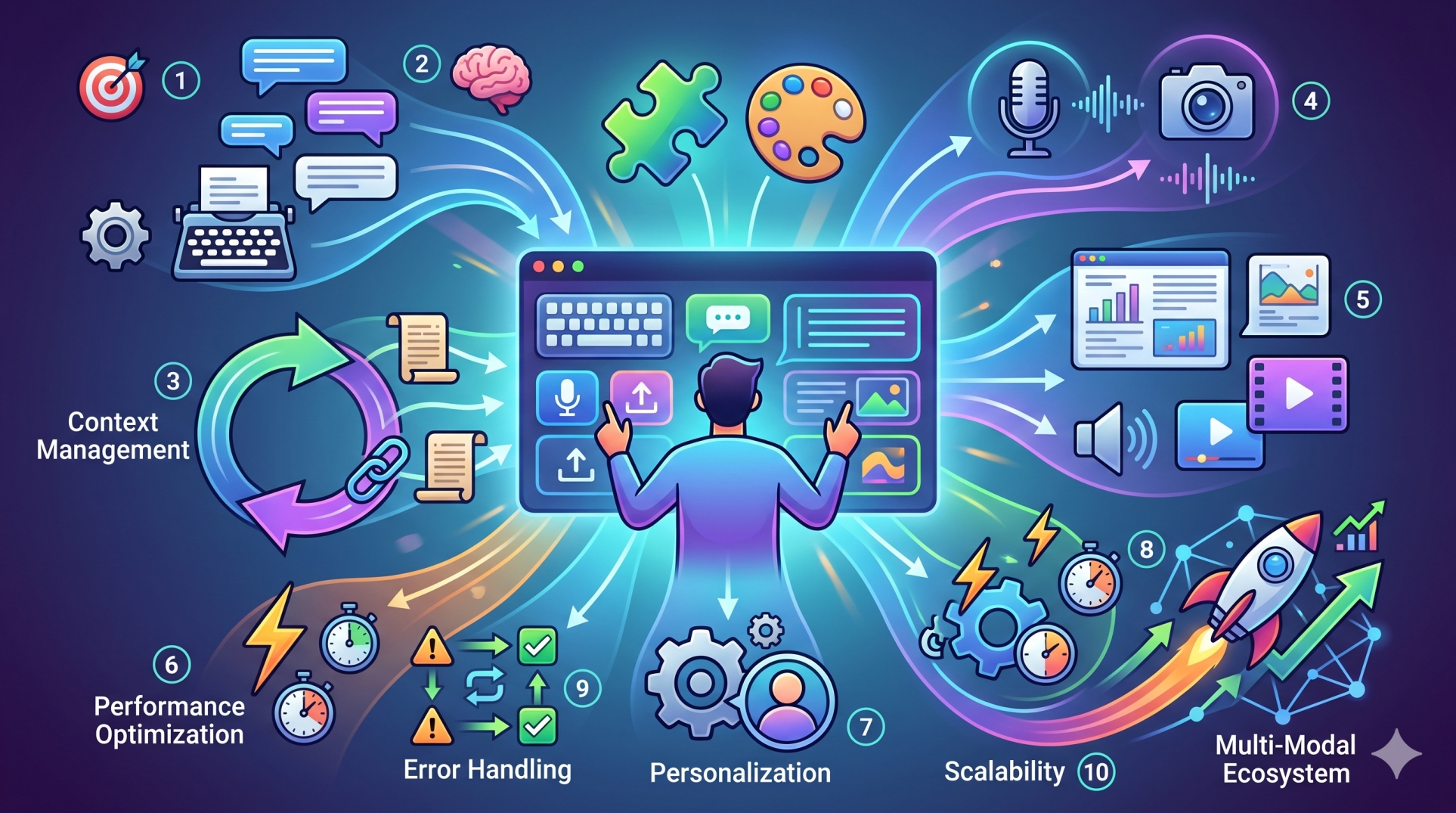
Step 8: Key Workflow Orchestration Priorities ⭐
• Unified coordination across enterprise systems 🔗
• Intelligent automation of business processes 🤖
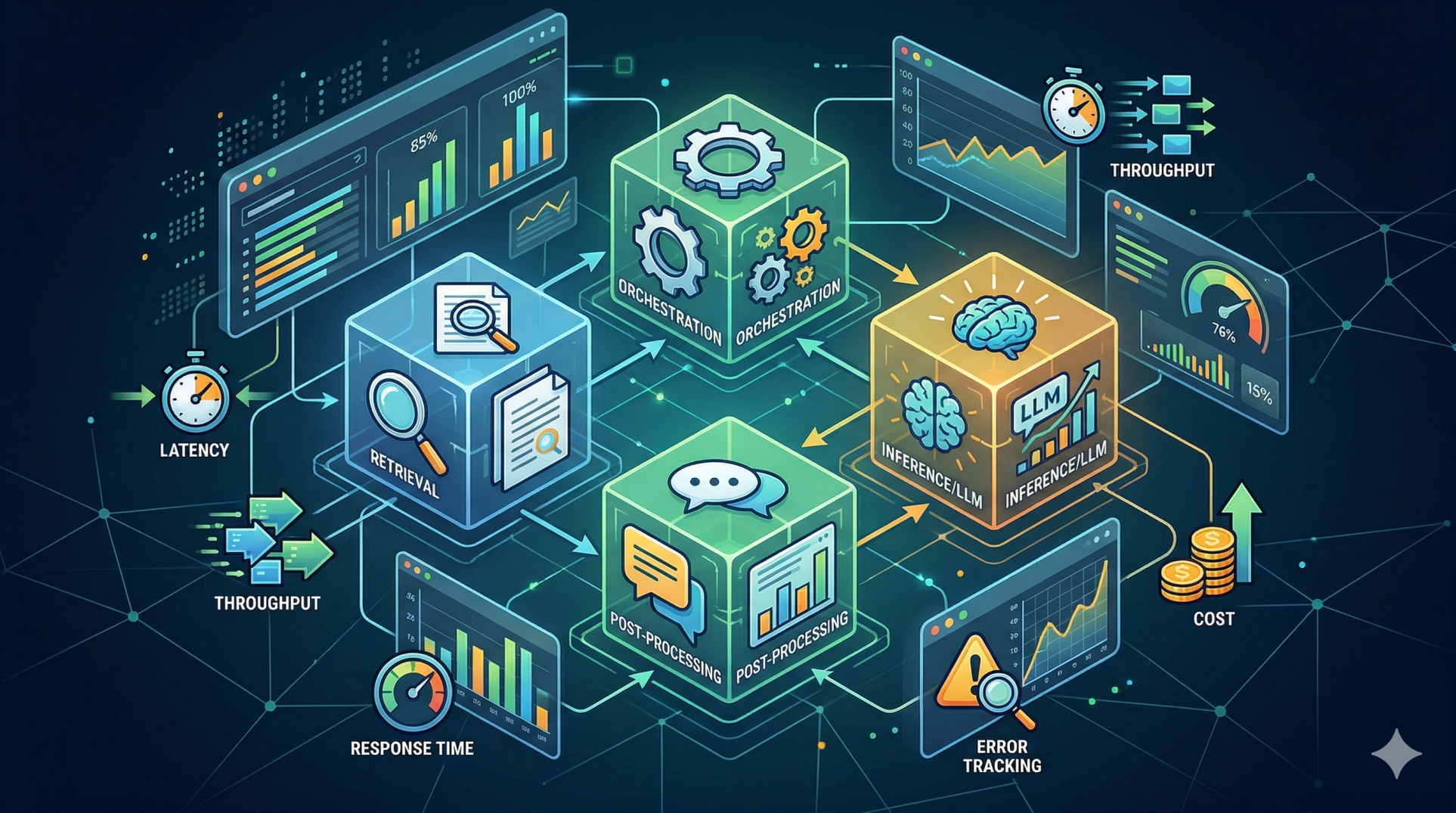
• Real-time visibility into workflow progress 👀
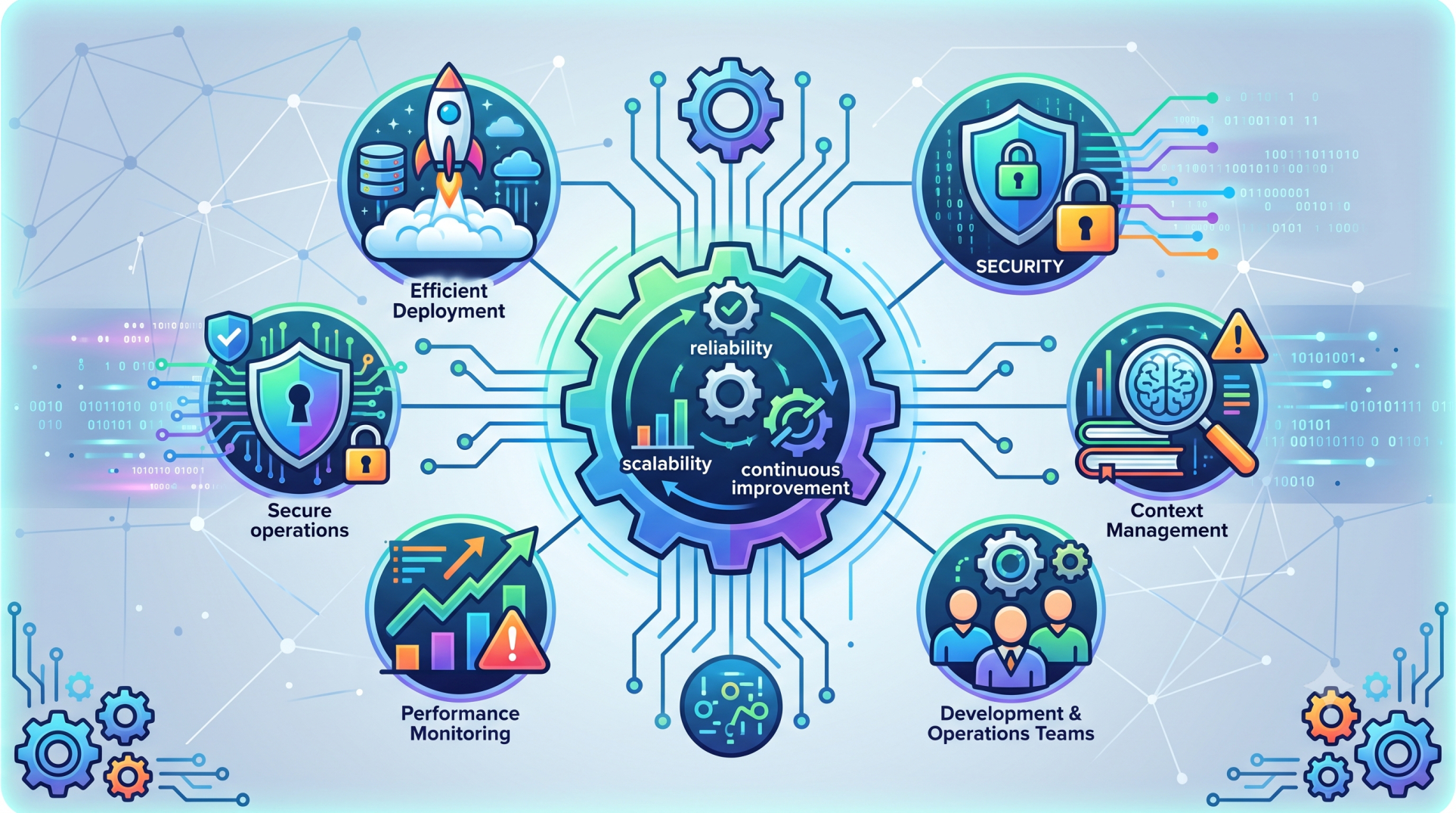
• Scalable architecture for growing business operations 🚀
Step 9: Handling Exceptions and Process Variability 🔄
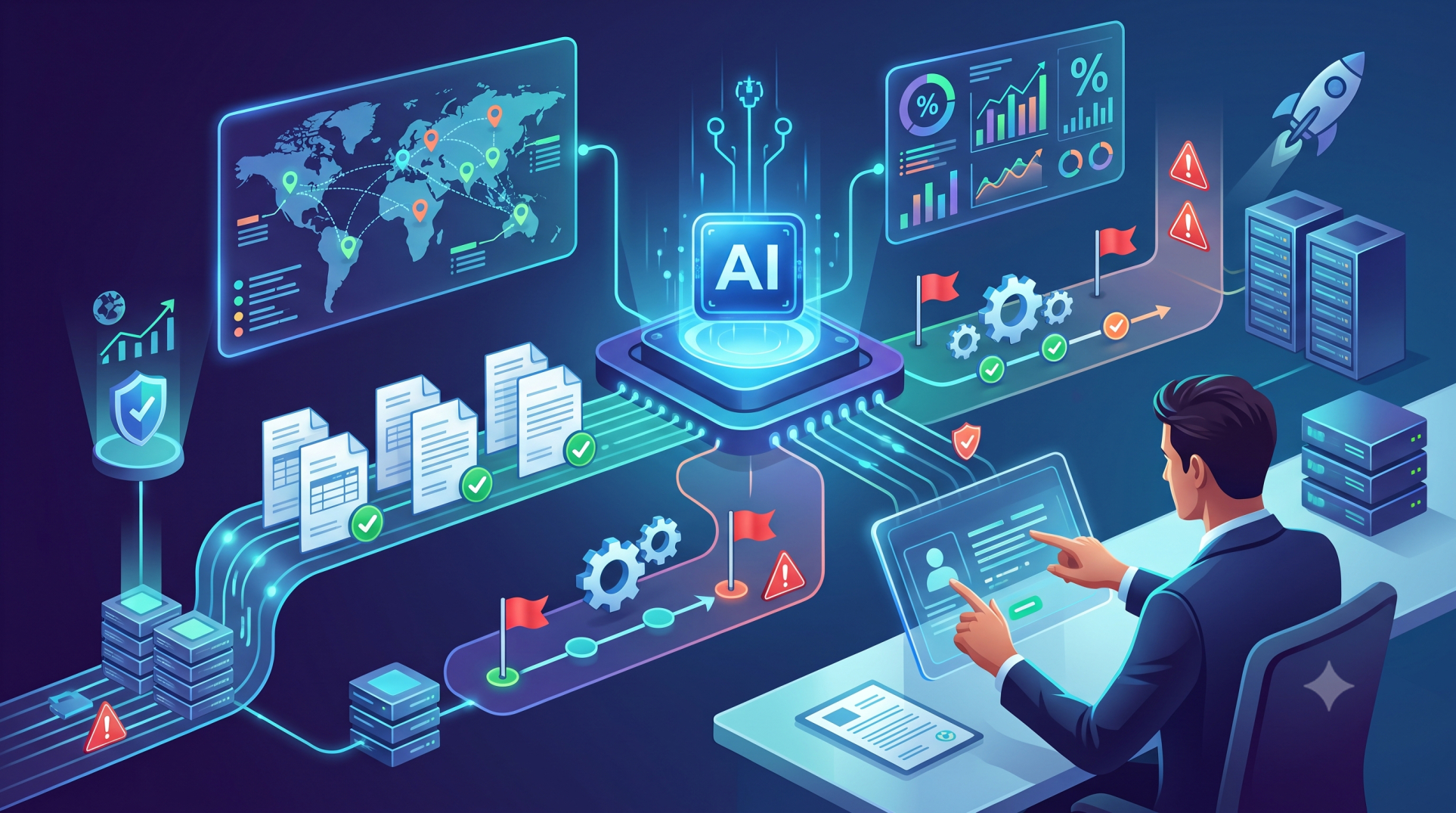
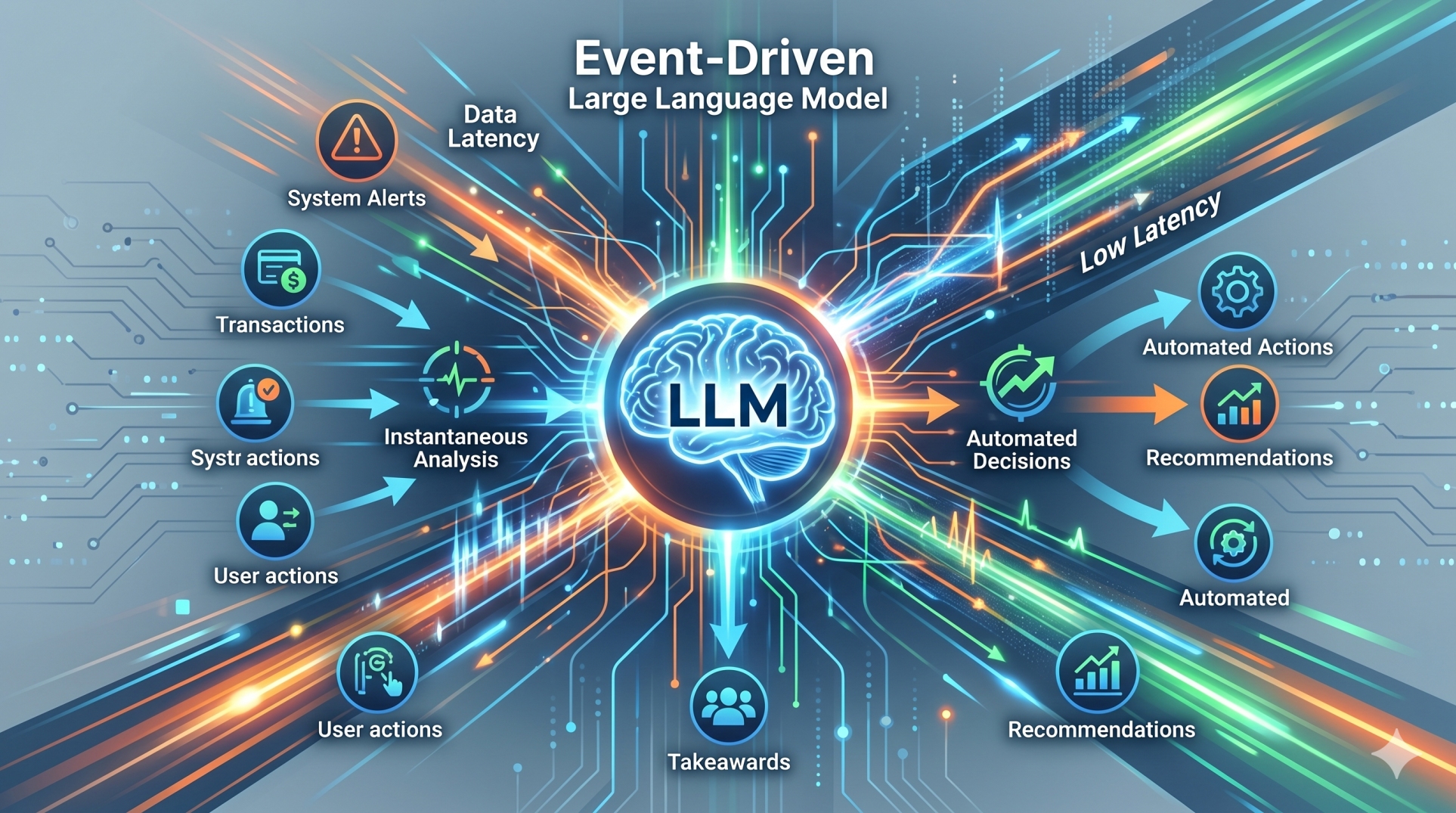
• Detect workflow interruptions and operational delays 🚨
• Redirect tasks when dependencies are unavailable 🔀
• Escalate exceptions to appropriate personnel 📢
• Maintain workflow continuity during changing conditions ⚙️
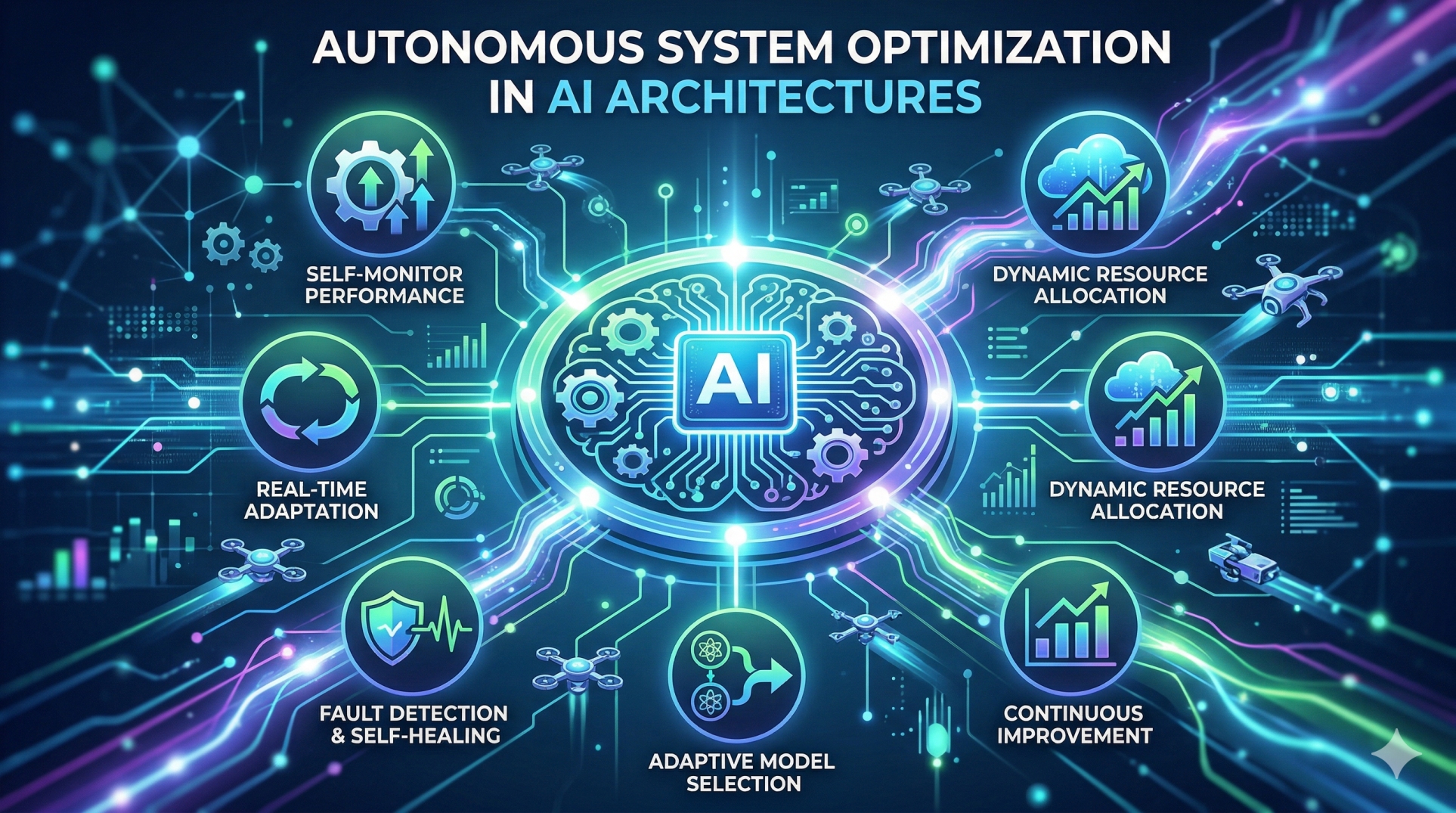
• Improve resilience through adaptive process management 💪
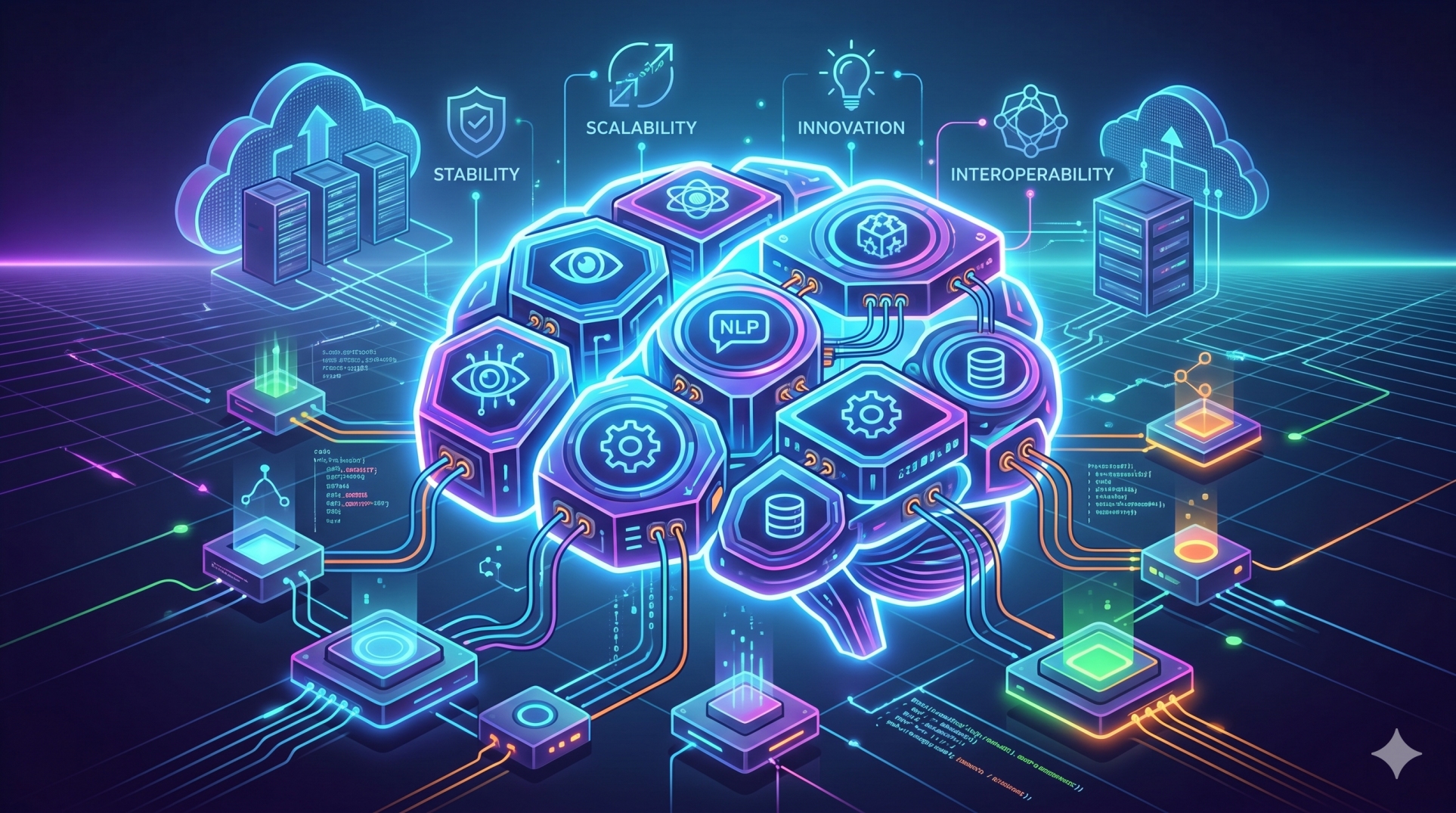
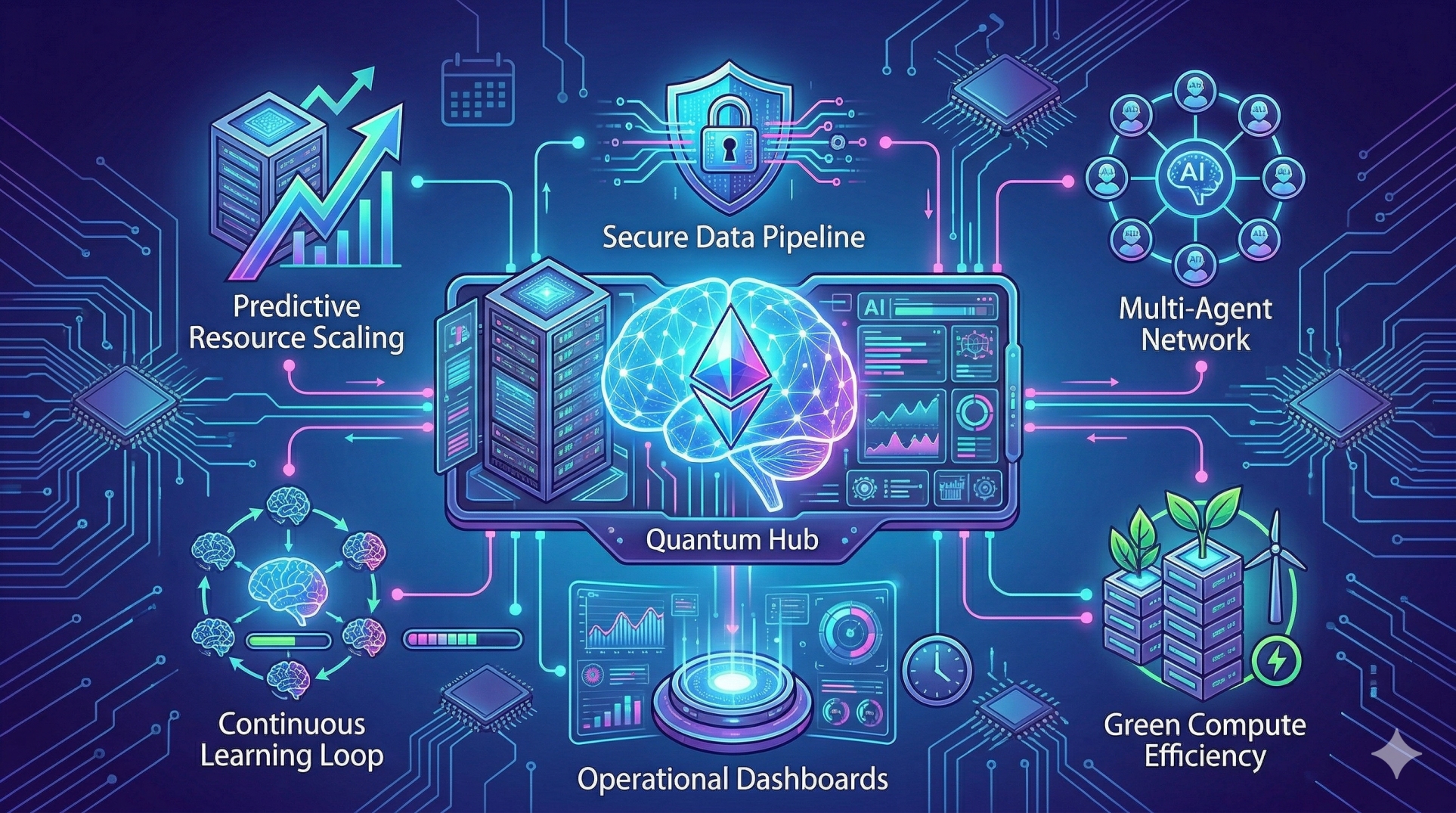
Step 10: Building a Future-Ready Enterprise Automation Platform 🌟
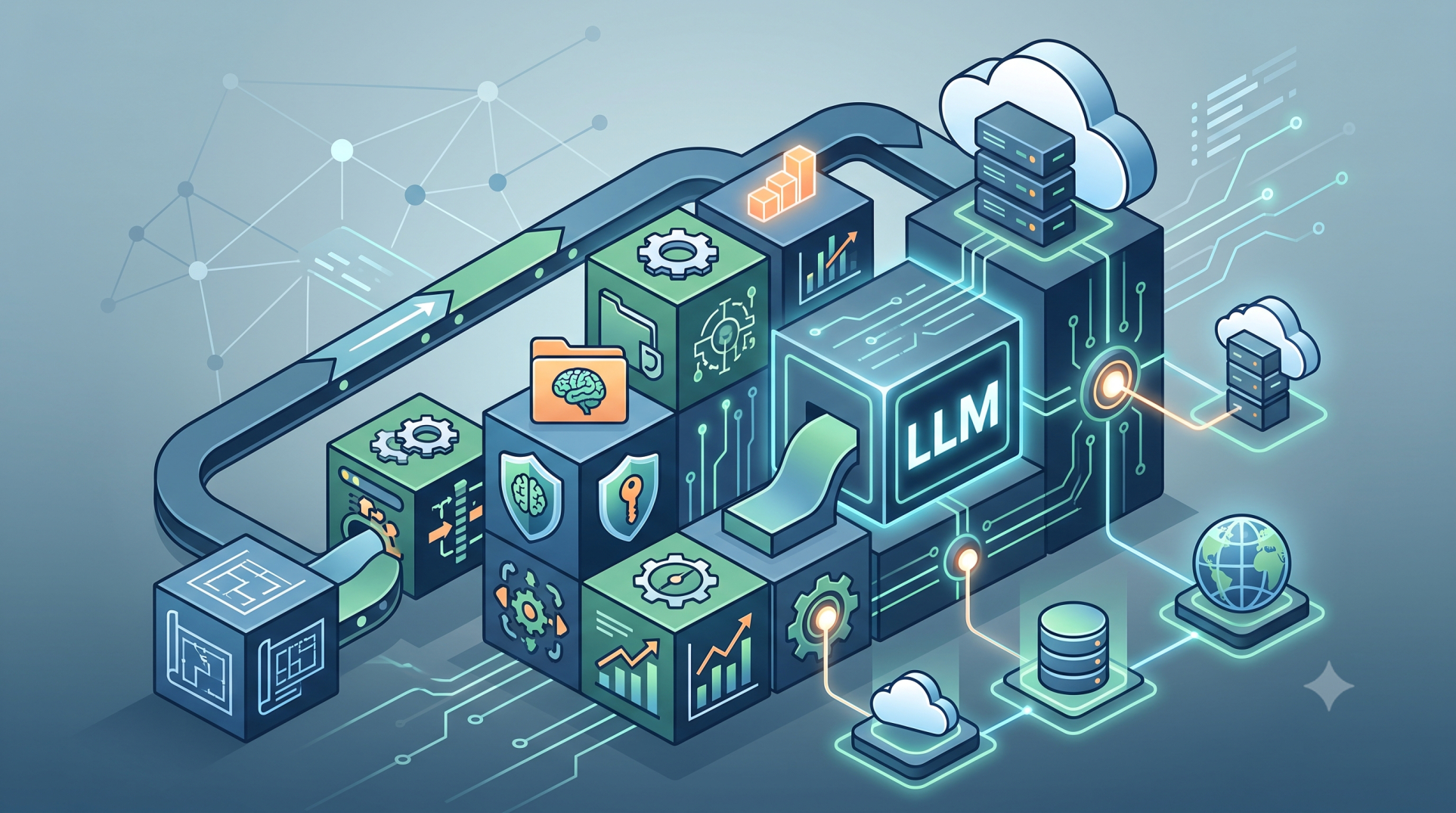
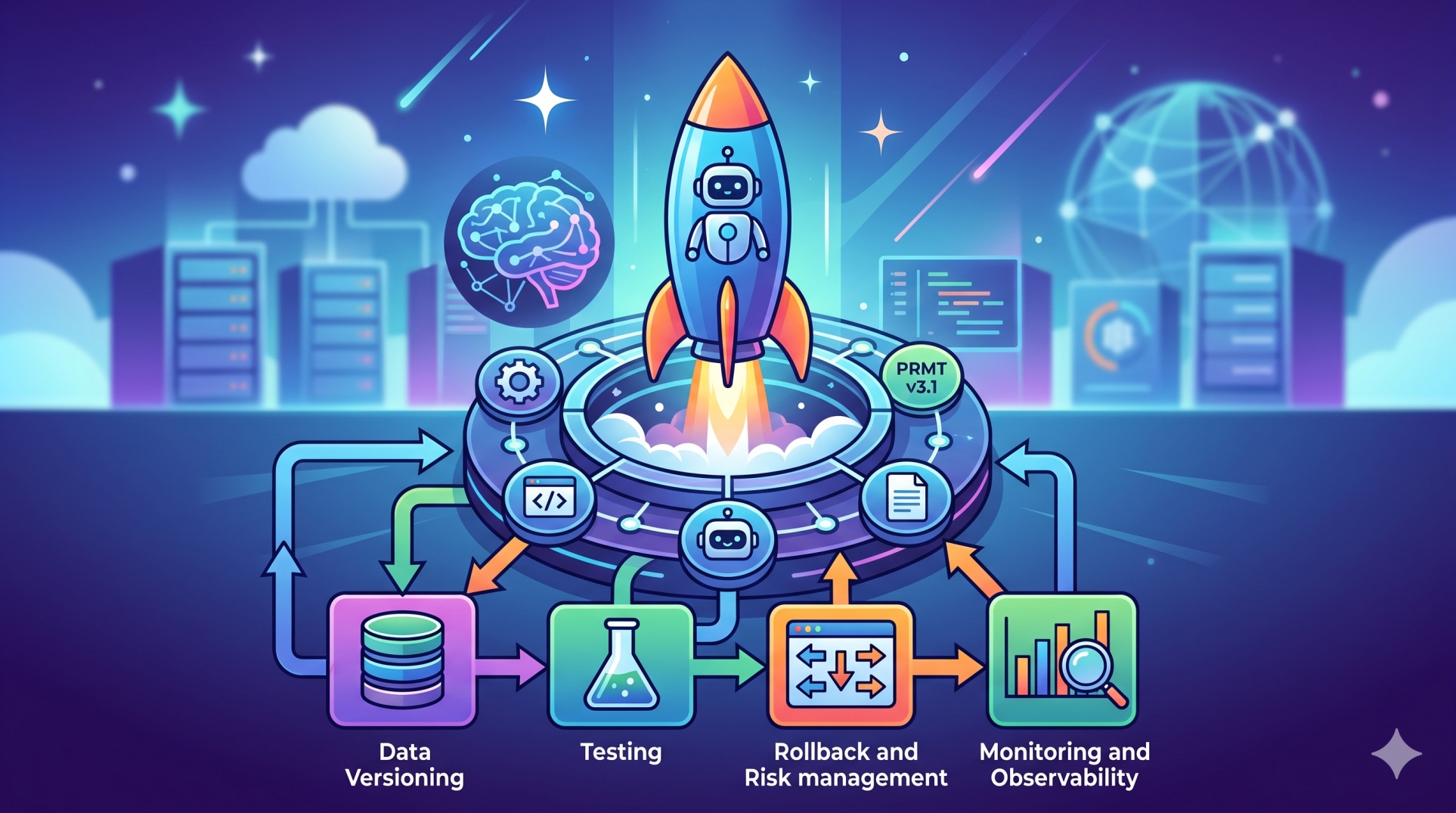
• Design modular workflow architectures for scalability 🏗️
• Integrate new enterprise applications with minimal effort 🔌
• Support evolving business processes and organizational growth 📈
• Enable continuous improvement through intelligent automation 🔄
• Future-proof enterprise operations with adaptable AI capabilities 🚀
Conclusion
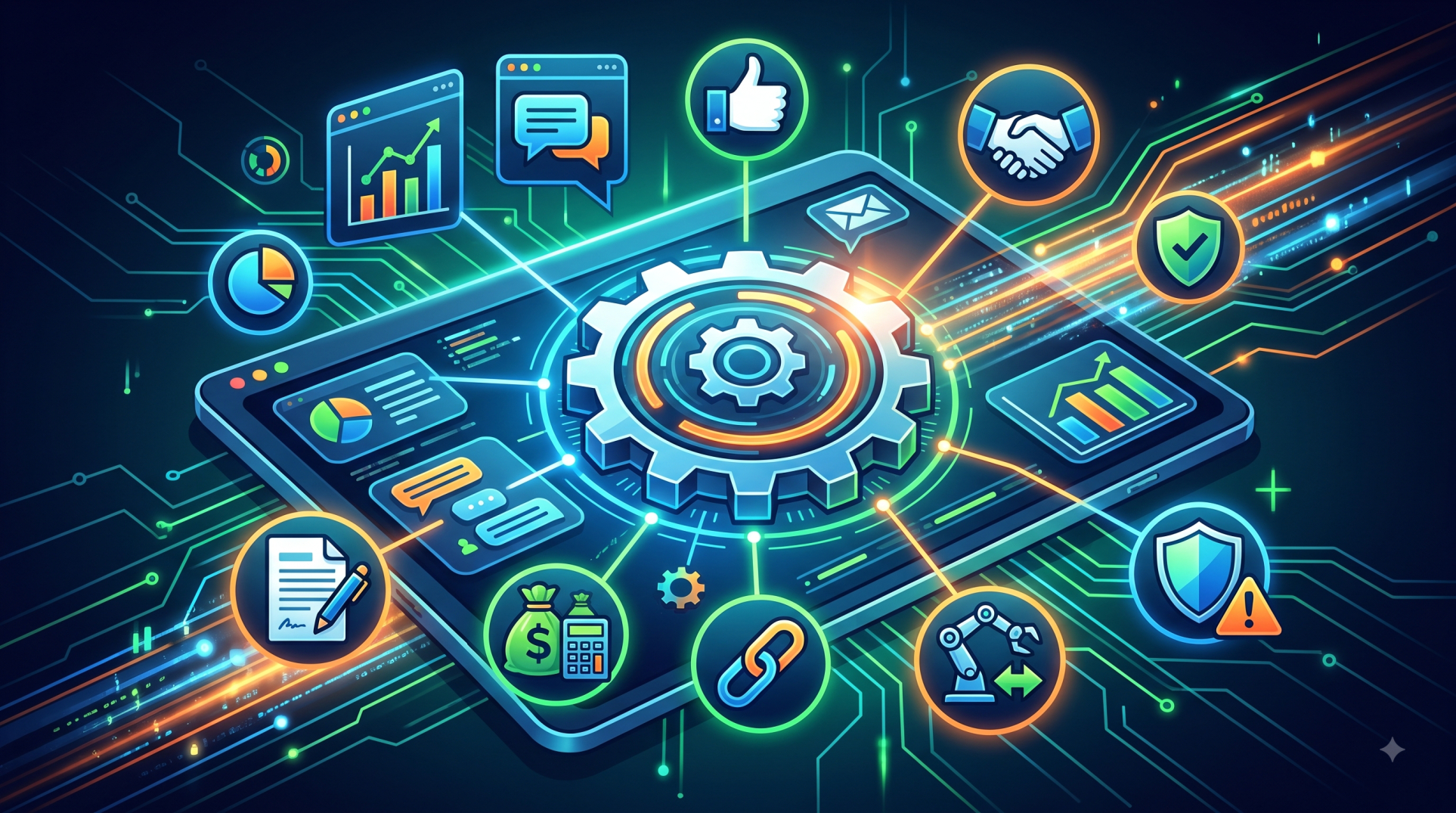
Language models are becoming powerful workflow orchestration engines that connect enterprise systems, automate business processes, and support intelligent decision-making. By integrating AI into operational workflows, organizations can improve efficiency, strengthen collaboration, and respond more effectively to changing business demands. A well-designed orchestration strategy enables scalable, secure, and adaptable enterprise operations that are ready for the future.
See more blogs
You can all the articles below