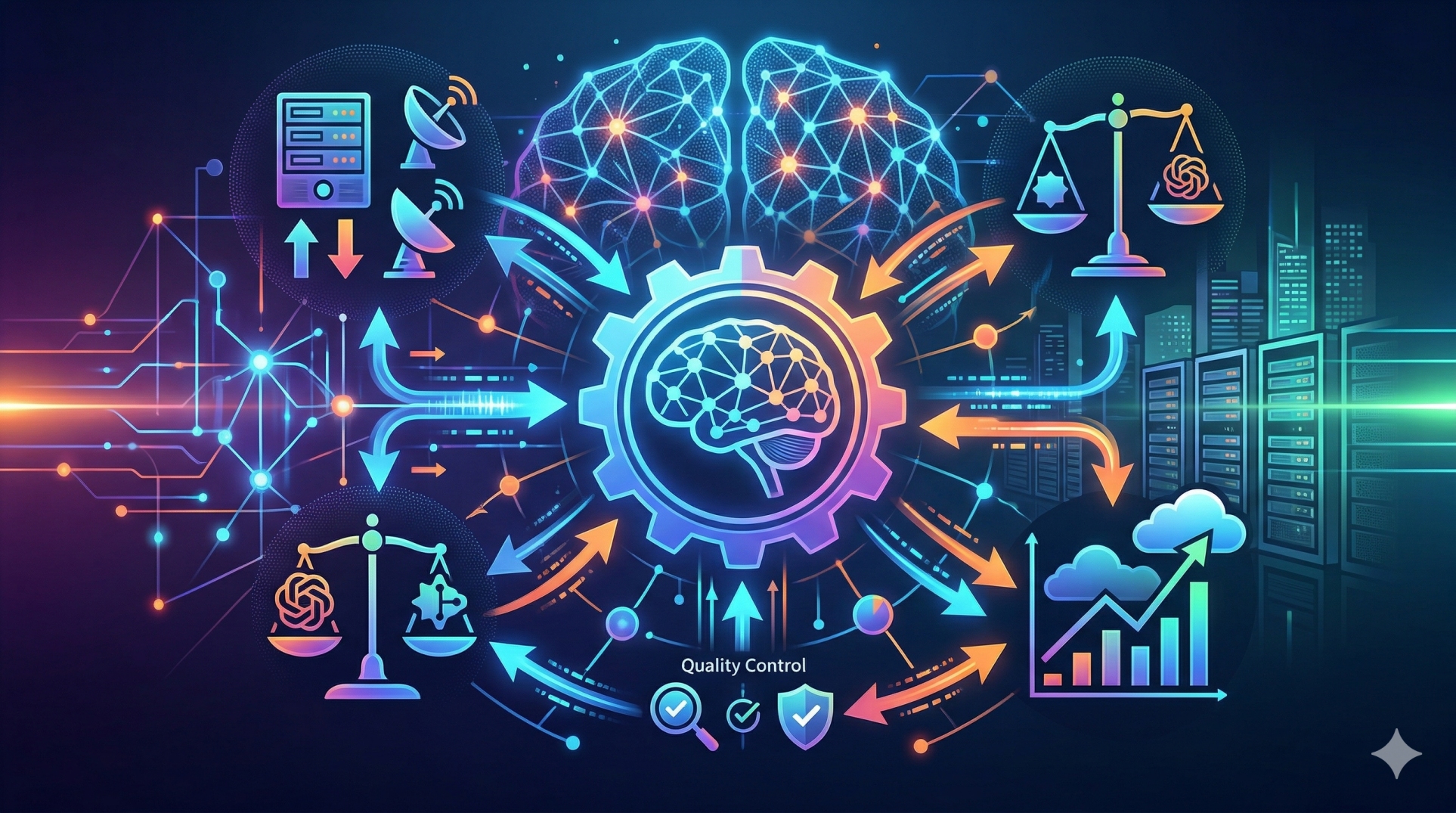
Building Multi-Modal LLM Applications Across Text, Voice, and Vision
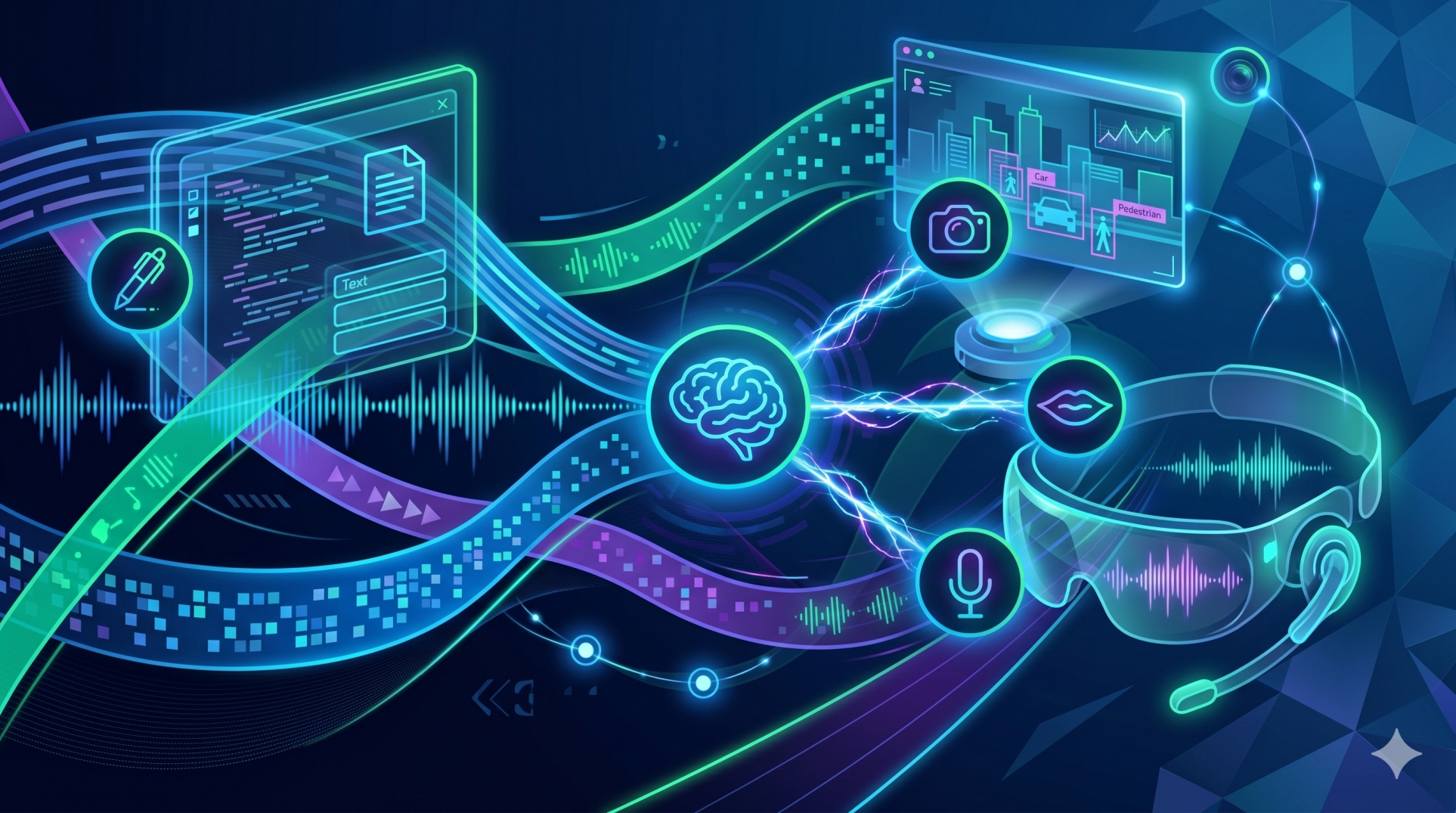
Building Multi-Modal LLM Applications Across Text, Voice, and Vision
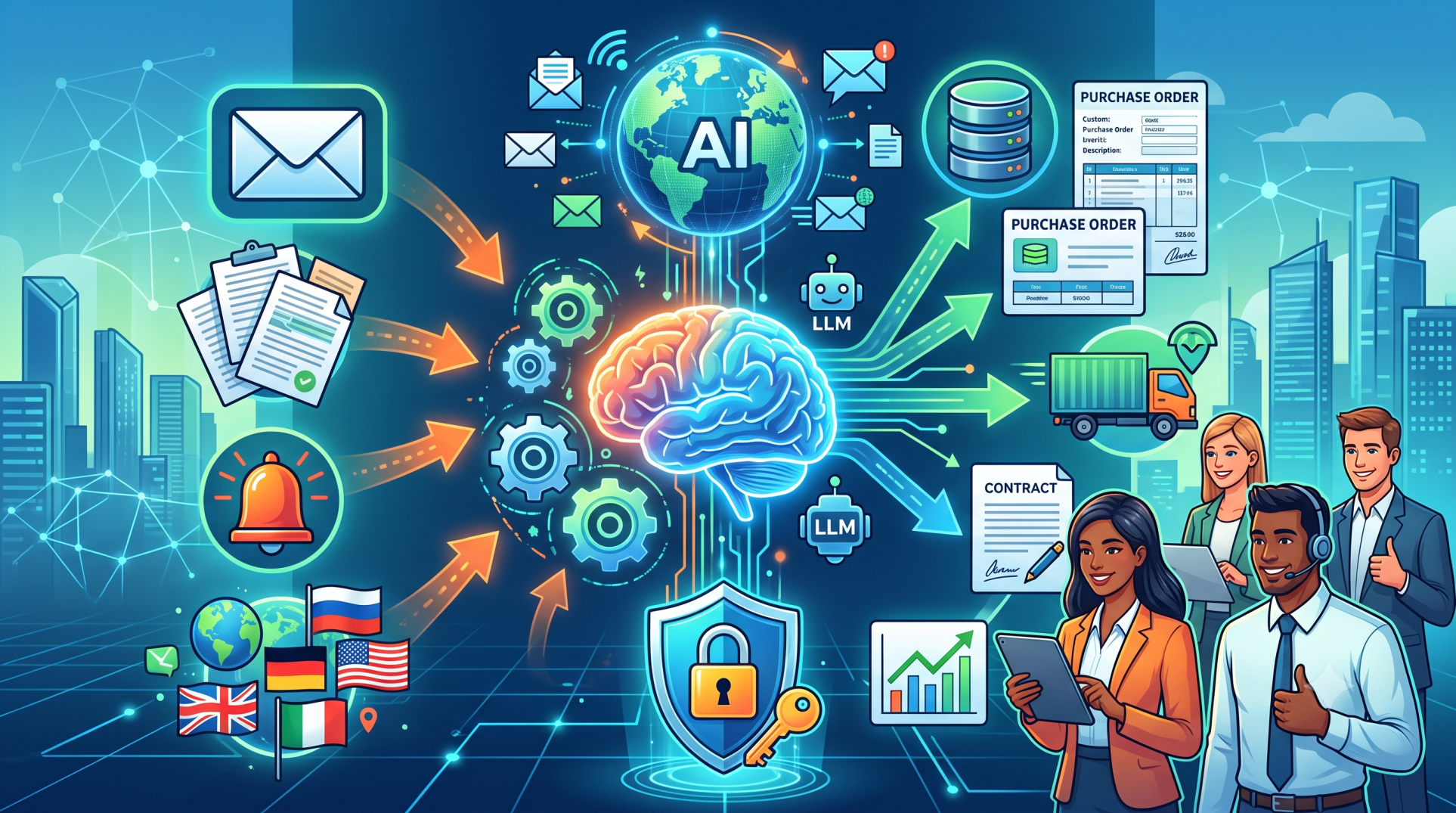
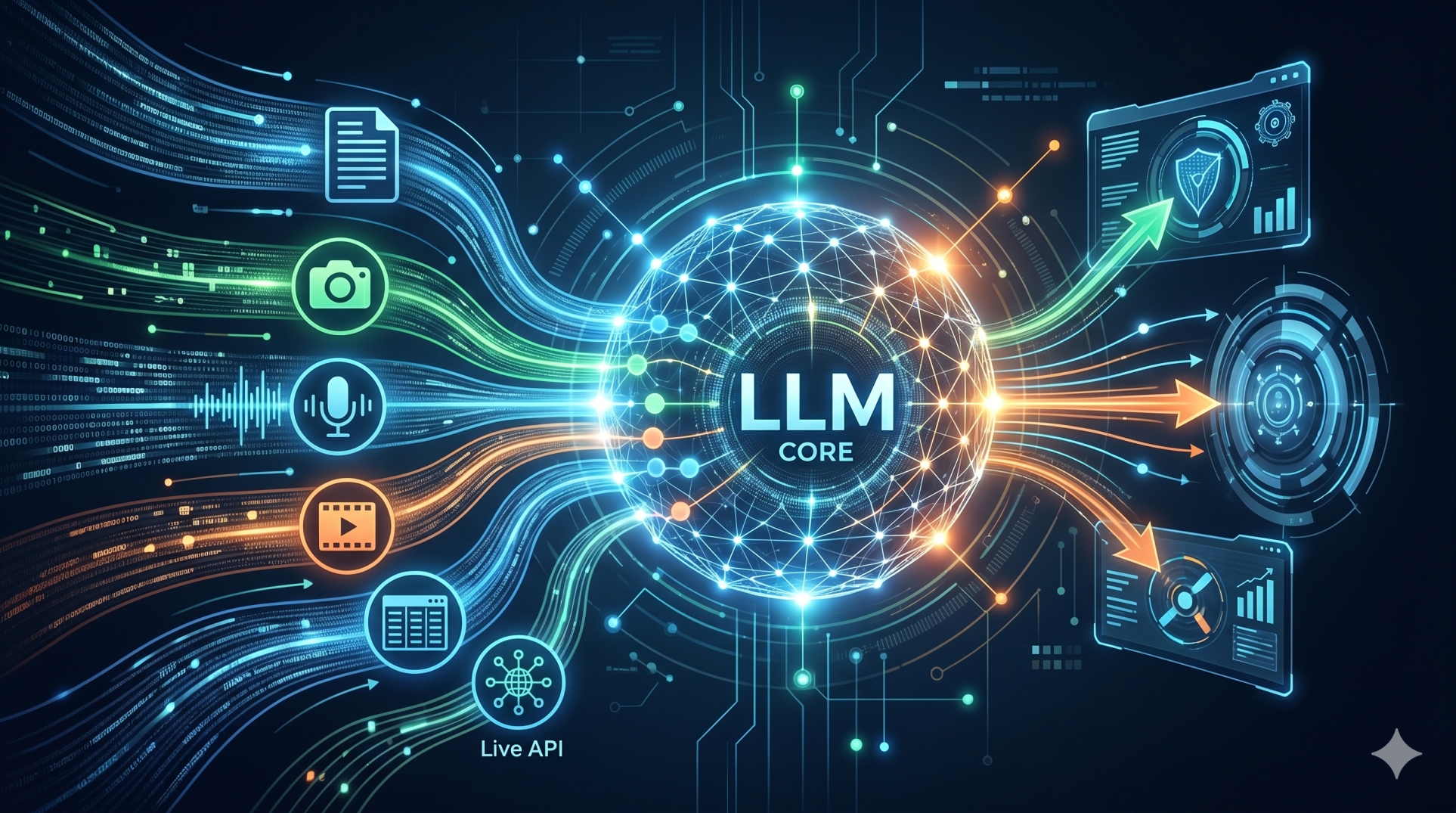
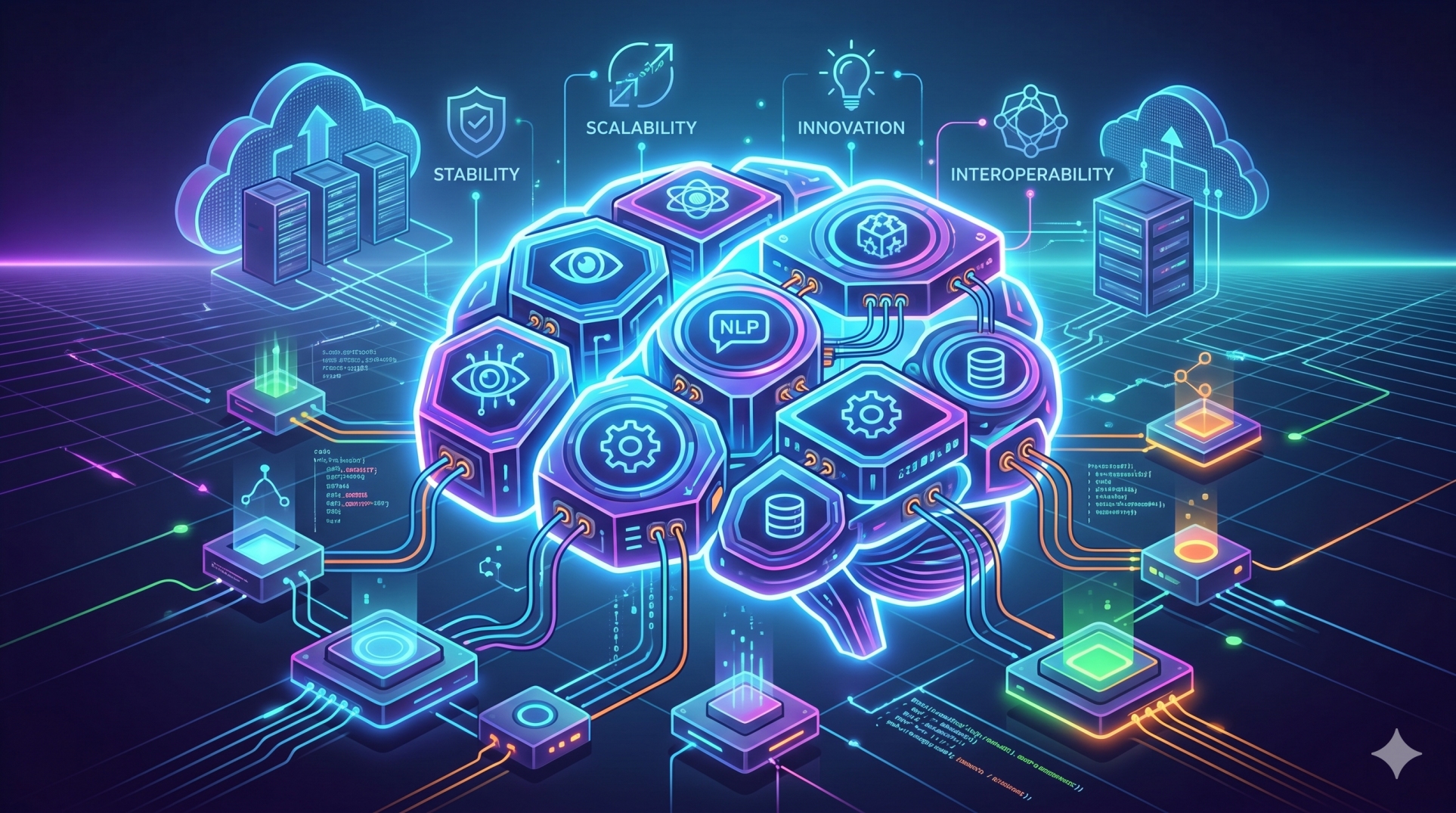
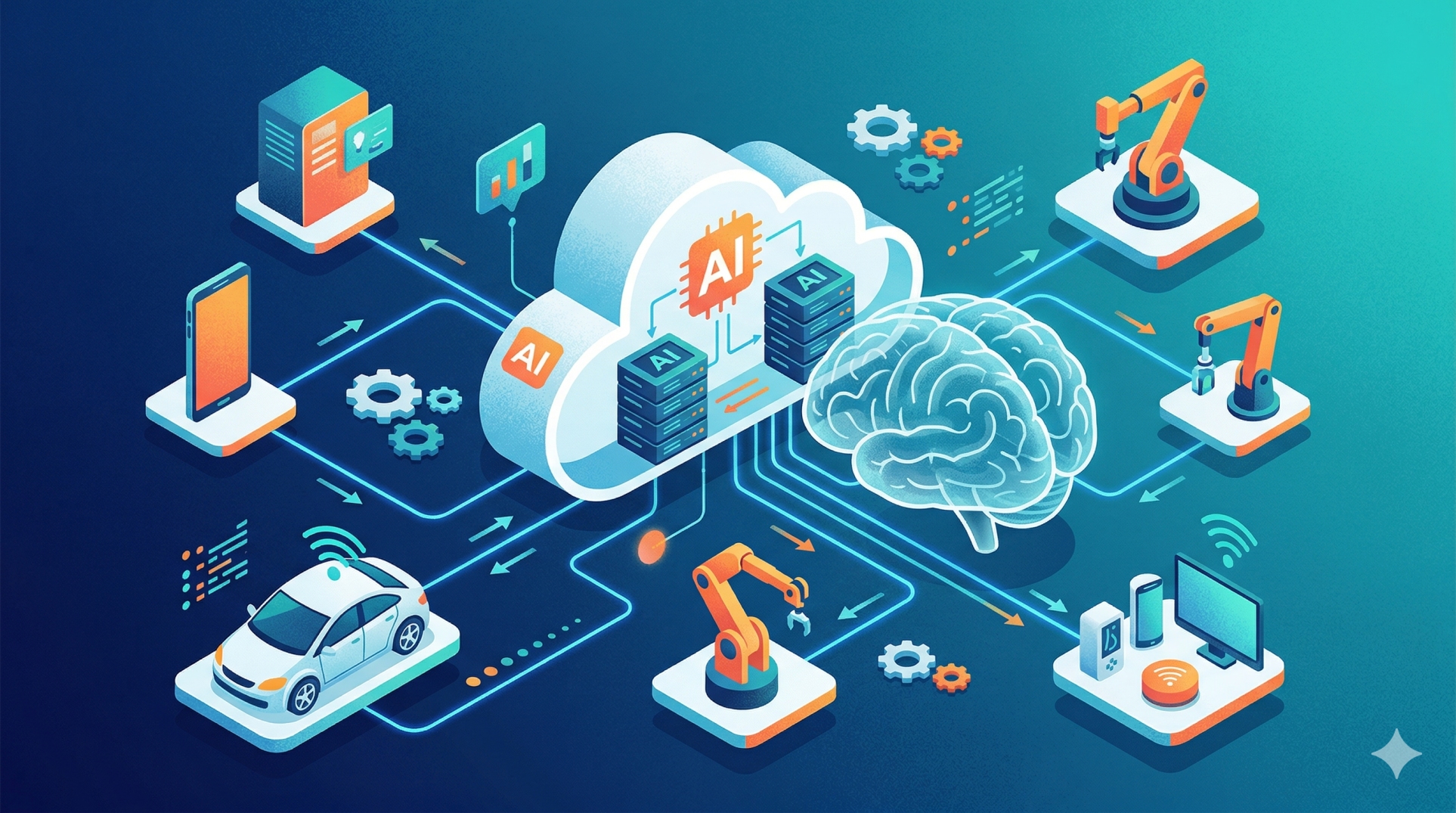
As artificial intelligence continues to evolve, organizations are moving beyond text-only systems toward multi-modal Large Language Model (LLM) applications that combine text, voice, and vision capabilities. These intelligent systems can understand spoken language, analyze images, process written input, and respond naturally across multiple channels. By integrating several forms of interaction, businesses can create richer user experiences, improve automation, and unlock new operational possibilities.
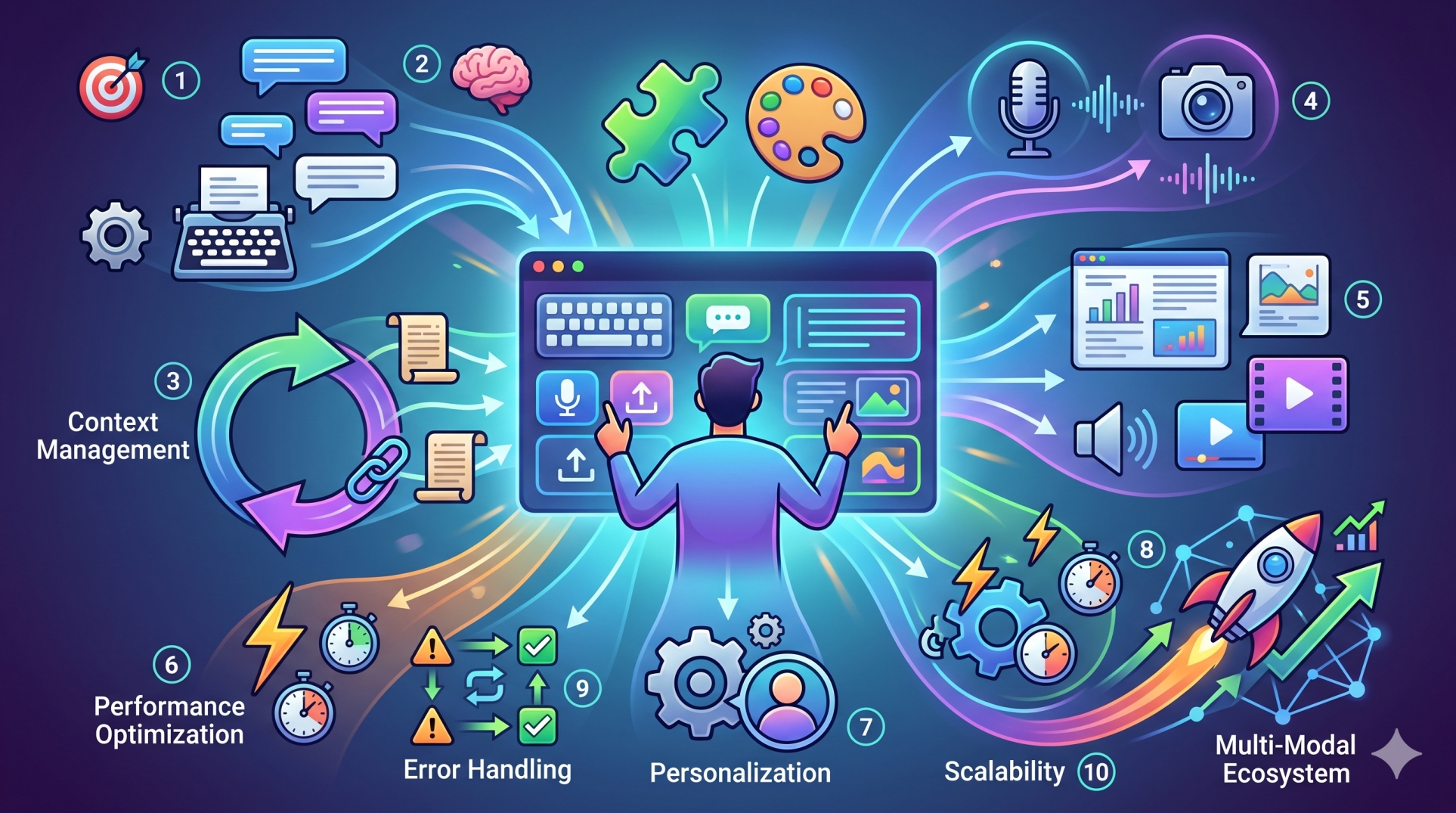
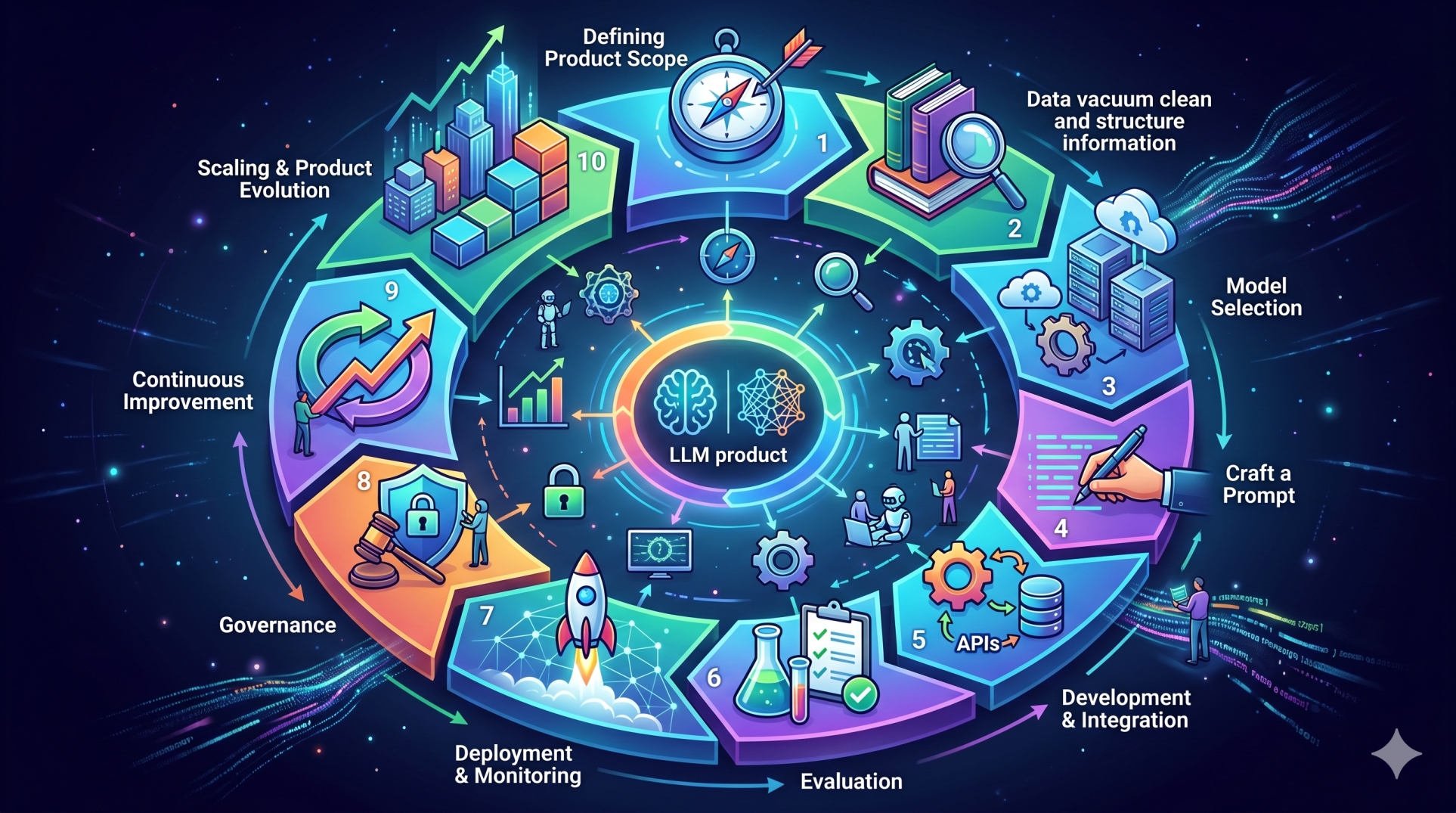
Step 1: Defining the Multi-Modal Application Strategy 🧠
• Identify business goals for combining text, voice, and vision workflows 🎯
• Determine target users, channels, and use cases for deployment 🌍
• Prioritize experiences where multi-modal interaction adds real value 📈
• Align AI capabilities with operational and customer needs 🤝
• Establish measurable success metrics for performance tracking 📊
Step 2: Building a Strong Text Intelligence Layer ✍️
• Use LLMs to understand prompts, generate responses, and summarize content 📝
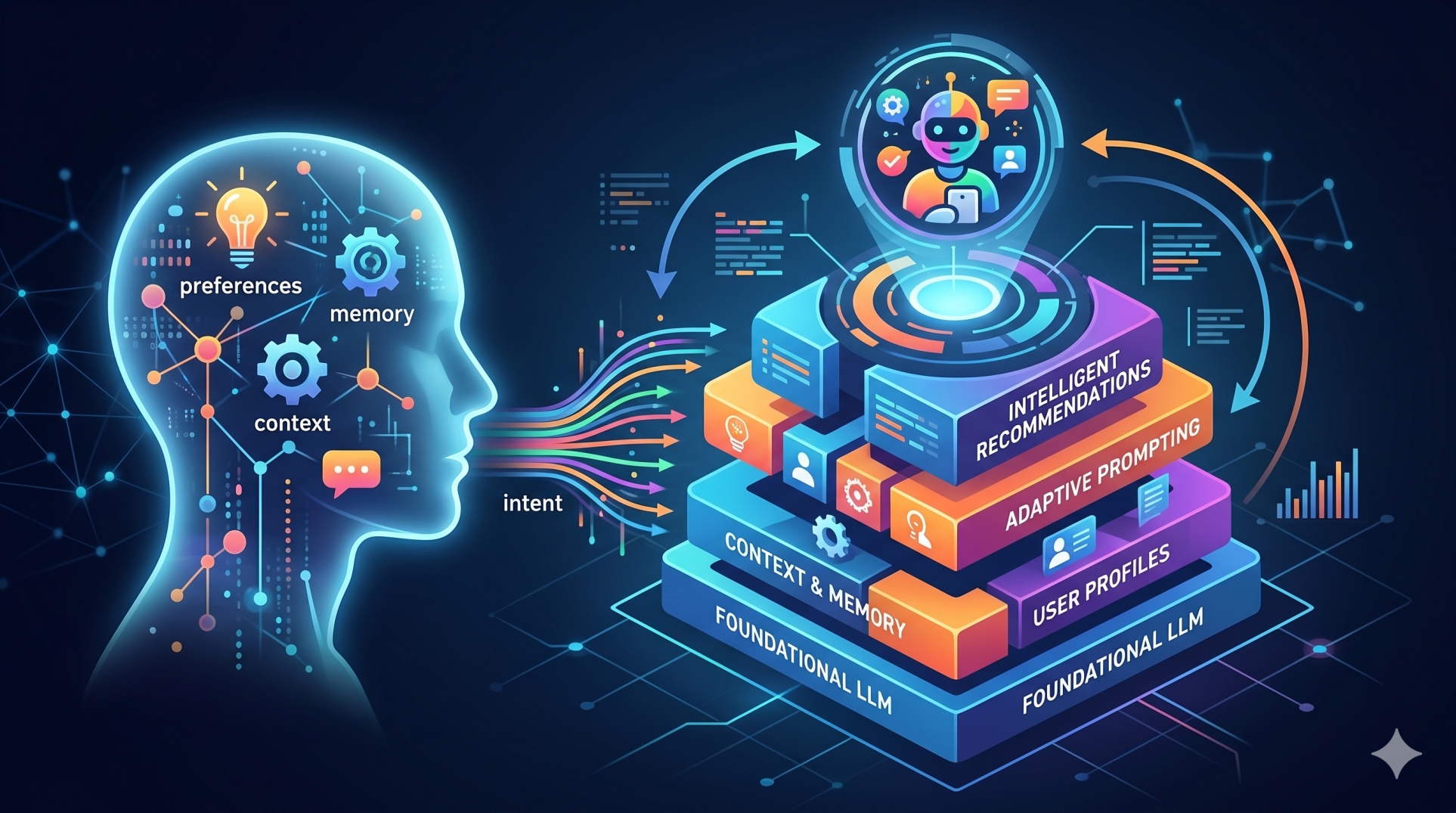
• Enable contextual memory for personalized conversations 🧩
• Support multilingual communication across markets 🌐
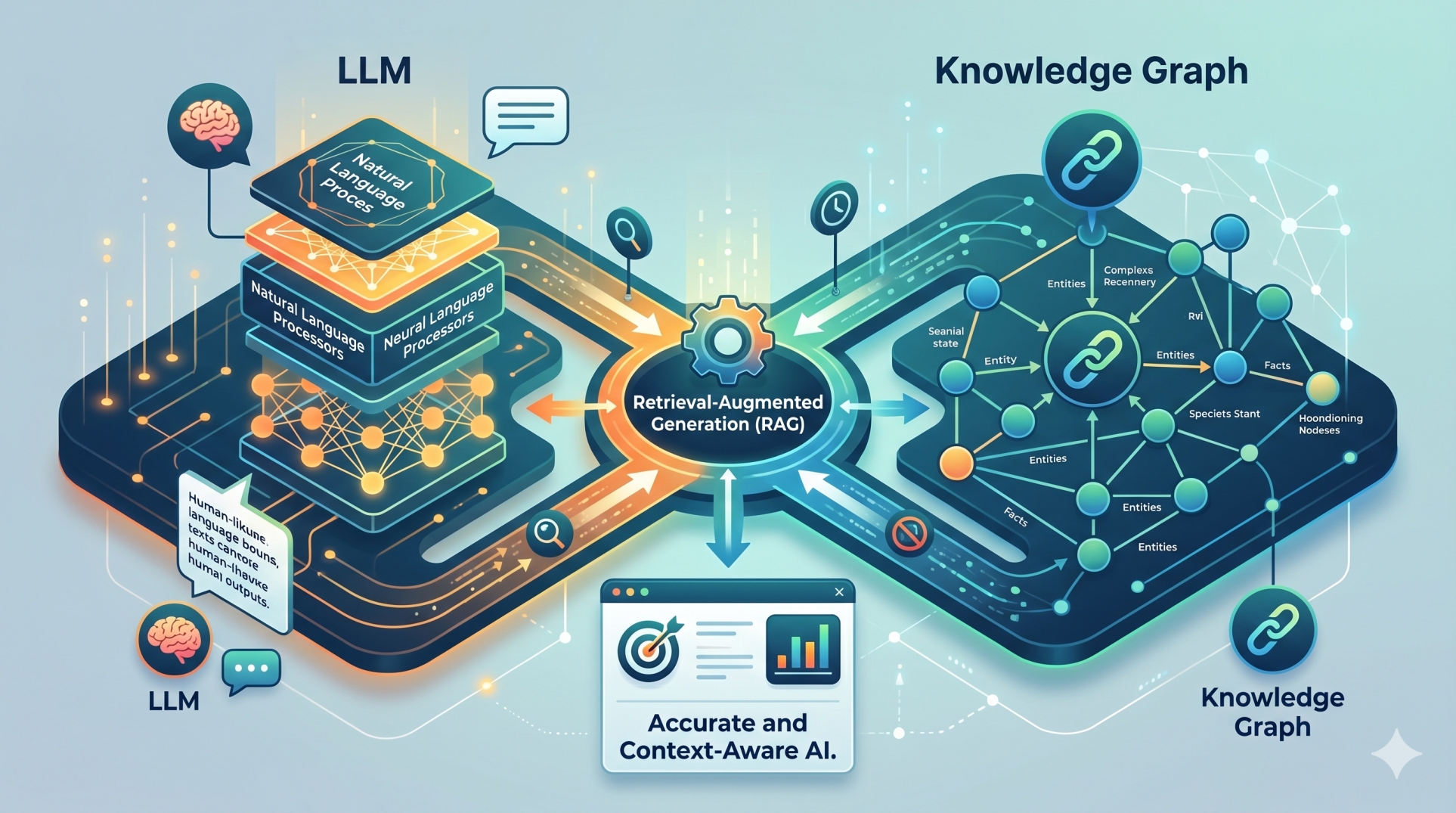
• Automate document analysis, search, and knowledge retrieval 📂
• Improve reasoning through structured prompt design ⚙️
Step 3: Integrating Voice Interfaces 🎙️
• Add speech-to-text systems for spoken input recognition 🔊
• Use text-to-speech for natural and responsive voice output 🗣️
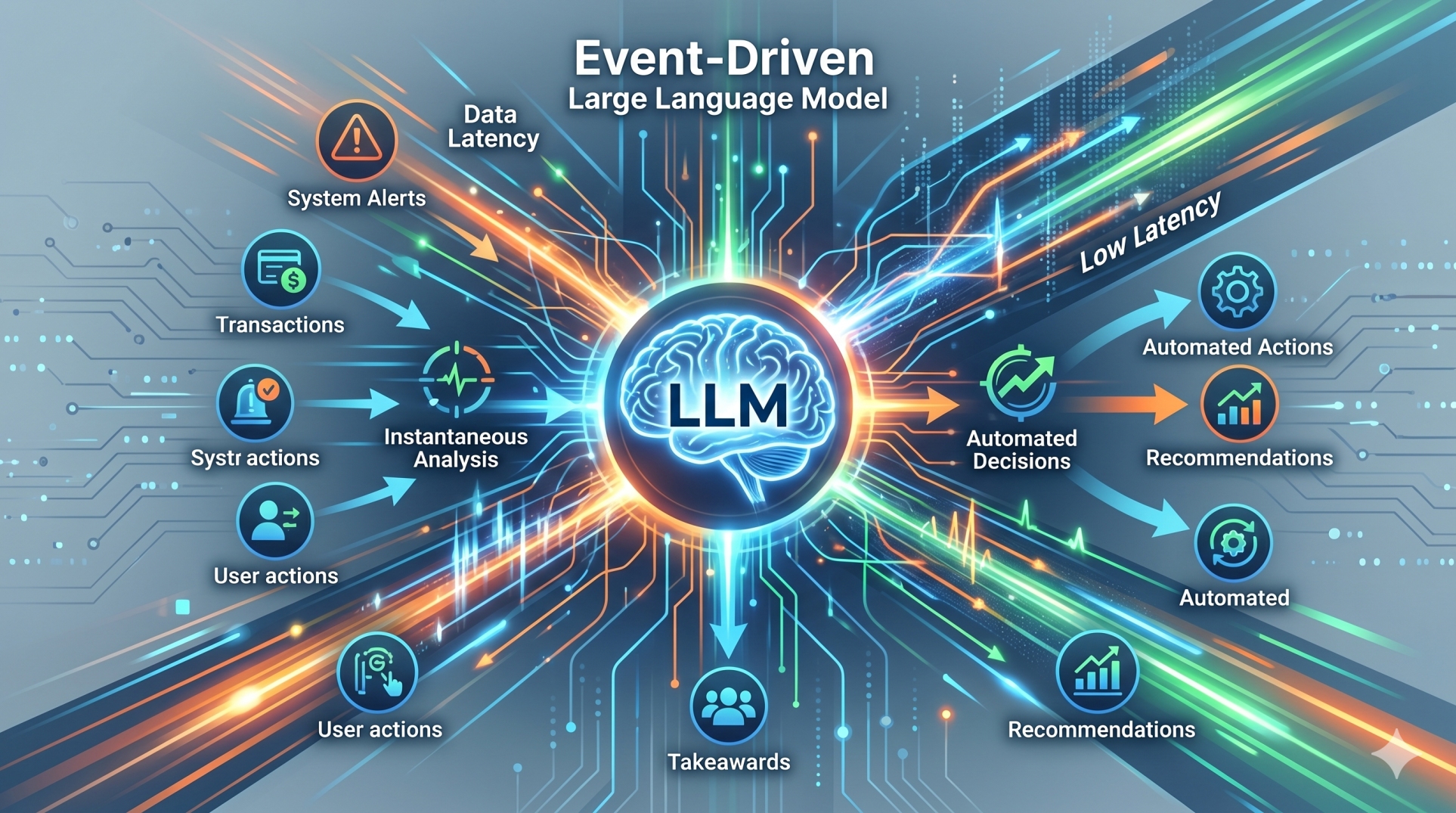
• Optimize latency for real-time conversations ⏱️
• Support multiple accents, languages, and speaking styles 🌍
• Create seamless handoff between voice and text channels 🔄
Step 4: Enabling Vision Capabilities 👁️
• Process images, screenshots, and camera feeds intelligently 📷
• Detect objects, text, layouts, or product information automatically 🔍
• Enable visual search and scene understanding 🖼️
• Support quality inspection and monitoring workflows 🏭
• Combine image insights with language reasoning 🧠
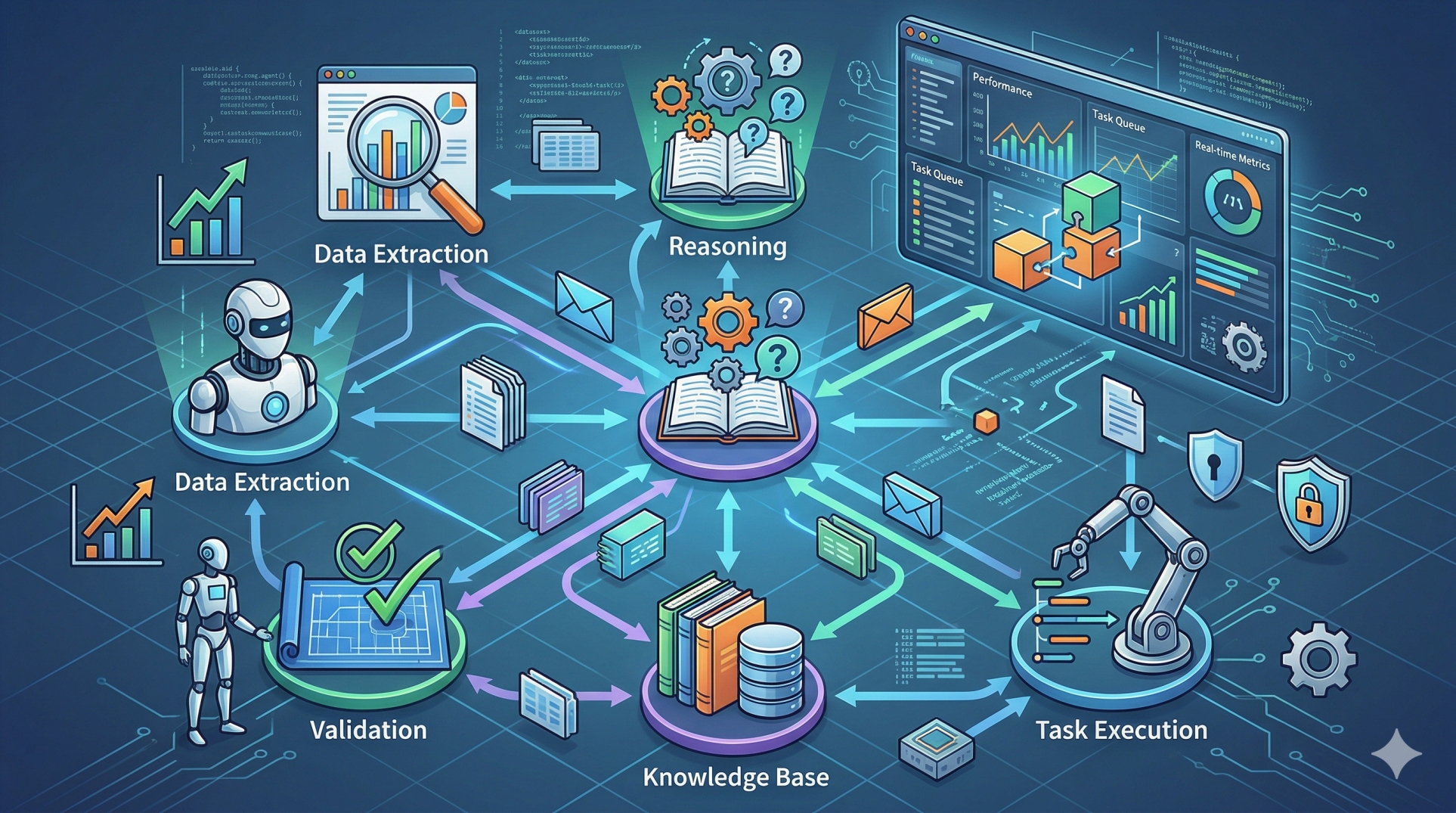
Step 5: Designing Unified Multi-Modal Workflows 🔗
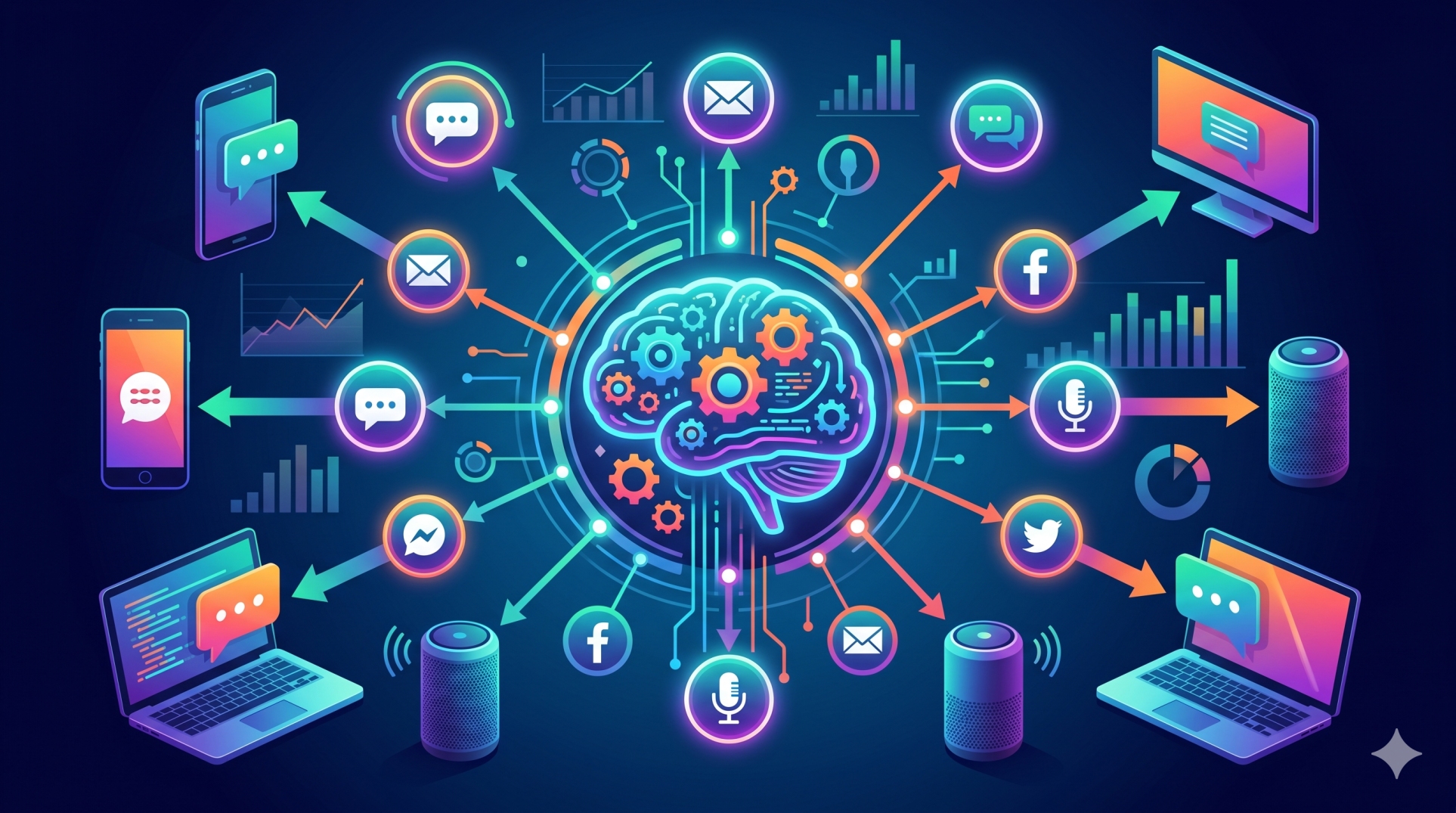
• Connect text, voice, and vision into one coordinated experience 🔄
• Allow users to switch naturally between interaction modes 🎯
• Maintain context across channels and sessions 📌
• Use shared memory for consistent responses 🧩
• Reduce friction through intuitive workflow design 🚀
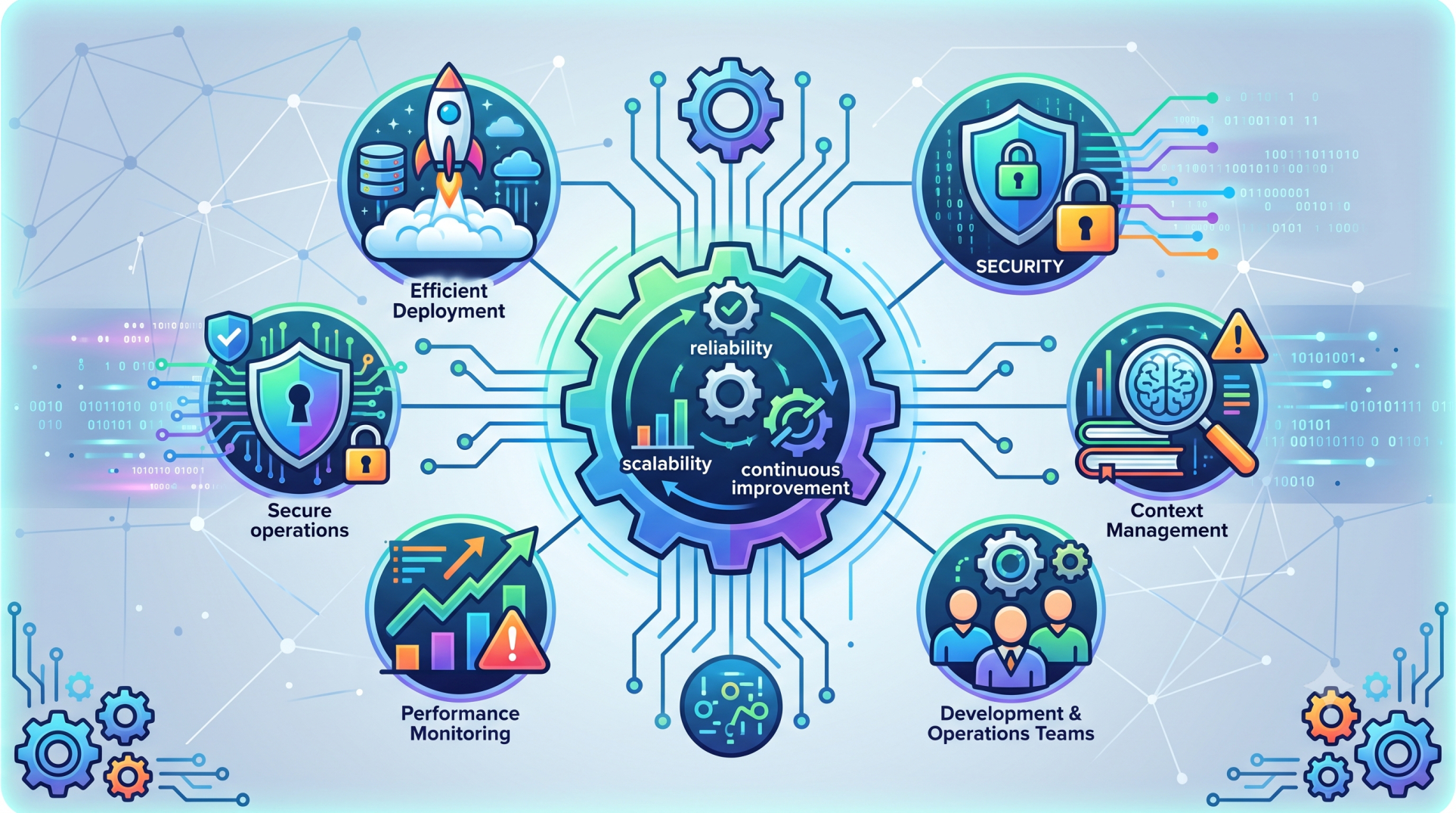
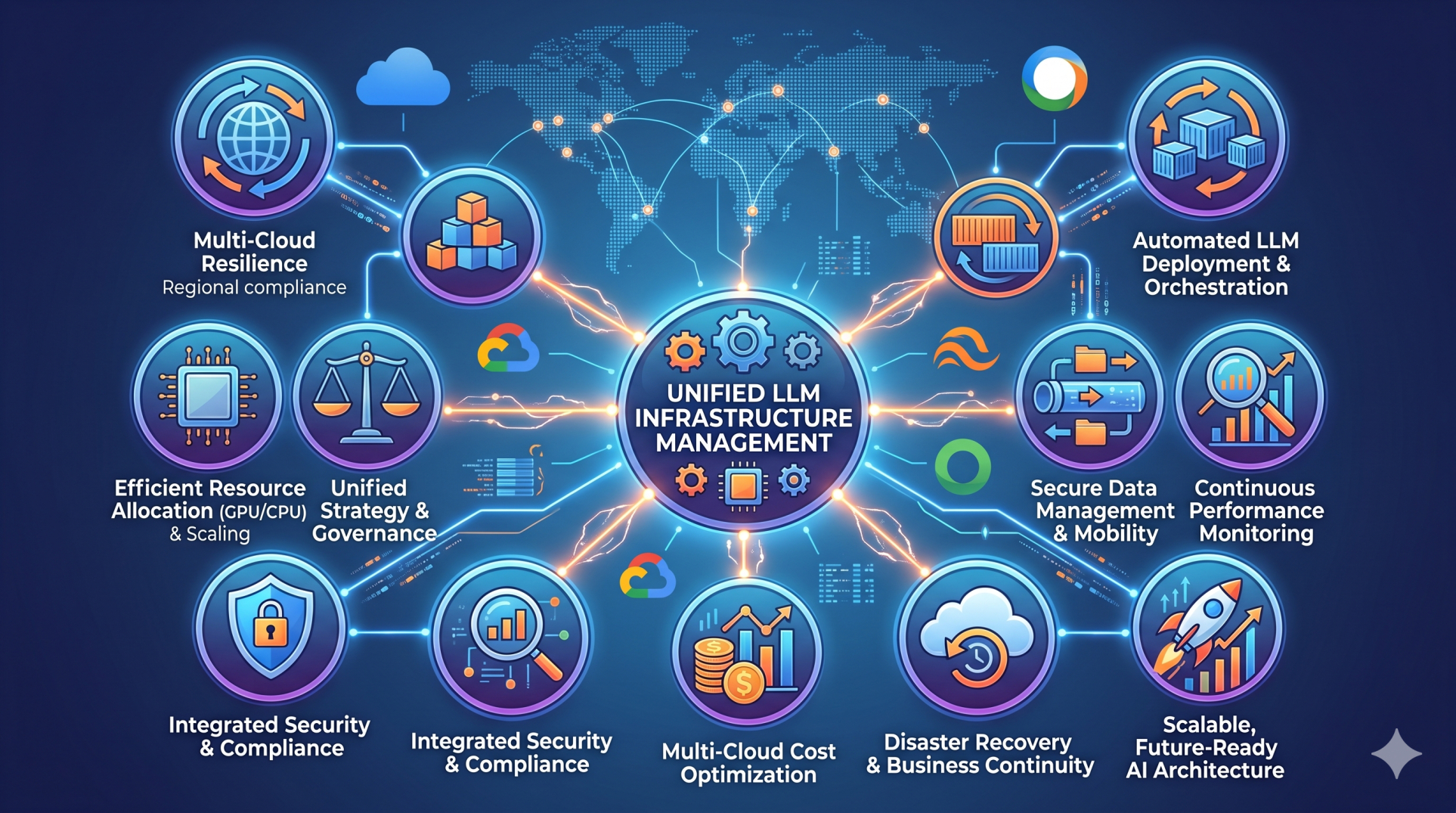
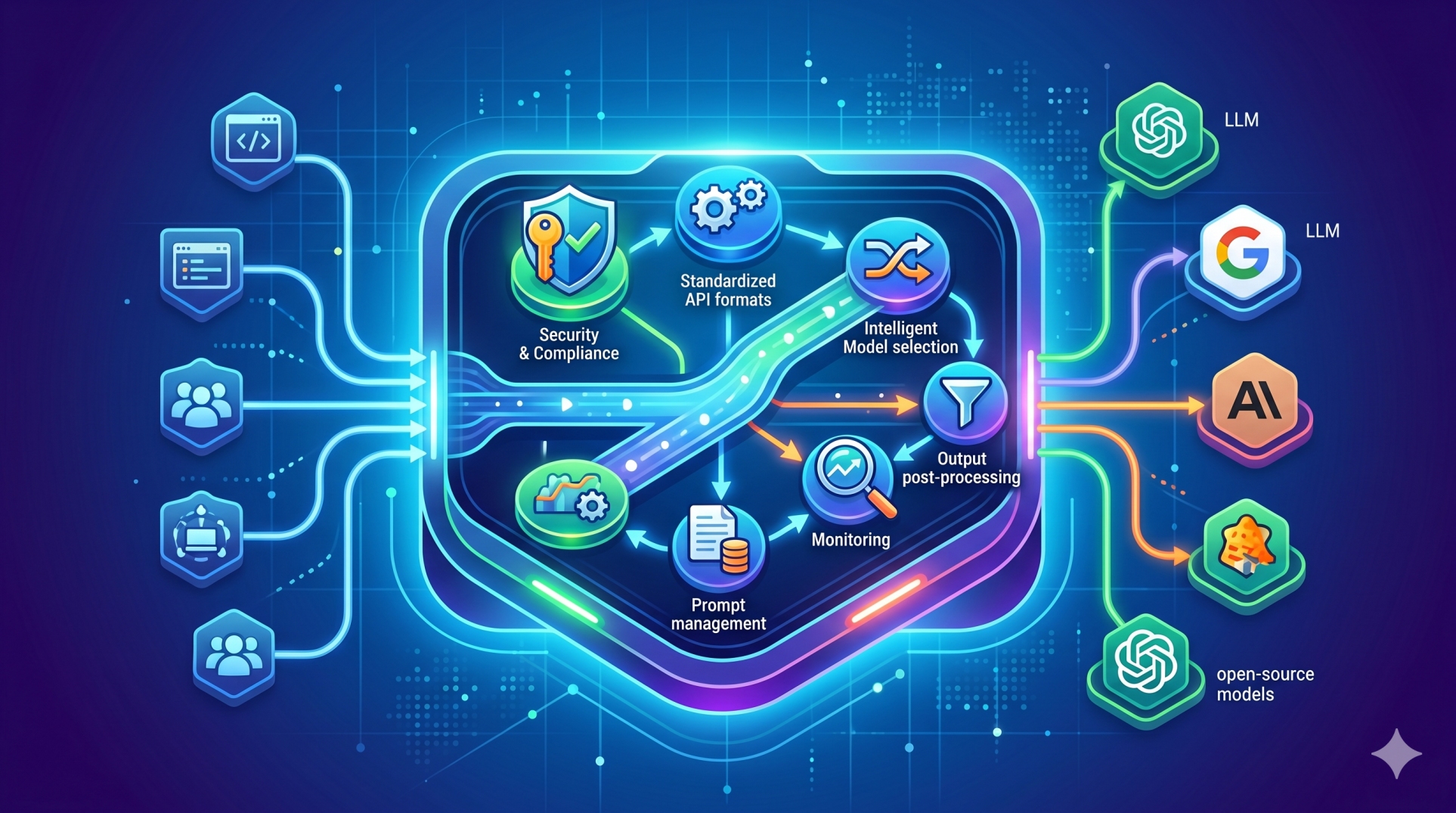
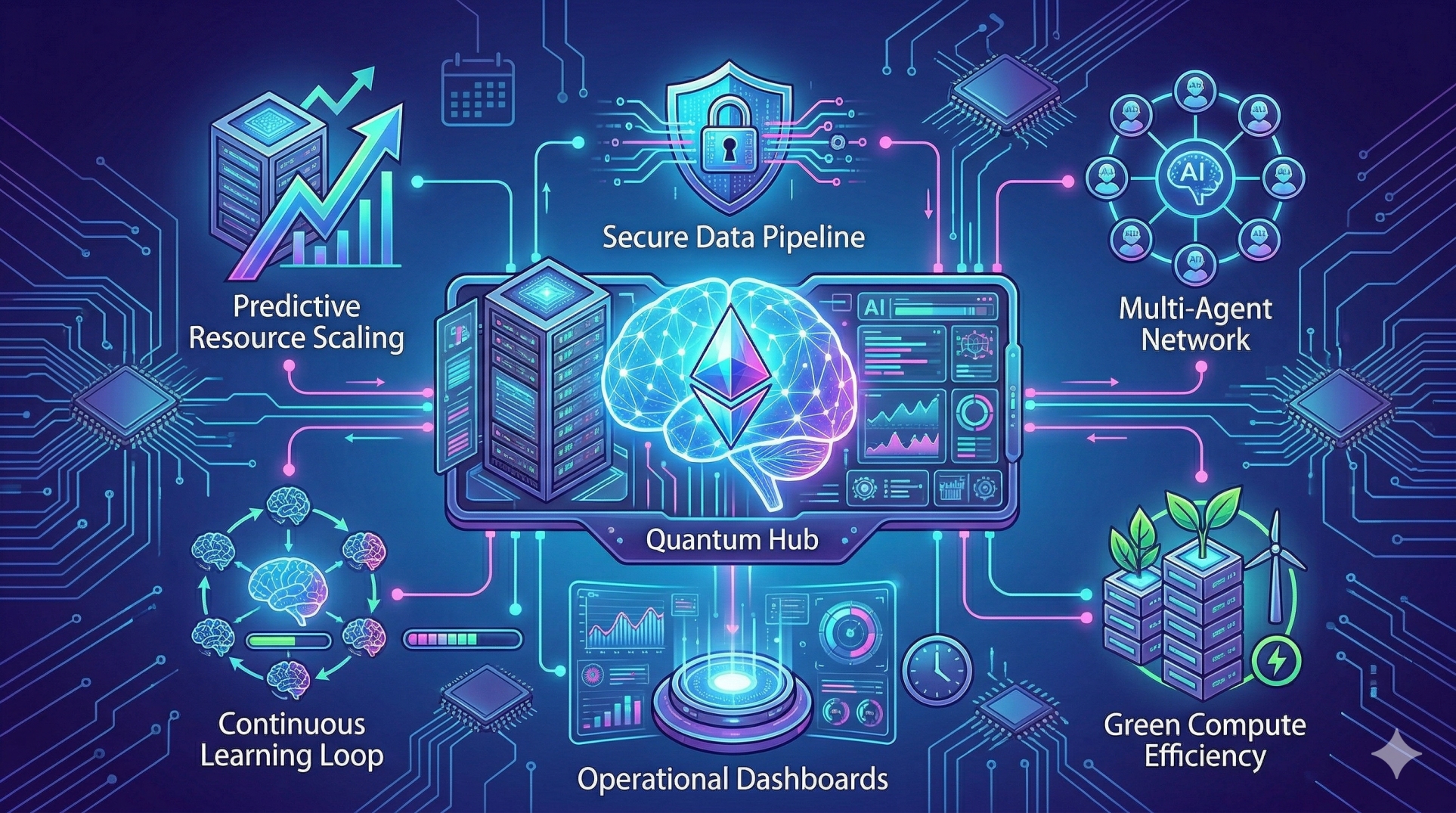
Step 6: Managing Data Pipelines and Infrastructure ⚙️
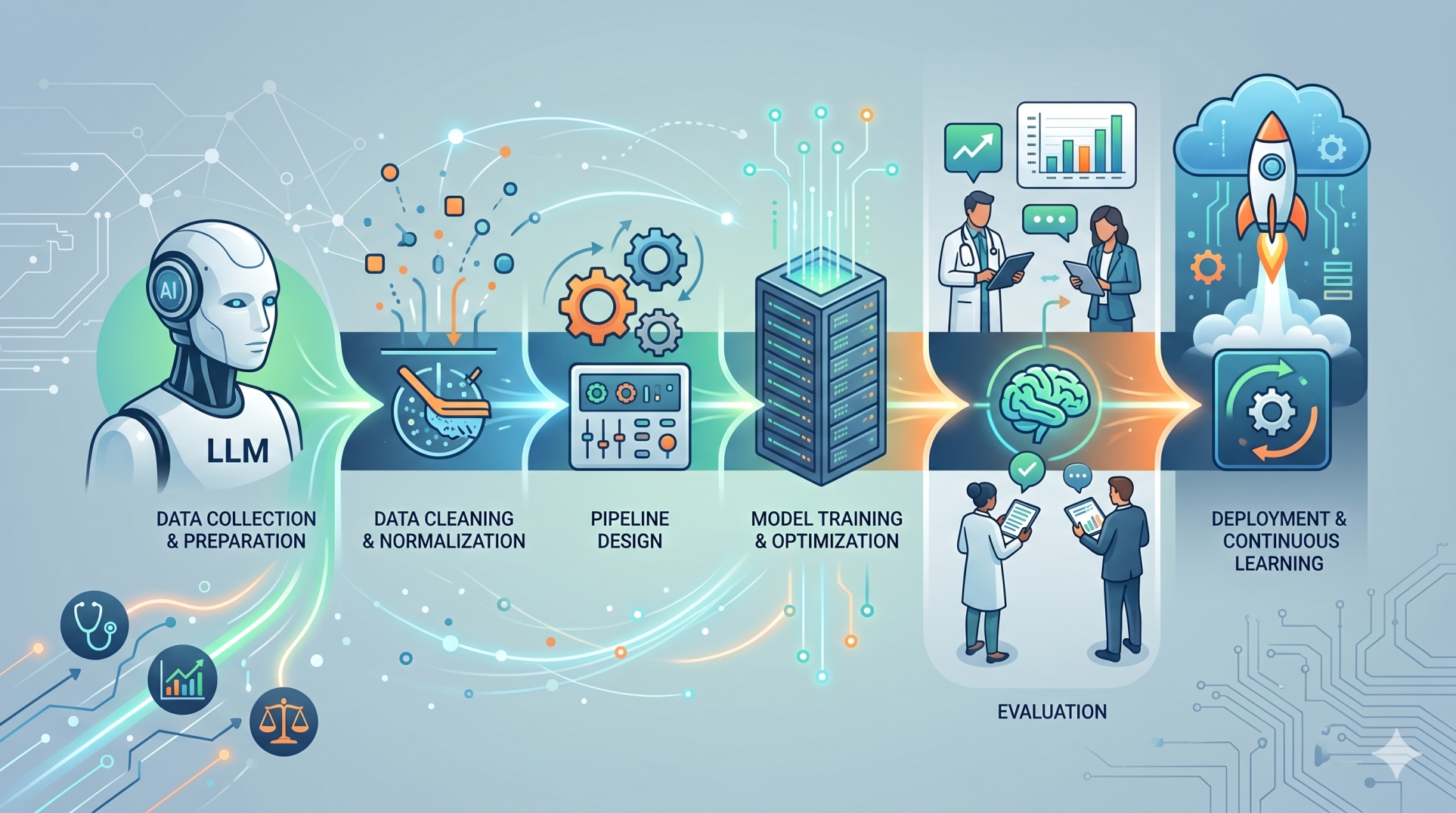
• Build scalable pipelines for audio, image, and text processing 📦
• Use cloud or hybrid infrastructure for flexible deployment ☁️
• Optimize compute resources for model efficiency 💻
• Ensure secure storage of multi-modal data 🔐
• Support real-time and batch processing workloads ⏱️
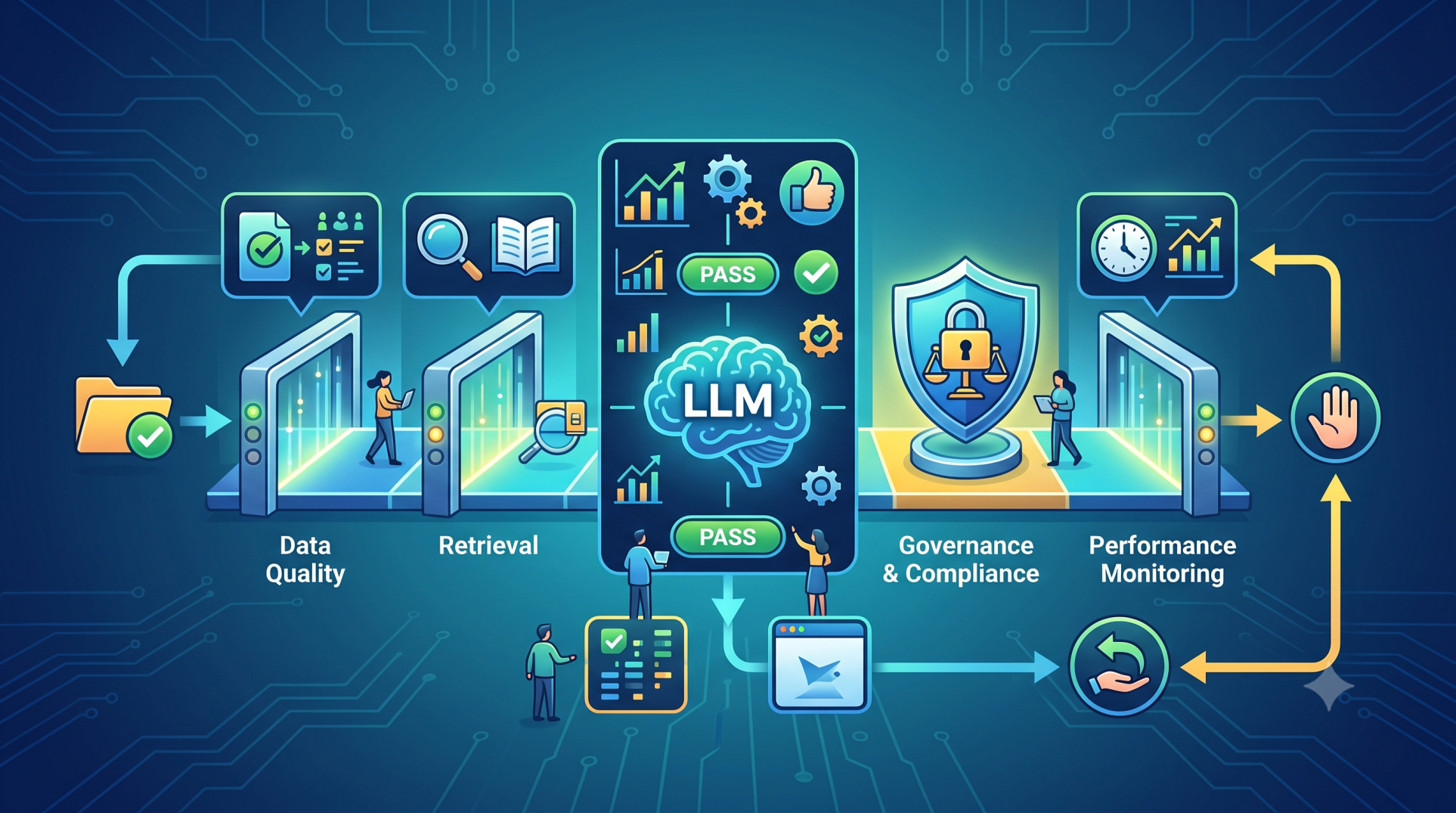
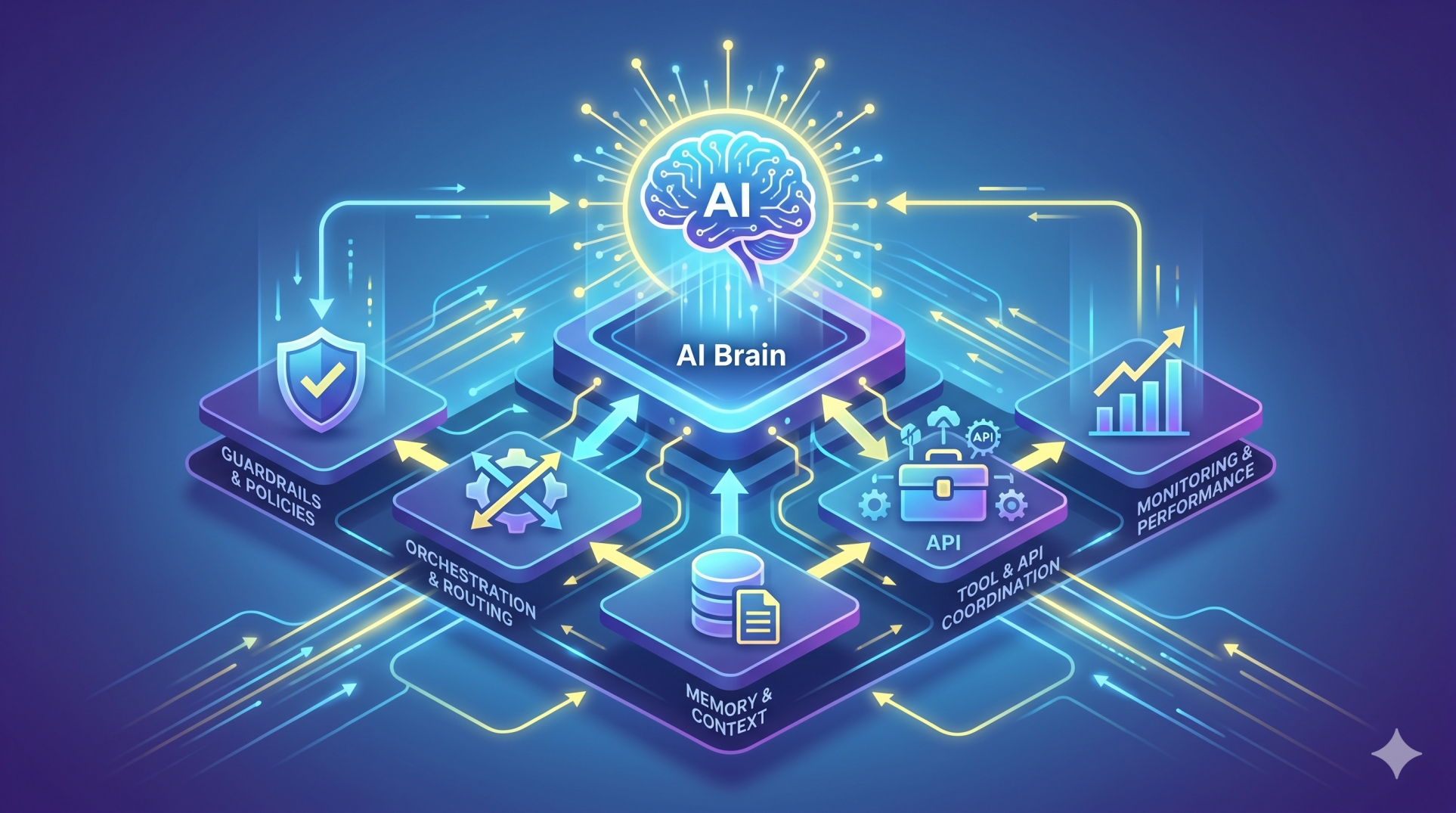
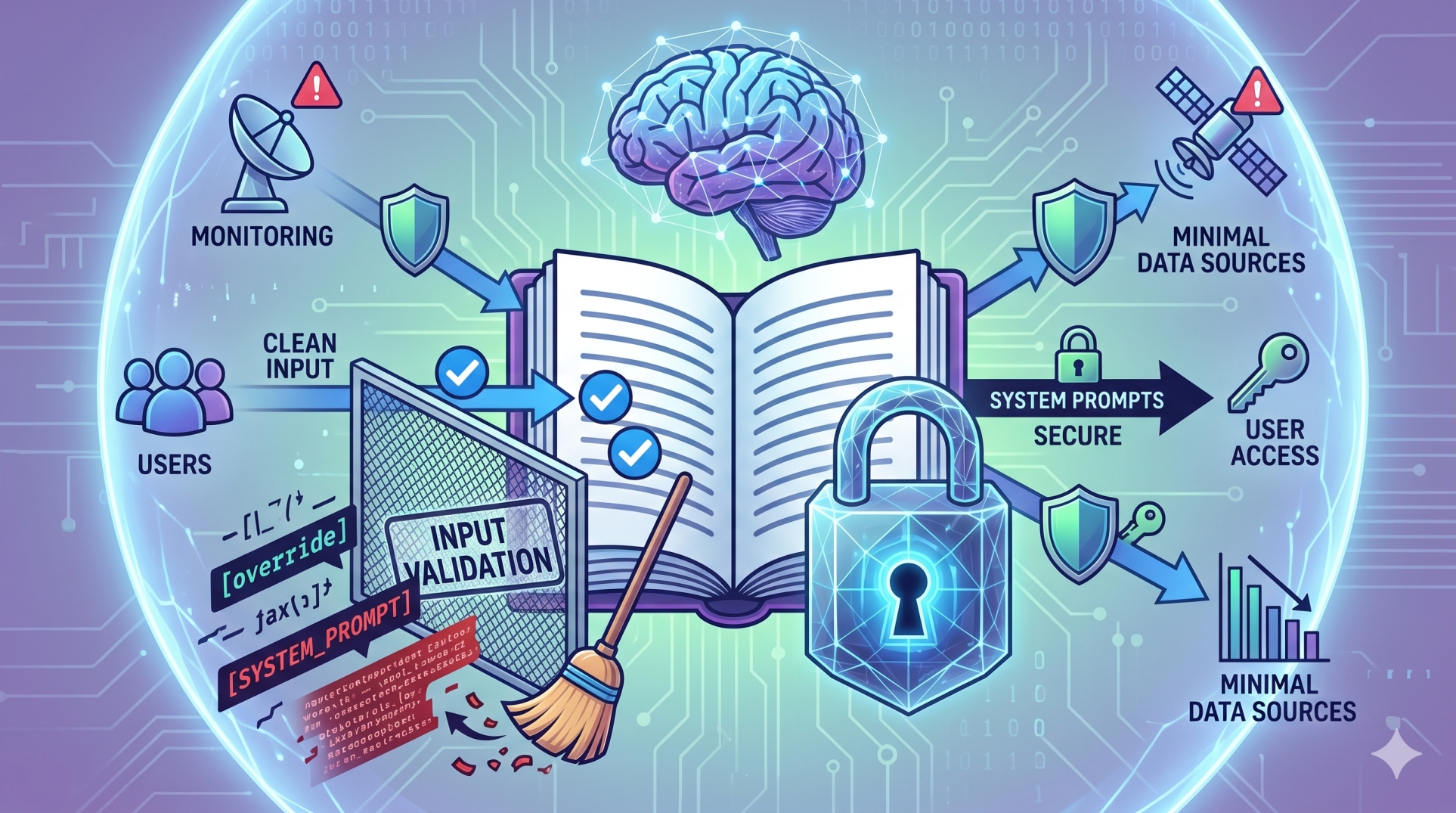
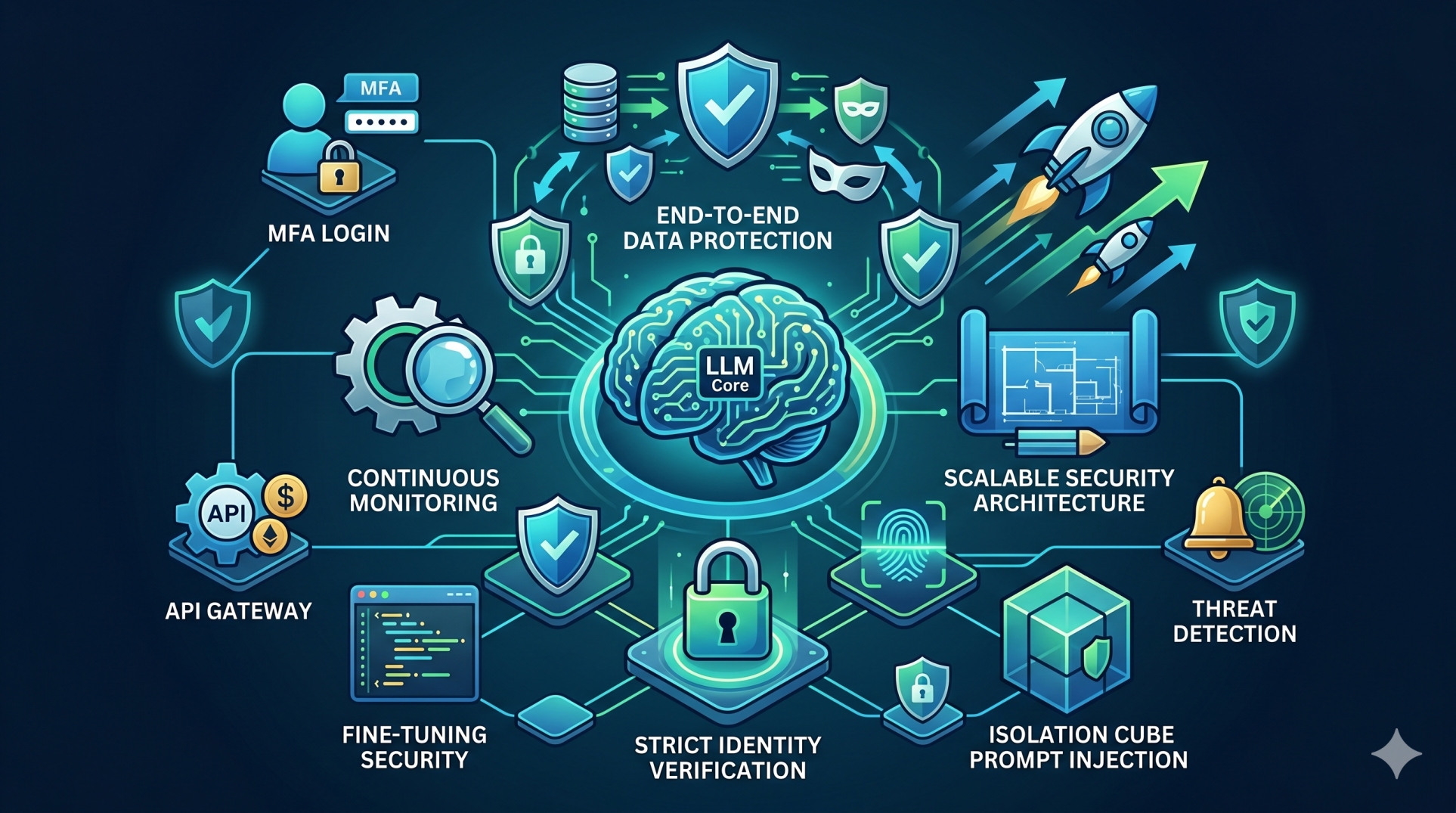
Step 7: Safety, Privacy, and Governance 🛡️
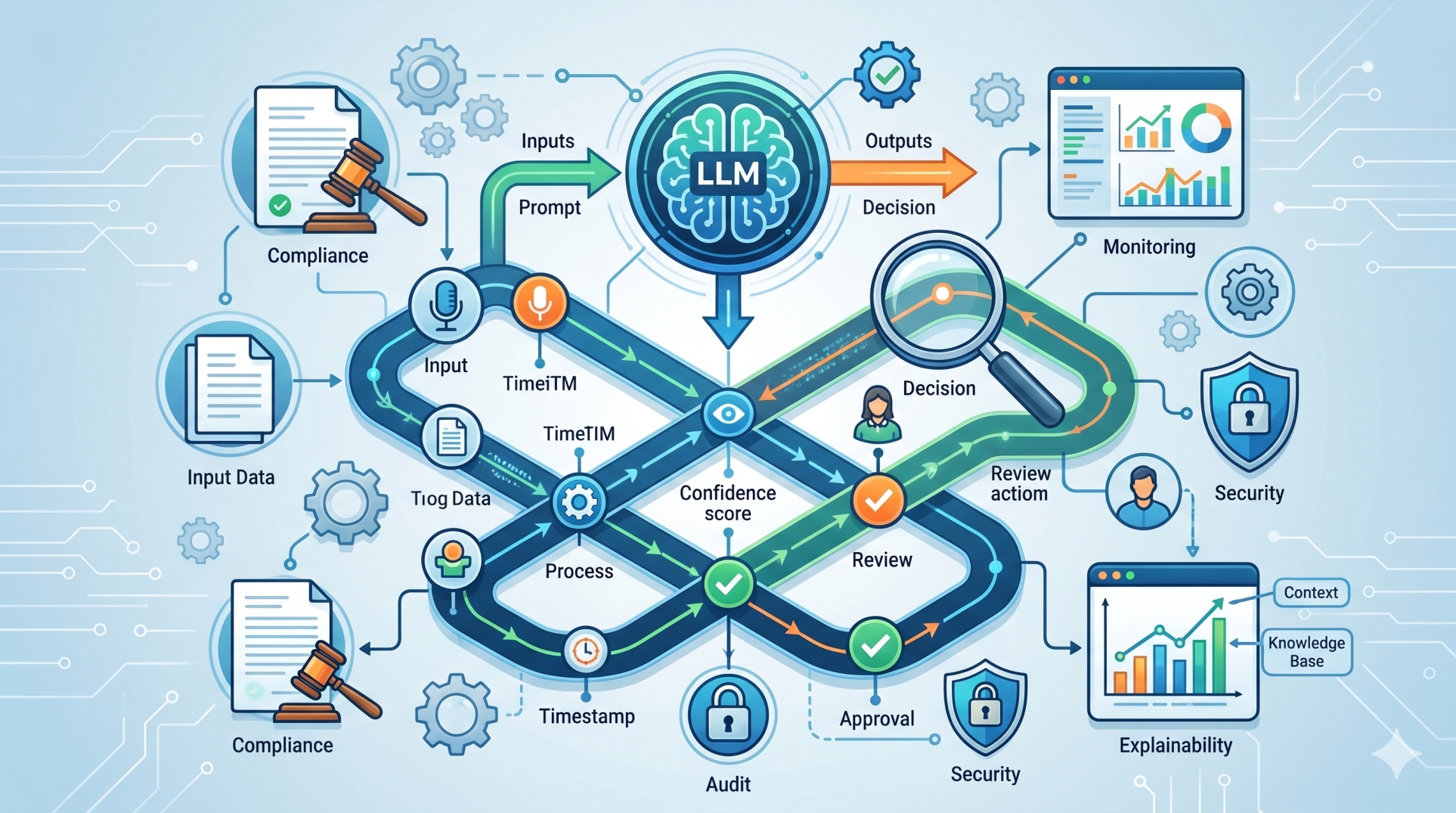
• Protect user conversations, images, and voice recordings 🔒
• Apply access controls and data retention policies 📜
• Monitor outputs for harmful or inaccurate responses ⚠️
• Ensure regulatory compliance across regions 🌐
• Maintain transparent AI usage standards 🤝
Step 8: Key Development Priorities 📊
• Fast and accurate responses across all modalities ⚡
• Unified user experience across devices and channels 📱
• Scalable infrastructure for enterprise growth 🚀
• Reliable security and governance controls 🛡️
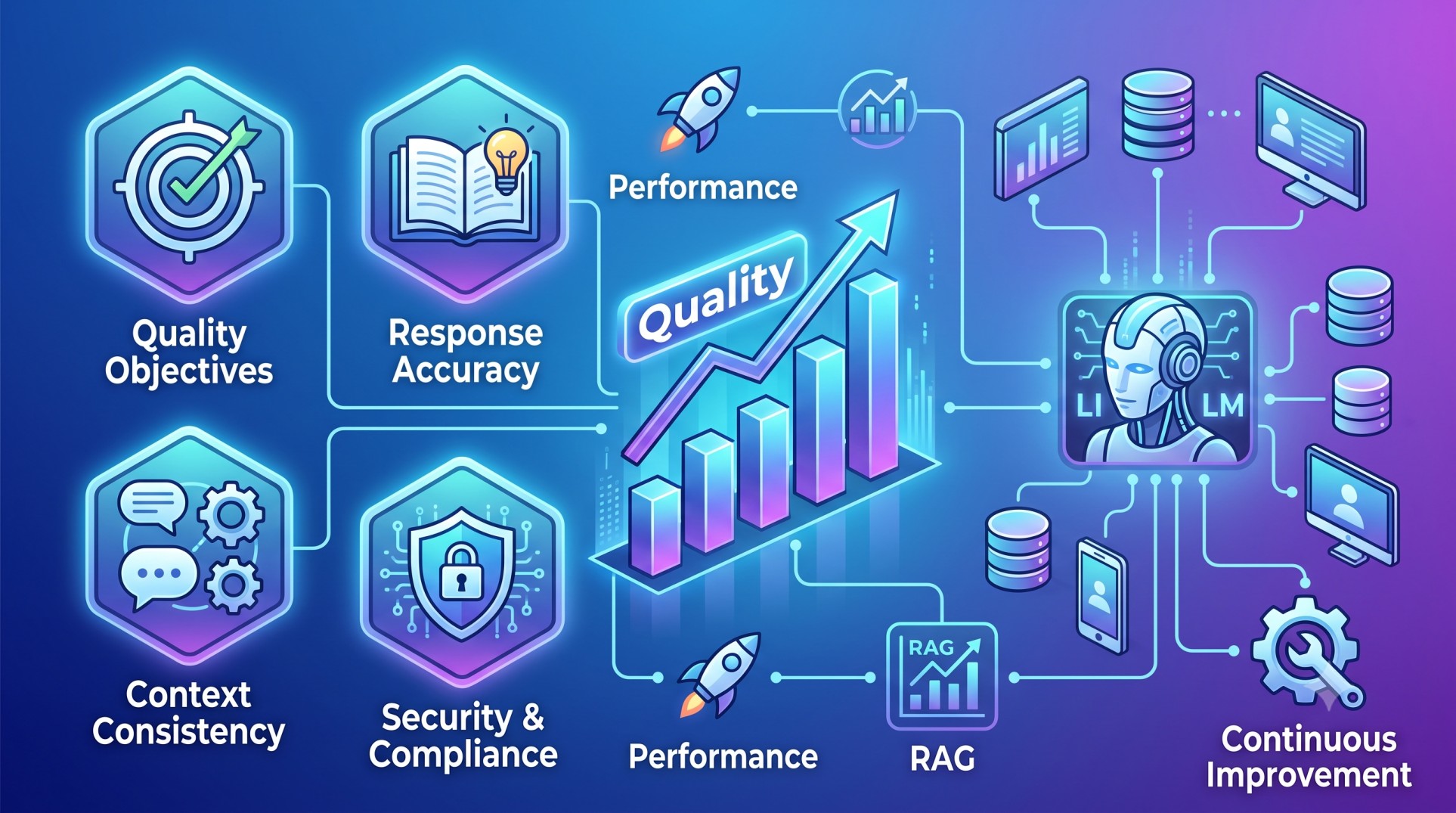
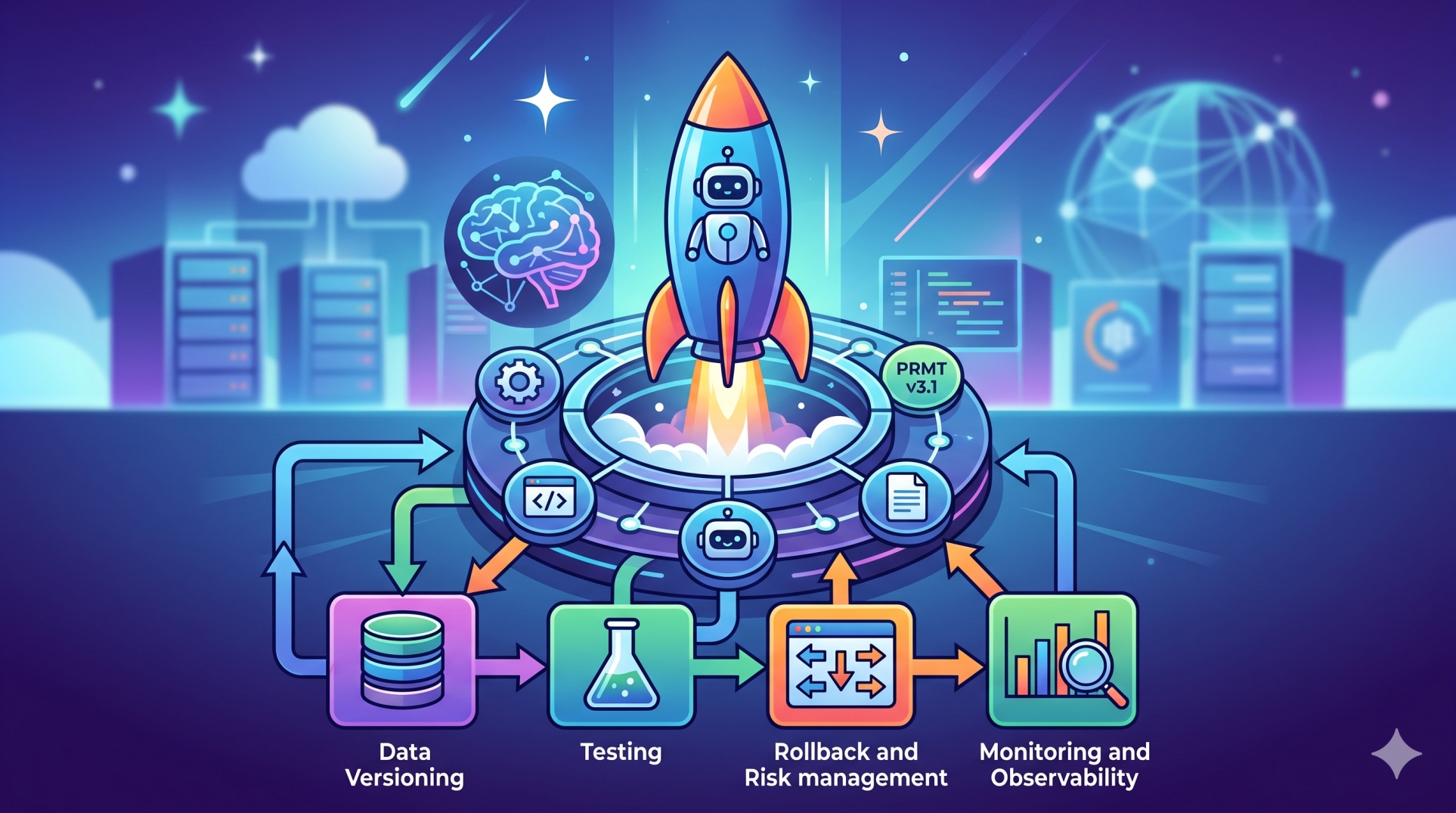
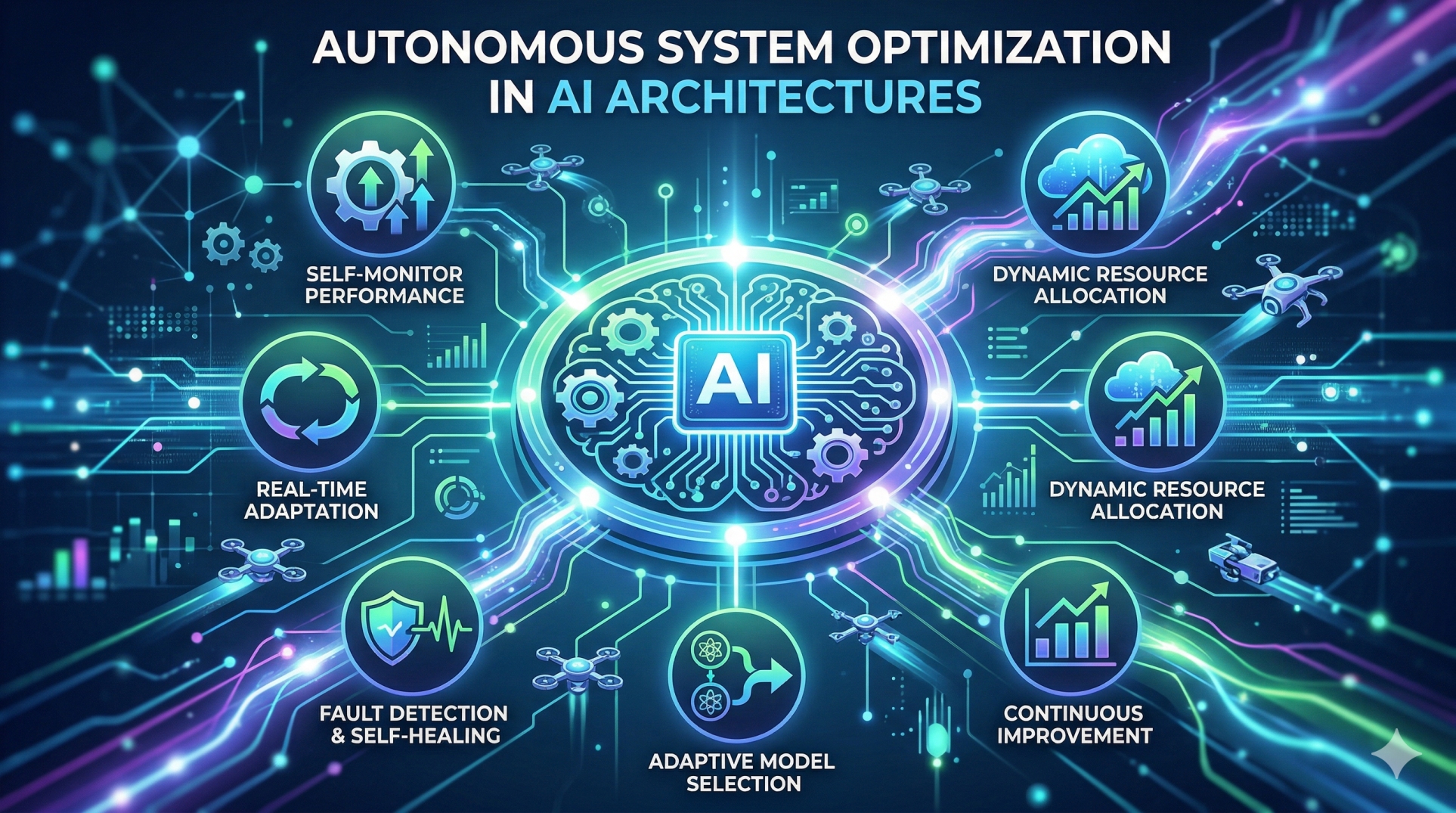
Step 9: Measuring Performance and Optimization 📈
• Track accuracy for text, speech, and image understanding 📊
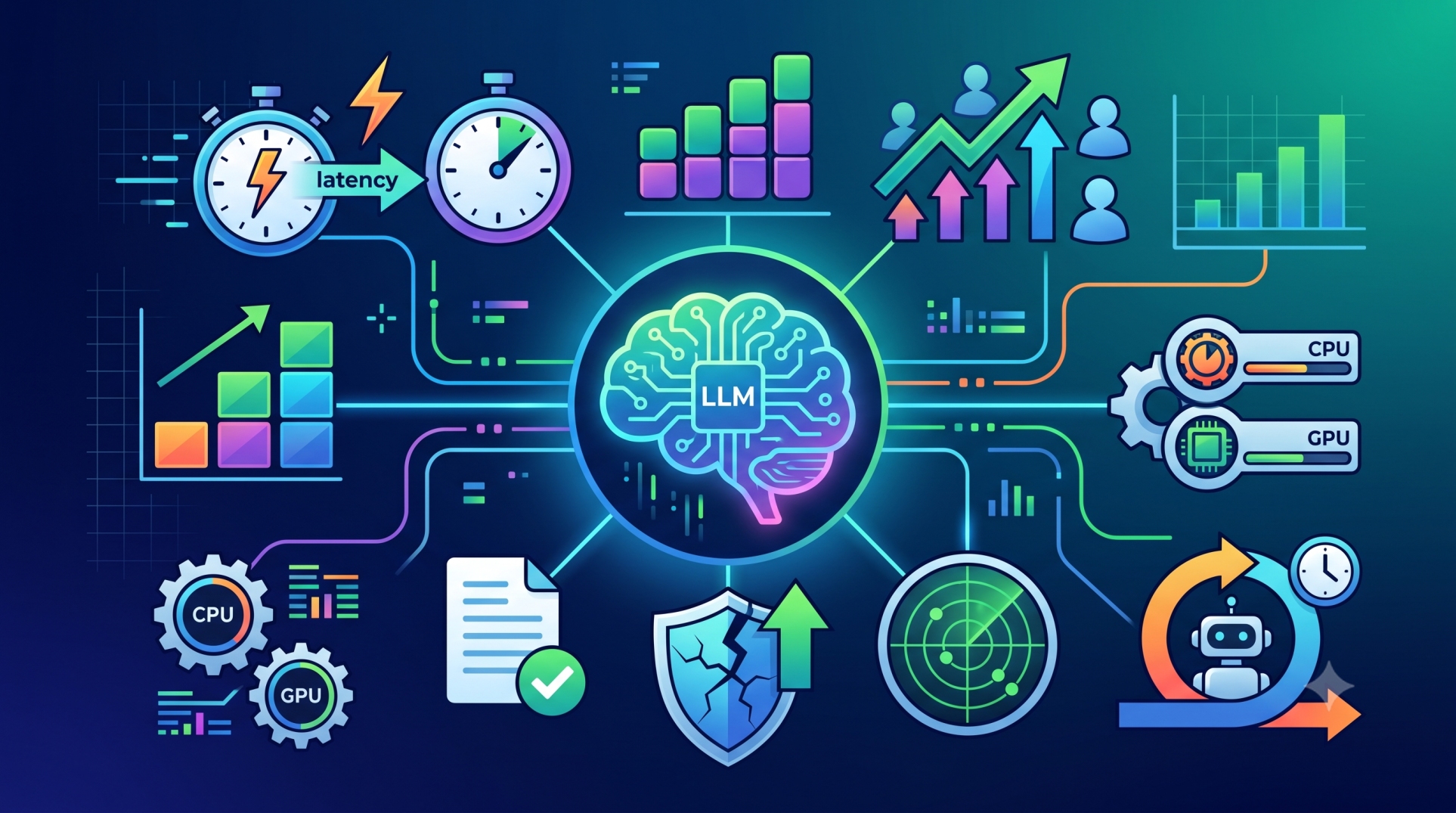
• Measure latency, engagement, and task completion rates ⏱️
• Improve prompts, workflows, and models continuously 🔄
• Analyze failure points across interaction modes 🔍
• Use feedback loops for ongoing optimization 🧠
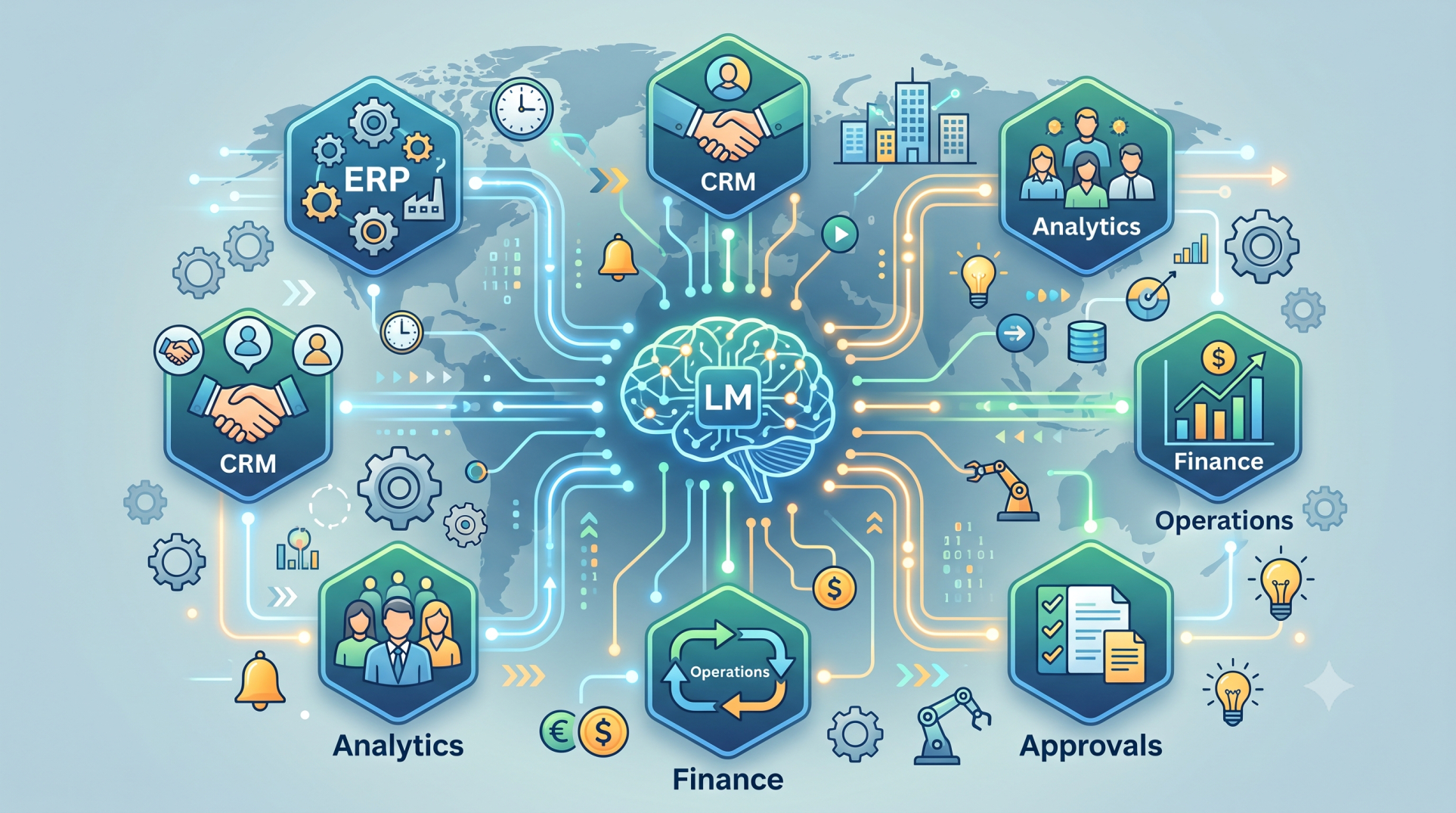
Step 10: Building Future-Ready AI Experiences 🚀
• Expand into video, sensors, and real-world automation workflows 🎥
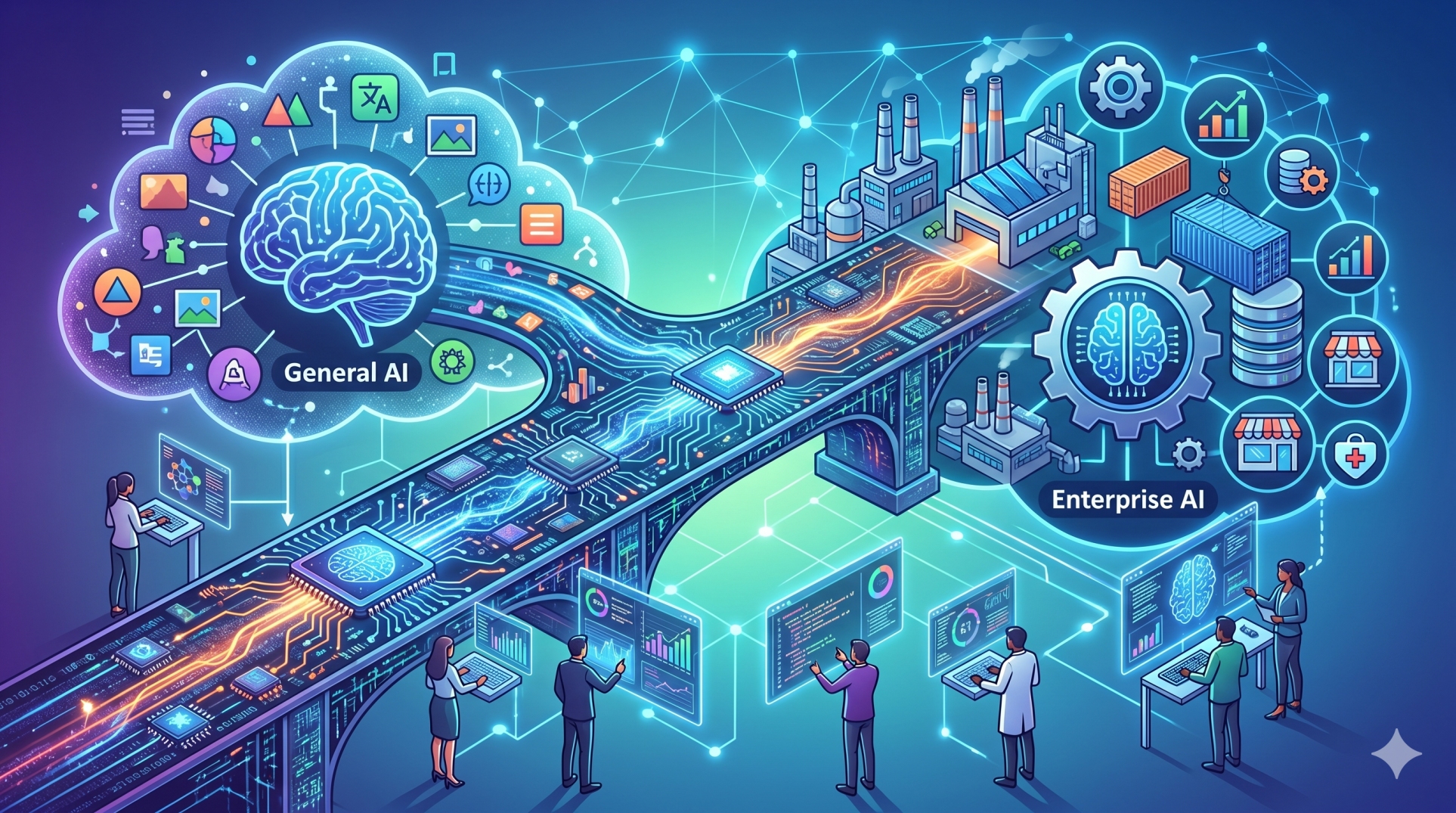
• Integrate with enterprise systems and business applications 🔗
• Personalize interactions using long-term memory 🧩
• Adapt to new models and emerging capabilities ⚙️
• Continuously innovate user experiences across channels 🌟
Conclusion
Building multi-modal LLM applications across text, voice, and vision allows organizations to create smarter, more natural, and more capable AI systems. By combining multiple forms of interaction into one intelligent platform, businesses can improve customer experiences, streamline operations, and unlock entirely new use cases. Well-designed multi-modal solutions provide a strong foundation for the next generation of enterprise AI innovation.
See more blogs
You can all the articles below