Streamlining Internal Business Services with LLM Software
Streamlining Internal Business Services with LLM Software
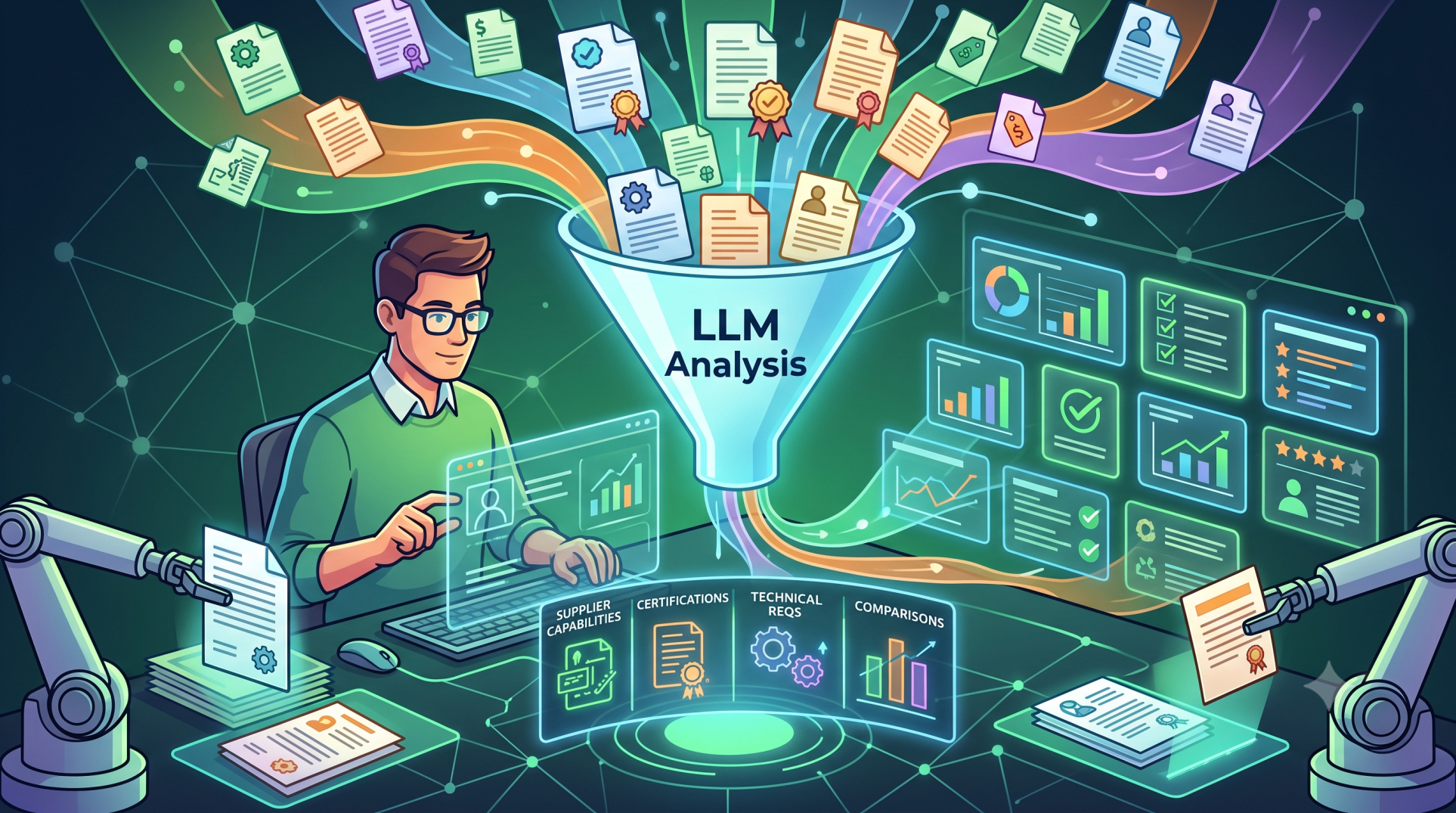
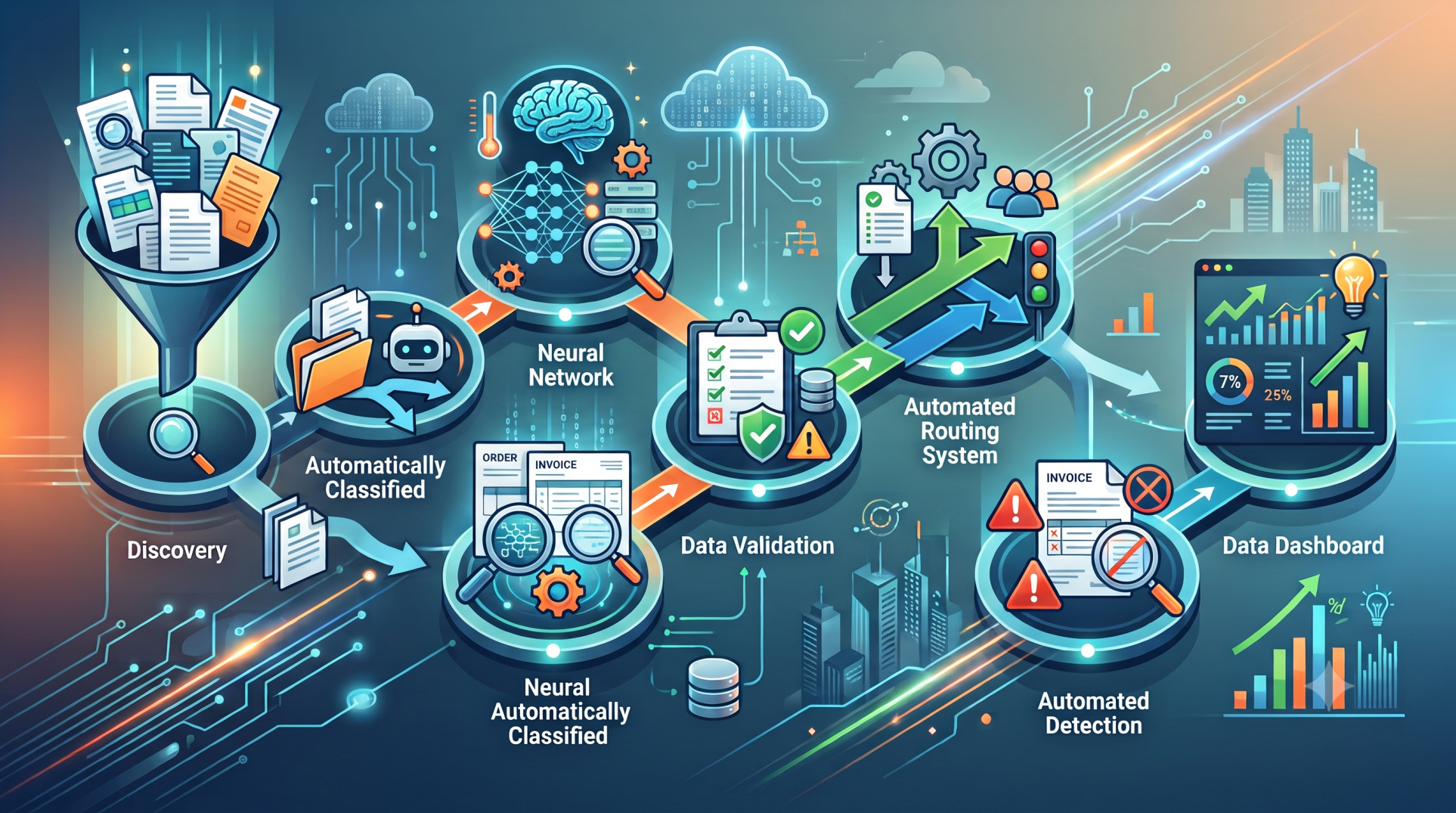
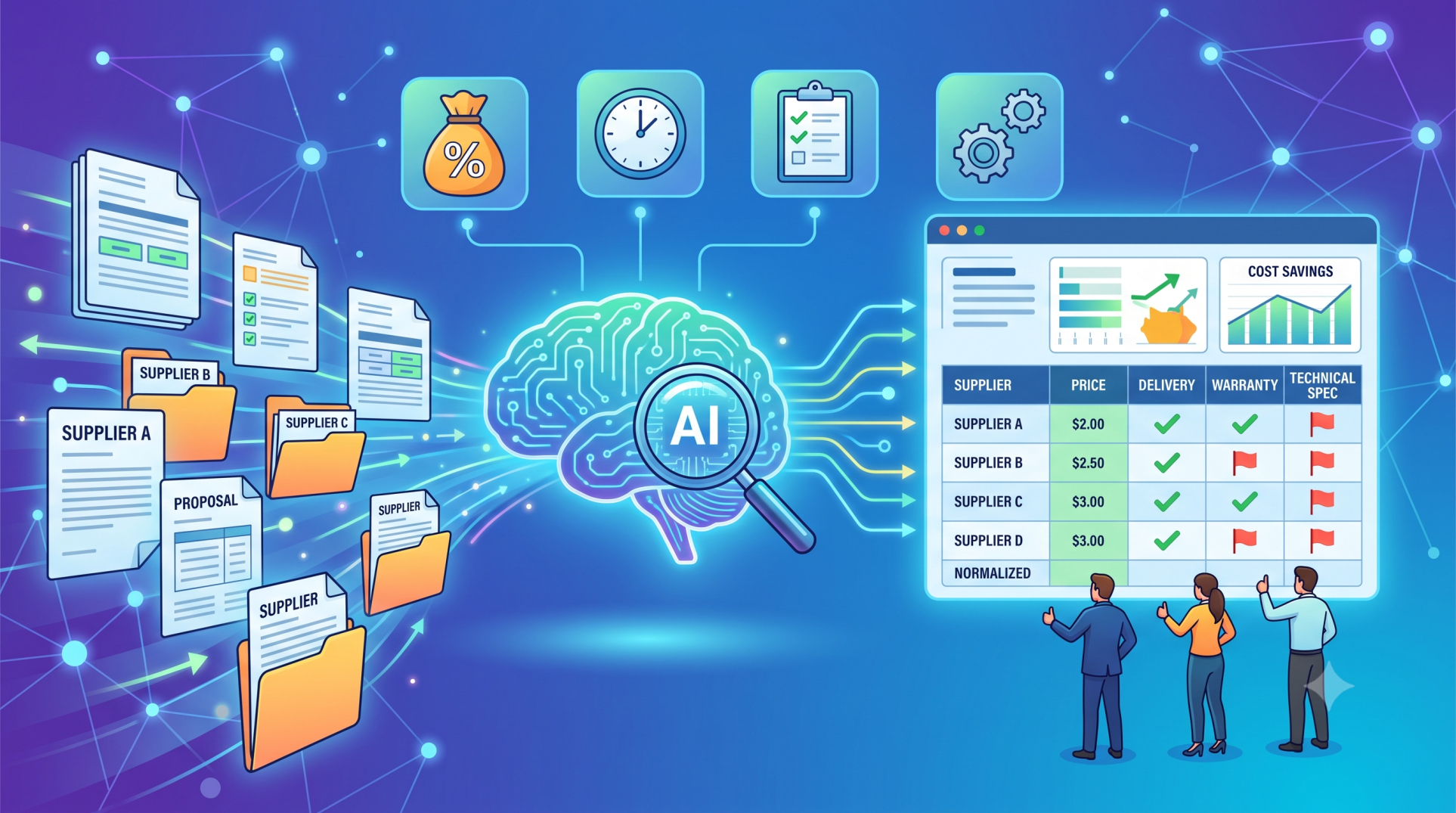
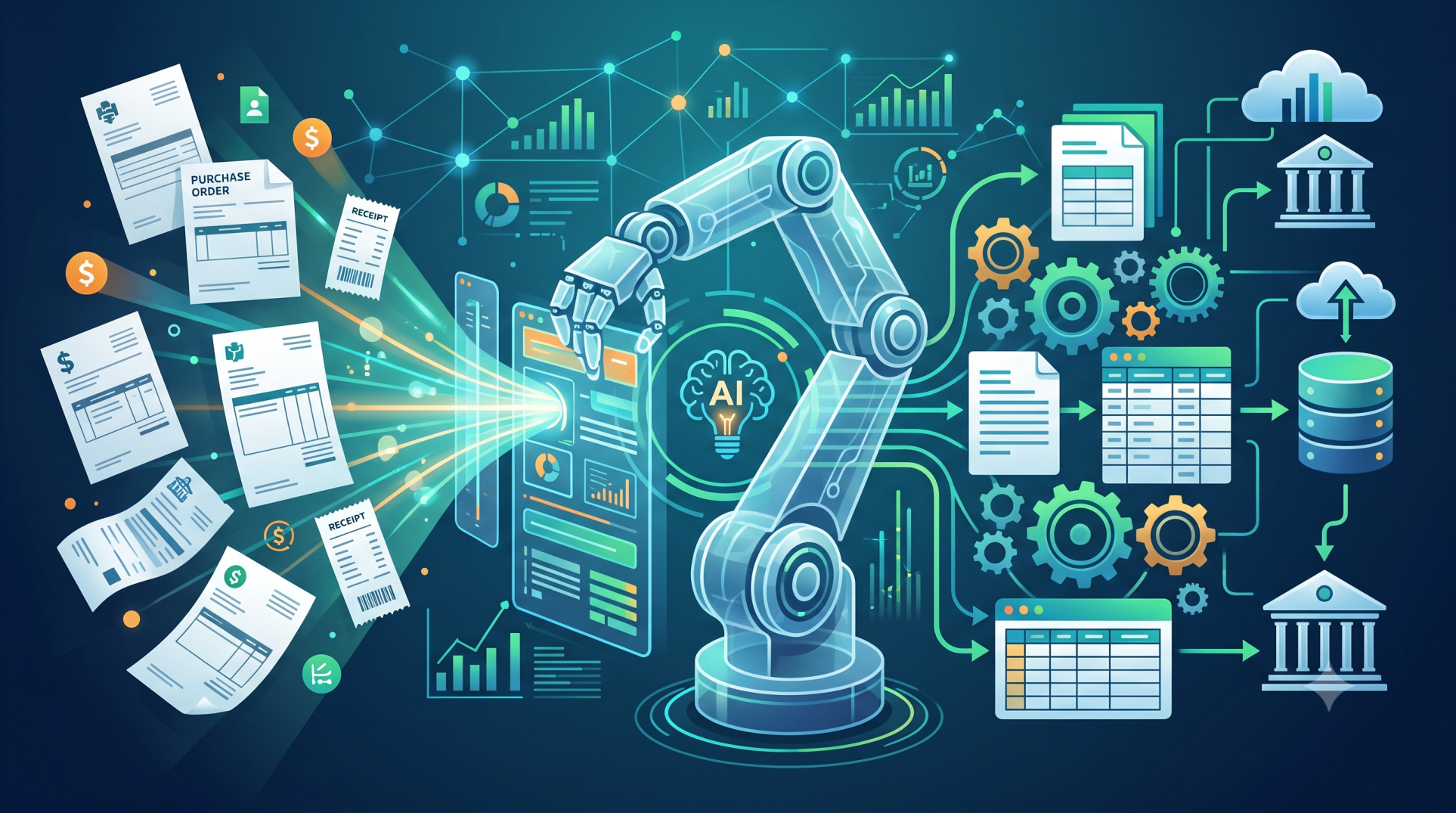
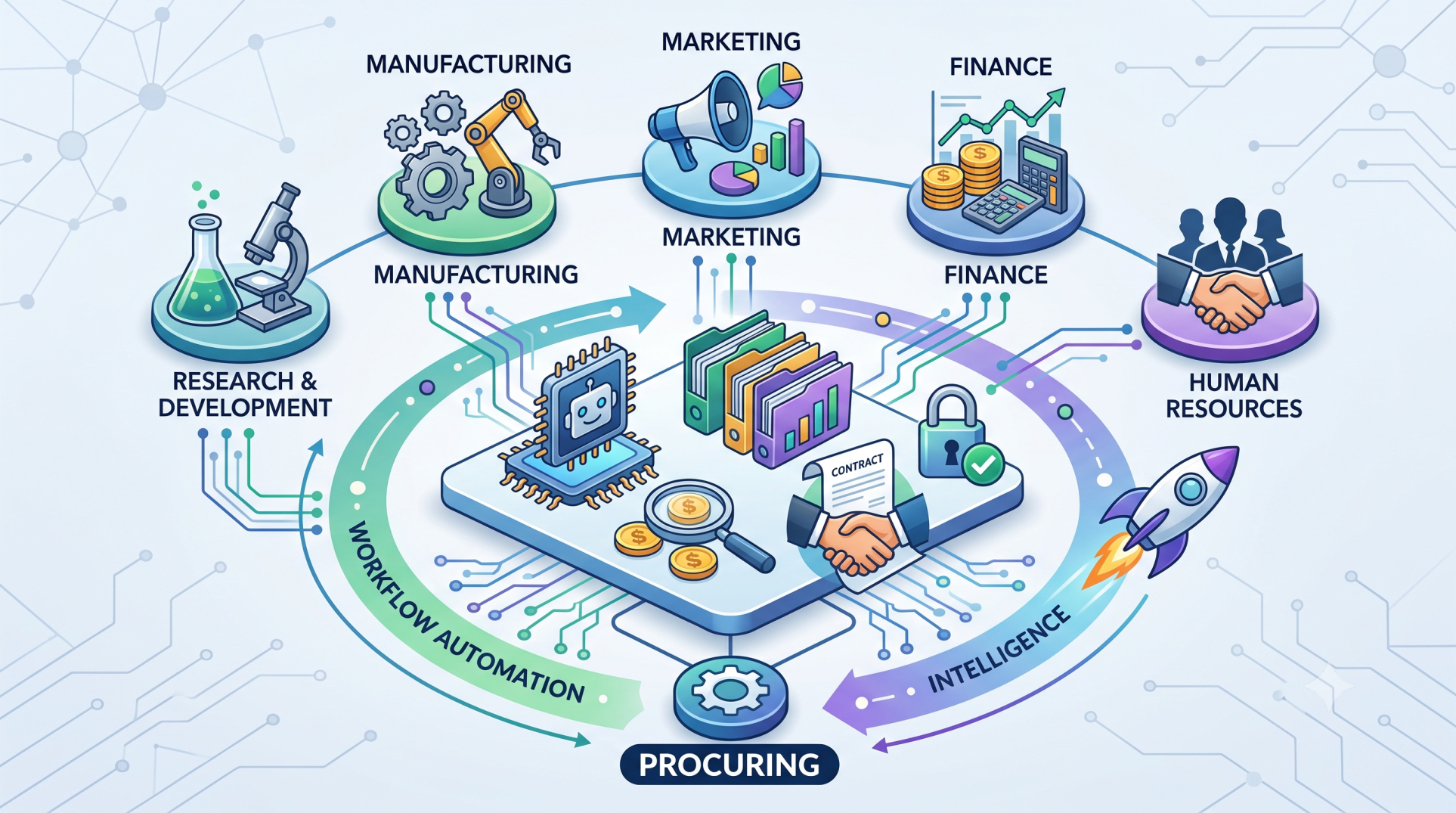
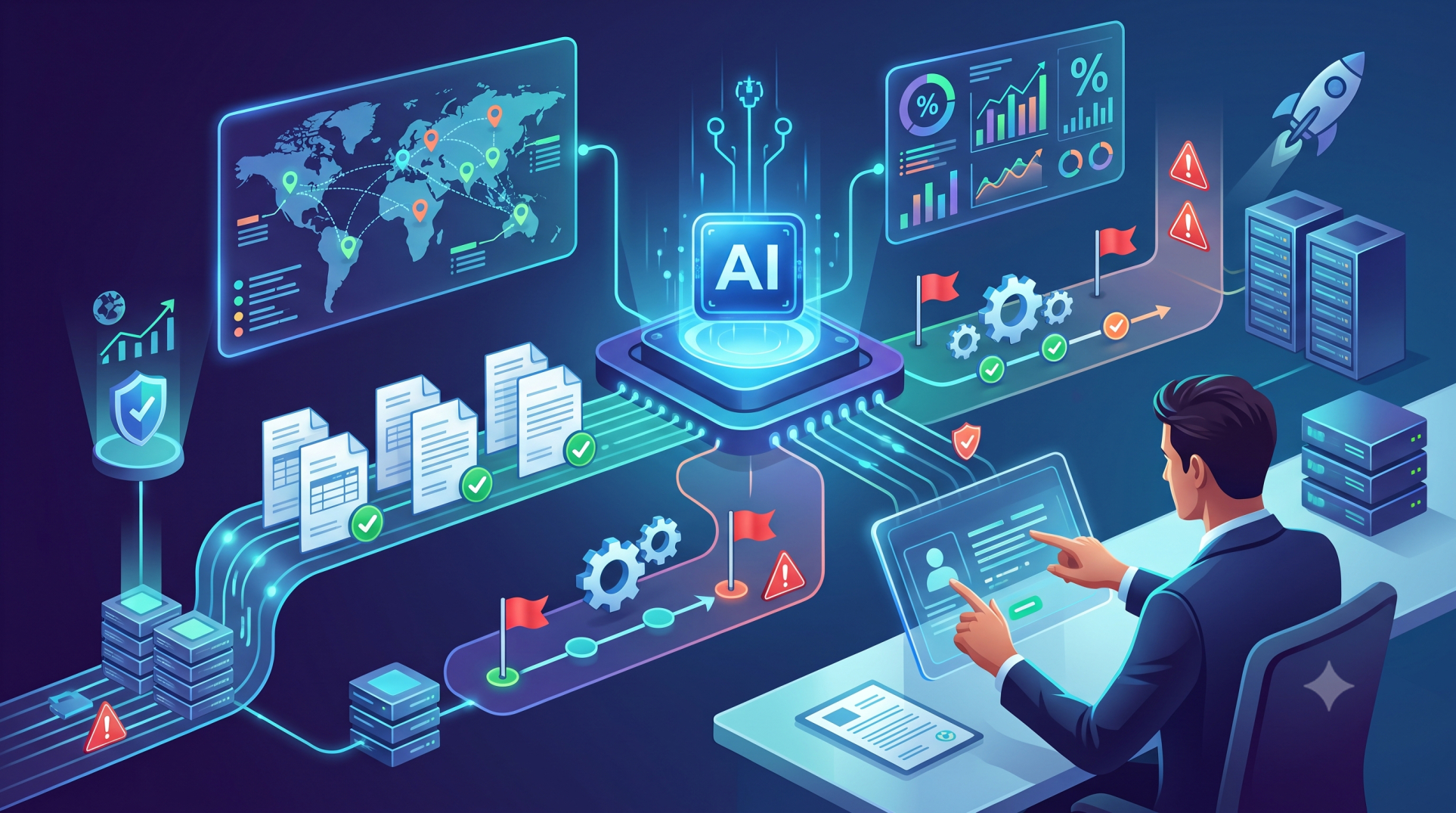
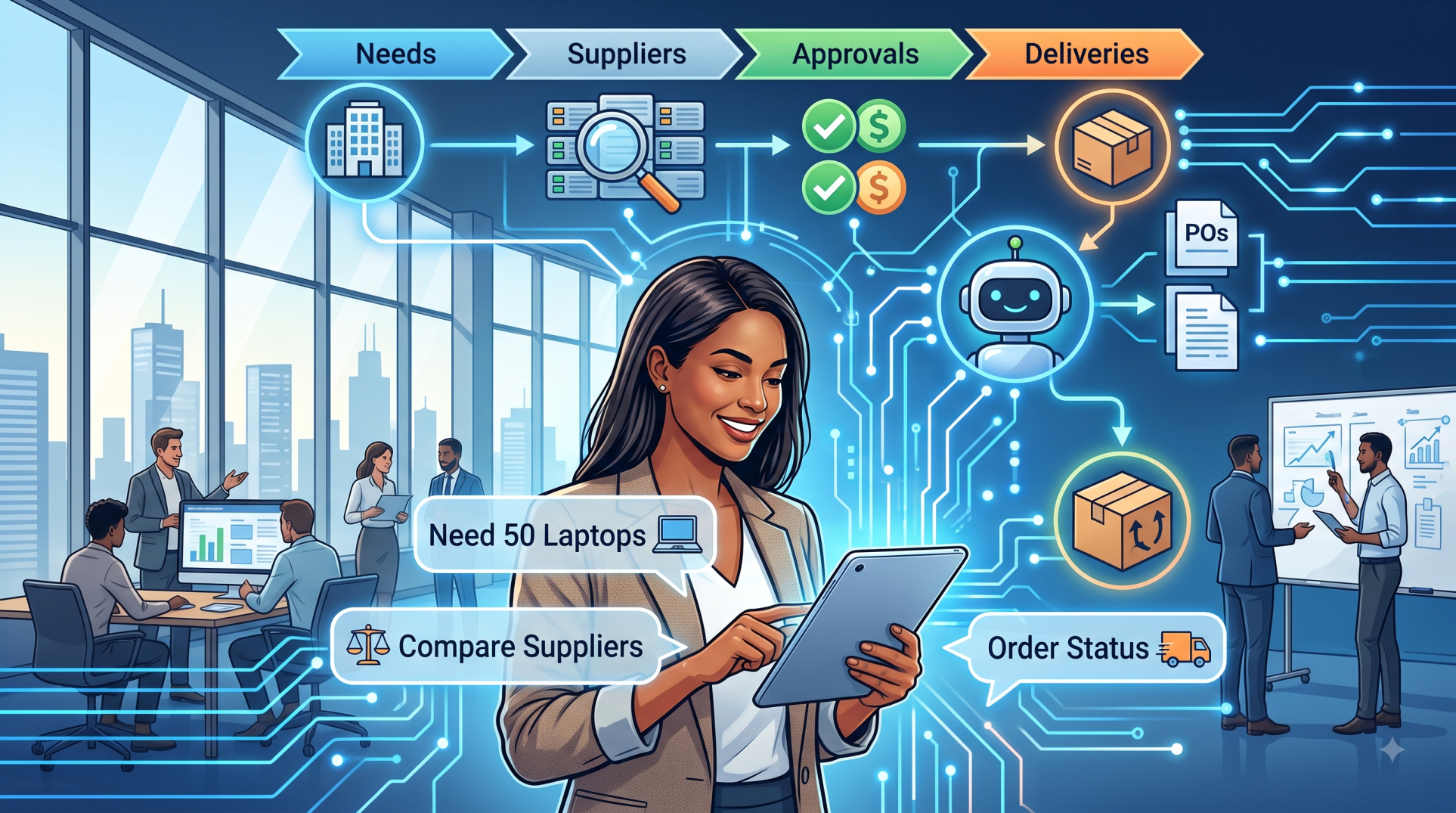
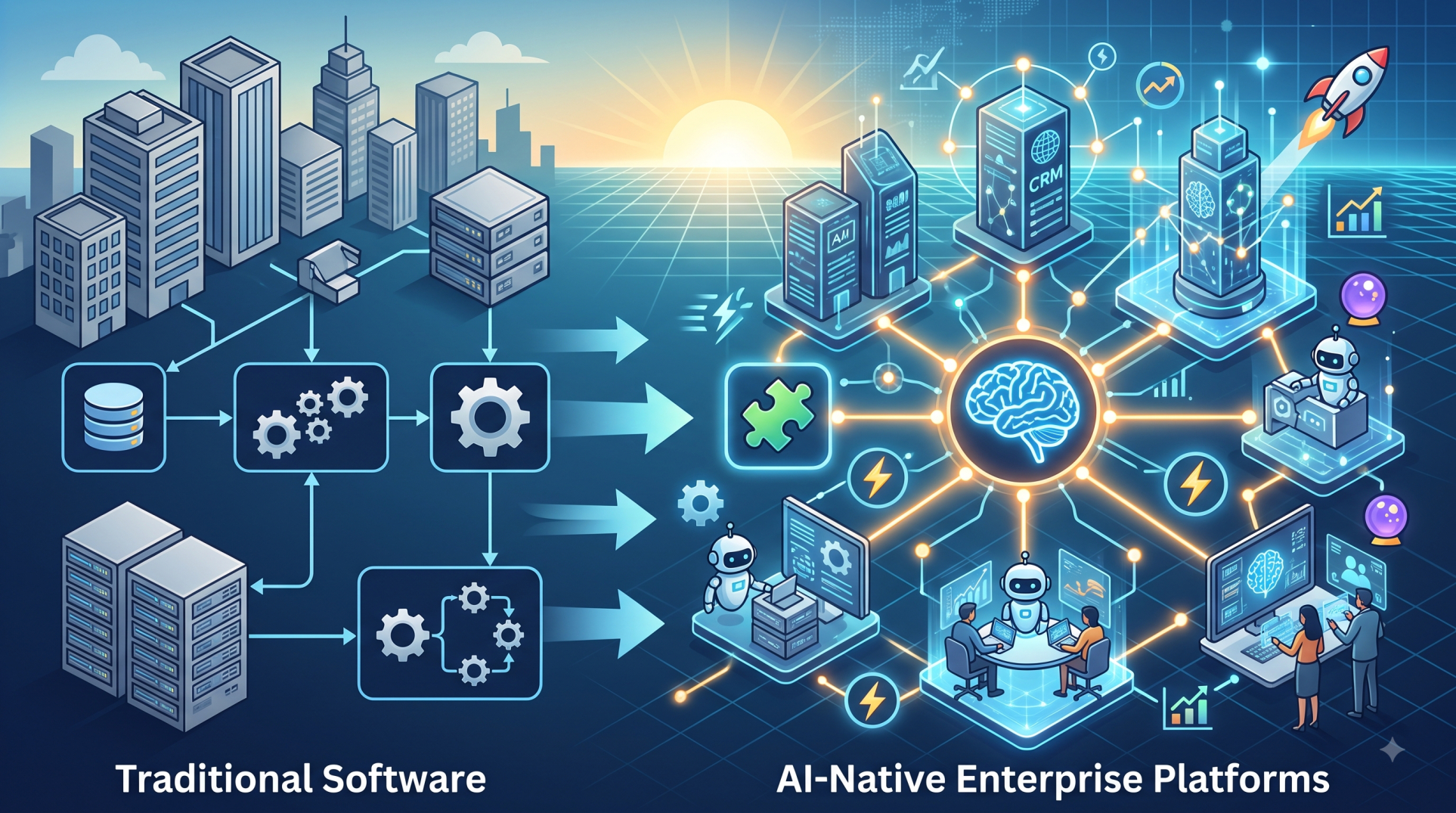
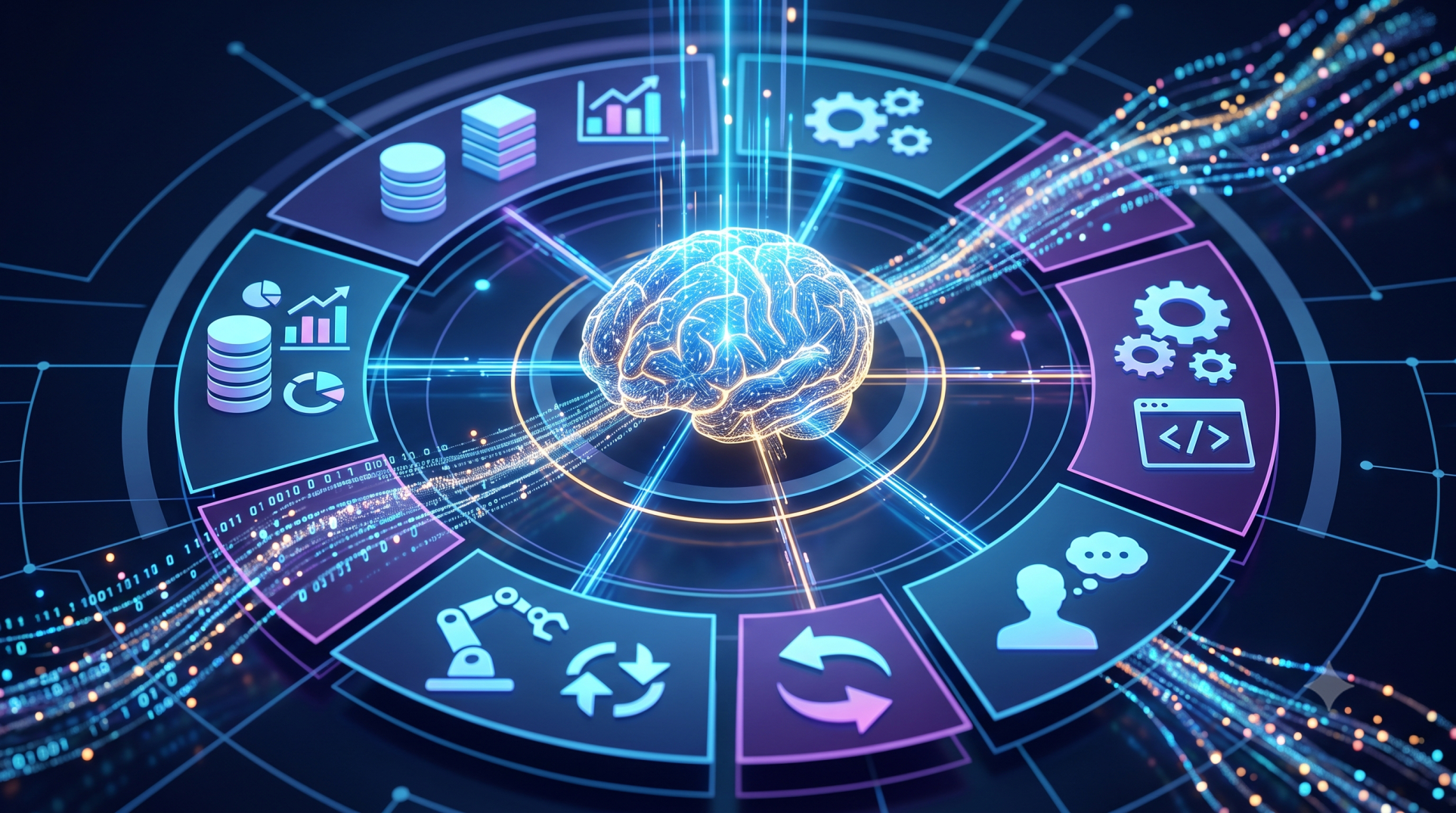
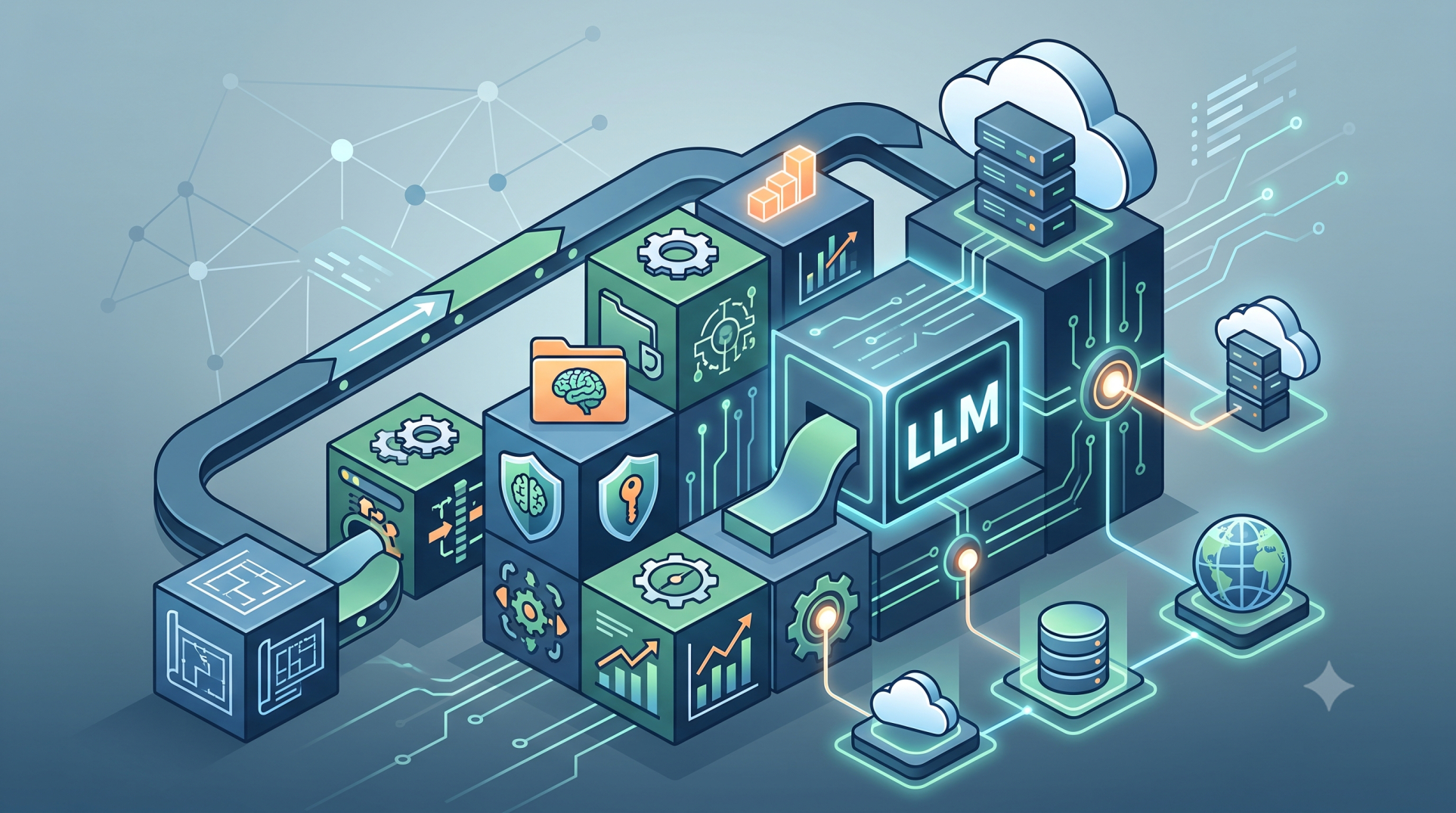
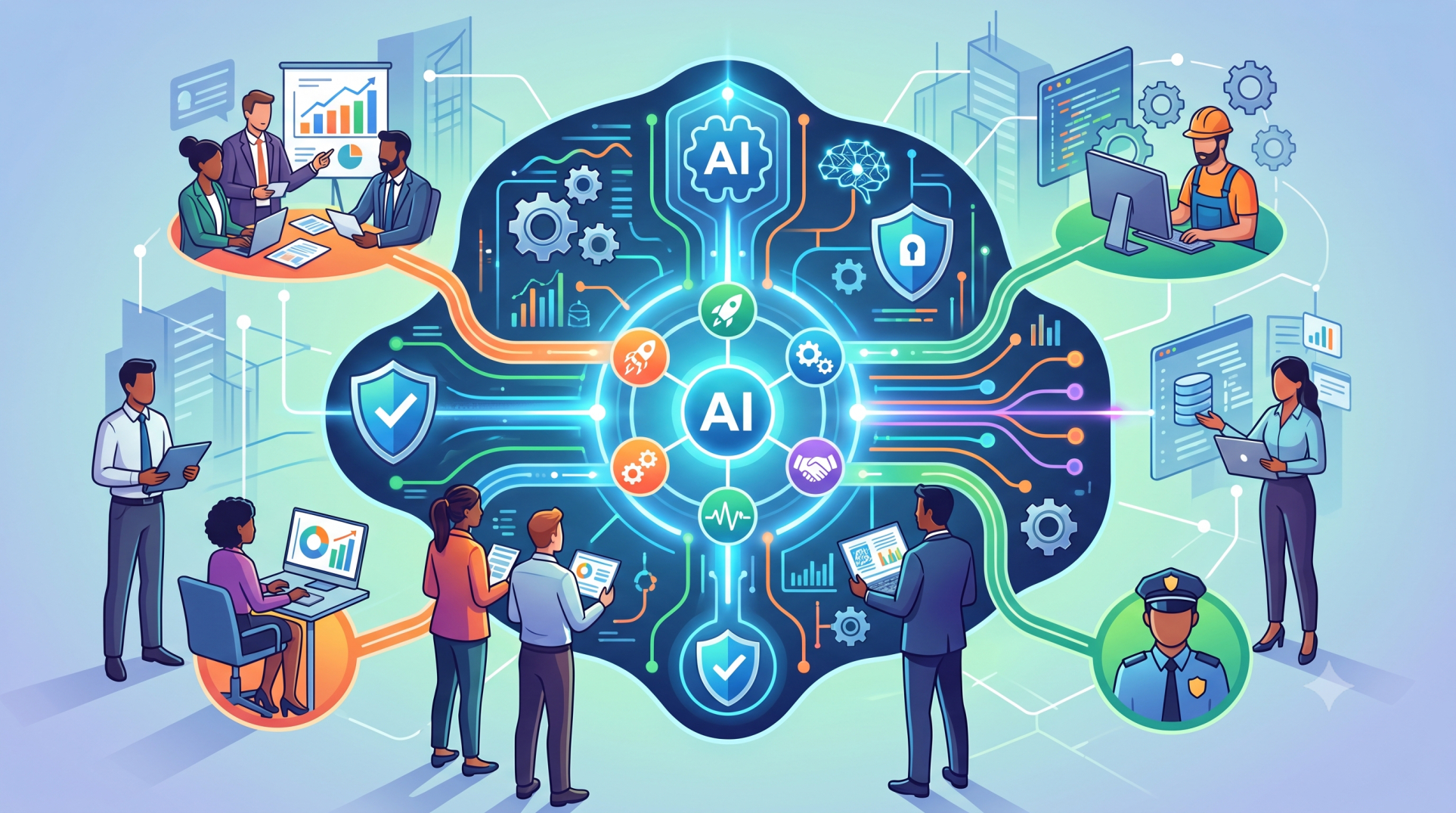
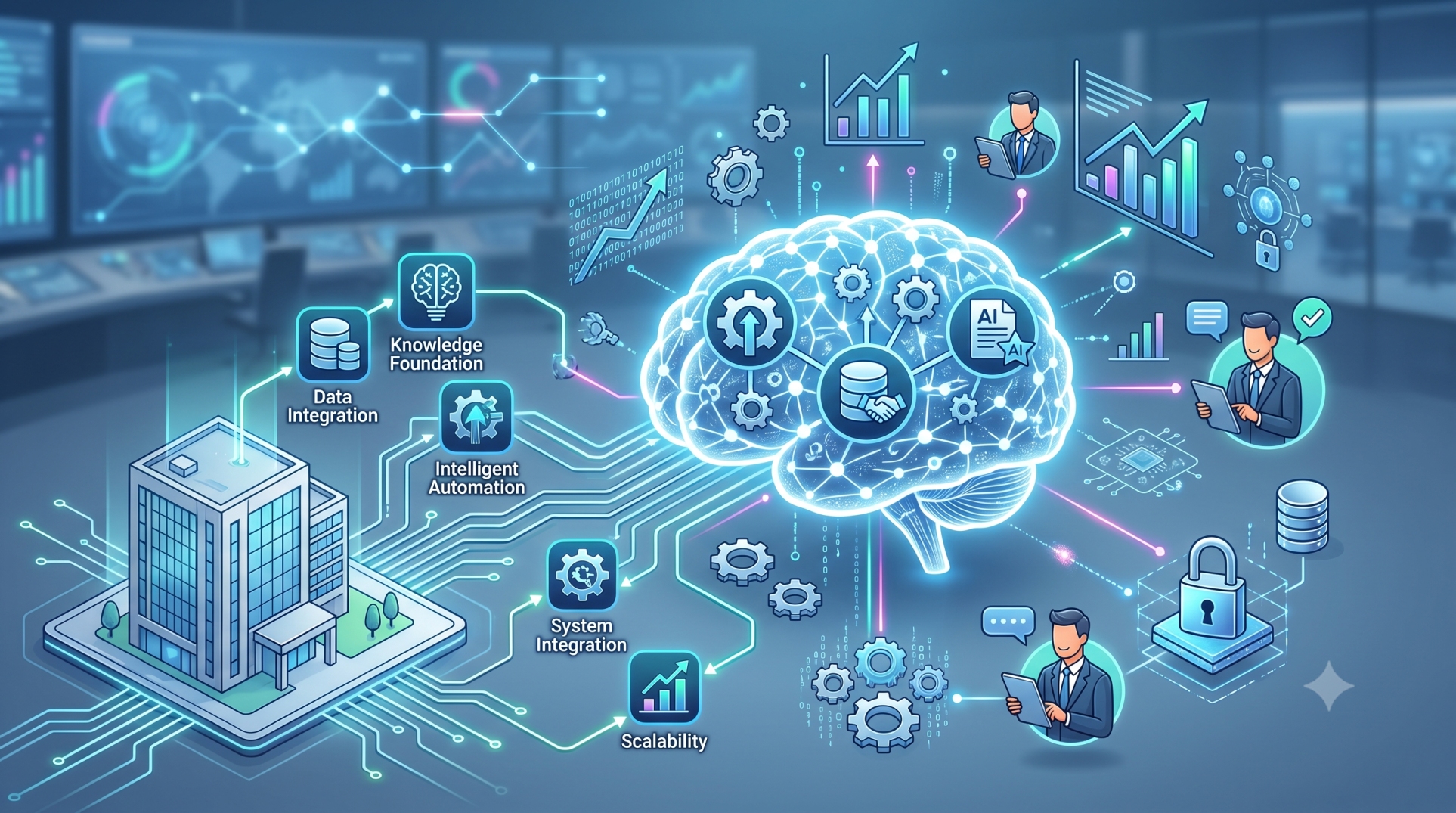
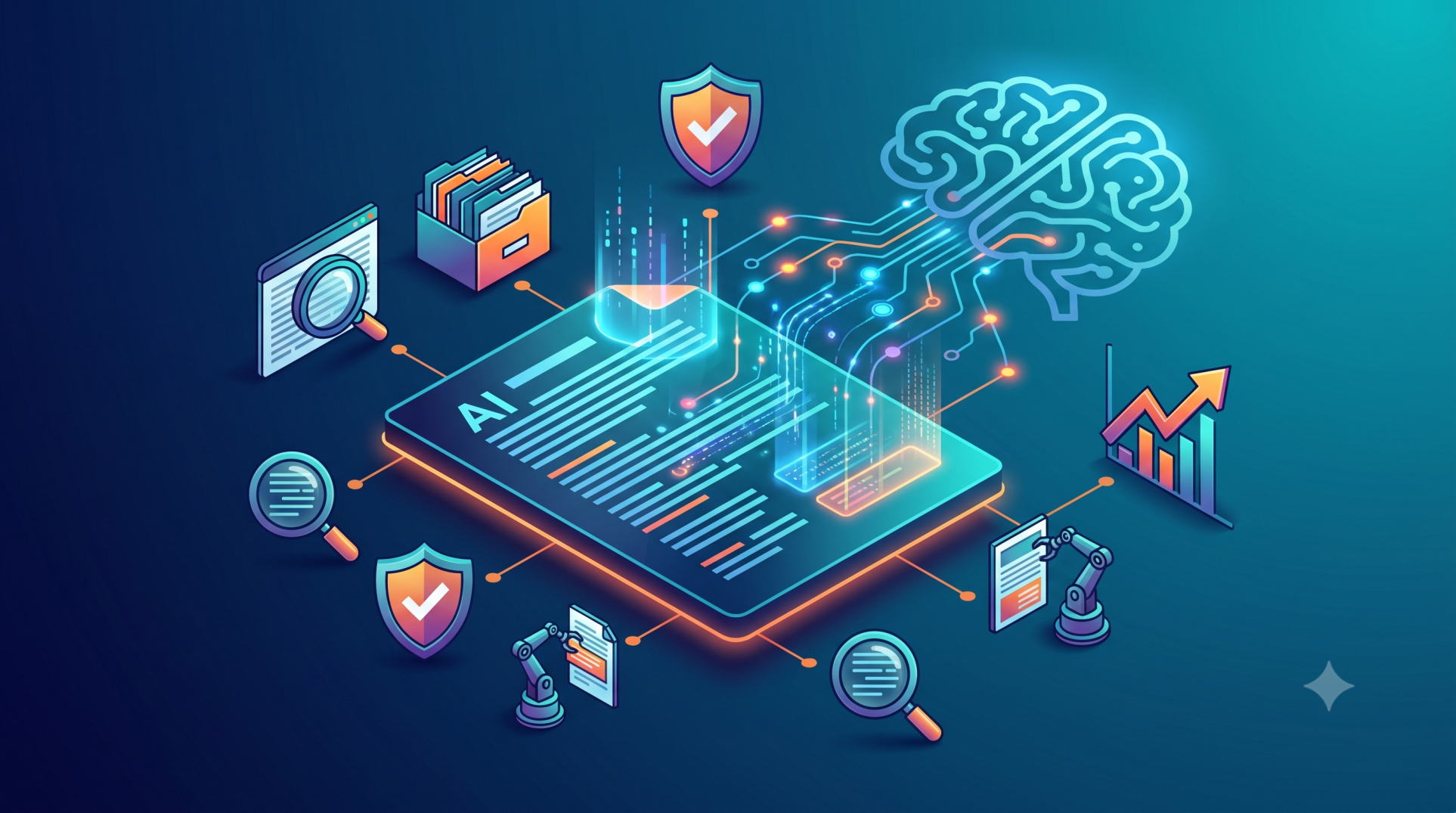
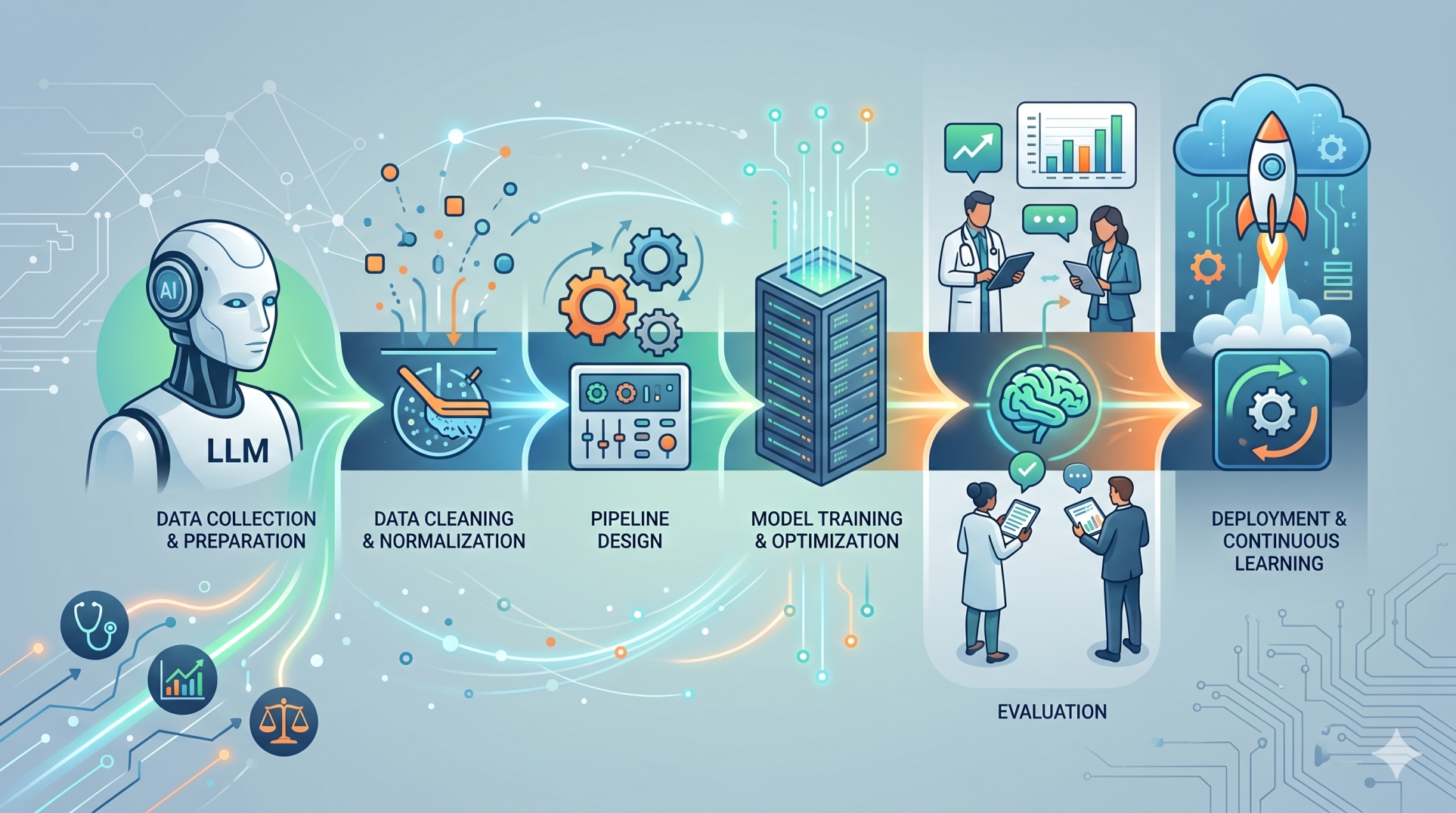
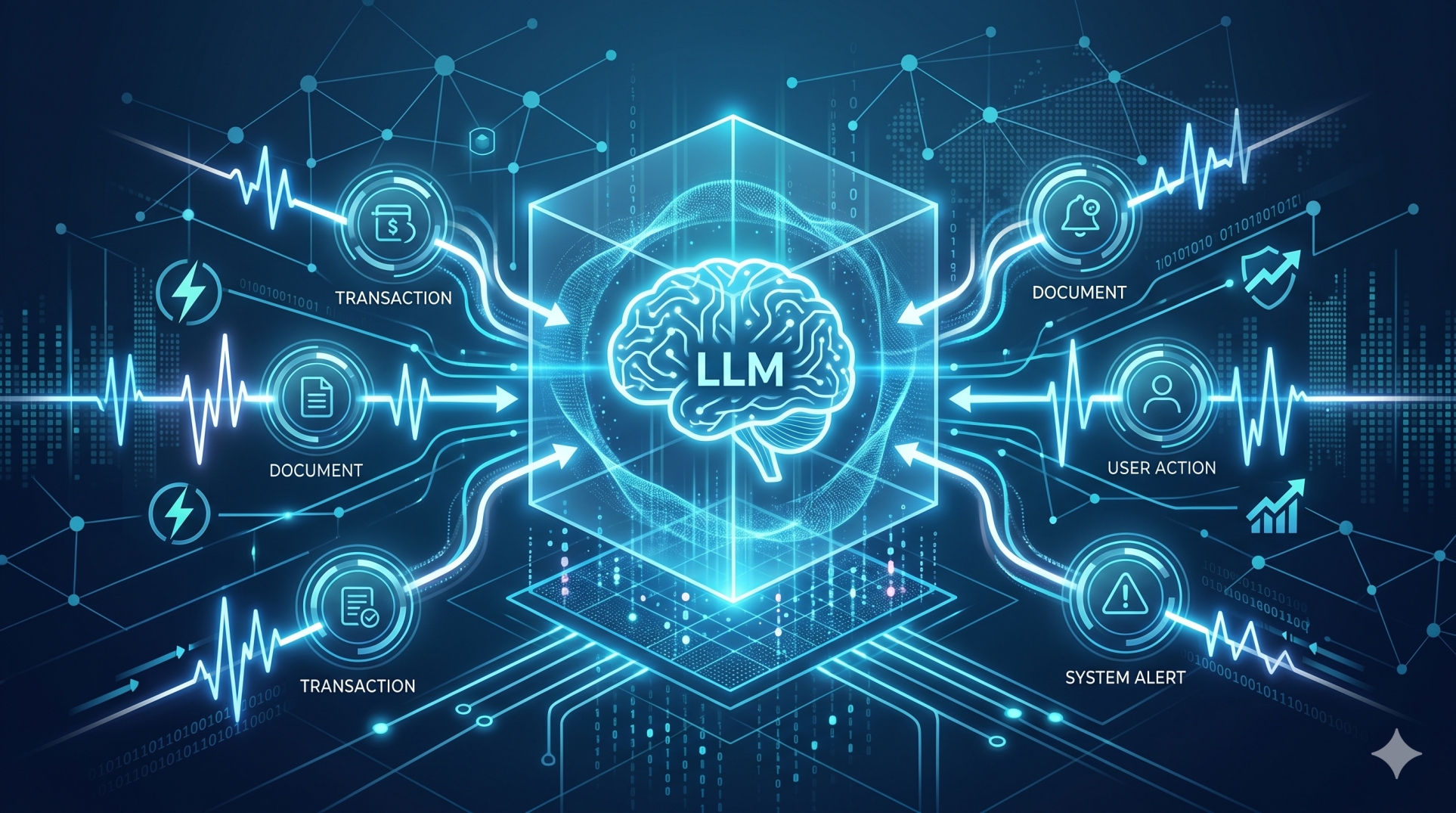
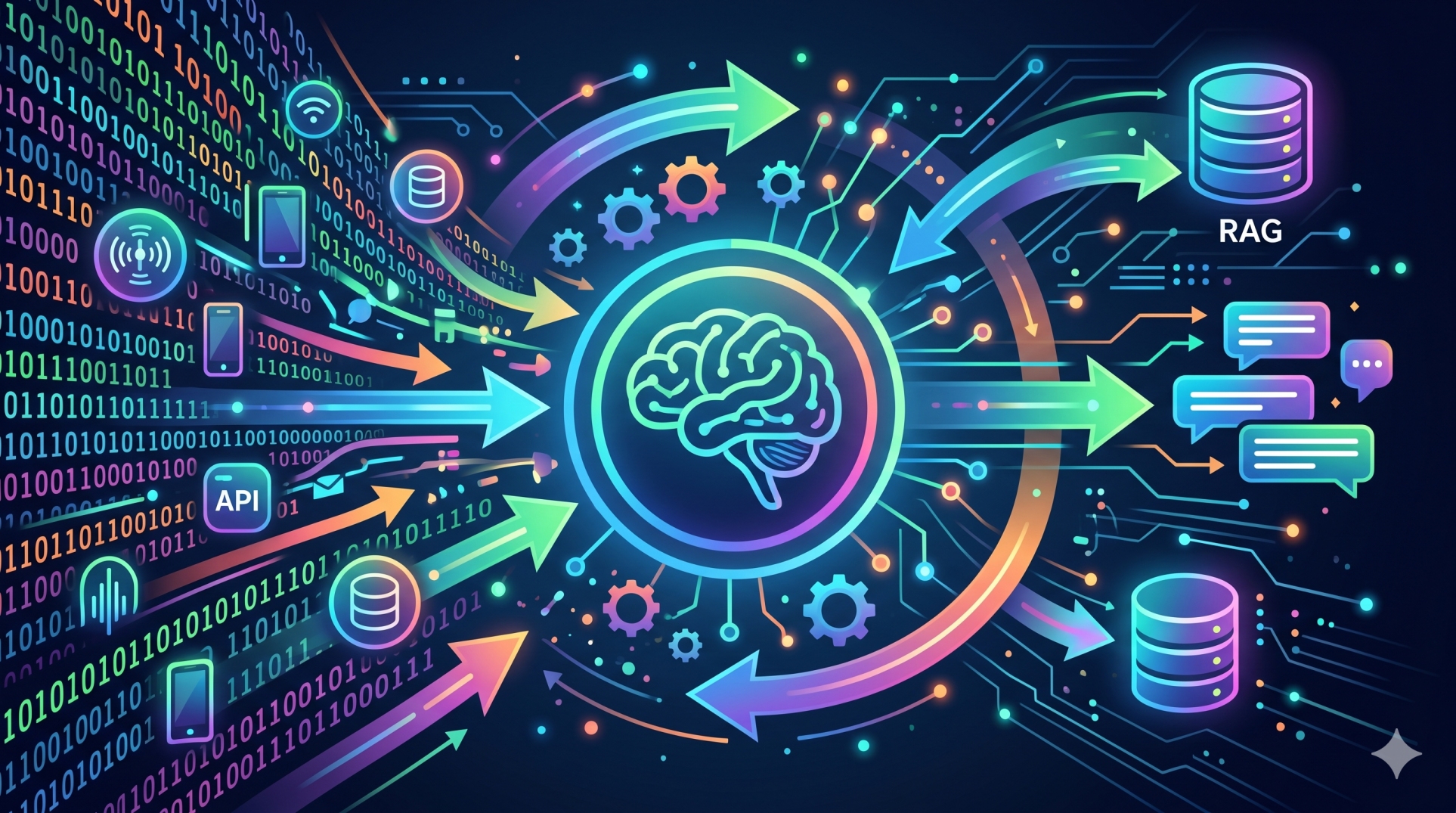
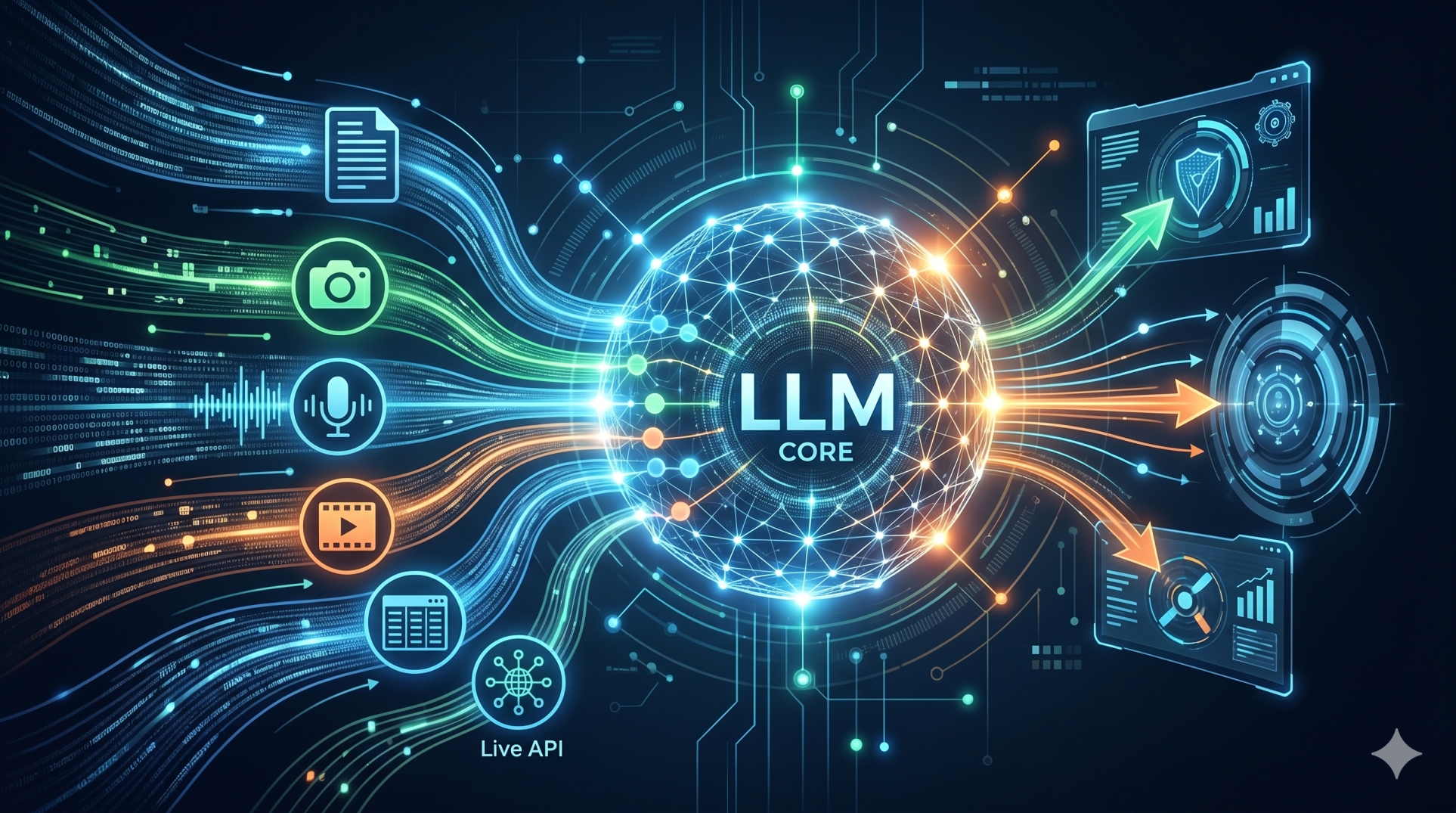
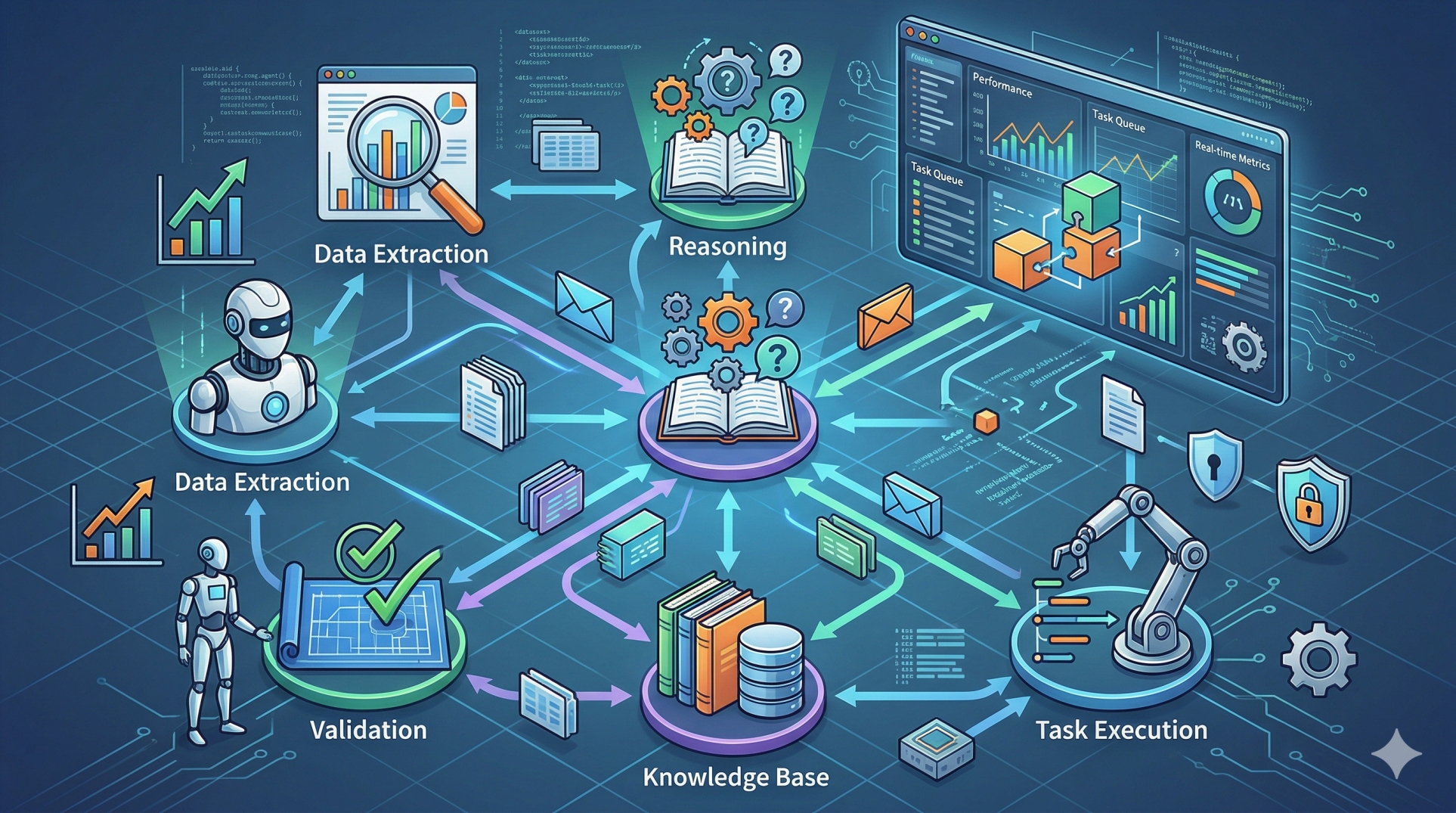
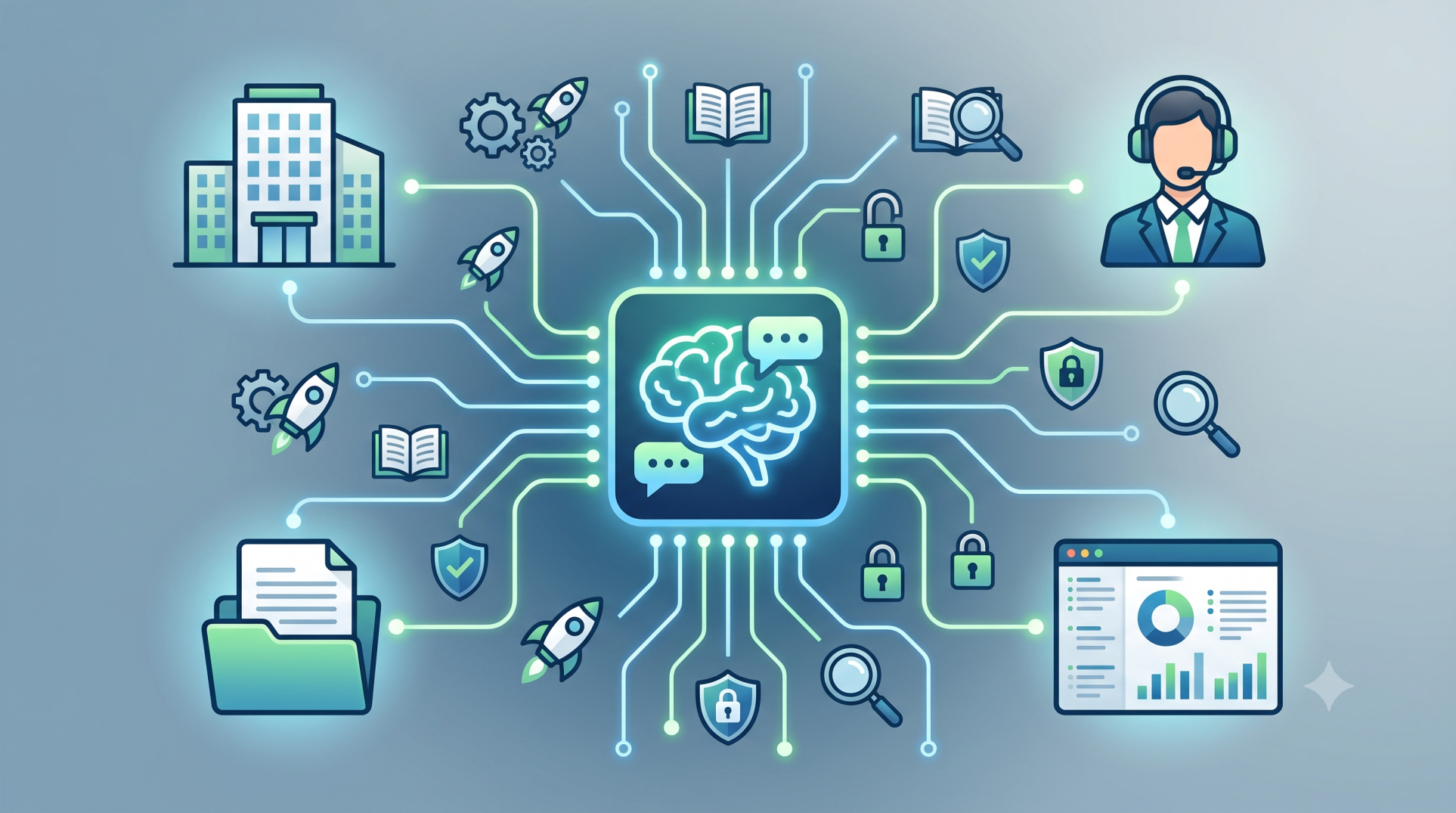
As organizations manage increasing volumes of information, requests, and operational tasks, Large Language Model (LLM) software is becoming a valuable tool for improving internal business services. By automating repetitive processes, assisting employees with information retrieval, and supporting faster decision-making, LLM-powered solutions help organizations improve productivity while maintaining consistency across departments. When integrated with enterprise systems, LLM software enables smarter, more connected business operations.
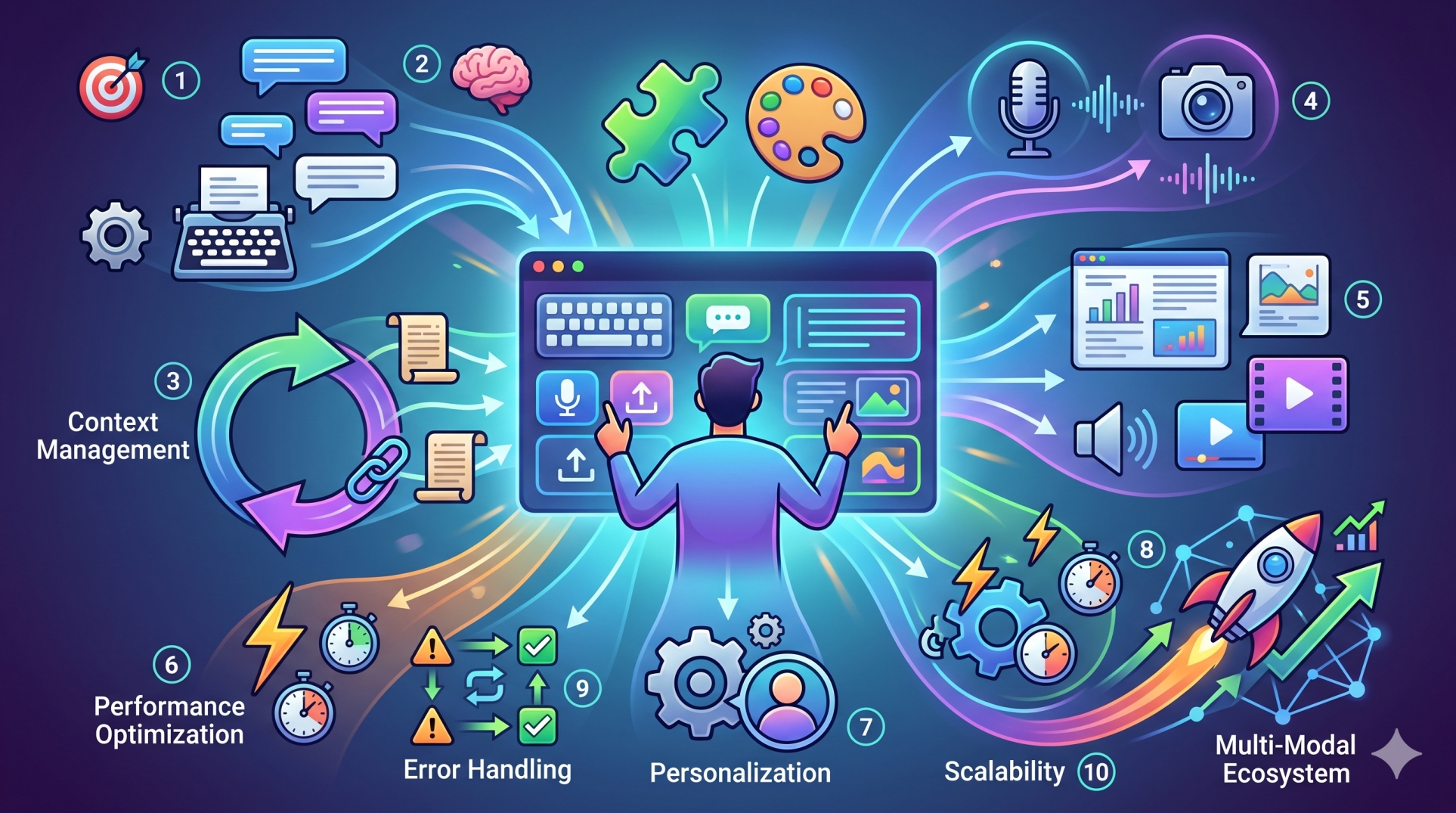
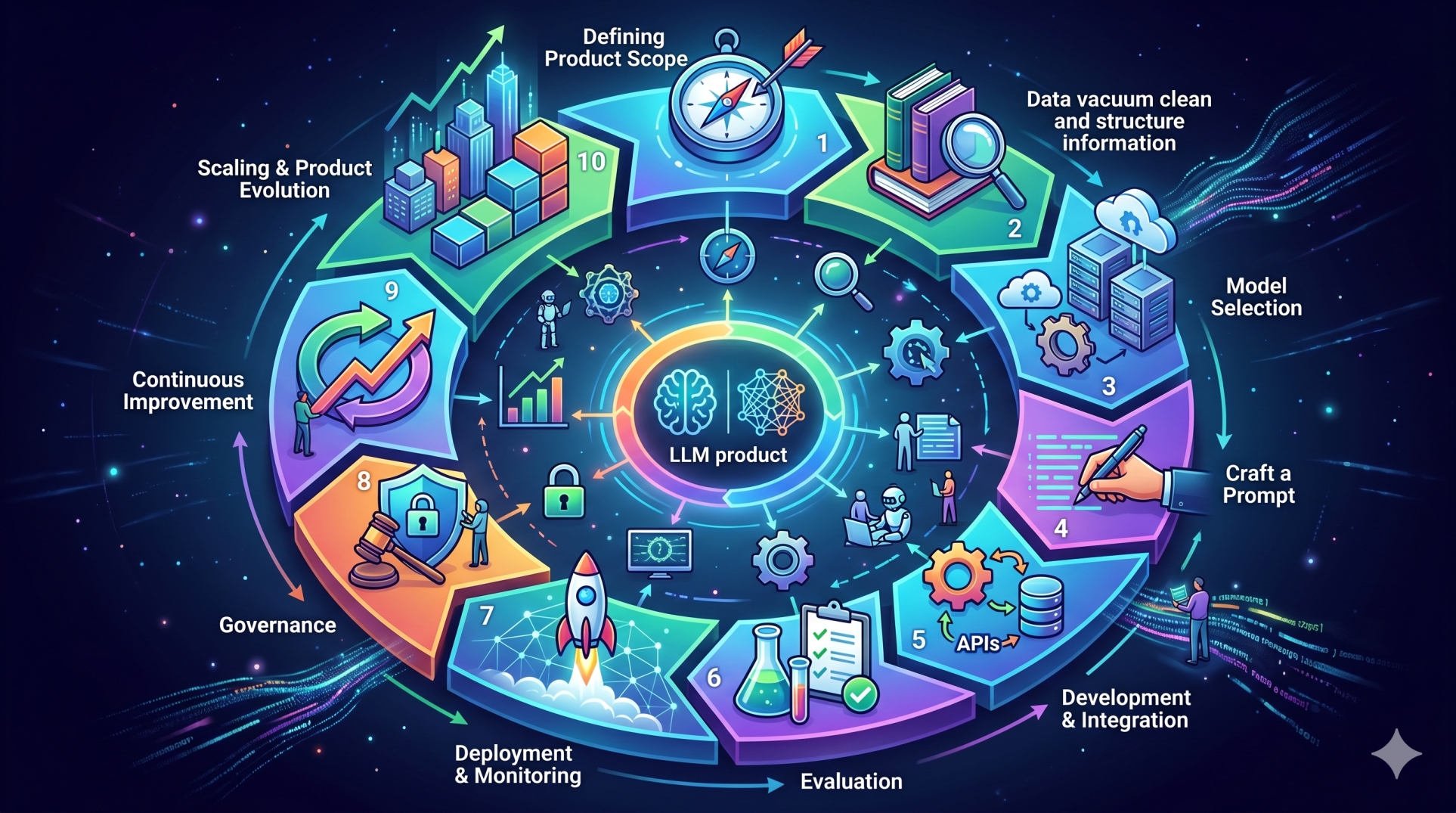
Step 1: Understanding the Role of LLM Software 🧠
• Automate routine business tasks using natural language interactions 🤖
• Provide employees with instant access to organizational knowledge 📚
• Support decision-making with context-aware responses 💡
• Reduce manual effort across business functions ⚙️
• Improve operational efficiency through intelligent automation 🚀
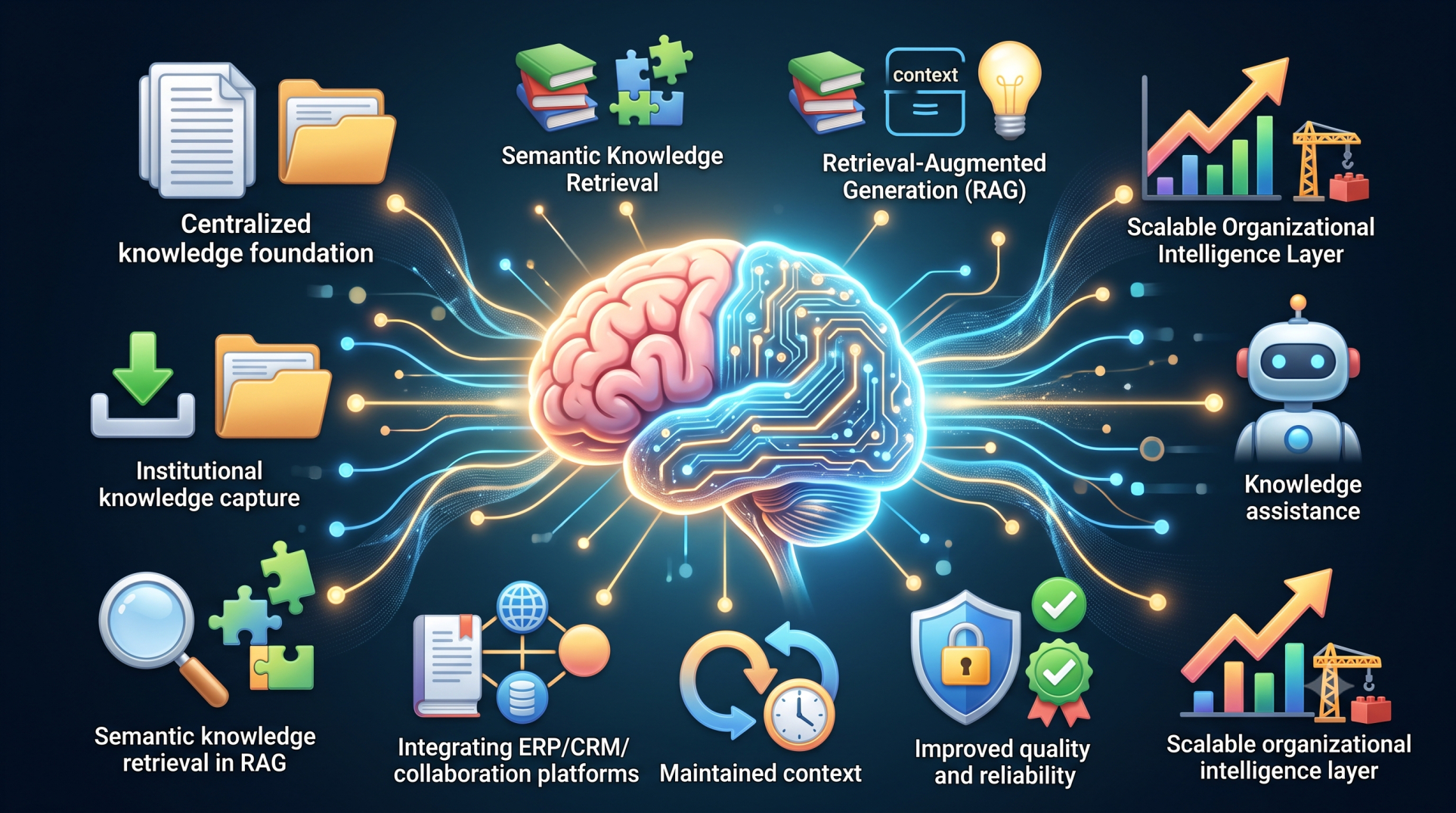
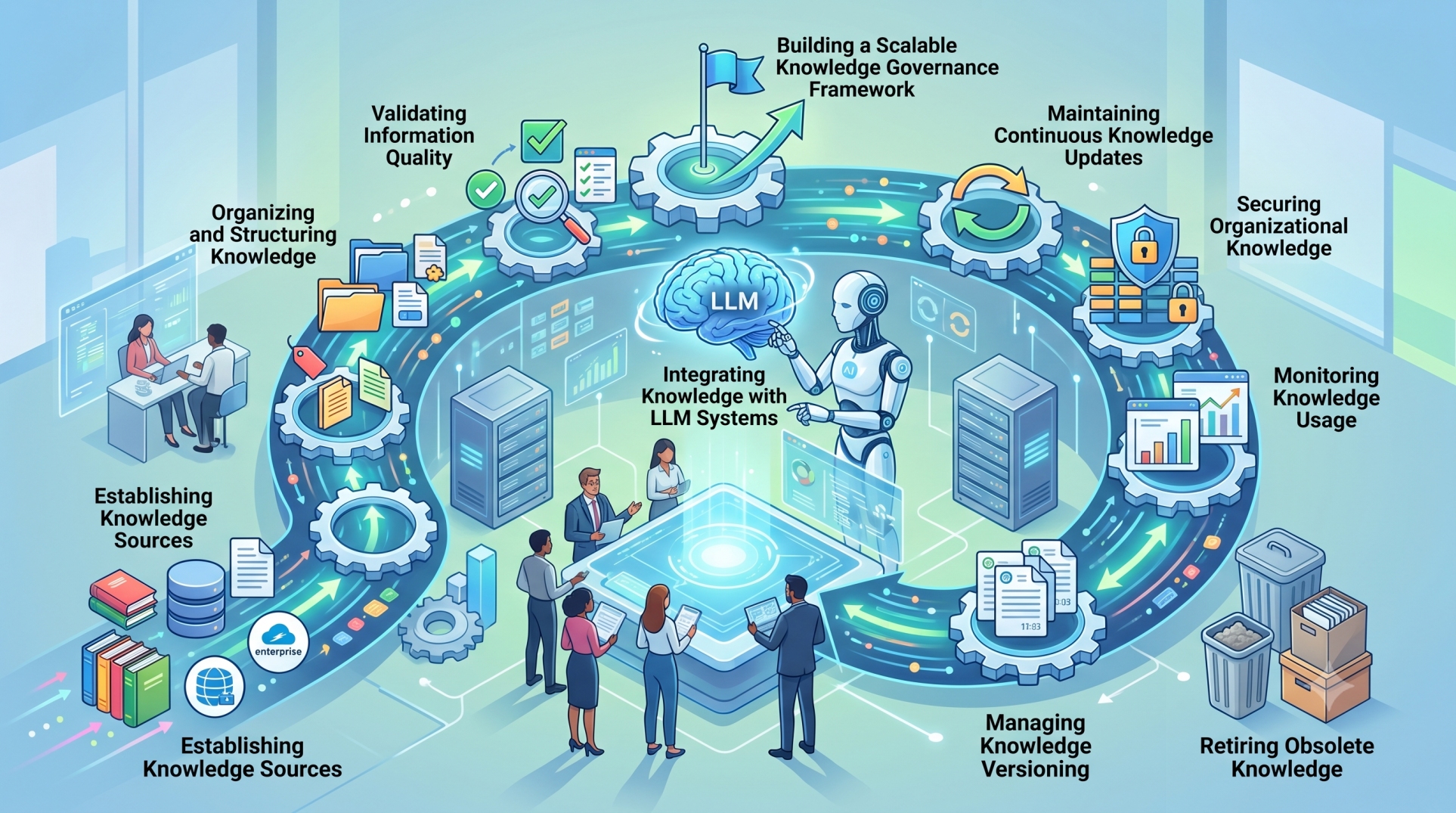
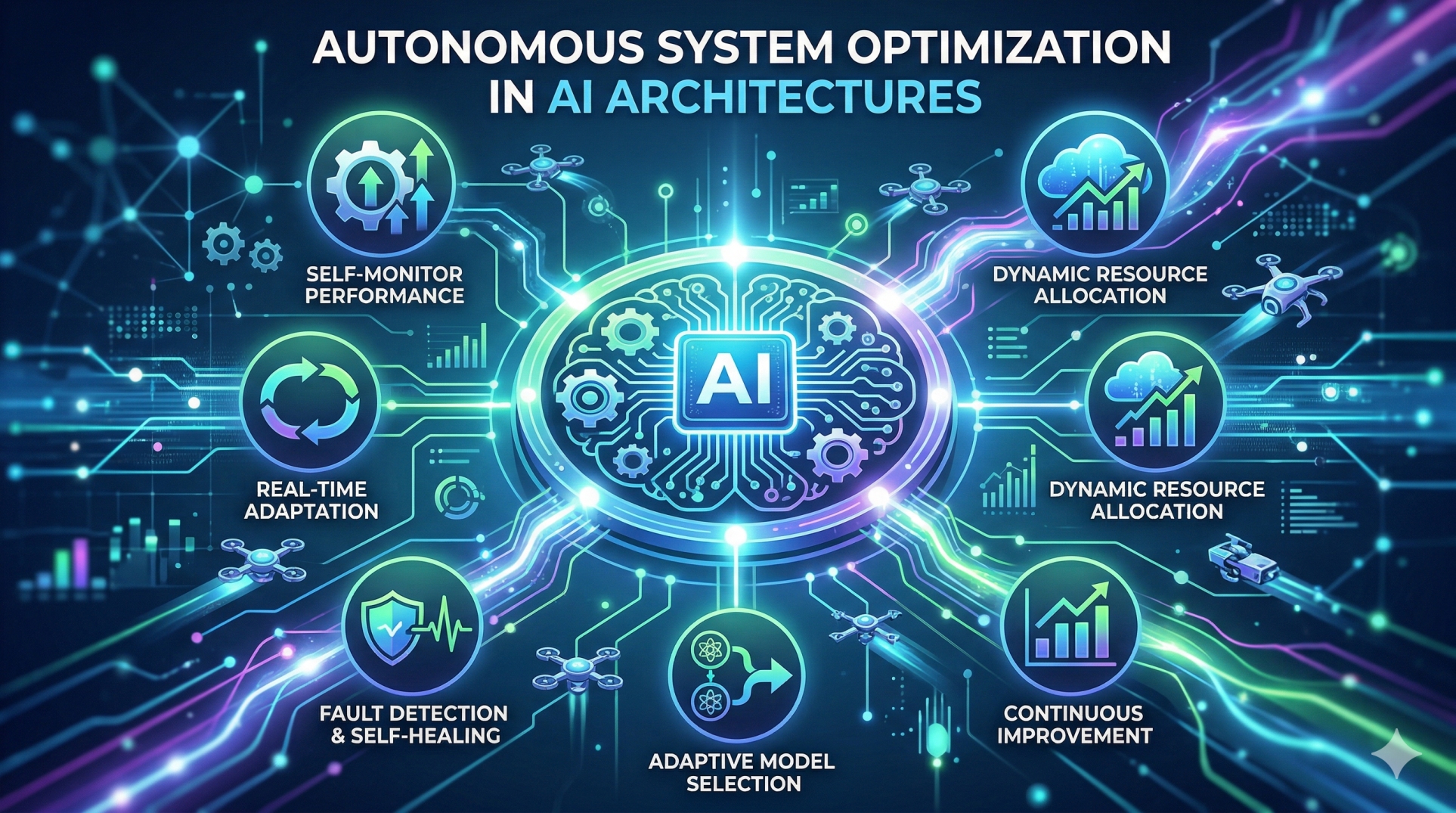
Step 2: Centralizing Enterprise Knowledge 📂
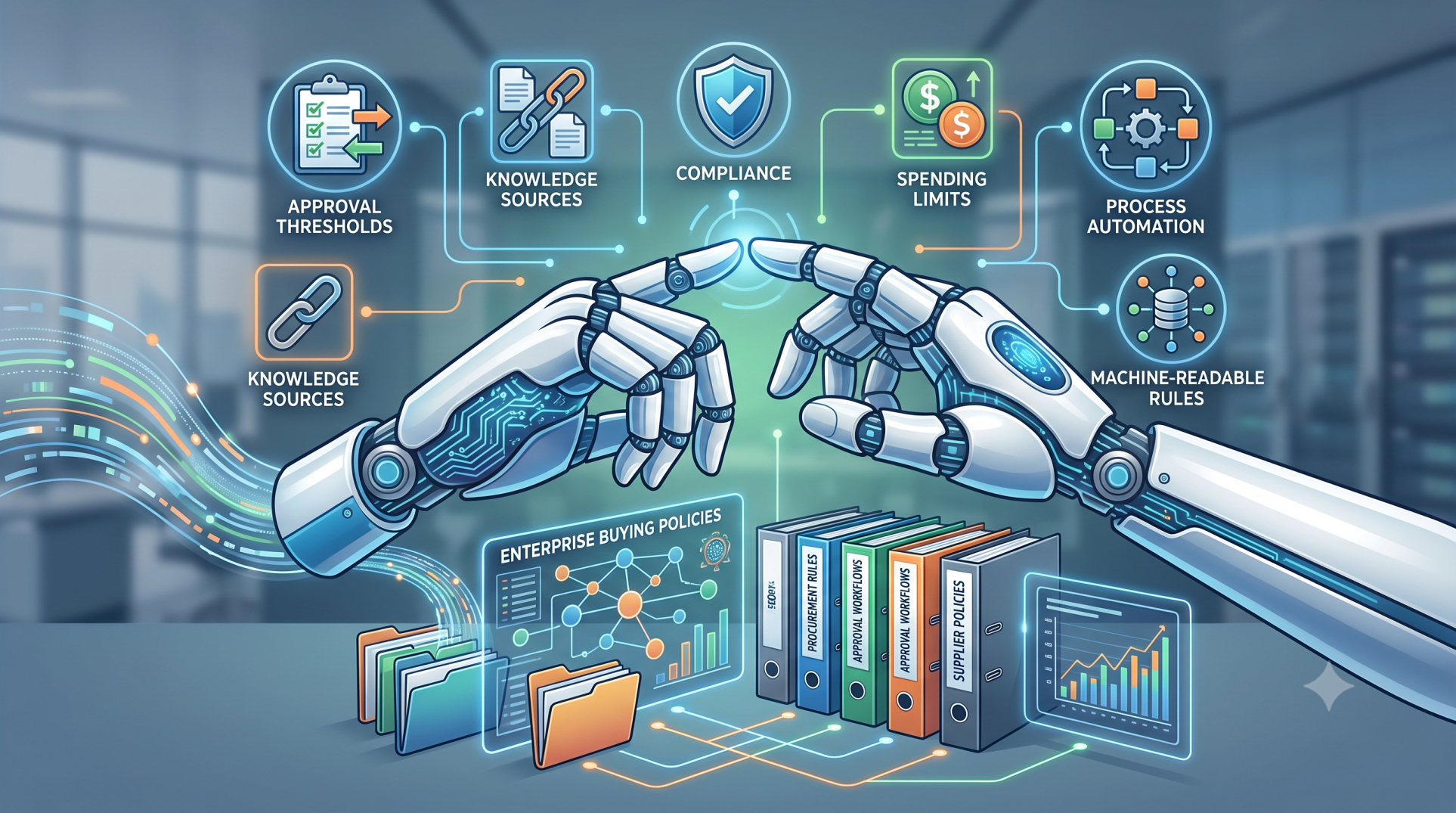
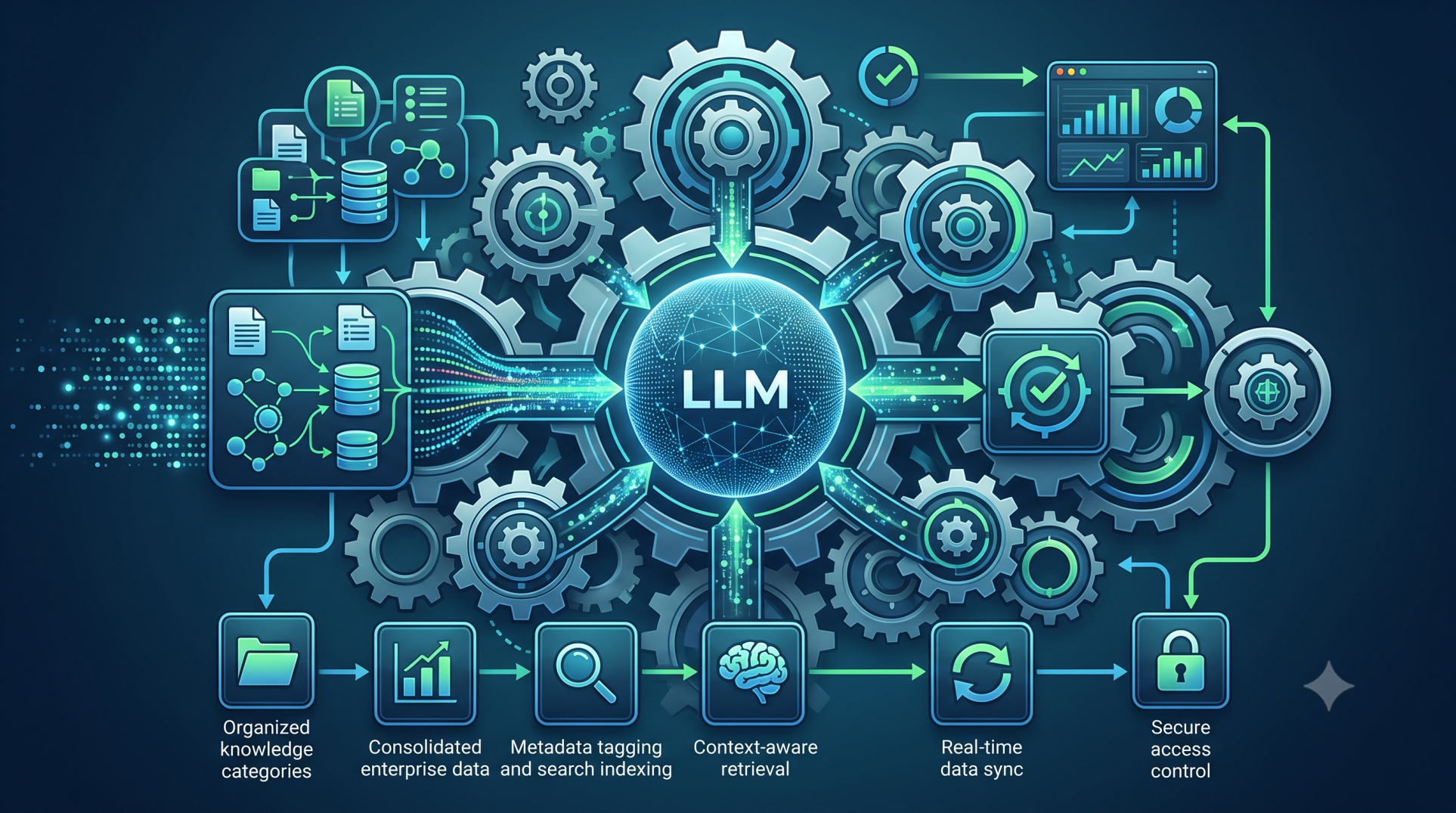
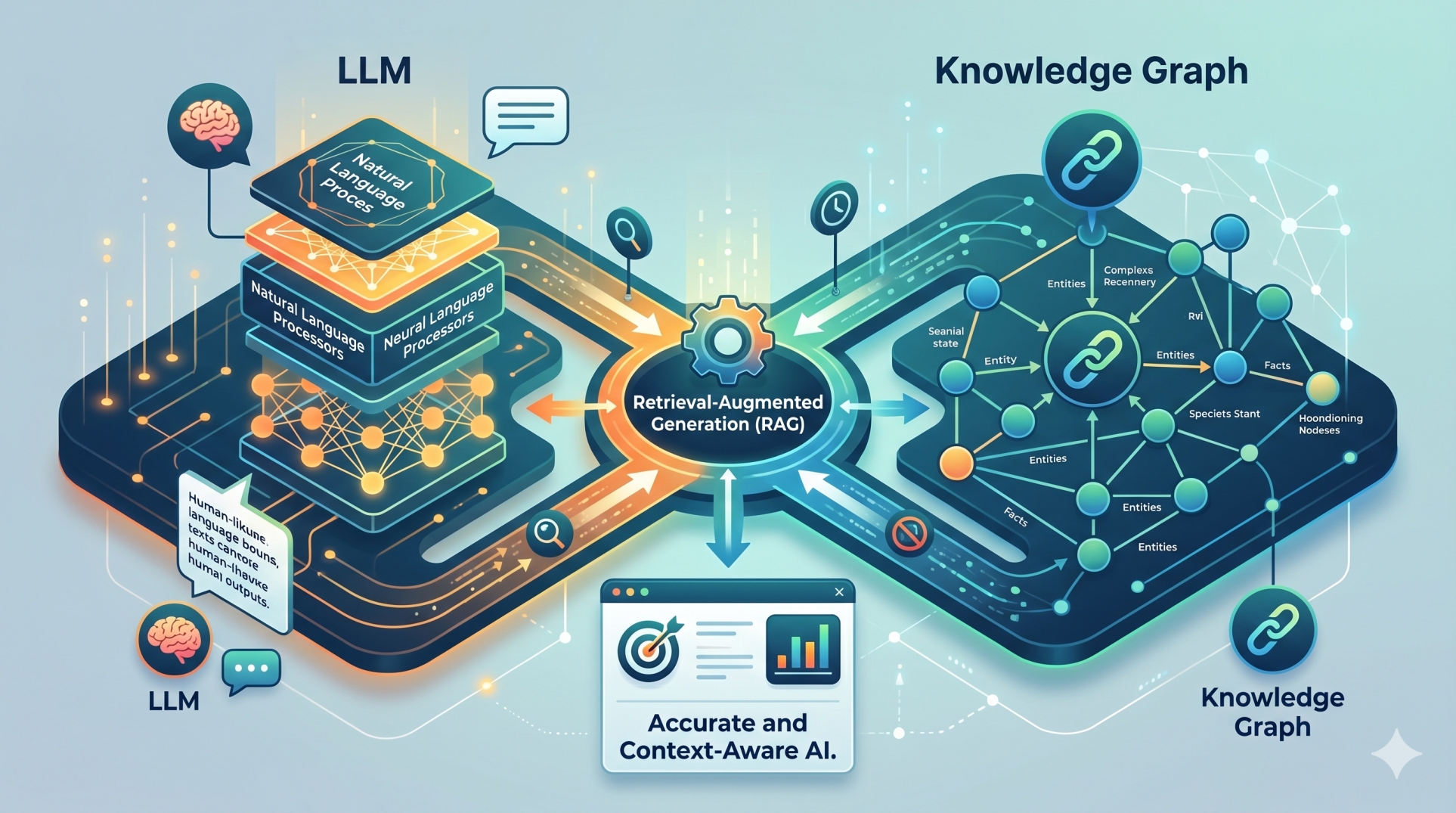
• Connect internal documents, policies, and knowledge repositories 📄
• Organize information for fast and accurate retrieval 🔍
• Reduce time spent searching across multiple systems ⏱️
• Deliver consistent answers to employee questions ✅
• Keep organizational knowledge accessible and up to date 📈
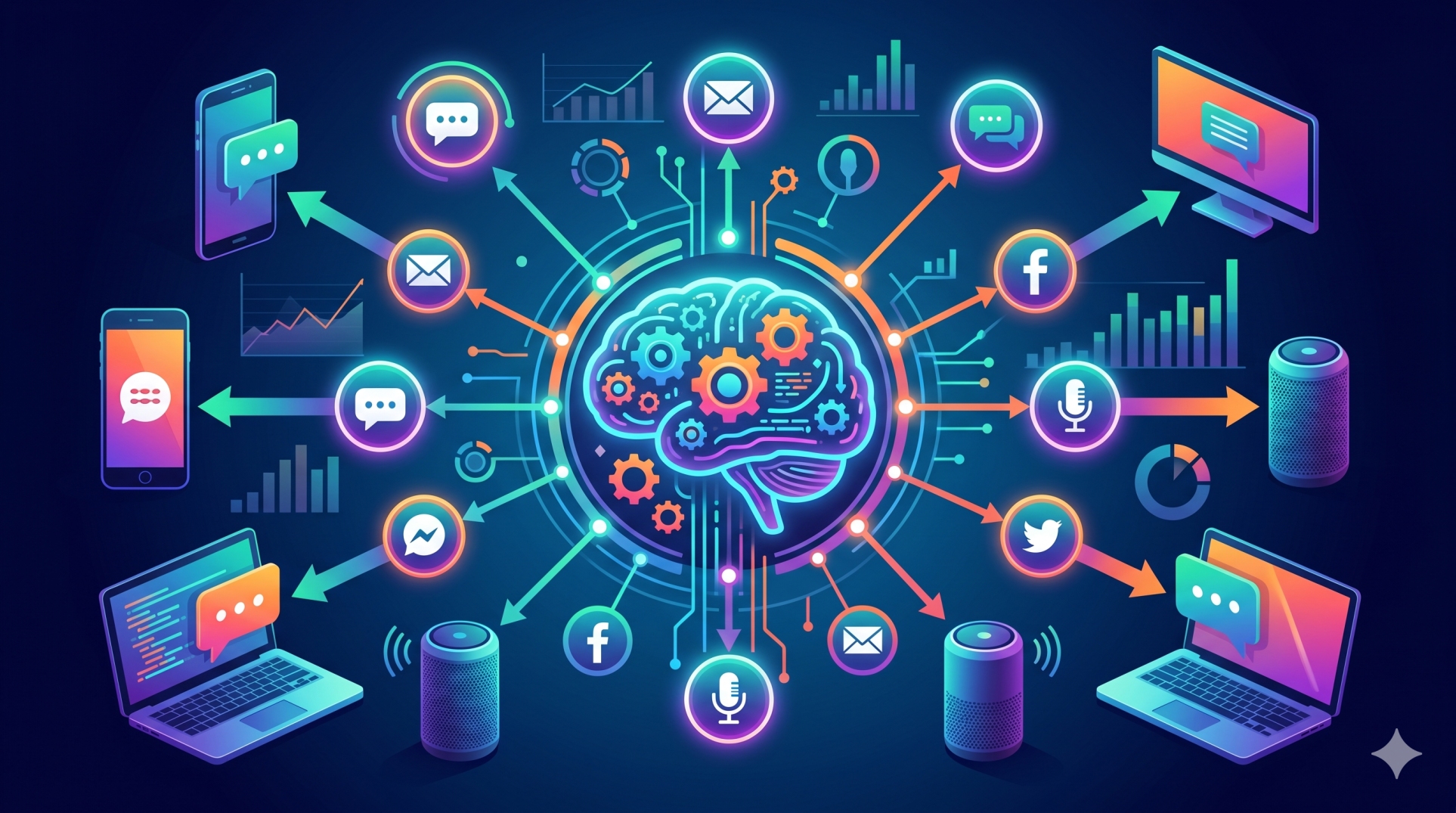
Step 3: Automating Employee Support 💬
• Respond to common HR, IT, and administrative inquiries 🤝
• Assist employees with internal procedures and policies 📋
• Provide guided support for routine business requests 🛠️
• Reduce response times for internal service teams ⚡
• Improve employee satisfaction through faster assistance 😊
Step 4: Enhancing Workflow Automation ⚙️
• Automate document generation and routine communications 📝
• Streamline approvals and task assignments 📬
• Reduce repetitive manual processes across departments 🔄
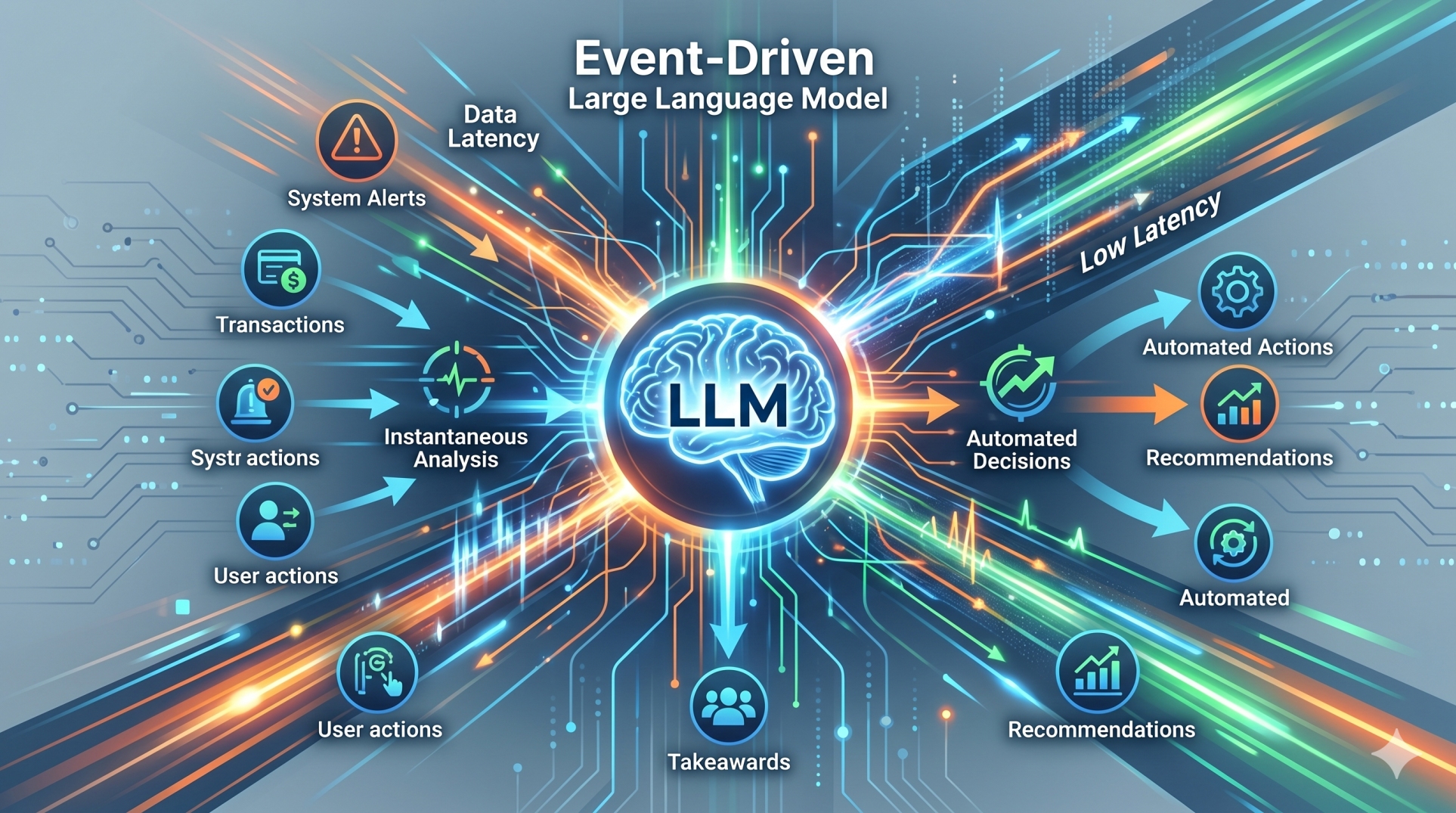
• Trigger business workflows using natural language commands 🎯
• Improve operational consistency through automation 🚀
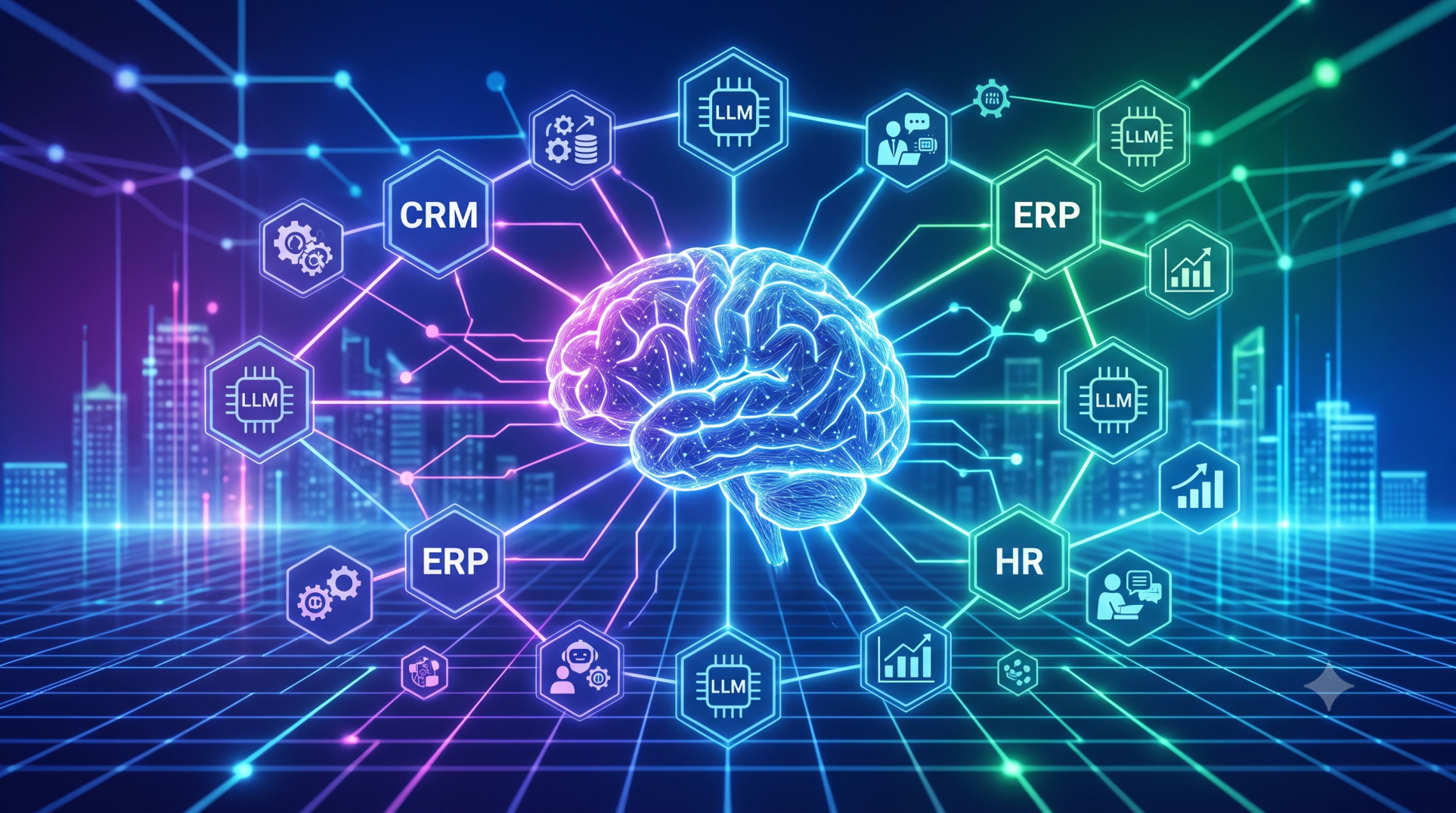
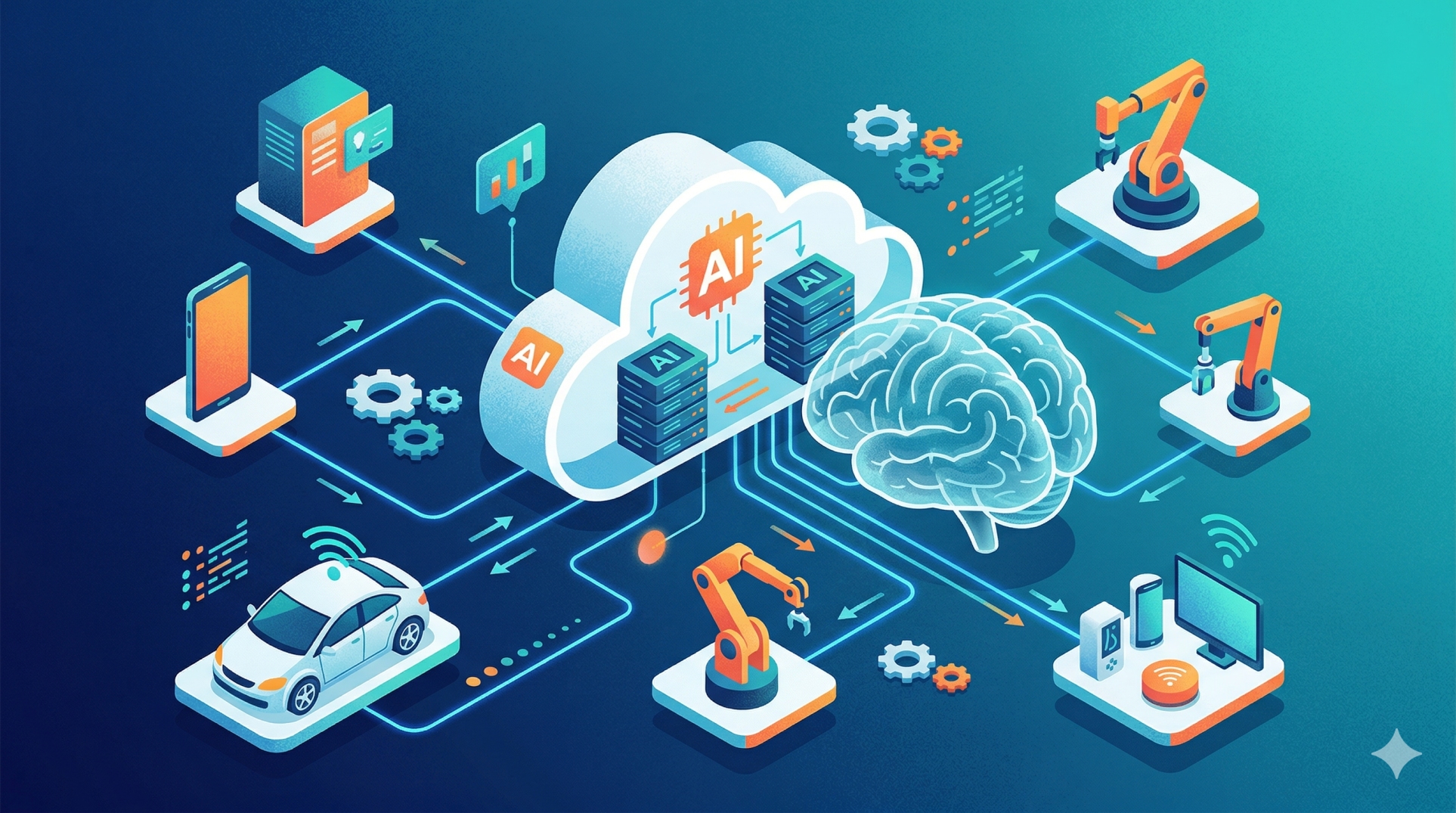
Step 5: Integrating Business Applications 🔗
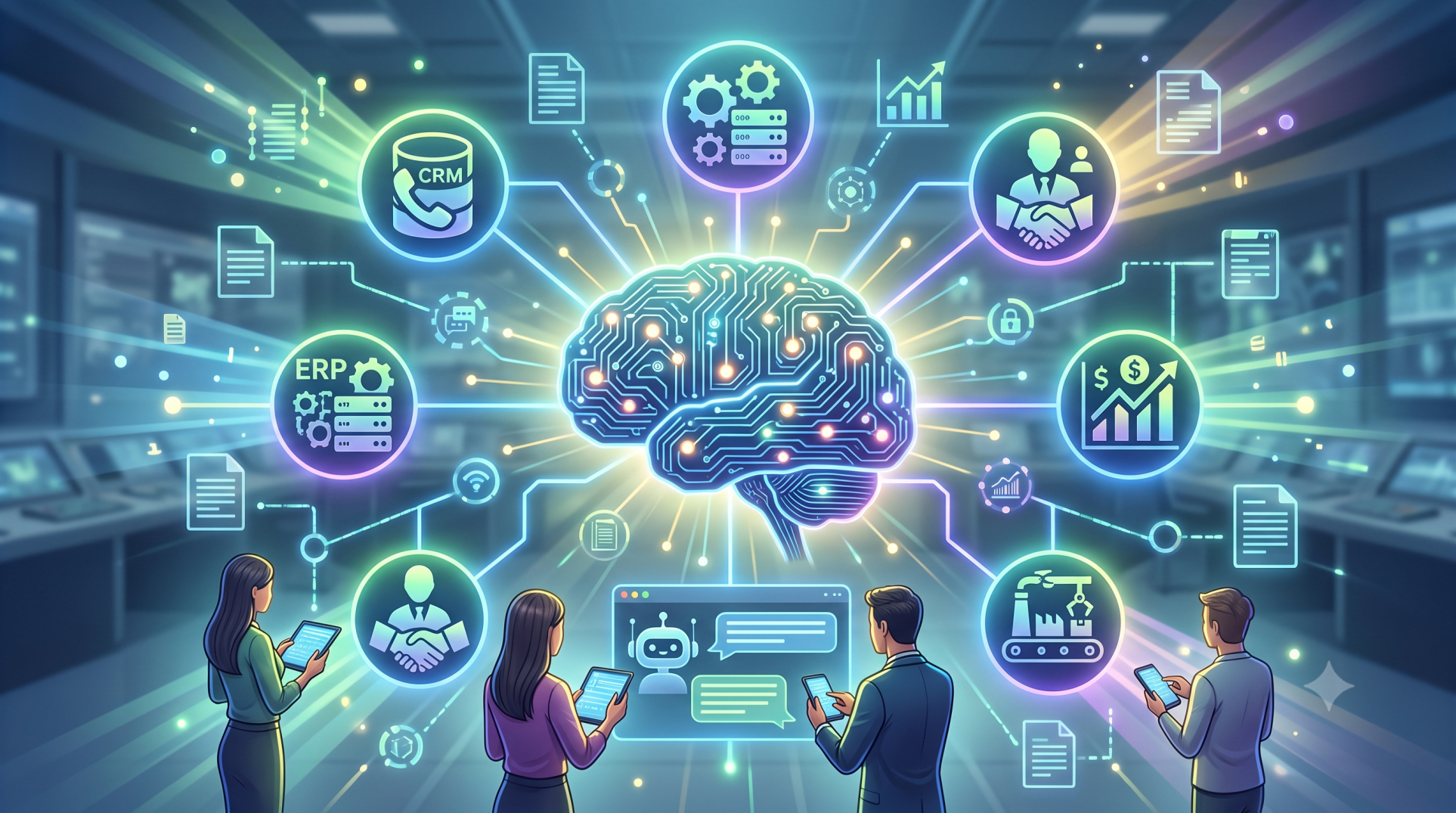
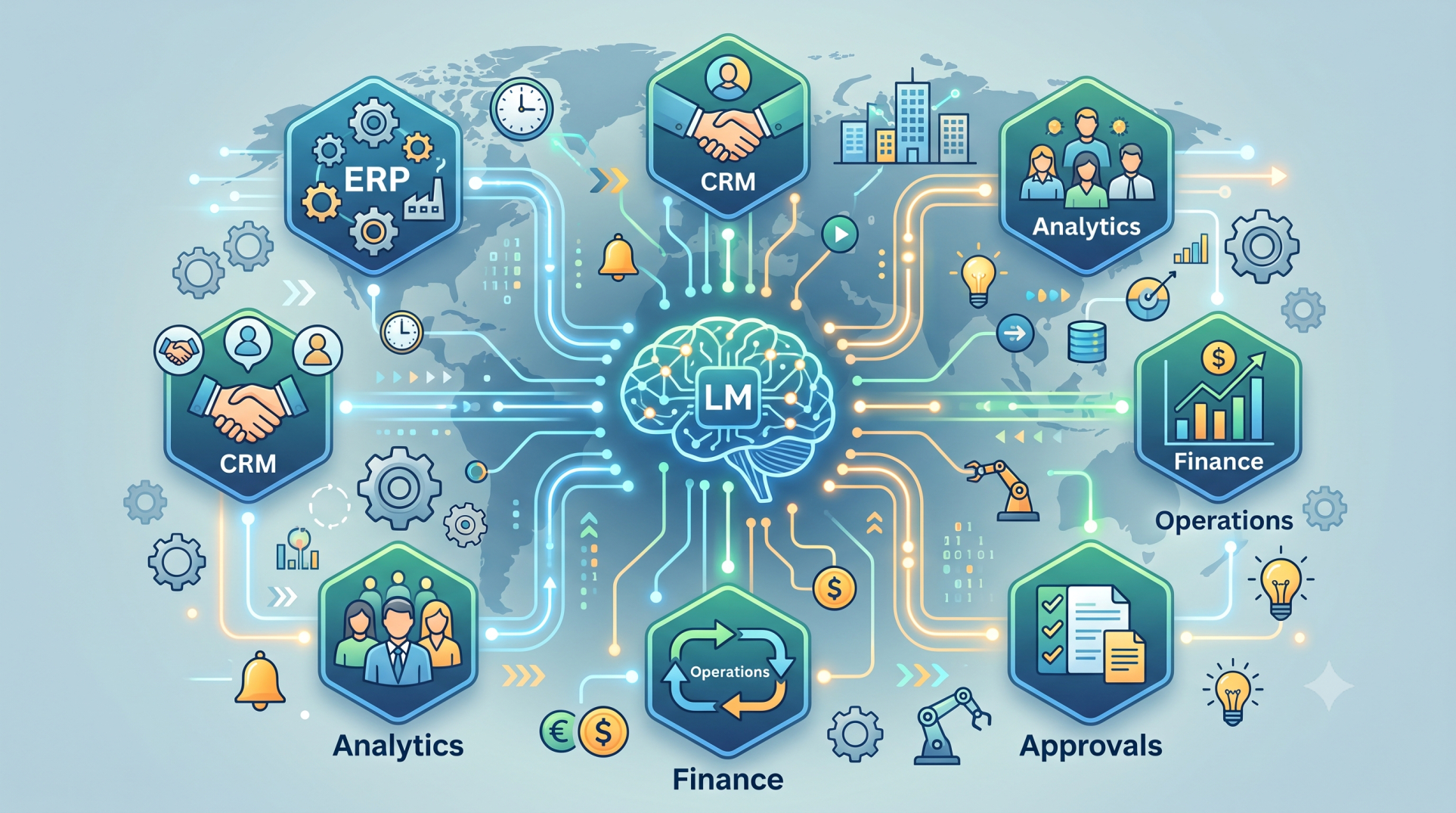
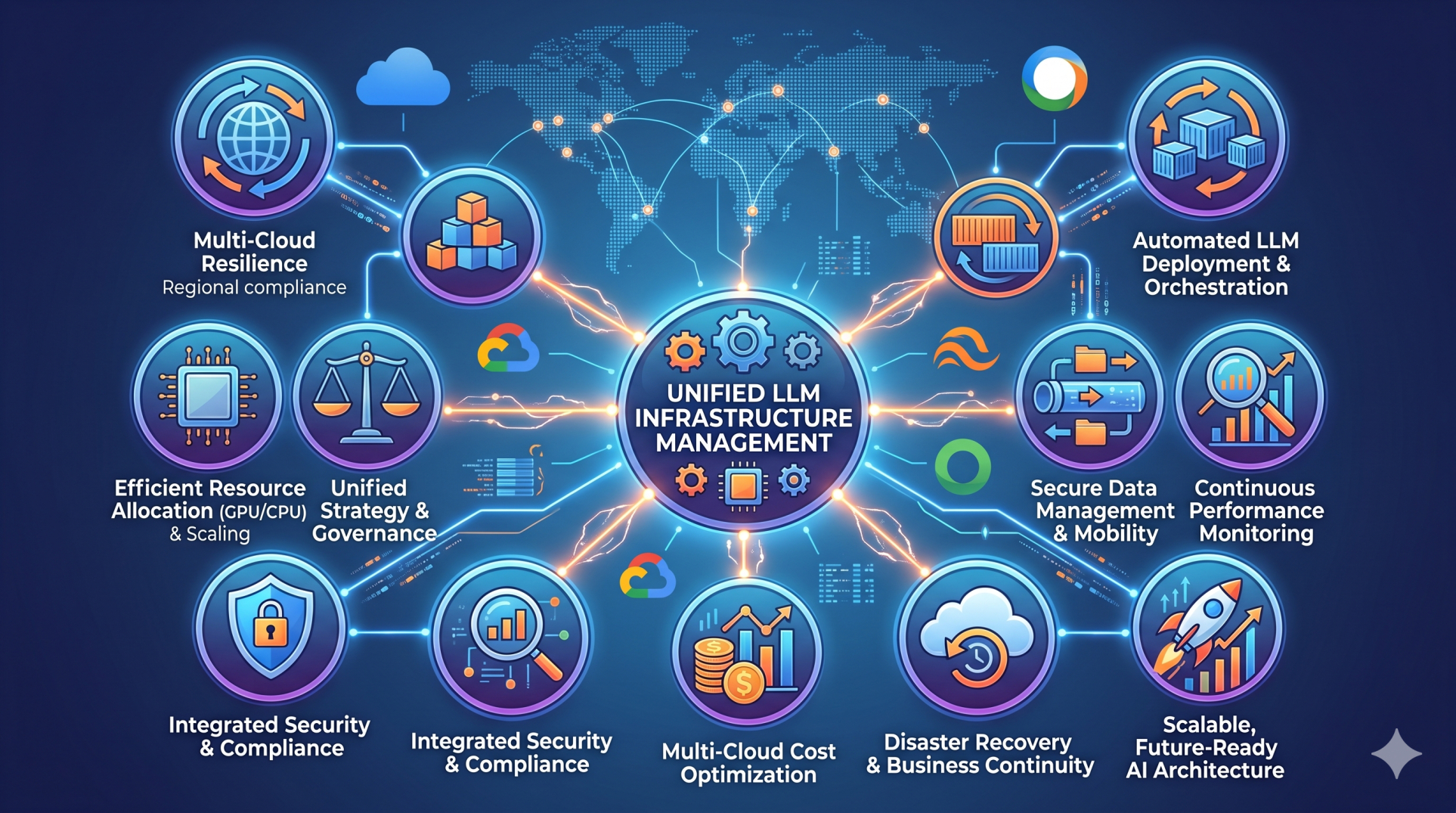
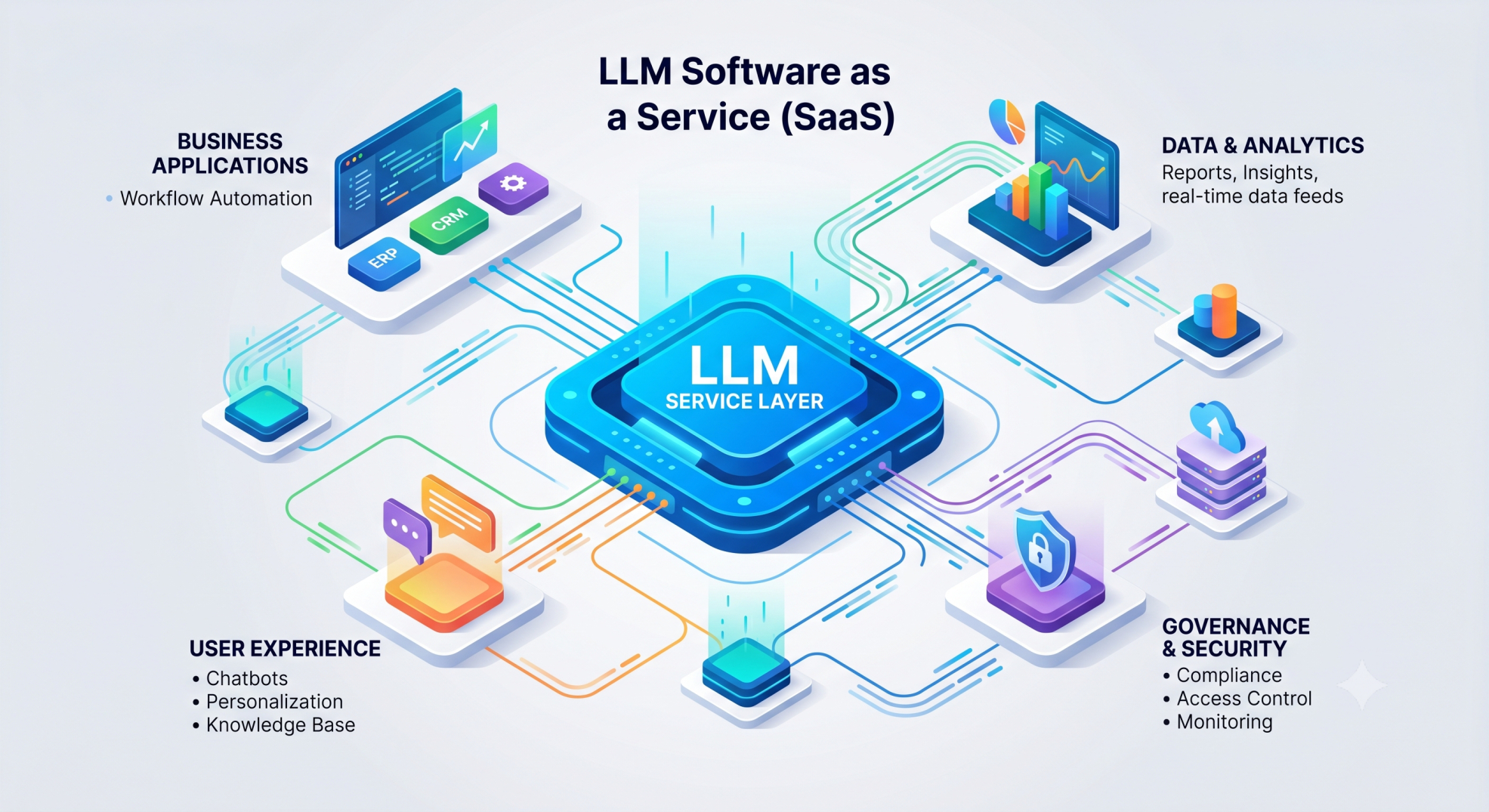
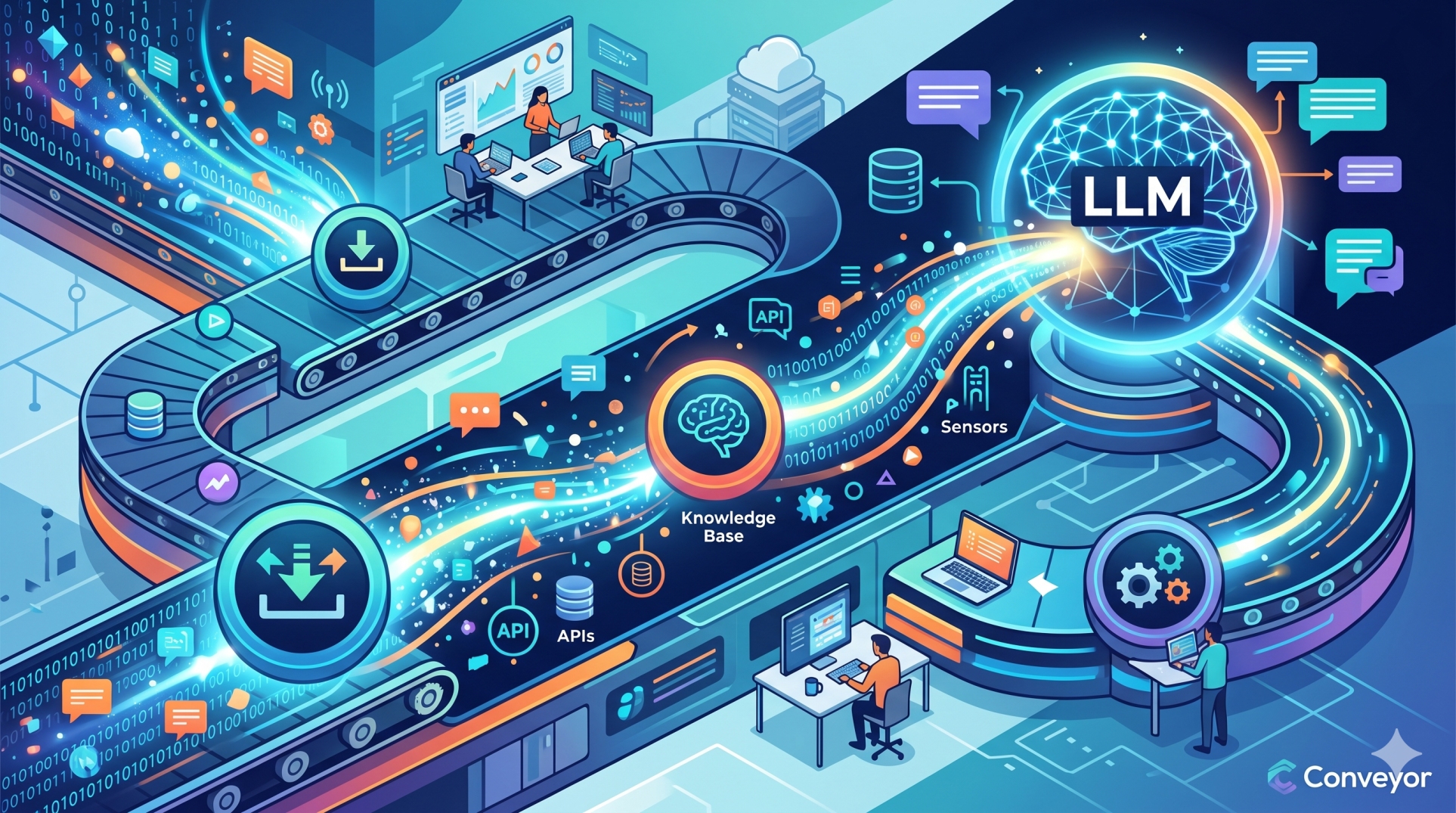
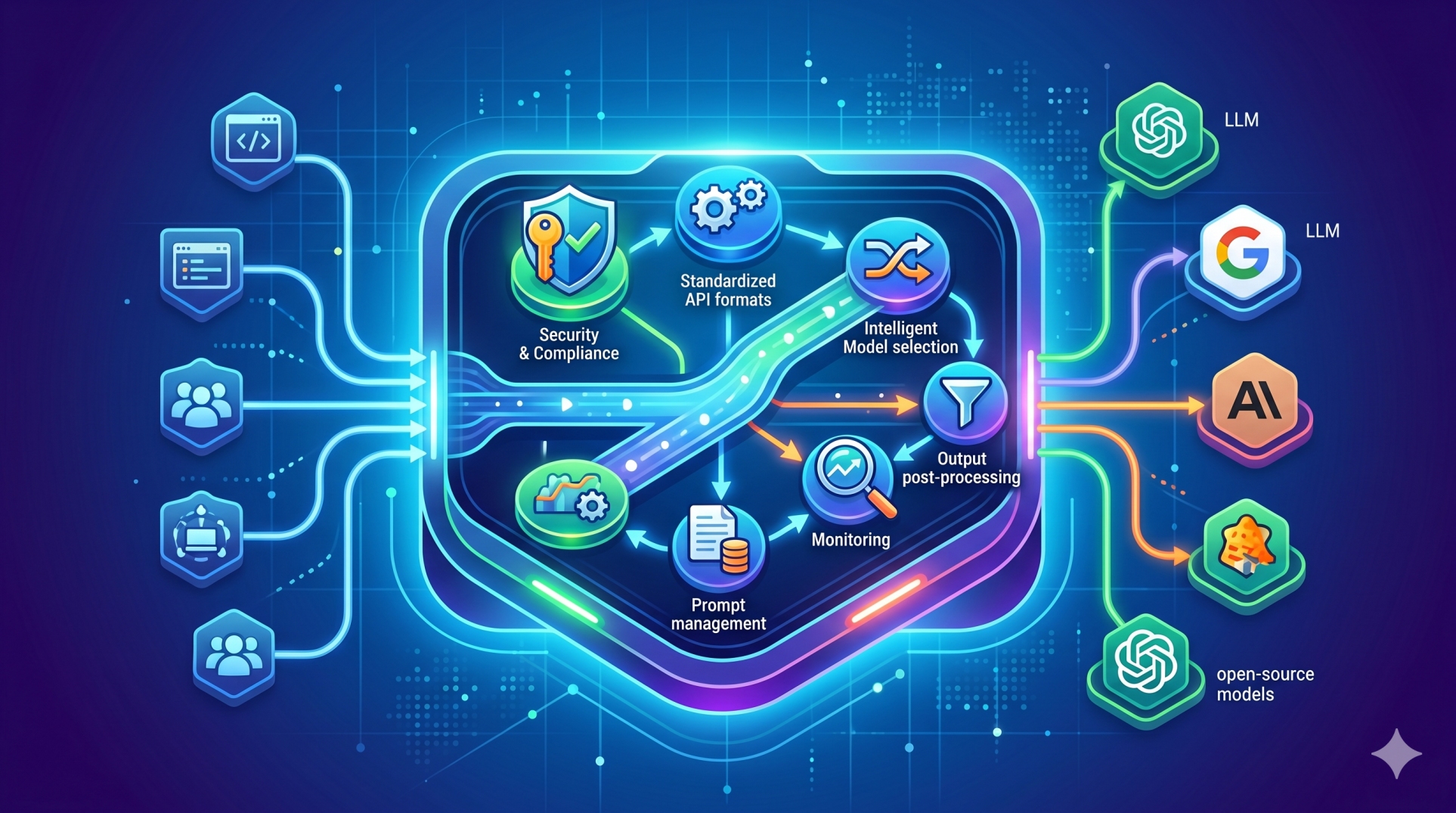
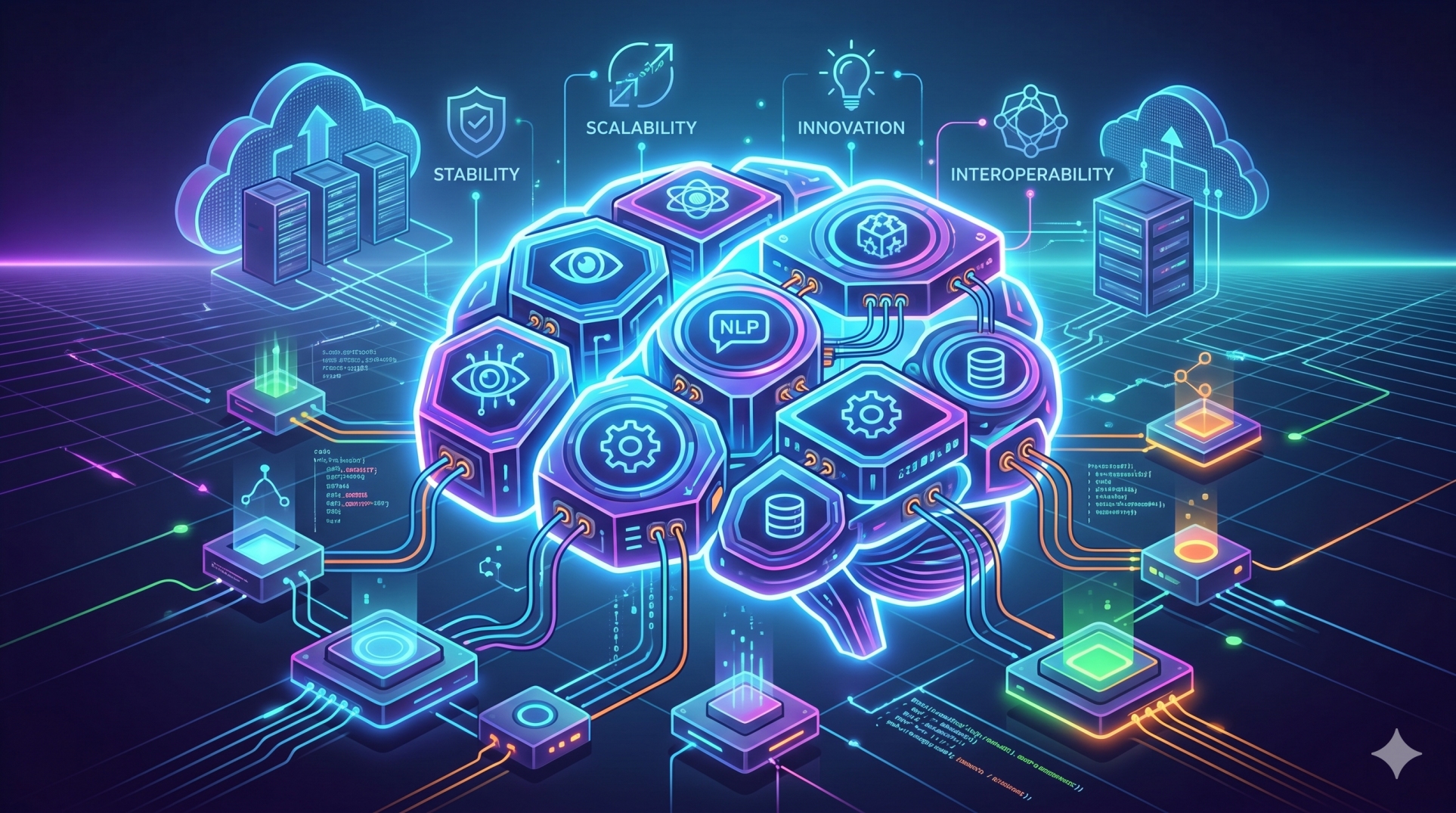
• Connect LLM software with ERP, CRM, HR, and collaboration platforms 🏢
• Access business information from multiple systems through a unified interface 🌐
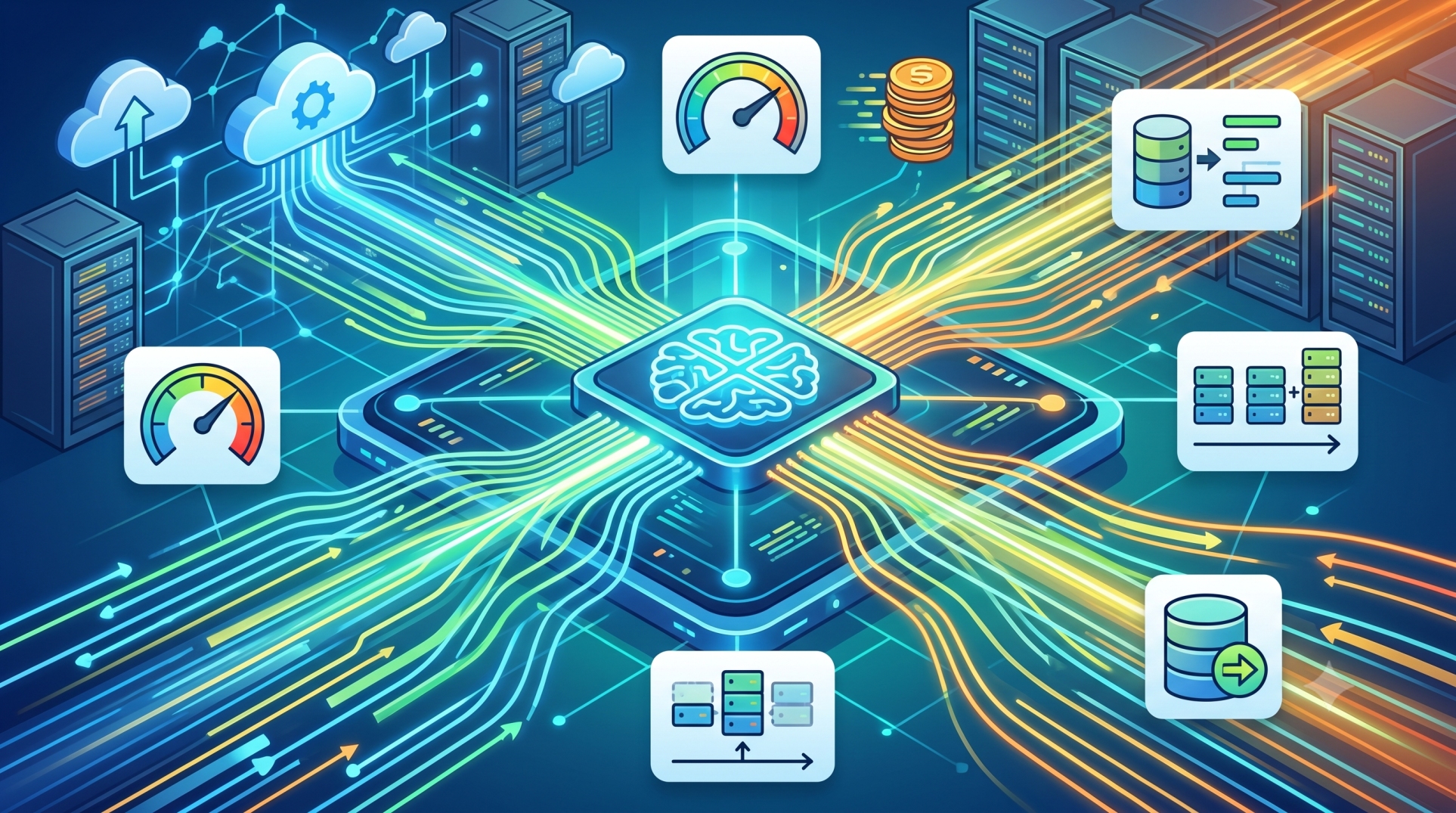
• Support seamless data exchange across applications 📡
• Improve cross-functional collaboration 🤝
• Eliminate information silos across the organization 📊
Step 6: Improving Decision Support 📊
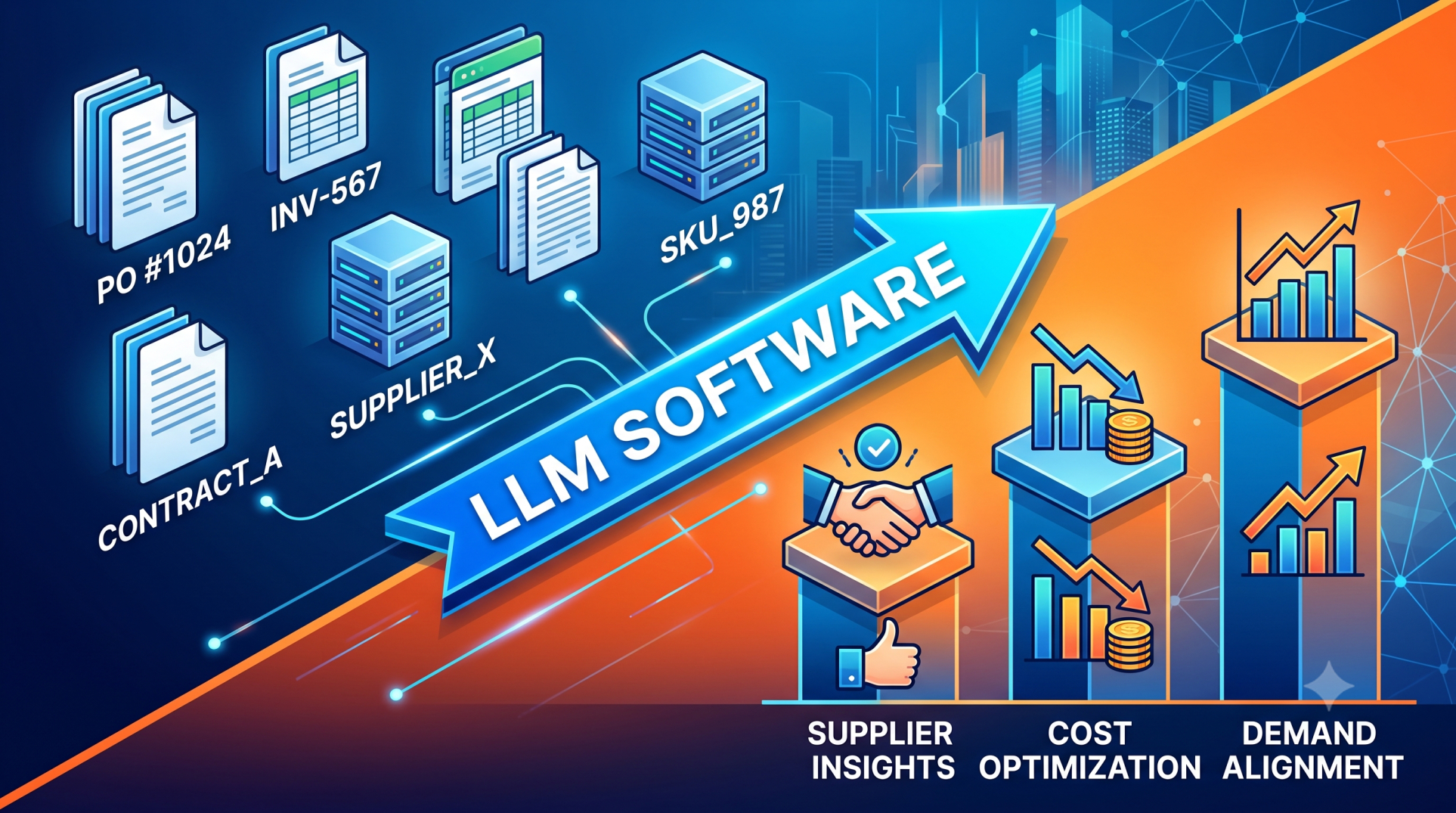
• Summarize business information from multiple sources 📑
• Highlight trends, risks, and operational insights 📈
• Provide context-aware recommendations for employees 💡
• Support faster responses to business challenges ⚡
• Improve the quality of day-to-day decision-making 🧠
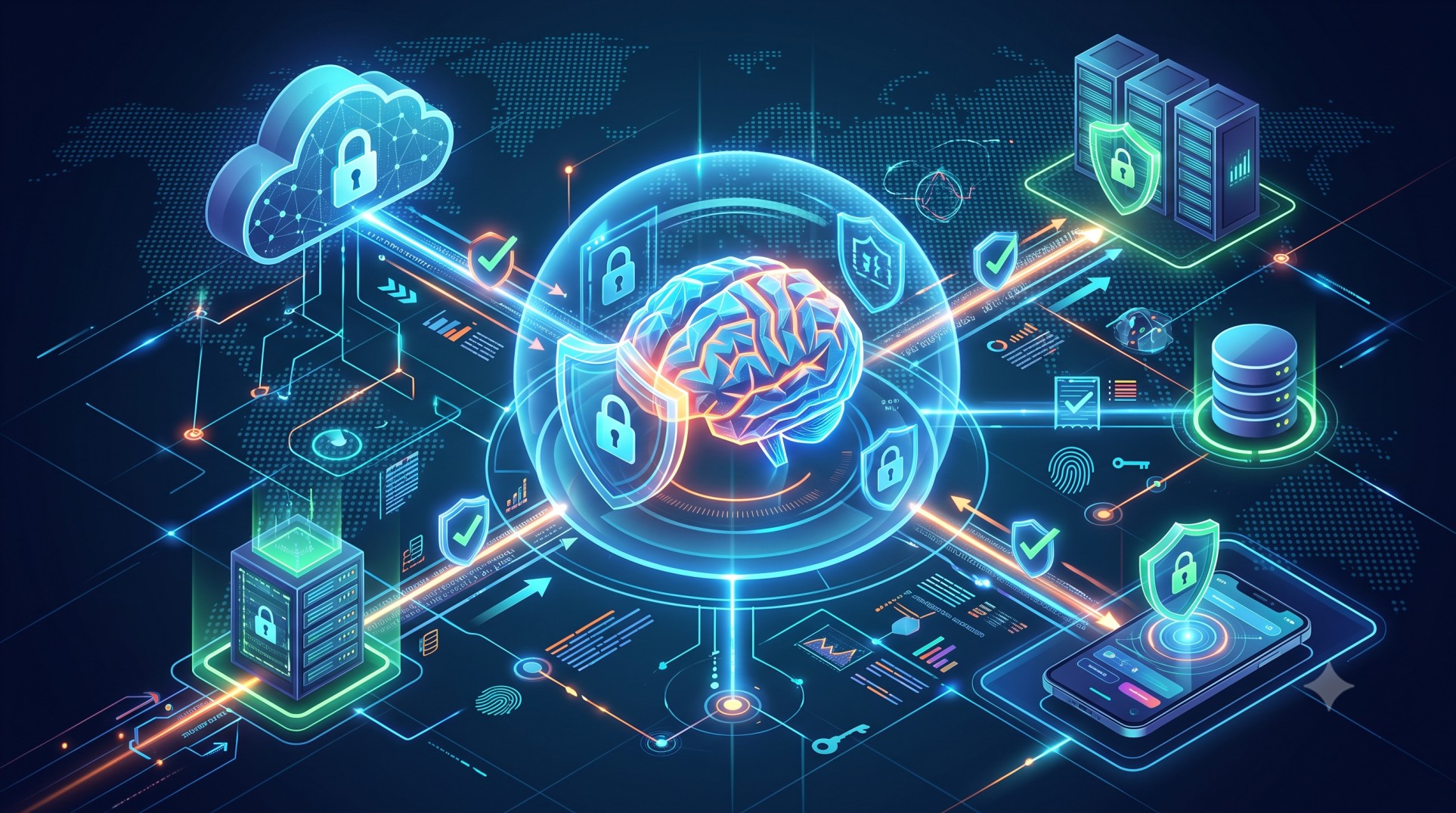
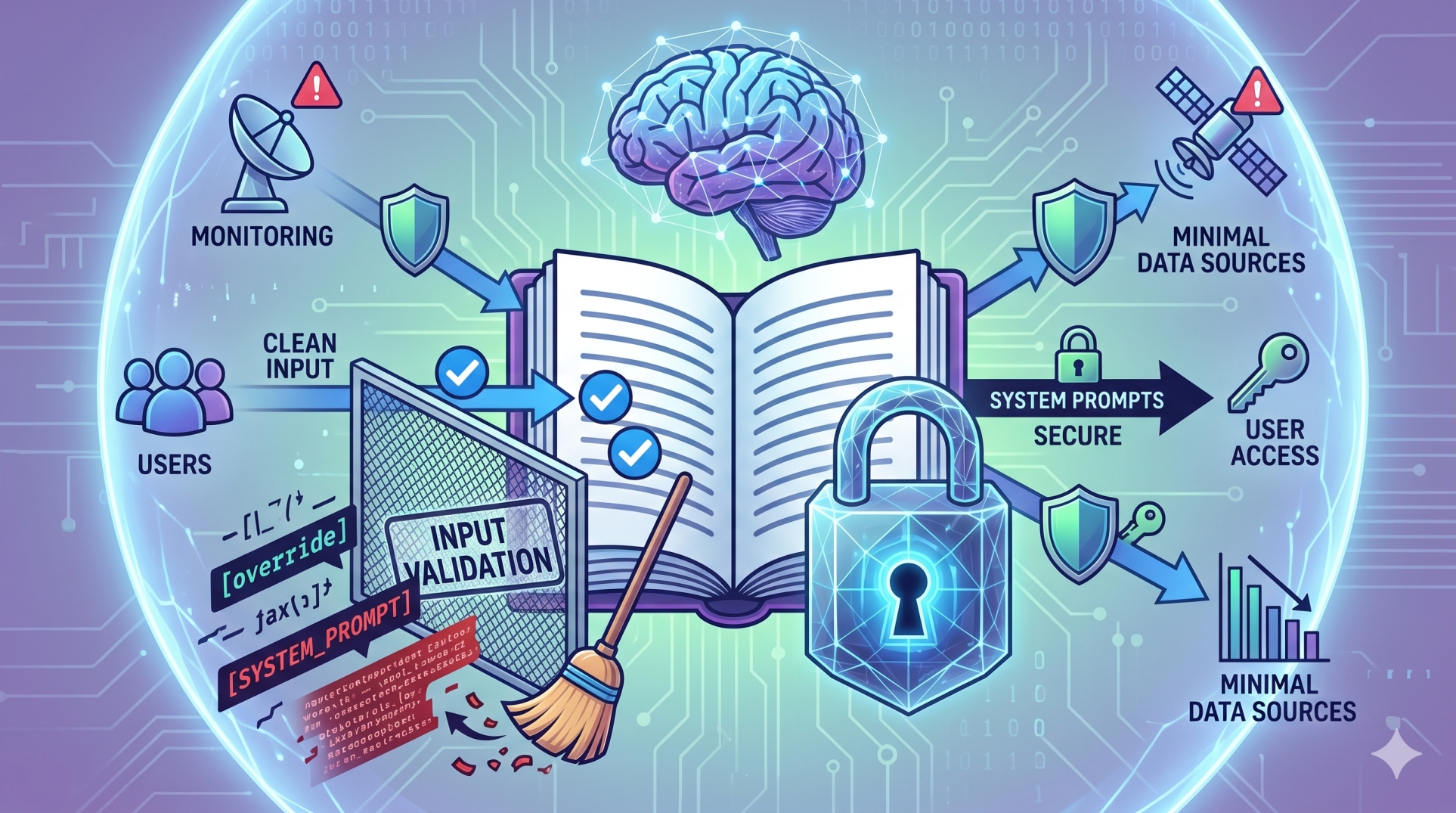
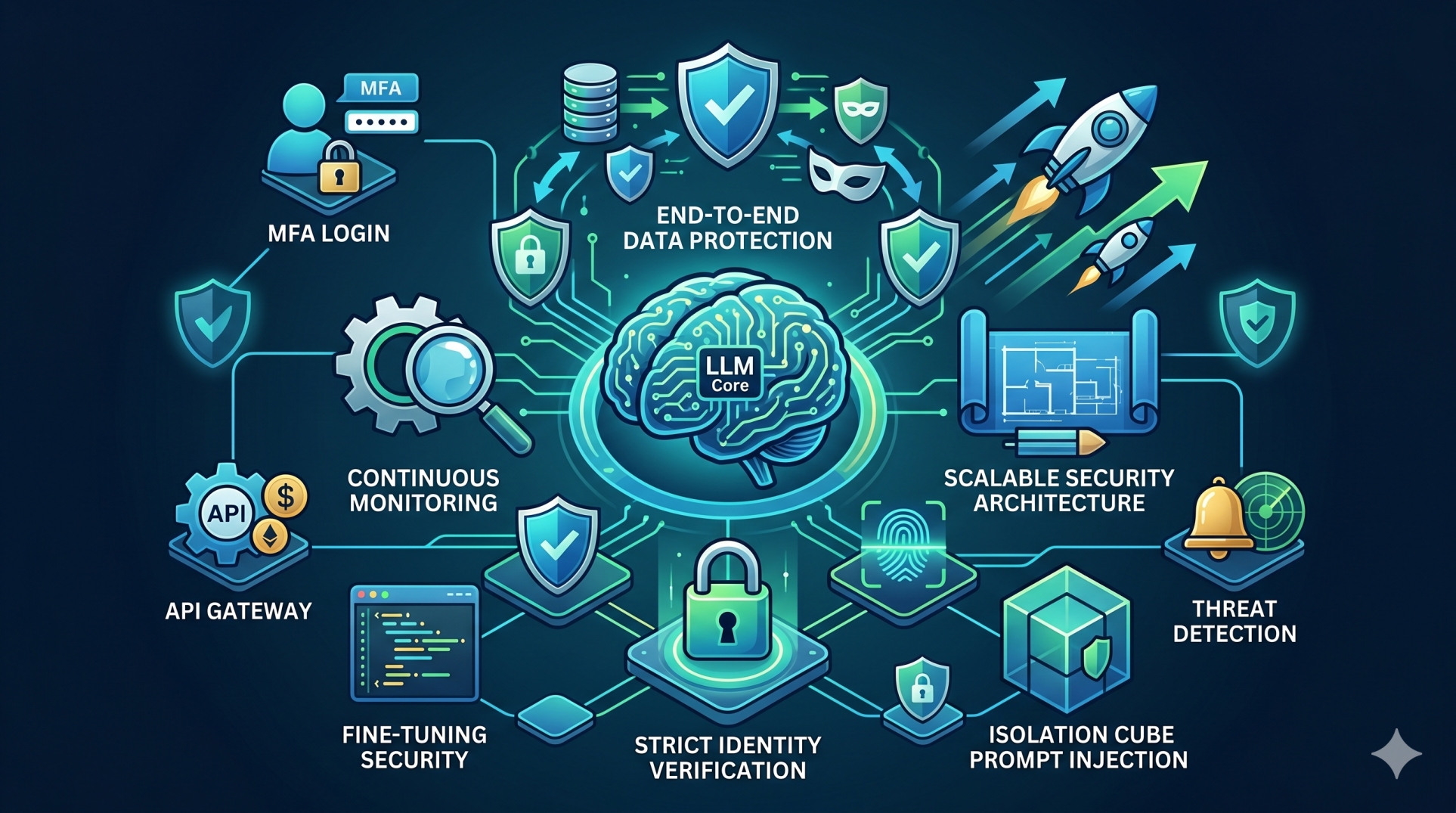
Step 7: Protecting Enterprise Information 🔐
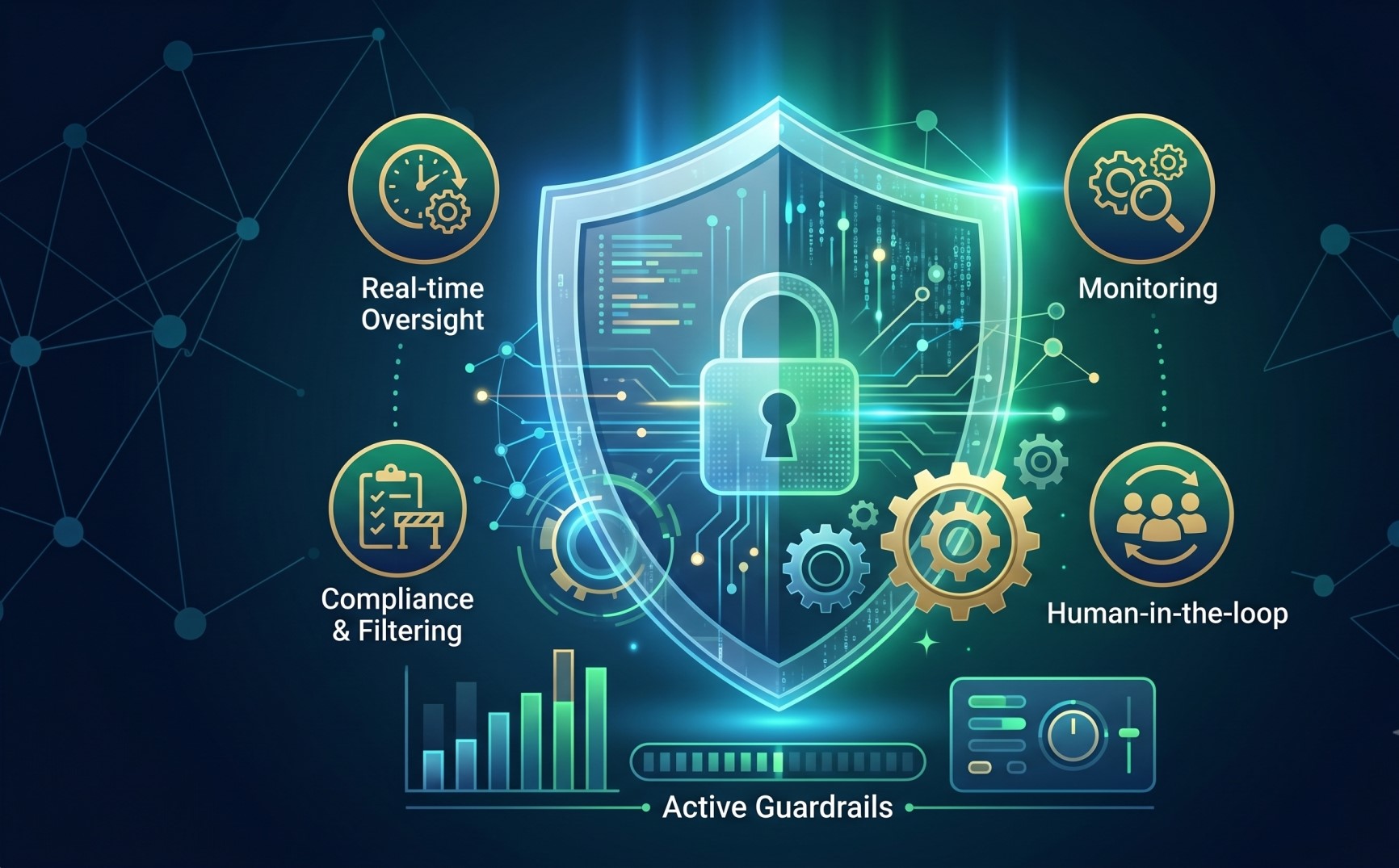
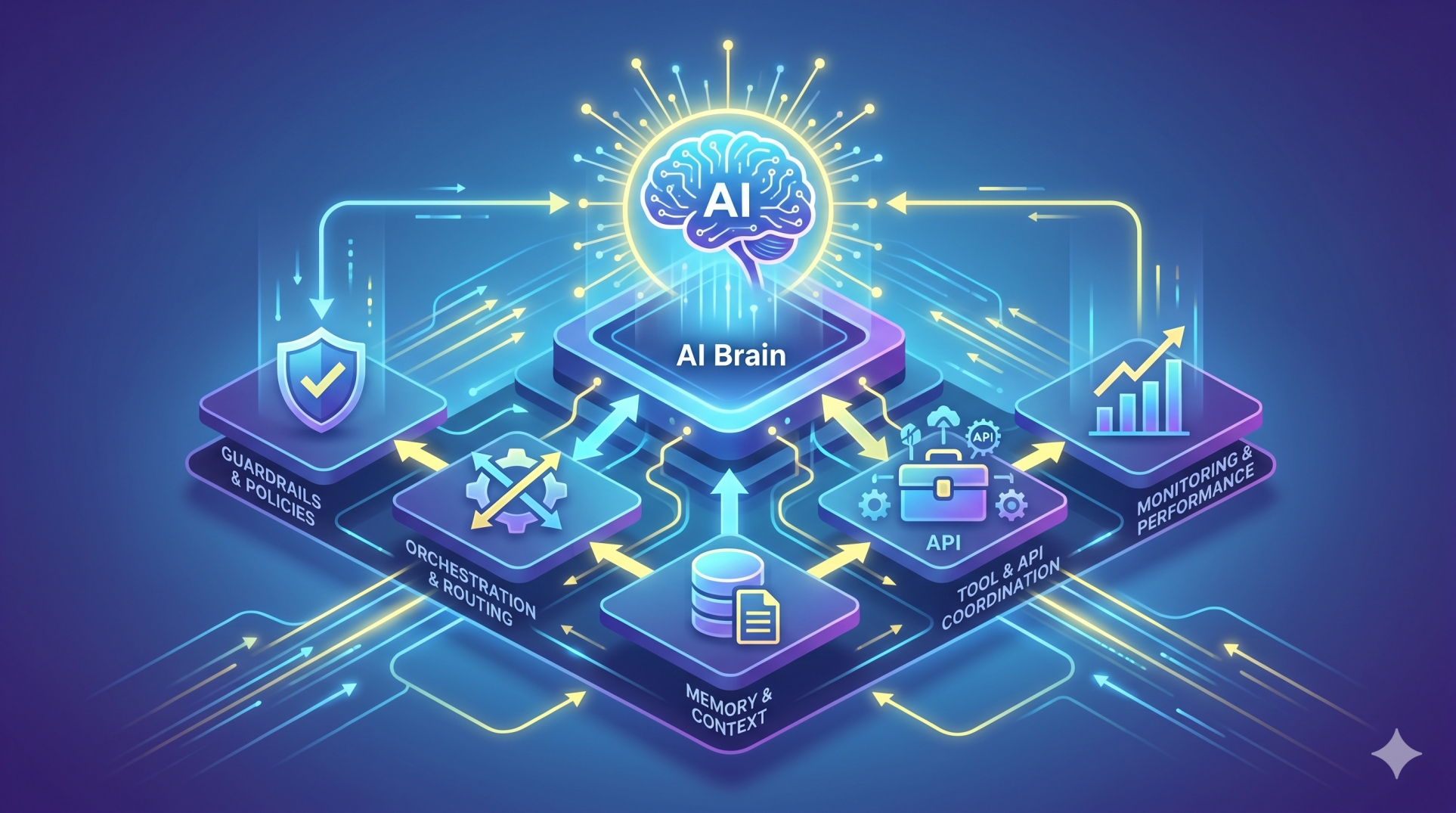
• Control access based on user roles and responsibilities 👥
• Safeguard confidential business information 🛡️
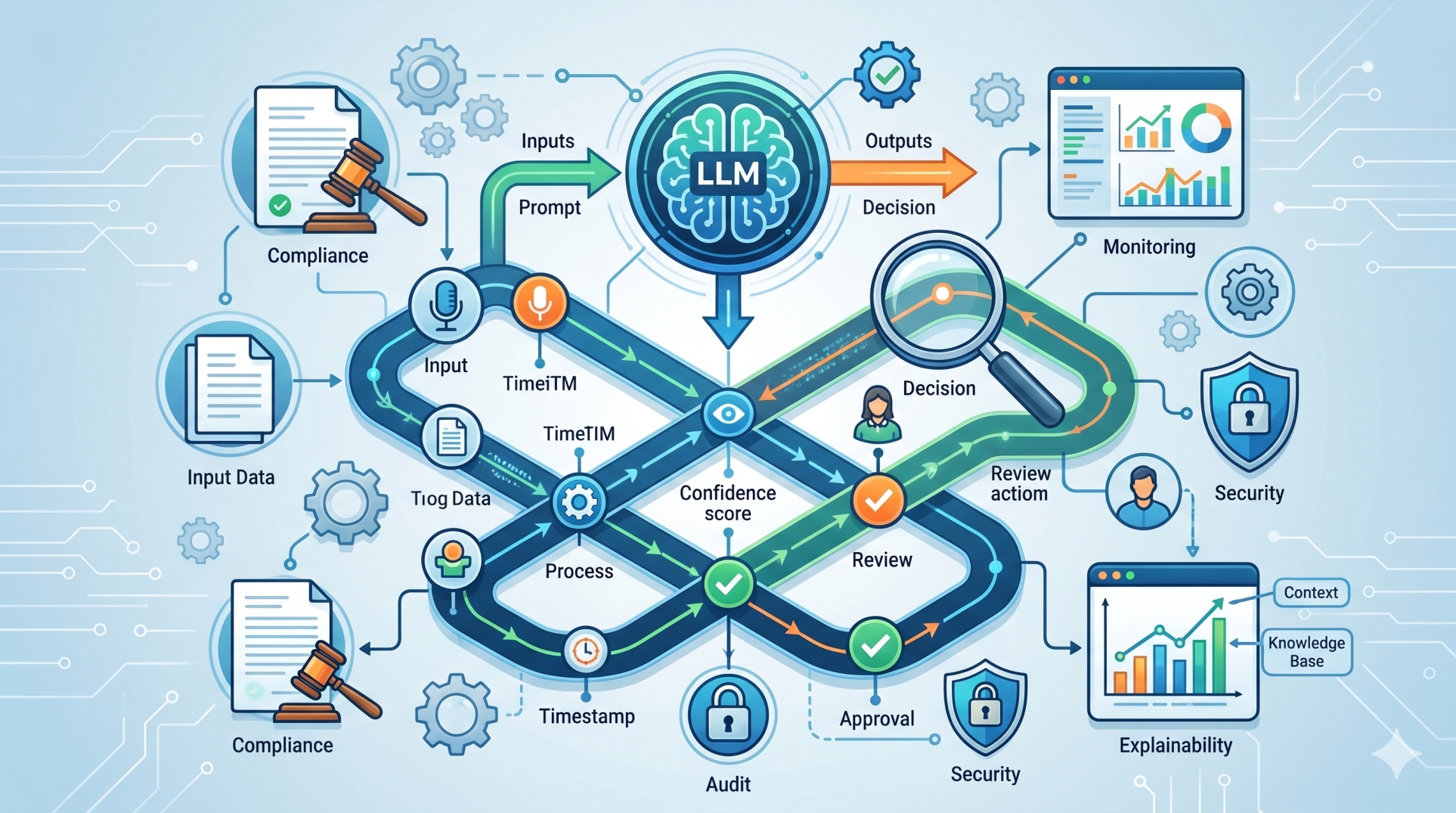
• Maintain audit logs for AI interactions 📋
• Support organizational governance and compliance 📜
• Apply secure data handling practices across AI workflows ✅
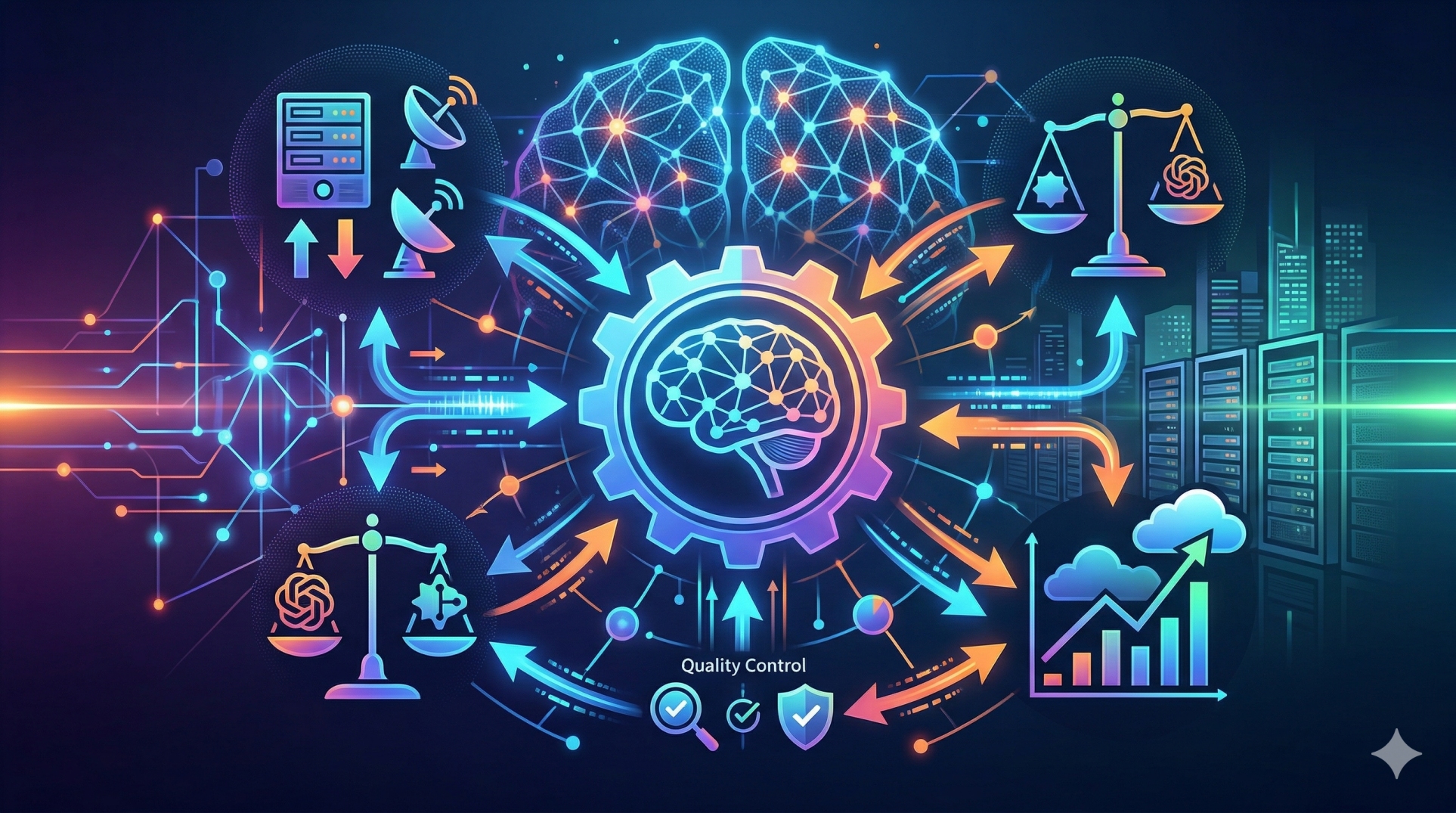
Step 8: Key Implementation Priorities ⭐
• Centralized access to enterprise knowledge 📂
• Intelligent automation of internal business services 🤖
• Secure integration with existing business systems 🔒
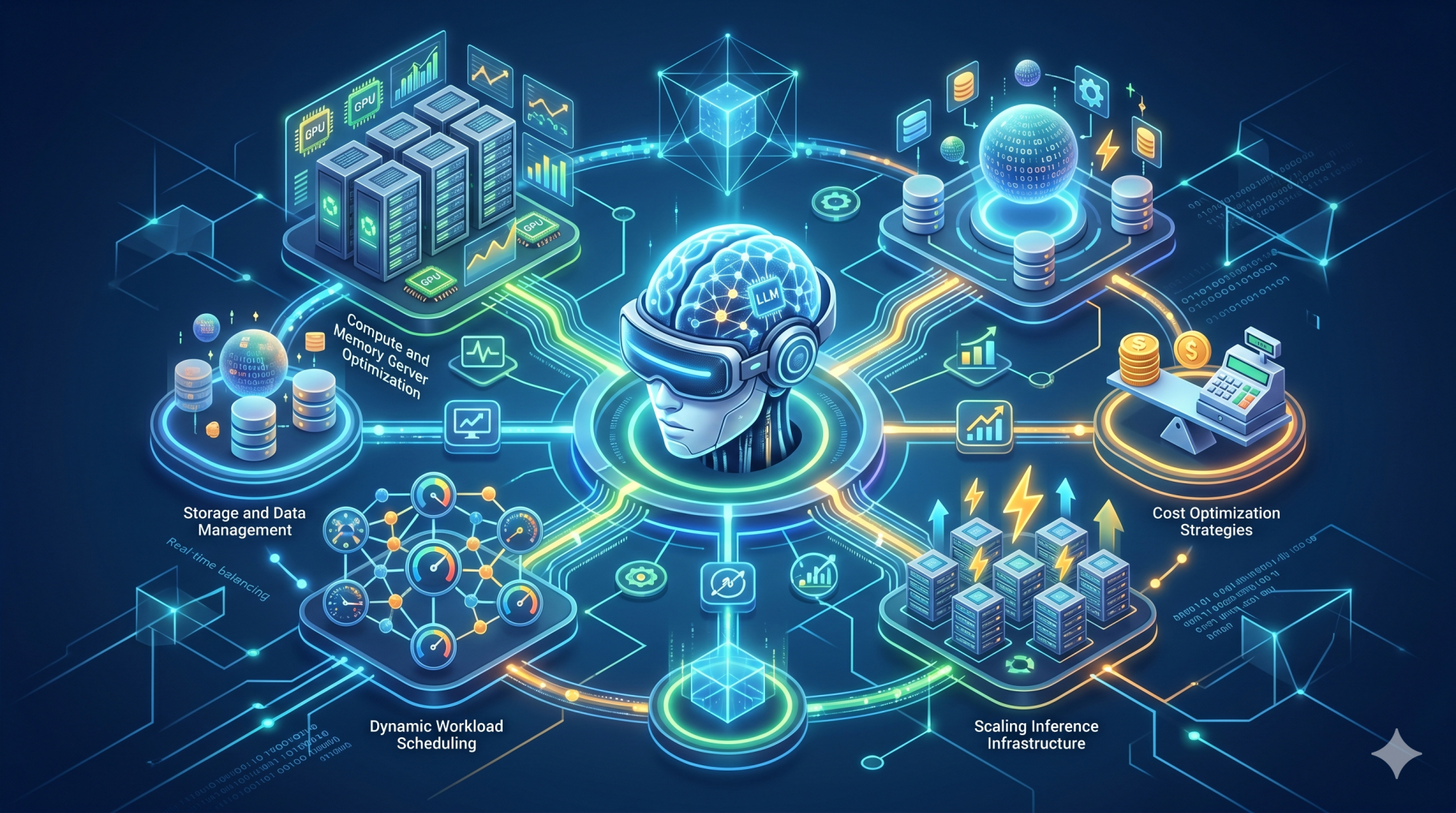
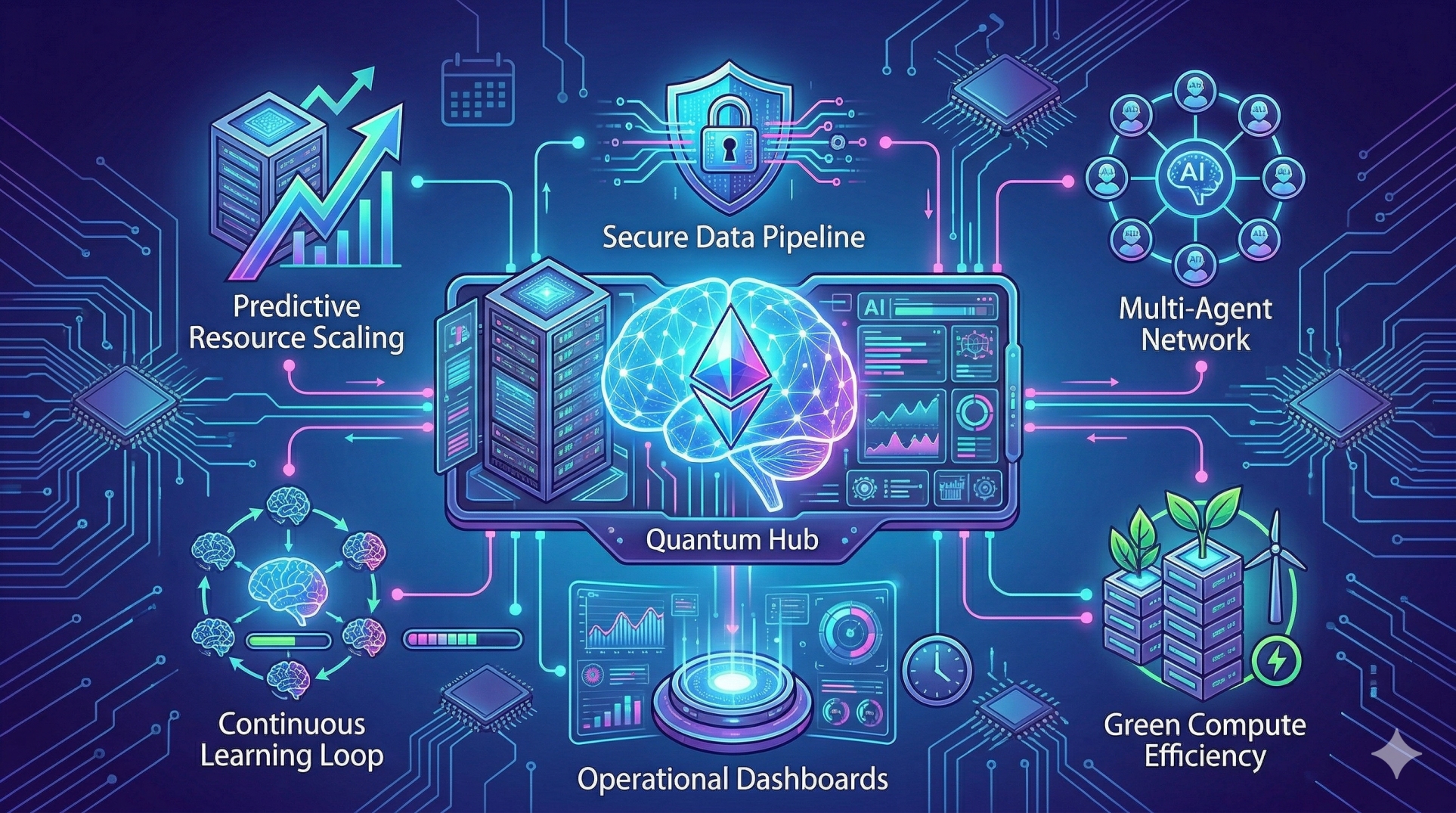
• Scalable architecture that supports organizational growth 🚀
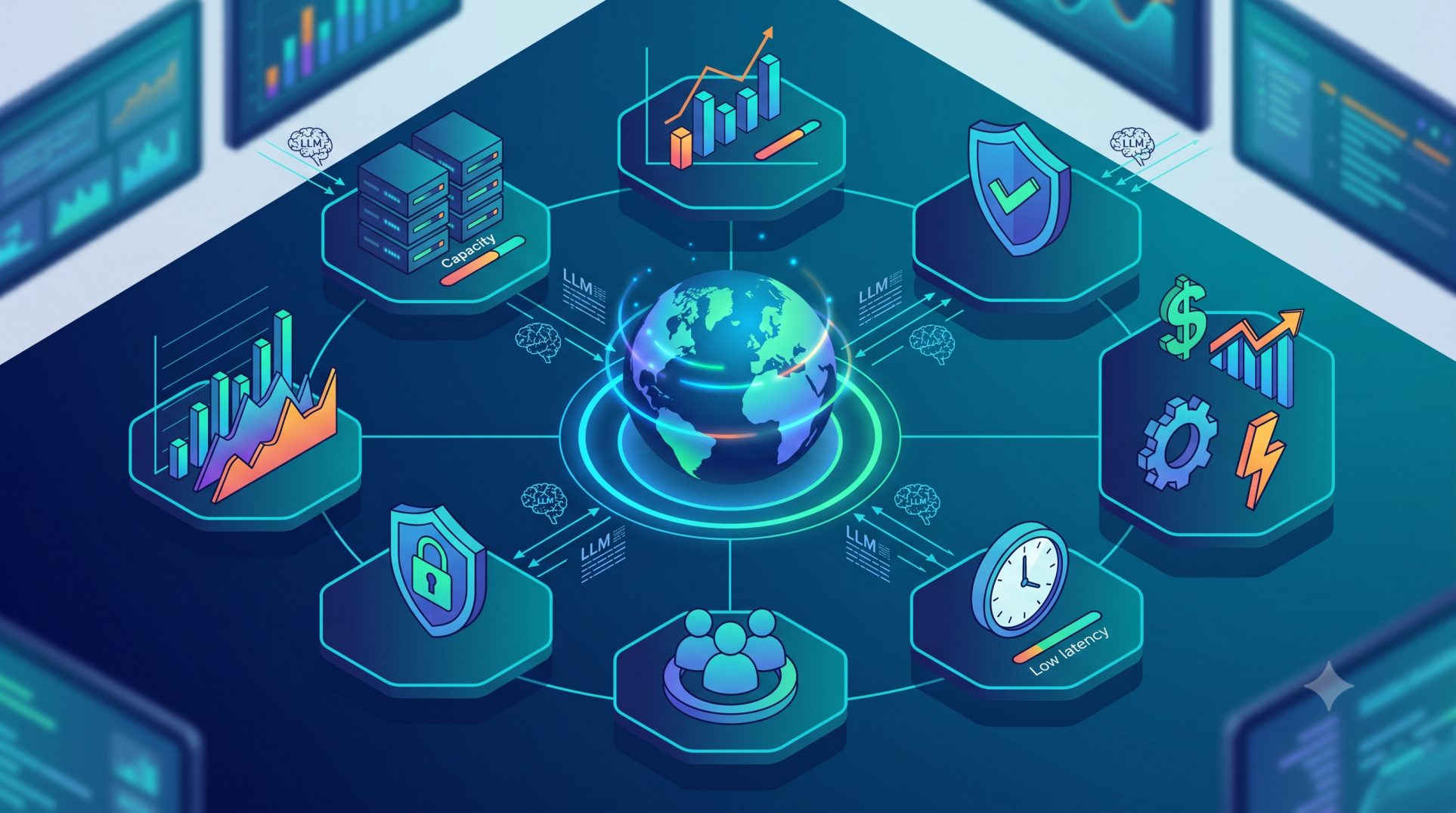
Step 9: Measuring Operational Performance 📈
• Monitor AI adoption across departments 👀
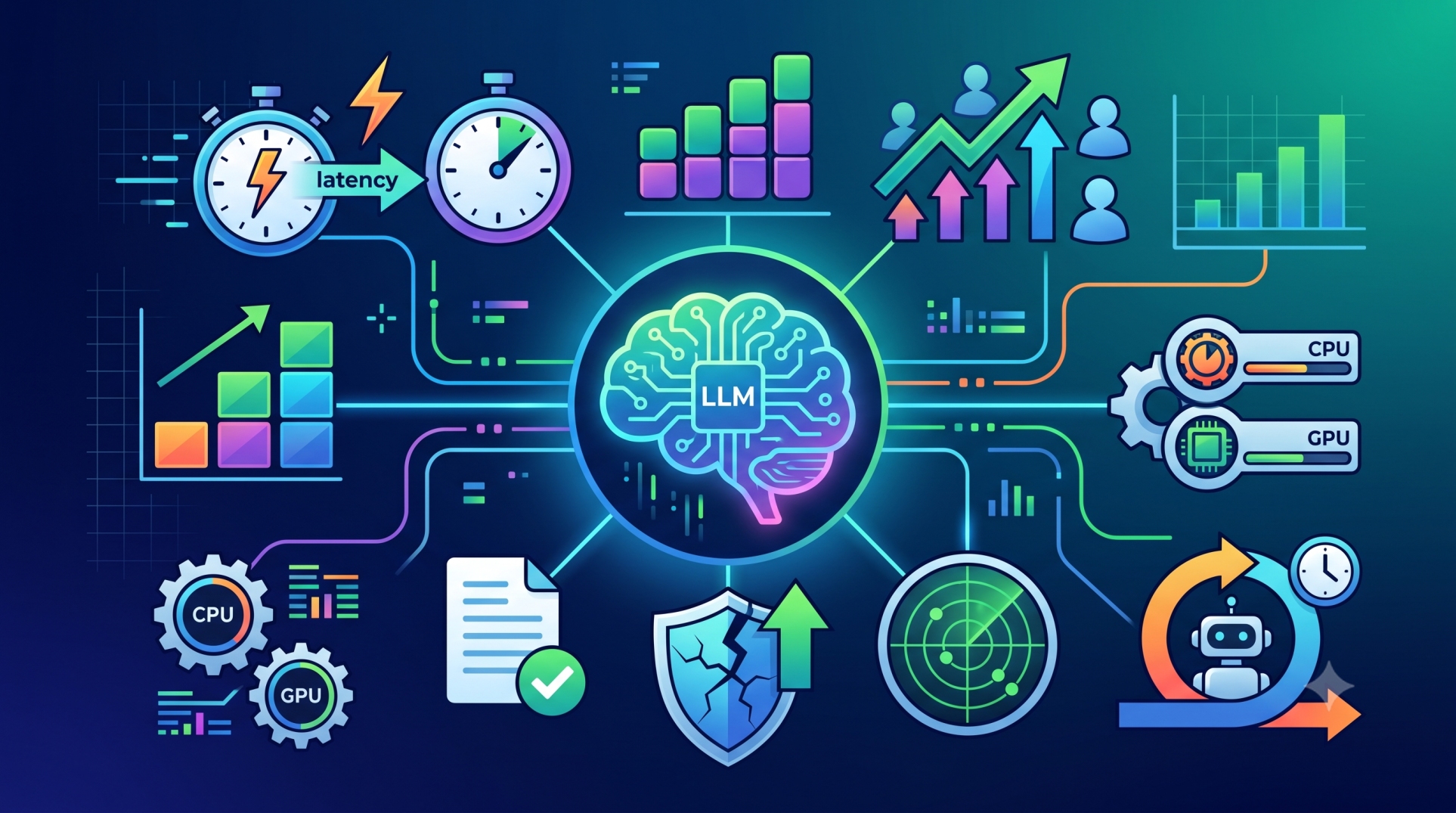
• Track improvements in response times and productivity ⏱️
• Measure workflow efficiency and task completion rates 📊
• Collect employee feedback for continuous optimization 💬
• Refine AI capabilities based on operational insights 🔄
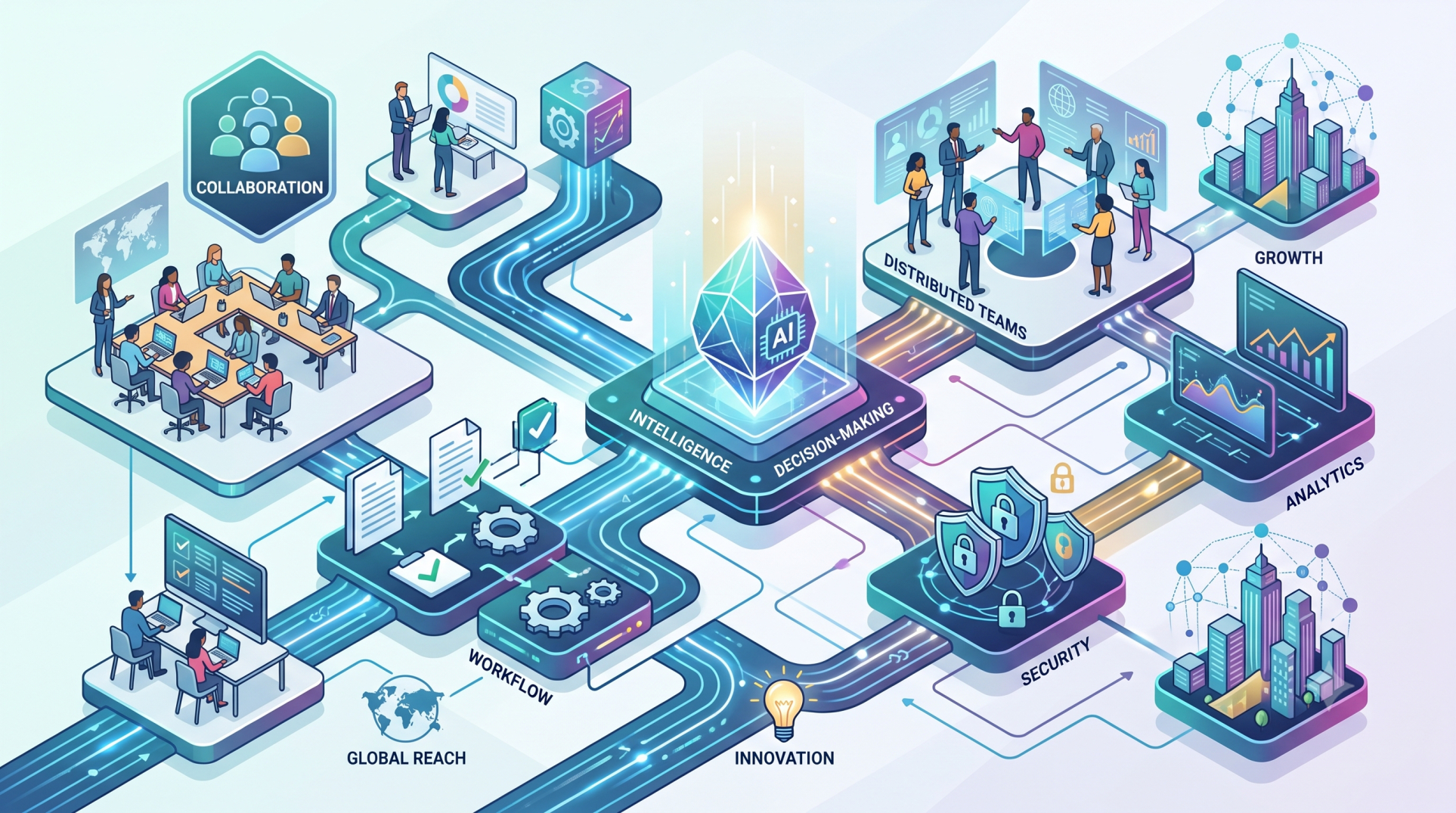
Step 10: Building an Intelligent Digital Workplace 🌍
• Design flexible AI solutions that evolve with business needs 🏗️
• Expand automation across additional departments 📈
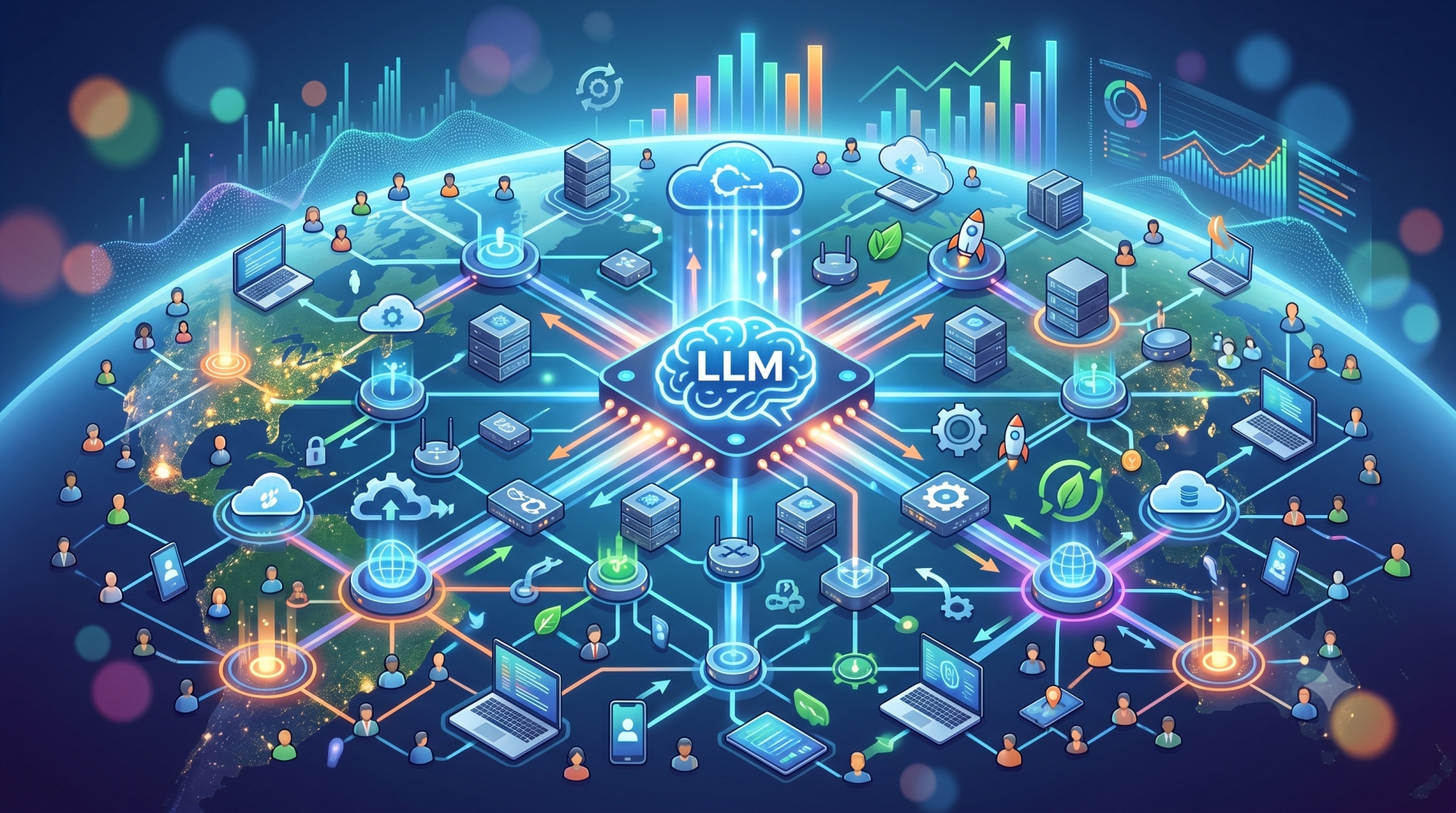
• Support hybrid and distributed work environments ☁️
• Integrate emerging AI capabilities as technology advances 🤖
• Continuously optimize internal services for long-term efficiency 🚀
Conclusion
LLM software is transforming internal business services by enabling intelligent automation, improving access to organizational knowledge, and simplifying everyday workflows. By integrating AI with enterprise systems and business processes, organizations can reduce manual effort, accelerate decision-making, and enhance employee productivity. A well-planned LLM implementation creates a more connected, efficient, and scalable workplace that is prepared for future business growth.
See more blogs
You can all the articles below