Component-Level Logging in AI Software Architectures
Component-Level Logging in AI Software Architectures
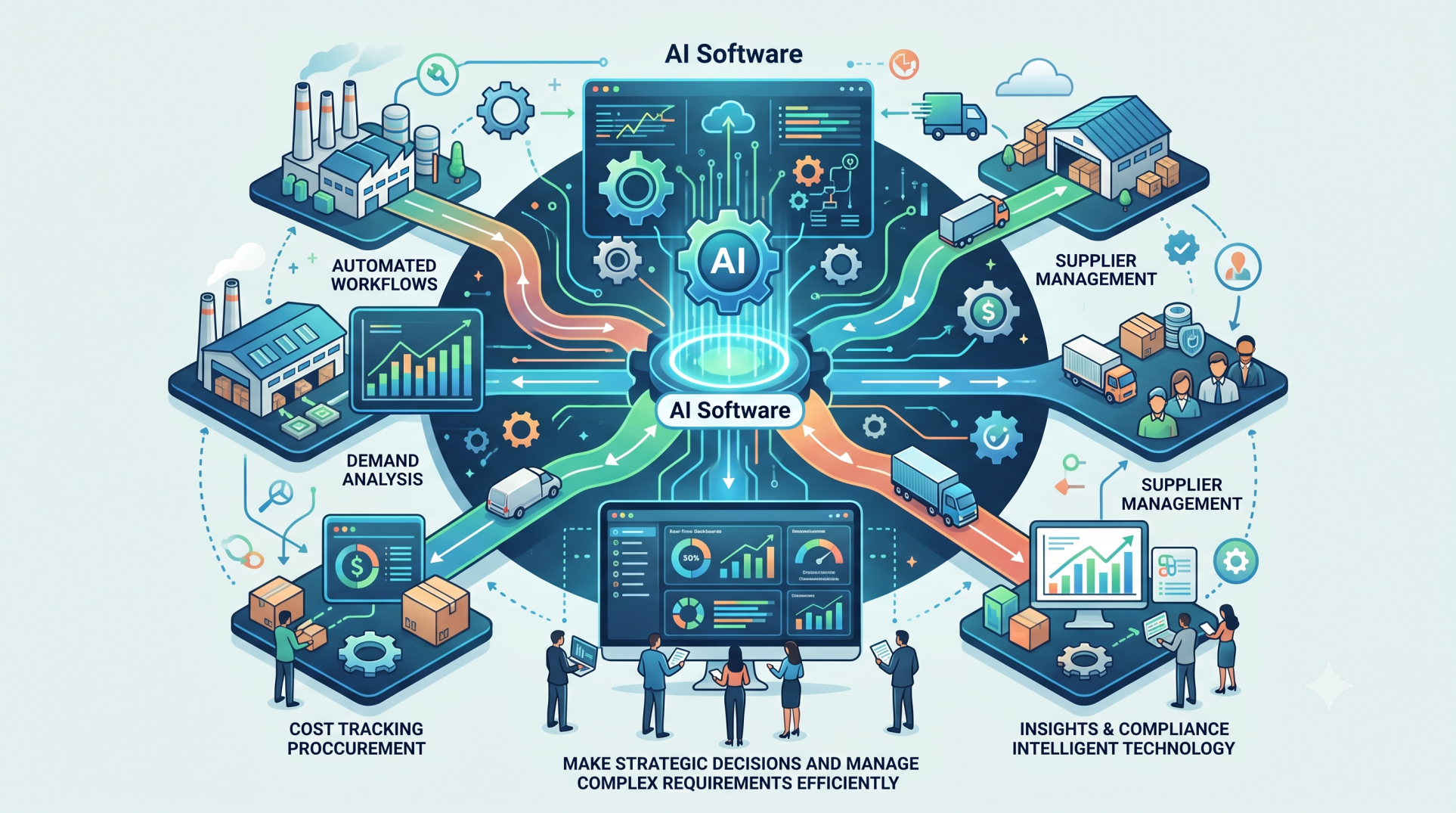
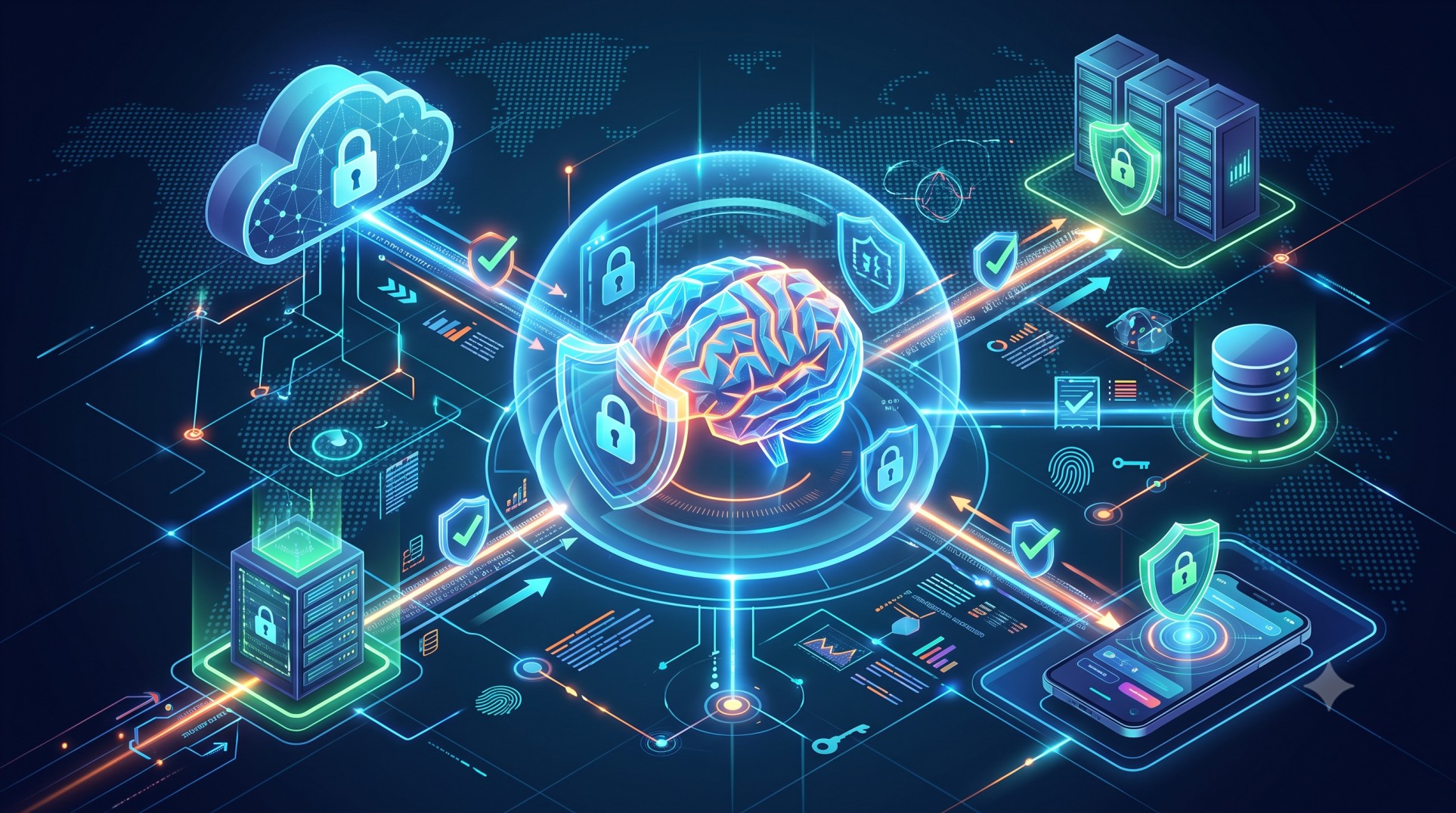
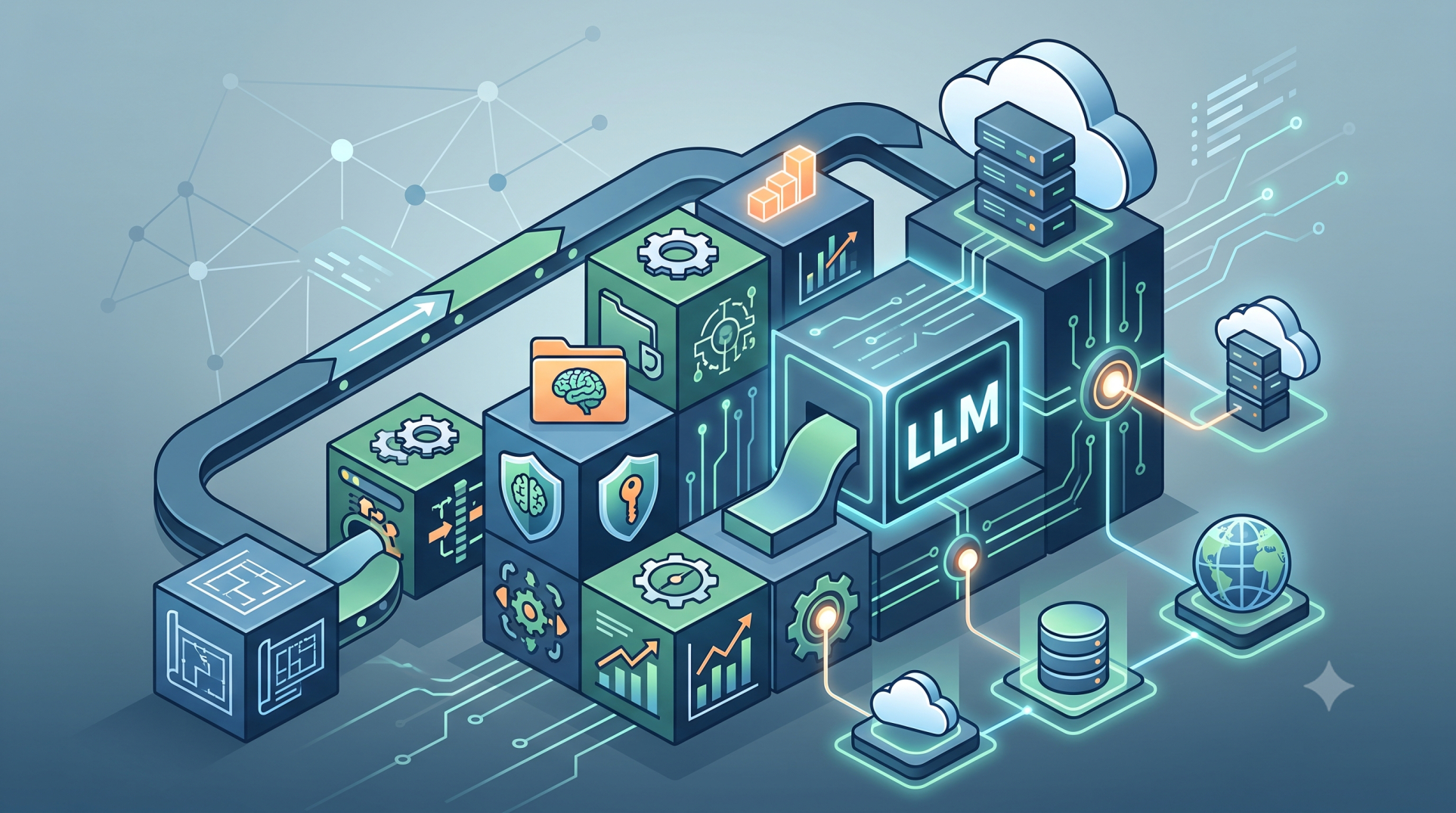
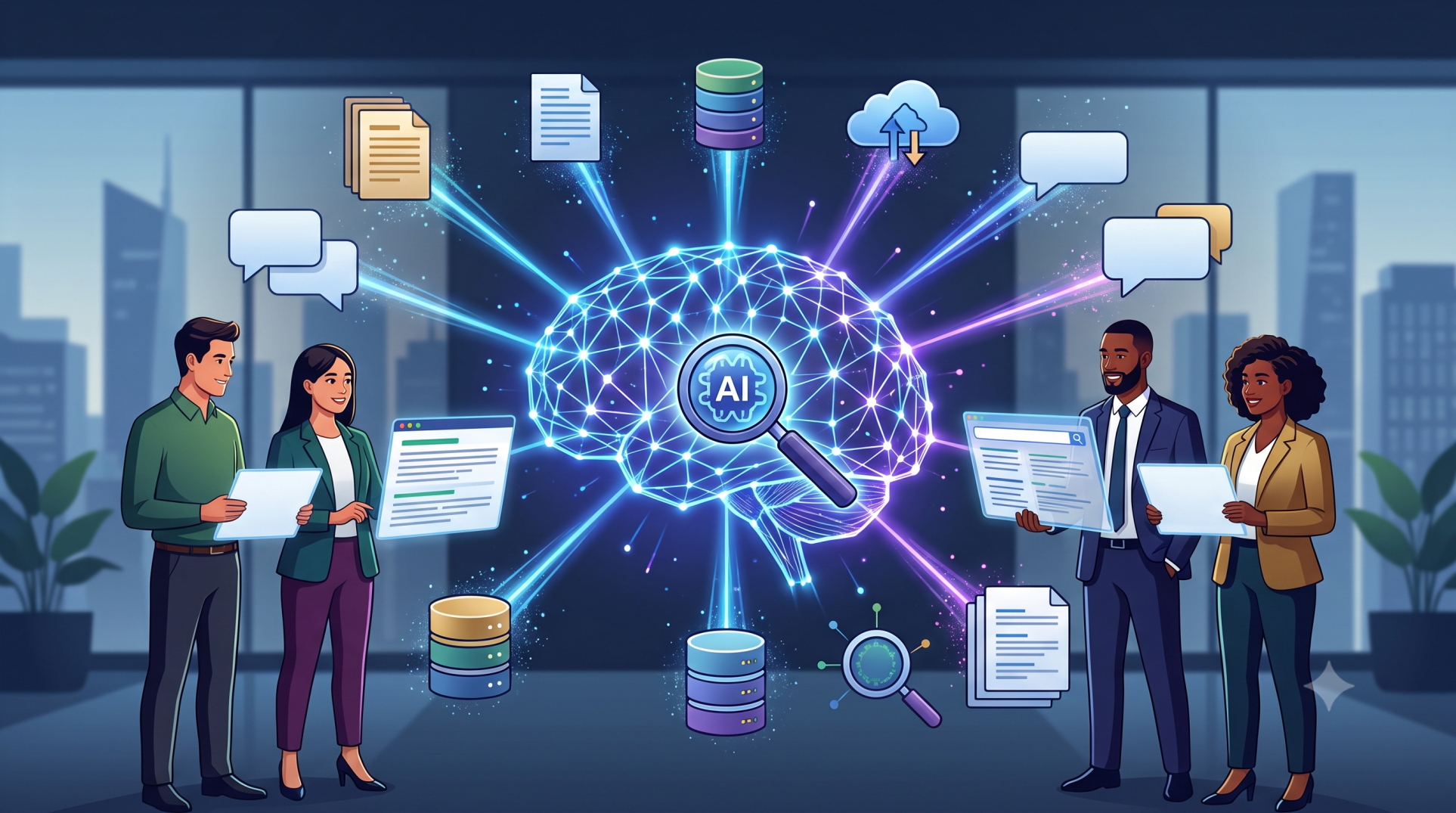
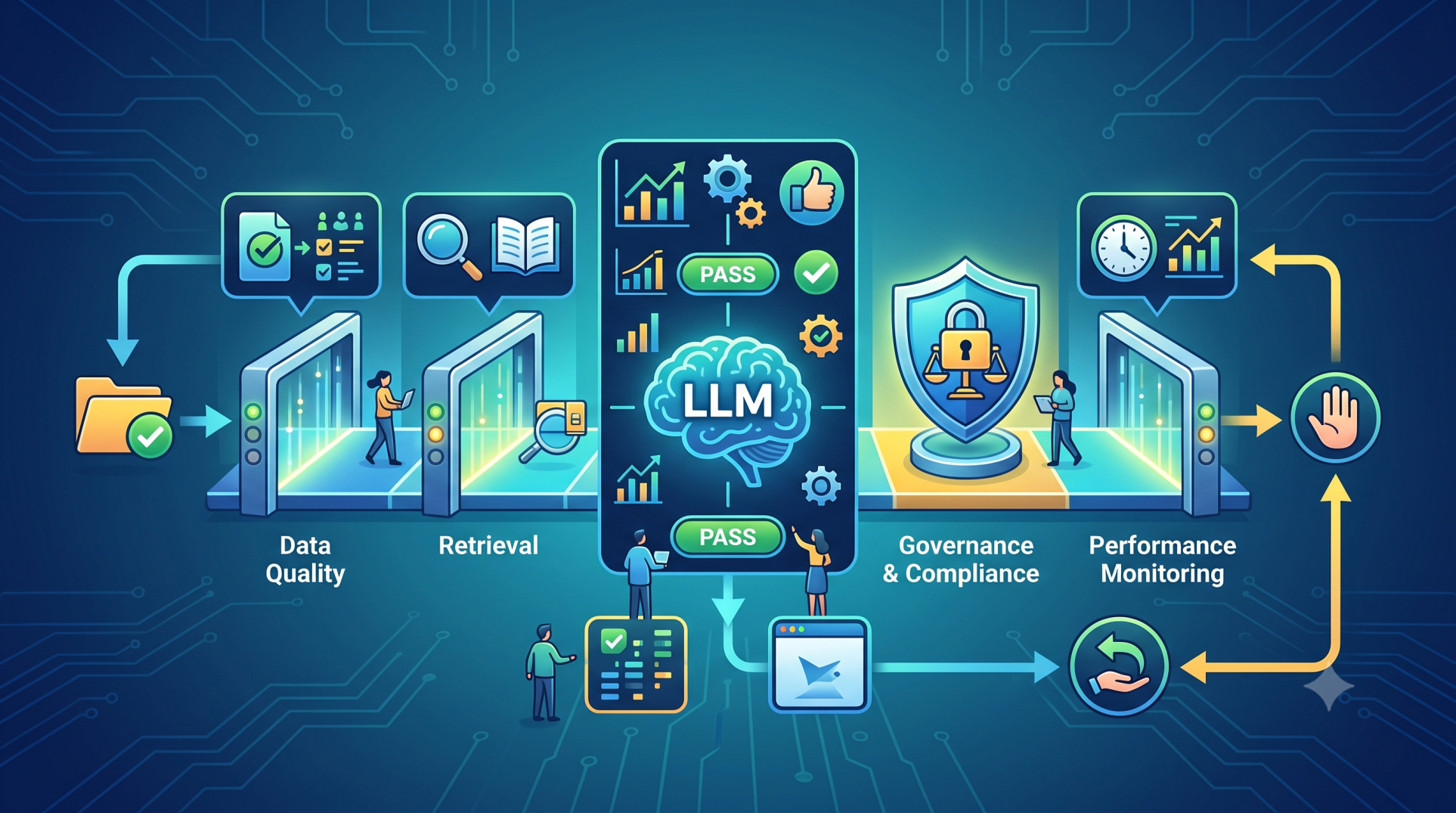
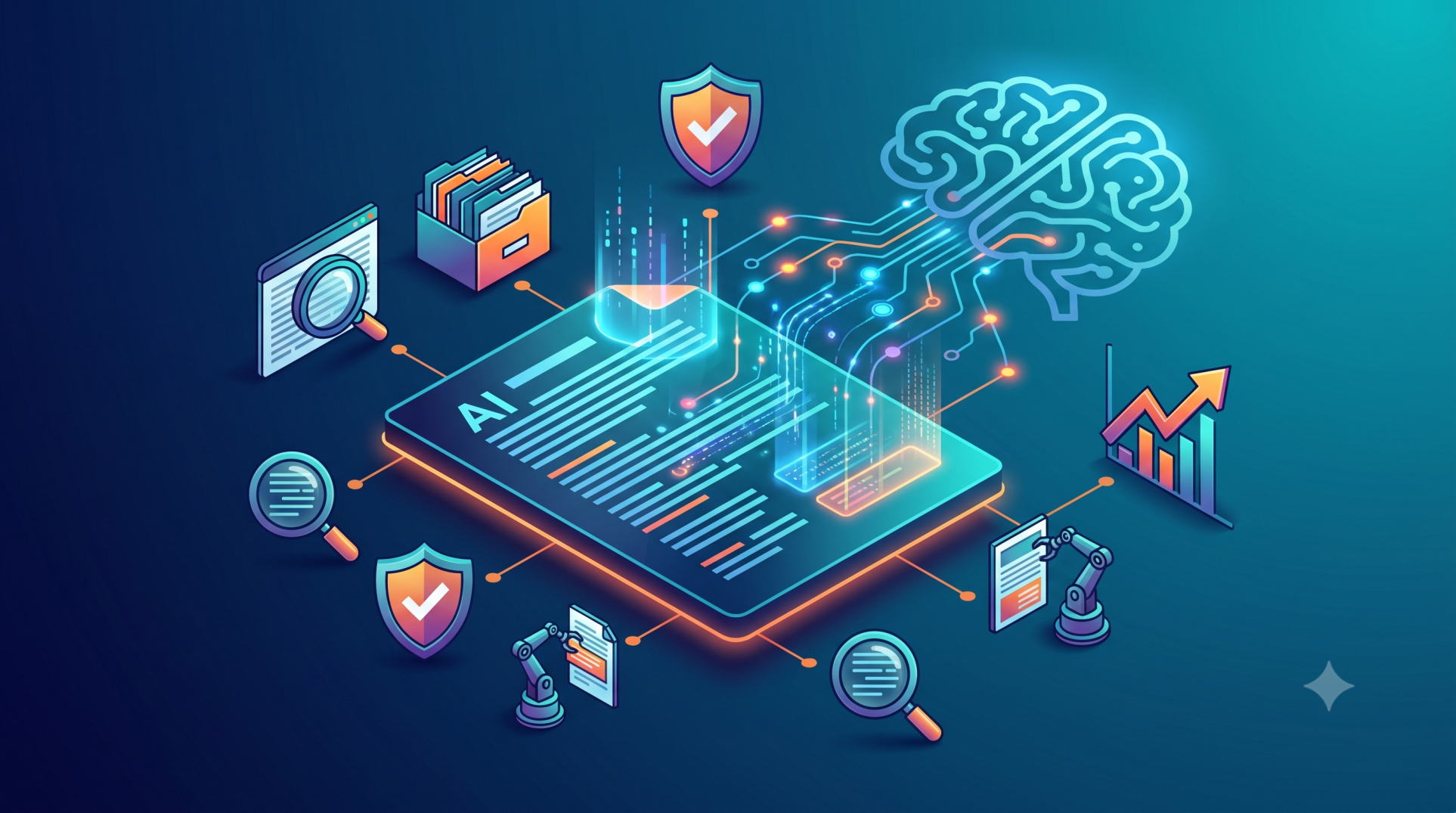
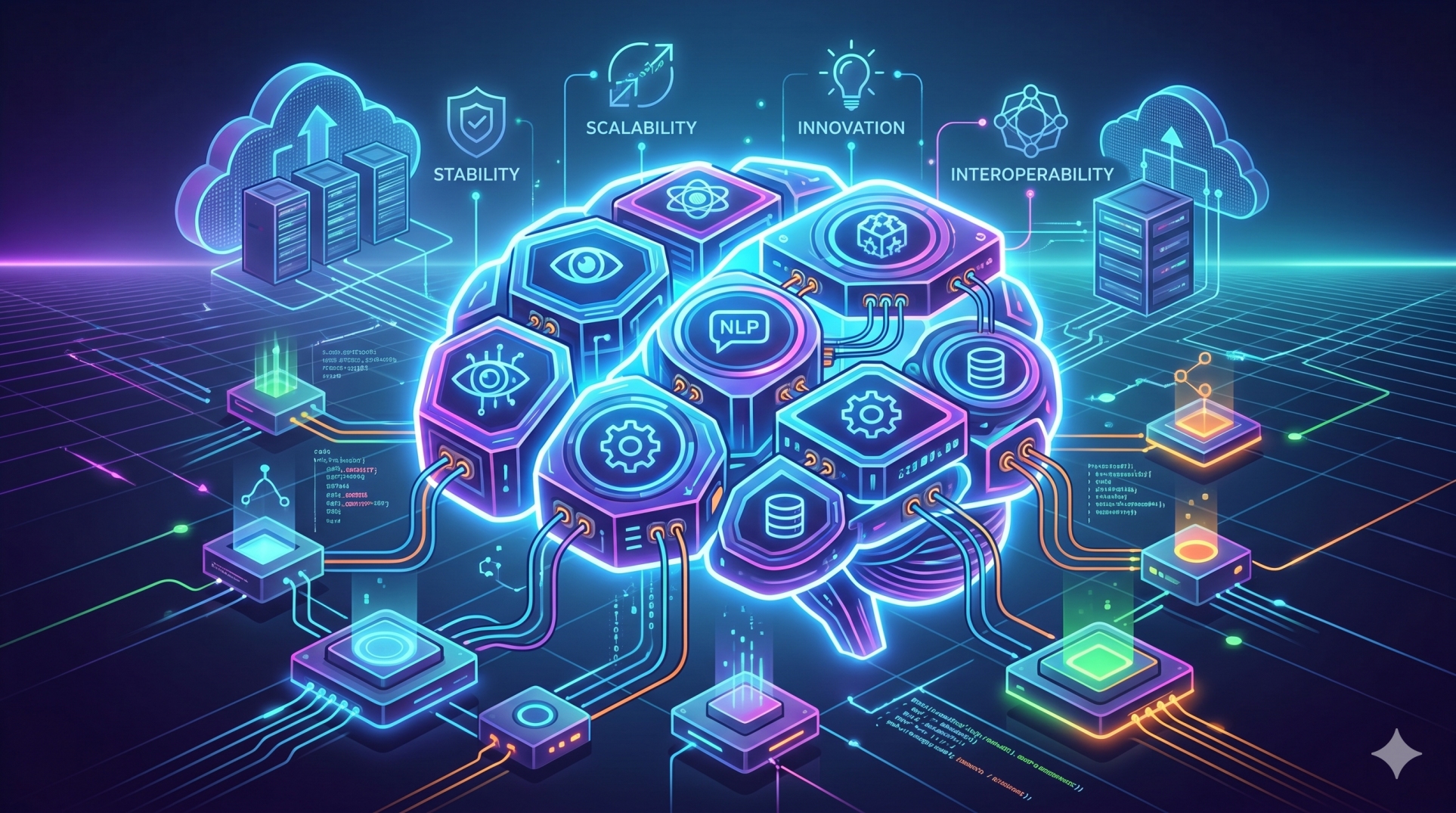
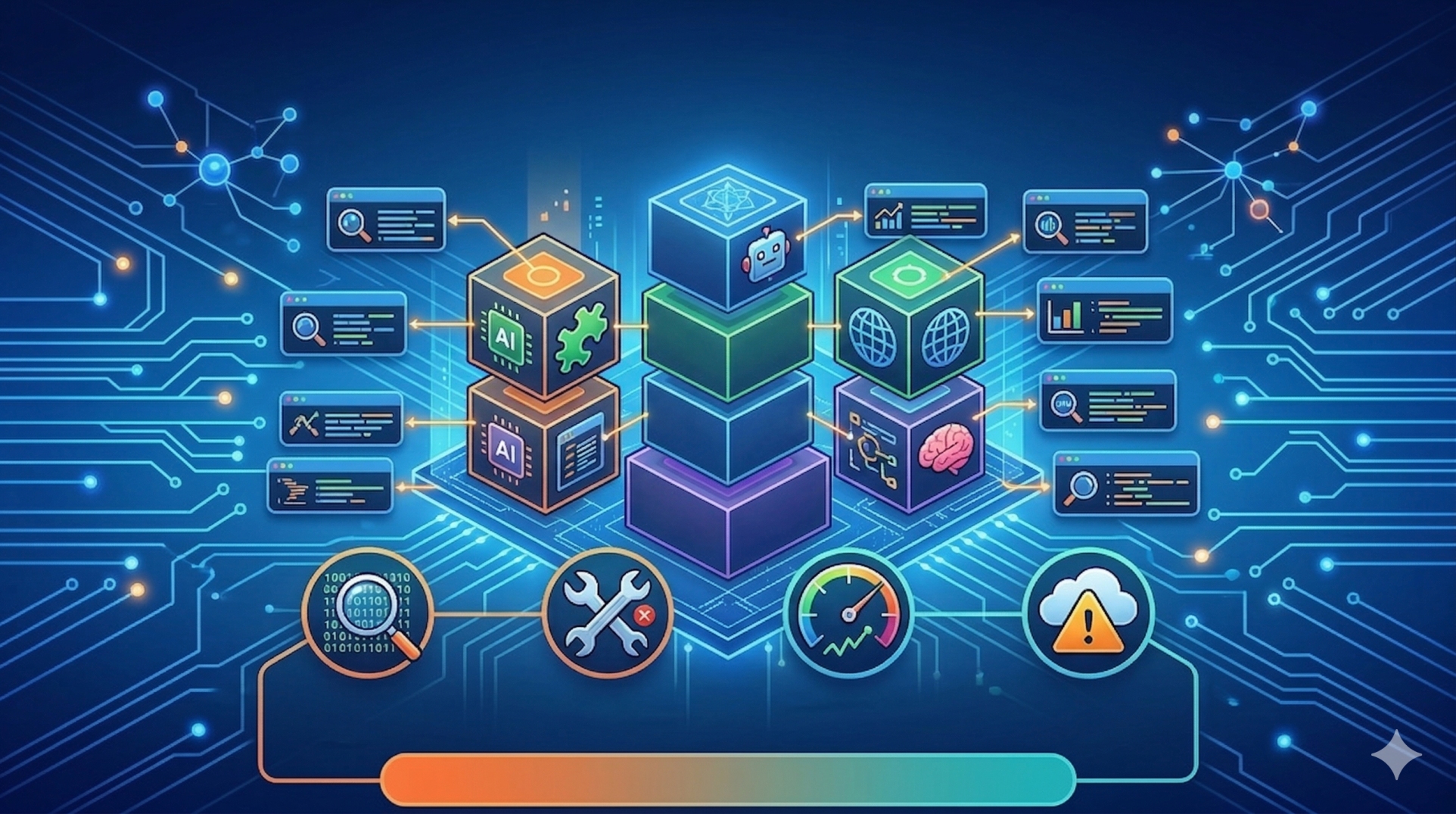
As AI systems grow in complexity, observability becomes a foundational requirement rather than an afterthought. Component-level logging enables deep visibility into how individual modules—such as data pipelines, model inference services, and orchestration layers—operate within a larger architecture. By capturing granular, structured logs at each component, teams can debug faster, monitor performance more effectively, and ensure reliability in production environments.
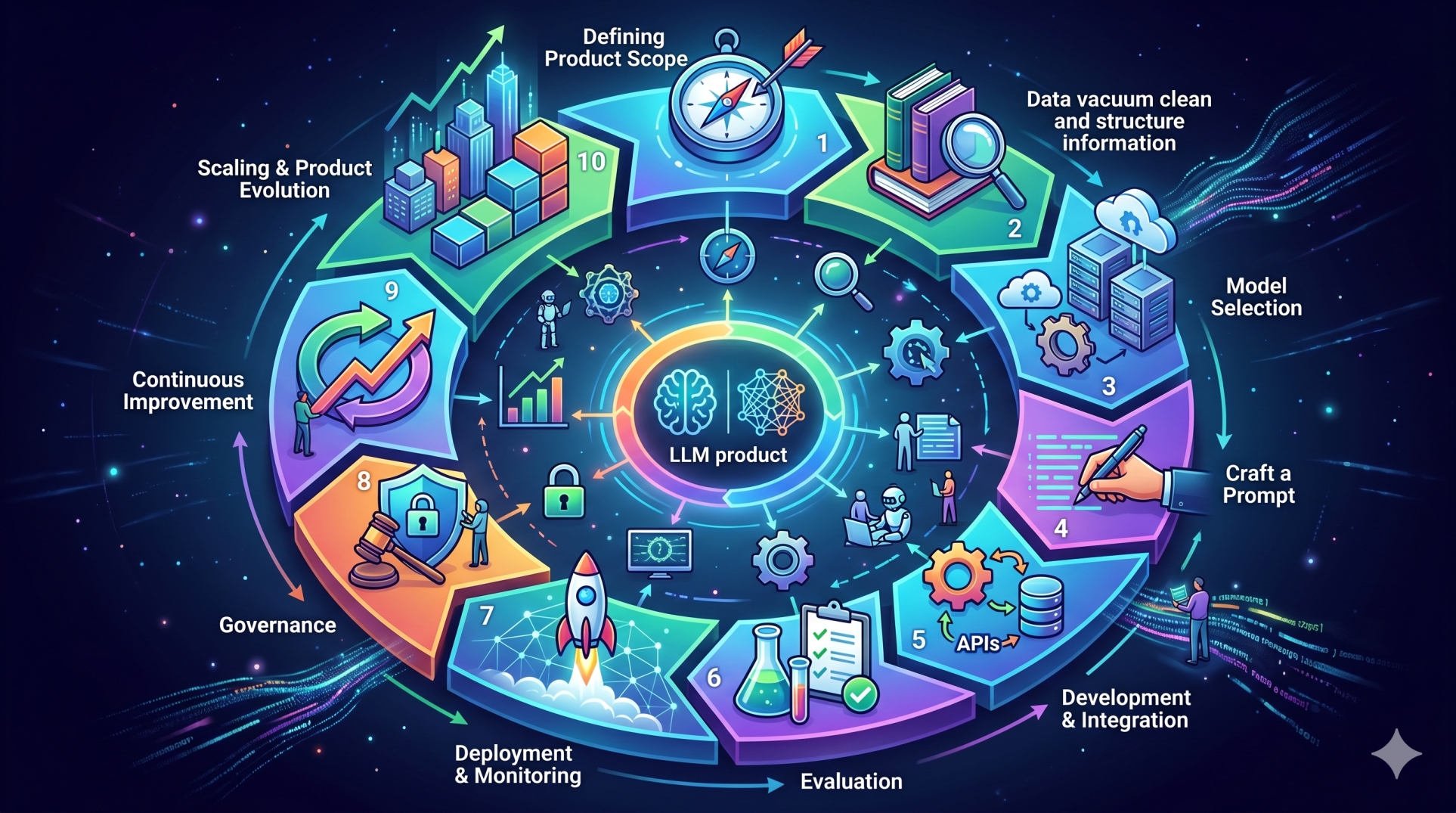
Step 1: Understanding Component-Level Logging 🧩
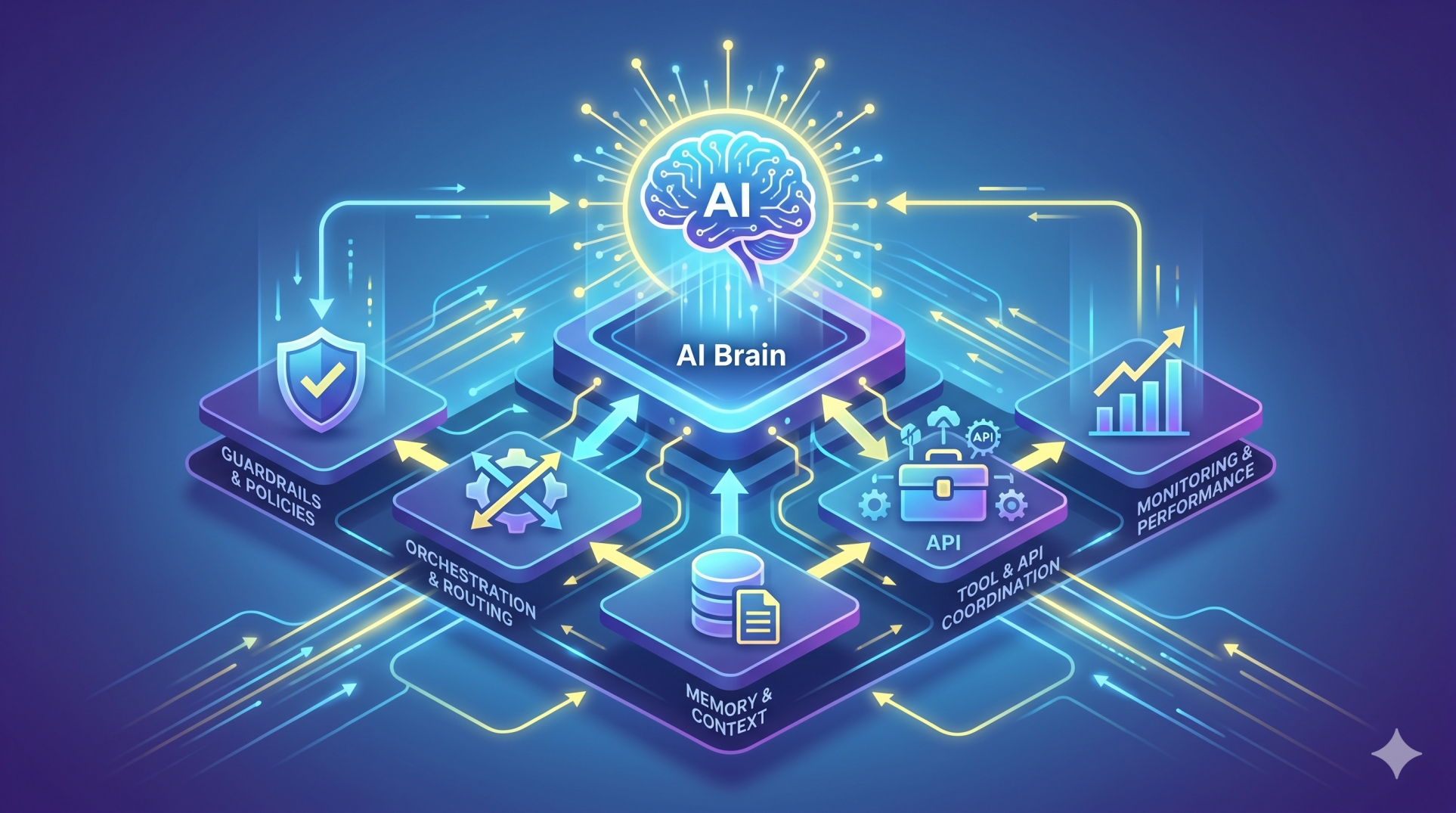
• Break down the AI system into distinct components (data, model, API, orchestration) 🧠
• Capture logs at each component rather than relying on centralized, generic logs 📄
• Enable traceability across the entire request lifecycle 🔍
• Improve visibility into system behavior at a granular level 👁️
• Support faster root-cause analysis during failures ⚡
Step 2: Structuring Logs for Clarity 📑
• Use structured logging formats such as JSON for consistency 📦
• Include key metadata like timestamps, request IDs, and component names ⏱️
• Standardize log schemas across all services 📏
• Ensure logs are machine-readable for automated analysis 🤖
• Avoid unstructured or ambiguous log messages 🚫
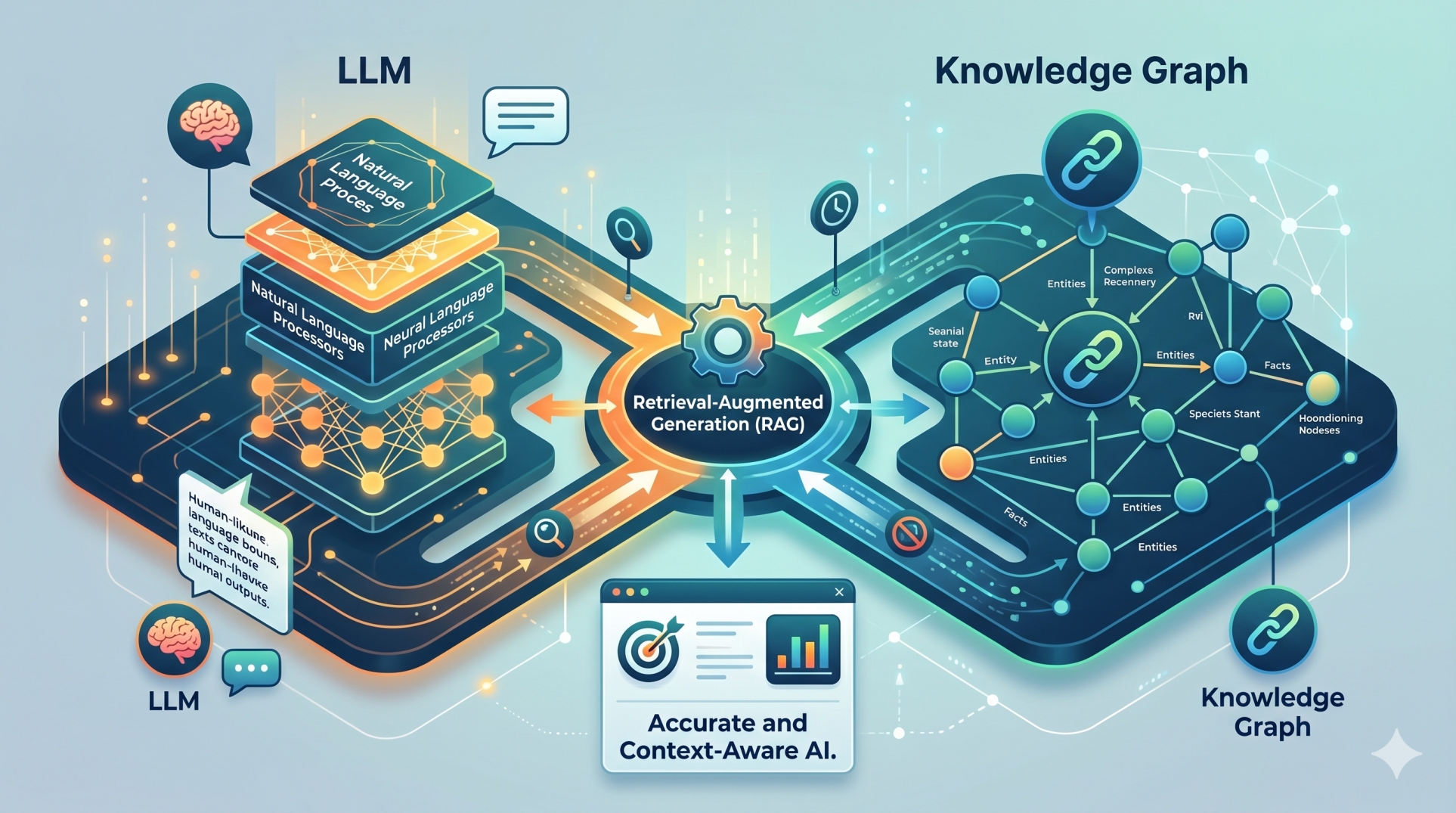
Step 3: Correlating Logs Across Components 🔗
• Assign unique identifiers to each request or transaction 🆔
• Track interactions across multiple services using trace IDs 🔗
• Enable end-to-end visibility across distributed systems 🌐
• Integrate logging with distributed tracing systems 📡
• Simplify debugging of multi-component workflows 🧠
Step 4: Logging Model Behavior and Outputs 🤖
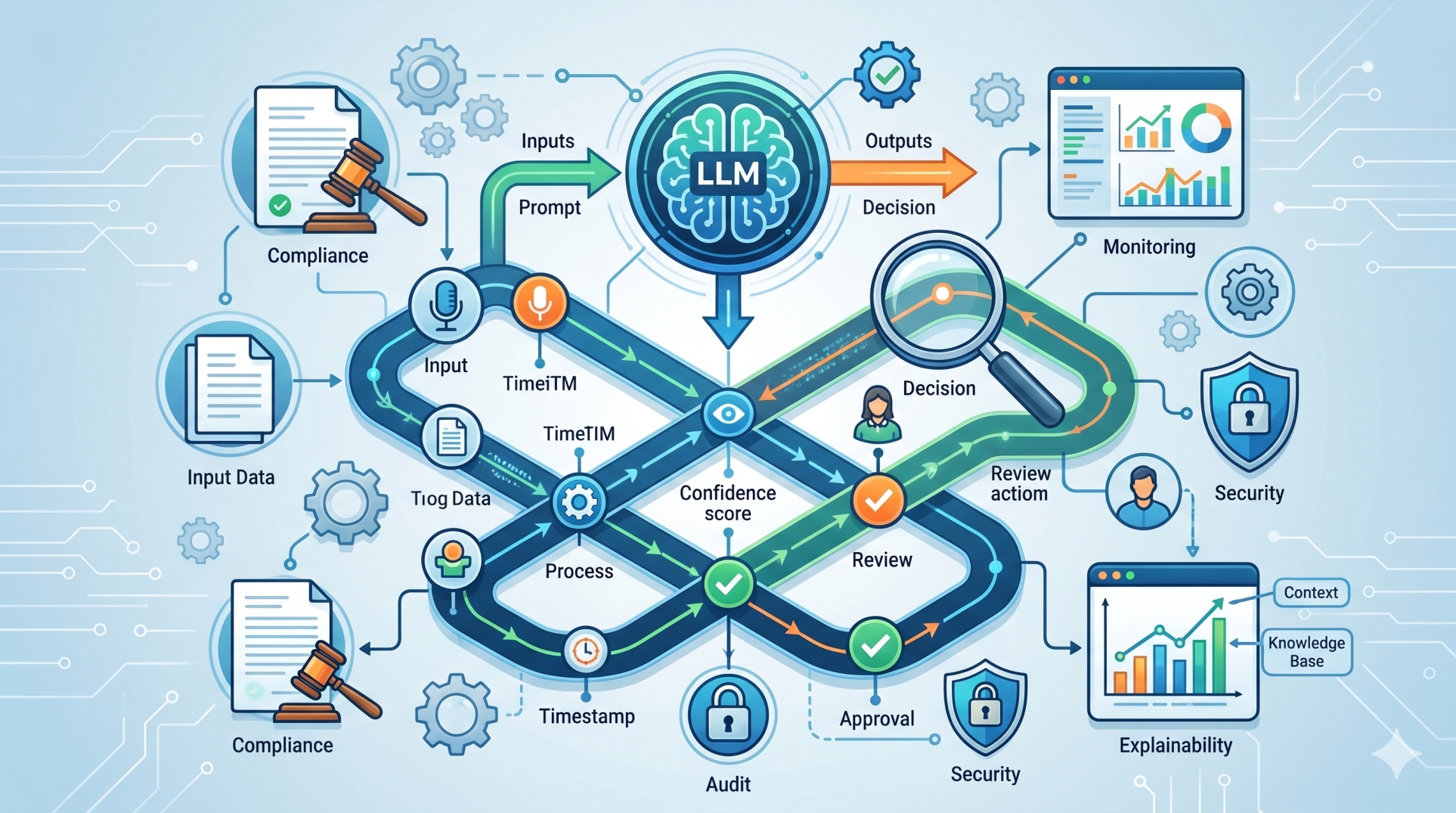
• Capture model inputs and outputs for observability 📊
• Log confidence scores, probabilities, or decision metrics 📈
• Monitor model drift and unexpected behavior over time 🔍
• Ensure sensitive data is masked or excluded 🔐
• Support auditing and explainability requirements 📜
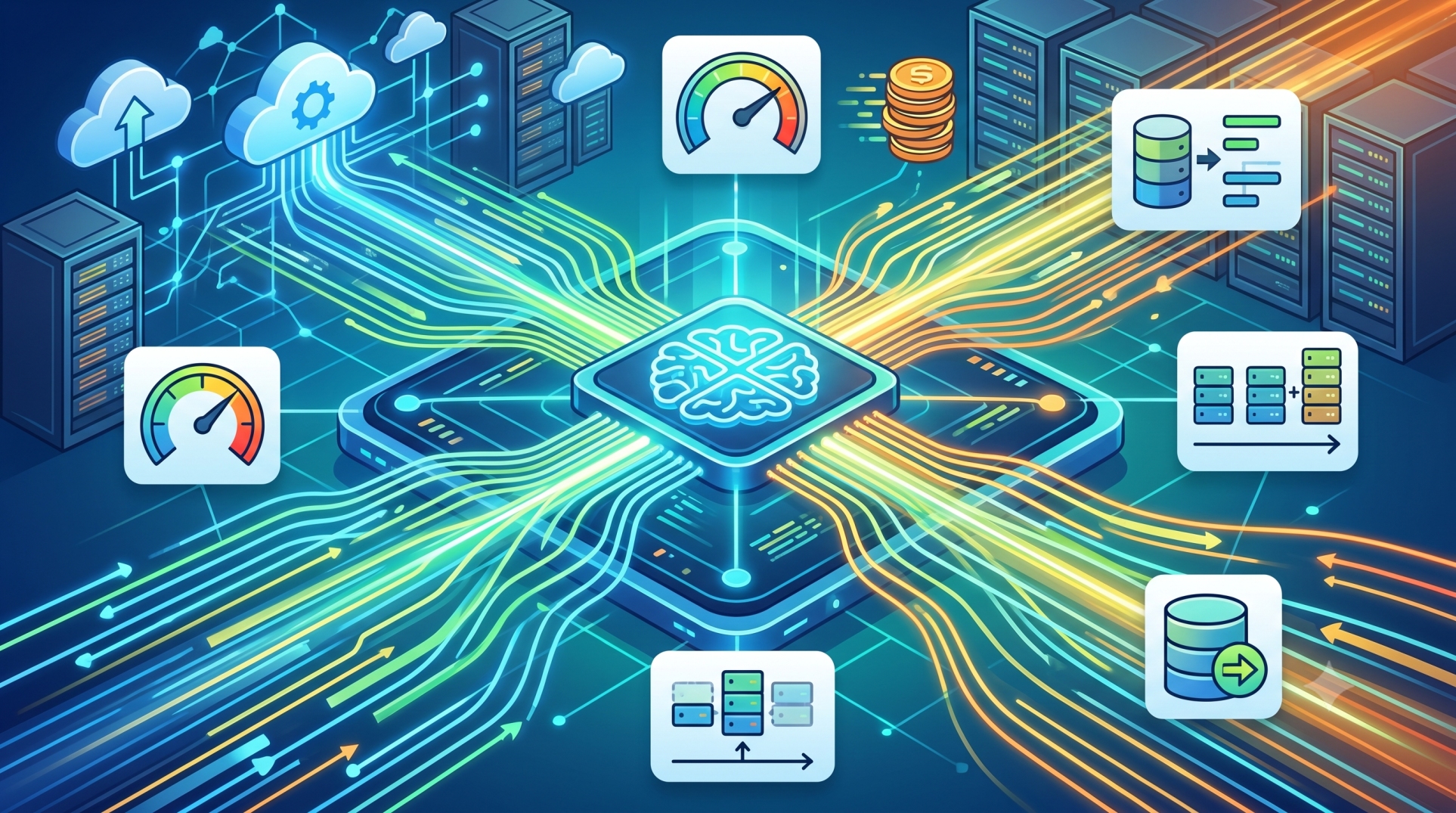
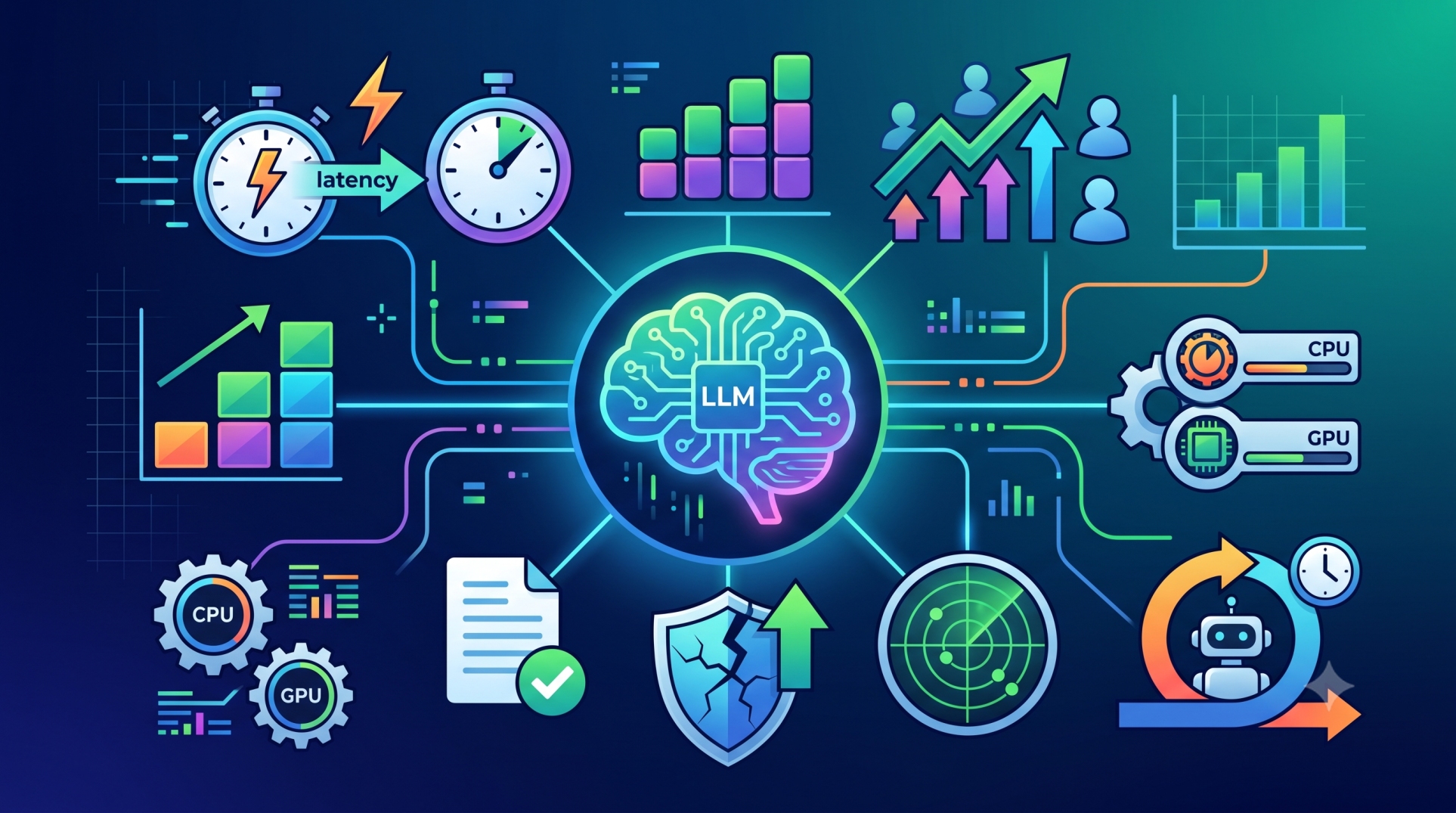
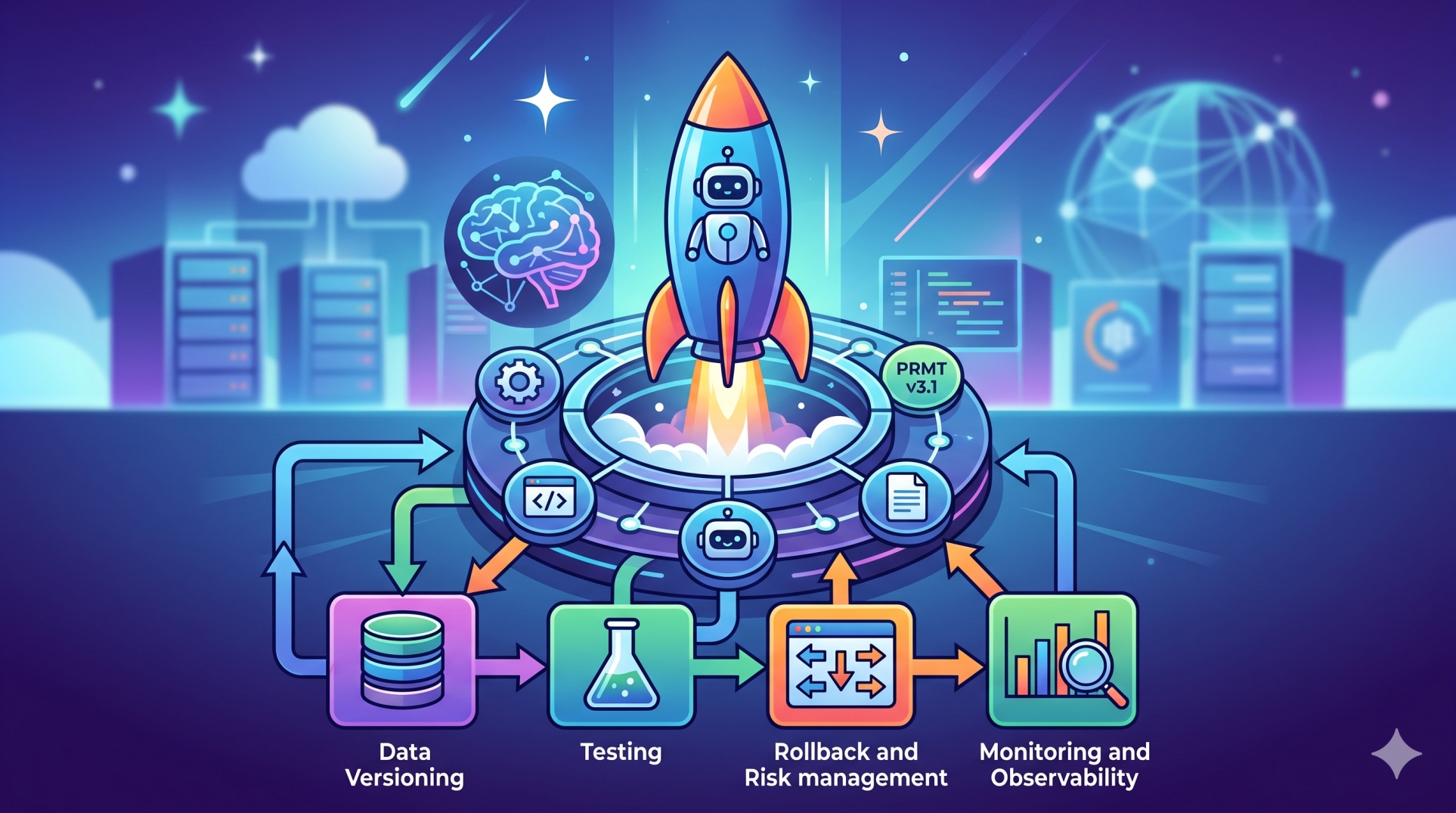
Step 5: Performance and Latency Monitoring ⏱️
• Log response times for each component ⏱️
• Identify bottlenecks in data processing or inference ⚡
• Monitor throughput and system load 📊
• Track resource utilization across services 🖥️
• Enable proactive performance optimization 🚀
Step 6: Error Handling and Exception Logging ⚠️
• Capture detailed error messages and stack traces 📄
• Classify errors by type and severity 🚨
• Log failure points within specific components 🔍
• Enable faster debugging and incident resolution ⚡
• Support automated alerting based on error patterns 🔔
Step 7: Centralized Log Aggregation 📡
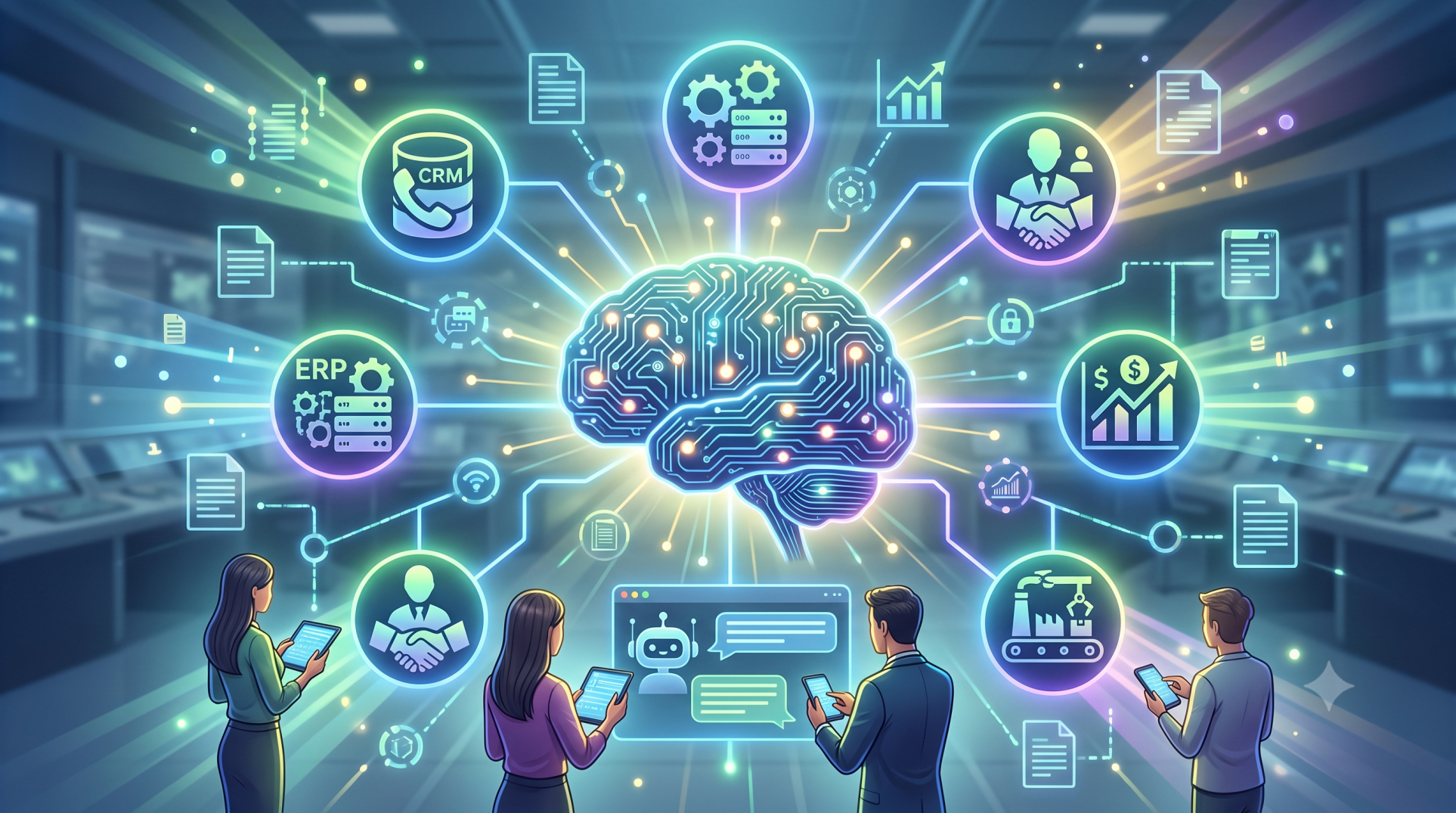
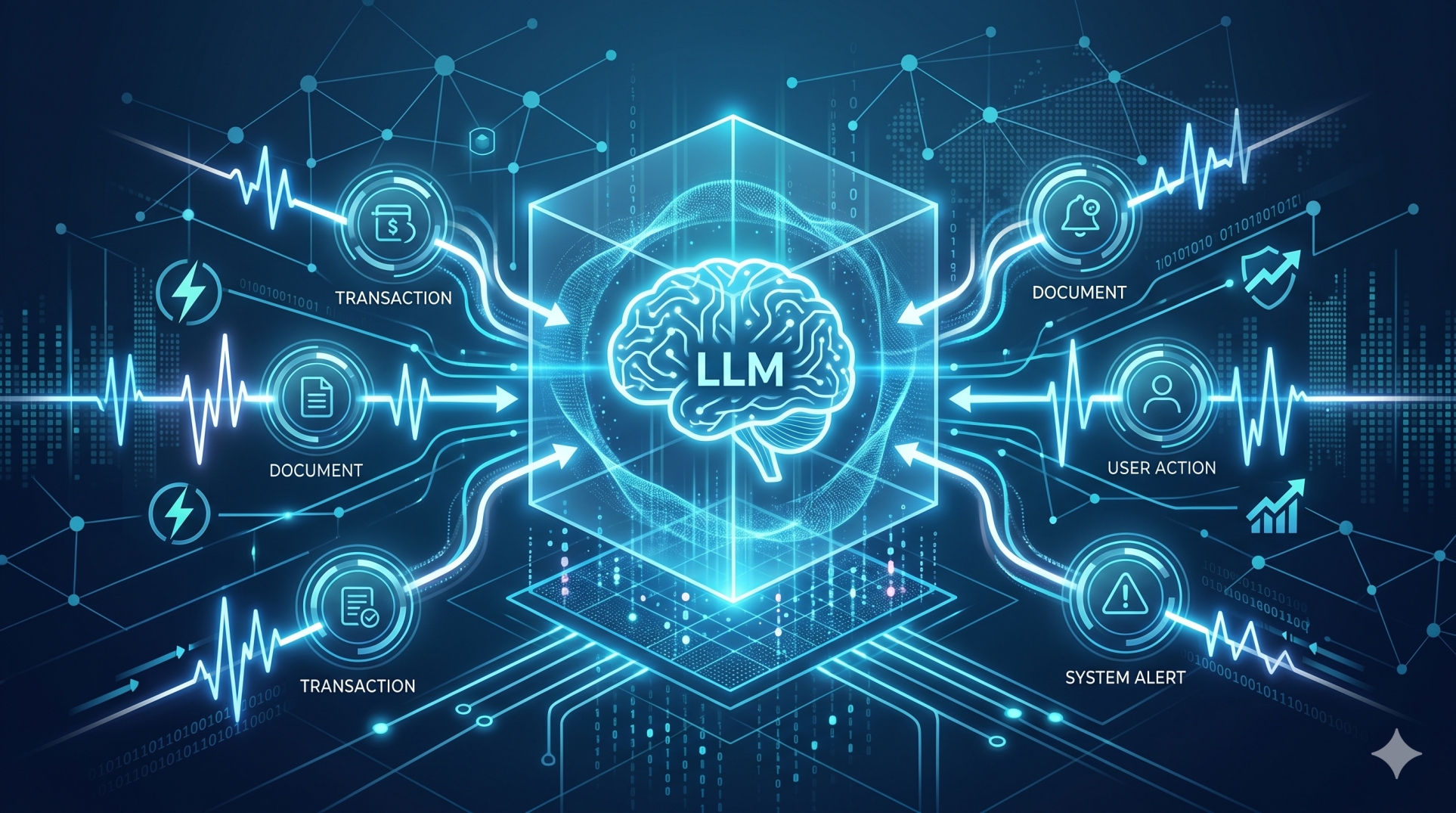
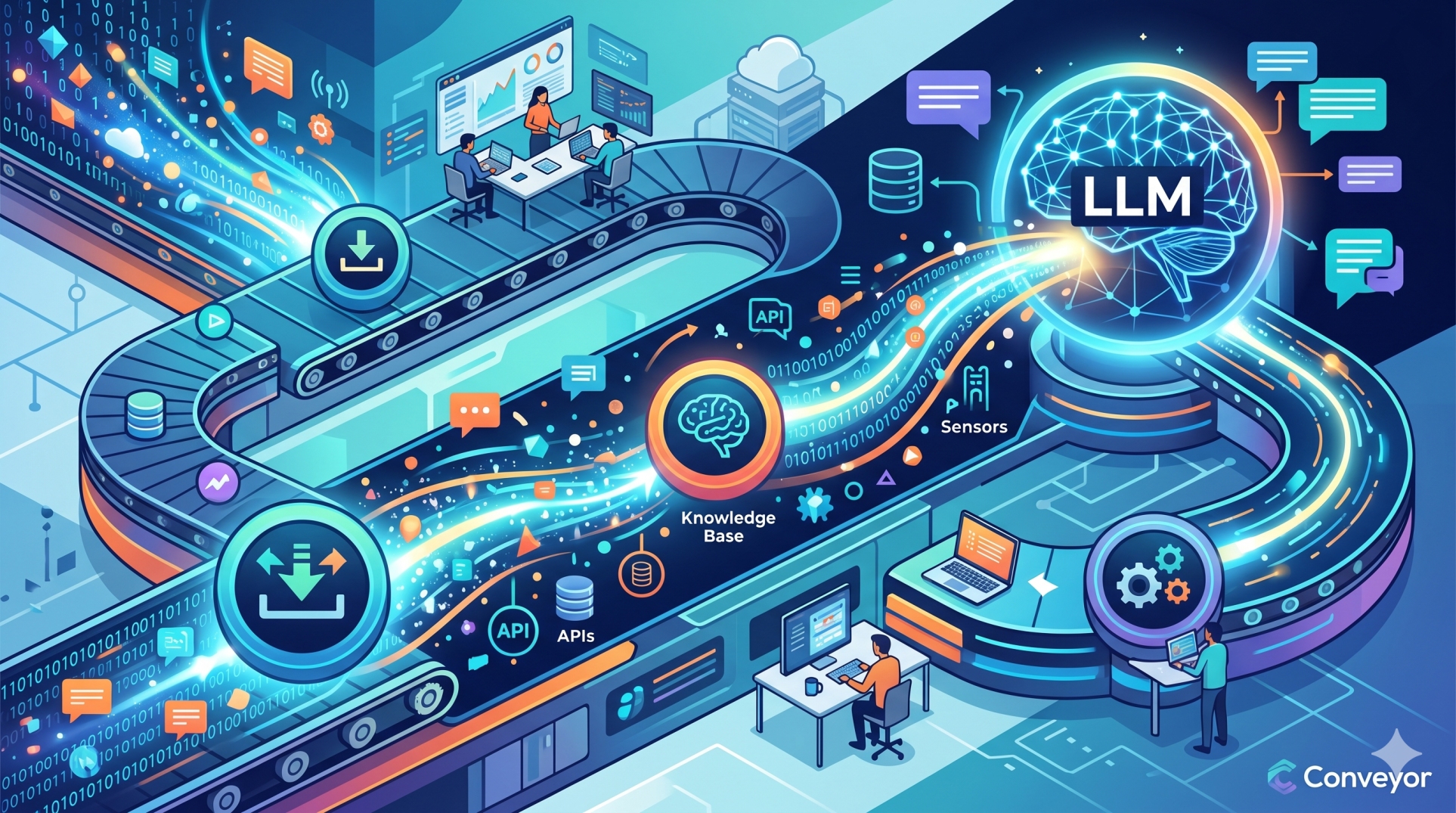
• Aggregate logs from all components into a central platform 🧠
• Use log management tools for indexing and querying 🔎
• Enable real-time monitoring and alerting 📊
• Maintain scalability for high-volume log data 📦
• Ensure high availability of logging infrastructure 🔄
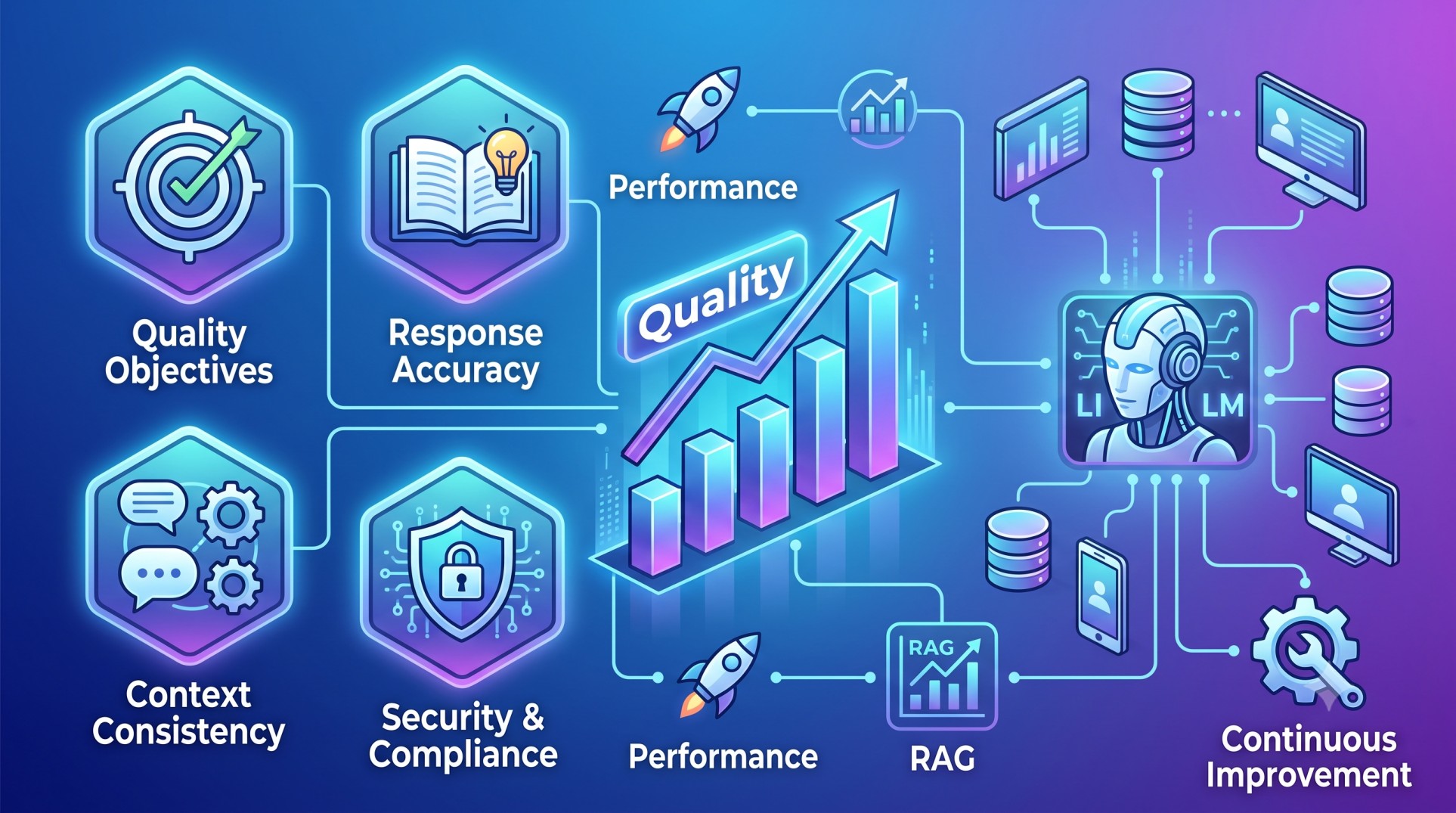
Step 8: Key Logging Priorities 📊
• Granular visibility into each system component 🔍
• Consistent and structured logging formats 📑
• Real-time monitoring and alerting capabilities ⏱️
• Scalable logging infrastructure for growing systems 🚀
Step 9: Security and Compliance Considerations 🔐
• Avoid logging sensitive or personally identifiable information 🚫
• Implement access controls for log data 🔑
• Encrypt logs in transit and at rest 🔒
• Maintain compliance with data protection regulations 📜
• Audit log access and usage regularly 🔍
Step 10: Continuous Optimization of Logging Strategy 🔄
• Regularly review and refine logging practices 📊
• Remove redundant or low-value logs 🧹
• Optimize storage and retention policies 📦
• Align logging with evolving system architecture 🧠
• Ensure logs remain actionable and relevant over time 📈
Conclusion
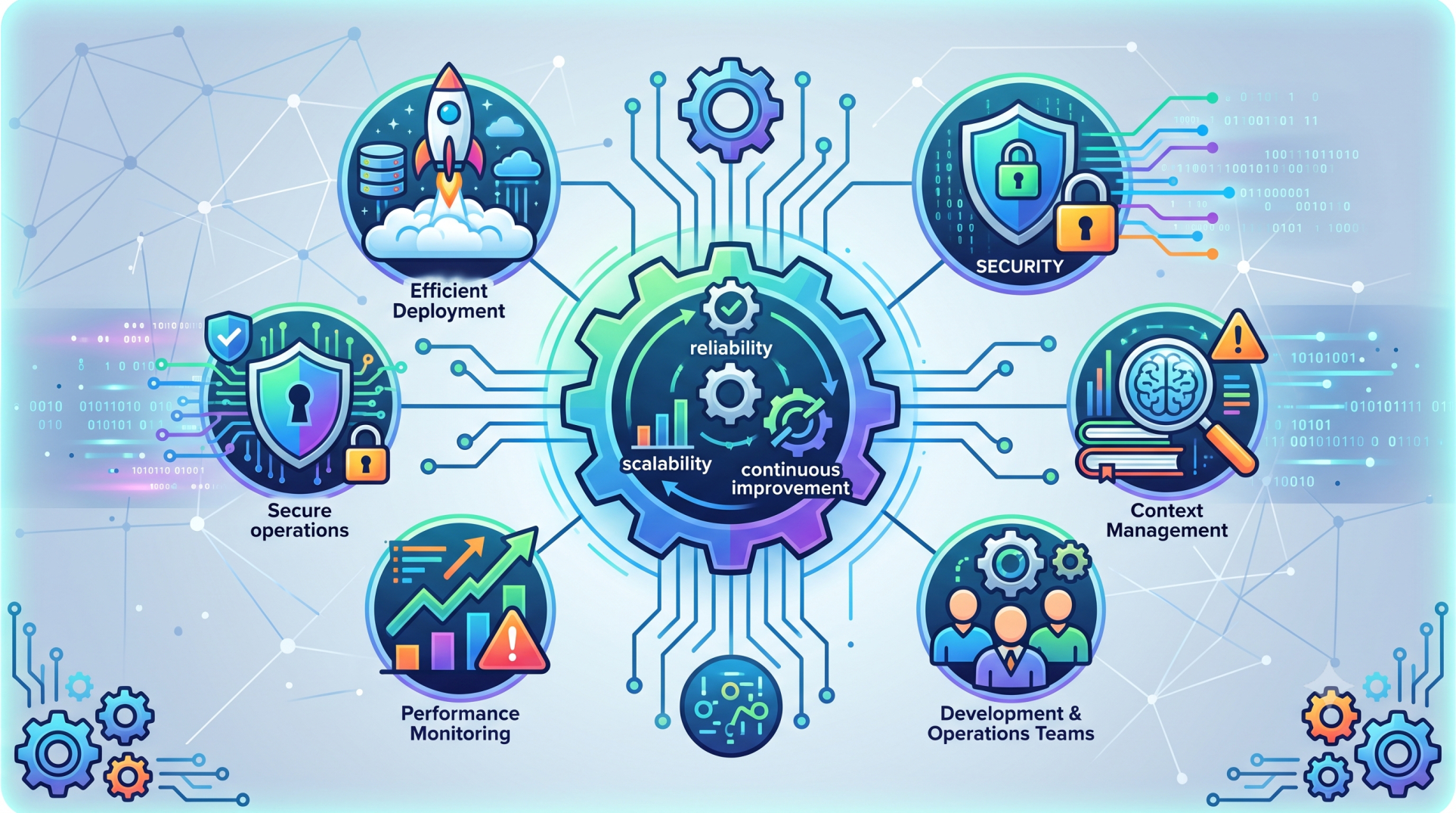
Component-level logging is essential for building reliable, scalable, and observable AI software architectures. By capturing detailed, structured logs across every component, organizations gain the visibility needed to debug efficiently, monitor performance, and ensure system integrity. A well-designed logging strategy not only supports current operations but also lays the foundation for continuous improvement and long-term scalability in AI-driven systems.
See more blogs
You can all the articles below