Knowledge Lifecycle Management in LLM-Powered Organizations
Knowledge Lifecycle Management in LLM-Powered Organizations
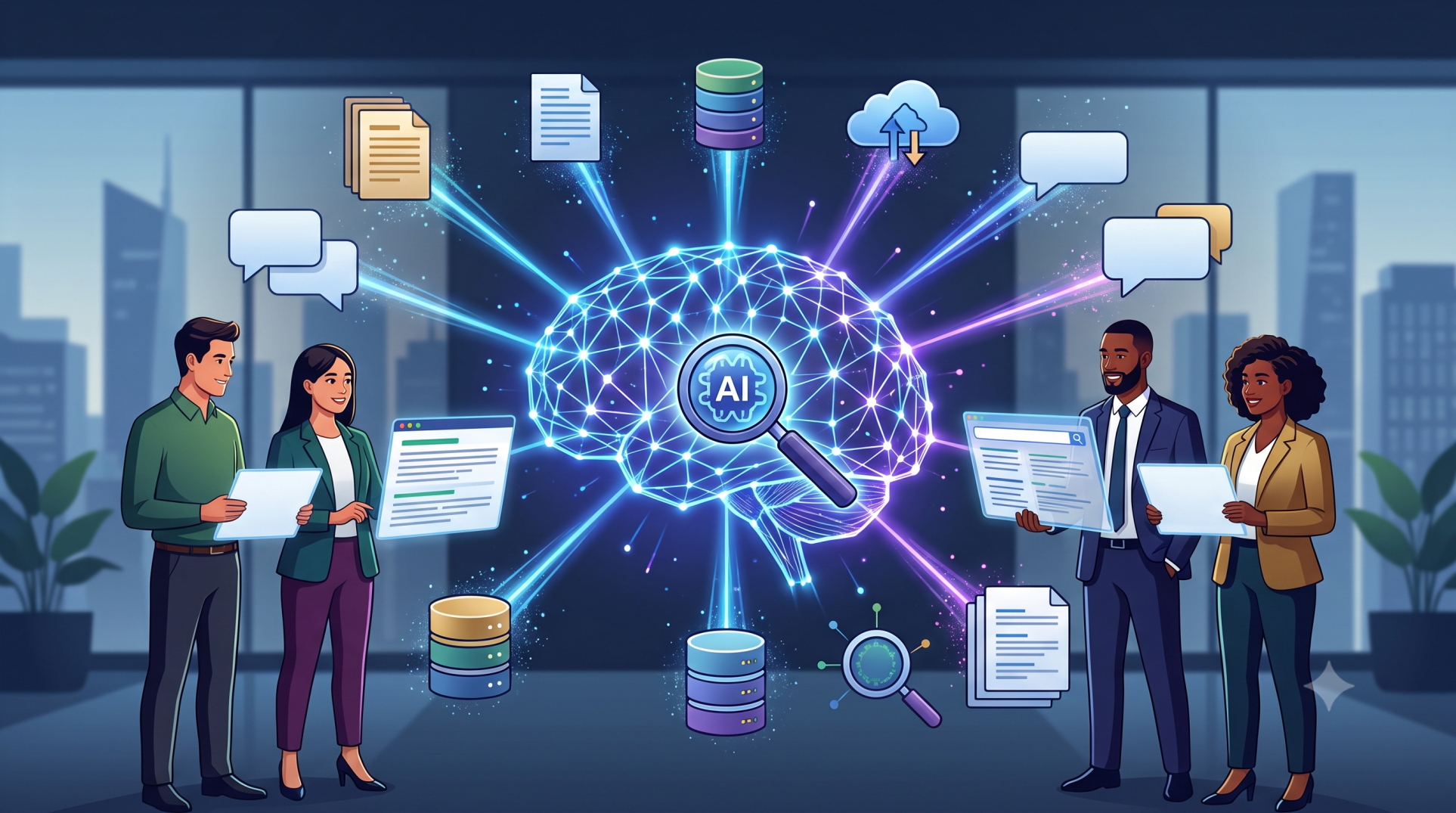
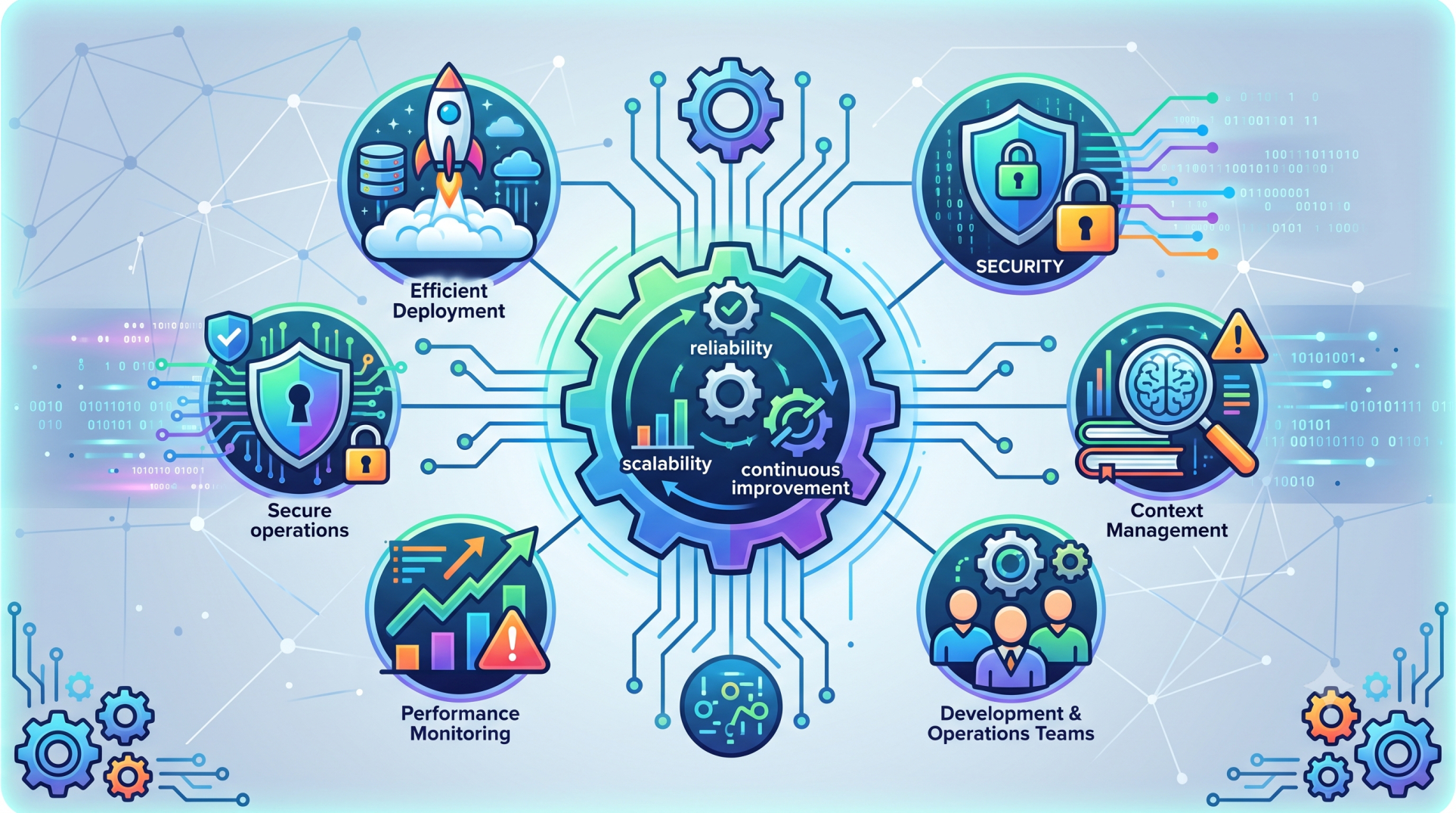
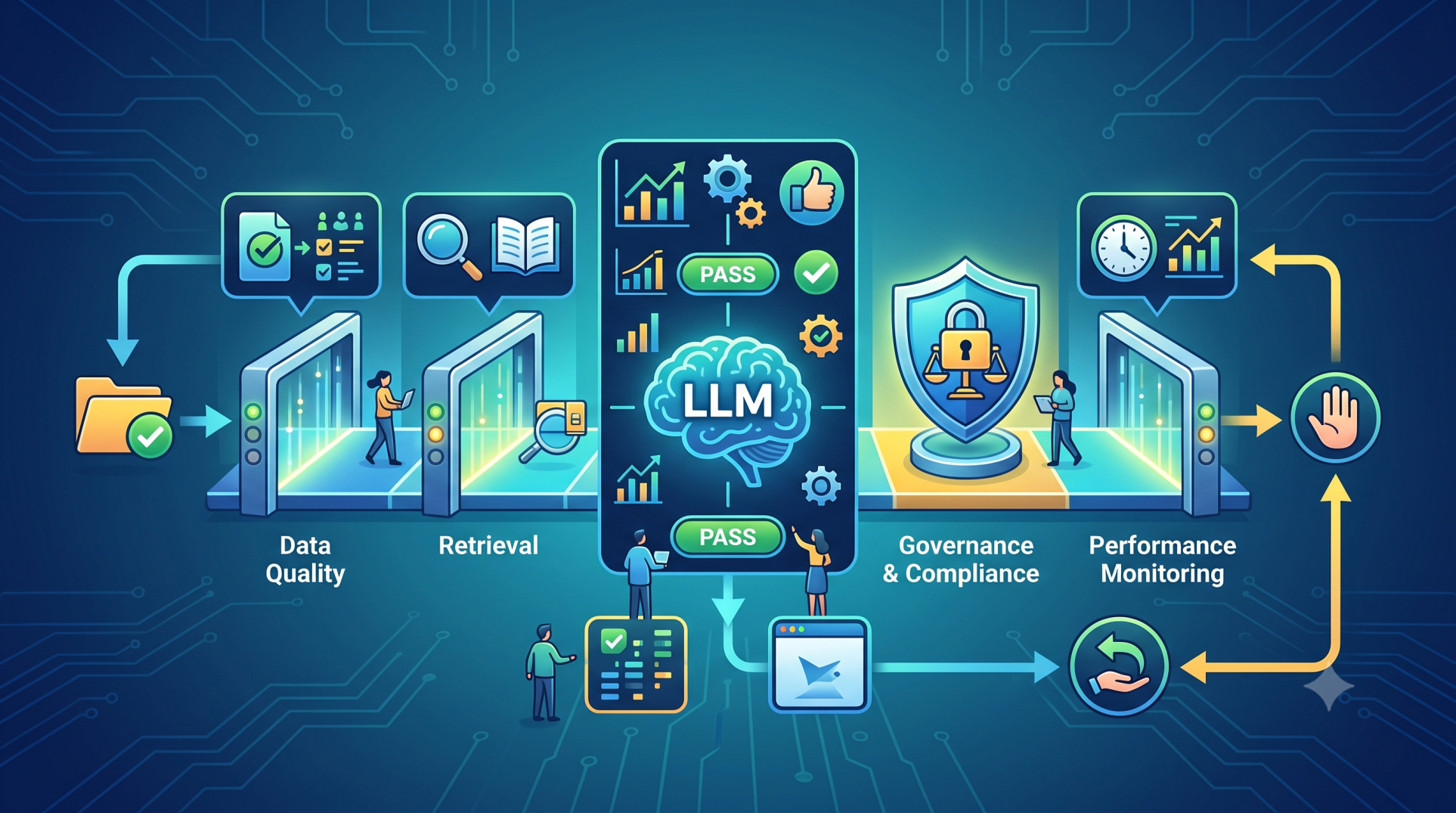
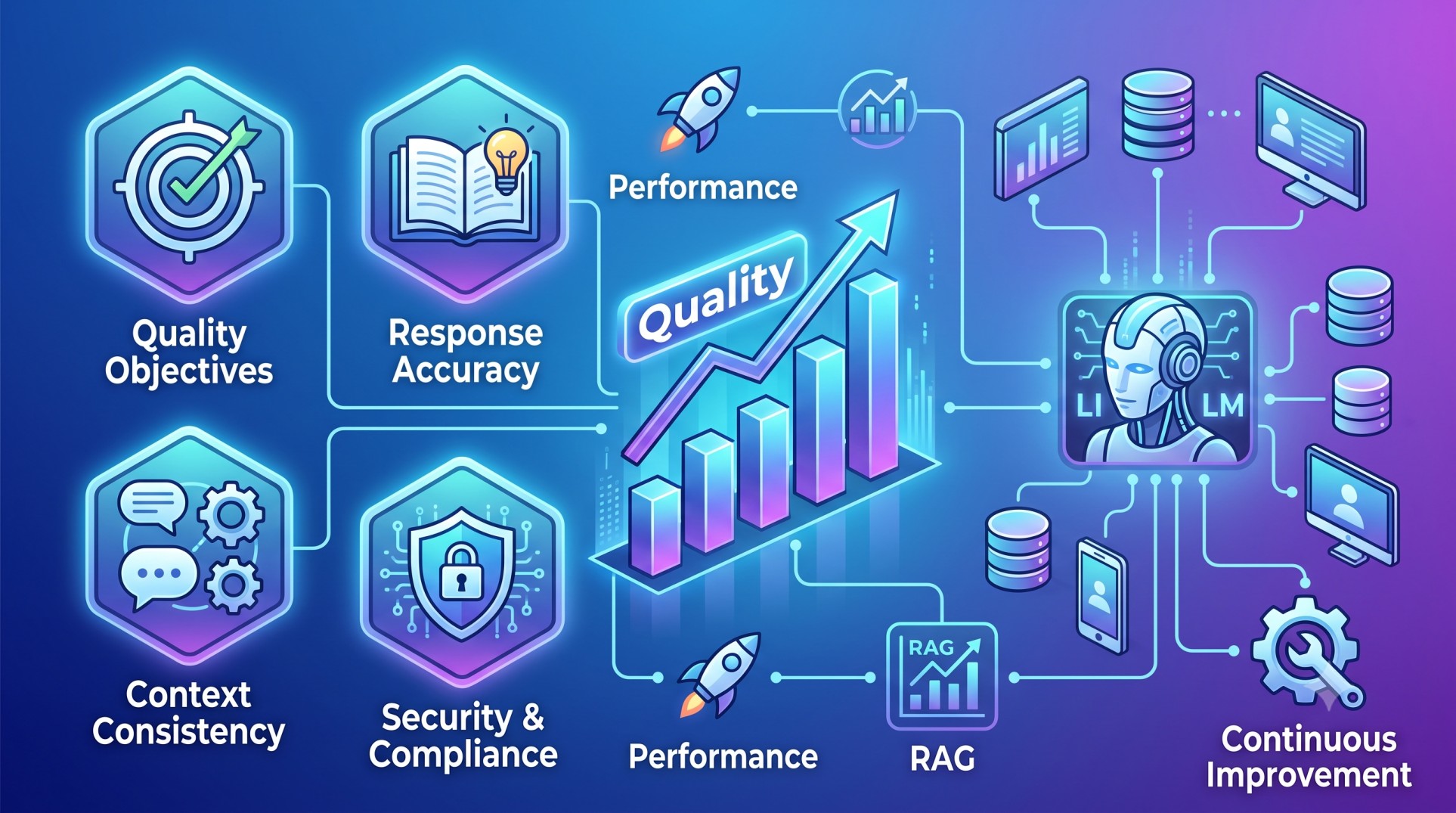
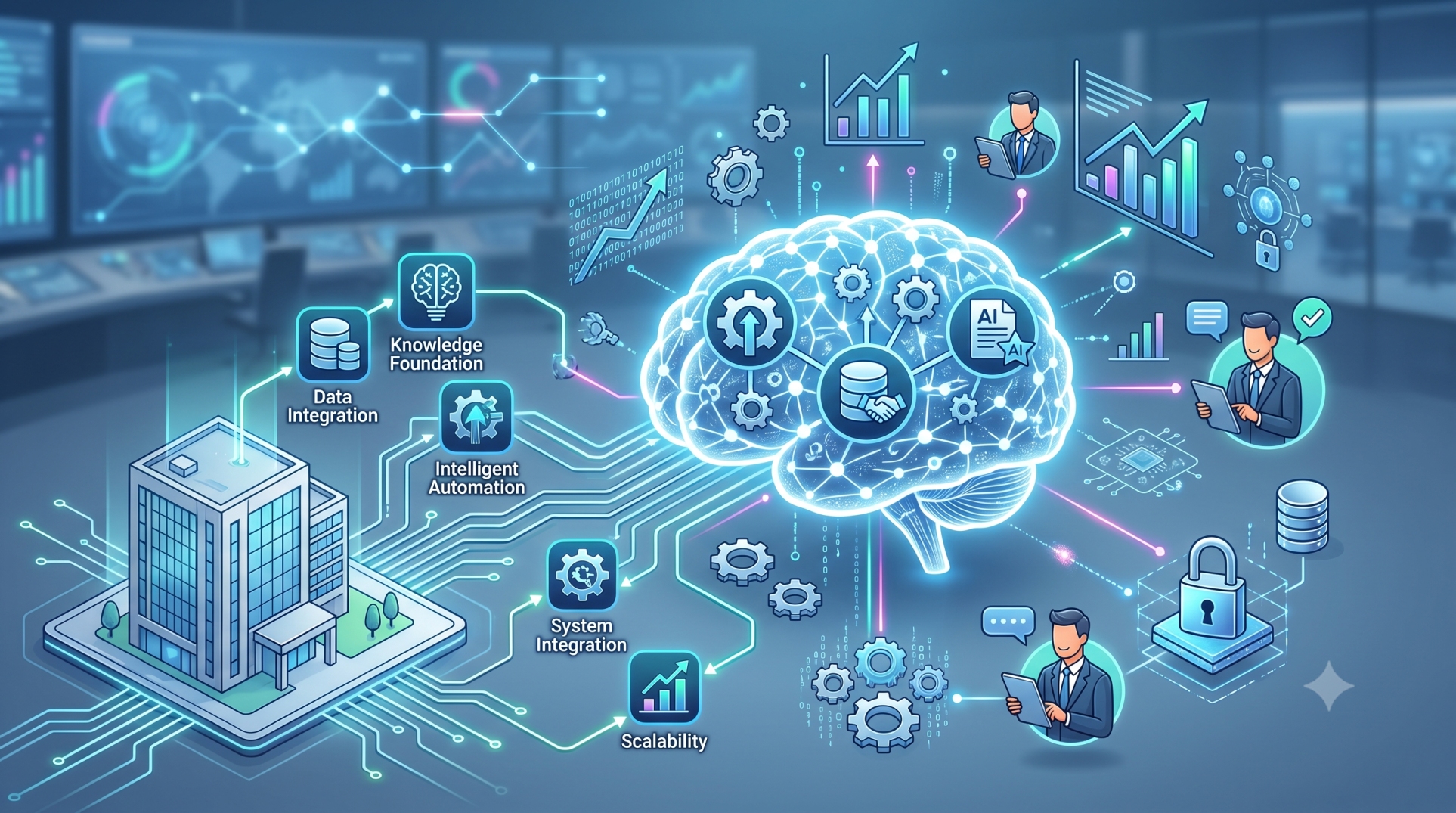
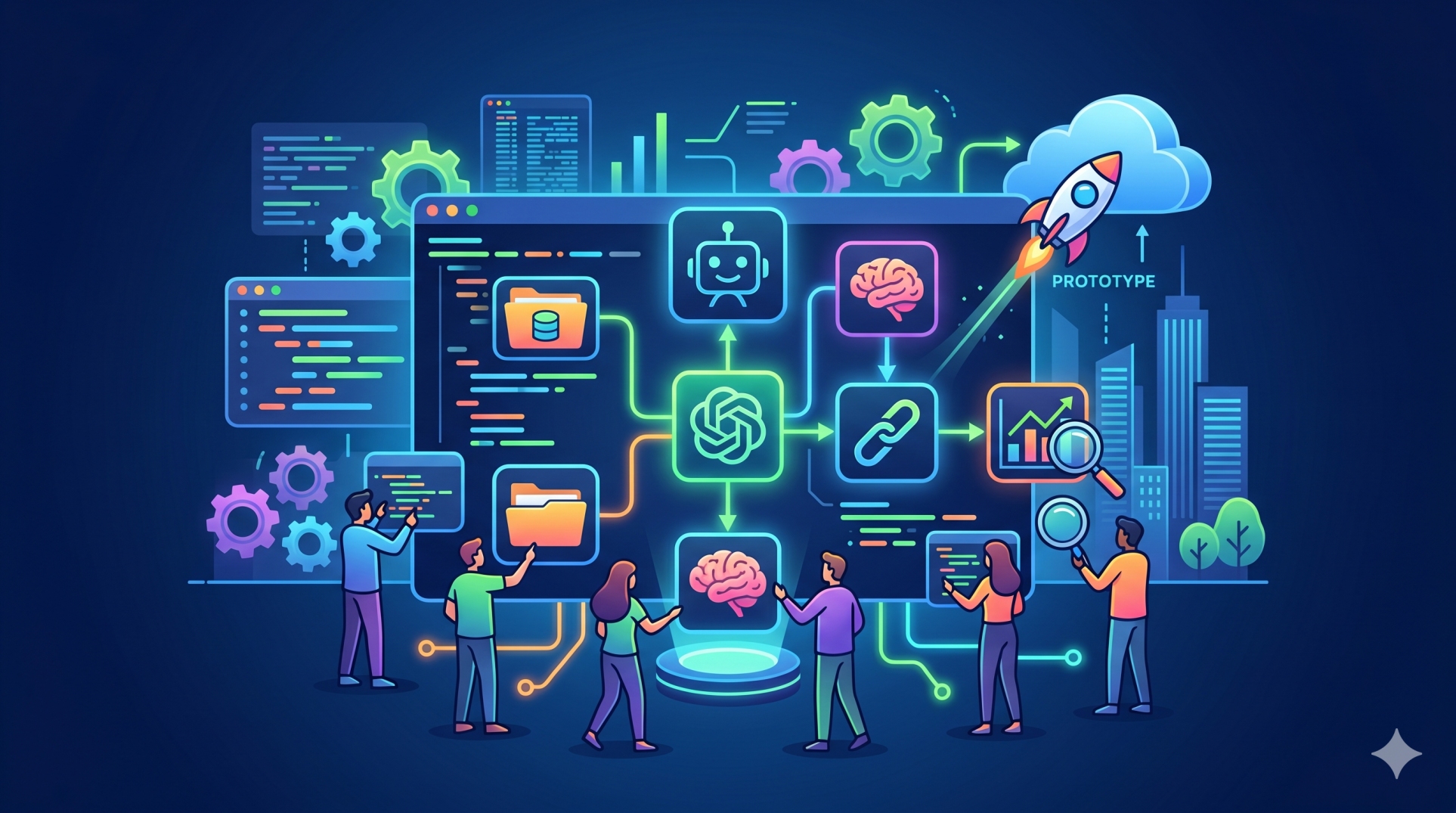
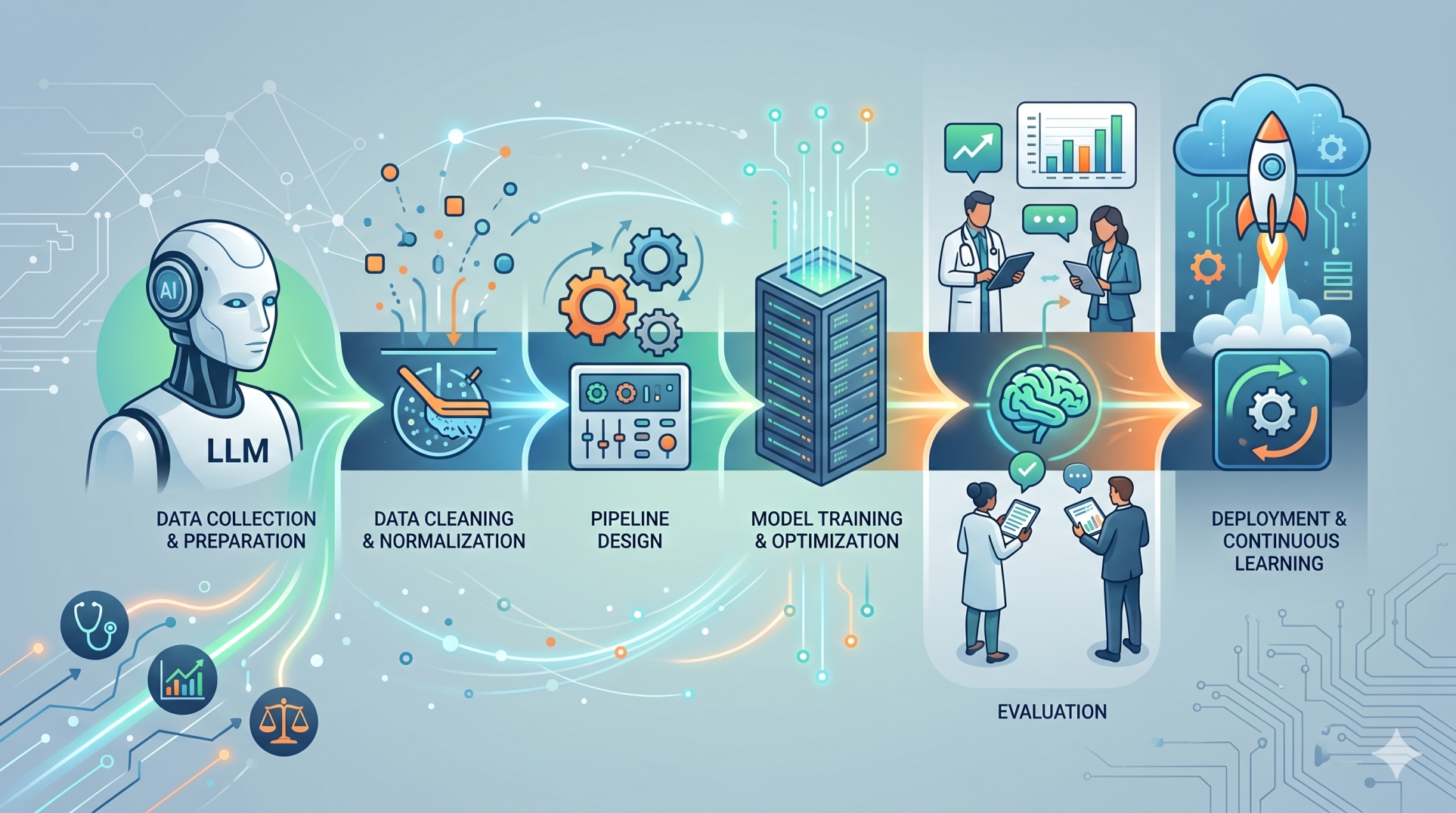
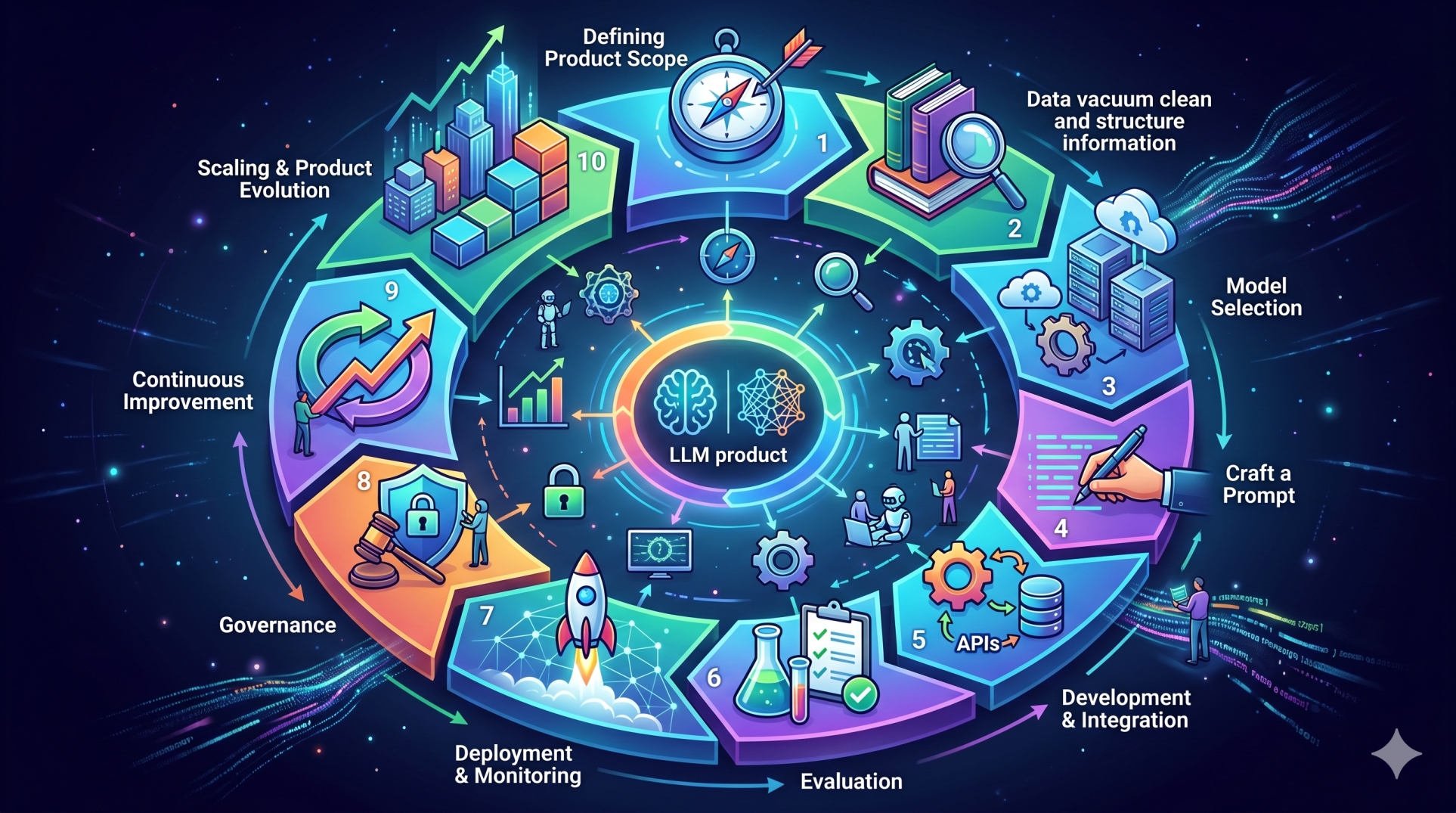
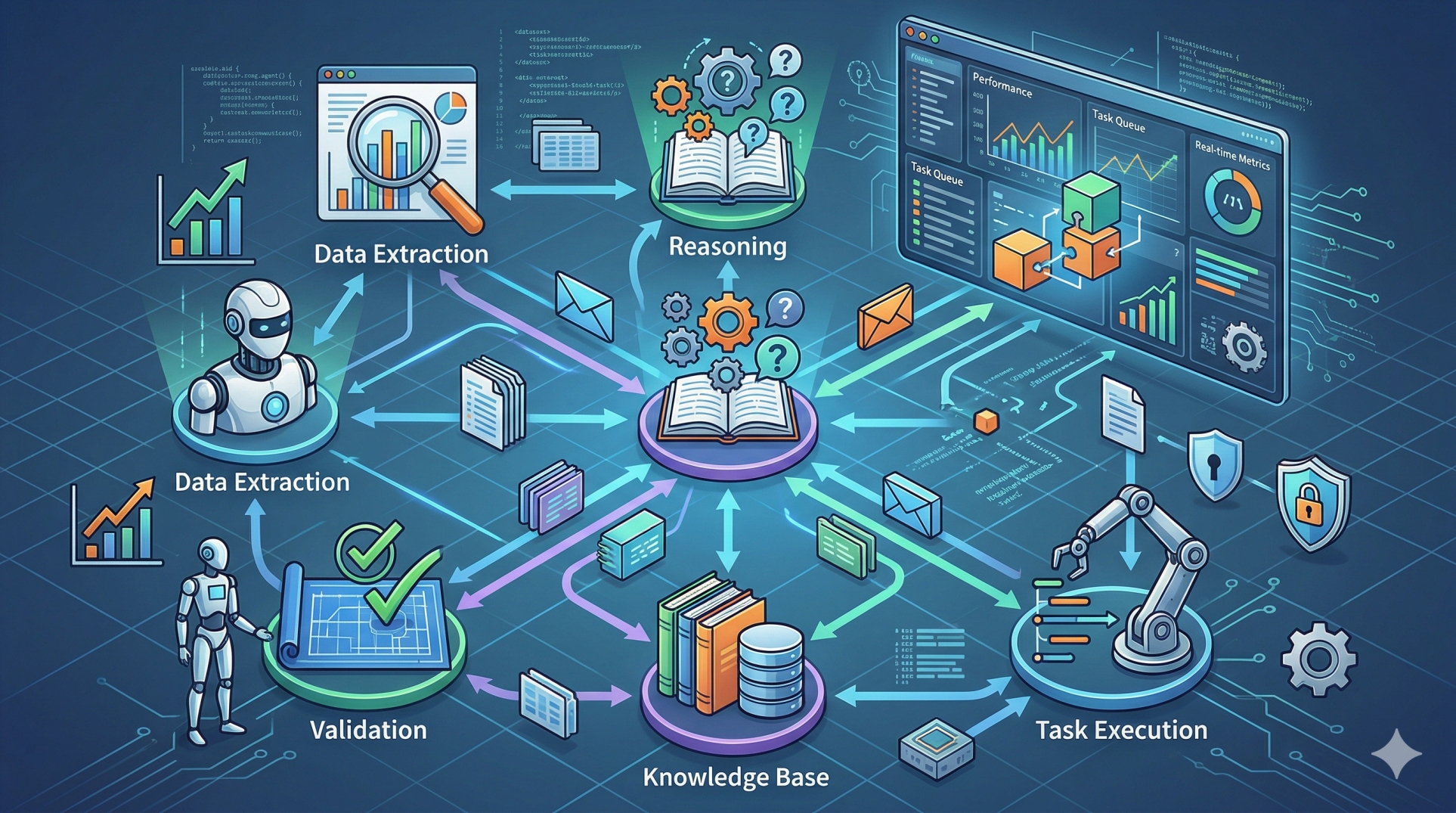
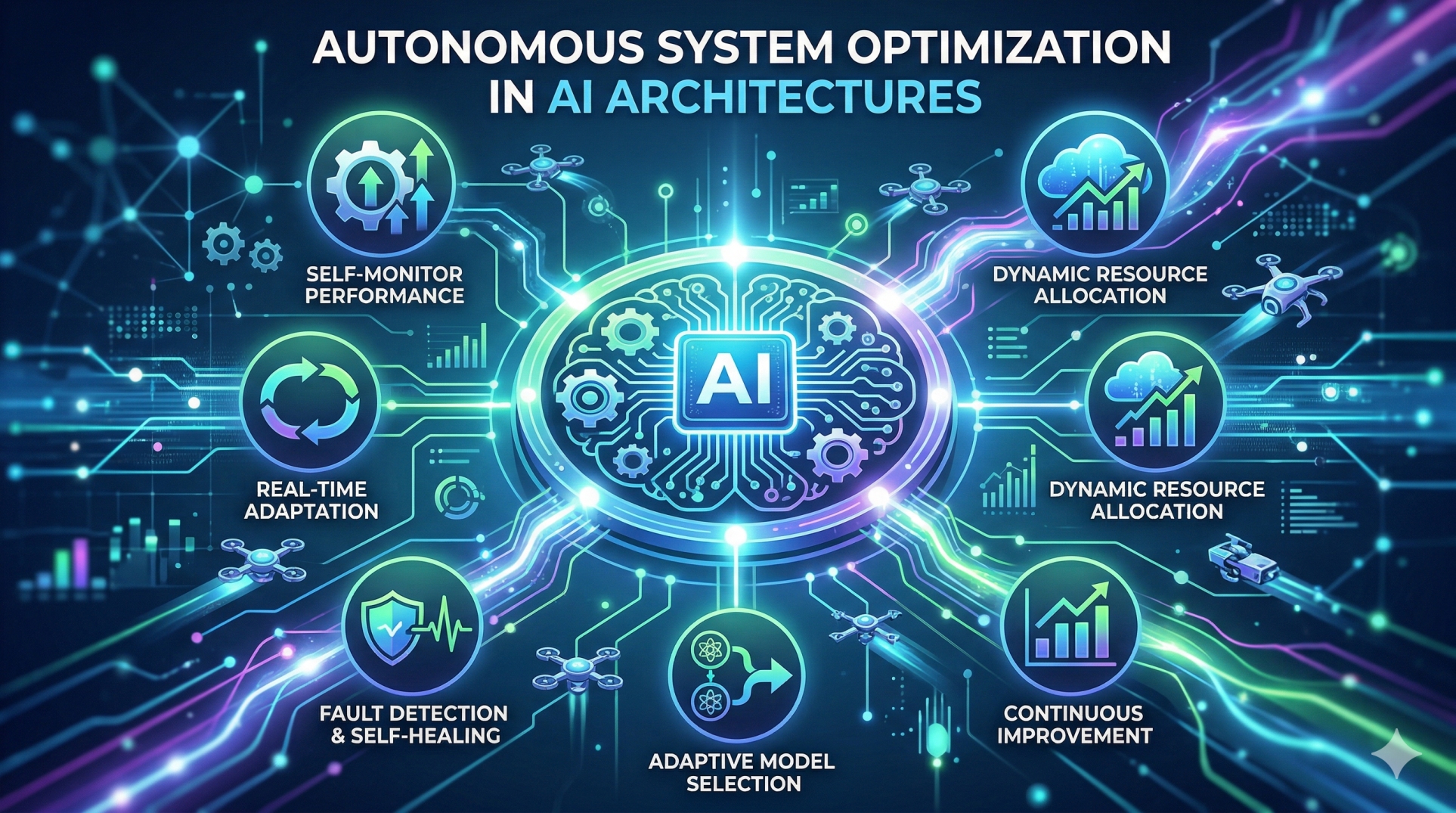
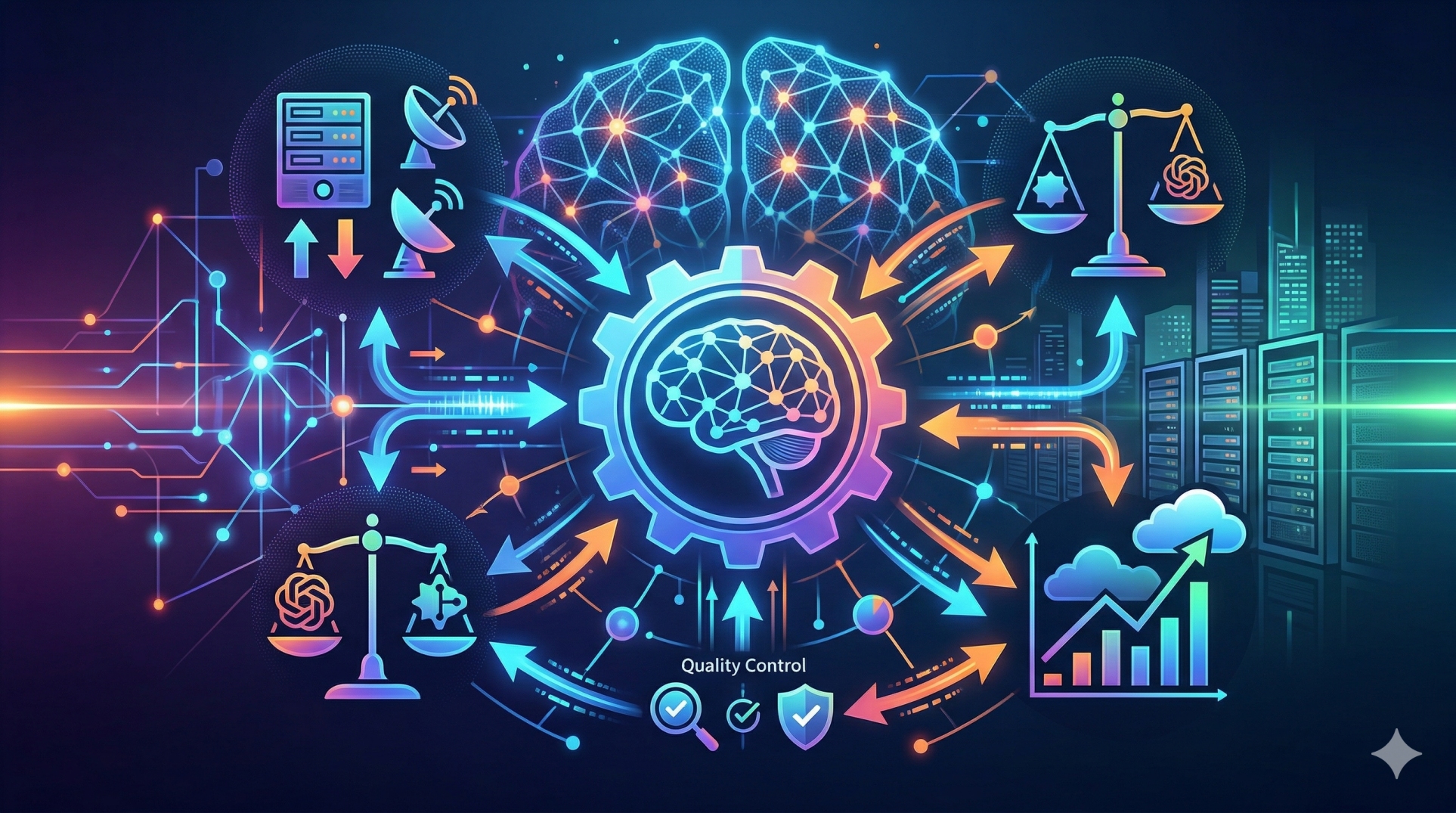
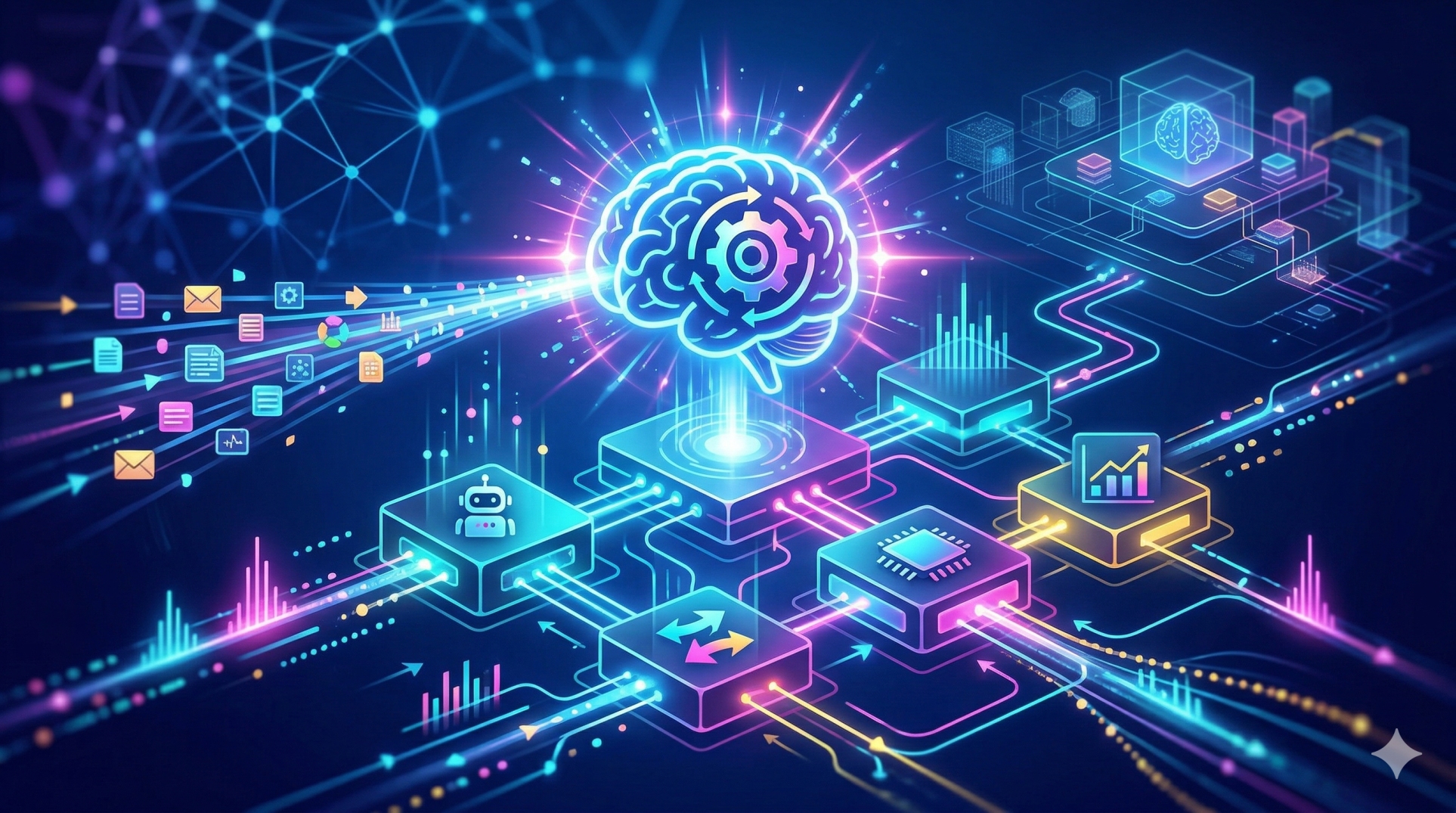
As organizations increasingly adopt Large Language Models (LLMs), managing organizational knowledge throughout its lifecycle becomes essential for maintaining accuracy, security, and operational efficiency. Knowledge Lifecycle Management (KLM) ensures that information is continuously created, validated, organized, updated, and retired as business needs evolve. A well-managed knowledge lifecycle enables LLM-powered systems to deliver reliable, relevant, and context-aware responses while supporting long-term scalability.
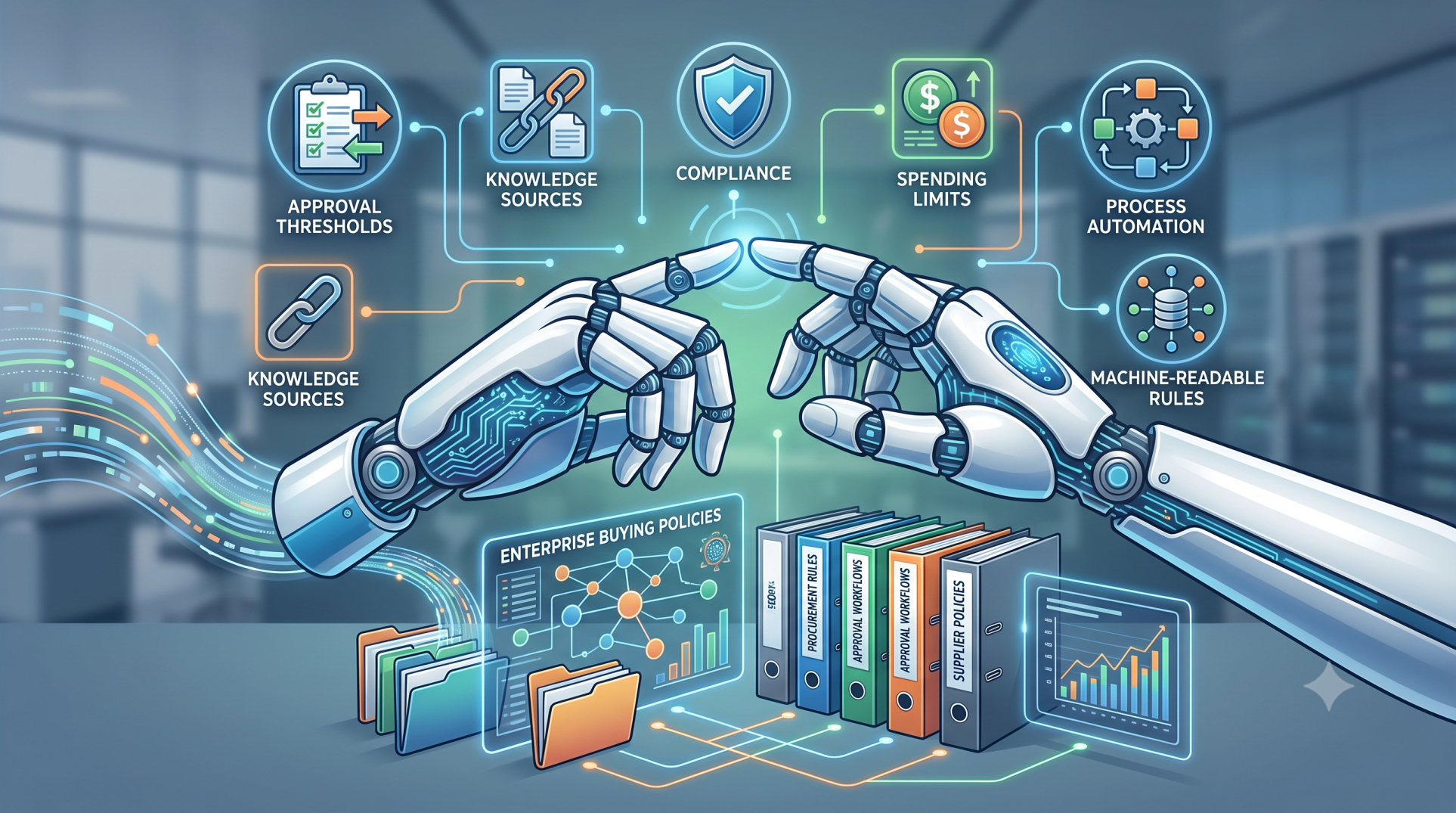
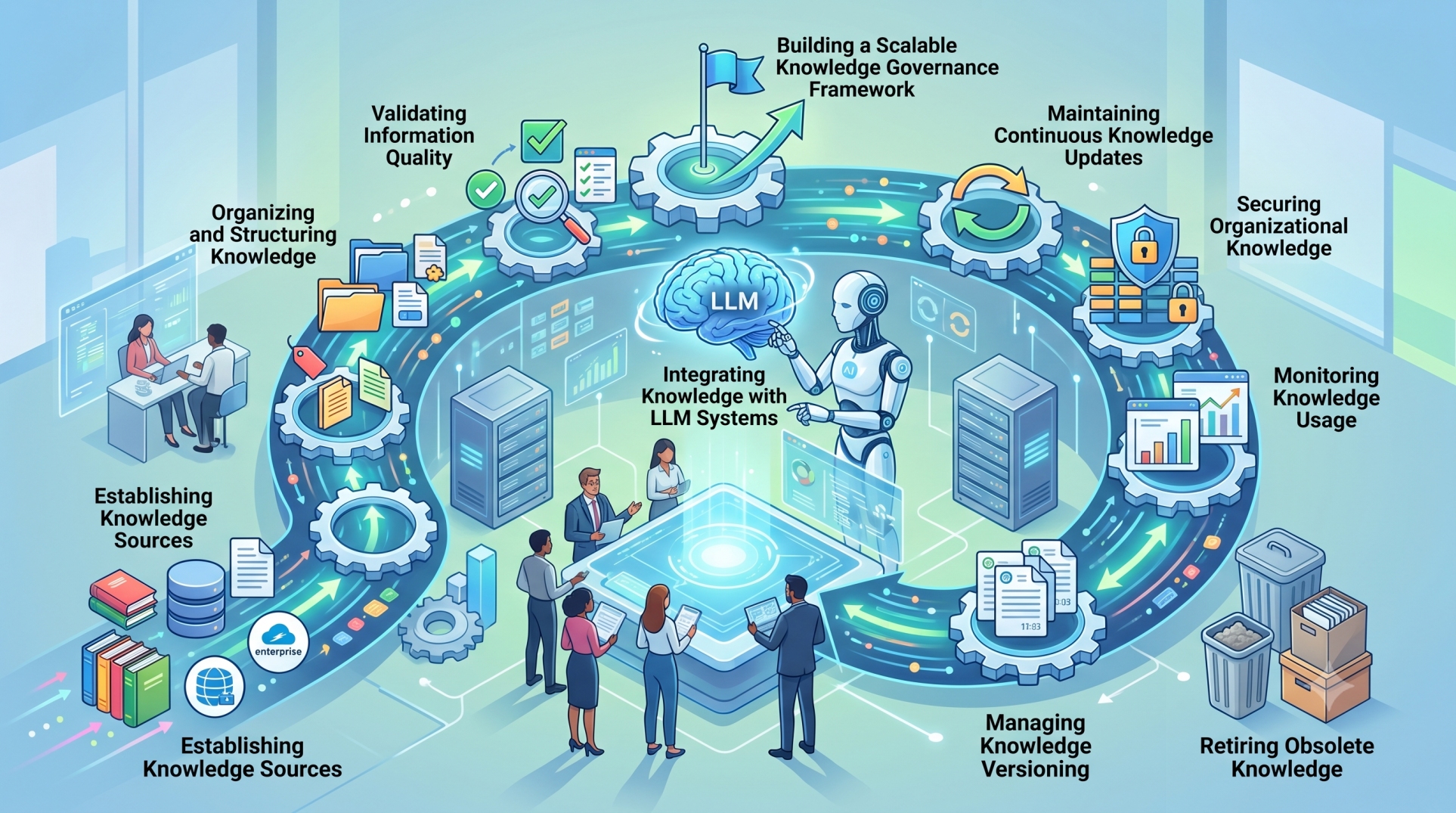
Step 1: Establishing Knowledge Sources 📚
• Identify trusted internal and external knowledge repositories 🏢
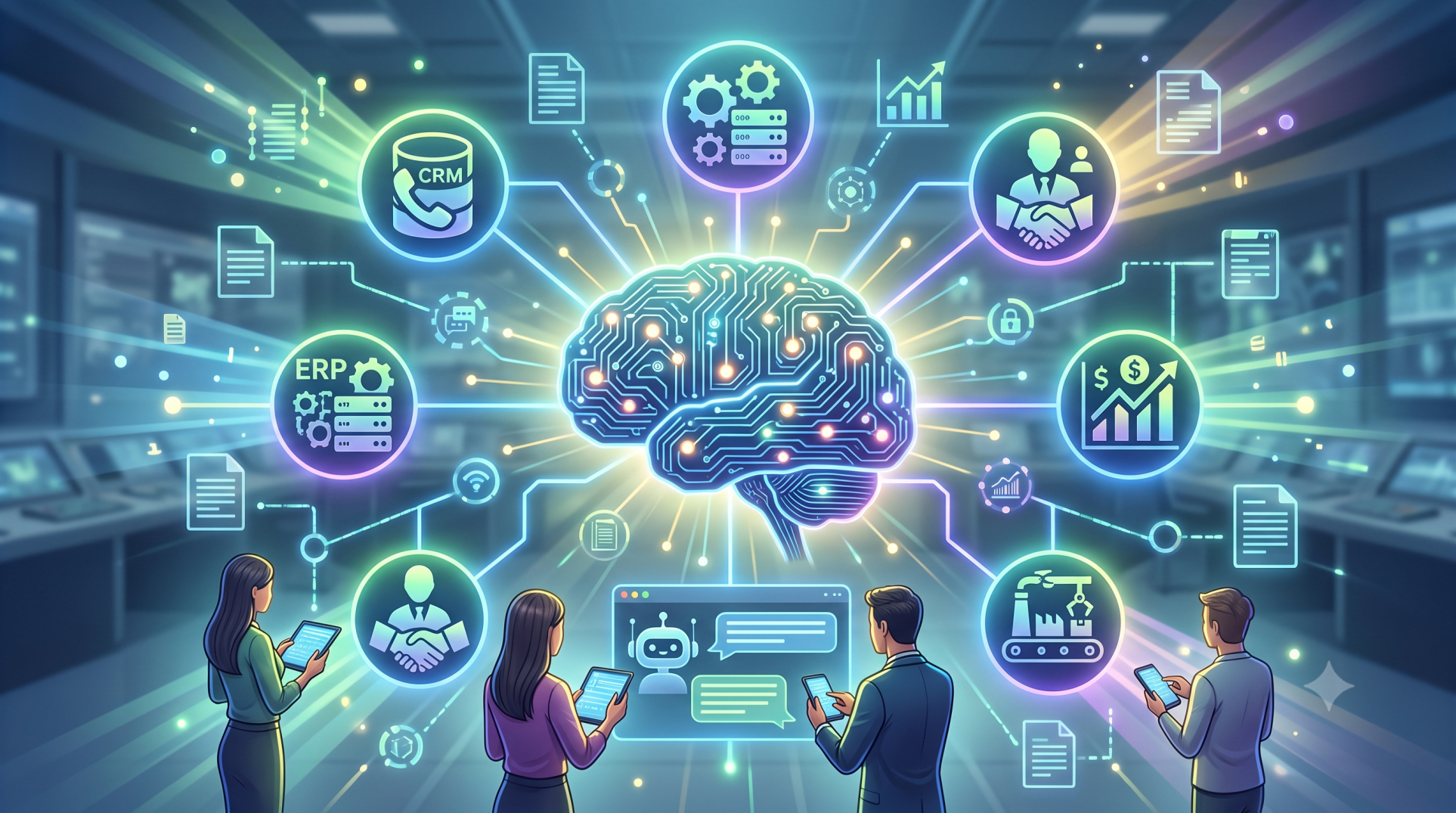
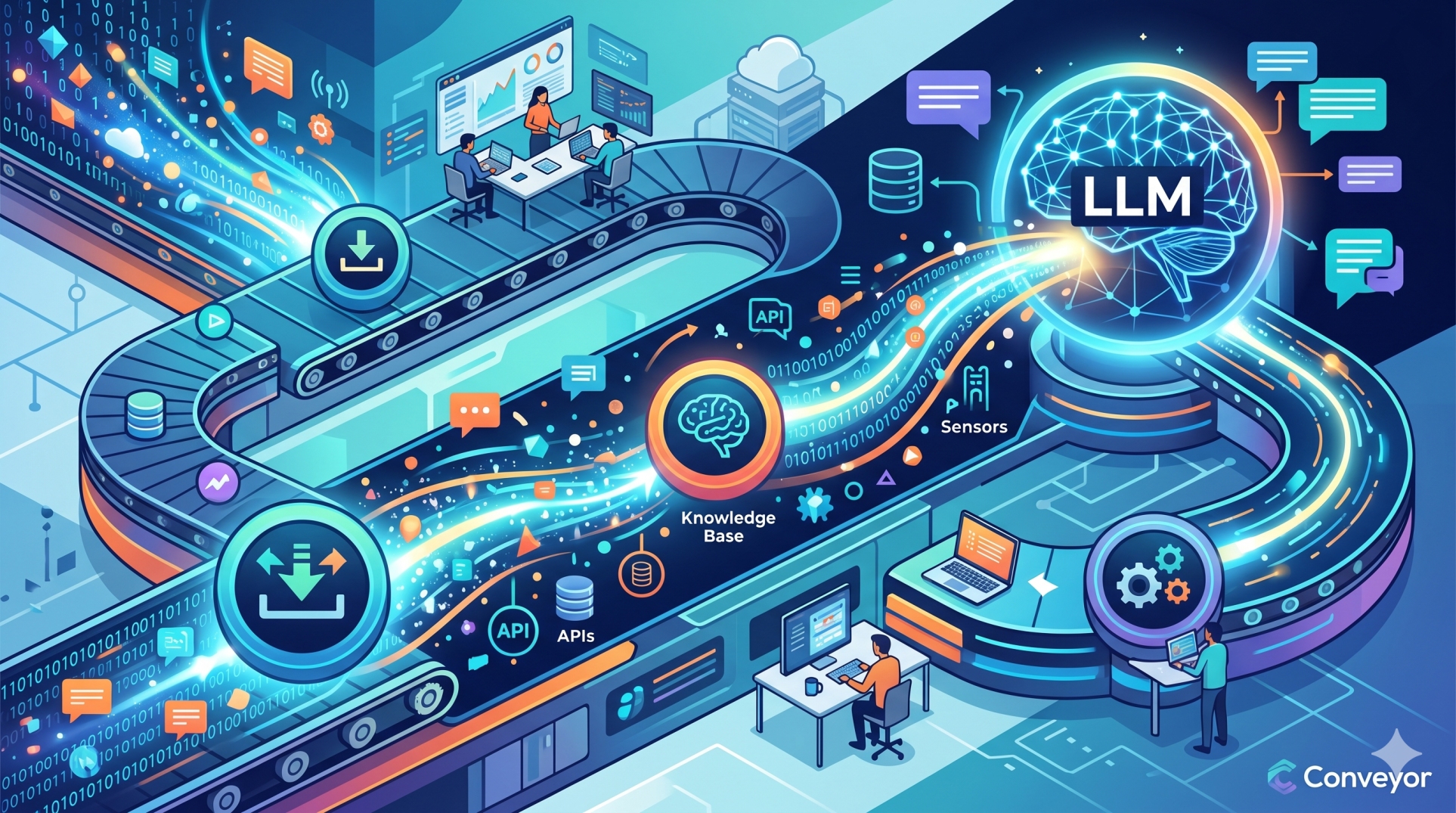
• Collect information from documents, databases, APIs, and enterprise systems 🔗
• Define ownership for every knowledge source 👥
• Standardize data collection processes across departments 📋
• Build a strong foundation for AI-driven knowledge management 🧠
Step 2: Organizing and Structuring Knowledge 🗂️
• Categorize information into logical topics and domains 📂
• Apply consistent metadata and tagging strategies 🏷️
• Create standardized document formats for easier retrieval 📄
• Eliminate duplicate or outdated information 🚫
• Improve discoverability across enterprise knowledge assets 🔍
Step 3: Validating Information Quality ✅
• Verify information before it enters AI knowledge repositories ✔️
• Review content for accuracy, consistency, and completeness 📊
• Establish approval workflows for critical business knowledge 📝
• Detect conflicting or obsolete information automatically ⚠️
• Maintain high-quality datasets for reliable AI responses 🛡️
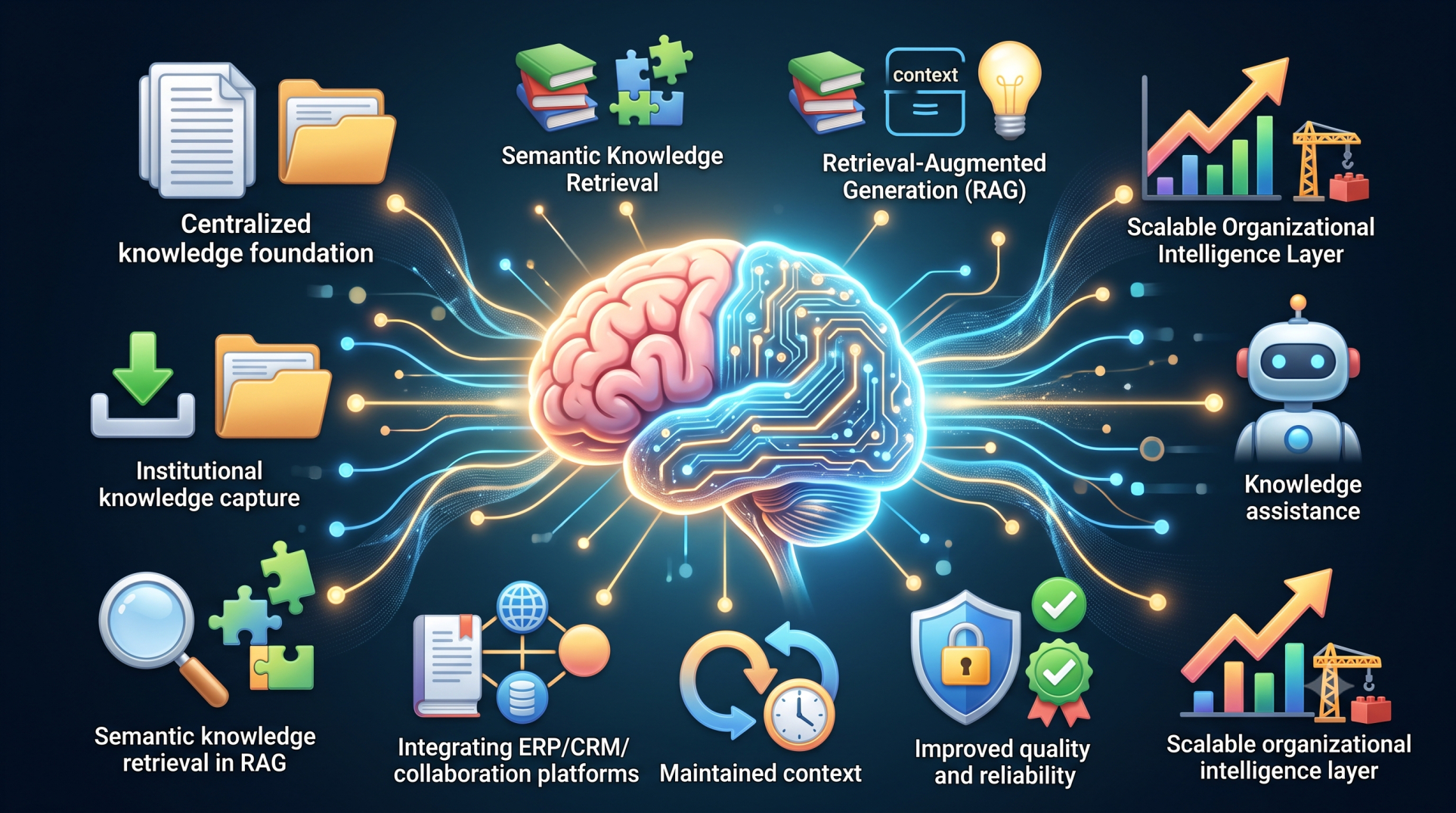
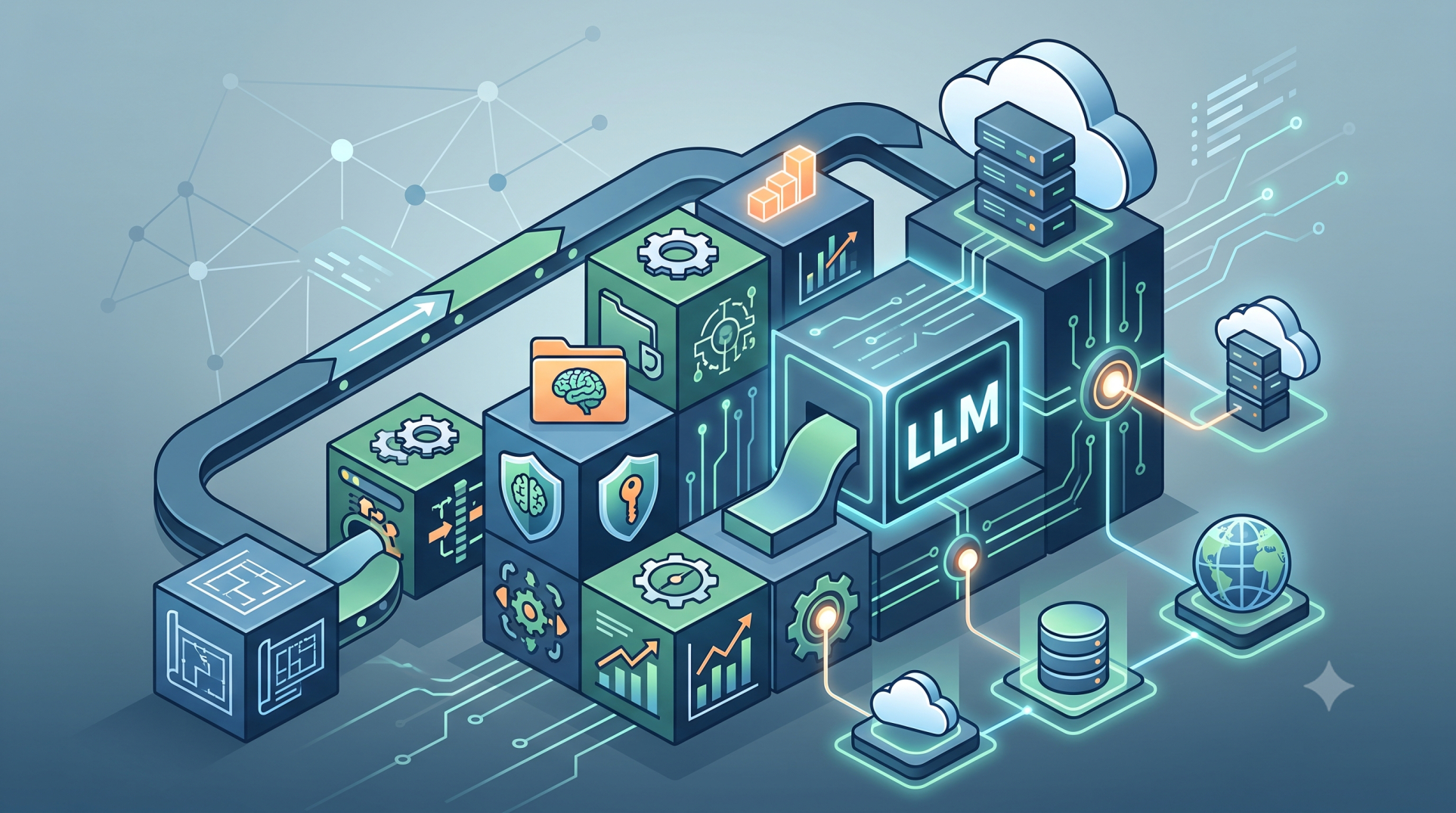
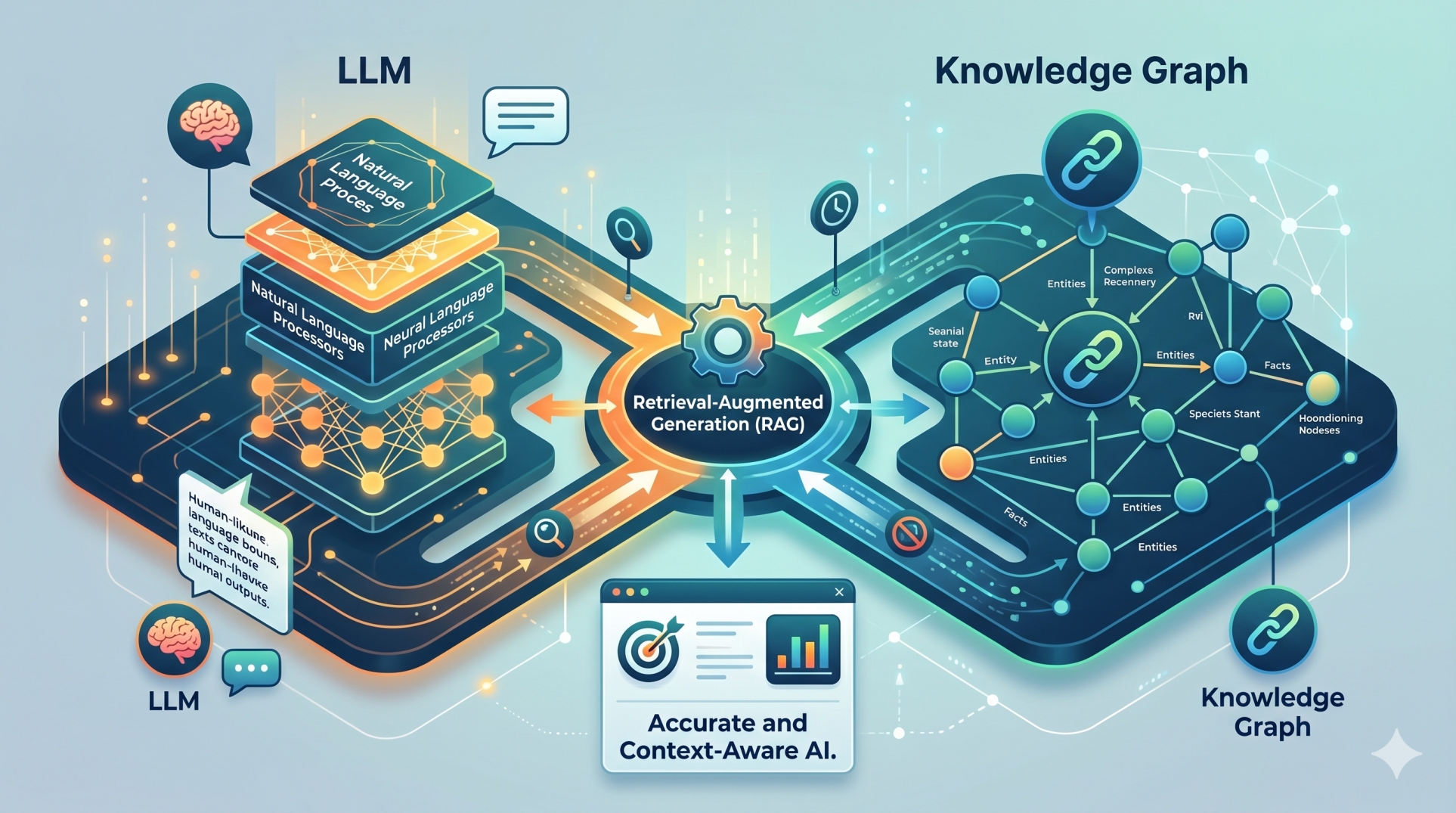
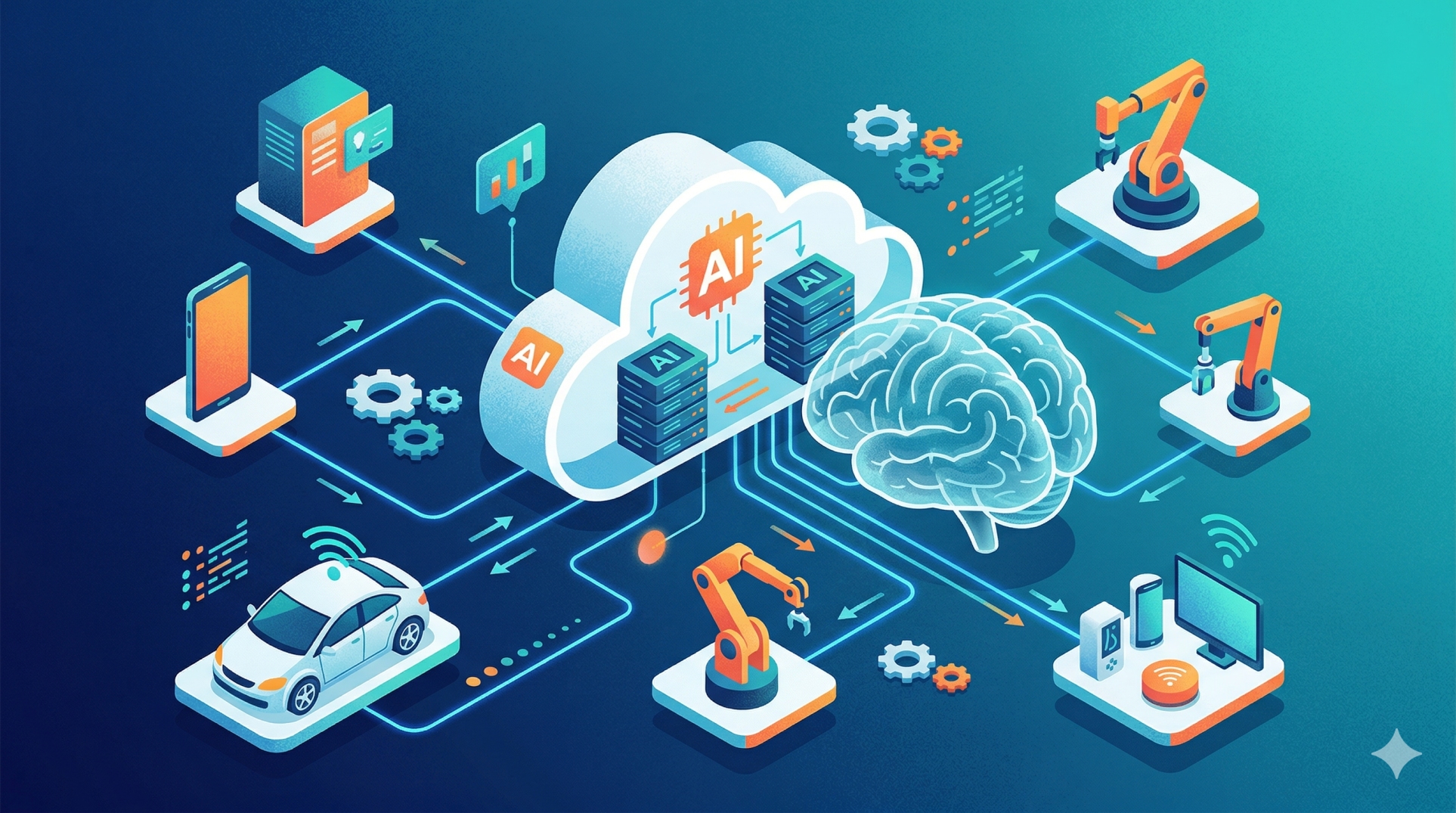
Step 4: Integrating Knowledge with LLM Systems 🤖
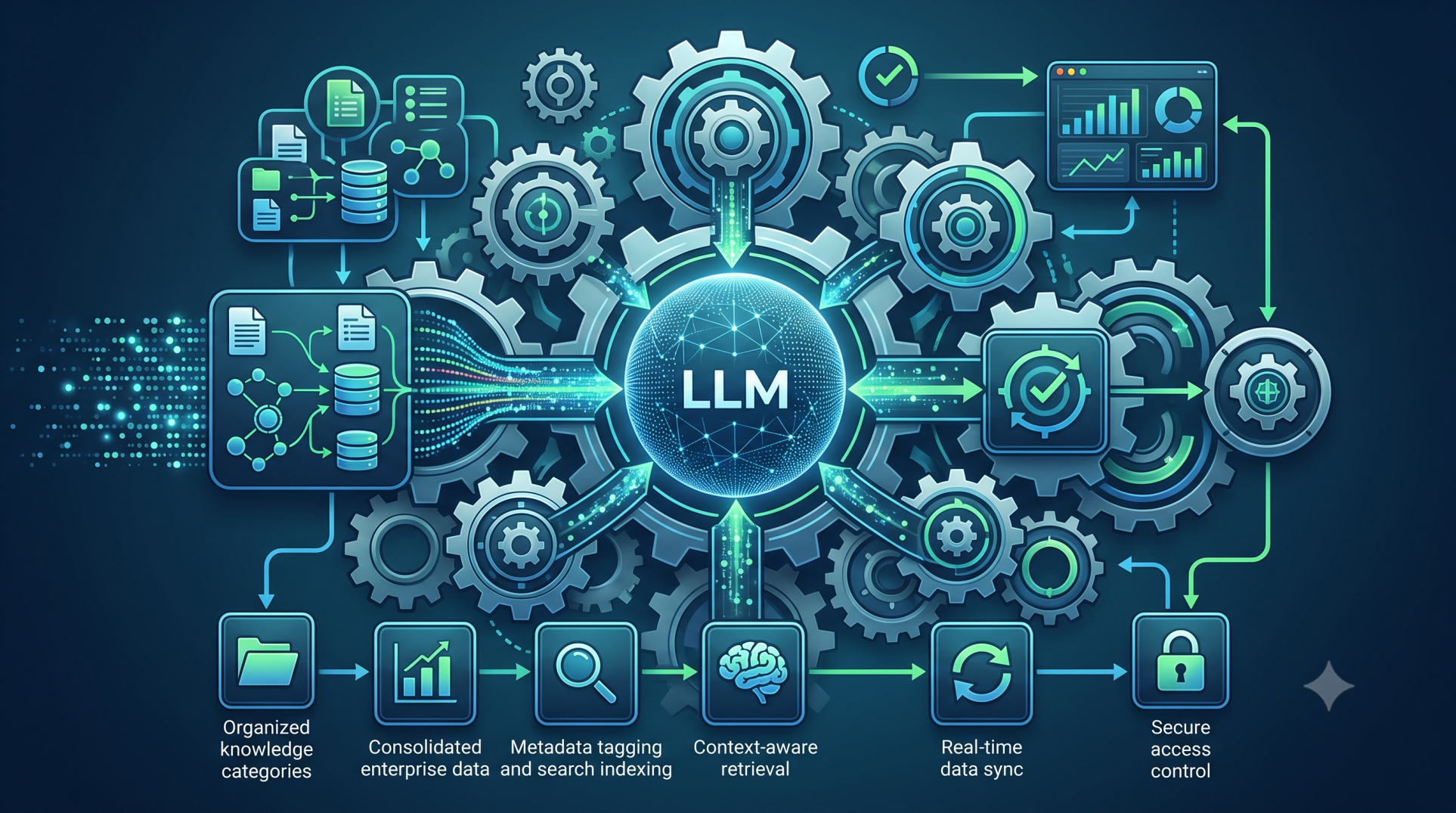
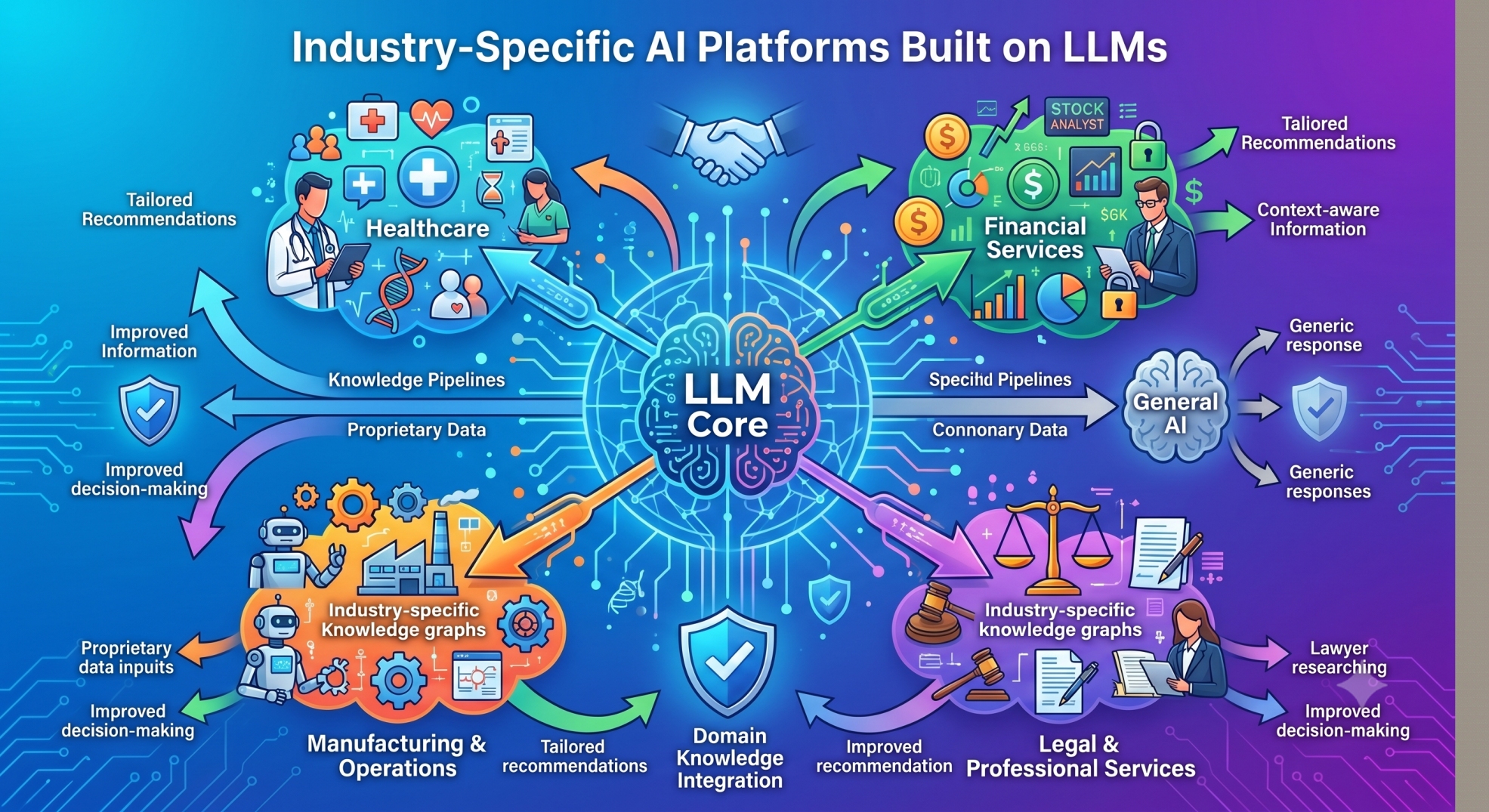
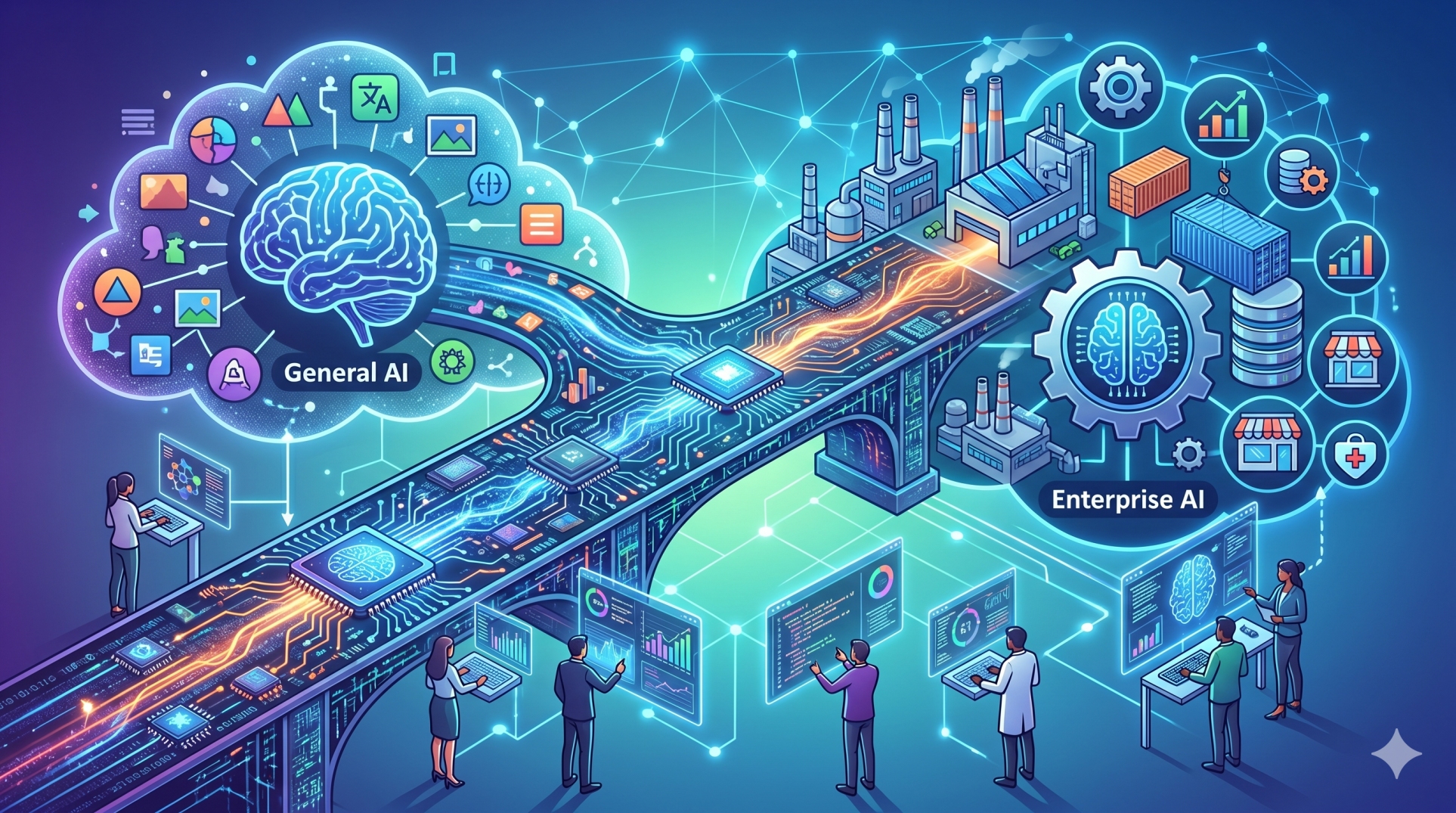
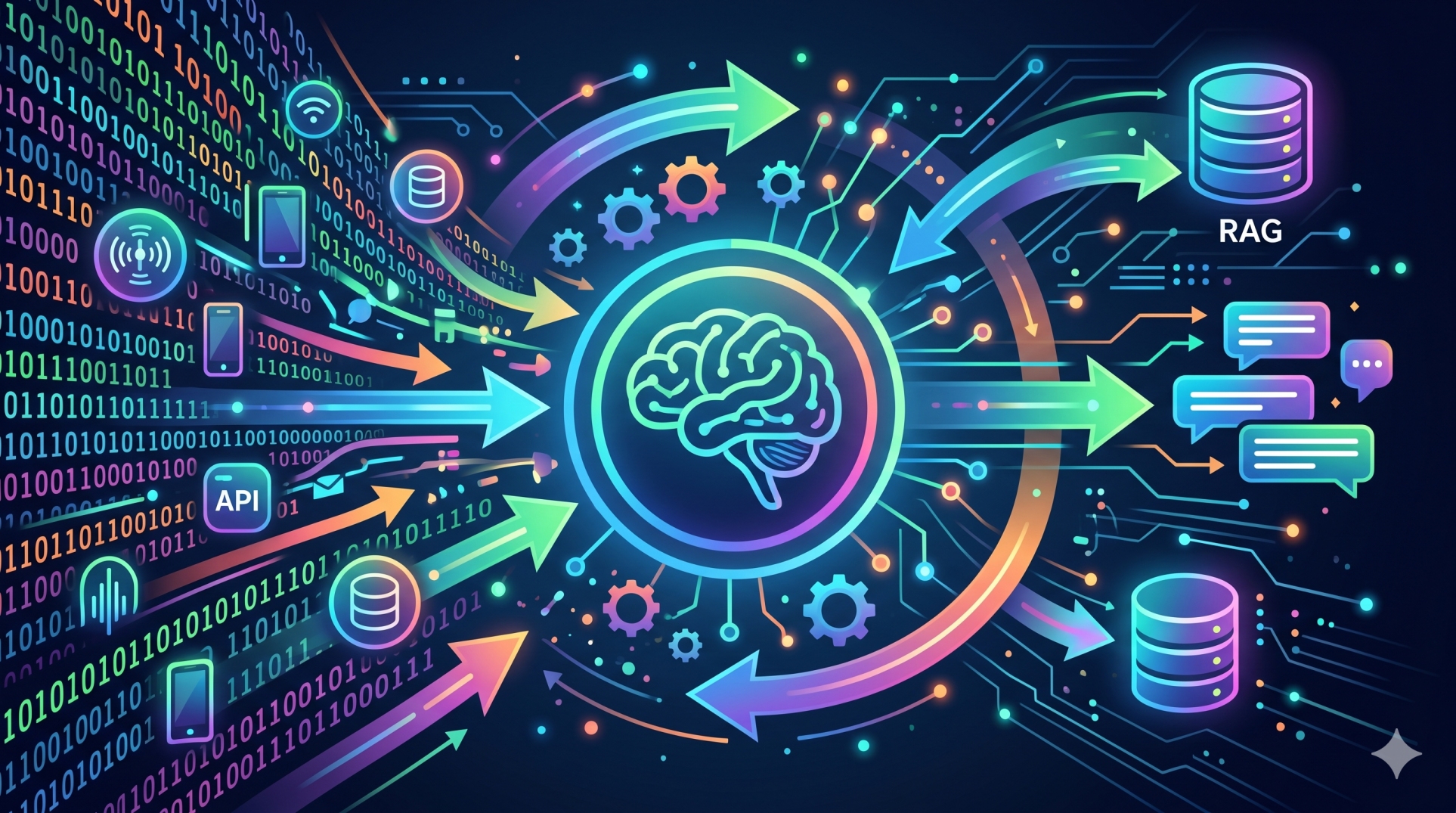
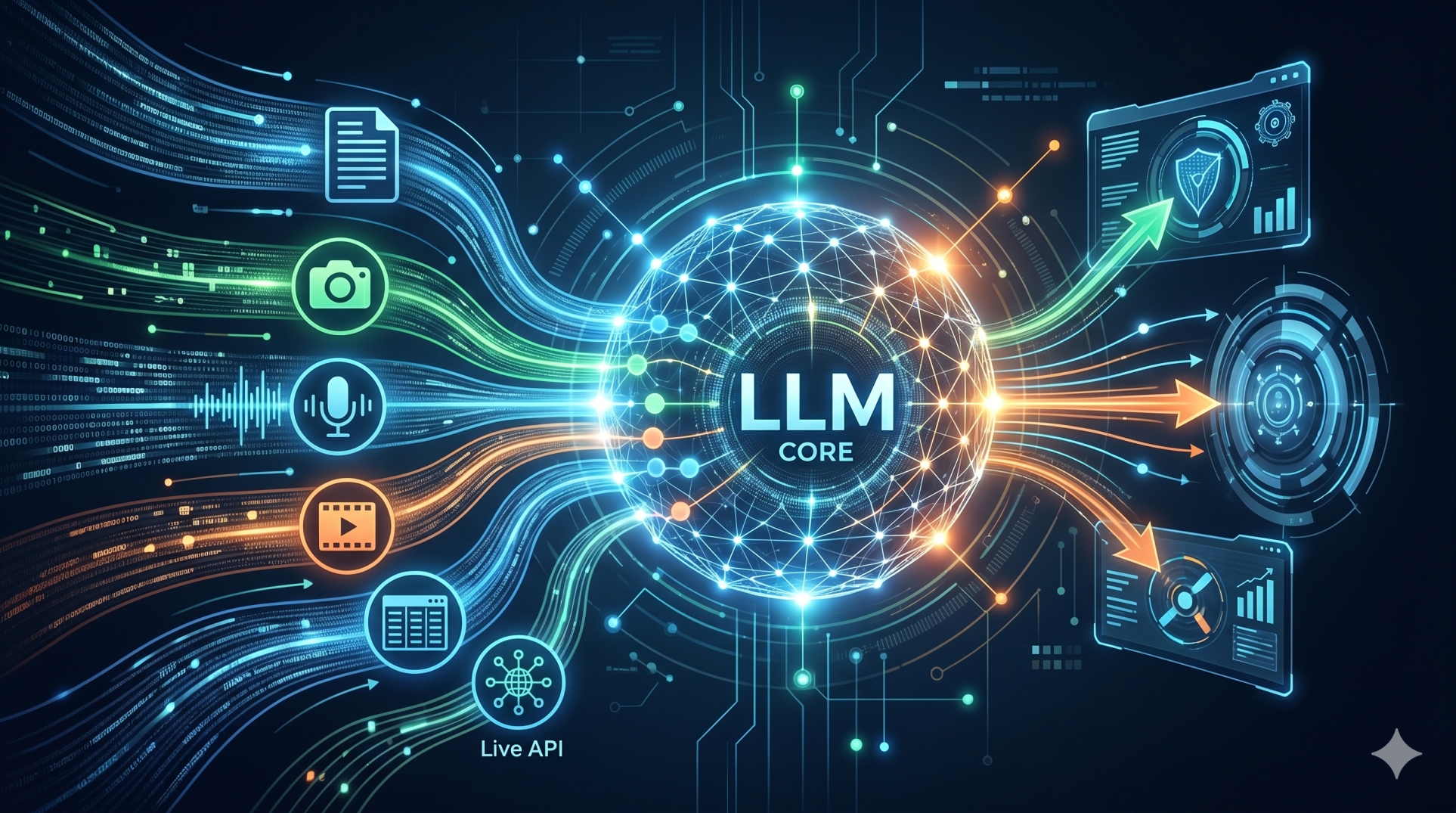
• Connect language models with enterprise knowledge repositories 🔗
• Enable semantic search for intelligent information retrieval 🔍
• Support Retrieval-Augmented Generation (RAG) workflows 📖
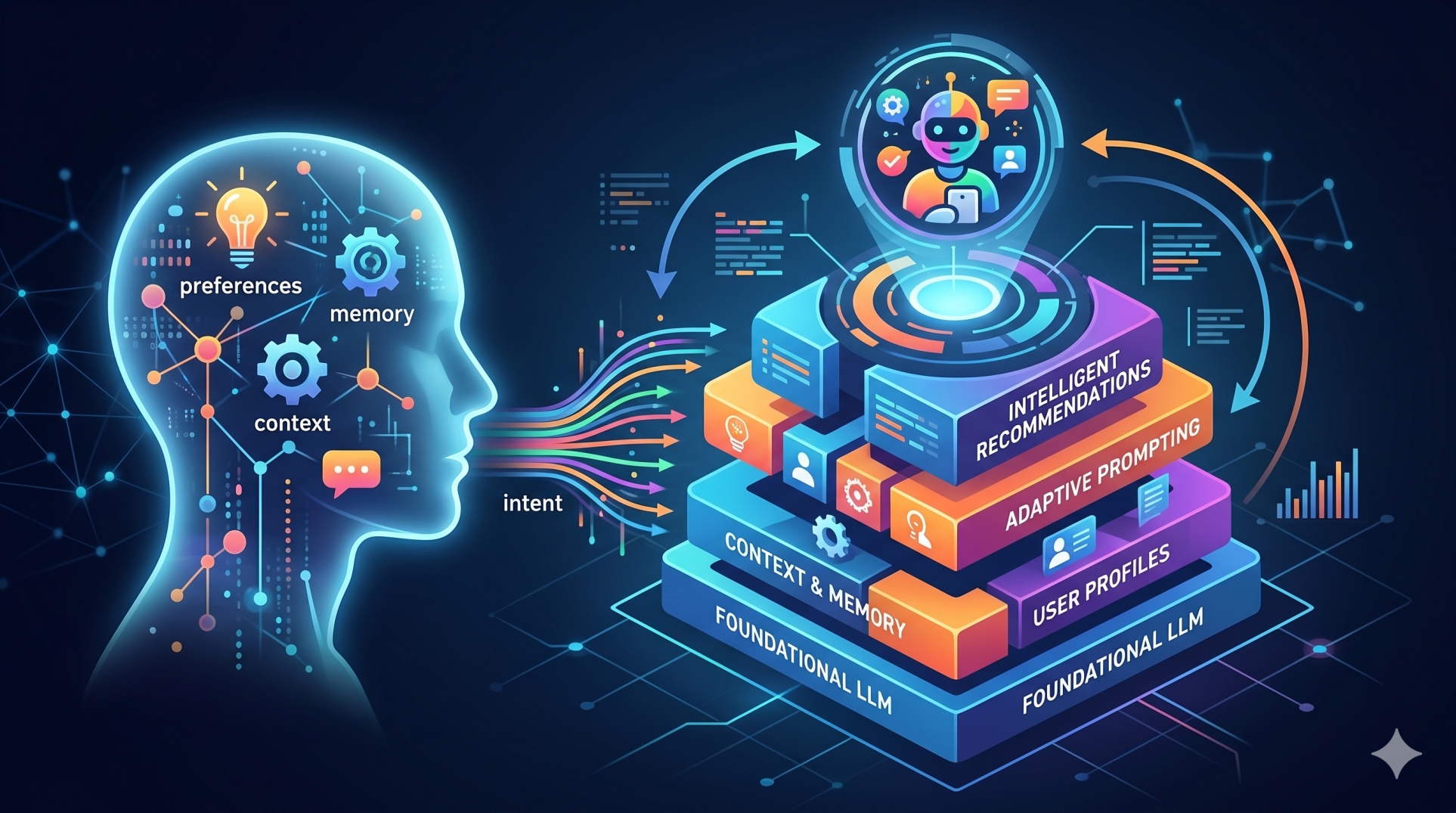
• Deliver context-aware responses using current business information 💡
• Keep AI outputs aligned with organizational knowledge 🌐
Step 5: Maintaining Continuous Knowledge Updates 🔄
• Refresh knowledge repositories as business information changes 📈
• Synchronize updates across connected enterprise platforms ⚙️
• Automate content synchronization where possible 🤝
• Track version history for every knowledge asset 🕒
• Ensure AI systems always access current information 📡
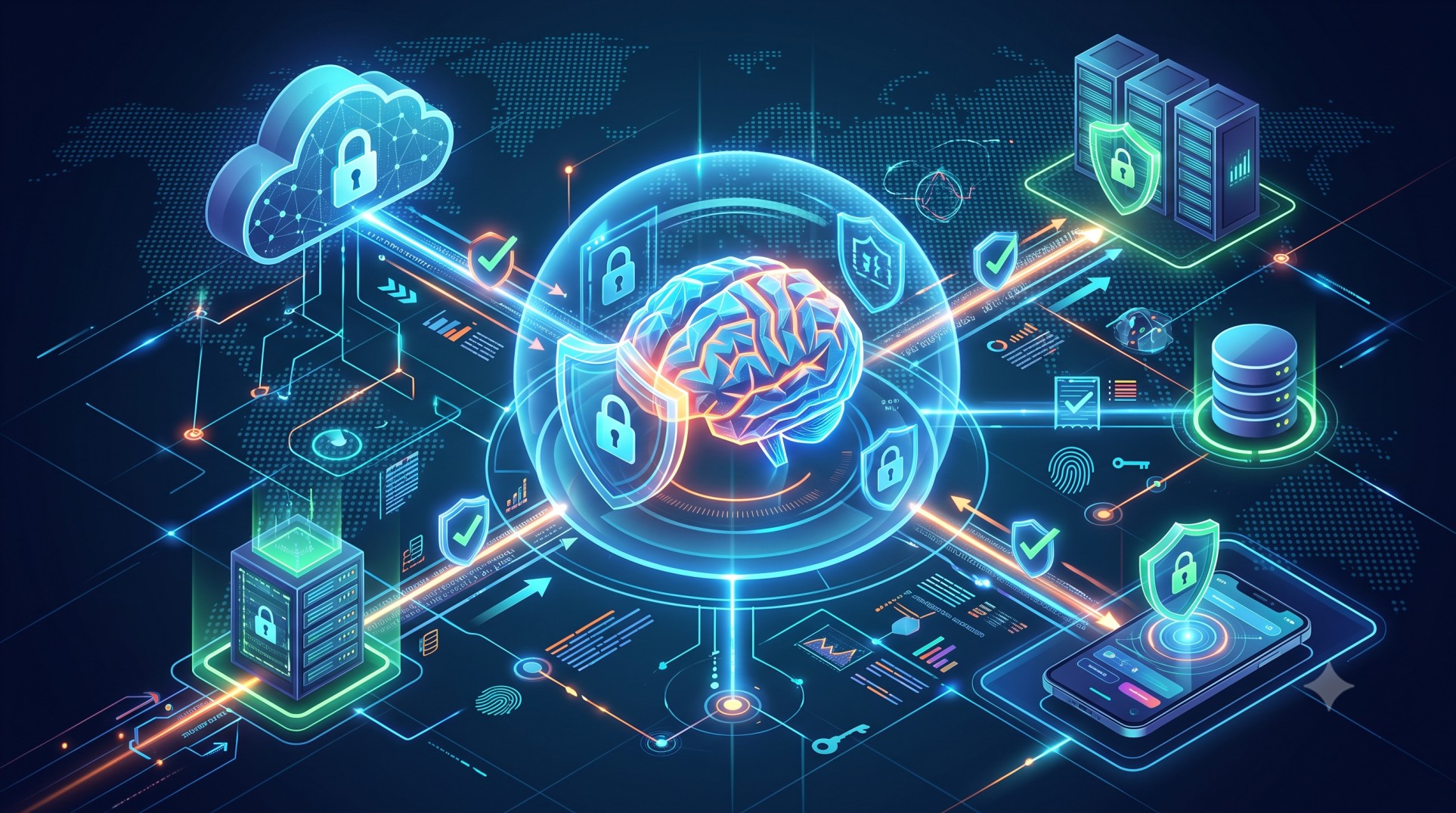
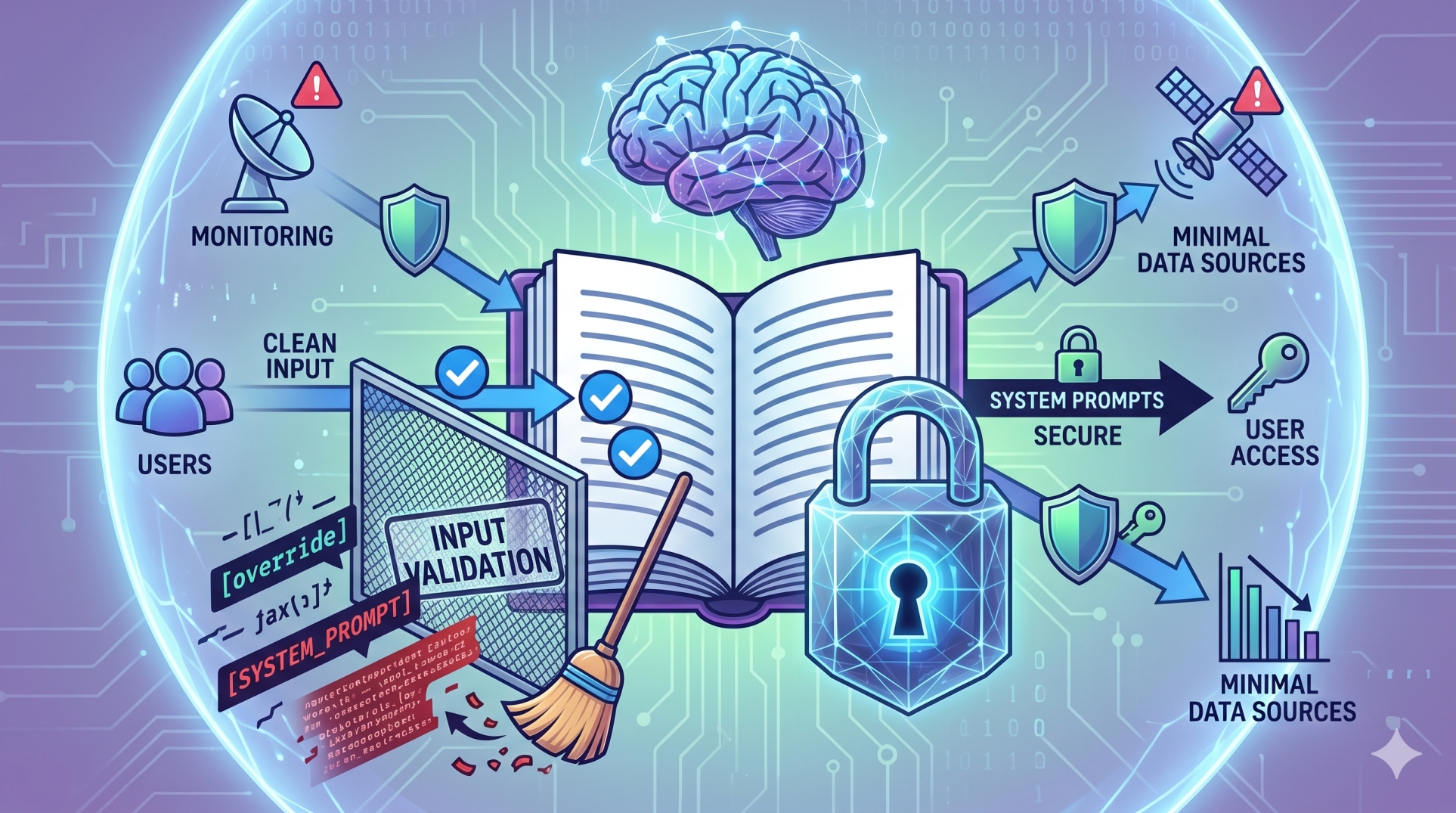
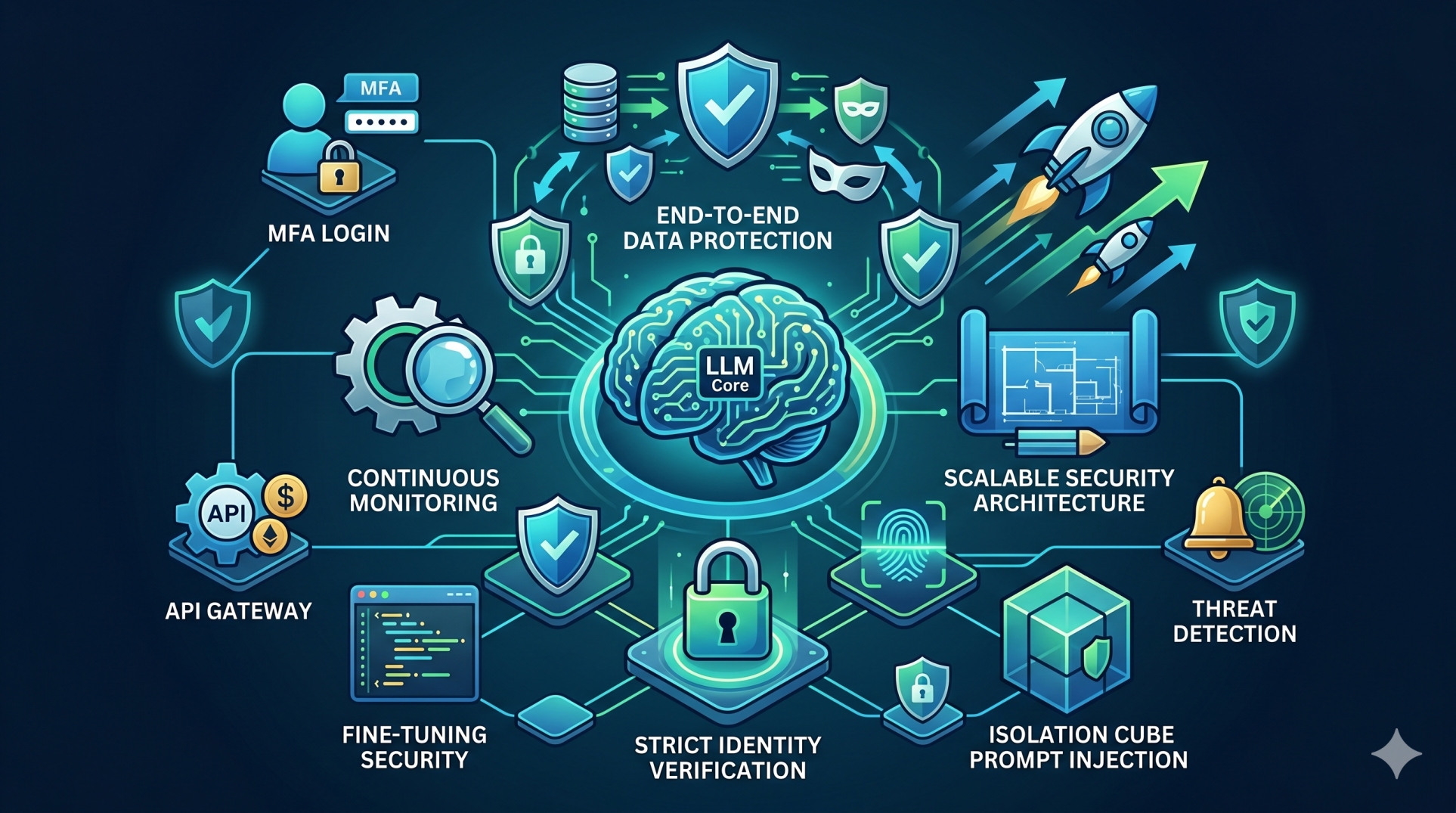
Step 6: Securing Organizational Knowledge 🔐
• Implement role-based access controls for sensitive information 👥
• Encrypt knowledge repositories and communication channels 🛡️
• Protect confidential business data from unauthorized access 🚨
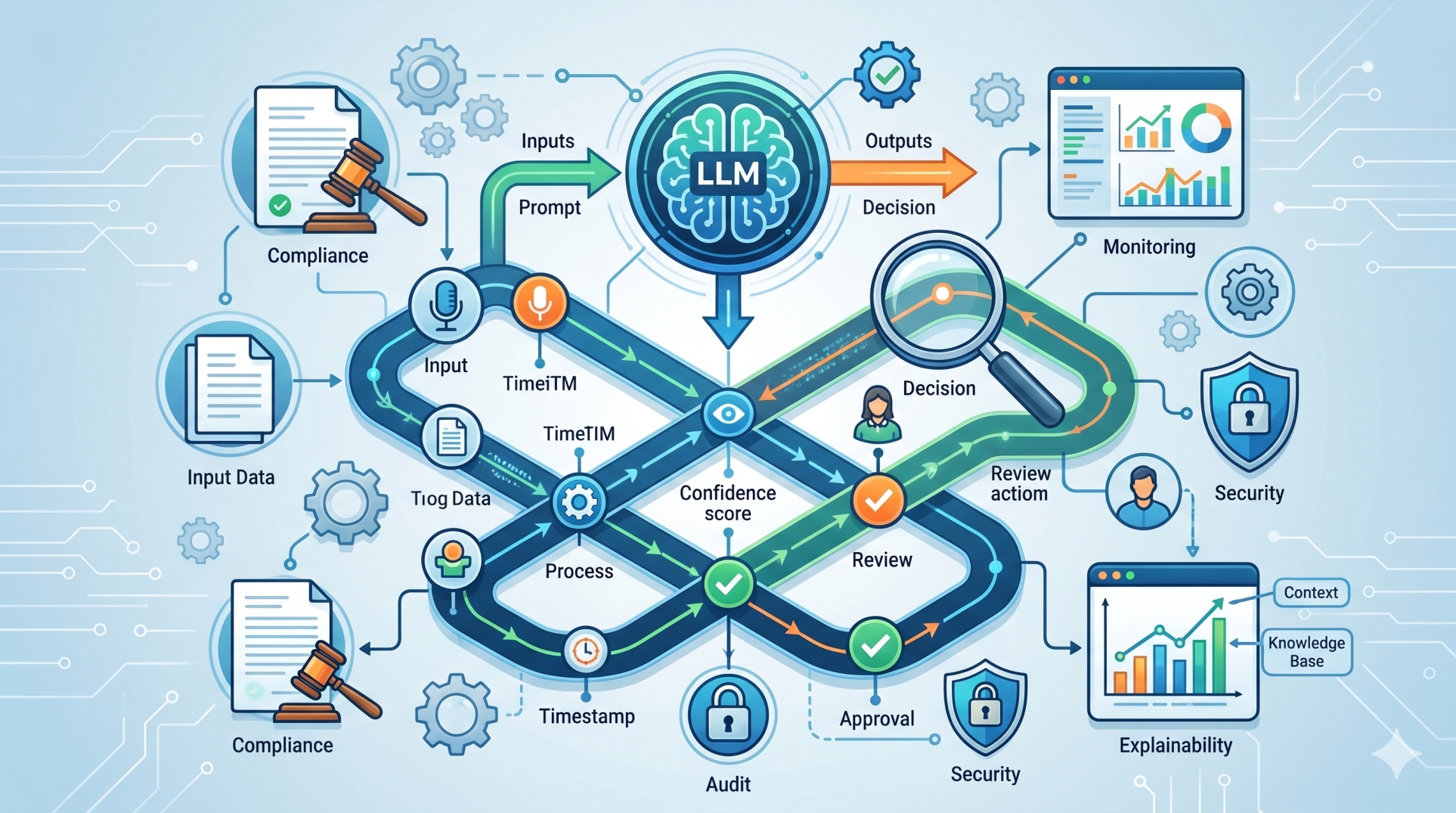
• Monitor access activity through audit logs 📑
• Maintain compliance with organizational governance policies ⚖️
Step 7: Monitoring Knowledge Usage 📊
• Analyze how frequently knowledge assets are accessed 📈
• Identify high-value and underutilized information 📋
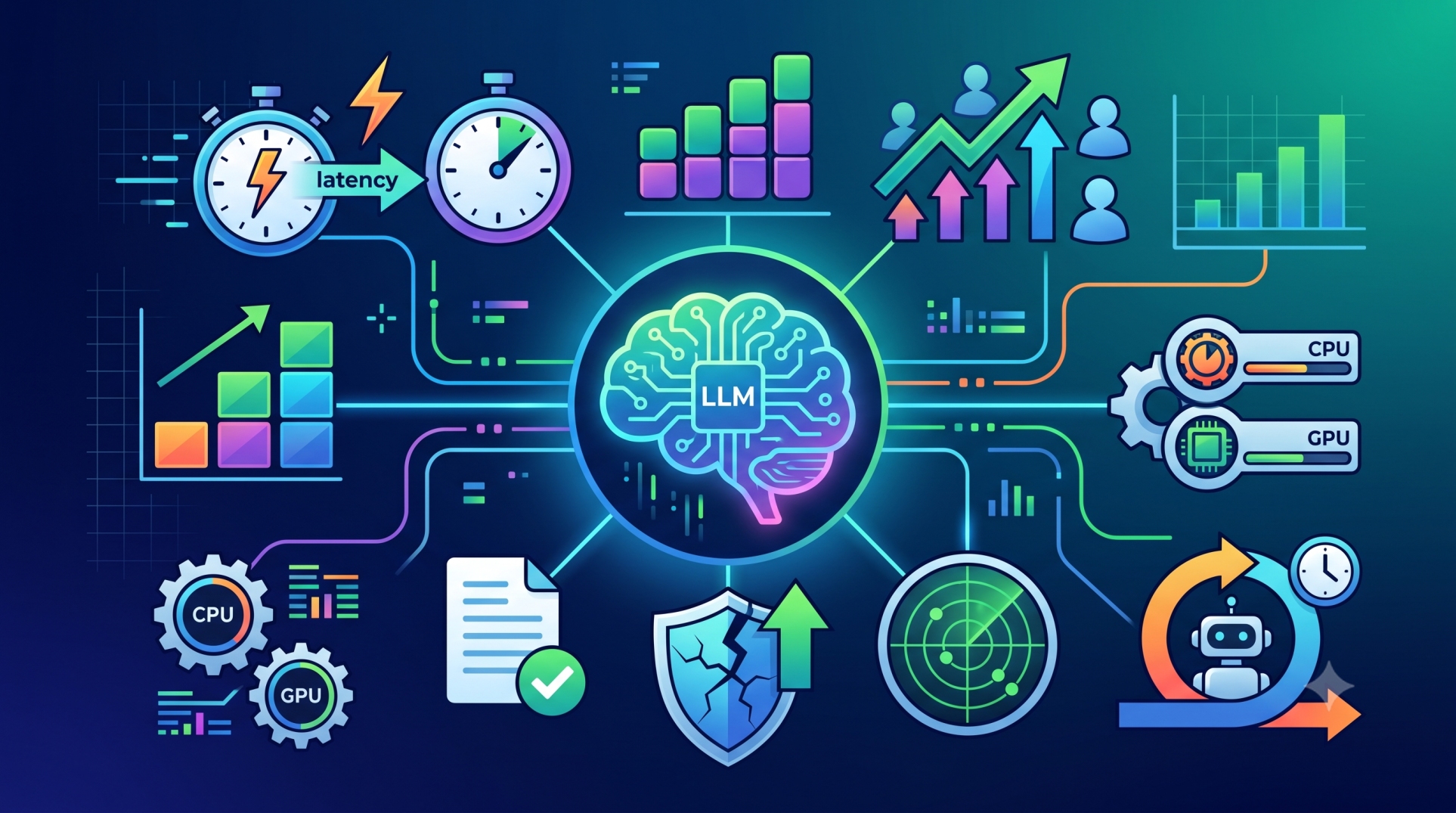
• Monitor AI response quality using operational metrics 🎯
• Detect gaps that require additional documentation 🔍
• Improve knowledge effectiveness through continuous analysis 📉
Step 8: Managing Knowledge Versioning 📝
• Maintain version history for all important documents 📂
• Record updates and modifications with timestamps ⏳
• Allow rollback to previous versions when necessary 🔄
• Preserve historical knowledge for auditing purposes 🧾
• Ensure consistency across distributed knowledge repositories 🌍
Step 9: Retiring Obsolete Knowledge 🗑️
• Identify outdated or irrelevant information regularly 📅
• Archive historical records for future reference 📦
• Remove obsolete content from active AI knowledge bases 🚫
• Prevent outdated information from influencing AI responses ⚡
• Keep knowledge repositories clean and efficient 🧹
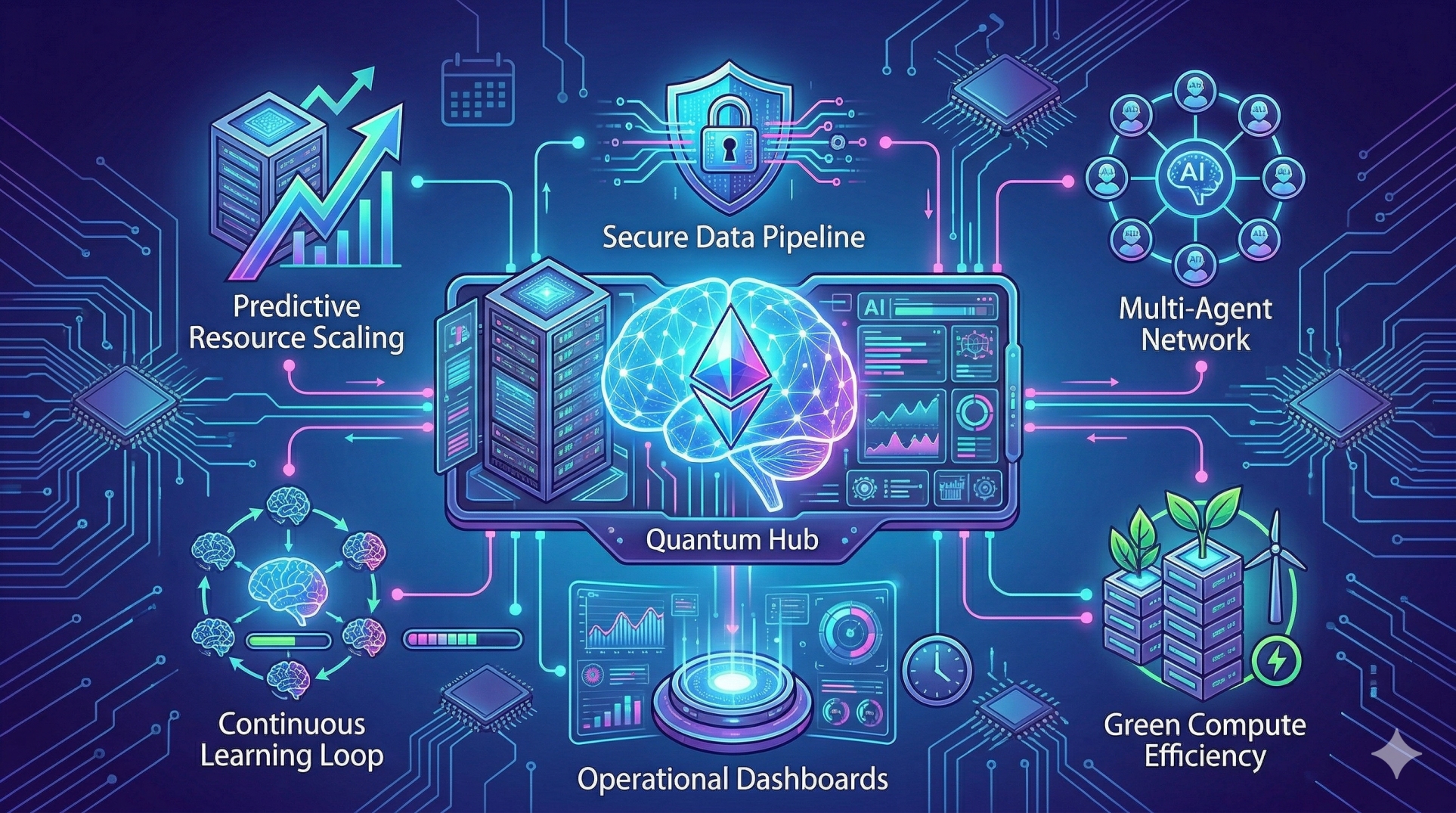
Step 10: Building a Scalable Knowledge Governance Framework 🚀
• Develop standardized knowledge management policies 📜
• Support expansion across departments and business units 🏢
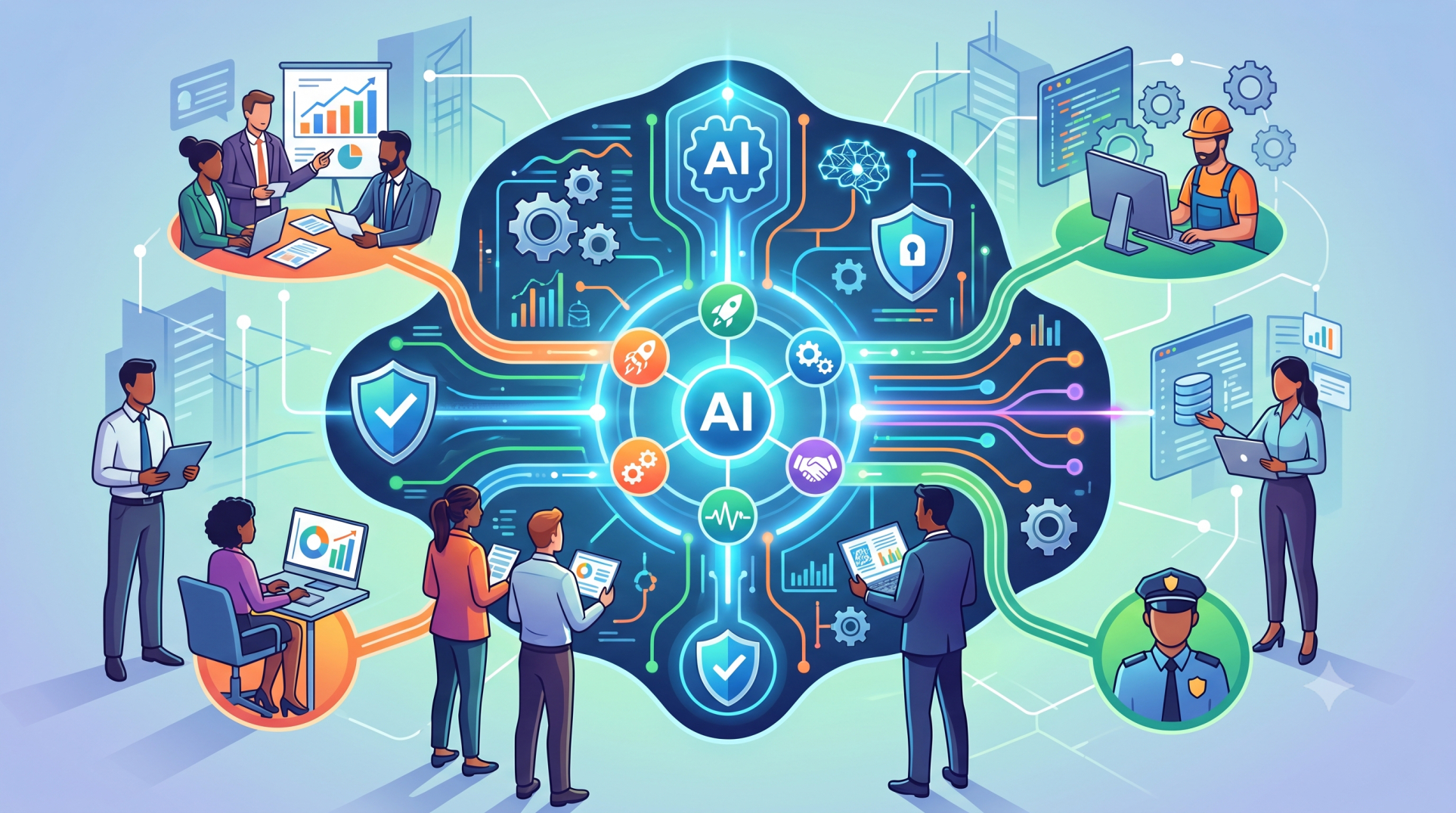
• Encourage collaboration between subject matter experts and AI teams 🤝
• Continuously improve governance based on operational insights 📊
• Future-proof enterprise knowledge ecosystems for long-term growth 🌟
Conclusion
Knowledge Lifecycle Management is a critical component of successful LLM-powered organizations. By governing how knowledge is created, validated, maintained, secured, and retired, businesses can ensure their AI systems remain accurate, trustworthy, and aligned with organizational objectives. A structured lifecycle approach not only improves AI performance but also strengthens long-term scalability, compliance, and operational resilience.
See more blogs
You can all the articles below