AI-Powered Operations Centers Using Language Models

AI-Powered Operations Centers Using Language Models
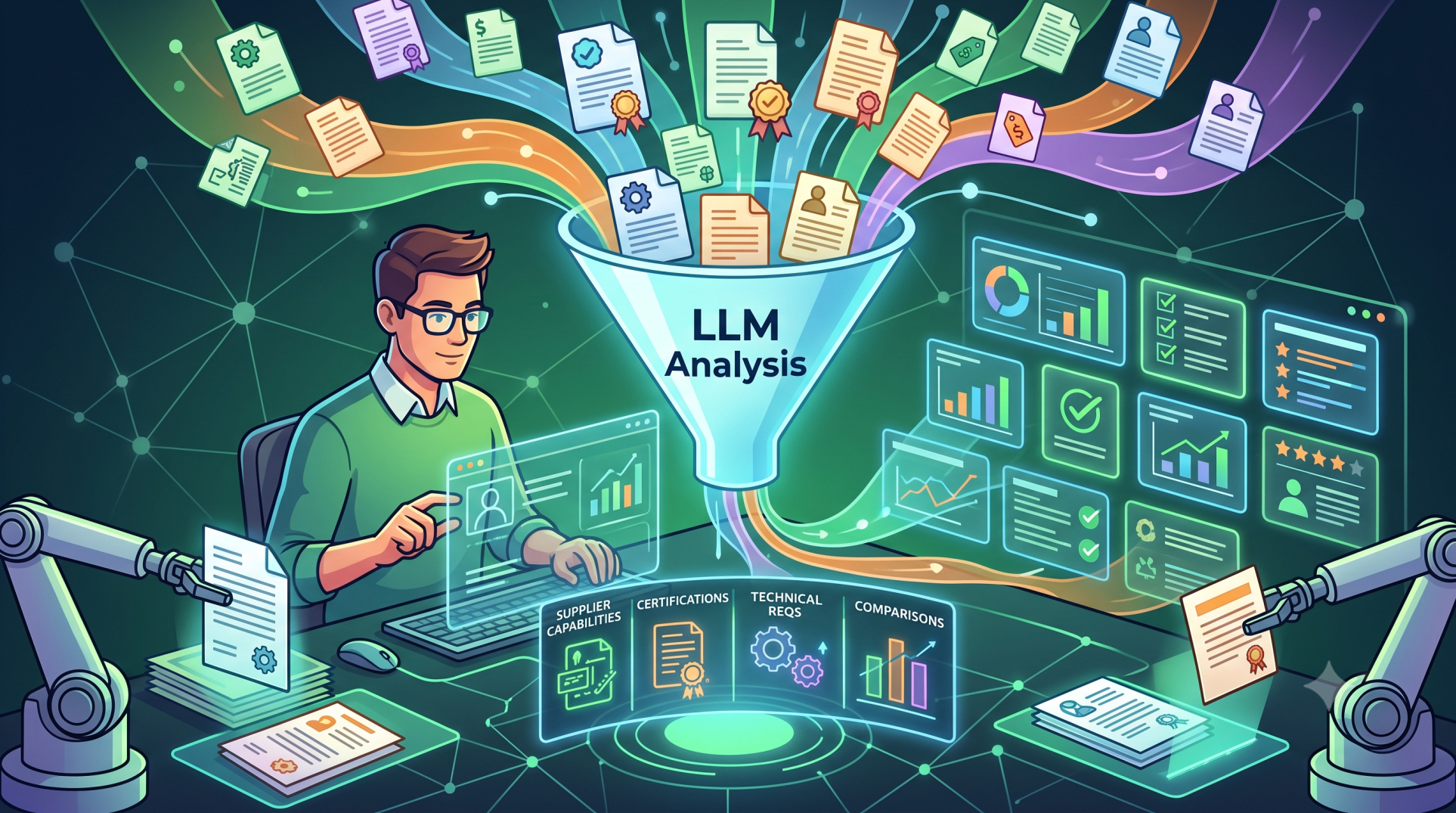
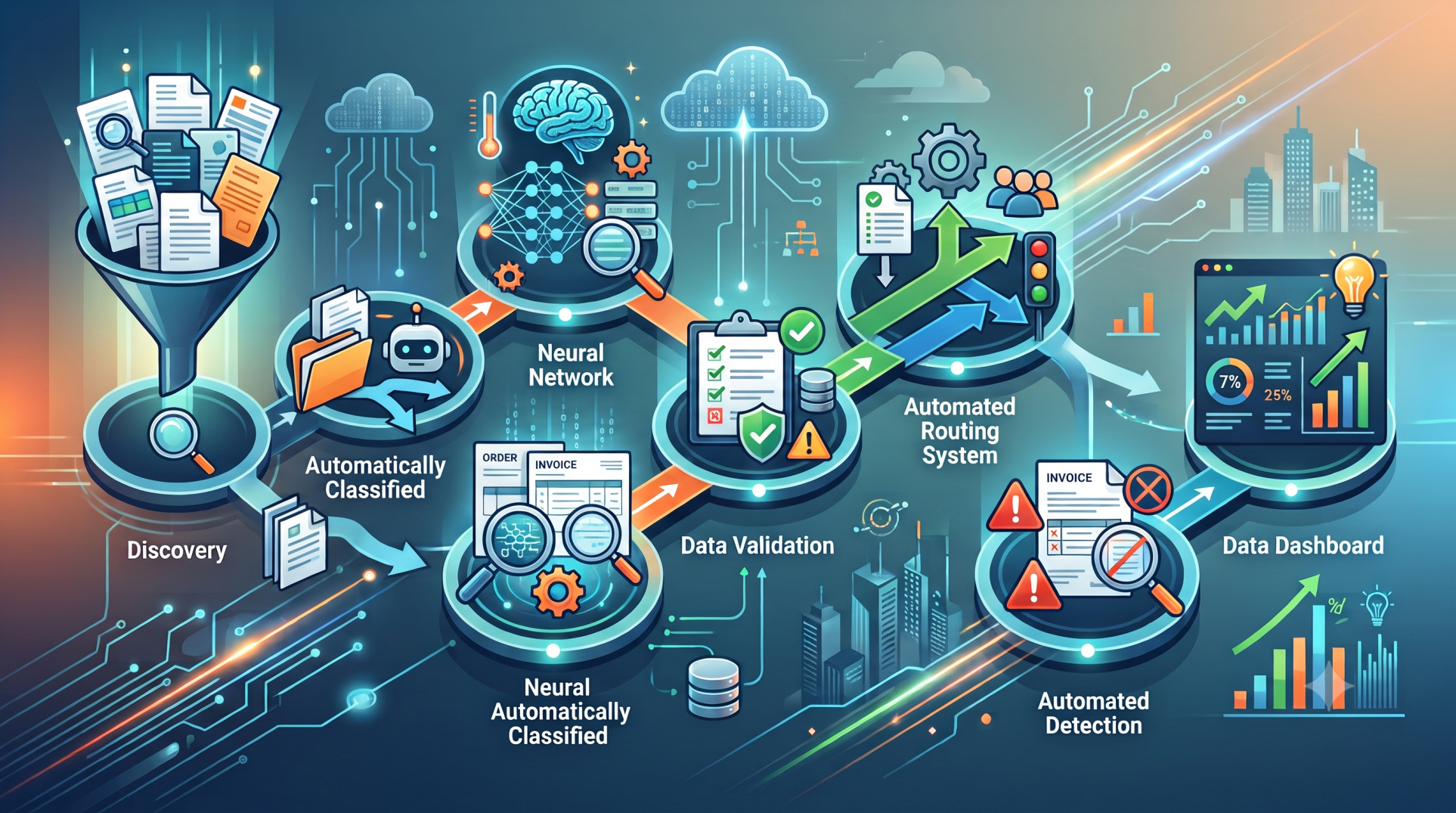
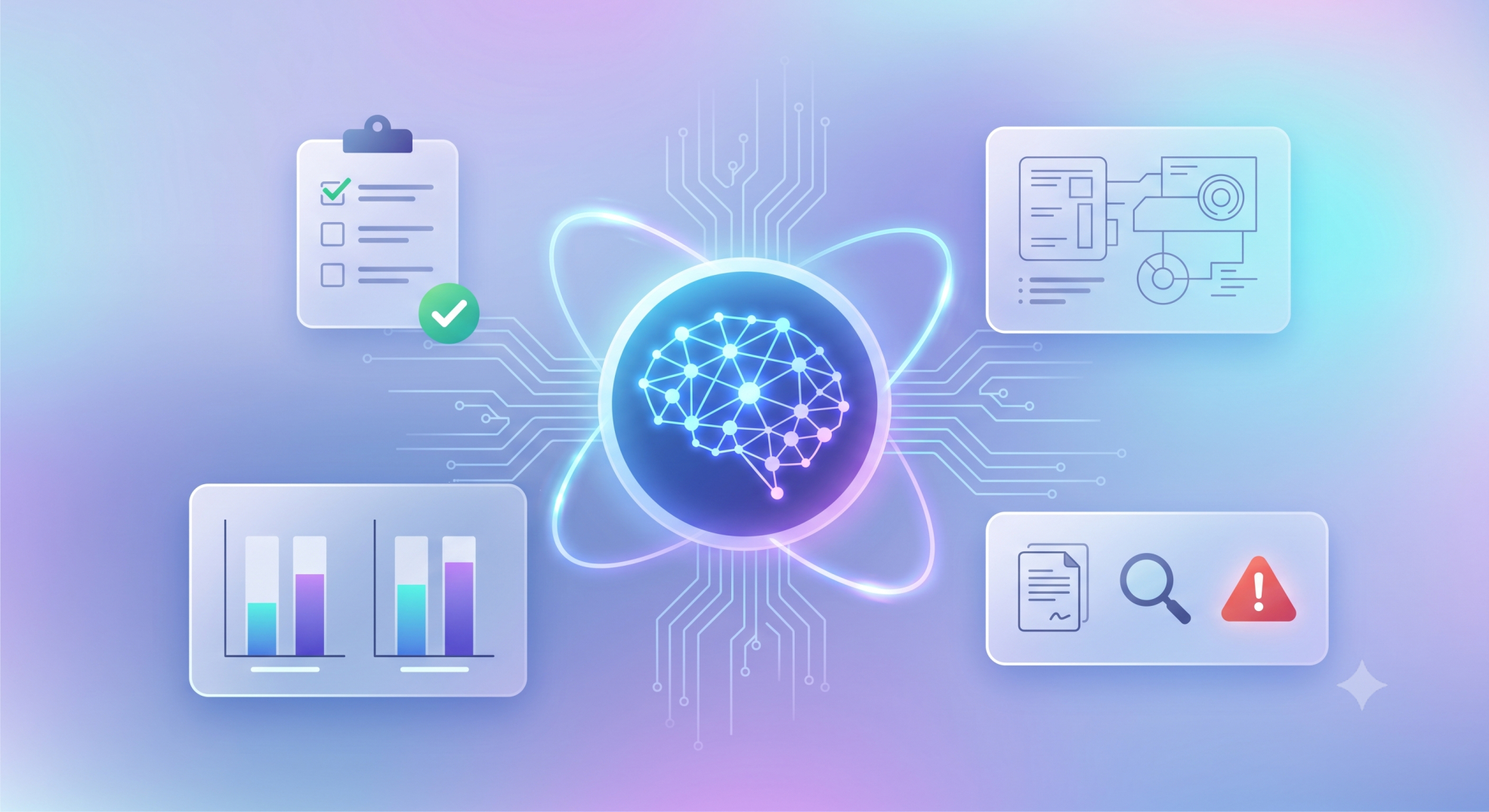
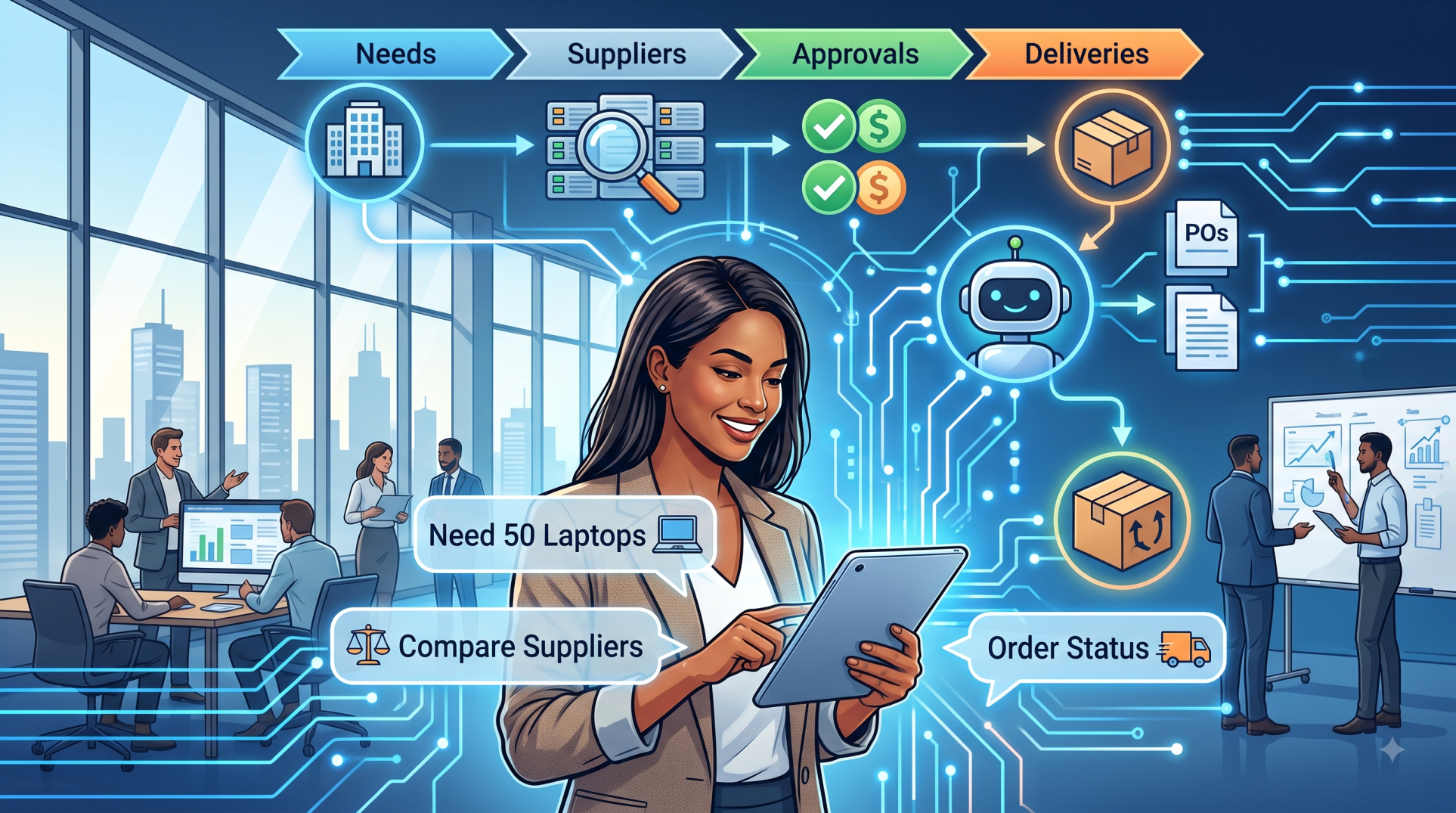
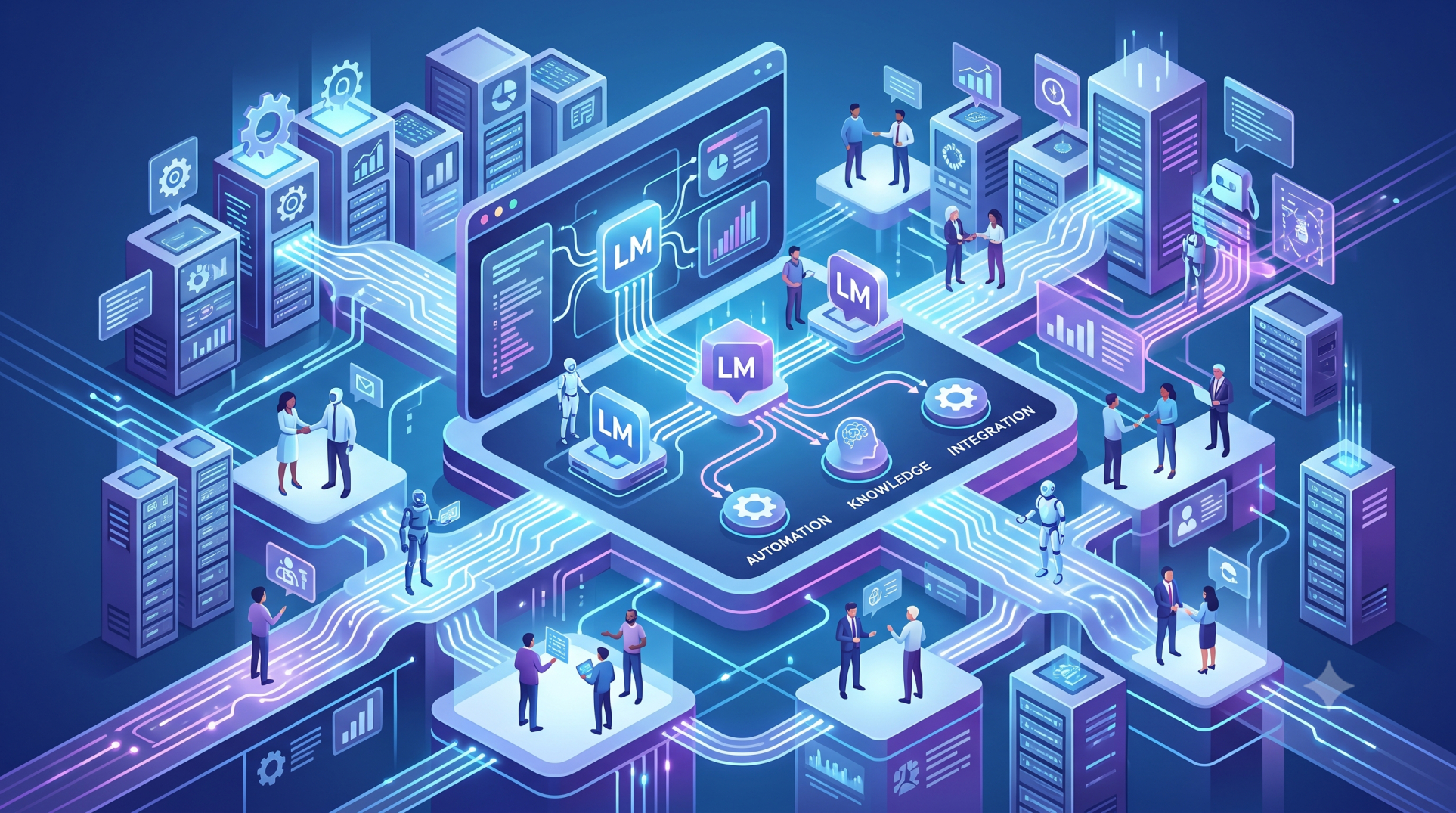
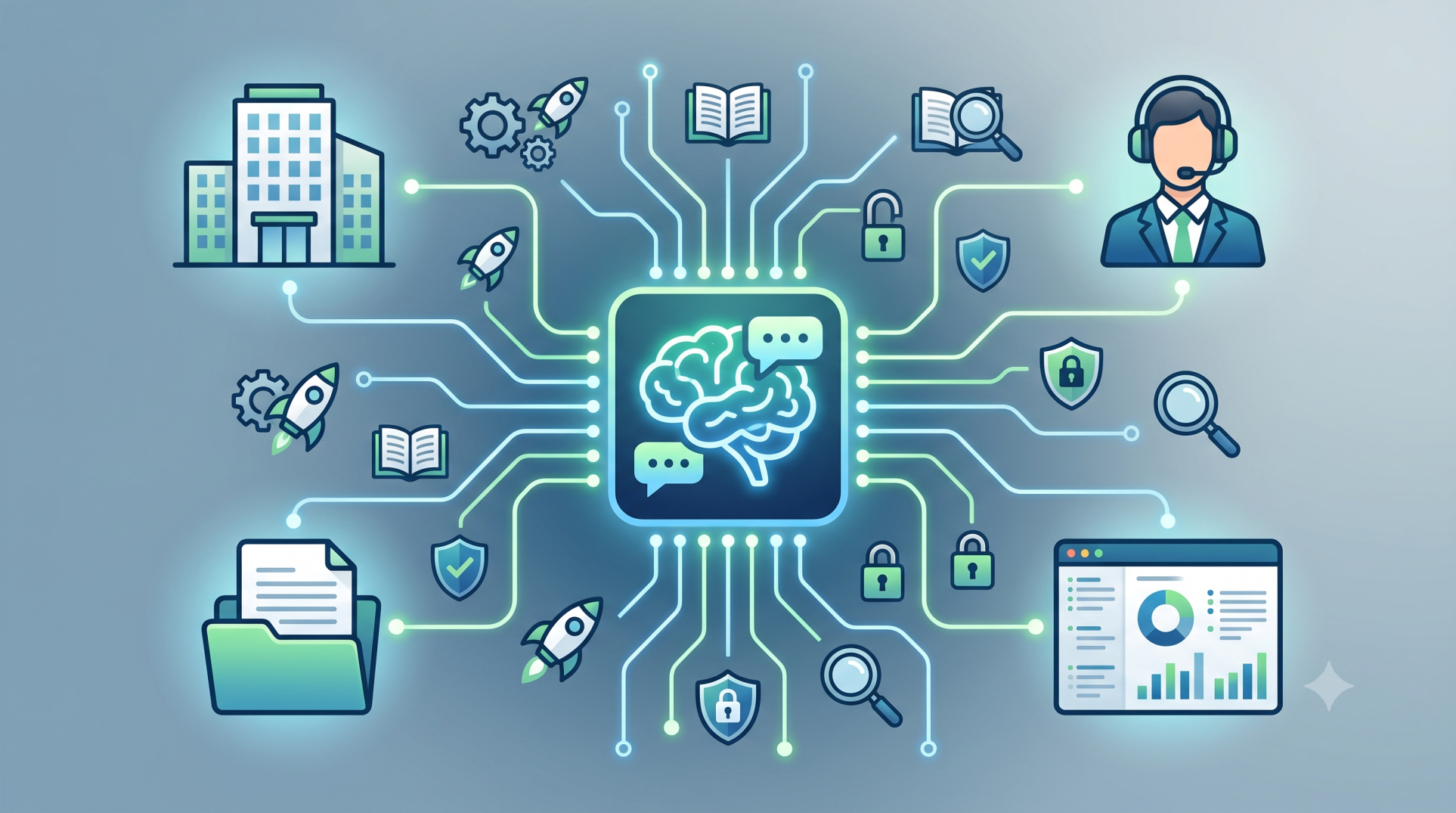
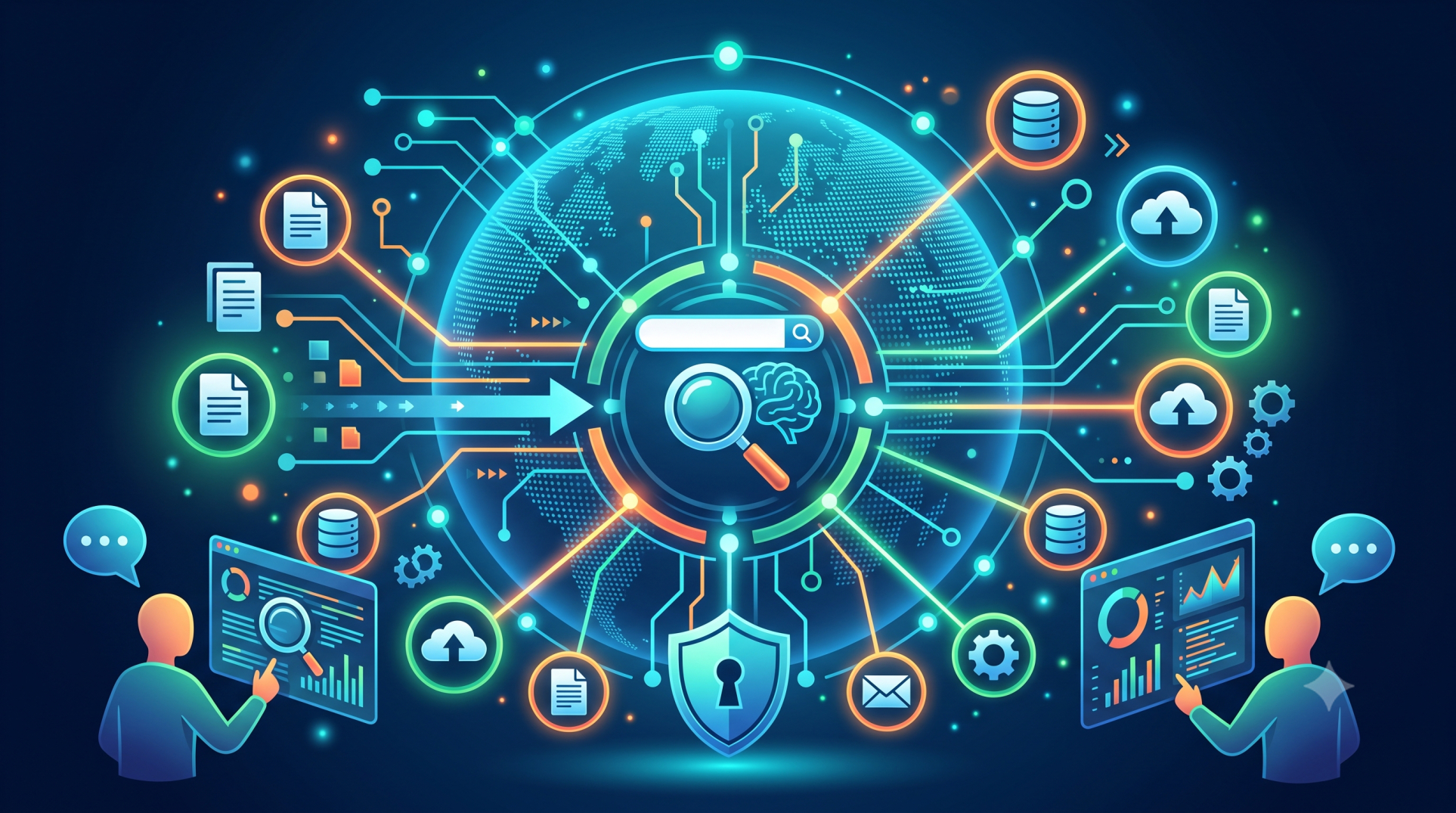
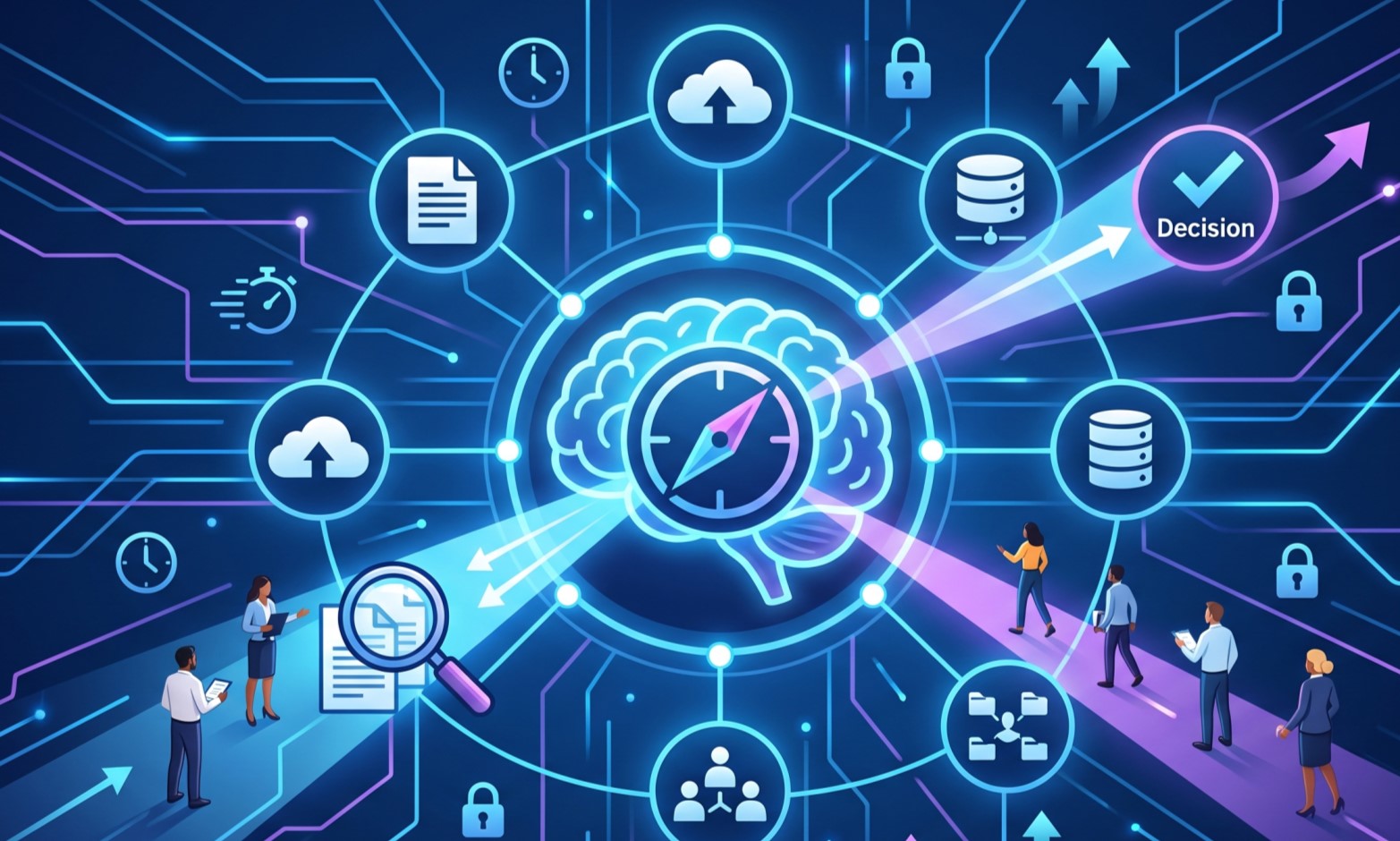
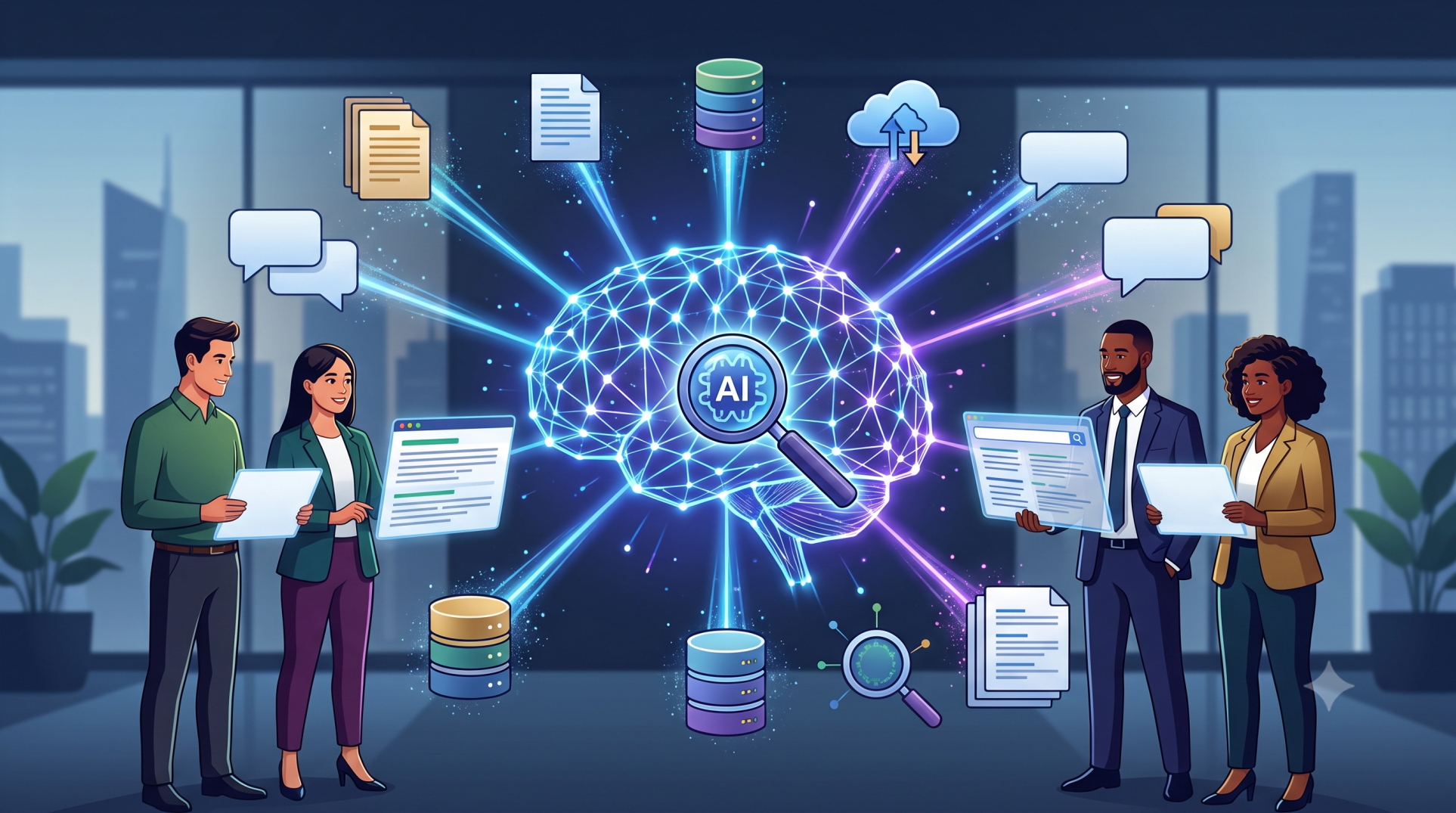
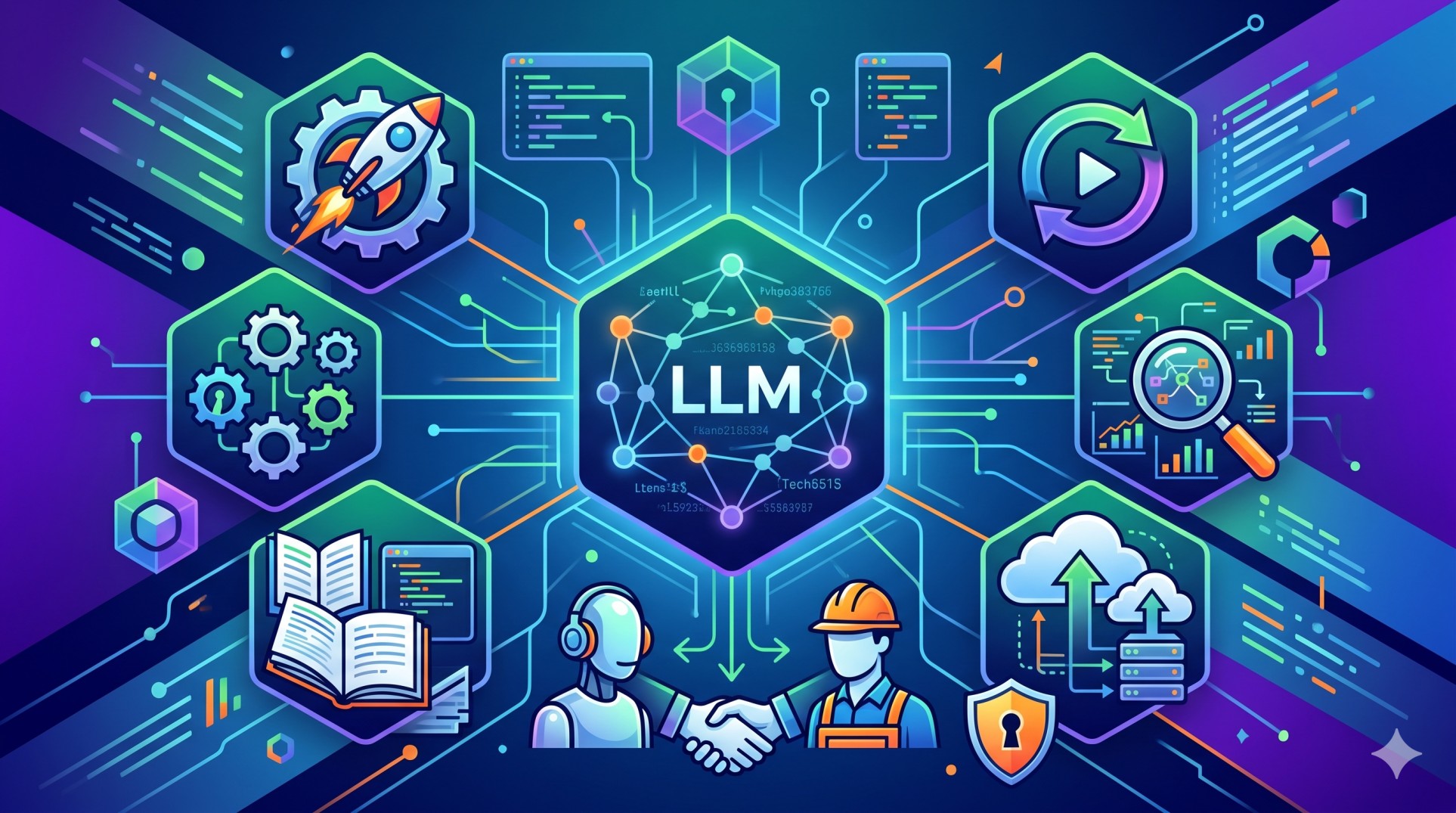
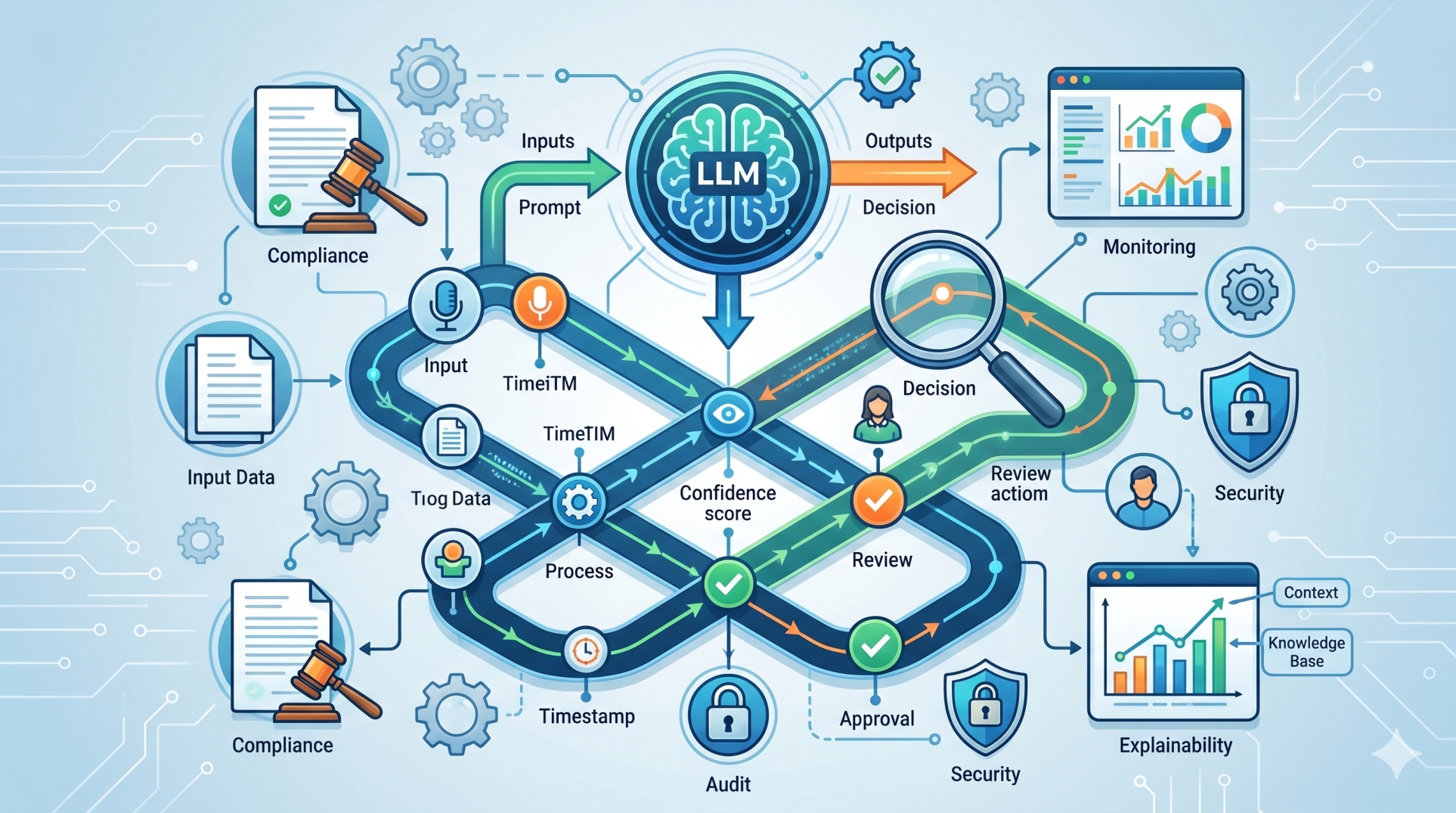
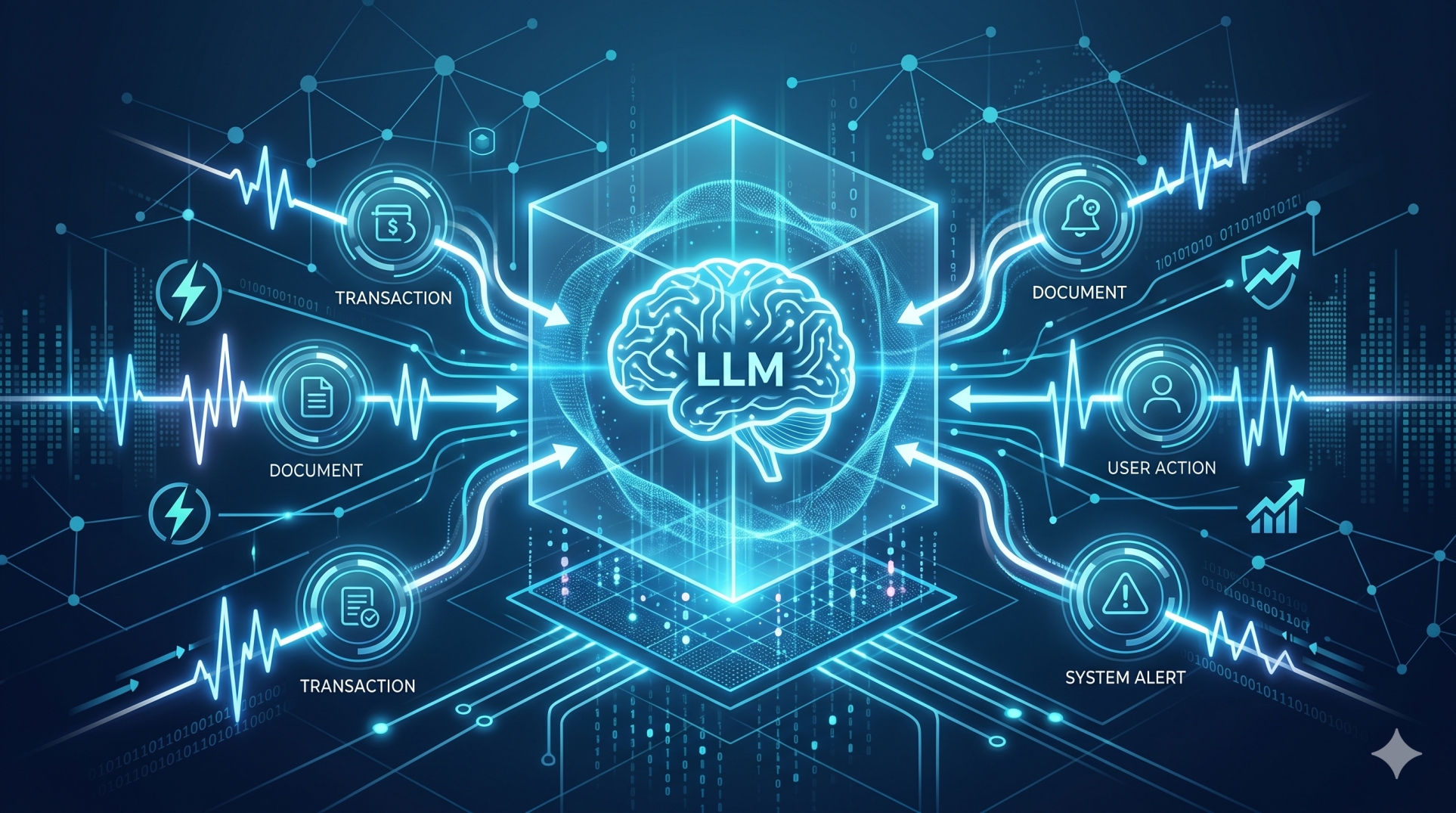
Modern operations centers generate massive volumes of alerts, logs, reports, and operational data every day. Managing this information manually can slow response times and make it difficult to identify critical issues. AI-powered operations centers that leverage language models transform operational management by analyzing data in real time, summarizing complex information, automating routine tasks, and assisting teams with faster, more informed decision-making.
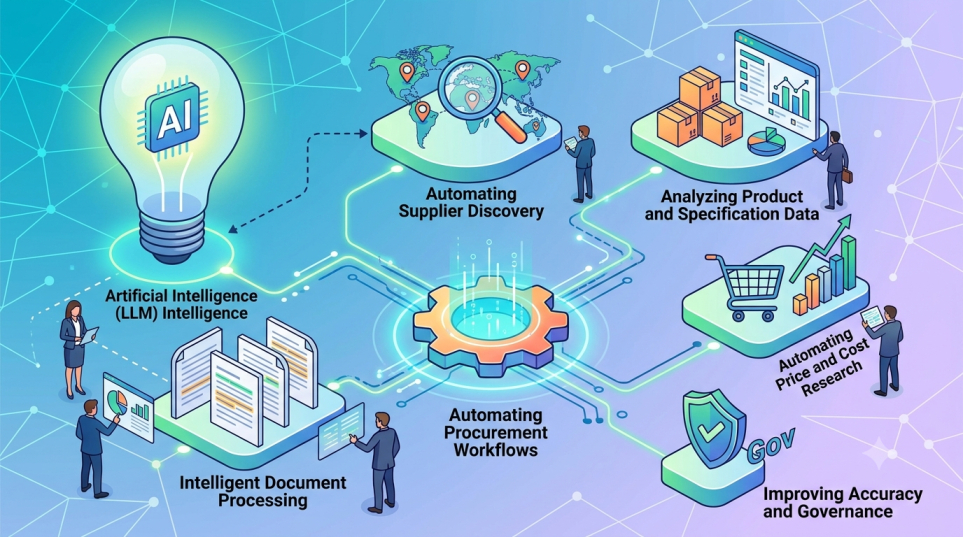
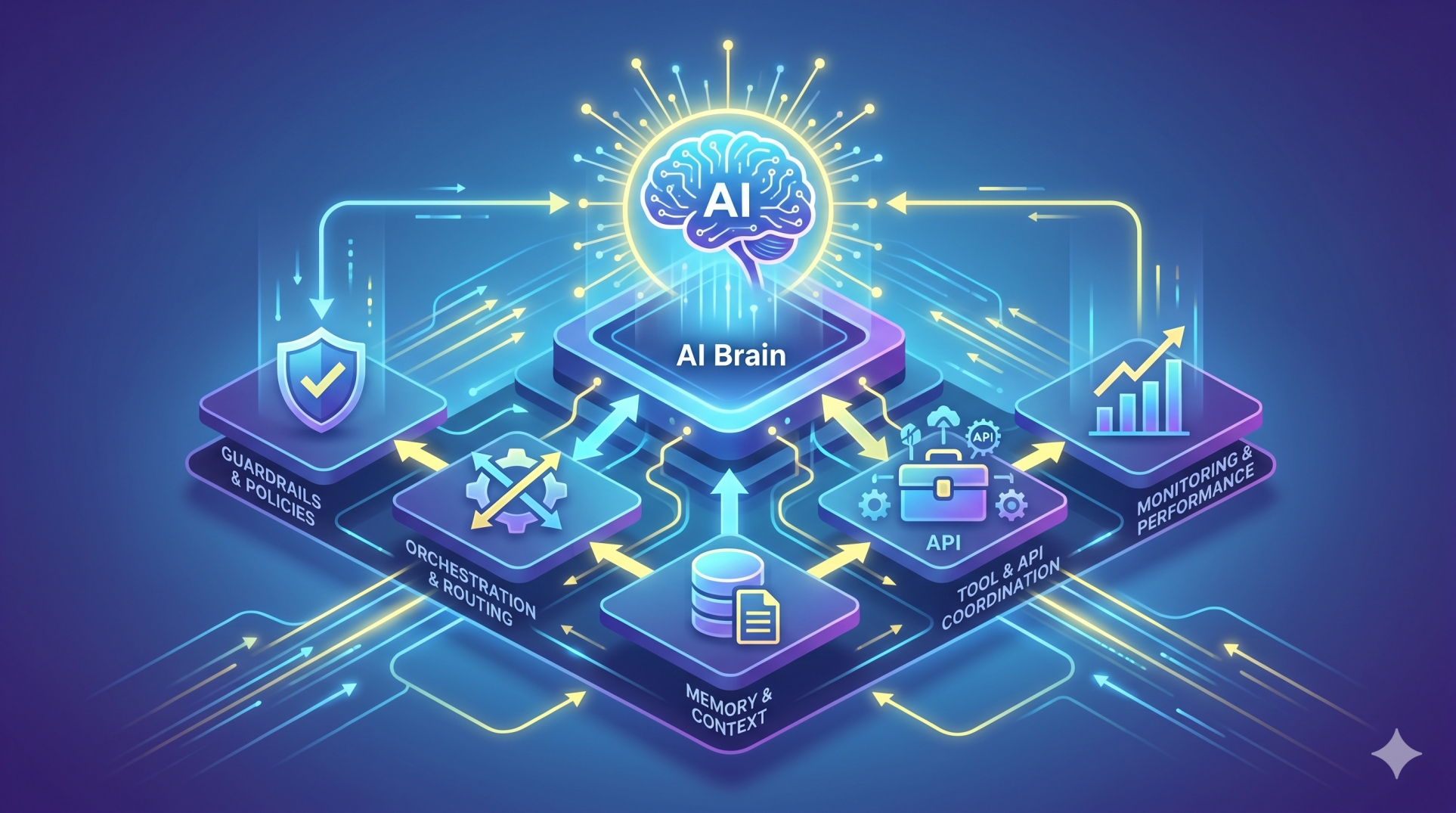
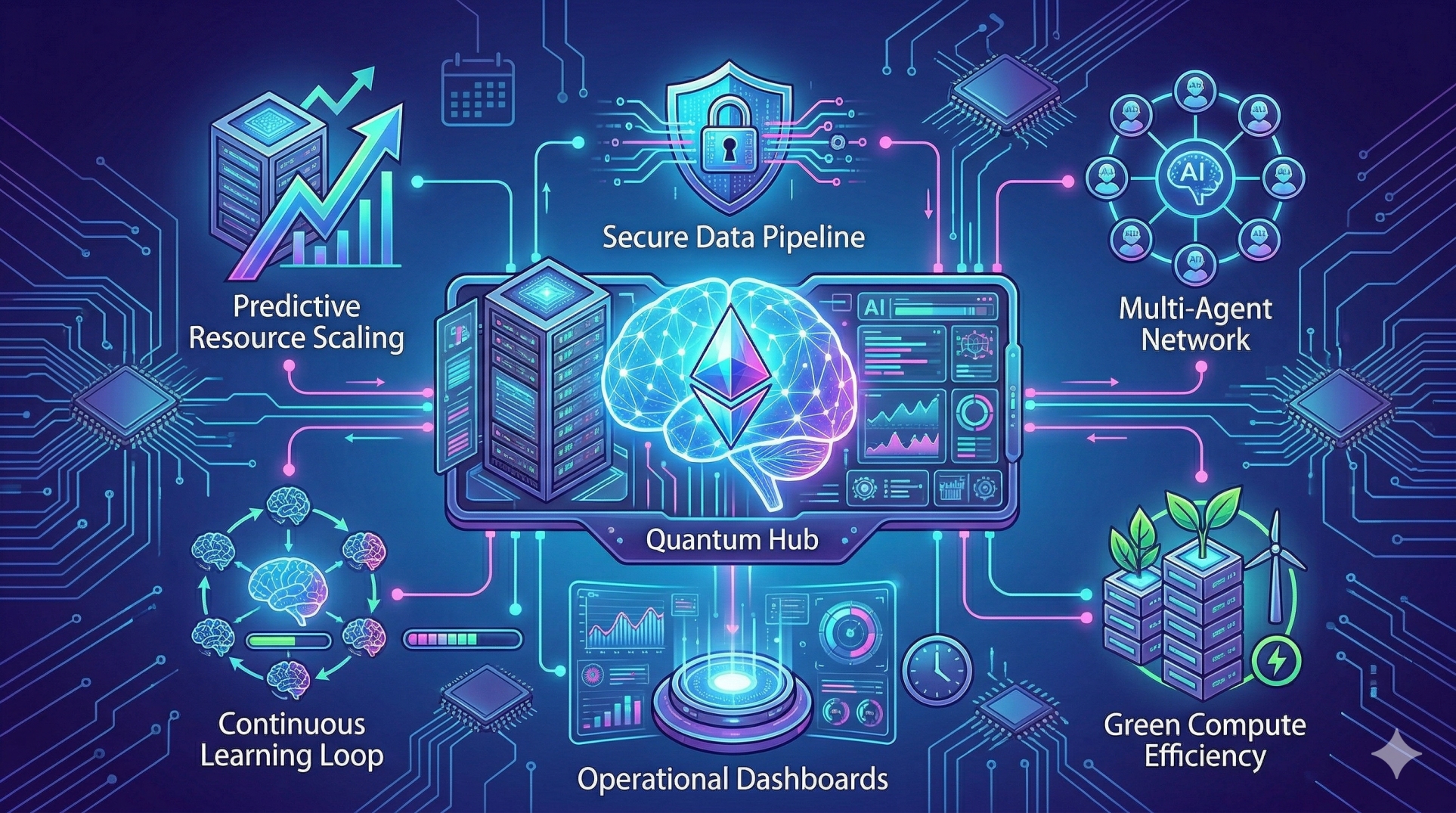
Step 1: Establishing an Intelligent Operations Hub 🧠
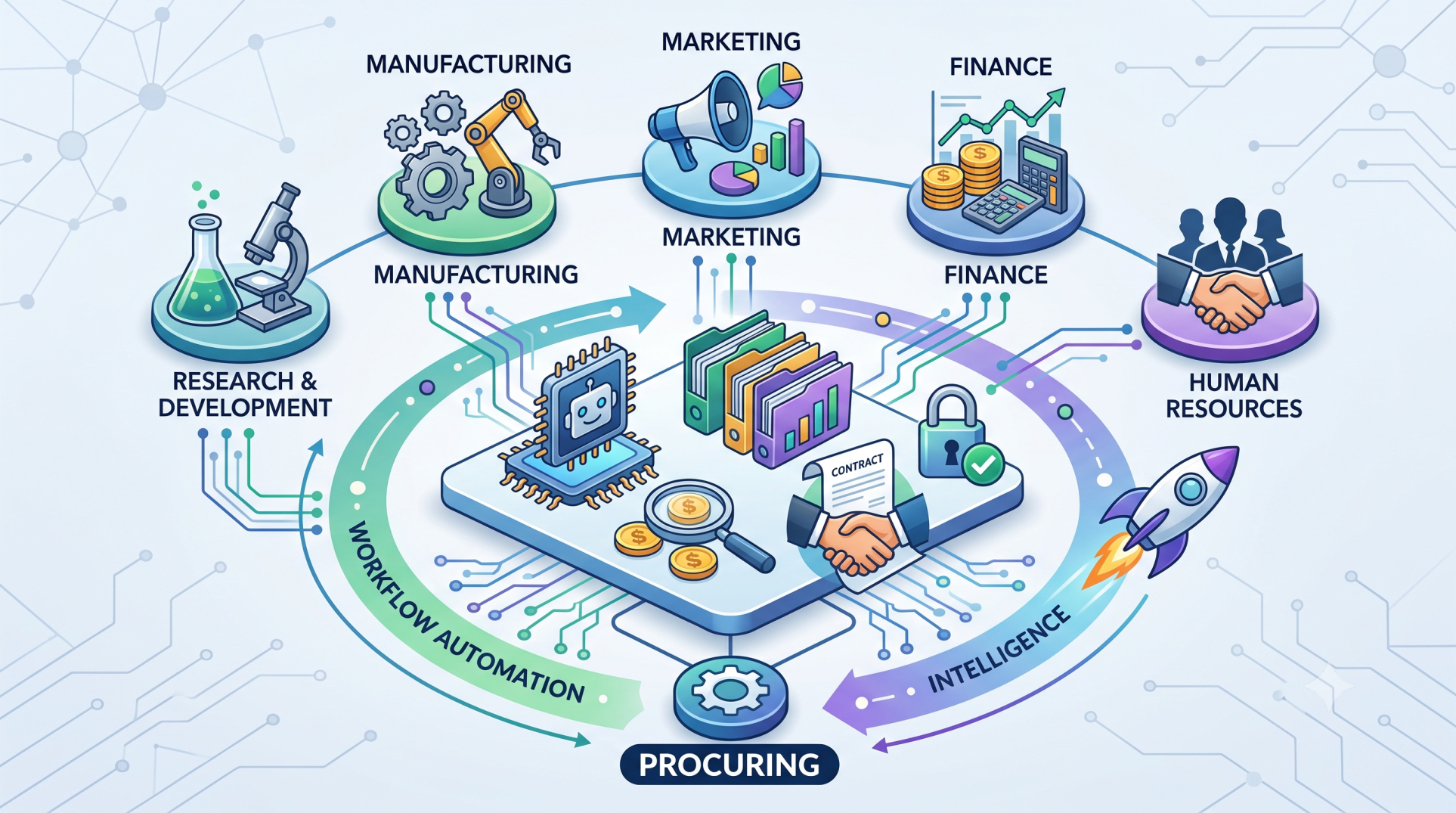
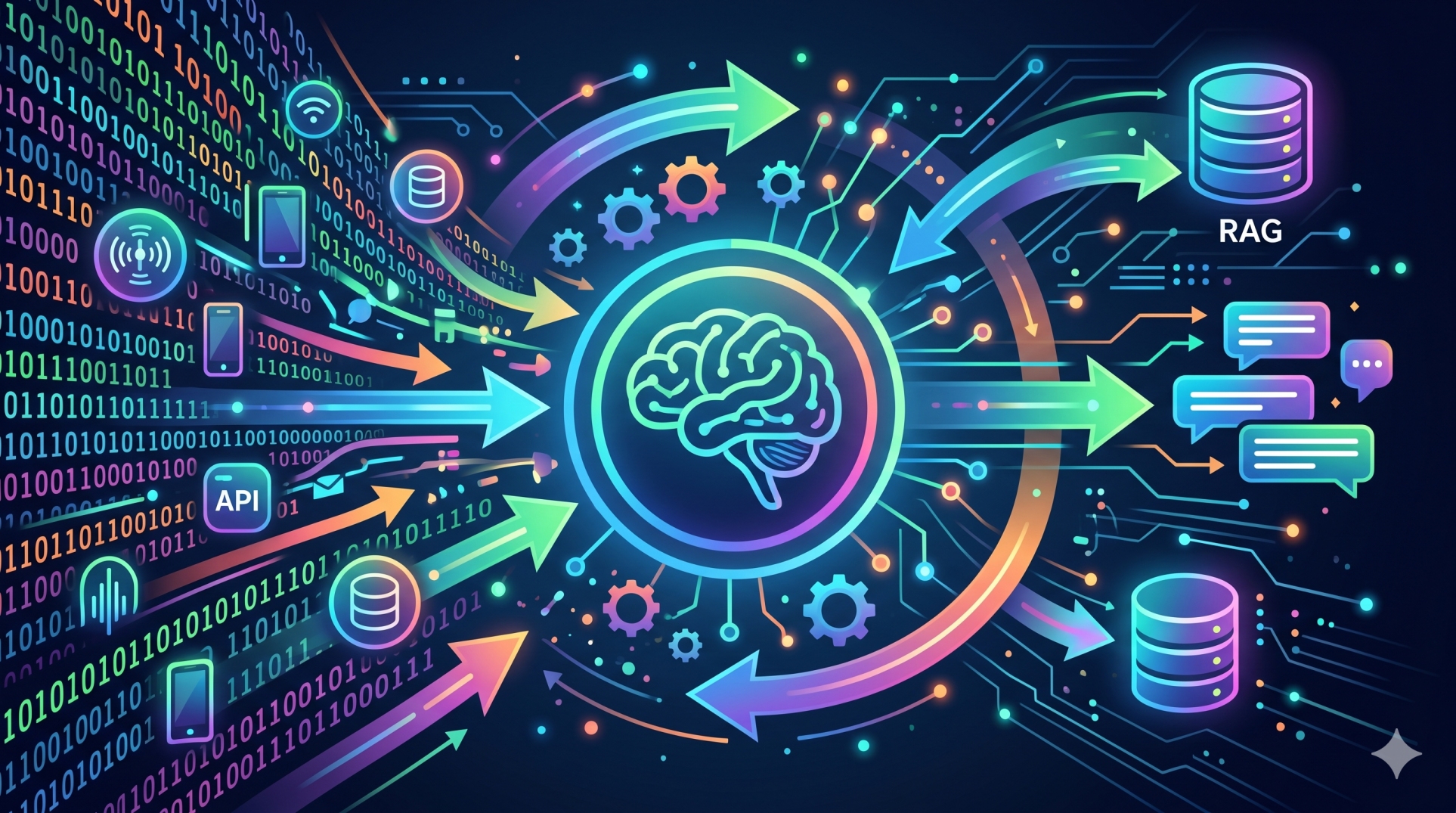
• Centralize operational data from multiple business systems 📊
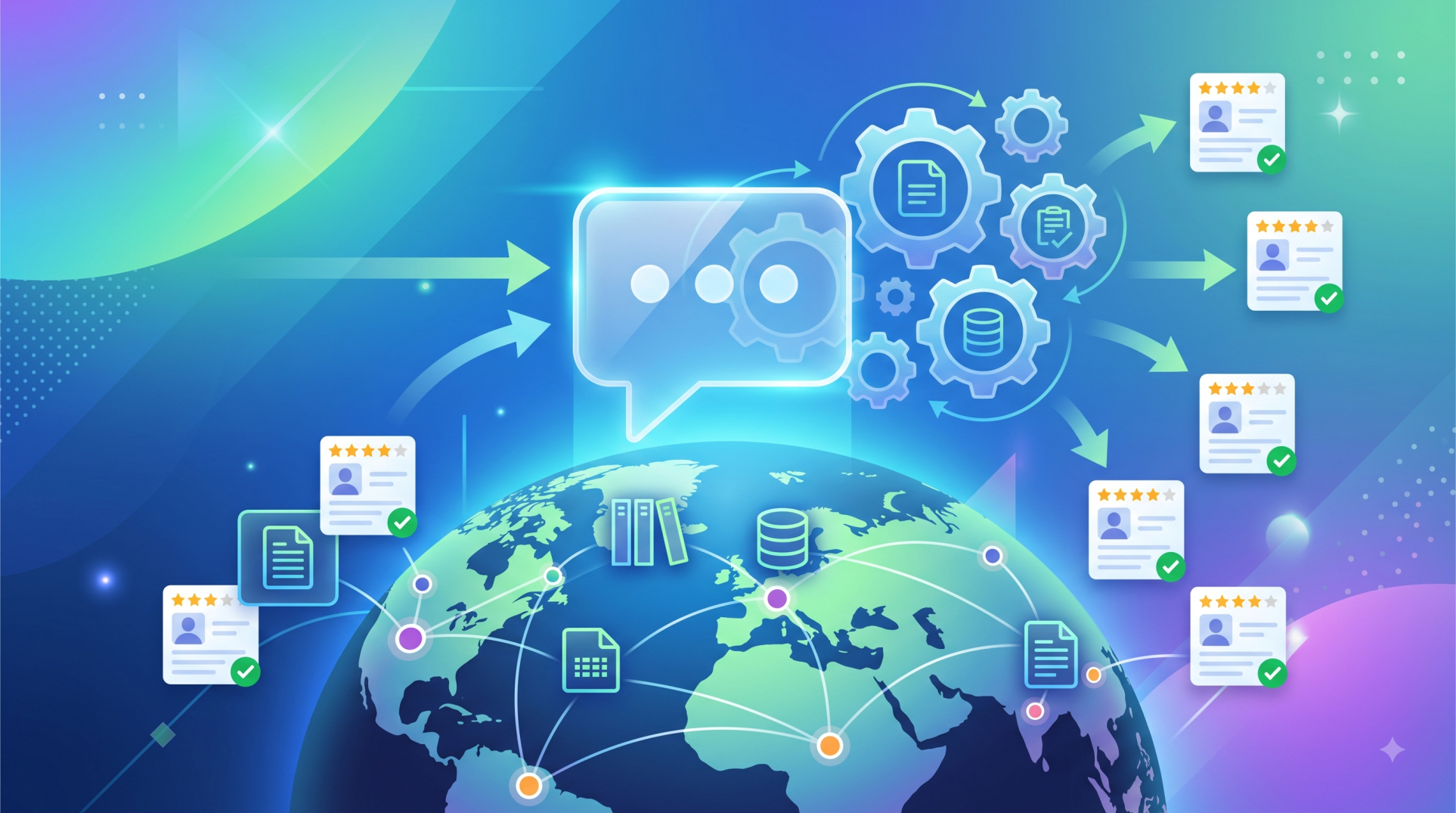
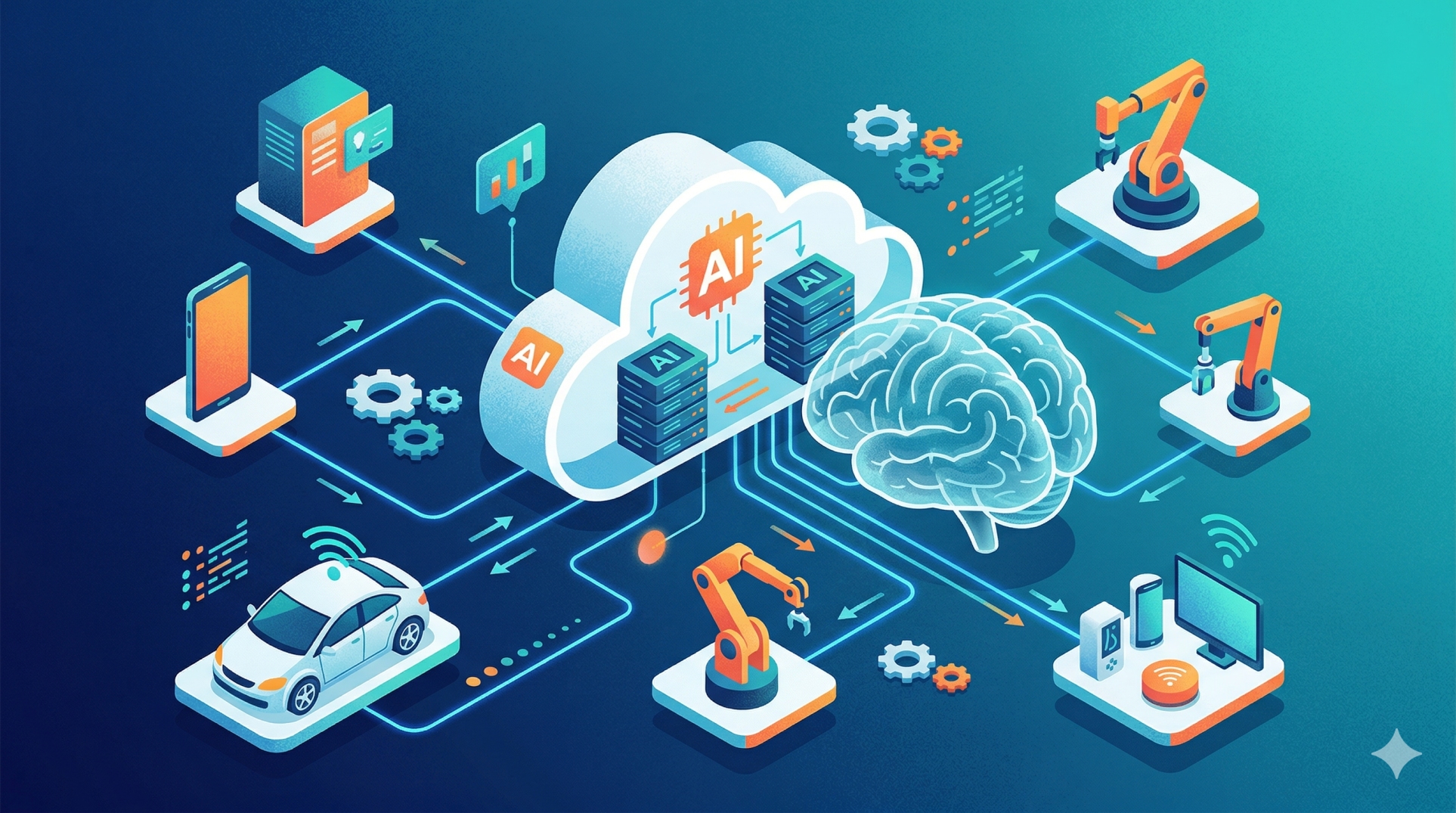
• Connect monitoring platforms, applications, and infrastructure 🌐
• Create a unified environment for operational visibility 👀
• Reduce information silos across departments 🔗
• Support faster and more informed decision-making ⚡
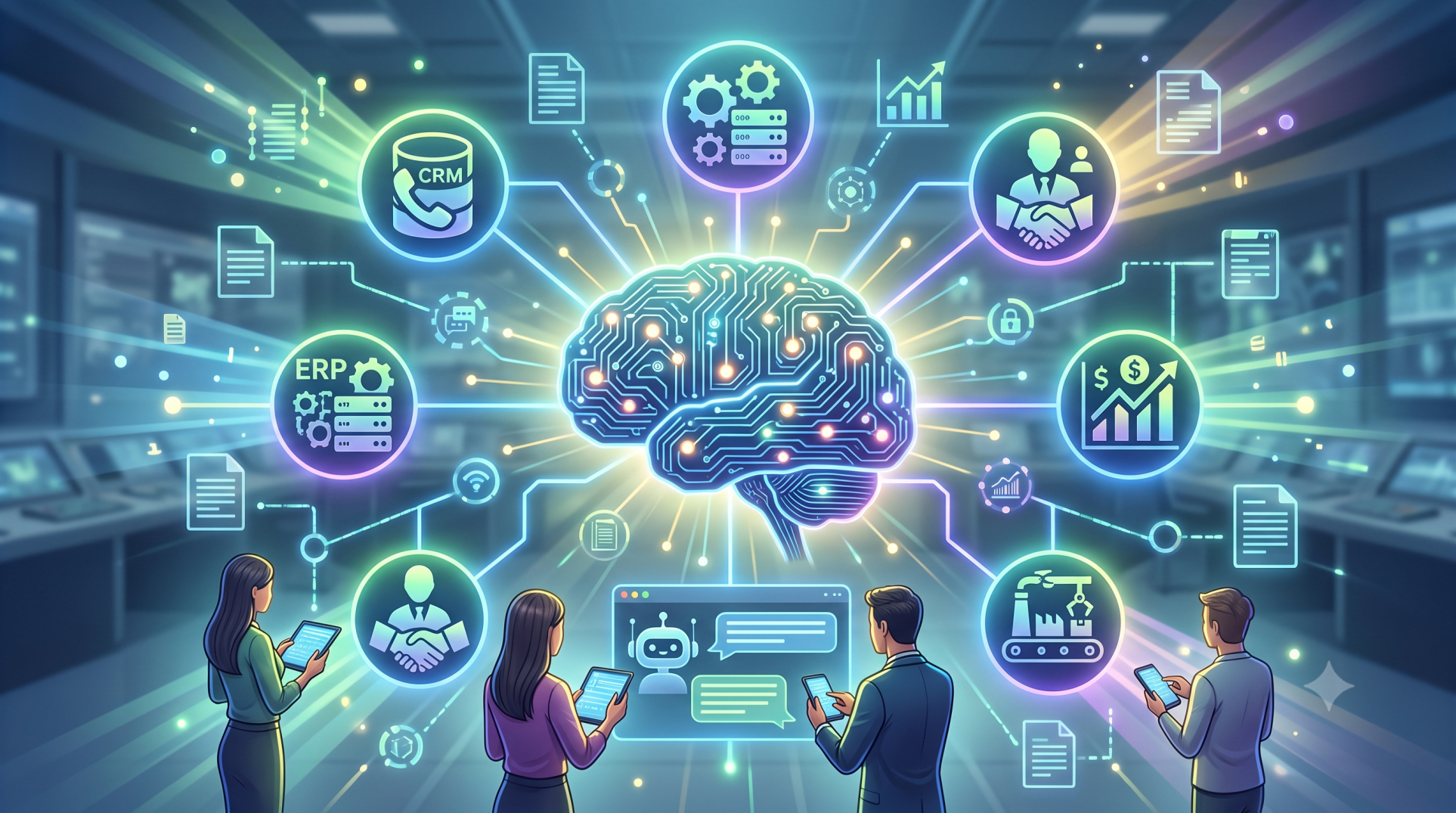
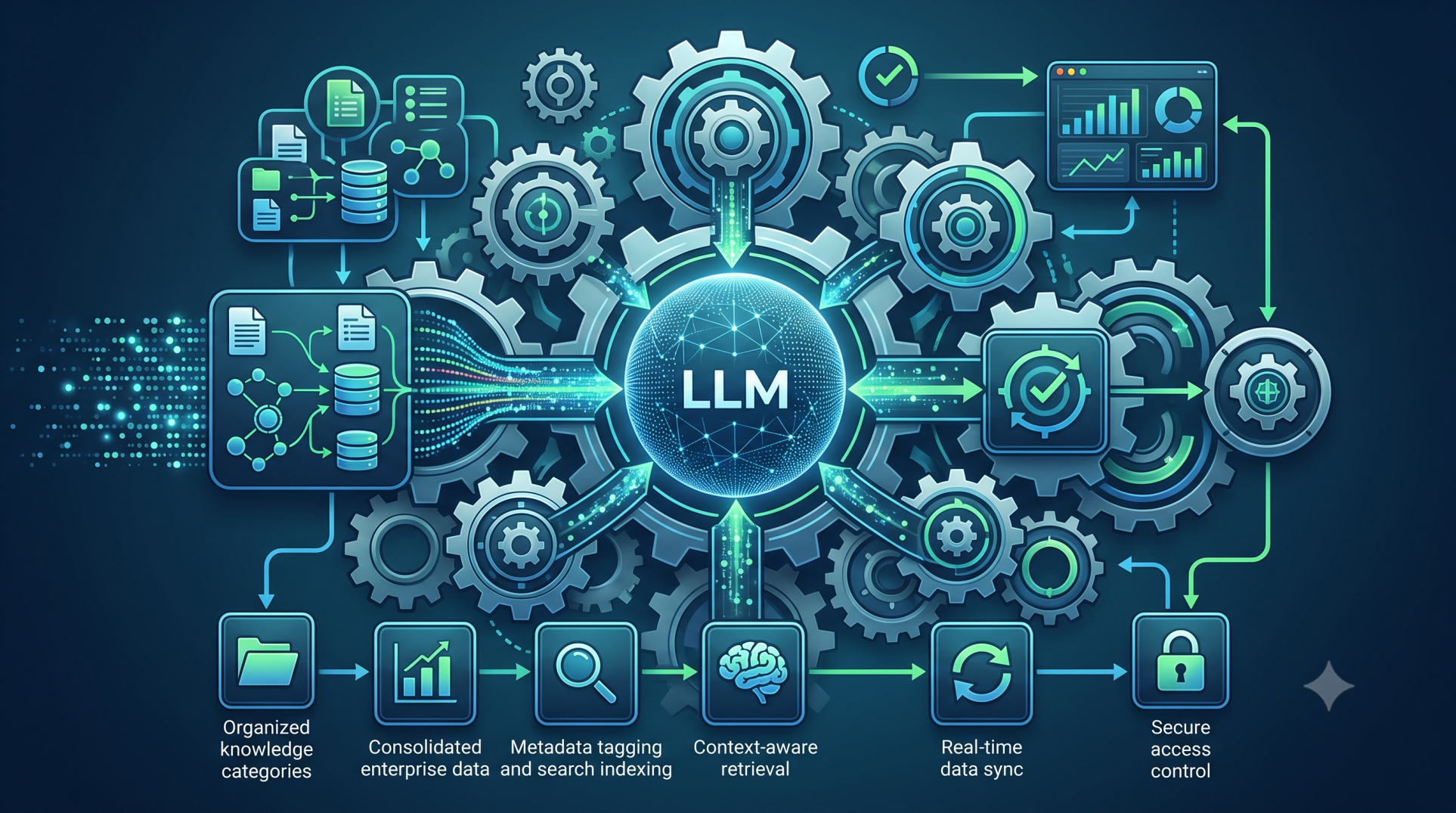
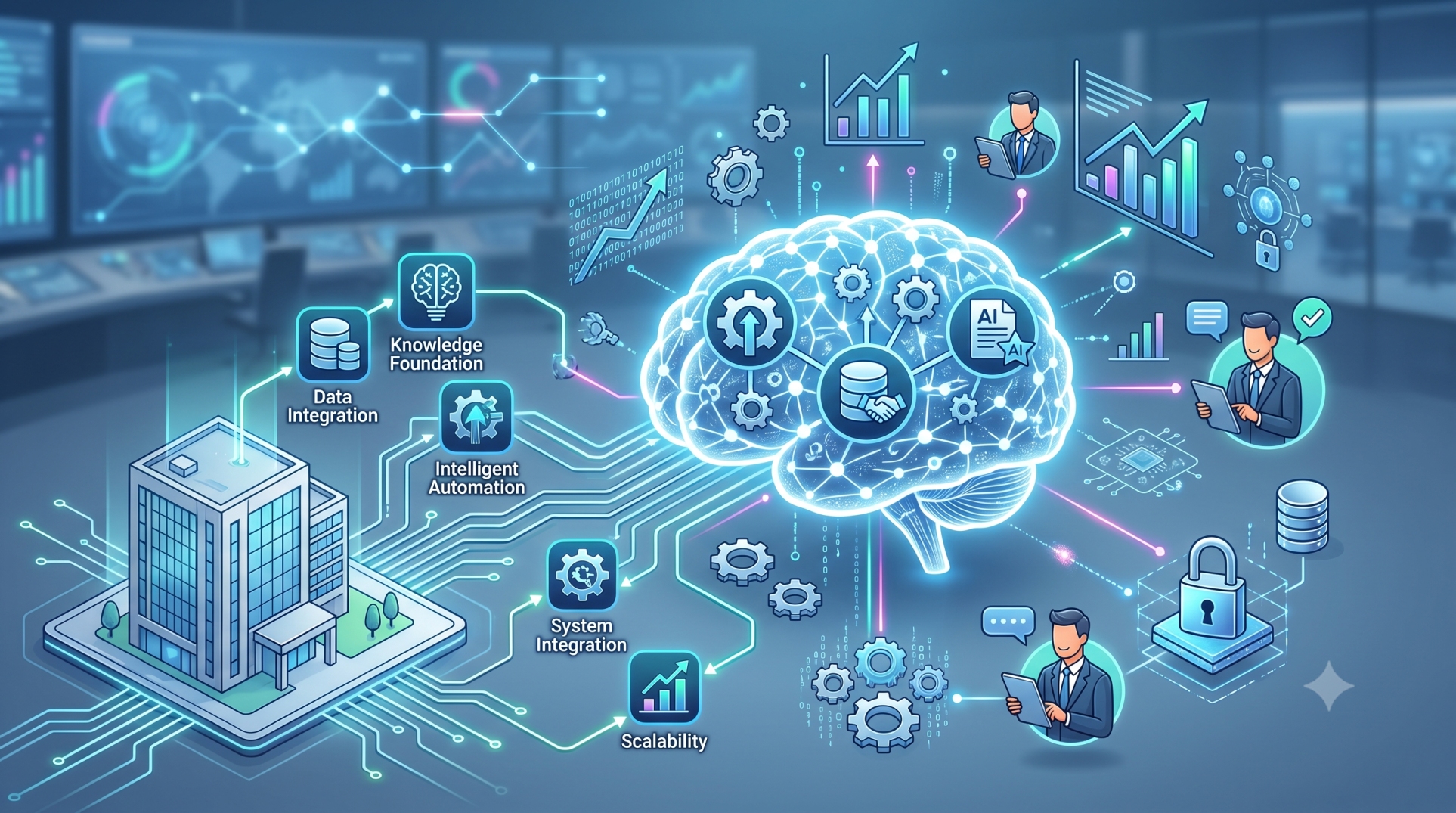
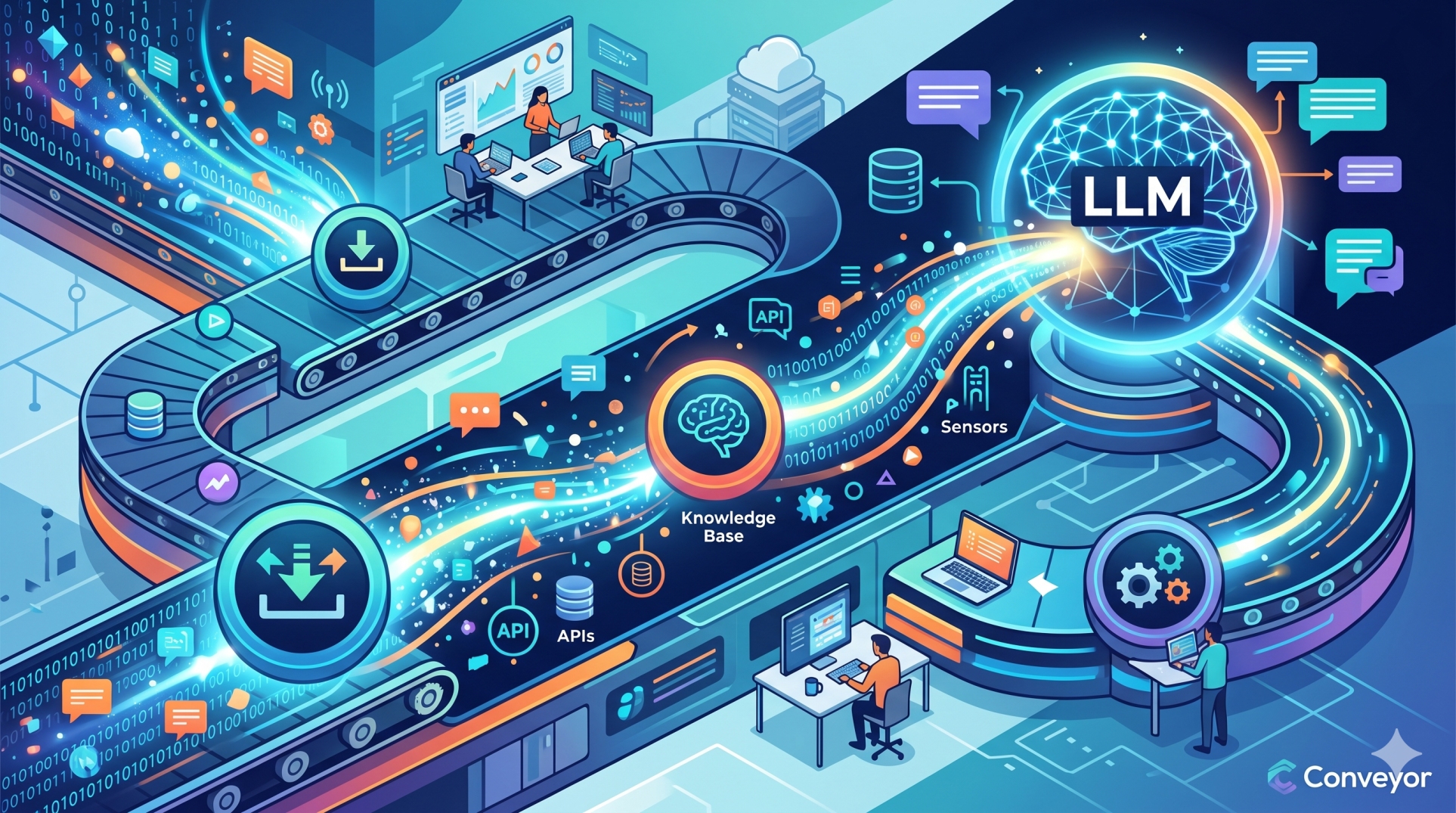
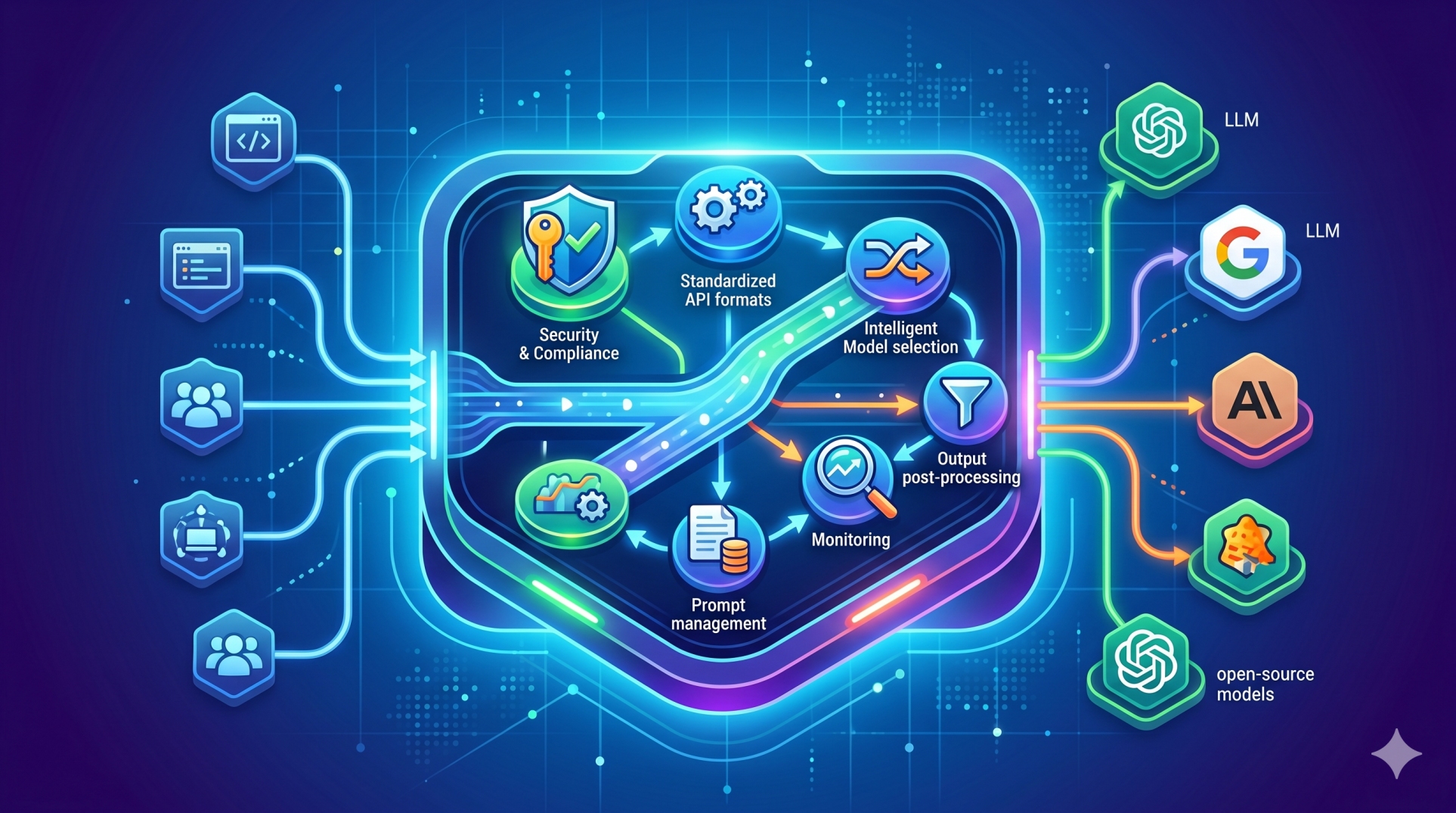
Step 2: Integrating Enterprise Data Sources 🔄
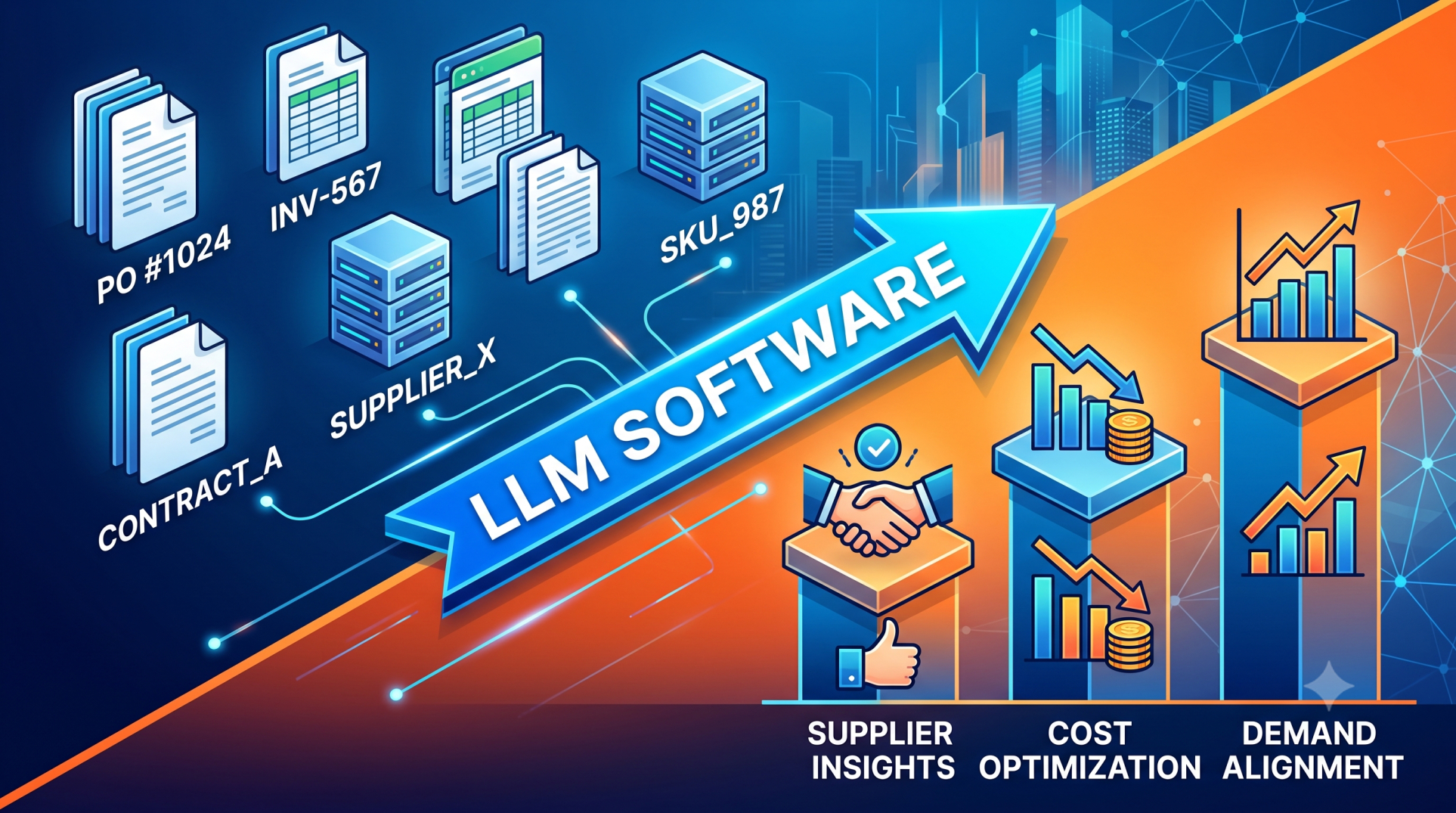
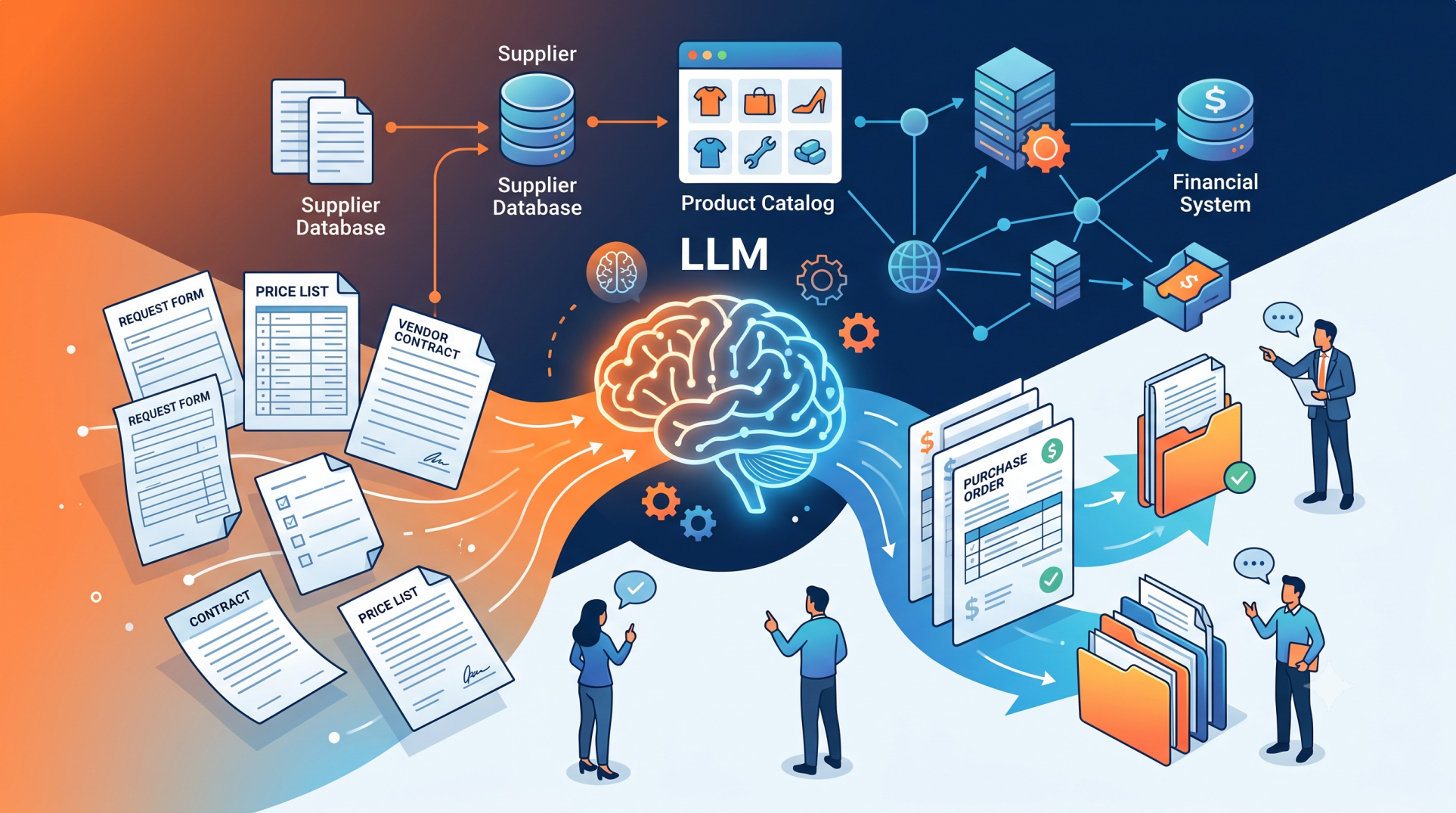
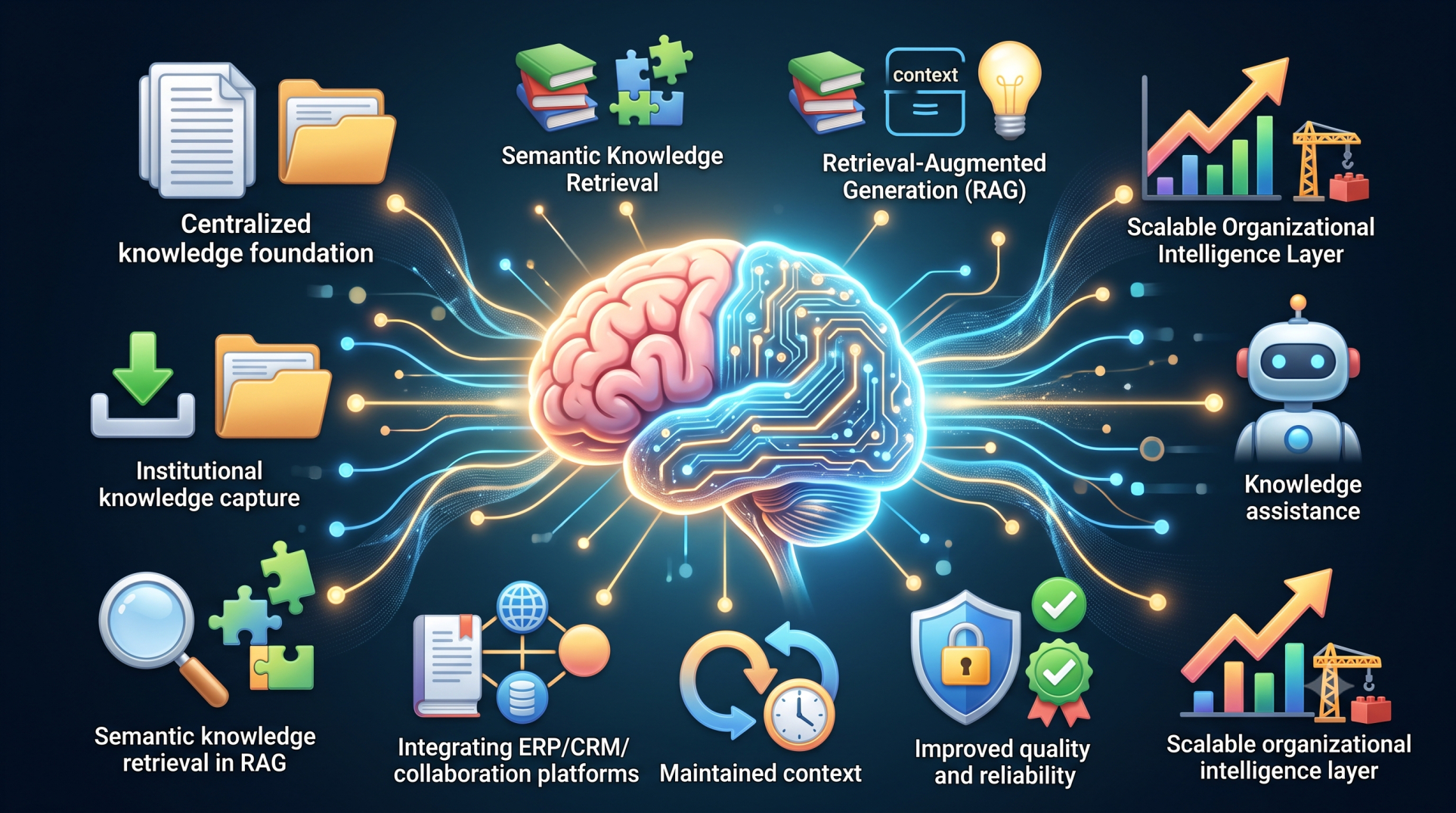
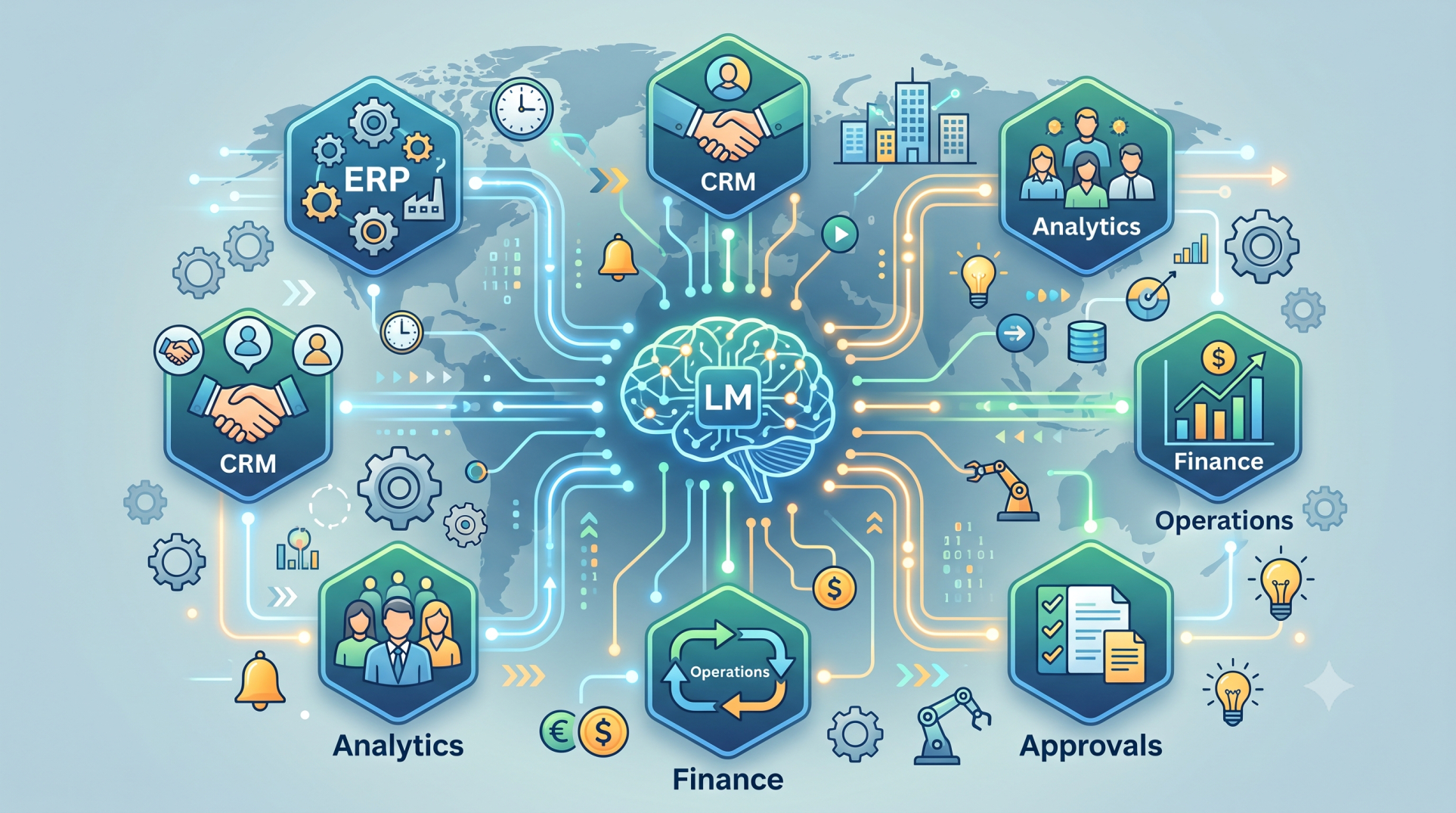
• Connect ERP, CRM, IT systems, and business applications 🏢
• Aggregate logs, metrics, and operational events 📋
• Process structured and unstructured information efficiently 📚
• Enable secure access to organizational knowledge 🔐
• Keep operational data synchronized across systems 📡
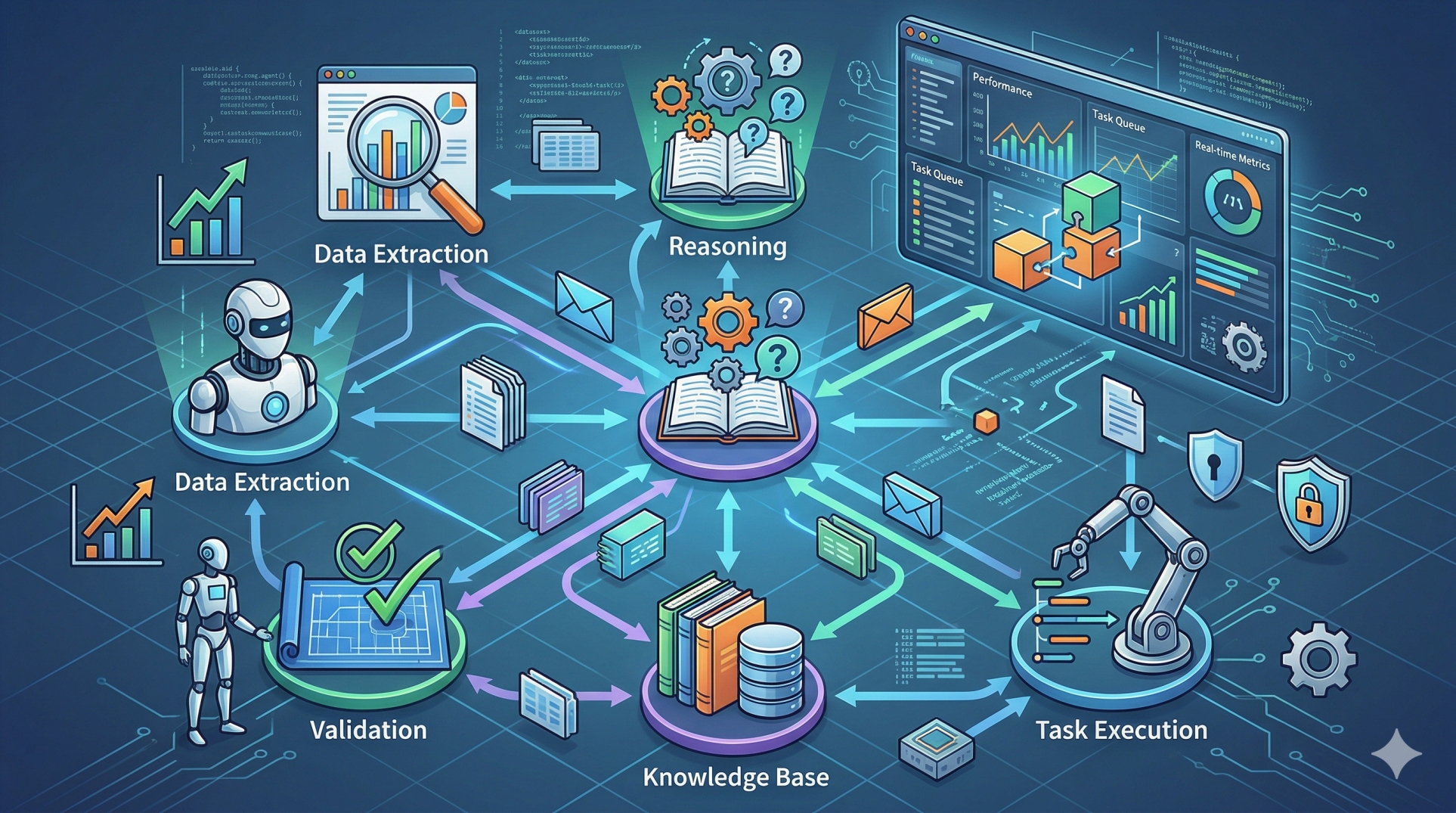
Step 3: Using Language Models for Operational Intelligence 🤖
• Analyze alerts, incidents, and reports using natural language understanding 📝
• Generate concise summaries of complex operational events 📄
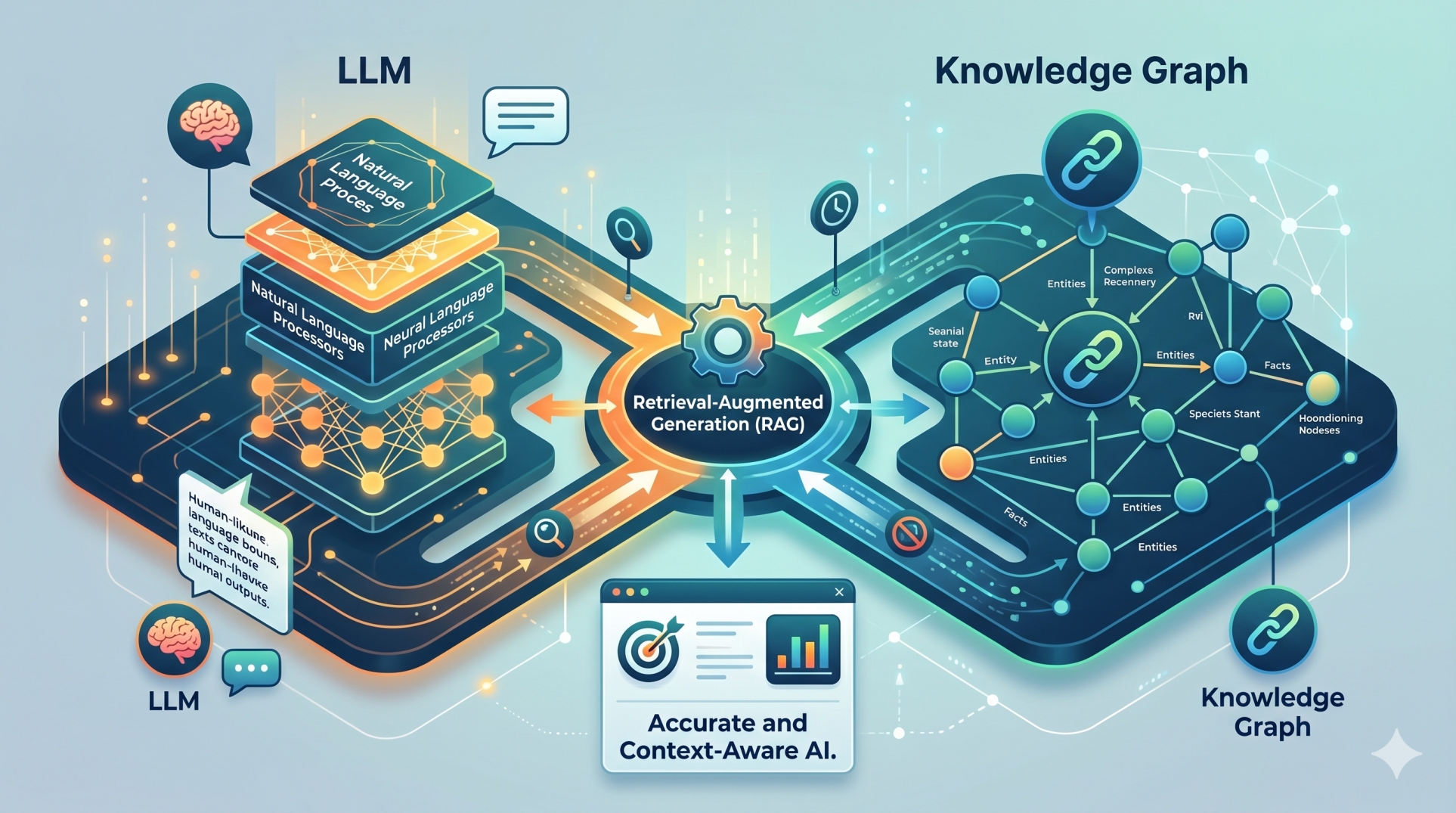
• Answer operational questions using enterprise knowledge 💬
• Identify patterns across multiple data sources 🔍
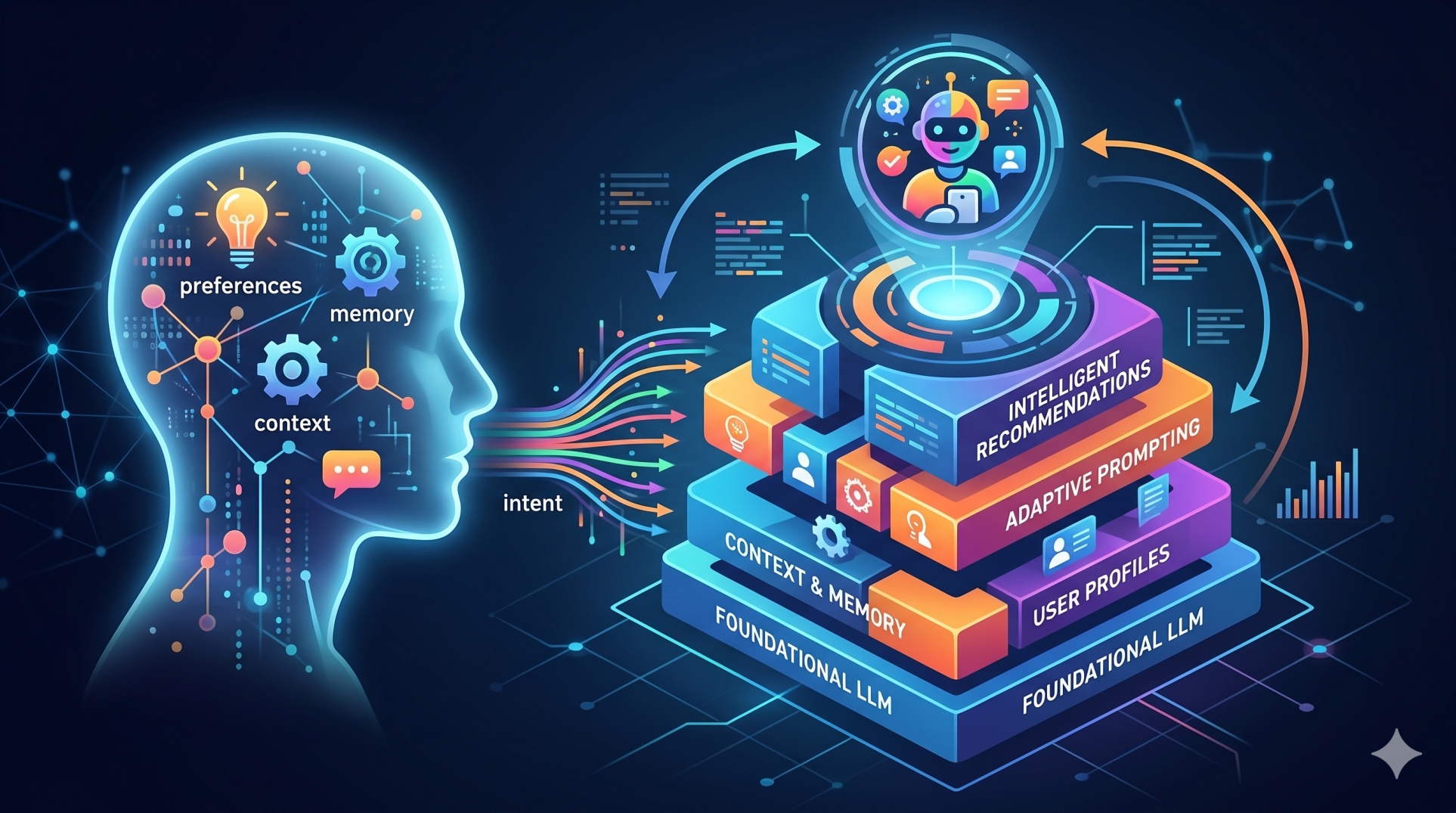
• Deliver contextual recommendations for faster action 💡
Step 4: Automating Routine Operational Tasks ⚙️
• Automate ticket creation and status updates 🎟️
• Generate incident reports and documentation automatically 📑
• Route requests to the appropriate teams 📬
• Assist with workflow execution through intelligent automation 🚀
• Reduce manual effort for repetitive operational activities ⏱️
Step 5: Supporting Real-Time Decision Making 📈
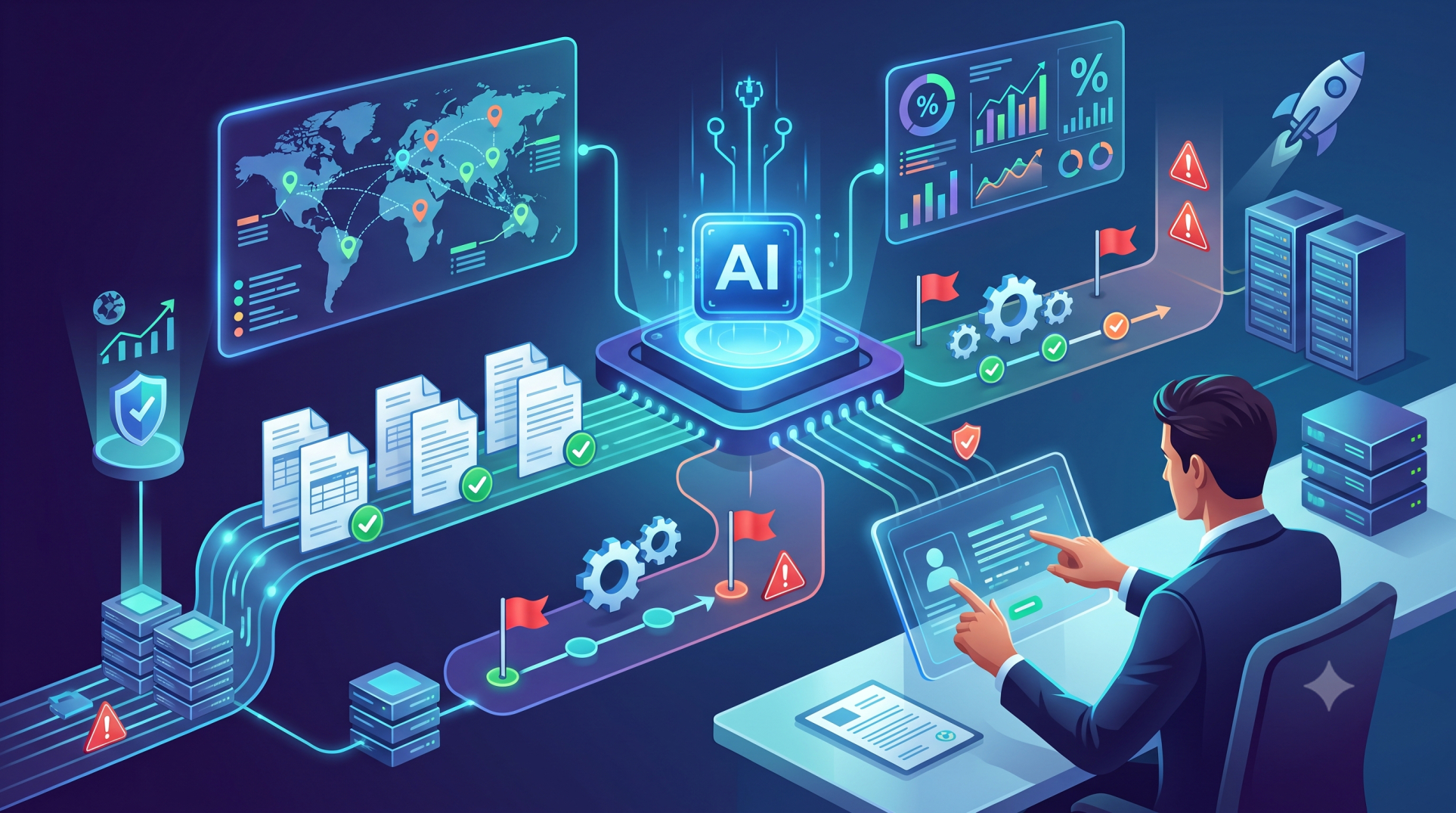
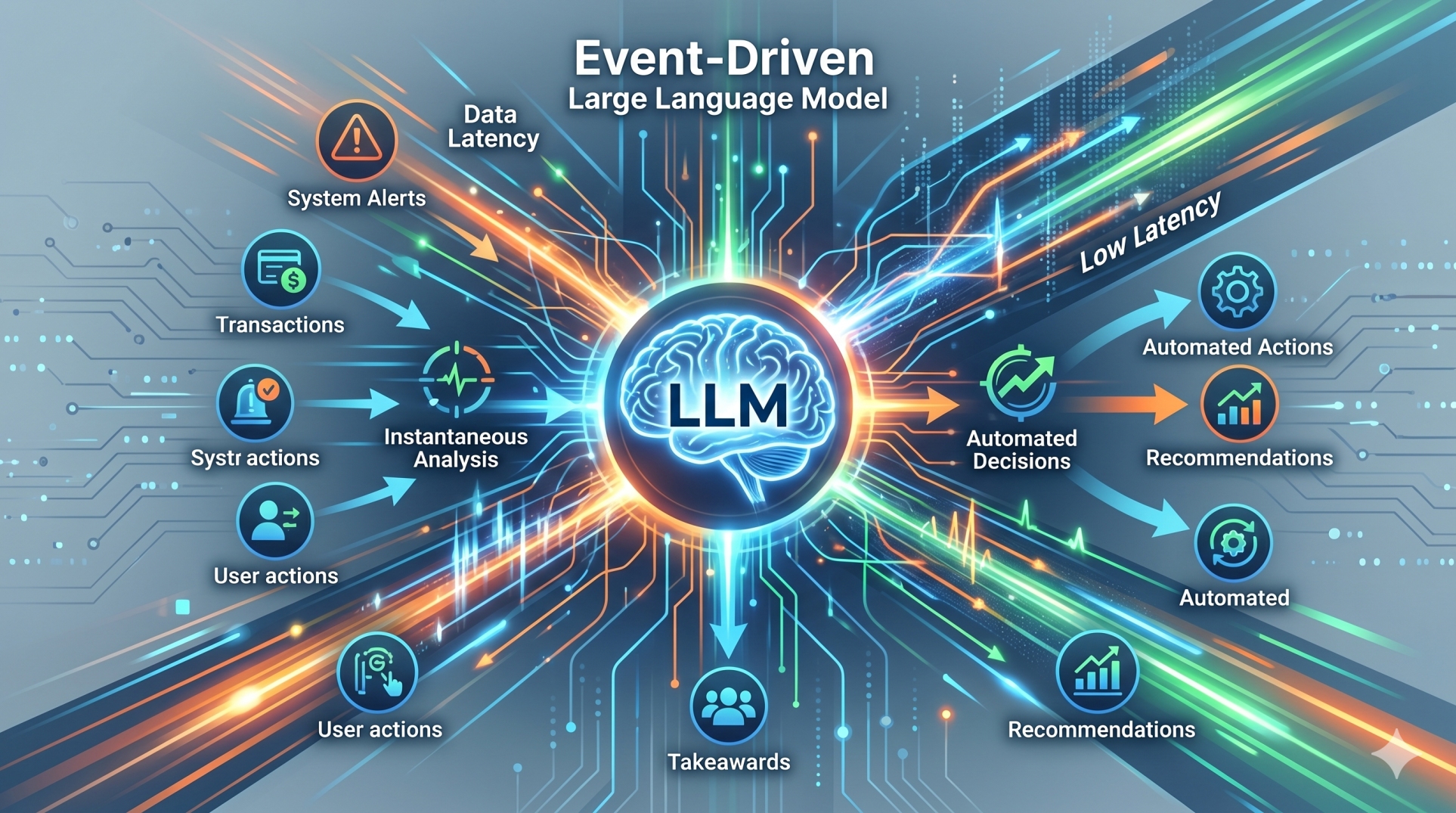
• Monitor operational conditions continuously 📡
• Surface high-priority issues based on business impact 🚨
• Deliver real-time insights through interactive dashboards 📊
• Help teams prioritize actions effectively 🎯
• Improve response speed during critical events ⚡
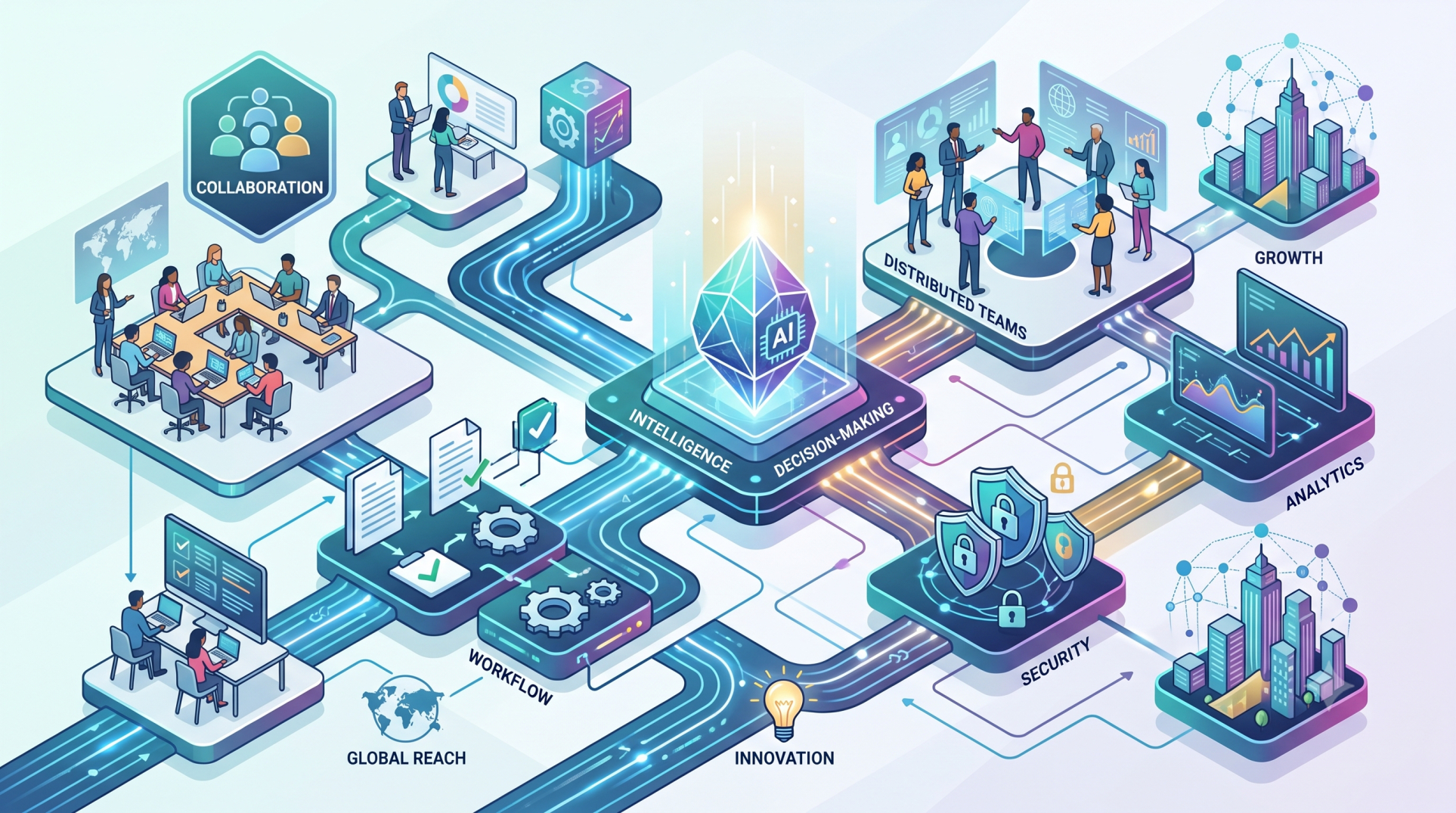
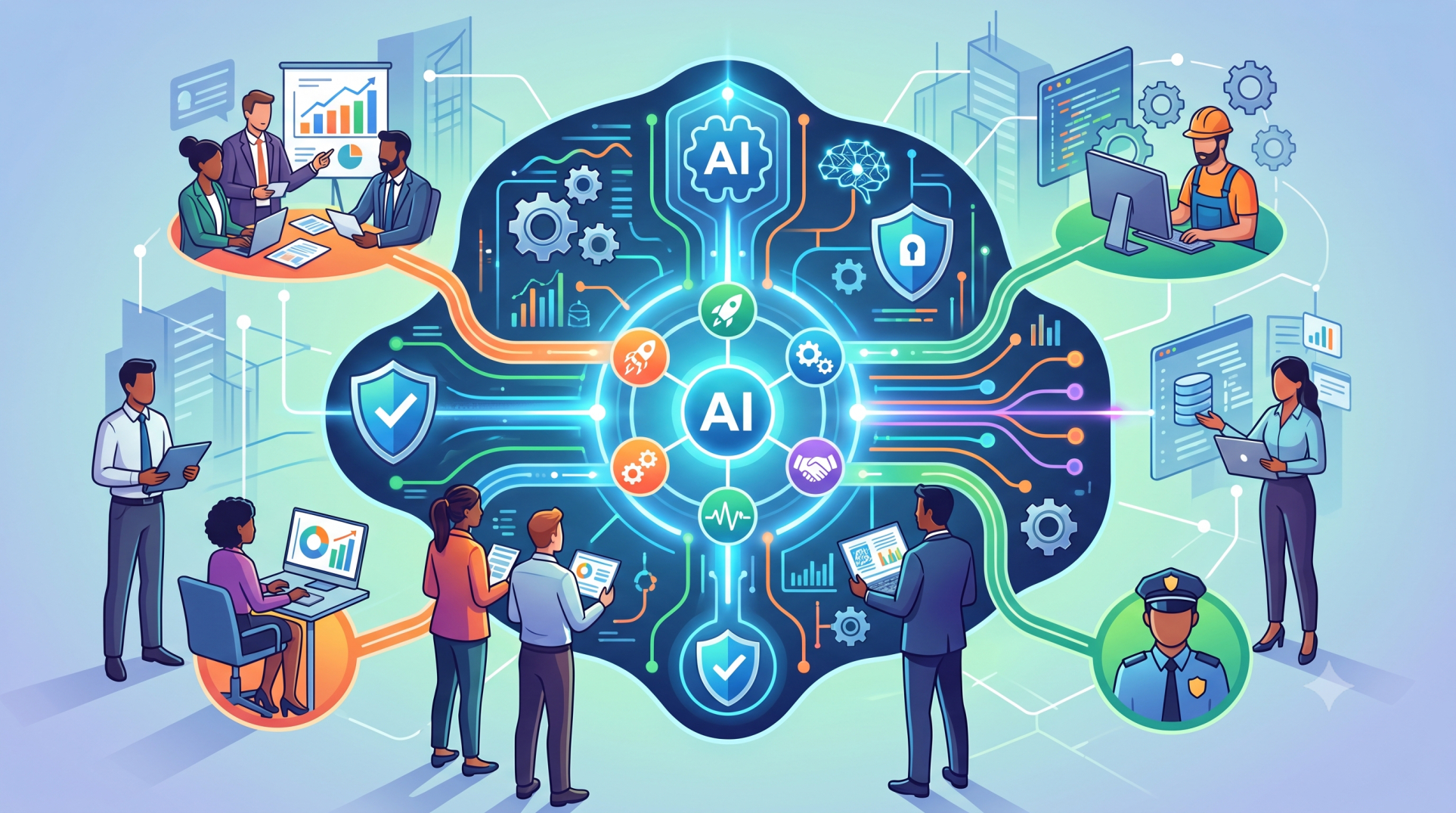
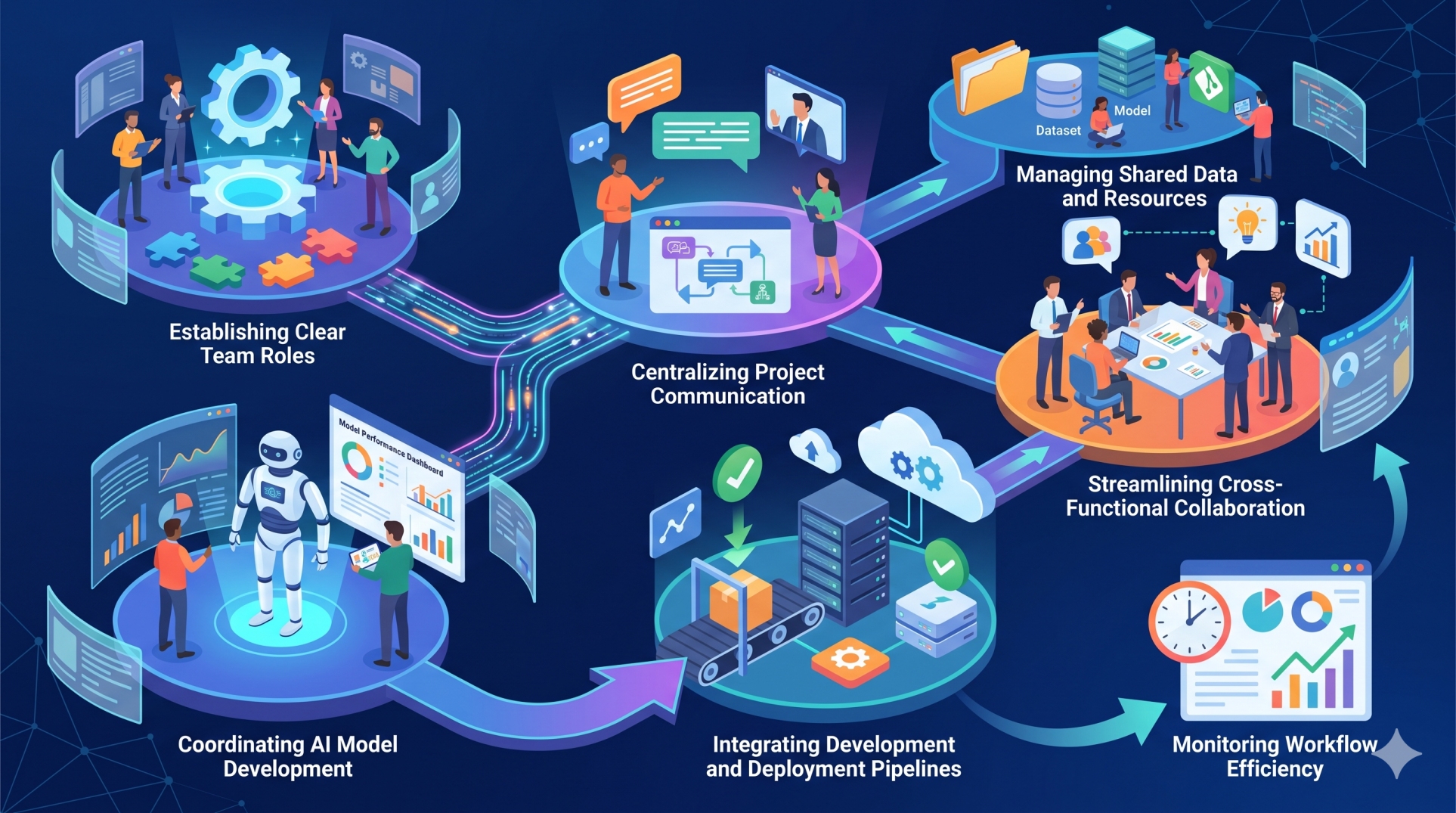
Step 6: Enhancing Collaboration Across Teams 🤝
• Provide shared operational insights for multiple departments 🌐
• Improve communication between IT, security, and business teams 💼
• Maintain consistent operational information across stakeholders 📢
• Enable collaborative issue resolution 🤲
• Reduce delays caused by fragmented communication 🔄
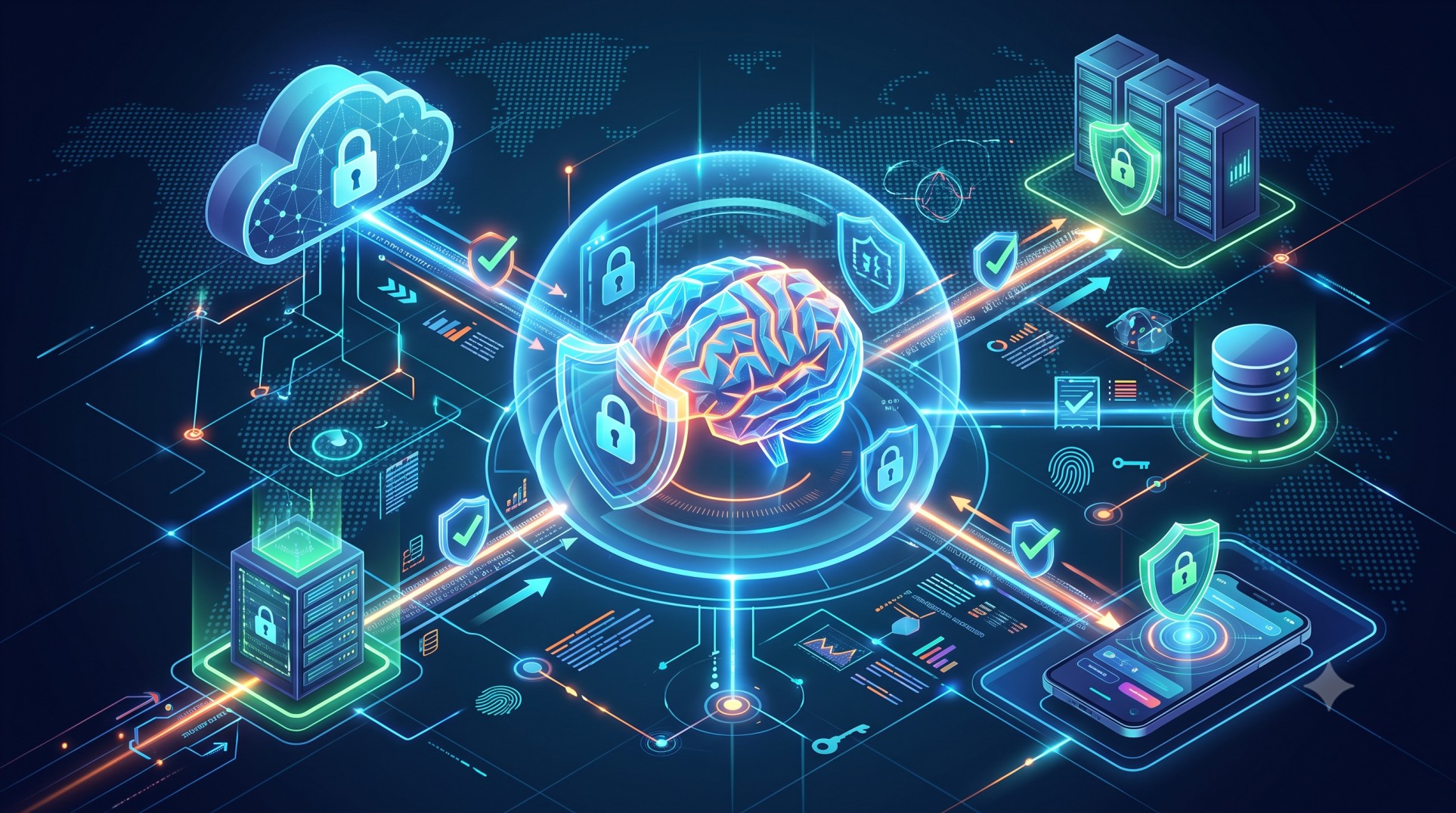
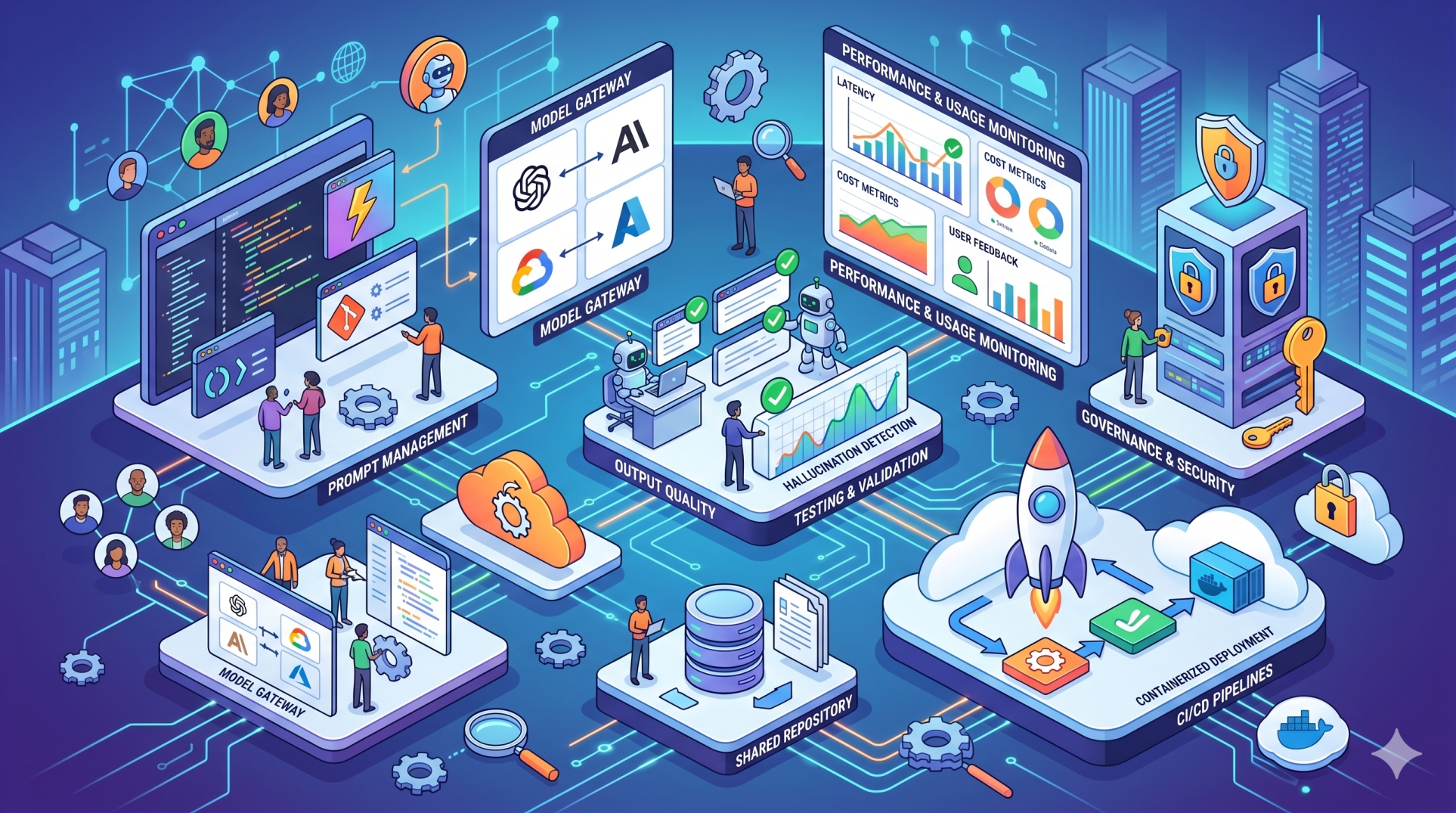
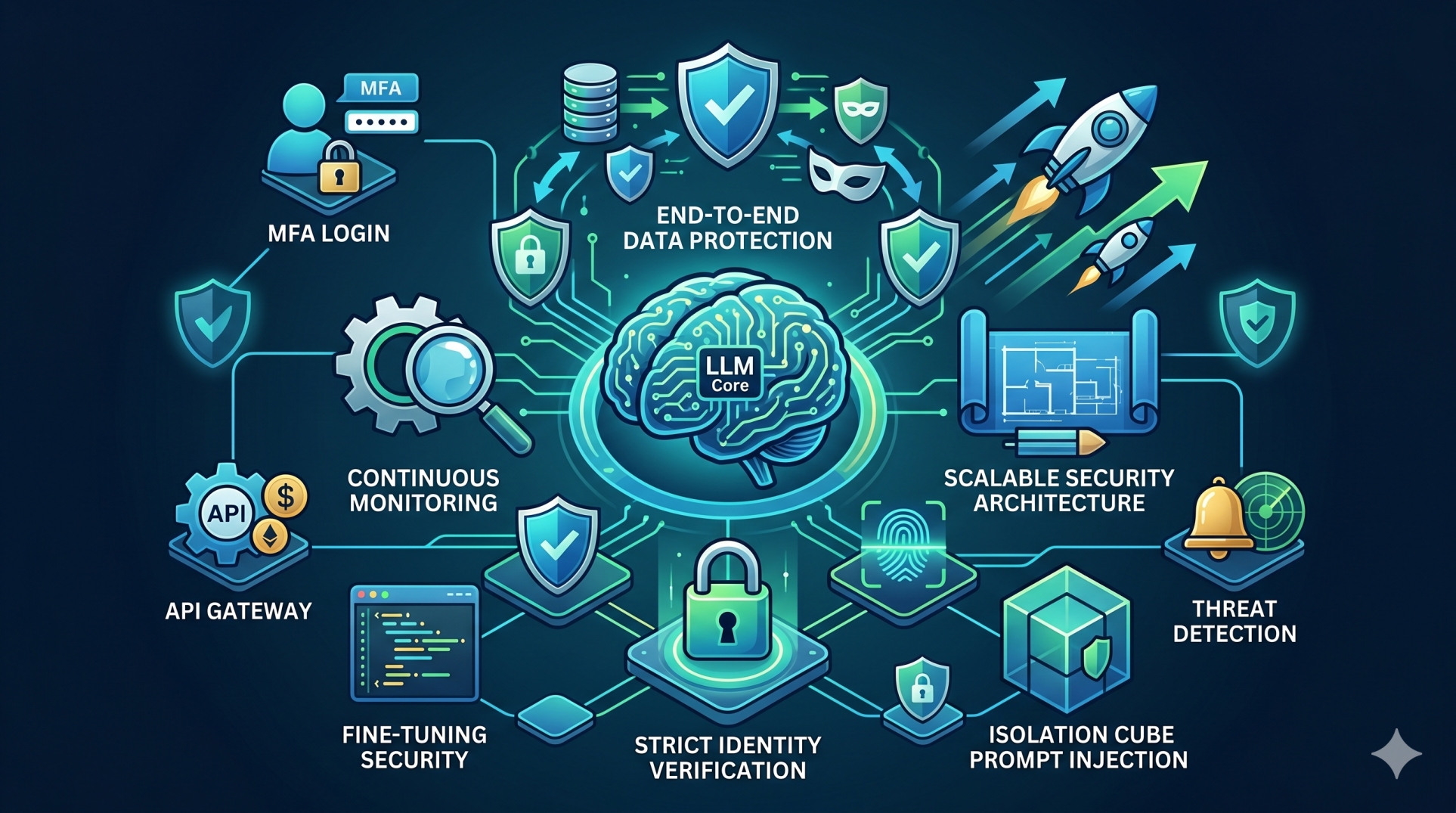
Step 7: Improving Security and Governance 🛡️
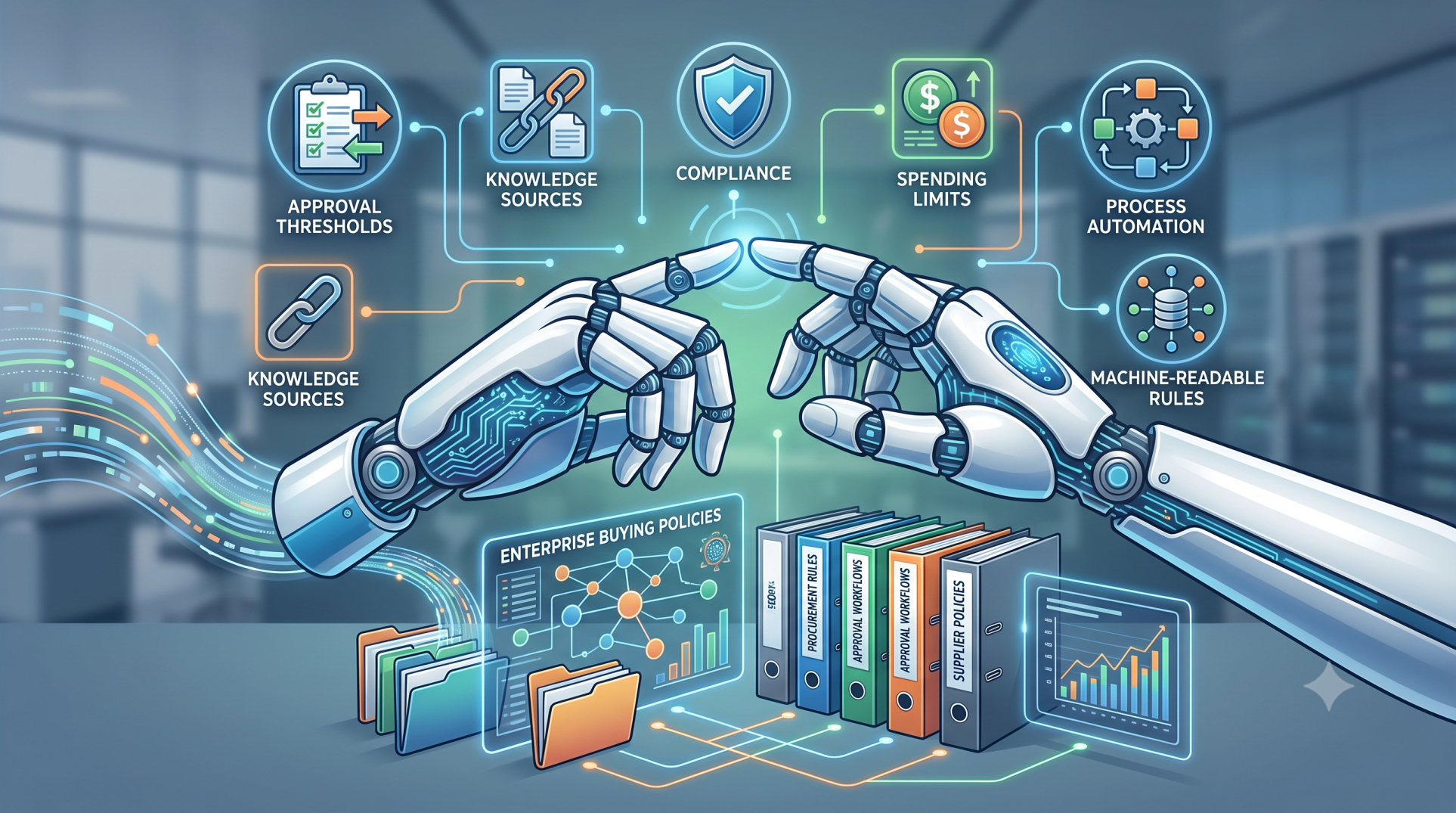
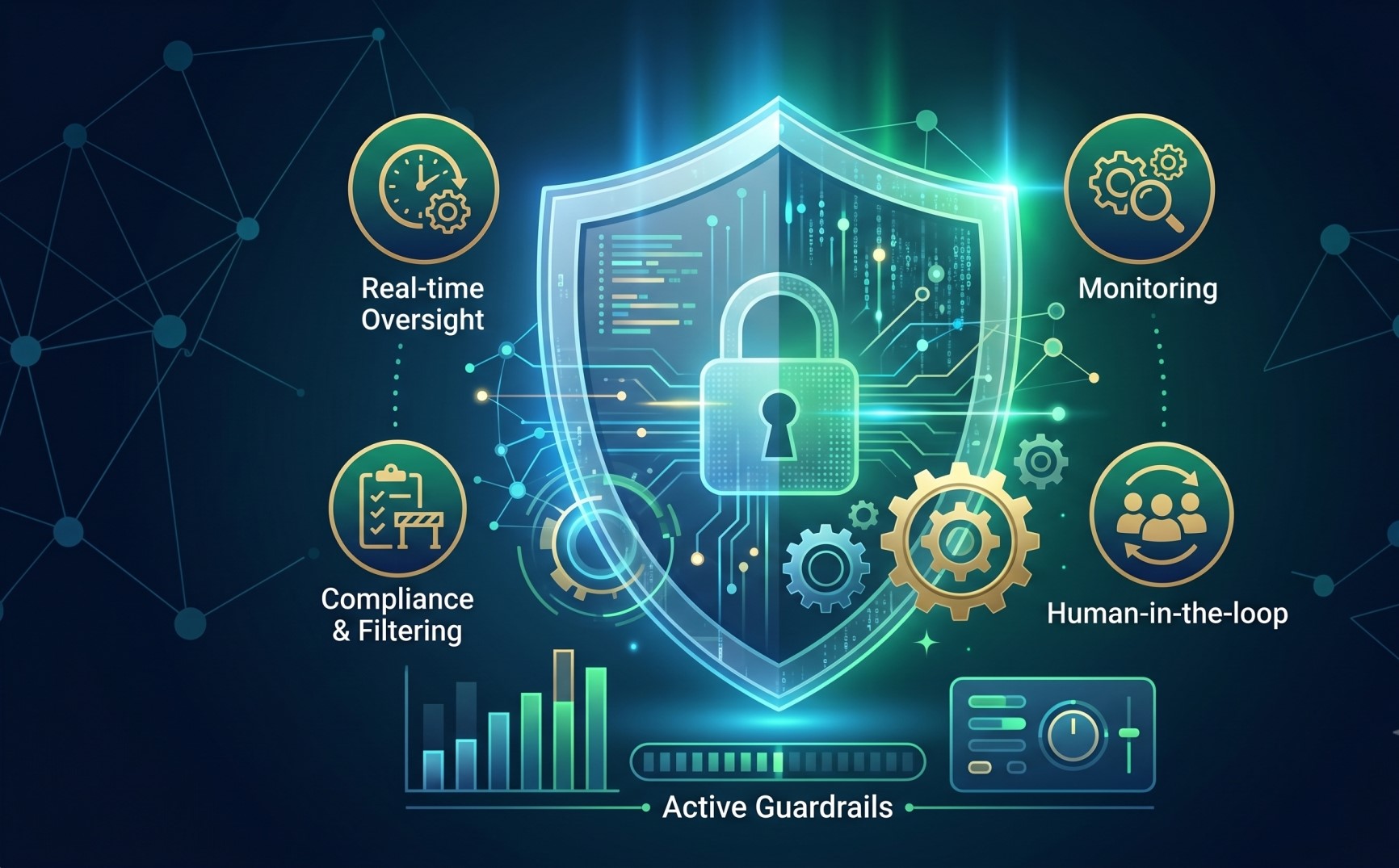
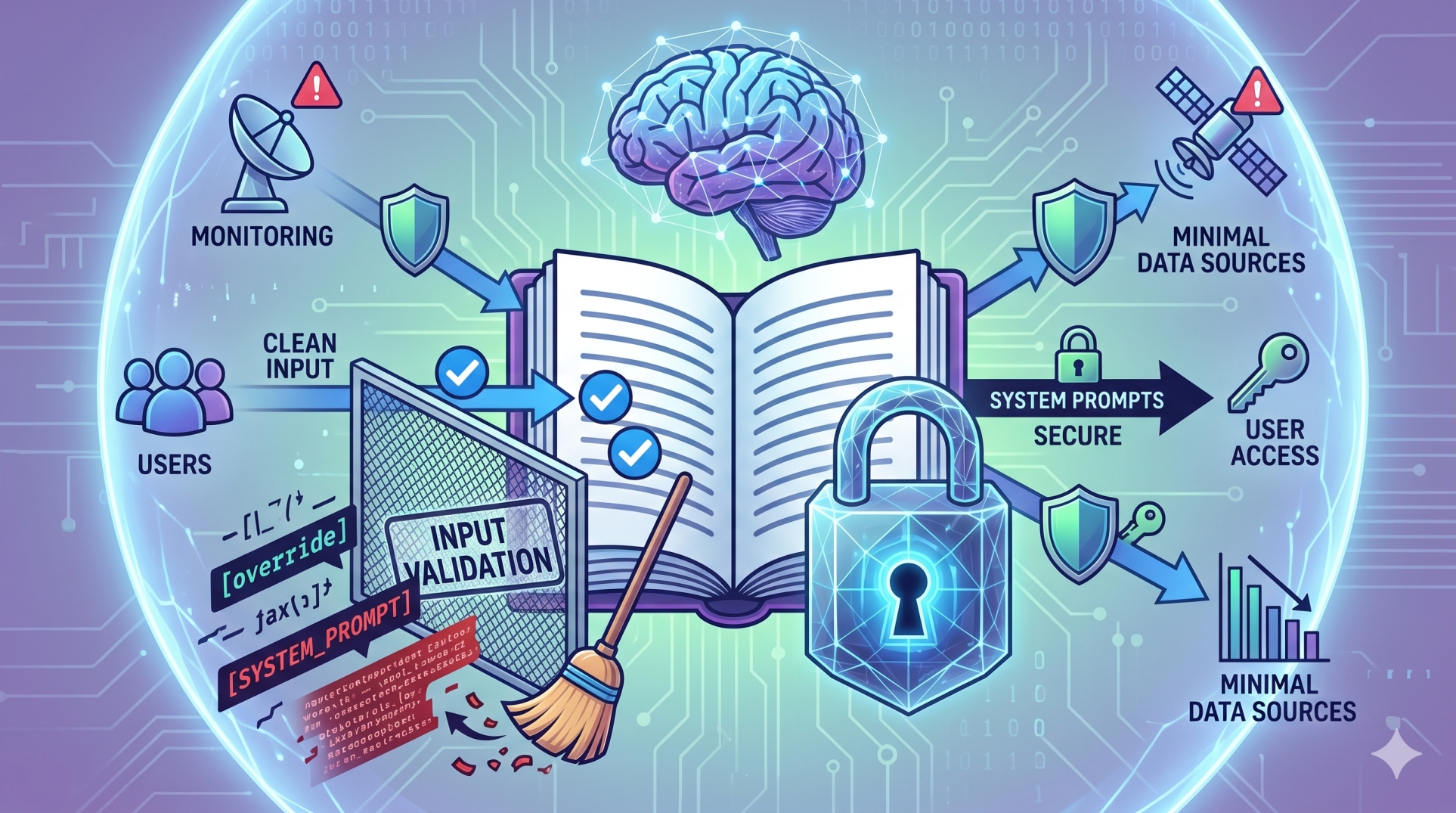
• Protect sensitive operational information with secure access controls 🔐
• Maintain detailed audit logs for AI-assisted activities 📜
• Enforce governance policies across connected systems ✅
• Support compliance through standardized operational processes 📋
• Monitor AI interactions for transparency and accountability 👀
Step 8: Key Operational Priorities ⭐
• Centralized visibility across enterprise operations 👁️
• Intelligent automation for routine workflows 🤖
• Real-time insights supported by language models 📊
• Secure and scalable AI infrastructure 🚀
Step 9: Managing Operational Exceptions 🔄
• Detect anomalies across operational data streams ⚠️
• Assist teams in diagnosing complex incidents 🔍
• Recommend corrective actions based on historical knowledge 📚
• Support business continuity during unexpected disruptions 🏢
• Enable rapid recovery through AI-assisted workflows 💪
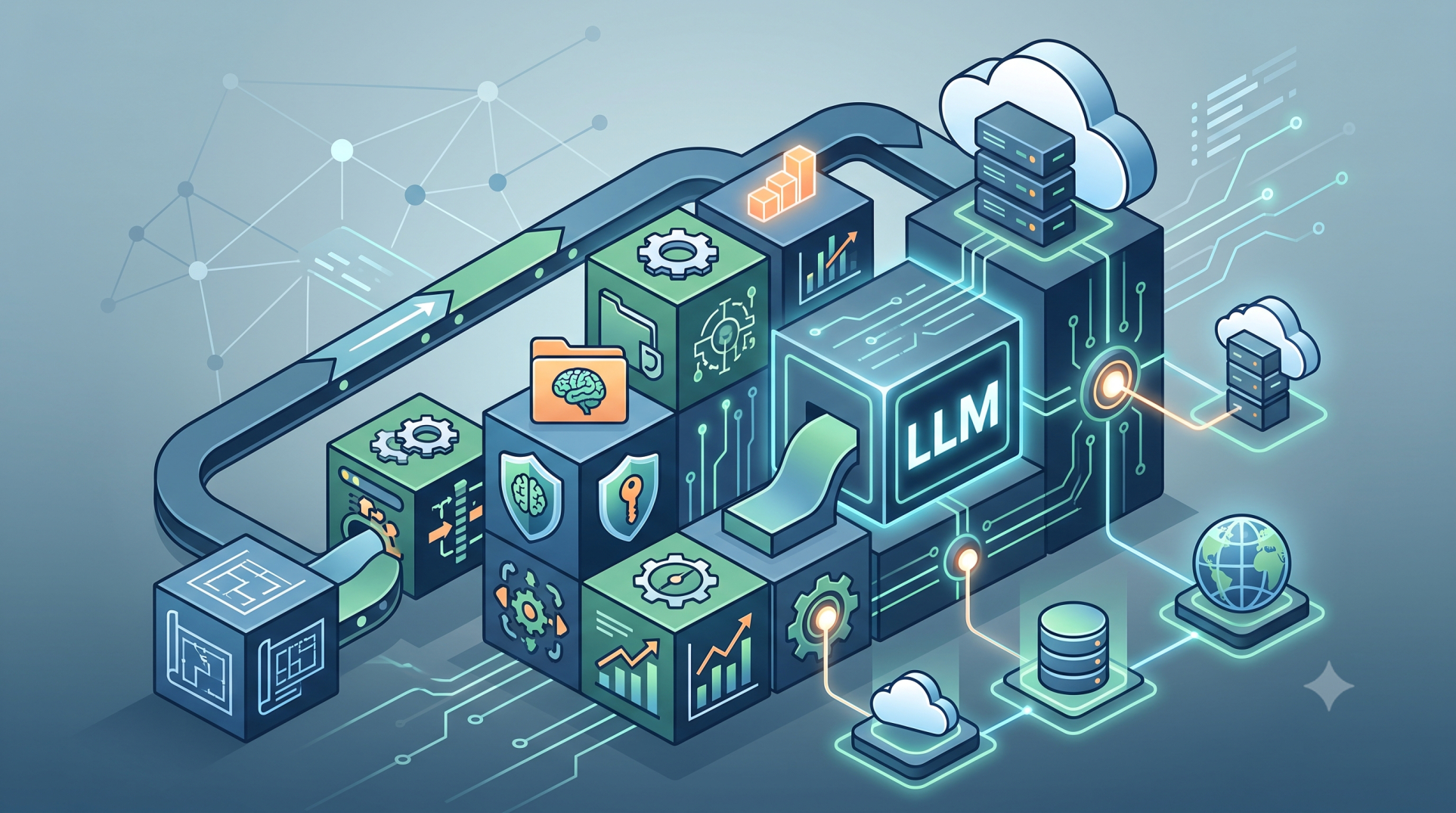
Step 10: Building a Future-Ready AI Operations Center 🌍
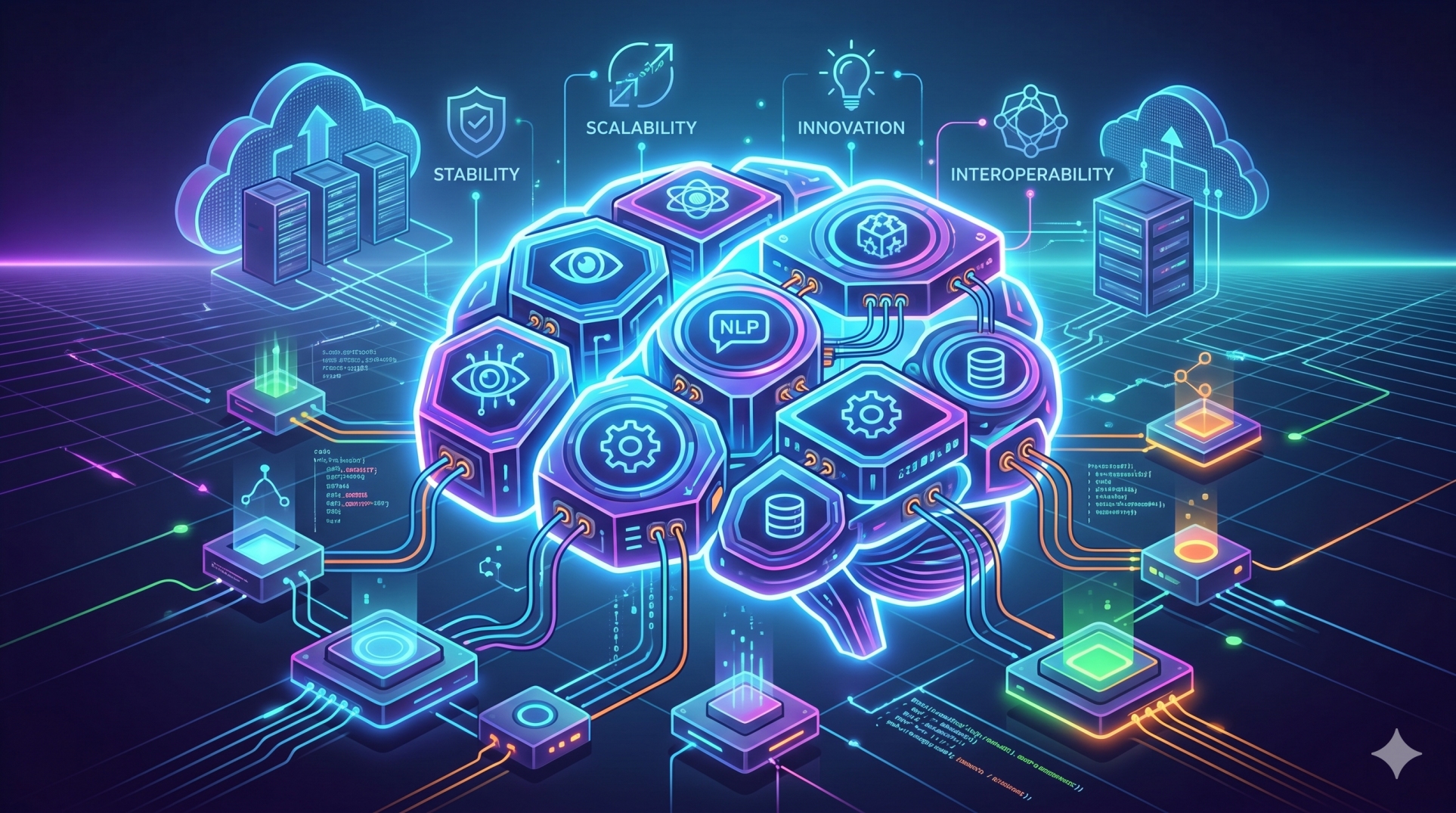
• Design modular architectures that support future expansion 🏗️
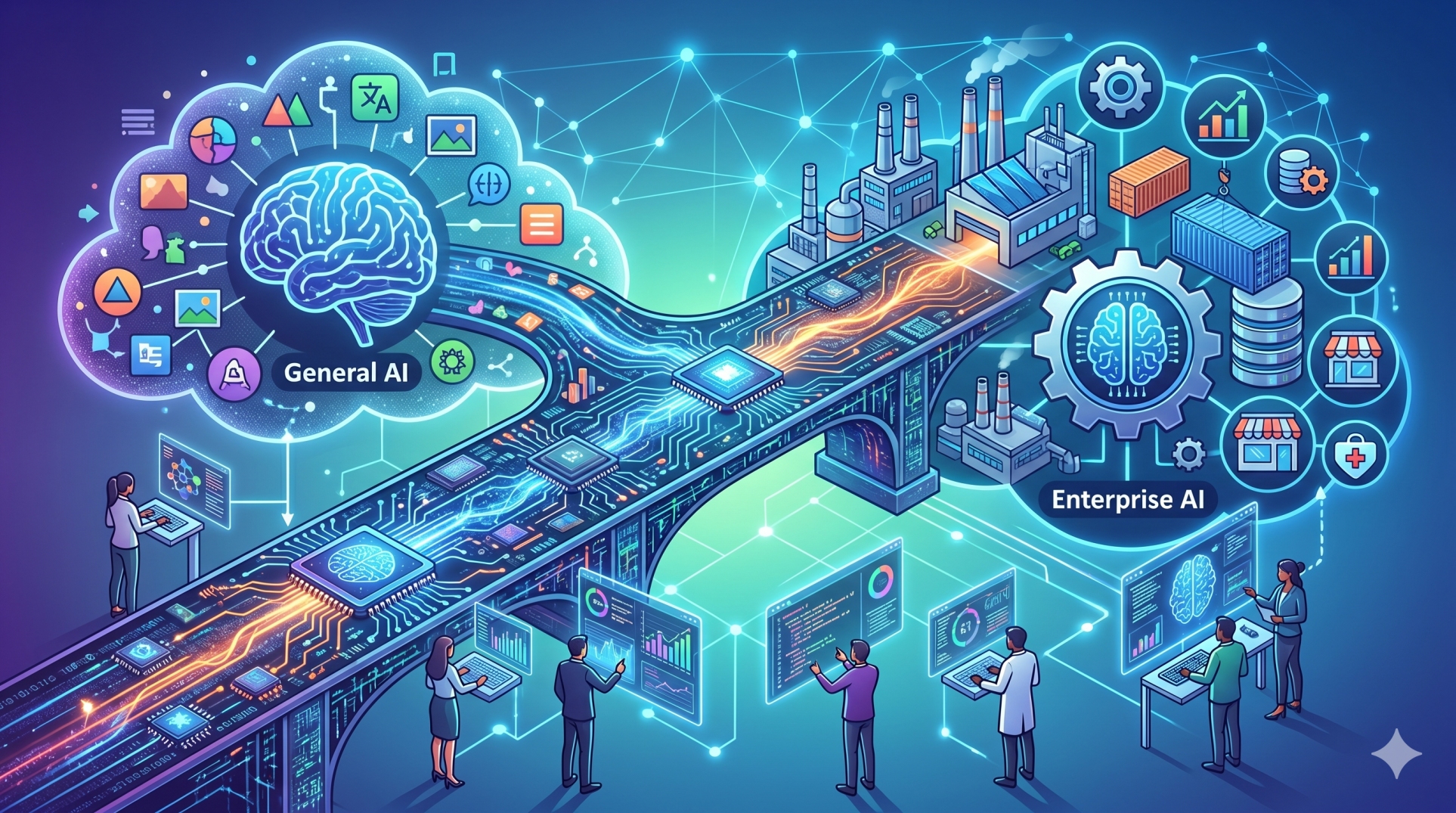
• Integrate emerging AI capabilities with existing systems 🔗
• Support cloud, hybrid, and distributed environments ☁️
• Continuously improve operational intelligence through feedback 📈
• Build resilient operations that adapt to changing business needs 🚀
Conclusion
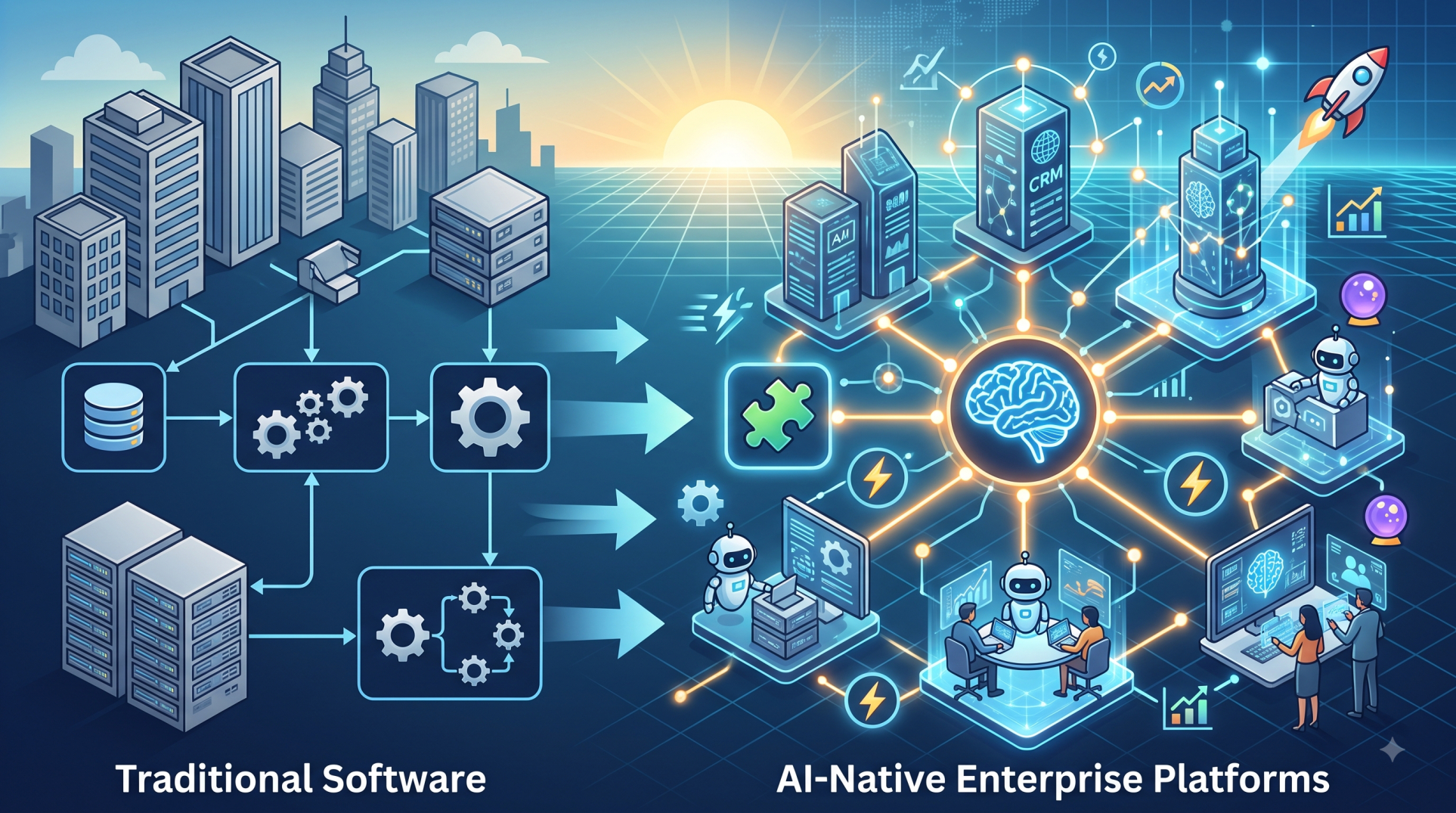
AI-powered operations centers using language models help organizations transform operational management through intelligent automation, real-time insights, and centralized decision support. By connecting enterprise systems, analyzing operational data, and assisting teams with contextual recommendations, language models improve efficiency, accelerate incident response, and strengthen collaboration. As organizations continue to modernize their operations, AI-driven operations centers provide the scalability, agility, and intelligence needed for long-term operational excellence.
See more blogs
You can all the articles below