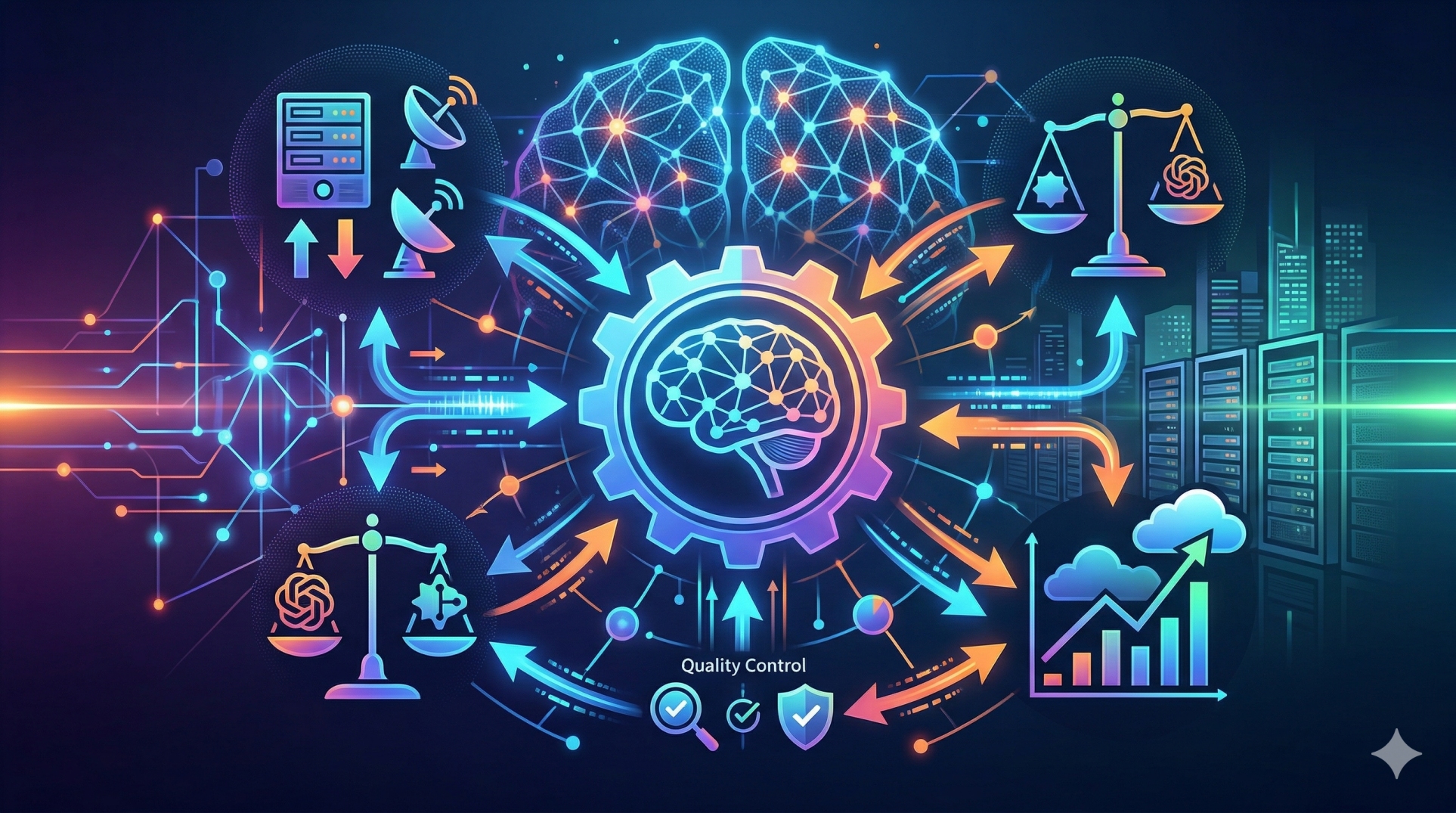
Trust Engineering Principles for Enterprise LLM Platforms

Trust Engineering Principles for Enterprise LLM Platforms
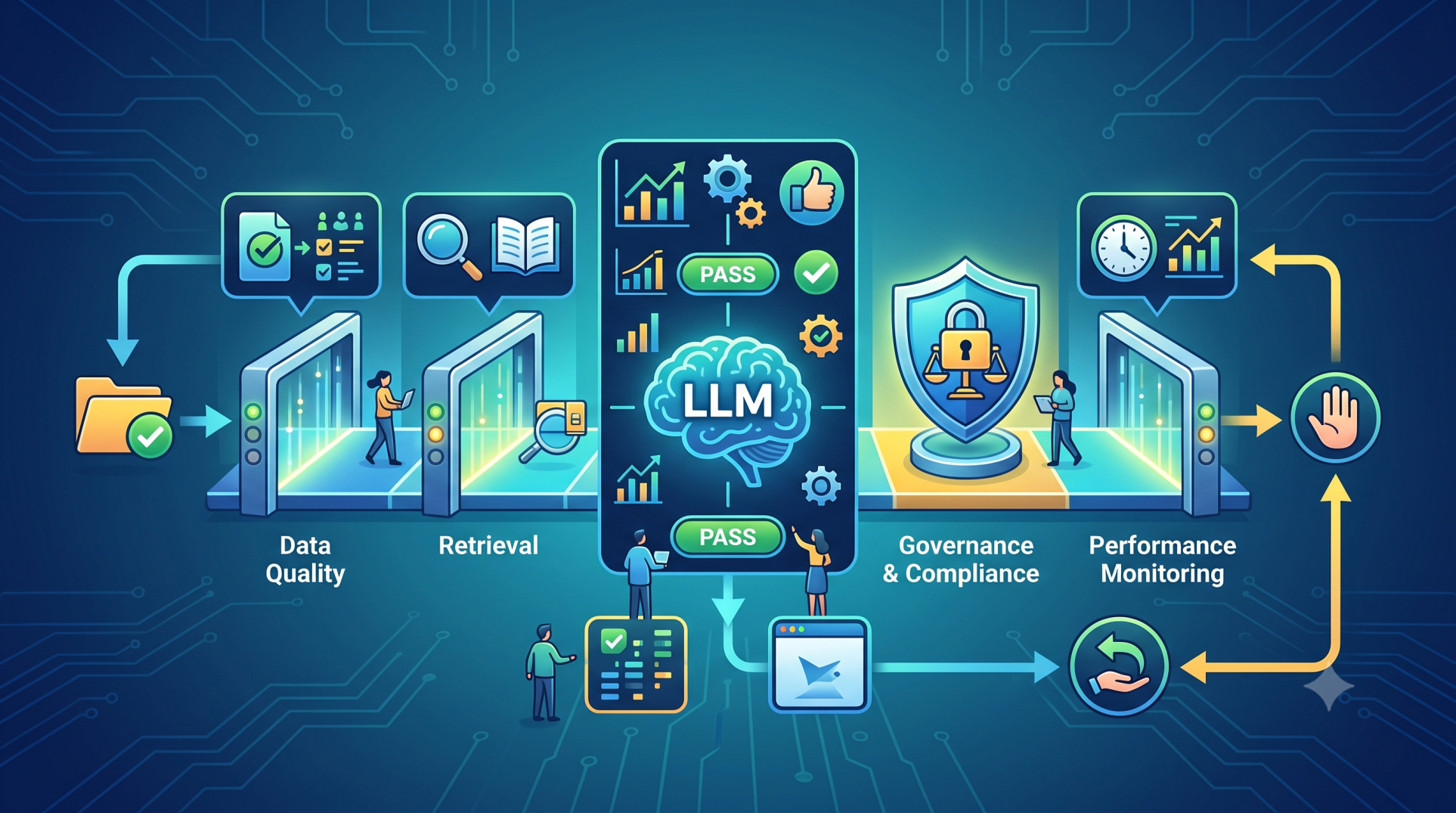
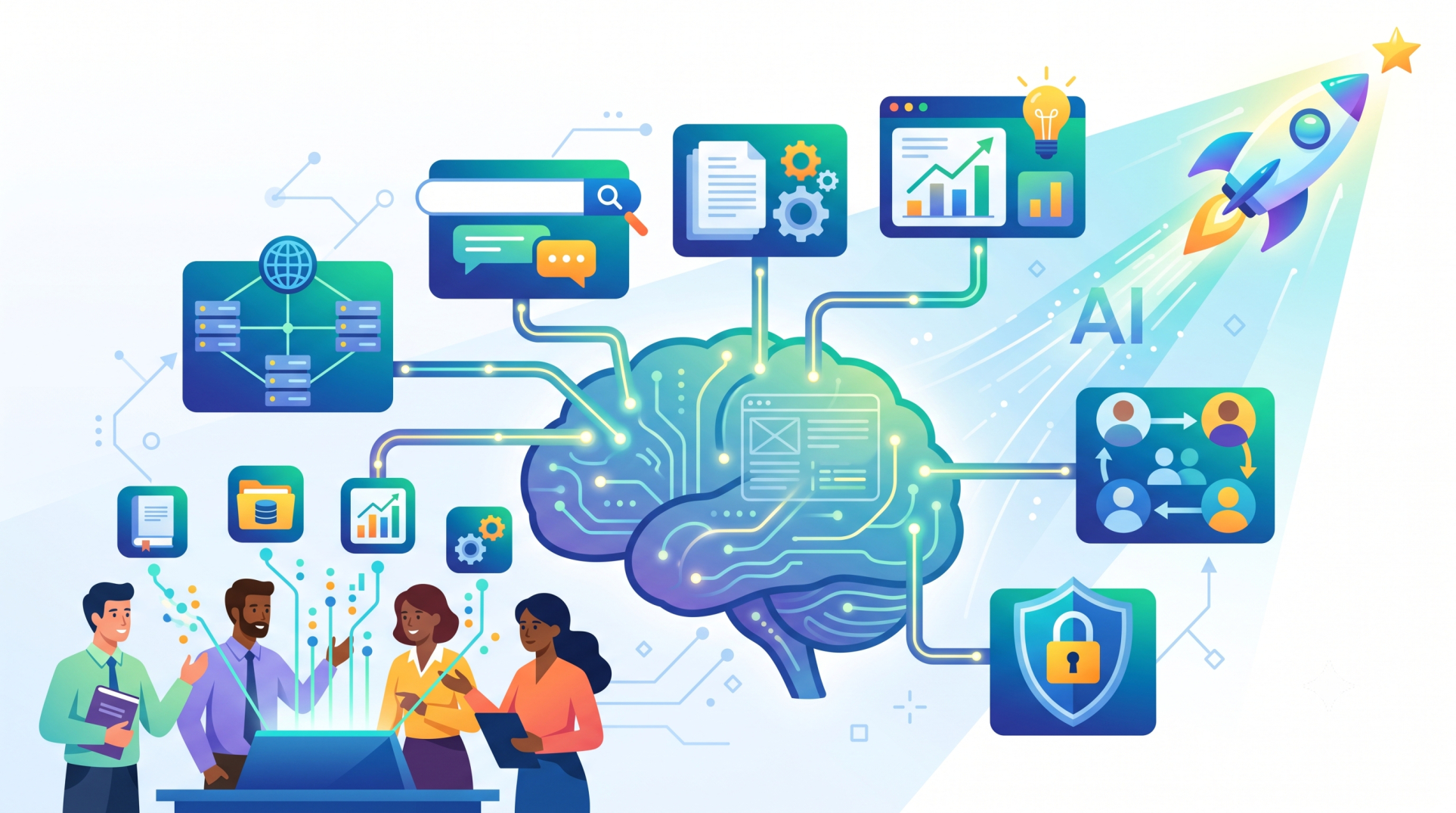
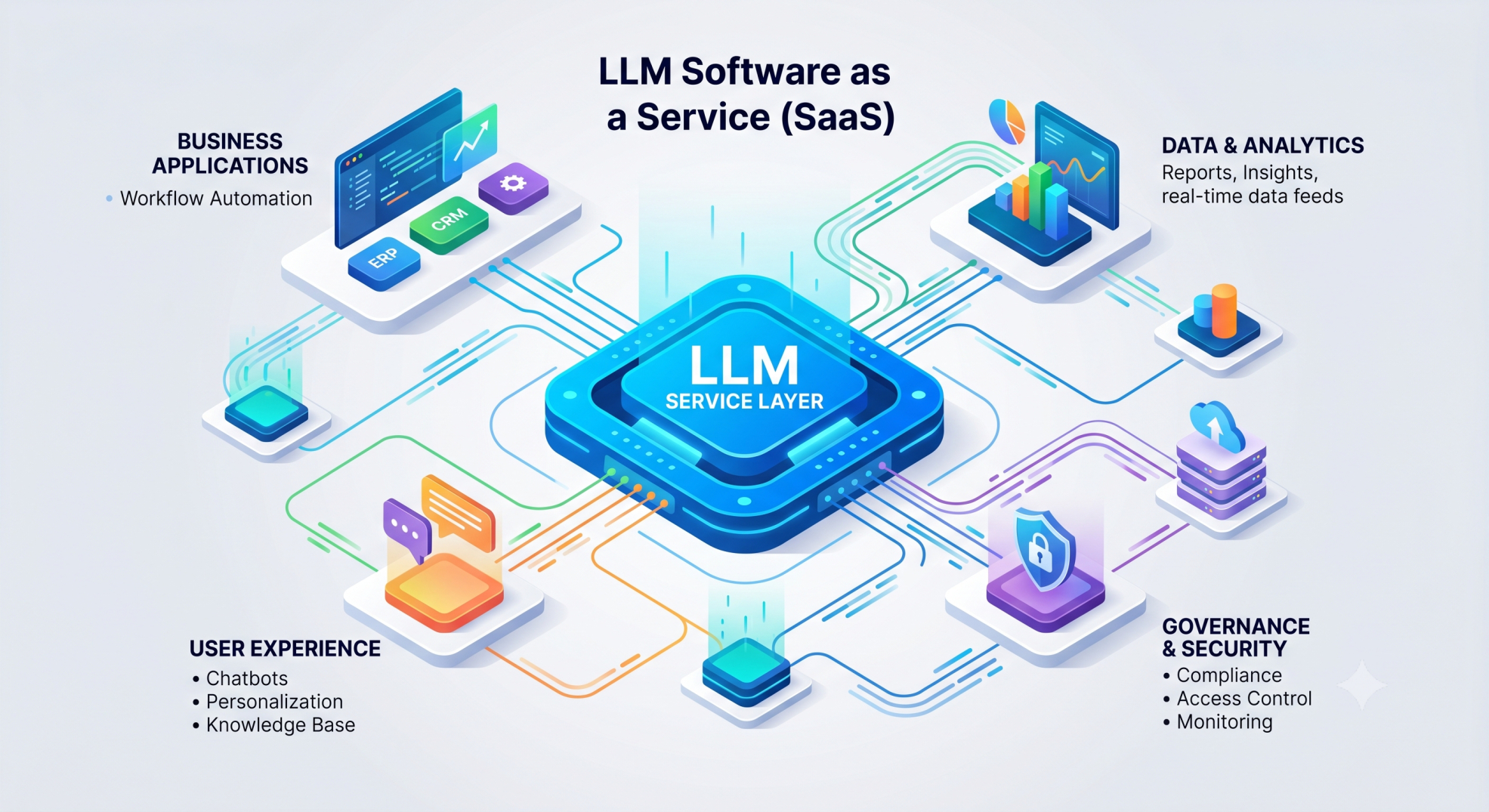
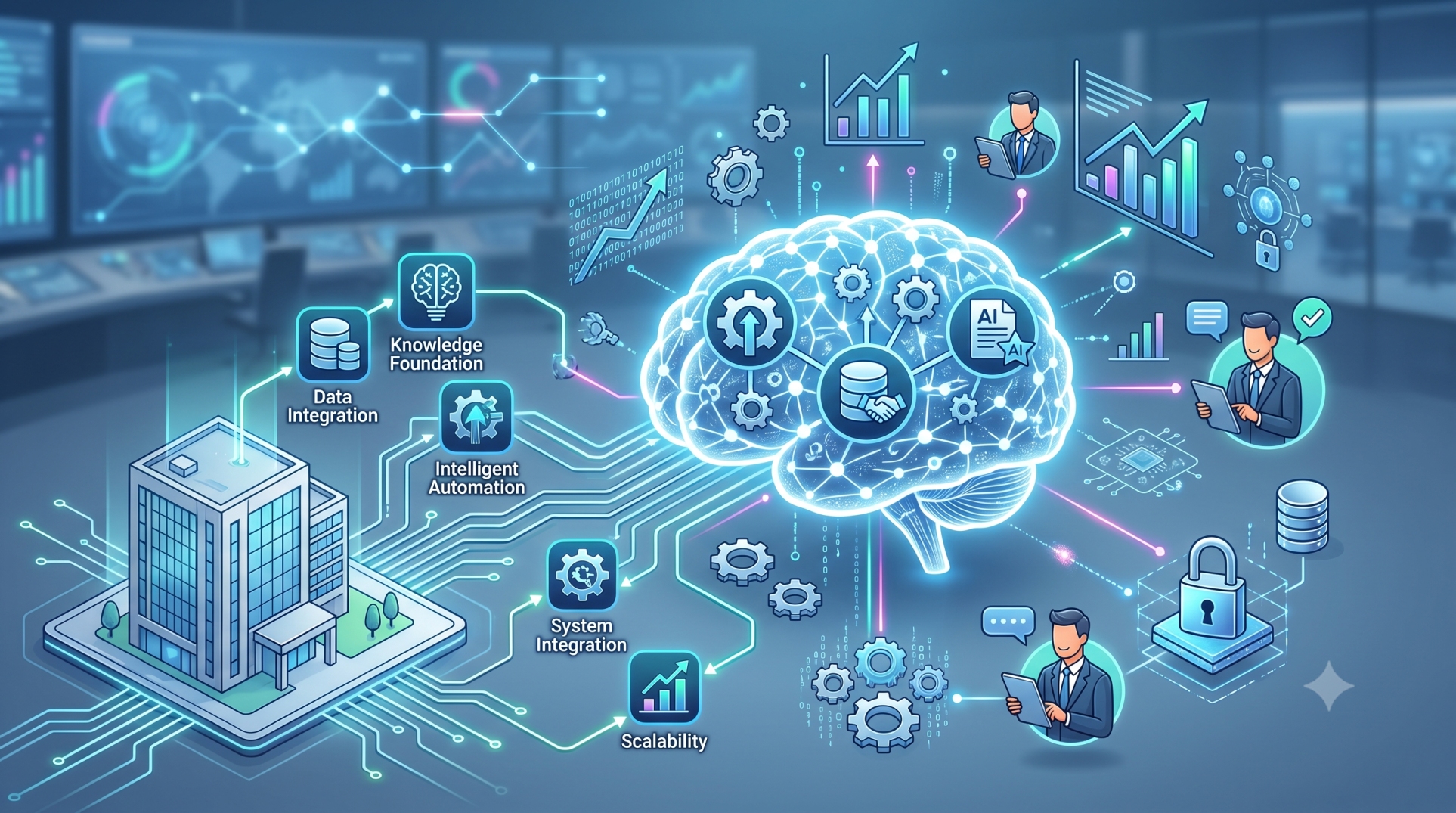
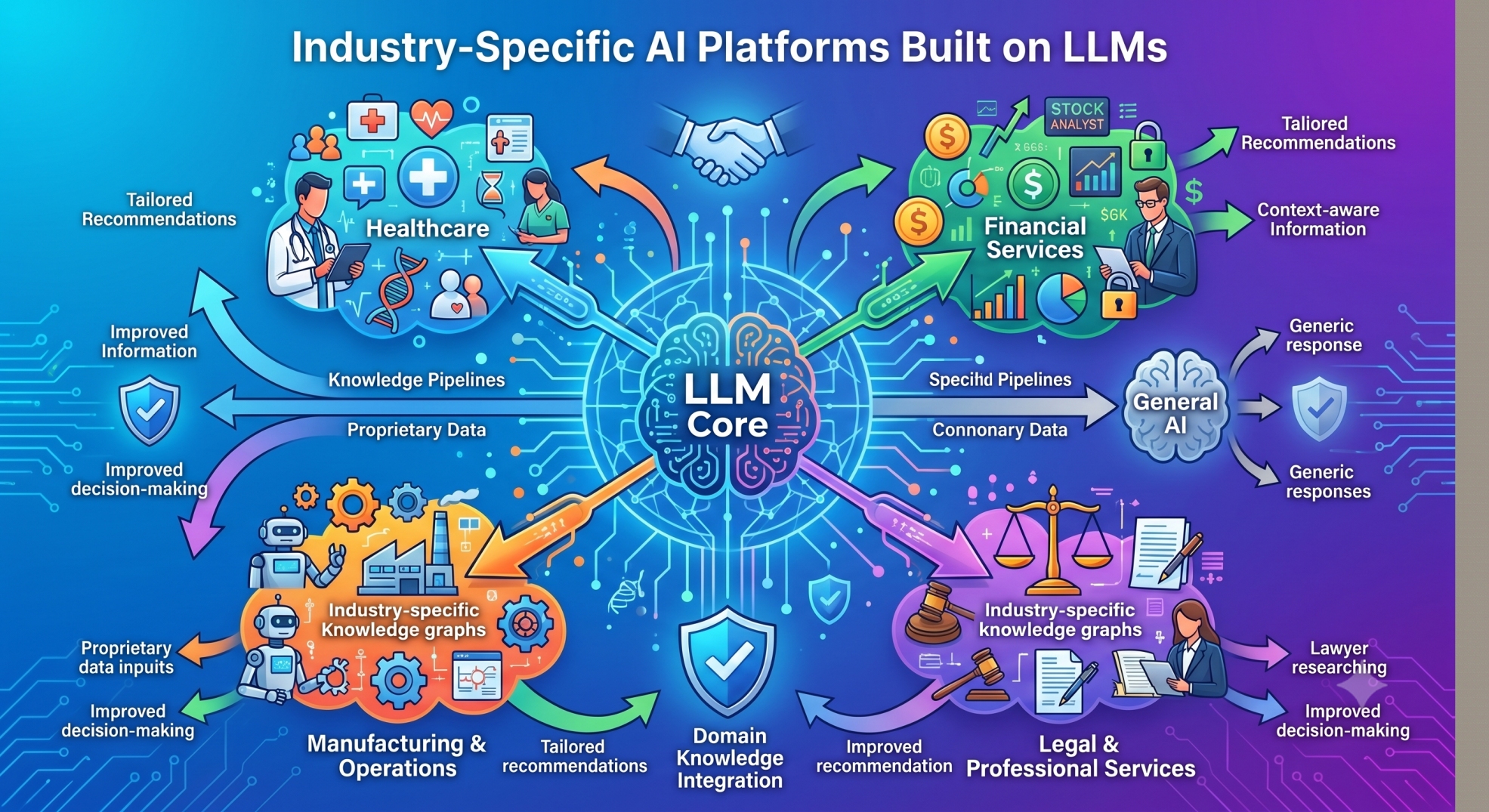
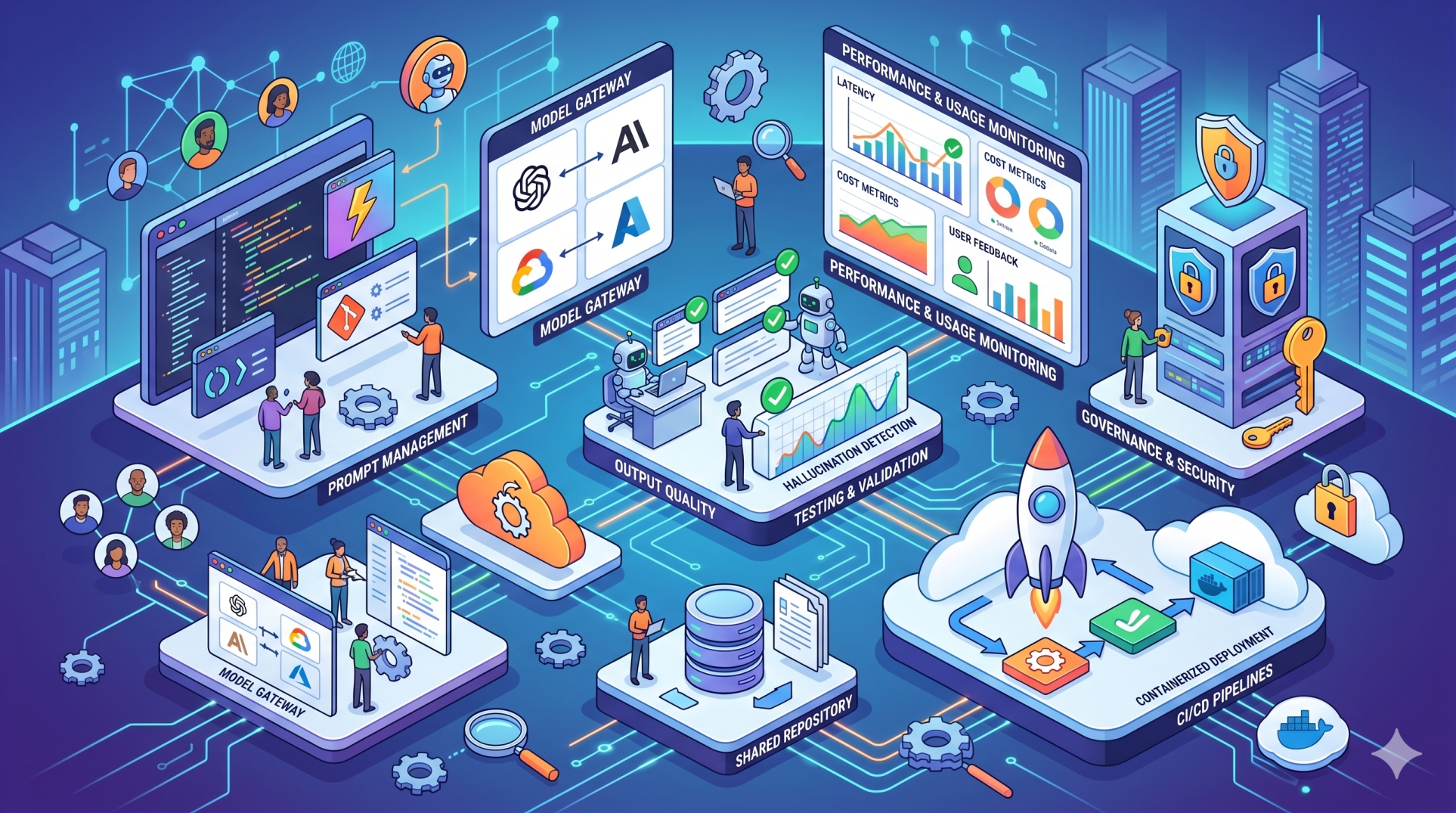
As Large Language Model (LLM) platforms become integral to enterprise operations, establishing trust is essential for successful adoption. Trust engineering focuses on designing AI systems that are secure, reliable, transparent, and aligned with organizational policies. By implementing strong governance, monitoring, and security practices, enterprises can confidently deploy LLM-powered applications while minimizing operational, regulatory, and reputational risks.
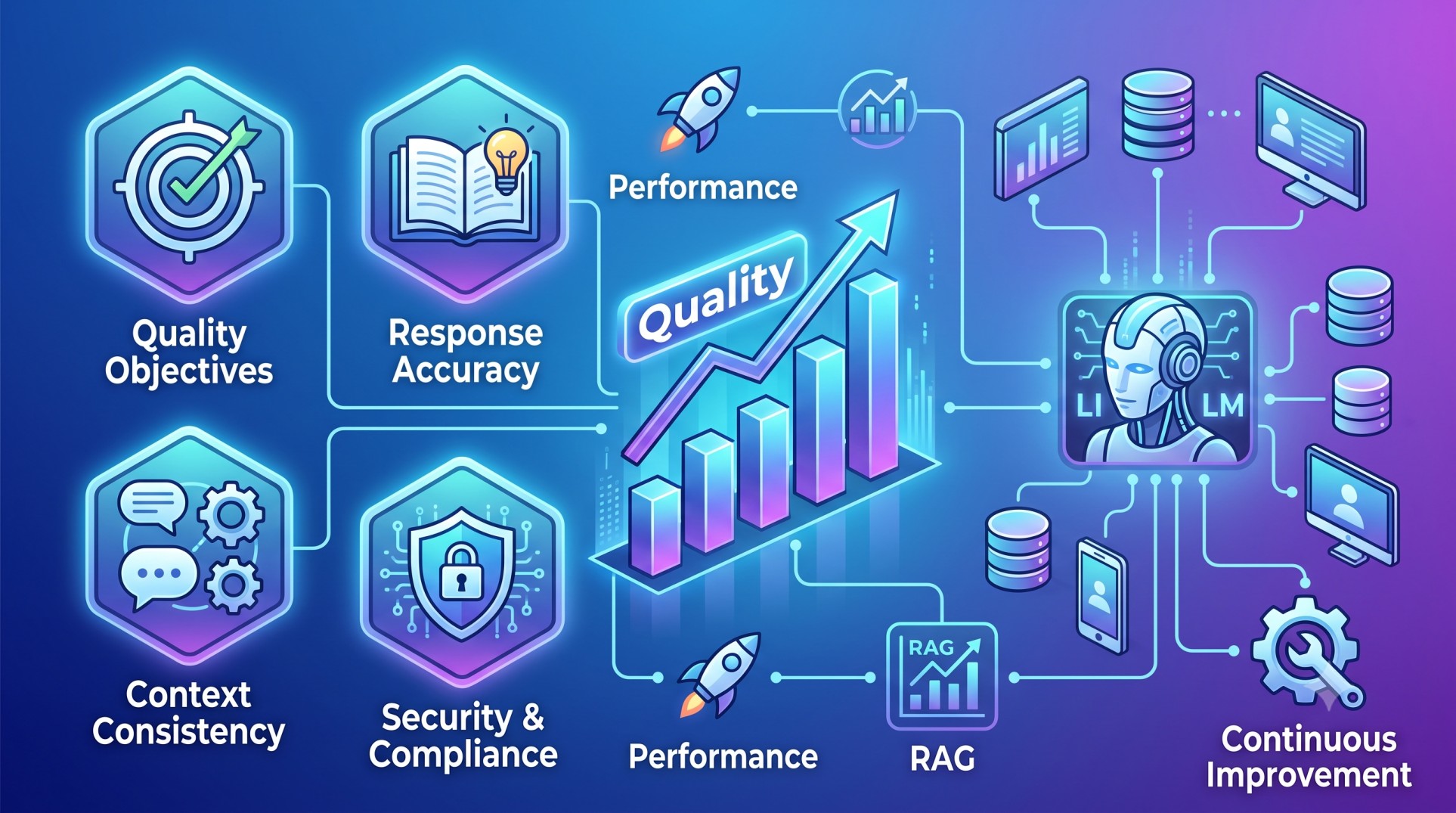
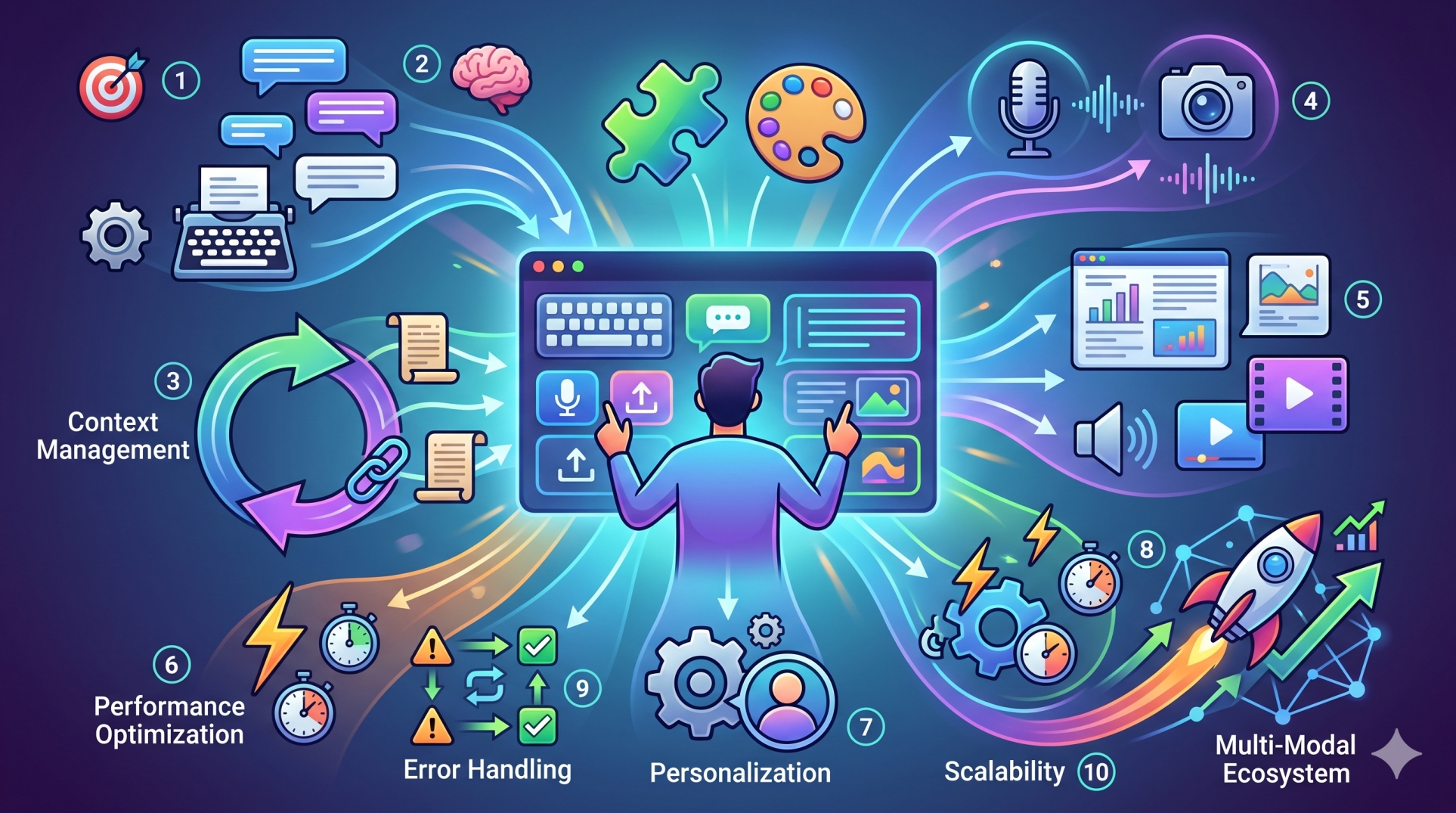
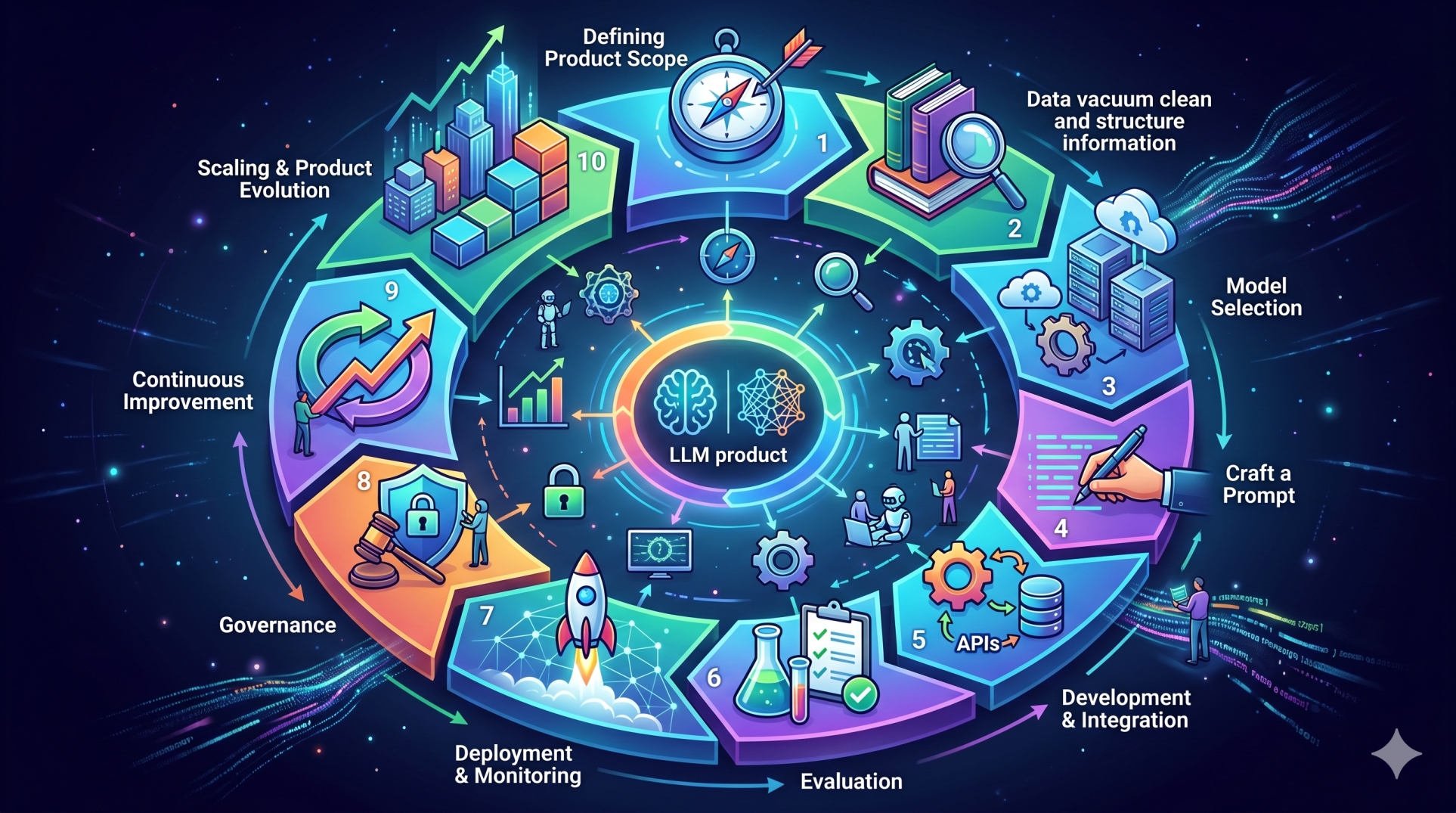
Step 1: Defining Trust Objectives 🎯
• Establish clear goals for secure and responsible AI deployment 📋
• Align trust principles with business and compliance requirements ⚖️
• Identify risks associated with enterprise AI applications 🔍
• Define measurable trust and performance indicators 📊
• Create organization-wide AI governance standards 🏢
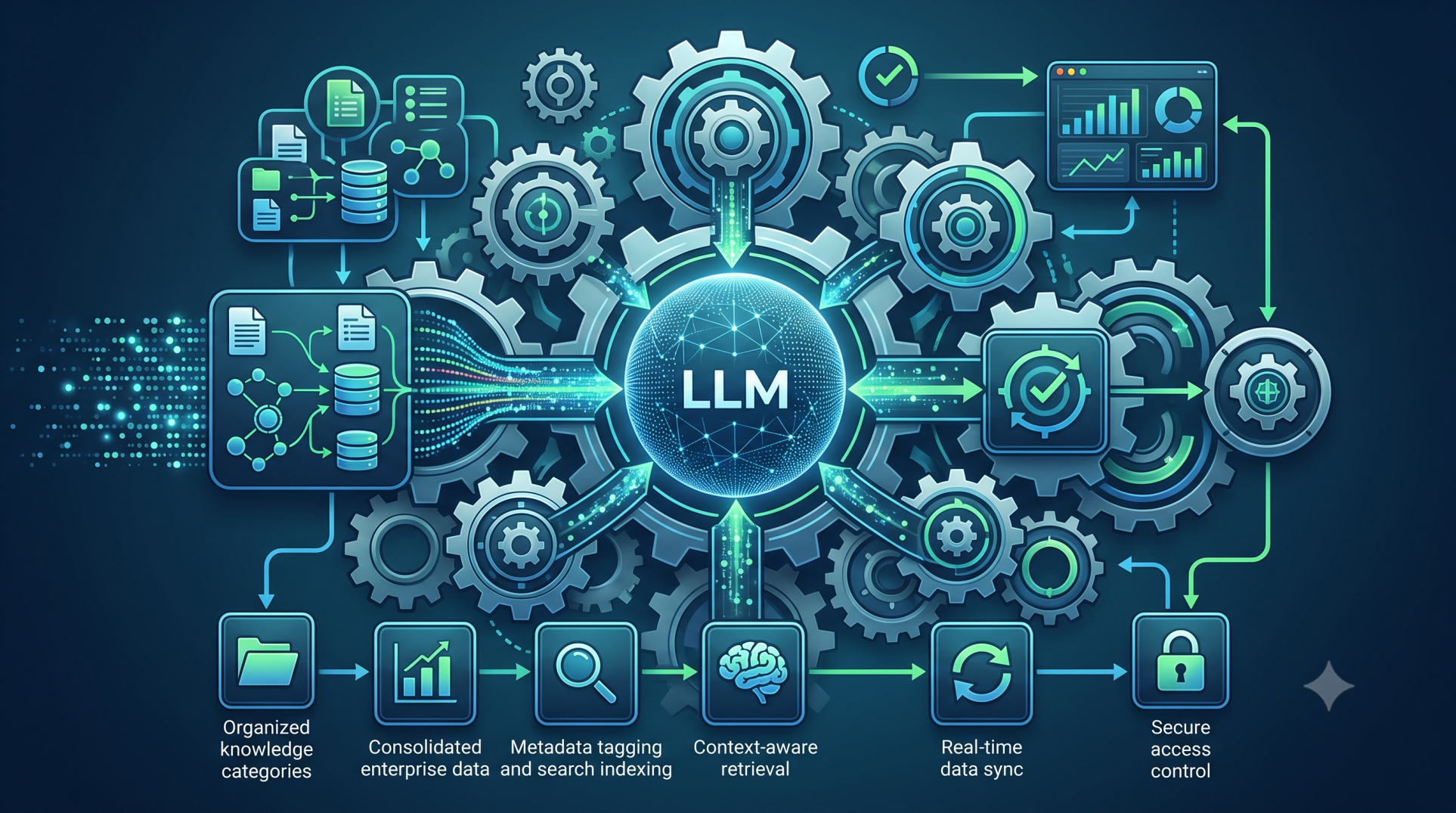
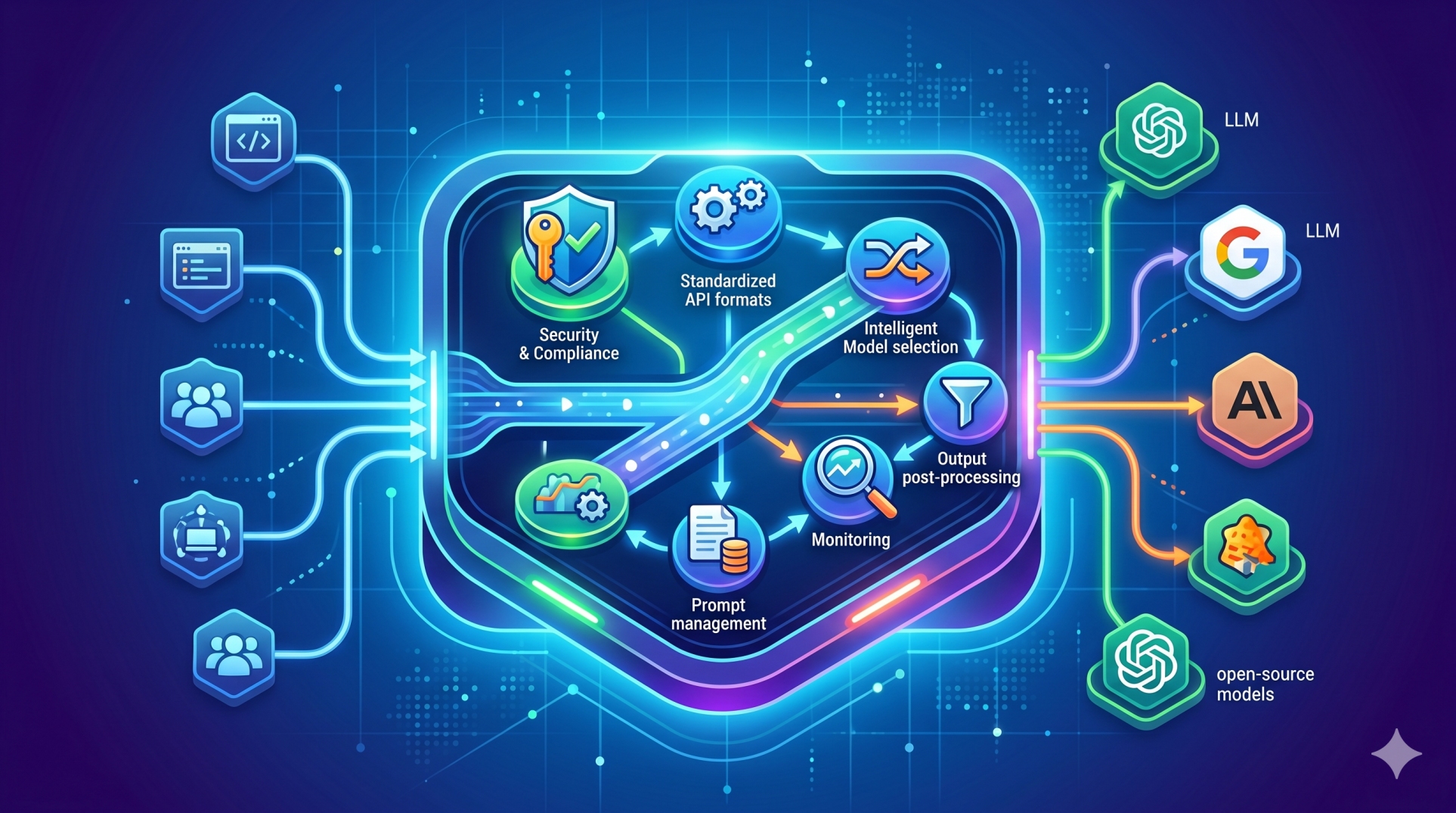
Step 2: Securing Data and Knowledge Sources 🔐
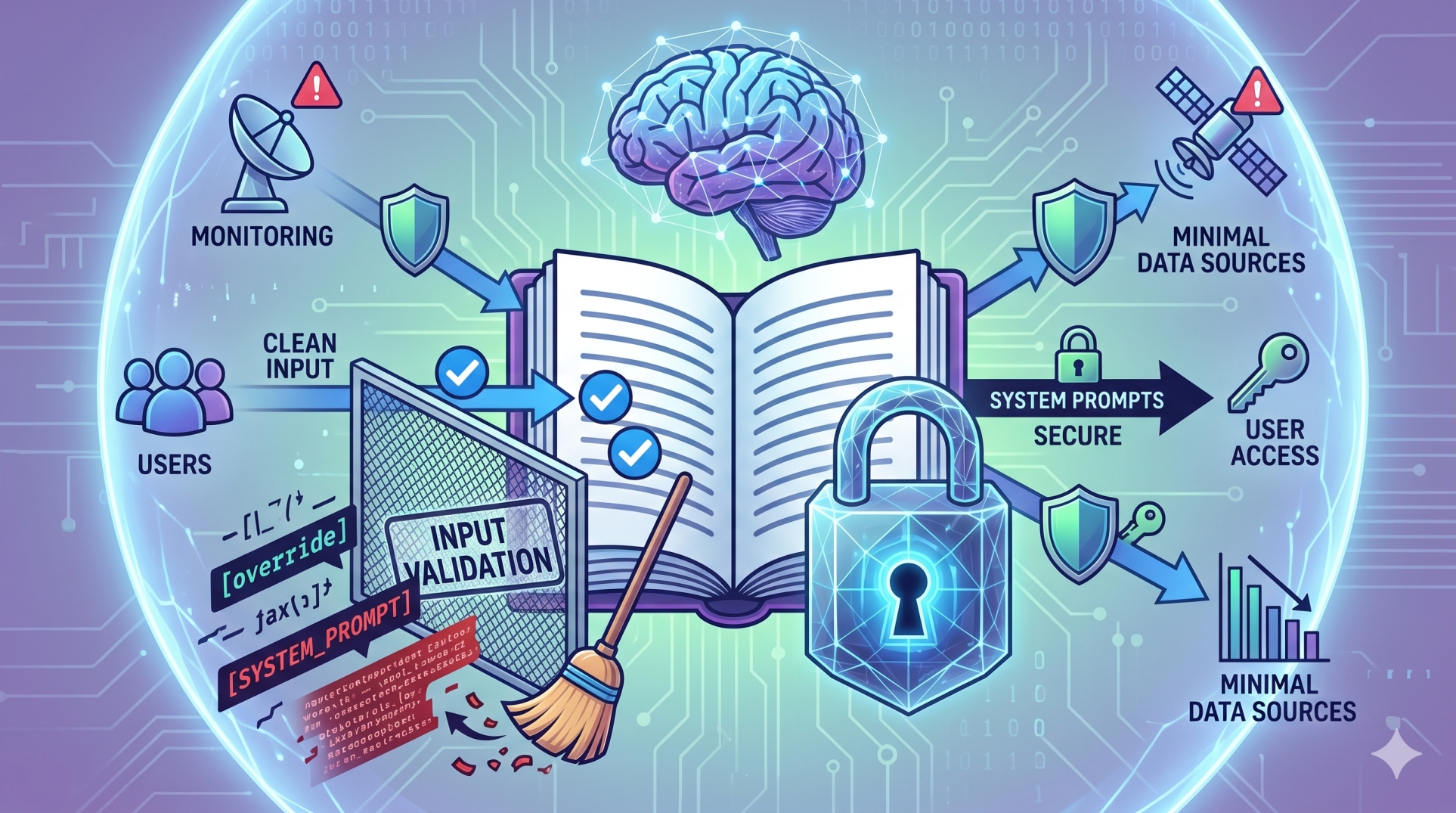
• Protect sensitive enterprise information with strong access controls 🛡️
• Encrypt data during storage and transmission 🔒
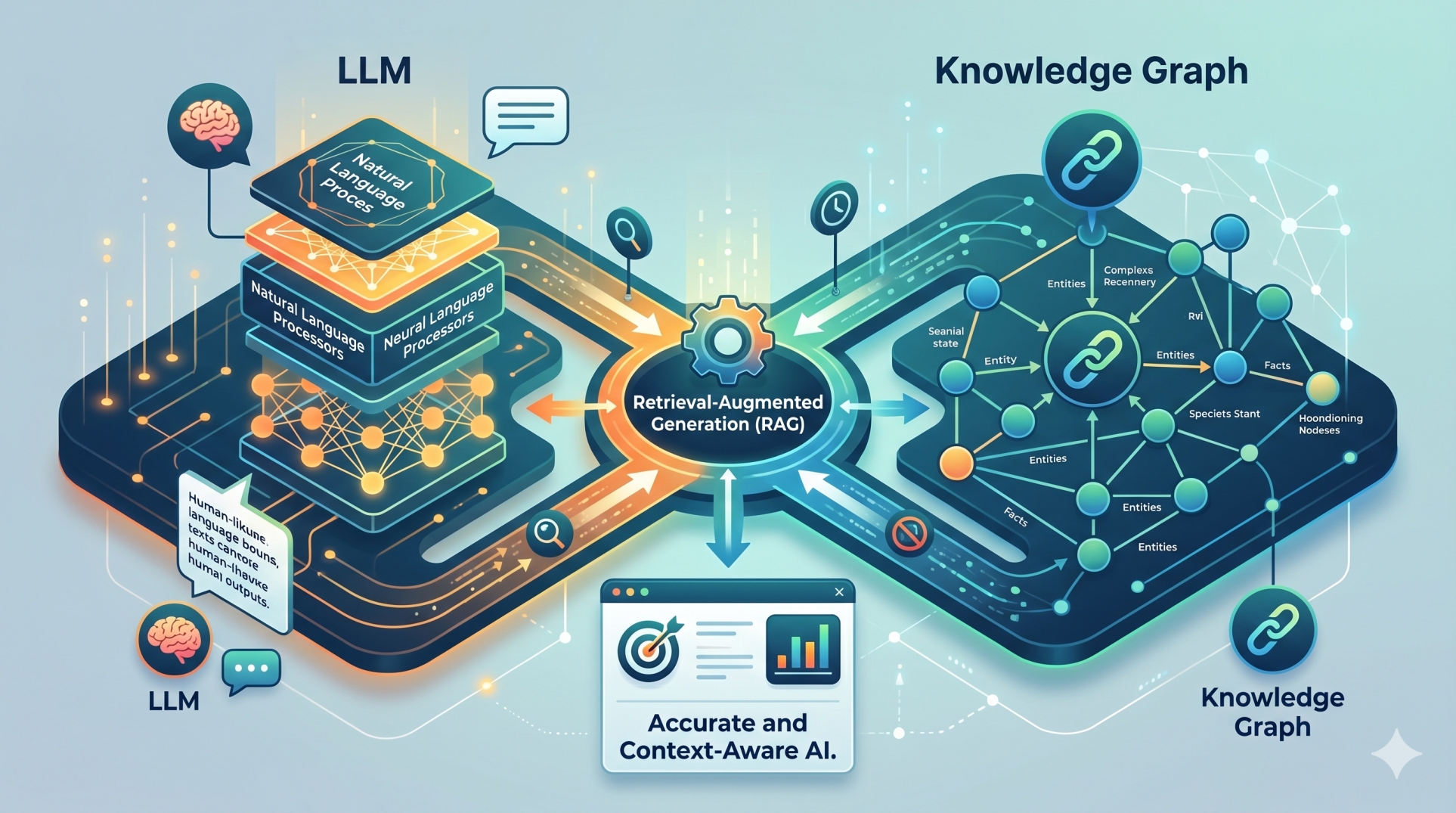
• Validate external knowledge sources before integration ✅
• Restrict unauthorized access to proprietary business data 🚫
• Maintain data integrity throughout AI workflows 📁
Step 3: Strengthening Identity and Access Management 👥
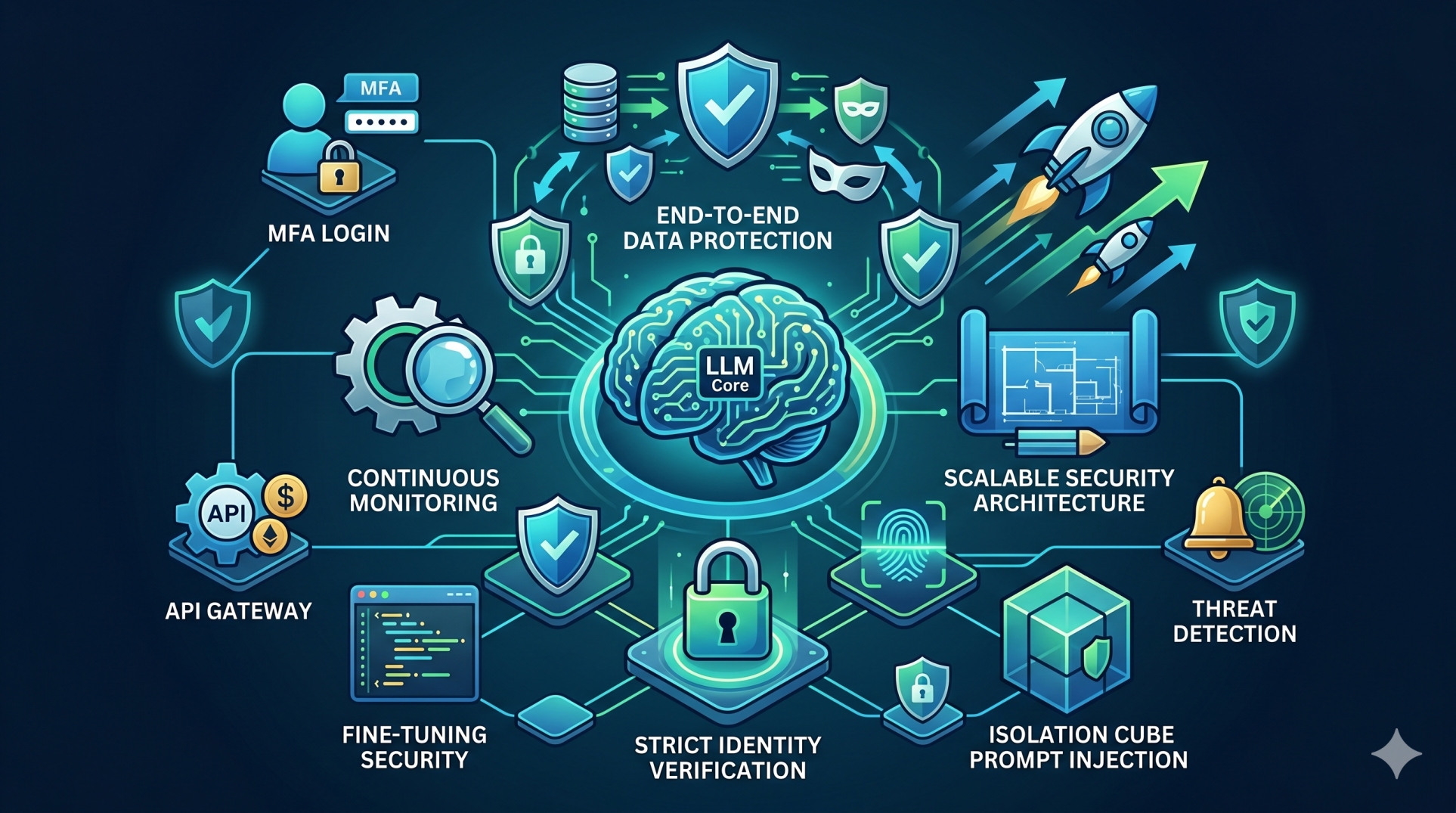
• Apply role-based permissions for AI platforms 🗂️
• Enable multi-factor authentication for privileged users 📲
• Manage API credentials securely 🔑
• Review user access regularly to remove unnecessary privileges 🔄
• Monitor authentication activities continuously 👀
Step 4: Improving Model Reliability 🧠
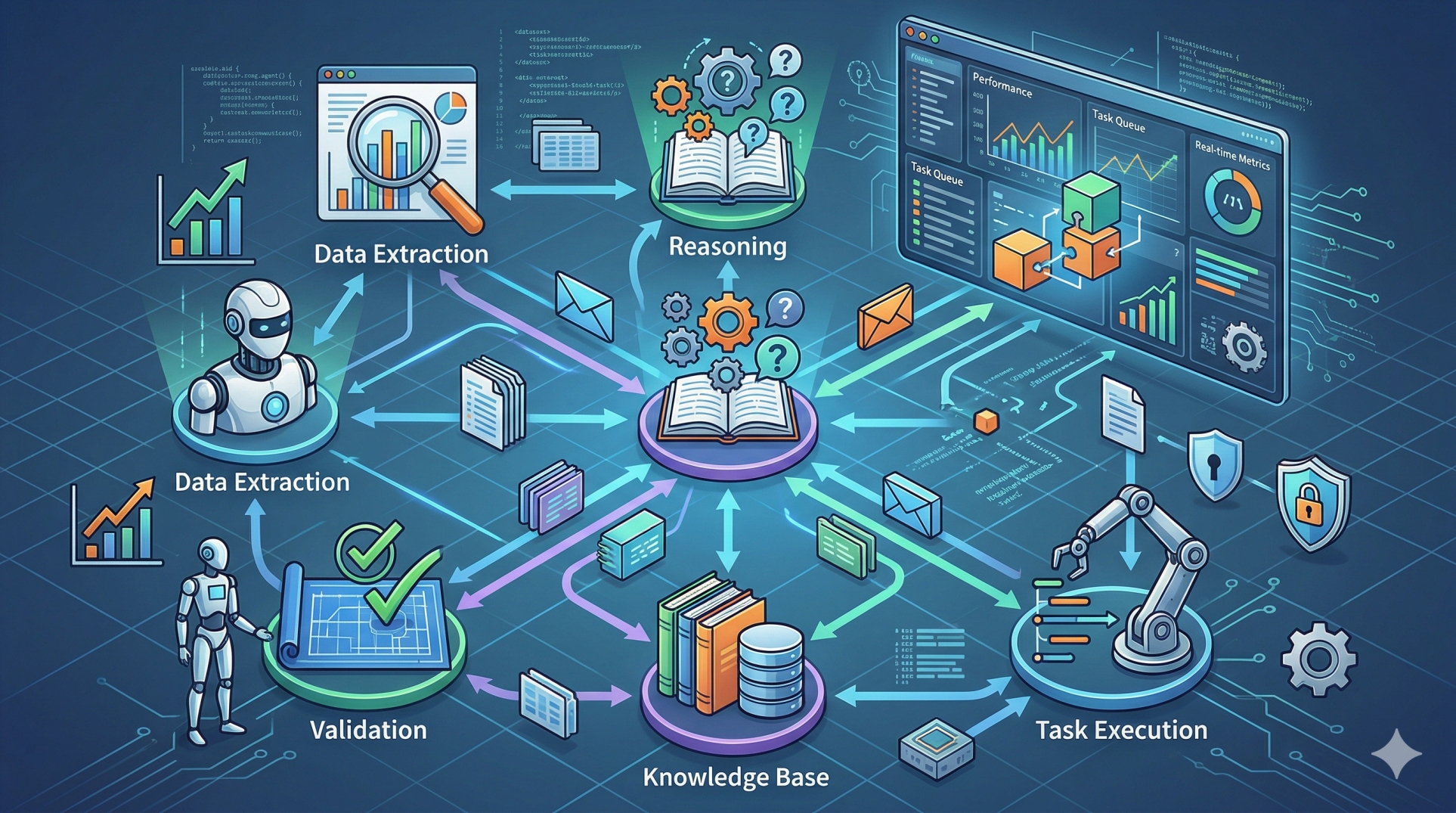
• Test AI models using diverse enterprise scenarios 📊
• Monitor response quality and consistency 📈
• Validate outputs before integrating them into critical workflows ✔️
• Reduce inaccurate or misleading responses through continuous evaluation 🔍
• Establish quality benchmarks for enterprise AI systems 🎯
Step 5: Enhancing Transparency and Explainability 📖
• Document AI system capabilities and limitations 📝
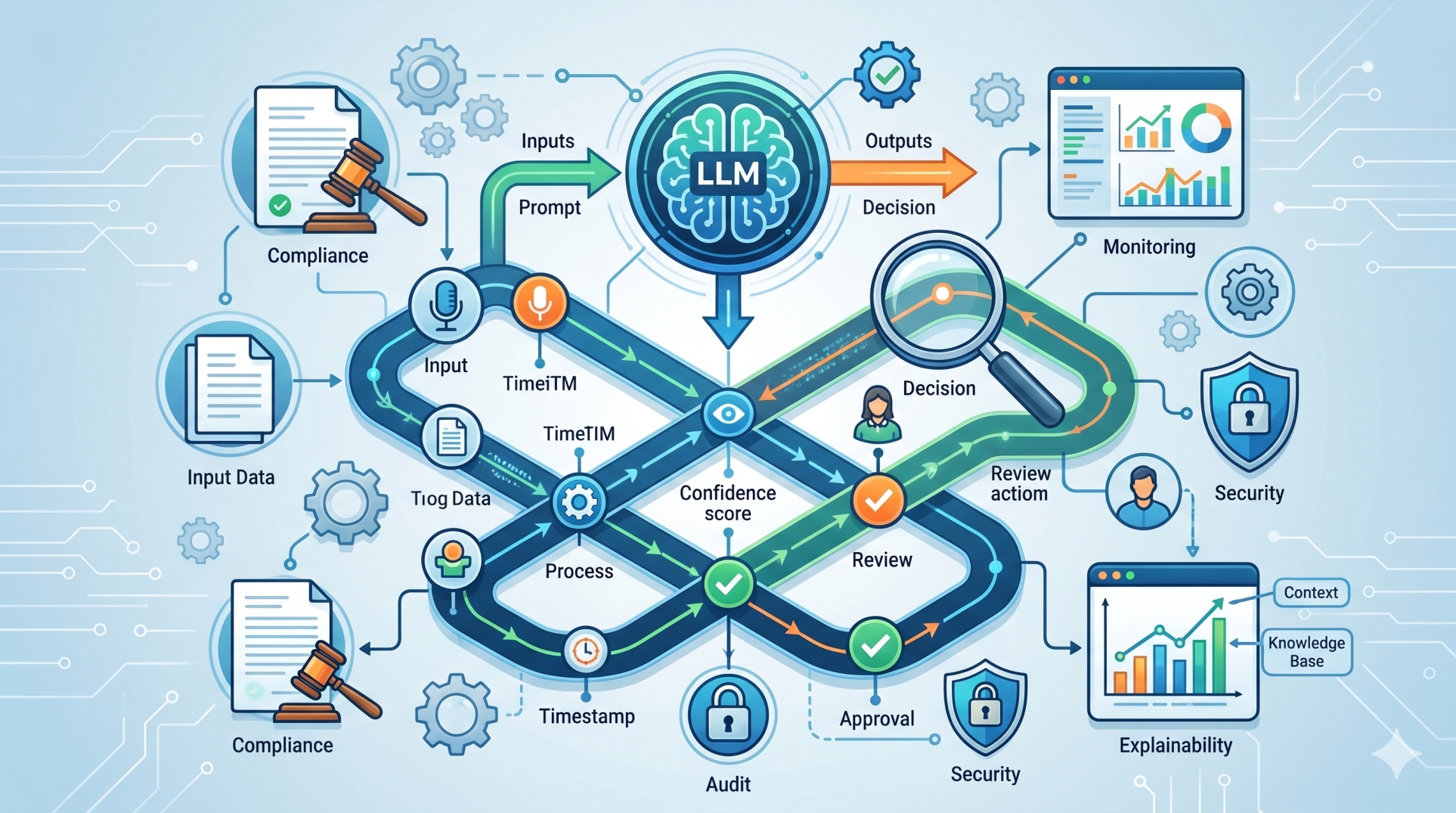
• Provide visibility into how responses are generated 🔎
• Maintain traceability for retrieved knowledge and decisions 📂
• Support human review for business-critical outputs 👨💼
• Build user confidence through clear communication 💬
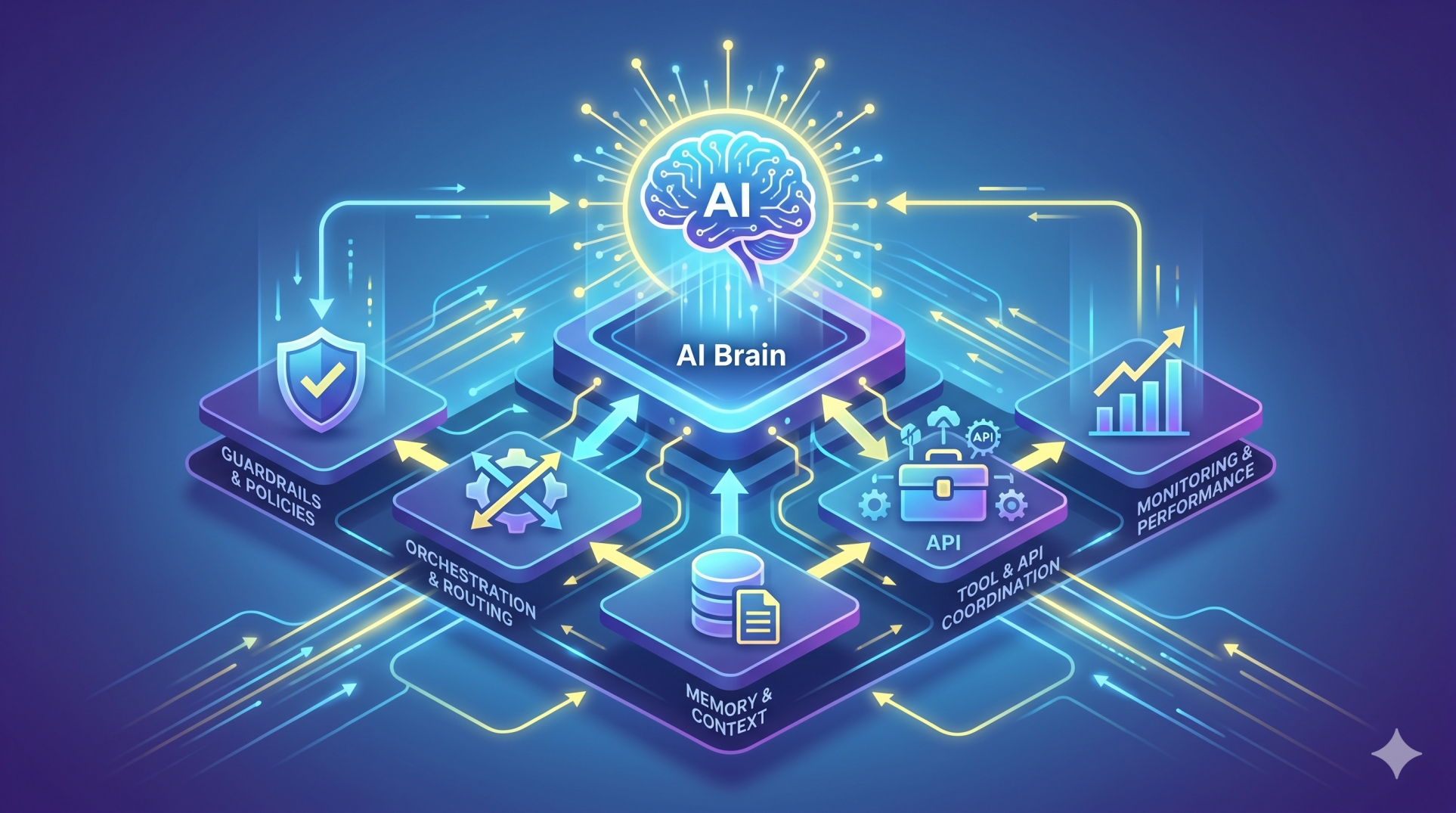
Step 6: Continuous Monitoring and Risk Detection 📡
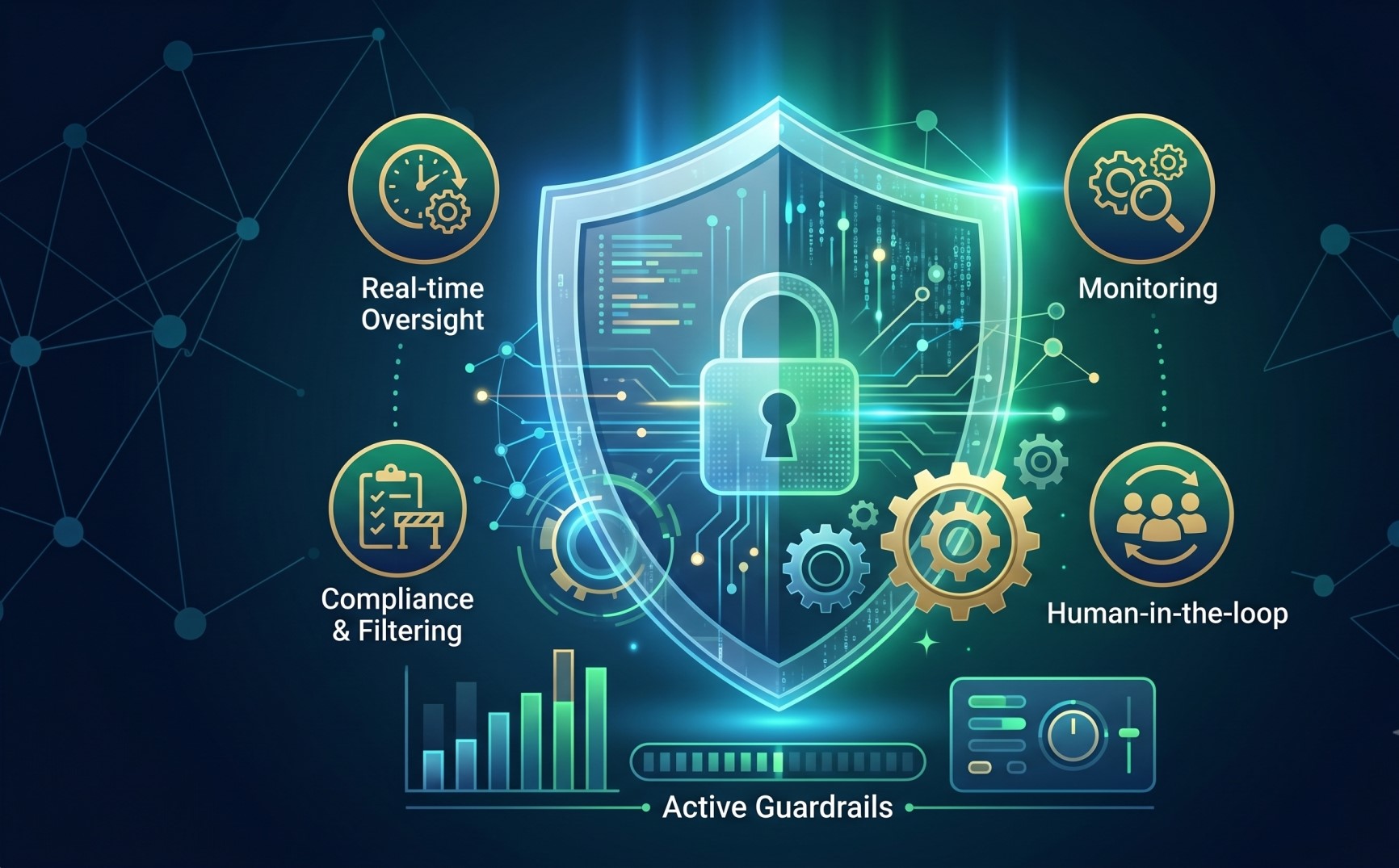
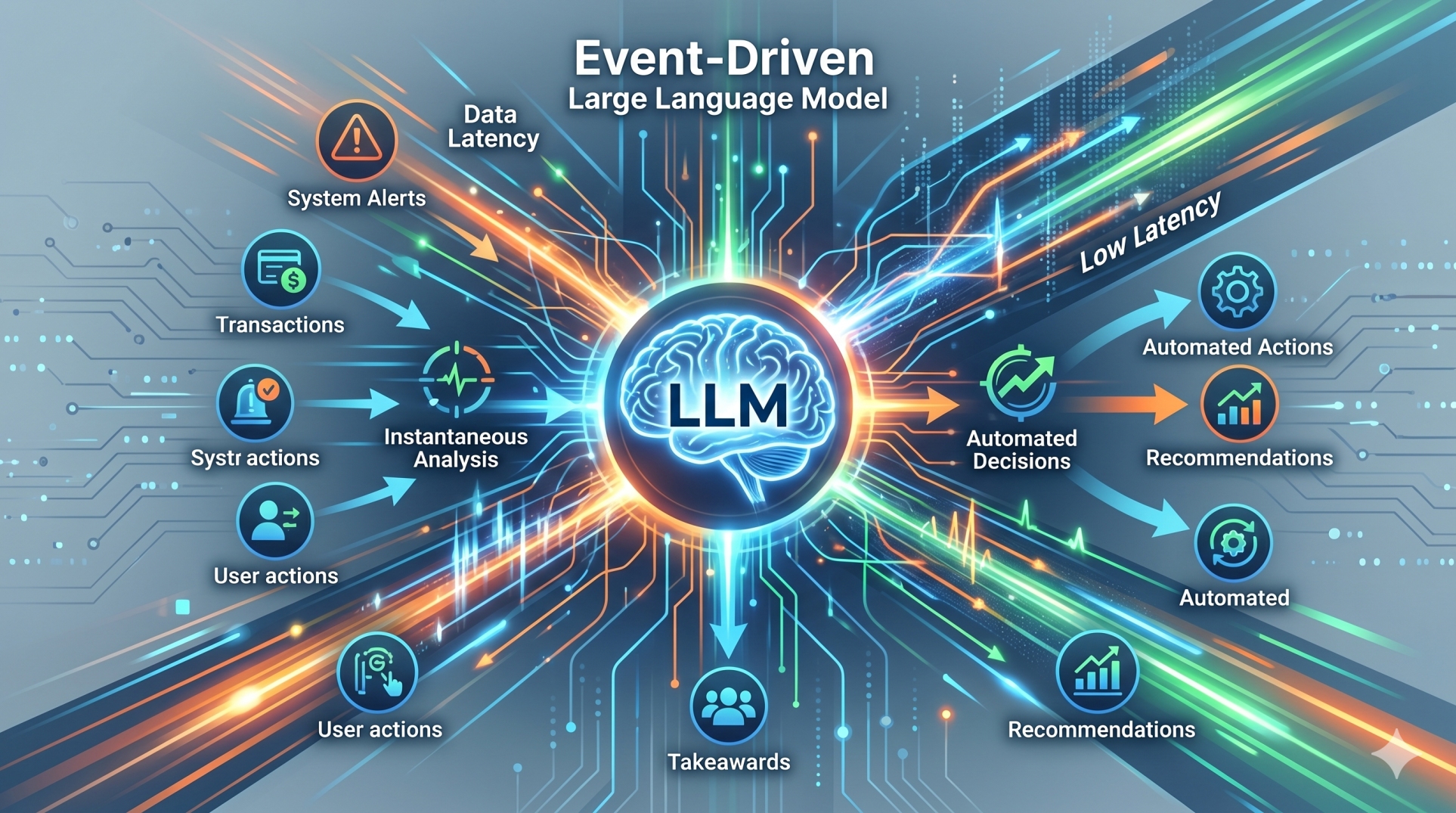
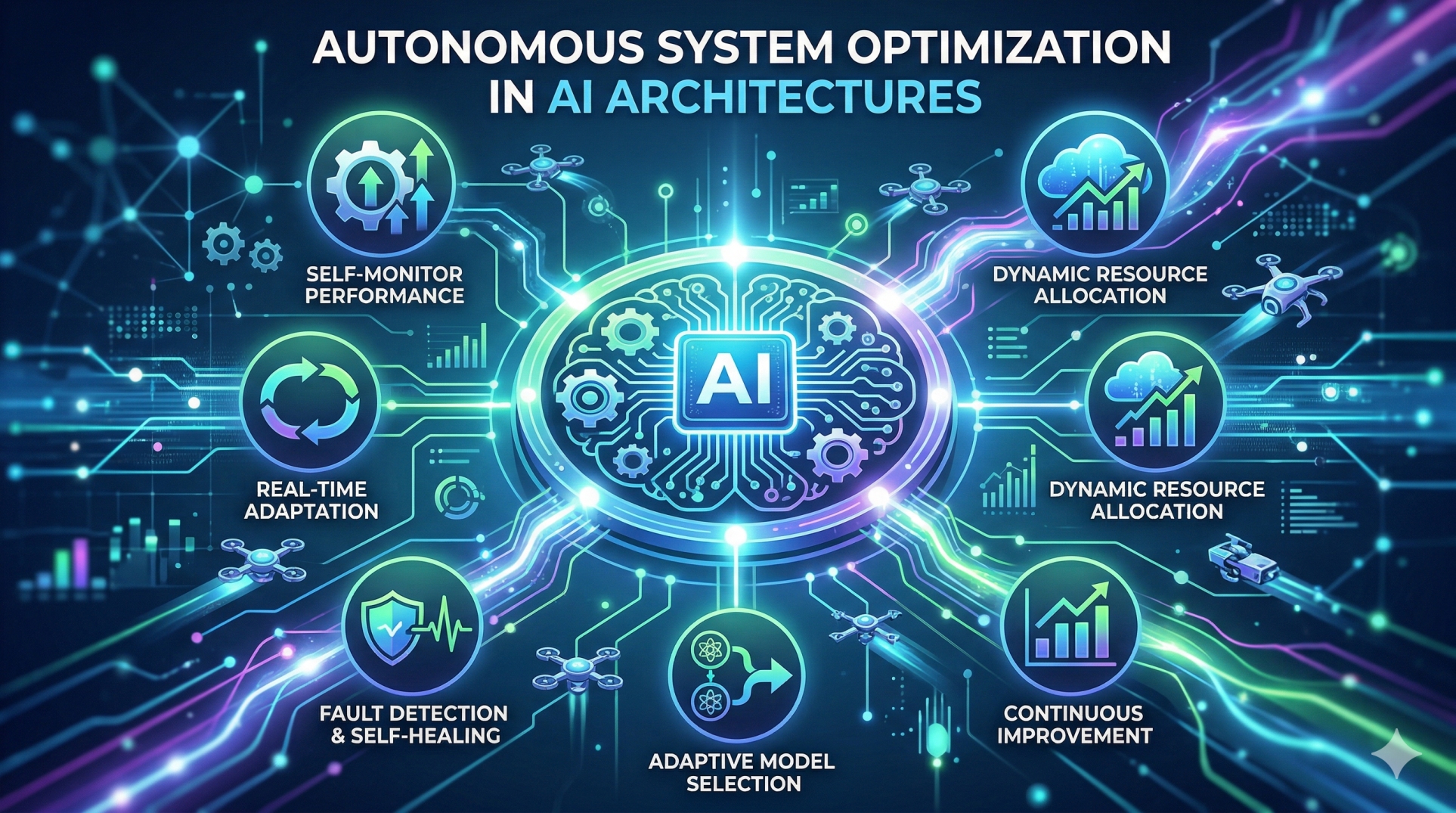
• Monitor AI performance and operational health in real time 📊
• Detect unusual behavior or unexpected outputs 🚨
• Track system usage and access activities 📈
• Generate alerts for security or policy violations ⚠️
• Continuously improve monitoring strategies 🔄
Step 7: Governance and Compliance 🛡️
• Establish enterprise AI usage policies 📜
• Maintain audit logs for AI interactions 🧾
• Align operations with internal governance frameworks ⚖️
• Support regulatory and industry compliance requirements ✅
• Regularly review governance controls for effectiveness 📋
Step 8: Key Trust Engineering Priorities ⭐
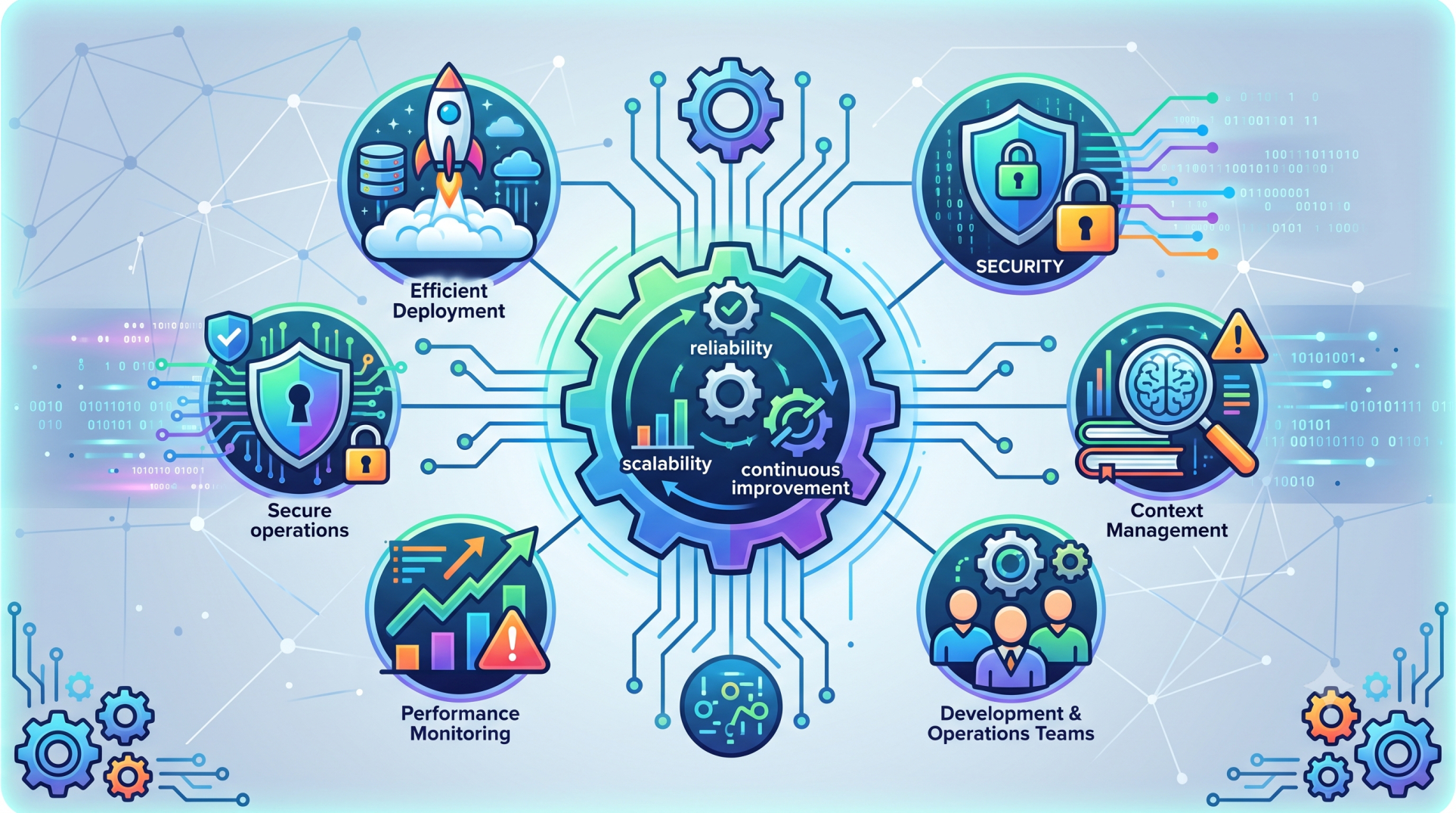
• Secure enterprise AI infrastructure 🔐
• Reliable and consistent AI performance 📊
• Transparent operations and governance 📖
• Continuous monitoring and operational oversight 👀
Step 9: Managing Operational Risks ⚠️
• Identify potential risks before deployment 🔍
• Validate AI outputs in sensitive business processes ✔️
• Prepare response plans for unexpected system behavior 🚑
• Maintain business continuity during platform changes 🔄
• Continuously refine risk management strategies 📈
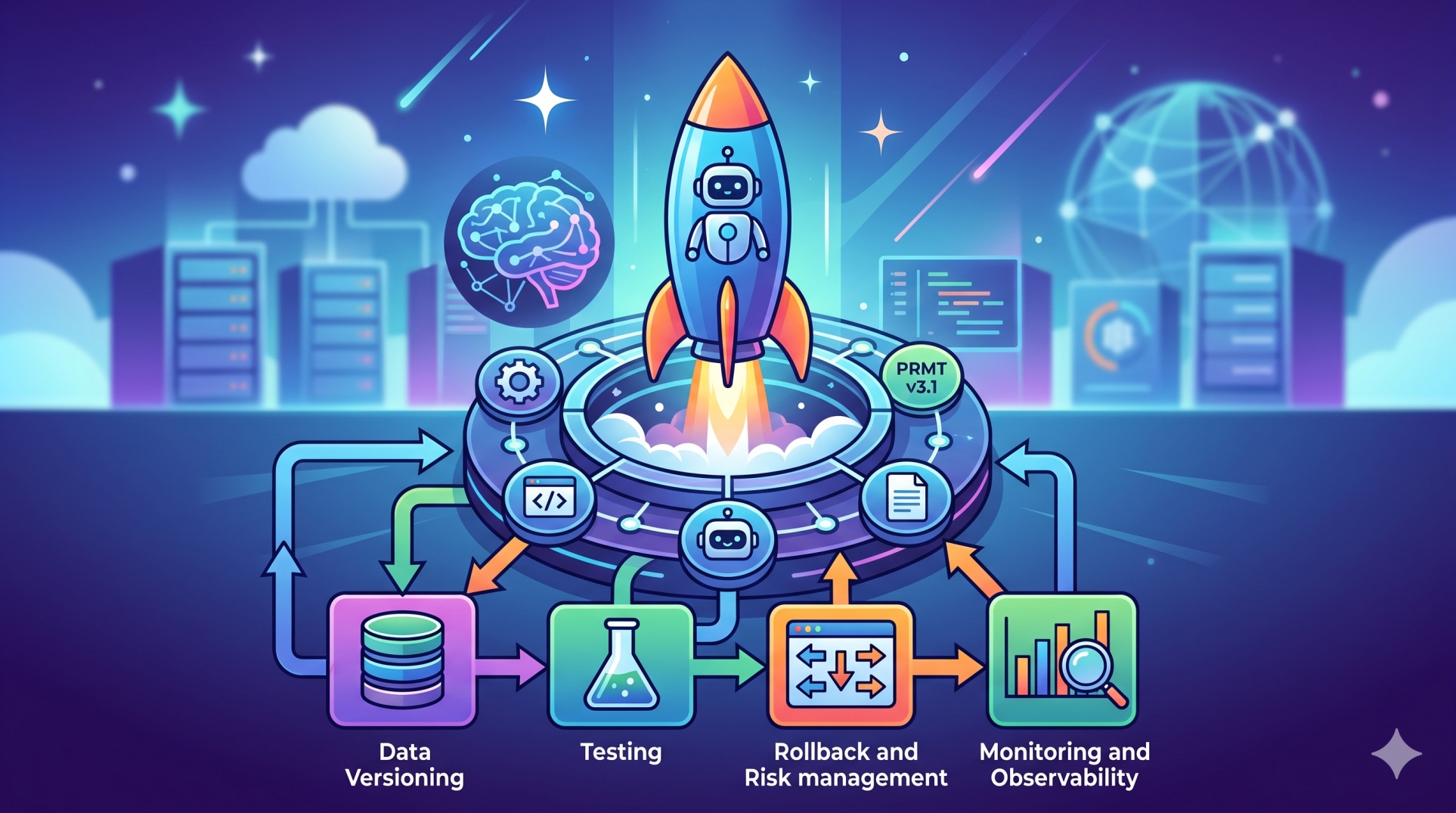
Step 10: Building a Future-Ready Enterprise AI Platform 🚀
• Design modular and scalable AI architectures 🏗️
• Integrate security and governance into every development stage 🔗
• Support evolving enterprise requirements and regulations 🌍
• Enable responsible AI innovation through continuous improvement 💡
• Build long-term trust with resilient and adaptable AI platforms 🤝
Conclusion
Trust engineering is fundamental to the successful deployment of enterprise LLM platforms. By combining strong security, transparent governance, reliable performance, and continuous monitoring, organizations can build AI systems that users and stakeholders trust. A comprehensive trust engineering strategy enables enterprises to scale AI responsibly while protecting business assets, supporting compliance, and ensuring long-term operational success.
See more blogs
You can all the articles below