Building Organizational Intelligence with LLM Software
Building Organizational Intelligence with LLM Software
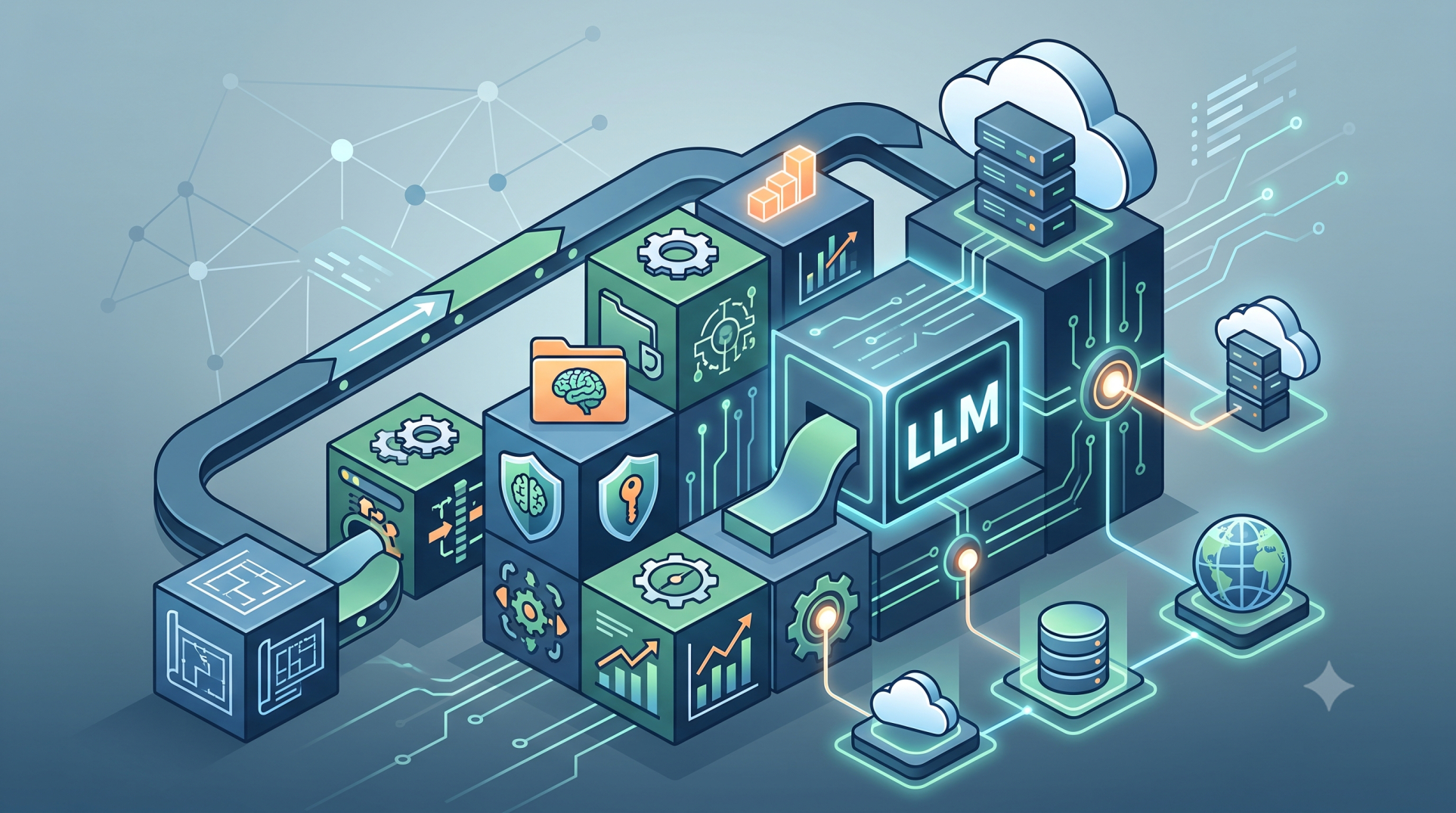
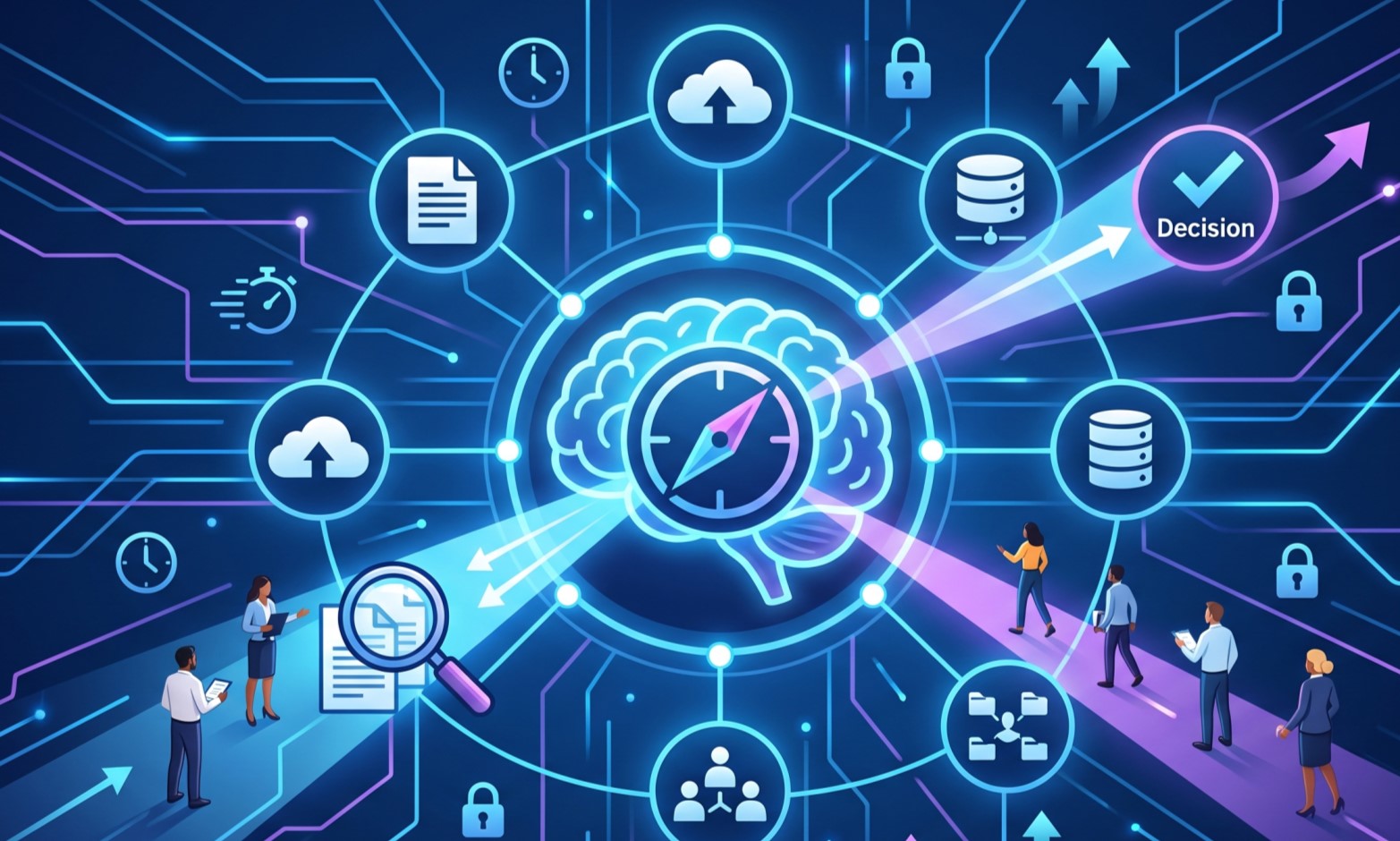
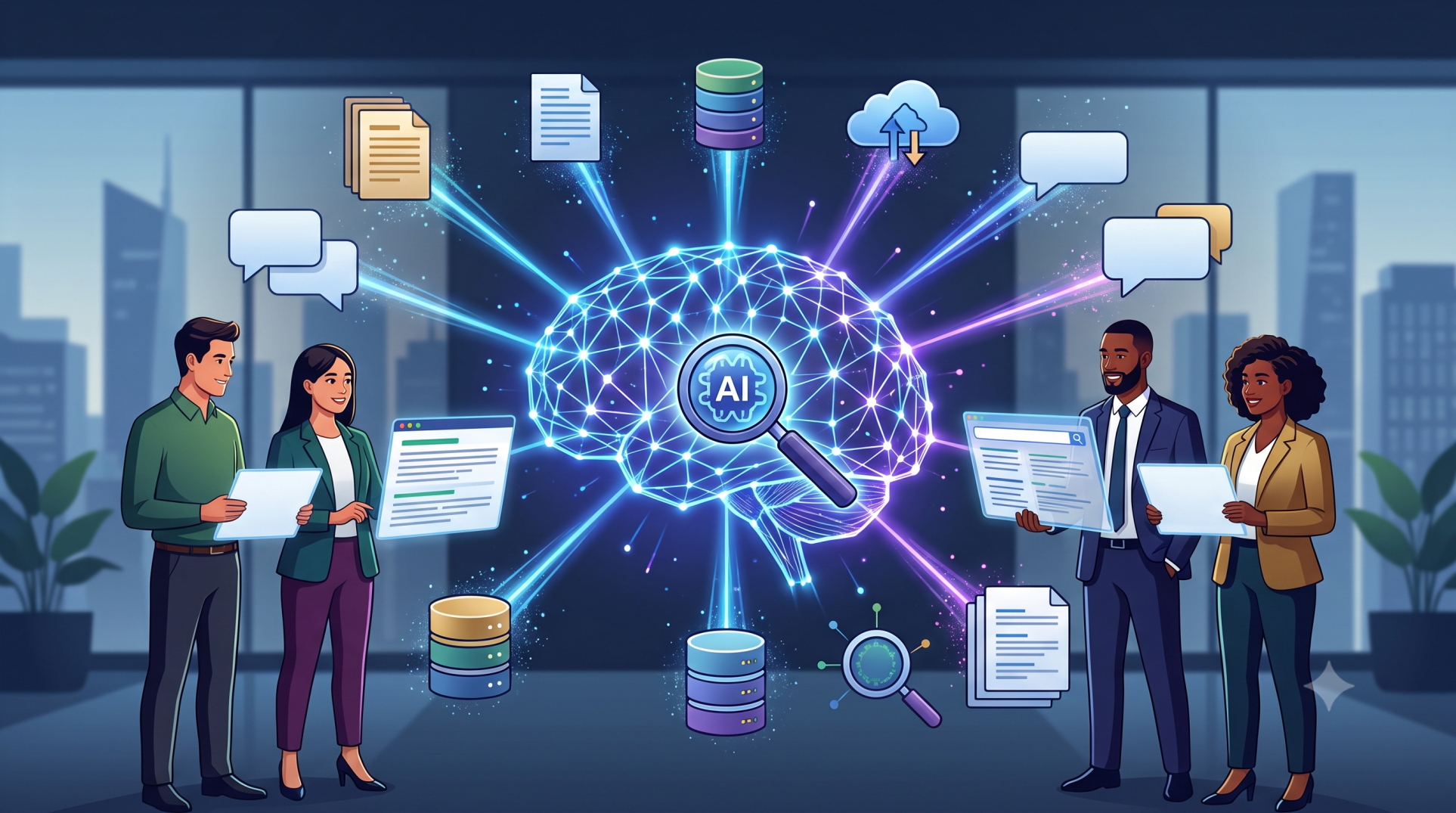
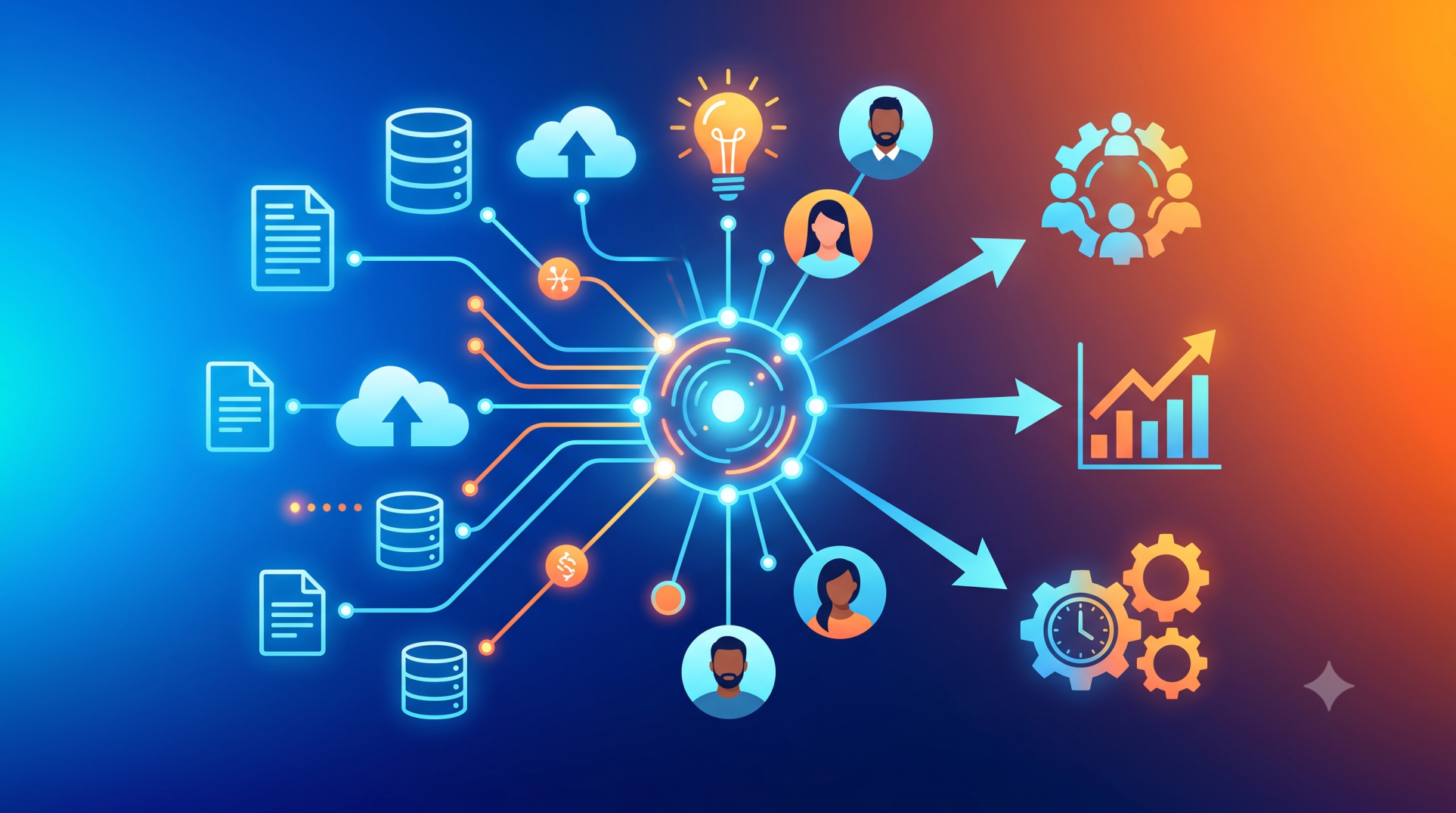
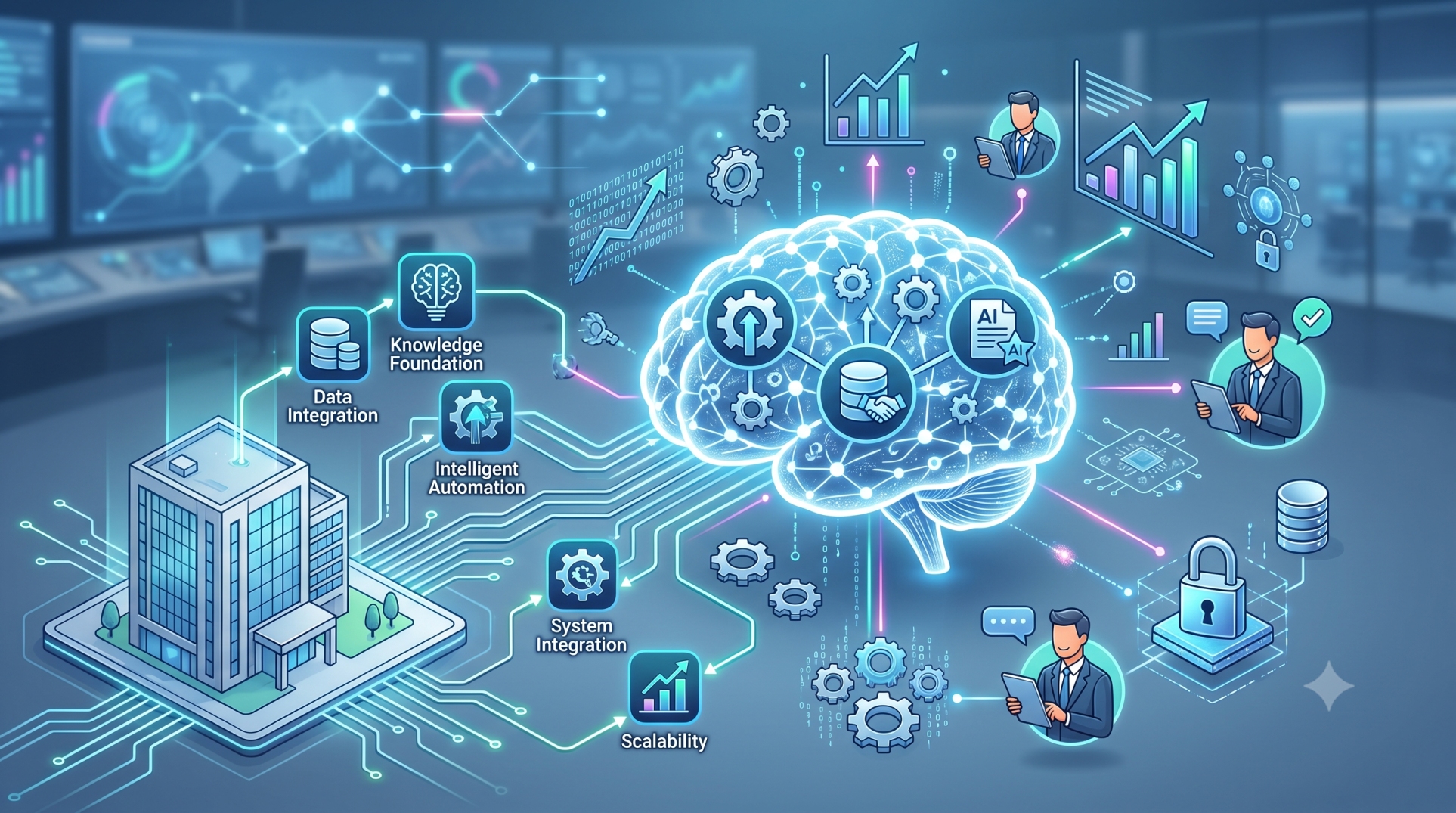
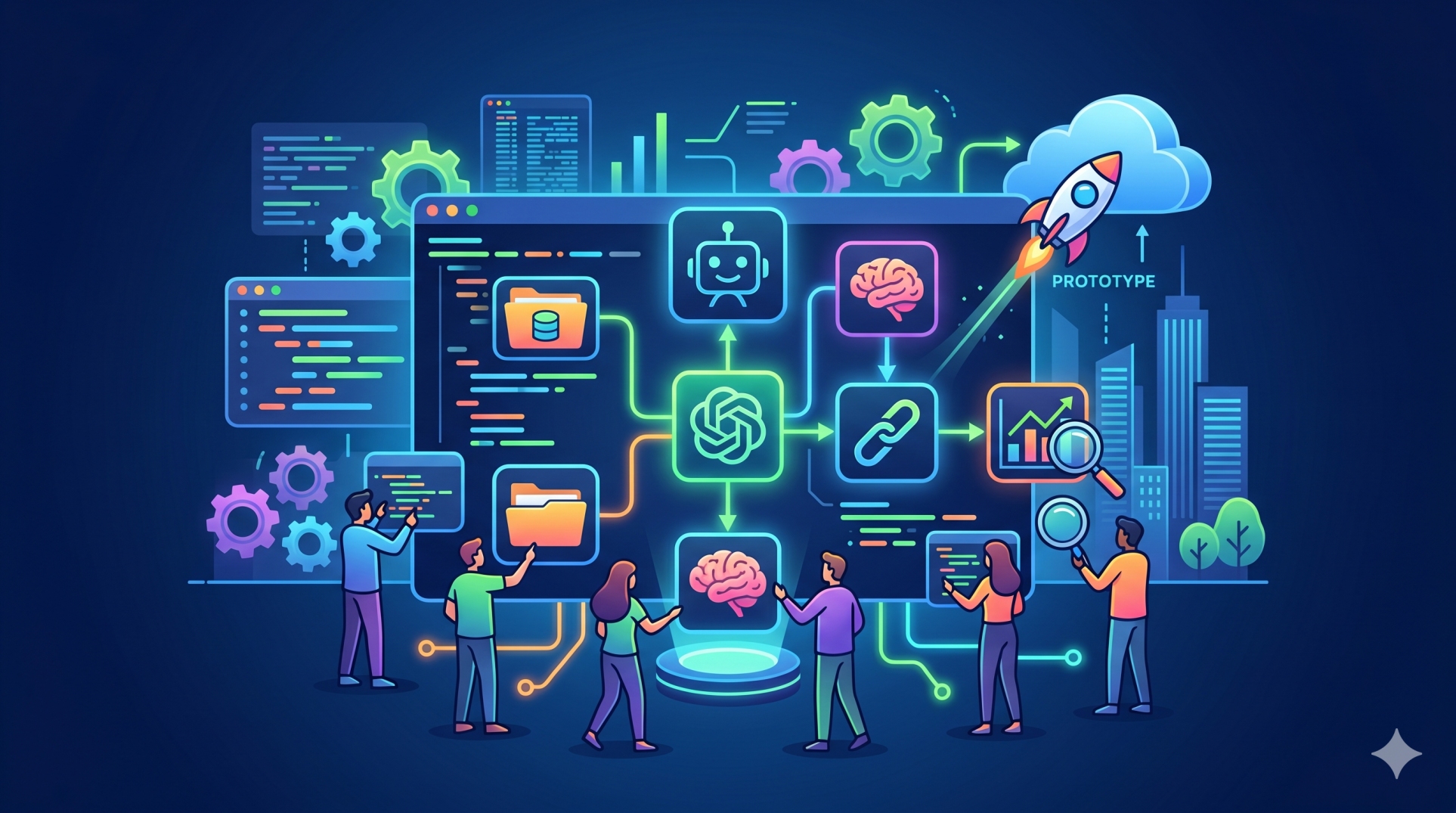
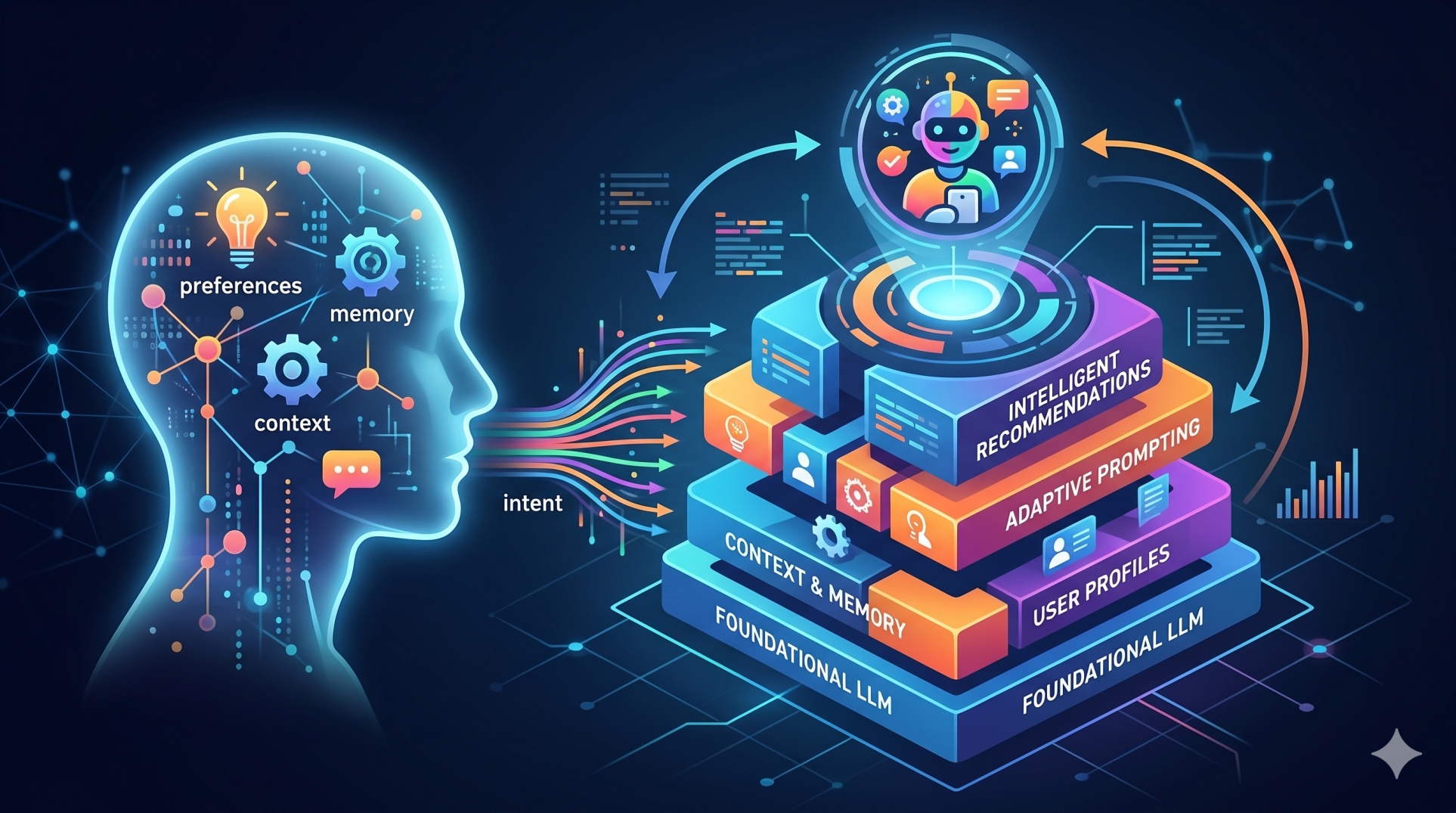
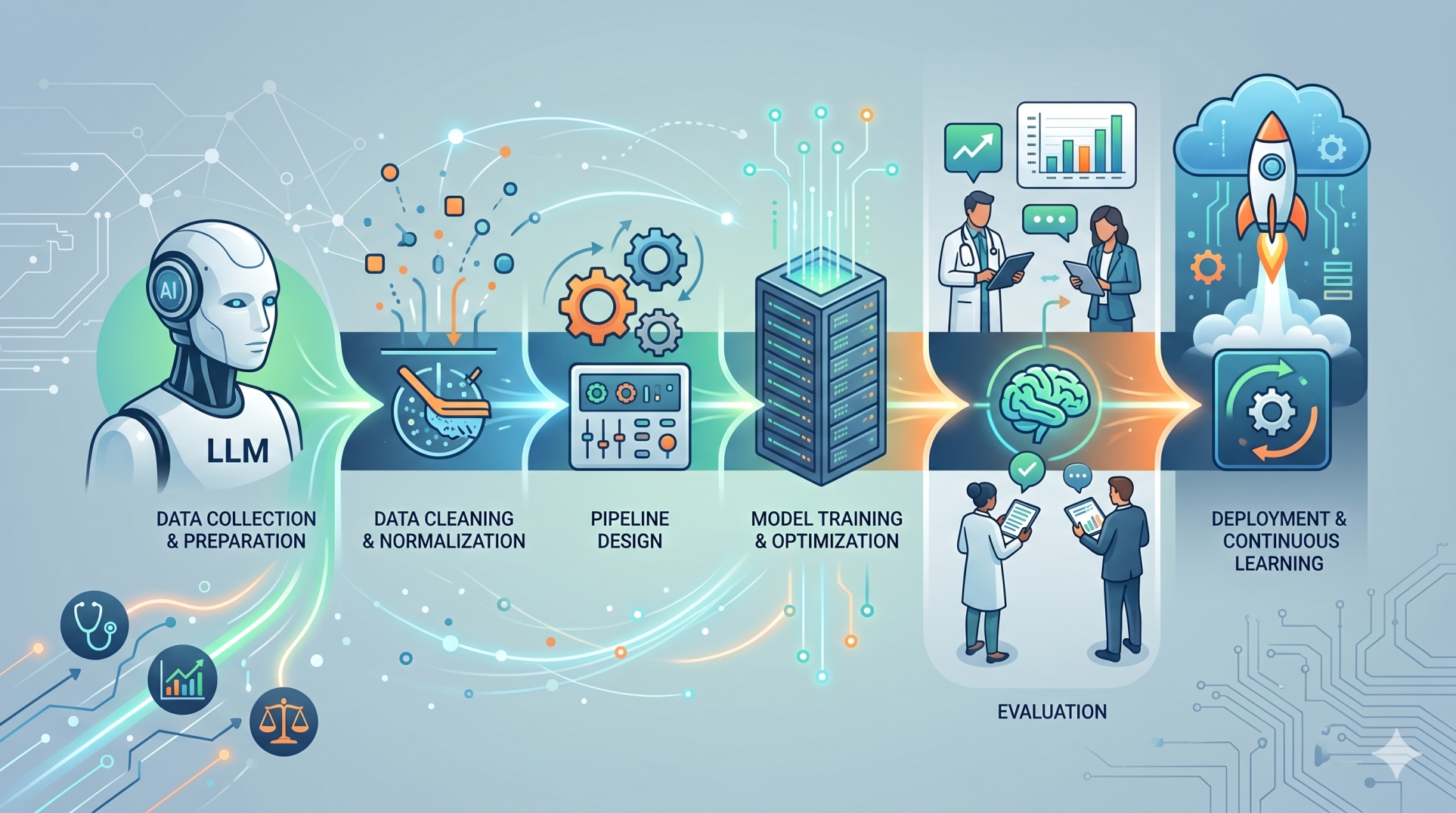
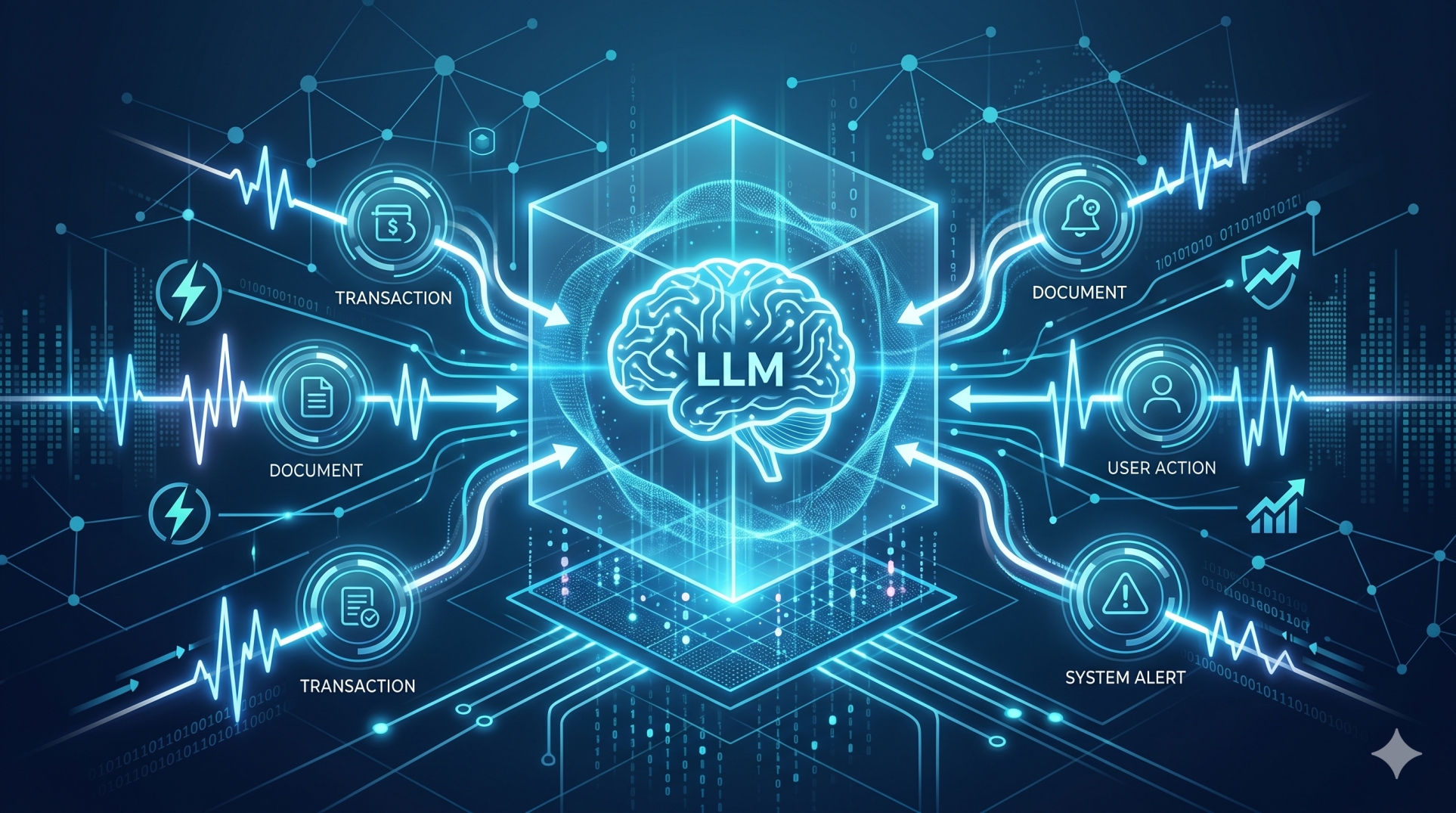
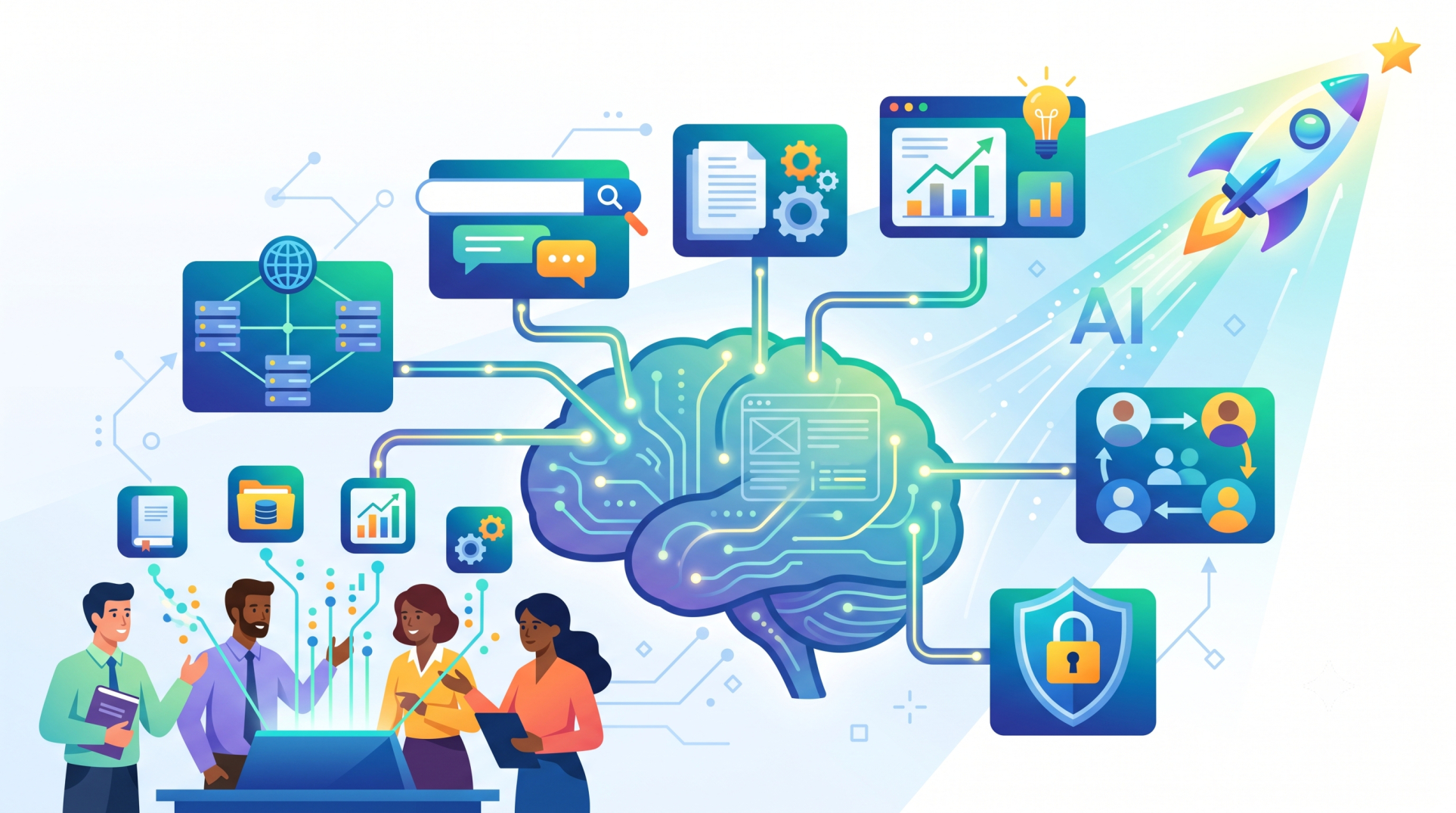
Organizations generate vast amounts of information every day, yet turning that information into actionable knowledge remains a significant challenge. LLM software helps bridge this gap by connecting data, processes, and people through intelligent language understanding. By enabling faster access to insights, automating knowledge-intensive tasks, and supporting informed decision-making, LLM software strengthens organizational intelligence and improves business performance.
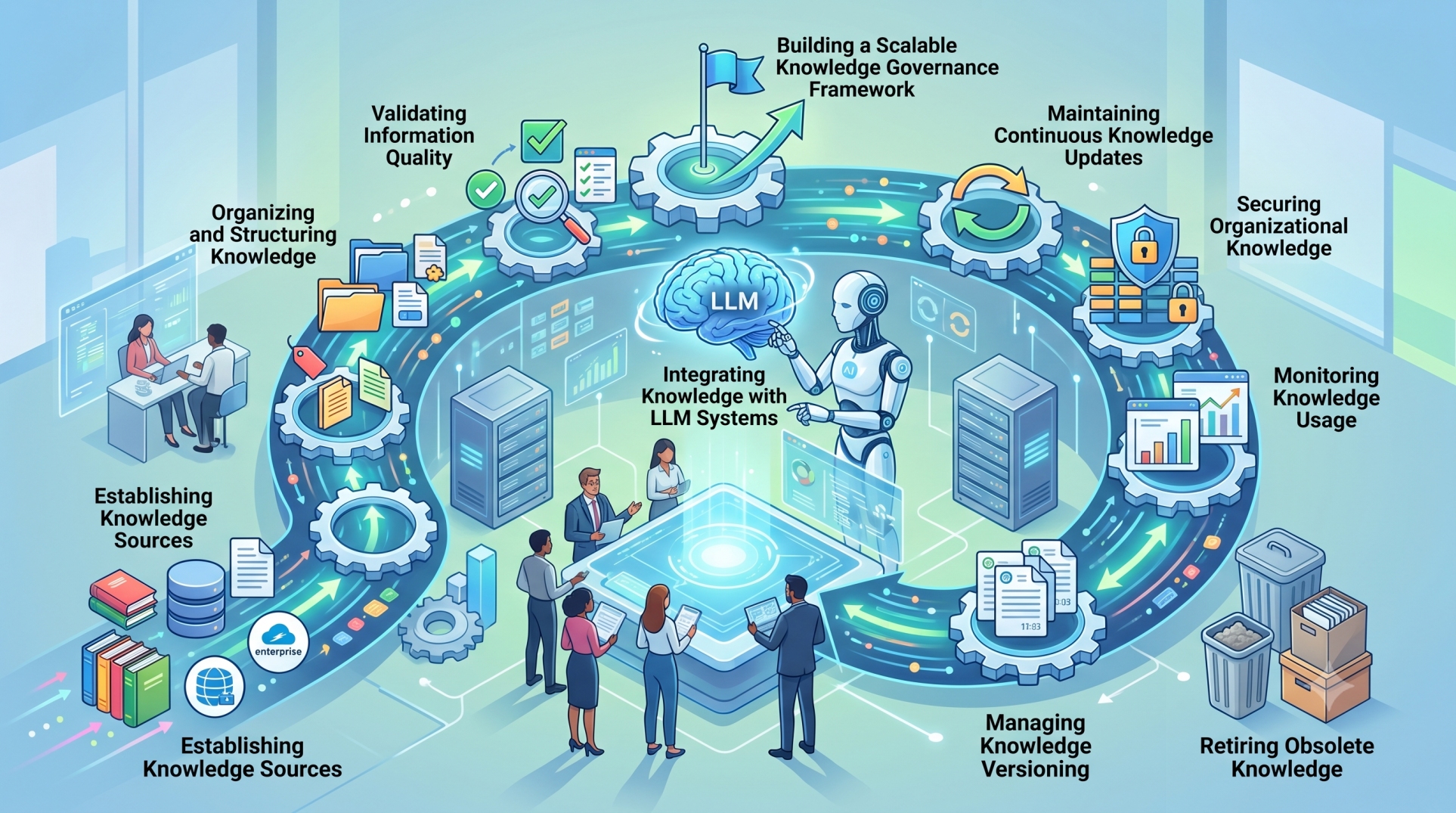
Step 1: Centralizing Organizational Knowledge 🧠
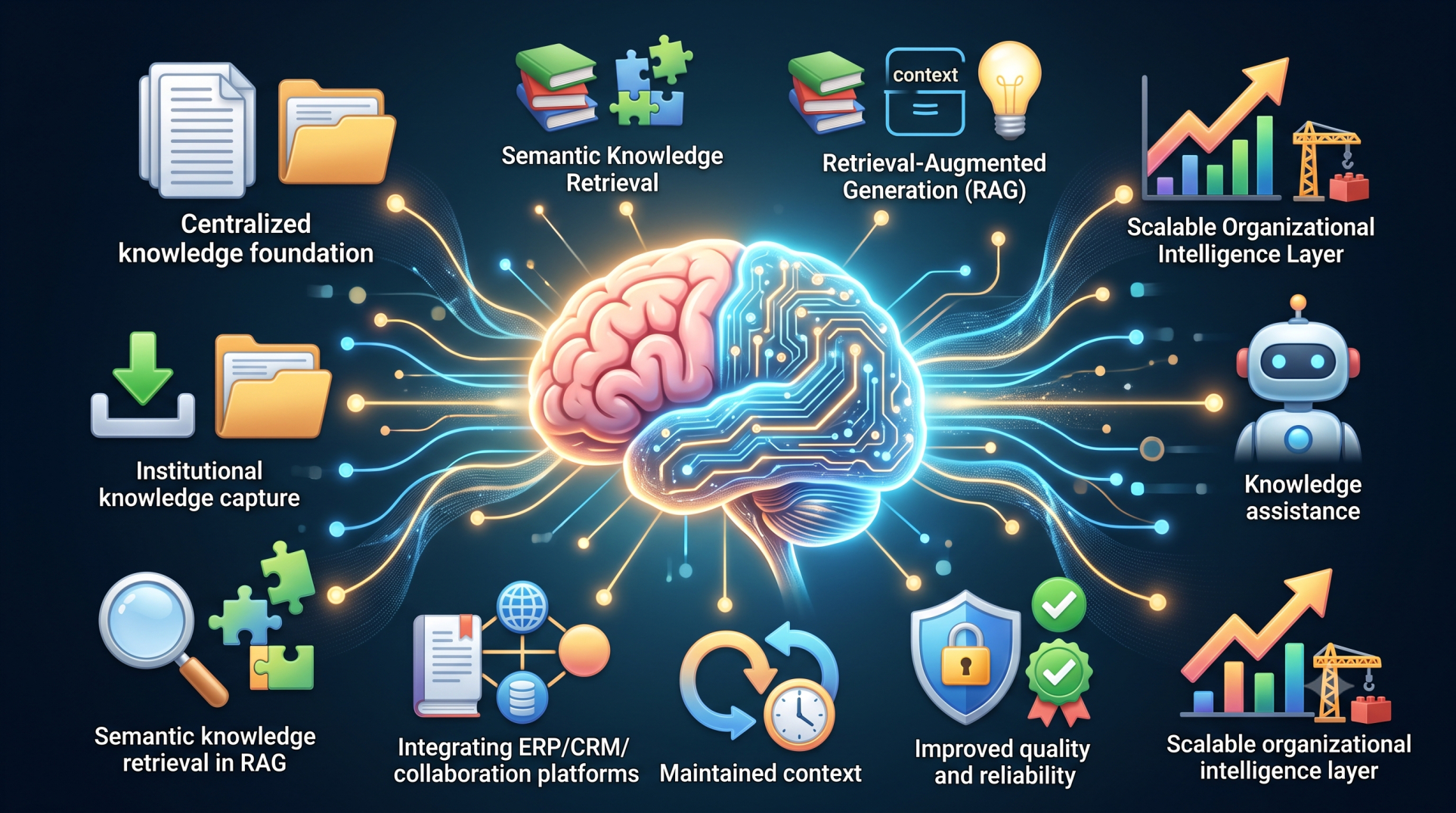
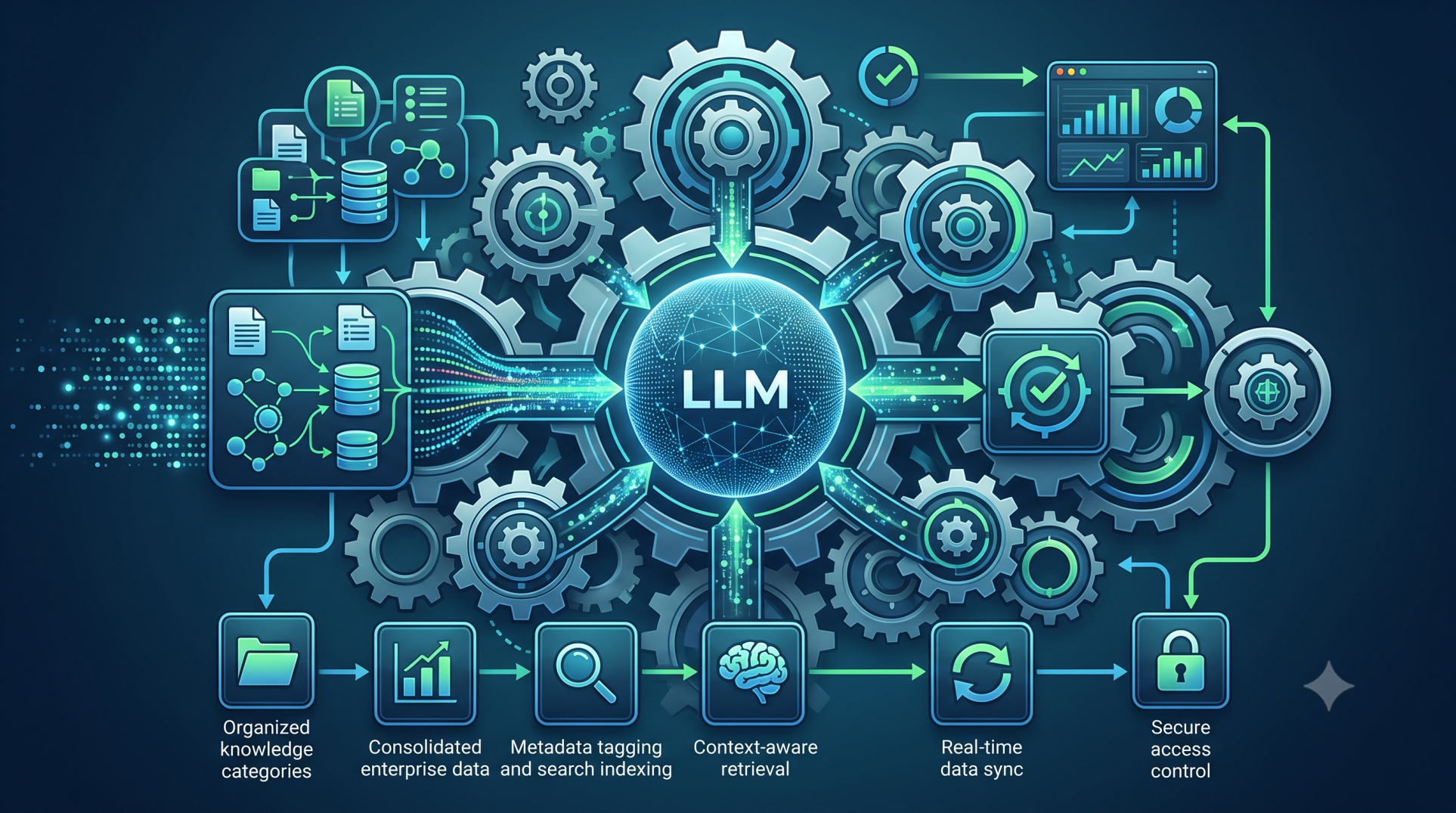
• Consolidate business documents, policies, and operational knowledge into a unified platform 📚
• Create a centralized knowledge repository for employees 🔗
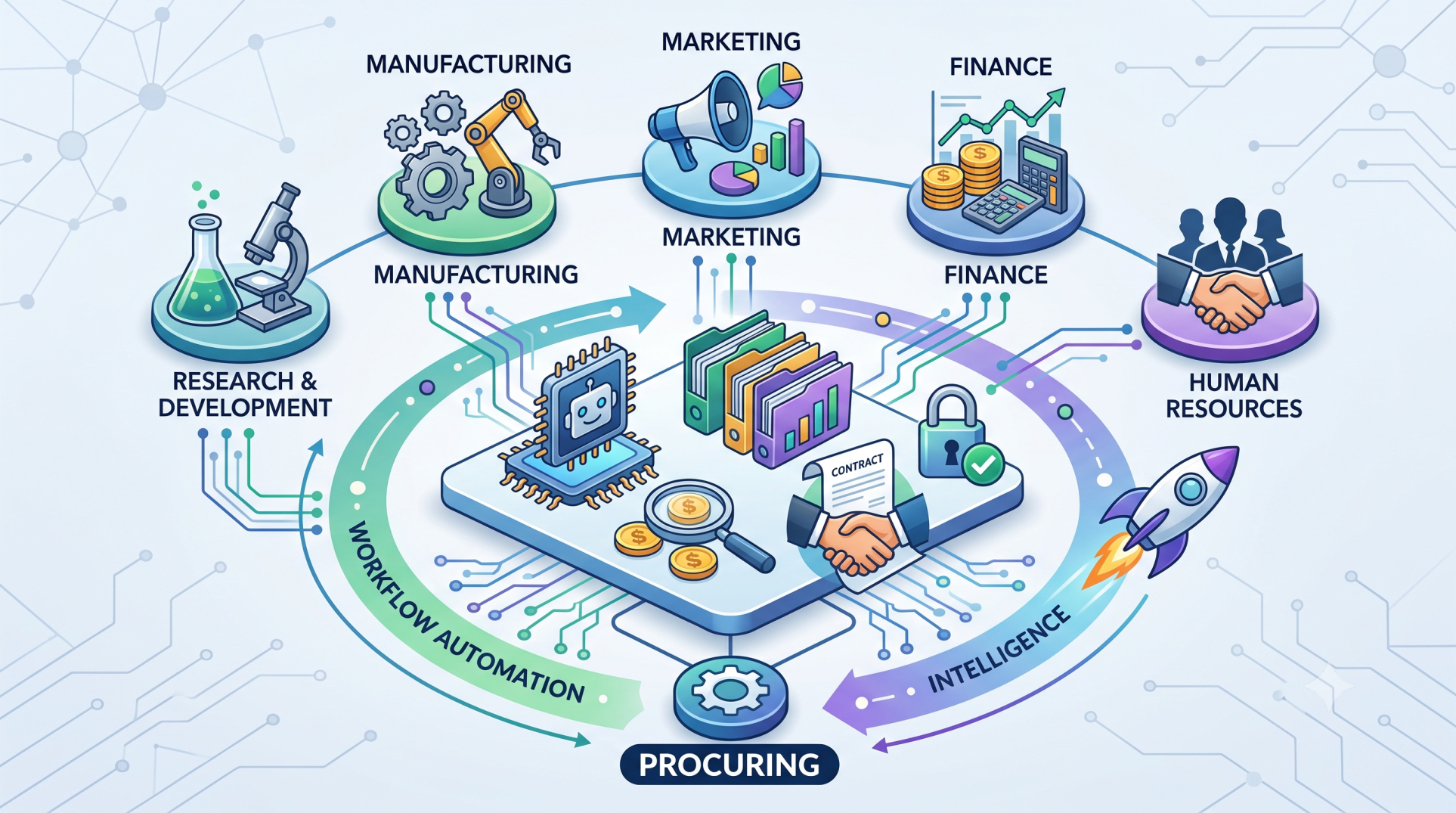
• Eliminate information silos across departments 🚀
• Improve access to accurate and up-to-date information 📖
• Support consistent knowledge sharing throughout the organization 🤝
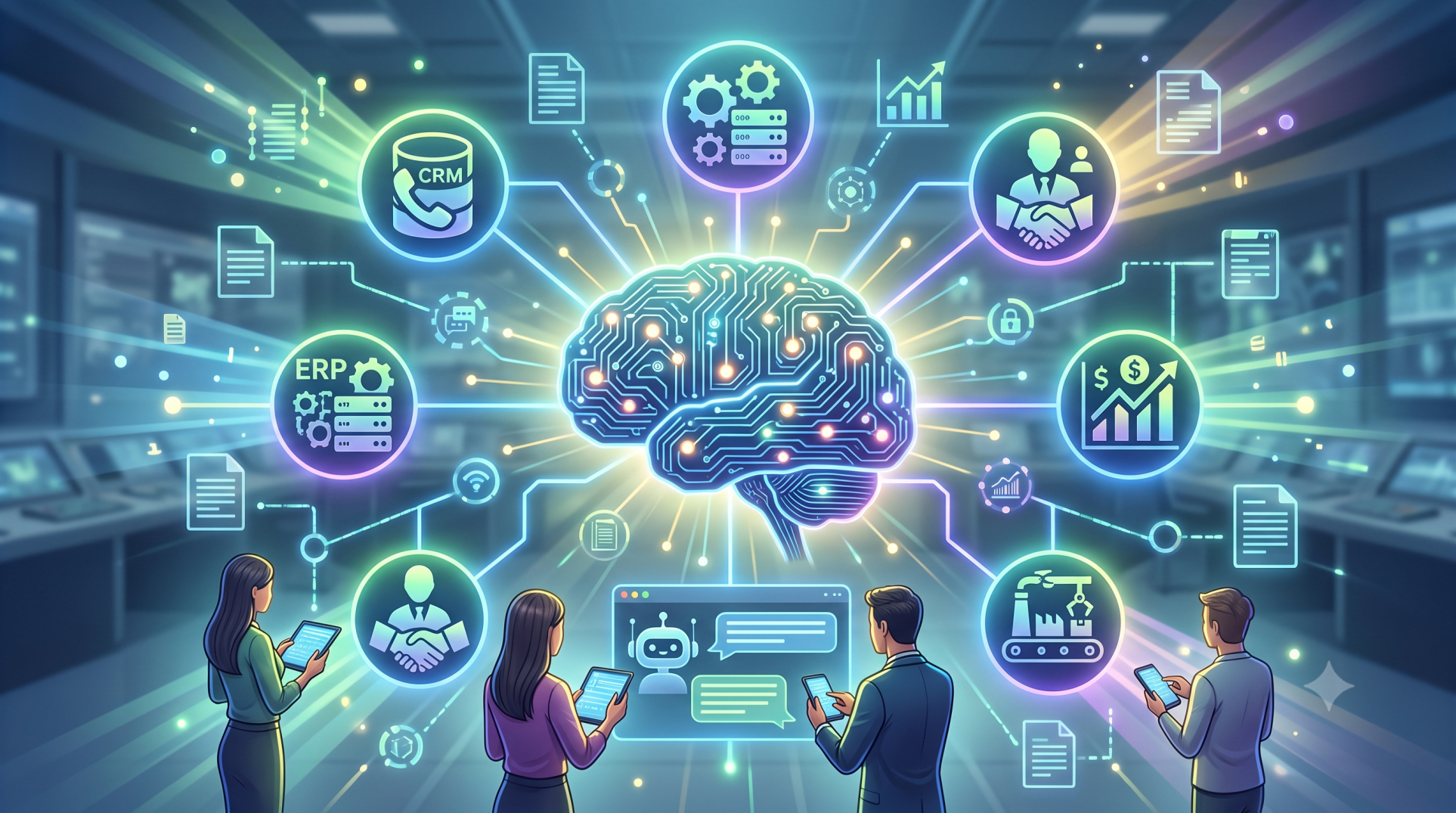
Step 2: Connecting Enterprise Data Sources 🌐
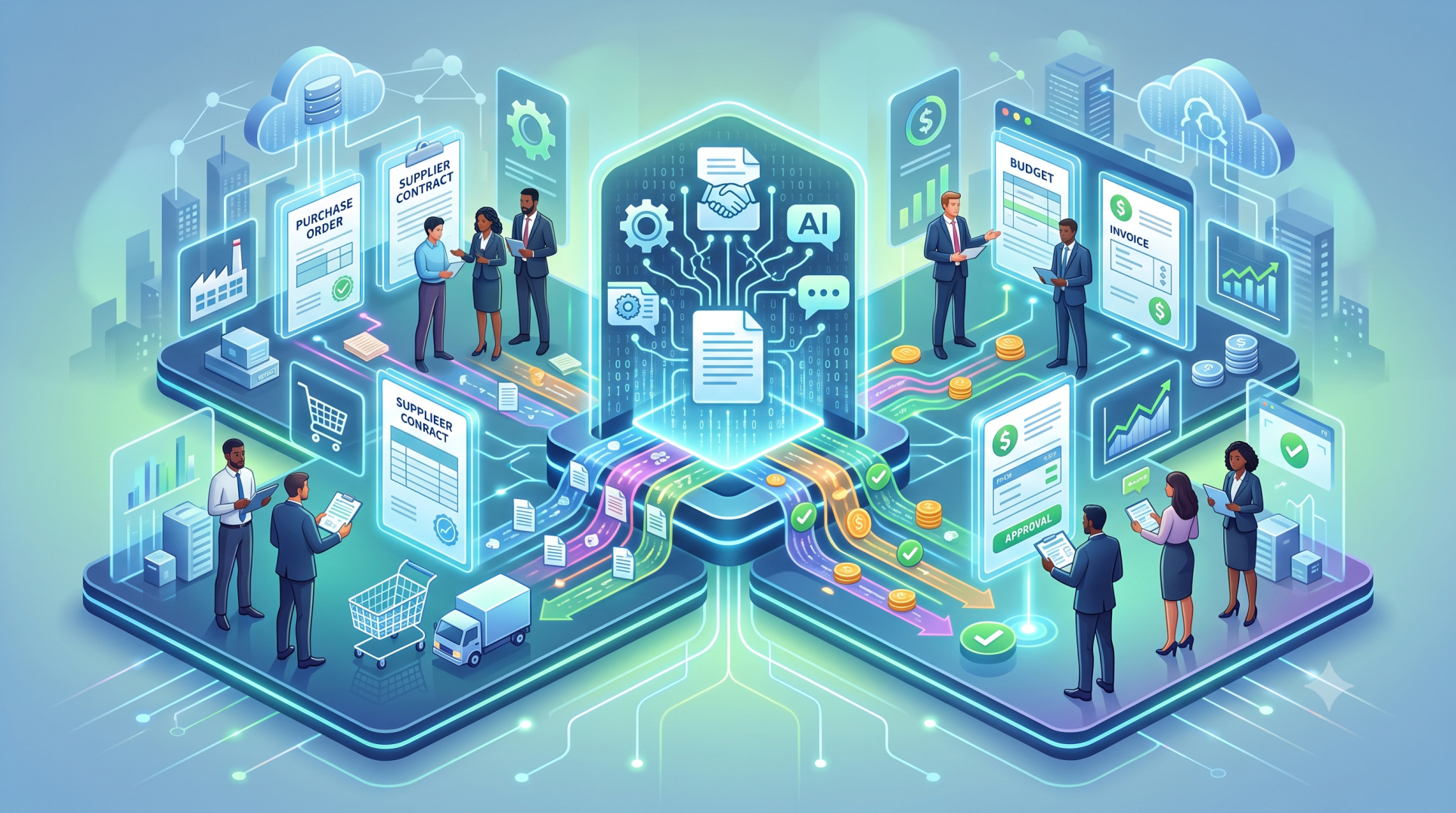
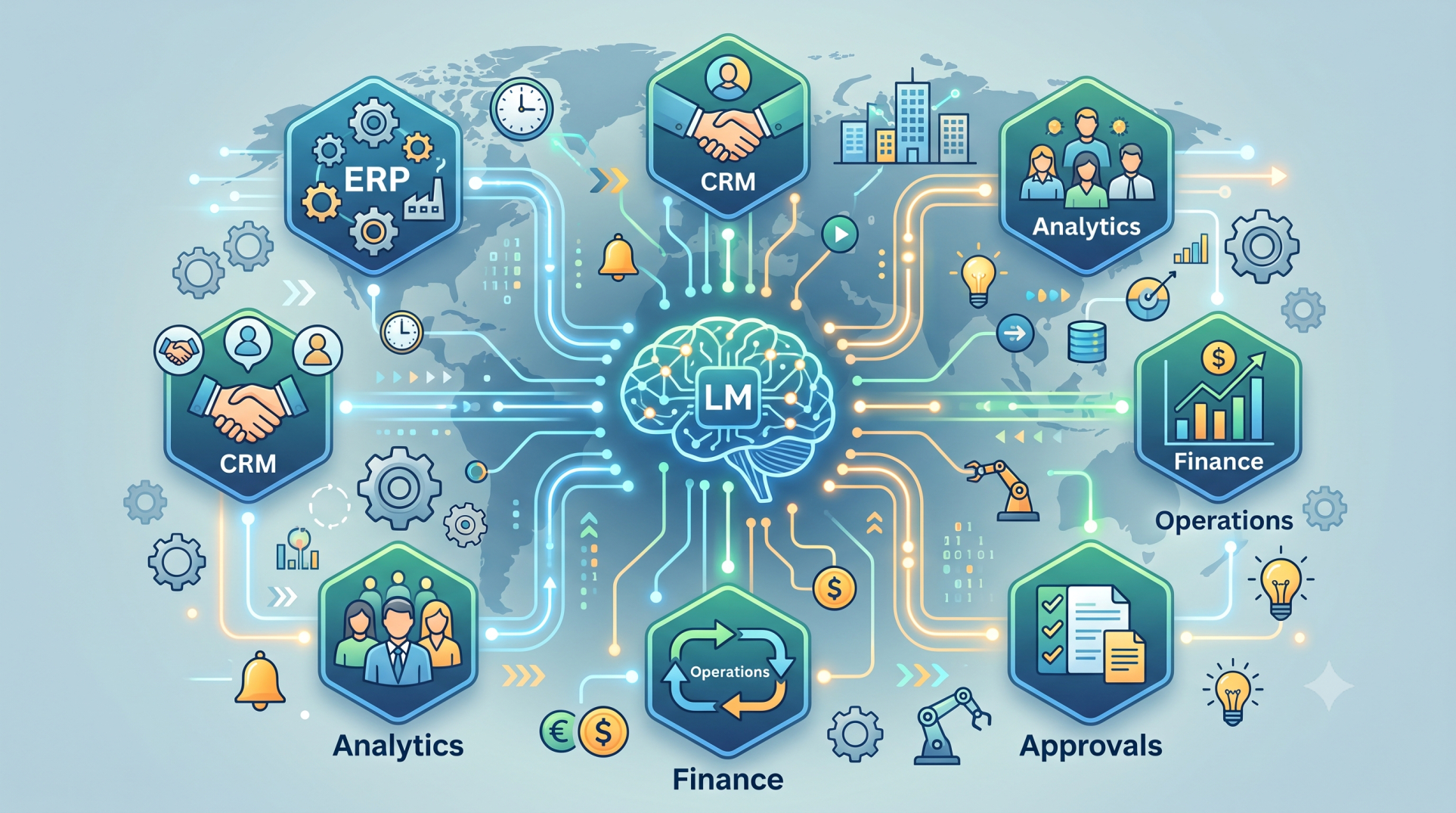
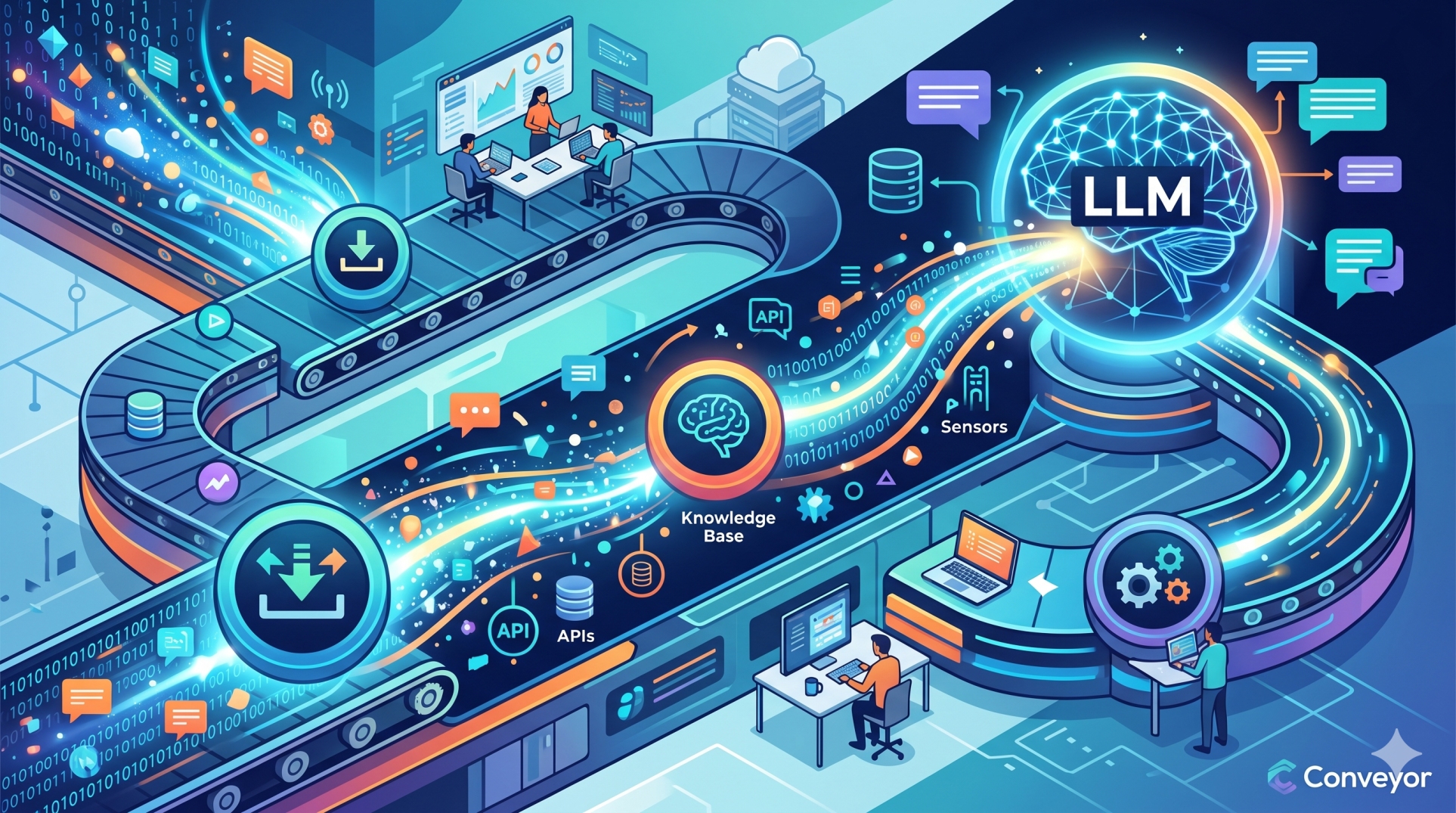
• Integrate LLM software with business applications and databases 🔄
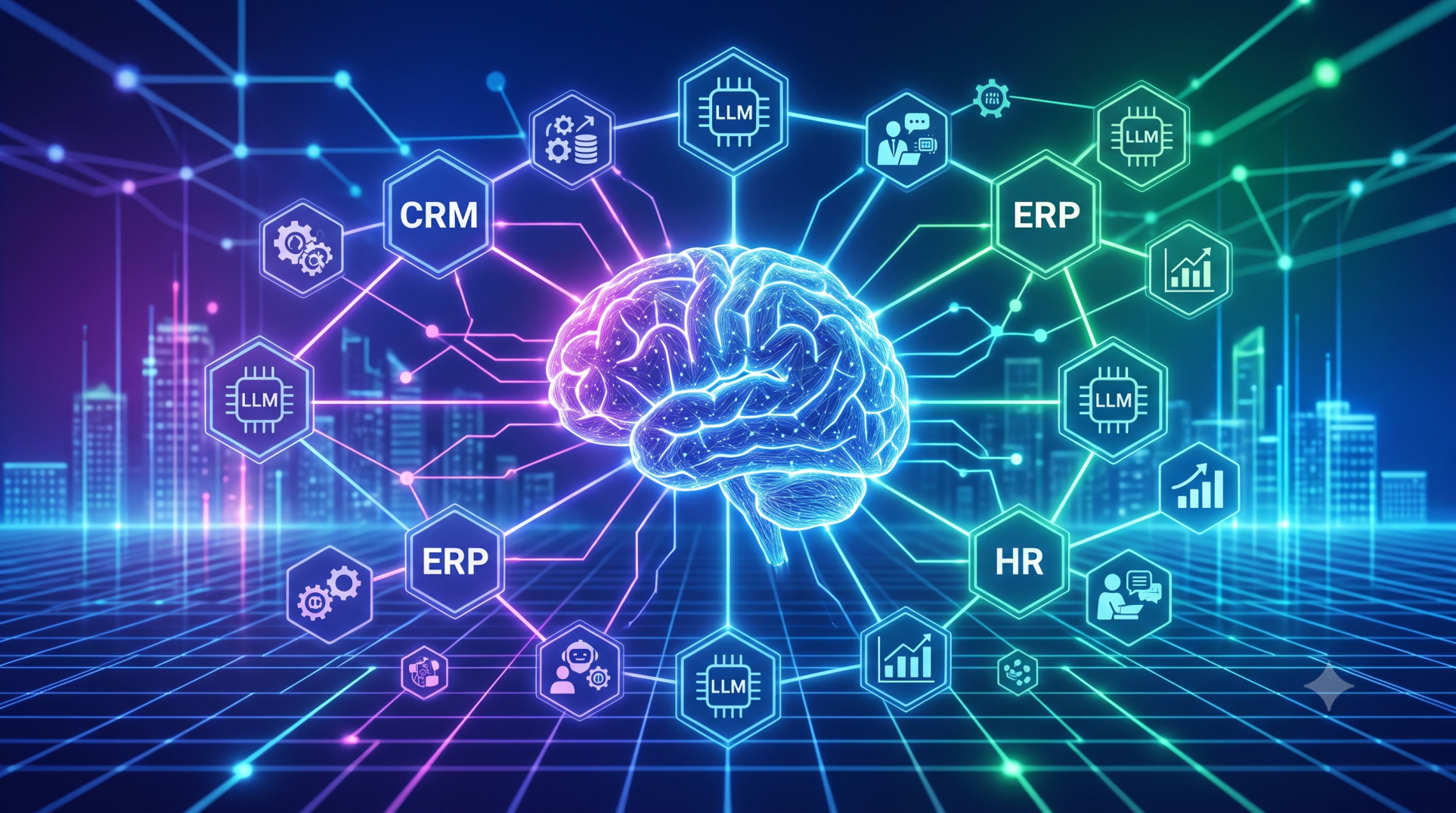
• Access information from ERP, CRM, HR, and collaboration platforms 📊
• Combine structured and unstructured enterprise data 📂
• Maintain a unified view of organizational information 👀
• Enable seamless knowledge retrieval across systems ⚡
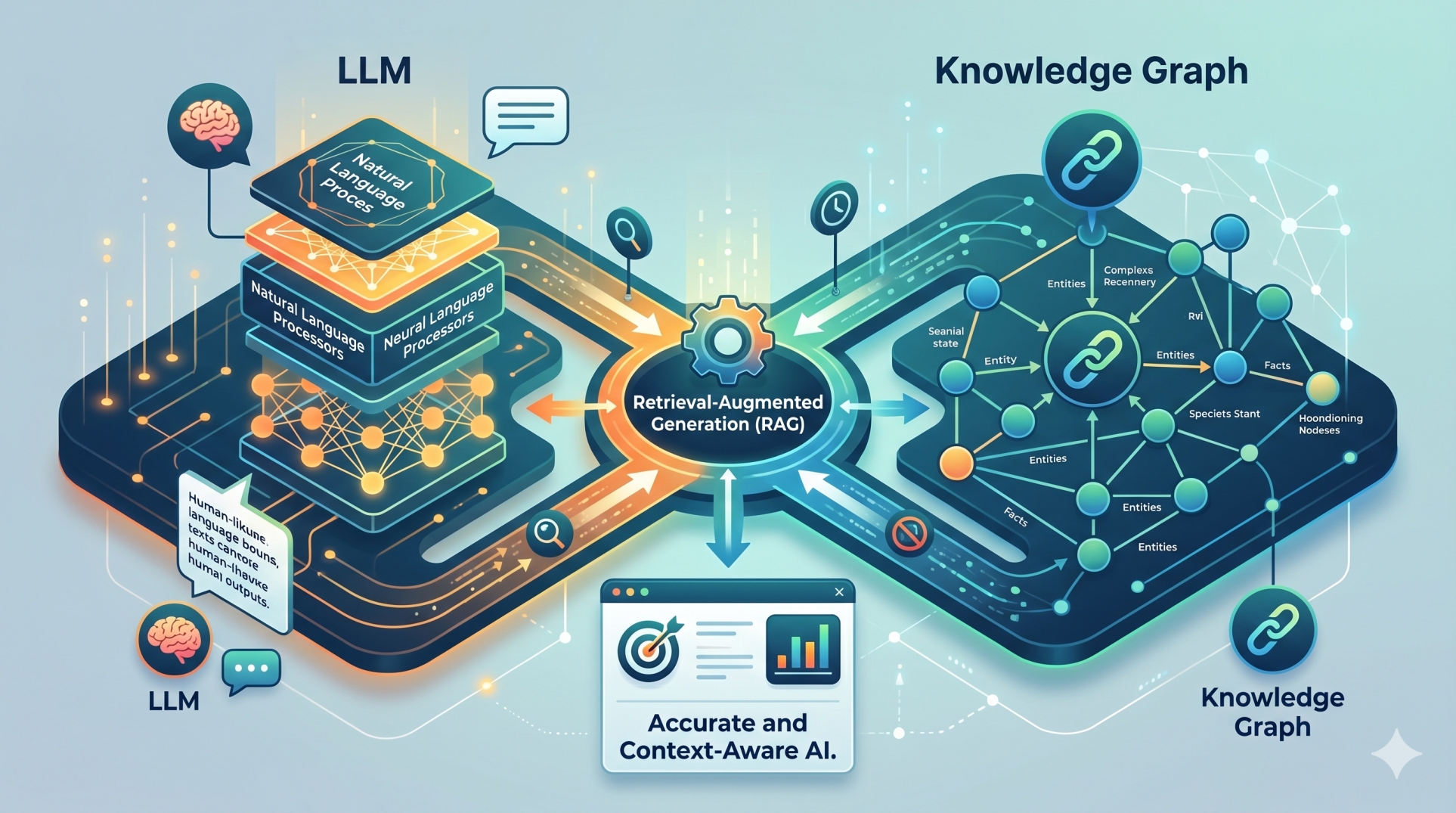
Step 3: Delivering Intelligent Information Retrieval 🔍
• Understand natural language questions from users 💬
• Retrieve relevant information using semantic search 🎯
• Generate context-aware responses from trusted sources 📄
• Reduce time spent searching for business information ⏱️
• Improve productivity through faster knowledge access 🚀
Step 4: Automating Knowledge-Driven Workflows ⚙️
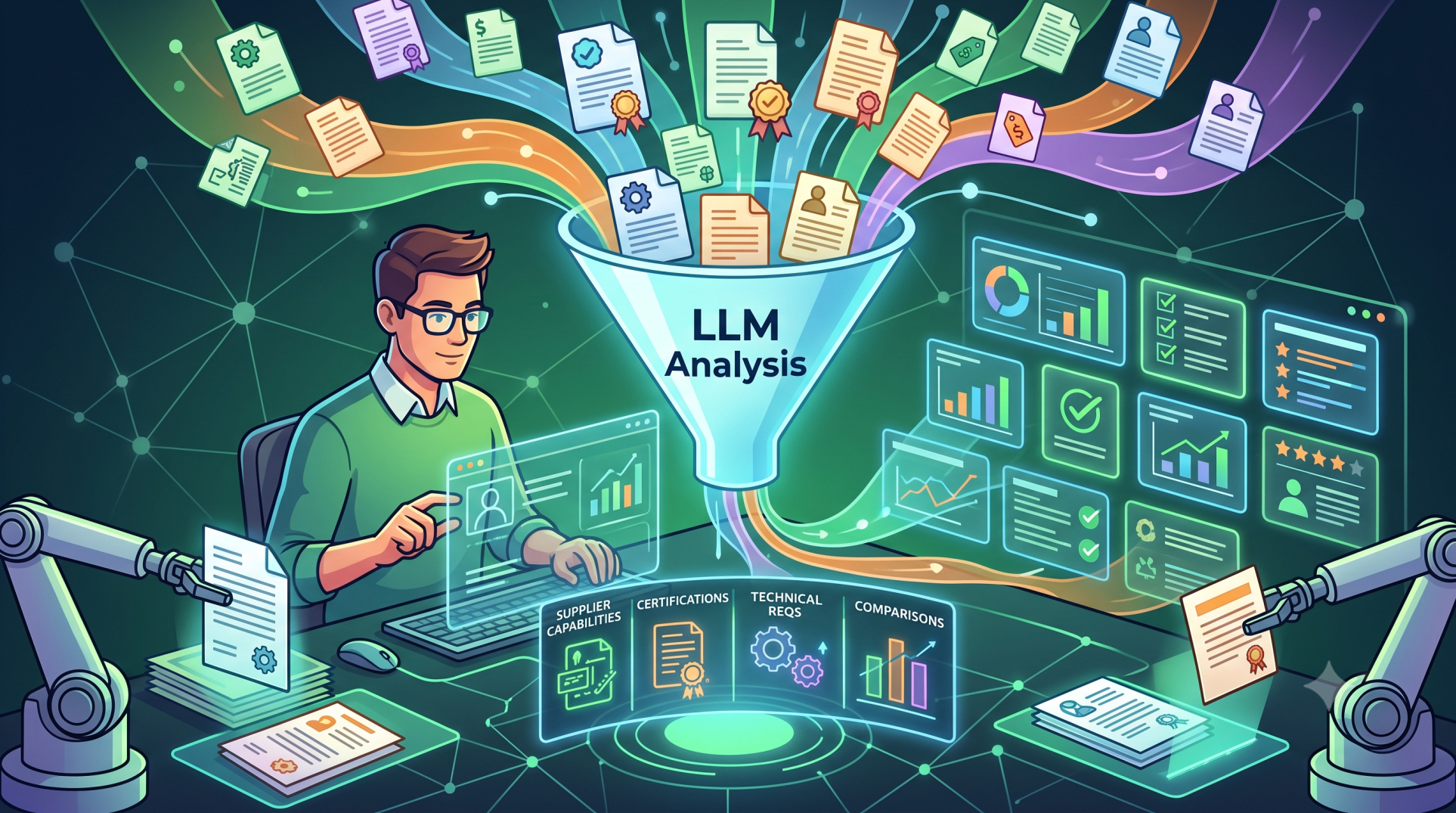
• Automate document analysis and summarization 📝
• Generate reports, proposals, and business communications 📑
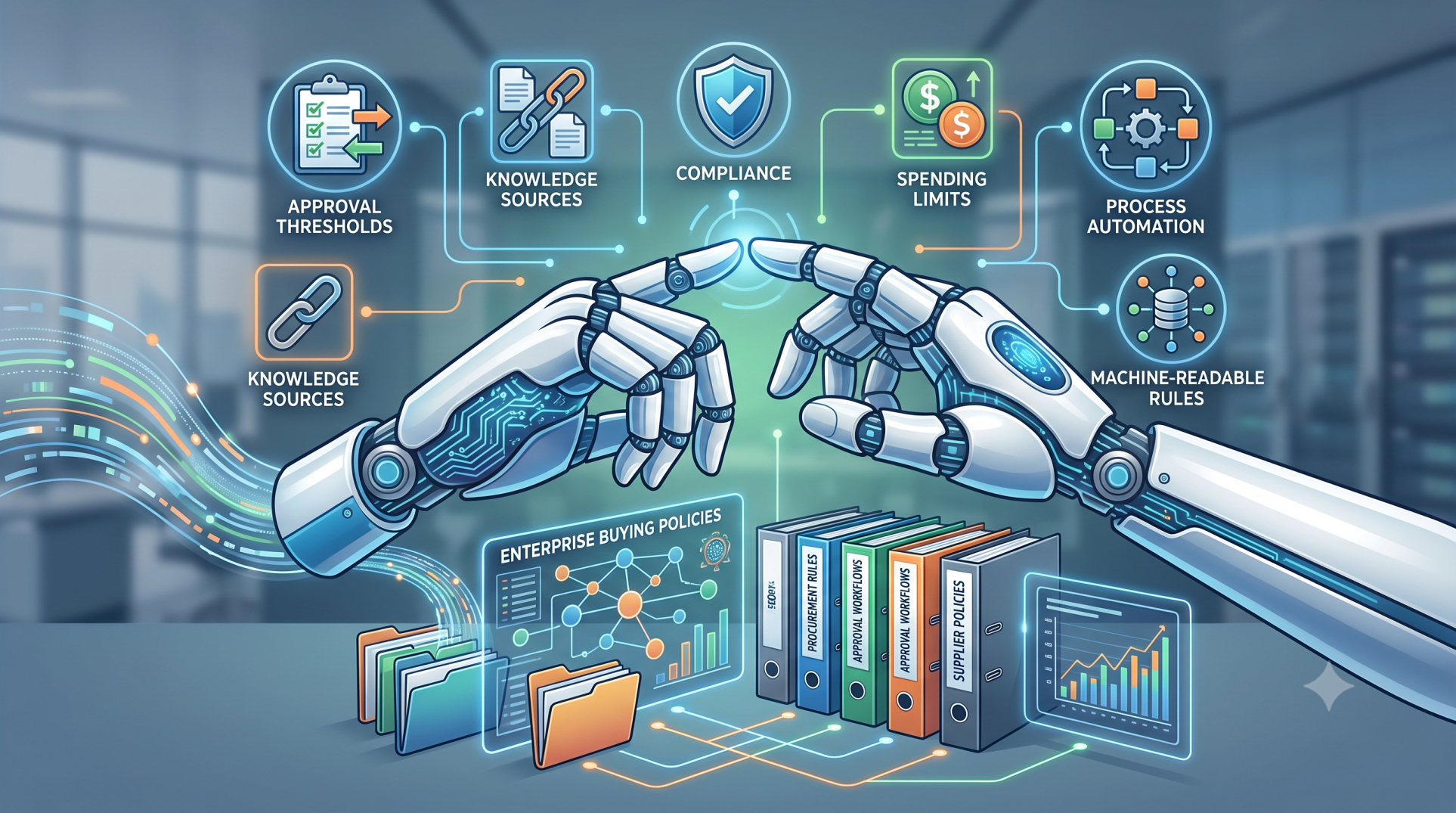
• Assist with policy interpretation and internal guidance 📘
• Streamline repetitive knowledge-intensive tasks 🤖
• Improve workflow efficiency across departments 📈
Step 5: Supporting Better Decision-Making 📊
• Deliver insights from enterprise-wide information 📈
• Identify trends, risks, and opportunities more quickly 🔎
• Provide context for strategic and operational decisions 💡
• Improve collaboration through shared intelligence 🤝
• Enable data-informed planning across business functions 🏢
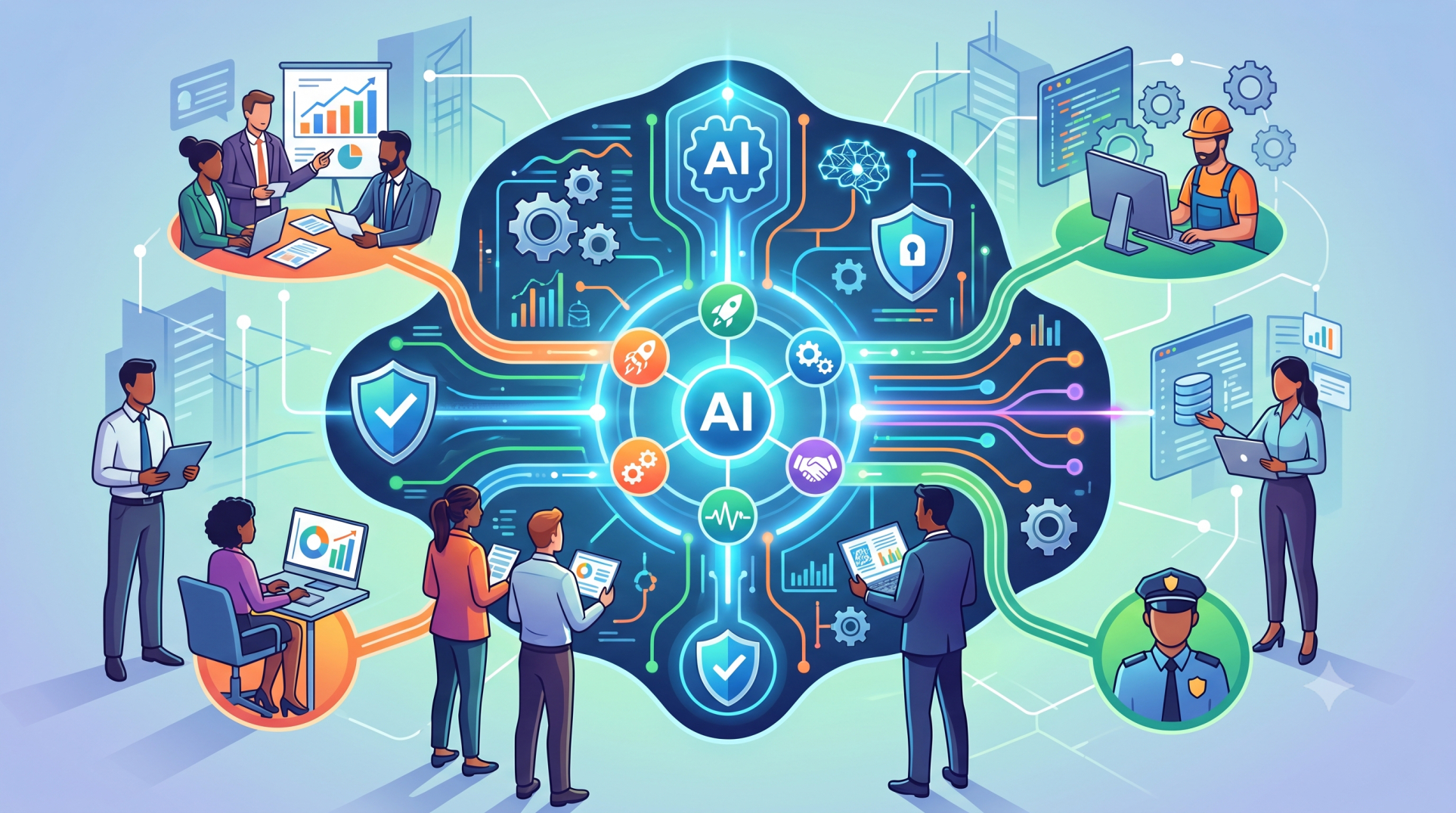
Step 6: Enhancing Collaboration Across Teams 👥
• Enable employees to access shared organizational knowledge 🌍
• Improve communication between departments 💬
• Reduce duplicated work through centralized information 🔄
• Support collaborative problem-solving with AI assistance 🧩
• Strengthen knowledge sharing across the enterprise 🤝
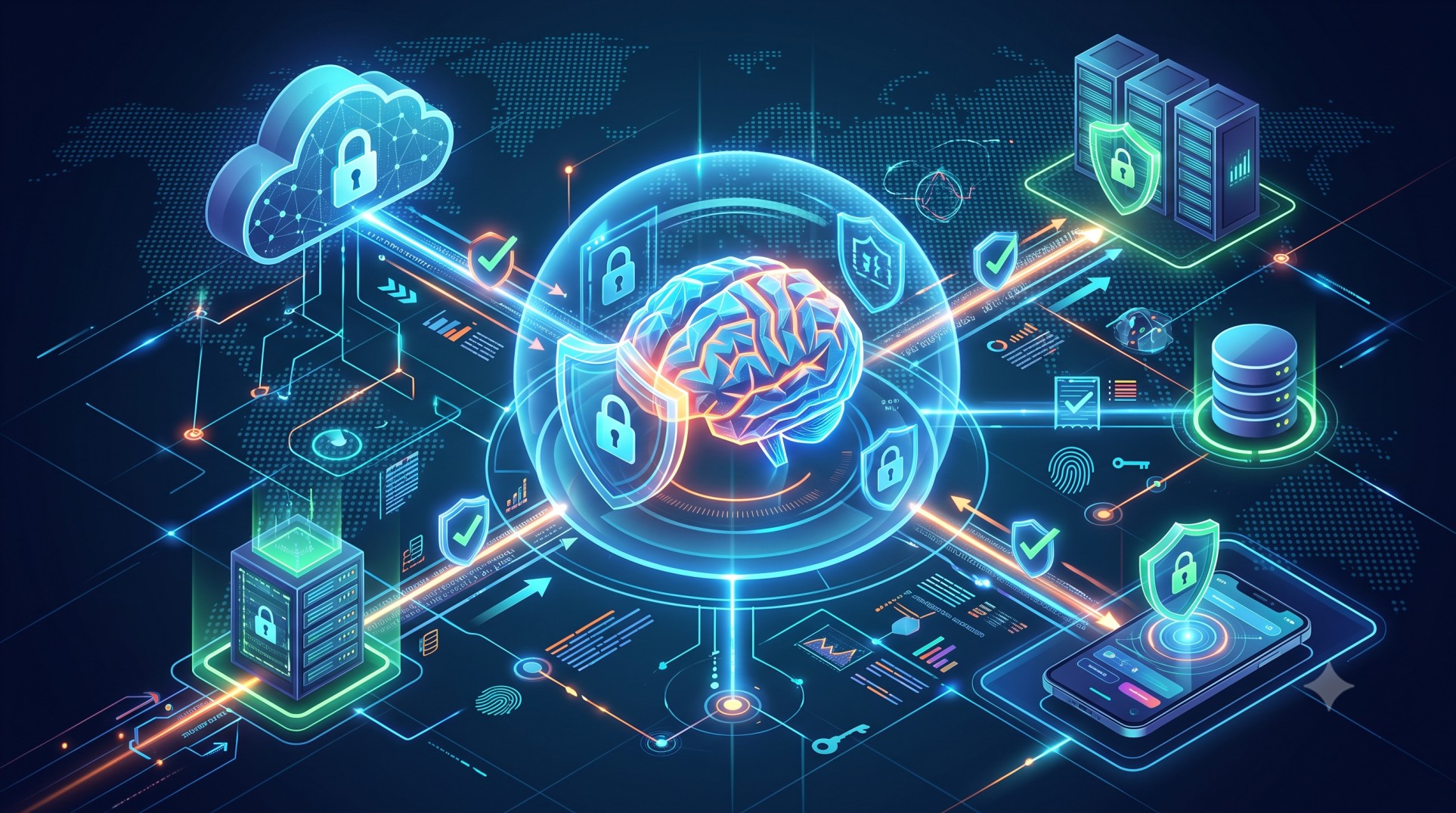
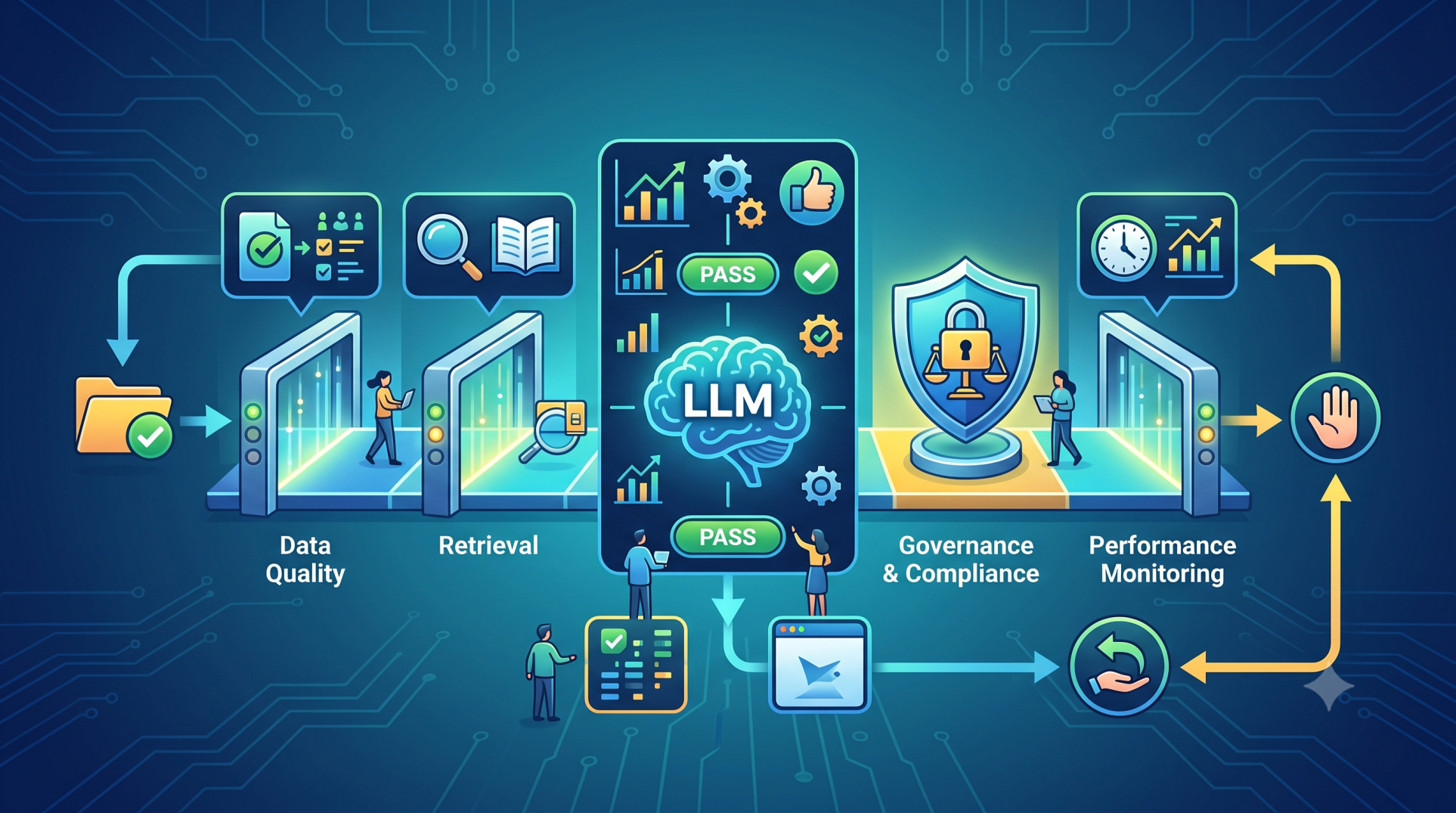
Step 7: Ensuring Security and Responsible AI 🔐
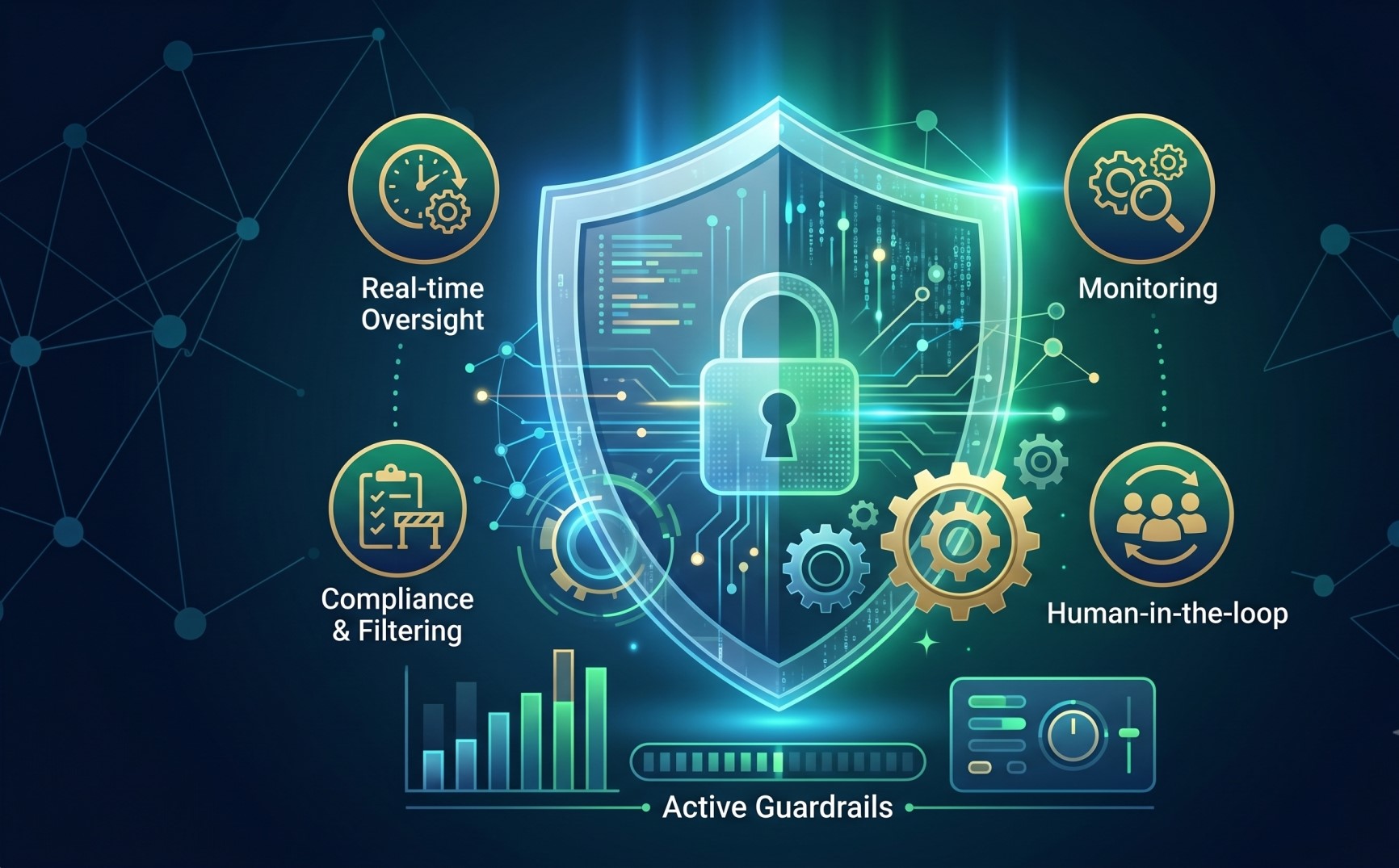
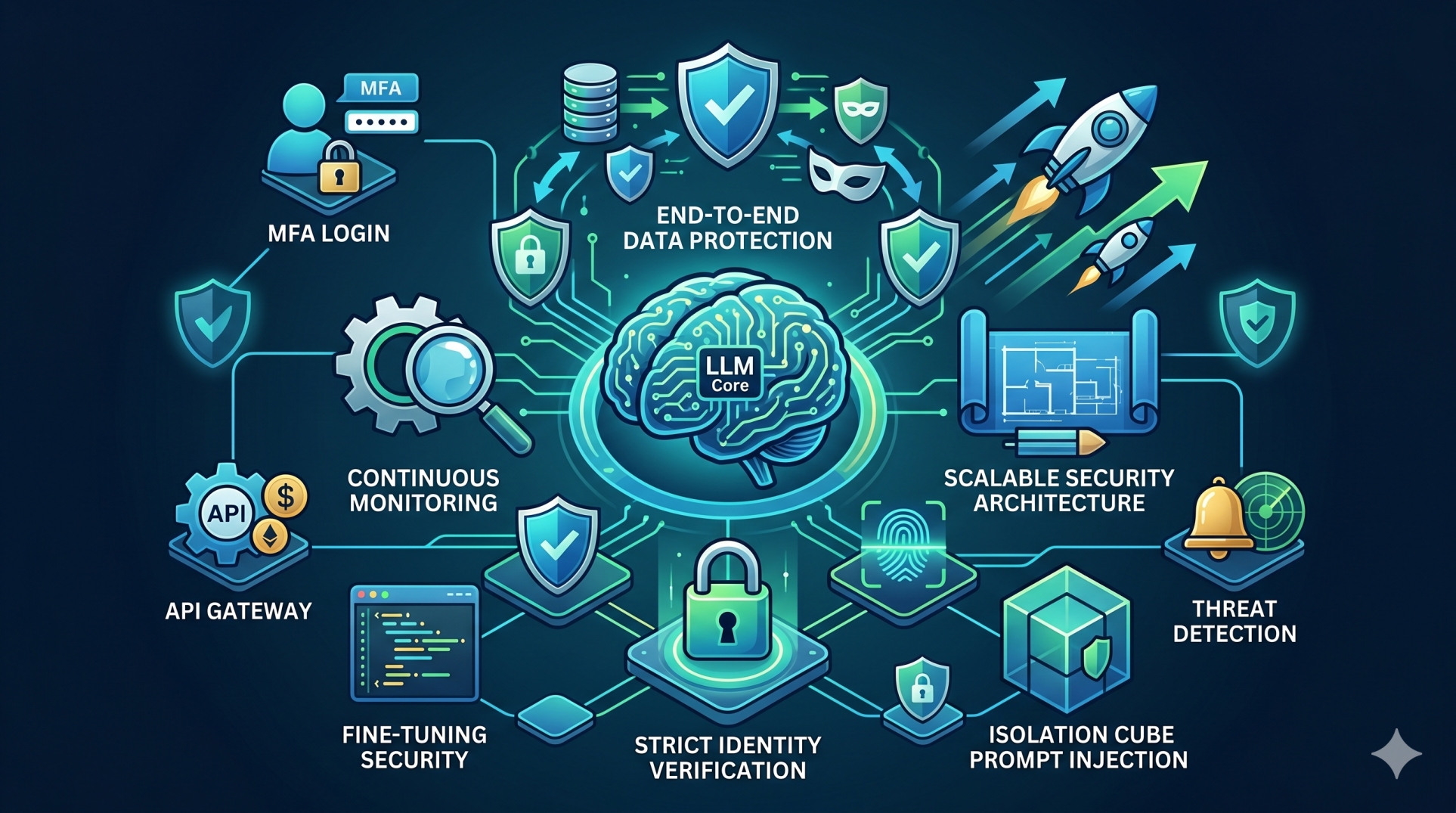
• Protect sensitive business information through secure access controls 🛡️
• Apply role-based permissions for knowledge access 👤
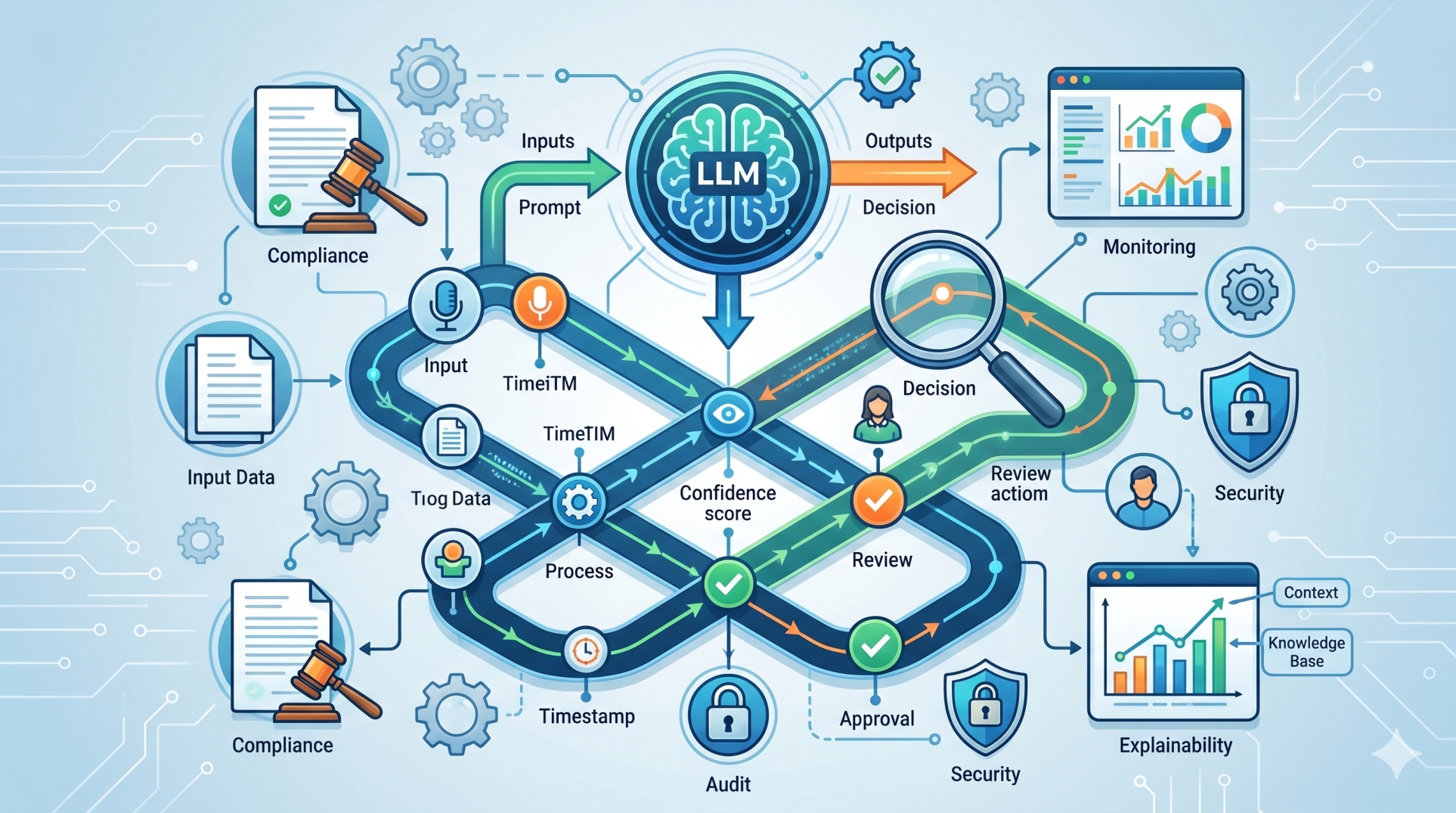
• Monitor AI interactions for compliance and governance 📋
• Maintain transparency in AI-generated responses ✅
• Support regulatory and organizational security requirements ⚖️
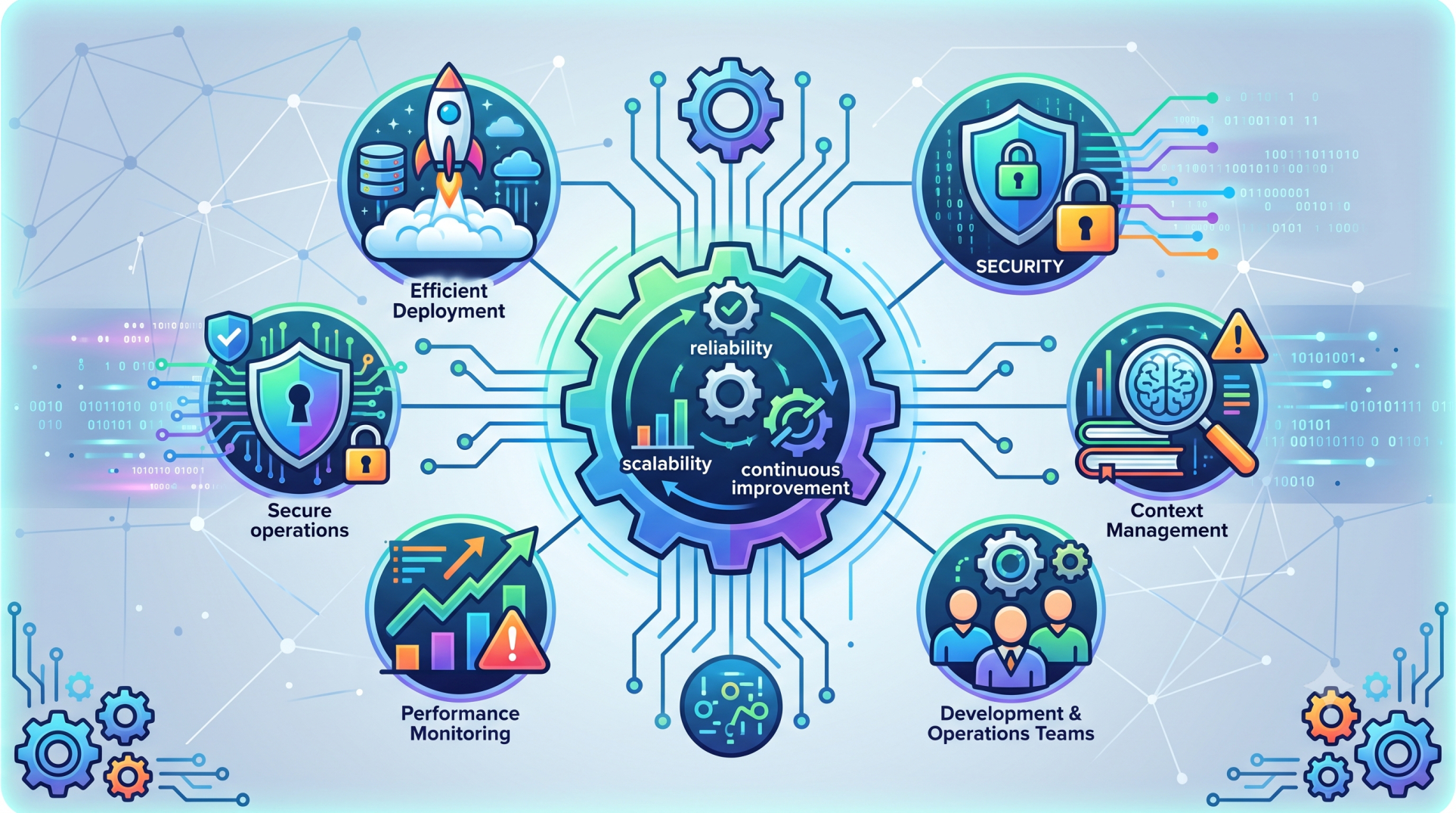
Step 8: Key Organizational Intelligence Priorities ⭐
• Centralized access to enterprise knowledge 📚
• Reliable and context-aware AI assistance 🤖
• Automated knowledge workflows that improve efficiency ⚙️
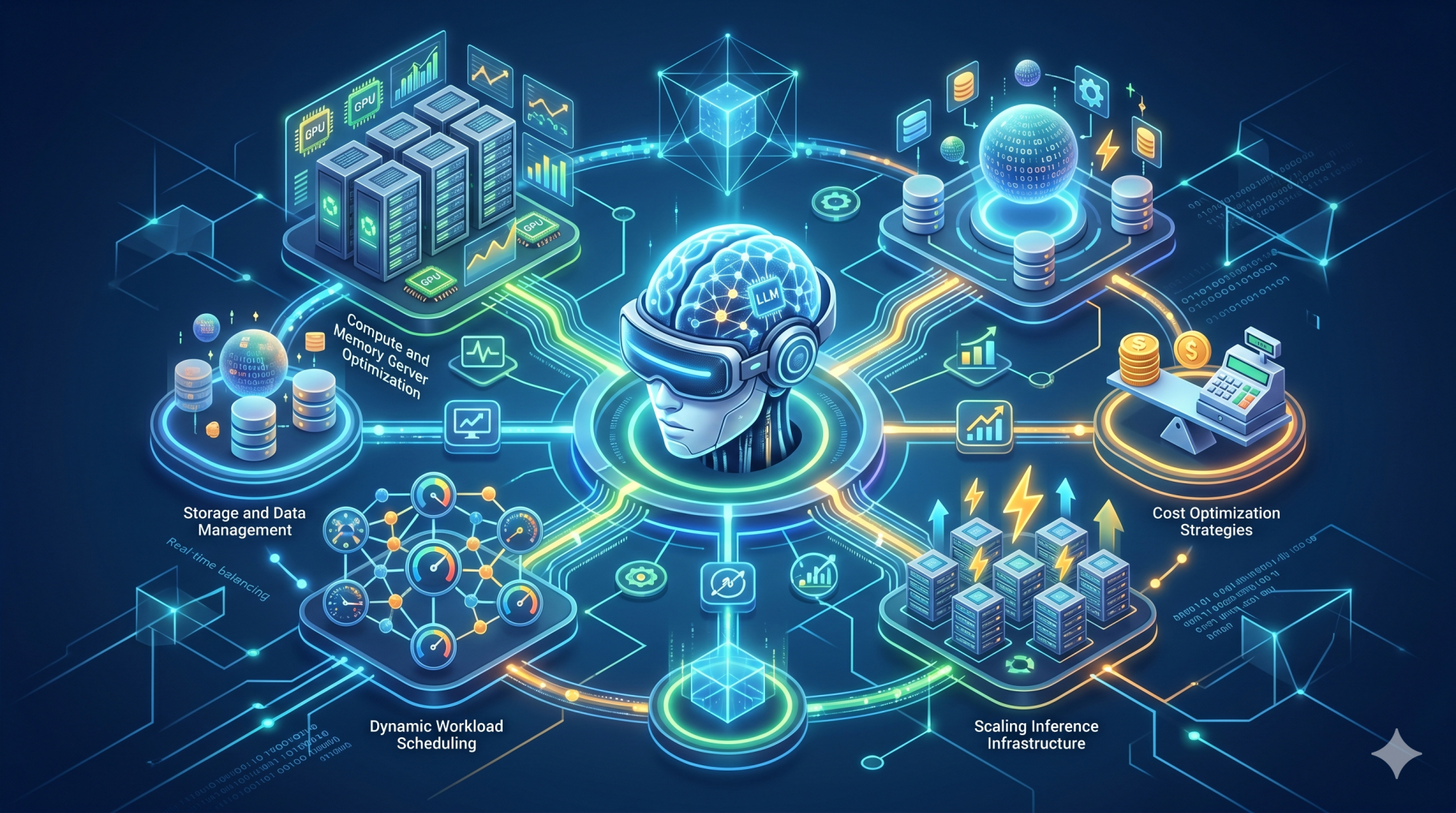
• Scalable architecture that supports organizational growth 📈
Step 9: Measuring Business Impact 📏
• Monitor employee productivity improvements 📊
• Track knowledge utilization across departments 📈
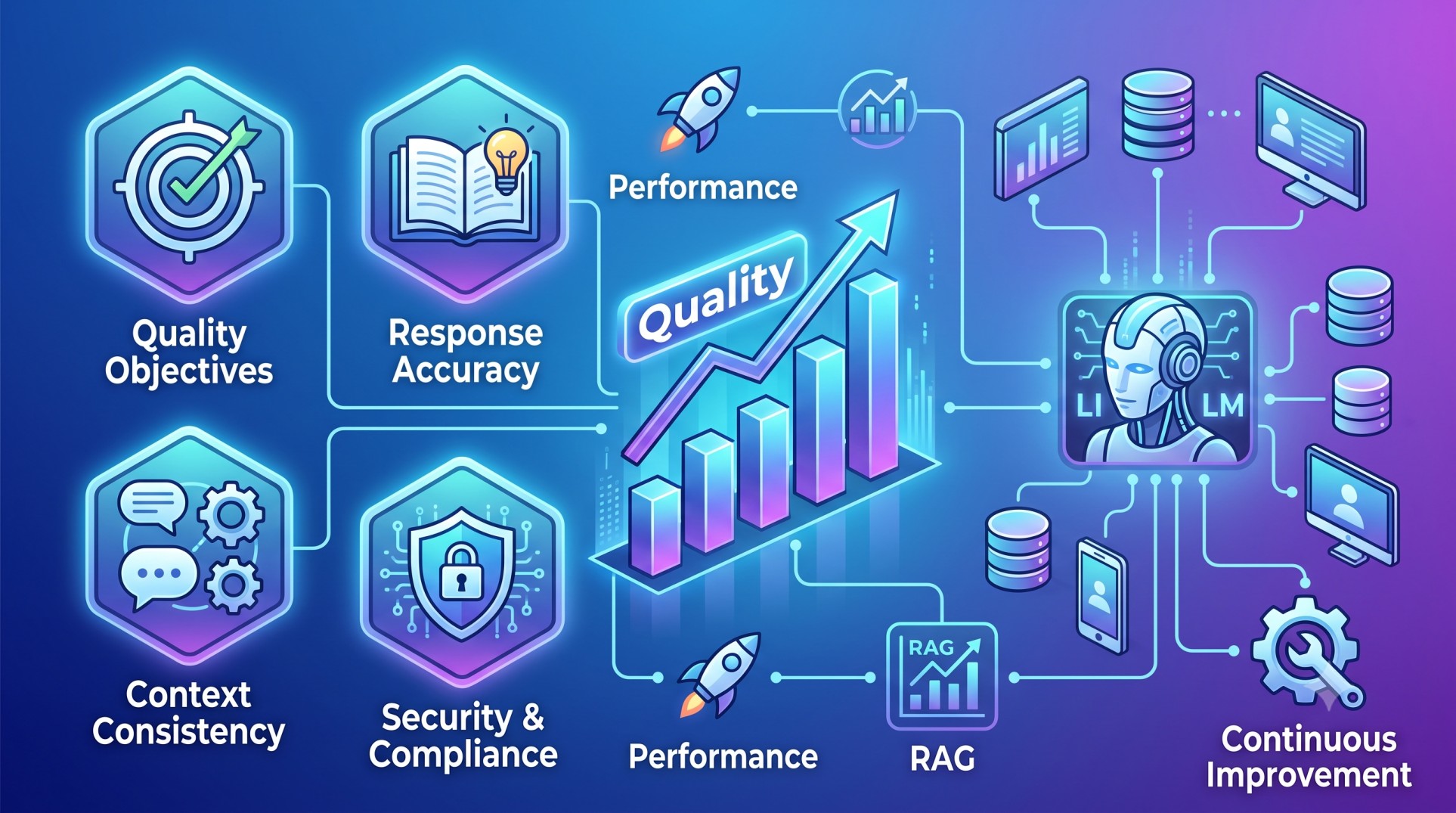
• Measure response quality and user satisfaction ⭐
• Identify opportunities for workflow optimization 🔍
• Continuously improve AI performance through feedback 🔄
Step 10: Building an Intelligent Enterprise 🚀
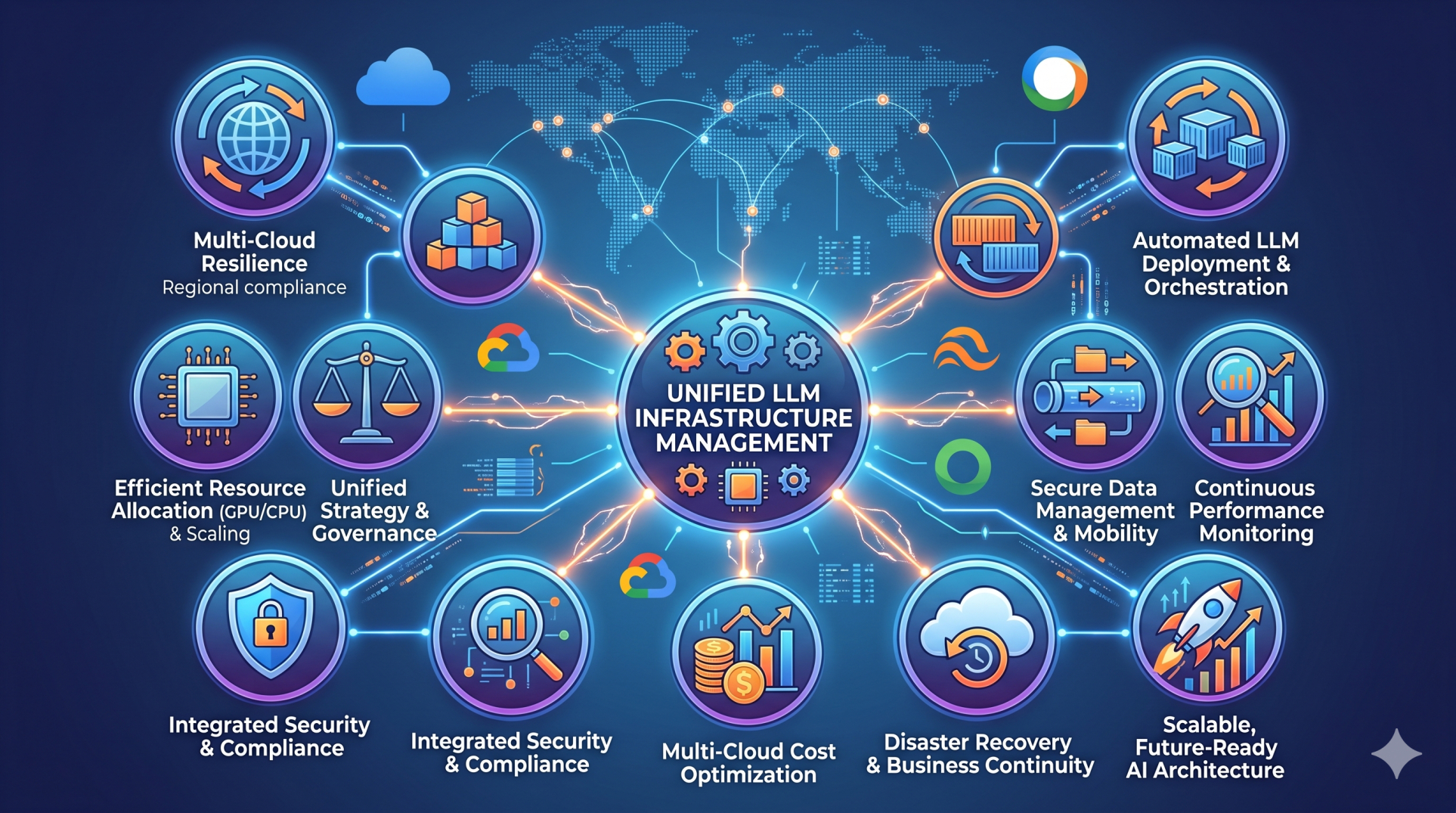
• Design flexible AI solutions that scale with business needs 🏗️
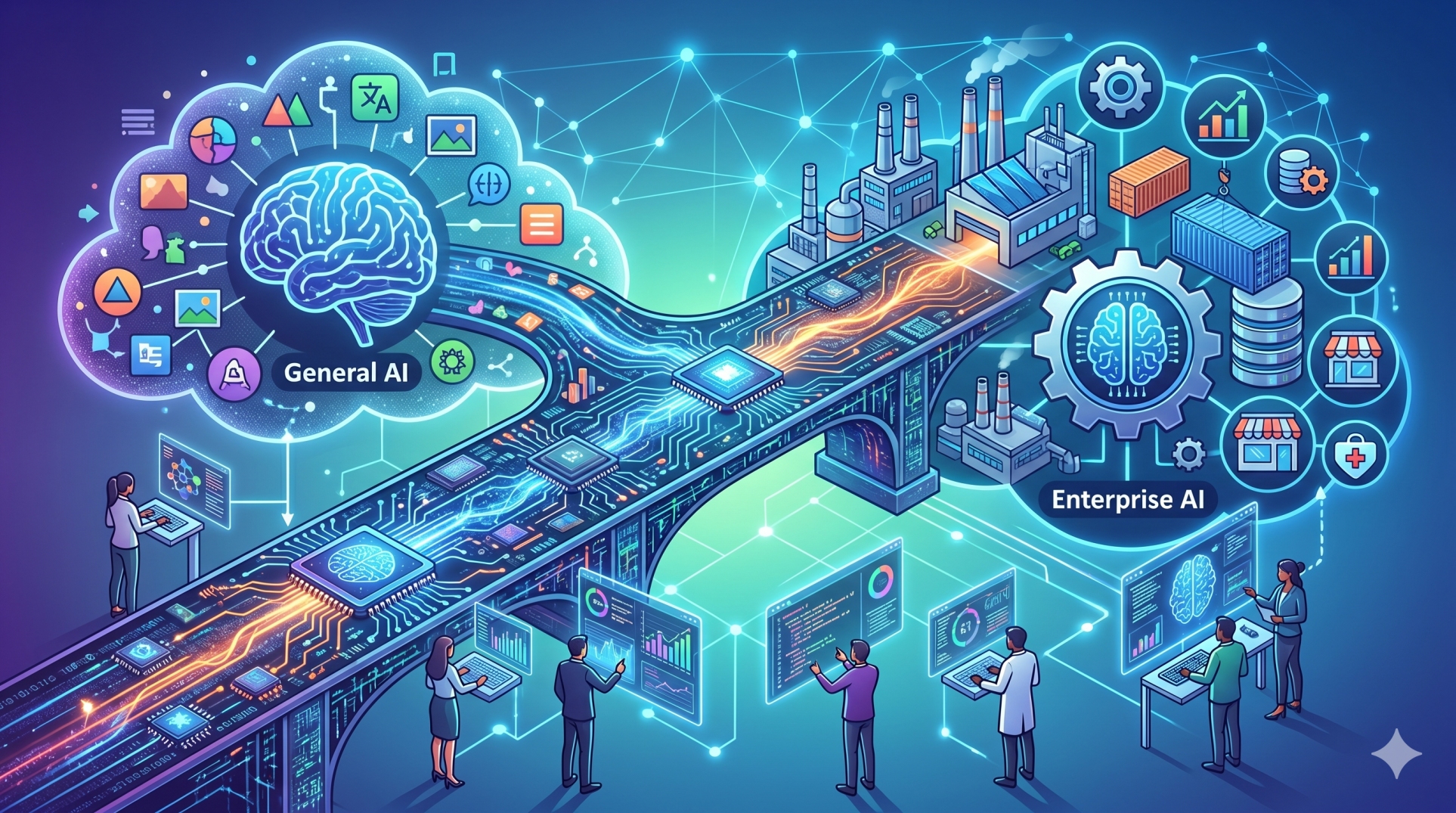
• Integrate emerging AI capabilities with existing systems 🔗
• Encourage continuous learning through intelligent knowledge access 📖
• Support innovation across every department 💼
• Future-proof the organization with adaptable AI technologies 🌟
Conclusion
Building organizational intelligence with LLM software enables businesses to transform information into meaningful insights that drive better decisions, stronger collaboration, and greater operational efficiency. By connecting enterprise knowledge, automating information workflows, and providing secure, context-aware assistance, organizations can create a more informed, agile, and intelligent workplace that is prepared for future growth and innovation.
See more blogs
You can all the articles below