AI-Enabled Coordination Platforms for Distributed Teams
AI-Enabled Coordination Platforms for Distributed Teams
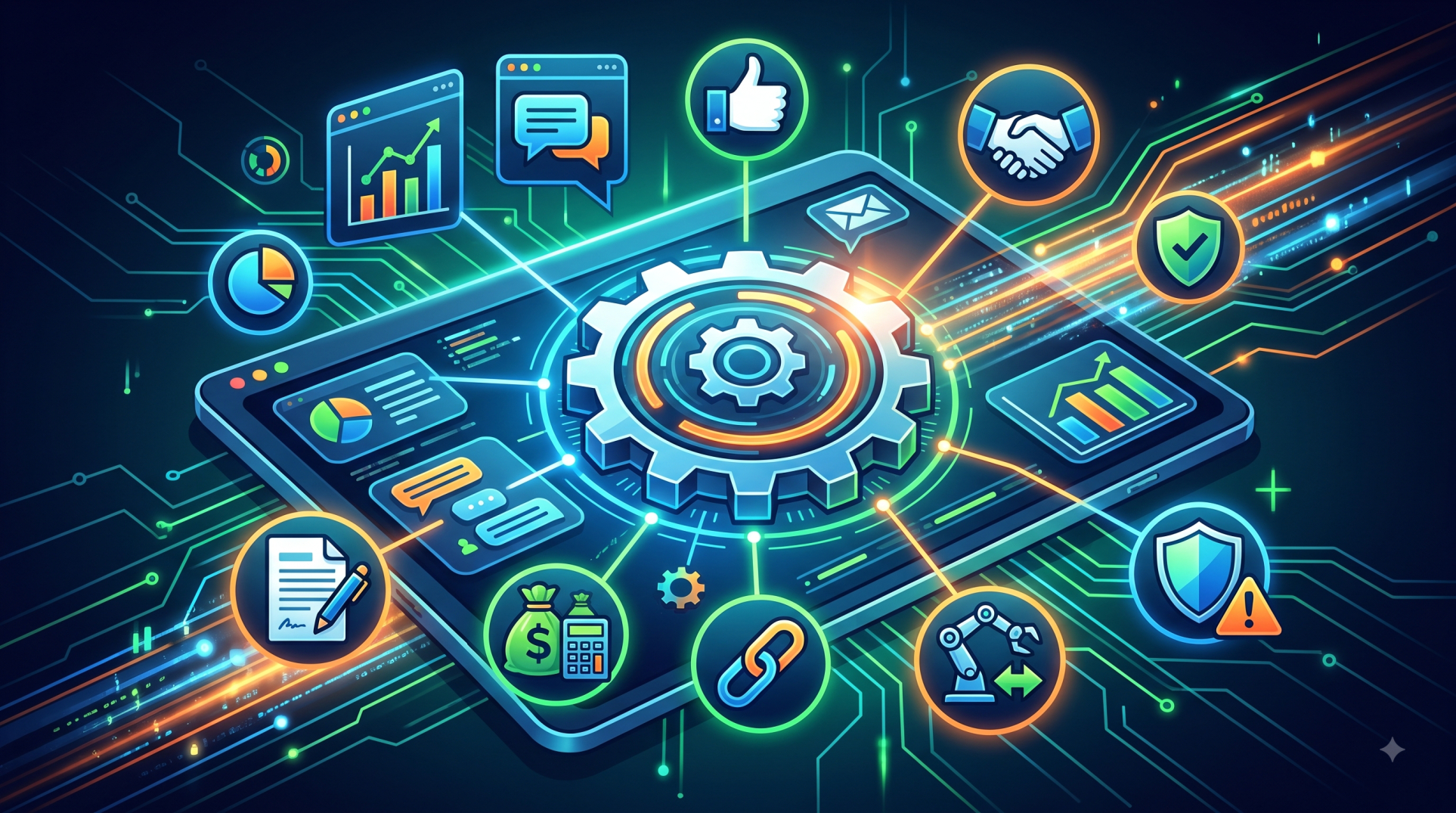
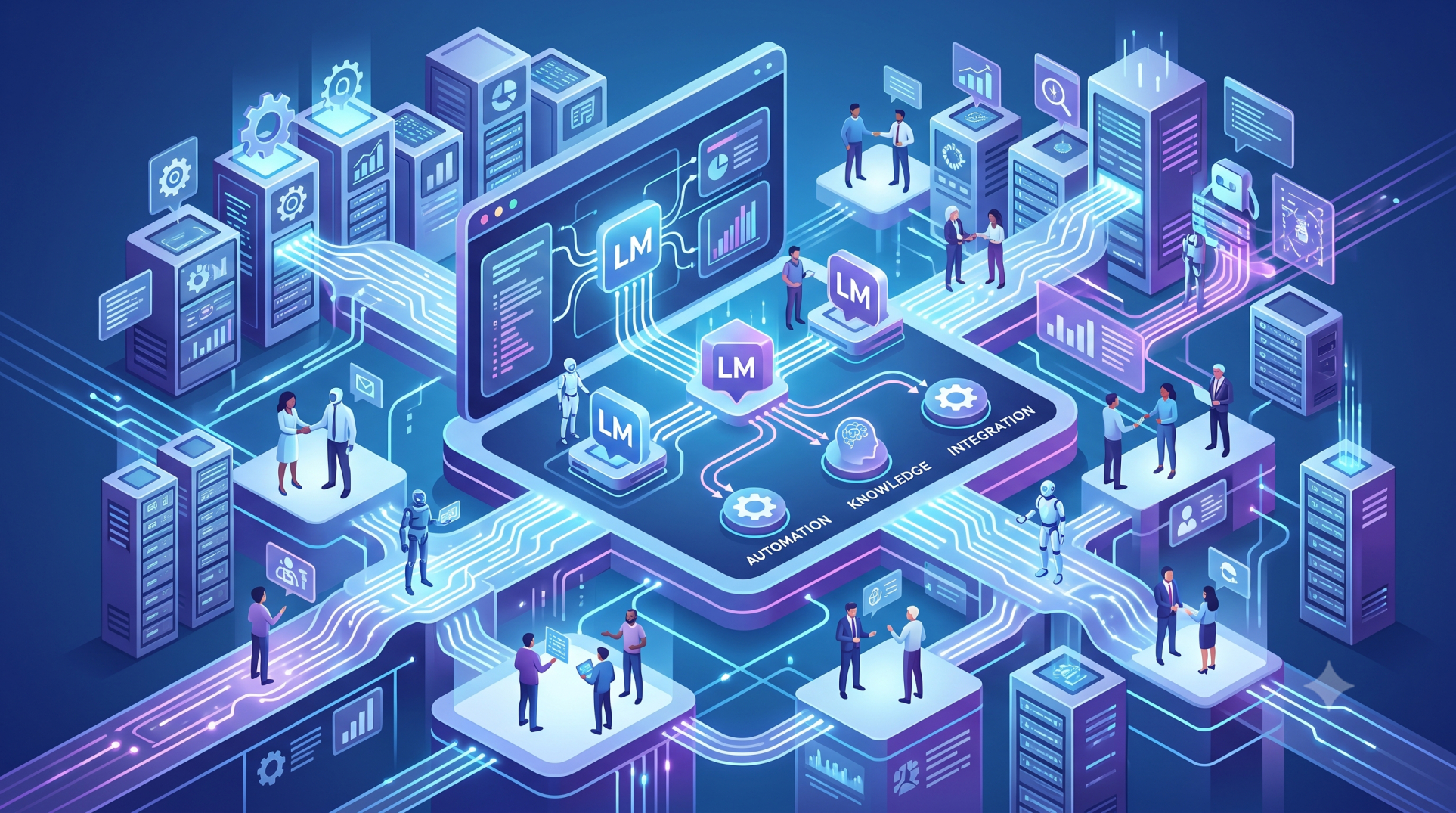
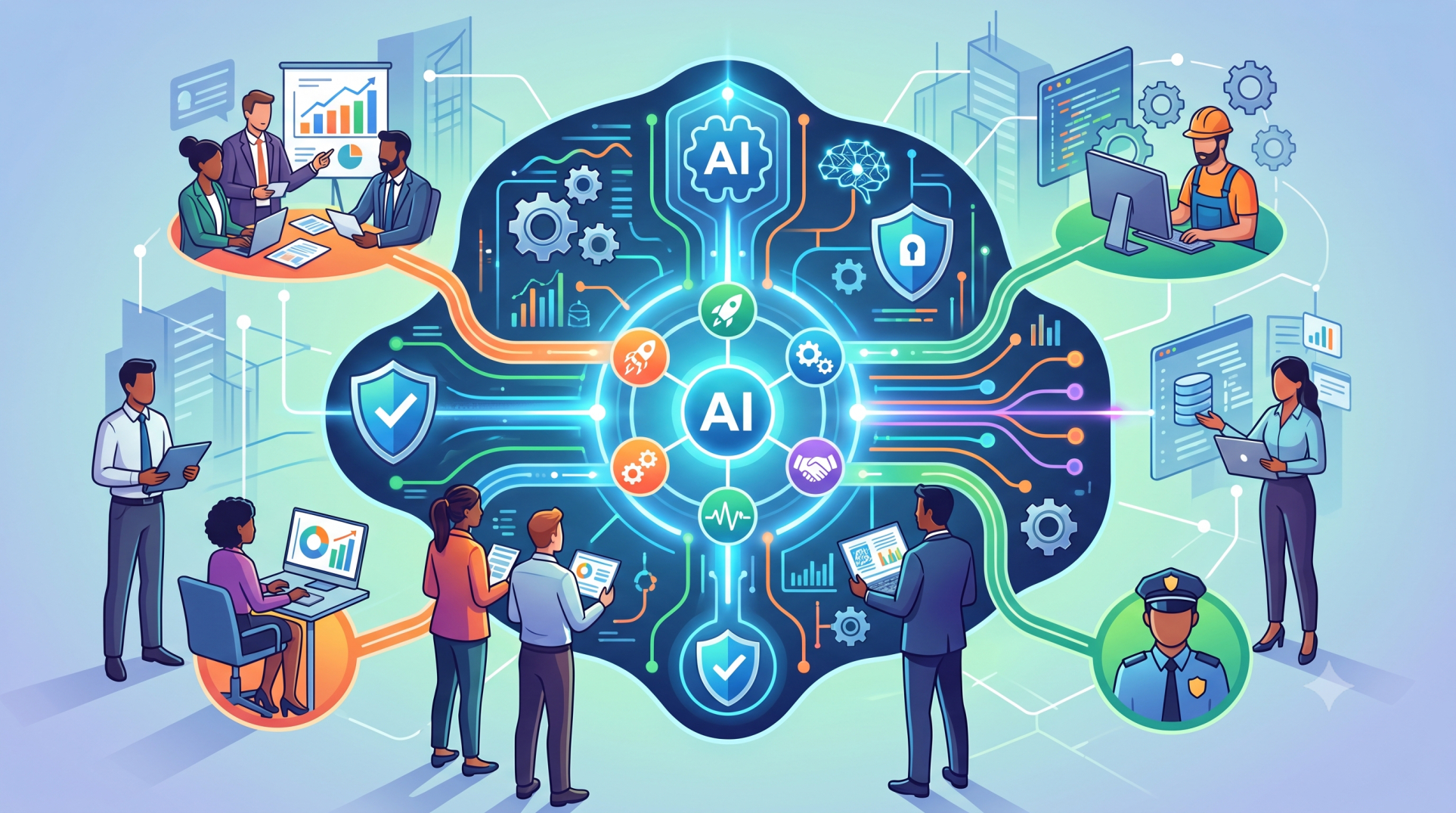
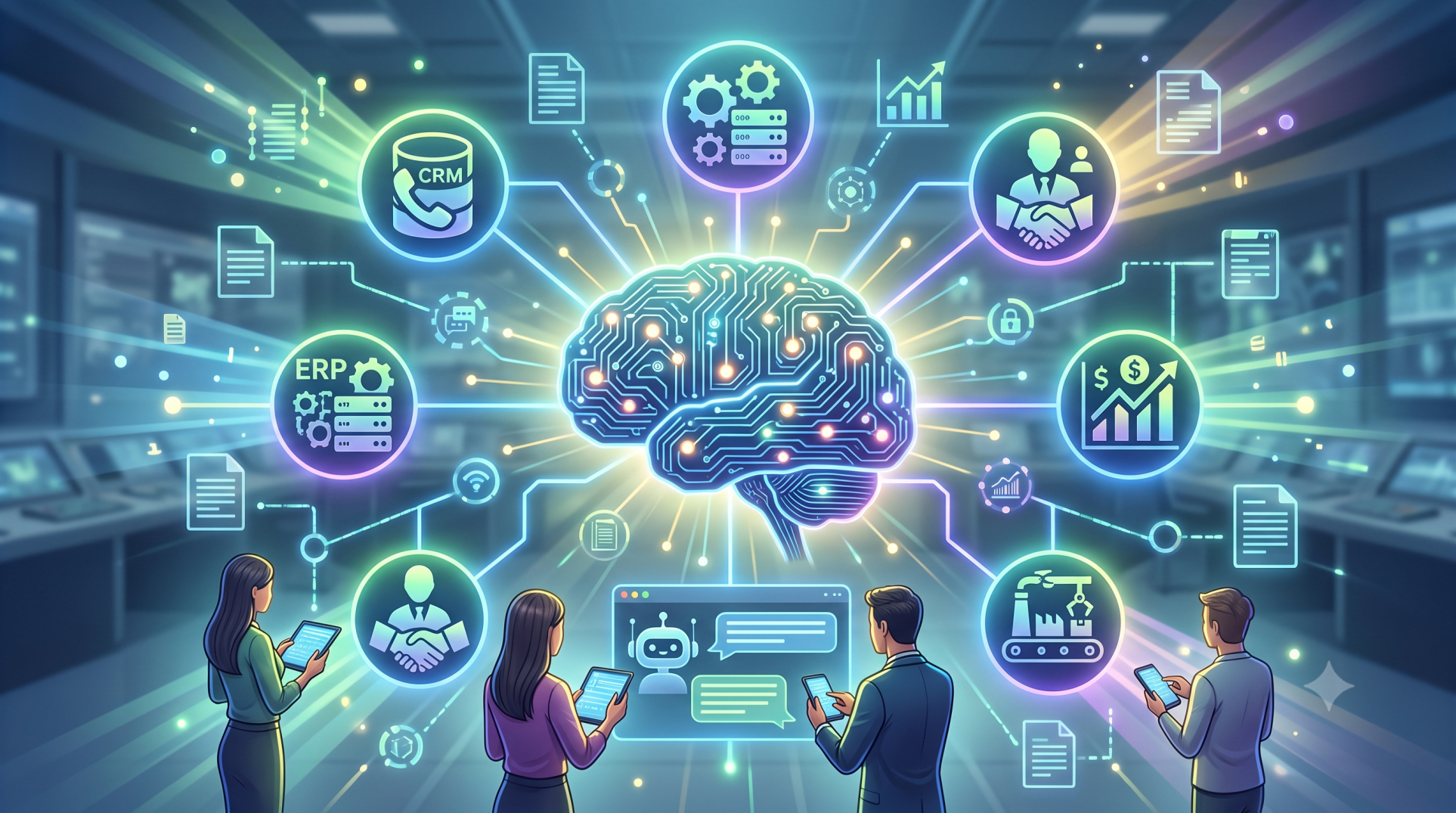
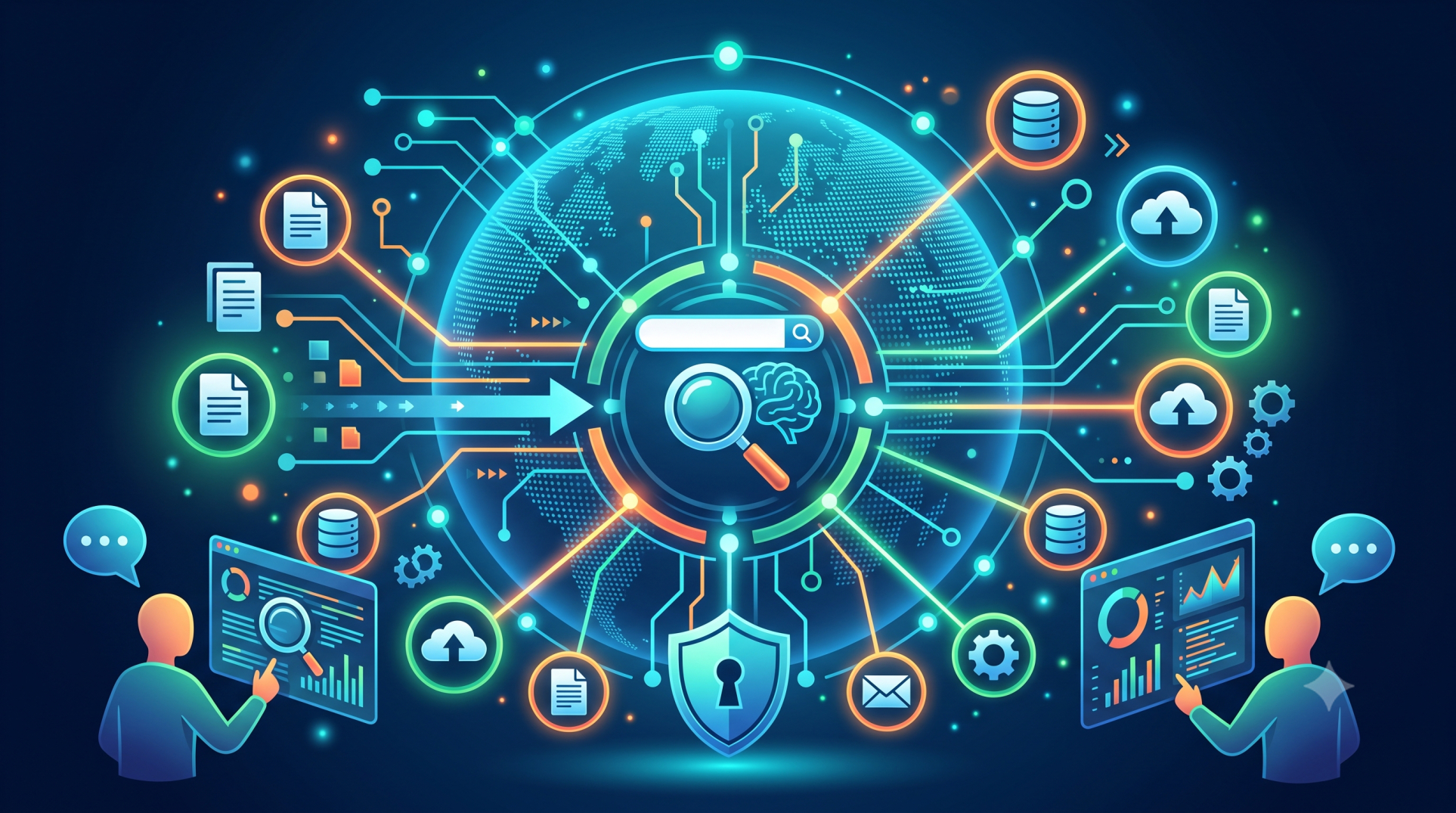
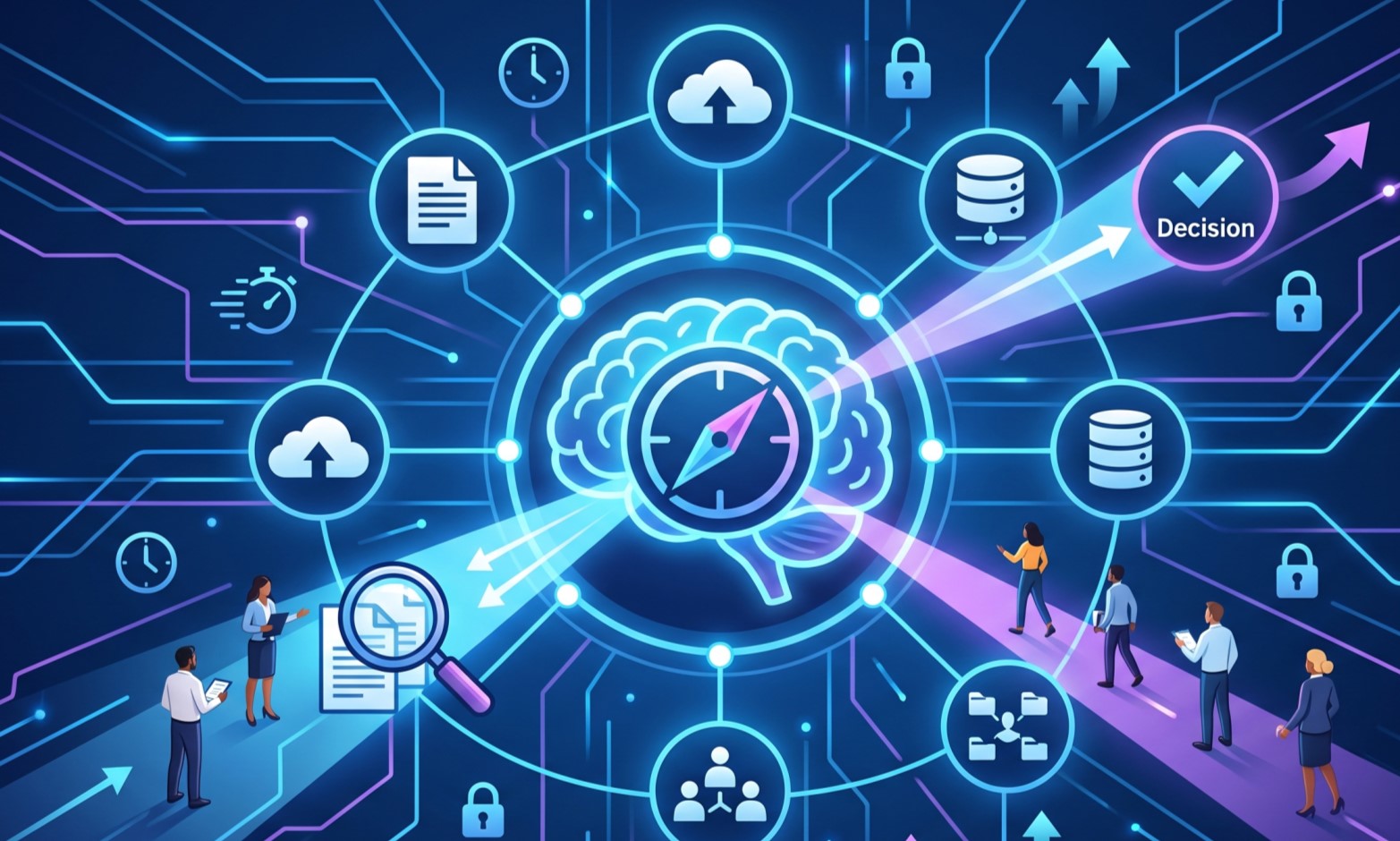
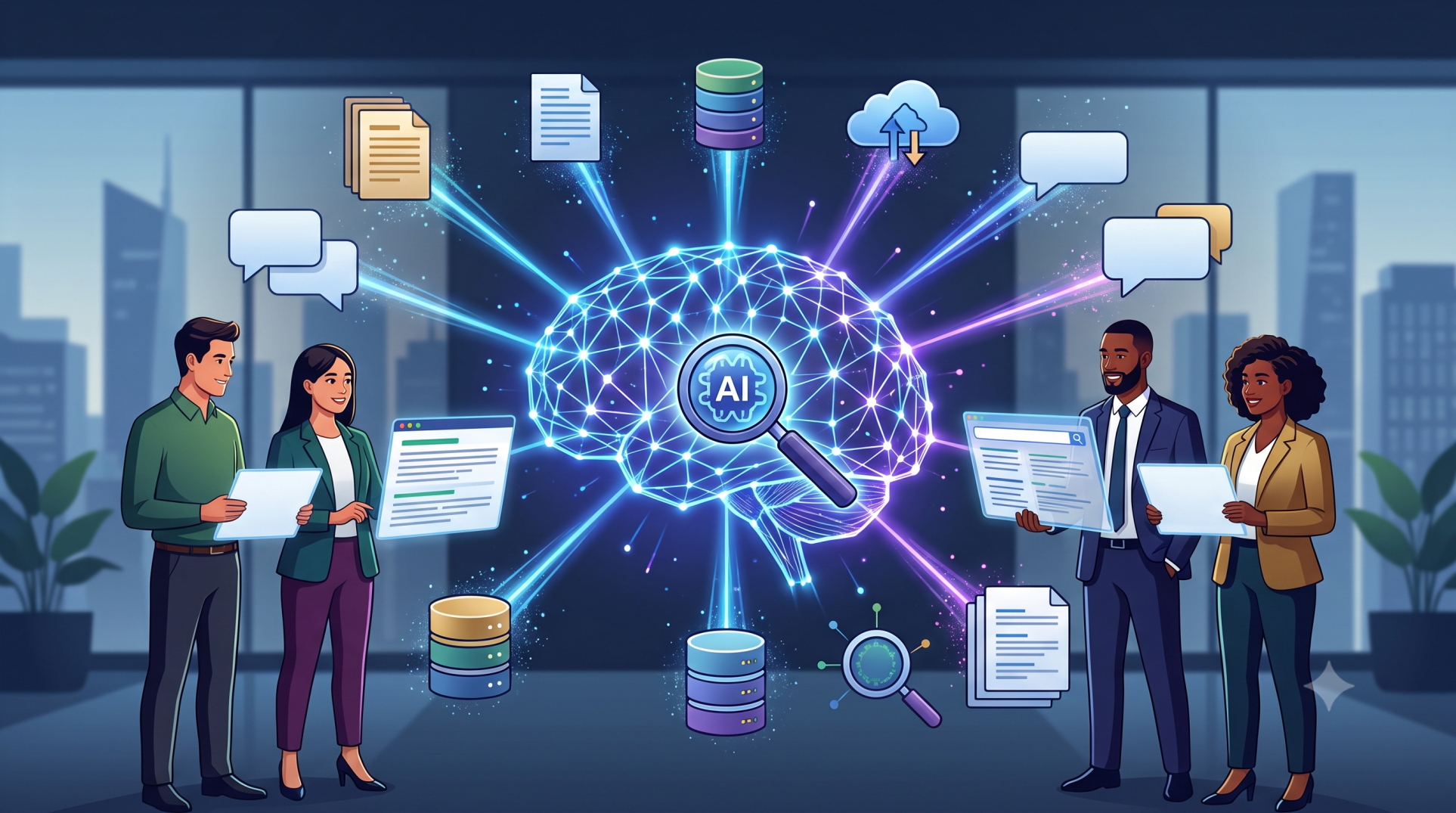
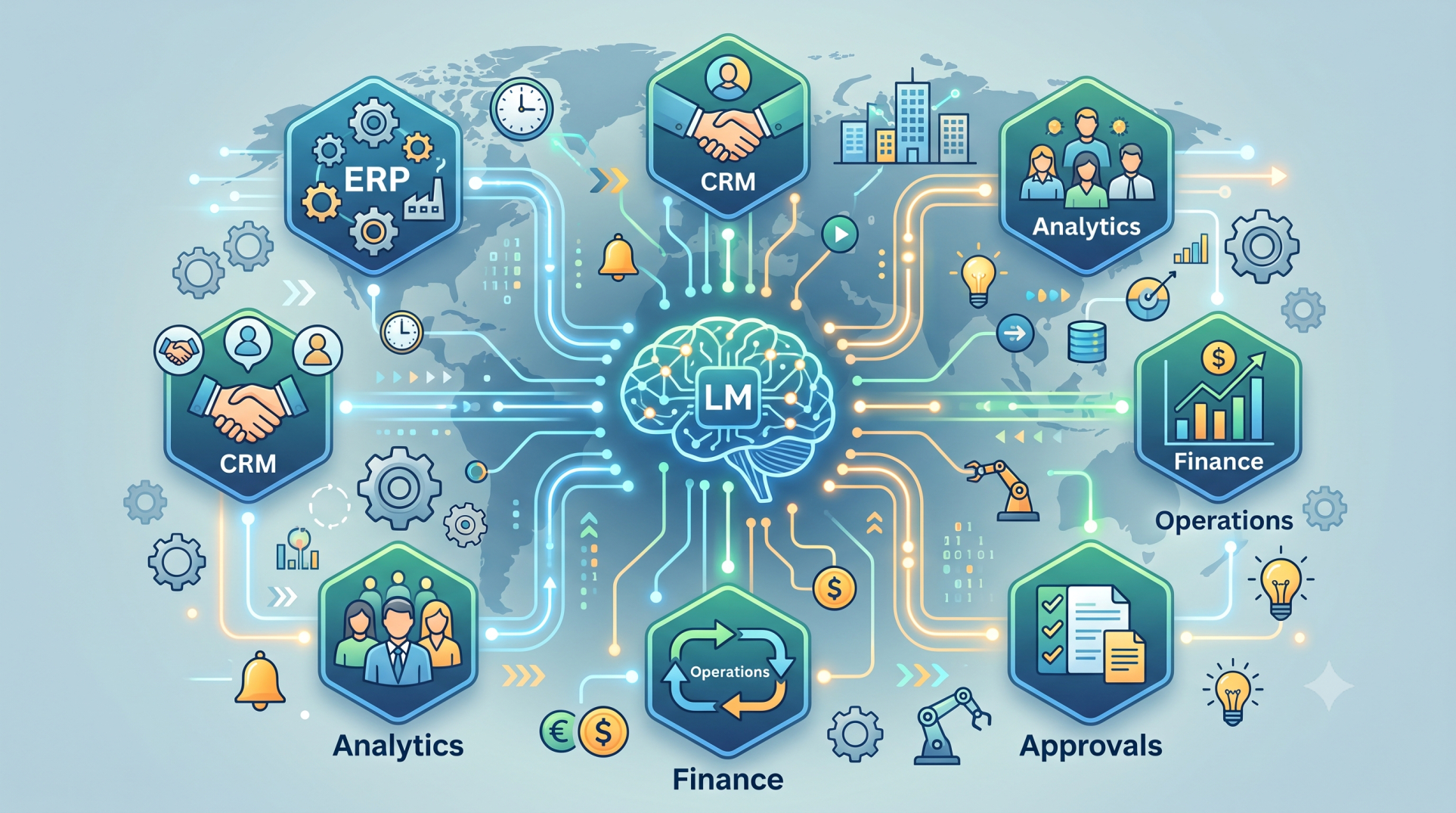
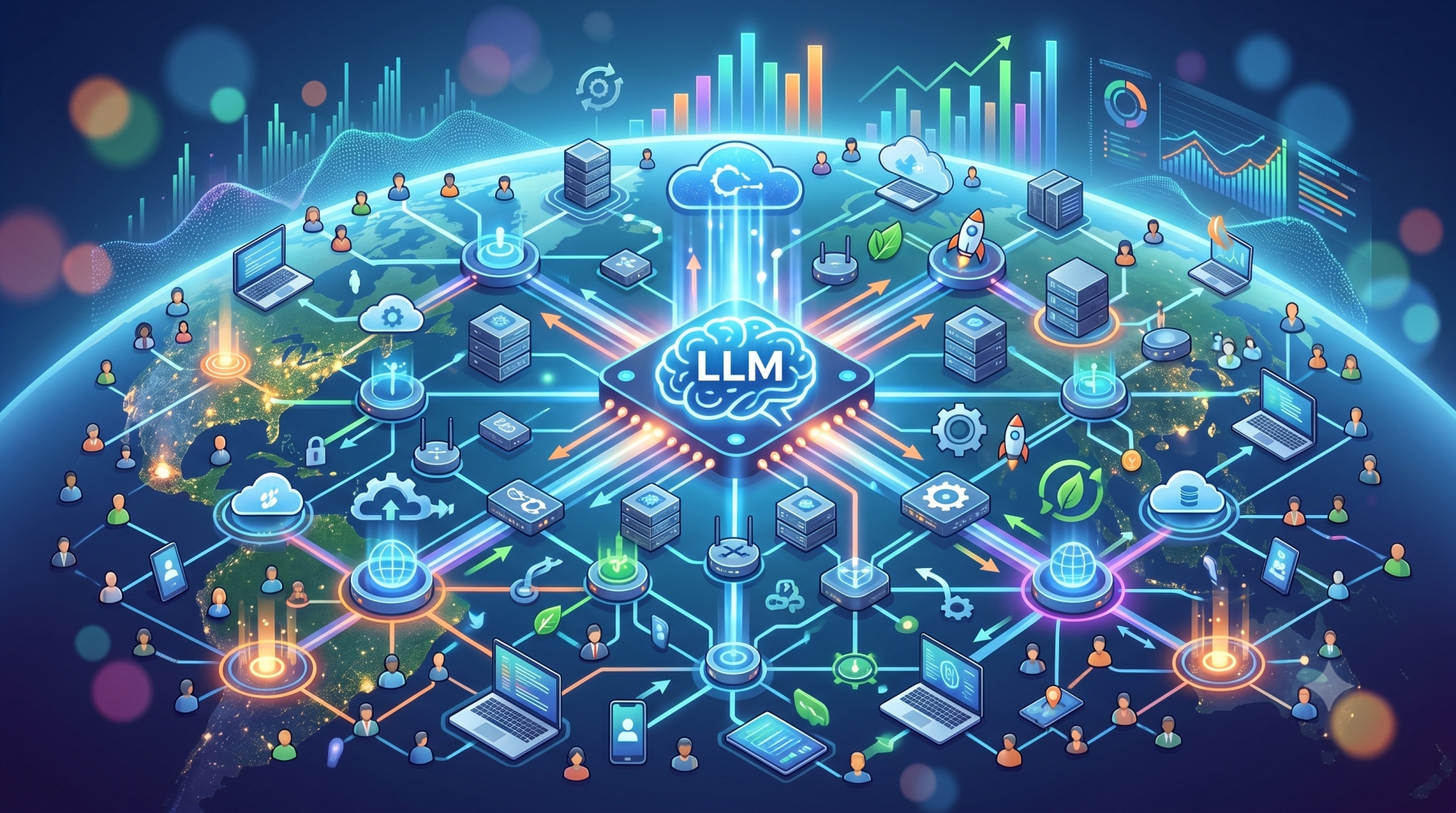
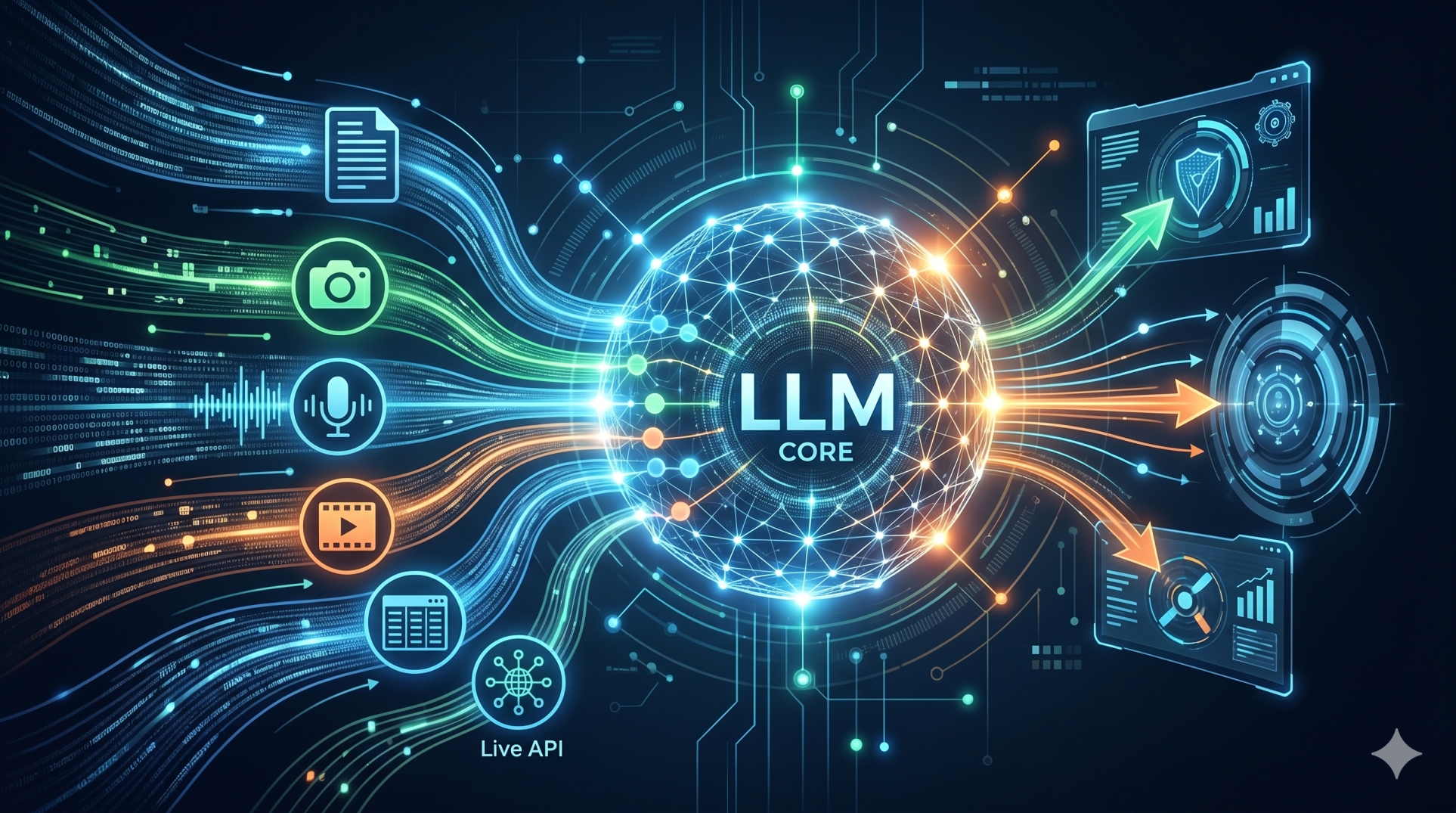
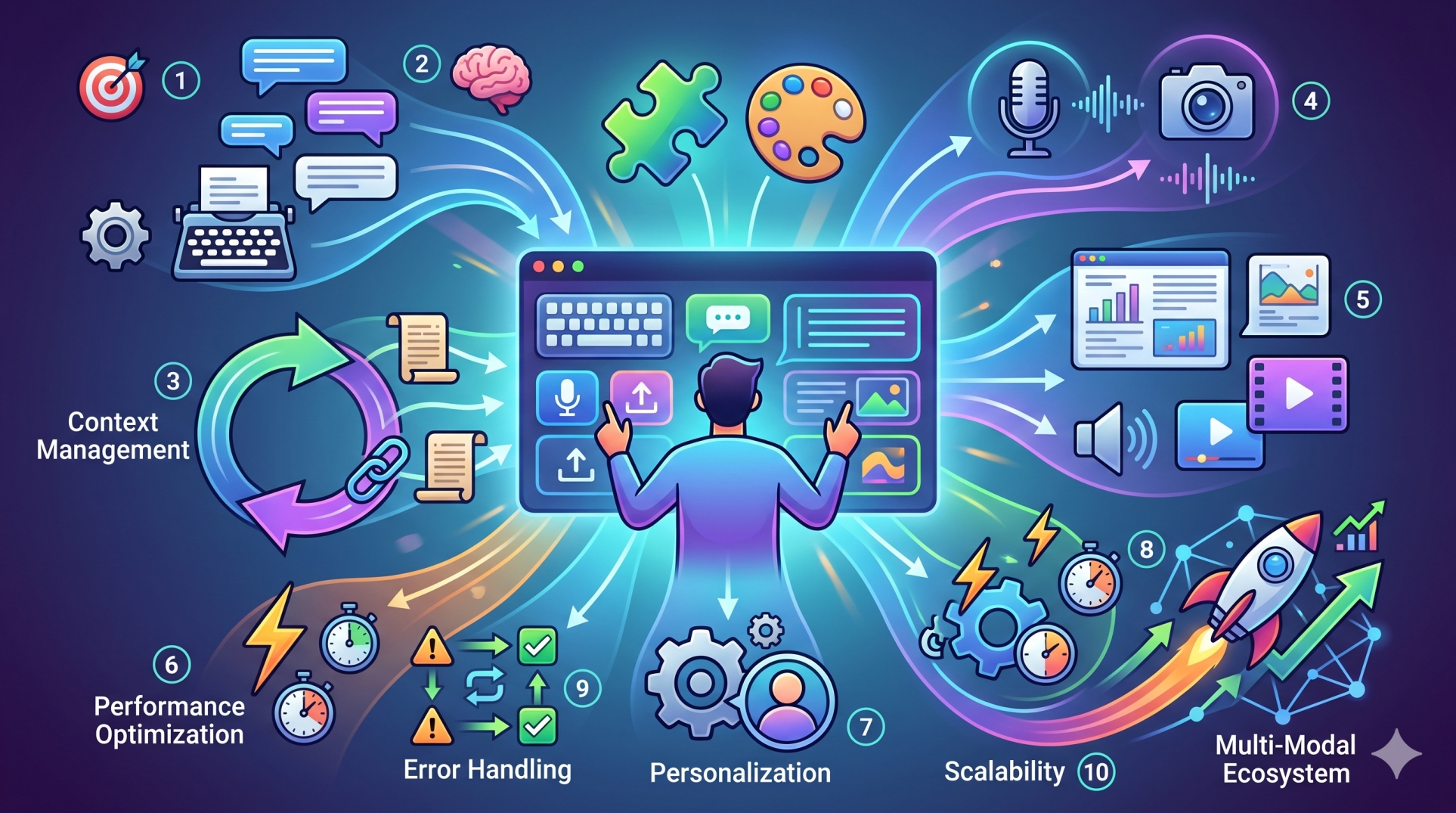
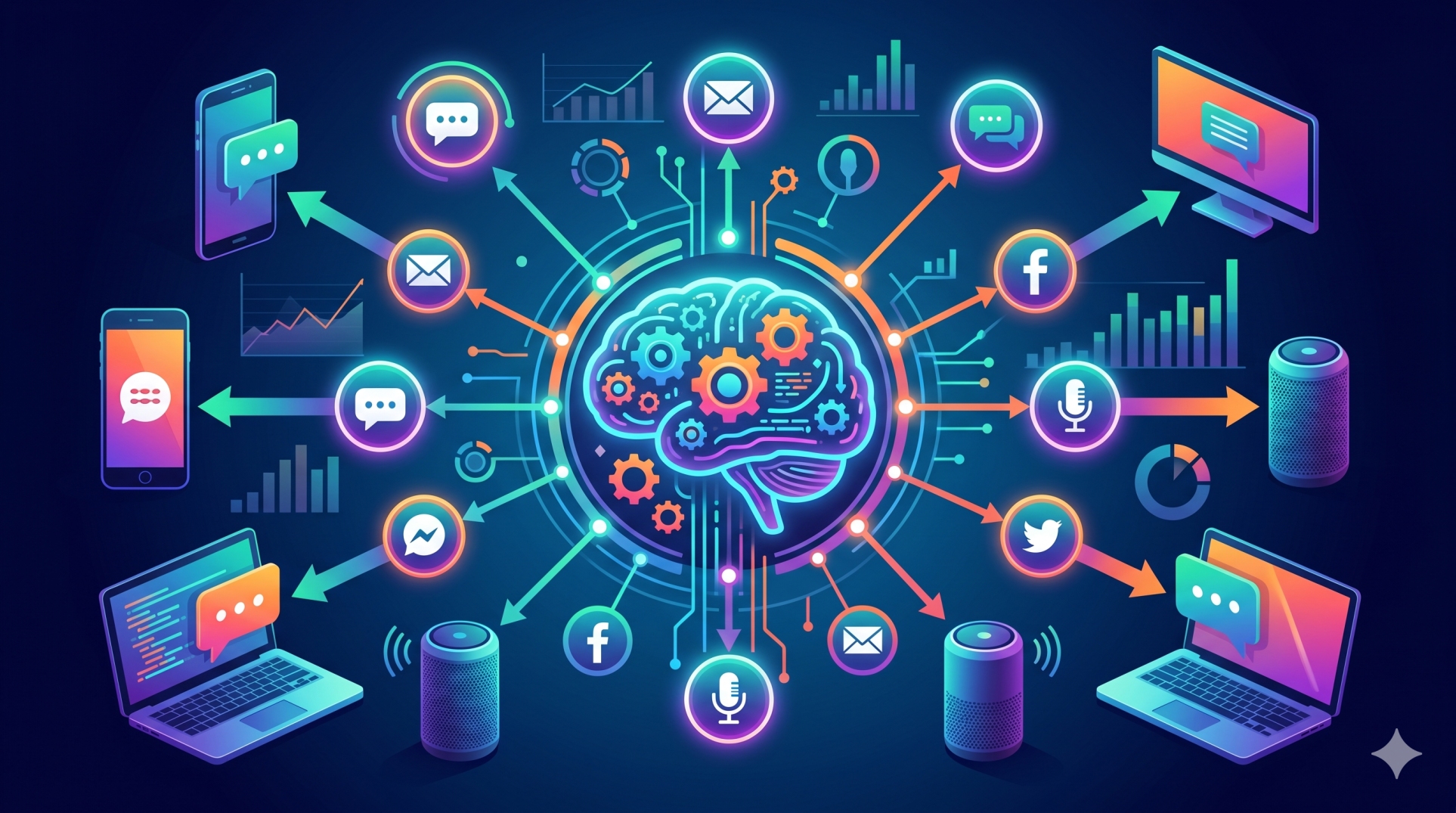
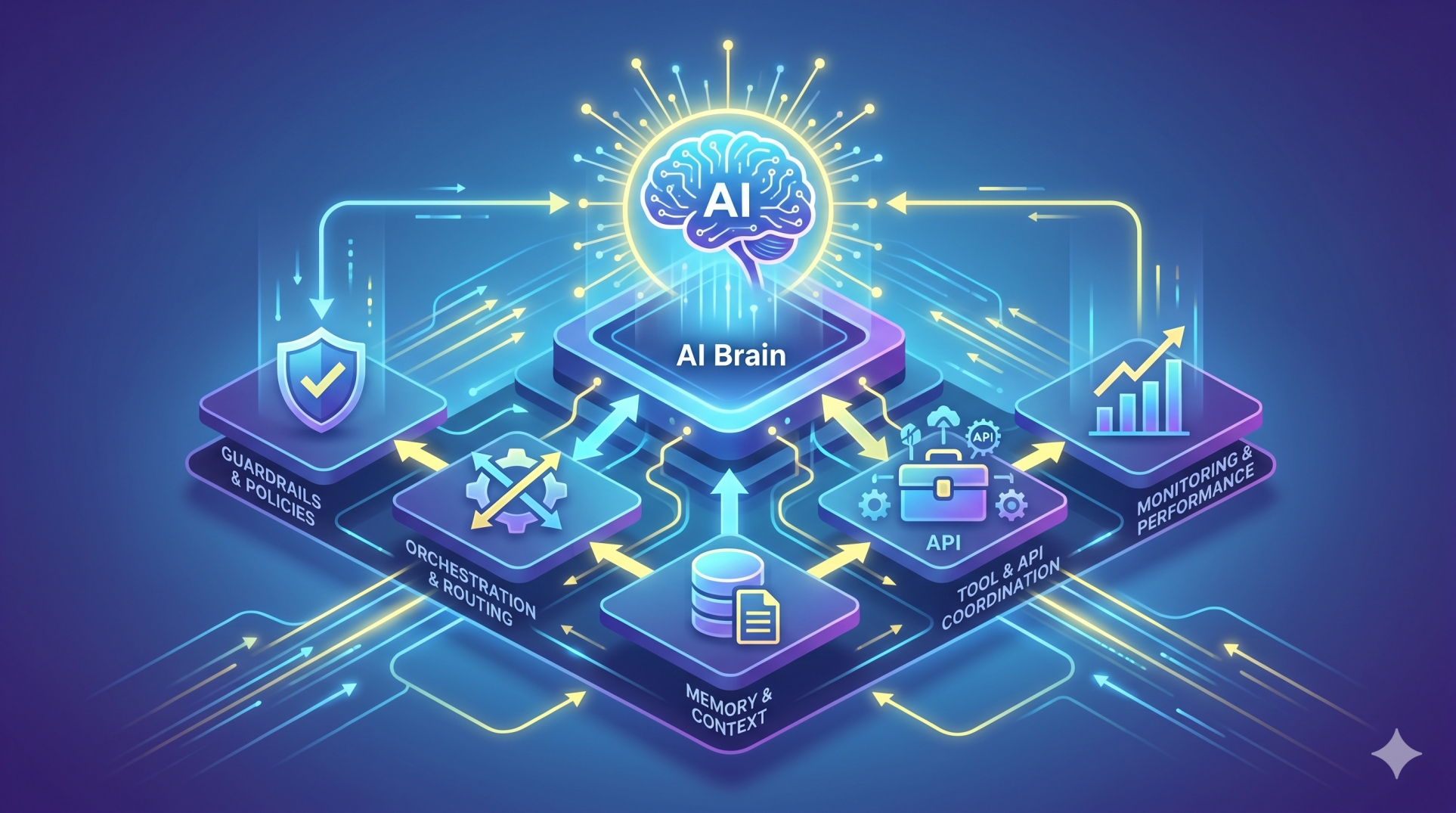
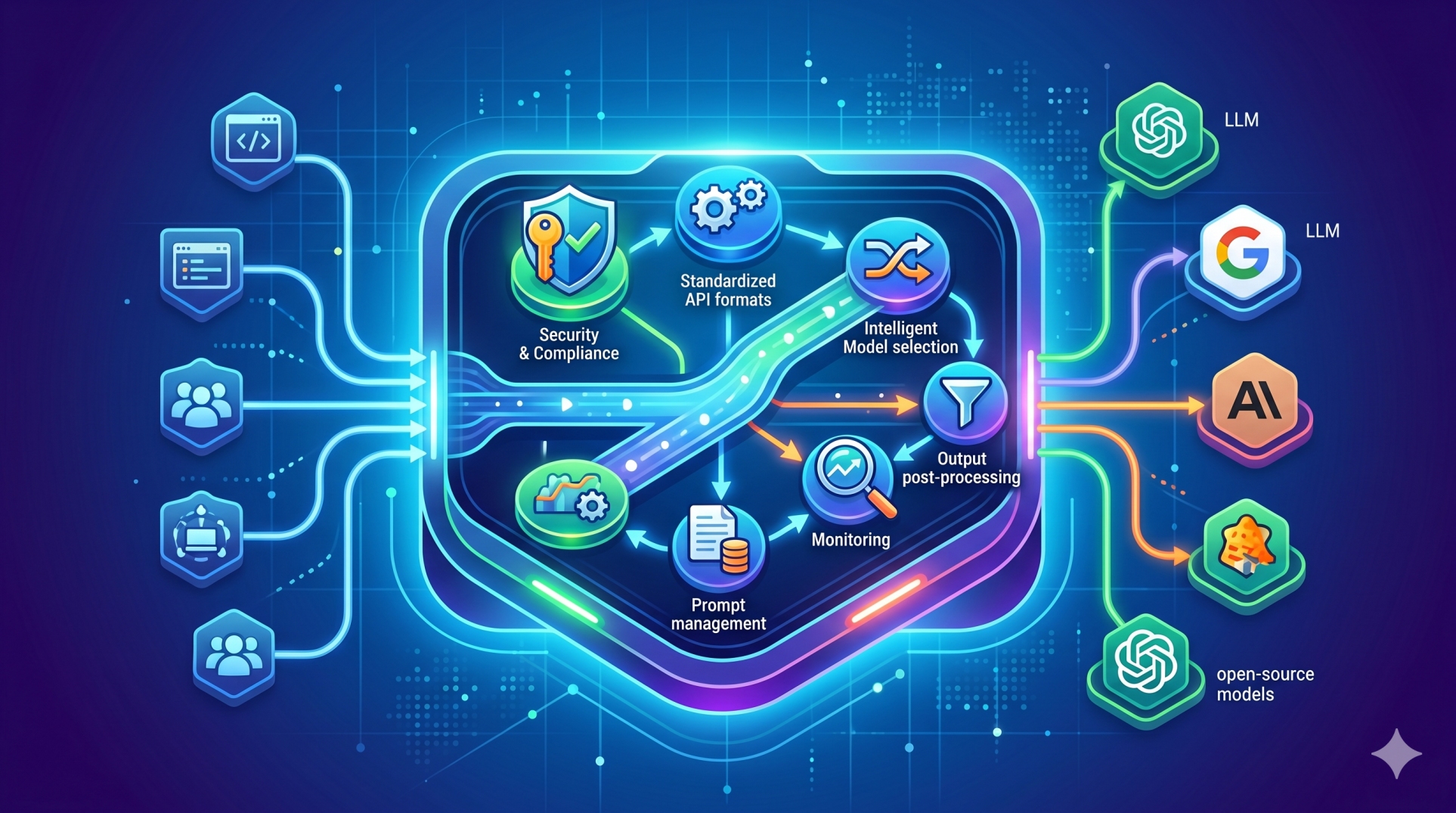
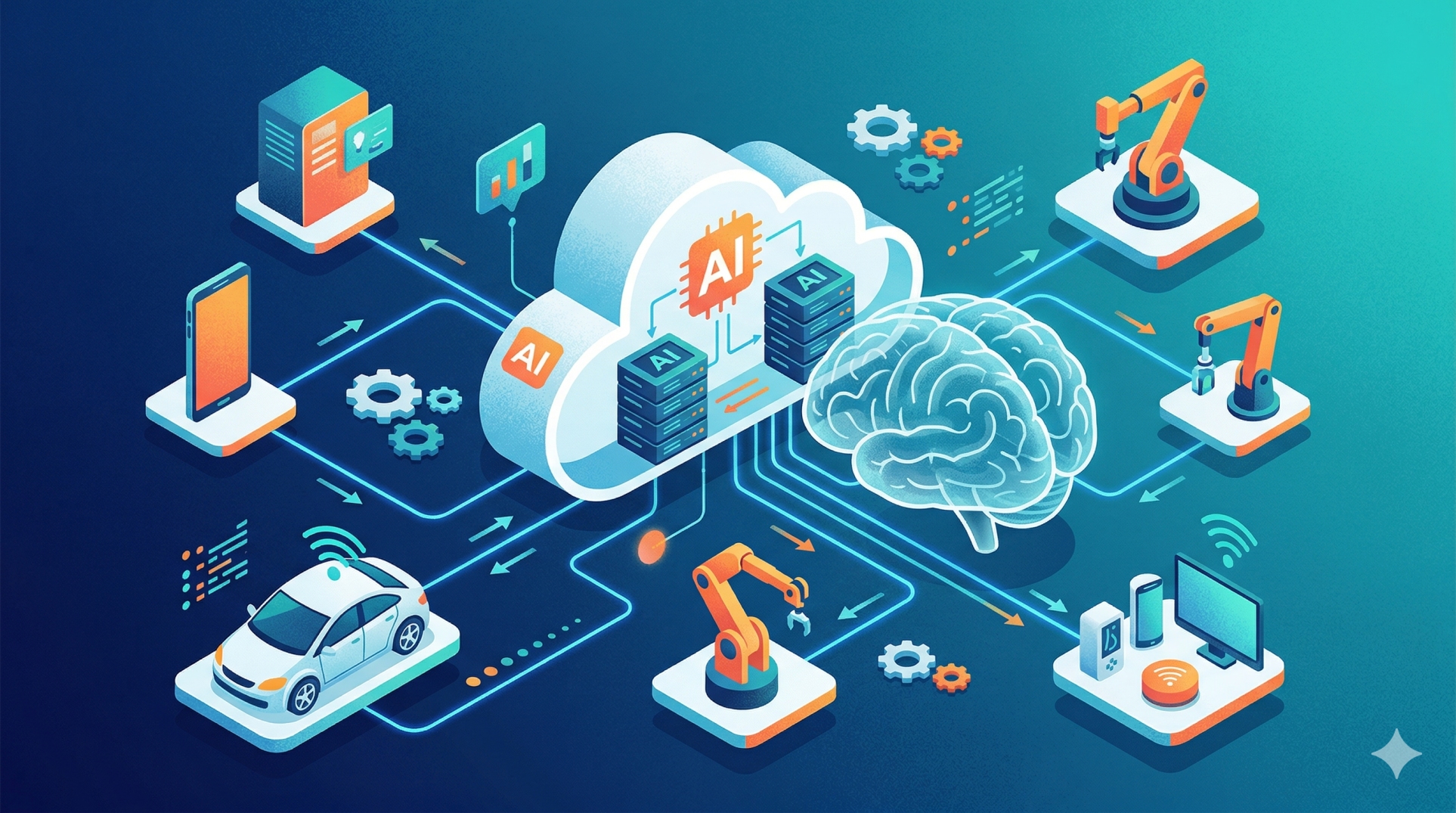
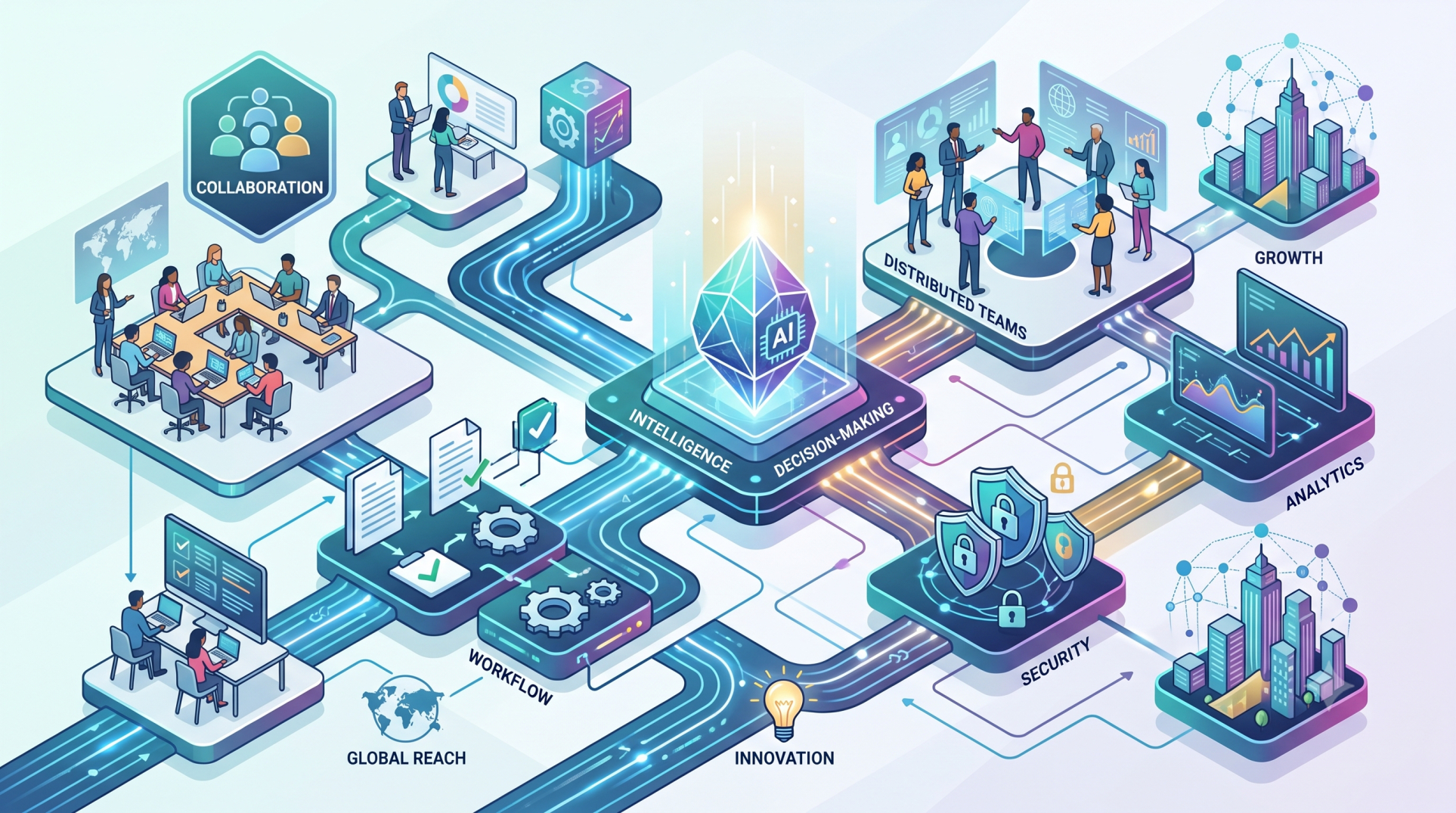
As organizations embrace remote, hybrid, and globally distributed workforces, effective coordination has become a strategic priority. AI-enabled coordination platforms unify communication, task management, workflow automation, and real-time insights into a single intelligent environment. By connecting people, processes, and business systems, these platforms improve collaboration, accelerate decision-making, and help distributed teams remain productive regardless of location.
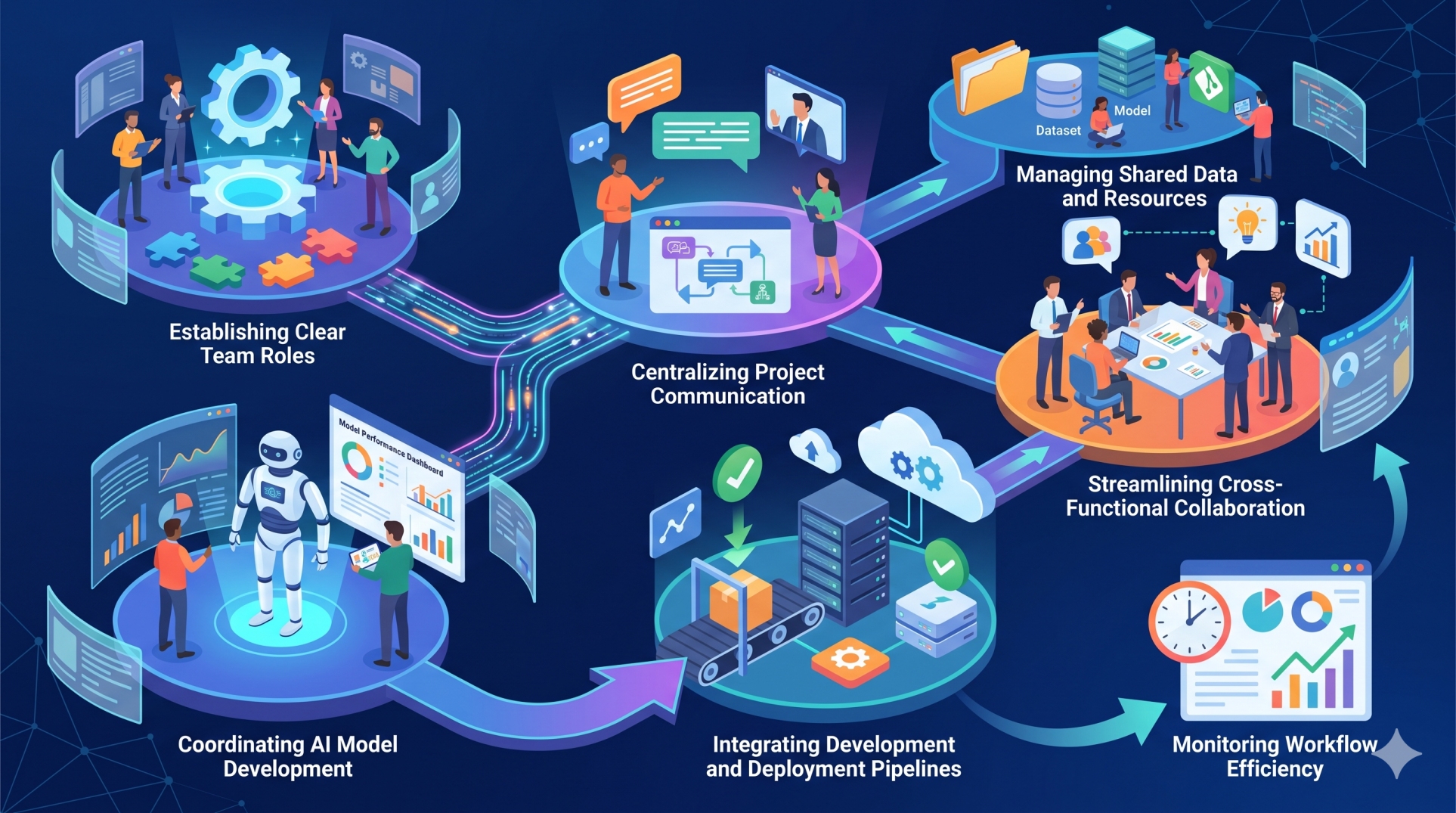
Step 1: Creating a Unified Collaboration Environment 🌐
• Centralize communication, tasks, documents, and project updates in one platform 📋
• Connect distributed teams through a shared digital workspace 🤝
• Eliminate information silos across departments 🔄
• Provide consistent access to business resources from any location 💻
• Build a collaborative environment that supports organizational alignment 🚀
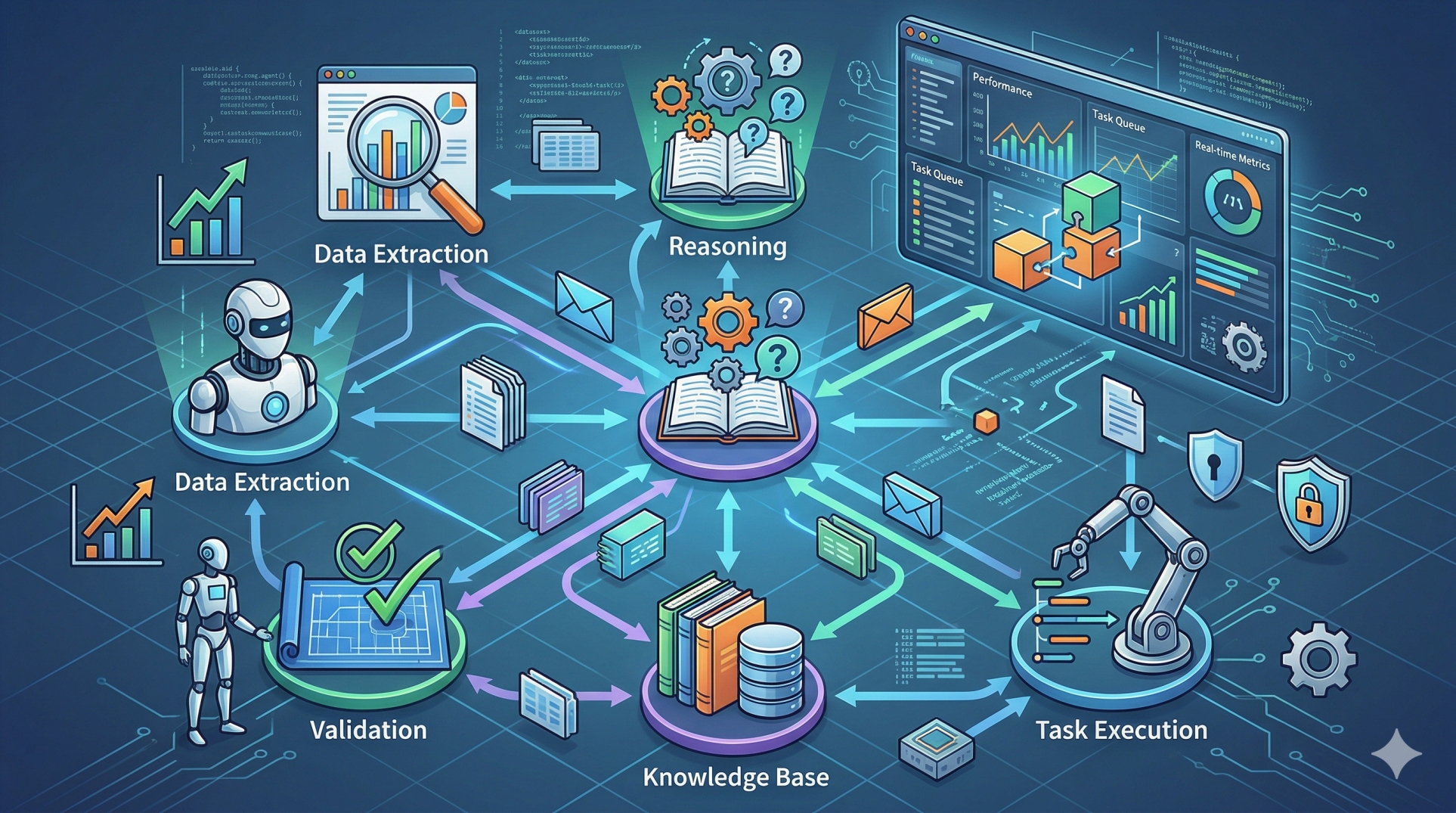
Step 2: Automating Team Workflows 🤖
• Automate repetitive administrative and coordination tasks ⚙️
• Route approvals and assignments intelligently 📤
• Schedule recurring activities without manual intervention 📅
• Reduce operational delays through workflow automation ⏱️
• Improve consistency across cross-functional processes ✅
Step 3: Enabling Intelligent Task Coordination 📌
• Prioritize work based on urgency and business impact 🎯
• Recommend task assignments using workload analysis 👥
• Track project progress in real time 📈
• Identify dependencies before they create bottlenecks 🔍
• Keep teams aligned with changing priorities 🔄
Step 4: Enhancing Communication with AI 💬
• Summarize meetings and conversations automatically 📝
• Generate action items from discussions ✔️
• Translate messages for multilingual collaboration 🌍
• Deliver intelligent notifications based on project activity 📲
• Reduce communication overload with contextual insights 📡
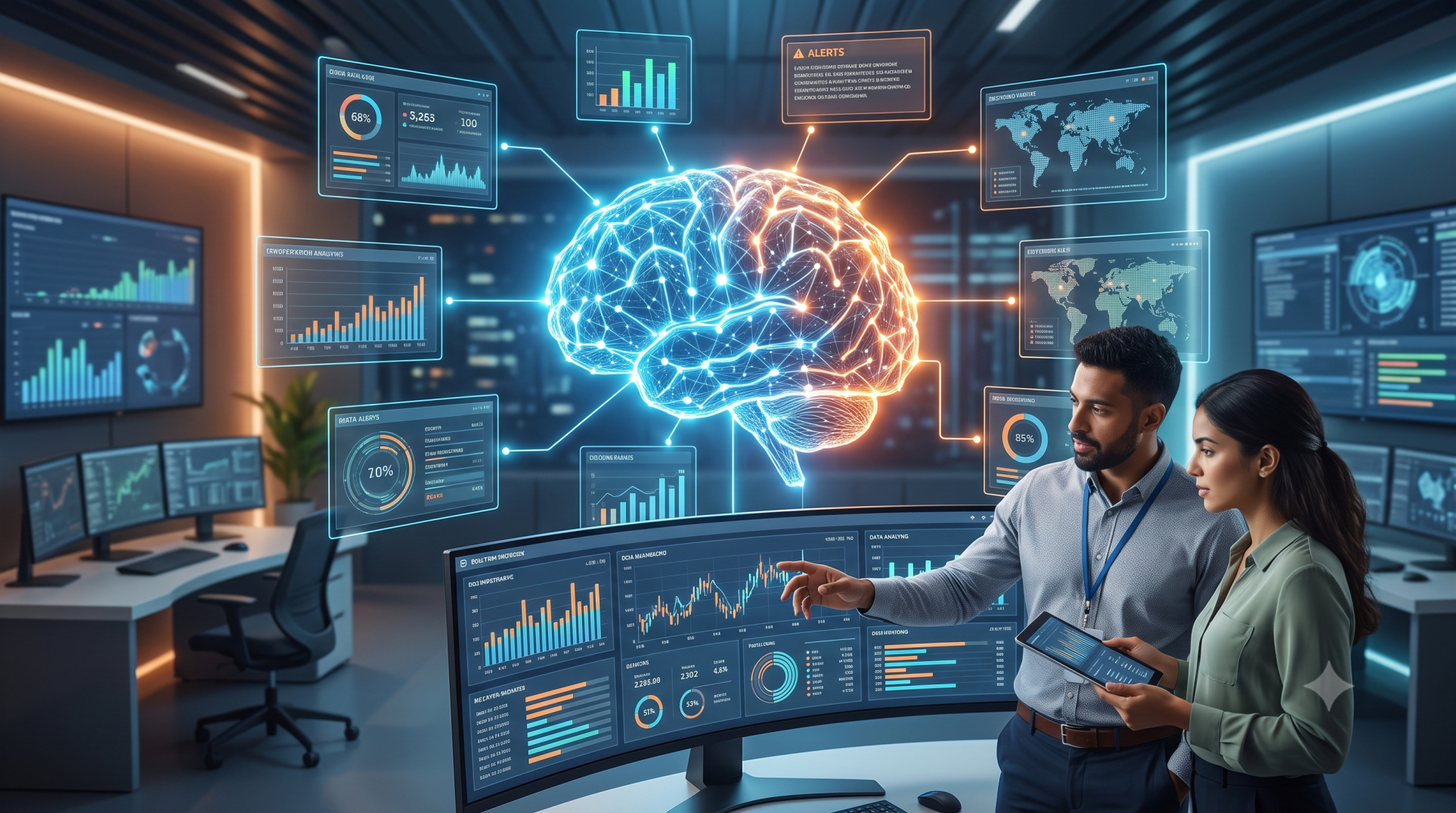
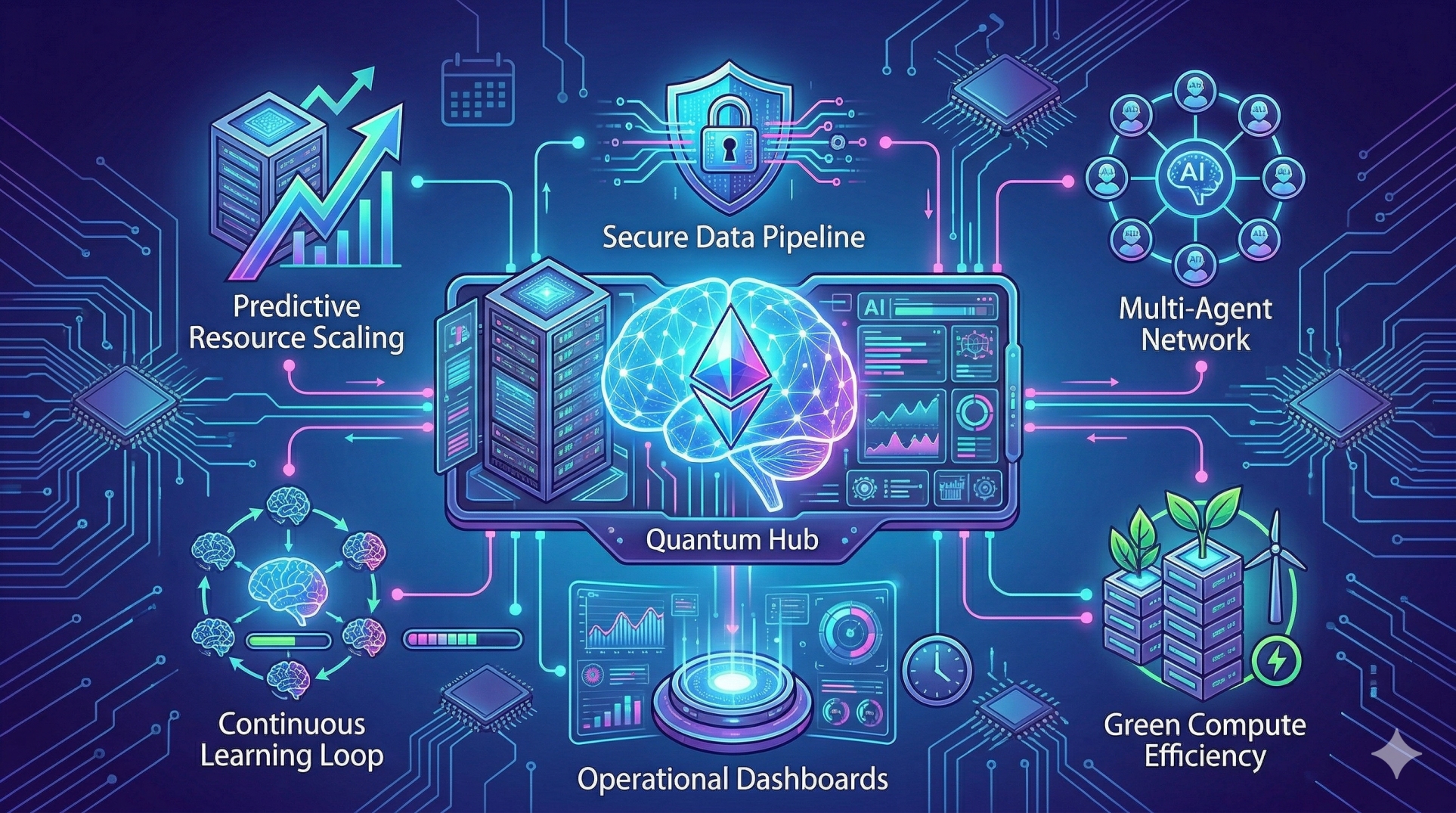
Step 5: Supporting Data-Driven Decision Making 📊
• Consolidate operational data into interactive dashboards 📈
• Monitor team productivity and project performance 👀
• Generate predictive insights for resource planning 🔮
• Highlight emerging risks before they escalate 🚨
• Support leaders with actionable business intelligence 💡
Step 6: Optimizing Resource Allocation ⚖️
• Balance workloads across distributed teams 👨💼
• Allocate resources according to skills and availability 📋
• Prevent team overload through intelligent planning 🚧
• Improve utilization of personnel and business assets 📦
• Adapt resource plans as priorities evolve 🔄
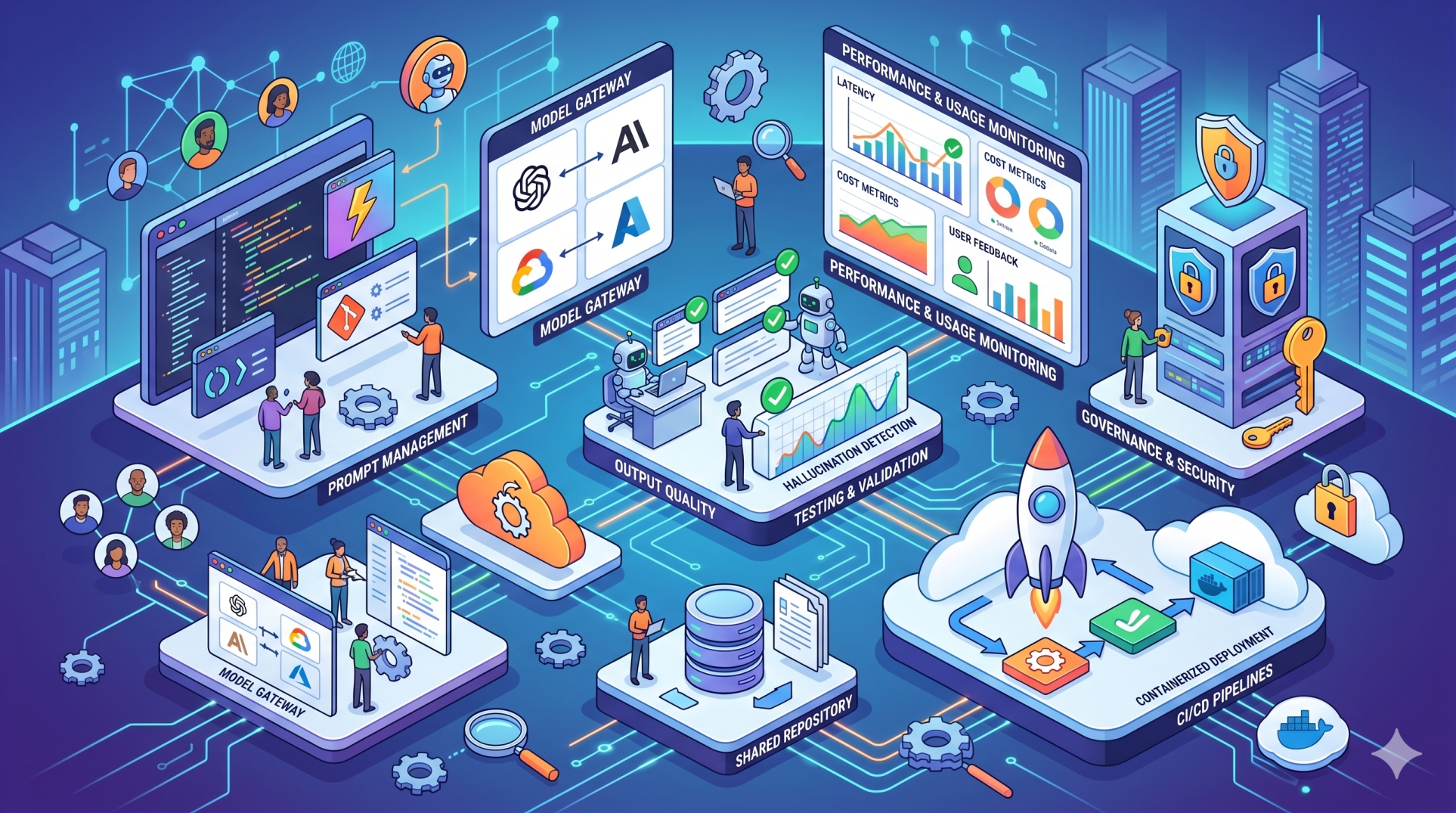
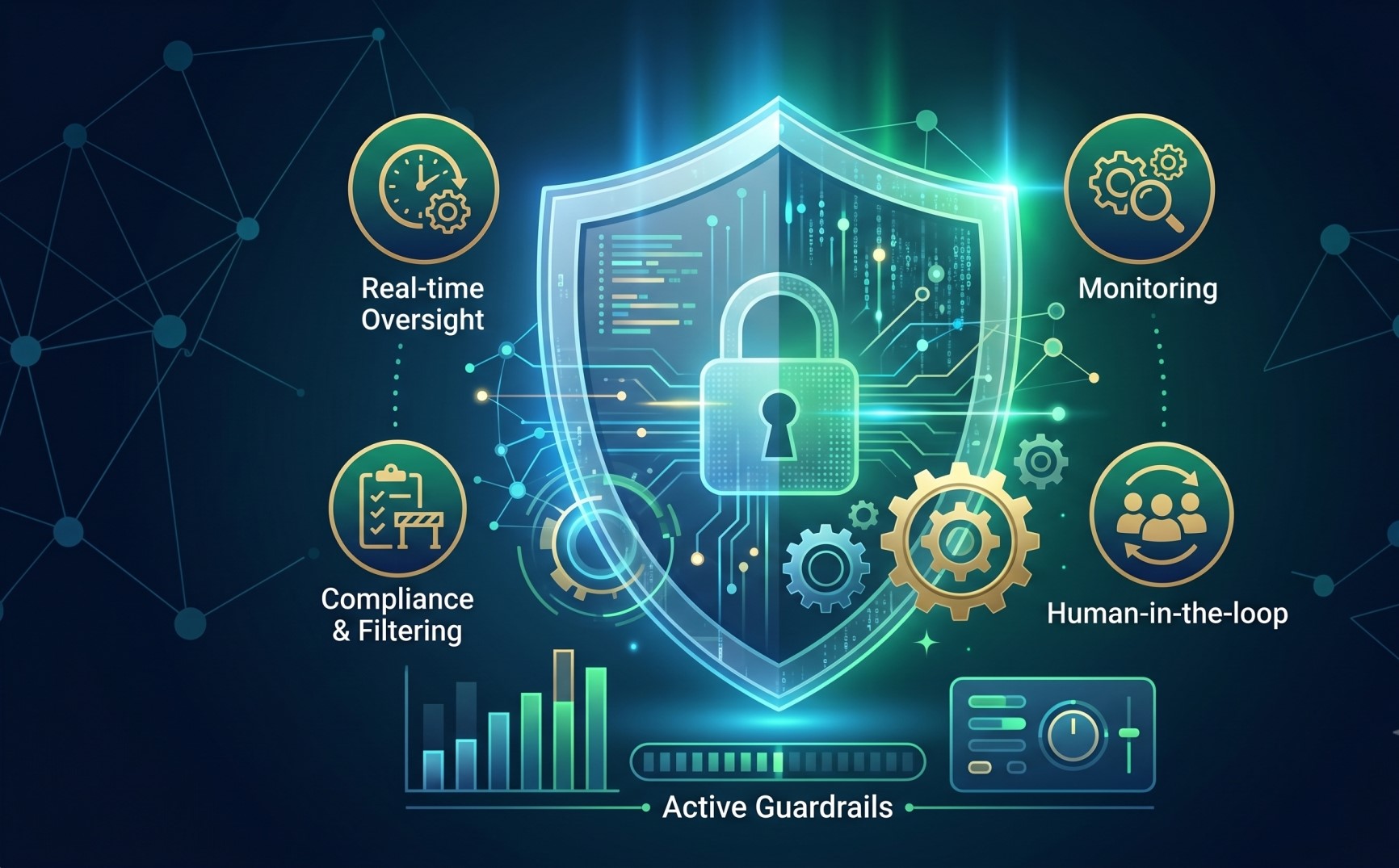
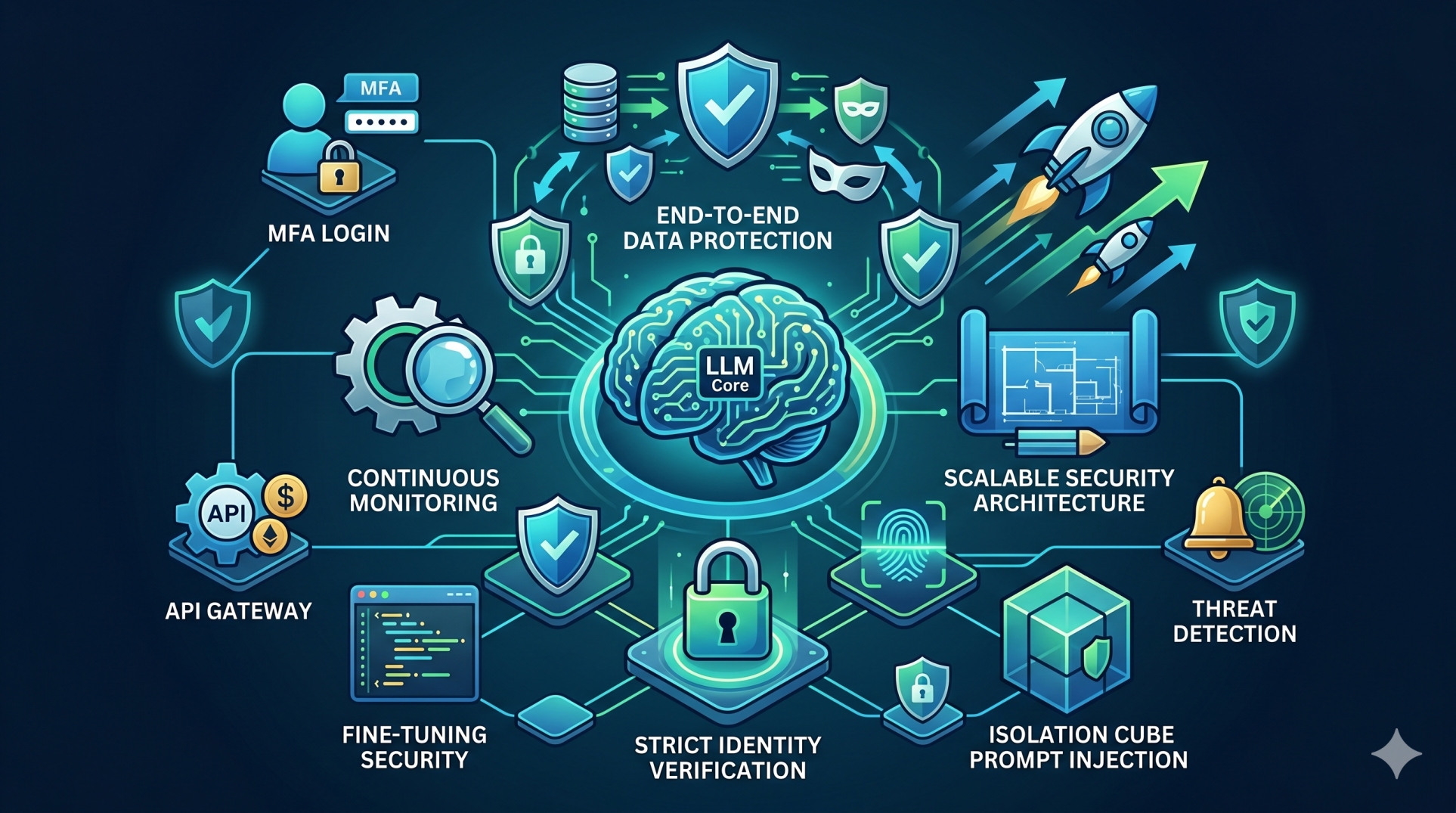
Step 7: Strengthening Security and Governance 🔐
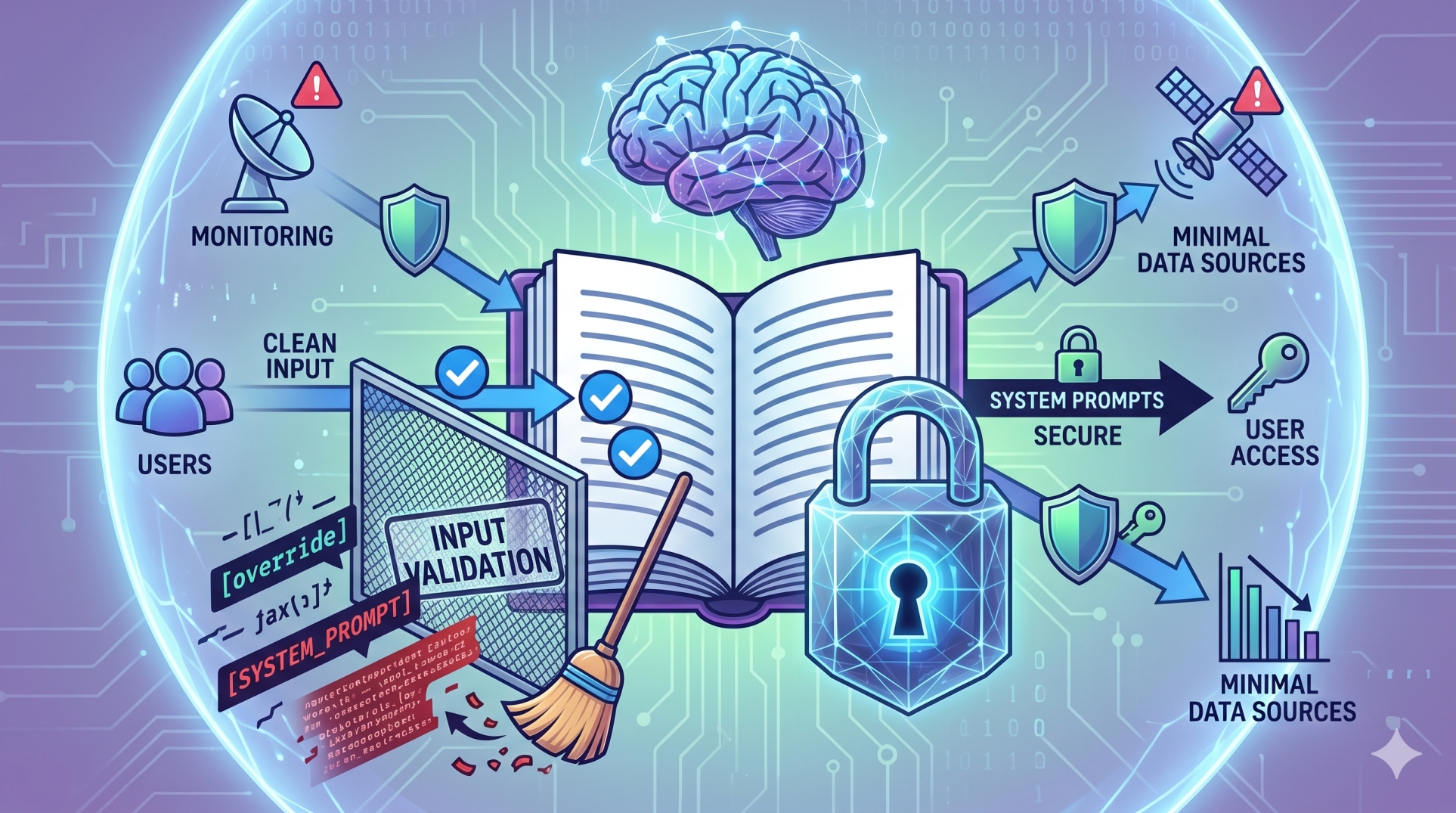
• Protect business information through secure access controls 🛡️
• Enforce role-based permissions across collaboration tools 👥
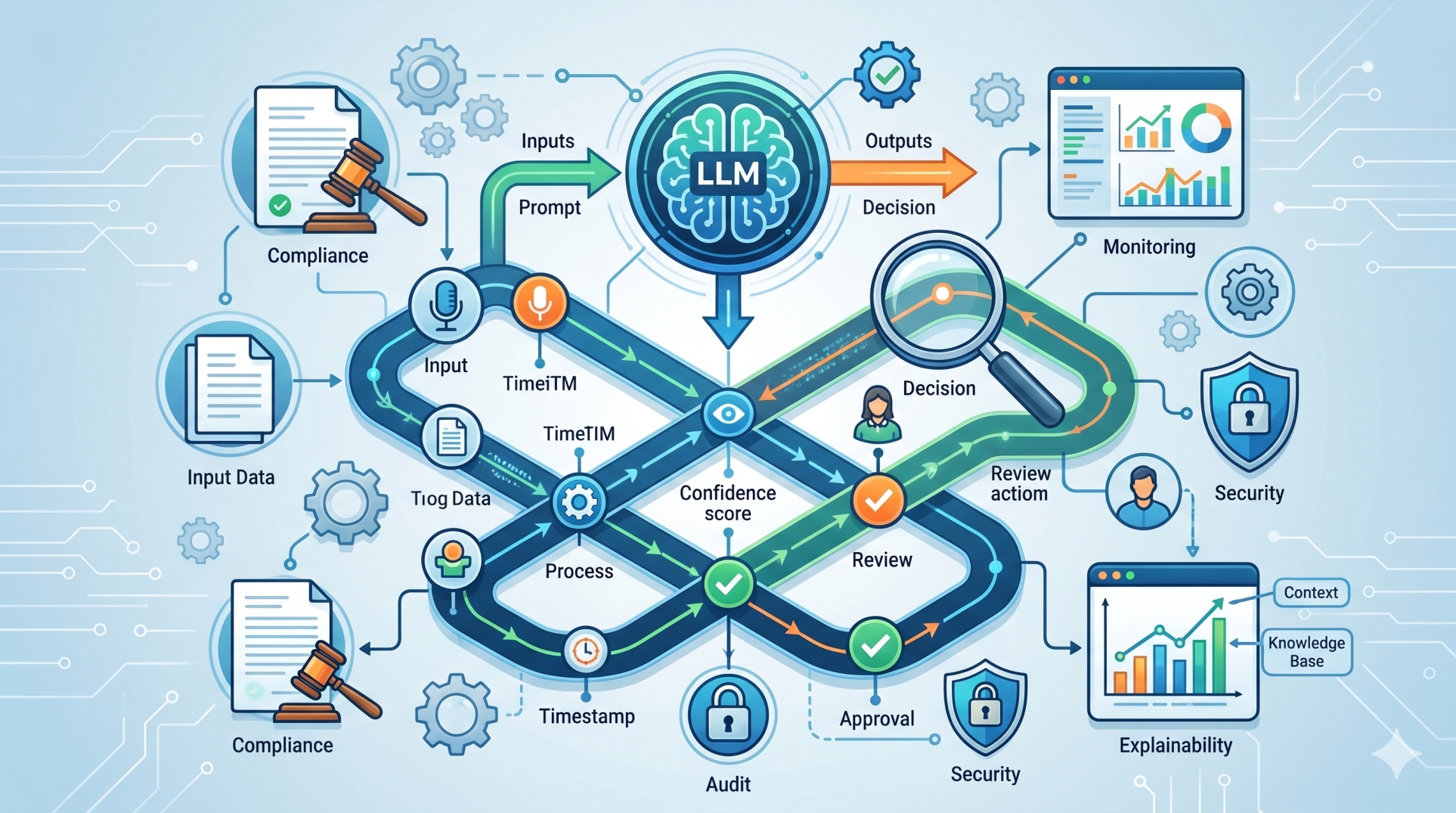
• Maintain audit logs for operational transparency 🧾
• Support compliance with organizational policies 📜
• Safeguard distributed work environments against security risks 🚨
Step 8: Key Coordination Priorities ⭐
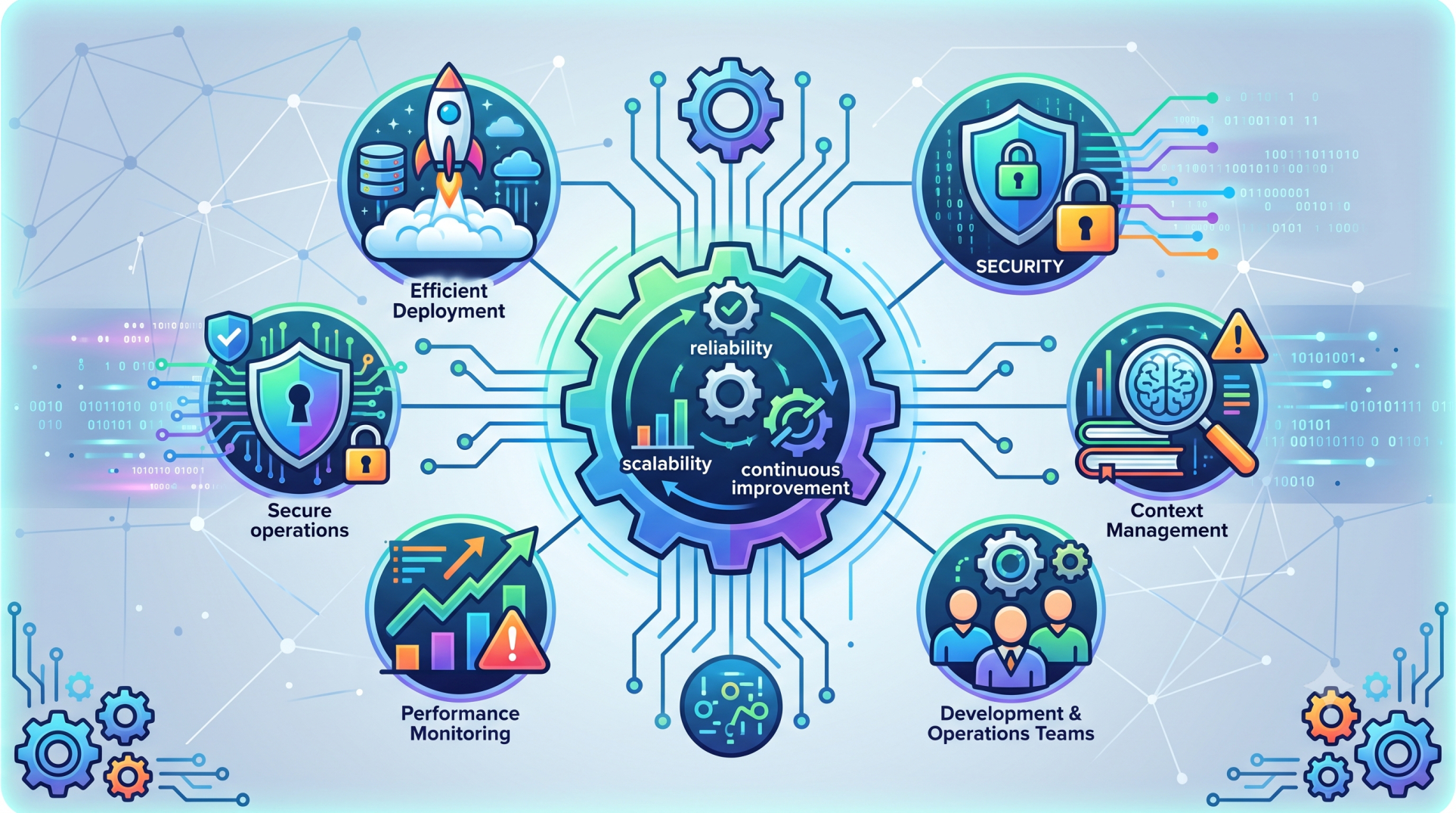
• Unified collaboration across distributed teams 🤝
• Intelligent workflow automation that reduces manual effort 🤖
• Real-time visibility into projects and team activities 📊
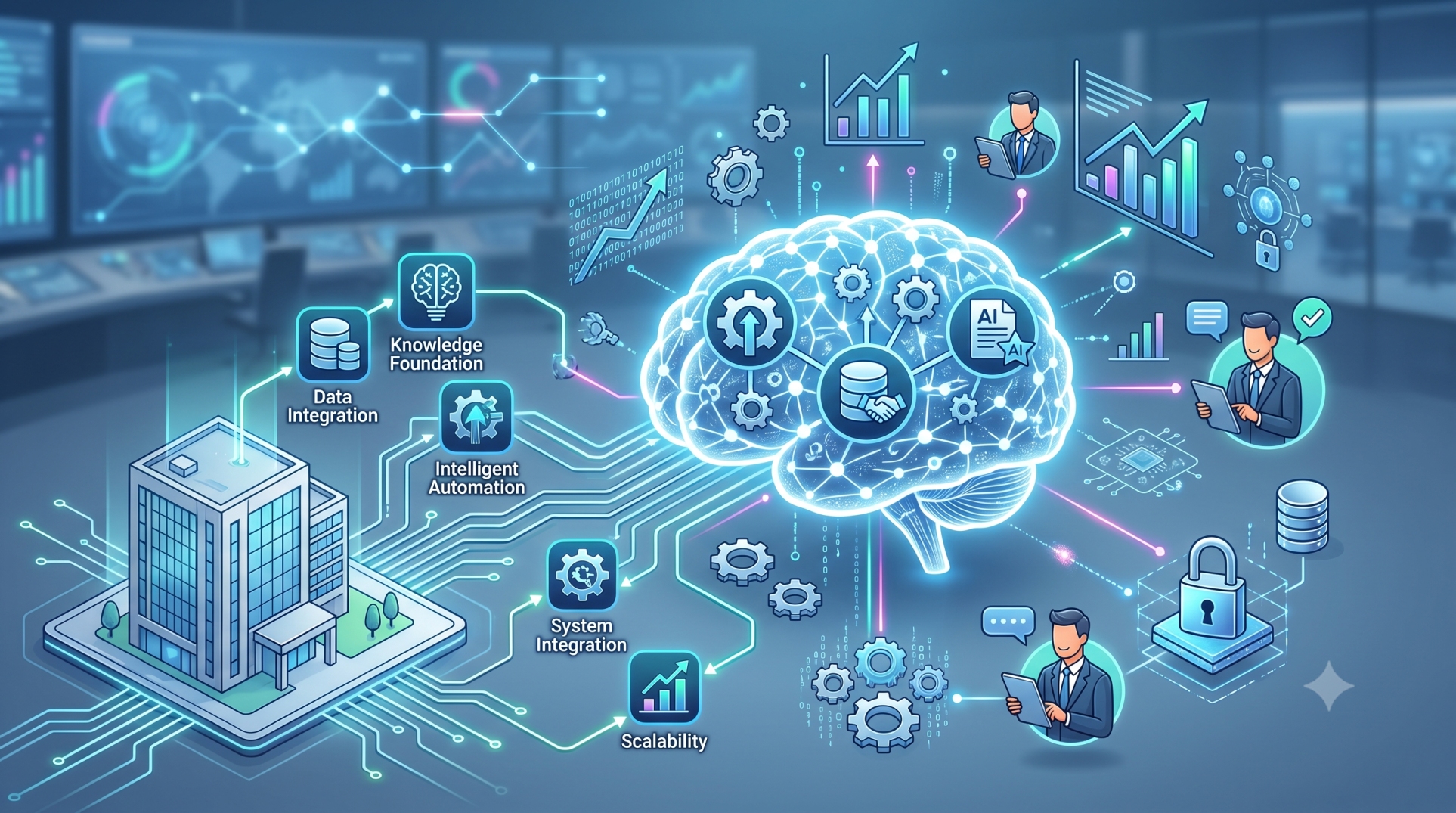
• Scalable infrastructure that supports business growth 🚀
Step 9: Managing Change and Operational Challenges 🔄
• Respond quickly to shifting business priorities 📈
• Reassign tasks when workloads change ⚙️
• Maintain continuity during unexpected disruptions 🌐
• Improve coordination across multiple time zones 🕒
• Encourage continuous process improvement through AI insights 💪
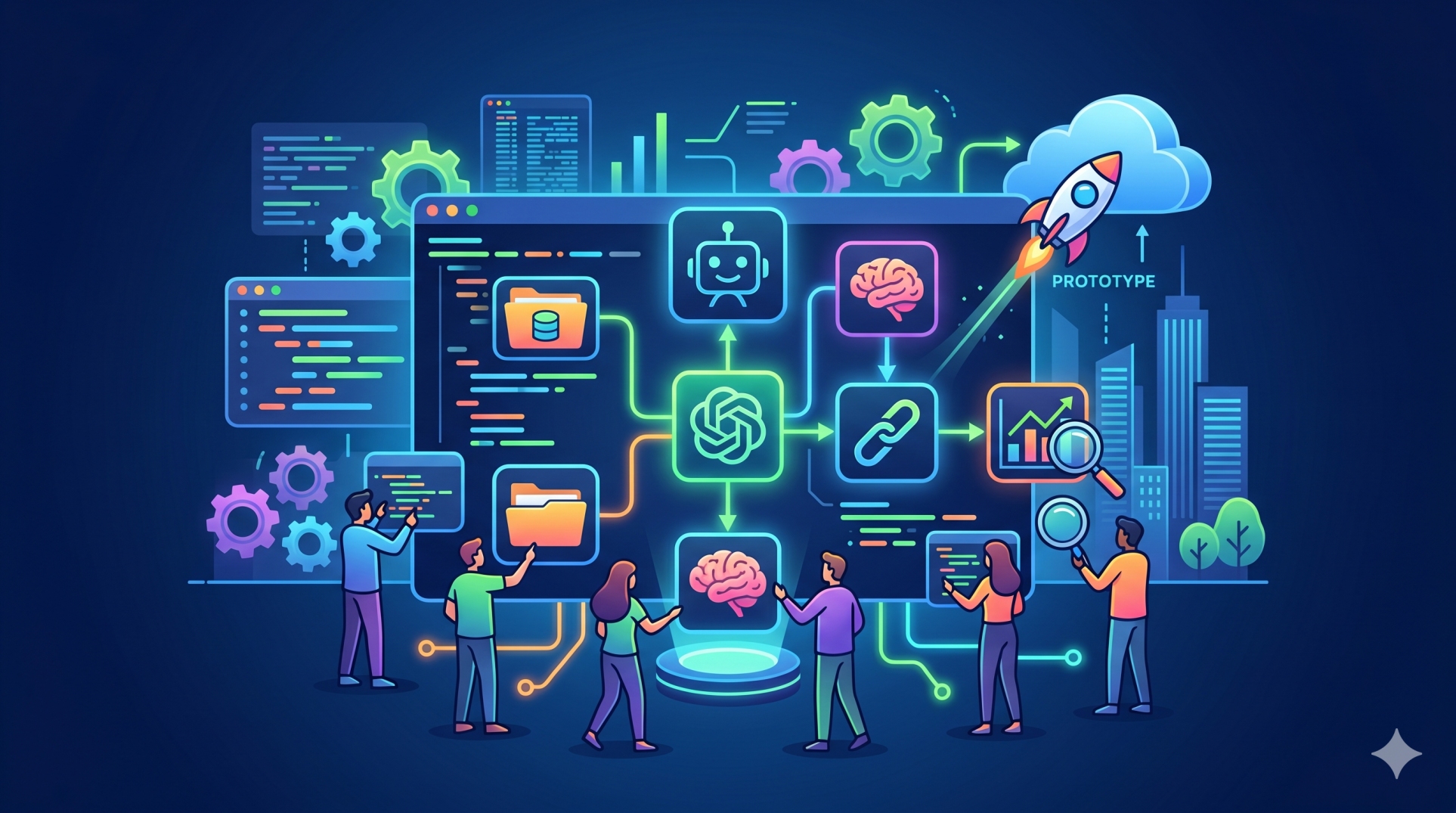
Step 10: Building a Future-Ready Digital Workplace 🌟
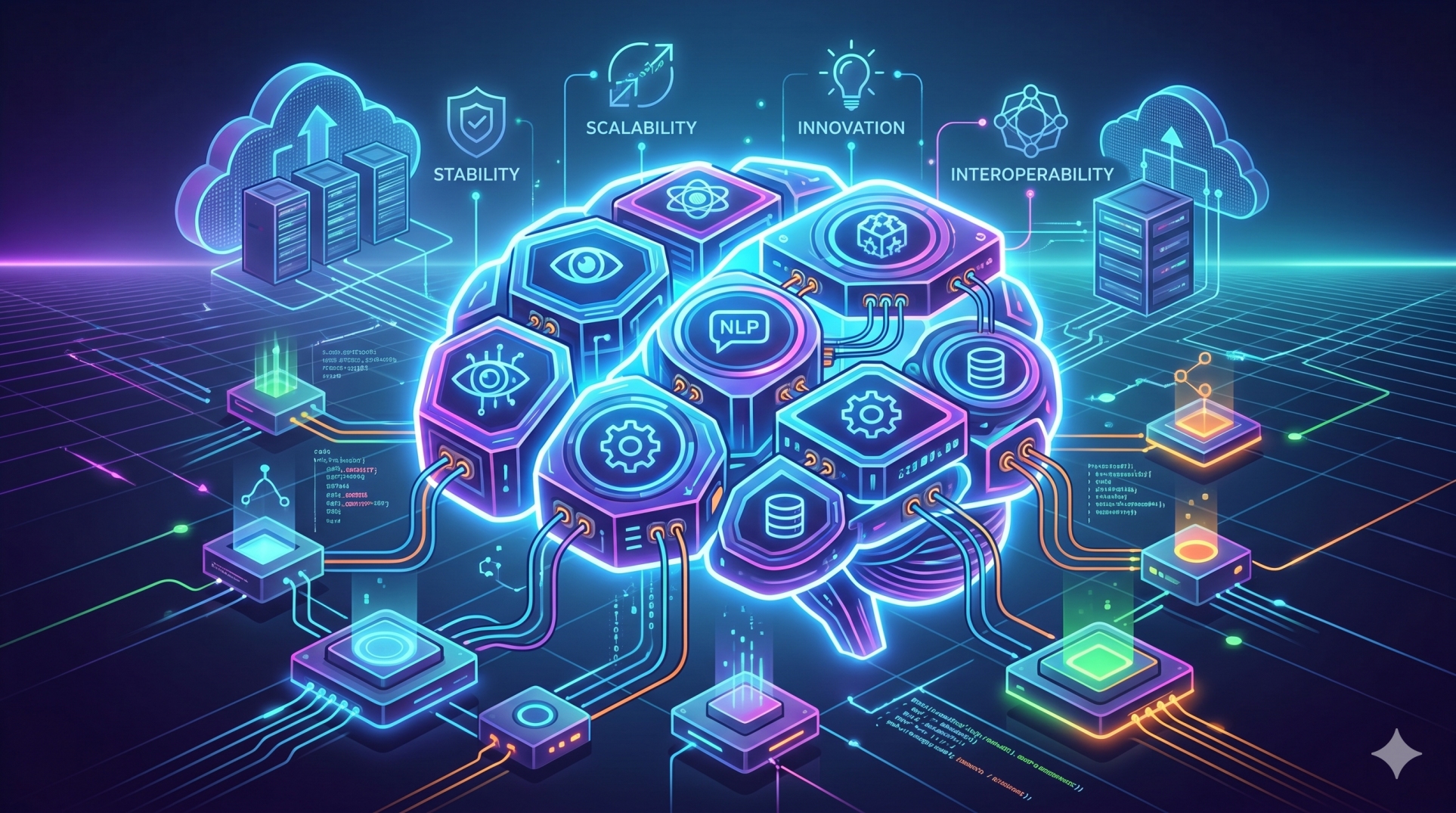
• Design platforms that scale with organizational growth 🏗️
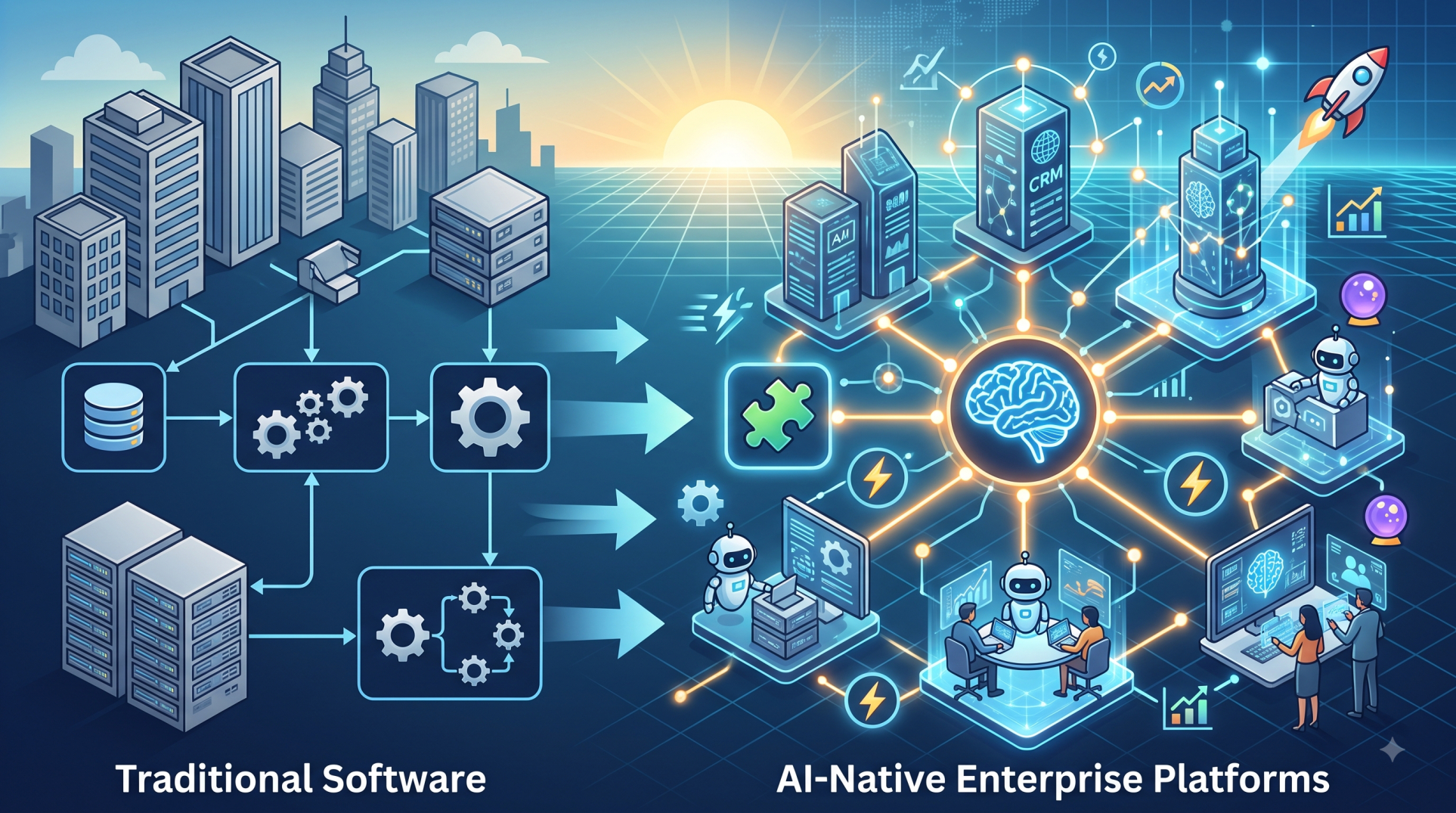
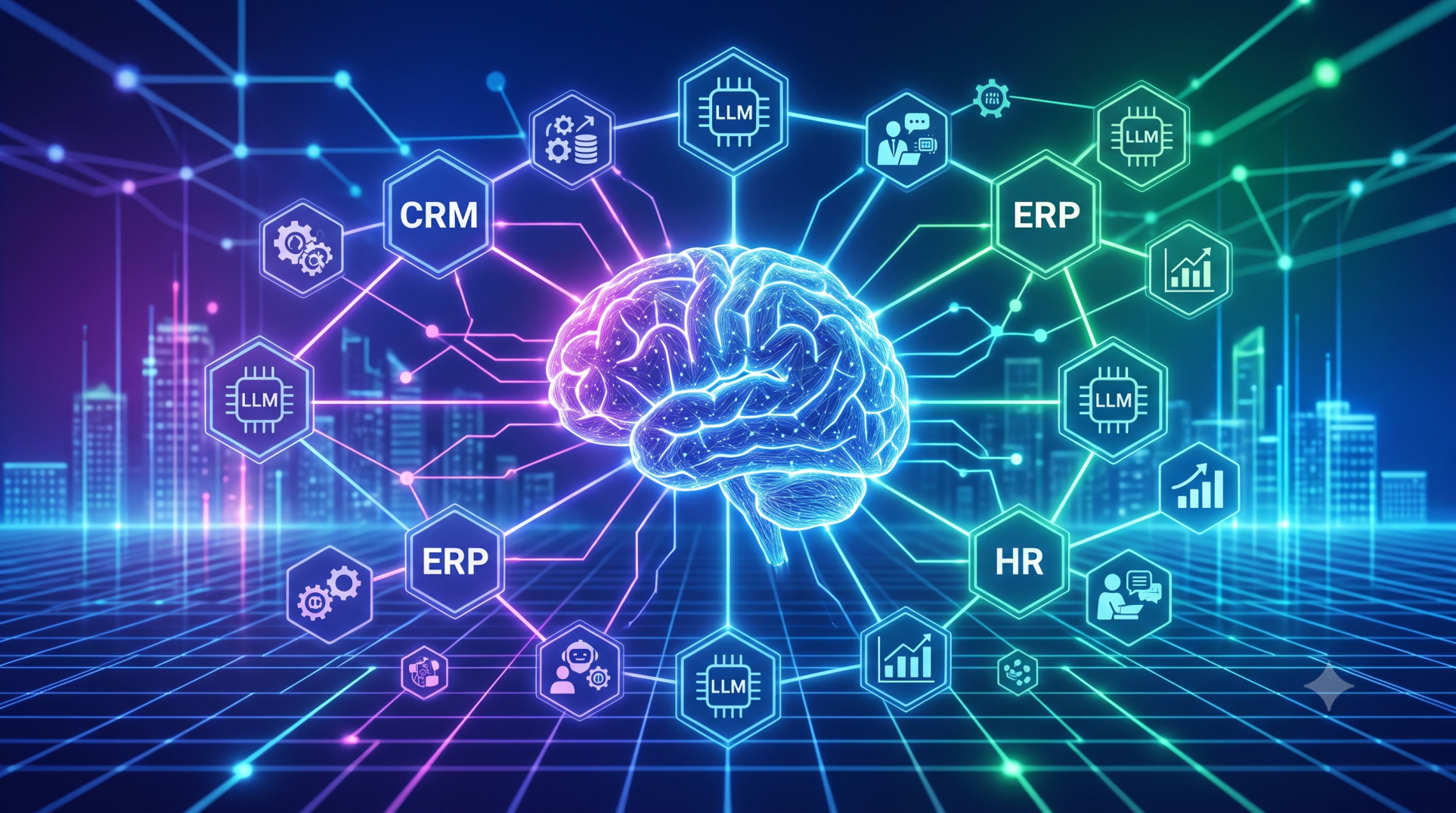
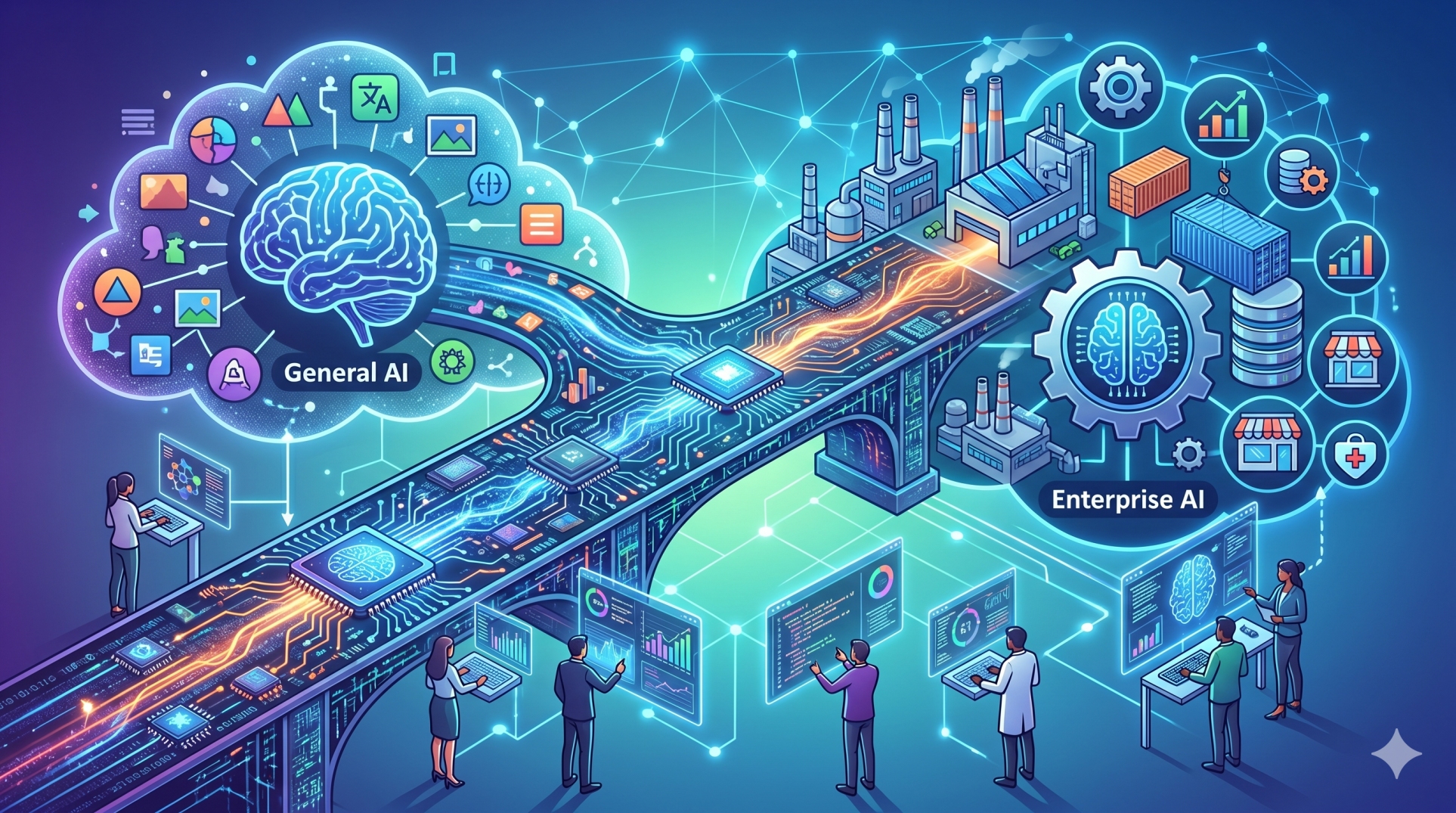
• Integrate AI with existing enterprise applications 🔗
• Support remote, hybrid, and global workforce models 🌍
• Enable continuous innovation through intelligent automation 🚀
• Create adaptable workplaces that evolve with business needs 📈
Conclusion
AI-enabled coordination platforms are transforming how distributed teams collaborate, communicate, and execute work. By combining artificial intelligence, workflow automation, and real-time operational visibility, organizations can improve productivity, streamline decision-making, and strengthen cross-functional collaboration. As the future of work becomes increasingly distributed, intelligent coordination platforms provide the flexibility, scalability, and efficiency needed to keep teams connected and businesses moving forward.
See more blogs
You can all the articles below