Operational Intelligence Platforms Built on Language Models

Operational Intelligence Platforms Built on Language Models
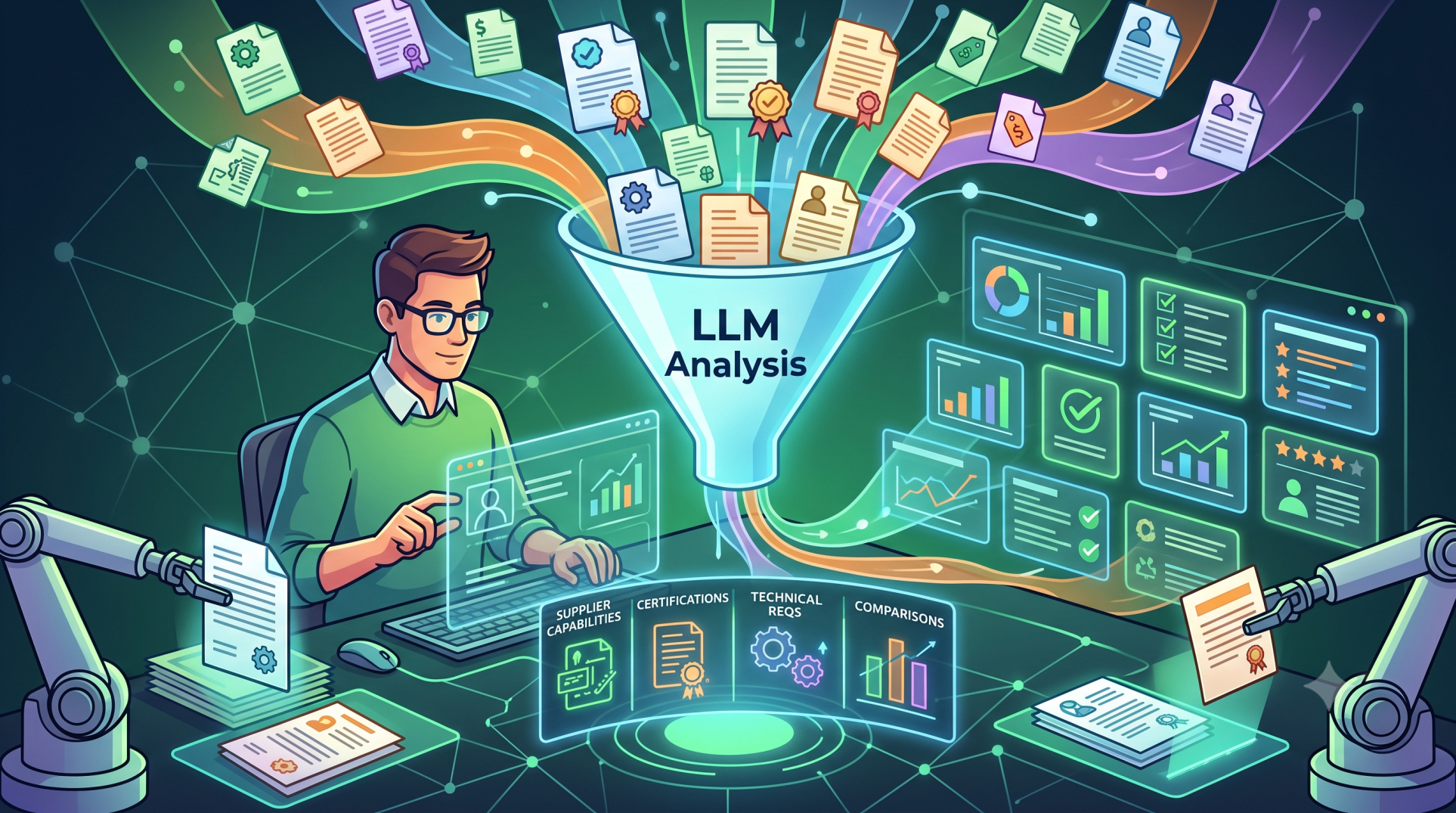
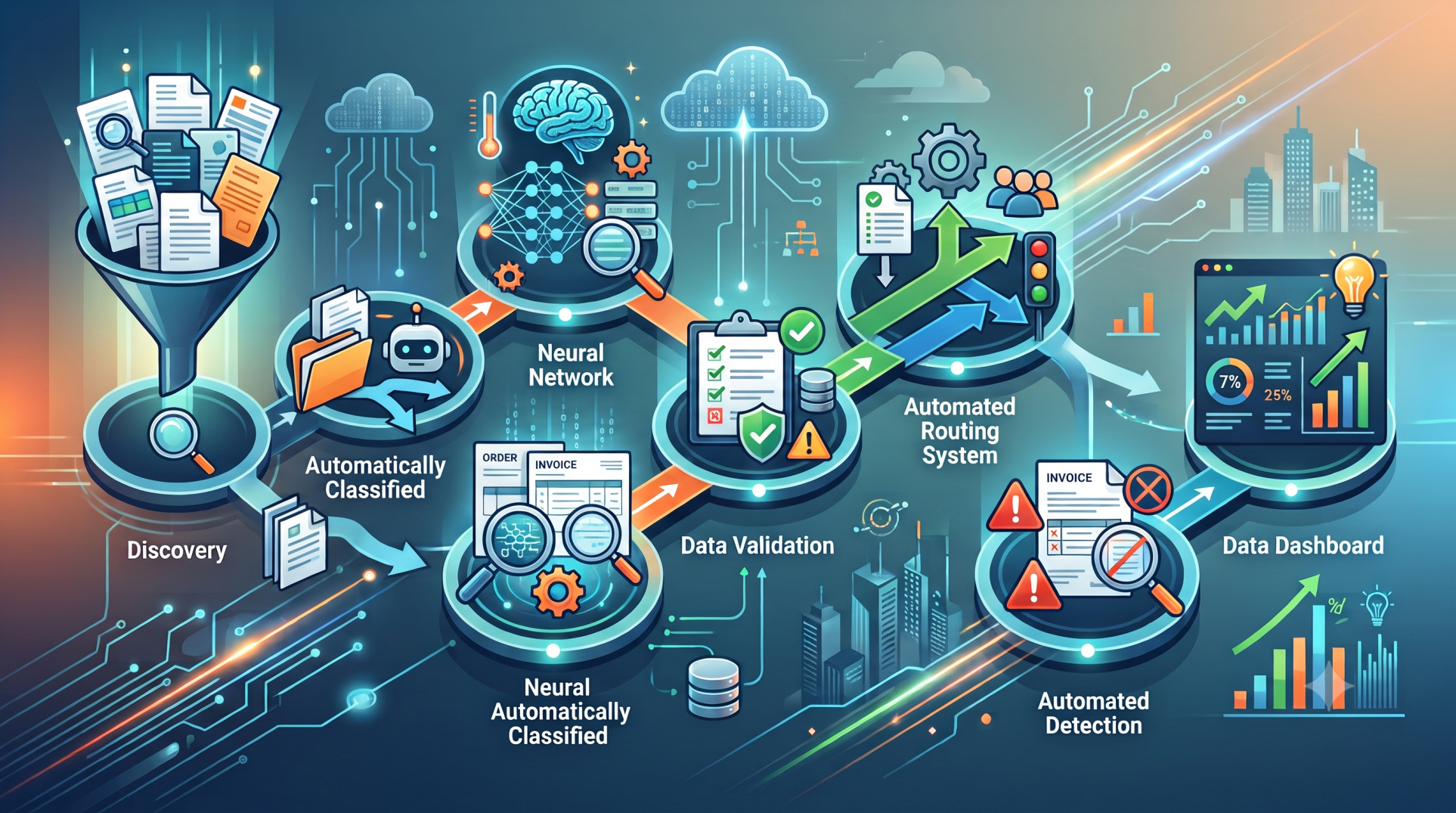
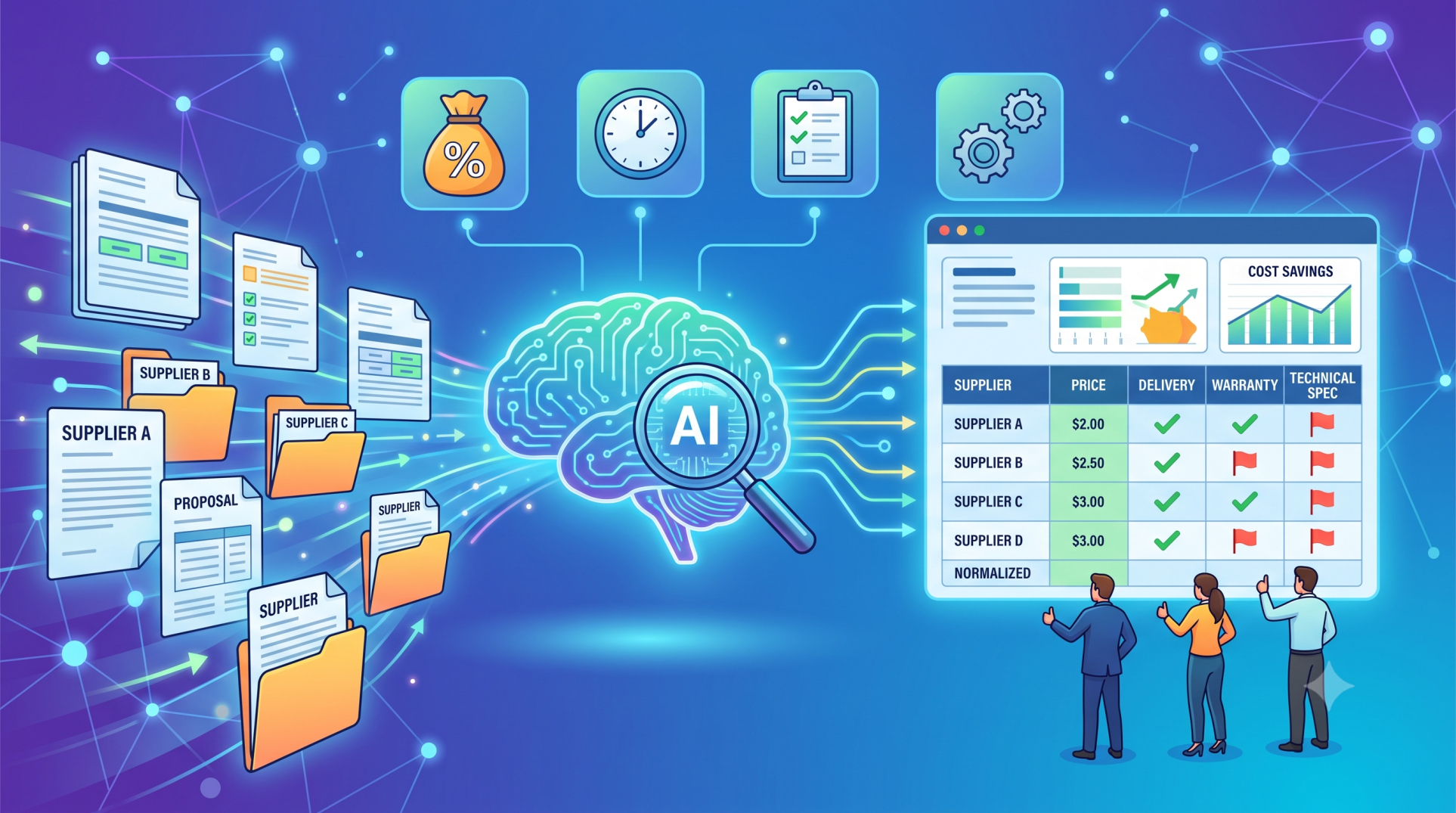
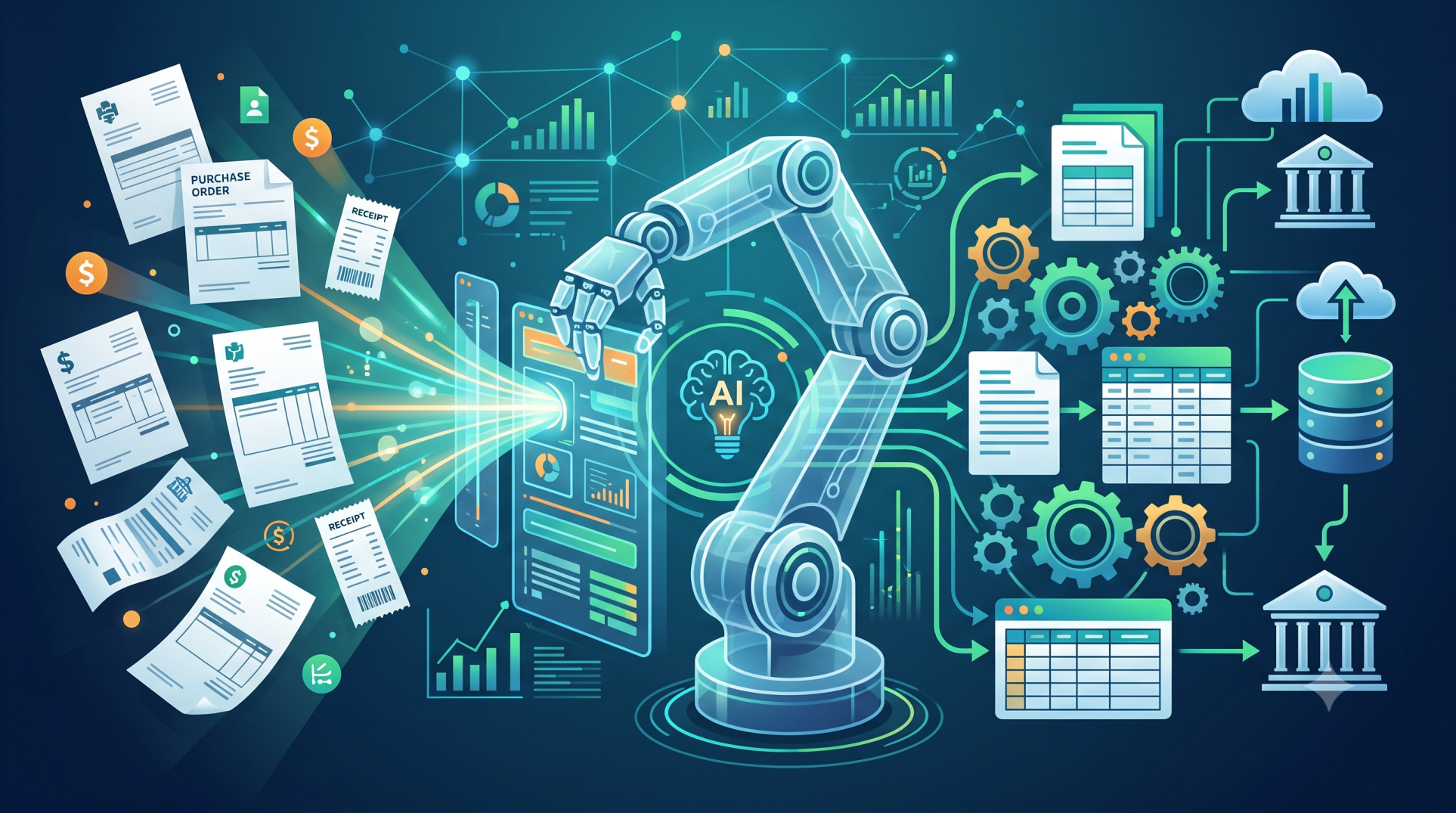
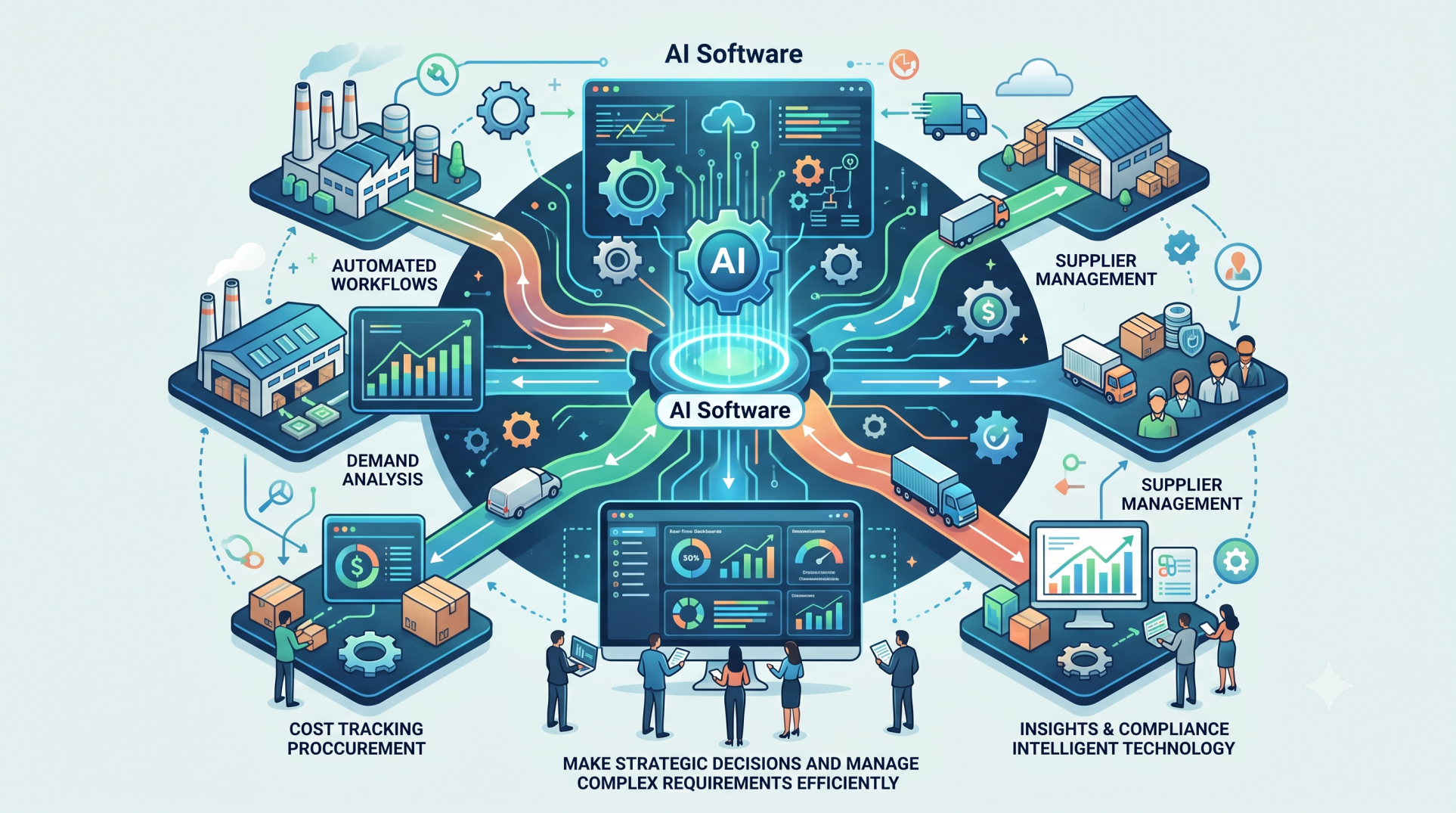
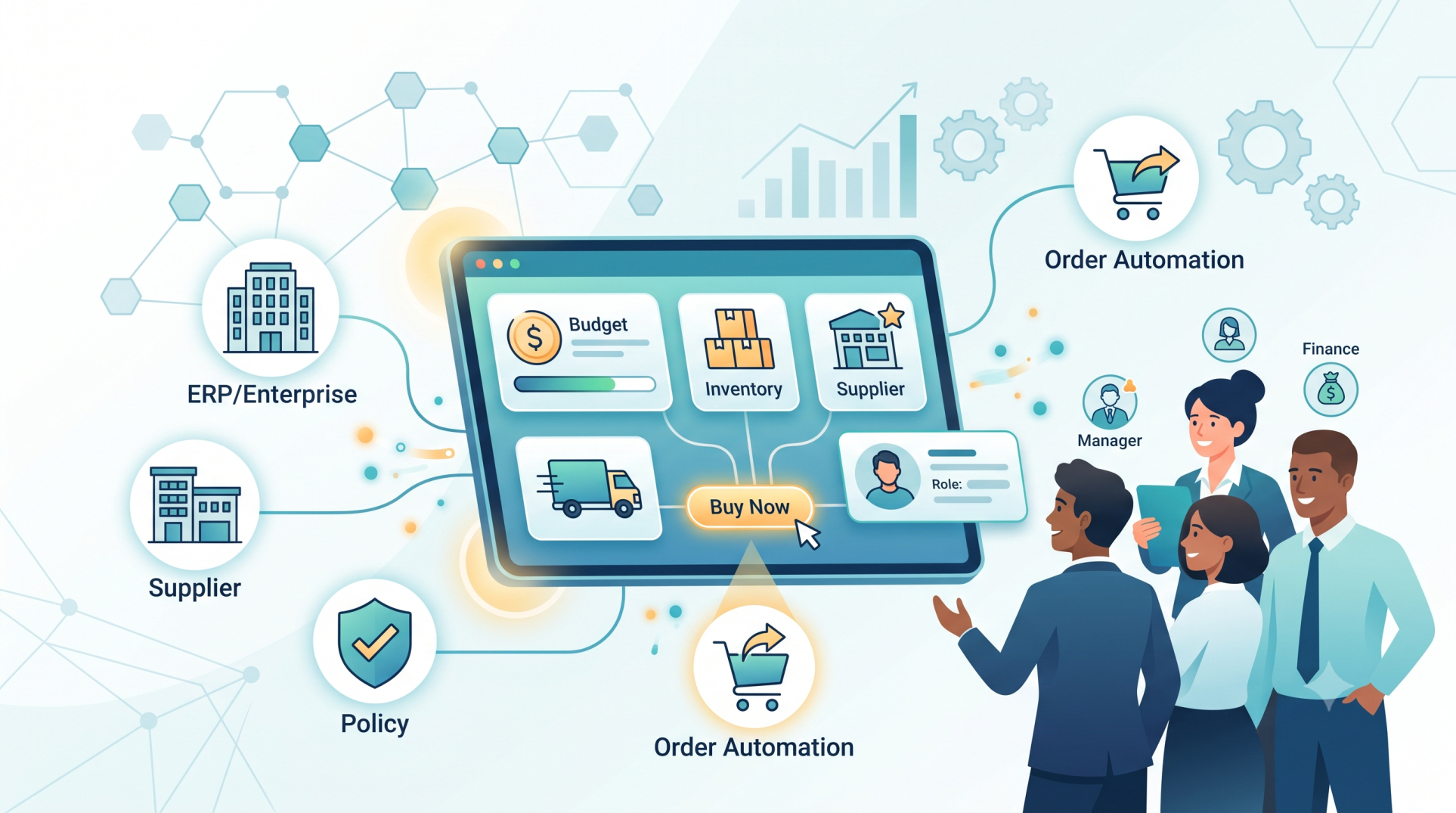
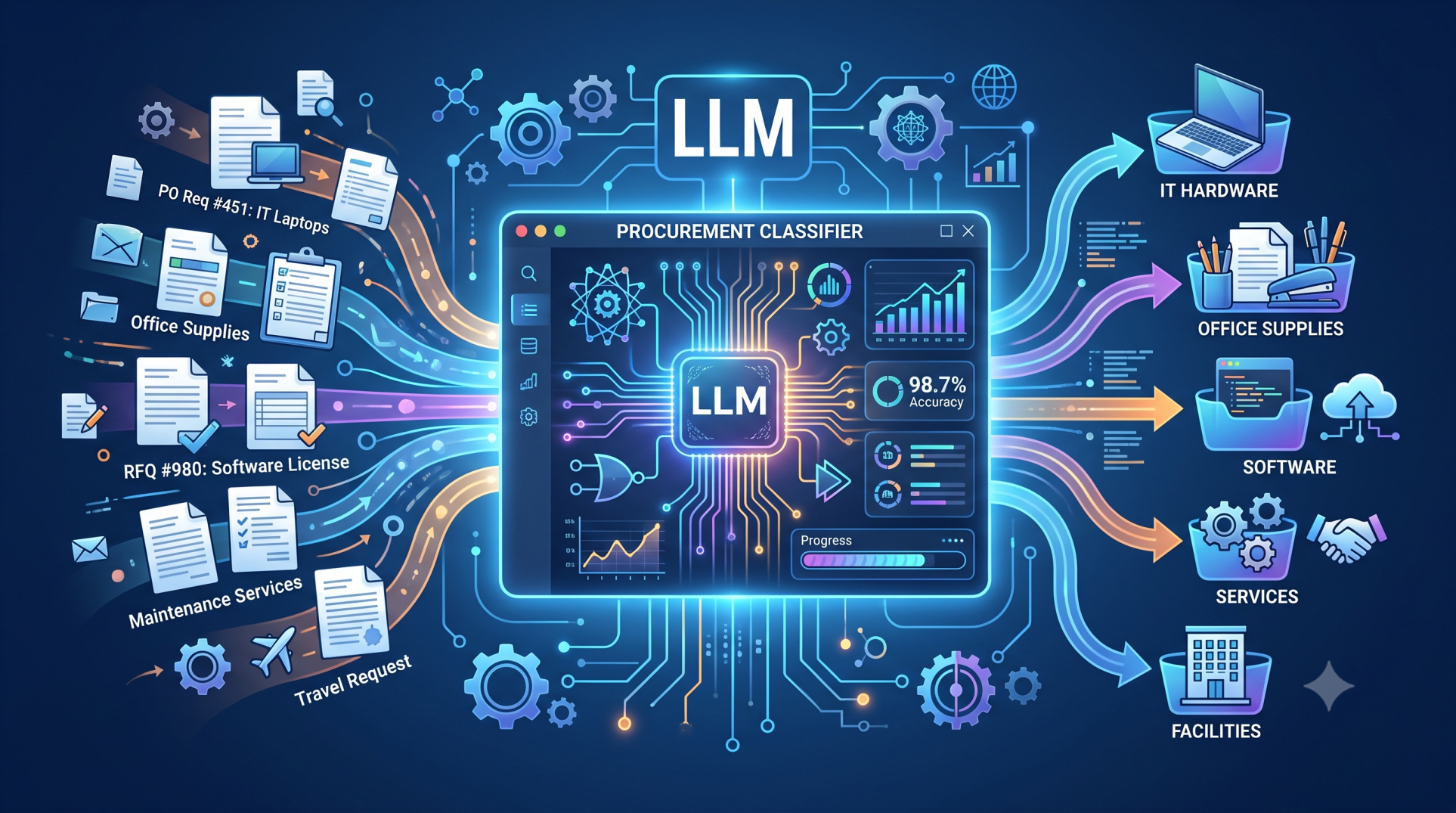
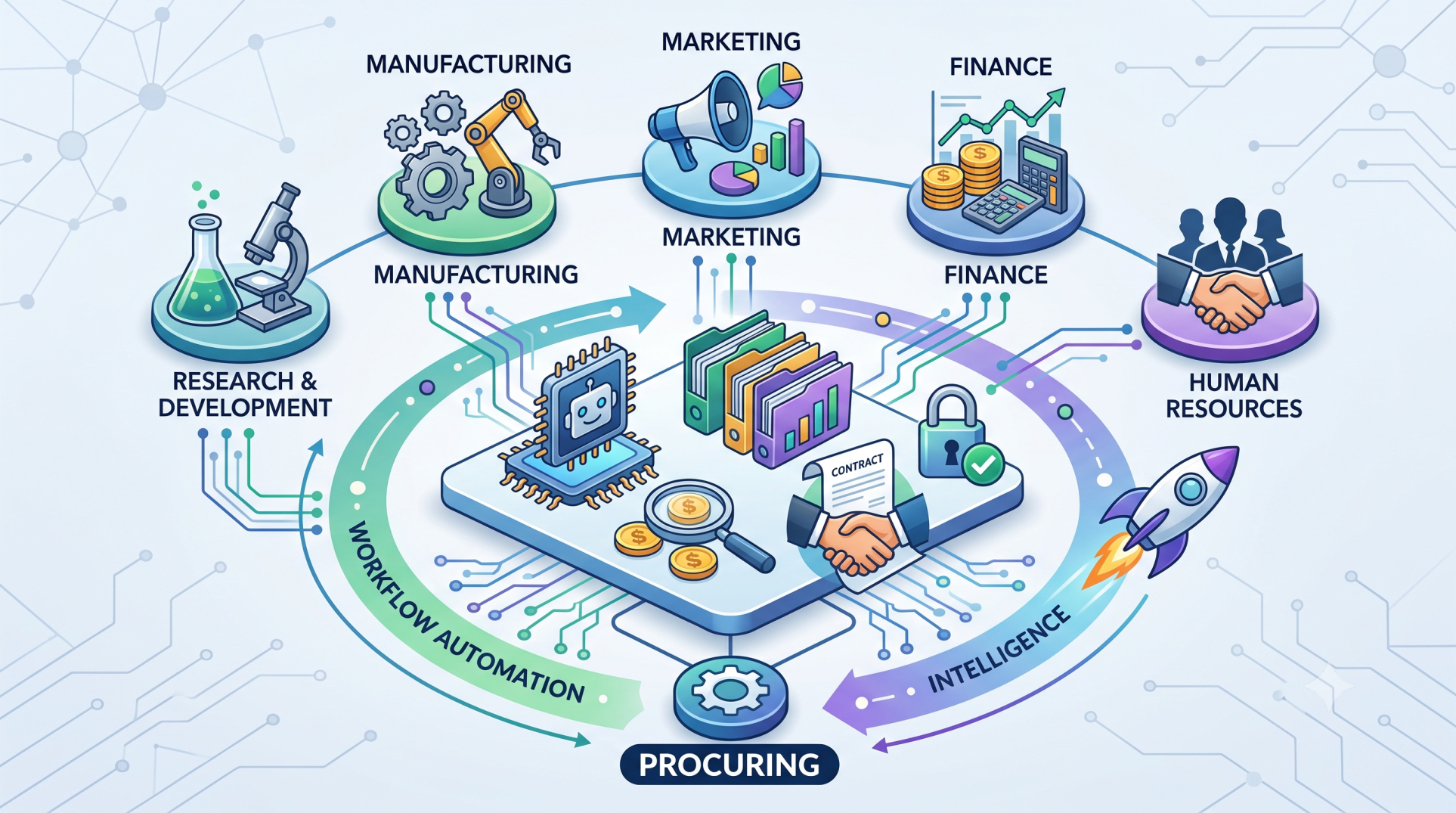
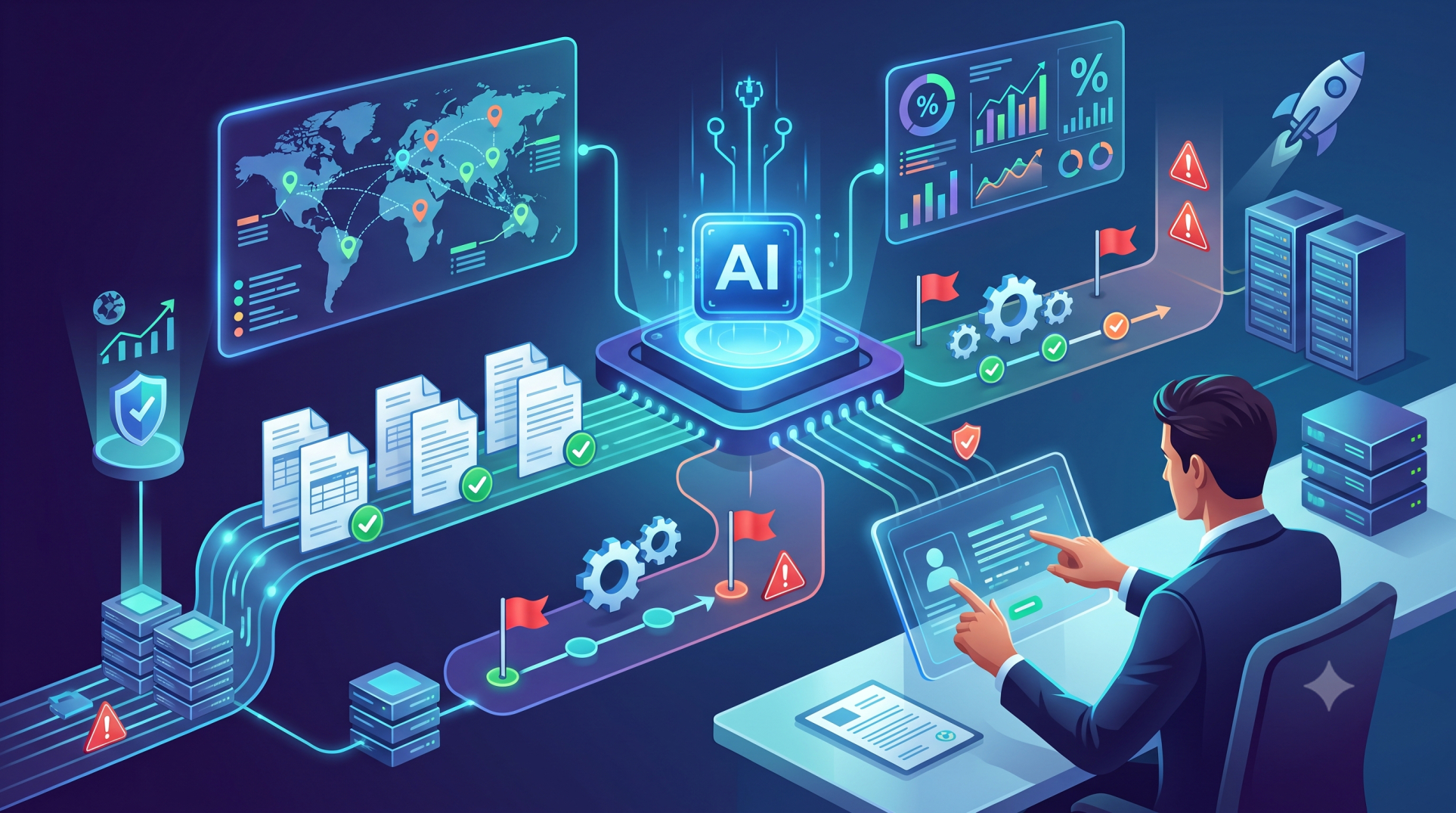
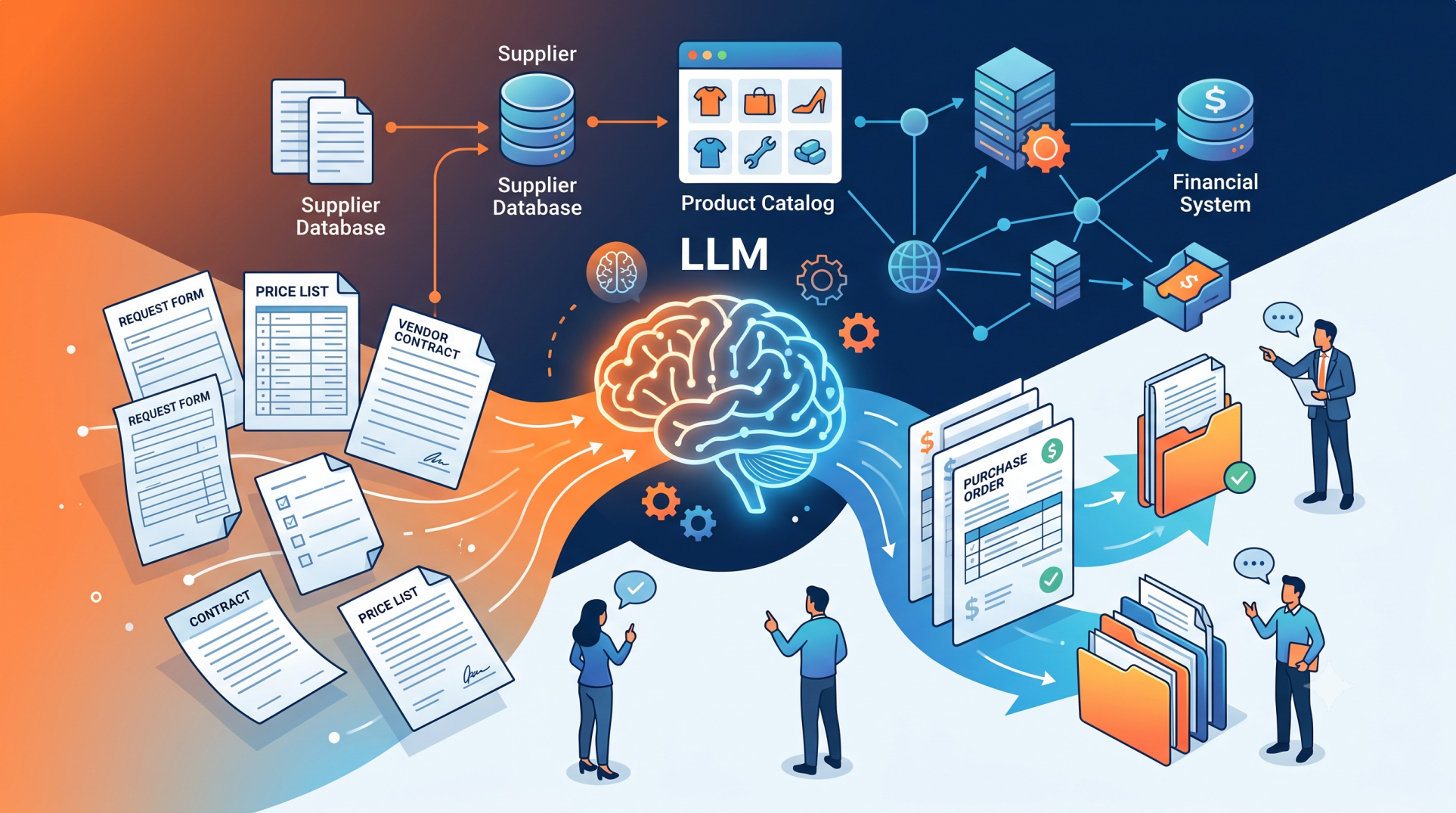
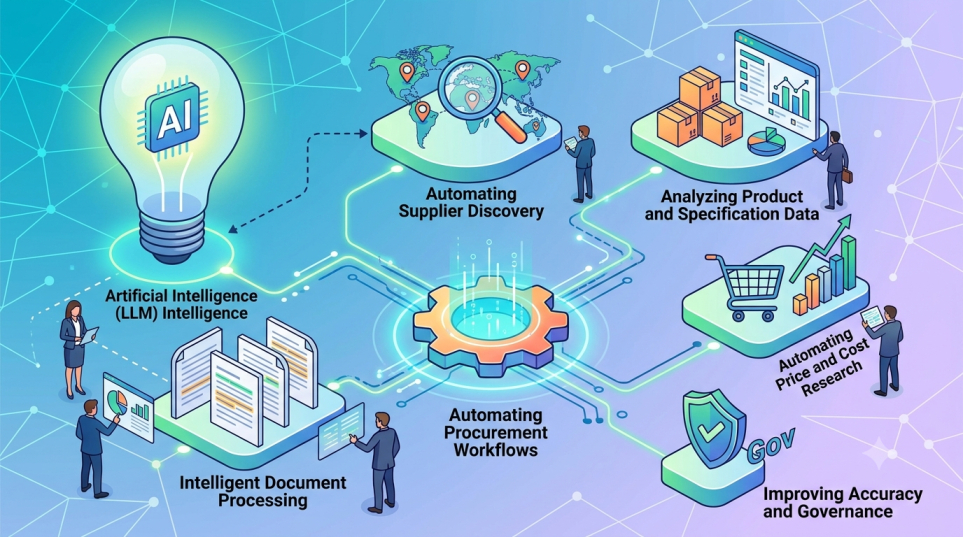
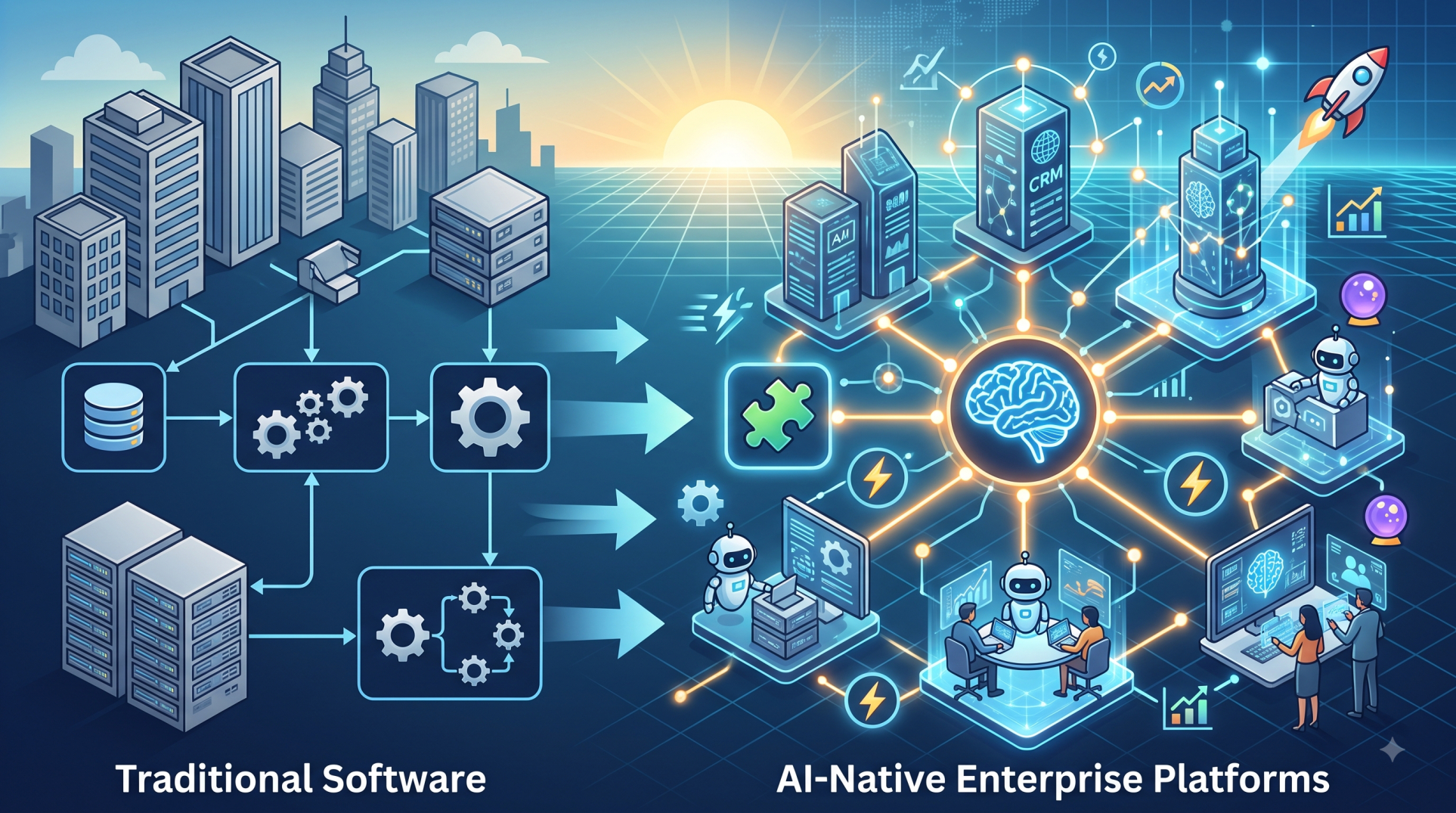
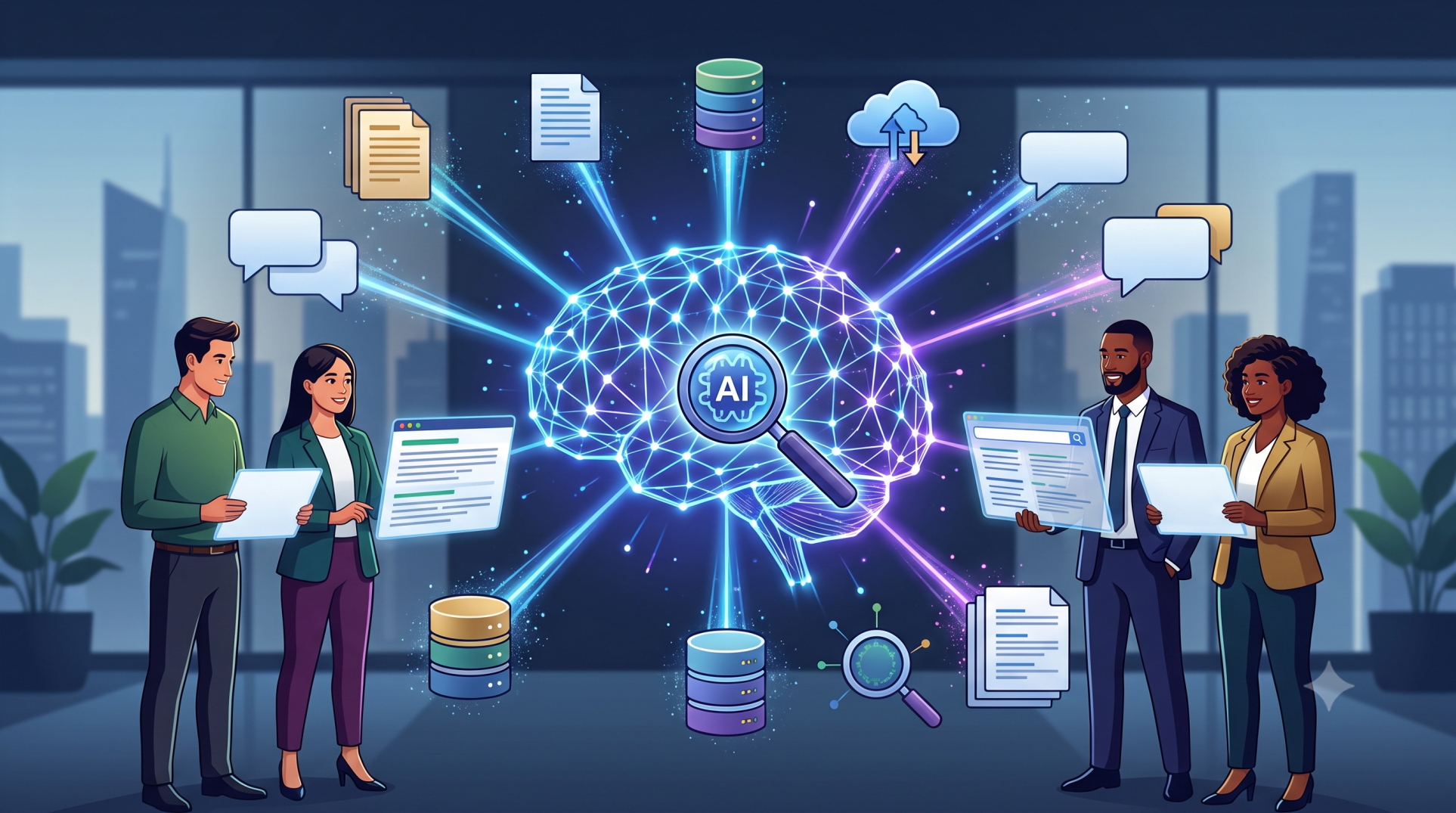
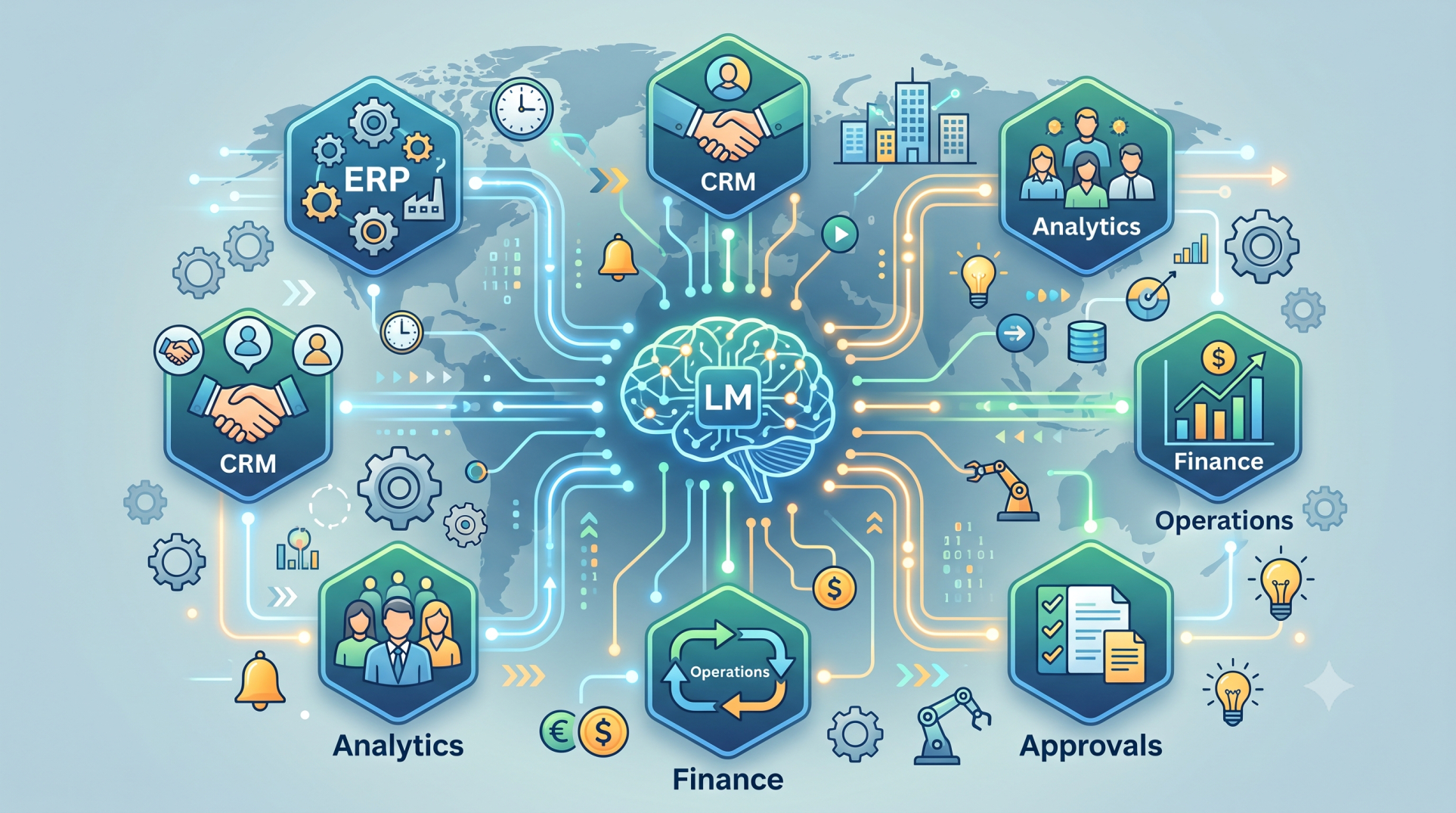
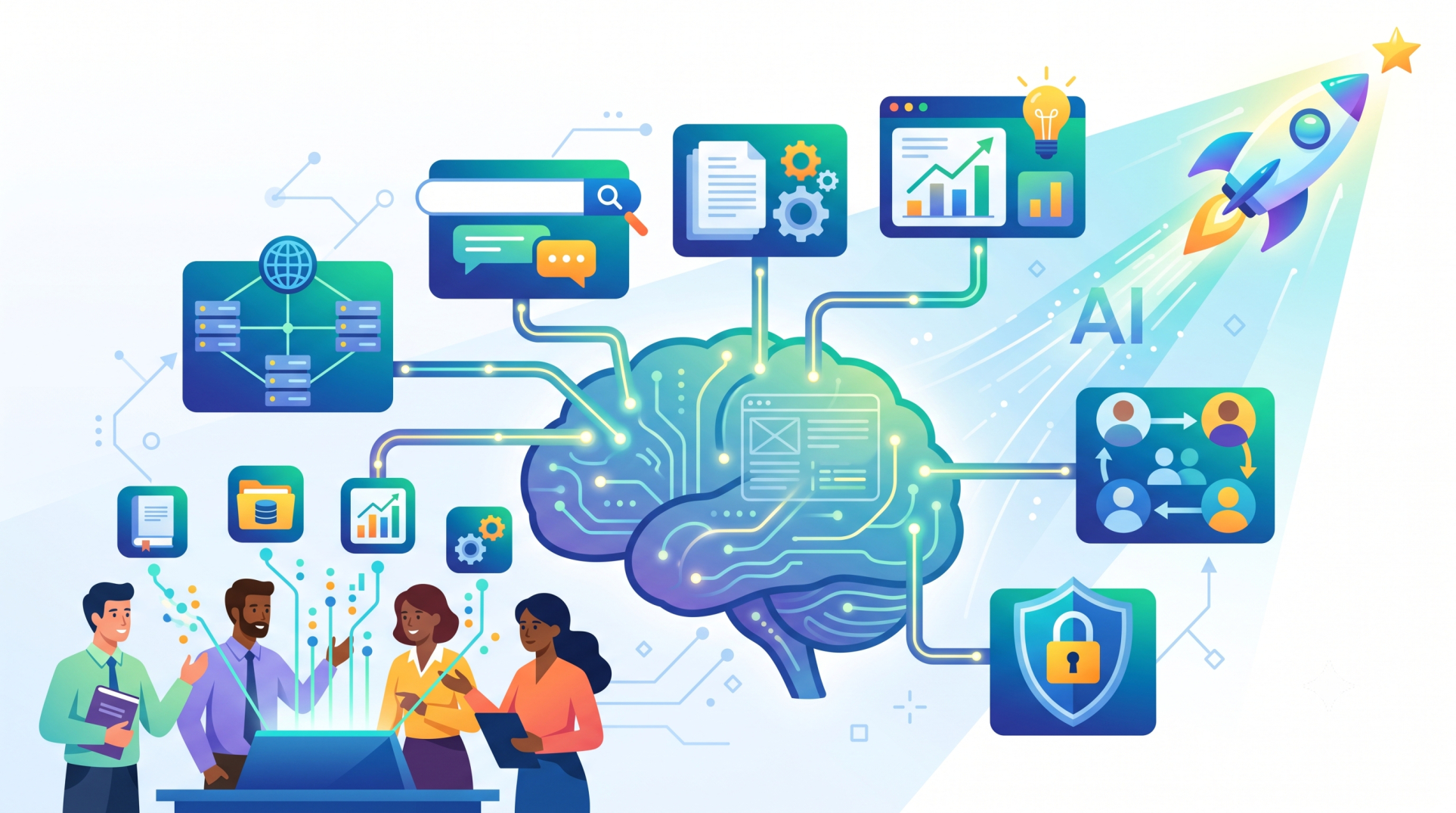
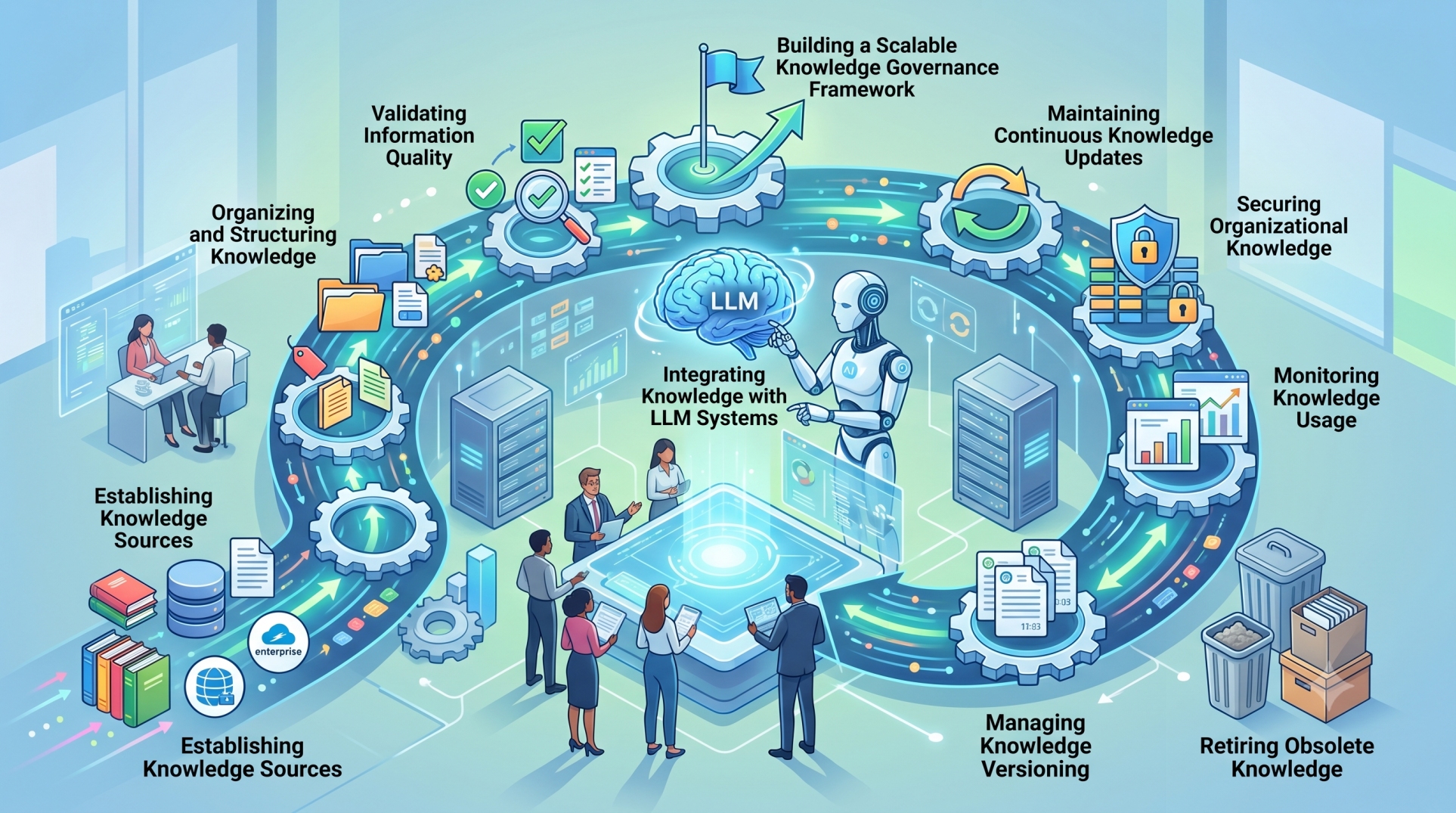
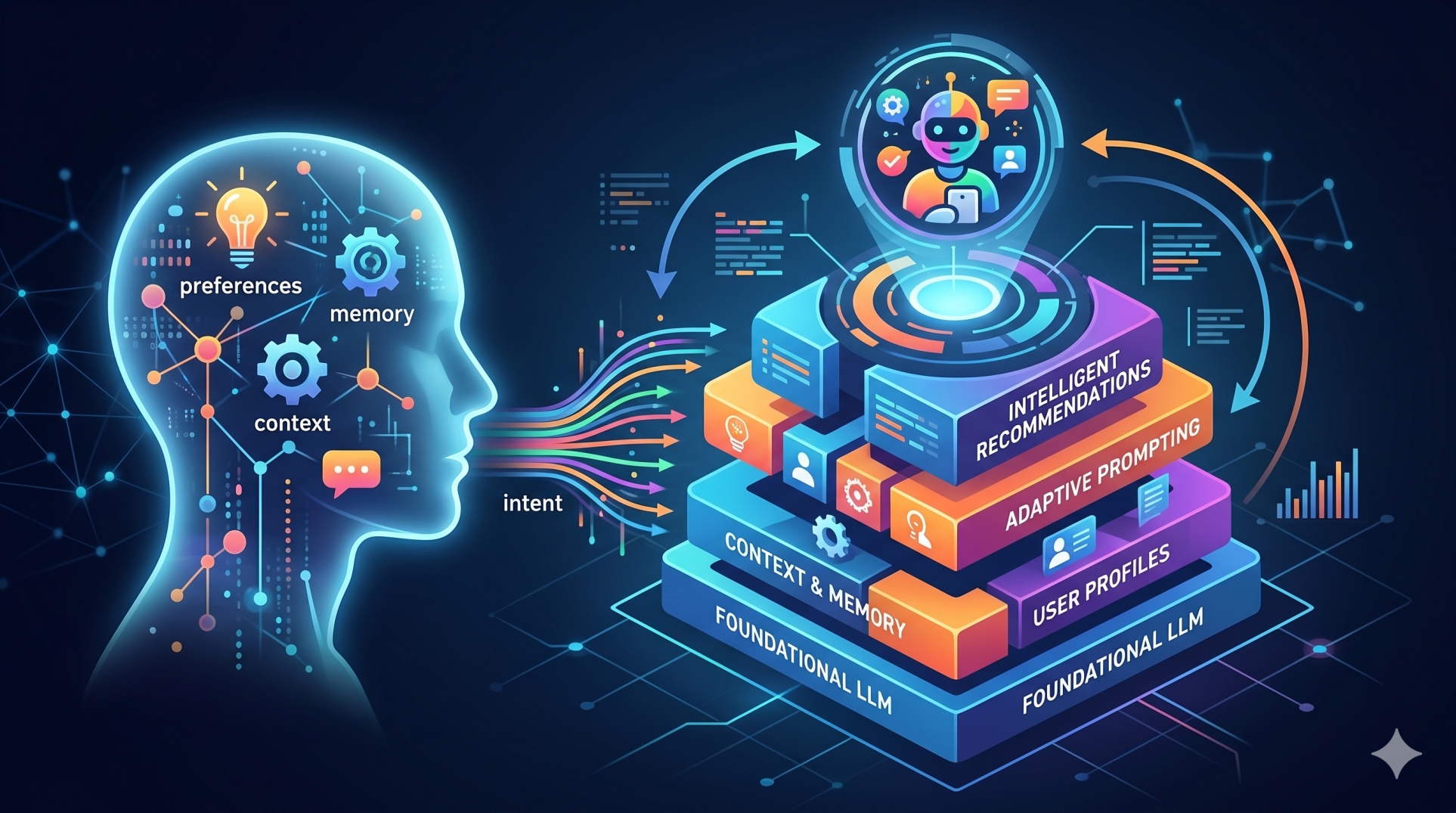
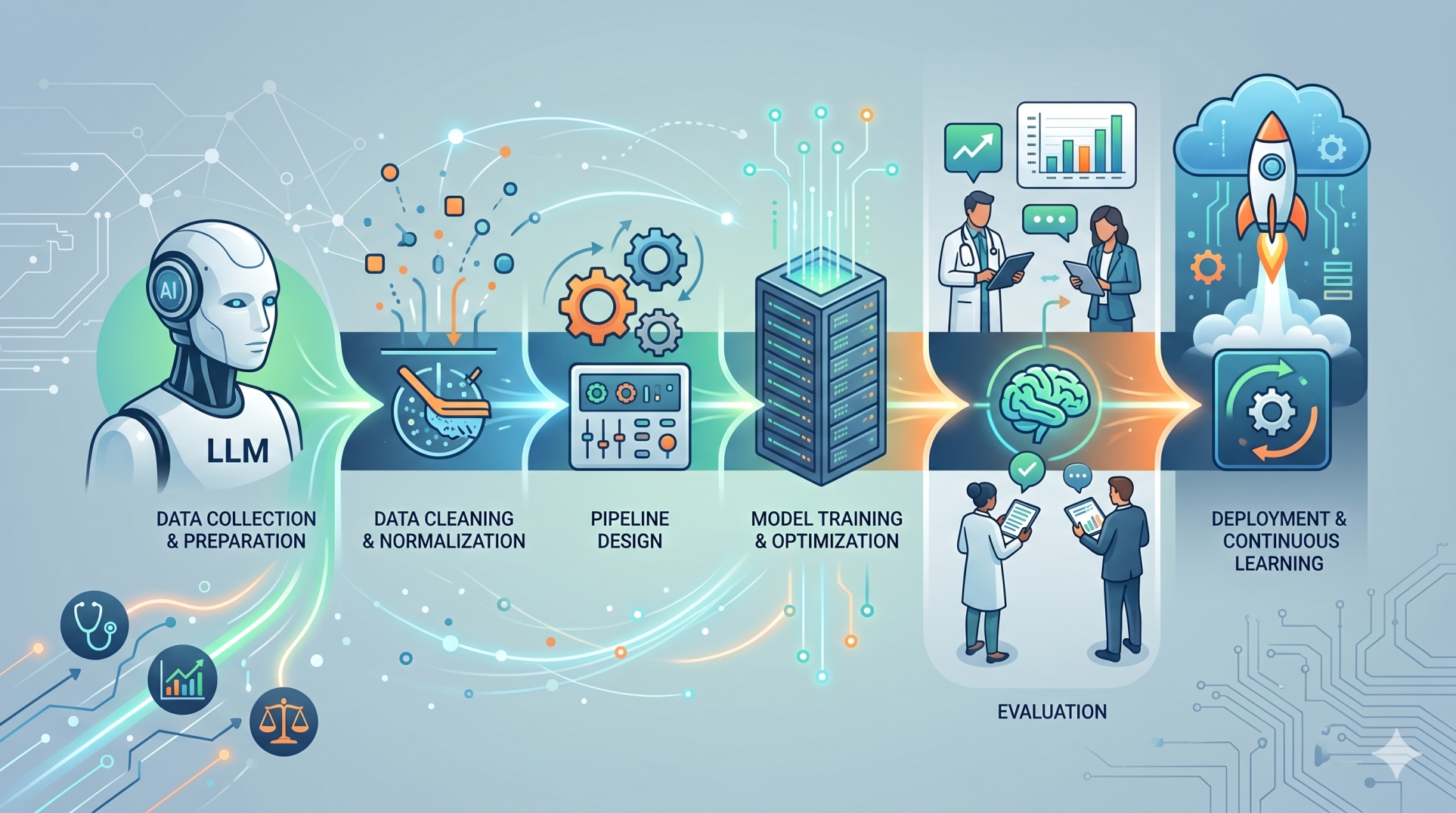
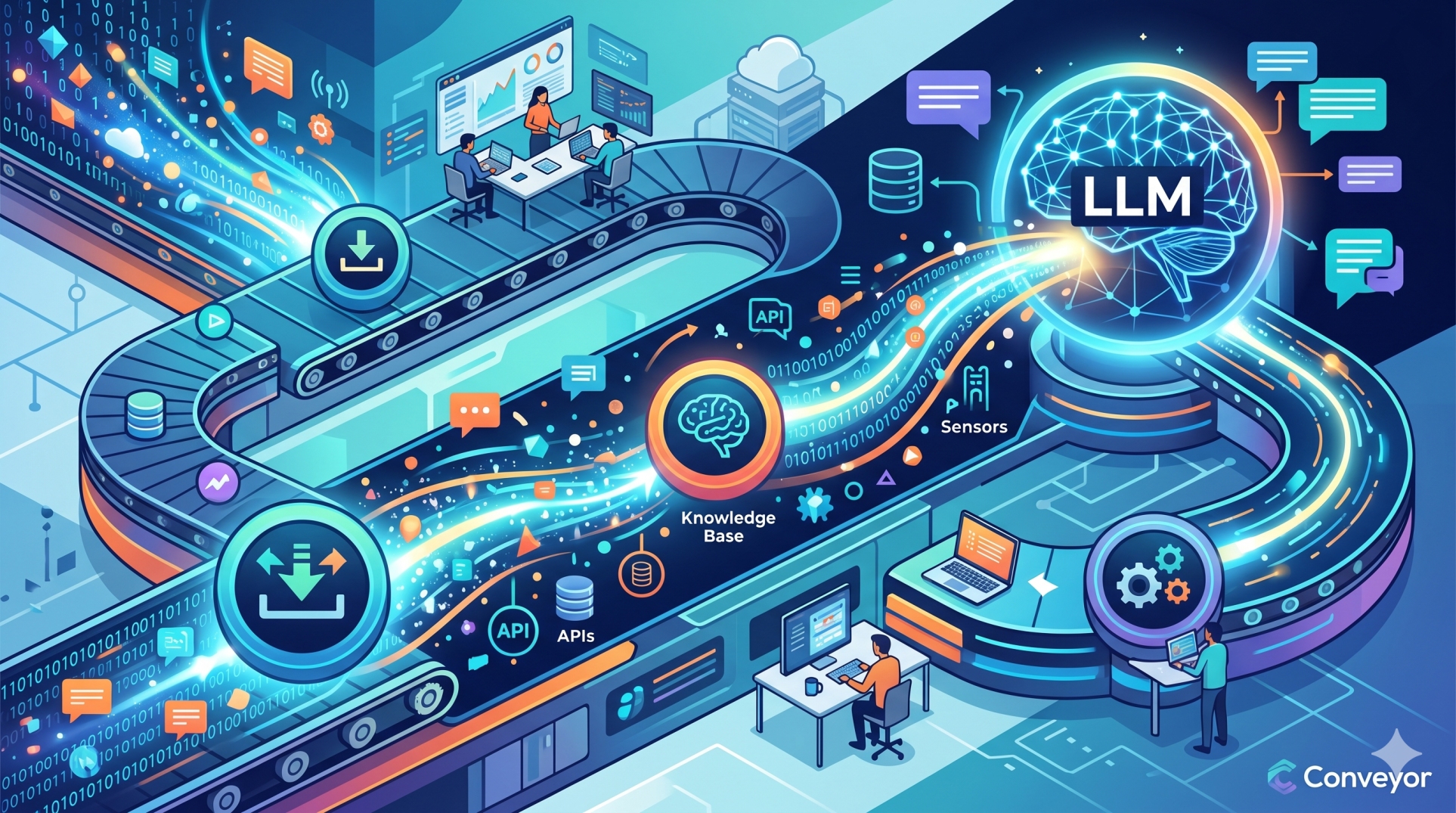
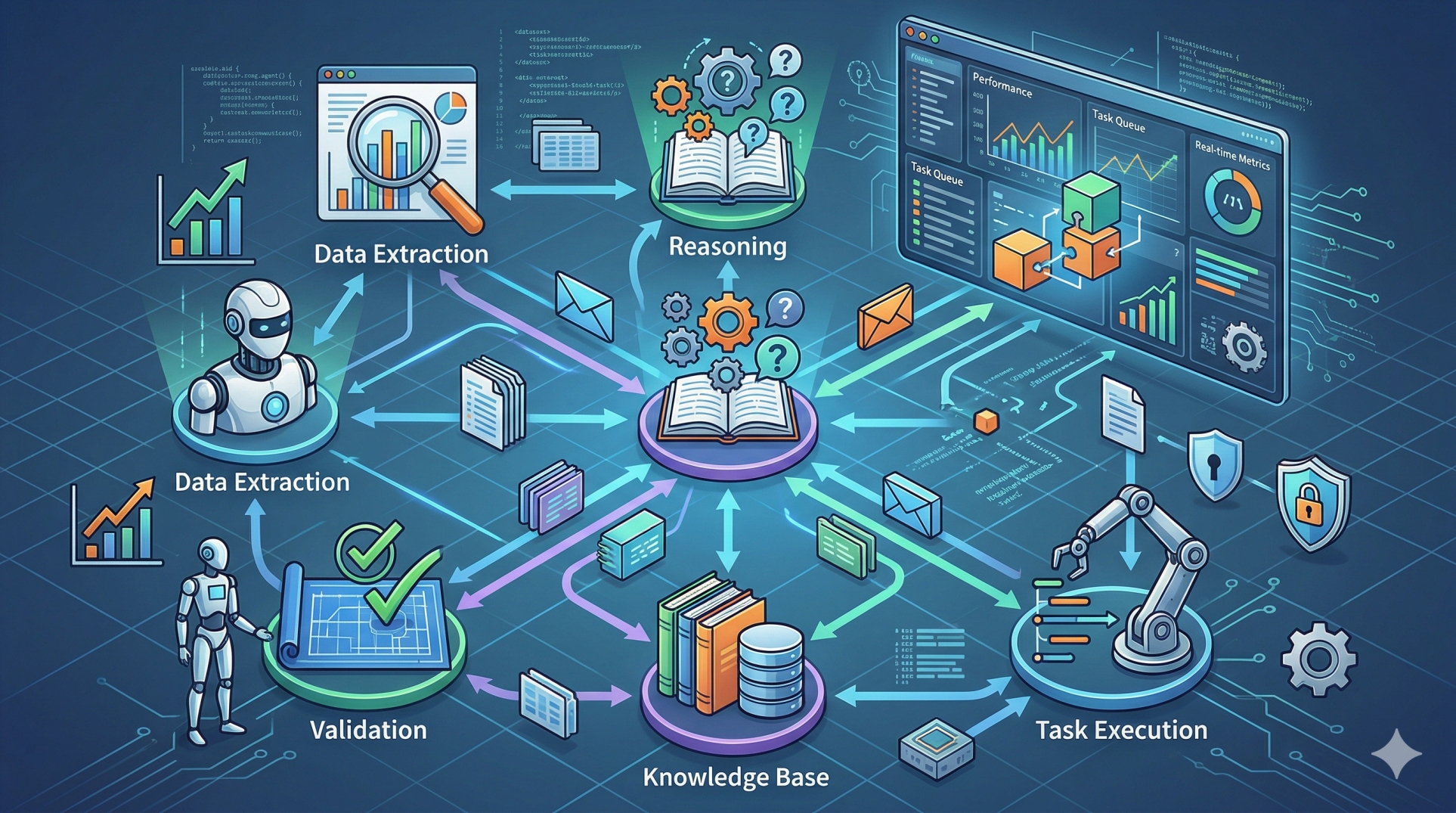
Language models are transforming operational intelligence by enabling organizations to analyze information, automate workflows, and generate actionable insights from large volumes of enterprise data. Unlike traditional reporting systems, operational intelligence platforms built on language models can understand context, interpret natural language, and connect information across multiple business systems. These capabilities help organizations make faster decisions, improve efficiency, and respond proactively to changing operational conditions.
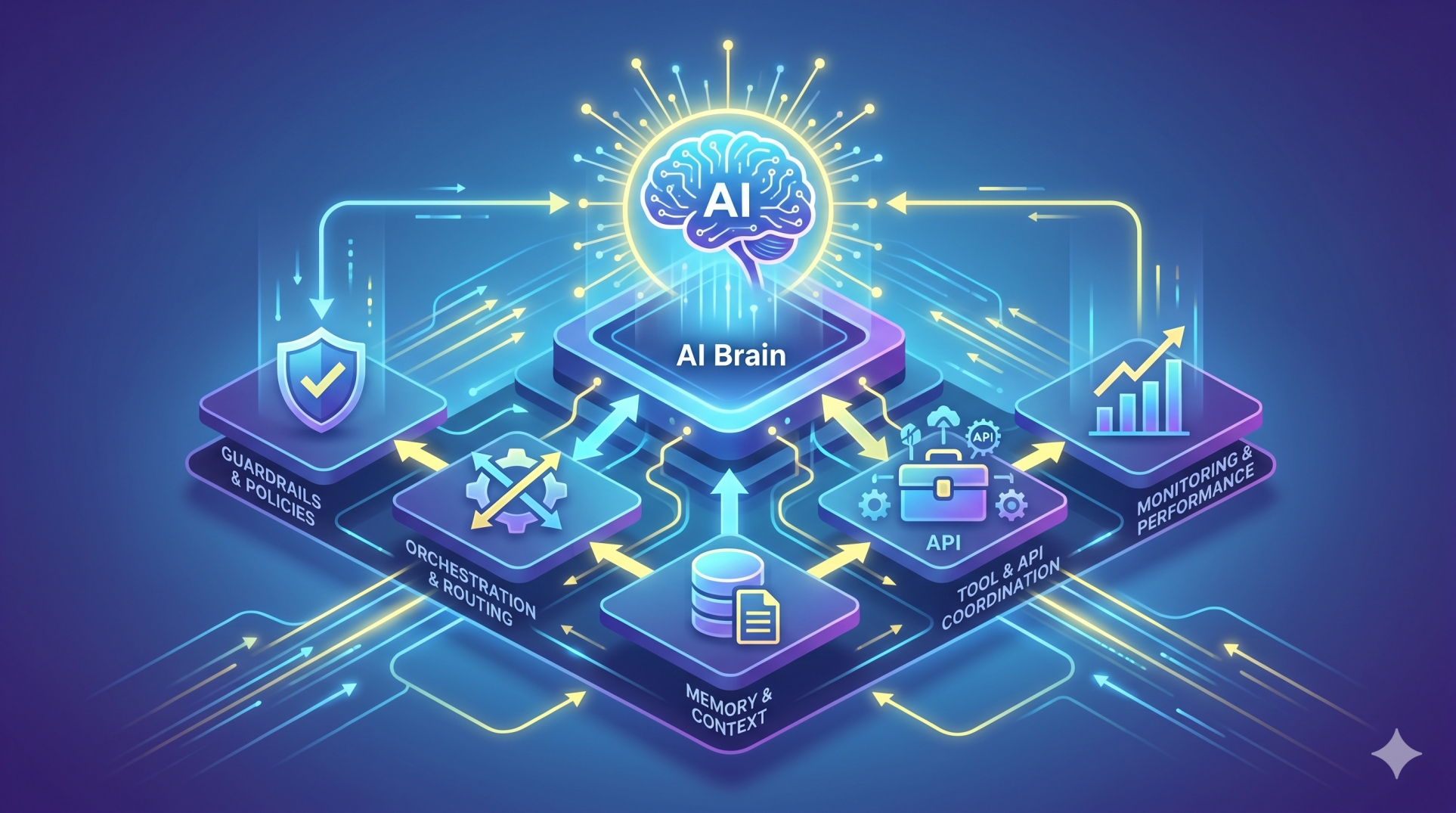
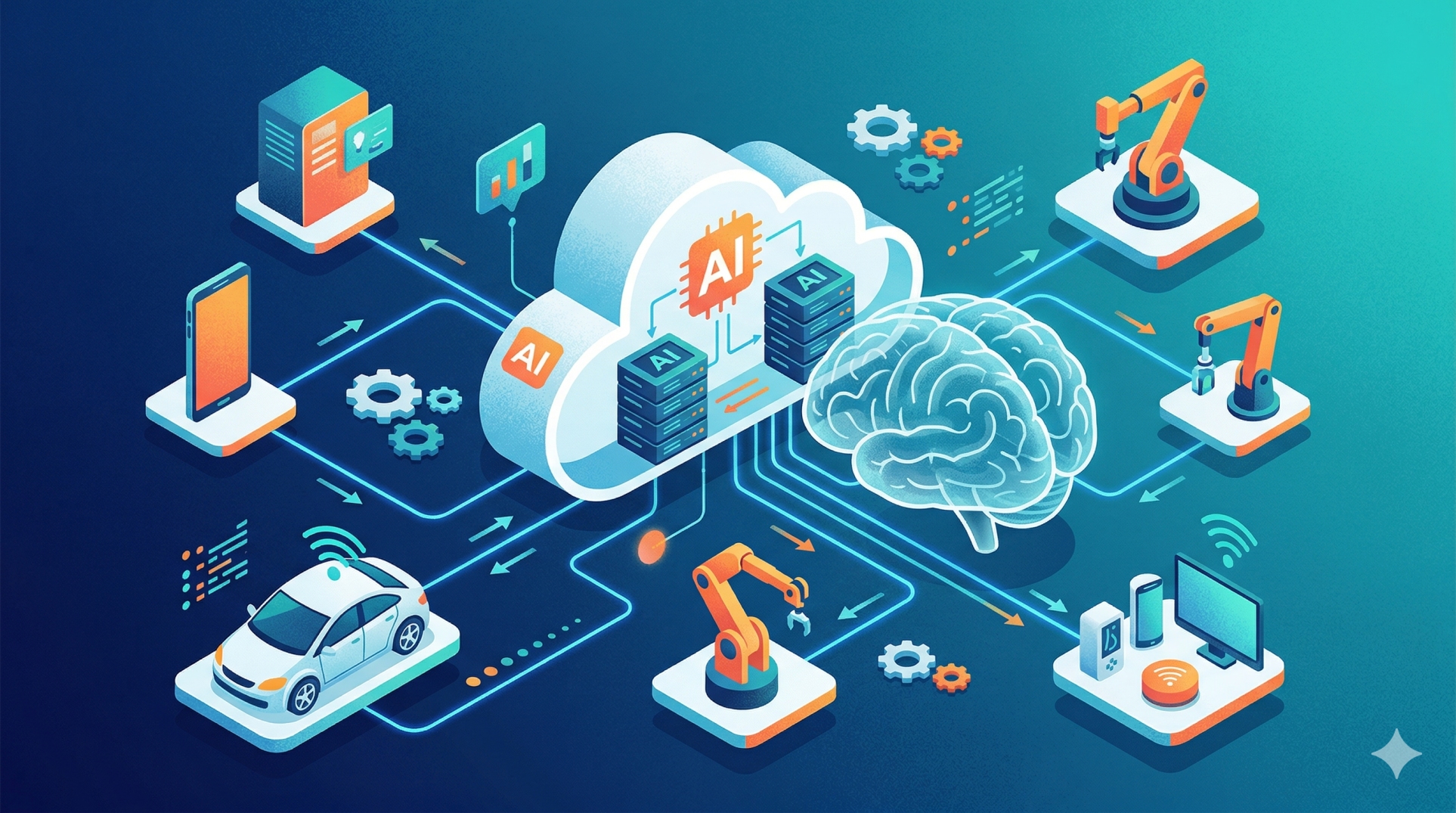
Step 1: Establishing the Intelligence Platform 🧠
• Build a centralized platform that connects enterprise data sources 🏢
• Enable language models to interpret operational information 📊
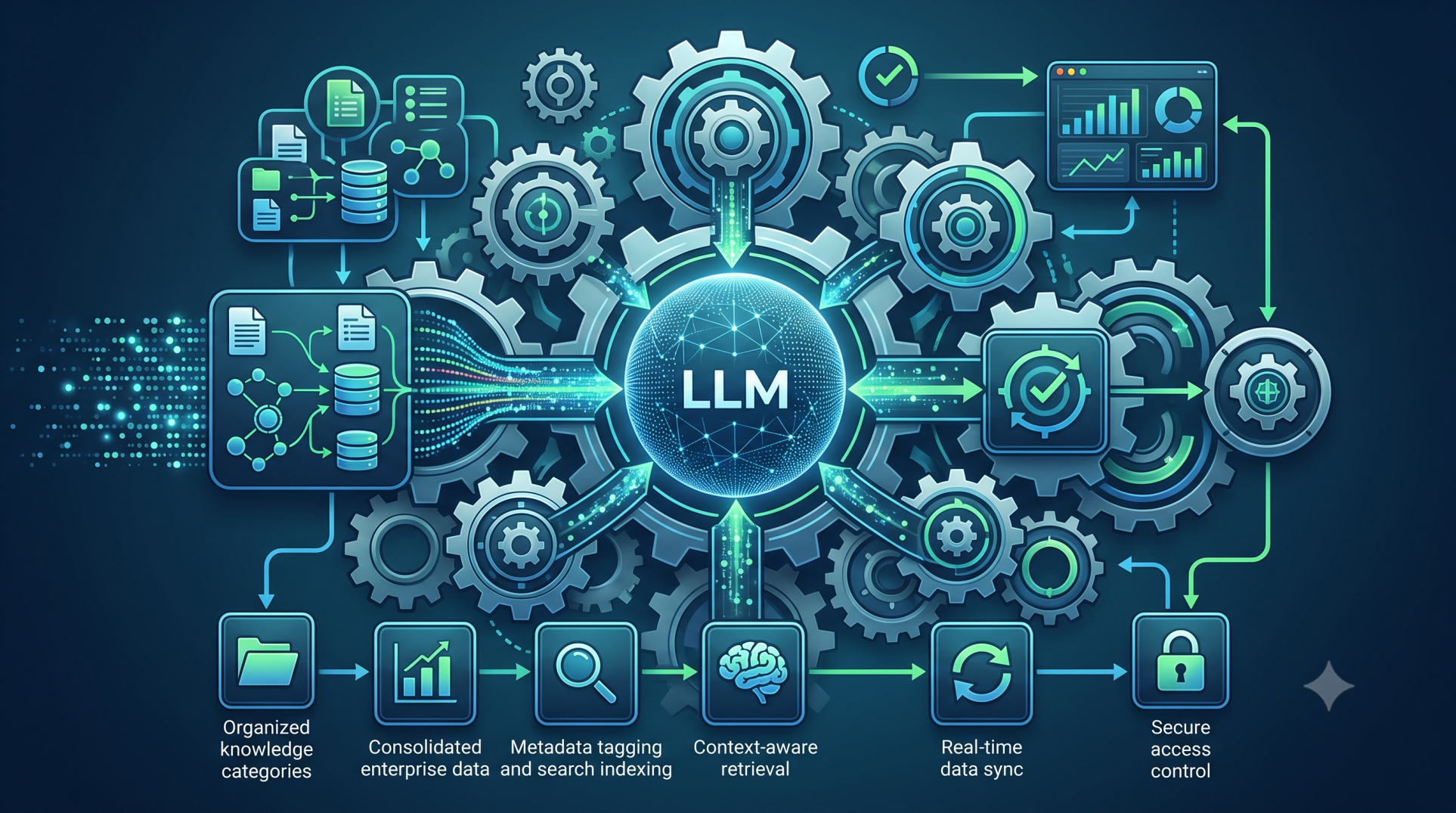
• Consolidate structured and unstructured business data 📁
• Create a unified environment for intelligent decision support 🔗
• Design scalable architecture for enterprise-wide adoption 🚀
Step 2: Integrating Enterprise Data Sources 🔄
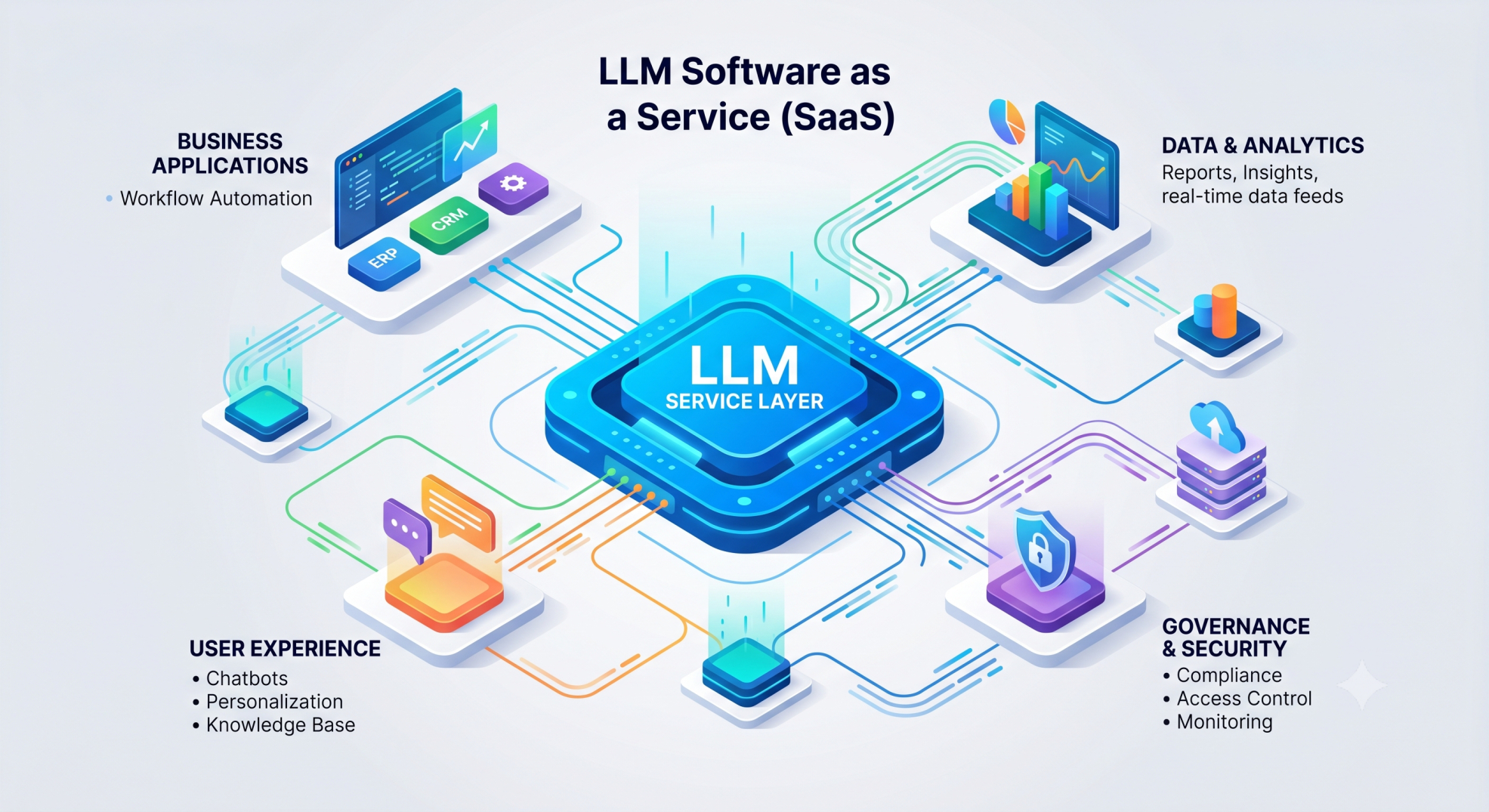
• Connect ERP, CRM, HR, finance, and operational systems 🗂️
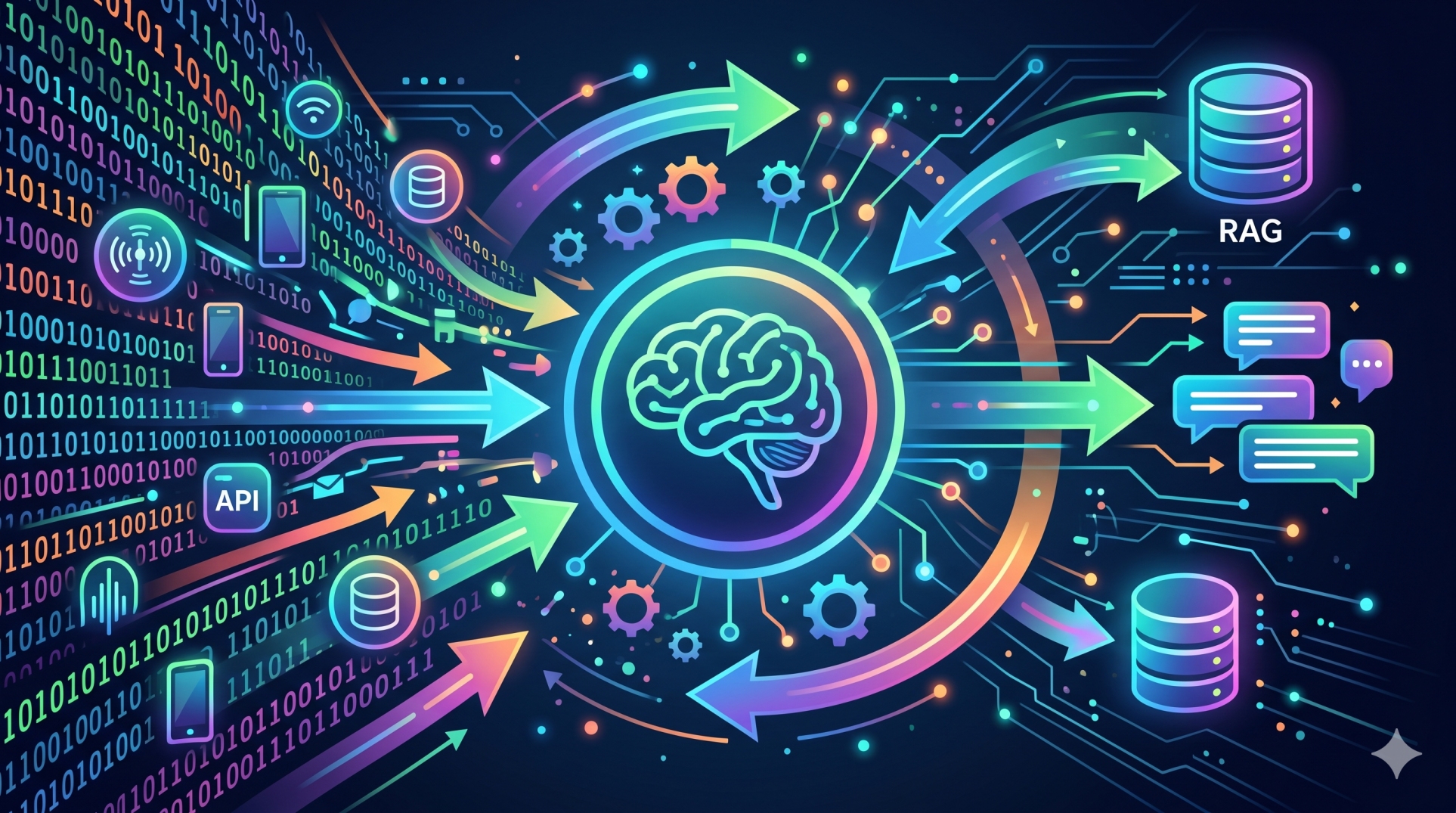
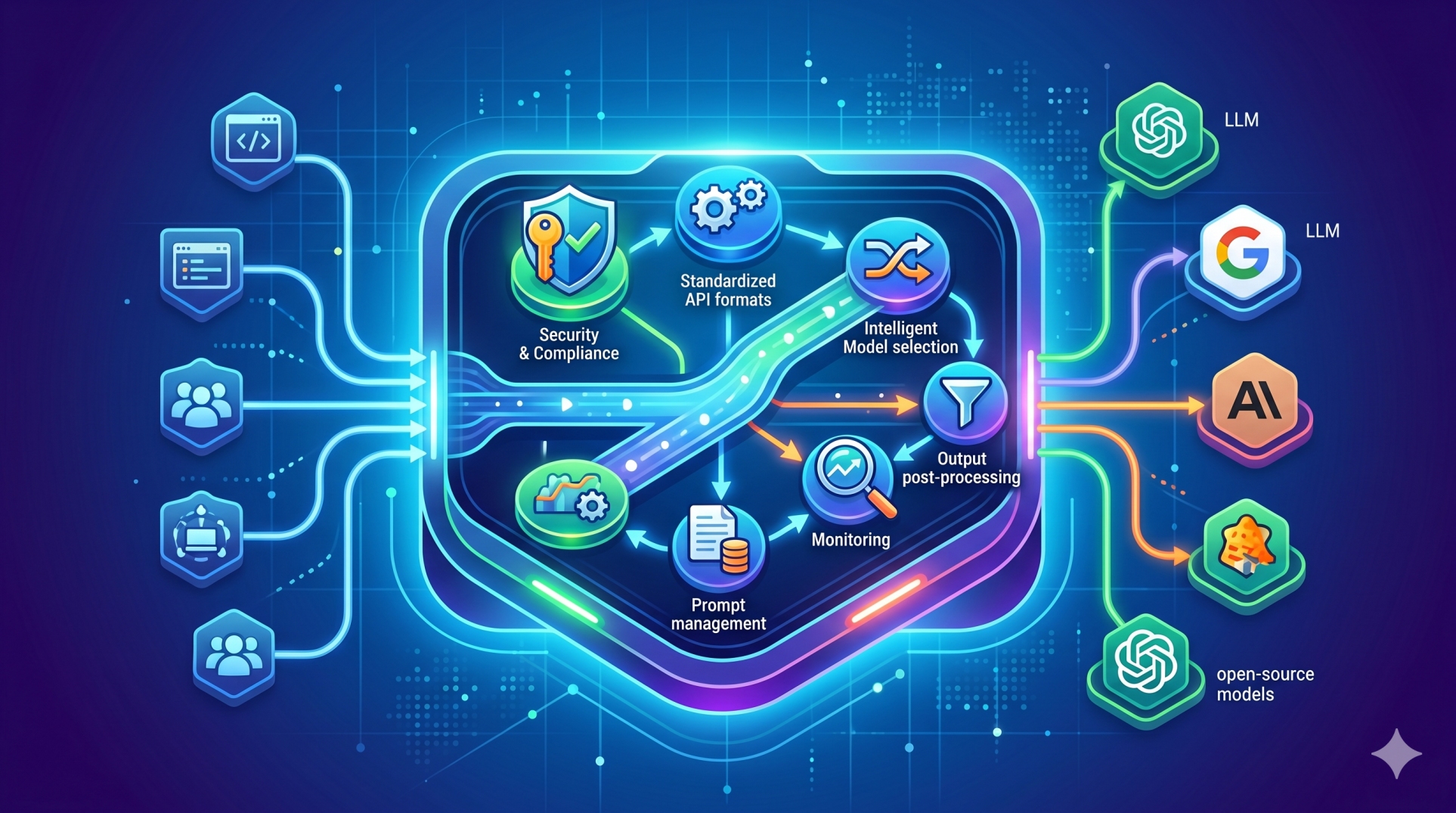
• Aggregate information from documents, databases, and APIs 🌐
• Synchronize data across multiple business platforms 📡
• Eliminate information silos through centralized integration 🤝
• Maintain consistent and reliable enterprise data flows ✅
Step 3: Enabling Natural Language Intelligence 💬
• Allow users to interact with business systems using natural language 🗣️
• Interpret complex operational questions with contextual understanding 🧩
• Generate meaningful summaries from enterprise information 📄
• Simplify access to operational insights for all teams 📈
• Improve collaboration through conversational interfaces 🤖
Step 4: Automating Operational Workflows ⚙️
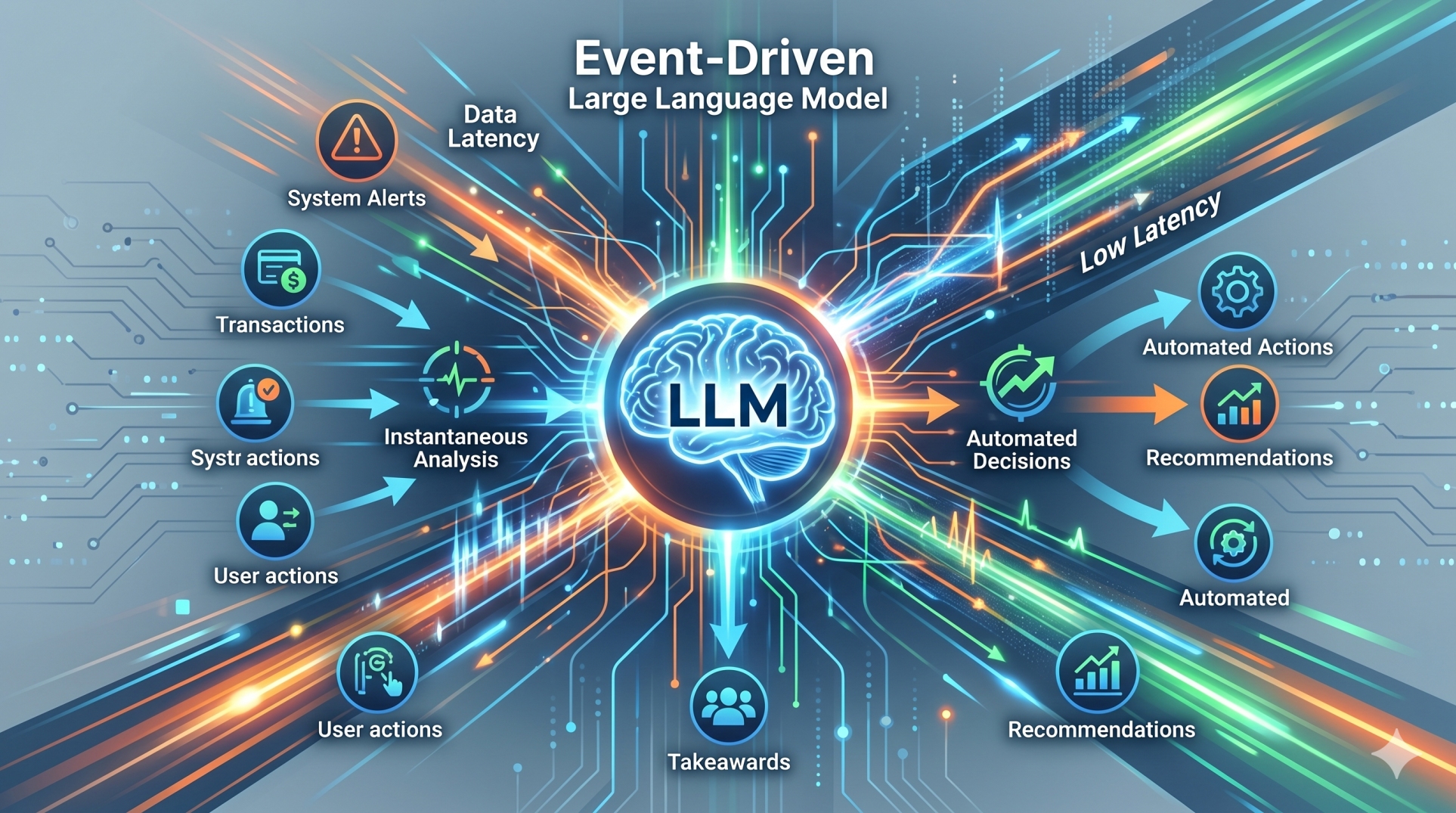
• Trigger automated actions based on operational events 🚀
• Streamline approvals, notifications, and task assignments 📬
• Coordinate workflows across departments efficiently 🤝
• Reduce repetitive manual activities through automation 🔄
• Improve execution speed and operational consistency ⏱️
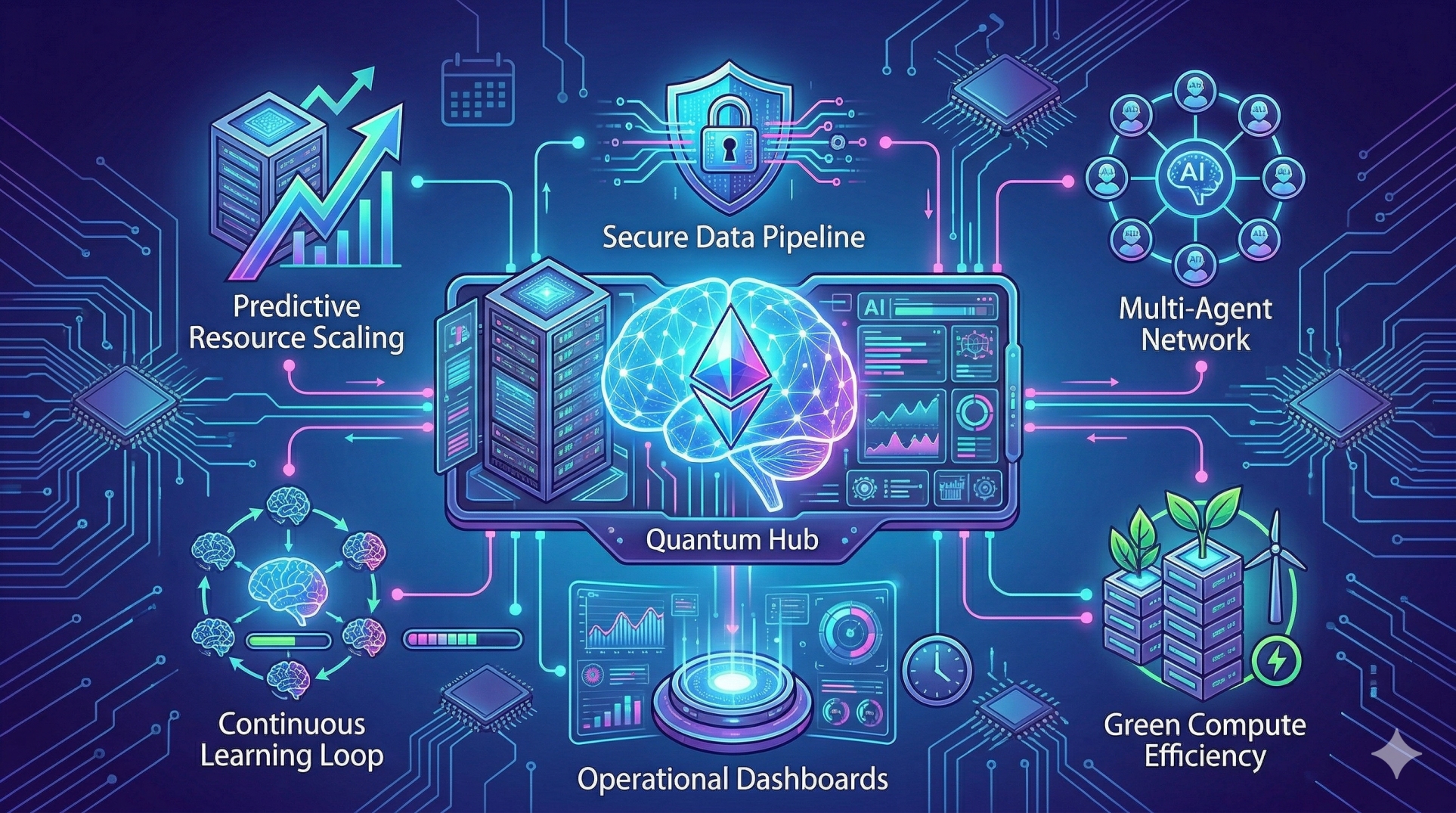
Step 5: Delivering Real-Time Operational Insights 📡
• Monitor business activities as they occur 📊
• Detect trends and performance changes continuously 📈
• Identify potential operational risks before they escalate ⚠️
• Support rapid responses with timely intelligence ⚡
• Improve organizational awareness through live dashboards 👀
Step 6: Enhancing Decision Support 🎯
• Generate context-aware recommendations for business operations 💡
• Compare operational scenarios using enterprise knowledge 📚
• Support strategic planning with intelligent analysis 📊
• Improve resource allocation through data-driven insights 📦
• Enable confident decision-making across business functions 🏆
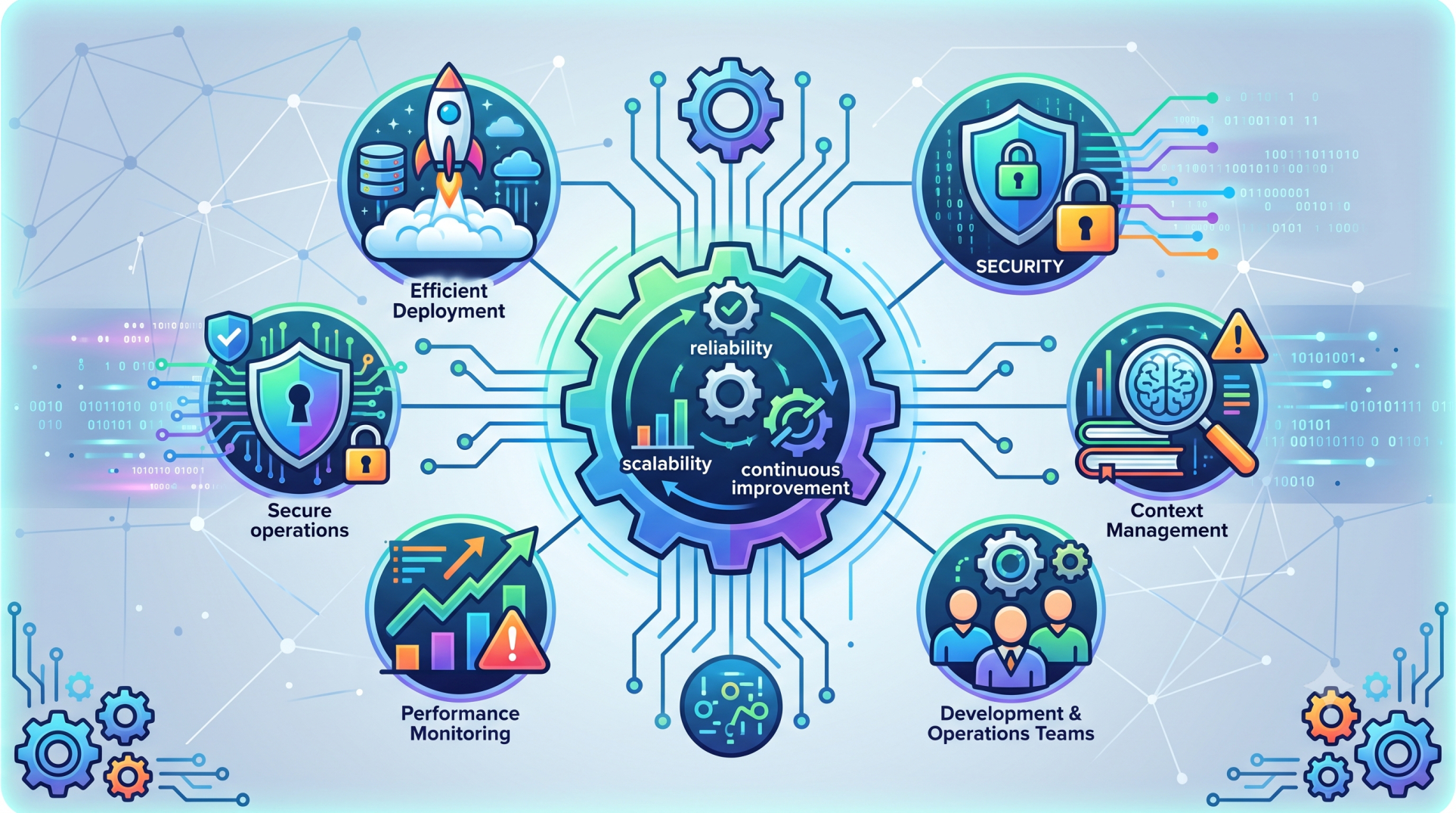
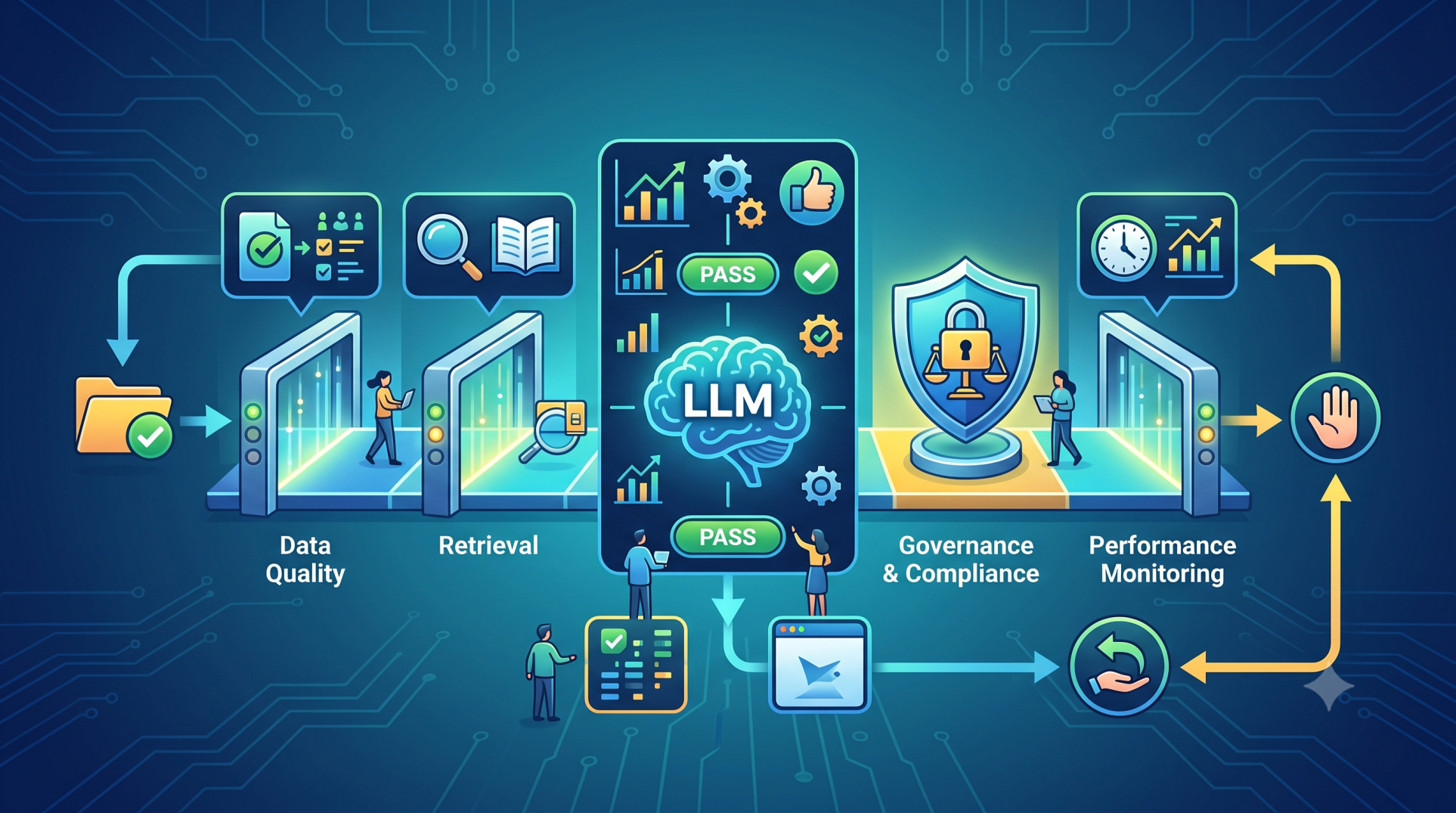
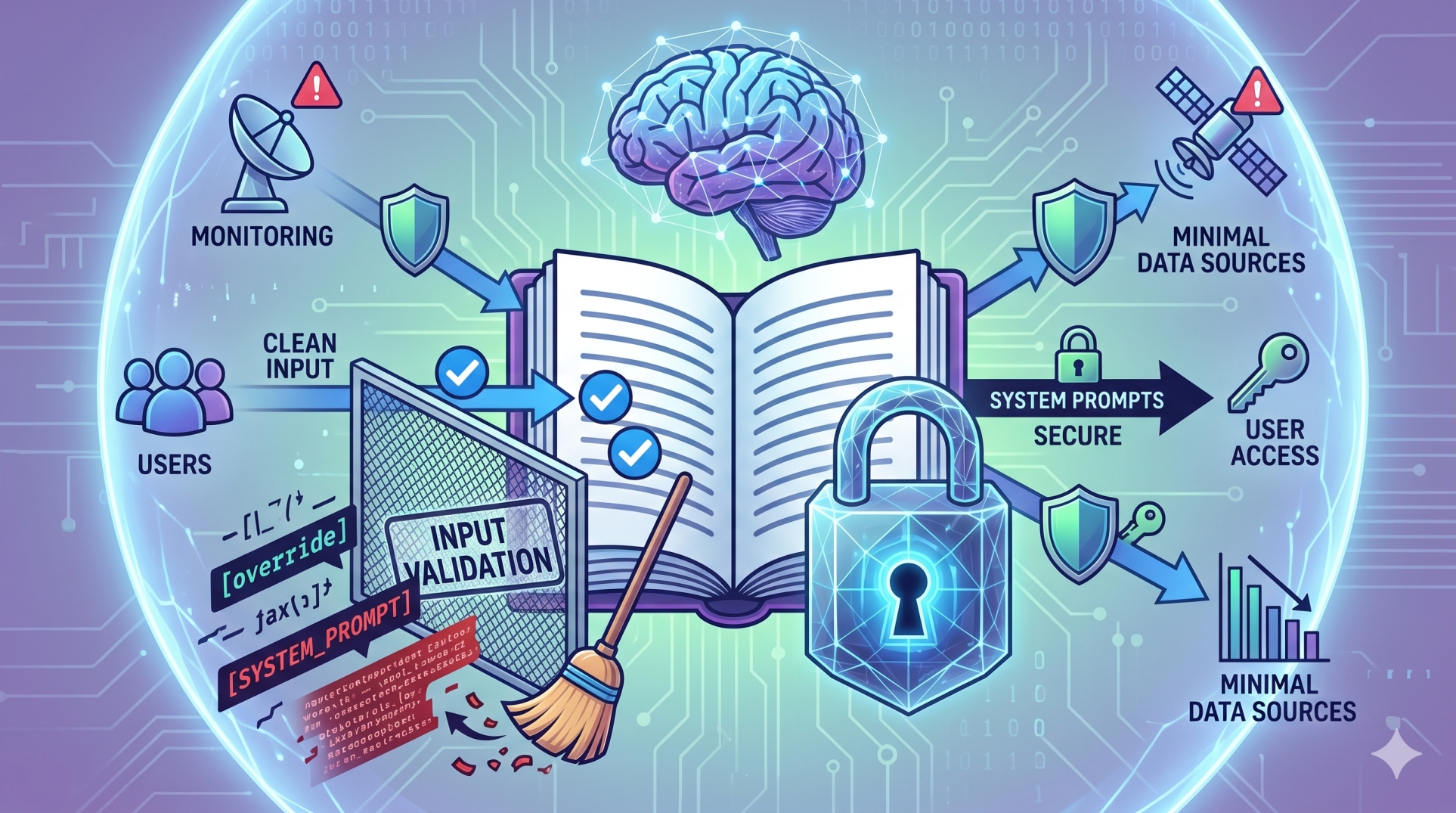
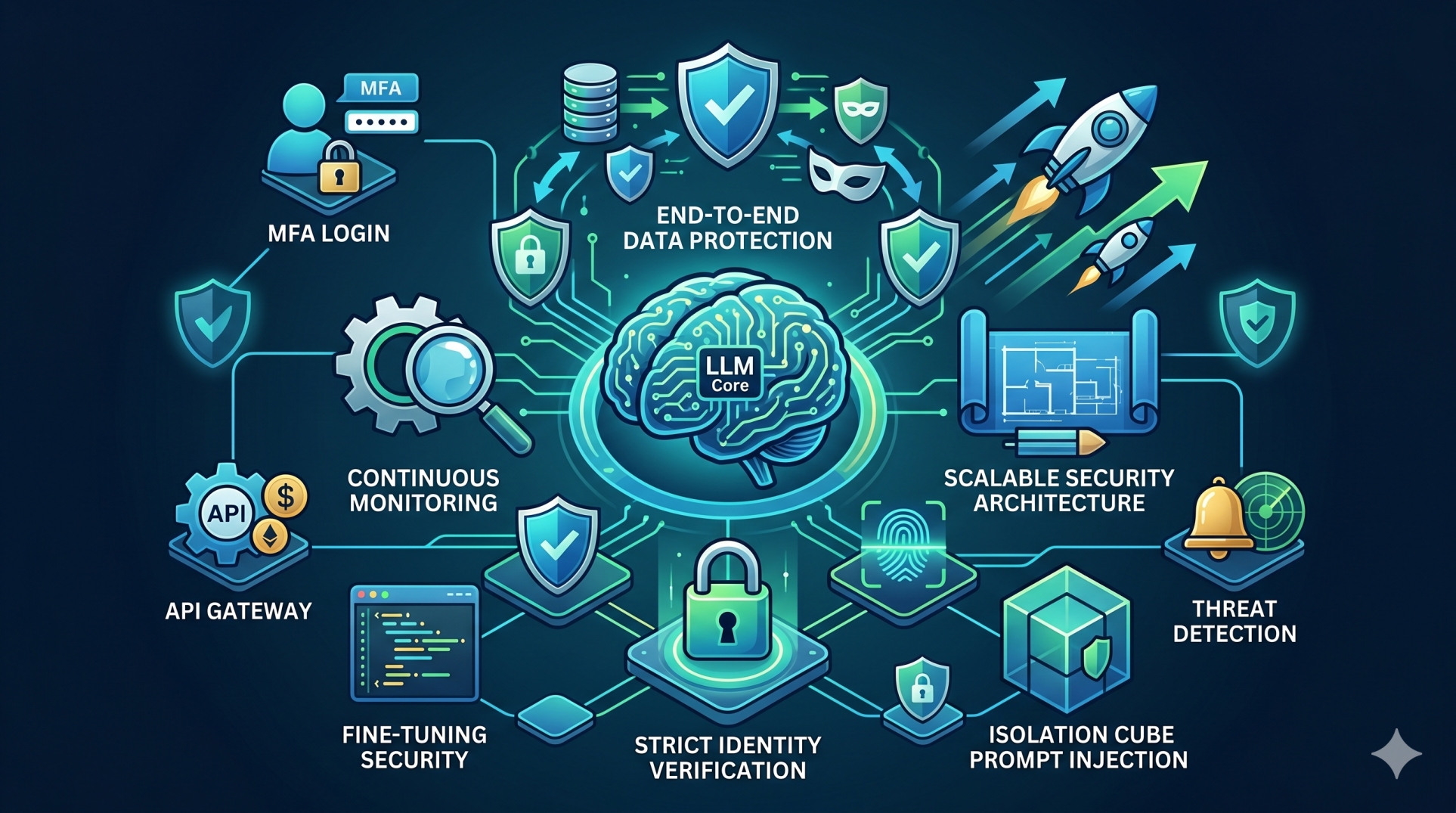
Step 7: Ensuring Security and Governance 🔐
• Protect sensitive enterprise information with secure access controls 🛡️
• Enforce role-based permissions across operational systems 👥
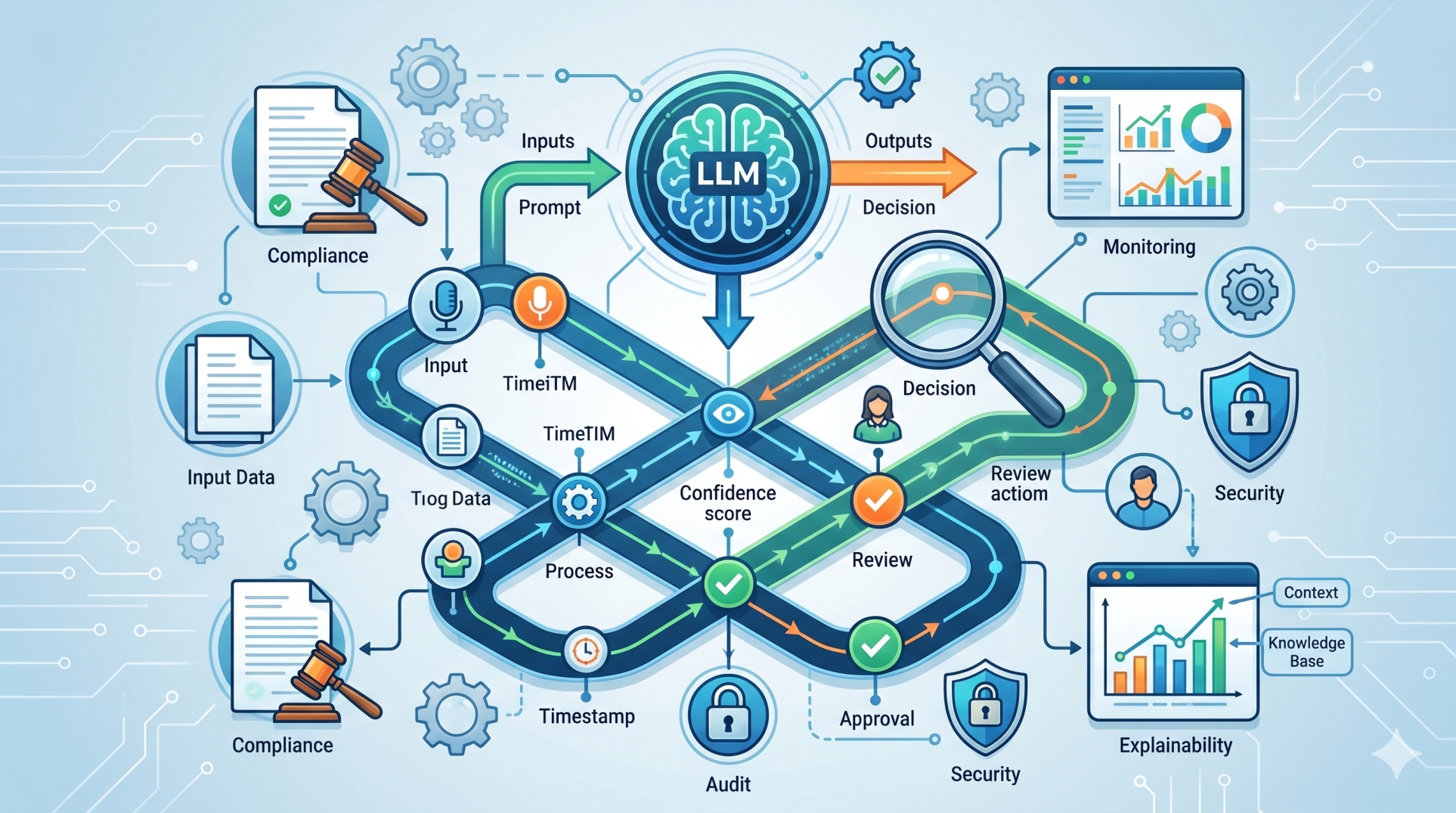
• Maintain audit trails for user activities and AI interactions 📝
• Support compliance through governance frameworks 📜
• Monitor AI usage to ensure responsible operations ✅
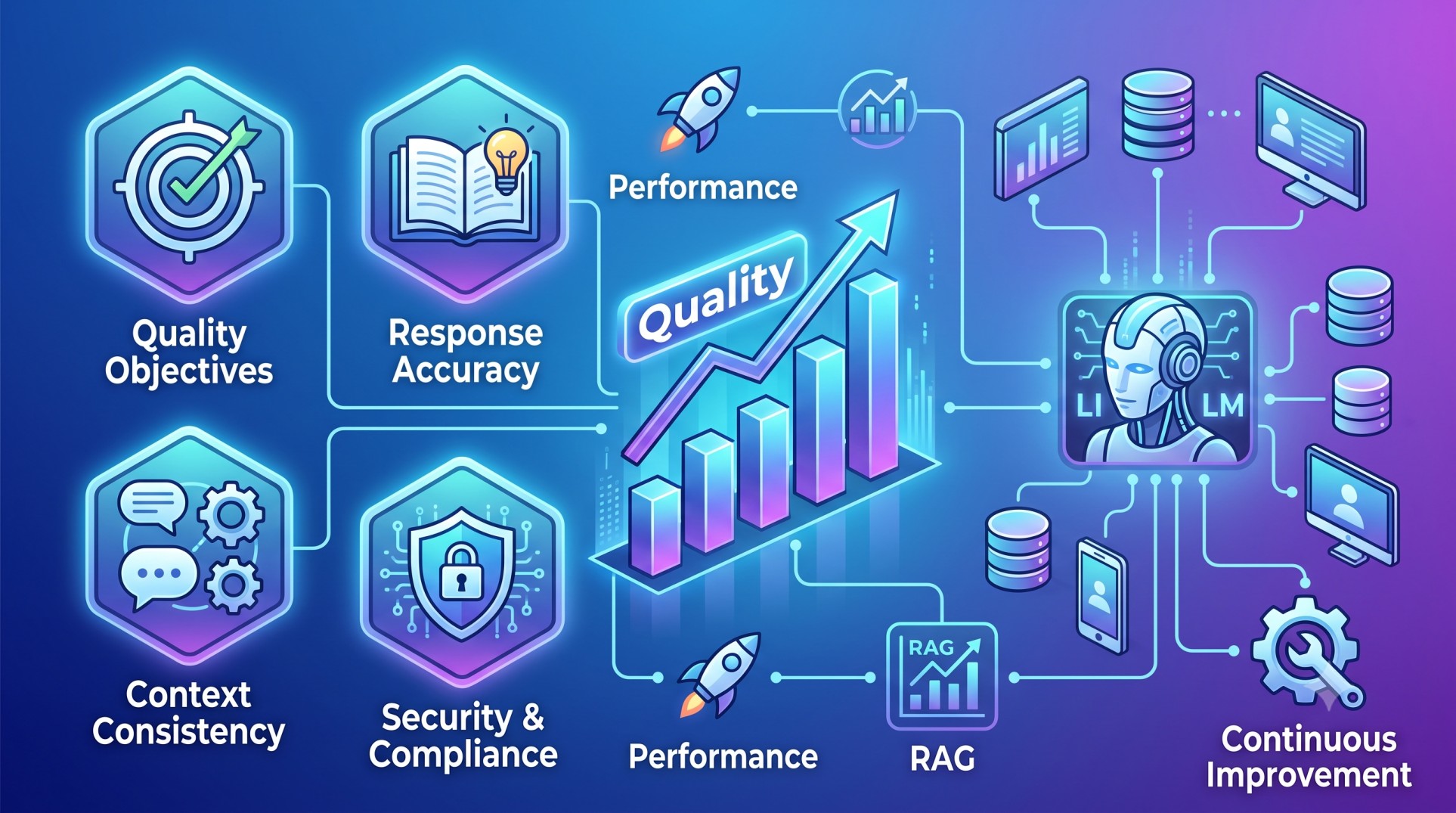
Step 8: Key Platform Priorities ⭐
• Unified access to enterprise operational intelligence 🌐
• Real-time analytics powered by language models 📊
• Intelligent workflow automation across departments 🤖
• Scalable architecture for business growth 🚀
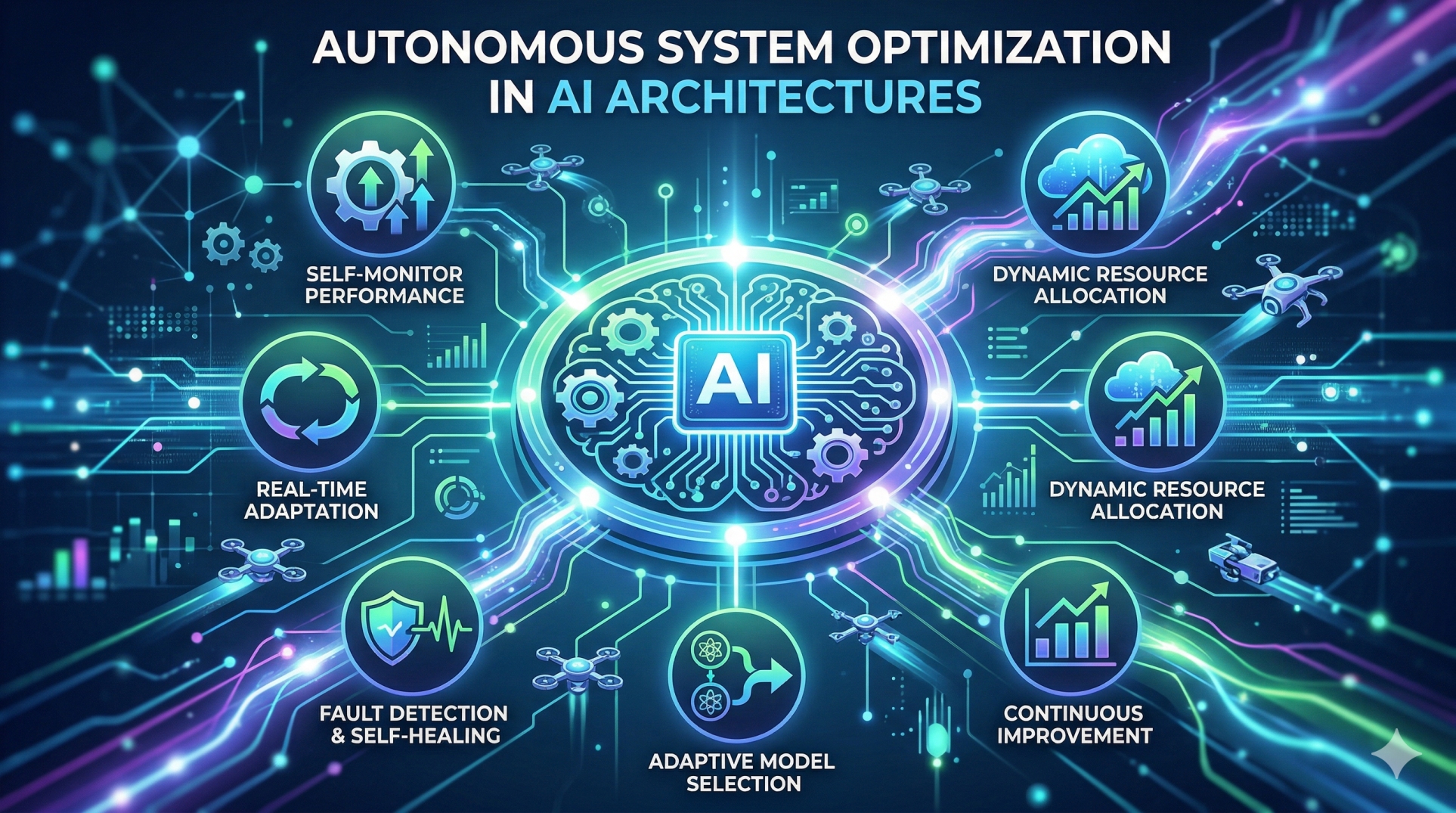
Step 9: Managing Operational Variability 🔄
• Adapt workflows based on changing business conditions 📈
• Detect anomalies and operational exceptions quickly 🚨
• Recommend corrective actions using contextual intelligence 🧠
• Support continuous business operations during disruptions 🏢
• Improve organizational resilience through adaptive automation 💪
Step 10: Building a Future-Ready Intelligence Ecosystem 🌍
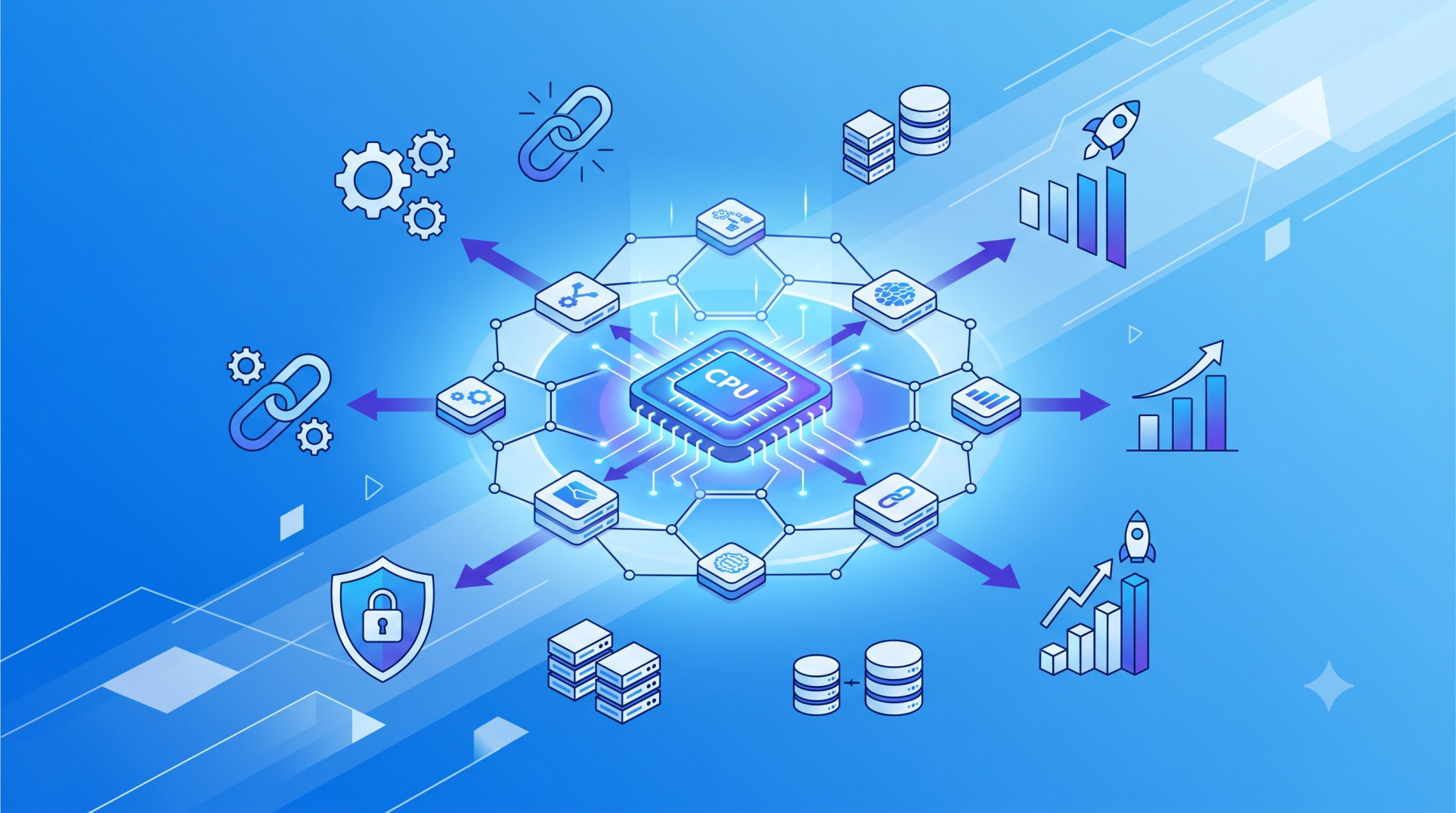
• Design modular platforms for long-term scalability 🏗️
• Integrate emerging AI capabilities as technology evolves 🤝
• Support multilingual and multi-domain business environments 🌐
• Continuously optimize operational models using enterprise feedback 📊
• Future-proof business intelligence with flexible AI architectures 🚀
Conclusion
Operational intelligence platforms built on language models empower organizations to transform enterprise data into meaningful insights and intelligent actions. By combining natural language understanding, enterprise integration, workflow automation, and real-time analytics, these platforms enhance decision-making, improve operational efficiency, and strengthen organizational agility. As businesses continue to embrace AI-driven operations, language model-powered intelligence platforms provide the scalability, adaptability, and innovation needed for long-term success.
See more blogs
You can all the articles below