LLM Software as a Service Layer in Digital Ecosystems
LLM Software as a Service Layer in Digital Ecosystems
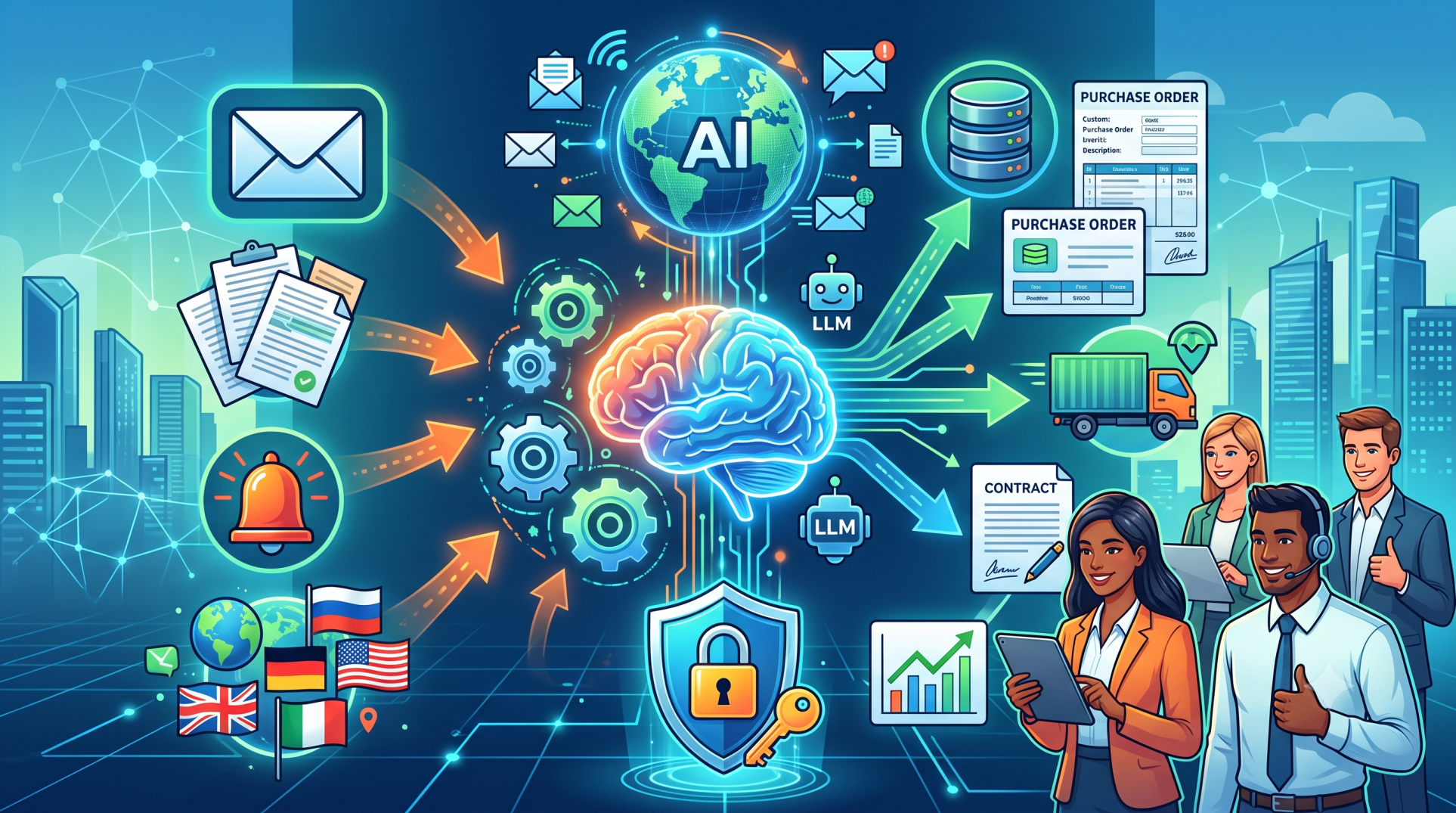
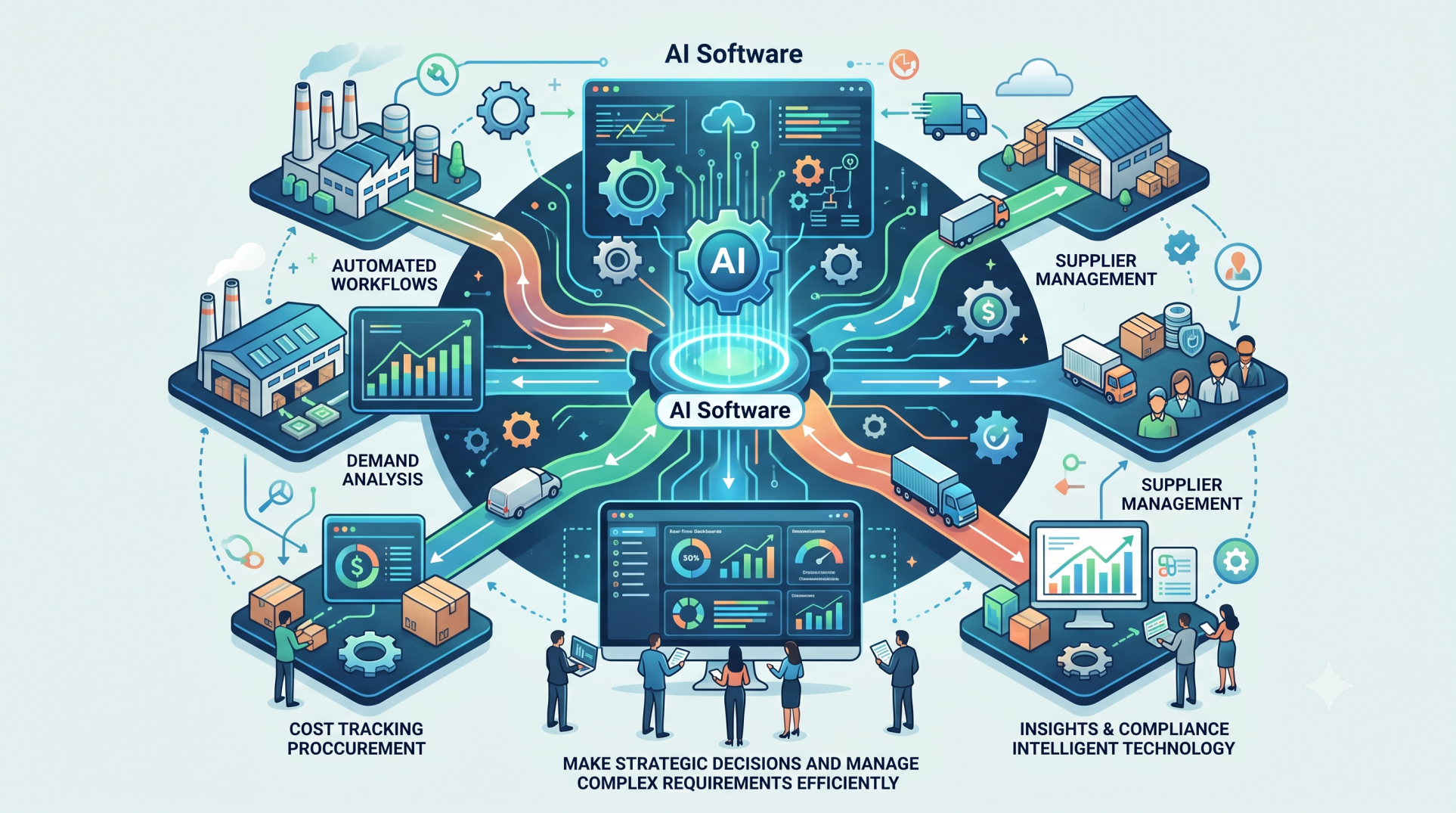
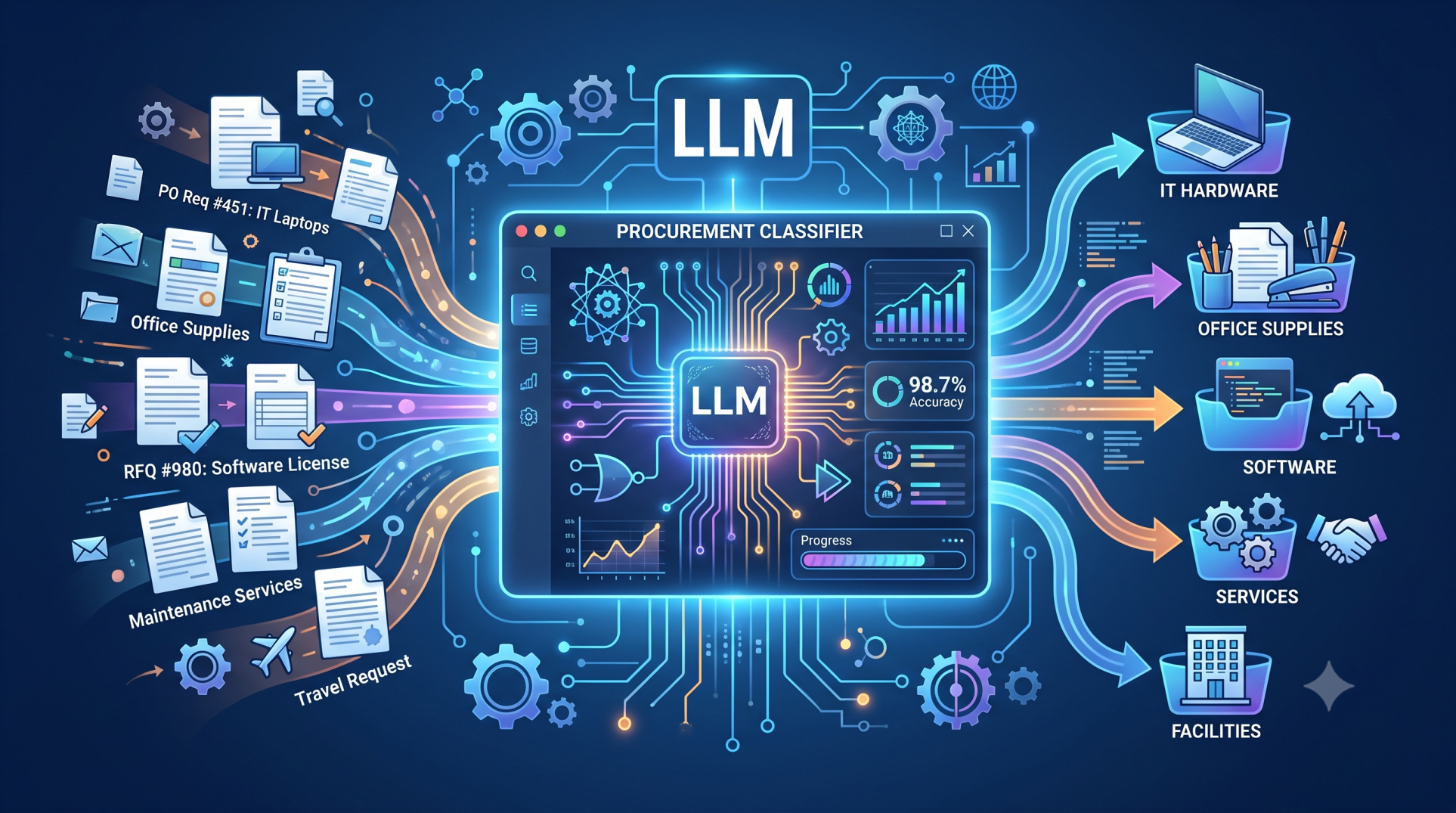
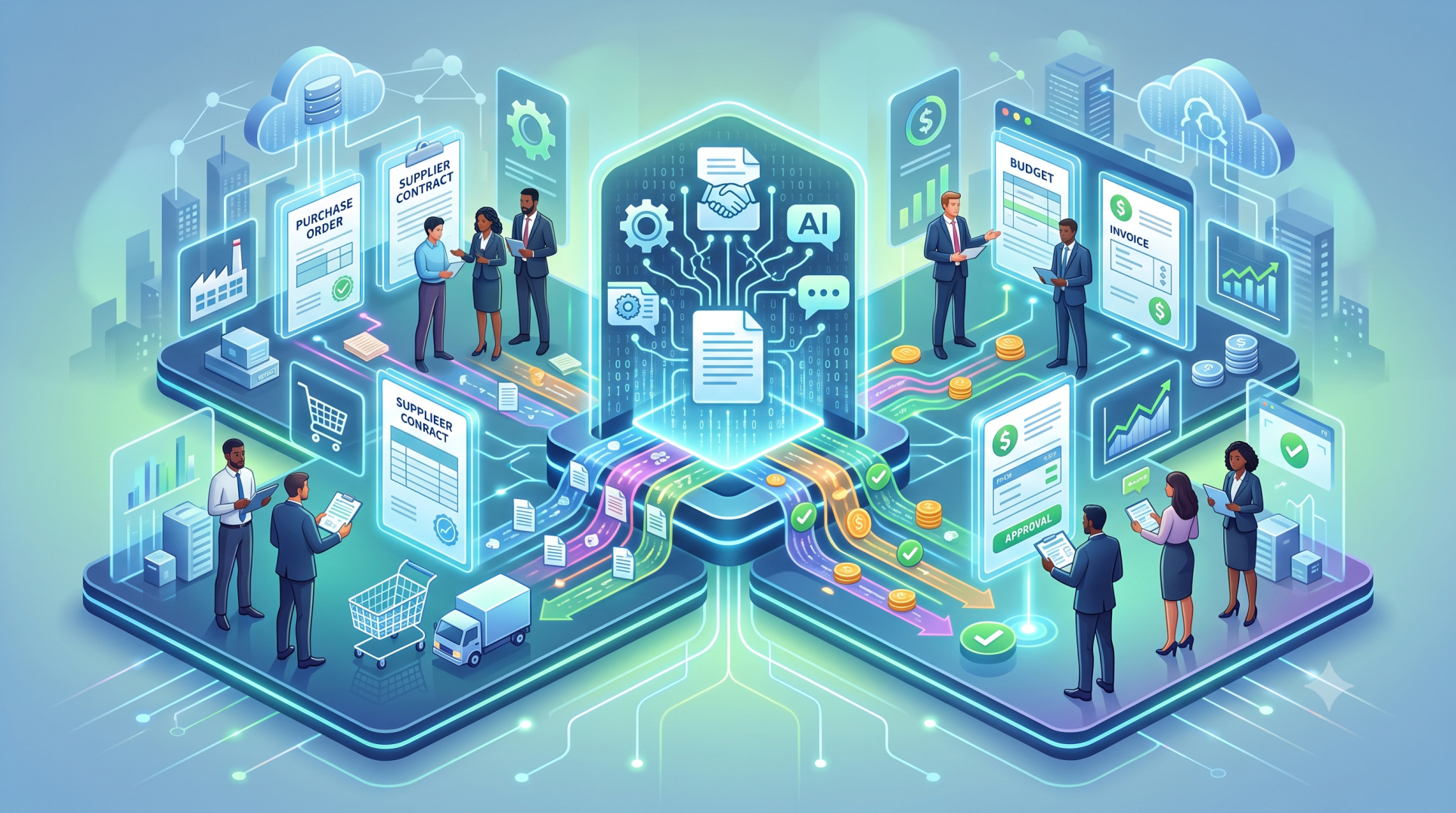
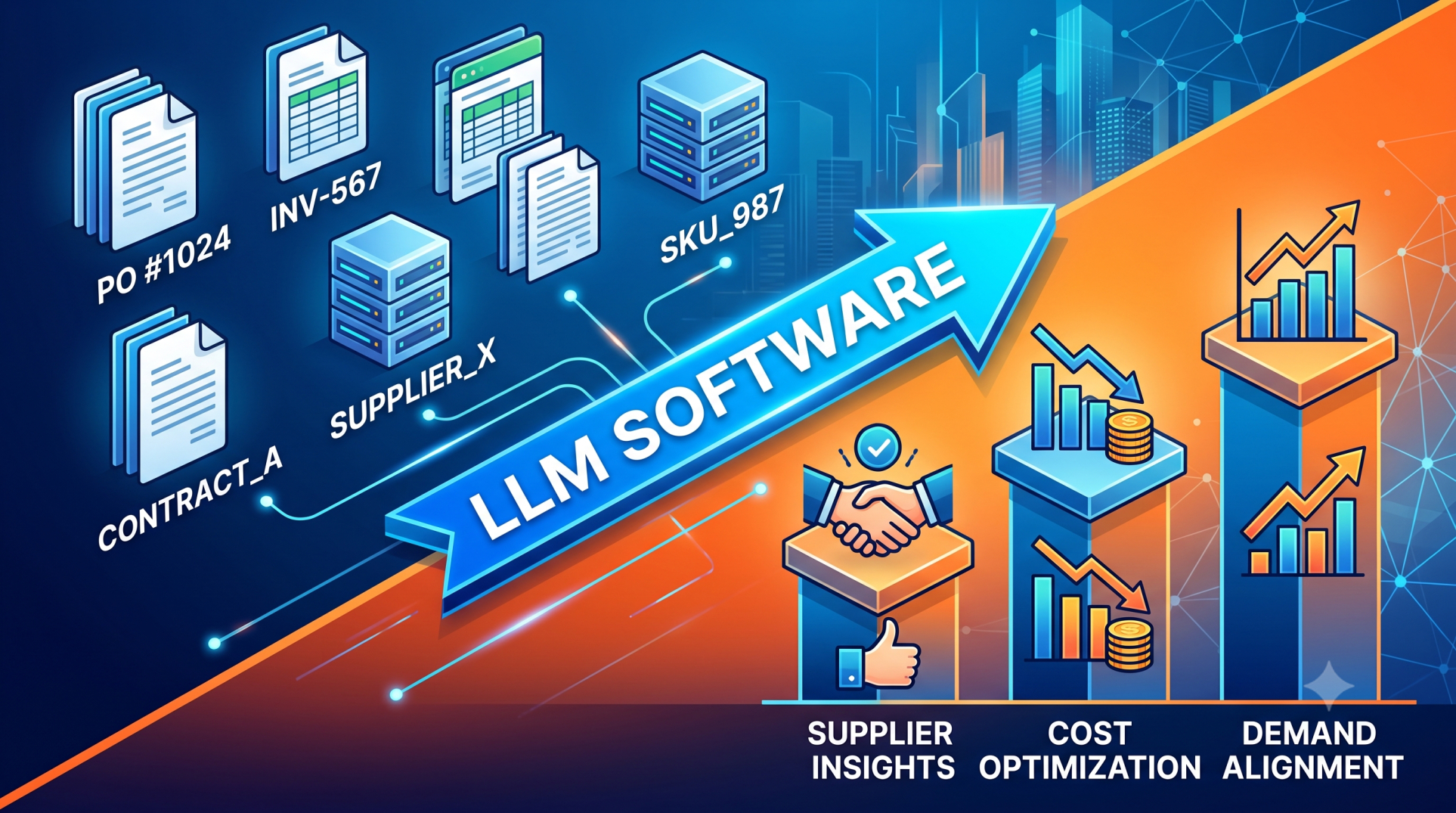
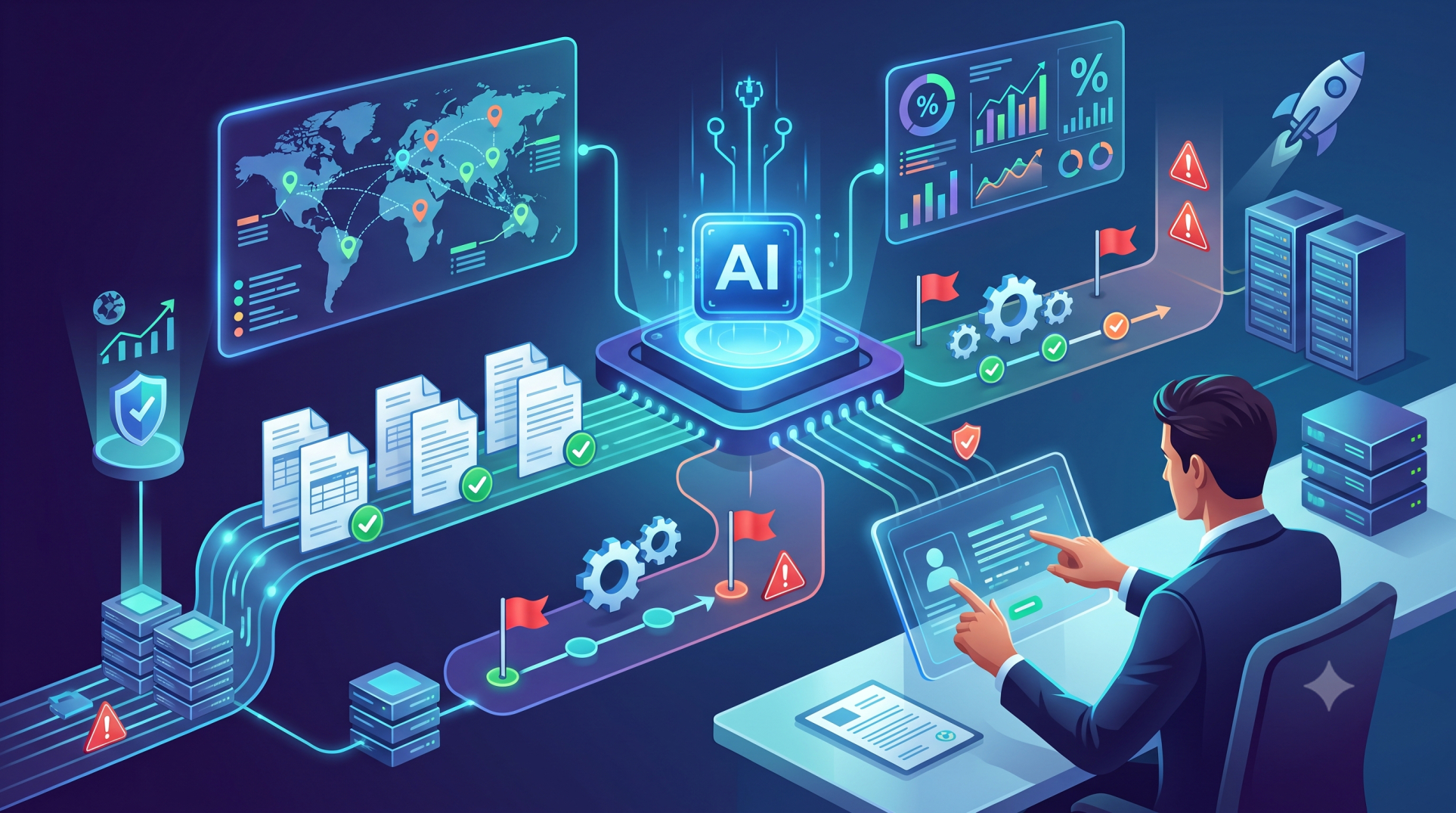
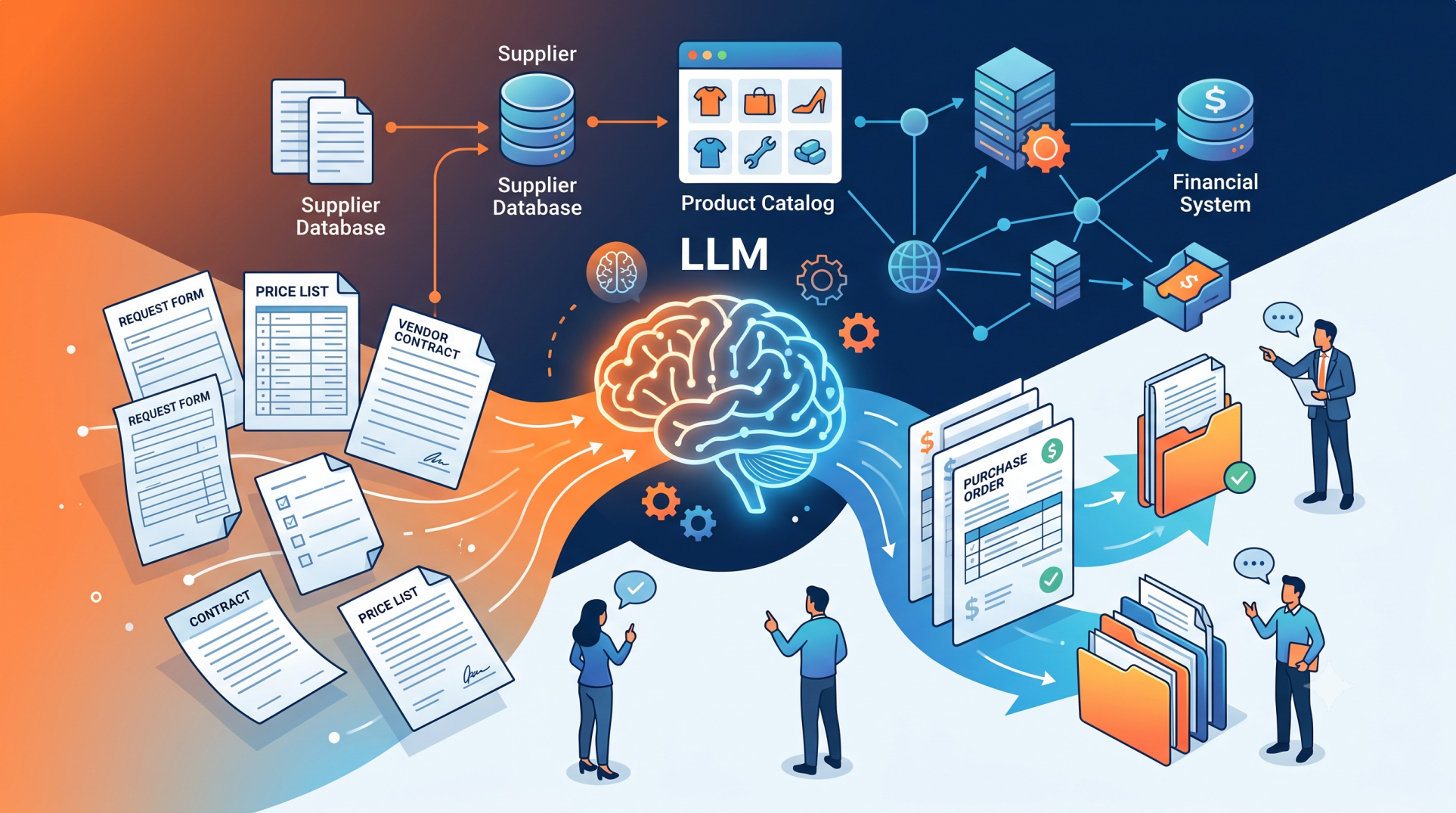
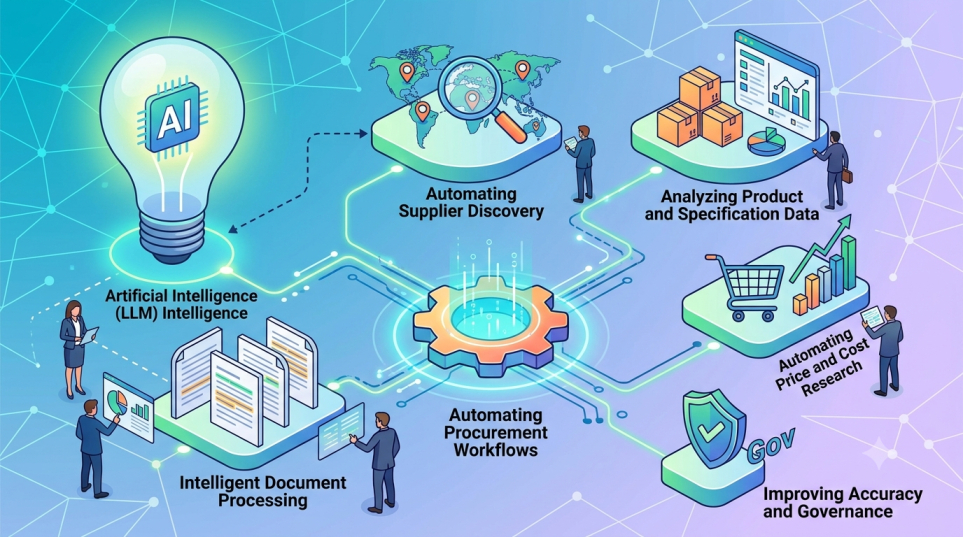
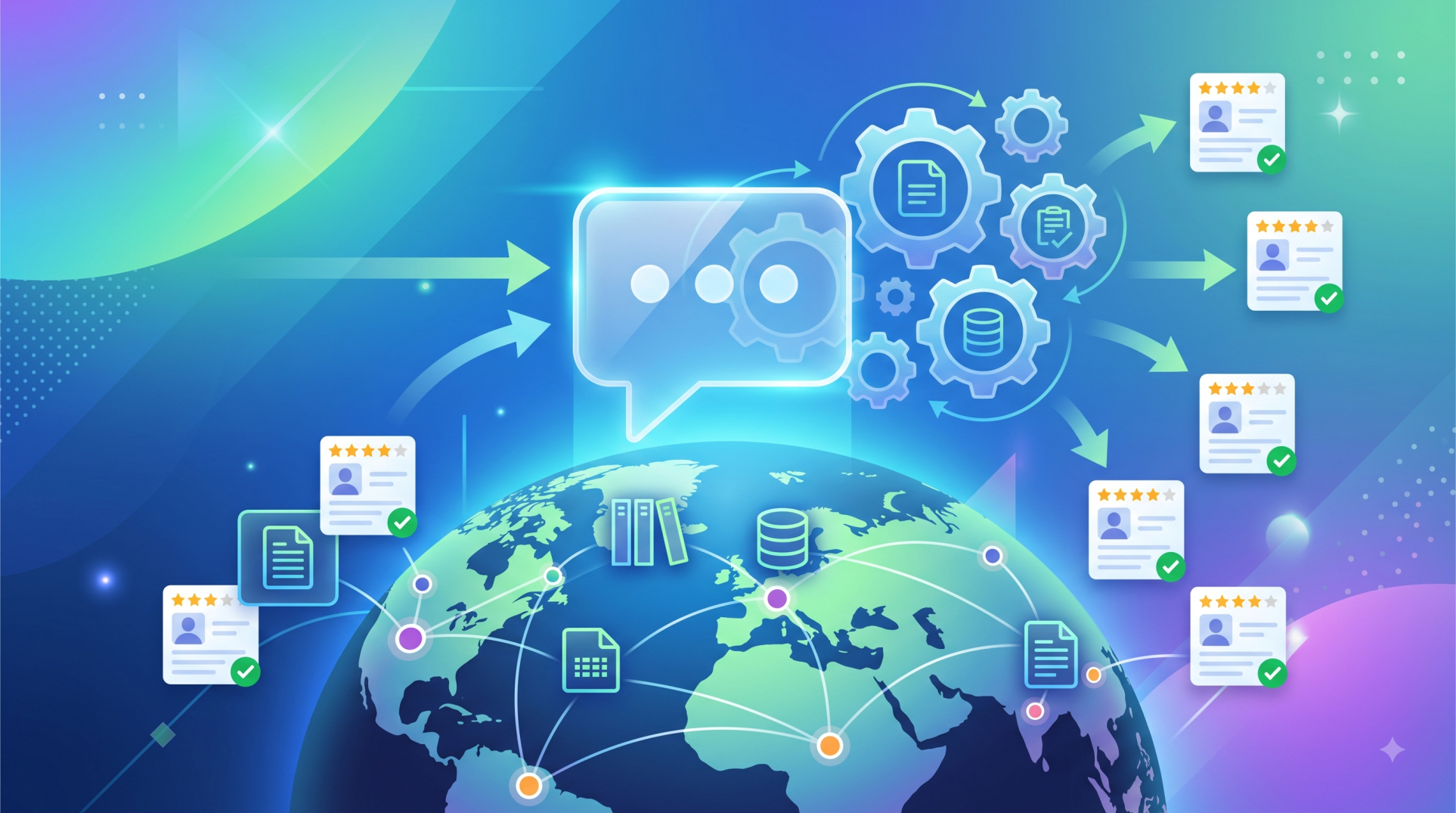
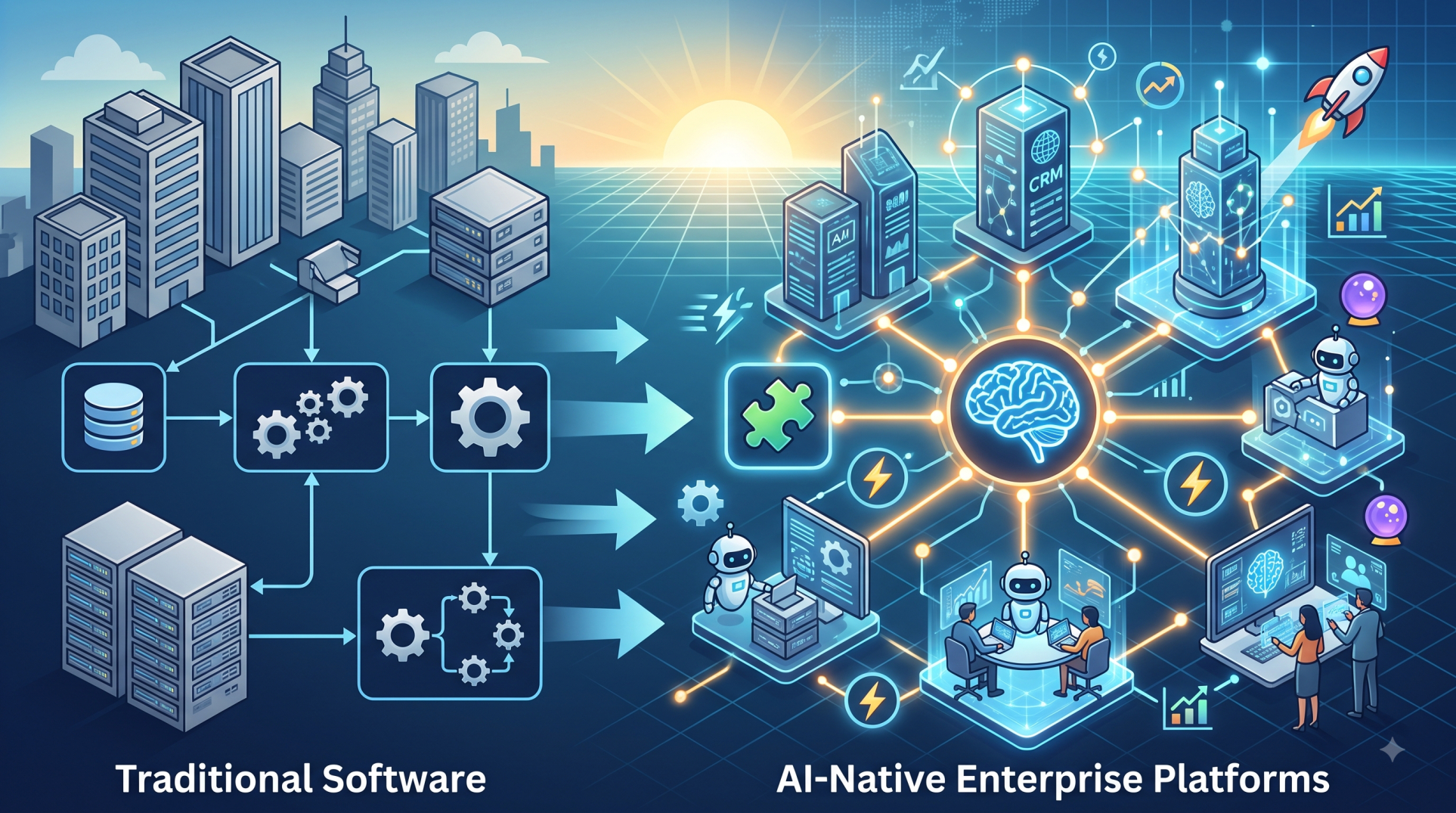
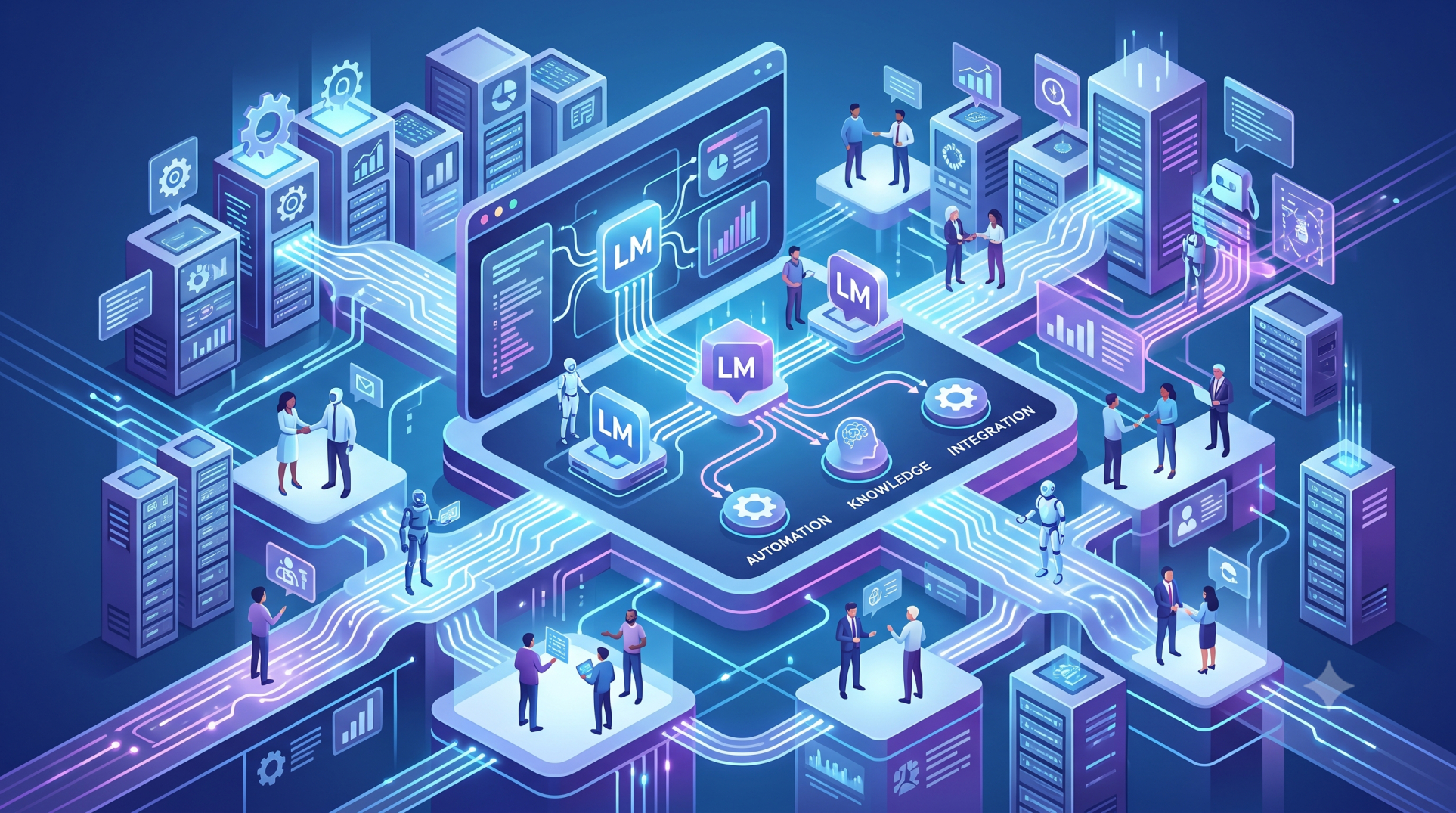
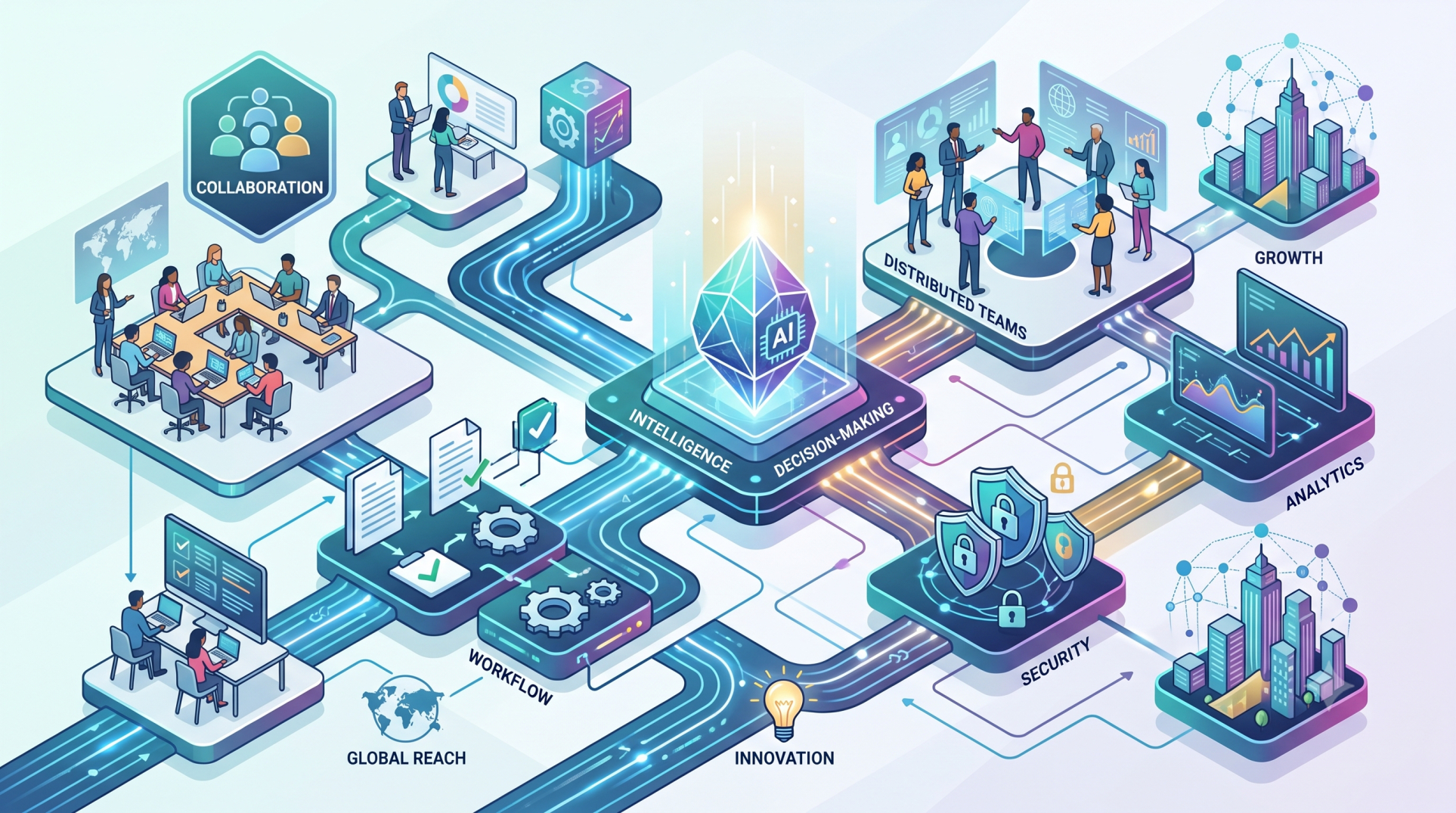
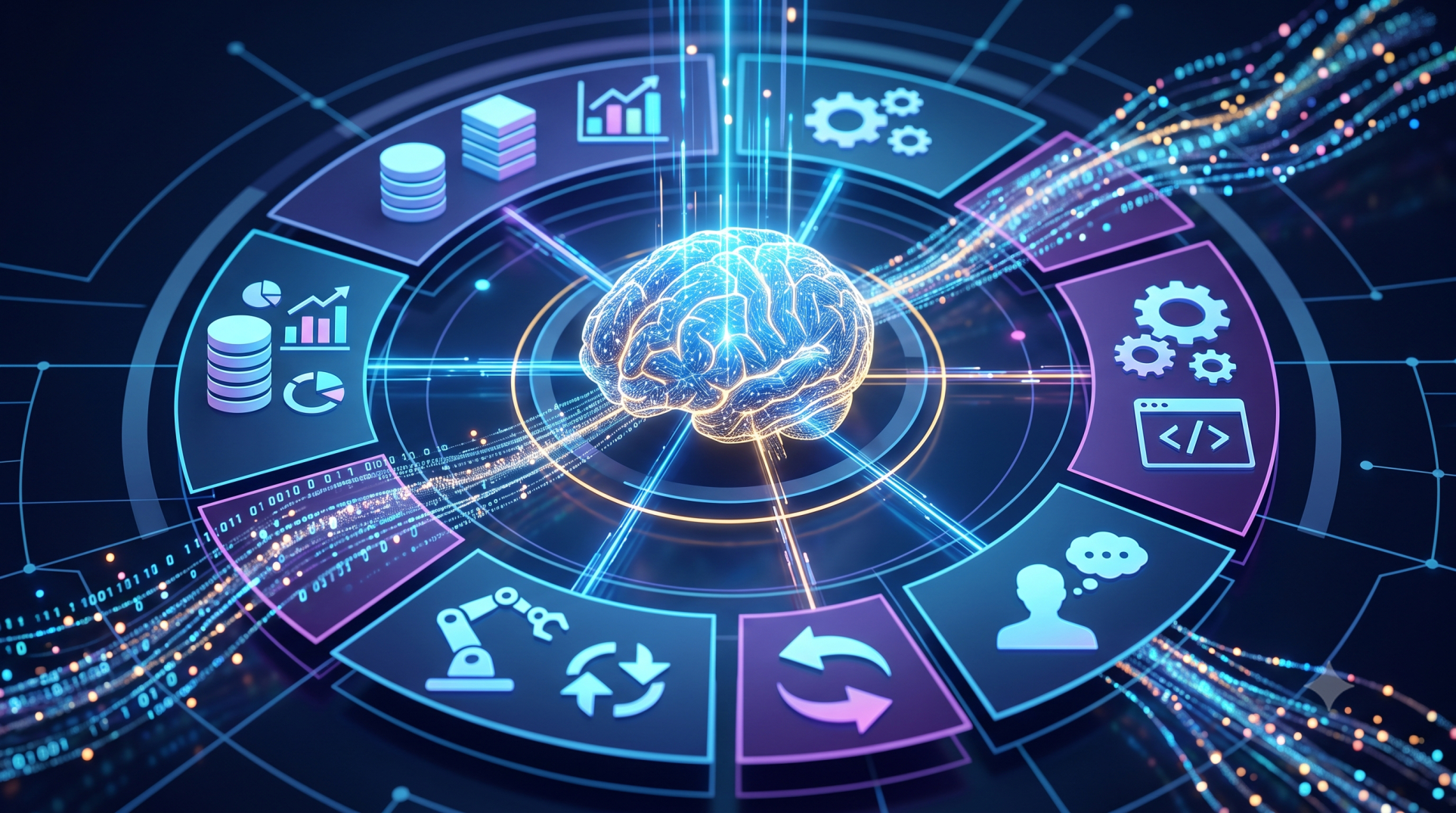
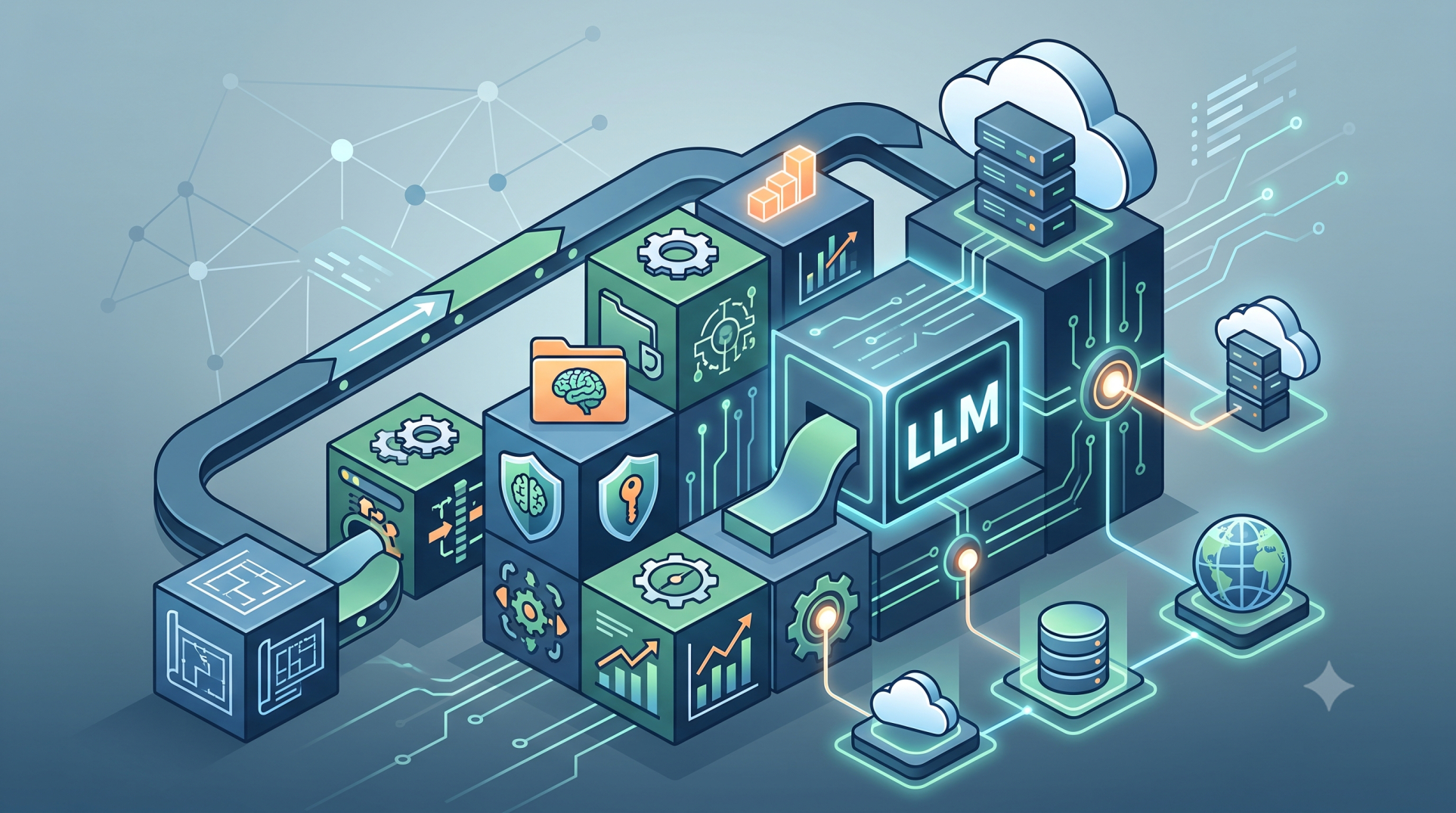
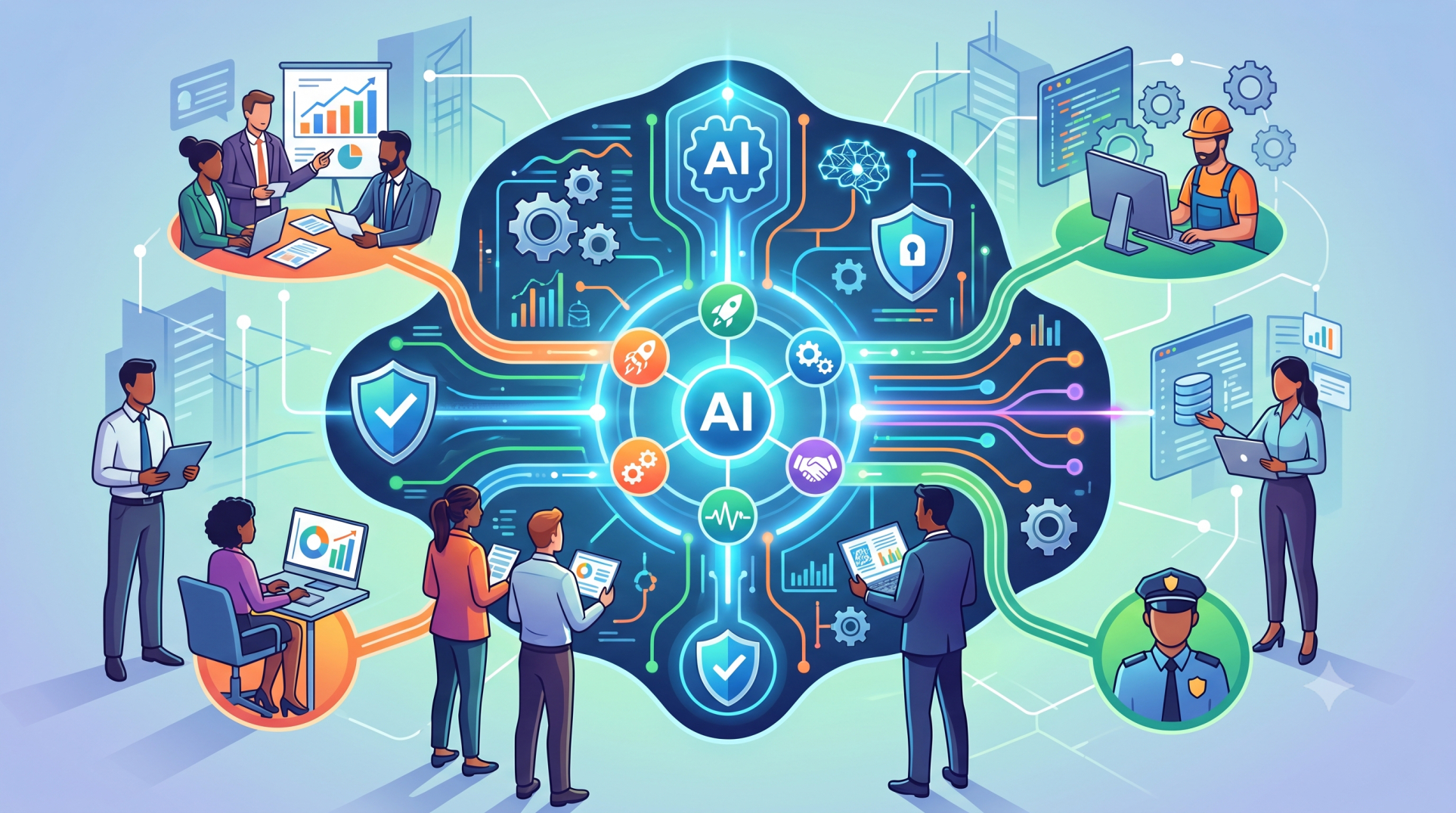
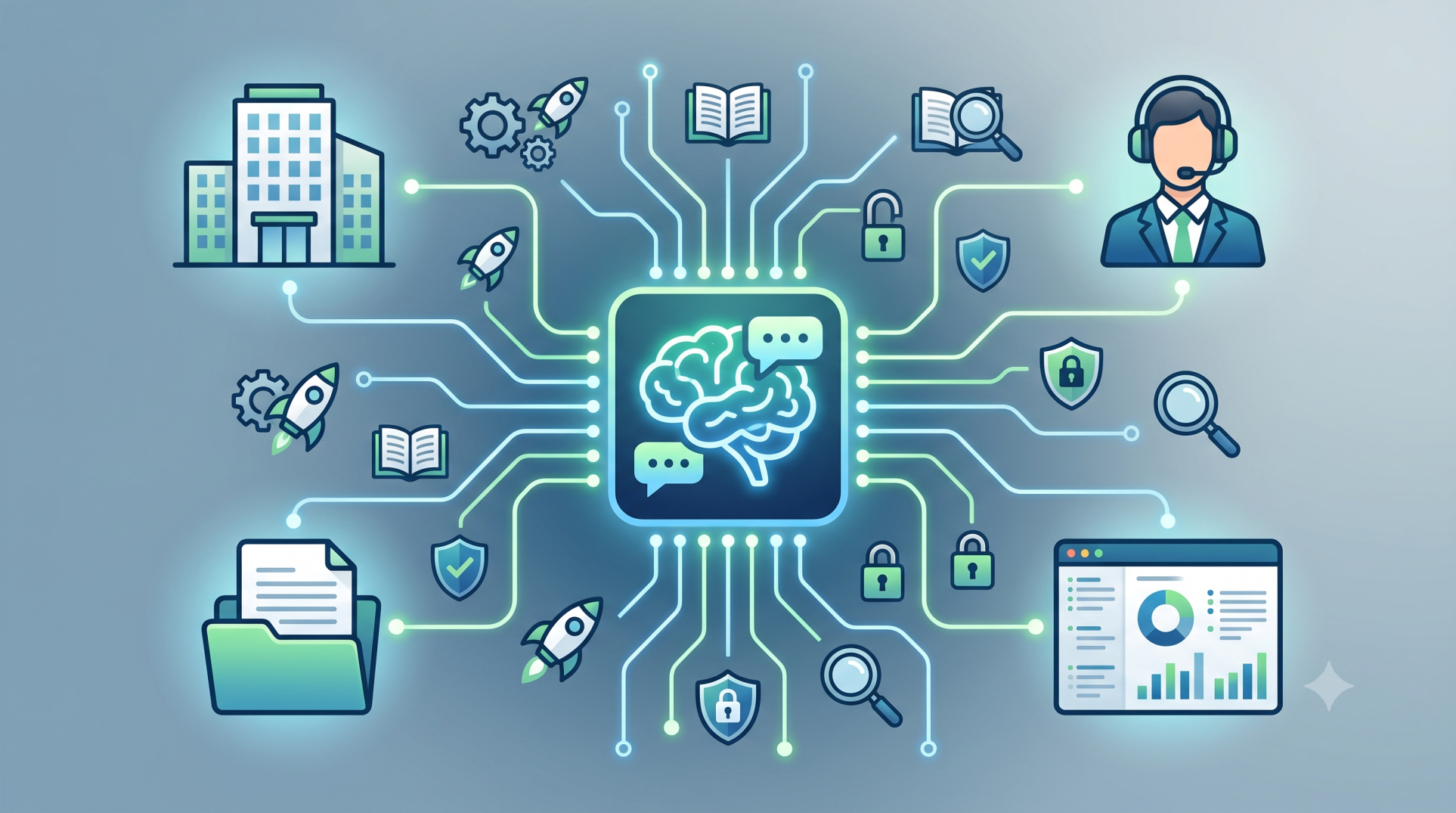
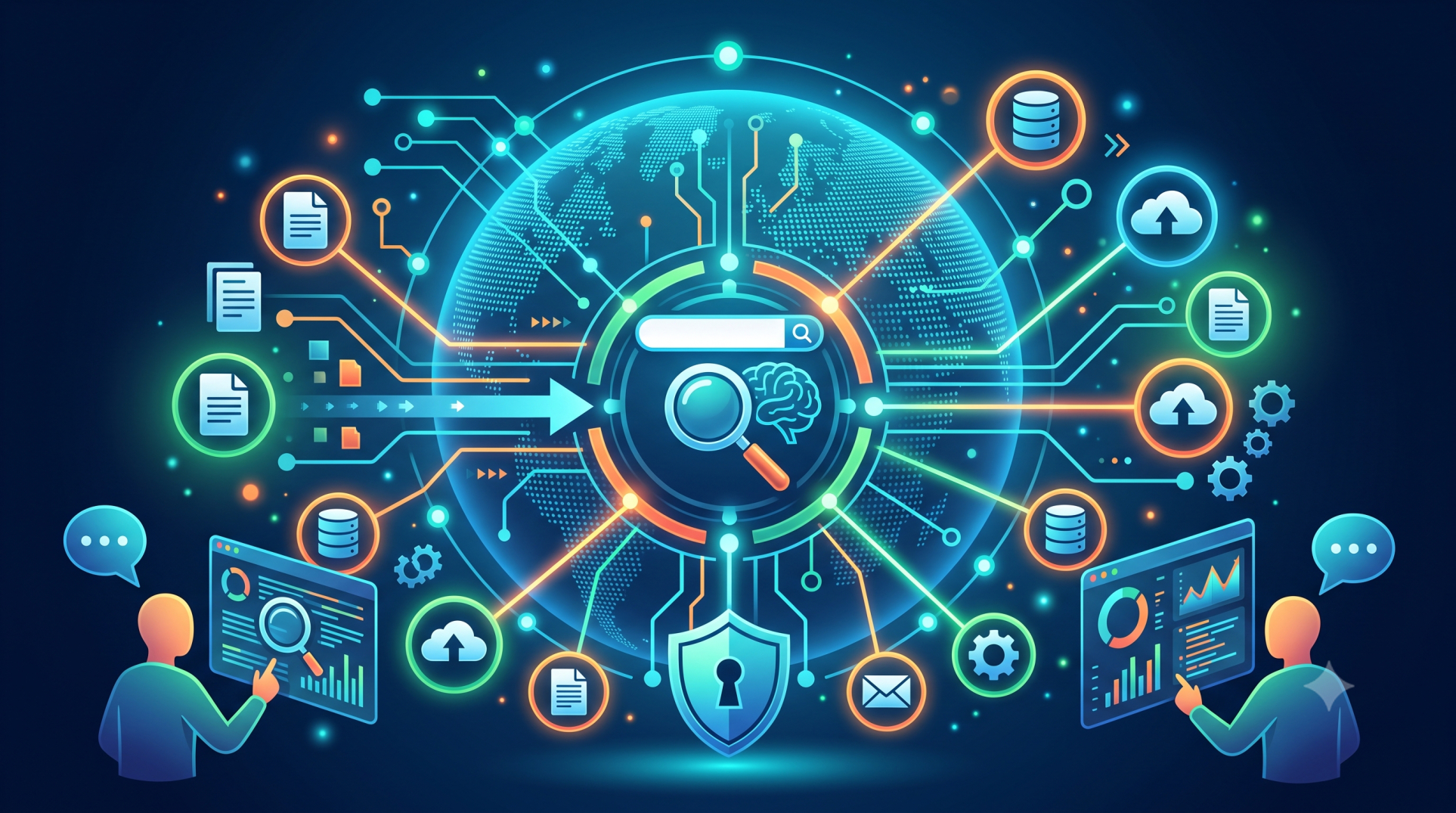
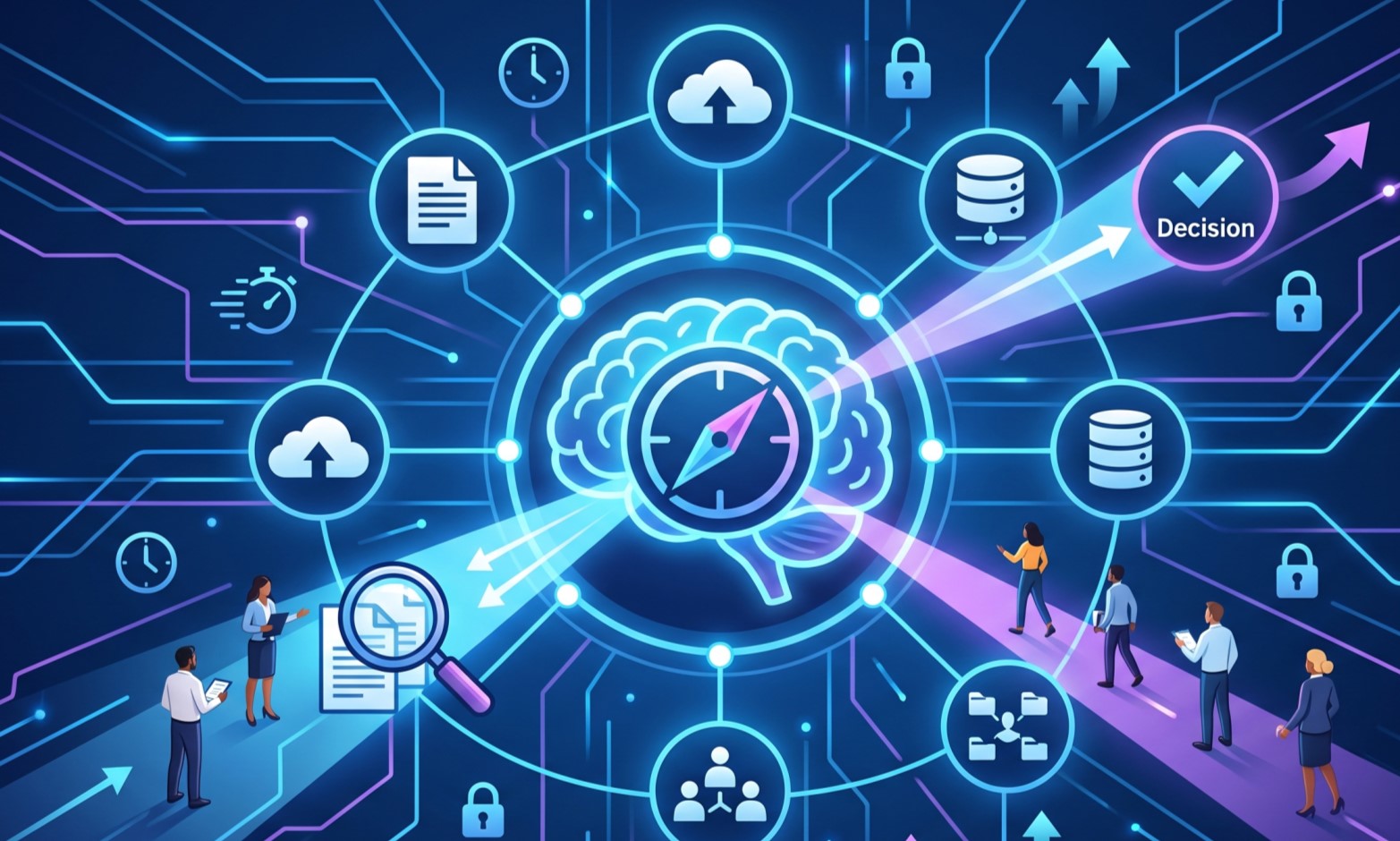
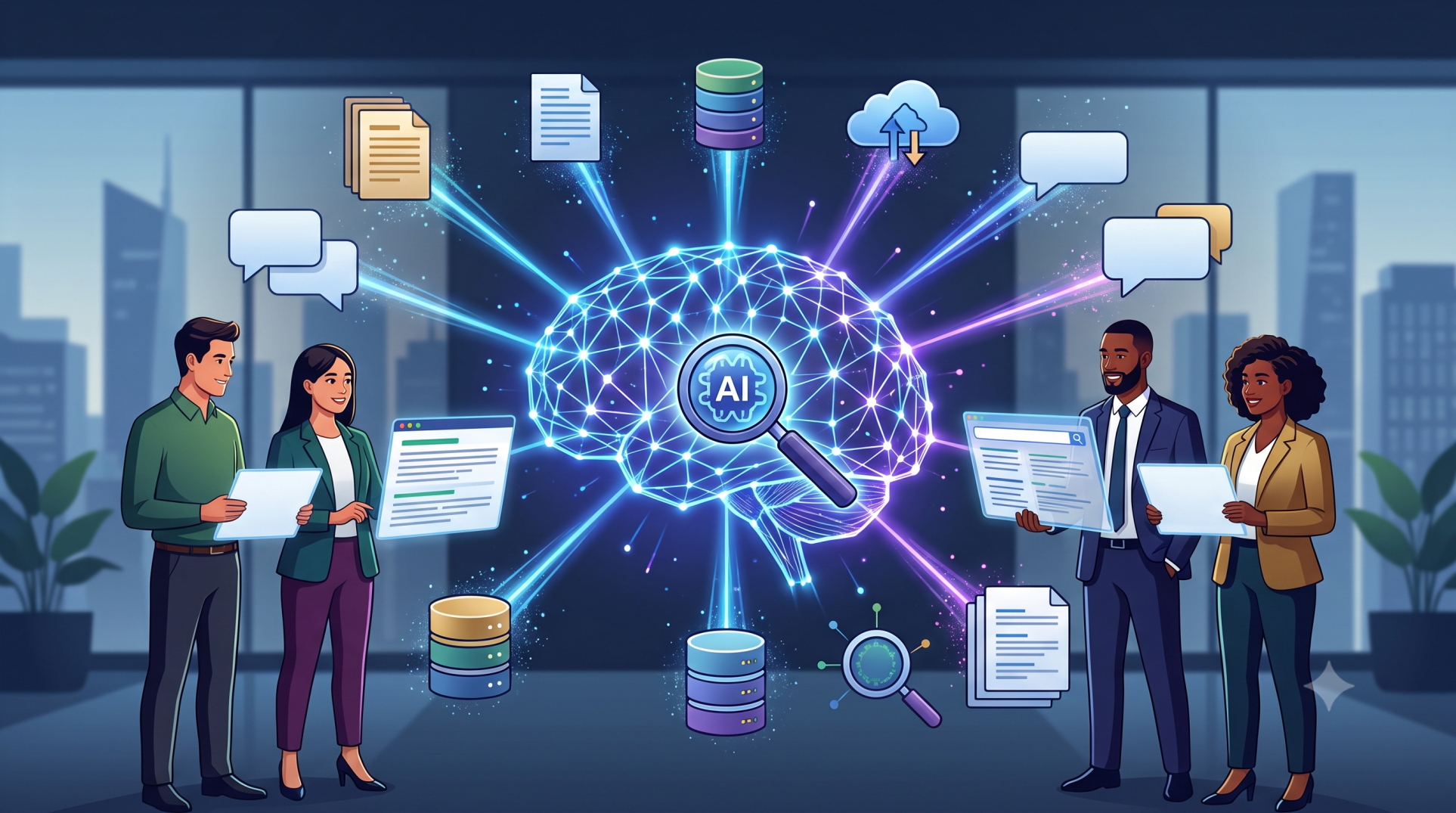
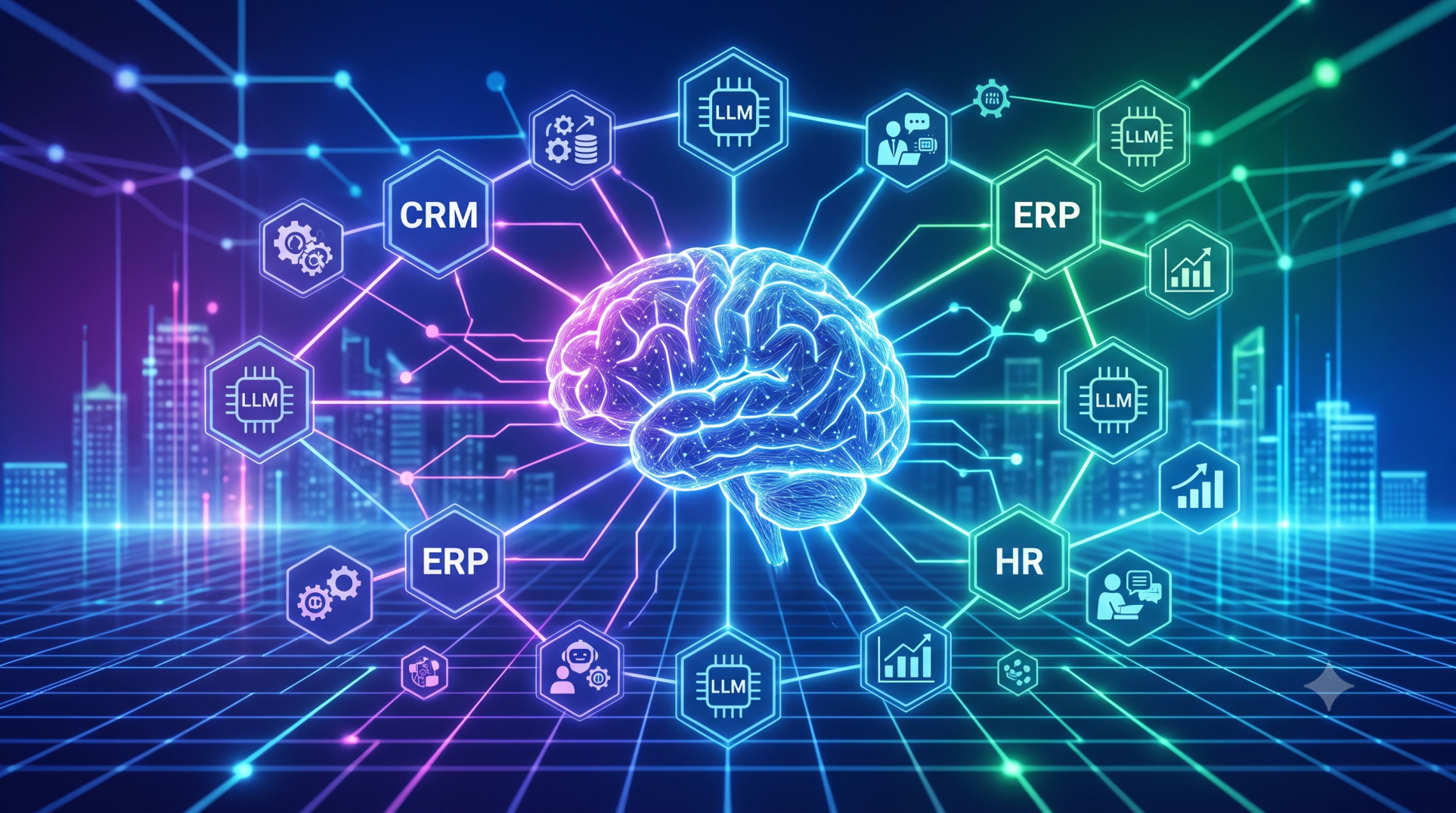
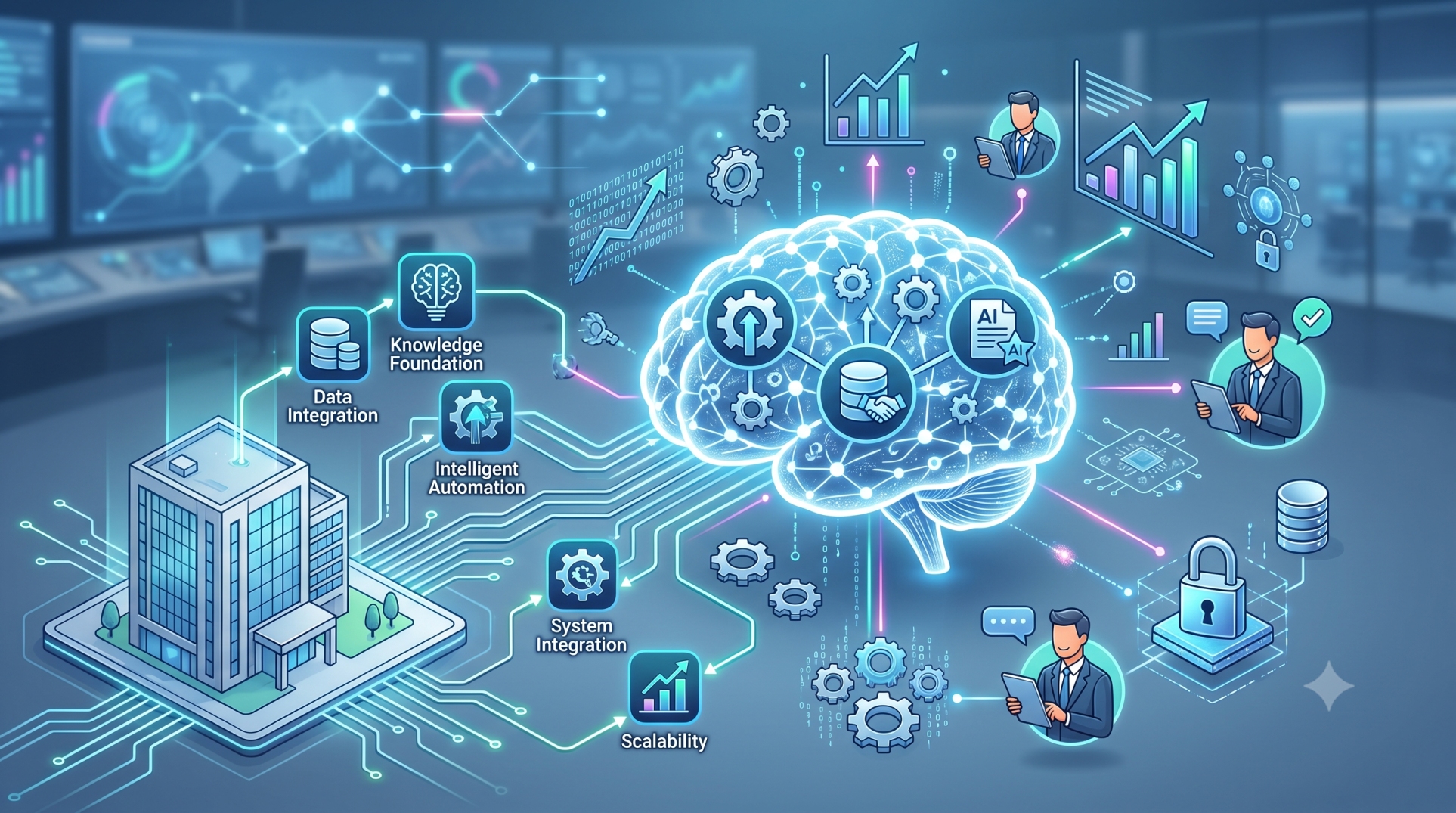
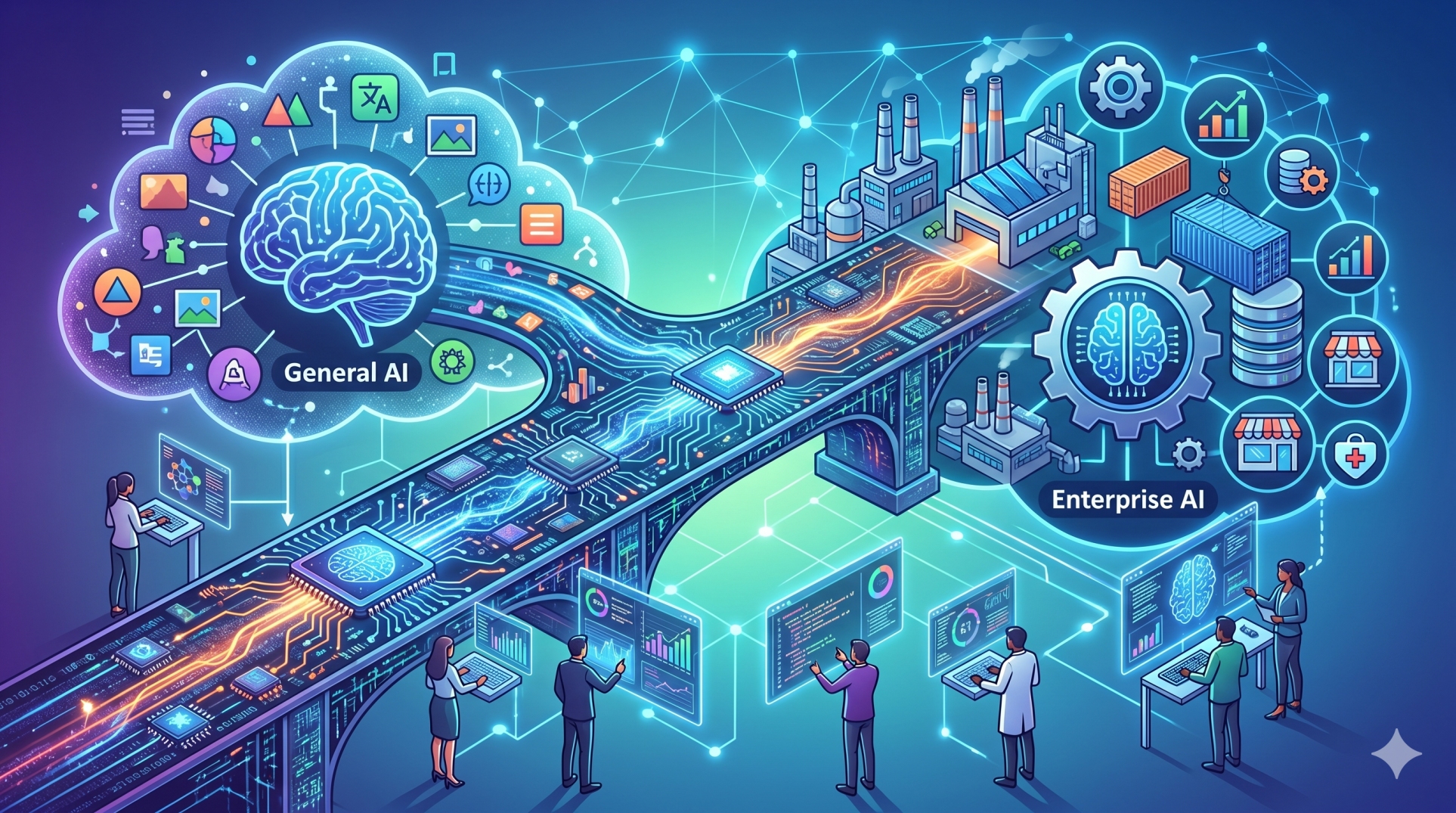
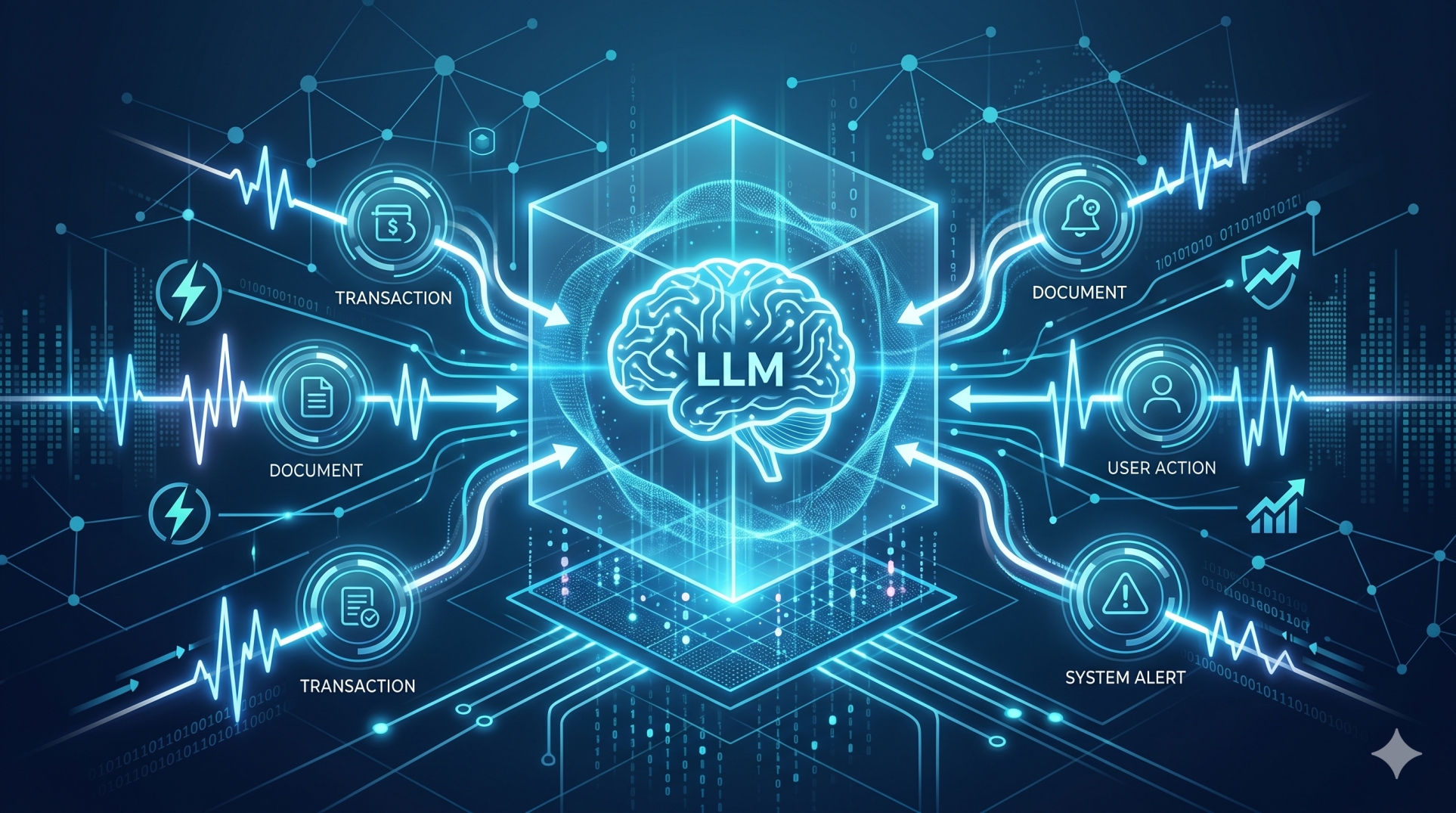
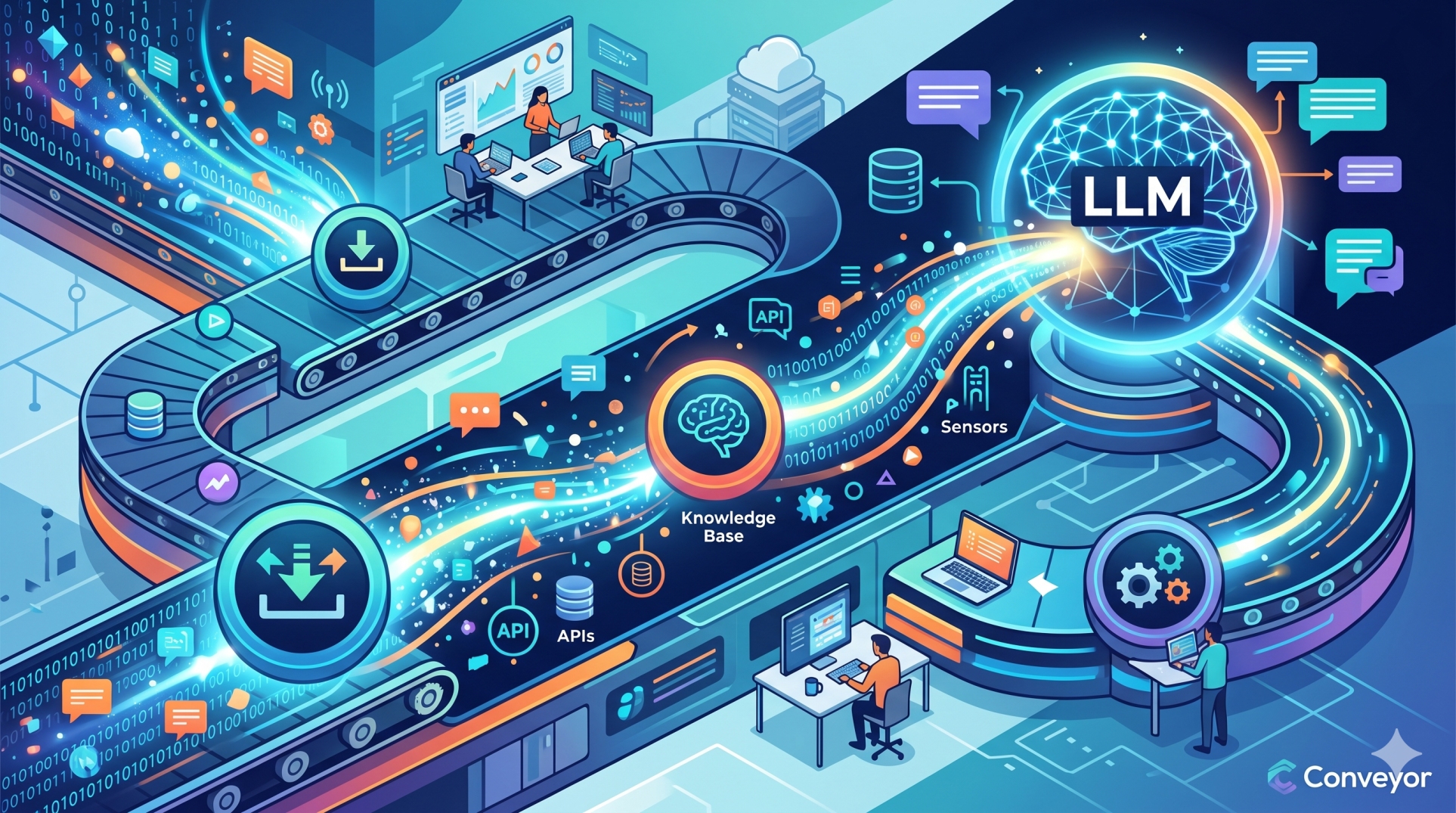
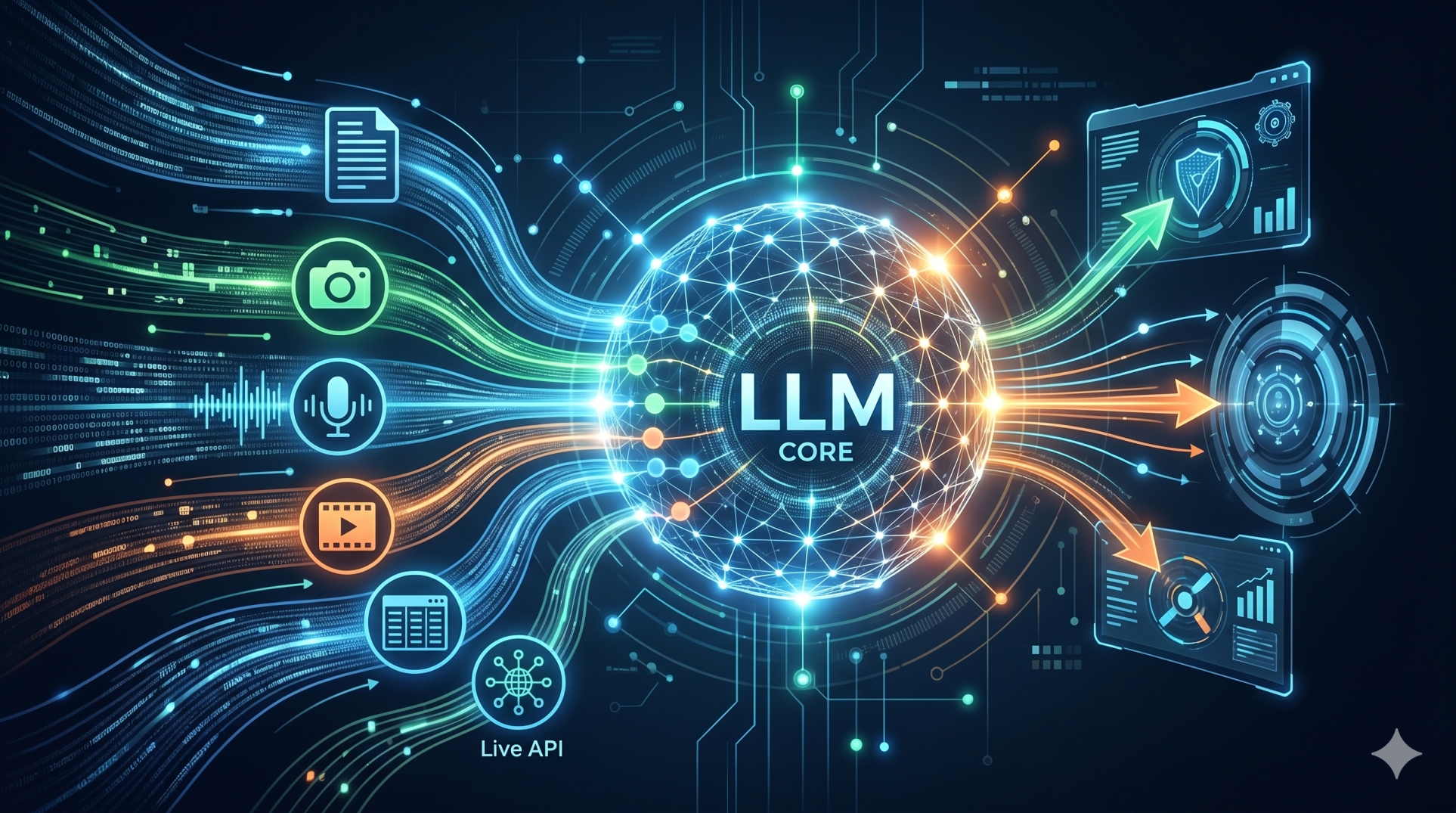
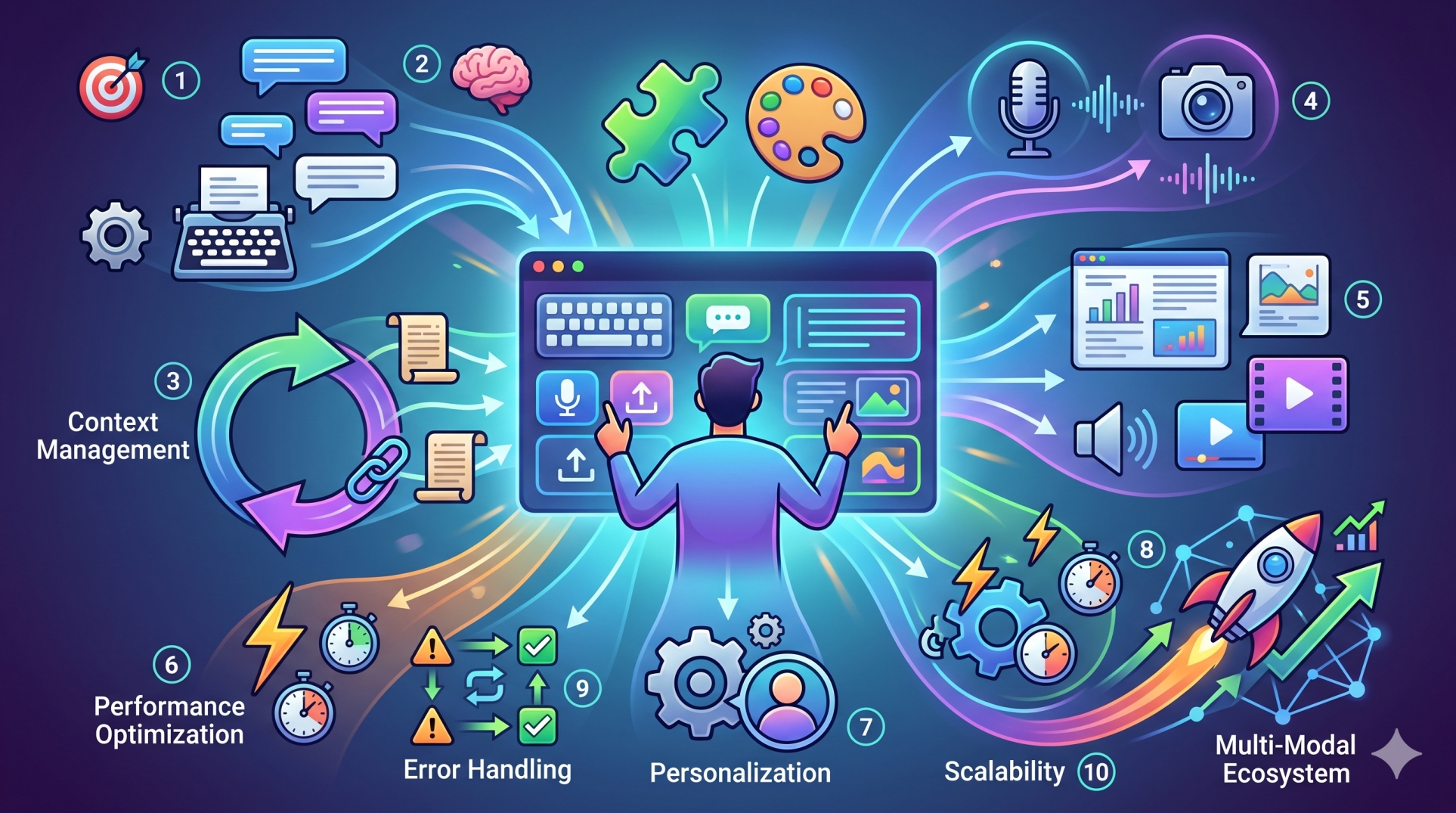
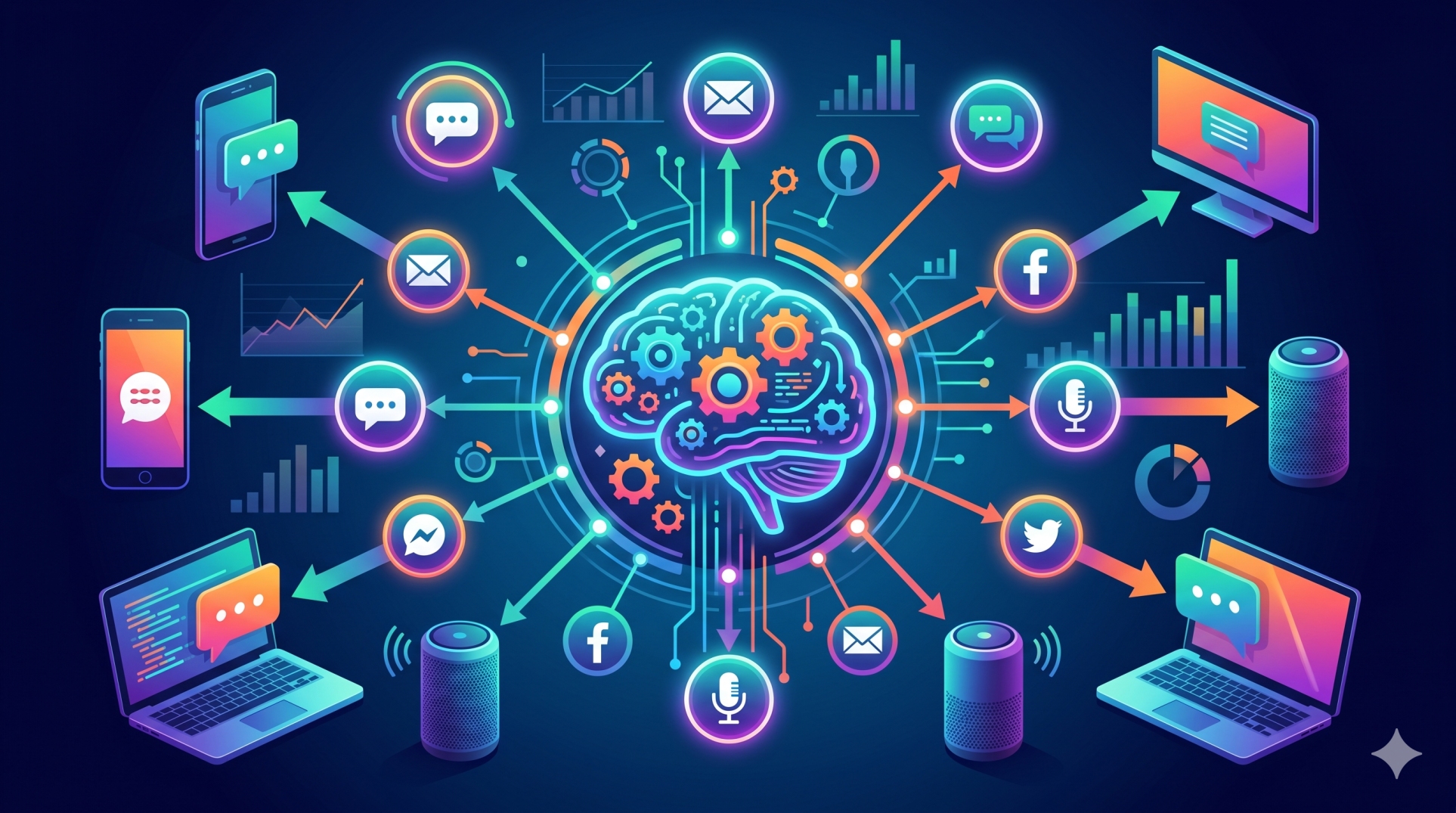
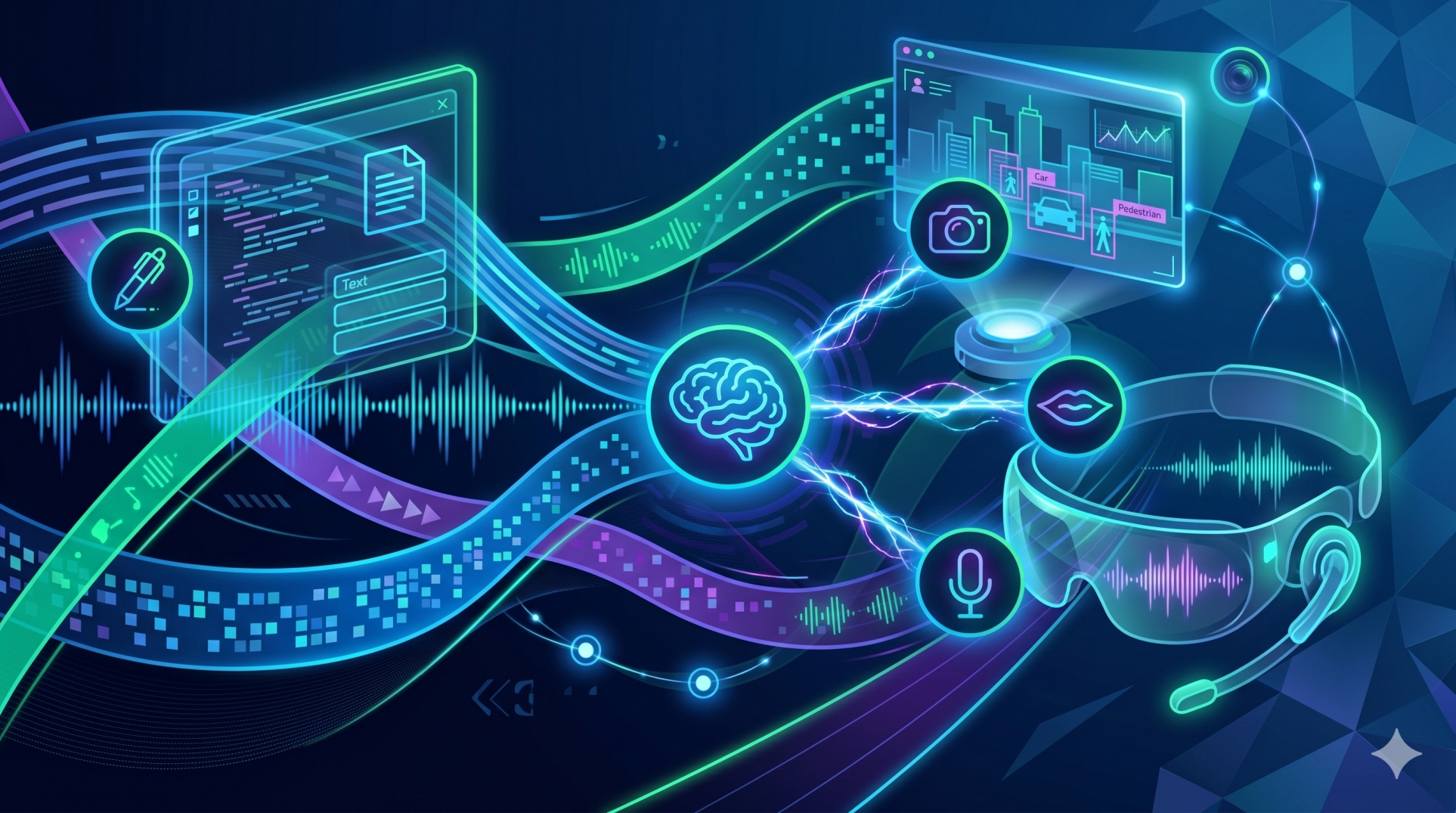
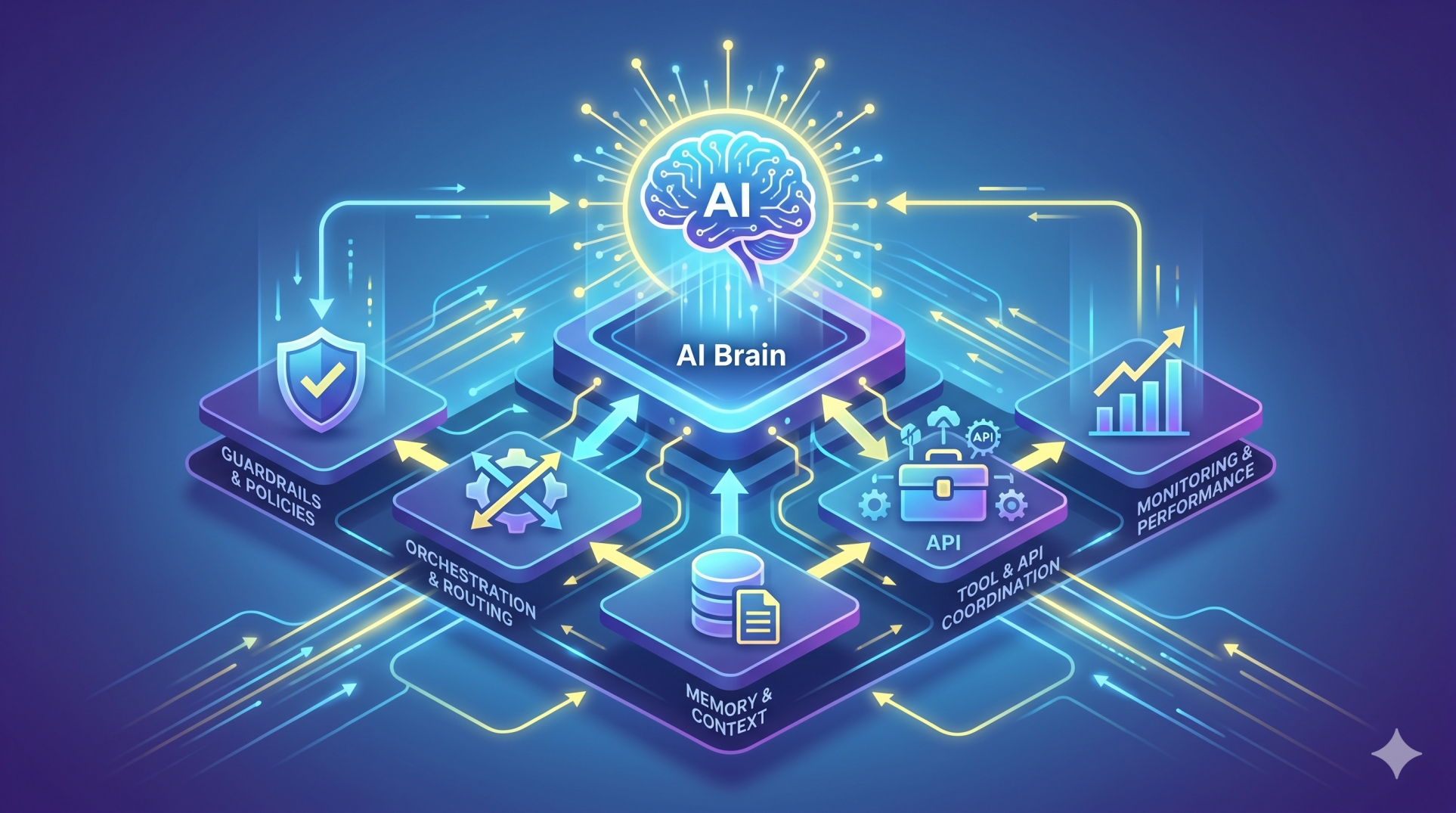
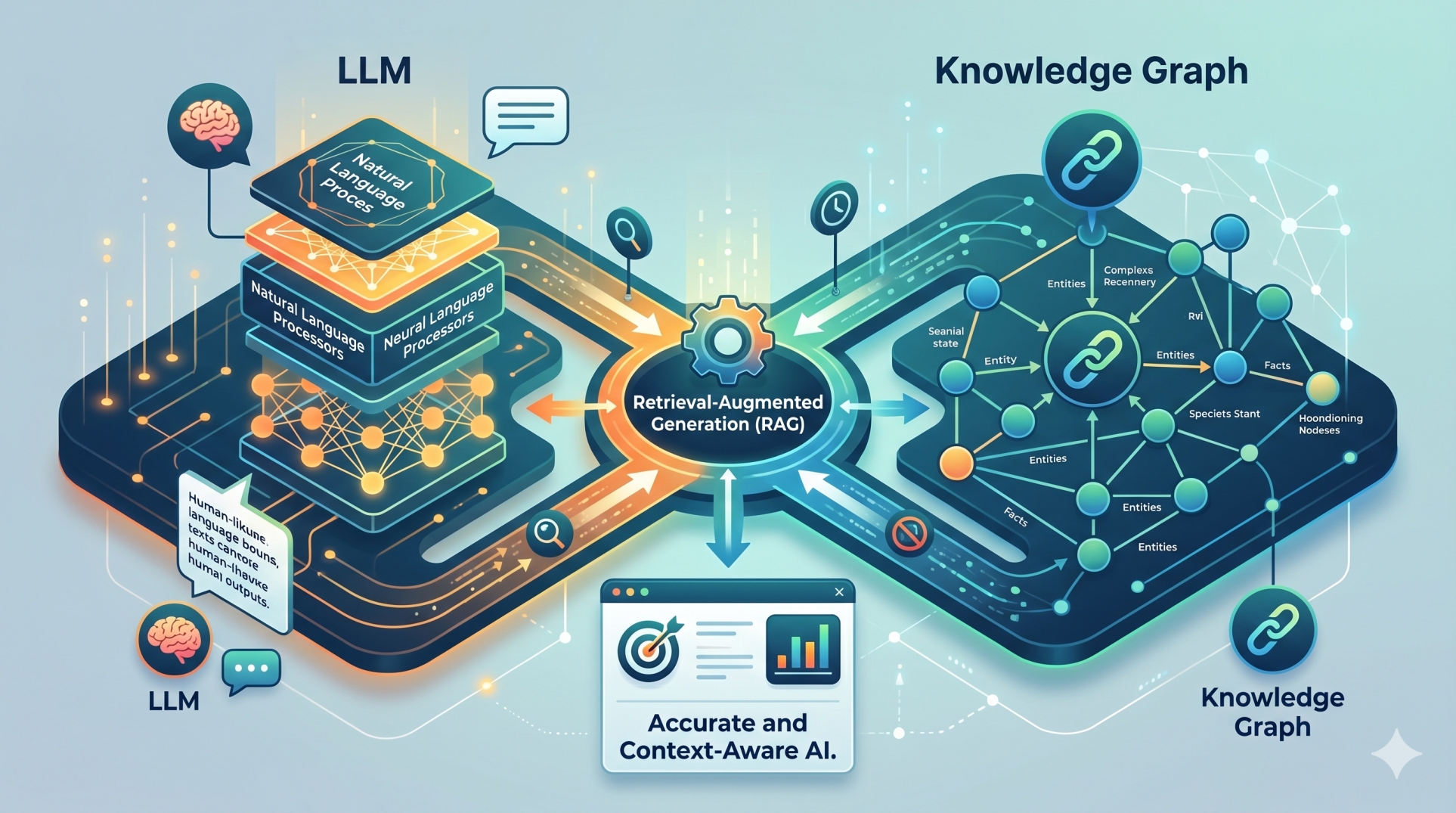
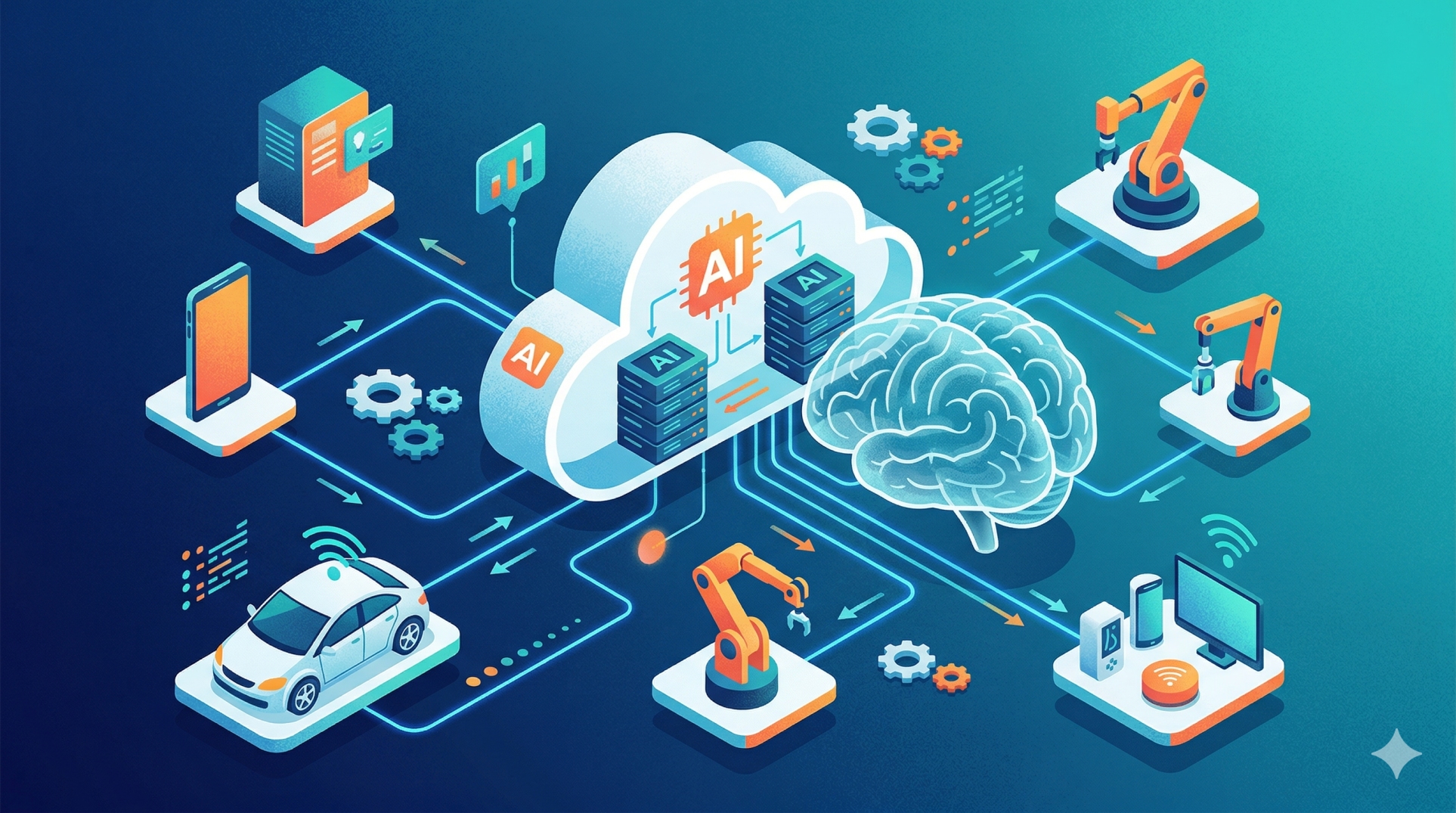
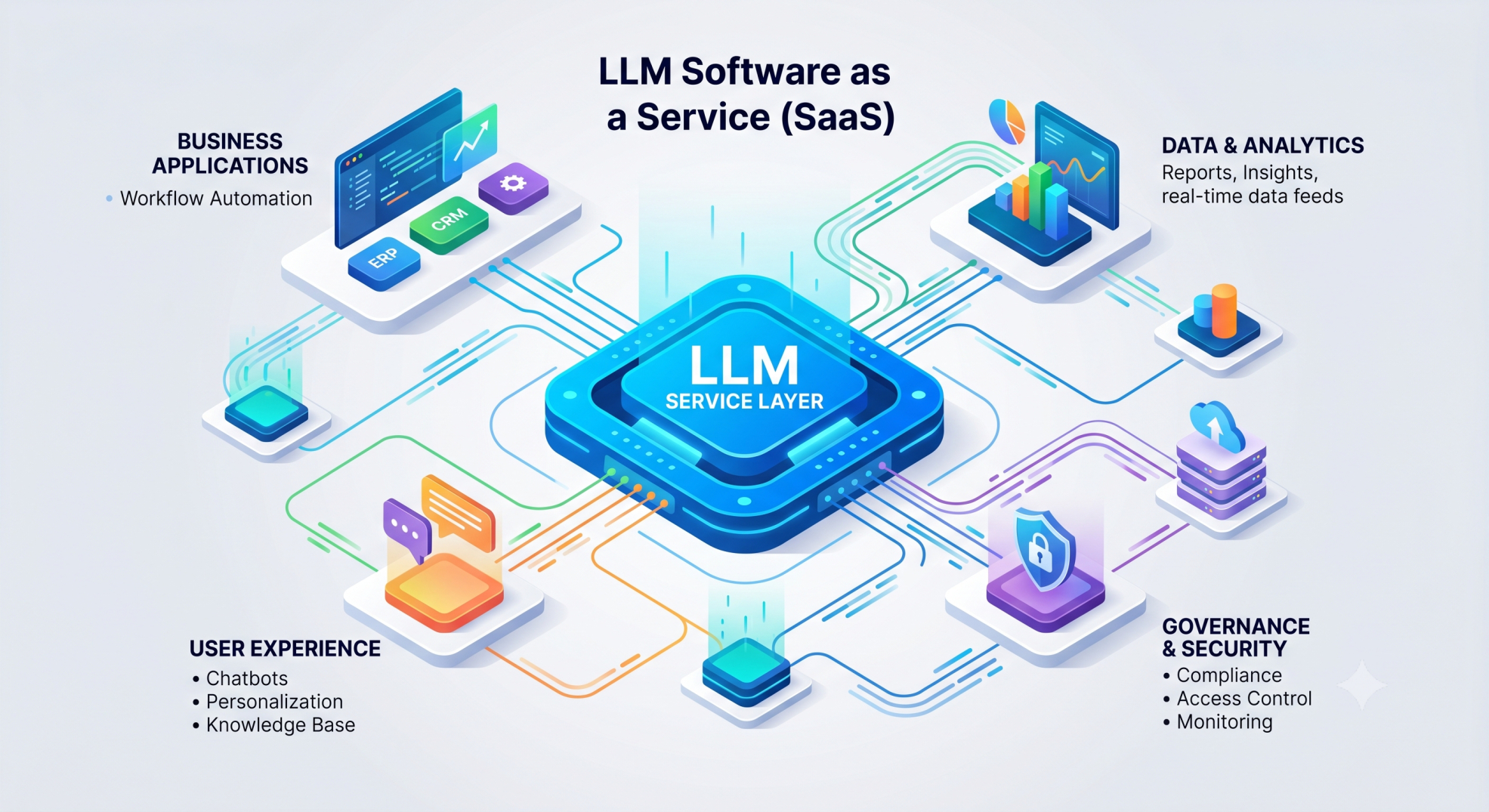
As organizations accelerate their digital transformation initiatives, Large Language Models (LLMs) are emerging as a foundational service layer within modern digital ecosystems. Rather than operating as standalone applications, LLMs are increasingly integrated across business platforms, workflows, and enterprise systems to deliver intelligent automation, data-driven insights, and enhanced user experiences. This service-oriented approach enables businesses to scale AI capabilities efficiently while maintaining flexibility and interoperability.
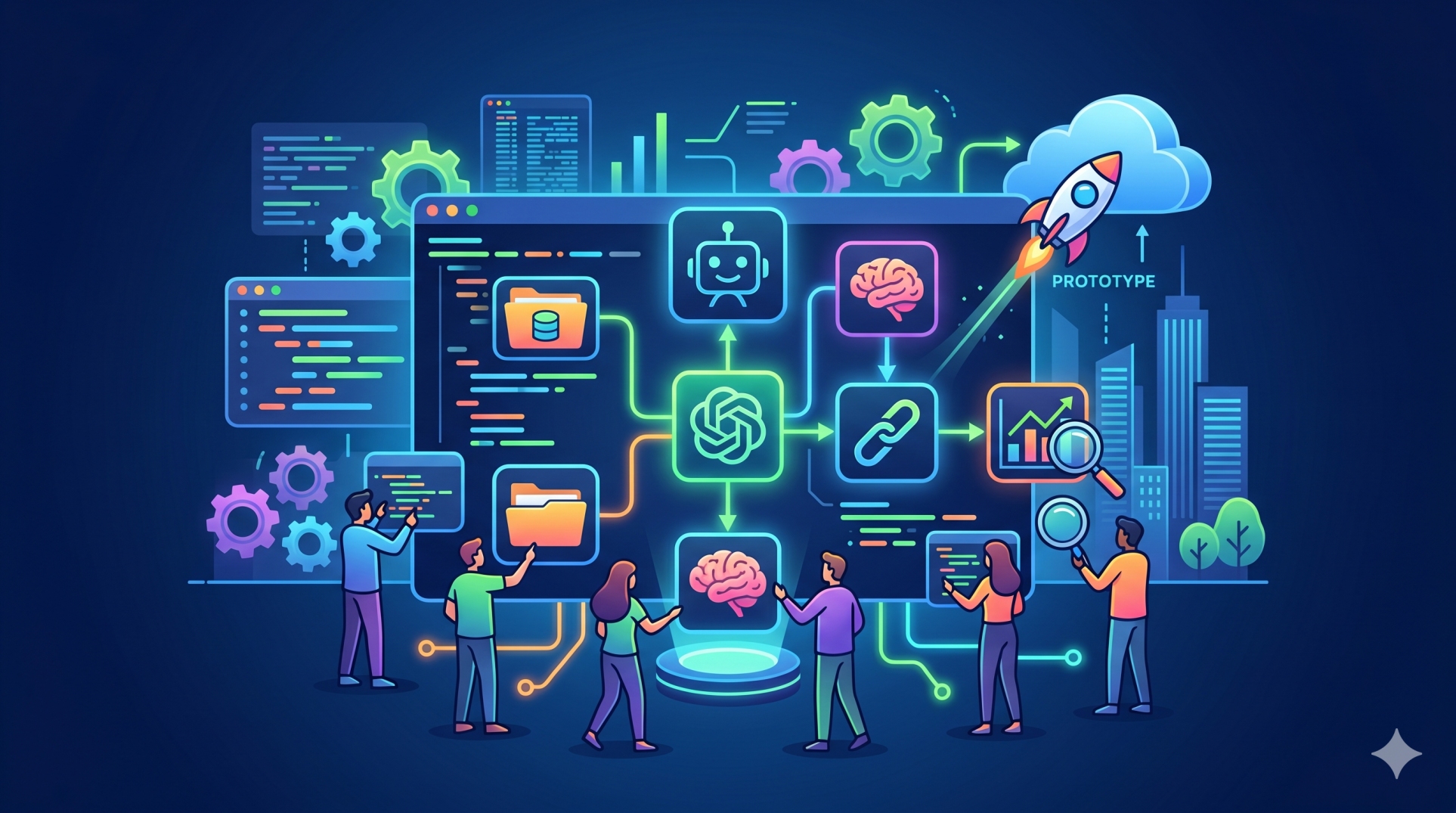
Step 1: Understanding LLMs as a Service Layer 🧠
• LLMs function as reusable intelligence services across multiple applications 🔗
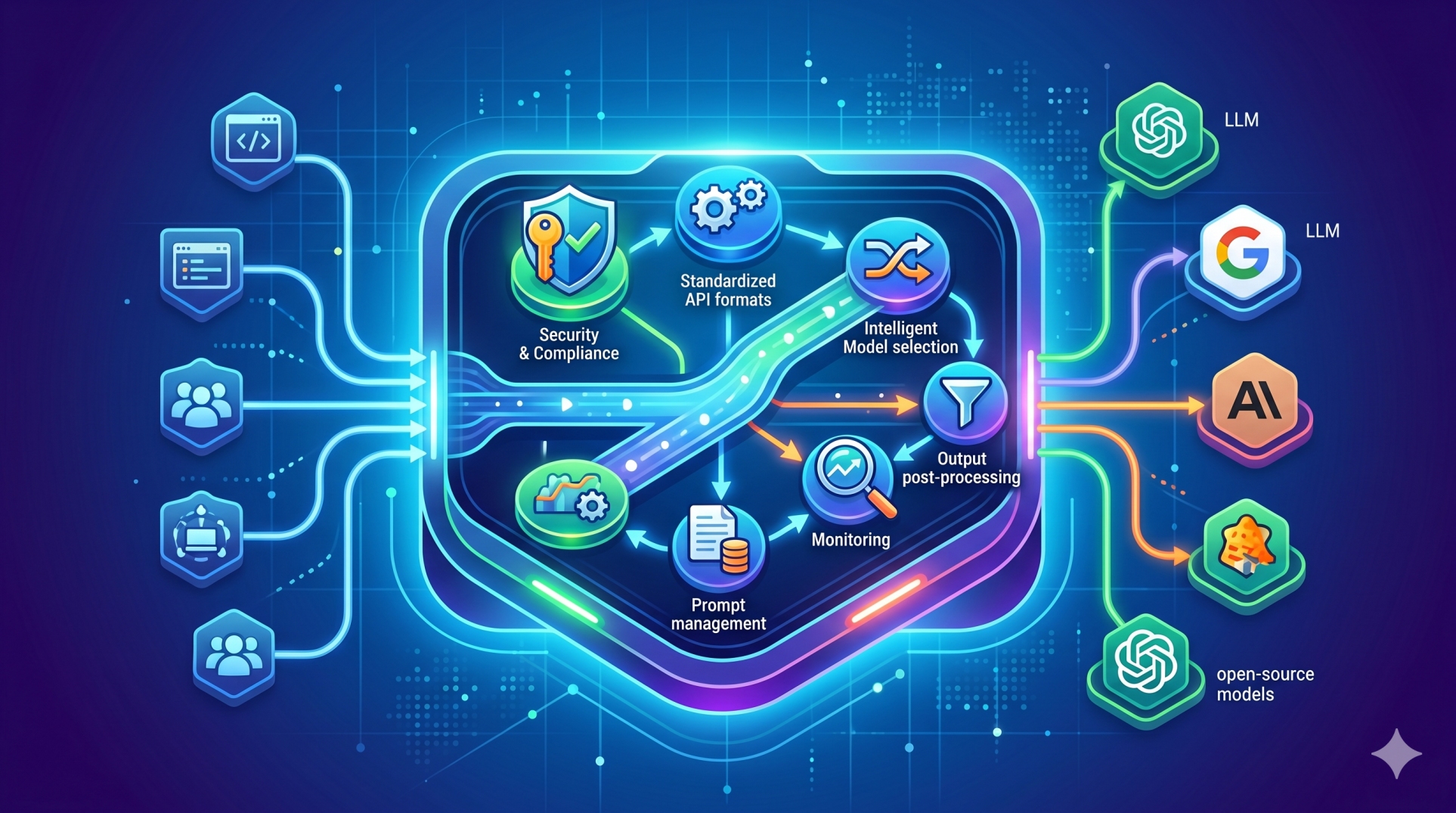
• They provide natural language capabilities through APIs and service interfaces ⚙️
• Support diverse business functions without requiring separate AI systems 📊
• Enable centralized management of AI capabilities 🏢
• Create a consistent intelligence layer across digital ecosystems ✅
Step 2: Integrating with Enterprise Applications 🔄
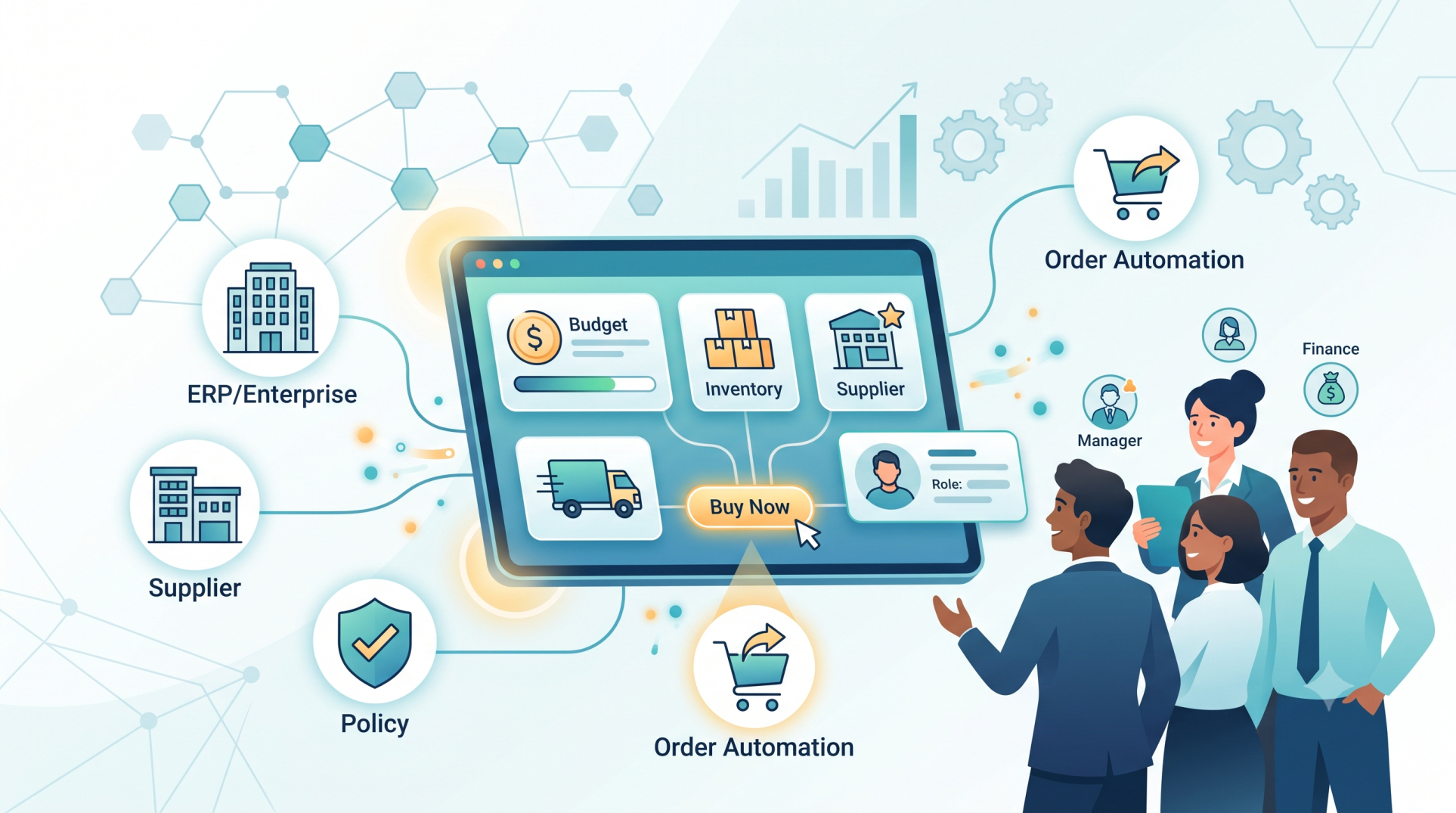
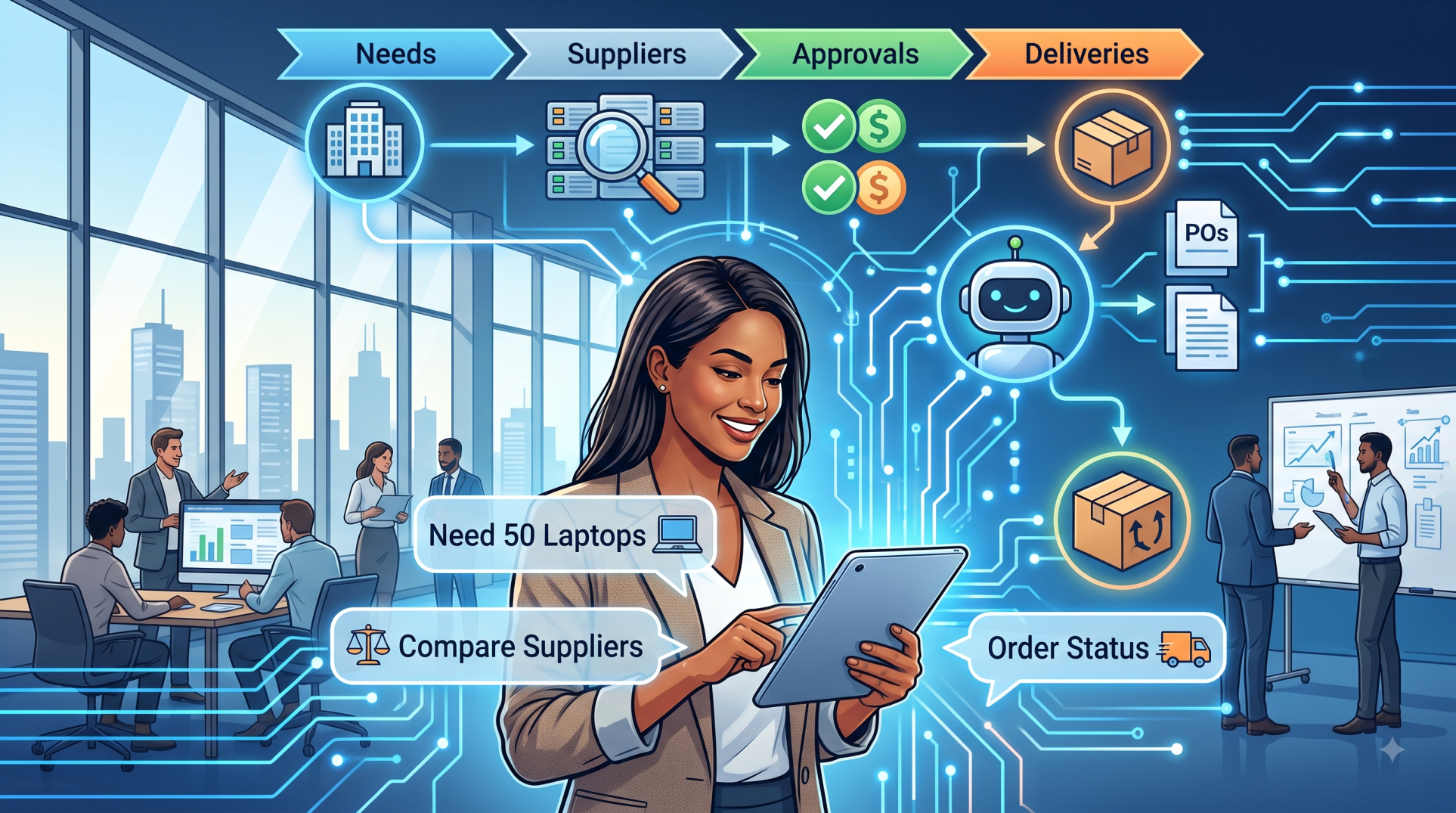
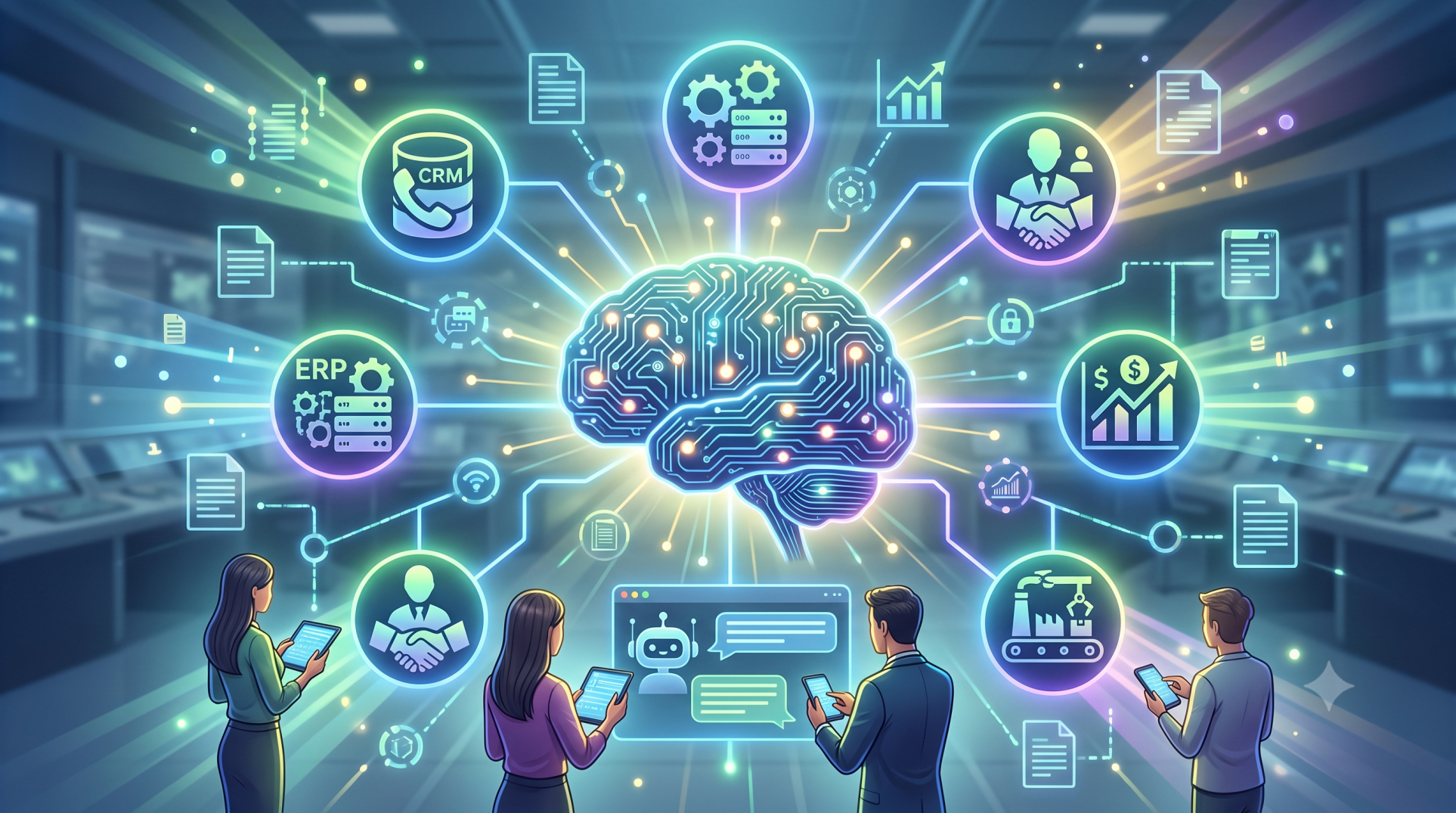
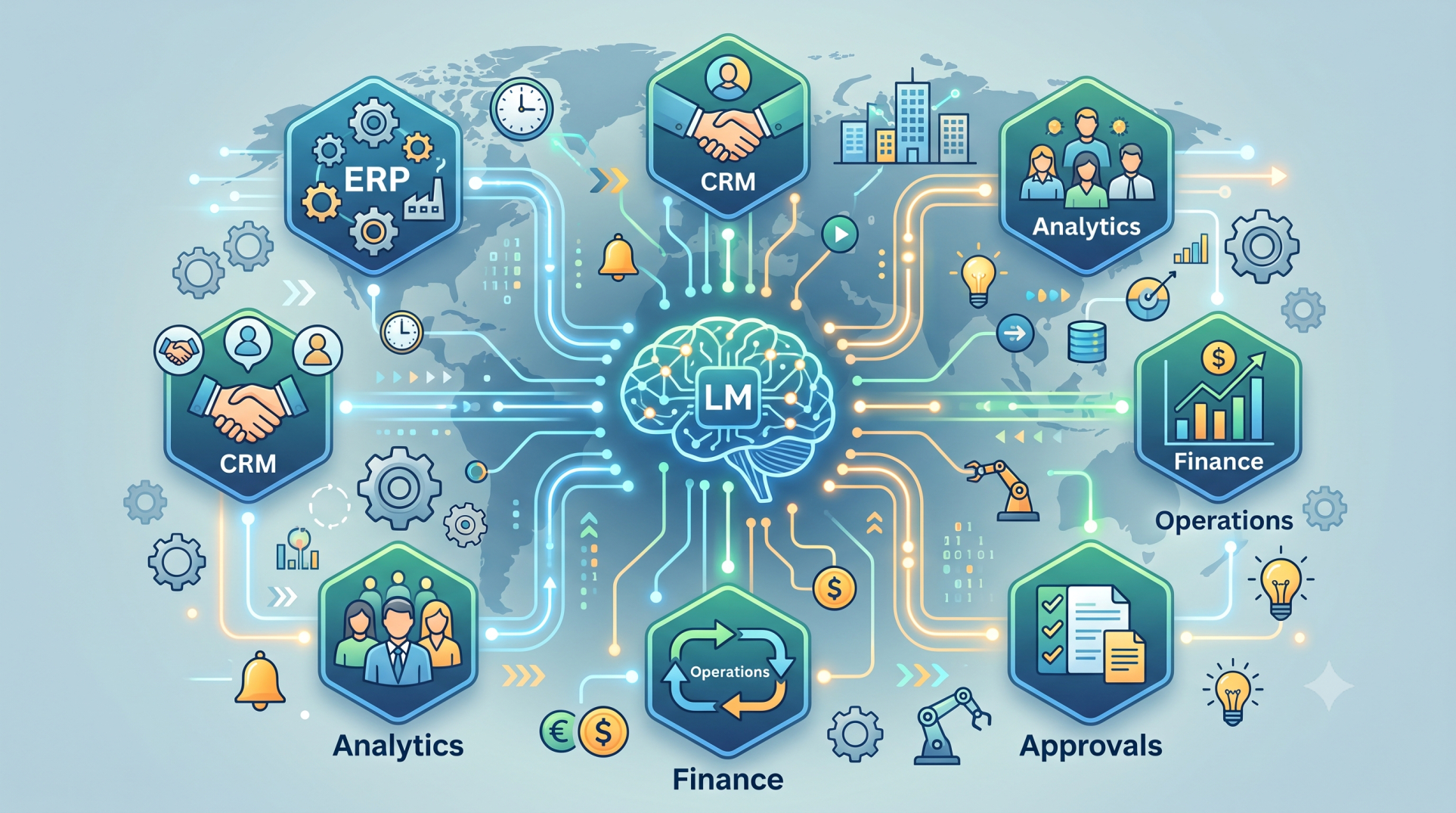
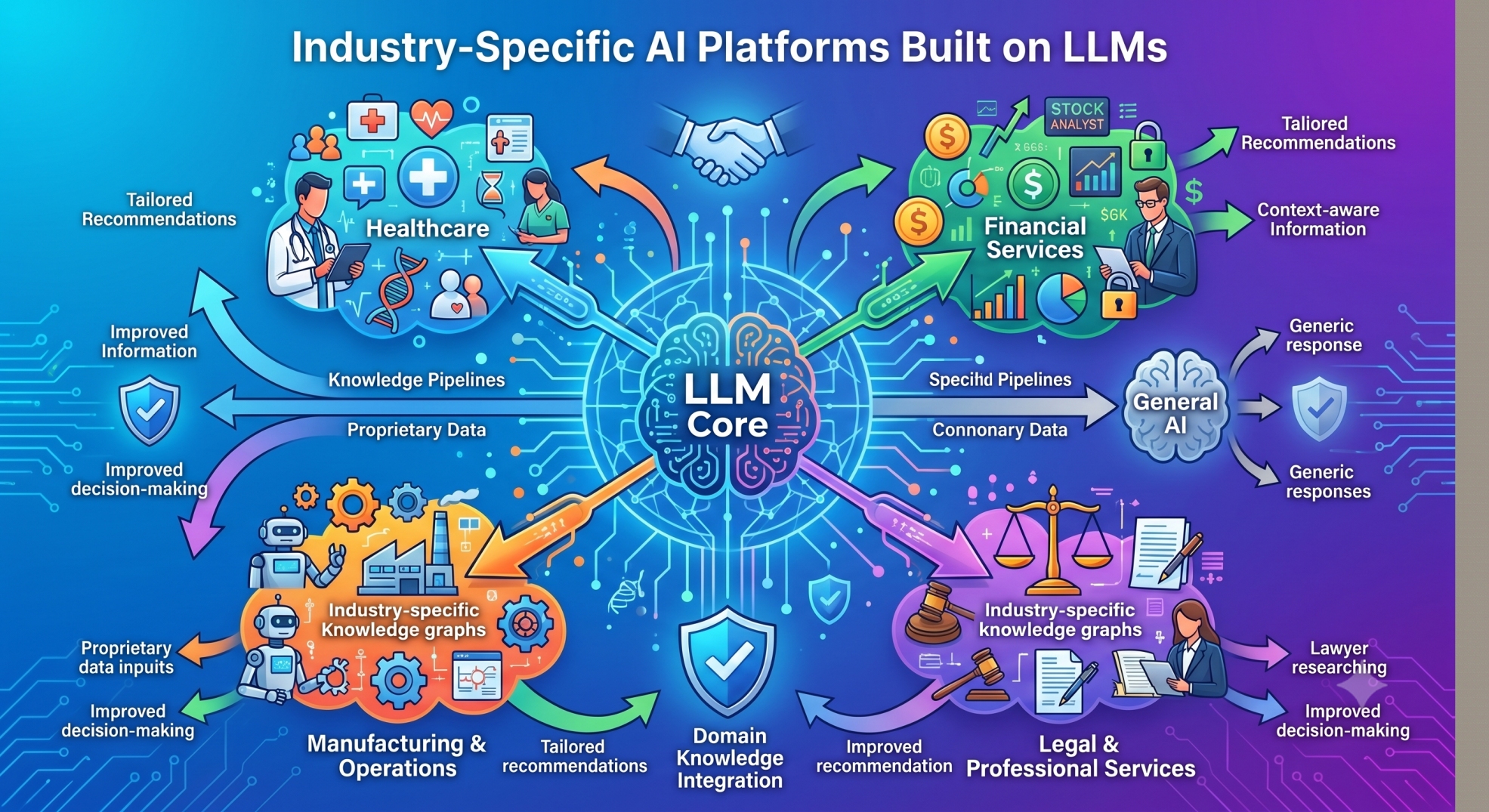
• Connect LLM services with ERP, CRM, and business management platforms 🏭
• Enable intelligent interactions across enterprise workflows 📋
• Facilitate seamless information exchange between systems 🔗
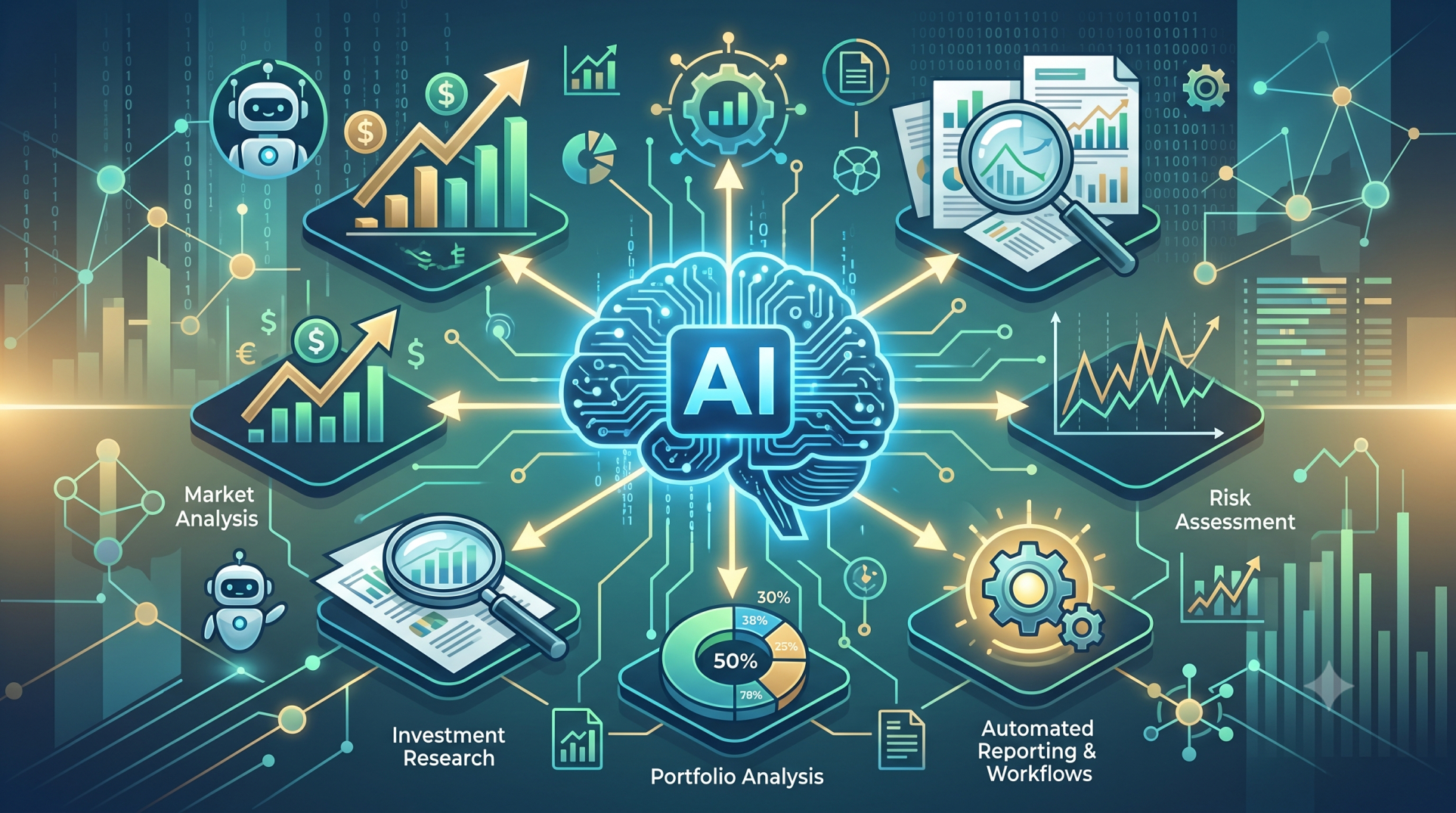
• Support automated data processing and analysis 📈
• Enhance operational efficiency through AI-driven assistance 🚀
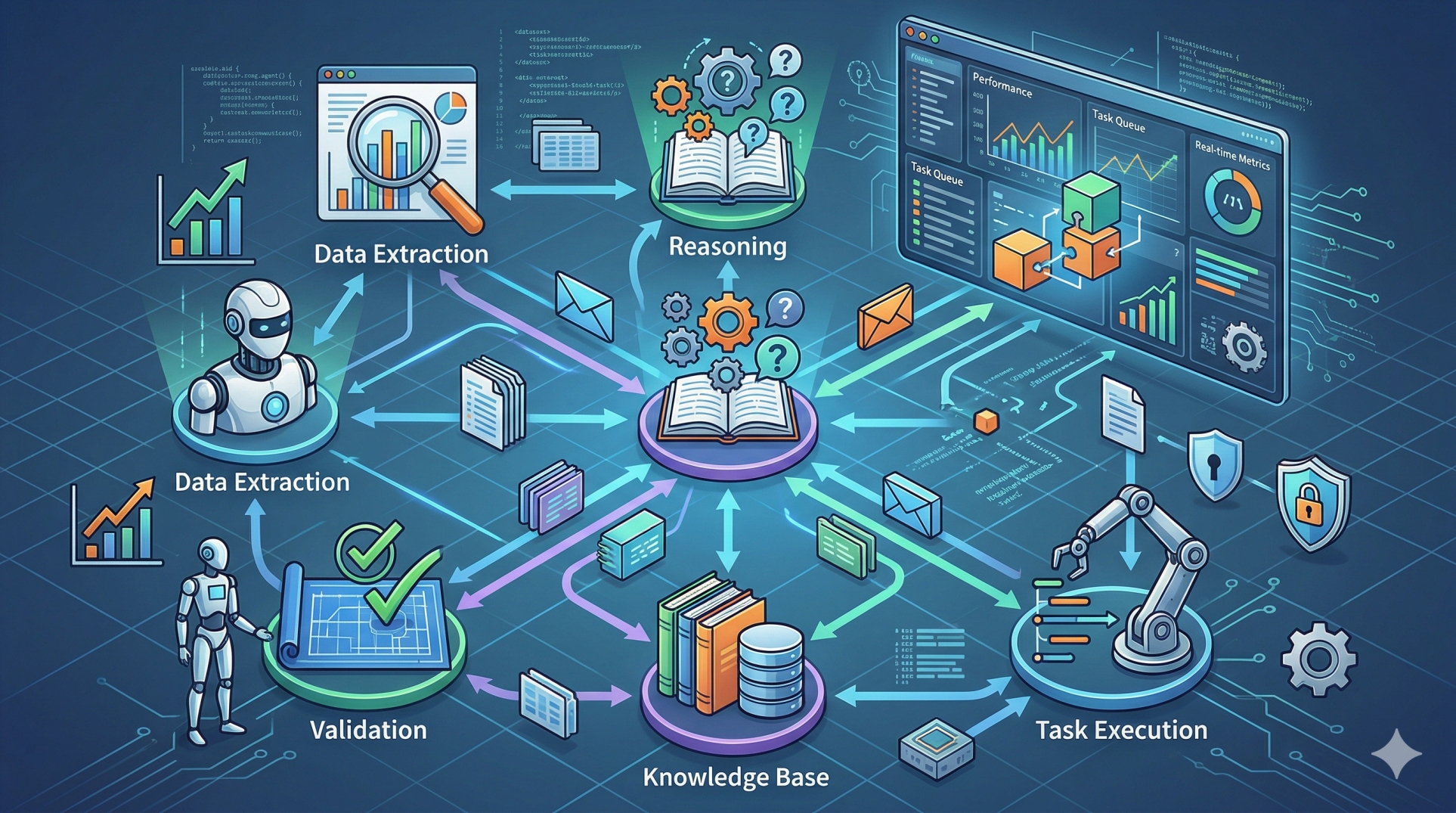
Step 3: Enabling Intelligent Workflow Automation 🤖
• Automate repetitive business processes using language-based reasoning ⚡
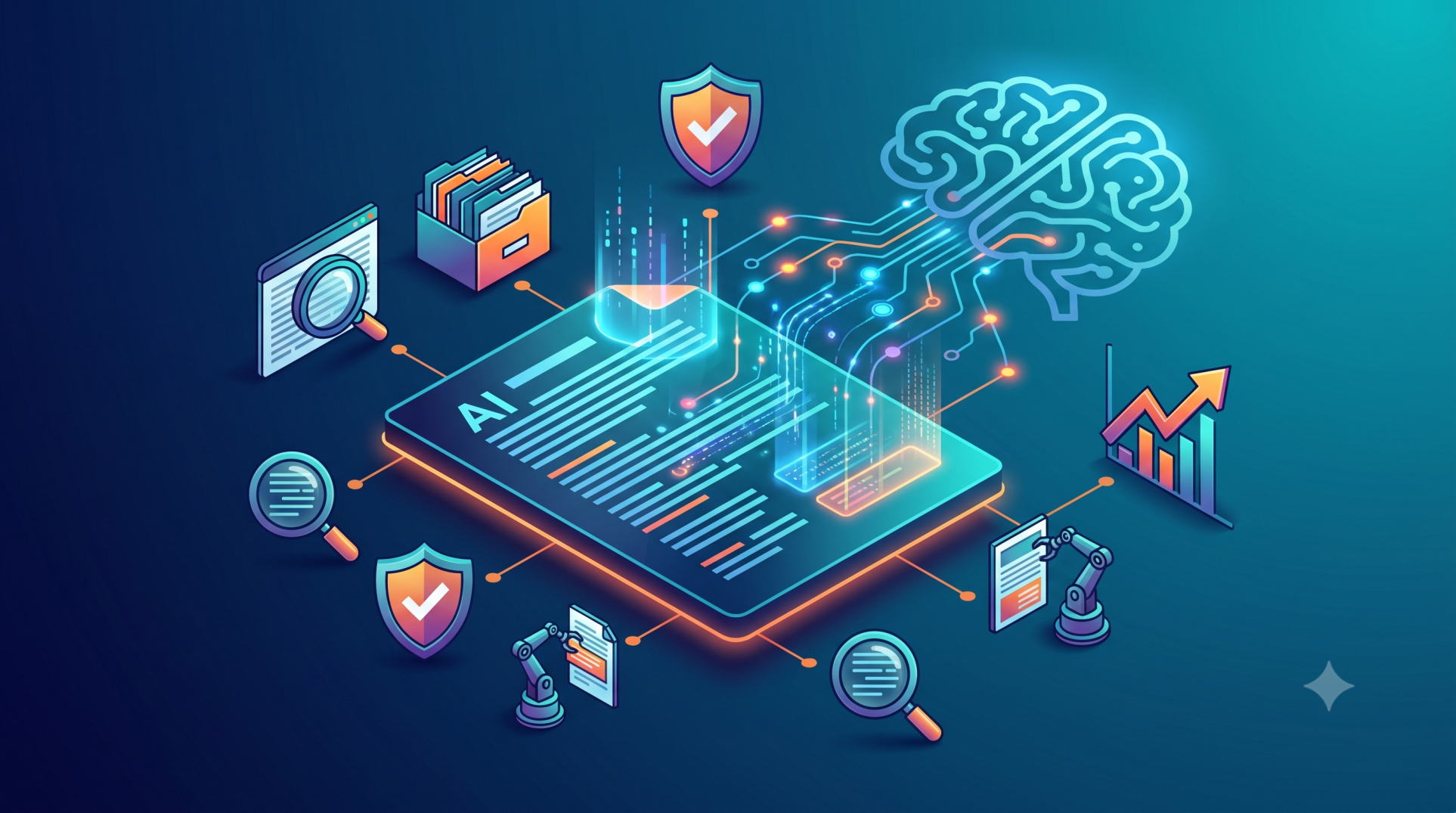
• Generate reports, summaries, and recommendations automatically 📄
• Streamline approvals, communications, and task management 📨
• Reduce manual effort across operational functions ⏳
• Improve productivity through intelligent process orchestration 🎯
Step 4: Supporting Cross-System Communication 🌐
• Act as a common intelligence layer across disconnected systems 🔄
• Translate information between different applications and formats 📚
• Improve interoperability within complex technology environments 🏗️
• Enable context-aware interactions across platforms 🧩
• Simplify integration challenges in digital ecosystems ⚙️
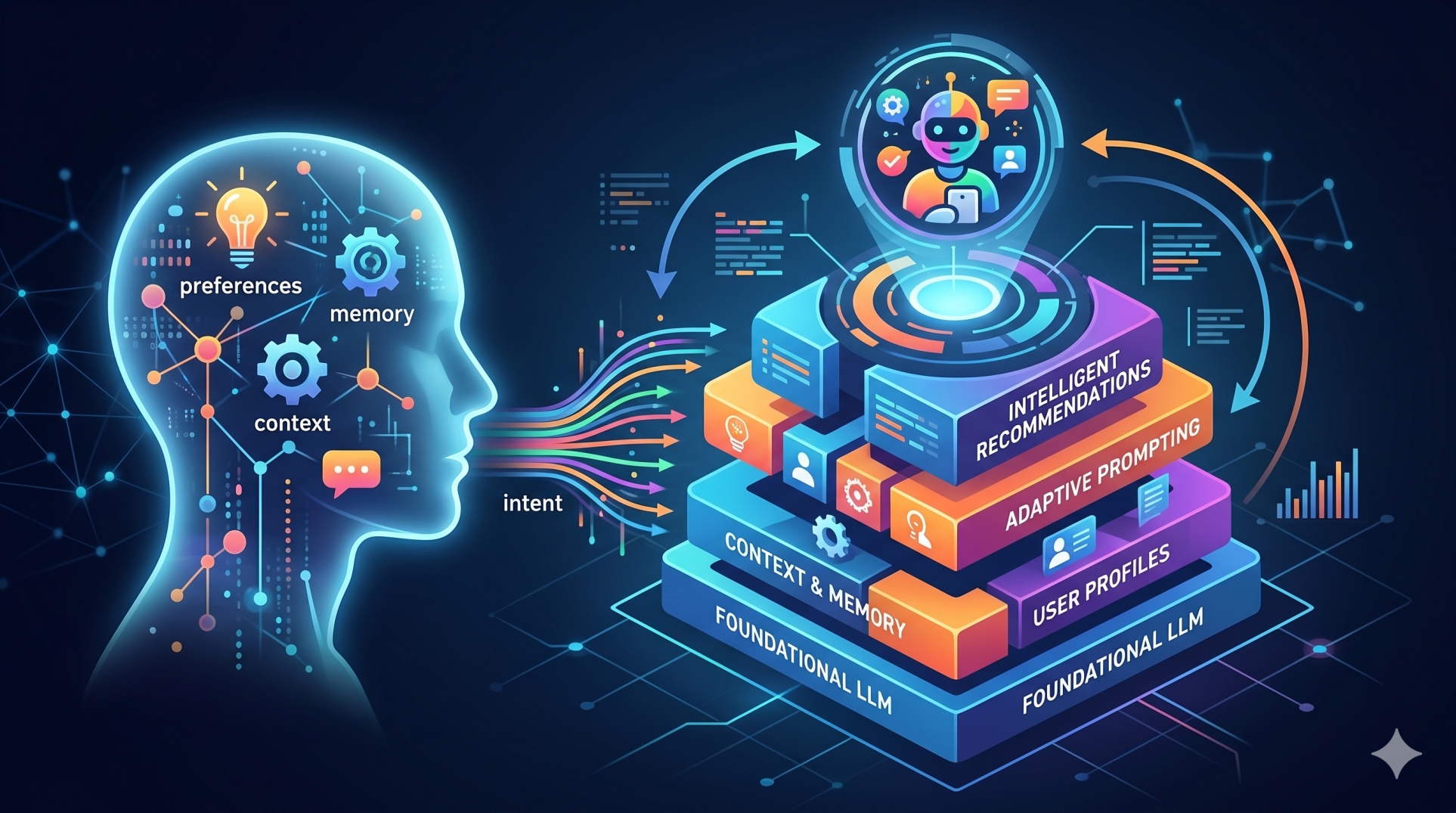
Step 5: Enhancing User Experiences 💡
• Deliver conversational interfaces across business applications 💬
• Provide personalized recommendations and guidance 🎯
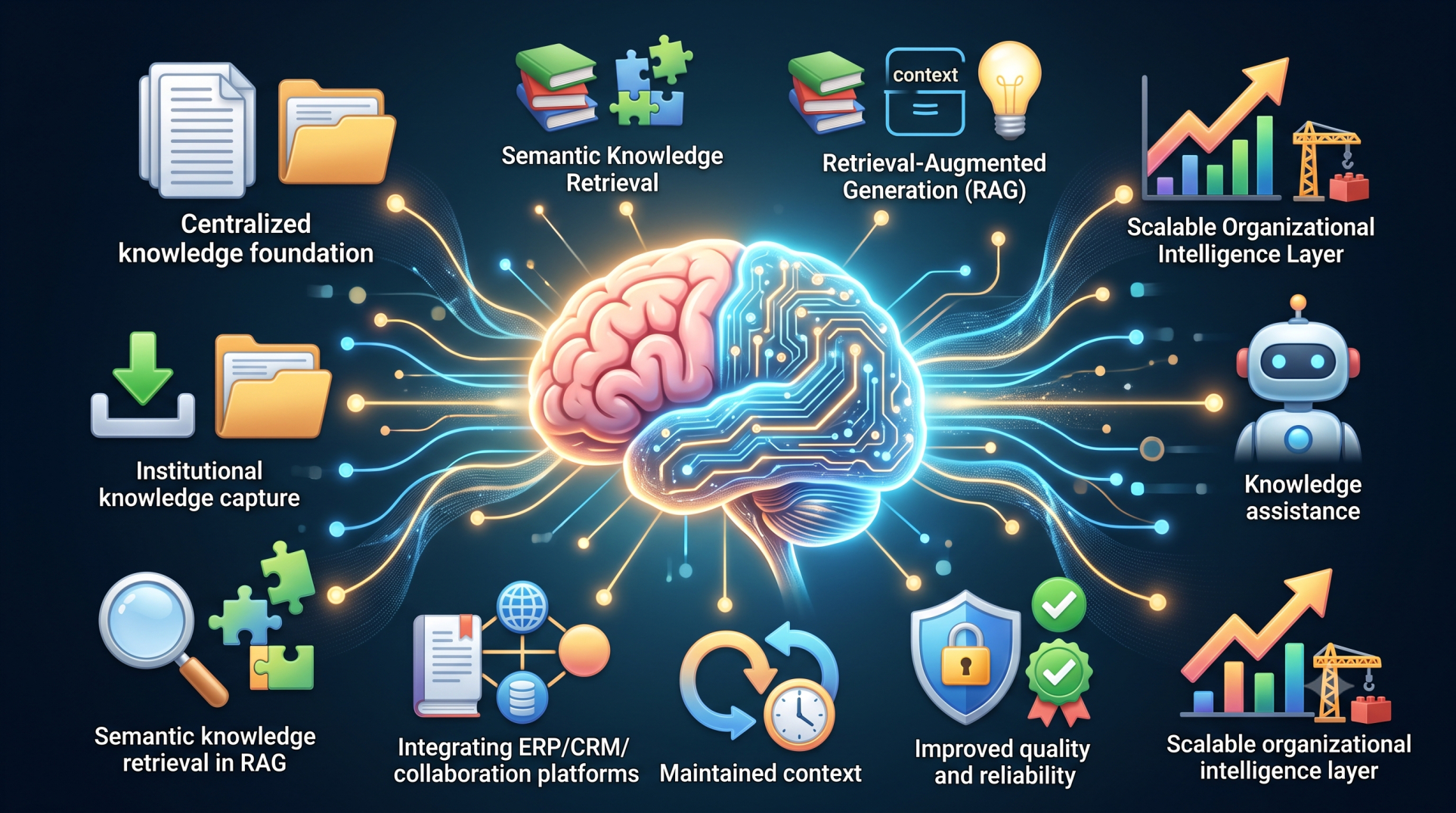
• Improve accessibility to organizational knowledge 📖
• Enable natural language interactions with enterprise systems 🖥️
• Increase user engagement and satisfaction 📈
Step 6: Leveraging Real-Time Data Integration 📡
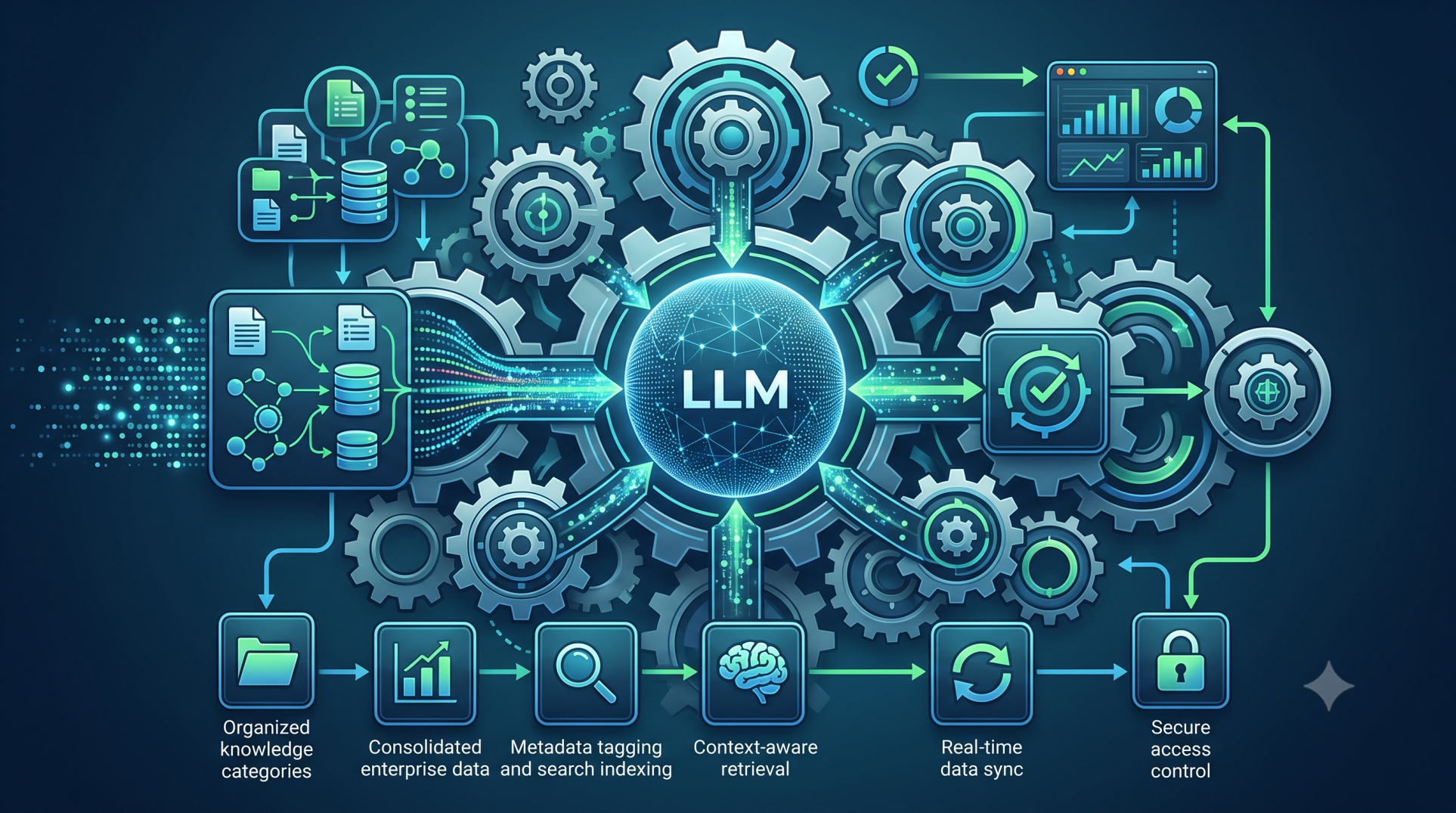
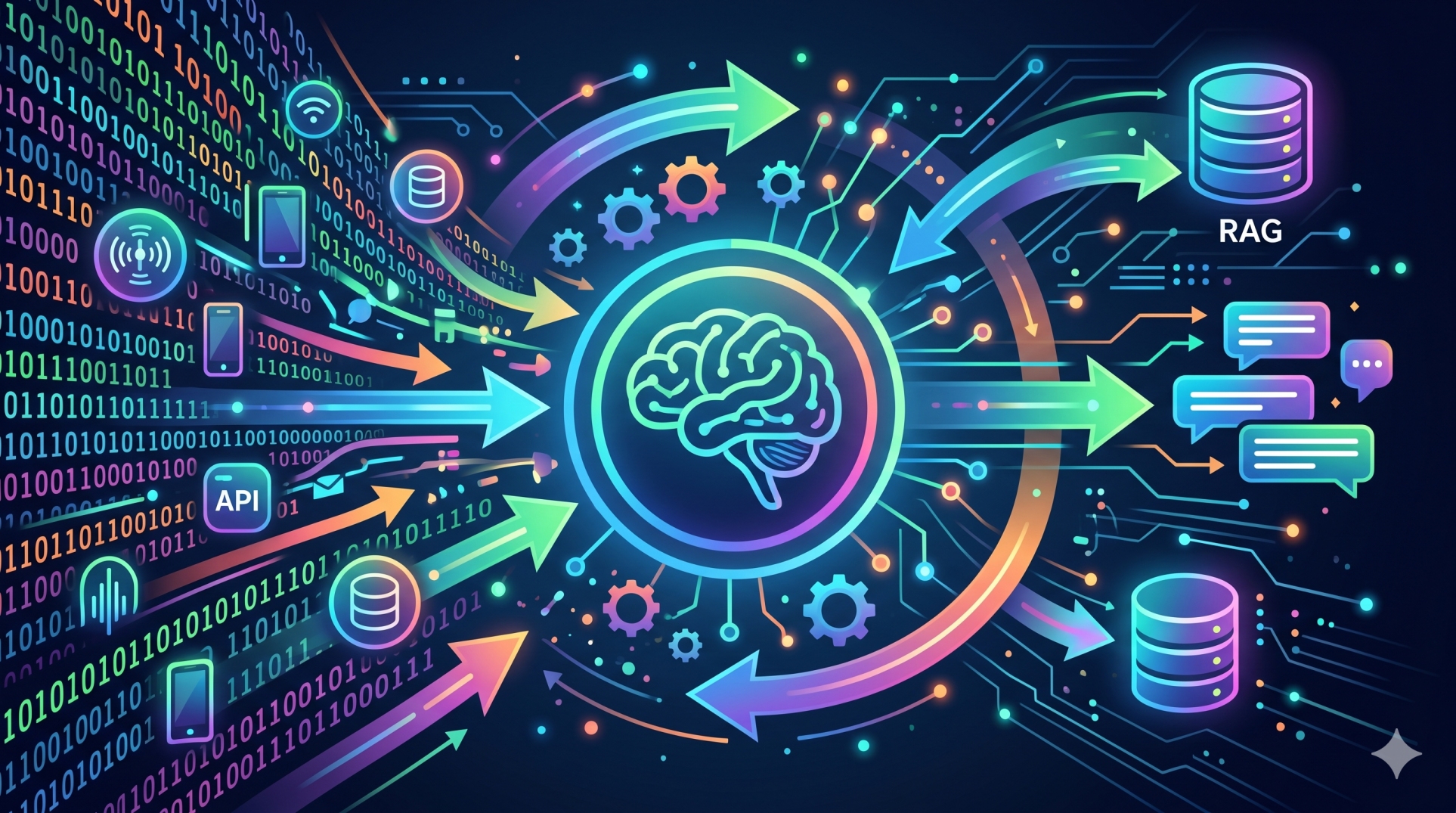
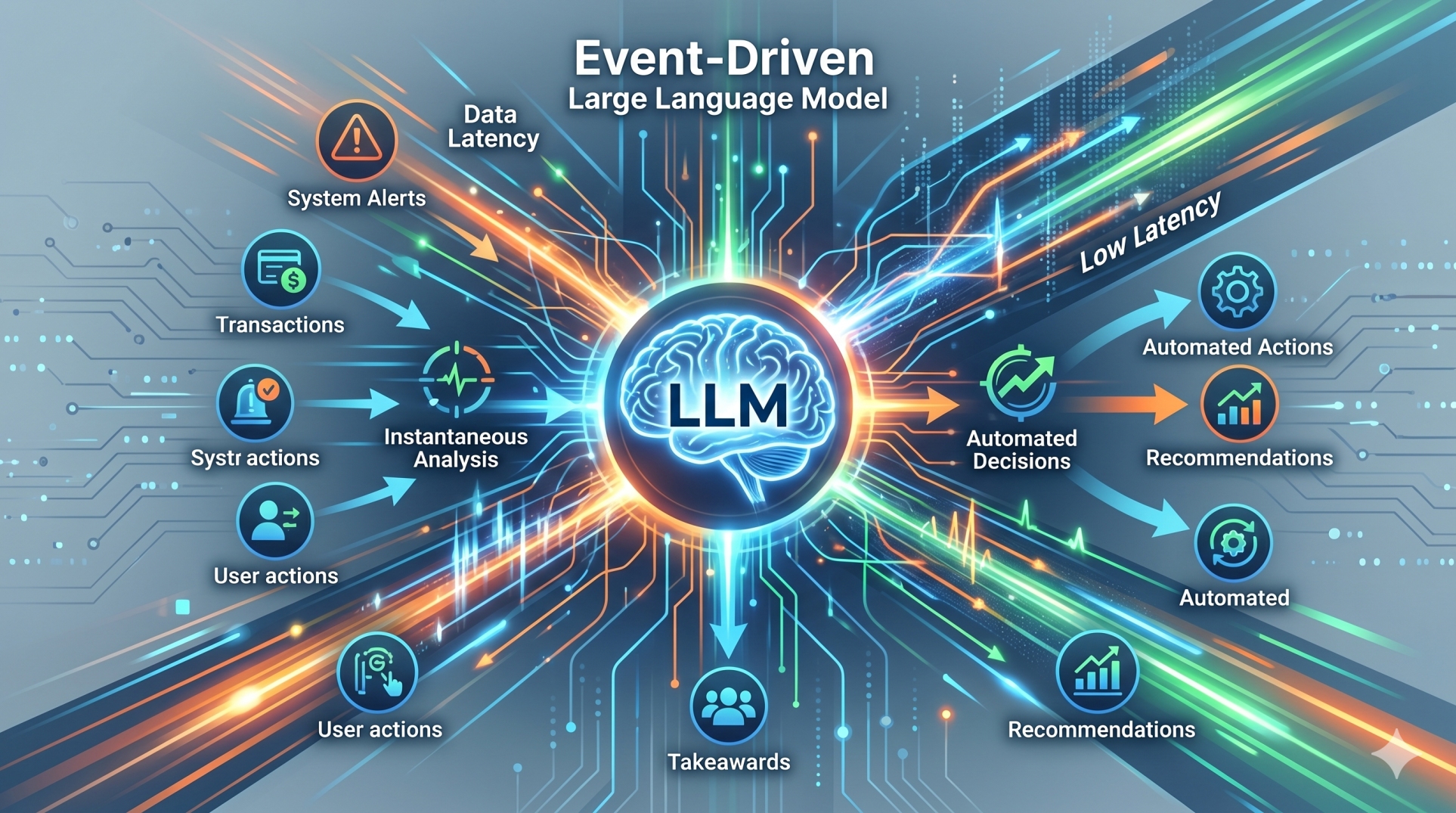
• Connect LLMs with live enterprise and operational data 🔄
• Generate insights based on current business conditions 📊
• Support real-time decision-making processes ⚡
• Enhance responsiveness to changing operational requirements 🎯
• Deliver dynamic and context-aware outputs 📈
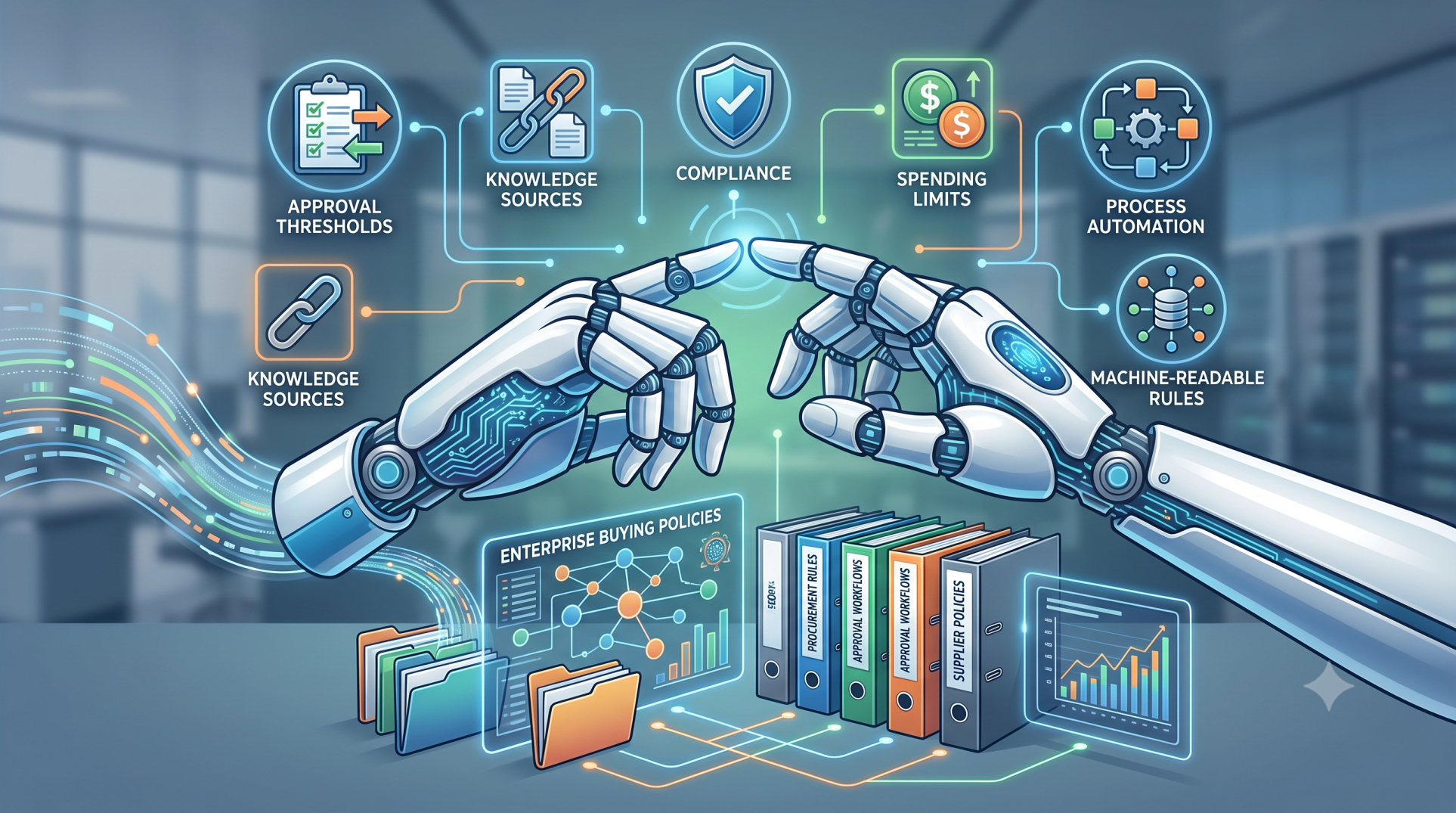
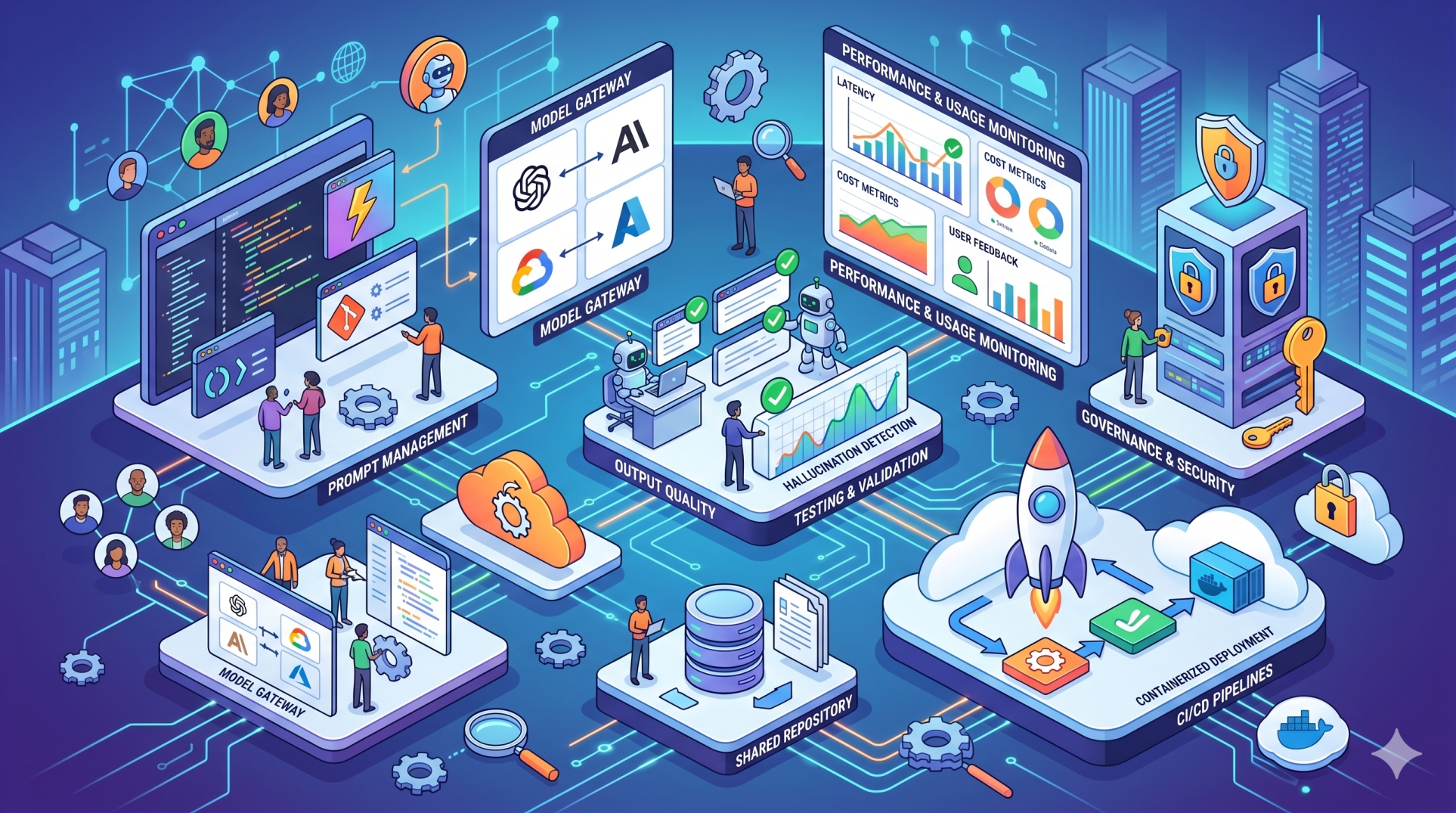
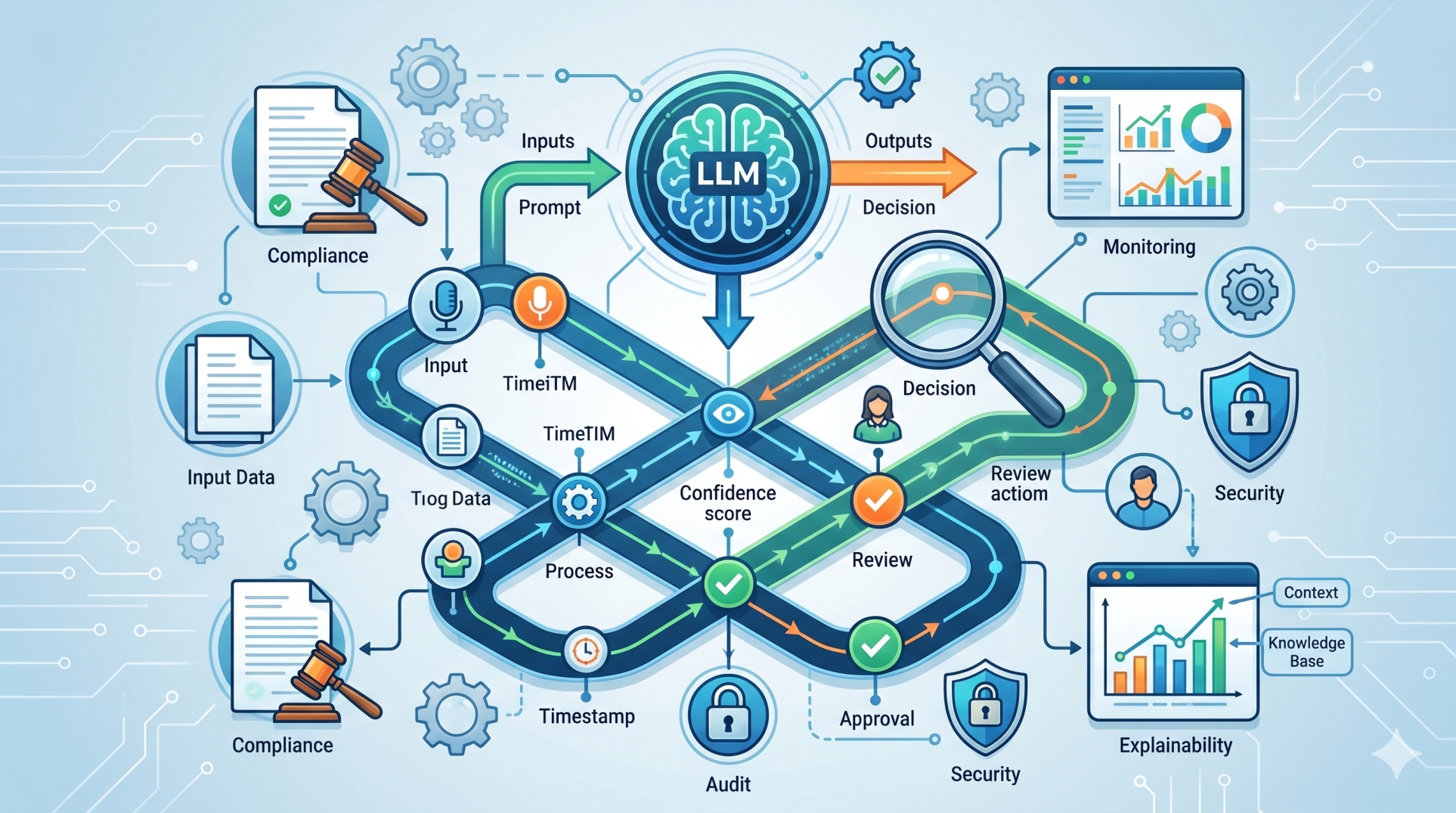
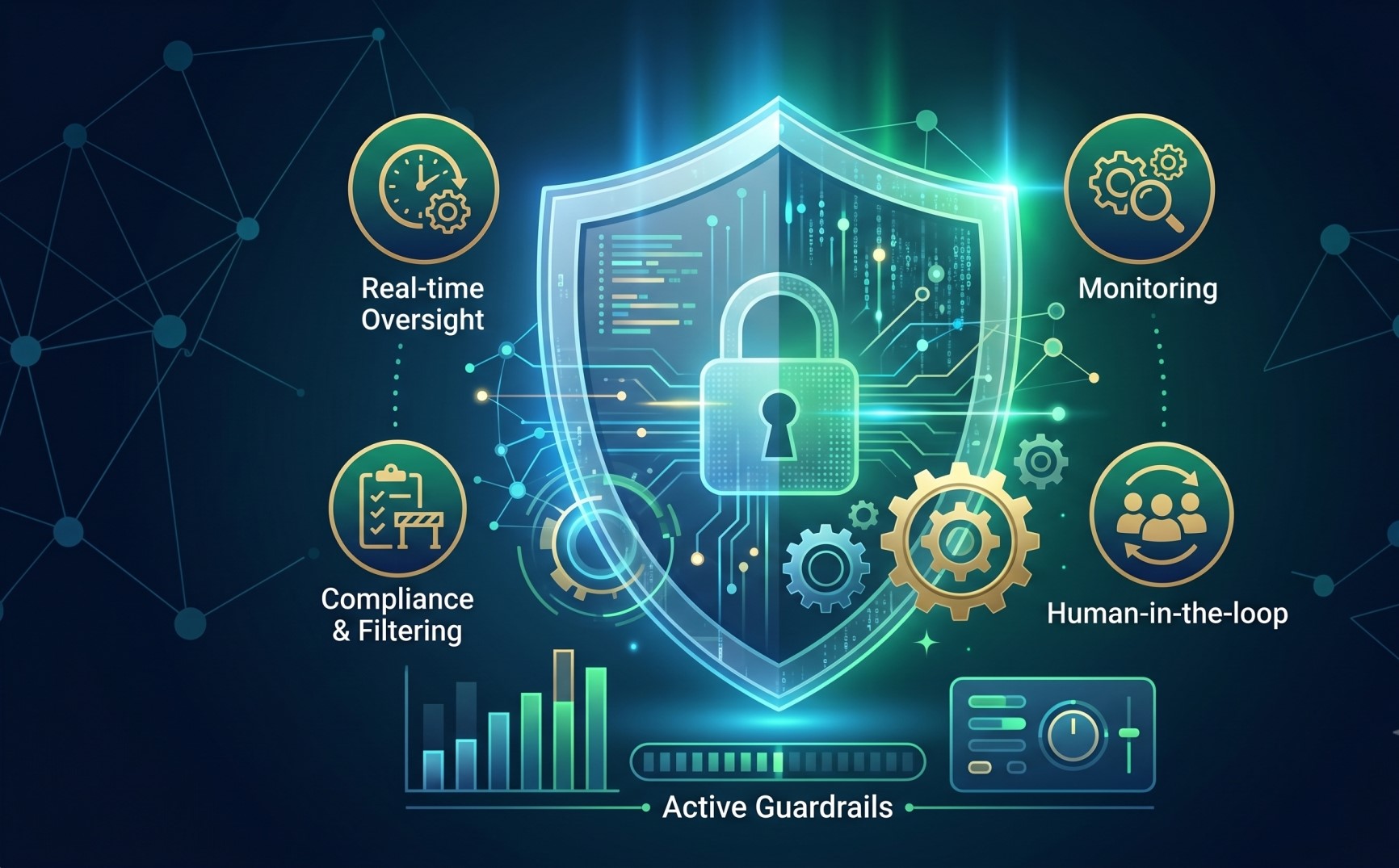
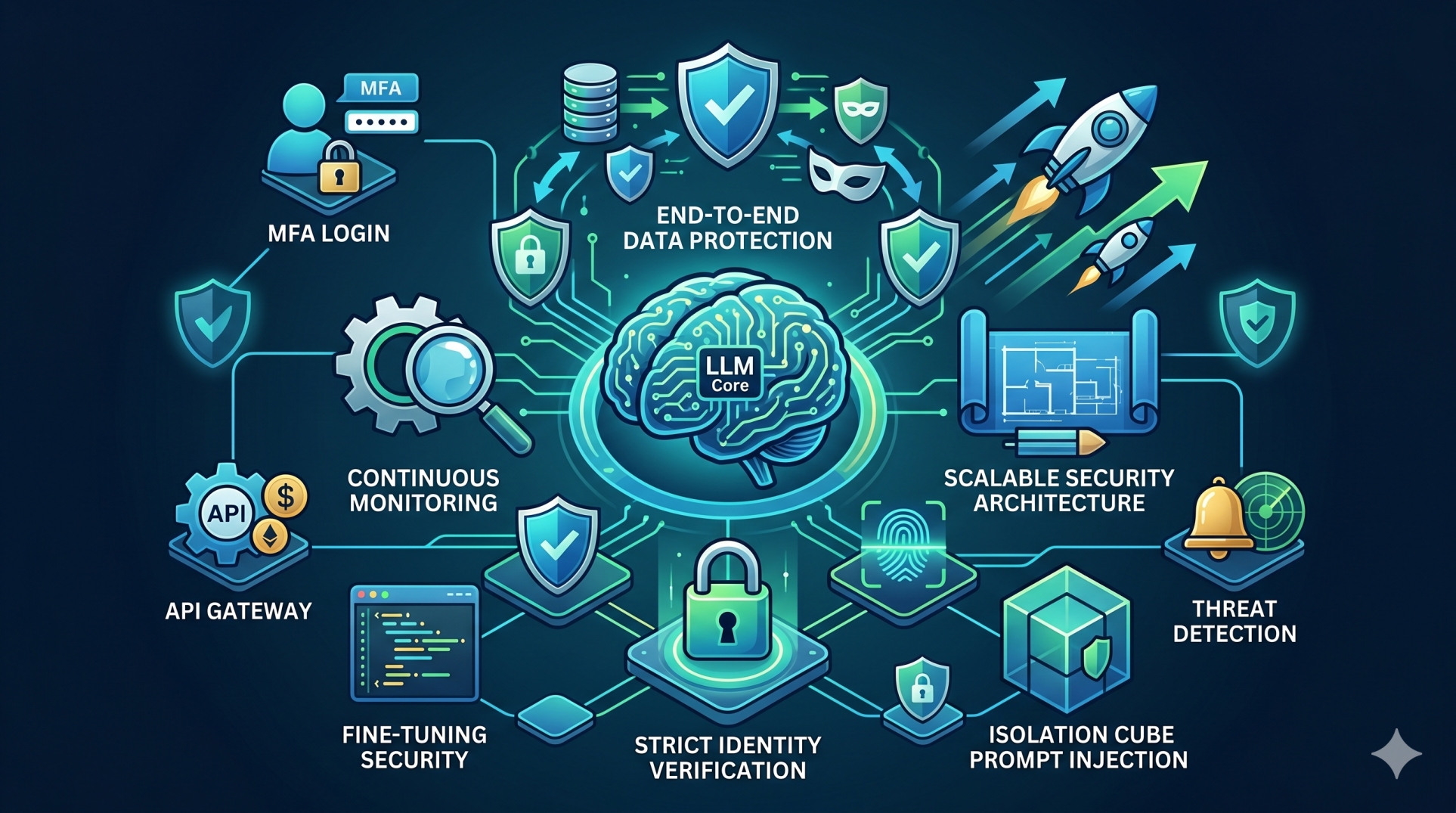
Step 7: Governance, Security, and Compliance 🔐
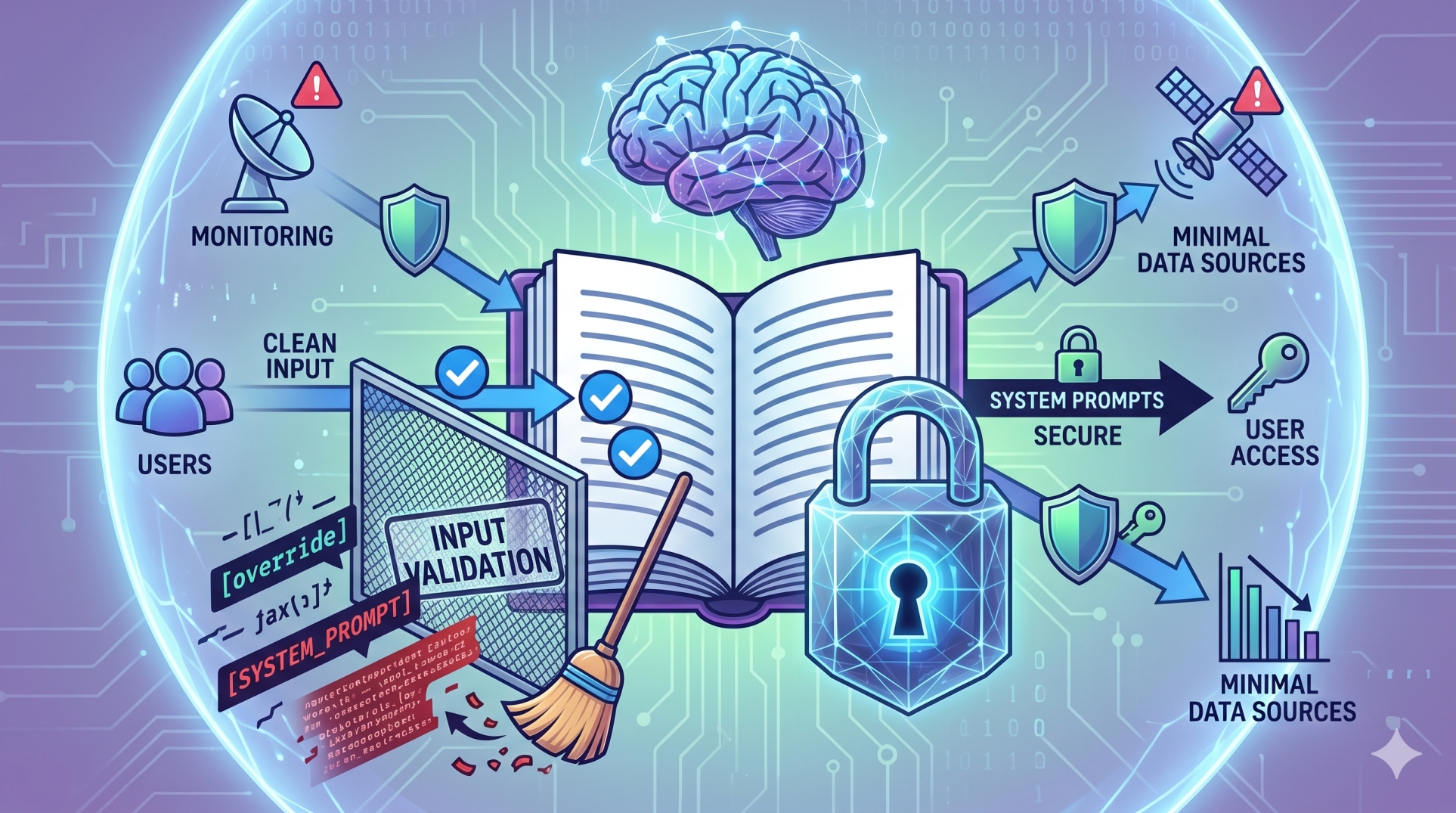
• Implement access controls for AI-powered services 👥
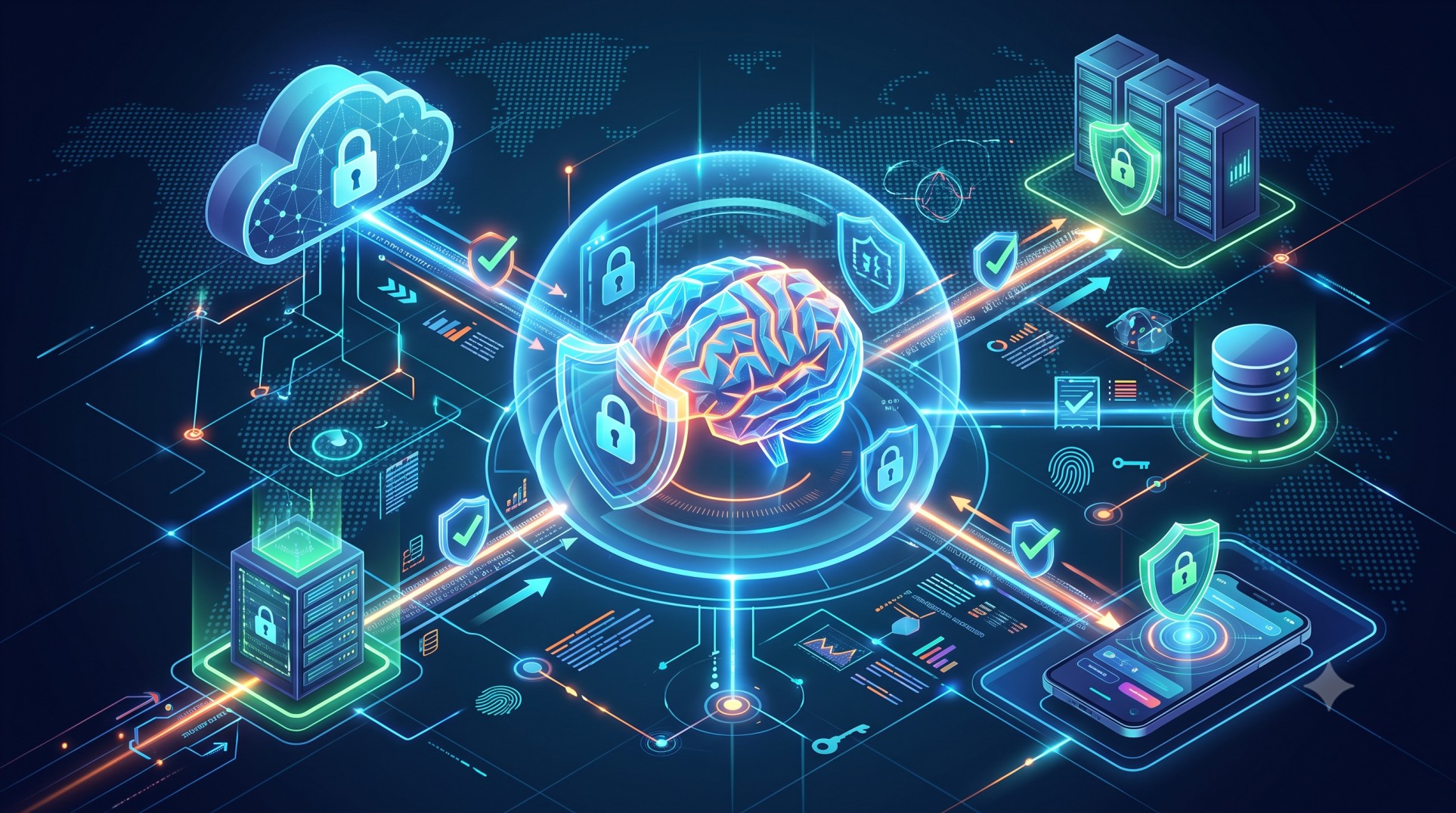
• Protect sensitive business information through secure integrations 🛡️
• Establish governance policies for responsible AI usage 📜
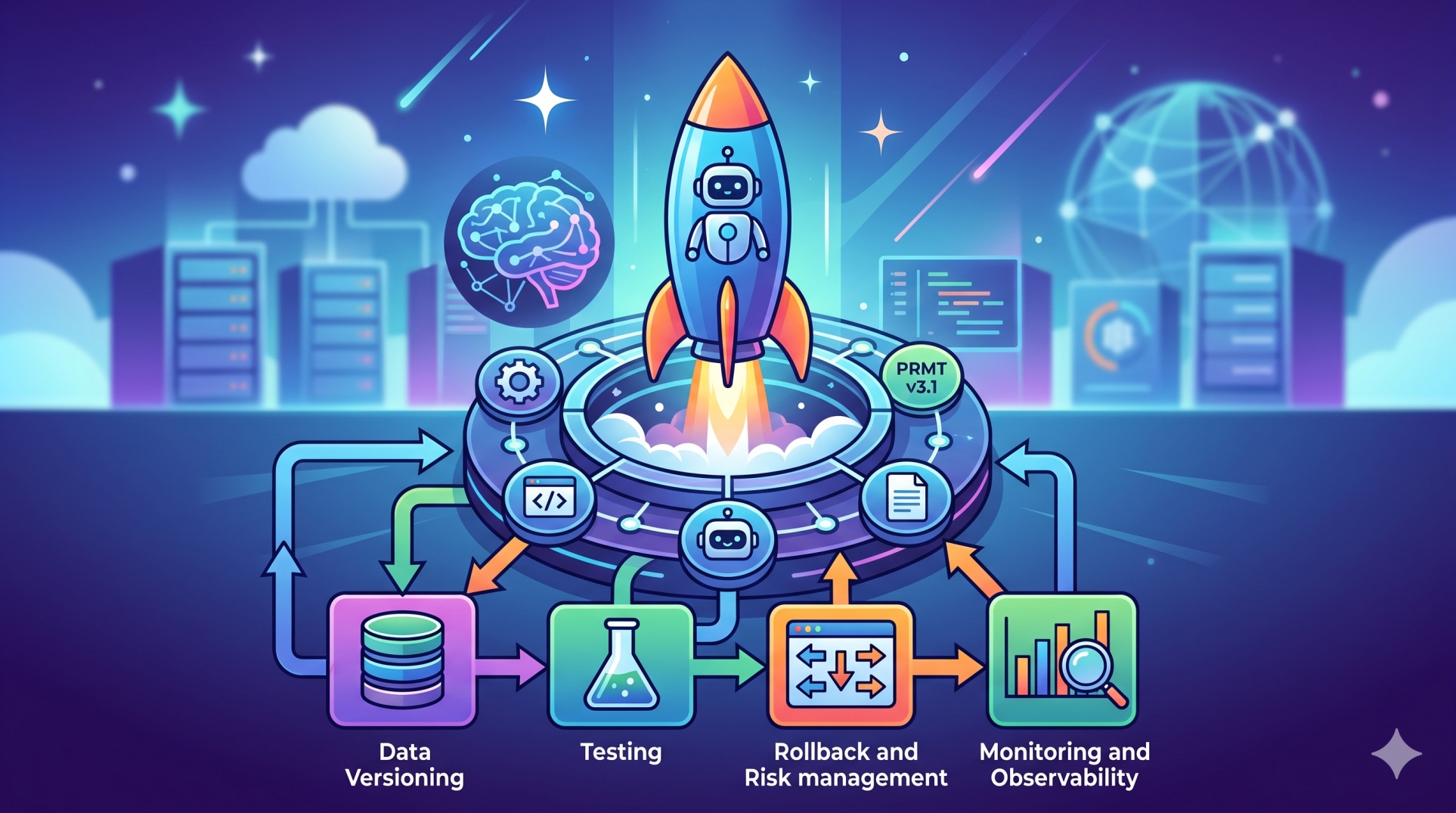
• Monitor model outputs for compliance and accuracy ✔️
• Align AI operations with regulatory requirements ⚖️
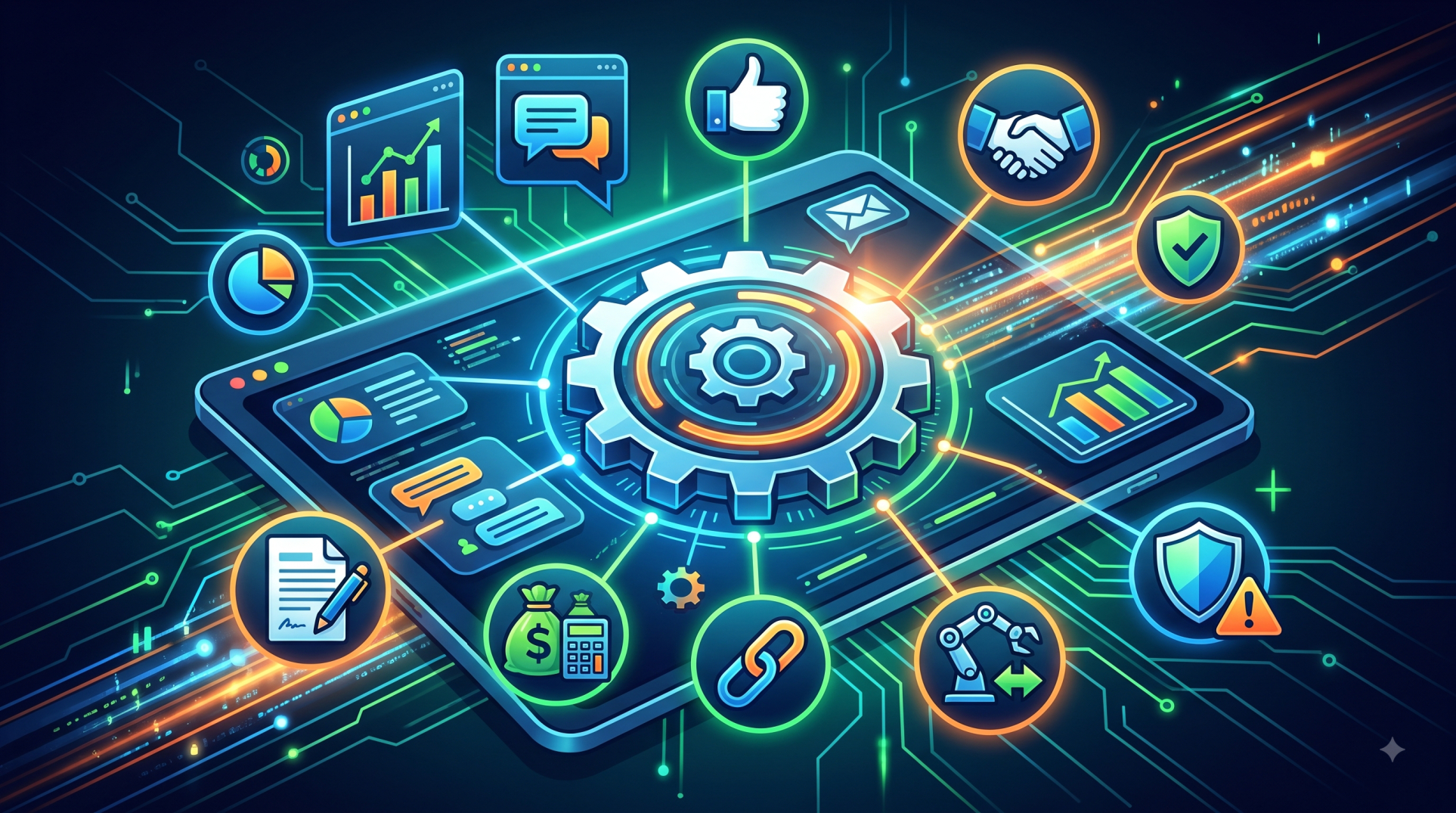
Step 8: Key Service Layer Capabilities ⭐
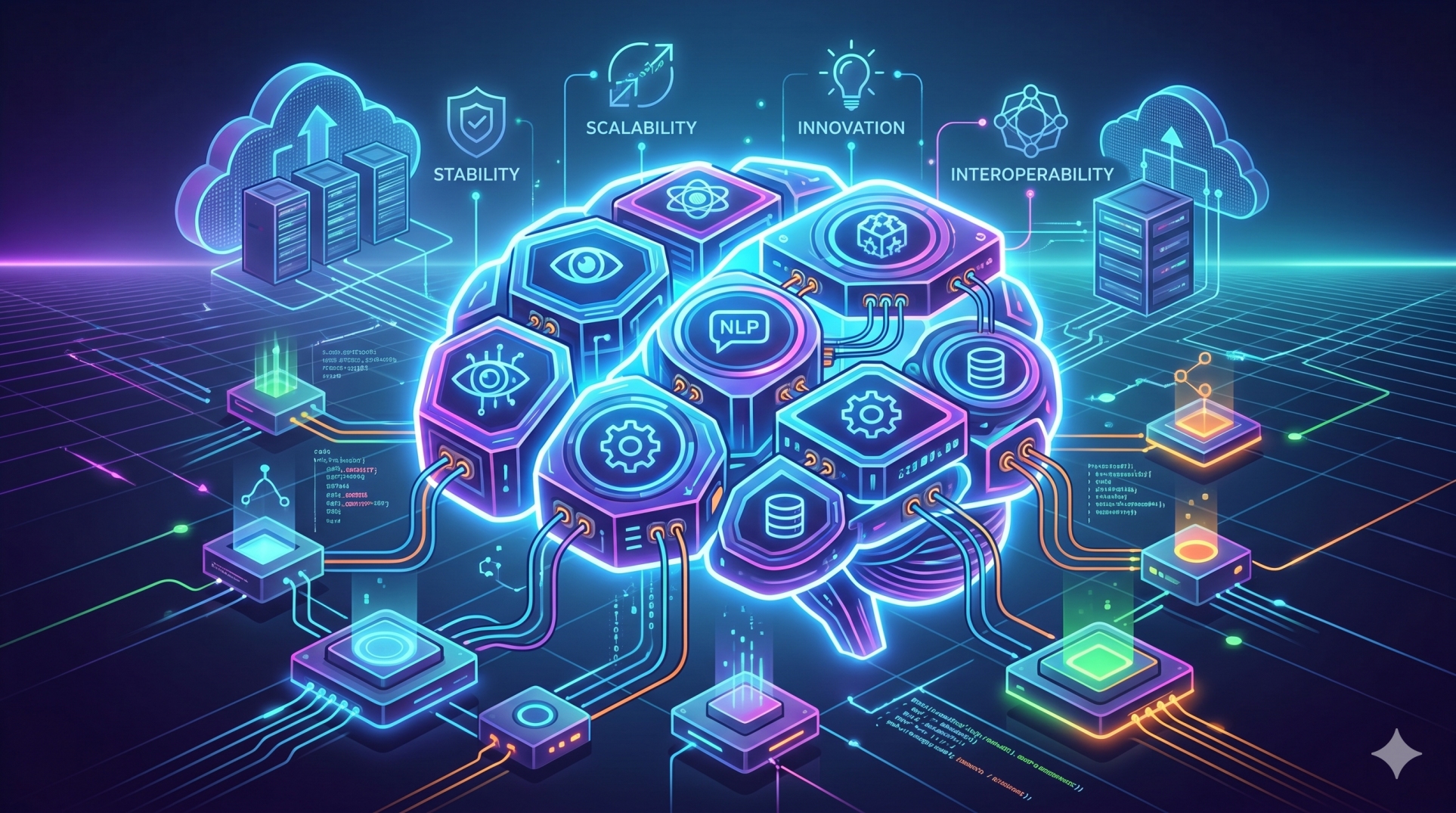
• Centralized intelligence accessible across applications 🧠
• Scalable deployment across business units 🚀
• Consistent user experiences and AI interactions 🔄
• Flexible integration with existing digital infrastructure 🏗️
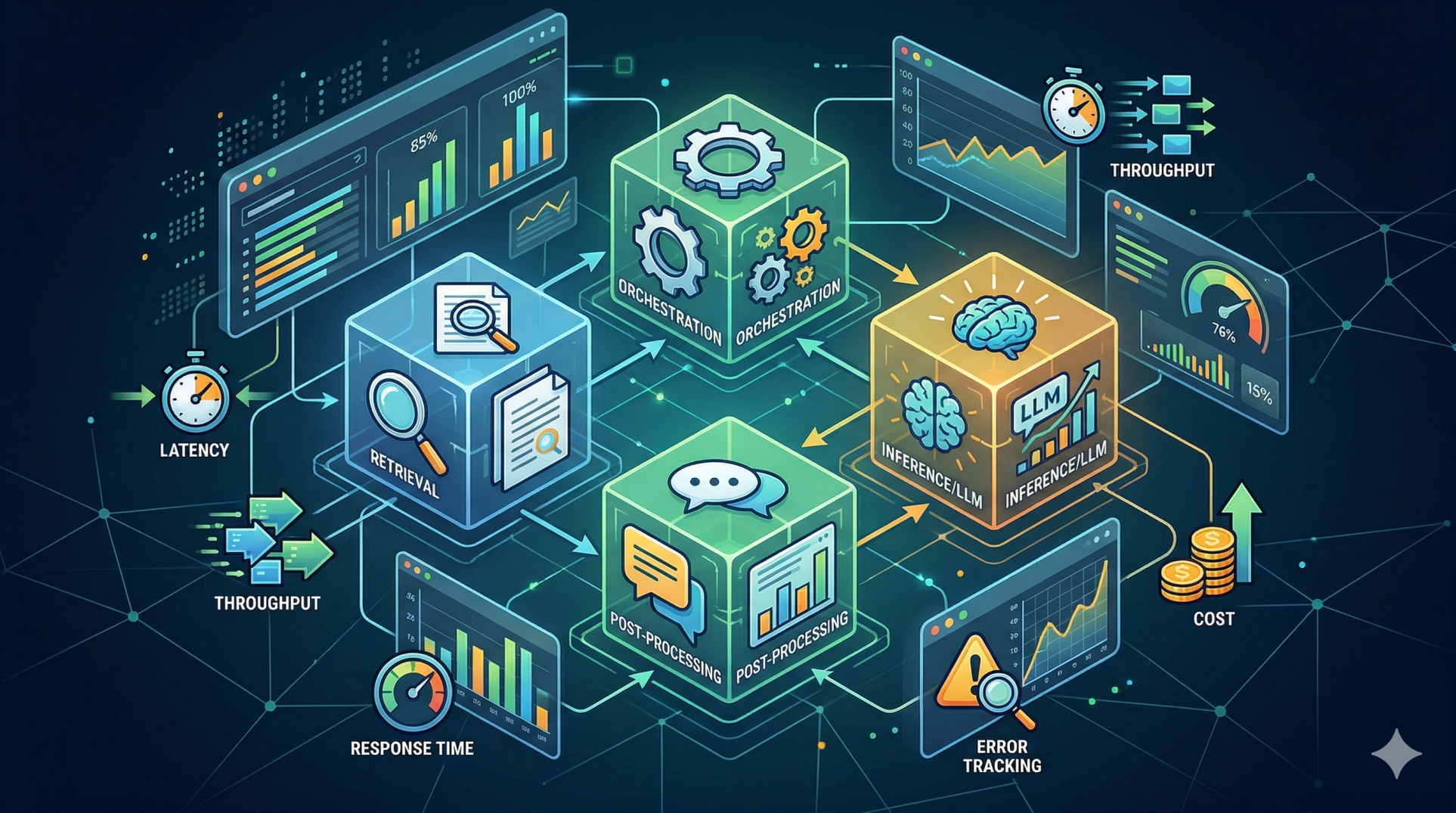
Step 9: Monitoring Performance and Optimization 📊
• Track service usage and response quality 📈
• Measure business impact and operational improvements 🎯
• Identify opportunities for workflow enhancement 🔍
• Optimize resource utilization and system efficiency ⚙️
• Continuously refine AI-driven services 🔄
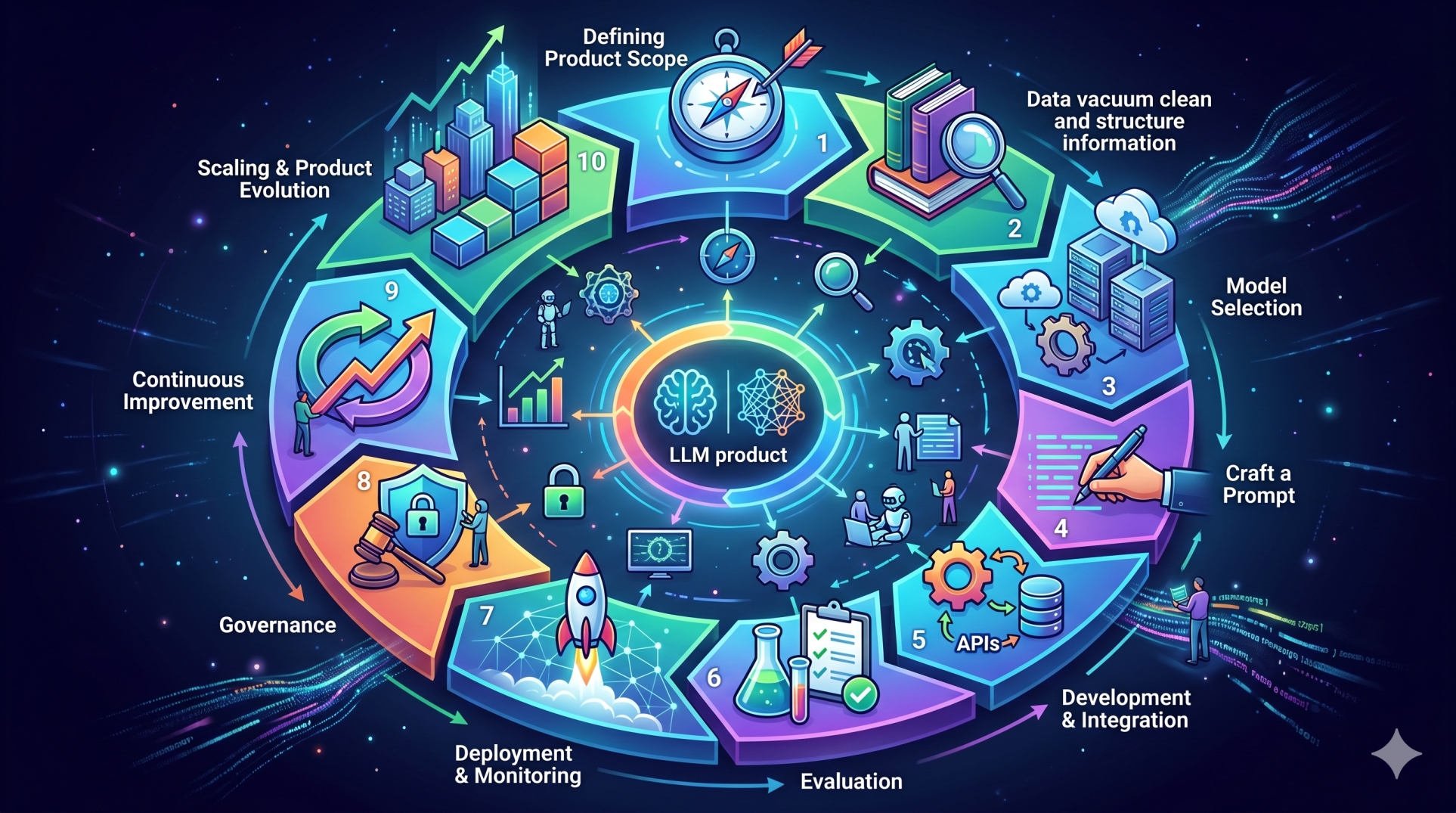
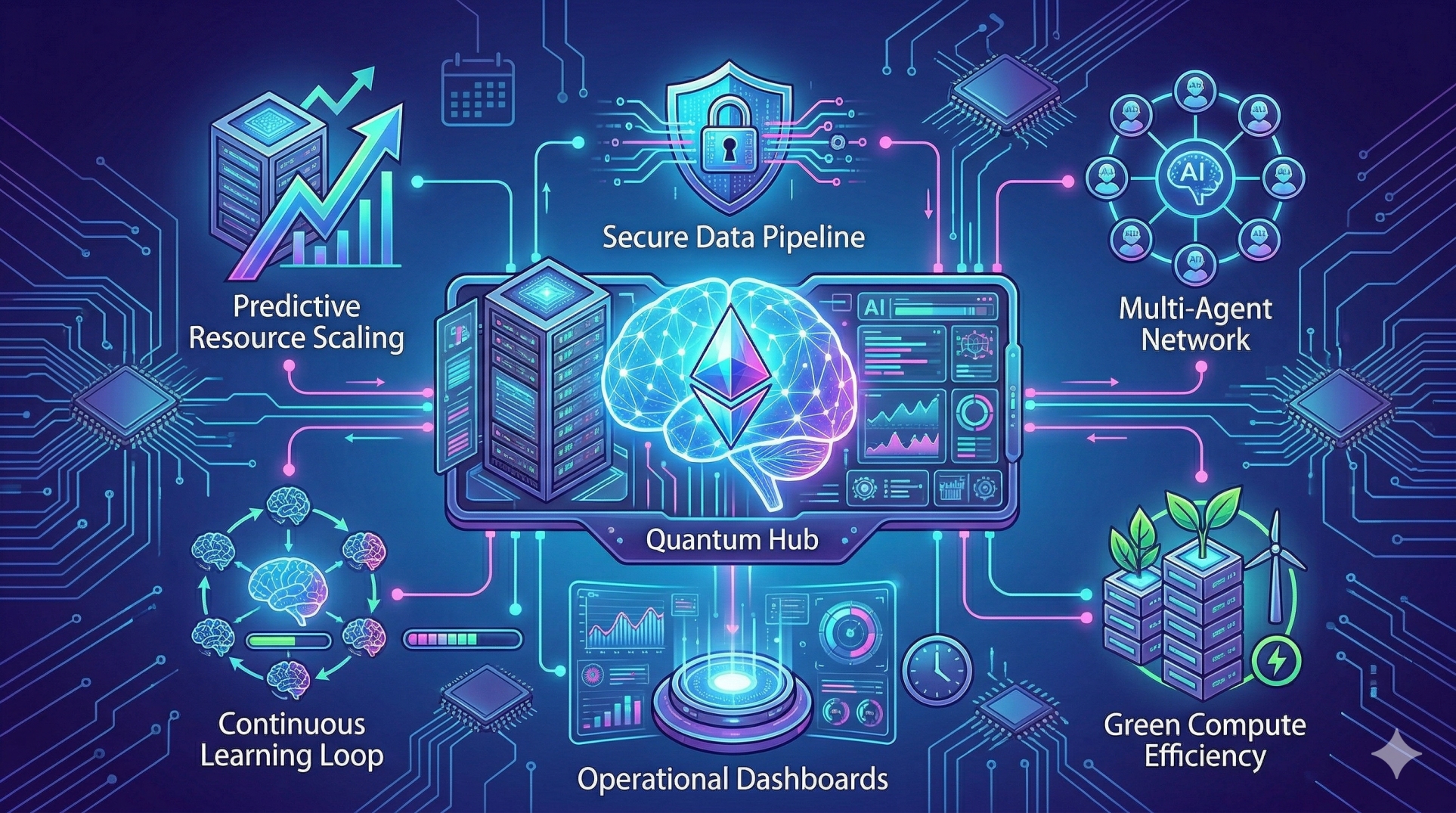
Step 10: Building a Scalable AI Ecosystem 🌍
• Design architectures that support long-term growth 🏗️
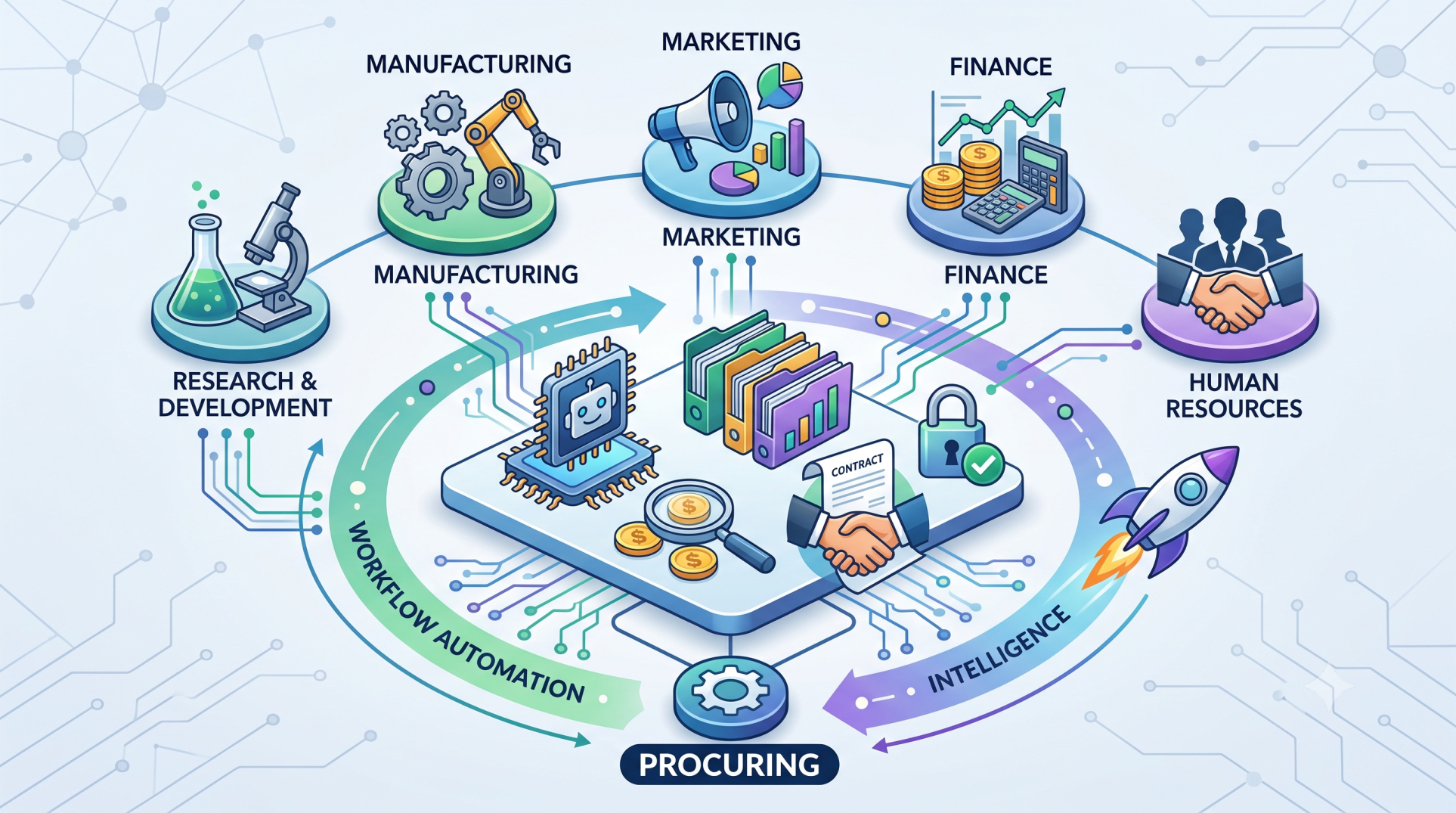
• Expand AI services across departments and functions 🔗
• Integrate emerging technologies with minimal disruption 🚀
• Adapt to evolving business and customer requirements 📈
• Future-proof digital ecosystems through modular design 🔮
Conclusion
LLM Software as a Service (SaaS) is becoming a critical intelligence layer within modern digital ecosystems. By integrating AI capabilities across applications, workflows, and enterprise systems, organizations can unlock new levels of automation, efficiency, and innovation. A well-designed LLM service layer not only enhances current operations but also provides the scalability and flexibility needed to support future digital transformation initiatives.
See more blogs
You can all the articles below