Standardization Strategies for LLM Software Deployments
Standardization Strategies for LLM Software Deployments
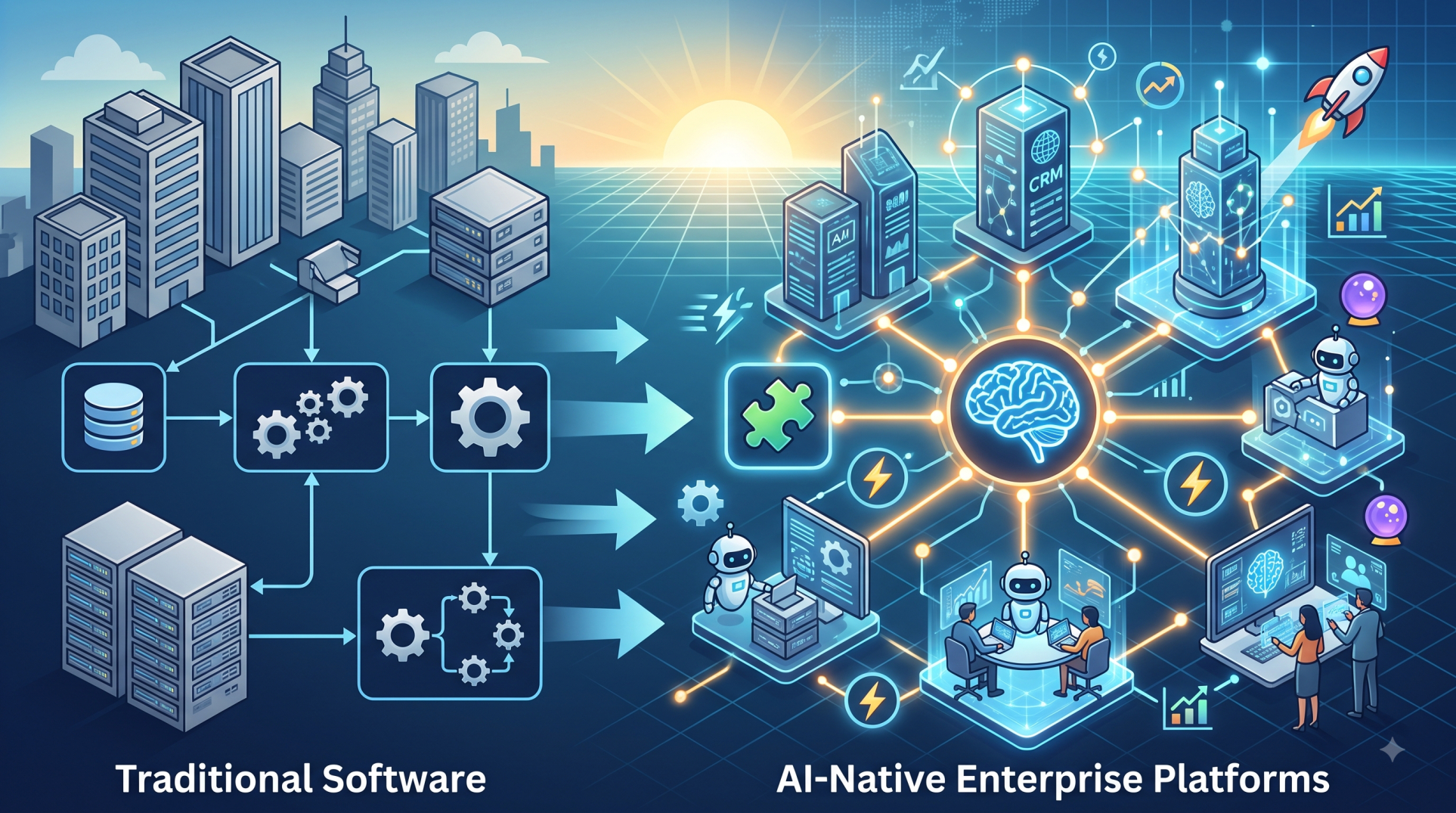
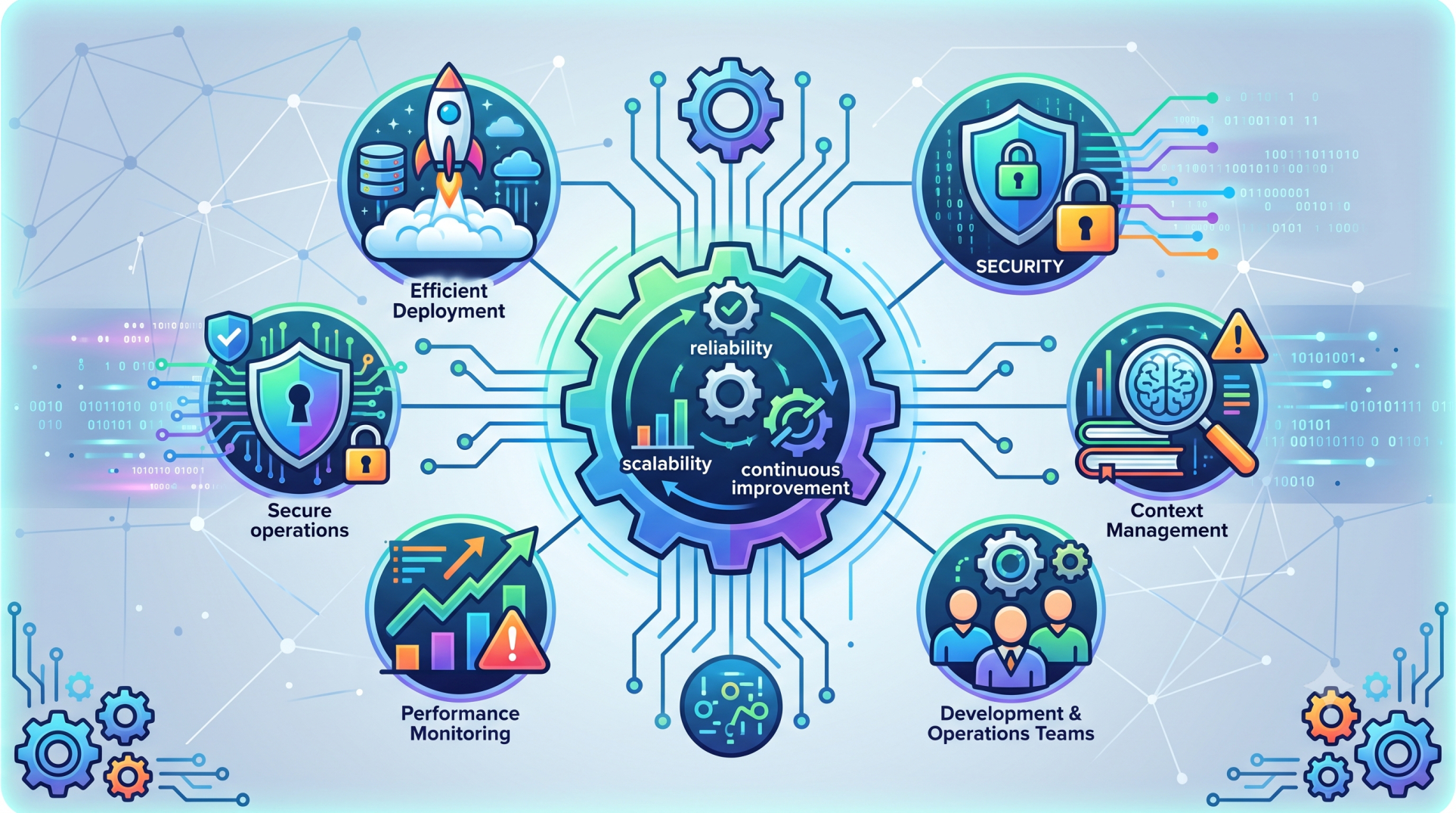
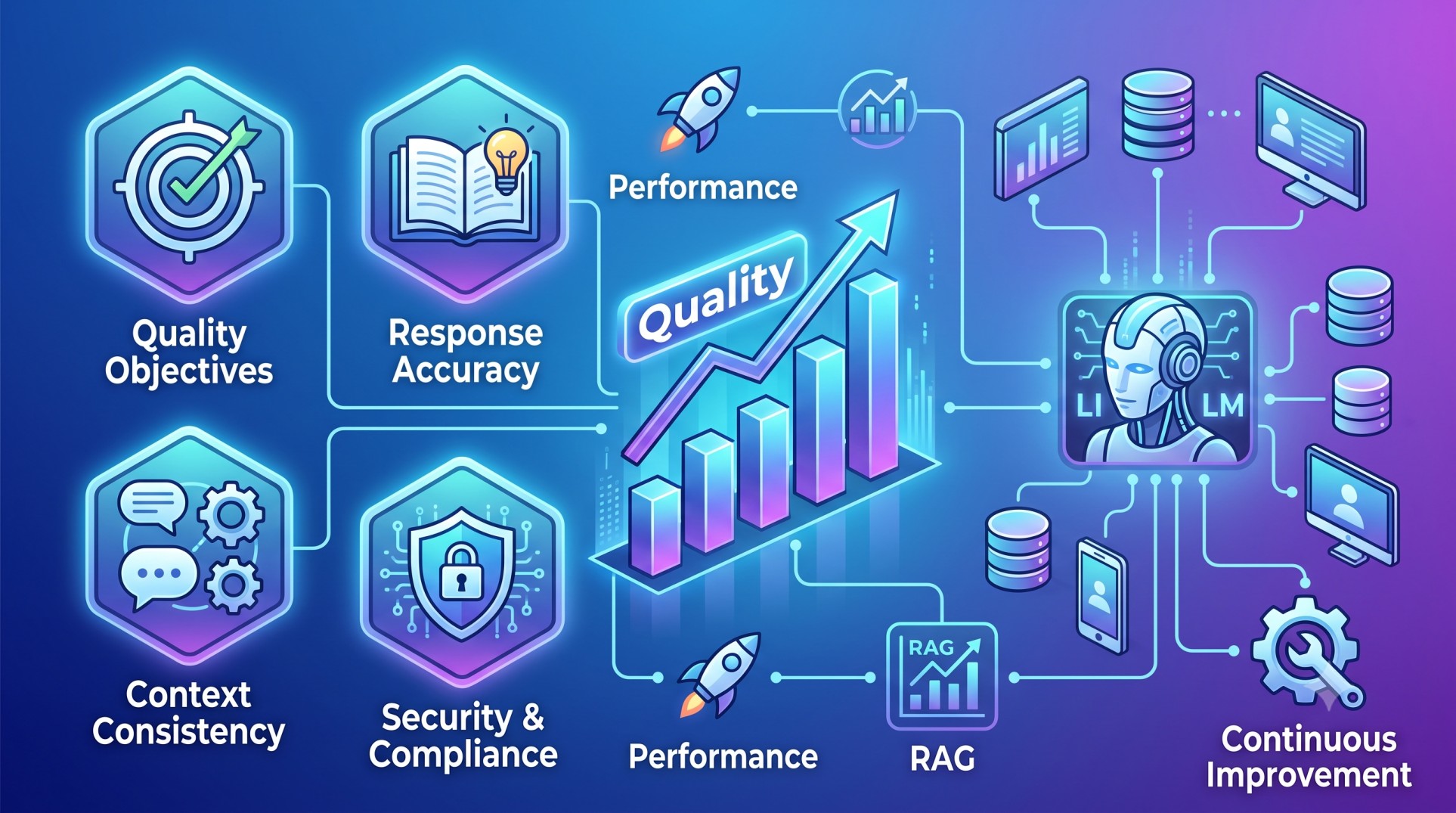
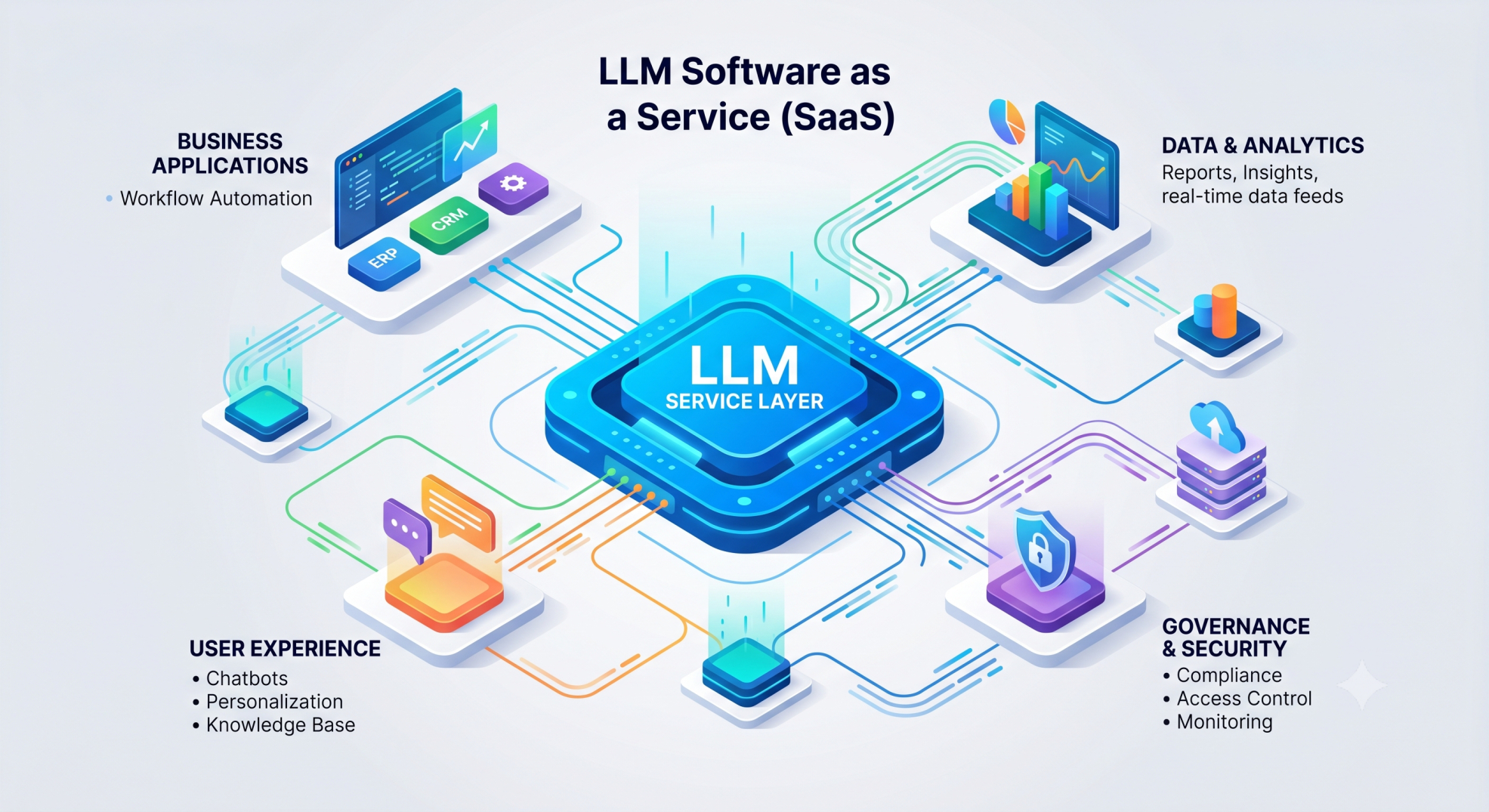
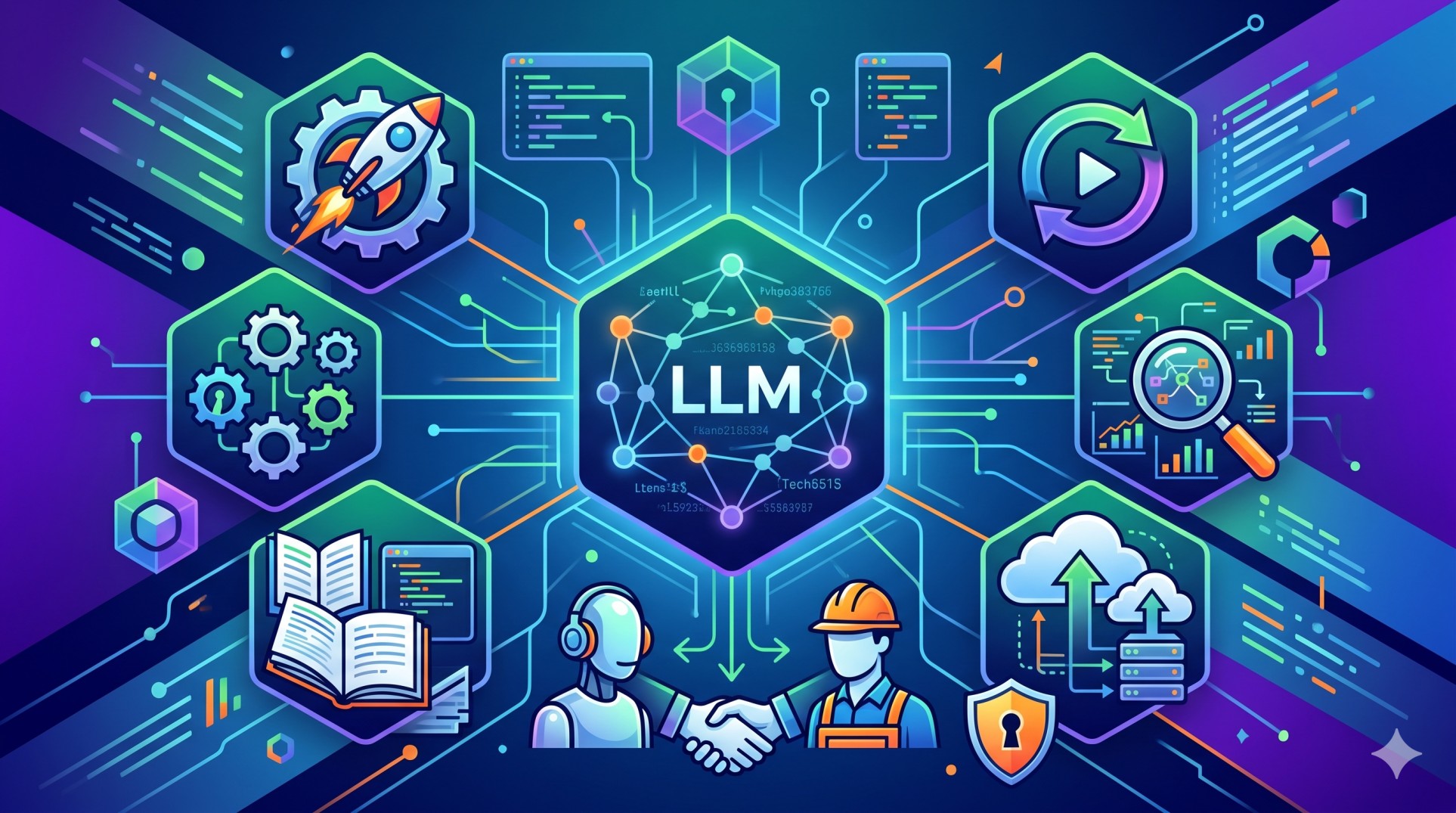
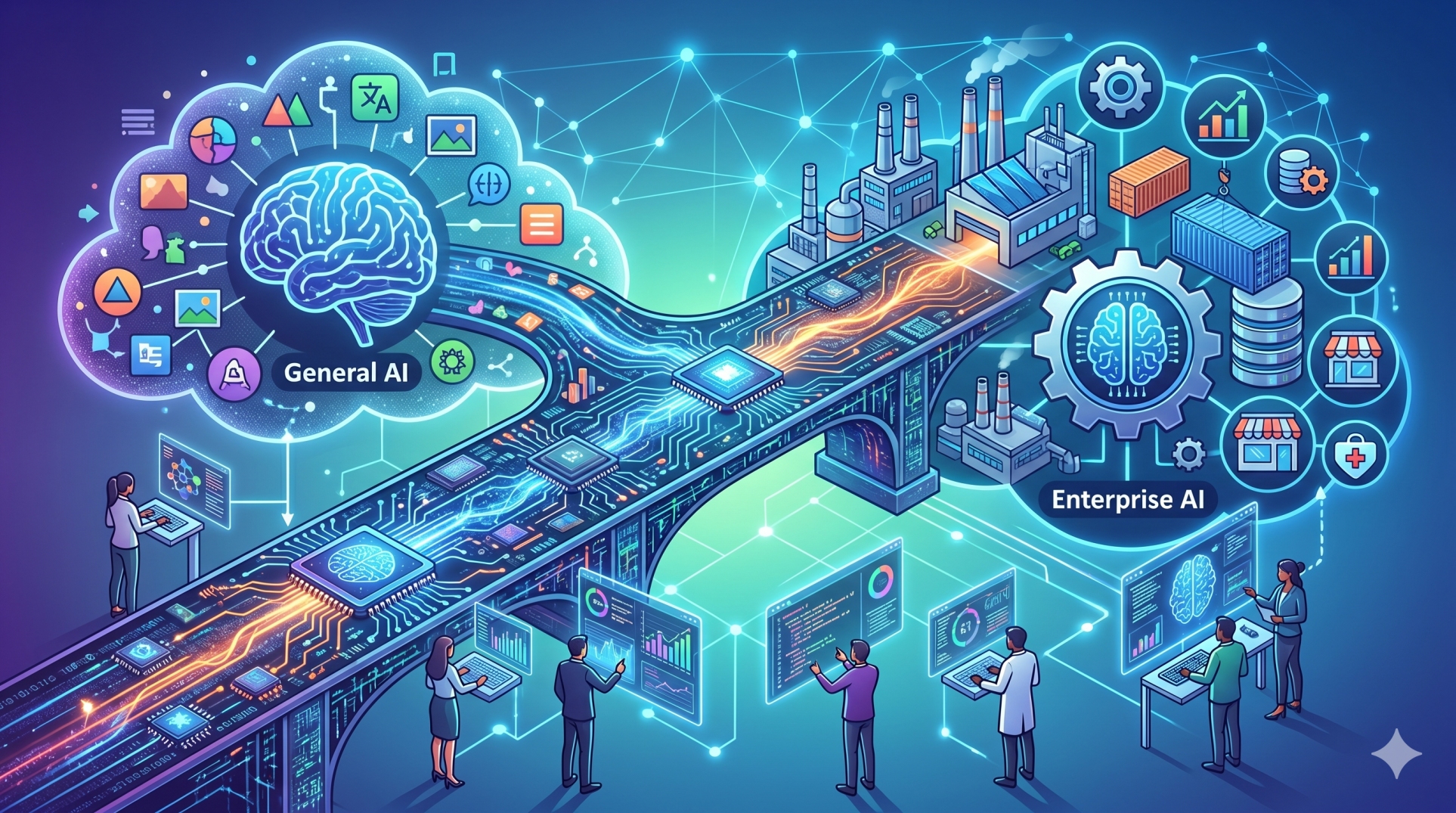
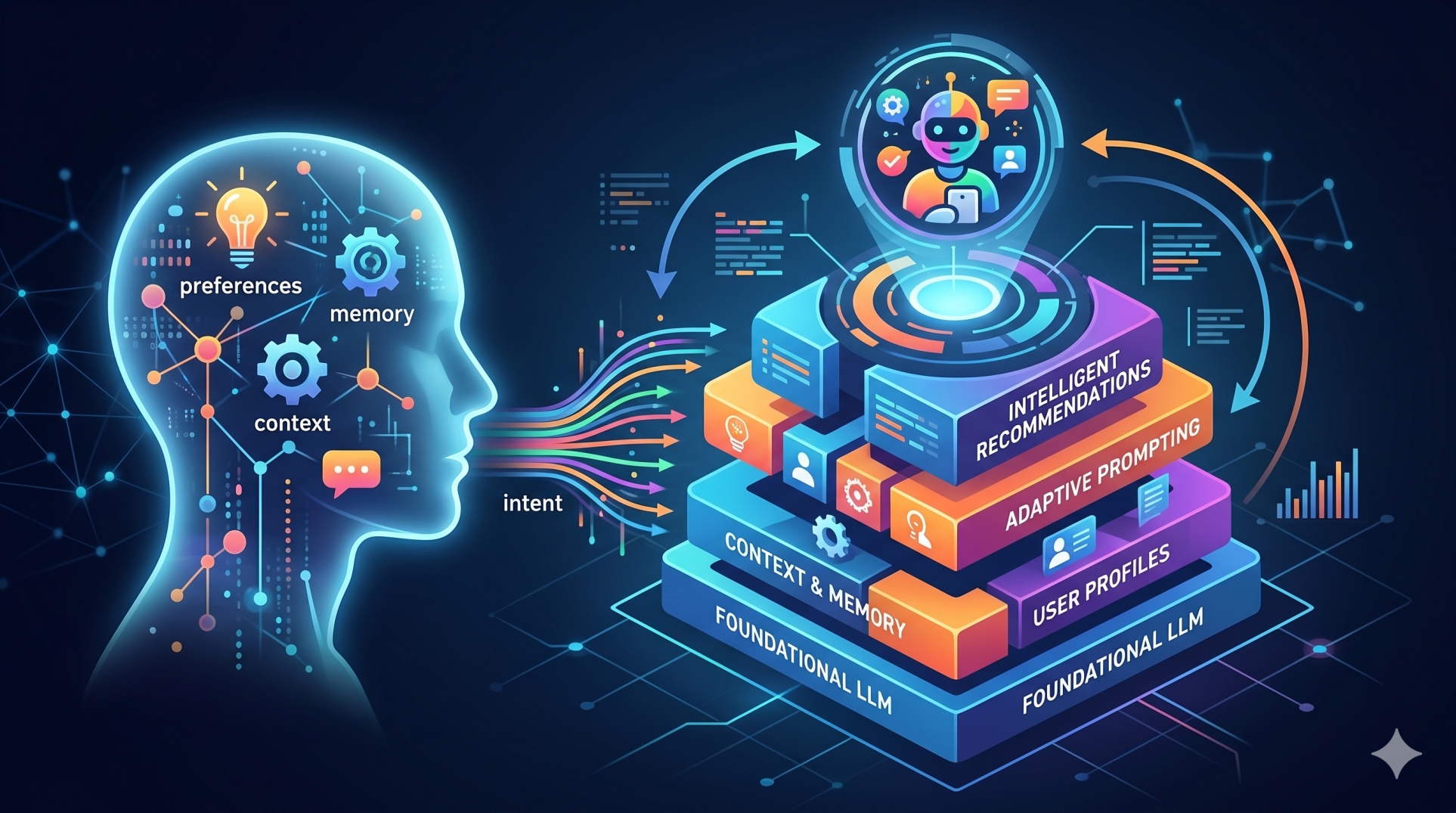
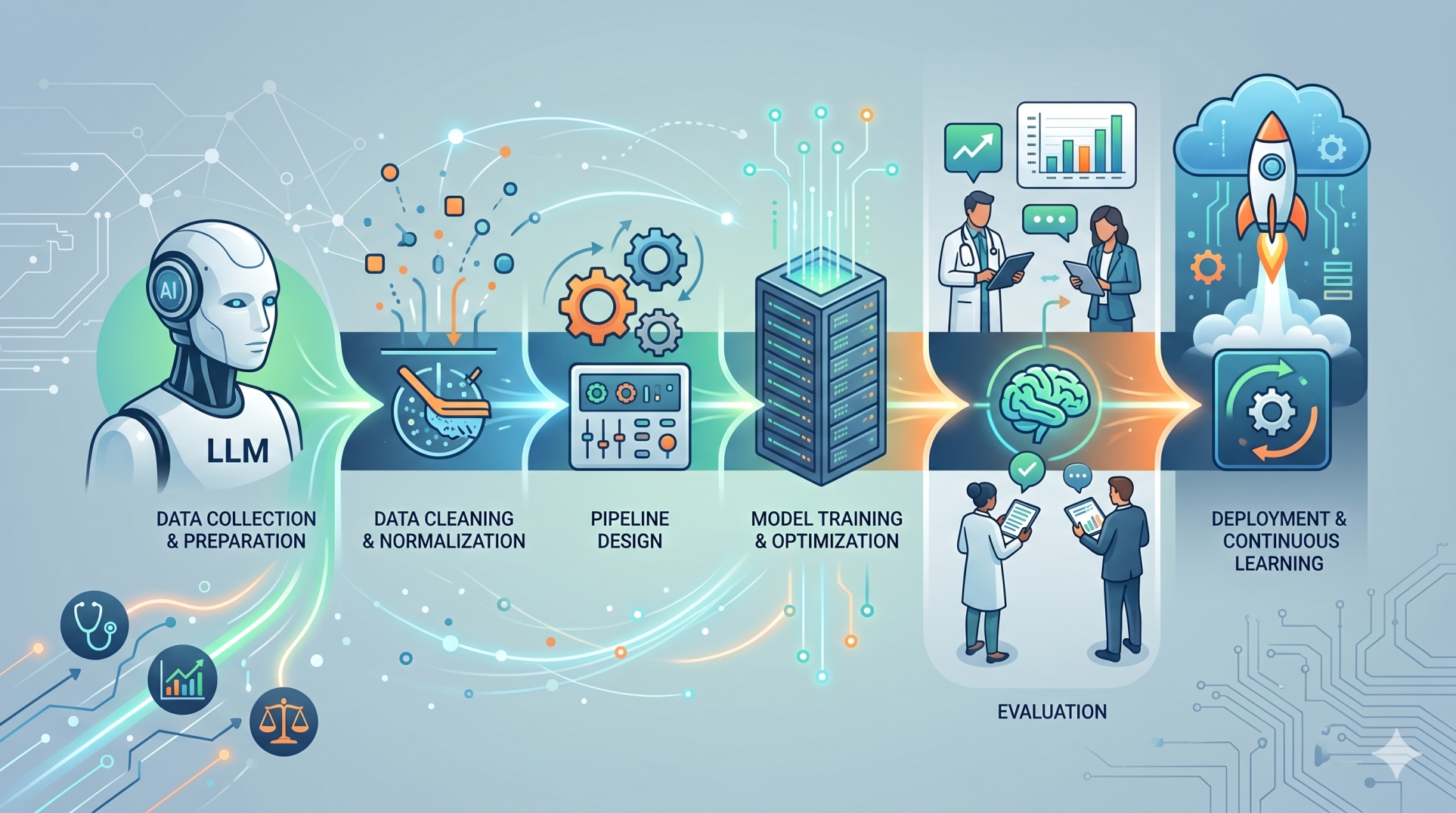
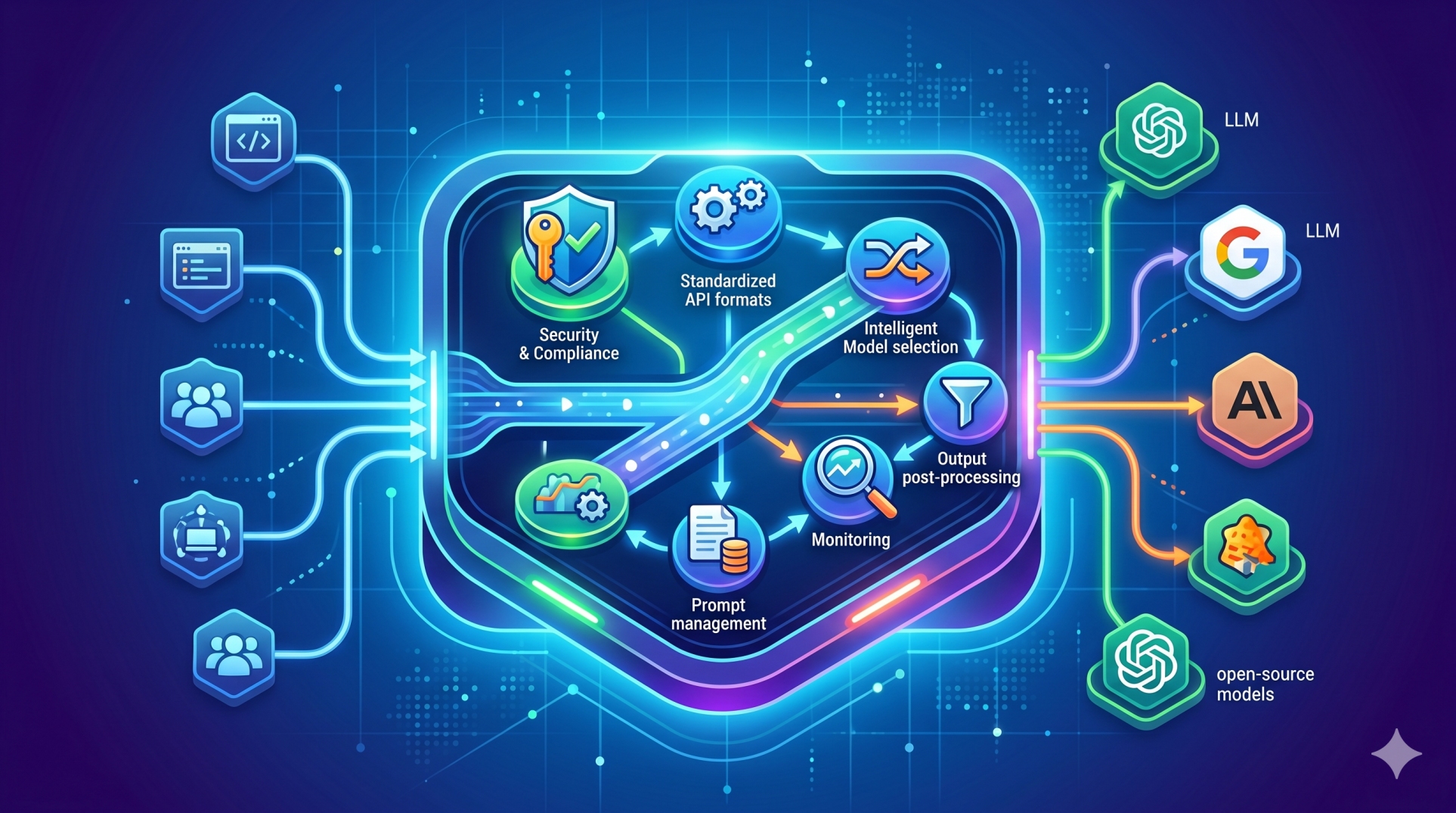
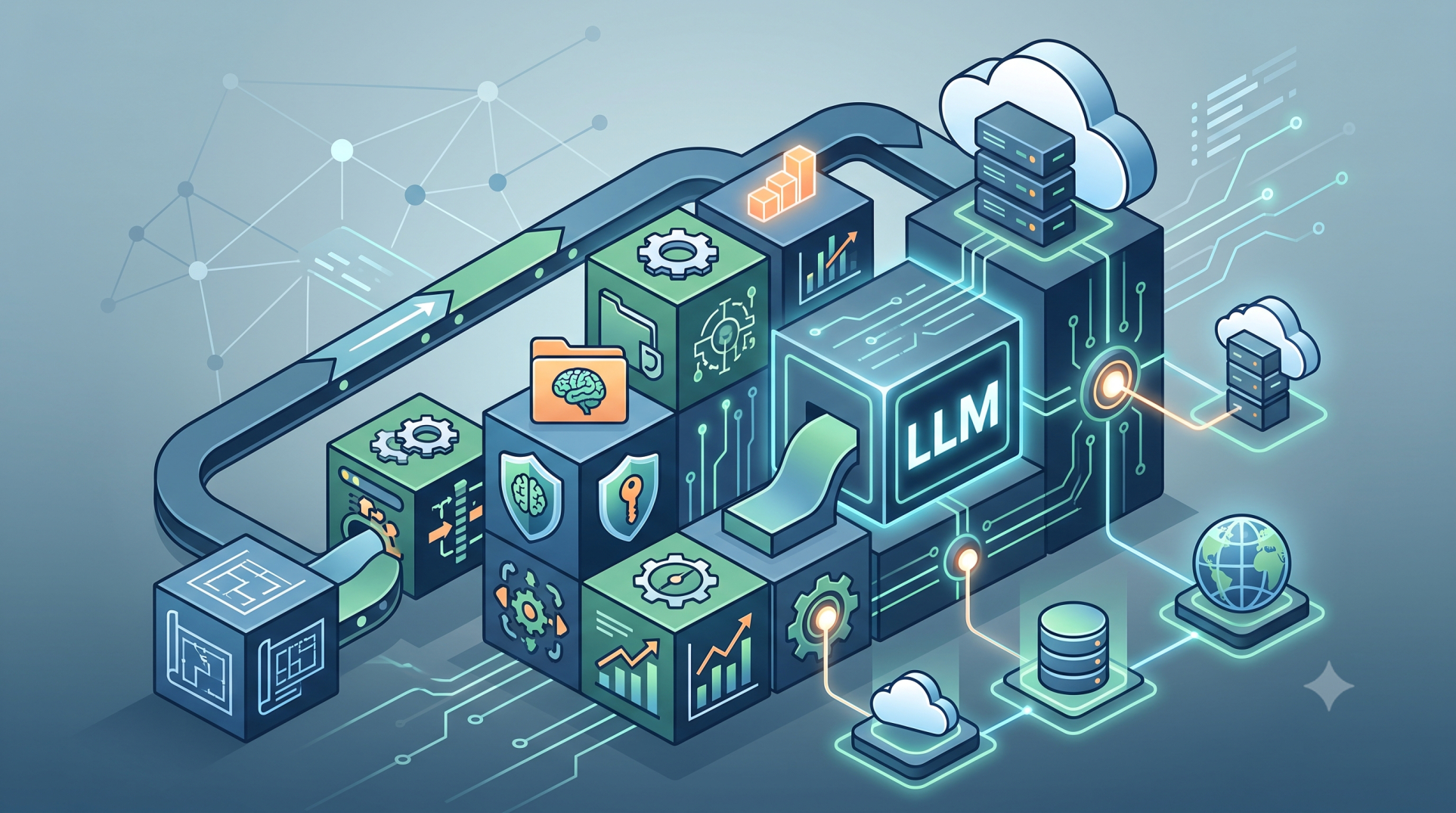
As Large Language Model (LLM) applications move from experimentation to enterprise-wide adoption, standardization has become essential for ensuring consistency, security, scalability, and long-term maintainability. Standardized deployment strategies establish common frameworks for infrastructure, model management, governance, security, and operational processes. By adopting consistent deployment practices, organizations can accelerate implementation, reduce operational complexity, and improve the reliability of AI-powered solutions.
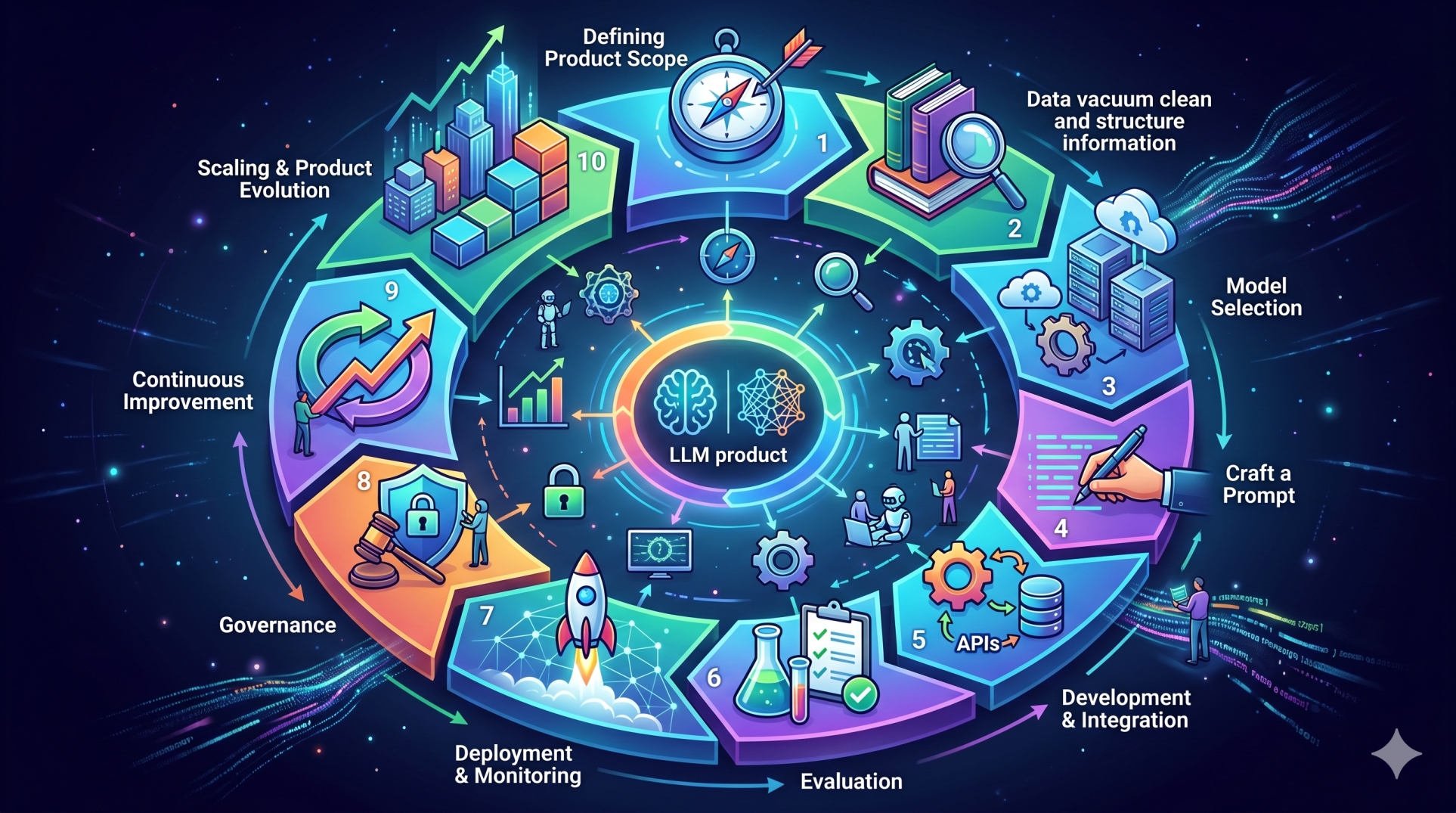
Step 1: Establishing Deployment Standards 🏗️
• Define standardized deployment architectures across environments 📋
• Create reusable templates for LLM application deployments 🧩
• Maintain consistency between development, testing, and production 🔄
• Document deployment procedures and operational guidelines 📖
• Build scalable foundations for future AI initiatives 🚀
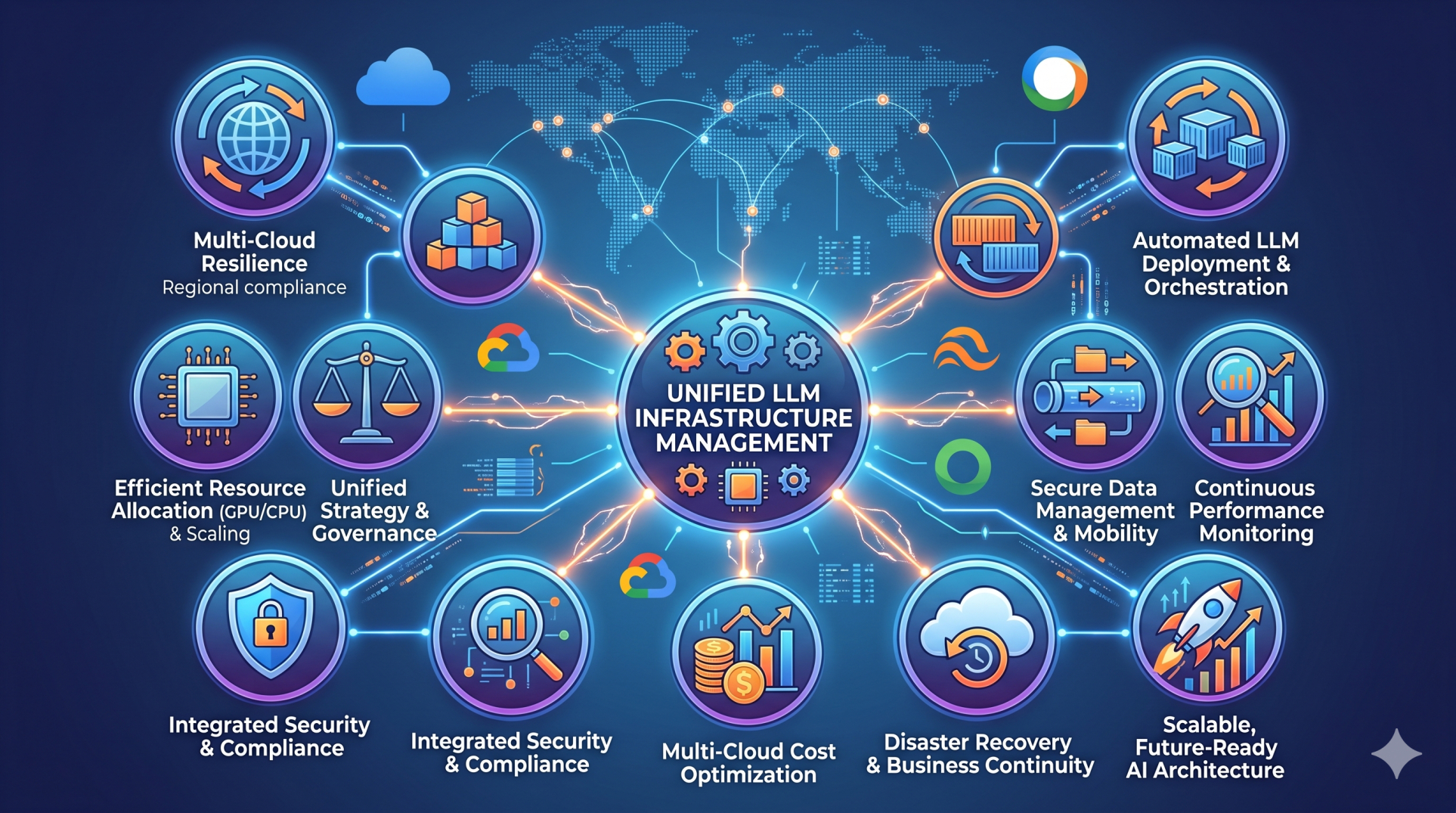
Step 2: Standardizing Infrastructure ☁️
• Deploy LLM workloads using consistent cloud or hybrid infrastructure 🌐
• Standardize compute, storage, and networking configurations ⚙️
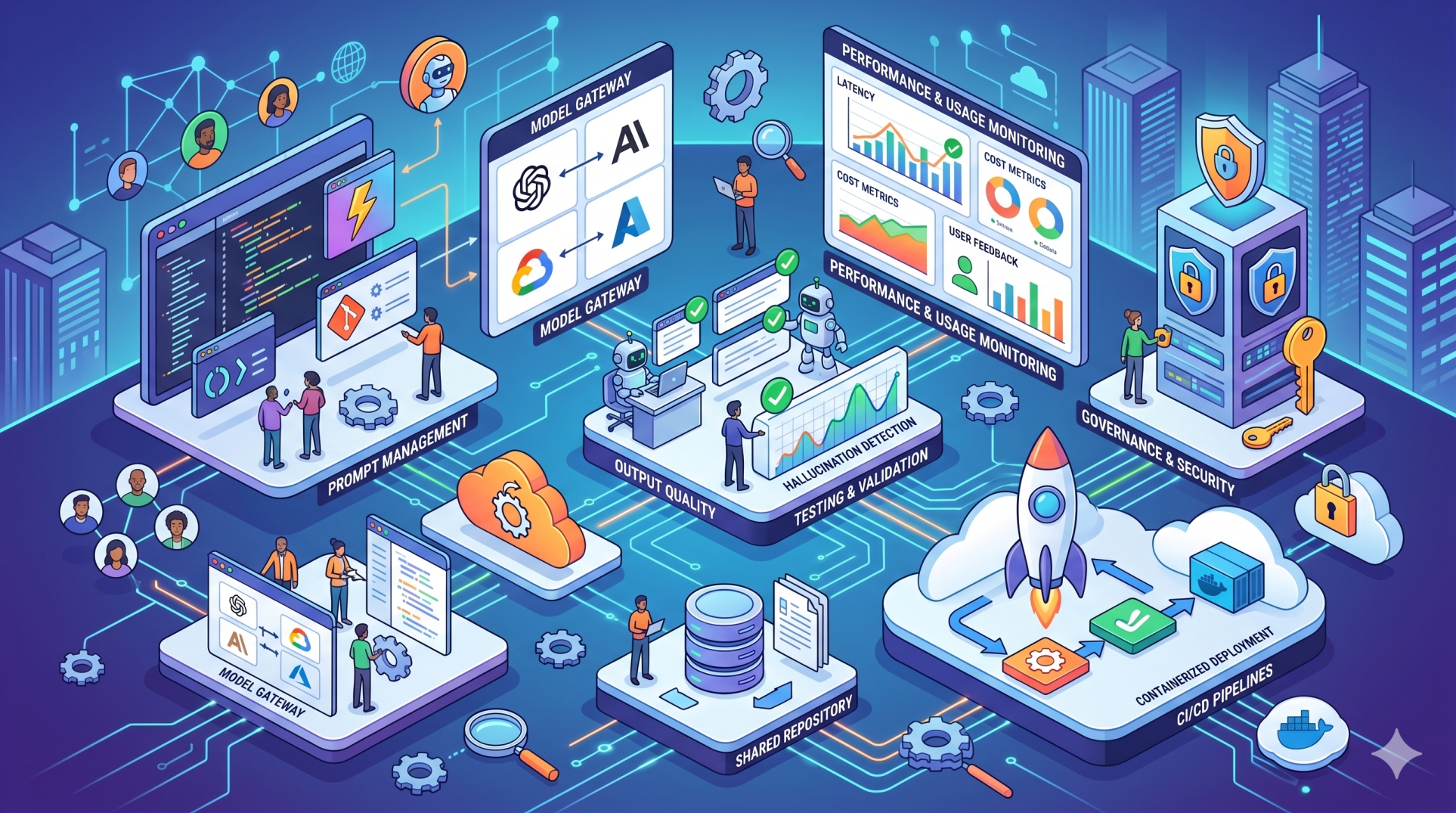
• Use containerization for portable deployments 📦
• Automate infrastructure provisioning where possible 🤖
• Ensure environments remain consistent across locations 🔧
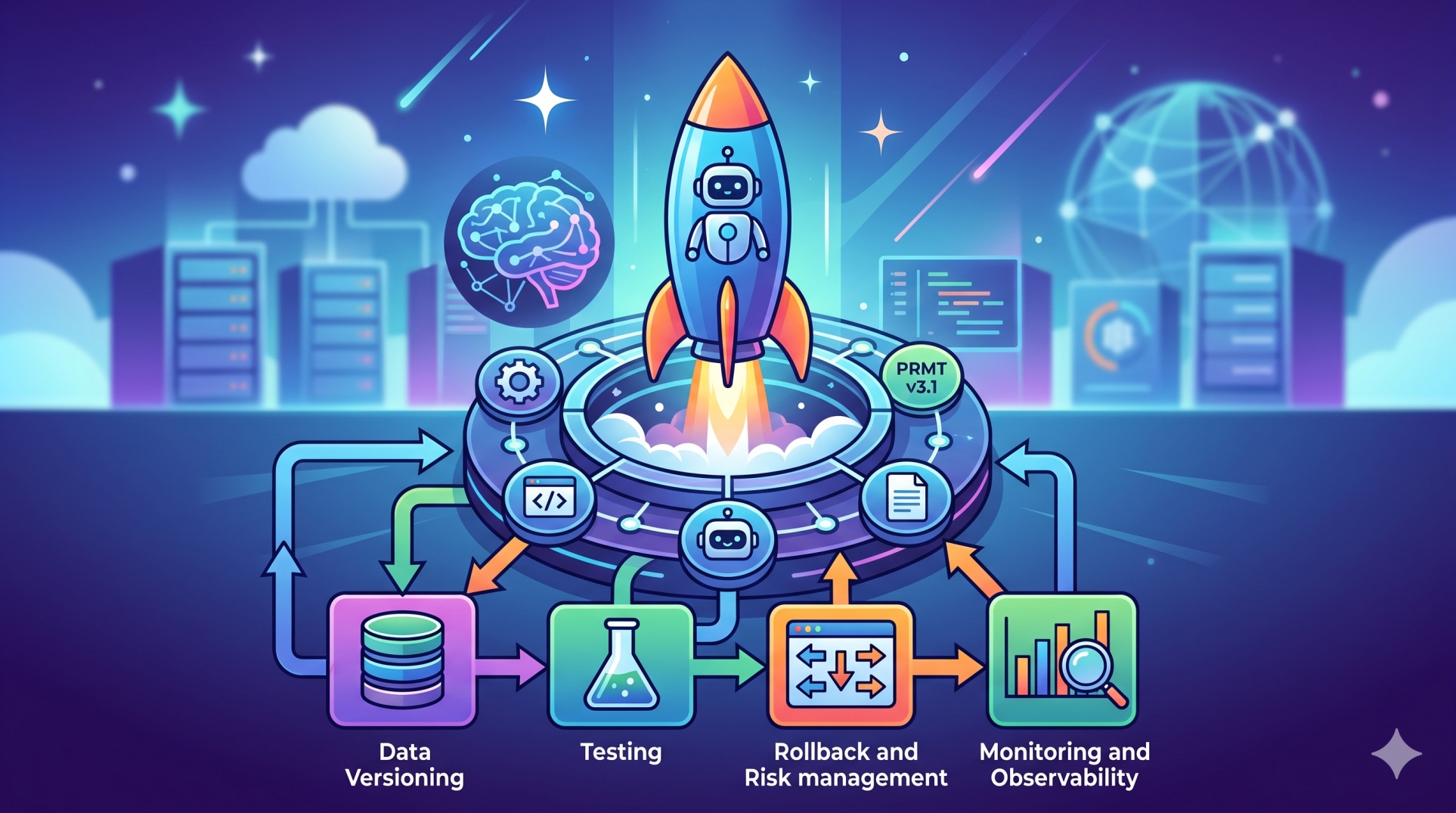
Step 3: Managing Models Consistently 🧠
• Maintain centralized model repositories 📂
• Standardize model versioning and lifecycle management 🔄
• Track model updates and deployment history 📝
• Validate models before production releases ✅
• Support rollback procedures when necessary ⏪
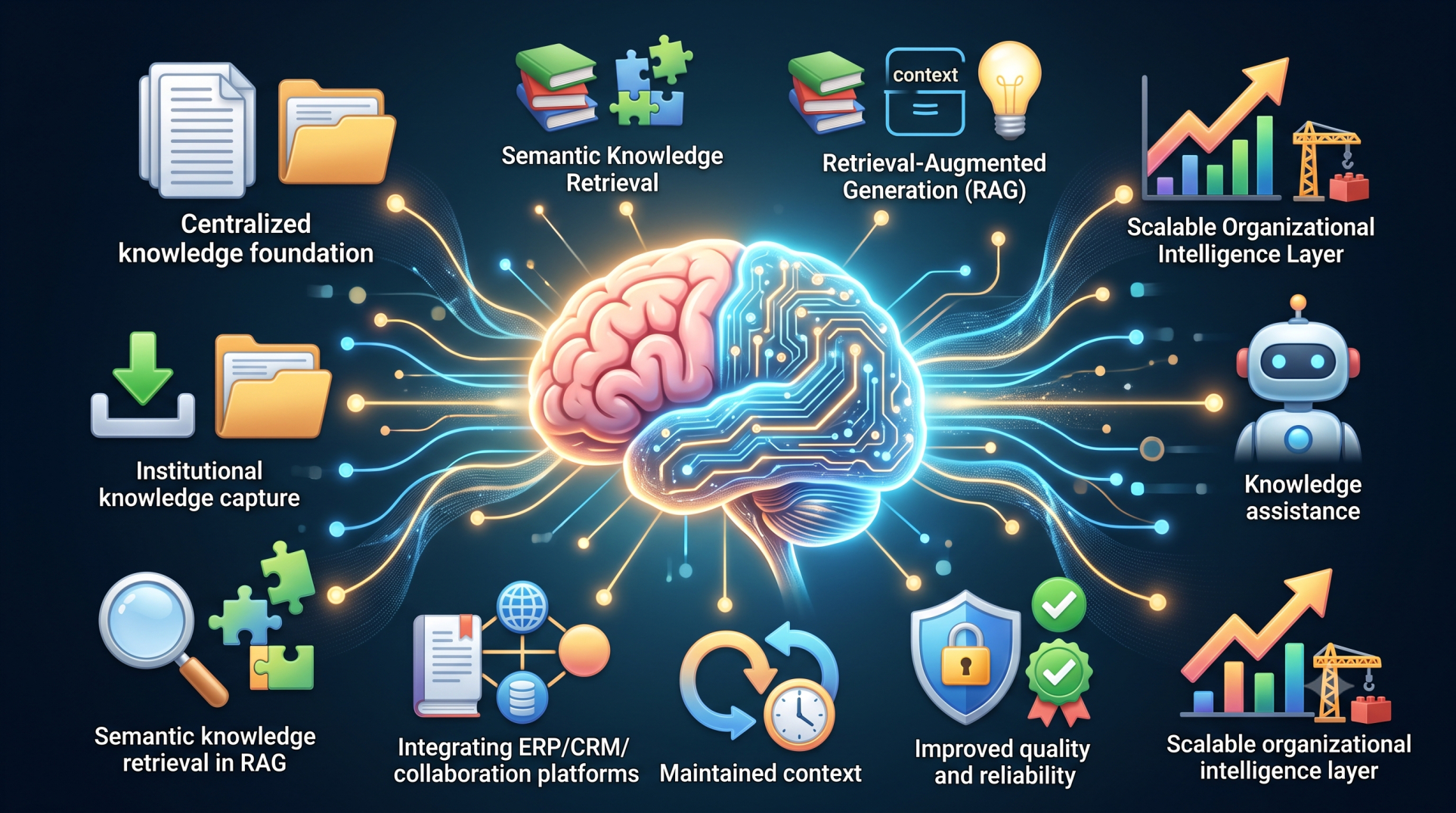
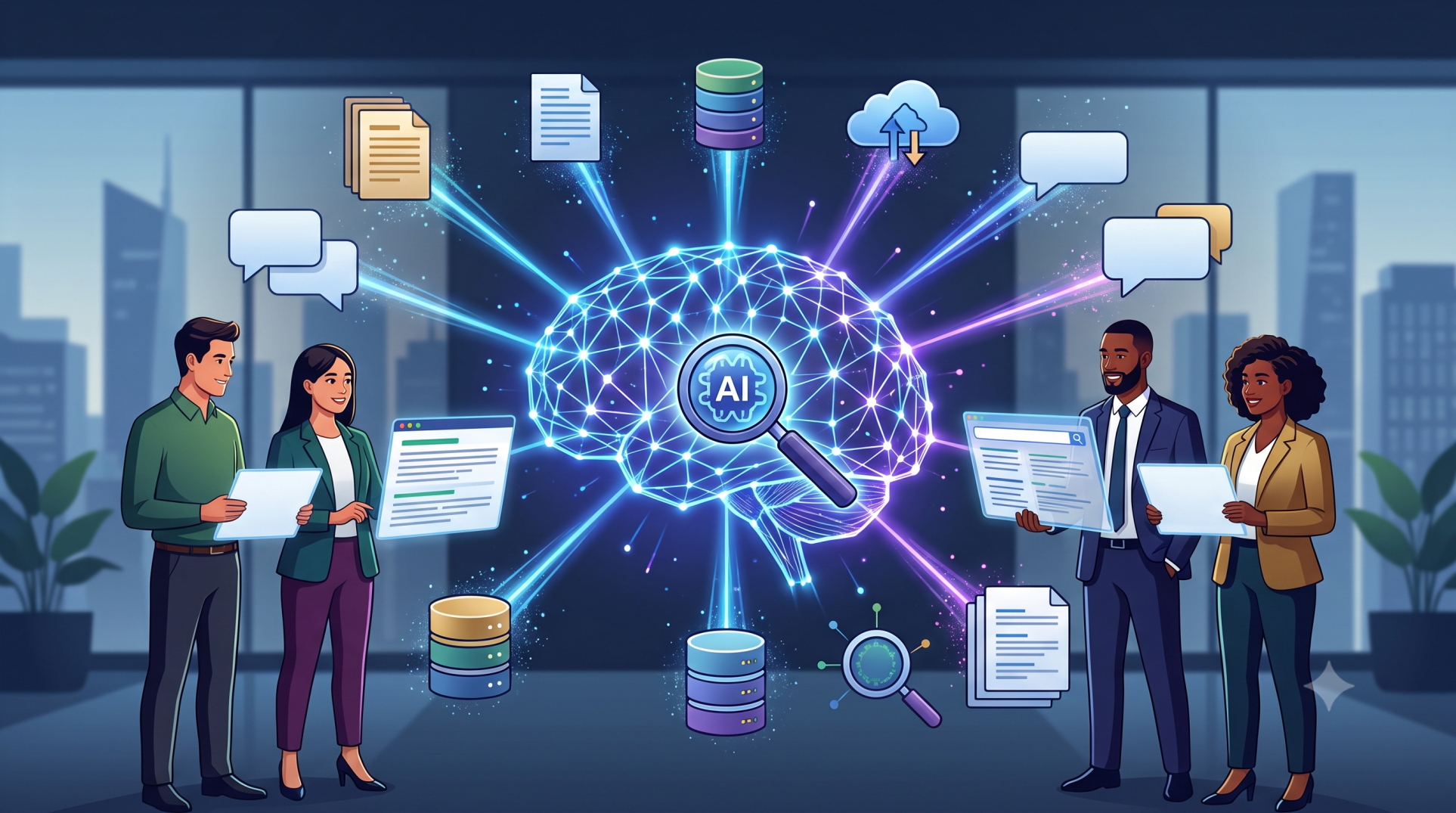
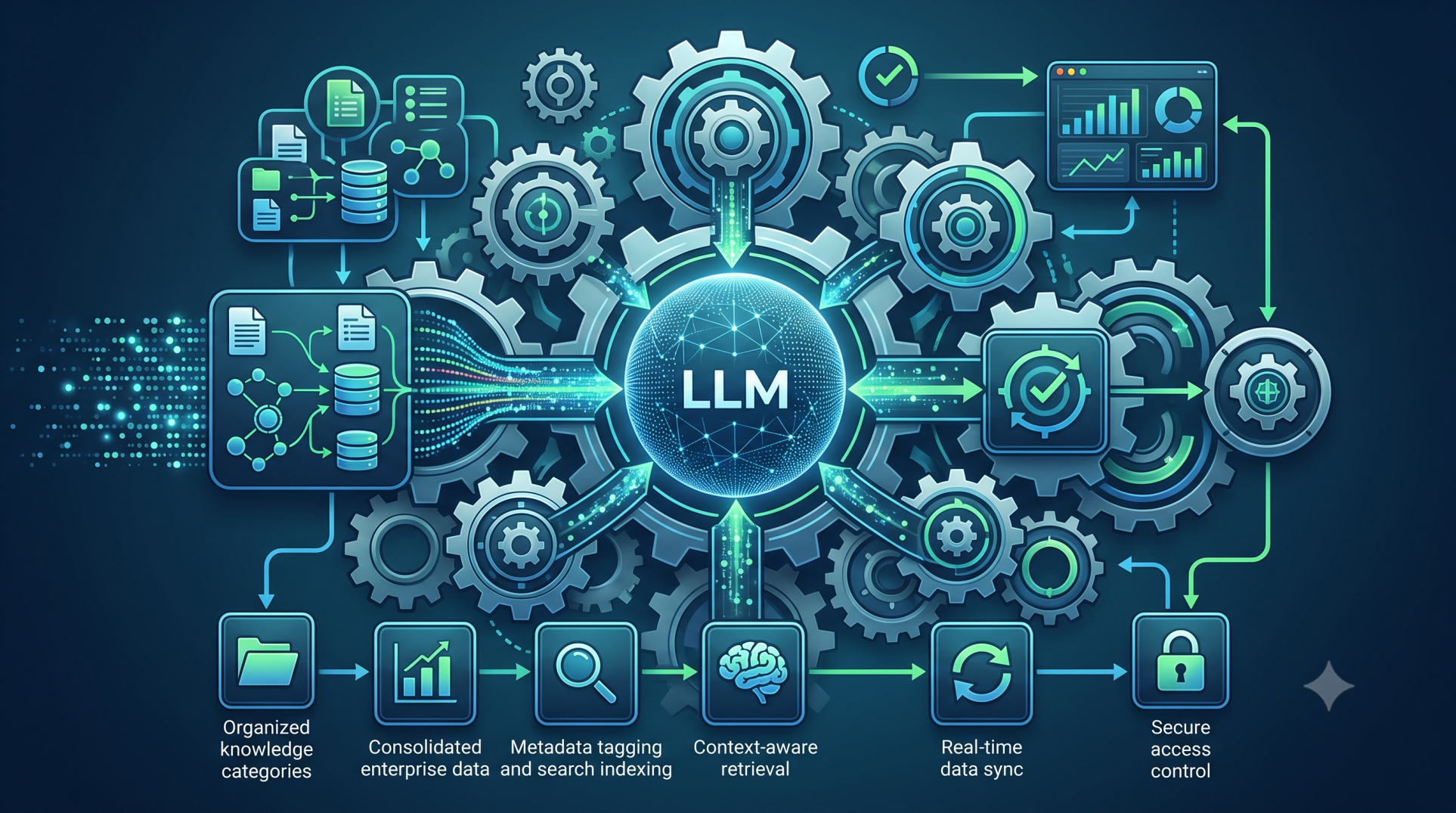
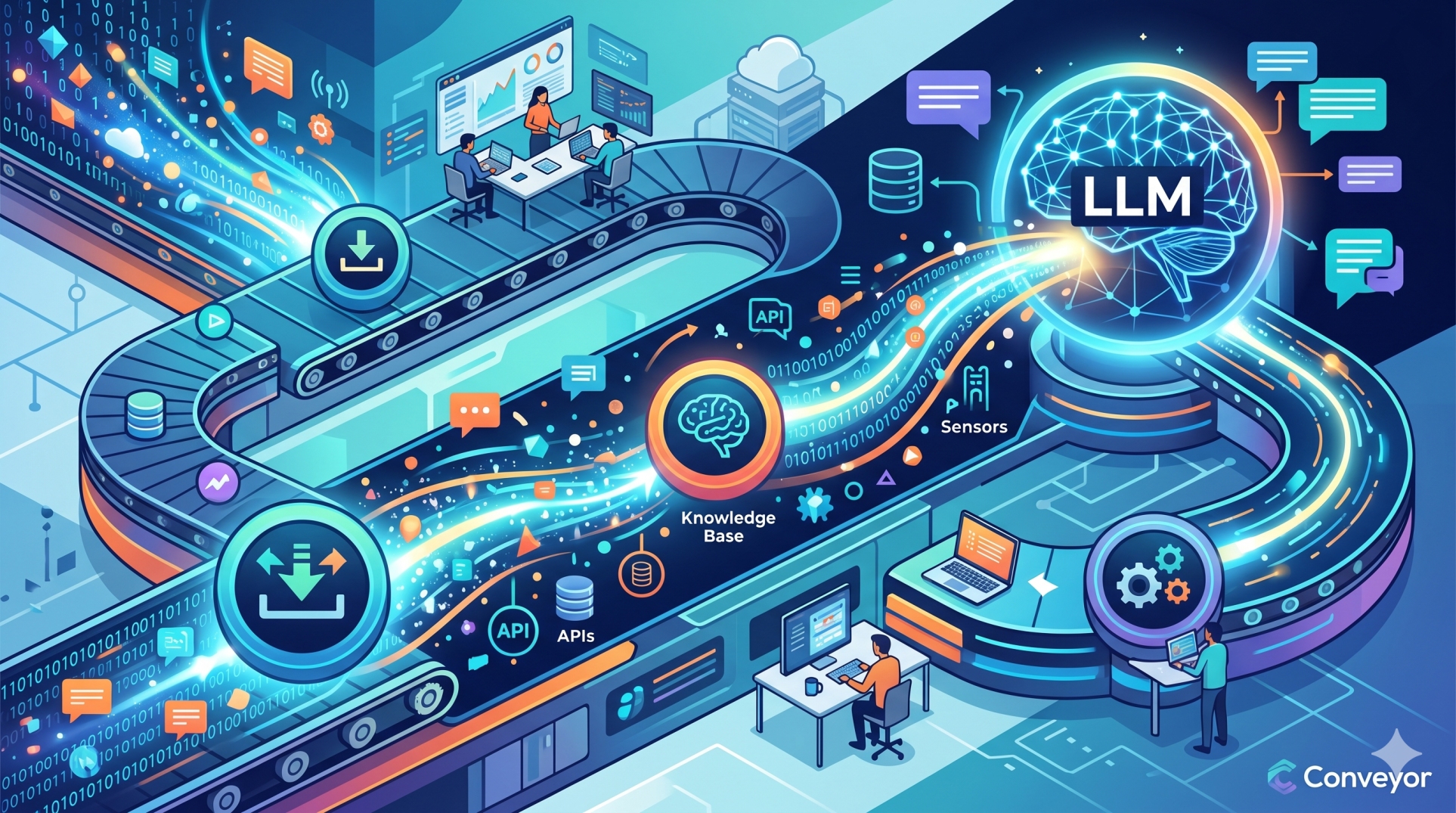
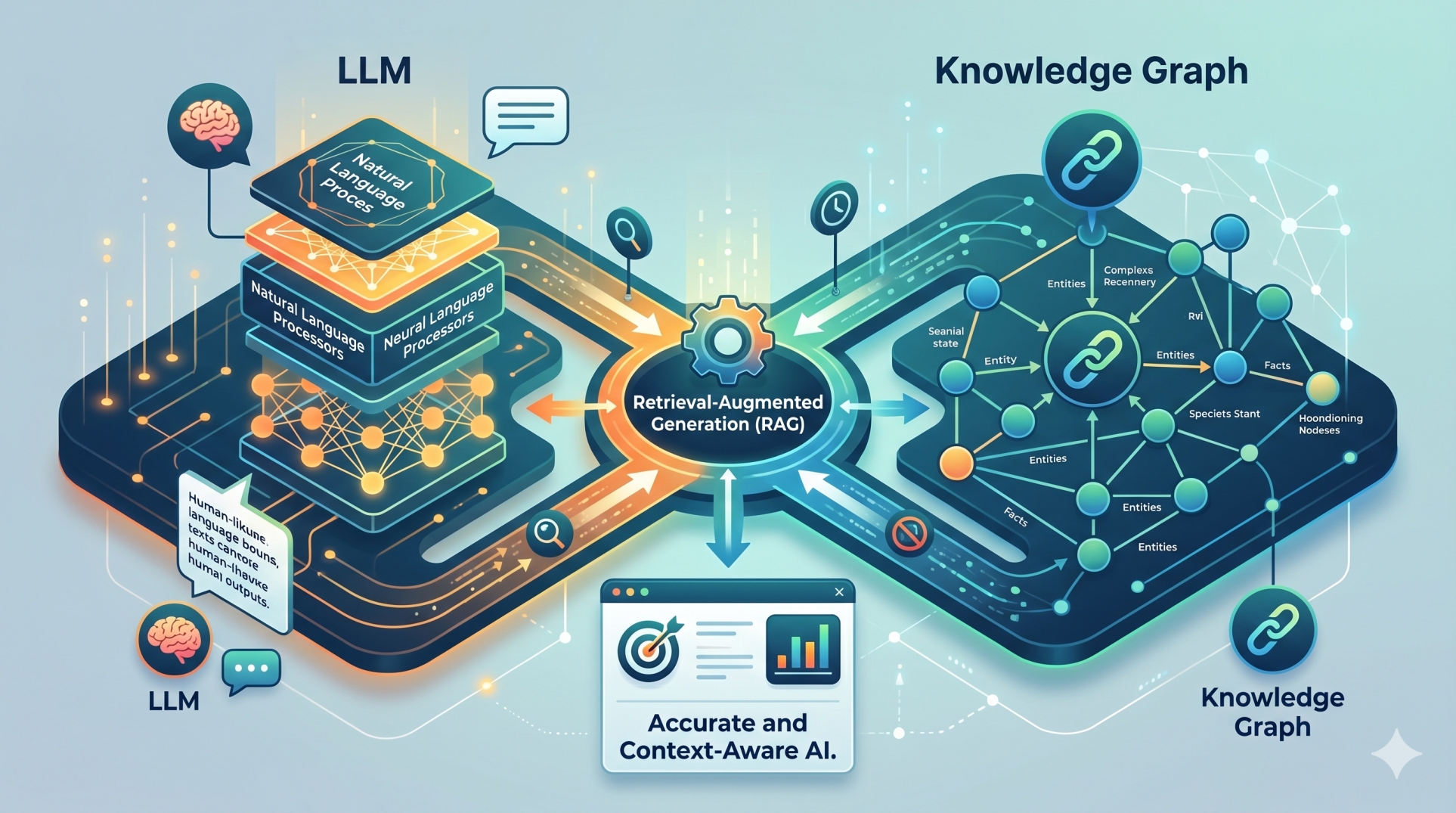
Step 4: Standardizing Data Integration 📊
• Define consistent data ingestion processes 🔗
• Standardize document preparation and indexing workflows 📄
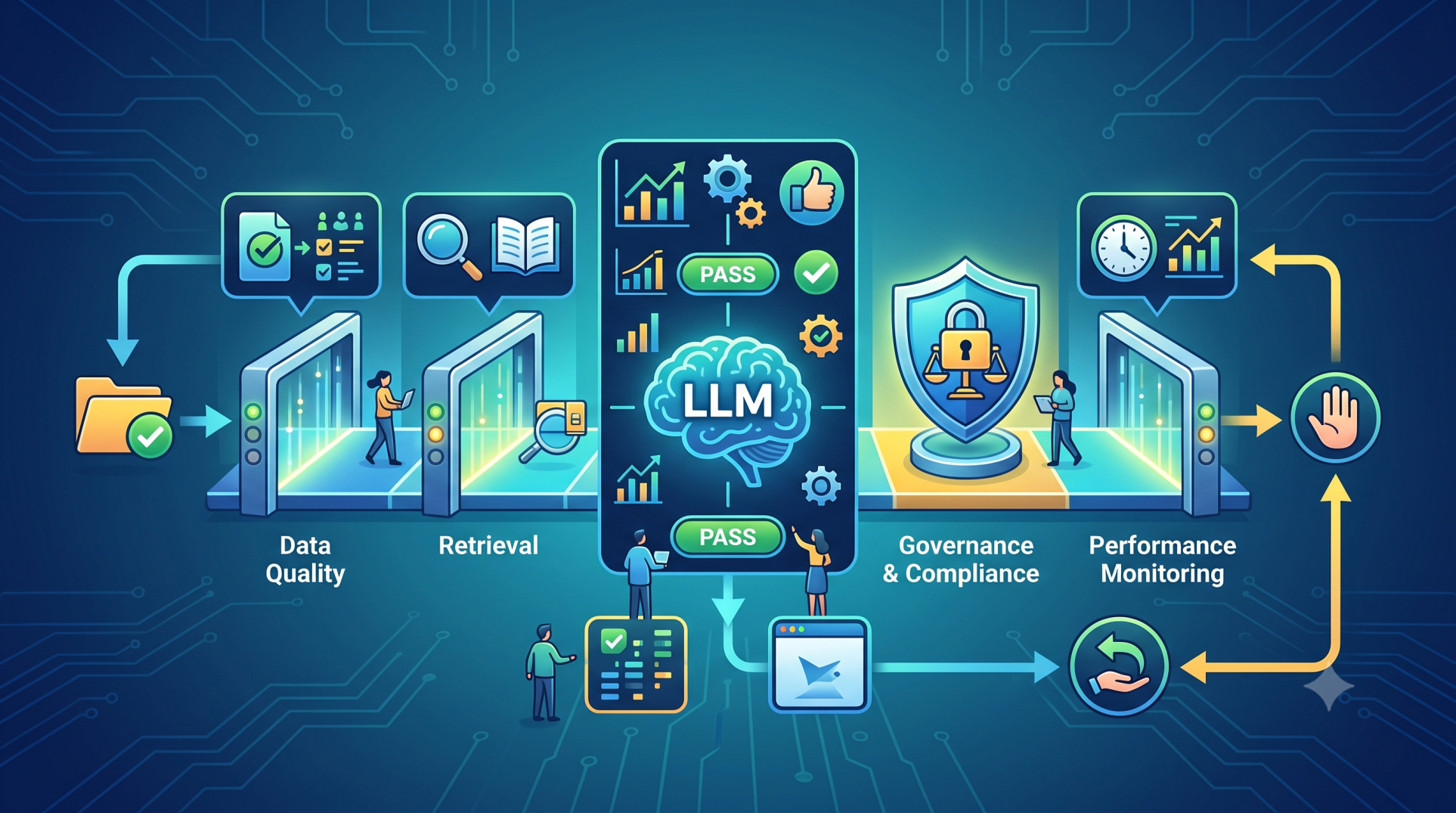
• Apply uniform validation for incoming data ✔️
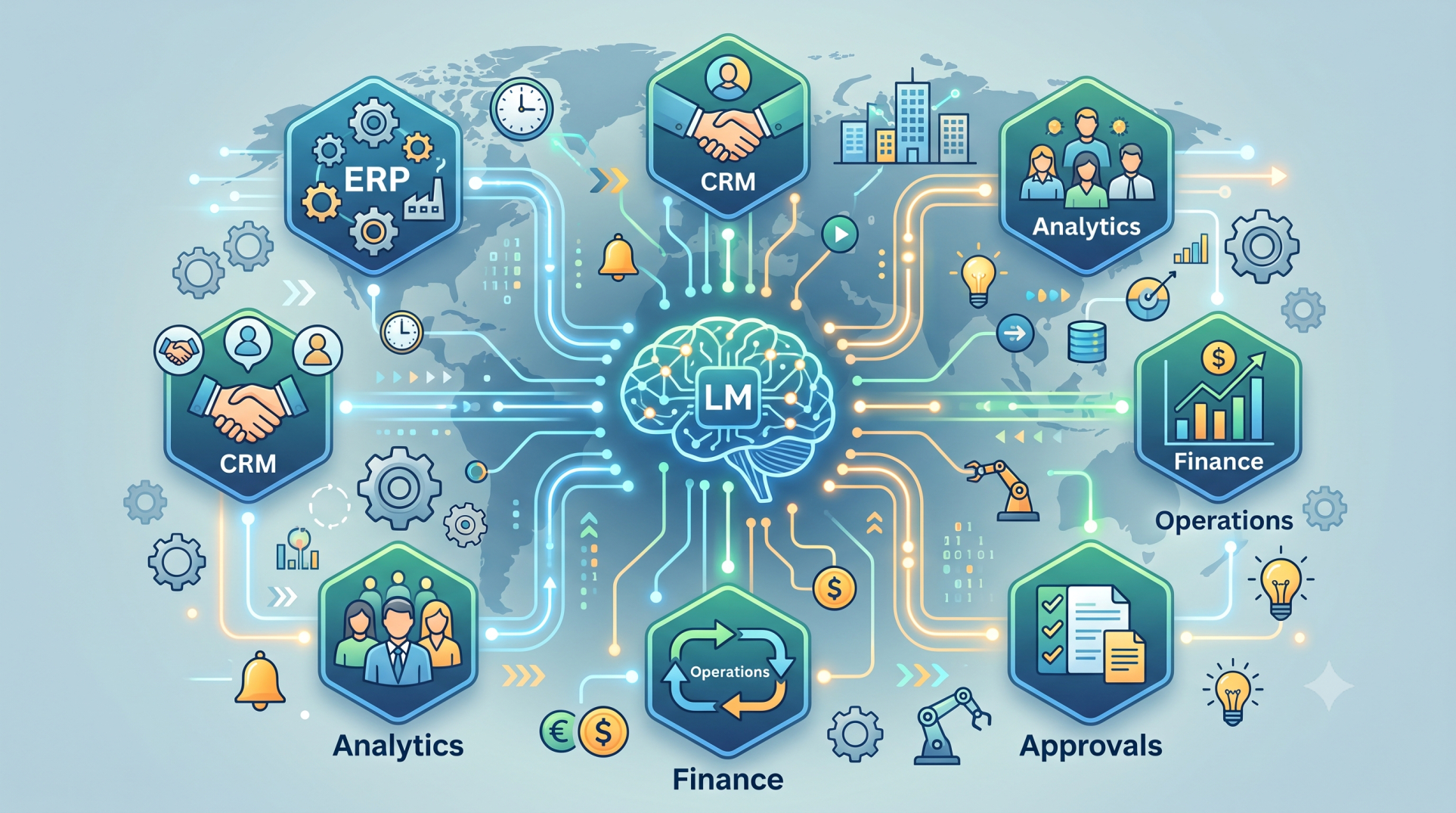
• Maintain reliable connections with enterprise systems 🏢
• Ensure data quality throughout AI operations 📈
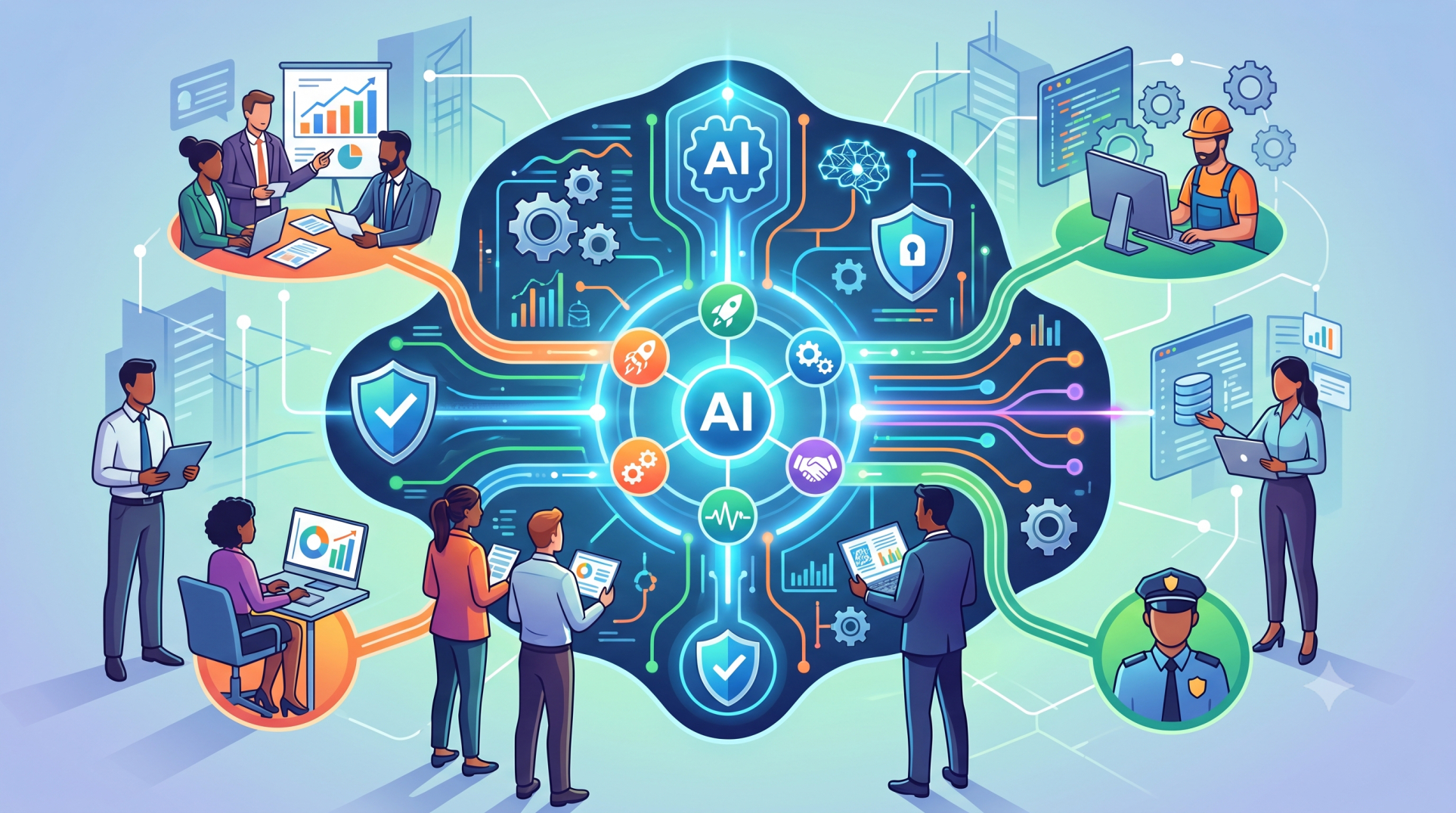
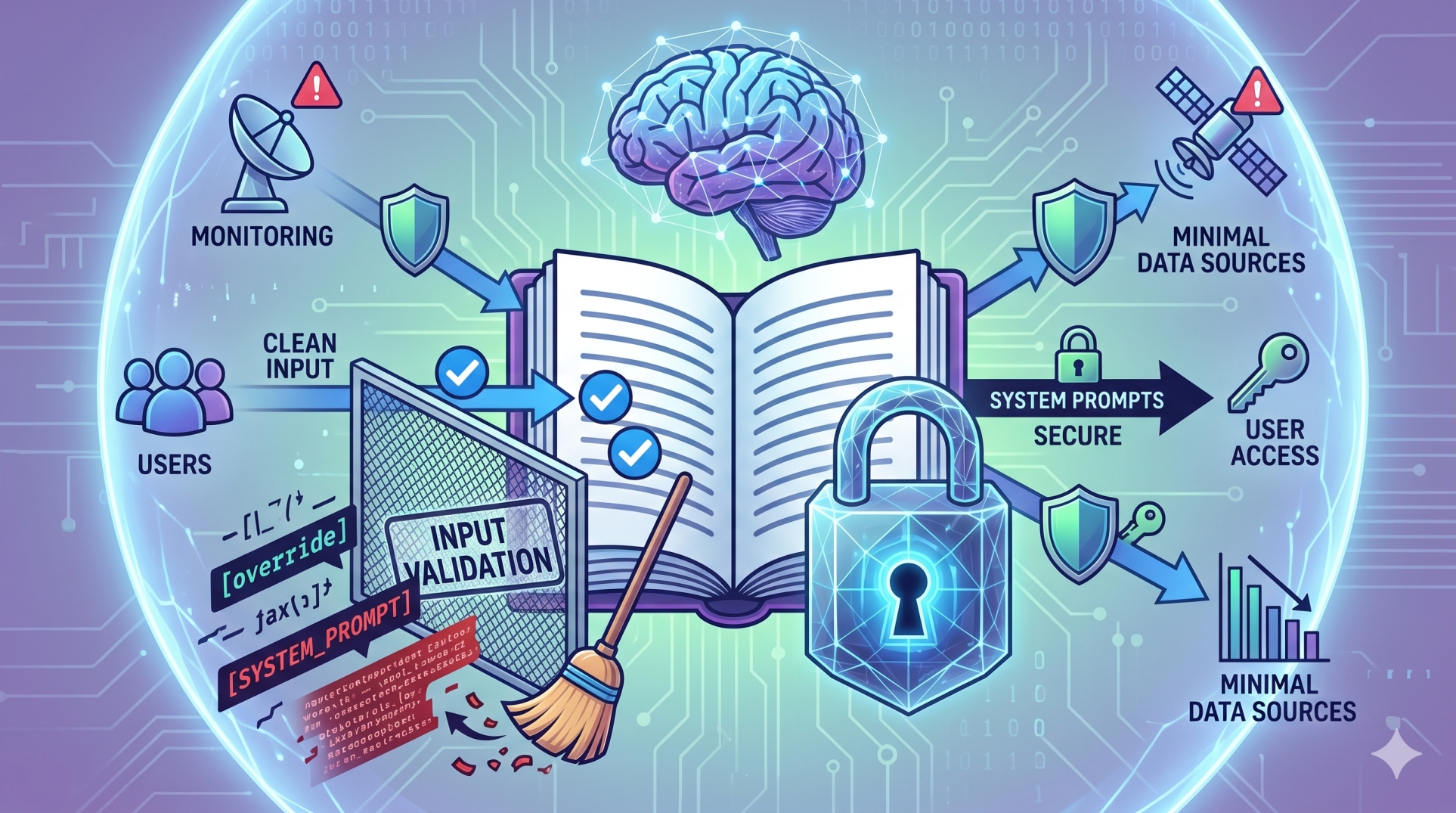
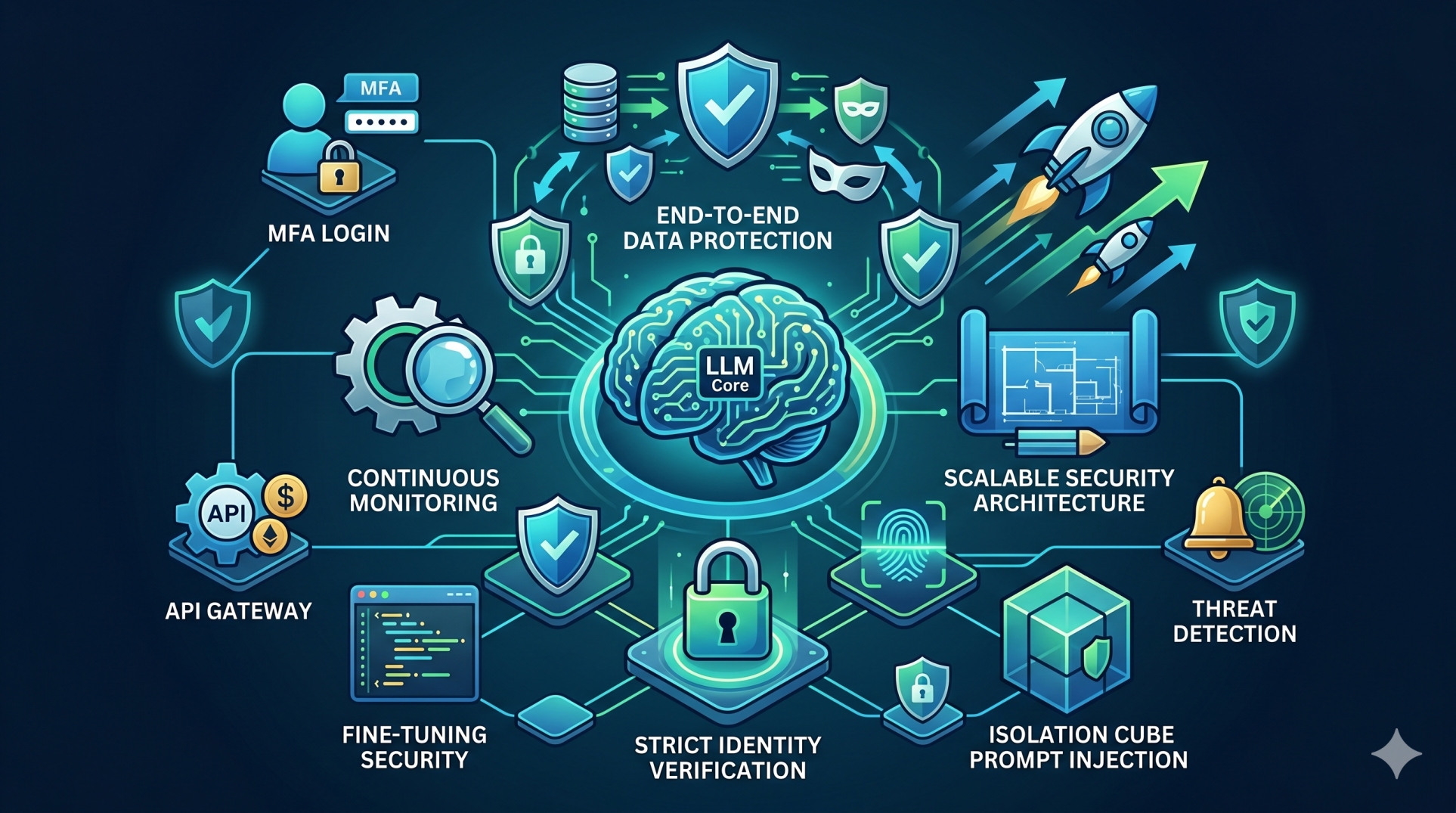
Step 5: Implementing Security Standards 🔐
• Apply consistent identity and access controls 👥
• Encrypt sensitive data during storage and transmission 🛡️
• Protect API endpoints with standardized authentication 🔑
• Monitor security events across deployment environments 👀
• Align security controls with organizational policies 📜
Step 6: Automating Deployment Pipelines ⚙️
• Build repeatable deployment workflows using automation 🤖
• Validate configurations before production deployment ✔️
• Automate testing for application reliability 🧪
• Reduce manual intervention during software releases ⏱️
• Improve deployment consistency across environments 🚀
Step 7: Monitoring Performance and Reliability 📈
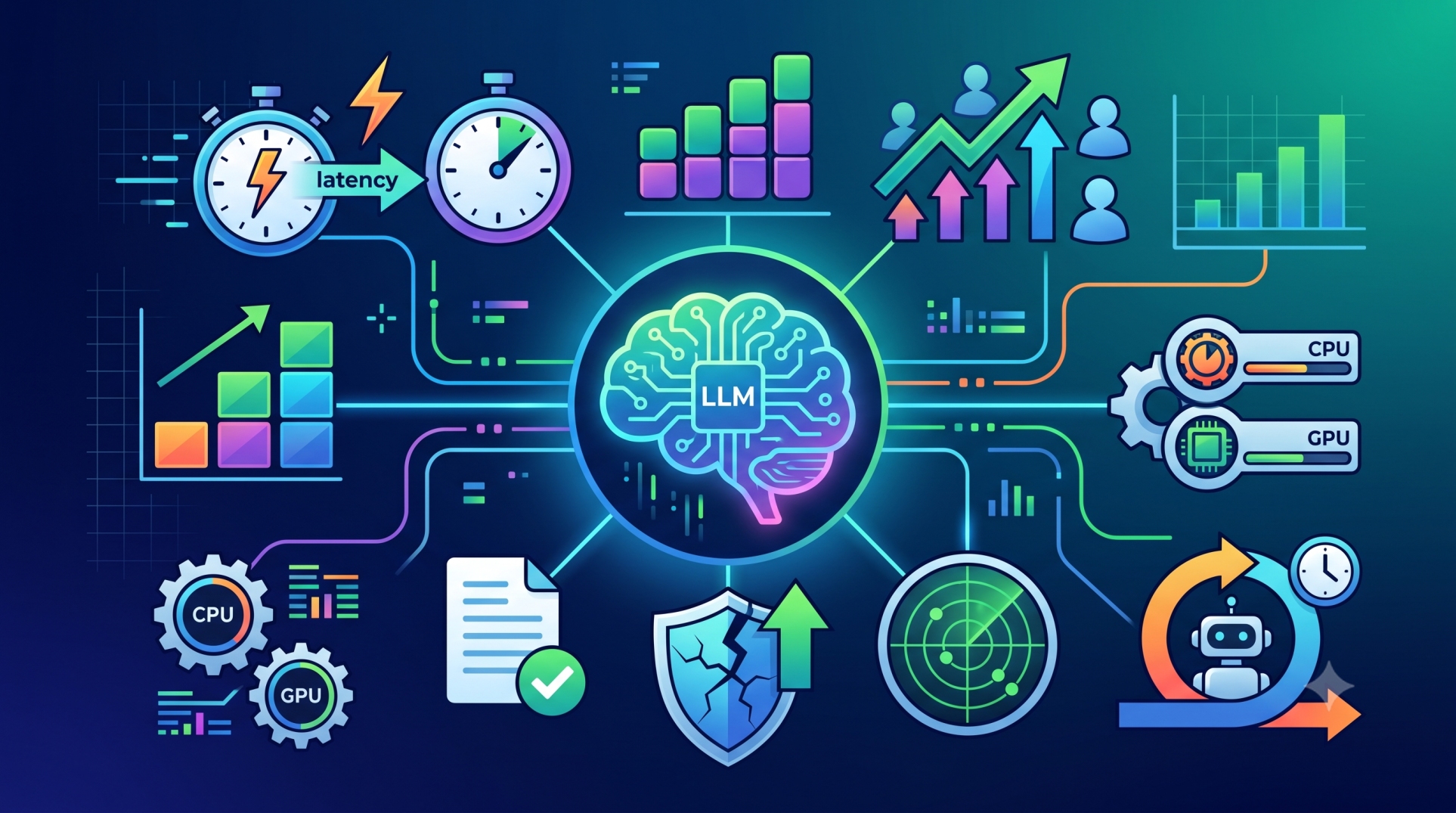
• Monitor application performance in real time 📡
• Track response times and resource utilization 📊
• Identify operational issues before they impact users 🚨
• Maintain centralized logging and reporting 📝
• Continuously optimize deployment performance 🔍
Step 8: Key Standardization Priorities ⭐
• Consistent deployment processes across environments 🔄
• Reliable infrastructure and model management 🏗️
• Strong security and governance practices 🔐
• Scalable architecture supporting enterprise growth 📈
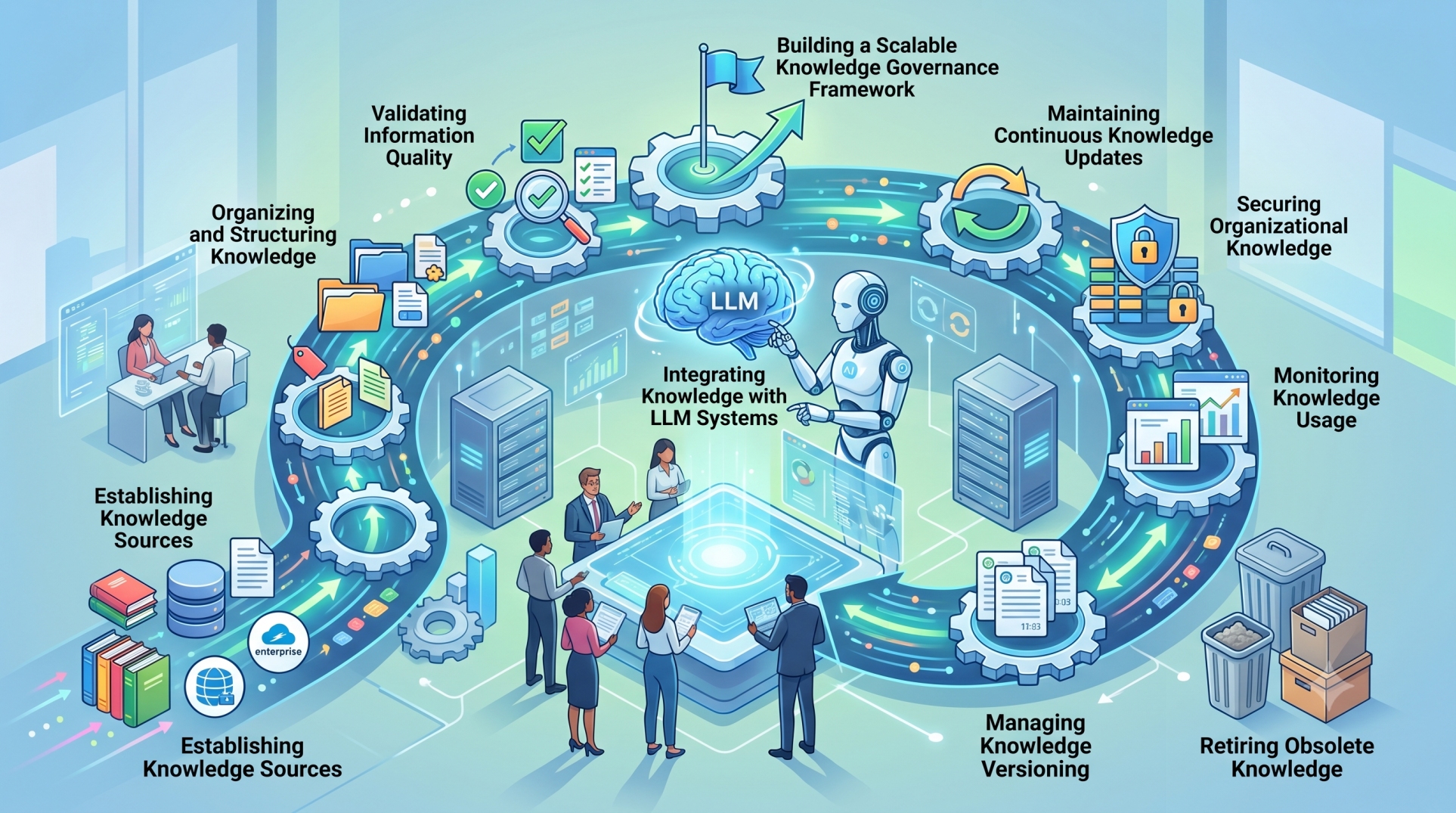
Step 9: Supporting Governance and Compliance 📑
• Document deployment policies and operational procedures 📖
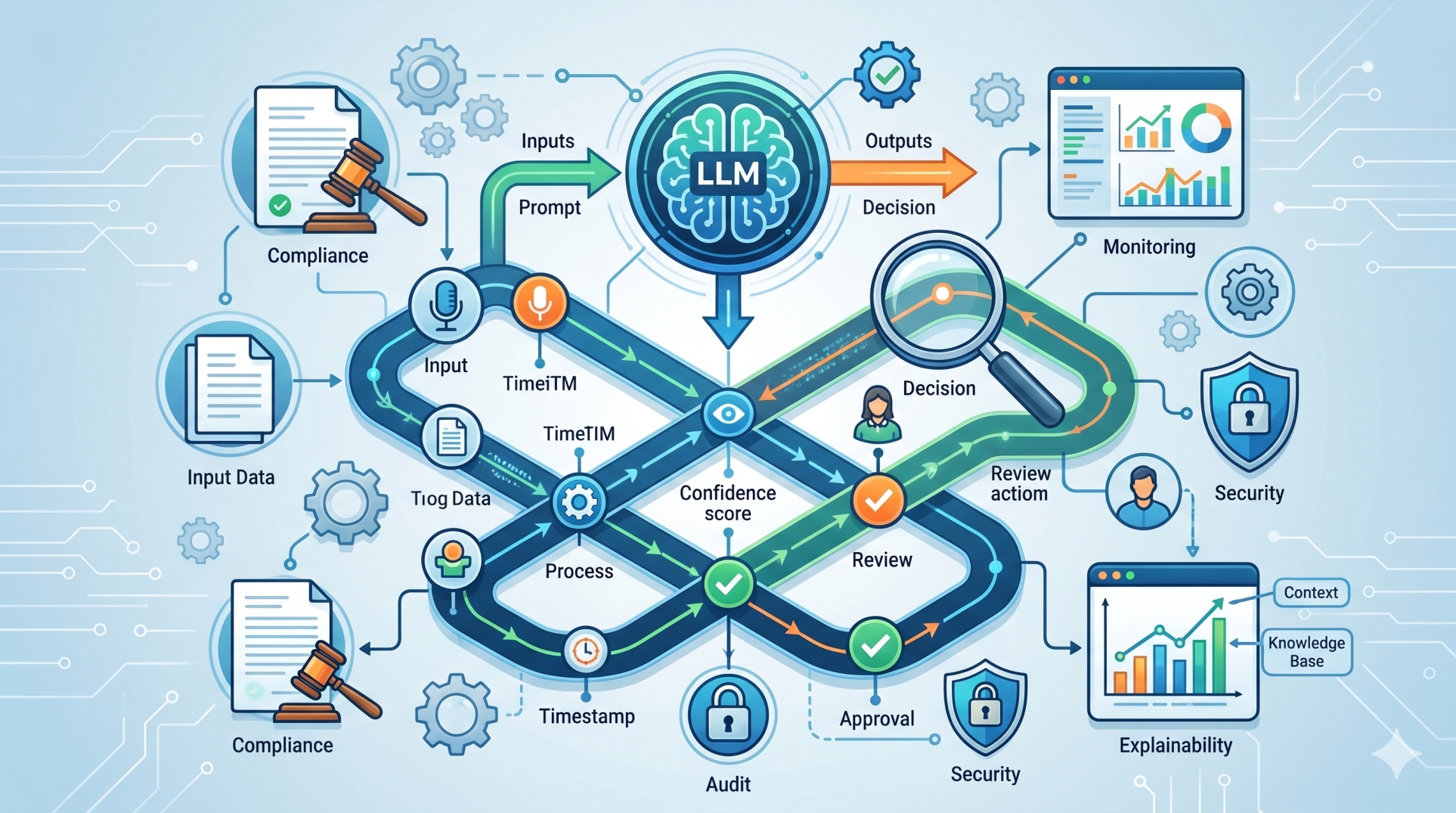
• Maintain audit records for system changes 🧾
• Define approval workflows for production releases ✅
• Enforce responsible AI governance practices ⚖️
• Demonstrate compliance with internal and external requirements 🛡️
Step 10: Building a Scalable Enterprise AI Platform 🌍
• Design modular deployment architectures for flexibility 🧩
• Integrate future models with minimal disruption 🔗
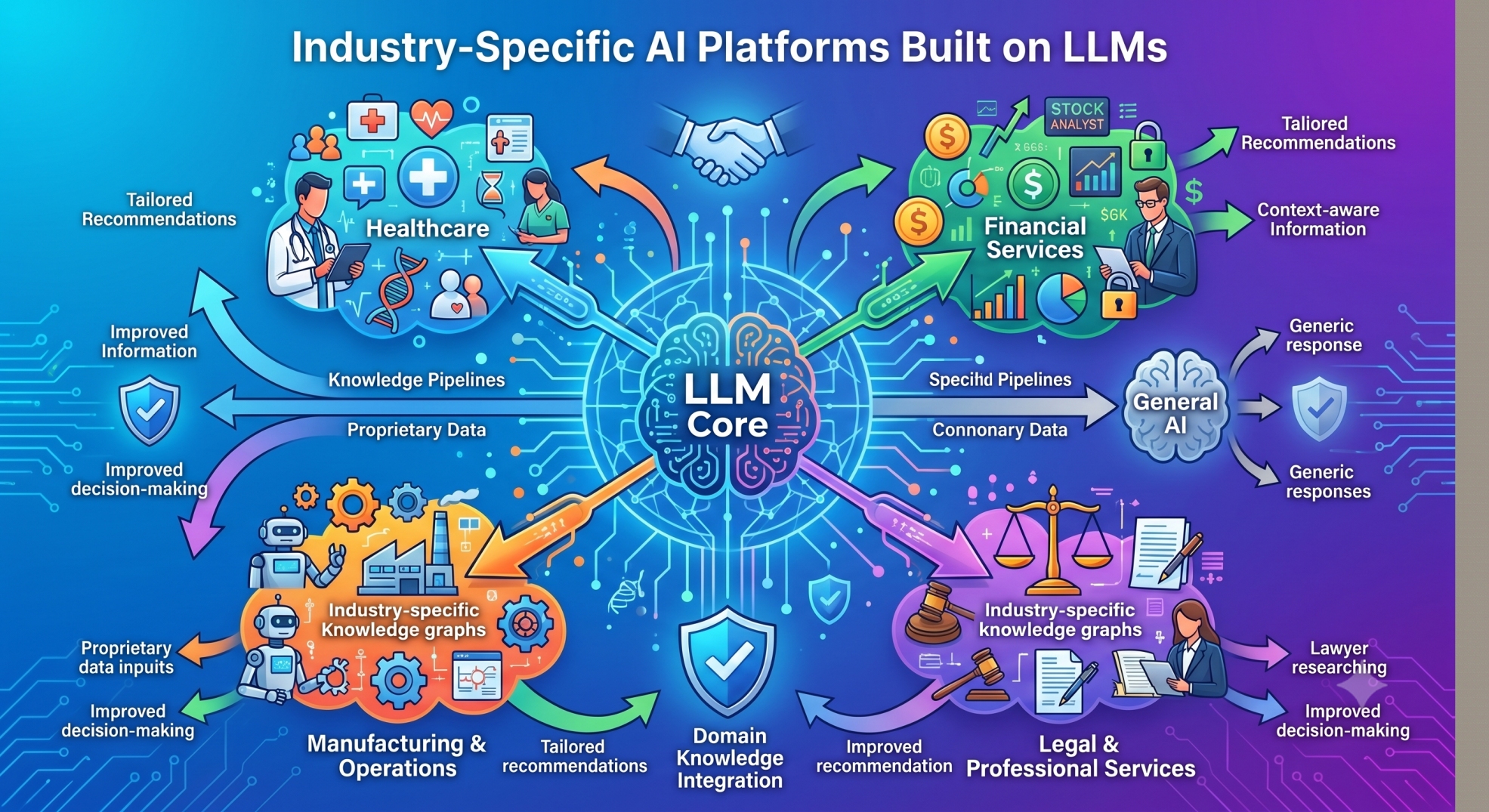
• Support multiple AI applications from a common framework 🤝
• Adapt deployments as business needs evolve 📈
• Continuously improve operational standards for long-term success 🚀
Conclusion
Standardization is the foundation of successful LLM software deployments. By establishing consistent deployment practices for infrastructure, model management, security, governance, and operational workflows, organizations can improve reliability, simplify maintenance, and accelerate enterprise AI adoption. A standardized deployment strategy not only reduces operational complexity but also provides the scalability and resilience needed to support the next generation of intelligent business applications.
See more blogs
You can all the articles below