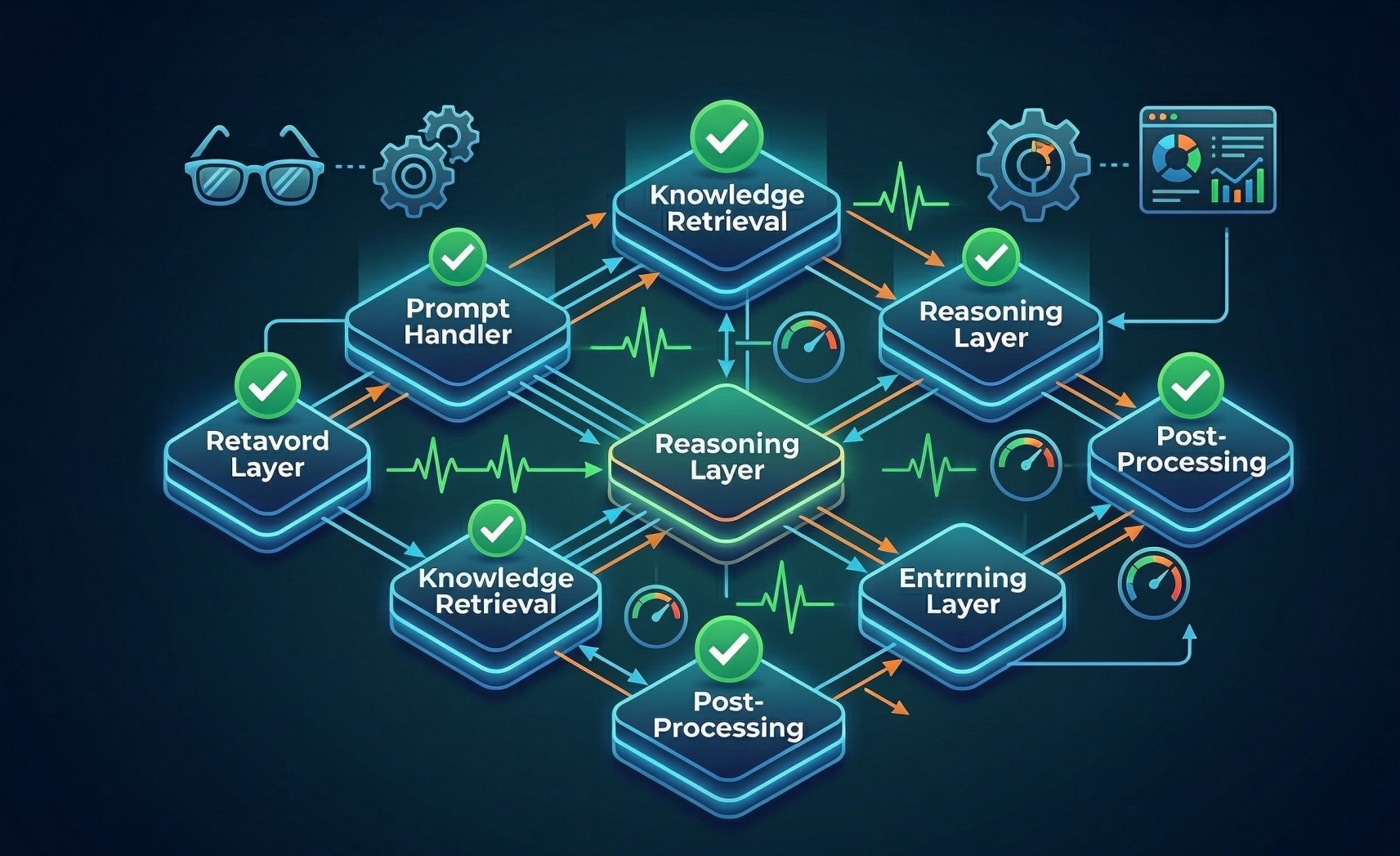
Enterprise Architecture Trends Shaping LLM Software in 2026

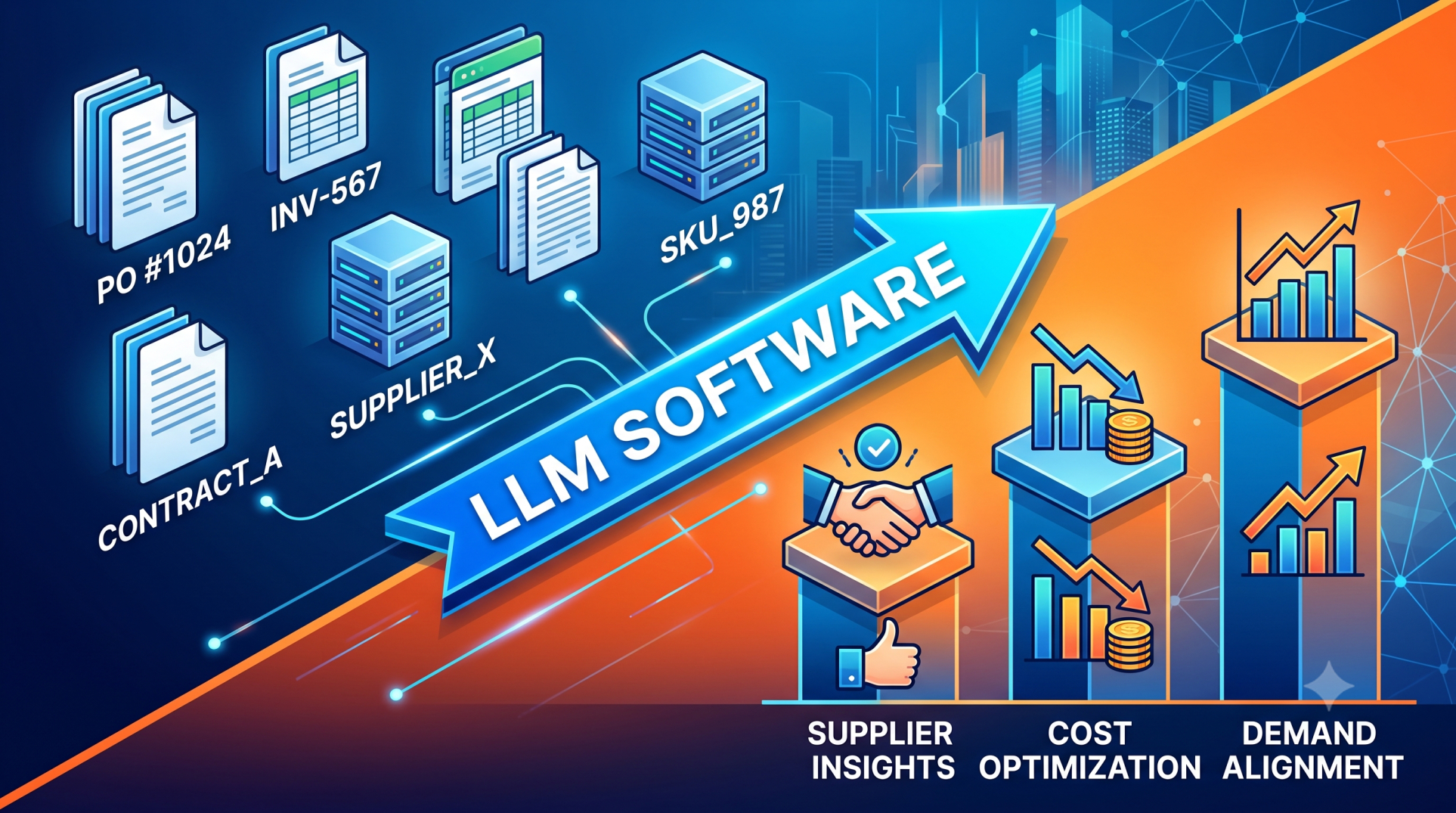
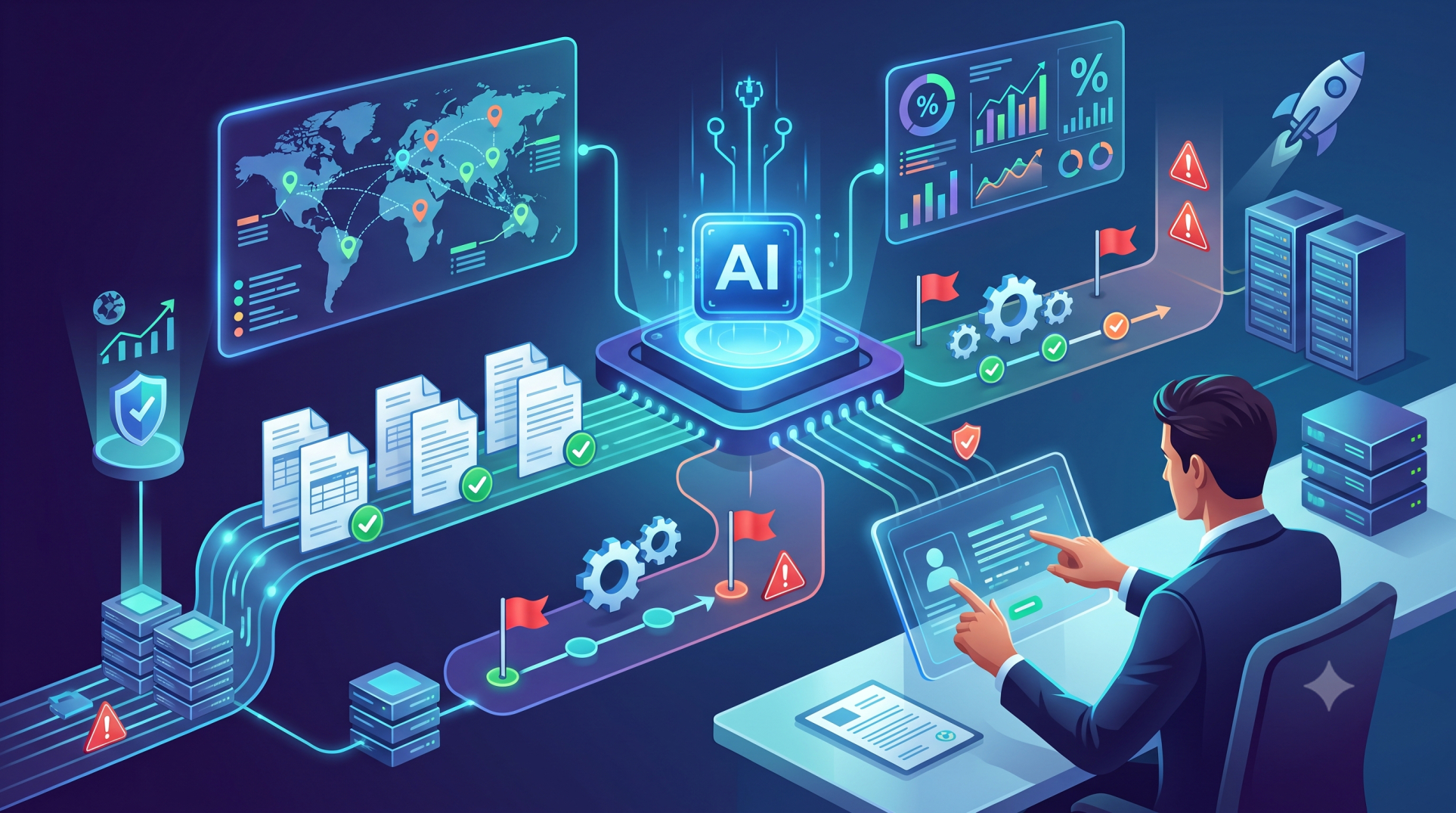
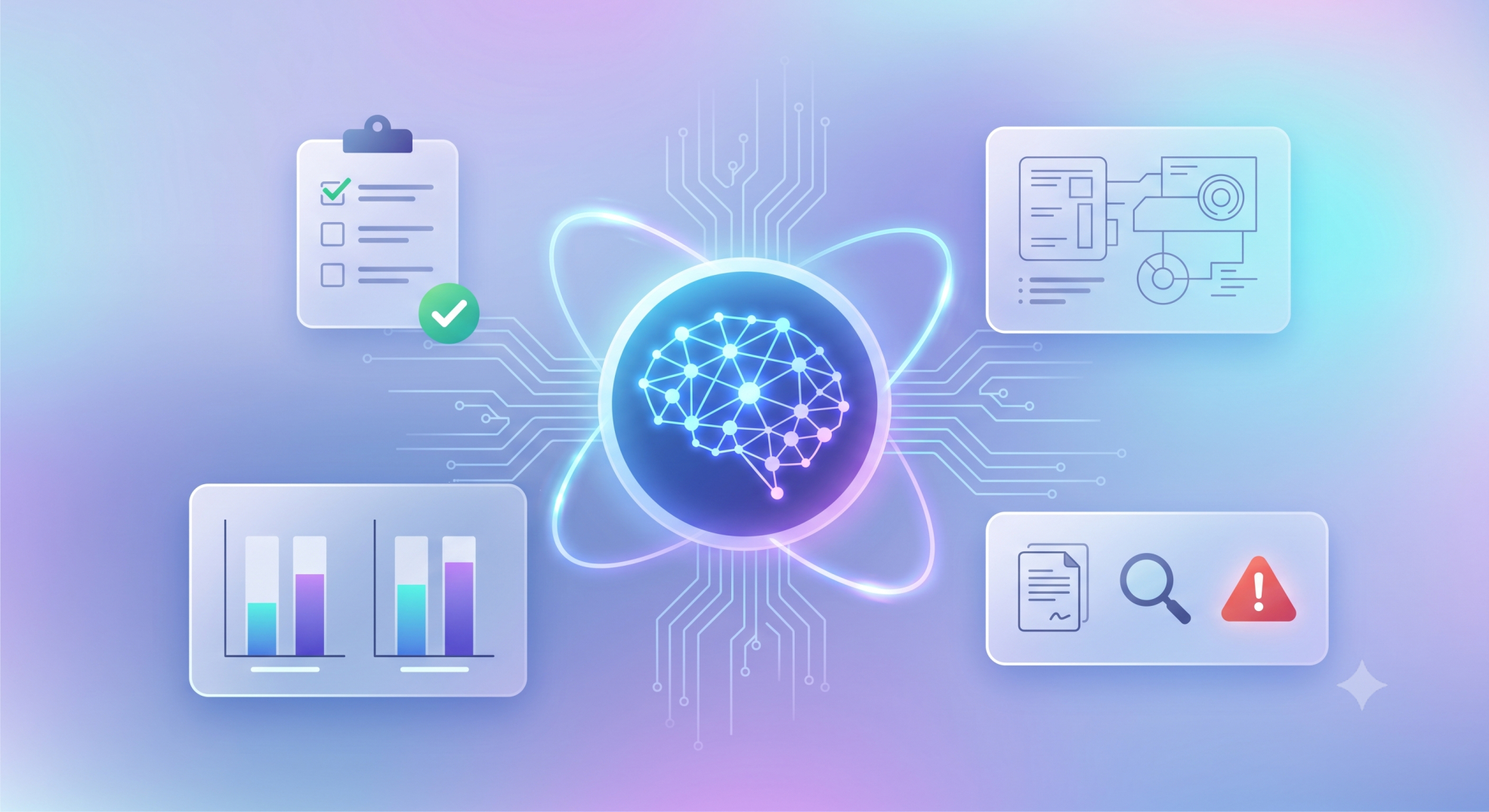
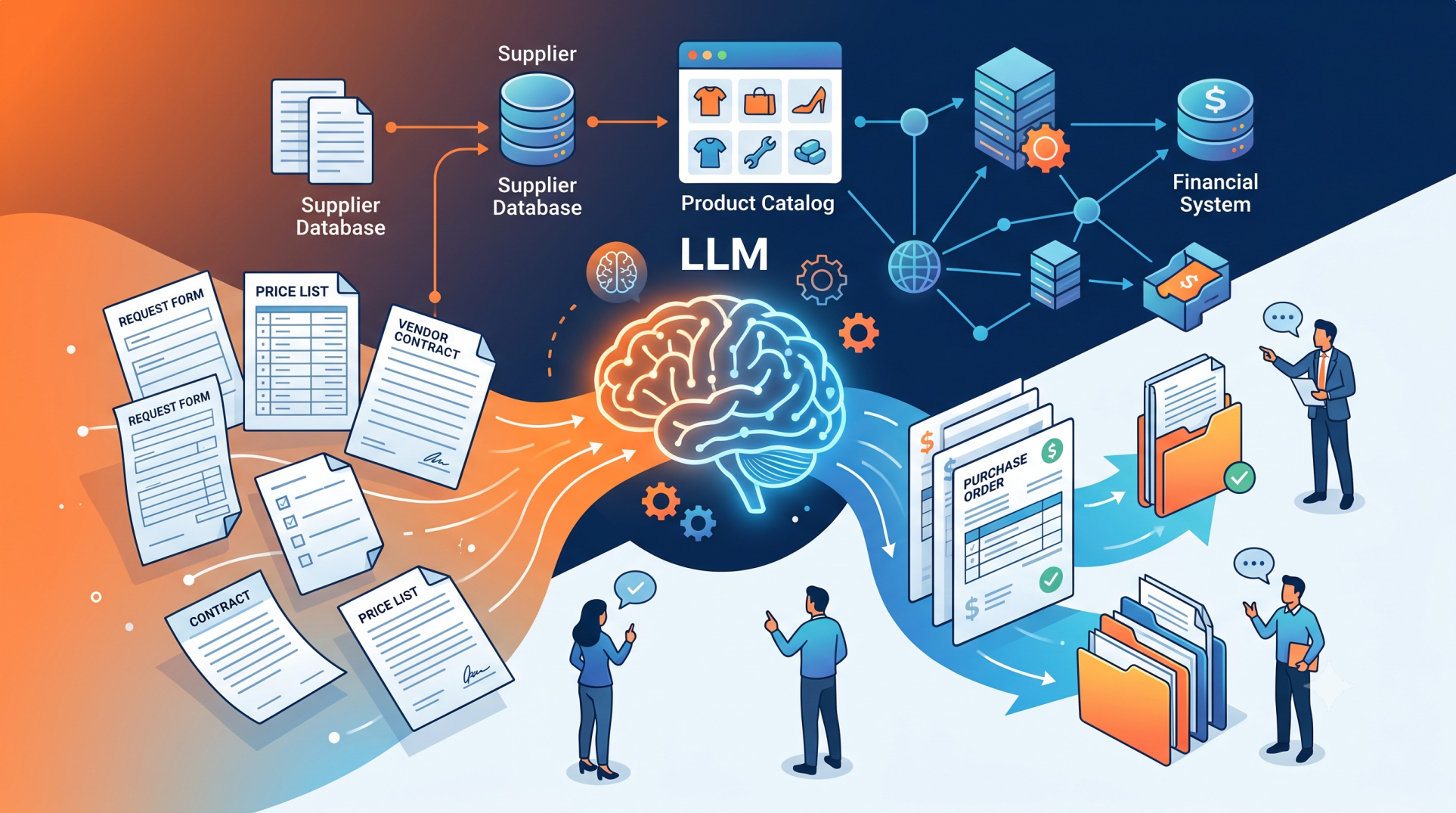
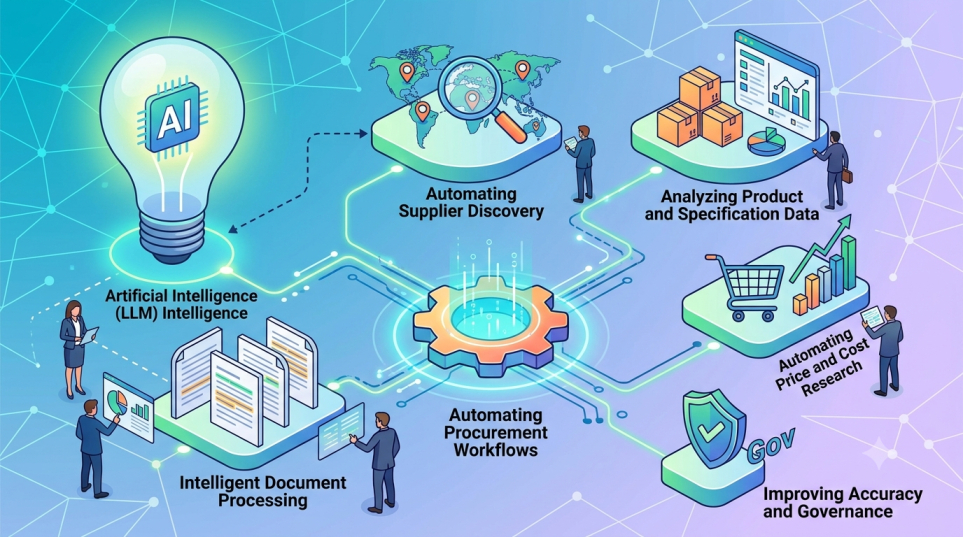
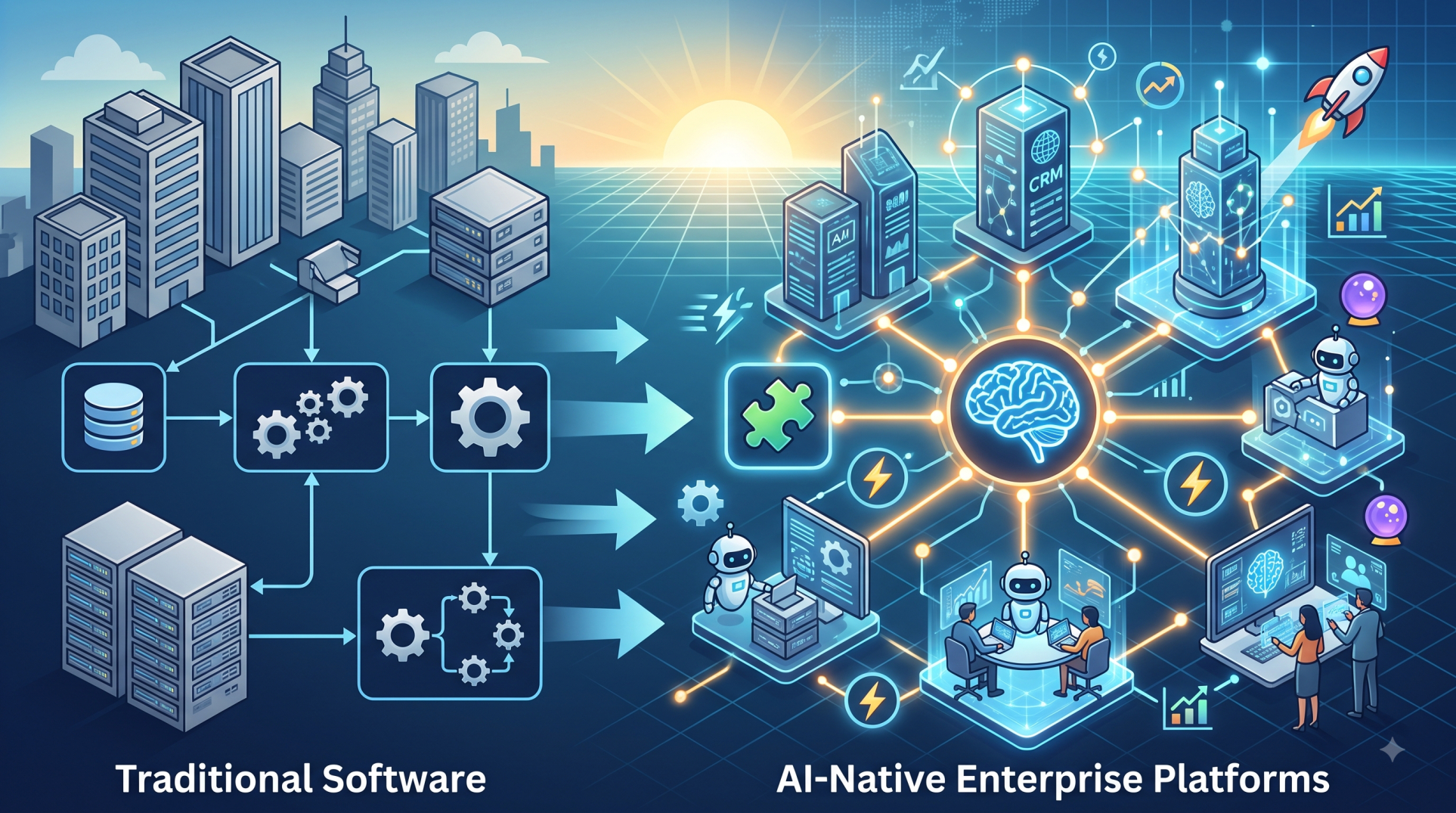
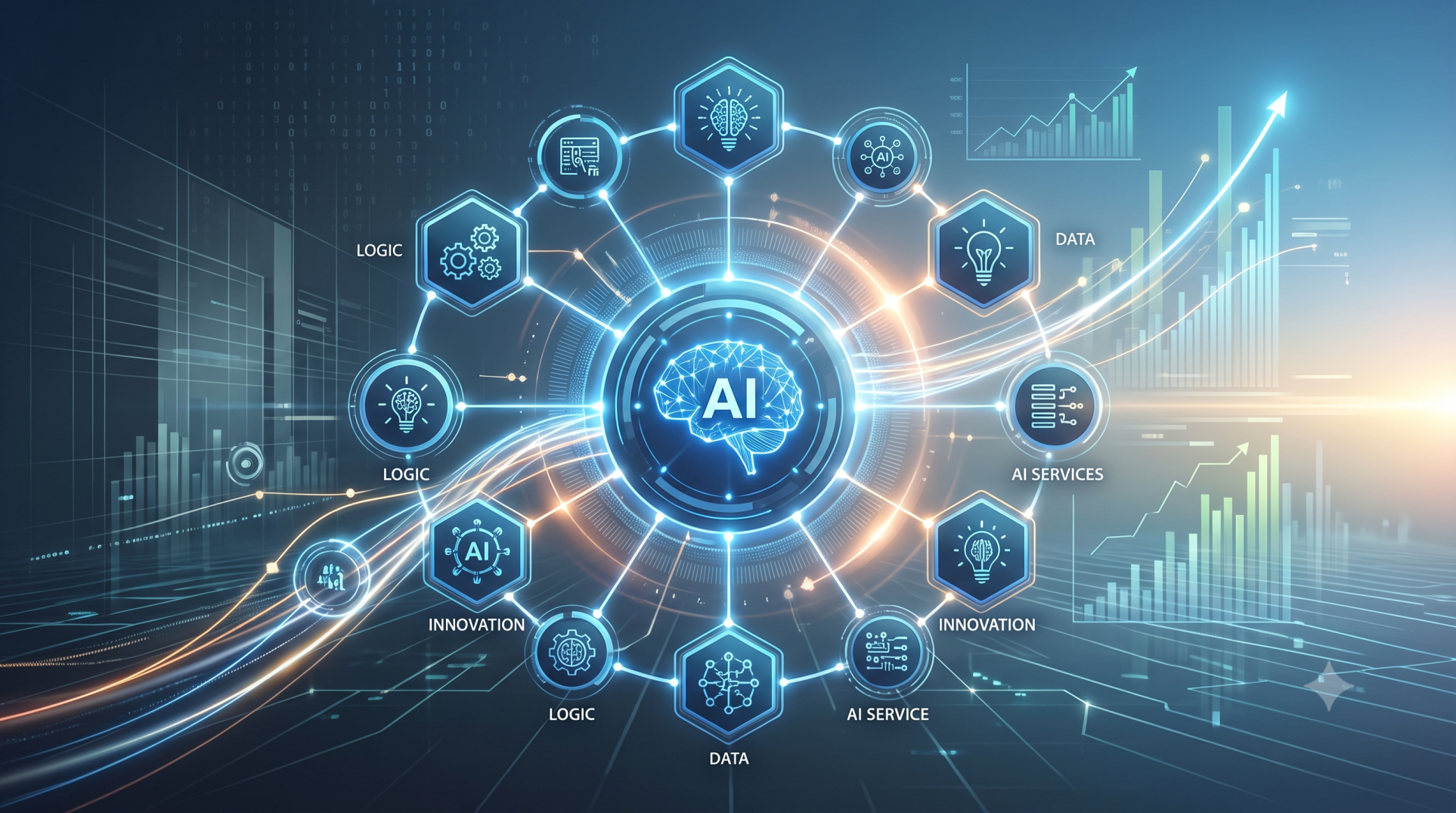
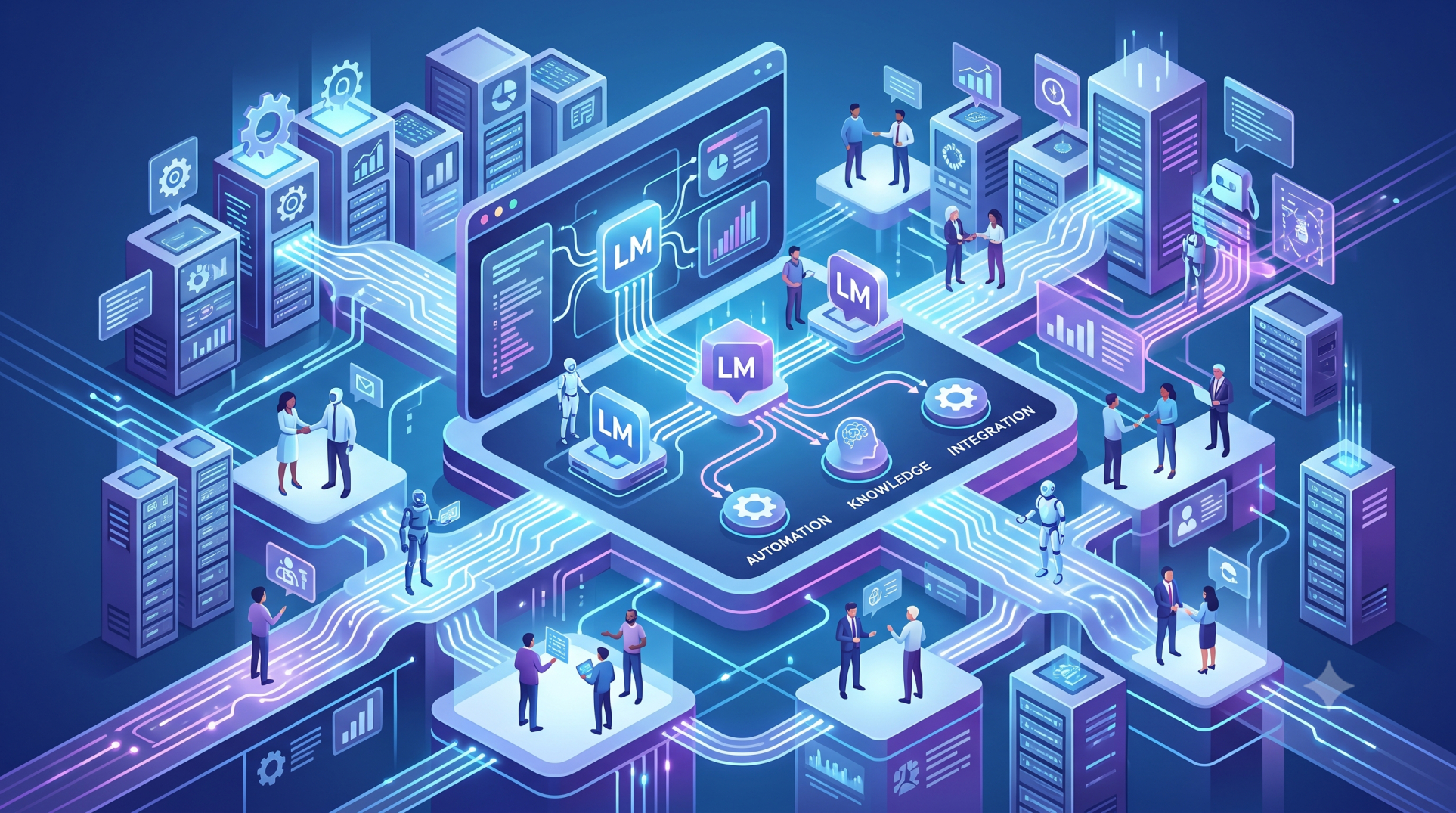
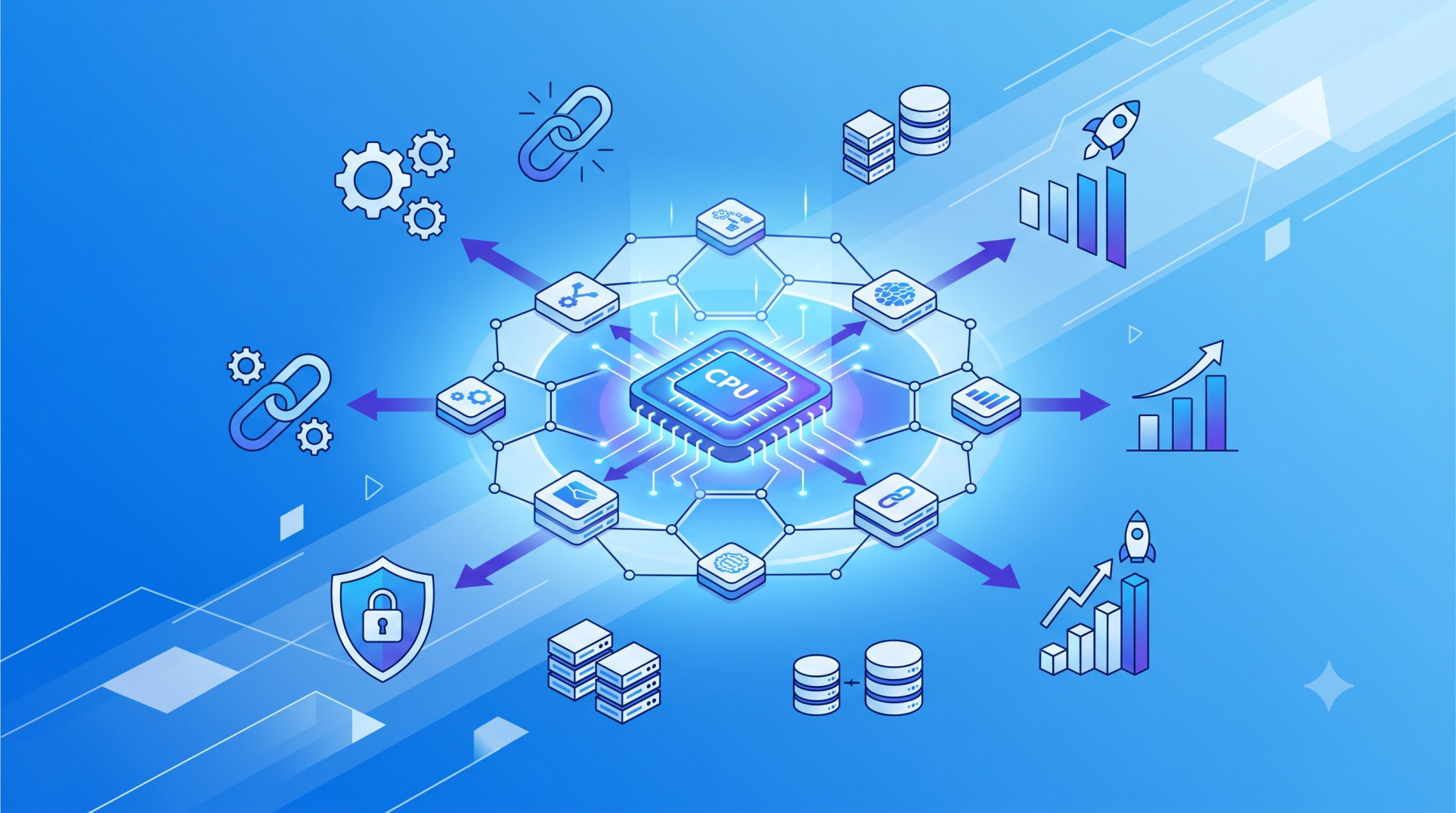
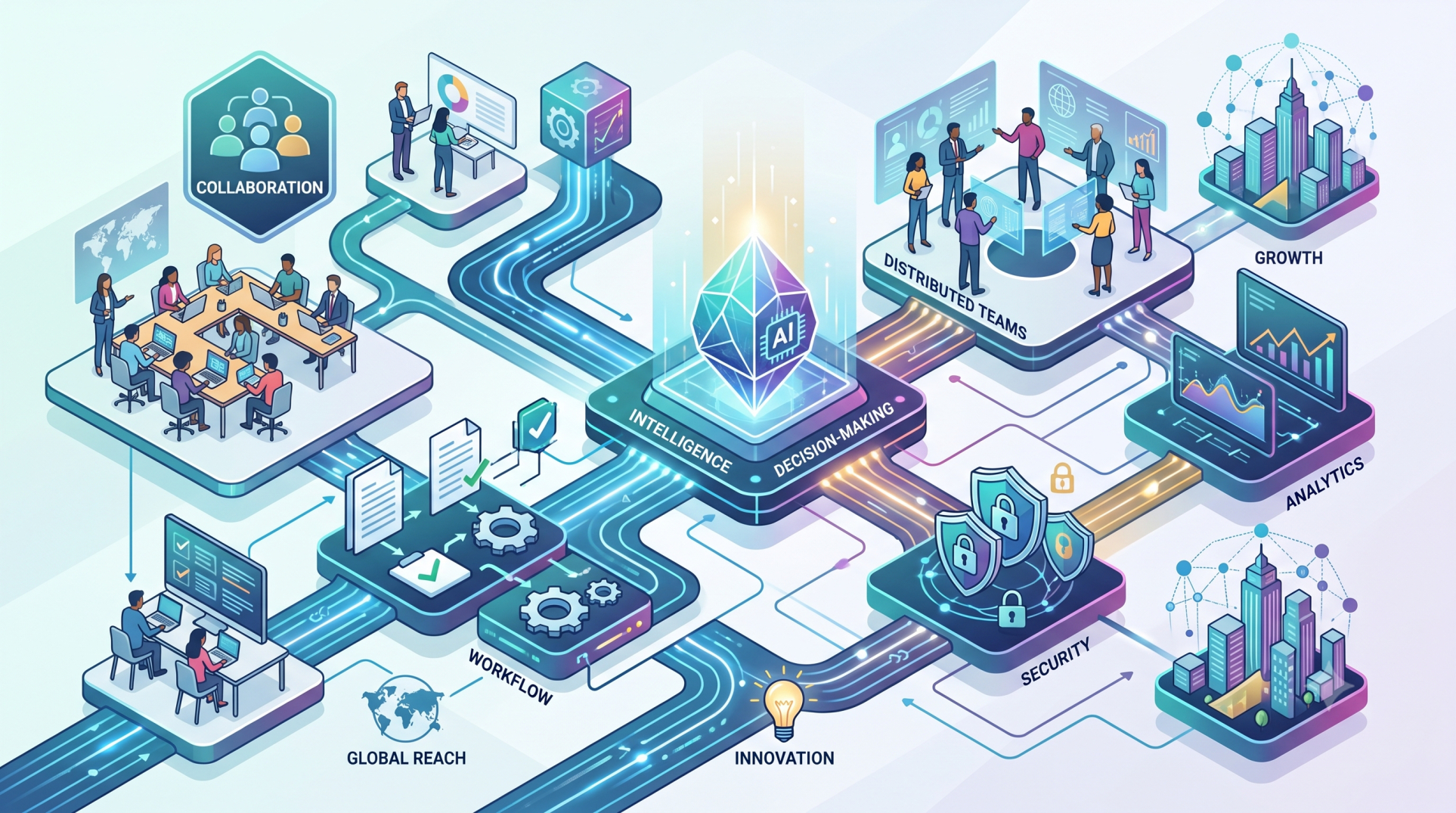
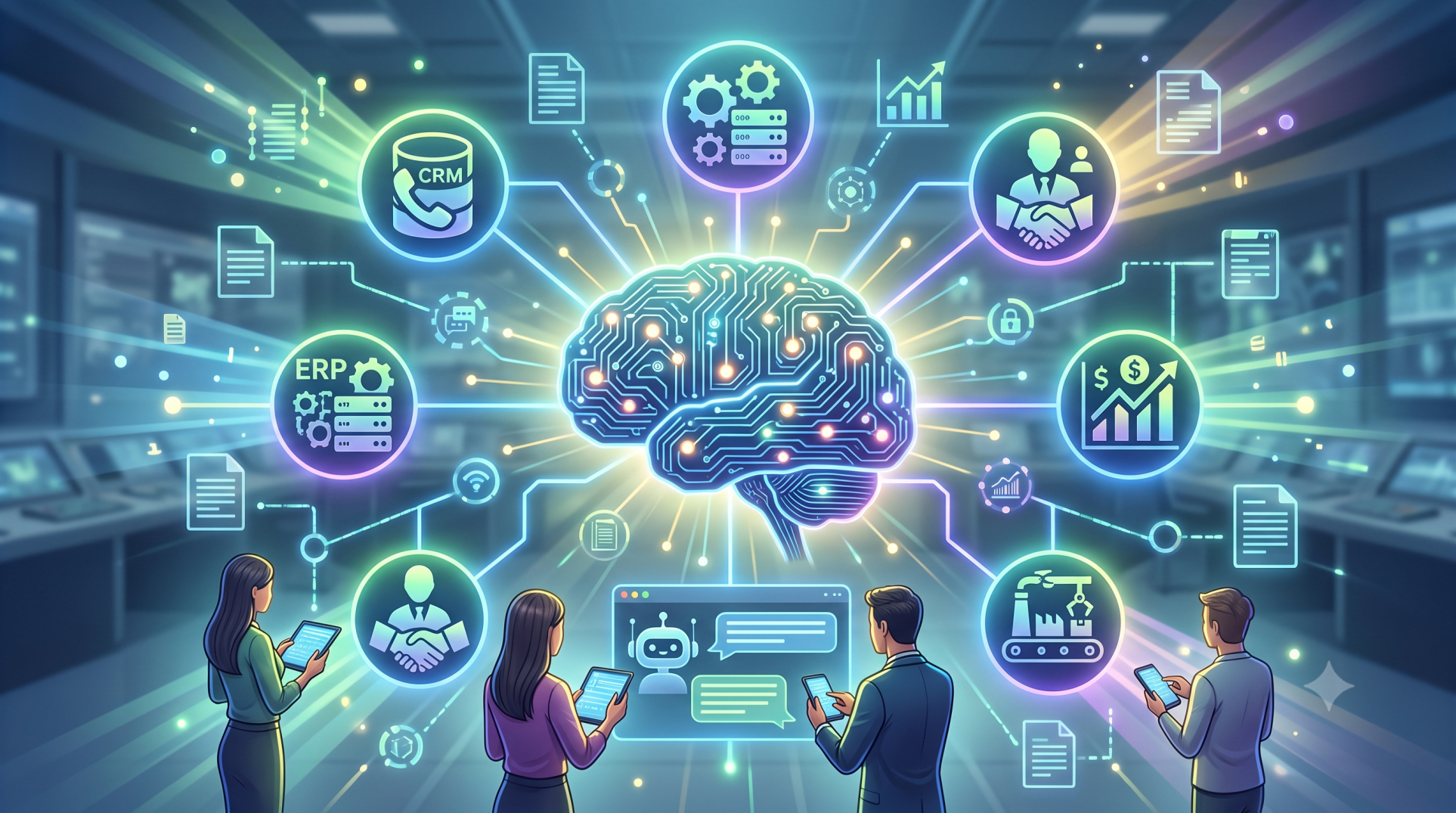
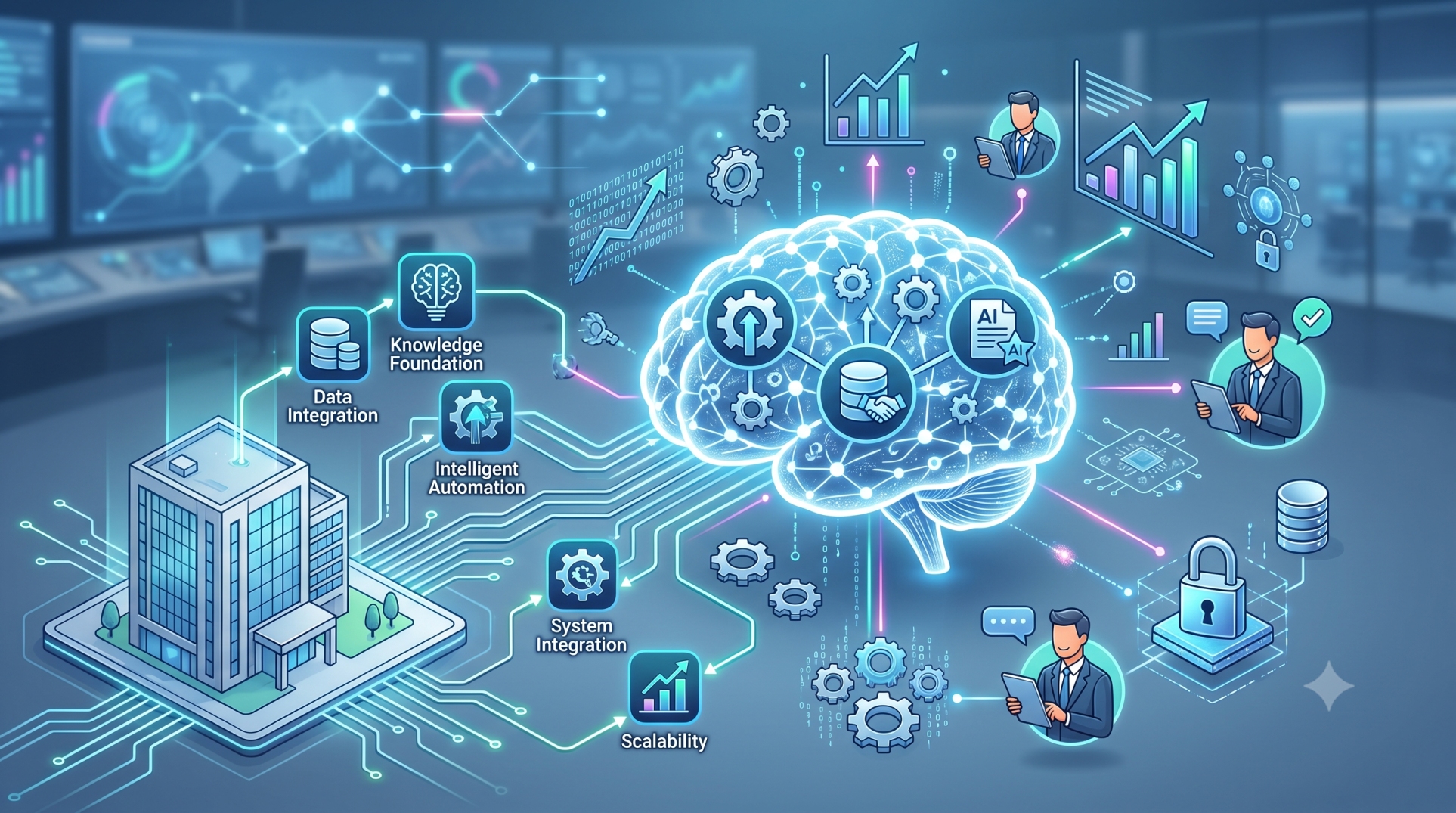
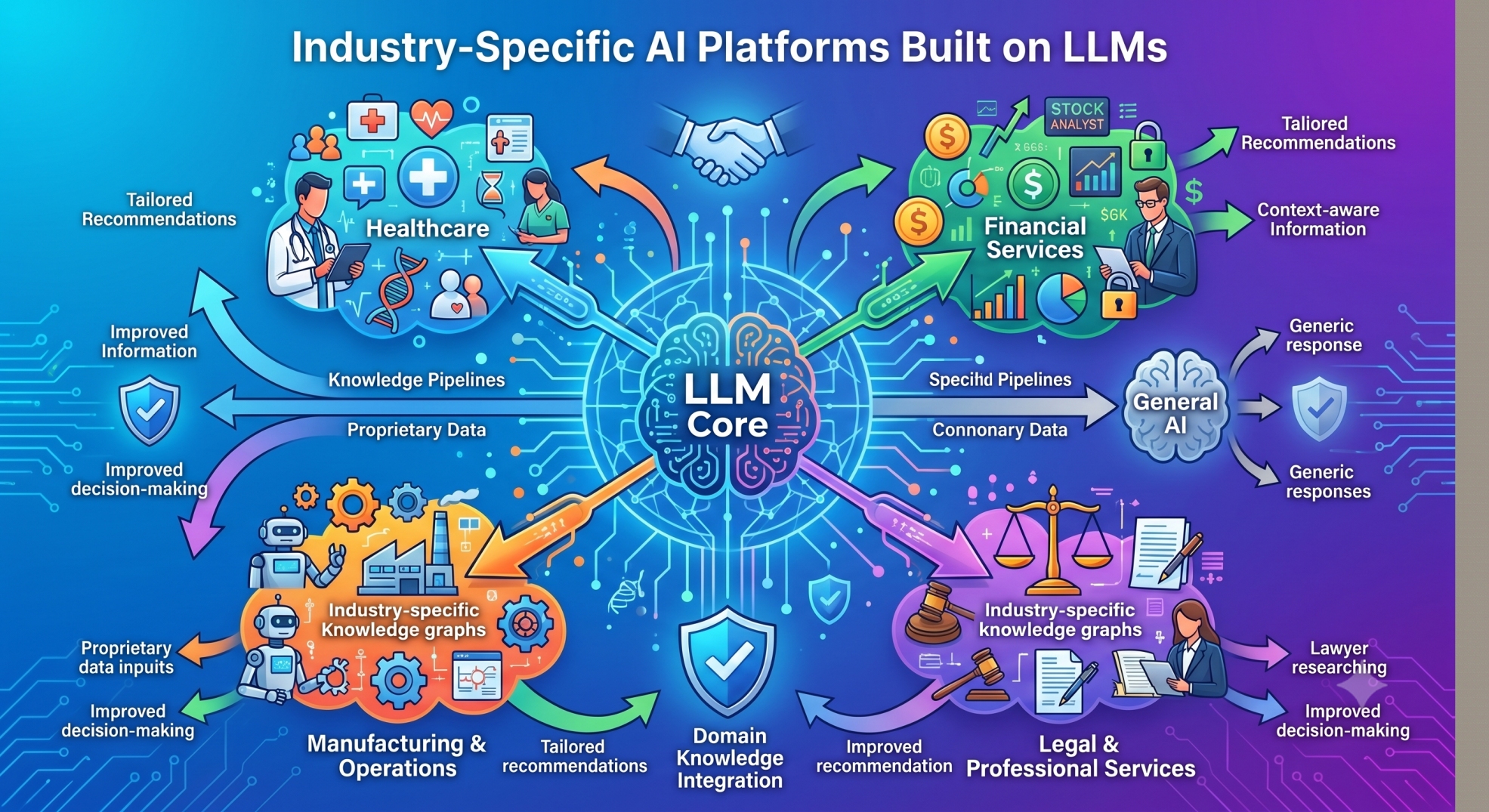
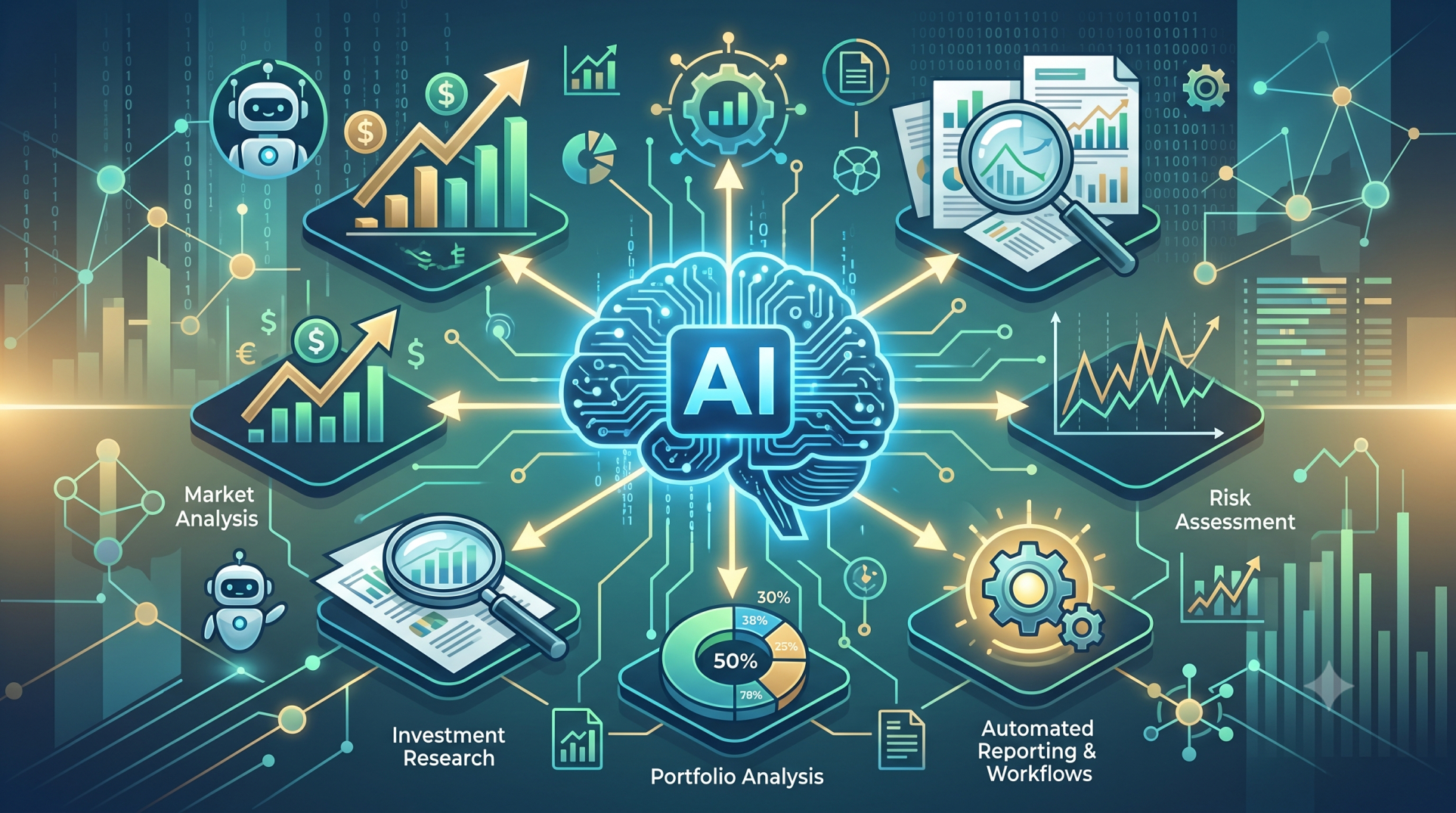
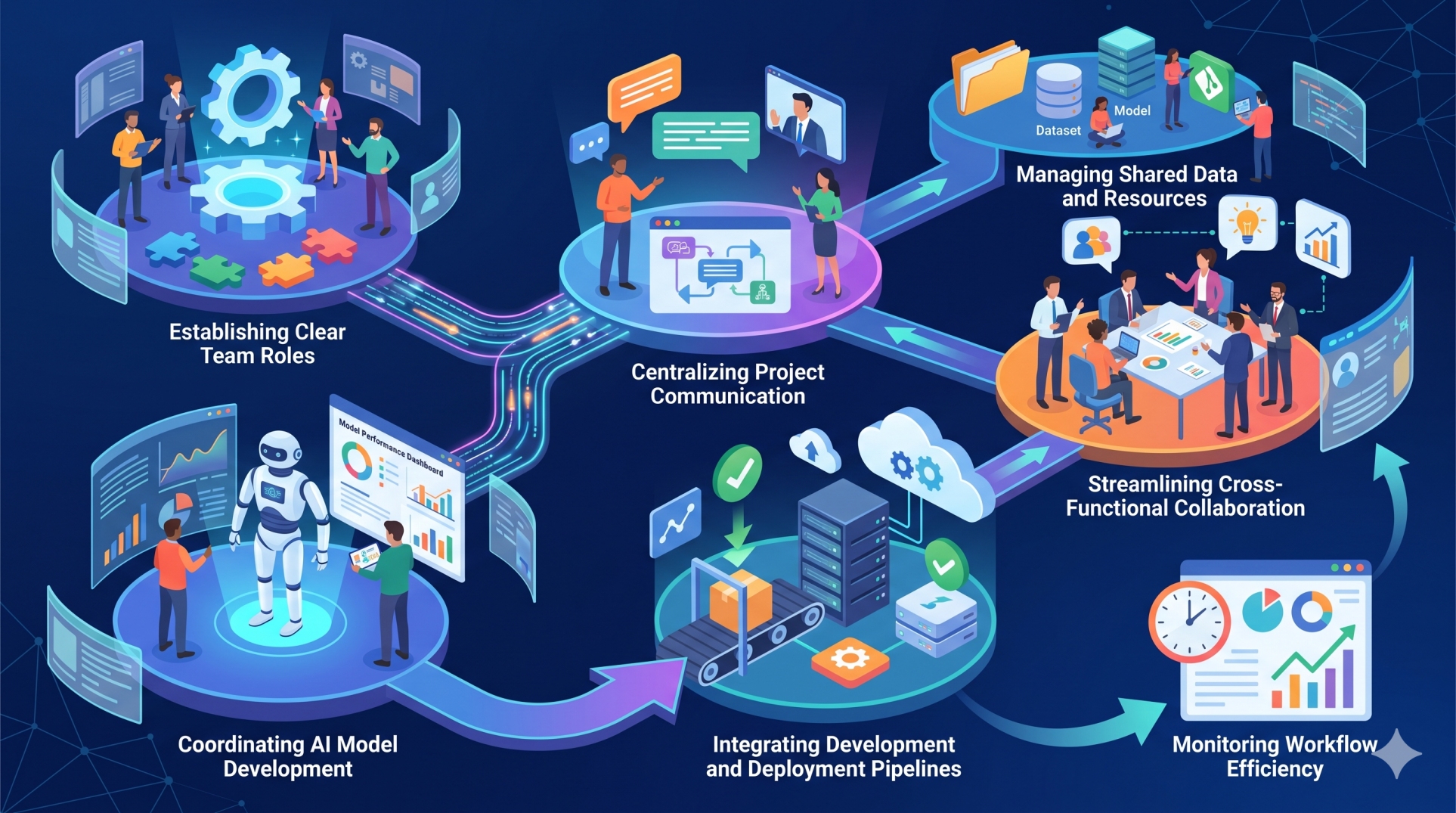
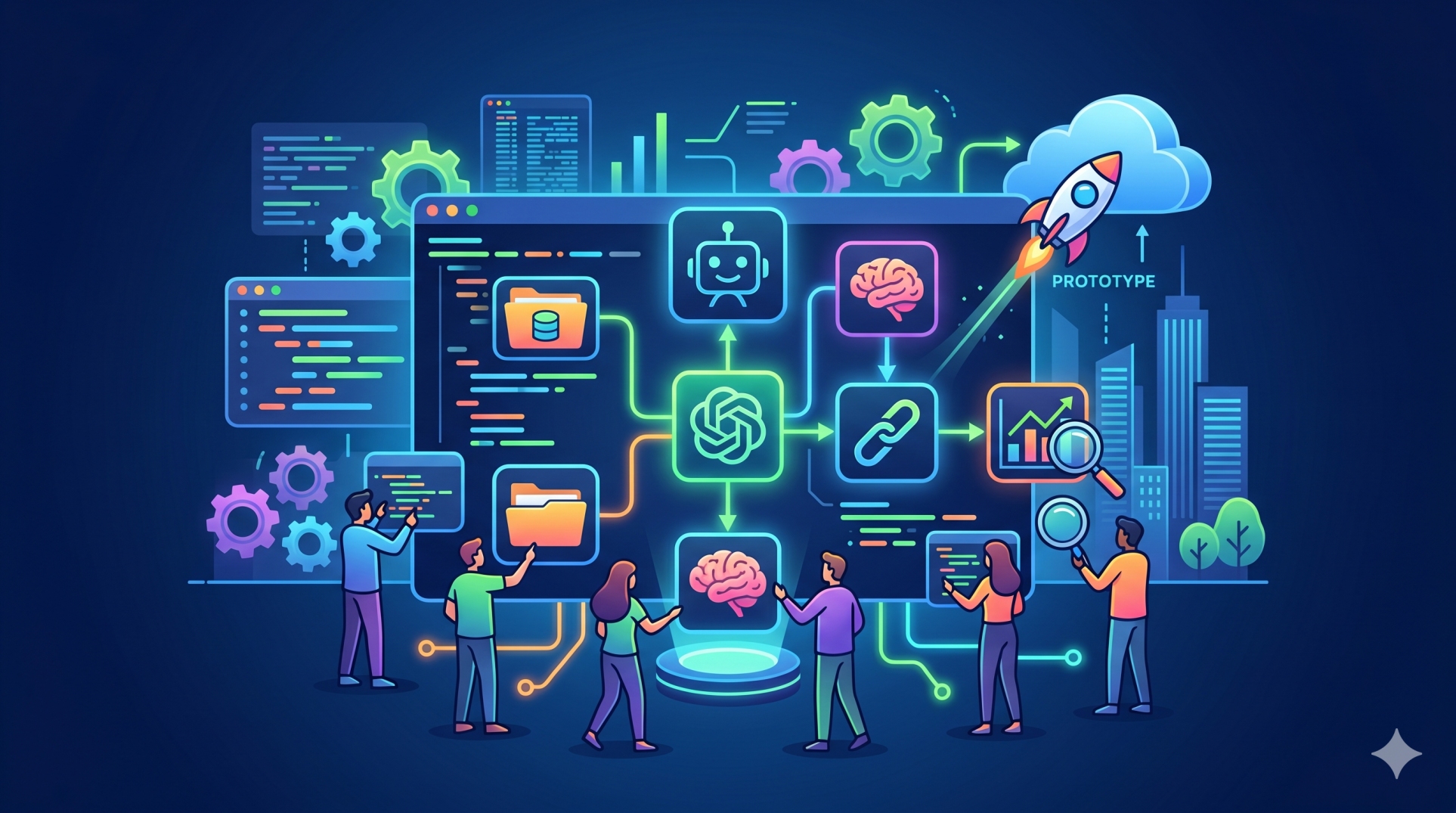
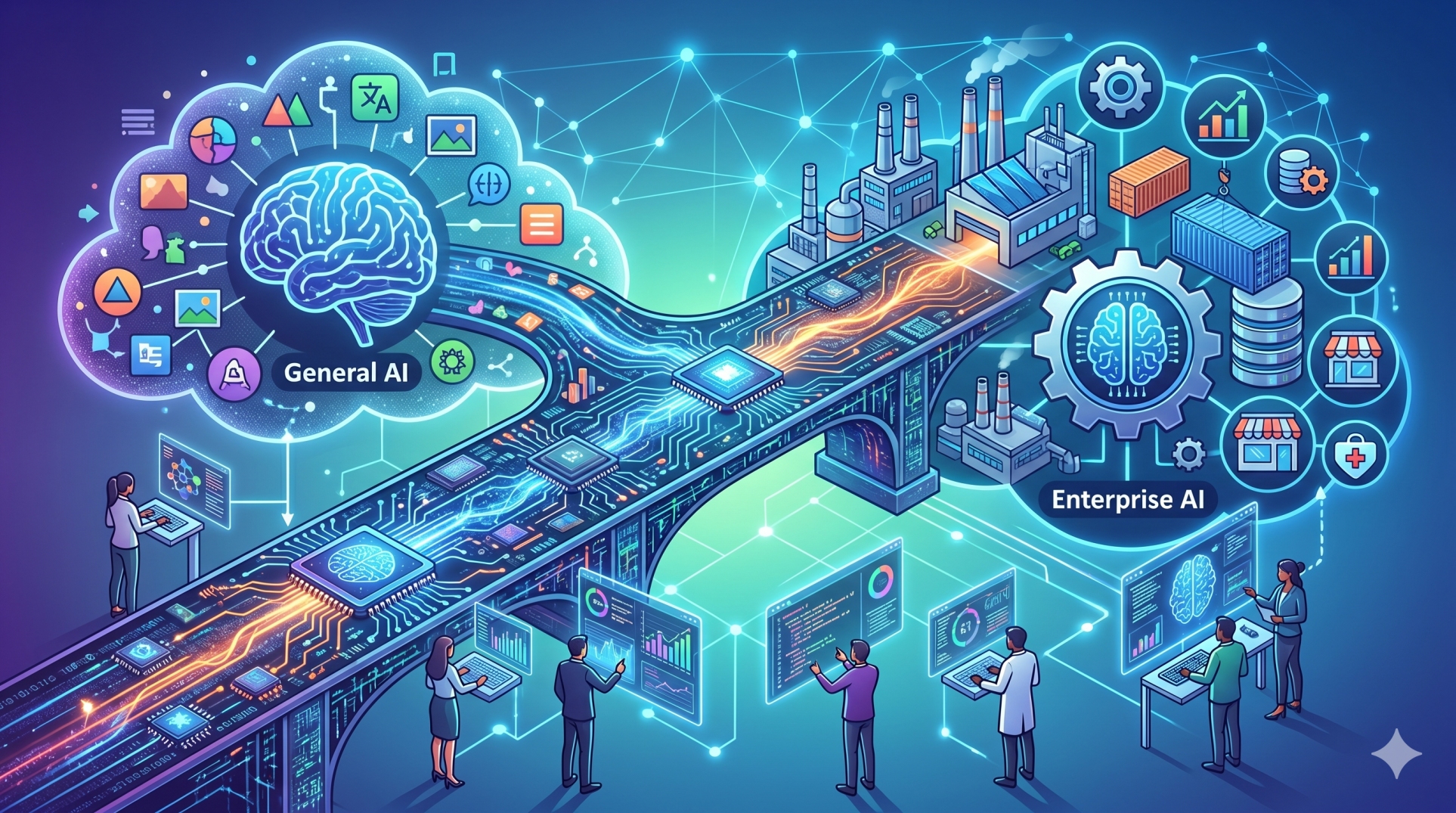
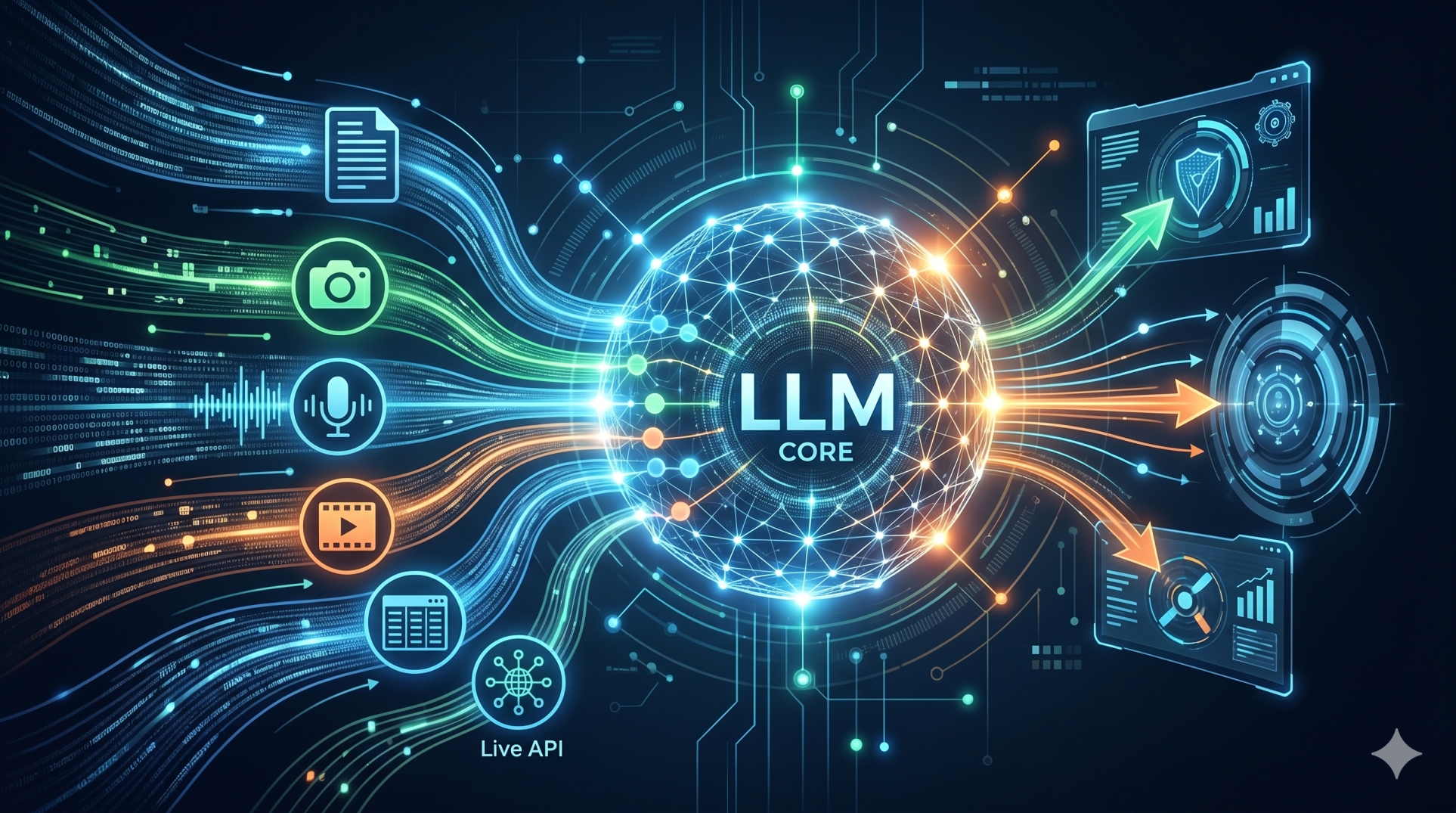
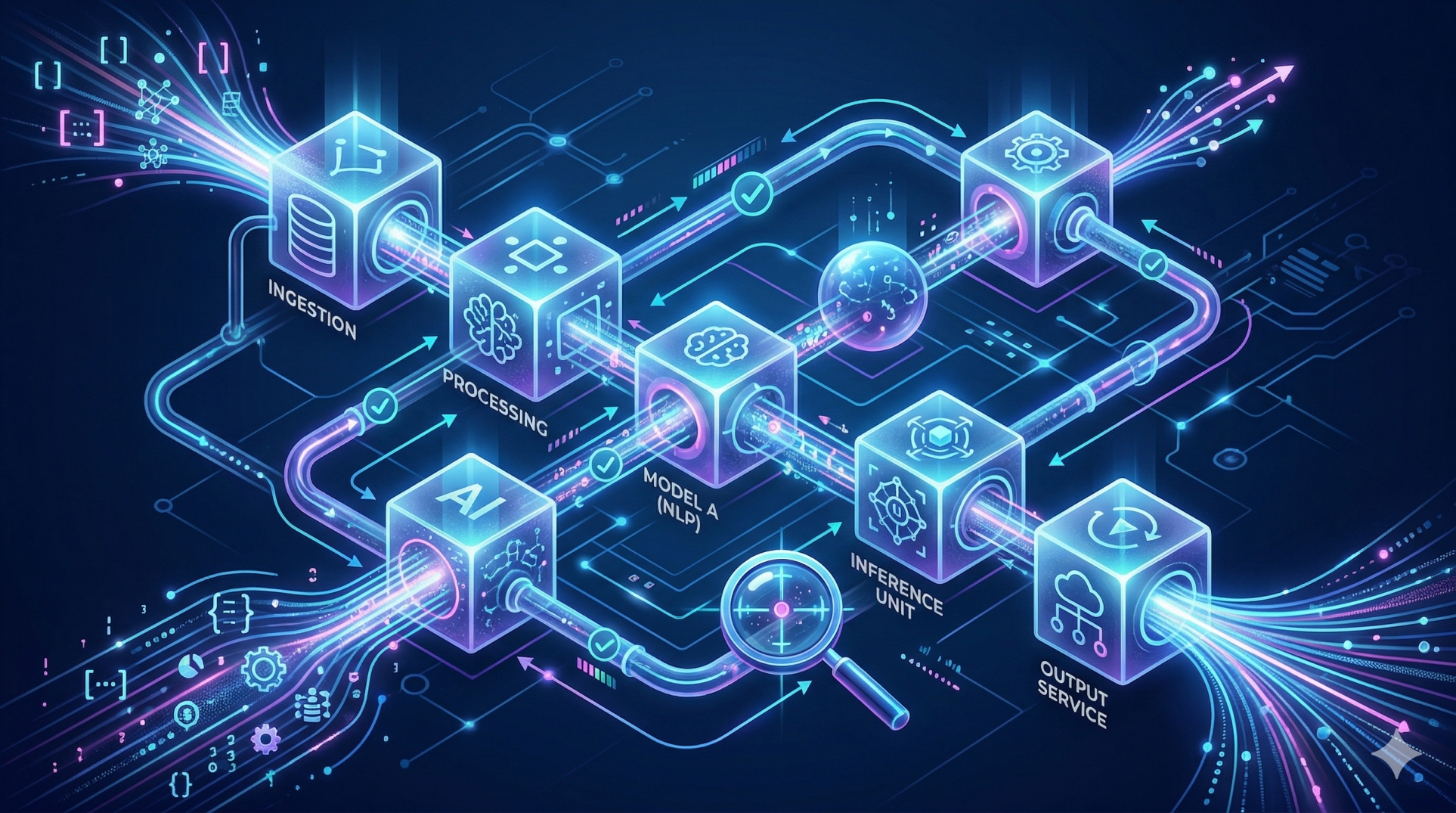
Enterprise LLM software is moving beyond standalone chatbots and experimental AI tools. In 2026, organizations are increasingly designing AI systems as integrated components of their broader enterprise architecture. LLMs are being connected with business applications, knowledge systems, workflow engines, data platforms, and autonomous agents to support practical business operations.
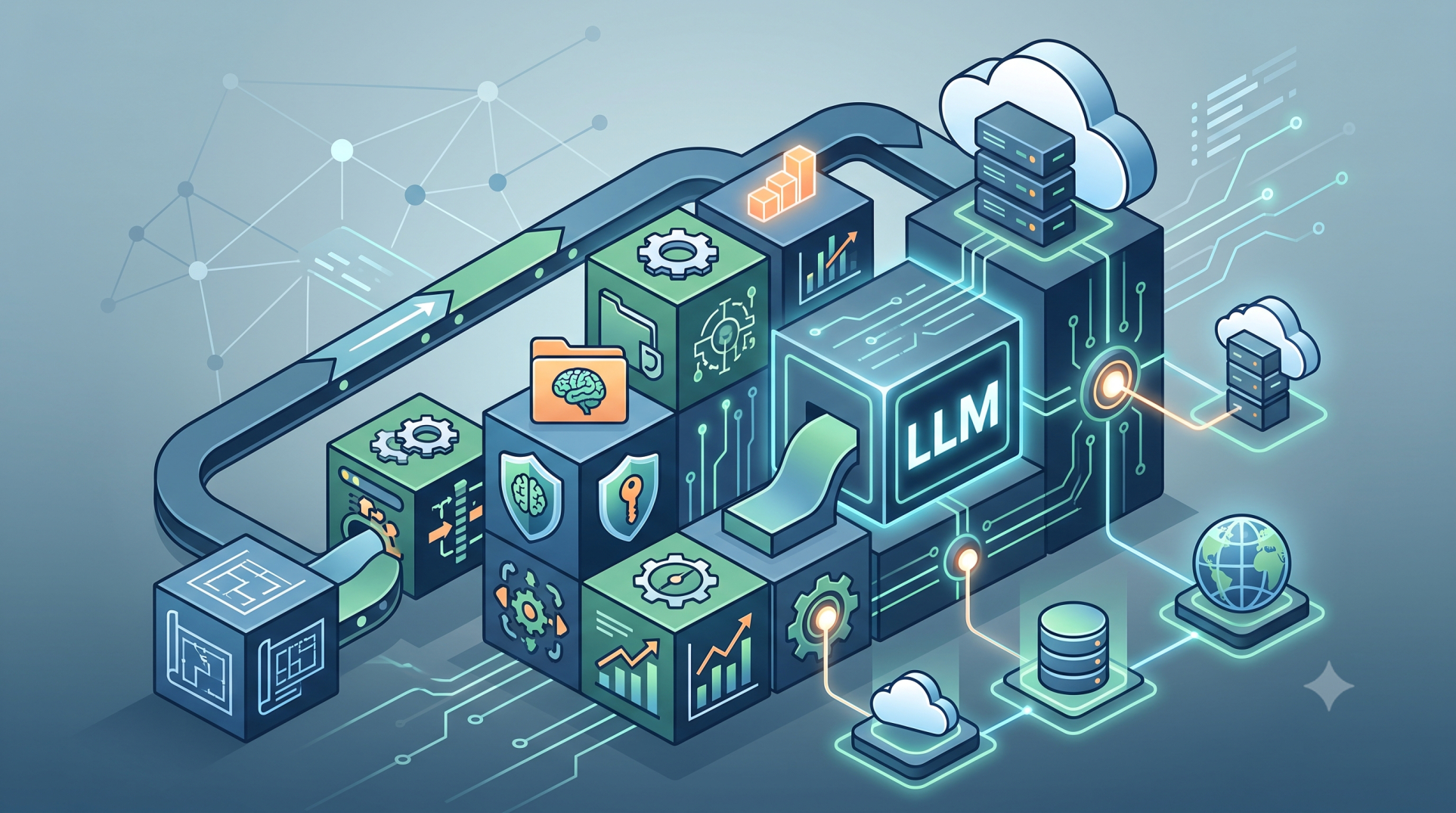
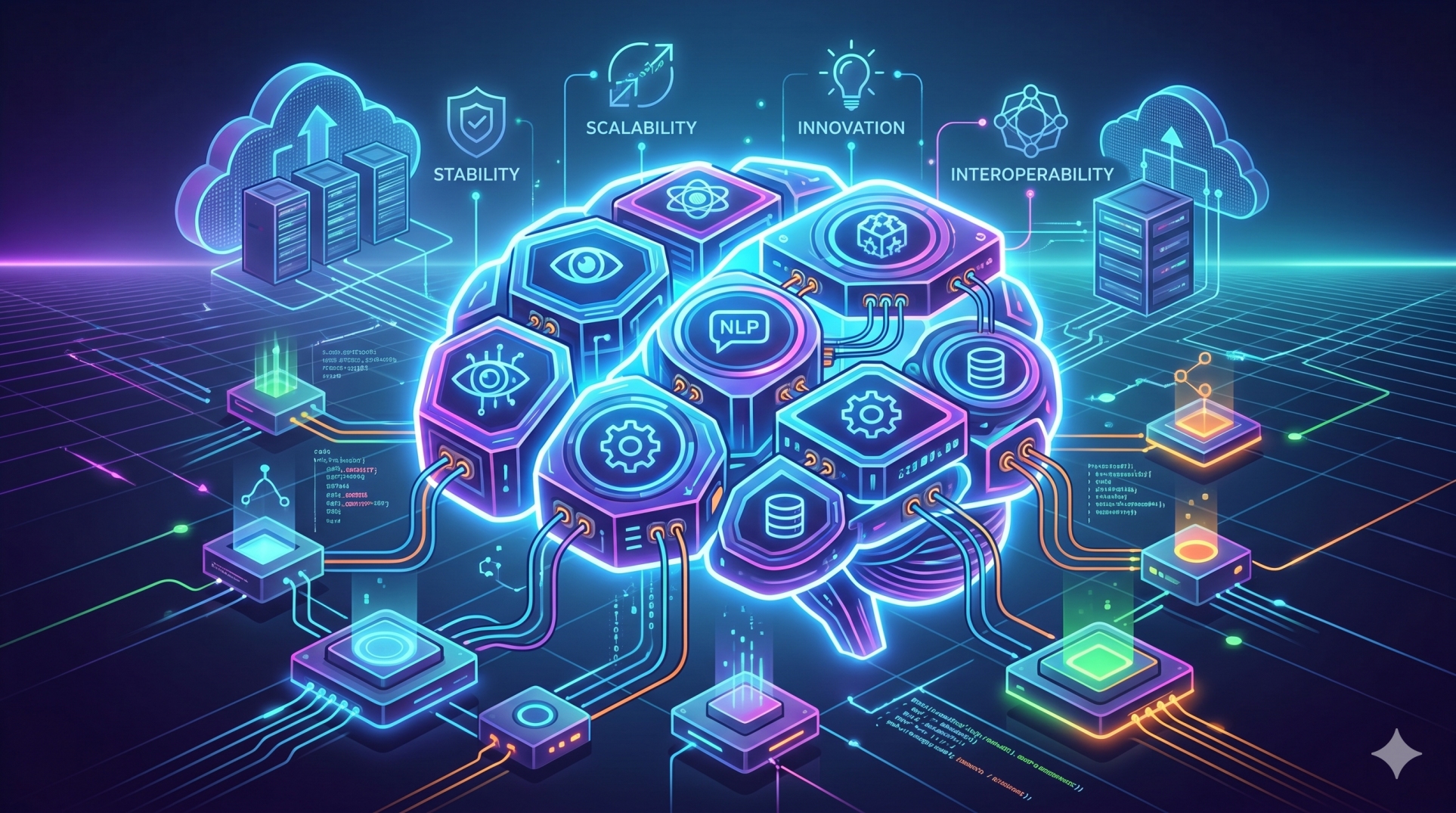
Step 1: Moving Toward Modular LLM Architectures 🧩
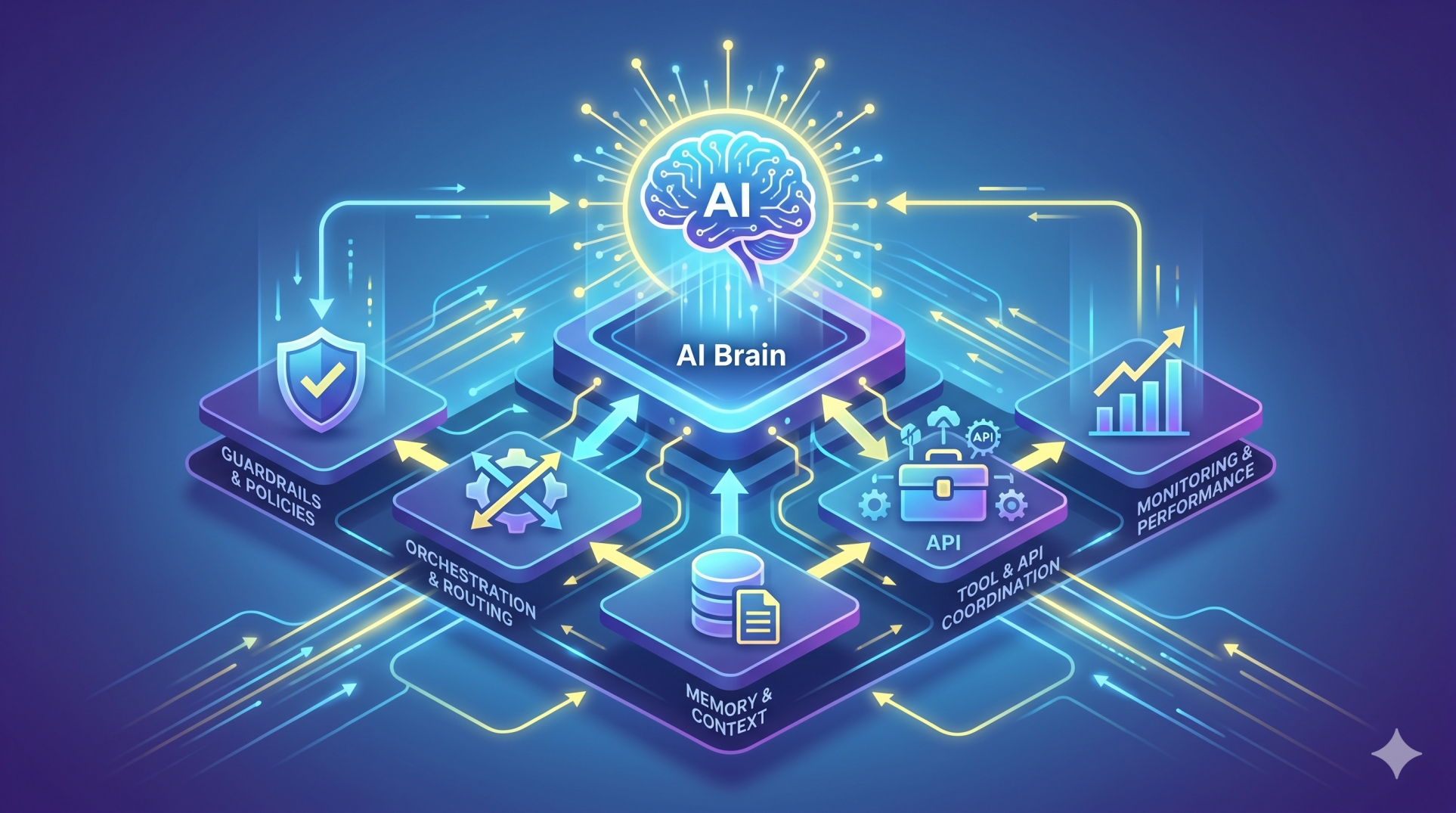
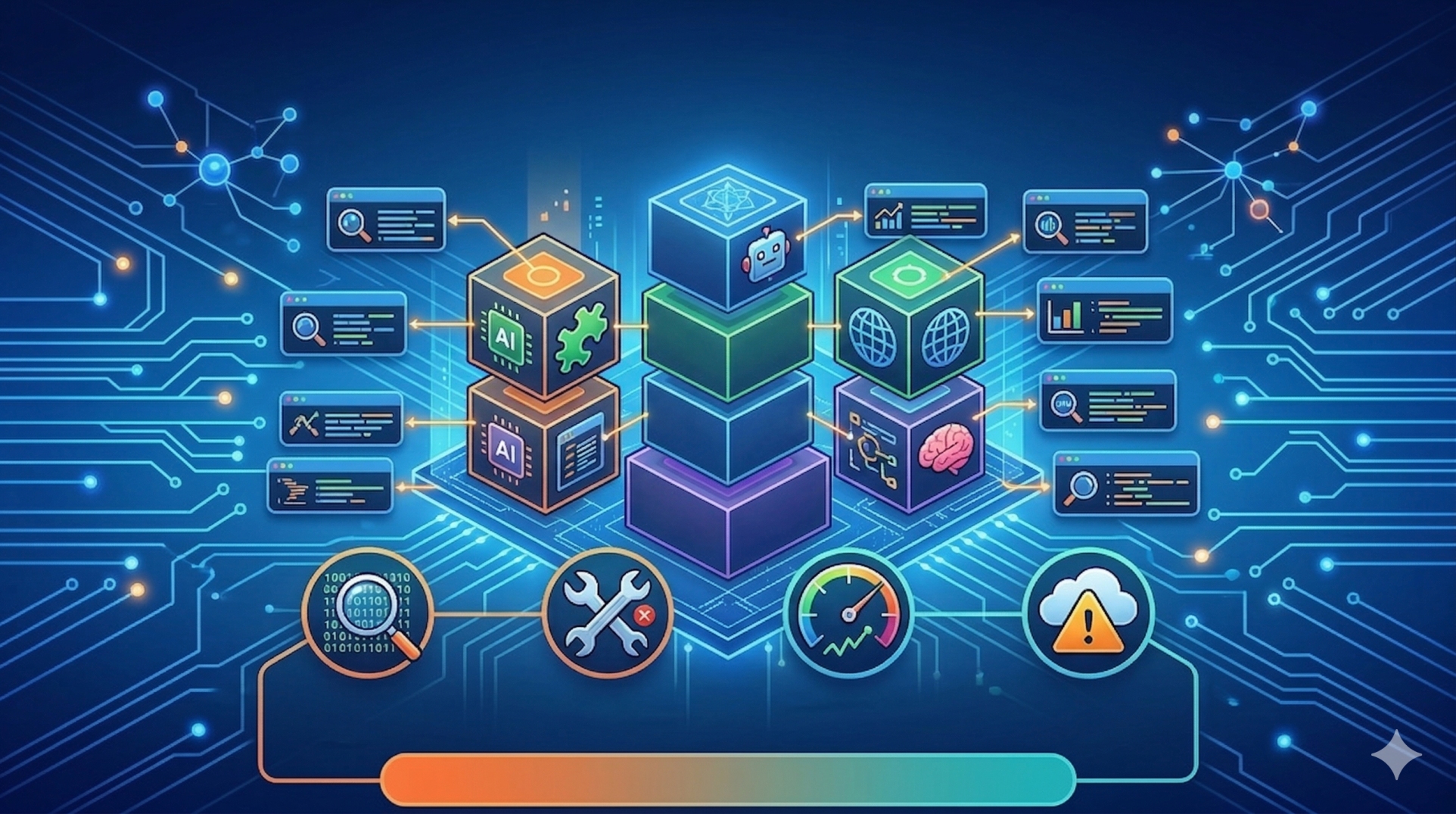
• Break complex AI applications into reusable services and components
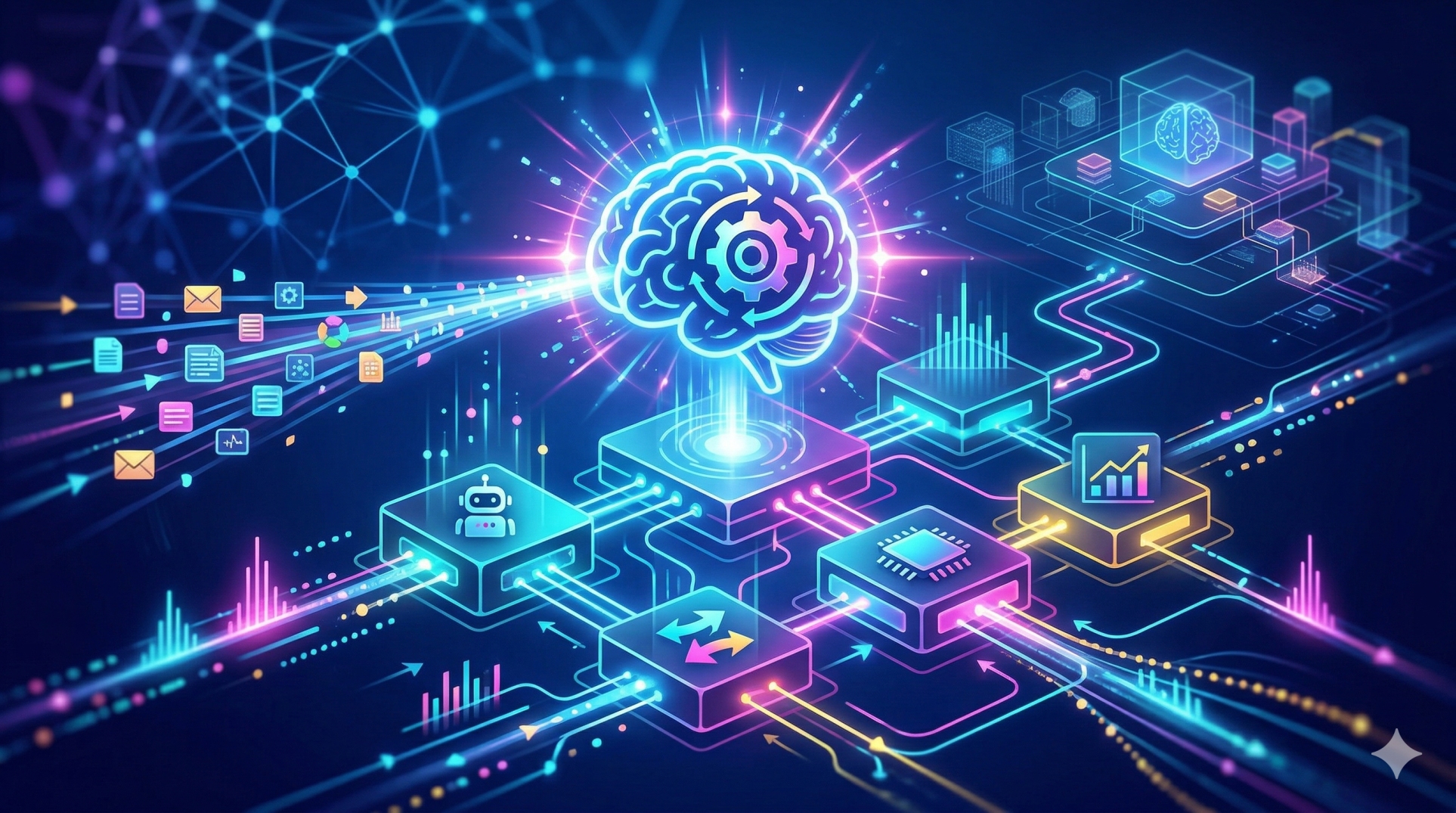
• Separate model, retrieval, orchestration, and business logic layers
• Allow organizations to replace or upgrade models without rebuilding entire systems 🔄
• Support independent scaling of high-demand AI components
• Improve maintainability through clearly defined architecture boundaries
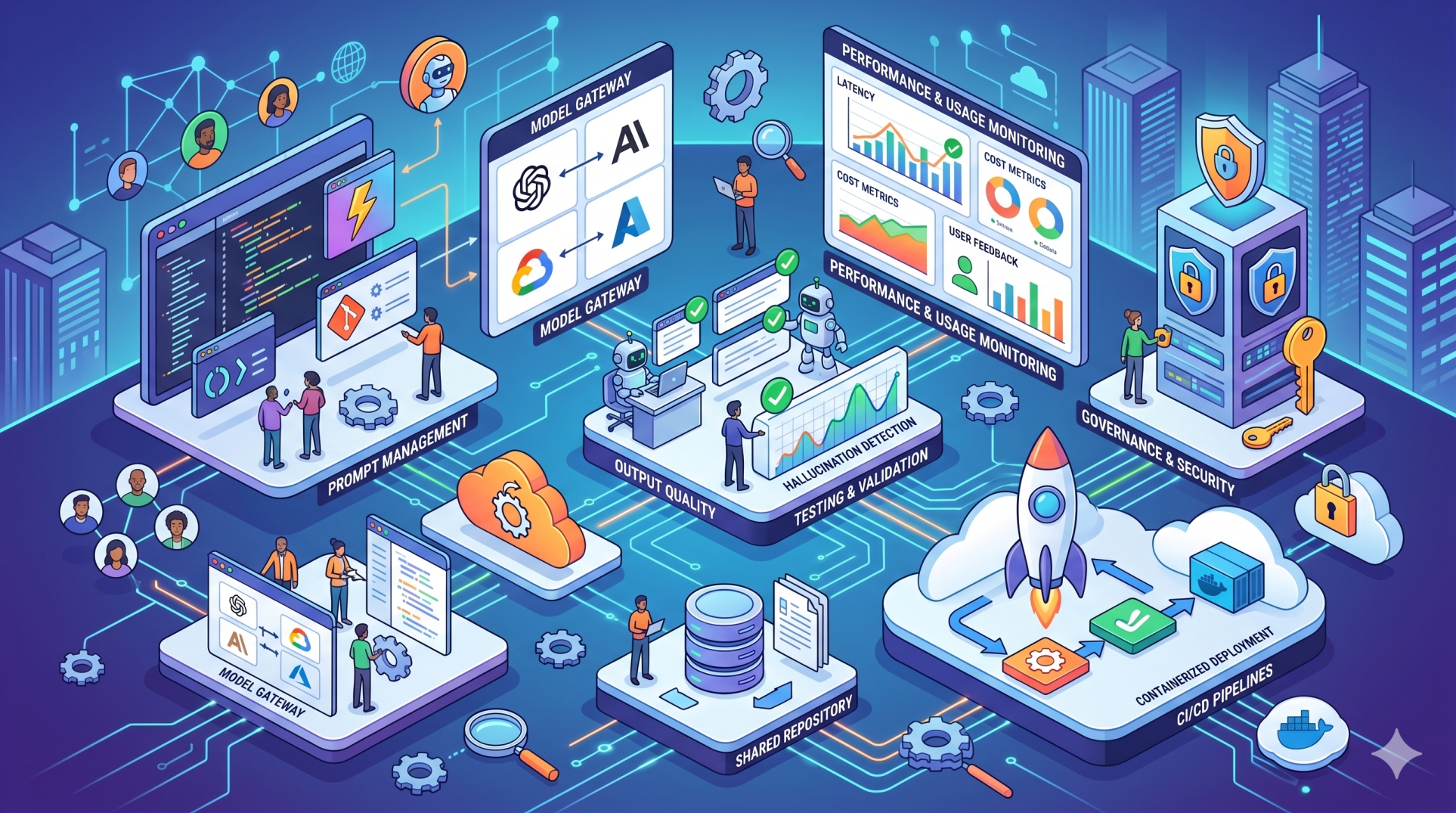
Step 2: Multi-Model Architecture Strategies 🧠
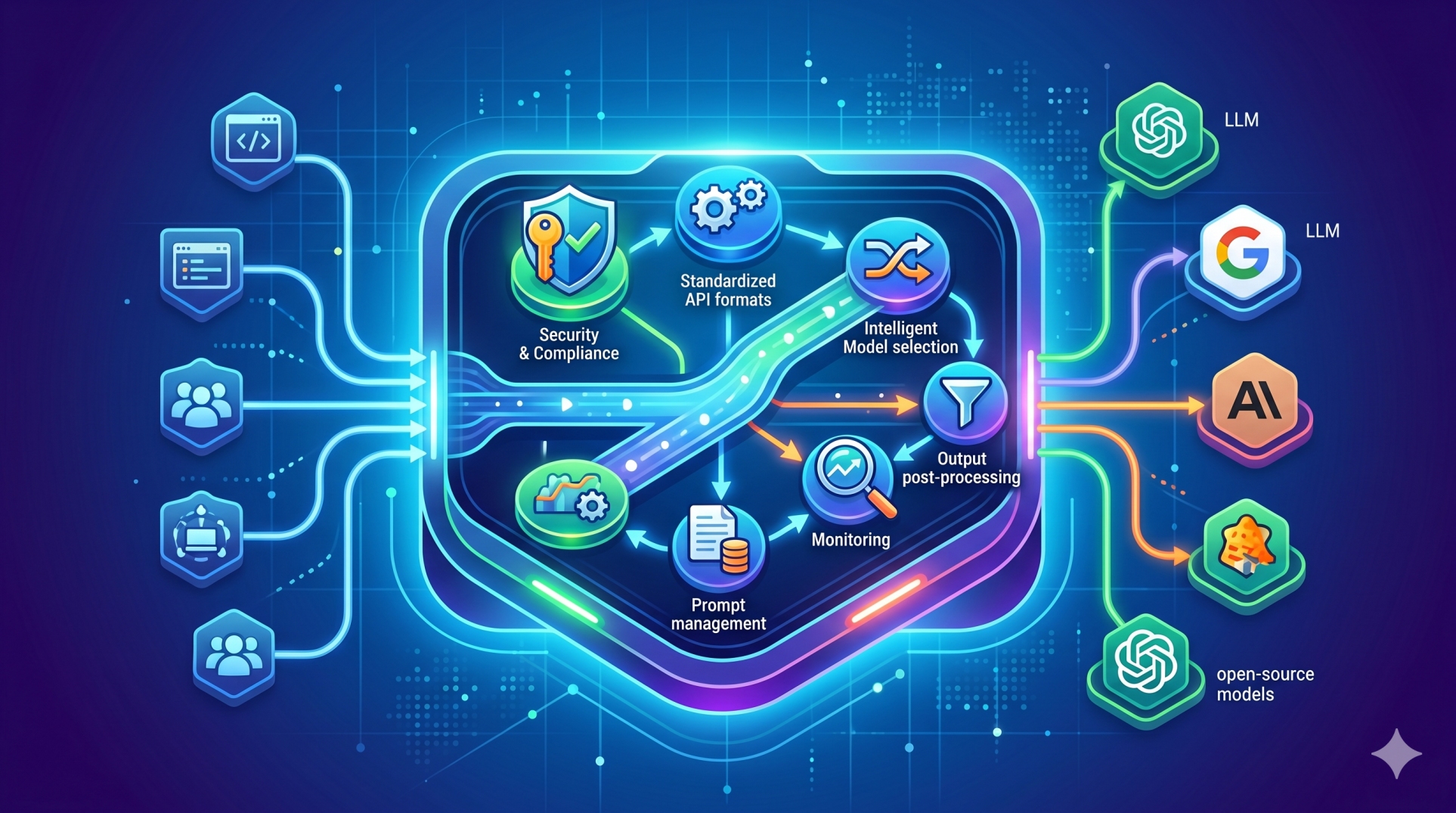
• Combine different LLMs based on task requirements
• Route simple requests to smaller, cost-efficient models ⚡
• Use more capable models for complex reasoning and decision support
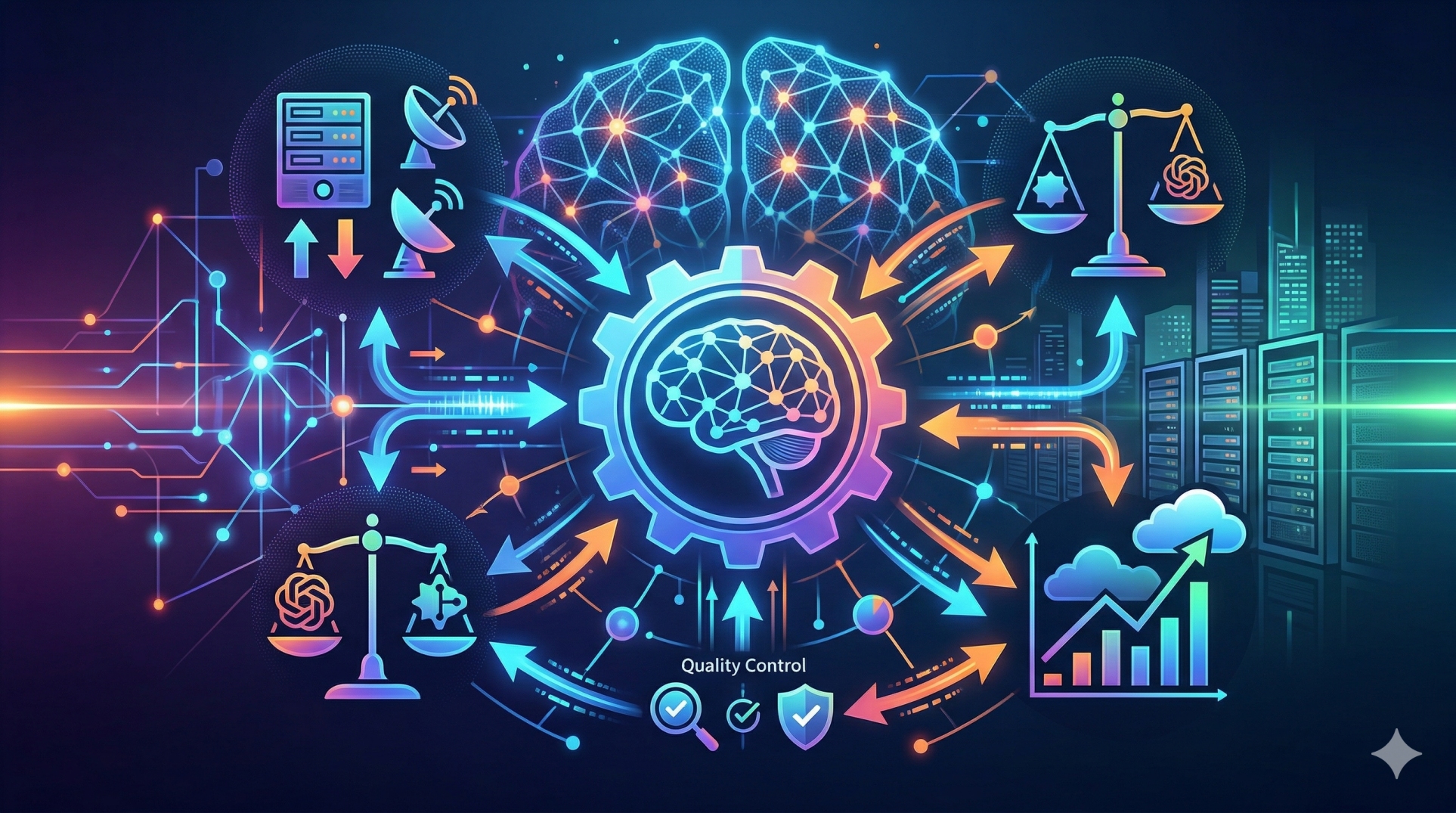
• Compare model performance across accuracy, latency, and cost 📊
• Reduce dependency on a single AI provider
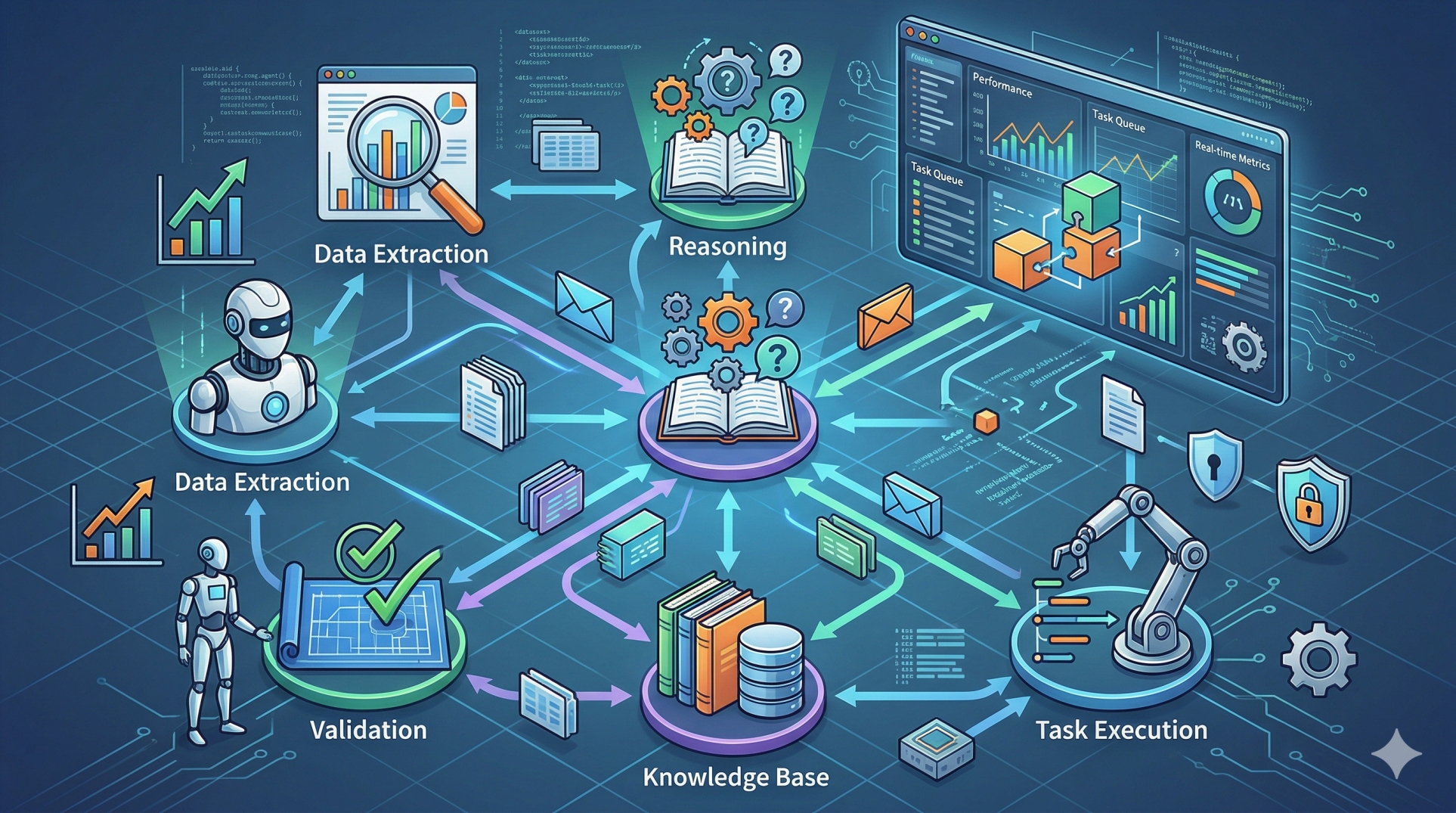
Step 3: Agentic Enterprise Workflows 🤖
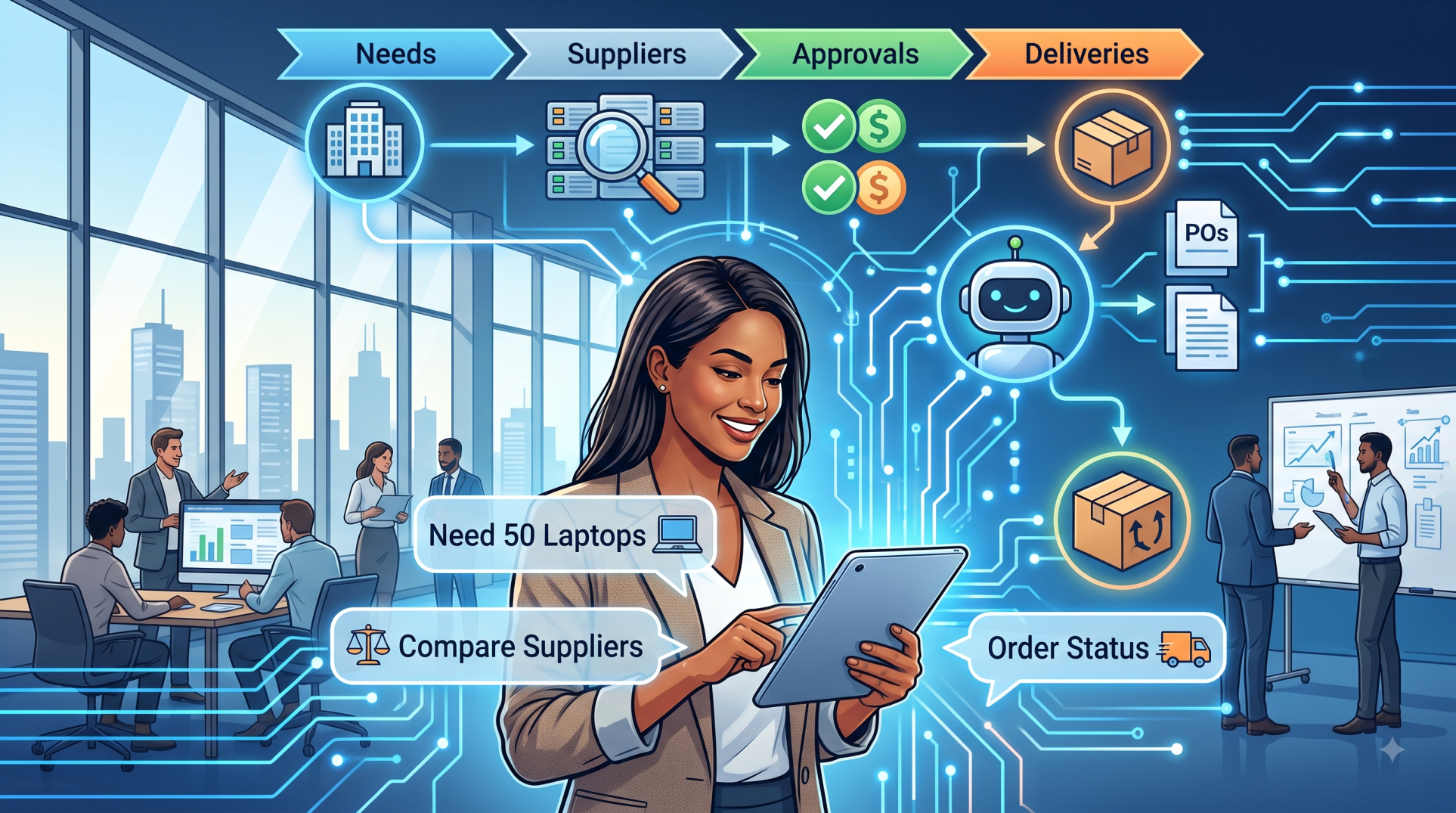
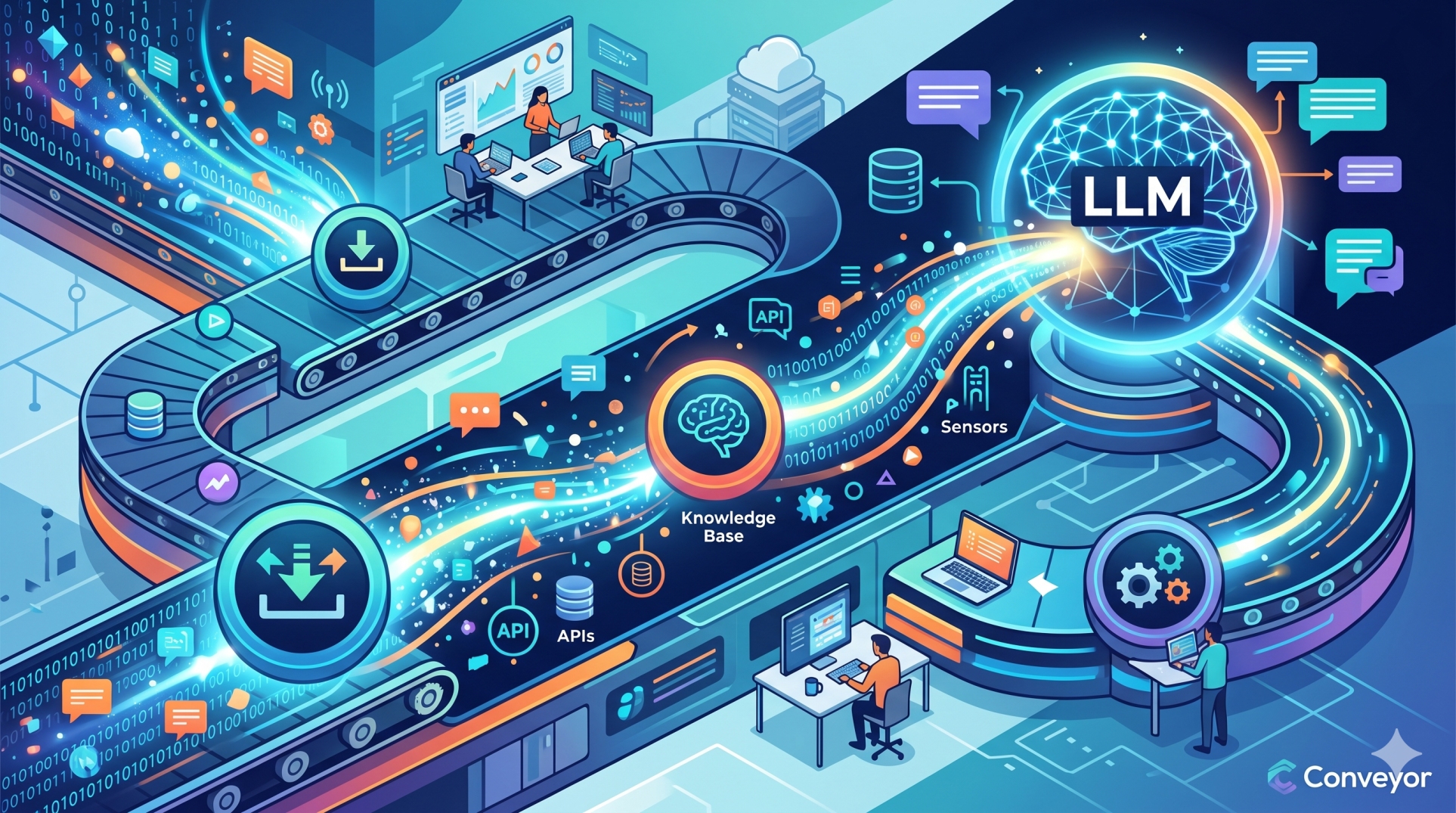
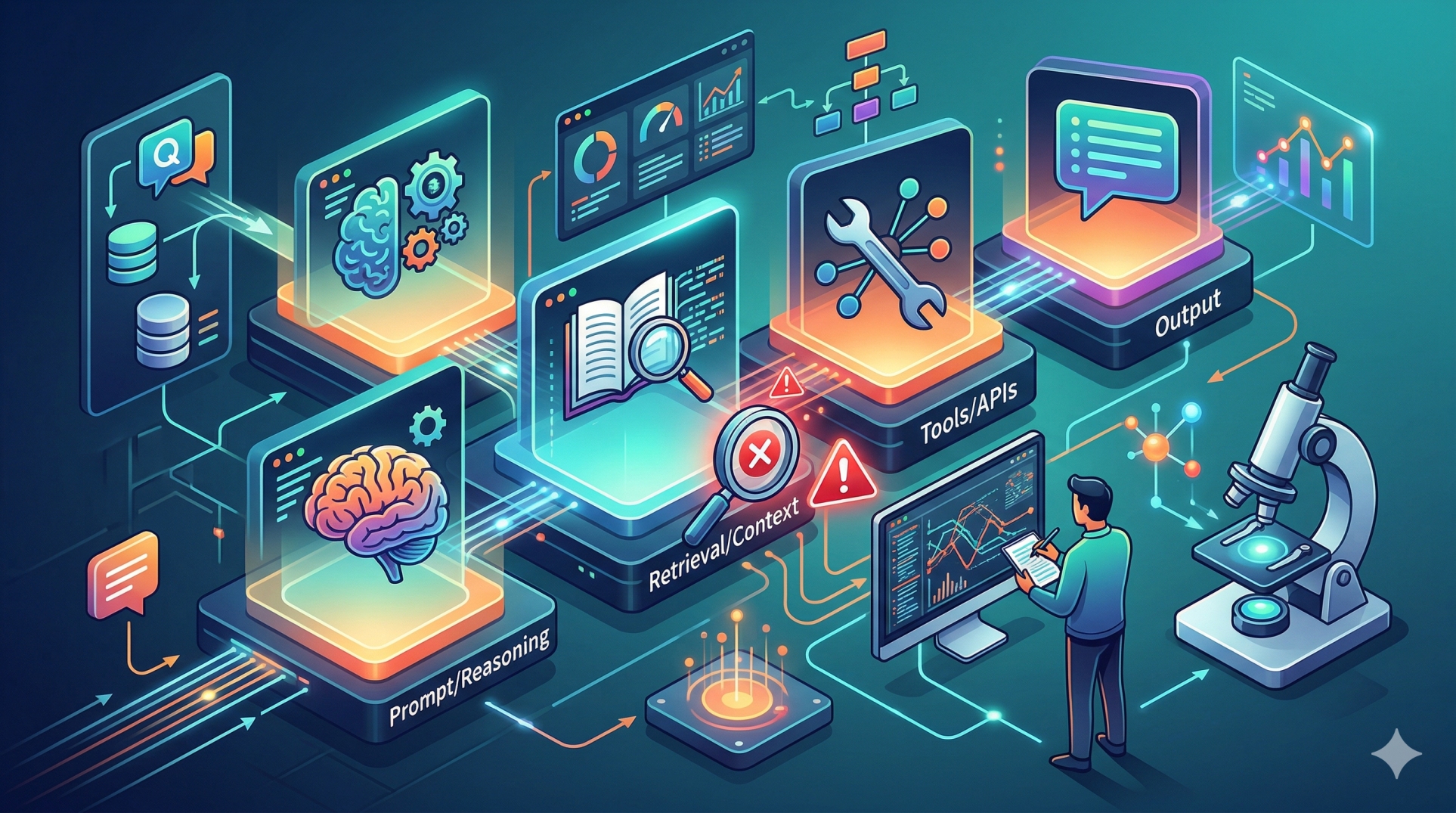
• Connect LLMs with tools, APIs, databases, and business applications
• Enable agents to perform multi-step operational tasks 🔗
• Introduce planning, task execution, and verification mechanisms
• Coordinate multiple specialized agents for complex workflows
• Maintain human oversight for sensitive or high-impact decisions 👥
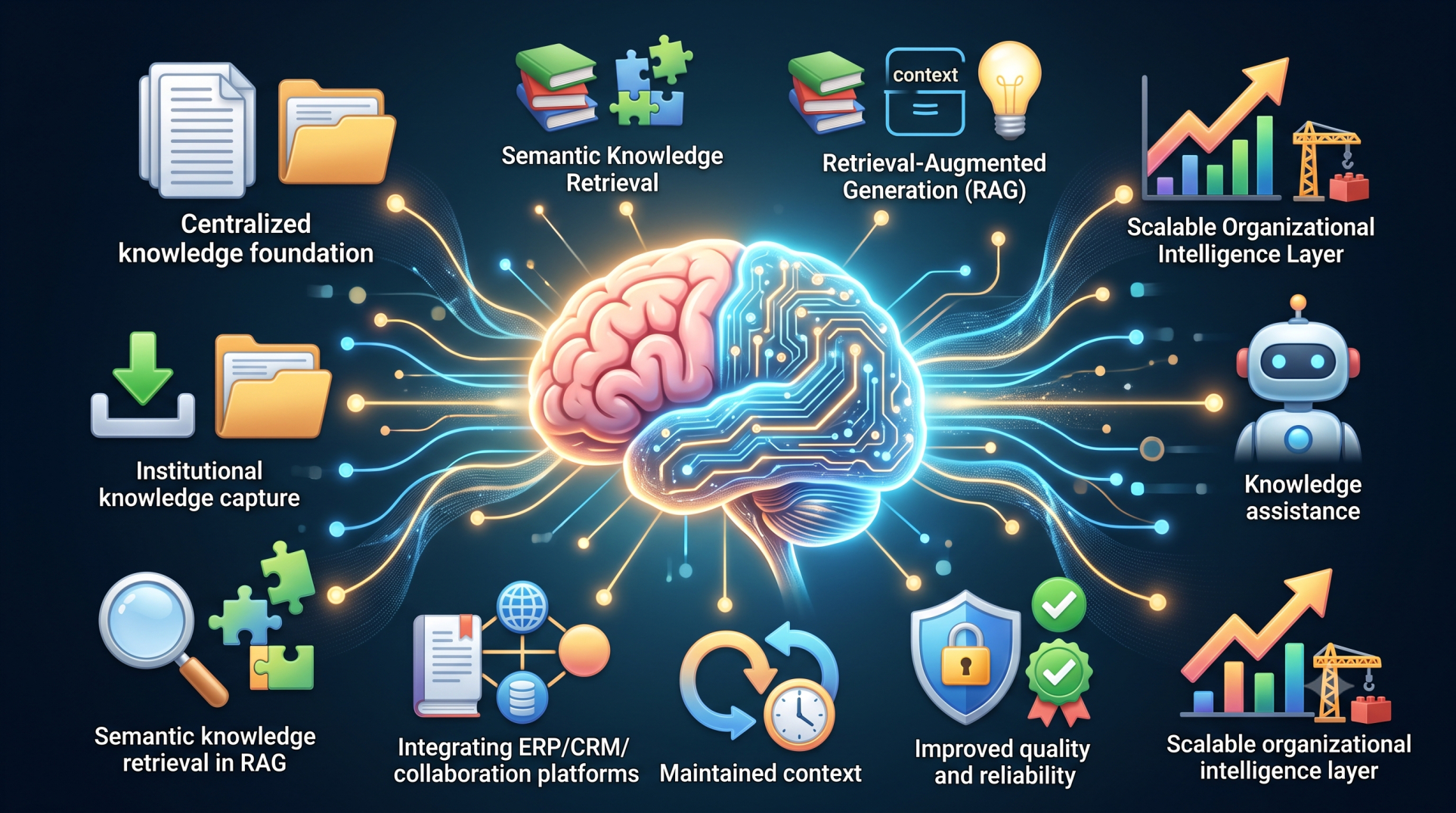
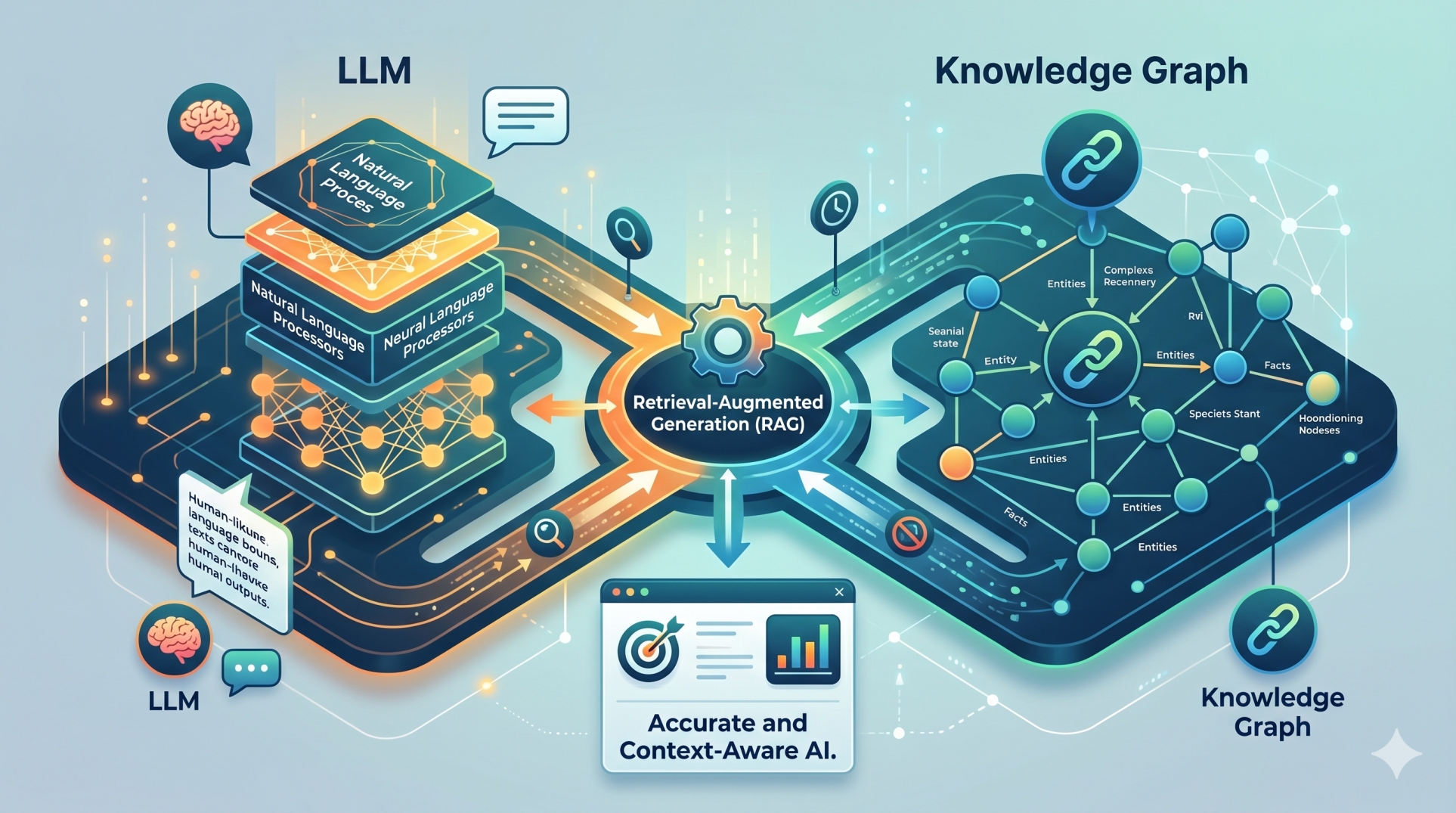
Step 4: Knowledge-Centered AI Architecture 📚
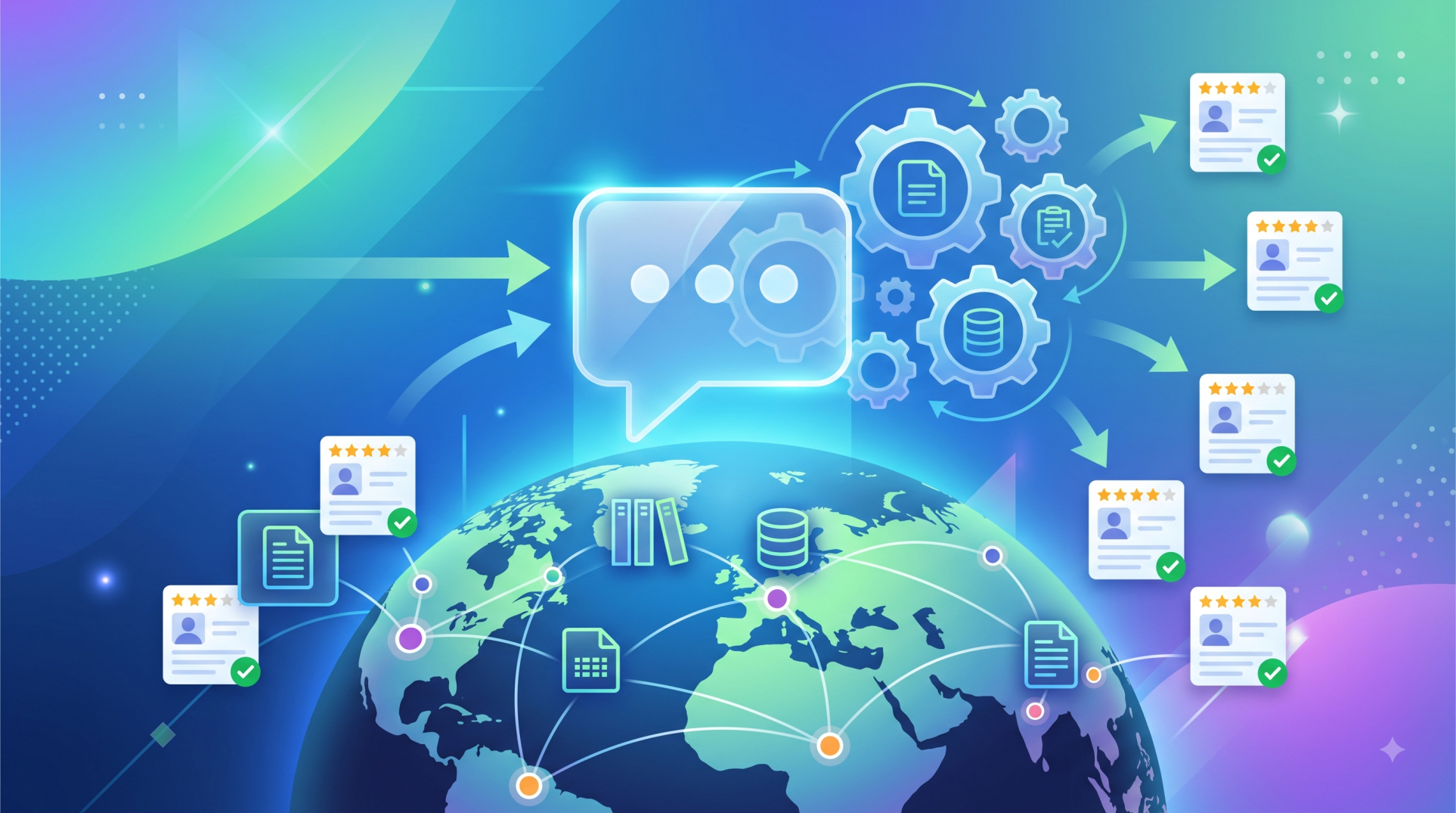
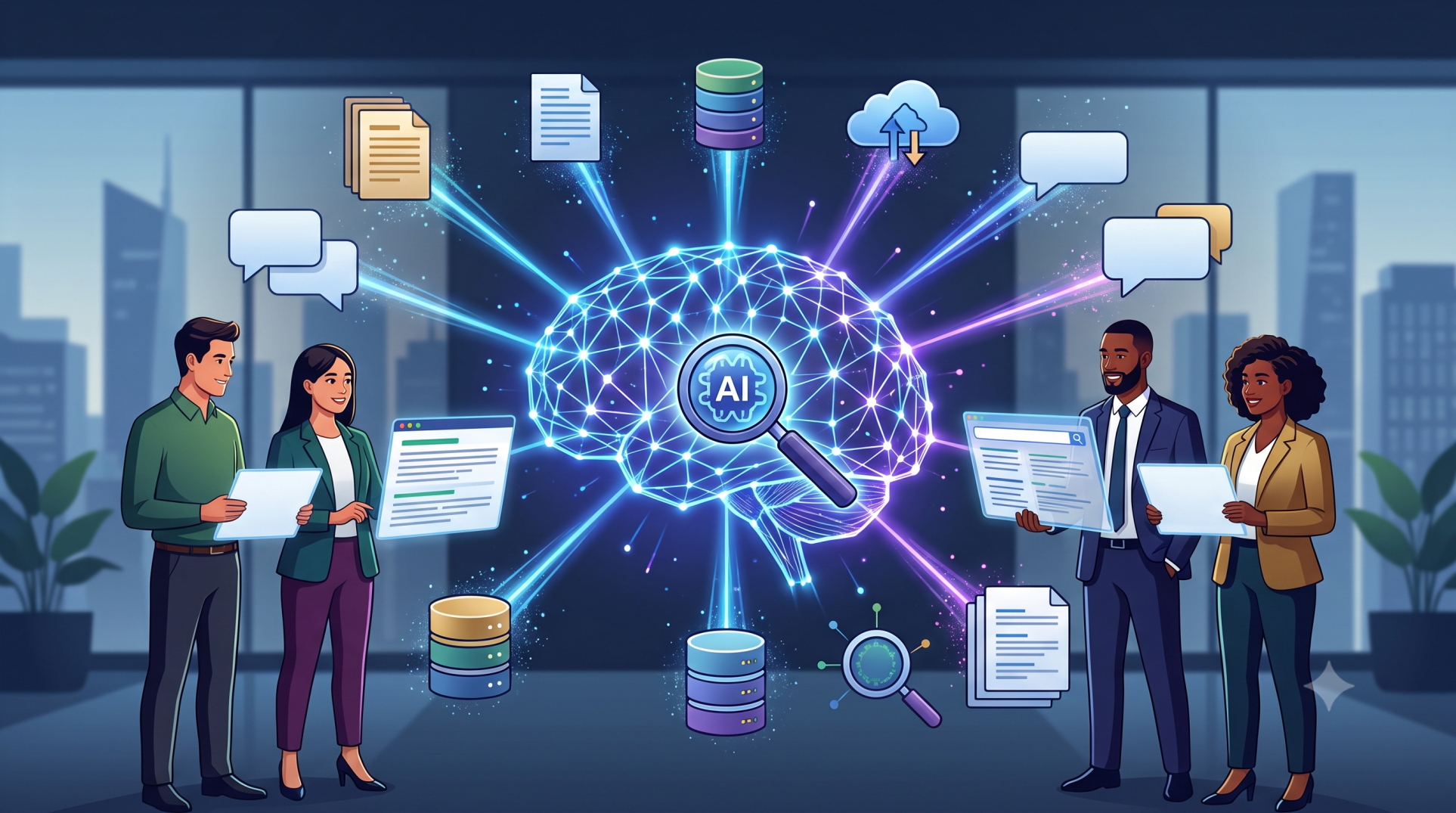
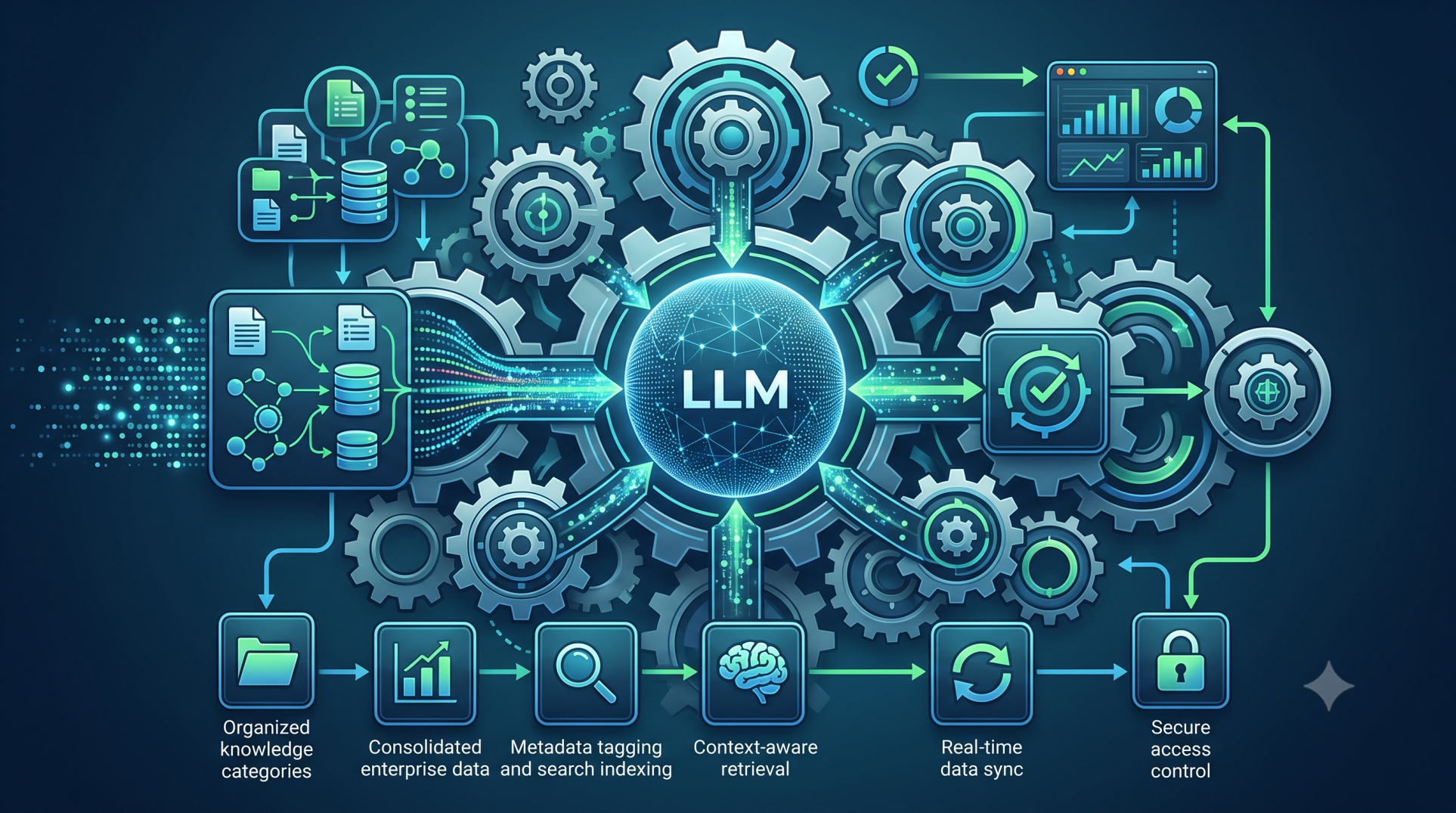
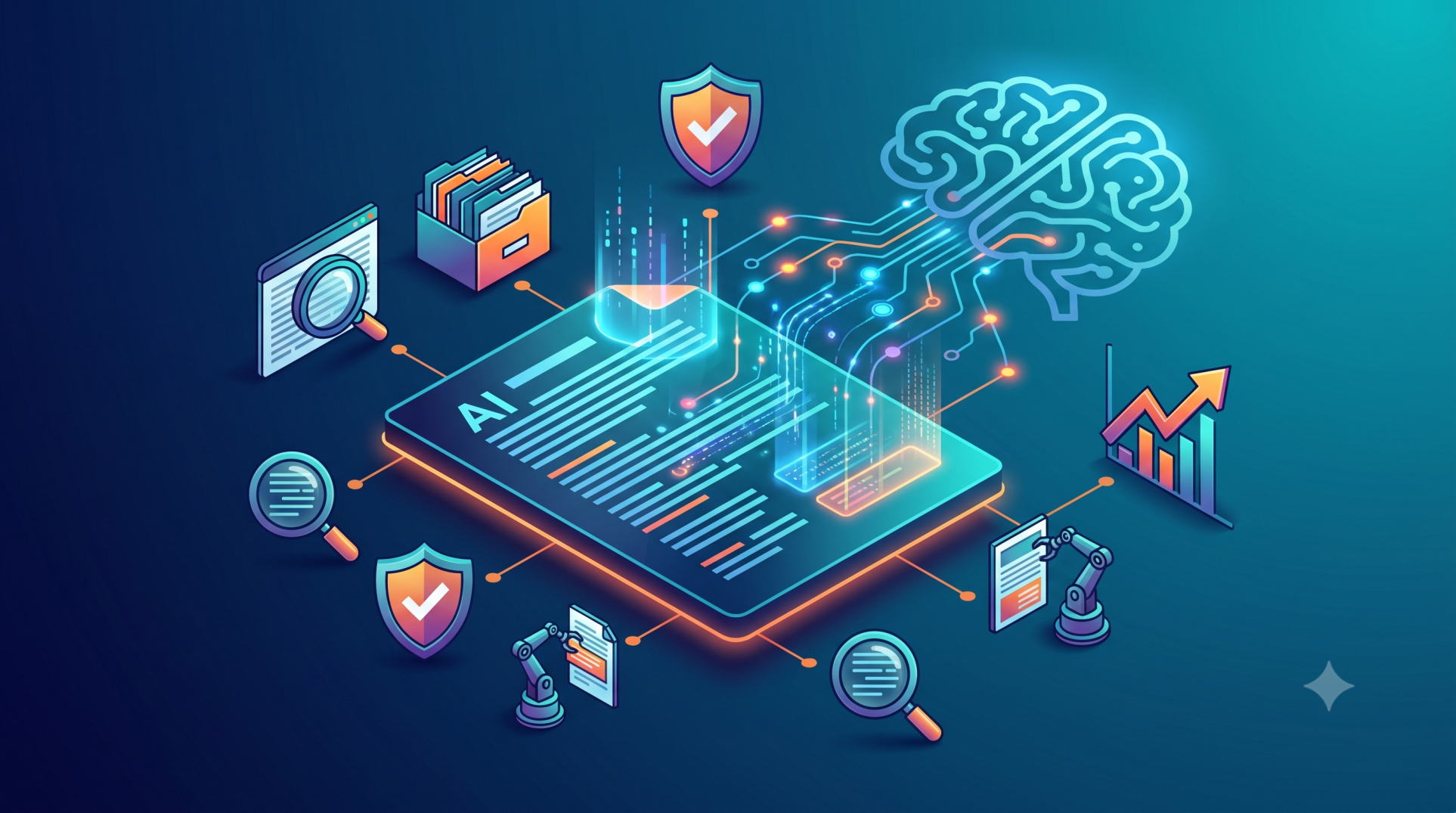
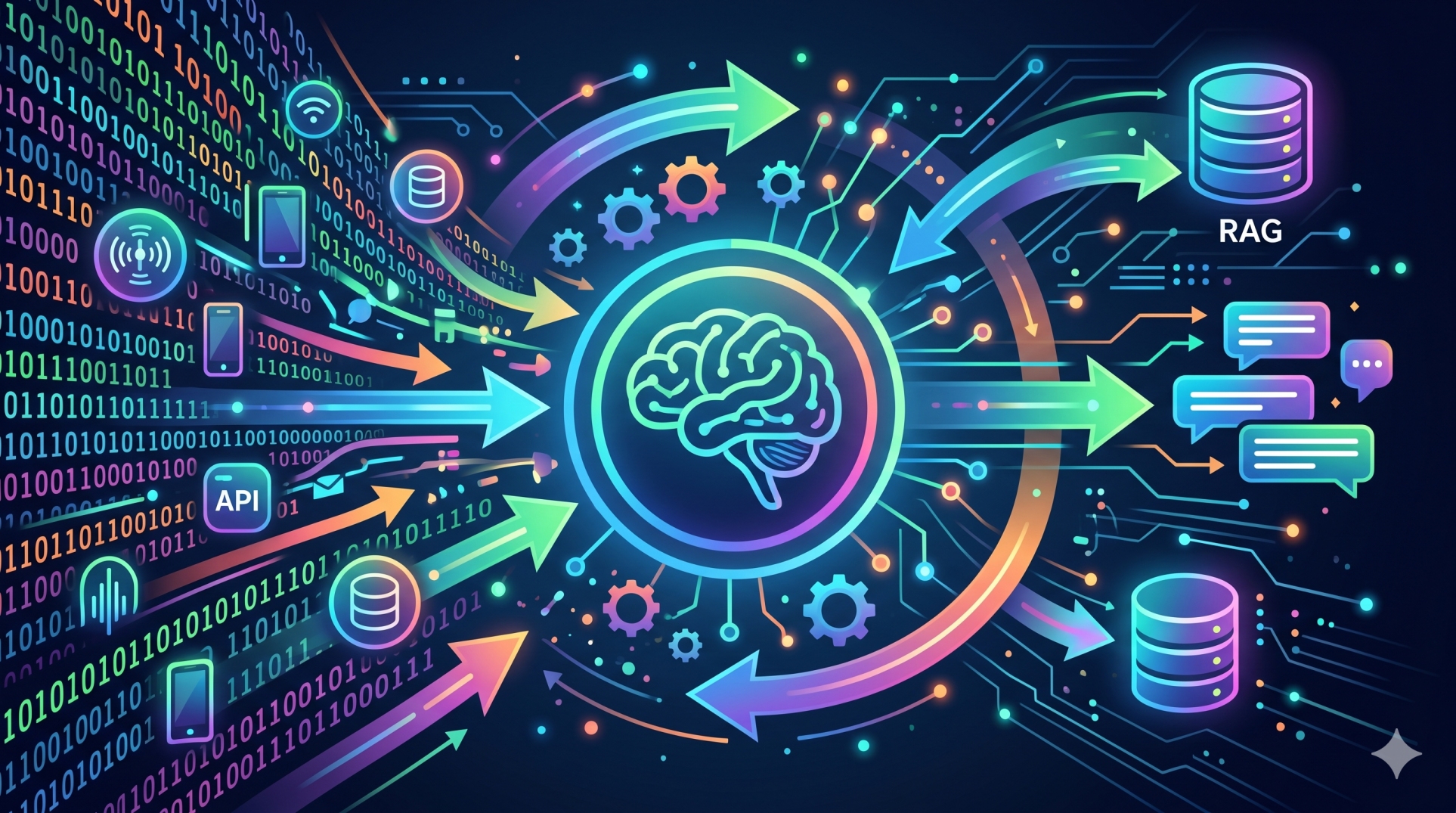
• Connect LLM applications with enterprise documents and databases
• Use retrieval systems to provide relevant organizational context 🔍
• Combine vector search, keyword search, and structured data retrieval
• Keep enterprise knowledge synchronized with changing information 🔄
• Improve response reliability through grounded generation
Step 5: API and Integration-First Design 🔌
• Expose AI capabilities through secure and reusable APIs
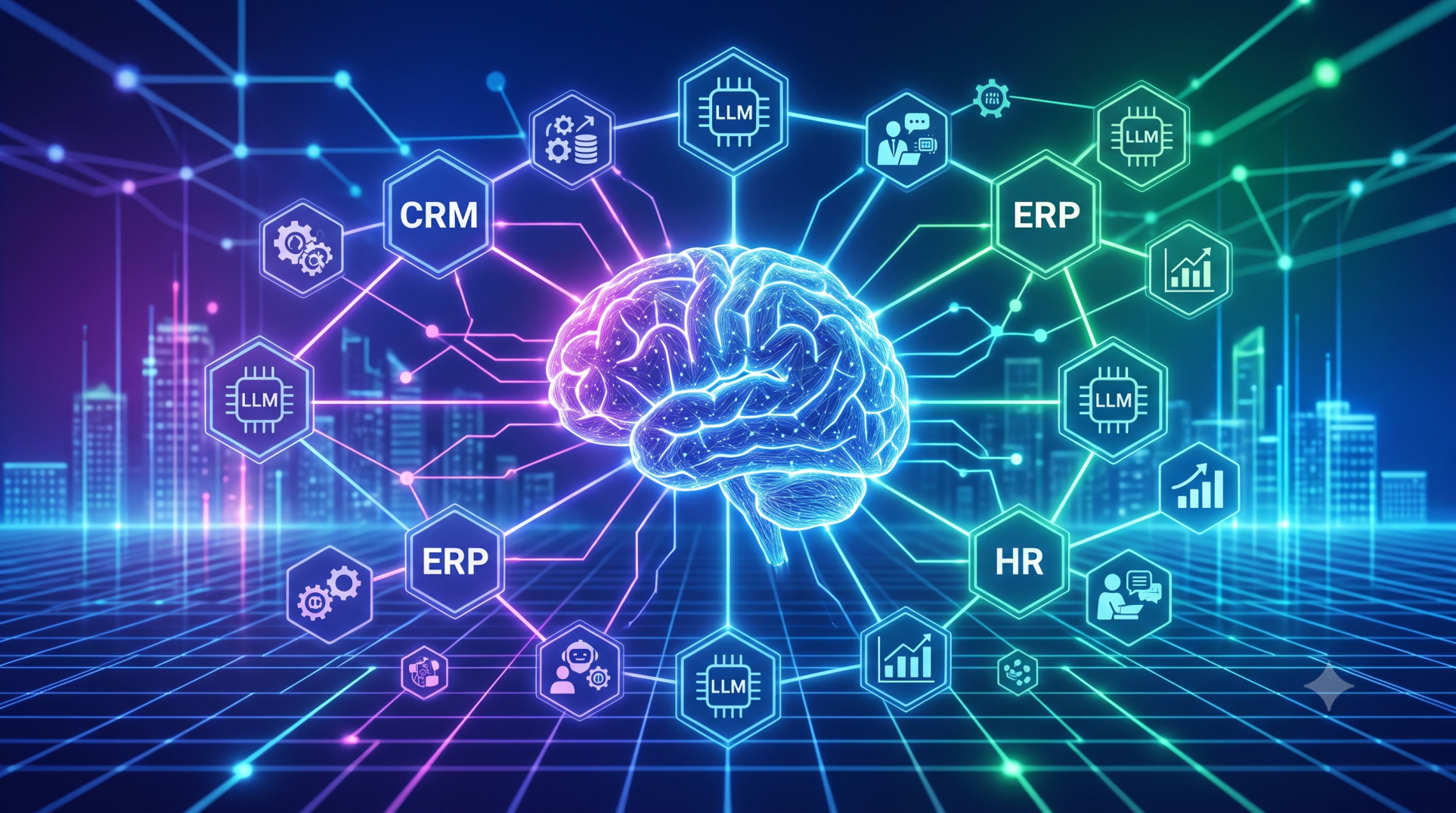
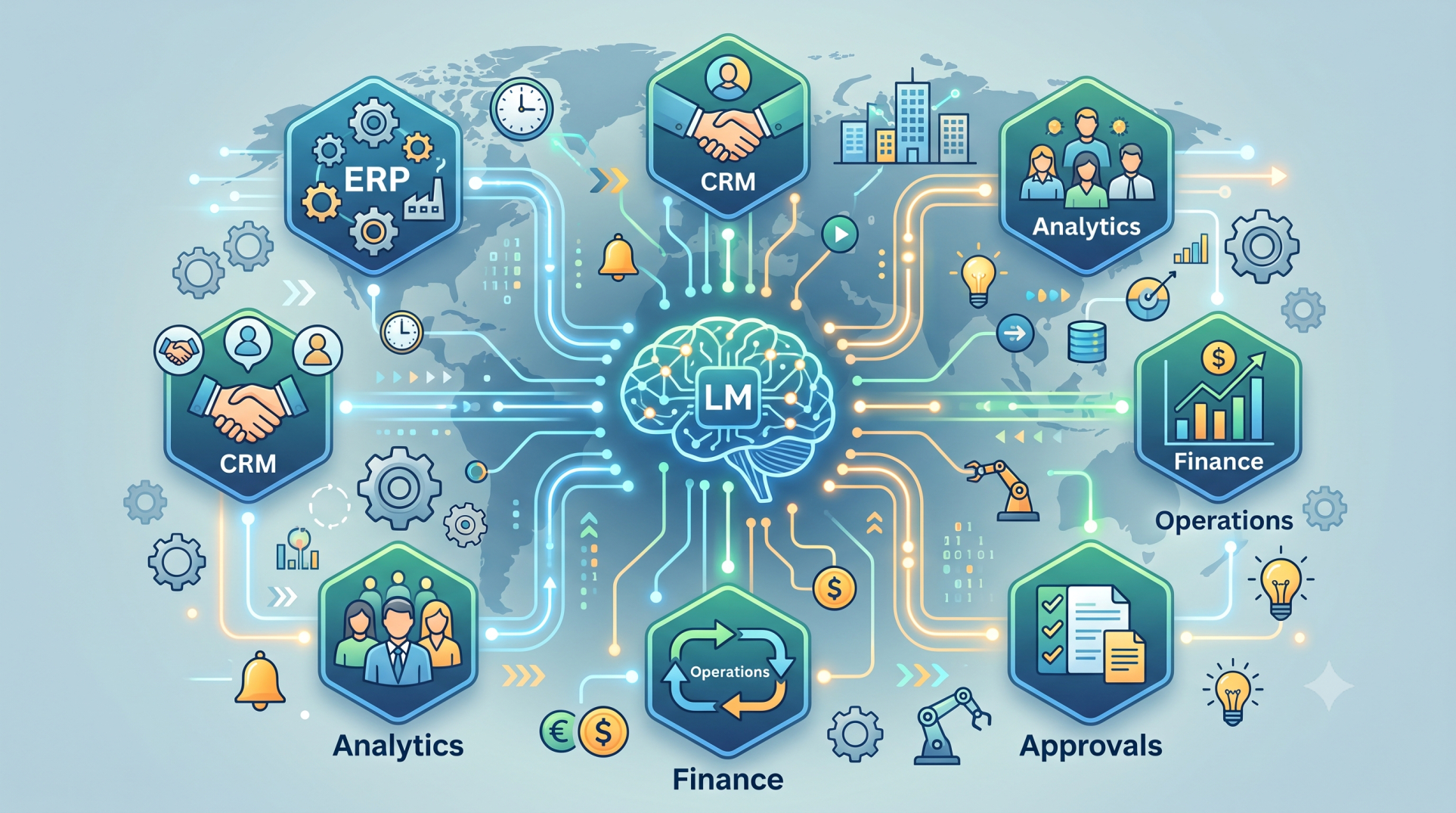
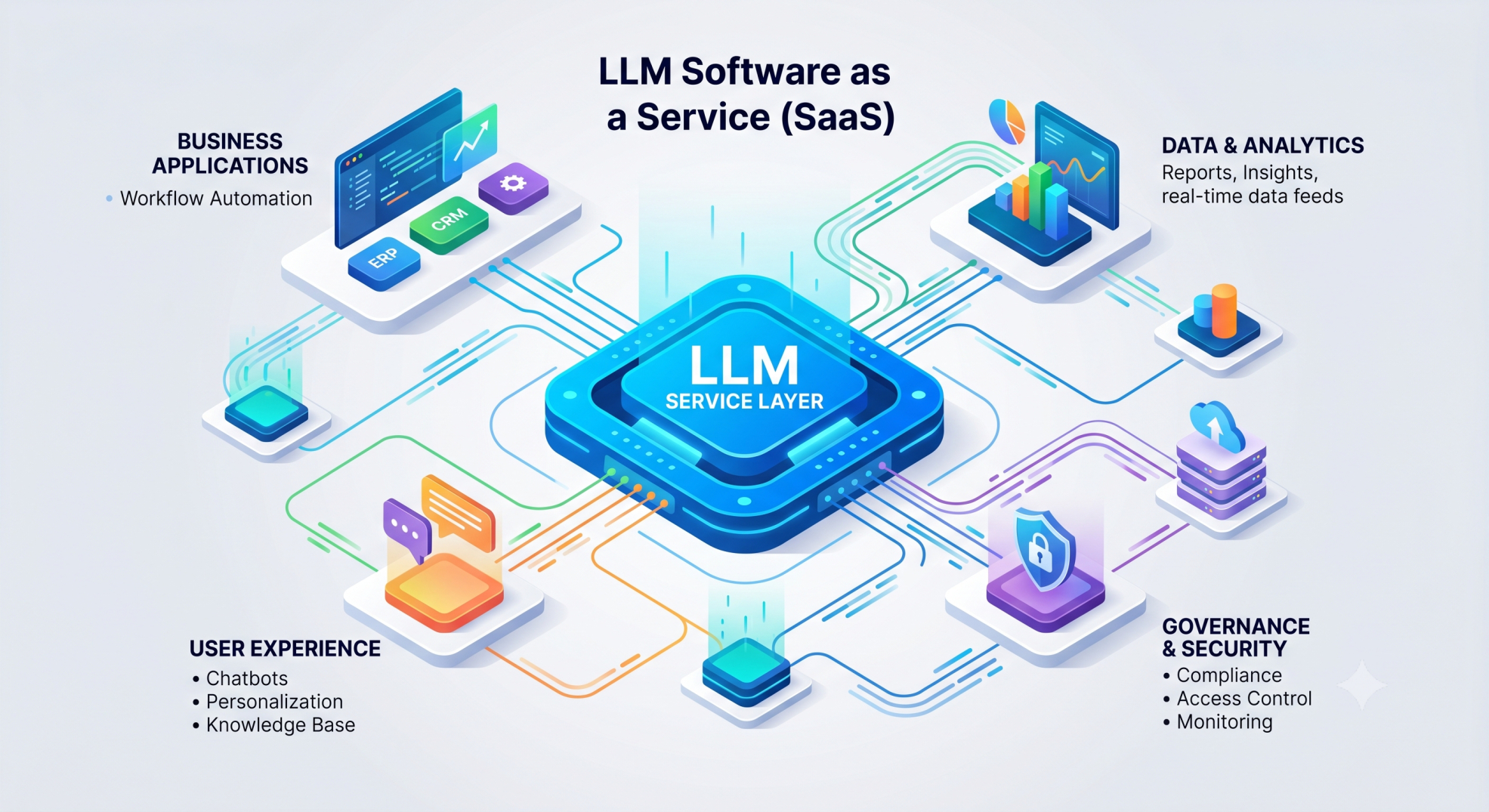
• Connect LLM applications with ERP, CRM, finance, and operational platforms
• Standardize communication between AI services and enterprise systems
• Support event-driven workflows and real-time integrations 📡
• Reduce isolated AI deployments through shared integration layers
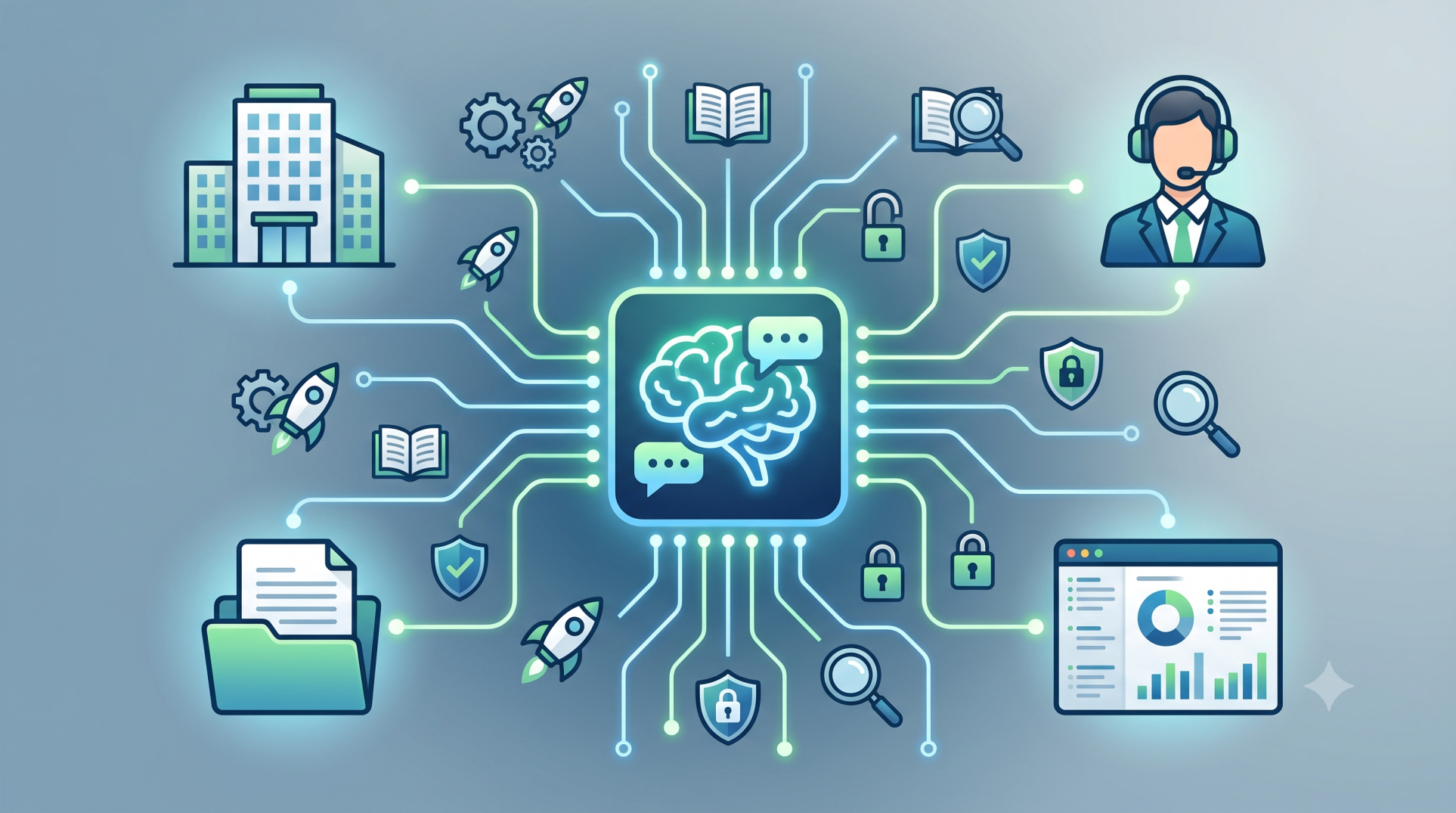
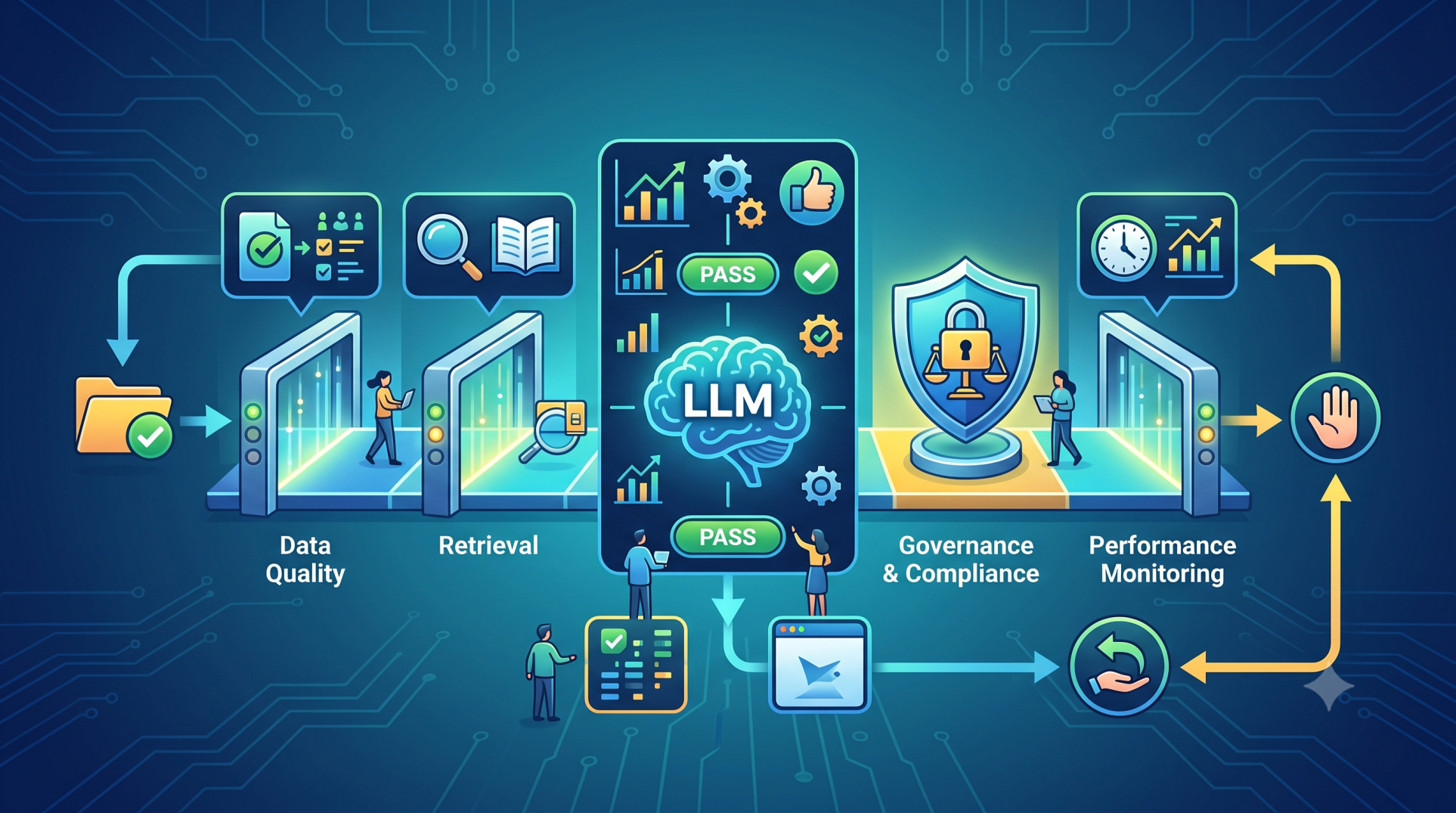
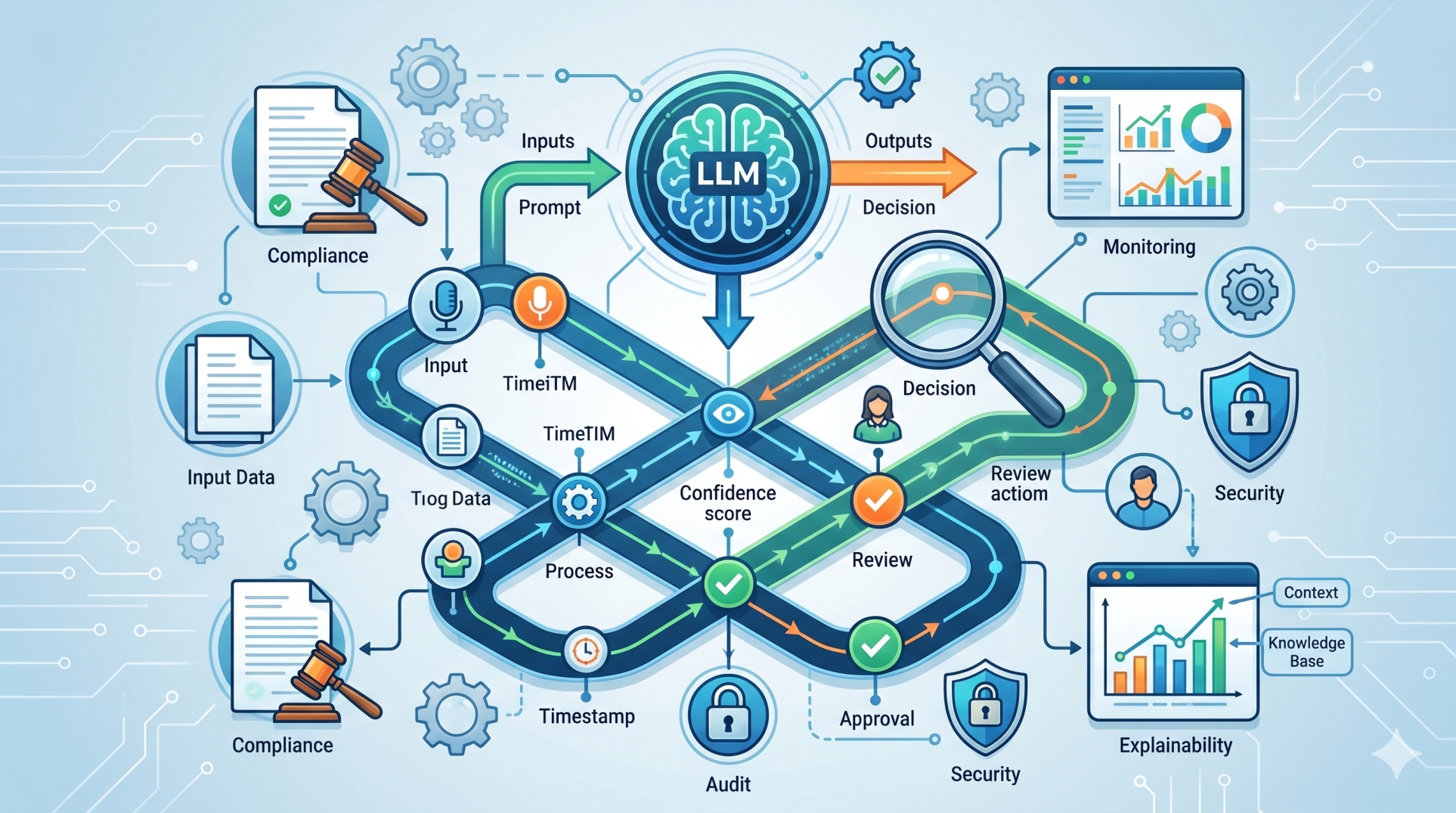
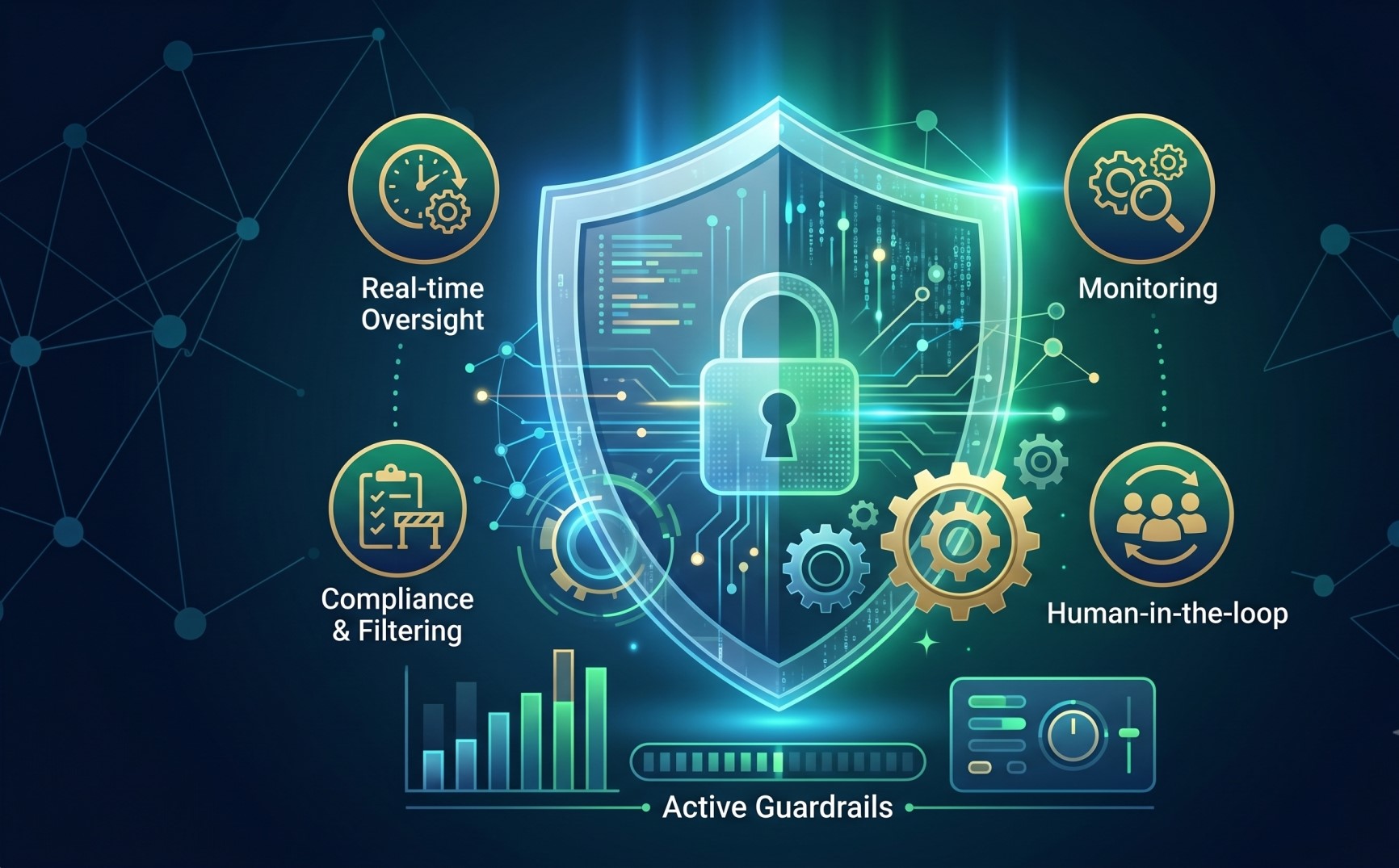
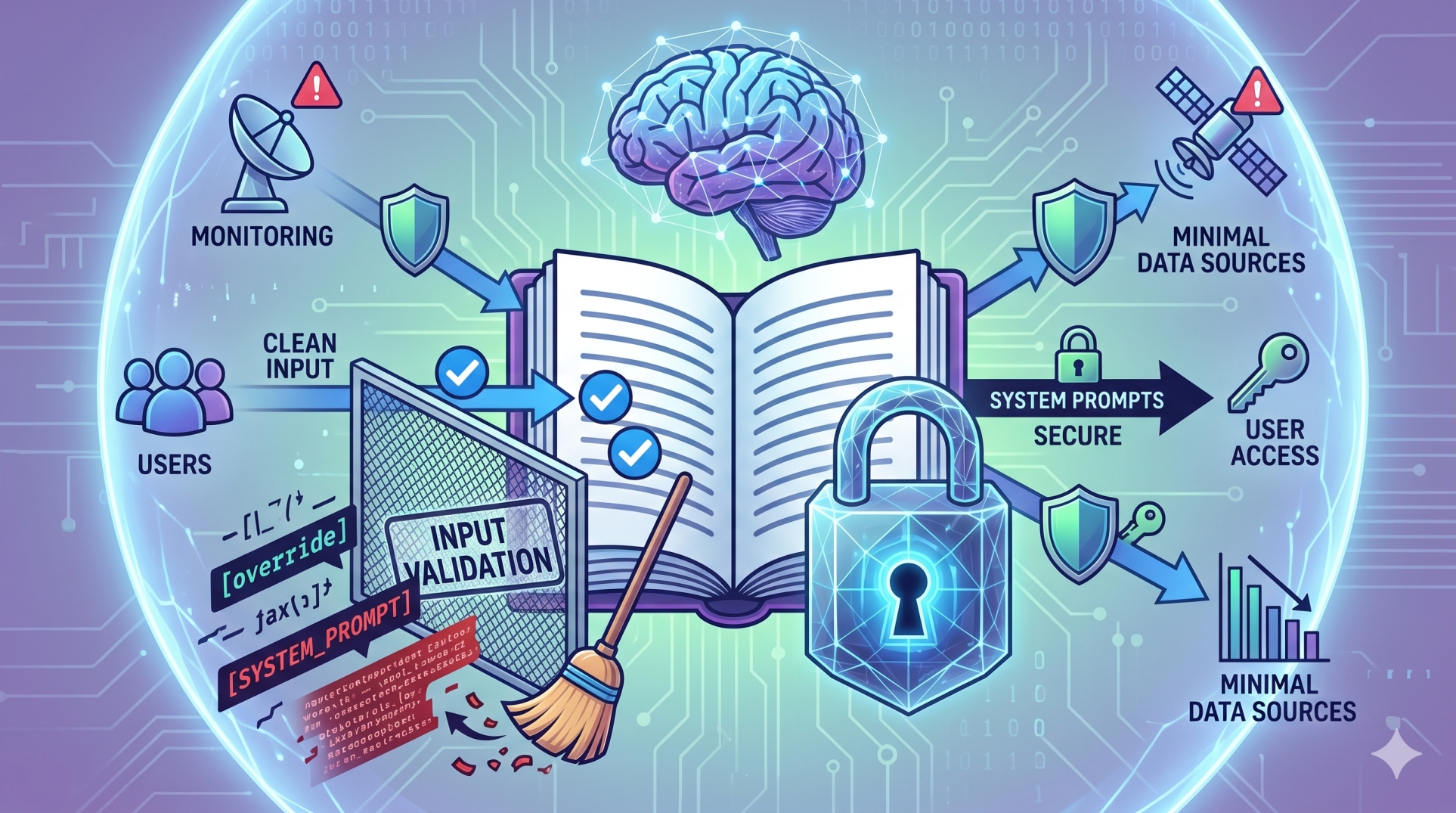
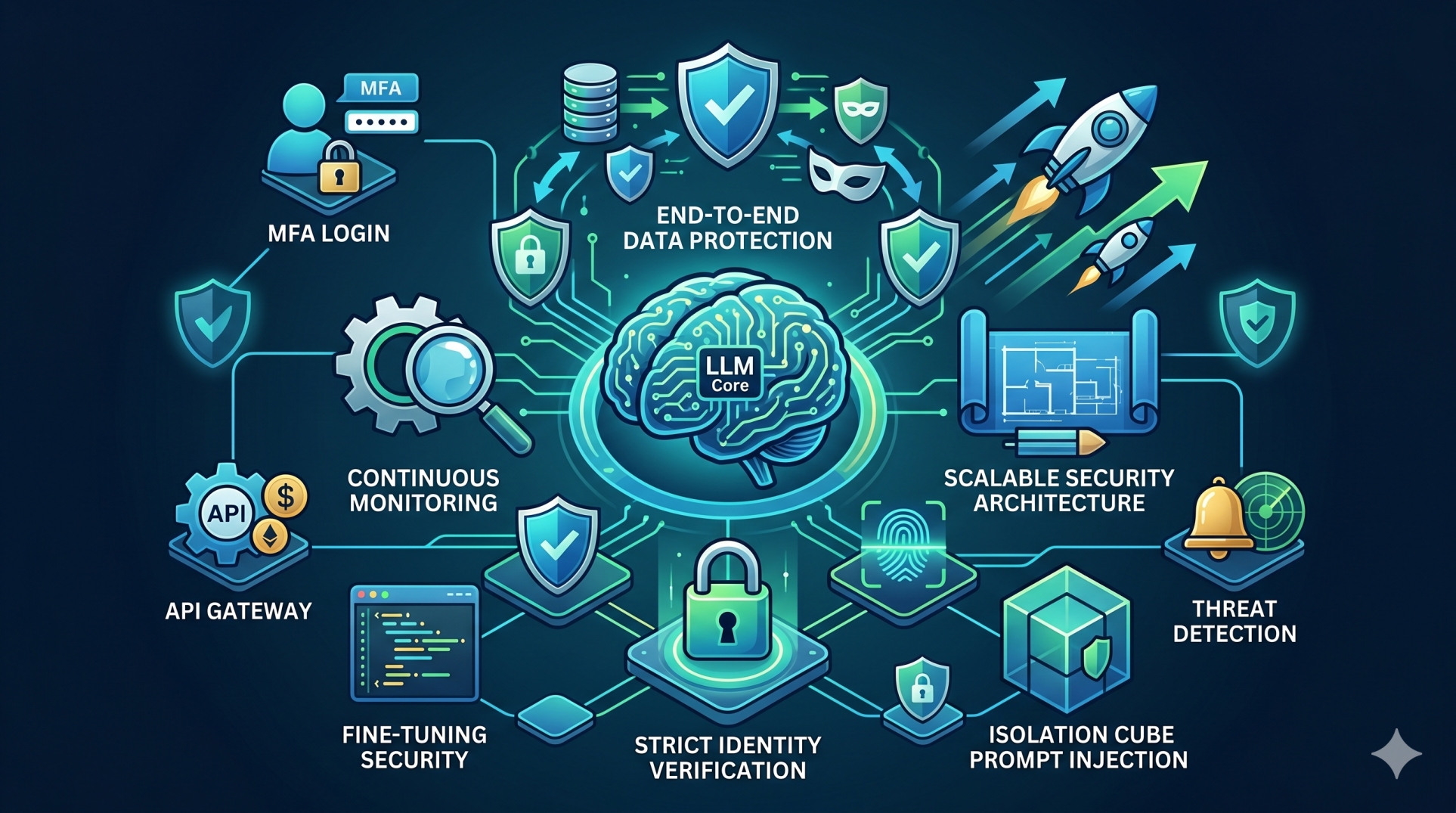
Step 6: Stronger AI Governance and Security 🔐
• Apply role-based access controls to AI applications
• Protect sensitive enterprise information during retrieval and generation 🛡️
• Monitor how models access and process business data
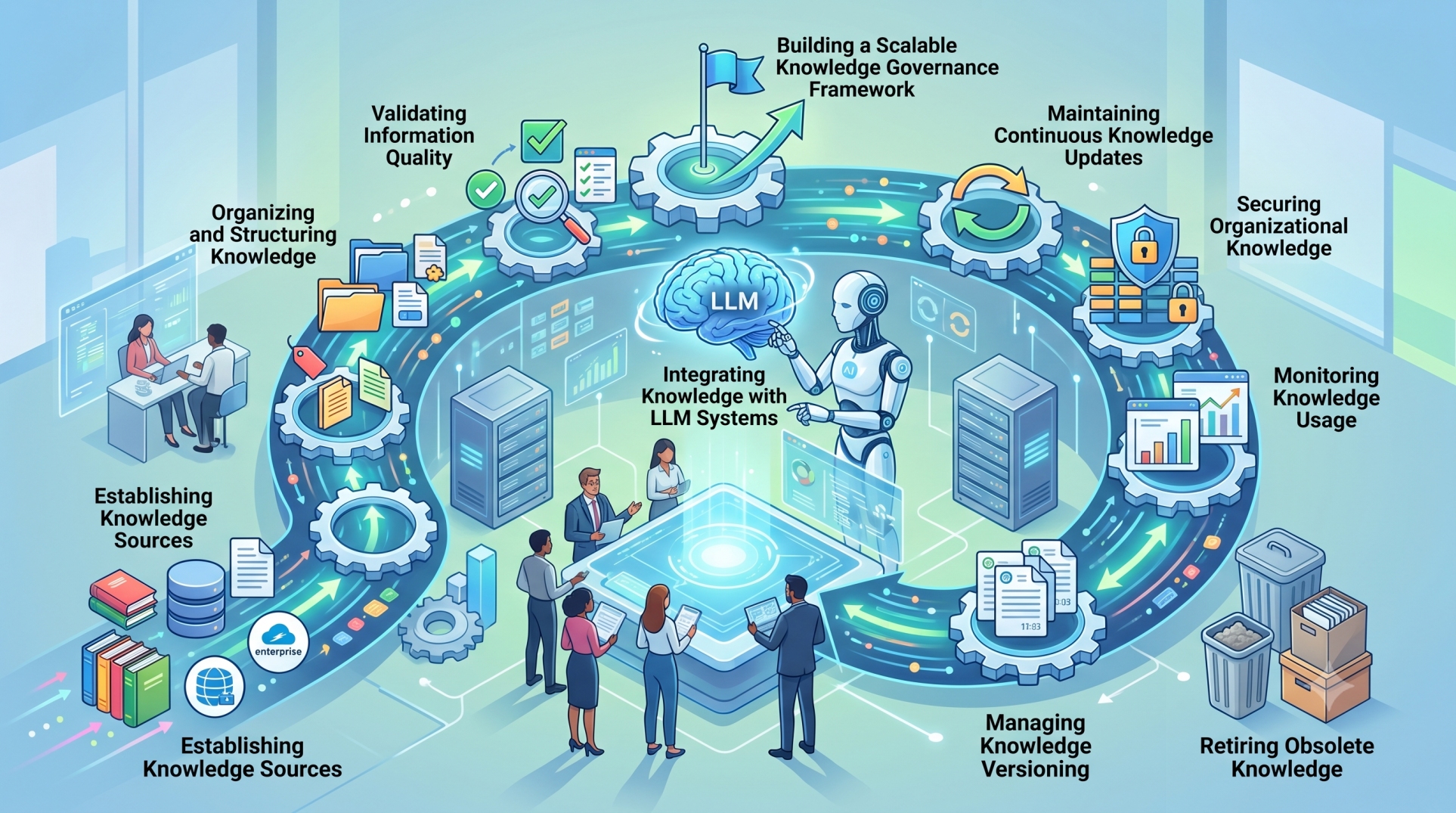
• Establish policies for model usage, data handling, and AI-generated actions
• Maintain audit trails for important AI decisions and activities 📋
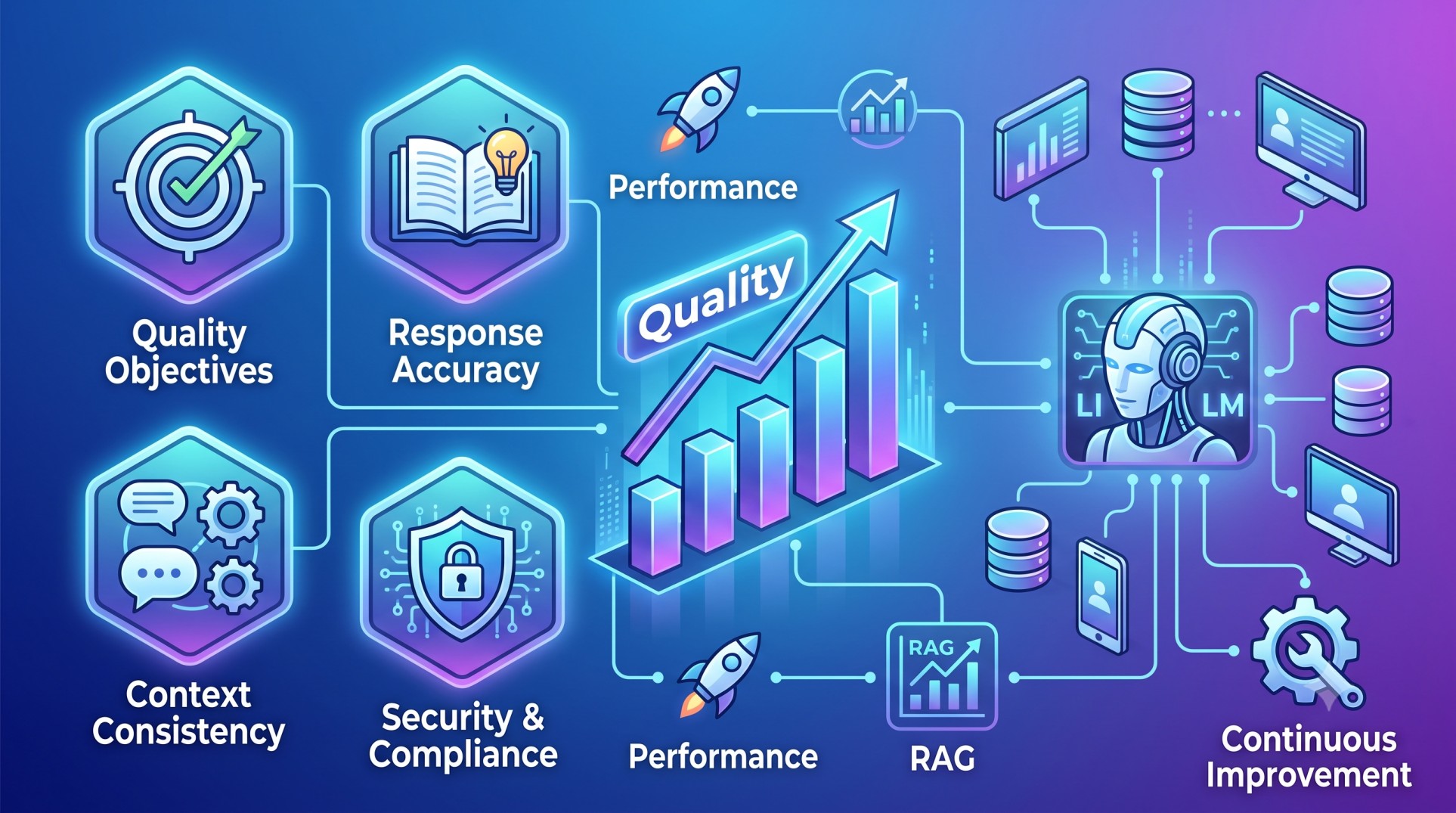
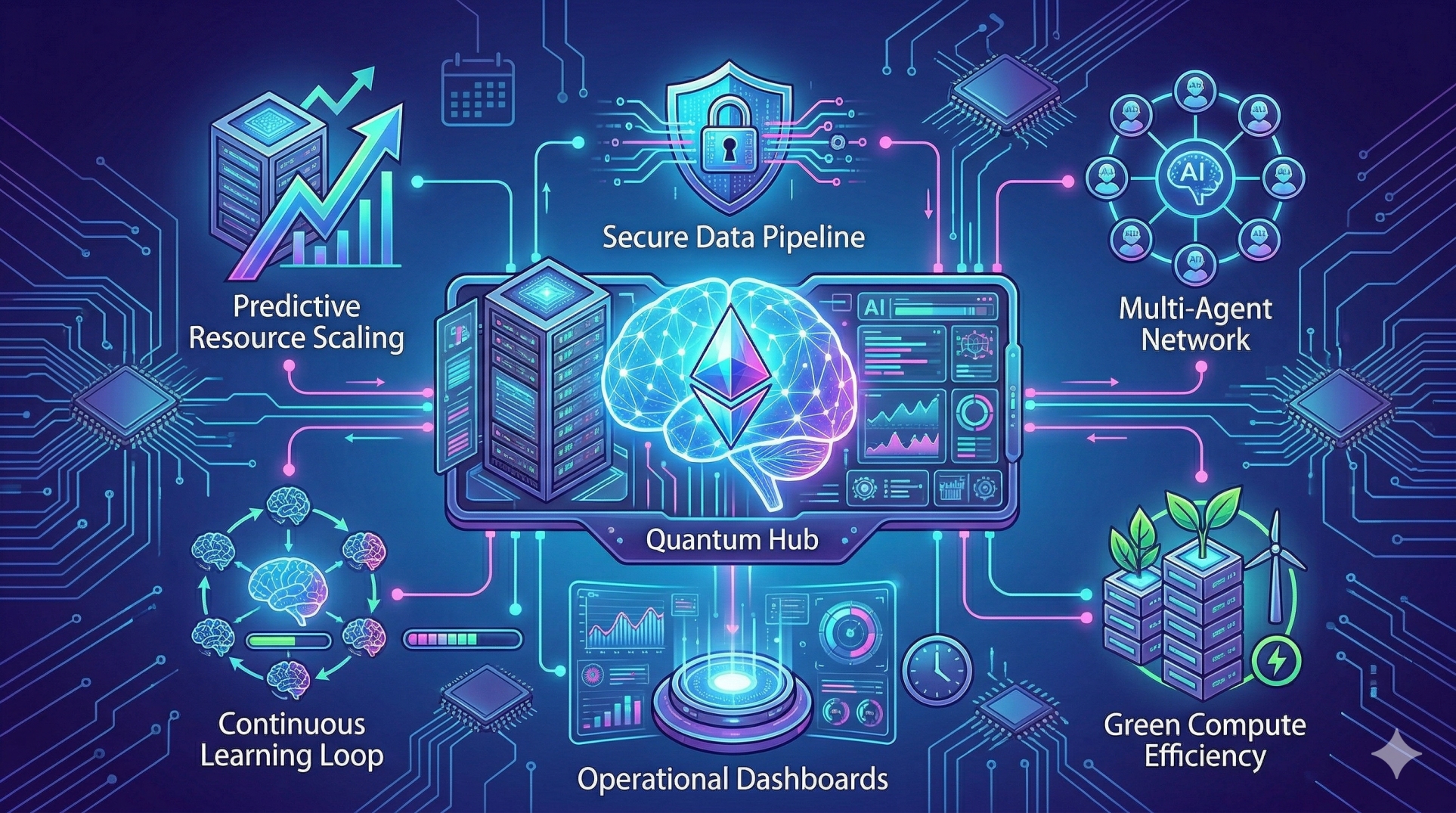
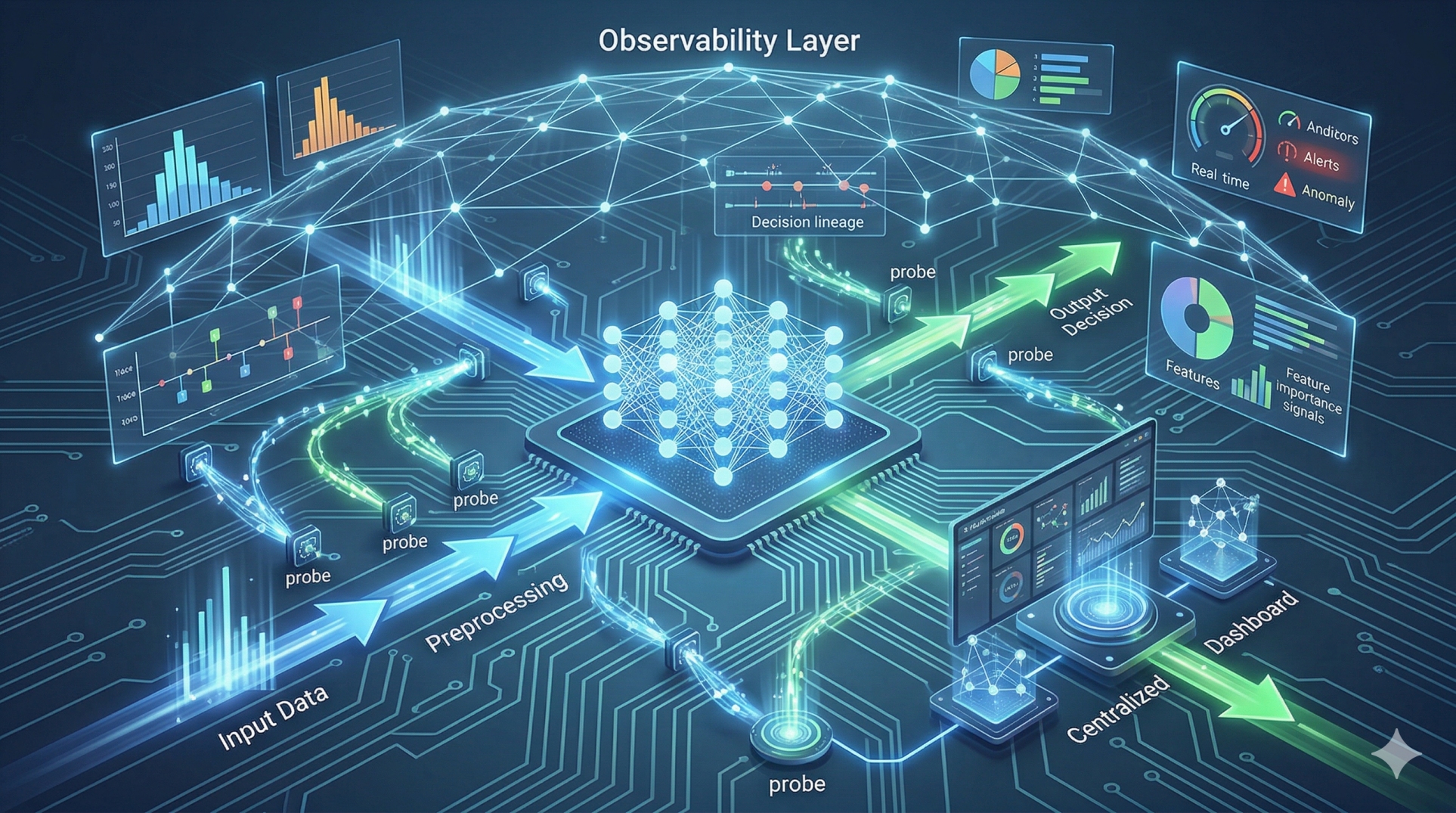
Step 7: Designing for AI Observability 📊
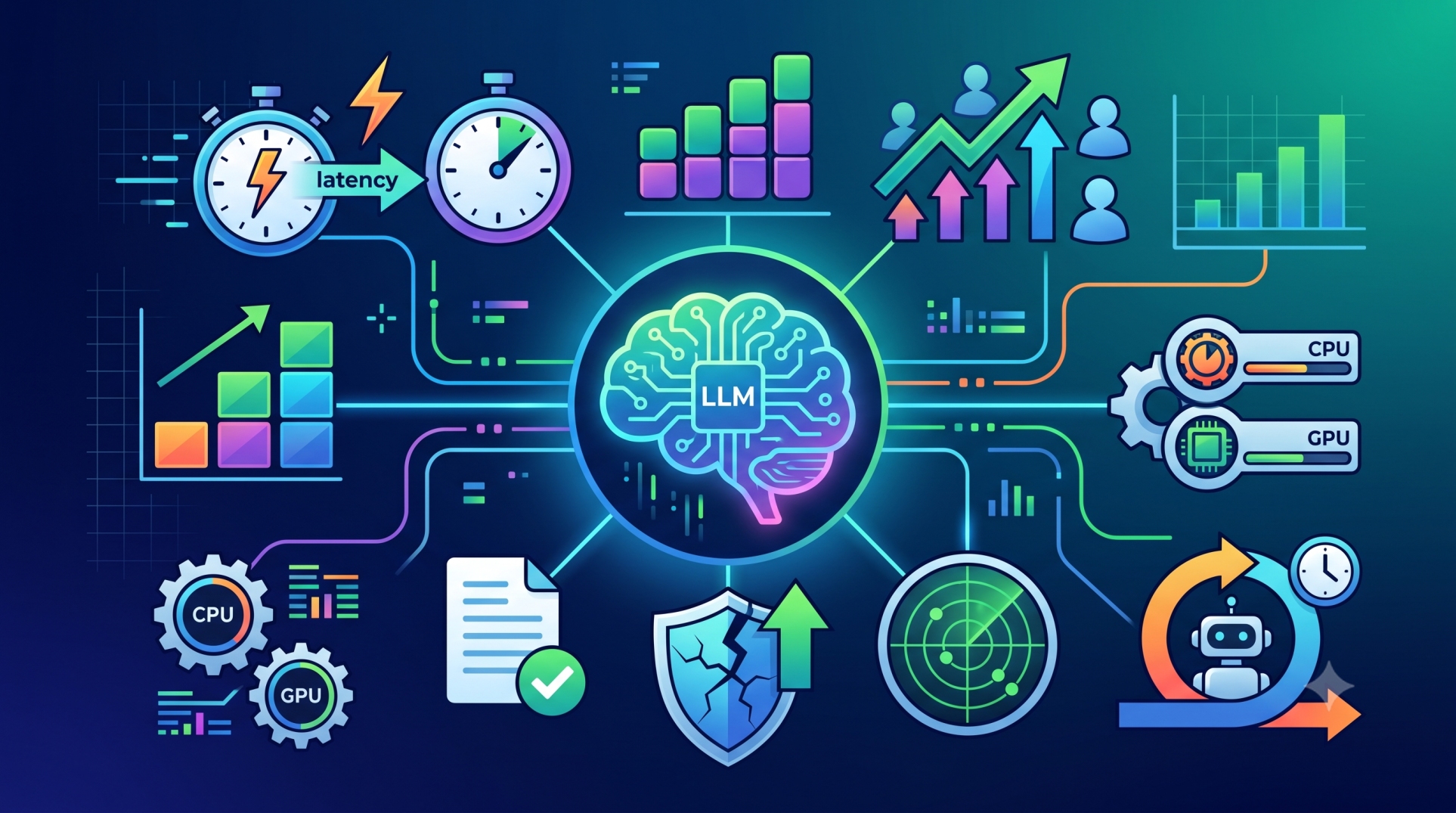
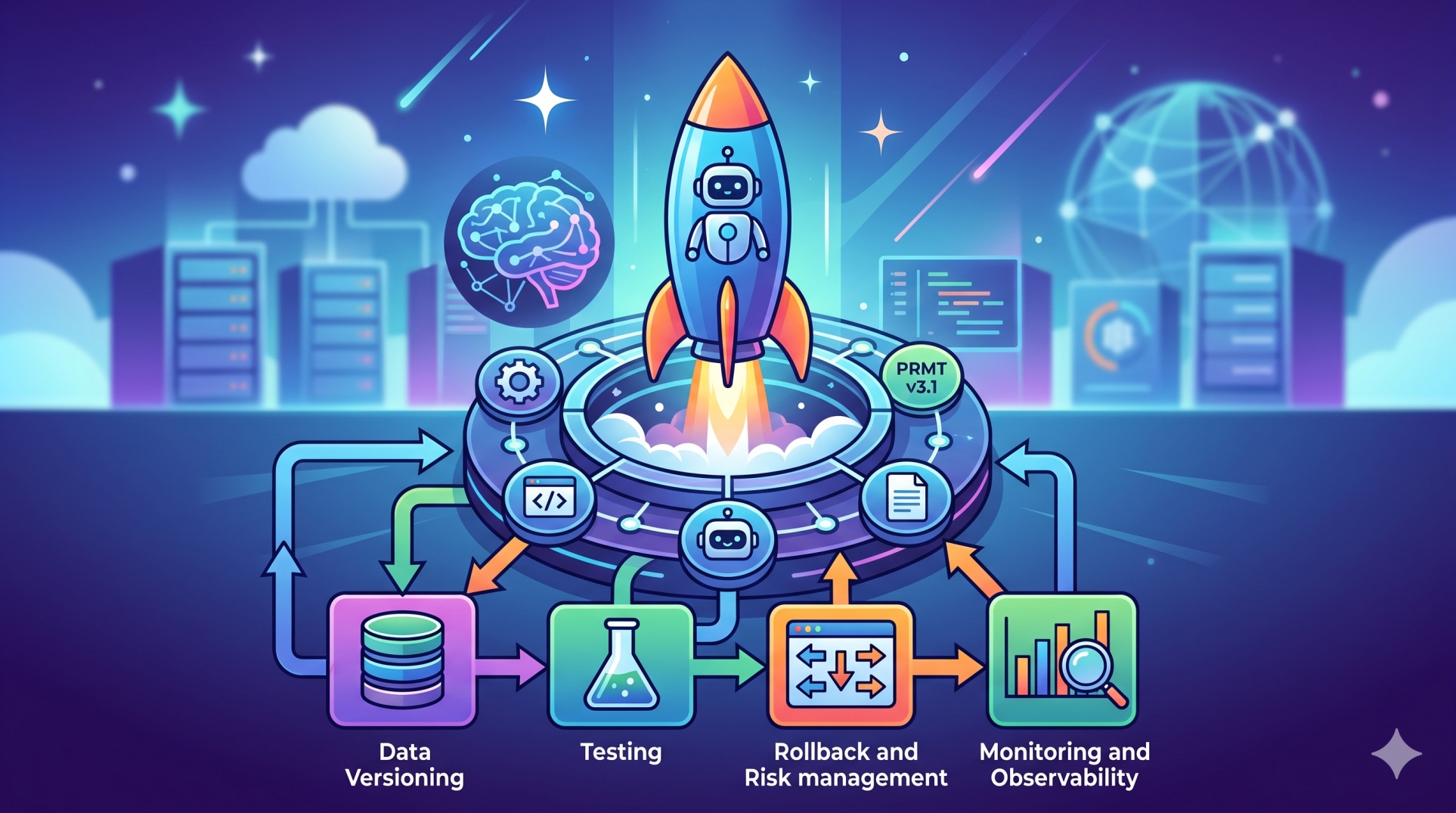
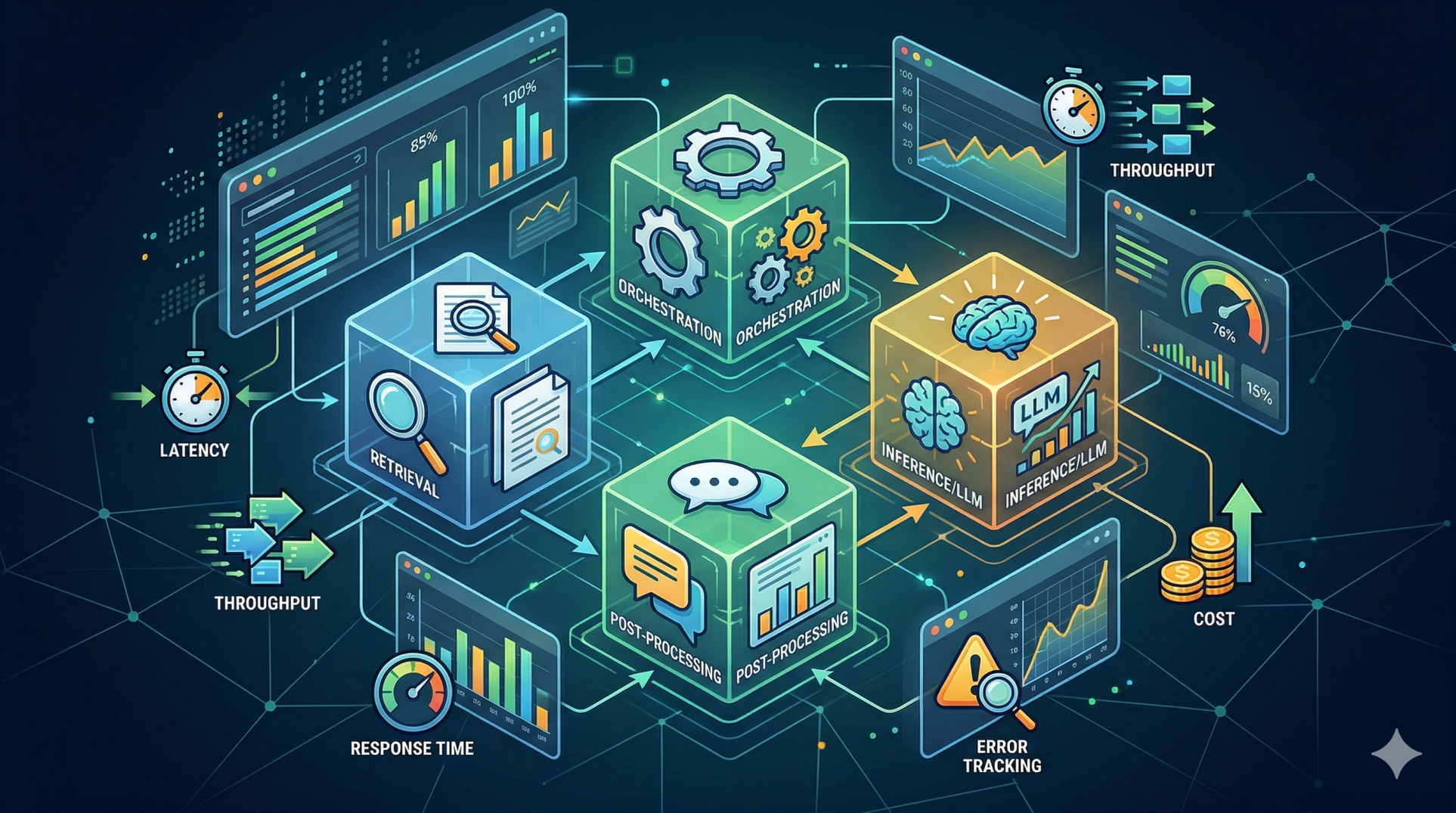
• Monitor model latency, usage, costs, and response quality
• Track agent actions and tool executions 🔍
• Identify failed workflows and unreliable outputs
• Establish performance metrics for production AI systems
• Use monitoring data to continuously improve AI architecture
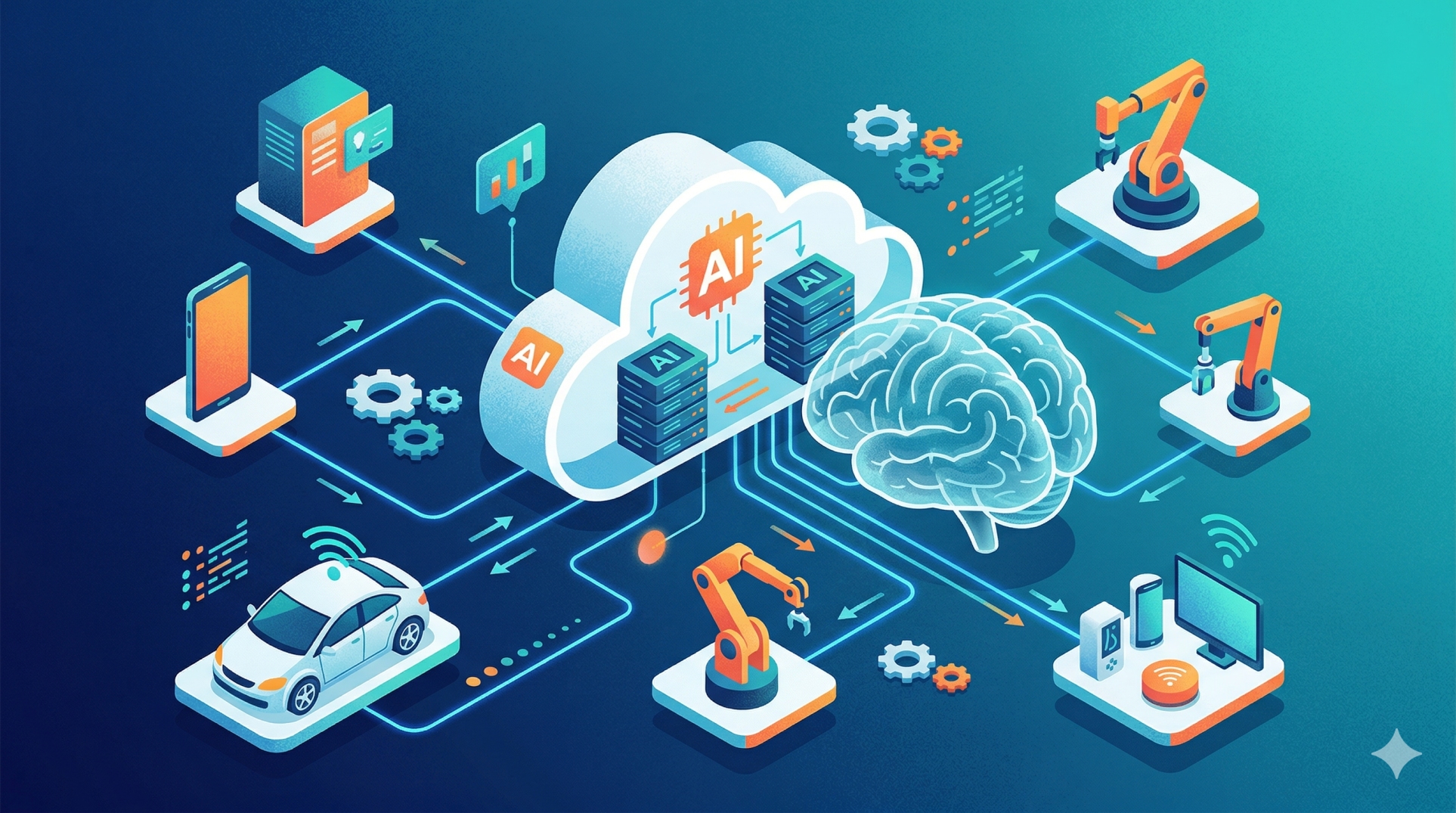
Step 8: Cloud, Hybrid, and Private AI Infrastructure ☁️
• Deploy LLM workloads across cloud and private environments
• Select infrastructure based on security, performance, and cost requirements
• Keep sensitive workloads within controlled environments when necessary 🔒
• Scale computational resources according to demand
• Build infrastructure that supports multiple deployment strategies
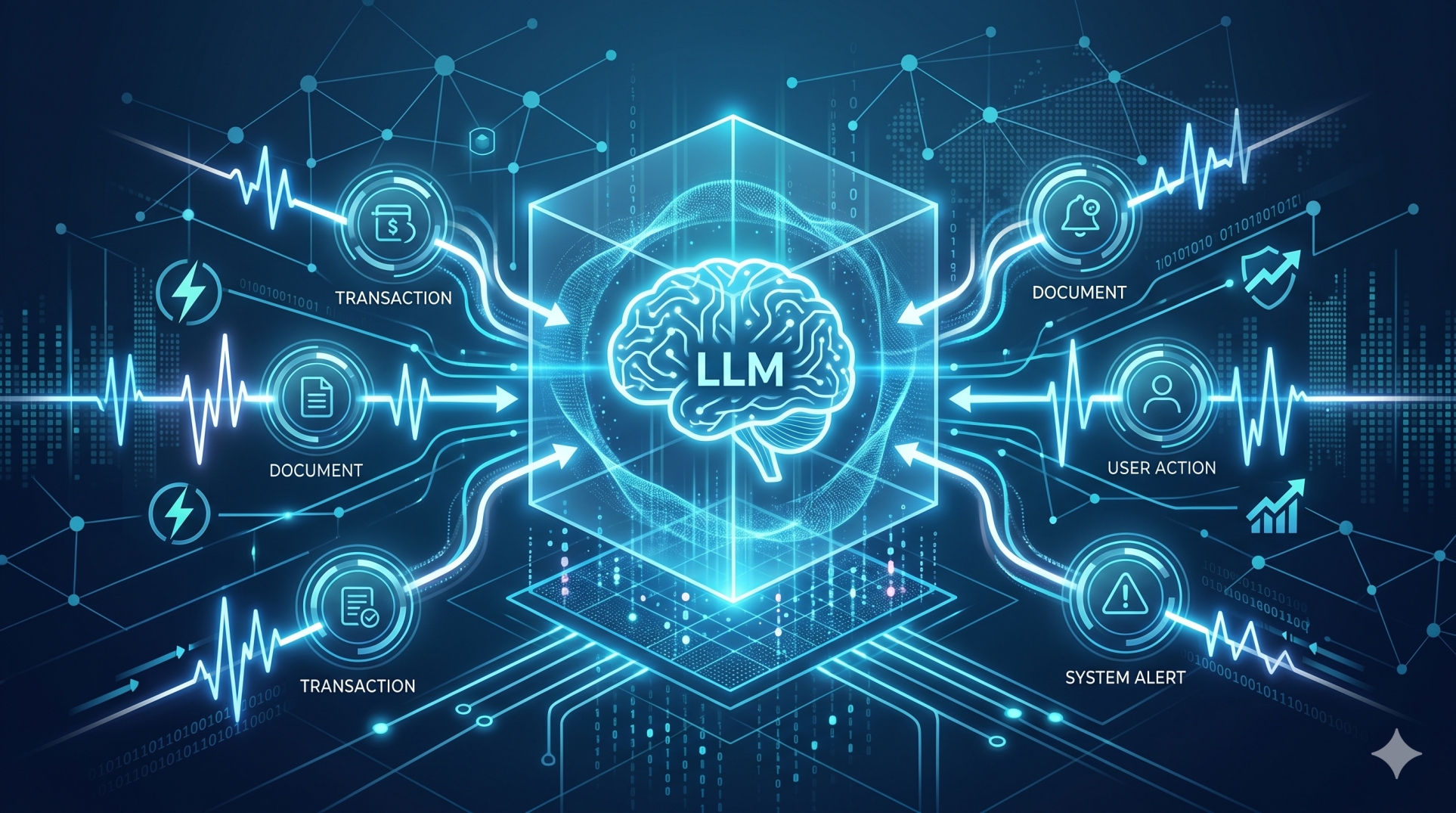
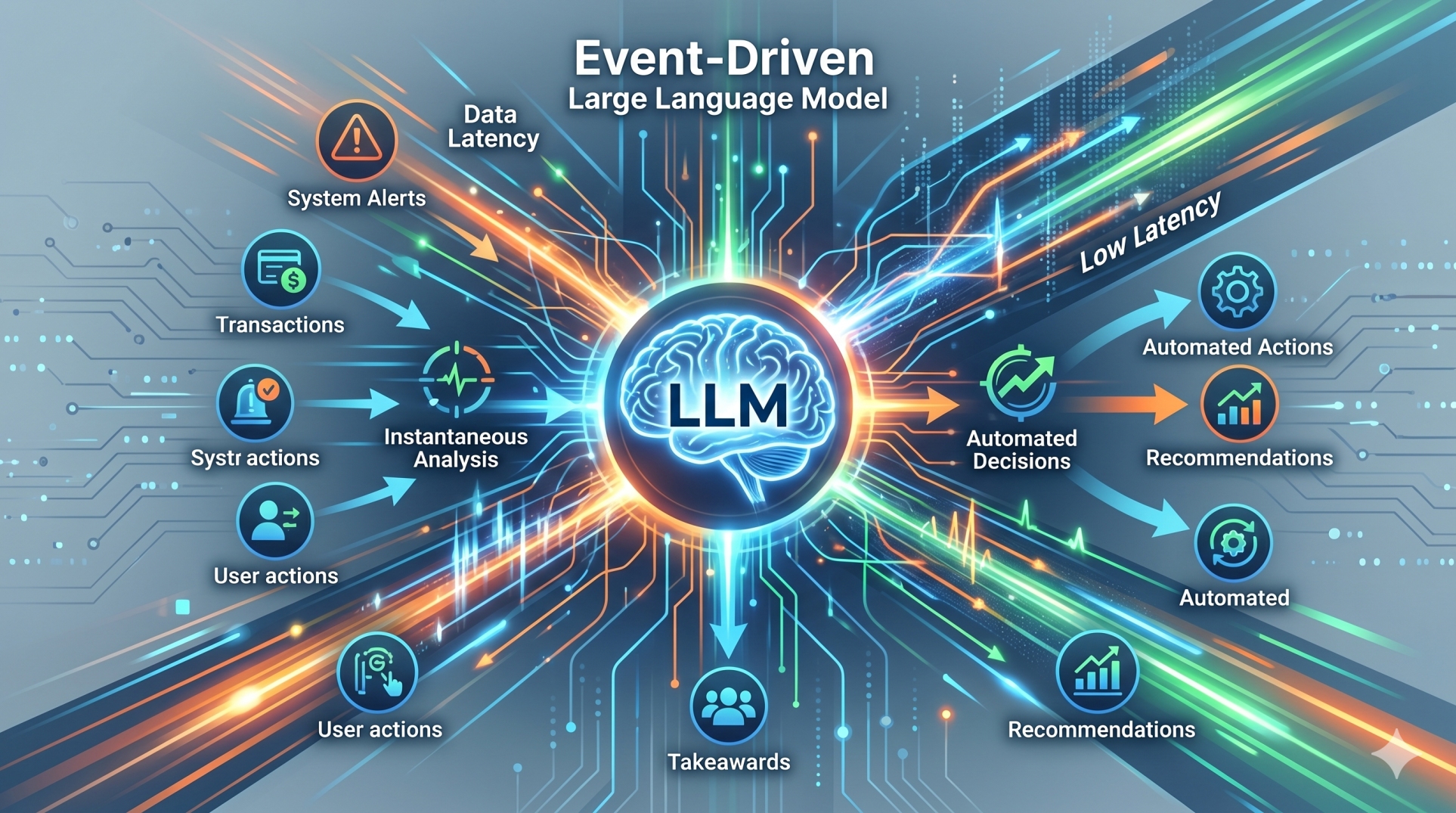
Step 9: Real-Time AI and Event-Driven Systems ⚡
• Enable LLM applications to respond to live business events
• Connect AI services with streaming data and enterprise notifications 📡
• Trigger workflows based on operational changes
• Support real-time customer service and decision assistance
• Reduce delays between information availability and AI action
Step 10: Building Scalable AI-Ready Enterprises 🚀
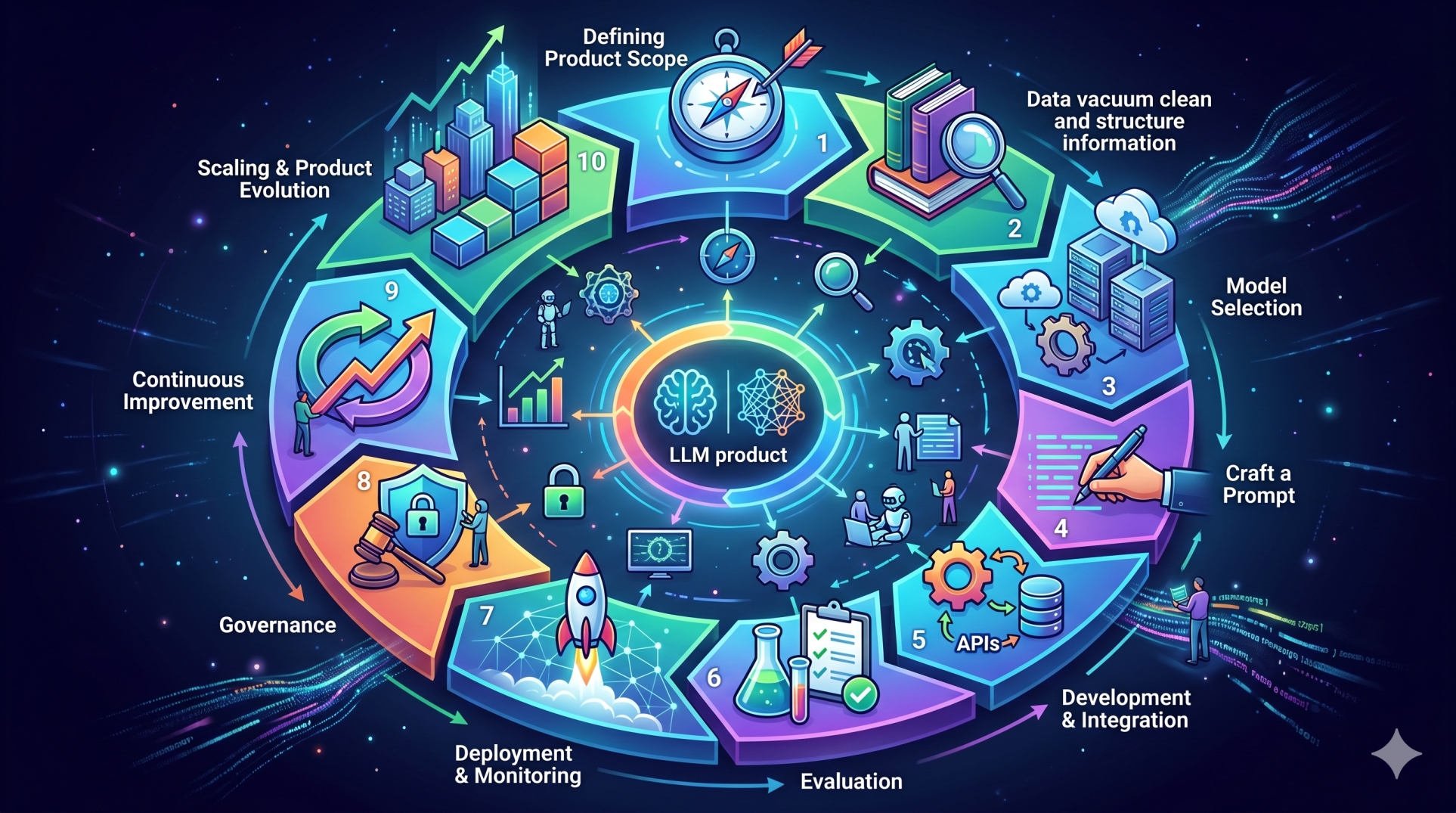
• Design architectures that can support increasing AI workloads
• Standardize reusable AI services across departments
• Introduce governance without slowing innovation
• Prepare systems for emerging models, tools, and agent technologies
• Treat LLM capabilities as part of the organization's long-term digital infrastructure 🏗️
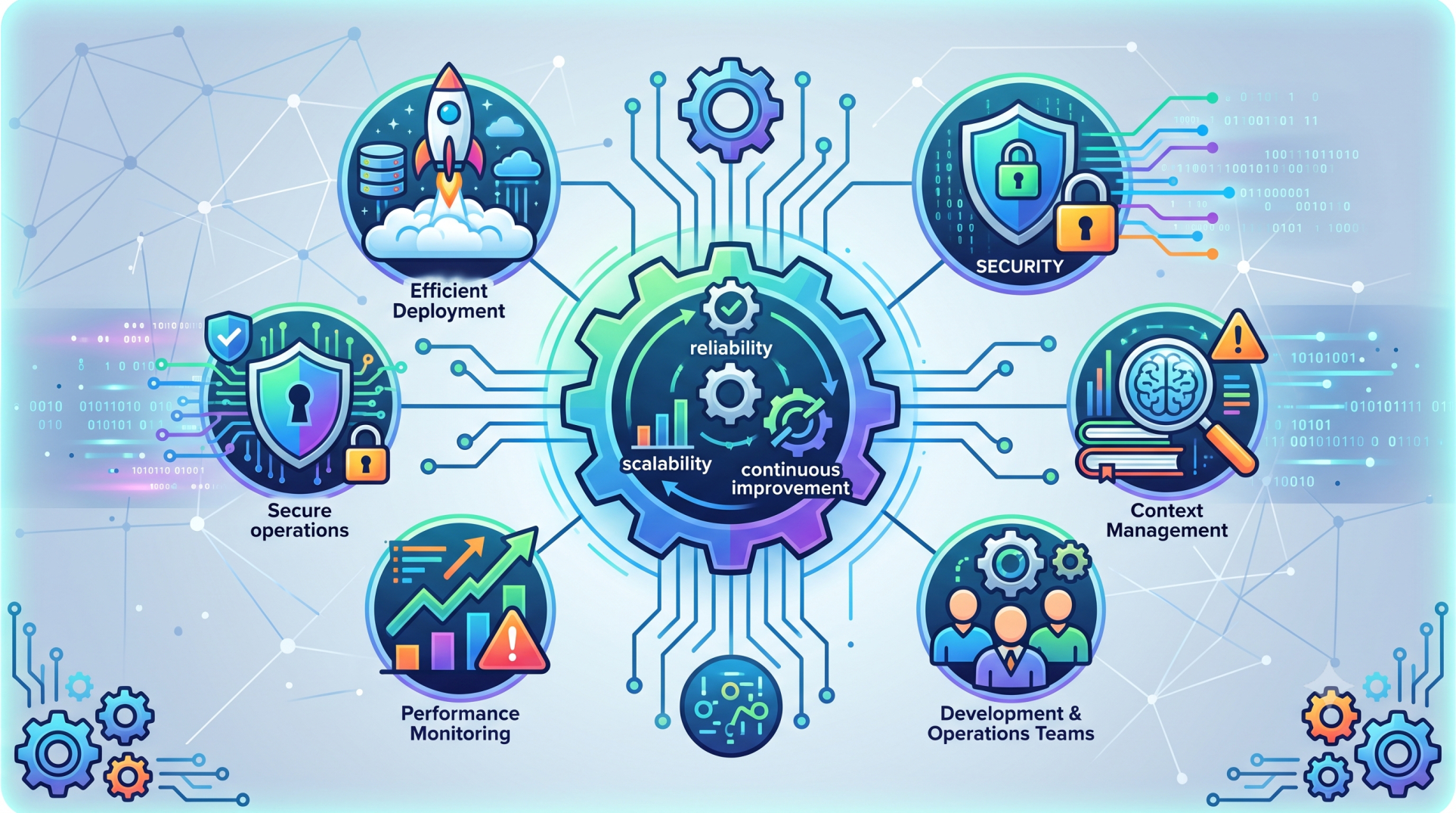
Key Enterprise Architecture Priorities in 2026 ⭐
• Interoperability — Connect AI with existing enterprise technologies 🔗
• Modularity — Build flexible components that can evolve independently 🧩
• Governance — Maintain control over data, models, and AI actions 🔐
• Observability — Measure AI performance and operational behavior 📊
• Scalability — Support growing workloads and expanding use cases 📈
• Reliability — Design for failures, uncertainty, and continuous operation 🛡️
• Adaptability — Make it easier to adopt new models and AI capabilities 🔄
Conclusion
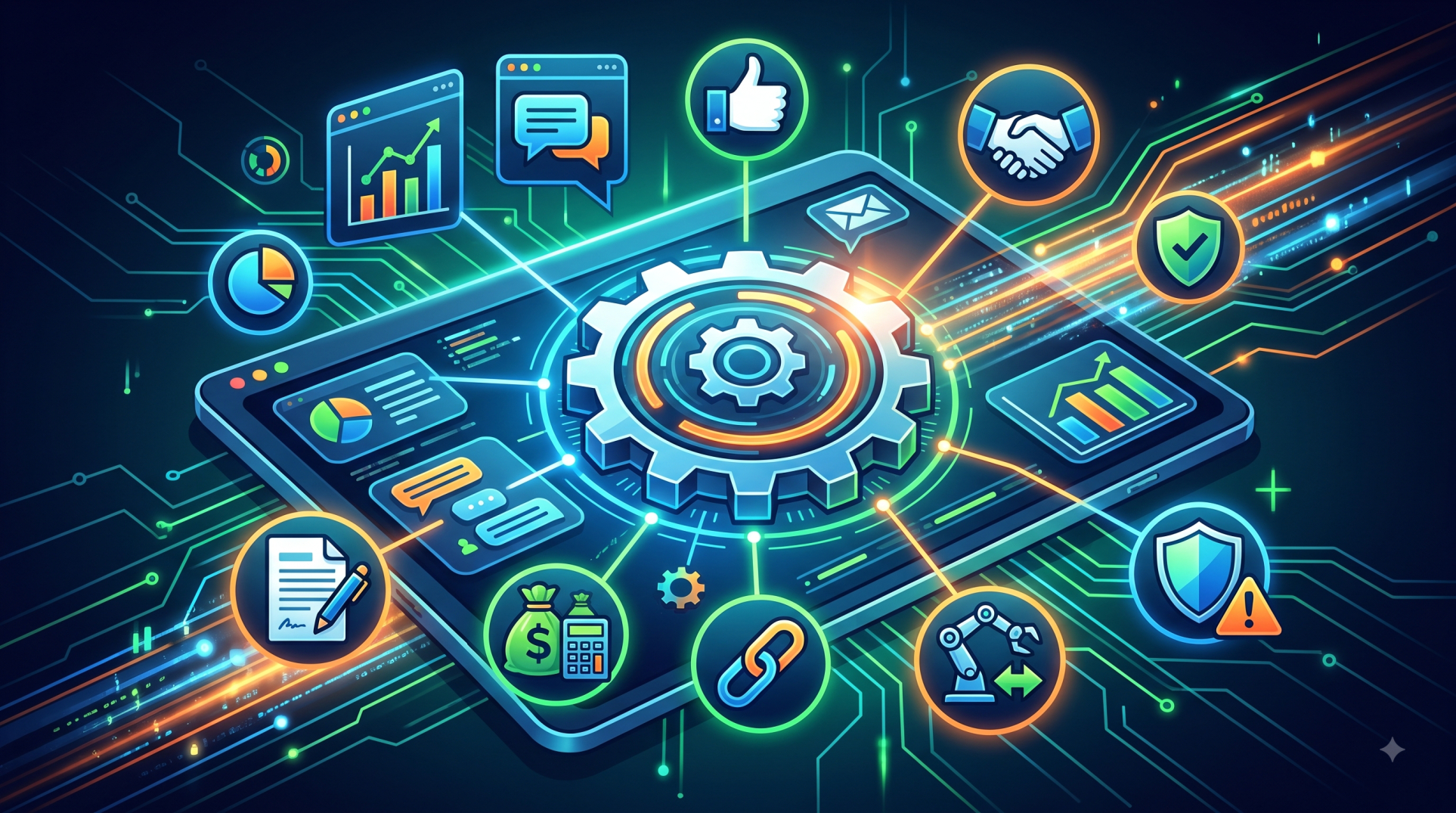
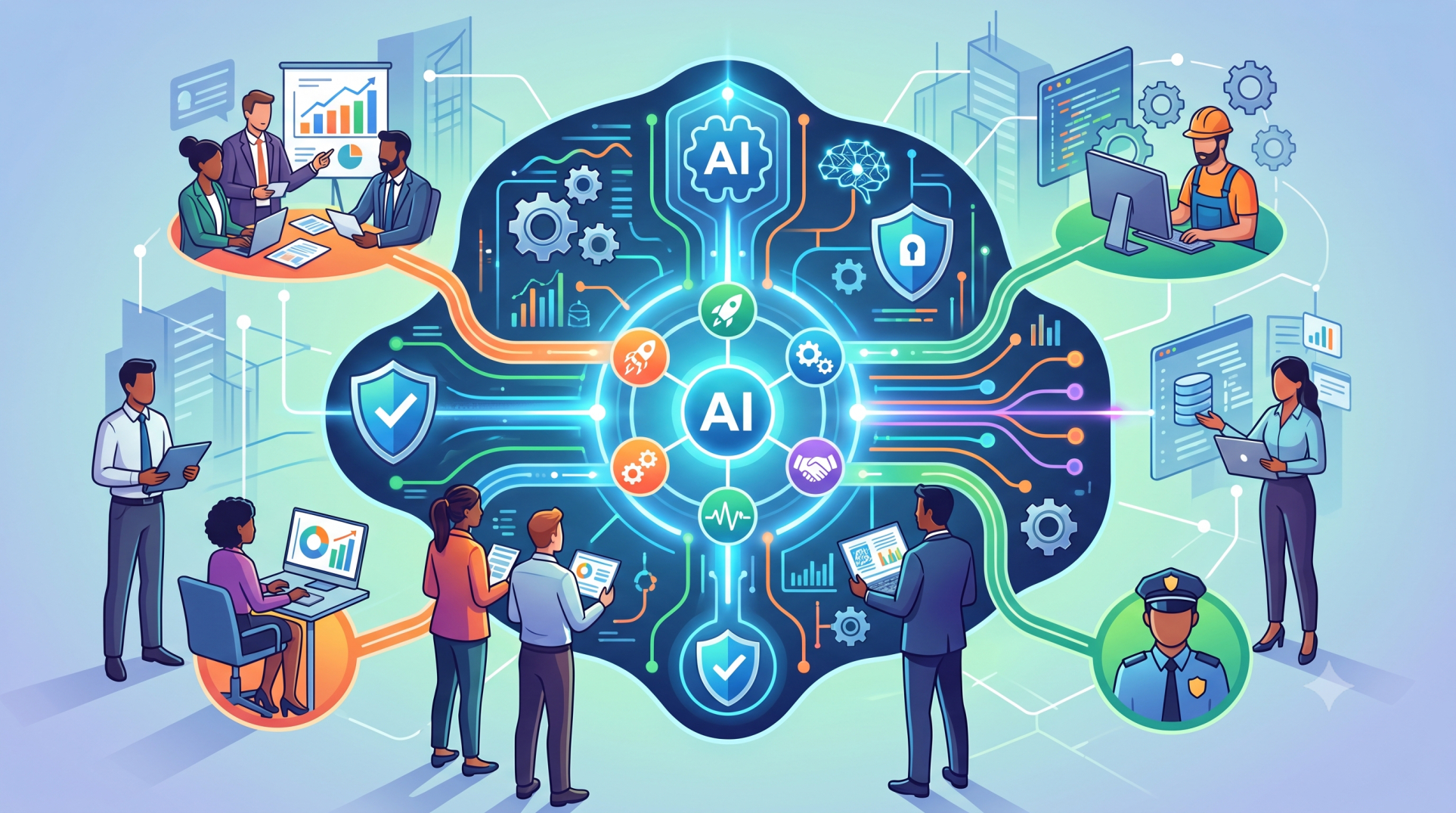
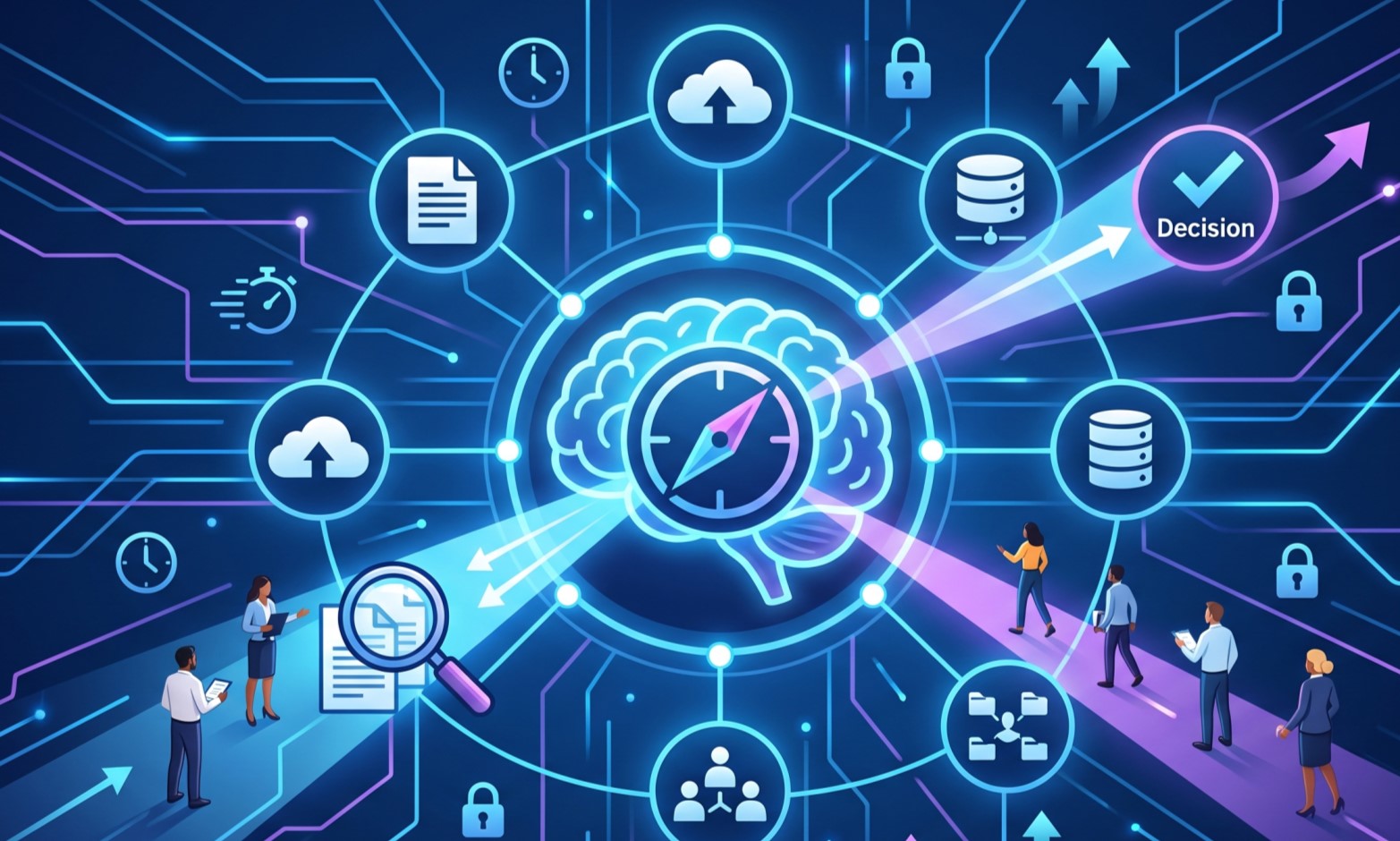
Enterprise architecture is becoming a critical foundation for successful LLM software in 2026. Organizations are moving away from isolated AI experiments toward modular, connected, governed, and observable AI ecosystems.
By integrating LLMs with enterprise data, applications, workflows, and intelligent agents, businesses can create AI systems that are not only capable of generating information but also capable of supporting meaningful operational processes. The organizations that build flexible and well-governed AI architectures today will be better positioned to scale their LLM investments as enterprise AI continues to evolve.
See more blogs
You can all the articles below