Enterprise Intelligence Networks Built on Language Models

Enterprise Intelligence Networks Built on Language Models
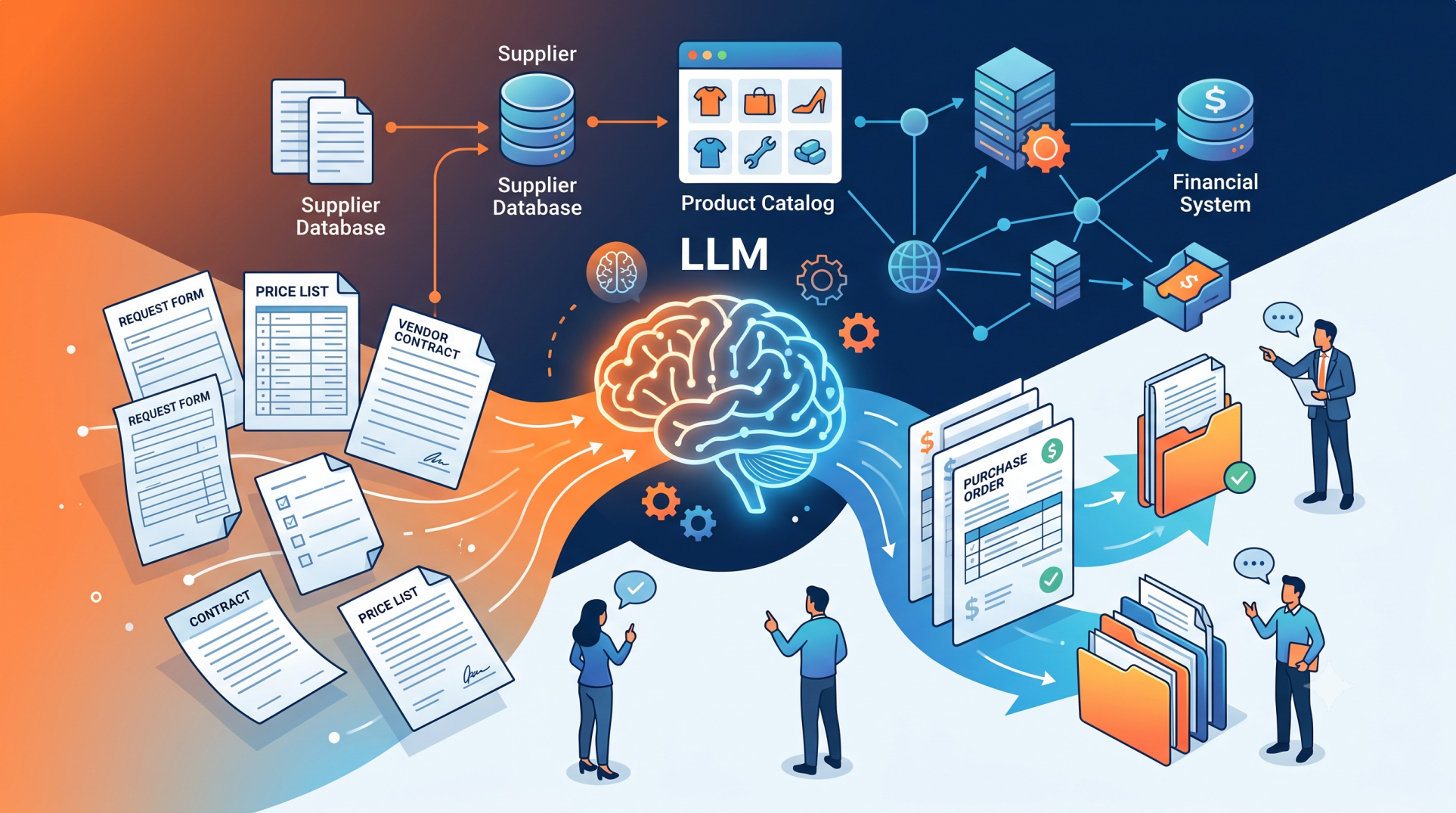
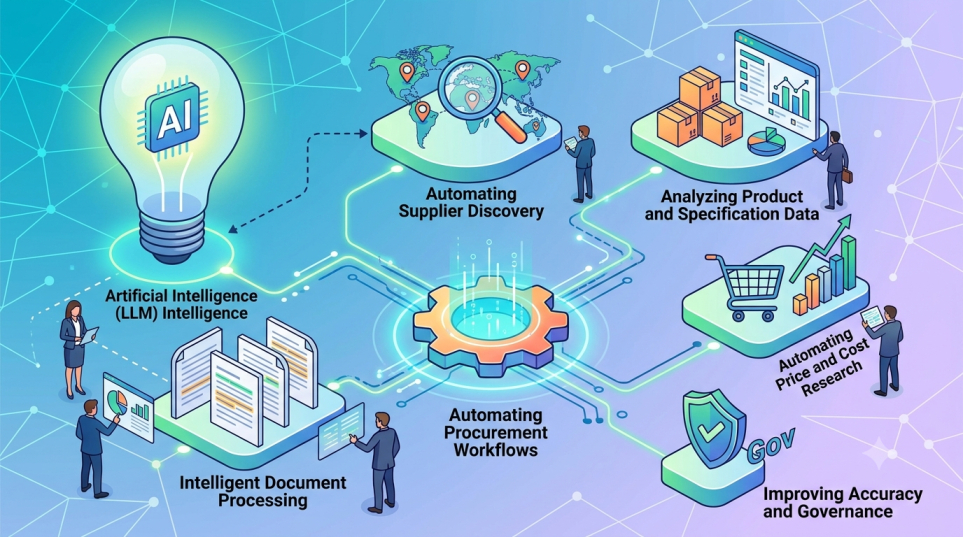
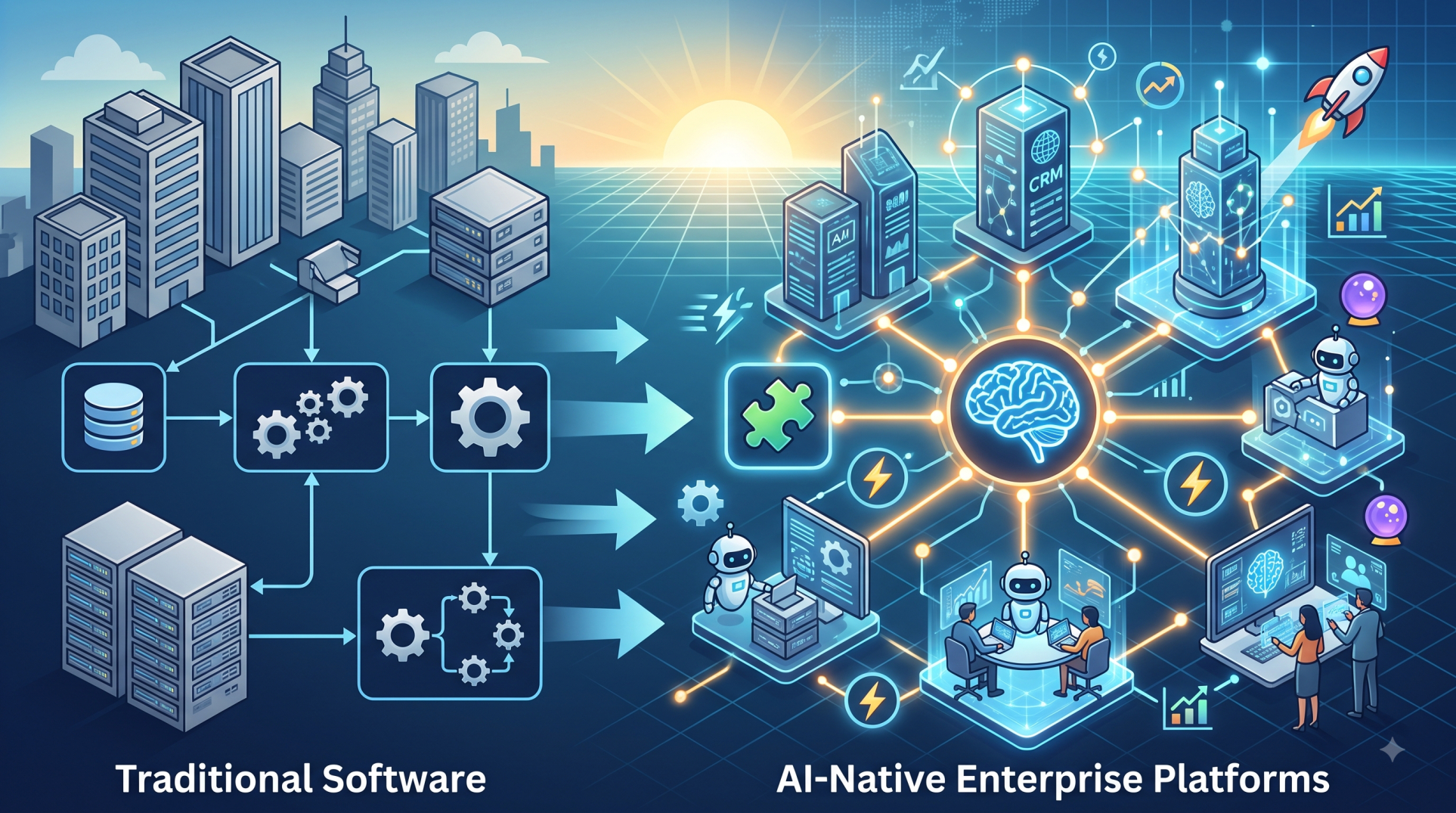
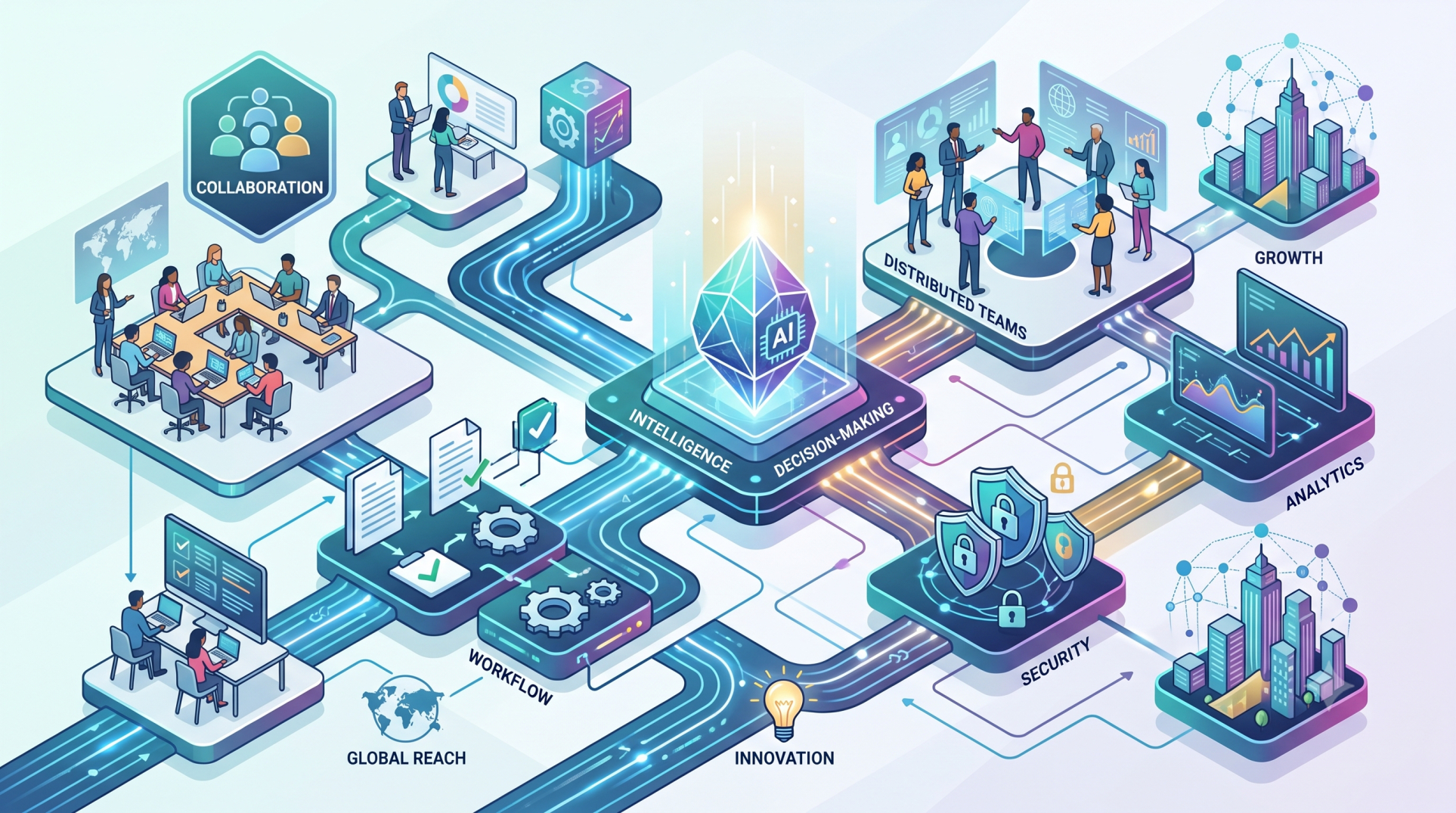
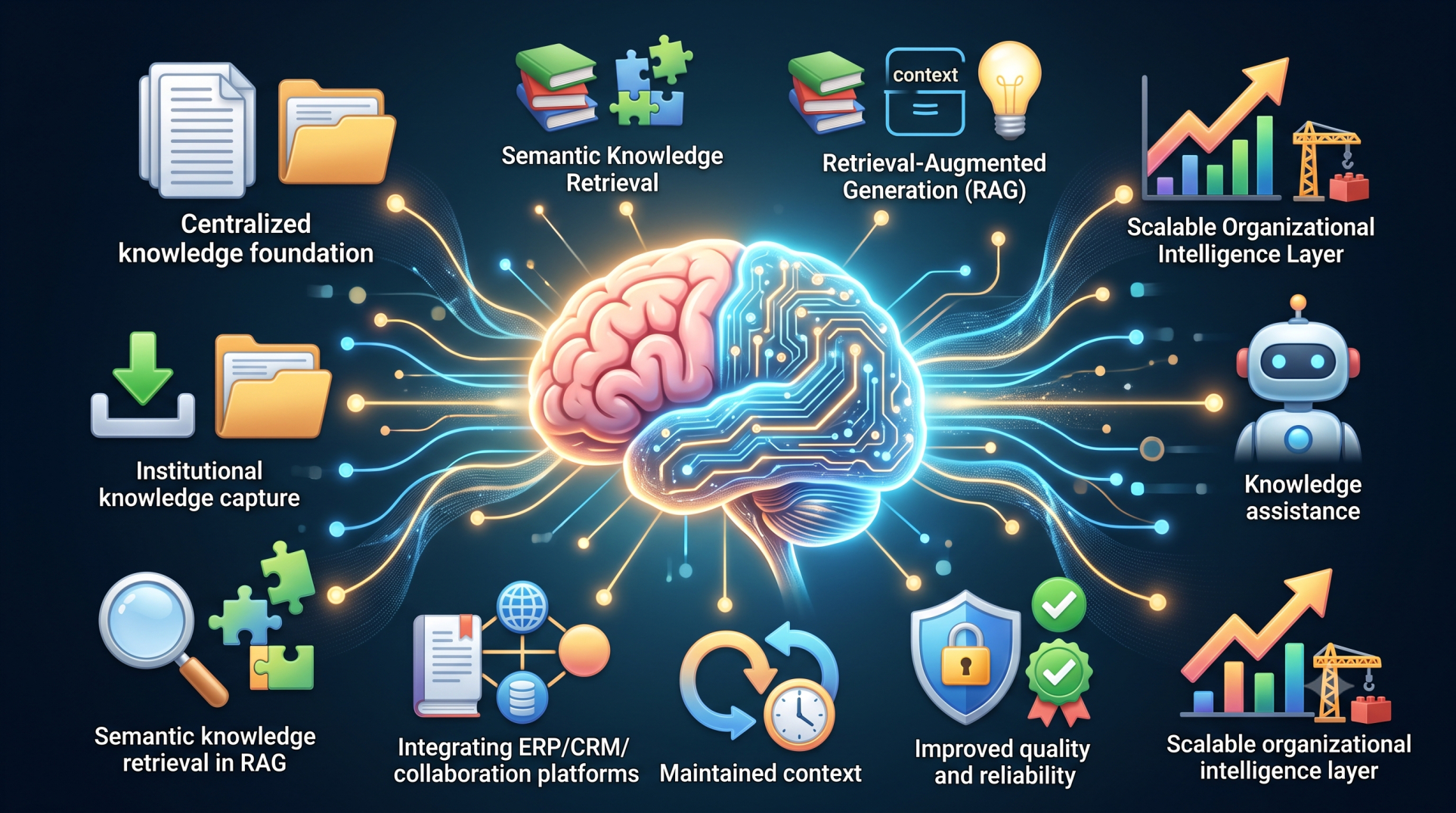
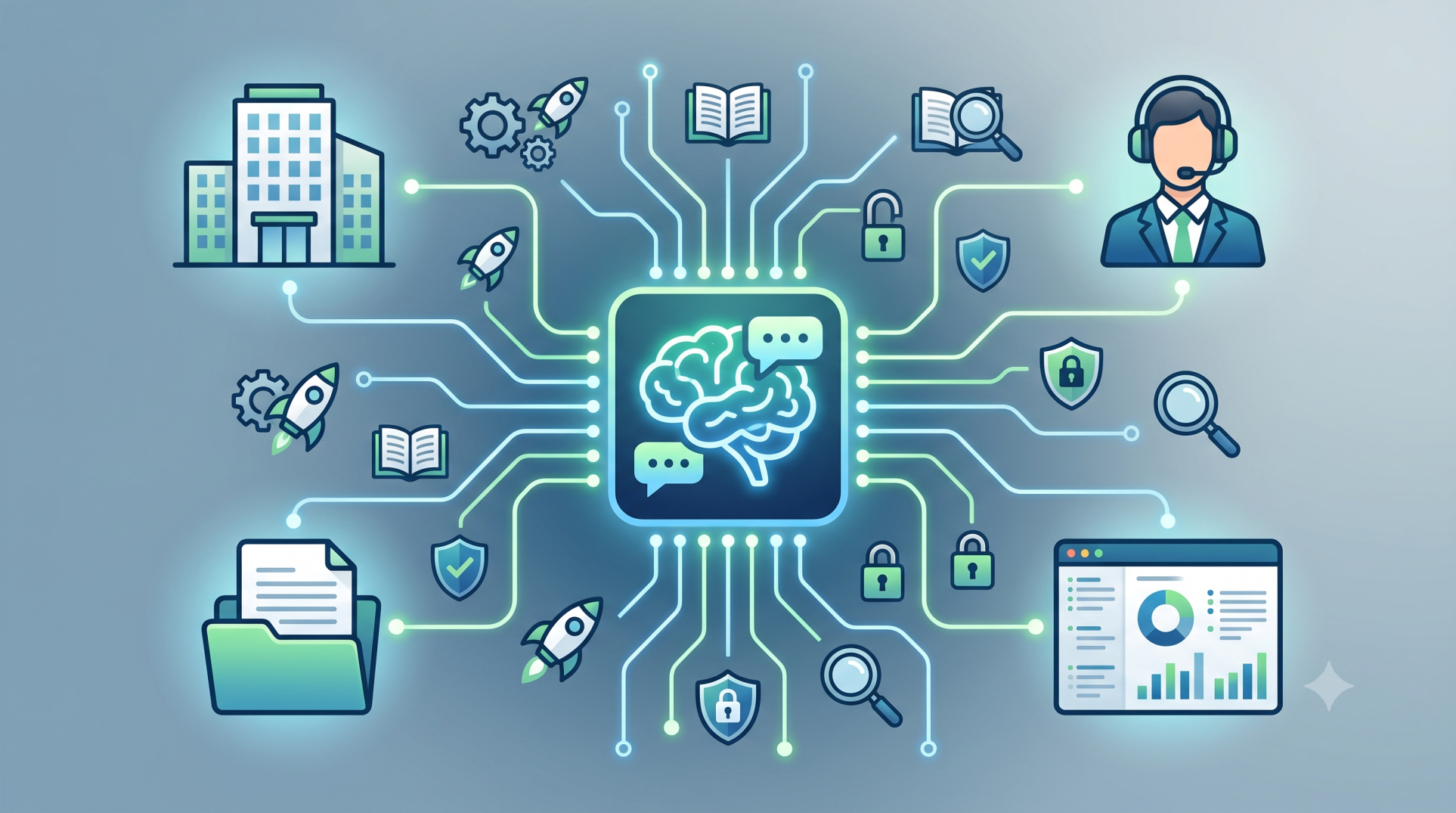
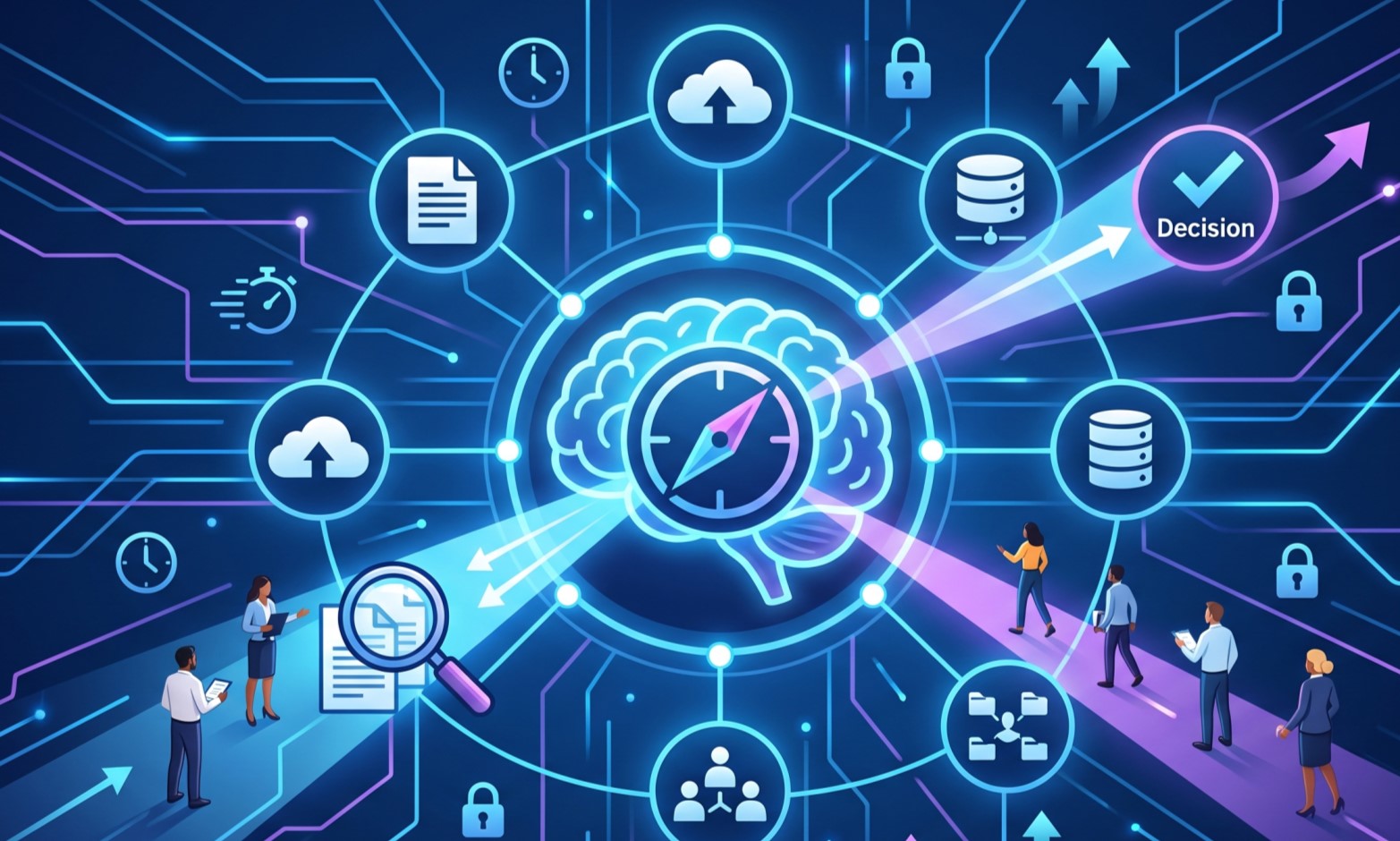
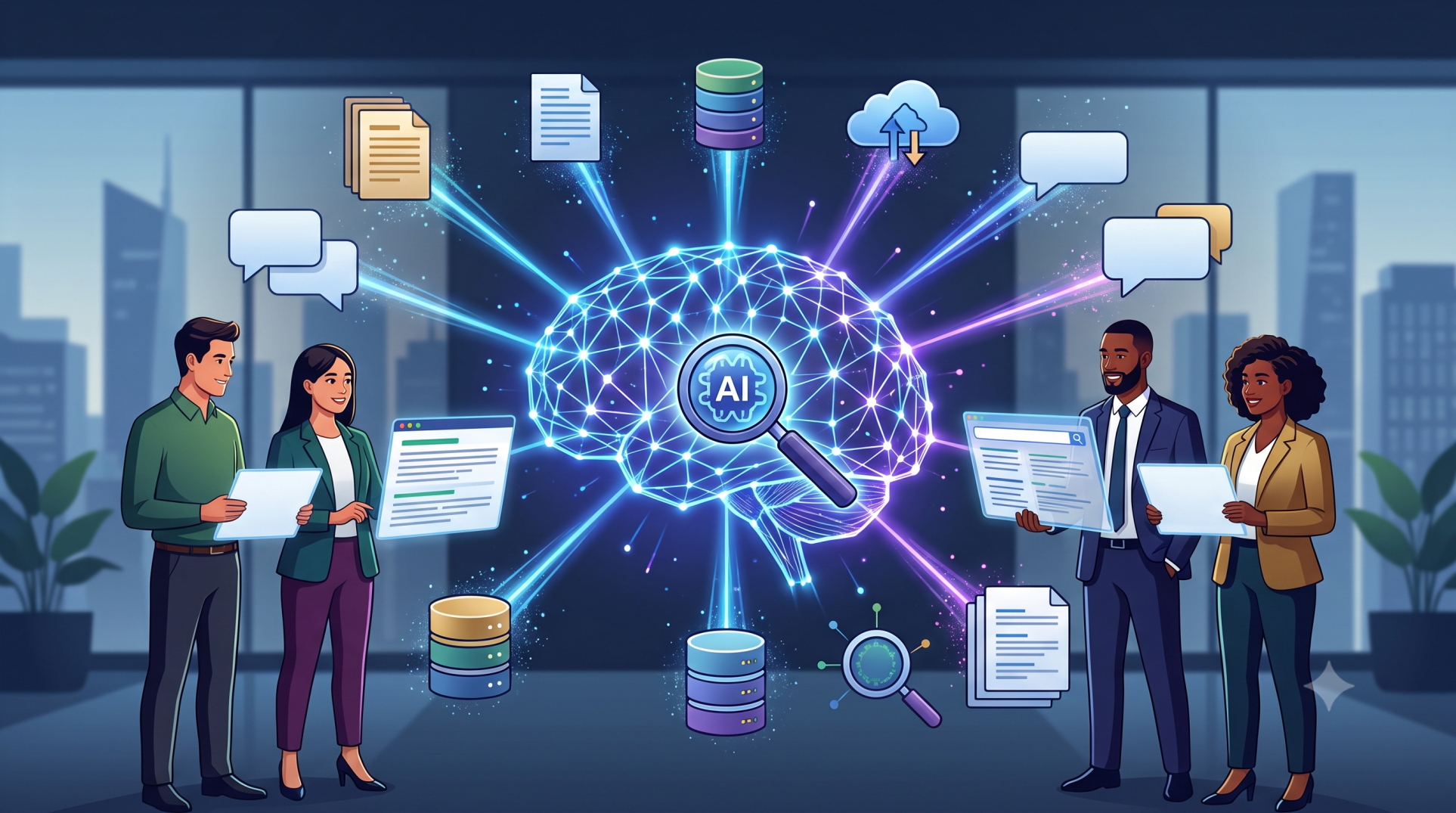
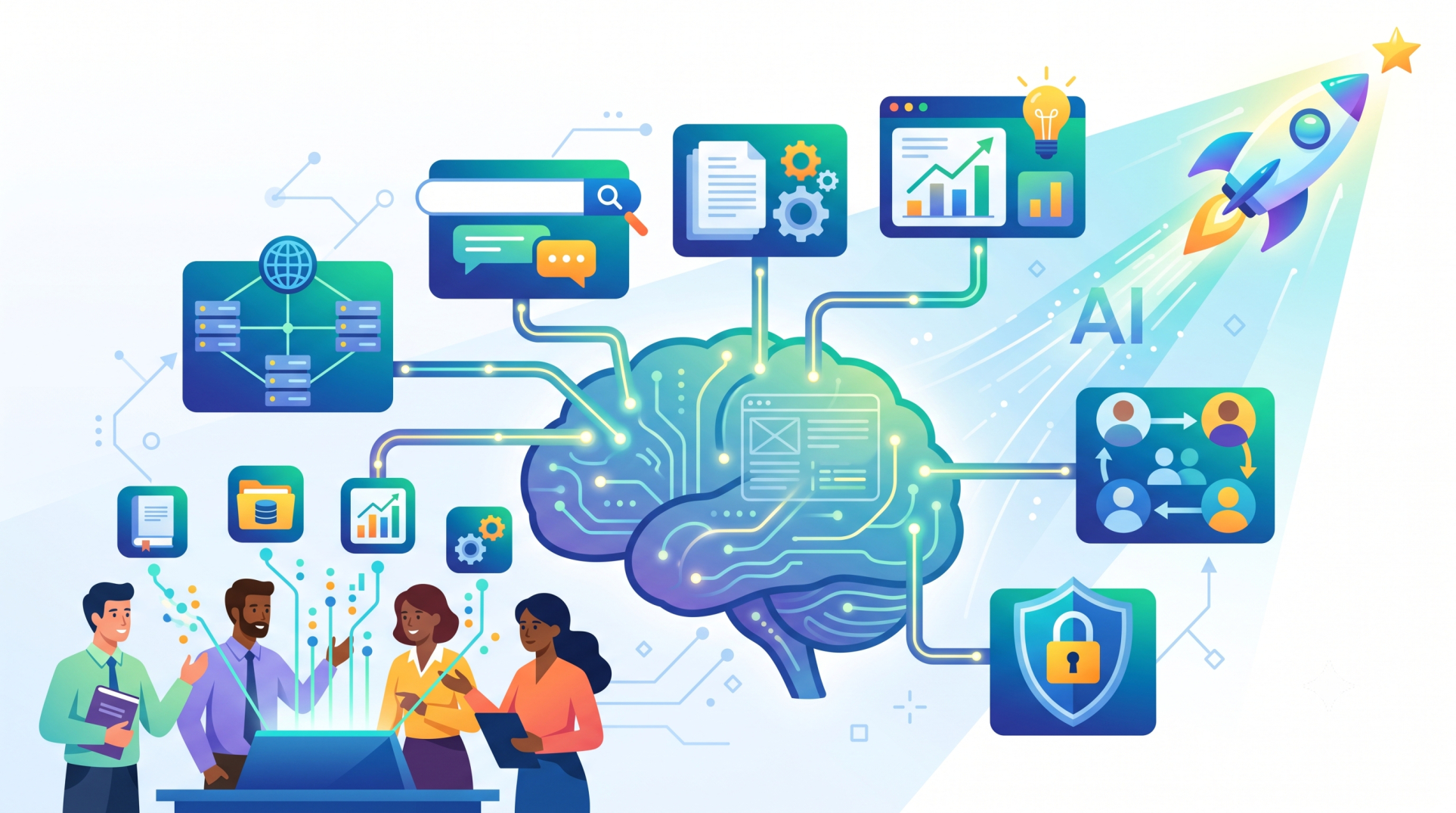
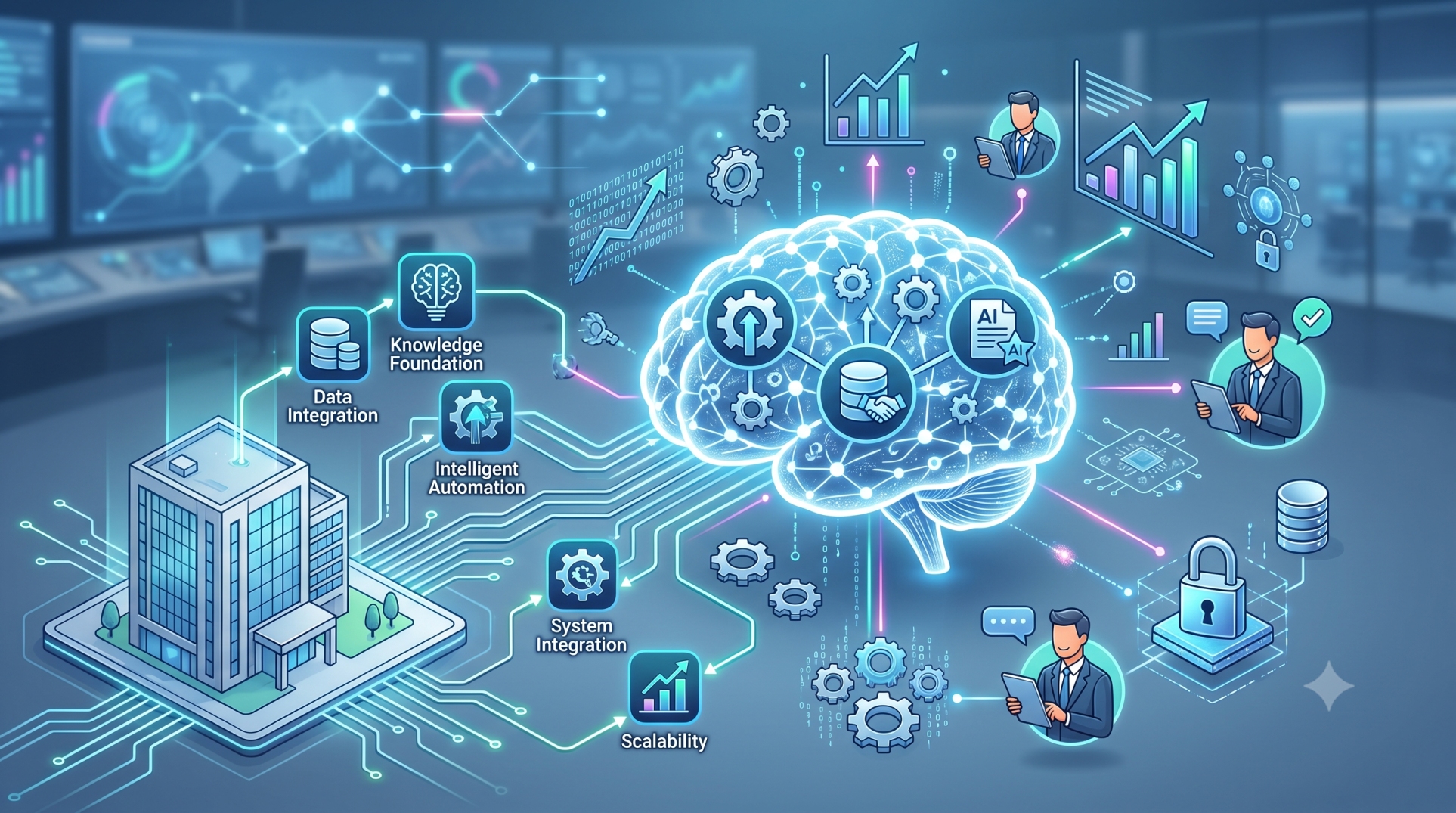
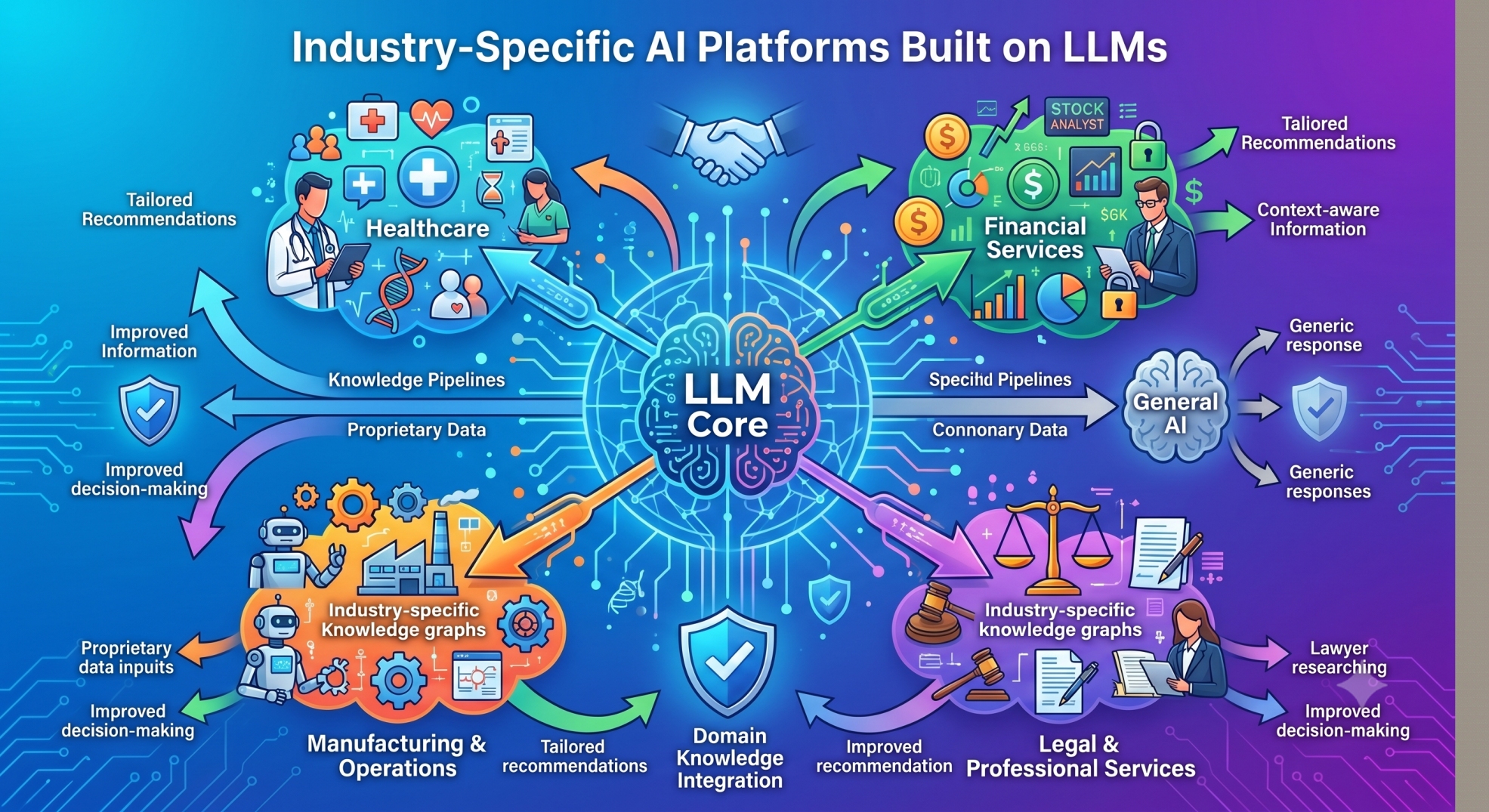
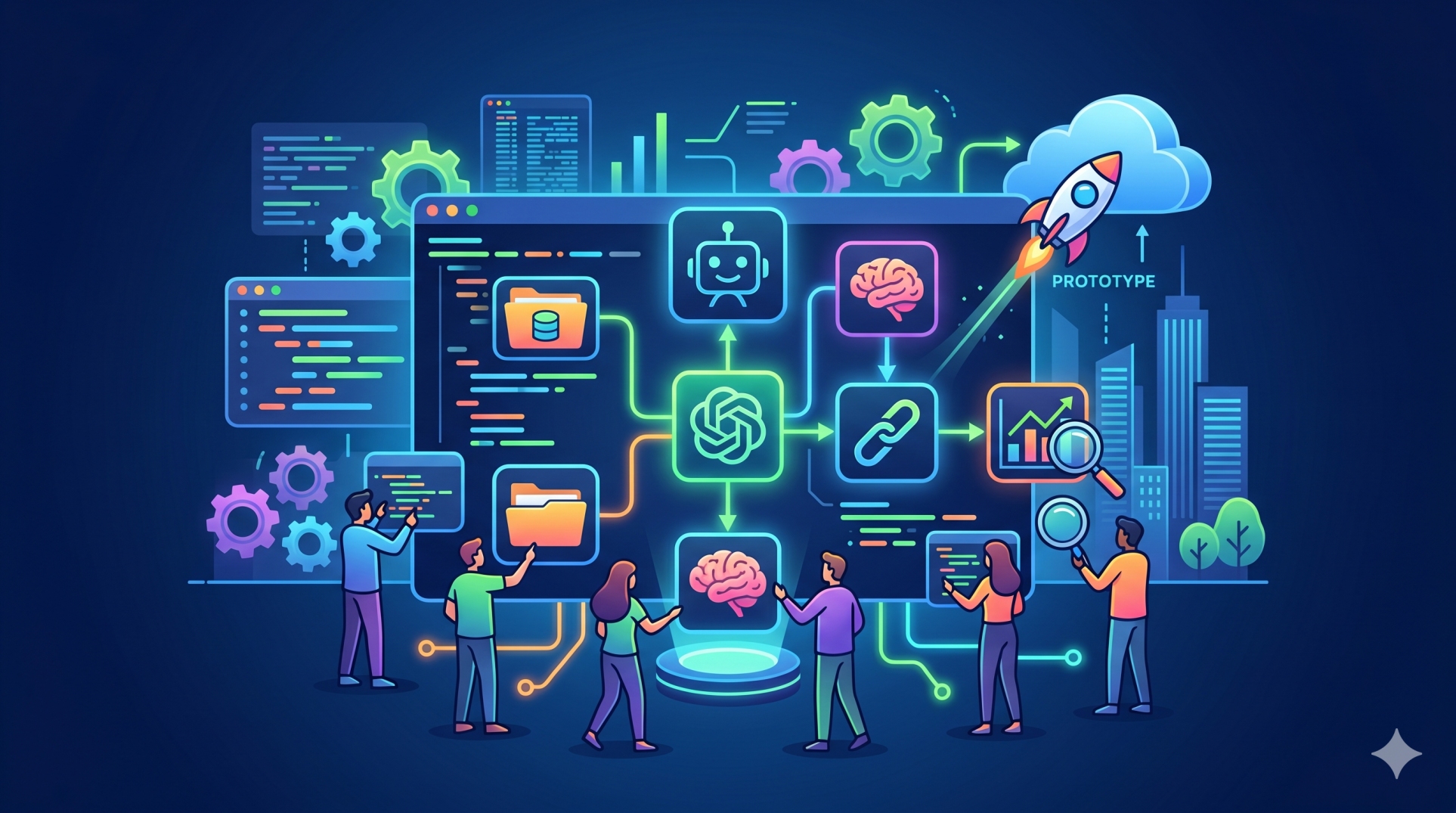
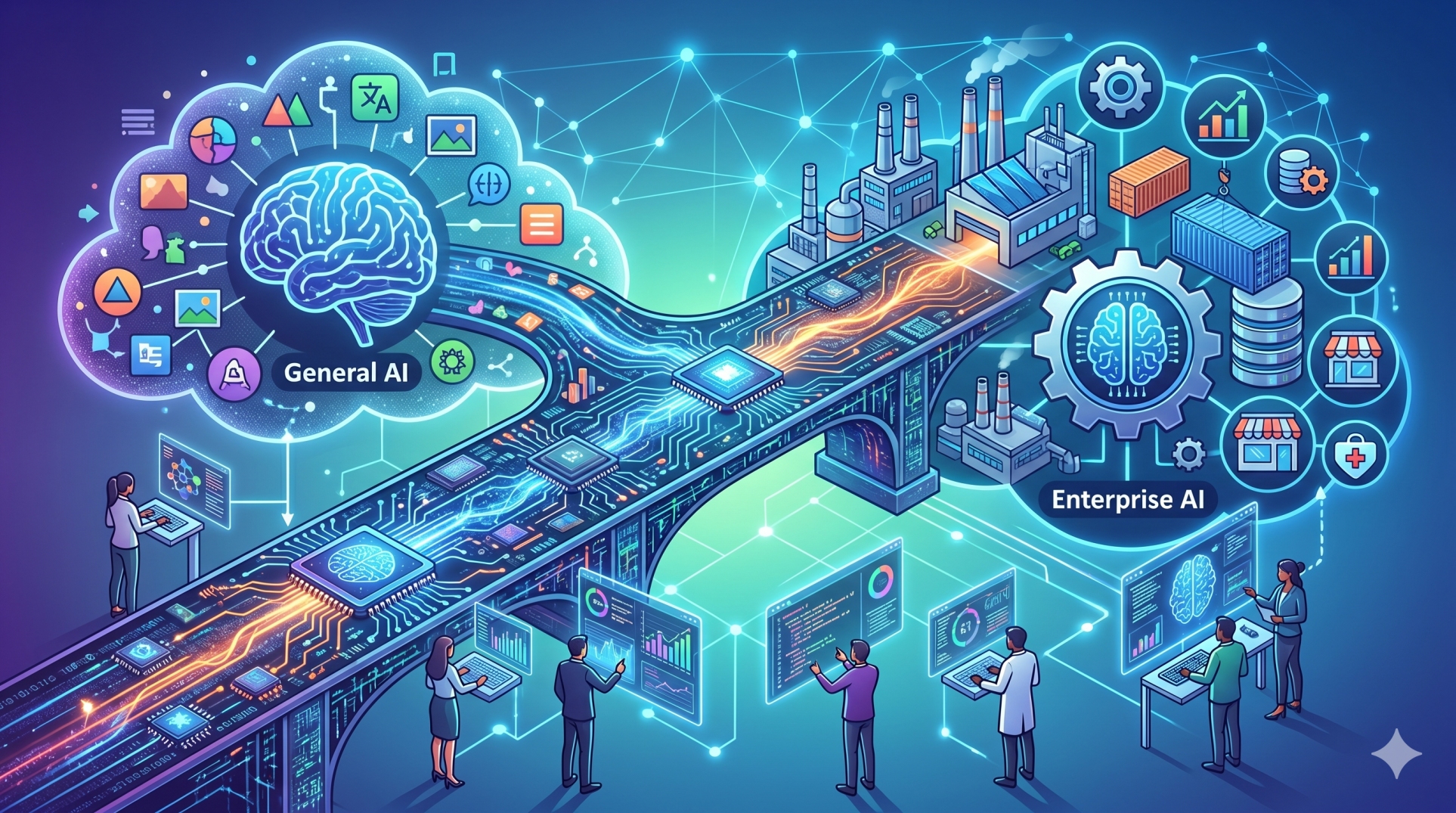
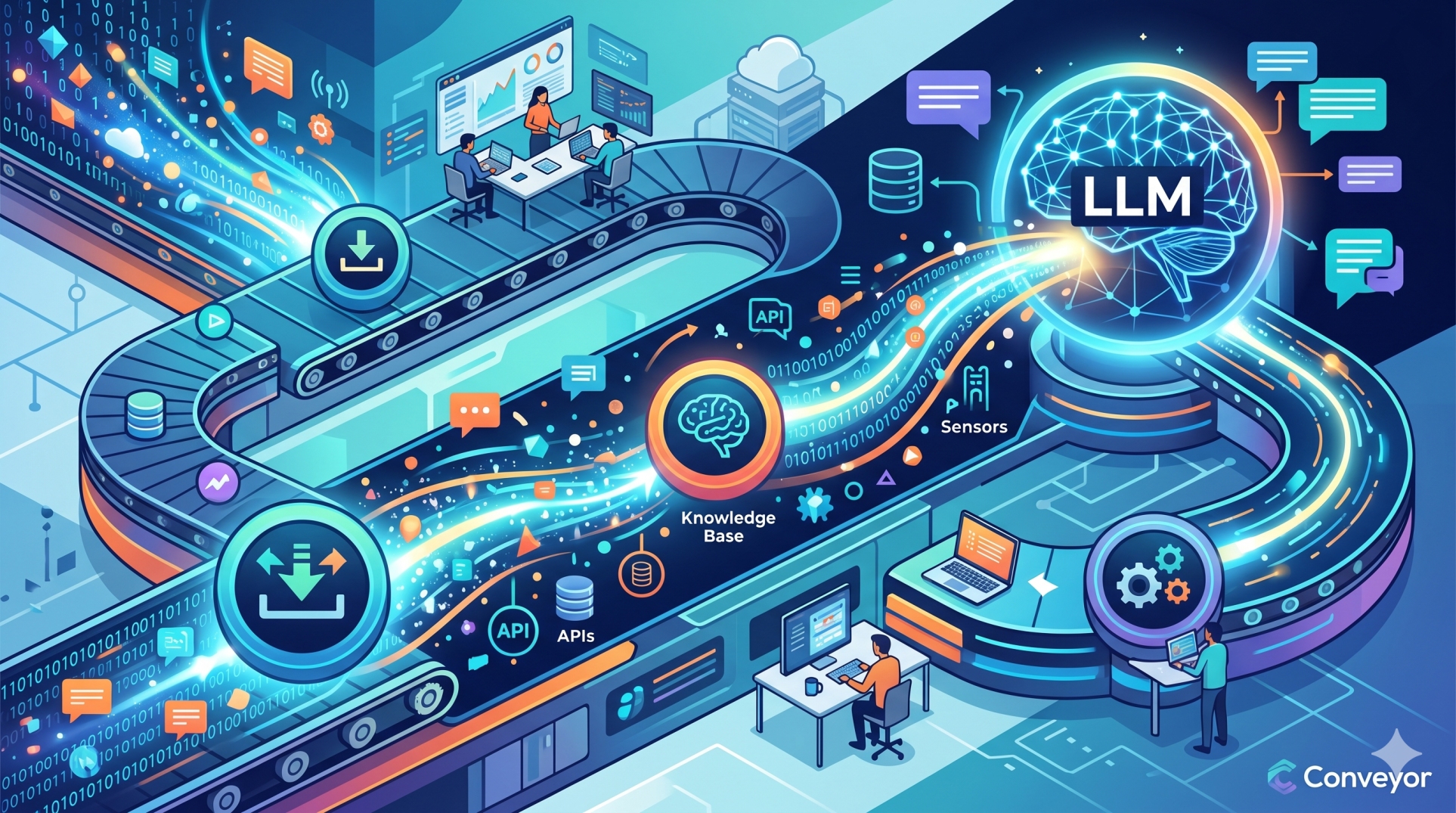
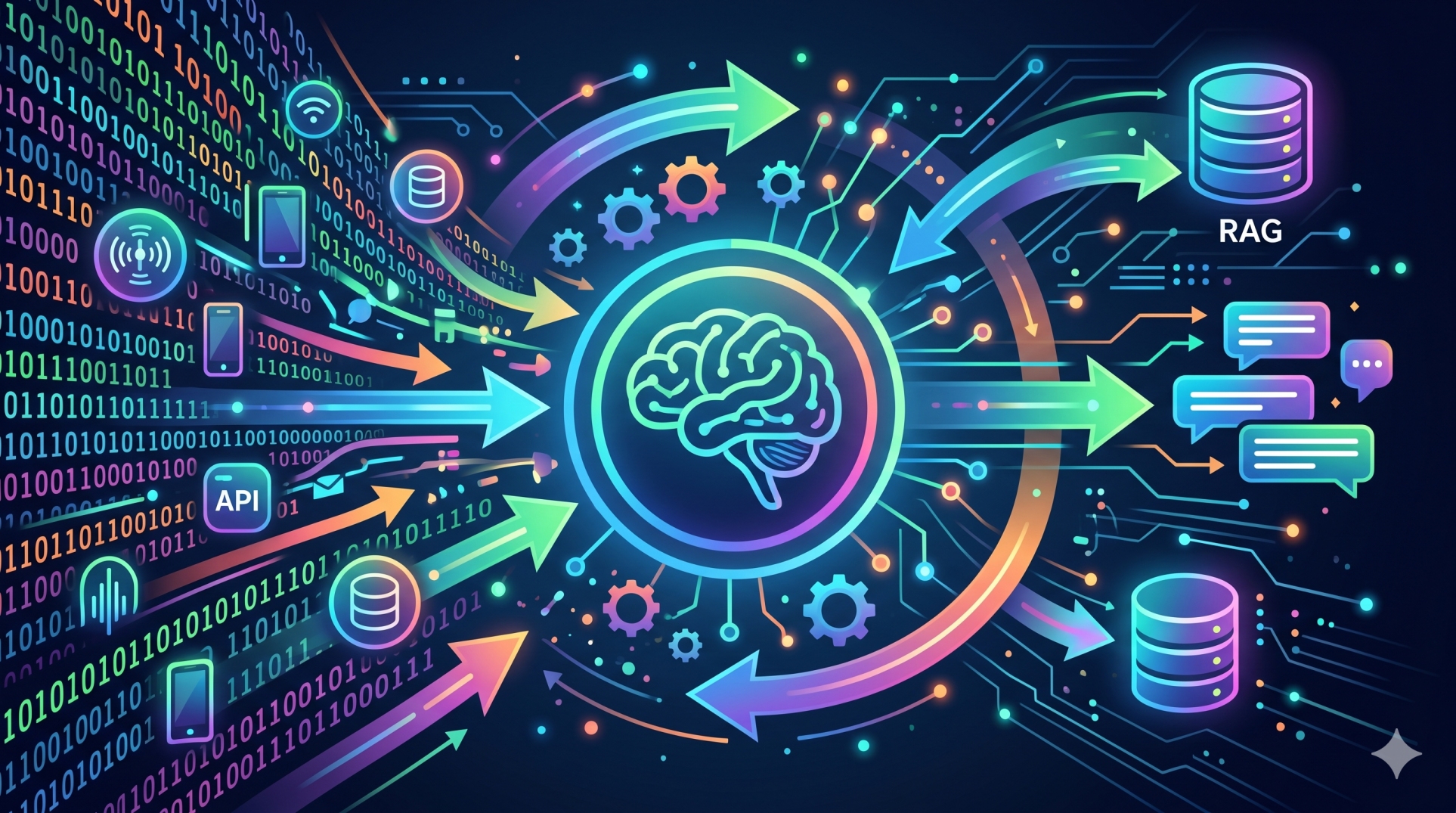
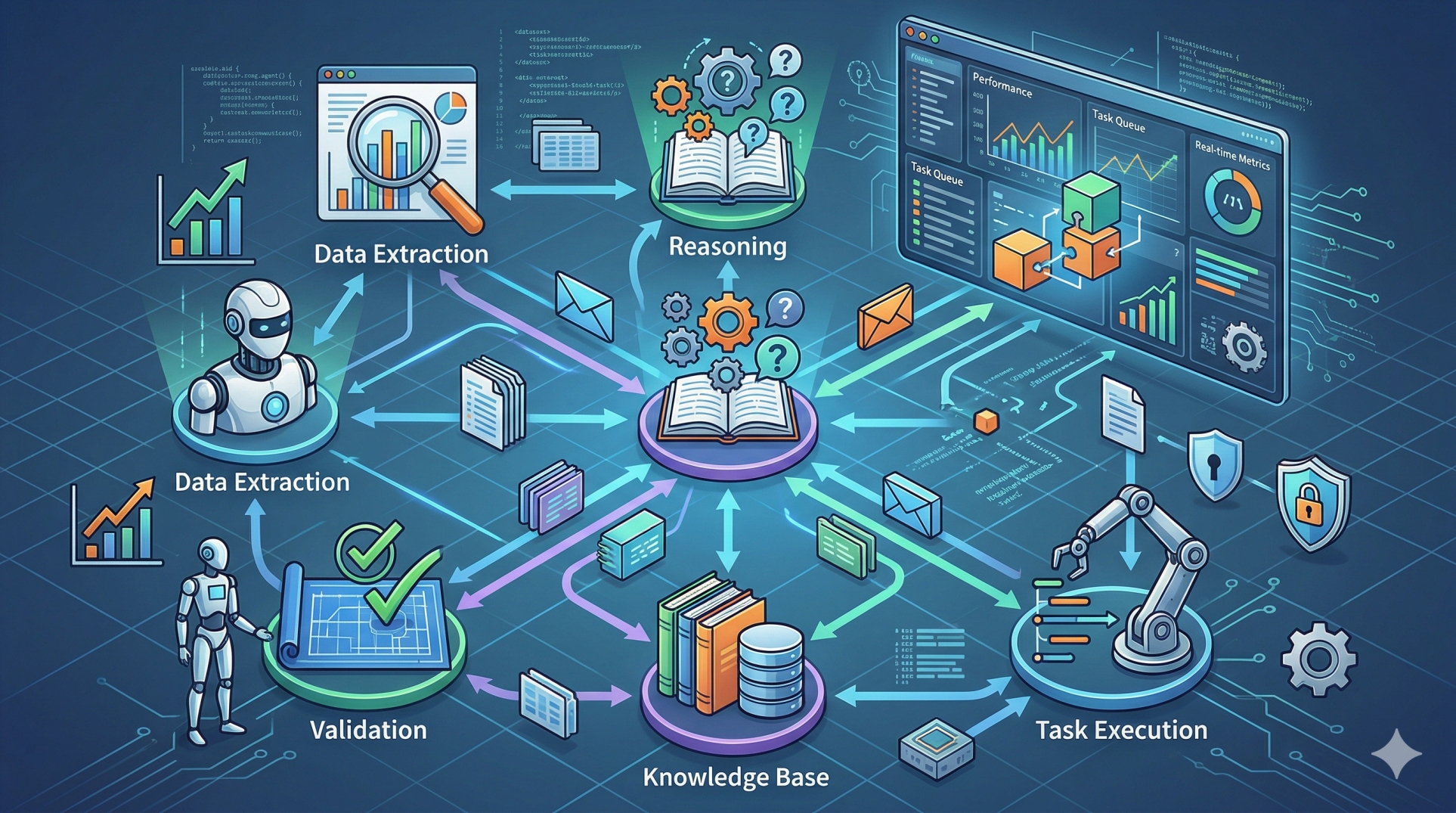
As organizations generate growing volumes of operational data, documents, communications, and customer information, accessing the right knowledge at the right moment becomes increasingly challenging. Enterprise Intelligence Networks built on language models connect these information sources with AI-powered reasoning, retrieval, and automation capabilities. Instead of leaving valuable knowledge isolated across departments and applications, these networks create an intelligent layer that helps teams discover information, coordinate decisions, and execute business processes more effectively.
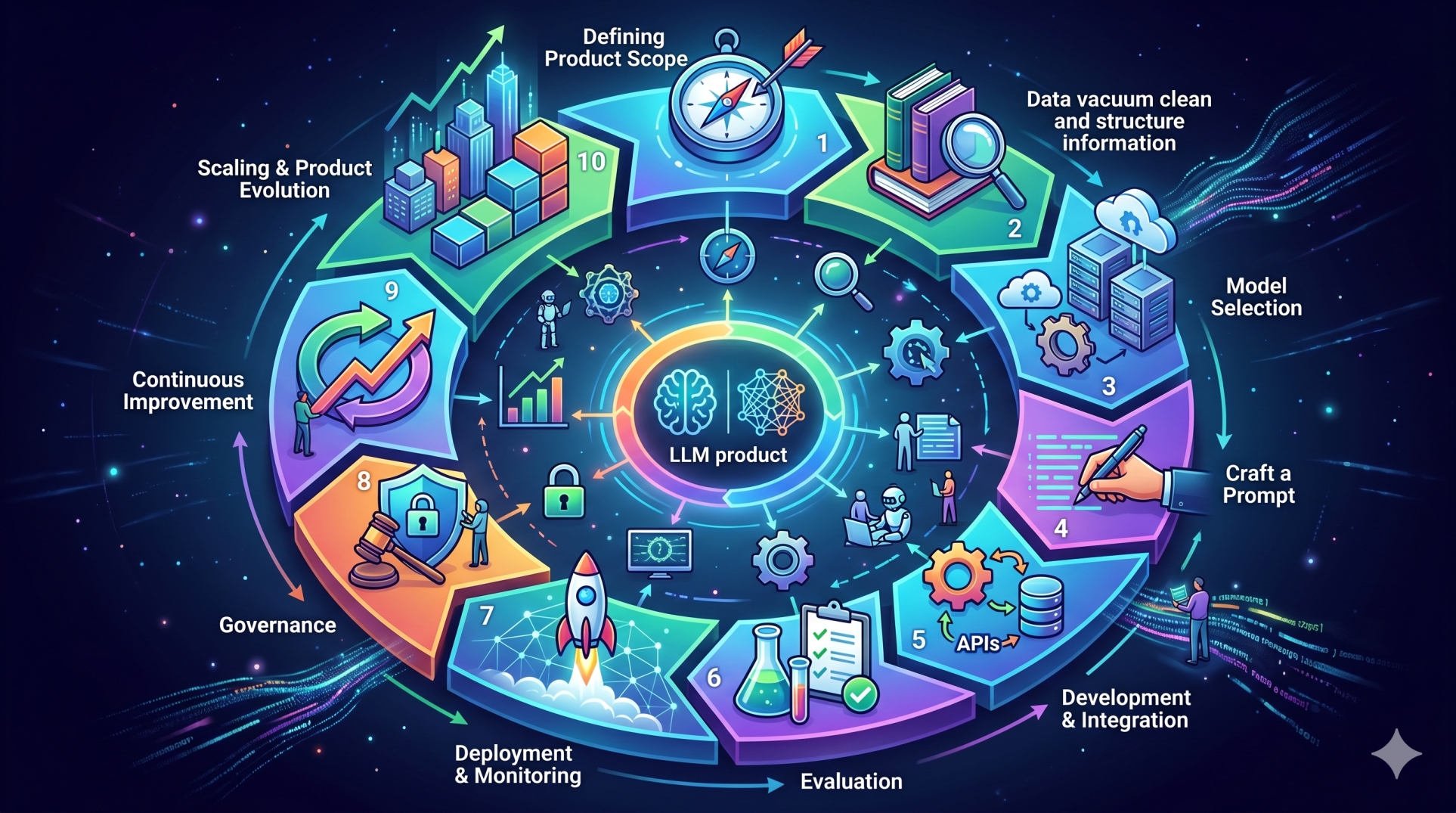
Step 1: Establishing the Enterprise Intelligence Layer 🧠
• Connect language models with enterprise applications and knowledge sources 🔗
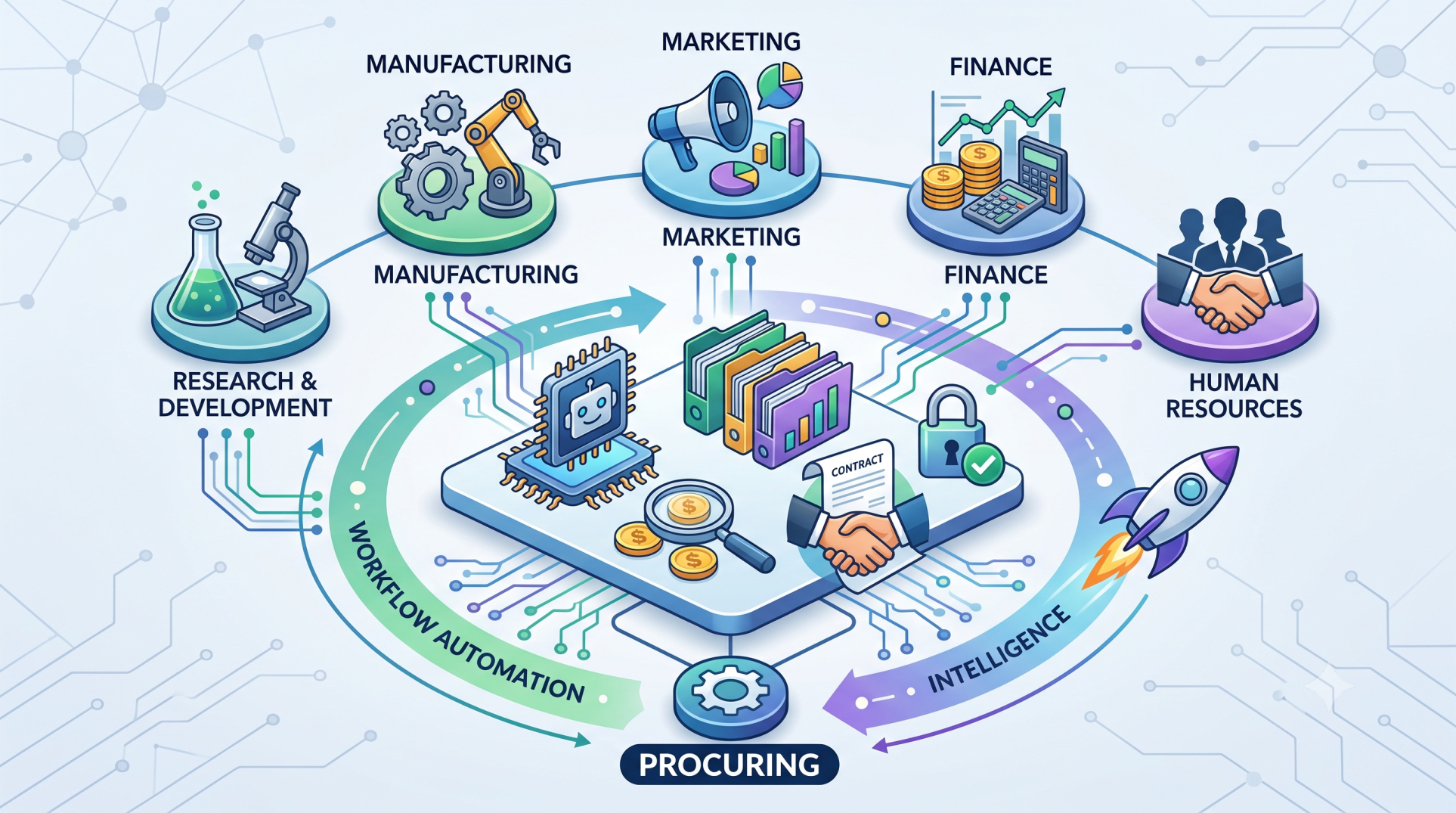
• Create a unified intelligence layer across business functions 🏢
• Provide contextual access to organizational information 📚
• Reduce information silos between departments and systems 🔄
• Enable AI-assisted interactions with enterprise knowledge 💡
Step 2: Connecting Distributed Knowledge Sources 🌐
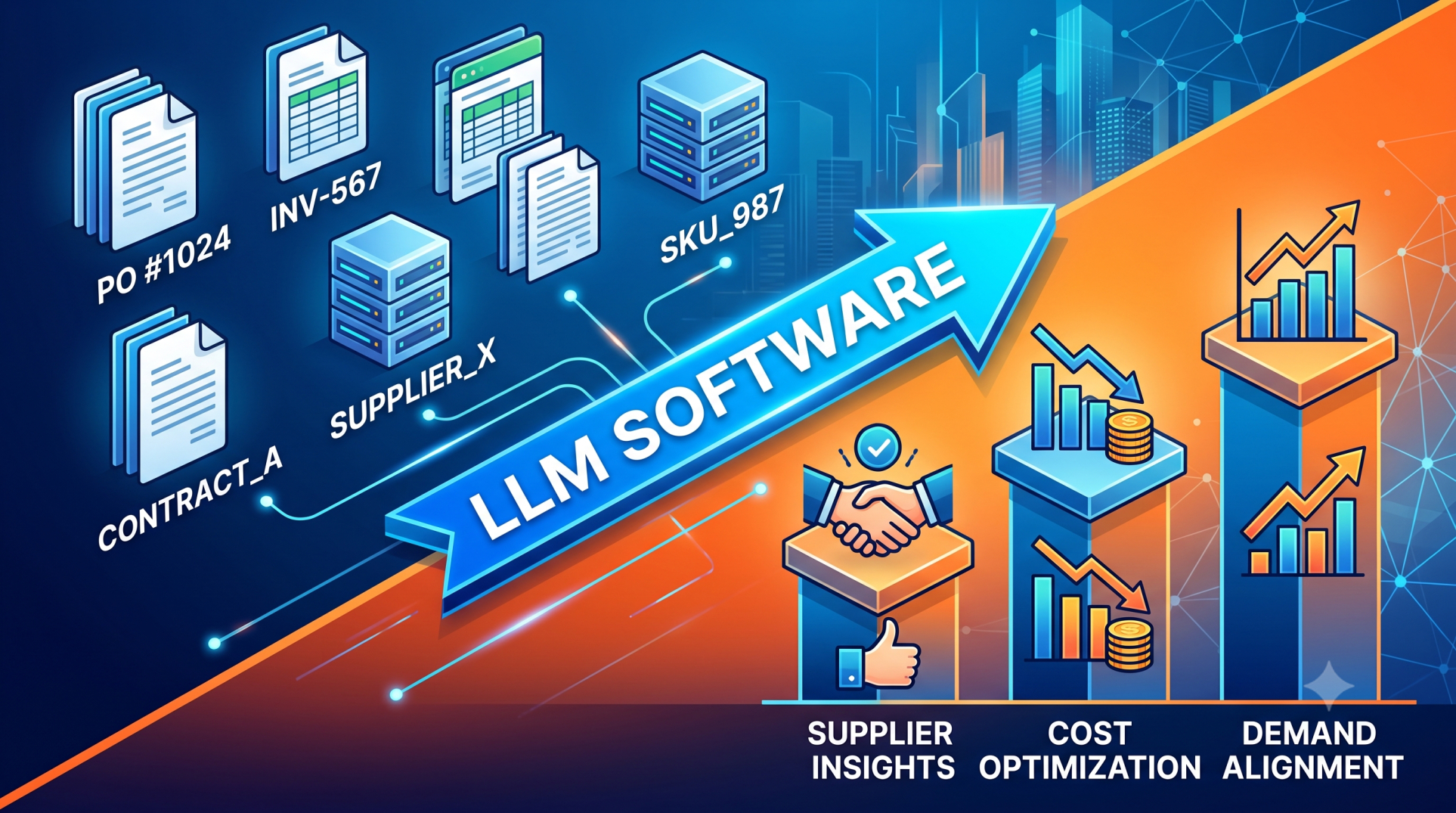
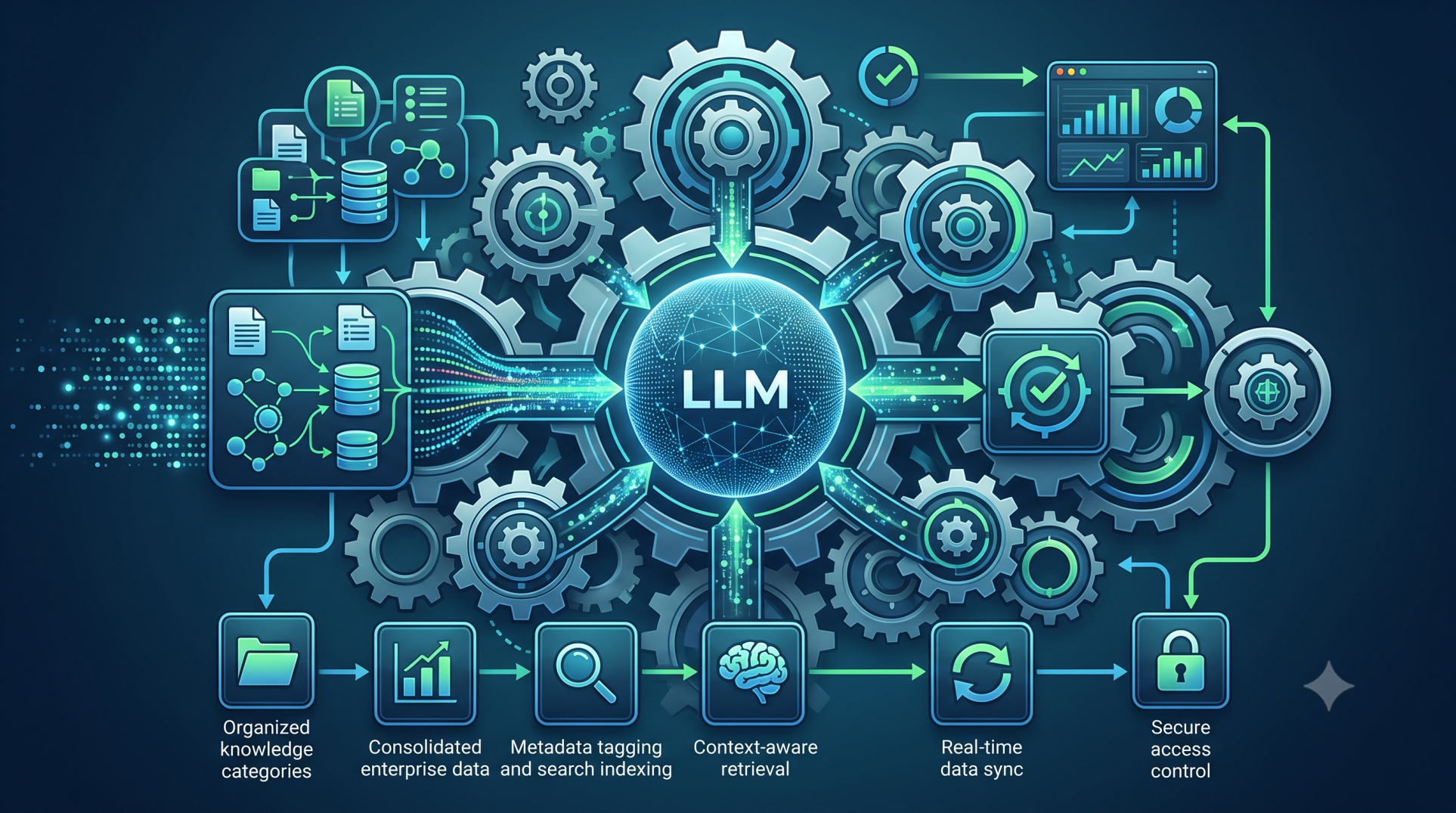
• Integrate databases, documents, APIs, and internal platforms 🗂️
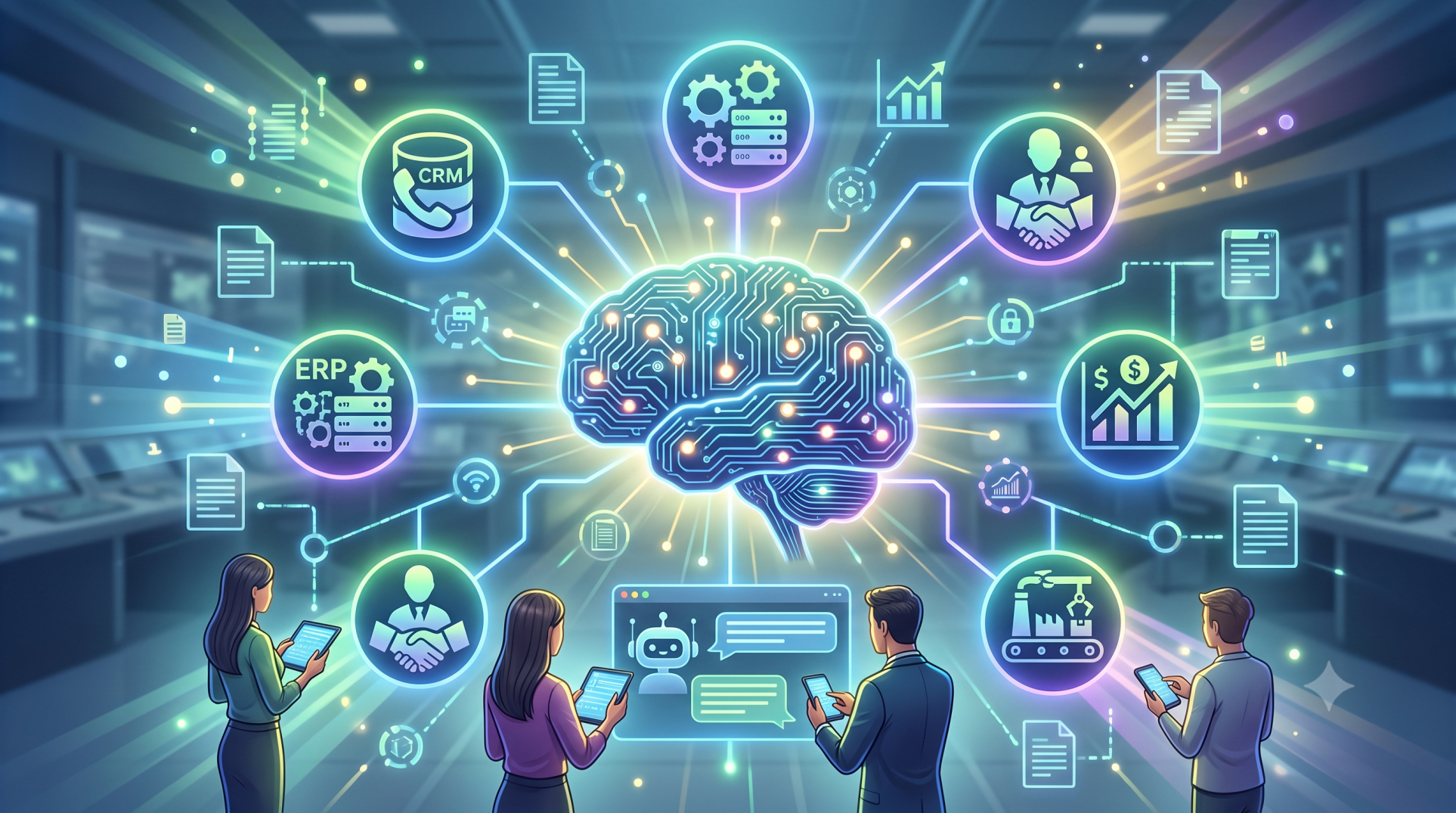
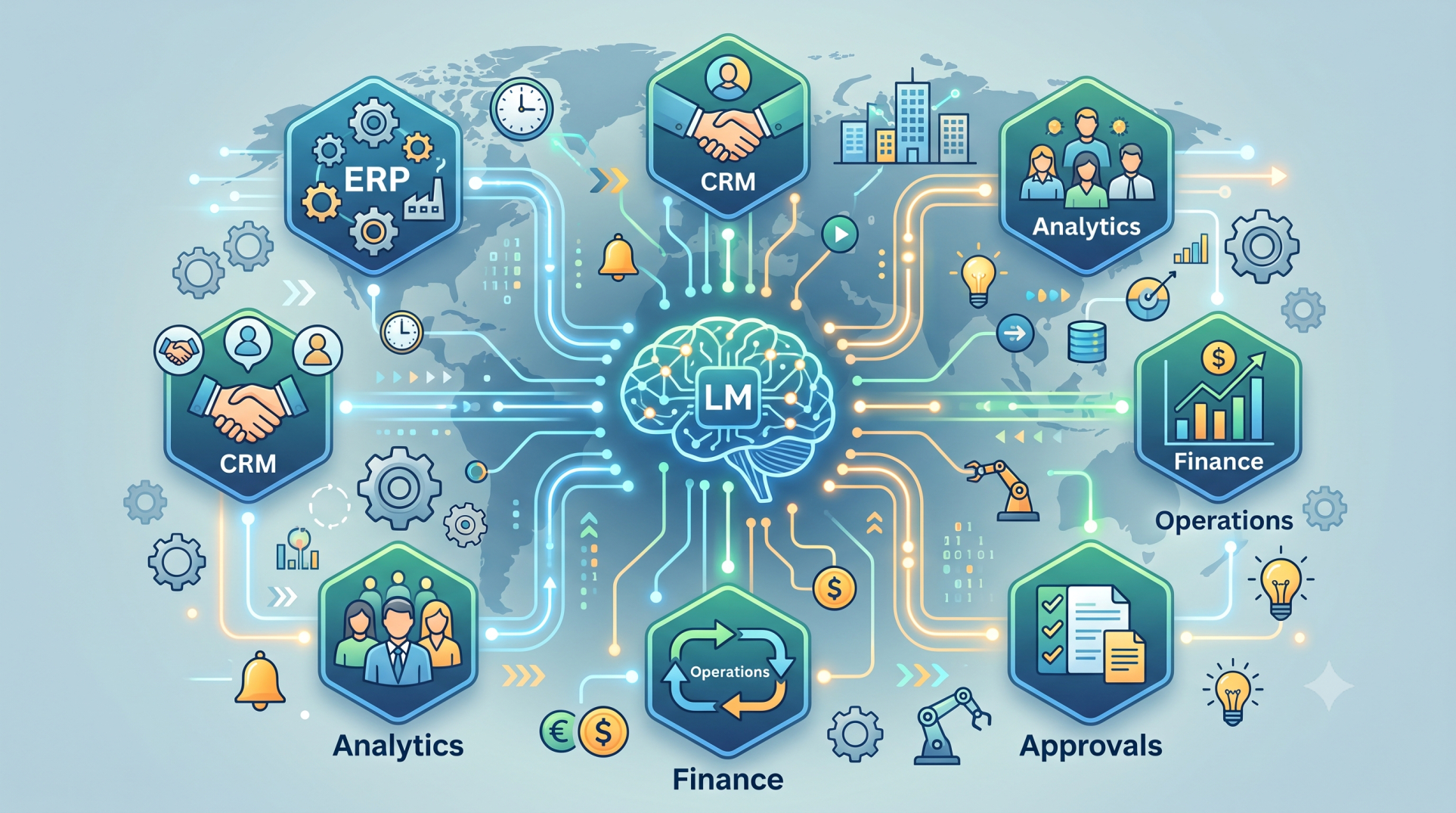
• Connect ERP, CRM, analytics, and collaboration environments 🔗
• Organize structured and unstructured information for AI access 📑
• Maintain relationships between business entities and data sources 🧩
• Provide consistent knowledge access across the organization 🔍
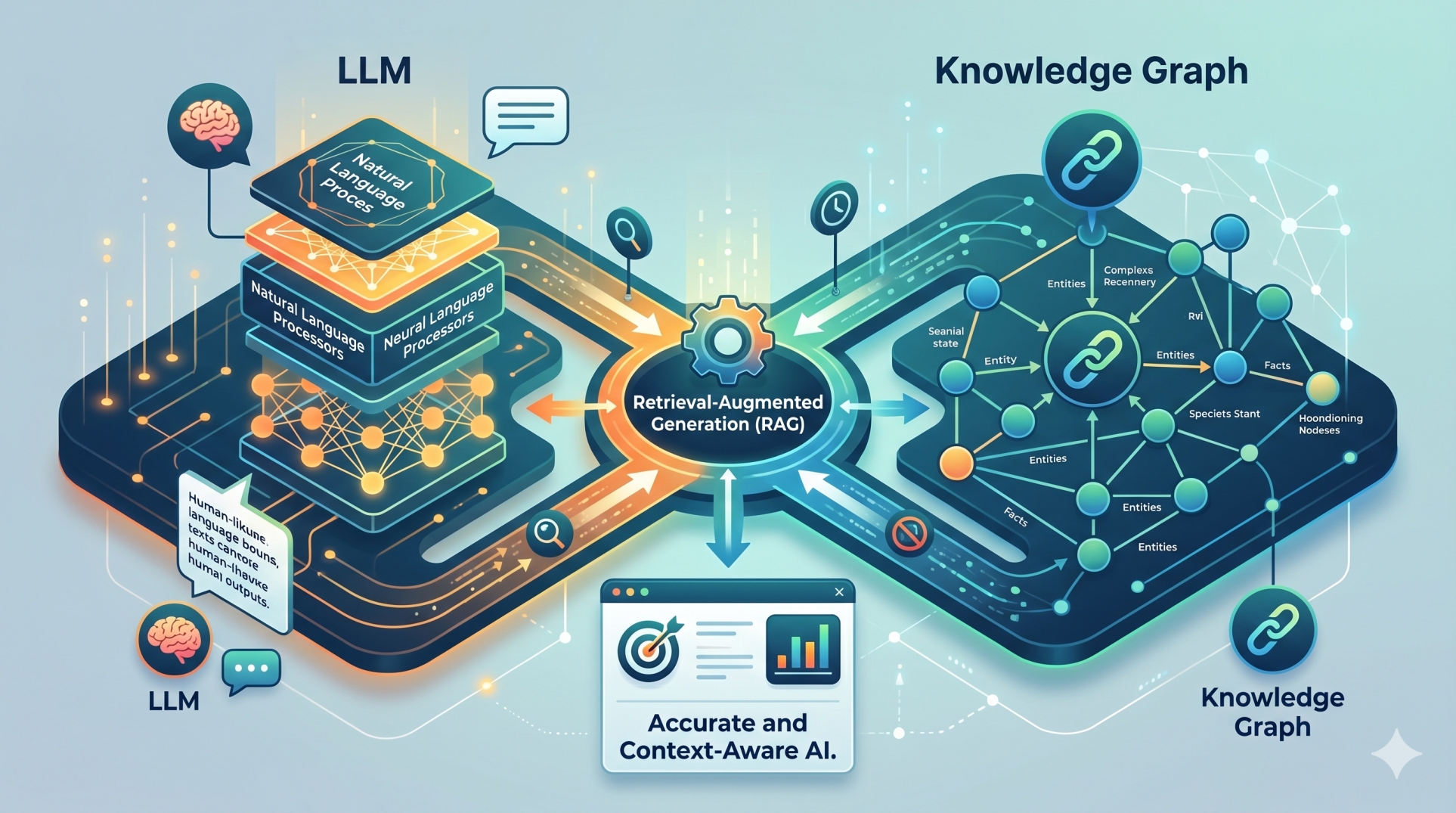
Step 3: Building Intelligent Retrieval Systems 🔎
• Use semantic retrieval to identify contextually relevant information 🎯
• Combine vector search with traditional search techniques 🧬
• Apply Retrieval-Augmented Generation (RAG) where grounded responses are required 🤖
• Rank retrieved information according to relevance and business context 📊
• Improve information discovery across large enterprise knowledge repositories 📚
Step 4: Creating Context-Aware AI Interactions 💬
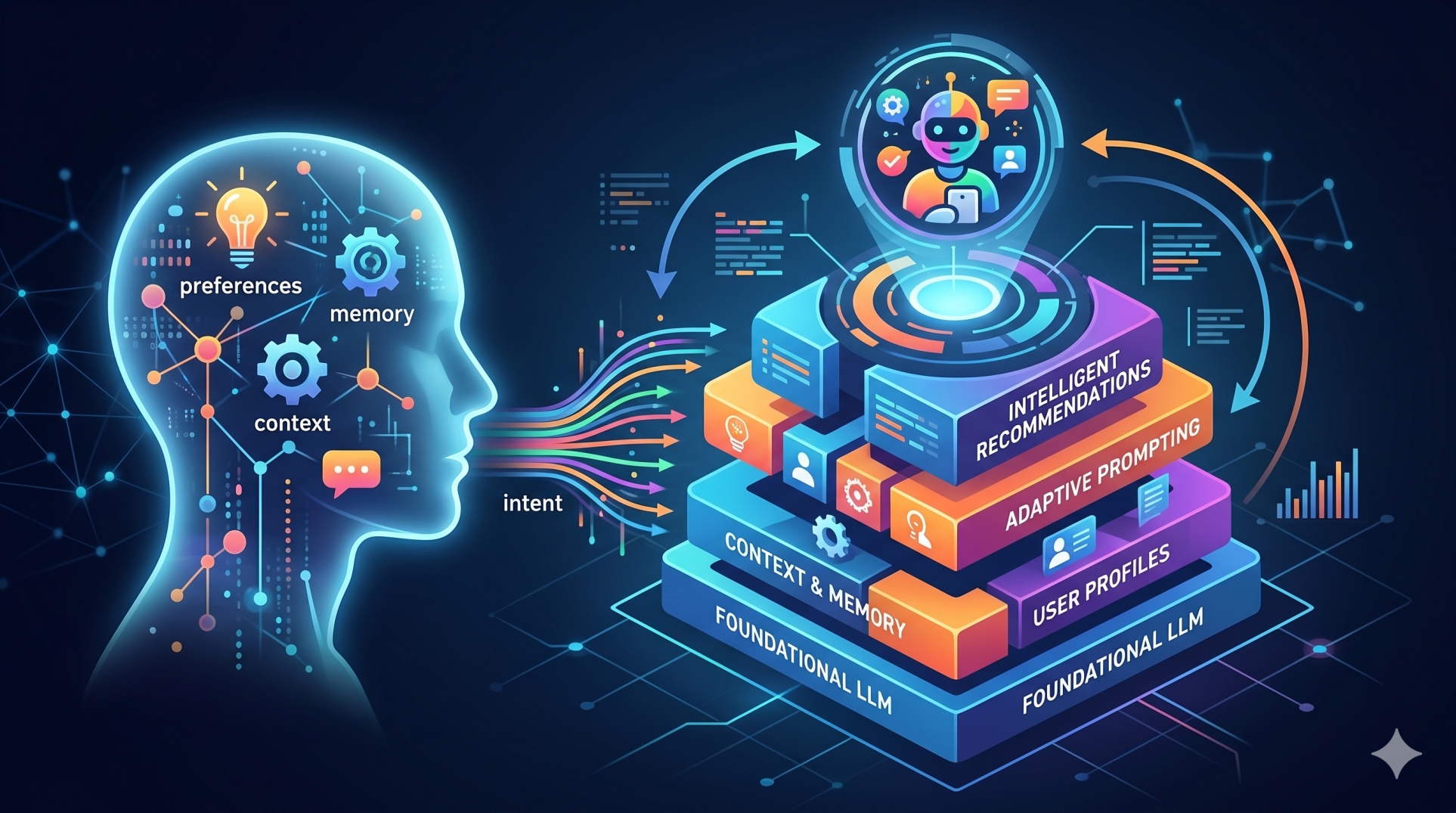
• Provide language models with relevant business context before generating responses 🧠
• Maintain appropriate conversational context across interactions 🔄
• Tailor responses according to roles, workflows, and permitted information 👥
• Connect user requests with appropriate enterprise data and tools 🛠️
• Improve the usefulness of AI-generated recommendations and responses ✅
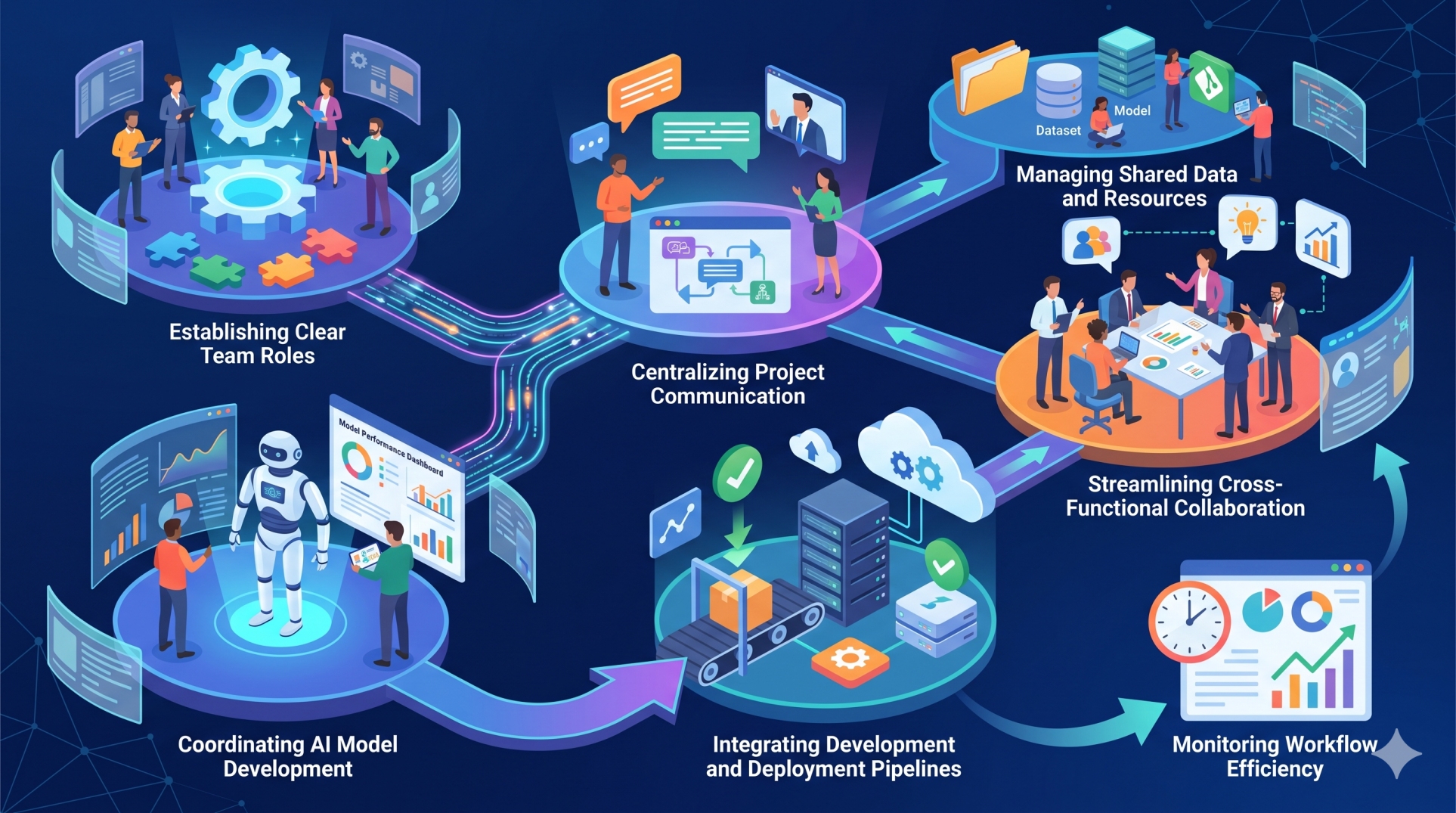
Step 5: Coordinating Intelligence Across Departments 🤝
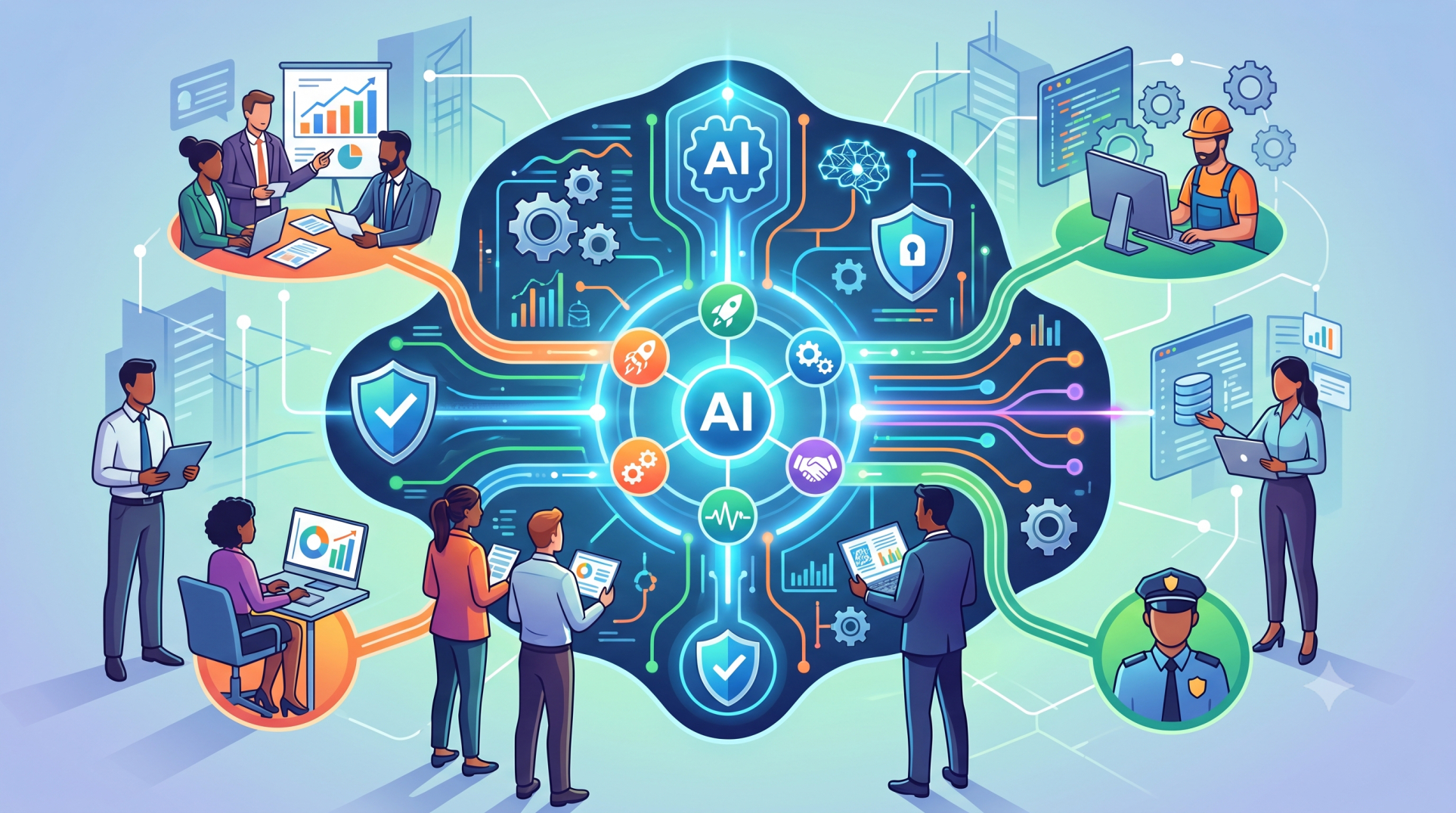
• Connect insights from finance, sales, operations, and customer service 🏢
• Enable departments to work from consistent organizational information 📊
• Reduce delays caused by fragmented communication channels ⏱️
• Support cross-functional workflows through shared intelligence 🔗
• Improve organizational alignment around business priorities 🎯
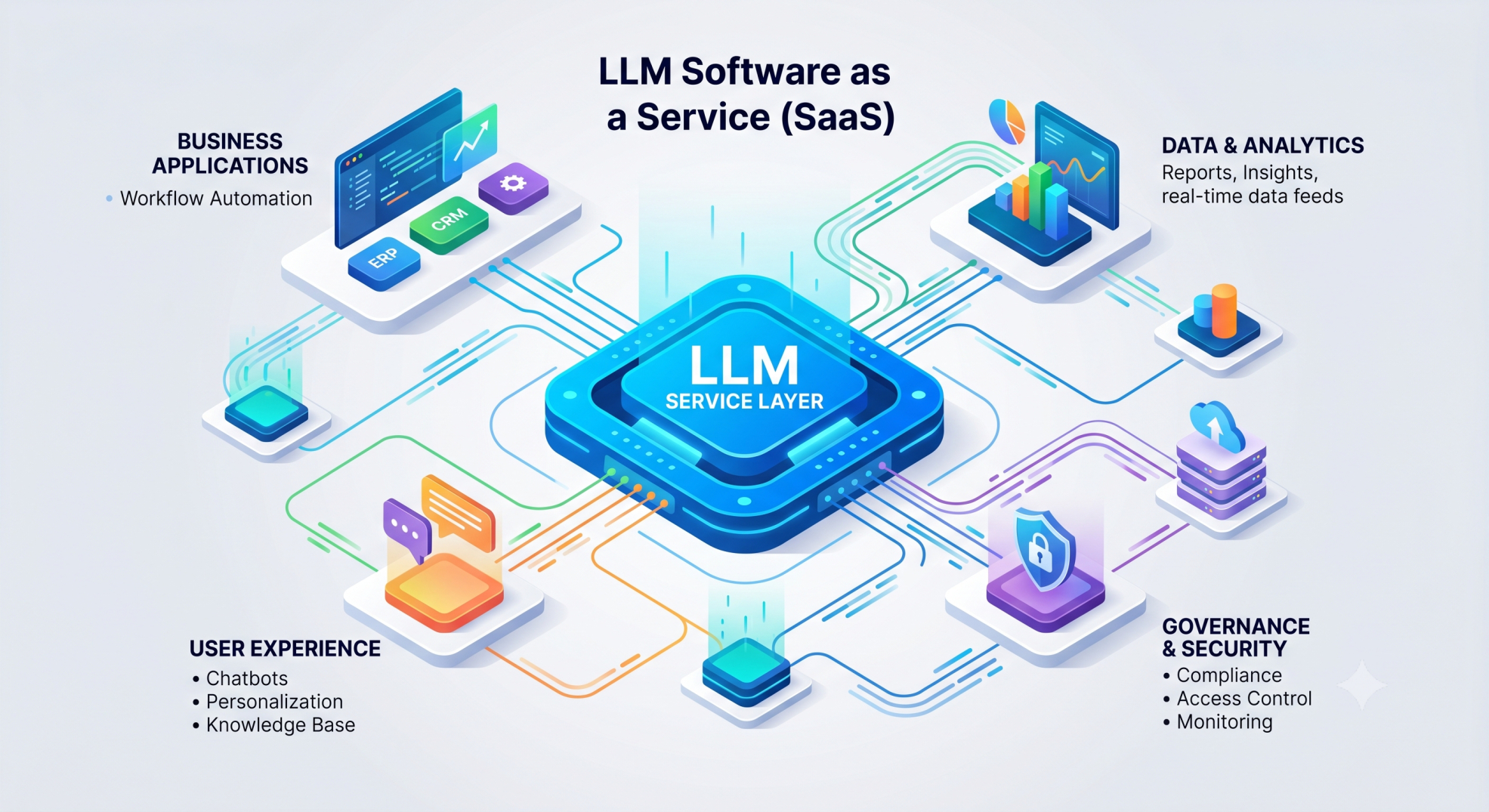
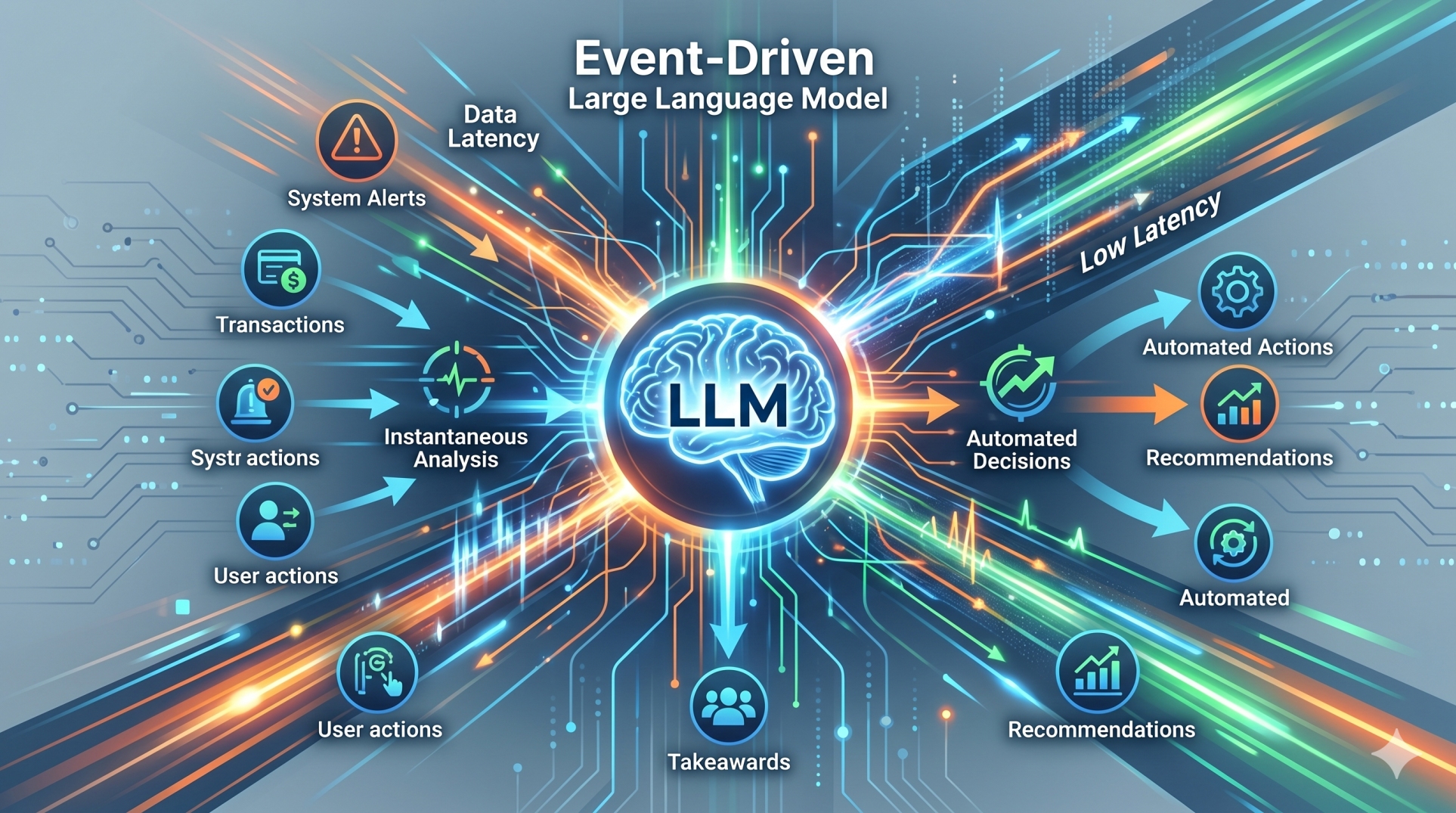
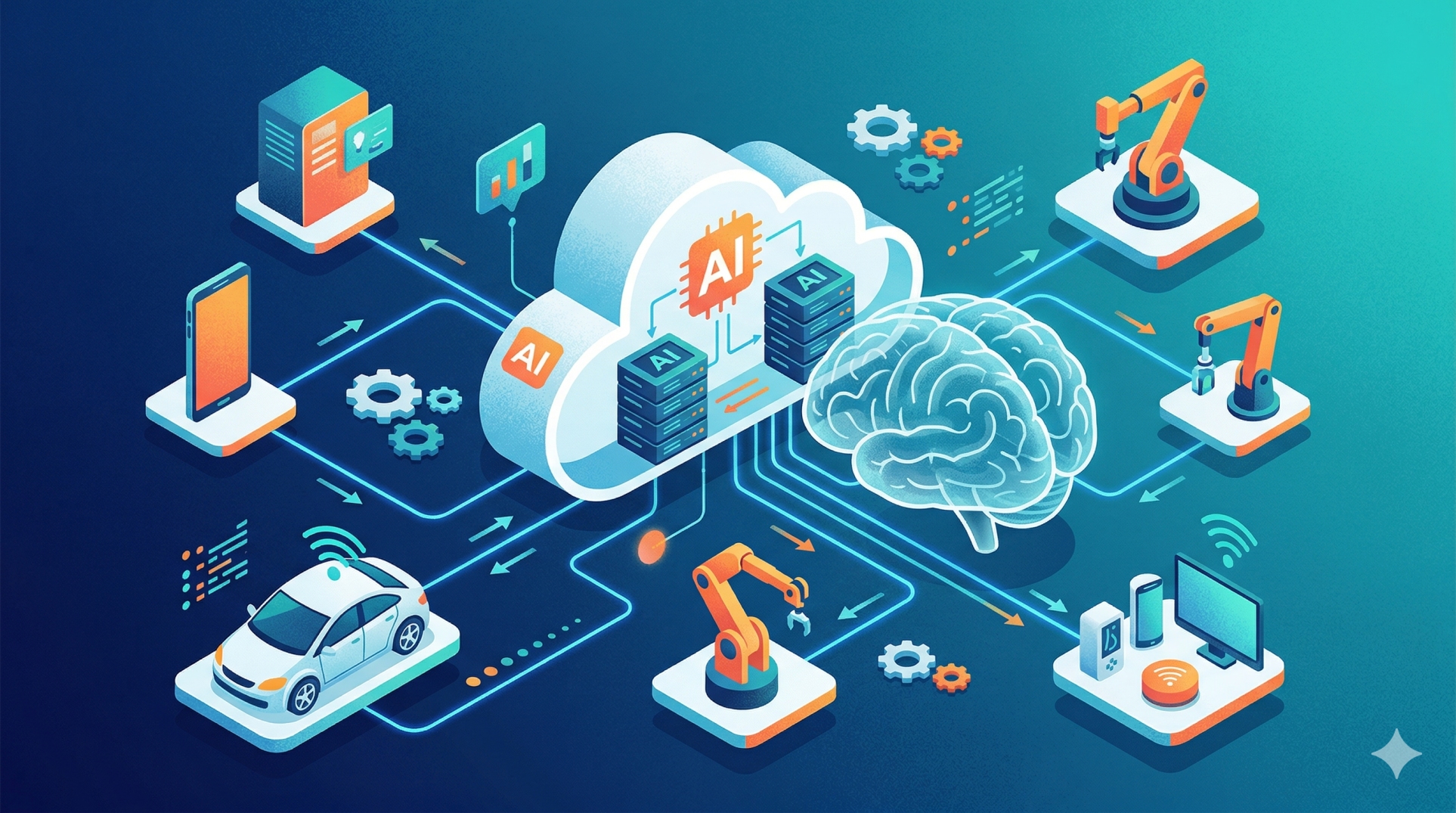
Step 6: Integrating Language Models with Business Workflows ⚙️
• Connect AI capabilities with existing operational processes 🔄
• Automate information retrieval and routine knowledge tasks 🤖
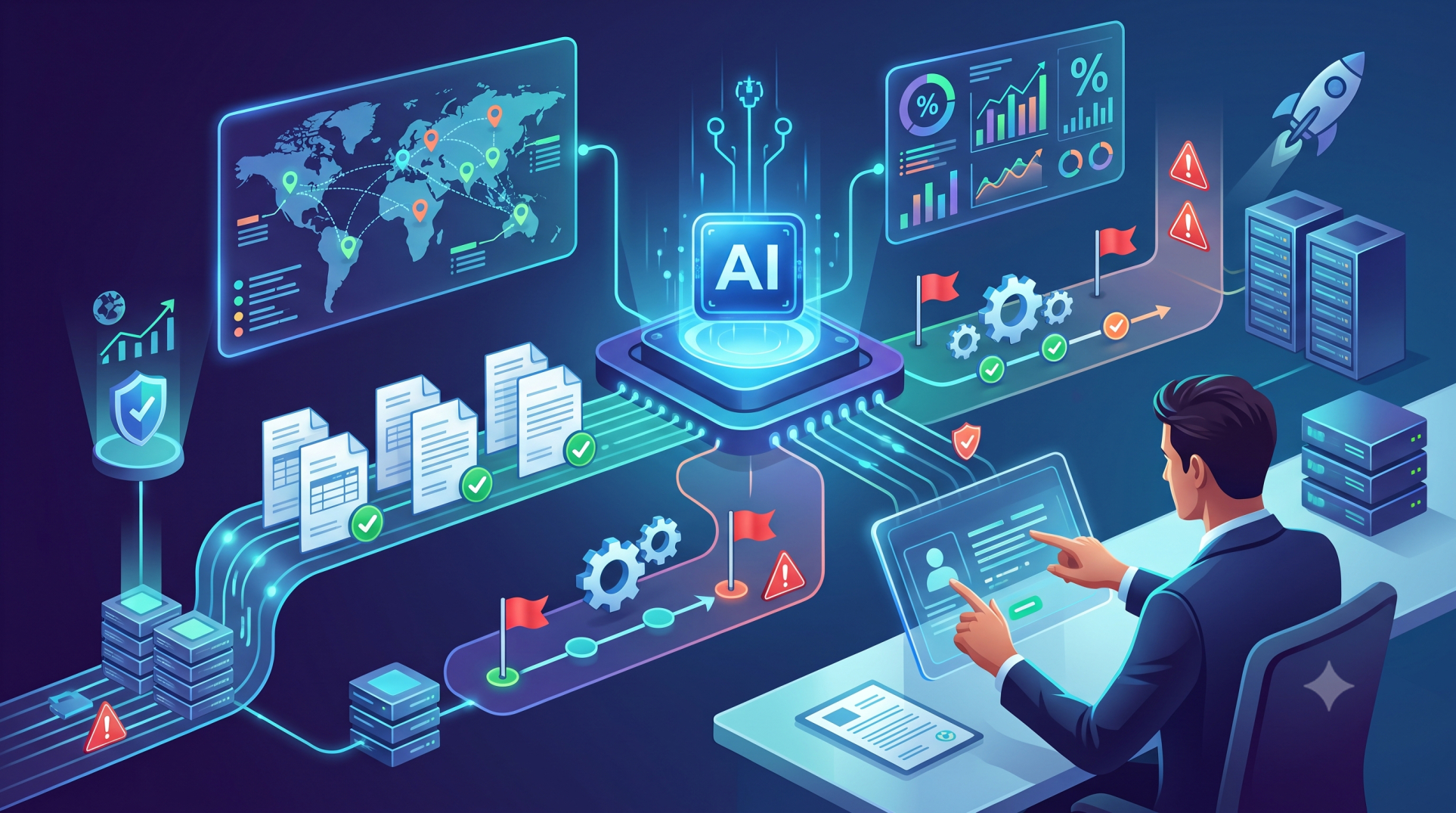
• Trigger approved workflows based on user requests or business events ⚡
• Assist employees with summaries, analysis, and recommended actions 📋
• Maintain human oversight for sensitive or high-impact decisions 👤
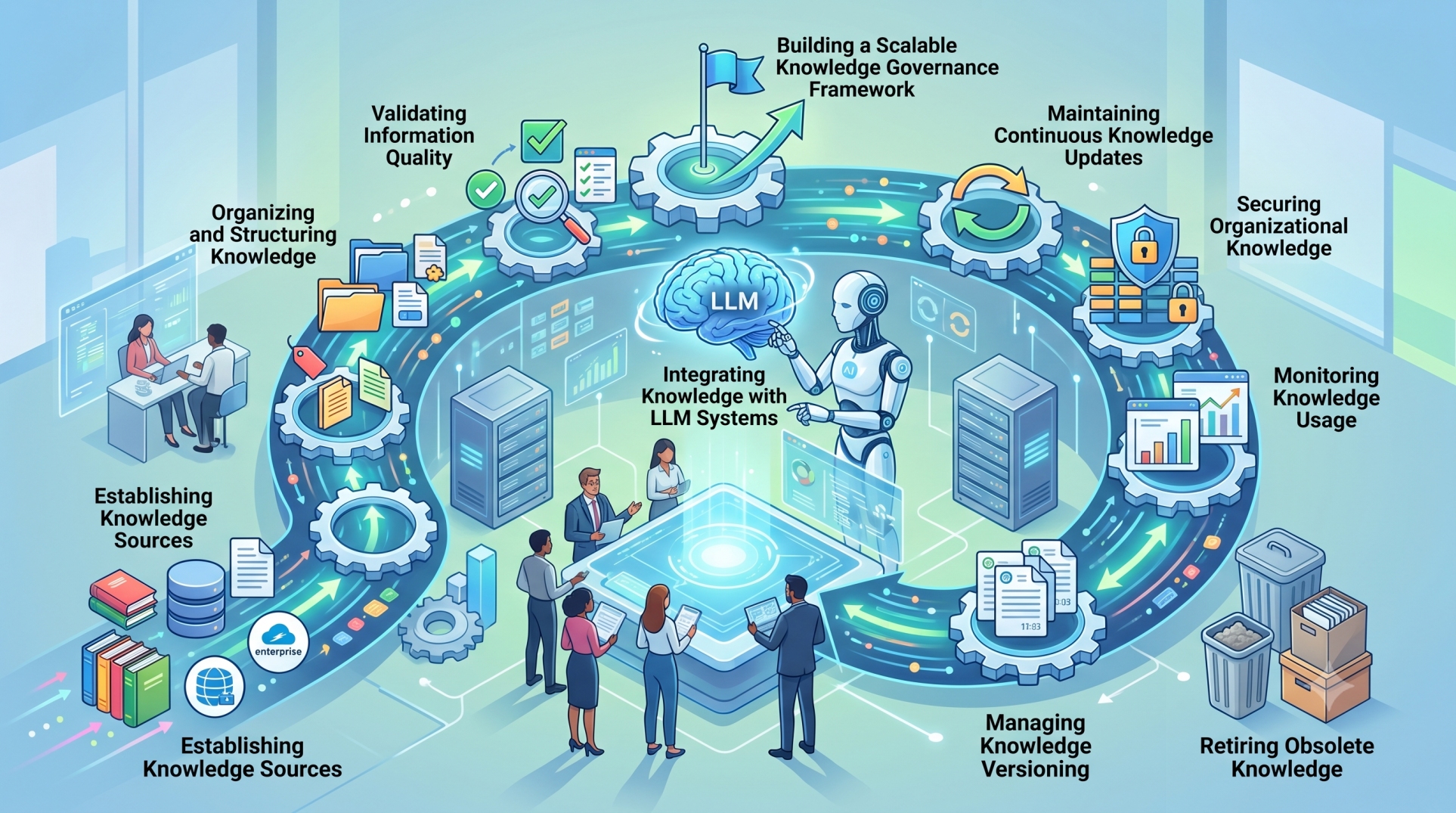
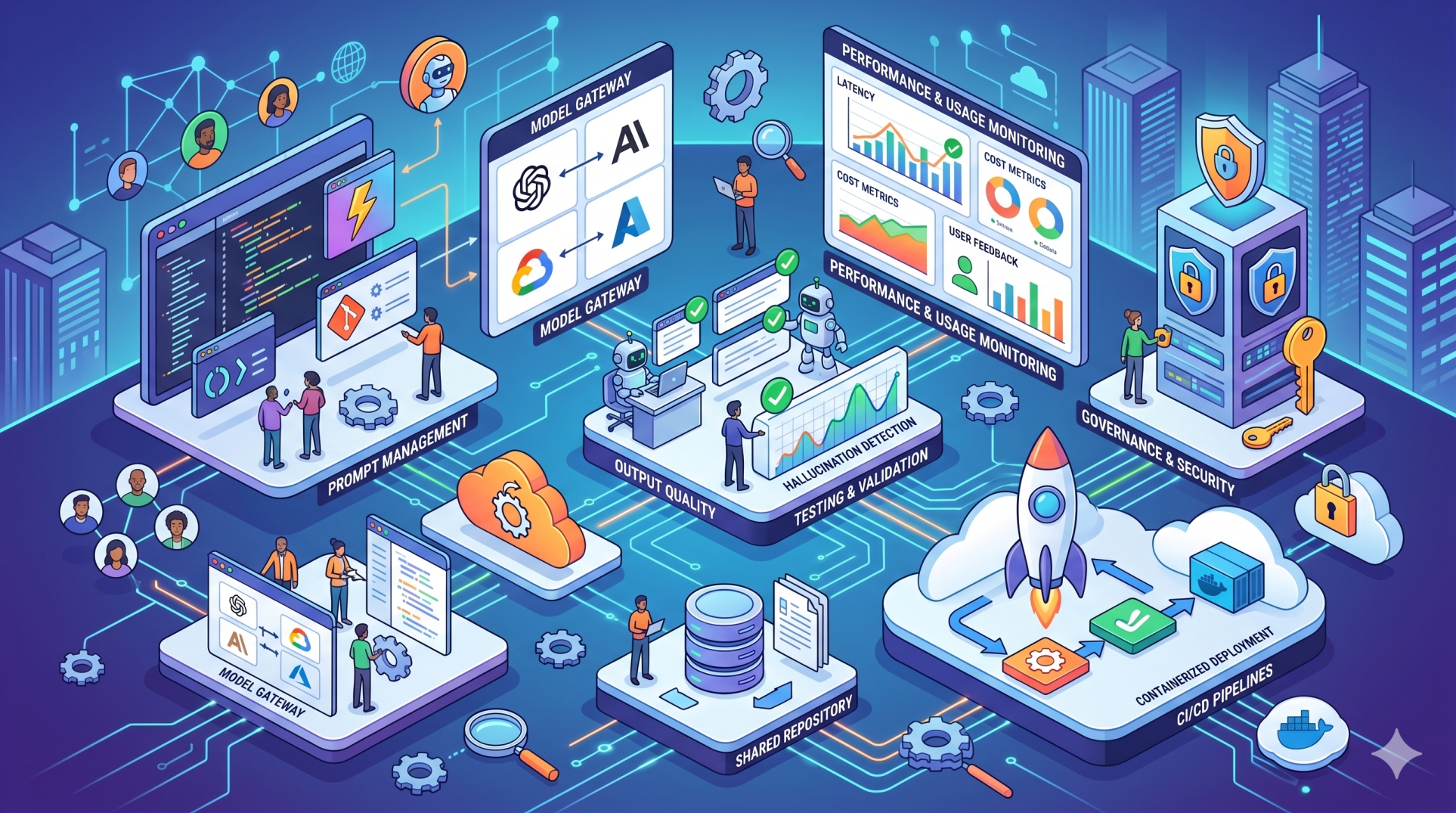
Step 7: Maintaining Knowledge Quality and Governance 🛡️
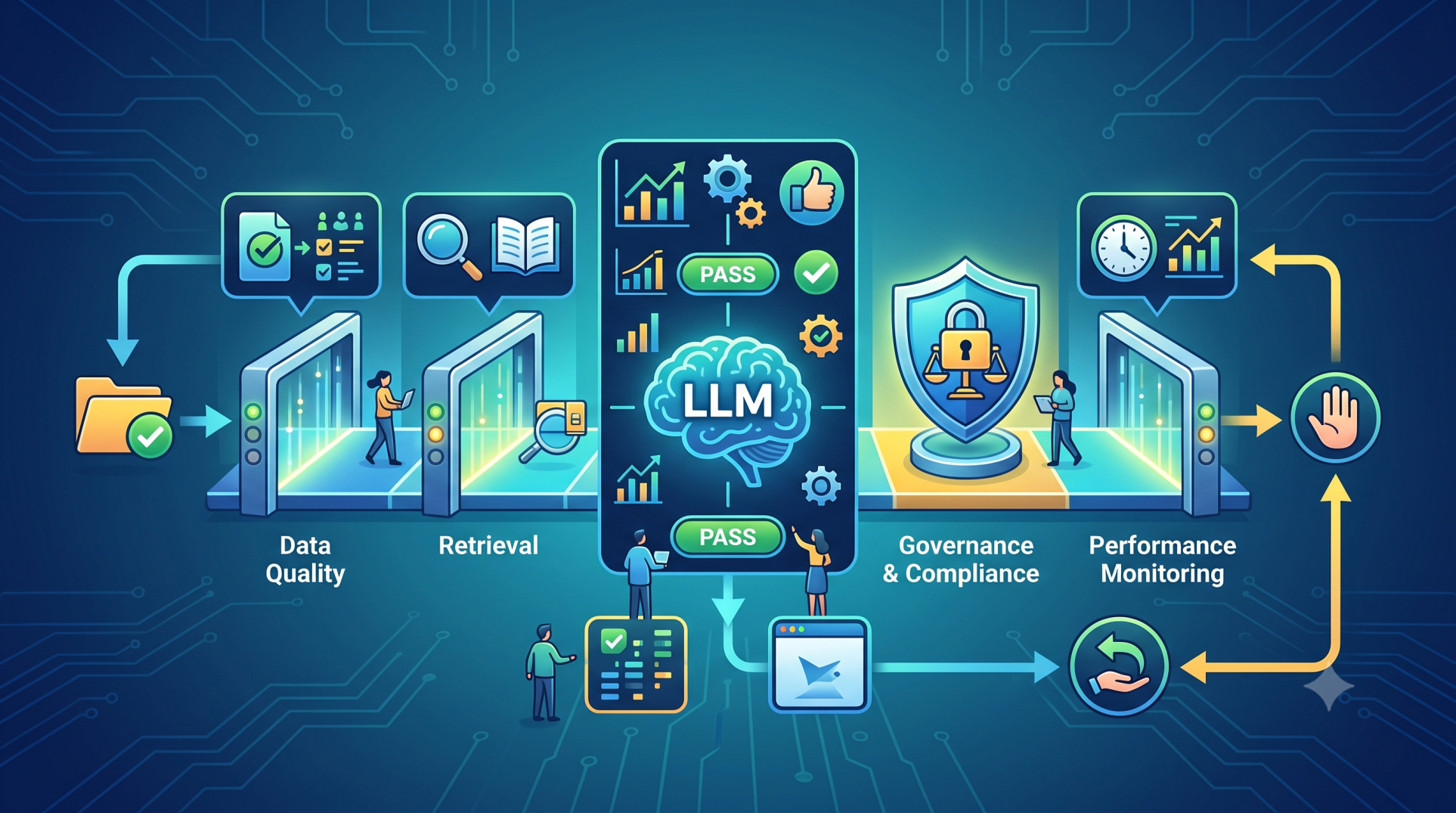
• Validate enterprise information before making it available to AI systems ✅
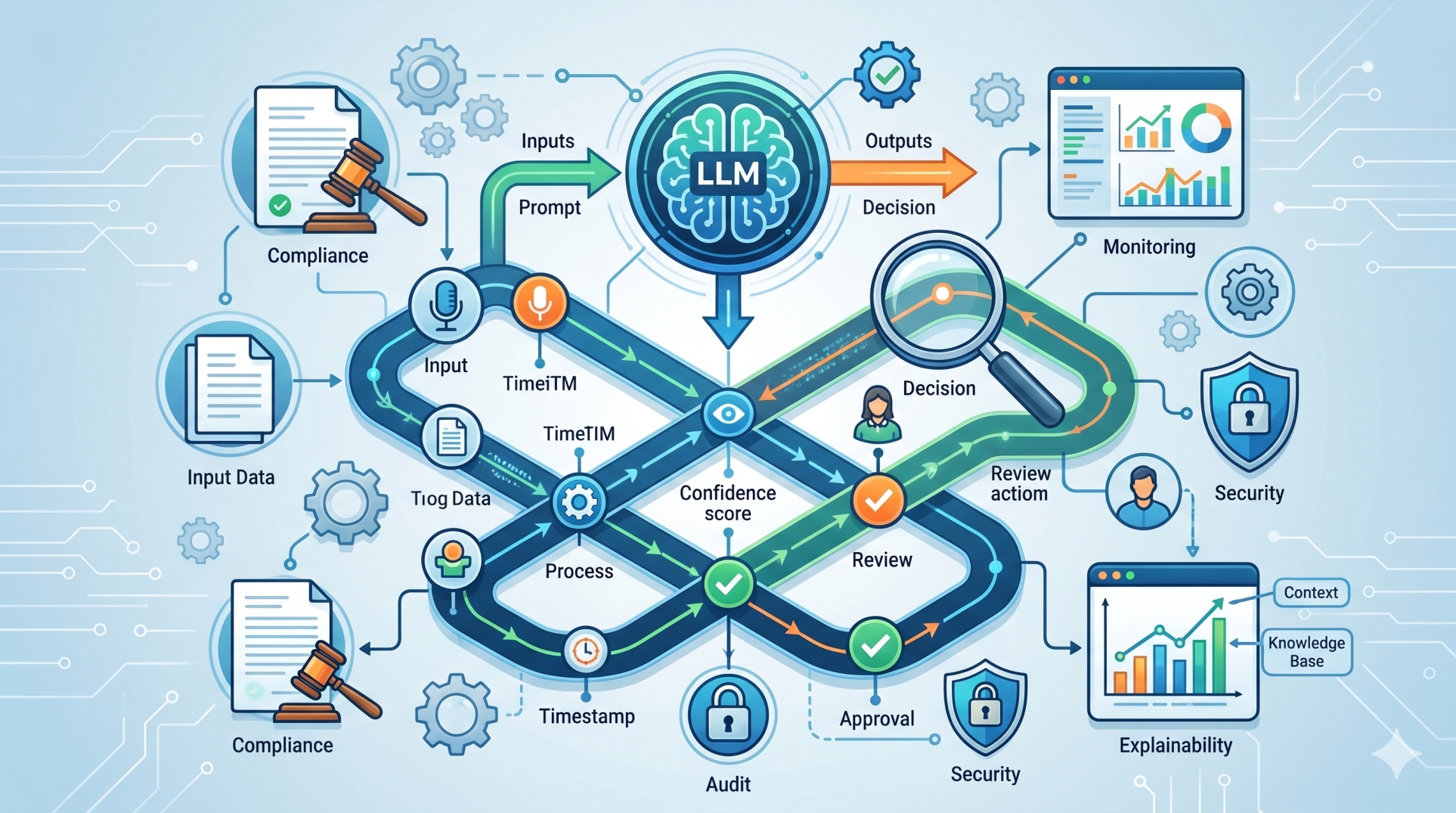
• Maintain source references and data lineage where appropriate 📑
• Identify outdated, incomplete, or conflicting information 🔍
• Establish governance policies for AI-accessible knowledge 📜
• Continuously evaluate retrieval and response quality 📈
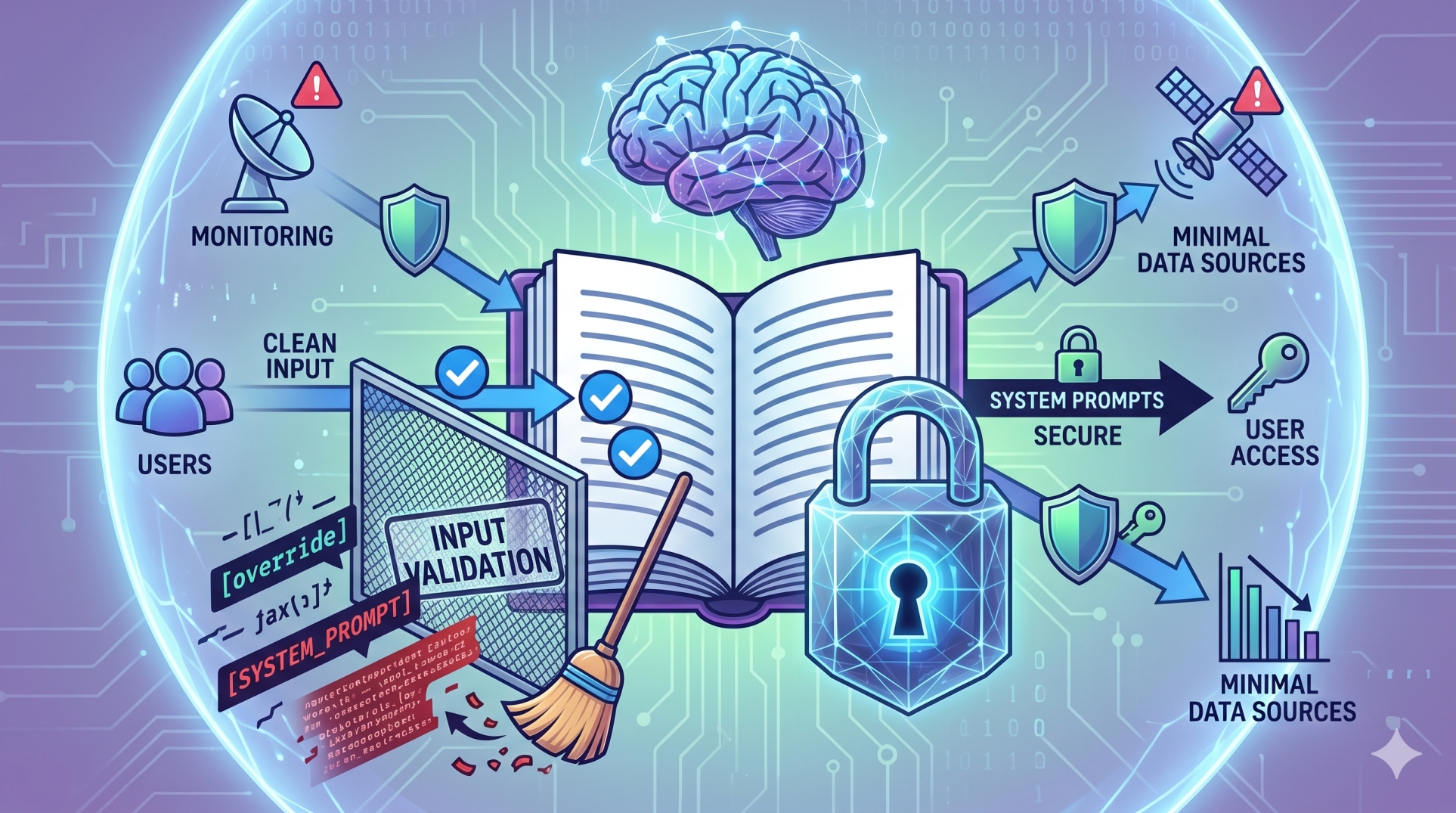
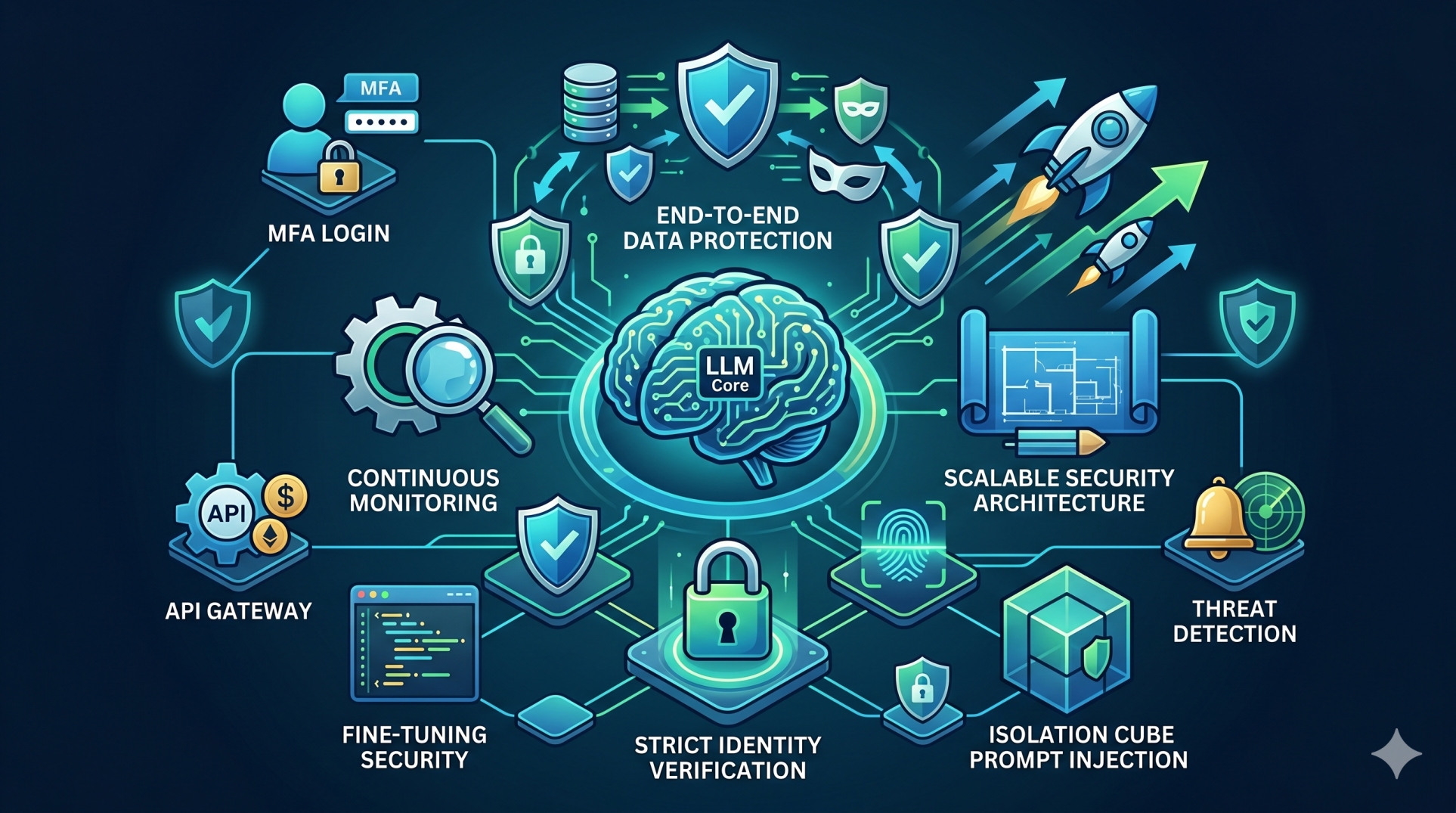
Step 8: Protecting Enterprise Information 🔐
• Apply role-based and attribute-based access controls 👥
• Restrict language models to information users are authorized to access 🚧
• Secure connections between models and enterprise applications 🛡️
• Maintain audit records for sensitive AI interactions 🧾
• Apply privacy and security controls throughout the intelligence network 🔒
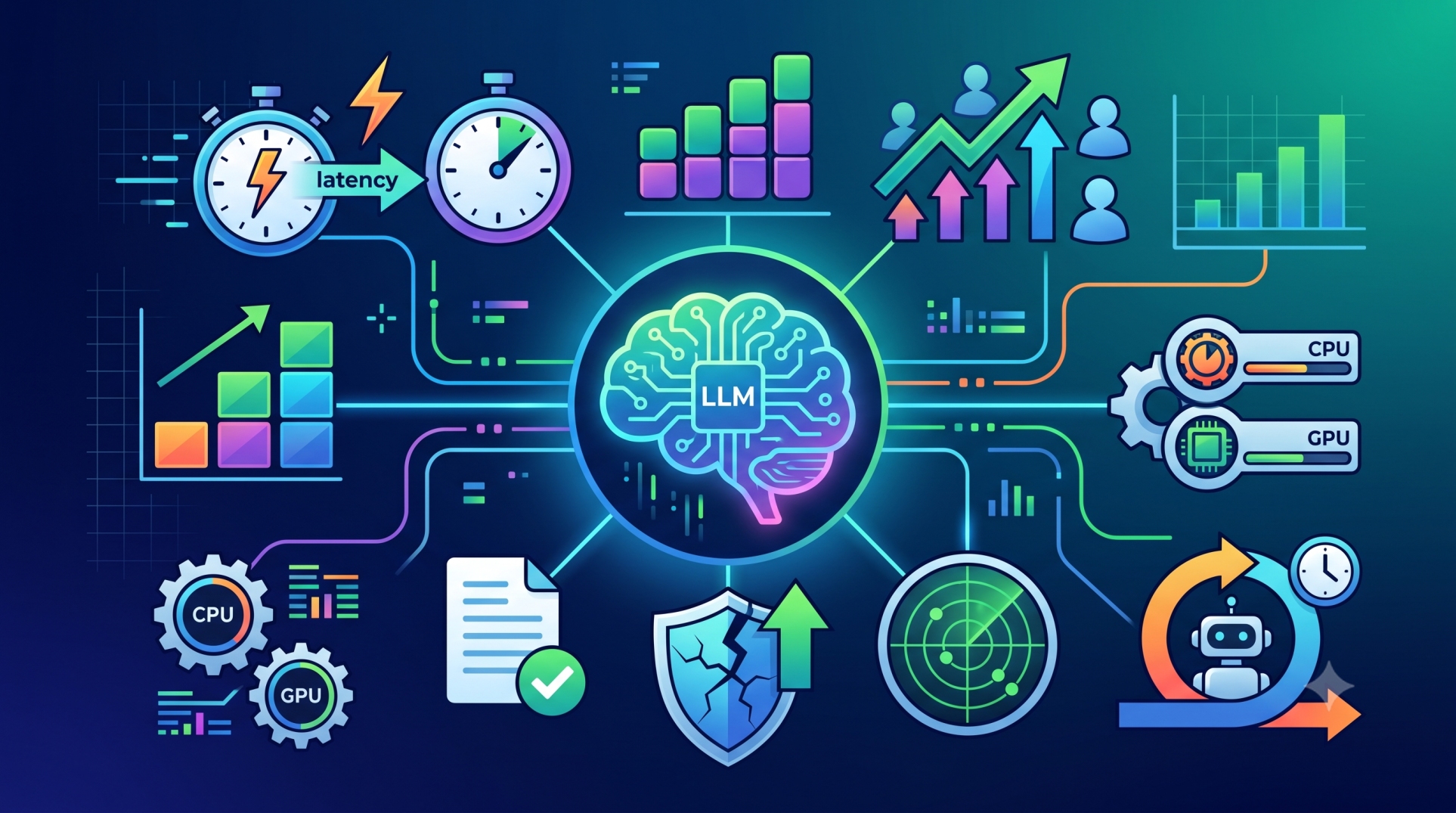
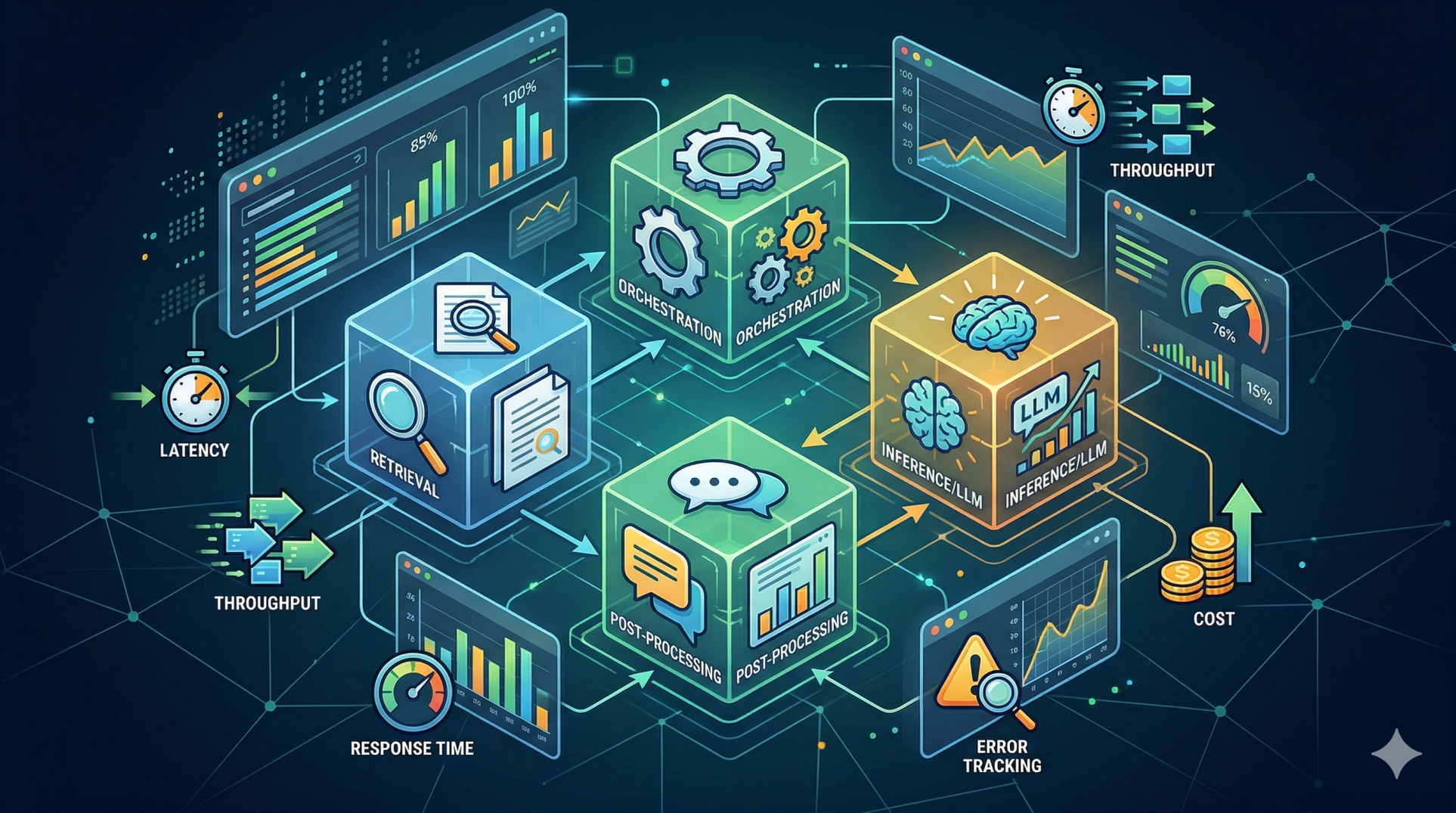
Step 9: Monitoring Intelligence Network Performance 📊
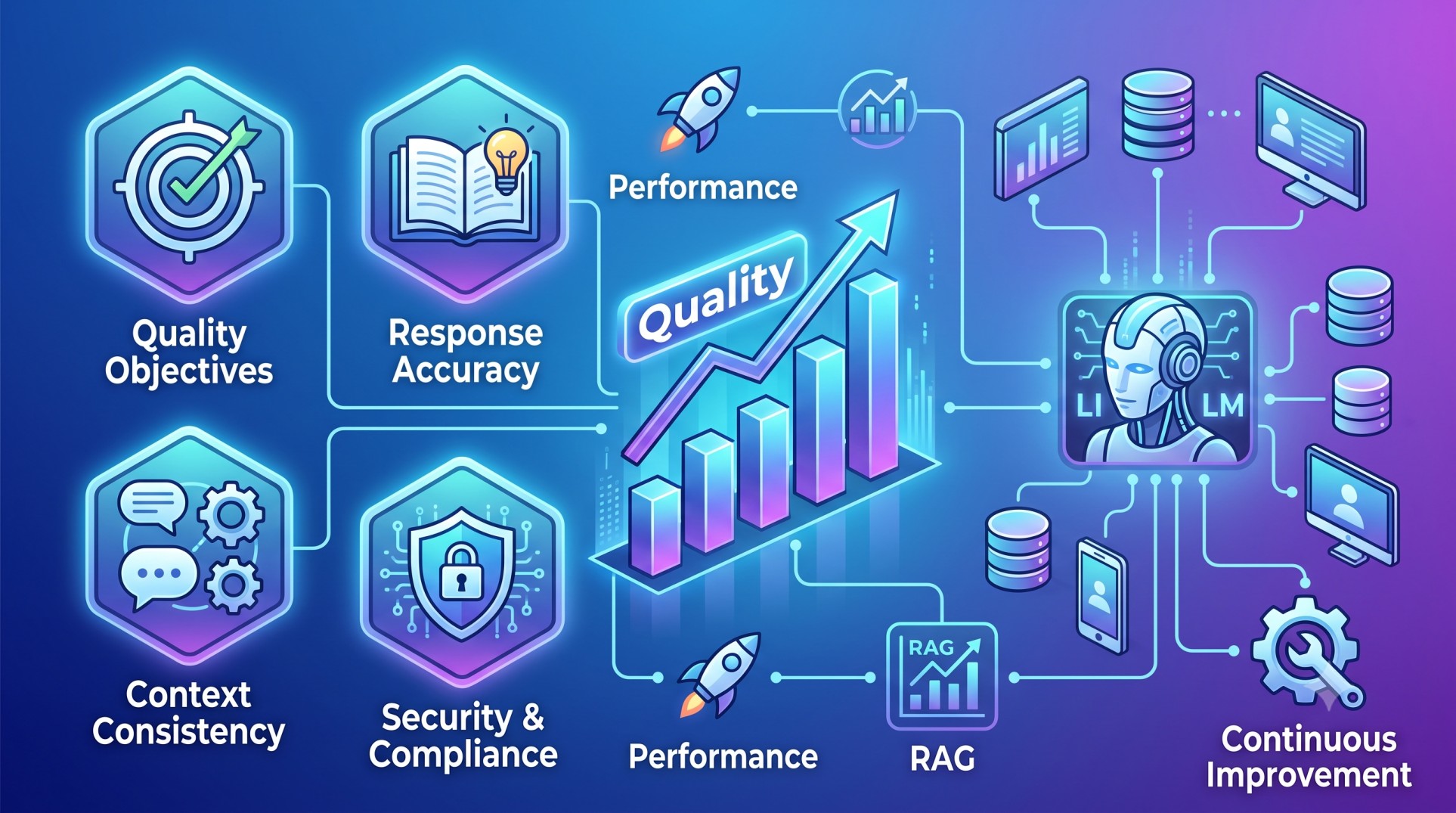
• Measure retrieval relevance and response accuracy 🎯
• Track latency, usage patterns, and system availability ⚡
• Identify gaps in organizational knowledge coverage 🔎
• Monitor AI-assisted workflows for reliability and consistency ⚙️
• Use performance insights to continuously improve the network 📈
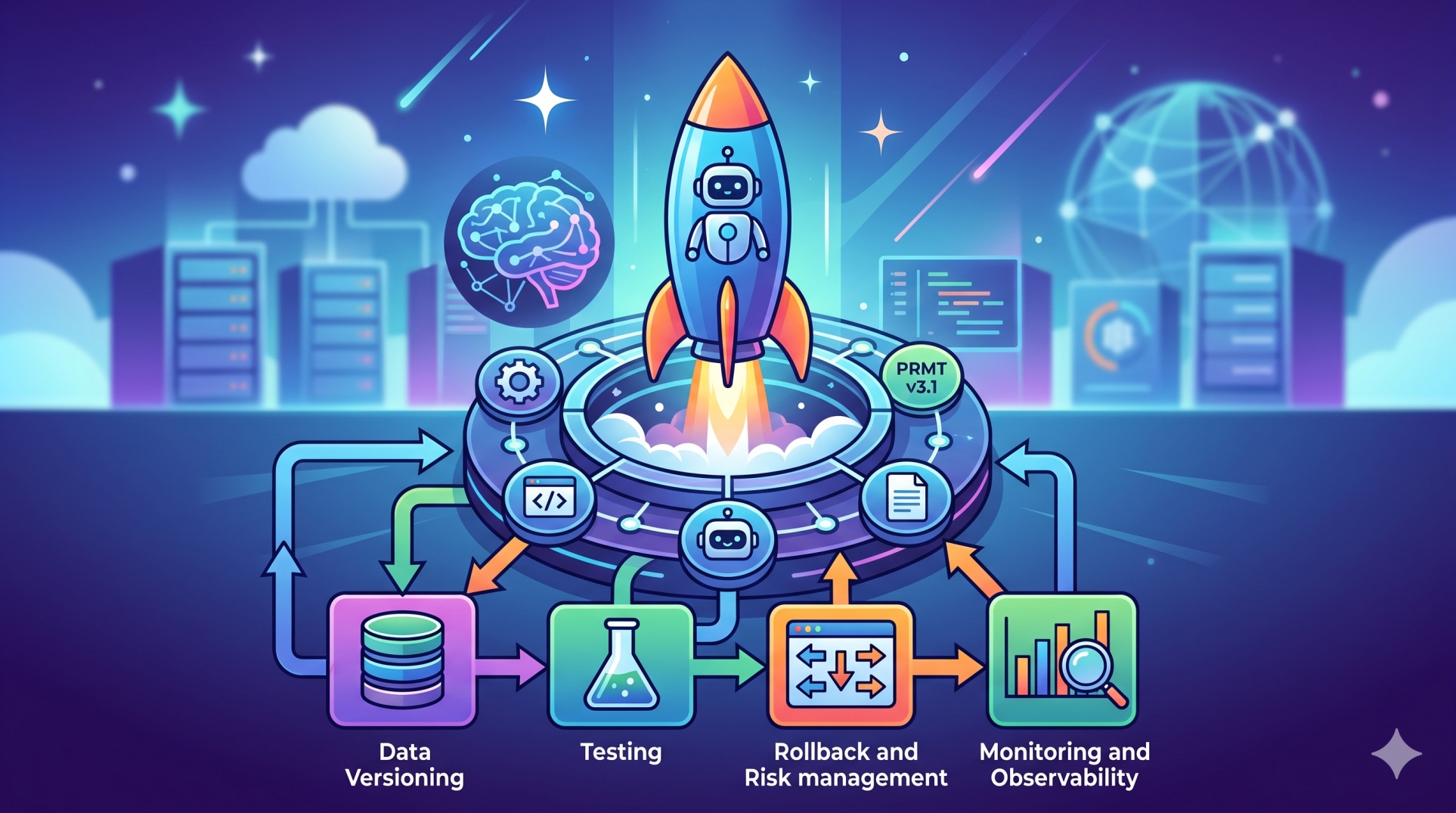
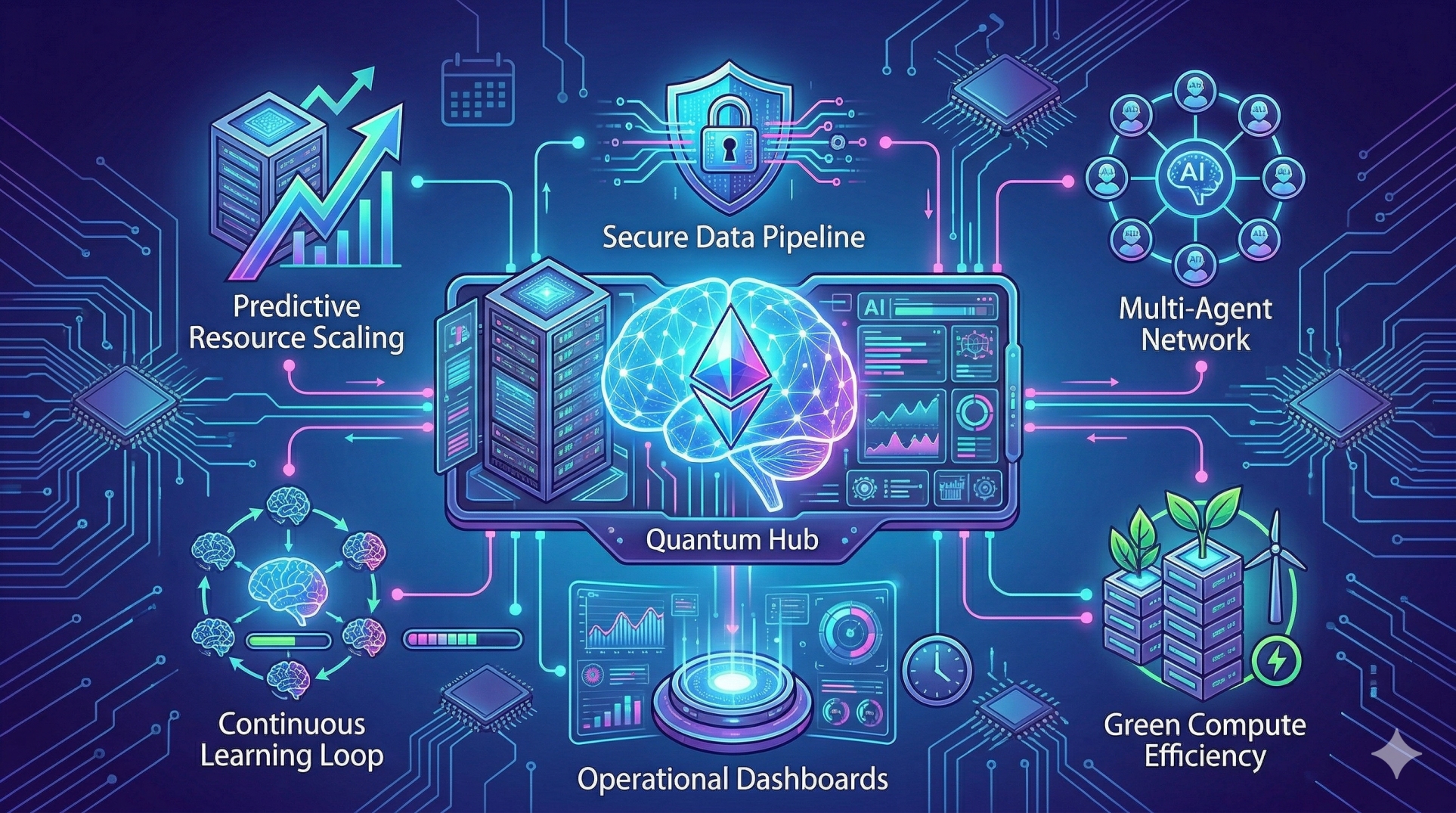
Step 10: Building a Scalable Enterprise Intelligence Ecosystem 🚀
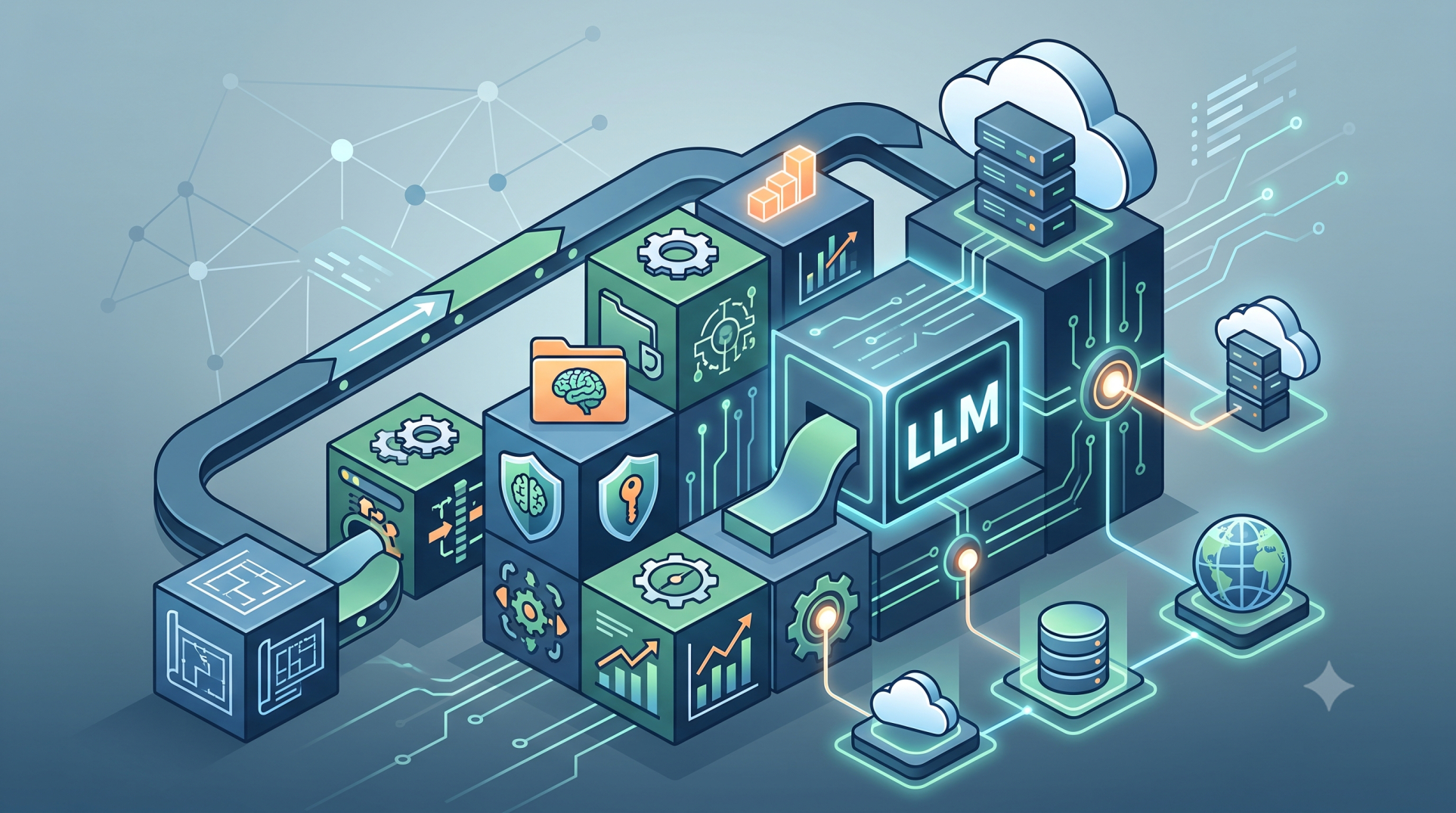
• Design modular architectures that support new models and data sources 🧩
• Expand intelligence capabilities across departments gradually 🏢
• Integrate additional enterprise applications without major disruption 🔗
• Support evolving AI models, retrieval technologies, and automation tools 🤖
• Create a flexible foundation for long-term enterprise intelligence 🌟
Conclusion
Enterprise Intelligence Networks built on language models can transform fragmented organizational information into a connected and accessible intelligence environment. By combining language models with enterprise data, retrieval technologies, business applications, and governed workflows, organizations can improve knowledge discovery, collaboration, and operational decision-making.
A scalable intelligence network does more than provide AI-generated answers. It creates a foundation through which people, data, applications, and automated processes can work together more effectively, helping enterprises develop increasingly connected and adaptive operations.
See more blogs
You can all the articles below