API-First Design for Composable AI Platforms

API-First Design for Composable AI Platforms
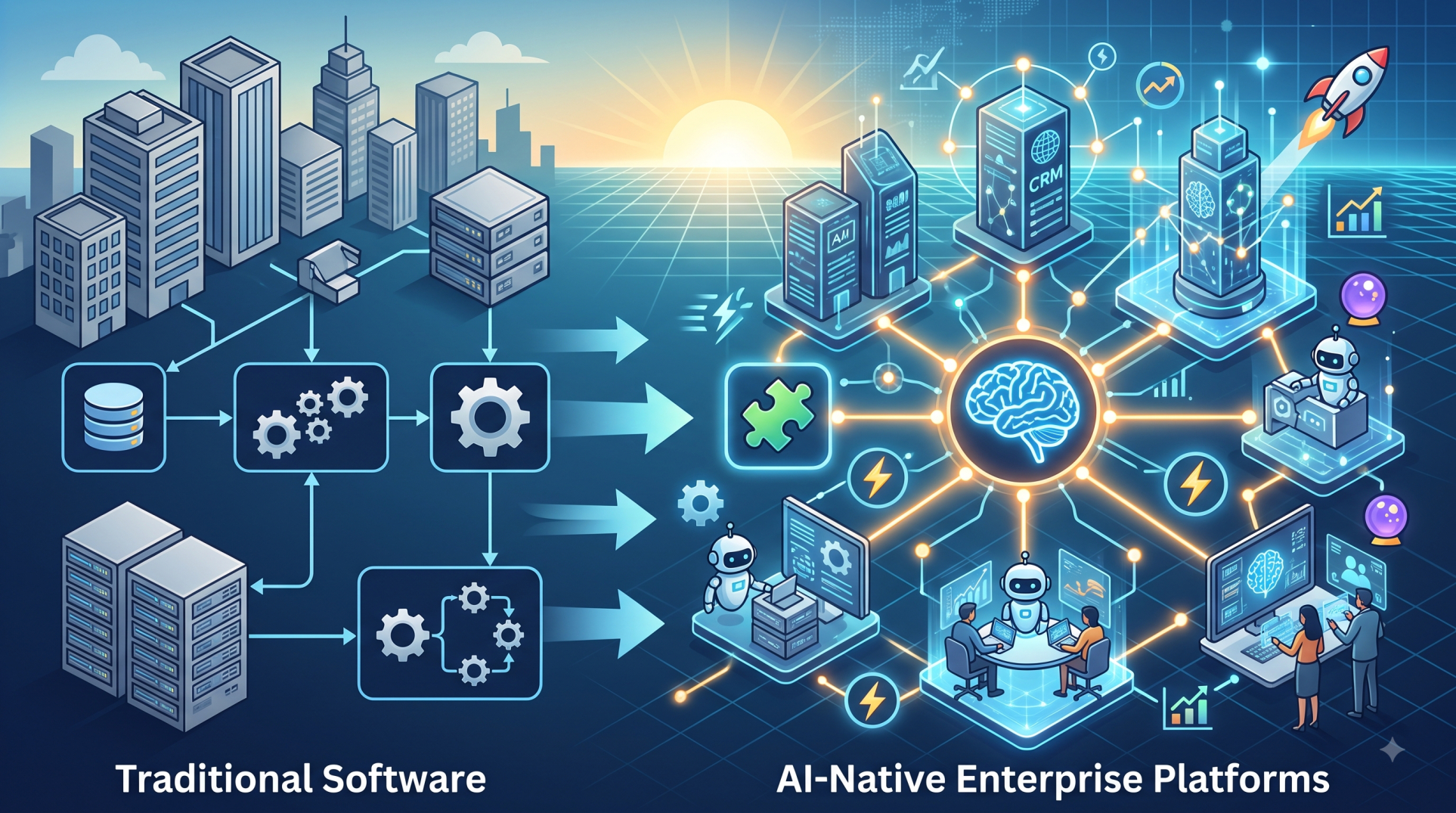
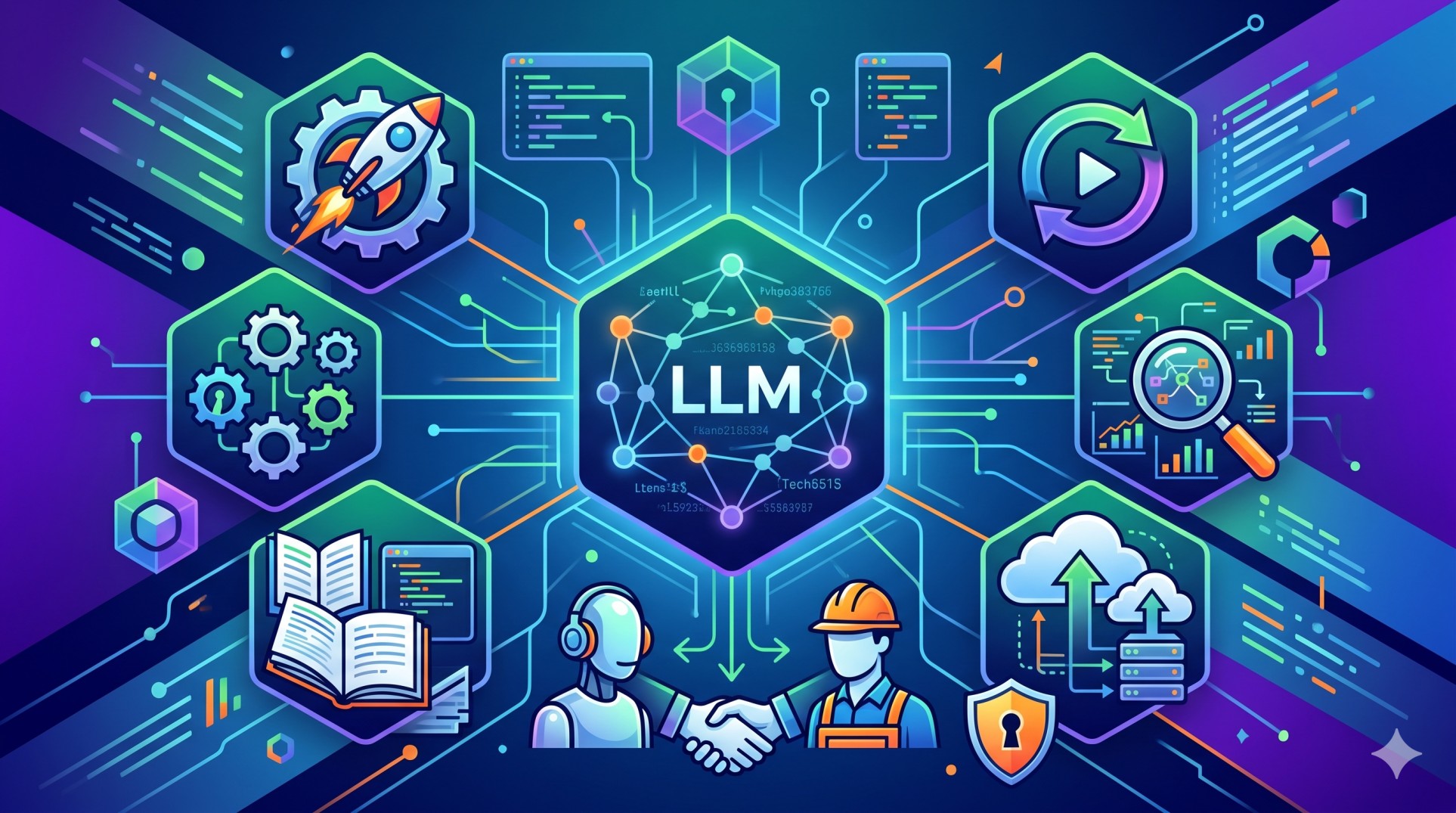
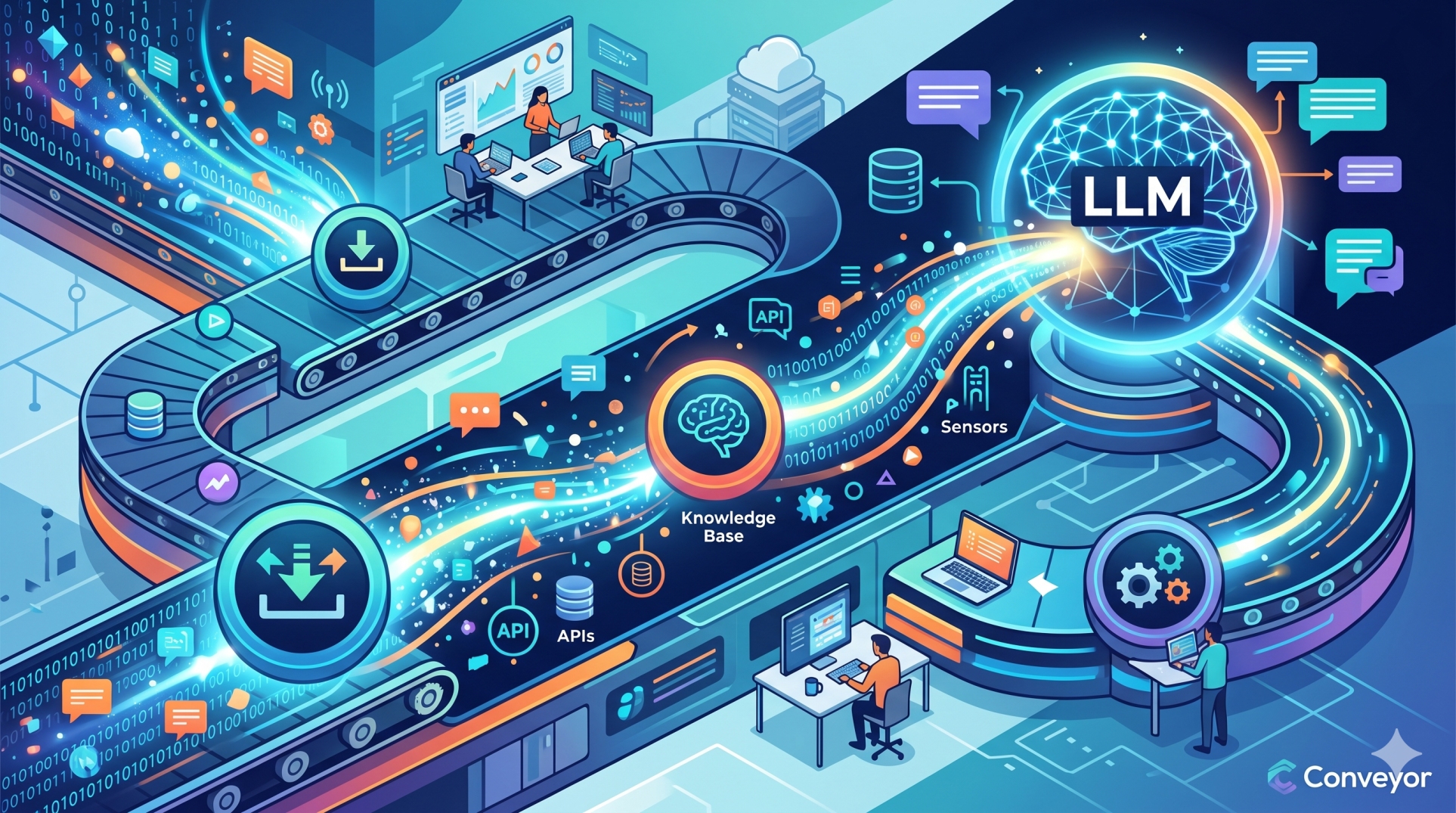
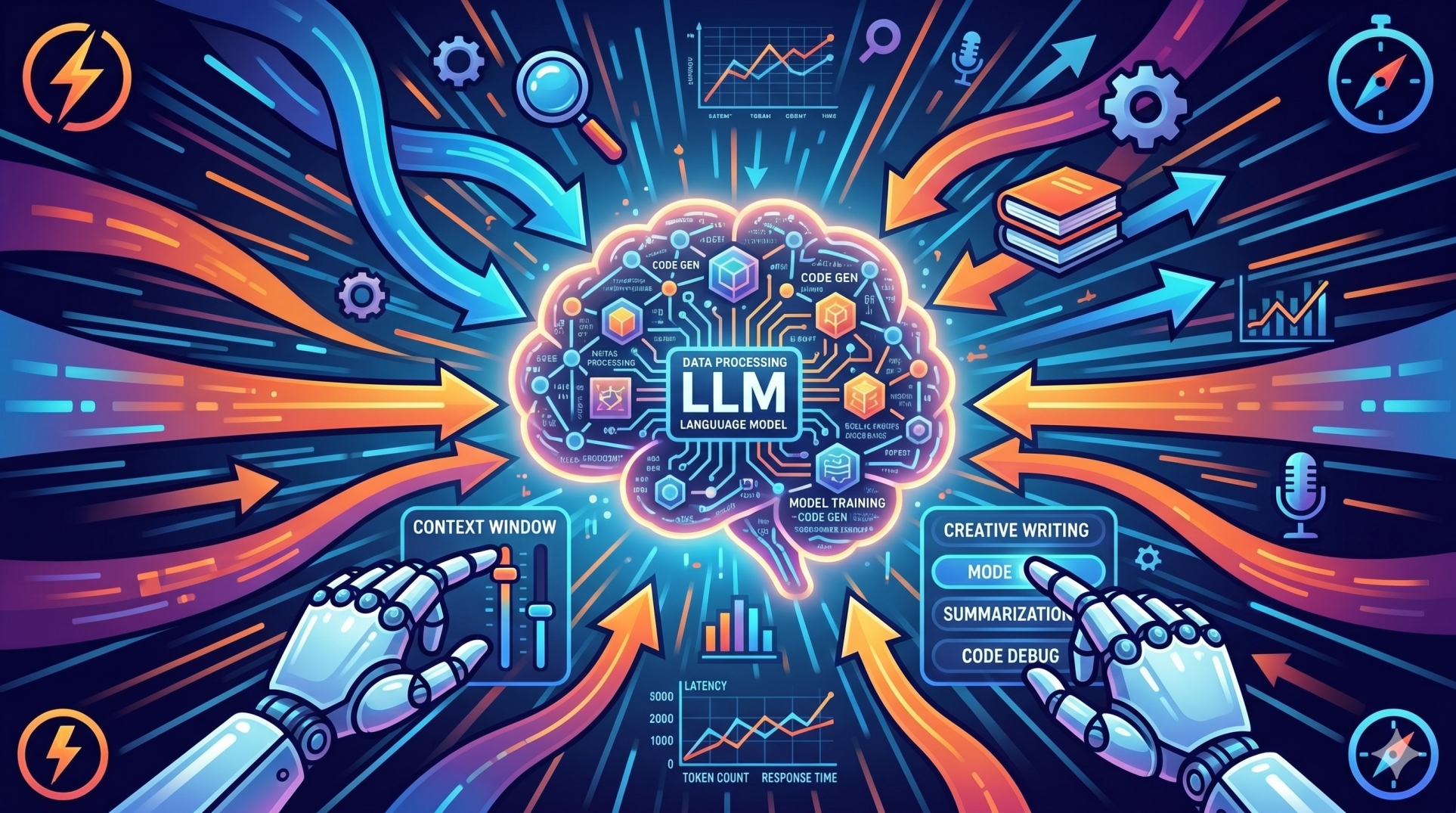
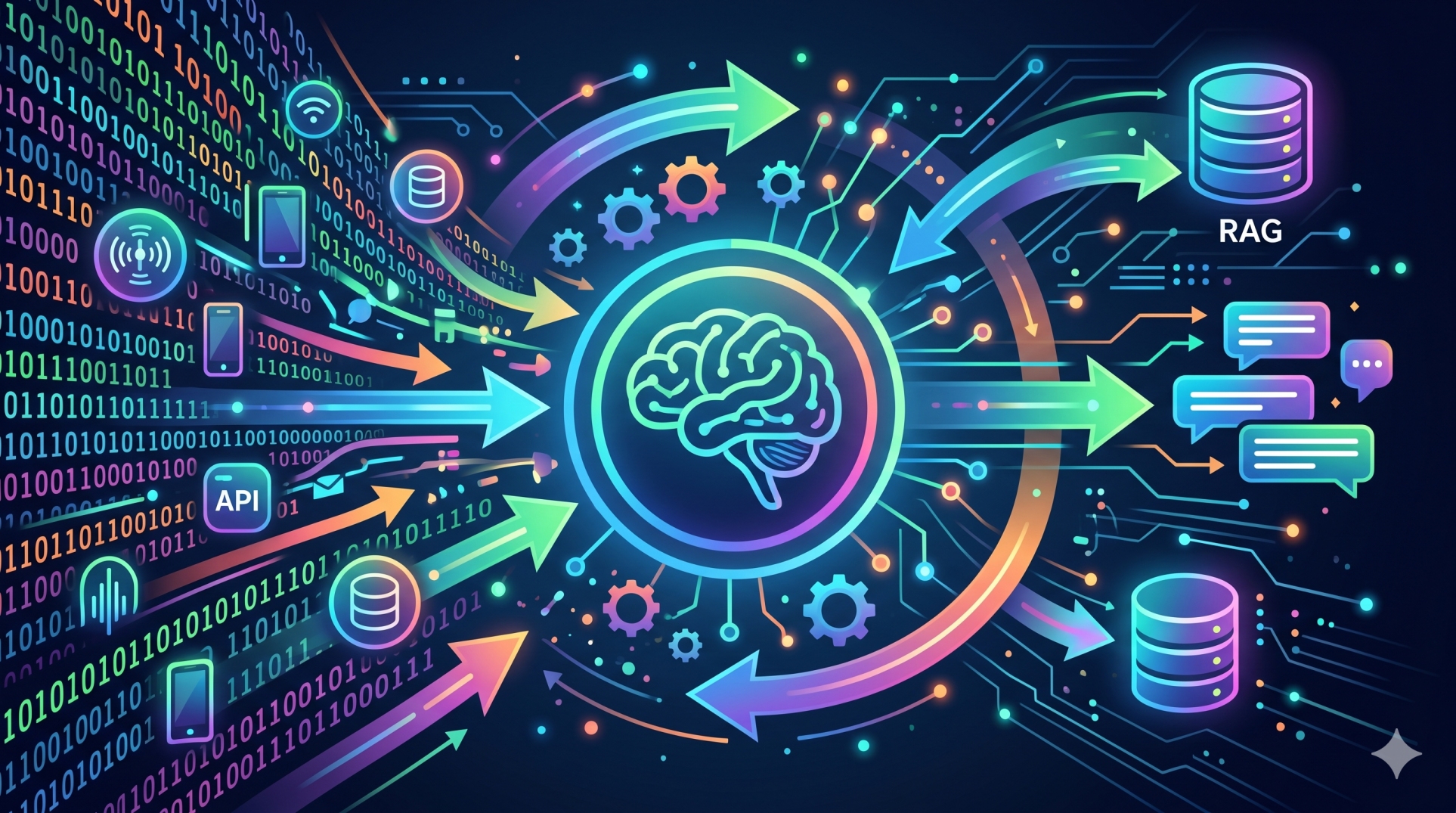
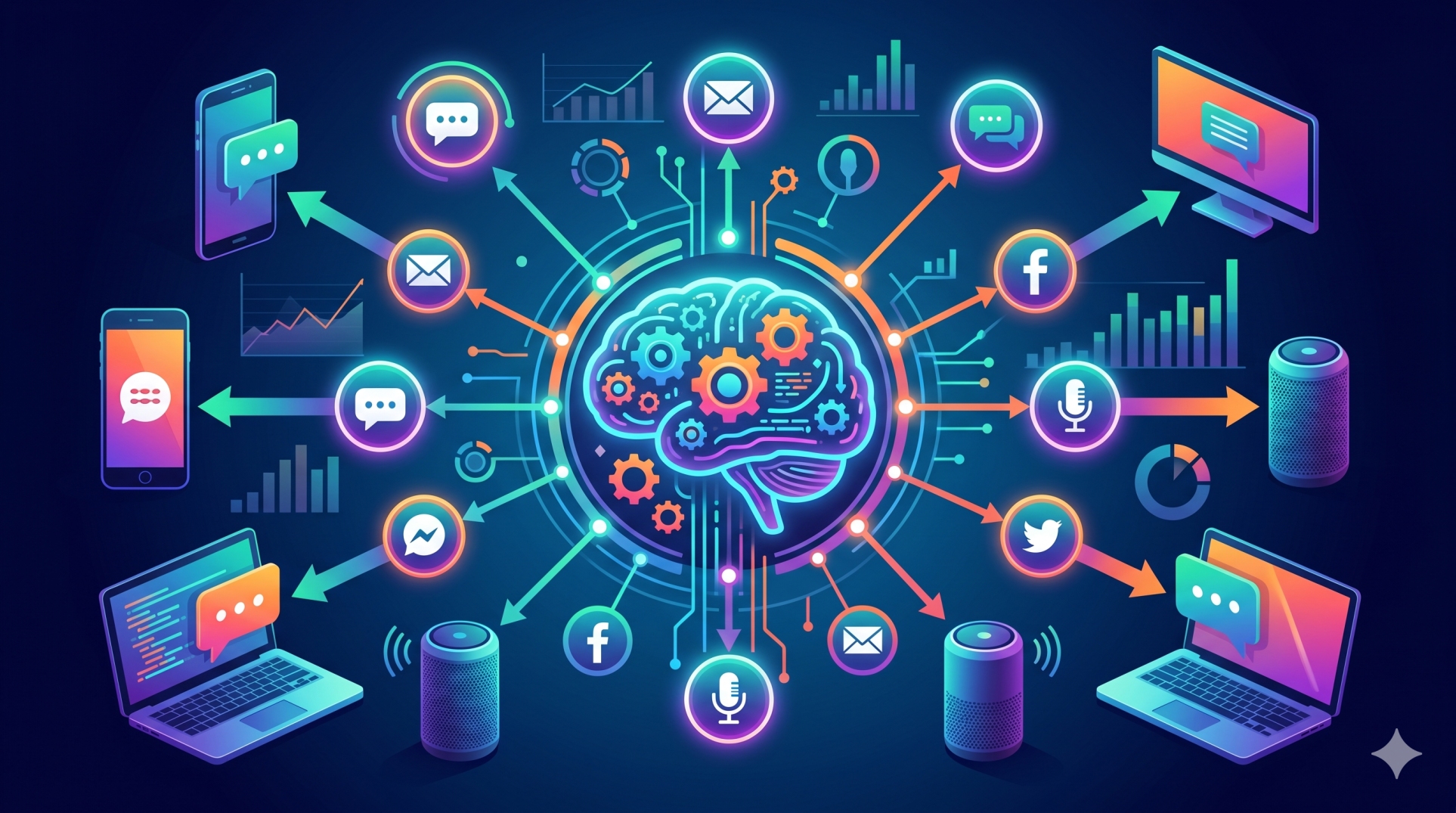
As AI platforms evolve toward modular, composable architectures, API-first design has become a foundational principle. Instead of building tightly coupled systems, organizations are designing AI capabilities as independent, reusable services that communicate through well-defined APIs. This approach enables flexibility, scalability, and faster innovation, allowing teams to assemble intelligent systems from interoperable components.
Step 1: Understanding API-First Principles 🔗
• Design APIs before implementing underlying functionality 🧩
• Treat APIs as core products, not just integration layers 📦
• Define clear contracts for how services interact 📜
• Ensure consistency in API structure and behavior ⚙️
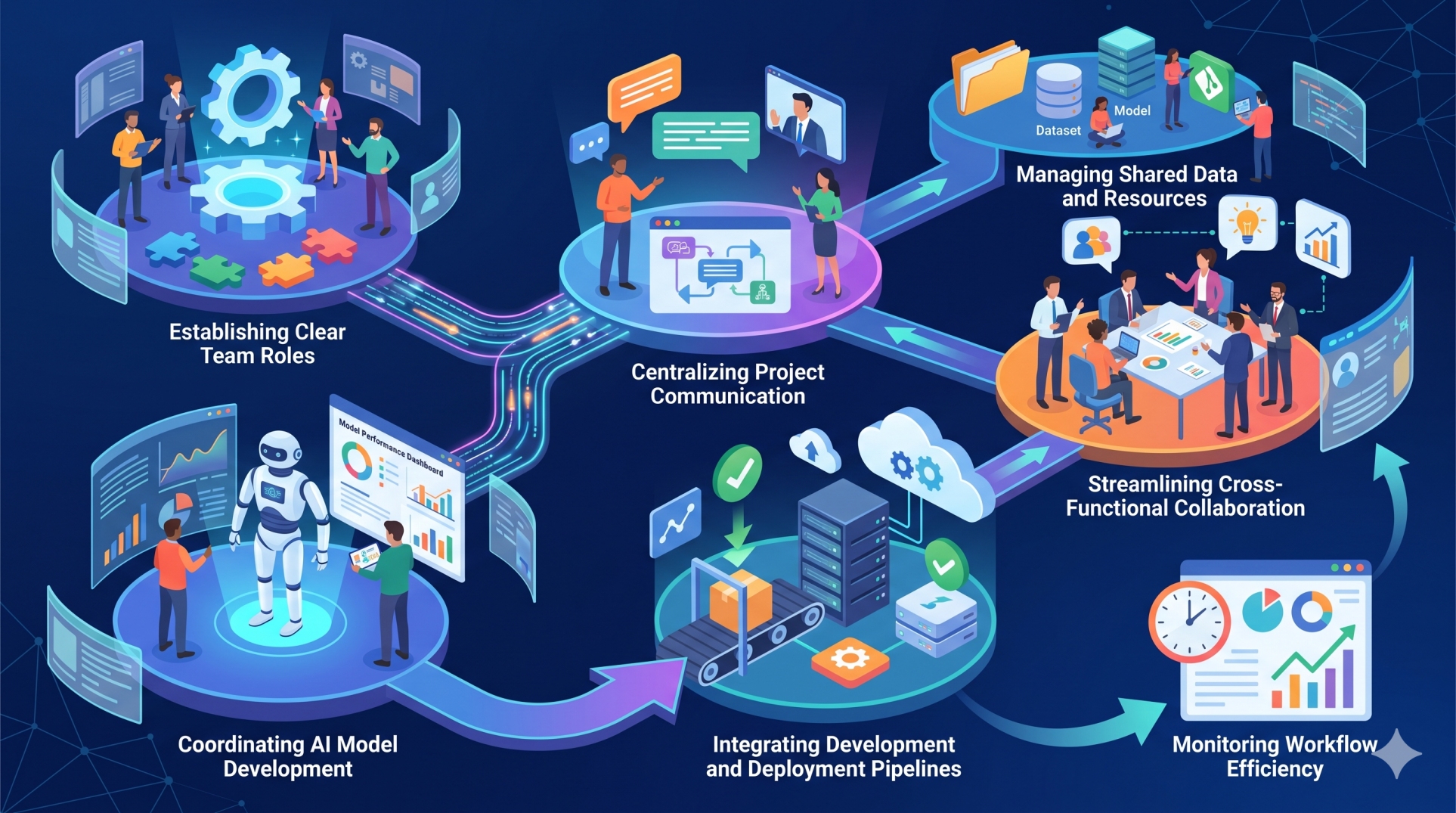
• Enable independent development across teams 👥
Step 2: Modularizing AI Capabilities 🧠
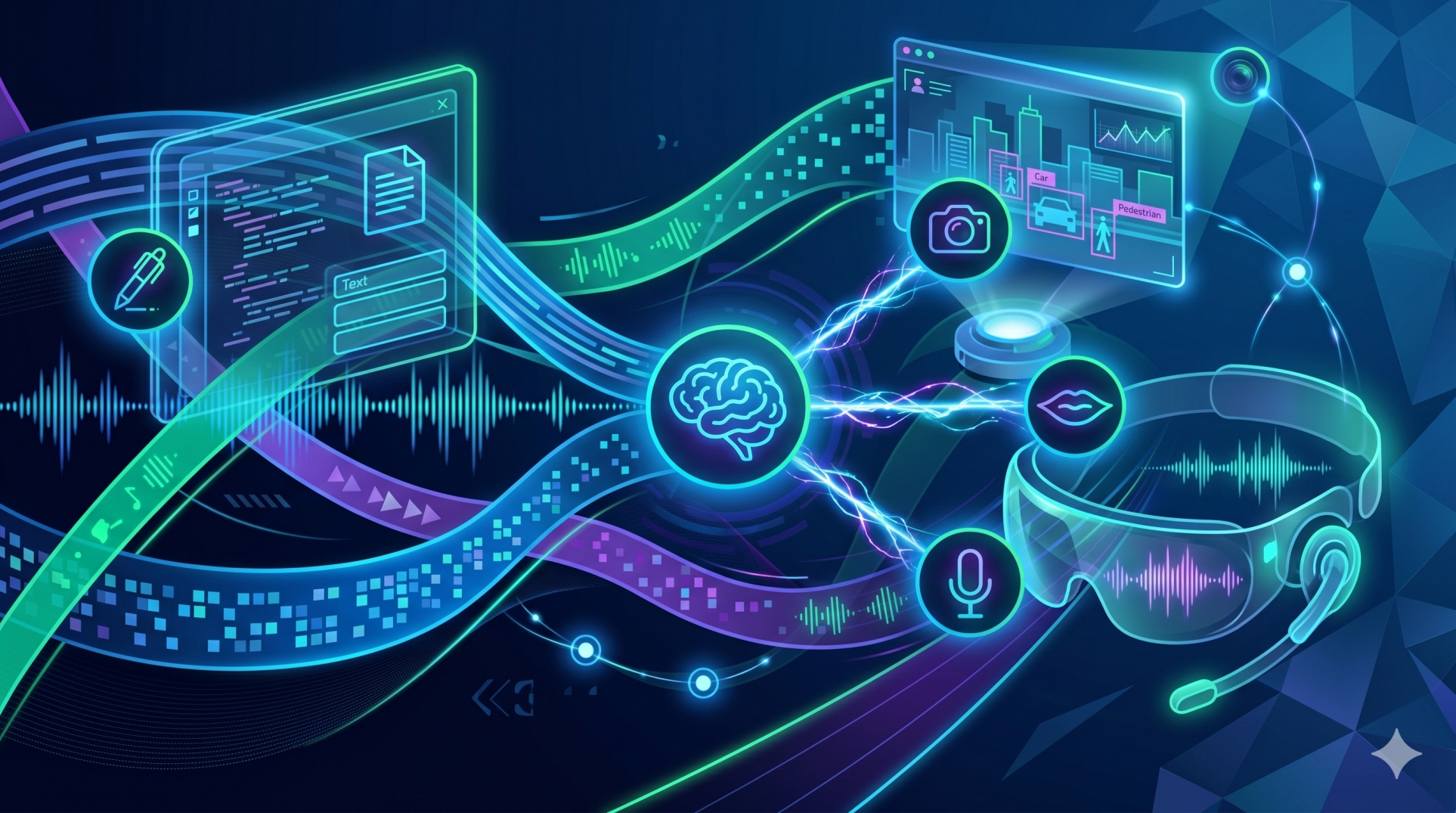
• Break AI systems into distinct services (e.g., NLP, vision, recommendation) 🧠
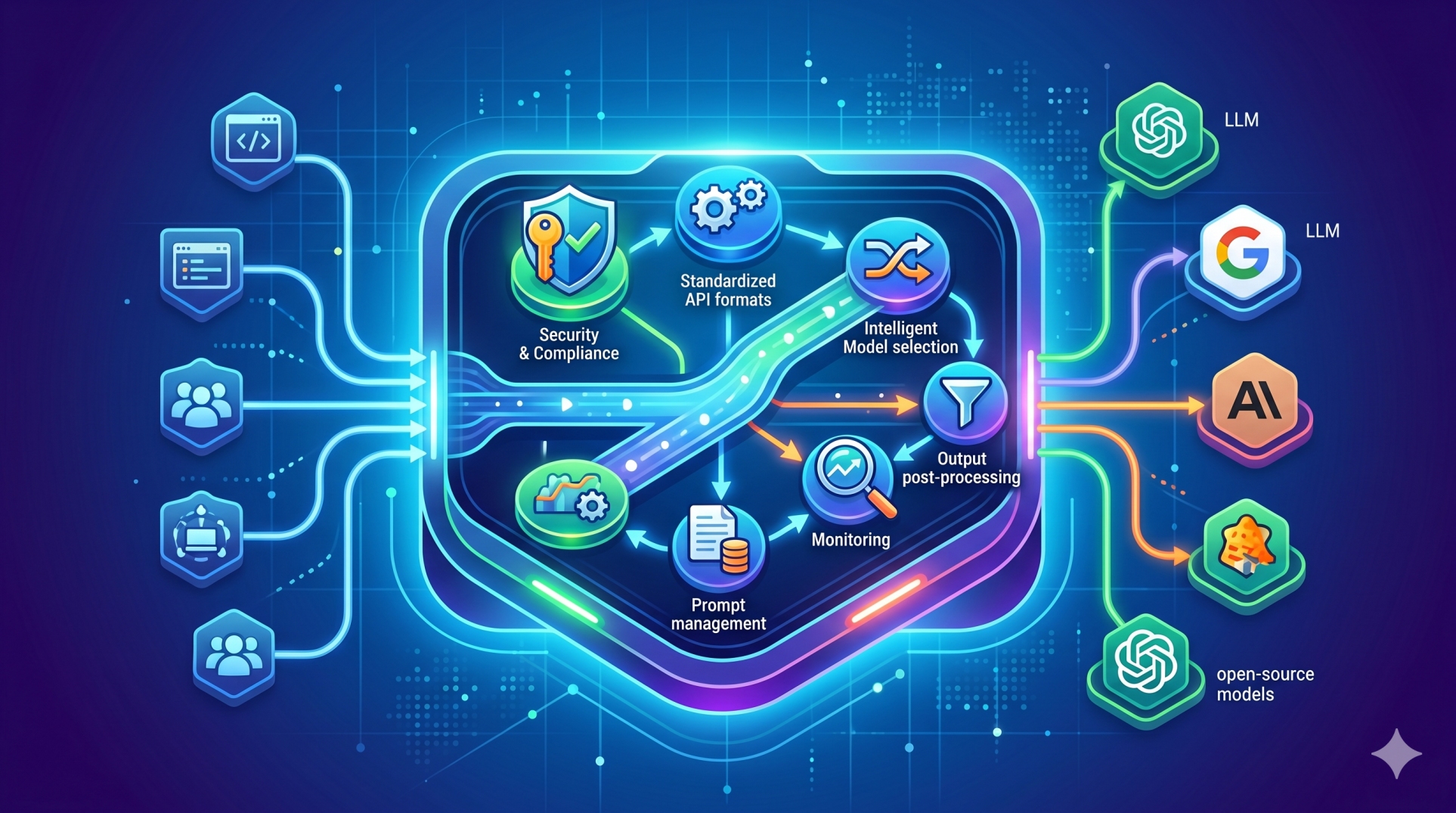
• Expose each capability through standardized APIs 🔗
• Enable reuse of AI components across multiple applications 🔄
• Allow independent scaling of AI services 📈
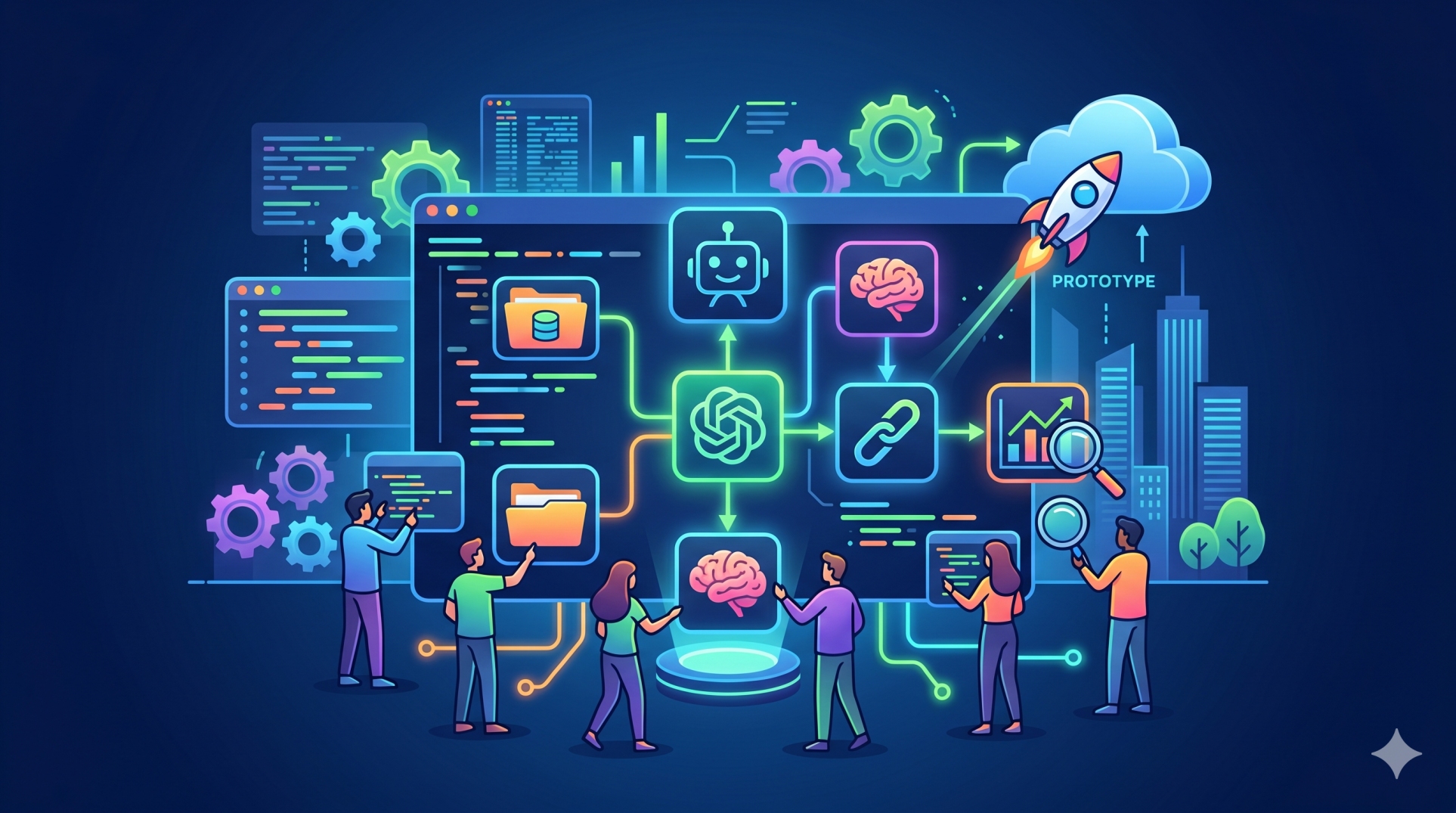
• Support rapid experimentation and iteration 🧪
Step 3: Designing Robust API Contracts 📜
• Define input/output schemas for all AI services 📊
• Ensure versioning to manage updates and compatibility 🔄
• Maintain backward compatibility where possible ⚖️
• Document APIs clearly for internal and external users 📘
• Validate and standardize data formats across services ✅
Step 4: Enabling Interoperability Across Systems 🌐
• Ensure APIs work seamlessly across different platforms and environments 🌍
• Support integration with third-party tools and services 🔗
• Use standardized protocols (REST, GraphQL, gRPC) ⚙️
• Avoid vendor lock-in through open and flexible design 🔓
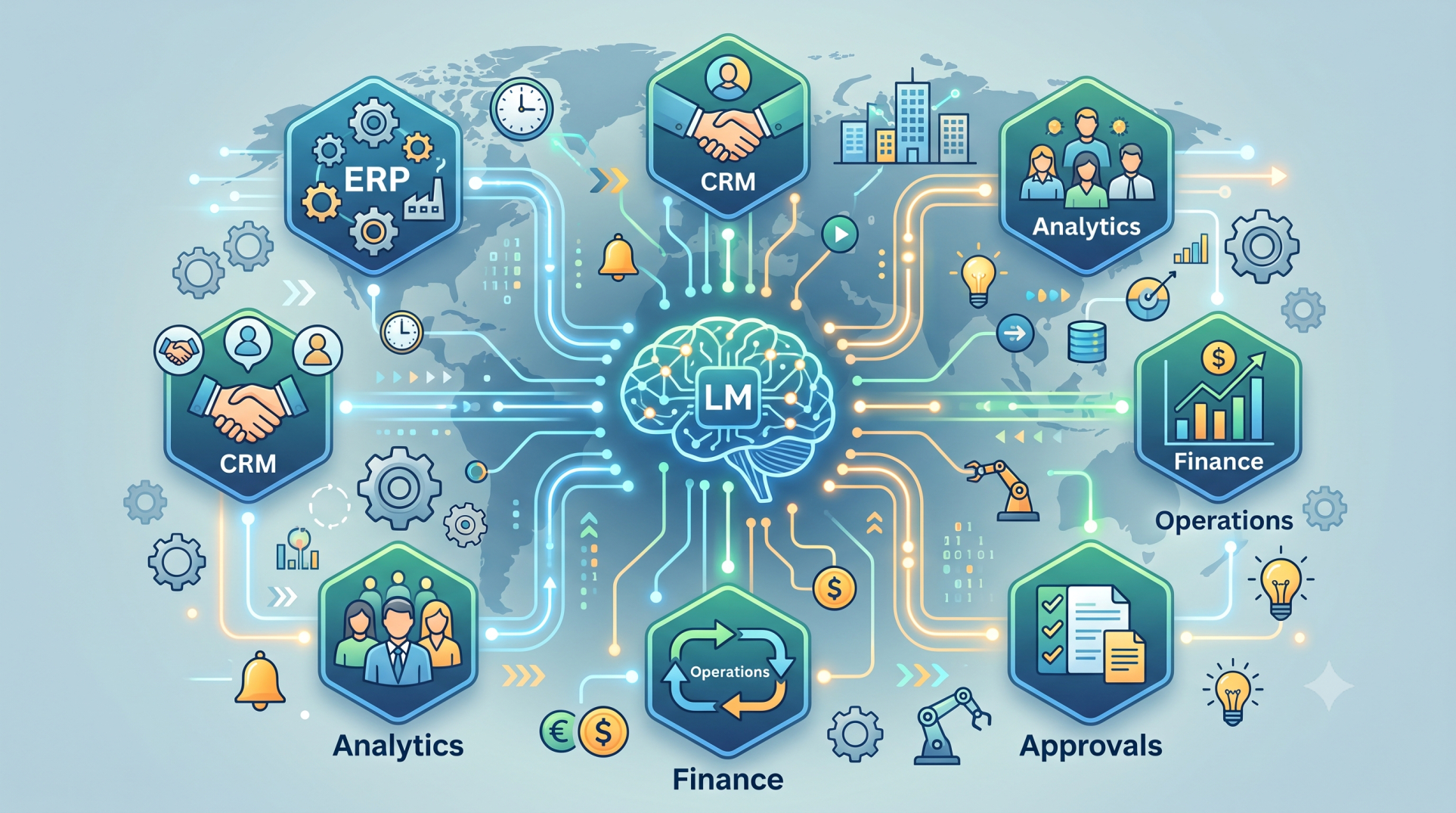
• Enable cross-system orchestration of AI workflows 🧠
Step 5: Scaling AI Services Efficiently ☁️
• Deploy AI APIs on scalable cloud infrastructure ☁️
• Use load balancing and auto-scaling for performance ⚡
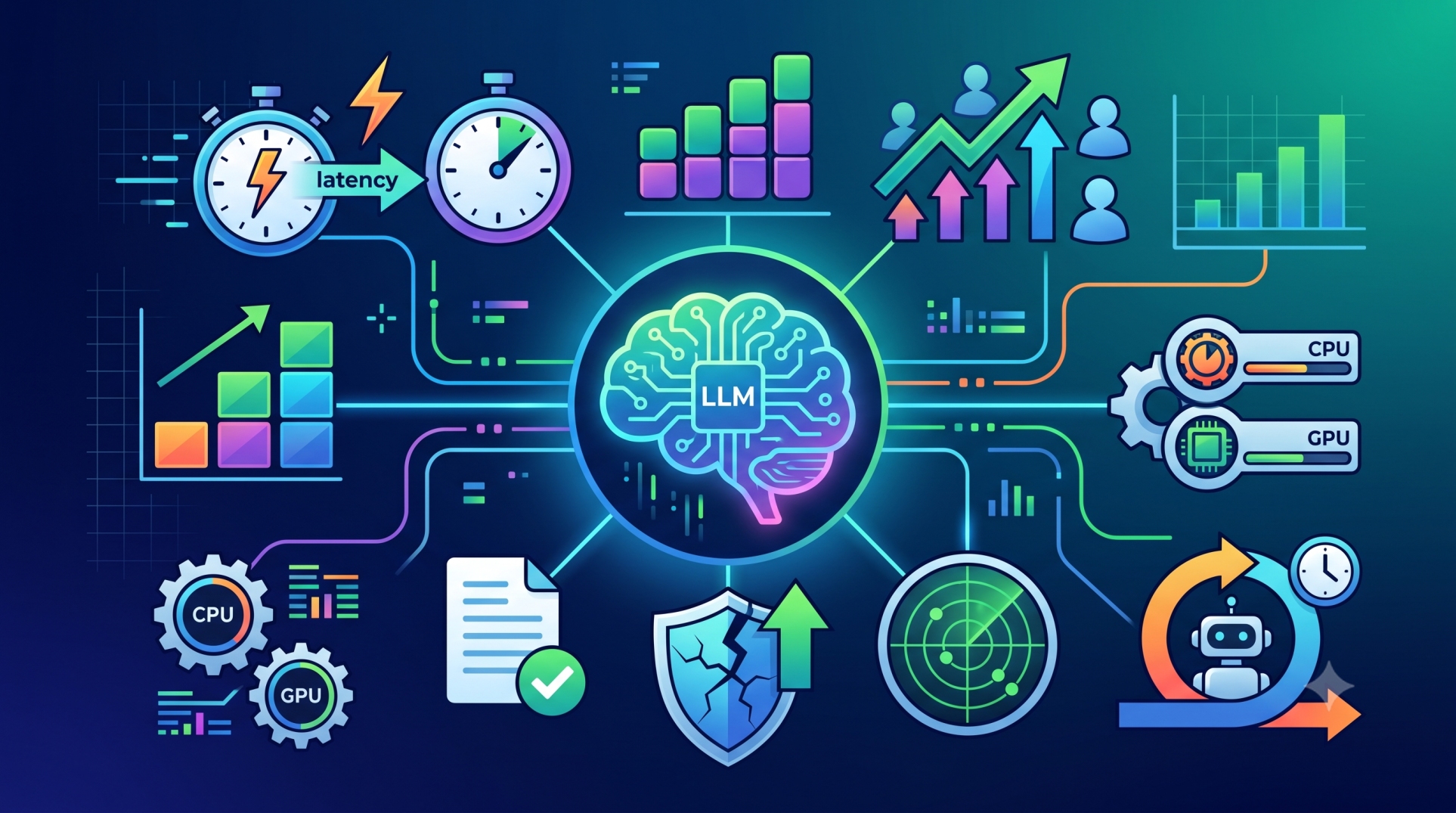
• Optimize latency for real-time AI interactions ⏱️
• Handle high-volume requests reliably 📦
• Monitor usage and performance continuously 📊
Step 6: Security and Access Control 🔐
• Implement authentication and authorization for API access 🔑
• Protect sensitive data through encryption and secure protocols 🛡️
• Define role-based access for different users and services 👥
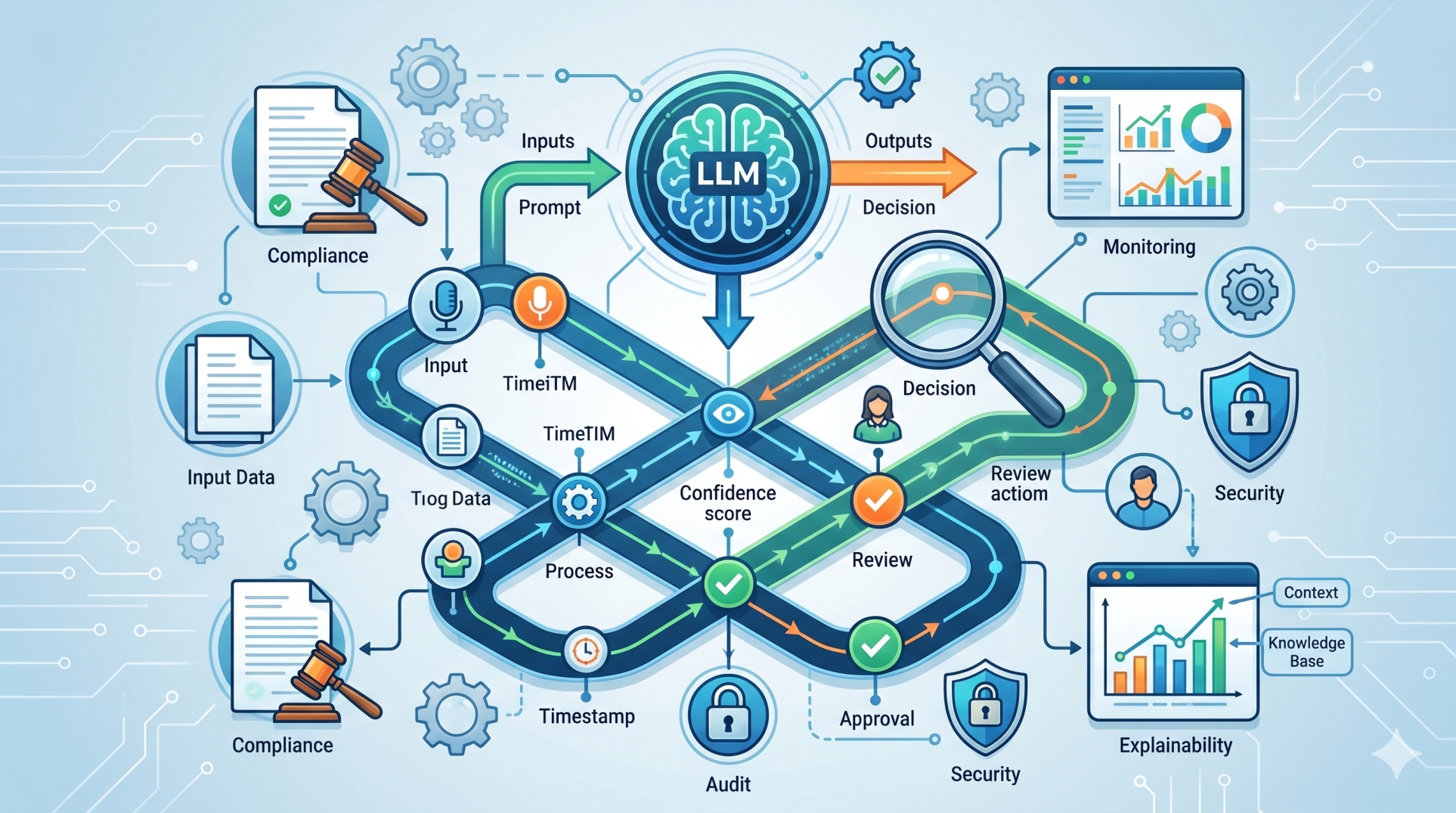
• Monitor and log API usage for security auditing 🔍
• Ensure compliance with data protection regulations 📜
Step 7: Orchestration and Workflow Management 🔄
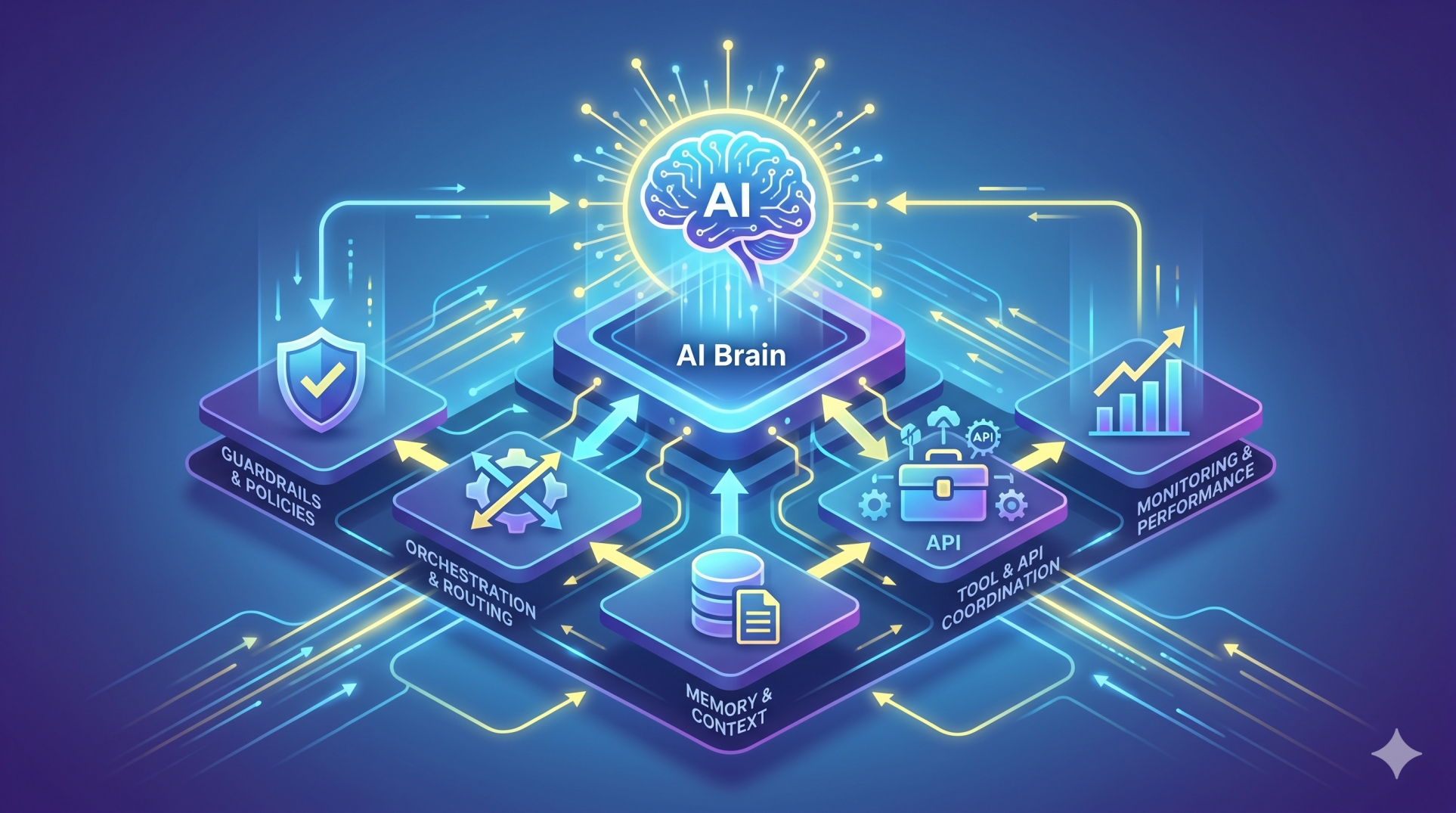
• Coordinate multiple AI services through orchestration layers 🧠
• Enable chaining of APIs to build complex workflows 🔗
• Manage dependencies between different AI components ⚙️
• Support event-driven and asynchronous processing 📡
• Ensure reliability and fault tolerance in workflows 🛠️
Step 8: Key Design Priorities 📌
• Clear, consistent, and well-documented APIs 📘
• High scalability and performance ⚡
• Strong security and governance 🔐
• Flexibility for integration and expansion 🔄
Step 9: Handling Versioning and Evolution 🔄
• Introduce version control for APIs to manage updates 🔢
• Maintain compatibility across different versions ⚖️
• Deprecate outdated APIs gradually with clear communication 📢
• Enable smooth transitions for dependent systems 🔁
• Continuously improve APIs based on usage feedback 📊
Step 10: Building a Future-Ready AI Platform 🚀
• Design APIs to support emerging AI capabilities 🤖
• Enable plug-and-play integration of new services 🧩
• Foster a developer-friendly ecosystem 🌐
• Encourage innovation through reusable AI components 💡
• Continuously evolve architecture with business needs 📈
Conclusion
API-first design is a critical enabler for composable AI platforms. By structuring AI capabilities as modular, interoperable services, organizations can achieve greater agility, scalability, and innovation. This approach not only simplifies system integration but also empowers teams to build intelligent applications faster, adapt to change more effectively, and unlock the full potential of modern AI ecosystems.
See more blogs
You can all the articles below