Interpretable Workflow Design in LLM Applications
Interpretable Workflow Design in LLM Applications
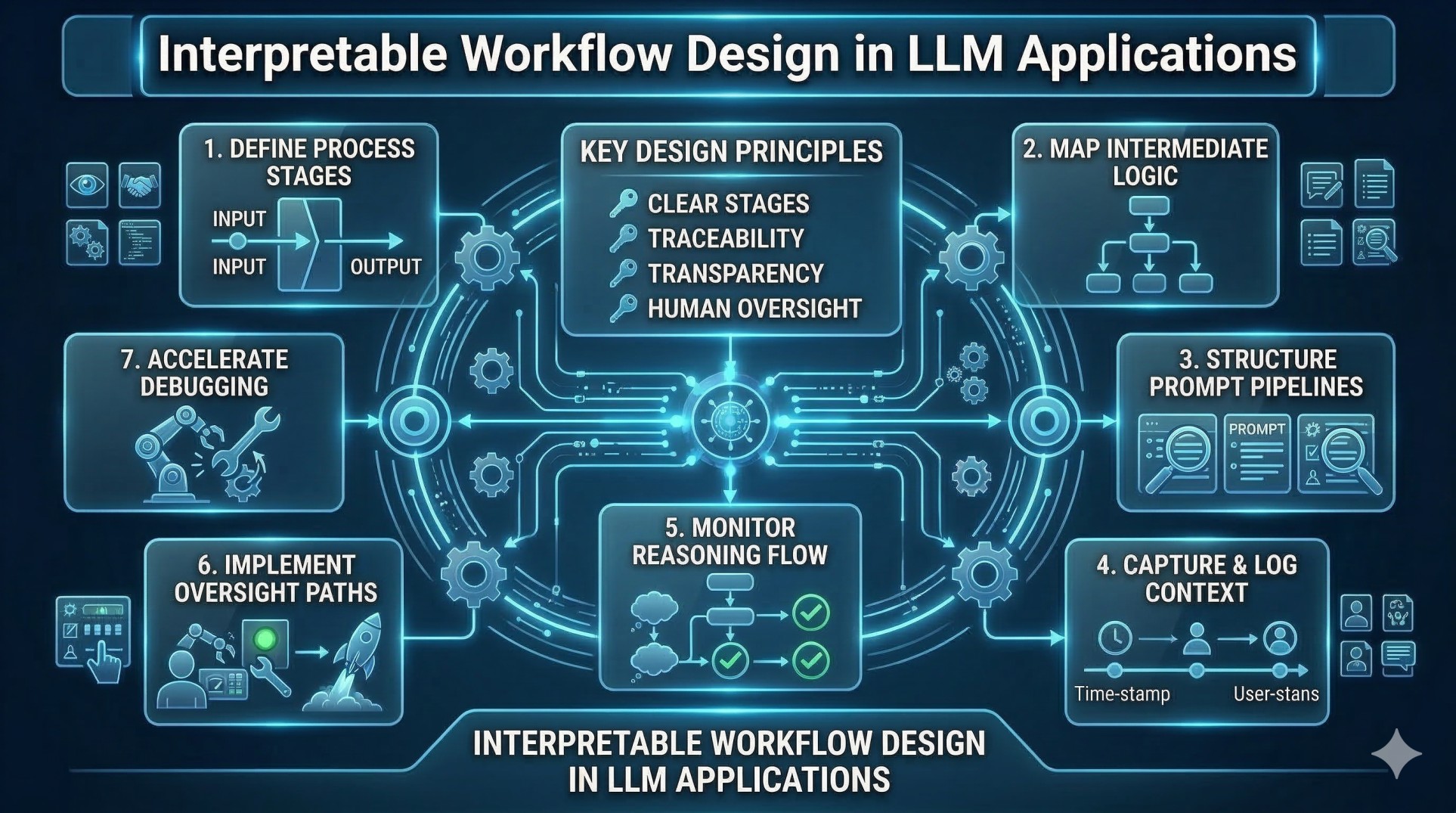
As Large Language Model applications become more integrated into enterprise systems, understanding how these systems produce outcomes becomes increasingly important. Interpretable workflow design focuses on creating AI processes that are transparent, traceable, and understandable to developers, operators, and decision-makers. By organizing workflows clearly and exposing how reasoning progresses through each stage, organizations can strengthen trust, simplify debugging, and promote responsible use of LLM technologies.
Step 1: Understanding the Importance of Interpretability 🔍
• Complex AI systems often generate outputs that are difficult to explain without structured processes 🧠
• Interpretable workflows make model decisions easier to understand and verify ✔️
• Transparency strengthens trust among developers, users, and stakeholders 🤝
• Clear workflows support accountable and responsible AI deployment ⚖️
• Interpretability helps teams diagnose problems and improve system performance 🔧
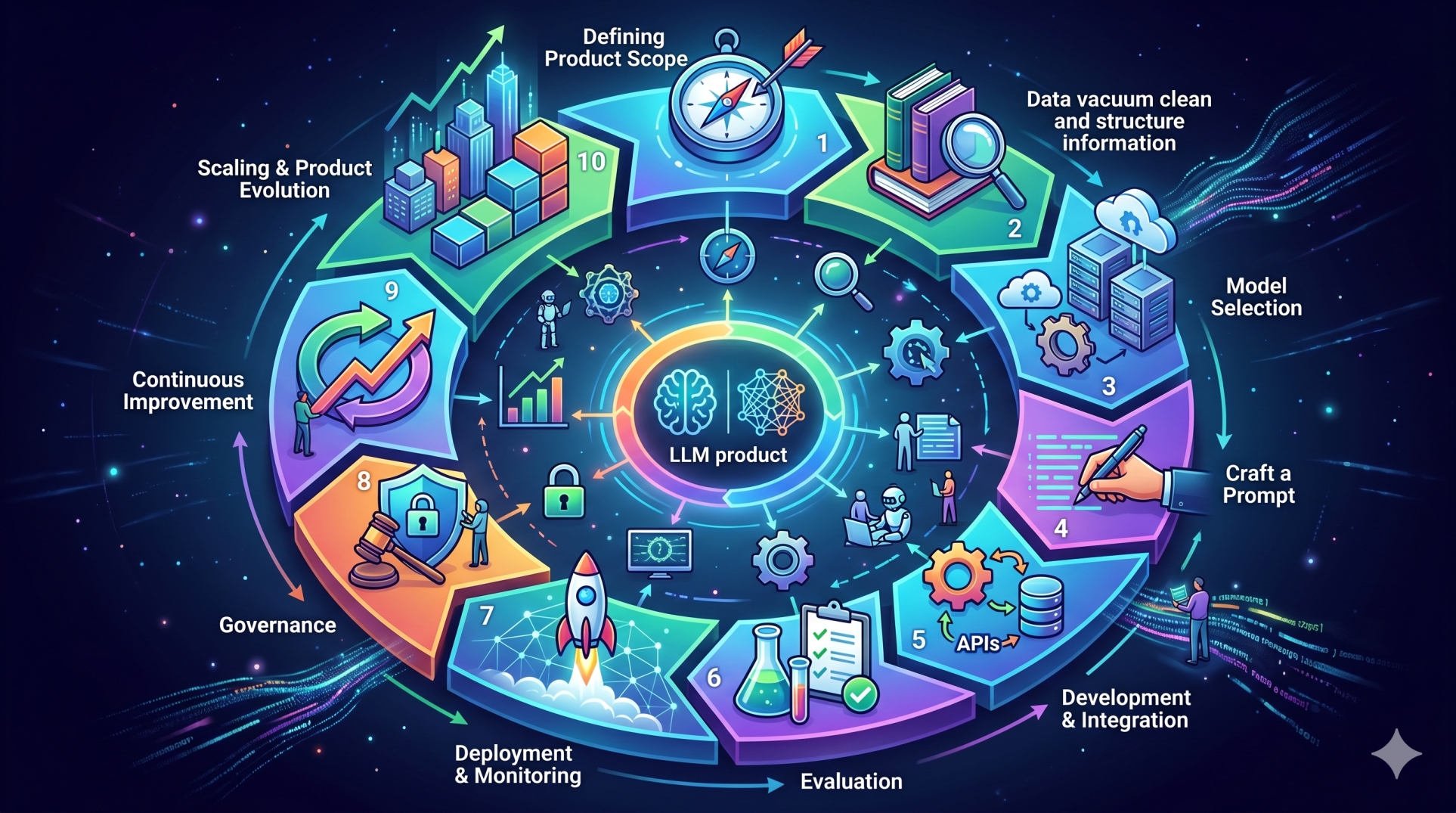
Step 2: Structuring LLM Workflows into Clear Stages 🧩
• Divide complex tasks into smaller, well-defined workflow components 📦
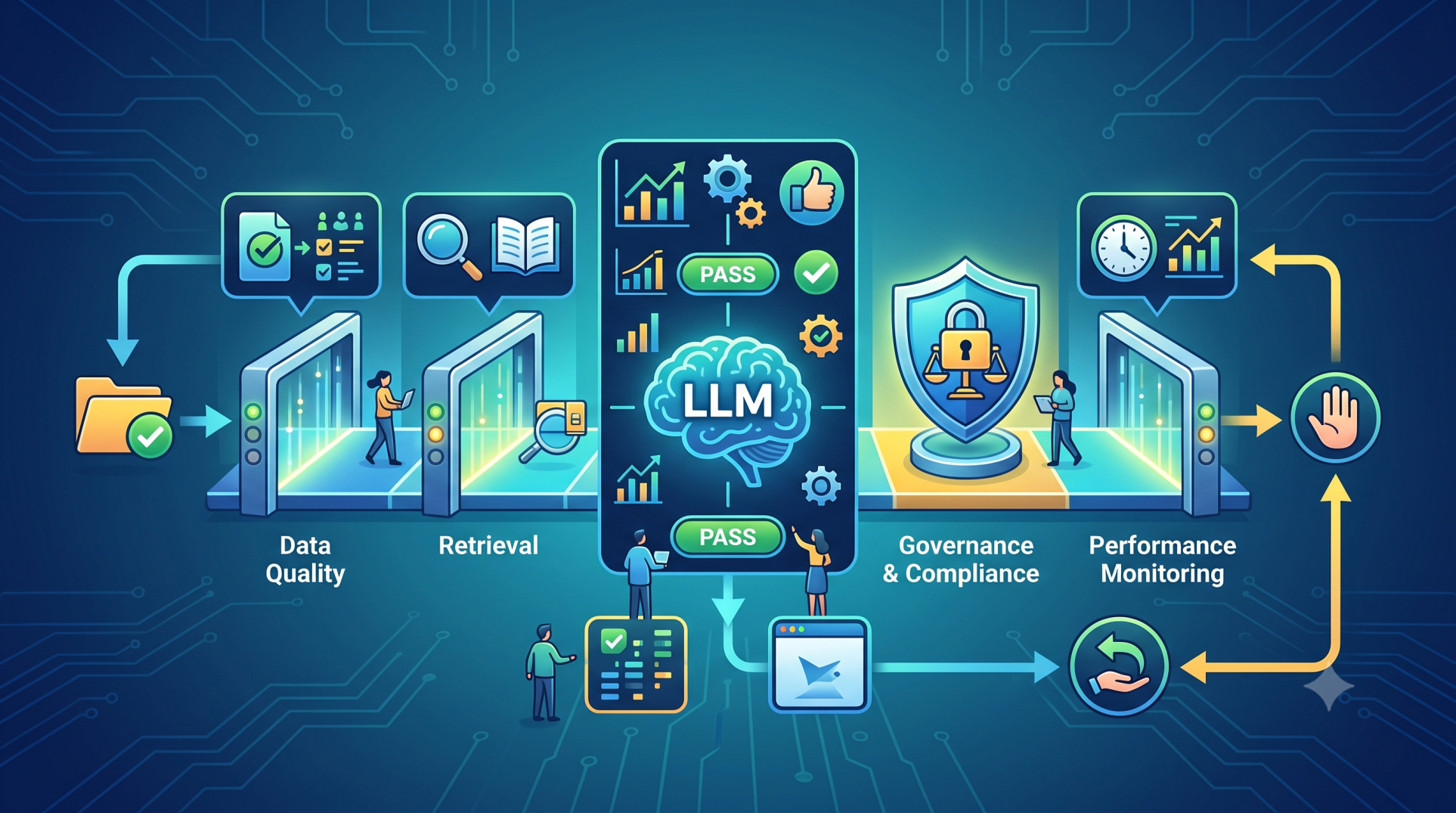
• Separate stages such as input preparation, reasoning, and response generation ⚙️
• Assign clear functional roles to each step in the processing pipeline 📌
• Preserve traceability from the initial query to the final response 🔗
• Use modular design to simplify maintenance and upgrades 🔄
Step 3: Capturing Context and Decision Signals 📊
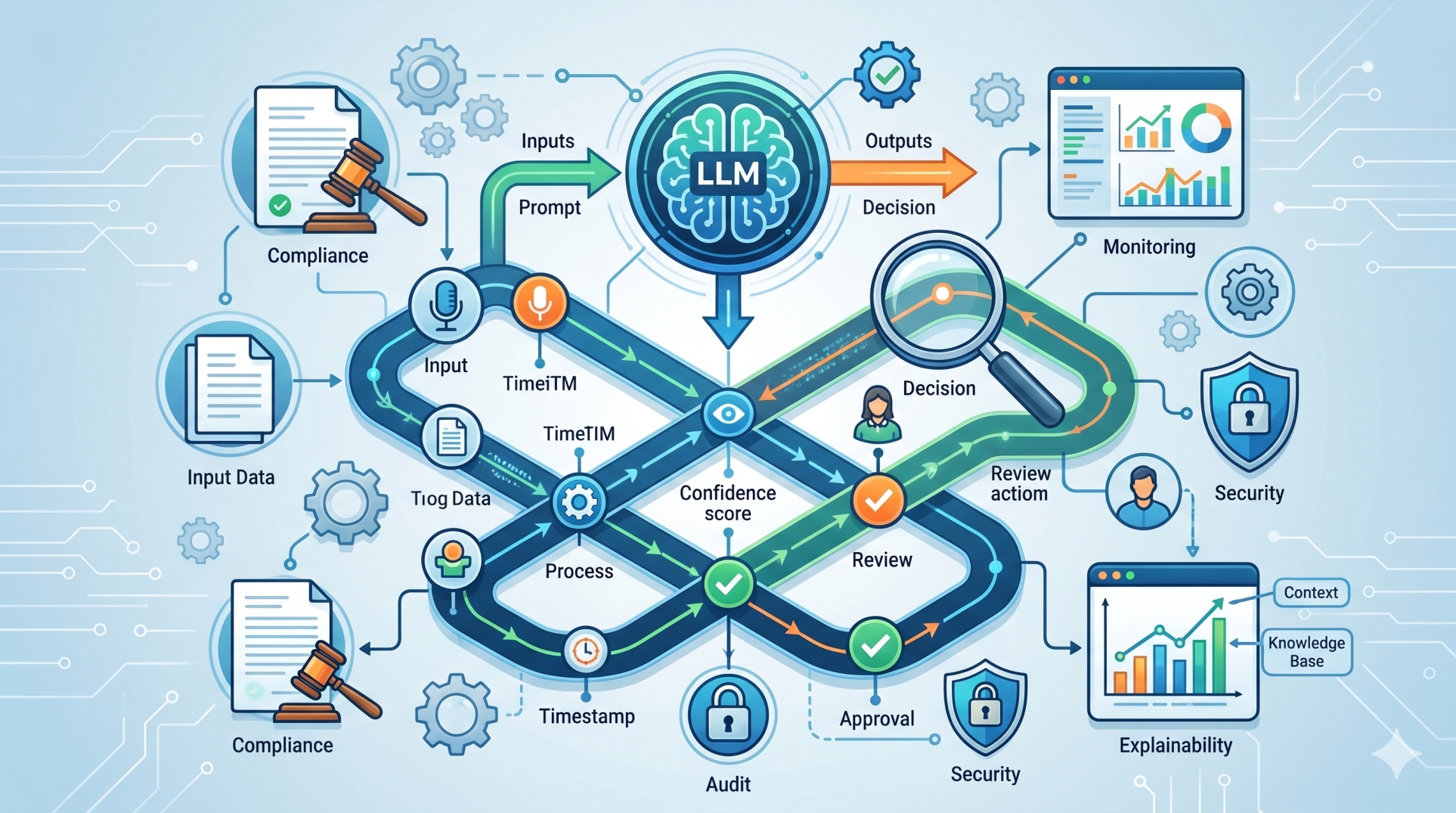
• Log inputs, prompts, and intermediate results generated during processing 📝
• Store contextual details such as timestamps, user intent, and system parameters ⏱️
• Track how information evolves throughout the workflow 🔄
• Preserve signals that influence model reasoning and responses 🧠
• Enable deeper analysis of how outputs are produced 📈
Step 4: Designing Transparent Prompt Pipelines ✍️
• Structure prompts to align with specific reasoning goals 🎯
• Use explicit instructions to guide model behavior clearly 📘
• Separate reasoning prompts from formatting or presentation prompts 📄
• Maintain consistent prompt templates across workflows 🔁
• Simplify prompt review and optimization processes 🔧
Step 5: Monitoring Intermediate Reasoning Steps 👀
• Record intermediate outputs generated in multi-step workflows 📋
• Examine reasoning paths used to produce final responses 🧠
• Identify unexpected or inconsistent model behavior ⚠️
• Strengthen evaluation by analyzing intermediate signals 🔍
• Improve system reliability through greater visibility into internal processing 🔗
Step 6: Human Oversight in Interpretable Workflows 👨💼
• Enable human review for high-impact or sensitive outputs ✔️
• Provide clear visibility into how responses were generated 👀
• Allow operators to intervene when unusual behavior occurs ⚠️
• Enhance model quality through expert feedback loops 🔄
• Maintain alignment with internal policies and governance standards 📜
Step 7: Supporting Debugging and Continuous Improvement 🔧
• Use workflow logs to detect patterns in system failures 📊
• Isolate problematic components within complex pipelines 🧩
• Accelerate troubleshooting through structured traceability ⏱️
• Enable rapid iteration of prompts and workflow components 🔄
• Maintain stable system performance as applications evolve 📈
Step 8: Key Principles for Effective Interpretable Workflow Design 📌
• Maintain clear separation between workflow stages 🧩
• Log critical inputs, prompts, and outputs for traceability 📋
• Ensure transparency in how responses and decisions are generated 🔍
• Combine automated systems with human oversight to maintain reliability 🤝
Conclusion
Interpretable workflow design is a key foundation for building reliable and trustworthy LLM applications. By structuring AI processes into transparent stages, capturing contextual information, and maintaining visibility into reasoning pathways, organizations can ensure that their AI systems remain understandable and controllable. As LLM adoption continues to expand across industries, interpretable workflows will play a vital role in strengthening accountability, improving system performance, and supporting responsible AI implementation.
See more blogs
You can all the articles below