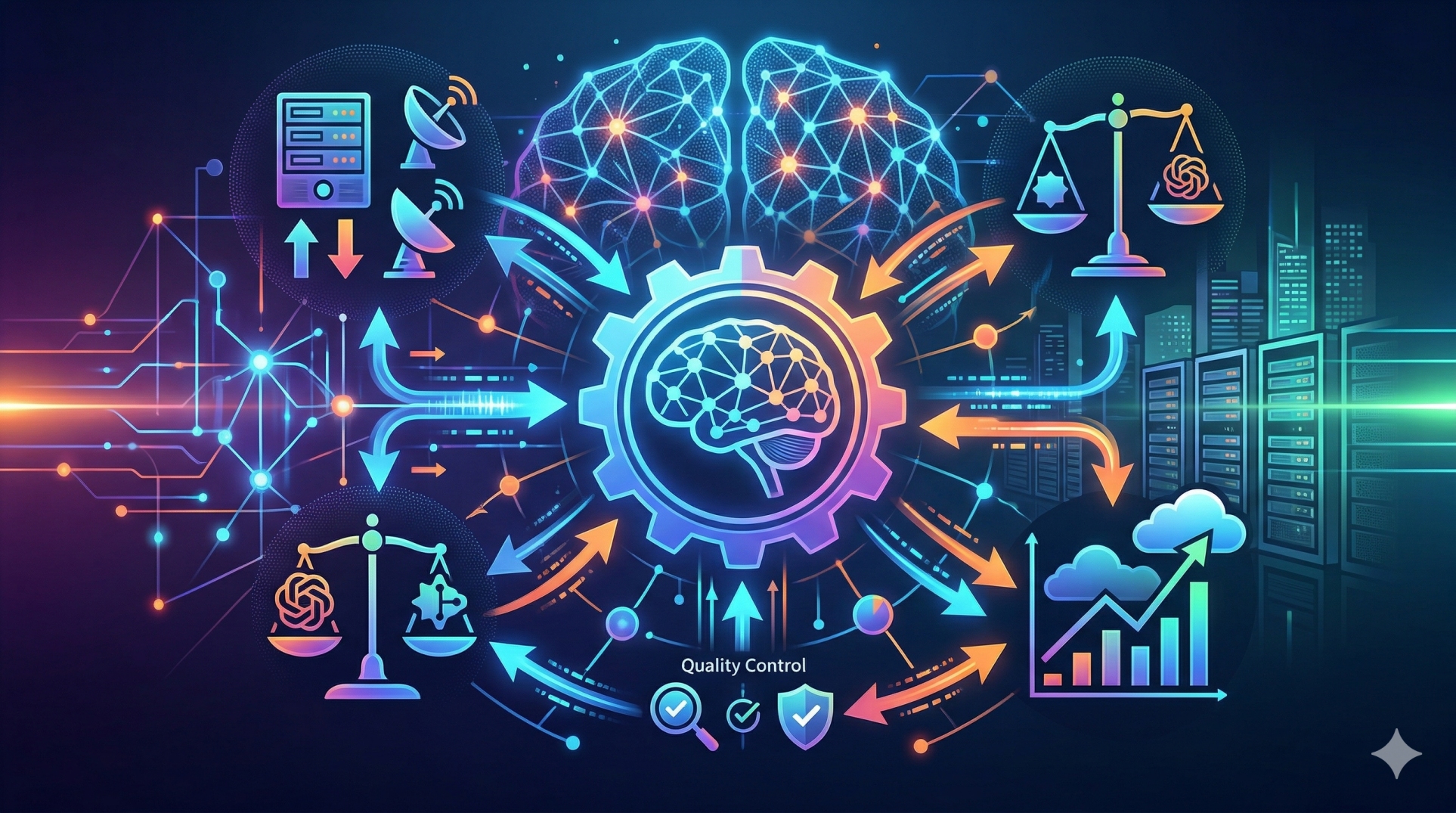
Establishing Quality Standards for Enterprise LLM Applications
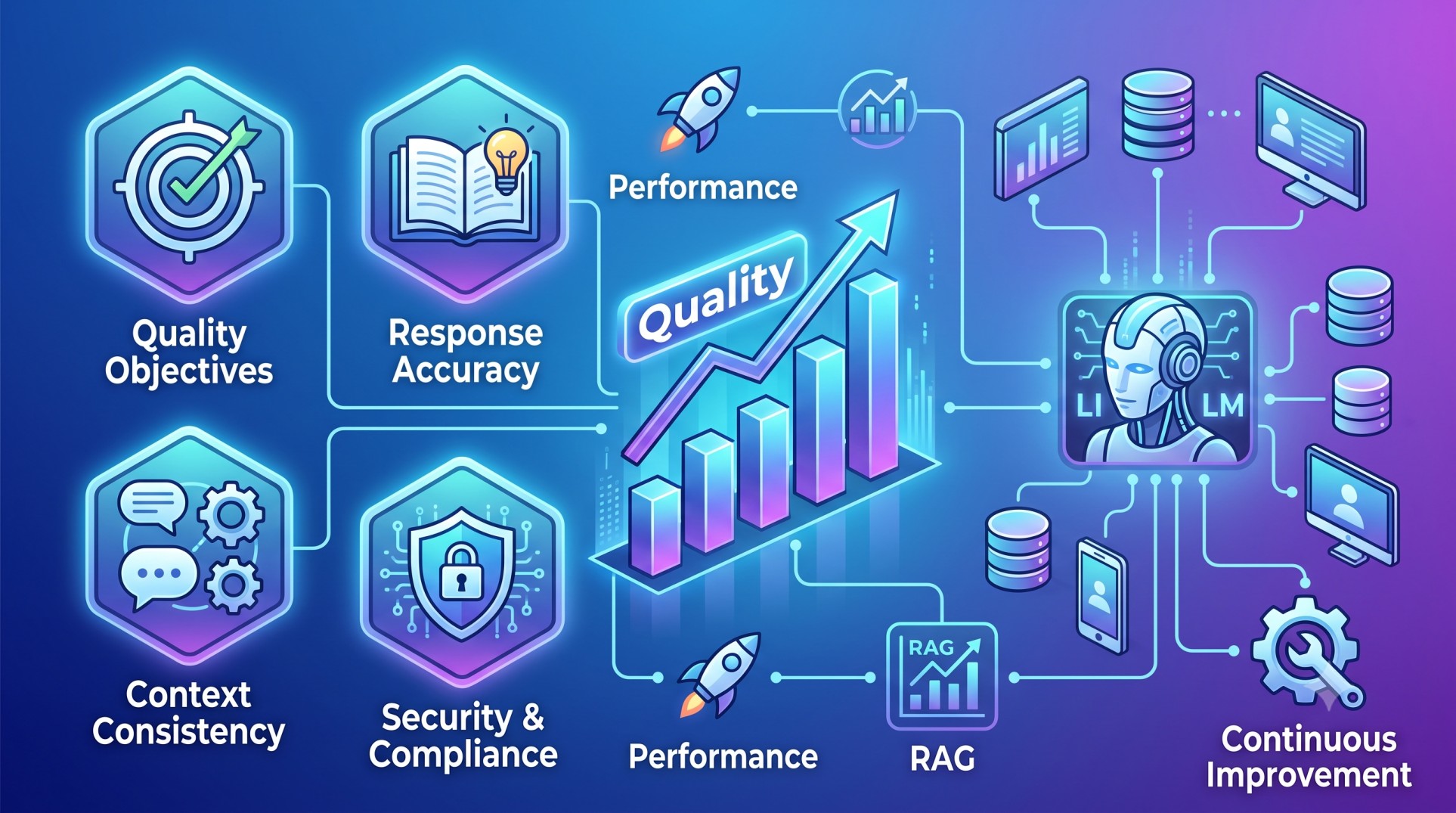
Establishing Quality Standards for Enterprise LLM Applications
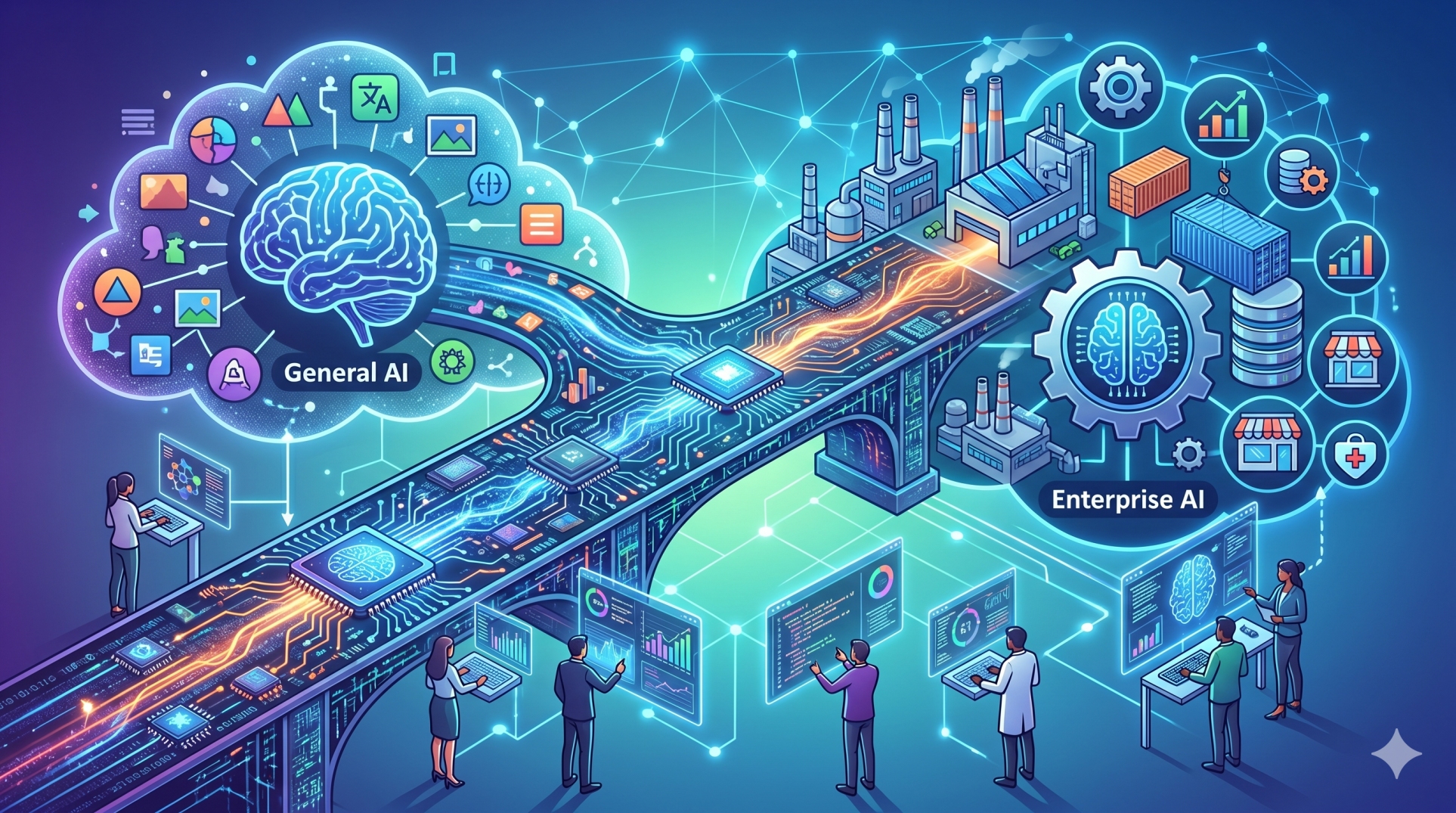
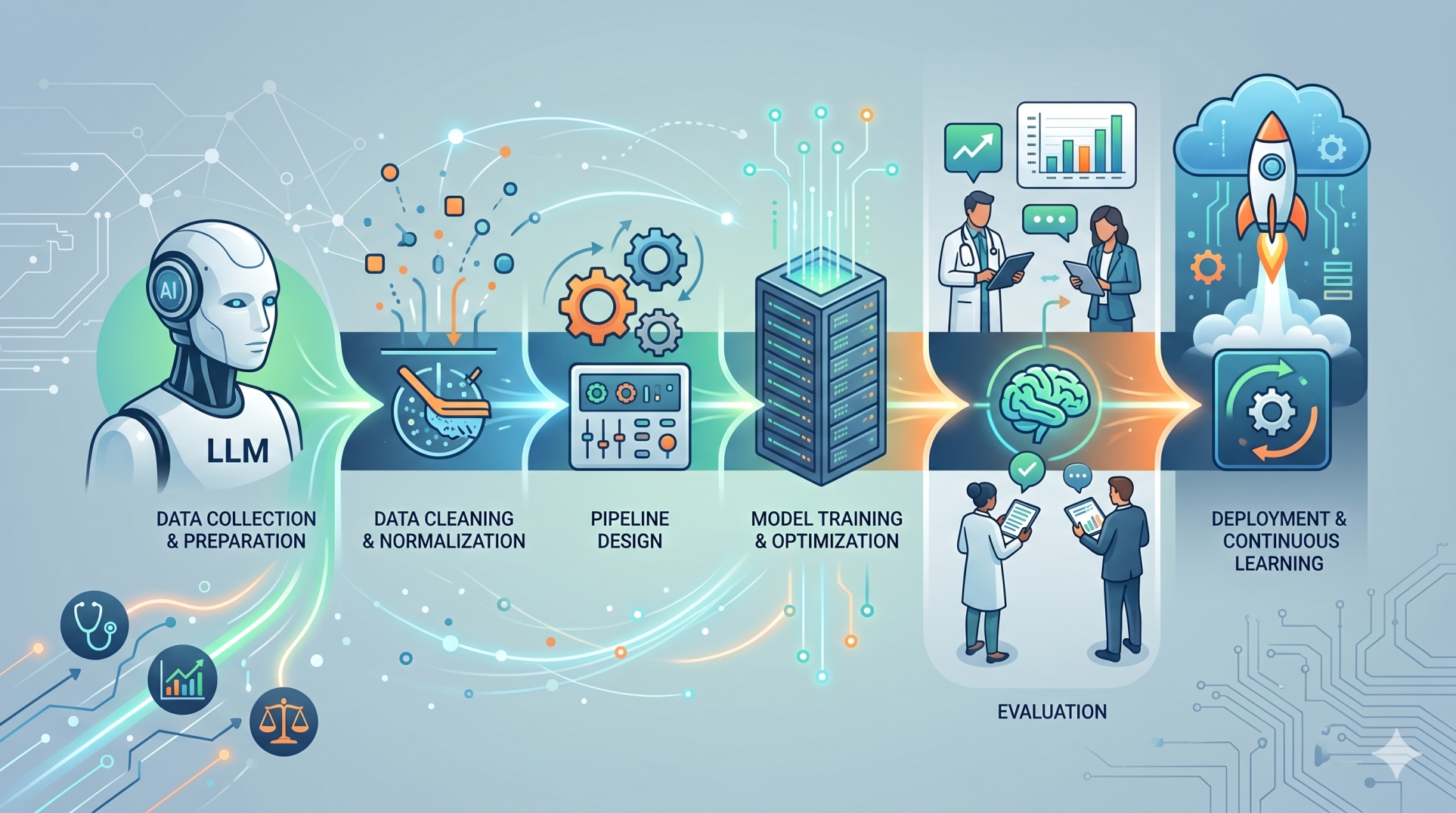
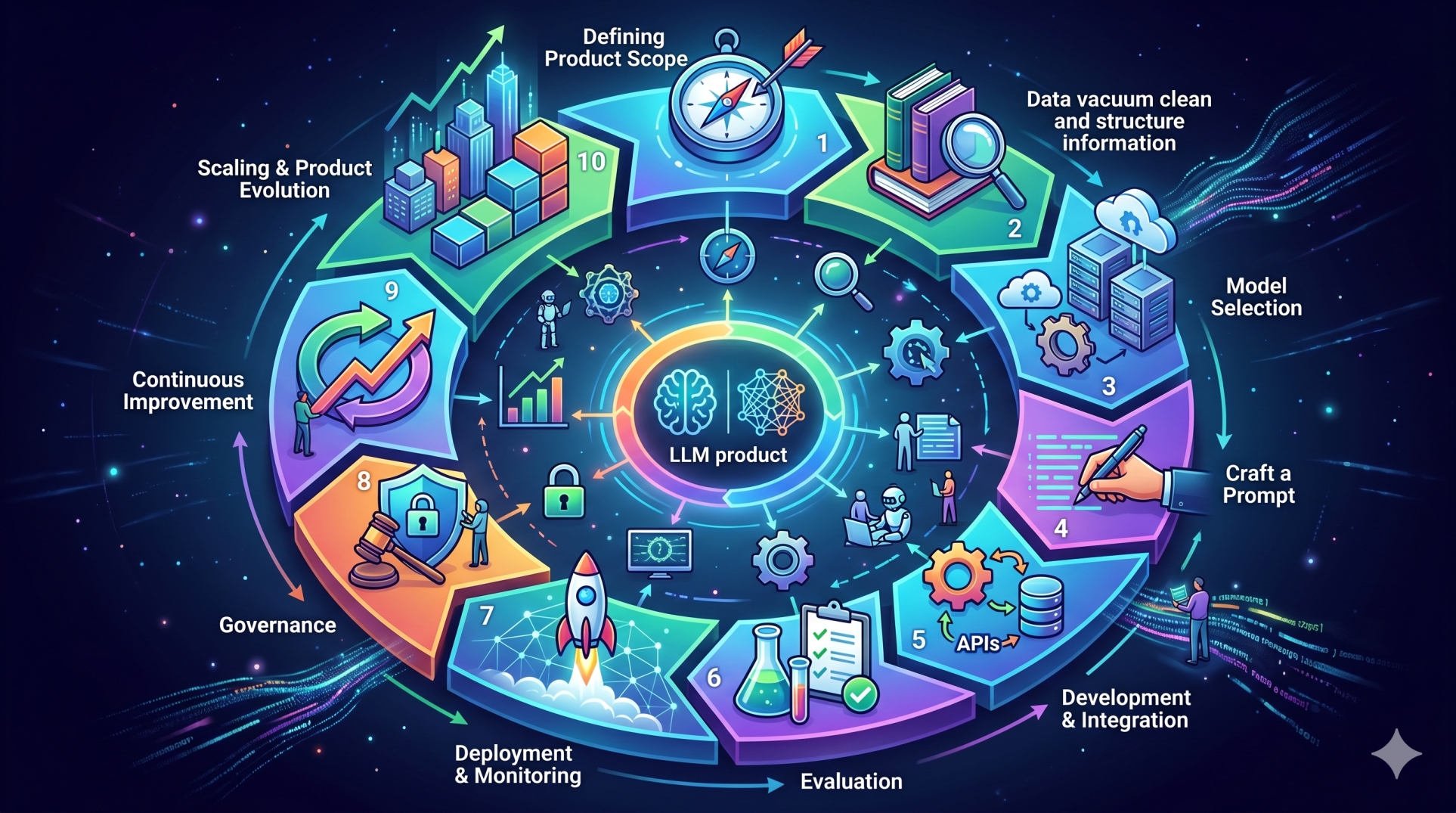
As Large Language Model (LLM) applications become integral to enterprise operations, maintaining consistent quality is essential for ensuring reliability, accuracy, and user trust. From customer support assistants to internal knowledge systems and workflow automation, enterprise AI solutions must meet well-defined quality standards. A structured quality framework helps organizations deliver dependable AI experiences while reducing operational risks and supporting continuous improvement.
Step 1: Defining Quality Objectives 🎯
• Establish measurable goals for accuracy, reliability, and consistency 📊
• Align quality standards with business objectives and user expectations 🤝
• Define performance benchmarks for different application scenarios 📋
• Identify success metrics before deployment 🚀
• Create clear evaluation criteria for ongoing improvement ✅
Step 2: Ensuring Response Accuracy 🧠
• Validate AI responses against trusted knowledge sources 📚
• Minimize factual errors and unsupported information ⚡
• Continuously review model outputs for correctness 🔍
• Incorporate domain-specific validation processes 🏢
• Improve answer quality through iterative refinement 📈
Step 3: Maintaining Context Consistency 🔄
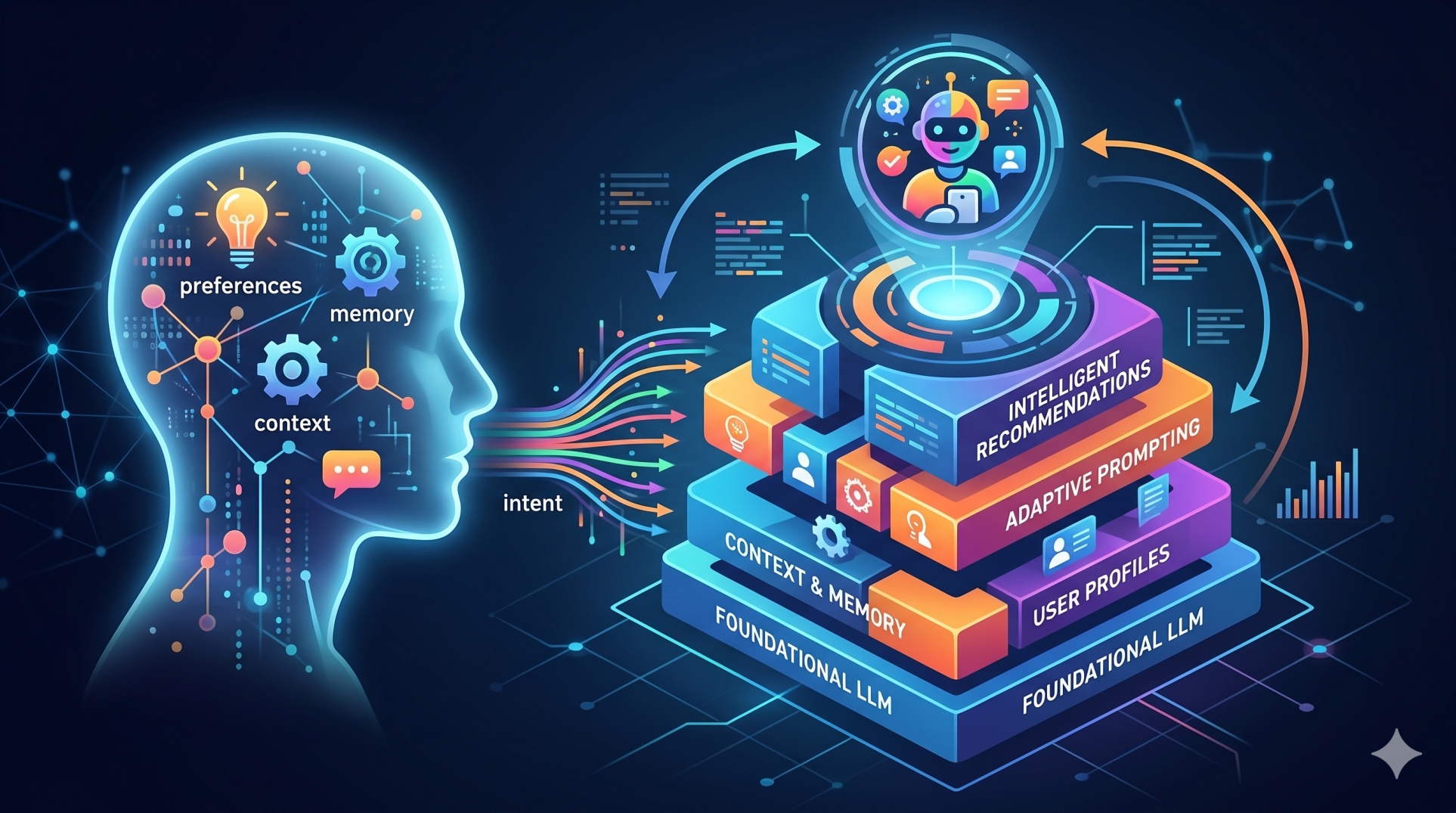
• Preserve conversational context across interactions 💬
• Ensure responses remain relevant throughout multi-step workflows 📖
• Handle follow-up questions accurately and consistently 🔗
• Maintain logical continuity in long conversations 🧩
• Reduce context loss during extended interactions ⚙️
Step 4: Evaluating User Experience 😊
• Measure response clarity and readability ✍️
• Optimize interactions for speed and usability ⚡
• Ensure consistent tone across different use cases 🎙️
• Improve accessibility for diverse user groups 🌍
• Gather user feedback to enhance future performance 📢
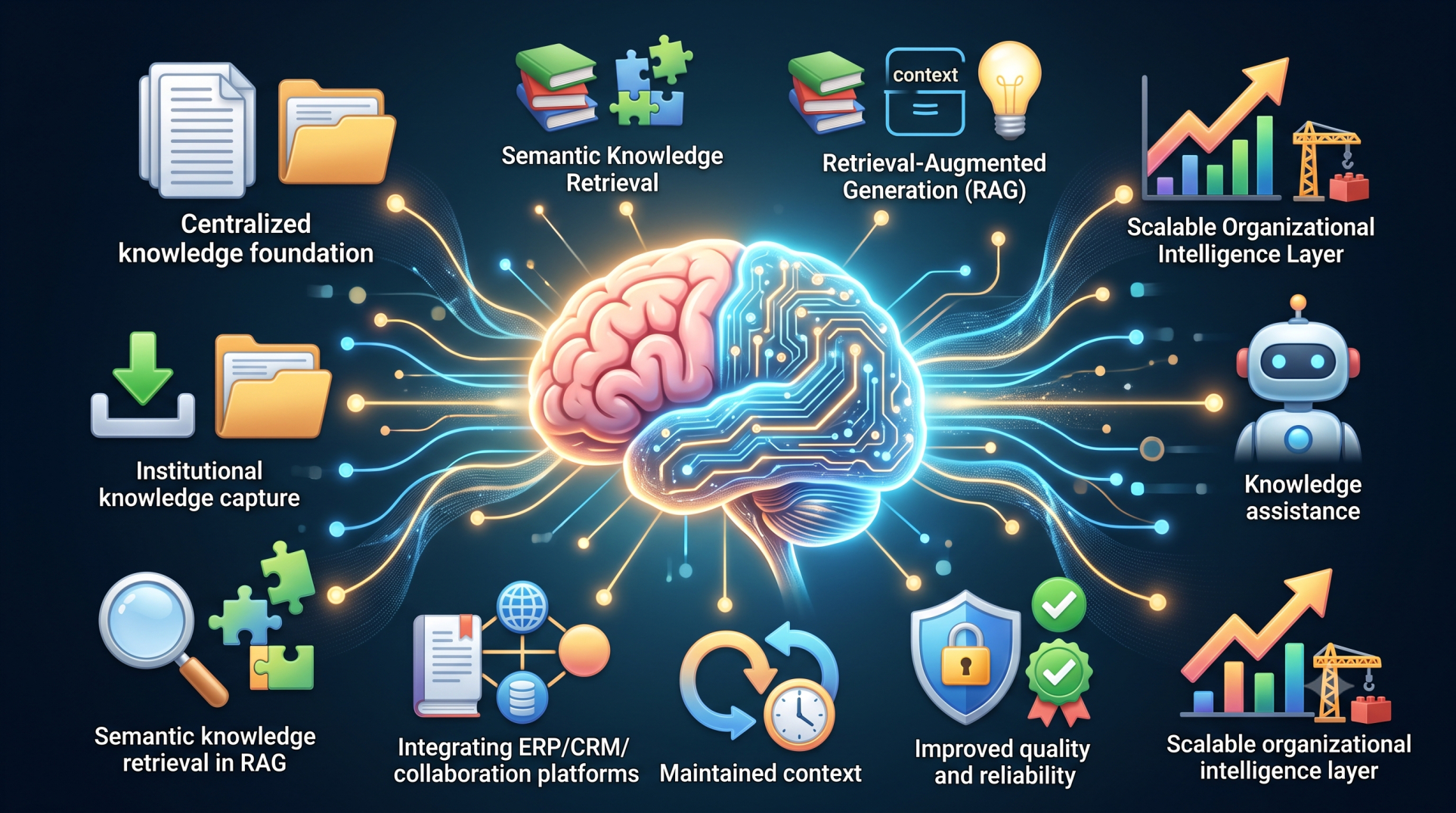
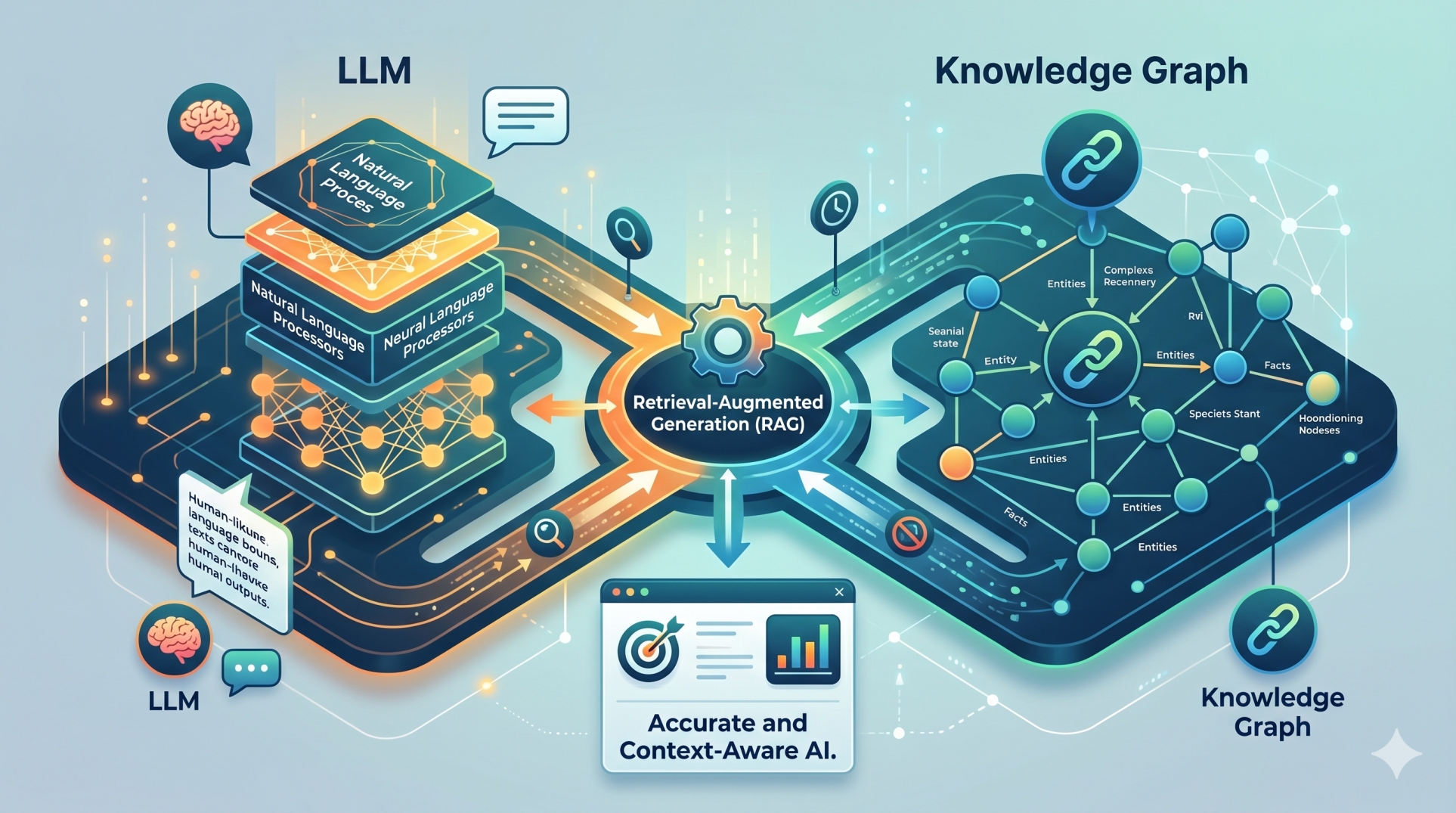
Step 5: Strengthening Knowledge Integration 📚
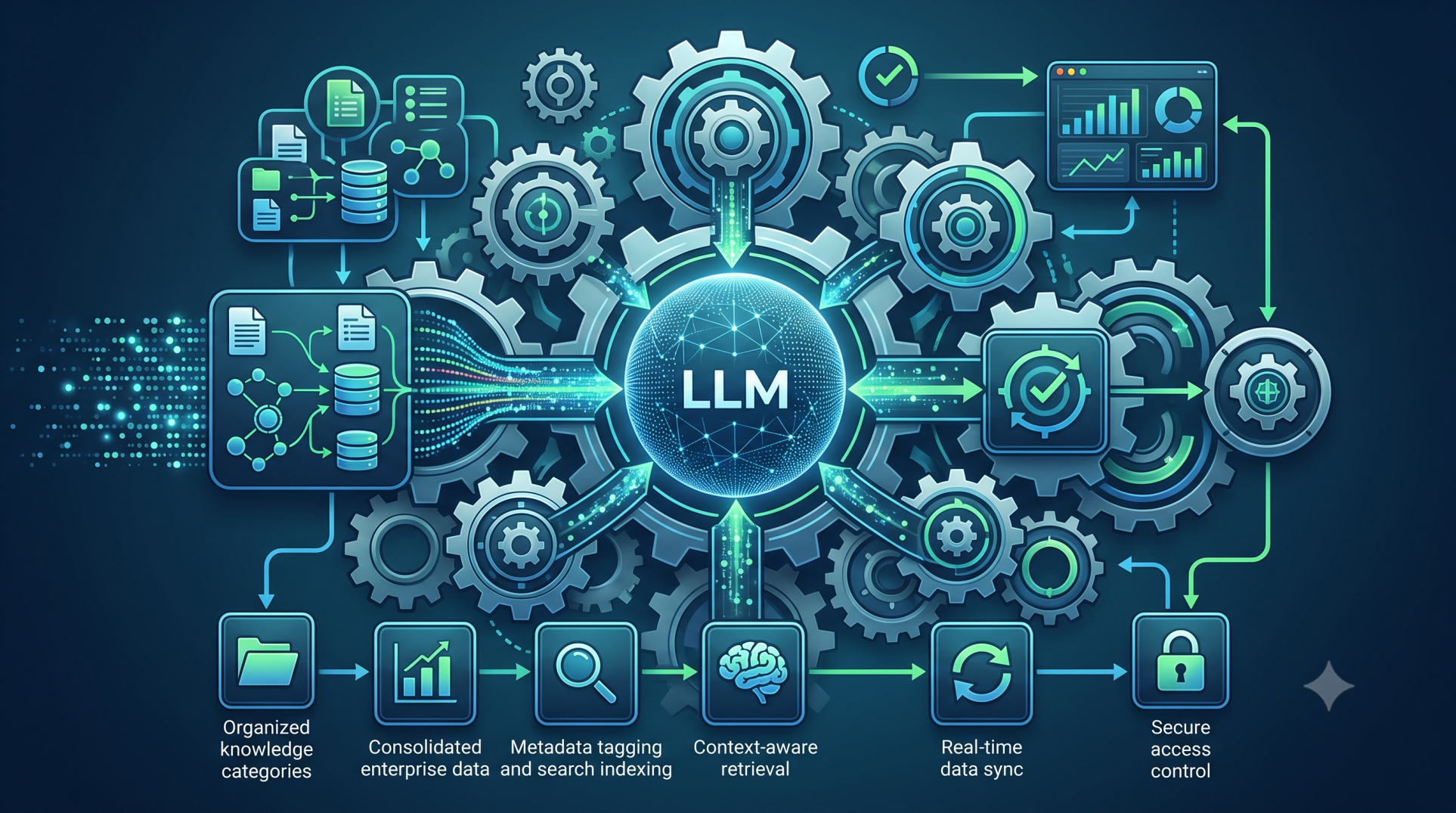
• Connect AI systems with trusted enterprise knowledge sources 🔗
• Keep information synchronized with business data 🔄
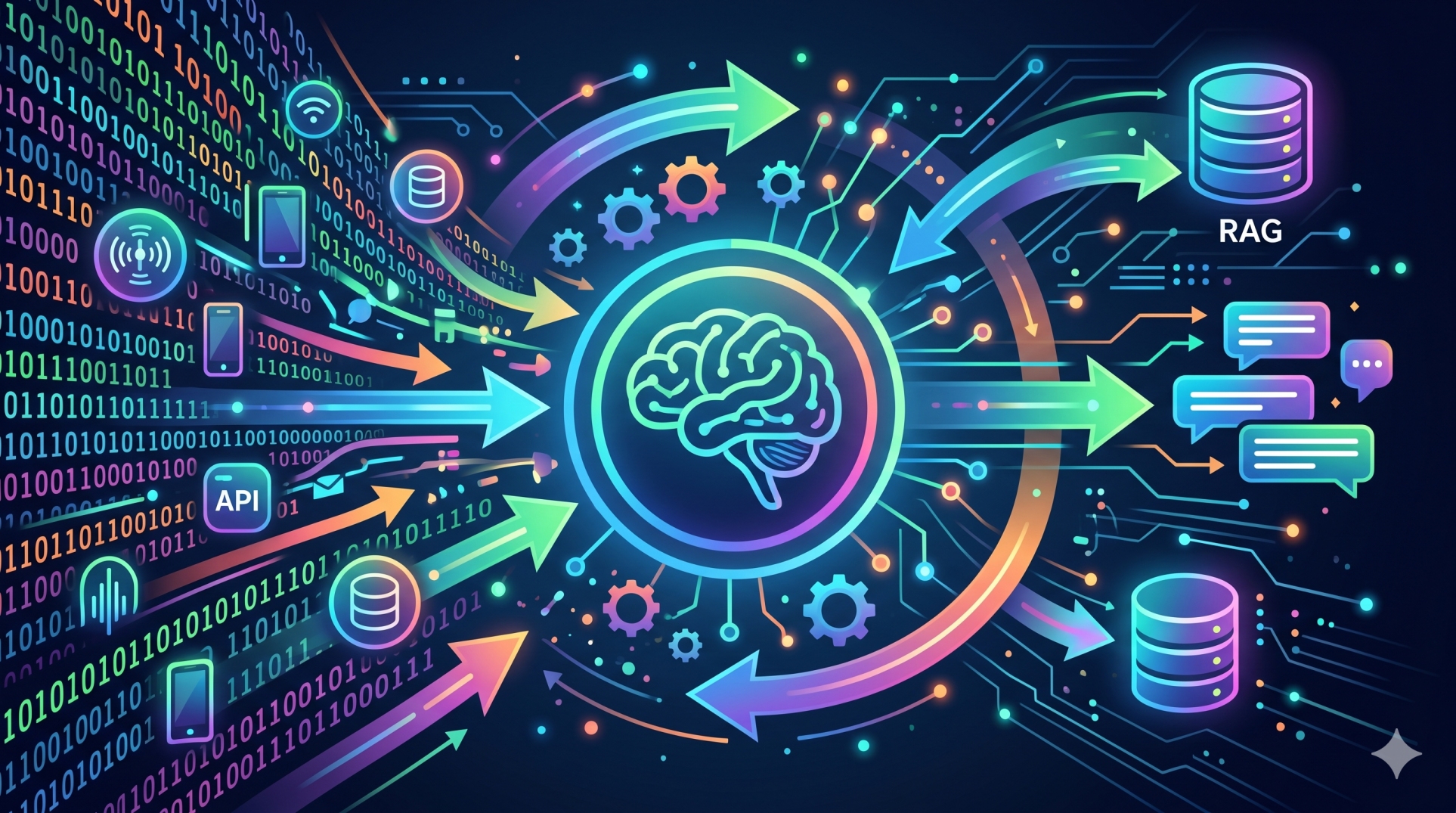
• Support Retrieval-Augmented Generation (RAG) where appropriate 🤖
• Prioritize relevant and up-to-date information 📈
• Improve response confidence through verified knowledge ✅
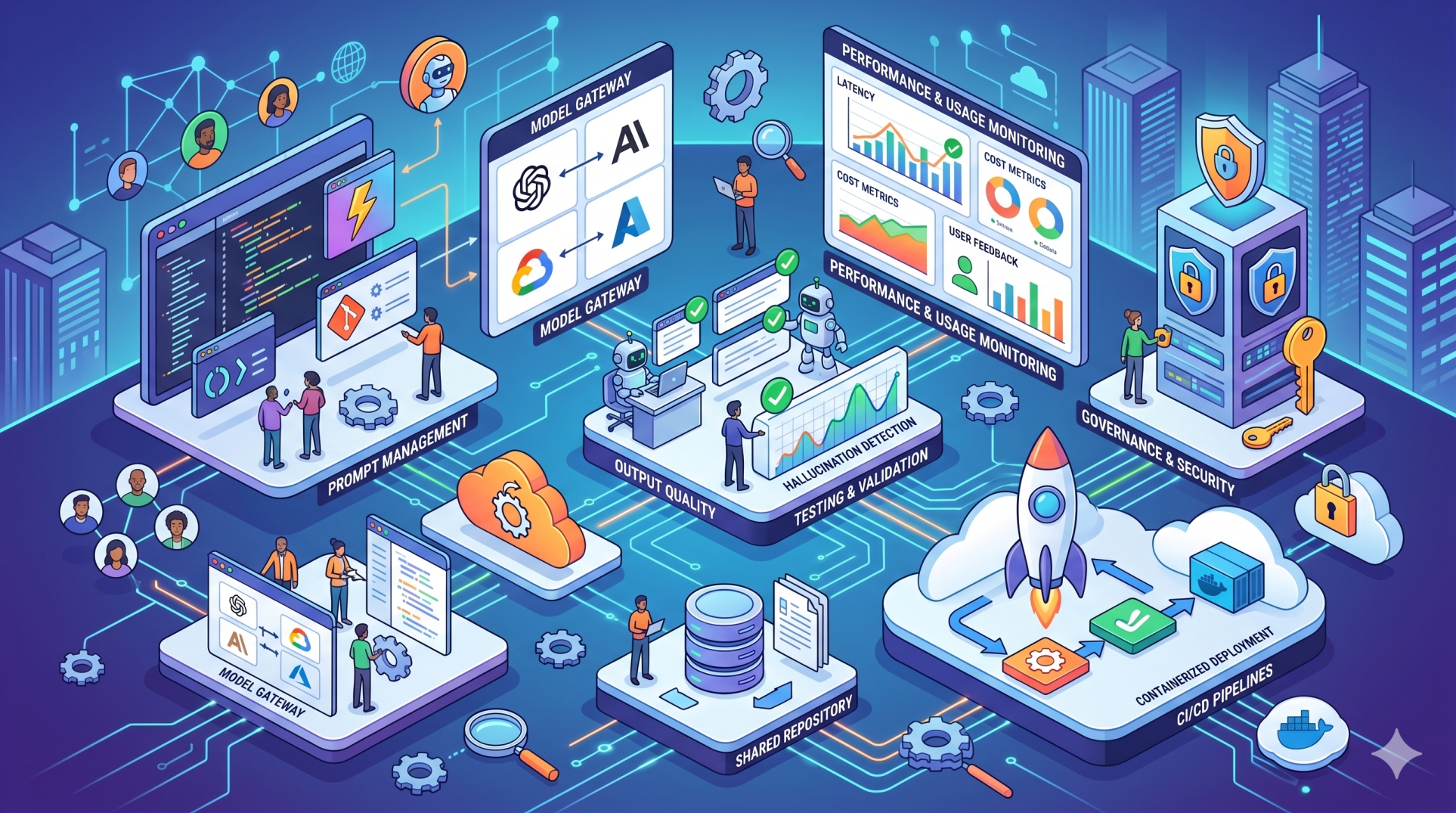
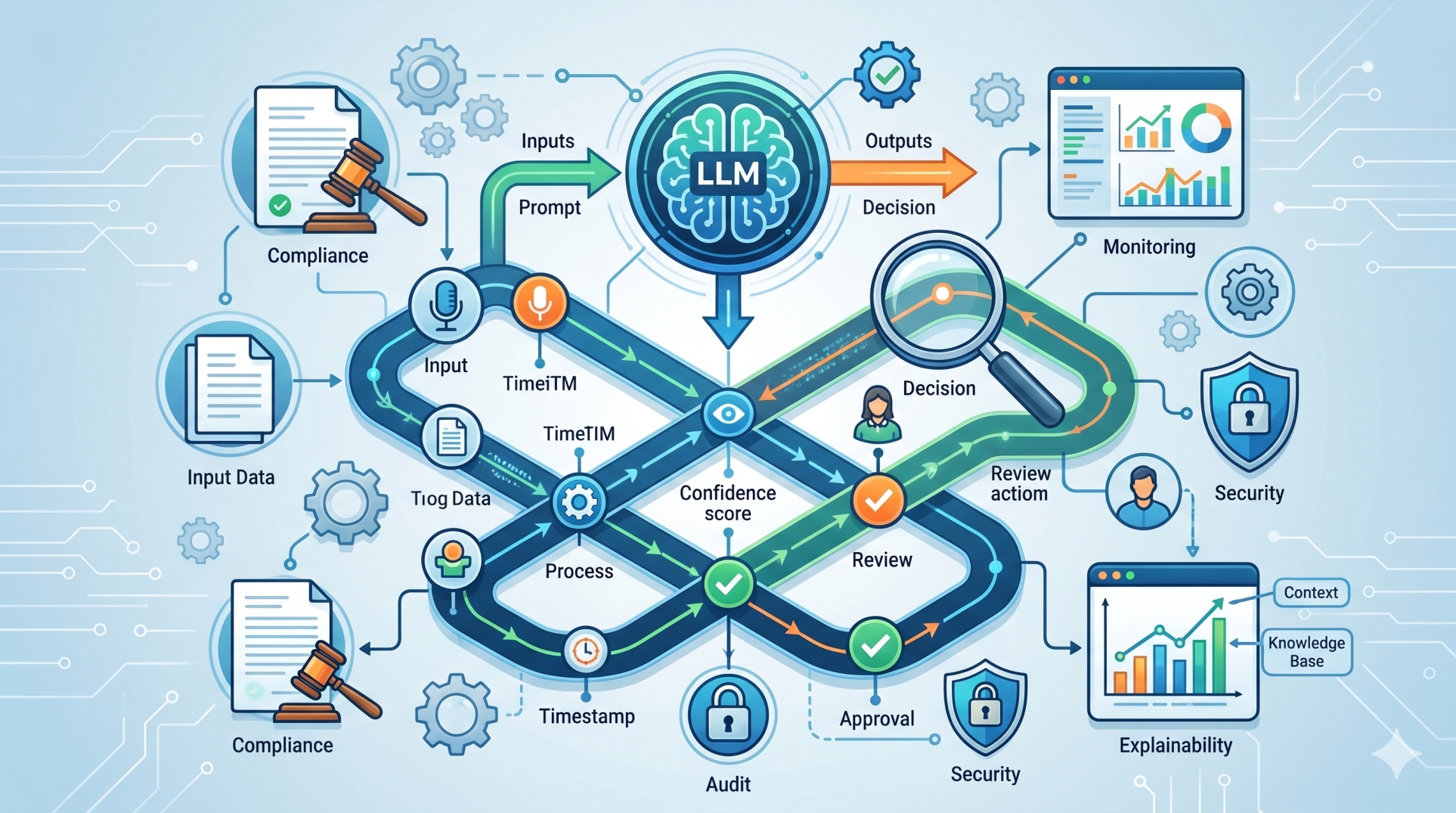
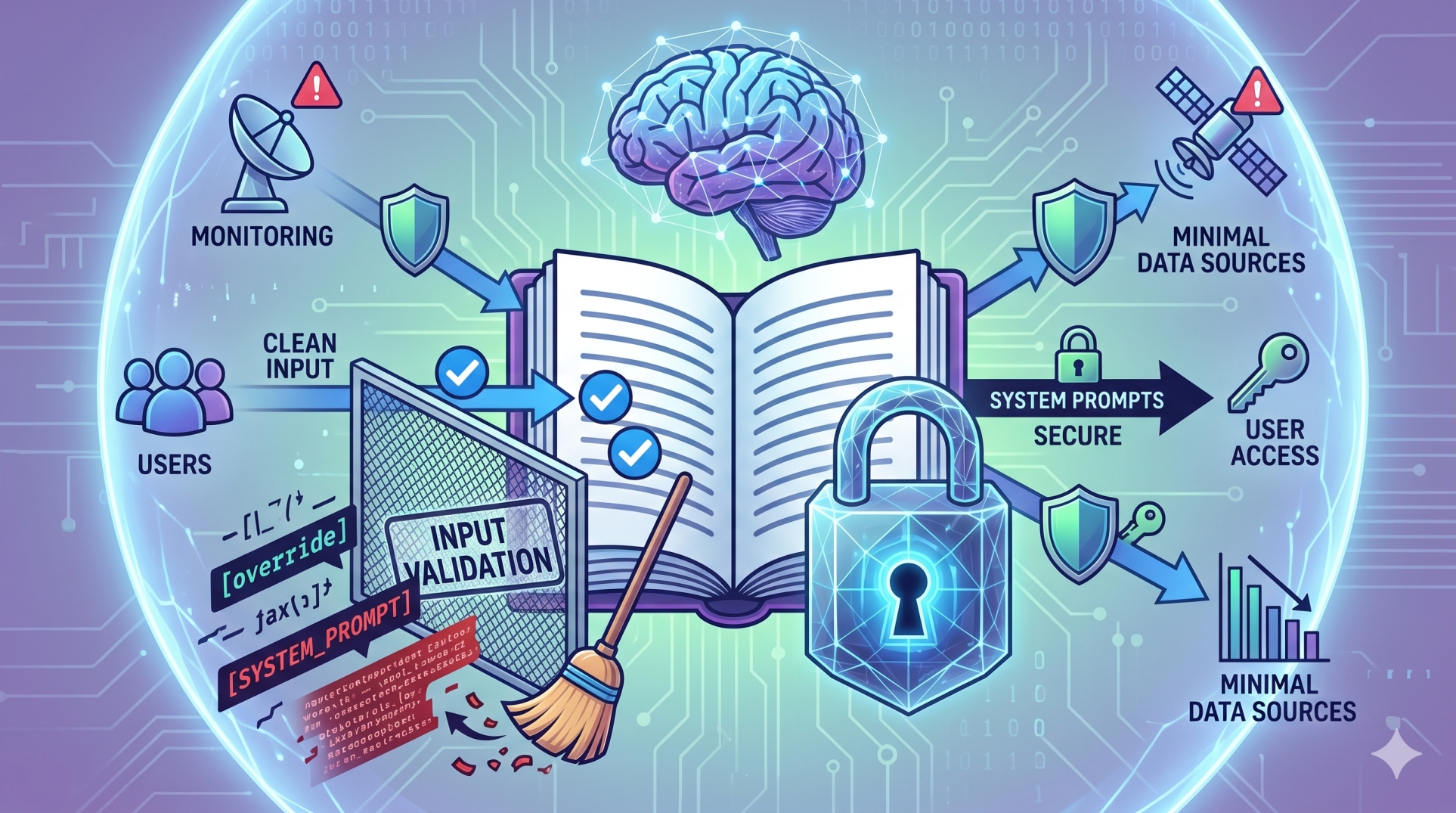
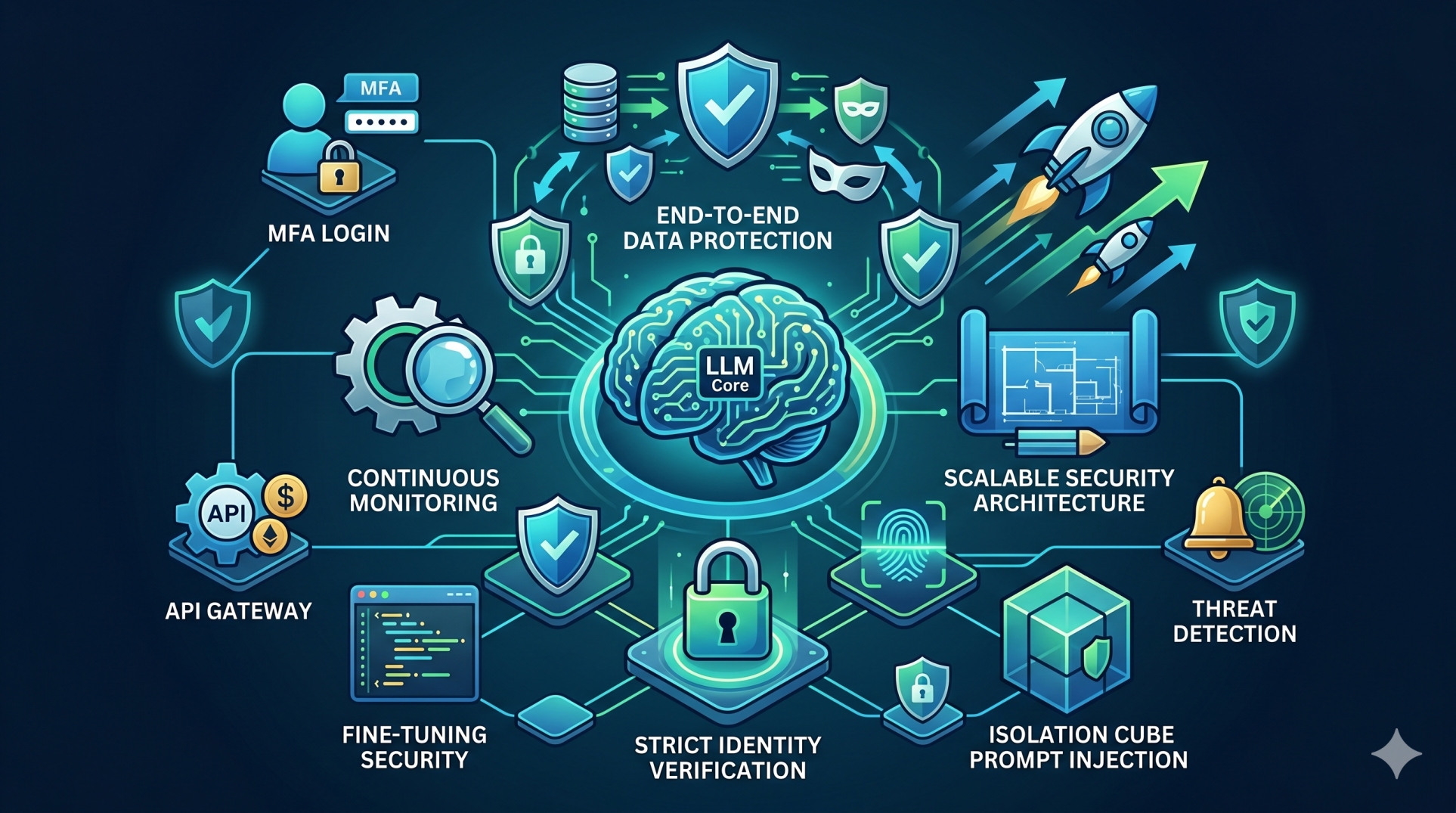
Step 6: Enhancing Security and Compliance 🔐
• Protect sensitive business and customer information 🛡️
• Implement role-based access controls 👥
• Ensure compliance with organizational policies and regulations 📜
• Prevent unauthorized access to enterprise data 🚫
• Monitor AI interactions for governance and accountability ⚖️
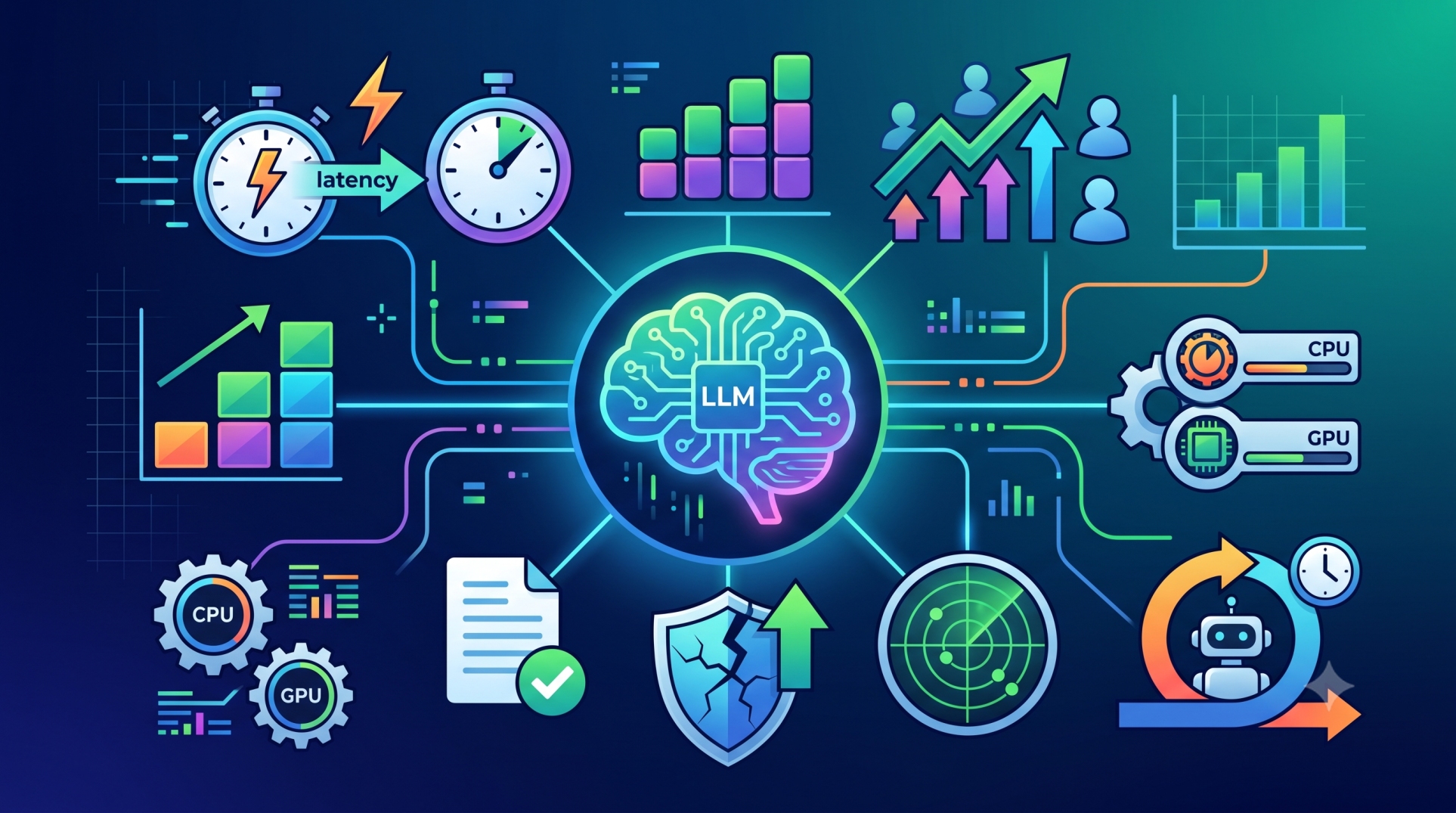
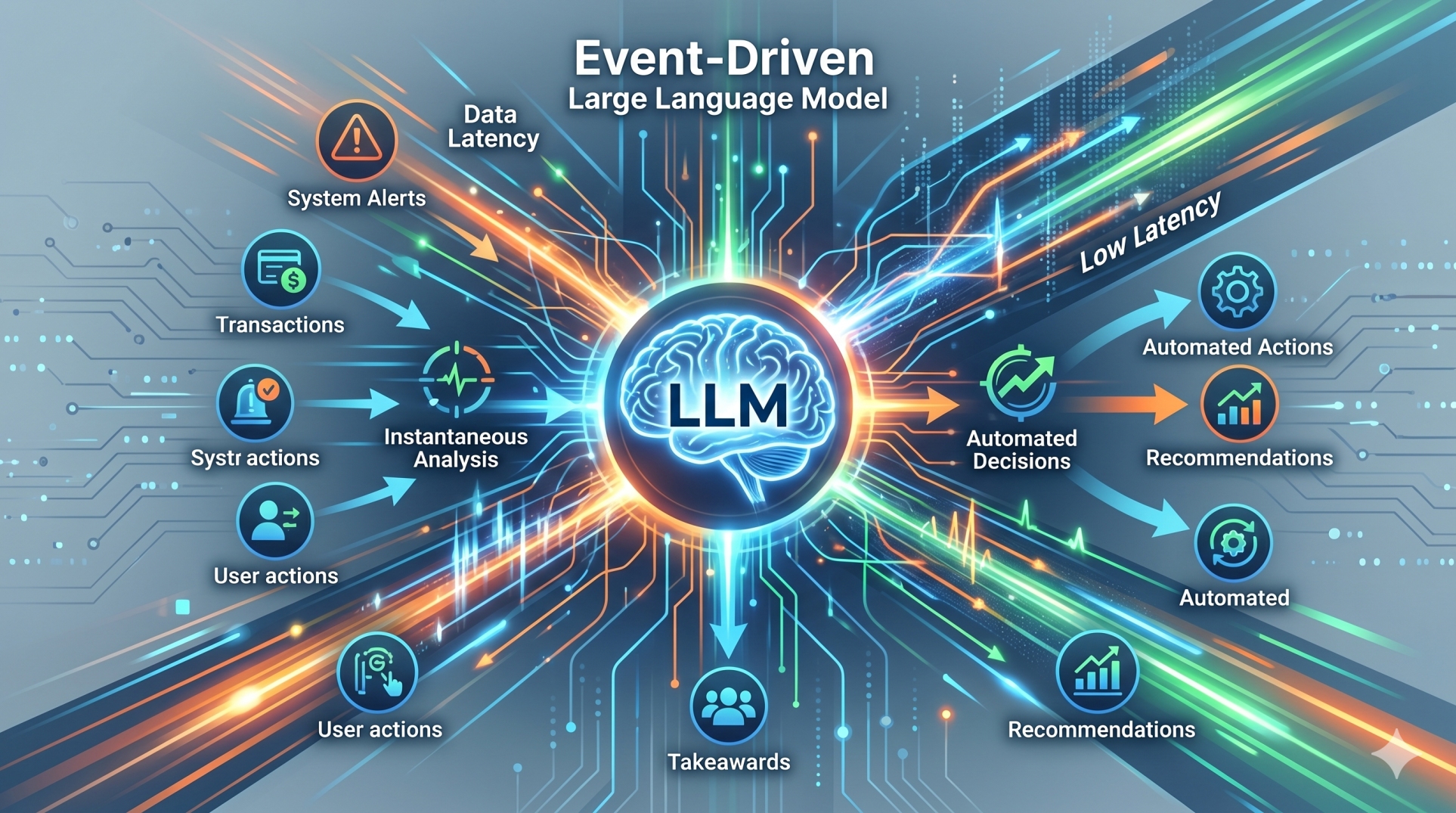
Step 7: Measuring Operational Performance 📊
• Track response latency and system availability ⏱️
• Monitor AI utilization across business functions 📈
• Analyze user satisfaction and engagement metrics 😊
• Identify recurring issues and performance bottlenecks 🔍
• Continuously optimize application efficiency 🚀
Step 8: Key Quality Priorities ⭐
• Reliable and accurate AI responses ✅
• Consistent user experiences across applications 💬
• Secure handling of enterprise information 🔐
• Scalable quality management processes 📈
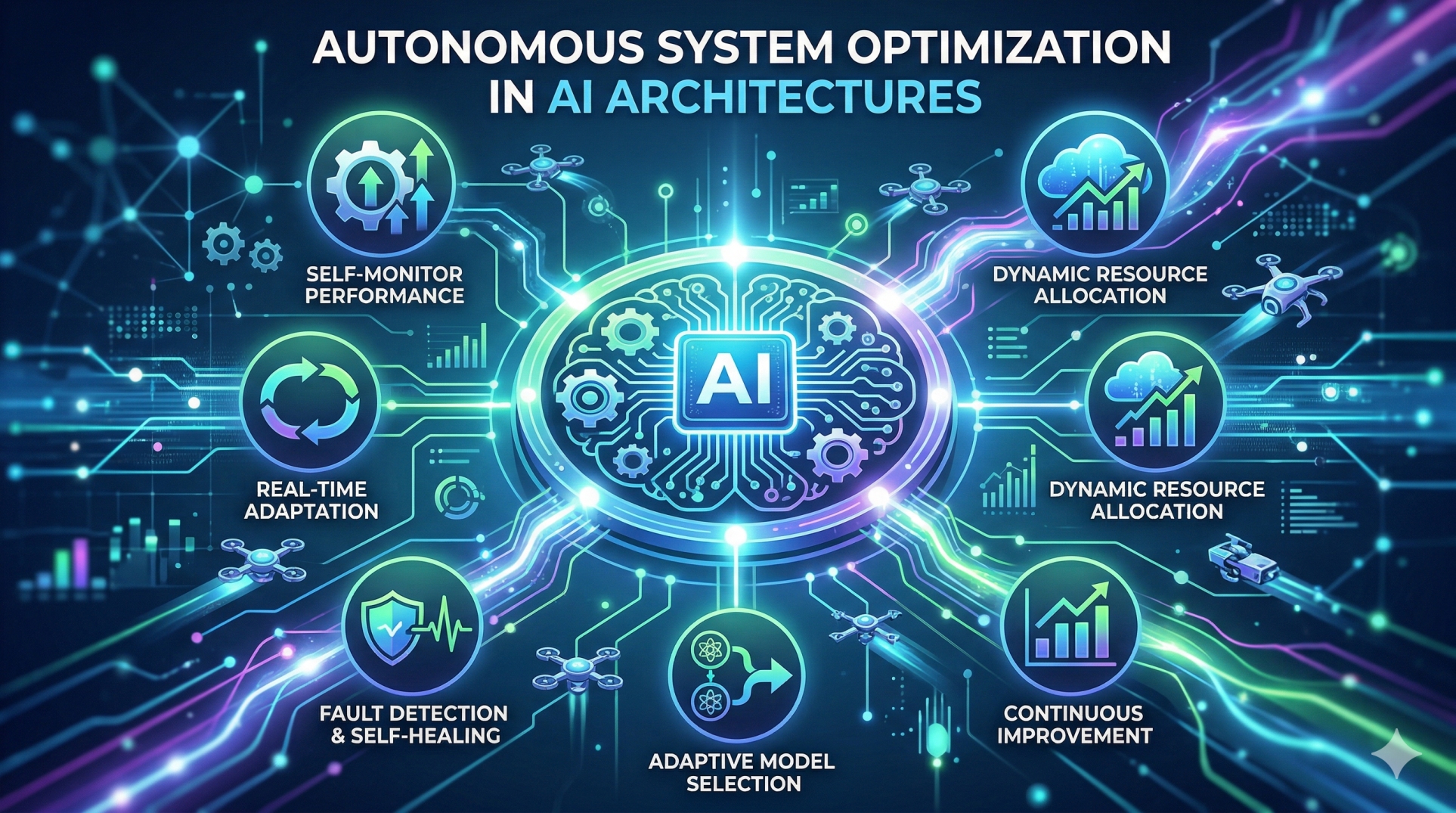
Step 9: Managing Errors and Continuous Improvement 🔧
• Detect inaccurate or incomplete responses quickly 🚨
• Implement structured review and correction workflows 🔄
• Learn from operational feedback and user interactions 📢
• Update evaluation criteria as business needs evolve 📋
• Continuously improve model performance through monitoring 📊
Step 10: Building a Long-Term Quality Framework 🌟
• Establish repeatable quality assurance processes 🏗️
• Support evolving AI capabilities with flexible standards 🔄
• Integrate quality monitoring into development lifecycles ⚙️
• Promote collaboration between technical and business teams 🤝
• Build enterprise AI systems that remain reliable as they scale 🚀
Conclusion
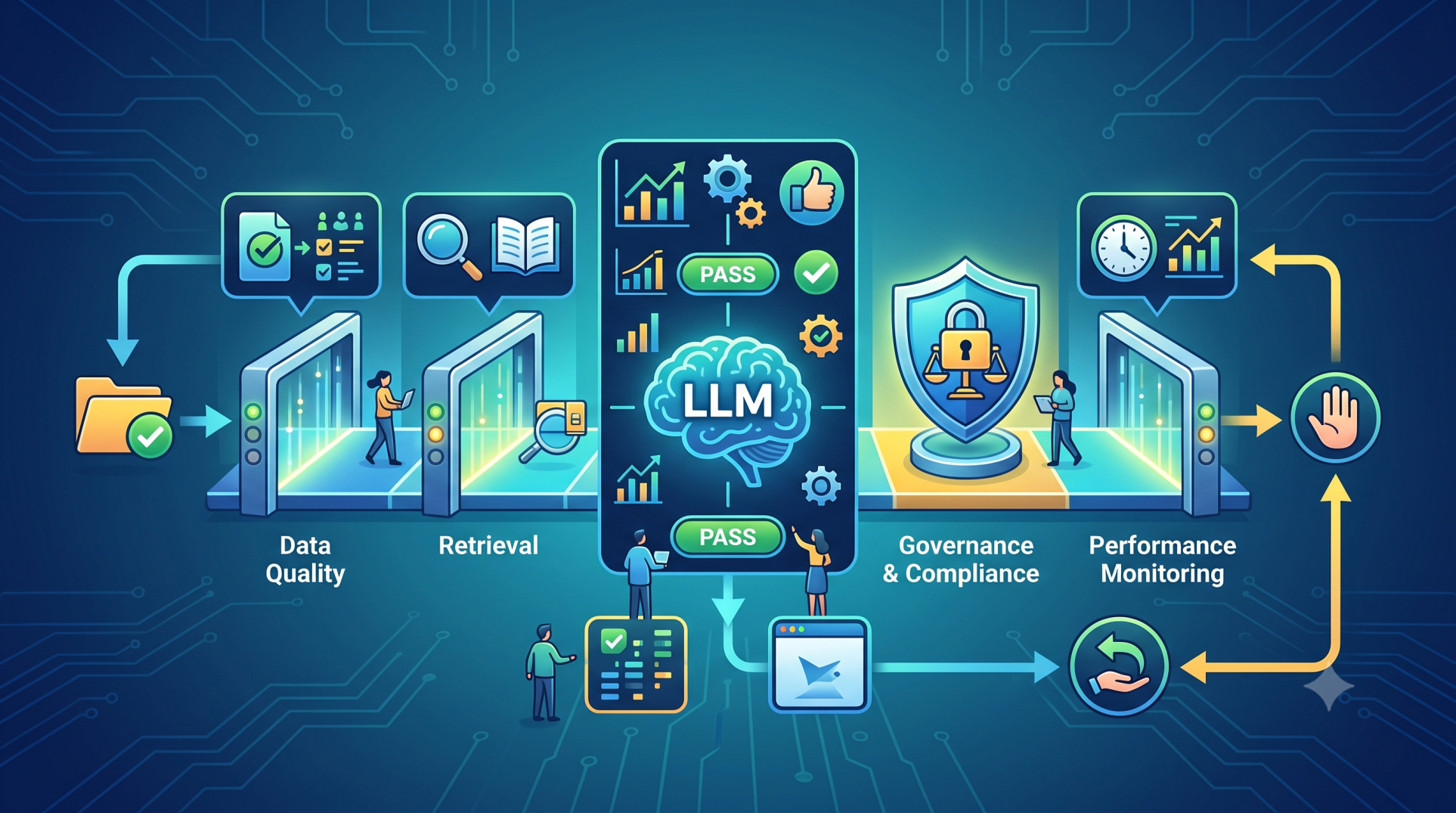
Establishing quality standards for enterprise LLM applications is essential for delivering dependable, secure, and high-performing AI solutions. By defining measurable objectives, validating outputs, strengthening knowledge integration, and continuously monitoring performance, organizations can build AI applications that users trust. A comprehensive quality framework not only improves operational outcomes but also ensures enterprise LLM systems remain scalable, adaptable, and aligned with long-term business goals.
See more blogs
You can all the articles below