Secure Data Exchange Frameworks for AI Applications
Secure Data Exchange Frameworks for AI Applications
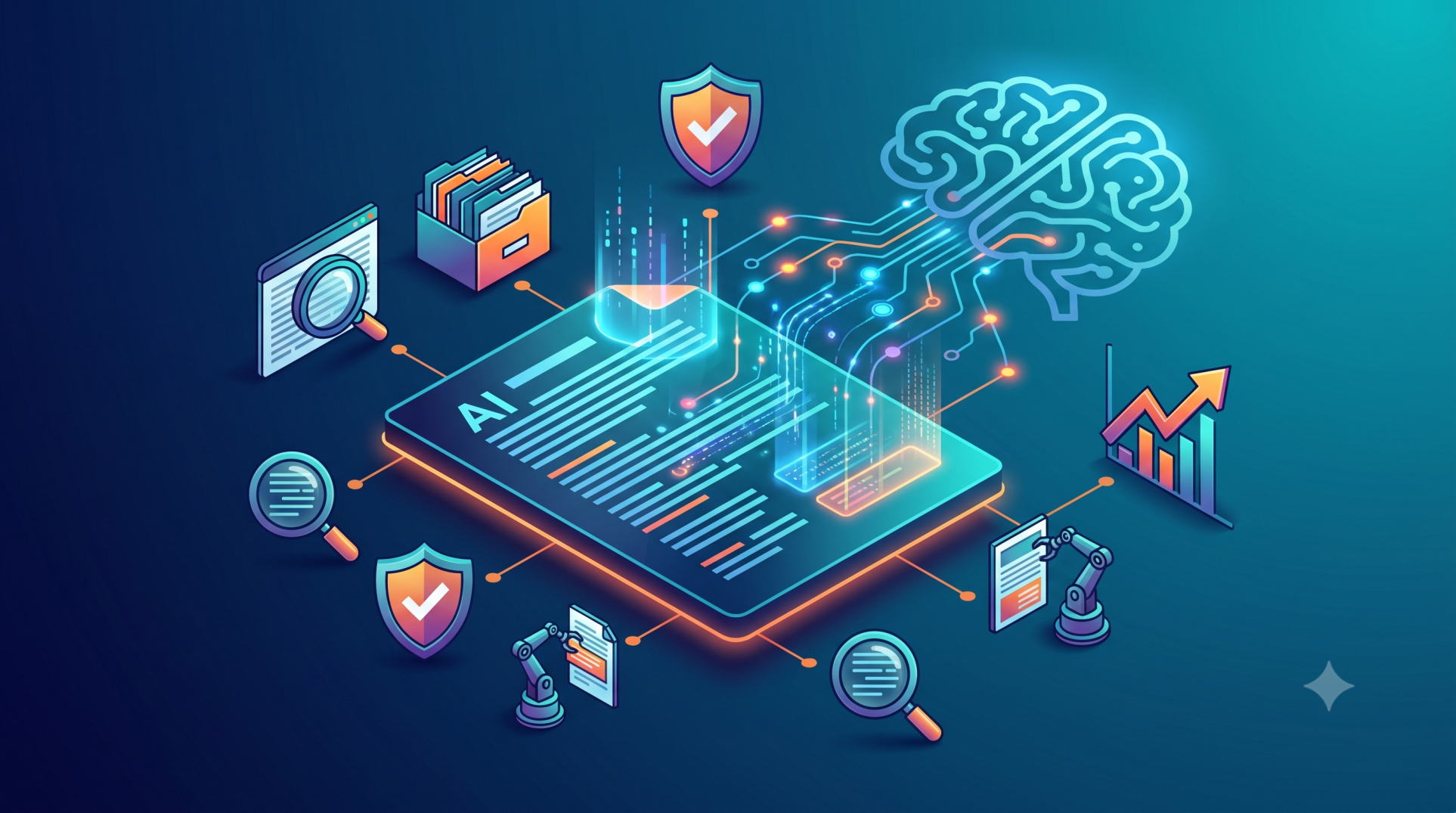
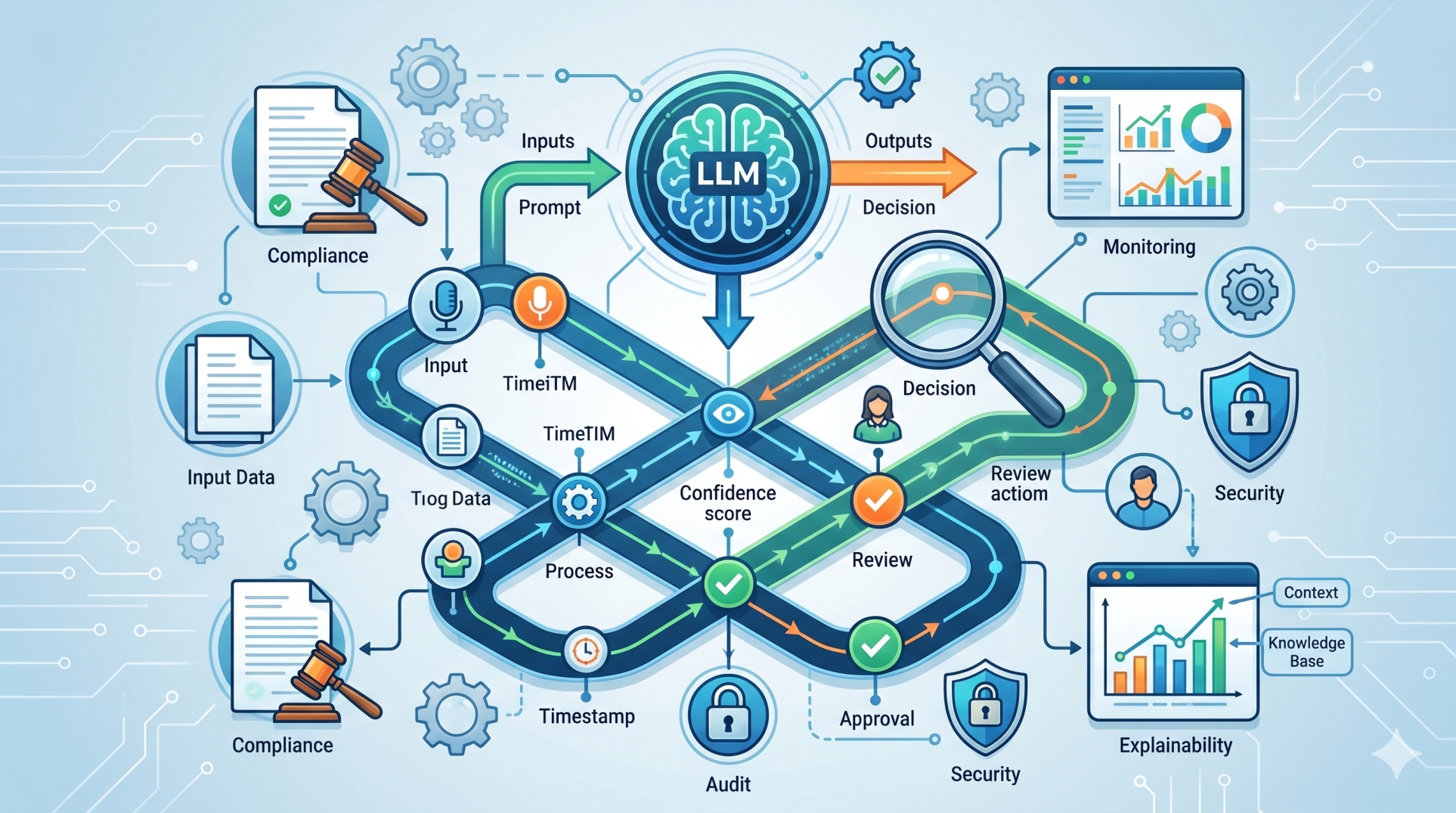
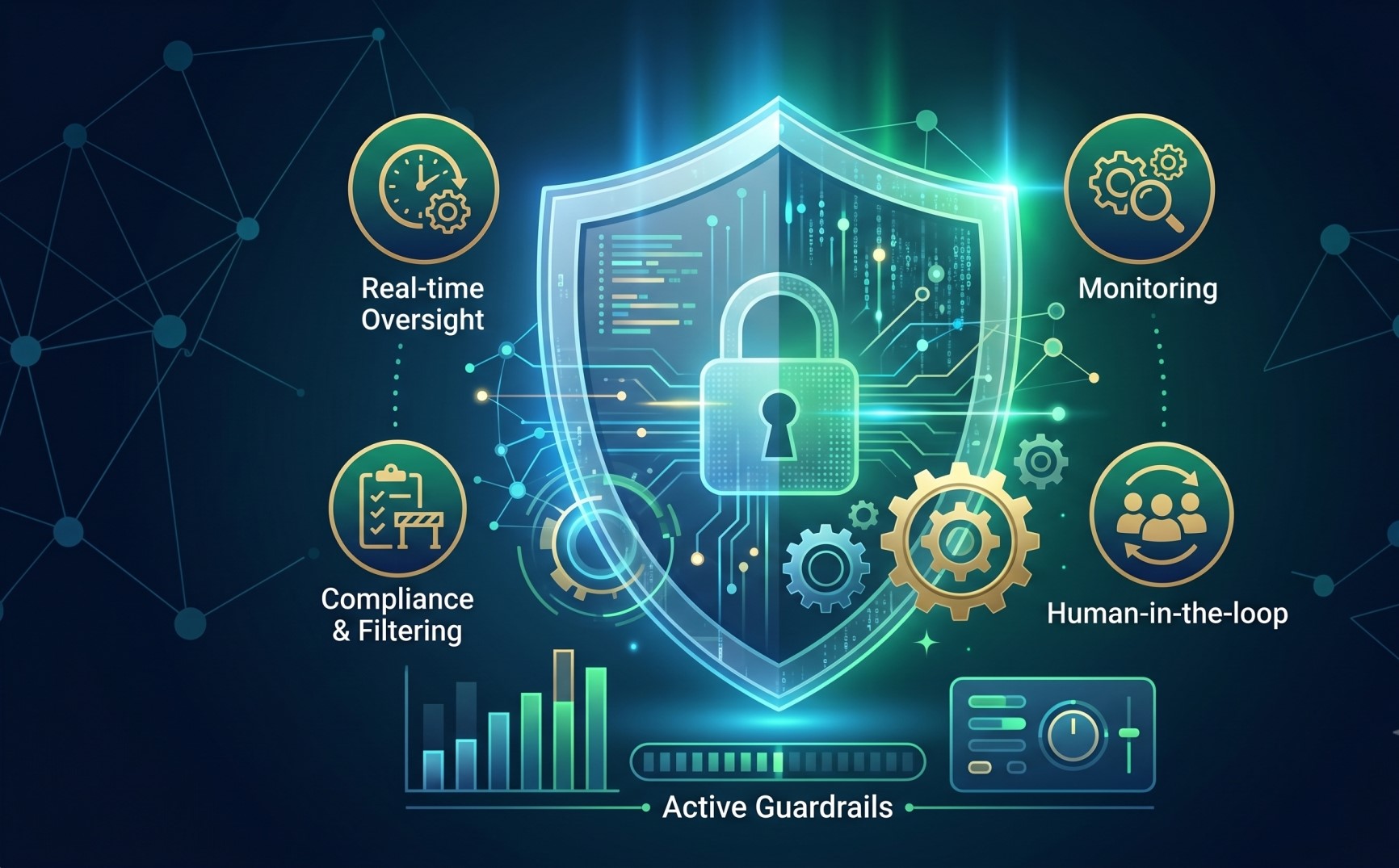
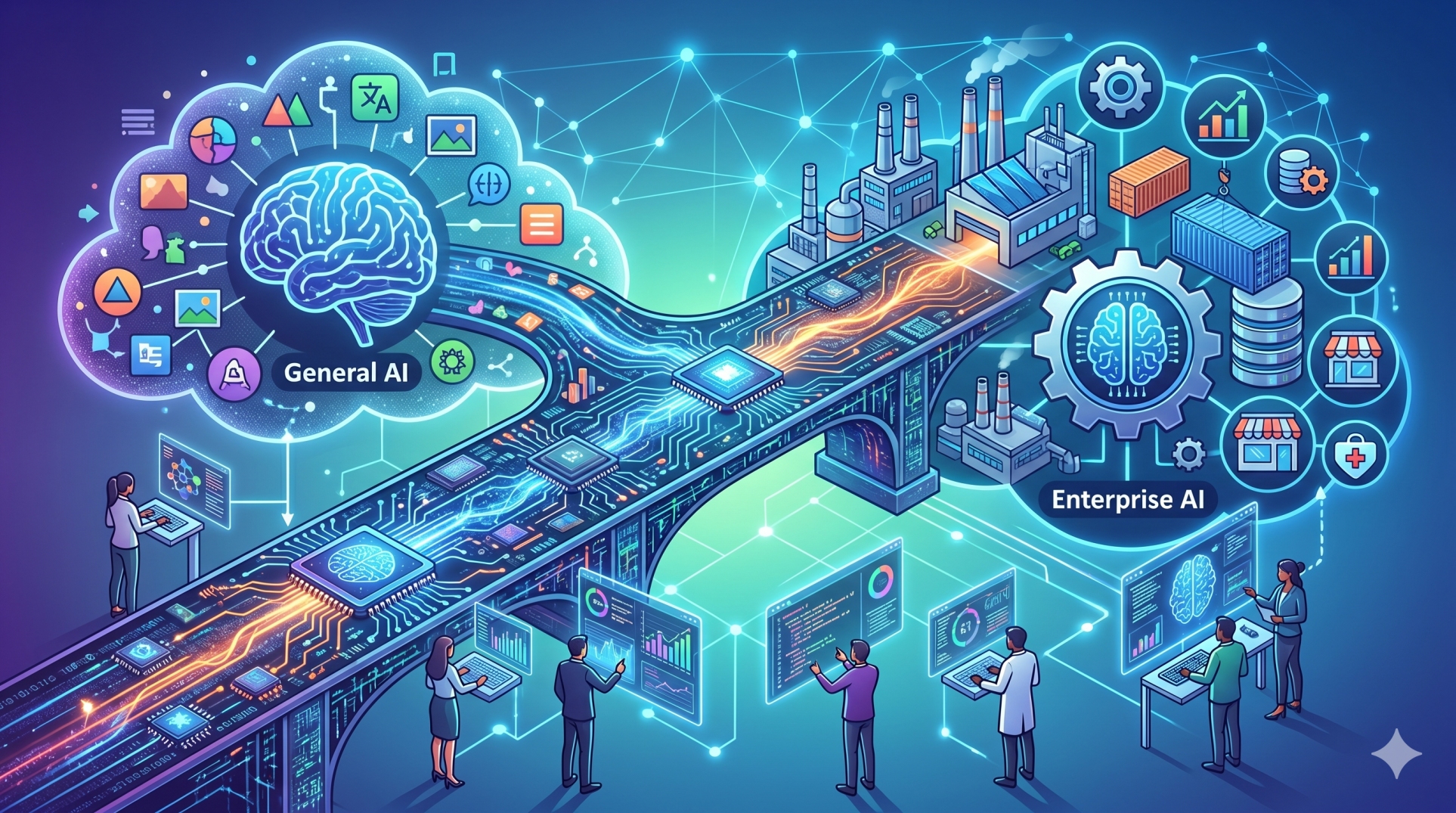
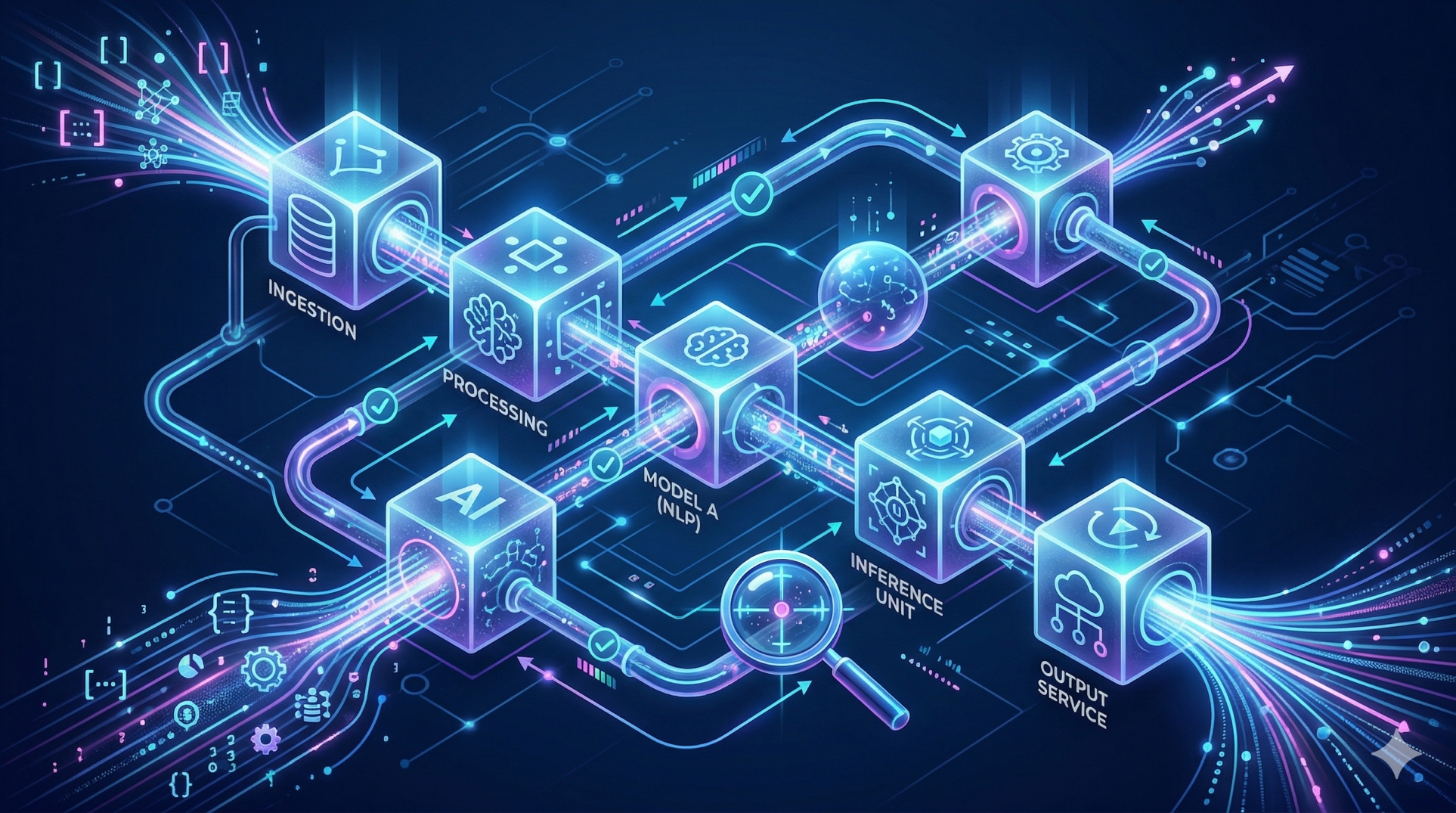
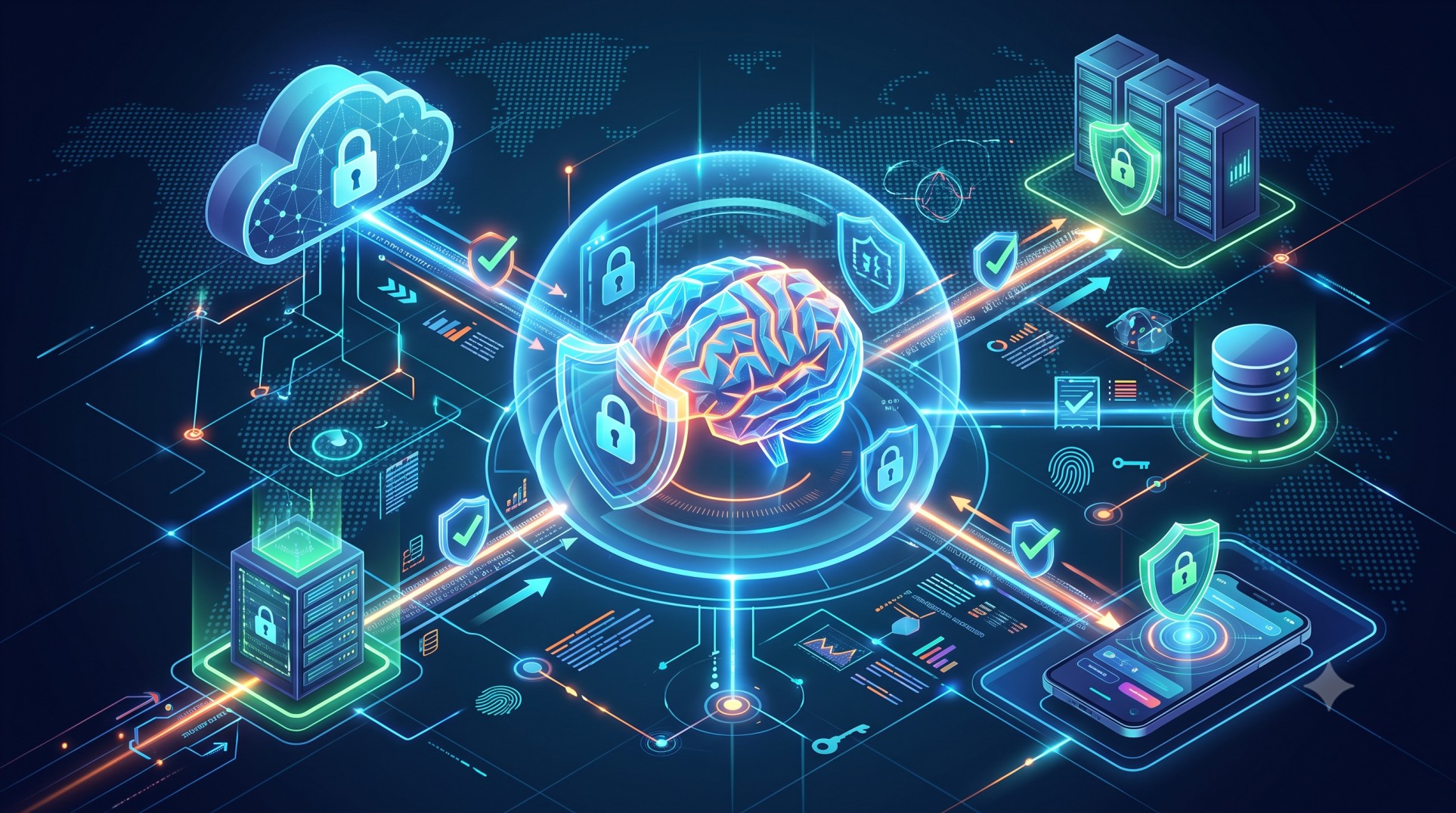
As AI applications become increasingly integrated with enterprise systems, cloud platforms, and external services, secure data exchange has become a critical requirement. AI models rely on continuous data flows to deliver accurate insights and intelligent automation, making it essential to protect information throughout its lifecycle. Secure data exchange frameworks establish the standards, controls, and communication mechanisms needed to safeguard sensitive information while enabling reliable, scalable, and compliant AI operations.
Step 1: Understanding Secure Data Exchange 🔐
• Enable secure communication between AI systems and connected applications 🌐
• Protect sensitive information during data transmission and processing 🛡️
• Maintain data integrity across internal and external platforms ✅
• Support trusted information sharing between authorized systems 🤝
• Build a secure foundation for enterprise AI workflows 🚀
Step 2: Classifying and Managing Data 📂
• Identify confidential, regulated, and business-critical information 🏷️
• Define handling requirements for different data categories 📋
• Apply appropriate protection measures based on data sensitivity 🔒
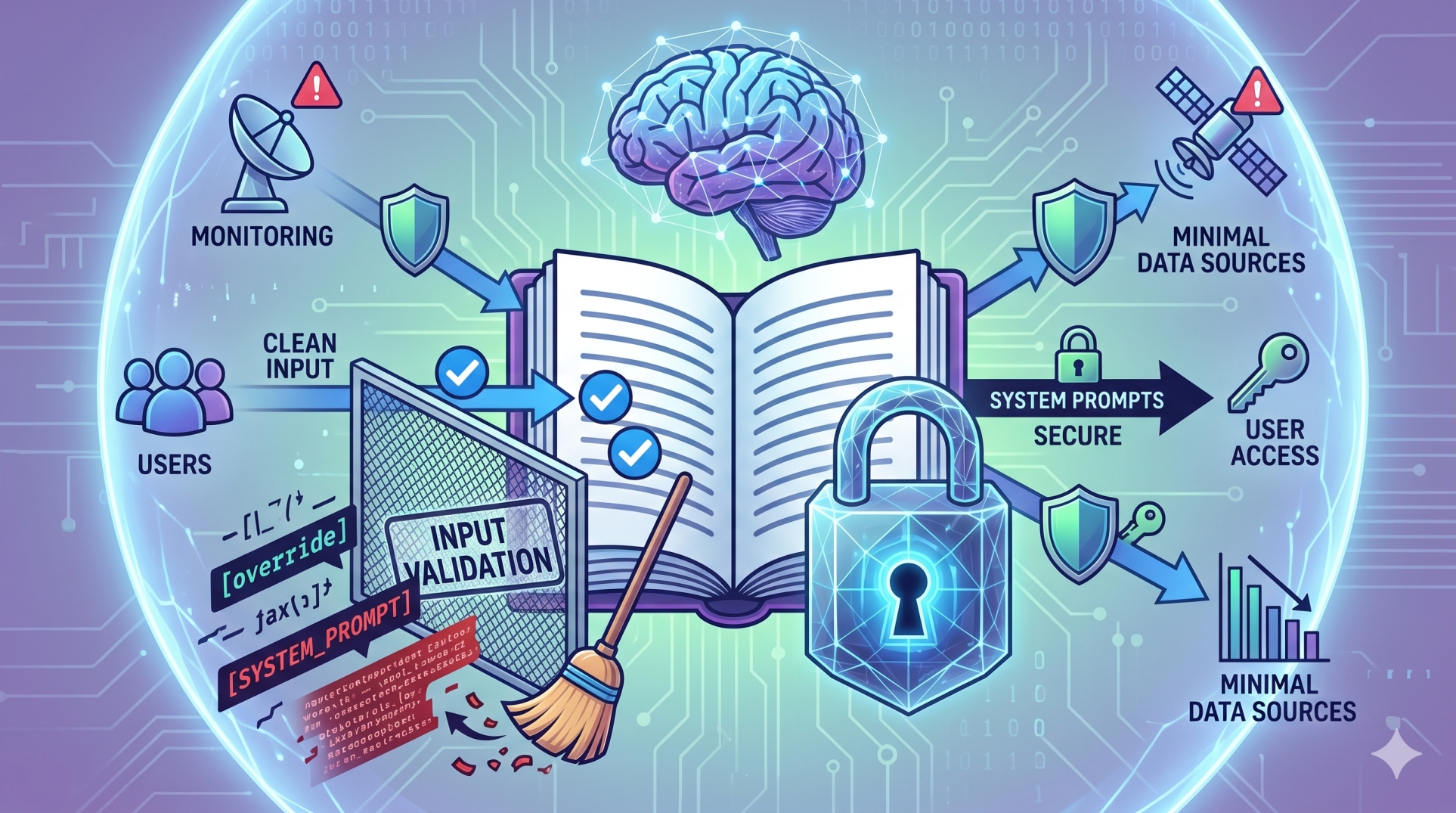
• Minimize unnecessary data exposure during exchanges ⚠️
• Establish clear data governance policies 📜
Step 3: Securing Communication Channels 🌍
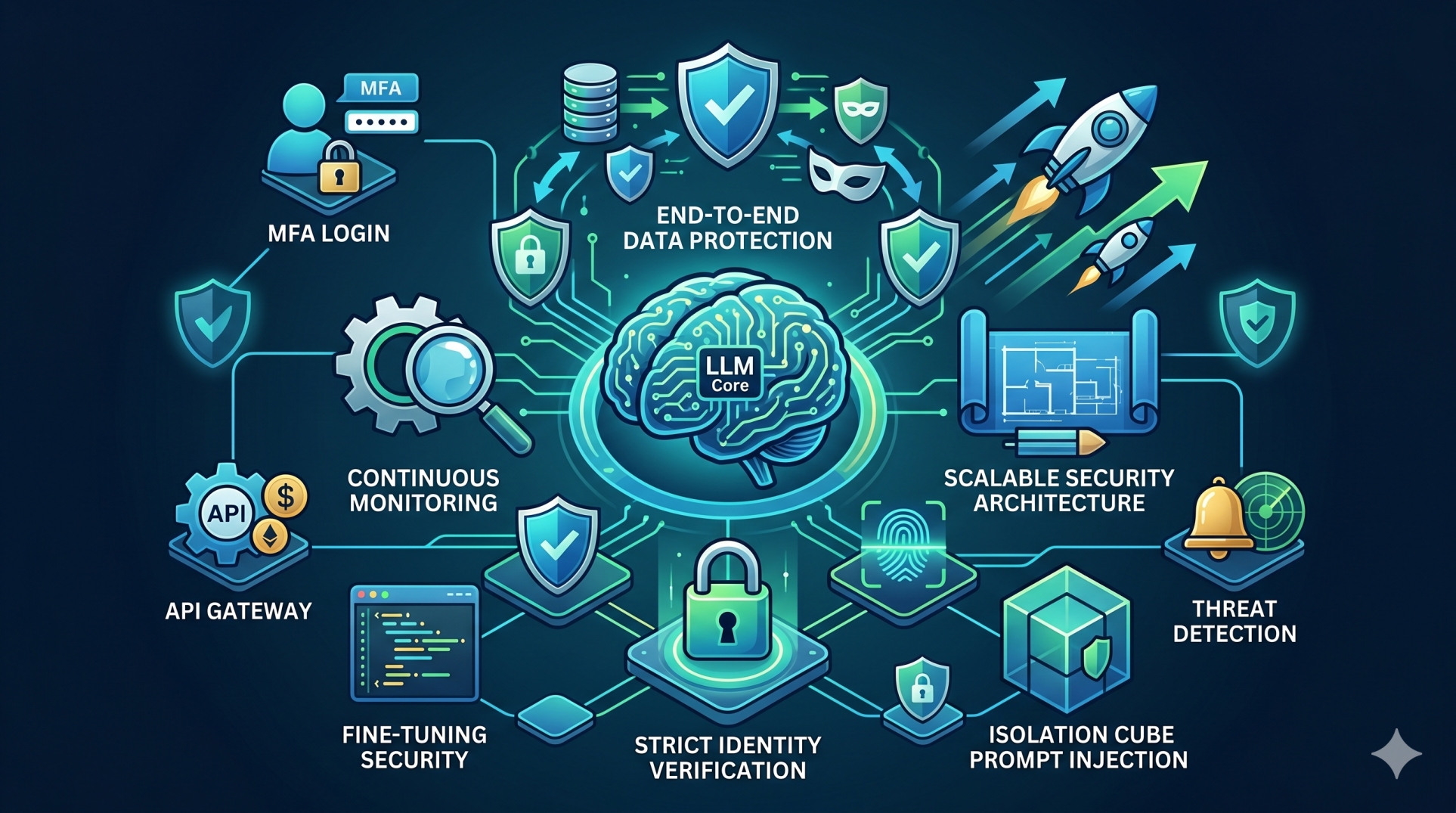
• Encrypt data during transmission using secure communication protocols 🔐
• Authenticate connected systems before exchanging information ✔️
• Protect APIs and service endpoints against unauthorized access 🛡️
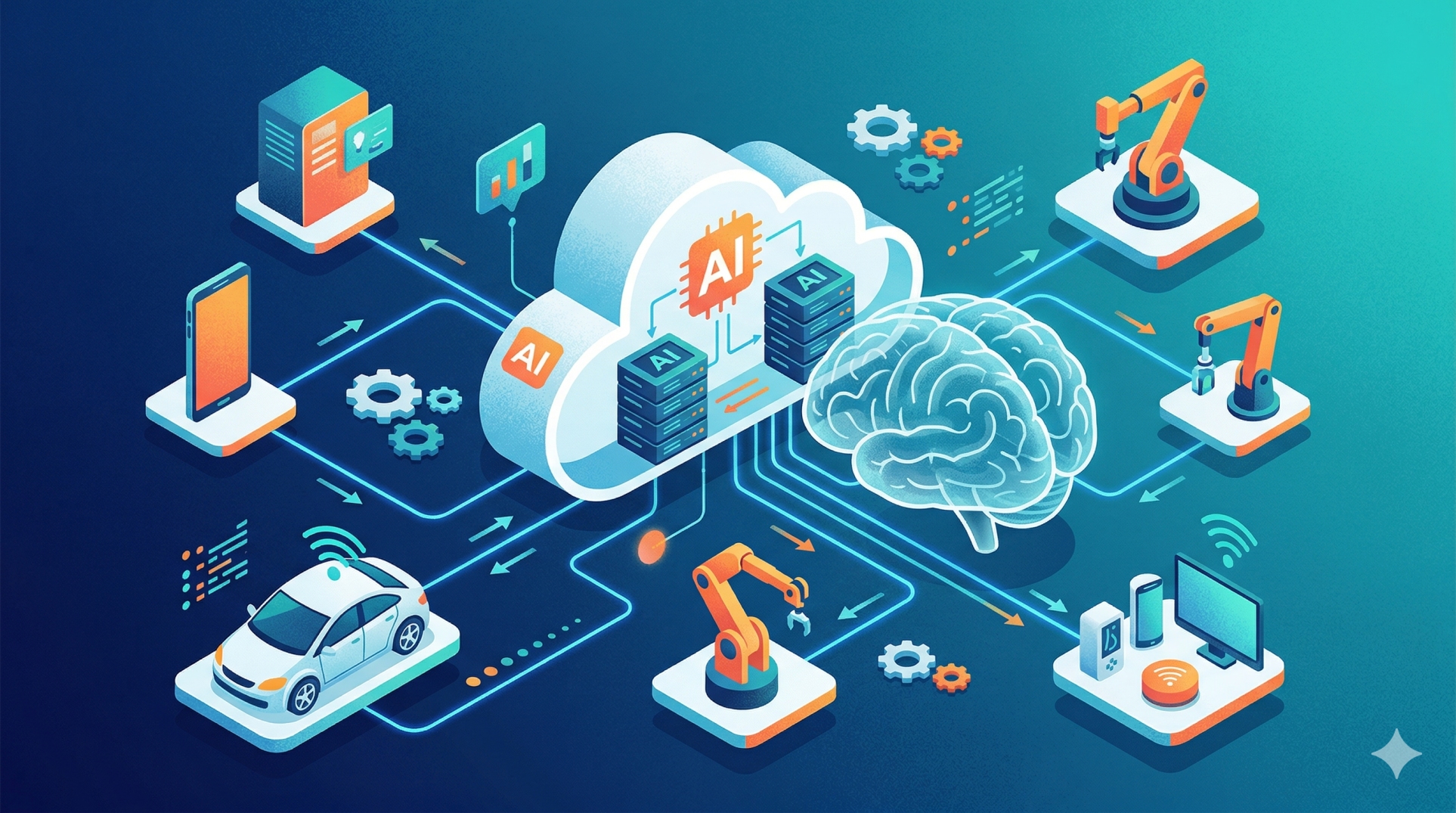
• Secure connections between cloud, on-premises, and hybrid environments ☁️
• Monitor communication channels for suspicious activity 📡
Step 4: Implementing Identity and Access Controls 👥
• Enforce role-based access to AI data resources 🔑
• Apply the principle of least privilege across integrations ⚖️
• Use strong authentication for users and services 📲
• Rotate credentials and access tokens regularly 🔄
• Review permissions to eliminate unnecessary access 🚫
Step 5: Protecting Data Integrity 🧩
• Validate data before it enters AI pipelines ✔️
• Detect unauthorized modifications during transmission 🚨
• Use integrity verification techniques to ensure data accuracy 📊
• Maintain trusted data sources throughout processing 🔍
• Preserve consistency across integrated systems 🔗
Step 6: Monitoring and Auditing Data Exchanges 📈
• Record all data exchange activities for traceability 📝
• Monitor AI integrations for unusual behavior 👀
• Generate audit logs for compliance and investigations 📂
• Detect anomalies using automated monitoring tools 🤖
• Continuously assess the effectiveness of security controls 📊
Step 7: Managing Third-Party Integrations 🤝
• Evaluate the security posture of external services 🔍
• Verify trusted connections before sharing information ✔️
• Limit data access to approved business requirements 📜
• Monitor third-party activity continuously 📡
• Review integrations regularly to reduce security risks 🛡️
Step 8: Key Security Priorities ⭐
• Strong encryption for data in transit and at rest 🔐
• Secure authentication and authorization mechanisms 👤
• Continuous monitoring and audit visibility 📊
• Reliable governance across all connected AI systems 🌐
Step 9: Supporting Compliance and Risk Management 📑
• Align data exchange practices with organizational security policies 🛡️
• Maintain documentation for security controls and procedures 📋
• Protect sensitive customer and business information 🔒
• Demonstrate accountability through audit-ready records 🧾
• Reduce operational and regulatory risks proactively ⚖️
Step 10: Building a Future-Ready Secure AI Ecosystem 🌟
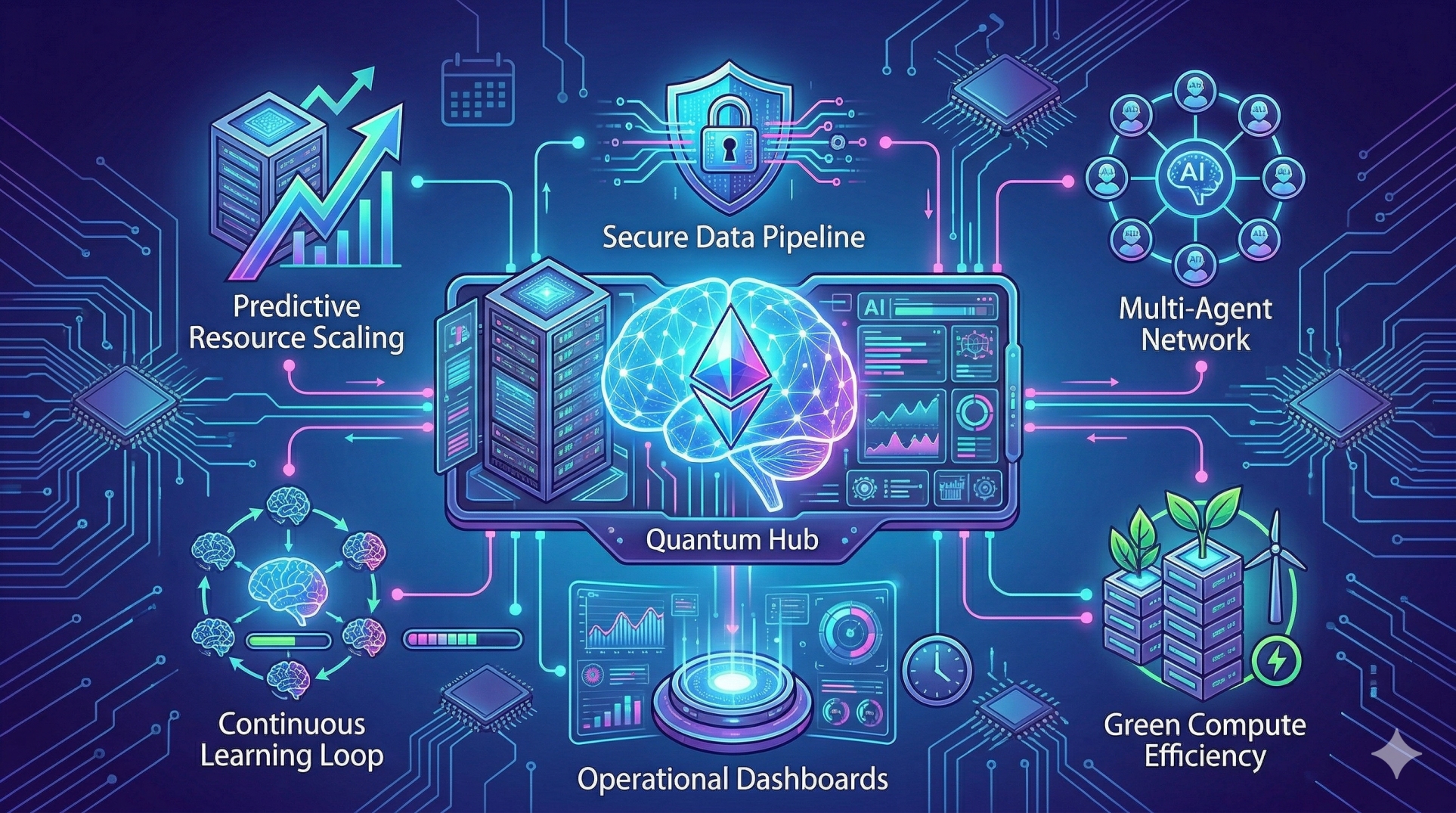
• Design scalable frameworks for growing AI environments 🏗️
• Integrate security into every stage of AI development 🔄
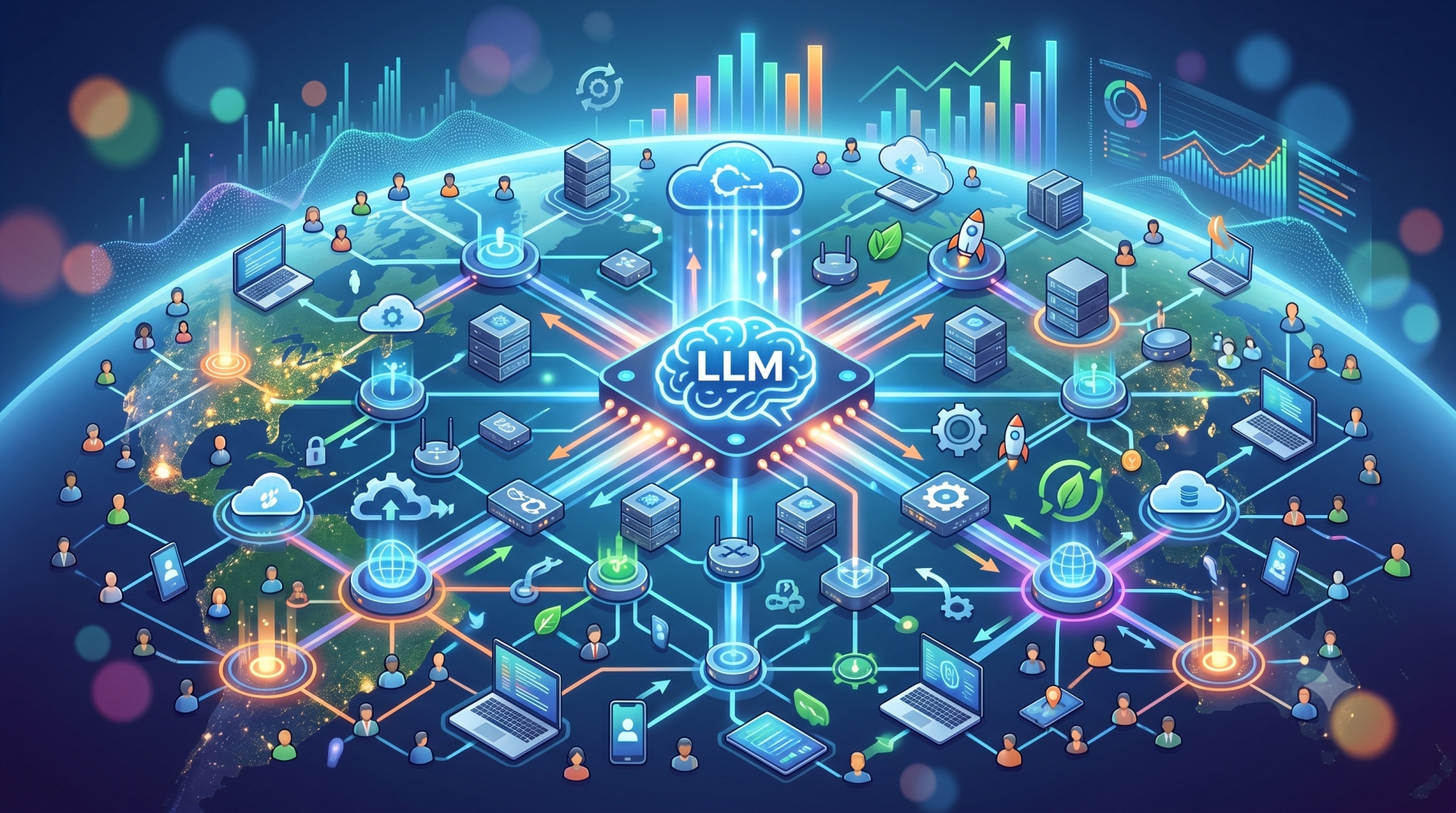
• Support cloud, hybrid, and distributed AI deployments ☁️
• Continuously improve protection against emerging cyber threats 🚀
• Create resilient data exchange architectures that evolve with business needs 🌍
Conclusion
Secure data exchange frameworks are essential for enabling trustworthy, scalable, and enterprise-ready AI applications. By protecting data throughout its lifecycle, enforcing strong access controls, and continuously monitoring system interactions, organizations can reduce security risks while maintaining reliable AI performance. A well-designed framework not only safeguards valuable information but also supports regulatory compliance, operational resilience, and long-term innovation in AI-driven environments.
See more blogs
You can all the articles below