Performance Visibility in Modular LLM Software
Performance Visibility in Modular LLM Software
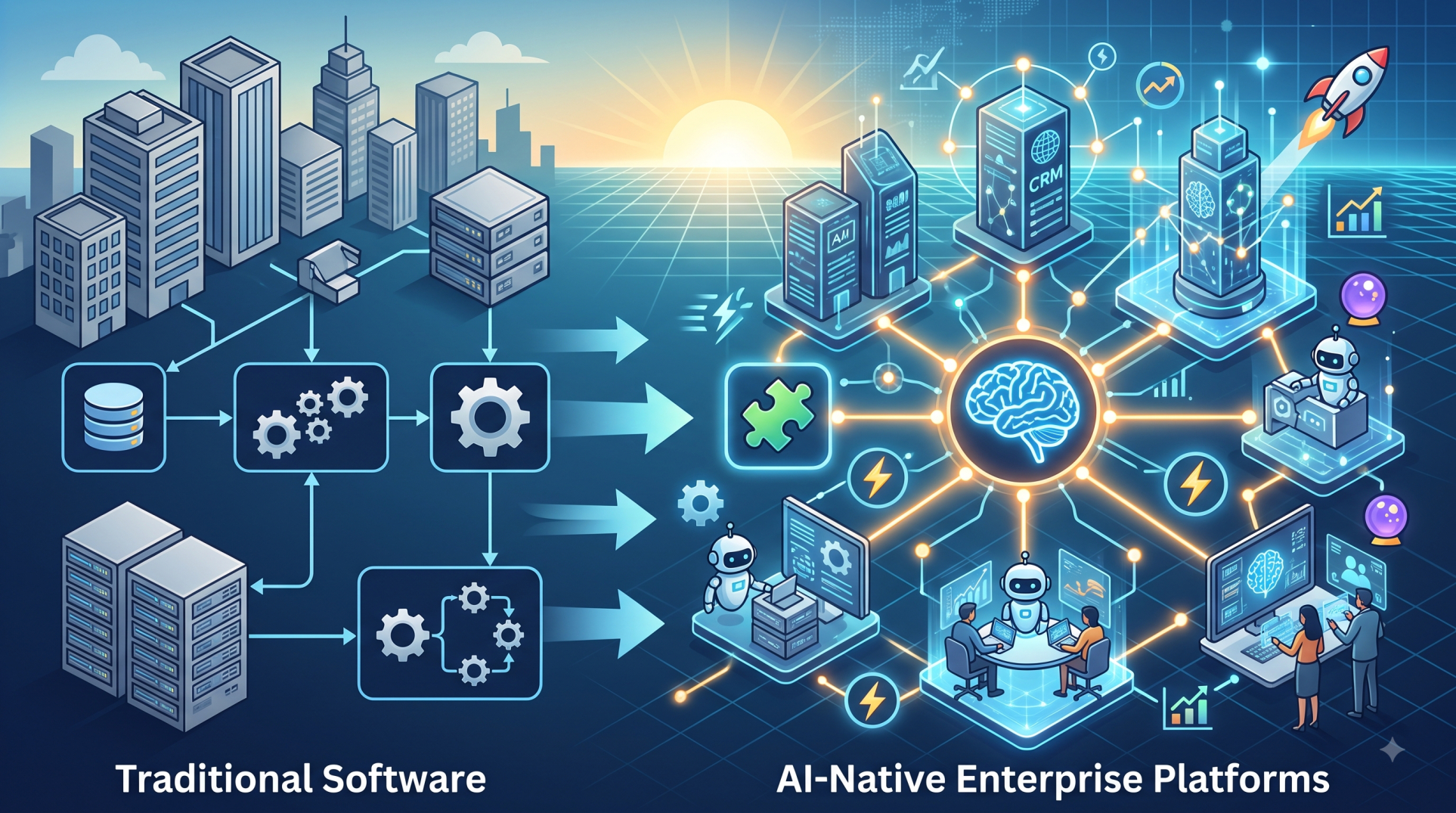
As Large Language Model (LLM) systems evolve into modular architectures, performance visibility becomes a critical factor for reliability, scalability, and optimization. Instead of operating as monolithic pipelines, modern LLM platforms are composed of multiple interconnected components—such as retrieval modules, reasoning engines, and output generators. Ensuring clear visibility across these components enables organizations to monitor behavior, diagnose issues, and continuously improve system performance.
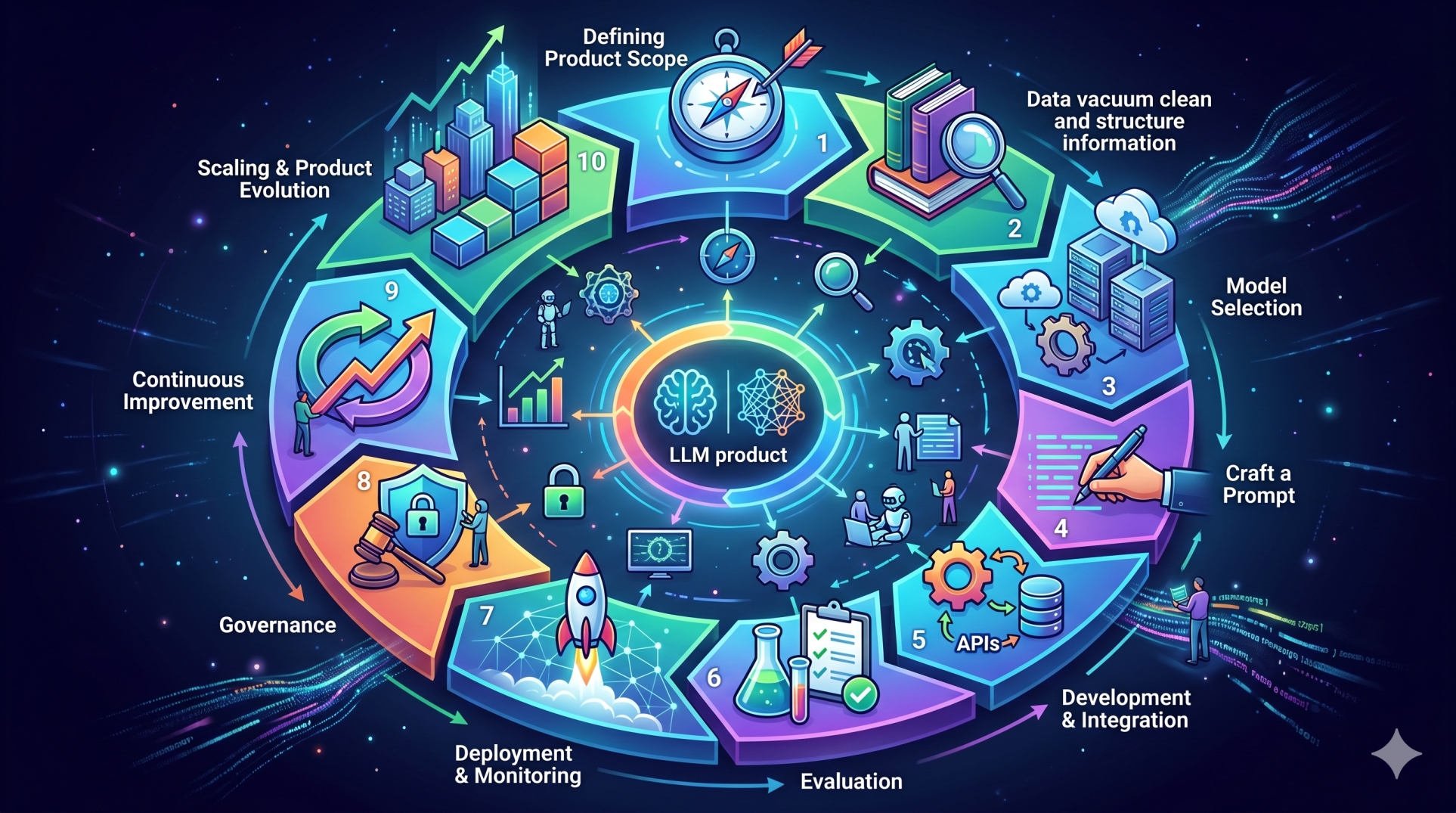
Step 1: Understanding Modular LLM Architecture 🧩
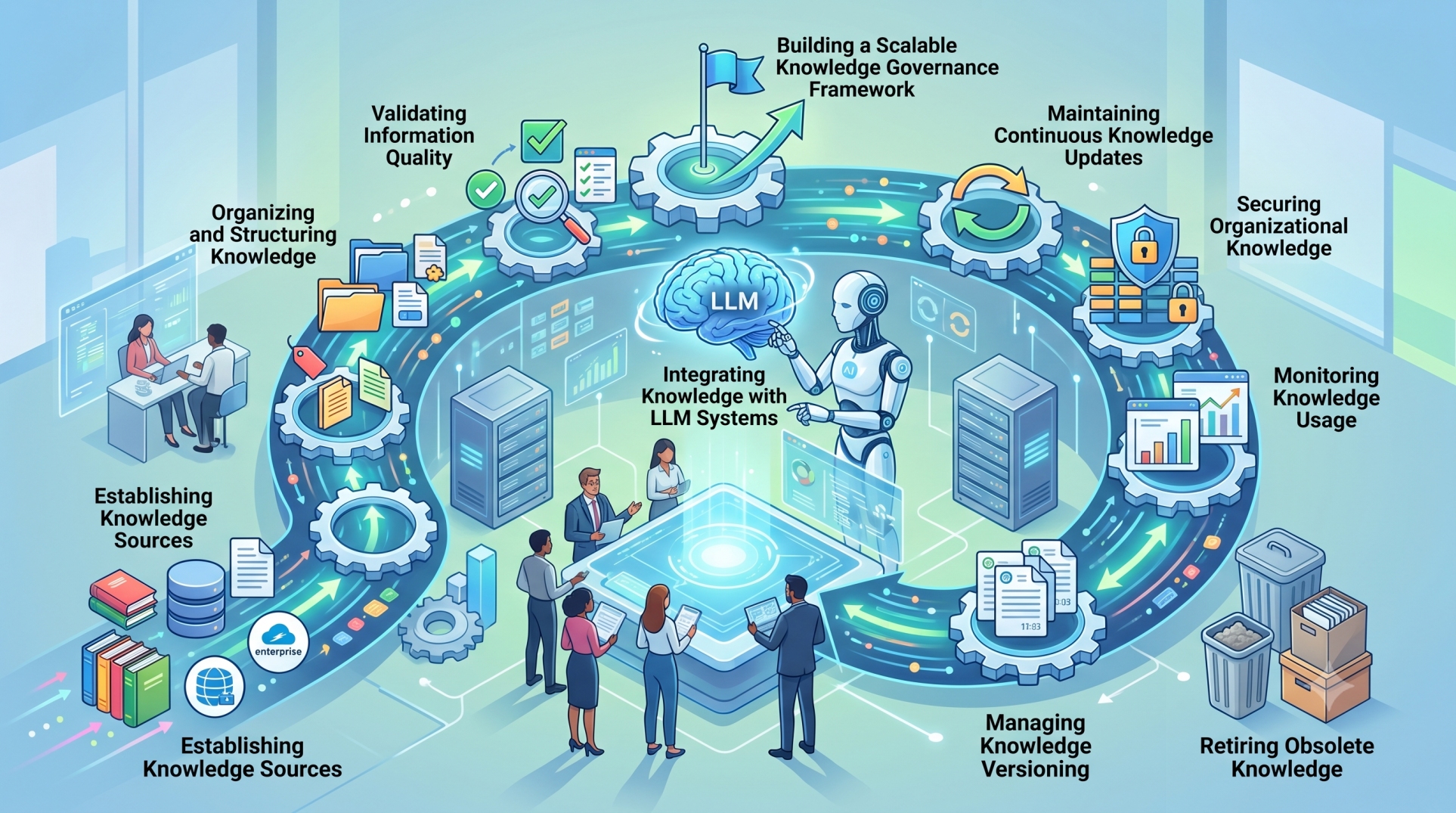
• Modular LLM systems consist of independent yet interconnected components 🧠
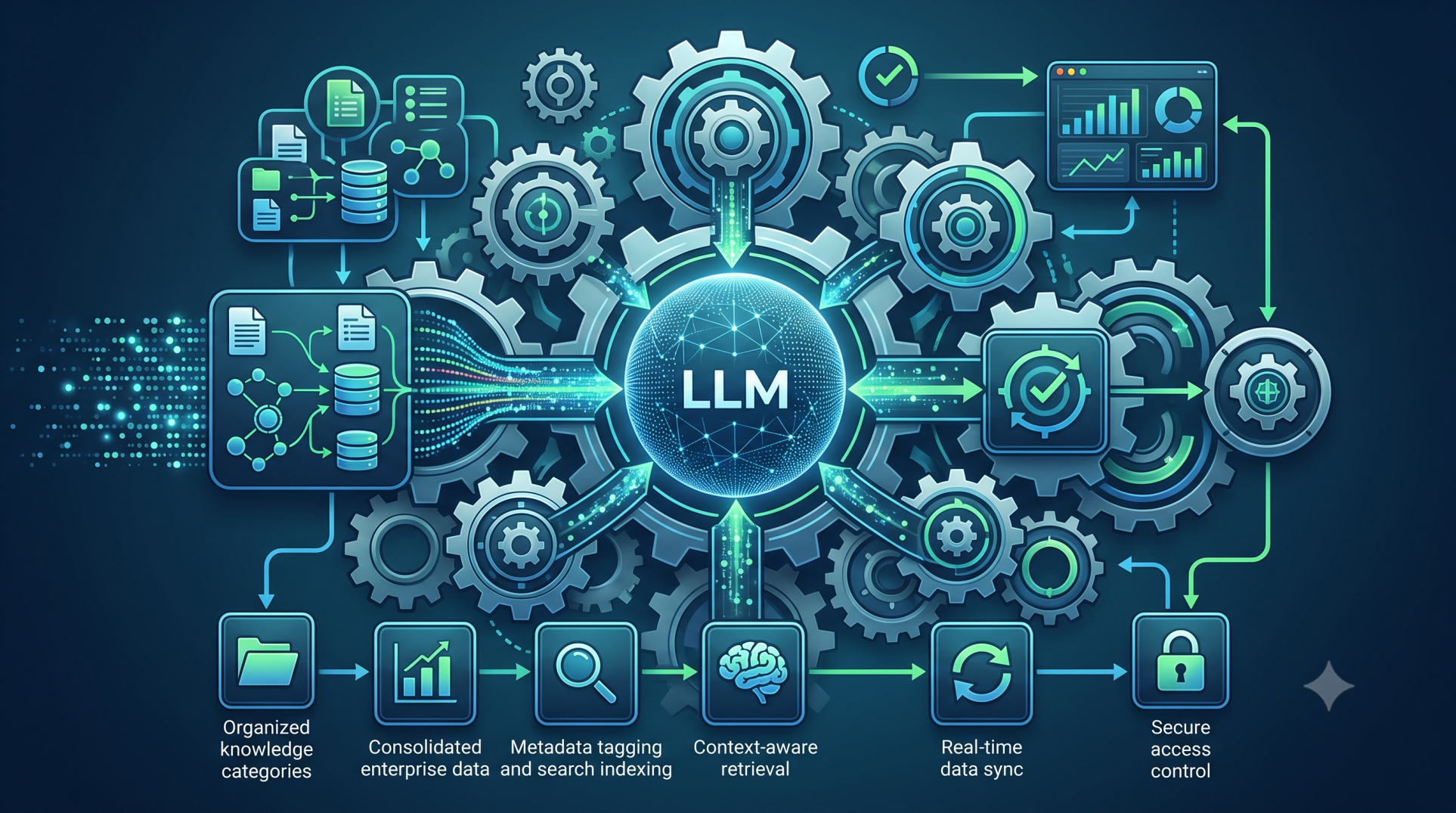
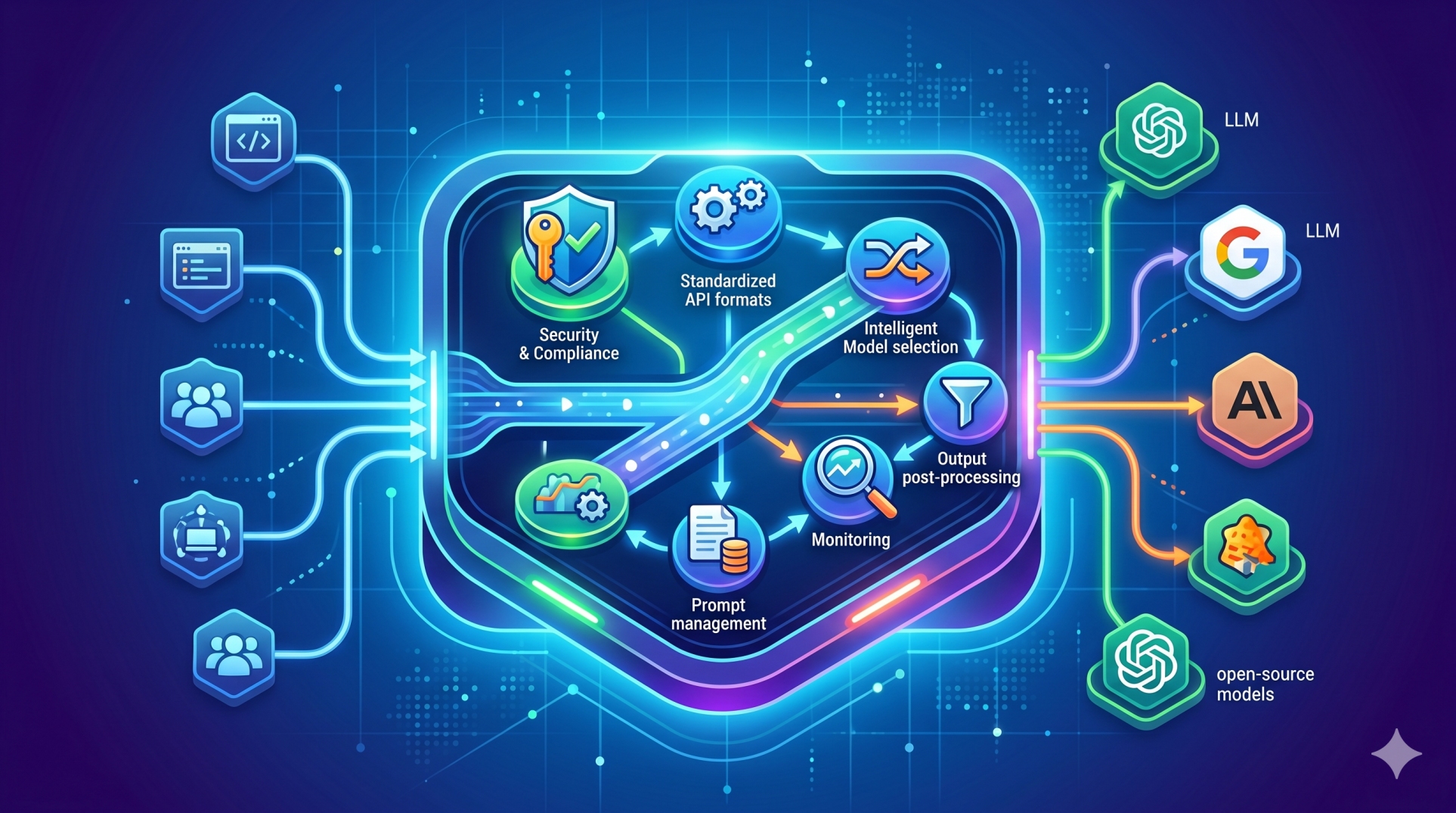
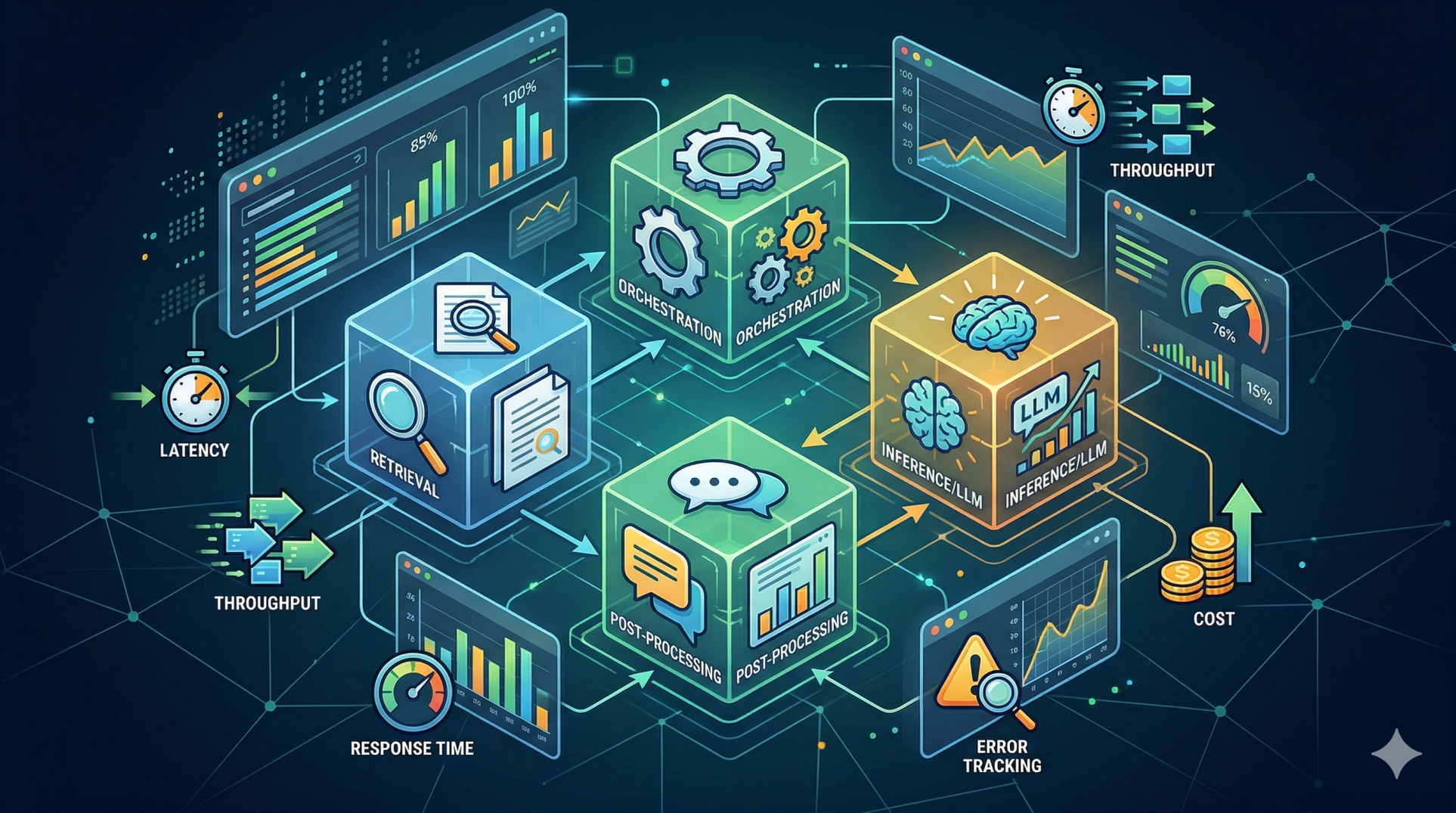
• Common modules include retrieval, orchestration, inference, and post-processing ⚙️
• Each module contributes differently to overall system performance 📊
• Decoupled design enables flexibility, scalability, and targeted optimization 🔄
• Visibility must extend across all modules, not just final outputs 👁️
Step 2: Defining Performance Metrics 📏
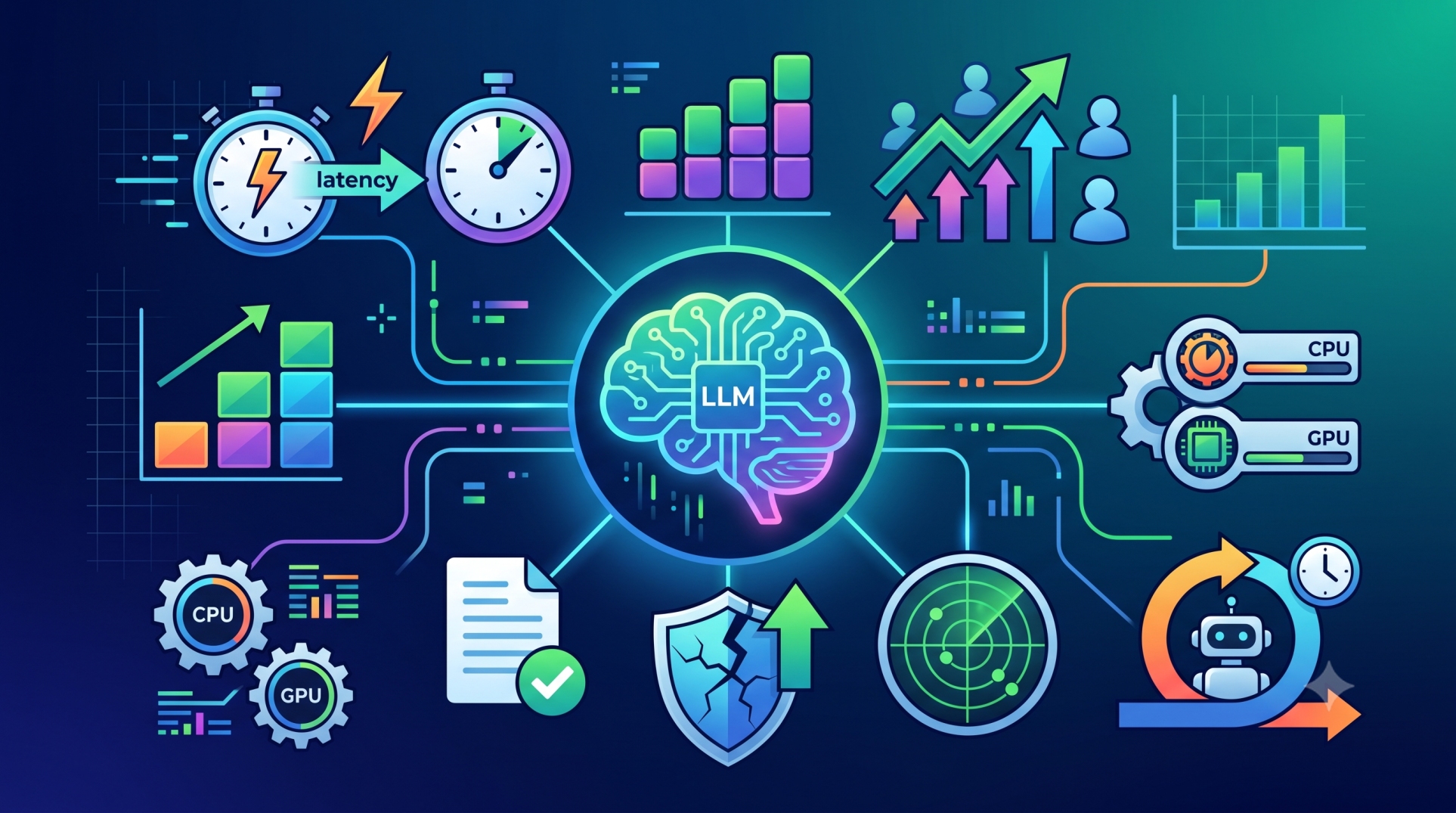
• Establish metrics for latency, accuracy, throughput, and cost ⏱️
• Measure response quality at both module and system levels 📊
• Track token usage and computational efficiency 💻
• Define service-level objectives (SLOs) for each component 🎯
• Align metrics with business and user experience goals 📈
Step 3: Instrumentation and Observability 🔍
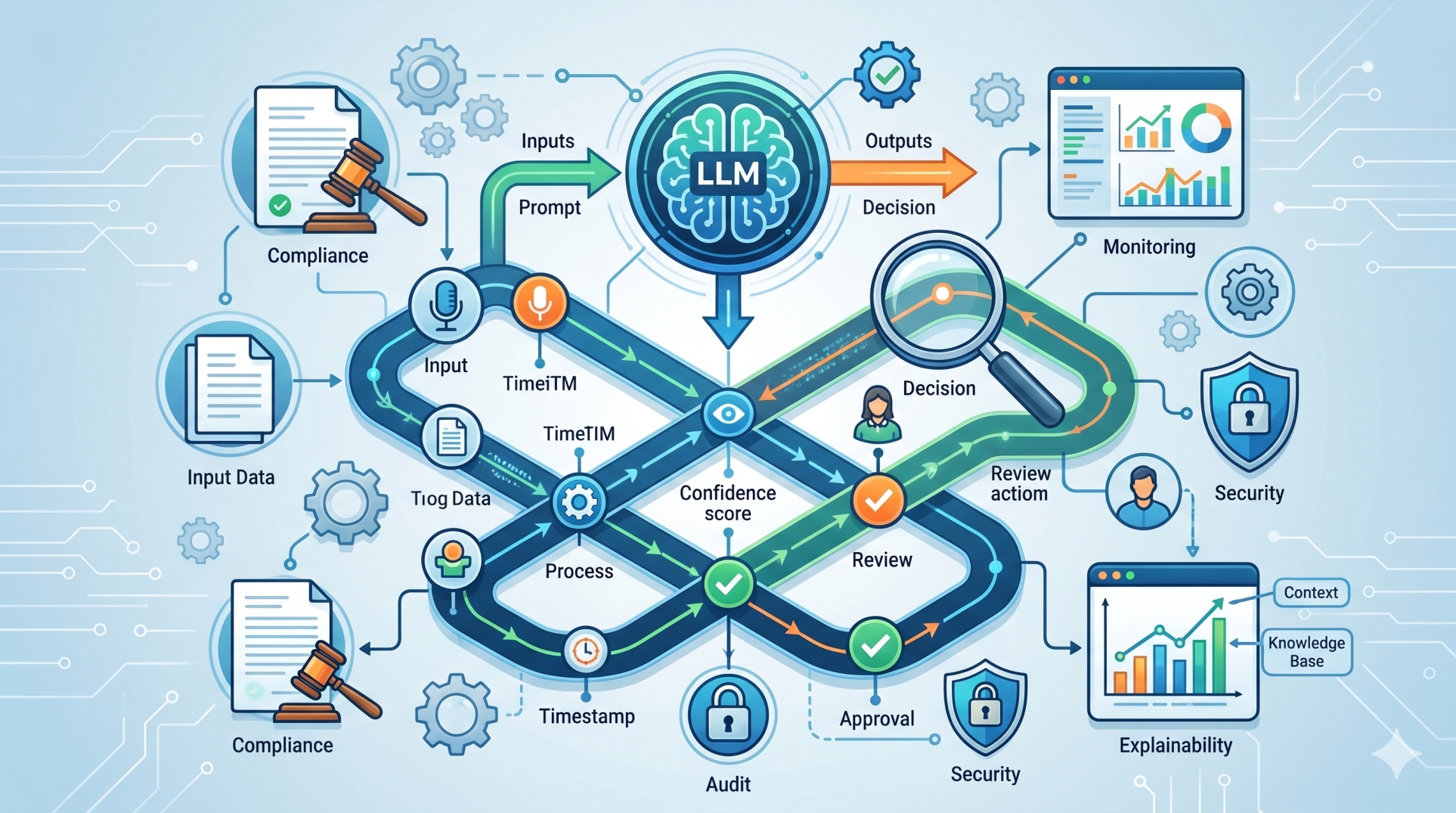
• Implement logging, tracing, and monitoring across all modules 🔍
• Capture inputs, outputs, and intermediate states for analysis 📂
• Use distributed tracing to track request flow across components 🔗
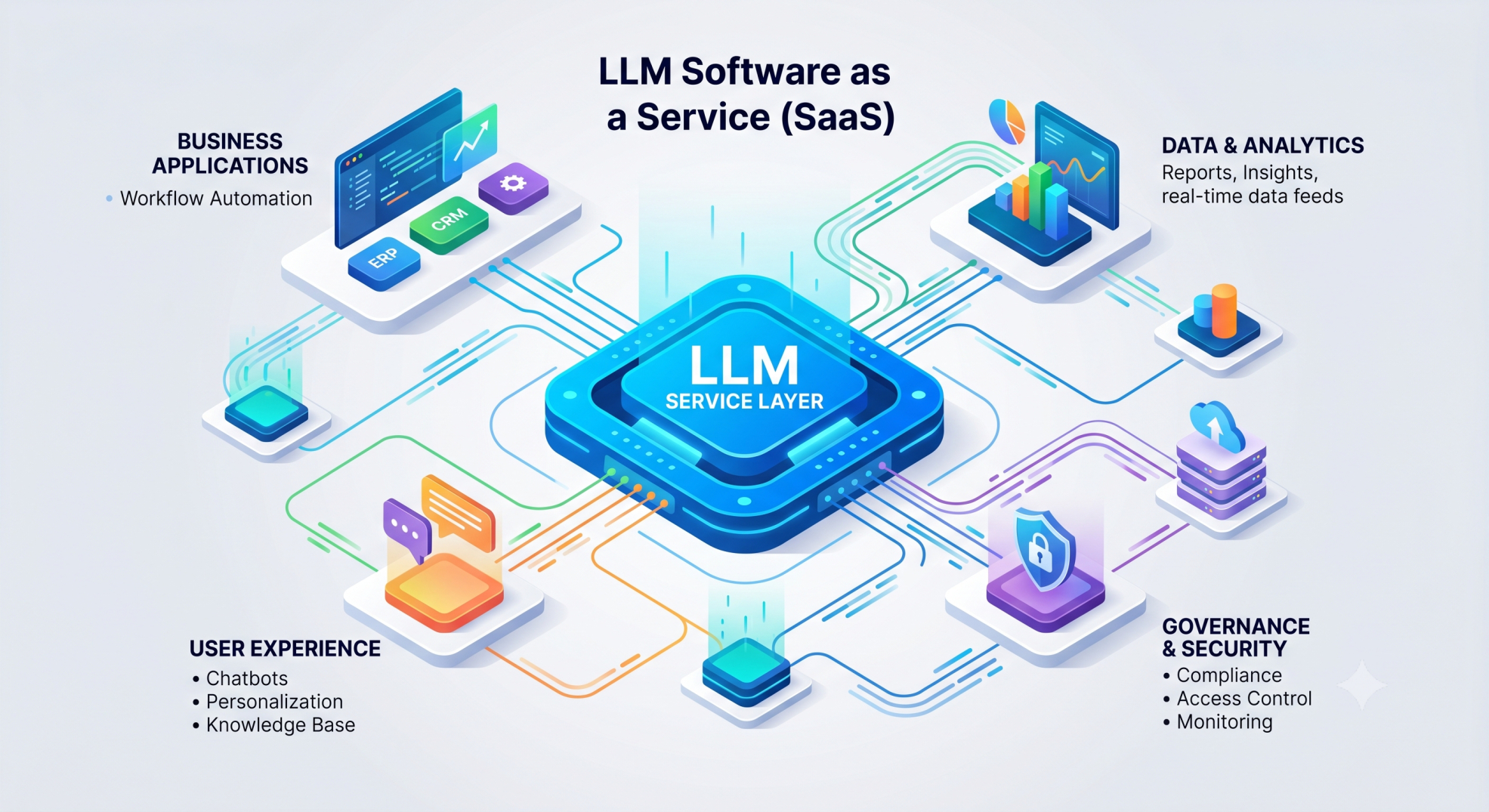
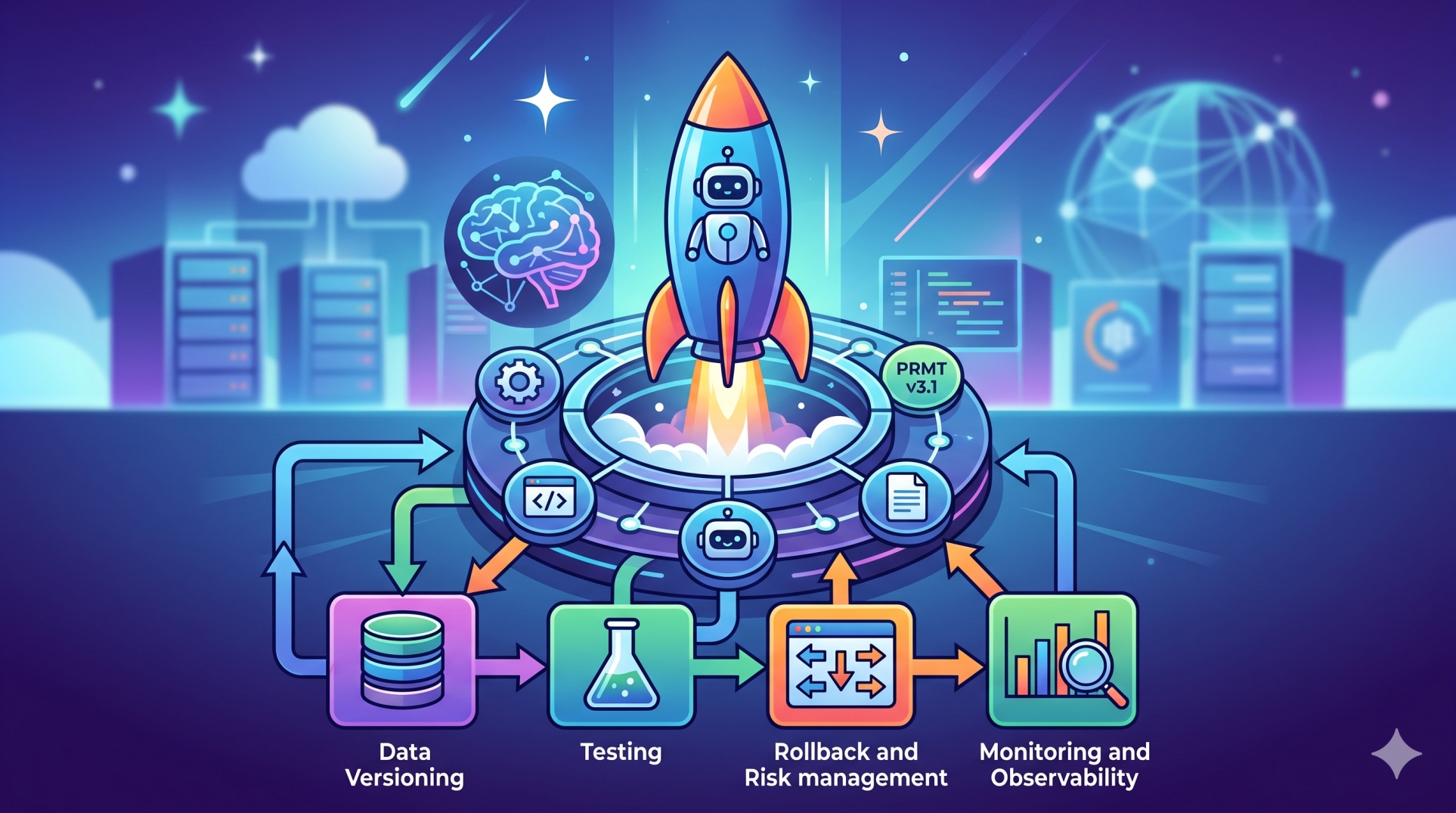
• Enable real-time monitoring dashboards for system health 📊
• Ensure observability tools integrate seamlessly with architecture 🧠
Step 4: Monitoring Inter-Module Dependencies 🔄
• Track how data flows between modules in real time 🔄
• Identify bottlenecks caused by slow or overloaded components 🚧
• Monitor dependency chains to prevent cascading failures ⚠️
• Ensure synchronization between asynchronous modules ⏳
• Maintain system stability through dependency awareness 🛠️
Step 5: Latency and Throughput Optimization ⚡
• Measure latency at each stage of the LLM pipeline ⏱️
• Identify slow-performing modules impacting response time 🐢
• Optimize throughput for high-volume workloads 📦
• Balance speed with response quality ⚖️
• Continuously refine performance under real-world conditions 🔄
Step 6: Error Tracking and Debugging 🛠️
• Capture and categorize errors at module-level granularity 🧾
• Identify root causes of failures in specific components 🔍
• Monitor hallucinations or incorrect outputs systematically ⚠️
• Enable replay mechanisms for debugging complex scenarios 🔁
• Improve reliability through continuous issue resolution 🧠
Step 7: Cost and Resource Visibility 💰
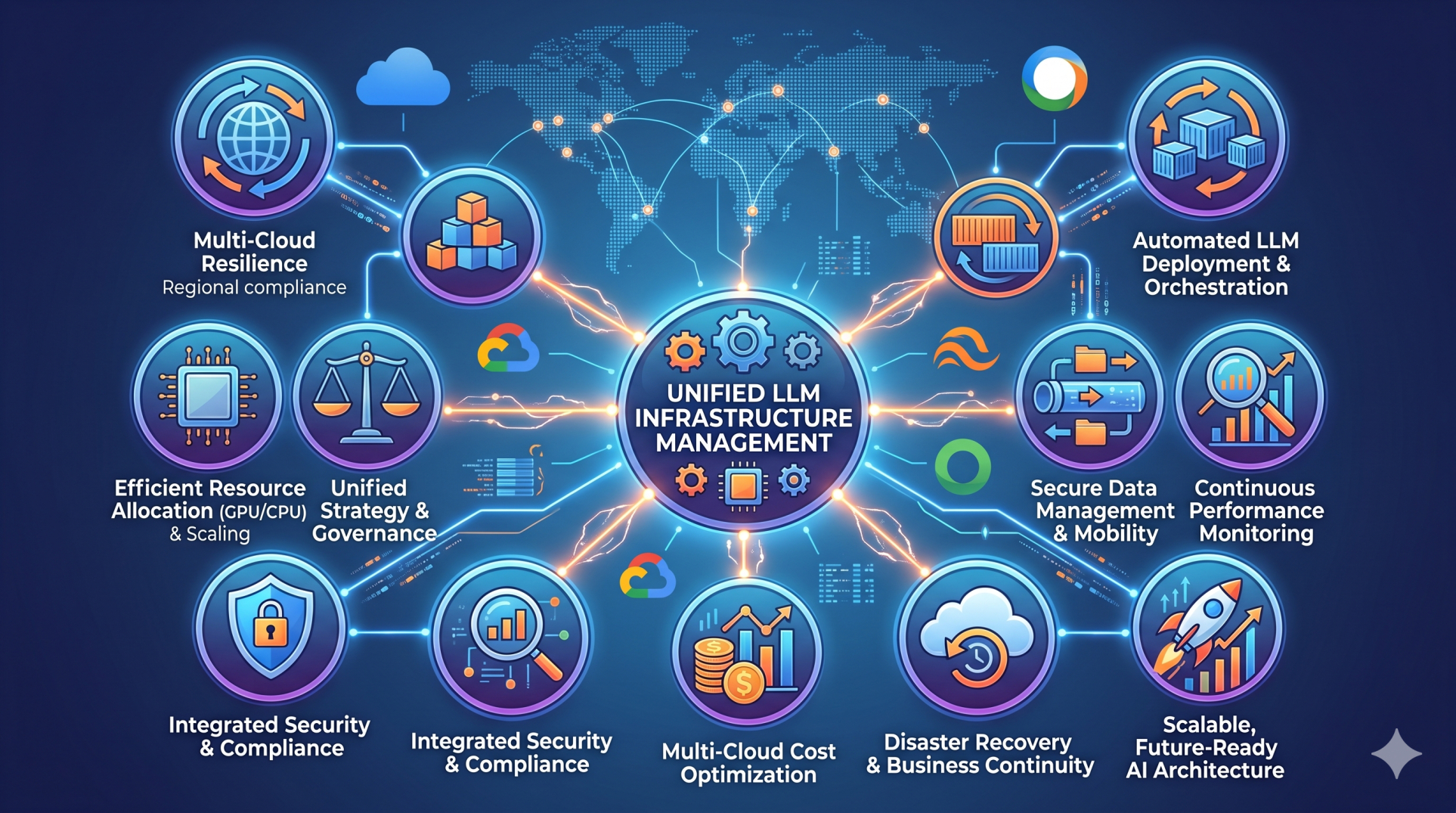
• Track compute usage across different modules 💻
• Monitor token consumption and API costs 💰
• Identify high-cost components and optimize resource allocation 📊
• Balance performance improvements with cost efficiency ⚖️
• Enable budgeting and forecasting for LLM operations 📈
Step 8: Key Visibility Priorities 📊
• End-to-end transparency across all LLM components 👁️
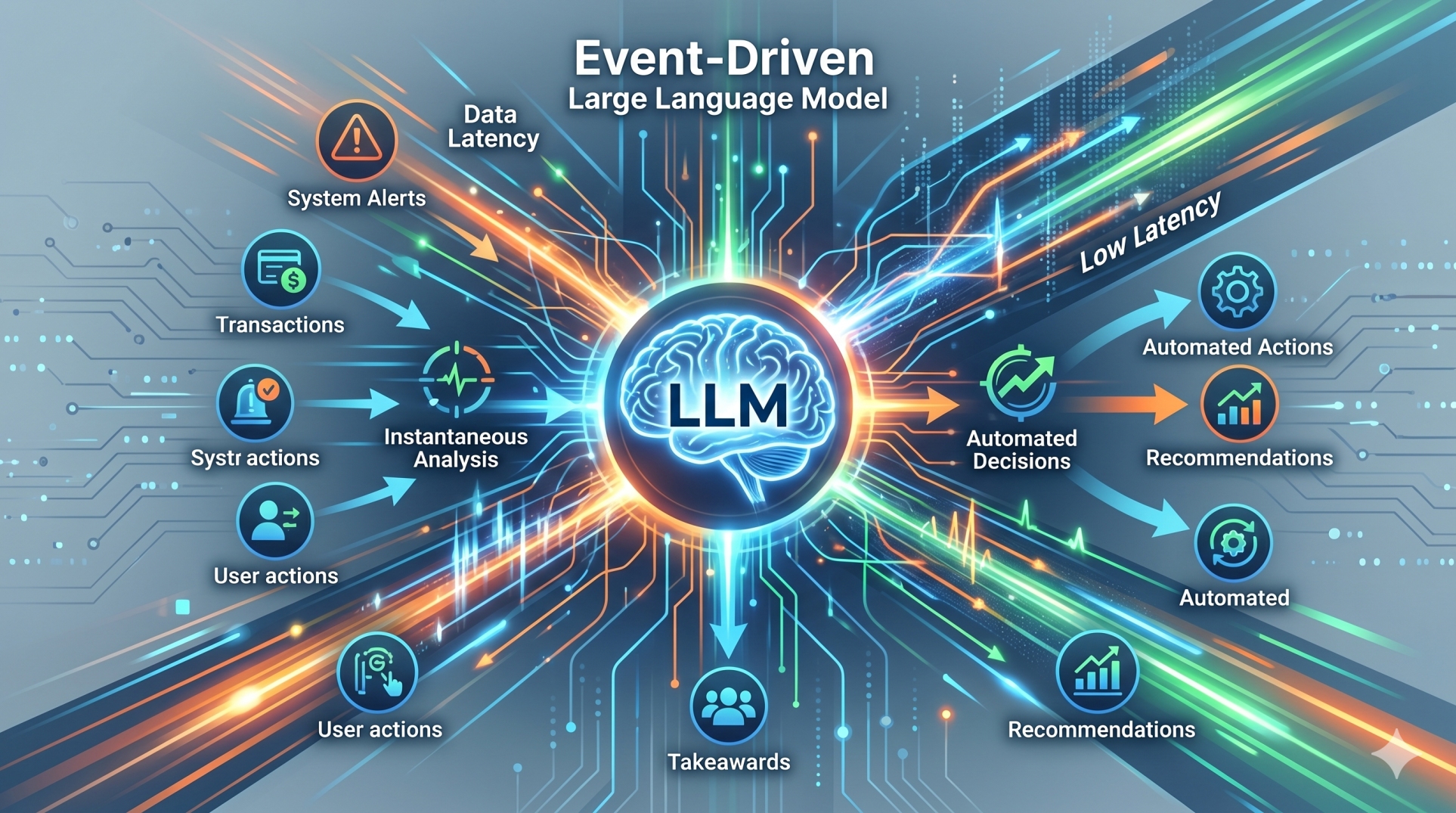
• Real-time monitoring and alerting capabilities 🚨
• Granular insights into module-level performance 🧩
• Scalable observability infrastructure for growth 🚀
Step 9: Continuous Evaluation and Feedback Loops 🔁
• Implement automated evaluation pipelines for output quality 🤖
• Collect user feedback to refine system performance 🗣️
• Continuously retrain or adjust models based on insights 📚
• Use A/B testing to compare module improvements ⚖️
• Maintain iterative improvement cycles for optimization 🔄
Step 10: Building a Scalable Observability Framework 🚀
• Design observability systems that scale with modular growth 📈
• Integrate monitoring tools into development and deployment pipelines 🔗
• Support real-time analytics and historical performance analysis 📊
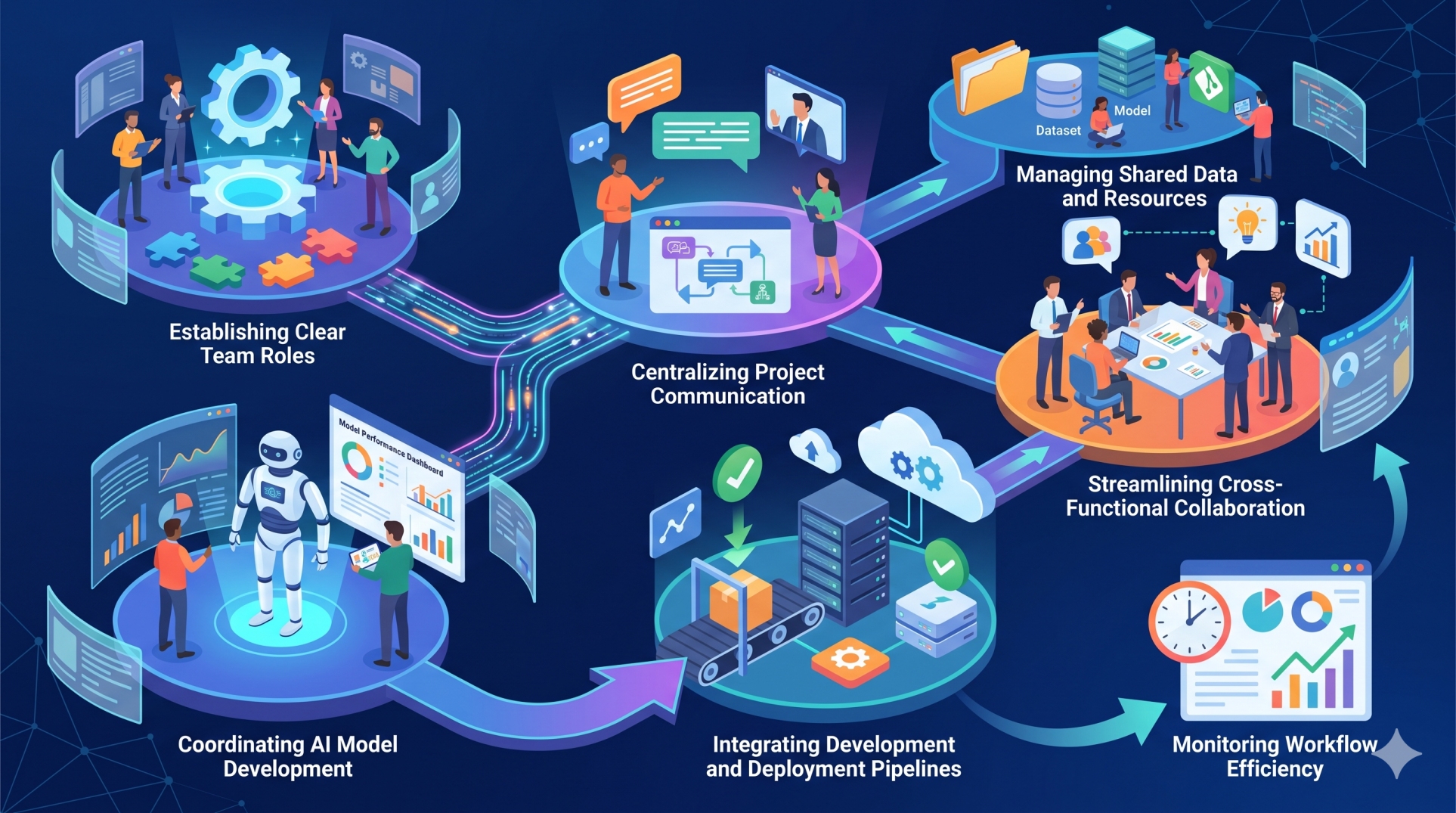
• Enable cross-team visibility for collaboration 🤝
• Future-proof systems with adaptable monitoring strategies 🧠
Conclusion
Performance visibility in modular LLM software is essential for ensuring reliability, efficiency, and scalability in modern AI systems. By implementing comprehensive observability, tracking meaningful metrics, and continuously optimizing performance, organizations can gain full control over complex LLM architectures. Strong visibility not only improves system outcomes but also enables faster innovation and long-term operational success.
See more blogs
You can all the articles below