Software Frameworks for Interpreting Language Model Outputs
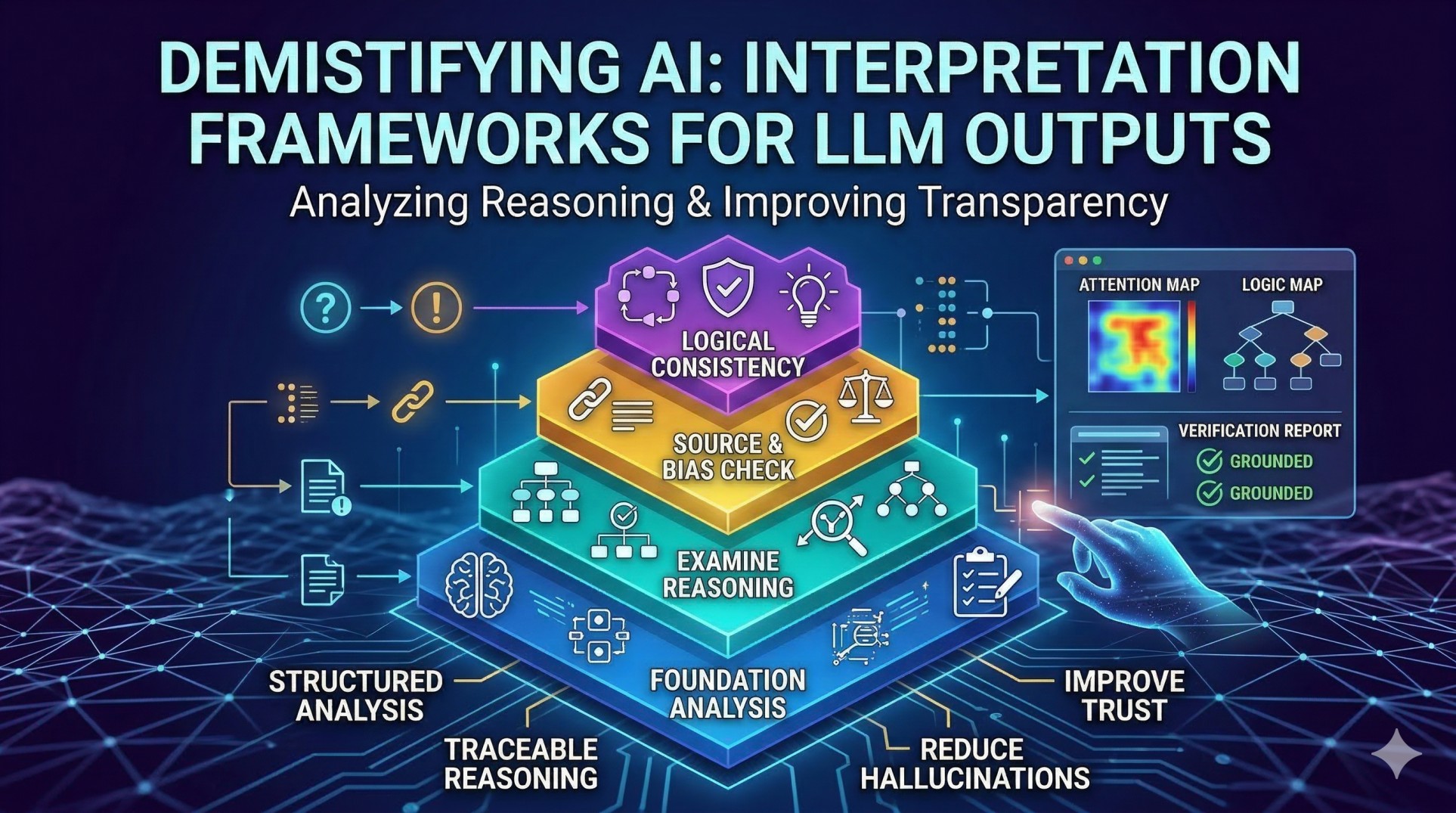
Software Frameworks for Interpreting Language Model Outputs
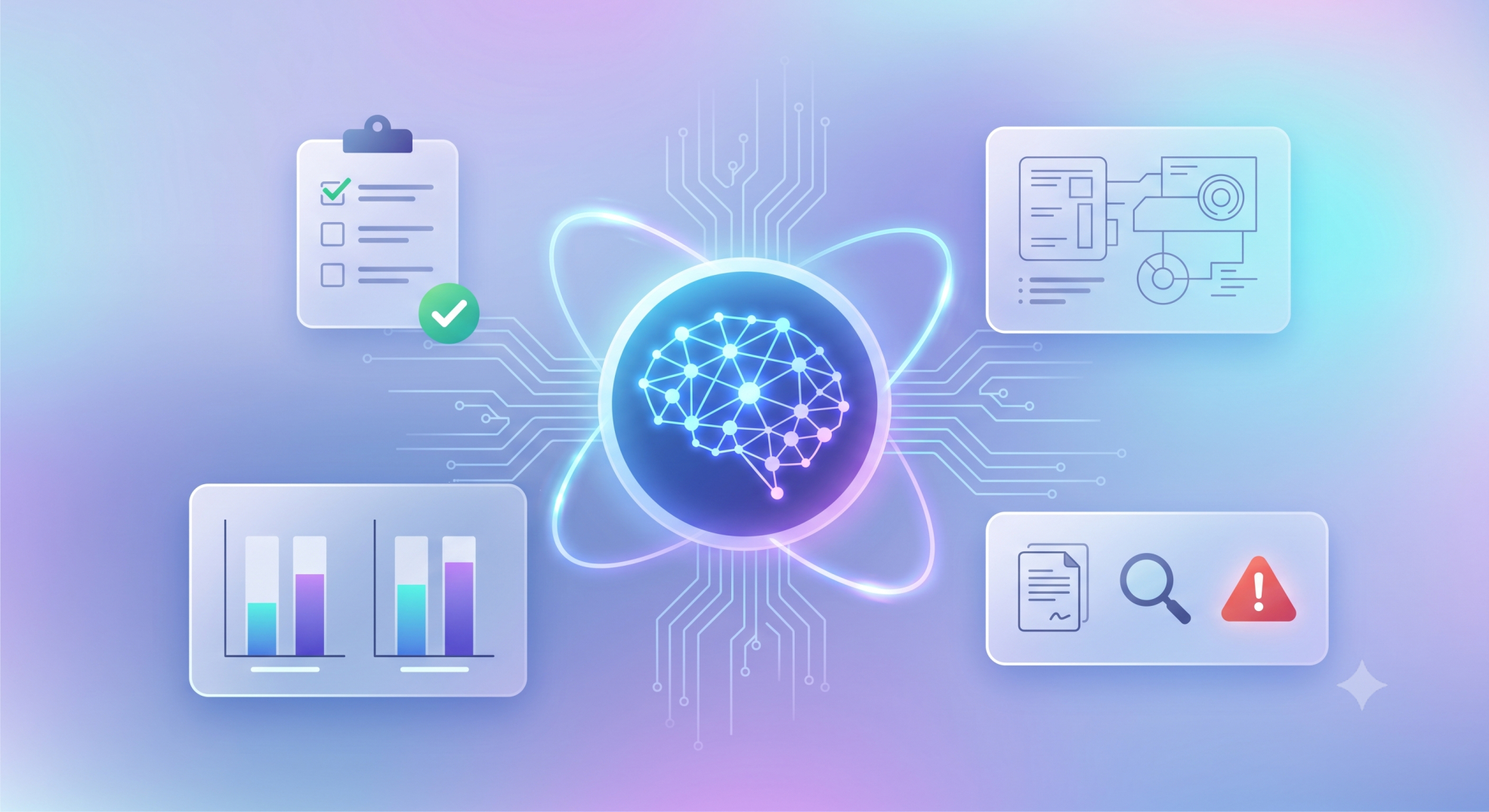
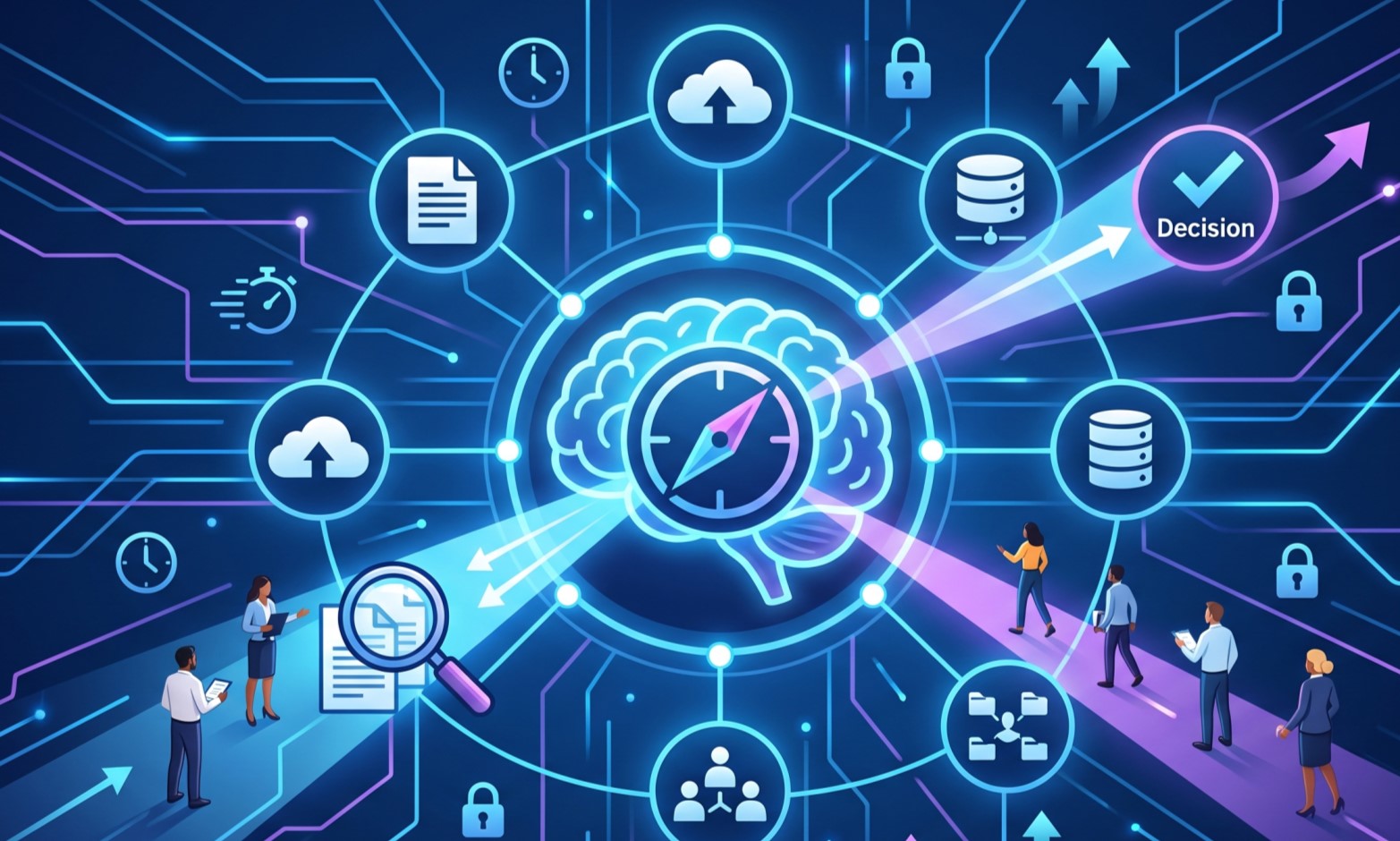
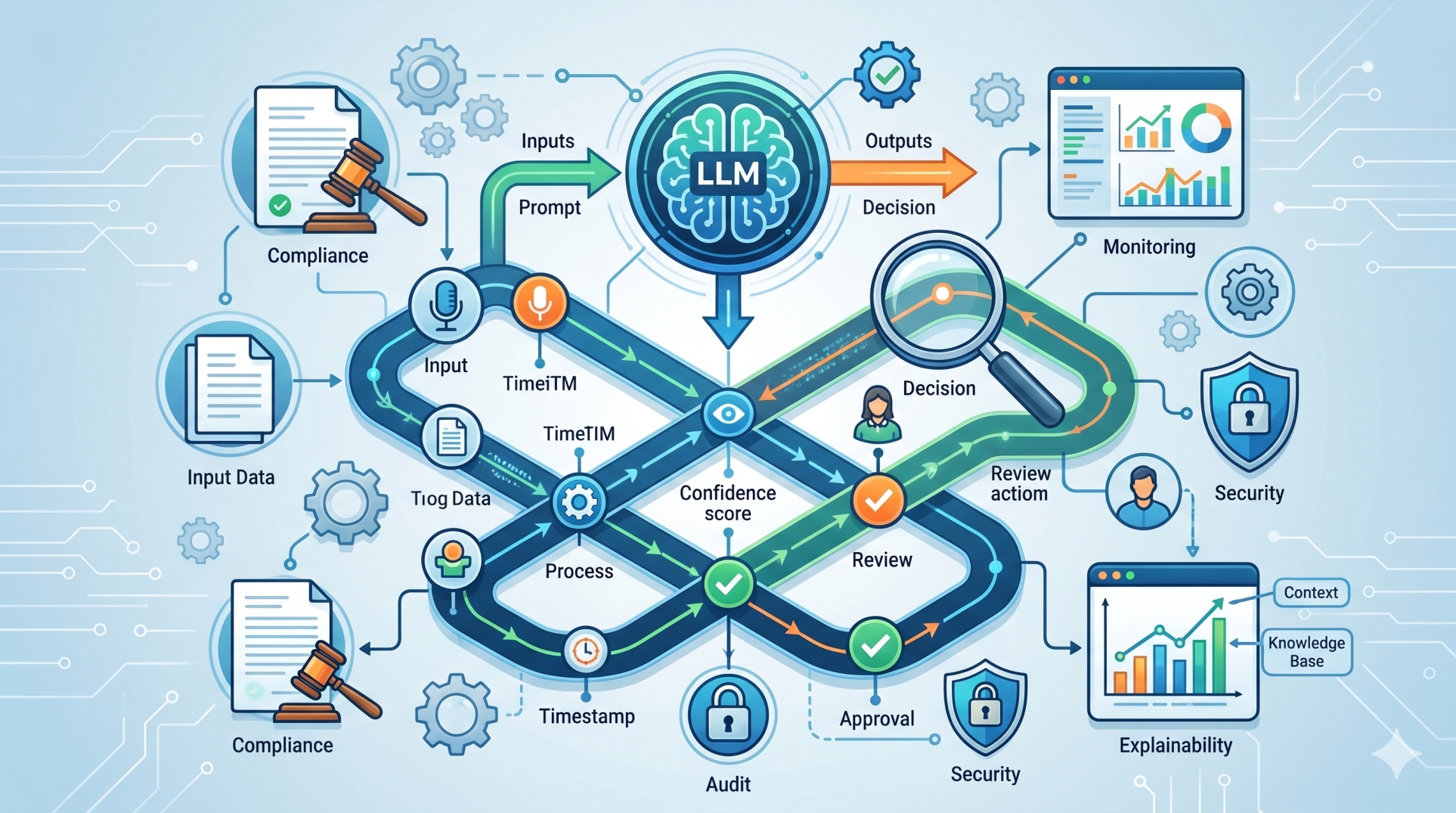
As Large Language Models become integrated into modern software platforms, understanding how their outputs are generated has become increasingly important. Interpretation frameworks provide structured approaches for analyzing model responses, examining reasoning patterns, and improving transparency in AI-driven applications. These frameworks allow developers and organizations to better evaluate model behavior while strengthening reliability, accountability, and trust in AI-powered systems.
1. The Importance of Interpreting Language Model Outputs 🔍
• Language models frequently generate complex responses that can be difficult to interpret directly 🧠
• Organizations require clarity when AI outputs influence operational decisions or workflows 🏢
• Understanding model behavior helps detect hallucinations or inaccurate reasoning ⚠️
• Interpretation enables better debugging and system optimization 🛠️
• Transparent outputs increase confidence in AI-powered solutions 🤝
2. Structured Examination of Model Responses 🧩
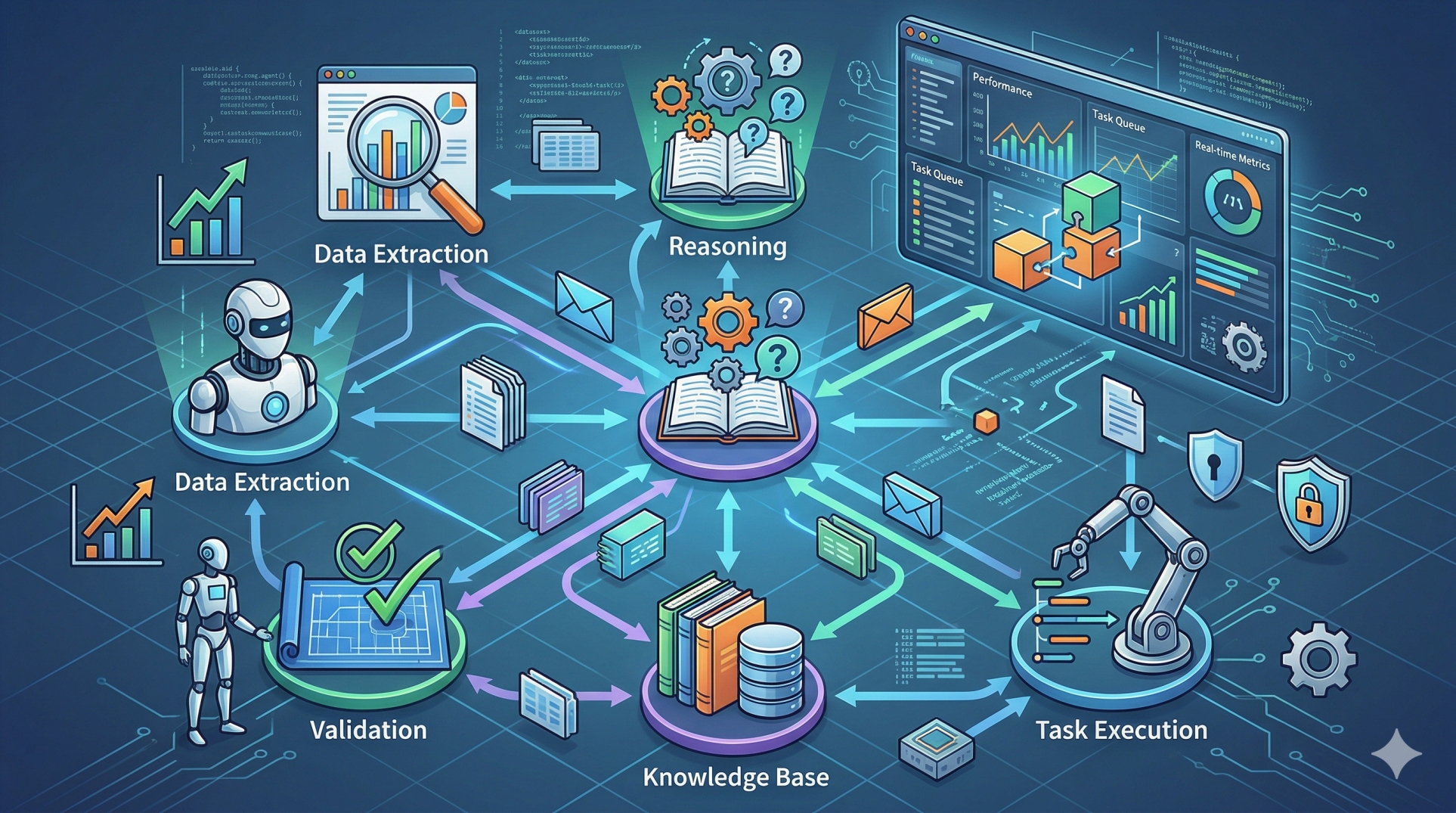
• Breaks generated outputs into components such as statements, reasoning, and conclusions 📄
• Verifies whether responses align with the intent of the original prompt 🎯
• Reviews logical flow within generated explanations 🔄
• Enables consistent evaluation across multiple outputs 📊
• Supports systematic analysis of model-generated content 📚
3. Input Attribution and Source Identification 🔗
• Identifies which parts of the input or context influenced the generated response 🧠
• Connects outputs to supporting documents or retrieved knowledge 📖
• Highlights statements that lack verifiable evidence ⚠️
• Helps confirm factual grounding within responses ✔️
• Improves transparency in how answers are constructed 🔍
4. Detecting Errors and Hallucinated Content 🚨
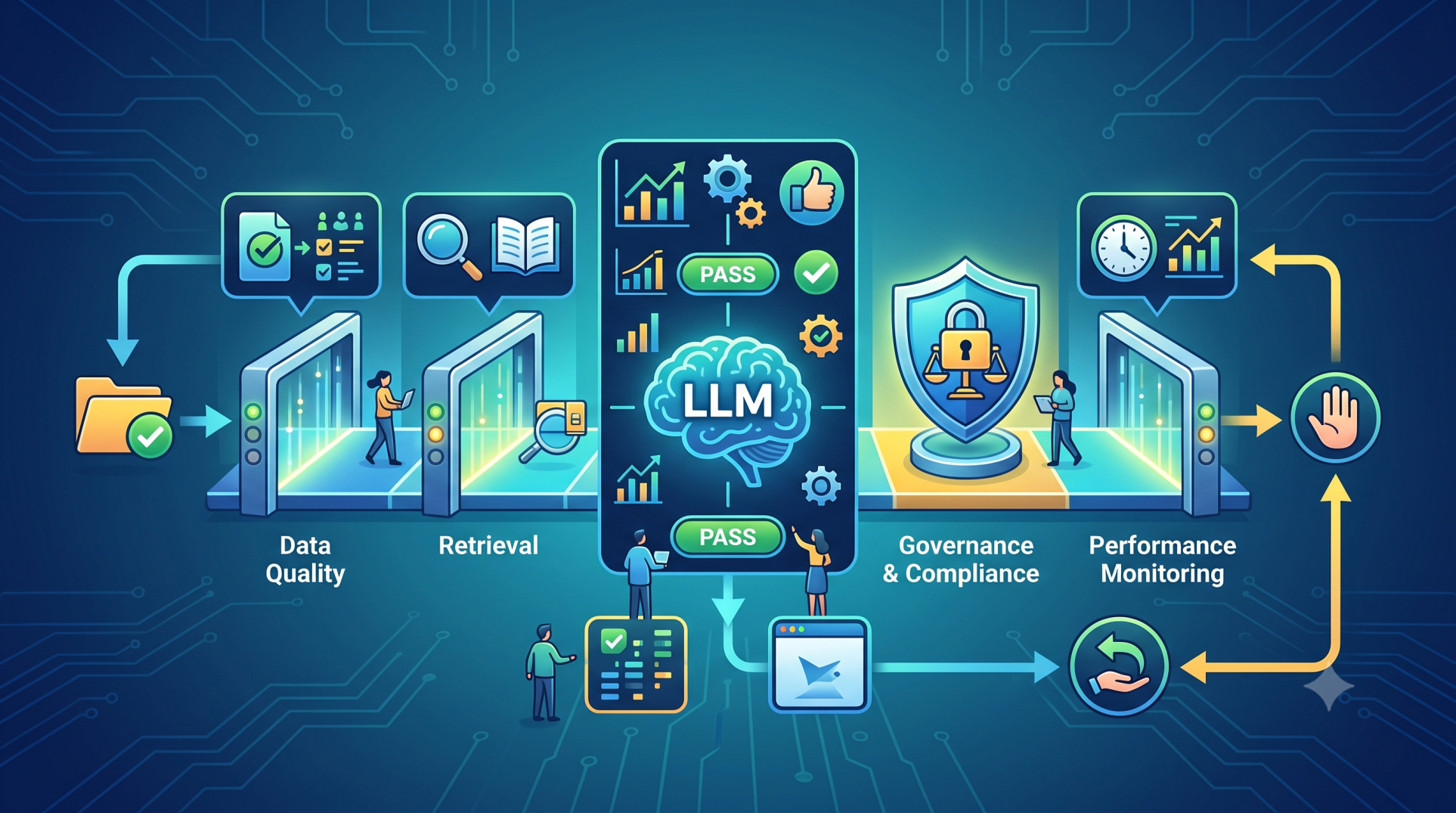
• Compares model responses against verified information sources 📚
• Flags speculative or unsupported statements ⚠️
• Differentiates confident language from confirmed facts 🧠
• Detects recurring patterns of incorrect outputs 🔁
• Enhances safety when deploying models in sensitive environments 🛡️
5. Assessing Logical Consistency and Reasoning 🧠
• Reviews whether responses follow logical reasoning steps 🔍
• Identifies contradictions within generated explanations ⚠️
• Evaluates the completeness of arguments and conclusions 📄
• Verifies the quality of step-by-step reasoning processes ✔️
• Strengthens reliability in analytical responses 📊
6. Visualization and Interpretability Tools 📊
• Presents response structures through visual formats for easier analysis 📈
• Shows relationships between prompts, contextual data, and outputs 🔗
• Highlights reasoning flows and model attention patterns 🔍
• Helps developers quickly diagnose unexpected model behavior 🛠️
• Simplifies communication of model behavior to technical teams 👥
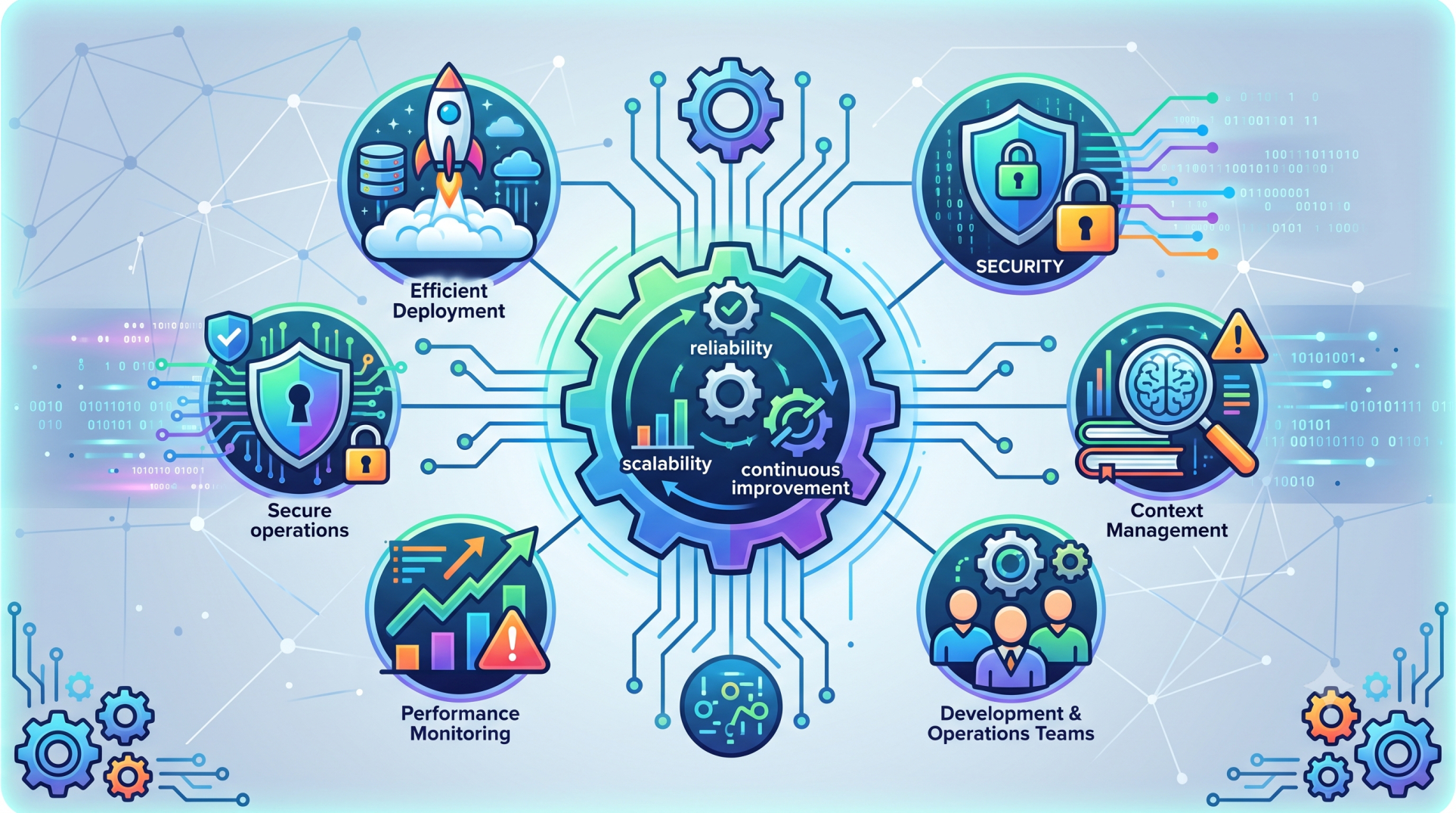
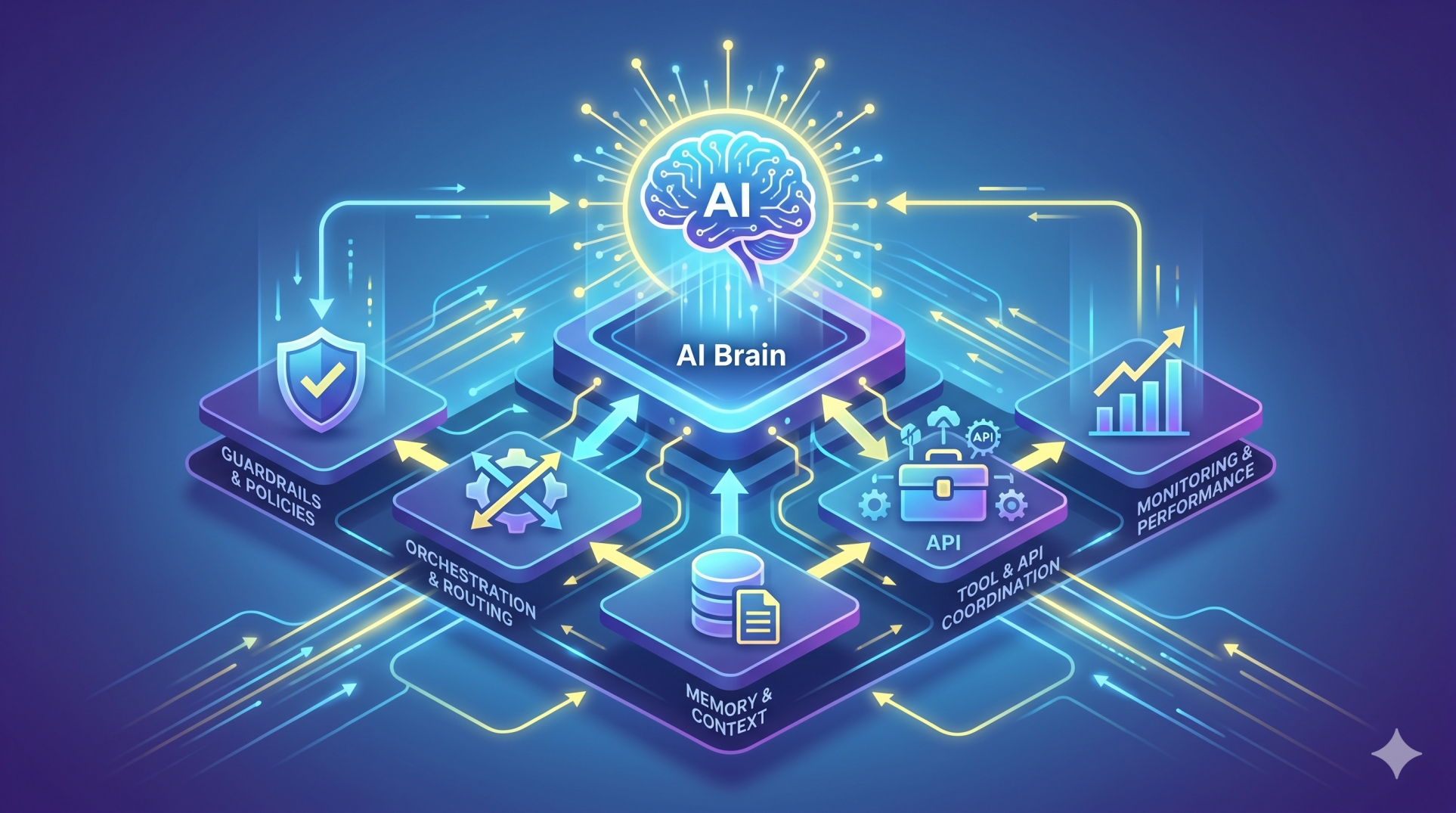
7. Integration with Development and Monitoring Pipelines ⚙️
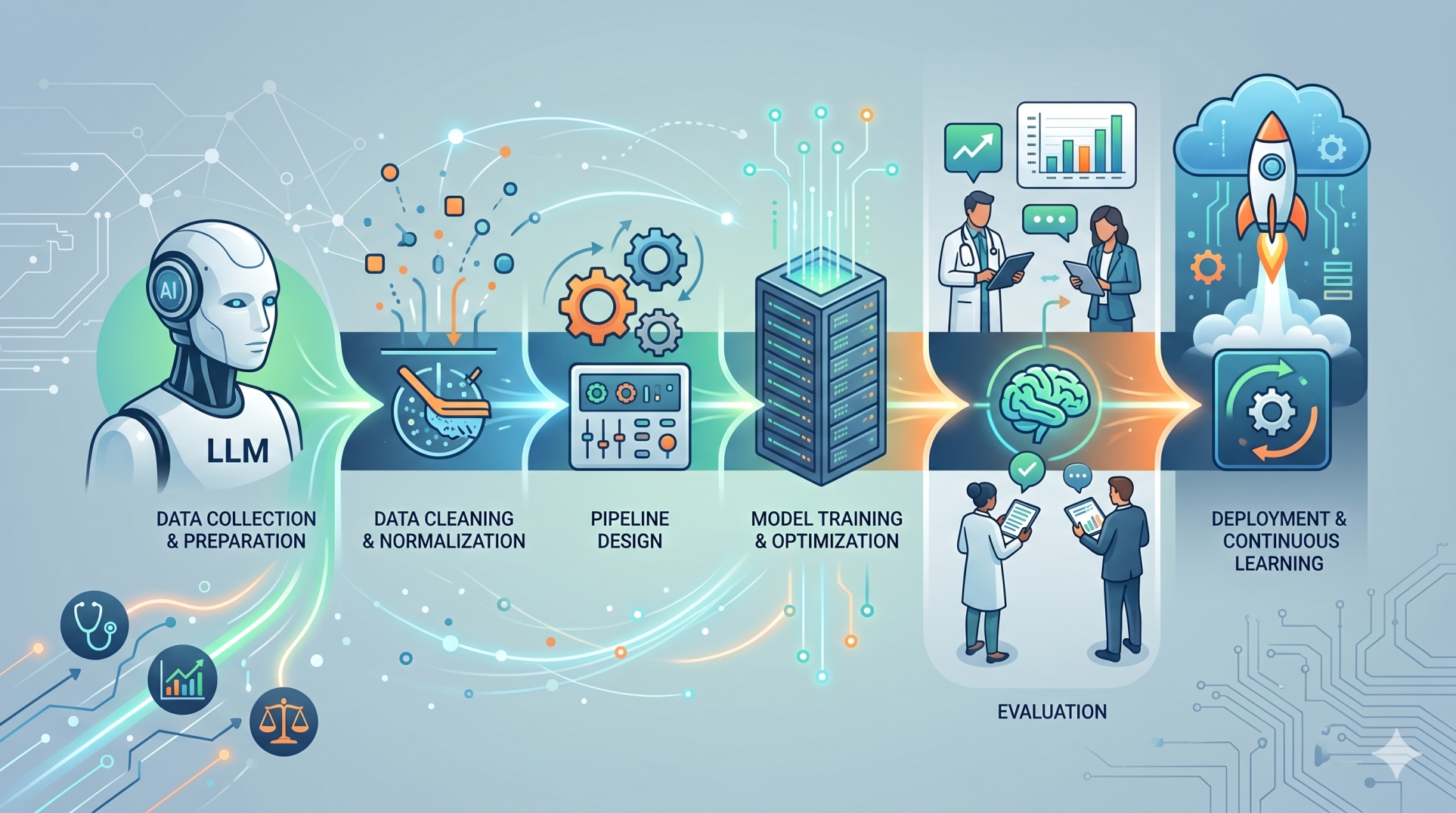
• Connects interpretation tools with model testing environments 🧪
• Enables automated analysis during development cycles 🔄
• Monitors model outputs continuously in production systems 📡
• Generates logs and evaluation reports for engineering teams 📑
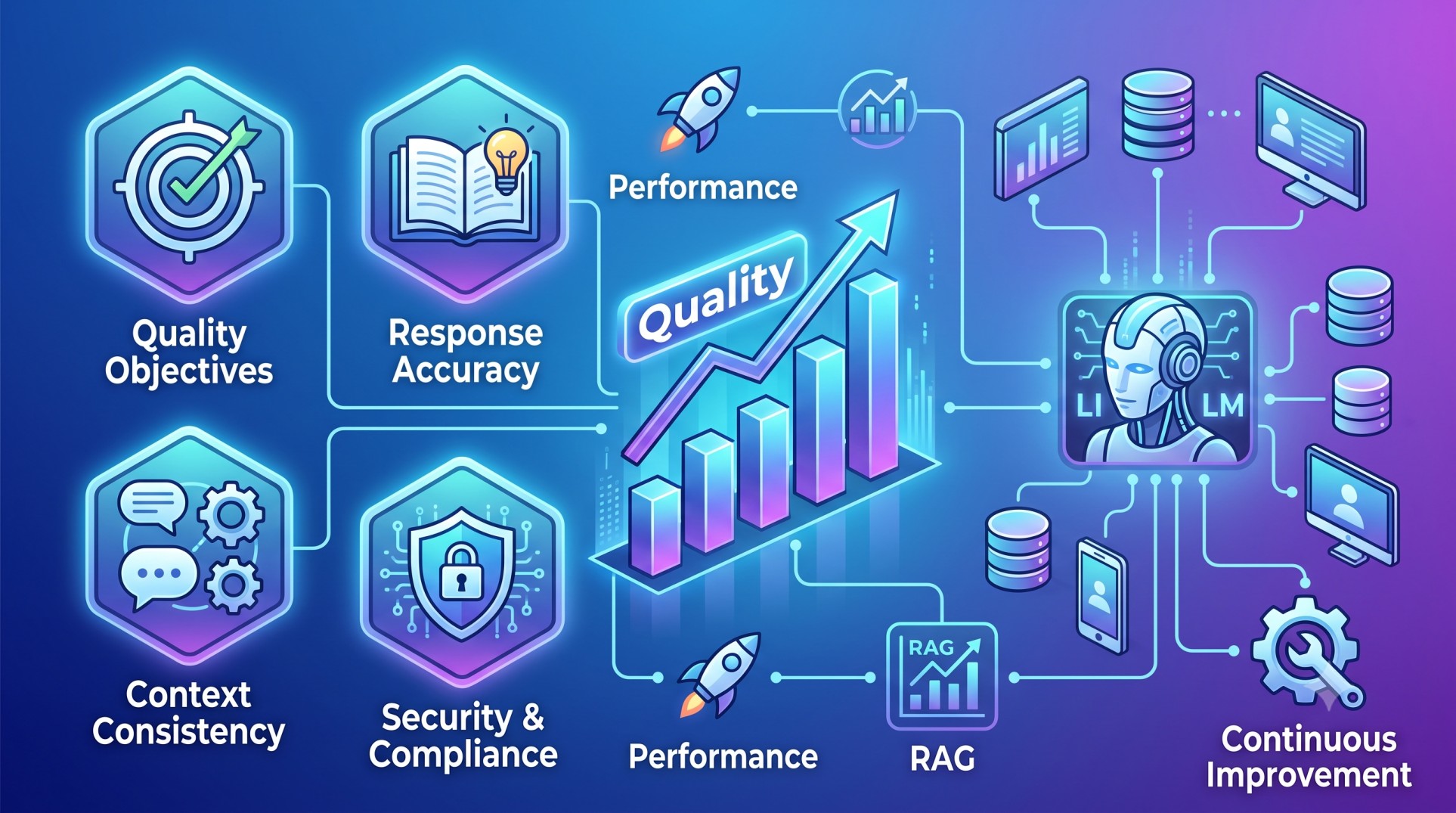
• Supports ongoing improvement of model performance 🚀
8. Strategic Benefits of Output Interpretation 🎯
• Builds transparency and trust in AI-driven systems 🤝
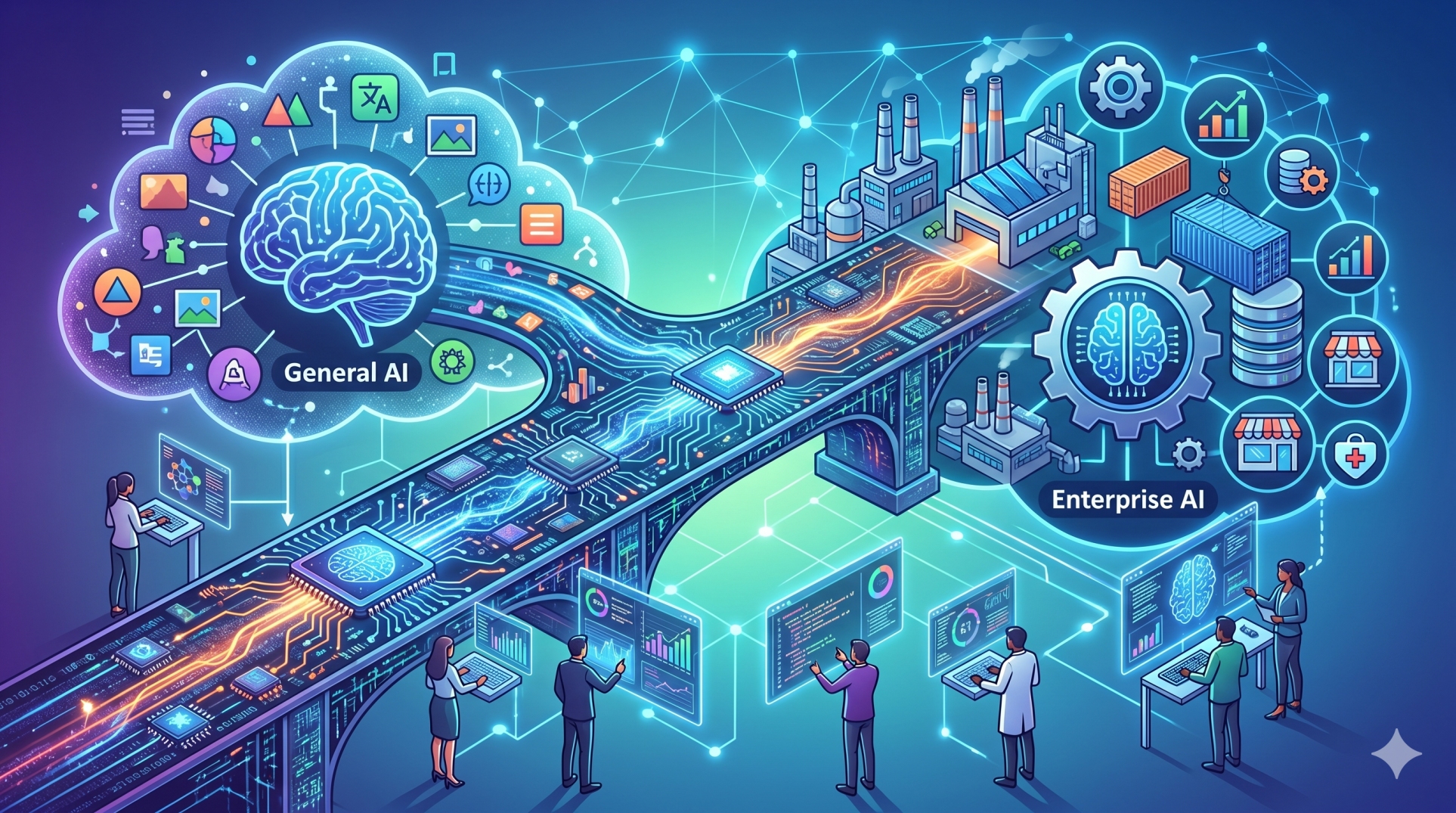
• Supports responsible deployment in enterprise and regulated environments 🏢
• Encourages accountable and ethical AI practices ⚖️
Conclusion
Frameworks designed to interpret language model outputs play a critical role in understanding and improving AI system behavior. By analyzing reasoning structures, identifying potential errors, tracing information sources, and embedding interpretability tools into development workflows, organizations gain deeper insight into how models produce responses. As language models continue to power real-world applications, interpretation frameworks will remain essential for maintaining reliable, transparent, and responsible AI systems.
See more blogs
You can all the articles below