Modular Runtime Environments for Large Language Model Applications
Modular Runtime Environments for Large Language Model Applications
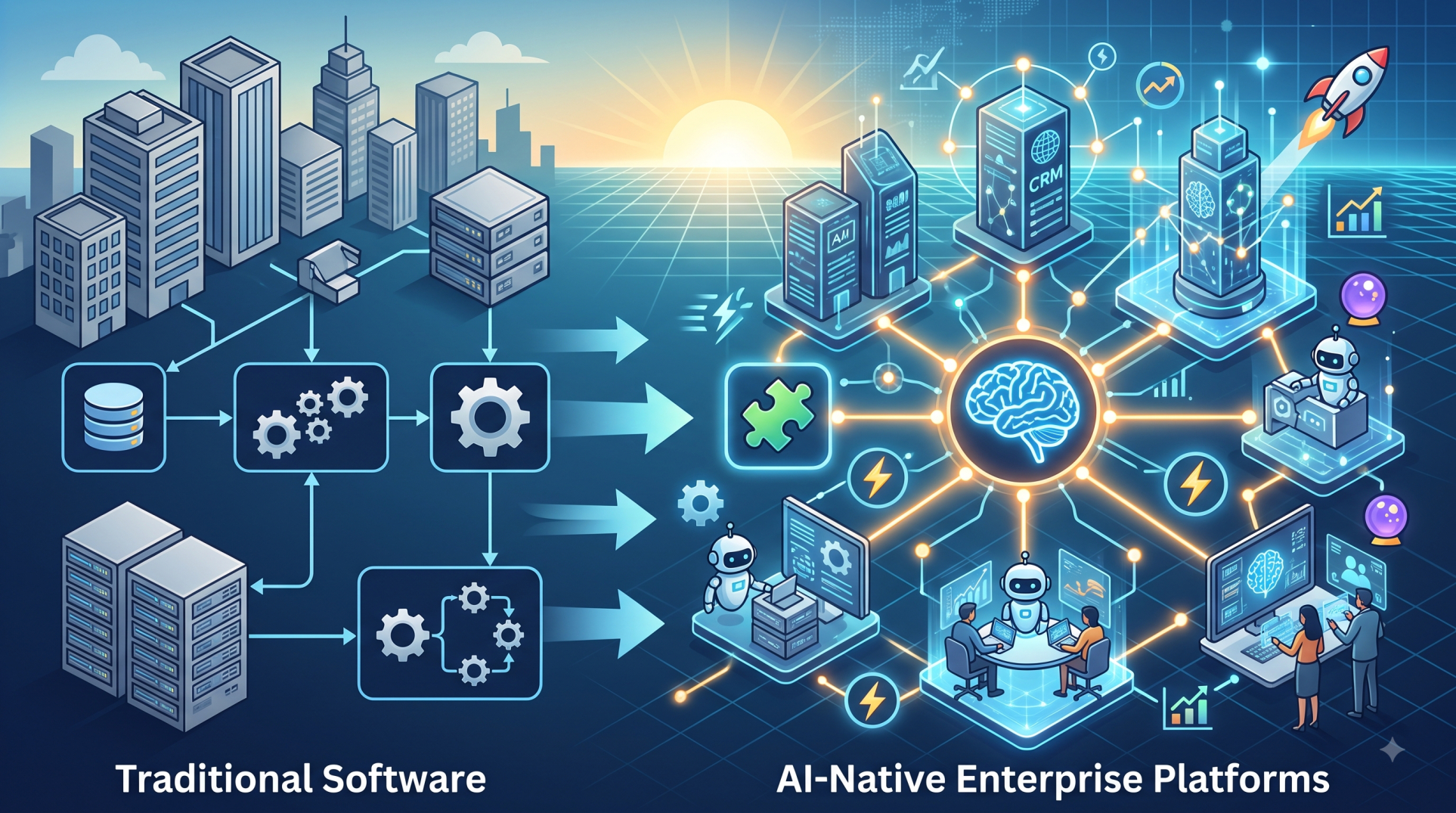
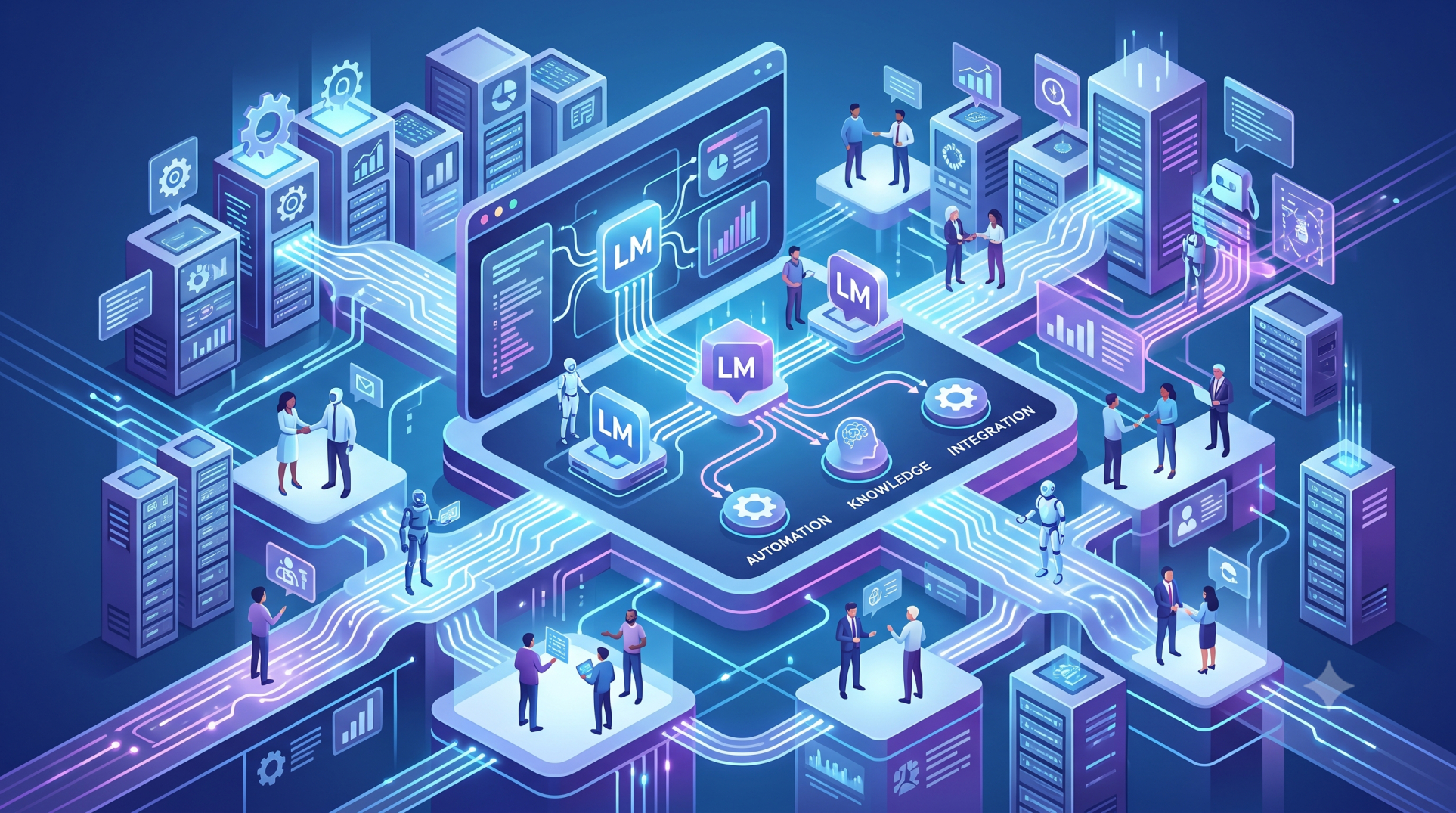
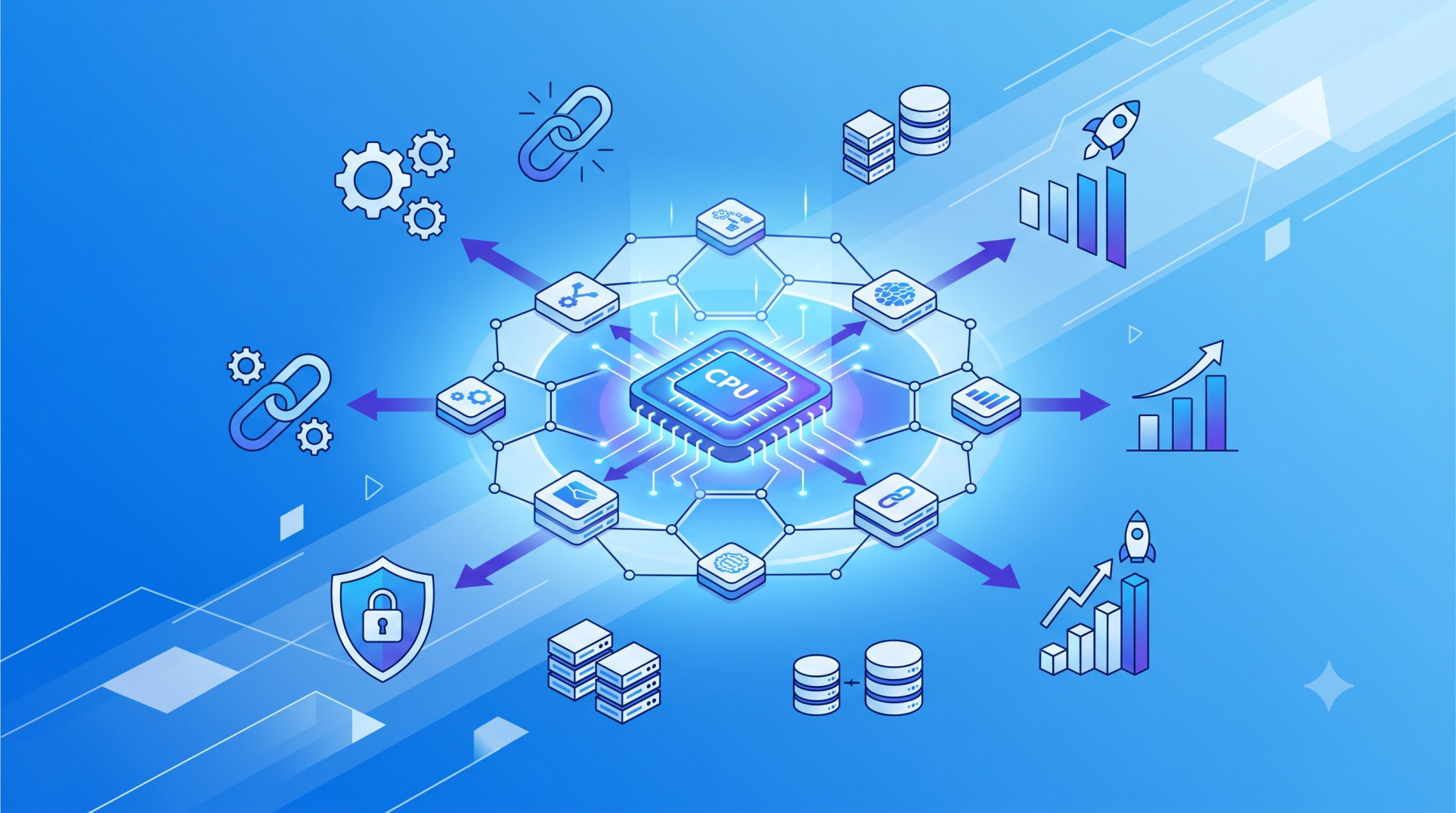
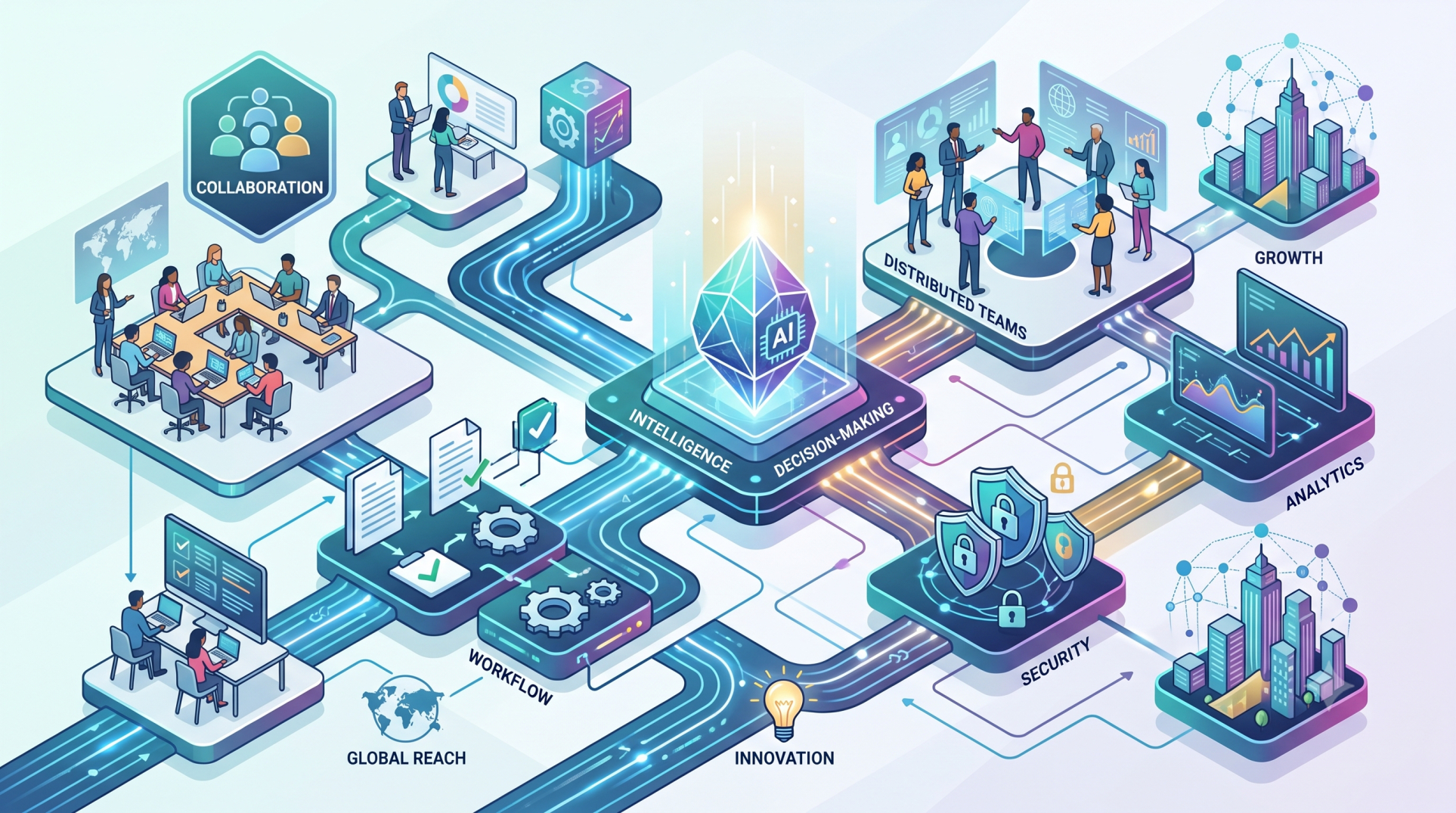
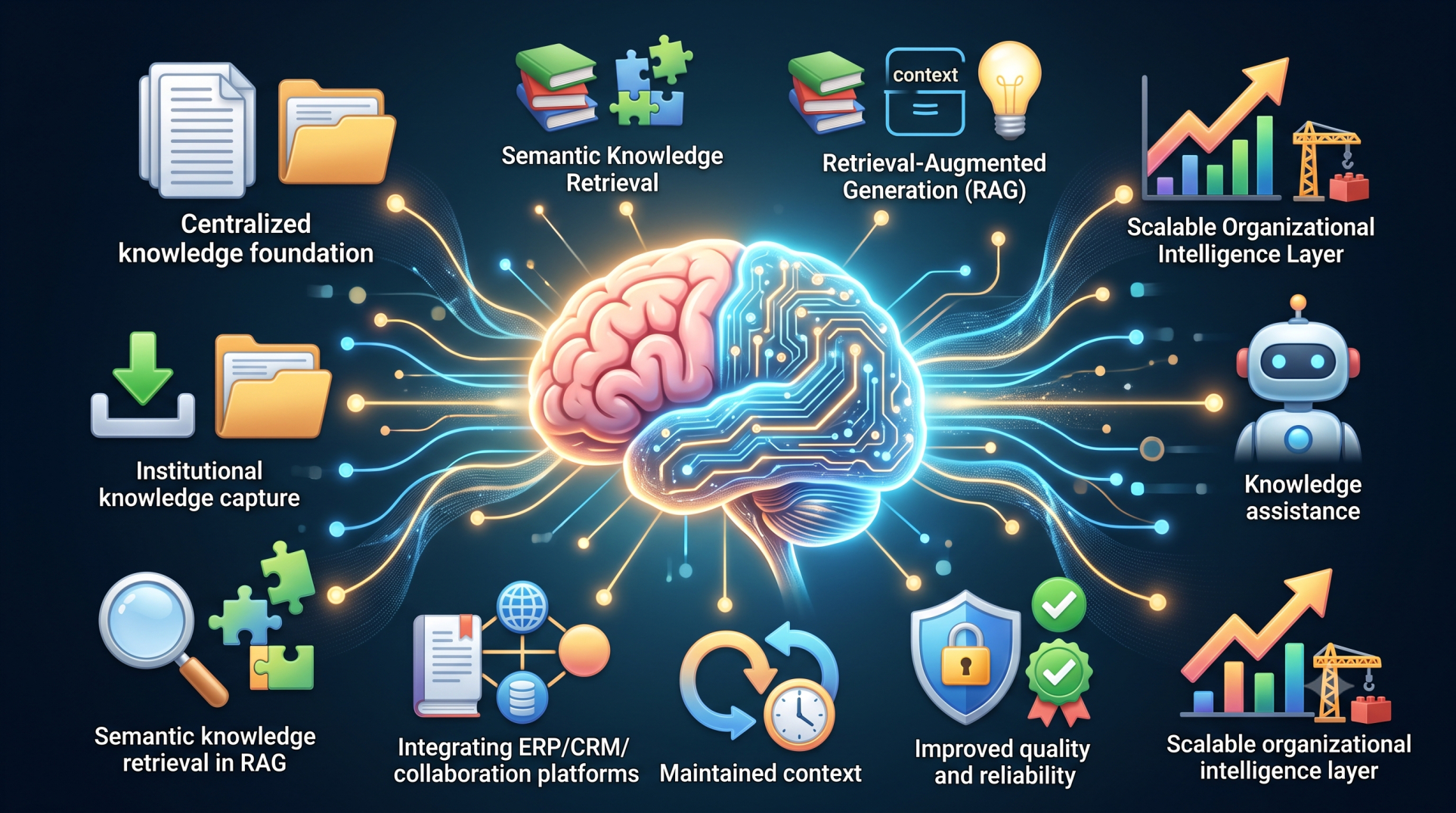
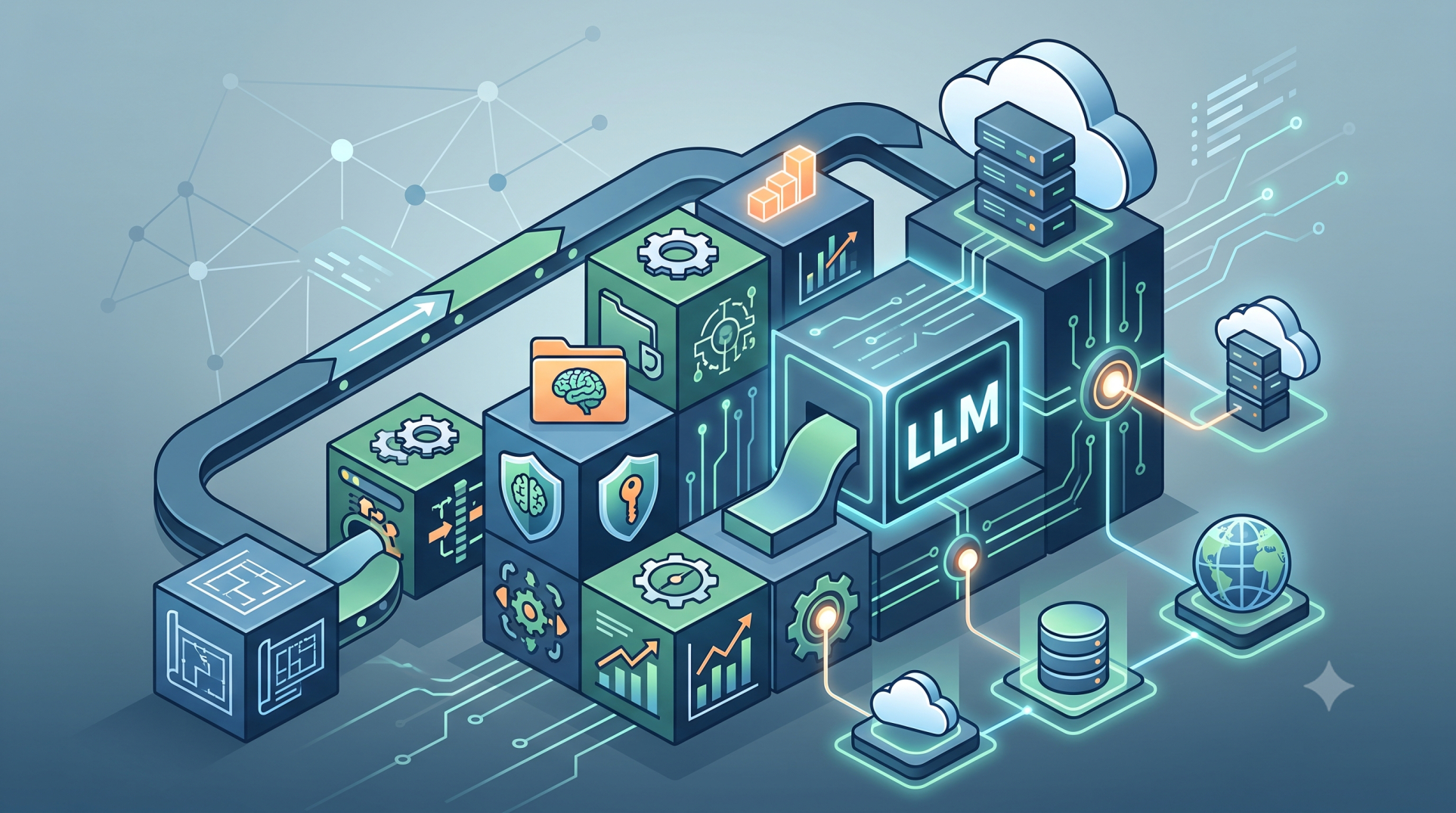
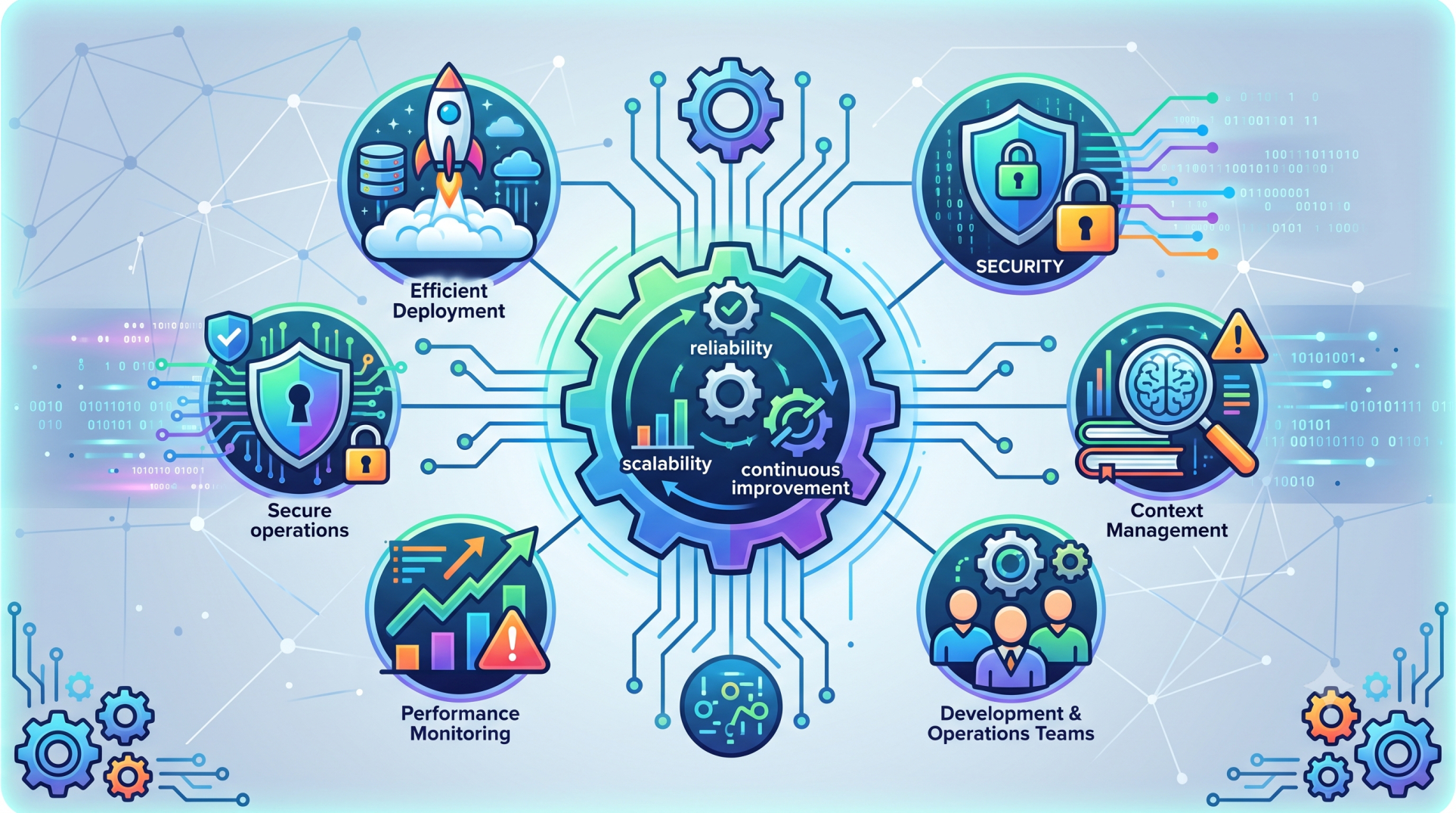
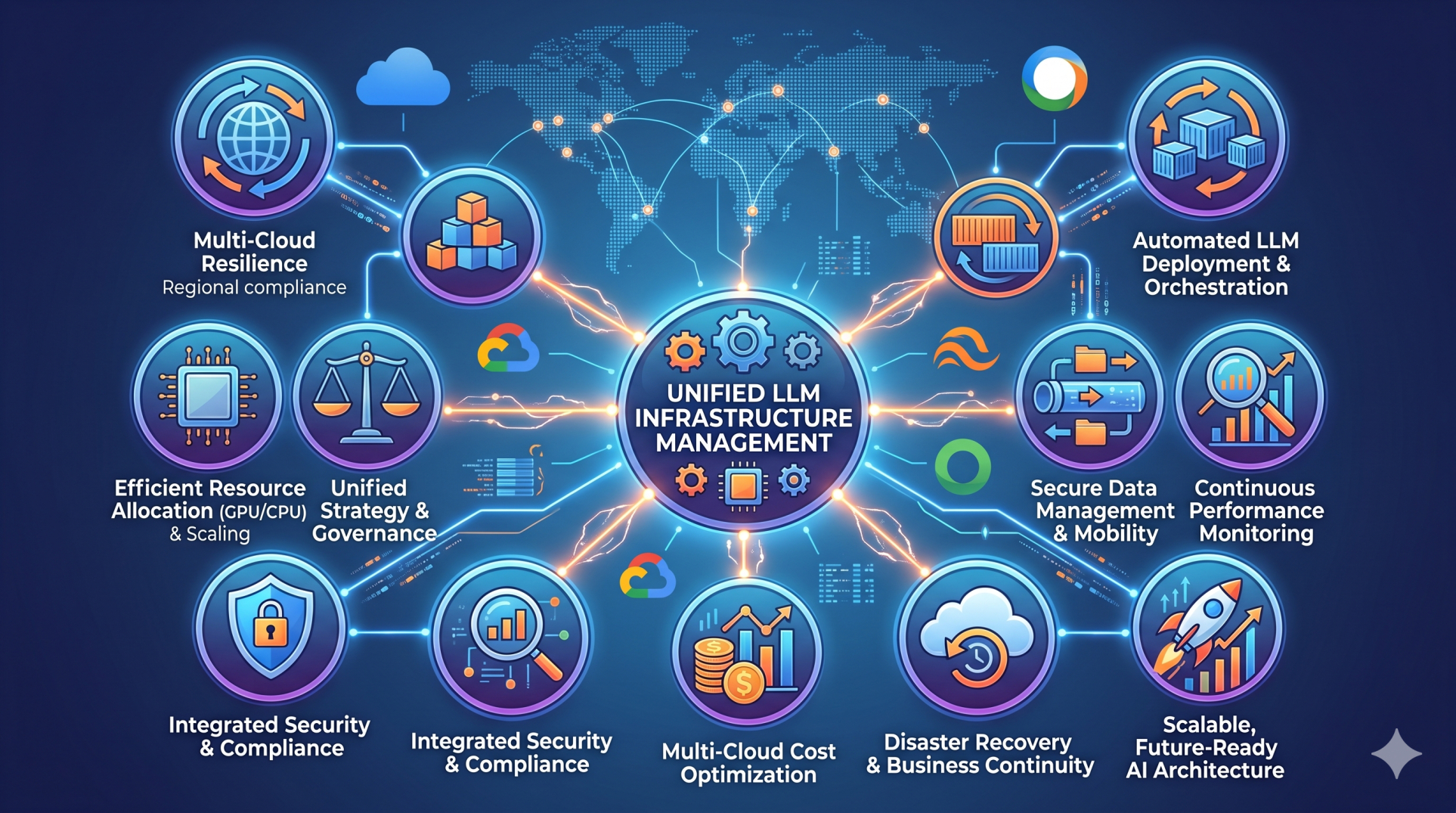
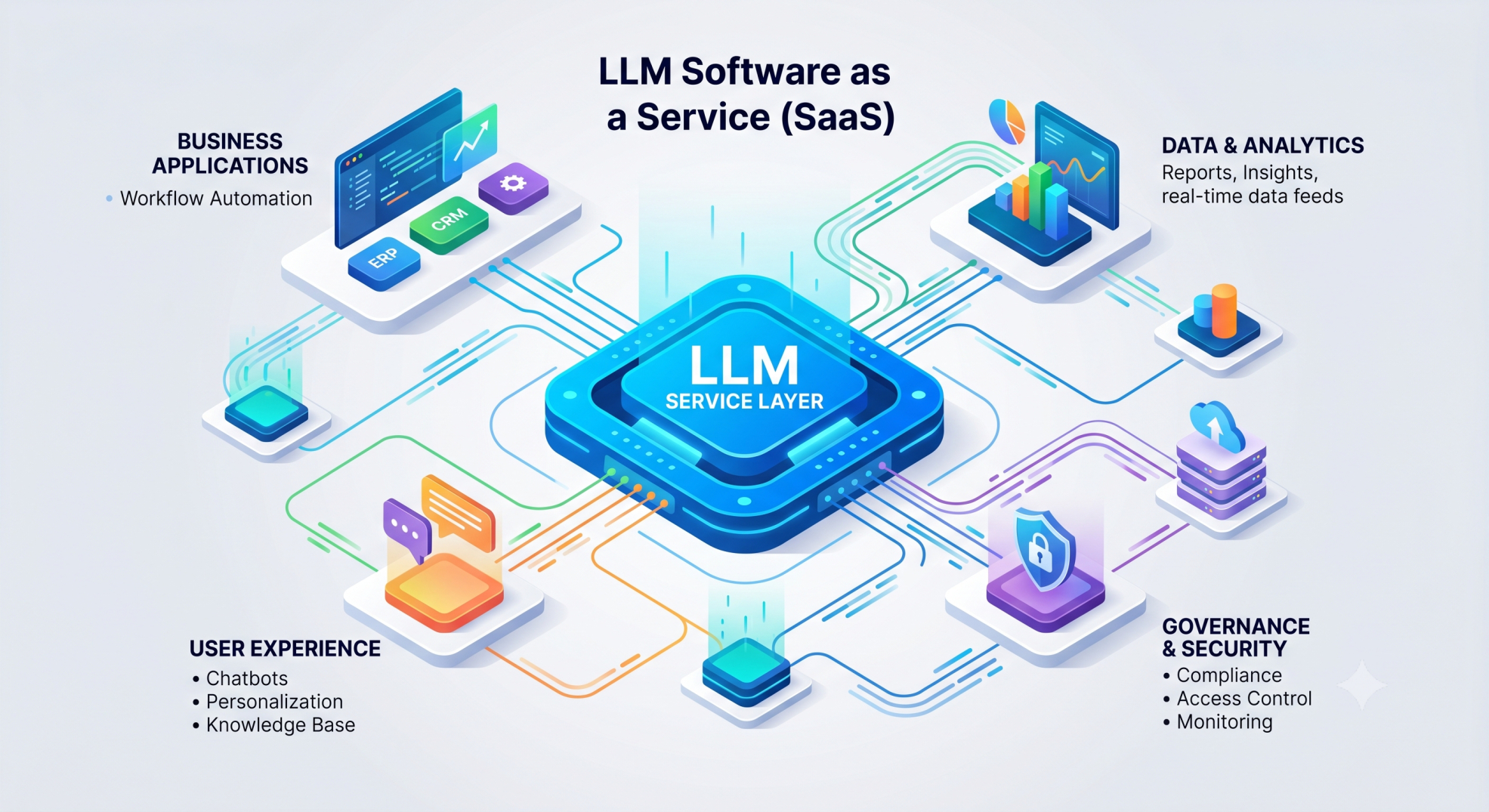
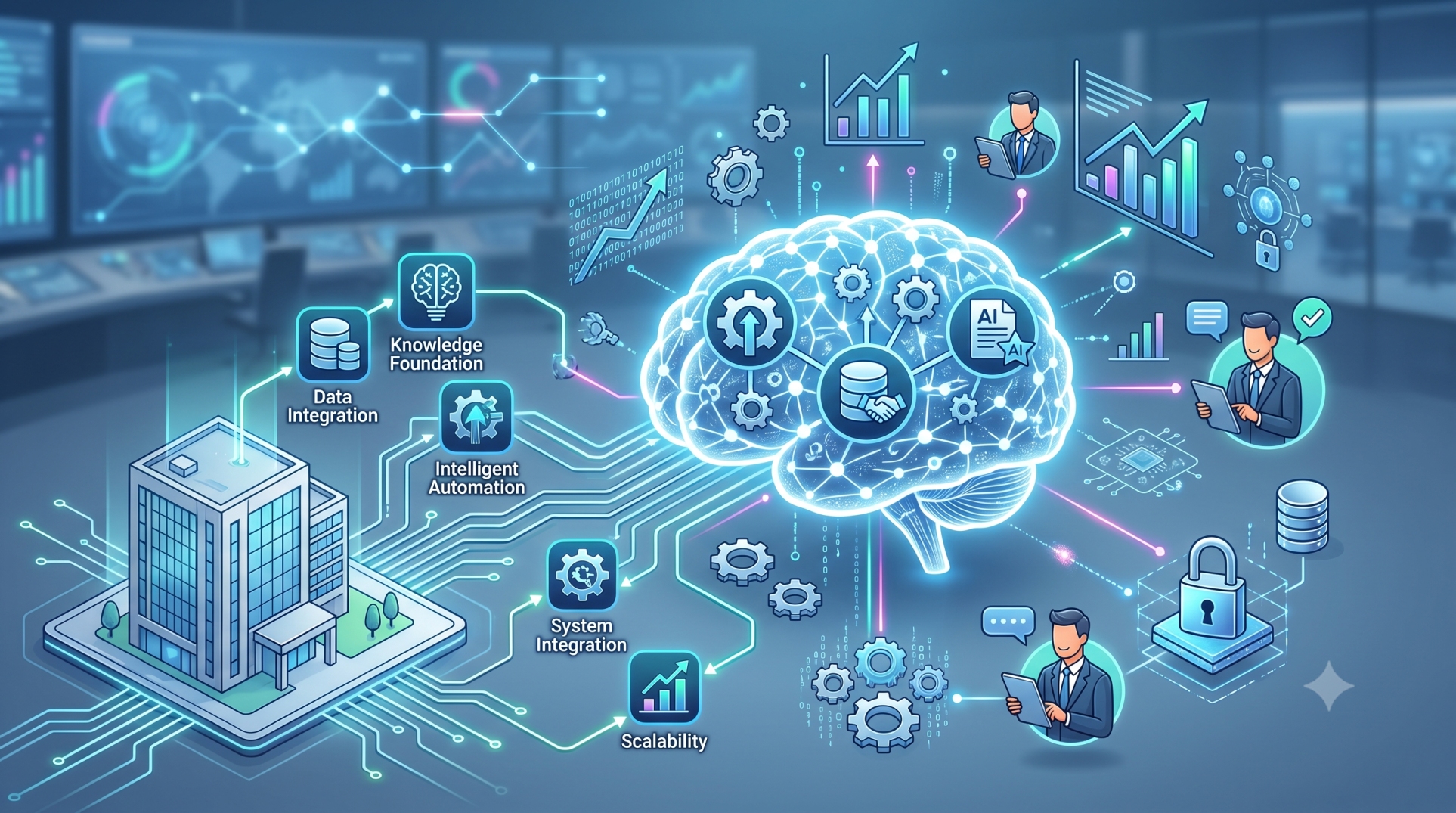
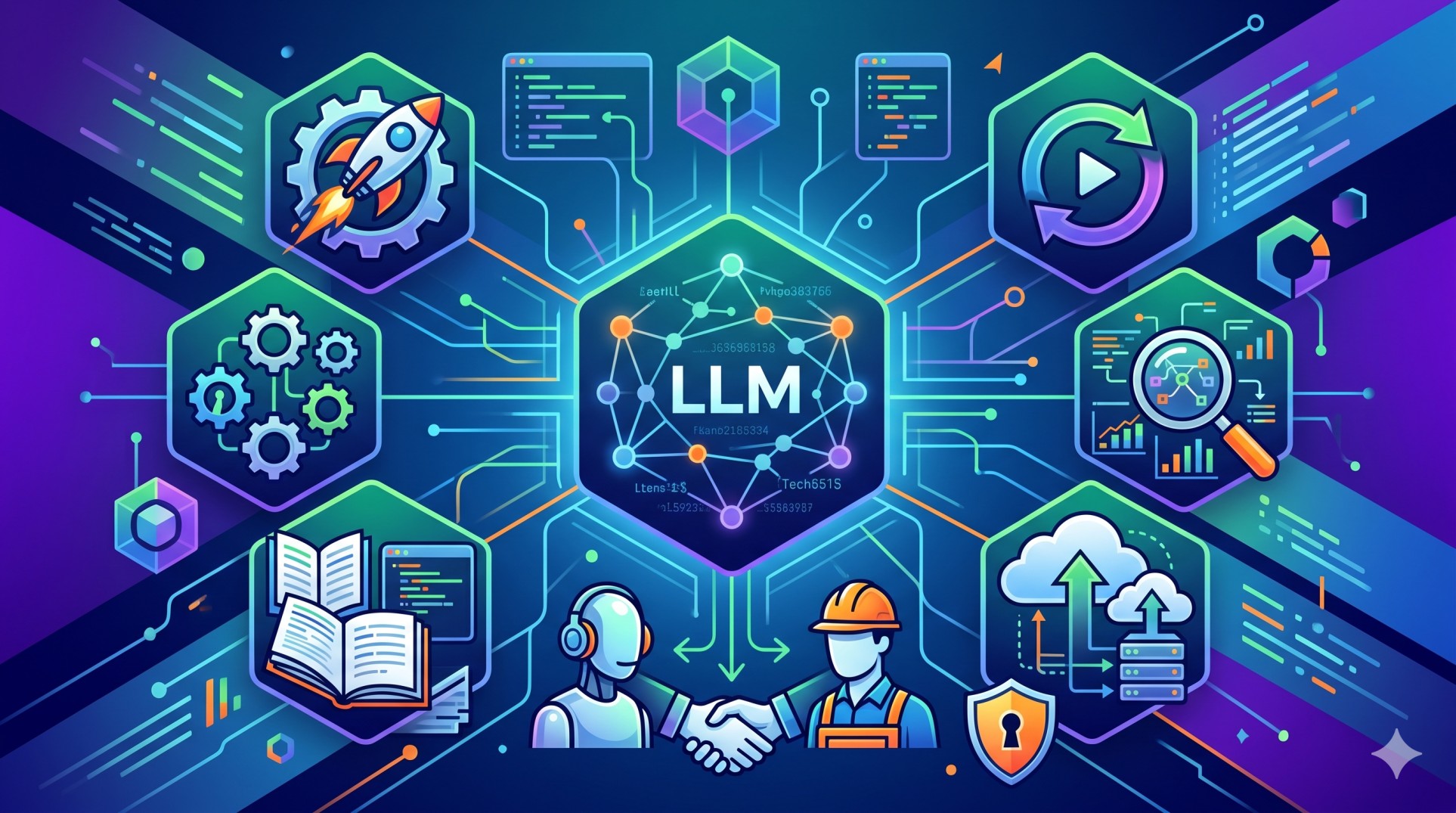
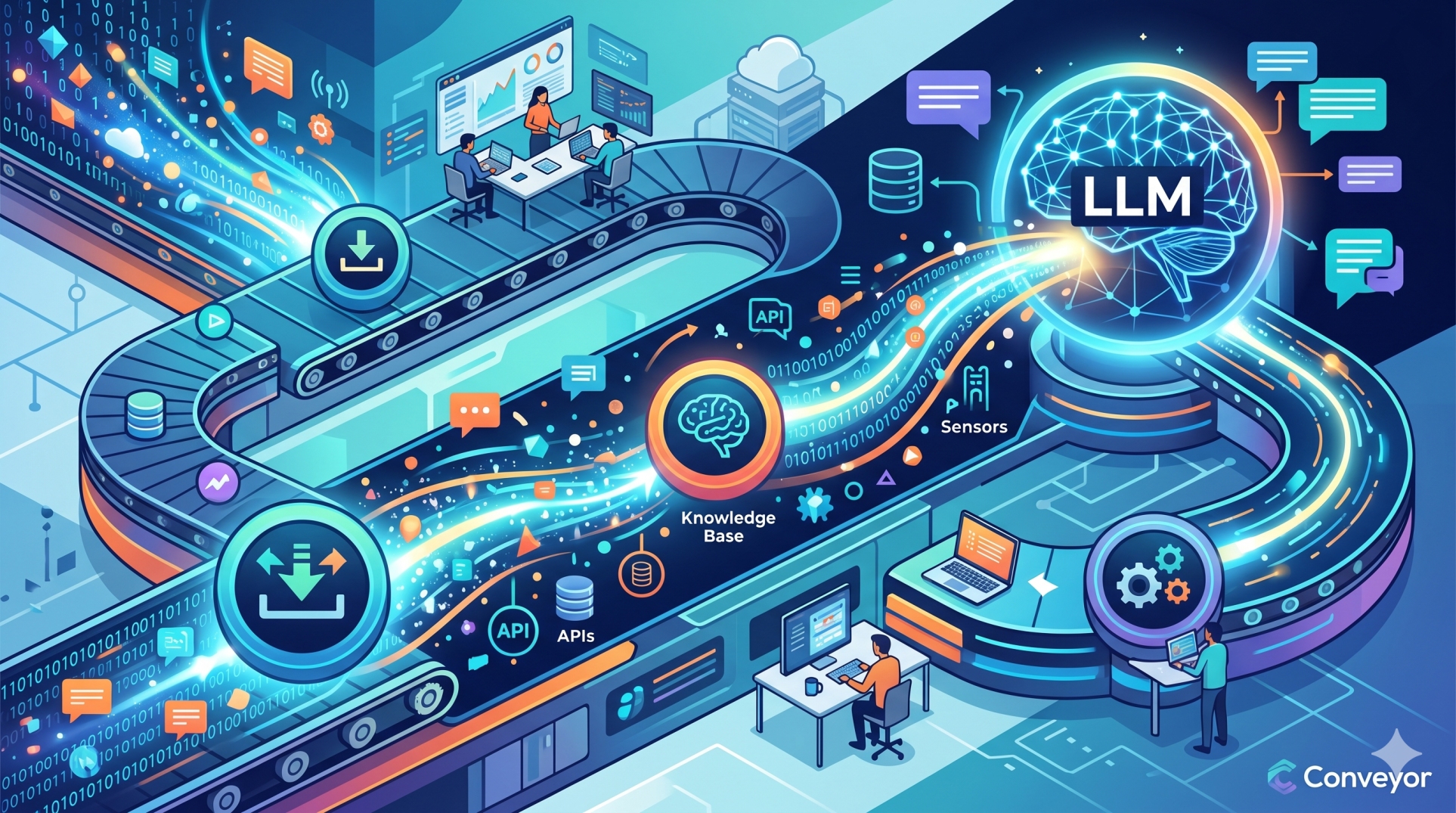
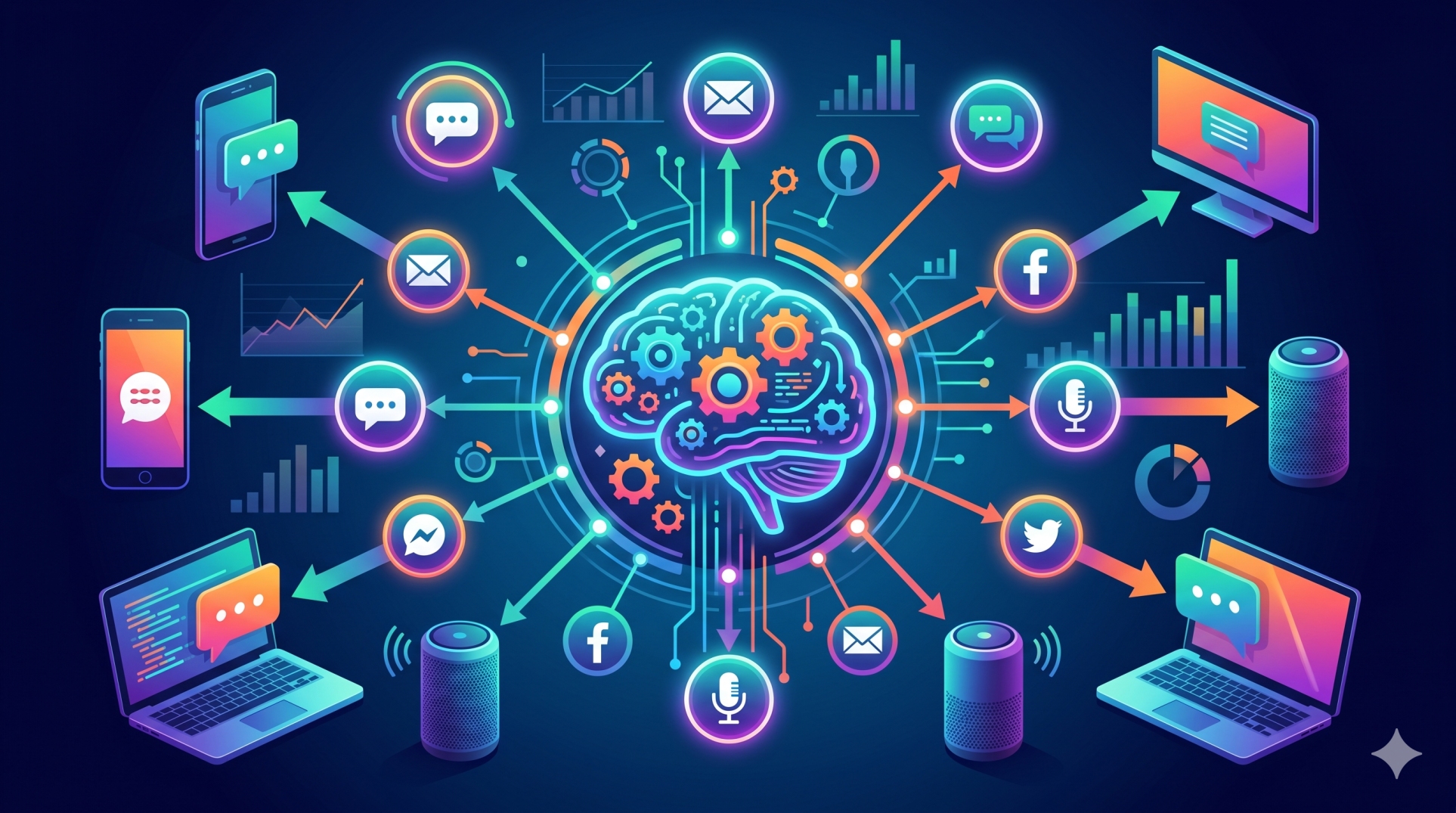
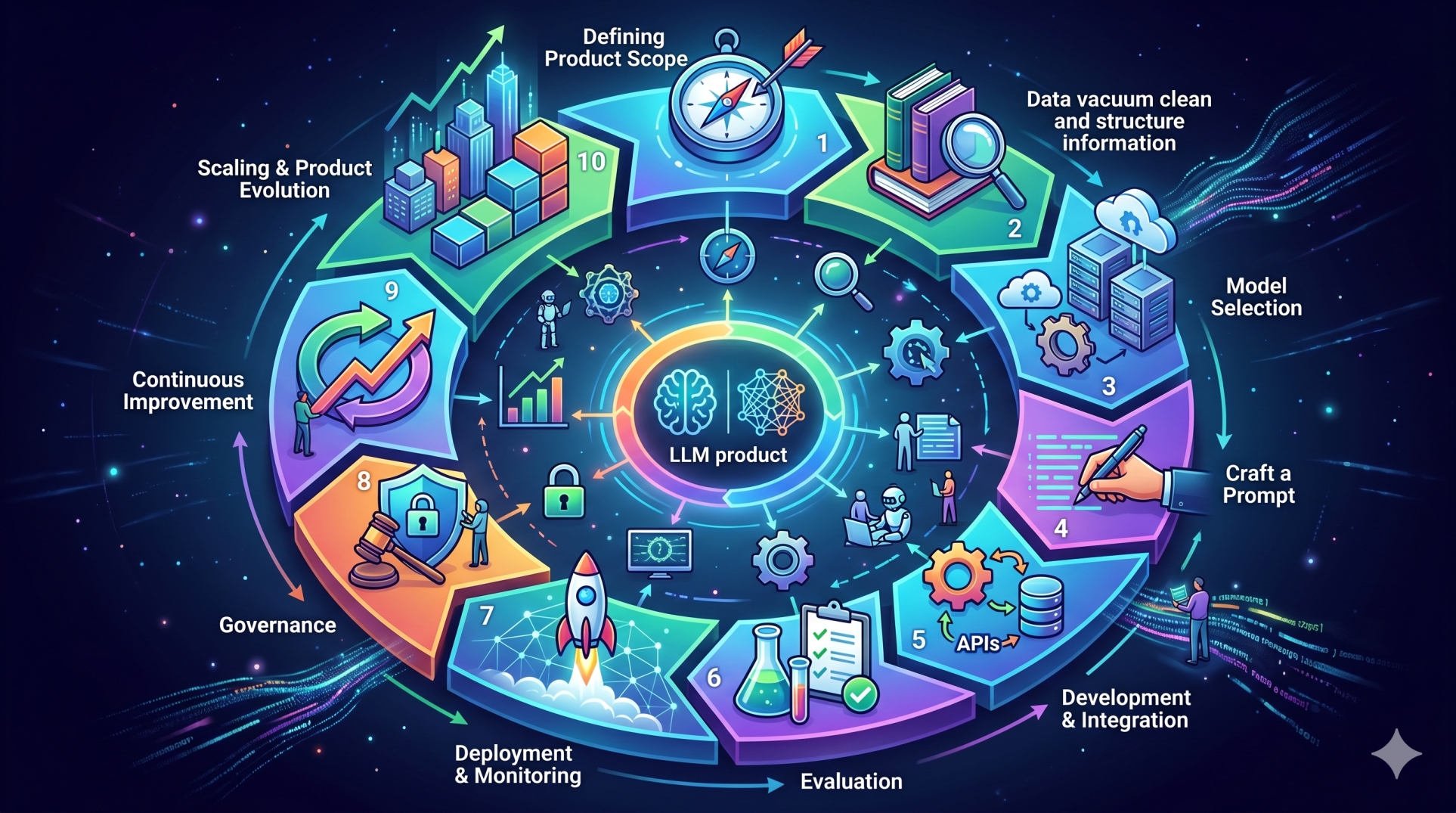
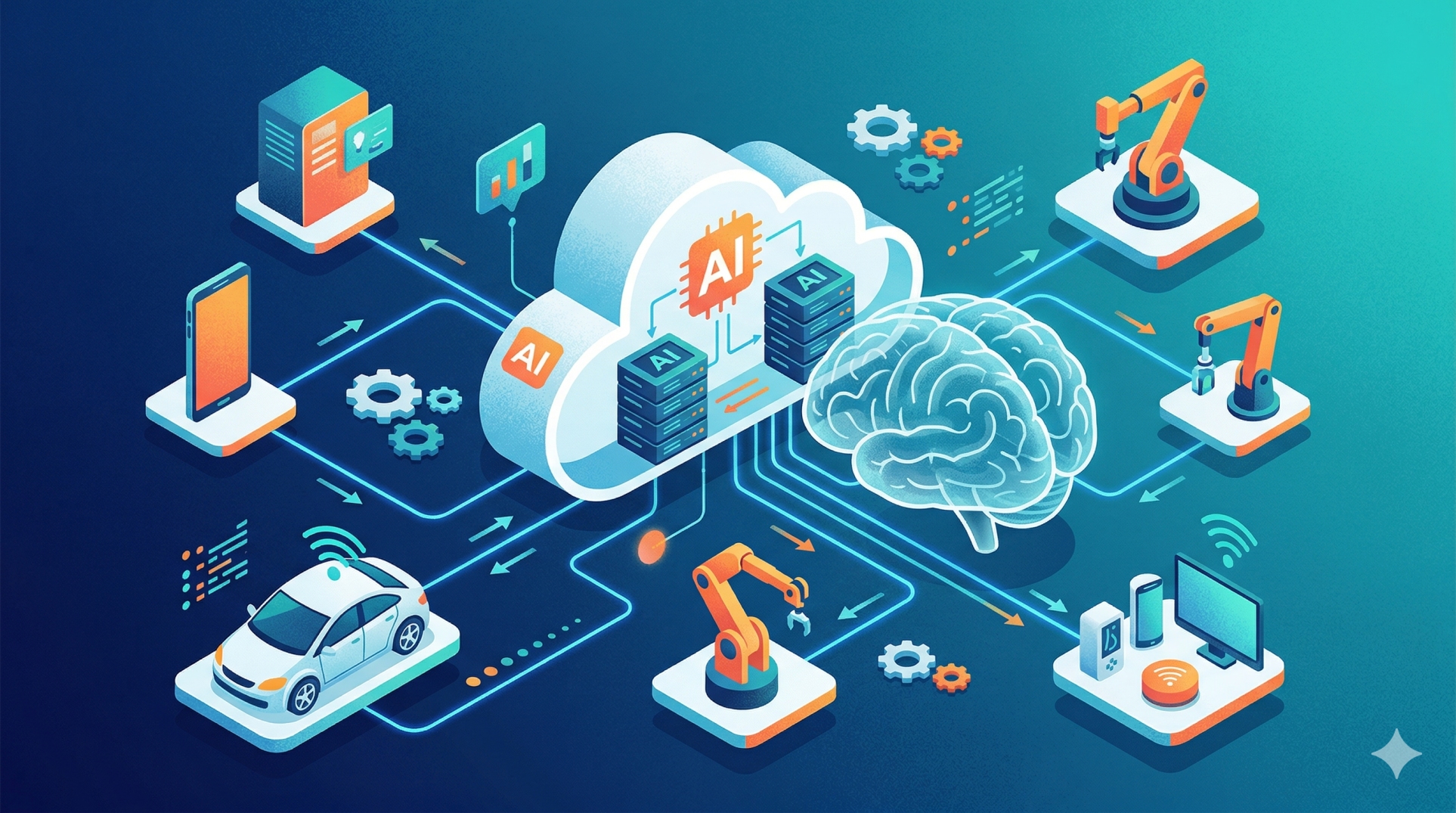
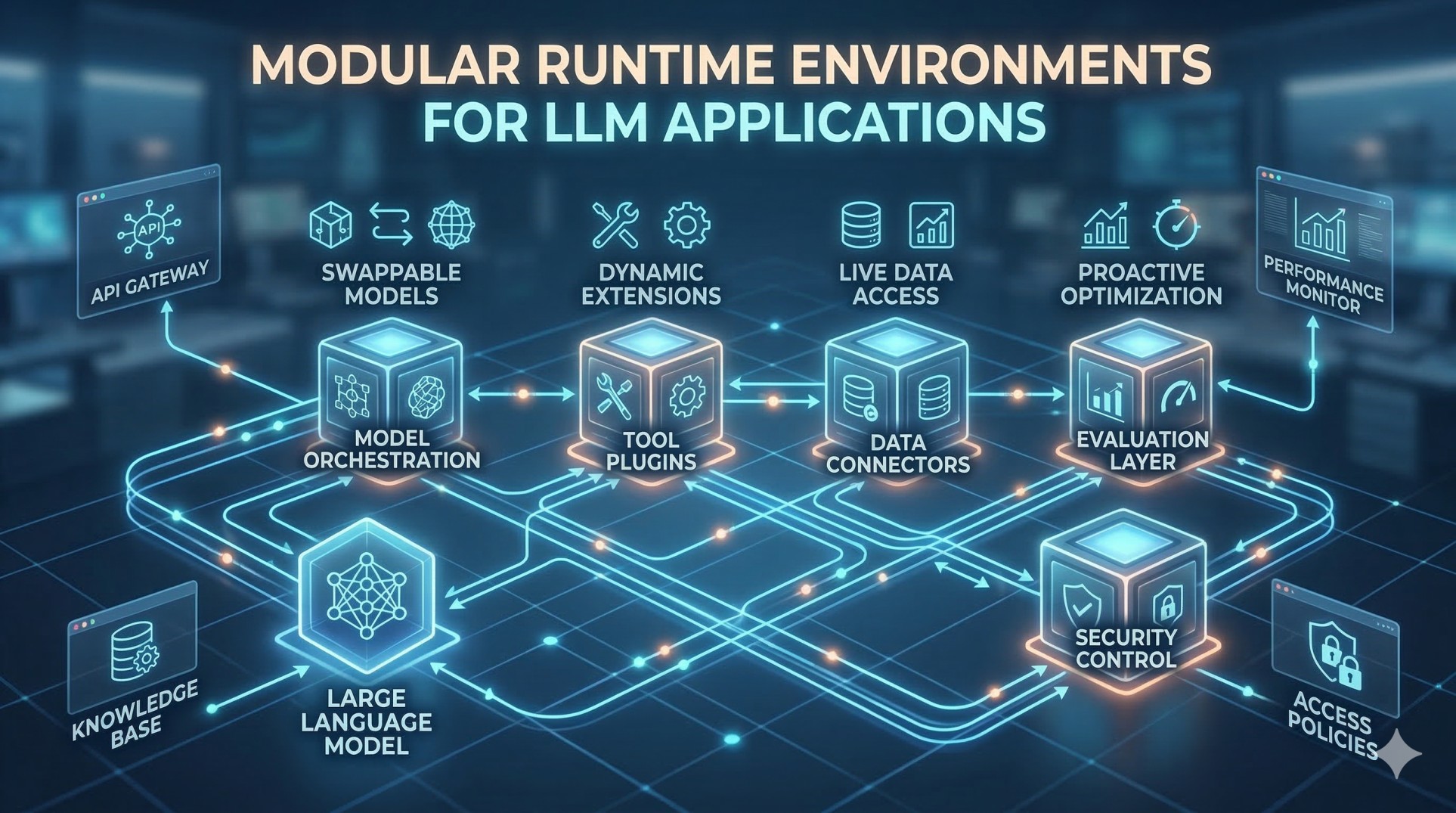
As Large Language Model applications become more sophisticated, traditional static execution environments struggle to support changing workflows, integrations, and deployment demands. Modular runtime environments address this challenge by structuring LLM applications as flexible systems where components—such as models, orchestration layers, tools, and data pipelines—can be configured or replaced independently. This architectural approach increases scalability, improves maintainability, and allows AI platforms to evolve more easily in production environments.
Step 1: Understanding Modular Runtime Architecture 🧩
• Divides LLM applications into independent functional components ⚙️
• Separates model execution from orchestration and infrastructure layers 🏗️
• Allows components to be upgraded or replaced without rebuilding the entire system 🔄
• Supports adaptable workflows across multiple AI use cases 🌐
• Improves system transparency and maintainability 📊
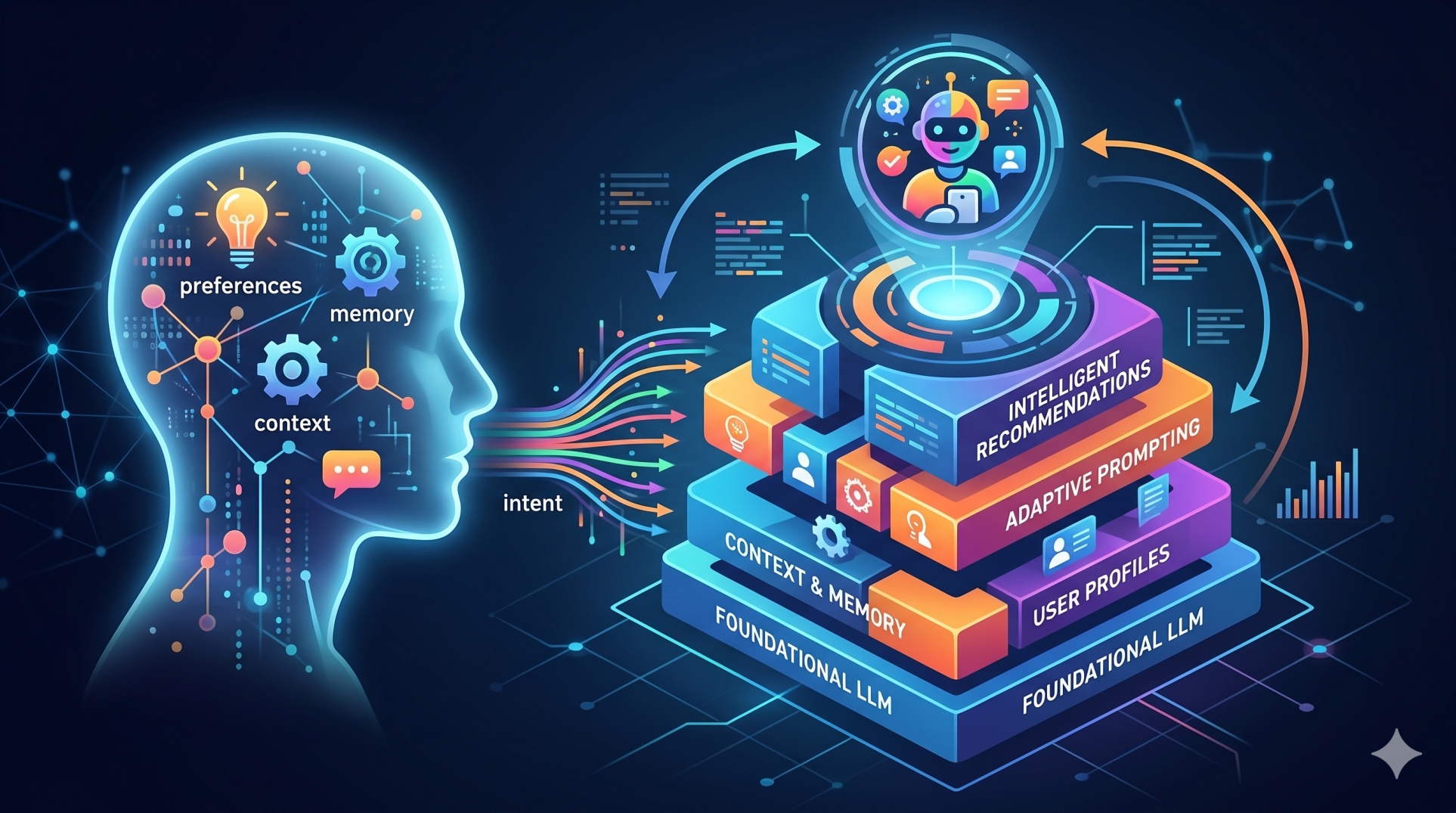
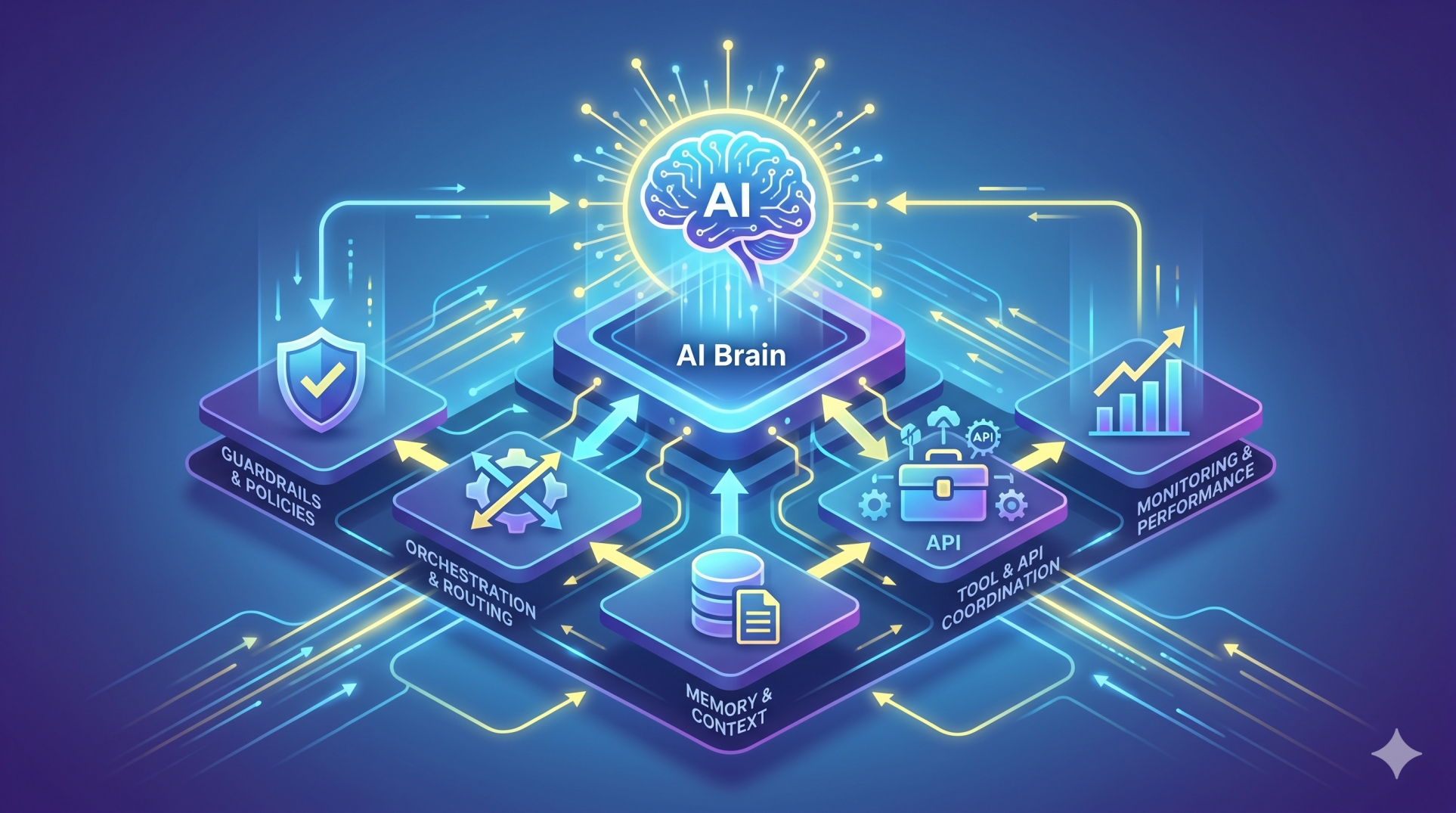
Step 2: Core Components of a Modular LLM Runtime ⚙️
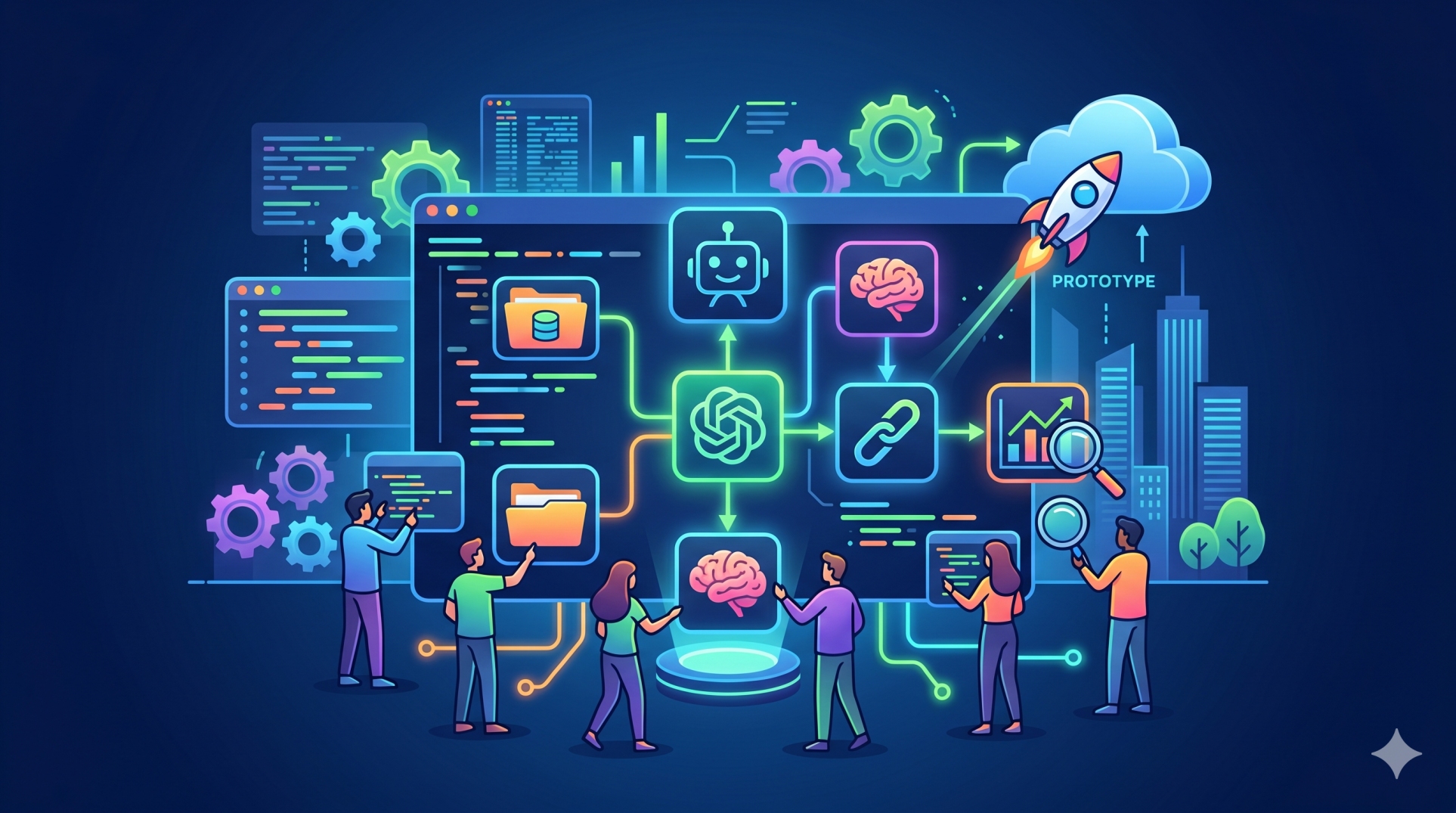
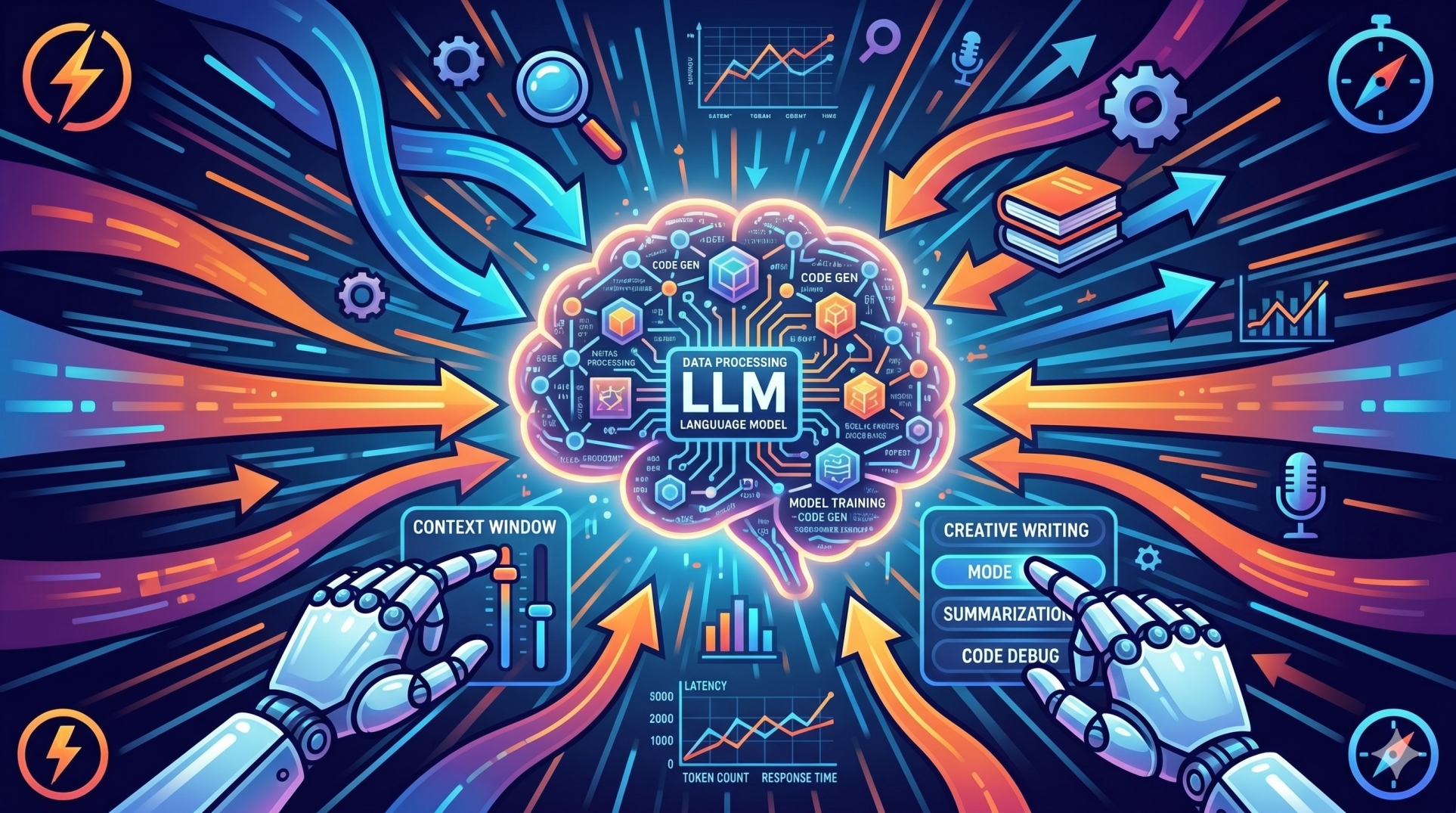
• Model execution layer responsible for inference and reasoning 🤖
• Prompt orchestration and management modules 🧠
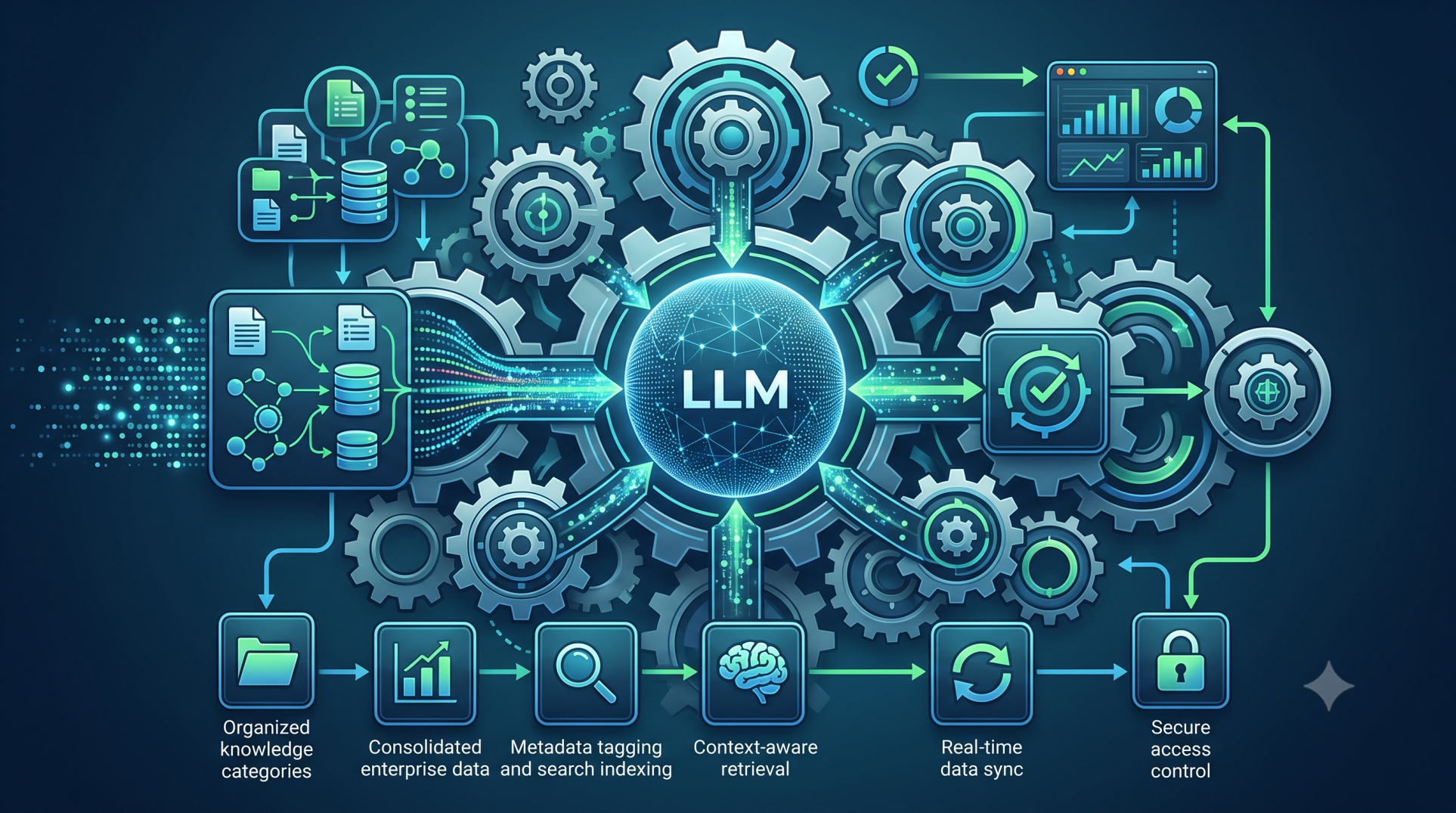
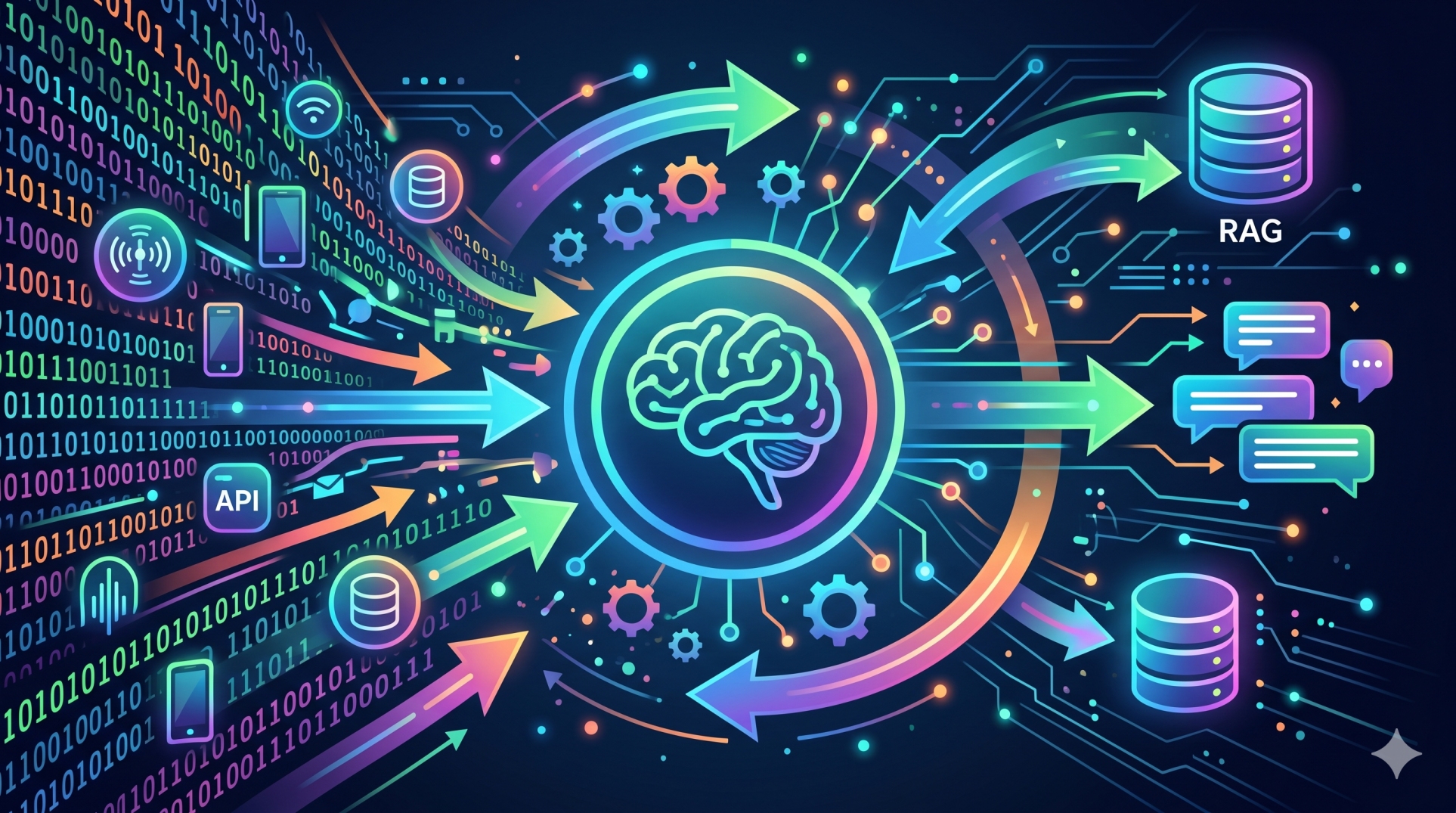
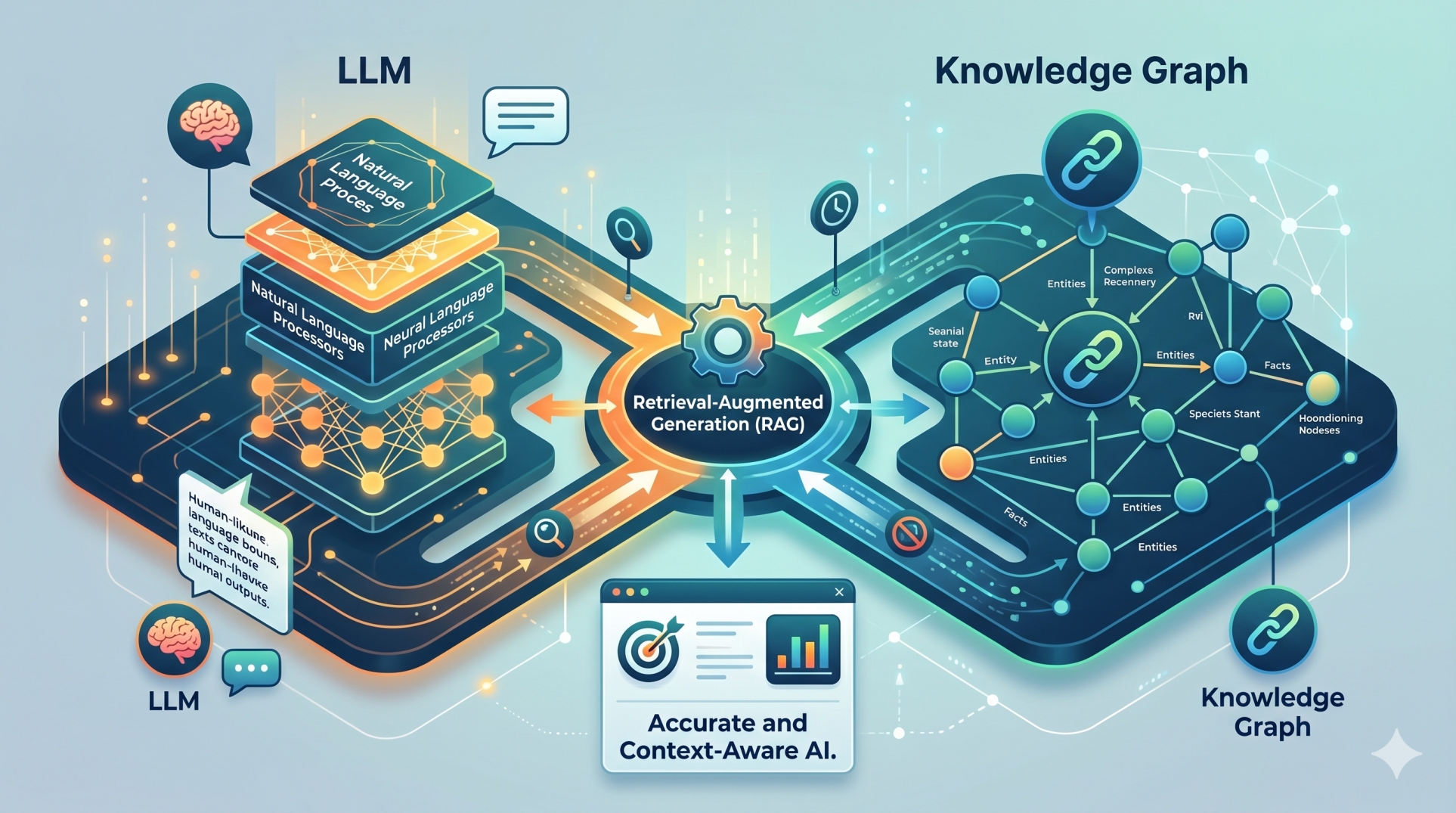
• Data connectors linking external knowledge sources and systems 🔗
• Frameworks for integrating APIs, services, and tools 🛠️
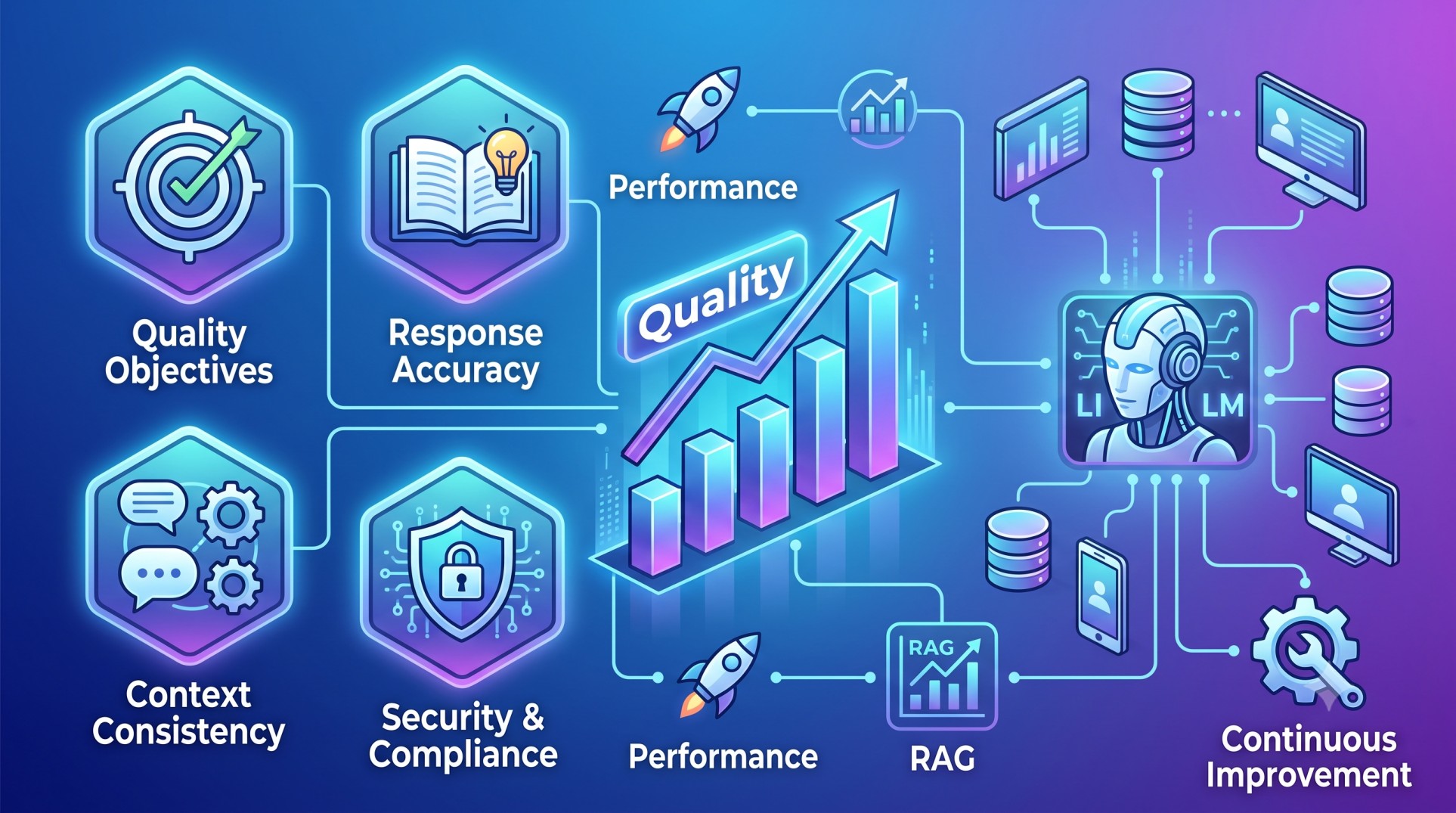
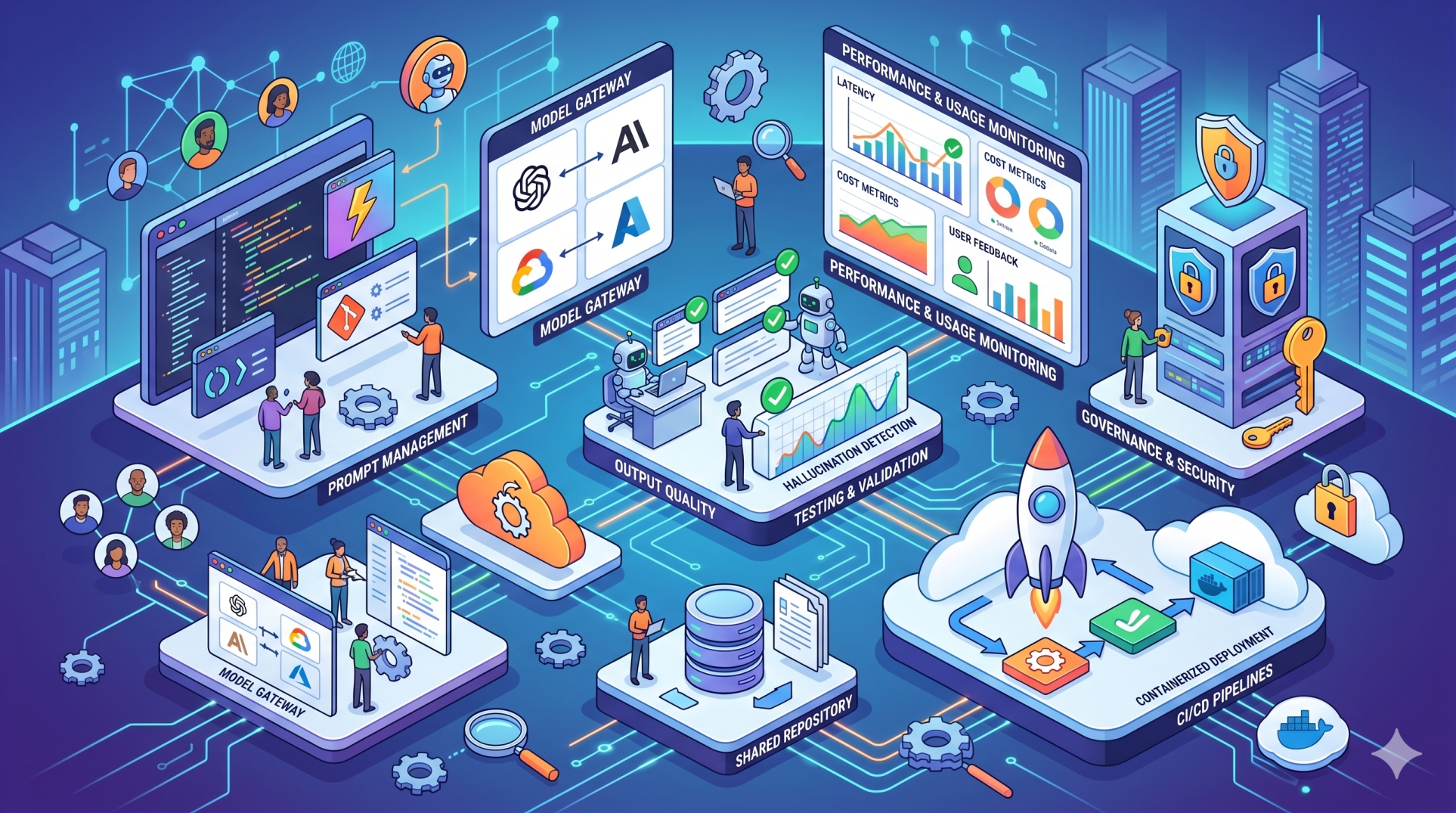
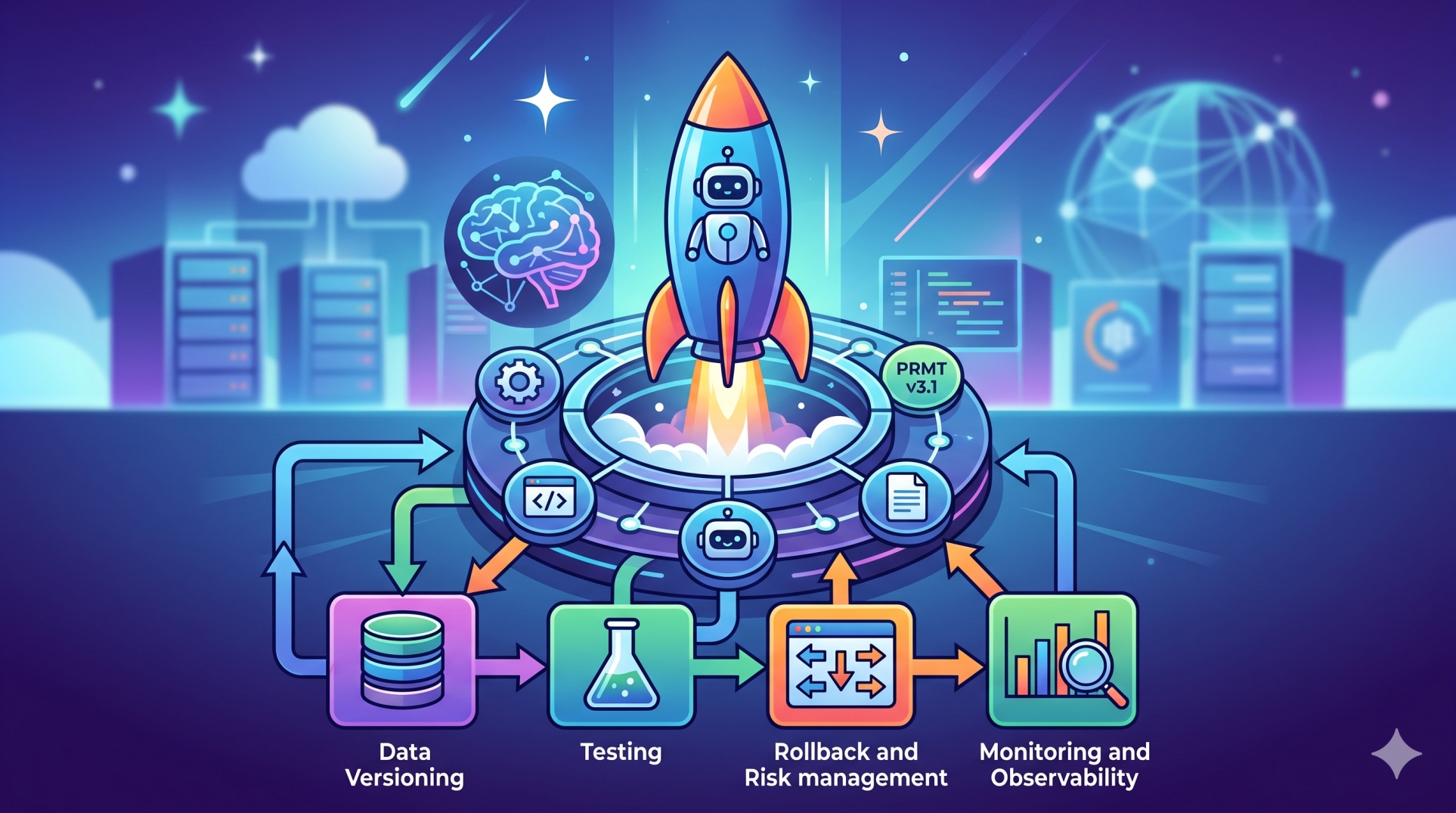
• Monitoring, logging, and evaluation components for performance tracking 📈
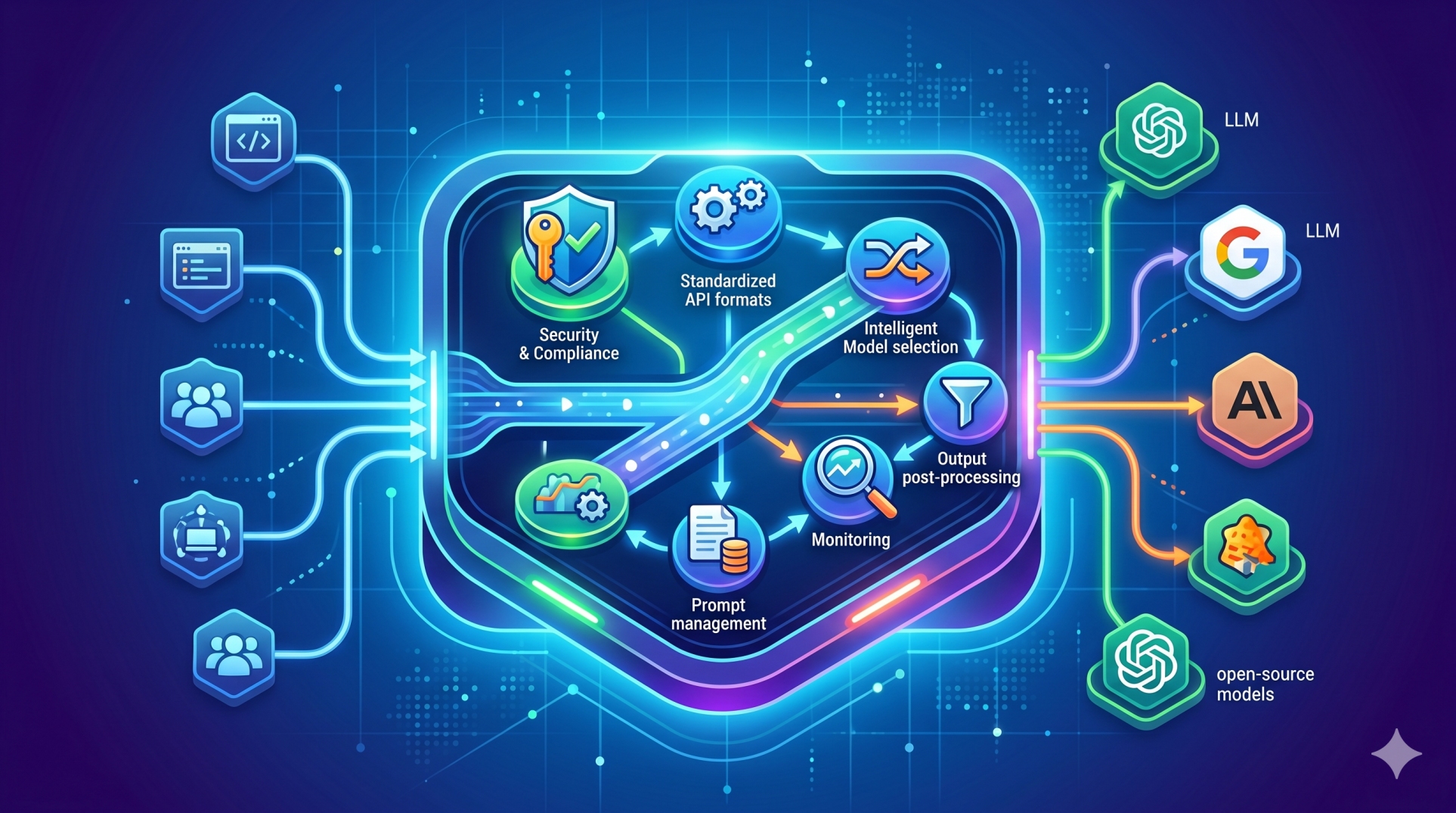
Step 3: Dynamic Model Integration 🔄
• Supports multiple model providers or versions within a single environment 🌐
• Enables model selection based on cost, latency, or task requirements ⚖️
• Allows safe experimentation with new models in production workflows 🧪
• Reduces reliance on a single model vendor 🏢
• Enhances system resilience and long-term adaptability 🛡️
Step 4: Workflow Orchestration and Task Routing 🔀
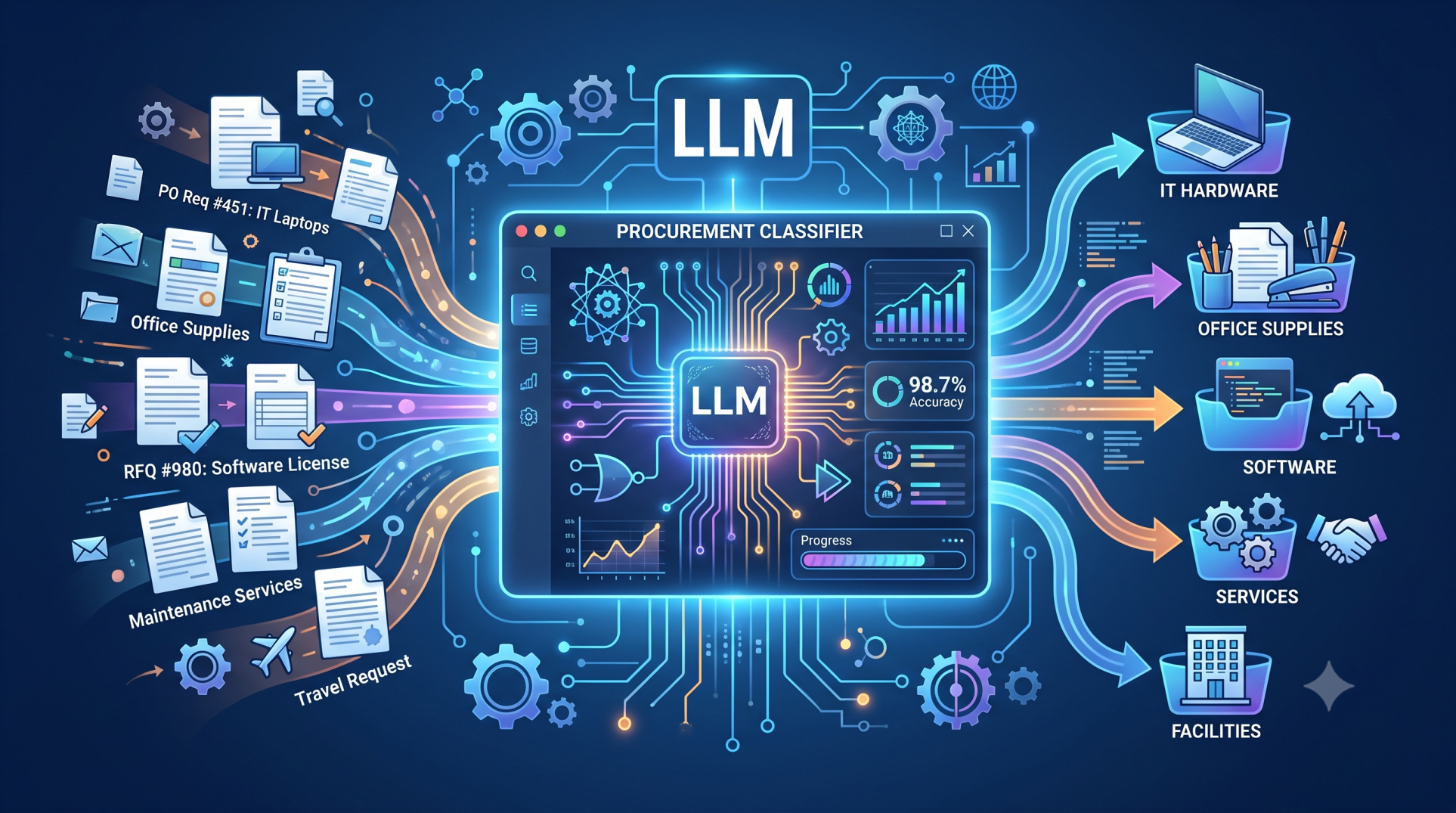
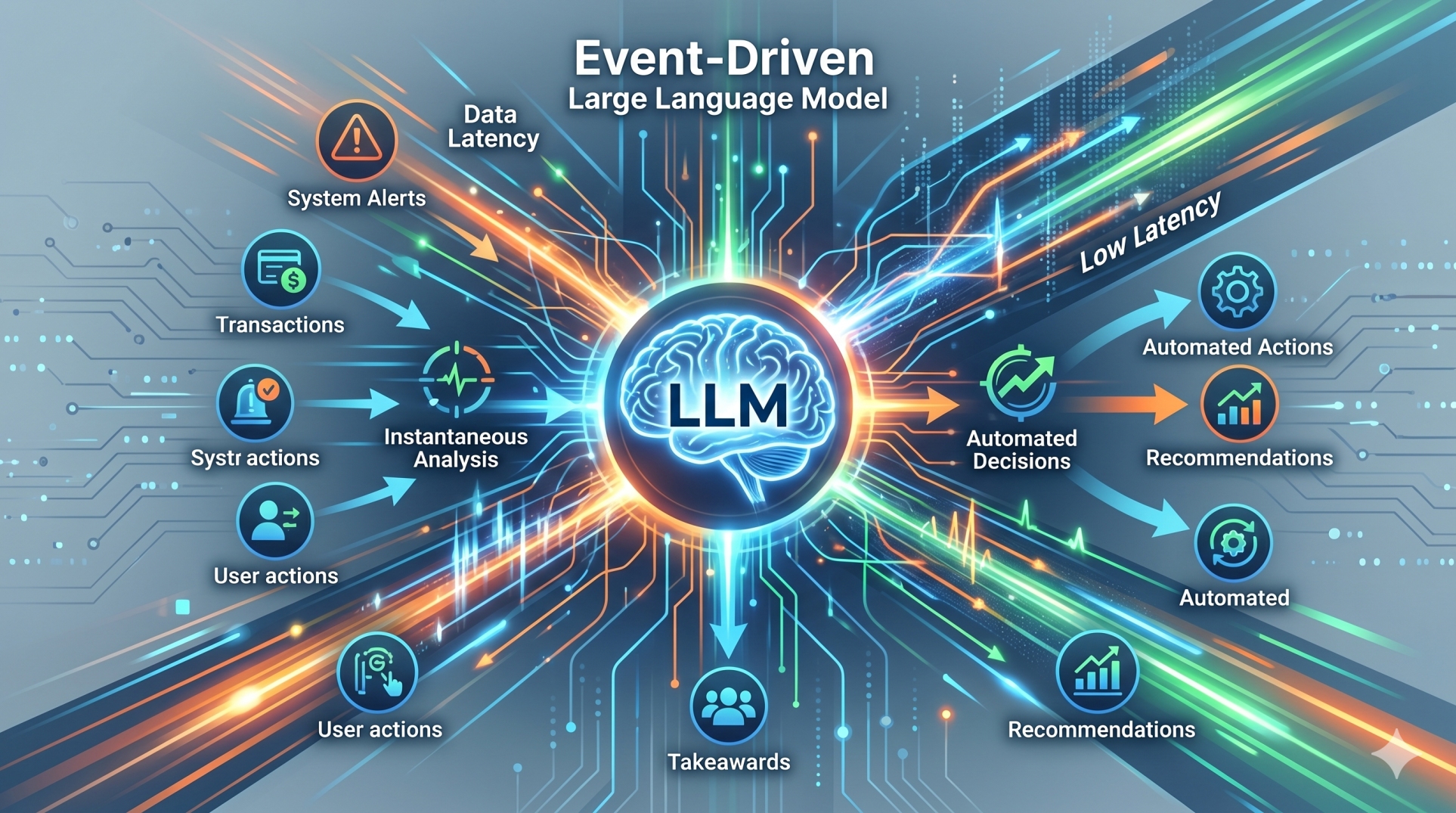
• Routes requests through appropriate processing pipelines 📡
• Coordinates interactions between models, tools, and data systems 🔗
• Enables multi-step reasoning and agent-based execution paths 🤖
• Supports conditional logic and automated decision-making flows 🧠
• Improves overall execution efficiency and reliability ⚡
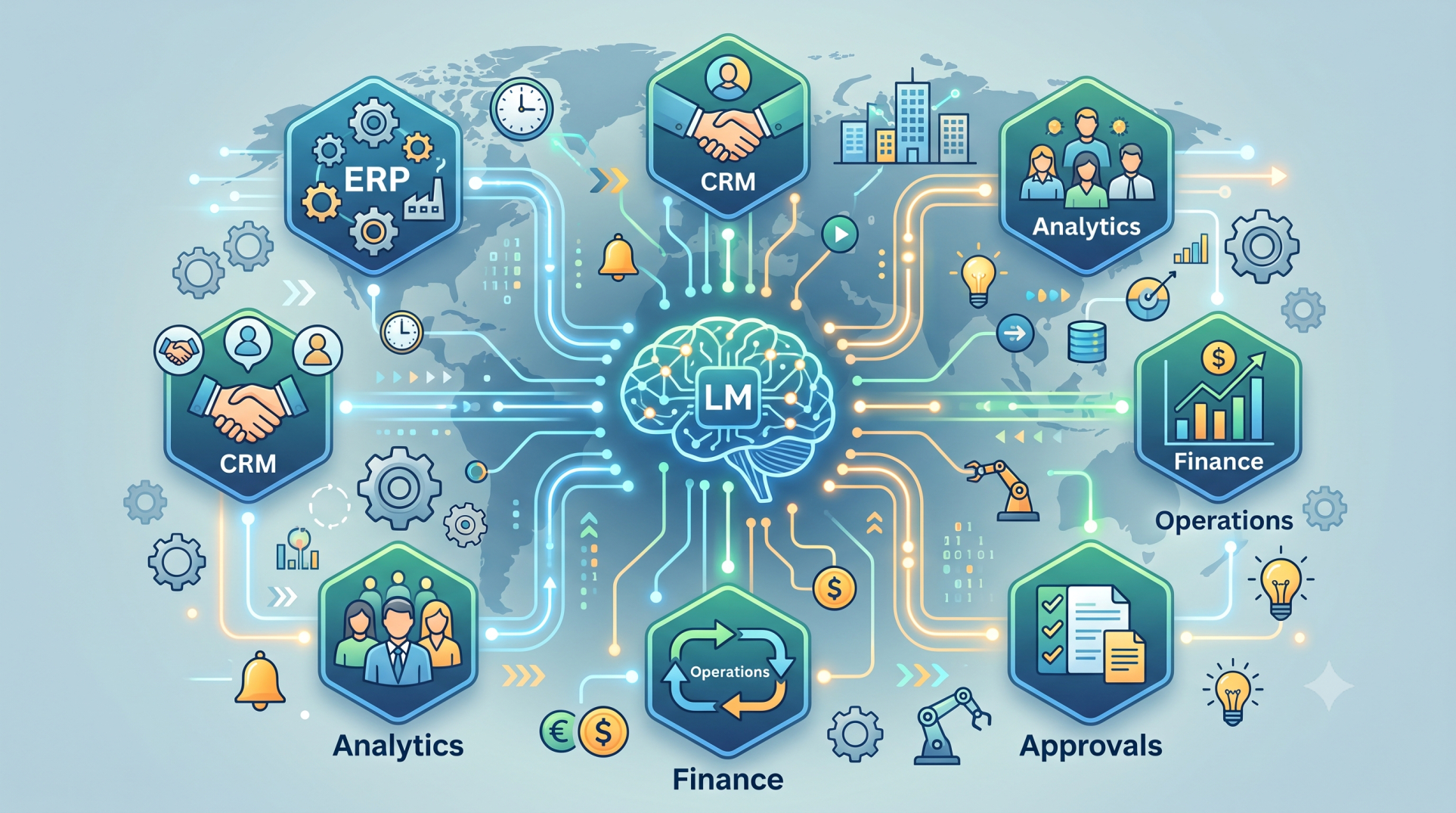
Step 5: Tool and Service Integration 🔧
• Connects LLM applications with APIs, databases, and enterprise platforms 🌐
• Expands capabilities beyond simple text generation ✨
• Enables workflow automation across operational processes 🔄
• Maintains secure and controlled system interactions 🔐
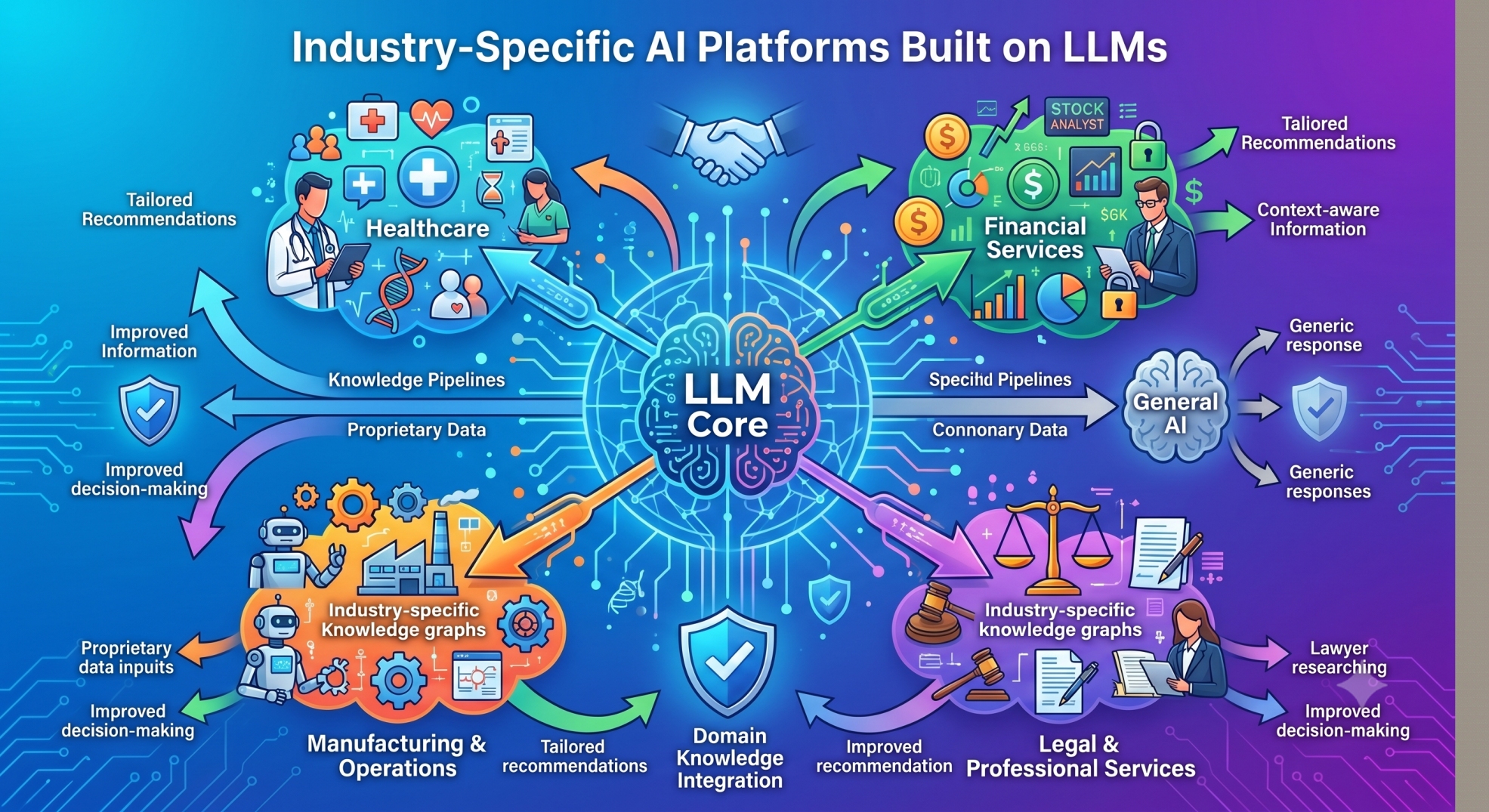
• Allows domain-specific tools to enhance model outputs 📚
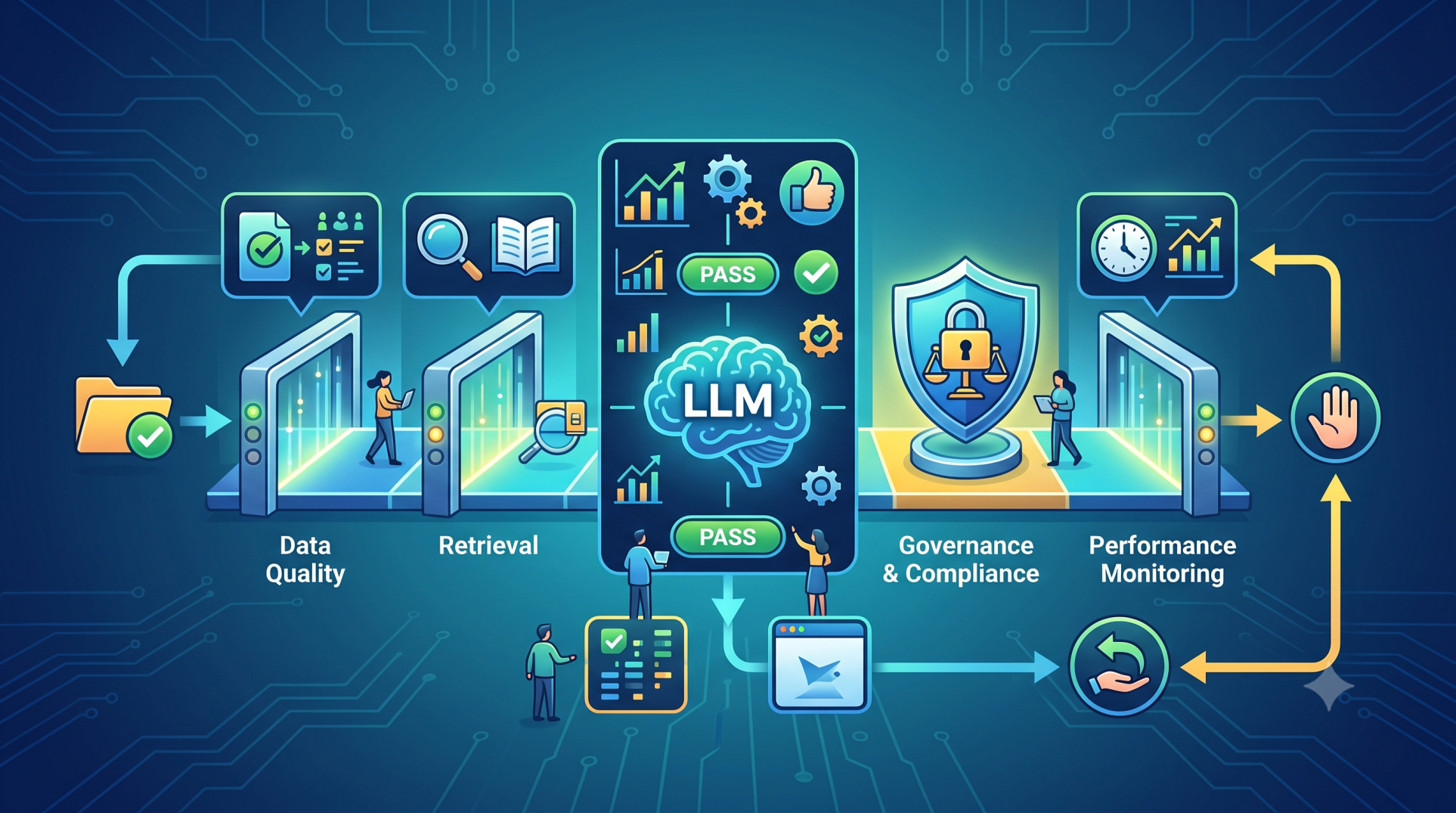
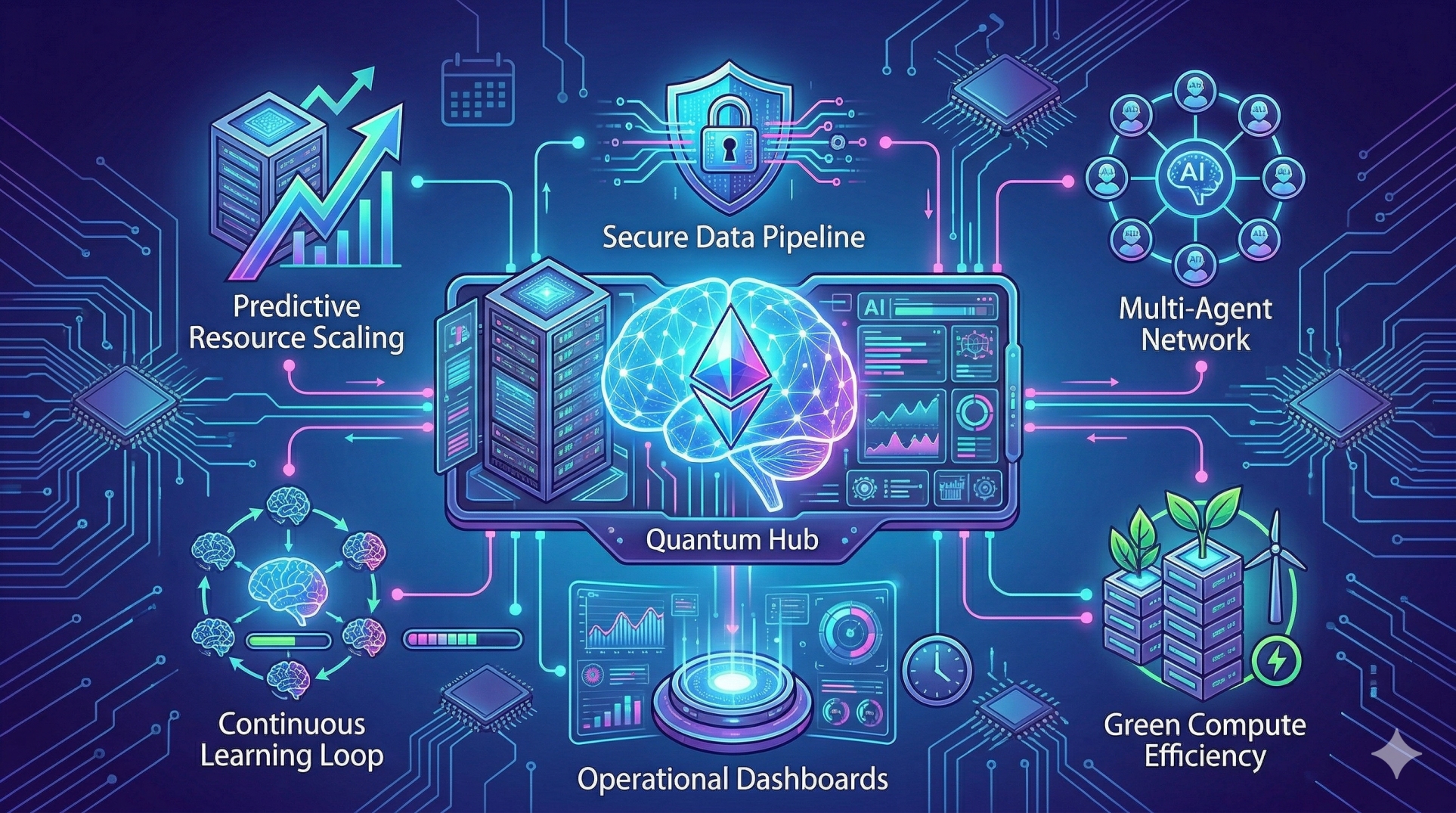
Step 6: Observability and Runtime Monitoring 📊
• Tracks model performance, usage patterns, and output quality 📈
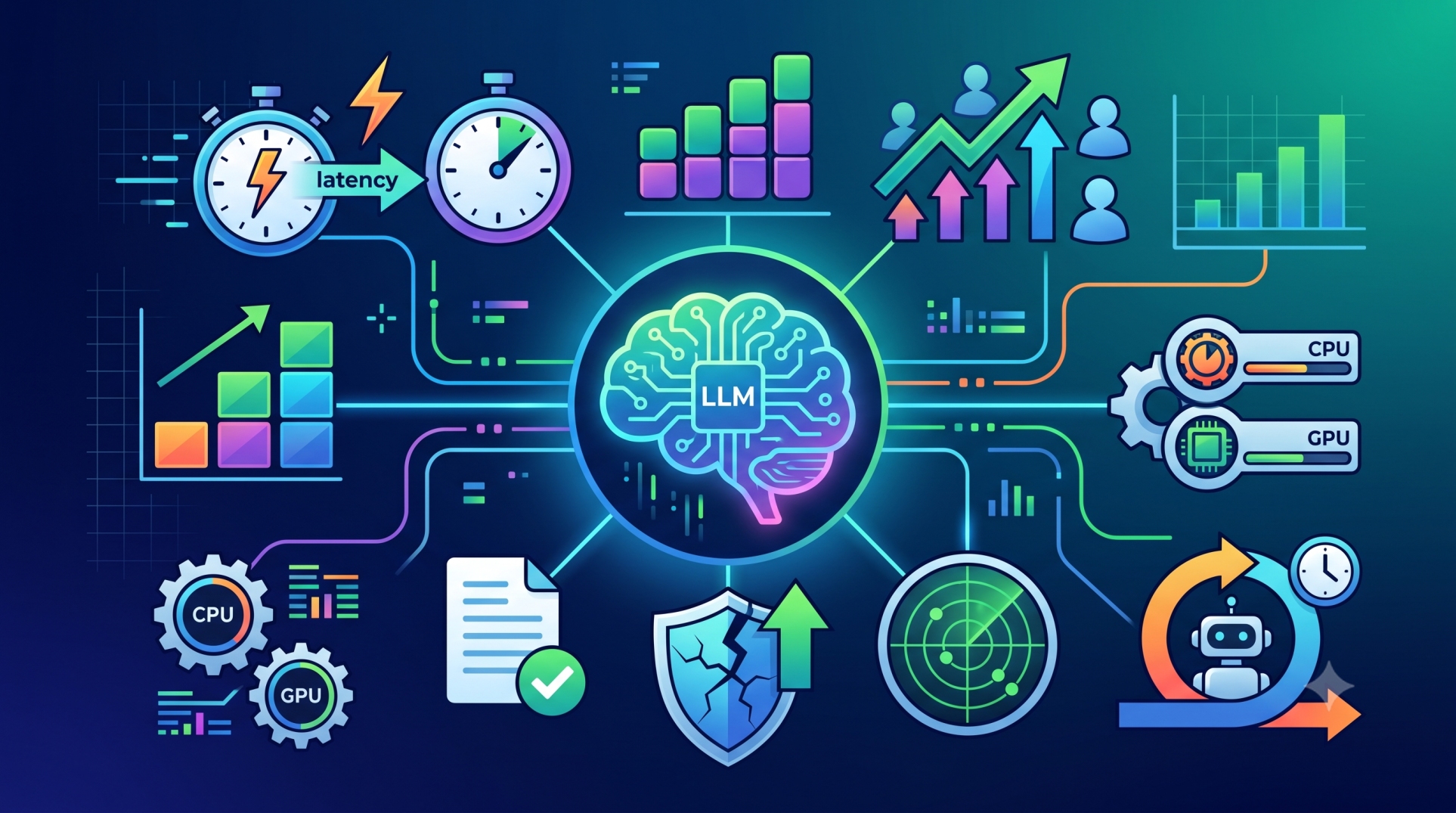
• Monitors latency, reliability, and resource consumption ⏱️
• Captures detailed logs for debugging and system diagnostics 🧾
• Enables early detection of issues in production environments 🚨
• Supports continuous optimization of runtime performance ⚙️
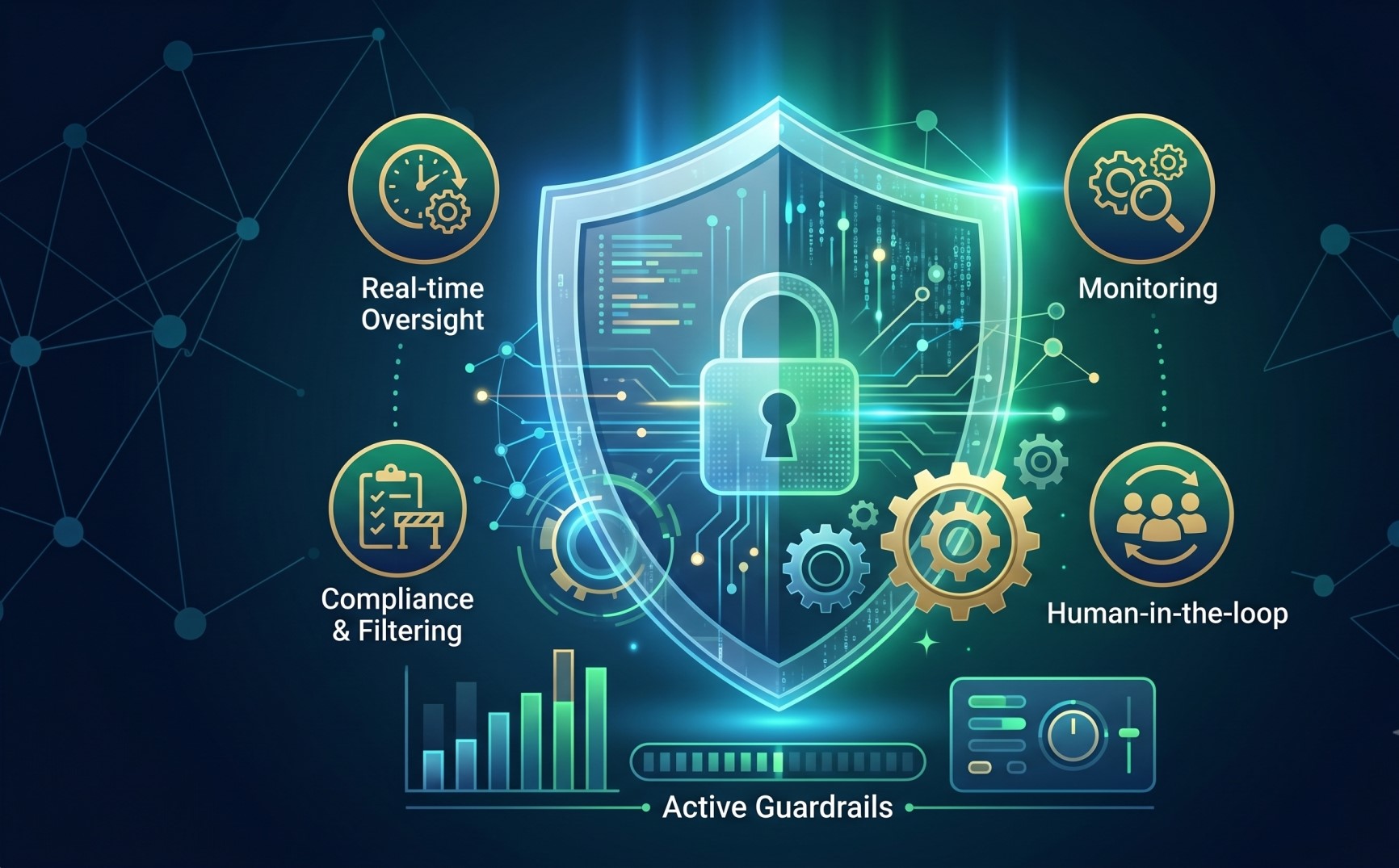
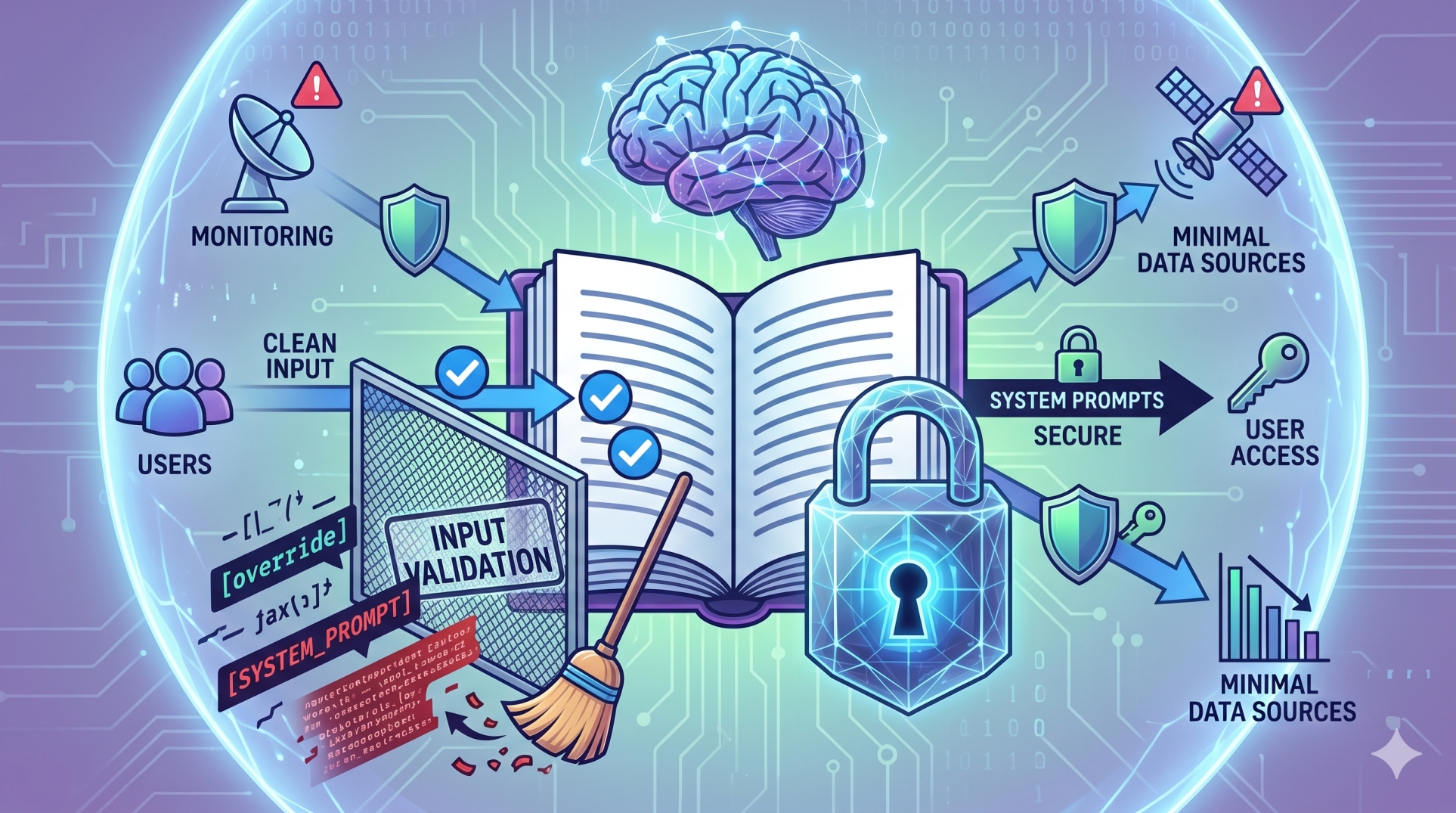
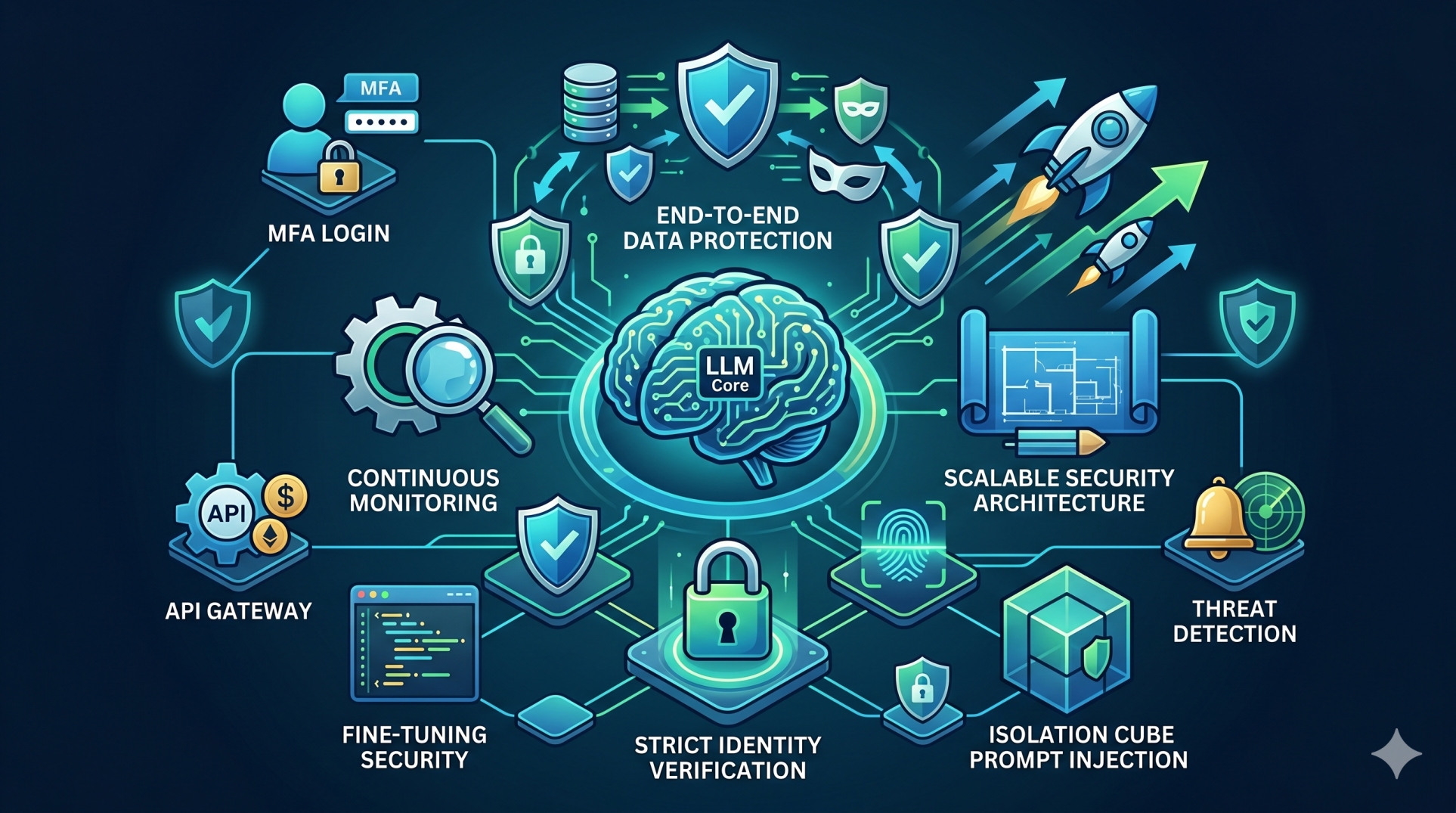
Step 7: Security and Access Control 🔐
• Implements permission management across system components 🛡️
• Protects sensitive information accessed by AI workflows 📂
• Prevents misuse or unintended system actions ⚠️
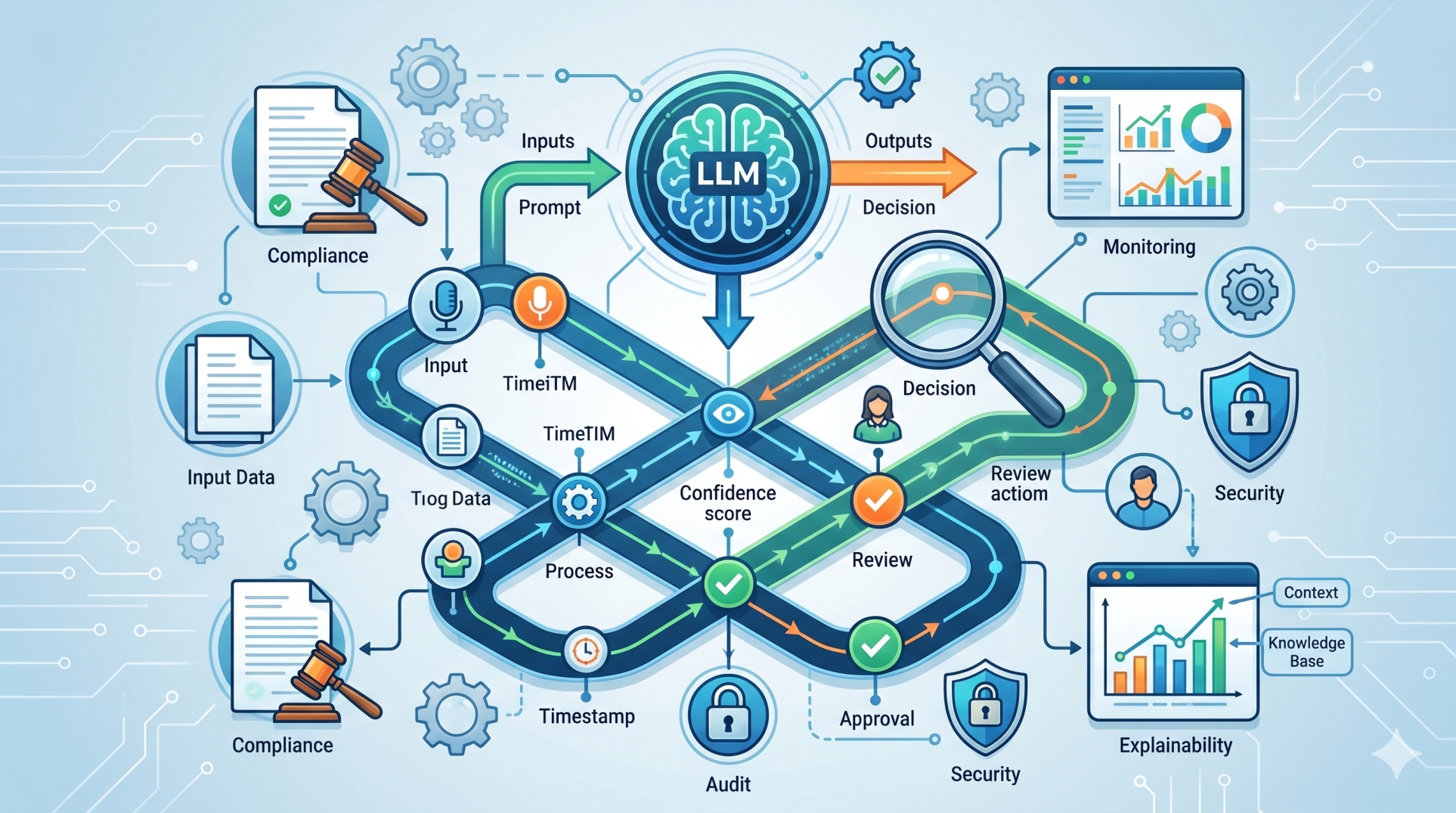
• Maintains audit trails for compliance and governance 📑
• Supports responsible and secure deployment of AI technologies ✔️
Step 8: Strategic Benefits of Modular Runtime Environments 🚀
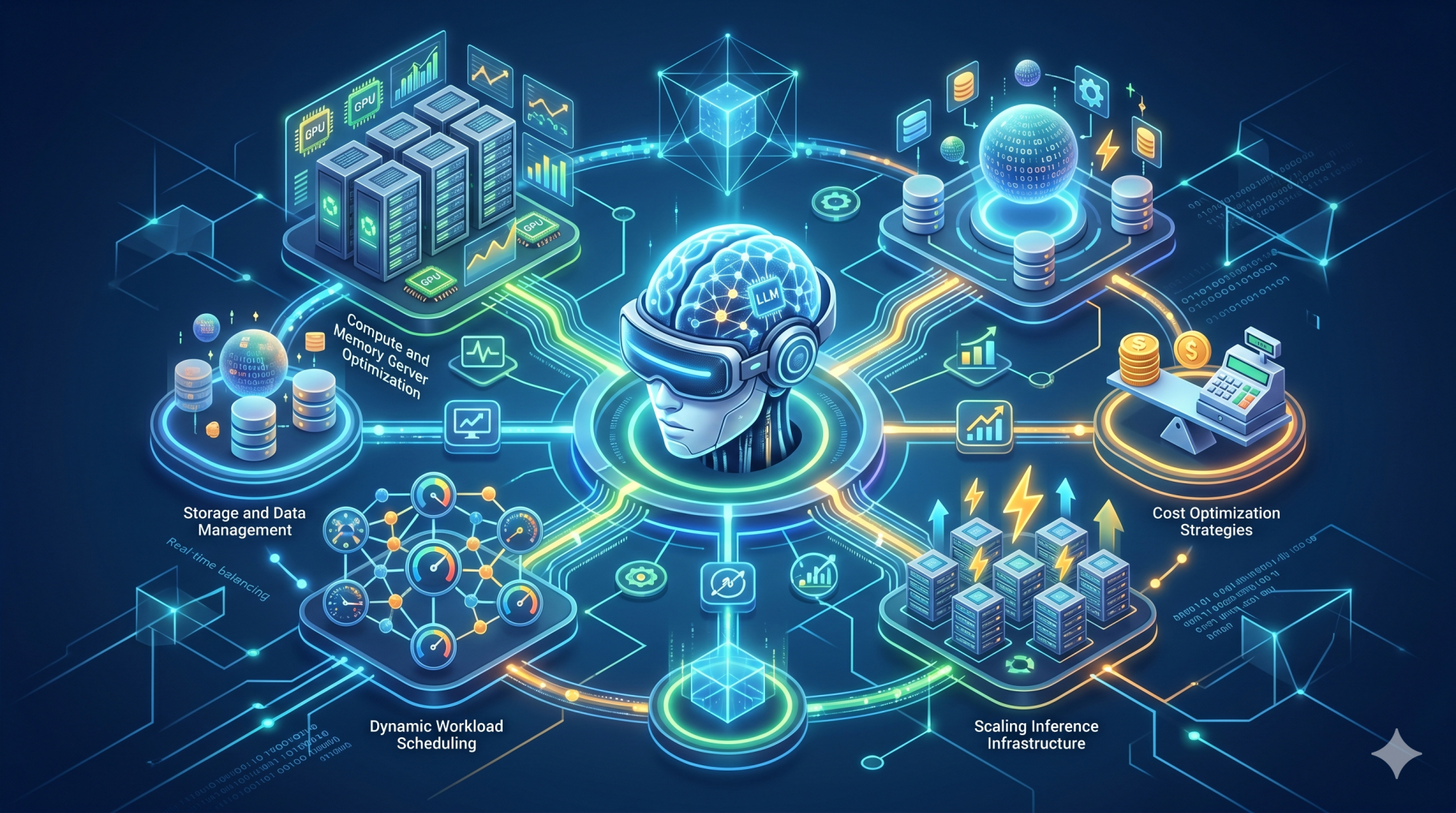
• Enables scalable infrastructure and flexible system growth 📦
• Reduces risk when introducing new models or system features ⚖️
• Simplifies maintenance through modular component design 🧩
• Improves operational reliability and system governance 📊
Conclusion
Modular runtime environments form the architectural backbone of scalable LLM applications. By separating models, workflows, tools, and infrastructure into manageable components, organizations can design AI systems that adapt to technological change and evolving business needs. This modular architecture allows LLM platforms to remain flexible, resilient, and capable of supporting increasingly complex real-world applications.
See more blogs
You can all the articles below